Robotic vs Suction Cleaners

Why Auckland trusts our pool service expertise
Choosing between a robotic and suction pool cleaner comes down to your pool's size, debris load, and how much effort you want to put into the cleaning routine. Both types are effective, but they suit different situations.
Here are the key points to help you decide.
What you'll learn
The Short Answer
Both robotic and suction pool cleaners do the same basic job, they remove debris and dirt from your pool floor and walls so you don't have to do it by hand. But they work differently, suit different pools, and come with different running costs and maintenance requirements.
If you want convenience and thorough cleaning with minimal effort, a robotic cleaner is generally the better option. If you want a lower upfront cost and a simpler setup, a suction cleaner gets the job done.
The right choice depends on your pool size, how much debris it collects, and how hands-on you want to be.
---
How Suction Cleaners Work
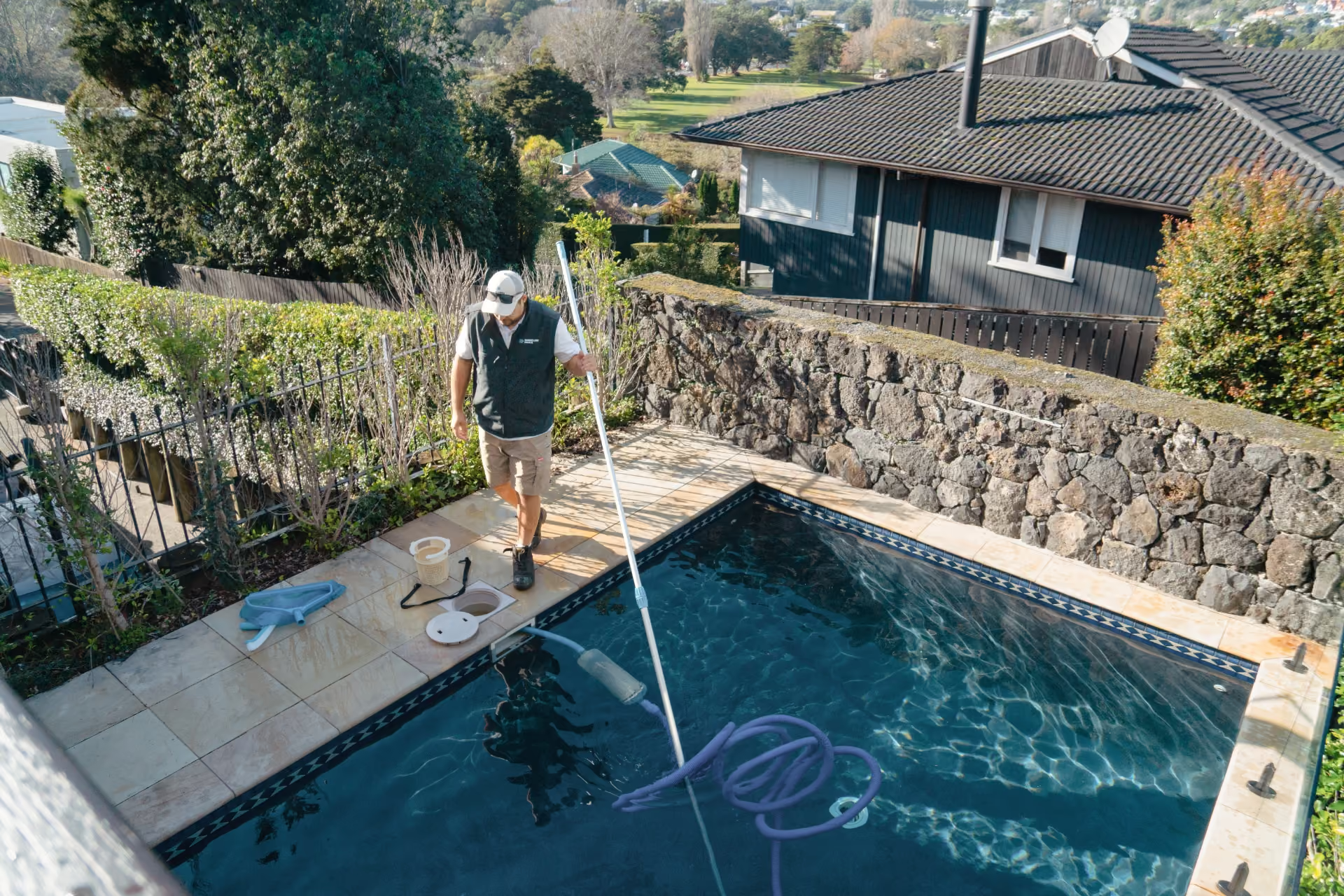
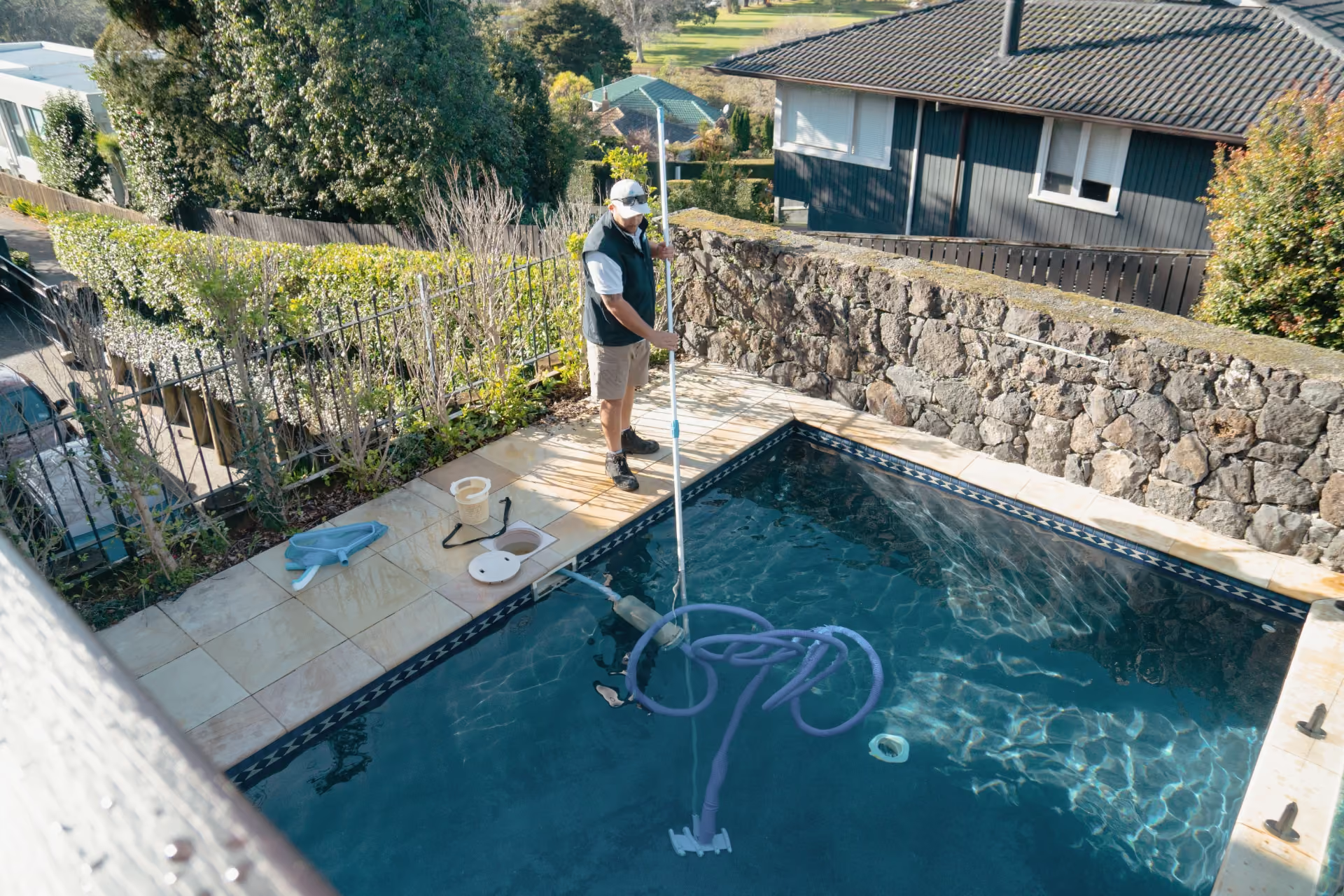
A suction cleaner connects directly to your pool's skimmer box or a dedicated suction port. It uses the flow from your pool pump to move around the pool floor, picking up dirt and debris as it goes. That debris travels back through your filtration system and gets caught in the pump basket or filter.
What suction cleaners do well
- Simple to set up and use
- Lower purchase price than robotic models
- No separate power supply needed
- Reliable for pools with light to moderate debris loads
Where suction cleaners fall short
- They rely on your pump running, which adds to electricity costs
- Fine particles can pass through to the filter and reduce its efficiency
- They don't always clean walls or waterline effectively
- Random movement patterns mean some areas may get missed
- Hoses can tangle or get stuck in corners
Suction cleaners work best in pools with a consistent debris load, mostly leaves and light dirt, and where the filtration system is already well maintained.
---
How Robotic Cleaners Work
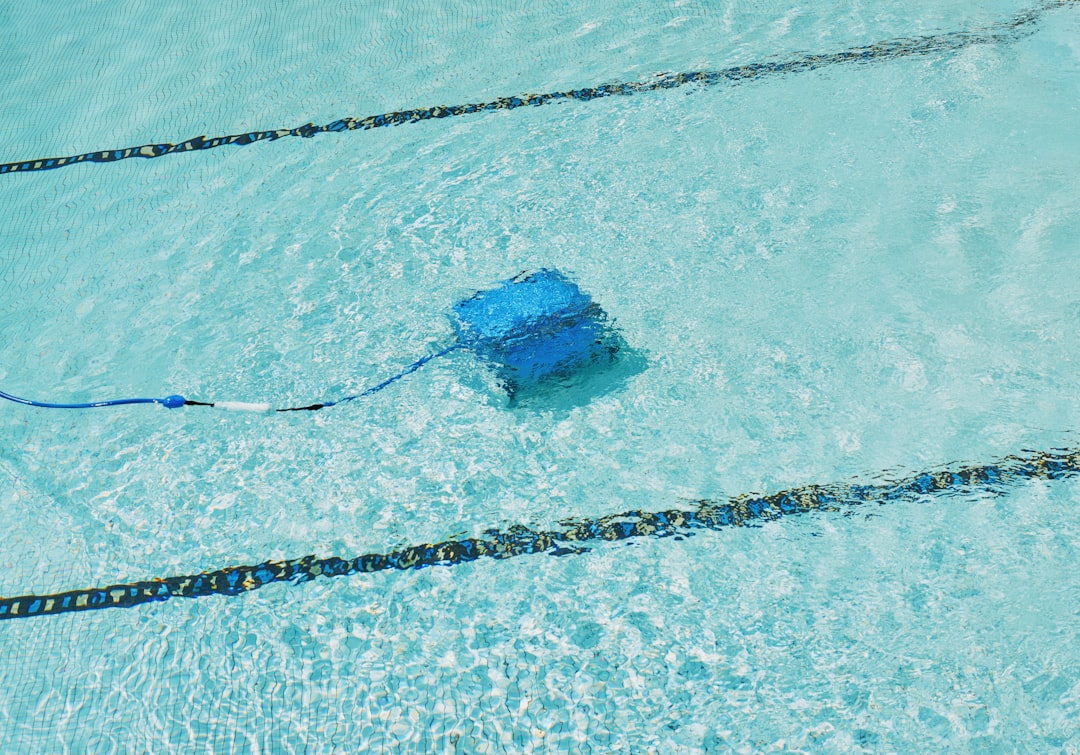
A robotic pool cleaner is a self-contained unit with its own electric motor, pump, and filter. It plugs into a standard power outlet via a low-voltage transformer and operates independently of your pool's filtration system. Most models use programmed or sensor-guided navigation to cover the pool floor, walls, and sometimes the waterline.
What robotic cleaners do well
- Clean the pool floor, walls, and waterline in a single cycle
- Capture fine particles in their own internal filter, doesn't load up your pool's filter
- More energy-efficient than running your pool pump for the same result
- Systematic navigation patterns mean more consistent coverage
- Can be set on a schedule and left to run unattended
Where robotic cleaners fall short
- Higher upfront purchase cost
- Require regular cleaning of the internal filter cartridge or bag
- Moving parts (brushes, wheels, tracks) wear over time and need replacement
- Not ideal for pools with very irregular shapes or tight steps
- Need to be stored out of the pool when not in use
Robotic cleaners suit pools that collect a mix of debris types, pools with walls that need regular attention, and owners who want a low-effort cleaning routine.
---
Running Costs: What to Expect
Upfront price is only part of the picture. Running costs matter too.
Suction cleaners don't use electricity directly, but they require your pool pump to run for the duration of the clean. If you're running your pump specifically to operate the cleaner, that adds to your power bill. They also add debris load to your filter, which can mean more frequent backwashing or cartridge cleaning.
Robotic cleaners use their own low-voltage motor, which is typically more energy-efficient than running a full pool pump. They also keep debris out of your filtration system, which can extend the time between filter cleans. The ongoing cost is mainly the electricity to run the unit and eventual replacement of wear parts like brushes and filter media.
Over time, a robotic cleaner often works out comparable in running cost to a suction cleaner, and sometimes cheaper, despite the higher purchase price.
---
Which Is Better for Auckland Pools?
Auckland's climate means pools collect debris year-round. Pohutukawa flowers, autumn leaves, and wind-blown dirt are common across many parts of the city. Pools that sit under or near trees tend to collect heavier debris loads.
- Heavy debris loads (leaves, flowers, organic matter): A robotic cleaner with a large-capacity filter bag handles this better. Suction cleaners can struggle with large debris and may block.
- Light debris loads (mostly fine dust and dirt): Either type works well. A suction cleaner is a practical, cost-effective choice.
- Pools with walls that need cleaning: A robotic cleaner that climbs walls is the clear choice. Most suction cleaners focus on the floor only.
- Pools on automated systems or managed properties: Robotic cleaners suit a set-and-forget approach better.
---
Maintenance: What Each Type Needs
Suction cleaner maintenance
- Check and clear the pump basket regularly, debris from the cleaner collects here
- Inspect the hose for cracks or wear
- Check the foot pad or disc for wear and replace when needed
- Backwash or clean your filter more frequently if the cleaner is adding load to it
Robotic cleaner maintenance
- Clean the internal filter after every use or every few uses depending on debris load
- Rinse the unit with fresh water after each session
- Inspect brushes and tracks for wear, replace when they show signs of deterioration
- Store the unit out of direct sunlight when not in use
- Keep the cable tidy to prevent tangling
Neither type is maintenance-free. Both need regular attention to keep performing well.
---
Common Questions
Can I use both types together?
Some pool owners use a robotic cleaner for regular cleaning and a suction cleaner as a backup, or vice versa. There's no technical reason you can't own both, but most pools only need one.
Do robotic cleaners replace the need to run my pool pump?
No. Your pool pump still needs to run daily to circulate water through the filtration and sanitation system. A robotic cleaner handles the physical cleaning of surfaces, it doesn't replace filtration.
How often should I run my pool cleaner?
This depends on your pool's debris load. A pool under trees may need cleaning every day or two. A pool in an open area with light debris might only need cleaning two or three times a week. Watch how quickly debris accumulates and adjust accordingly.
My robotic cleaner isn't moving or isn't climbing walls, what's wrong?
Common causes include a blocked internal filter, worn brushes or tracks, a tangled cable, or a fault with the motor or control unit. Check the filter and brushes first. If the unit still isn't performing correctly after cleaning and inspection, it may need a technician to diagnose the fault.
---
When to Get Professional Advice
If you're unsure which cleaner suits your pool, a pool specialist can assess your setup, pool size, shape, debris load, and existing filtration, and point you in the right direction.
If your robotic cleaner has stopped working and basic checks haven't resolved it, it's worth having it looked at rather than running it in a degraded state. A cleaner that isn't performing properly isn't protecting your pool.
Sparkling Pools has been helping Auckland pool owners with equipment advice and servicing since 1992. If you have questions about pool cleaners or your pool's overall maintenance setup, get in touch.
Pool resurfacing solutions
Restore your pool with durable plaster finishes

Work completed
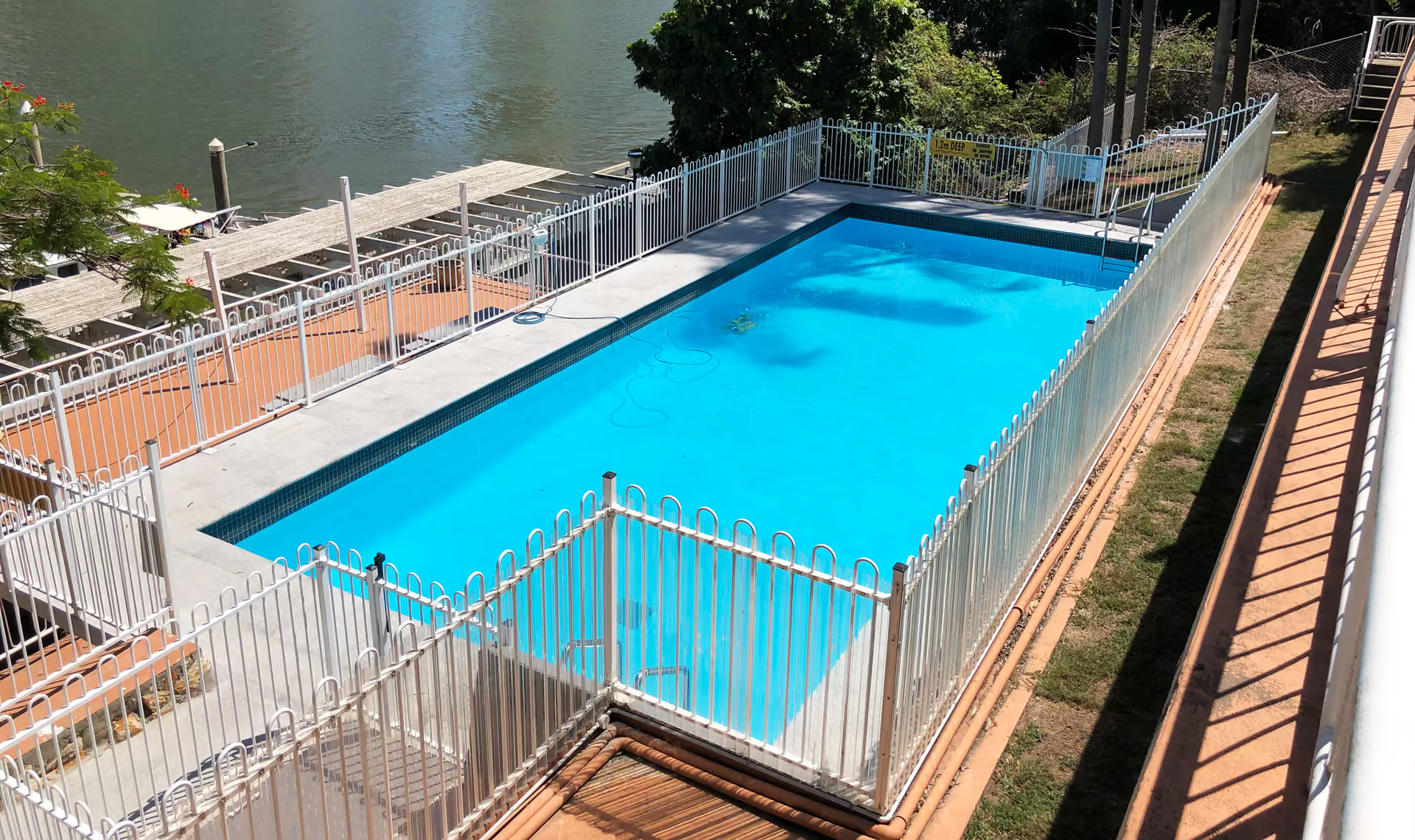
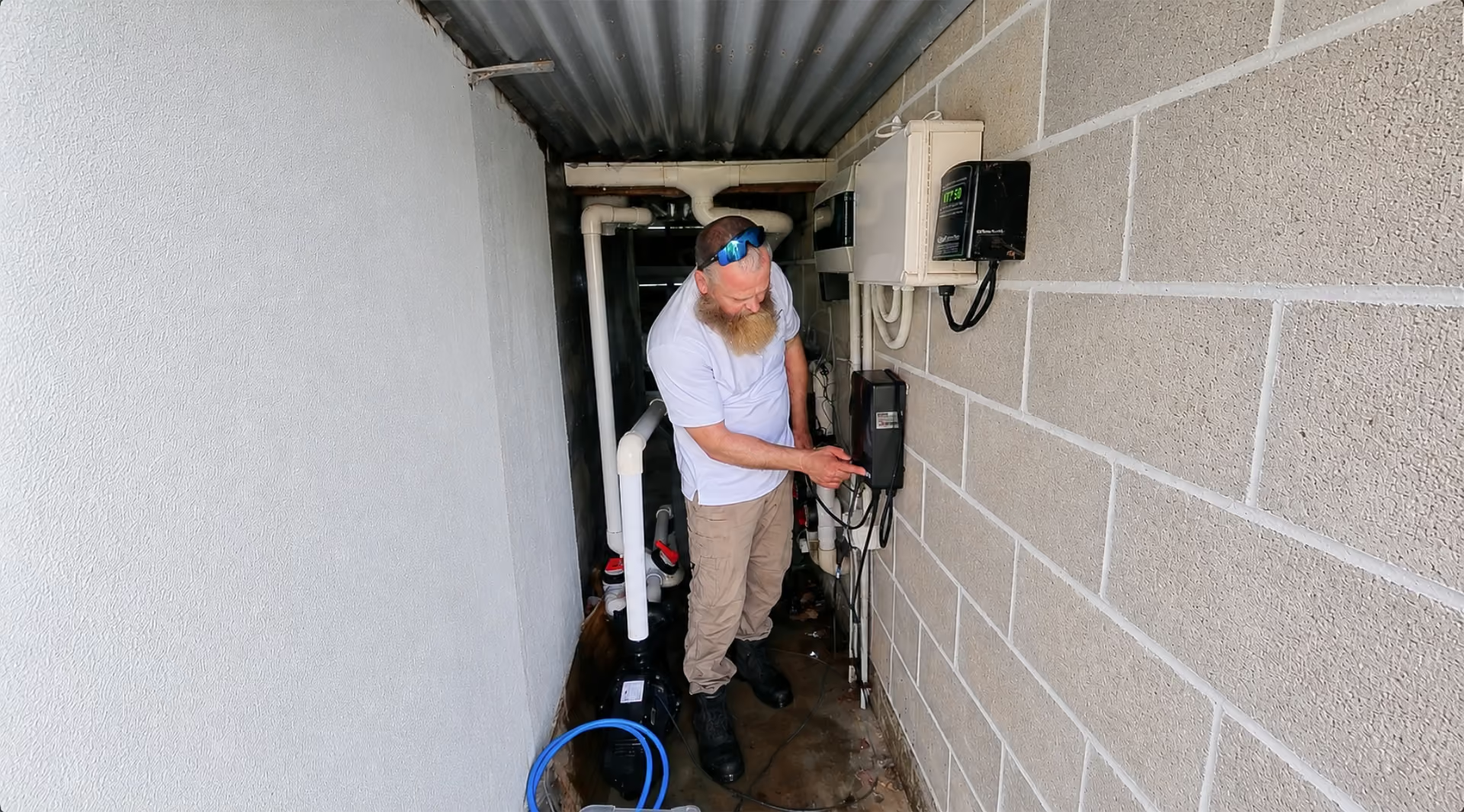
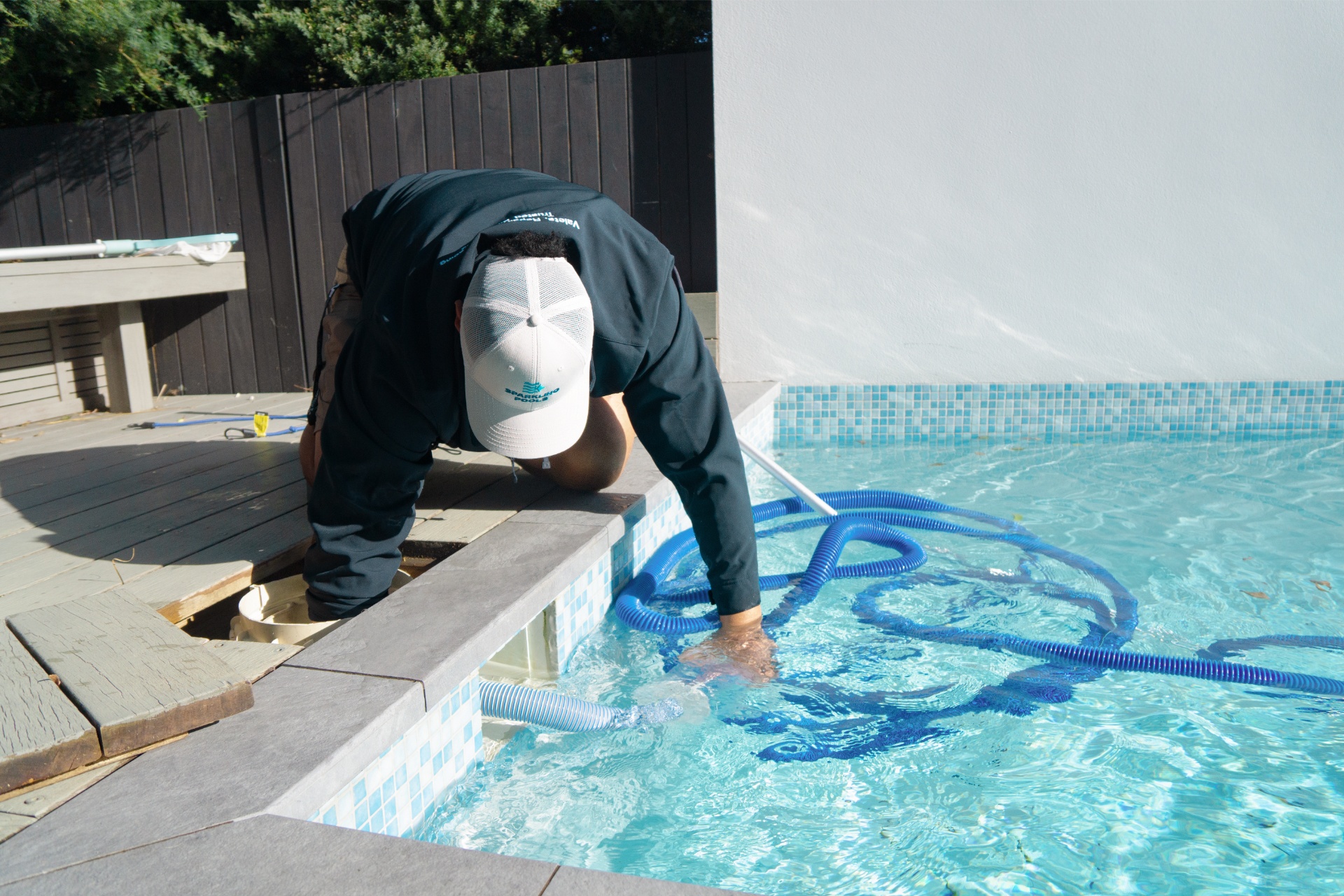
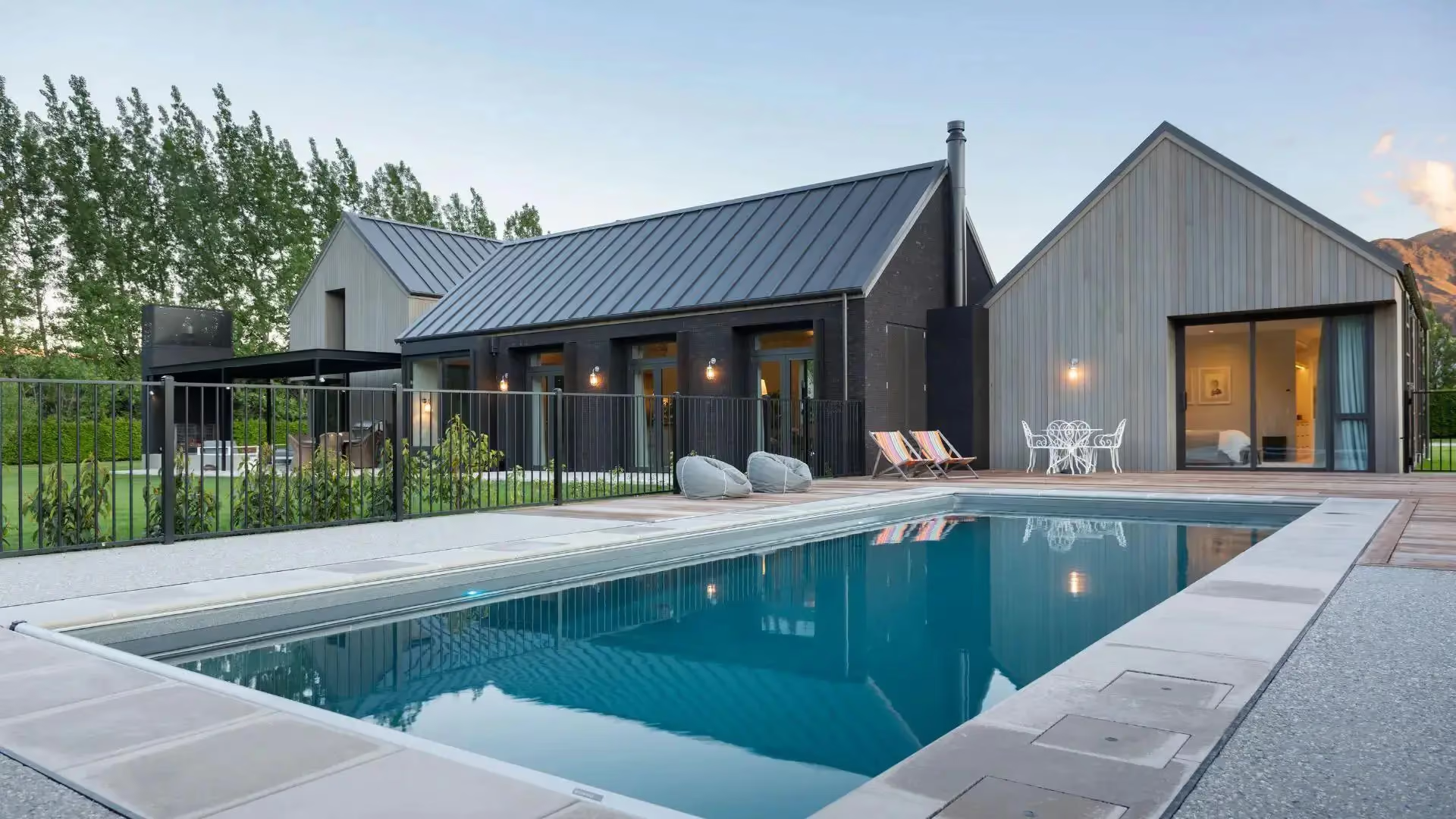
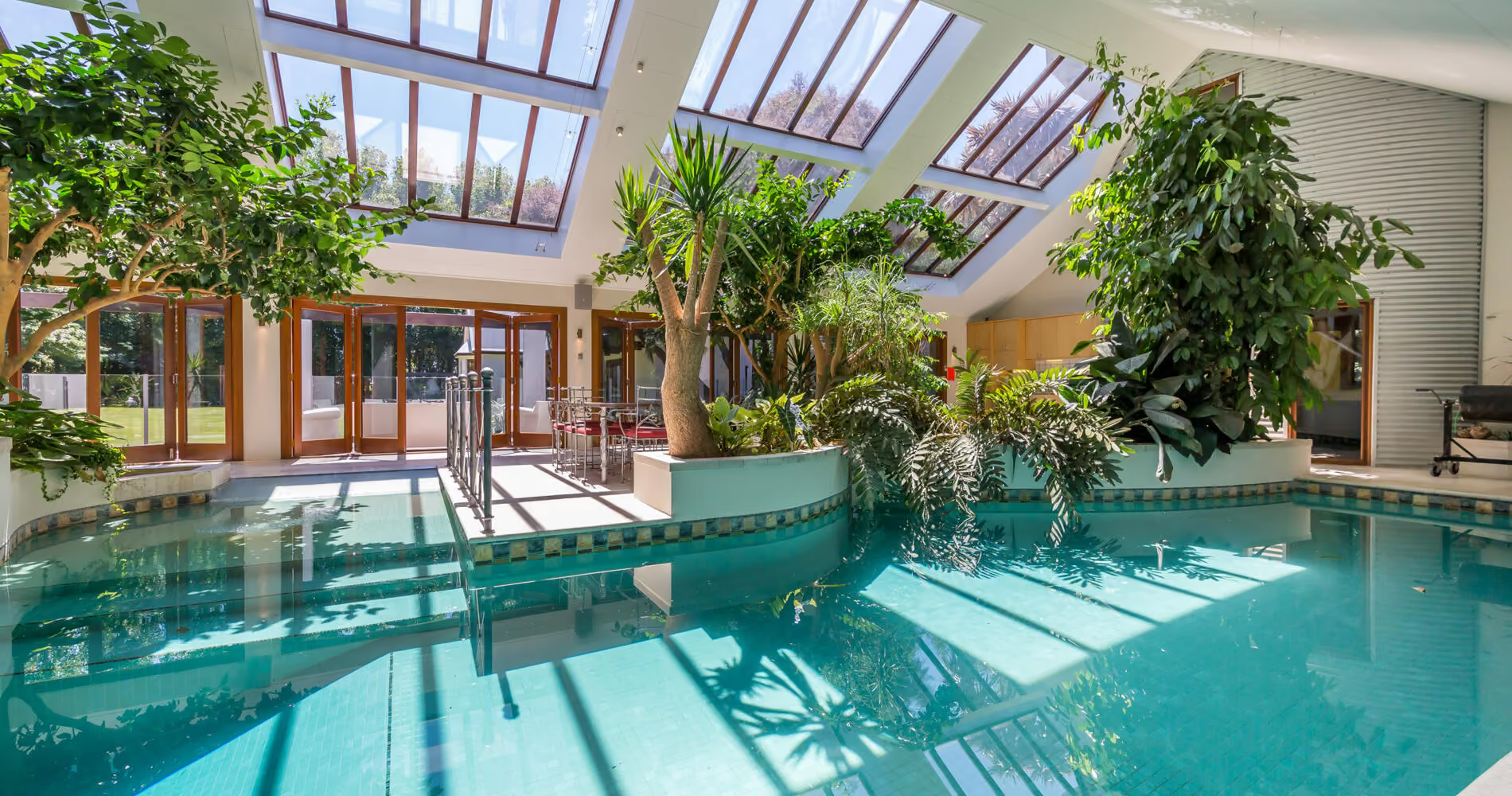
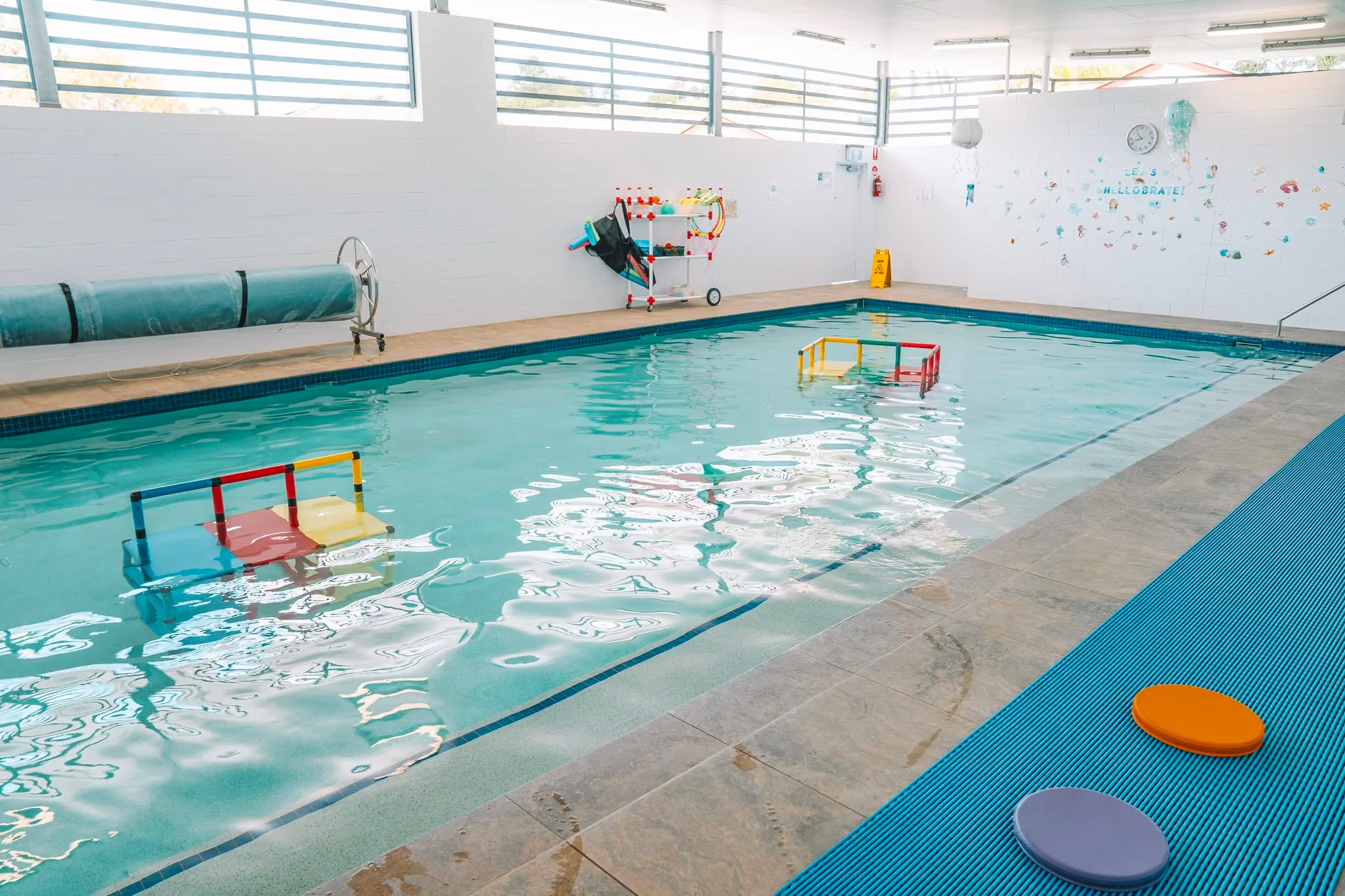
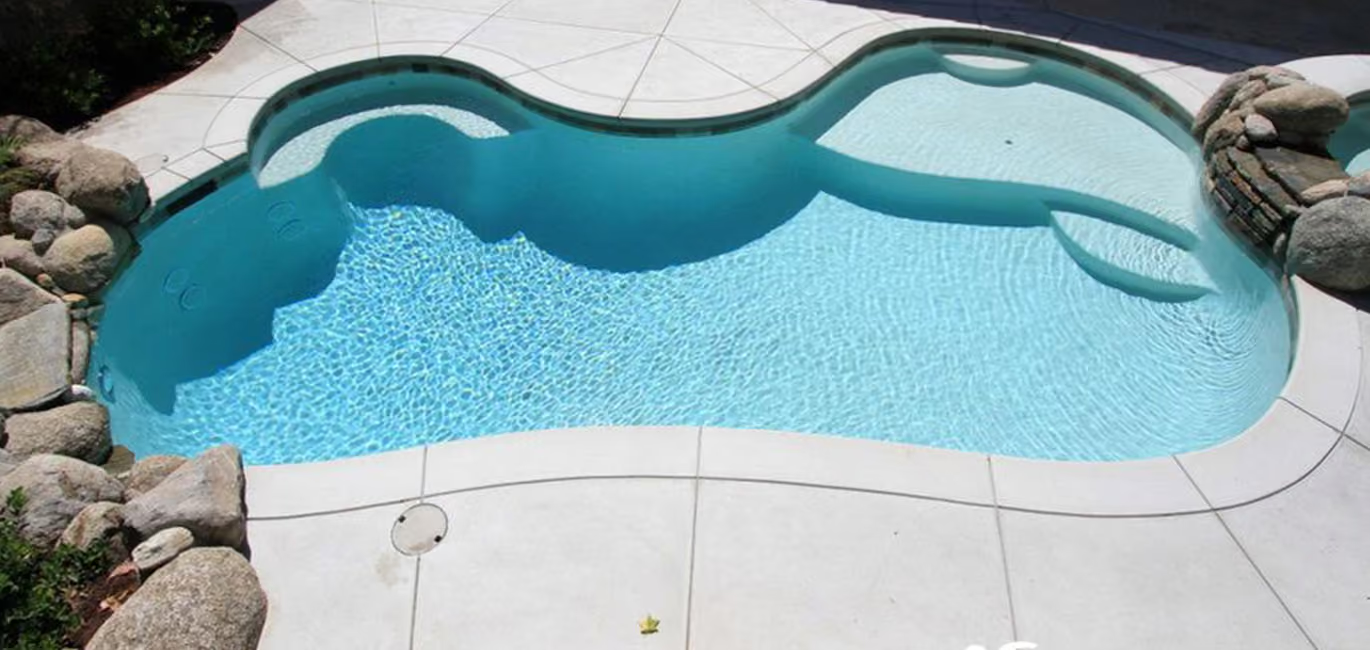
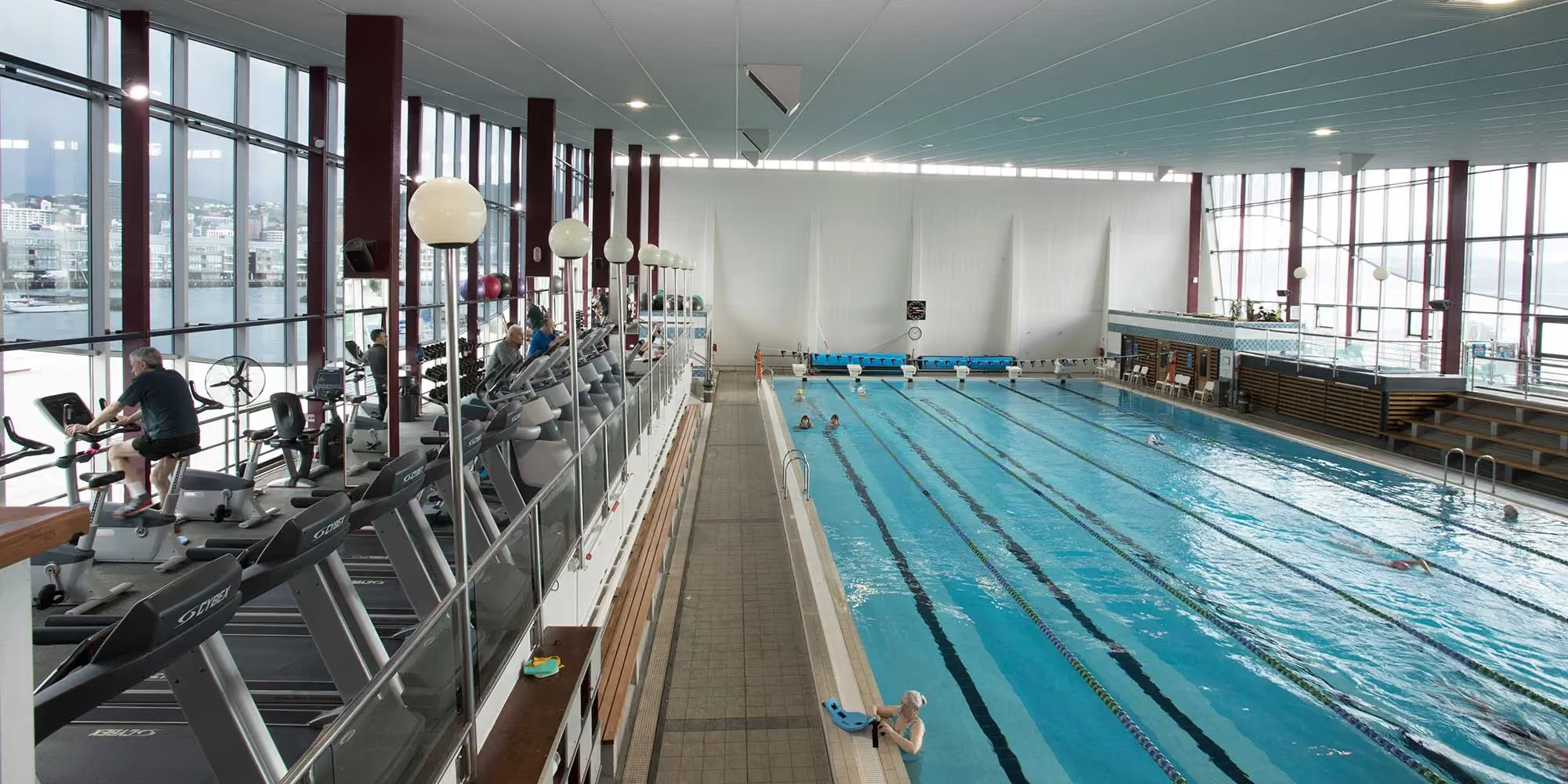
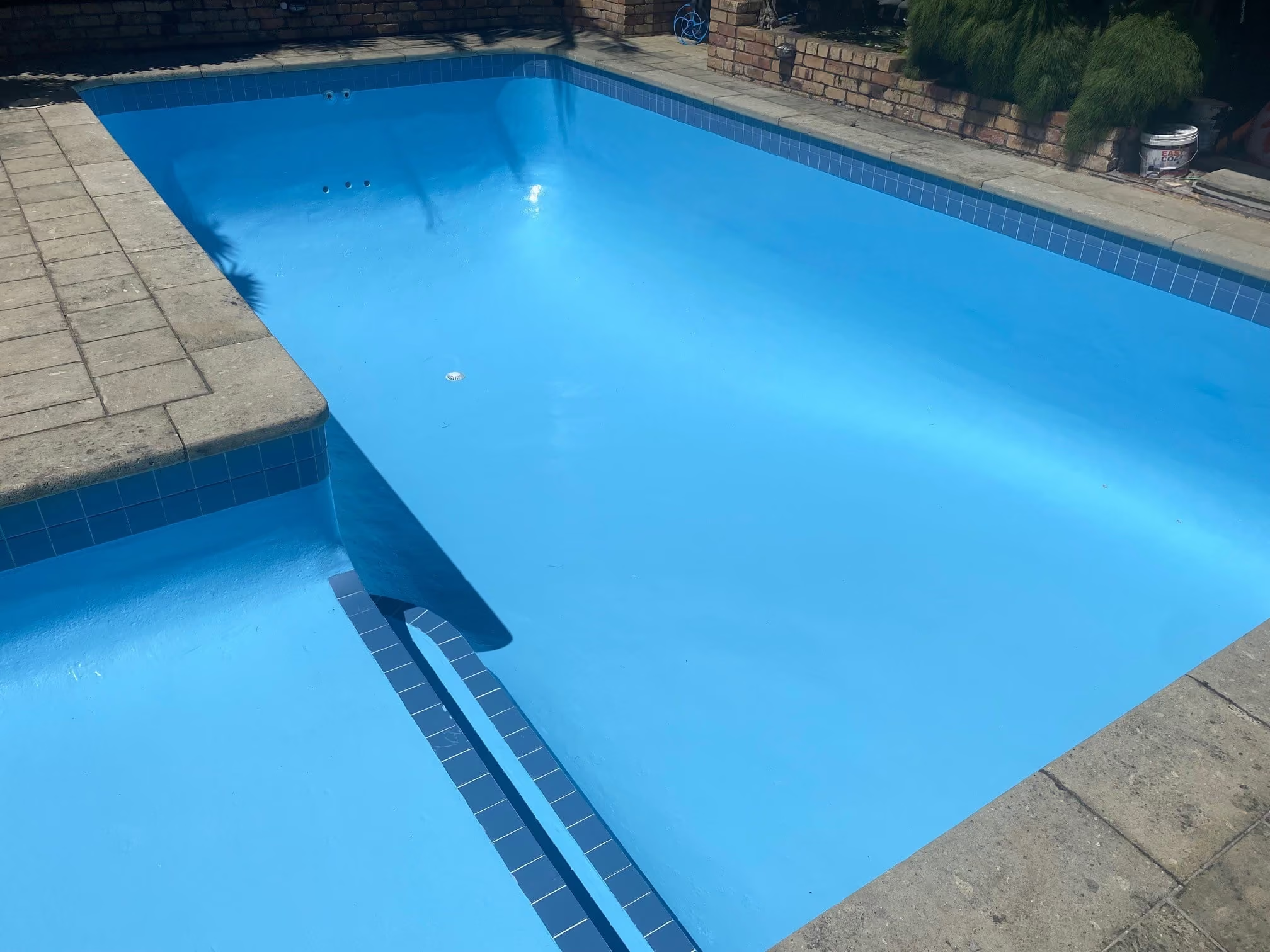
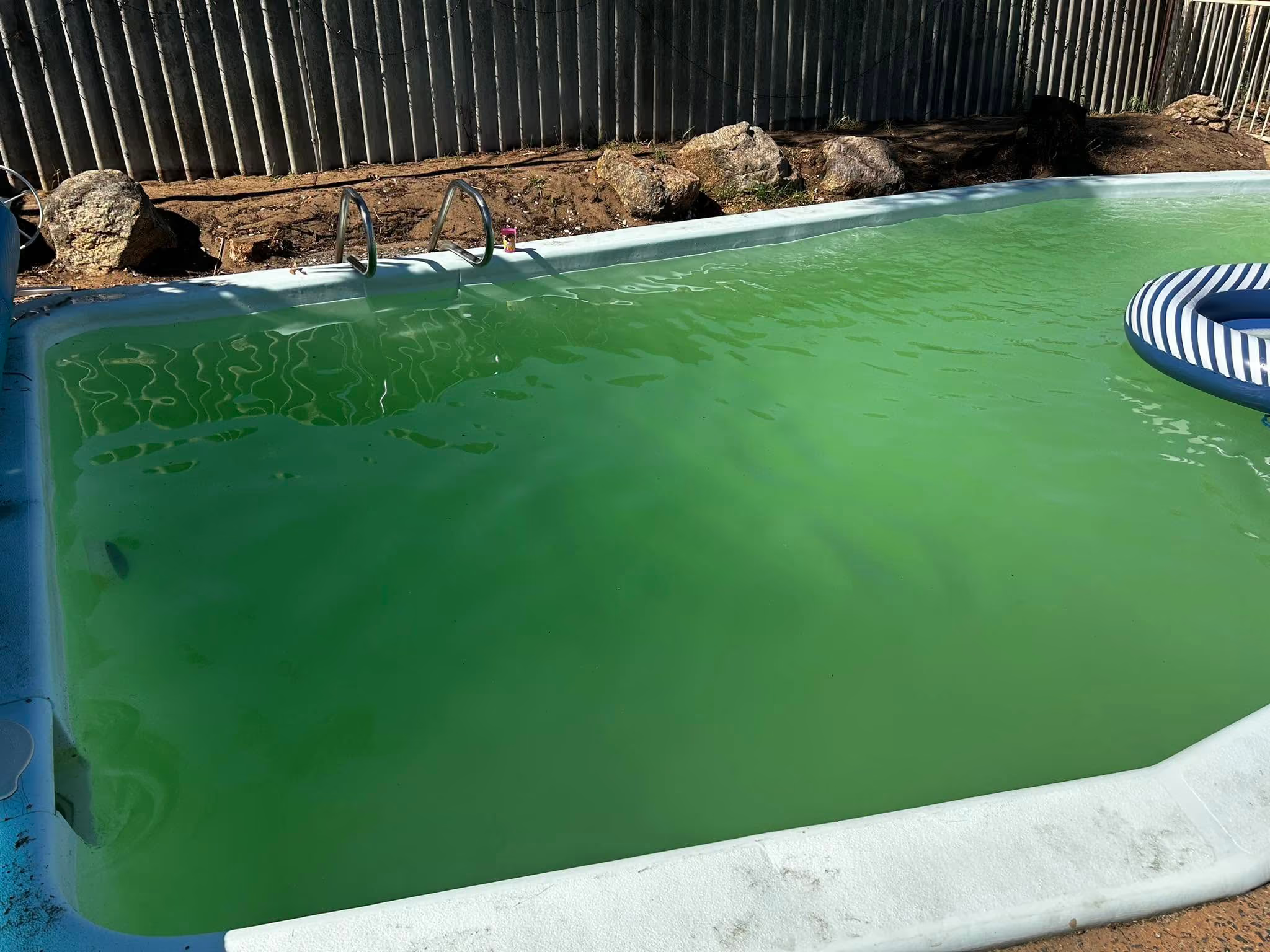
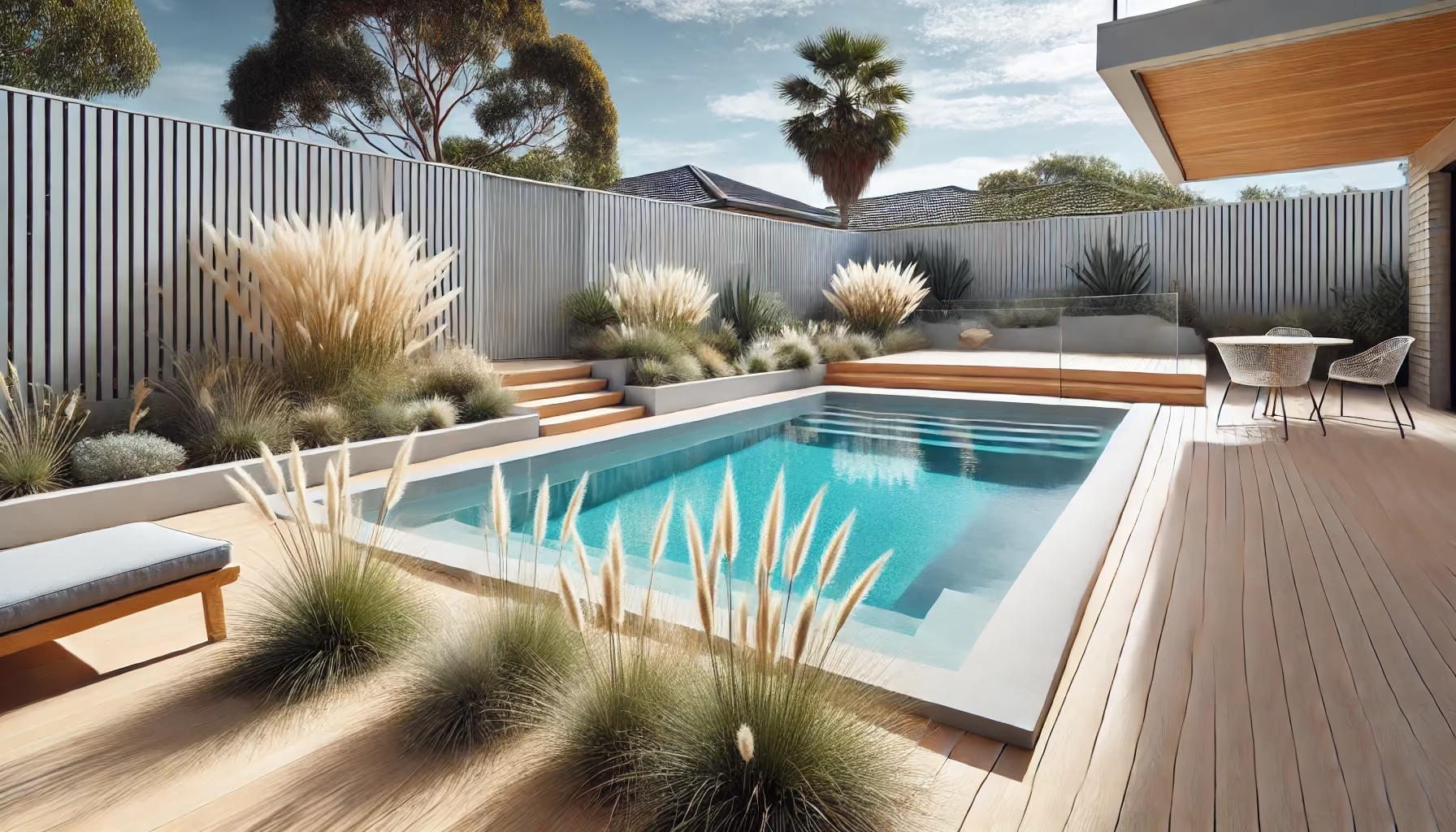
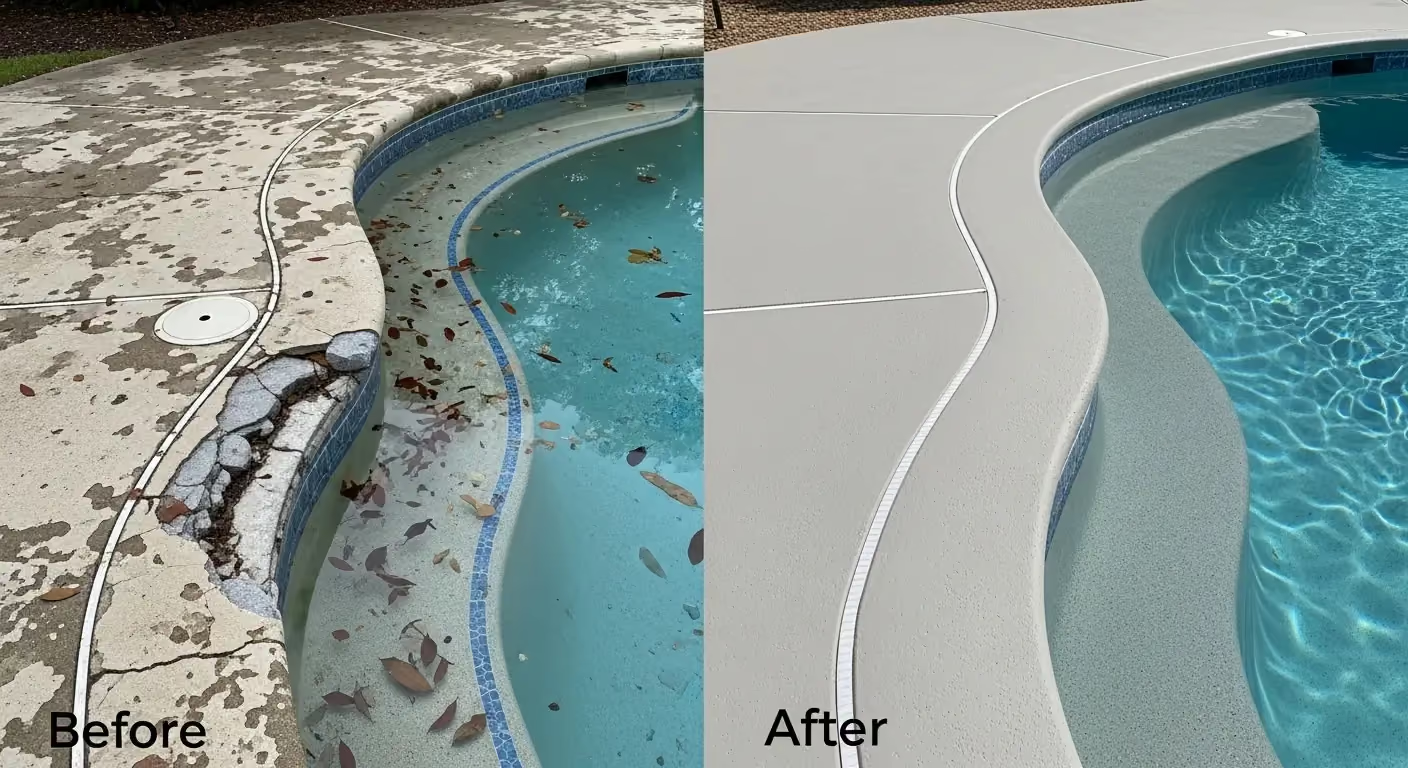
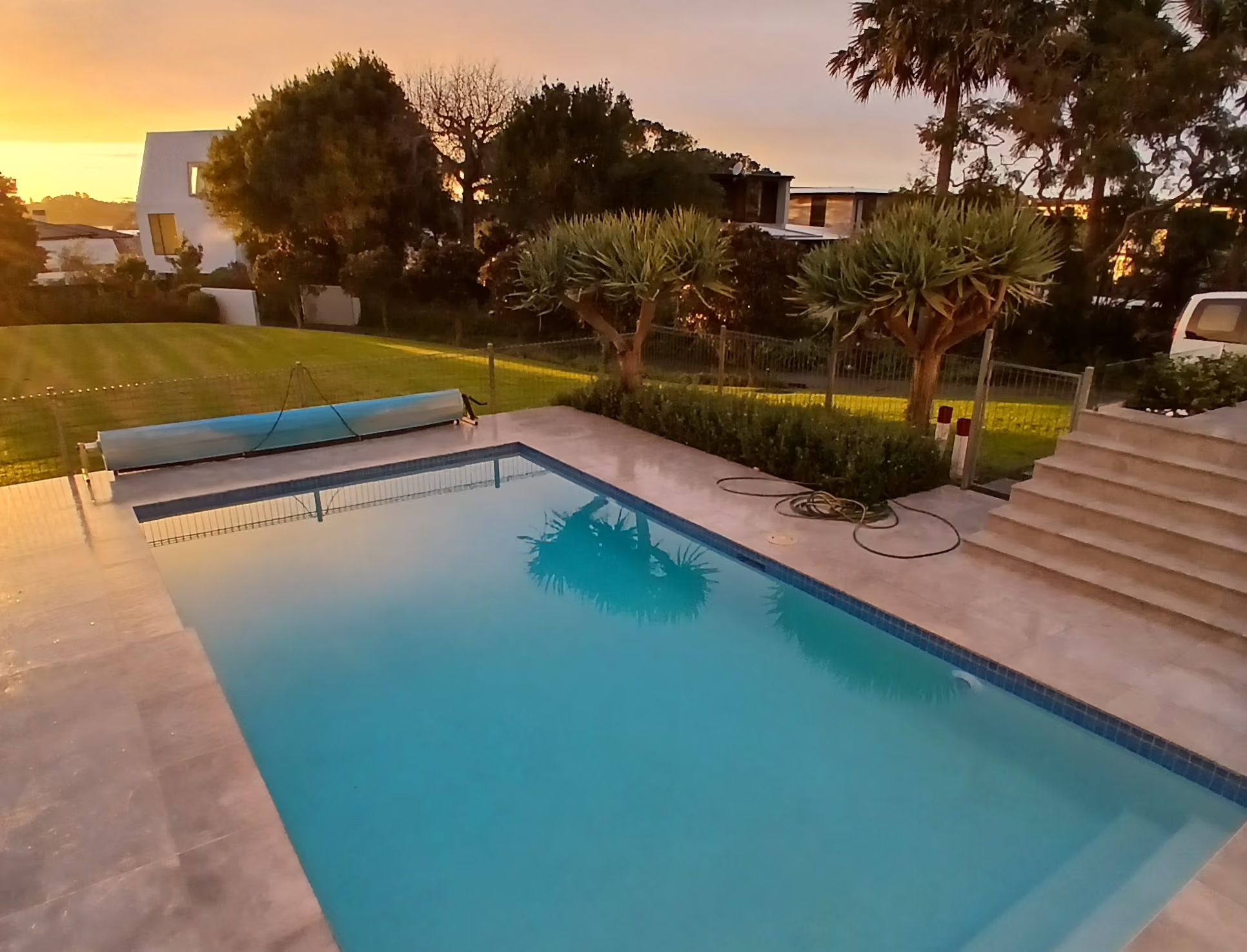
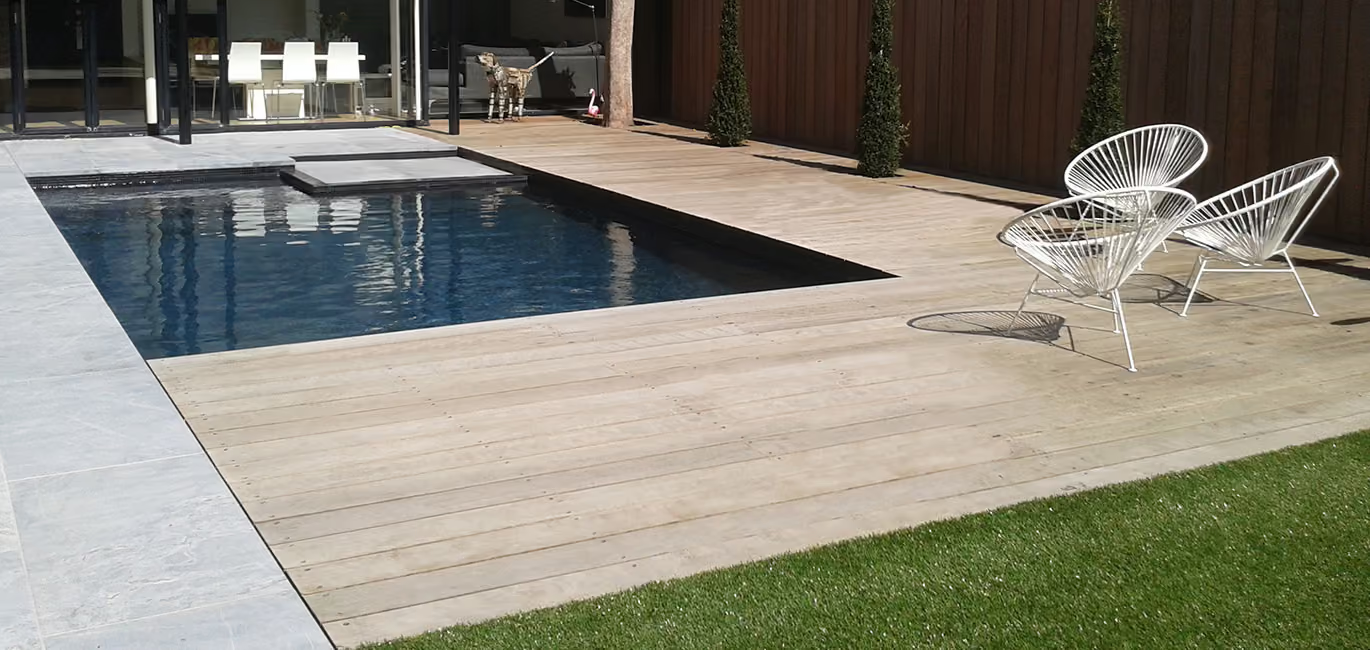
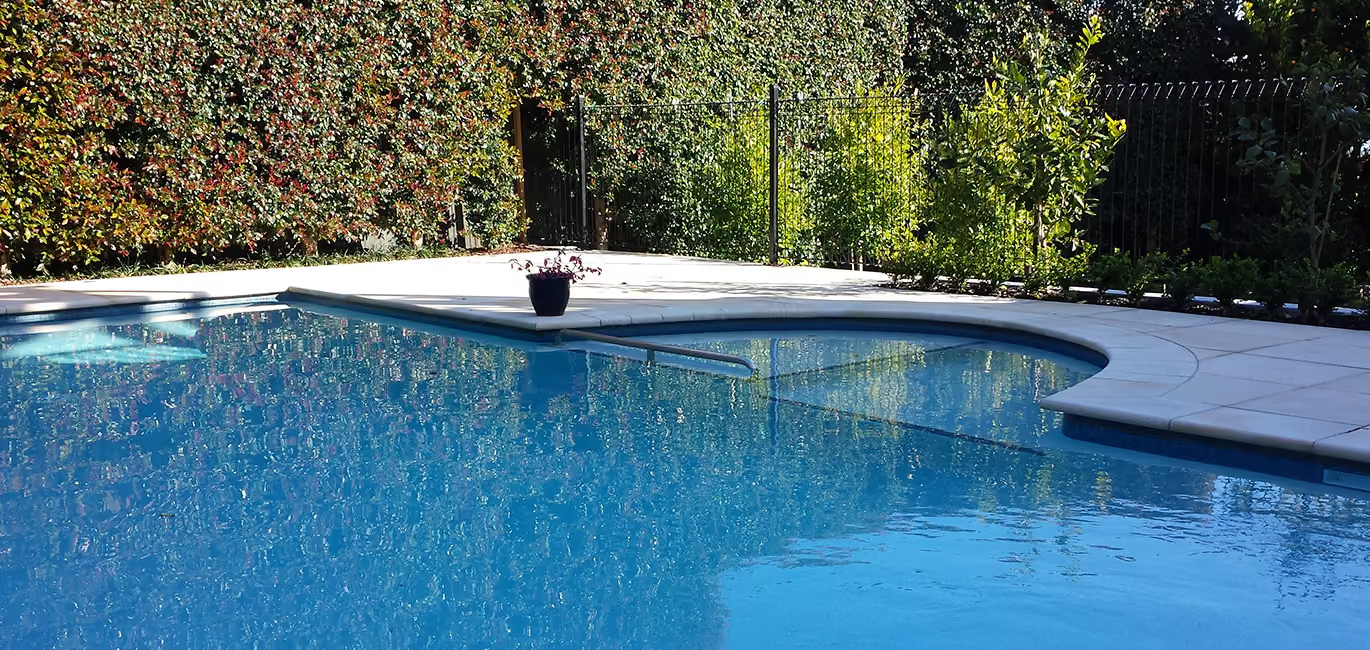
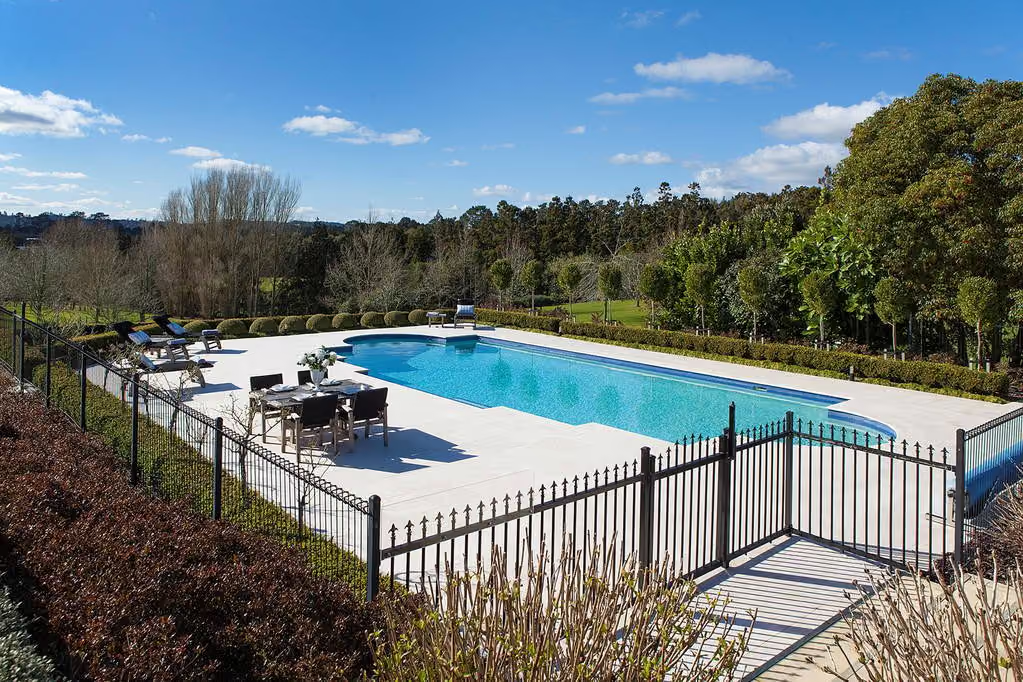
Sparkling Pools has worked on pools across Auckland, including residential renovation projects, equipment upgrades, ongoing maintenance and pool care for managed properties. Past projects show how the right approach can improve presentation, water quality and day-to-day usability. A well-maintained pool is easier to manage, more pleasant to use and better prepared for seasonal changes.
Trusted by Homeowners Across Auckland
Don't just take our word for it. Read what our clients have to say about our transparent communication, reliable service, and stunning pool transformations.
Related Blog Posts
Stay informed on pool care and renovations

Winter pool care essentials for Auckland
Pool Renovation Mistakes

Auckland Climate Pool Maintenance

Choosing Renovation Contractor
Pool Care Auckland Summer
Permits & Consents

Pool Renovation ROI
How Often to Test Pool Water
Pool Renovation Costs
Cost of Pool Service Auckland
Pool Renovation Planning Guide
Pool Lighting Buying Guide
Pool Cleaner Buying Guide
Pool Automation Buying Guide
Pool Heater Buying Guide
Pool Filter Buying Guide
Pool Pump Buying Guide
Best Equipment Auckland Climate
Auckland Water Quality
Auckland Pool Season
Pool Ownership Costs
Common Pool Mistakes
Pool Safety Laws
Pool Inspection Requirements
Pool Fence Compliance
.avif)
Auckland Pool Industry Trends
Auckland Pool Regulations
Pool Equipment Suppliers
Best Pool Service Areas
Pool Service Pricing Analysis
Company vs Independent
Best Pool Surface Materials
Pool Resurfacing Options
Pebble vs Plaster Surfaces
One-Time vs Ongoing Service
Full Service vs Chemicals Only

Pool Cover Types
Robotic vs Suction Cleaners
Mineral vs Saltwater
Gas vs Heat Pump
Pool Heater Types
Pool Winterizing Guide Auckland
Pool Opening Guide Summer
Pool Maintenance After Heavy Rain
Pool Maintenance Schedule
How Often to Run Pool Filter
Pool Pump Maintenance Schedule
Pool Filter Cartridge Cleaning
Pool Equipment Maintenance Checklist
Pool Waterline Cleaning
Pool Skimmer Basket Cleaning
Pool Chlorine Levels
How Often Clean Pool Filter
How to Vacuum Pool
Pool Brushing Technique
Pool Chemical Dosing Chart
Pool Water Chemistry Basics
How to Balance Pool Chemistry
How to Test Pool Water
Pool Maintenance Tips
Complete Pool Maintenance Guide
Pool Service ROI
Pool Equipment Buy or Service
Pool Maintenance Time Requirements
DIY vs Professional
Pool Service Contract
Pool Service vs Pool Valet
Is Pool Service Worth It
Pool Service Guarantees
Pool Service Reviews
Pool Service Red Flags
Questions to Ask Pool Companies
How to Choose Pool Service Company
Hidden Costs DIY Maintenance
Pool Cleaning Prices Auckland
Cost of Pool Resurfacing
Cost of Pool Pump Replacement
Cost to Fix Green Pool
Pool Liner Wrinkles
Pool Cracks When to Worry
Pool Surface Stains
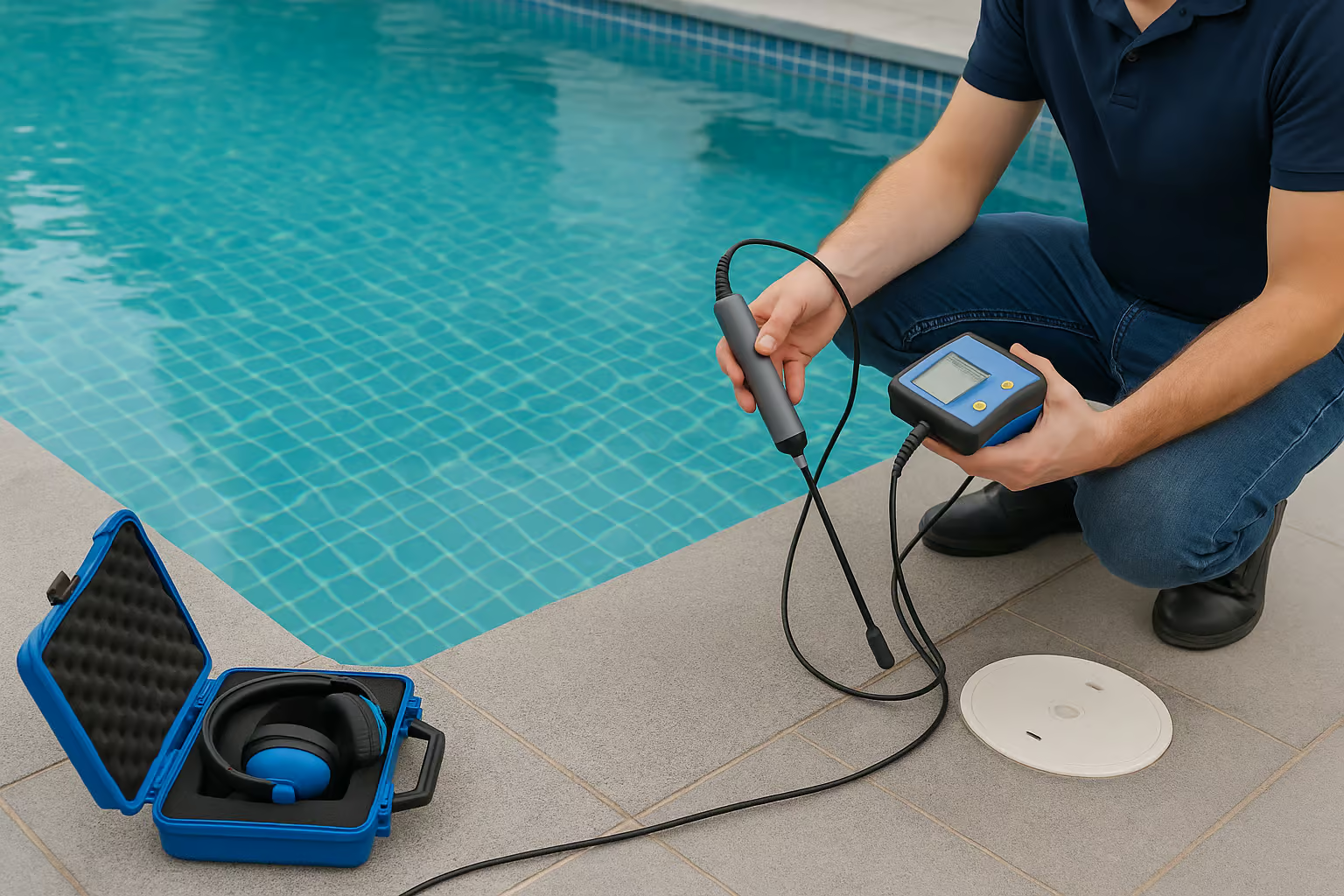
Pool Valve Leaking
Pool Automation Not Working
Pool Light Not Working
Pool Heater Not Heating
Pool Skimmer Not Working
High Pool Filter Pressure
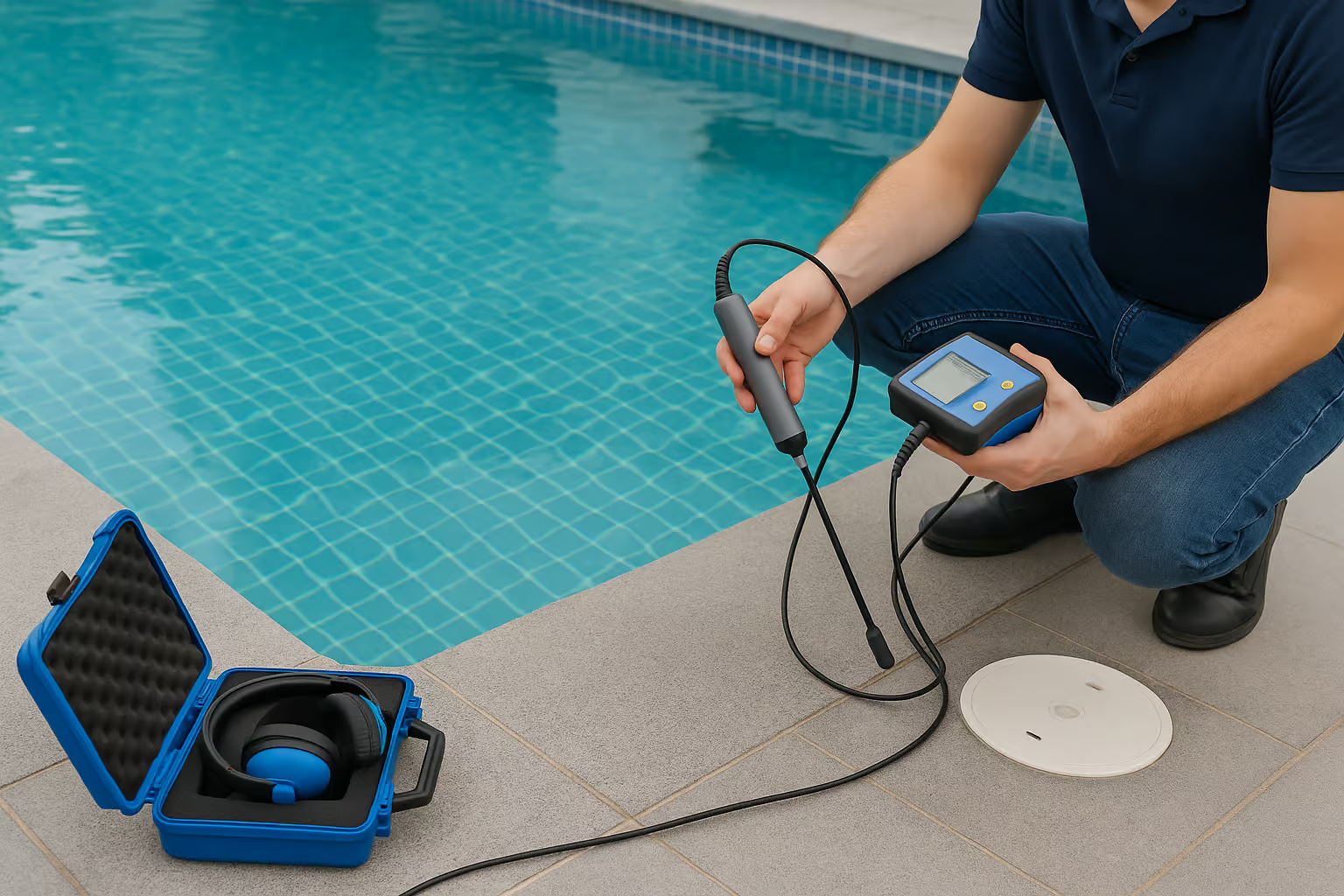
Pool Losing Water
Pool Filter Not Clearing Water
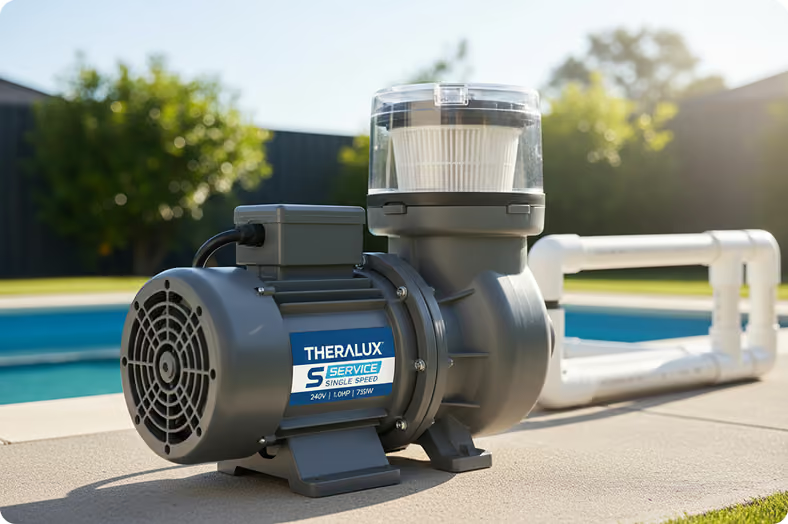
Pool Pump Leaking
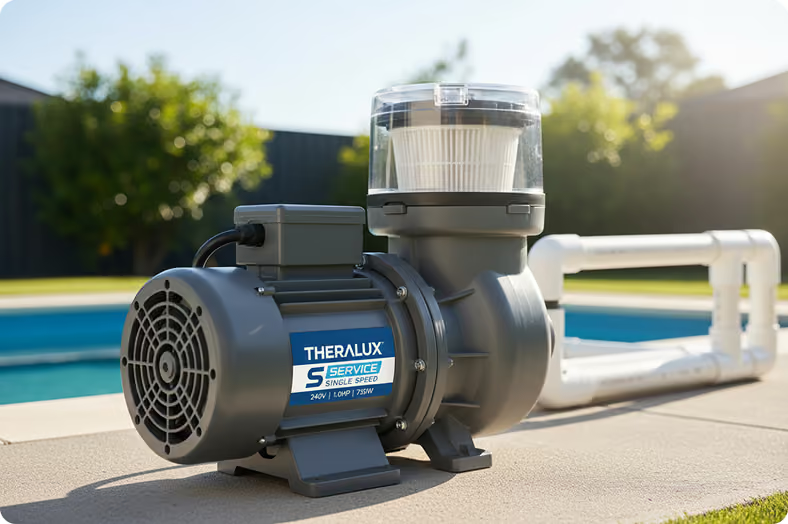
Pool Pump Not Pumping
Pool Pump Losing Prime
Pool Pump Noisy
Pool Pump Not Working
Pool Water Foaming
Pool pH Too Low
Pool pH Too High
Green Pool After Rain
Pool Still Green After Shock
Pool Water Cloudy
How to Clear a Green Pool
Pool Care That Protects Your Investment
Good pool care protects more than appearance. Our pool specialists support the long-term condition of your swimming pool while keeping it ready for everyday use.