Auckland Water Quality

Why Auckland trusts our pool service expertise
Auckland's tap water has a distinct chemical profile that directly affects how pool water behaves. Knowing what's in your source water makes balancing easier and helps you avoid common problems.
These key points cover the most important things Auckland pool owners should understand about local water quality and pool chemistry.
What you'll learn
Why Auckland's Water Supply Matters for Pool Chemistry
When you fill or top up your pool, you're not starting with a blank slate. Auckland's tap water arrives with its own pH, hardness, and mineral content, and those starting values shape everything that follows.
Understanding your source water is one of the most practical things a pool owner can do. It explains why your pool might behave differently from a friend's pool in another part of the city, and why the same treatment approach doesn't always produce the same result.
---
What's in Auckland's Tap Water?
Auckland's water supply is sourced from a mix of reservoirs and catchments across the region. The chemical profile can vary depending on which part of the network supplies your property, but there are some general characteristics worth knowing.
pH
Auckland tap water typically arrives at a pH that sits within the acceptable drinking water range, but this may not align with the ideal pool water range of 7.2-7.6. If your source water is on the lower or higher end, you'll need to account for that when balancing a freshly filled pool.
Hardness (Calcium)
Auckland's water is generally considered soft, meaning it has a relatively low calcium content. For pools, this matters because soft water is more aggressive: it will draw calcium from pool surfaces, including plaster, grout, and fittings, to satisfy its mineral demand. This can lead to surface etching and equipment wear over time.
The ideal calcium hardness range for a pool is typically 200-400 ppm. When filling from Auckland's mains supply, you'll often need to add calcium hardness increaser to bring the water into range before adding other chemicals.
Total Dissolved Solids (TDS)
Fresh tap water starts with a low TDS reading. Over time, as chemicals are added and water evaporates, TDS climbs. Auckland's warm summers and outdoor pools mean evaporation is a real factor, topping up regularly with fresh water helps manage TDS levels over the long term.
Chloramines and Disinfection Byproducts
Auckland's drinking water is treated with chlorine or chloramine before it reaches your tap. While the levels are safe for drinking, they can influence your pool's chlorine demand slightly when filling. This is generally a minor factor, but worth noting if you're troubleshooting why a freshly filled pool seems to consume chlorine quickly in the first few days.
---
The Practical Impact on Pool Balancing
Starting Chemistry for a New Fill
When filling a pool from scratch, or after a significant water change, Auckland's soft, low-mineral water means you'll typically need to:
- Raise calcium hardness to protect pool surfaces and equipment
- Adjust pH to bring it into the 7.2-7.6 range
- Set total alkalinity before adjusting pH, as alkalinity acts as a buffer that stabilises pH over time
- Add a stabiliser (cyanuric acid) for outdoor pools to protect chlorine from UV breakdown
Doing these steps in the right order matters. Alkalinity first, then pH, then calcium hardness, this sequence gives you a stable base before you start fine-tuning.
Ongoing Balancing in Auckland's Climate
Auckland's climate adds its own layer of complexity. The city's mild winters and warm, humid summers mean pools are often used year-round, and the UV index during summer is high enough to burn through unstabilised chlorine quickly.
Summer considerations:
- Higher bather loads increase chlorine demand
- UV exposure degrades free chlorine faster, stabiliser levels matter more
- Evaporation concentrates dissolved solids over time
- Rainfall can dilute chemicals and lower pH
Winter considerations:
- Cooler water slows algae growth but also slows chemical reactions
- Pools used less frequently still need regular testing, chemistry doesn't stay stable just because the pool isn't being used
- Auckland's winter rainfall can significantly dilute pool water, affecting pH and alkalinity
Rainfall and Dilution
Auckland receives meaningful rainfall throughout the year, and heavy rain events can have a noticeable effect on pool chemistry. Rainwater is slightly acidic and low in minerals, so a significant downpour can:
- Lower pH and total alkalinity
- Dilute sanitiser levels
- Introduce organic matter (leaves, dust, bird droppings) that increases chlorine demand
After any heavy rain, it's worth testing your water and adjusting accordingly, don't assume the pool is fine just because it looks clear.
---
Common Chemistry Problems Linked to Auckland's Water
Soft Water and Surface Damage
Because Auckland's water is naturally soft, pools that aren't properly balanced for calcium hardness are at risk of surface damage. Plaster pools are particularly vulnerable, soft, aggressive water will slowly dissolve the surface if calcium hardness is left too low. This shows up as rough texture, pitting, or a chalky residue.
pH Drift
Low alkalinity makes pH unstable. If total alkalinity isn't set correctly, pH can swing up or down quickly, making it harder to hold a consistent sanitiser level and causing irritation for swimmers. Auckland pools often need alkalinity top-ups after heavy rain or significant water additions.
Chlorine Demand After Rain
Organic loading from rainfall, particularly in pools surrounded by trees or gardens, can spike chlorine demand sharply. If your pool goes cloudy or develops a slight green tinge after a storm, the likely cause is a combination of diluted sanitiser and increased organic matter. Shock treatment followed by a full chemistry rebalance is the usual response.
---
Testing: The Foundation of Good Pool Chemistry
None of this is guesswork if you're testing regularly. For Auckland pools, a weekly test during summer and a fortnightly test during winter is a reasonable baseline. At minimum, test:
- Free chlorine, the active sanitiser level
- pH, the single biggest influence on chlorine effectiveness
- Total alkalinity, the buffer that keeps pH stable
- Calcium hardness, especially important given Auckland's soft source water
For a more complete picture, particularly if you're troubleshooting a persistent problem, a full water analysis that includes stabiliser (cyanuric acid), TDS, and salt levels (for saltwater pools) gives you the full picture.
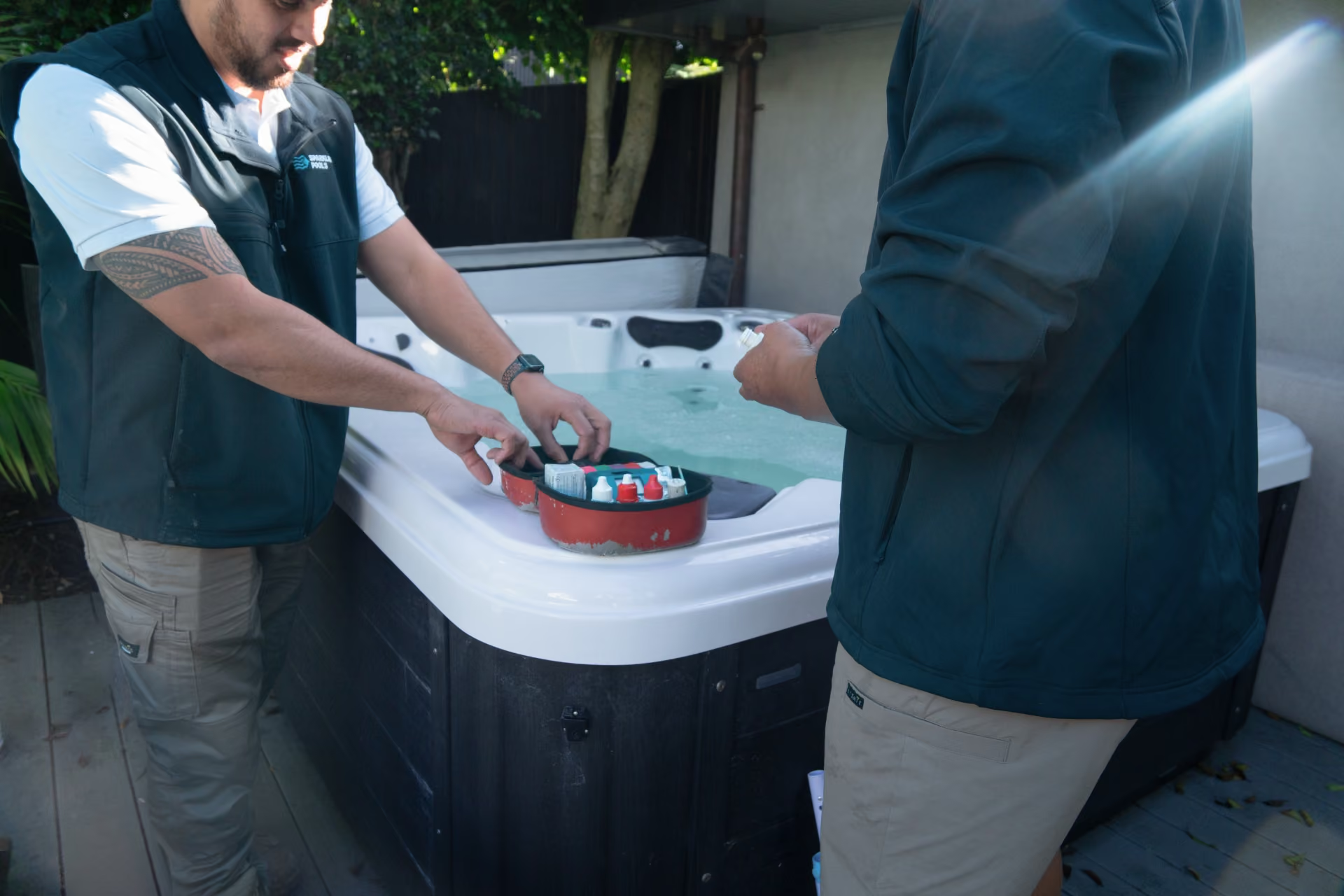
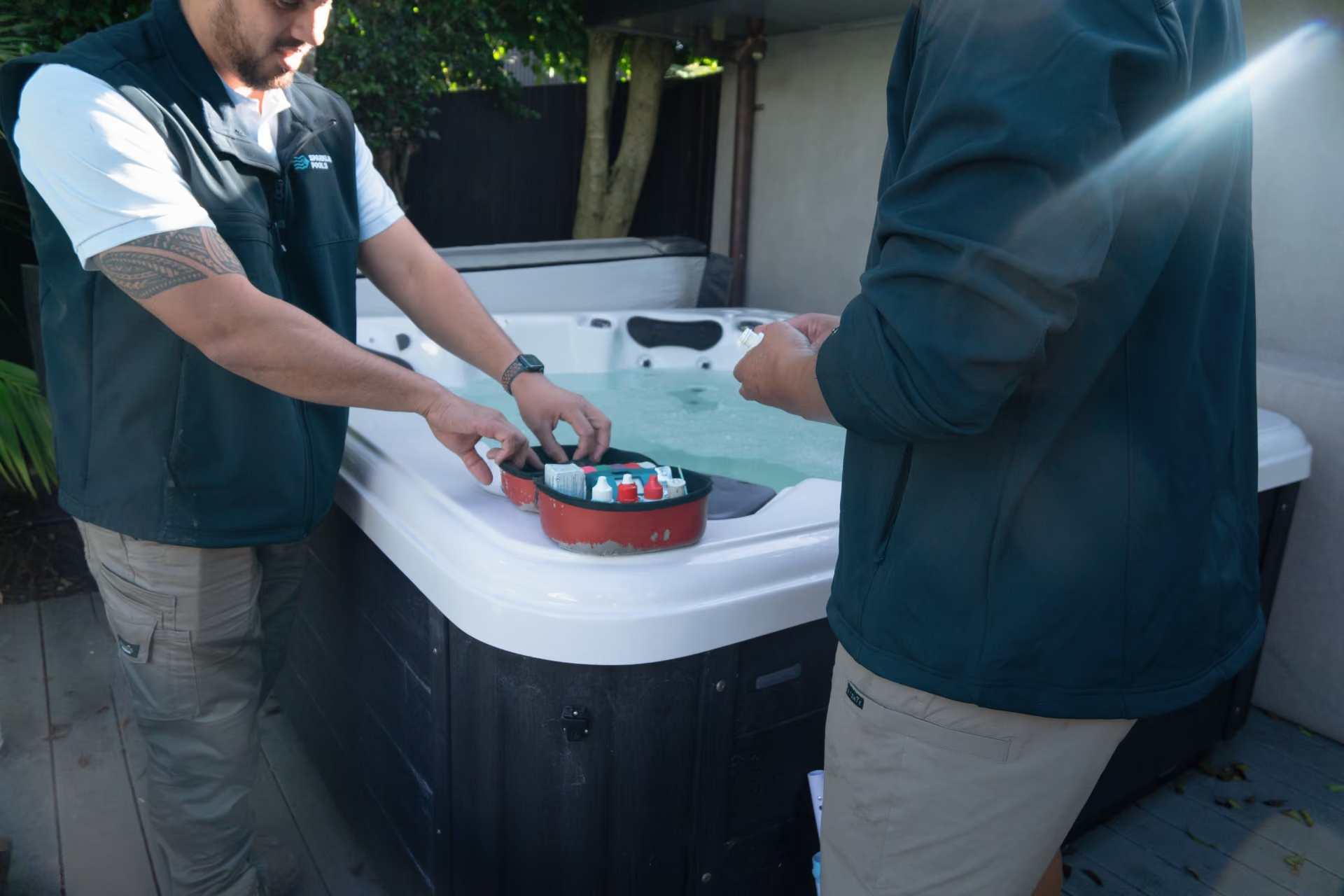
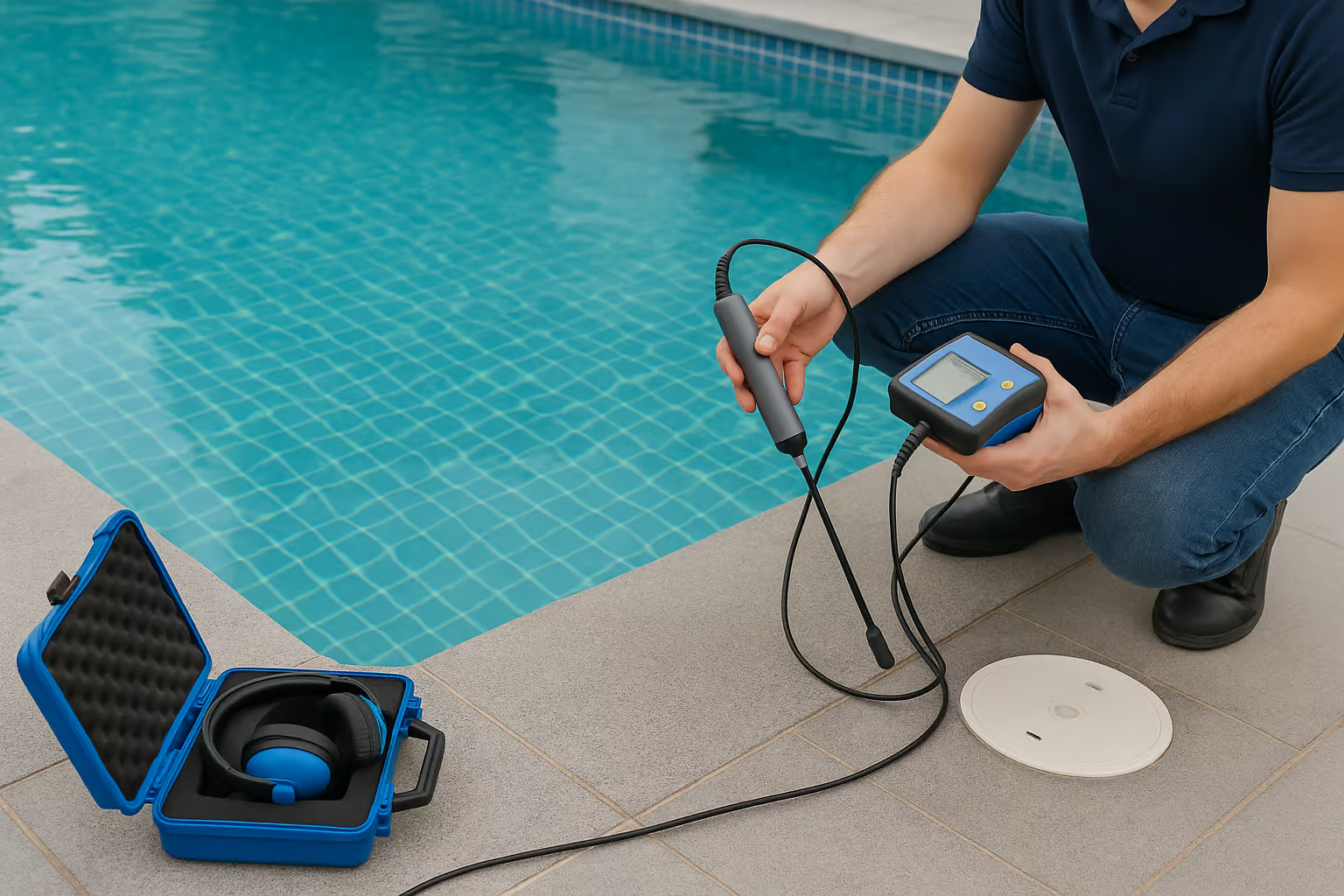
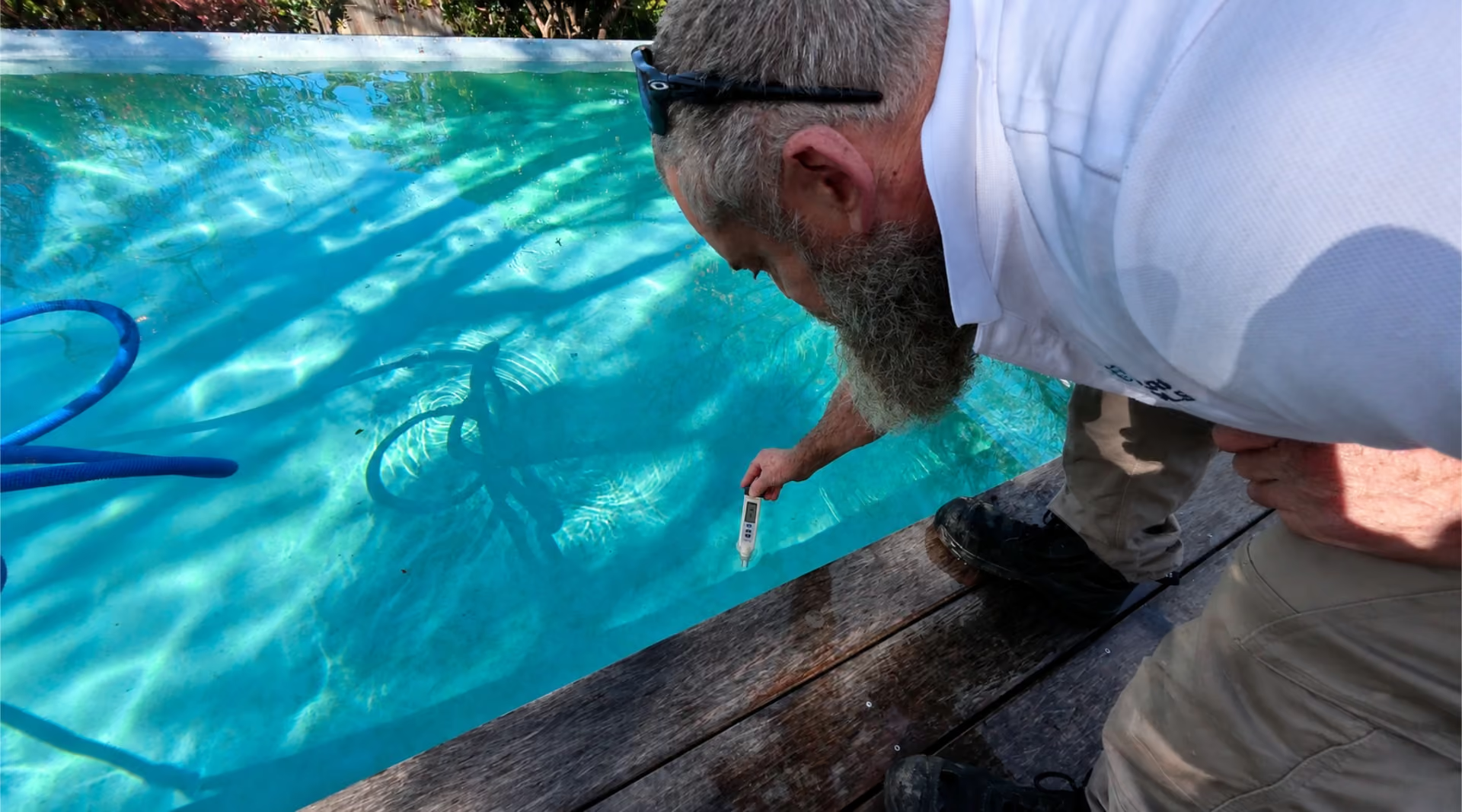
Sparkling Pools offers on-site water testing across Auckland, coming to your home to test and assess your pool water directly. This is particularly useful when home test kits are giving inconsistent results, or when a problem keeps recurring despite treatment.
---
Practical Tips for Auckland Pool Owners
- Test after every significant rainfall, don't wait for the next scheduled test
- Keep a log, noting what you added and when makes it much easier to spot patterns
- Balance in the right order, alkalinity, then pH, then calcium hardness, then sanitiser
- Don't overdose to compensate, adding too much of one chemical to fix another often creates a new problem
- Use a stabiliser in outdoor pools, Auckland's UV levels during summer make this essential for chlorine pools
- Top up water levels regularly, evaporation concentrates everything; fresh water dilutes and resets
---
When to Get a Professional Water Test
Home test kits are a useful tool, but they have limits. If your pool chemistry keeps drifting despite regular treatment, or if you're seeing persistent cloudiness, staining, or scale that doesn't respond to standard treatment, a professional on-site test is the next step.
Sparkling Pools tests pool water on-site across Auckland, providing a full analysis and clear recommendations based on what's actually in your water, not a generic guide. Contact the team on 09 570 4797 or at info@sparklingpools.co.nz to arrange a visit.
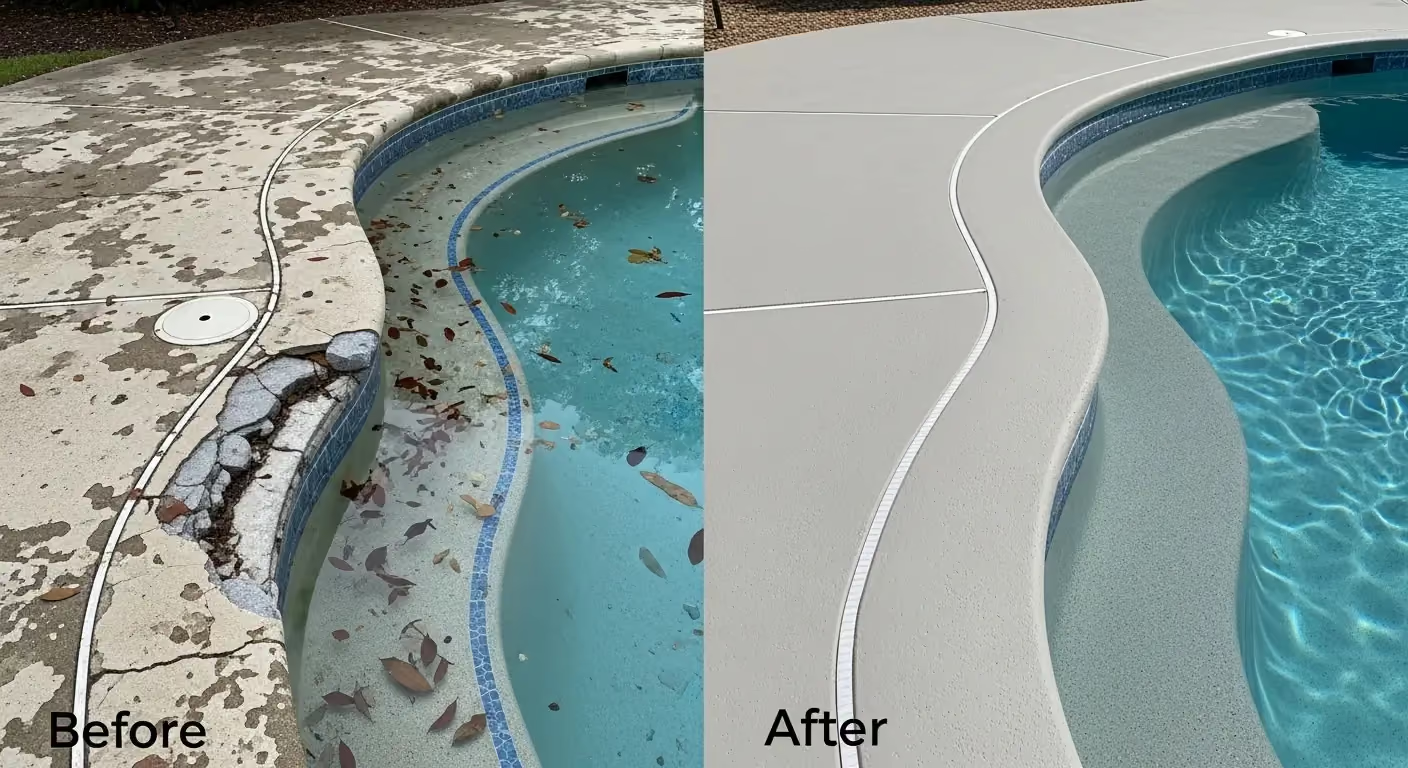
Pool resurfacing solutions
Restore your pool with durable plaster finishes
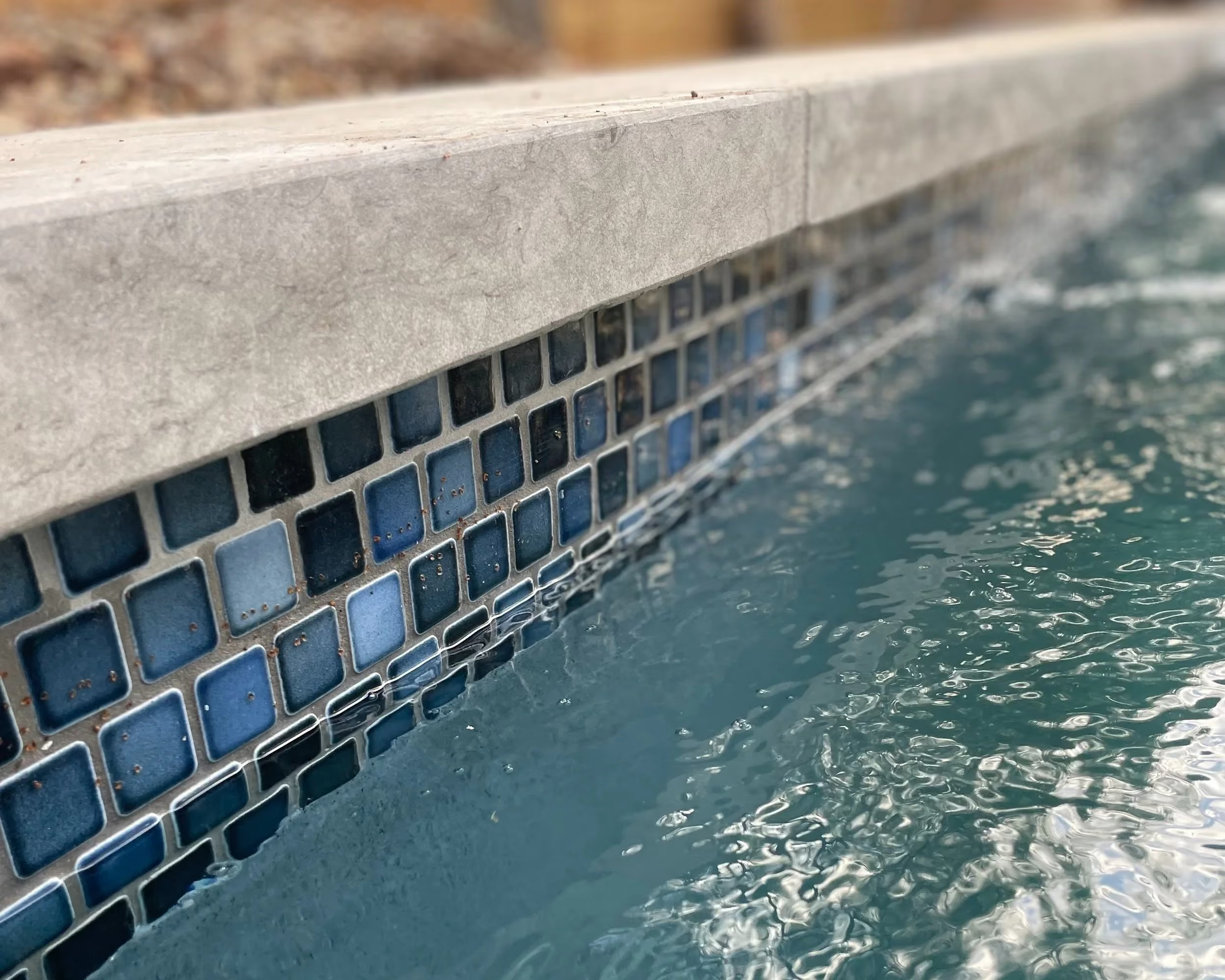

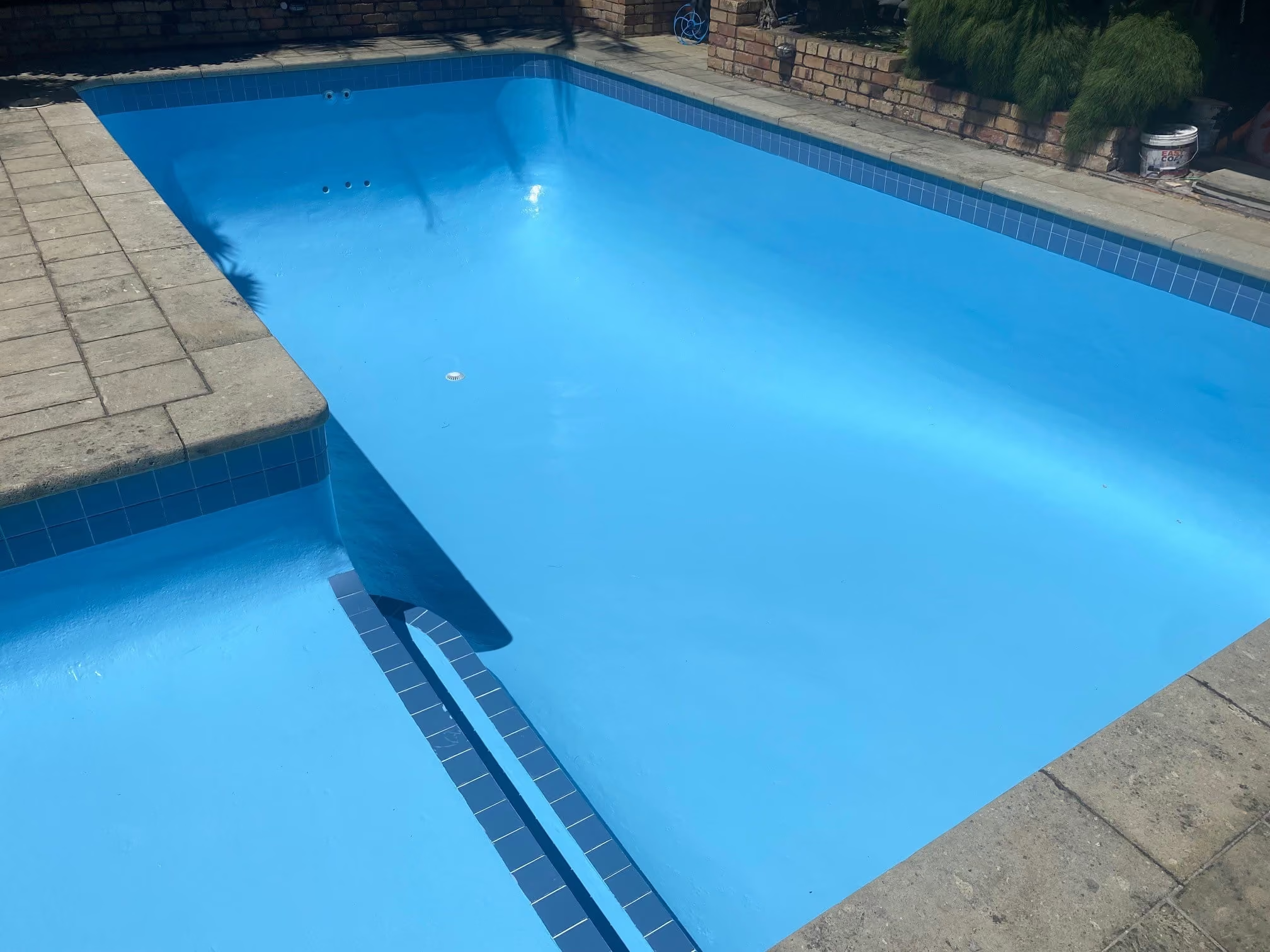
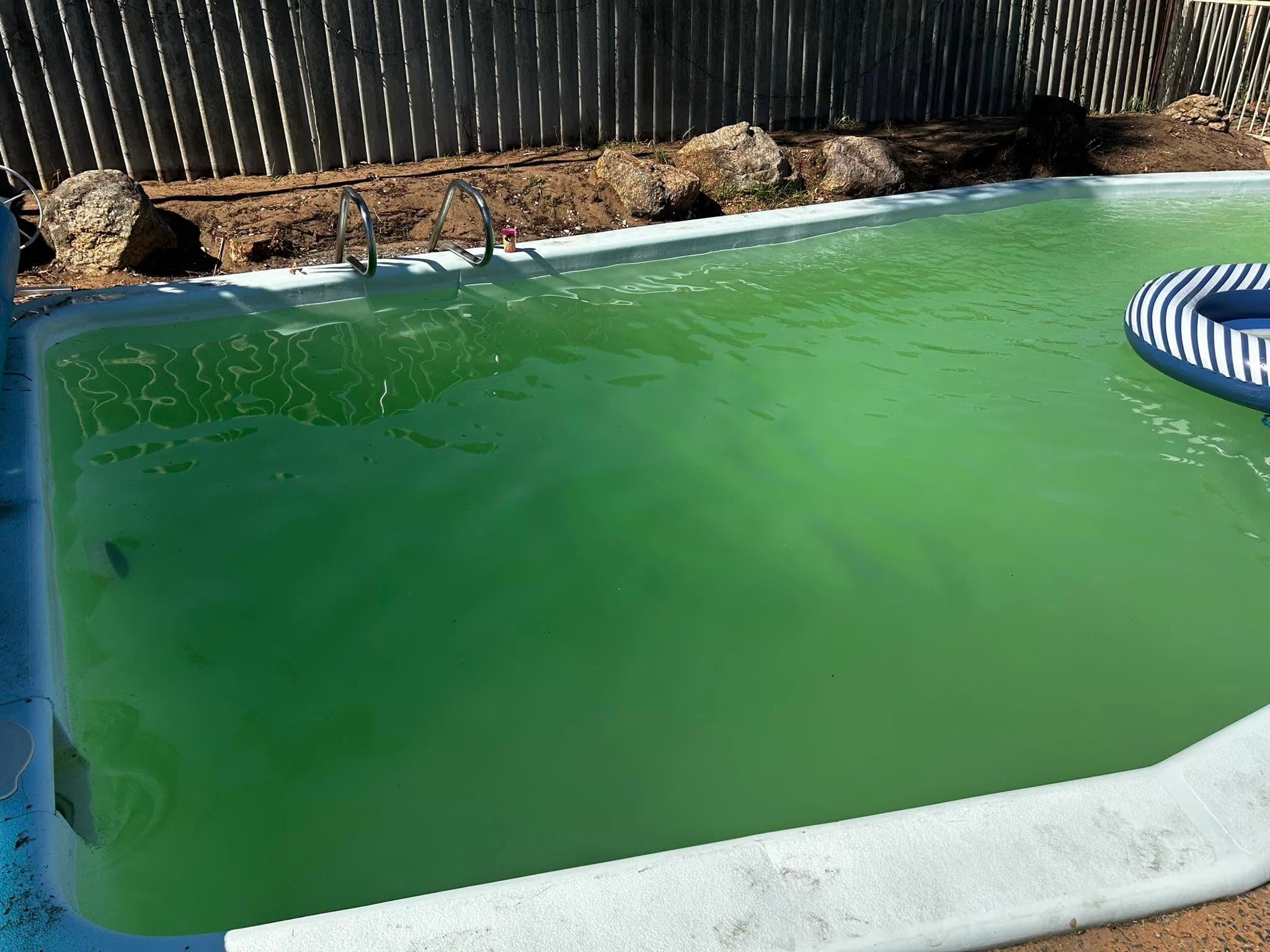
Work completed
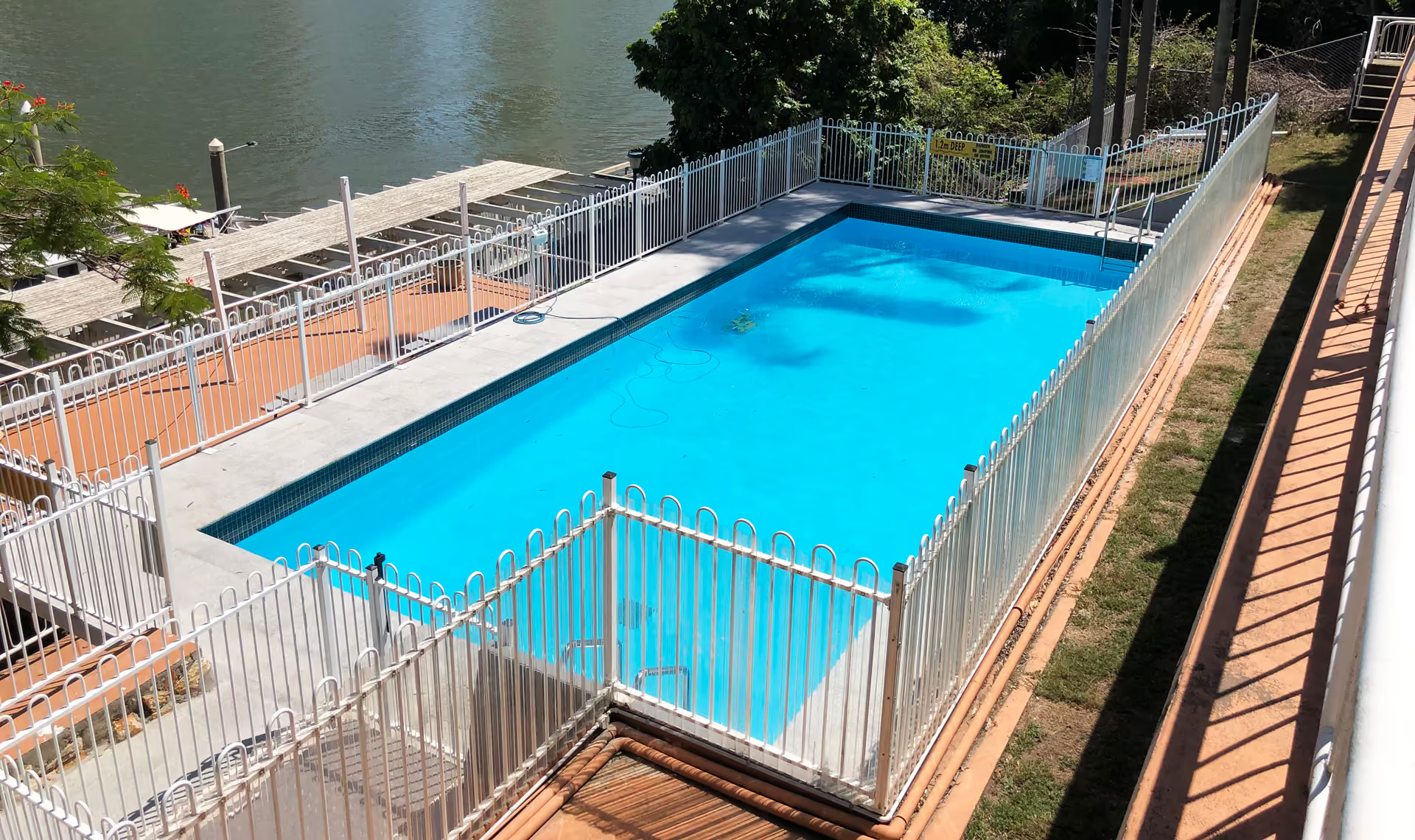
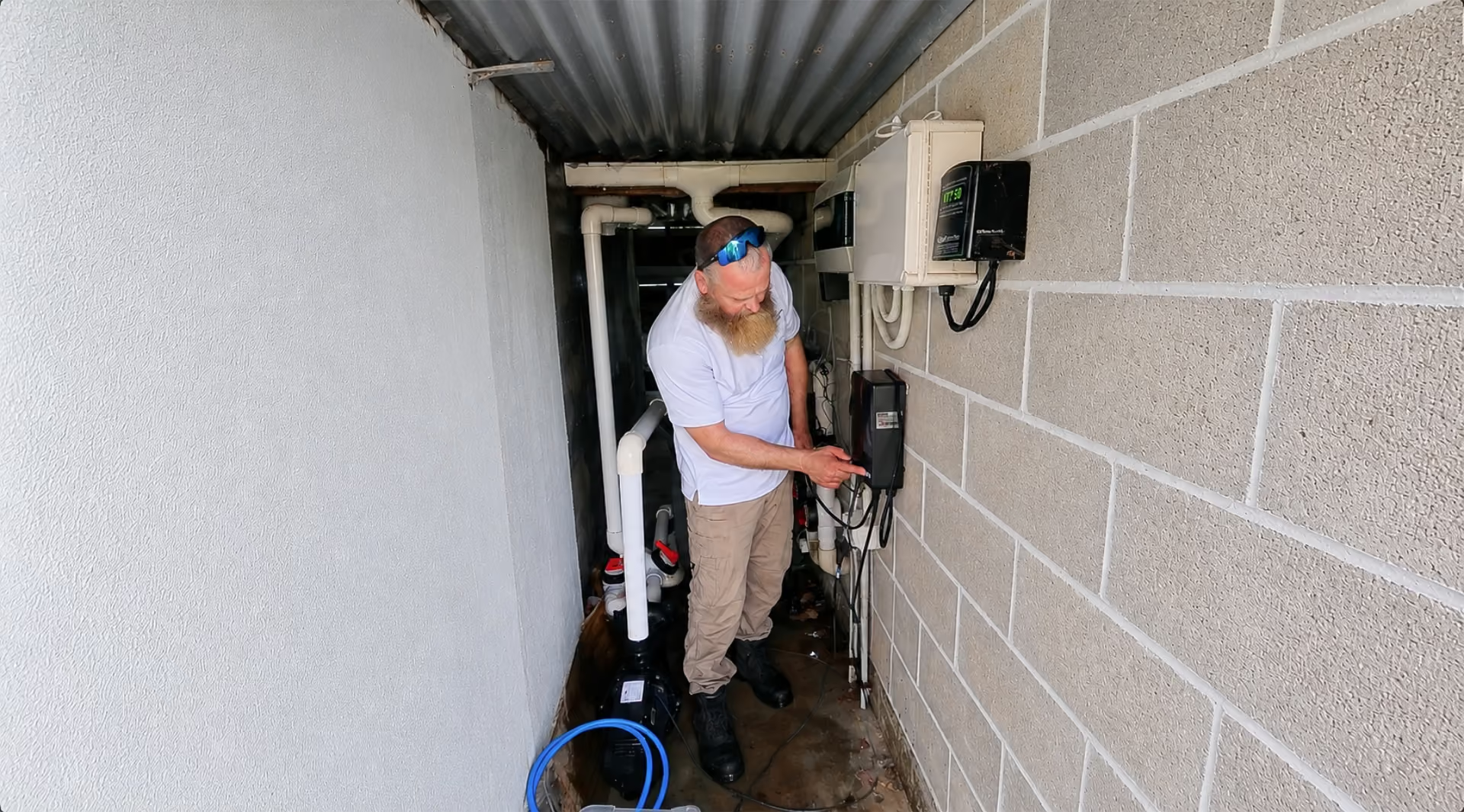
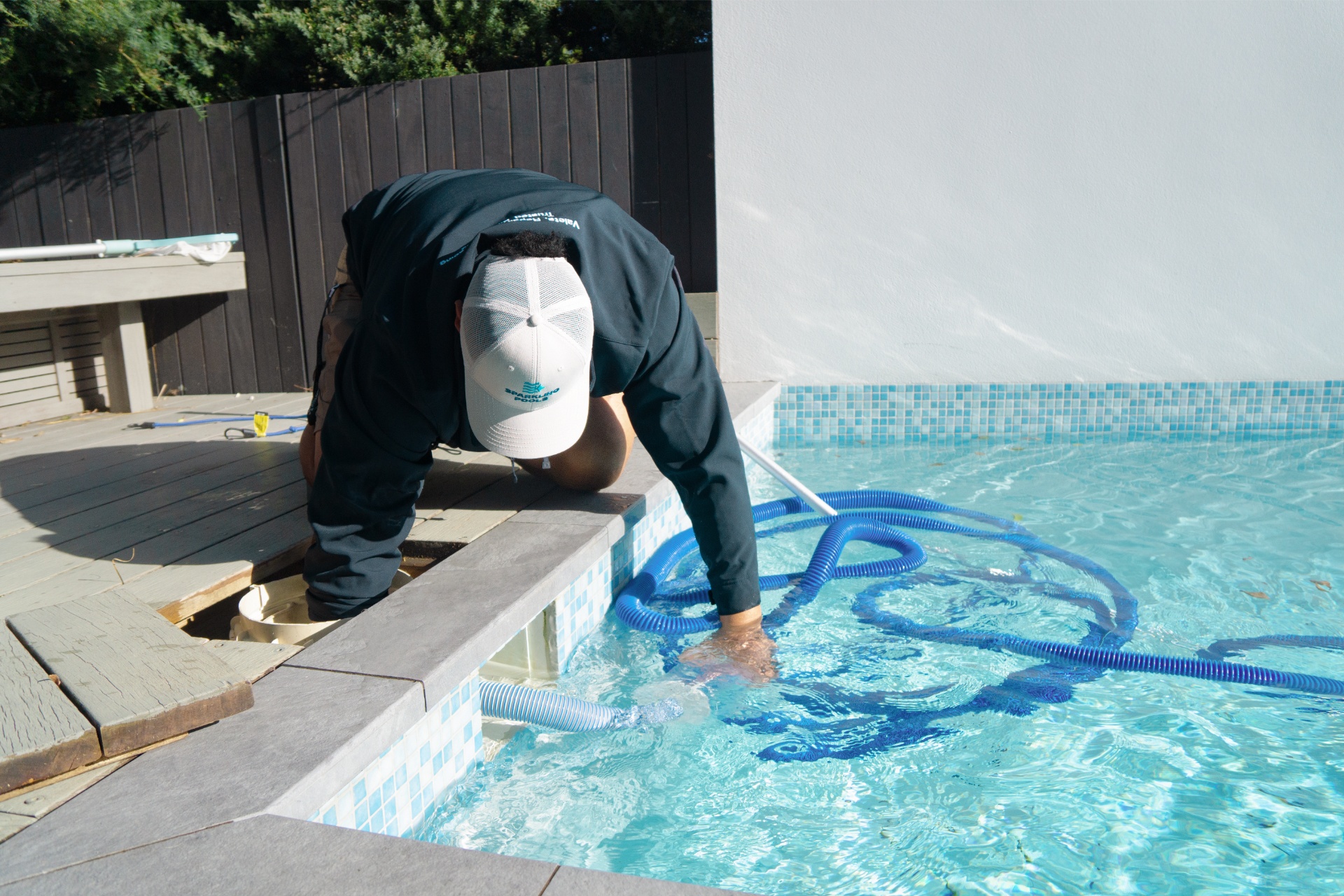
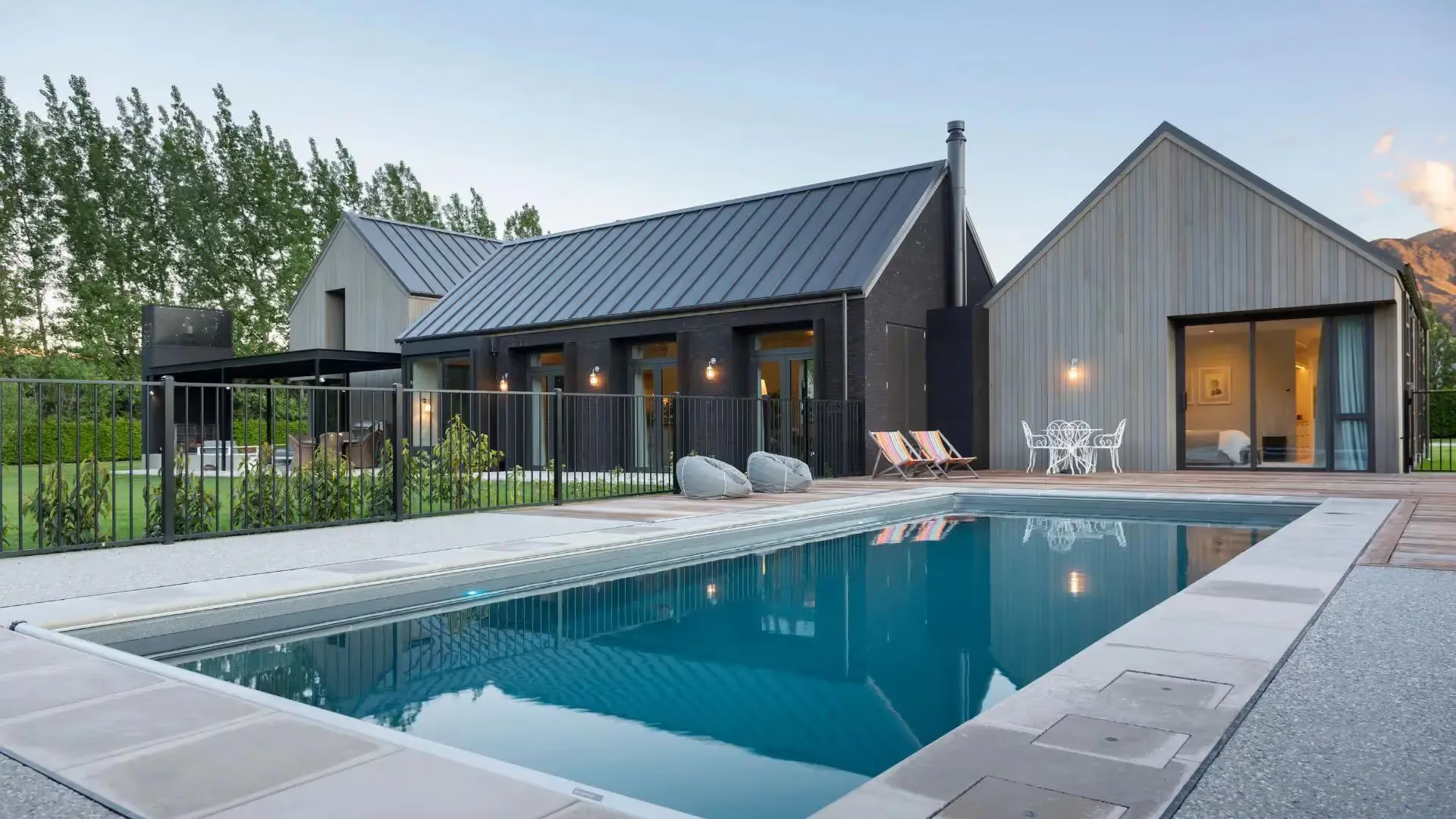
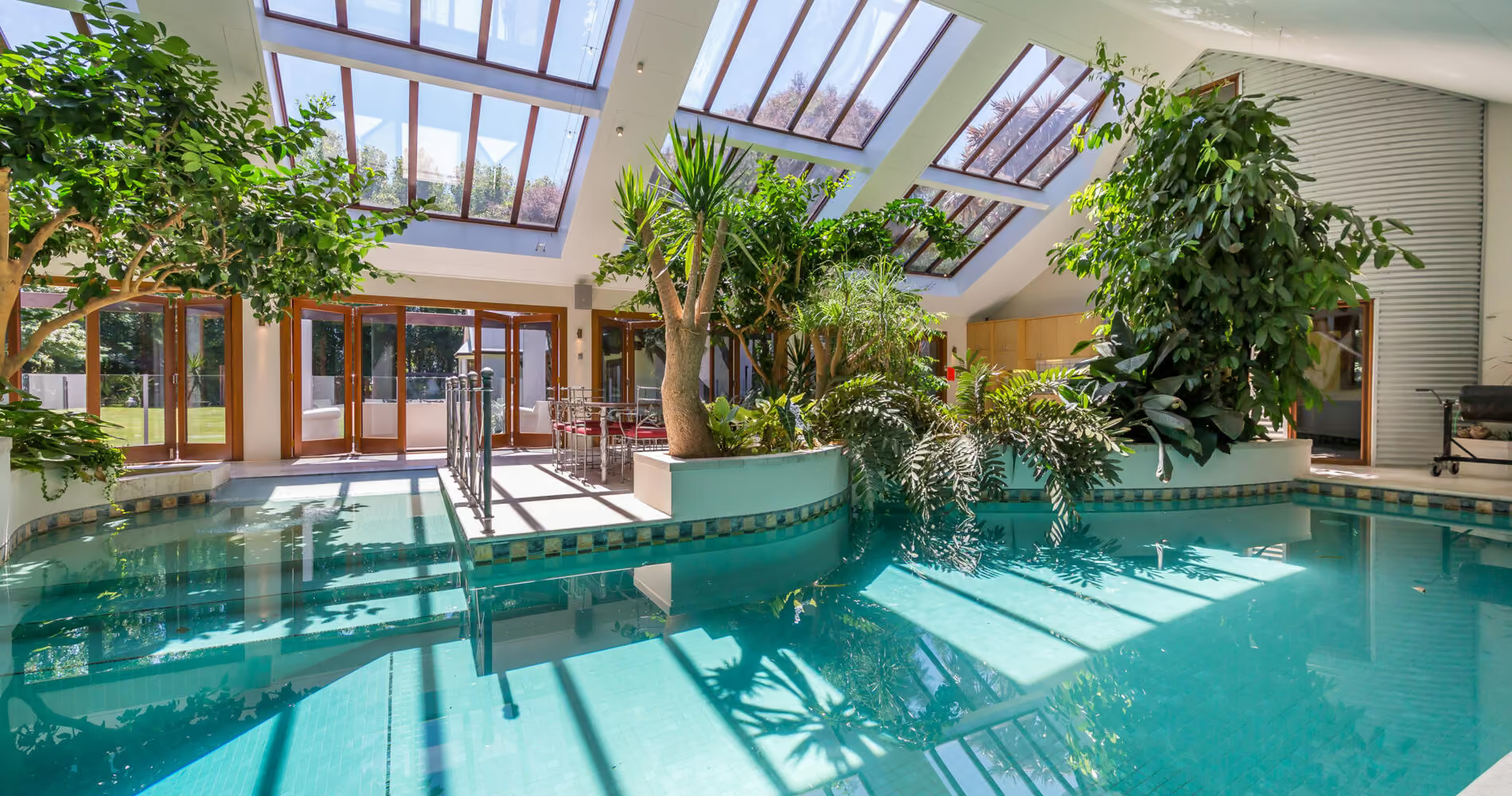
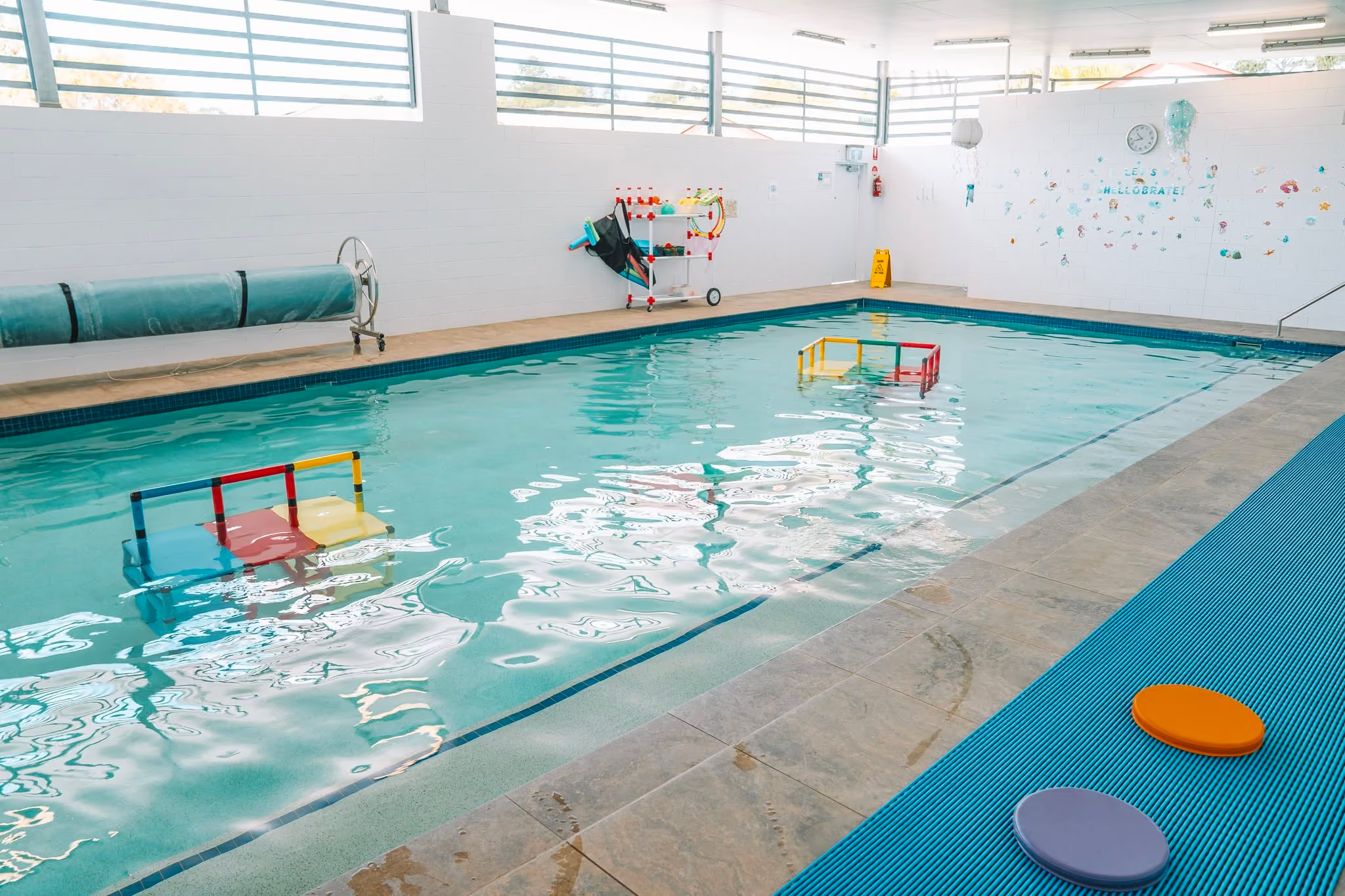
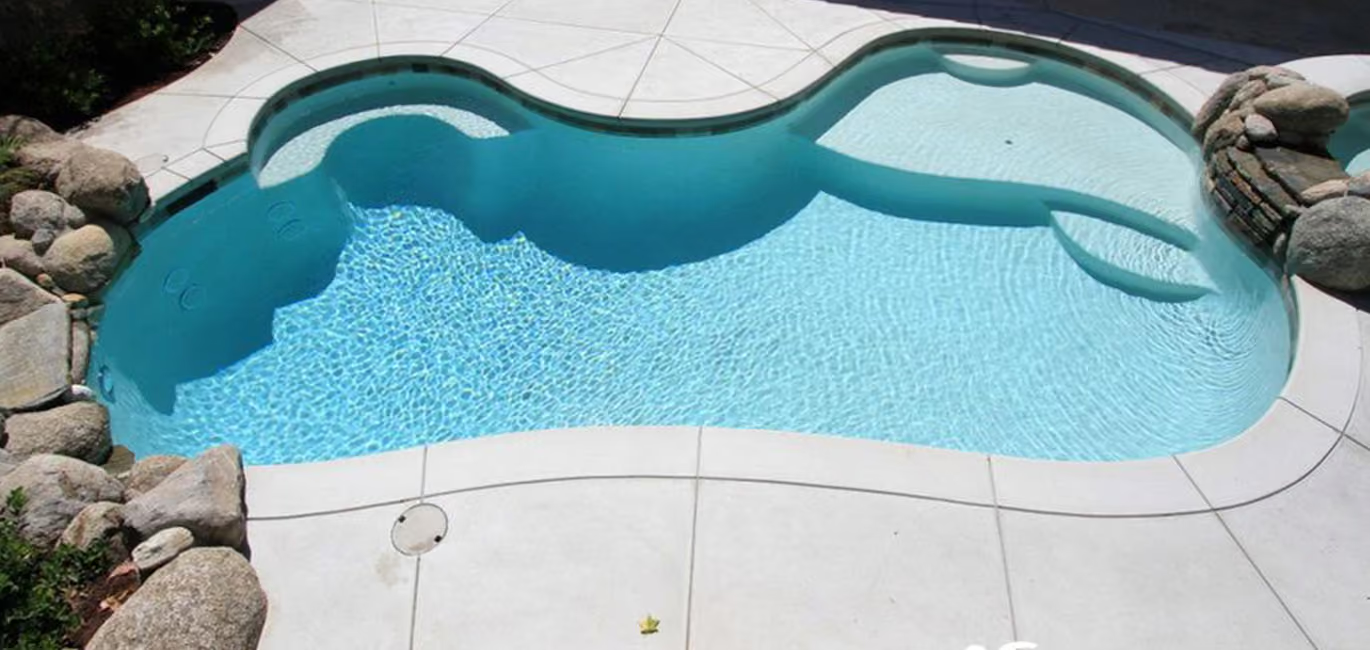
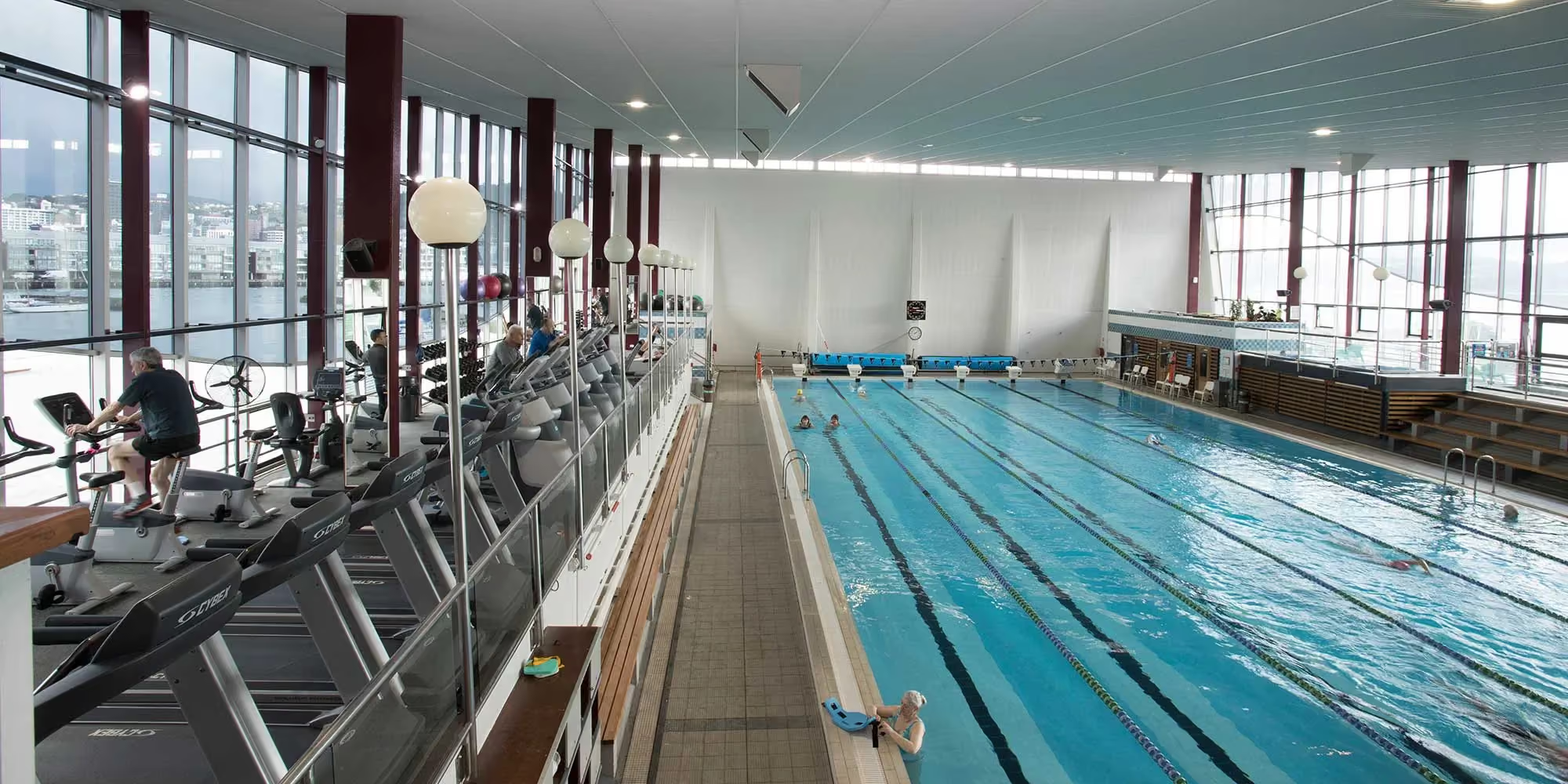
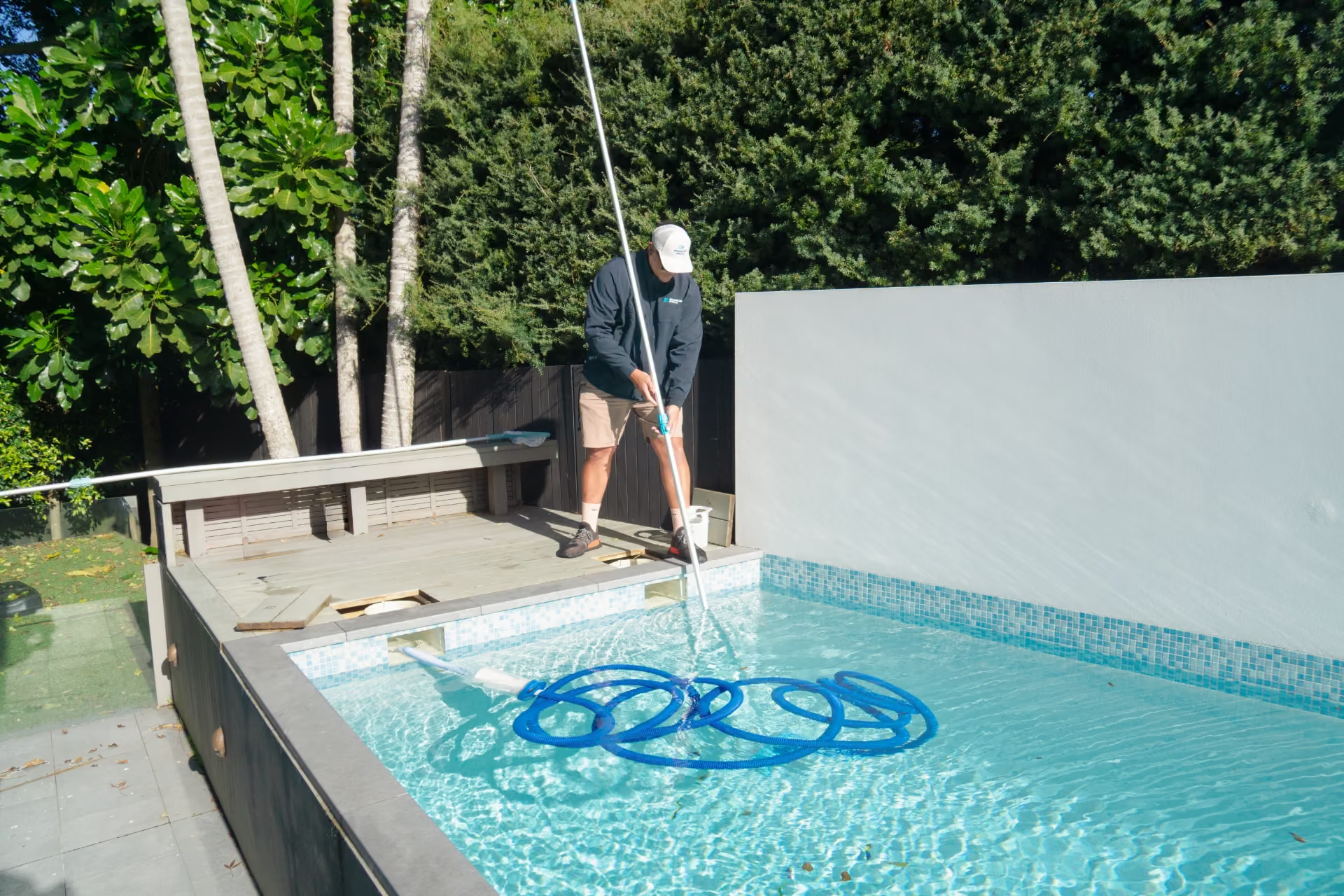
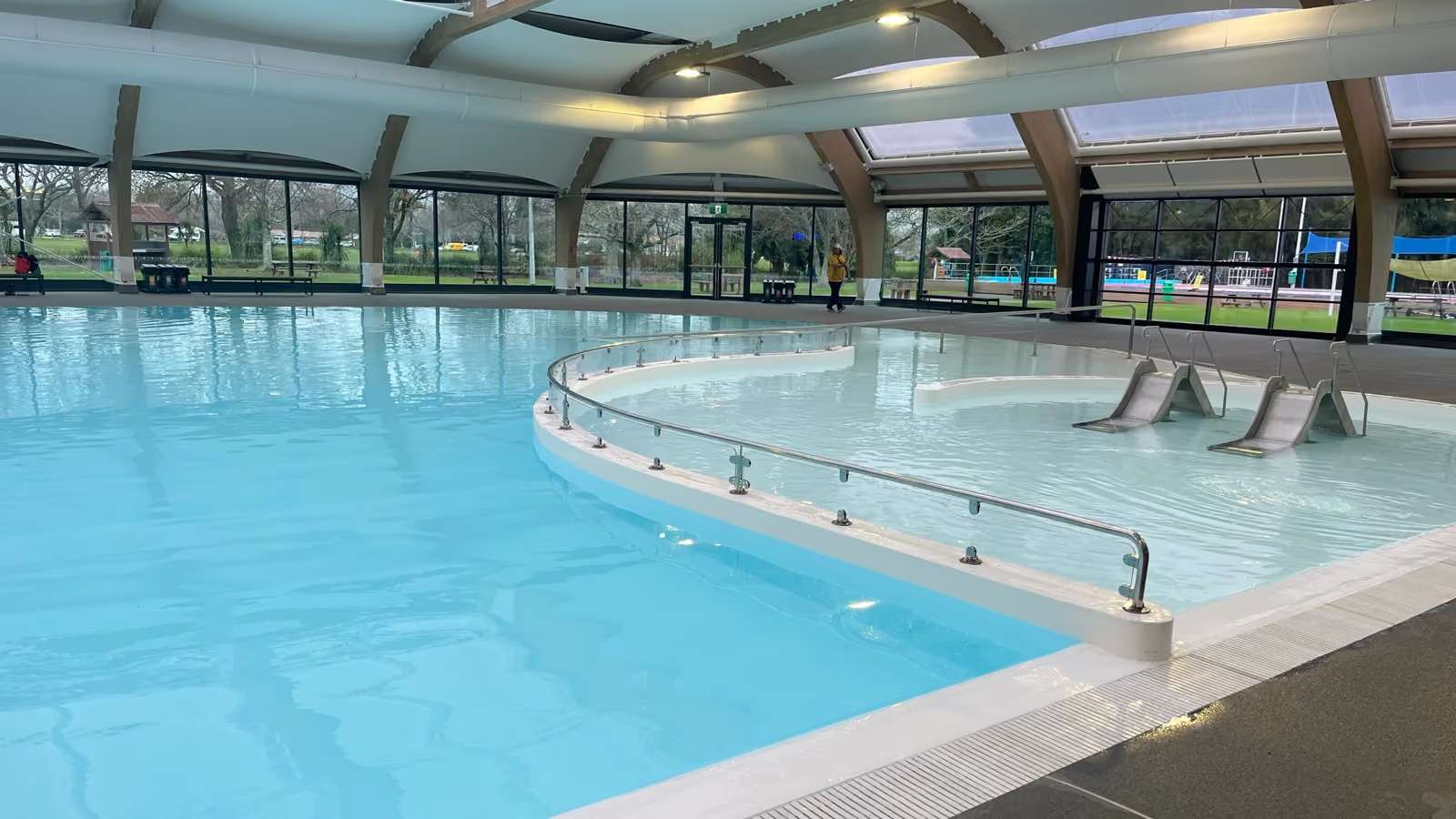
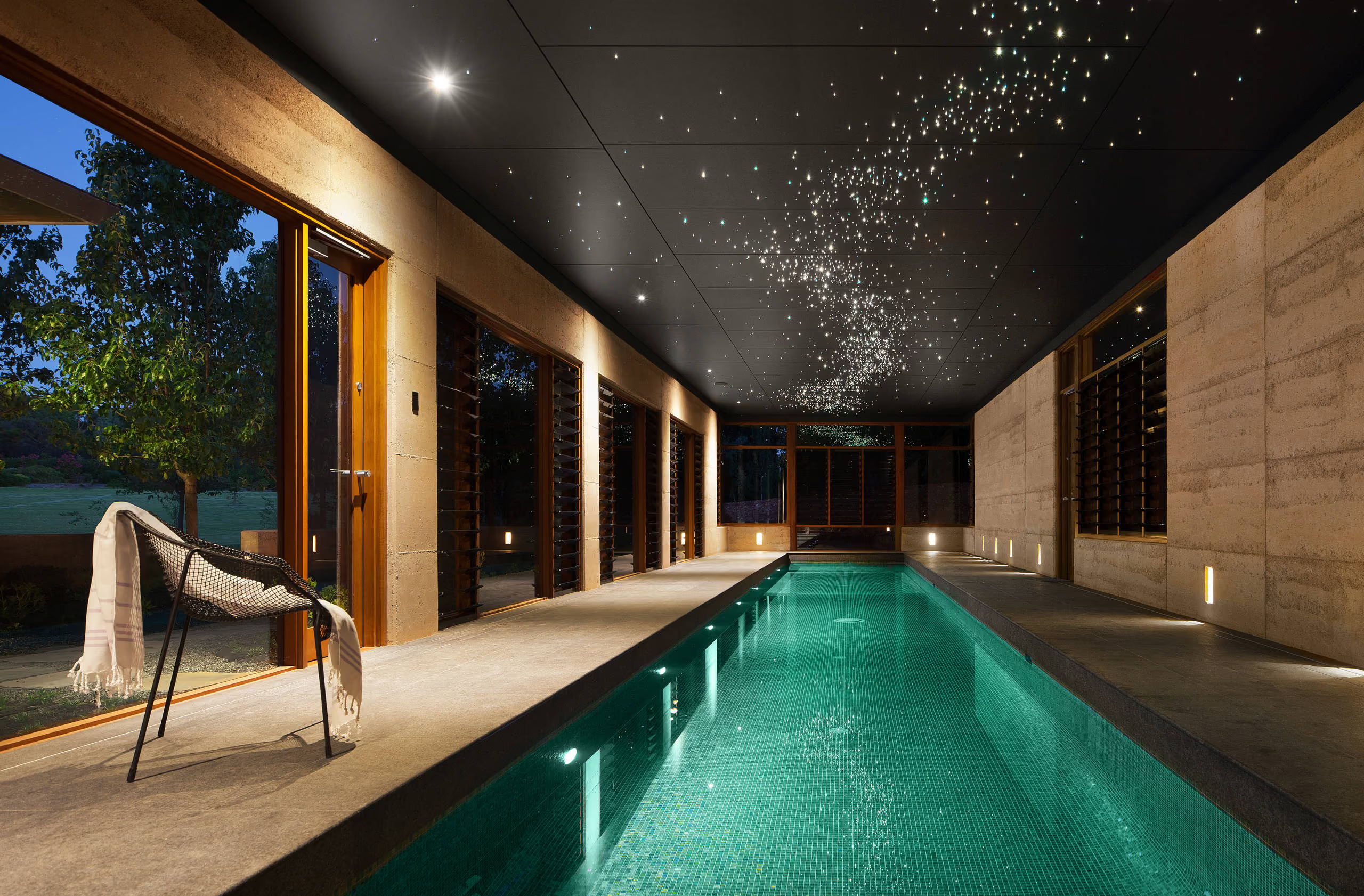
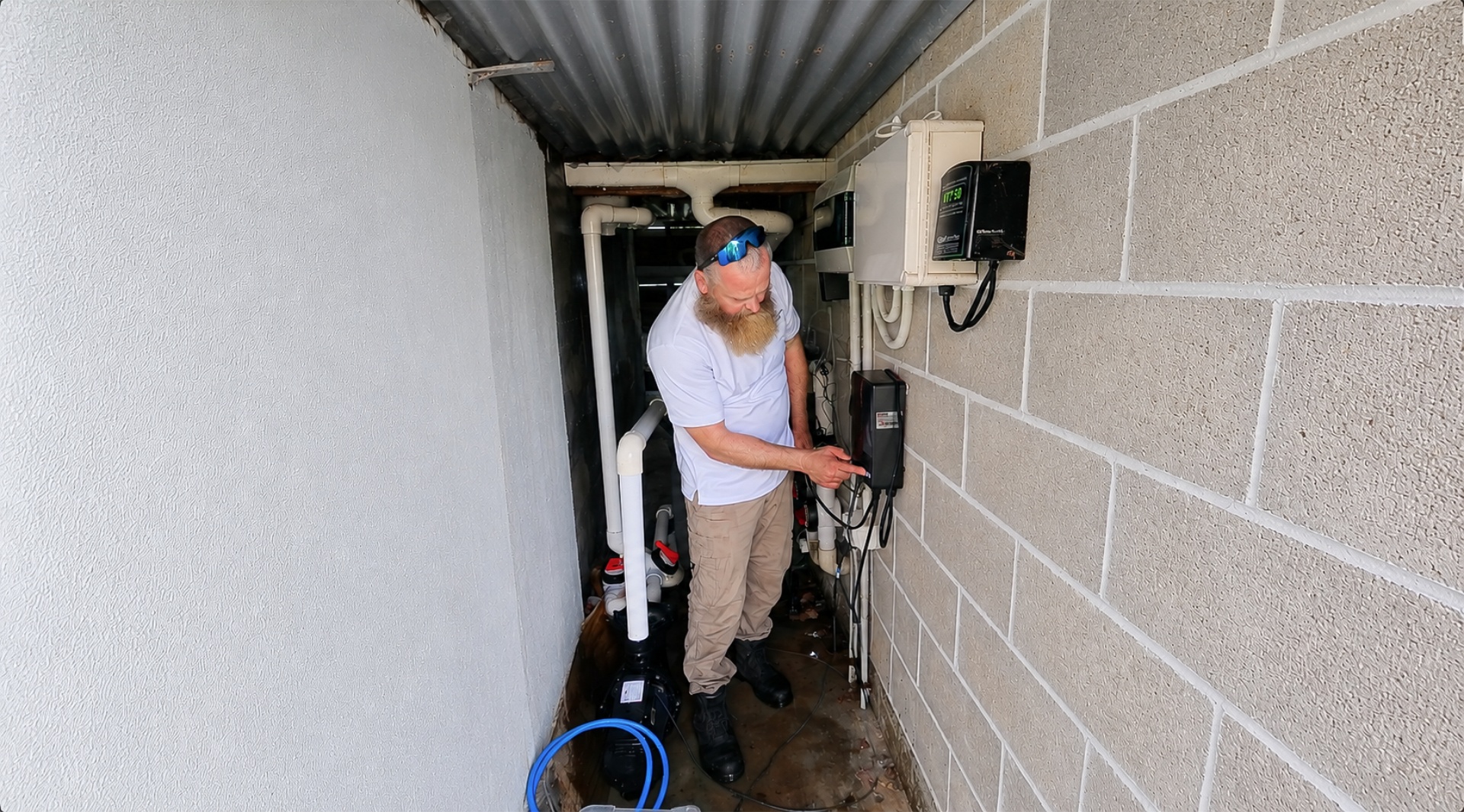
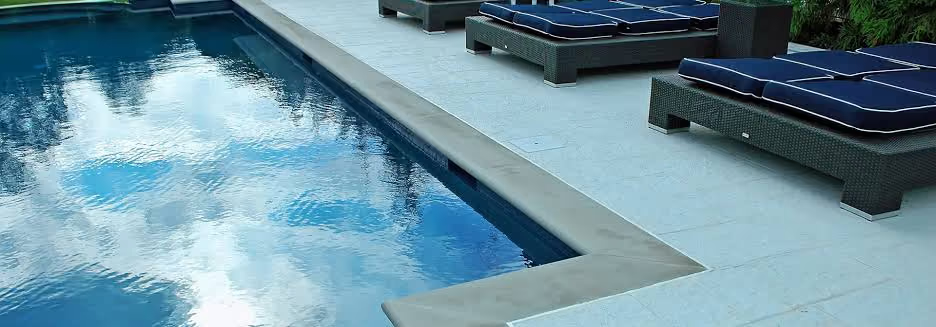
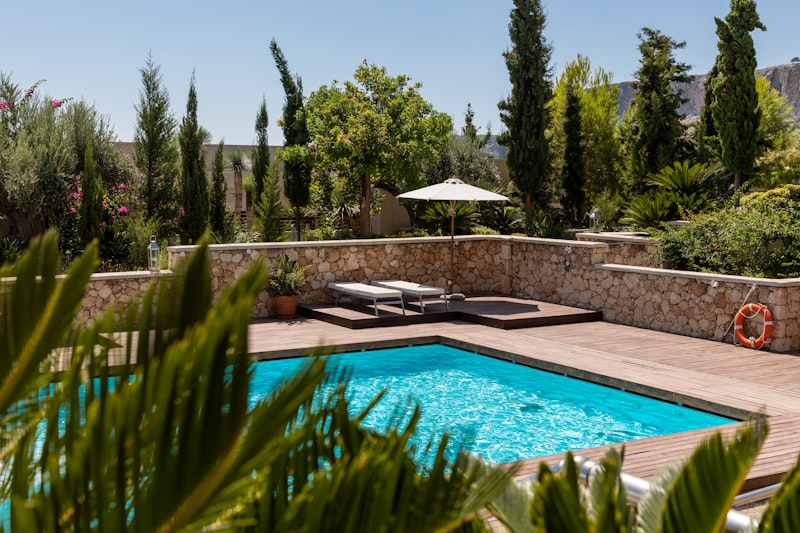
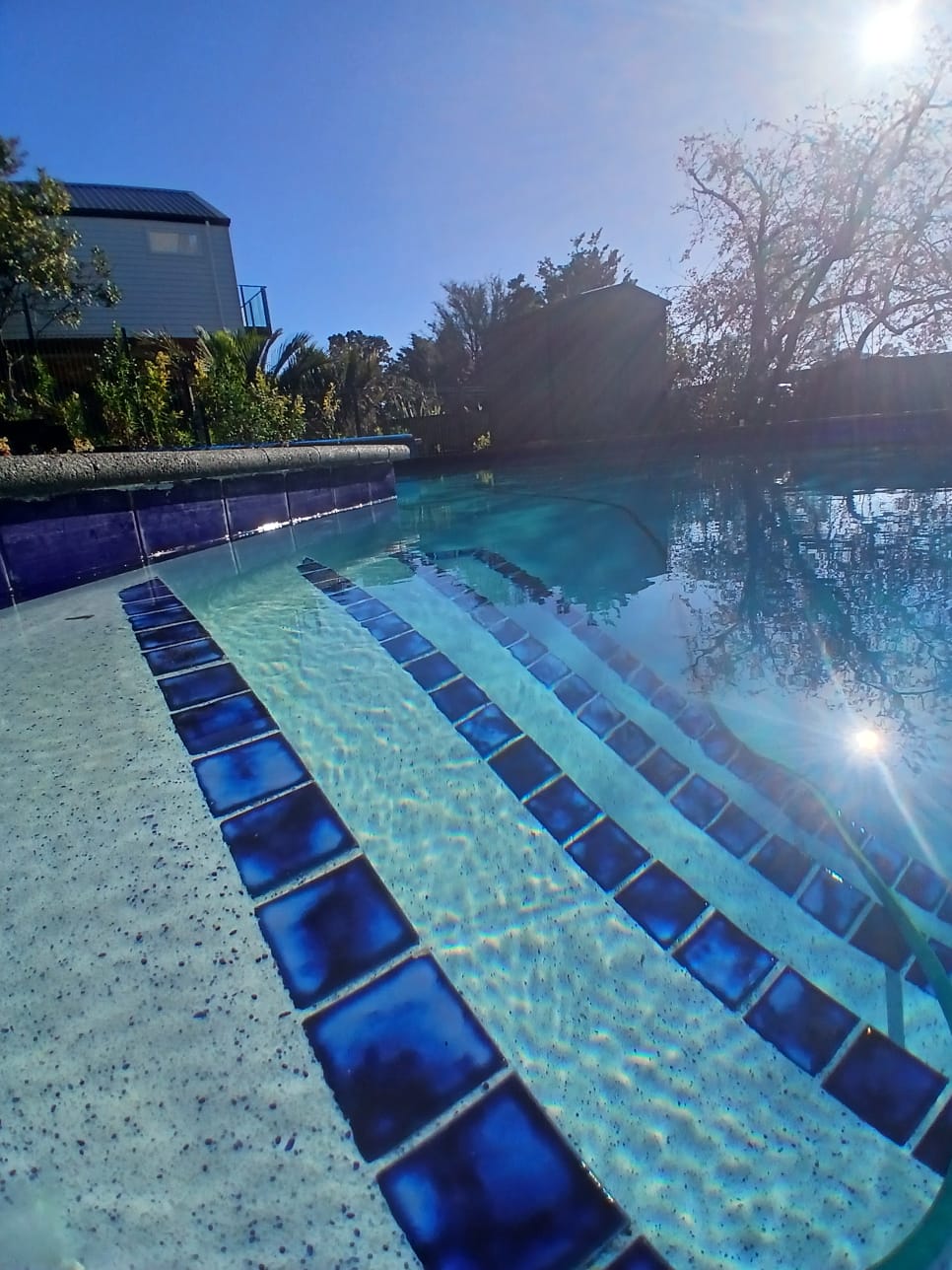
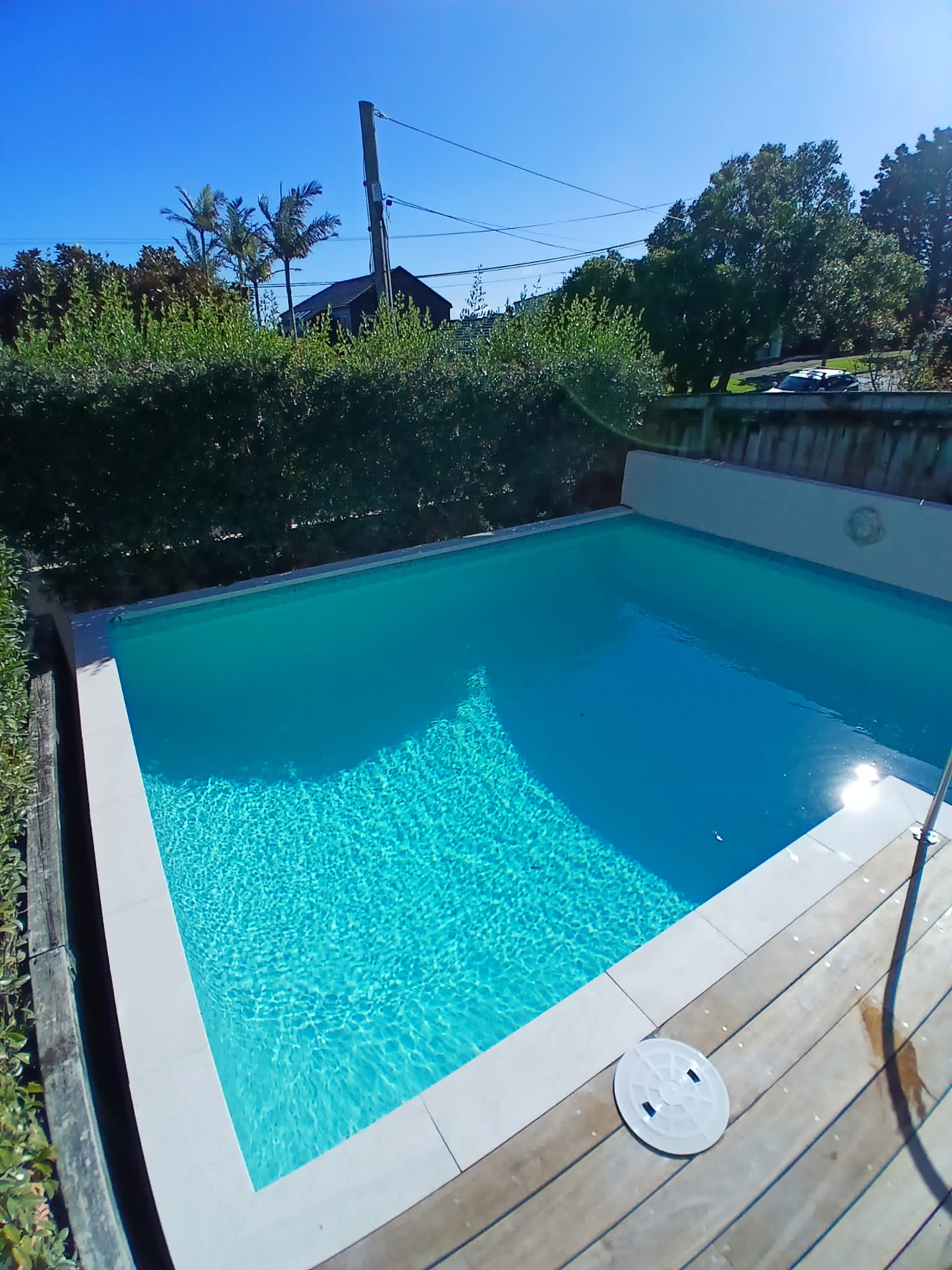
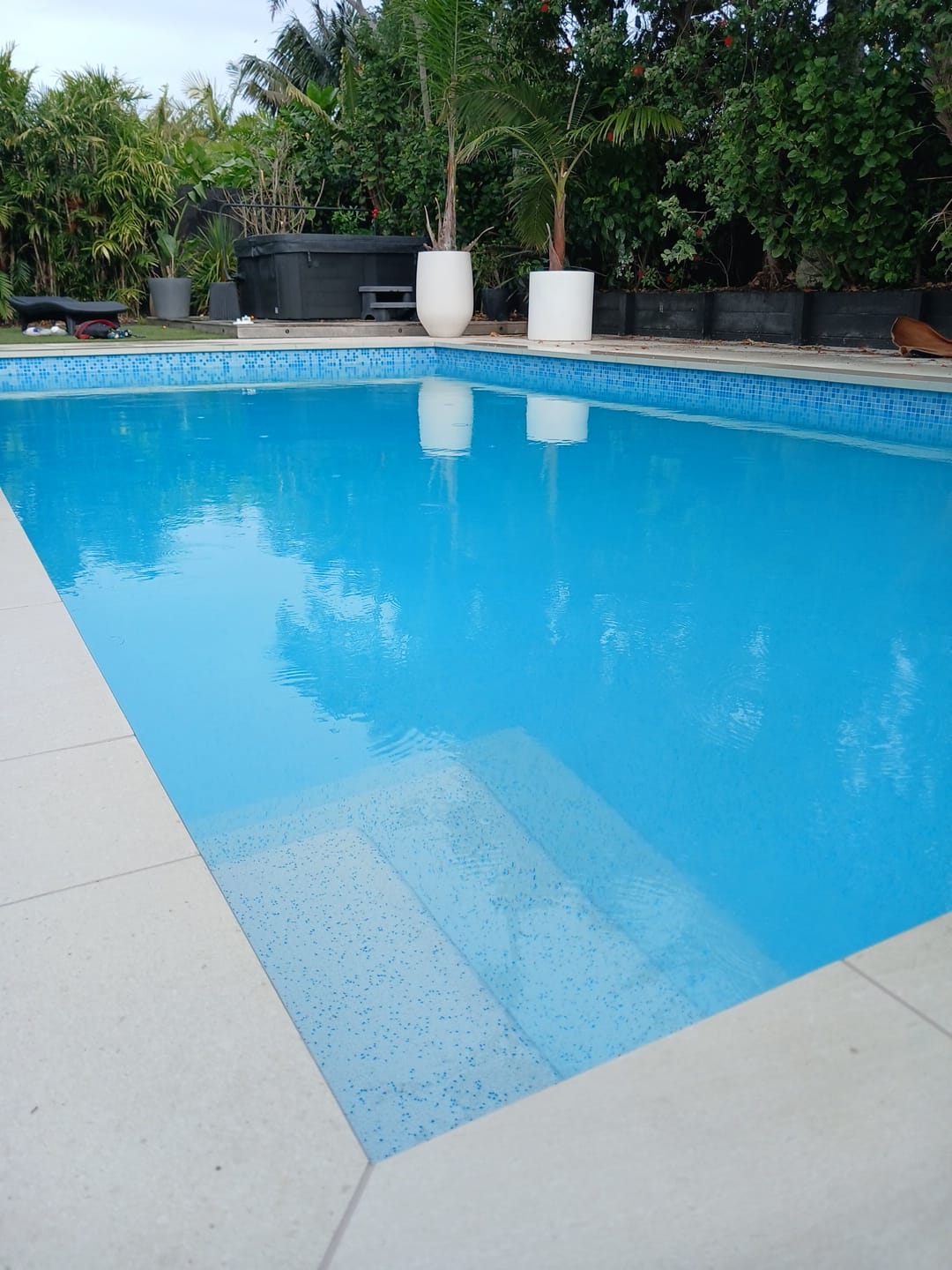
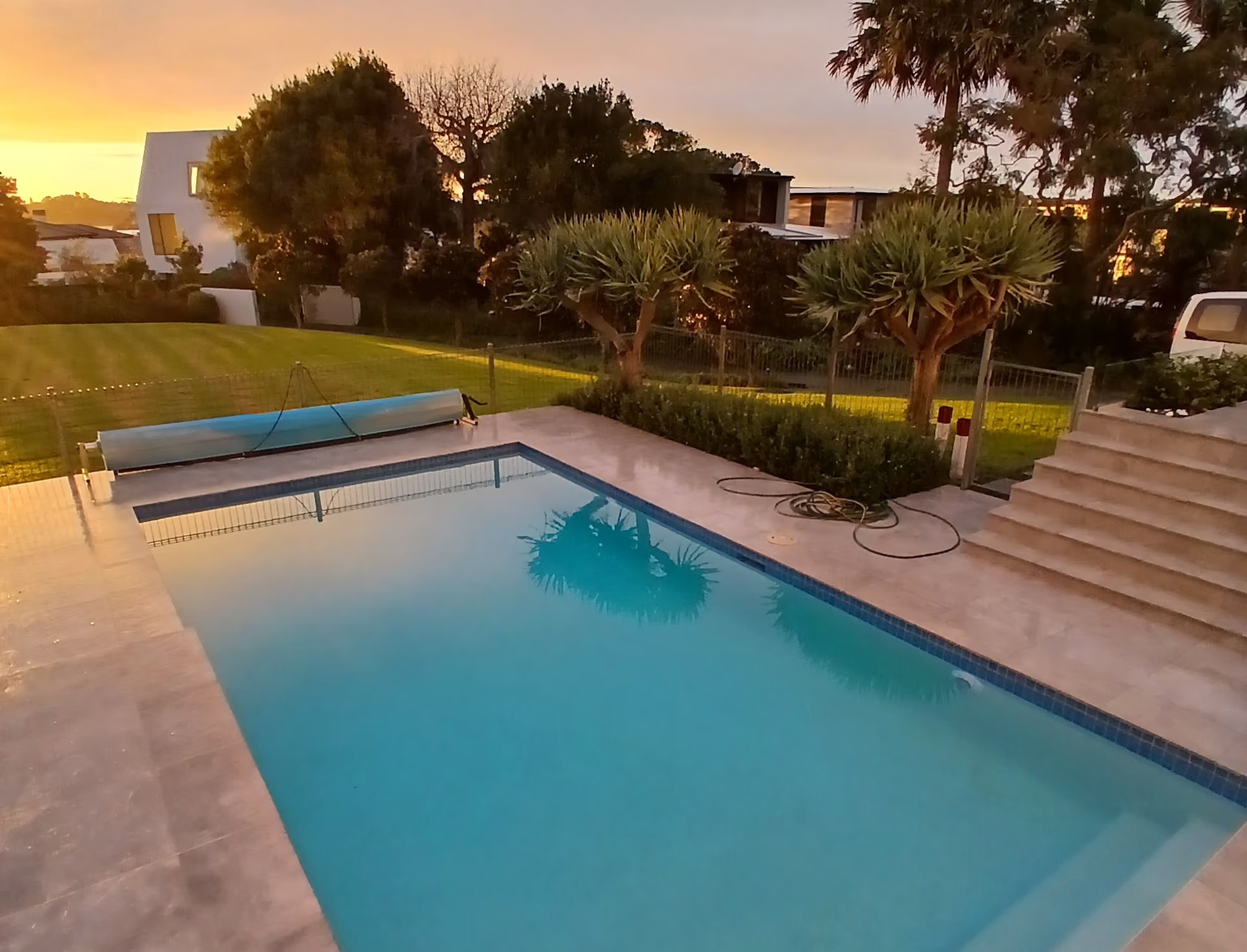
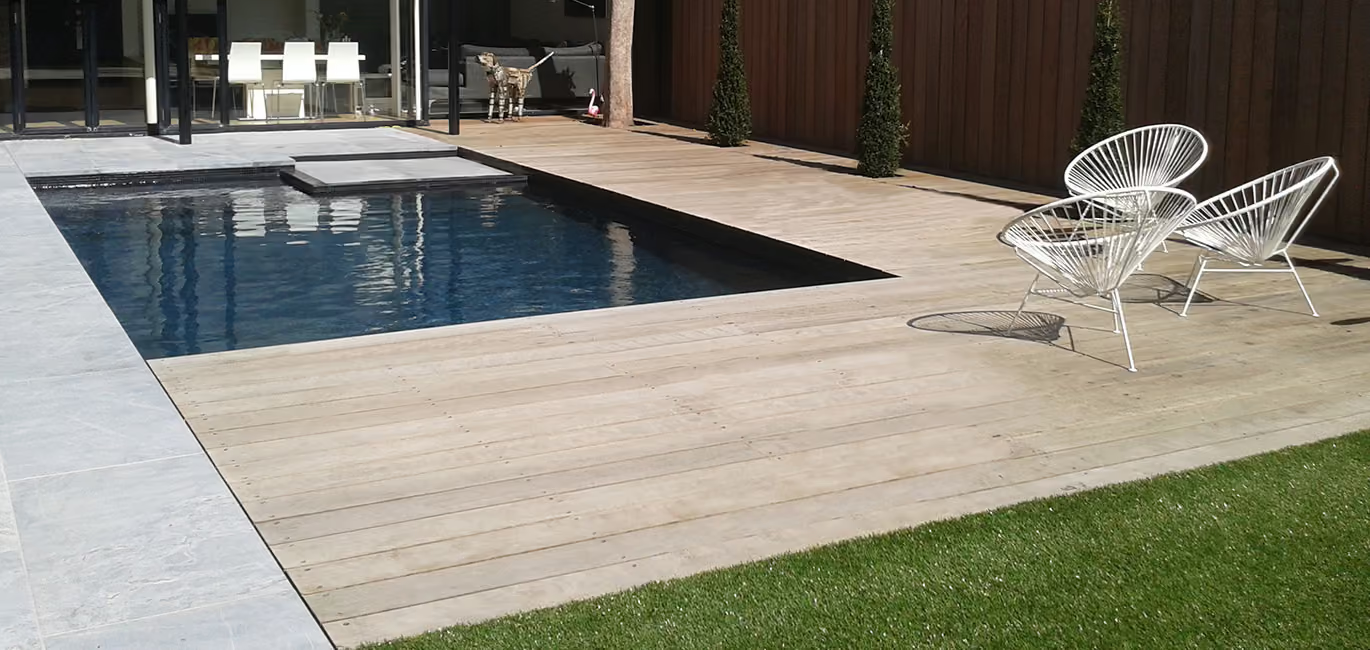
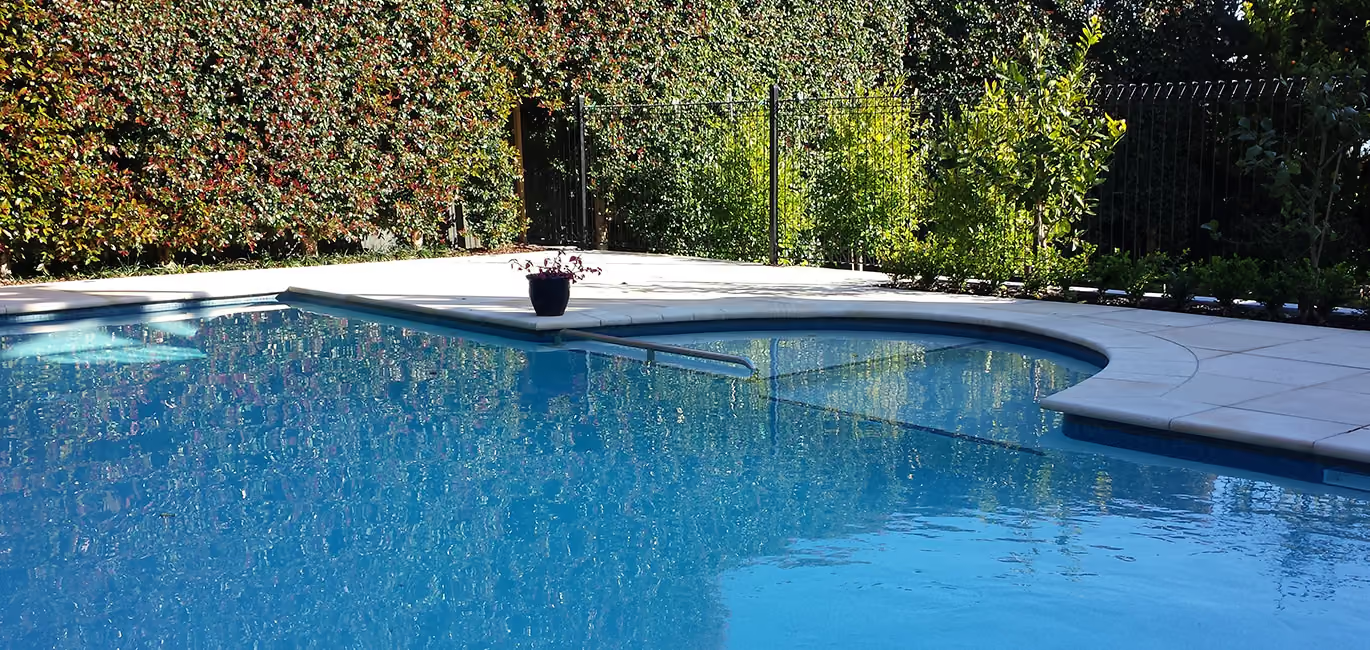
Sparkling Pools has worked on pools across Auckland, including residential renovation projects, equipment upgrades, ongoing maintenance and pool care for managed properties. Past projects show how the right approach can improve presentation, water quality and day-to-day usability. A well-maintained pool is easier to manage, more pleasant to use and better prepared for seasonal changes.
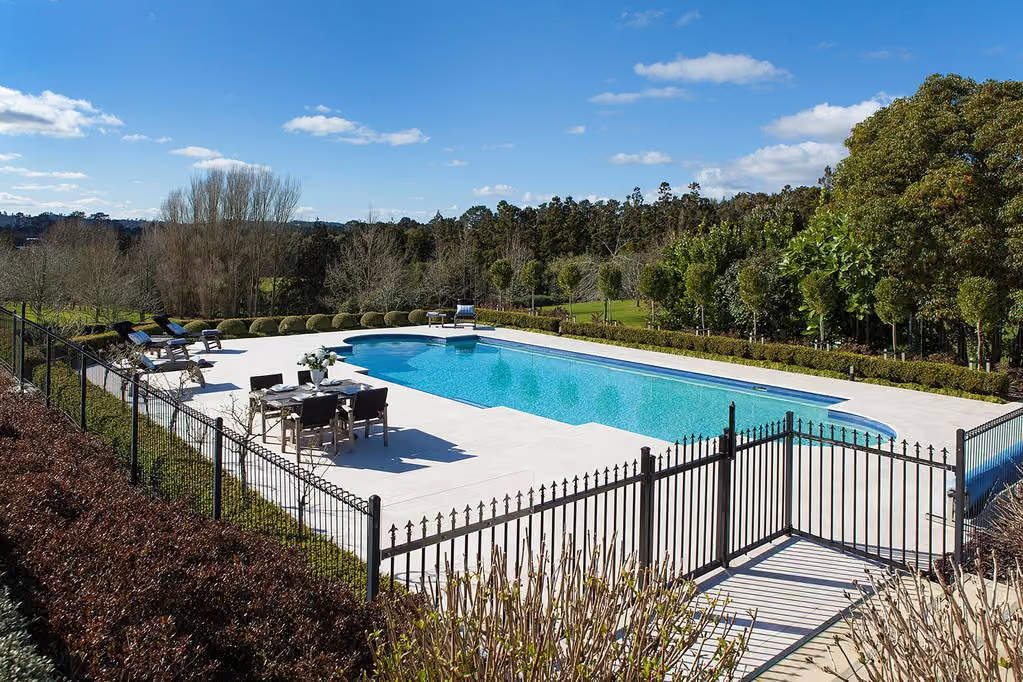
Trusted by Homeowners Across Auckland
Don't just take our word for it. Read what our clients have to say about our transparent communication, reliable service, and stunning pool transformations.
Related Blog Posts
Stay informed on pool care and renovations
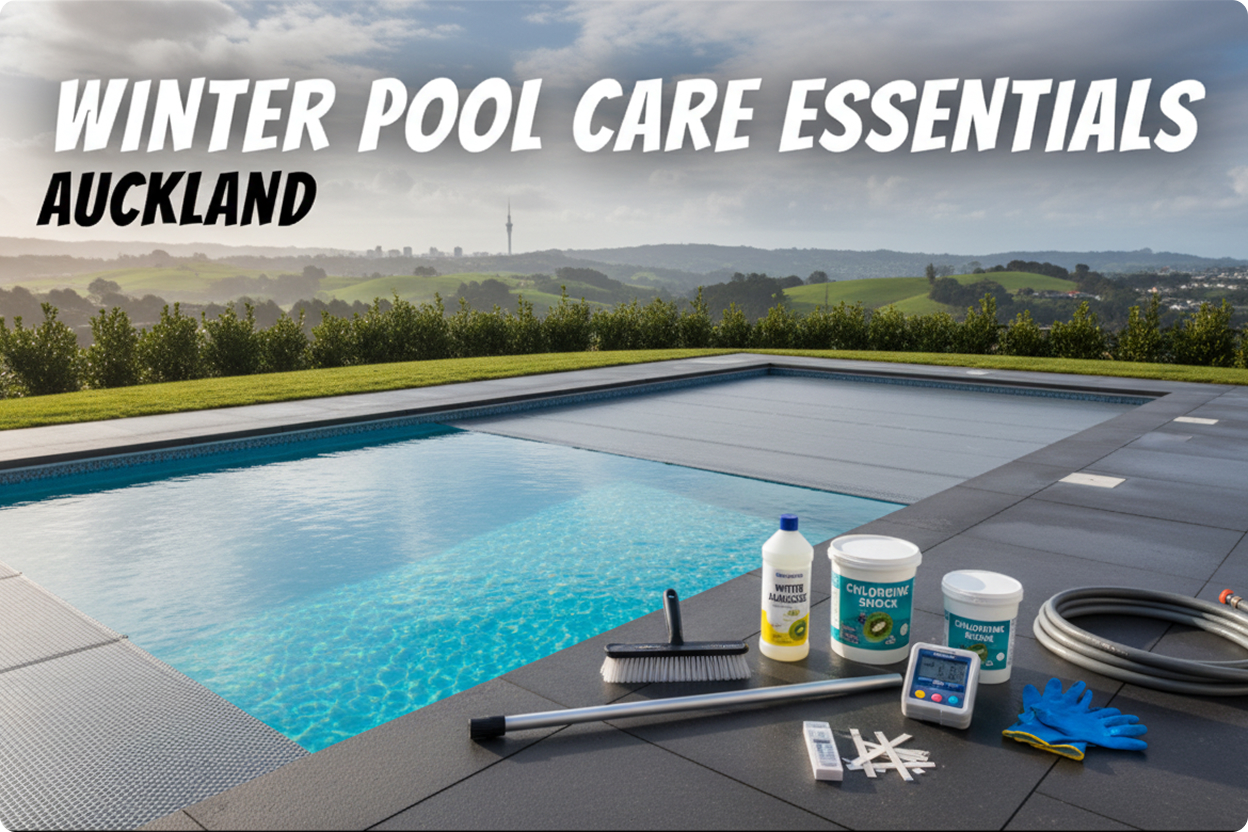
Winter pool care essentials for Auckland
Pool Renovation Mistakes

Auckland Climate Pool Maintenance

Choosing Renovation Contractor
Pool Care Auckland Summer
Permits & Consents
Pool Renovation ROI
How Often to Test Pool Water
Pool Renovation Costs
Cost of Pool Service Auckland
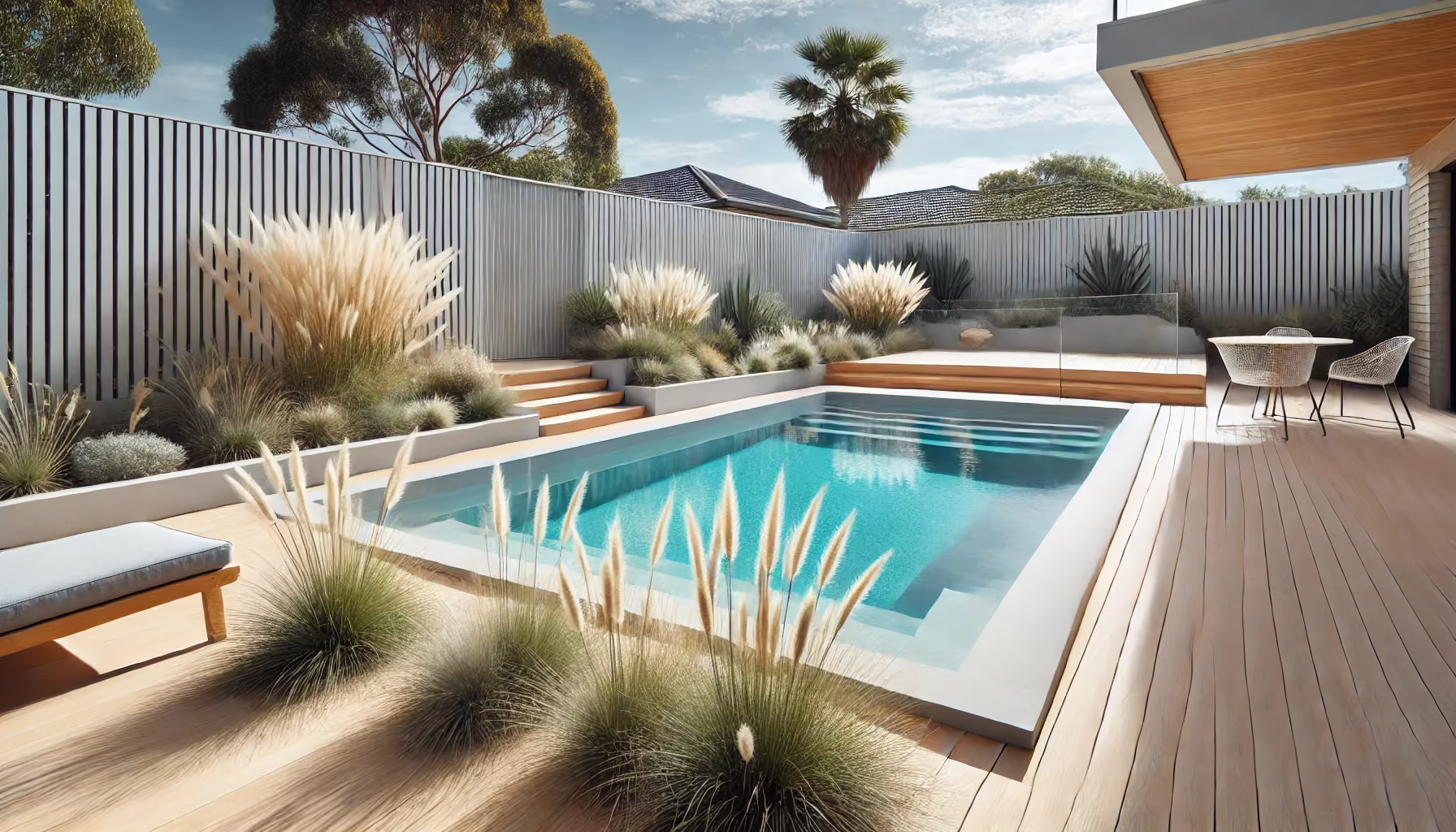
Pool Renovation Planning Guide
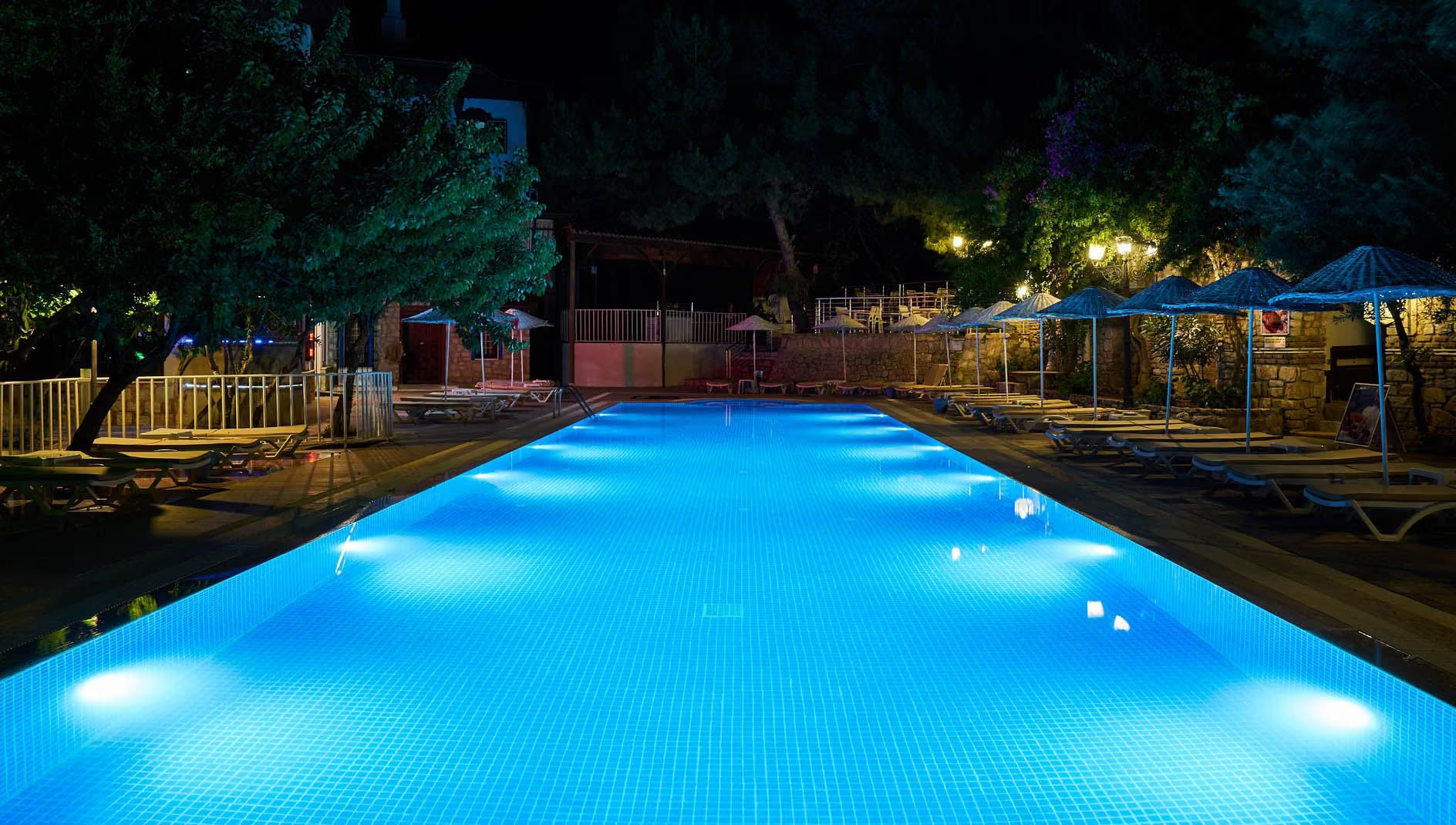
Pool Lighting Buying Guide
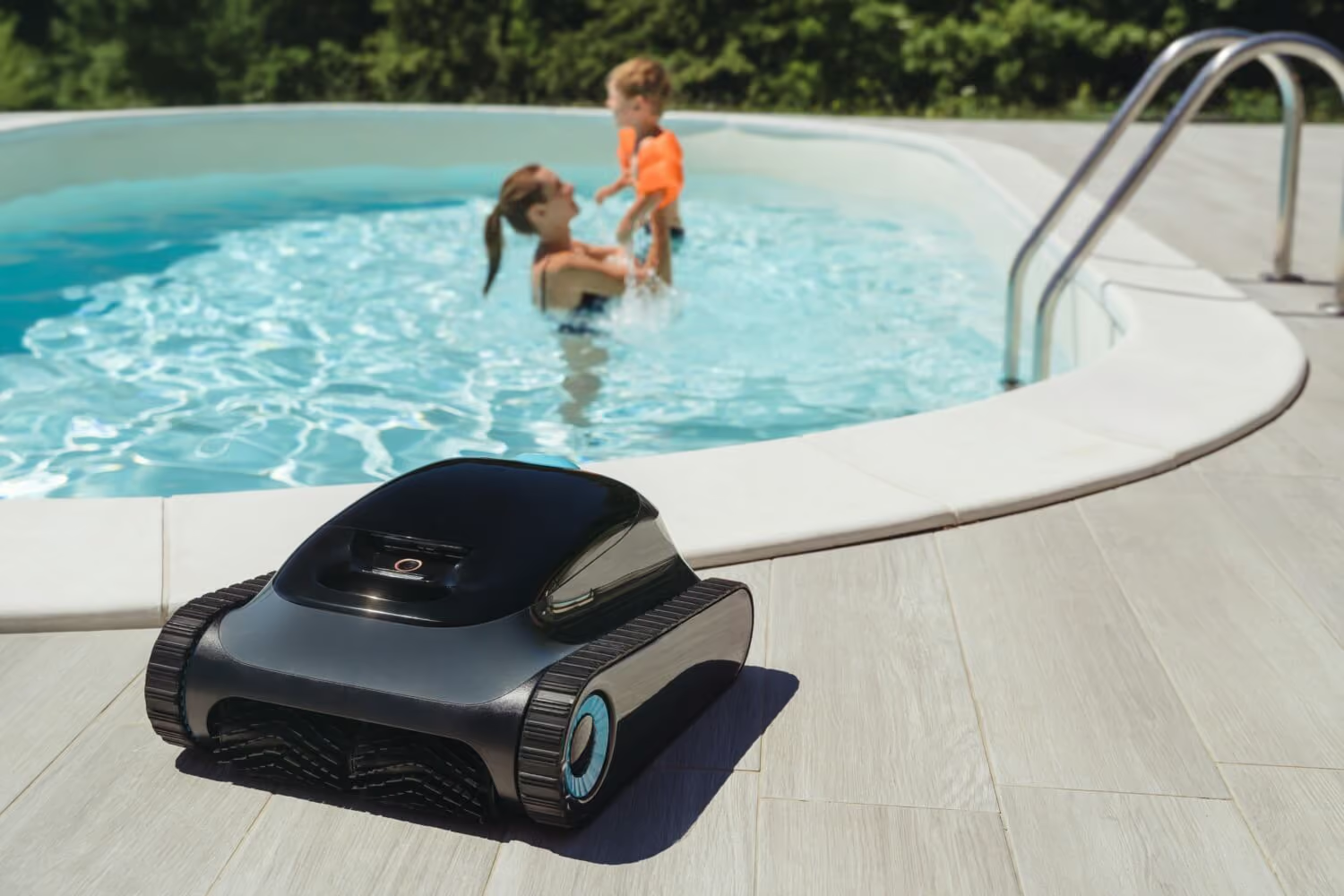
Pool Cleaner Buying Guide
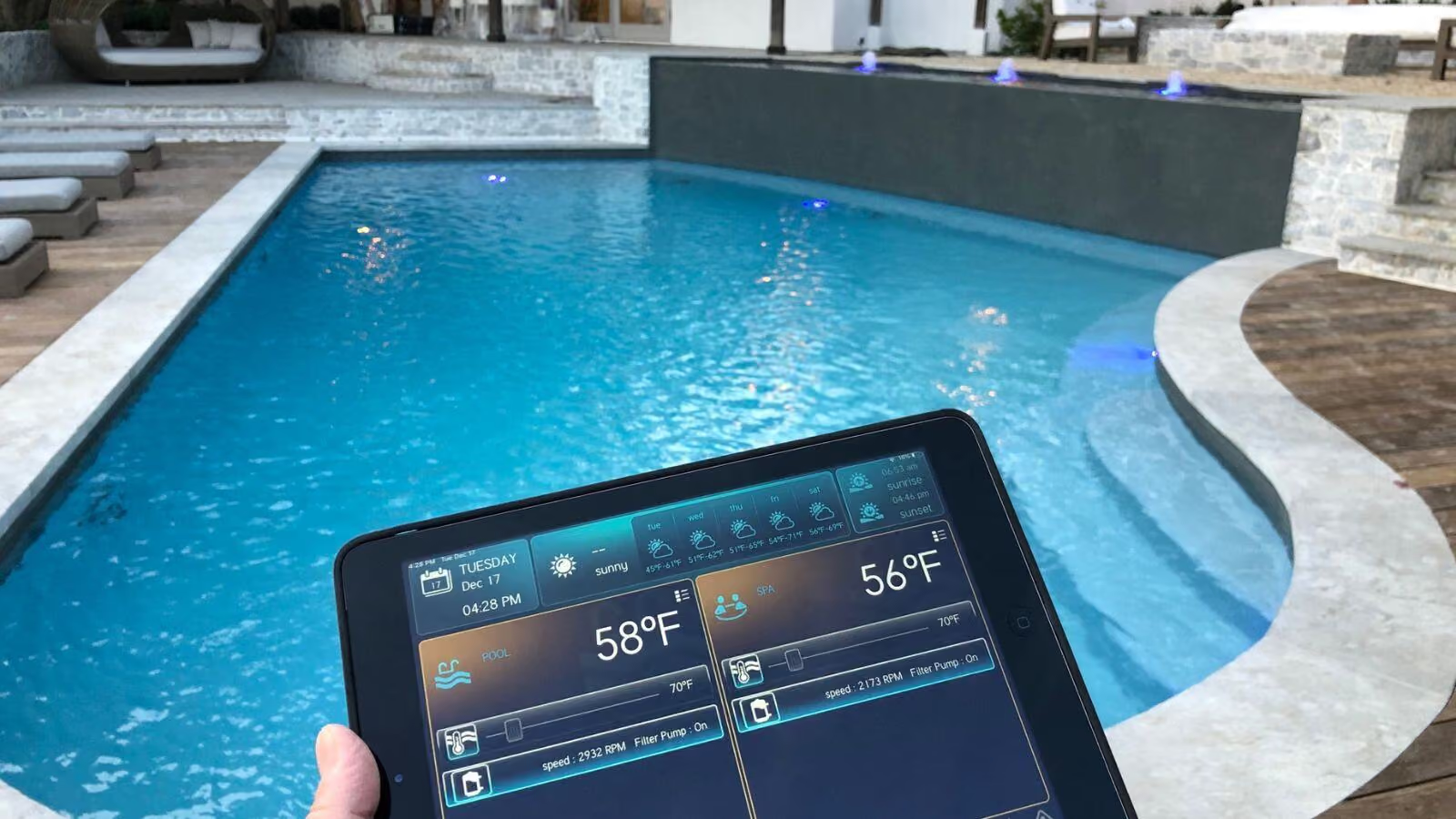
Pool Automation Buying Guide
Pool Heater Buying Guide
Pool Filter Buying Guide
Pool Pump Buying Guide
Best Equipment Auckland Climate
Auckland Water Quality
Auckland Pool Season
Pool Ownership Costs
Common Pool Mistakes
Pool Safety Laws
Pool Inspection Requirements
Pool Fence Compliance
.avif)
Auckland Pool Industry Trends
Auckland Pool Regulations
Pool Equipment Suppliers
Best Pool Service Areas
Pool Service Pricing Analysis
Company vs Independent
Best Pool Surface Materials
Pool Resurfacing Options
Pebble vs Plaster Surfaces
One-Time vs Ongoing Service
Full Service vs Chemicals Only
Pool Cover Types
Robotic vs Suction Cleaners
Mineral vs Saltwater
Gas vs Heat Pump
Pool Heater Types
Pool Winterizing Guide Auckland
Pool Opening Guide Summer
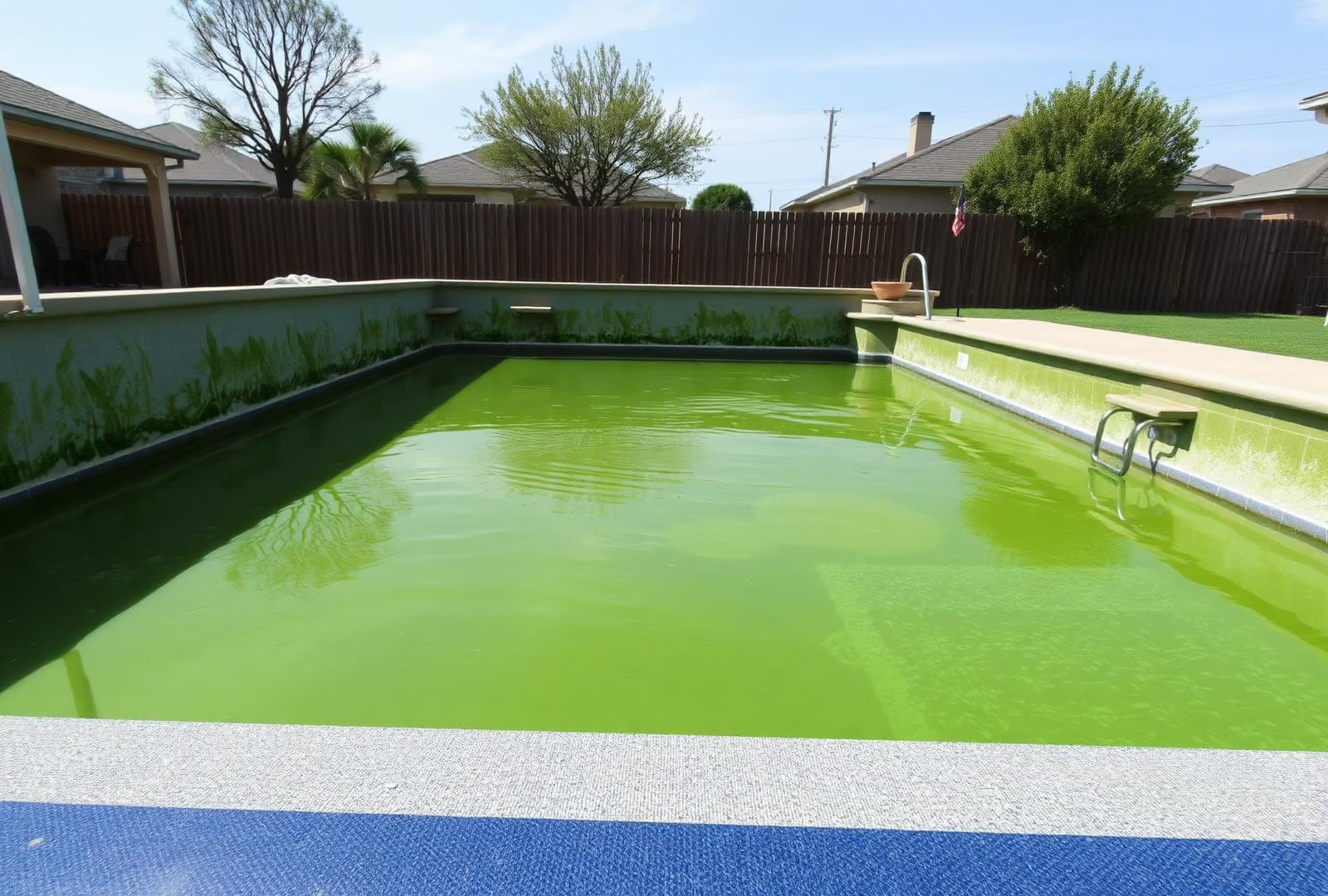
Pool Maintenance After Heavy Rain
Pool Maintenance Schedule
How Often to Run Pool Filter
Pool Pump Maintenance Schedule
Pool Filter Cartridge Cleaning
Pool Equipment Maintenance Checklist
Pool Waterline Cleaning
Pool Skimmer Basket Cleaning
Pool Chlorine Levels
How Often Clean Pool Filter
How to Vacuum Pool
Pool Brushing Technique
Pool Chemical Dosing Chart
Pool Water Chemistry Basics
How to Balance Pool Chemistry
How to Test Pool Water
Pool Maintenance Tips
Complete Pool Maintenance Guide
Pool Service ROI
Pool Equipment Buy or Service
Pool Maintenance Time Requirements
DIY vs Professional
Pool Service Contract
Pool Service vs Pool Valet
Is Pool Service Worth It
Pool Service Guarantees
Pool Service Reviews
Pool Service Red Flags
Questions to Ask Pool Companies
How to Choose Pool Service Company
Hidden Costs DIY Maintenance
Pool Cleaning Prices Auckland
Cost of Pool Resurfacing
Cost of Pool Pump Replacement
Cost to Fix Green Pool
Pool Liner Wrinkles
Pool Cracks When to Worry
Pool Surface Stains
Pool Valve Leaking
Pool Automation Not Working
Pool Light Not Working
Pool Heater Not Heating
Pool Skimmer Not Working
High Pool Filter Pressure
Pool Losing Water
Pool Filter Not Clearing Water
Pool Pump Leaking
Pool Pump Not Pumping
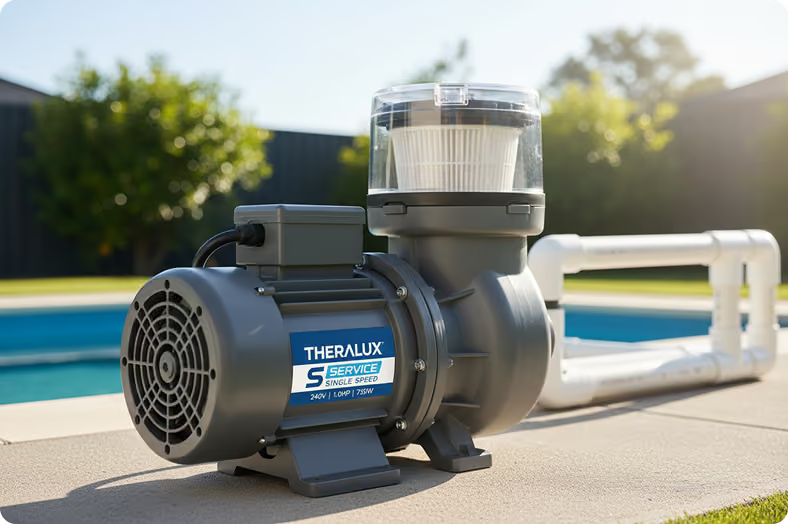
Pool Pump Losing Prime
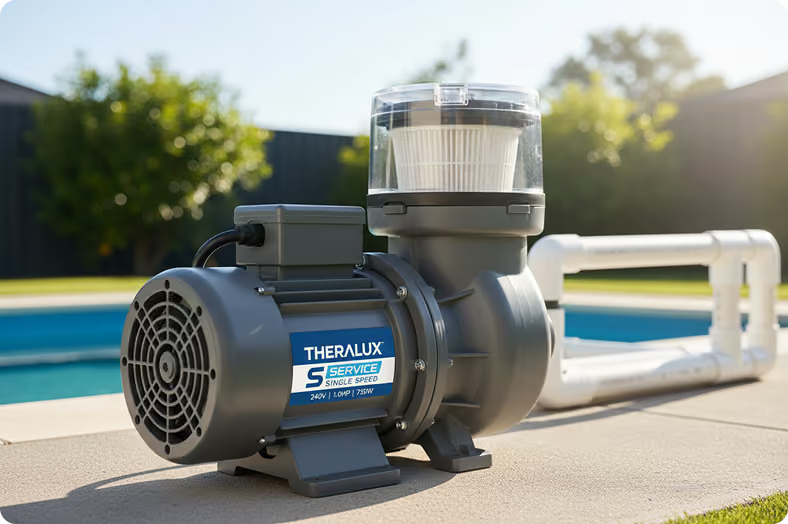
Pool Pump Noisy
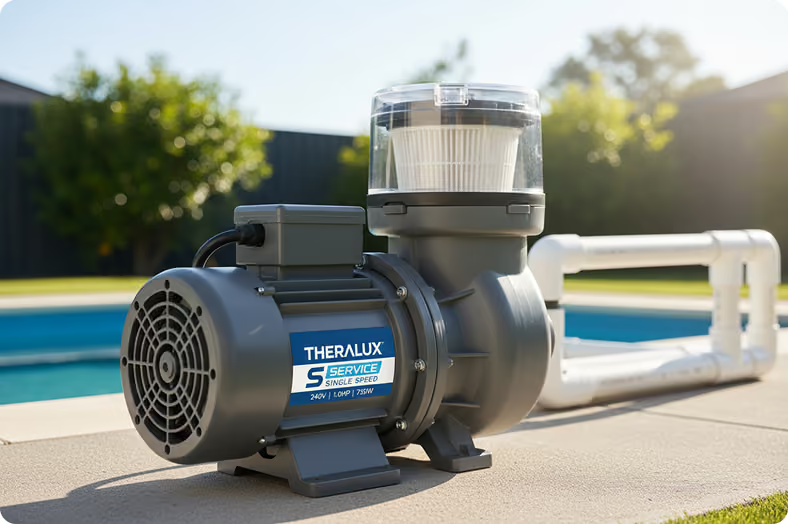
Pool Pump Not Working
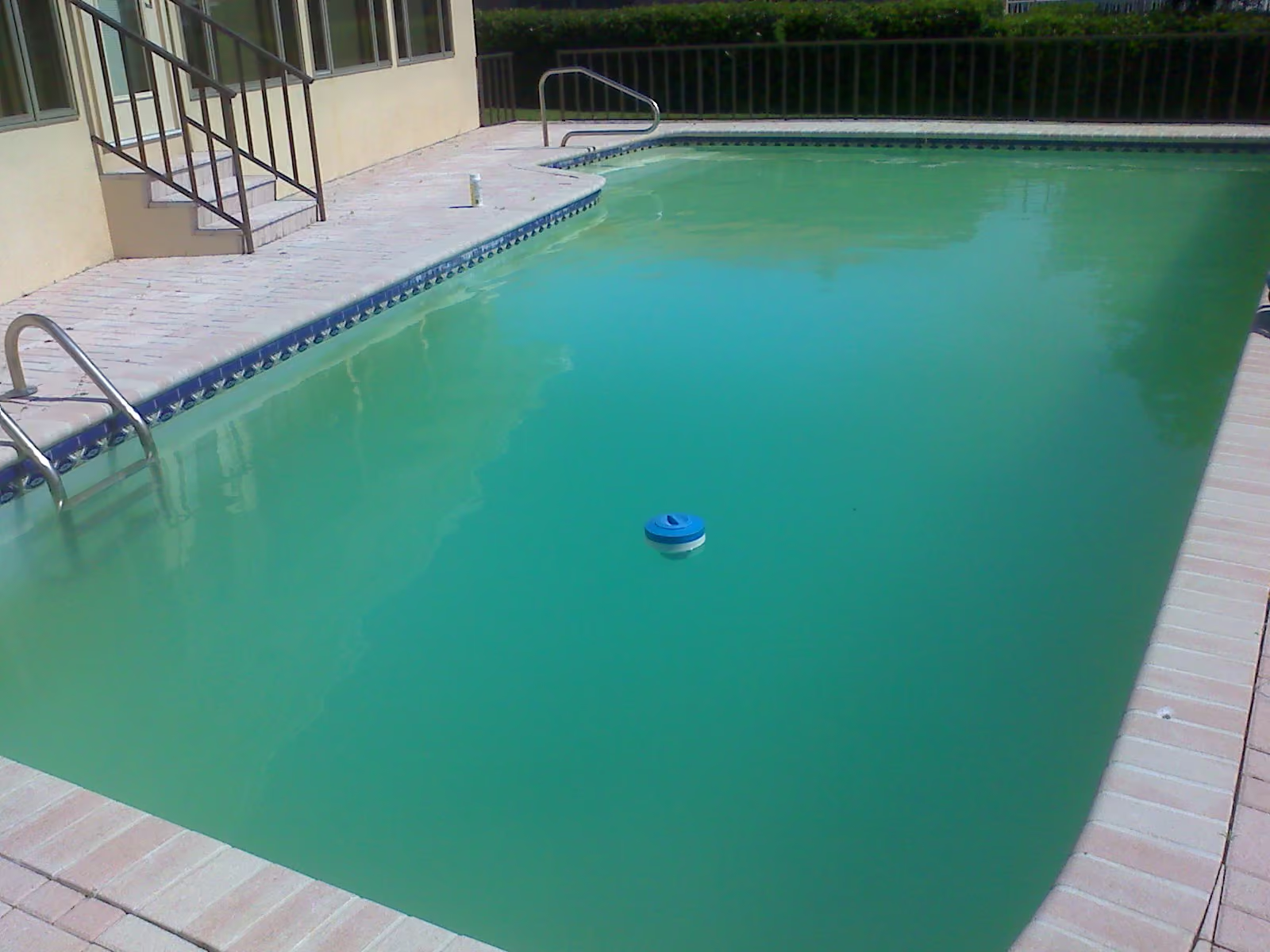
Pool Water Foaming
Pool pH Too Low
Pool pH Too High
Green Pool After Rain
Pool Still Green After Shock
Pool Water Cloudy
How to Clear a Green Pool
Pool Care That Protects Your Investment
Good pool care protects more than appearance. Our pool specialists support the long-term condition of your swimming pool while keeping it ready for everyday use.