How Often to Test Pool Water

Why Auckland trusts our pool service expertise
Keeping pool water balanced starts with testing it regularly. The frequency depends on the season, how much the pool is used, and what parameters you are checking.
Here are the key points from this guide on how often to test pool water in Auckland.
What you'll learn
Why Regular Water Testing Matters
Pool water chemistry shifts constantly. Sunlight, rain, bathers, and temperature all affect the balance. When the chemistry drifts too far in any direction, the water becomes unsafe to swim in, or starts damaging your pool equipment and surfaces.
Regular testing lets you catch small imbalances before they become expensive problems. It is one of the most straightforward parts of pool ownership, and one of the most important.
---
How Often Should You Test Your Pool Water?
The right testing frequency depends on how much the pool is being used and what time of year it is.
Weekly Testing (Standard)
For most residential pools in Auckland, testing once a week is the baseline. A weekly test should cover:
- Free chlorine, the active sanitiser keeping the water safe
- pH, how acidic or alkaline the water is
- Total alkalinity, the buffer that stabilises pH
These three parameters change most quickly and have the most direct impact on water safety and comfort.
More Frequent Testing (High Use or Hot Weather)
During summer, or when the pool is being used heavily, such as during school holidays or after a party, test every two to three days. Heat accelerates chlorine loss, and heavy bather loads introduce contaminants that push chemistry out of balance faster.
After heavy rain, test as soon as possible. Auckland's rainfall can dilute chemicals and shift pH significantly.
Monthly Testing
Once a month, it is worth testing a broader range of parameters:
- Calcium hardness, too low and the water becomes corrosive; too high and scale builds up
- Cyanuric acid (stabiliser), protects chlorine from UV breakdown in outdoor pools
- Total dissolved solids (TDS), a general indicator of water quality over time
These change more slowly, but ignoring them leads to long-term surface and equipment damage.
Seasonal Testing
At the start and end of the swimming season, a full water test is worthwhile. This gives you a clear picture of where the water stands before you ramp up use, and helps you prepare the pool correctly for winter.
---
What Are the Target Ranges?
Keeping your water within the correct ranges is the goal of every test. The key parameters and their general target ranges are:
- Free chlorine: 1-3 ppm
- pH: 7.2-7.6
- Total alkalinity: 80-120 ppm
- Calcium hardness: 200-400 ppm
- Cyanuric acid: 30-50 ppm (outdoor pools)
If a reading falls outside these ranges, adjust it promptly. Small corrections are straightforward. Letting imbalances compound makes them harder and more expensive to fix.
---
How to Test Your Pool Water
Test Strips
Test strips are the quickest option for a routine weekly check. Dip the strip, wait the specified time, and compare the colour to the chart on the packaging. They are not the most precise method, but they are good enough for catching obvious problems between more thorough tests.
Liquid Test Kits
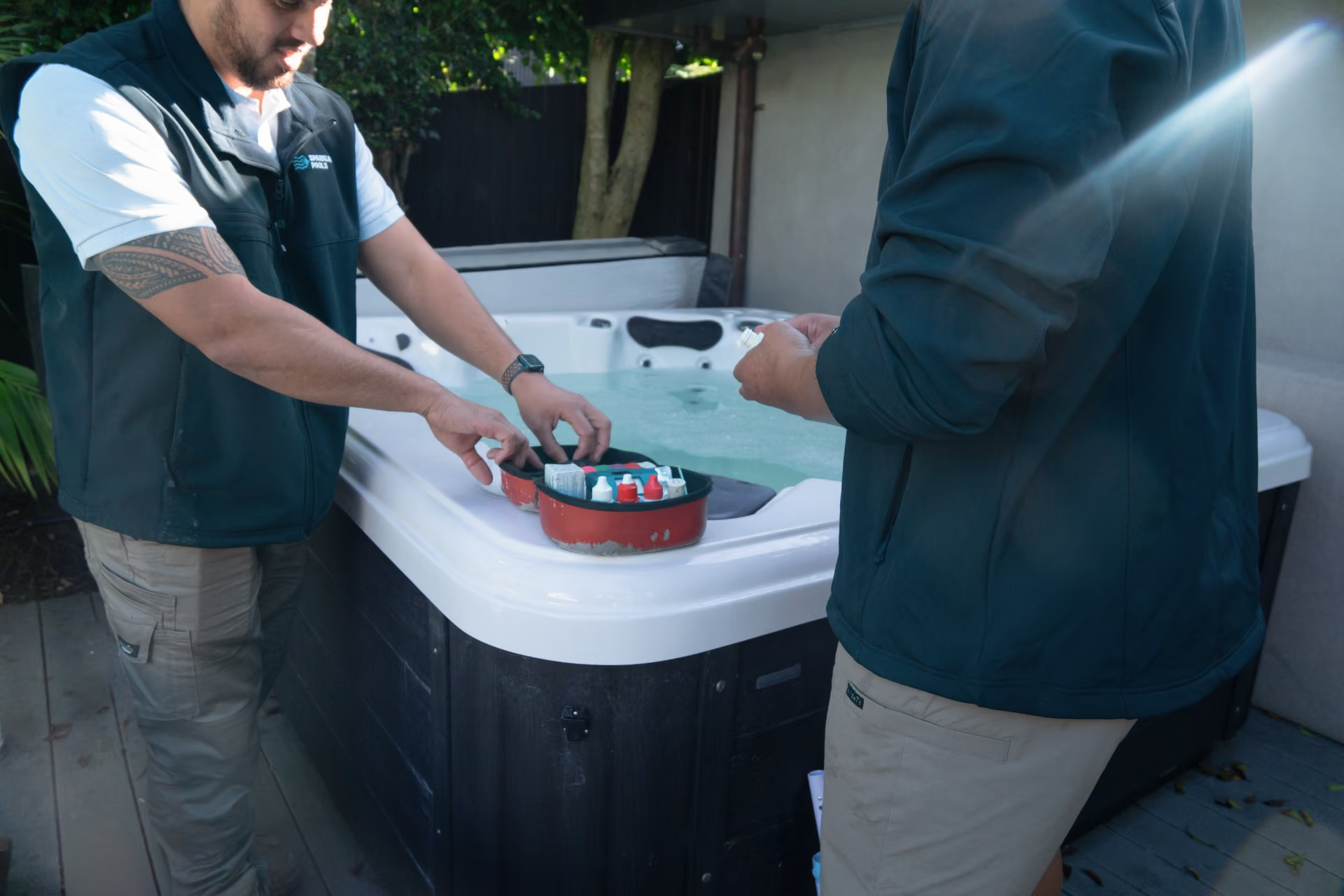
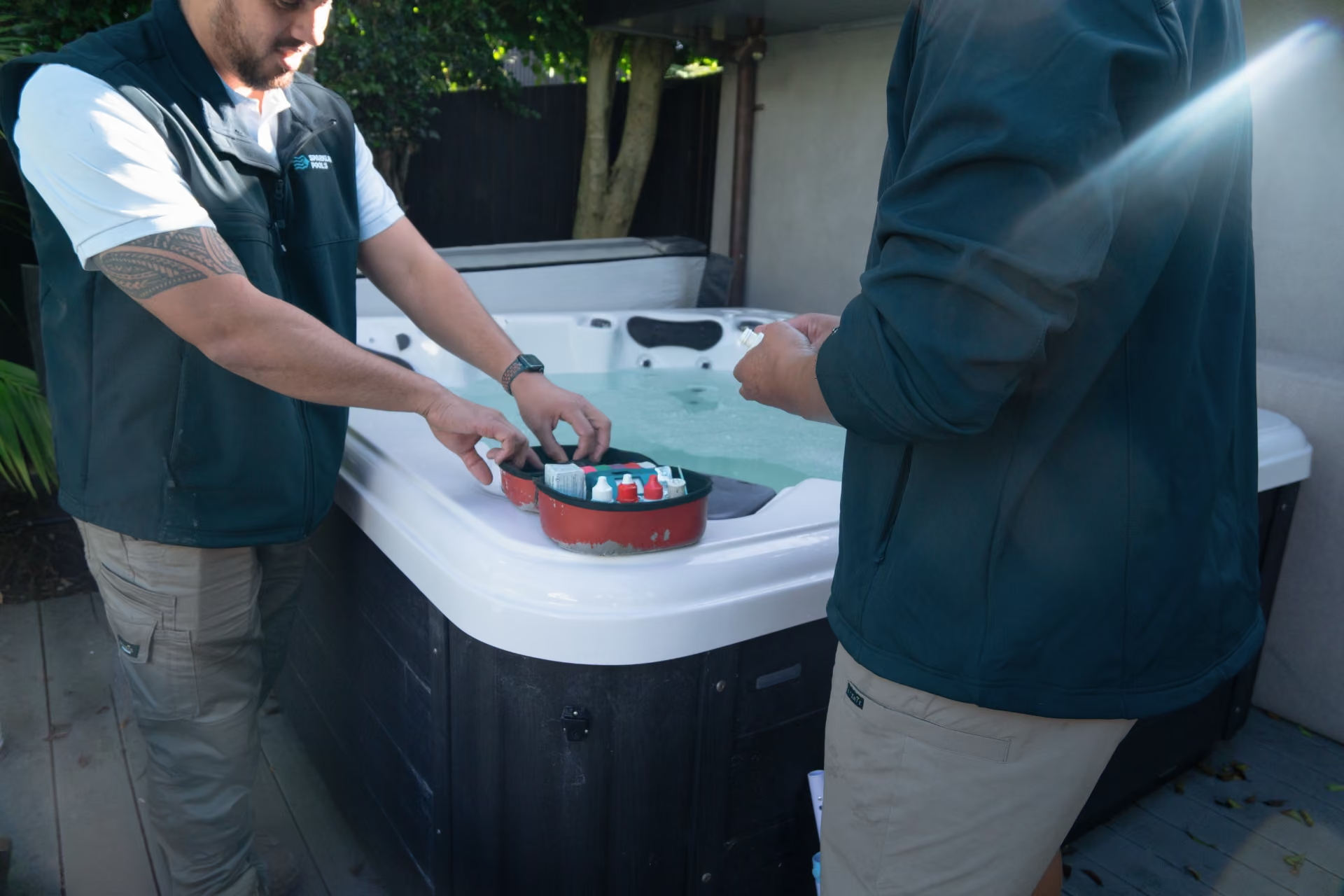
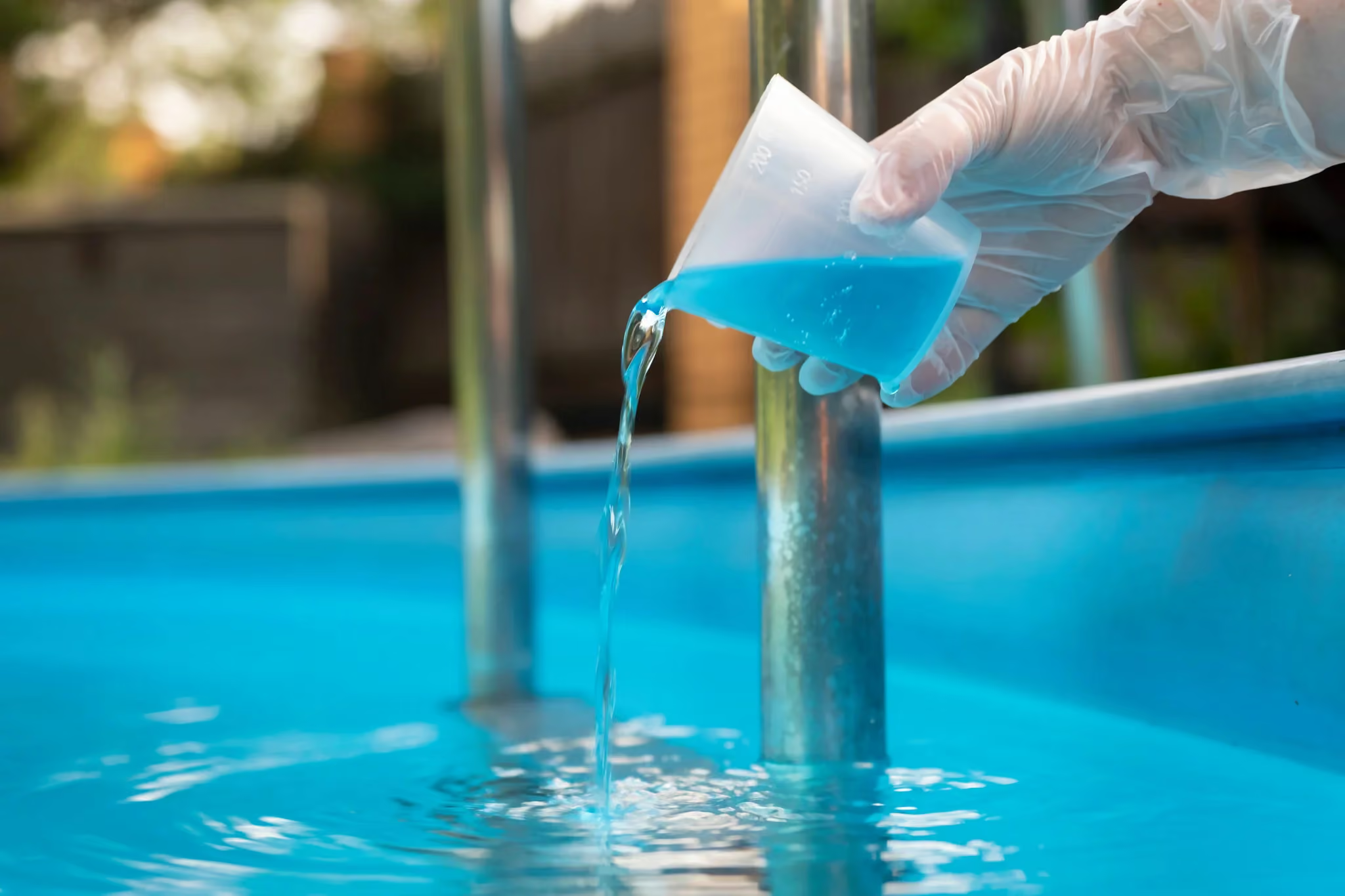
Liquid test kits are more accurate than strips. They use reagent drops to produce colour changes that you compare against a reference. A good kit covers chlorine, pH, and alkalinity at minimum.
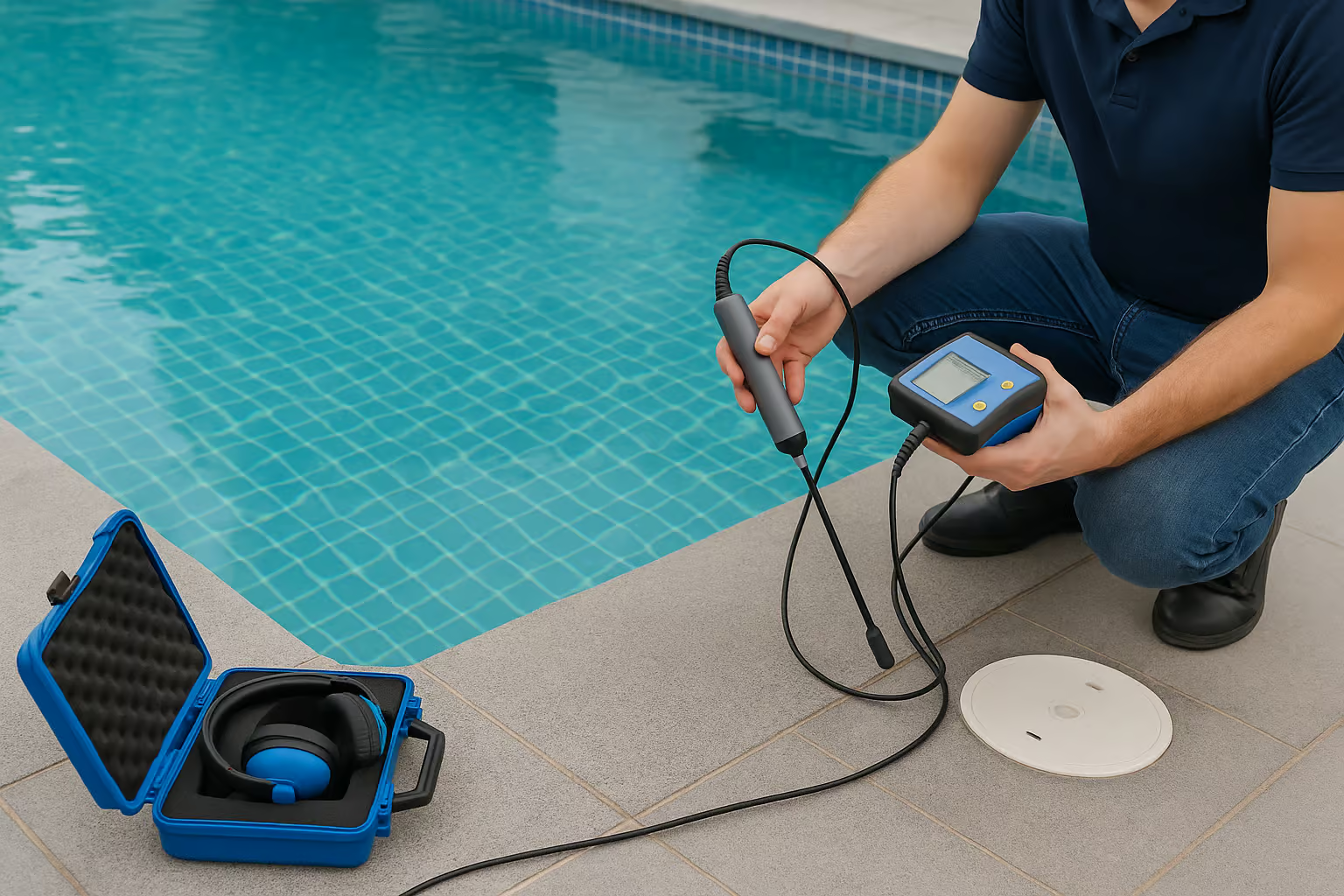
Digital Testers
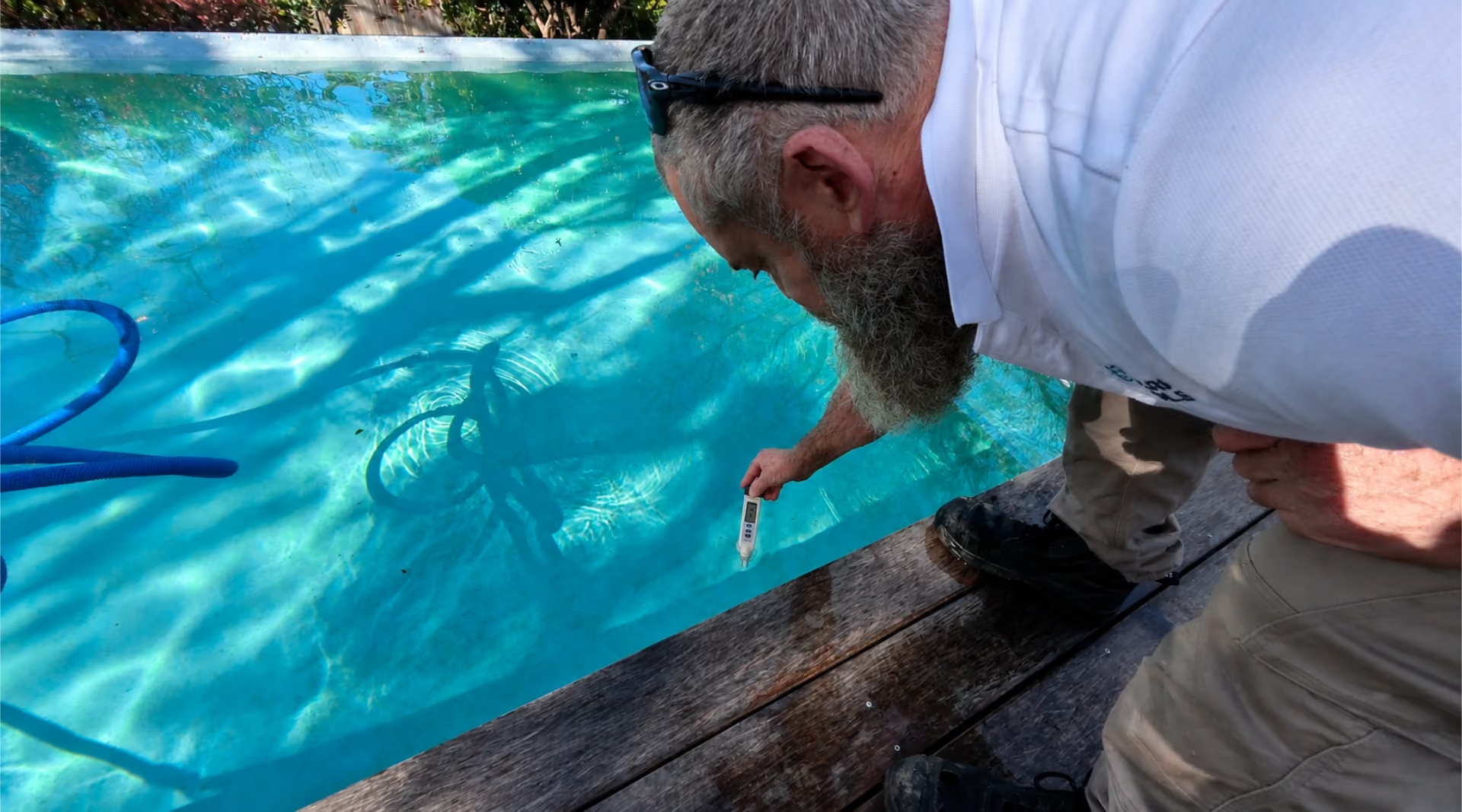
Digital testers offer greater accuracy and are easier to read than colour-comparison methods. They are a worthwhile investment for pool owners who test frequently.
Professional On-Site Testing
For the most accurate results, particularly for the monthly or seasonal full test, professional on-site testing is the most reliable option. Sparkling Pools comes to your home and tests your water on site, anywhere in Auckland. A professional test covers a wider range of parameters and gives you a precise starting point for any adjustments needed.
---
Common Testing Mistakes
Testing at the Wrong Time
Test water mid-morning or in the afternoon, not immediately after adding chemicals. Allow at least a few hours after dosing before testing, so the chemicals have circulated fully.
Taking the Sample from the Surface
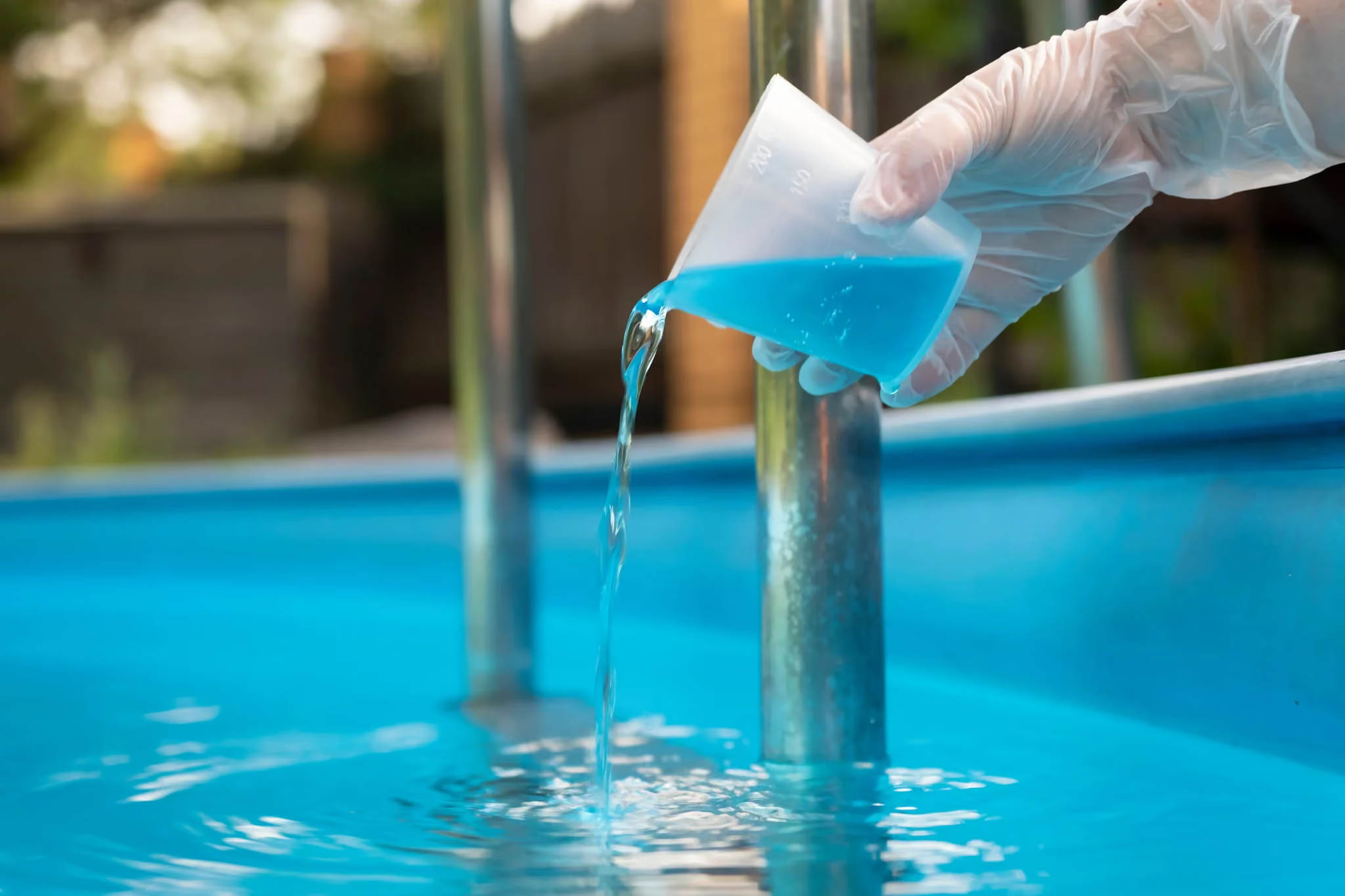
Always collect your water sample from elbow depth, roughly 30-40 cm below the surface. Surface water is not representative of the pool as a whole.
Not Rinsing the Test Equipment
Rinse test vials and equipment with pool water before use, not tap water. Tap water contains chlorine and minerals that can skew your results.
Ignoring One Parameter Because Another Looks Fine
Chemistry parameters interact. A correct chlorine reading does not mean pH is fine. Test all relevant parameters each time, do not skip one because the others look good.
---
When to Call a Professional
Most routine adjustments are straightforward once you know your readings. But there are situations where professional help is the right call:
- Persistent imbalance, if you are correcting the same parameter repeatedly and it keeps drifting back out of range, there is likely an underlying cause worth investigating
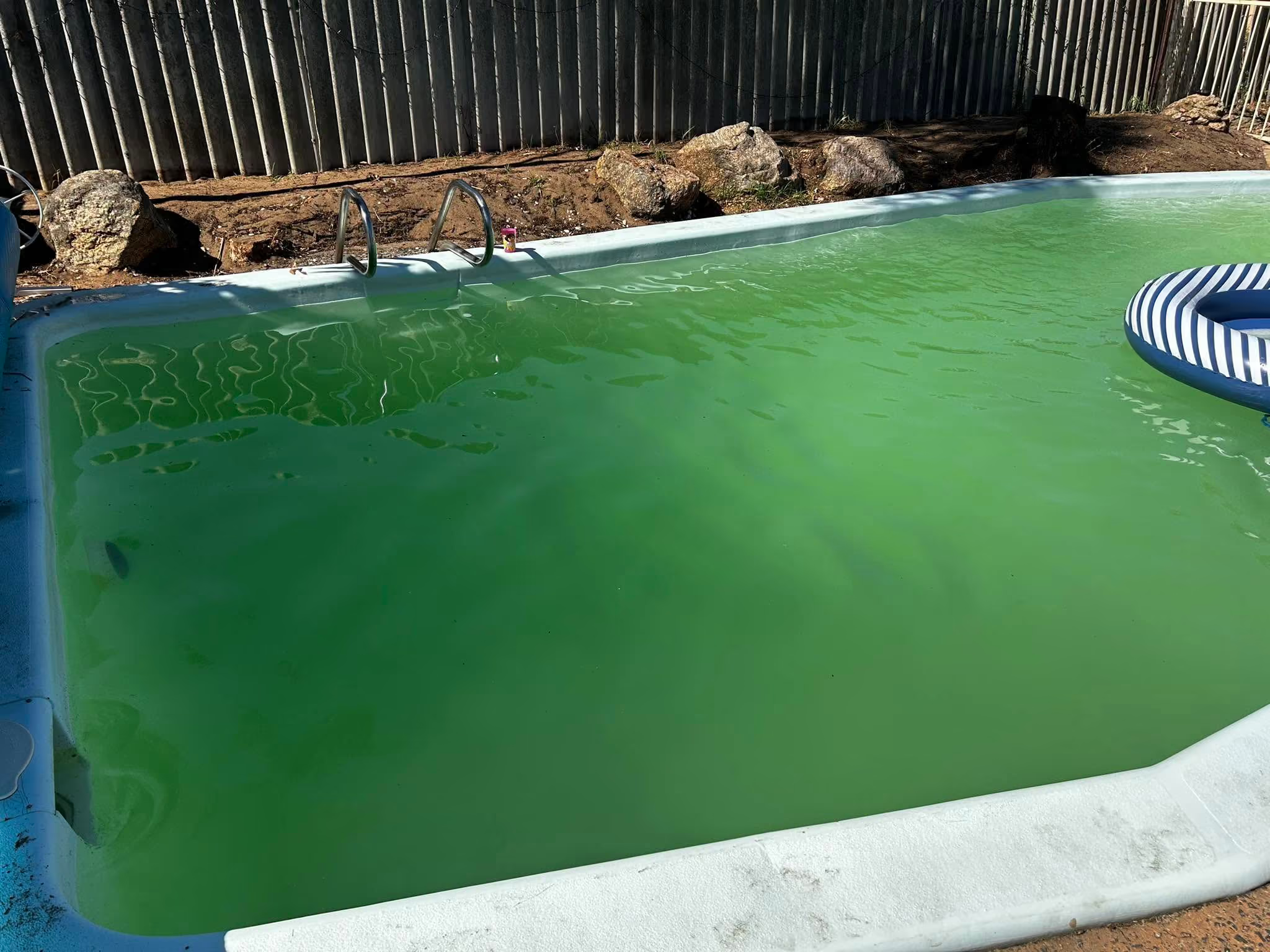
- Water that stays cloudy or green despite correct chemistry readings
- Unusual readings you cannot explain, for example, chlorine that disappears rapidly even with no heavy use
- Before the start of the swimming season, a professional test gives you an accurate baseline and clear guidance on what the water needs
Sparkling Pools provides on-site water testing across Auckland. A technician comes to your property, tests the water on site, and gives you a clear picture of what adjustments are needed.
---
Keeping a Testing Log
Keeping a simple record of your test results over time is genuinely useful. It helps you spot patterns, for example, pH that consistently rises after rain, or chlorine that drops faster in summer. A notebook or a simple spreadsheet works well. Note the date, the readings, and any chemicals you added.
Over a season, this record makes it much easier to stay ahead of problems rather than reacting to them.
---
Summary
Regular water testing is straightforward and takes only a few minutes. The key points:
- Test the core parameters, chlorine, pH, and alkalinity, at least once a week
- Test more often during summer and heavy use periods
- Run a full test monthly and at the start and end of each season
- Collect samples correctly and test at the right time for accurate results
- If something keeps drifting out of range, get a professional to take a look
Done consistently, regular testing keeps your pool safe, clear, and easier to manage all year round.
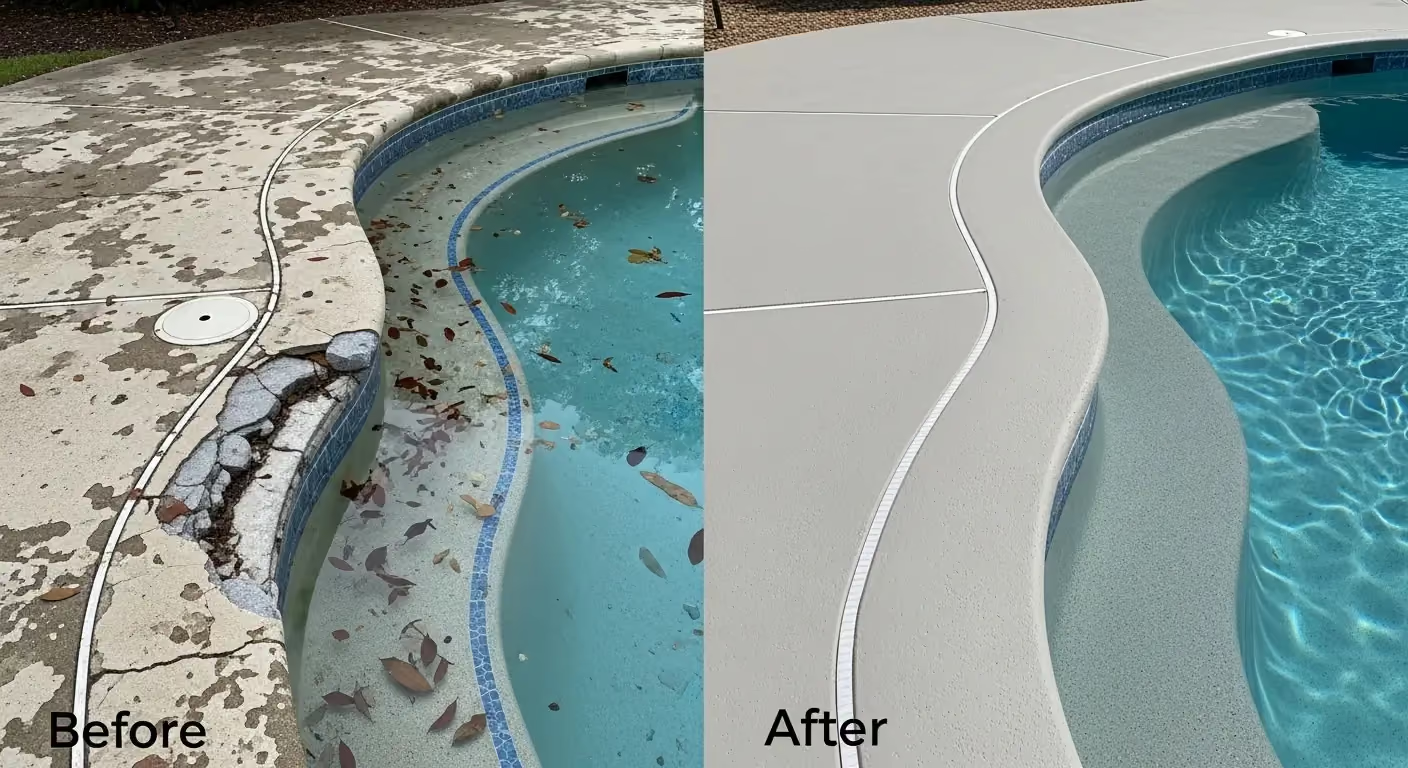
Pool resurfacing solutions
Restore your pool with durable plaster finishes

Work completed
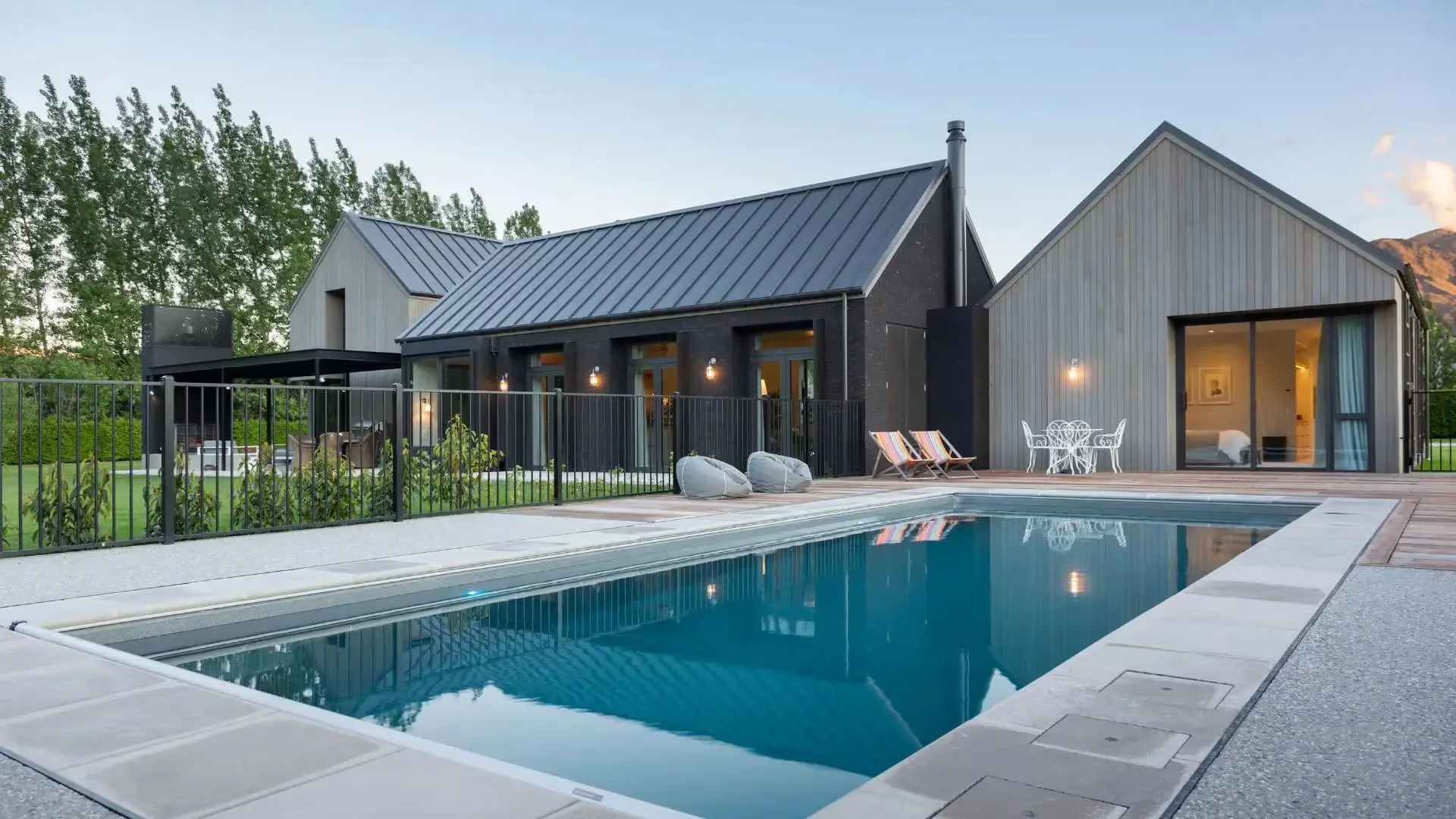
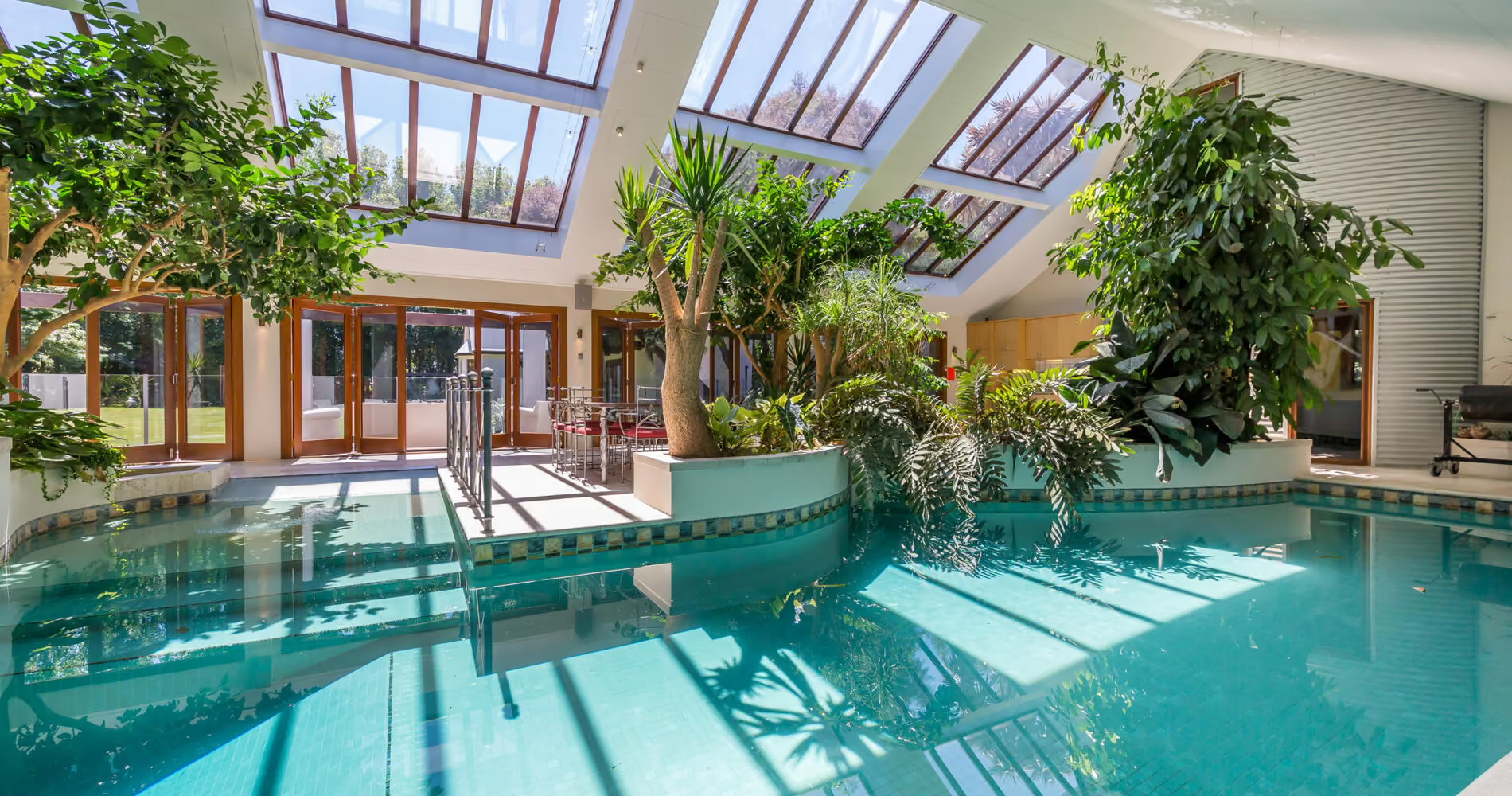
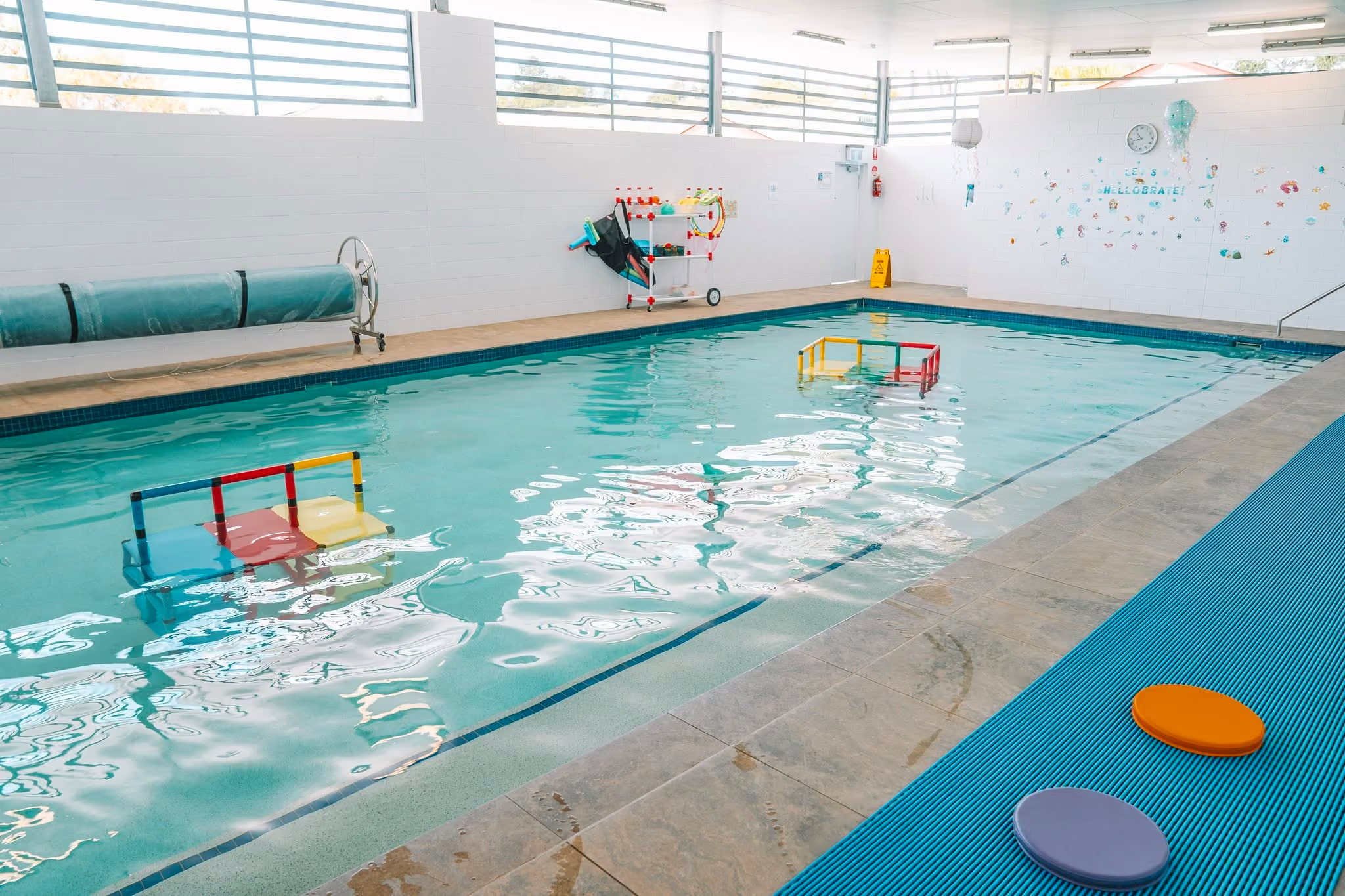
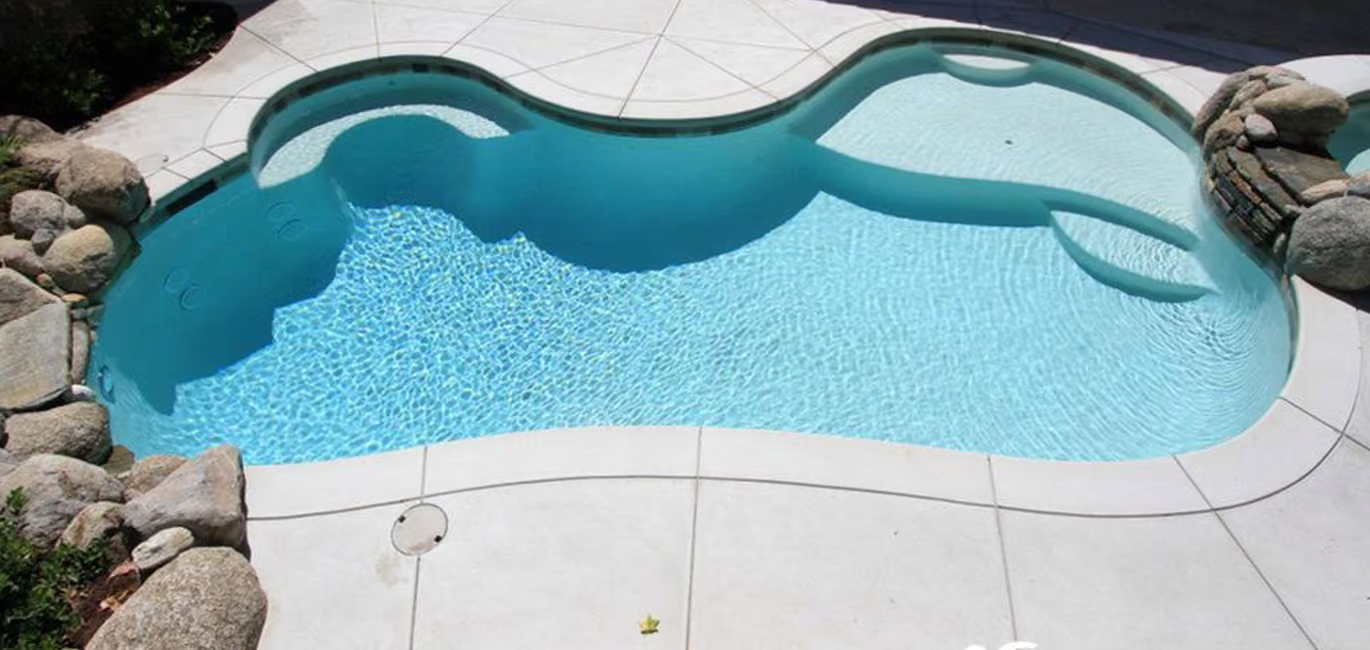
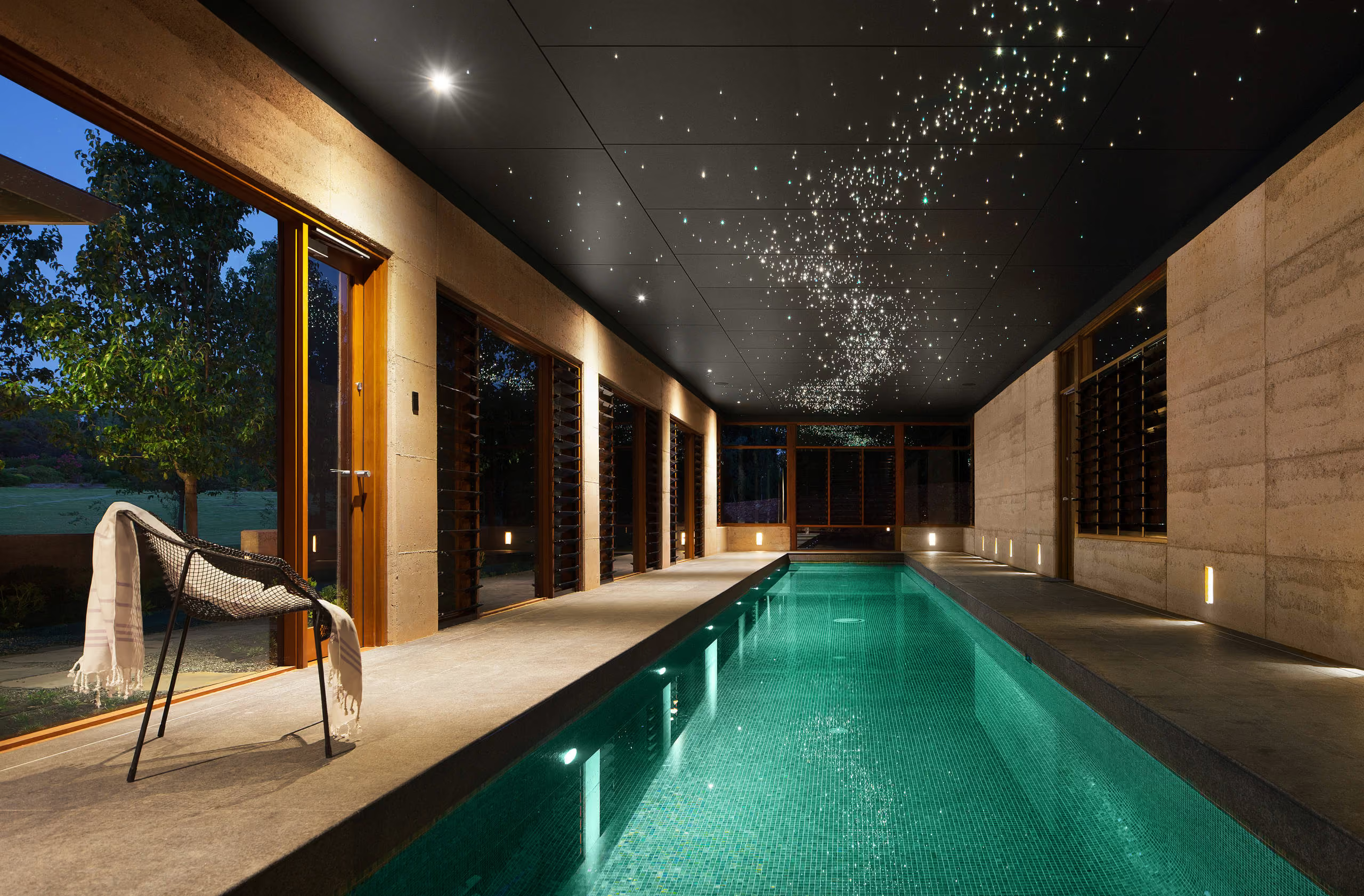
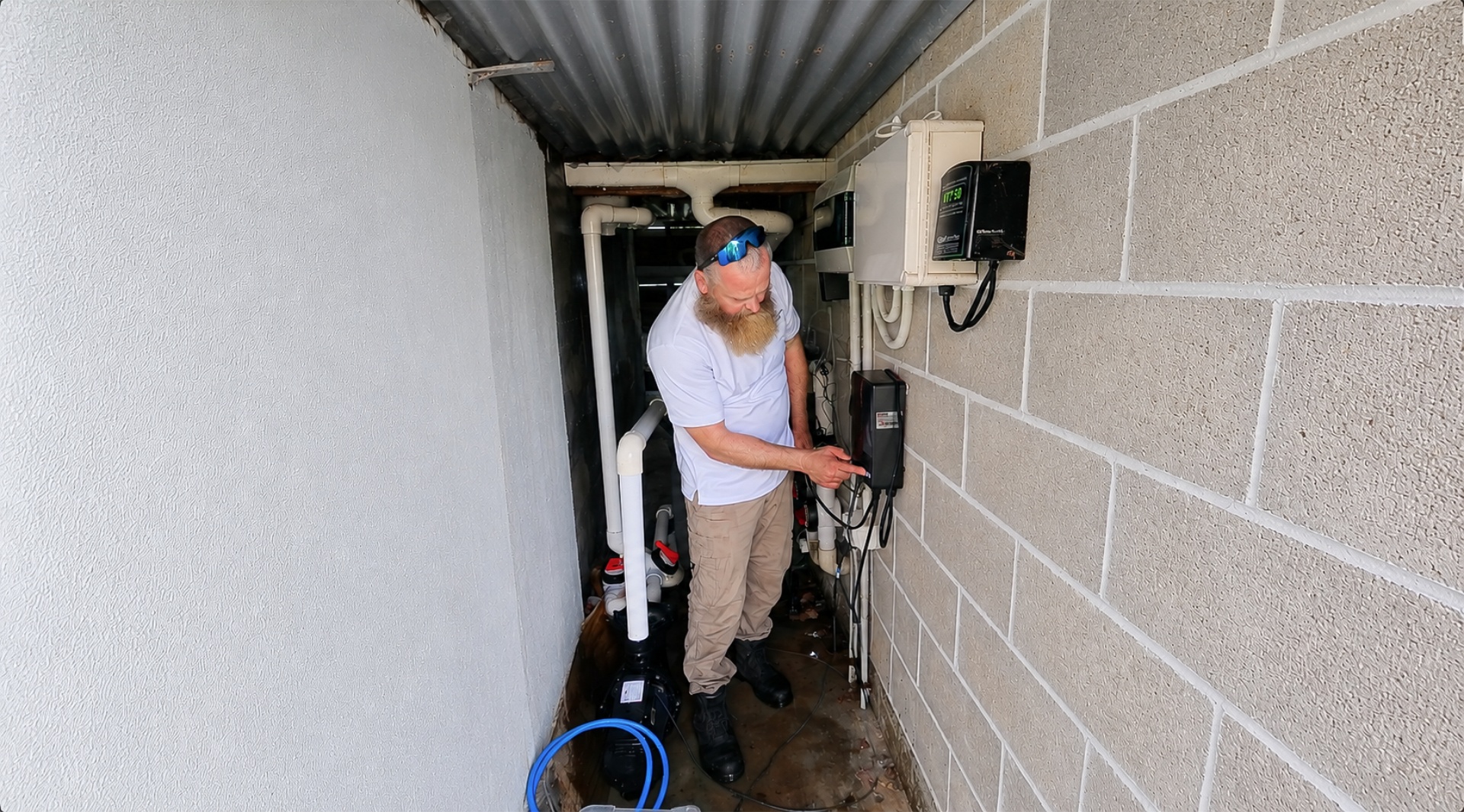
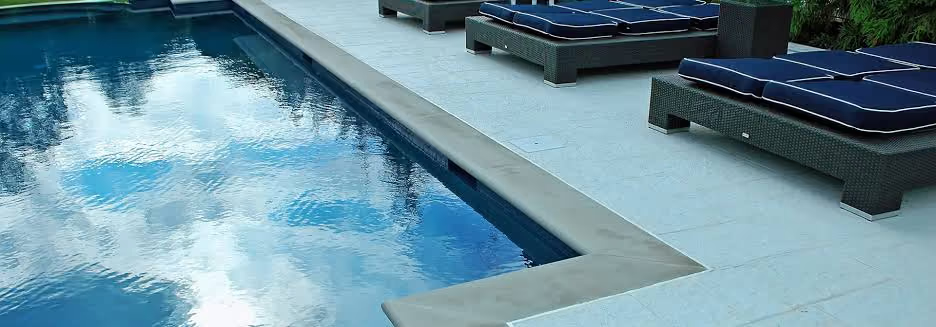
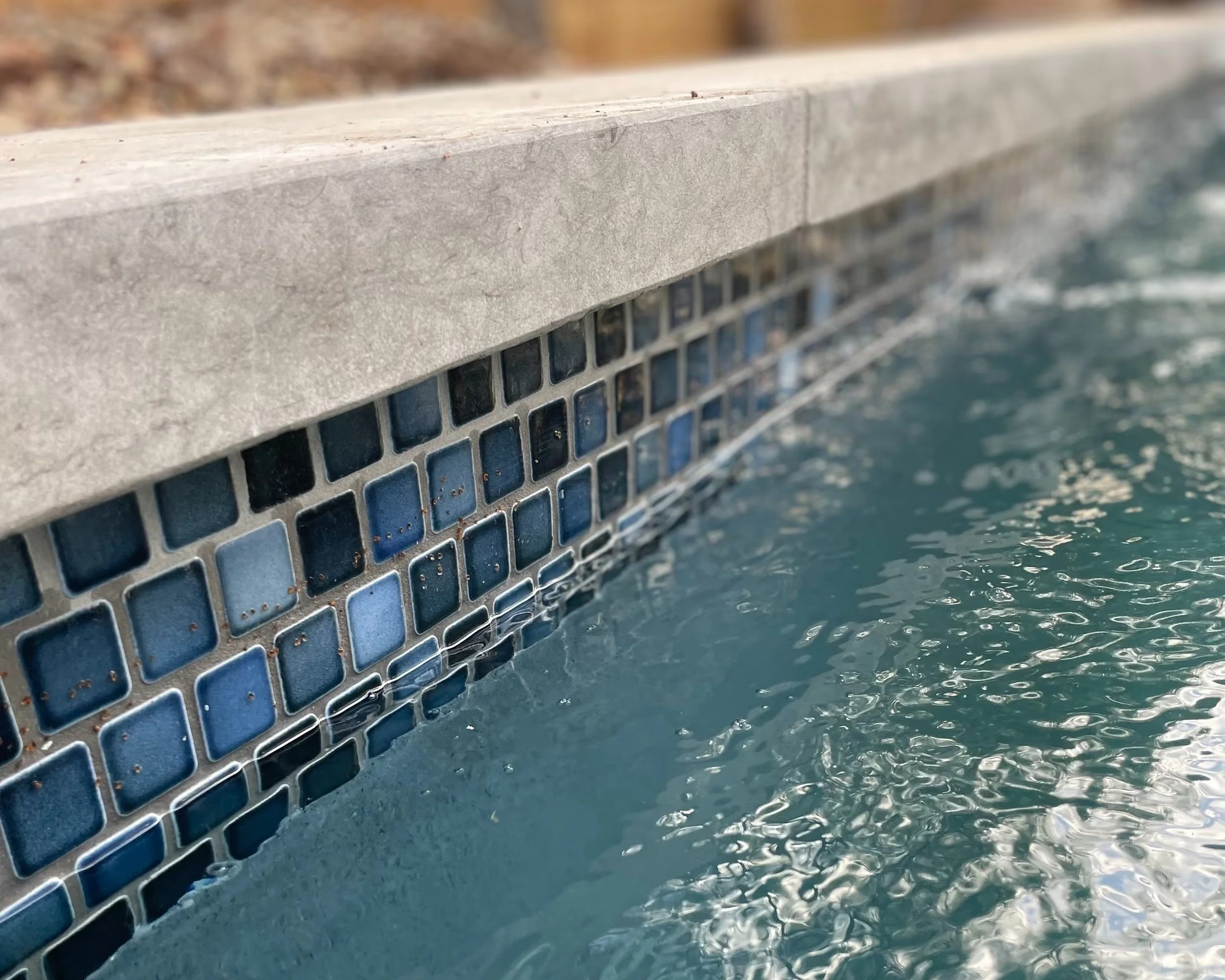
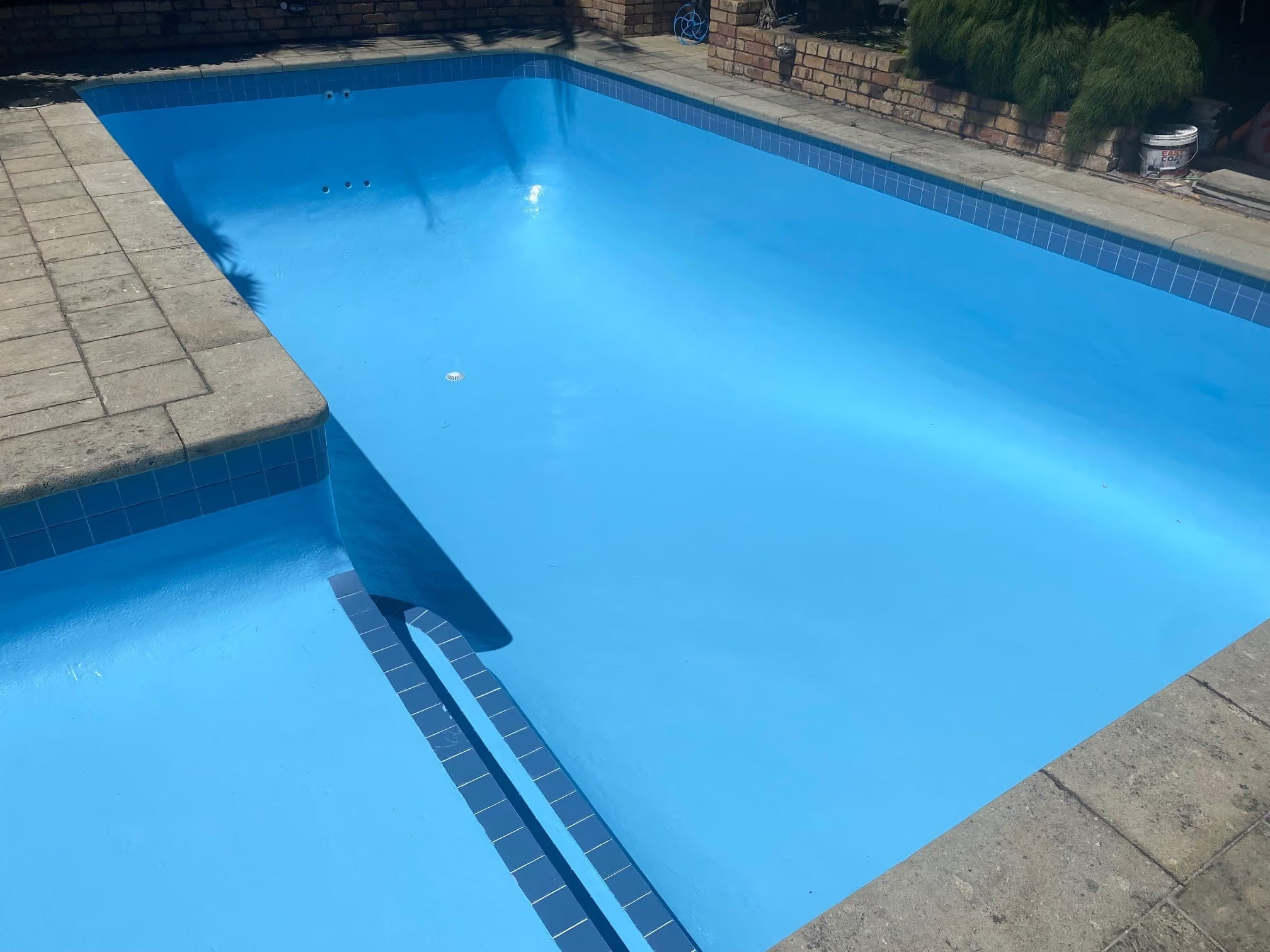
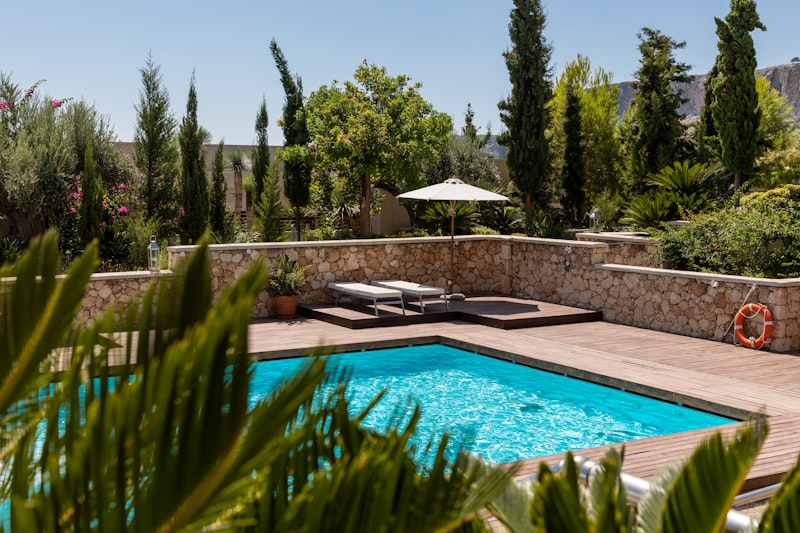
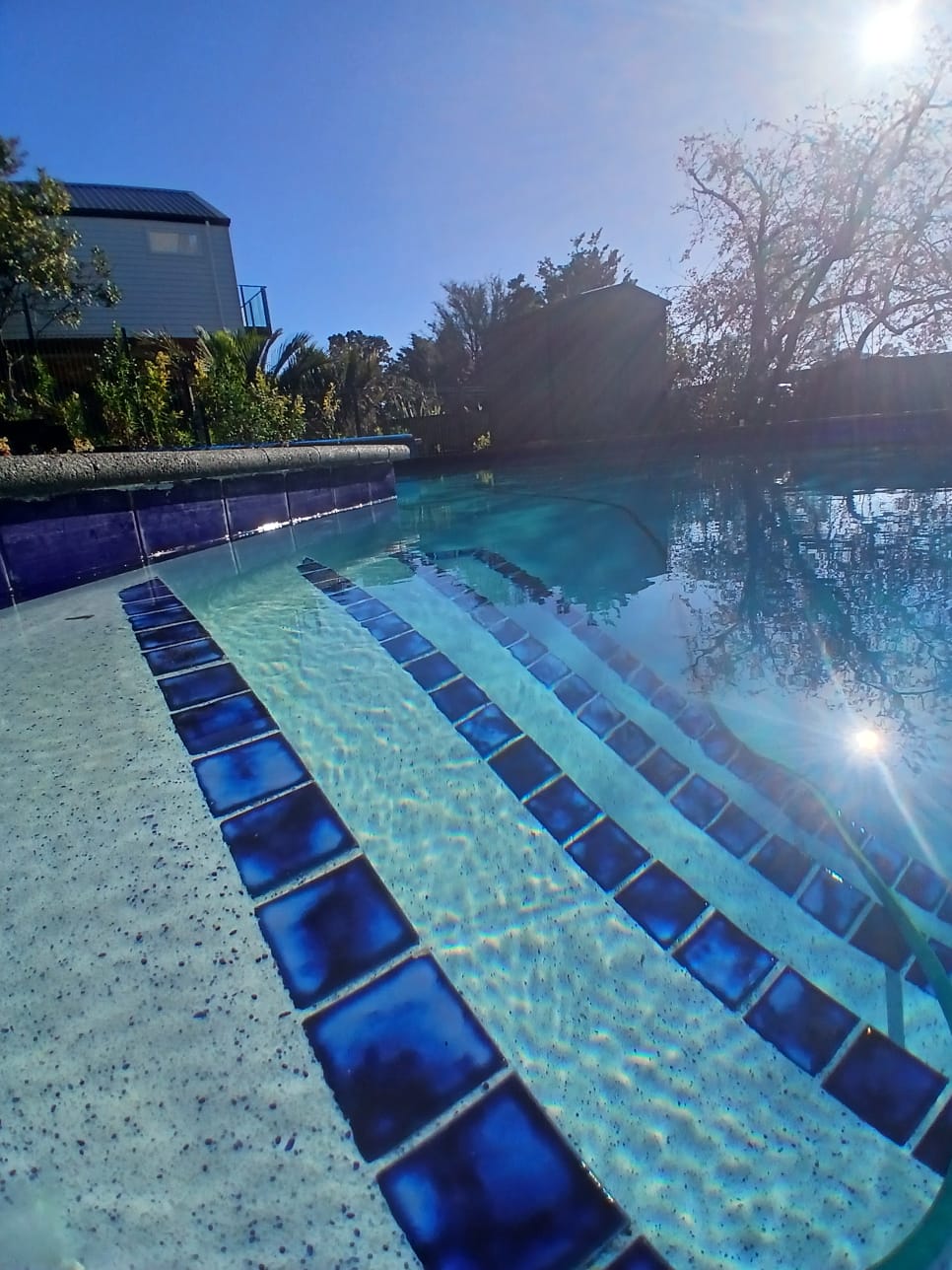
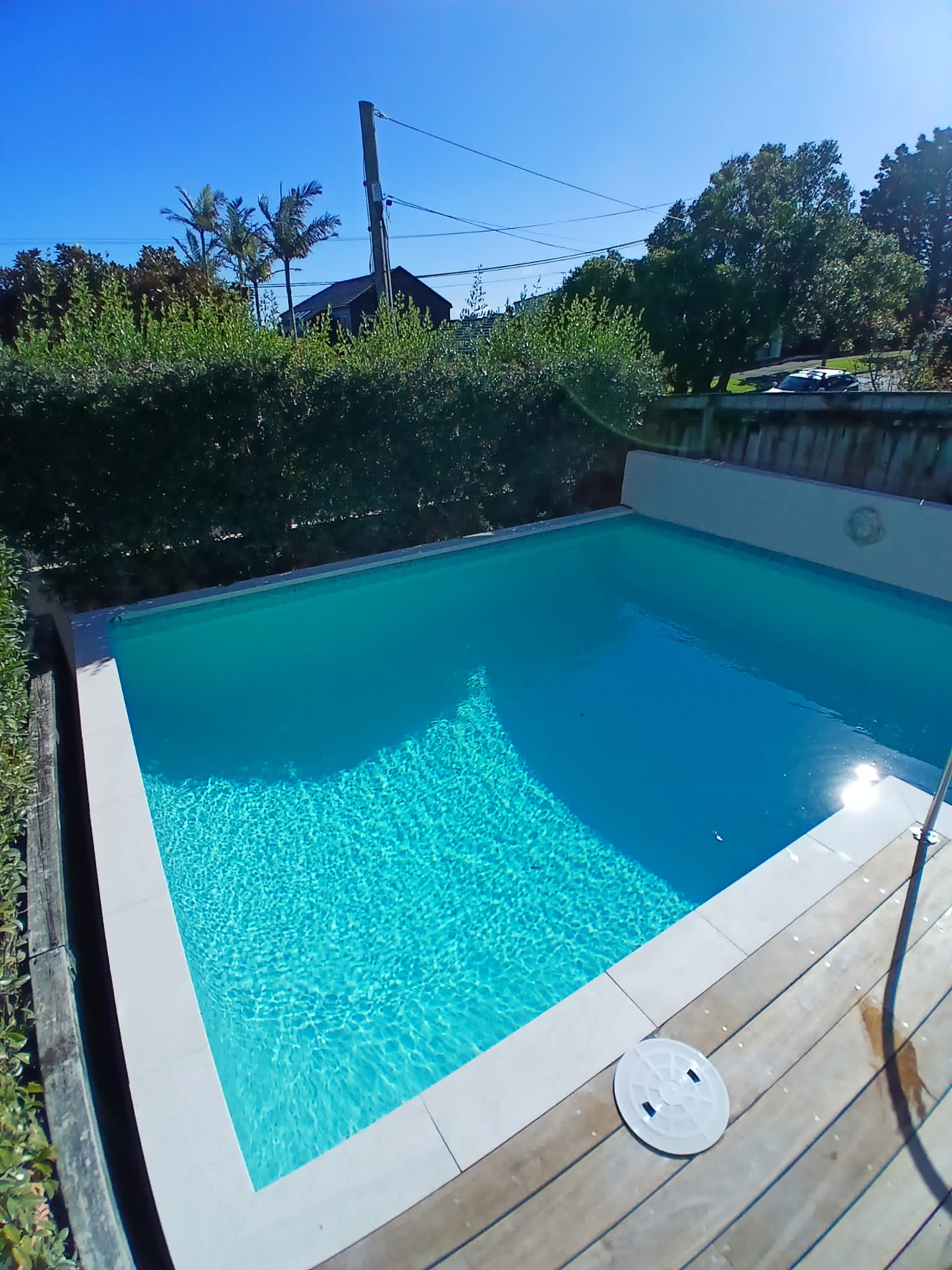
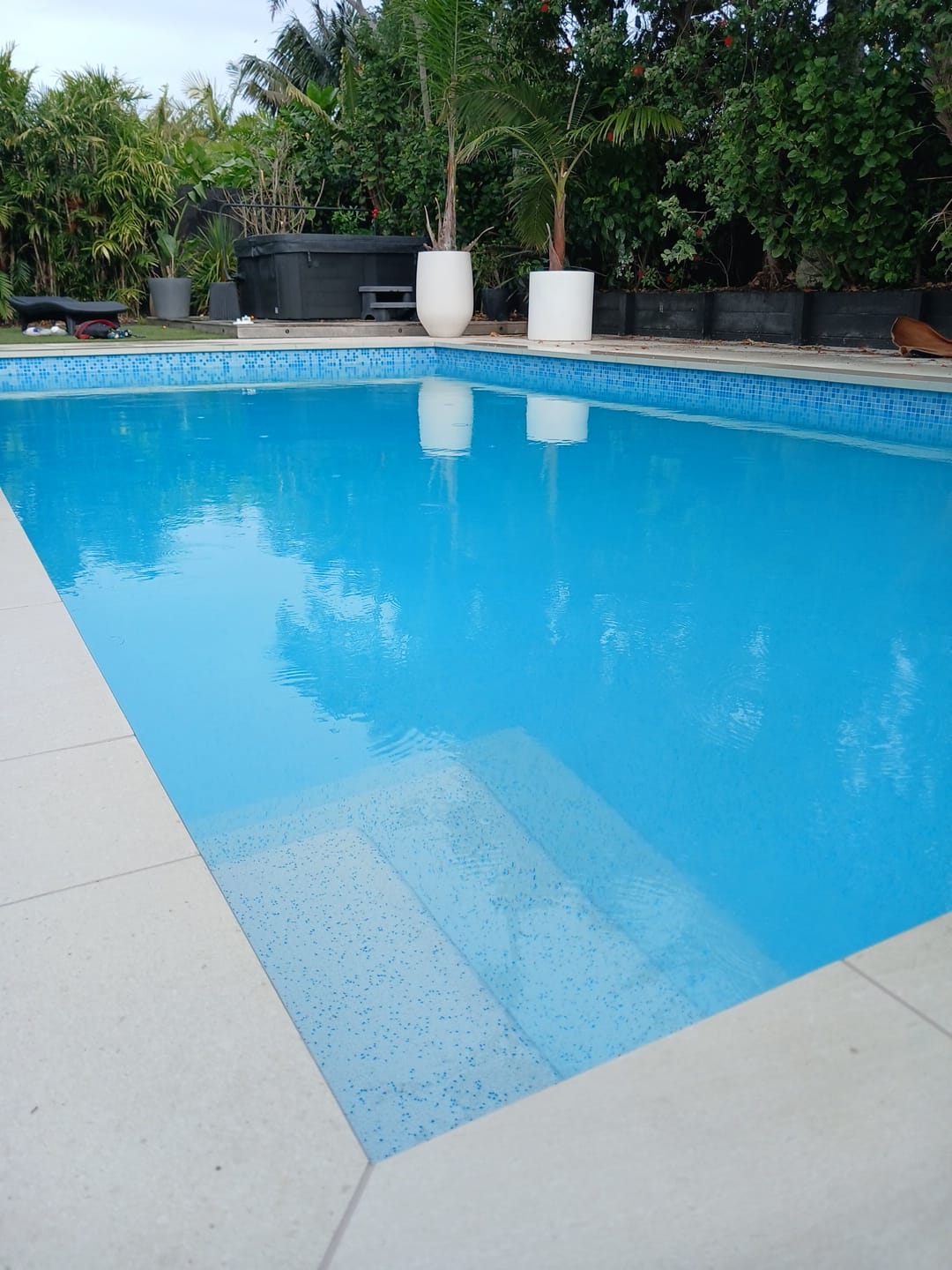
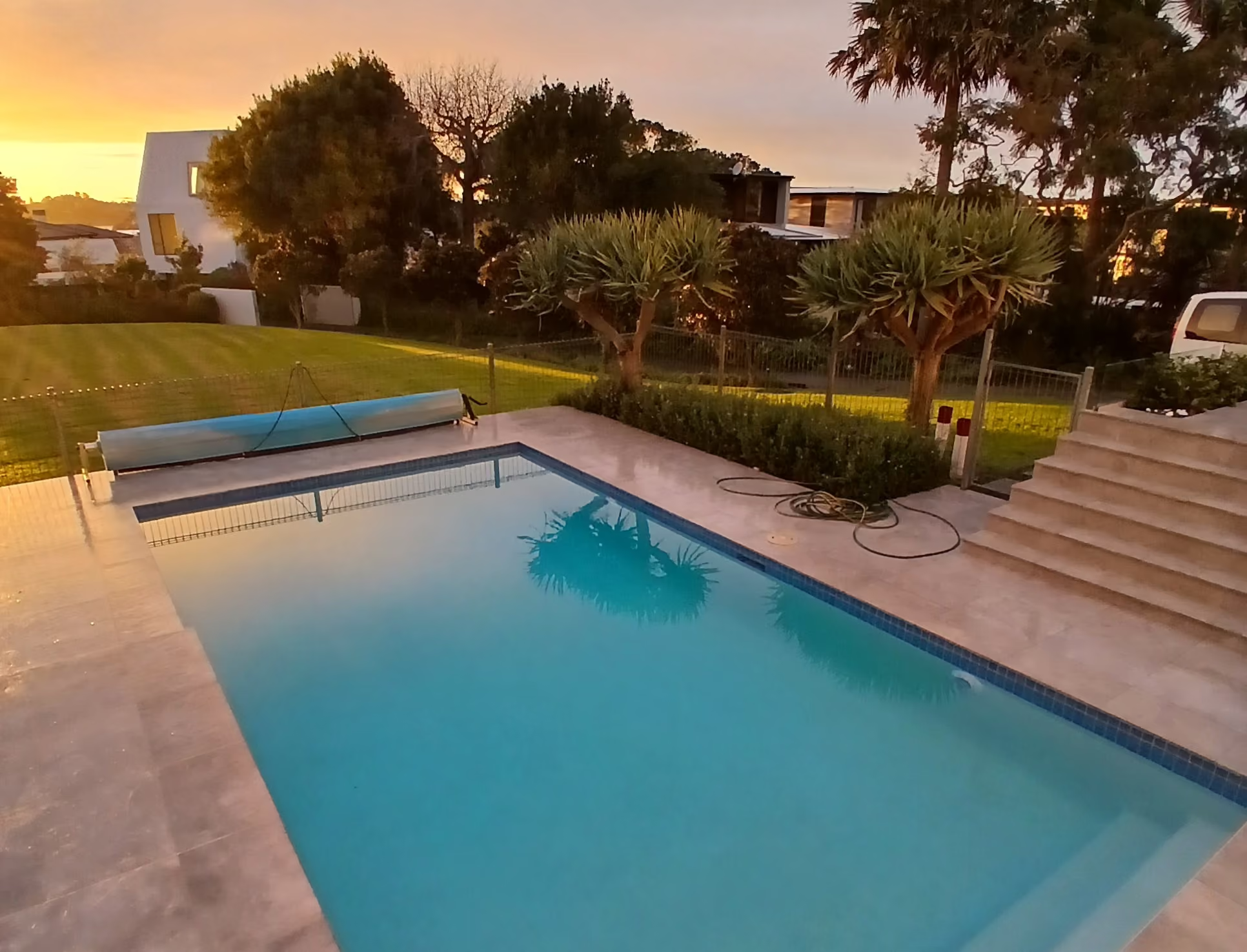
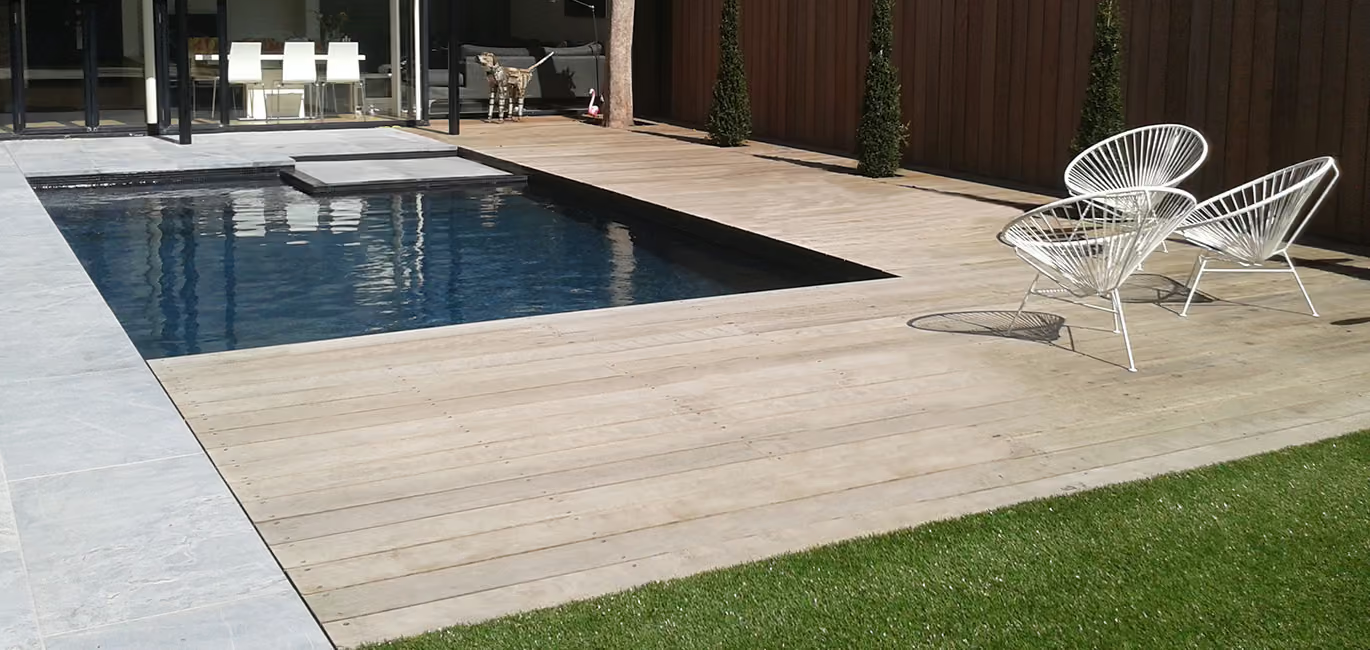
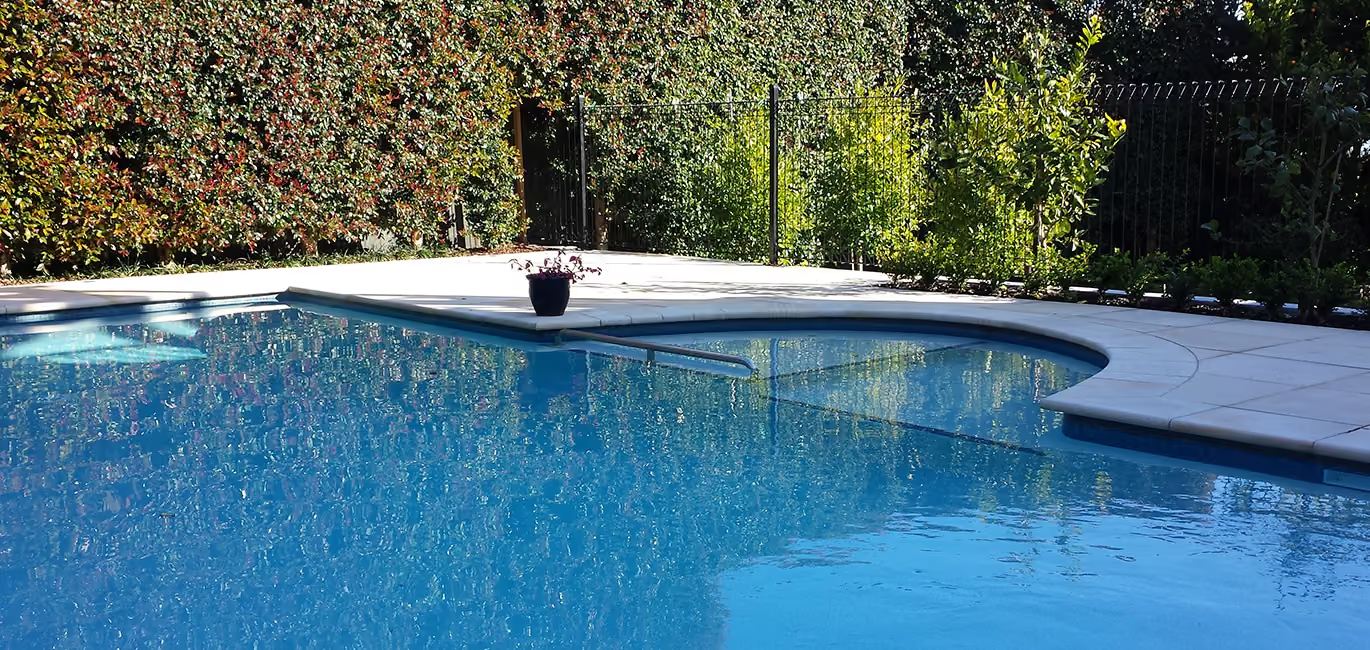
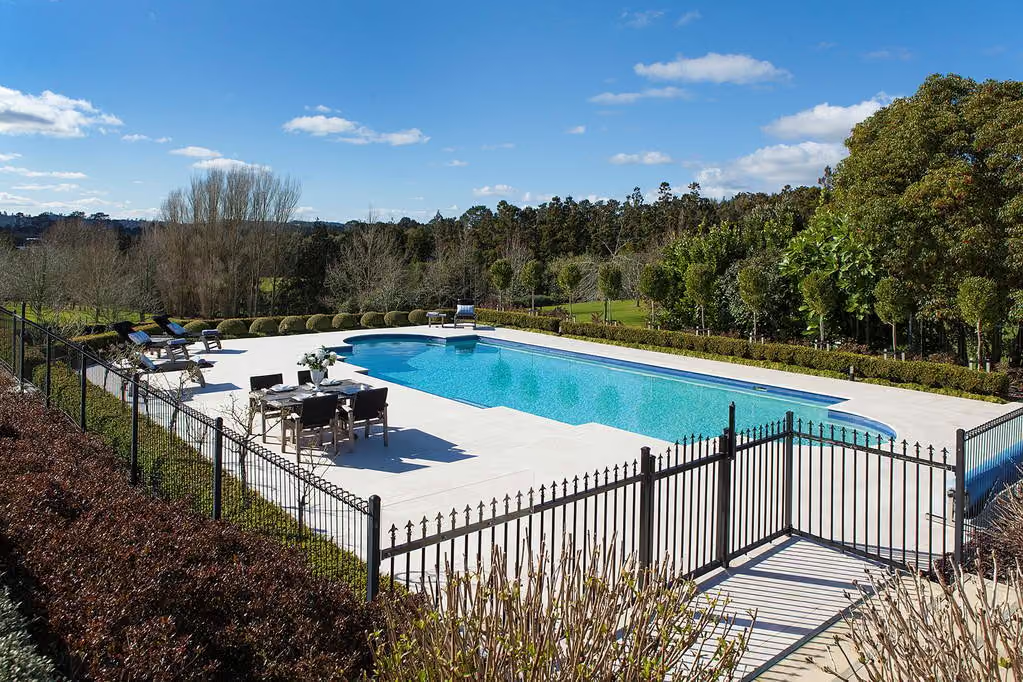
Sparkling Pools has worked on pools across Auckland, including residential renovation projects, equipment upgrades, ongoing maintenance and pool care for managed properties. Past projects show how the right approach can improve presentation, water quality and day-to-day usability. A well-maintained pool is easier to manage, more pleasant to use and better prepared for seasonal changes.
Trusted by Homeowners Across Auckland
Don't just take our word for it. Read what our clients have to say about our transparent communication, reliable service, and stunning pool transformations.
Related Blog Posts
Stay informed on pool care and renovations
Winter pool care essentials for Auckland
Pool Renovation Mistakes

Auckland Climate Pool Maintenance
Choosing Renovation Contractor
Pool Care Auckland Summer
Permits & Consents
Pool Renovation ROI
How Often to Test Pool Water
Pool Renovation Costs
Cost of Pool Service Auckland
Pool Renovation Planning Guide
Pool Lighting Buying Guide
Pool Cleaner Buying Guide
Pool Automation Buying Guide
Pool Heater Buying Guide
Pool Filter Buying Guide
Pool Pump Buying Guide
Best Equipment Auckland Climate
Auckland Water Quality
Auckland Pool Season
Pool Ownership Costs
Common Pool Mistakes
Pool Safety Laws
Pool Inspection Requirements
Pool Fence Compliance
.avif)
Auckland Pool Industry Trends
Auckland Pool Regulations
Pool Equipment Suppliers
Best Pool Service Areas
Pool Service Pricing Analysis
Company vs Independent
Best Pool Surface Materials
Pool Resurfacing Options
Pebble vs Plaster Surfaces
One-Time vs Ongoing Service
Full Service vs Chemicals Only
Pool Cover Types
Robotic vs Suction Cleaners
Mineral vs Saltwater
Gas vs Heat Pump
Pool Heater Types
Pool Winterizing Guide Auckland
Pool Opening Guide Summer
Pool Maintenance After Heavy Rain
Pool Maintenance Schedule
How Often to Run Pool Filter
Pool Pump Maintenance Schedule
Pool Filter Cartridge Cleaning
Pool Equipment Maintenance Checklist
Pool Waterline Cleaning
Pool Skimmer Basket Cleaning
Pool Chlorine Levels
How Often Clean Pool Filter
How to Vacuum Pool
Pool Brushing Technique
Pool Chemical Dosing Chart
Pool Water Chemistry Basics
How to Balance Pool Chemistry
How to Test Pool Water
Pool Maintenance Tips
Complete Pool Maintenance Guide
Pool Service ROI
Pool Equipment Buy or Service
Pool Maintenance Time Requirements
DIY vs Professional
Pool Service Contract
Pool Service vs Pool Valet
Is Pool Service Worth It
Pool Service Guarantees
Pool Service Reviews
Pool Service Red Flags
Questions to Ask Pool Companies
How to Choose Pool Service Company
Hidden Costs DIY Maintenance
Pool Cleaning Prices Auckland
Cost of Pool Resurfacing
Cost of Pool Pump Replacement
Cost to Fix Green Pool
Pool Liner Wrinkles
Pool Cracks When to Worry
Pool Surface Stains
Pool Valve Leaking
Pool Automation Not Working
Pool Light Not Working
Pool Heater Not Heating
Pool Skimmer Not Working
High Pool Filter Pressure
Pool Losing Water
Pool Filter Not Clearing Water
Pool Pump Leaking
Pool Pump Not Pumping
Pool Pump Losing Prime
Pool Pump Noisy
Pool Pump Not Working
Pool Water Foaming
Pool pH Too Low
Pool pH Too High
Green Pool After Rain
Pool Still Green After Shock
Pool Water Cloudy
How to Clear a Green Pool
Pool Care That Protects Your Investment
Good pool care protects more than appearance. Our pool specialists support the long-term condition of your swimming pool while keeping it ready for everyday use.