Complete Pool Maintenance Guide

Why Auckland trusts our pool service expertise
Keeping a pool in good condition comes down to a handful of consistent habits, water testing, filtration management, physical cleaning and basic equipment checks. When each of these is done regularly and in the right order, most common pool problems can be avoided entirely.
This guide covers the full maintenance routine for Auckland pool owners, from weekly tasks through to seasonal adjustments and the signs that indicate a professional is needed.
What you'll learn
What Pool Maintenance Actually Involves
Pool maintenance is more than skimming leaves off the surface. Done properly, it covers water chemistry, filtration, circulation, physical cleaning and equipment checks, all working together to keep your pool safe and clear.
Skip one area and the others start to suffer. Poor chemistry stresses equipment. A dirty filter throws off circulation. Low sanitiser lets algae take hold. This guide walks through each area in plain terms so you know what to do, how often to do it, and when to call in a professional.
---
Water Chemistry: The Foundation of a Healthy Pool
Balanced water is the single most important factor in pool care. It keeps swimmers safe, protects your pool surface and extends the life of your equipment.
The key parameters to test
- Free chlorine, the active sanitiser that kills bacteria and algae
- pH, controls how effective chlorine is and how comfortable the water feels
- Total alkalinity, buffers pH so it stays stable
- Calcium hardness, prevents the water from attacking plaster or becoming scale-forming
- Cyanuric acid (stabiliser), protects chlorine from UV breakdown in outdoor pools
How often to test
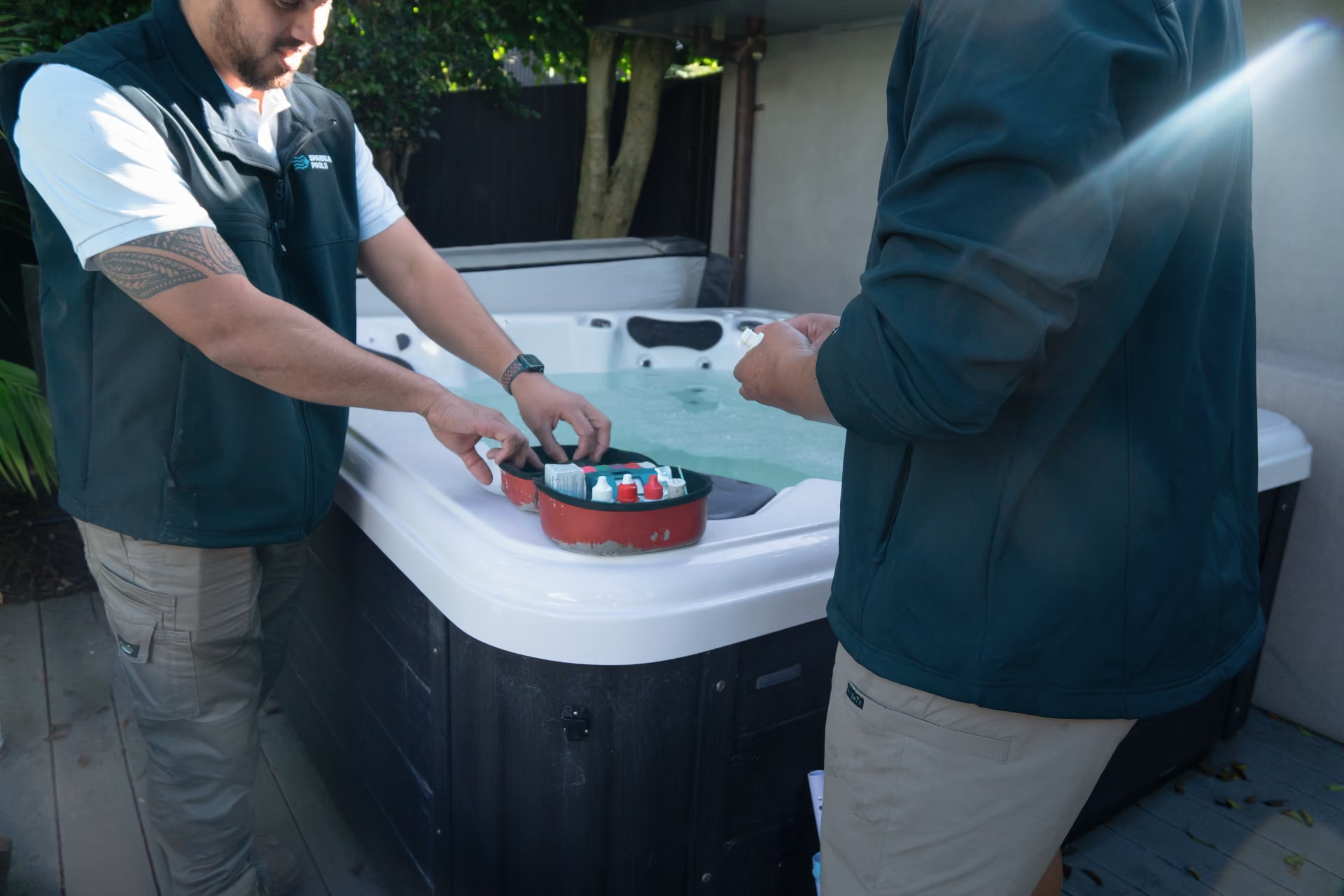
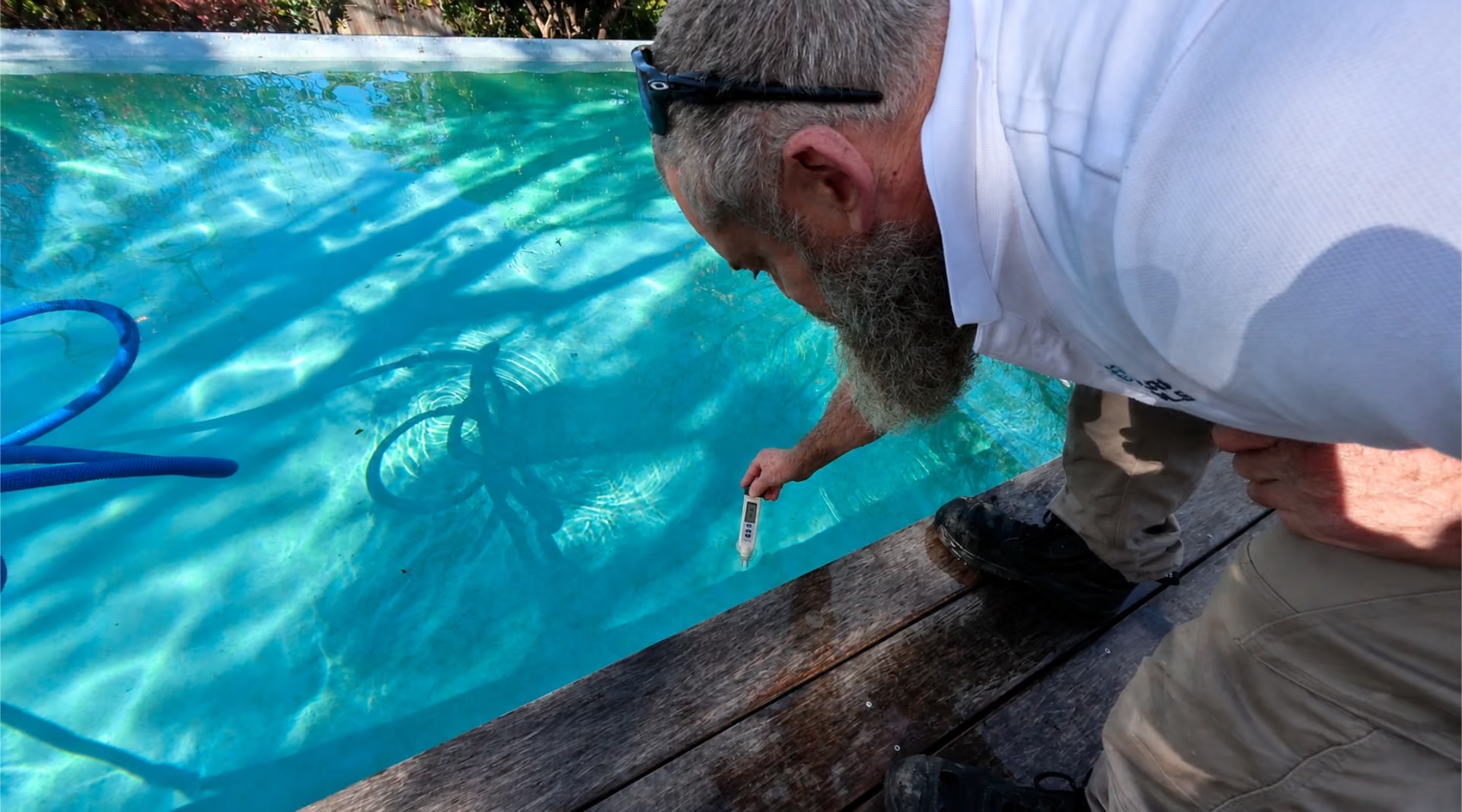
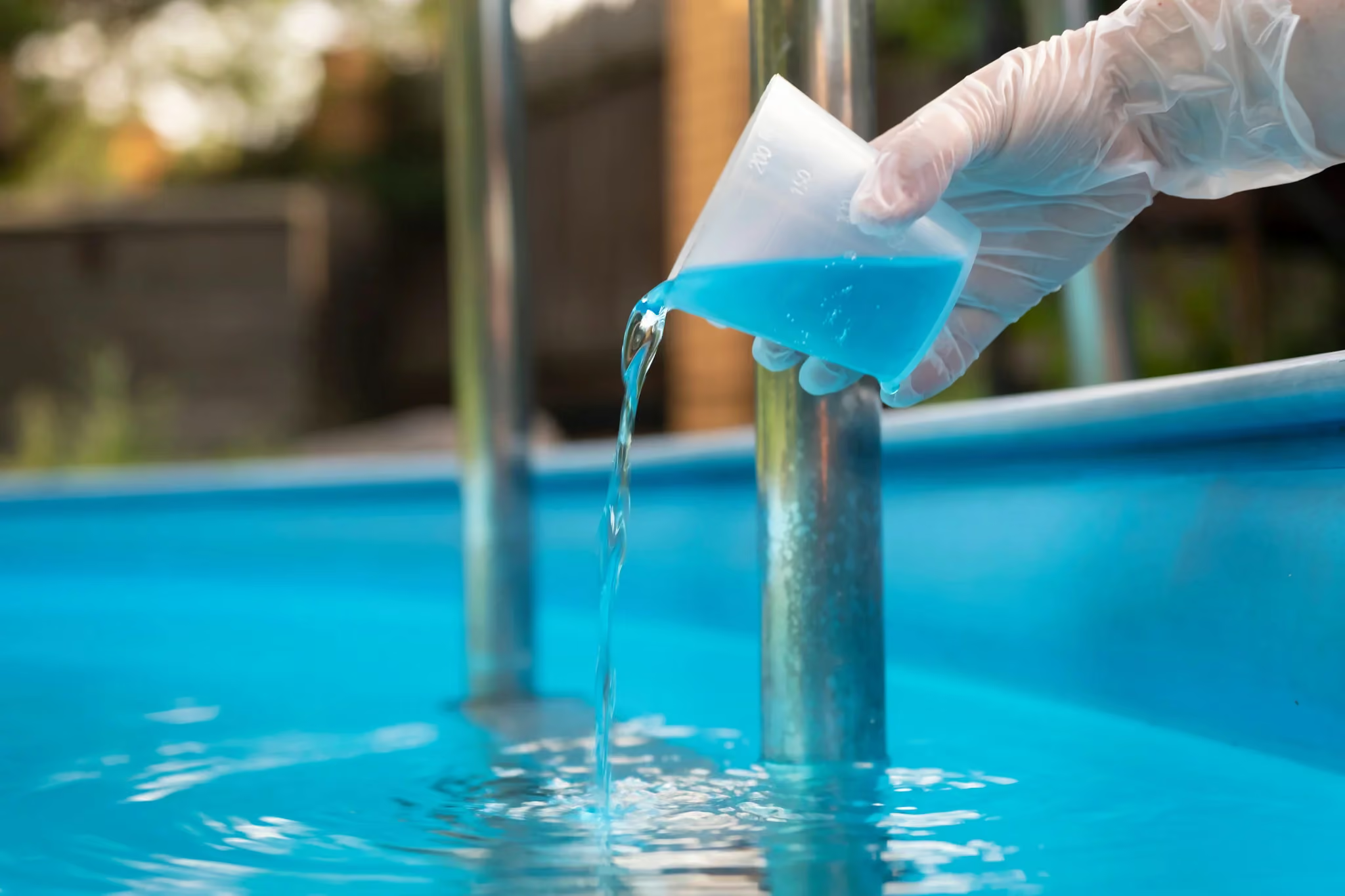
Test your water at least once a week during the swimming season. In summer, when the pool is used heavily and temperatures are high, testing twice a week is sensible. After heavy rain or a large number of swimmers, test before the next use.
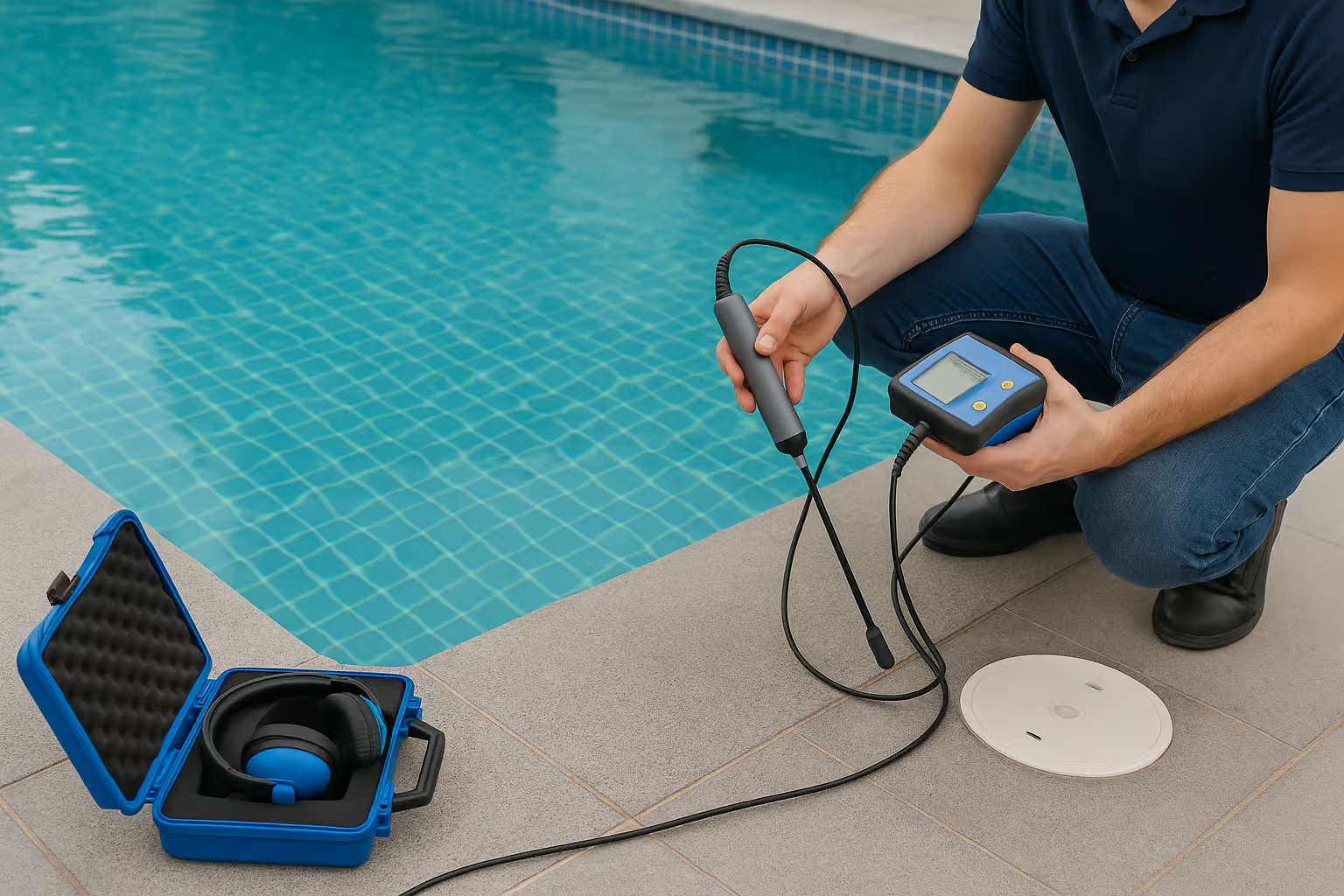
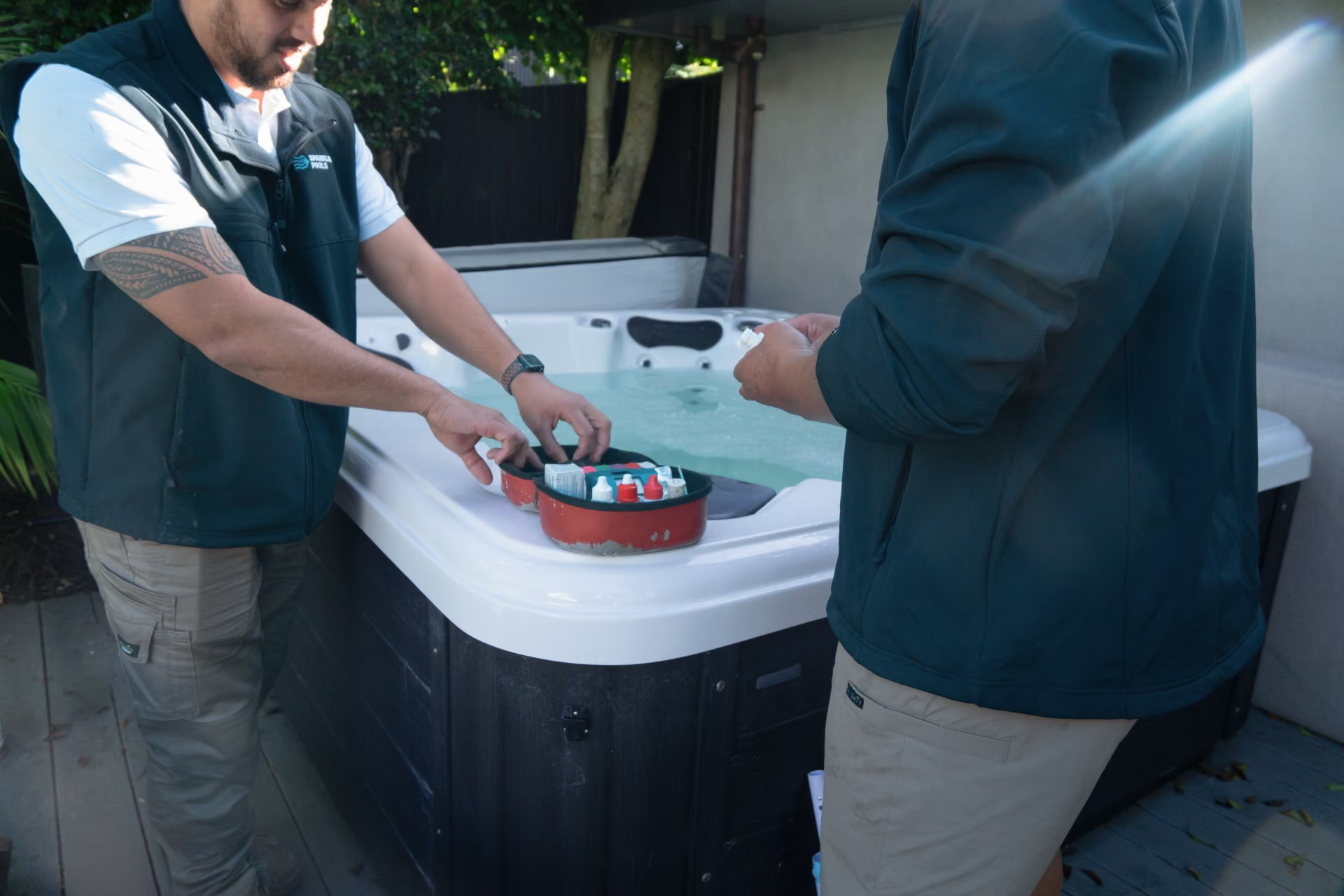
Home test kits and test strips give a reasonable indication, but they have limits. For a full picture, including calcium hardness, stabiliser and total dissolved solids, a professional water test is more reliable. Sparkling Pools carries out on-site water testing at your home, anywhere in Auckland, and can advise on exactly what your pool needs.
Adjusting chemistry: the right order
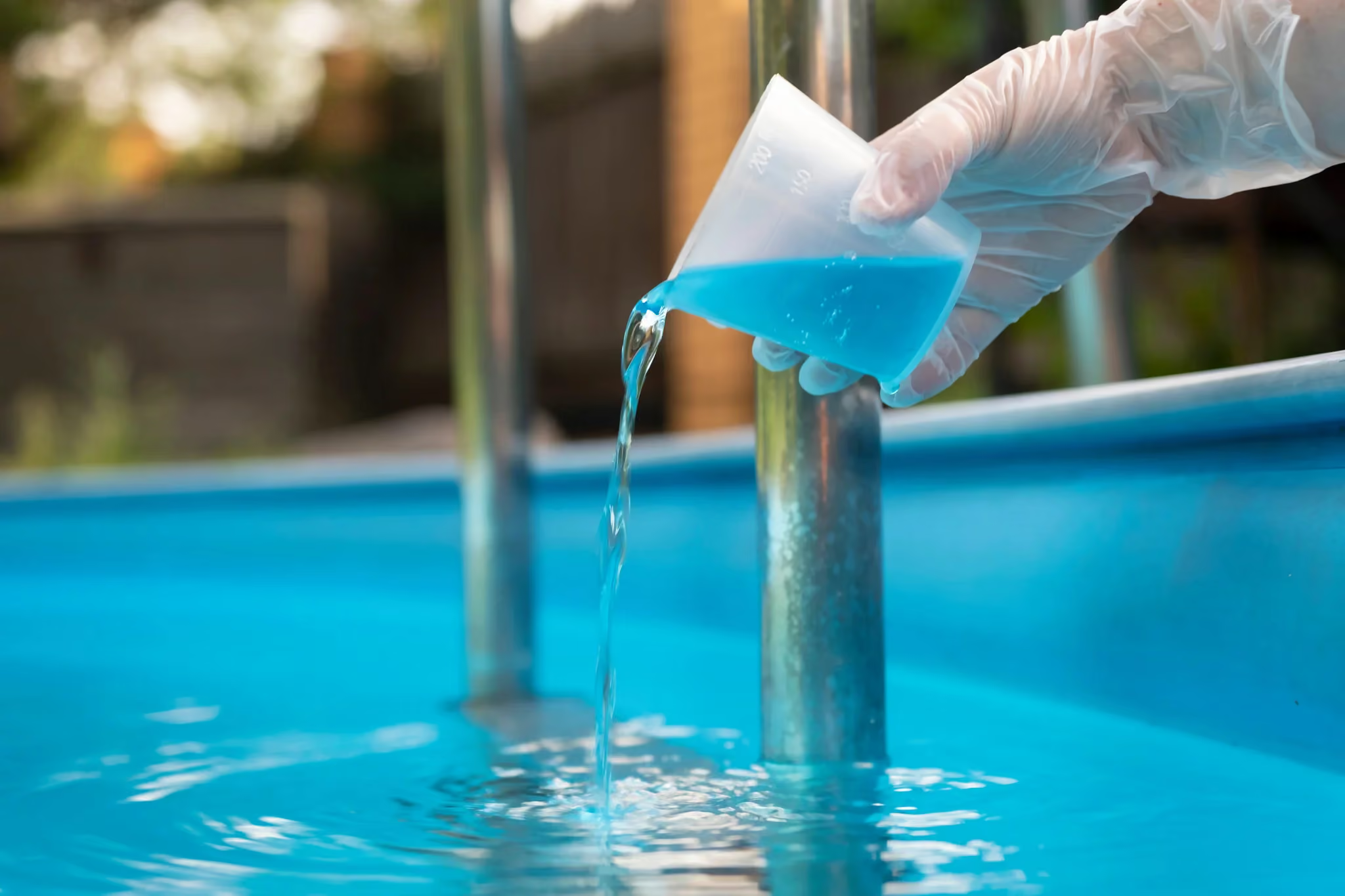
When multiple parameters are off, adjust them in this sequence:
1. Total alkalinity first
2. pH second
3. Calcium hardness third
4. Sanitiser (chlorine or salt cell output) last
Adjusting in the wrong order means earlier corrections can be undone by later ones.
---
Filtration: Keeping the Water Clear
Your filter removes suspended particles that make water cloudy or carry contaminants. It only works if it is clean and running long enough each day.
How long to run your filter
As a general rule, run your filter long enough to turn the pool's full volume over at least once, ideally twice, every 24 hours. In Auckland's warmer months, longer run times help manage algae risk. In winter, shorter run times are acceptable but should not drop to zero.
Sand filters
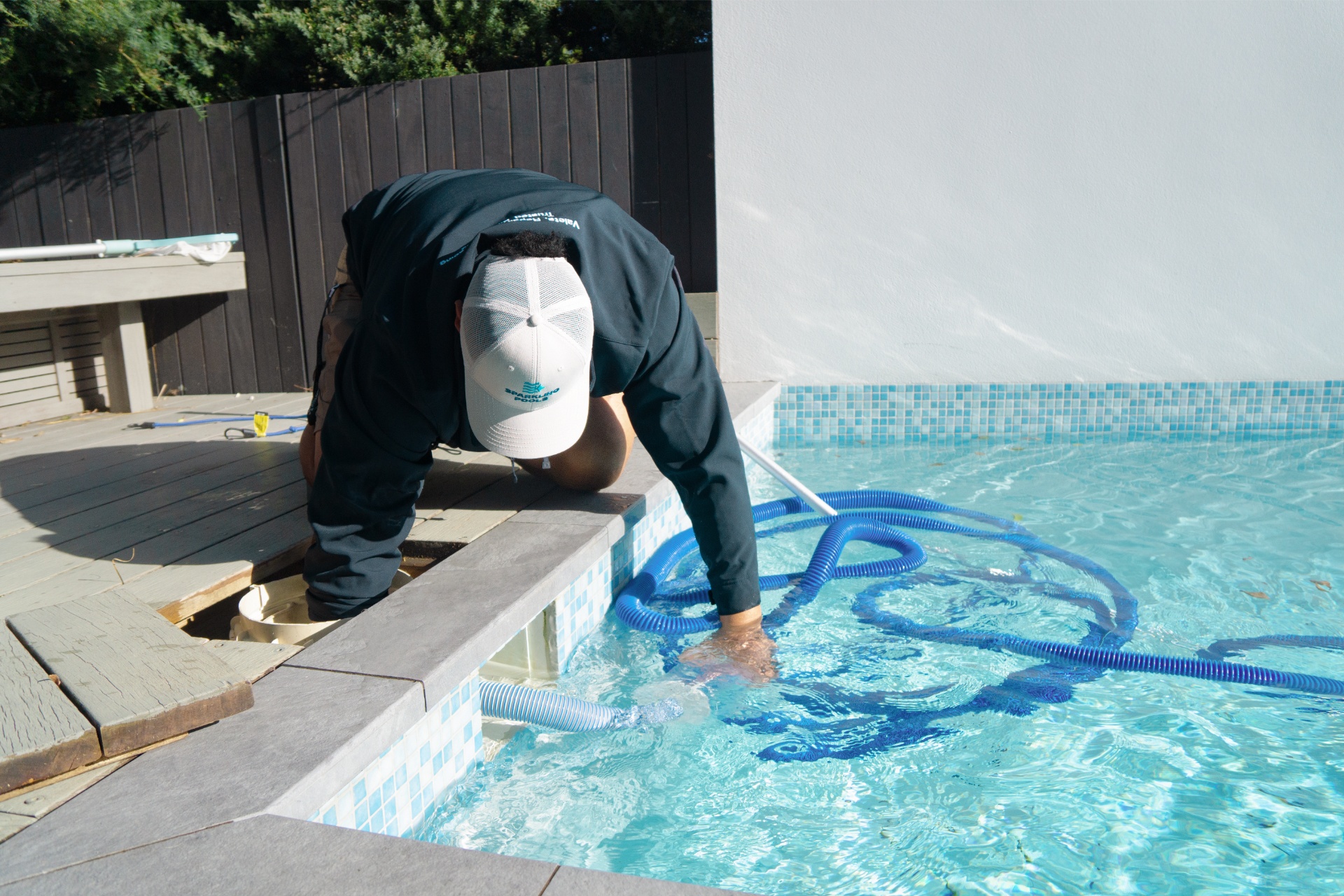
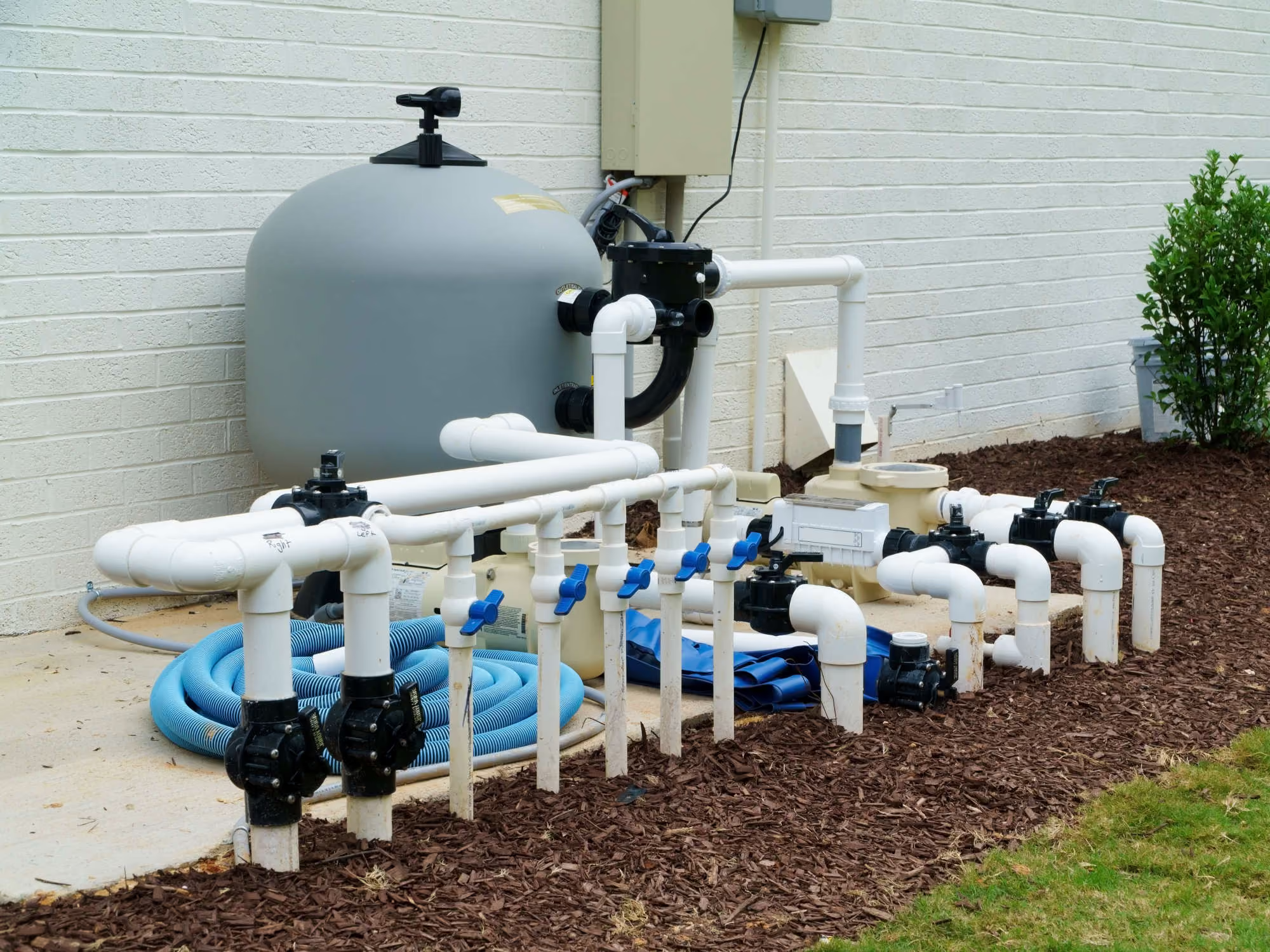
Sand filters need backwashing when the pressure gauge reads noticeably higher than the clean baseline, typically around 7-10 psi above normal, though check your specific filter's manual. Backwash until the sight glass runs clear, then rinse before returning to filter mode.
Sand should be replaced every five to seven years. Old sand becomes channelled and loses its filtering ability.
Cartridge filters
Remove and rinse cartridges with a hose every four to six weeks during the swimming season, or sooner if pressure rises. A full chemical soak, using a dedicated cartridge cleaner, should be done at least once a season to remove oils and fine debris that hosing alone cannot shift.
Replace cartridges when they show cracked pleats, fraying or permanent discolouration that cleaning does not fix.
DE (diatomaceous earth) filters
DE filters offer fine filtration but require careful handling of the DE powder. Backwash when pressure rises, then recharge with the correct amount of fresh DE. Full teardowns for cleaning are needed periodically, consult your filter's manual for the schedule.
---
Circulation: Moving Water Evenly
Good circulation prevents dead spots where algae and debris accumulate. Point your return jets slightly downward and angled to create a circular flow around the pool. Adjust as needed if you notice persistent cloudy patches or algae growth in corners.
Run your pump during daylight hours when the pool is in use, and consider running it during off-peak hours overnight if your electricity plan supports it.
---
Physical Cleaning: The Weekly Routine
Chemistry and filtration handle what you cannot see. Physical cleaning handles what you can.
Weekly tasks
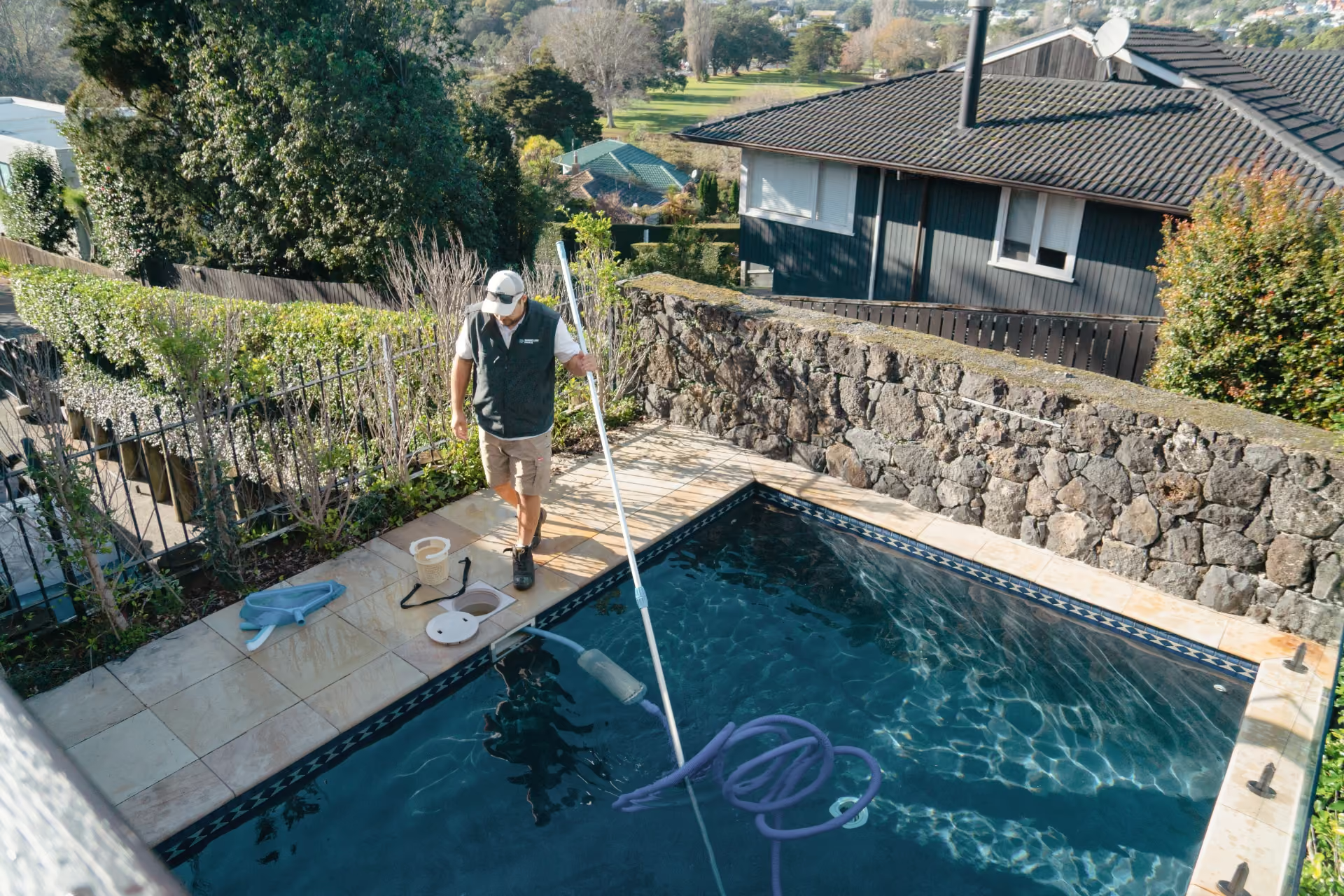
- Skim the surface, remove leaves, insects and debris before they sink and decompose
- Brush the walls and floor, even with good chemistry, brushing disrupts biofilm and prevents algae from taking hold on surfaces
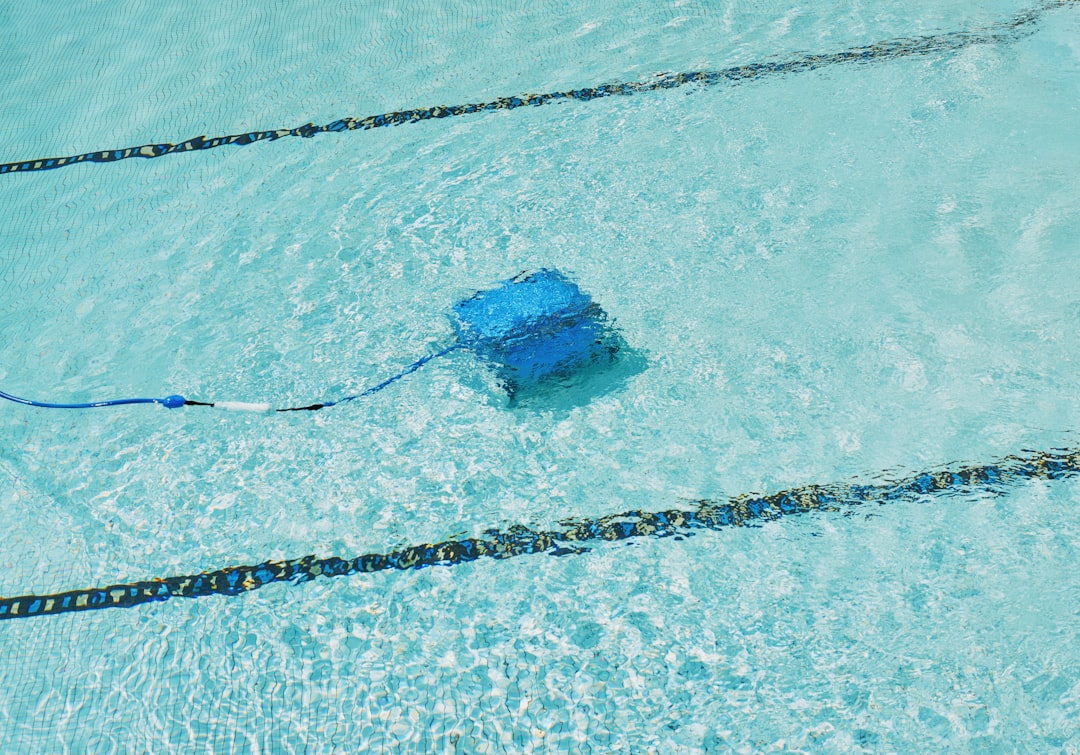
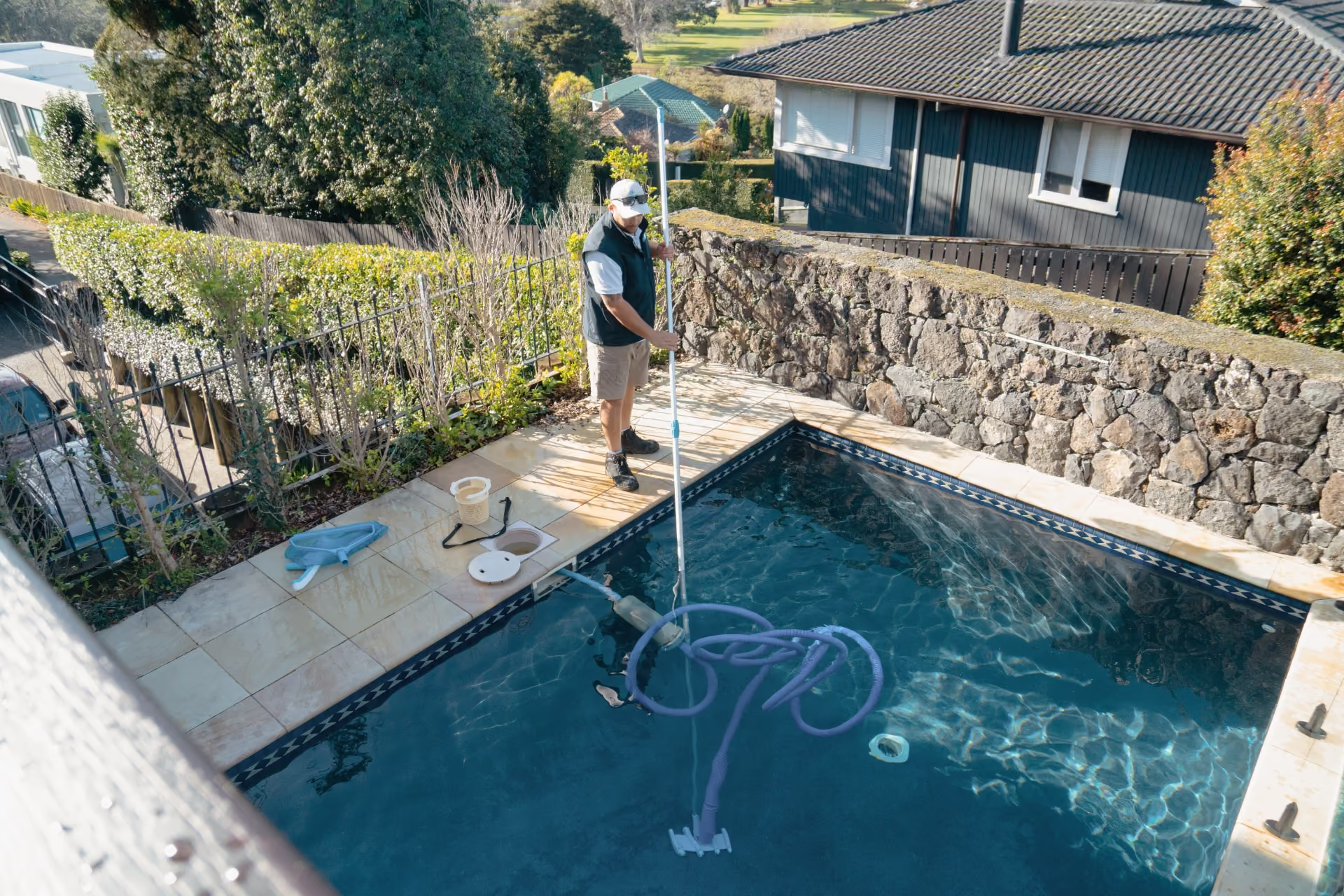
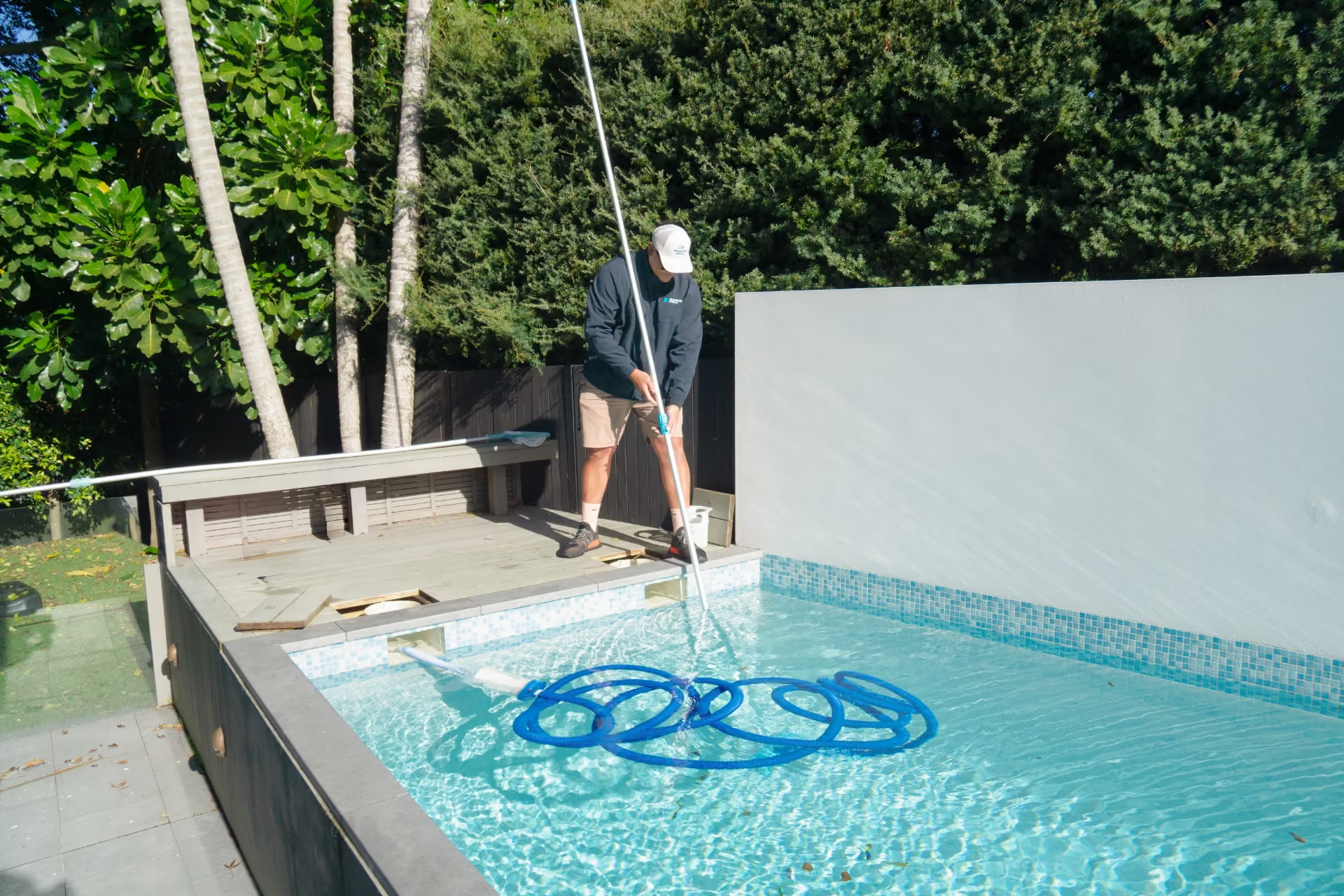
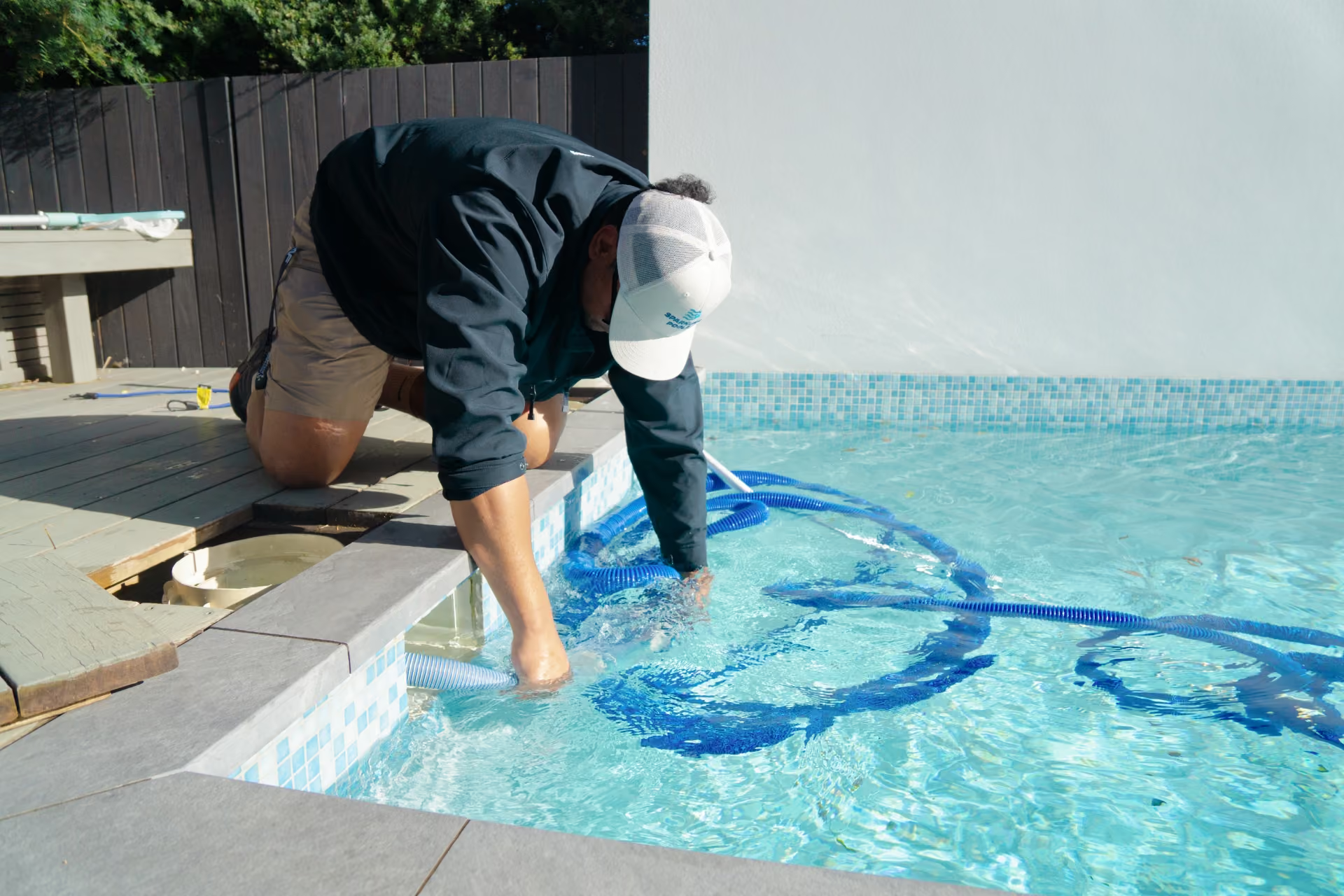
- Vacuum, remove settled debris from the floor; manual vacuuming or an automatic cleaner both work
- Empty skimmer and pump baskets, blocked baskets reduce flow and stress the pump
Brushing matters more than most people realise
Algae spores attach to surfaces before they become visible in the water. Regular brushing, particularly in corners, steps and shaded areas, removes them before they establish. Use a nylon brush on plaster and fibreglass; a stainless steel brush only on bare concrete.
---
Equipment Checks: Catching Problems Early
A few minutes of observation each week can prevent expensive repairs.
What to check regularly
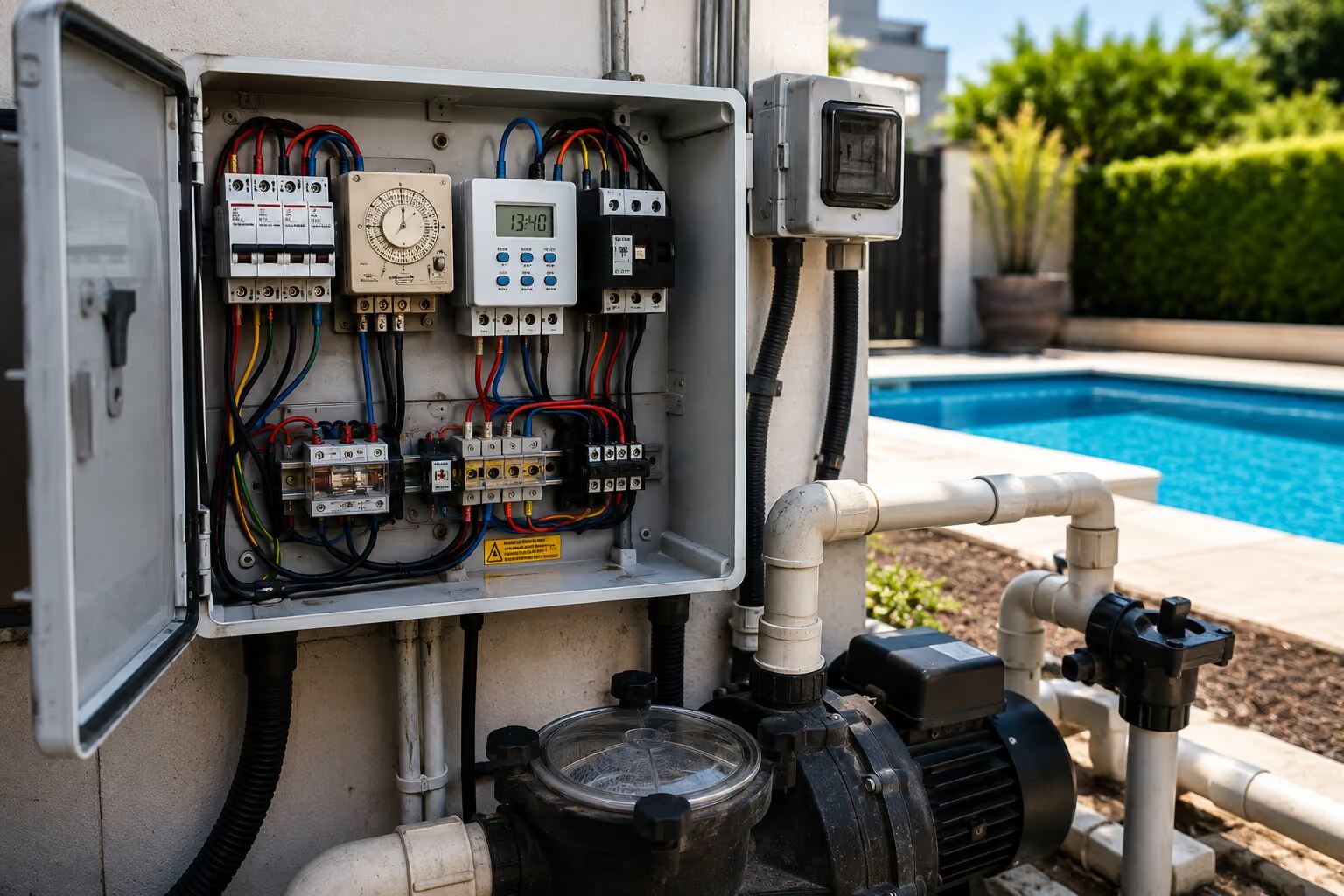
- Pump, listen for unusual noise; check for leaks at the lid or fittings
- Filter pressure gauge, note the clean baseline and watch for rises
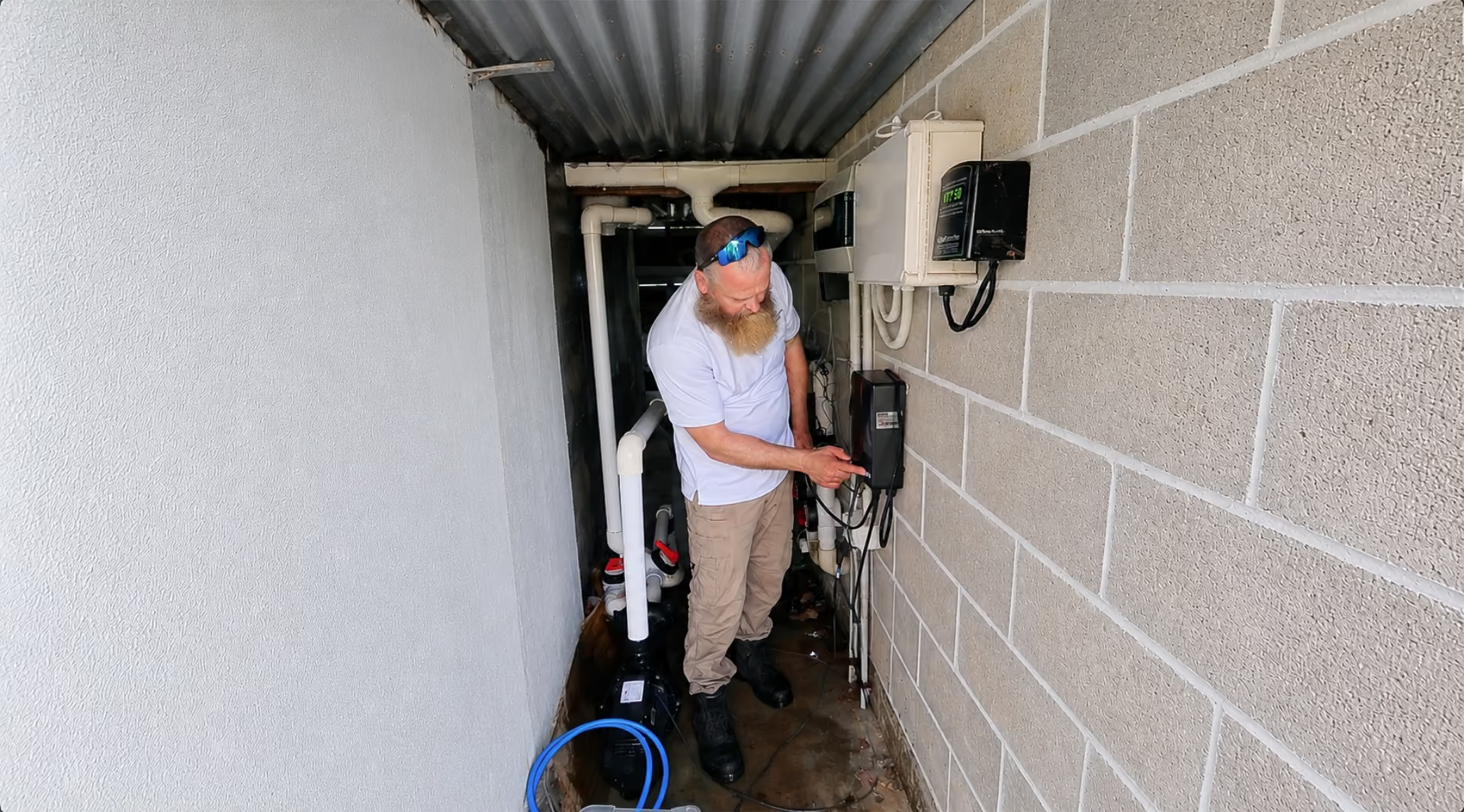
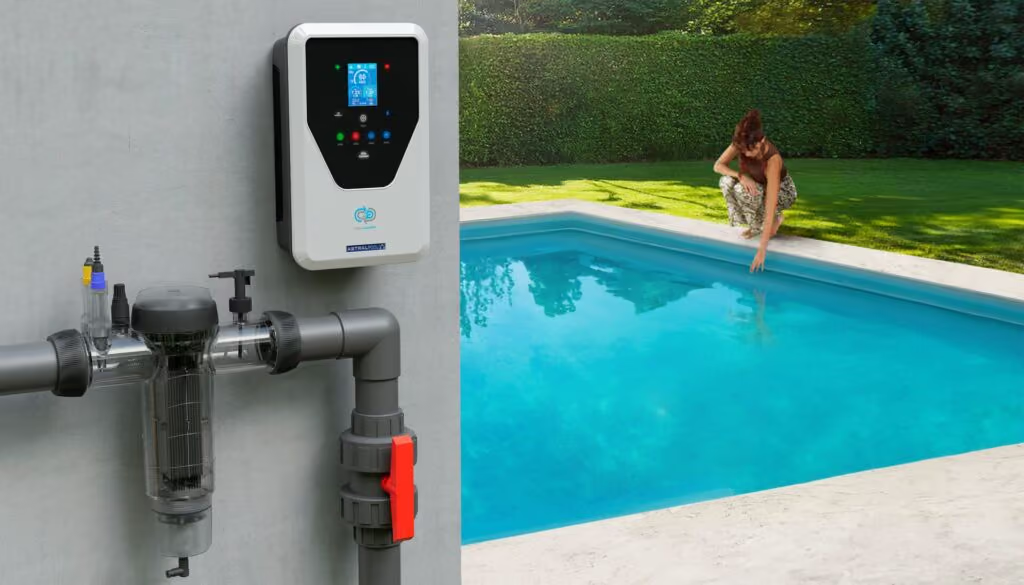
- Chlorinator (salt or inline), check the cell is producing; look for calcium build-up on the cell
- Skimmer weir, should move freely with water flow
- Water level, keep it at mid-skimmer height; too low starves the pump, too high reduces skimmer efficiency
- Heater or heat pump, check for error codes or unusual sounds before the season starts
If you notice a drop in flow, unusual pump noise, a pressure gauge that will not come down after backwashing, or a chlorinator that is not producing, these are signs to investigate further or call a technician.
---
Seasonal Maintenance in Auckland
Auckland's climate is mild compared to much of New Zealand, but the seasons still affect how you manage your pool.
Summer
High UV, warm water and heavy use all accelerate chlorine consumption and algae risk. Test more frequently, check stabiliser levels are adequate to protect chlorine from UV breakdown, and keep the filter running longer.
Autumn
Falling leaves increase the organic load on your water and filter. Skim daily if needed. Check your water balance before the temperature drops, it is easier to correct chemistry in warm water than cold.
Winter
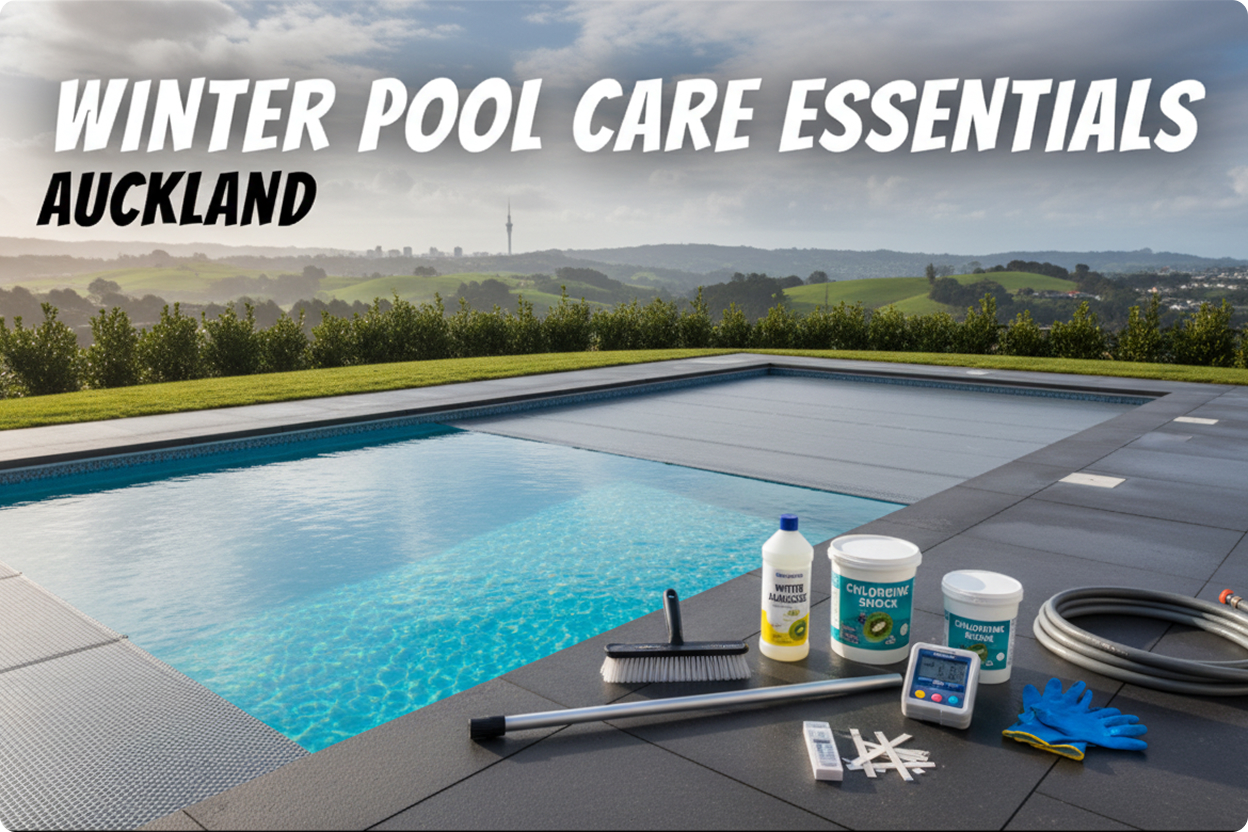
Auckland pools rarely need full winterisation, but usage drops and so should your maintenance intensity, not your standards. Run the filter for shorter periods, test monthly, and keep chemistry within range to avoid staining or scale forming on the surface over winter.
Spring
Before the swimming season starts, give the pool a full check: test and balance the water, clean or backwash the filter, inspect equipment, brush the walls and floor, and shock-dose if the water has gone dull or green over winter.
---
Common Maintenance Mistakes
Letting pH drift
pH is the most frequently neglected parameter. Low pH corrodes equipment and irritates eyes and skin. High pH makes chlorine far less effective. Test it weekly and correct small drifts before they become bigger problems.
Adding chemicals incorrectly
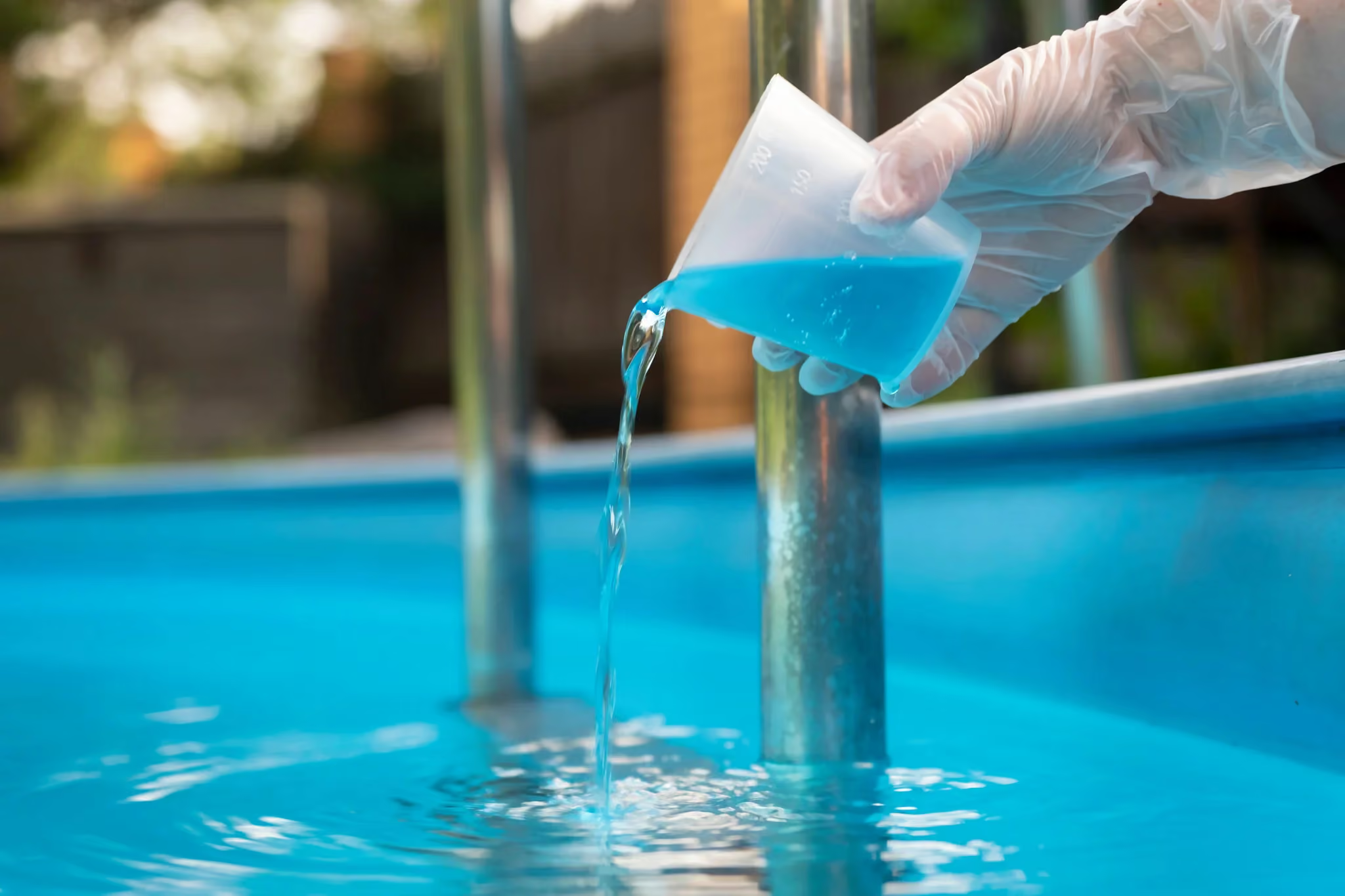
Never mix chemicals together before adding them to the pool. Add each one separately, with the pump running, and allow time for it to disperse before adding the next. Some chemicals, particularly chlorine and acid, can react dangerously if combined.
Skipping the brush
Many pool owners vacuum but skip brushing. Vacuuming picks up settled debris; brushing removes what is attached to surfaces. Both are needed.
Ignoring the filter pressure gauge
A rising pressure gauge is one of the clearest signals your filter needs attention. Ignoring it reduces filtration efficiency and puts strain on the pump.
Relying on test strips alone
Test strips are useful for quick checks but are less accurate than liquid test kits, and neither measures everything. A professional water test at least once a season, or whenever you cannot get the water right, gives a complete picture.
---
When to Call a Professional
Some pool problems are straightforward to fix yourself. Others need a technician.
Call a professional when:
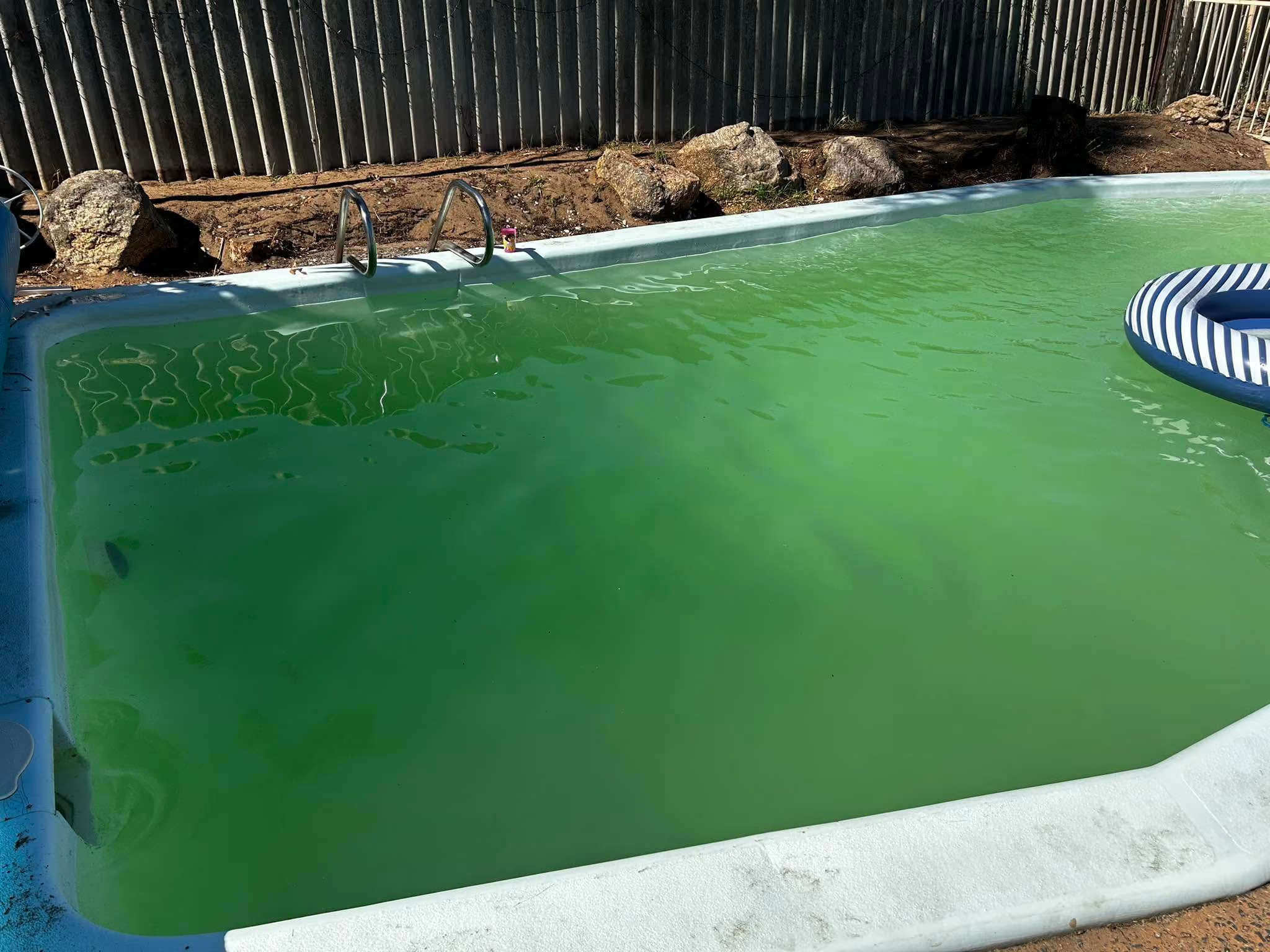
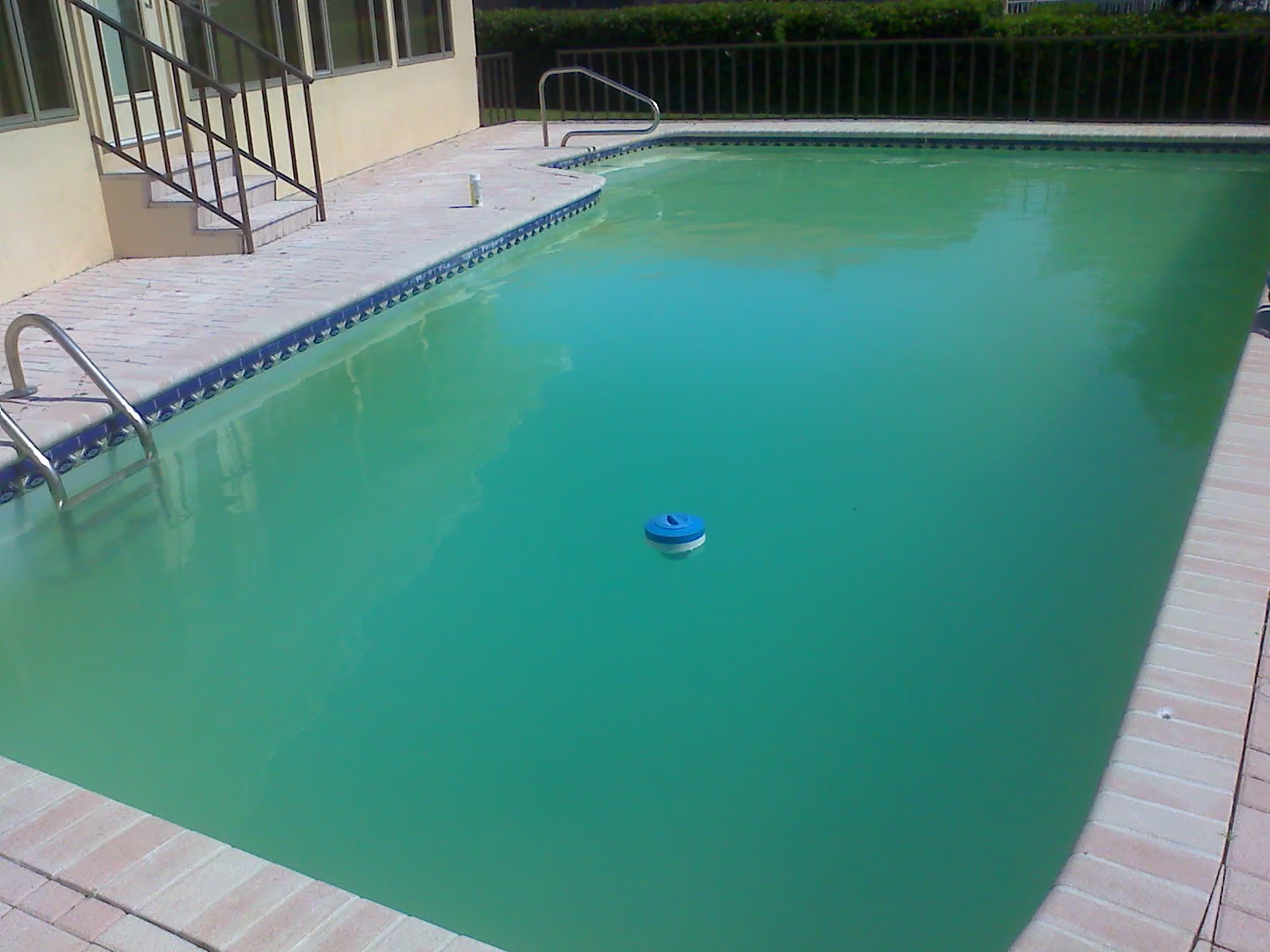
- The water stays green or cloudy despite correct chemistry and filtration
- The pump is making grinding, screeching or rattling noises
- Filter pressure will not return to normal after backwashing or cleaning
- The chlorinator cell is not producing despite being clean and powered
- You notice a persistent drop in water level that suggests a leak
- Equipment involves electrical components, gas connections or sealed pressure vessels
- You are unsure what is wrong and repeated adjustments are not working
Sparkling Pools provides on-site water testing and pool servicing across Auckland. If your pool is not responding to your usual maintenance routine, an on-site visit can identify what is actually going on.
Pool resurfacing solutions
Restore your pool with durable plaster finishes

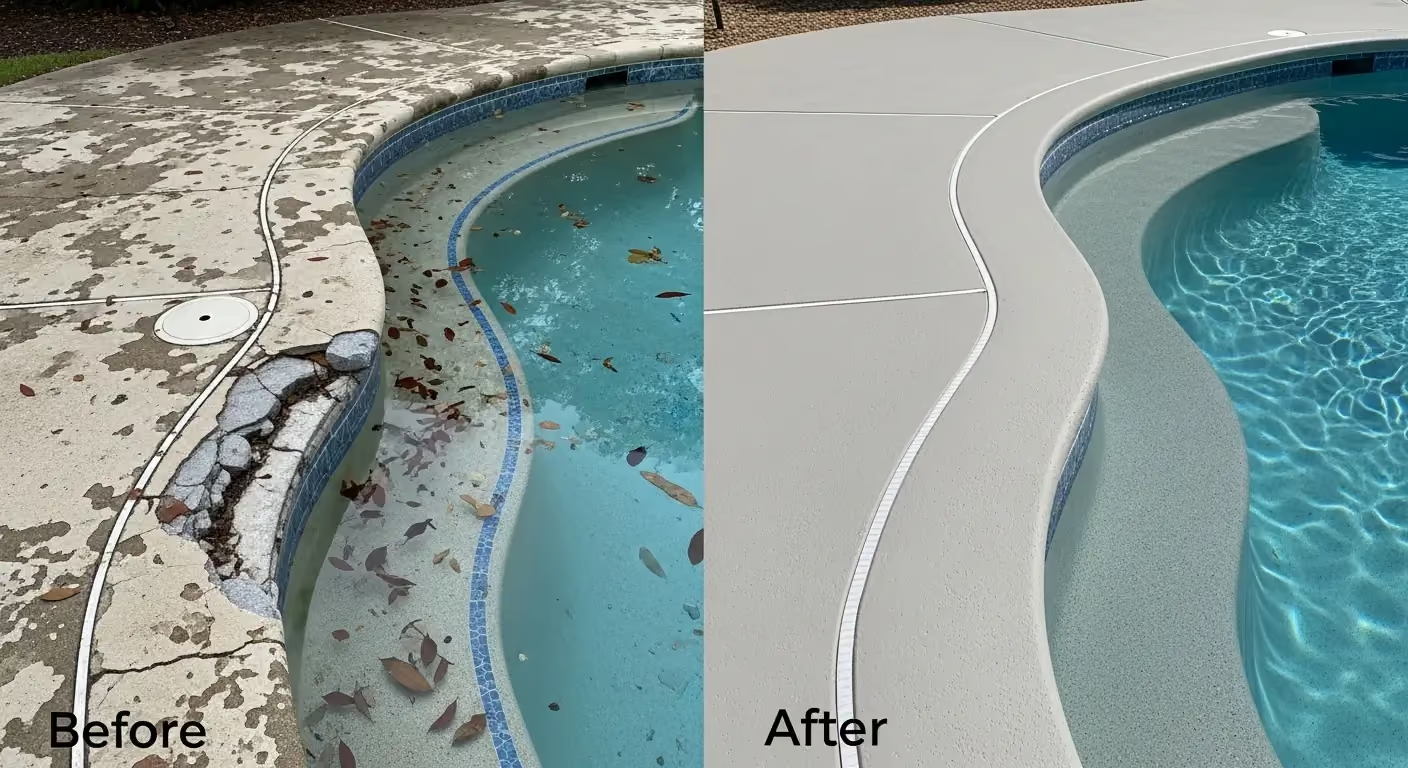
Work completed
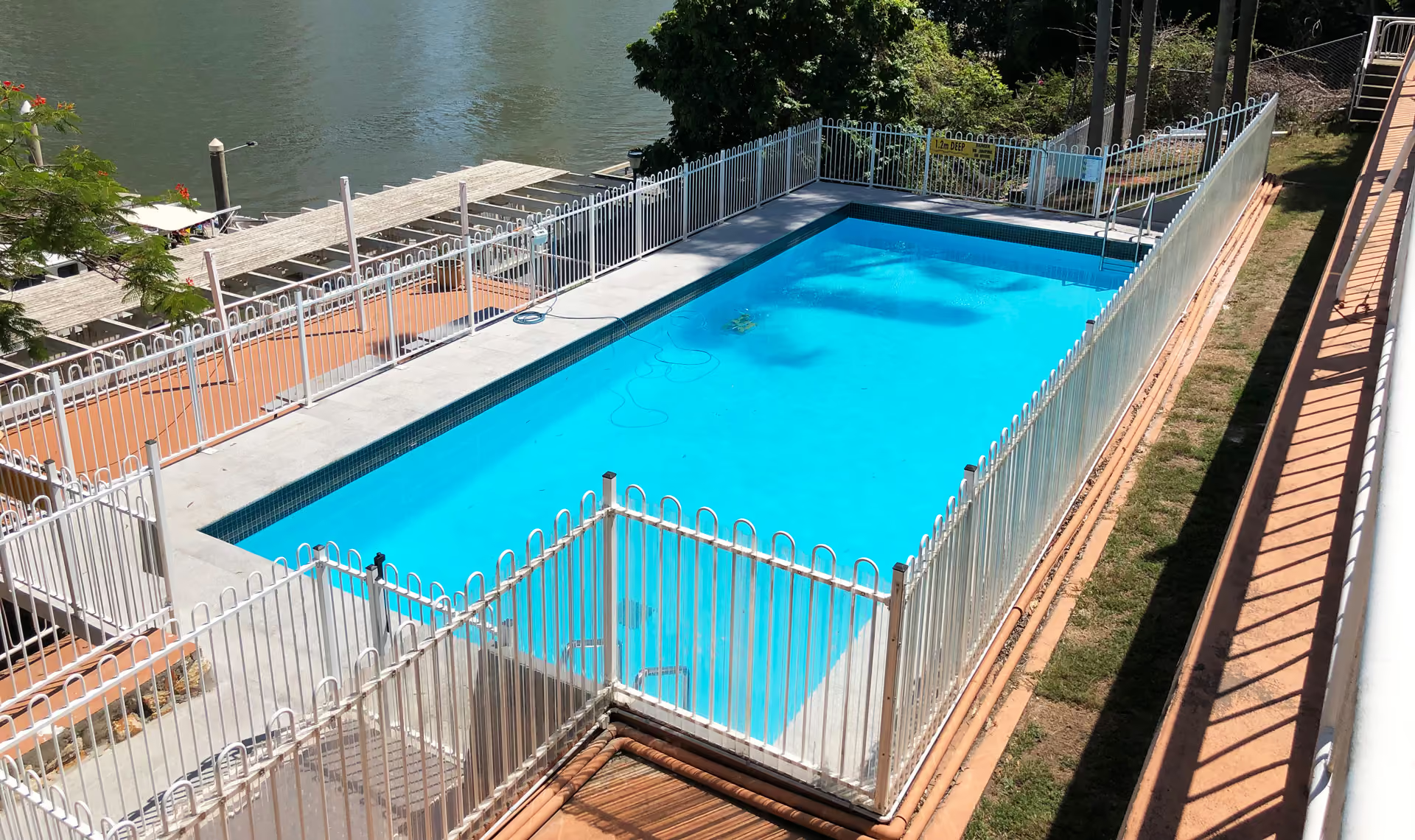
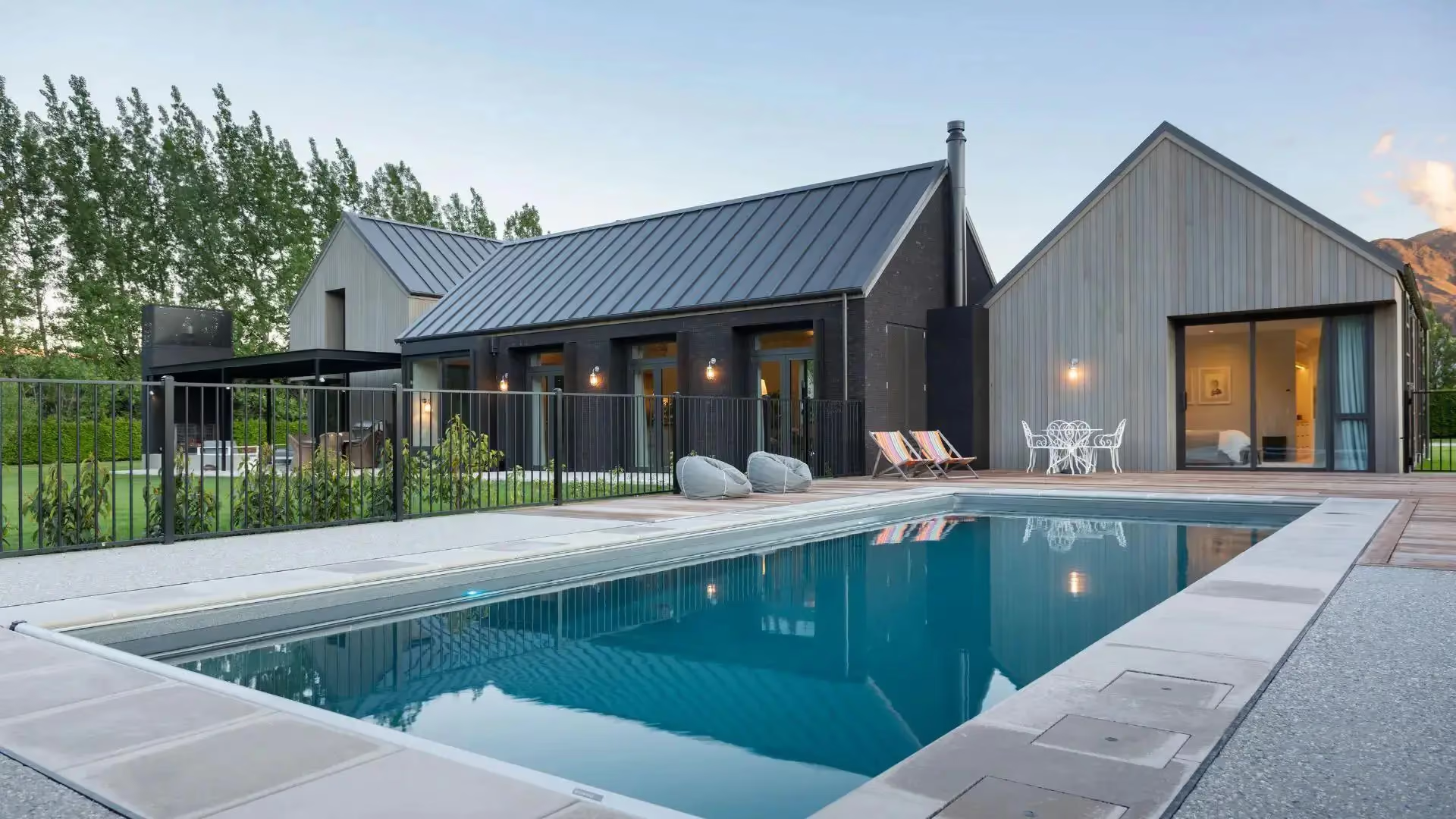
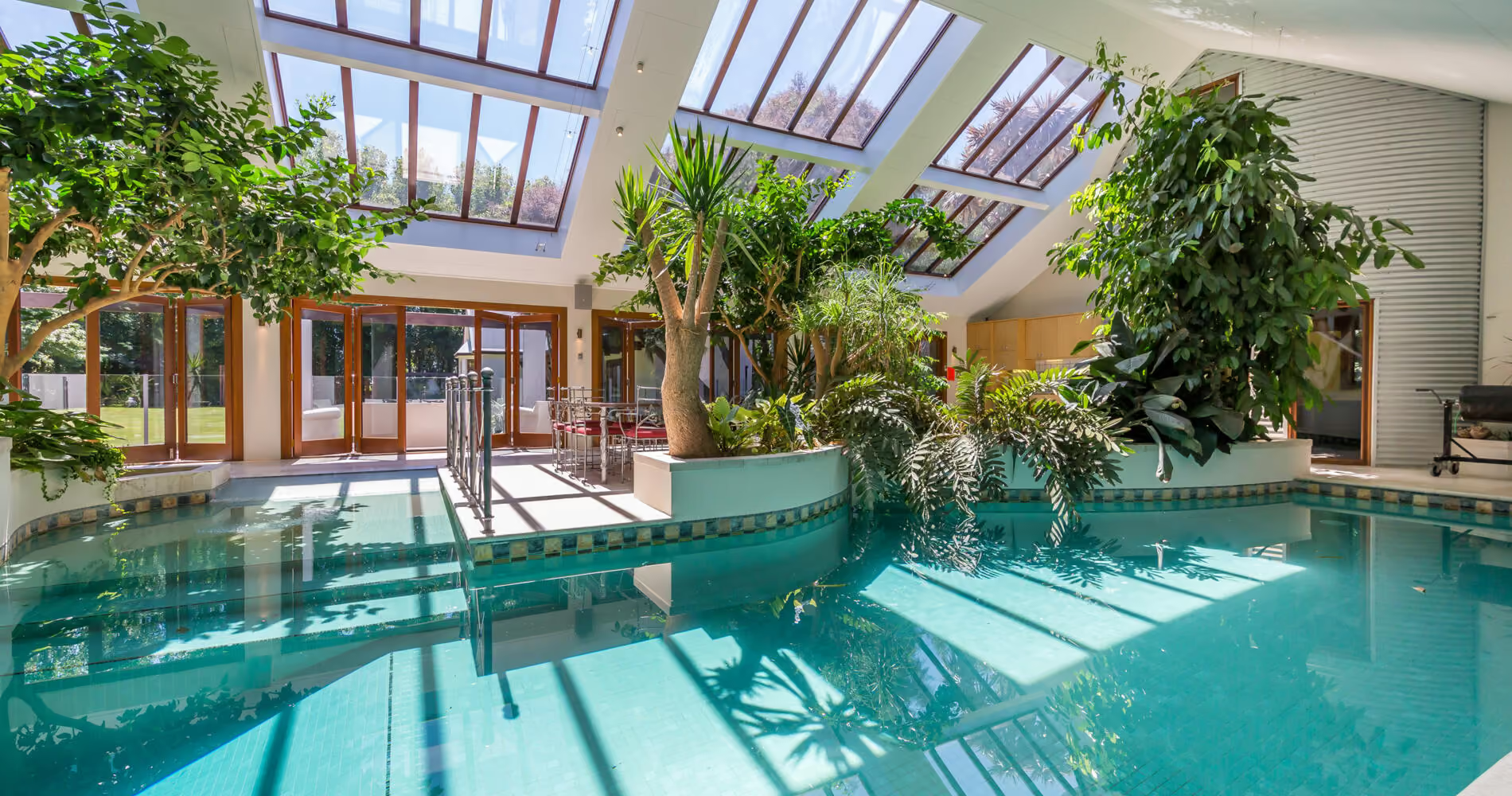
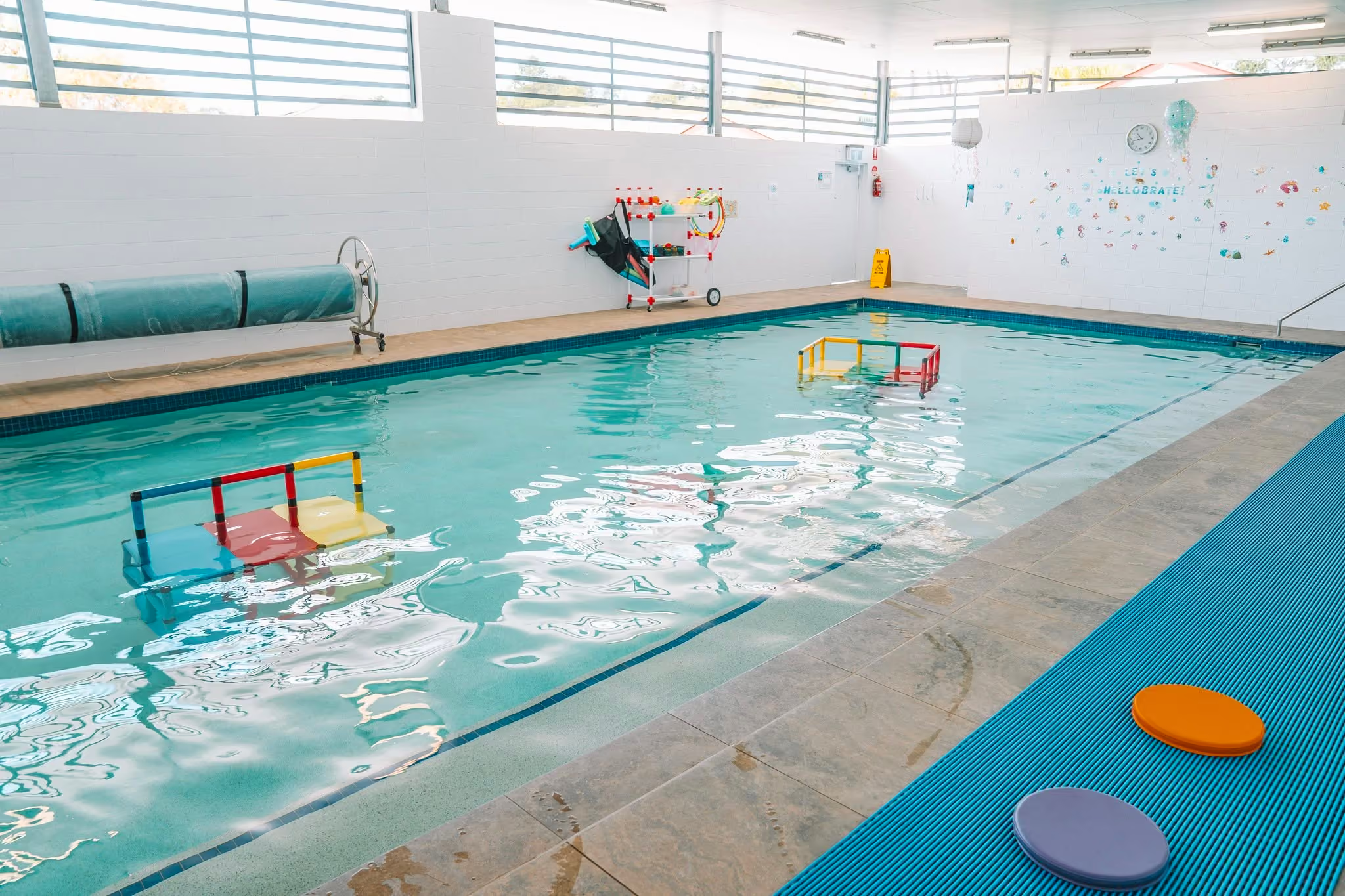
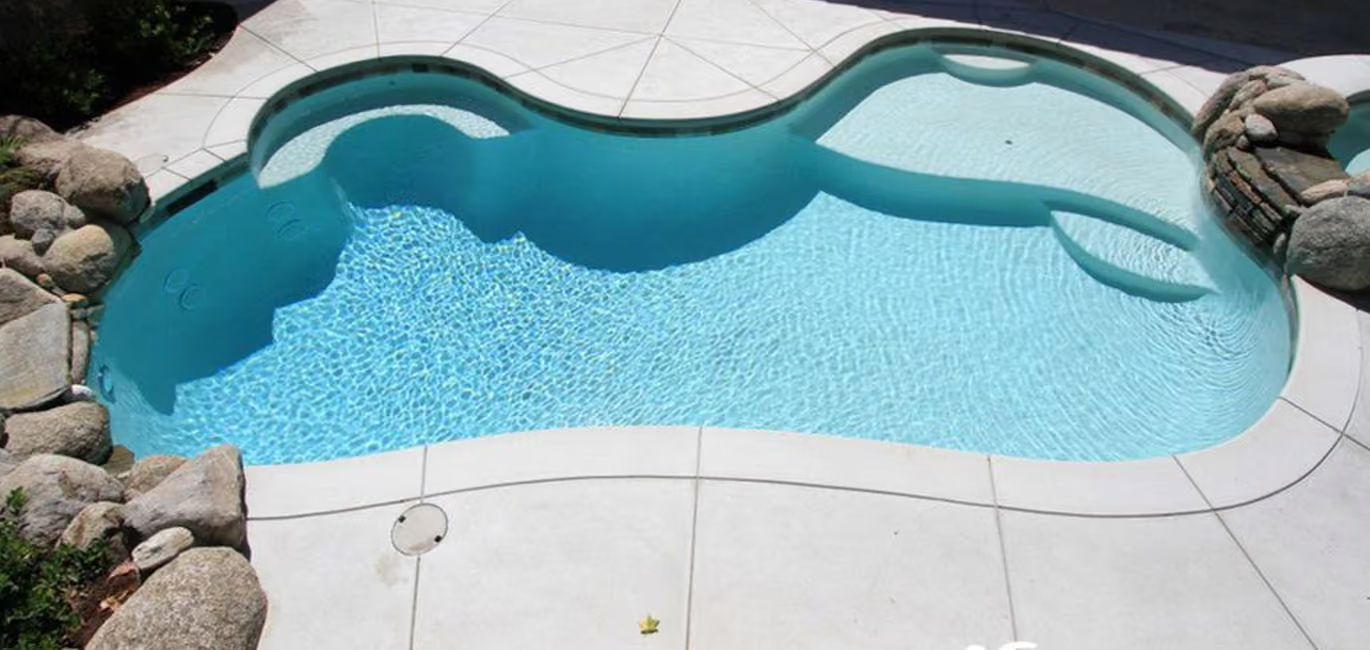
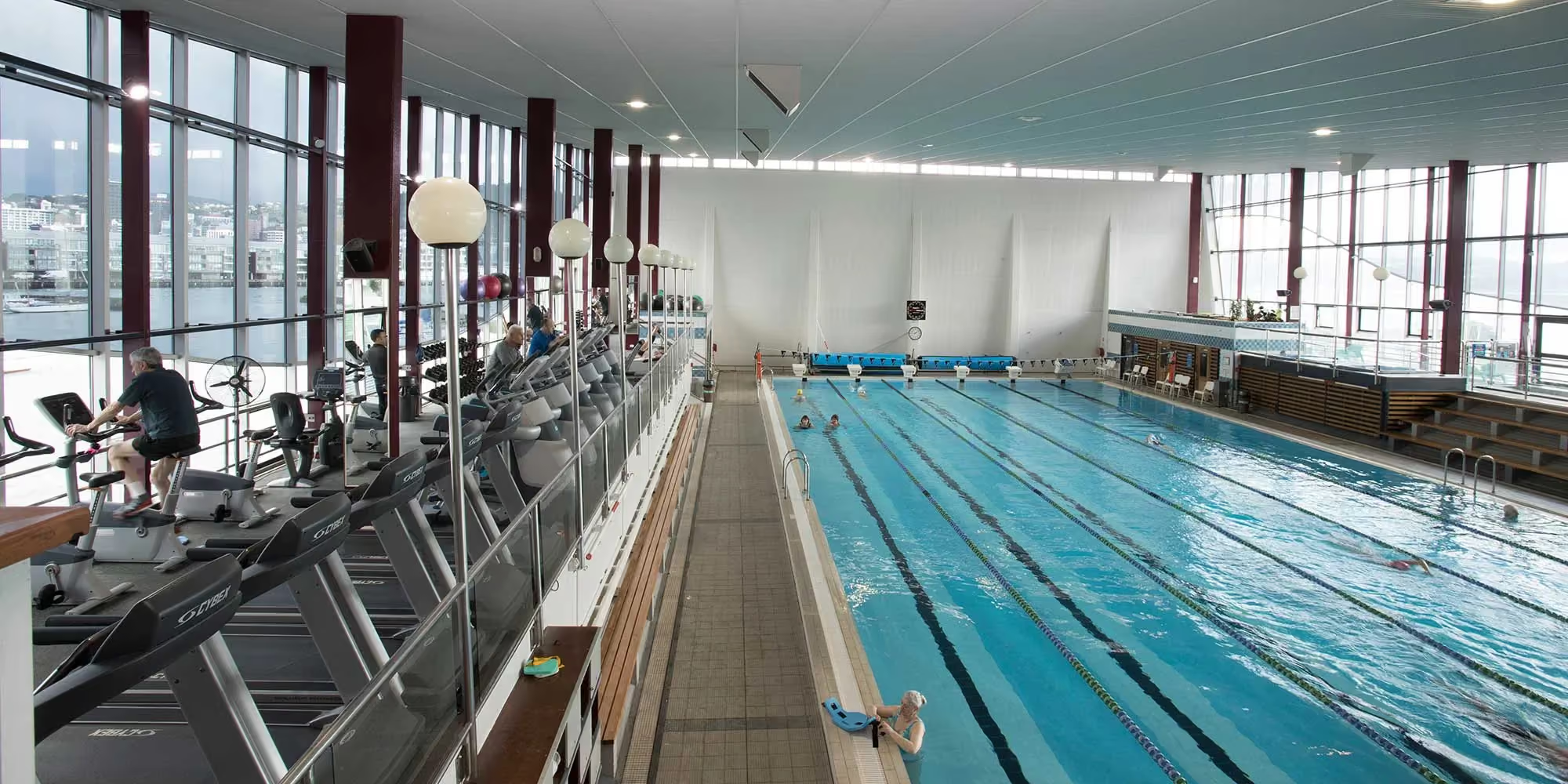
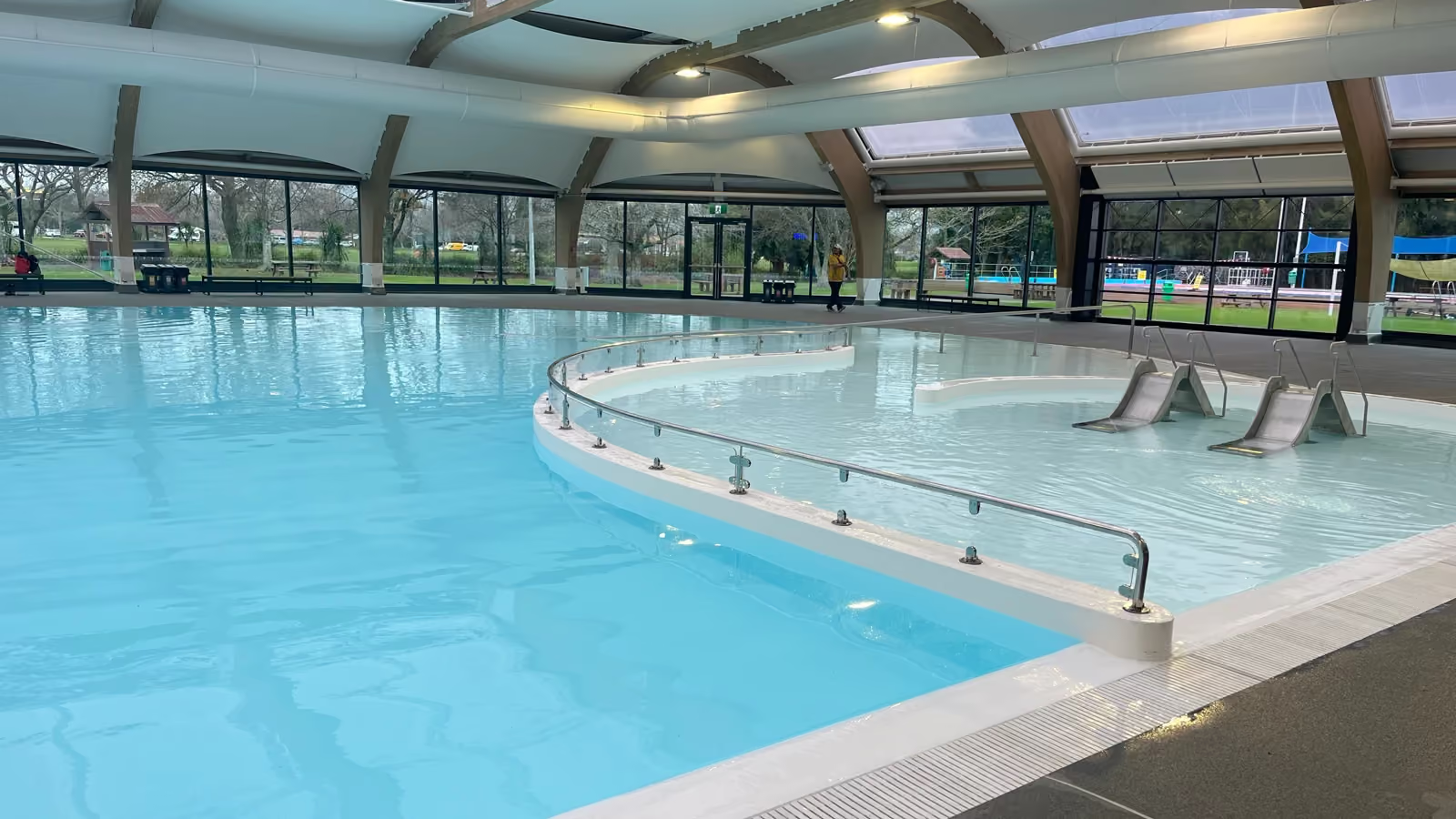
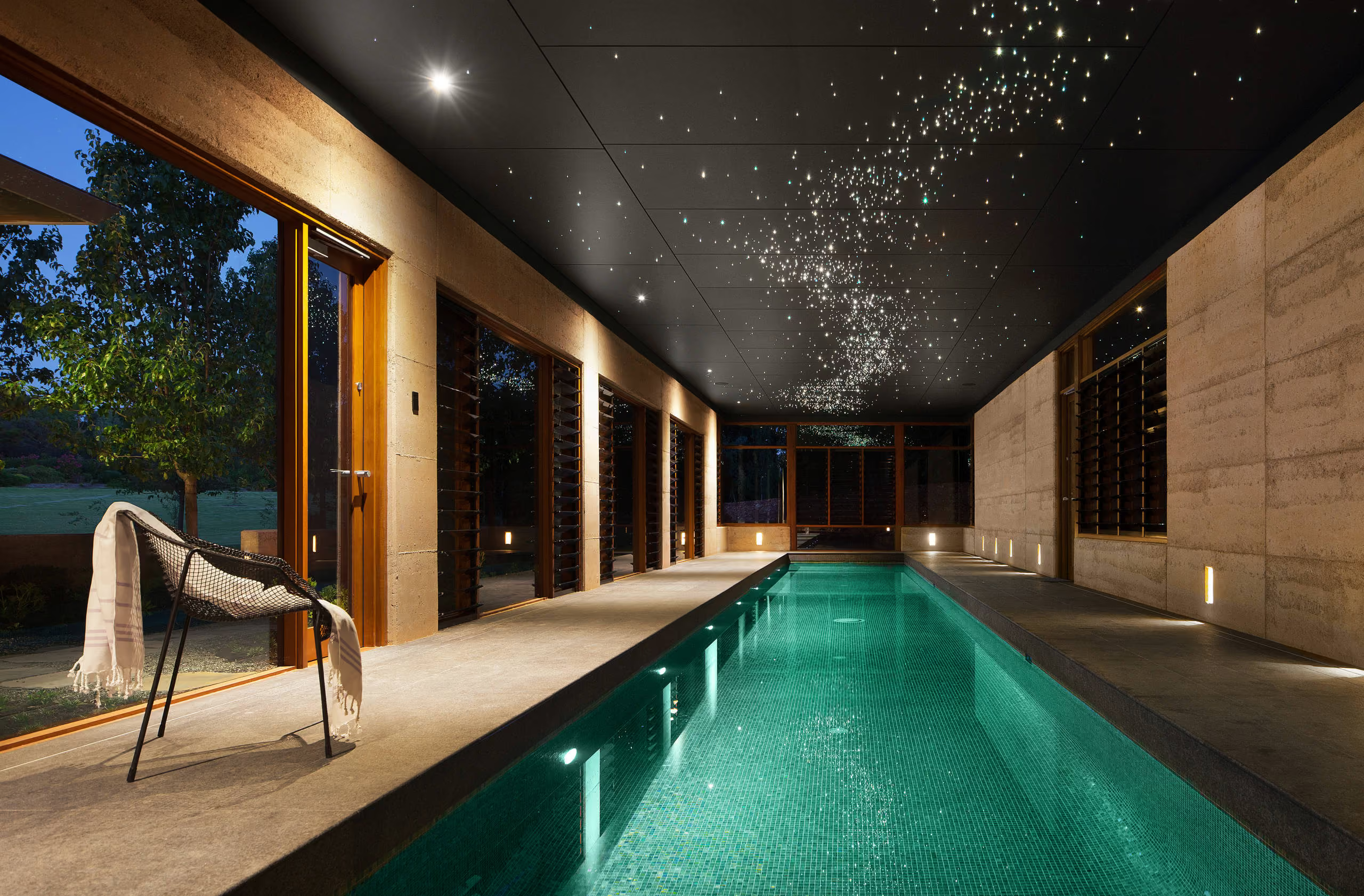
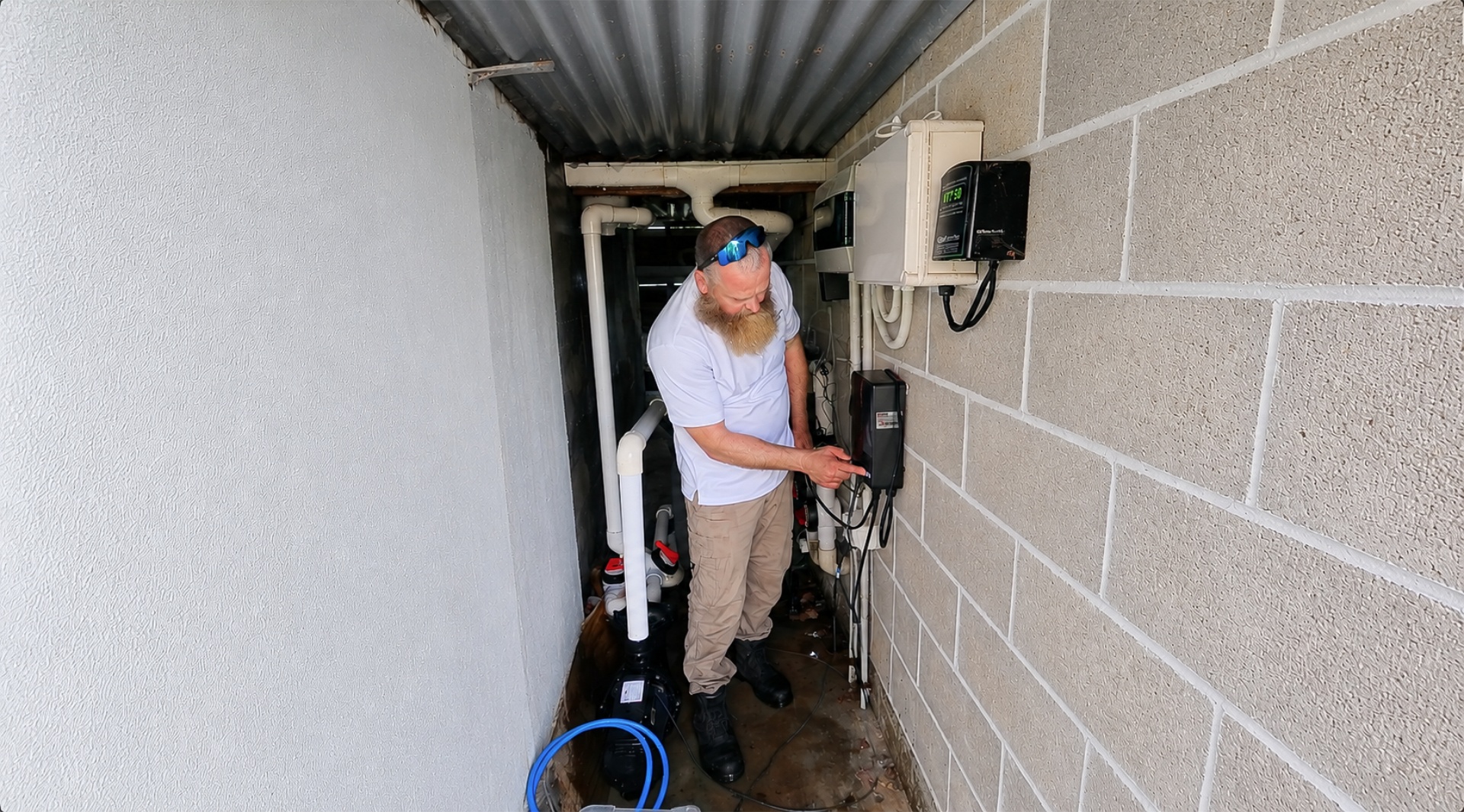
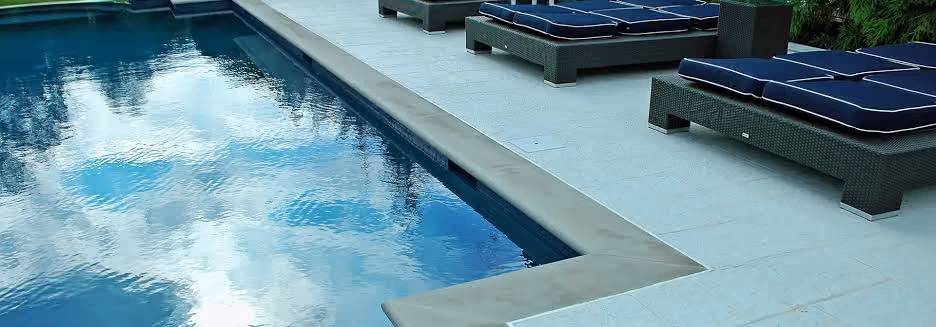
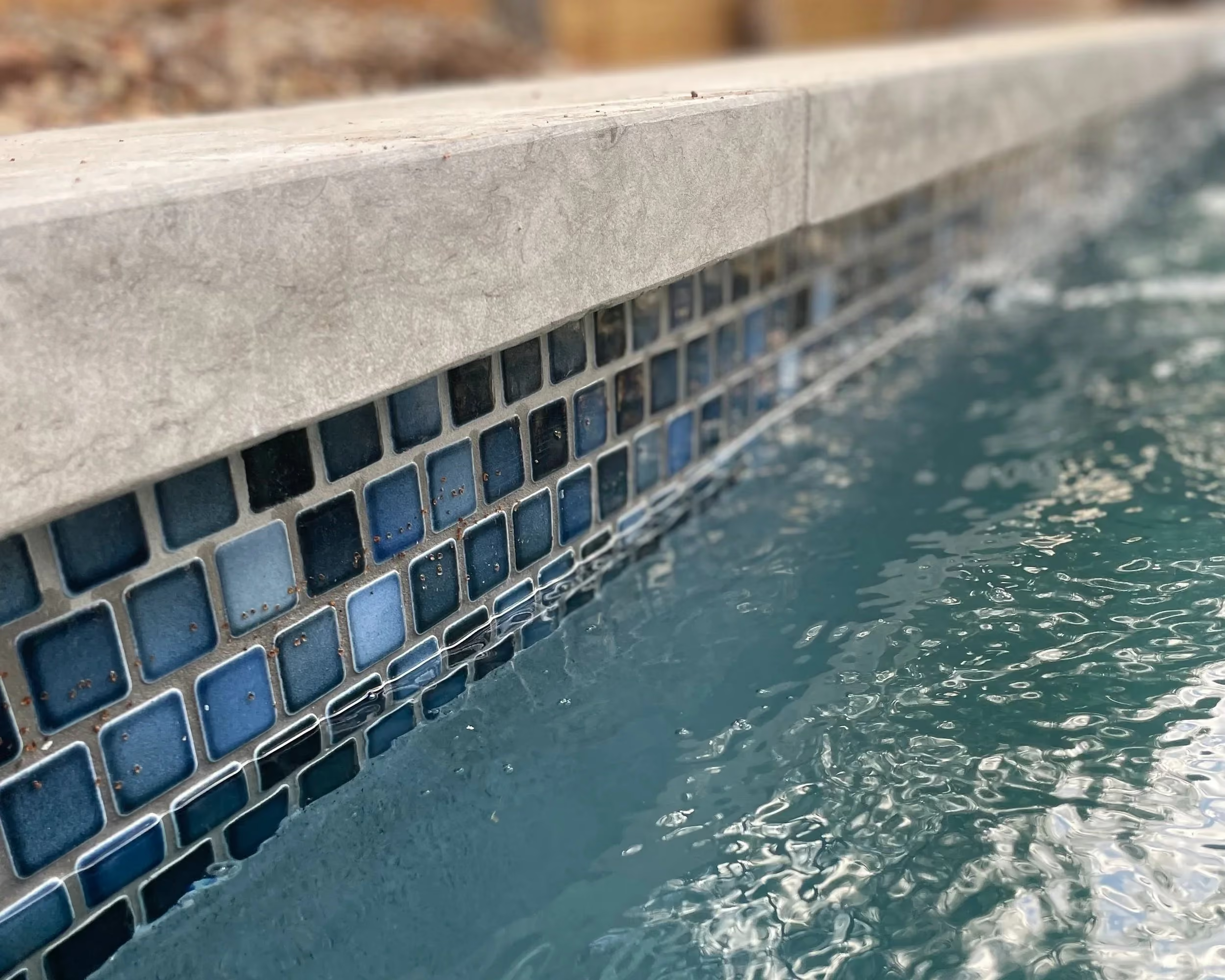
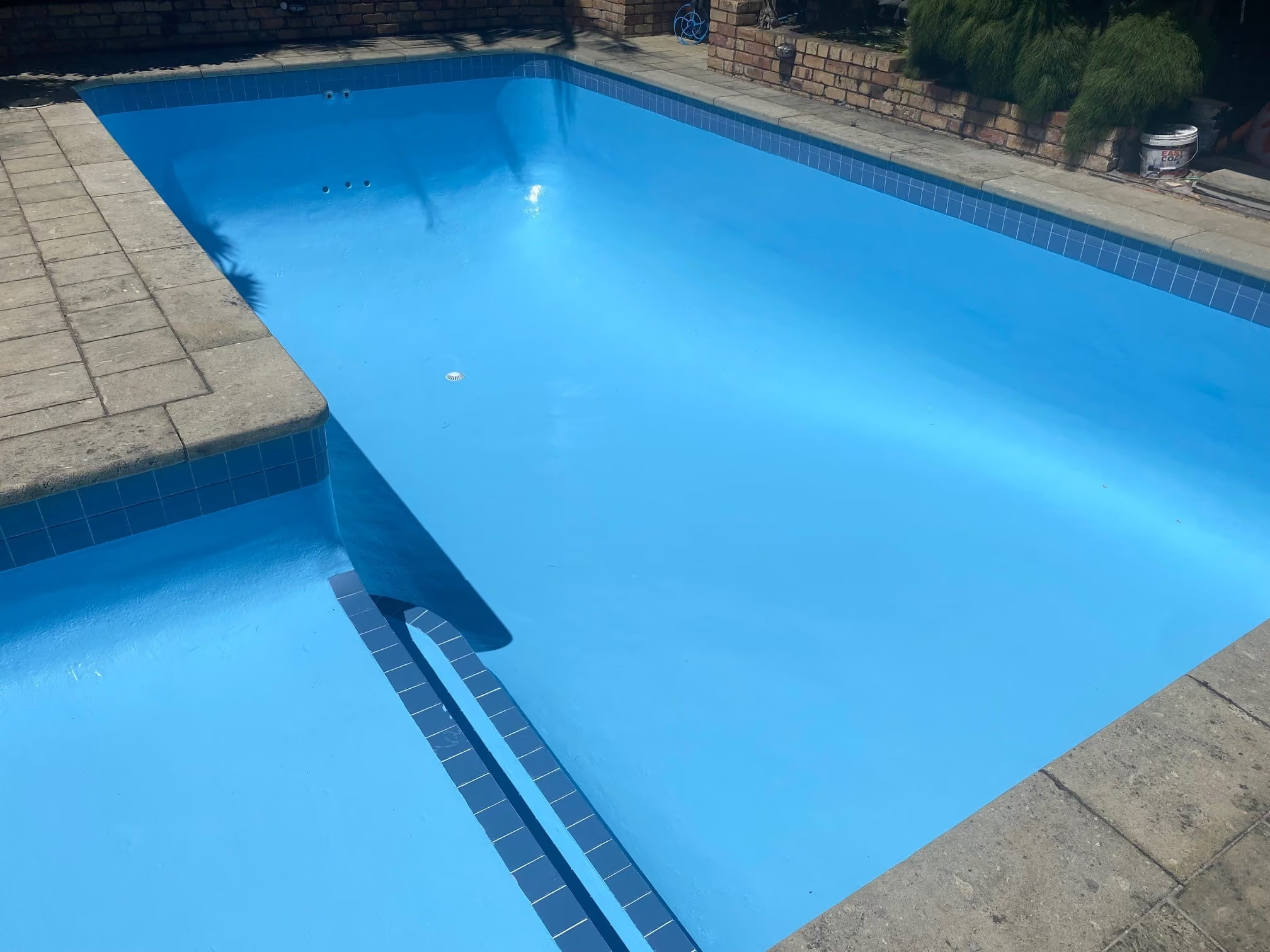
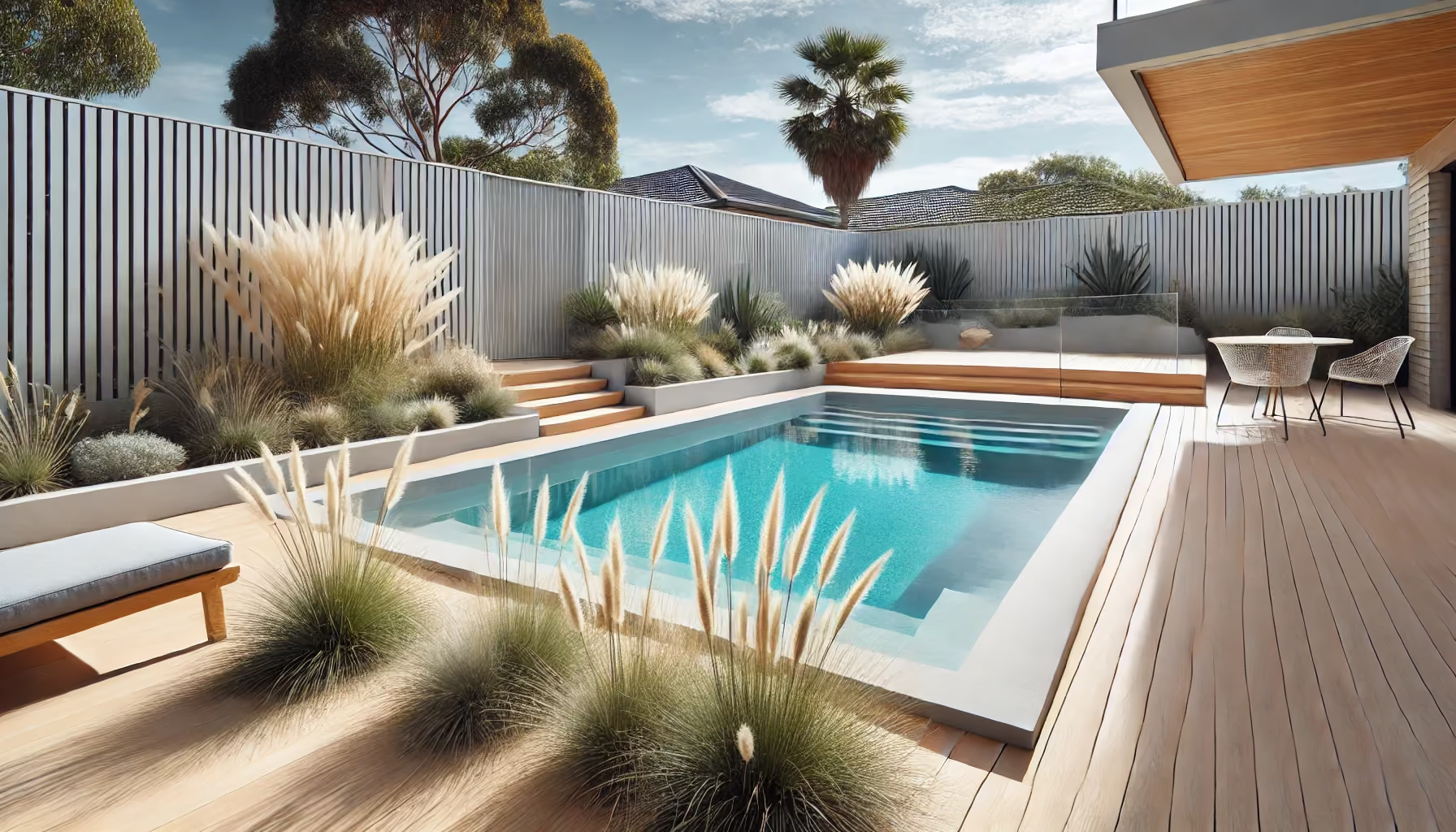
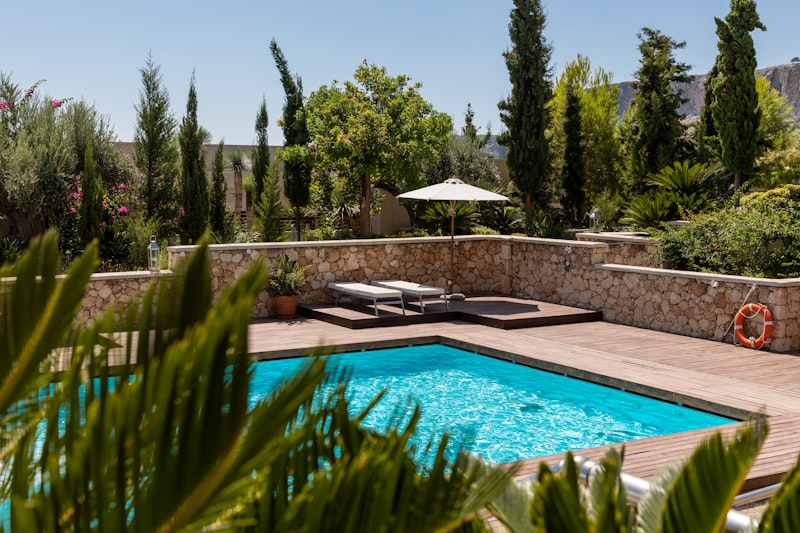
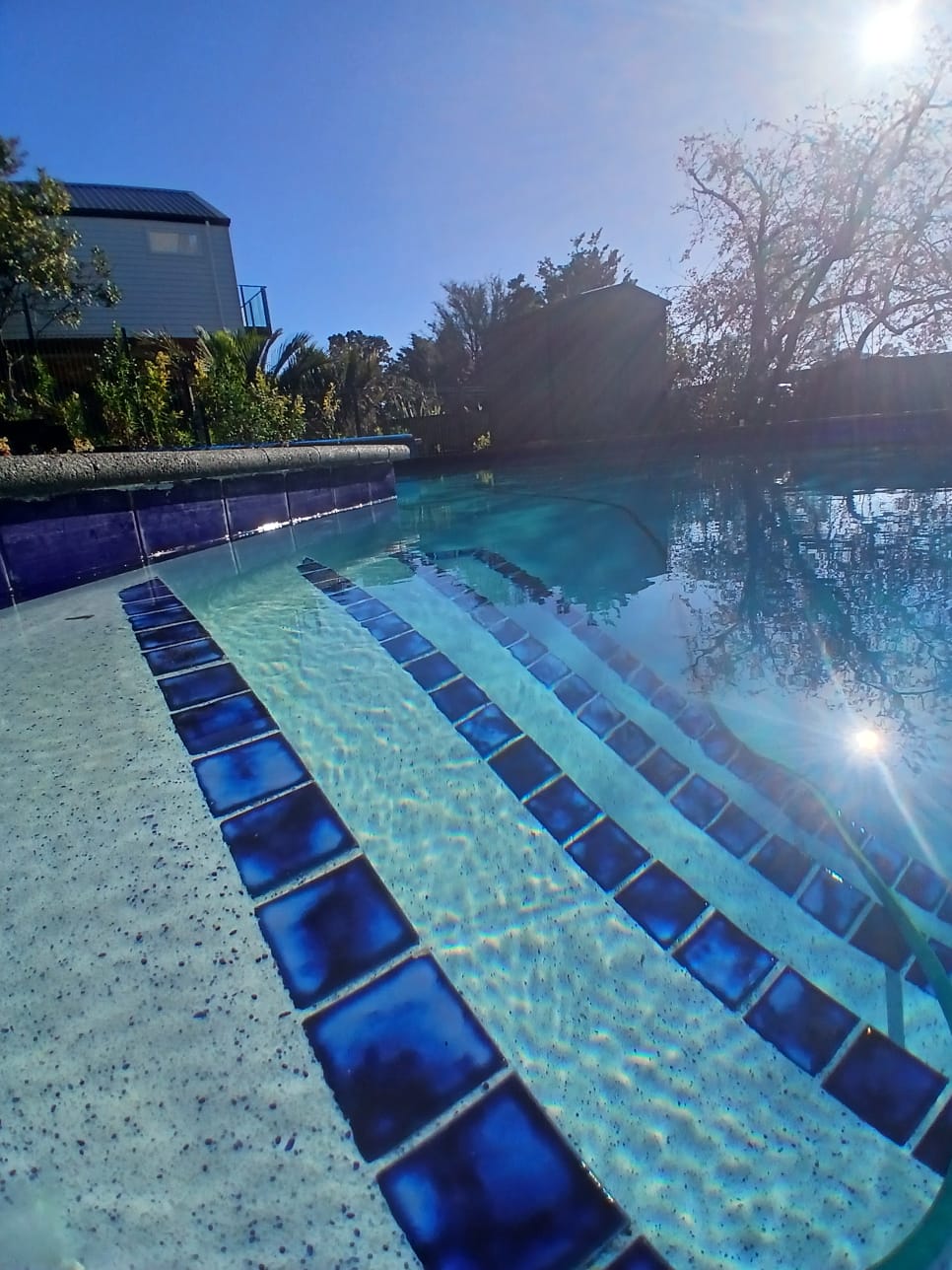
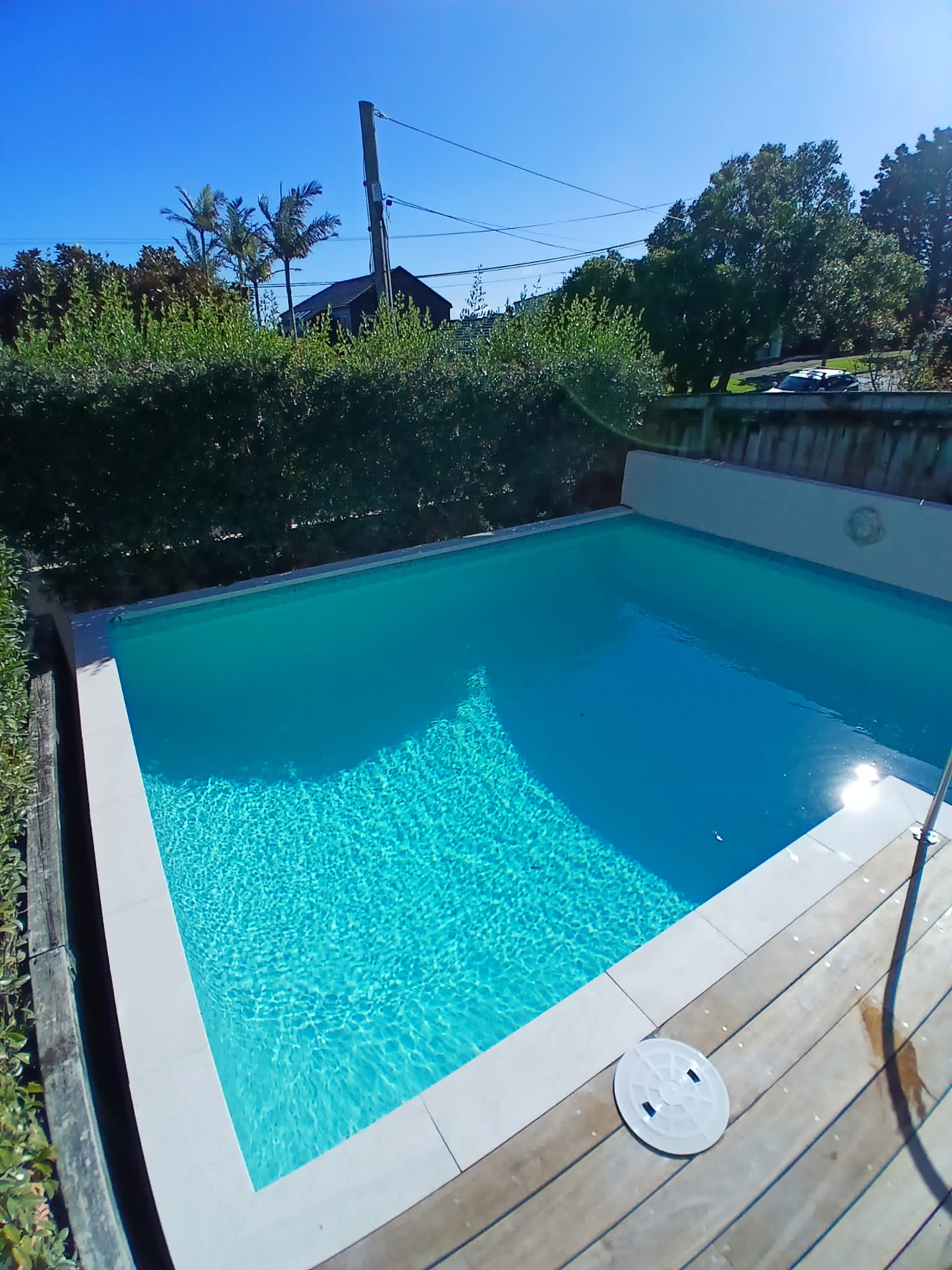
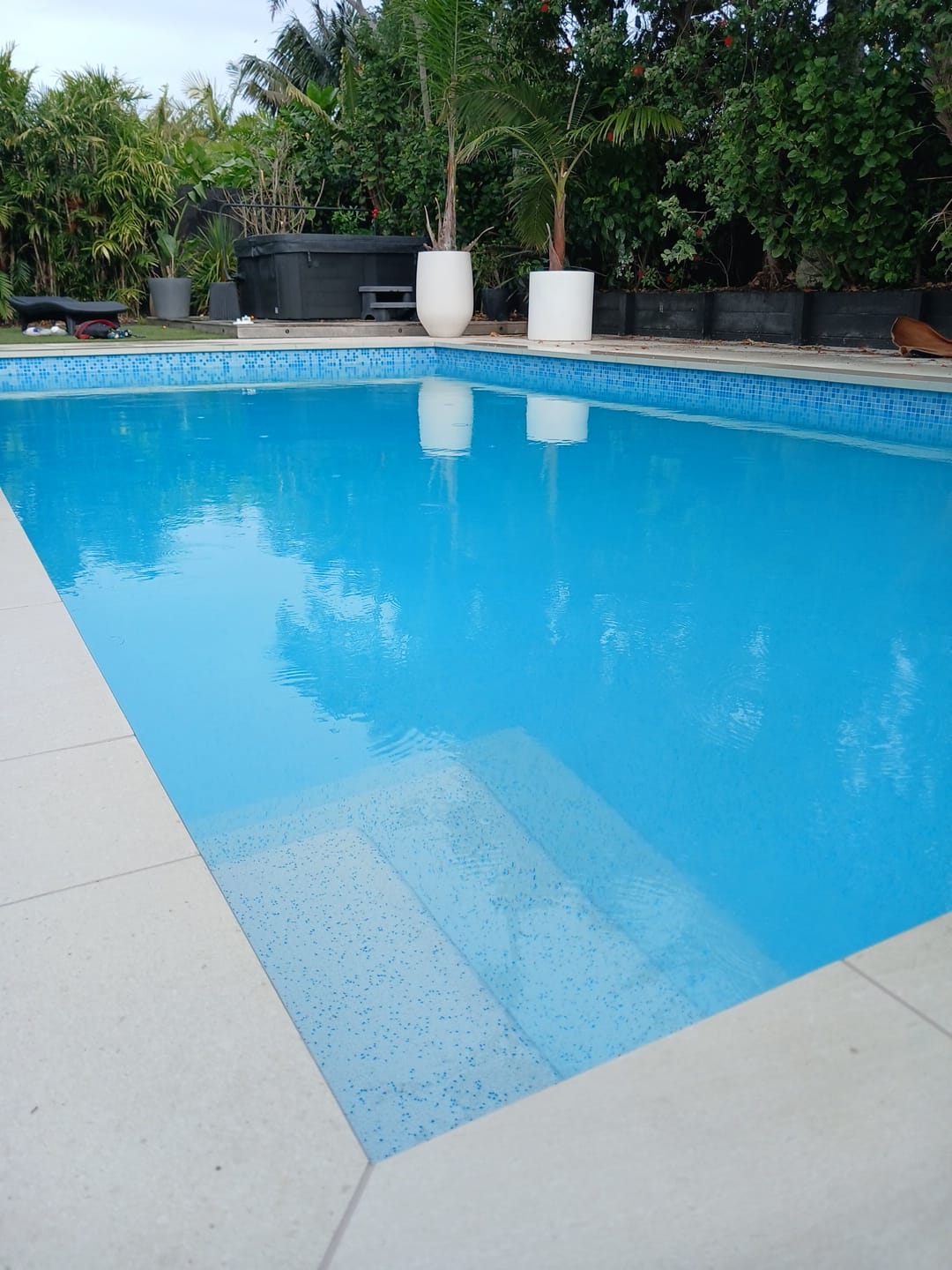
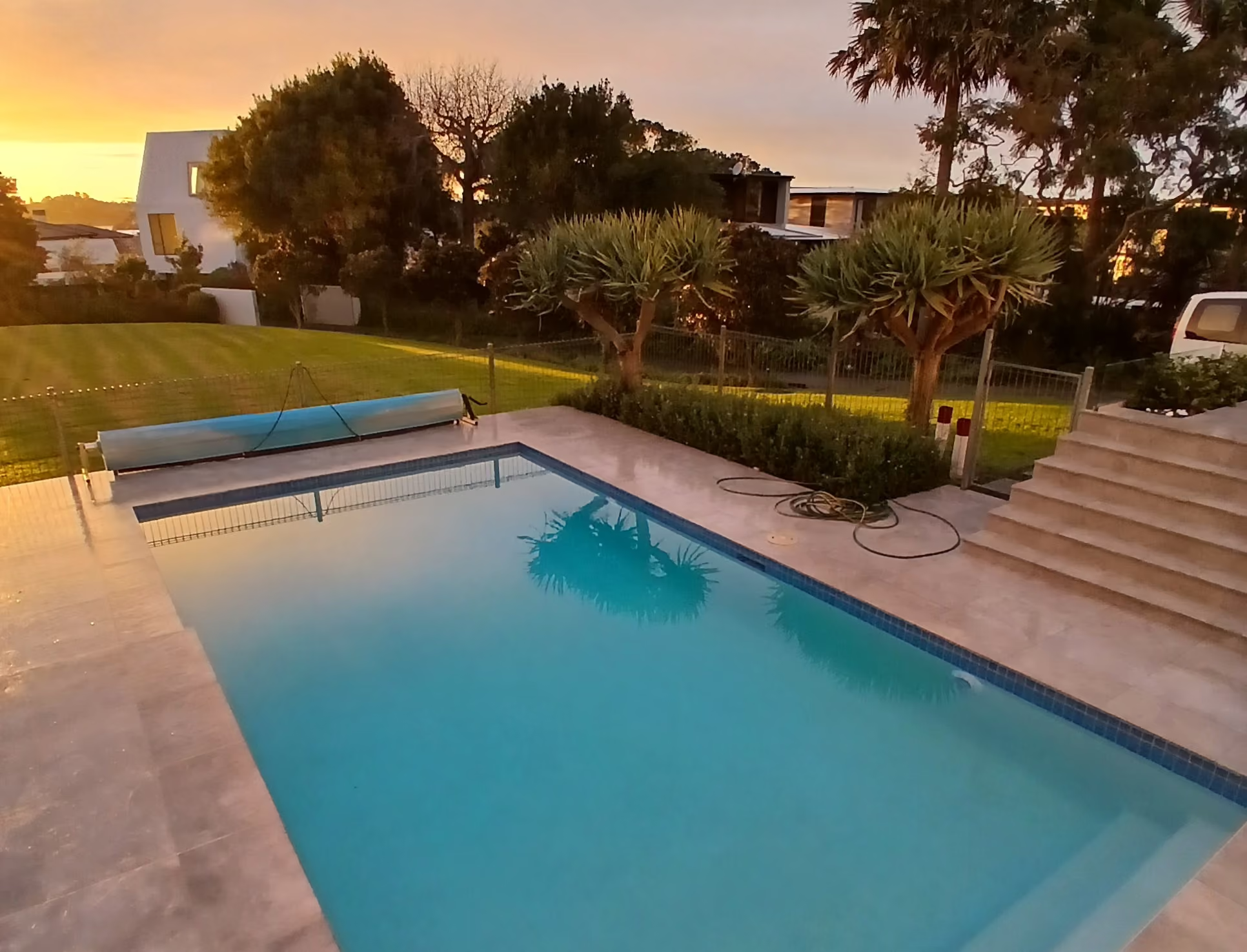
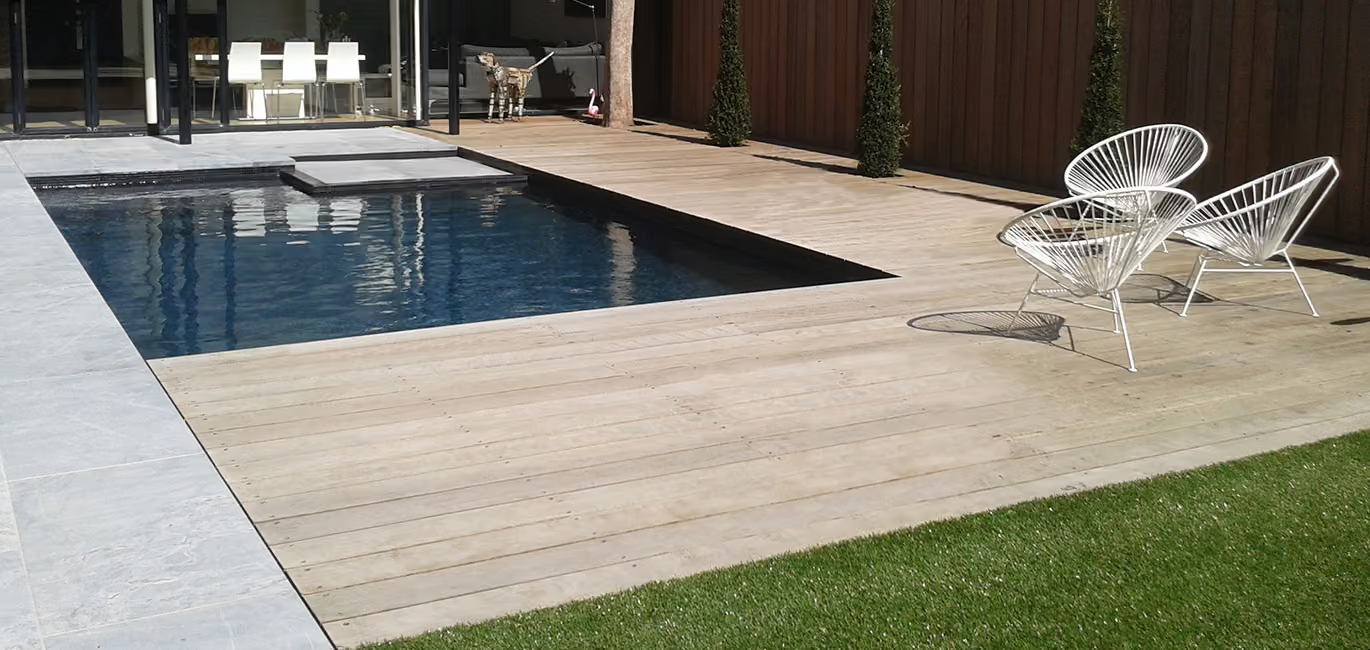
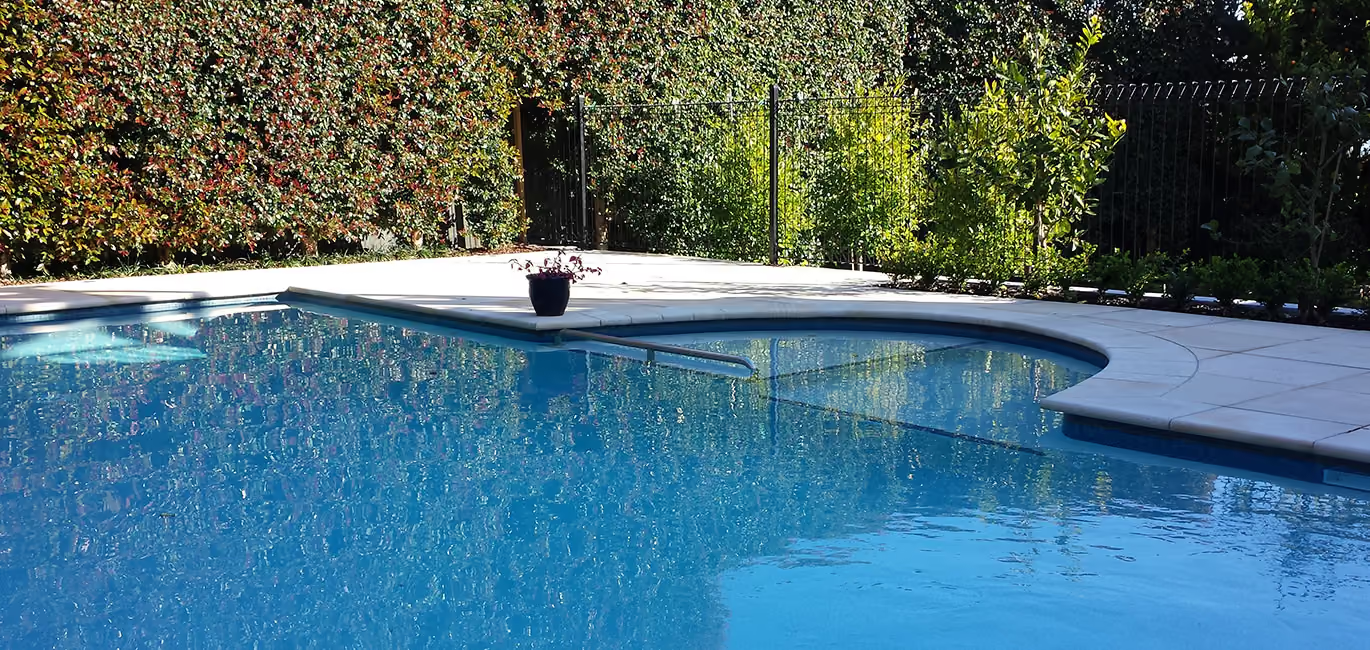
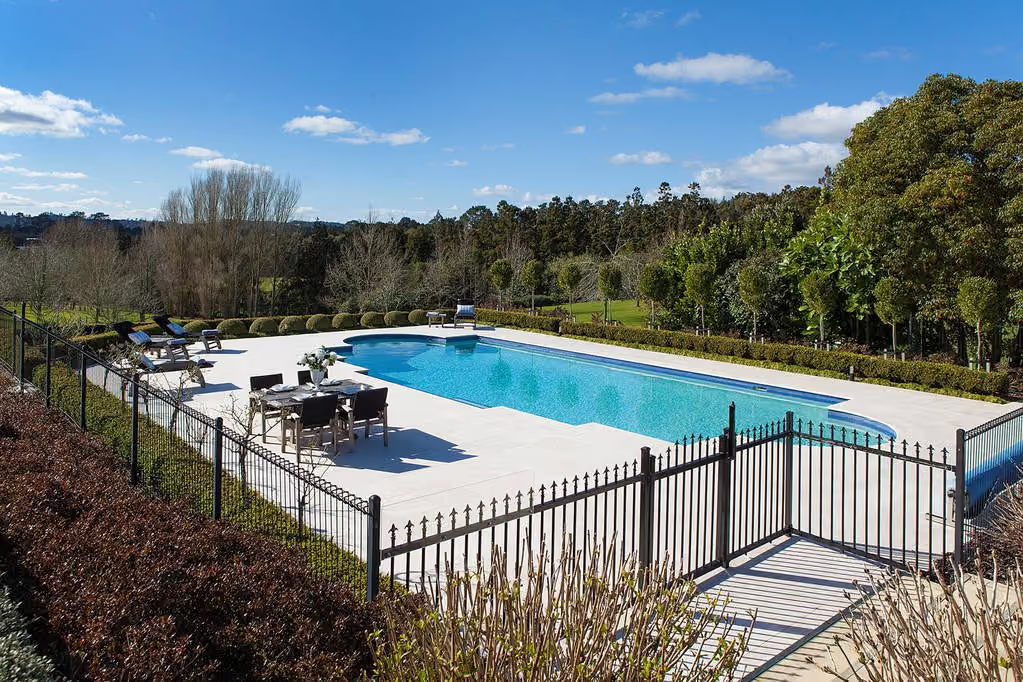
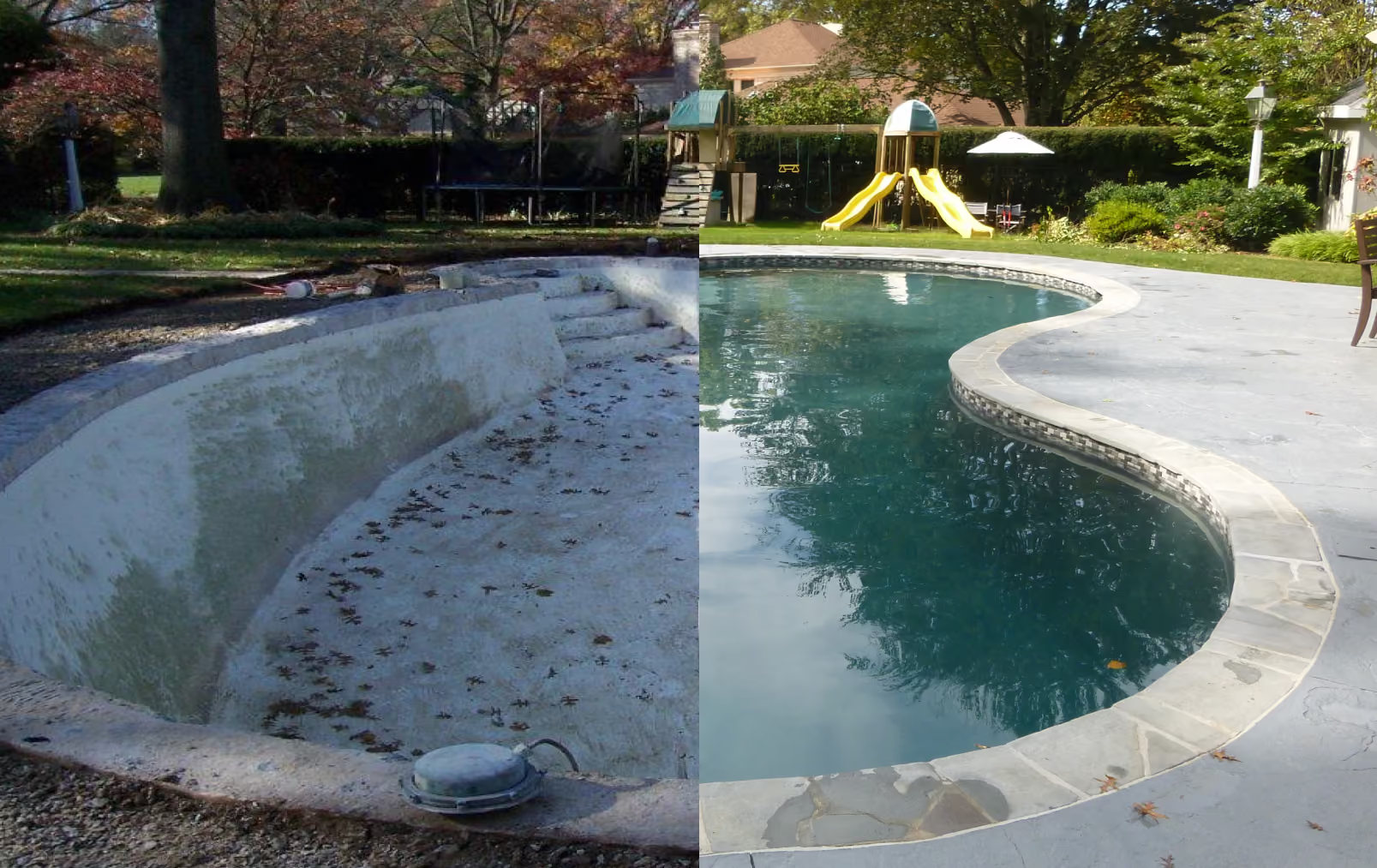
Sparkling Pools has worked on pools across Auckland, including residential renovation projects, equipment upgrades, ongoing maintenance and pool care for managed properties. Past projects show how the right approach can improve presentation, water quality and day-to-day usability. A well-maintained pool is easier to manage, more pleasant to use and better prepared for seasonal changes.
Trusted by Homeowners Across Auckland
Don't just take our word for it. Read what our clients have to say about our transparent communication, reliable service, and stunning pool transformations.
Related Blog Posts
Stay informed on pool care and renovations
Winter pool care essentials for Auckland
Pool Renovation Mistakes

Auckland Climate Pool Maintenance
Choosing Renovation Contractor
Pool Care Auckland Summer
Permits & Consents
Pool Renovation ROI
How Often to Test Pool Water
Pool Renovation Costs
Cost of Pool Service Auckland
Pool Renovation Planning Guide
Pool Lighting Buying Guide
Pool Cleaner Buying Guide
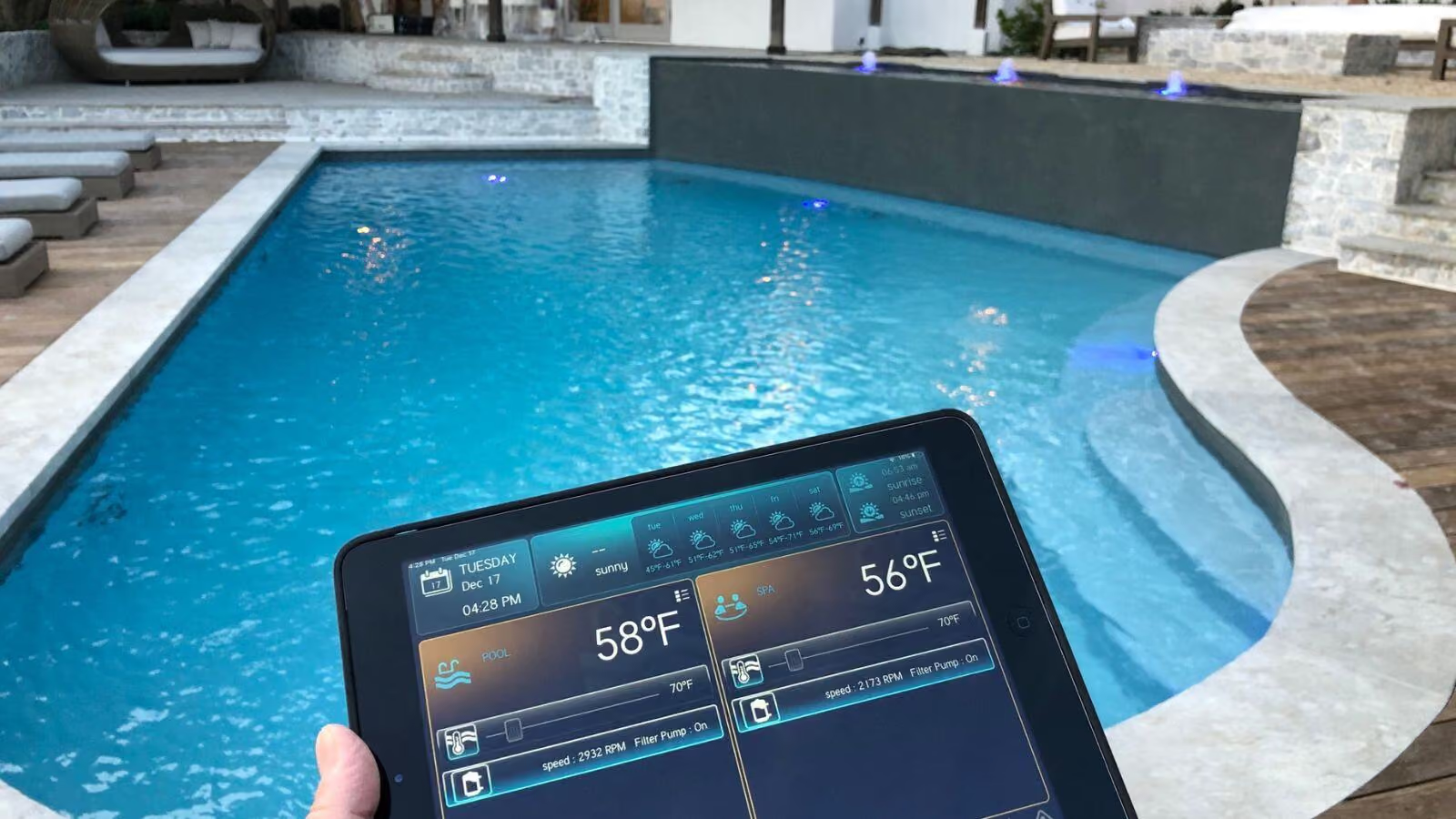
Pool Automation Buying Guide
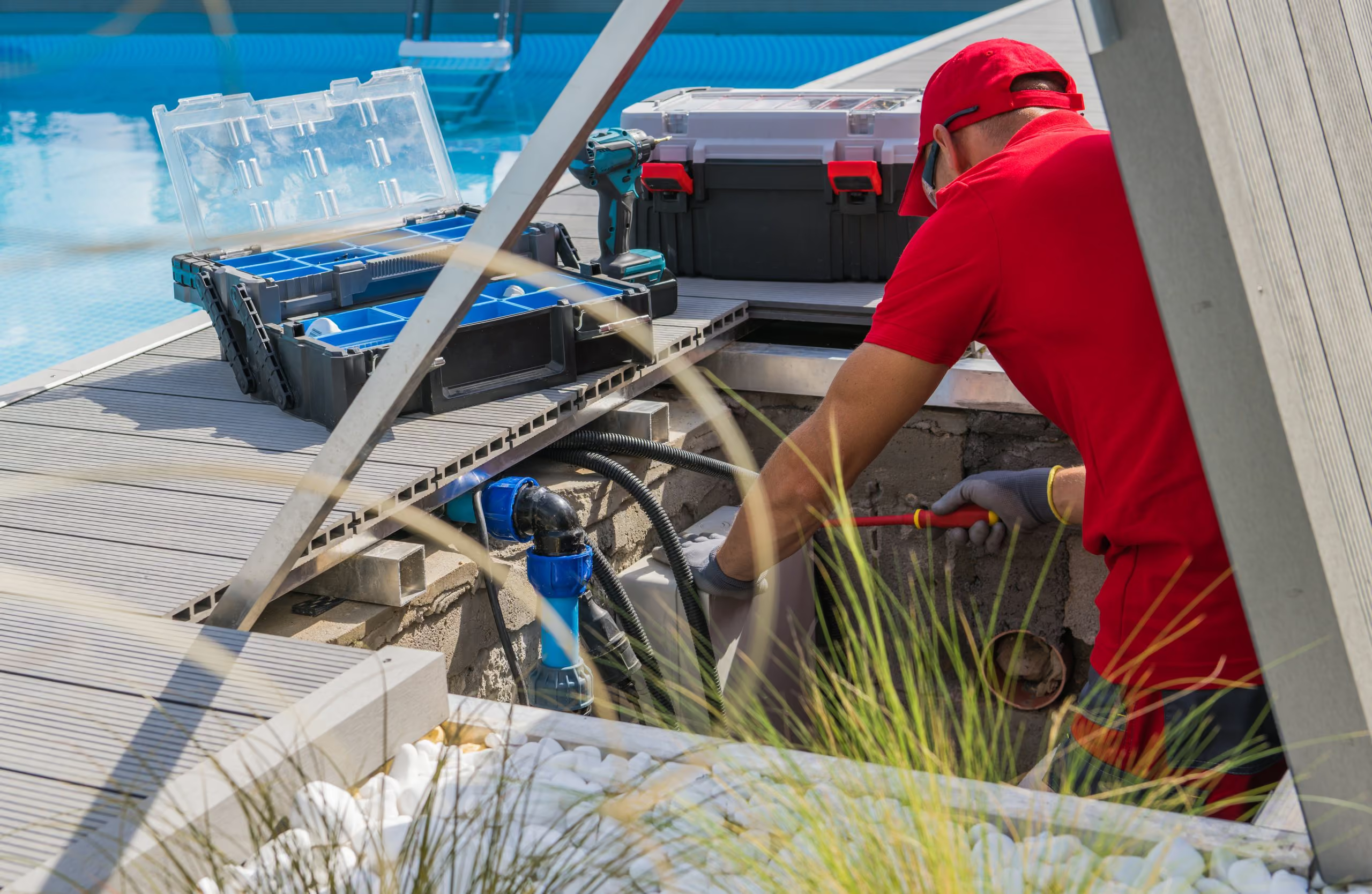
Pool Heater Buying Guide
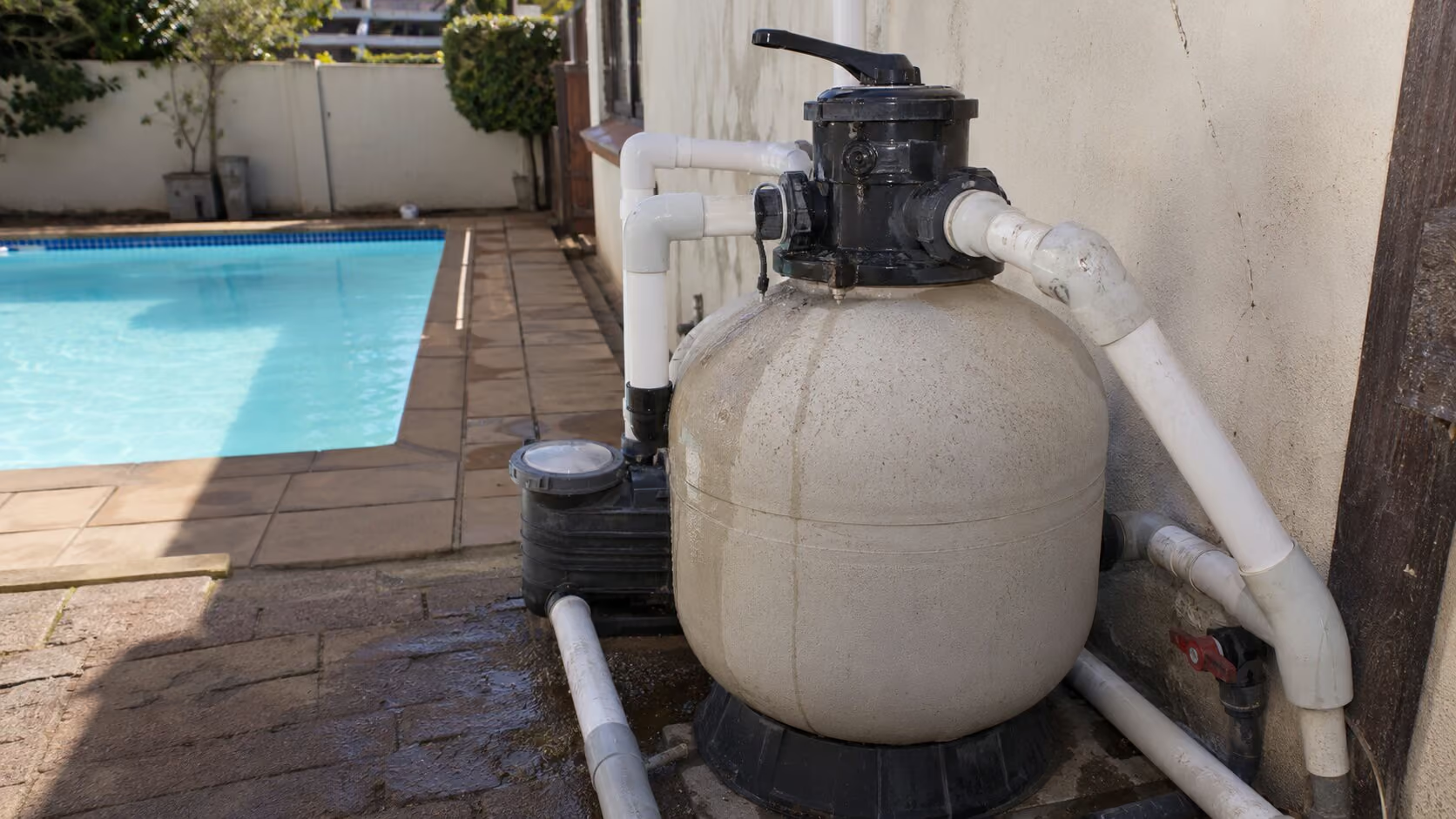
Pool Filter Buying Guide
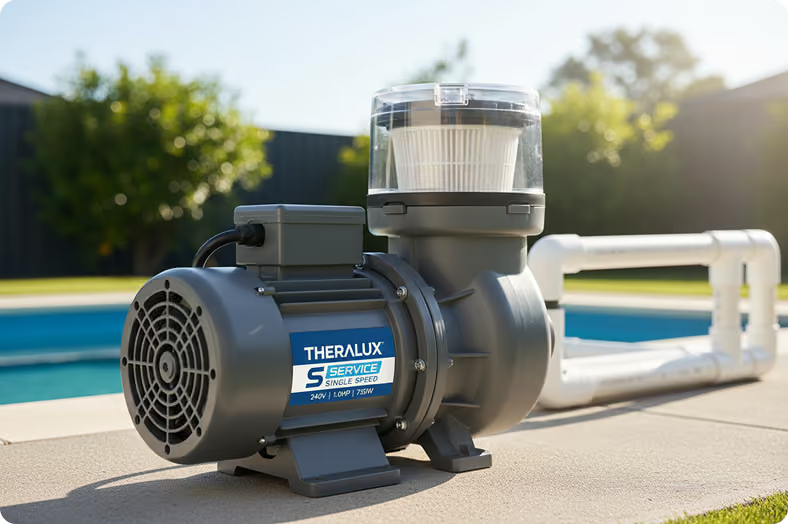
Pool Pump Buying Guide
Best Equipment Auckland Climate
Auckland Water Quality
Auckland Pool Season
Pool Ownership Costs
Common Pool Mistakes
Pool Safety Laws
Pool Inspection Requirements
Pool Fence Compliance
.avif)
Auckland Pool Industry Trends
Auckland Pool Regulations
Pool Equipment Suppliers
Best Pool Service Areas
Pool Service Pricing Analysis
Company vs Independent
Best Pool Surface Materials
Pool Resurfacing Options
Pebble vs Plaster Surfaces
One-Time vs Ongoing Service
Full Service vs Chemicals Only
Pool Cover Types
Robotic vs Suction Cleaners
Mineral vs Saltwater
Gas vs Heat Pump
Pool Heater Types
Pool Winterizing Guide Auckland
Pool Opening Guide Summer
Pool Maintenance After Heavy Rain
Pool Maintenance Schedule
How Often to Run Pool Filter
Pool Pump Maintenance Schedule
Pool Filter Cartridge Cleaning
Pool Equipment Maintenance Checklist
Pool Waterline Cleaning
Pool Skimmer Basket Cleaning
Pool Chlorine Levels
How Often Clean Pool Filter
How to Vacuum Pool
Pool Brushing Technique
Pool Chemical Dosing Chart
Pool Water Chemistry Basics
How to Balance Pool Chemistry
How to Test Pool Water
Pool Maintenance Tips
Complete Pool Maintenance Guide
Pool Service ROI
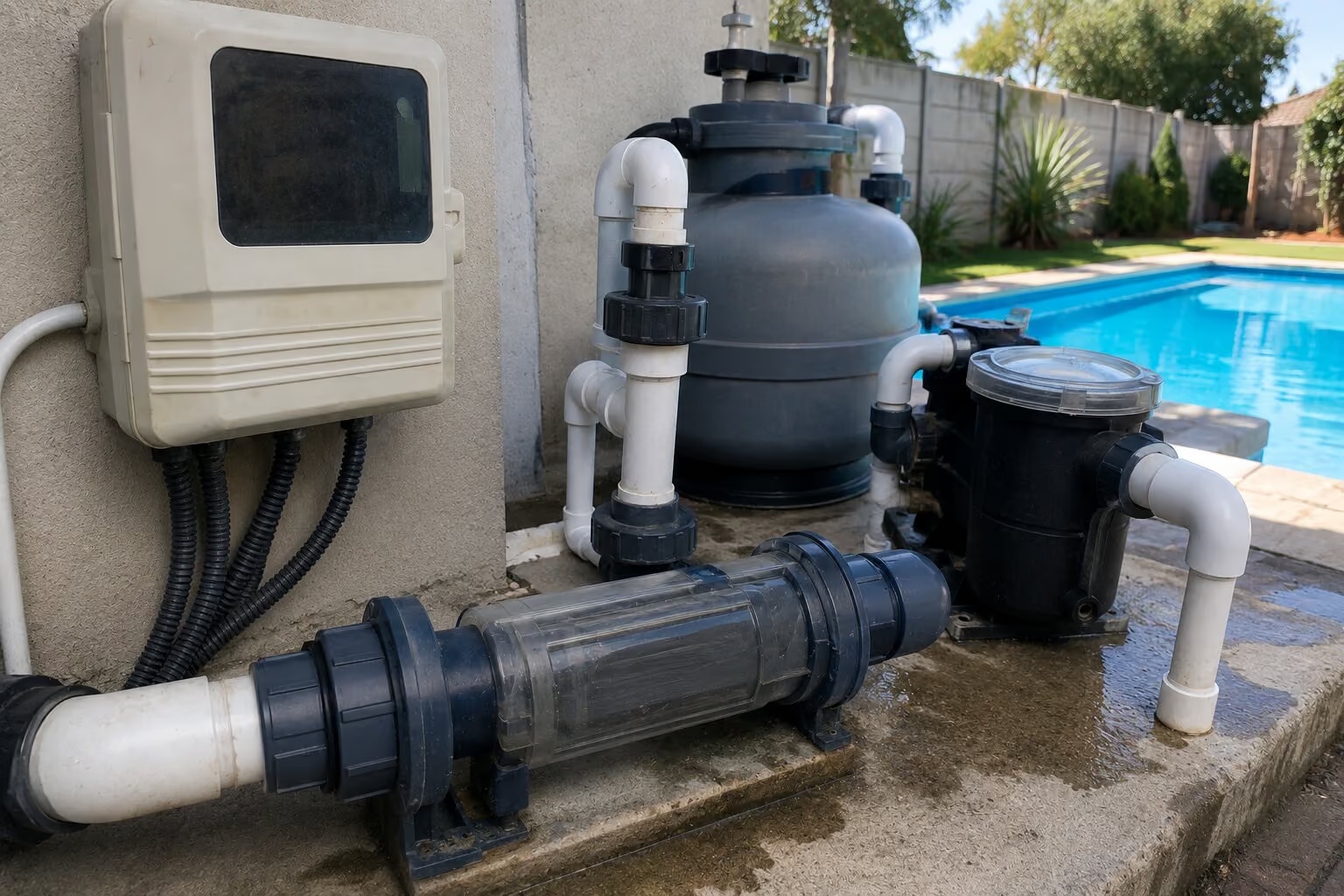
Pool Equipment Buy or Service
Pool Maintenance Time Requirements
DIY vs Professional
Pool Service Contract
Pool Service vs Pool Valet
Is Pool Service Worth It
Pool Service Guarantees
Pool Service Reviews
Pool Service Red Flags
Questions to Ask Pool Companies
How to Choose Pool Service Company
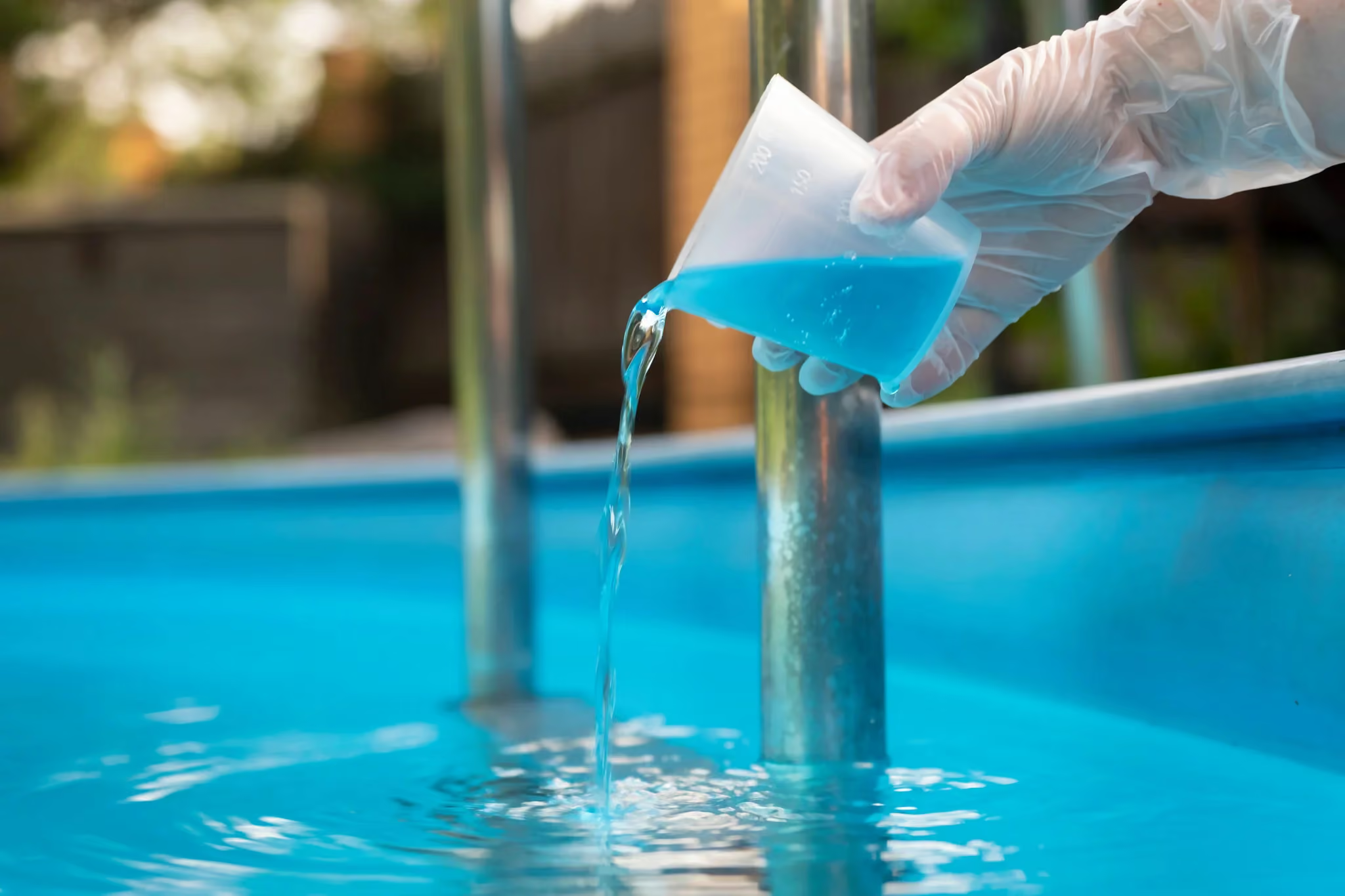
Hidden Costs DIY Maintenance
Pool Cleaning Prices Auckland
Cost of Pool Resurfacing
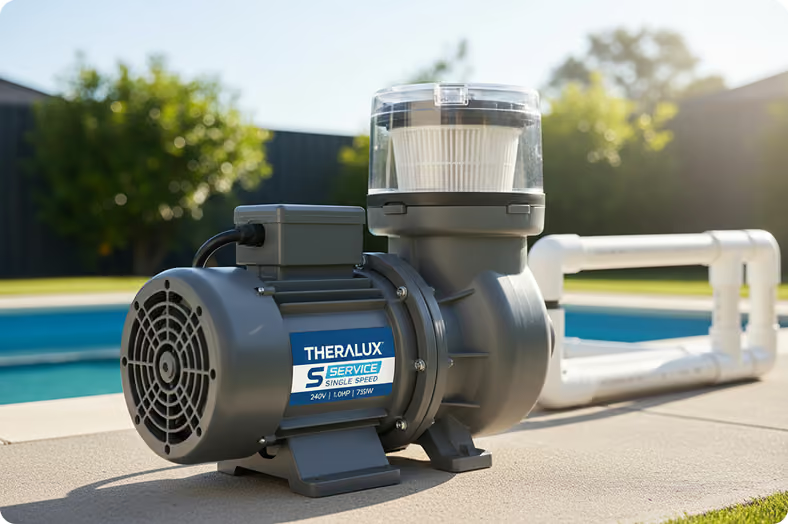
Cost of Pool Pump Replacement
Cost to Fix Green Pool
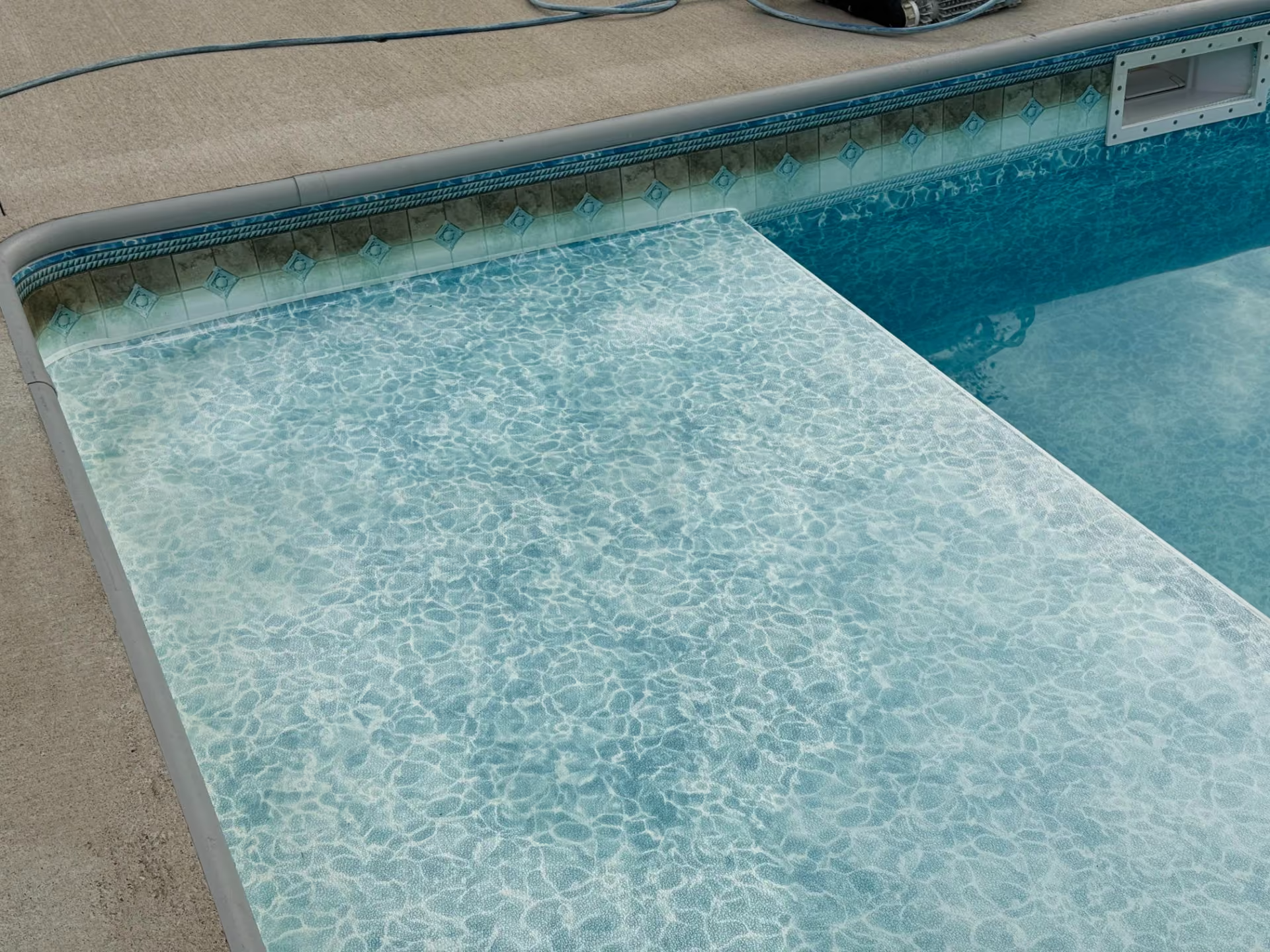
Pool Liner Wrinkles
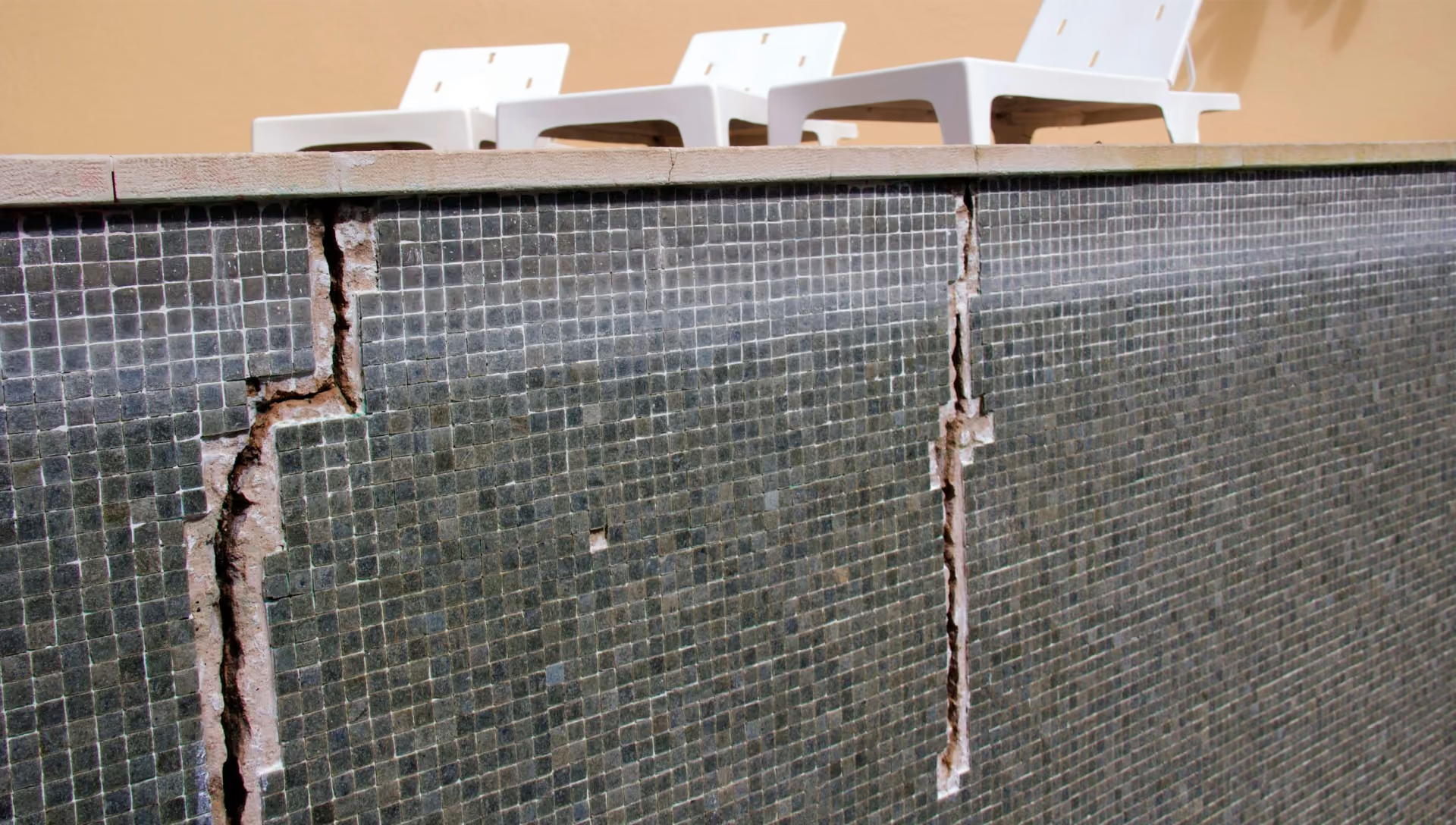
Pool Cracks When to Worry
Pool Surface Stains
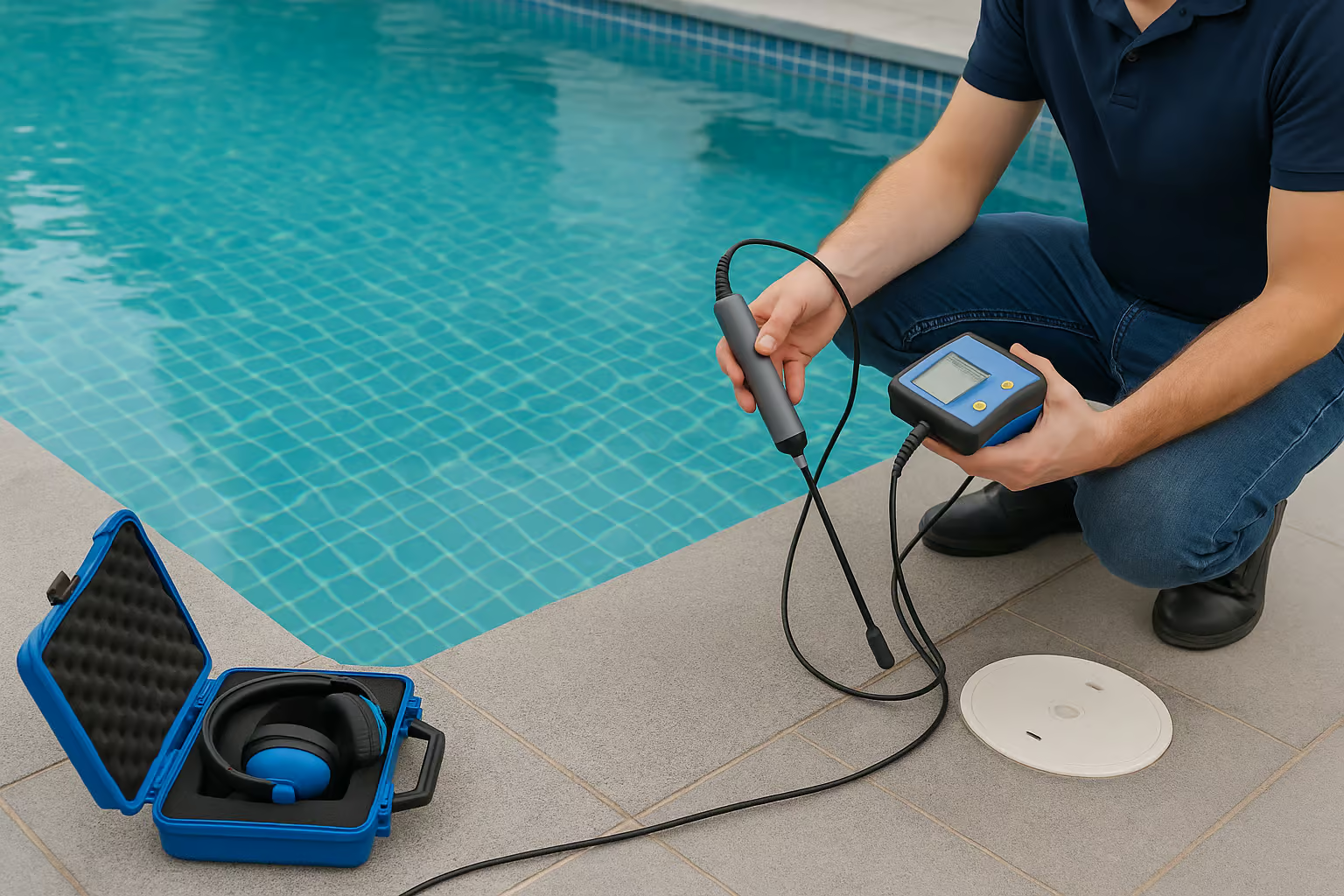
Pool Valve Leaking
Pool Automation Not Working
Pool Light Not Working
Pool Heater Not Heating
Pool Skimmer Not Working
High Pool Filter Pressure
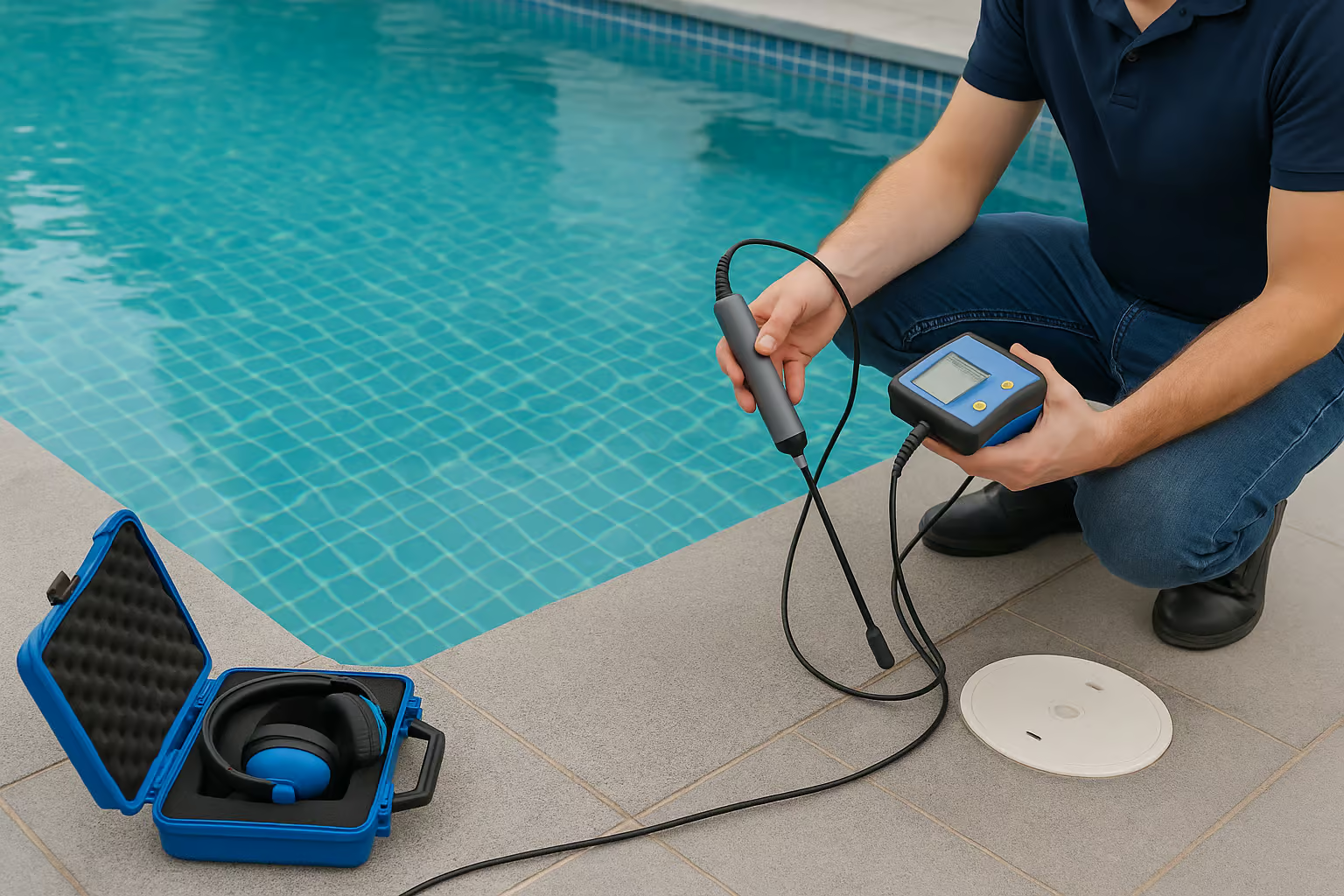
Pool Losing Water
Pool Filter Not Clearing Water
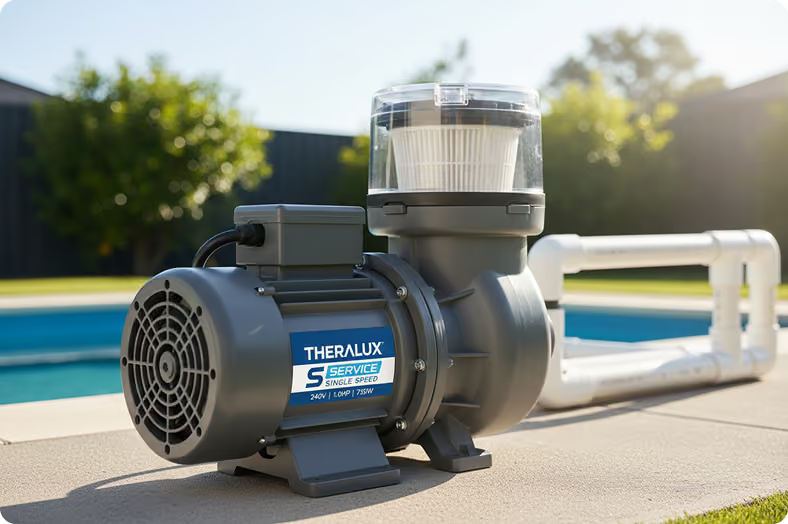
Pool Pump Leaking
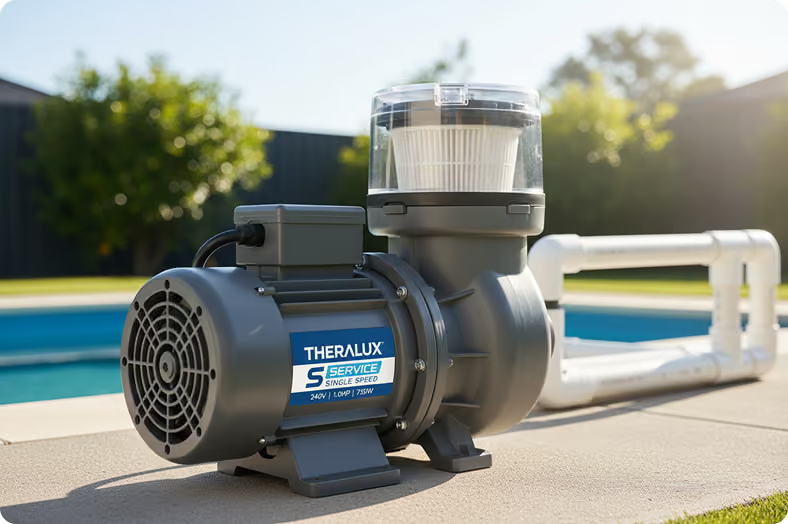
Pool Pump Not Pumping
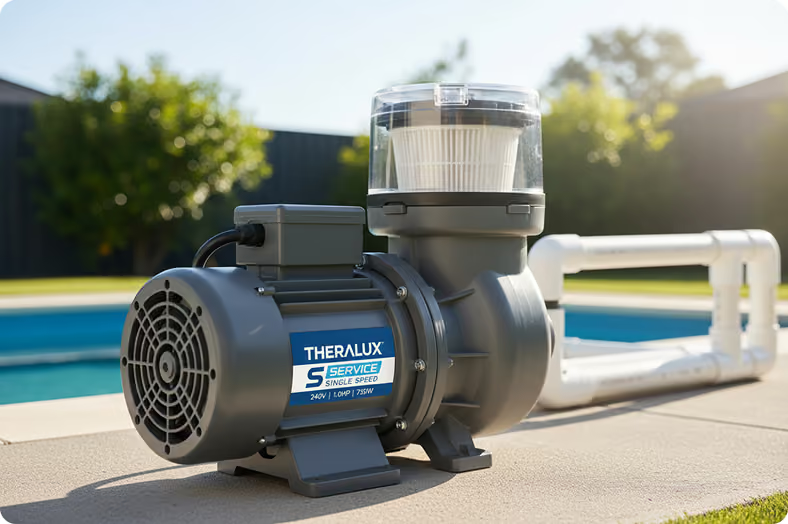
Pool Pump Losing Prime
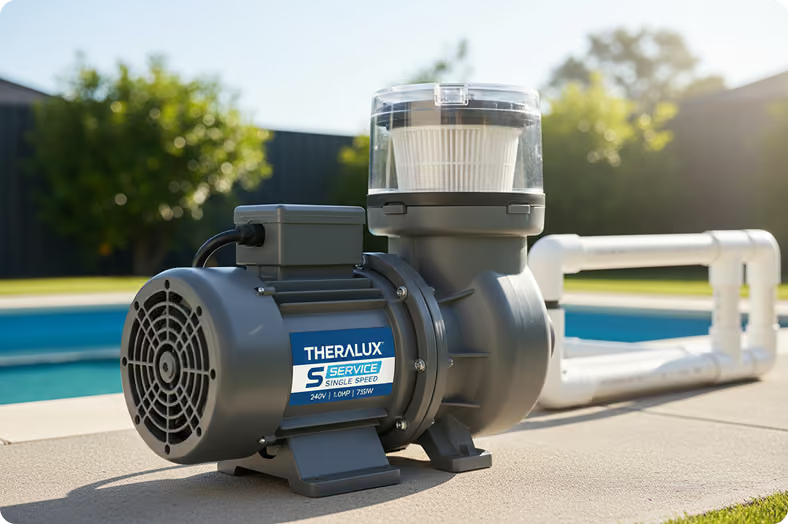
Pool Pump Noisy
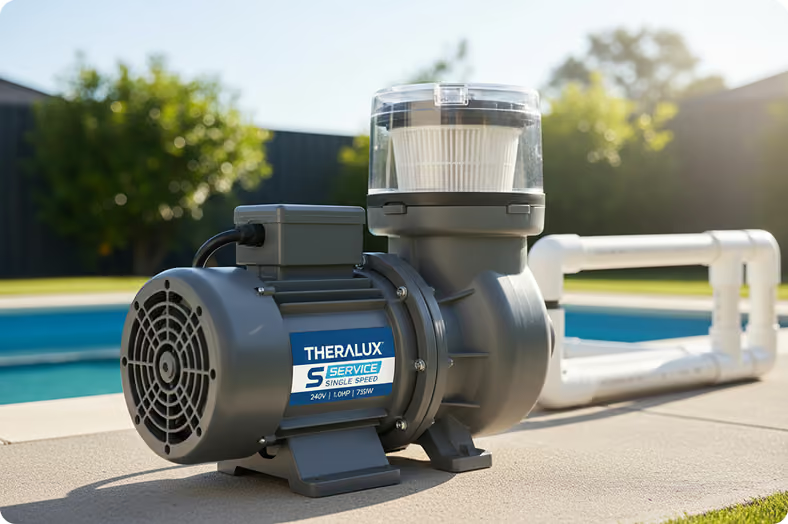
Pool Pump Not Working
Pool Water Foaming
Pool pH Too Low
Pool pH Too High
Green Pool After Rain
Pool Still Green After Shock
Pool Water Cloudy
How to Clear a Green Pool
Pool Care That Protects Your Investment
Good pool care protects more than appearance. Our pool specialists support the long-term condition of your swimming pool while keeping it ready for everyday use.