Pool Still Green After Shock
Why Auckland trusts our pool service expertise
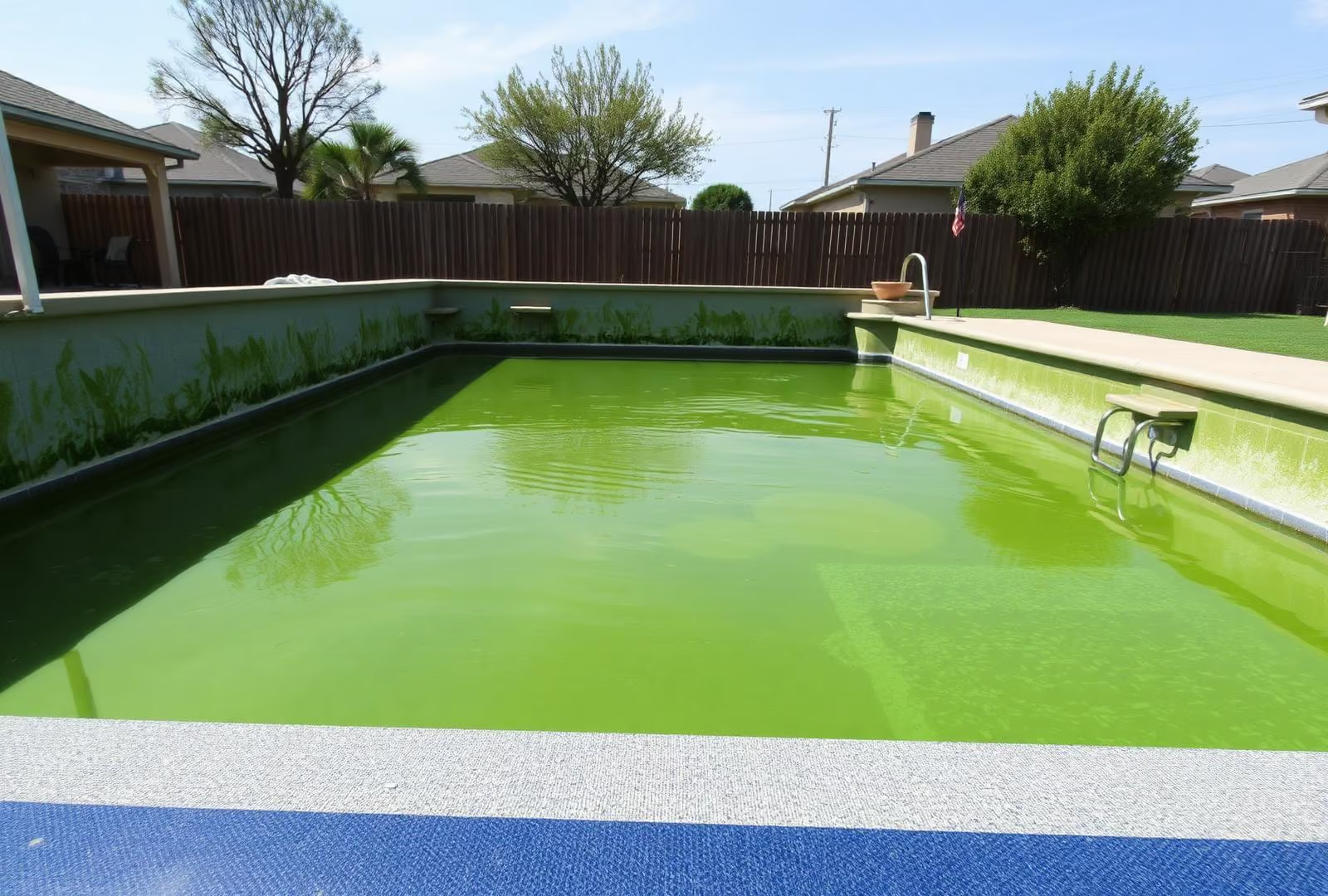
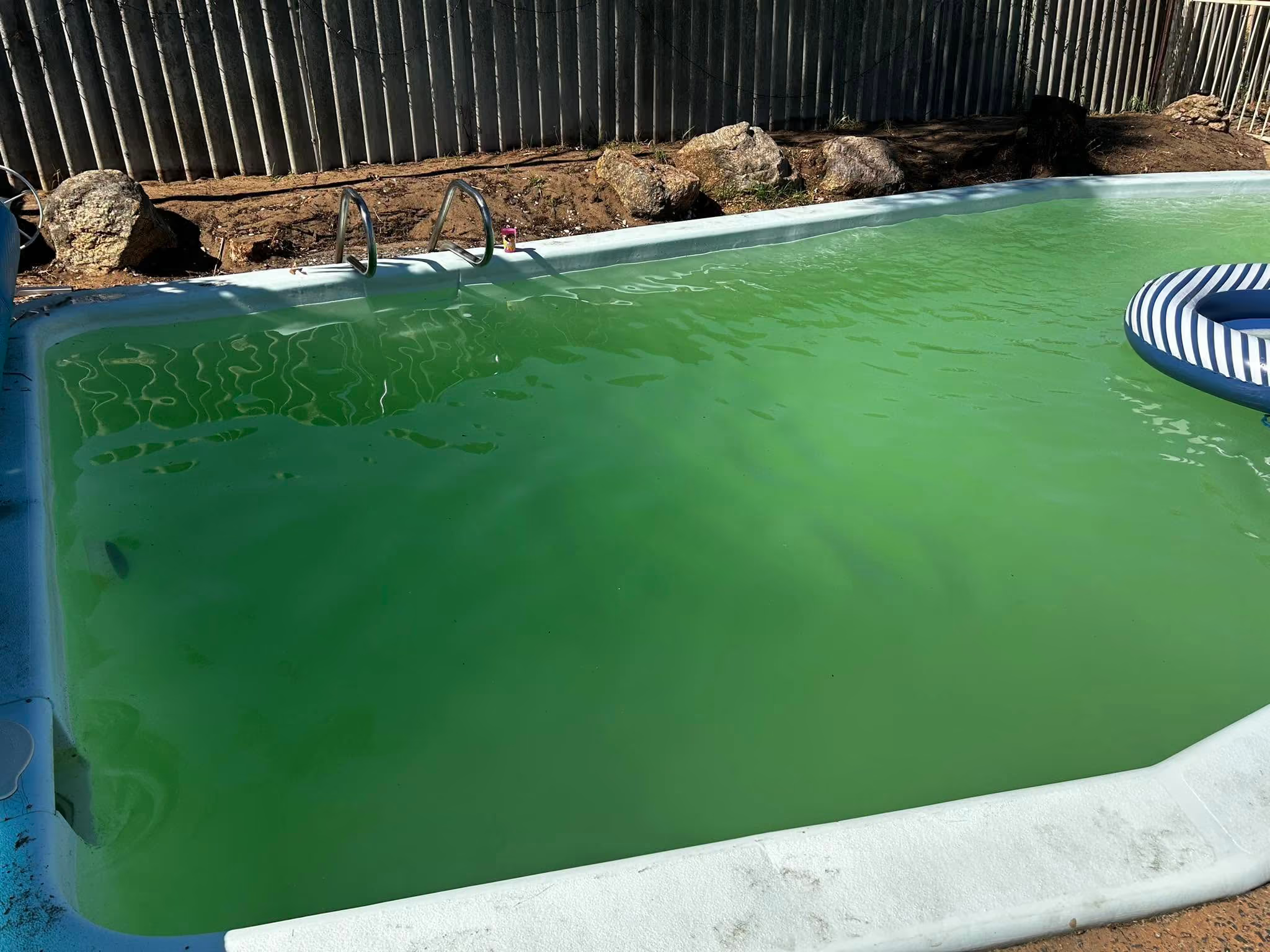
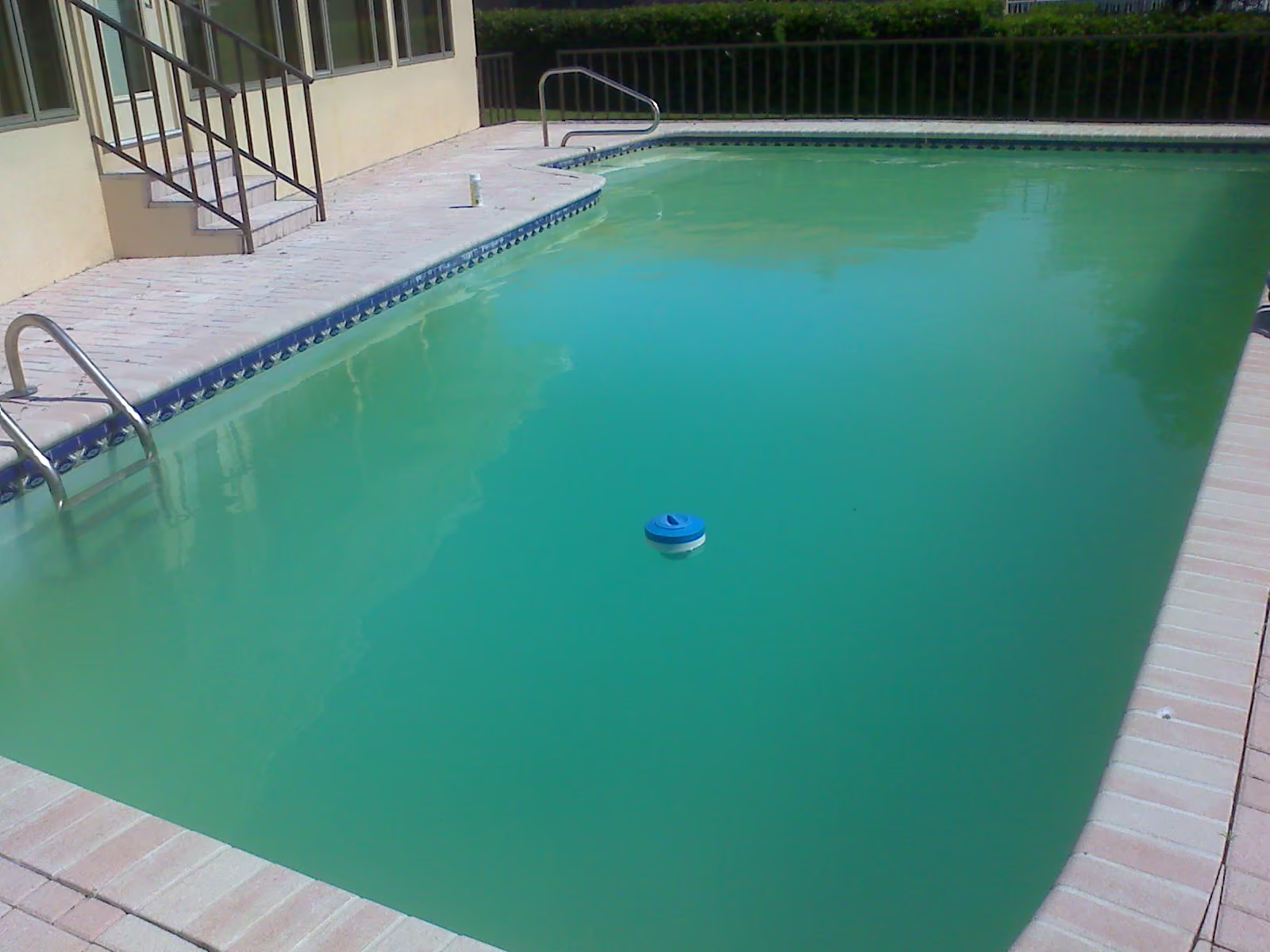
If your pool is still green after shock treatment, there is usually a specific reason the treatment did not work. Identifying that reason before adding more chemicals will save time and money.
The most common causes are pH being out of range at the time of shocking, insufficient dosing for the level of algae present, a dirty or underperforming filter, or stabiliser levels that are too high. Working through these systematically is the most reliable way to clear the water.
What you'll learn
Why Shocking Doesn't Always Clear a Green Pool
Shock treatment is the go-to fix for a green pool, and most of the time it works. But if your pool is still green a day or two after shocking, something is getting in the way. The shock hasn't failed for no reason. There's usually a straightforward explanation, and once you identify it, the fix is manageable.
This guide covers the most common reasons shock treatment doesn't clear green water, how to check each one, and what to do if the problem keeps coming back.
---
What Causes Shock to Fail
The pH Was Too High When You Shocked
This is the most common reason shock doesn't work. Chlorine-based shock becomes significantly less effective as pH rises. If your pool's pH was above the recommended range when you added the shock, much of it would have been neutralised before it could do its job.
Always test and adjust pH before shocking. If pH is out of range, bring it into balance first, then shock.
You Didn't Use Enough Shock
A light green pool needs a meaningful dose of shock. A dark green or heavily algae-affected pool needs considerably more. Underdosing is a common mistake, people add what seems like a lot, but it's not enough to overcome the chlorine demand created by the algae load.
The worse the algae, the higher the chlorine demand. A pool that looks like pea soup will need a much heavier treatment than one with a slight green tinge.
The Chlorine Demand Was Too High
Even with the right dose, a pool with a very high organic load, algae, debris, sunscreen residue, body oils, can consume shock almost immediately. This is called chlorine demand, and it means the chlorine gets used up fighting contaminants before it can establish a sanitising residual.
In these cases, multiple shock treatments over consecutive days may be needed before the water clears.
The Filter Isn't Running Long Enough
Shock kills algae, but dead algae still has to go somewhere. Your filter is what removes it. If the filter isn't running long enough after treatment, the dead algae stays suspended in the water and the pool stays cloudy or green.
After shocking, run the filter continuously, or at least for an extended period, until the water clears. Check and clean the filter regularly during this process, as it will load up quickly.
The Filter Itself Is the Problem
A dirty or worn-out filter won't clear the water no matter how much shock you add. If your sand hasn't been changed in several years, or your cartridge is torn or heavily caked, the filter may not be doing its job effectively.
Backwash a sand filter before and after shocking. Clean or replace a cartridge filter if it's overdue.
Stabiliser (Cyanuric Acid) Is Too High
Cyanuric acid protects chlorine from UV degradation, but at high levels it also reduces chlorine's effectiveness, a phenomenon sometimes called chlorine lock. If your stabiliser level is well above the recommended range, shock treatment will underperform even when dosed correctly.
Test your stabiliser level. If it's too high, partial dilution of the pool water may be needed to bring it back into range.
There's an Ongoing Source of Algae or Contamination
If algae keeps returning after treatment, something may be reintroducing it. Common culprits include pool toys, floats, and equipment that haven't been cleaned, as well as poor circulation leaving dead spots where algae can re-establish.
---
How to Check What's Going Wrong
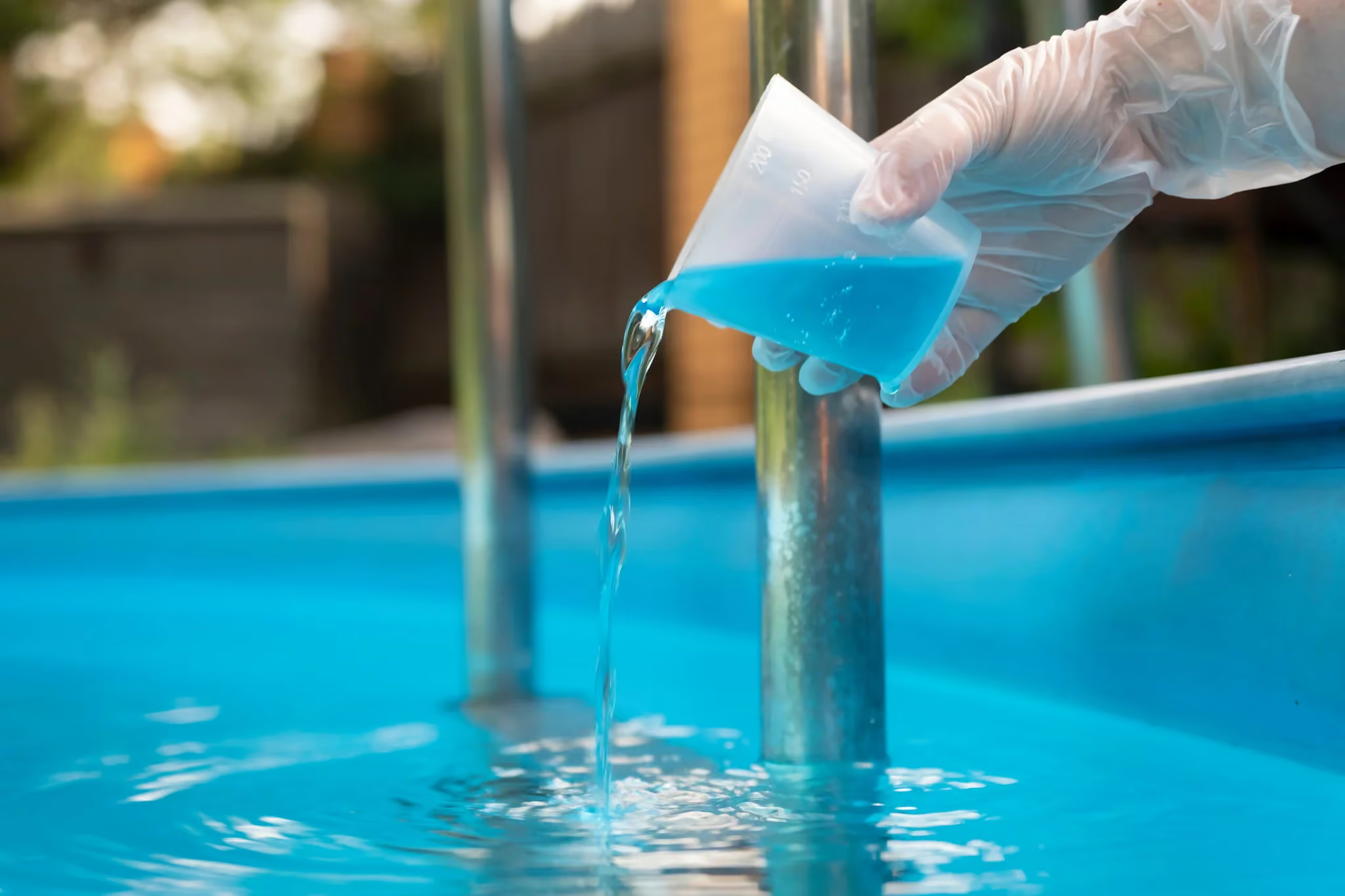
Before adding more chemicals, test the water properly. You need to know:
- pH, must be in the correct range before shocking
- Free chlorine, is there any residual left after the shock?
- Cyanuric acid (stabiliser), is it within the recommended range?
- Total alkalinity, affects how stable pH is
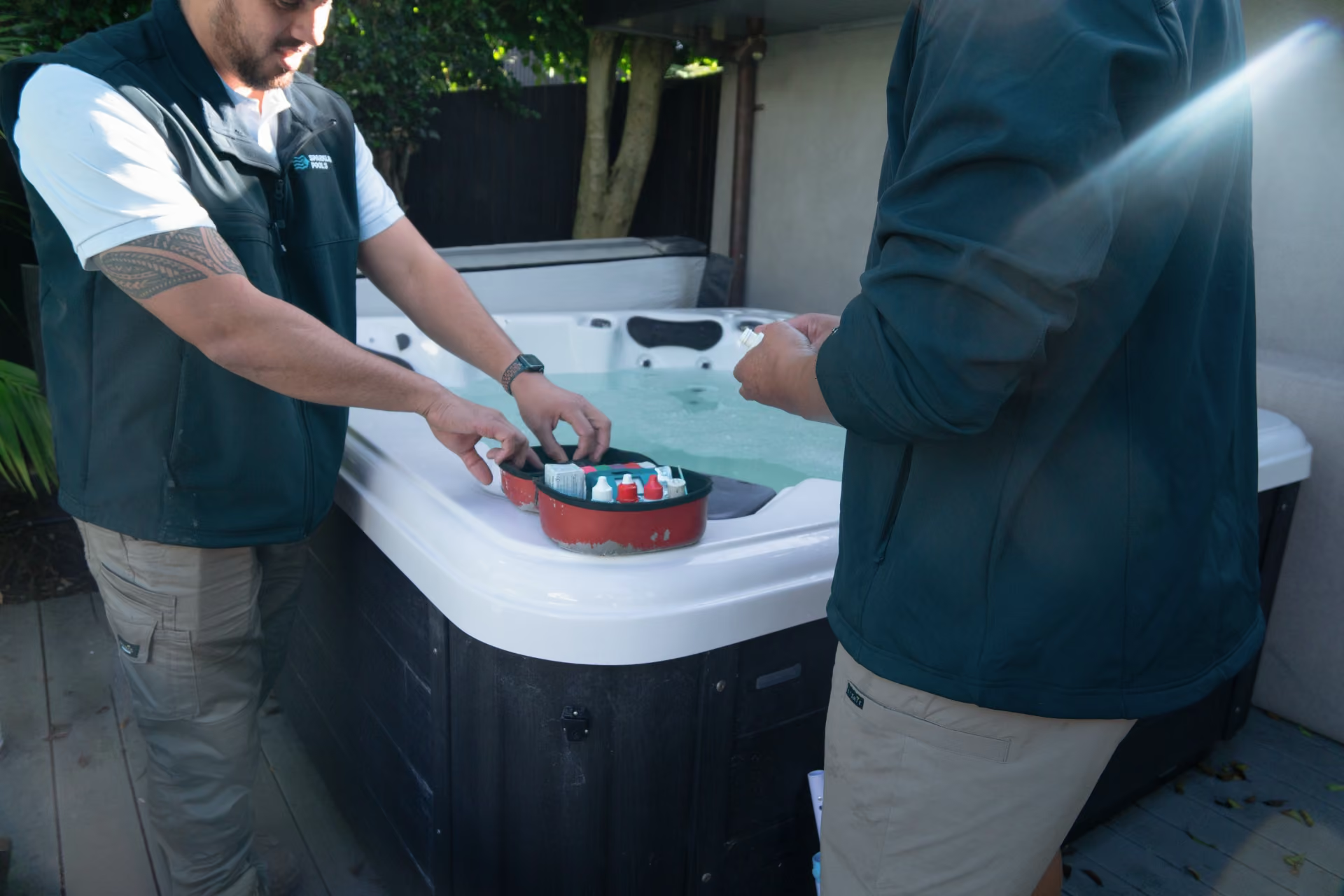
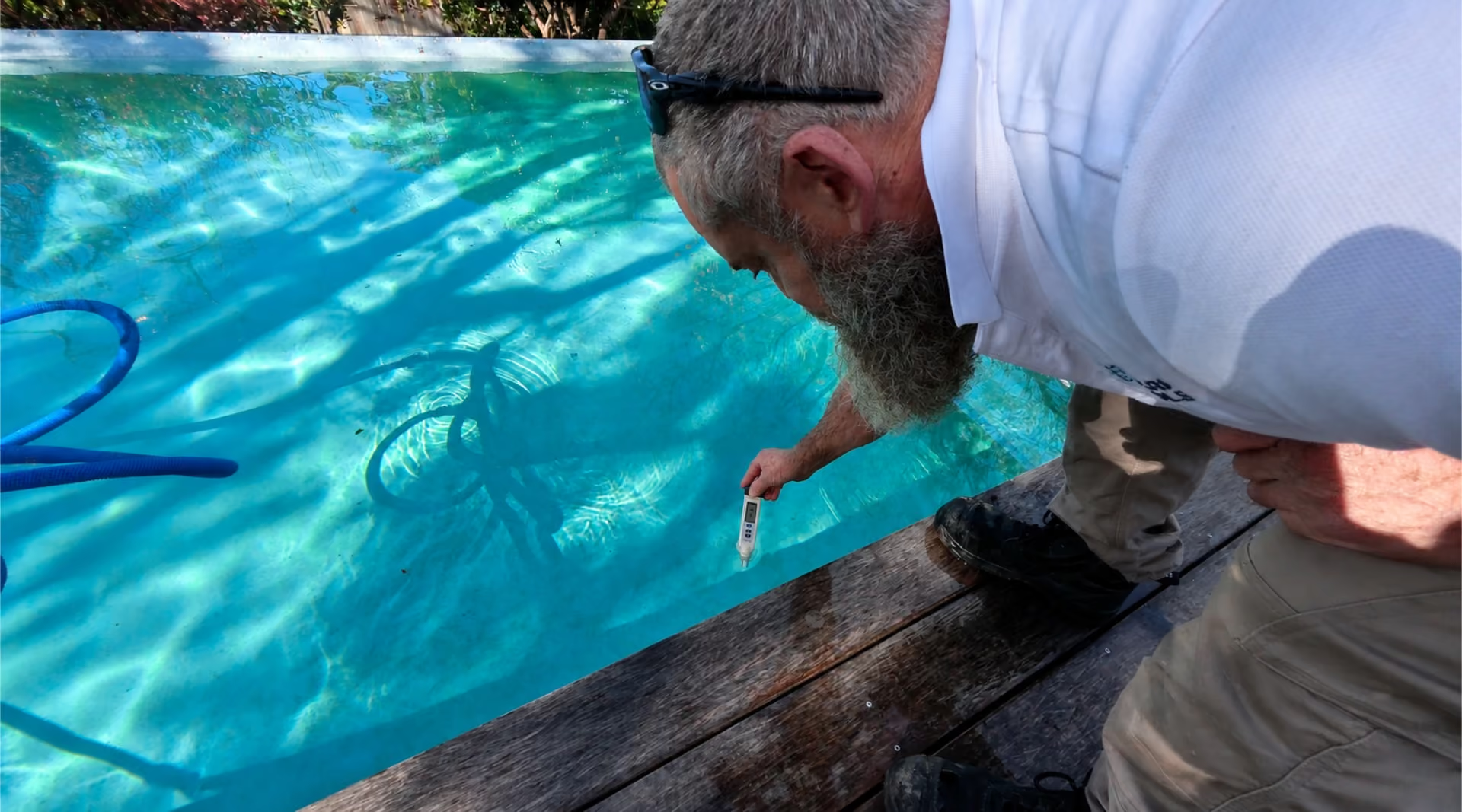
A basic test strip won't give you the accuracy you need here. Use a proper test kit, or have the water tested professionally. Sparkling Pools offers on-site water testing across Auckland, a technician comes to your home and tests everything on site, so you get accurate results without having to transport a sample.
---
How to Fix a Pool That's Still Green After Shock
Step 1, Test the water first
Don't add anything until you know what you're dealing with. Test pH, free chlorine, total alkalinity, and stabiliser.
Step 2, Adjust pH if needed
If pH is out of range, correct it before proceeding. Adding more shock to an unbalanced pool wastes product and money.
Step 3, Brush the pool thoroughly
Brush all surfaces, walls, floor, steps, and corners. This dislodges algae from surfaces and exposes it to the sanitiser in the water.
Step 4, Re-shock at the appropriate dose
Dose based on the severity of the algae. A heavily affected pool needs a higher dose than a mildly green one. Follow the product label, and err on the side of a stronger treatment if the algae is well established.
Step 5, Run the filter continuously
Keep the filter running. Check and clean it every few hours if the pool is heavily affected, it will clog up as it removes dead algae.
Step 6, Test again after 24-48 hours
Check whether free chlorine is holding. If it's still dropping to zero quickly, the chlorine demand is still high and another treatment may be needed.
Step 7, Vacuum to waste
Once the algae is dead (the water will often turn grey or cloudy before it clears), vacuum the pool to waste rather than through the filter. This removes the dead material directly rather than recirculating it.
---
When to Call a Professional
Some green pool situations are straightforward to resolve at home. Others aren't. Call a professional if:
- The pool has been green for an extended period and multiple shock treatments haven't worked
- You've tested the water and the results don't make sense or are outside the range of what you can correct yourself
- Stabiliser is very high and dilution is needed, this involves partially draining the pool, which carries risks if not done carefully
- The filter or pump isn't performing properly and may need servicing or replacement
- You're not confident in the diagnosis and don't want to waste more money on chemicals that may not work
A professional can test the water accurately on site, identify the root cause, and recommend a targeted treatment rather than a trial-and-error approach.
---
Stopping It Coming Back
Once the pool is clear, a few consistent habits will help keep it that way:
- Test the water regularly, at least weekly during summer, fortnightly in cooler months
- Keep chlorine levels maintained, don't let free chlorine drop to zero
- Keep pH in range, this is the single biggest factor in chlorine effectiveness
- Run the filter for adequate hours each day, more in summer, less in winter
- Brush the pool walls and floor weekly, especially in corners and shaded areas where algae starts
- Clean pool toys and equipment before returning them to the water after a period of storage
- Book a regular service, a professional service catches problems before they become expensive ones
Auckland's warm summers and high UV create good conditions for algae growth. Staying on top of water chemistry through the season is much easier than recovering from a full green pool.
Pool resurfacing solutions
Restore your pool with durable plaster finishes

Work completed
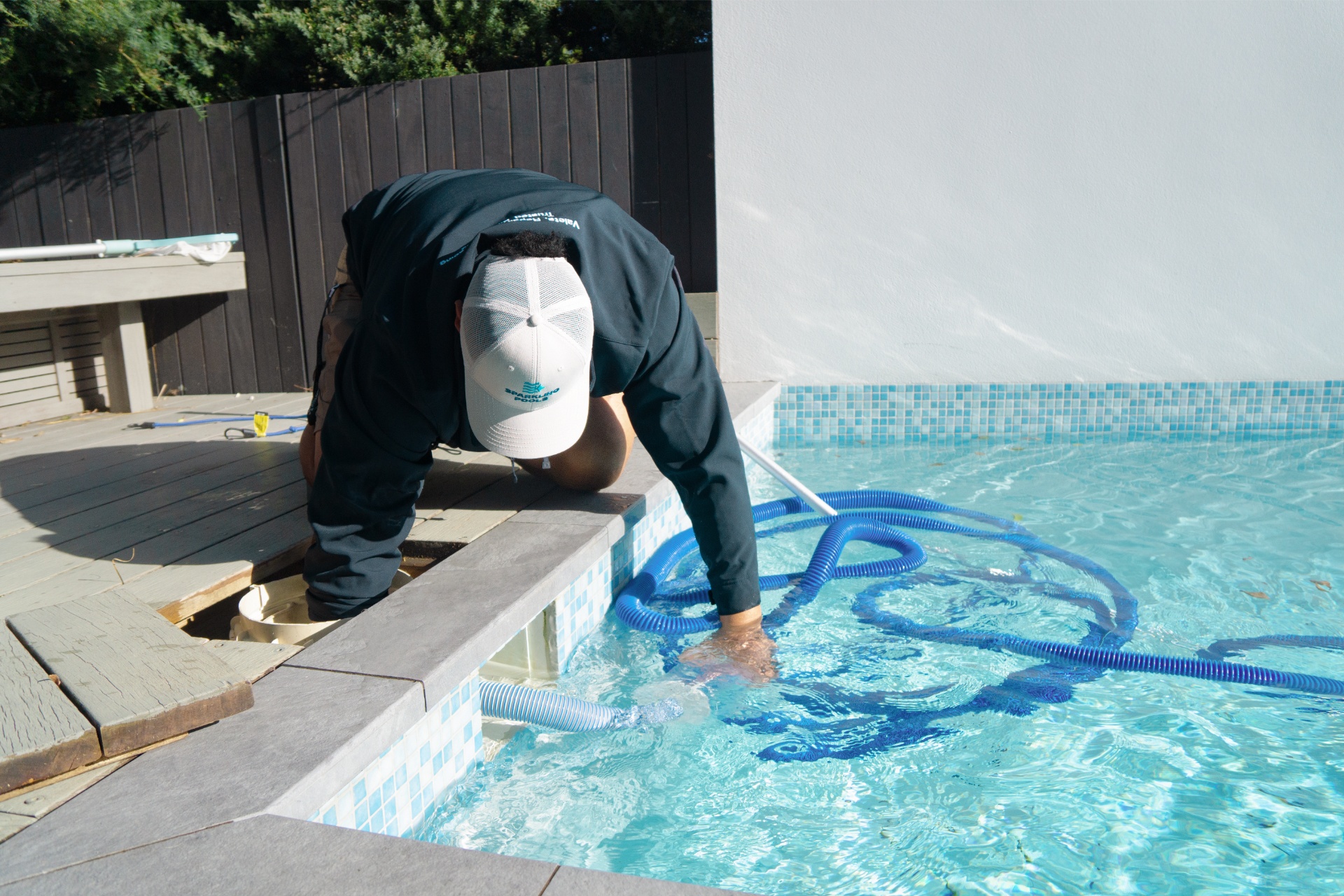
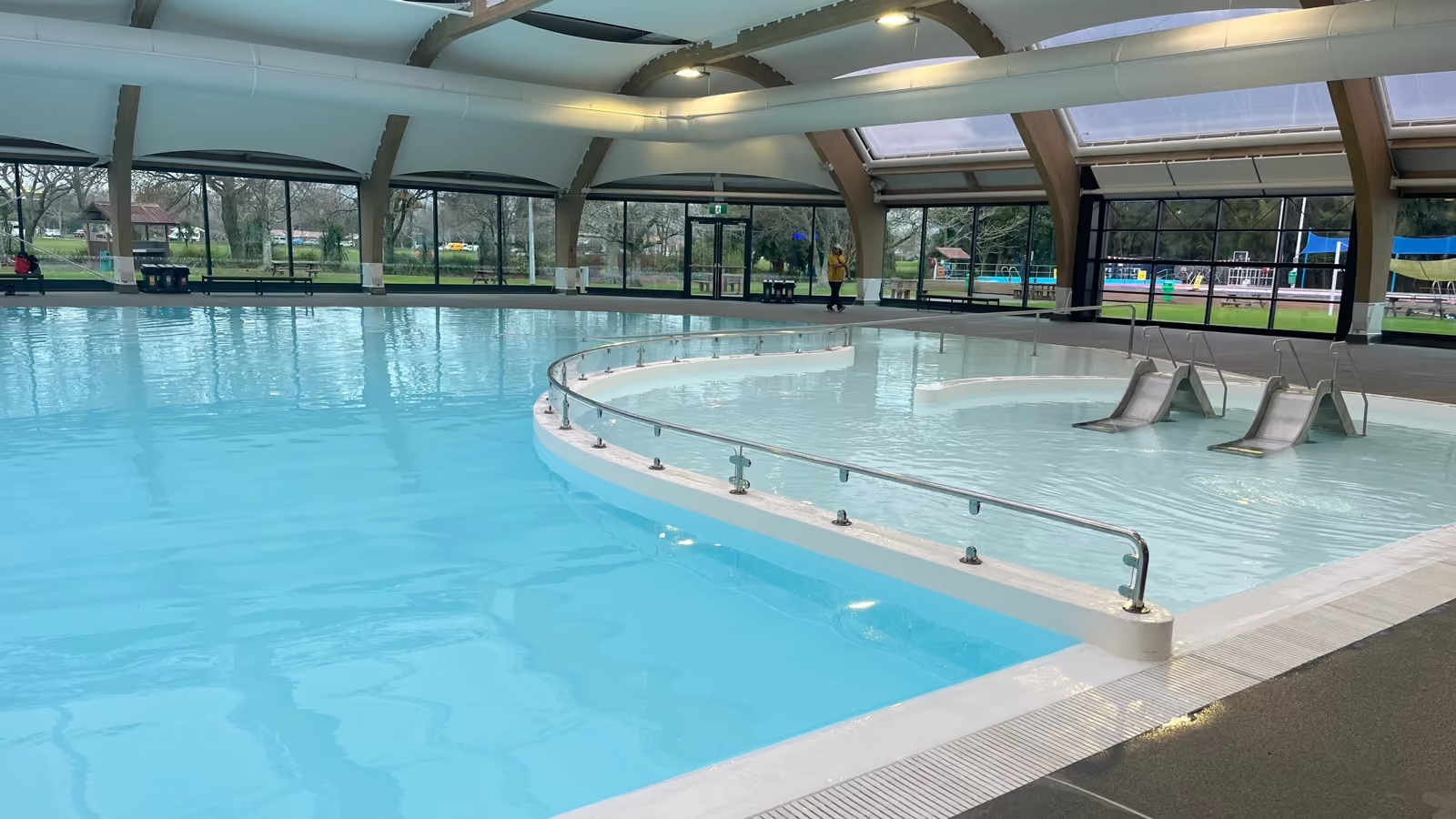
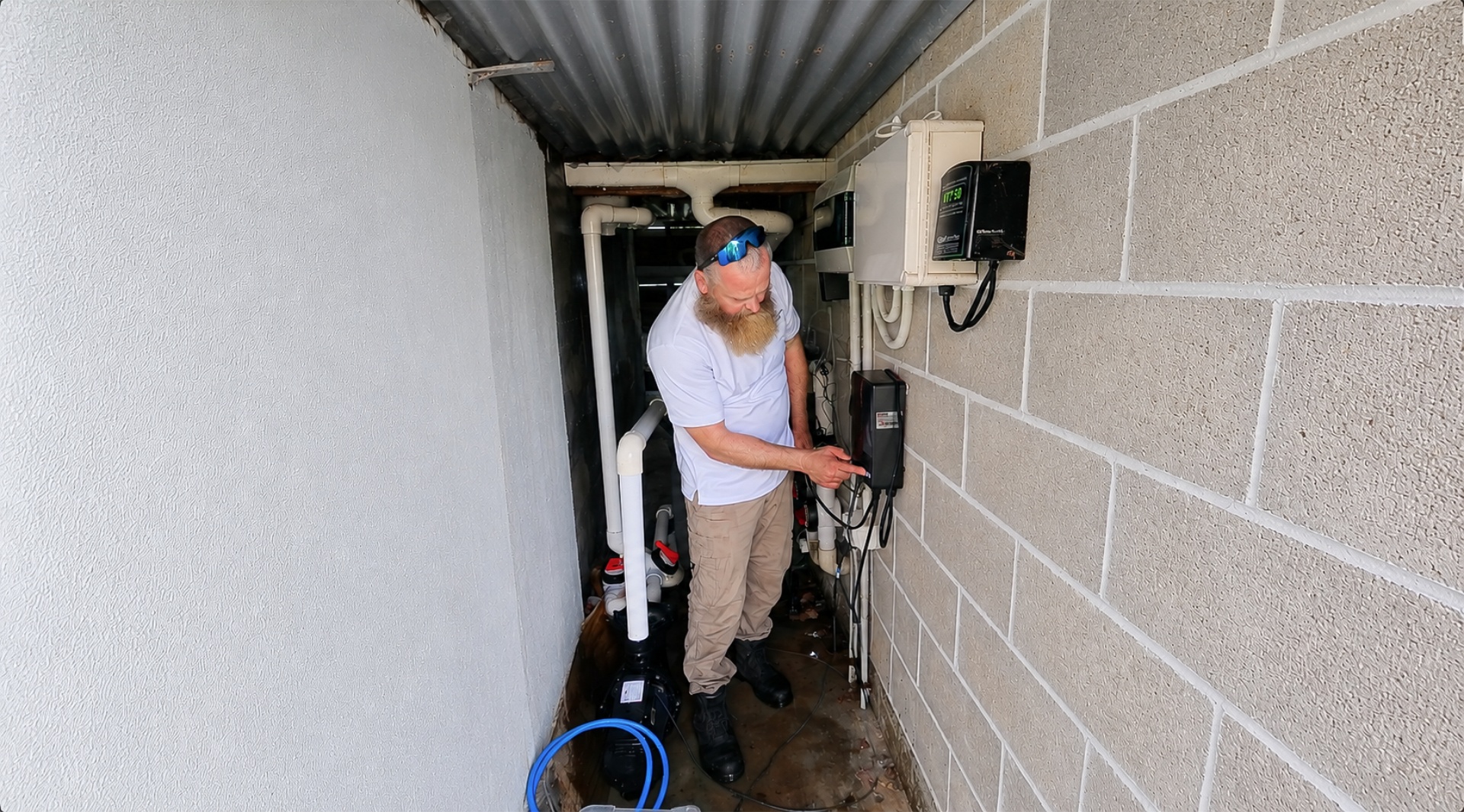
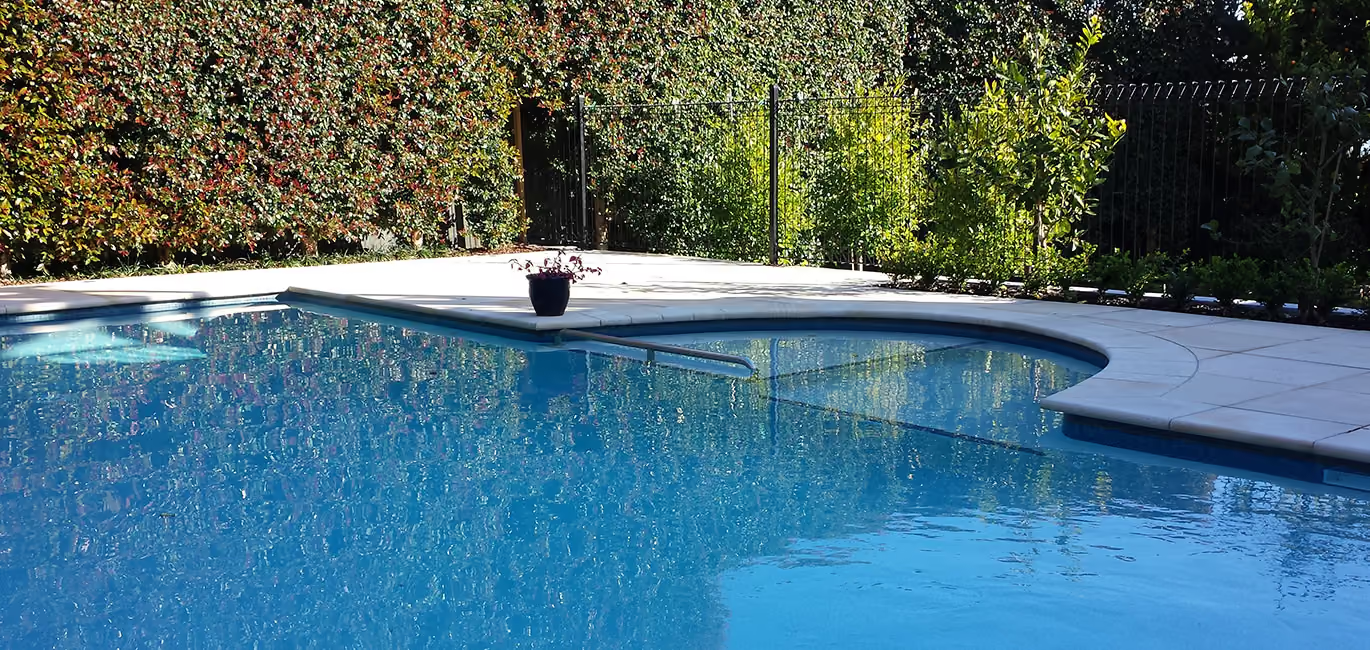
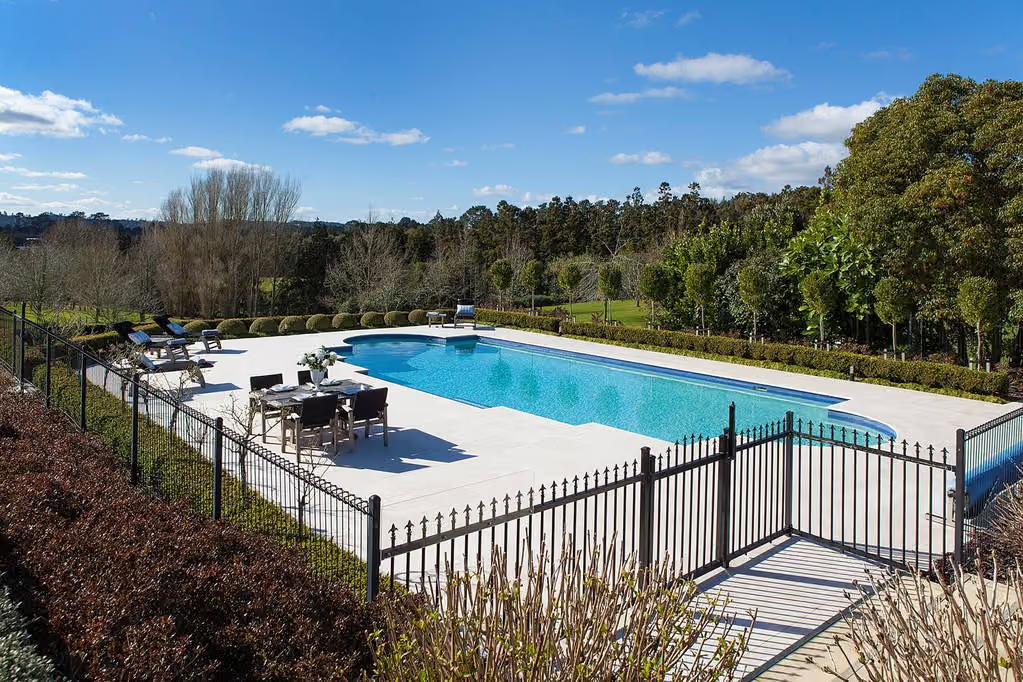
Sparkling Pools has worked on pools across Auckland, including residential renovation projects, equipment upgrades, ongoing maintenance and pool care for managed properties. Past projects show how the right approach can improve presentation, water quality and day-to-day usability. A well-maintained pool is easier to manage, more pleasant to use and better prepared for seasonal changes.
Trusted by Homeowners Across Auckland
Don't just take our word for it. Read what our clients have to say about our transparent communication, reliable service, and stunning pool transformations.
Related Blog Posts
Stay informed on pool care and renovations
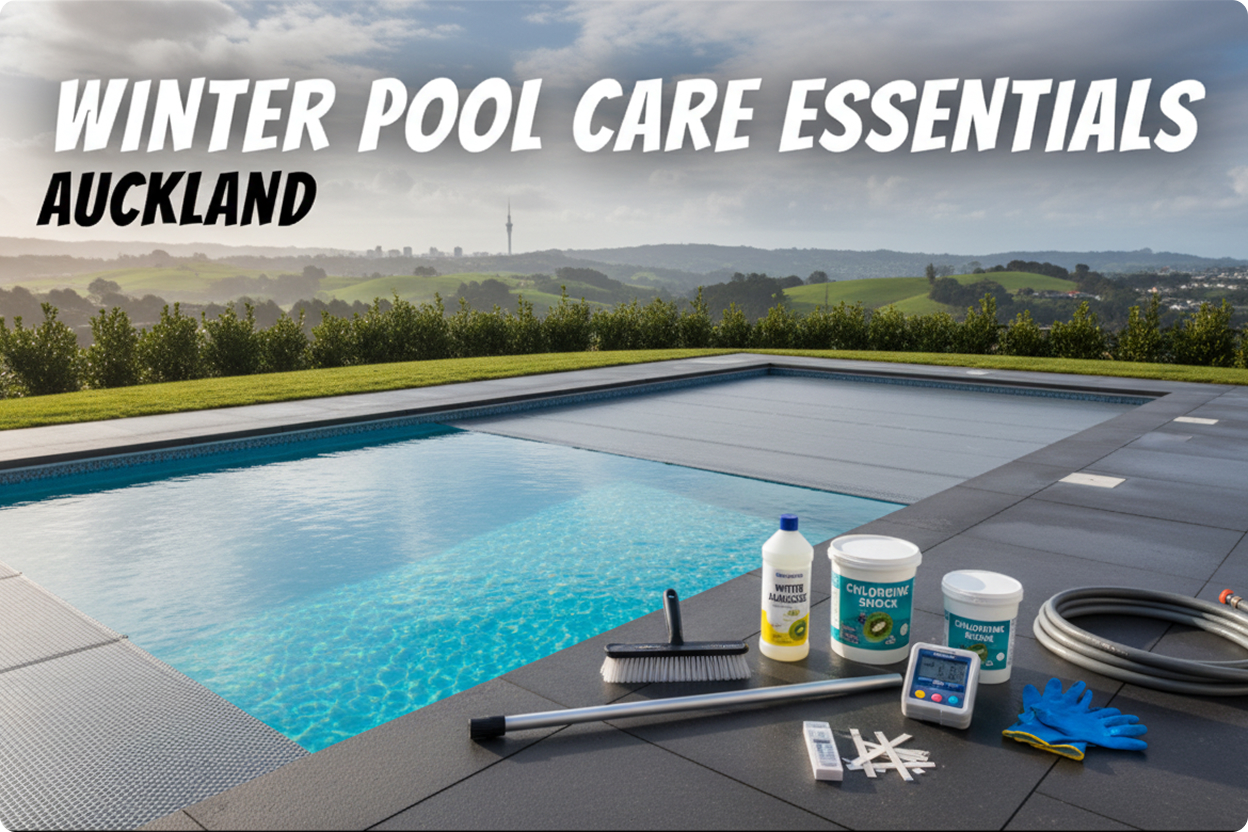
Winter pool care essentials for Auckland
Pool Renovation Mistakes
Auckland Climate Pool Maintenance
Choosing Renovation Contractor
Pool Care Auckland Summer
Permits & Consents
Pool Renovation ROI
How Often to Test Pool Water
Pool Renovation Costs
Cost of Pool Service Auckland
Pool Renovation Planning Guide
Pool Lighting Buying Guide
Pool Cleaner Buying Guide
Pool Automation Buying Guide
Pool Heater Buying Guide
Pool Filter Buying Guide
Pool Pump Buying Guide
Best Equipment Auckland Climate
Auckland Water Quality
Auckland Pool Season
Pool Ownership Costs
Common Pool Mistakes
Pool Safety Laws
Pool Inspection Requirements
Pool Fence Compliance
.avif)
Auckland Pool Industry Trends
Auckland Pool Regulations
Pool Equipment Suppliers
Best Pool Service Areas
Pool Service Pricing Analysis
Company vs Independent
Best Pool Surface Materials
Pool Resurfacing Options
Pebble vs Plaster Surfaces
One-Time vs Ongoing Service
Full Service vs Chemicals Only
Pool Cover Types
Robotic vs Suction Cleaners
Mineral vs Saltwater
Gas vs Heat Pump
Pool Heater Types
Pool Winterizing Guide Auckland
Pool Opening Guide Summer
Pool Maintenance After Heavy Rain
Pool Maintenance Schedule
How Often to Run Pool Filter
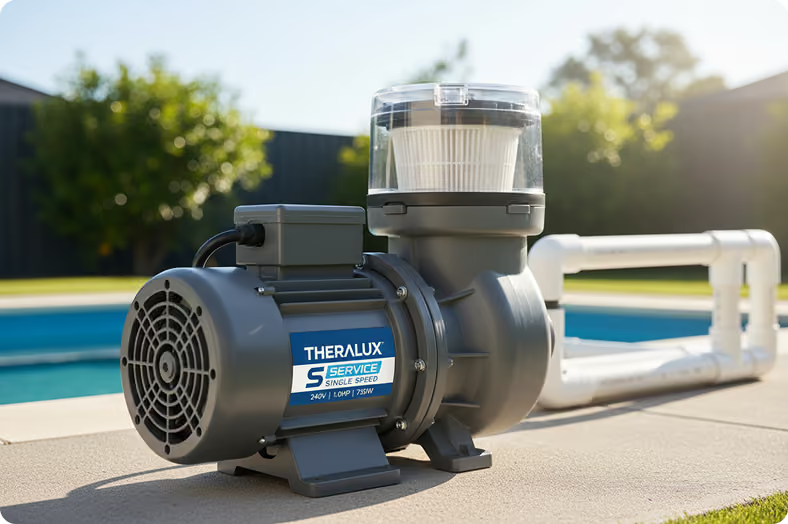
Pool Pump Maintenance Schedule
Pool Filter Cartridge Cleaning
Pool Equipment Maintenance Checklist
Pool Waterline Cleaning
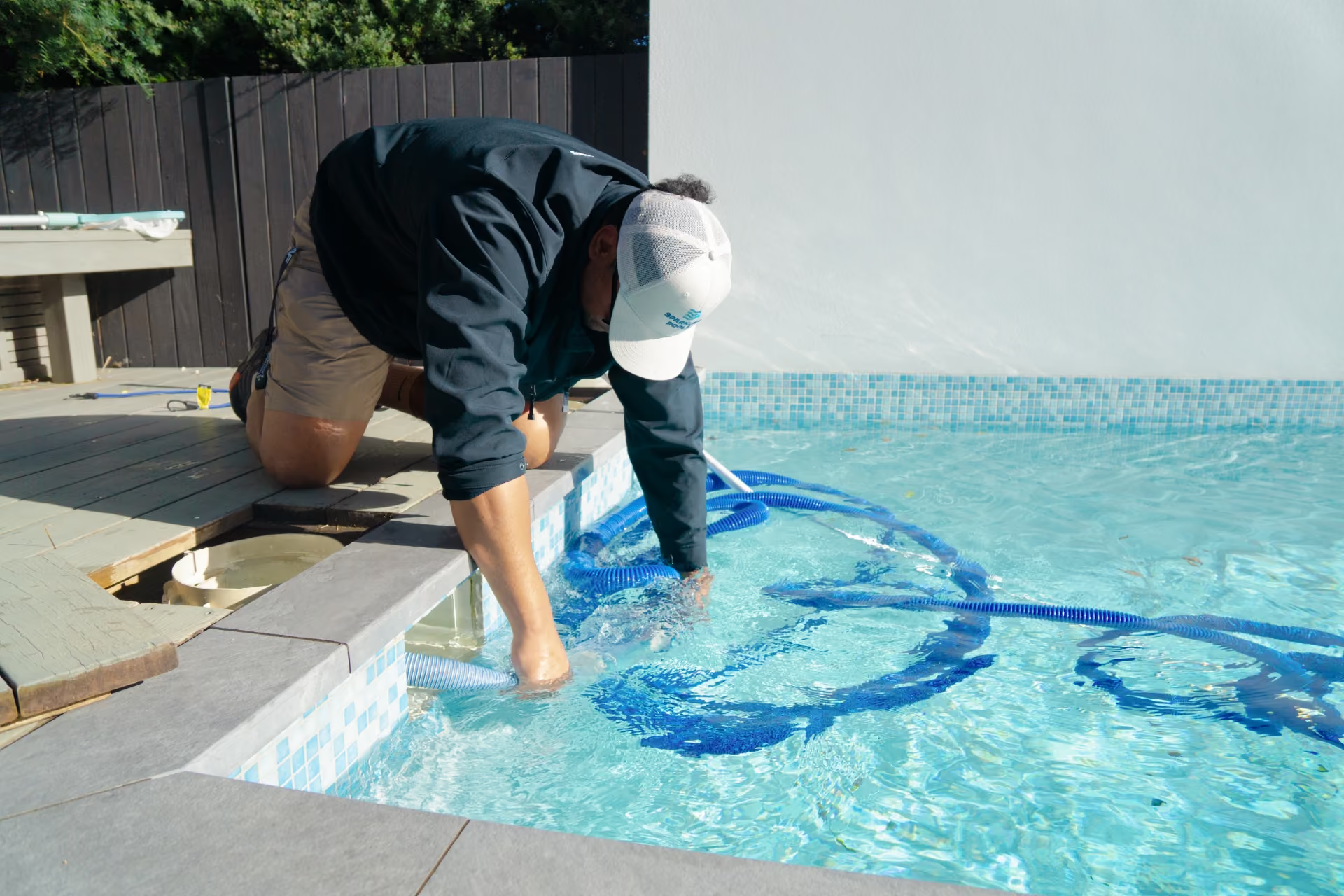
Pool Skimmer Basket Cleaning
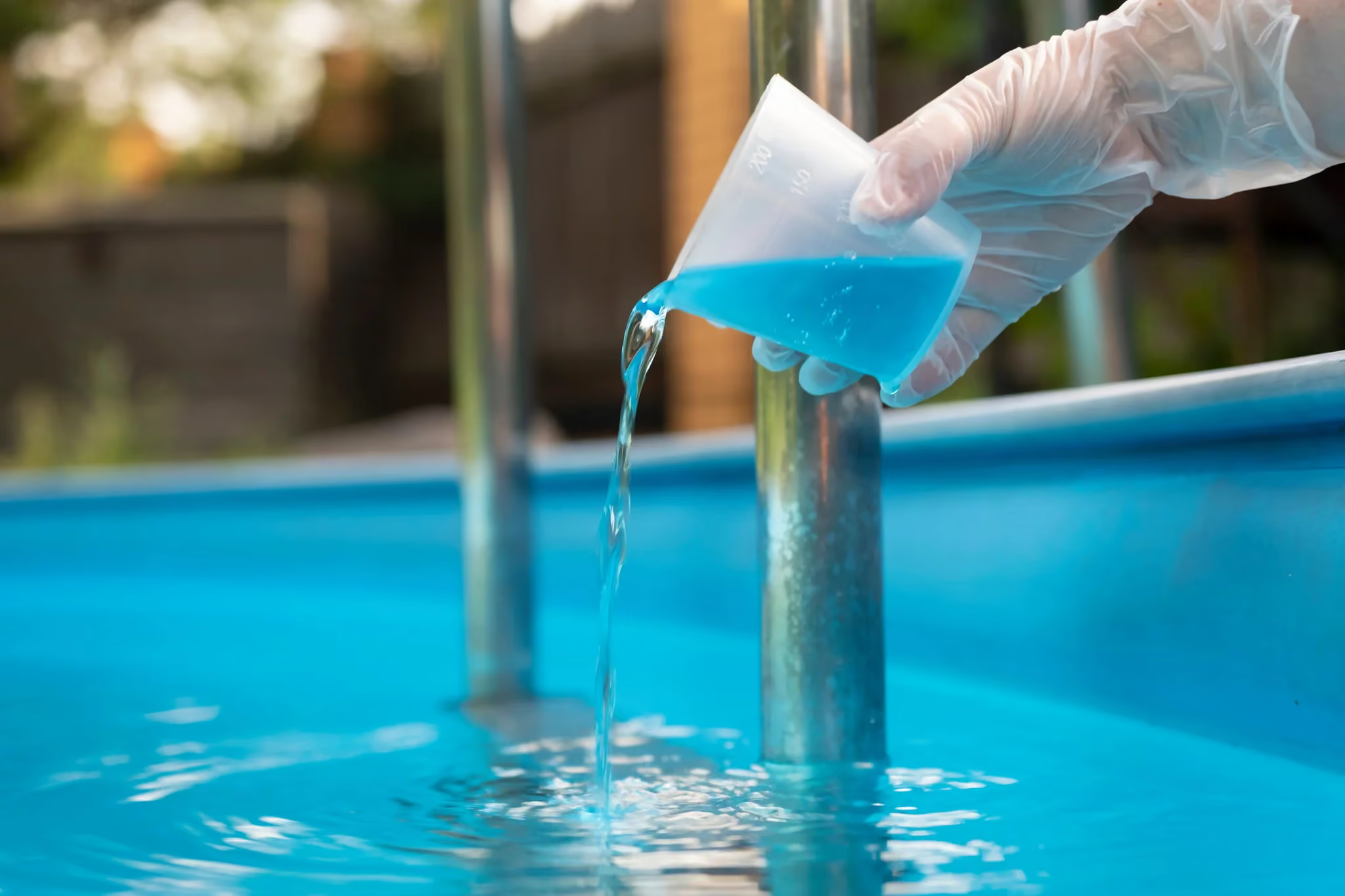
Pool Chlorine Levels
How Often Clean Pool Filter
How to Vacuum Pool
Pool Brushing Technique
Pool Chemical Dosing Chart
Pool Water Chemistry Basics
How to Balance Pool Chemistry
How to Test Pool Water
Pool Maintenance Tips
Complete Pool Maintenance Guide
Pool Service ROI
Pool Equipment Buy or Service
Pool Maintenance Time Requirements
DIY vs Professional
Pool Service Contract
Pool Service vs Pool Valet
Is Pool Service Worth It
Pool Service Guarantees
Pool Service Reviews
Pool Service Red Flags
Questions to Ask Pool Companies
How to Choose Pool Service Company
Hidden Costs DIY Maintenance
Pool Cleaning Prices Auckland
Cost of Pool Resurfacing
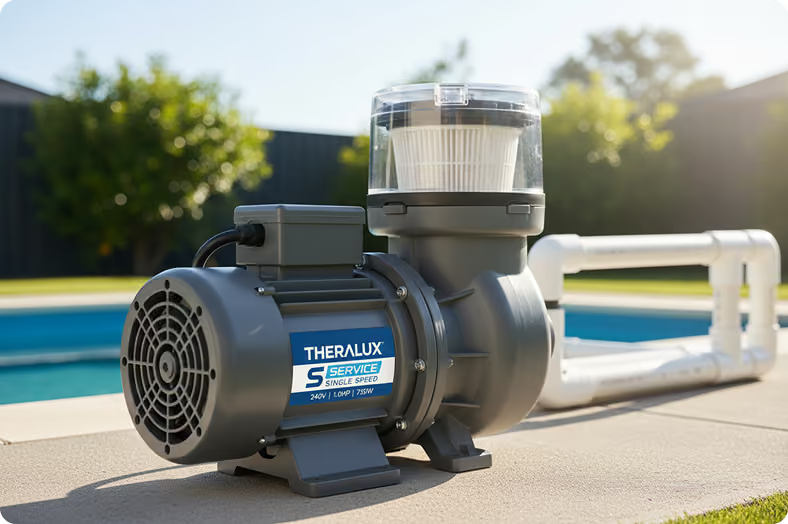
Cost of Pool Pump Replacement
Cost to Fix Green Pool
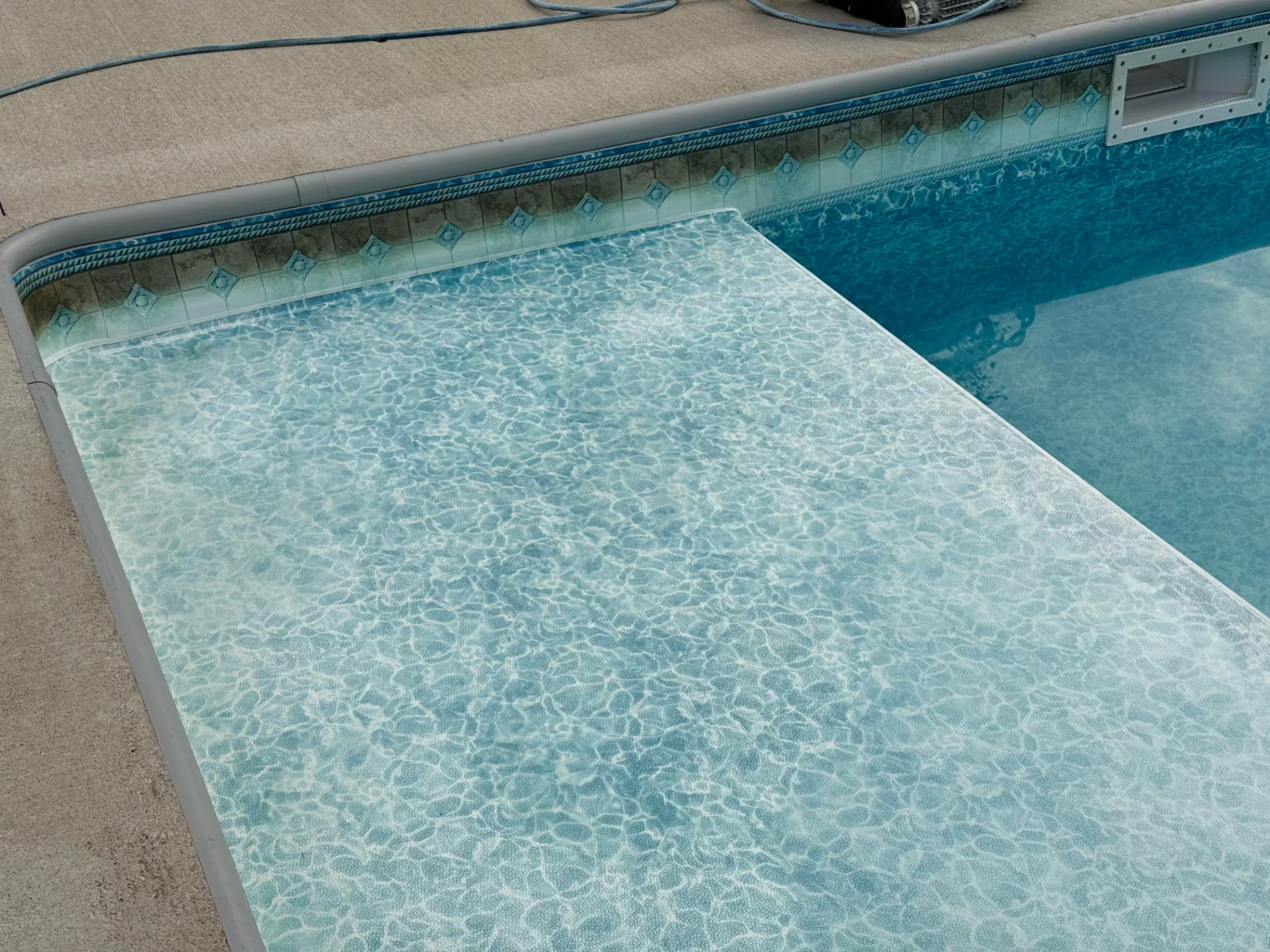
Pool Liner Wrinkles
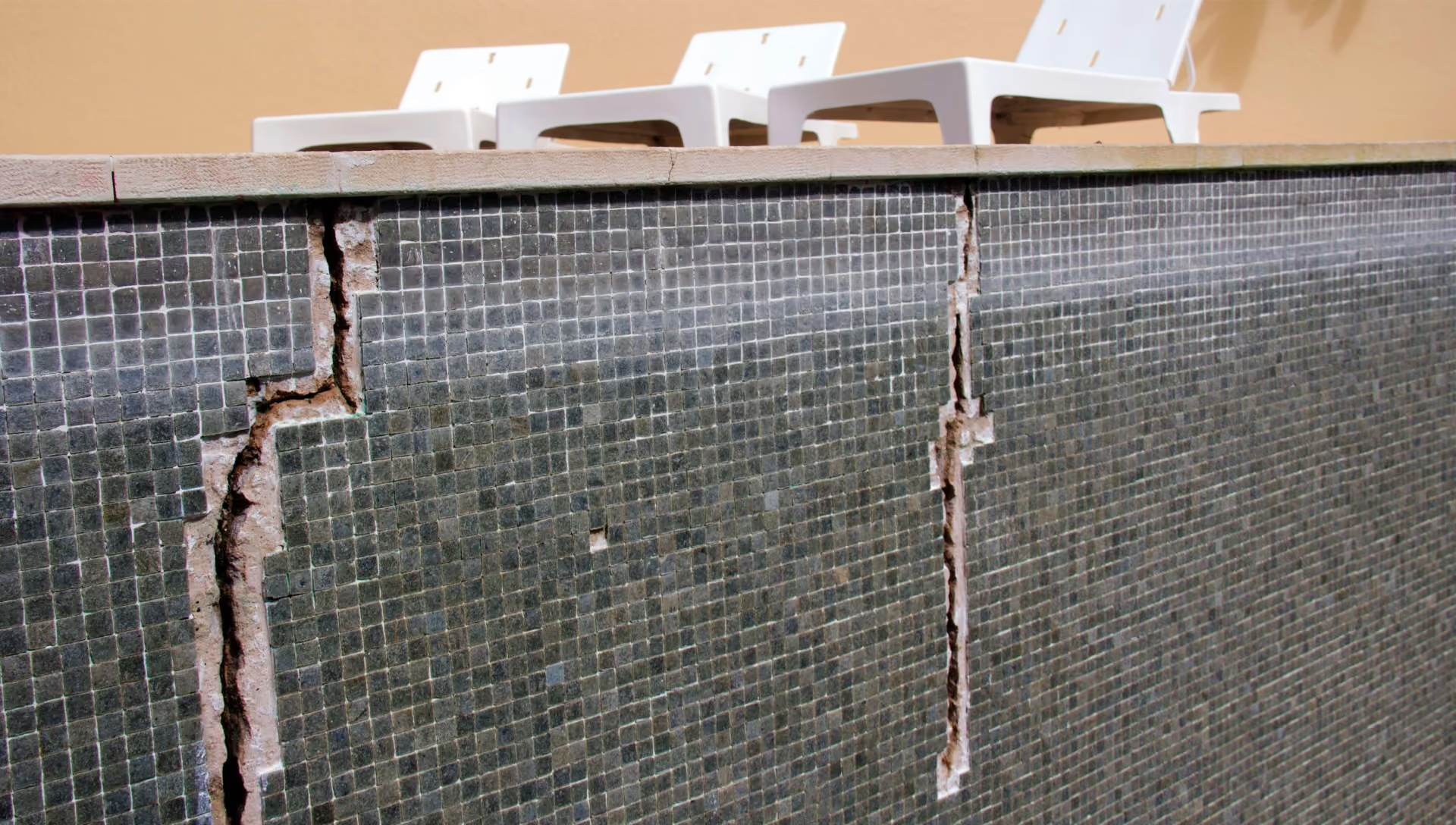
Pool Cracks When to Worry
Pool Surface Stains
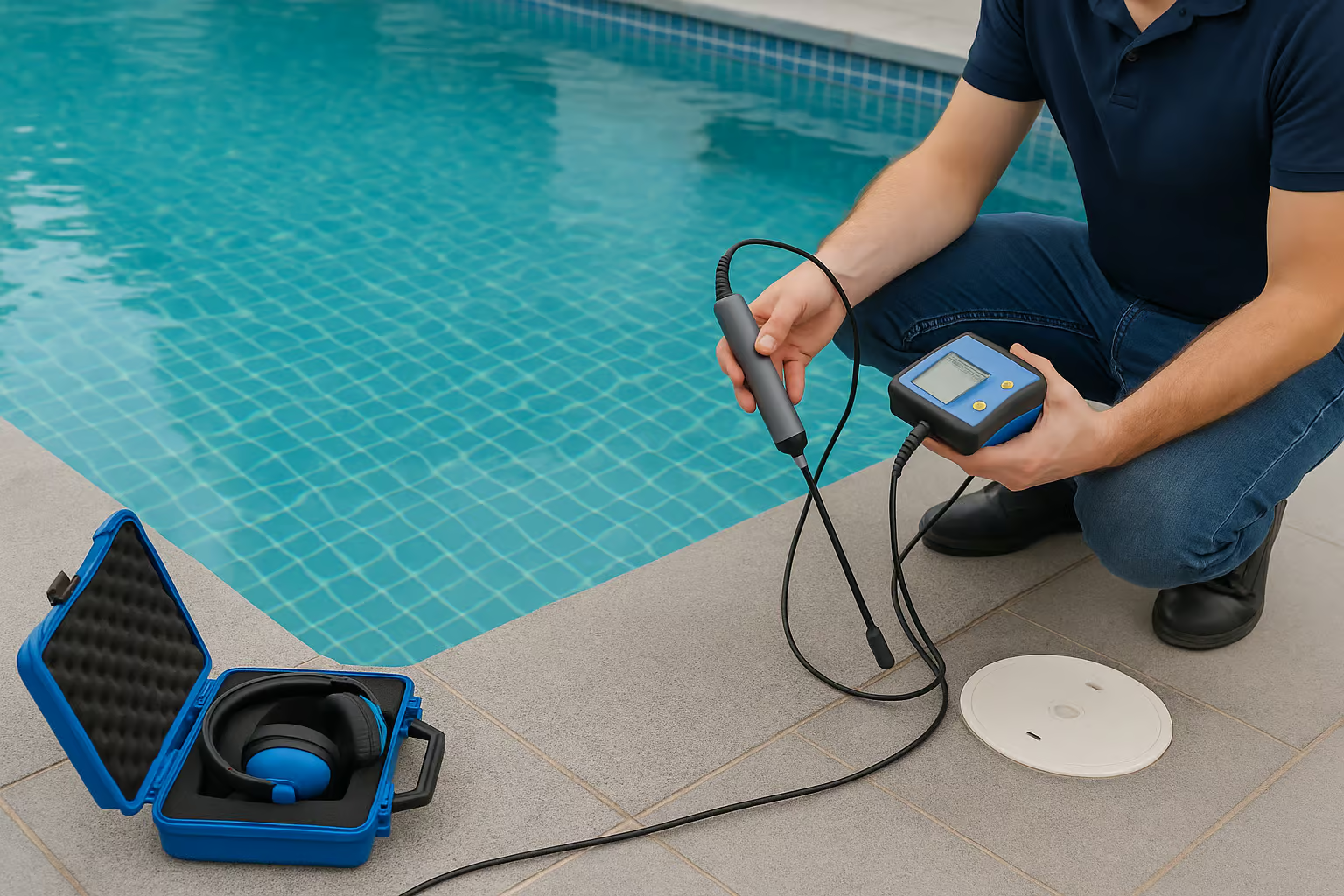
Pool Valve Leaking
Pool Automation Not Working
Pool Light Not Working
Pool Heater Not Heating
Pool Skimmer Not Working
High Pool Filter Pressure
Pool Losing Water
Pool Filter Not Clearing Water
Pool Pump Leaking
Pool Pump Not Pumping
Pool Pump Losing Prime
Pool Pump Noisy
Pool Pump Not Working
Pool Water Foaming
Pool pH Too Low
Pool pH Too High
Green Pool After Rain
Pool Still Green After Shock
Pool Water Cloudy
How to Clear a Green Pool
Pool Care That Protects Your Investment
Good pool care protects more than appearance. Our pool specialists support the long-term condition of your swimming pool while keeping it ready for everyday use.