High Pool Filter Pressure

Why Auckland trusts our pool service expertise
High pool filter pressure is a common issue that usually points to a dirty filter, a blocked cartridge, or a flow restriction somewhere in the system. Most cases can be resolved with a backwash or cartridge clean, but some causes require a technician.
The key is knowing what you can check yourself and recognising the signs that it's time to stop and call for help. The points below cover the essentials.
What you'll learn
What High Filter Pressure Usually Means
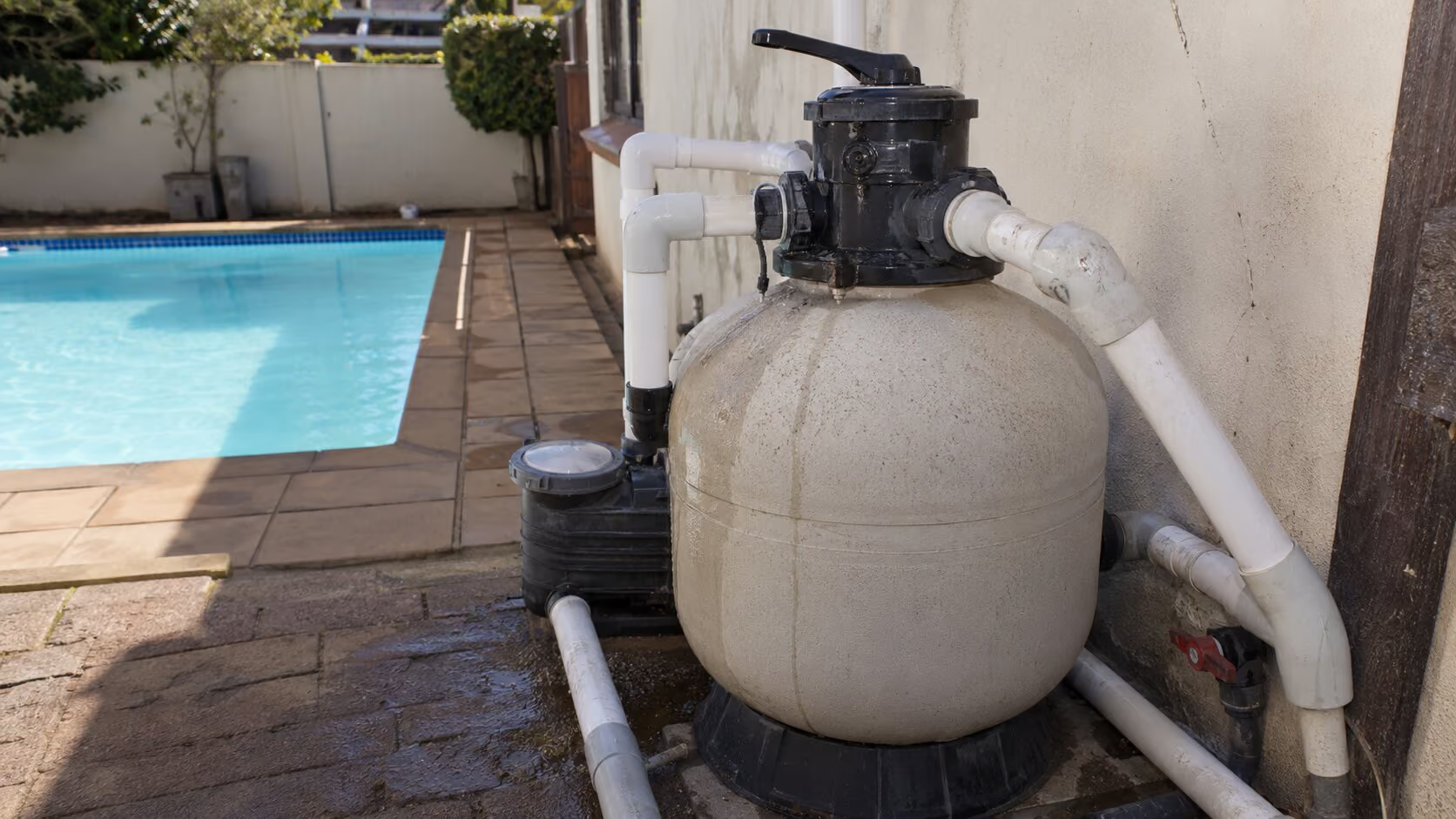
The pressure gauge on your pool filter gives you a real-time read on how hard your pump is working to push water through the filter media. When that number climbs above your filter's normal operating range, it's a sign that something is restricting flow.
A small rise in pressure is normal and expected, it means your filter is doing its job and collecting debris. But when pressure climbs well above the baseline reading you noted after your last backwash or clean, the filter is telling you it needs attention.
Ignoring high pressure puts strain on your pump, reduces water circulation, and means your pool water isn't being filtered properly.
---
Common Causes of High Filter Pressure
The Filter Needs Backwashing or Cleaning
This is the most common cause. As your filter traps dirt, algae, and debris, the media becomes clogged and water has to work harder to push through. For sand filters, this means it's time to backwash. For cartridge filters, the cartridge needs to be removed and rinsed, or replaced if it's worn out.
Most filters should be backwashed or cleaned when pressure rises noticeably above the clean baseline. Check your filter manufacturer's guidelines for the specific pressure rise that signals it's time.
A Dirty or Blocked Cartridge
Cartridge filters can become deeply embedded with oils, sunscreen, and fine particles that a simple rinse won't shift. If rinsing the cartridge doesn't bring pressure back down, a chemical soak may be needed. If the cartridge is old or the pleats are damaged, replacement is the right call.
Algae Growth in the Filter
If your pool has recently had an algae bloom, the filter will be working overtime to clear the dead algae after treatment. Pressure can spike significantly during this period. Multiple backwashes or cartridge rinses may be needed over a day or two until pressure stabilises.
A Closed or Partially Closed Return Valve
Check that all return-side valves are fully open. A partially closed valve downstream of the filter creates back-pressure and will push the gauge reading up even if the filter media is clean.
An Oversized Pump
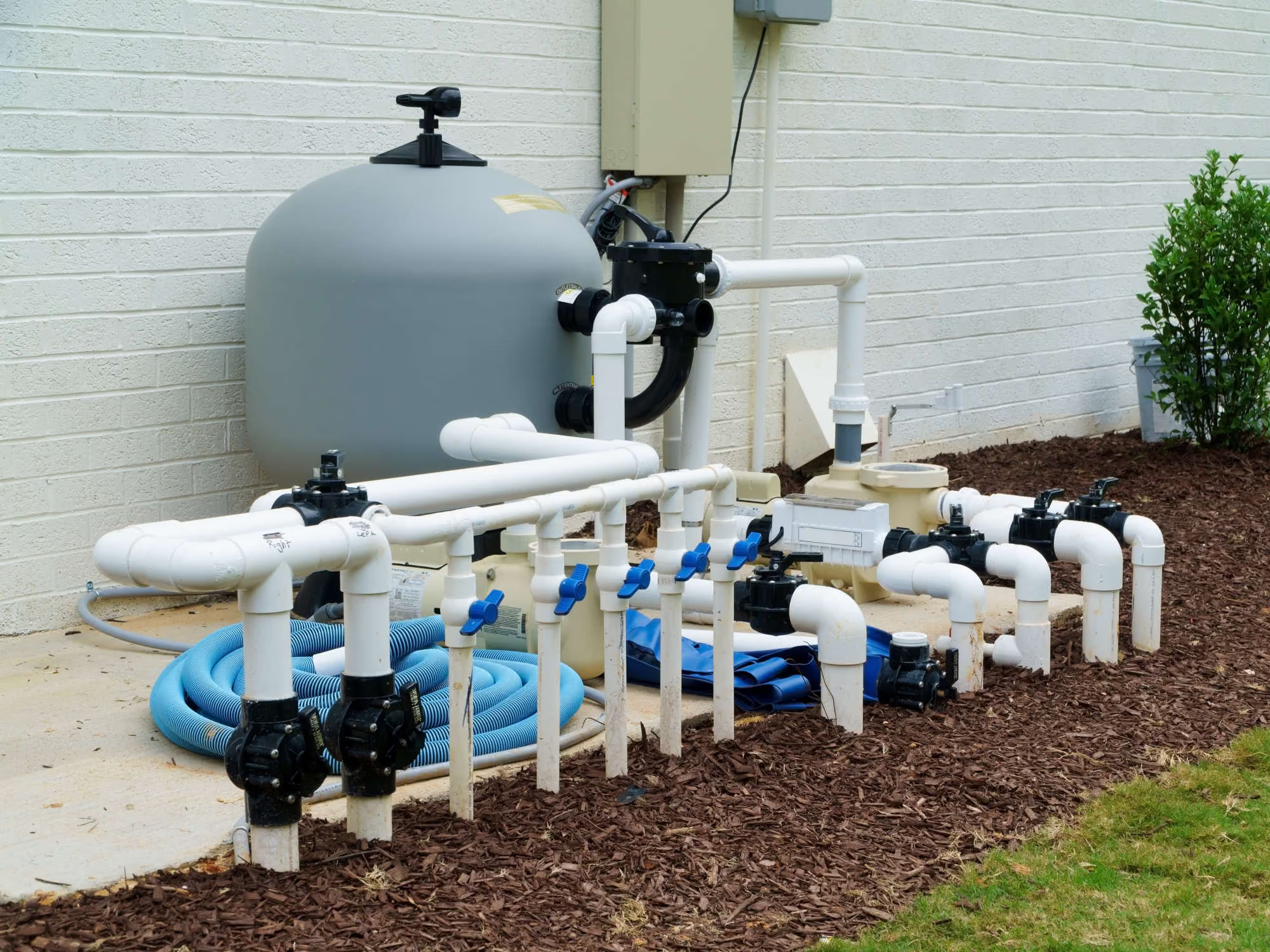
If a more powerful pump has been installed without matching the filter size, the pump may simply be pushing more water than the filter can handle. This is a design mismatch rather than a maintenance issue, and it needs a technician to assess.
A Blocked or Restricted Return Line
In less common cases, a blockage in the return pipework, such as a closed eyeball fitting, a blocked return jet, or a partially closed valve, can cause pressure to build up on the filter side.
---
What You Can Safely Check Yourself
Before calling a technician, work through these checks in order:
1. Note your baseline pressure. If you haven't already, record the pressure reading immediately after a backwash or cartridge clean. This is your reference point. A rise of around 7-10 psi above baseline is a common rule of thumb for when to clean, but check your specific filter's manual.
2. Backwash or clean the filter. For sand and DE filters, run a full backwash cycle. For cartridge filters, remove the cartridge and rinse it thoroughly with a hose. Recheck the pressure.
3. Inspect the cartridge. If rinsing doesn't help, look for torn pleats, embedded grime, or discolouration. A cartridge in poor condition needs replacing.
4. Check all valves on the return side. Make sure every valve between the filter and the pool returns is fully open.
5. Check for visible blockages at return jets. Eyeball fittings can sometimes be turned to a near-closed position accidentally.
If pressure returns to normal after these steps, you've resolved the issue. If it stays high, move on to the next section.
---
What Needs a Technician
Some causes of high filter pressure are not safe or practical to diagnose yourself. Call a pool technician if:
- Pressure stays high after a thorough backwash or cartridge clean. This suggests a problem beyond dirty media, possibly a blocked lateral, a cracked internal component, or a plumbing issue.
- The pressure gauge itself may be faulty. Gauges can stick or fail over time. A technician can test whether the reading is accurate.
- You suspect an oversized pump. Matching pump and filter sizing is a technical assessment, getting it wrong can damage equipment.
- There is visible damage to the filter tank, lid, or multiport valve. Do not operate a filter with a cracked tank or a damaged pressure vessel. Shut the system down and call for help.
- Pressure spikes suddenly and severely. A rapid, large pressure spike can indicate a serious blockage or a closed valve that shouldn't be closed. Turn the pump off and seek advice before restarting.
High-pressure situations involving the filter tank or pressure vessel are not DIY territory. Pool filters operate under pressure, and a compromised tank or fitting is a safety risk.
---
Preventing High Filter Pressure
Keeping filter pressure in the normal range is mostly about consistent maintenance:
- Backwash or clean on a schedule, not just when pressure spikes. Regular cleaning prevents the media from becoming so clogged that pressure climbs steeply.
- Skim and vacuum regularly. The less debris that reaches the filter, the longer it stays clean.
- Replace cartridges when they're due. A worn cartridge doesn't filter well and can contribute to pressure problems.
- Keep water chemistry balanced. Algae blooms and scale buildup both put extra load on your filter. Balanced water reduces the frequency of heavy filter cleans.
- Have your equipment serviced annually. A yearly check by a pool technician catches wear on gauges, multiport valves, and internal filter components before they become problems.
In Auckland's climate, pools are often used year-round, which means filters work harder than in cooler regions. Staying on top of filter maintenance is one of the most effective things you can do to keep your pool operating well.
Pool resurfacing solutions
Restore your pool with durable plaster finishes

Work completed
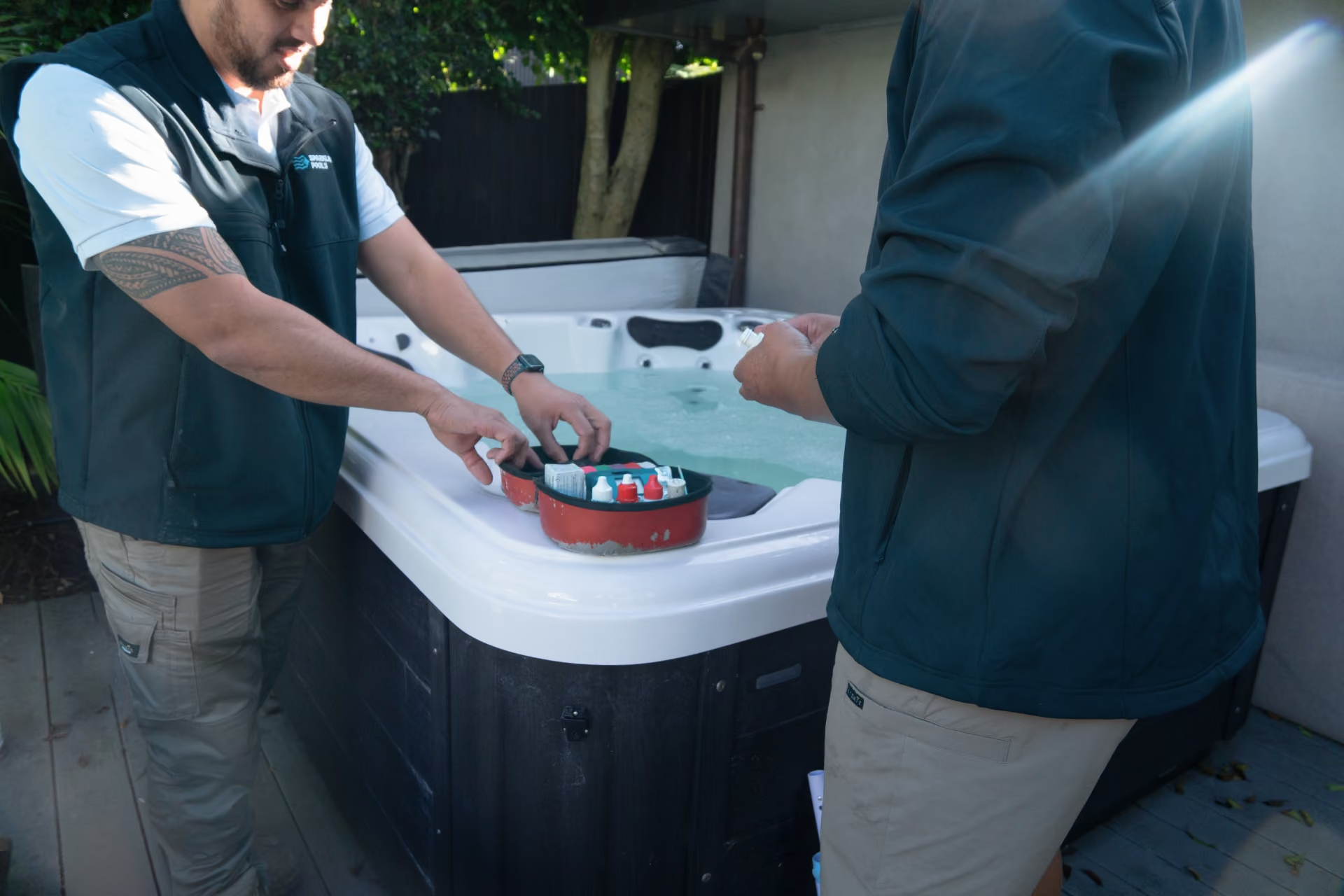
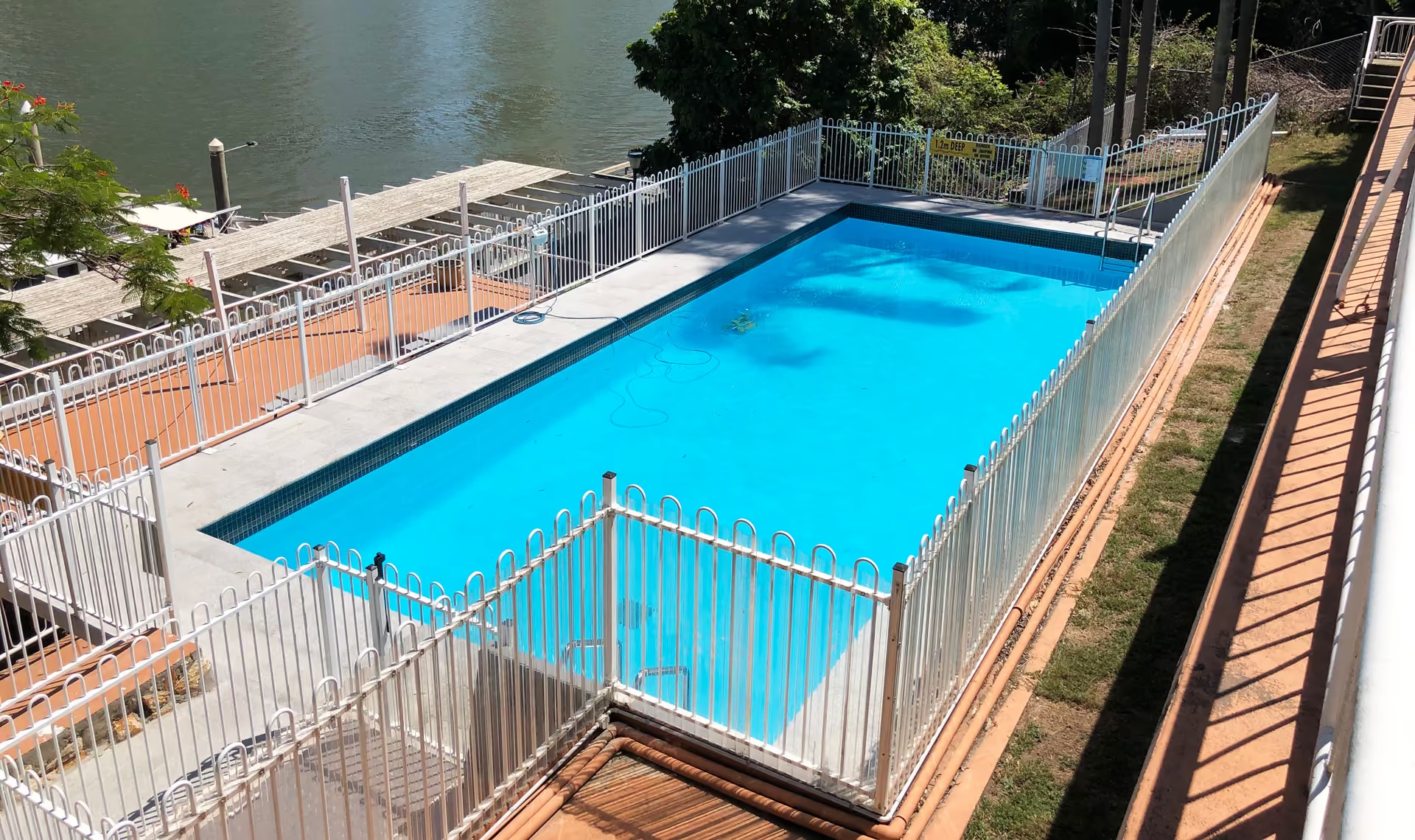
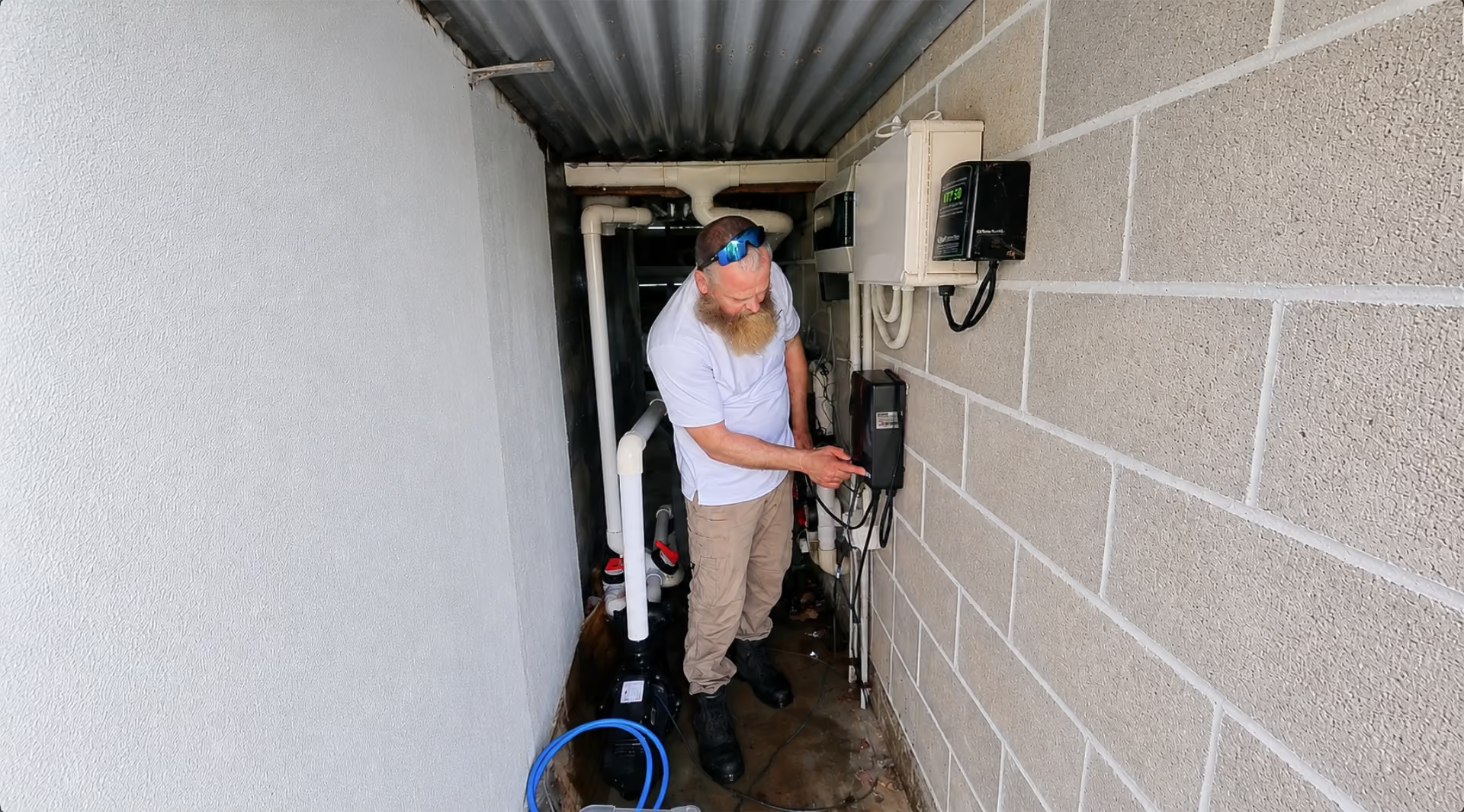
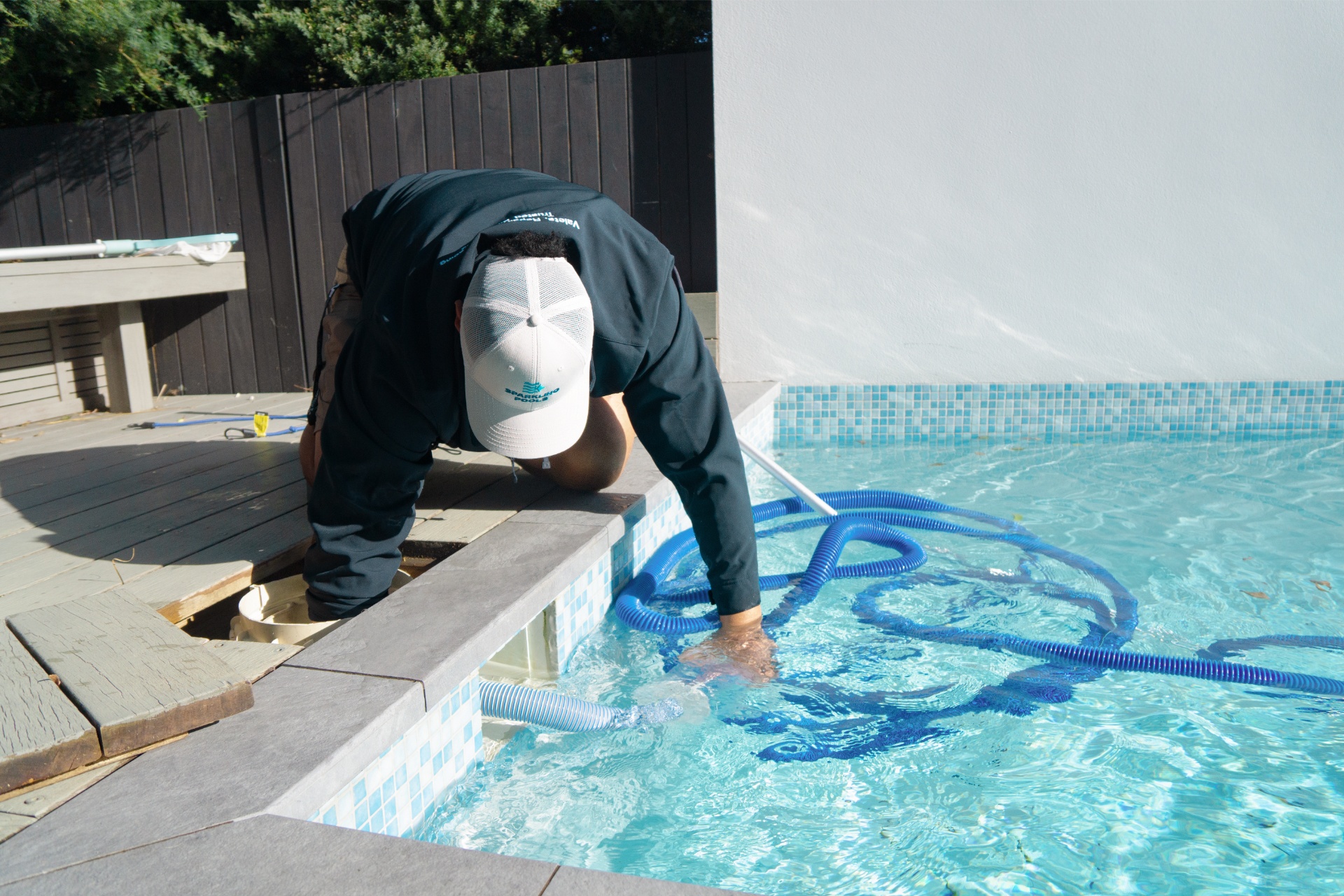
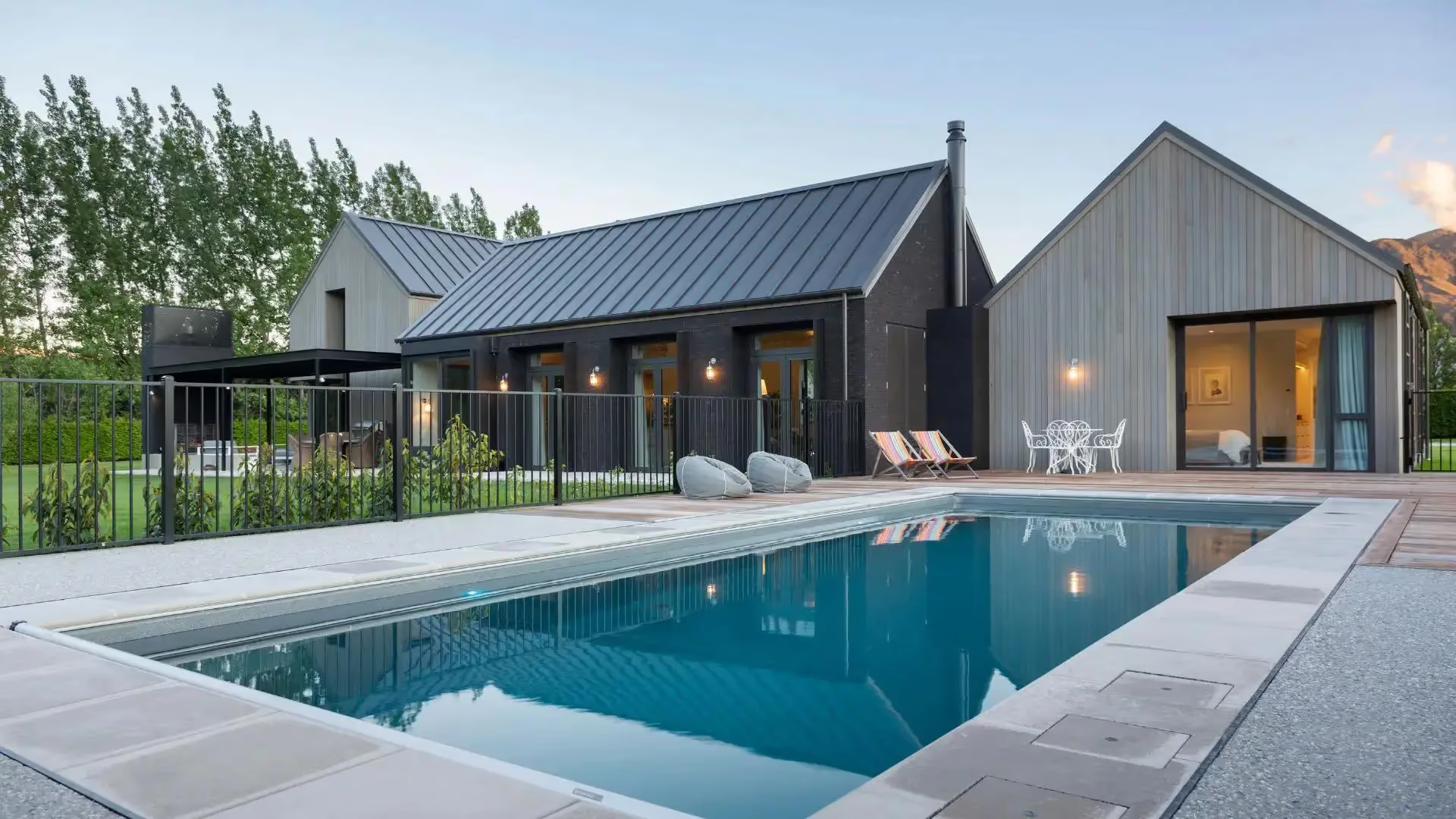
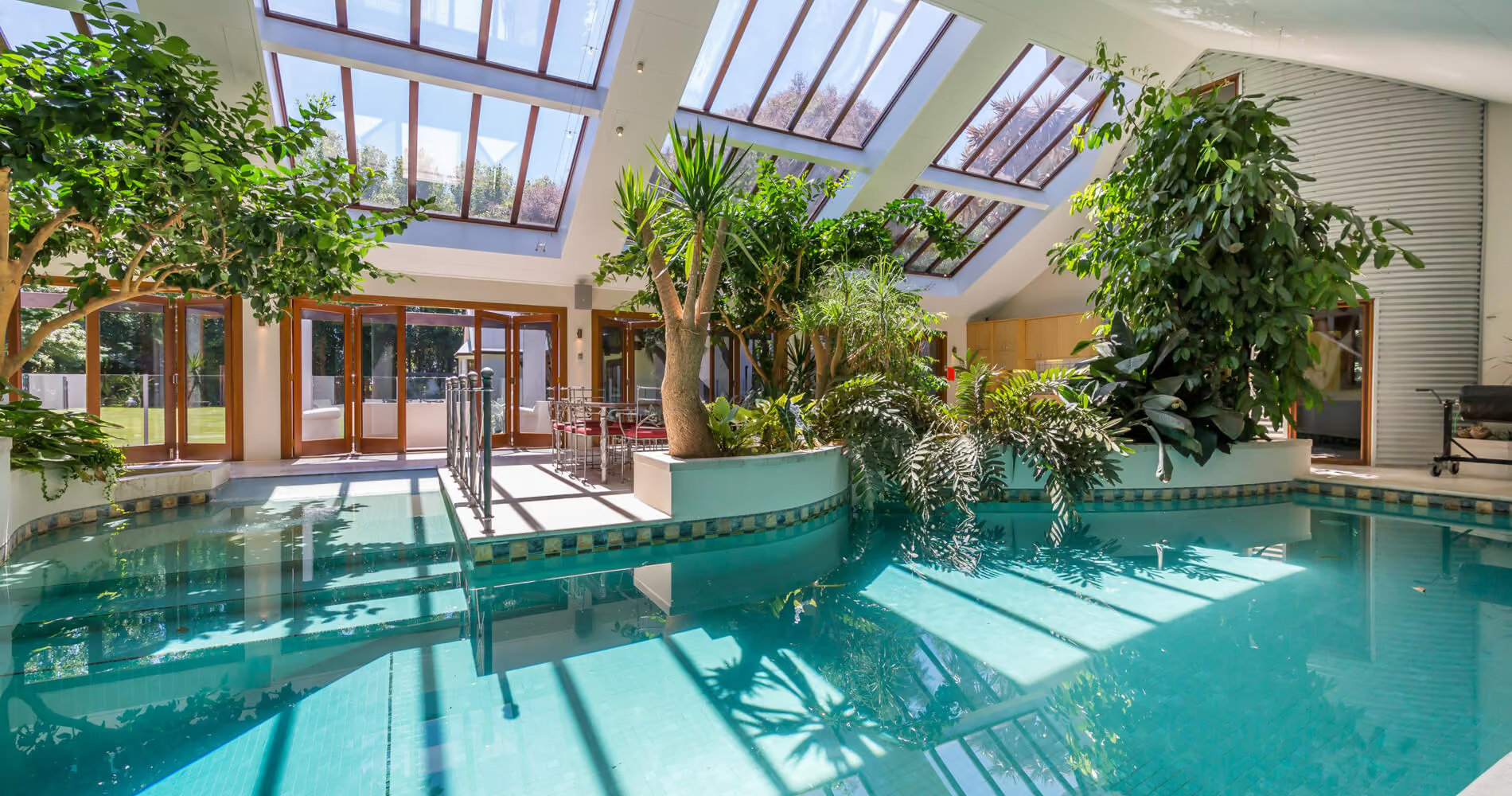
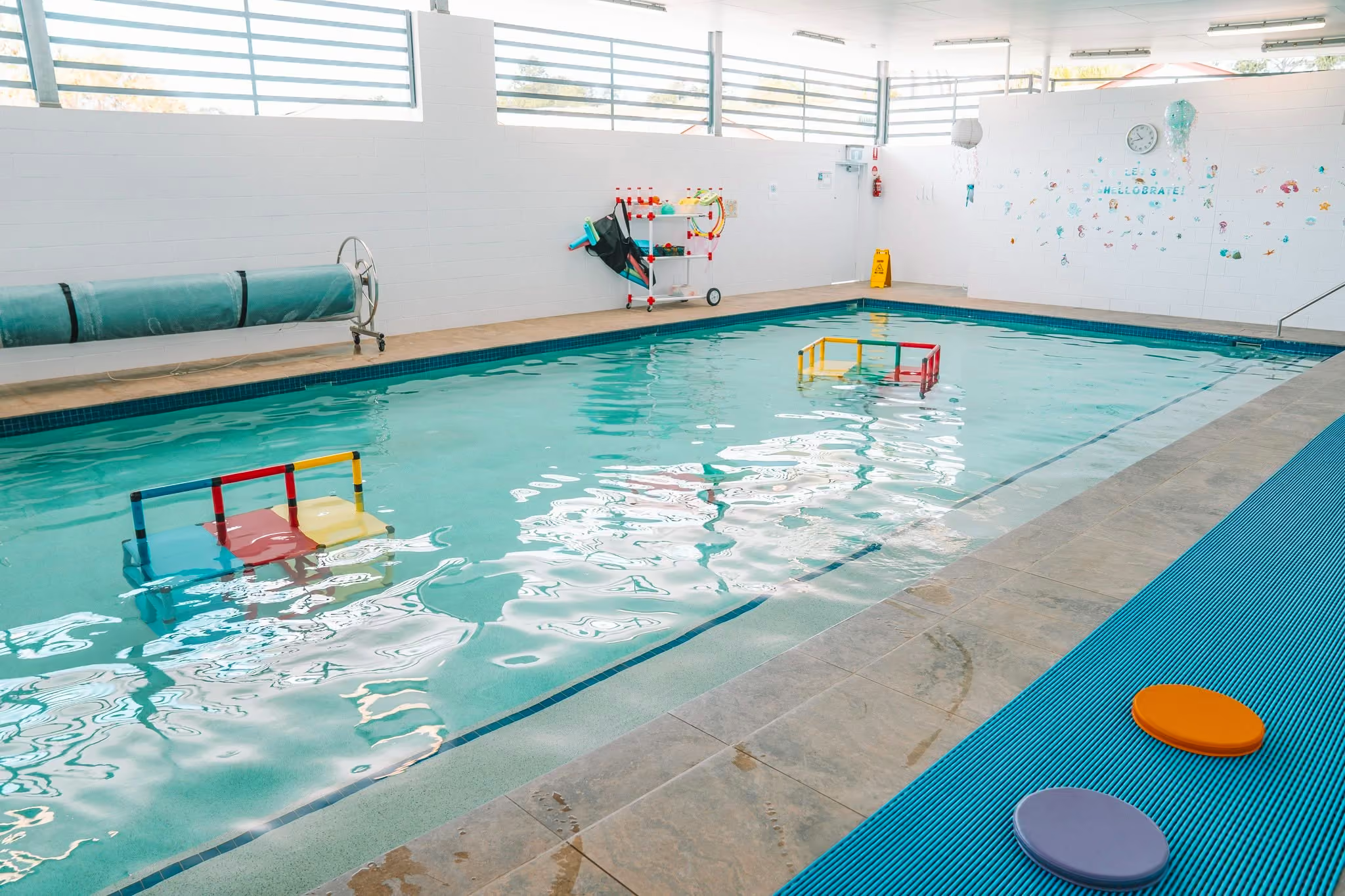
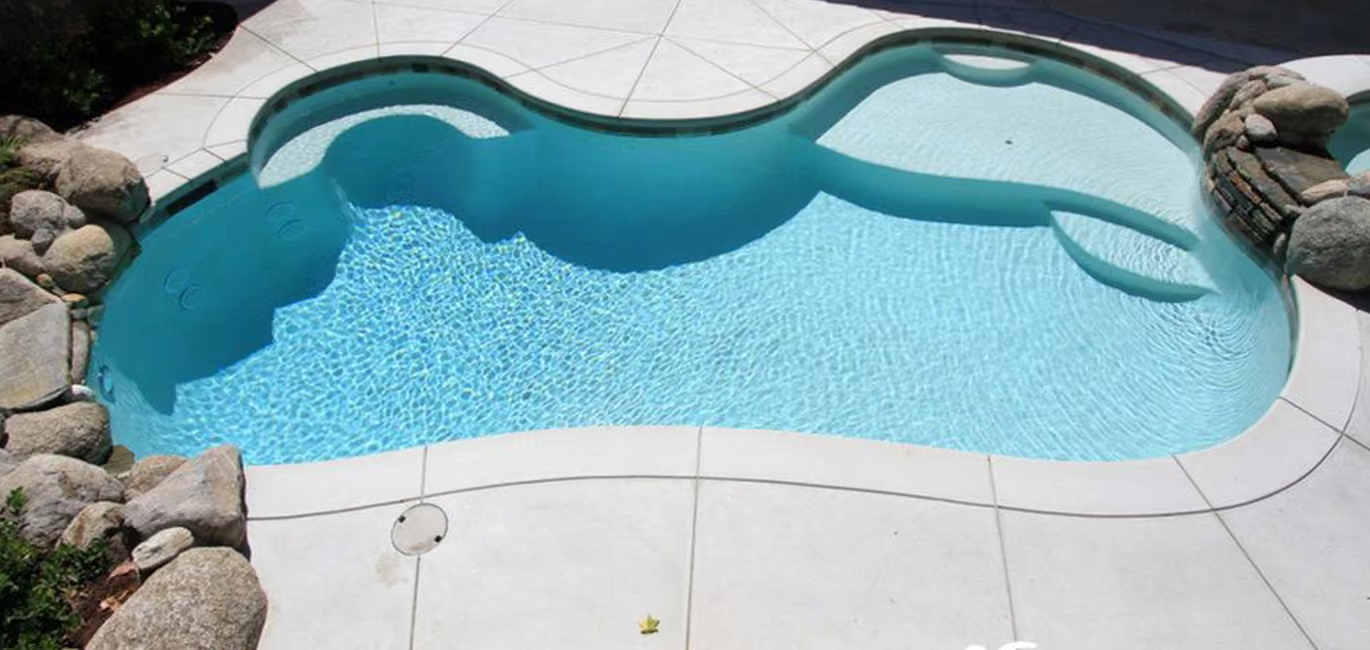
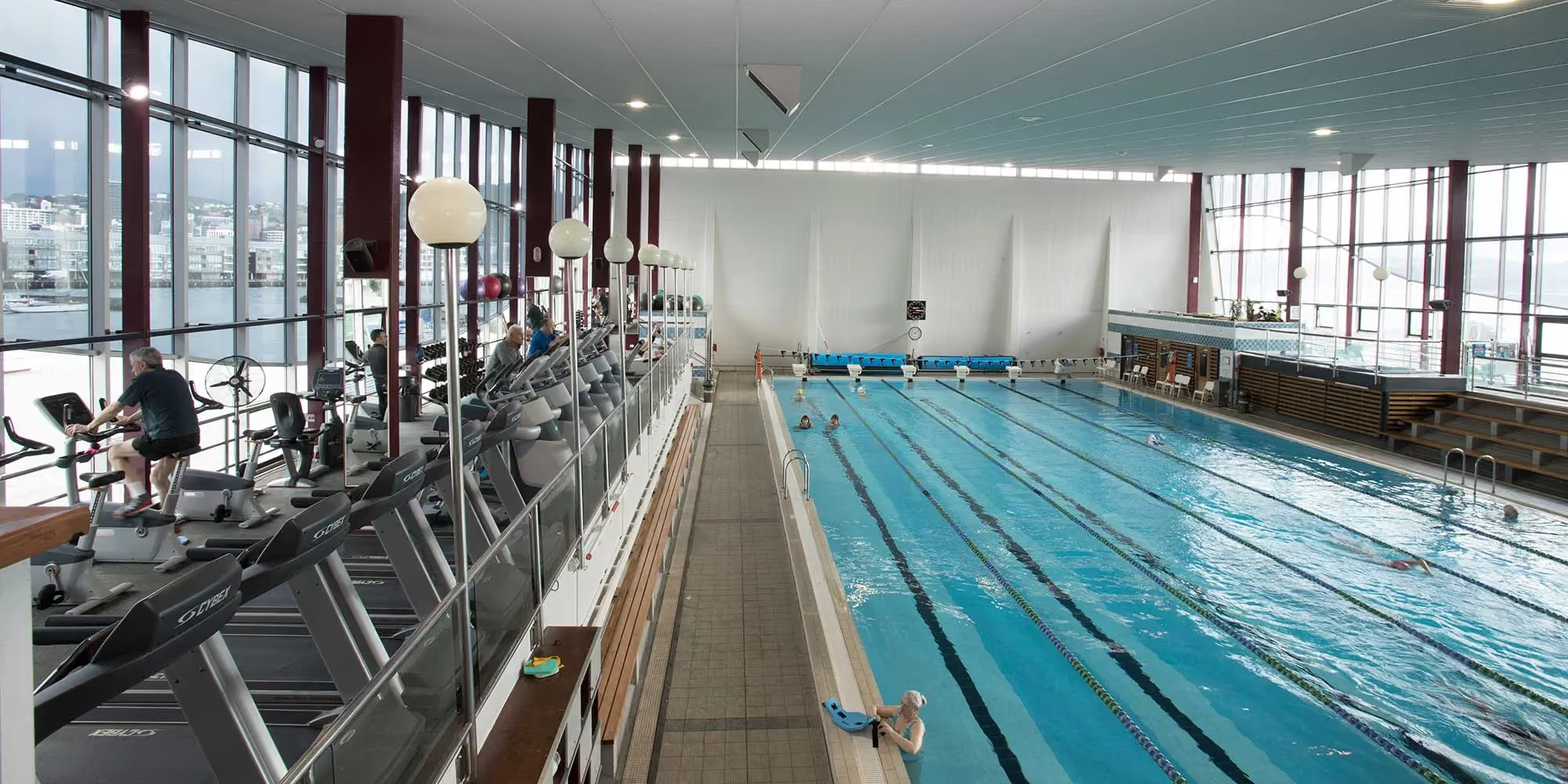
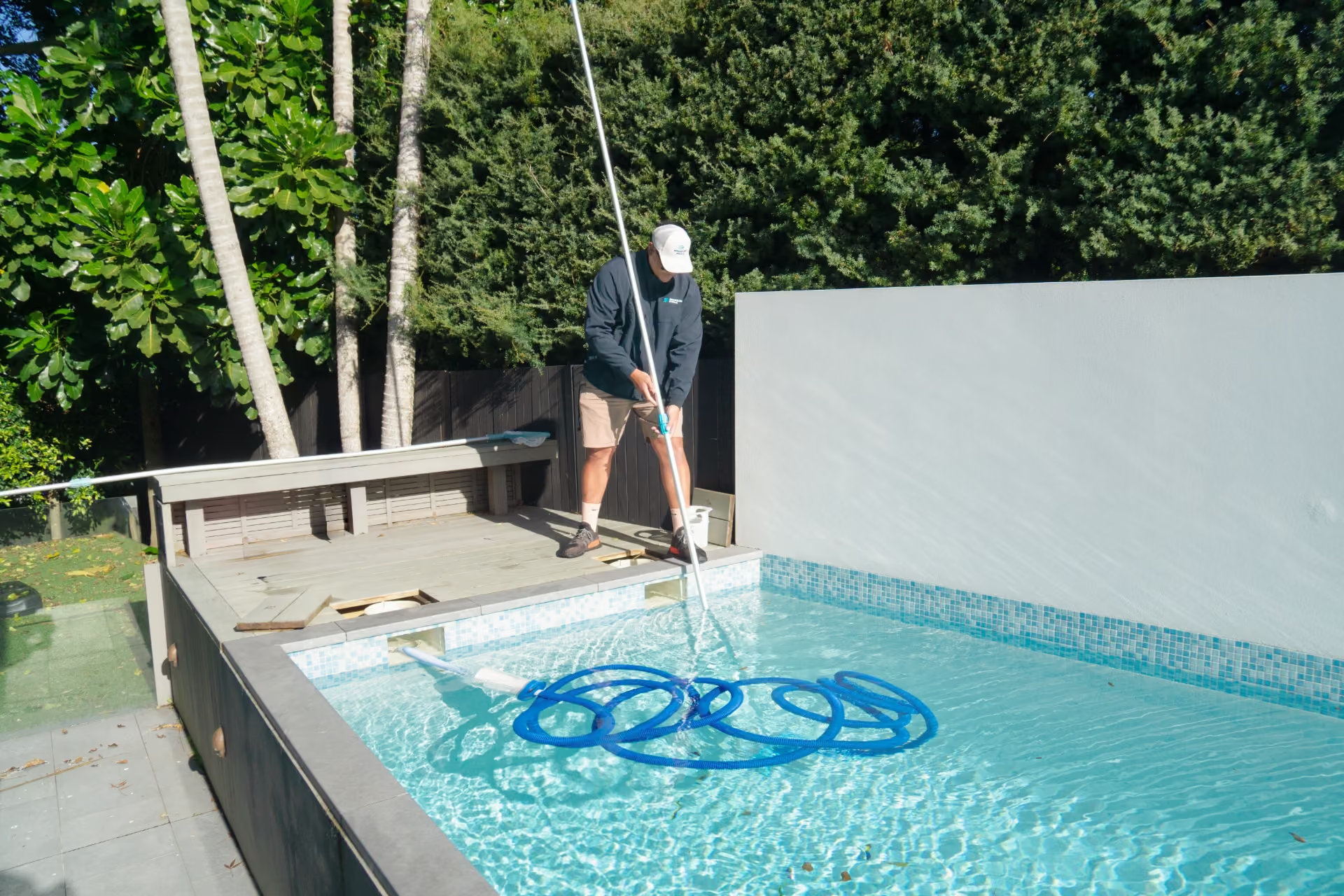
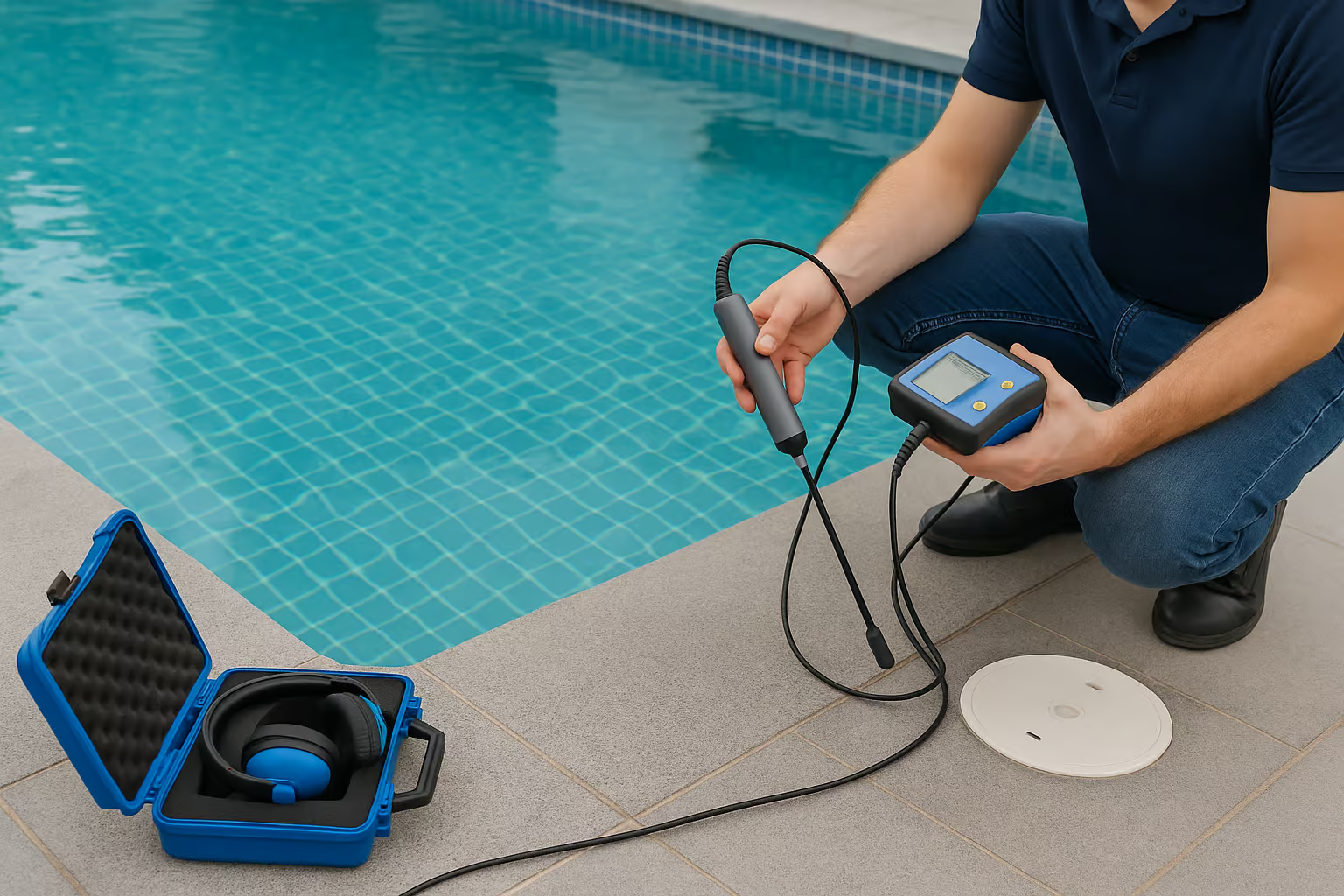
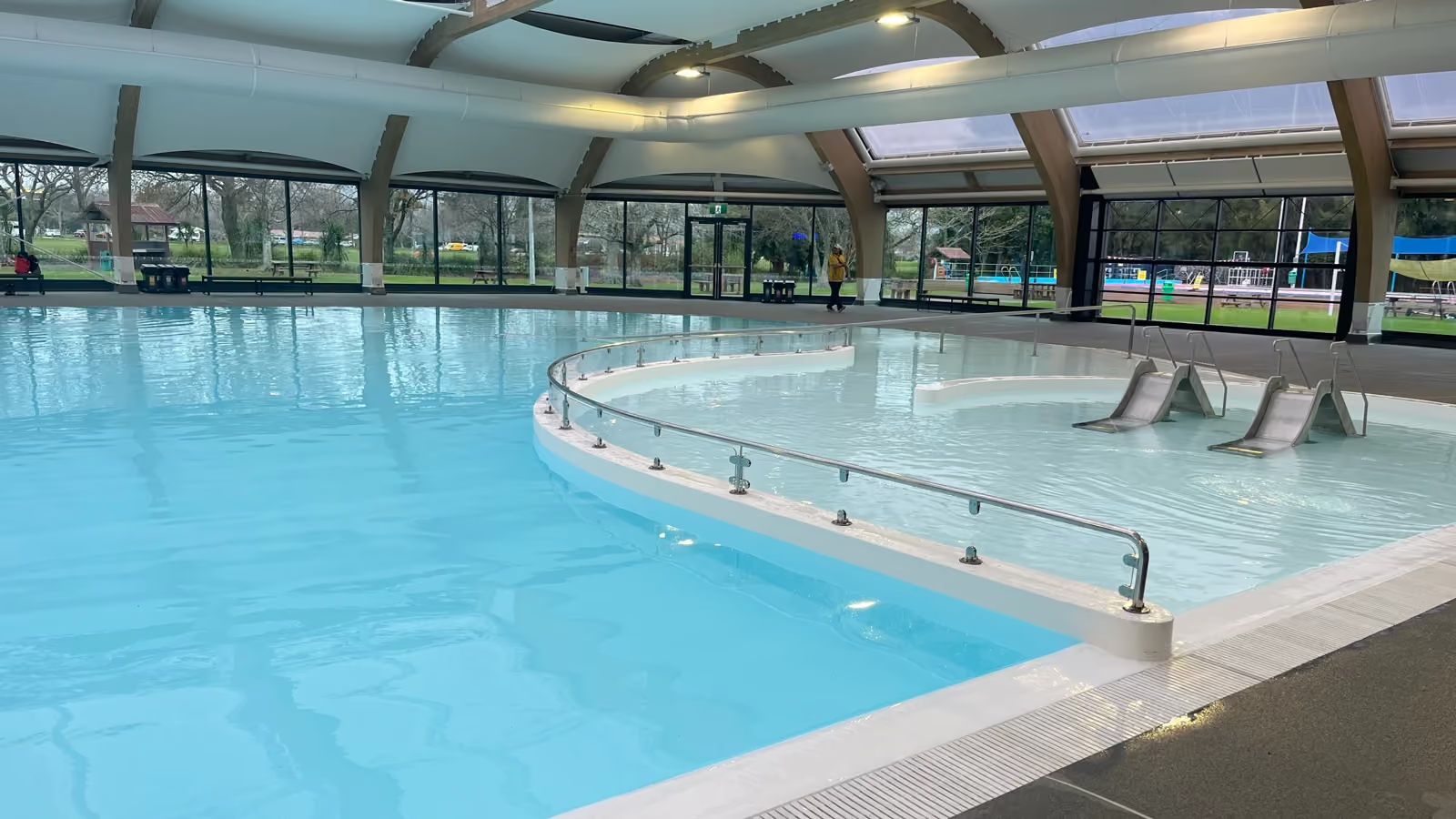
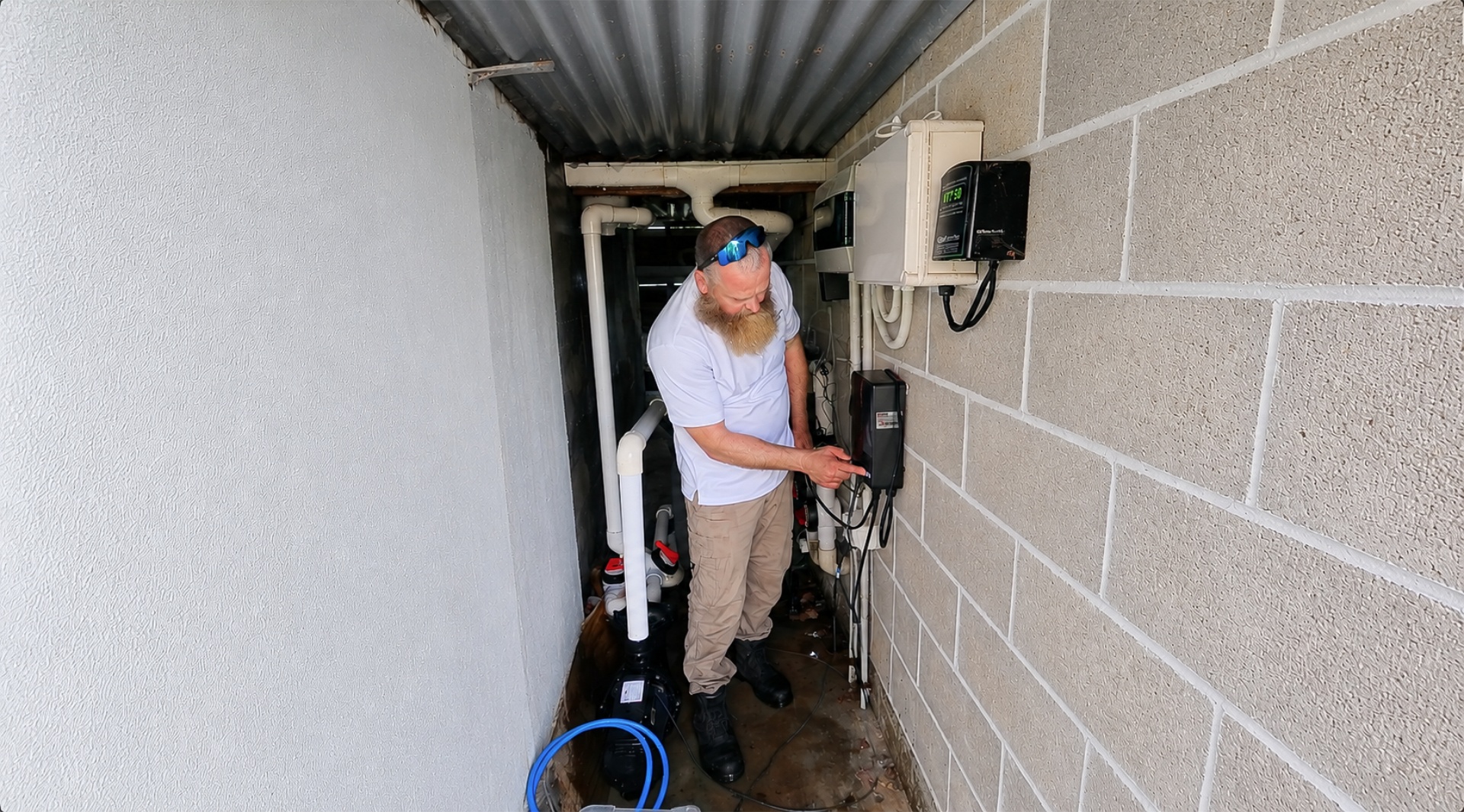
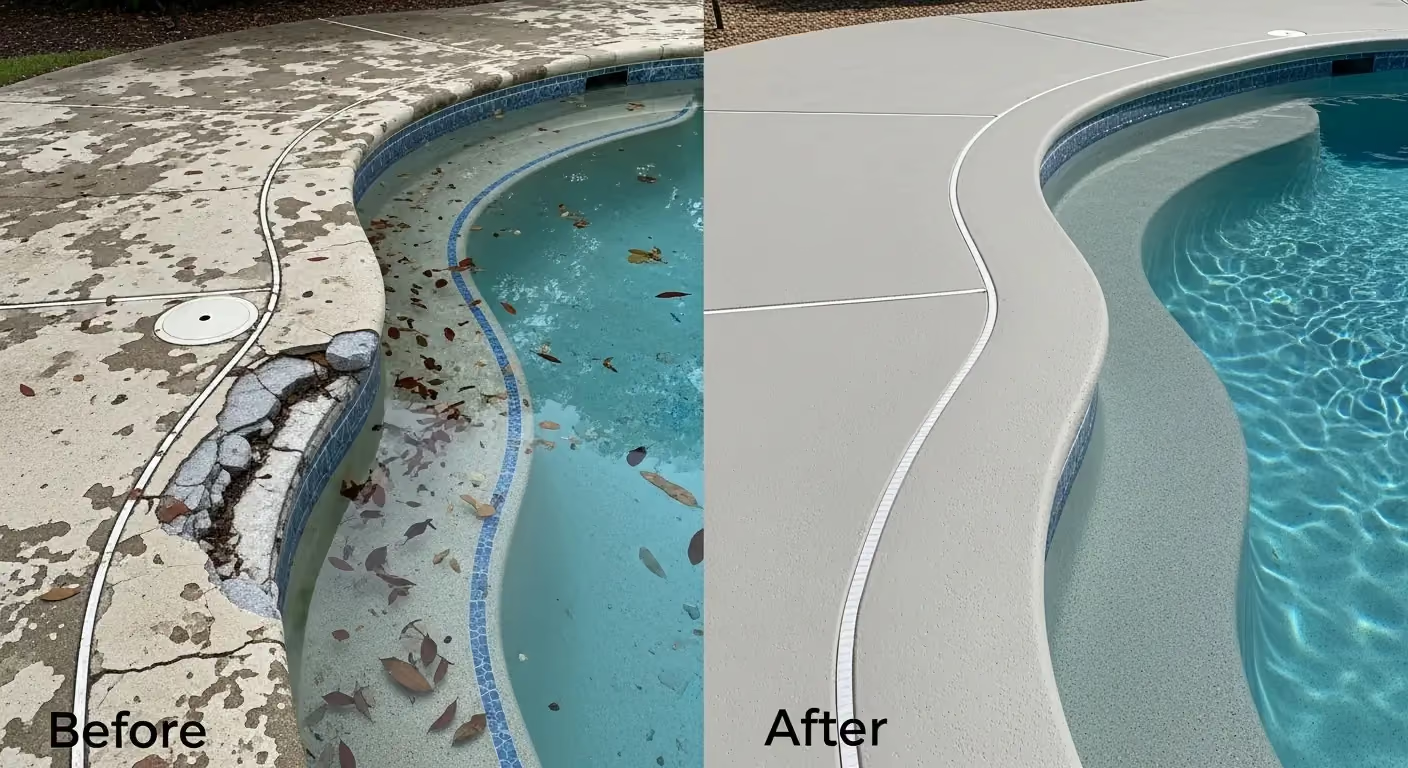
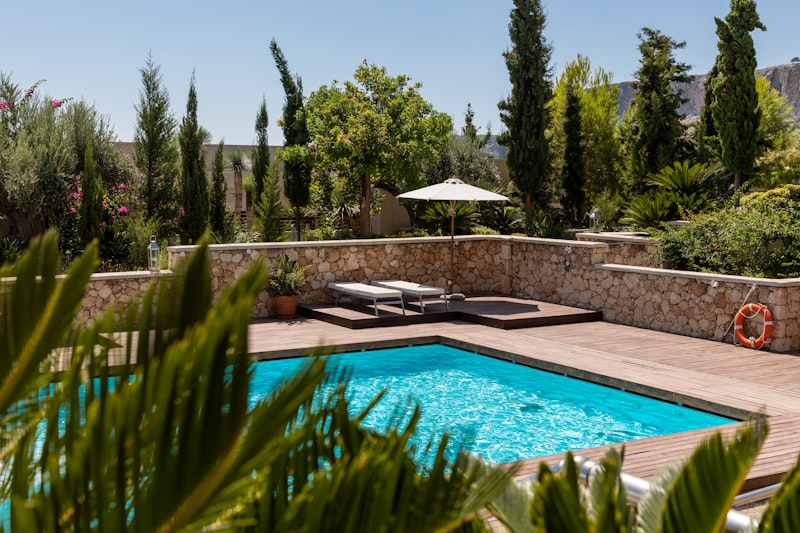
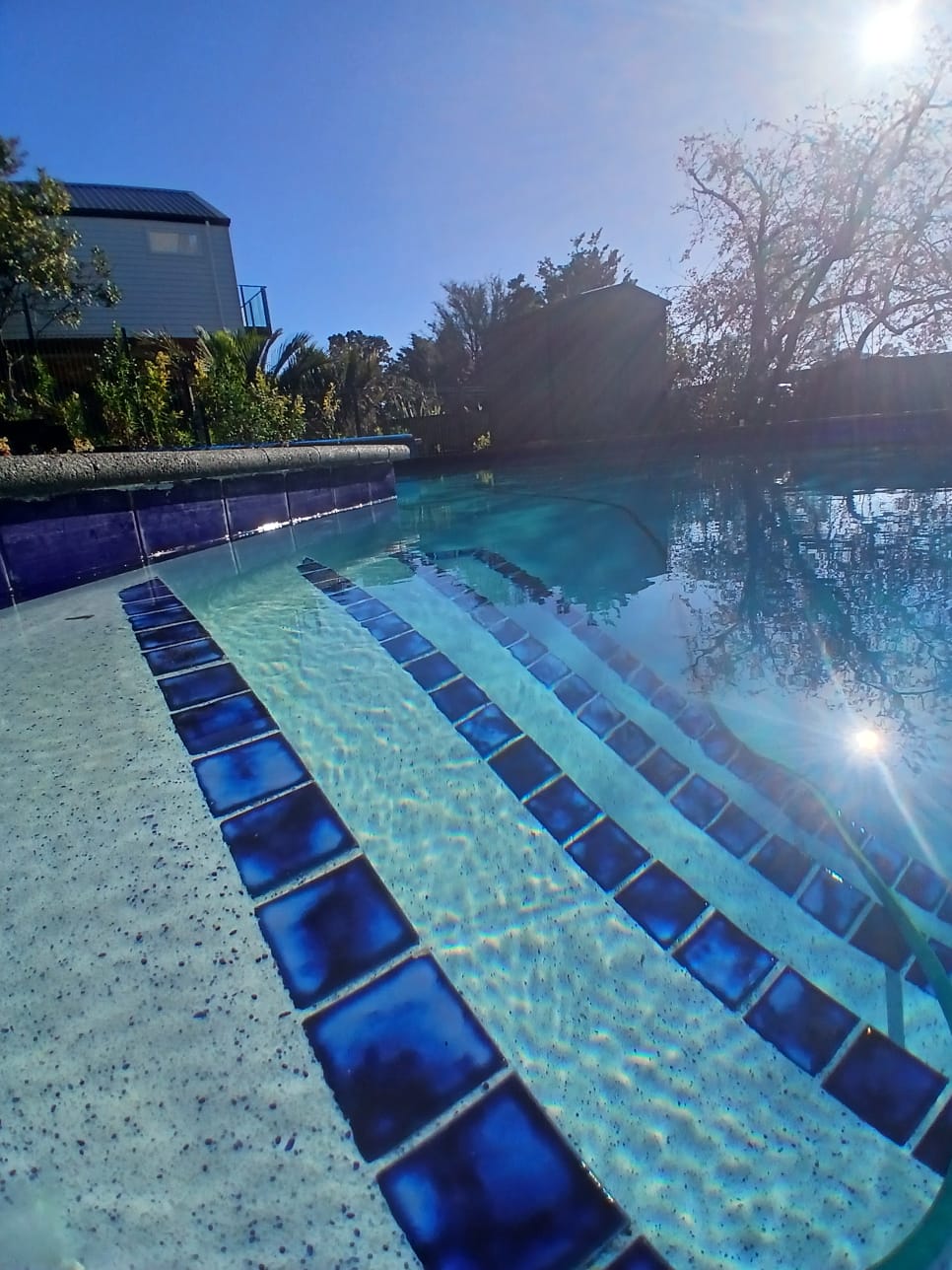
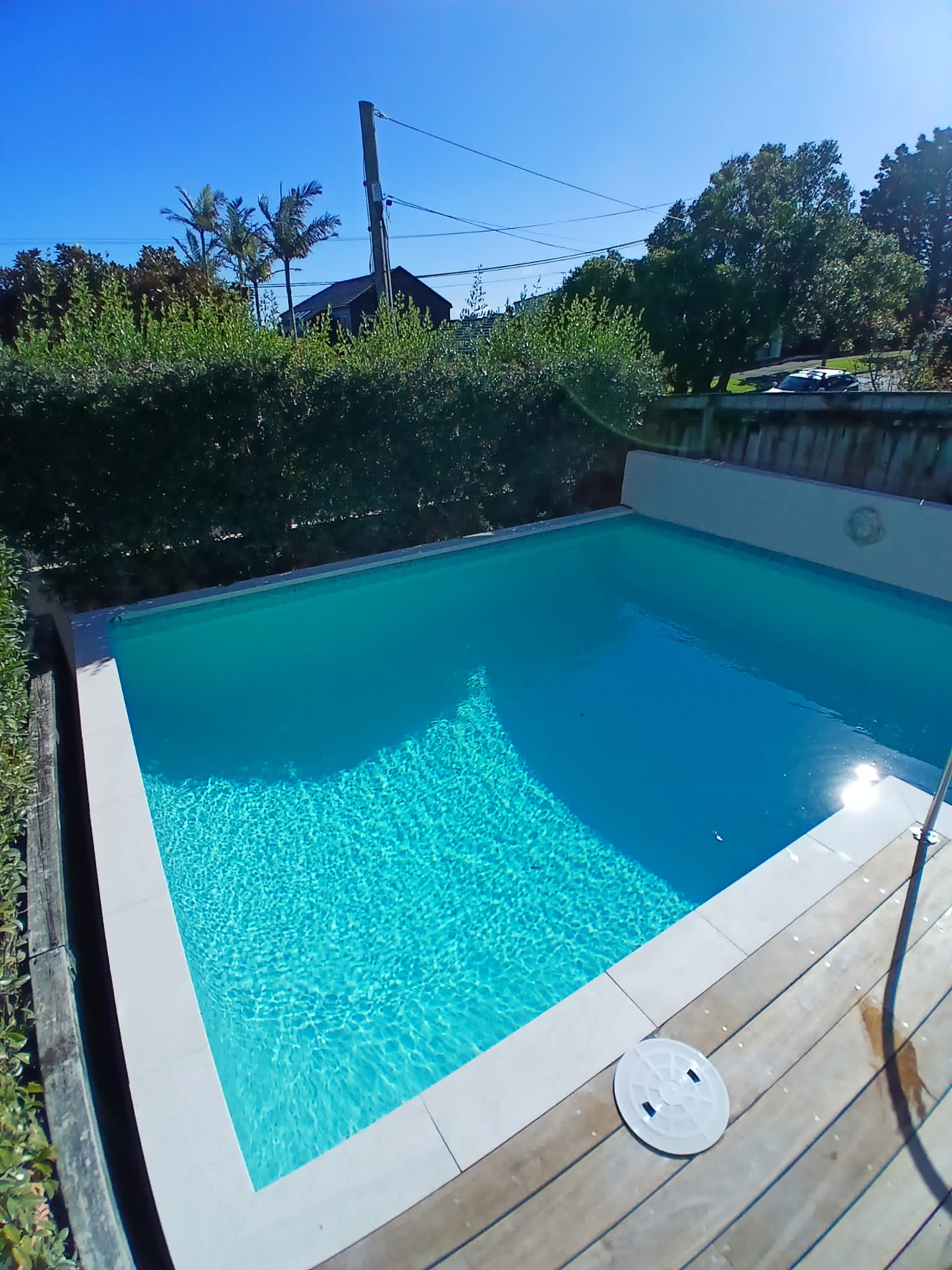
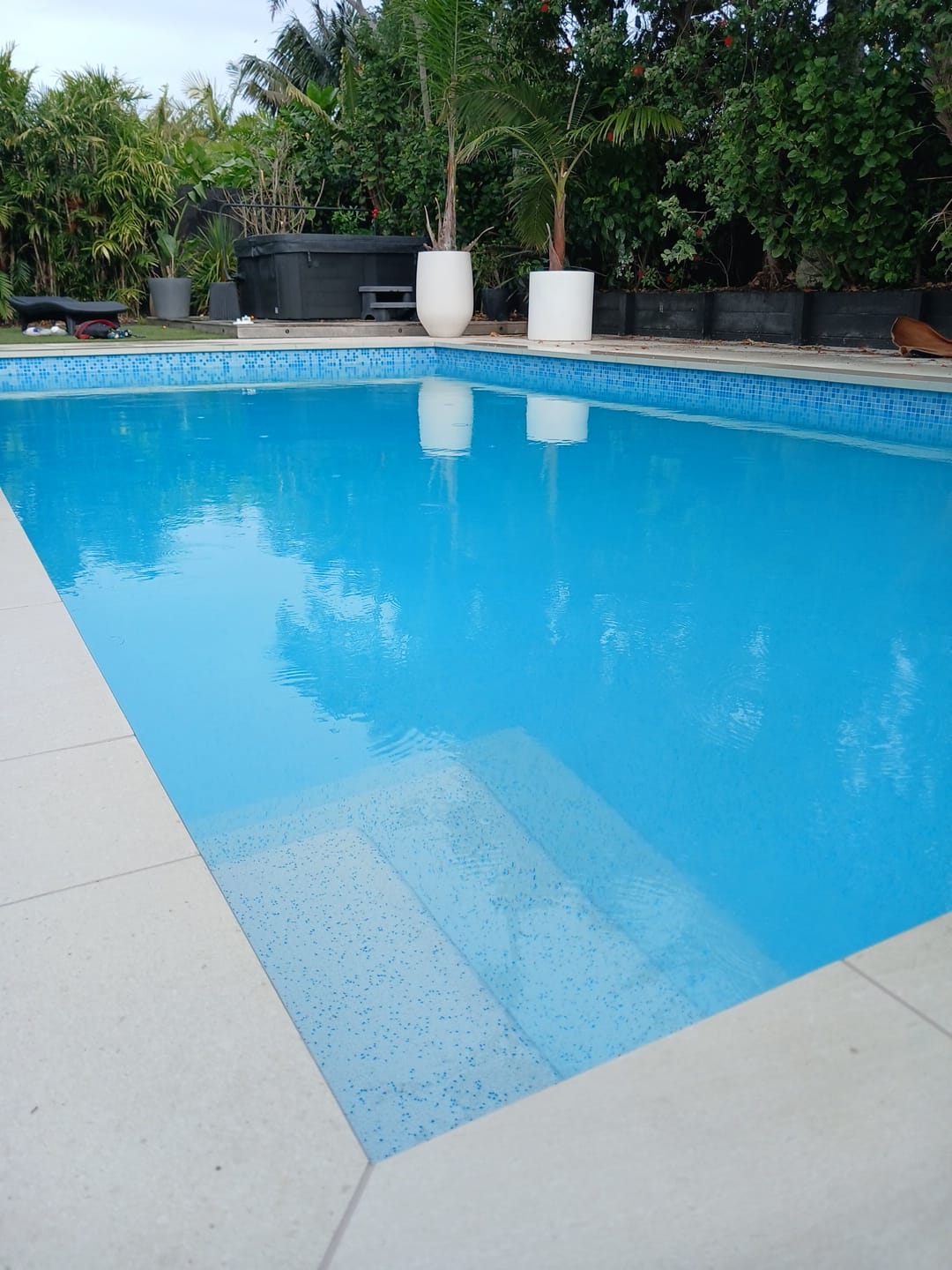
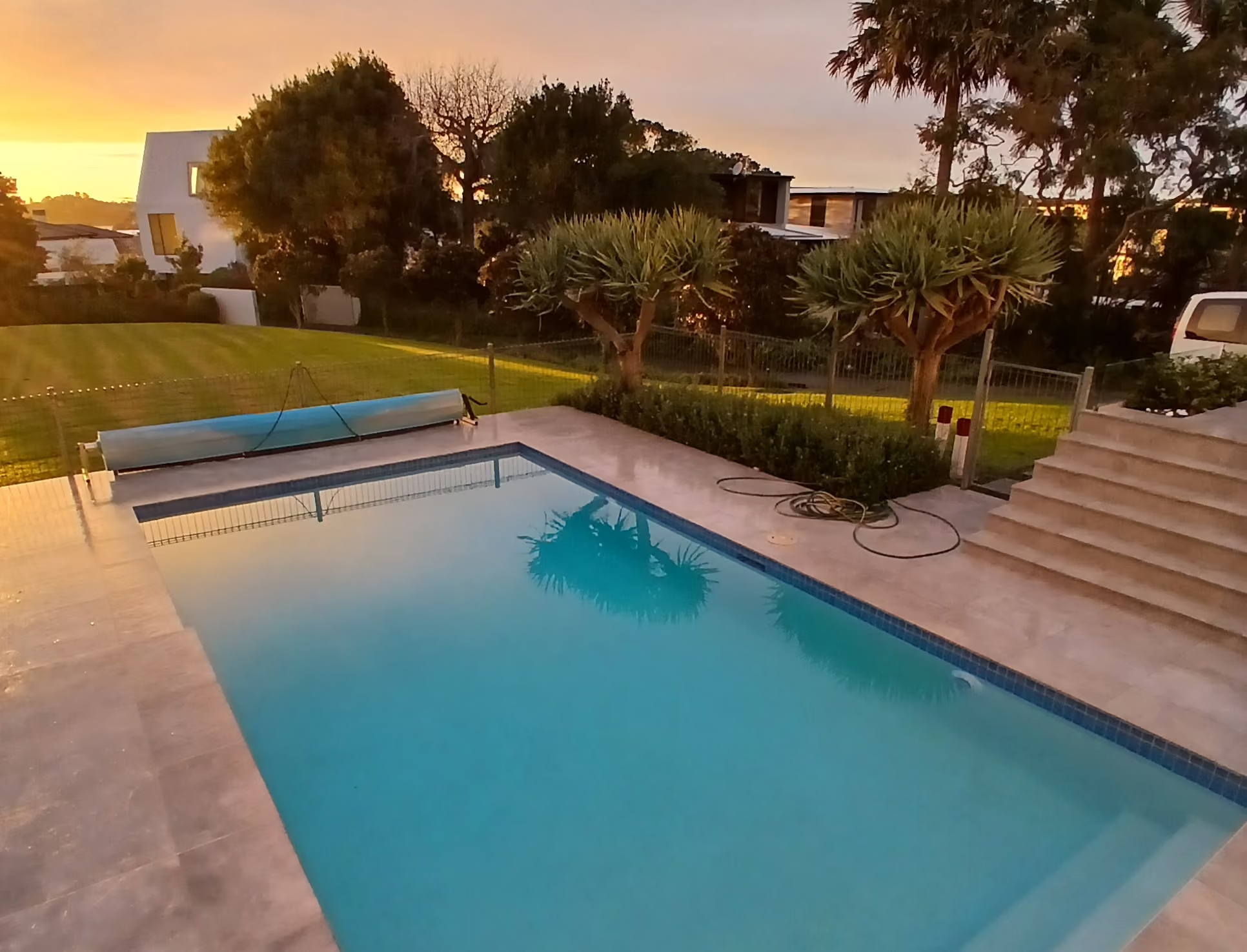
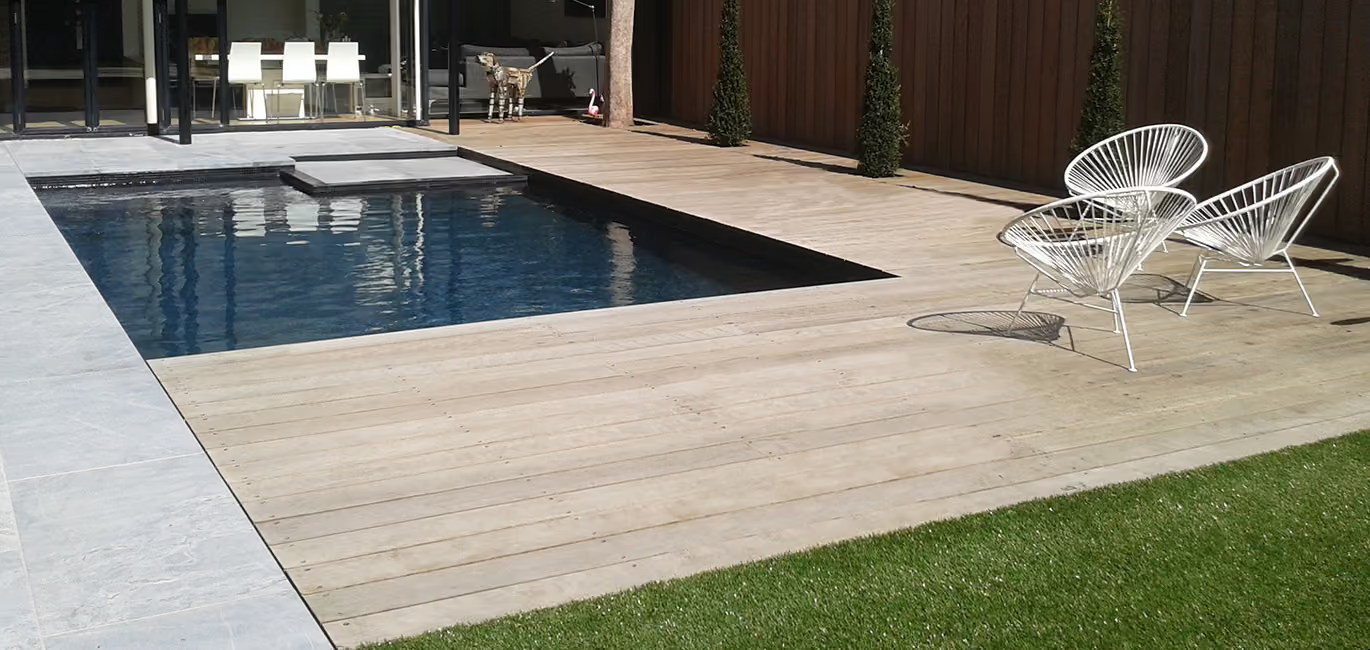
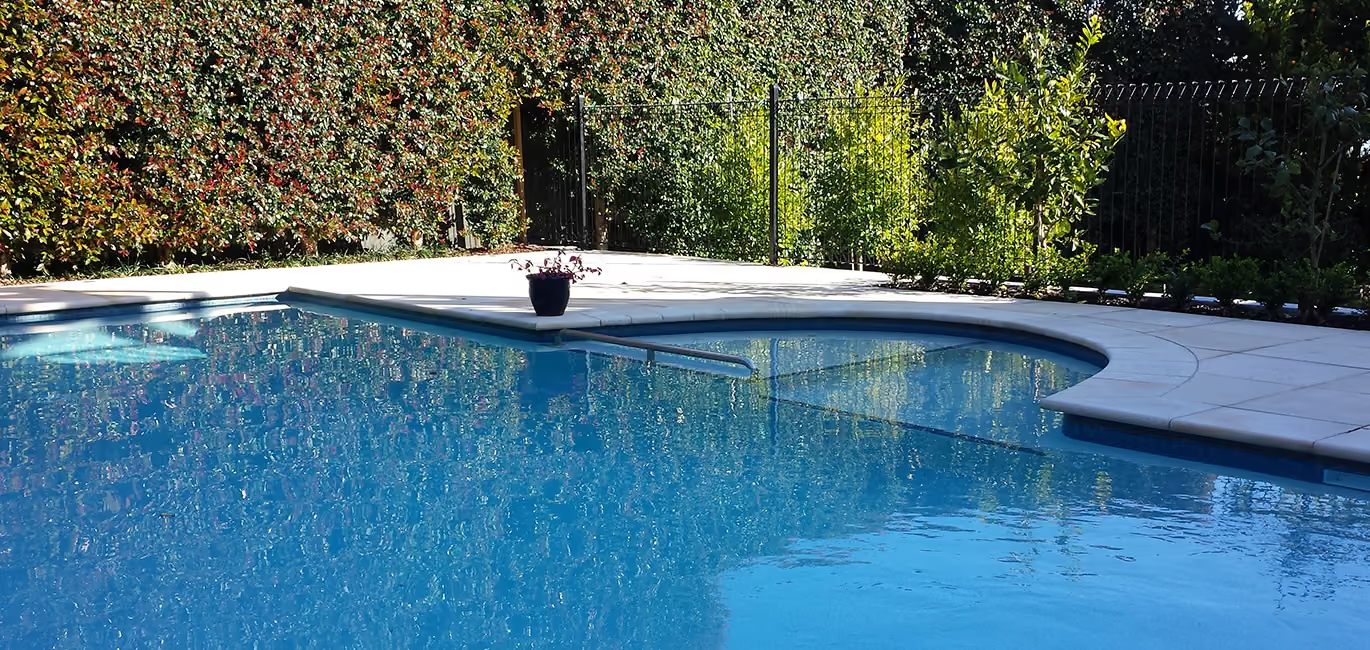
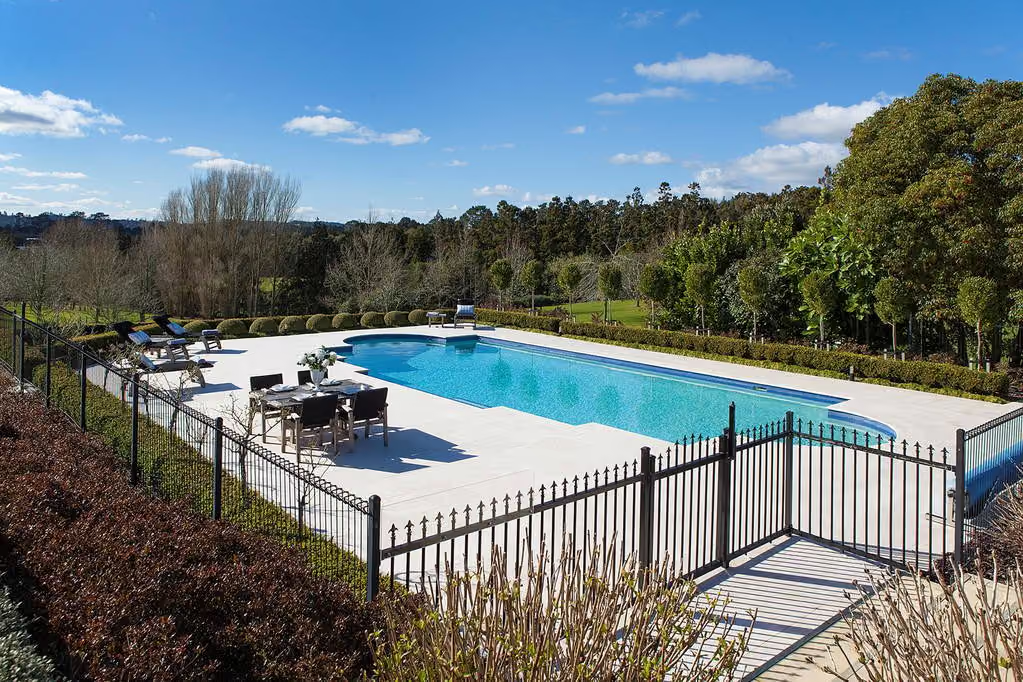
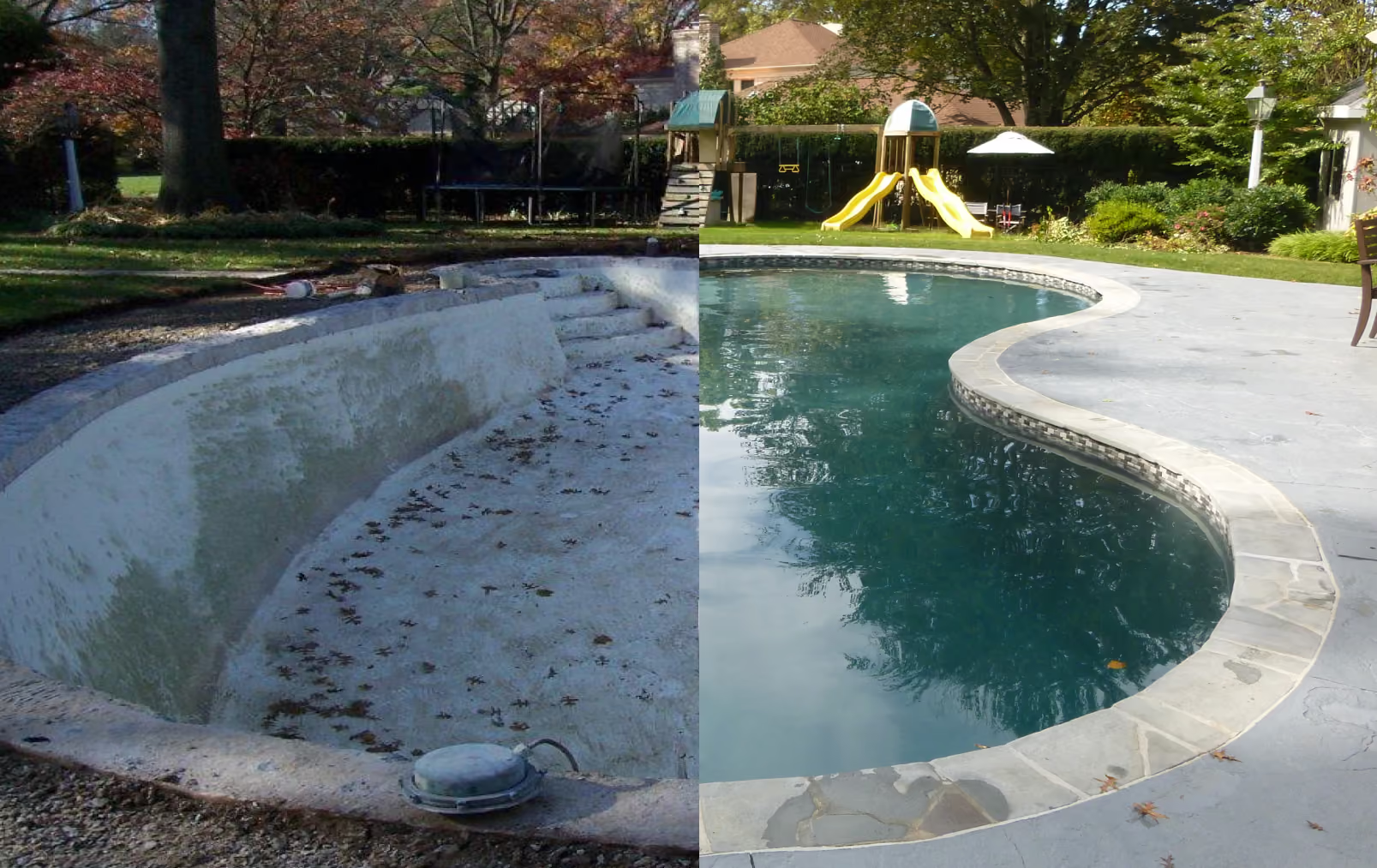
Sparkling Pools has worked on pools across Auckland, including residential renovation projects, equipment upgrades, ongoing maintenance and pool care for managed properties. Past projects show how the right approach can improve presentation, water quality and day-to-day usability. A well-maintained pool is easier to manage, more pleasant to use and better prepared for seasonal changes.
Trusted by Homeowners Across Auckland
Don't just take our word for it. Read what our clients have to say about our transparent communication, reliable service, and stunning pool transformations.
Related Blog Posts
Stay informed on pool care and renovations
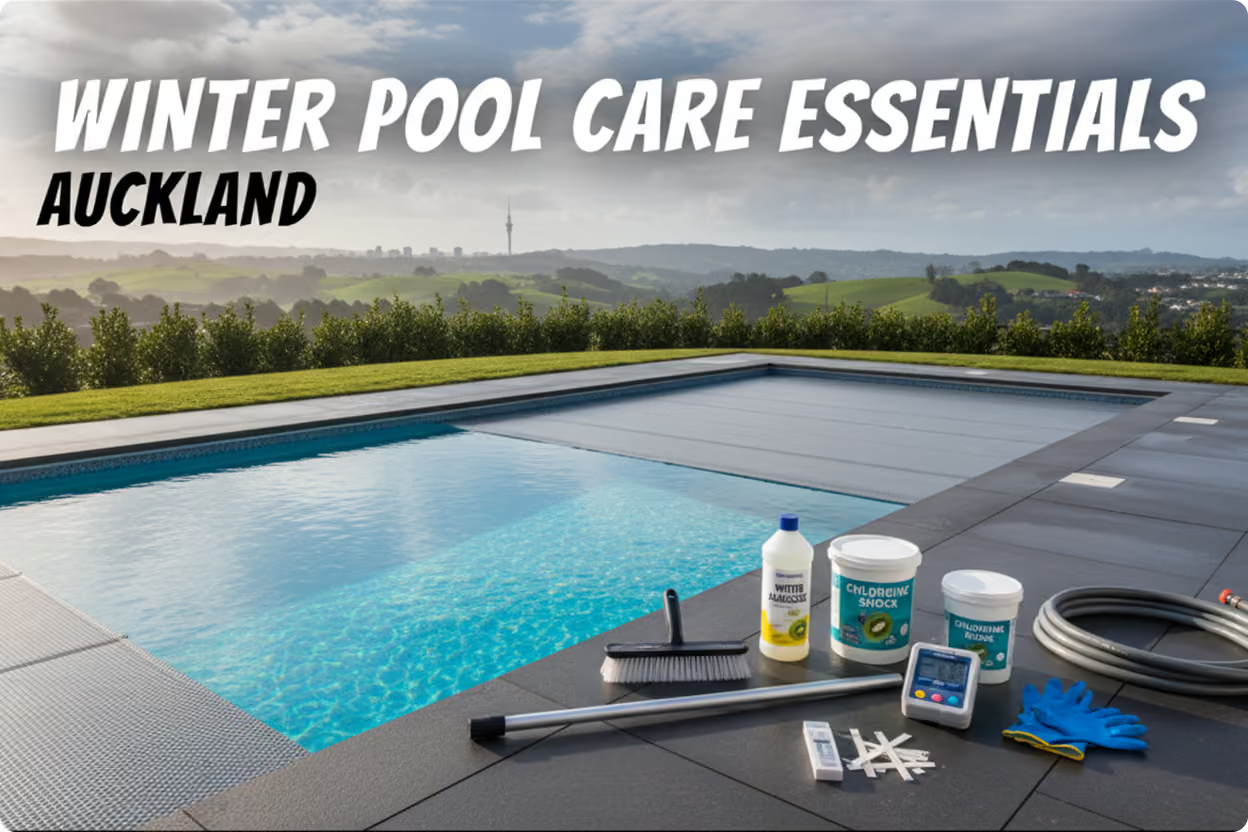
Winter pool care essentials for Auckland
Pool Renovation Mistakes

Auckland Climate Pool Maintenance
Choosing Renovation Contractor
Pool Care Auckland Summer
Permits & Consents
Pool Renovation ROI
How Often to Test Pool Water
Pool Renovation Costs
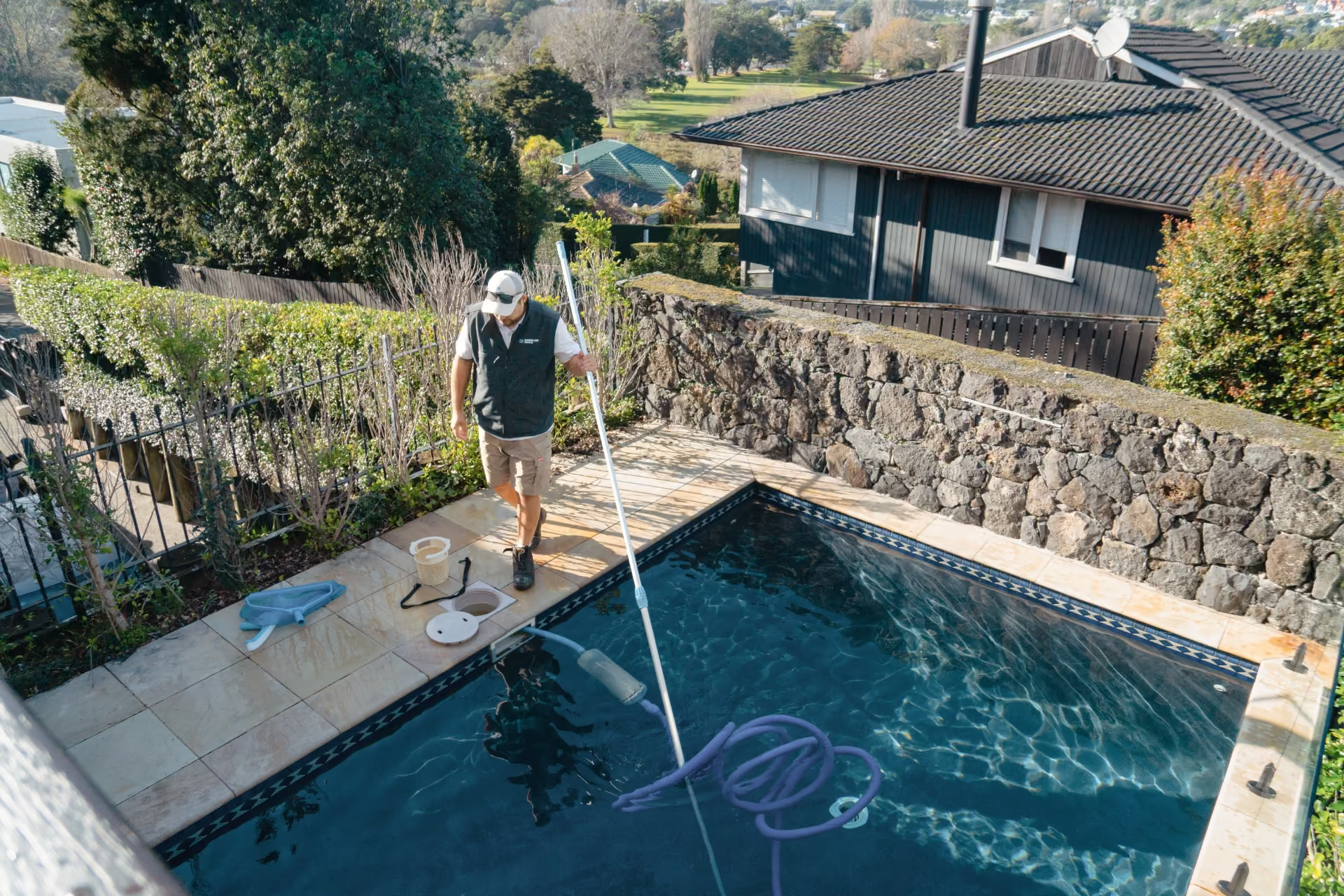
Cost of Pool Service Auckland
Pool Renovation Planning Guide
Pool Lighting Buying Guide
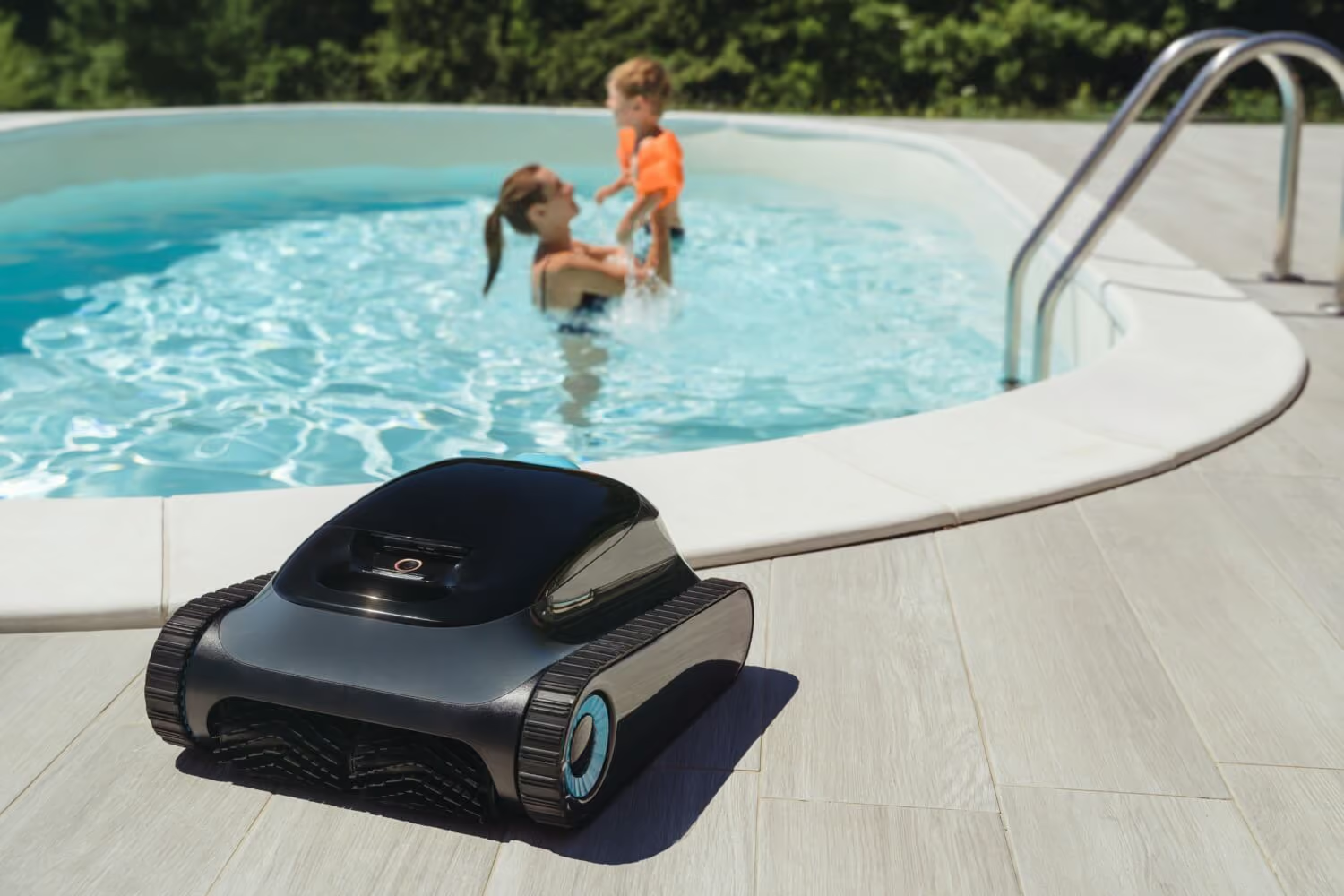
Pool Cleaner Buying Guide
Pool Automation Buying Guide
Pool Heater Buying Guide
Pool Filter Buying Guide
Pool Pump Buying Guide
Best Equipment Auckland Climate
Auckland Water Quality
Auckland Pool Season
Pool Ownership Costs
Common Pool Mistakes
Pool Safety Laws
Pool Inspection Requirements
Pool Fence Compliance
.avif)
Auckland Pool Industry Trends
Auckland Pool Regulations
Pool Equipment Suppliers
Best Pool Service Areas
Pool Service Pricing Analysis
Company vs Independent
Best Pool Surface Materials
Pool Resurfacing Options
Pebble vs Plaster Surfaces
One-Time vs Ongoing Service
Full Service vs Chemicals Only
Pool Cover Types
Robotic vs Suction Cleaners
Mineral vs Saltwater
Gas vs Heat Pump
Pool Heater Types
Pool Winterizing Guide Auckland
Pool Opening Guide Summer
Pool Maintenance After Heavy Rain
Pool Maintenance Schedule
How Often to Run Pool Filter
Pool Pump Maintenance Schedule
Pool Filter Cartridge Cleaning
Pool Equipment Maintenance Checklist
Pool Waterline Cleaning
Pool Skimmer Basket Cleaning
Pool Chlorine Levels
How Often Clean Pool Filter
How to Vacuum Pool
Pool Brushing Technique
Pool Chemical Dosing Chart
Pool Water Chemistry Basics
How to Balance Pool Chemistry
How to Test Pool Water
Pool Maintenance Tips
Complete Pool Maintenance Guide
Pool Service ROI
Pool Equipment Buy or Service
Pool Maintenance Time Requirements
DIY vs Professional
Pool Service Contract
Pool Service vs Pool Valet
Is Pool Service Worth It
Pool Service Guarantees
Pool Service Reviews
Pool Service Red Flags
Questions to Ask Pool Companies
How to Choose Pool Service Company
Hidden Costs DIY Maintenance
Pool Cleaning Prices Auckland
Cost of Pool Resurfacing
Cost of Pool Pump Replacement
Cost to Fix Green Pool
Pool Liner Wrinkles
Pool Cracks When to Worry
Pool Surface Stains
Pool Valve Leaking
Pool Automation Not Working
Pool Light Not Working
Pool Heater Not Heating
Pool Skimmer Not Working
High Pool Filter Pressure
Pool Losing Water
Pool Filter Not Clearing Water
Pool Pump Leaking
Pool Pump Not Pumping
Pool Pump Losing Prime
Pool Pump Noisy
Pool Pump Not Working
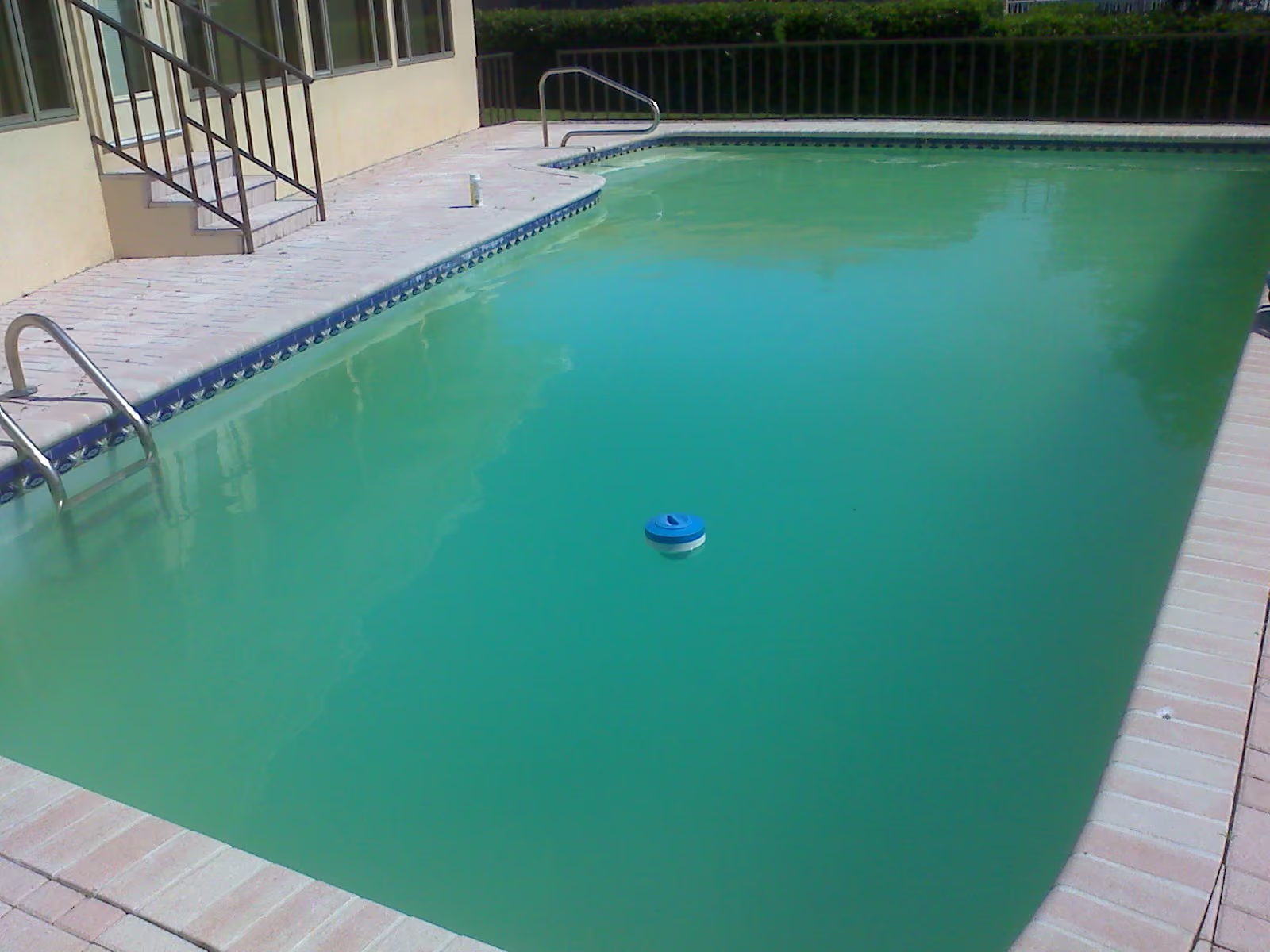
Pool Water Foaming
Pool pH Too Low
Pool pH Too High
Green Pool After Rain
Pool Still Green After Shock
Pool Water Cloudy
How to Clear a Green Pool
Pool Care That Protects Your Investment
Good pool care protects more than appearance. Our pool specialists support the long-term condition of your swimming pool while keeping it ready for everyday use.