Pool Filter Buying Guide
Why Auckland trusts our pool service expertise
Choosing the right pool filter comes down to three main options: sand, cartridge and diatomaceous earth (DE). Each type suits different pools, maintenance preferences and budgets.
Here are the key points to know before you buy.
What you'll learn
The Short Answer
The right pool filter depends on your pool size, how much maintenance you want to do, and your budget. Sand filters are the most common choice in New Zealand, they're durable, low-maintenance and straightforward to run. Cartridge filters offer finer filtration and suit smaller pools or those with limited space. Diatomaceous earth (DE) filters provide the finest filtration of the three but require more hands-on upkeep.
All three types do the same core job: remove particles and debris from your pool water. The differences come down to how they do it, how often they need attention, and what suits your pool best.
---
How Pool Filters Work
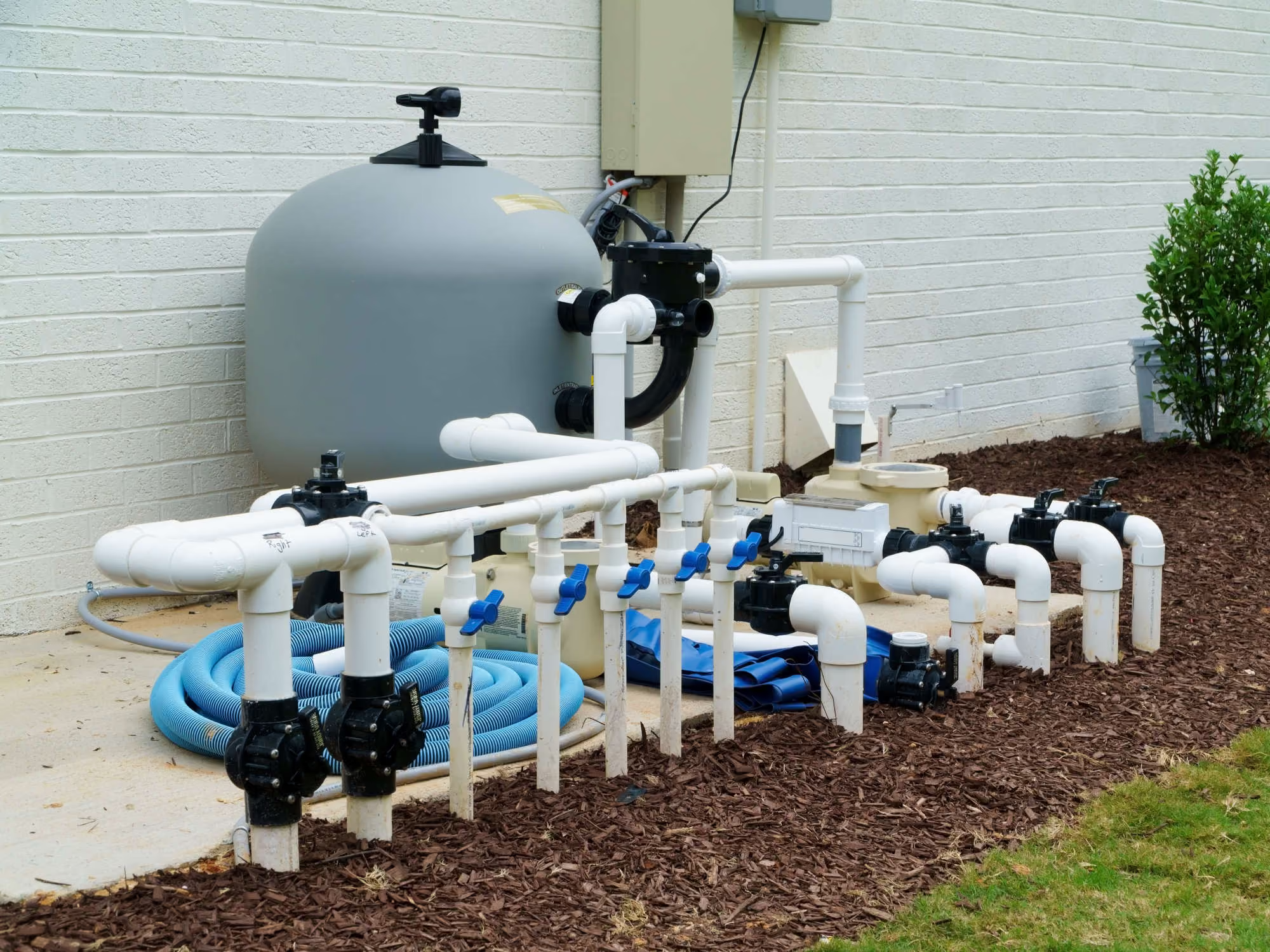
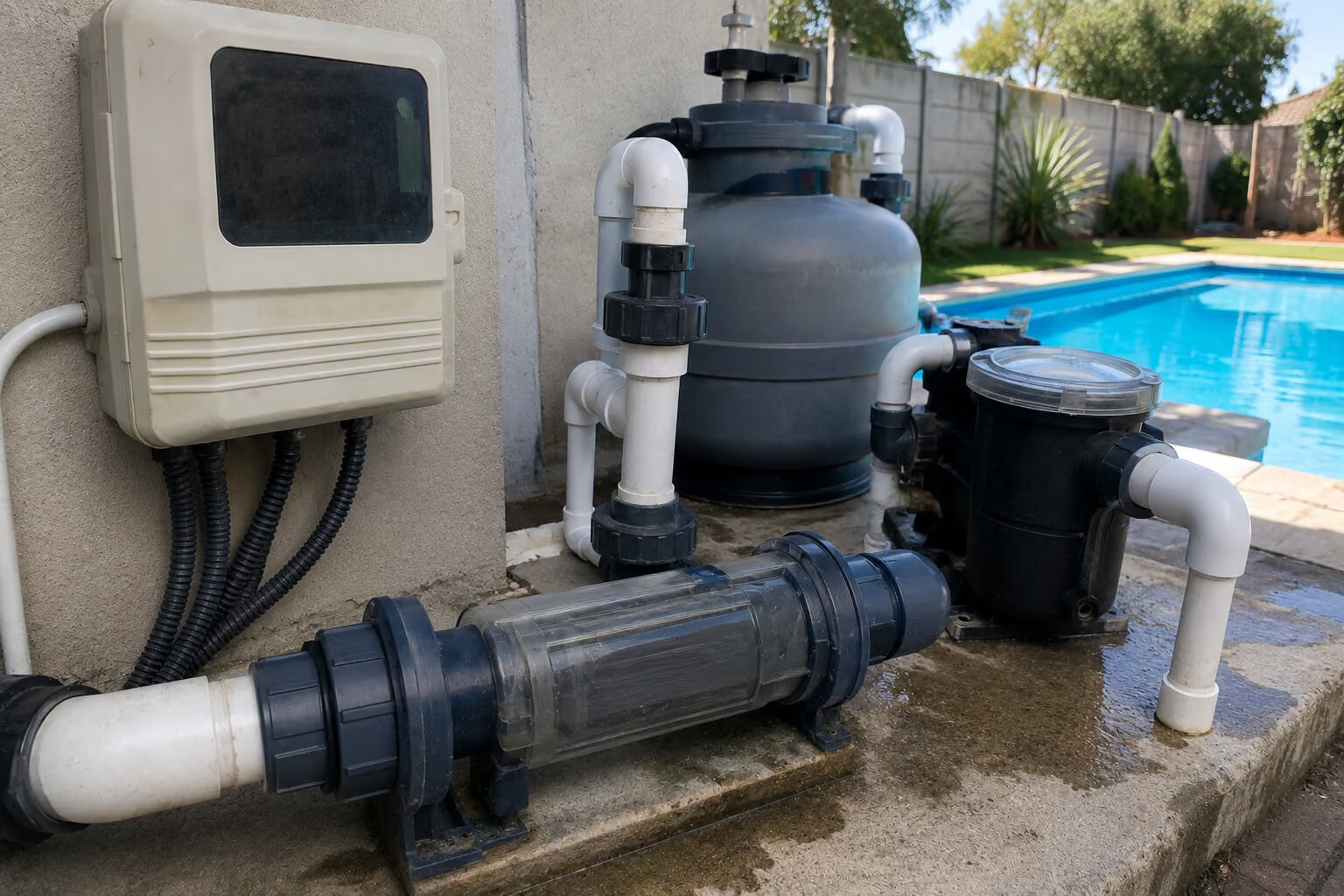
Every pool filter sits in the circulation loop between your pump and your pool. Water is drawn through the filter medium, which traps particles, then returned to the pool clean. The filter medium is what sets each type apart.
Sand Filters
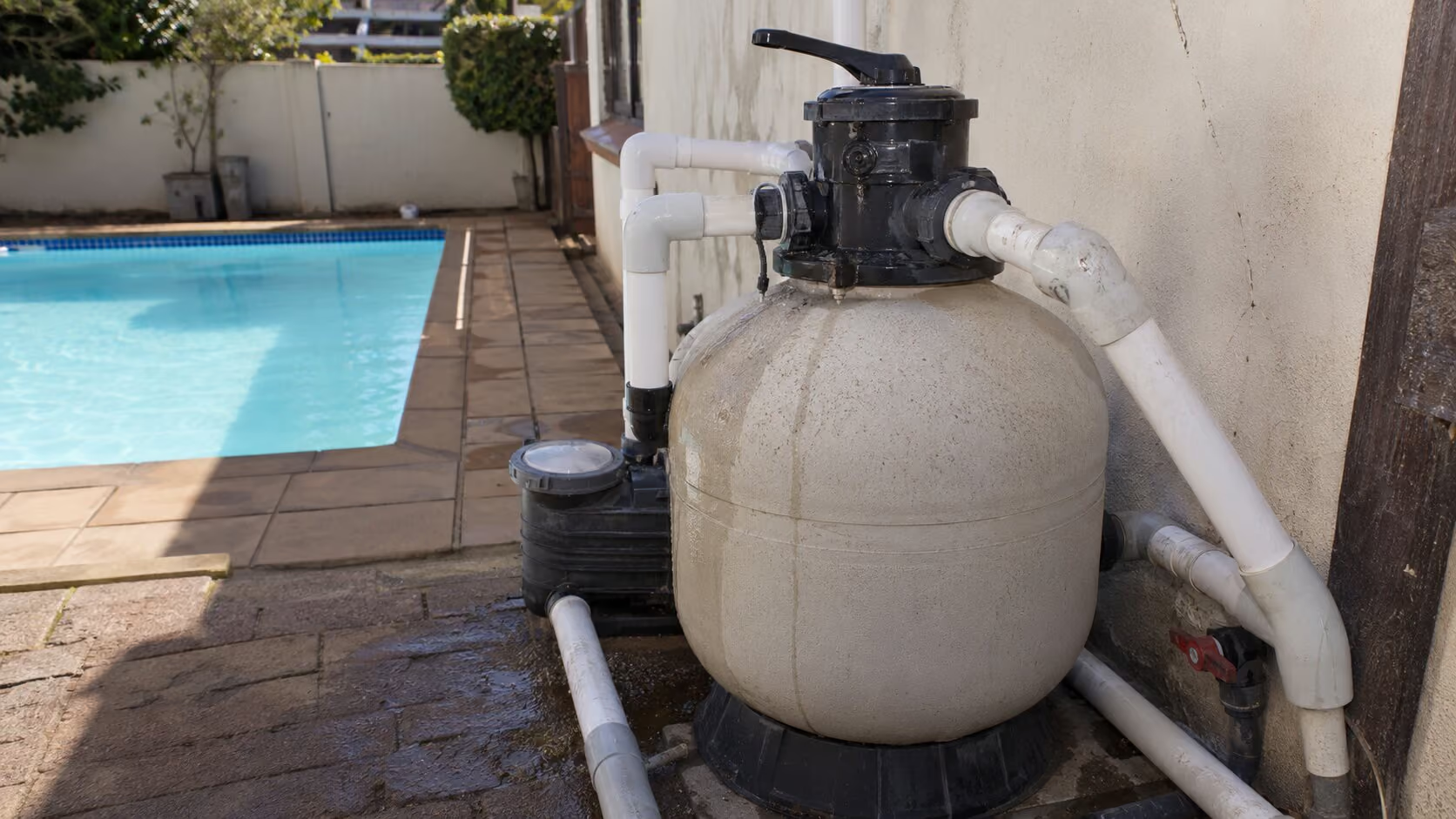
Sand filters use a bed of specially graded filter sand (or glass media) to trap particles as water passes through. When the filter becomes loaded with debris, pressure rises and you backwash, reversing the flow to flush waste out to drain.
- Filtration size: Typically captures particles down to around 20-40 microns
- Maintenance: Backwash when pressure rises; replace sand every 5-7 years
- Best for: Most residential pools; straightforward, reliable operation
Cartridge Filters
Cartridge filters use a pleated polyester element to trap particles. There is no backwashing, instead, you remove the cartridge and rinse it with a hose. Cartridges are replaced periodically rather than cleaned indefinitely.
- Filtration size: Typically captures particles down to around 10-15 microns
- Maintenance: Rinse cartridge every 4-6 weeks depending on load; replace cartridge as needed
- Best for: Smaller pools, above-ground pools, or where water conservation matters (no backwash waste)
Diatomaceous Earth (DE) Filters
DE filters use a fine powder made from fossilised algae (diatomaceous earth) coated onto internal grids. This provides the finest filtration of the three types. DE filters require recharging with fresh DE powder after each backwash.
- Filtration size: Typically captures particles down to around 3-5 microns
- Maintenance: Backwash and recharge with DE powder; periodic full teardown and clean
- Best for: Pools where water clarity is a priority; owners comfortable with more involved maintenance
---
Comparing the Three Types
Filtration Quality
DE filters provide the finest filtration, followed by cartridge filters, then sand filters. In practice, a well-maintained sand filter keeps most residential pools clear and healthy. The difference in filtration quality becomes more noticeable in heavily used pools or those prone to fine algae or dust.
Maintenance Demands
- Sand: Low day-to-day effort. Backwash takes a few minutes. Sand replacement is infrequent.
- Cartridge: No backwashing, but cartridges need regular rinsing and eventual replacement. More hands-on than sand.
- DE: Highest maintenance. Backwashing, recharging with DE powder, and periodic deep cleans are all required.
Water Usage
Sand and DE filters both backwash to waste, using water each time. Cartridge filters use no backwash water, which can matter during water restrictions or for owners conscious of water use.
Running Costs
Sand filters have low ongoing costs, sand is inexpensive and lasts years. Cartridge filters have moderate costs from cartridge replacement. DE filters have ongoing costs from DE powder and more frequent servicing.
Space and Installation
Sand filters are bulkier than cartridge filters of equivalent flow rate. If your equipment area is tight, a cartridge filter may be a better fit. DE filters are similar in size to sand filters.
---
Sizing Your Filter
Filter sizing matters as much as filter type. An undersized filter works too hard, clogs quickly and struggles to keep water clear. An oversized filter costs more than necessary.
Filters are rated by flow rate (litres per minute or cubic metres per hour) and by the volume of water they can handle. The key is matching the filter's flow rate to your pump's output and your pool's volume.
As a general principle, your filtration system should be able to turn over your pool's full water volume within 6-8 hours. A pool technician can confirm the right sizing for your specific setup.
If you are unsure what size filter your pool needs, it is worth getting advice before purchasing. An incorrectly sized filter is a common and avoidable mistake.
---
What to Consider Before You Buy
Pool Size and Volume
Larger pools need higher-capacity filters. Check the filter's rated flow rate against your pool volume and pump output.
Bather Load
A pool used frequently by multiple people produces more debris and organic load. Higher bather loads favour larger filters or finer filtration.
Your Maintenance Preference
Be honest about how much time you want to spend on filter maintenance. Sand filters suit owners who want a low-effort system. Cartridge and DE filters suit those willing to do more regular hands-on work in exchange for finer filtration.
Existing Equipment
If you are replacing an existing filter, check whether your current pump, pipework and equipment pad suit the new filter type. Switching from sand to cartridge, for example, may require pipework changes.
Budget
Consider both the upfront cost and the ongoing running costs. A cheaper filter that requires frequent cartridge replacement or more servicing may cost more over time.
---
Common Mistakes When Choosing a Pool Filter
- Buying on price alone, a filter that is too small for the pool will underperform regardless of type
- Ignoring pump compatibility, filter and pump flow rates need to be matched
- Underestimating maintenance commitment, DE and cartridge filters require more regular attention than sand
- Skipping professional advice, a pool technician can assess your specific pool and recommend the right size and type
---
When to Get Professional Advice
If you are replacing an existing filter, installing a new system, or unsure what size your pool needs, it is worth talking to a pool specialist before buying. Getting the filter type and size right from the start avoids problems down the track.
Sparkling Pools can advise on filter selection, supply and installation for residential pools across Auckland. If your current filter is underperforming, high pressure, poor water clarity, or frequent clogging, a technician can diagnose whether the filter itself is the issue or whether something else in the system needs attention.
Pool resurfacing solutions
Restore your pool with durable plaster finishes

Work completed
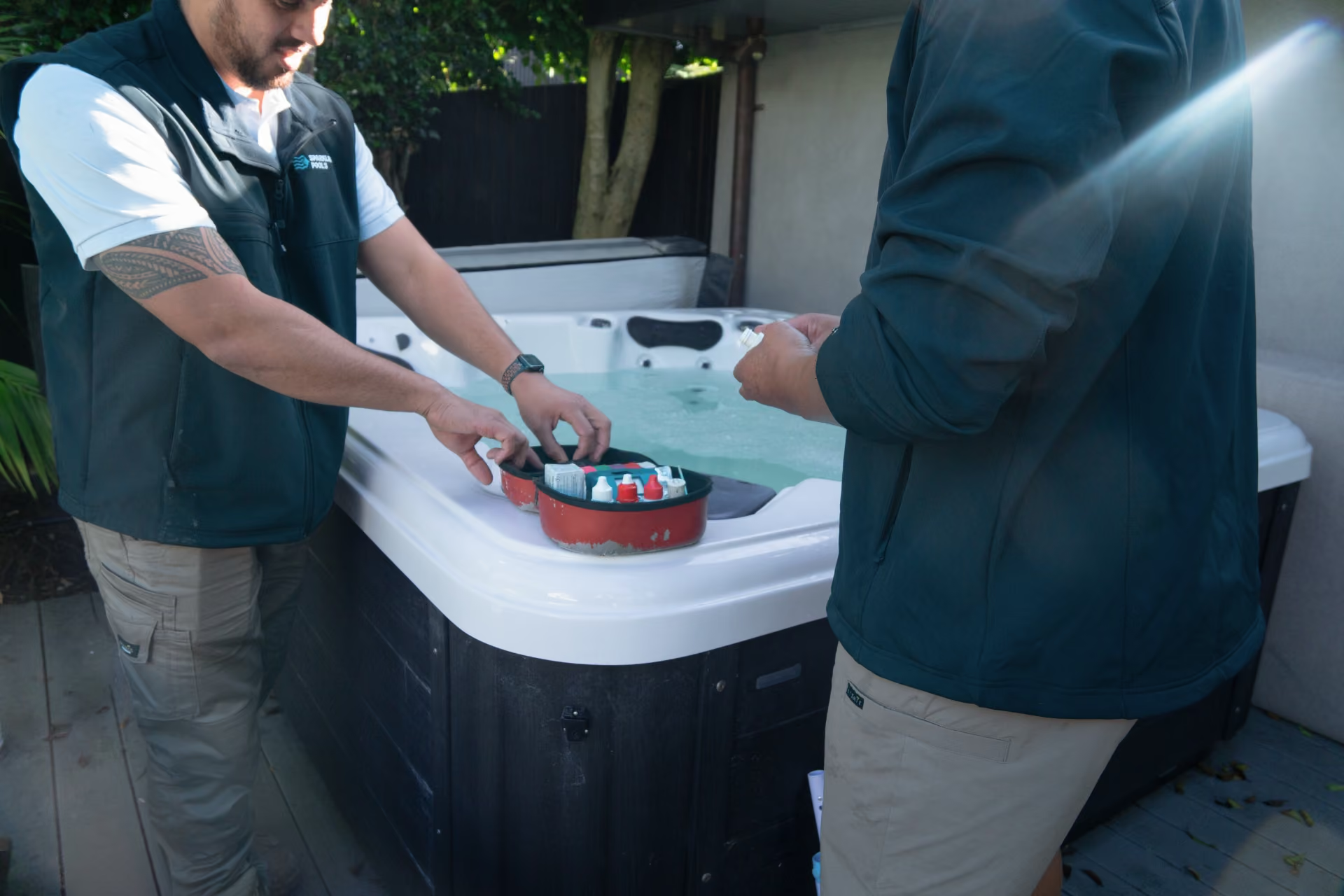
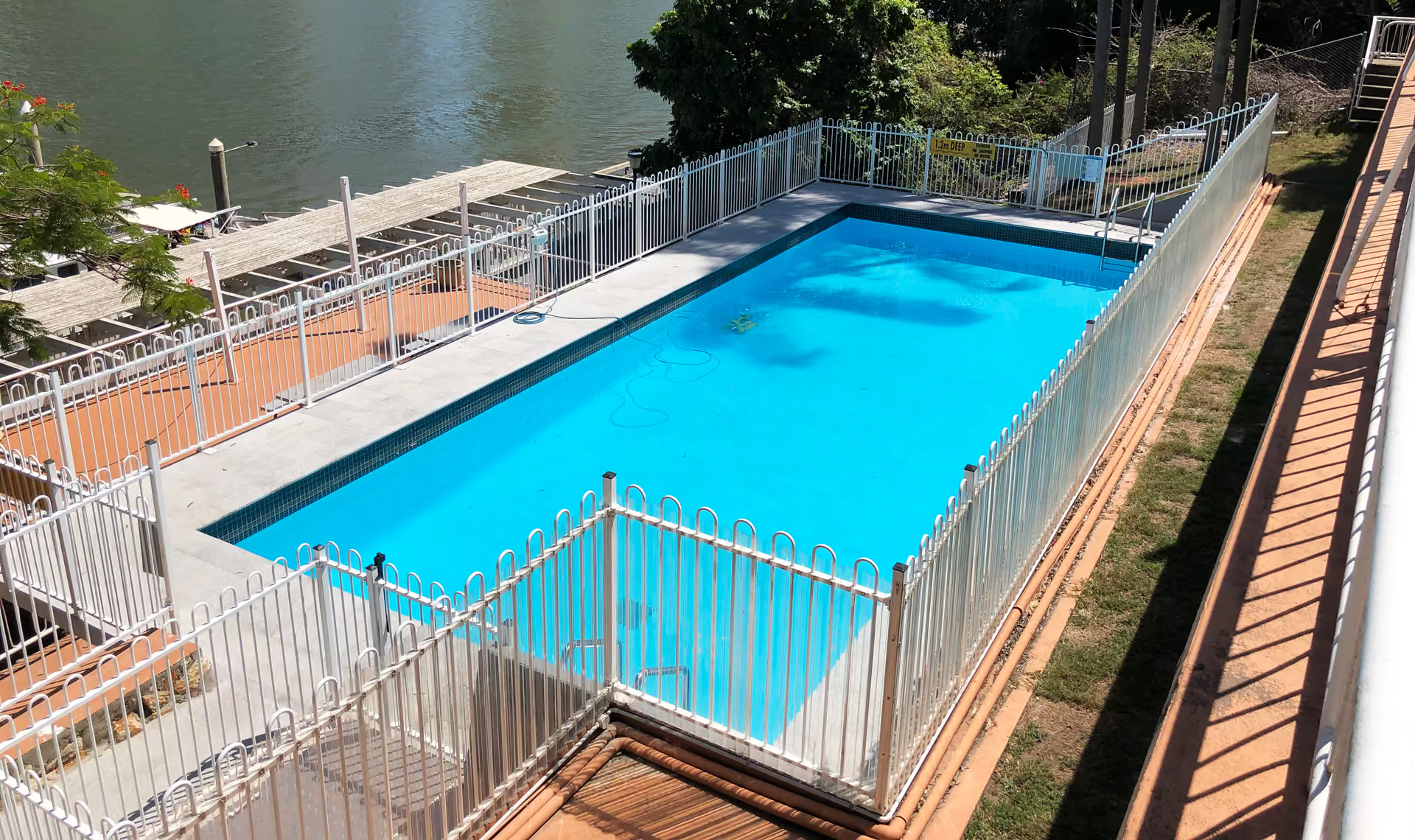
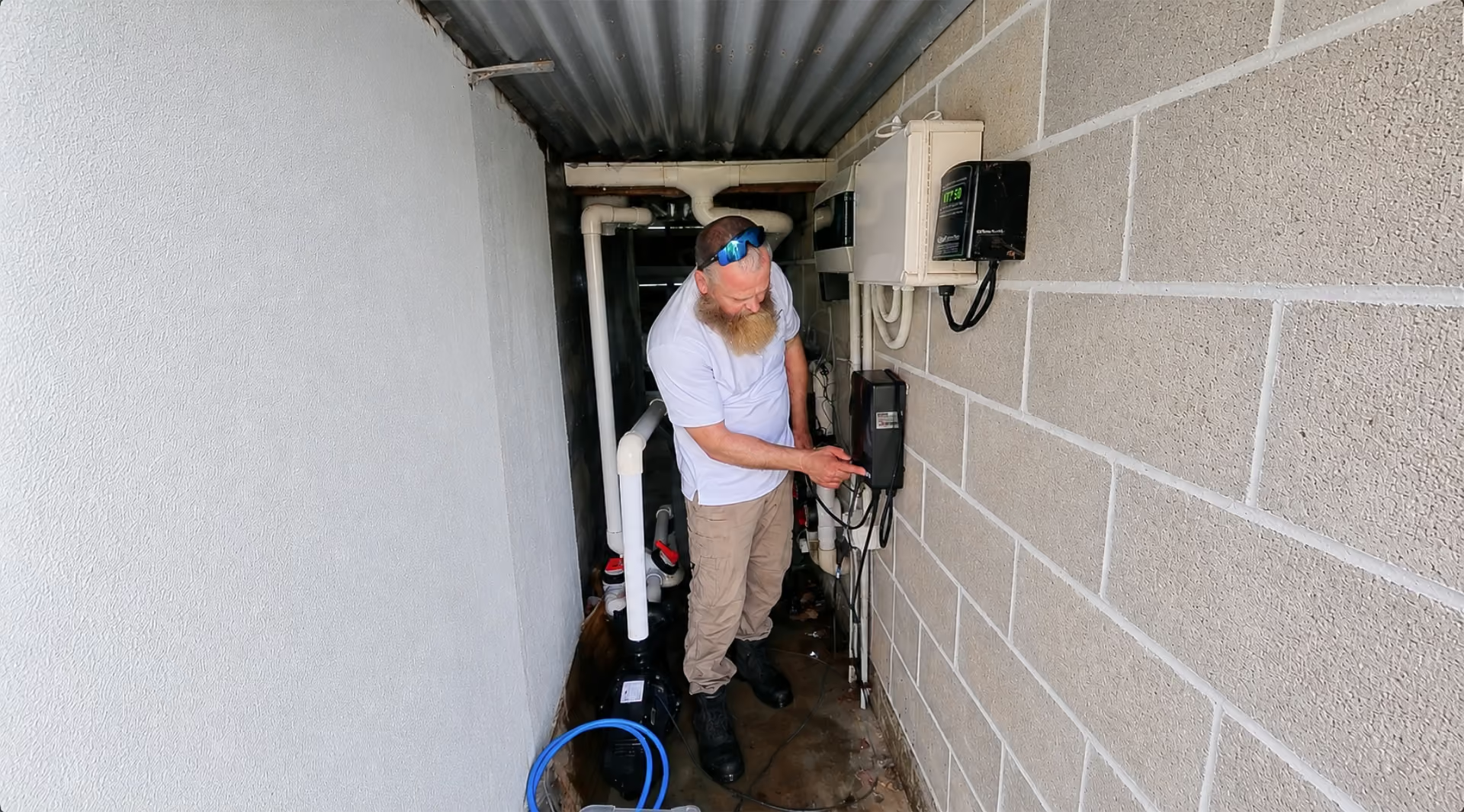
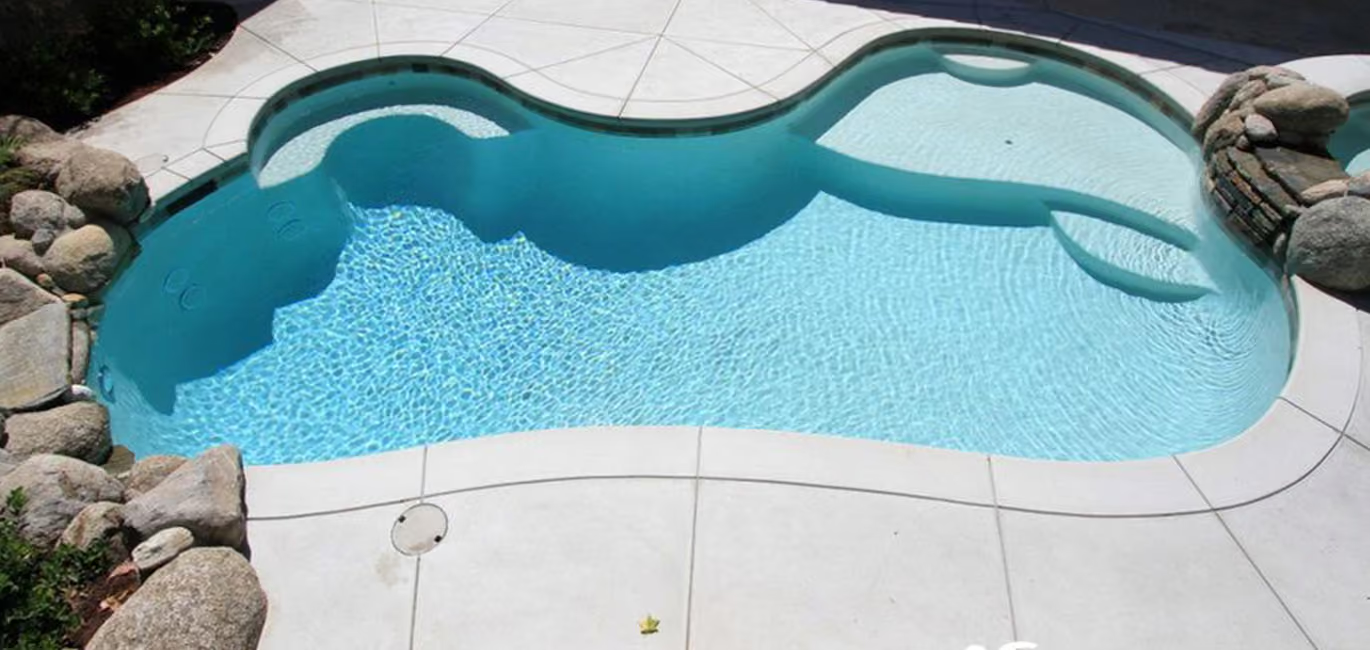
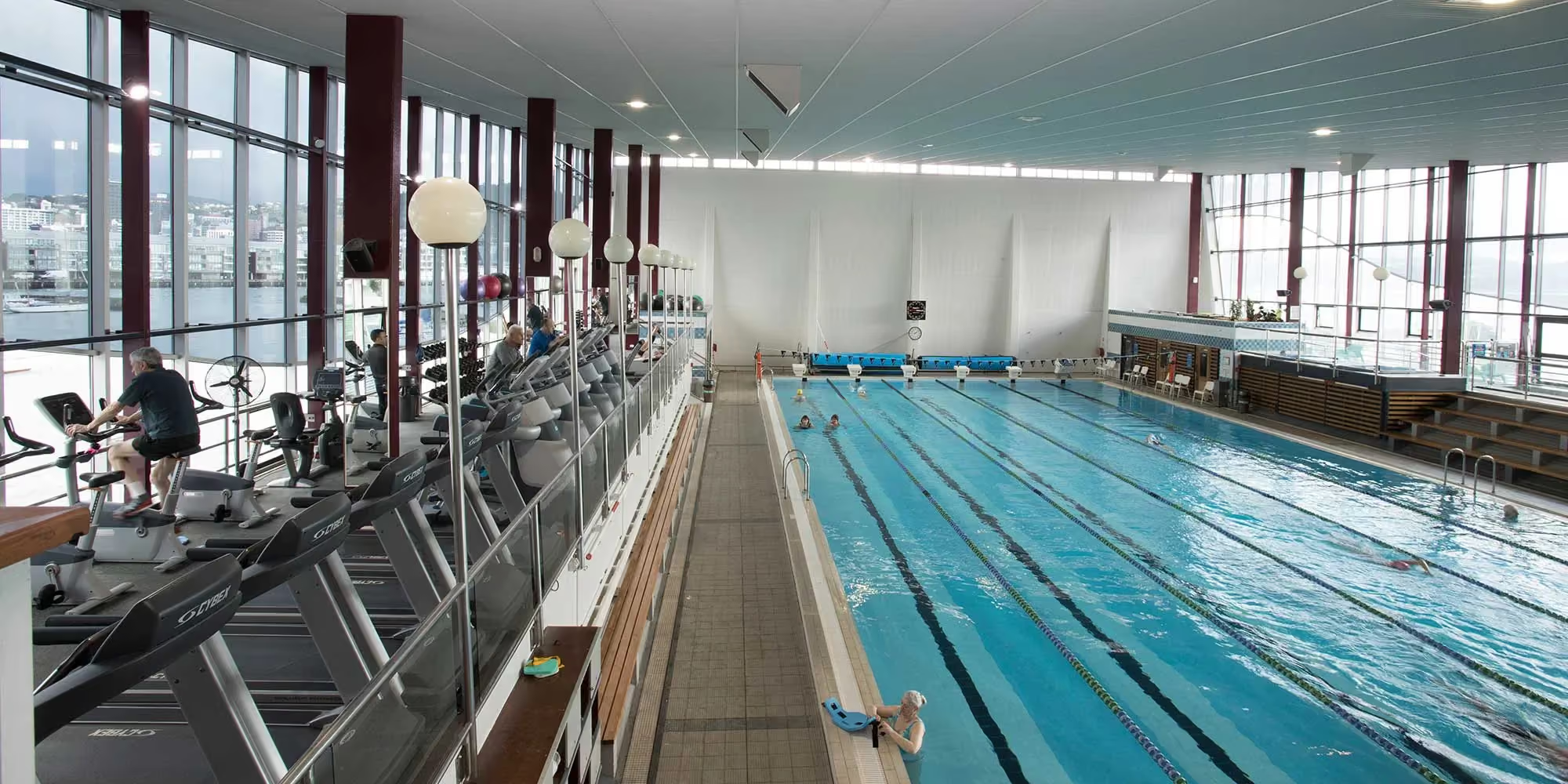
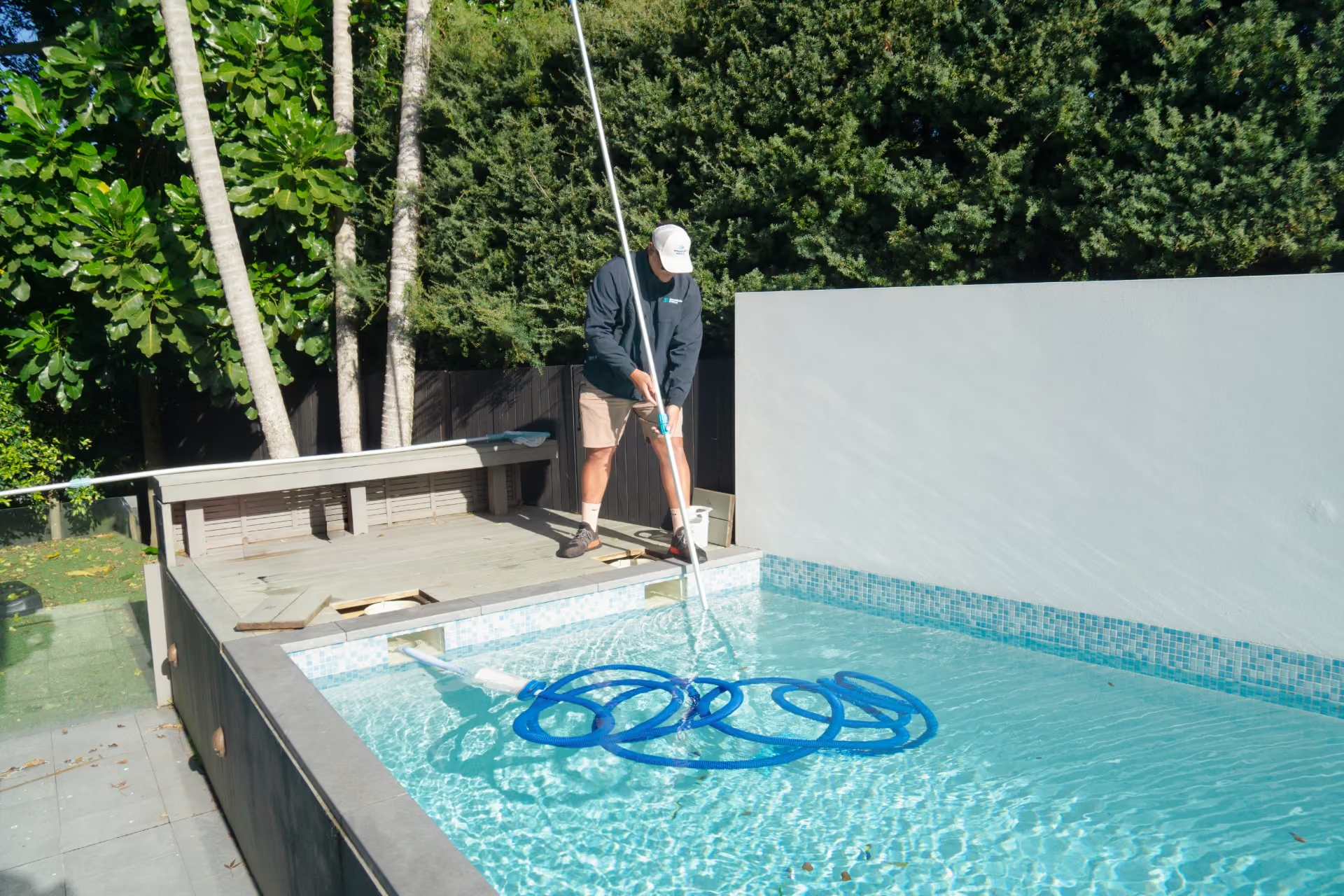
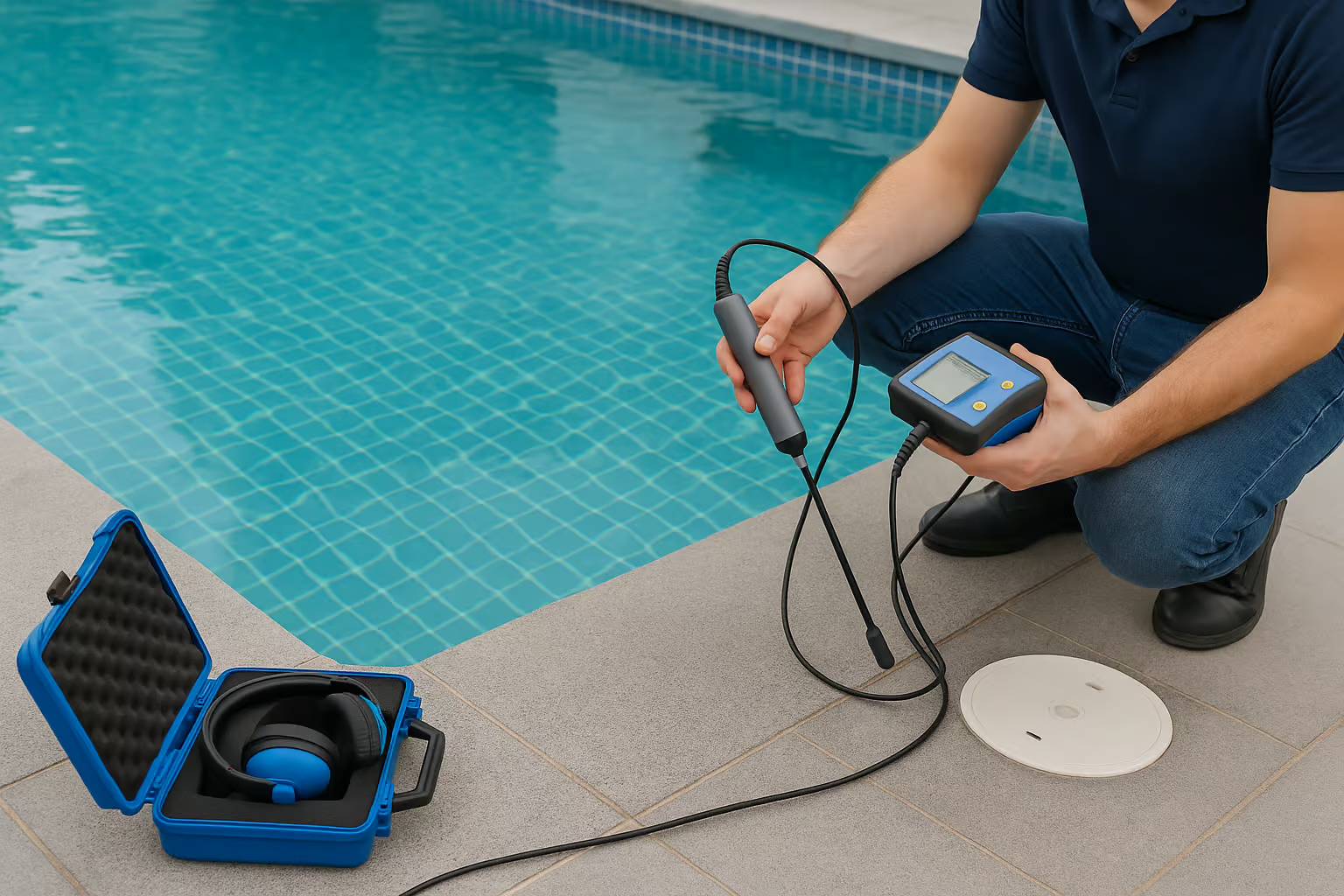
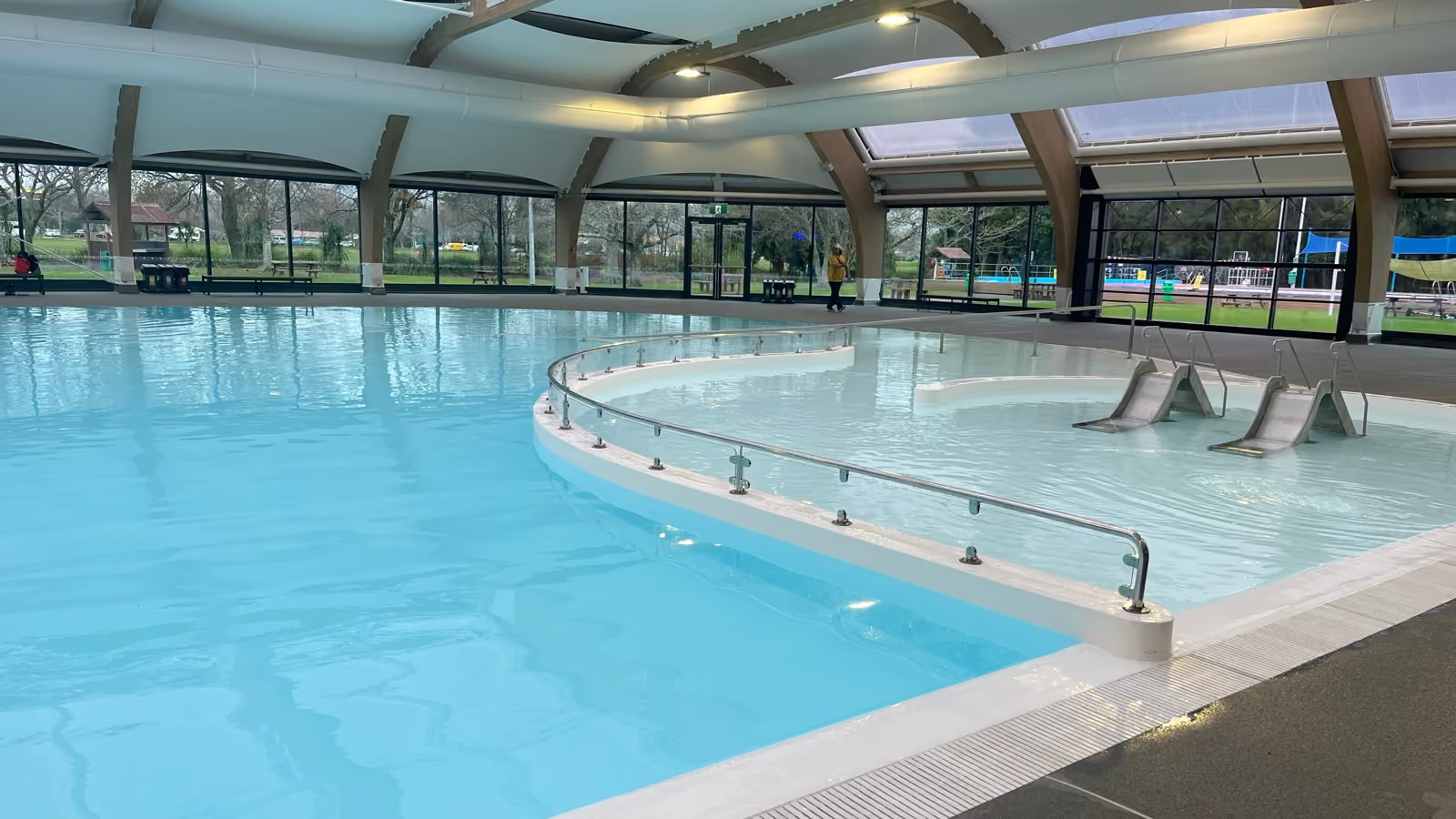
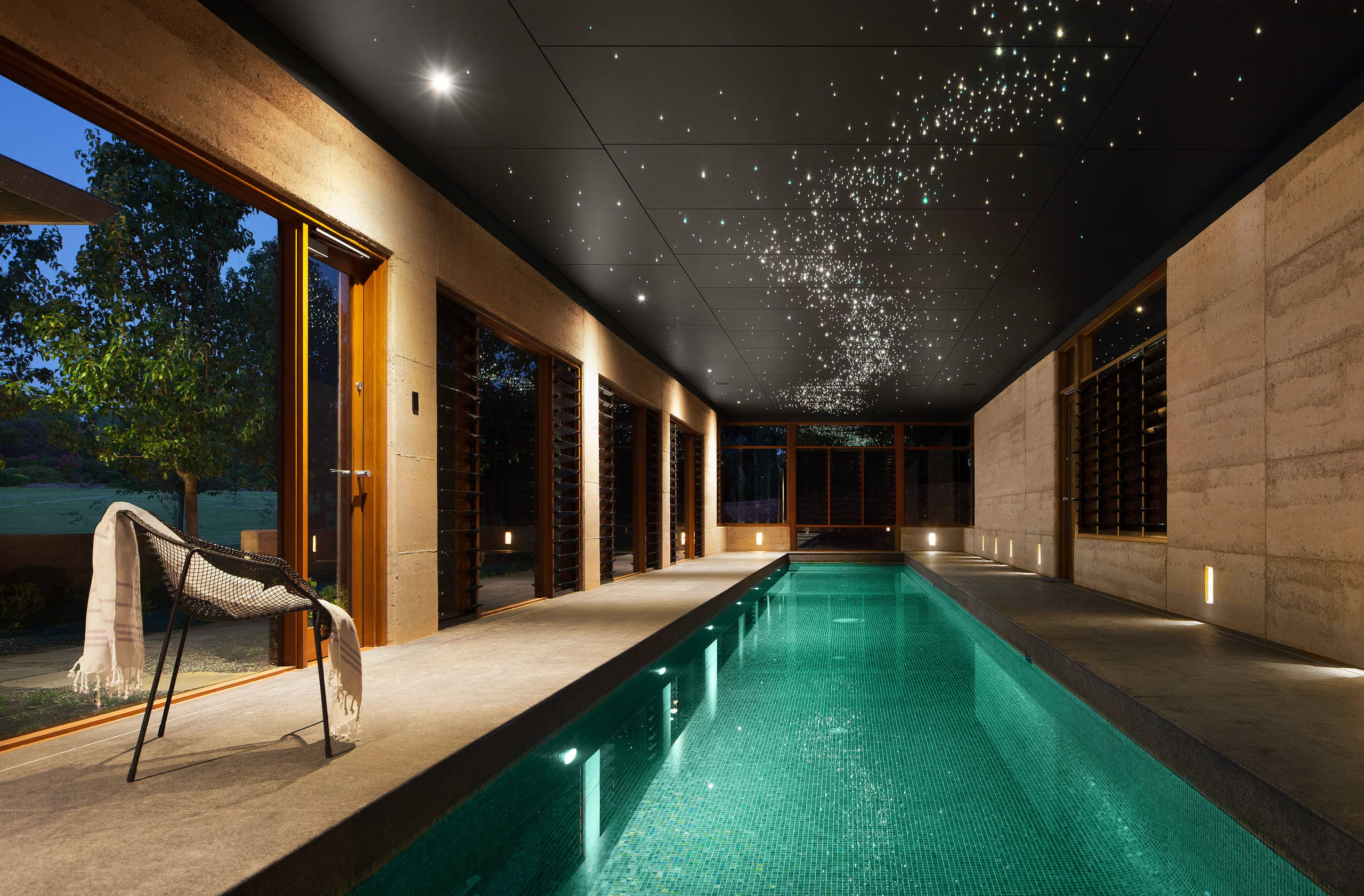
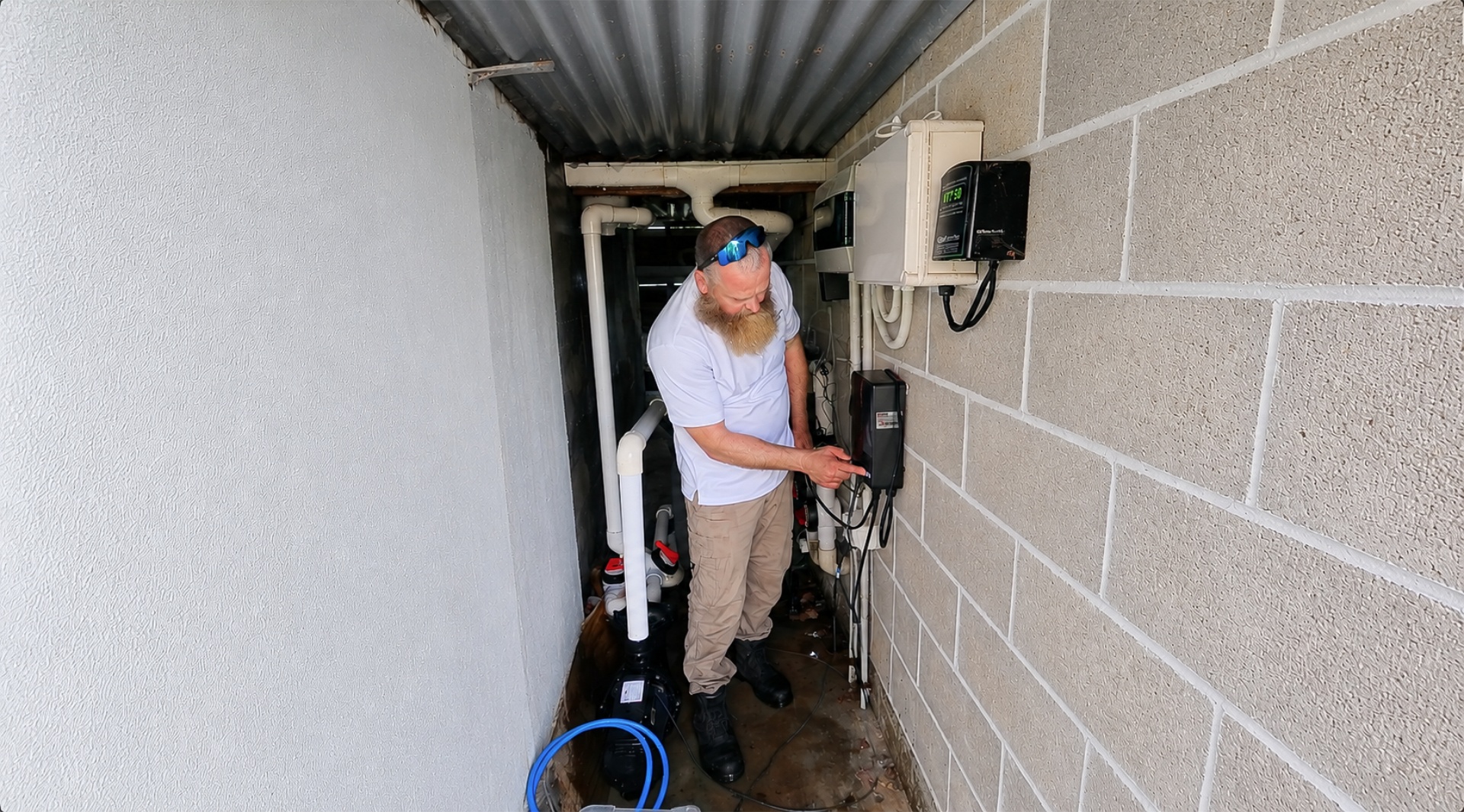
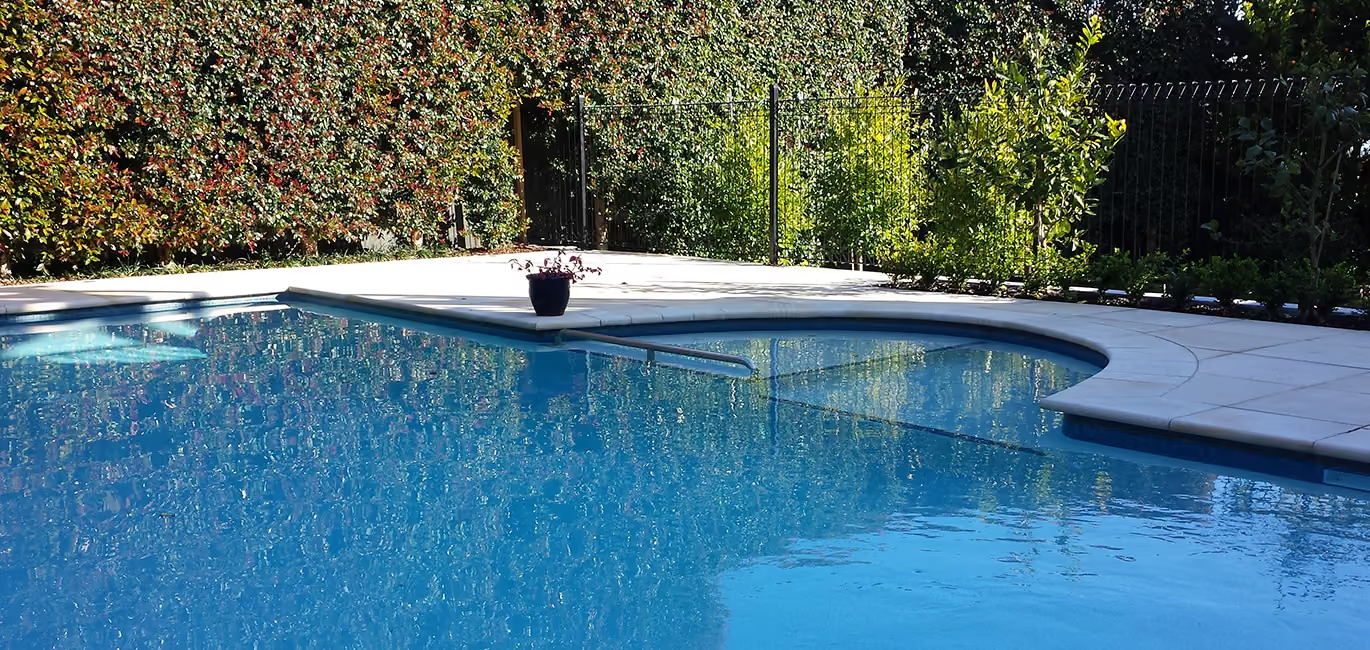
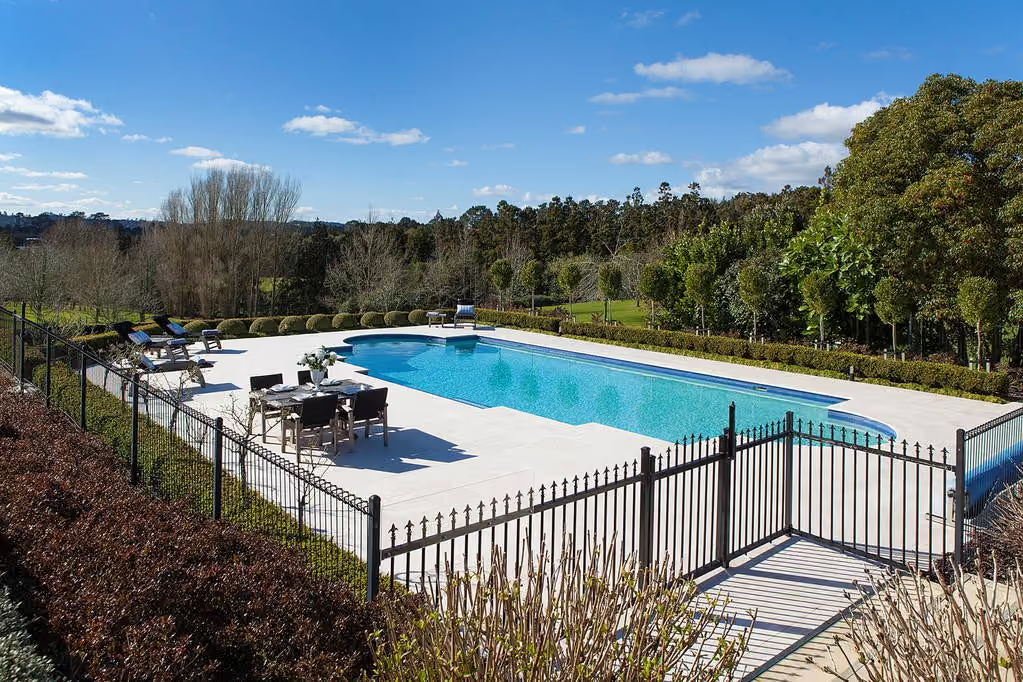
Sparkling Pools has worked on pools across Auckland, including residential renovation projects, equipment upgrades, ongoing maintenance and pool care for managed properties. Past projects show how the right approach can improve presentation, water quality and day-to-day usability. A well-maintained pool is easier to manage, more pleasant to use and better prepared for seasonal changes.
Trusted by Homeowners Across Auckland
Don't just take our word for it. Read what our clients have to say about our transparent communication, reliable service, and stunning pool transformations.
Related Blog Posts
Stay informed on pool care and renovations
Winter pool care essentials for Auckland
Pool Renovation Mistakes
Auckland Climate Pool Maintenance
Choosing Renovation Contractor
Pool Care Auckland Summer
Permits & Consents
Pool Renovation ROI
How Often to Test Pool Water
Pool Renovation Costs
Cost of Pool Service Auckland
Pool Renovation Planning Guide
Pool Lighting Buying Guide
Pool Cleaner Buying Guide
Pool Automation Buying Guide
Pool Heater Buying Guide
Pool Filter Buying Guide
Pool Pump Buying Guide
Best Equipment Auckland Climate
Auckland Water Quality
Auckland Pool Season
Pool Ownership Costs
Common Pool Mistakes
Pool Safety Laws
Pool Inspection Requirements
Pool Fence Compliance
.avif)
Auckland Pool Industry Trends
Auckland Pool Regulations
Pool Equipment Suppliers
Best Pool Service Areas
Pool Service Pricing Analysis
Company vs Independent
Best Pool Surface Materials
Pool Resurfacing Options
Pebble vs Plaster Surfaces
One-Time vs Ongoing Service
Full Service vs Chemicals Only
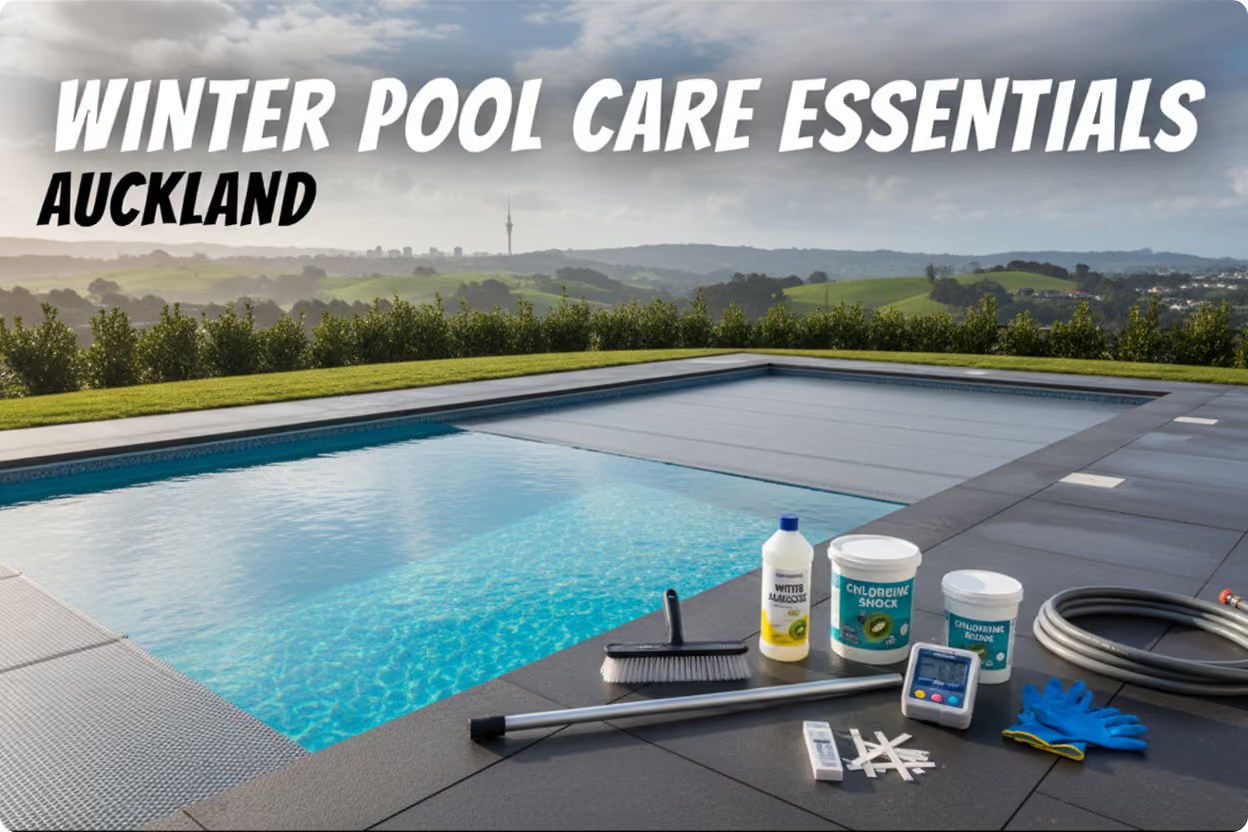
Pool Cover Types
Robotic vs Suction Cleaners
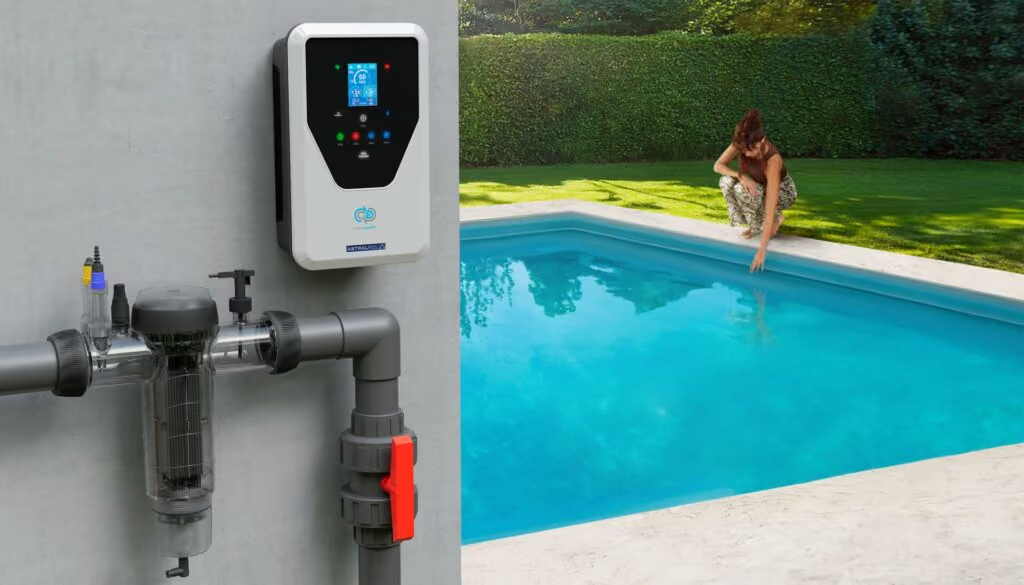
Mineral vs Saltwater
Gas vs Heat Pump
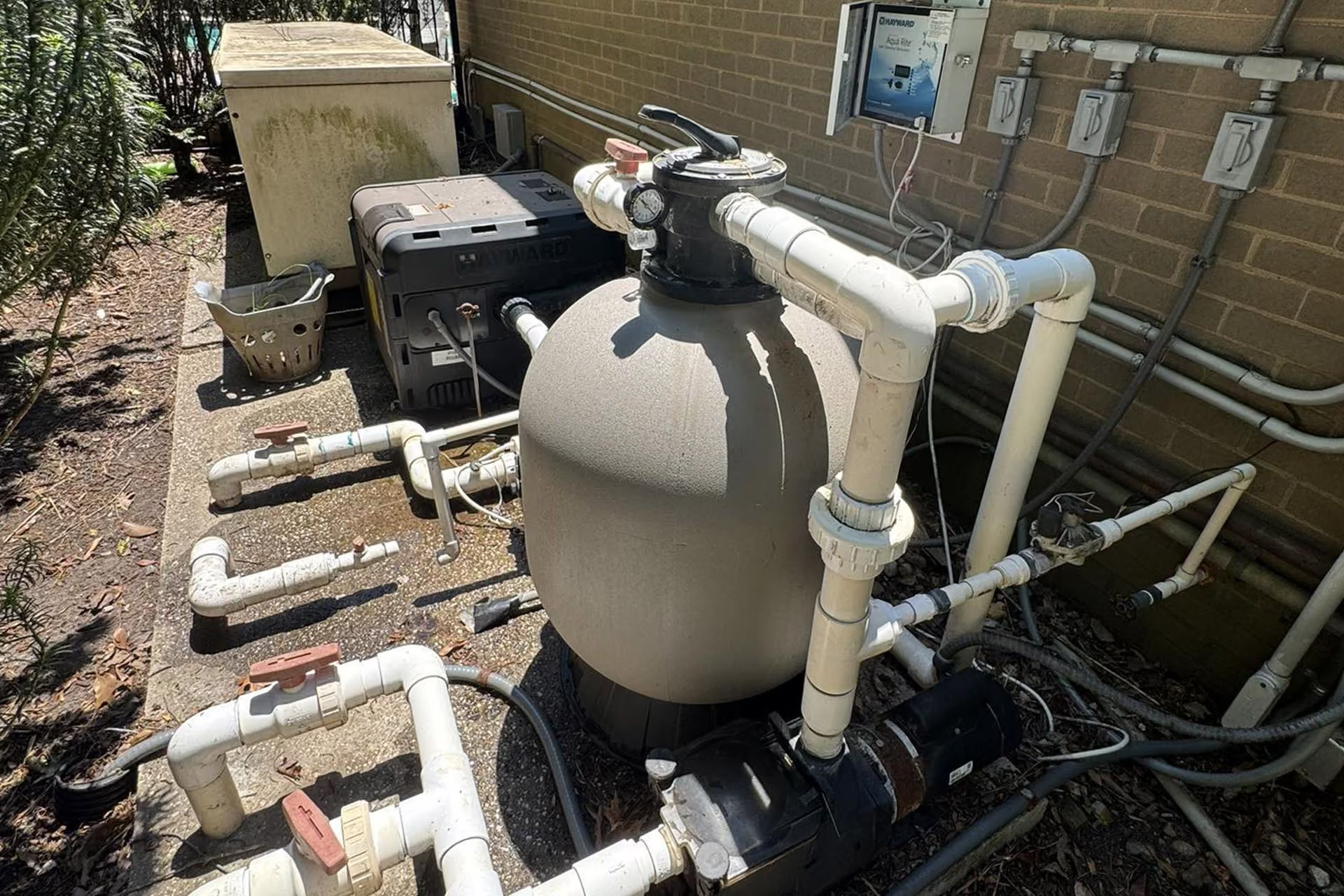
Pool Heater Types
Pool Winterizing Guide Auckland
Pool Opening Guide Summer
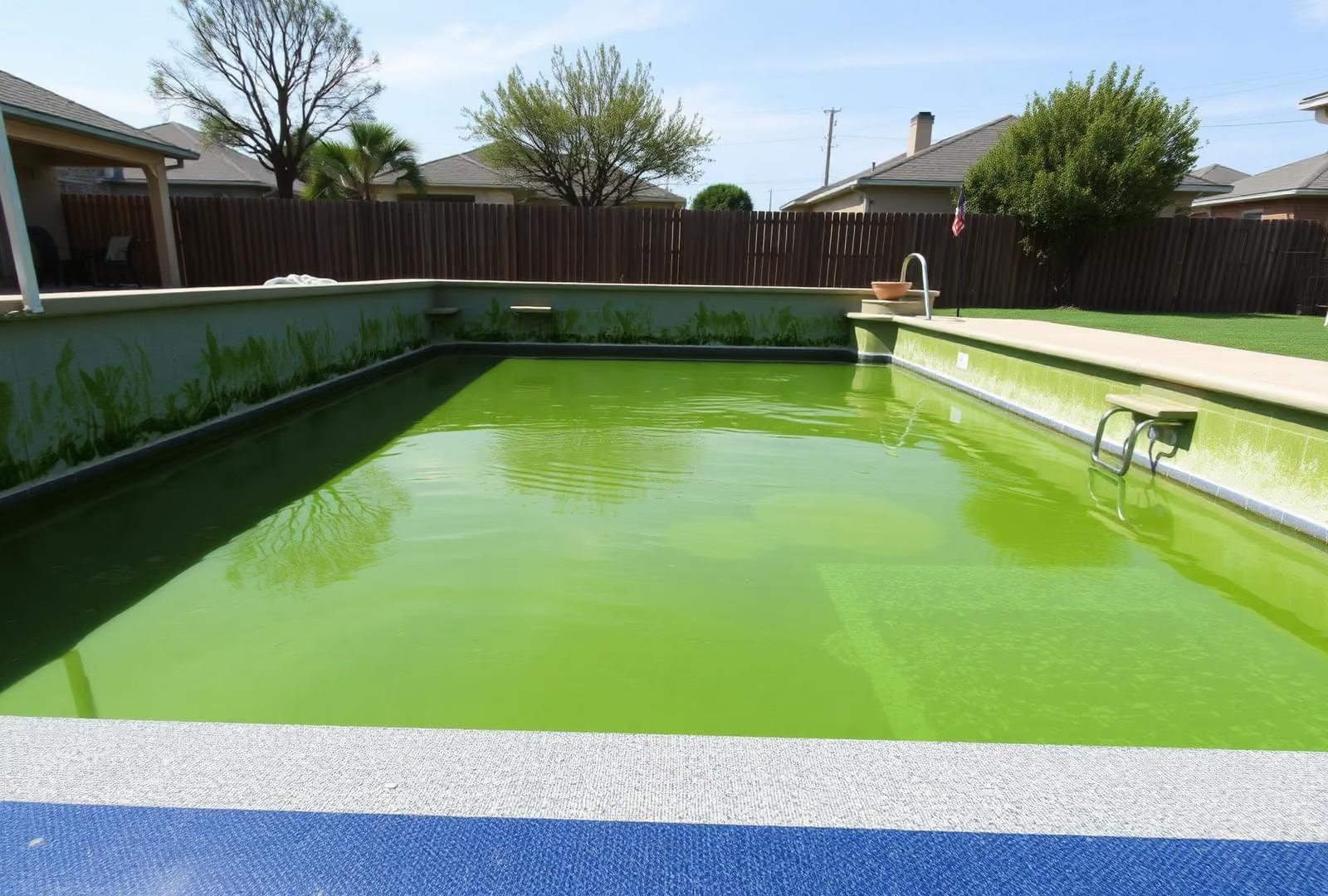
Pool Maintenance After Heavy Rain
Pool Maintenance Schedule
How Often to Run Pool Filter
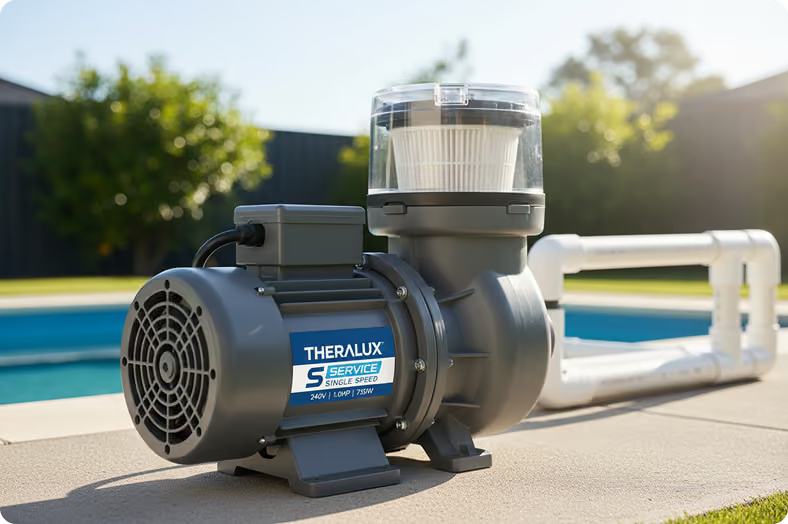
Pool Pump Maintenance Schedule
Pool Filter Cartridge Cleaning
Pool Equipment Maintenance Checklist
Pool Waterline Cleaning
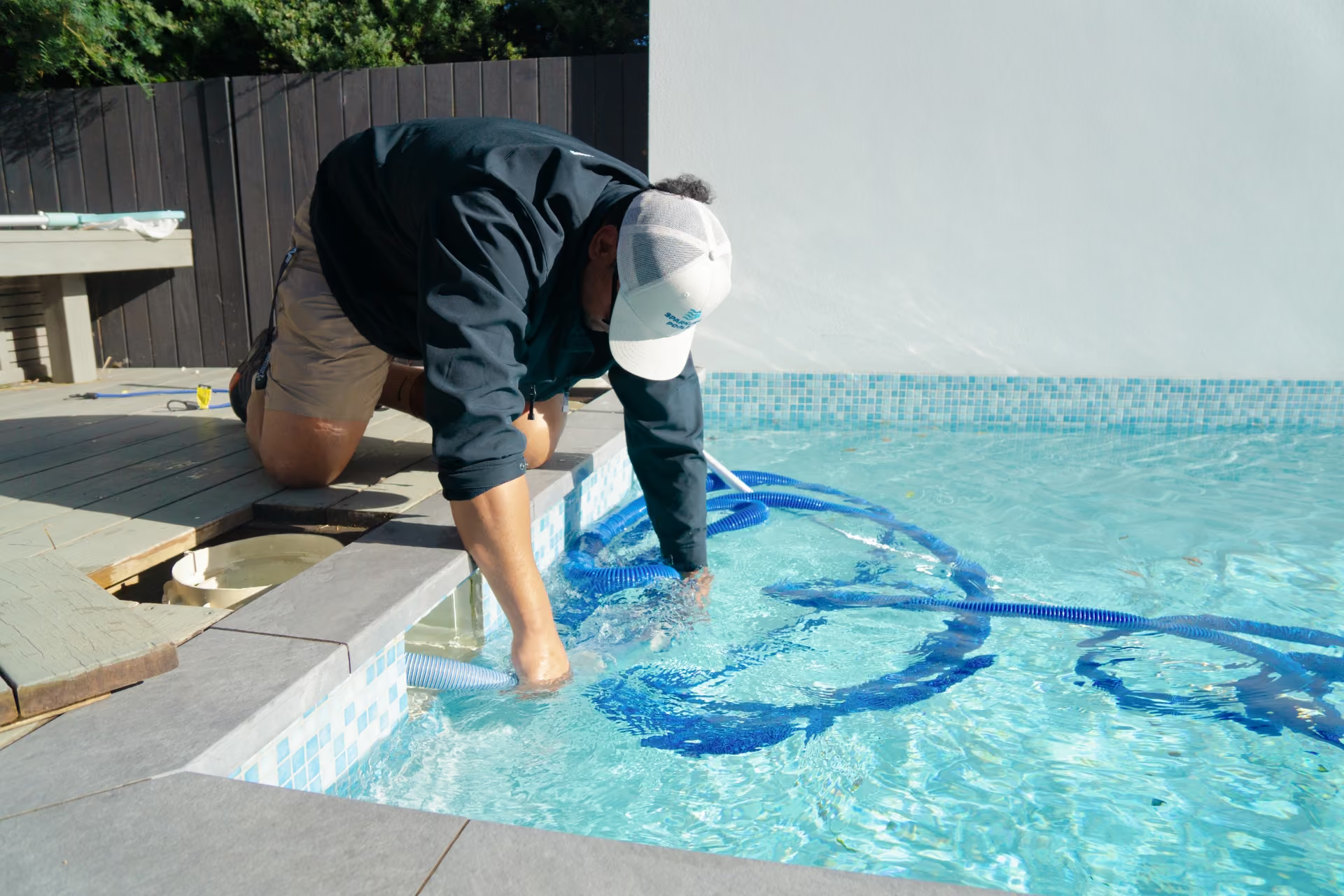
Pool Skimmer Basket Cleaning
Pool Chlorine Levels
How Often Clean Pool Filter
How to Vacuum Pool
Pool Brushing Technique
Pool Chemical Dosing Chart
Pool Water Chemistry Basics
How to Balance Pool Chemistry
How to Test Pool Water
Pool Maintenance Tips
Complete Pool Maintenance Guide
Pool Service ROI
Pool Equipment Buy or Service
Pool Maintenance Time Requirements
DIY vs Professional
Pool Service Contract
Pool Service vs Pool Valet
Is Pool Service Worth It
Pool Service Guarantees
Pool Service Reviews
Pool Service Red Flags
Questions to Ask Pool Companies
How to Choose Pool Service Company
Hidden Costs DIY Maintenance
Pool Cleaning Prices Auckland
Cost of Pool Resurfacing
Cost of Pool Pump Replacement
Cost to Fix Green Pool
Pool Liner Wrinkles
Pool Cracks When to Worry
Pool Surface Stains
Pool Valve Leaking
Pool Automation Not Working
Pool Light Not Working
Pool Heater Not Heating
Pool Skimmer Not Working
High Pool Filter Pressure
Pool Losing Water
Pool Filter Not Clearing Water
Pool Pump Leaking
Pool Pump Not Pumping
Pool Pump Losing Prime
Pool Pump Noisy
Pool Pump Not Working
Pool Water Foaming
Pool pH Too Low
Pool pH Too High
Green Pool After Rain
Pool Still Green After Shock
Pool Water Cloudy
How to Clear a Green Pool
Pool Care That Protects Your Investment
Good pool care protects more than appearance. Our pool specialists support the long-term condition of your swimming pool while keeping it ready for everyday use.