Auckland Climate Pool Maintenance


Why Auckland trusts our pool service expertise
Auckland's subtropical climate means pool maintenance is a year-round responsibility, not just a summer task. The combination of warm temperatures, high UV, year-round rainfall, and mild winters creates conditions that affect pool chemistry in every season.
Understanding how each season affects your pool helps you stay ahead of problems rather than reacting to them. The points below summarise the most important things Auckland pool owners need to know.
What you'll learn
Why Auckland's Climate Makes Pool Maintenance Different
Auckland sits in a subtropical zone. That means warm, humid summers, mild winters, and rainfall spread across the whole year. For pool owners, this creates a maintenance environment that doesn't follow the same seasonal rules as cooler parts of New Zealand.
Pools in Auckland rarely get a true winter shutdown. The water stays warm enough for algae to grow year-round. UV exposure is high in summer. Rain events can dilute and unbalance pool chemistry quickly. Understanding how the local climate affects your pool is the first step to keeping it in good condition without constantly chasing problems.
---
Summer: Heat, UV and Algae Pressure
Why summer is the hardest season for pool chemistry
Auckland summers bring sustained warmth and strong UV radiation. Both of these put pressure on pool water chemistry in specific ways.
High water temperatures accelerate the growth of algae and bacteria. Warmer water also means chlorine burns off faster, the same dose that kept your pool clear in spring may not be enough by January. UV from sunlight breaks down free chlorine directly, especially in pools without a stabiliser (cyanuric acid) to slow that process.
The result: pools that look fine on Monday can turn cloudy or green by the weekend if chemistry isn't checked regularly.
What to watch for in summer
- Chlorine demand increases, test more frequently, not less
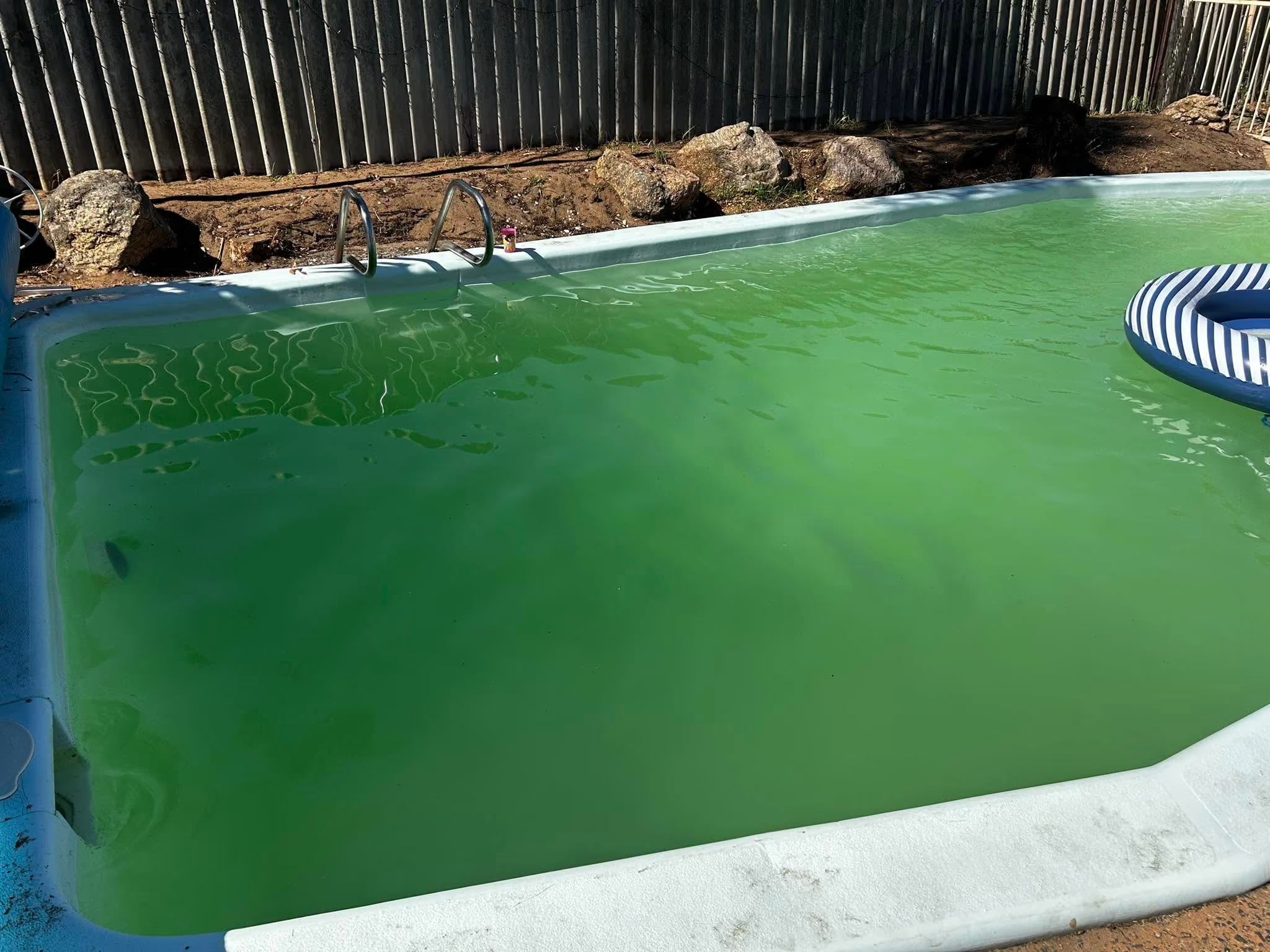
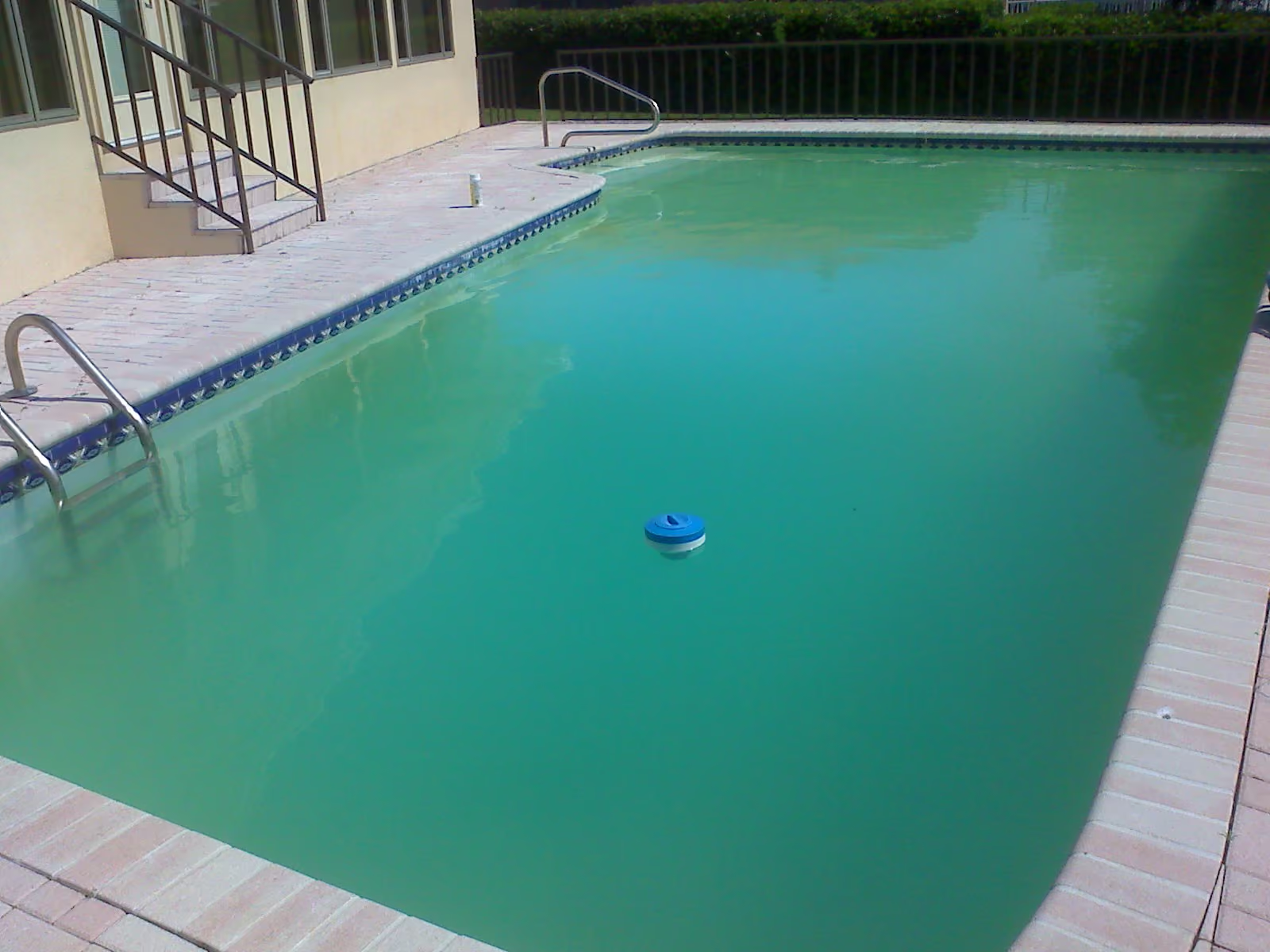
- Algae can establish quickly, green or cloudy water after a warm spell is a common sign
- pH tends to drift upward in warm water, which reduces chlorine effectiveness
- Sunscreen and body oils from heavy bather loads add to the chemical load on the water
Summer maintenance rhythm
During peak summer, water testing at least twice a week is sensible for a regularly used pool. Running the pump and filter for longer daily periods helps keep the water circulating and the sanitiser distributed evenly.
---
Autumn: Falling Leaves and Shifting Chemistry
Autumn in Auckland is mild, but it brings falling leaves and organic debris into pools. Decomposing leaves consume chlorine and can stain pool surfaces if left to sit on the floor or walls.
This is also the time when water temperature starts to drop, not dramatically, but enough to change how quickly chemical reactions occur. Algae growth slows slightly, but doesn't stop.
Autumn priorities
- Remove leaves and debris promptly, don't let them settle
- Check and clean the skimmer basket and pump basket more frequently
- Test water chemistry as temperatures shift, pH and alkalinity can move as water cools
- Inspect pool equipment before the quieter winter period
---
Winter: Auckland Pools Don't Truly Hibernate
This is where Auckland differs most from the rest of New Zealand. In Christchurch or Queenstown, a pool might sit unused and largely dormant through winter. In Auckland, water temperatures stay warm enough that algae remains a genuine risk, and the pool may still be used on warmer days.
What this means in practice
Auckland pool owners should not reduce maintenance to zero in winter. A common mistake is cutting back on testing and chemical dosing once summer ends, then discovering a green pool in September when they want to start swimming again.
A reduced winter routine still makes sense, but it is not no routine.
- Test water chemistry at least once a week, even if the pool isn't being used
- Keep the pump running for a reduced number of hours daily, enough to circulate the water
- Maintain a baseline chlorine level to prevent algae establishing
- Check equipment periodically, winter is a good time to catch issues before the busy season
Rainfall and dilution
Auckland receives rainfall throughout the year, including in winter. Heavy rain events dilute pool water, which lowers chemical concentrations. After significant rainfall, test the water and adjust chemistry accordingly. Rainwater also introduces organic material and can shift pH.
---
Spring: Getting Ready for Summer
Spring is when Auckland pool owners who have let maintenance slide through winter discover the consequences. A pool that hasn't been properly maintained can turn green quickly as water temperatures rise and UV increases.
For pools that have been kept up through winter, spring is straightforward: increase the pump run time, test chemistry more frequently, and check that all equipment is operating correctly before the heavy-use period begins.
Spring checklist
- Test and balance water chemistry, pH, alkalinity, chlorine, and stabiliser levels
- Inspect the filter and backwash or clean as needed
- Check the pump and chlorinator are operating correctly
- Clean pool surfaces and vacuum the floor
- Inspect pool surrounds, fittings, and any visible equipment for wear or damage
If the pool has turned green over winter, address the algae problem before the season starts rather than hoping it resolves itself.
---
Rainfall: The Year-Round Variable
Auckland's rainfall pattern means pool owners can't treat rain as a purely winter concern. Heavy summer storms are common, and each one affects pool chemistry.
What rain does to pool water
- Dilutes chemicals, reduces chlorine, pH adjusters, and stabiliser concentrations
- Introduces organic matter, leaves, dust, and airborne debris wash in
- Can shift pH downward, rainwater is slightly acidic
- Raises water level, which may require draining some water to maintain correct skimmer function
After any significant rainfall, test the water before the next swim. Don't assume the pool is fine because it looks clear.
---
Humidity and Evaporation
Auckland's humidity affects how quickly pool water evaporates. In hot, dry conditions evaporation is faster; in humid conditions it slows. Evaporation concentrates the chemicals remaining in the water, which can push total dissolved solids (TDS) and stabiliser levels higher over time.
Monitoring water level and topping up regularly is part of normal pool care. When topping up with mains water, be aware that the fresh water will dilute existing chemistry, test and adjust after significant top-ups.
---
When to Get Professional Help
Some situations are straightforward to manage with regular testing and basic chemistry adjustments. Others benefit from a professional assessment.
Consider contacting Sparkling Pools if:
- The pool has turned green and standard treatment hasn't resolved it within a few days
- Water chemistry keeps going out of balance despite regular adjustments
- Equipment isn't operating as expected, reduced flow, unusual noises, or a chlorinator not producing
- You're preparing to open the pool for summer and want it checked properly
- You haven't had a professional water test in some time
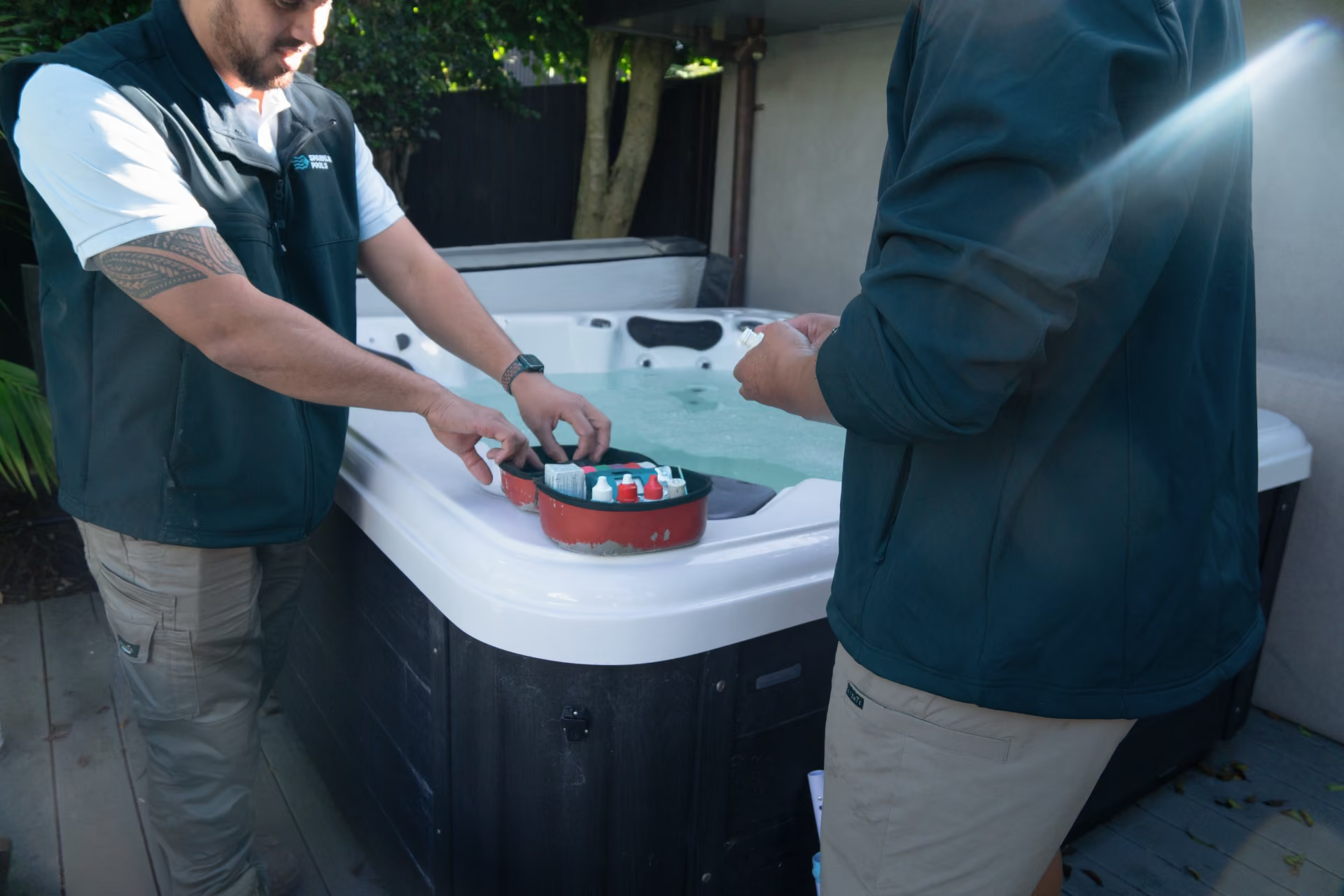
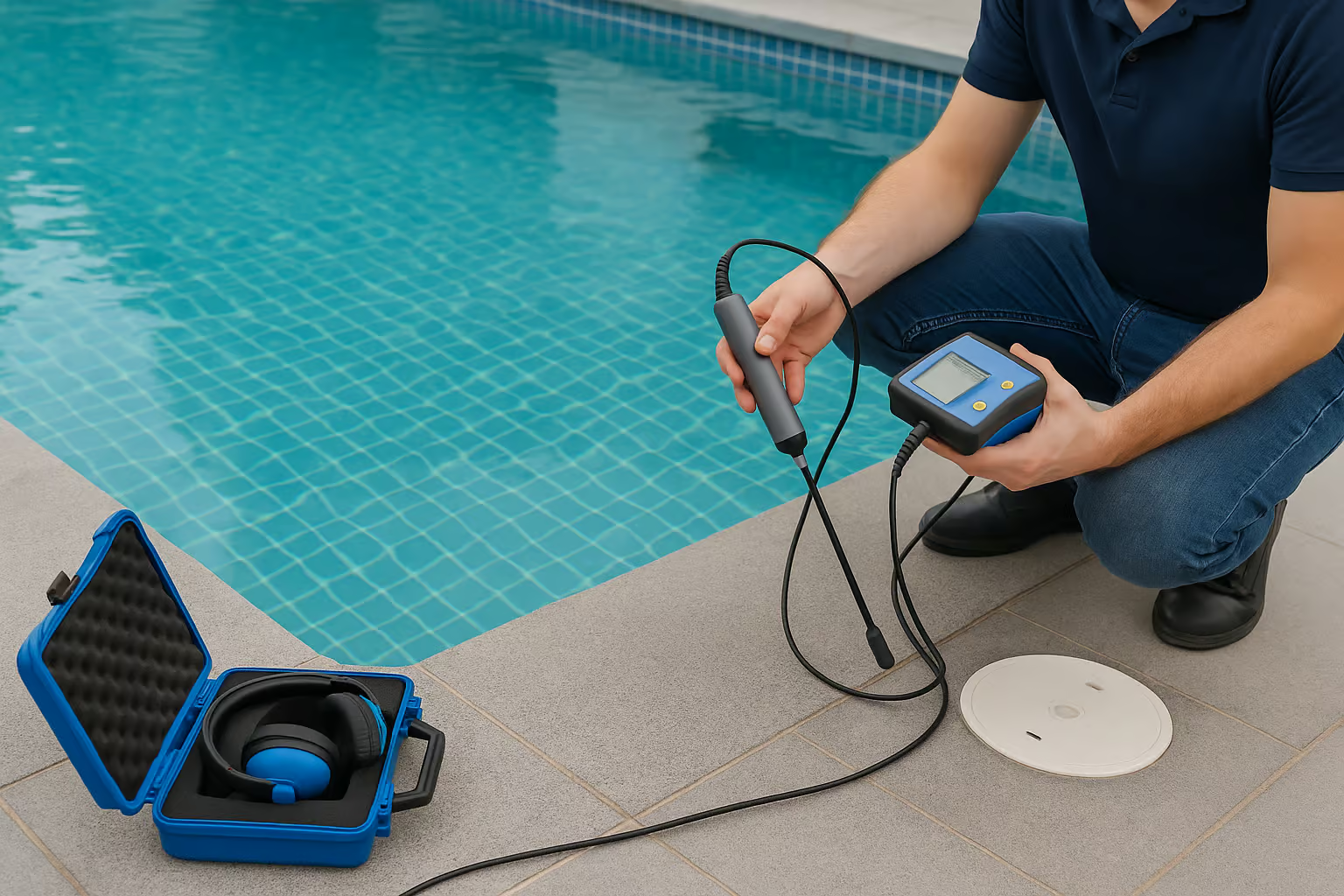
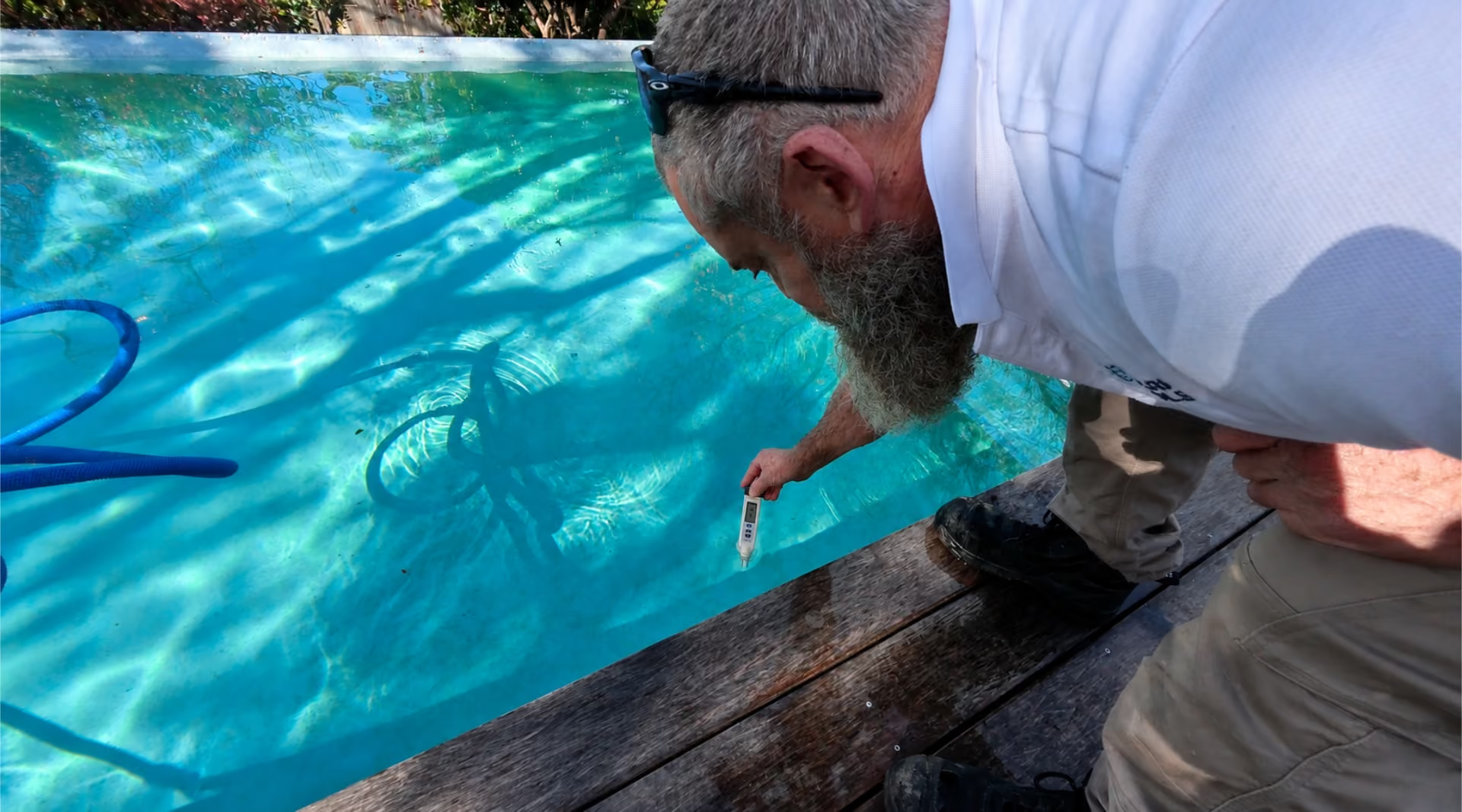
Sparkling Pools provides on-site water testing across Auckland, coming to your home to test and assess the water directly. This is more accurate than taking a sample to a shop, and it means any issues can be identified and addressed in context.
---
Keeping Up With Auckland's Year-Round Demands
The key difference for Auckland pool owners is that there is no true off-season. The climate keeps conditions active year-round, which means maintenance needs to continue year-round, adjusted for the season, but never stopped entirely.
A consistent routine, regular testing, appropriate chemical dosing, and equipment checks, is far easier to maintain than recovering a neglected pool. Sparkling Pools has been supporting Auckland pool owners since 1992 and can help with everything from routine maintenance to diagnosing persistent water quality issues.
Pool resurfacing solutions
Restore your pool with durable plaster finishes

Work completed
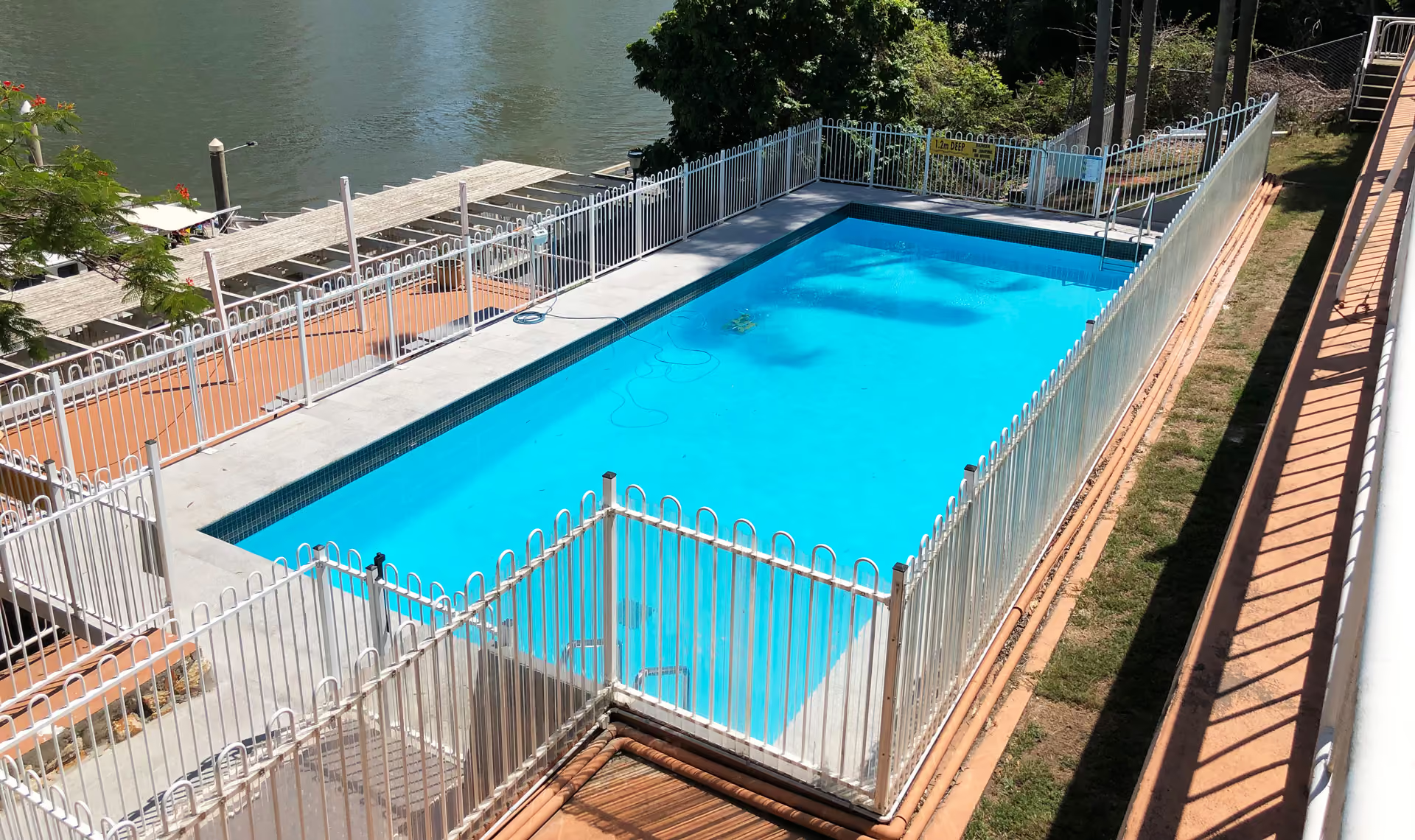
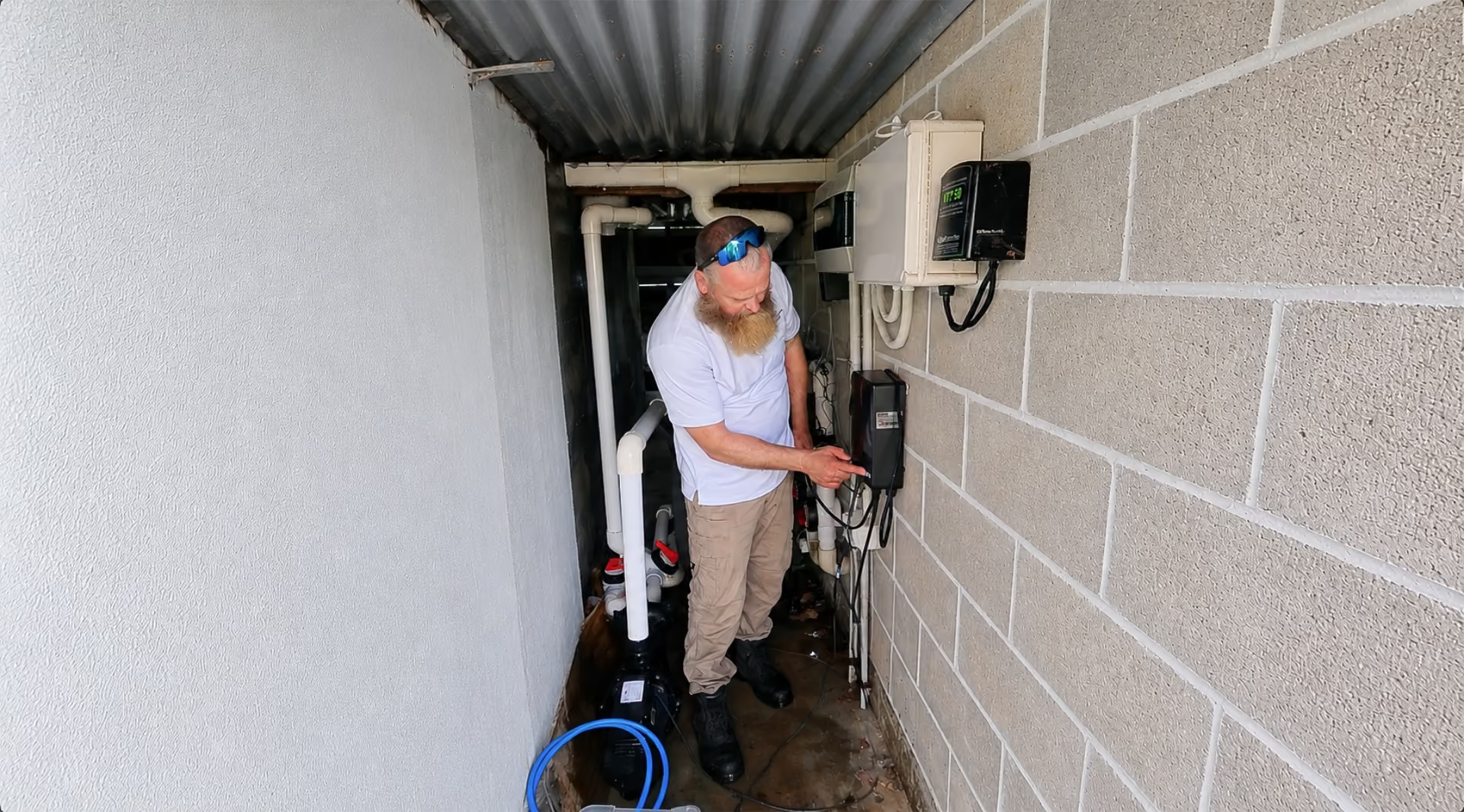
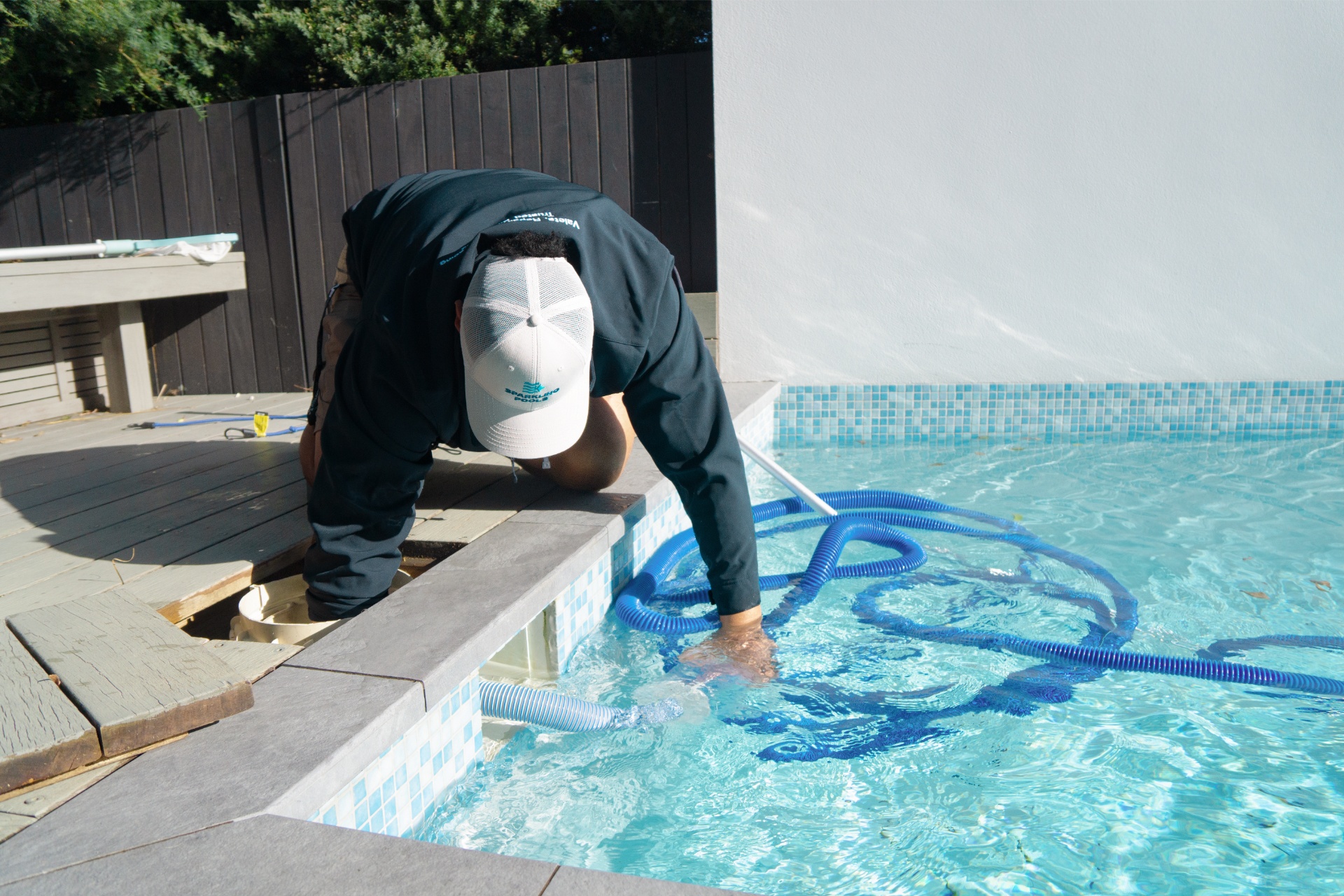
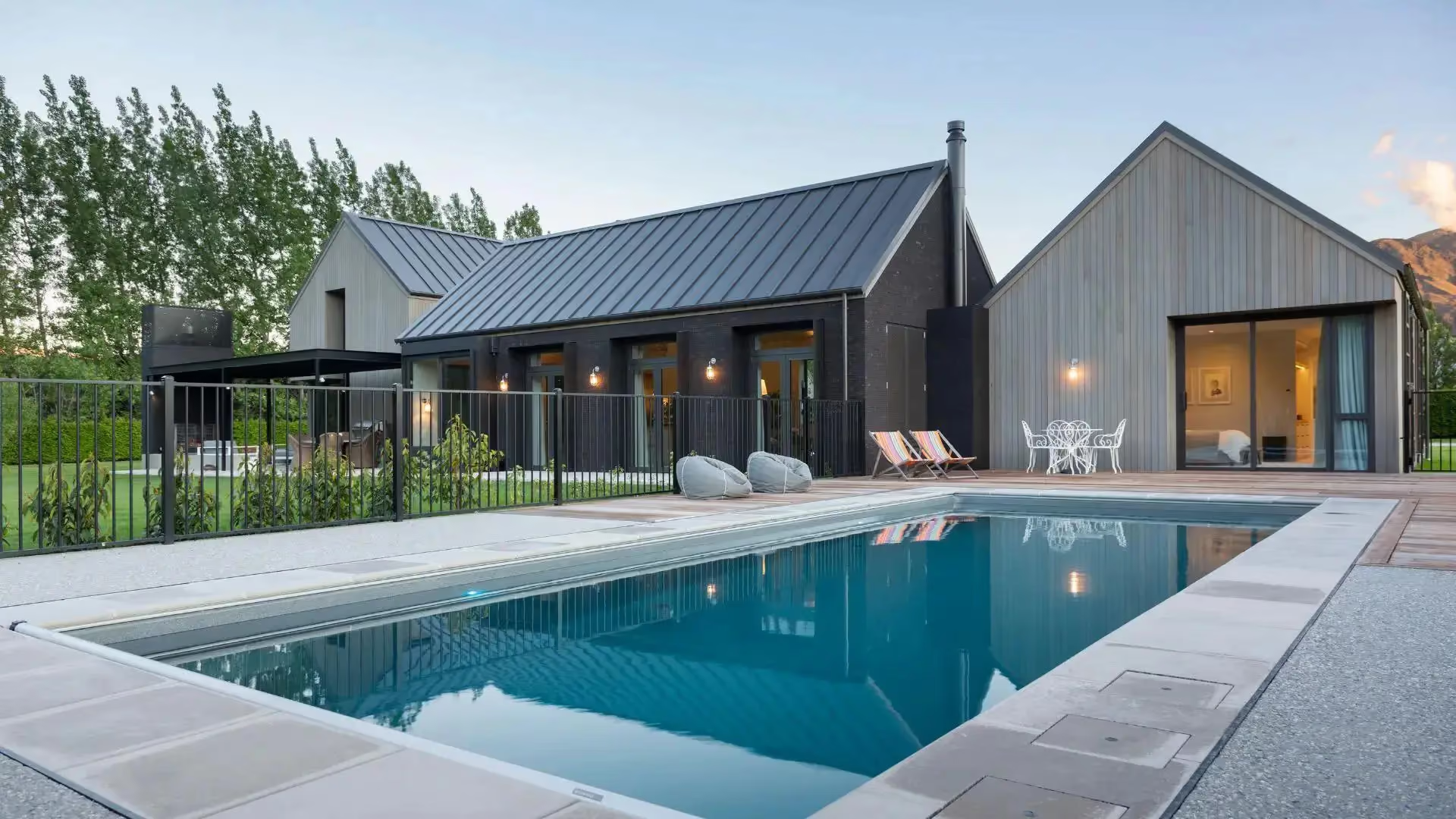
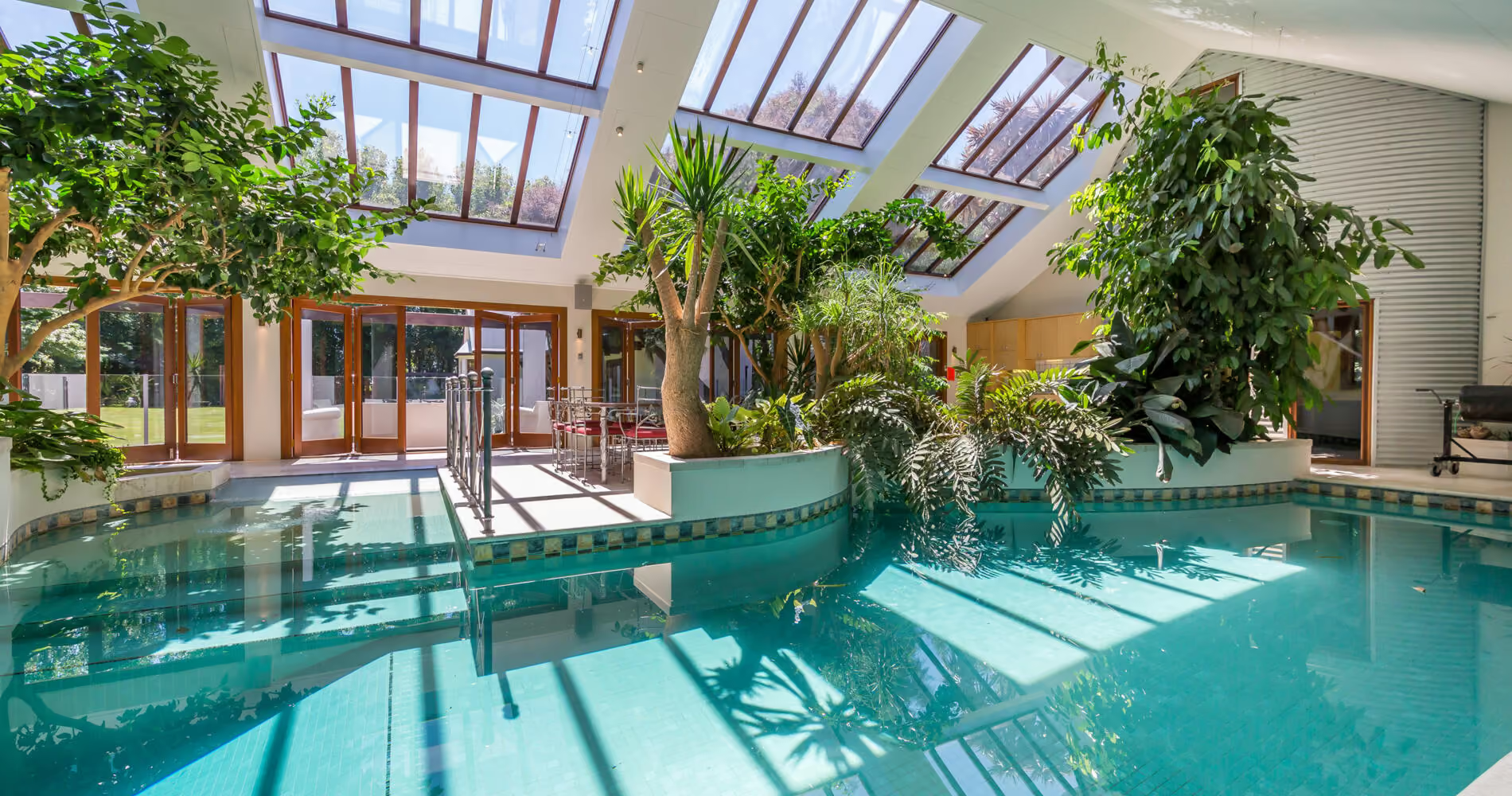
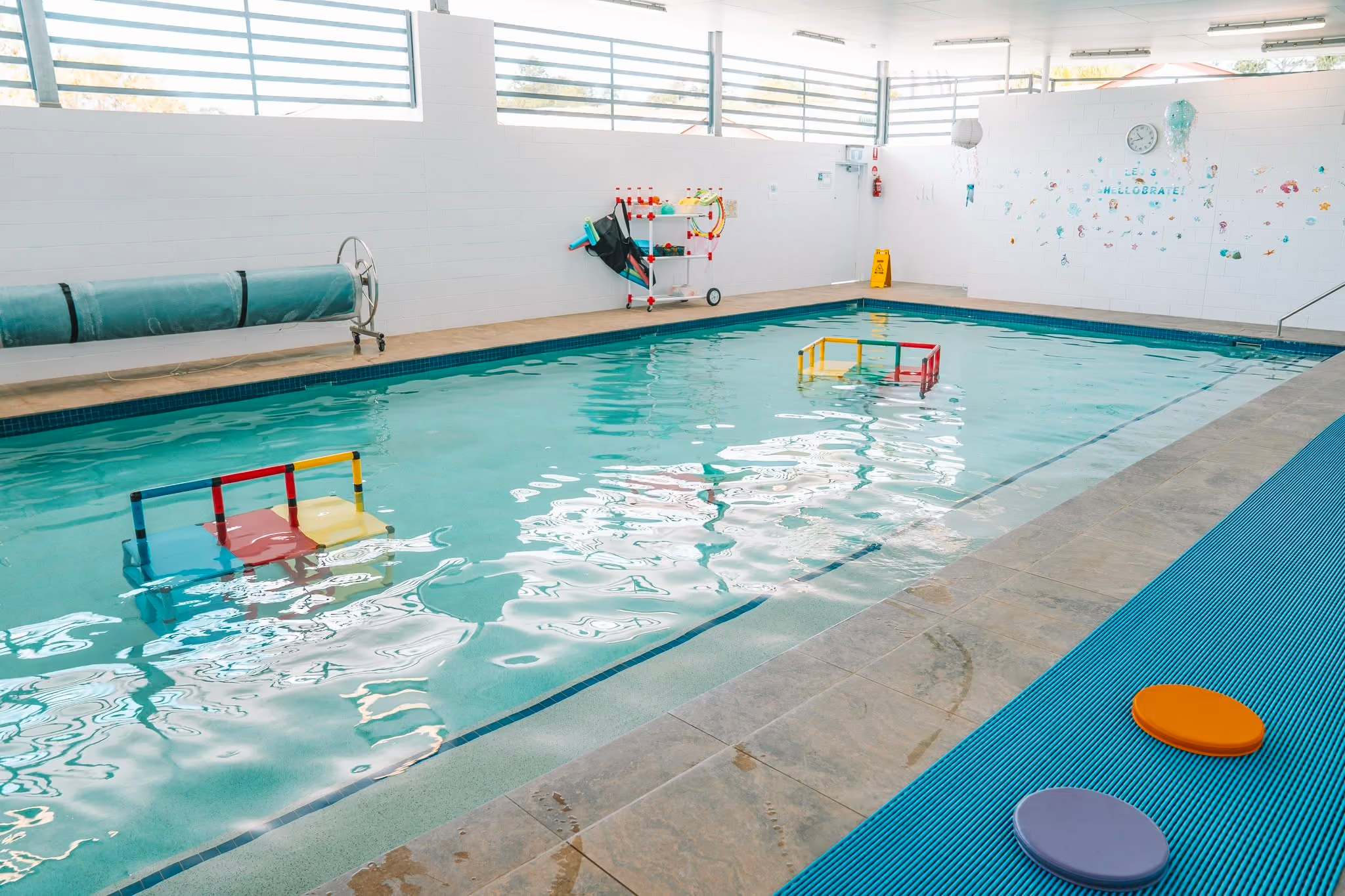
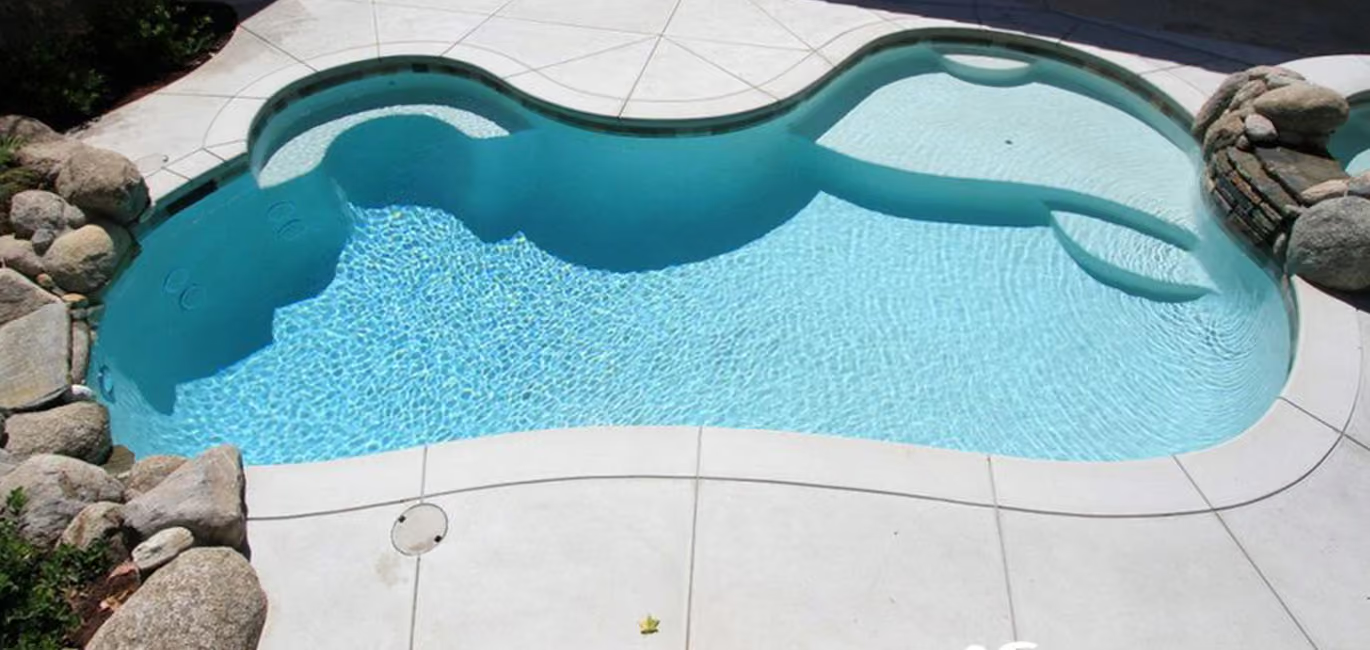
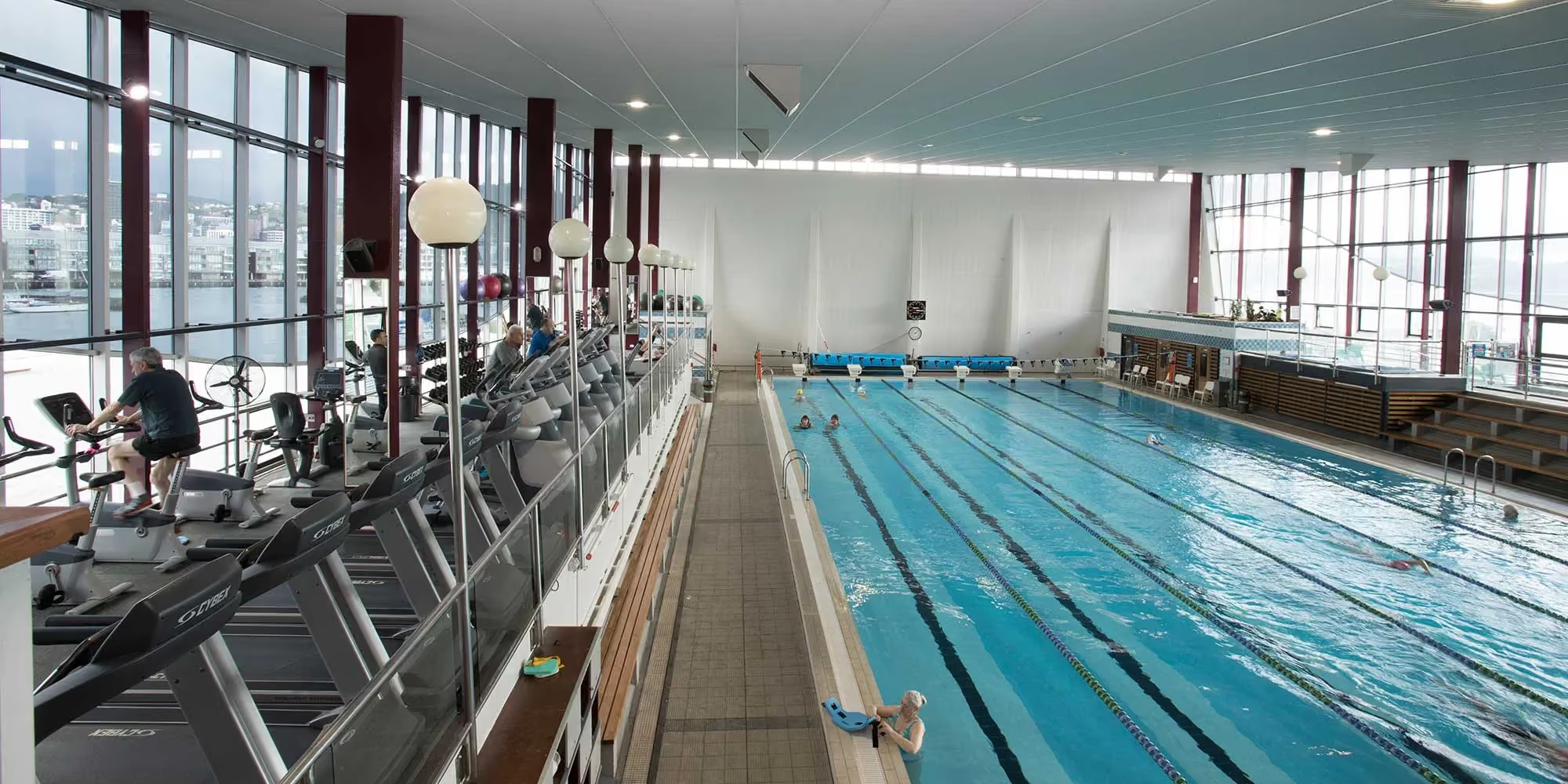
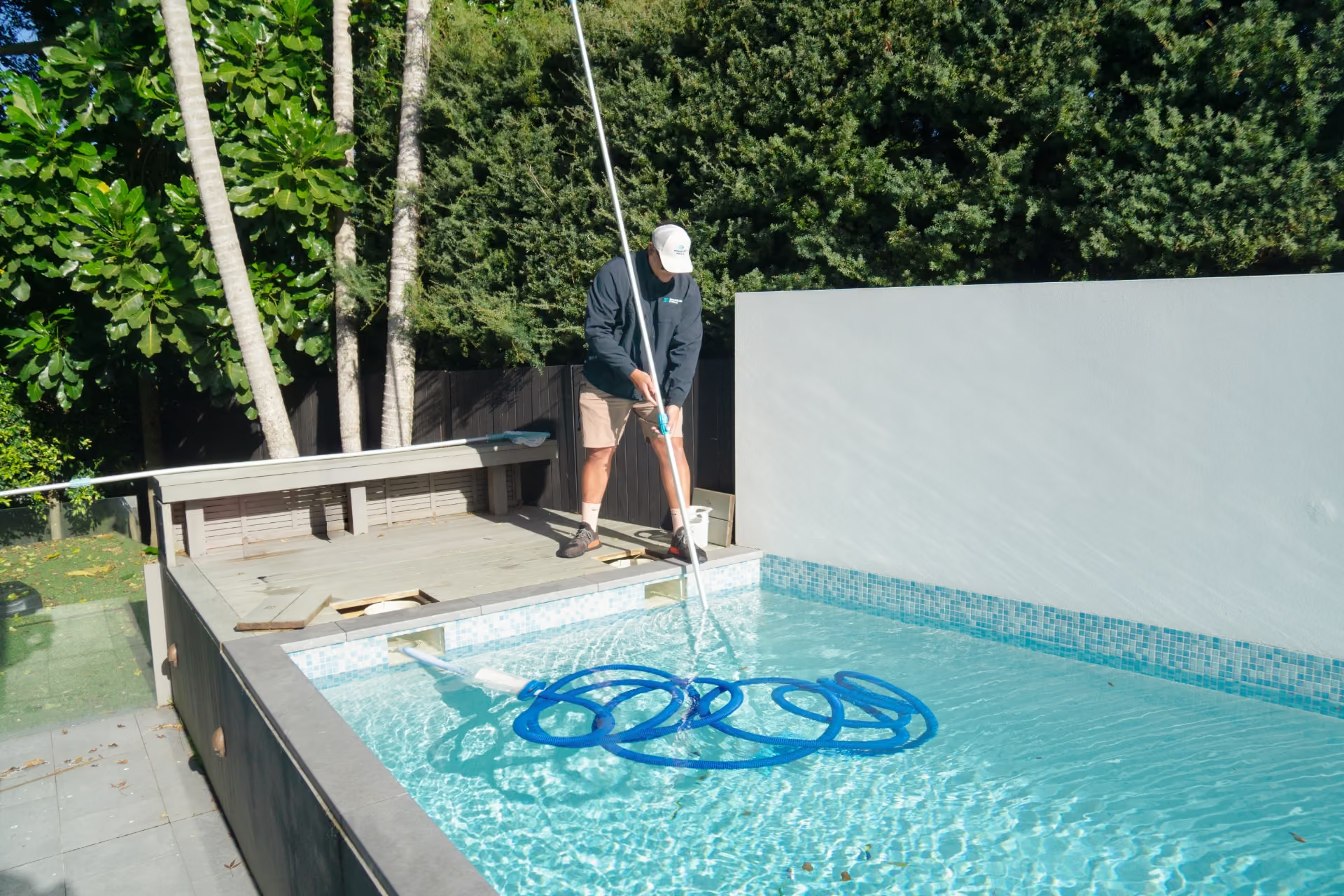
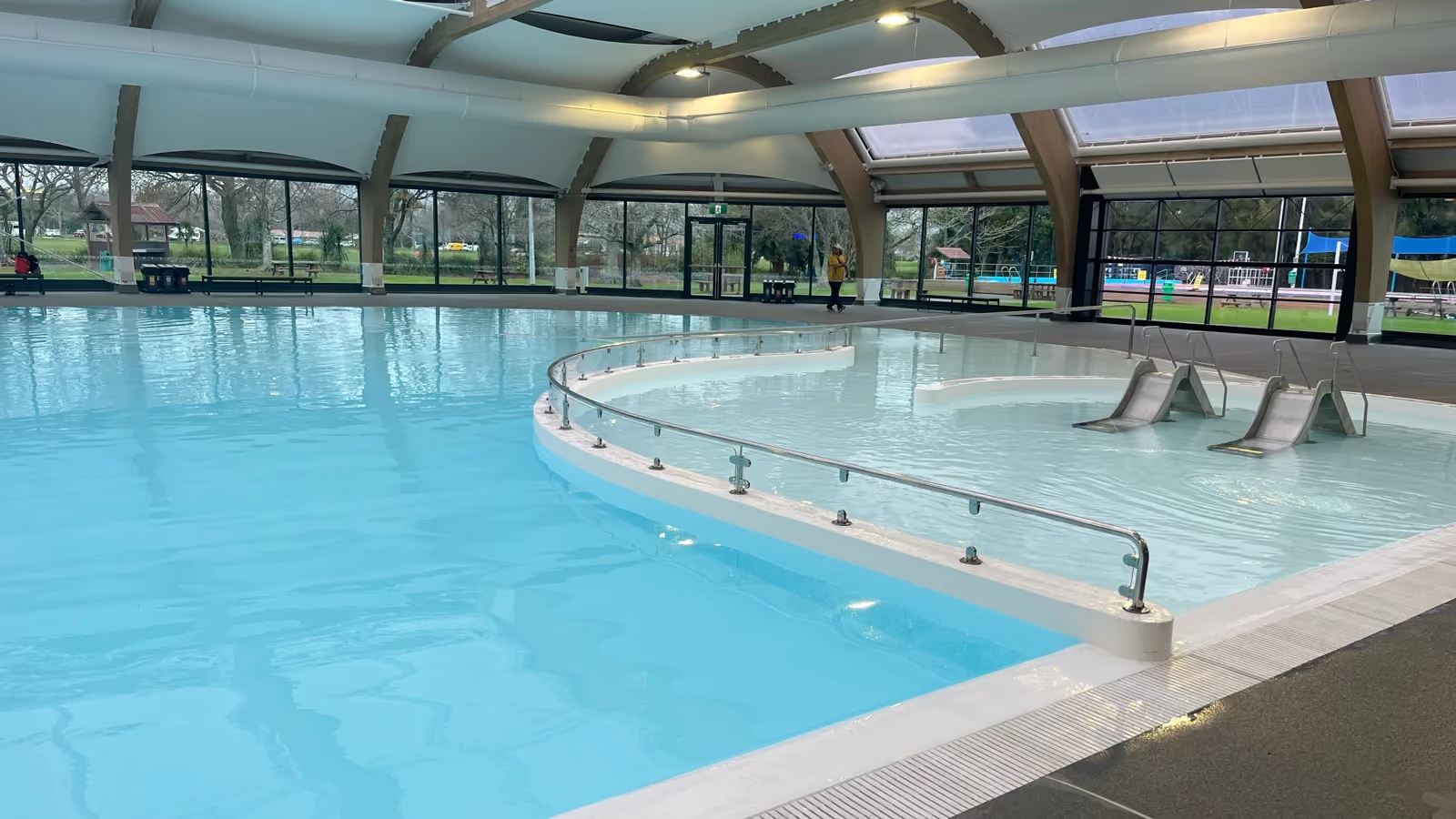
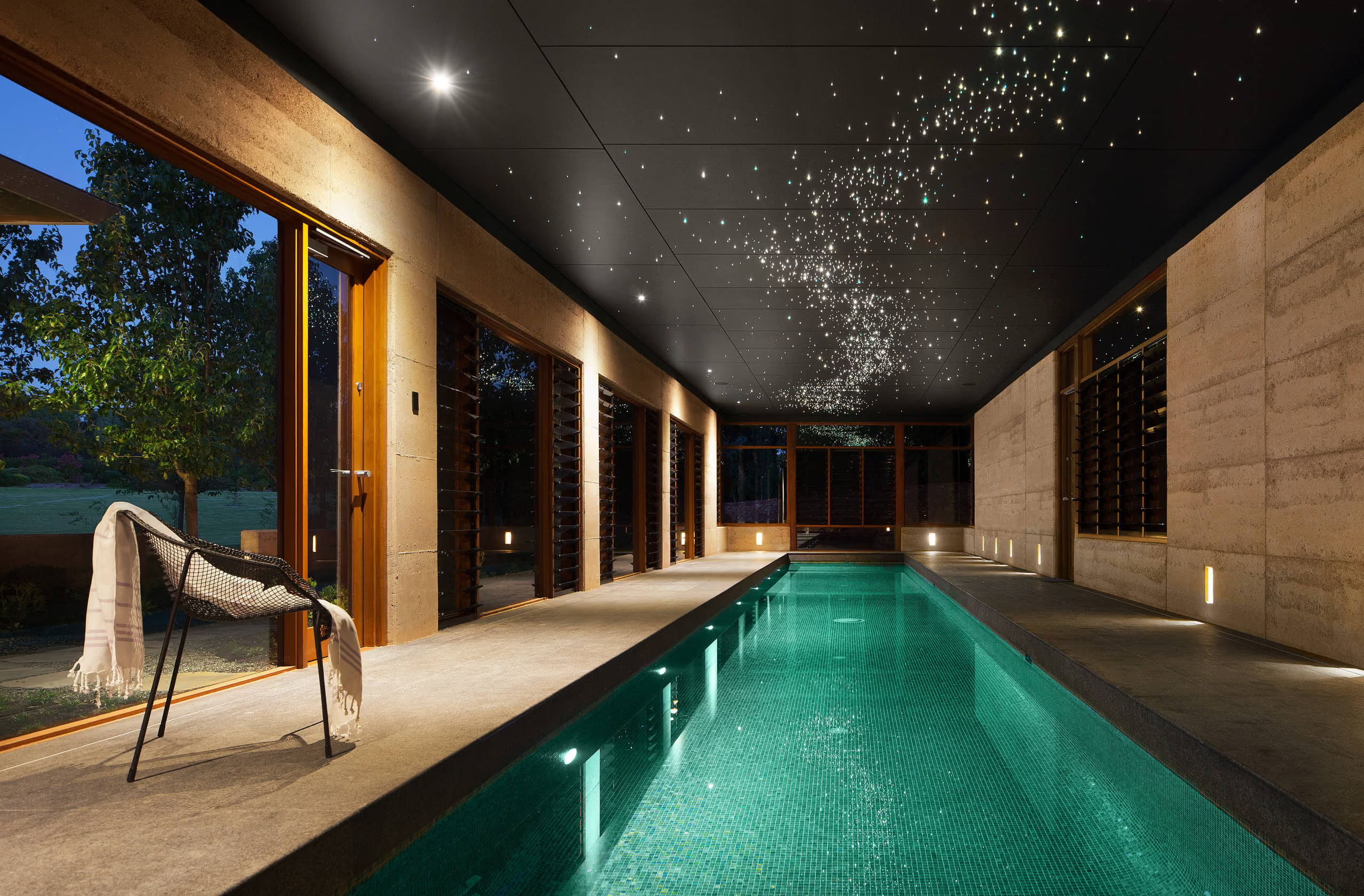
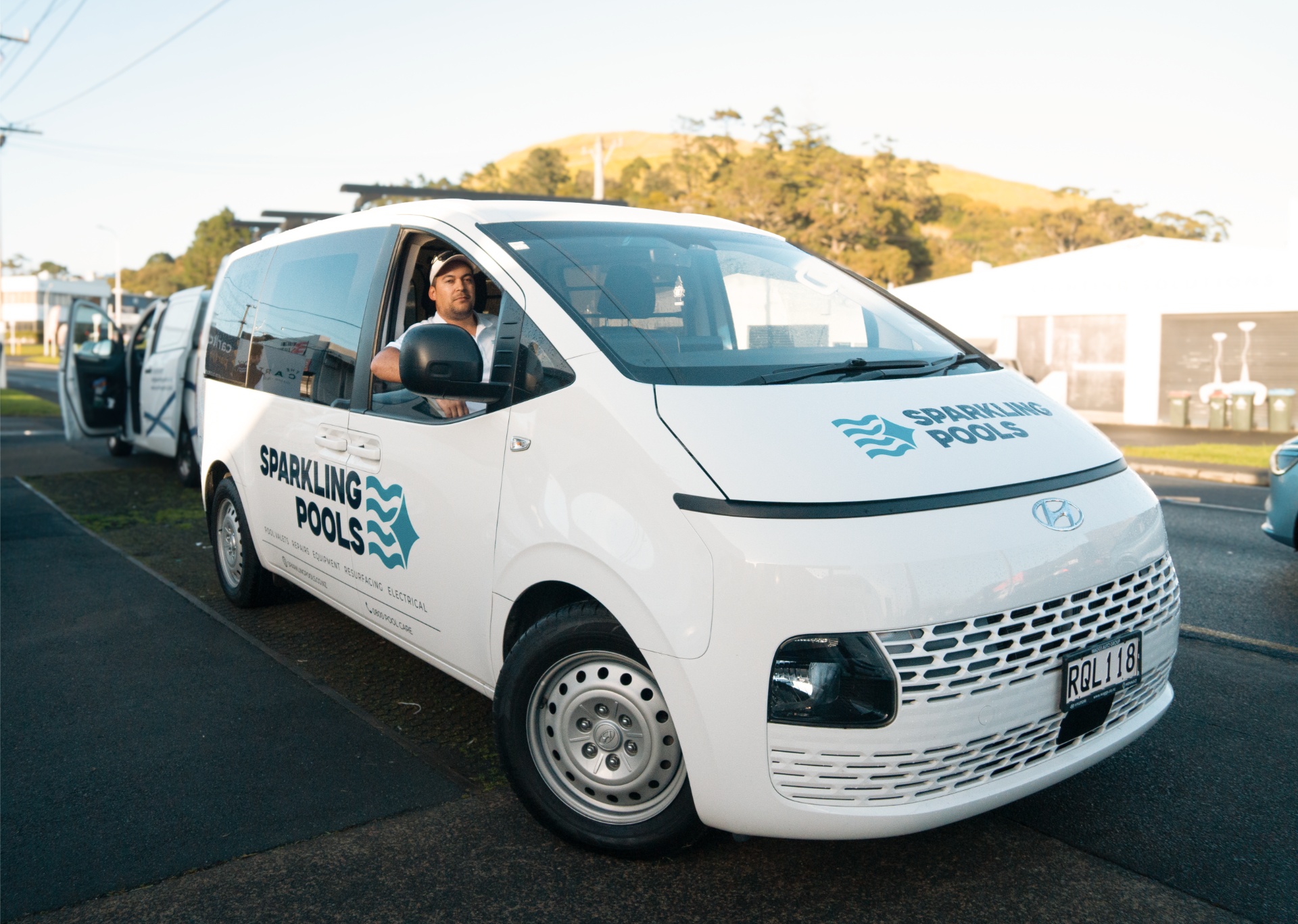
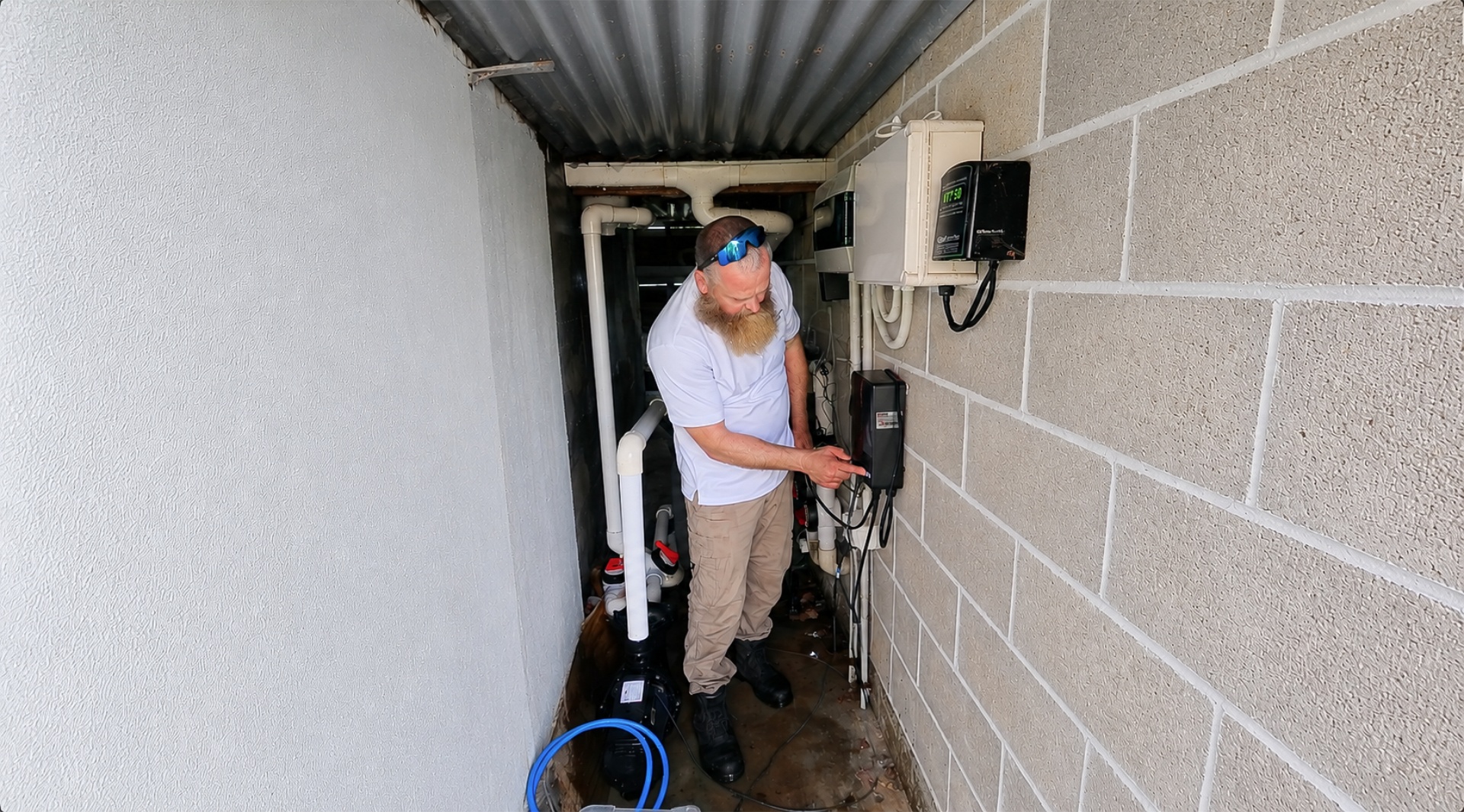
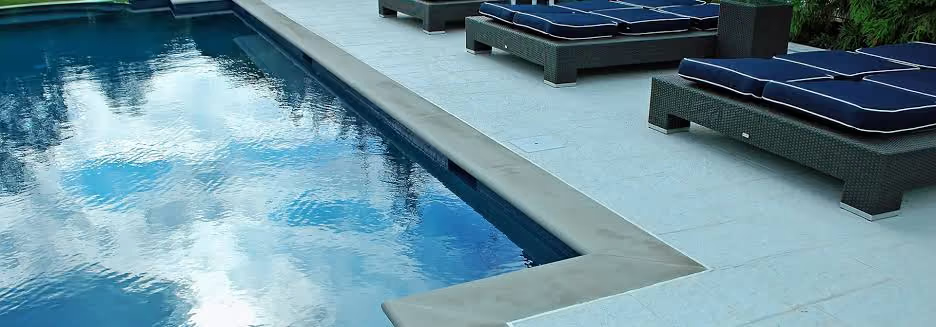
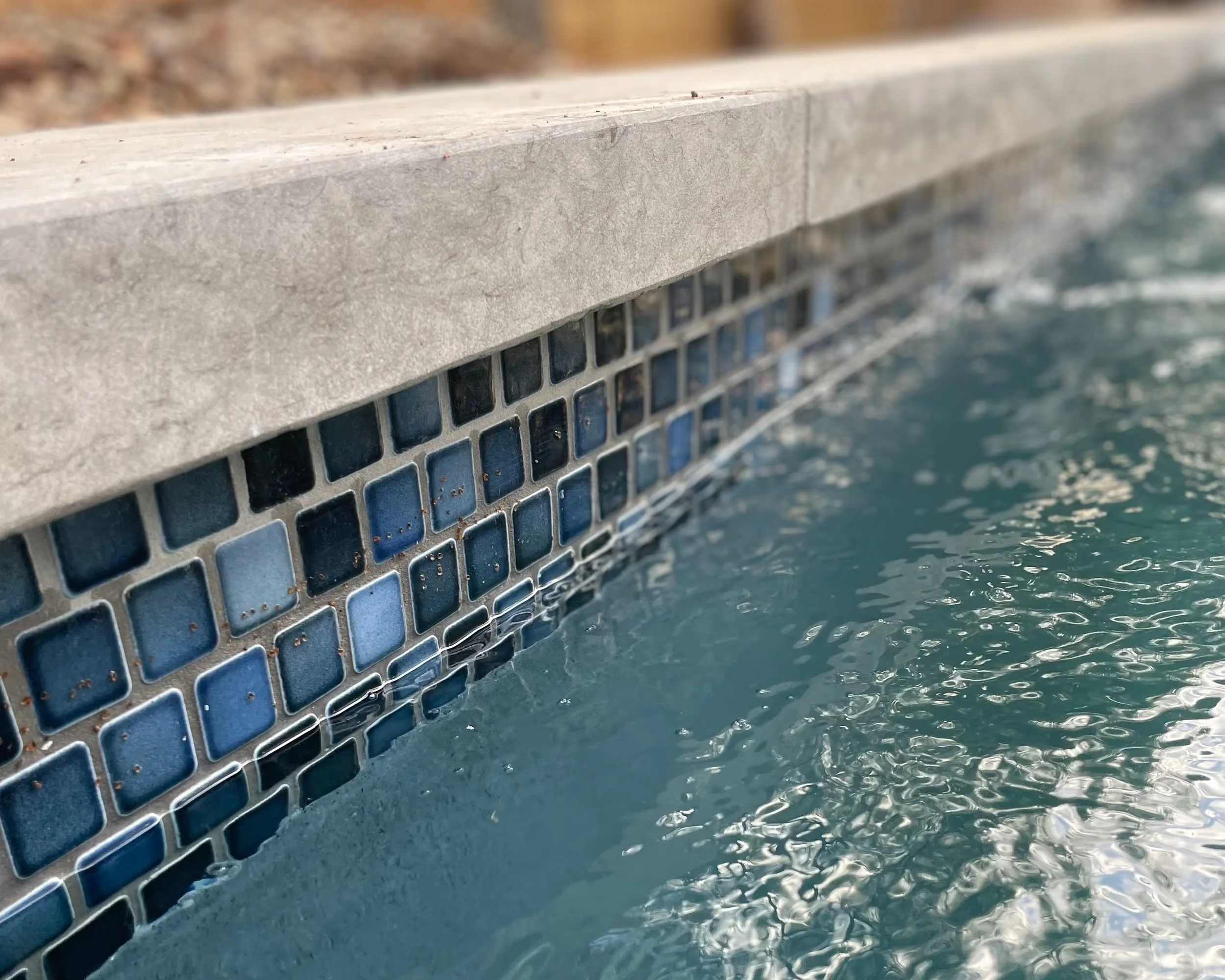
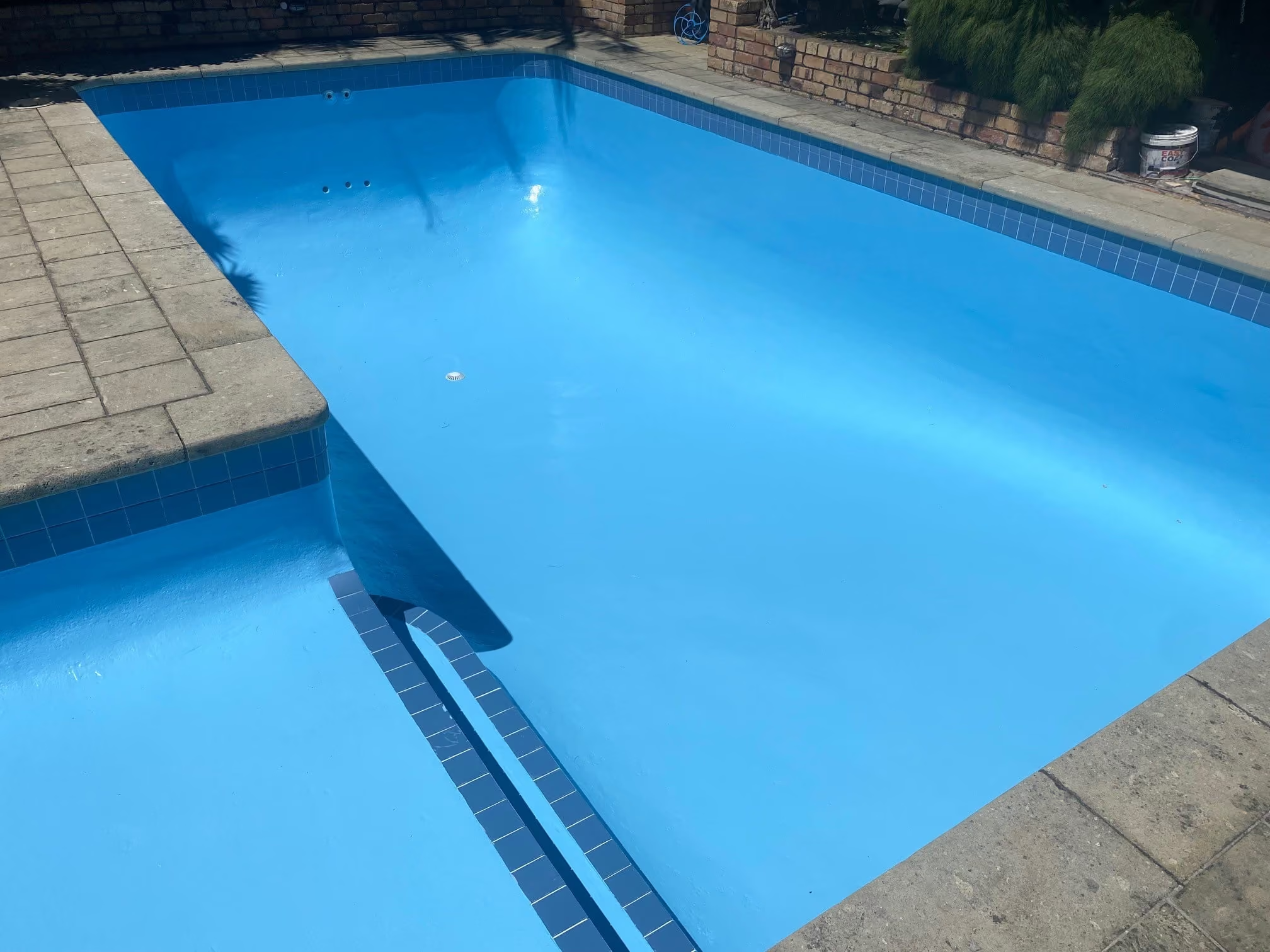
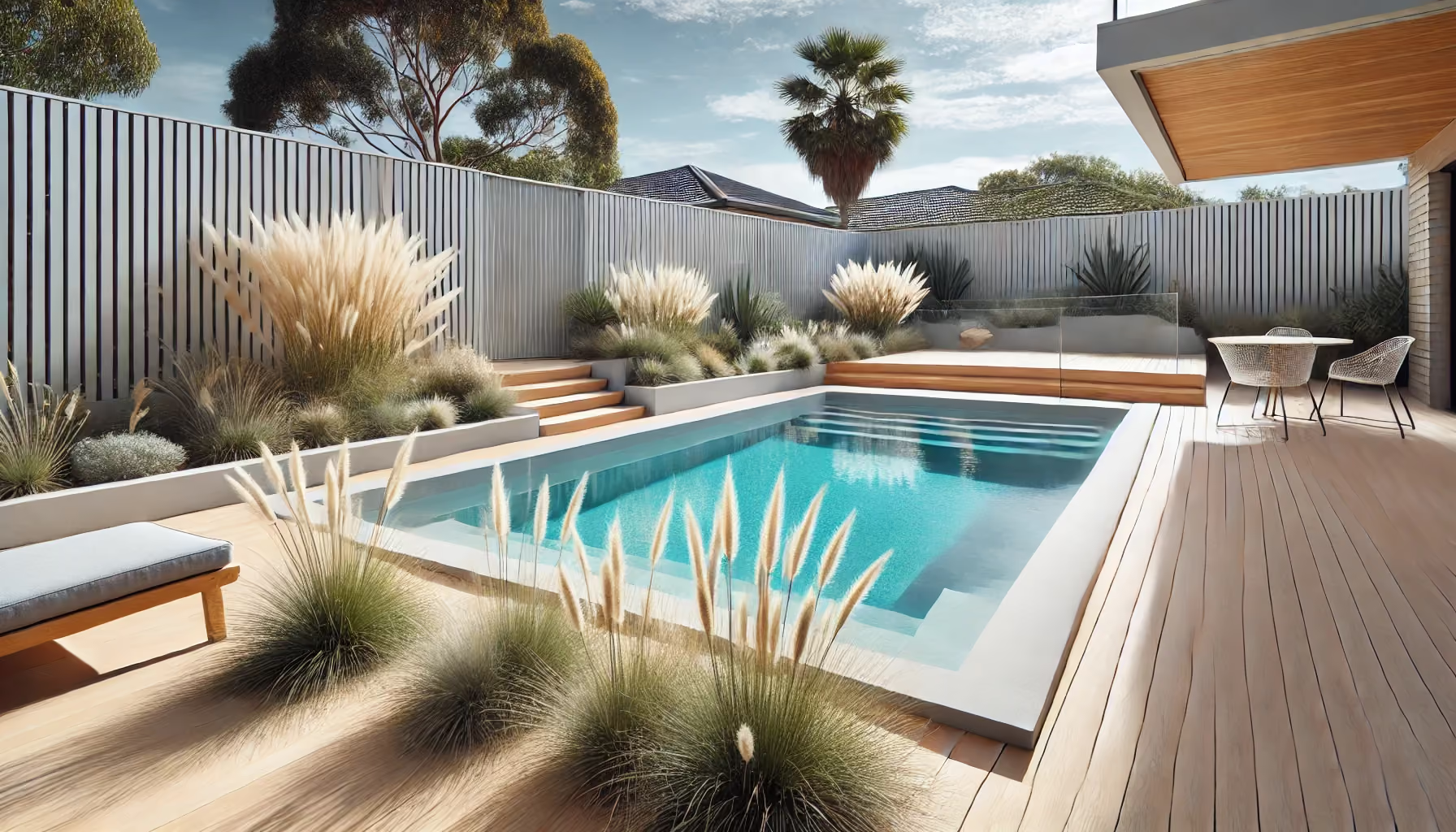
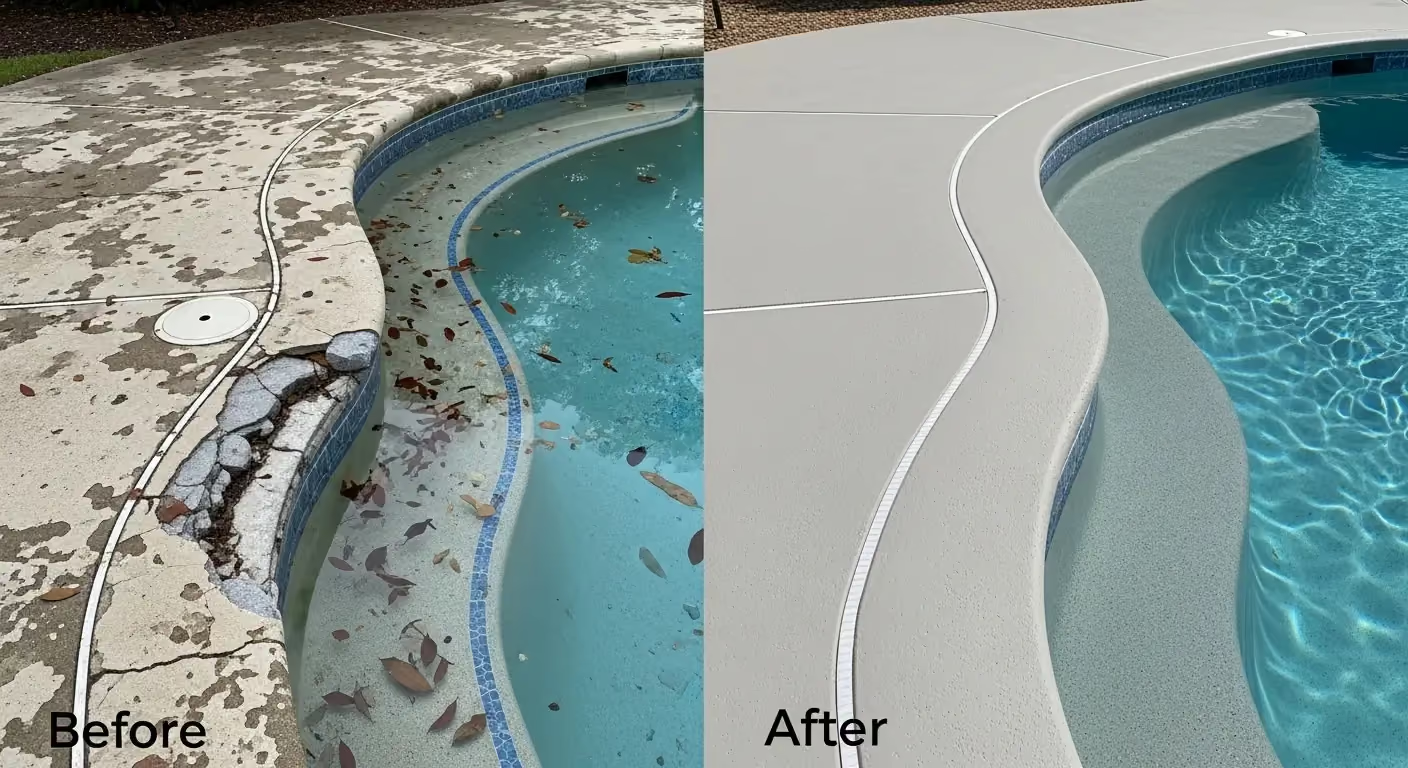
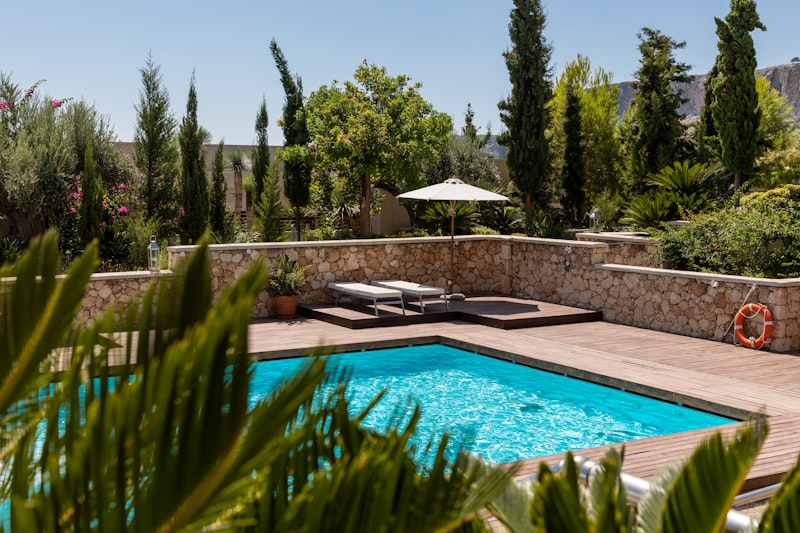
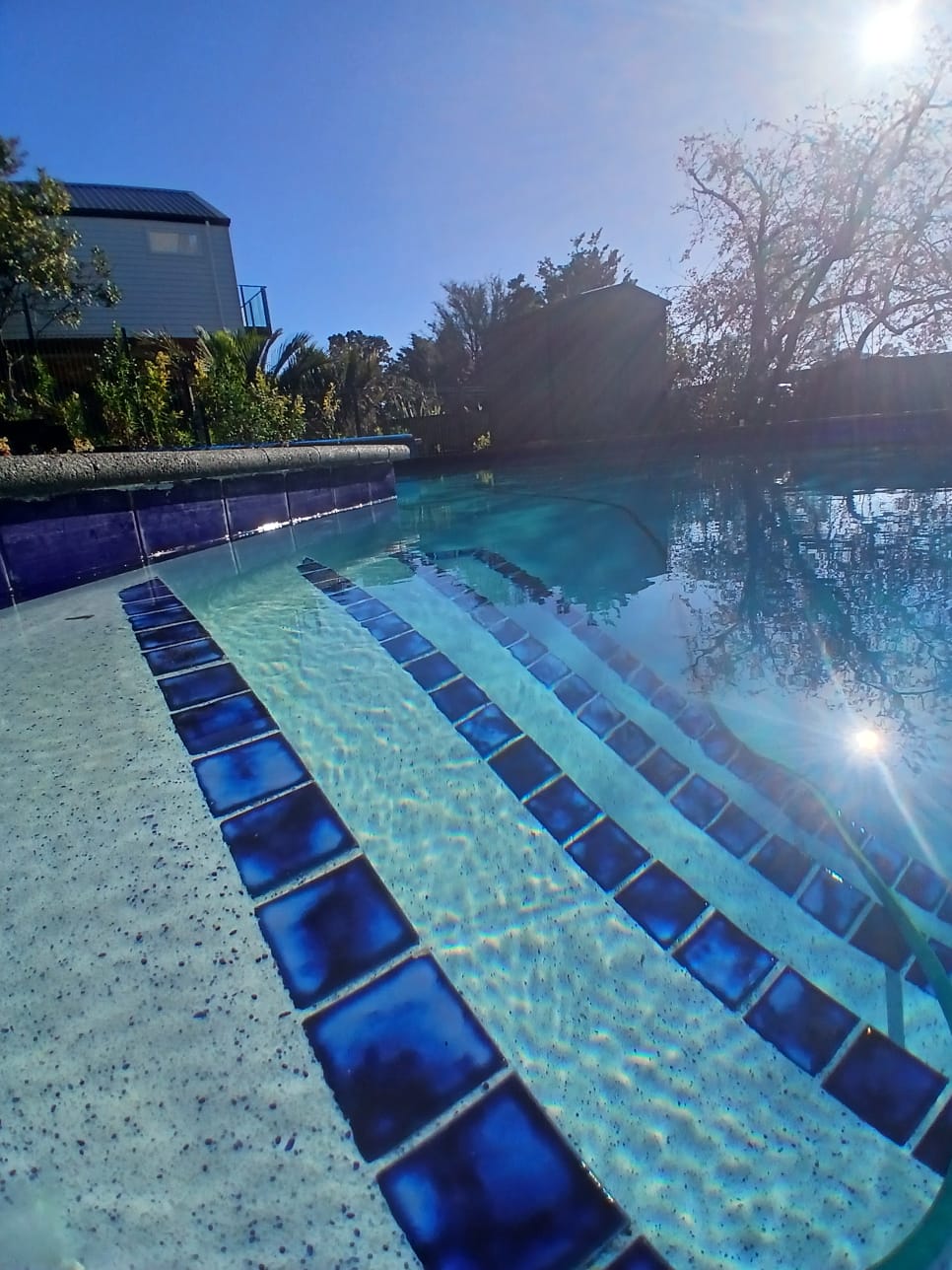
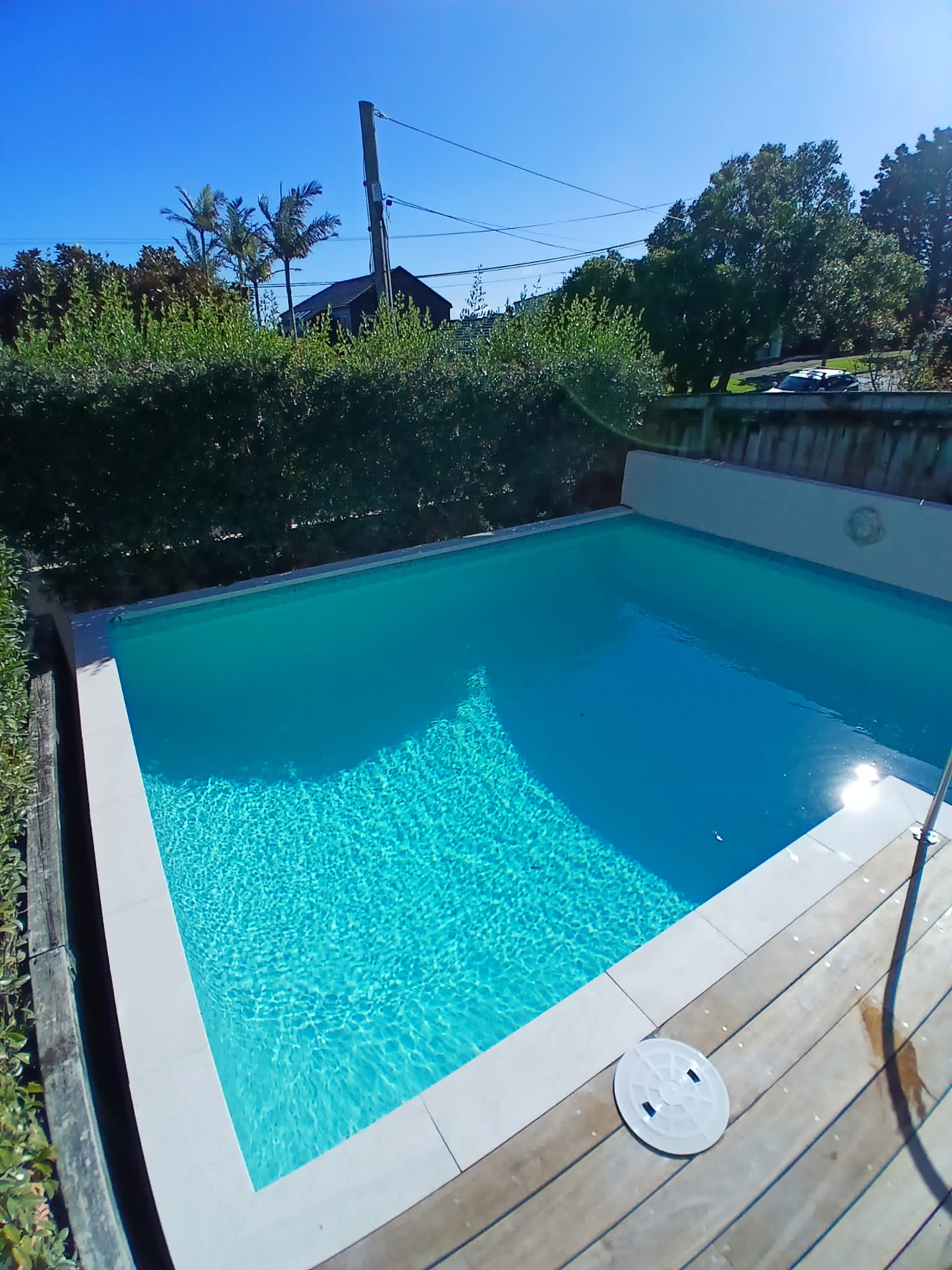
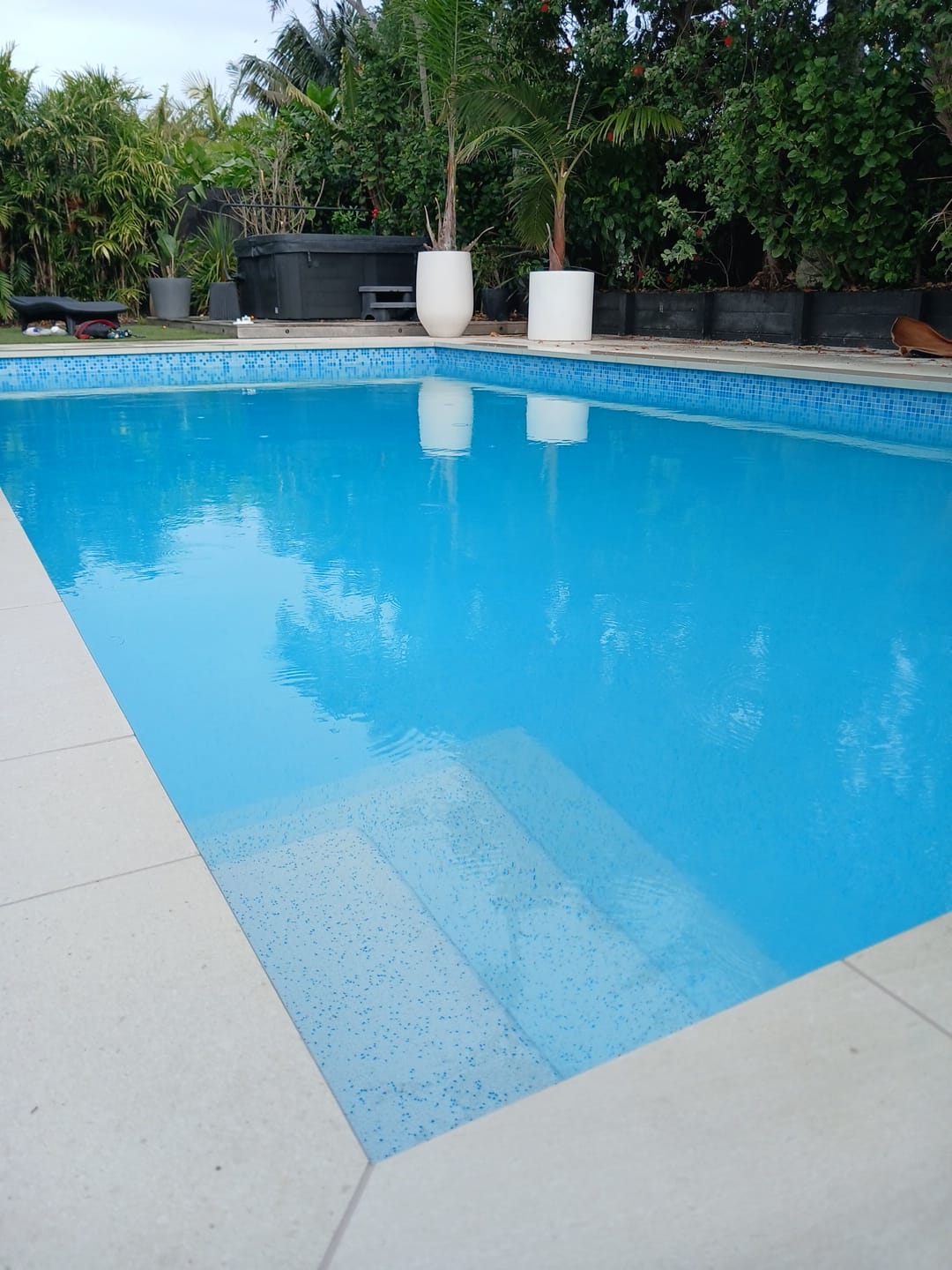
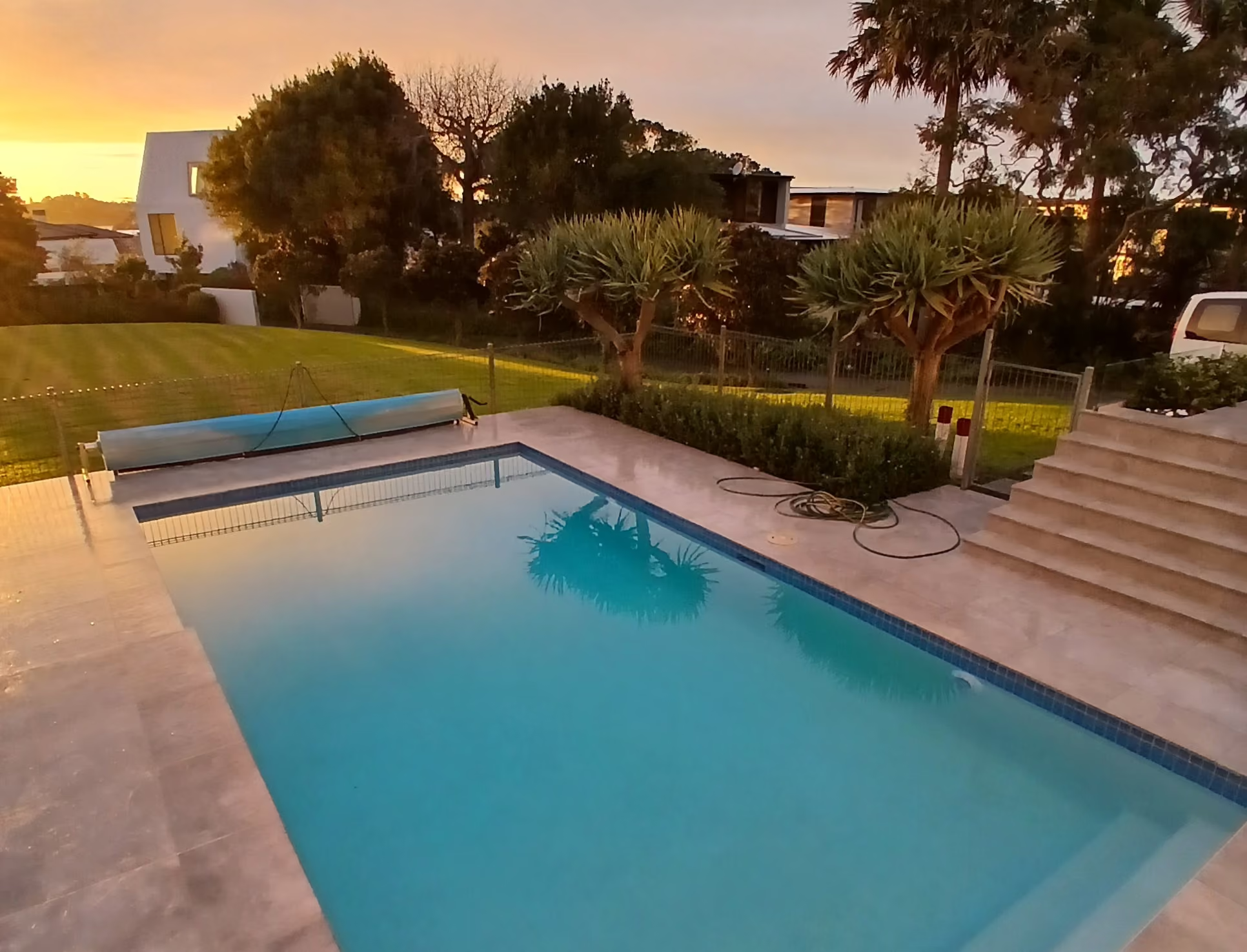
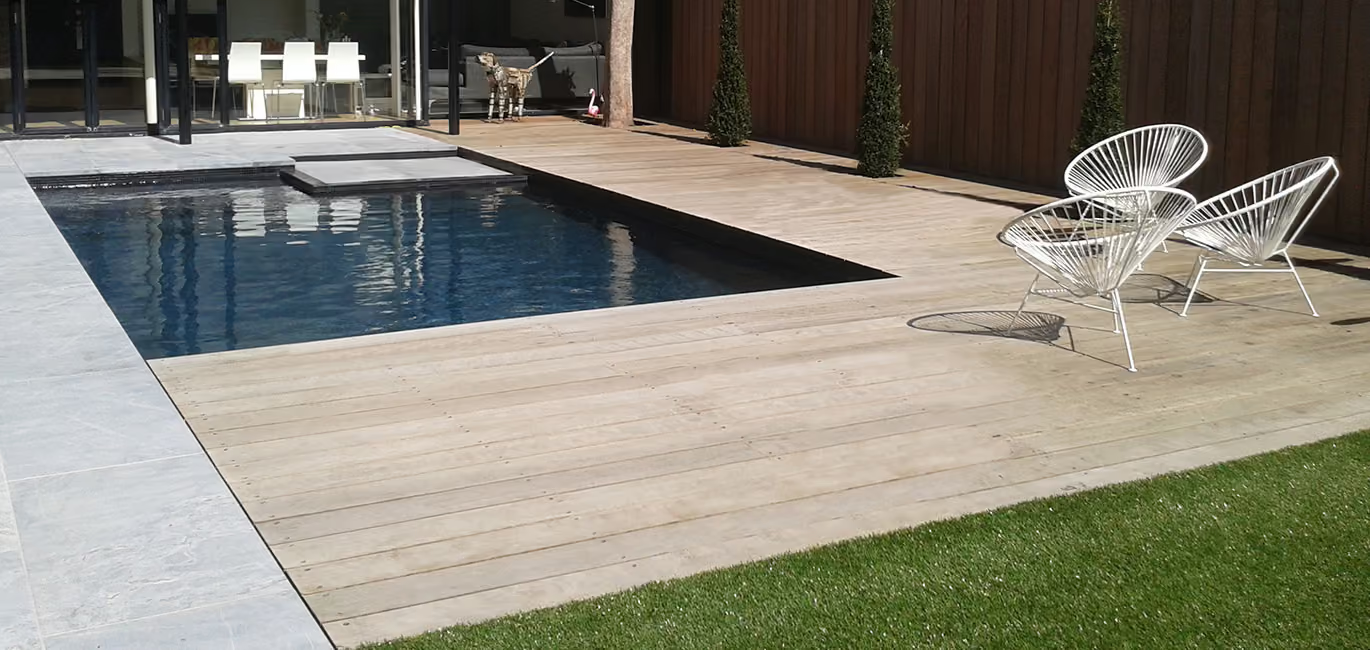
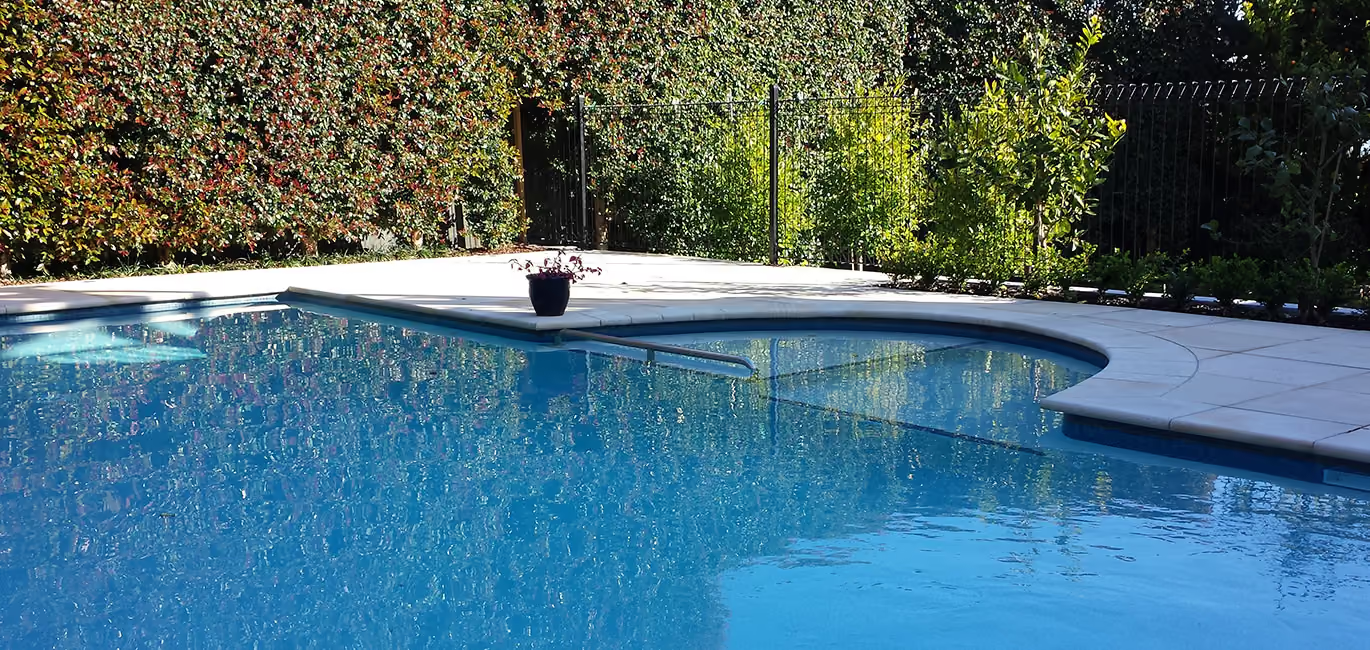
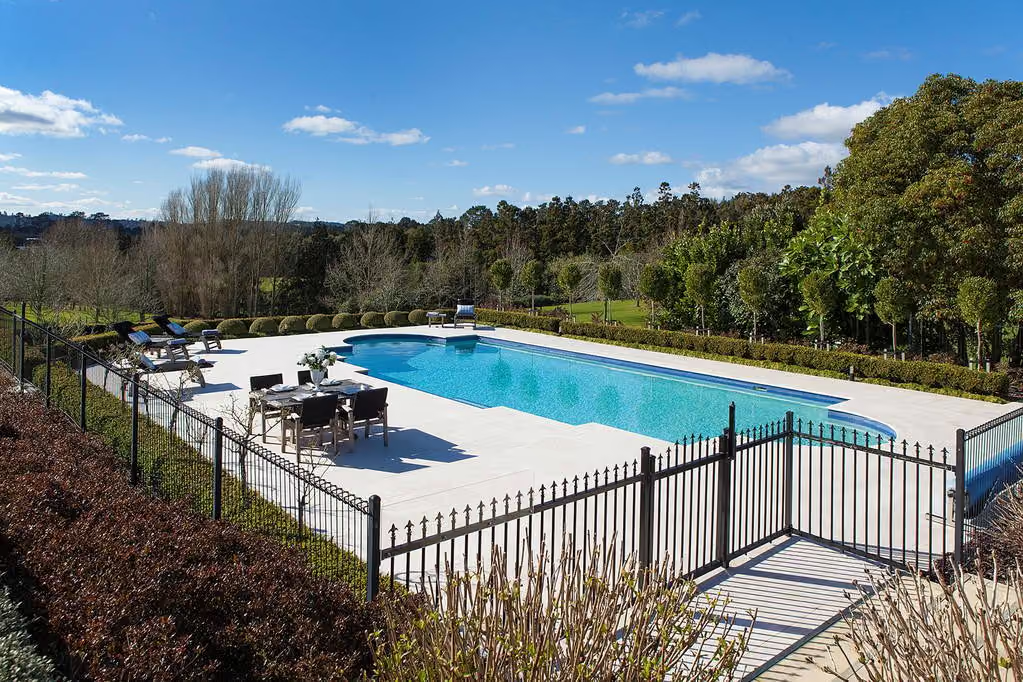
Sparkling Pools has worked on pools across Auckland, including residential renovation projects, equipment upgrades, ongoing maintenance and pool care for managed properties. Past projects show how the right approach can improve presentation, water quality and day-to-day usability. A well-maintained pool is easier to manage, more pleasant to use and better prepared for seasonal changes.
Trusted by Homeowners Across Auckland
Don't just take our word for it. Read what our clients have to say about our transparent communication, reliable service, and stunning pool transformations.
Related Blog Posts
Stay informed on pool care and renovations
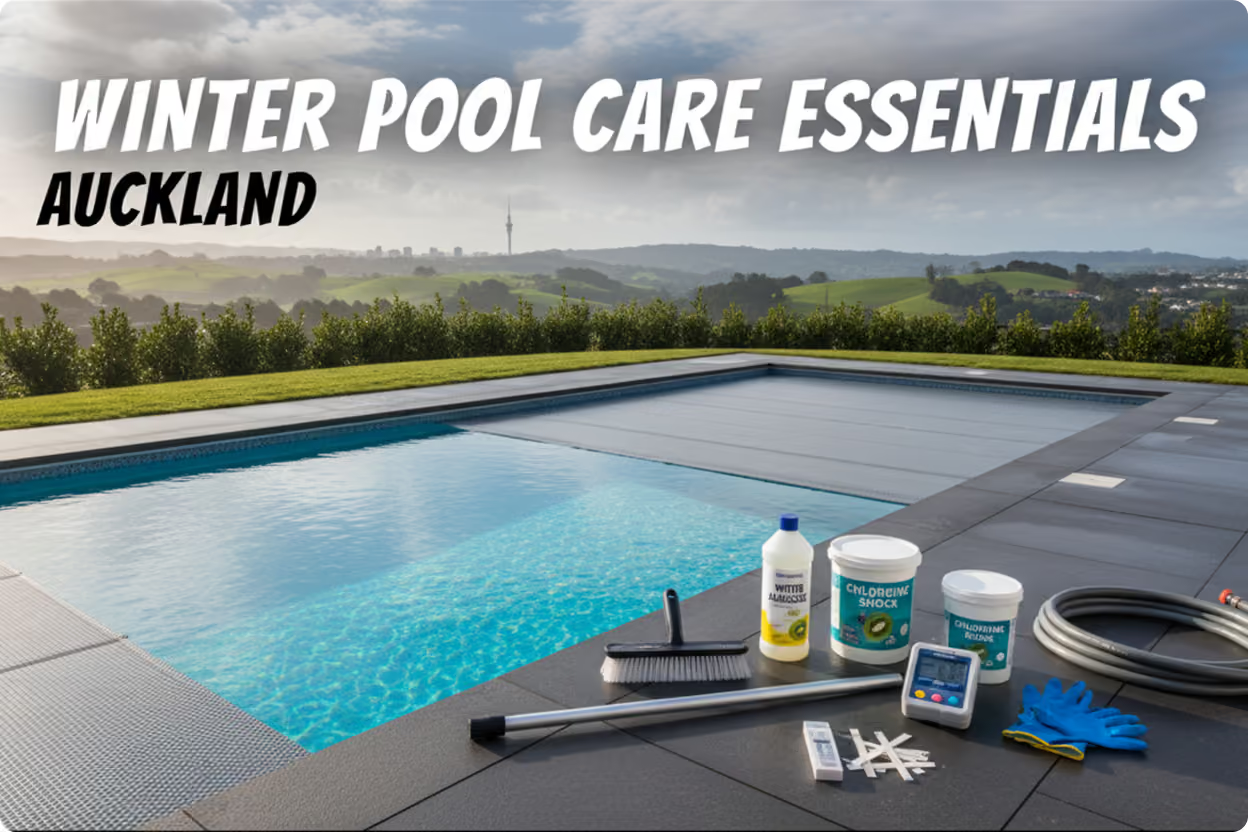
Winter pool care essentials for Auckland
Pool Renovation Mistakes
Auckland Climate Pool Maintenance

Choosing Renovation Contractor
Pool Care Auckland Summer
Permits & Consents
Pool Renovation ROI
How Often to Test Pool Water
Pool Renovation Costs
Cost of Pool Service Auckland
Pool Renovation Planning Guide
Pool Lighting Buying Guide
Pool Cleaner Buying Guide
Pool Automation Buying Guide
Pool Heater Buying Guide
Pool Filter Buying Guide
Pool Pump Buying Guide
Best Equipment Auckland Climate
Auckland Water Quality
Auckland Pool Season
Pool Ownership Costs
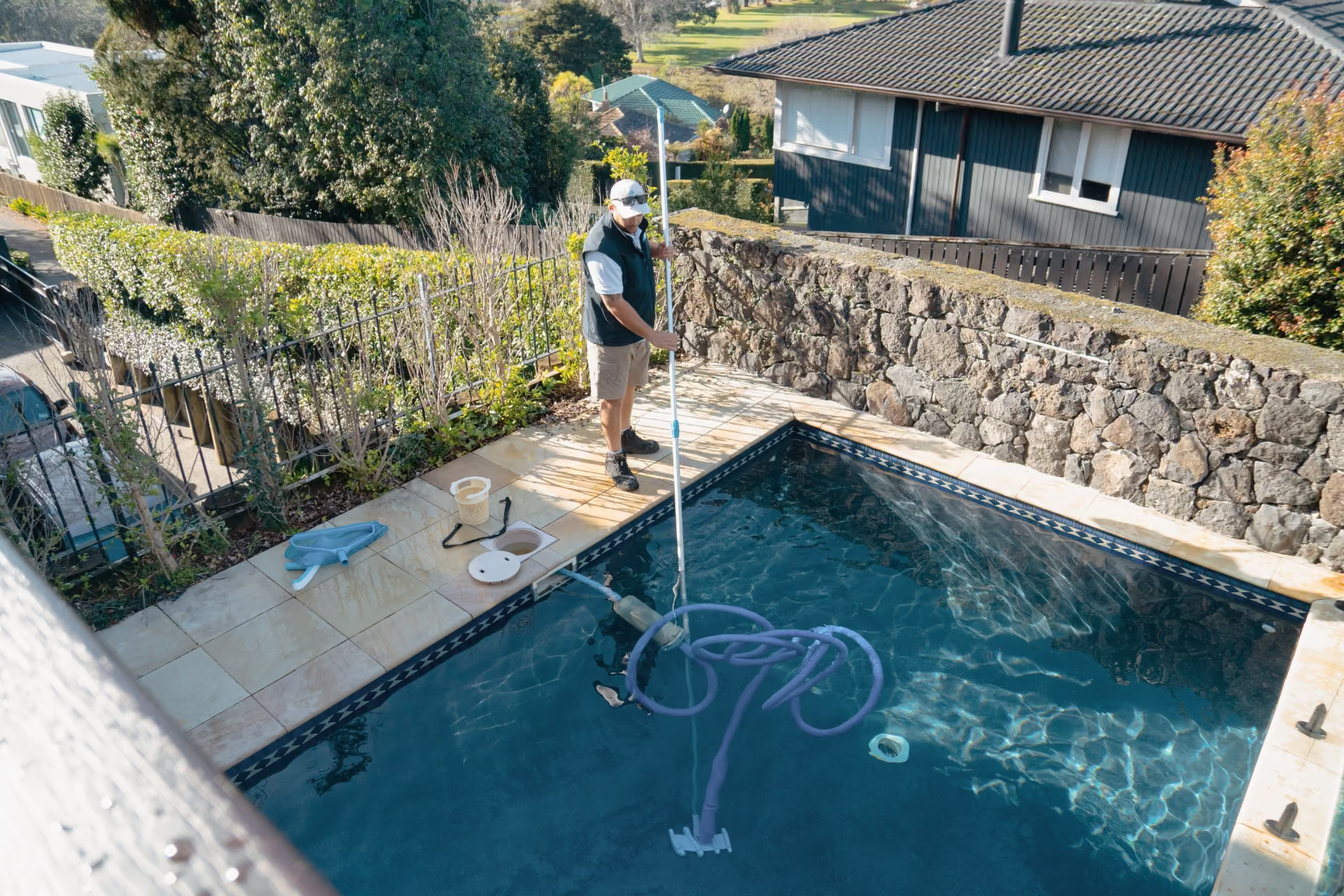
Common Pool Mistakes
Pool Safety Laws
Pool Inspection Requirements
Pool Fence Compliance
.avif)
Auckland Pool Industry Trends
Auckland Pool Regulations
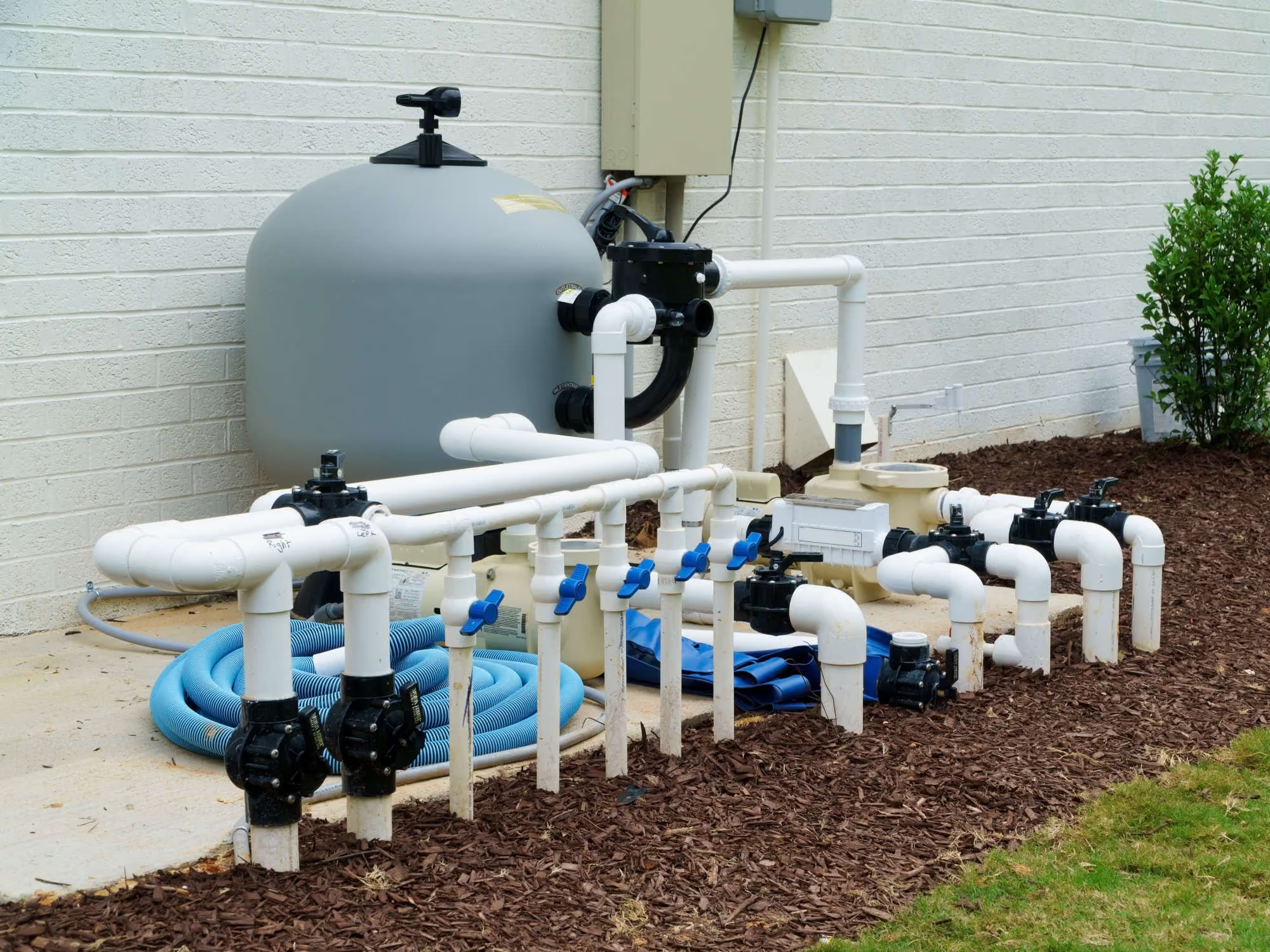
Pool Equipment Suppliers
Best Pool Service Areas
Pool Service Pricing Analysis
Company vs Independent
Best Pool Surface Materials
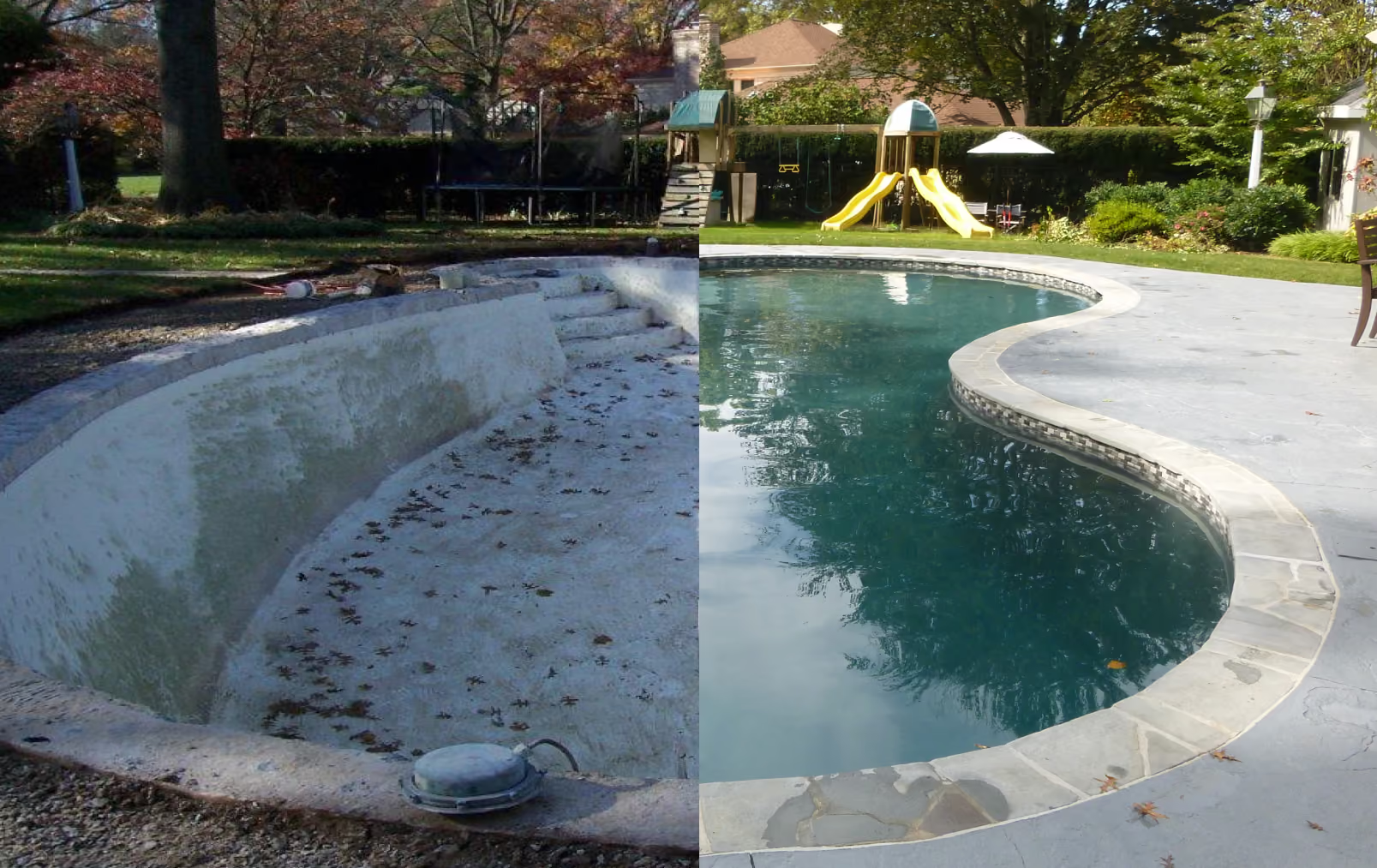
Pool Resurfacing Options
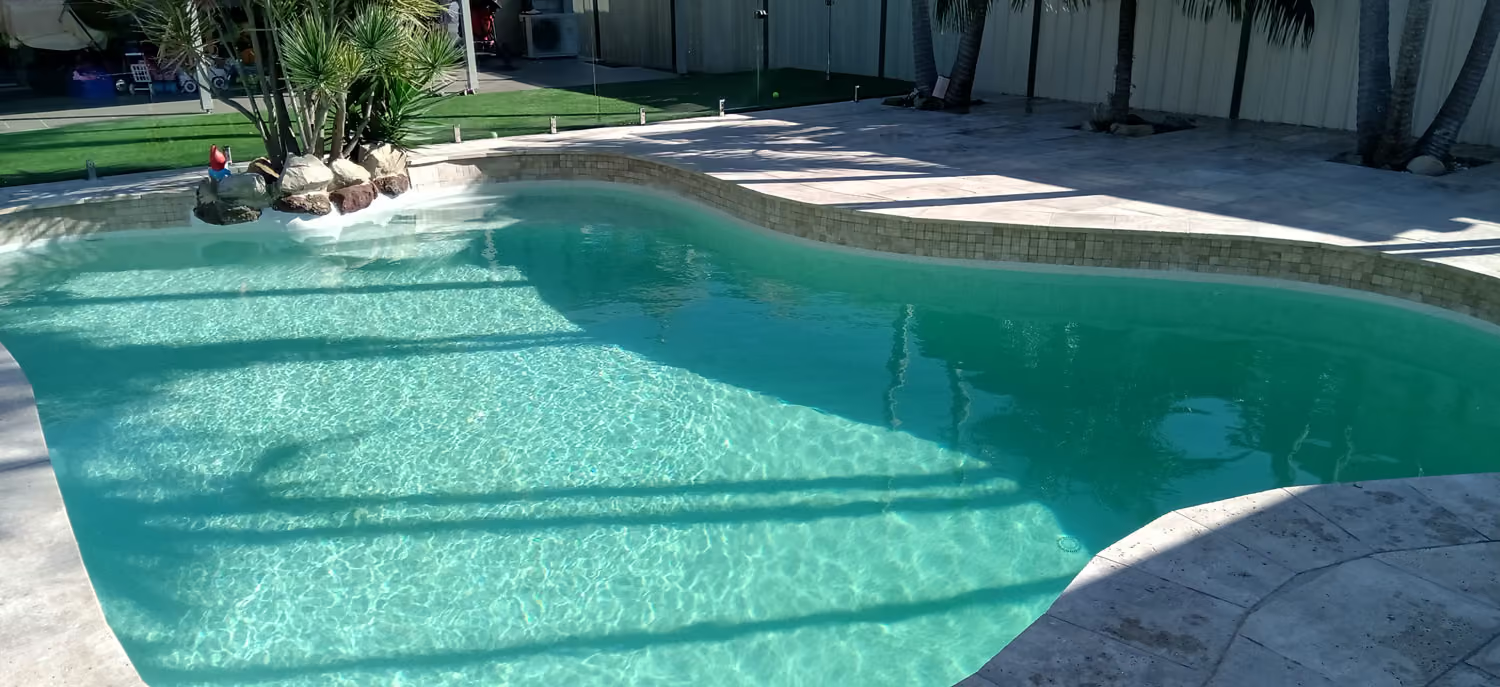
Pebble vs Plaster Surfaces
One-Time vs Ongoing Service
Full Service vs Chemicals Only
Pool Cover Types
Robotic vs Suction Cleaners
Mineral vs Saltwater
Gas vs Heat Pump
Pool Heater Types
Pool Winterizing Guide Auckland
Pool Opening Guide Summer
Pool Maintenance After Heavy Rain
Pool Maintenance Schedule
How Often to Run Pool Filter
Pool Pump Maintenance Schedule
Pool Filter Cartridge Cleaning
Pool Equipment Maintenance Checklist
Pool Waterline Cleaning
Pool Skimmer Basket Cleaning
Pool Chlorine Levels
How Often Clean Pool Filter
How to Vacuum Pool
Pool Brushing Technique
Pool Chemical Dosing Chart
Pool Water Chemistry Basics
How to Balance Pool Chemistry
How to Test Pool Water
Pool Maintenance Tips
Complete Pool Maintenance Guide
Pool Service ROI
Pool Equipment Buy or Service
Pool Maintenance Time Requirements
DIY vs Professional
Pool Service Contract
Pool Service vs Pool Valet
Is Pool Service Worth It
Pool Service Guarantees
Pool Service Reviews
Pool Service Red Flags
Questions to Ask Pool Companies
How to Choose Pool Service Company
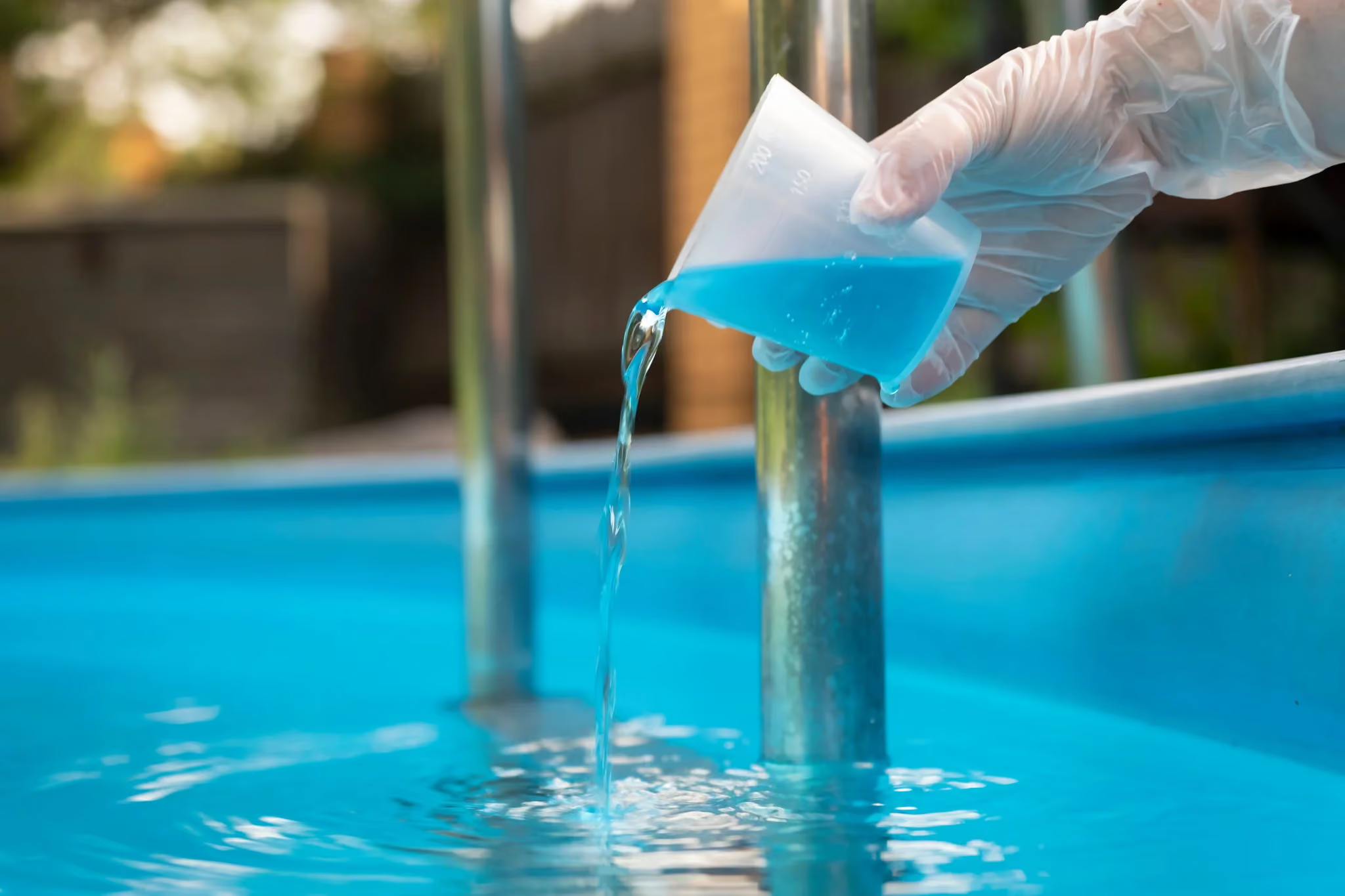
Hidden Costs DIY Maintenance
Pool Cleaning Prices Auckland
Cost of Pool Resurfacing
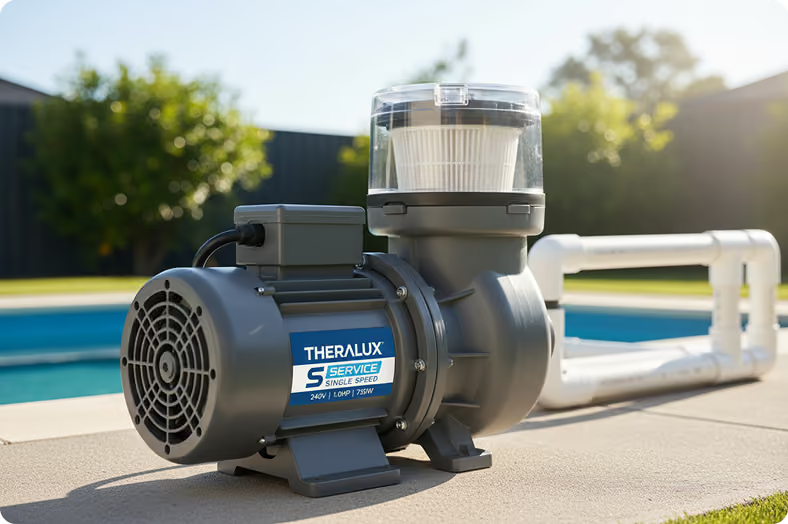
Cost of Pool Pump Replacement
Cost to Fix Green Pool
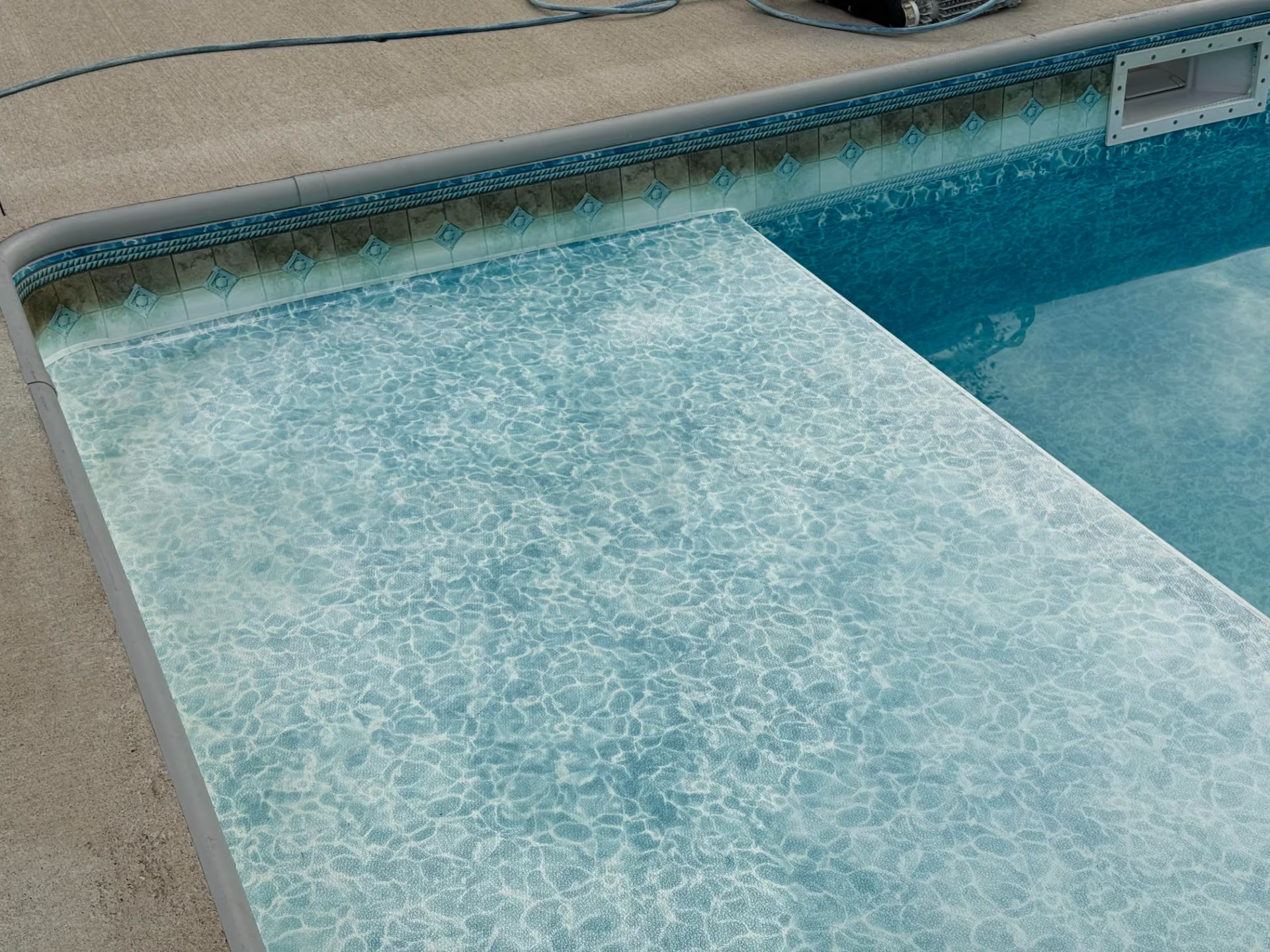
Pool Liner Wrinkles
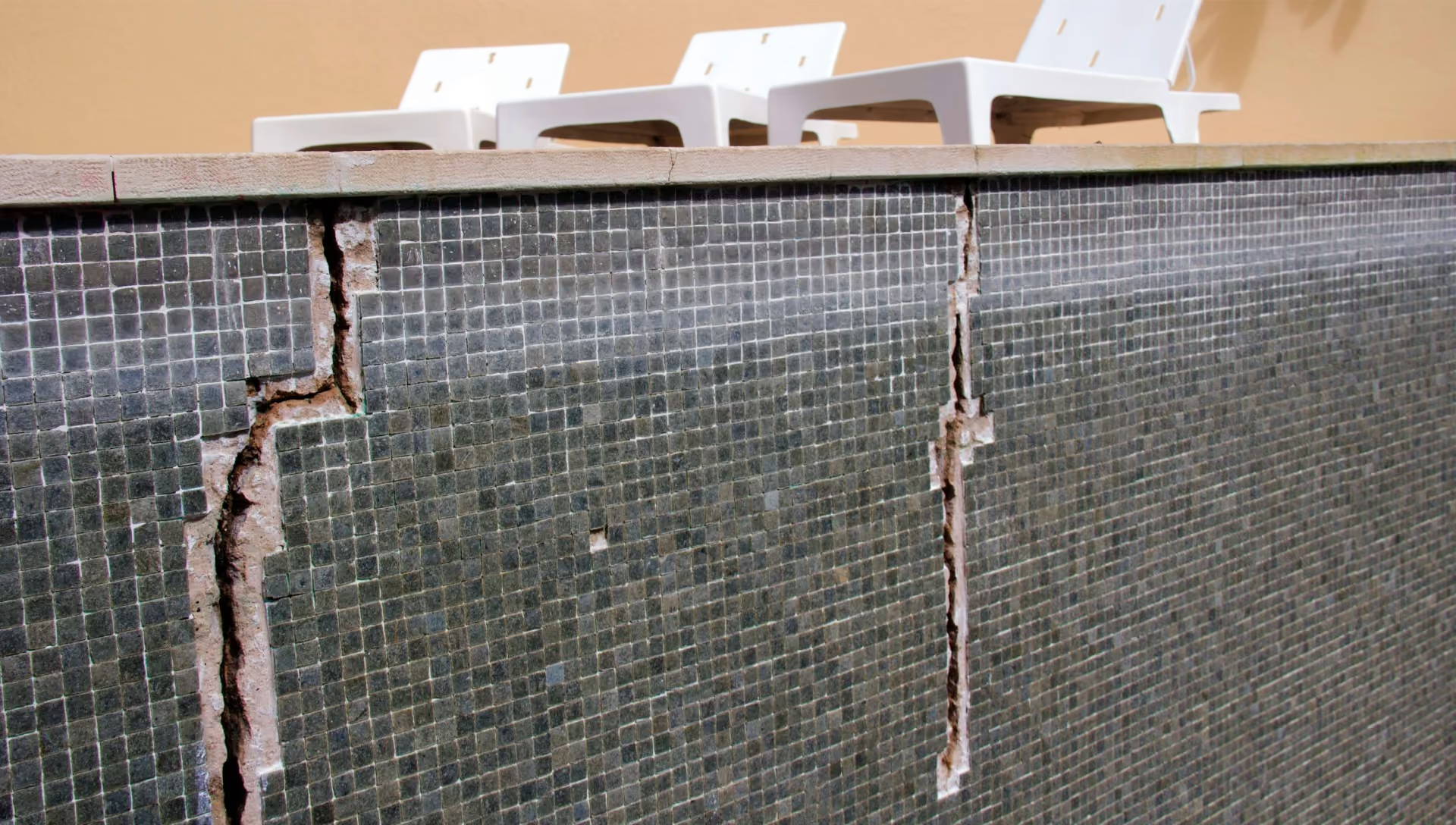
Pool Cracks When to Worry
Pool Surface Stains
Pool Valve Leaking
Pool Automation Not Working
Pool Light Not Working
Pool Heater Not Heating
Pool Skimmer Not Working
High Pool Filter Pressure
Pool Losing Water
Pool Filter Not Clearing Water
Pool Pump Leaking
Pool Pump Not Pumping
Pool Pump Losing Prime
Pool Pump Noisy
Pool Pump Not Working
Pool Water Foaming
Pool pH Too Low
Pool pH Too High
Green Pool After Rain
Pool Still Green After Shock
Pool Water Cloudy
How to Clear a Green Pool
Pool Care That Protects Your Investment
Good pool care protects more than appearance. Our pool specialists support the long-term condition of your swimming pool while keeping it ready for everyday use.