Pebble vs Plaster Surfaces

Why Auckland trusts our pool service expertise
Choosing between pebble and plaster comes down to durability, budget, and how the pool will be used. Both are established surface options for New Zealand pools, and both perform well when the water chemistry is properly maintained.
The points below cover the key differences so you can weigh up which finish suits your pool.
What you'll learn
The Short Answer
Plaster is the traditional pool surface finish, smooth, affordable, and widely used. Pebble (also called pebblecrete or exposed aggregate) is a more durable alternative that uses small stones set into a cement base. Both are common choices for New Zealand pools, and both have genuine advantages depending on your priorities.
If budget and a smooth feel underfoot are your main concerns, plaster is a reasonable choice. If you want a surface that lasts longer and handles Auckland's climate well, pebble is worth the extra investment.
---
What Is Pool Plaster?
Pool plaster is a smooth cement-based coating applied directly to the pool shell. It has been the standard pool surface finish for decades. It typically consists of white cement mixed with marble dust or similar aggregate, then trowelled smooth over the concrete shell.
How it looks and feels
Plaster gives pools a clean, classic appearance. The surface is smooth underfoot, which many swimmers prefer. It is most commonly white, though coloured plaster finishes are also available.
How long does plaster last?
Plaster is generally considered a shorter-life surface compared to pebble. With proper water chemistry and regular maintenance, a plaster surface can last a reasonable number of years before it begins to show wear, but it is more susceptible to staining, etching, and surface roughness over time.
Common issues with plaster
- Staining: Plaster is porous and can absorb mineral stains, algae, and organic matter more readily than harder surfaces.
- Etching and roughness: Imbalanced water chemistry, particularly low pH or low calcium hardness, can etch the surface, making it rough and uncomfortable.
- Crazing and cracking: Fine surface cracks can develop over time, especially if the pool water chemistry is not kept in balance.
- Shorter lifespan: Plaster typically requires replastering sooner than a pebble surface would need replacement.
---
What Is a Pebble Pool Surface?
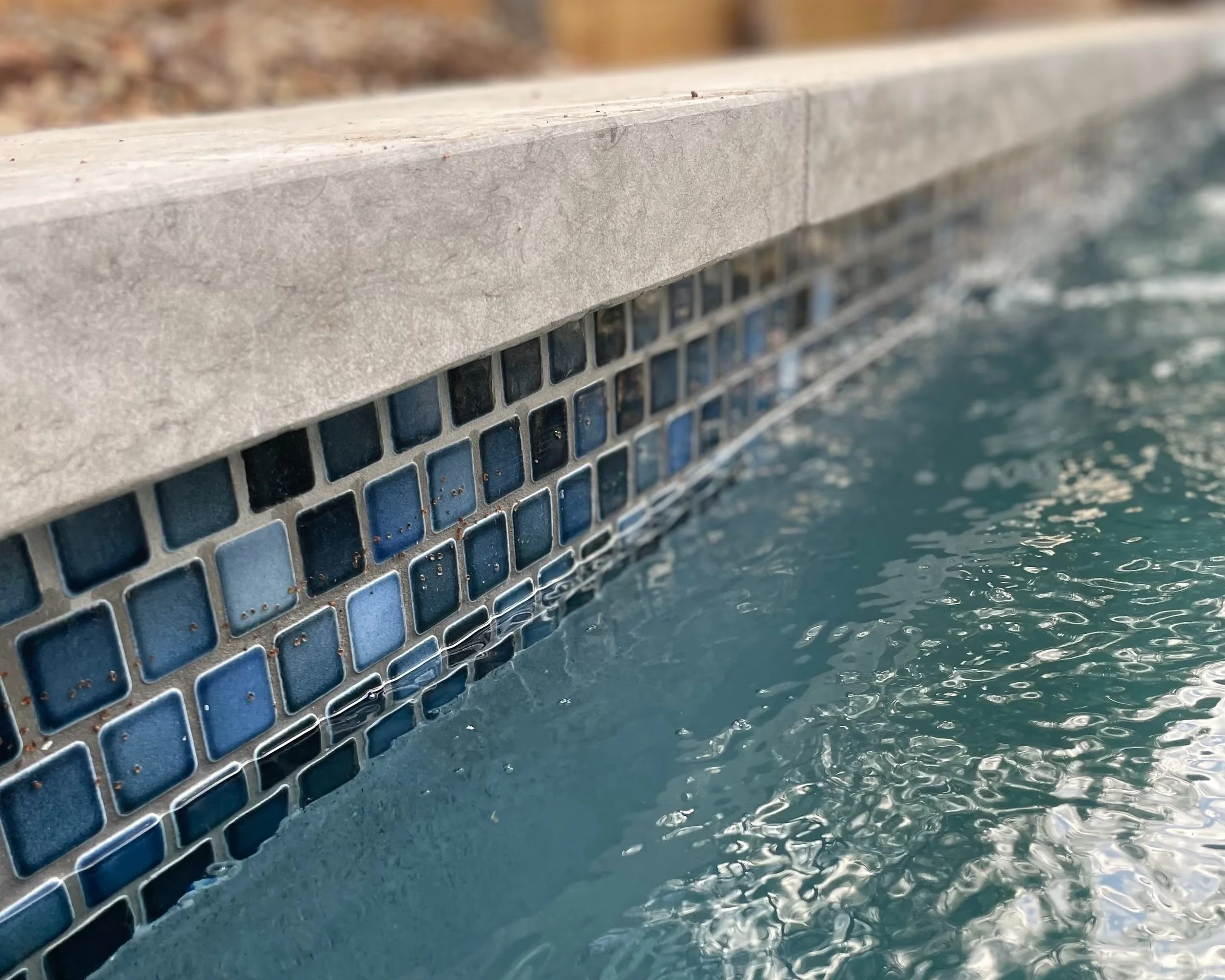
Pebble finishes, sometimes called pebblecrete or exposed aggregate, combine small smooth stones or pebbles with a cement binder. The surface is applied to the pool shell and then exposed (by washing back the cement layer) to reveal the aggregate texture.
How it looks and feels
Pebble surfaces have a natural, textured appearance. The finish can range from fine and relatively smooth to more pronounced depending on the size of aggregate used. Colour options are broader than standard plaster, as the pebbles themselves come in a range of natural tones.
The texture underfoot is more pronounced than plaster. Most swimmers adapt to it quickly, though it is worth considering if young children or sensitive feet are a factor.
How long does a pebble surface last?
Pebble is a more durable surface than standard plaster. The harder aggregate resists wear, staining, and chemical attack better than a plain cement finish. A well-maintained pebble surface can last significantly longer before needing renovation.
Common issues with pebble
- Texture: The surface is rougher than plaster. Some swimmers find it uncomfortable on feet and knees.
- Algae in the texture: The textured surface can harbour algae in the gaps between pebbles if the pool is not maintained properly.
- Higher upfront cost: Pebble finishes generally cost more to install than standard plaster.
- Harder to repair seamlessly: Patching a pebble surface to match the original finish can be difficult.
---
Pebble vs Plaster: Key Differences
Durability
Pebble is the more durable option. The aggregate surface resists wear and chemical erosion better than plain plaster. If you are renovating a pool and want a surface that holds up well over the long term, pebble is generally the stronger choice.
Appearance
Plaster offers a cleaner, more traditional look. Pebble provides a more natural, textured aesthetic. Both can look excellent, it comes down to personal preference and the style of your outdoor space.
Maintenance
Both surfaces require balanced water chemistry to perform well. Plaster is more sensitive to water chemistry imbalances, low pH or low calcium hardness will etch the surface faster. Pebble is more forgiving, though the textured surface does require consistent brushing to prevent algae from establishing in the aggregate.
Cost
Plaster is generally the lower-cost option upfront. Pebble costs more to install but typically lasts longer, which can make it more cost-effective over the full life of the pool.
Comfort underfoot
Plaster is smoother and generally more comfortable underfoot, particularly for children. Pebble has a more textured feel, which some swimmers find less comfortable.
---
Which Surface Suits Auckland Conditions?
Auckland's climate is relatively mild, but pools here still face UV exposure, variable water temperatures, and the chemistry challenges that come with high bather loads during summer.
Both surfaces perform well in Auckland when the pool water is properly maintained. However, plaster is more vulnerable to the effects of imbalanced water, and Auckland's water supply characteristics mean chemistry management is an ongoing task for any pool owner.
For pools that see heavy use or where water chemistry management has historically been inconsistent, pebble's greater resistance to chemical wear makes it a practical choice.
---
What to Consider Before Choosing
Before deciding on a surface, it helps to think through a few practical questions:
- How long do you plan to keep the pool? If you are renovating for the long term, pebble's durability may justify the higher upfront cost.
- Who uses the pool? Young children or swimmers with sensitive skin may prefer the smoother feel of plaster.
- How consistent is your water chemistry management? Plaster requires more careful chemistry control to avoid premature wear.
- What aesthetic suits your property? Both finishes can look excellent, consider the overall style of your outdoor area.
- What is your budget? Plaster is the more affordable starting point, though the longer replacement cycle of pebble can offset the difference over time.
---
When to Resurface Your Pool
Regardless of which surface you have, there are clear signs that resurfacing is due:
- The surface feels rough or sharp underfoot
- Visible staining that cannot be removed through normal cleaning
- Crazing, cracking, or flaking of the surface
- Persistent algae that returns despite correct chemical treatment
- The surface is visibly worn or discoloured
If you are unsure whether your pool surface needs attention, a professional assessment can help you understand what is involved and what your options are.
---
Getting the Right Advice
Choosing a pool surface is a long-term decision. The right answer depends on your pool, how it is used, and what matters most to you. Sparkling Pools has been working on Auckland pools since 1992 and can assess your existing surface, talk through your options, and carry out resurfacing work done properly.
If your pool is due for renovation or you want an honest assessment of your current surface, get in touch with the team.
Pool resurfacing solutions
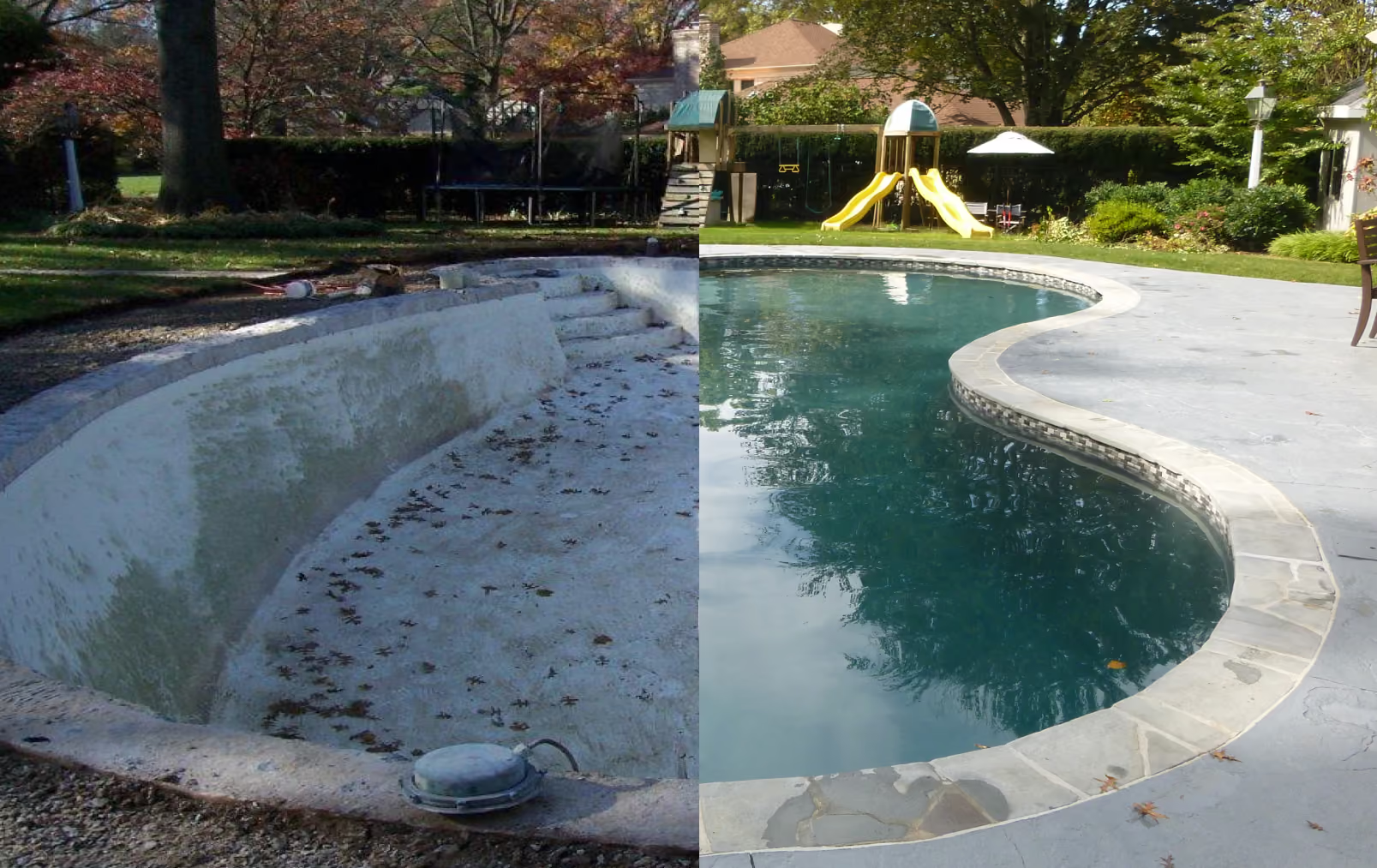
Restore your pool with durable plaster finishes


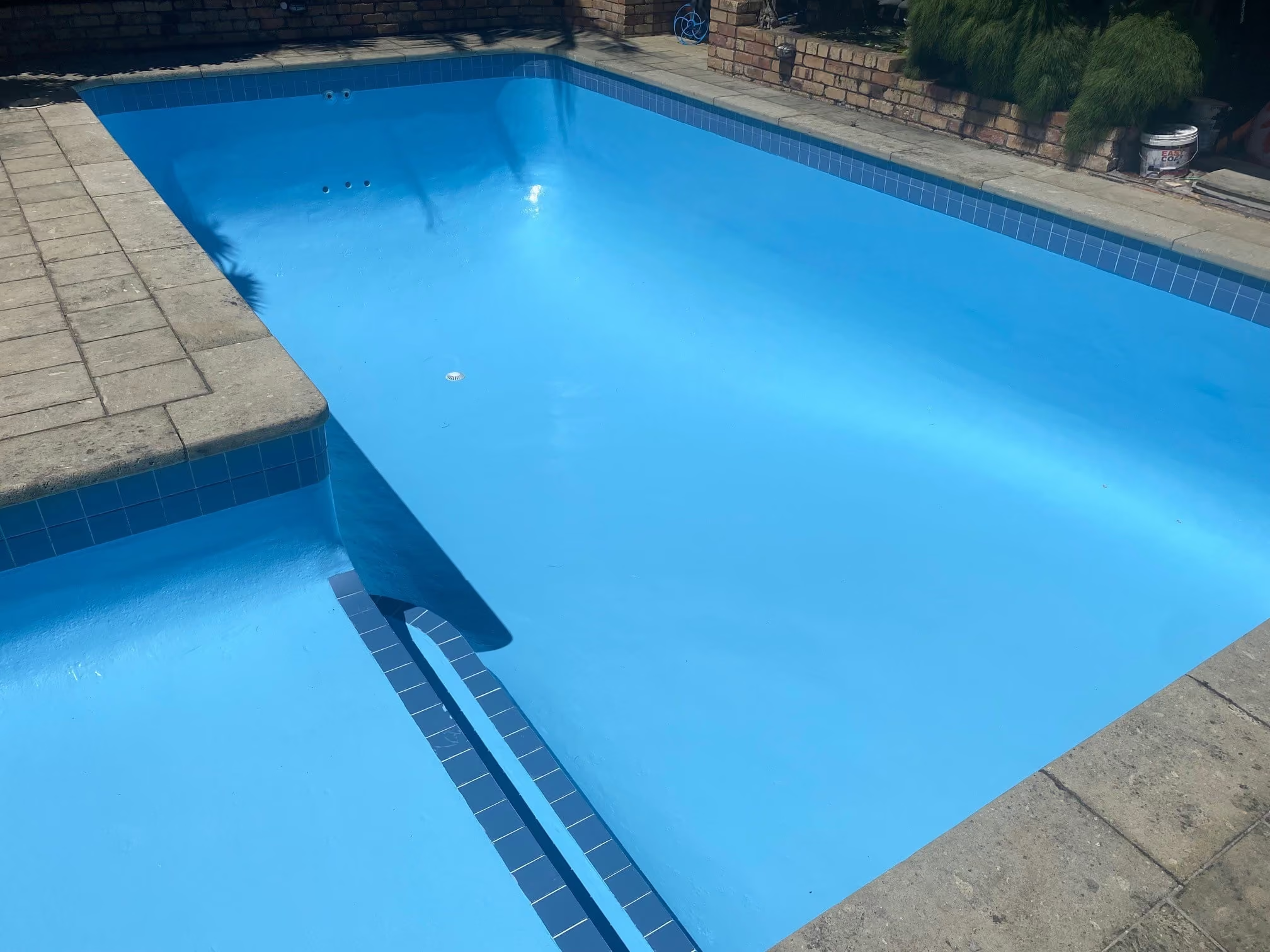
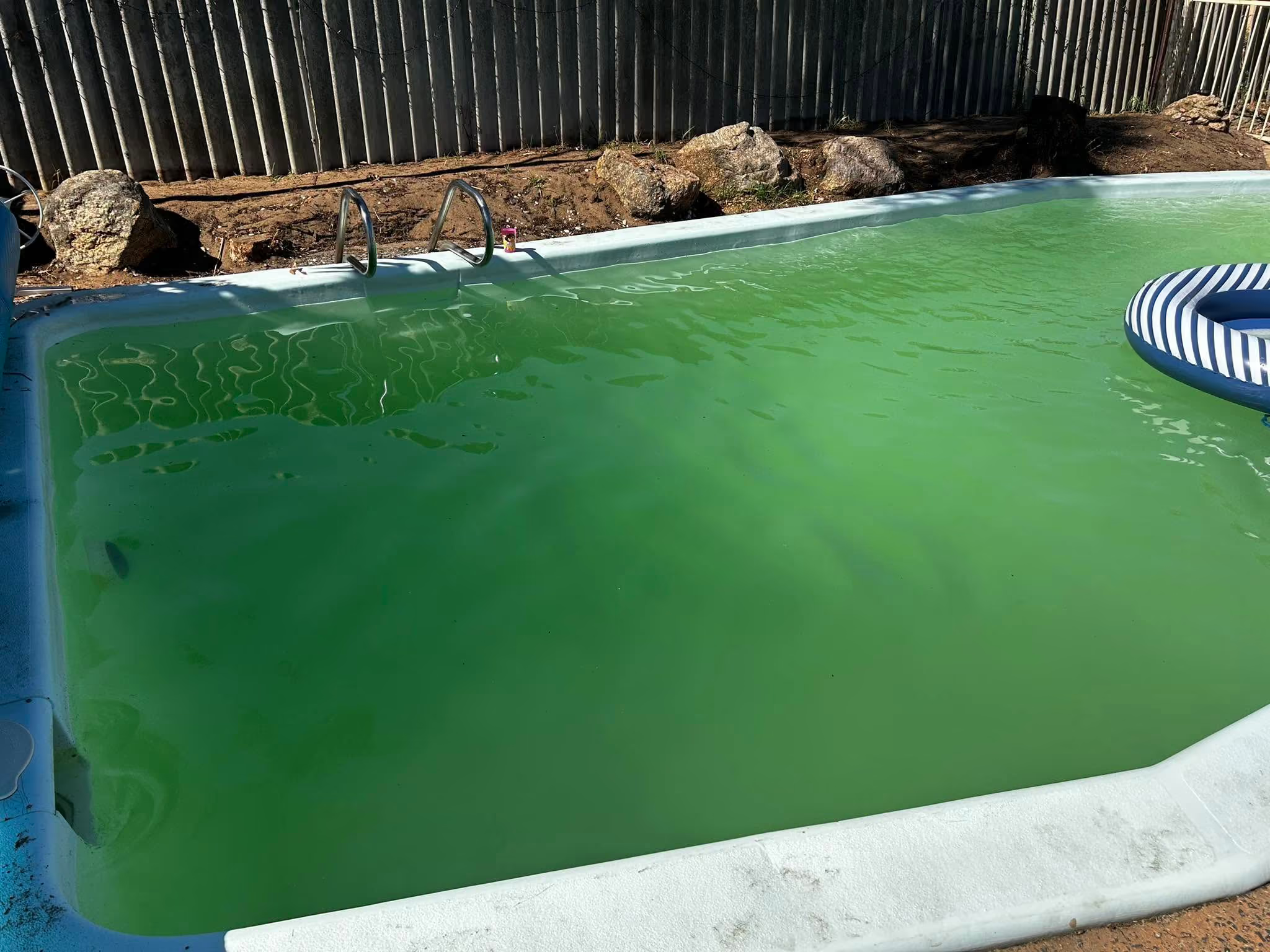
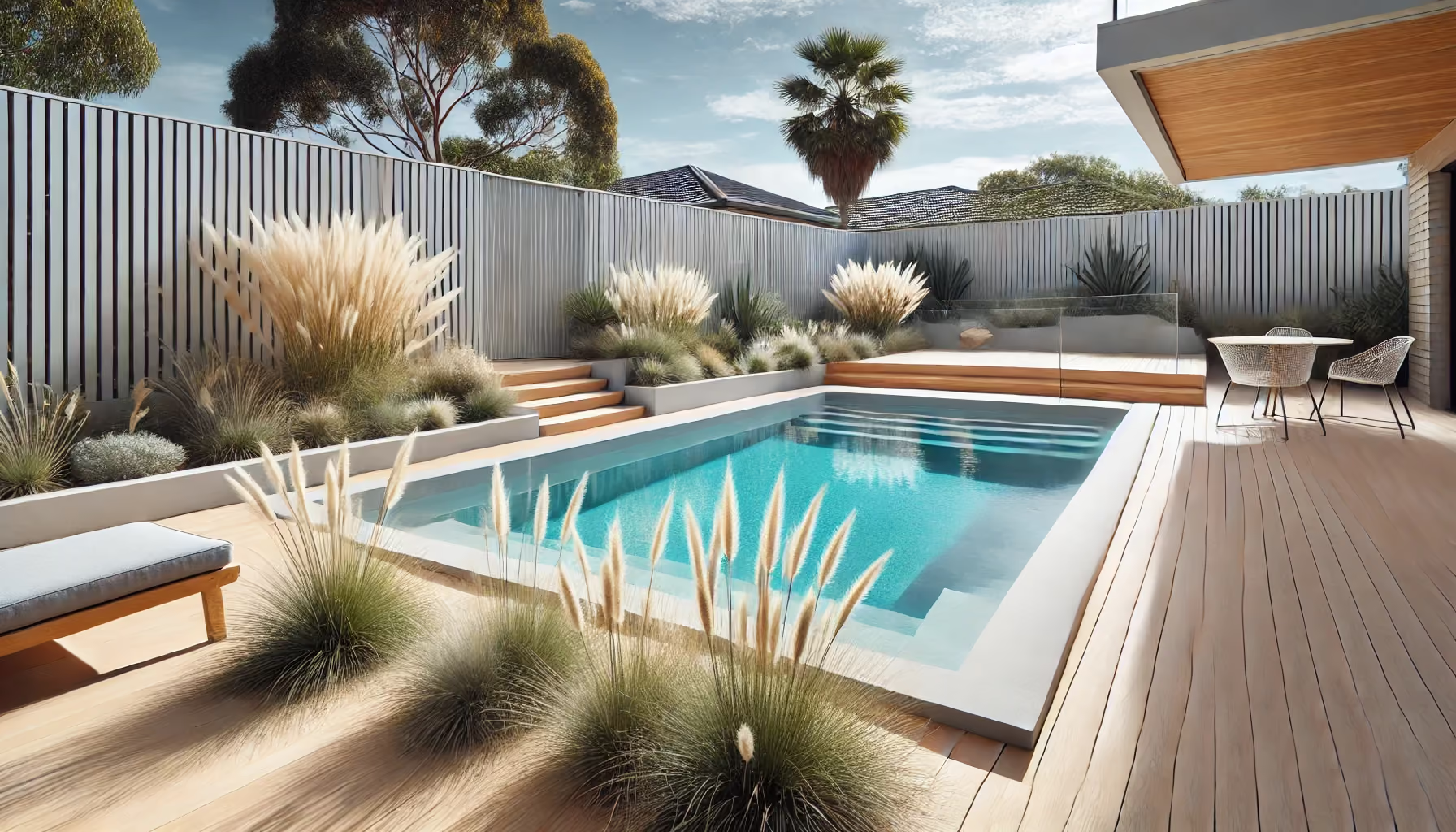
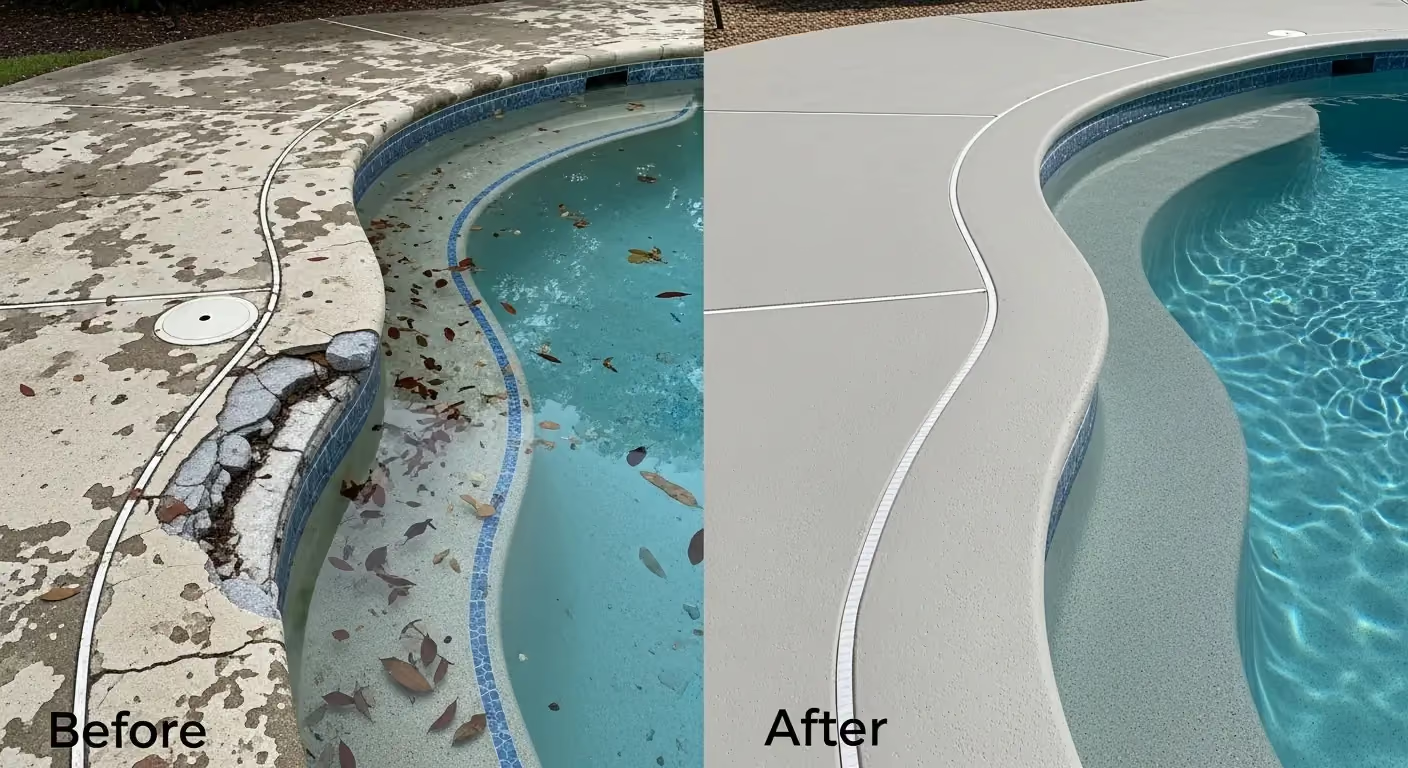
Work completed
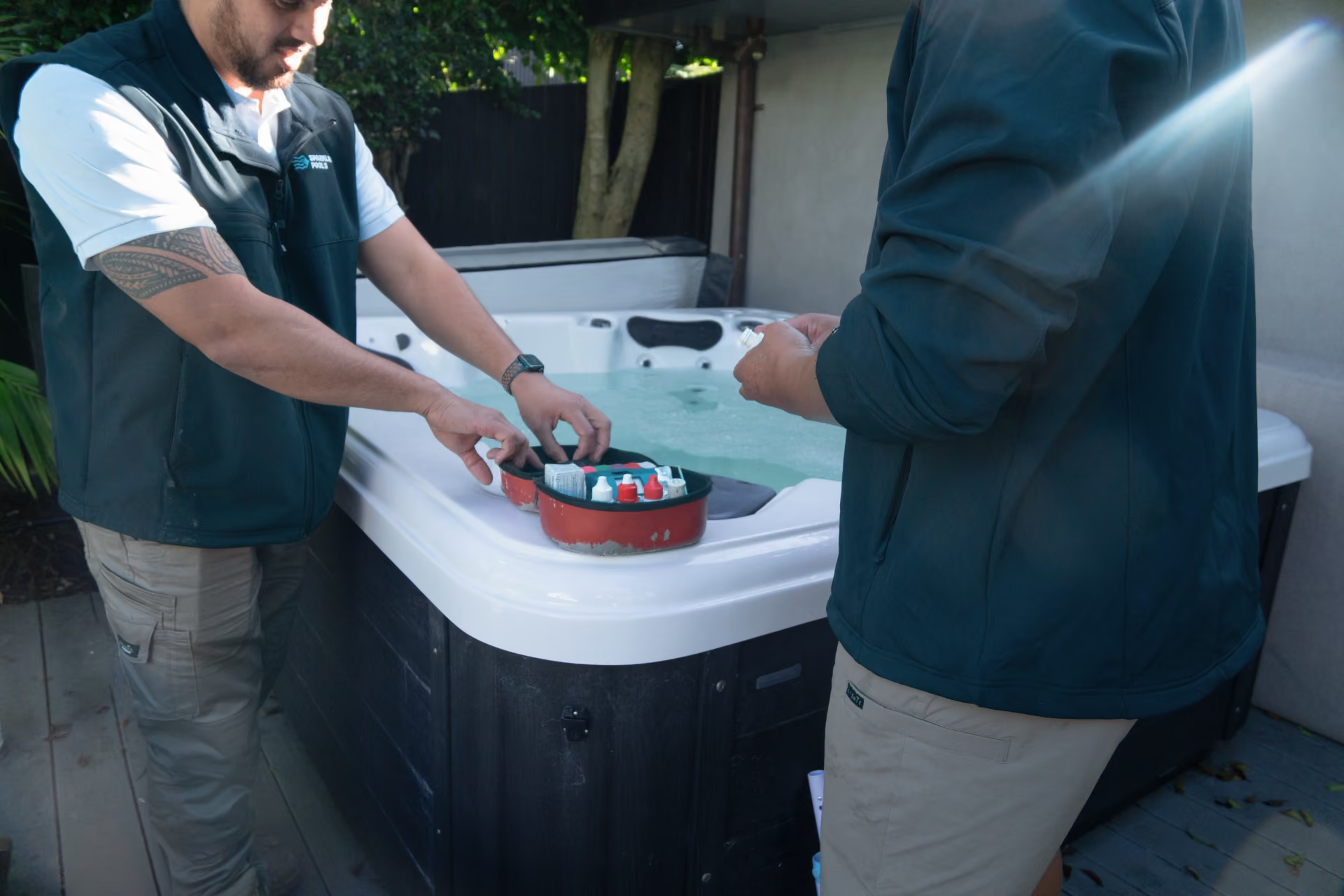
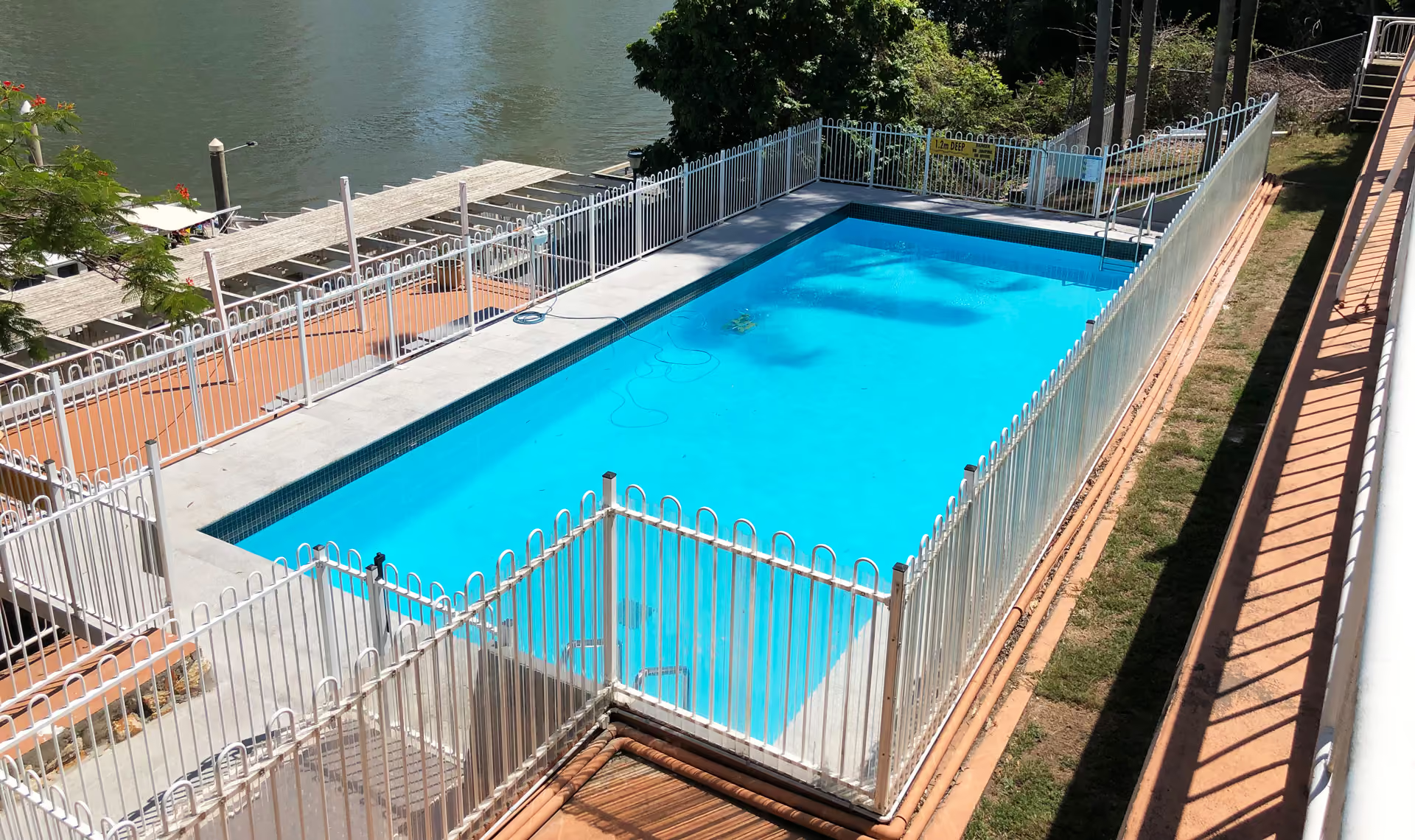
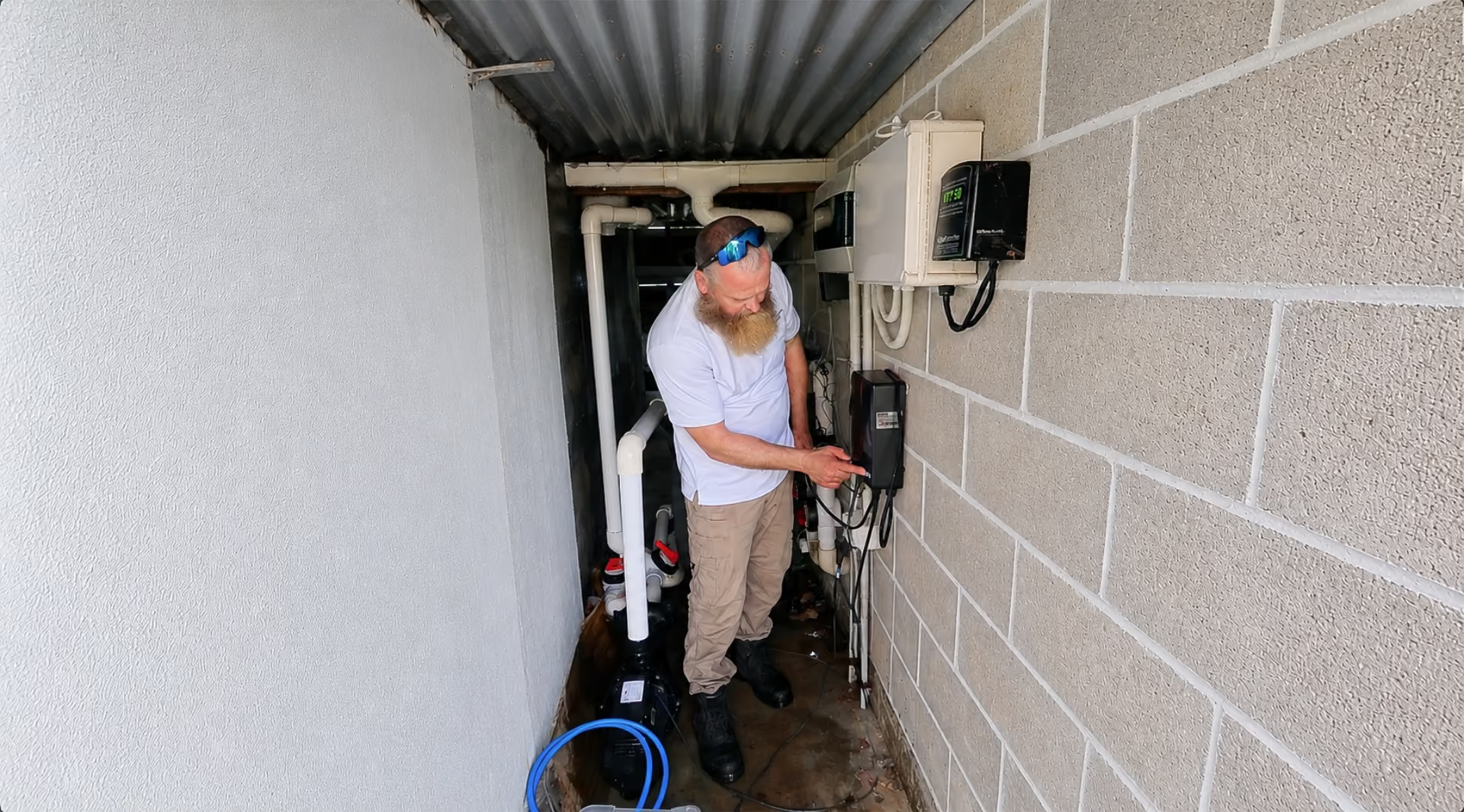
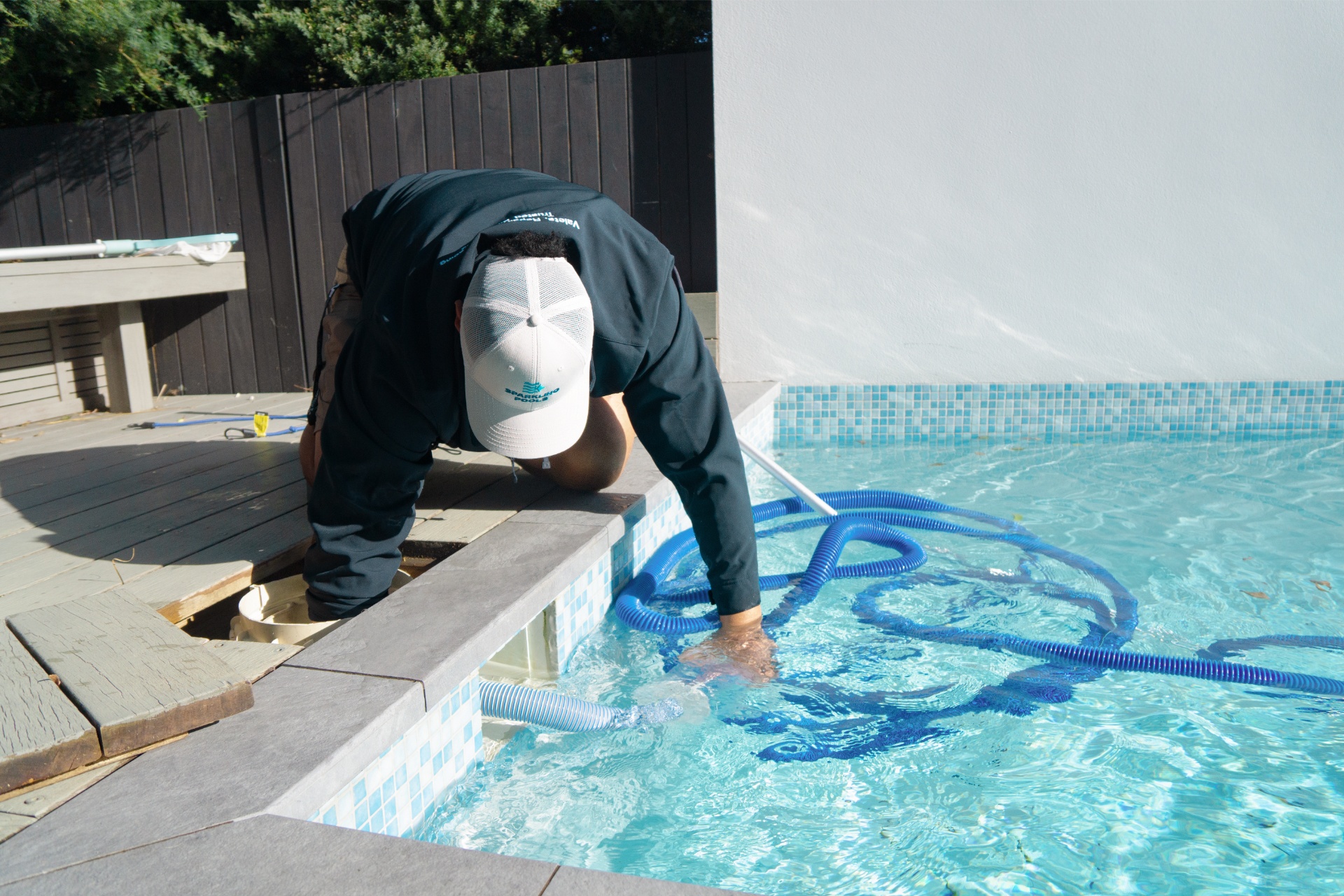
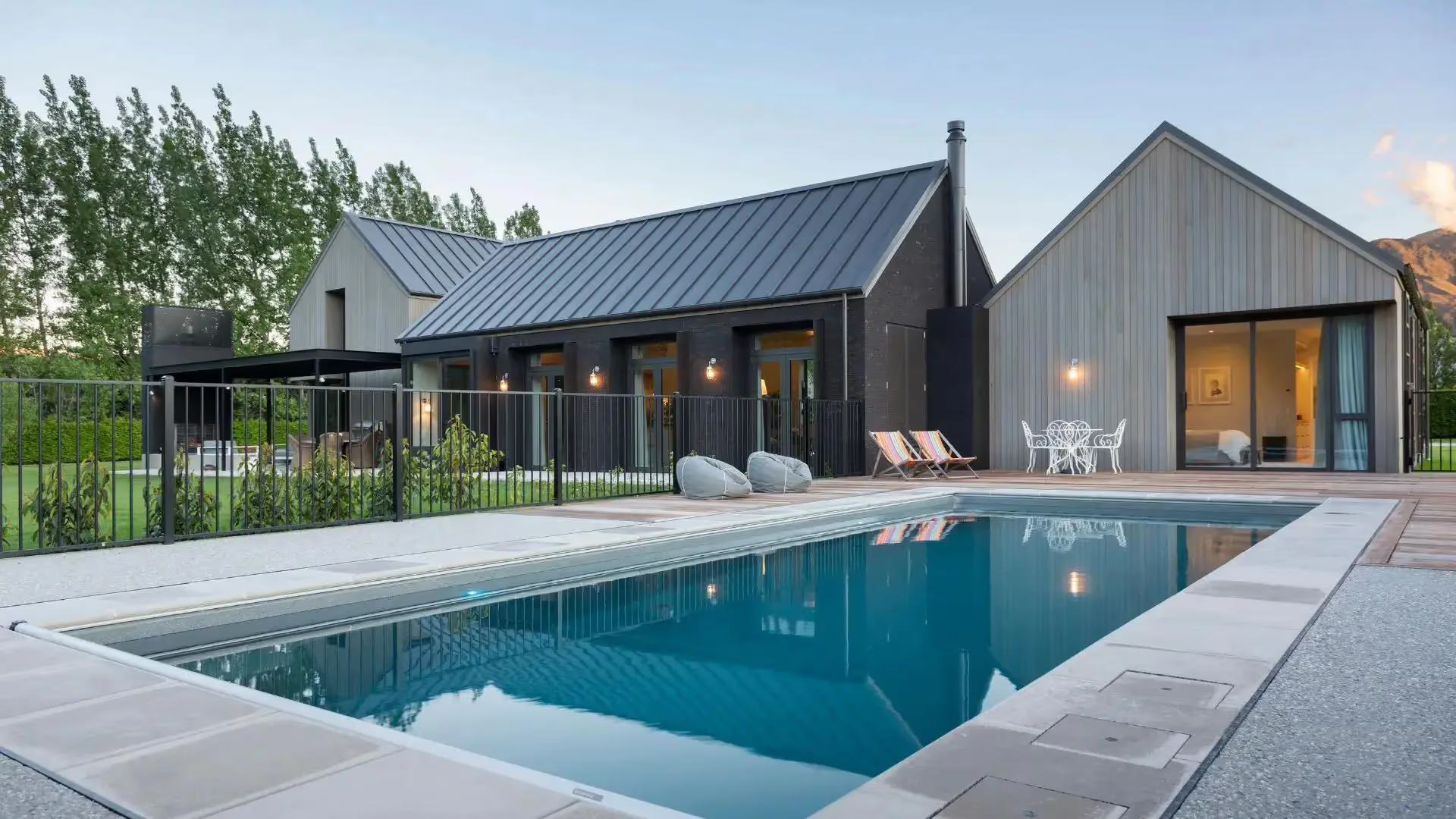
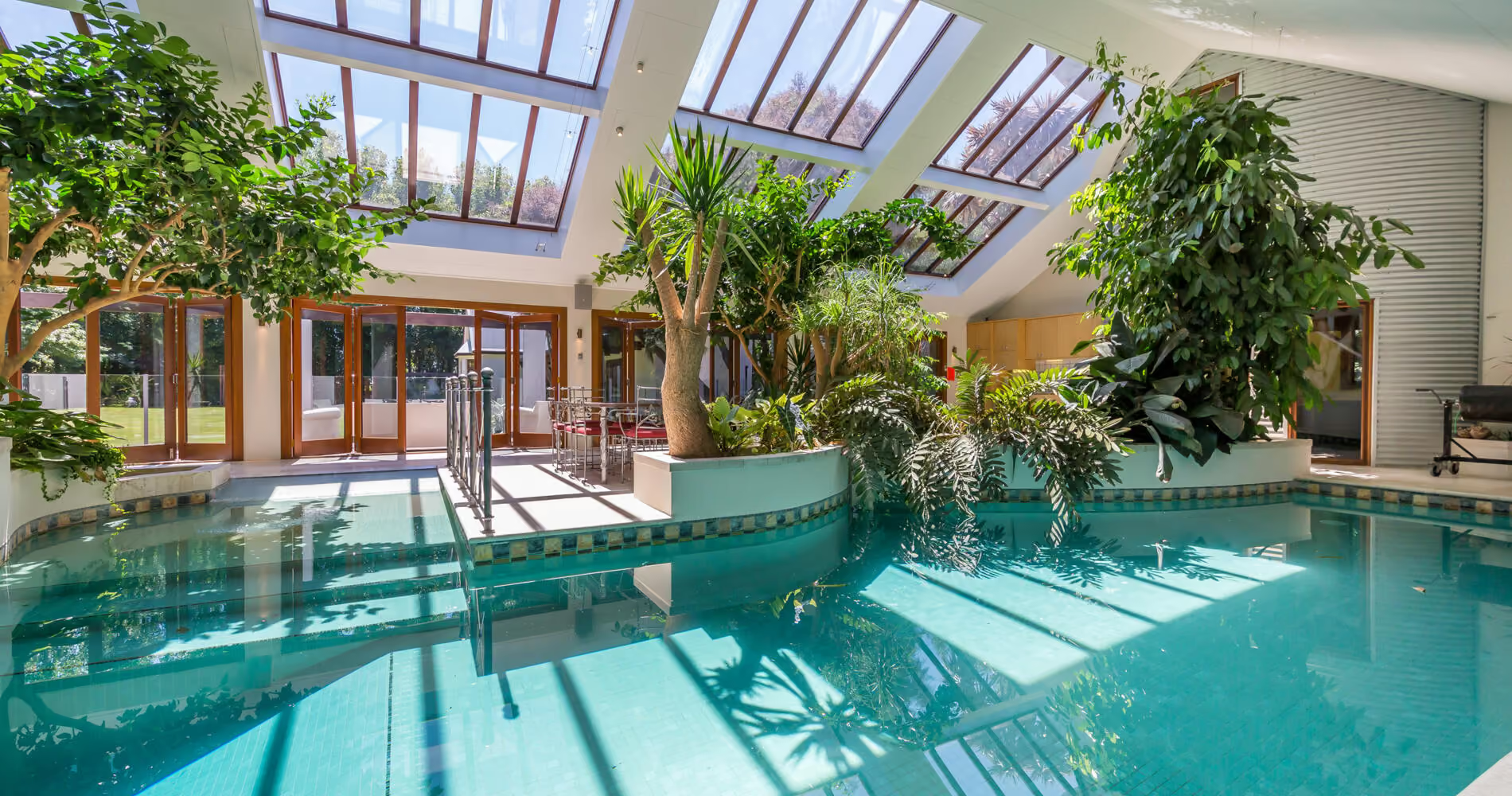
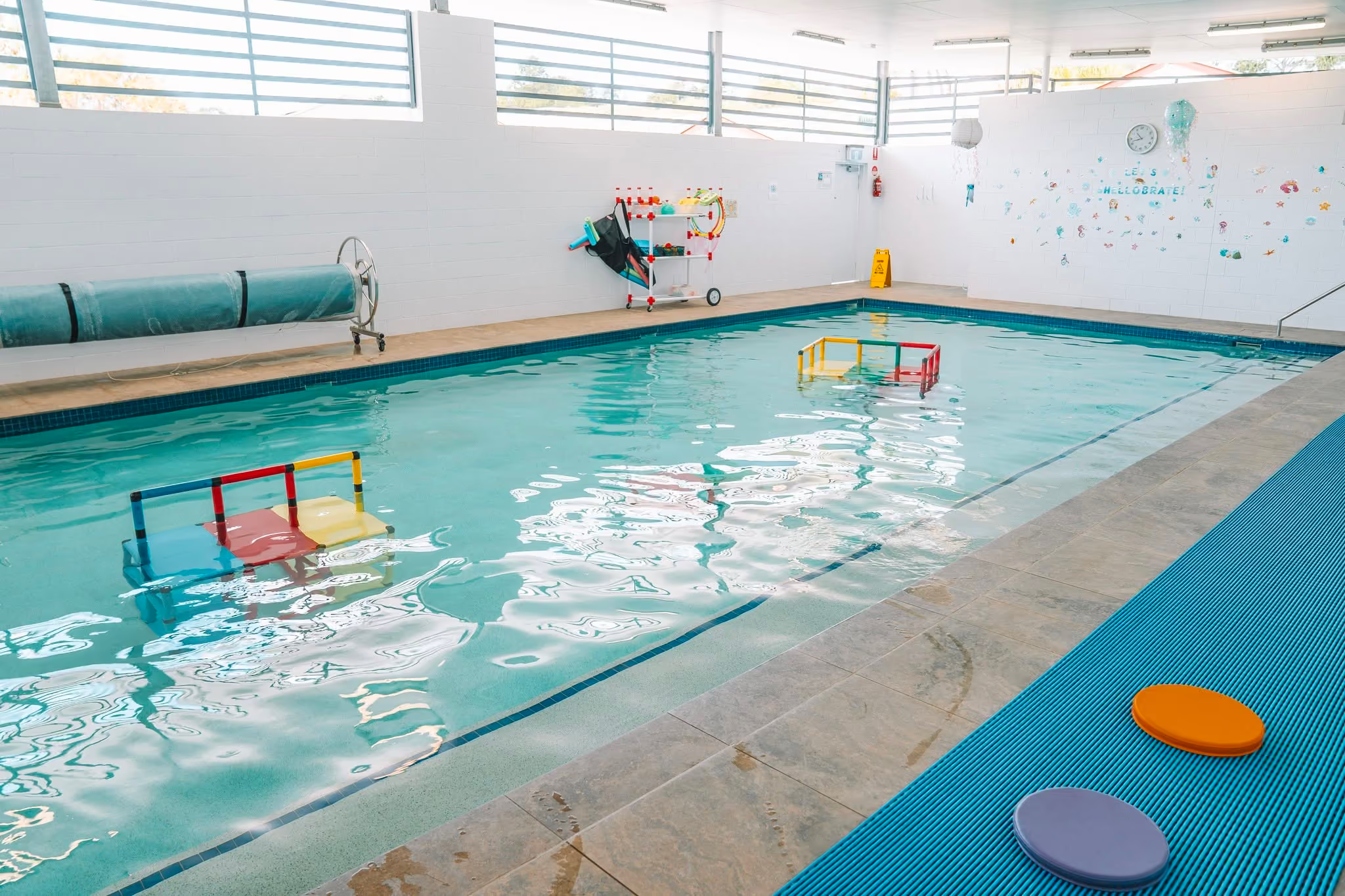
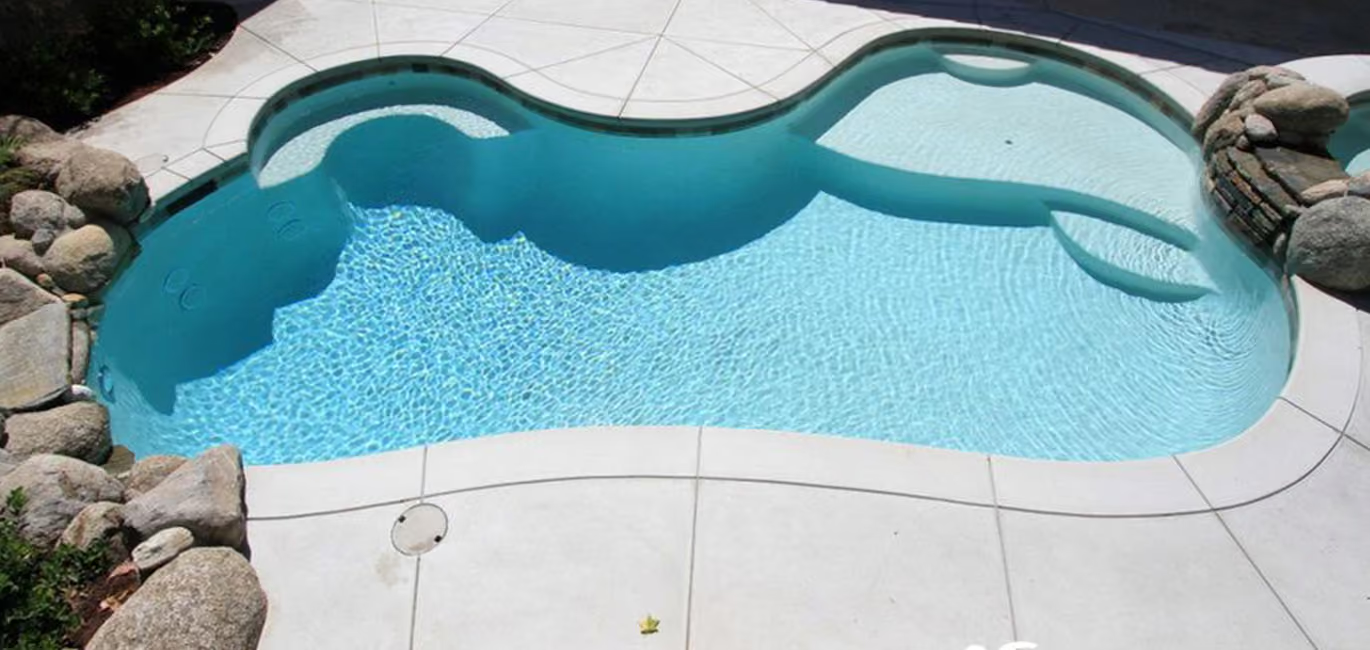
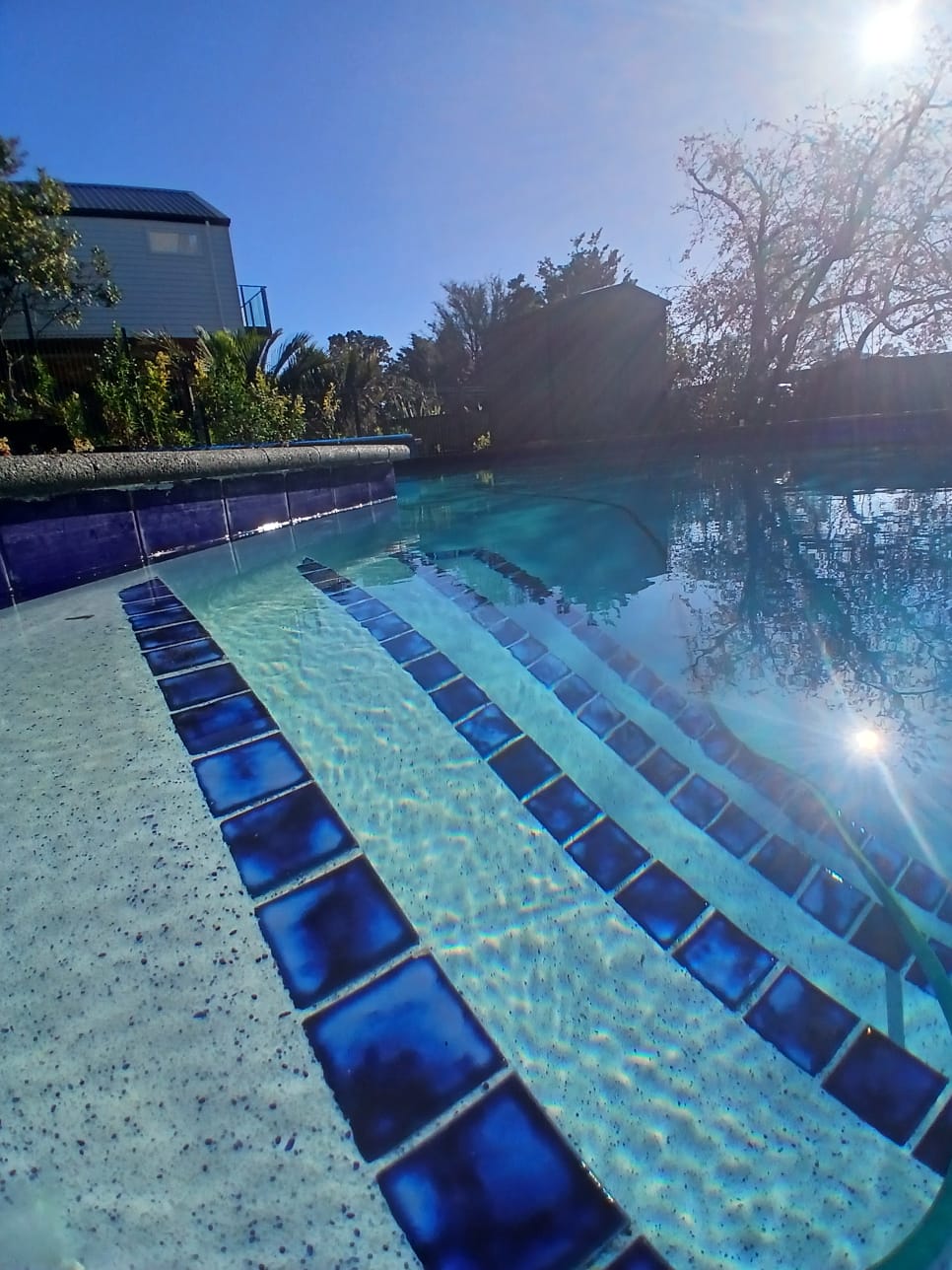
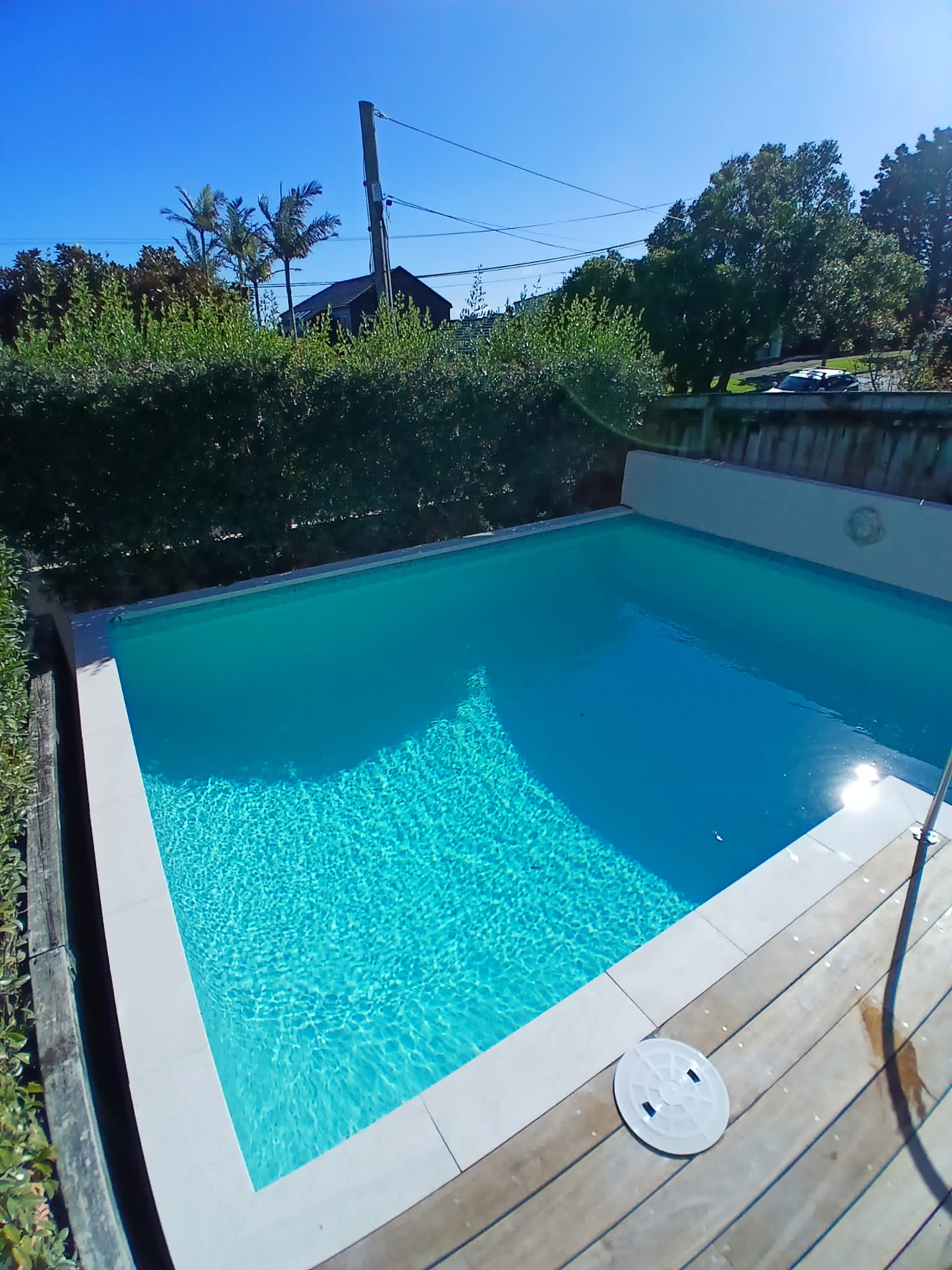
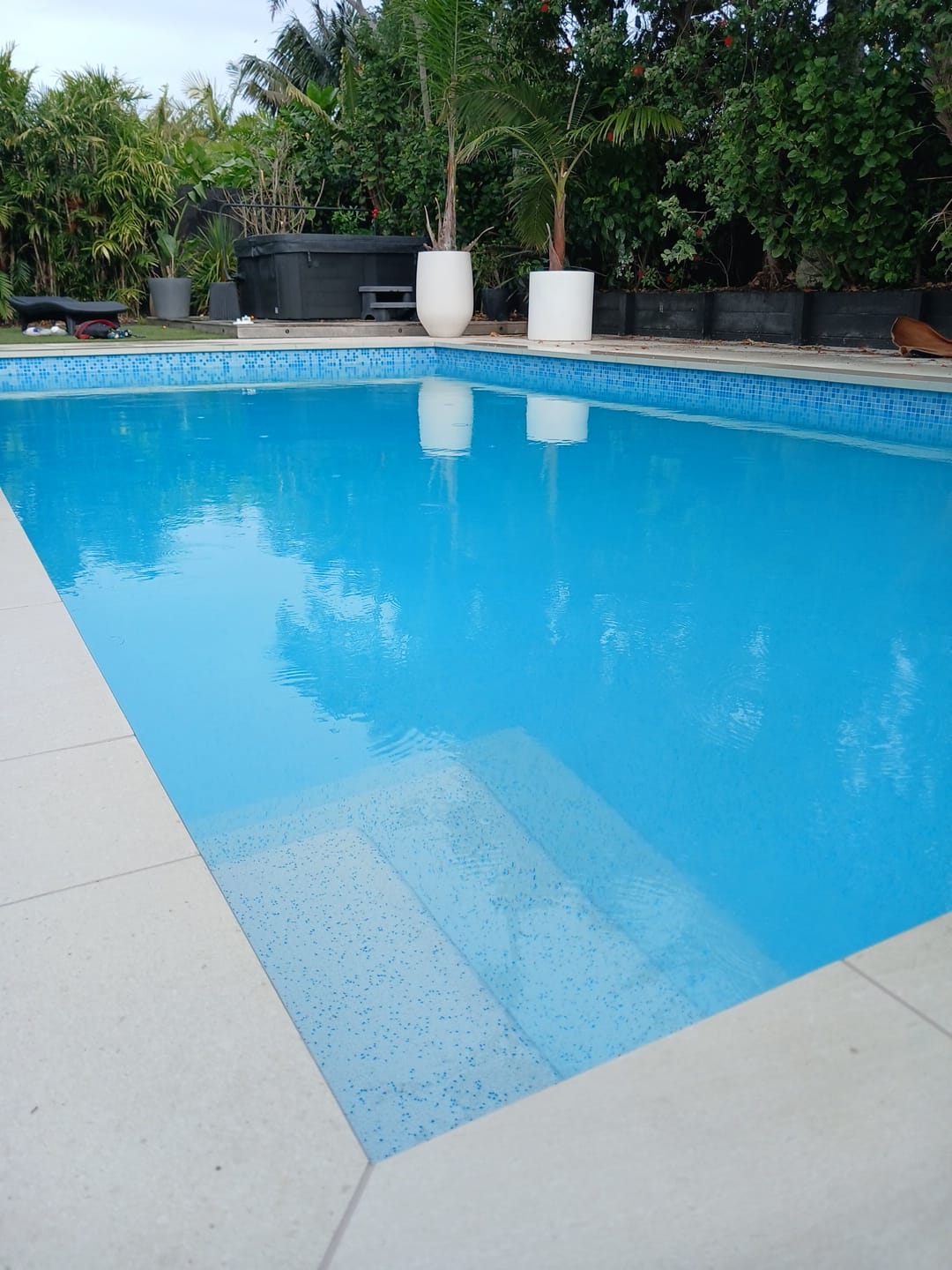
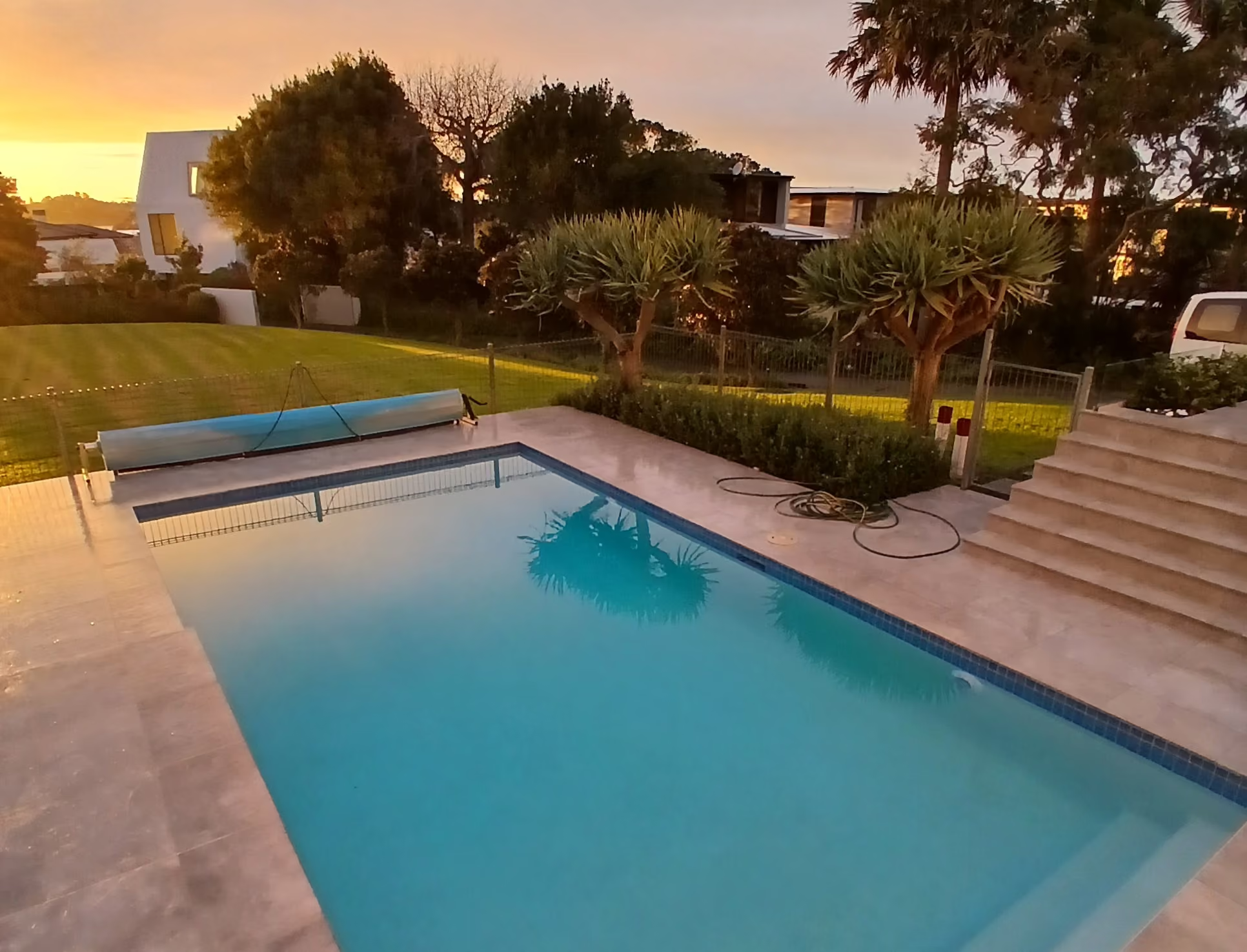
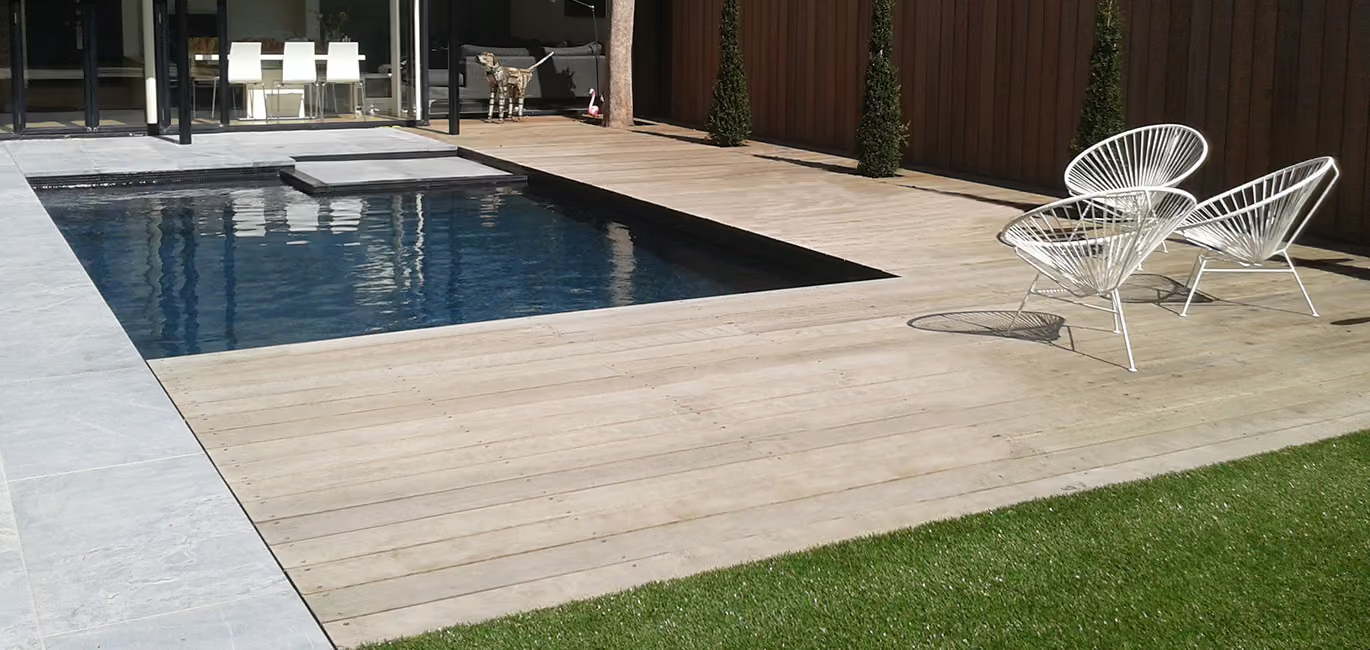
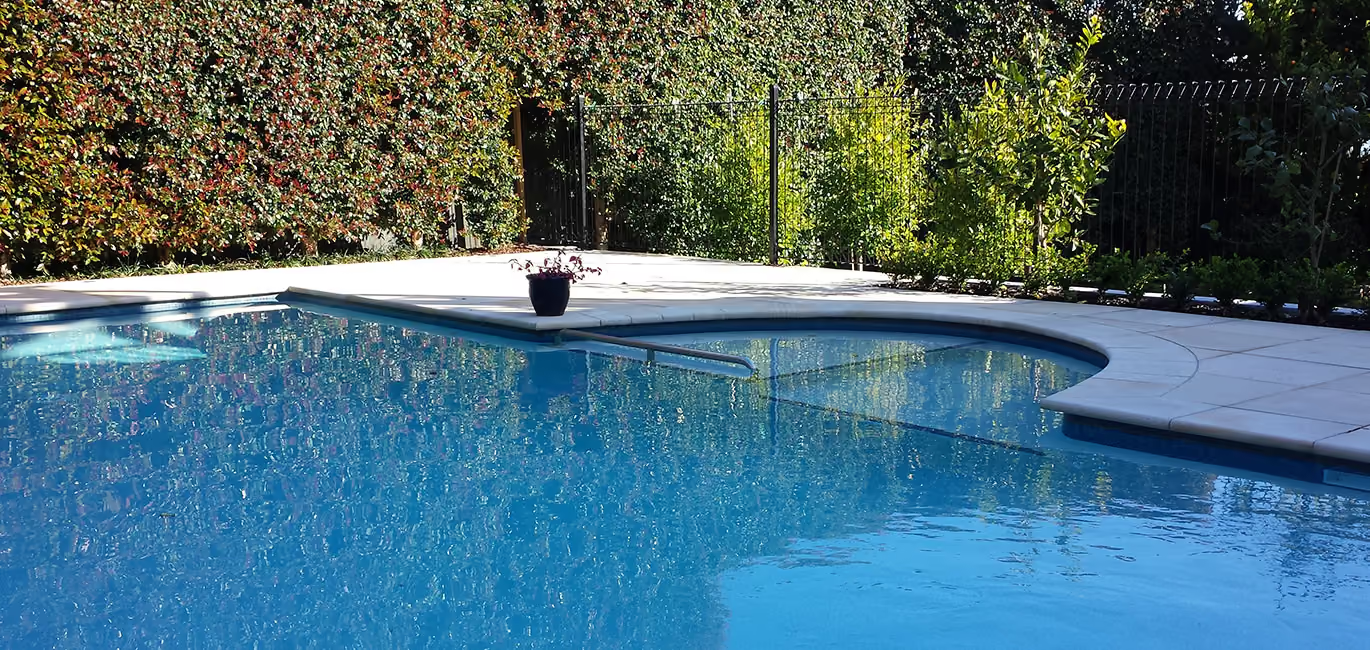
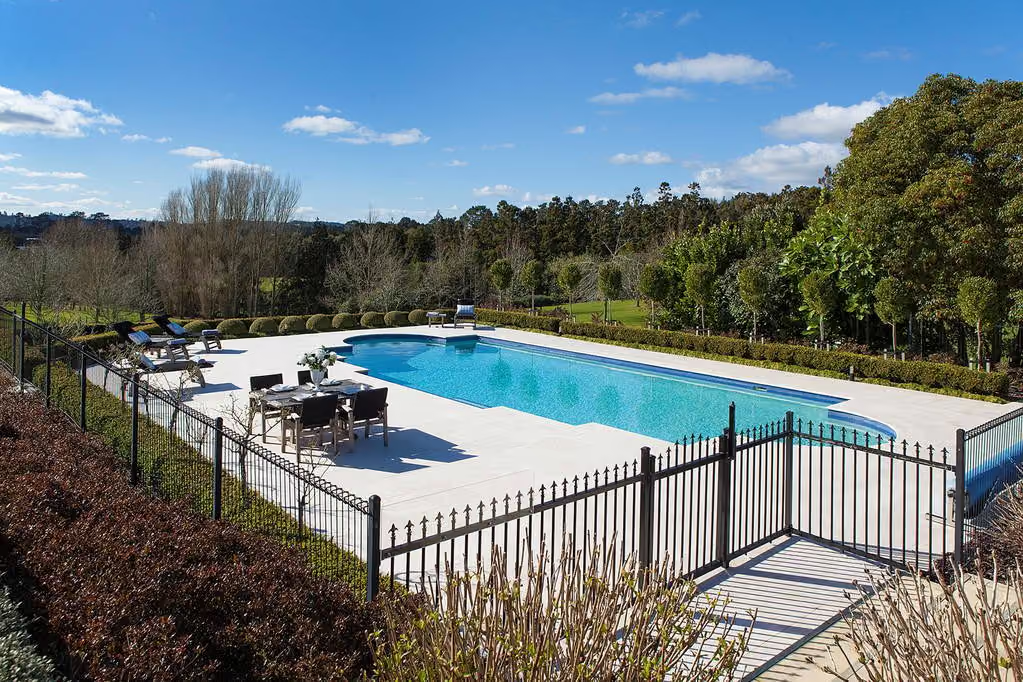
Sparkling Pools has worked on pools across Auckland, including residential renovation projects, equipment upgrades, ongoing maintenance and pool care for managed properties. Past projects show how the right approach can improve presentation, water quality and day-to-day usability. A well-maintained pool is easier to manage, more pleasant to use and better prepared for seasonal changes.
Trusted by Homeowners Across Auckland
Don't just take our word for it. Read what our clients have to say about our transparent communication, reliable service, and stunning pool transformations.
Related Blog Posts
Stay informed on pool care and renovations
Winter pool care essentials for Auckland
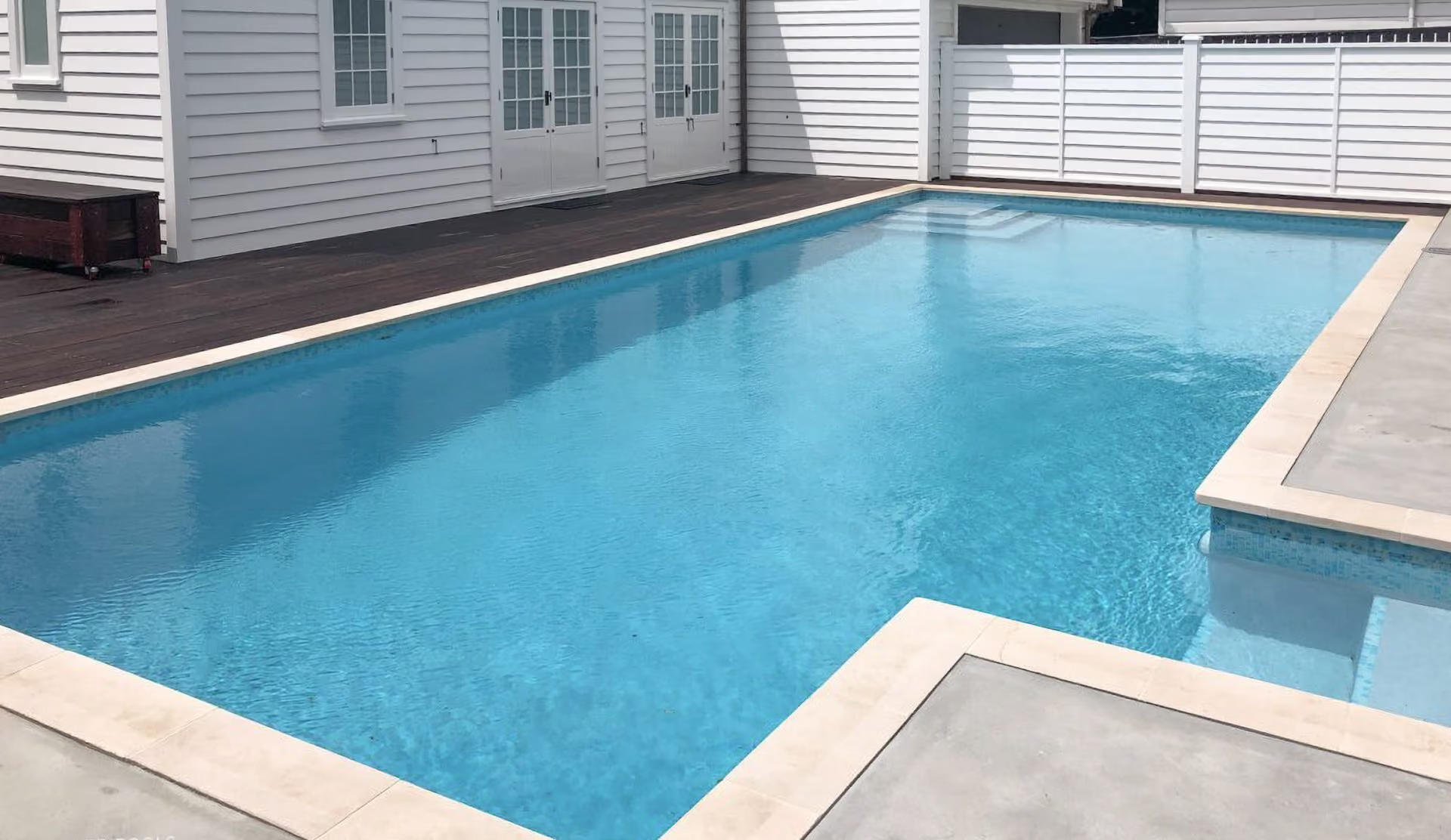
Pool Renovation Mistakes

Auckland Climate Pool Maintenance

Choosing Renovation Contractor
Pool Care Auckland Summer
Permits & Consents
Pool Renovation ROI
How Often to Test Pool Water
Pool Renovation Costs
Cost of Pool Service Auckland
Pool Renovation Planning Guide
Pool Lighting Buying Guide
Pool Cleaner Buying Guide
Pool Automation Buying Guide
Pool Heater Buying Guide
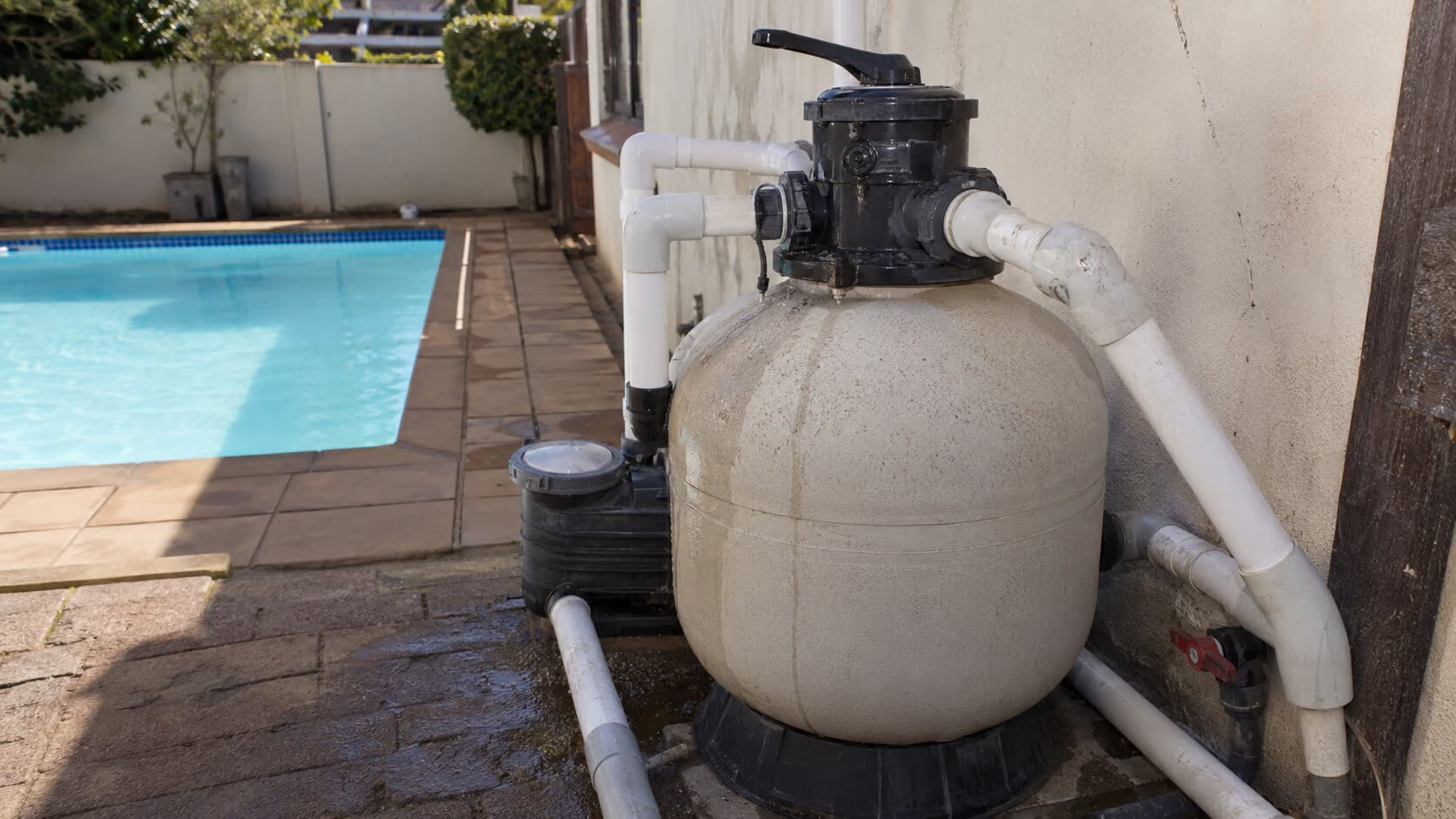
Pool Filter Buying Guide
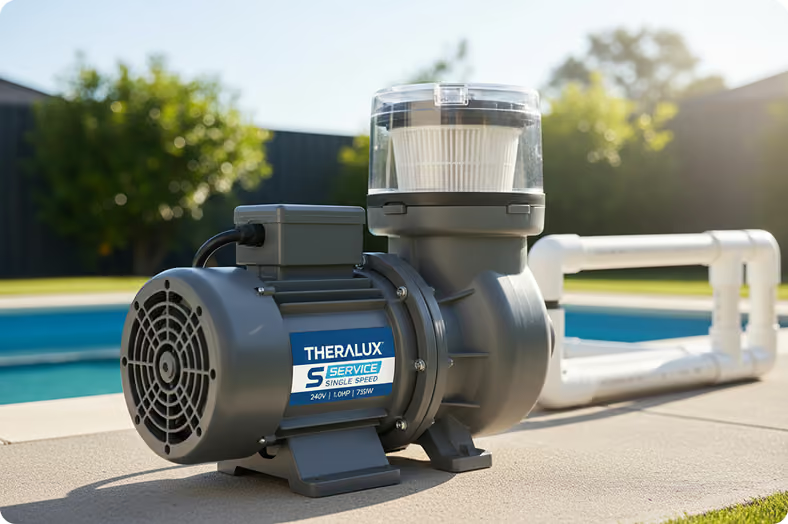
Pool Pump Buying Guide
Best Equipment Auckland Climate
Auckland Water Quality
Auckland Pool Season
Pool Ownership Costs
Common Pool Mistakes
Pool Safety Laws
Pool Inspection Requirements
Pool Fence Compliance
.avif)
Auckland Pool Industry Trends
Auckland Pool Regulations
Pool Equipment Suppliers
Best Pool Service Areas
Pool Service Pricing Analysis
Company vs Independent
Best Pool Surface Materials
Pool Resurfacing Options
Pebble vs Plaster Surfaces
One-Time vs Ongoing Service
Full Service vs Chemicals Only
Pool Cover Types
Robotic vs Suction Cleaners
Mineral vs Saltwater
Gas vs Heat Pump
Pool Heater Types
Pool Winterizing Guide Auckland
Pool Opening Guide Summer
Pool Maintenance After Heavy Rain
Pool Maintenance Schedule
How Often to Run Pool Filter
Pool Pump Maintenance Schedule
Pool Filter Cartridge Cleaning
Pool Equipment Maintenance Checklist
Pool Waterline Cleaning
Pool Skimmer Basket Cleaning
Pool Chlorine Levels
How Often Clean Pool Filter
How to Vacuum Pool
Pool Brushing Technique
Pool Chemical Dosing Chart
Pool Water Chemistry Basics
How to Balance Pool Chemistry
How to Test Pool Water
Pool Maintenance Tips
Complete Pool Maintenance Guide
Pool Service ROI
Pool Equipment Buy or Service
Pool Maintenance Time Requirements
DIY vs Professional
Pool Service Contract
Pool Service vs Pool Valet
Is Pool Service Worth It
Pool Service Guarantees
Pool Service Reviews
Pool Service Red Flags
Questions to Ask Pool Companies
How to Choose Pool Service Company
Hidden Costs DIY Maintenance
Pool Cleaning Prices Auckland
Cost of Pool Resurfacing
Cost of Pool Pump Replacement
Cost to Fix Green Pool
Pool Liner Wrinkles
Pool Cracks When to Worry
Pool Surface Stains
Pool Valve Leaking
Pool Automation Not Working
Pool Light Not Working
Pool Heater Not Heating
Pool Skimmer Not Working
High Pool Filter Pressure
Pool Losing Water
Pool Filter Not Clearing Water
Pool Pump Leaking
Pool Pump Not Pumping
Pool Pump Losing Prime
Pool Pump Noisy
Pool Pump Not Working
Pool Water Foaming
Pool pH Too Low
Pool pH Too High
Green Pool After Rain
Pool Still Green After Shock
Pool Water Cloudy
How to Clear a Green Pool
Pool Care That Protects Your Investment
Good pool care protects more than appearance. Our pool specialists support the long-term condition of your swimming pool while keeping it ready for everyday use.