Pool Pump Buying Guide

Why Auckland trusts our pool service expertise
Choosing the right pool pump comes down to matching the pump's flow rate to your pool's volume, pipe diameter, and filter type. Getting this right keeps your water clean and your running costs reasonable.
These key points summarise what to consider before you buy.
What you'll learn
The Short Answer
A pool pump is the heart of your pool's circulation system. Get the sizing wrong and you'll either waste money on power or end up with a pump that can't keep your water clean. The right pump depends on your pool's volume, your pipe diameter, your filter type, and how many hours a day you need to run it.
This guide walks through the key decisions in plain terms so you can buy with confidence, or have an informed conversation with your pool specialist.
---
Why the Pump Matters
Your pump drives water through the filter, heater, chlorinator, and back into the pool. If it's undersized, water won't turn over often enough and you'll fight algae and cloudy water constantly. If it's oversized, you'll pay more on power than you need to, and you may create pressure problems in your pipework.
Getting the match right between pump, pool size, and system layout is the single most important equipment decision you'll make.
---
Step 1, Know Your Pool Volume
Every pump recommendation starts here. You need to know roughly how many litres your pool holds.
A basic estimate:
- Rectangular pool: length × width × average depth × 1,000 (for litres)
- Kidney or freeform shapes: multiply the rectangular estimate by approximately 0.85
If you're unsure, your pool builder's paperwork or a previous service record may have this figure. A pool specialist can also estimate it from your pool's dimensions.
---
Step 2, Understand Turnover Rate
Turnover rate is how long it takes your pump to circulate the entire volume of pool water through the filter once.
For most residential pools, the target is to turn the water over at least once every eight hours. In warmer months or with heavier use, twice daily is better.
To work out the flow rate you need:
1. Take your pool volume in litres
2. Divide by the number of hours you want to run the pump
3. The result is the litres per hour (L/h) your pump needs to deliver
For example, a 60,000-litre pool running for eight hours needs a pump capable of at least 7,500 L/h.
---
Step 3, Check Your Pipe Diameter and System Resistance
A pump's flow rate is always measured under specific conditions. In a real pool system, resistance from pipes, bends, the filter, and fittings reduces actual flow.
Key points:
- Older pools often have 40mm pipework; newer installs typically use 50mm
- Smaller pipes create more resistance and reduce effective flow
- Longer pipe runs, more bends, and additional equipment (heaters, chlorinators) all add resistance
If you're replacing an existing pump, the safest starting point is to match the flow rate of the pump you're replacing, unless there was a known problem with the original sizing.
---
Step 4, Single Speed, Dual Speed, or Variable Speed?
This is one of the most common questions when buying a new pump.
Single Speed Pumps
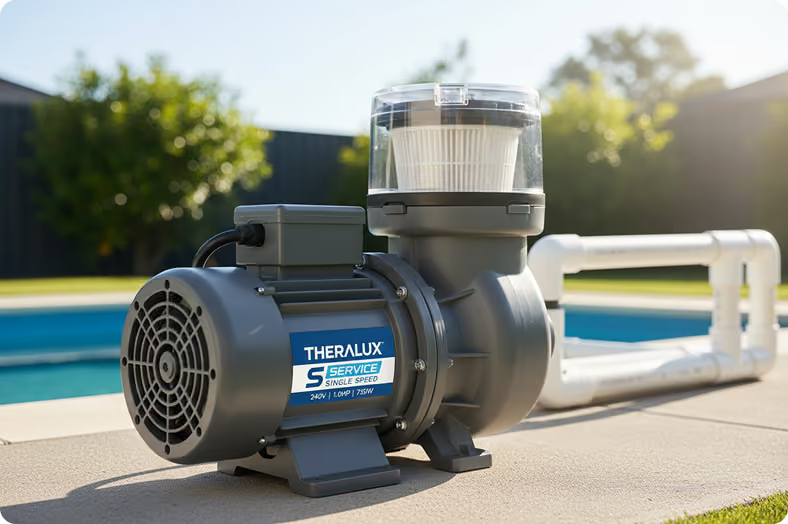
Run at one fixed speed. Simple and lower upfront cost. Less efficient over time because they run at full power even when the pool doesn't need it.Dual Speed Pumps
Have a high and low setting. Running on low speed for most of the day and switching to high for backwashing or vacuuming can reduce power consumption meaningfully.Variable Speed Pumps
Can be set to run at any speed across a range. Generally the most energy-efficient option over the long term, particularly for pools that run the pump for many hours a day. Higher upfront cost, but running costs are typically lower.For Auckland homeowners running a pump year-round, the energy savings from a variable speed pump can offset the higher purchase price over time. It's worth factoring in your typical daily run hours when comparing options.
---
Step 5, Match the Pump to Your Filter Type
Different filter types have different flow requirements.
- Sand filters generally handle a wide range of flow rates well
- Cartridge filters have a maximum flow rate, exceeding it can damage the cartridge and reduce filtration quality
- DE (diatomaceous earth) filters also have rated flow limits
Always check the filter's rated flow range and make sure your pump's output falls within it. A pump that pushes too much water through a cartridge filter too fast is a common and avoidable mistake.
---
Step 6, Consider Self-Priming vs Non-Self-Priming
Most above-ground and many in-ground residential pumps are self-priming, they can draw water up from the pool without needing to be manually filled first. This is the standard for most New Zealand residential installations.
Non-self-priming pumps are typically used in situations where the pump sits below the water level (common in some commercial or plant-room setups). For most homeowners, self-priming is the right choice.
---
Step 7, Think About Noise
If your pump is close to a living area, bedroom, or neighbouring property, noise matters. Variable speed pumps running at low speeds are generally quieter than single speed pumps running flat out. Check the decibel rating if noise is a concern.
---
Step 8, Check Compatibility With Your Existing System
Before buying, confirm:
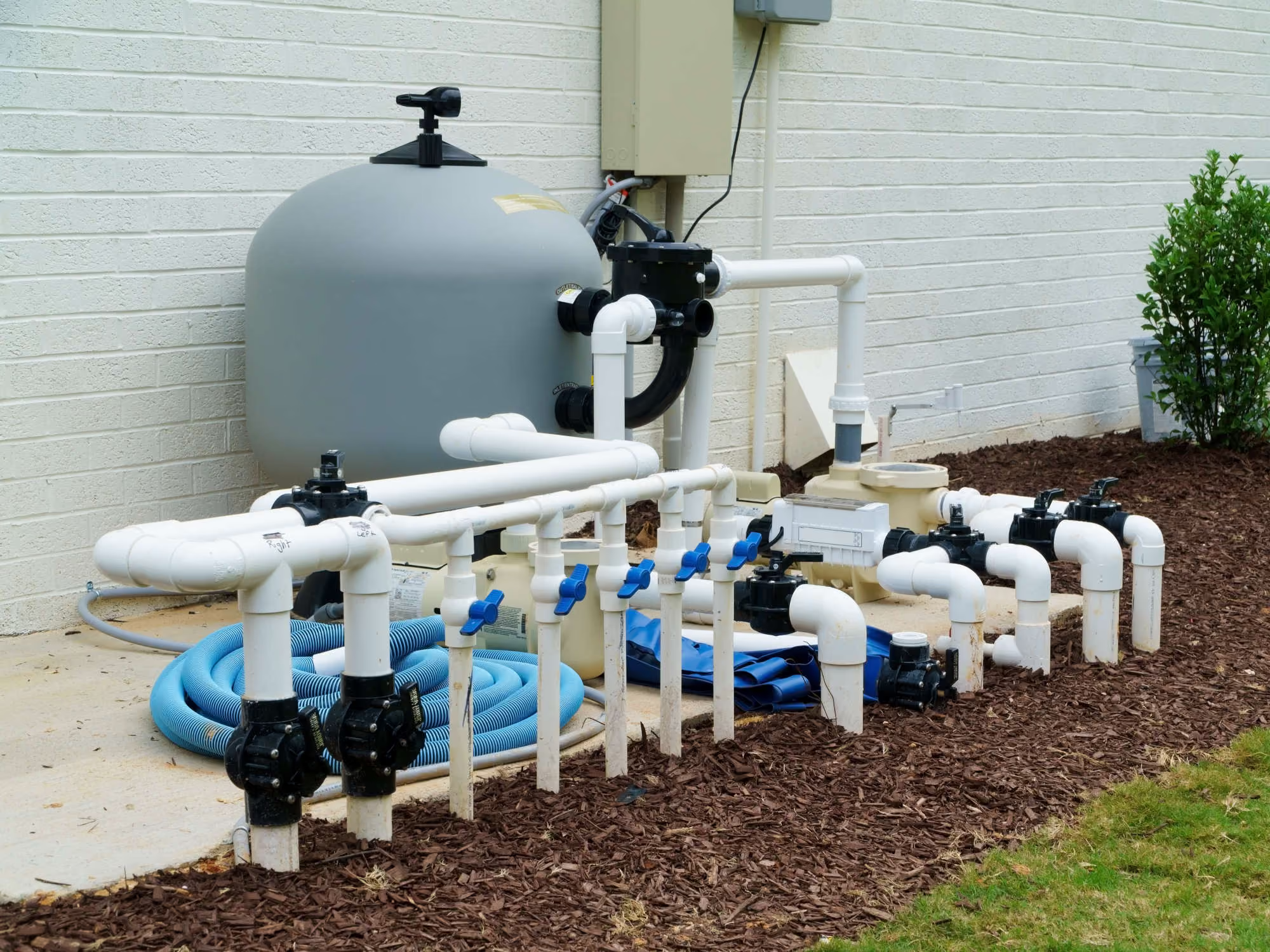
- Pipe connections: Does the pump's inlet and outlet match your existing pipe diameter? Reducers can be used but add resistance.
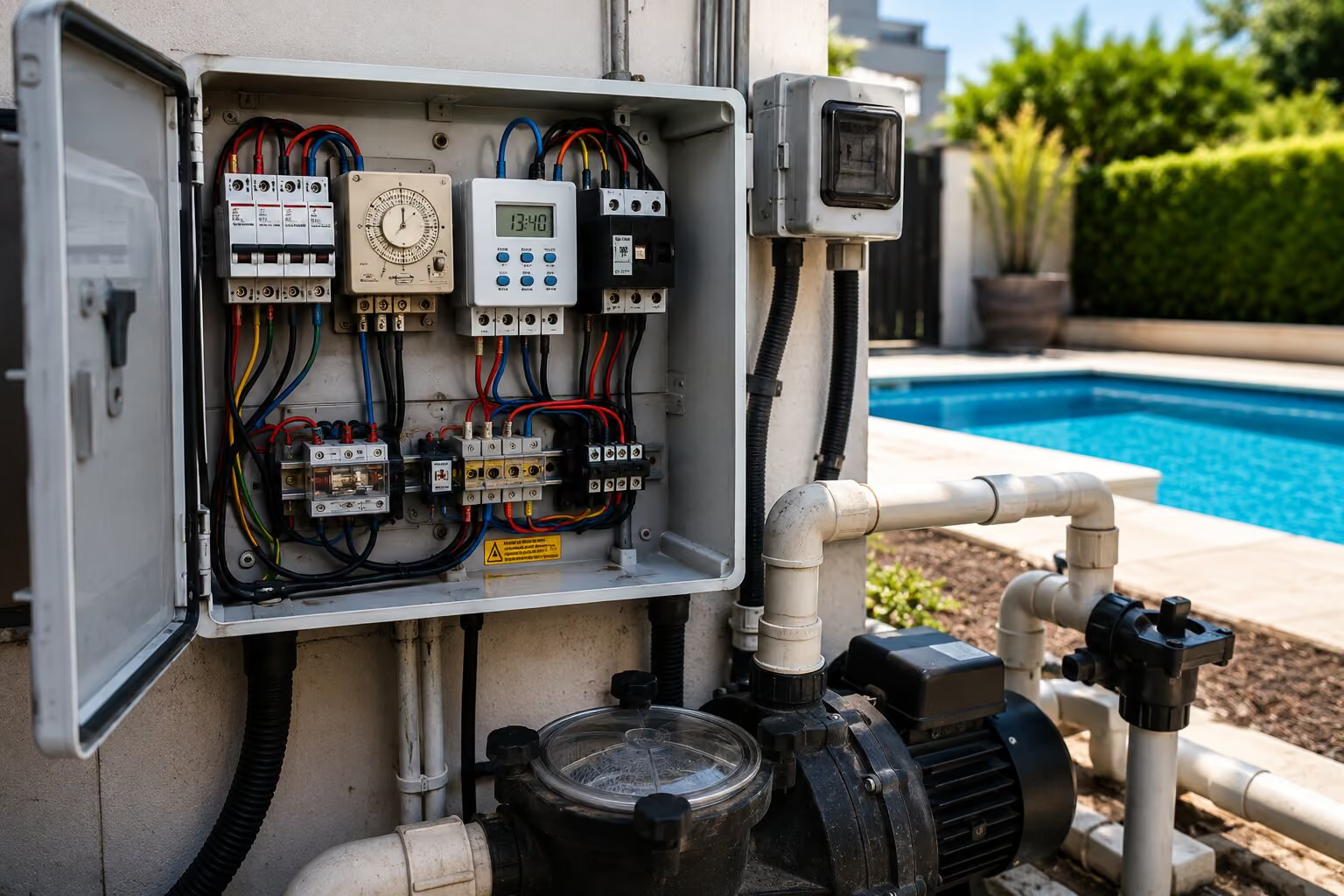
- Electrical supply: Most residential pumps run on single-phase 230V supply. Larger pumps may require three-phase. Check with an electrician if you're unsure.
- Automation compatibility: If you have a pool automation system, confirm the pump is compatible before purchasing.
---
Common Mistakes When Buying a Pool Pump
- Buying on price alone. A cheap pump that's the wrong size will cost more in power and repairs over time.
- Oversizing to be safe. Bigger isn't always better. An oversized pump can damage filters, create turbulence, and waste power.
- Ignoring the total system. The pump works as part of a system. A new pump won't fix problems caused by a blocked filter, undersized pipes, or air leaks.
- Not checking the warranty. Pump warranties vary. Understand what's covered and for how long before you buy.
---
When to Get Professional Advice
If you're replacing a pump on an older pool, or if you're not sure about your pool's volume, pipe sizing, or electrical supply, it's worth getting a professional assessment before you buy. Installing the wrong pump can create problems that cost more to fix than the pump itself.
Sparkling Pools can assess your existing system and advise on the right pump for your setup. They've been working on Auckland pools since 1992 and can help you avoid a costly mismatch.
Pool resurfacing solutions
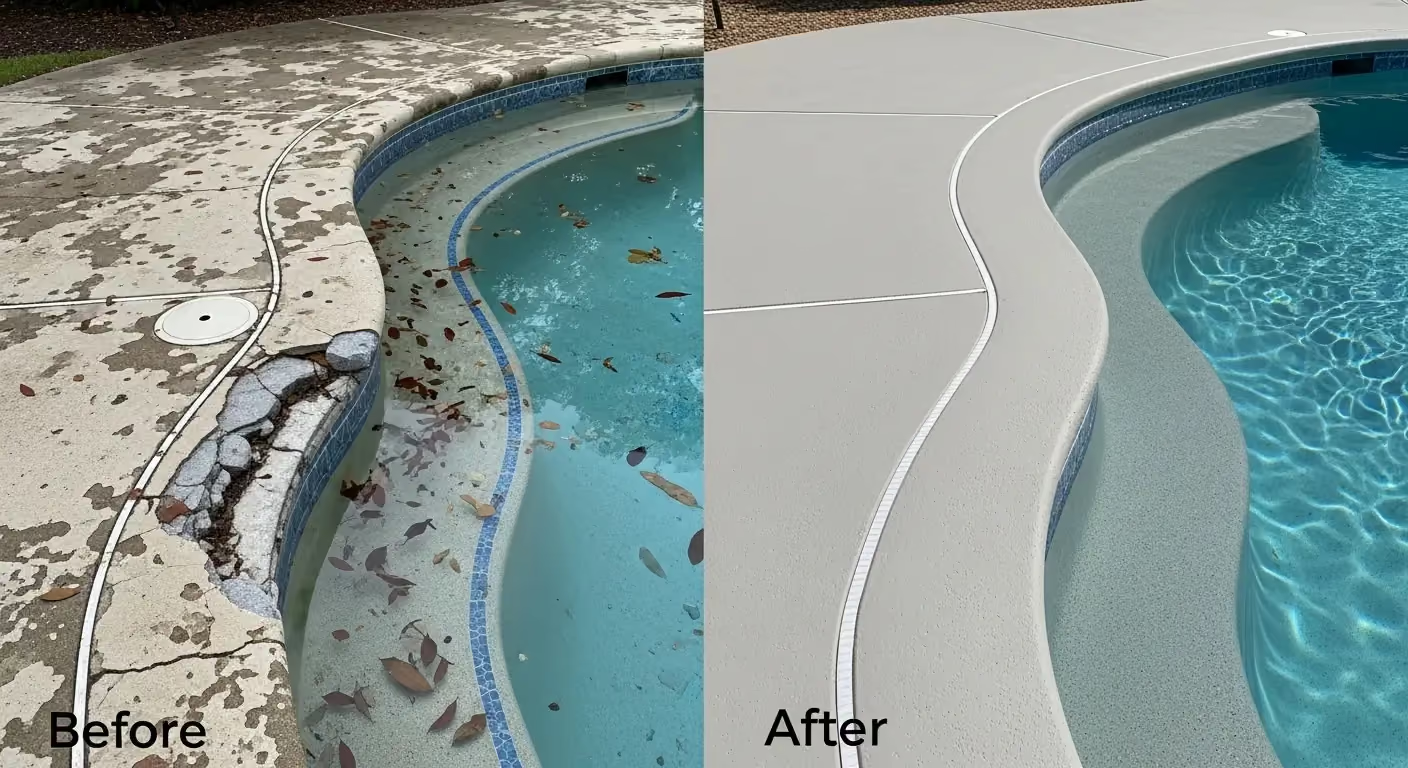
Restore your pool with durable plaster finishes

Work completed
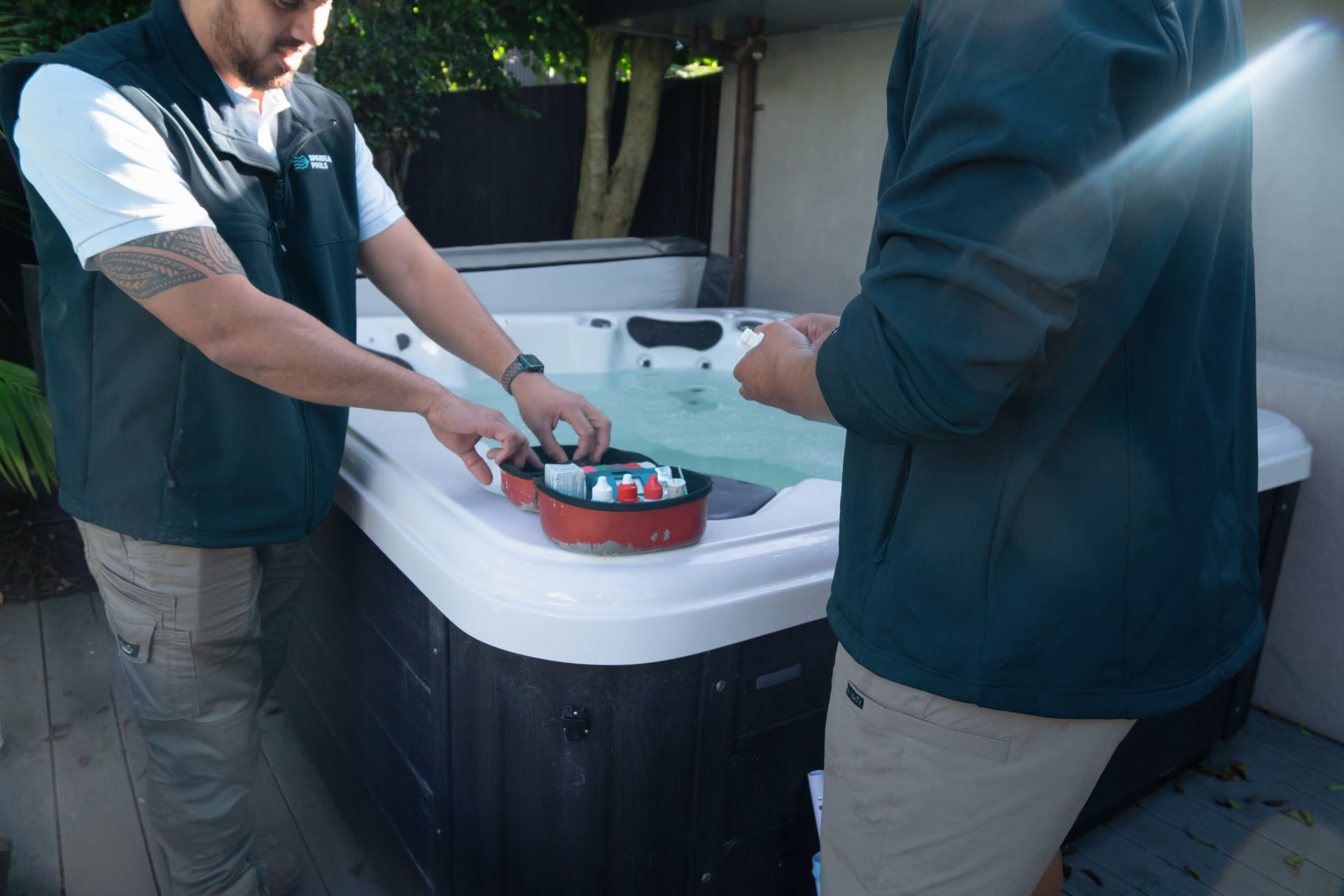
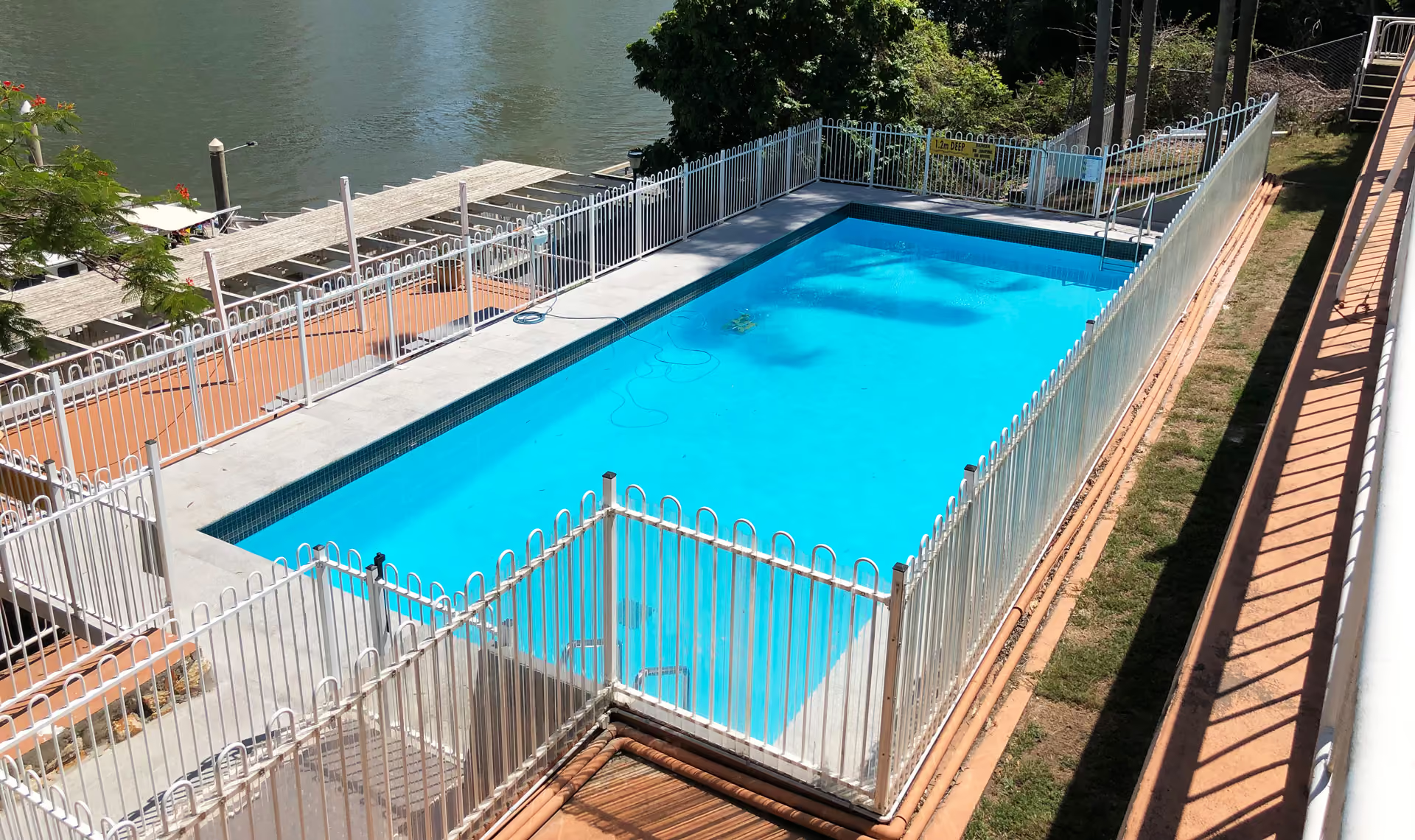
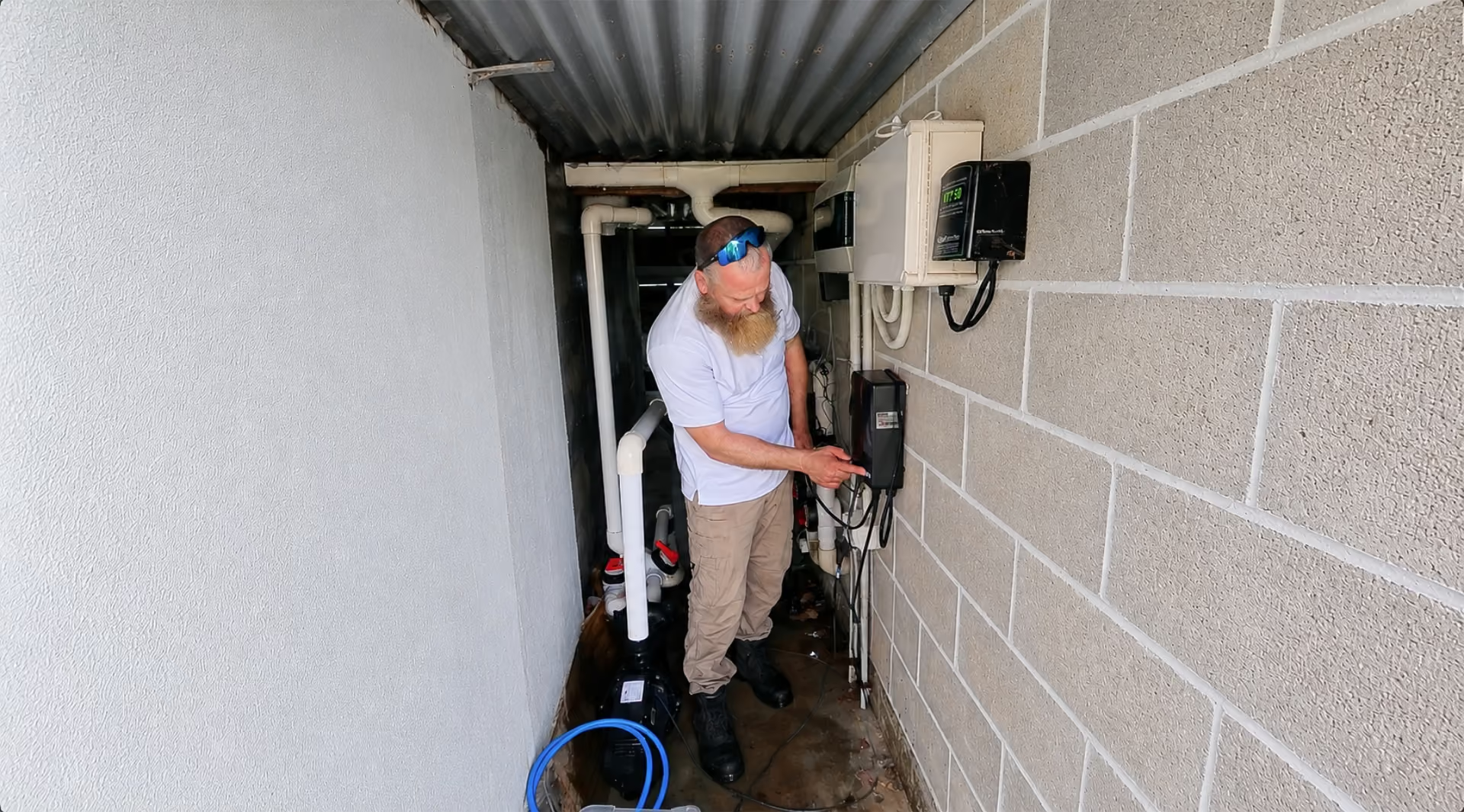
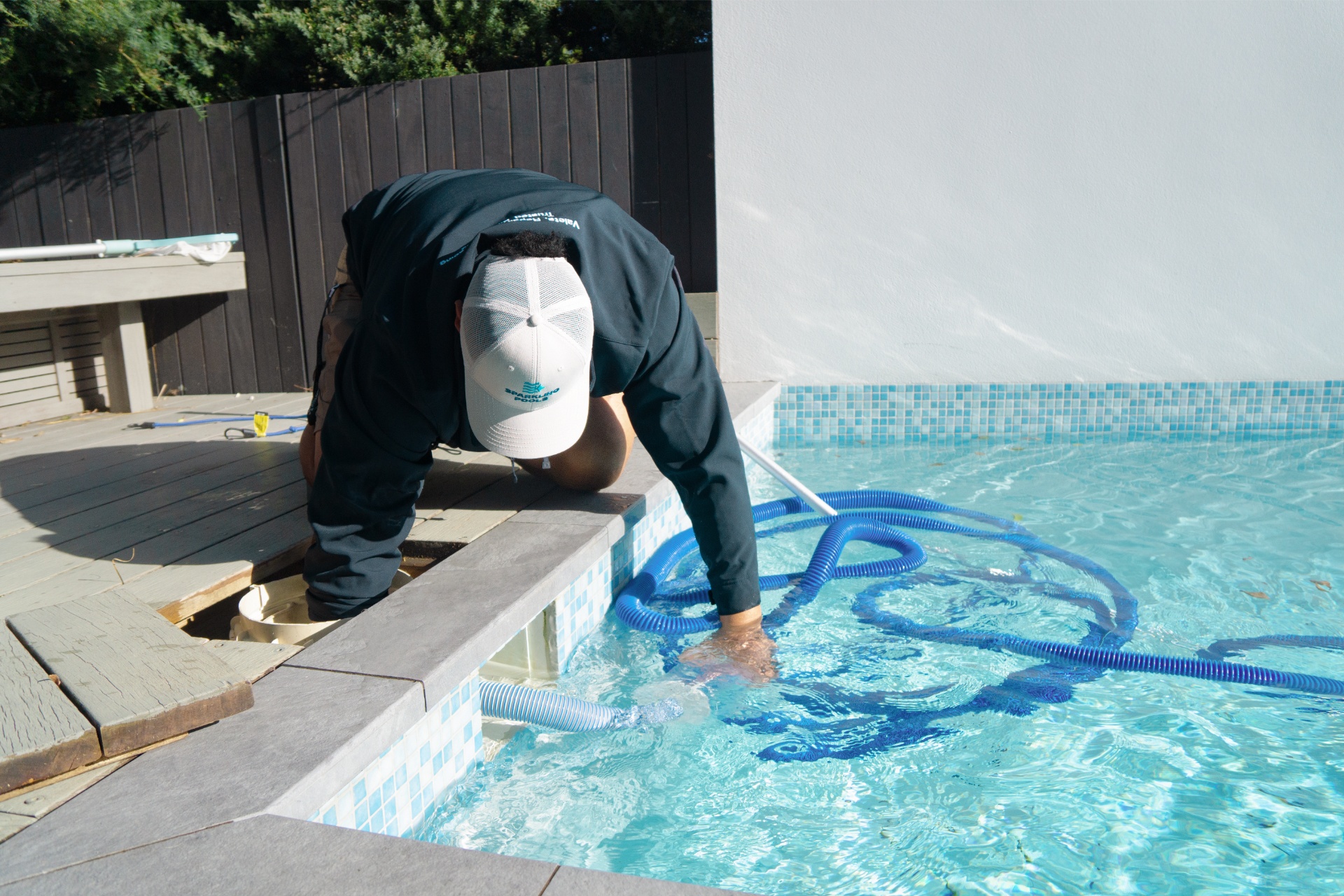
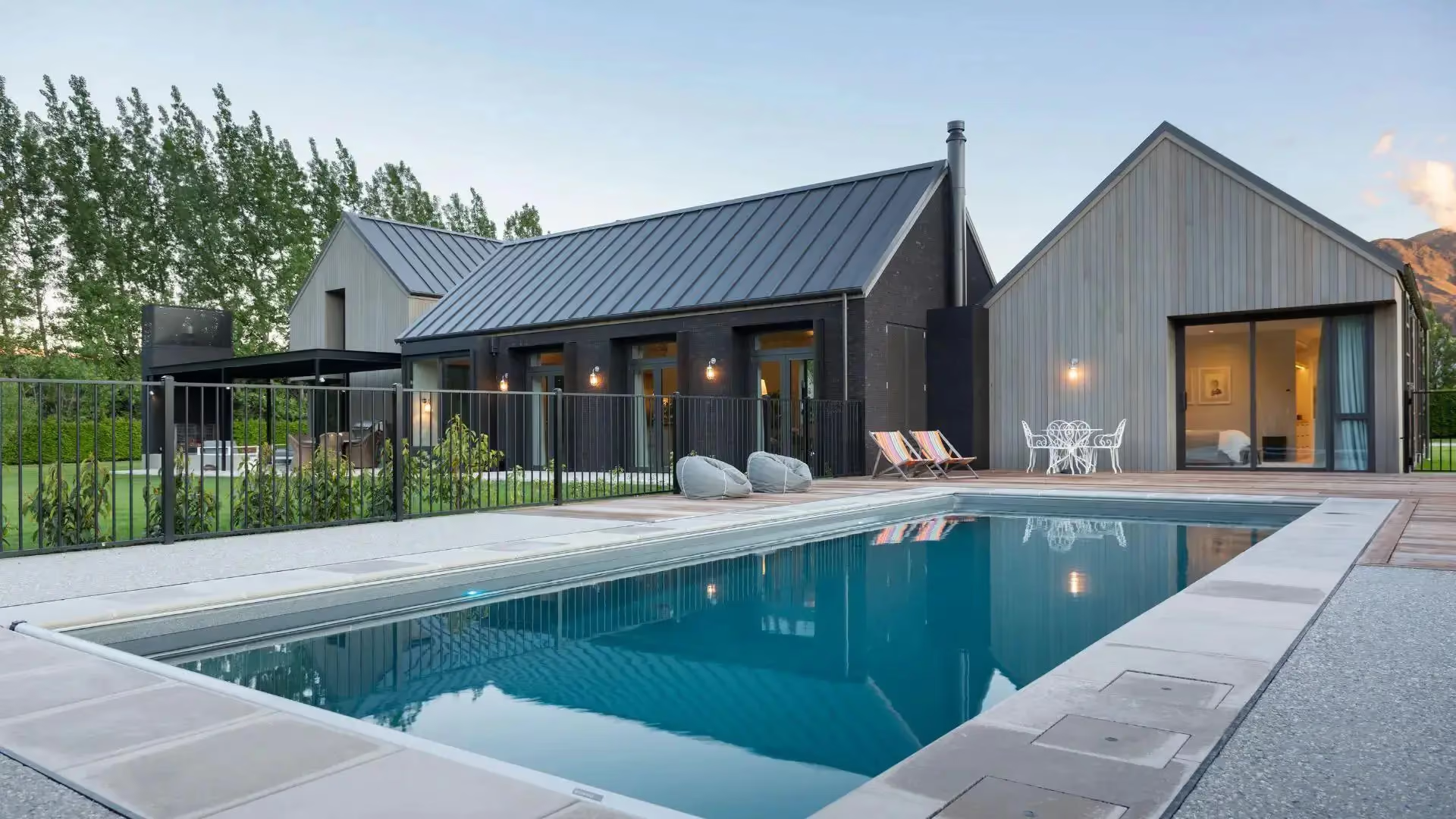
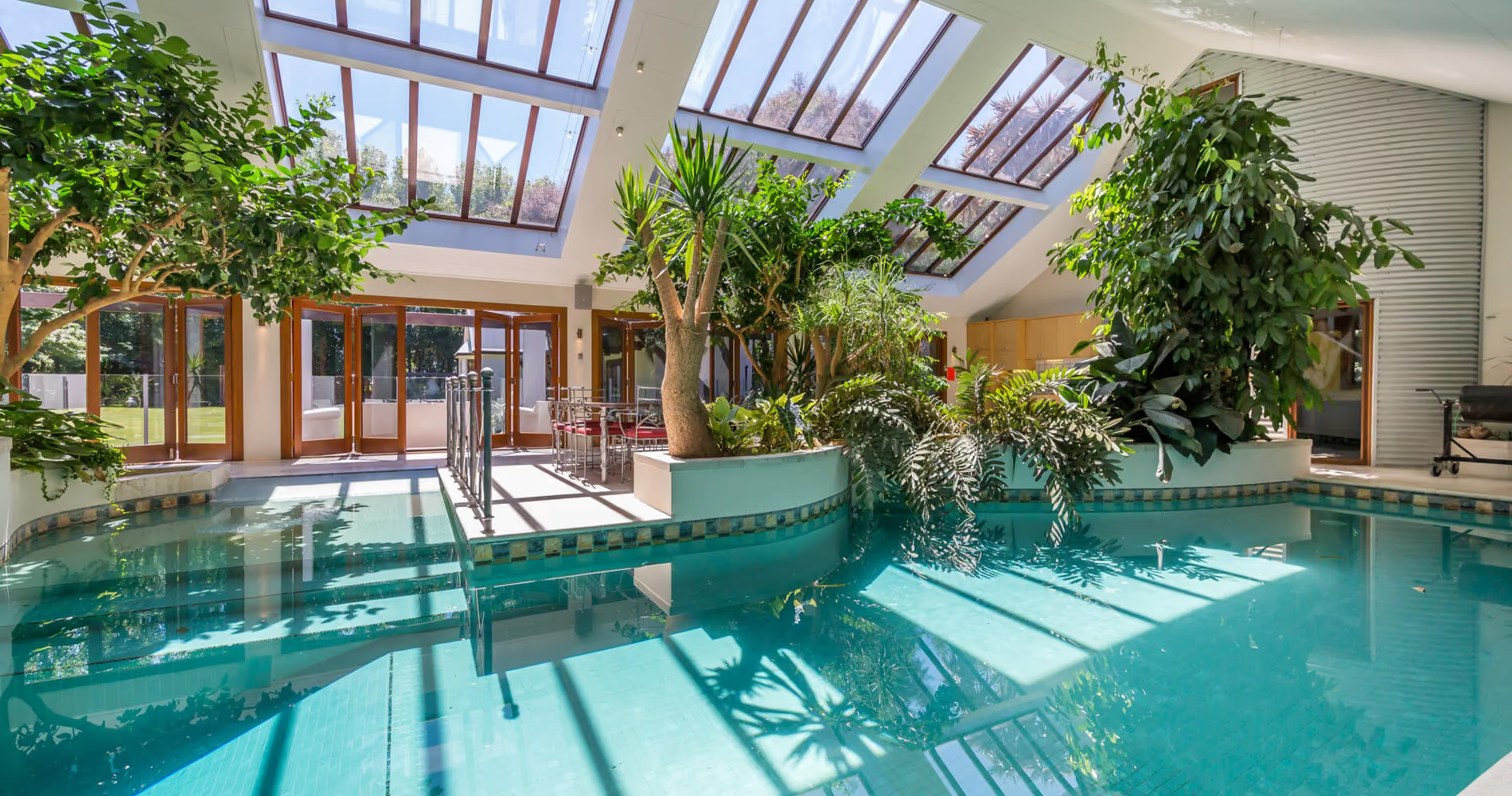
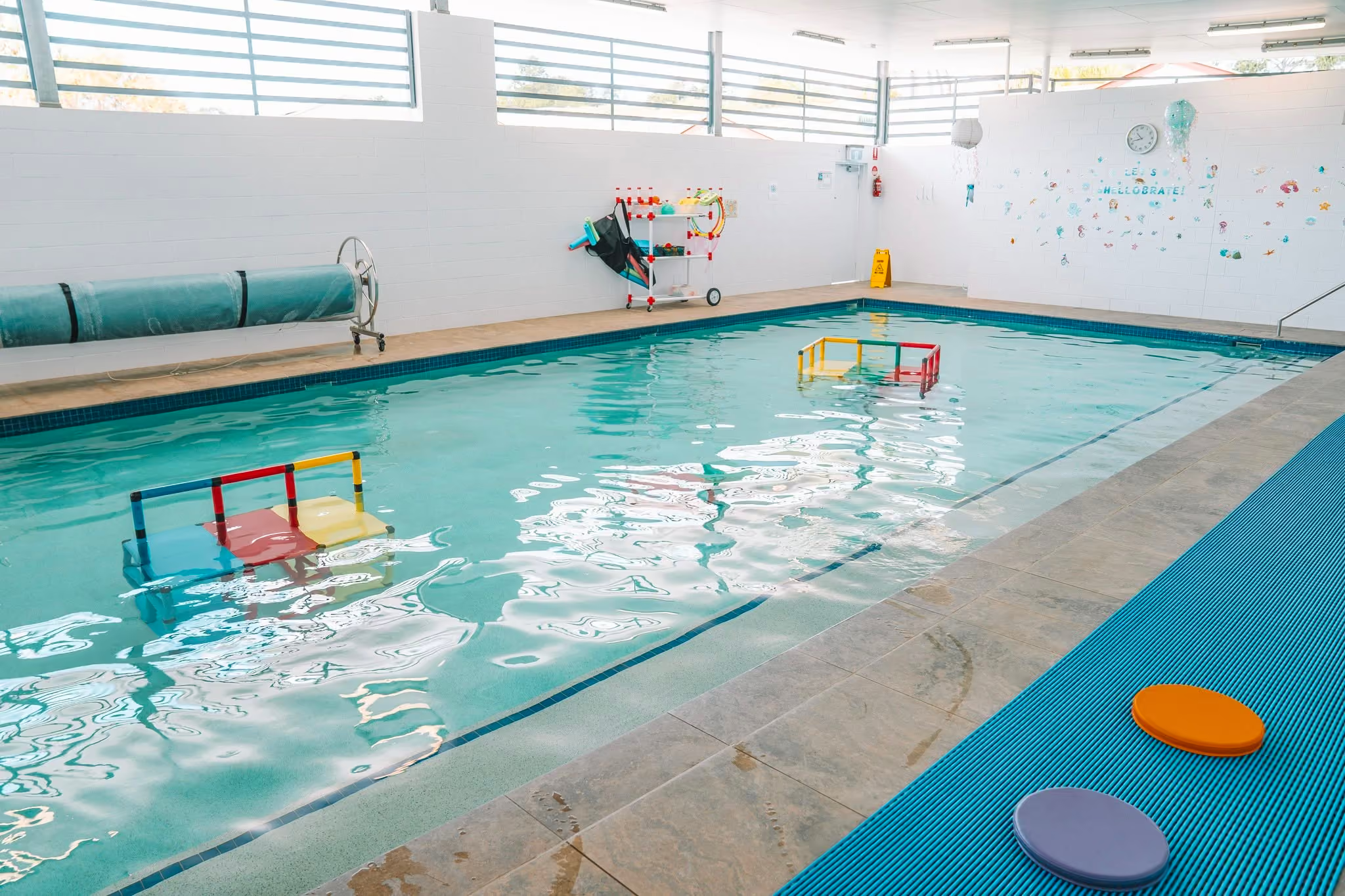
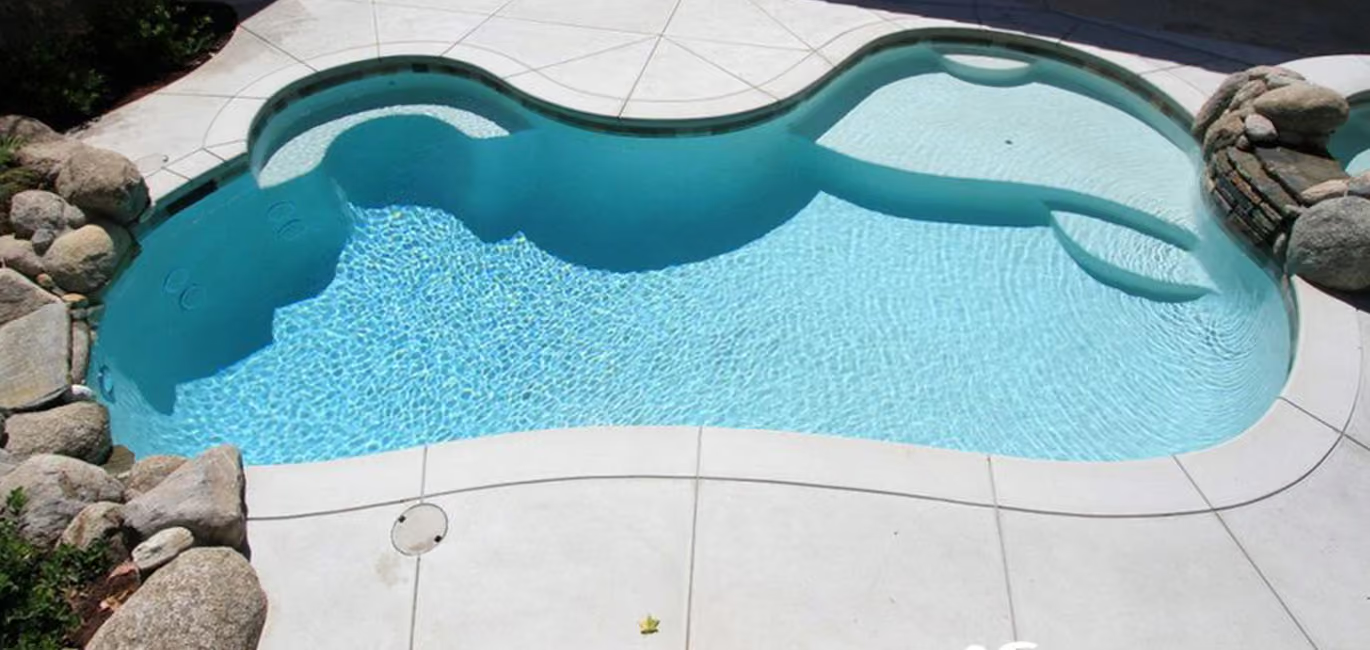
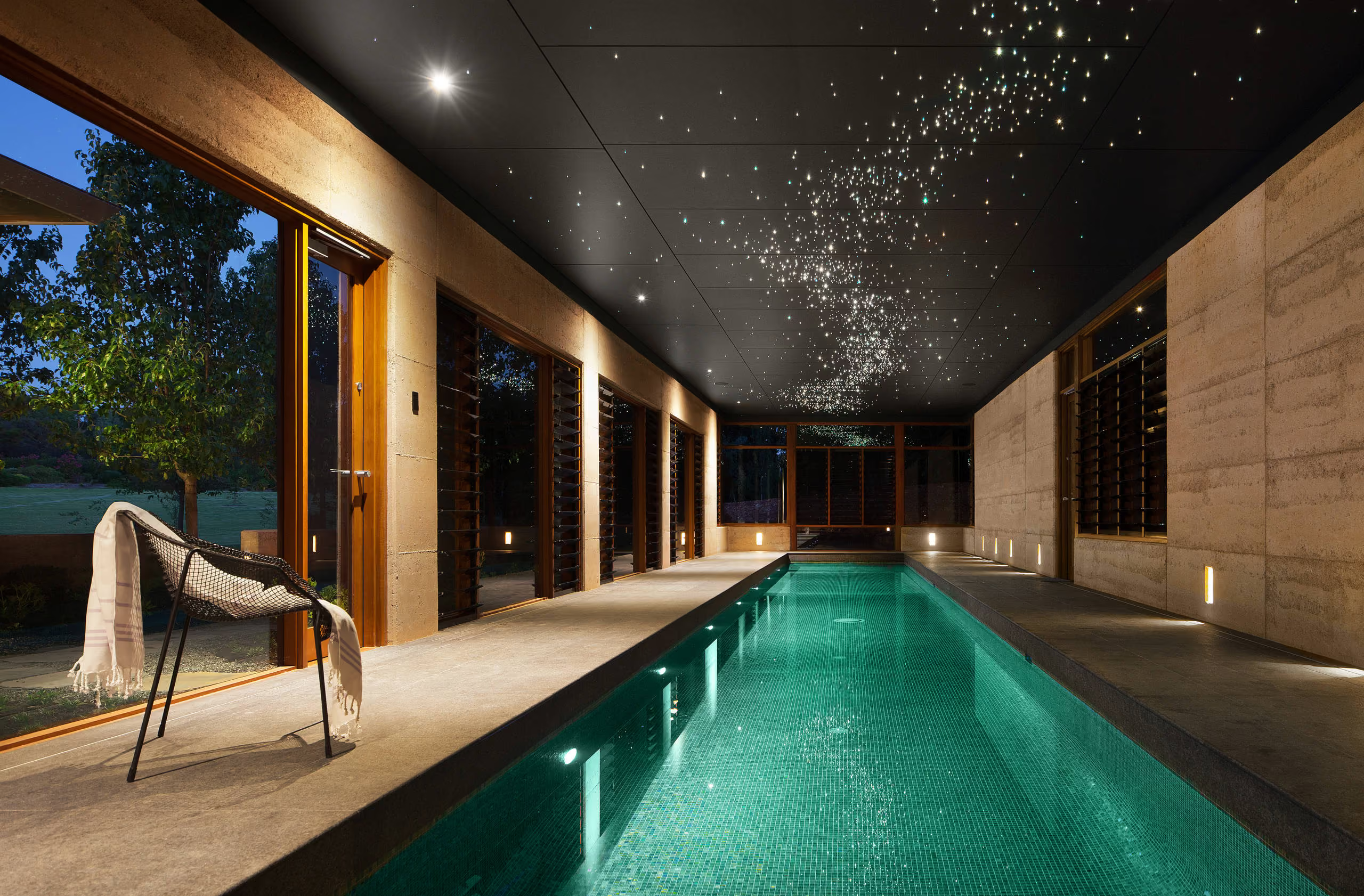
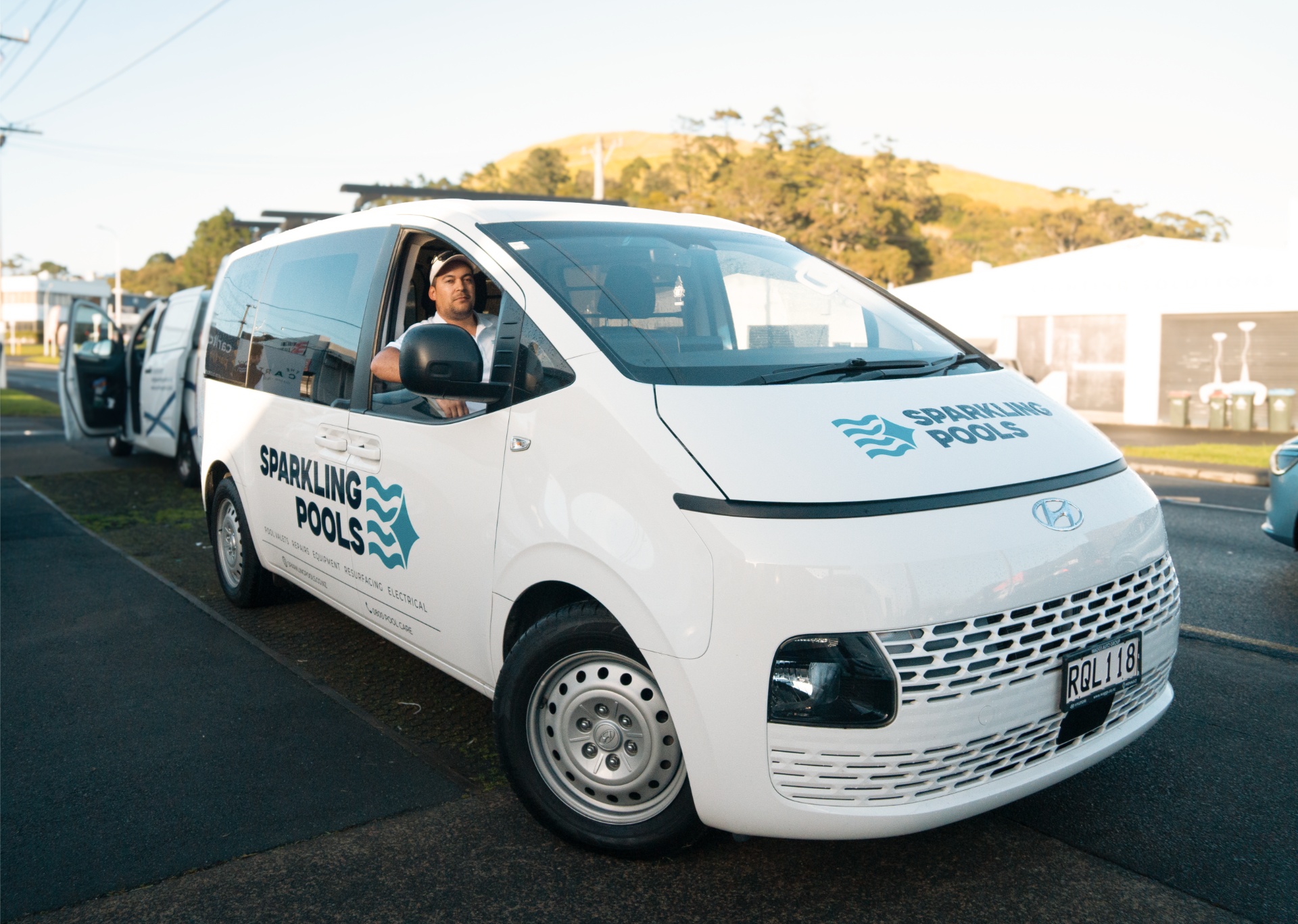
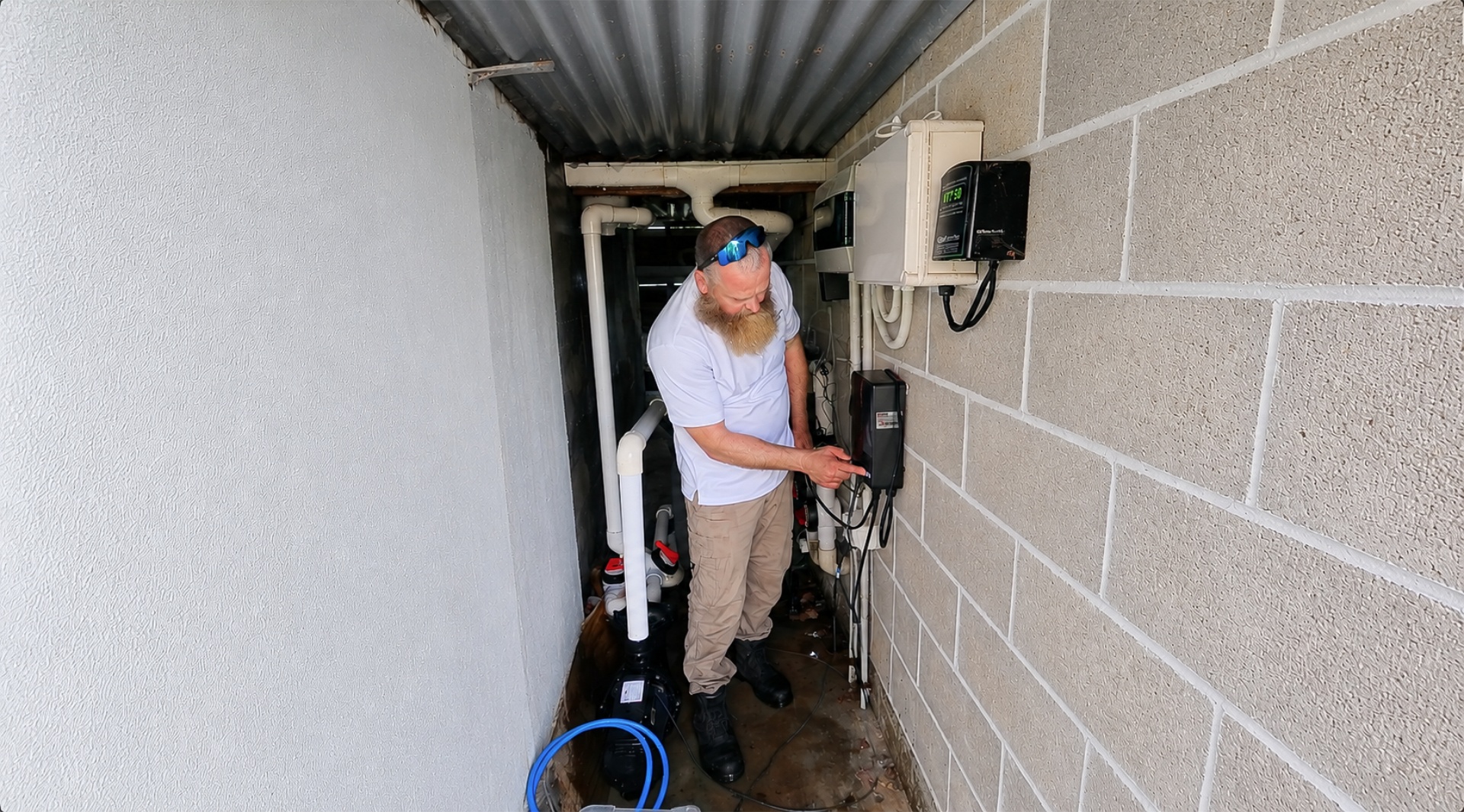
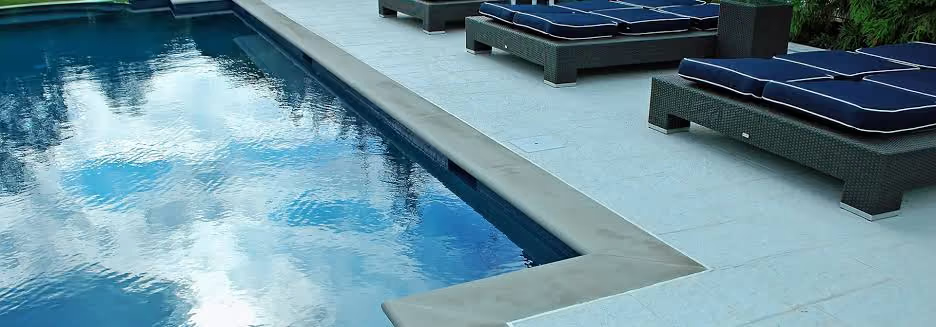
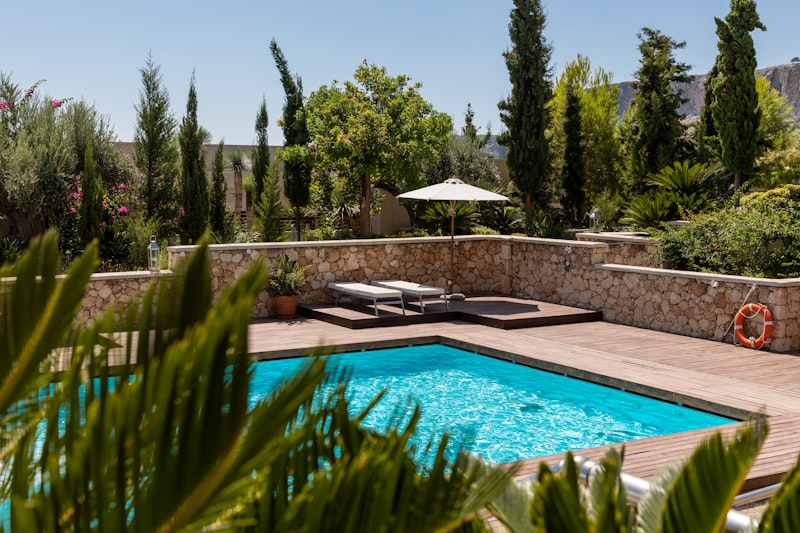
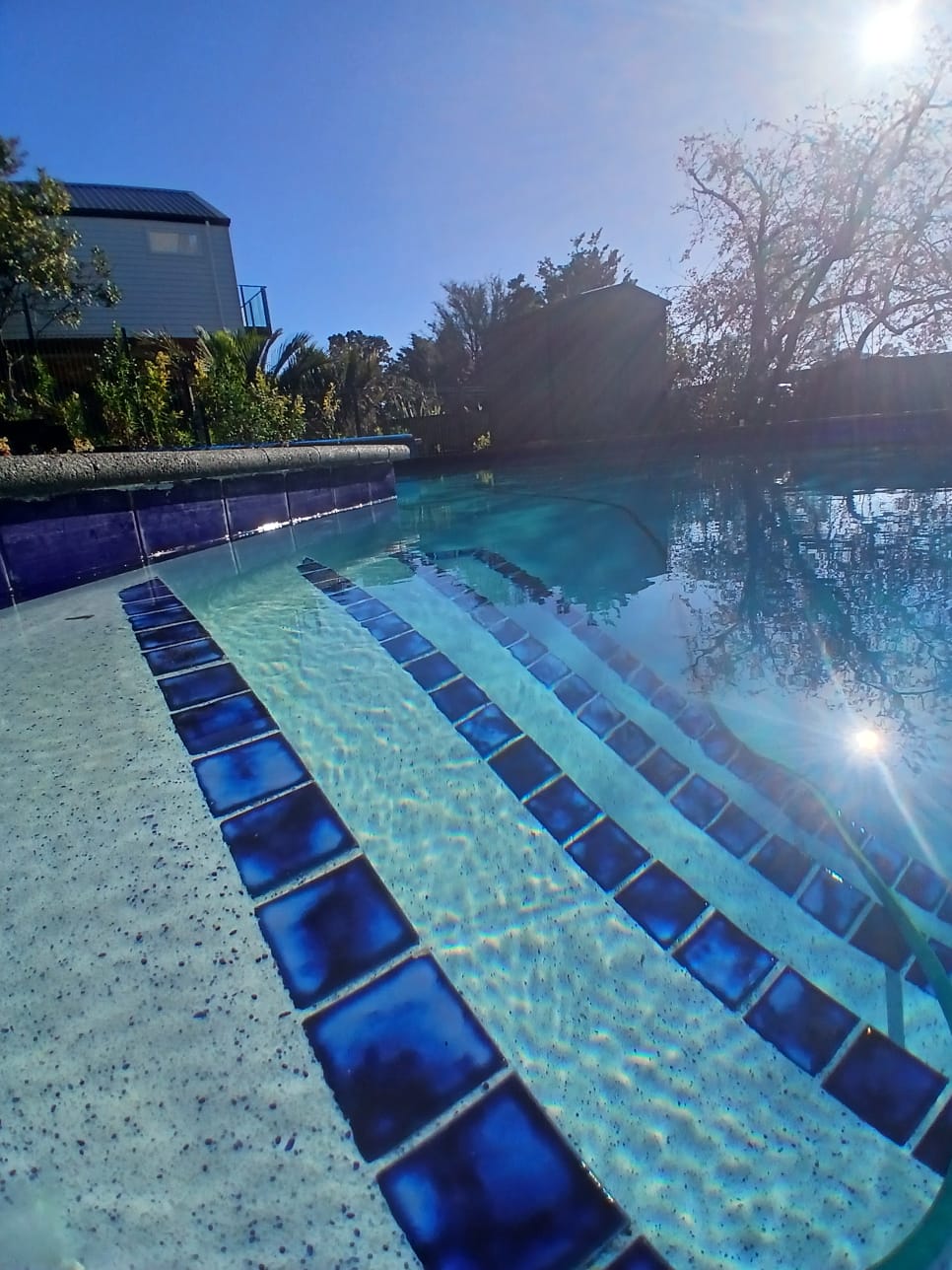
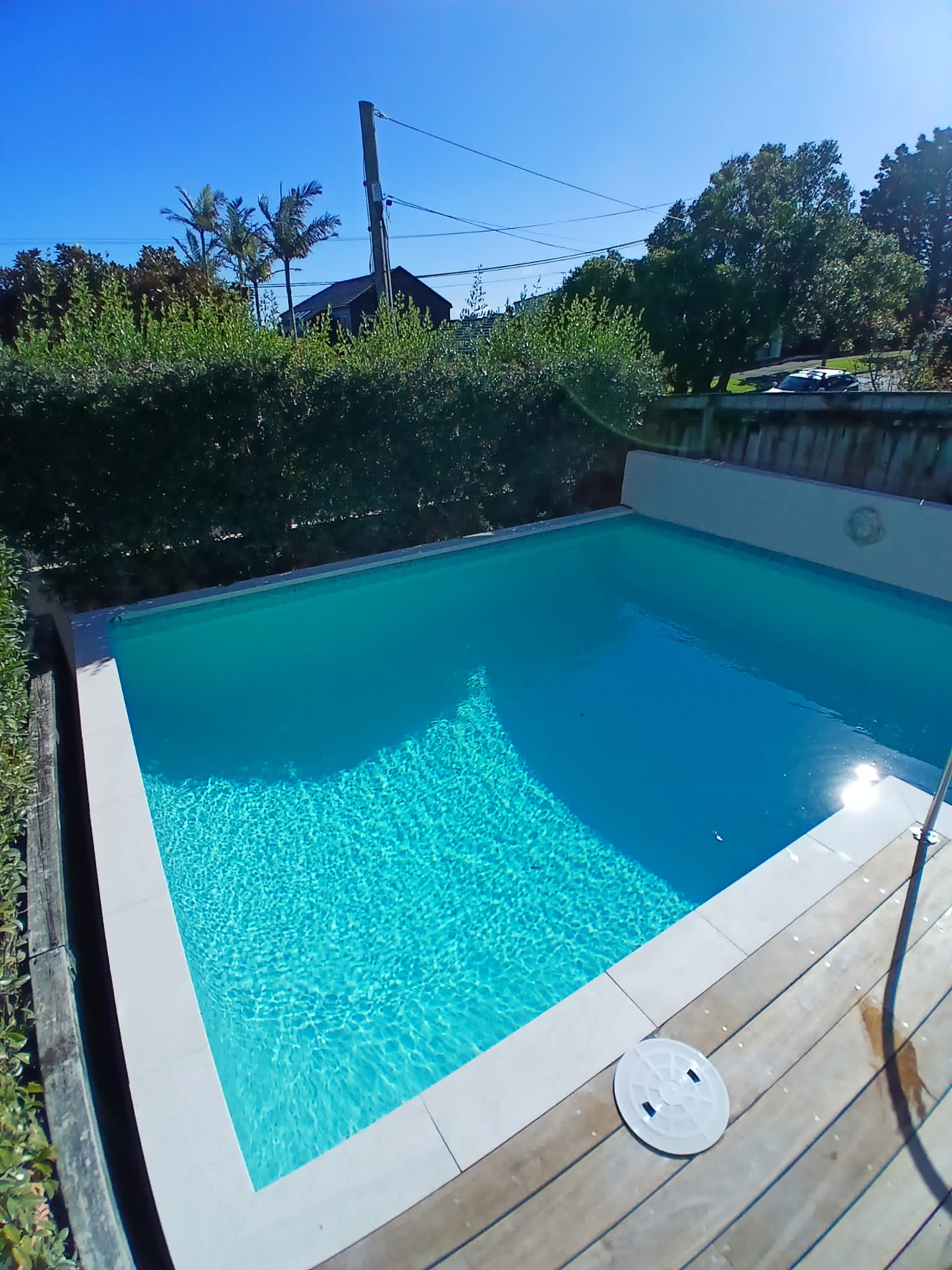
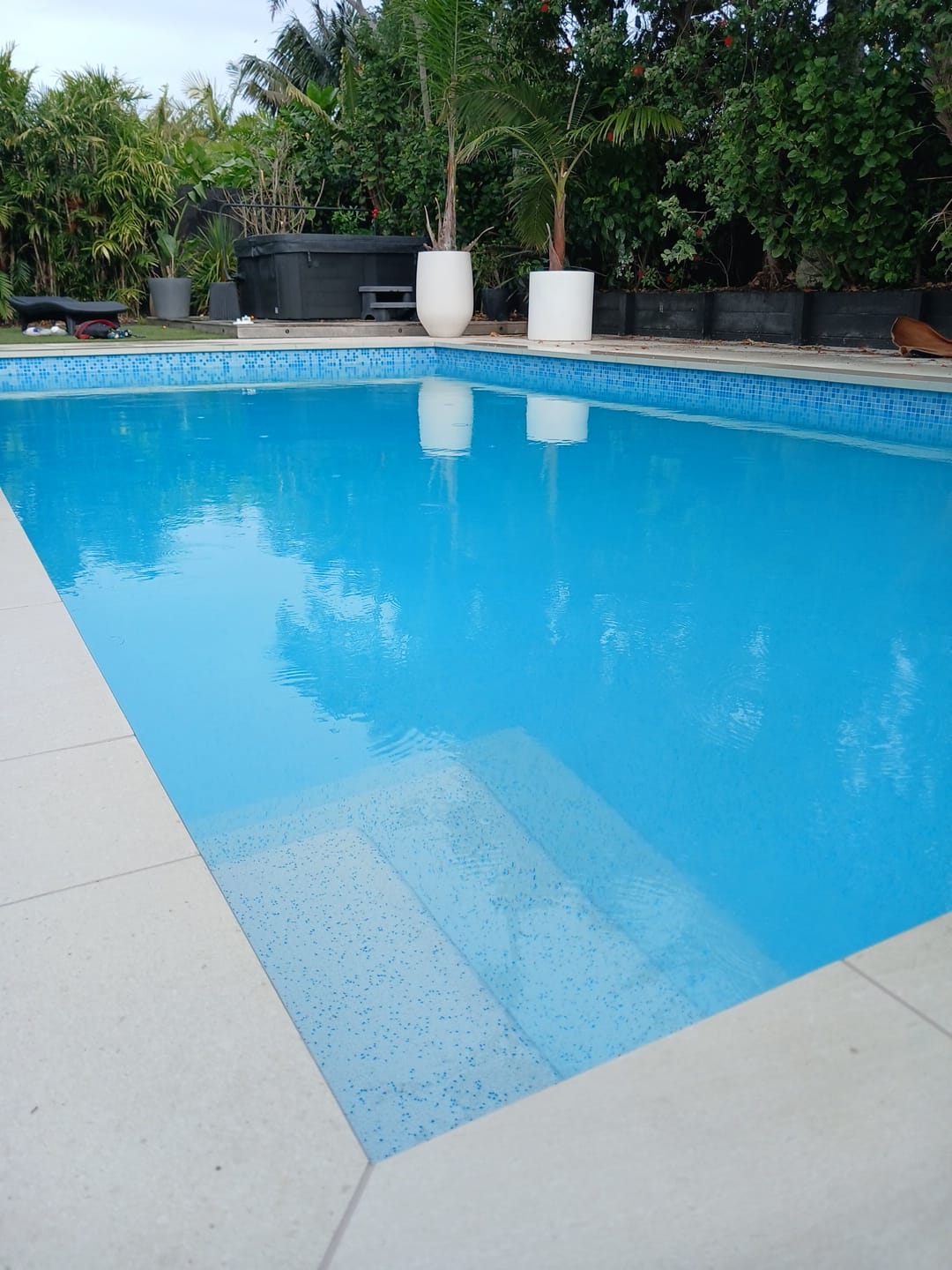
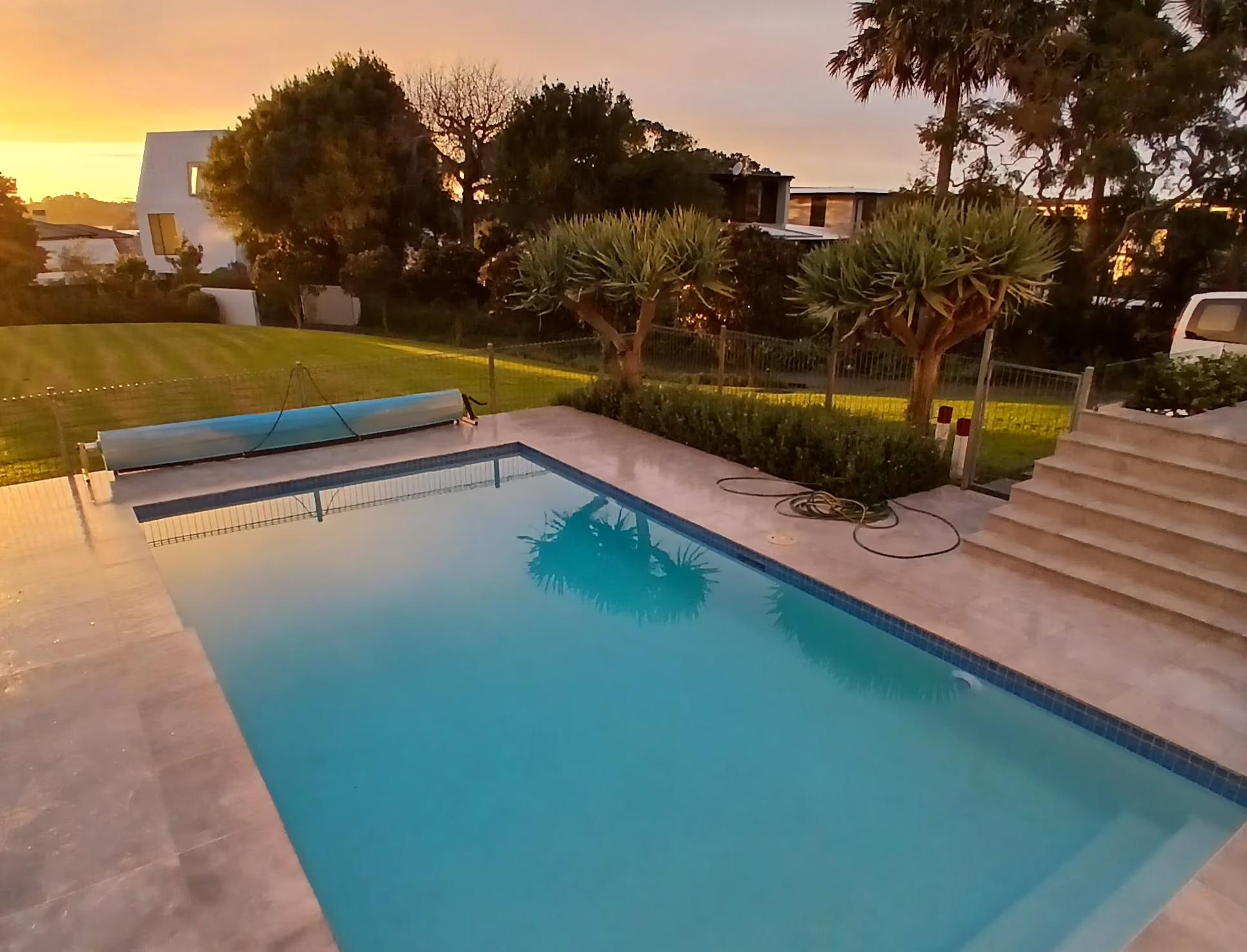
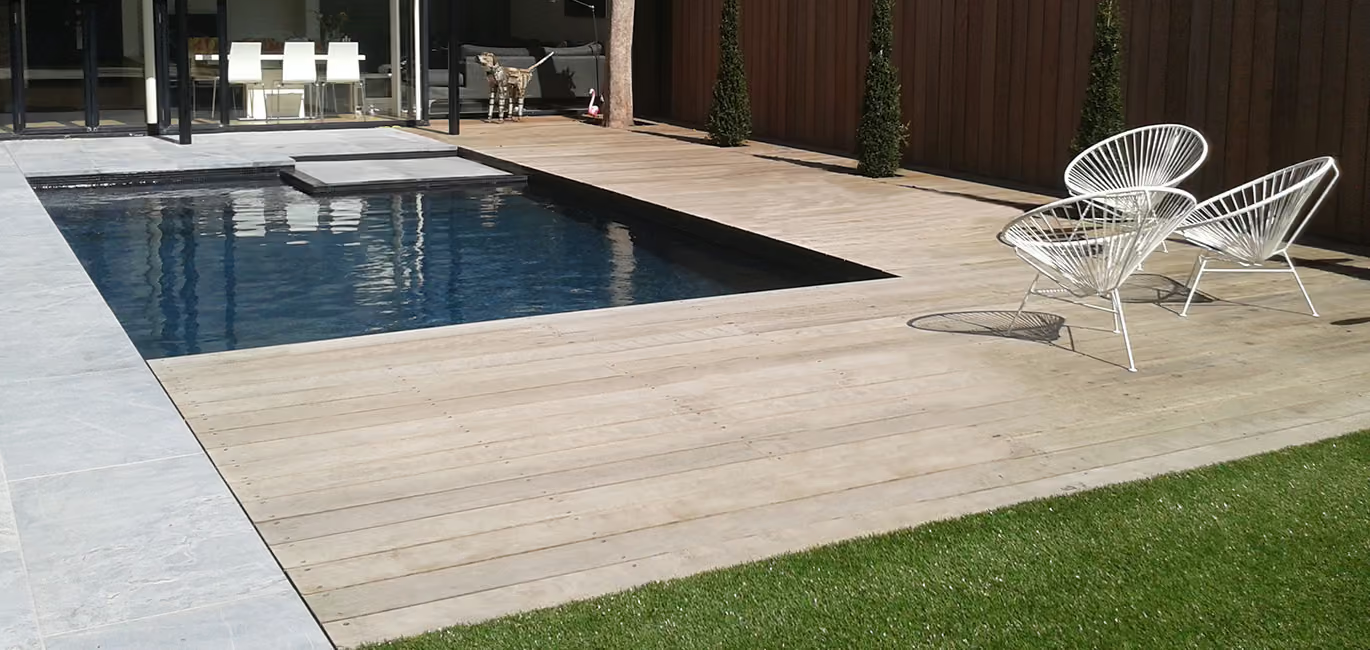
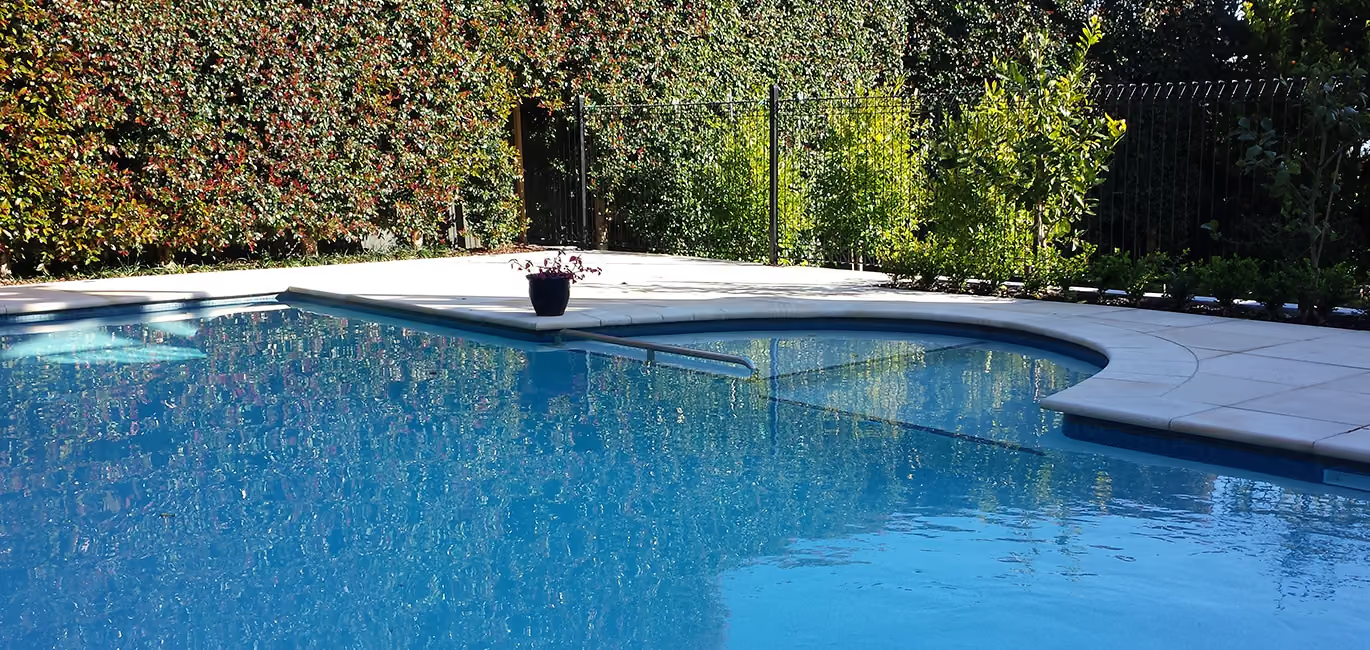
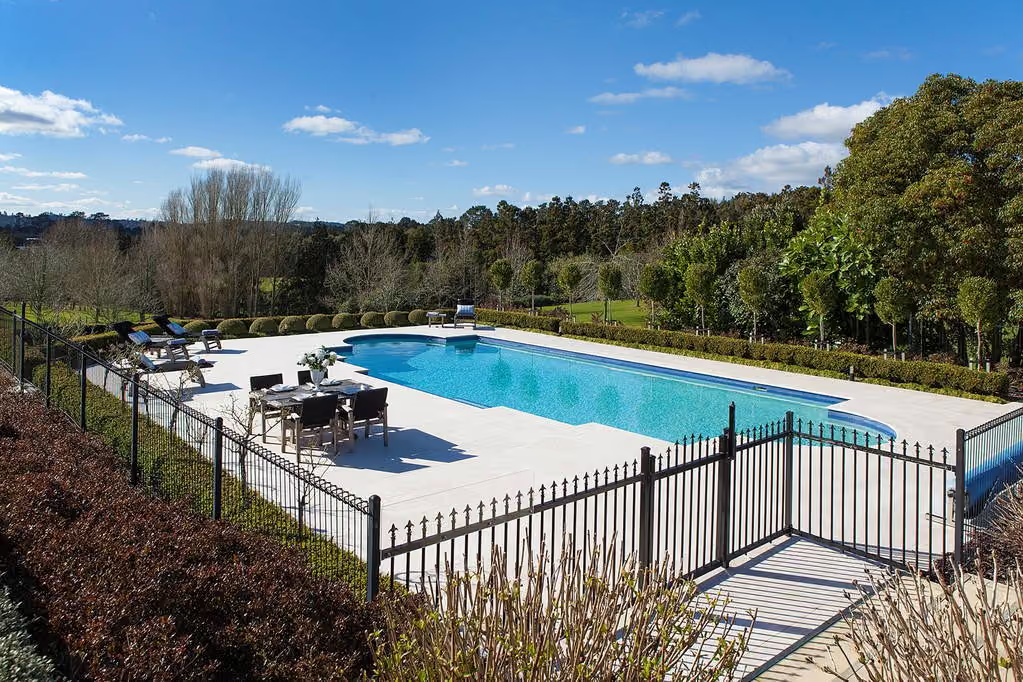
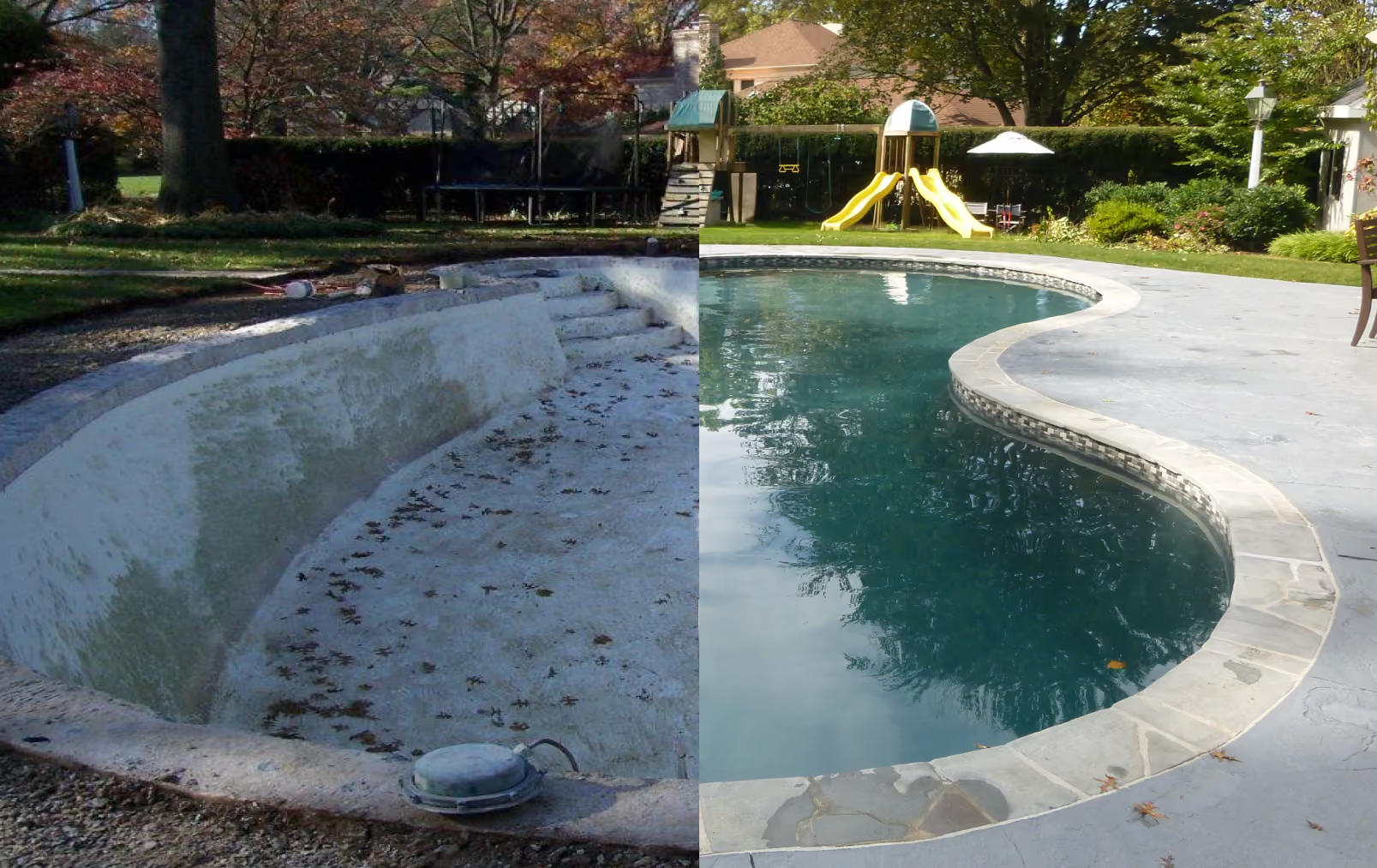
Sparkling Pools has worked on pools across Auckland, including residential renovation projects, equipment upgrades, ongoing maintenance and pool care for managed properties. Past projects show how the right approach can improve presentation, water quality and day-to-day usability. A well-maintained pool is easier to manage, more pleasant to use and better prepared for seasonal changes.
Trusted by Homeowners Across Auckland
Don't just take our word for it. Read what our clients have to say about our transparent communication, reliable service, and stunning pool transformations.
Related Blog Posts
Stay informed on pool care and renovations
Winter pool care essentials for Auckland
Pool Renovation Mistakes

Auckland Climate Pool Maintenance
Choosing Renovation Contractor
Pool Care Auckland Summer
Permits & Consents
Pool Renovation ROI
How Often to Test Pool Water
Pool Renovation Costs
Cost of Pool Service Auckland
Pool Renovation Planning Guide
Pool Lighting Buying Guide
Pool Cleaner Buying Guide
Pool Automation Buying Guide
Pool Heater Buying Guide
Pool Filter Buying Guide
Pool Pump Buying Guide
Best Equipment Auckland Climate
Auckland Water Quality
Auckland Pool Season
Pool Ownership Costs
Common Pool Mistakes
Pool Safety Laws
Pool Inspection Requirements
Pool Fence Compliance
.avif)
Auckland Pool Industry Trends
Auckland Pool Regulations
Pool Equipment Suppliers
Best Pool Service Areas
Pool Service Pricing Analysis
Company vs Independent
Best Pool Surface Materials
Pool Resurfacing Options
Pebble vs Plaster Surfaces
One-Time vs Ongoing Service
Full Service vs Chemicals Only
Pool Cover Types
Robotic vs Suction Cleaners
Mineral vs Saltwater
Gas vs Heat Pump
Pool Heater Types
Pool Winterizing Guide Auckland
Pool Opening Guide Summer
Pool Maintenance After Heavy Rain
Pool Maintenance Schedule
How Often to Run Pool Filter
Pool Pump Maintenance Schedule
Pool Filter Cartridge Cleaning
Pool Equipment Maintenance Checklist
Pool Waterline Cleaning
Pool Skimmer Basket Cleaning
Pool Chlorine Levels
How Often Clean Pool Filter
How to Vacuum Pool
Pool Brushing Technique
Pool Chemical Dosing Chart
Pool Water Chemistry Basics
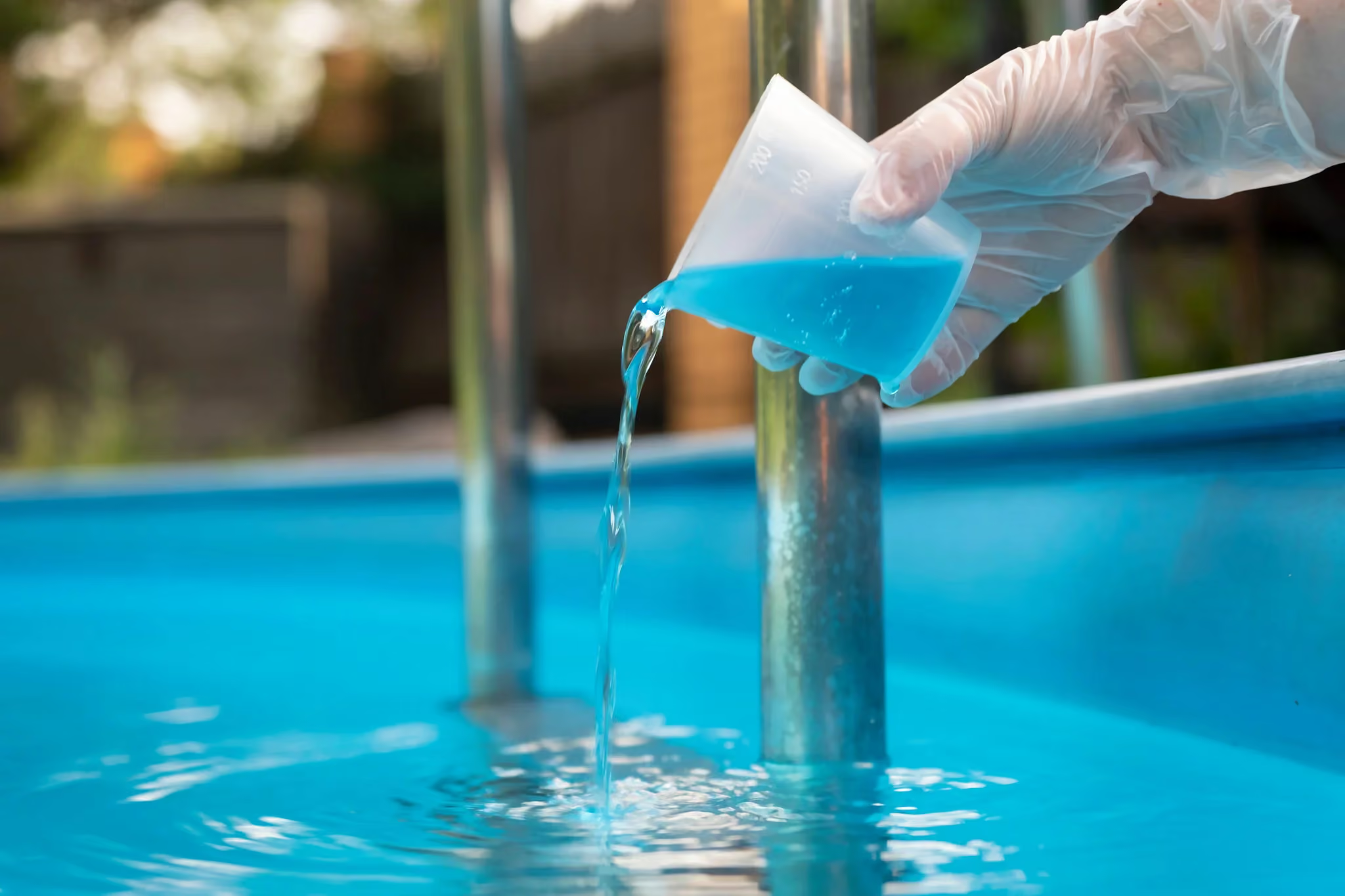
How to Balance Pool Chemistry
How to Test Pool Water
Pool Maintenance Tips
Complete Pool Maintenance Guide
Pool Service ROI
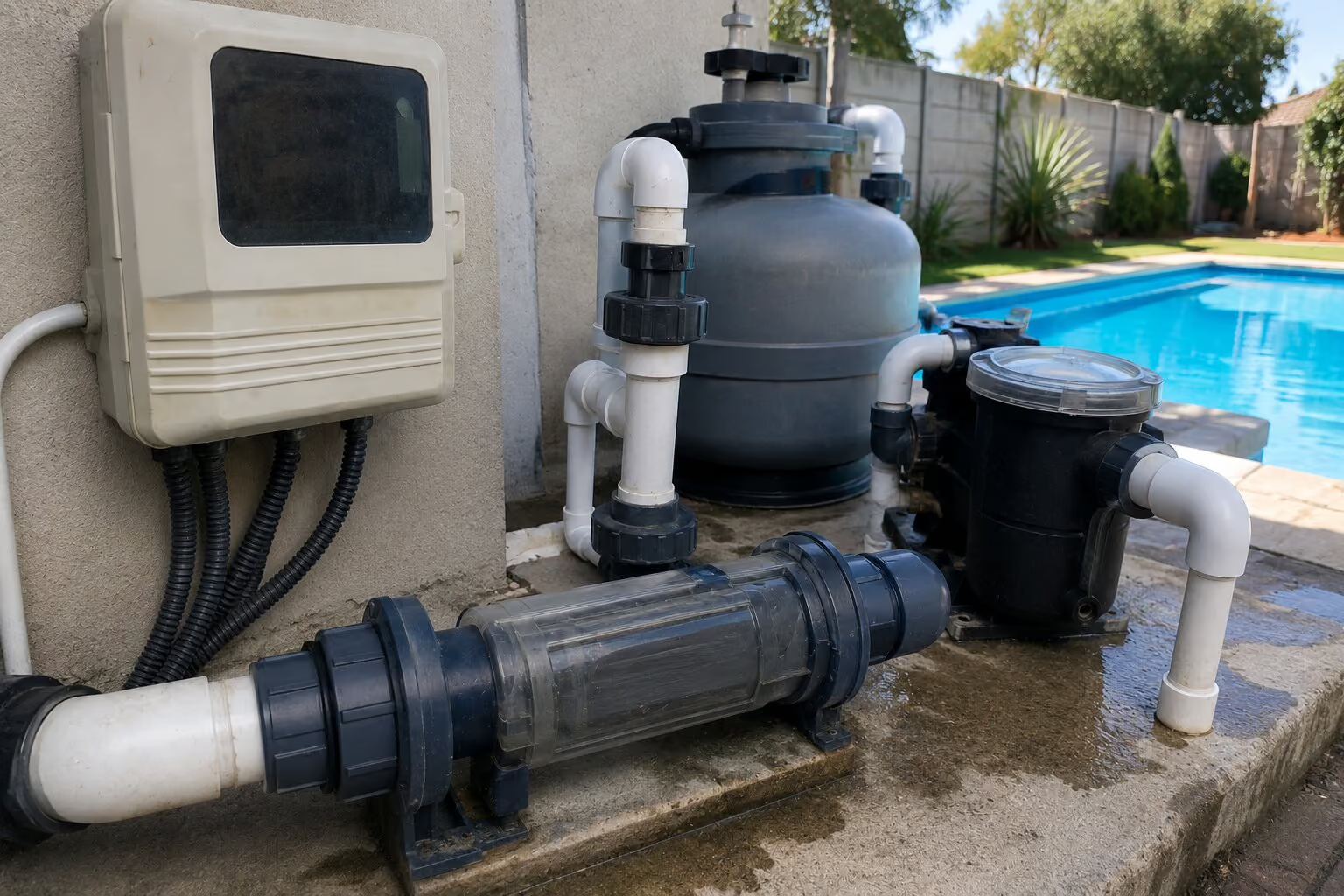
Pool Equipment Buy or Service
Pool Maintenance Time Requirements
DIY vs Professional
Pool Service Contract
Pool Service vs Pool Valet
Is Pool Service Worth It
Pool Service Guarantees
Pool Service Reviews
Pool Service Red Flags
Questions to Ask Pool Companies
How to Choose Pool Service Company
Hidden Costs DIY Maintenance
Pool Cleaning Prices Auckland
Cost of Pool Resurfacing
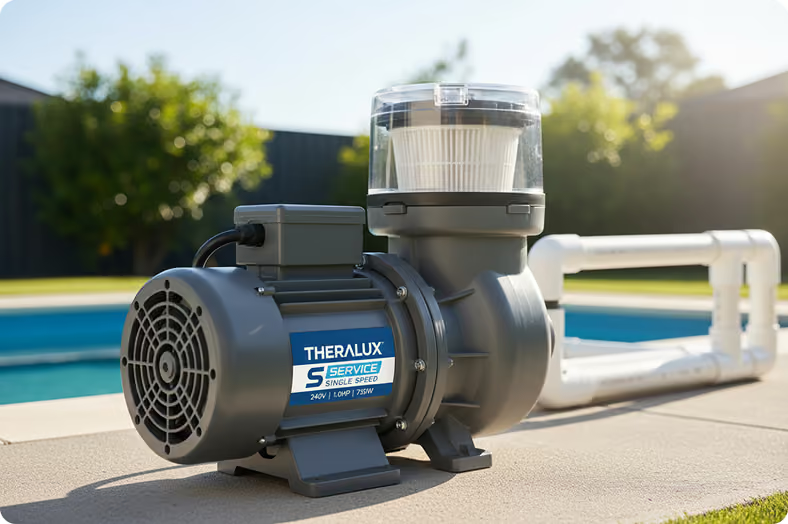
Cost of Pool Pump Replacement
Cost to Fix Green Pool
Pool Liner Wrinkles
Pool Cracks When to Worry
Pool Surface Stains
Pool Valve Leaking
Pool Automation Not Working
Pool Light Not Working
Pool Heater Not Heating
Pool Skimmer Not Working
High Pool Filter Pressure
Pool Losing Water
Pool Filter Not Clearing Water
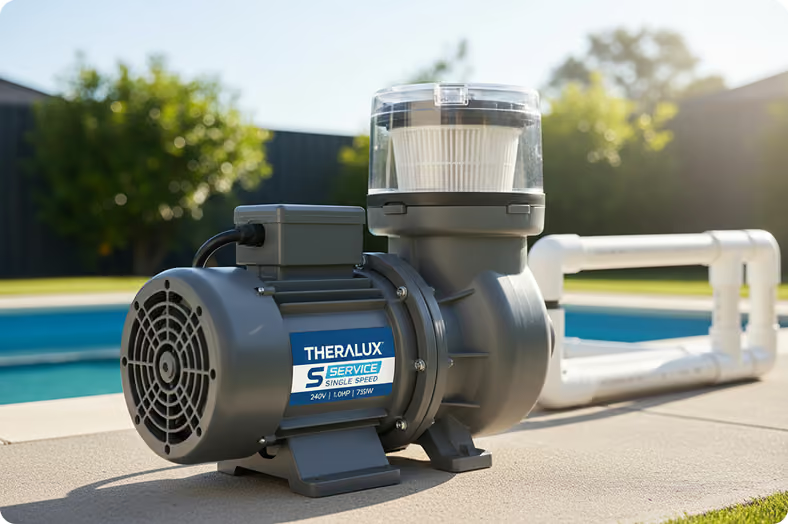
Pool Pump Leaking
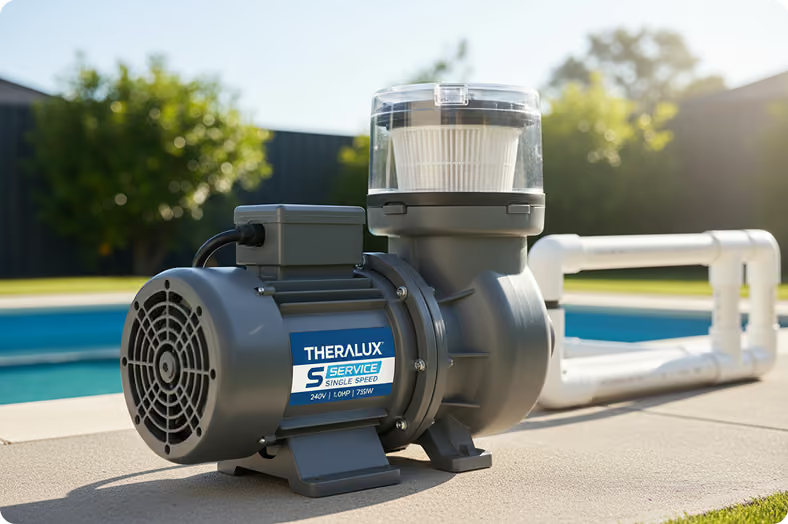
Pool Pump Not Pumping
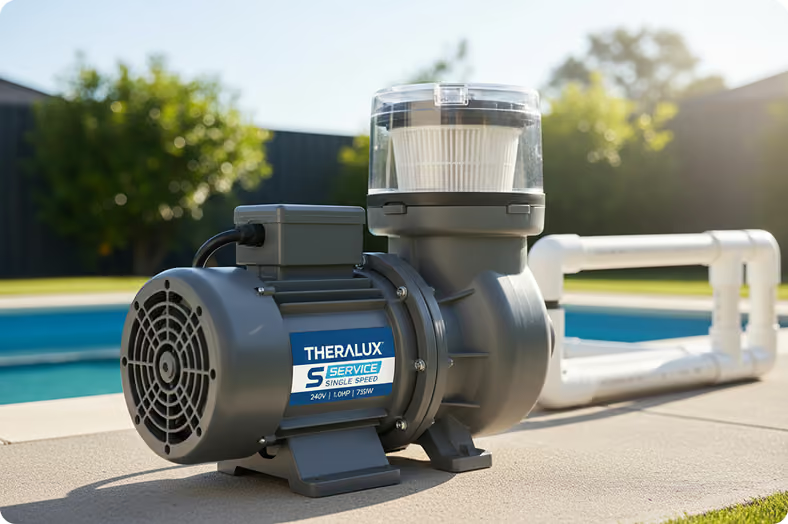
Pool Pump Losing Prime
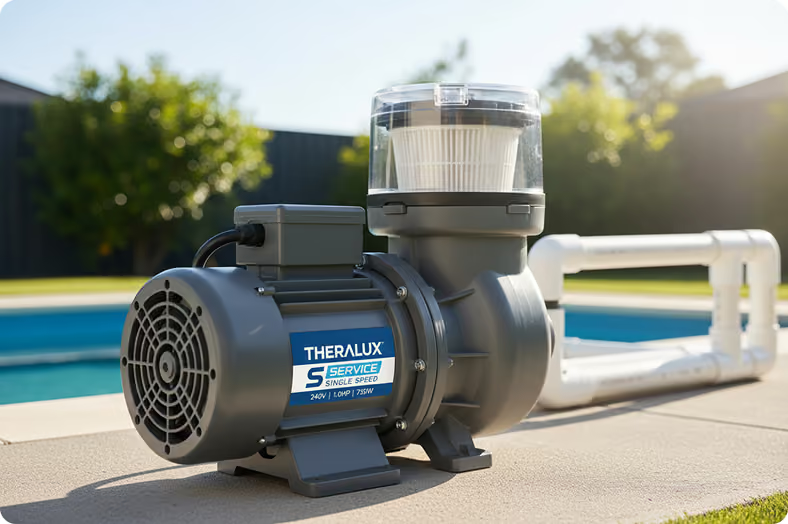
Pool Pump Noisy
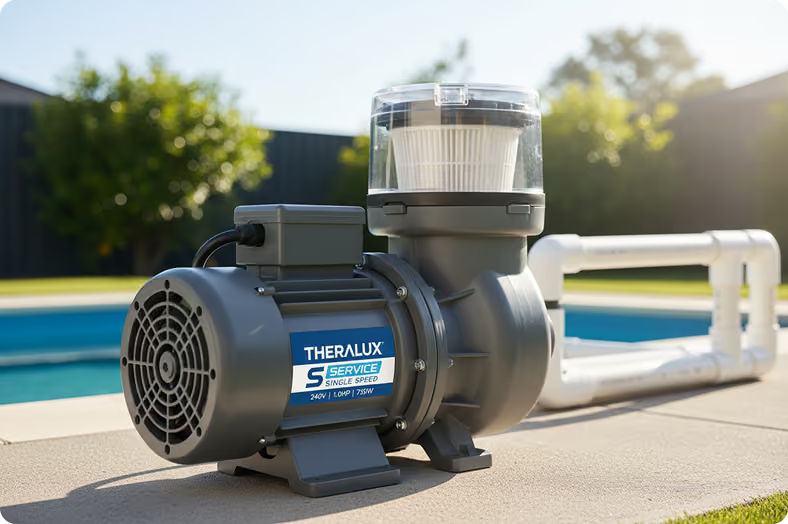
Pool Pump Not Working
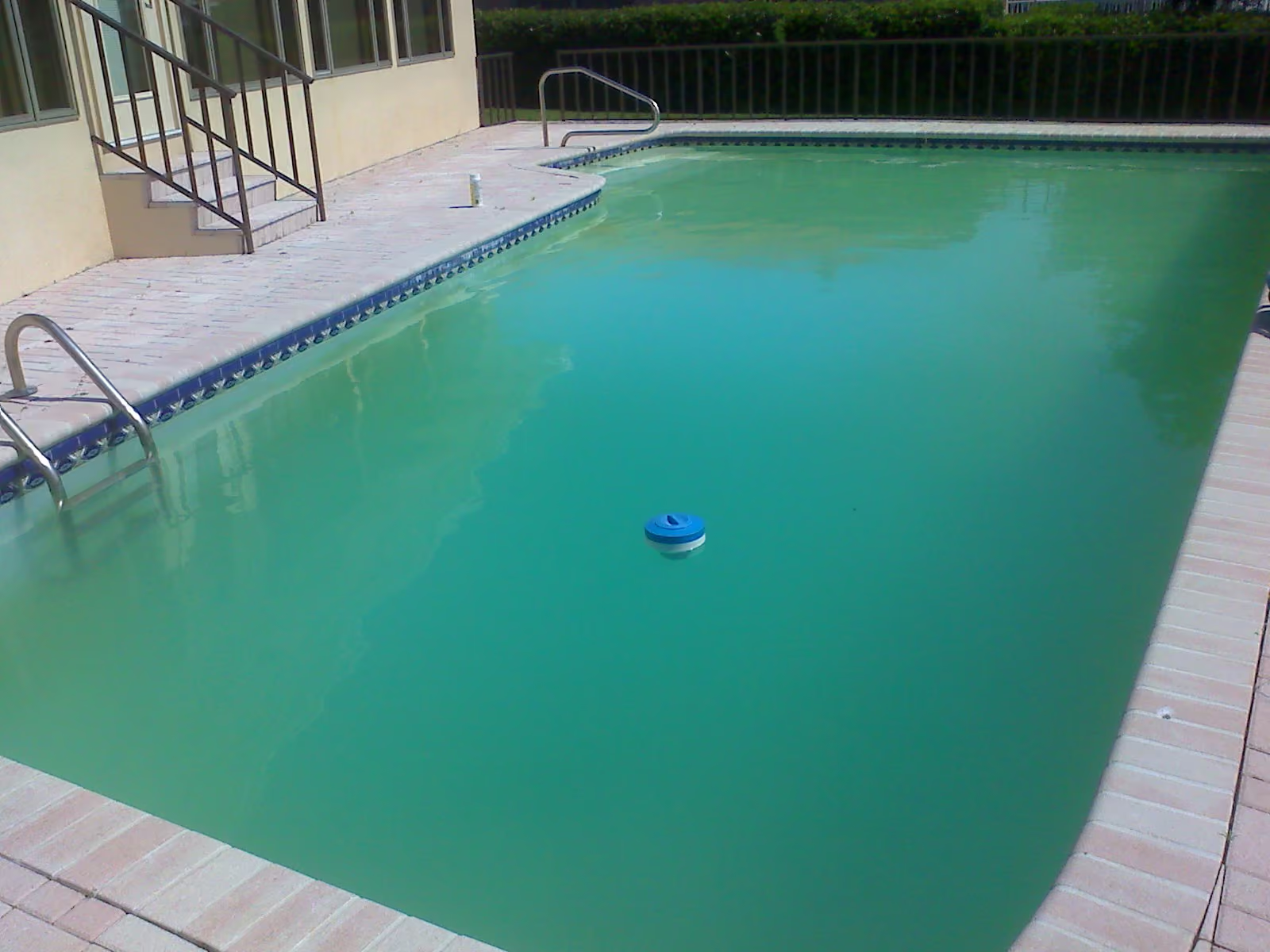
Pool Water Foaming
Pool pH Too Low
Pool pH Too High
Green Pool After Rain
Pool Still Green After Shock
Pool Water Cloudy
How to Clear a Green Pool
Pool Care That Protects Your Investment
Good pool care protects more than appearance. Our pool specialists support the long-term condition of your swimming pool while keeping it ready for everyday use.