How to Balance Pool Chemistry

Why Auckland trusts our pool service expertise
Balancing pool chemistry comes down to keeping five key parameters within their target ranges and adjusting them in the right order. Testing regularly and making small, timely corrections is far easier than recovering a pool that has drifted well out of balance.
The notes below summarise the most important points from this guide.
What you'll learn
Why Pool Chemistry Balance Matters
Pool chemistry is not complicated once you understand what each parameter does. When the levels are right, your sanitiser works efficiently, the water is comfortable to swim in, and your pool surfaces and equipment last longer.
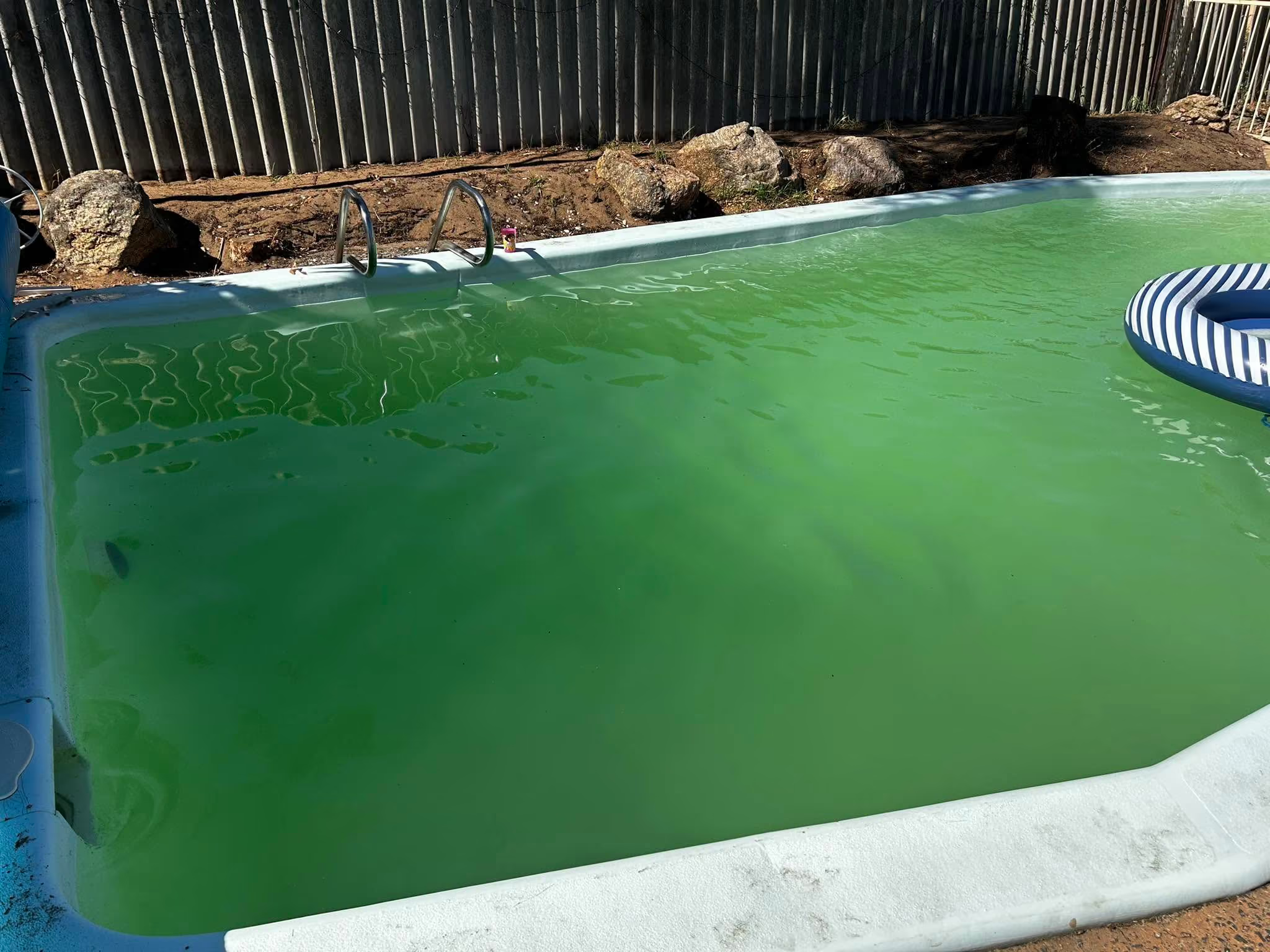
When levels drift out of range, problems follow quickly. Chlorine stops working. Water turns cloudy or green. Swimmers complain of stinging eyes or irritated skin. Equipment corrodes or scales up.
The good news is that most chemistry problems are preventable with regular testing and small, timely adjustments.
---
The Key Parameters to Test
There are five main values to keep an eye on. Each one affects the others, so it helps to test them all together rather than chasing one at a time.
Free Chlorine
Chlorine is your primary sanitiser. It kills bacteria, viruses, and algae. Free chlorine refers to the chlorine that is still active and available to do that work.
The target range for free chlorine is 1-3 ppm (parts per million). Below 1 ppm, your pool is under-sanitised. Above 5 ppm, it can irritate eyes and skin.
Chlorine is consumed faster in warm weather, after heavy use, and following rain. Auckland summers mean you may need to dose more frequently than in cooler months.
pH
pH measures how acidic or alkaline your water is. It is the single most important factor for chlorine effectiveness.
The target range is 7.2-7.6. At this level, chlorine works at close to full strength. As pH rises above 7.8, chlorine efficiency drops significantly, meaning you can have adequate chlorine in the water but it is not doing its job properly.
Low pH (below 7.2) makes water corrosive, which can damage pool surfaces, fittings, and equipment over time. It also causes eye and skin irritation.
Total Alkalinity
Total alkalinity (TA) acts as a buffer for pH. When alkalinity is in range, pH stays stable and is easier to adjust. When alkalinity is too low, pH swings up and down unpredictably, a condition sometimes called pH bounce.
The target range is 80-120 ppm.
Raise low alkalinity with sodium bicarbonate. Lower high alkalinity with a pH decreaser (sodium bisulphate or muriatic acid), added carefully in small doses.
Calcium Hardness
Calcium hardness measures the amount of dissolved calcium in your water. This matters because water that is too soft will leach calcium from pool surfaces and equipment. Water that is too hard causes scale to form on surfaces, in pipes, and on heating elements.
The target range is 200-400 ppm for most pool types.
In Auckland, tap water calcium levels vary. Testing your fill water is a useful starting point when you top up the pool.
Cyanuric Acid (Stabiliser)
Cyanuric acid (CYA) protects chlorine from being broken down by UV sunlight. Without it, chlorine in an outdoor pool can be depleted within hours on a sunny day.
The target range is 30-50 ppm.
If CYA climbs too high, above 80-100 ppm, it begins to suppress chlorine activity, a problem sometimes called chlorine lock. The only reliable fix at that point is a partial water change to dilute the stabiliser.
---
How to Test Your Pool Water
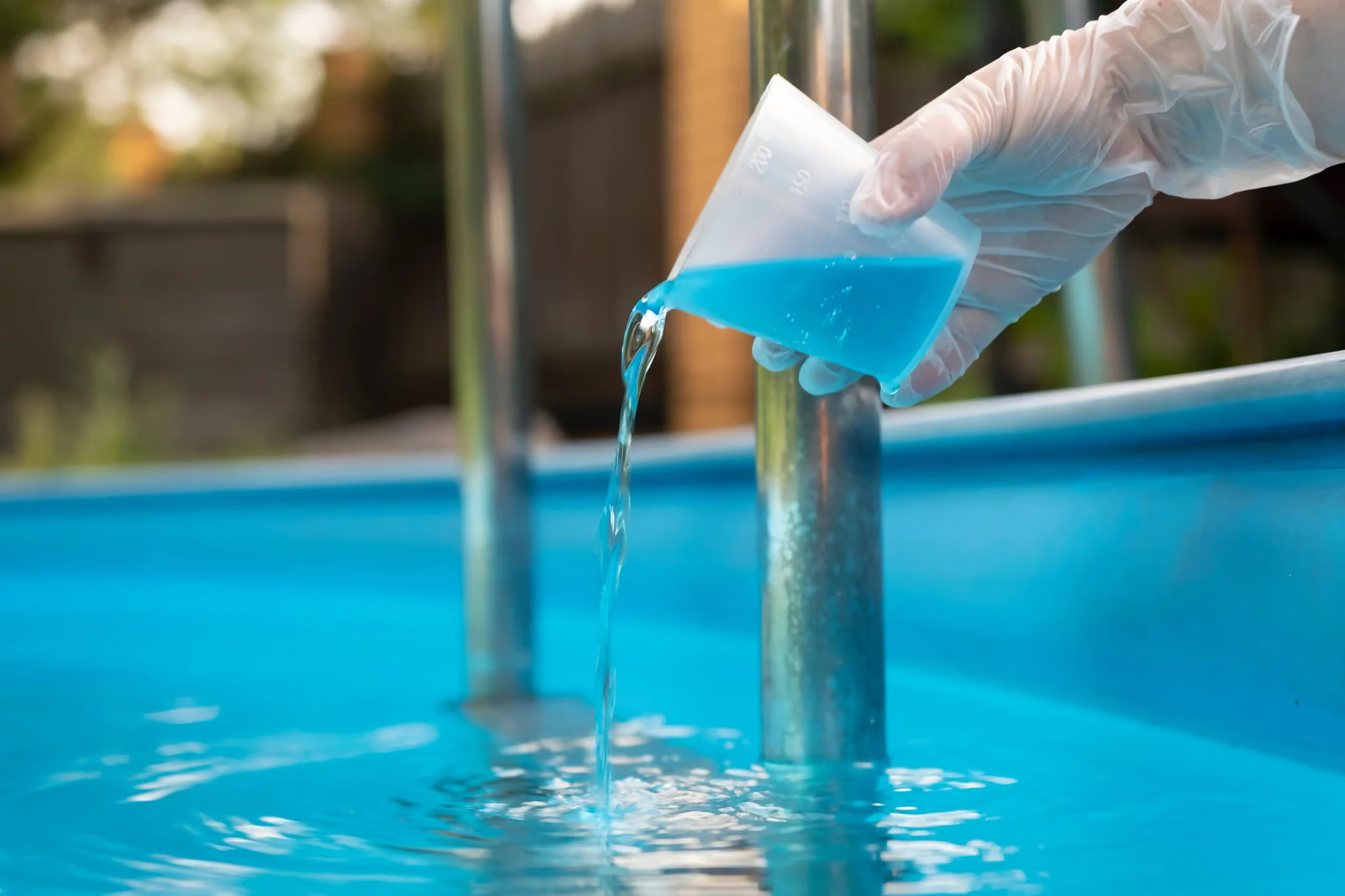
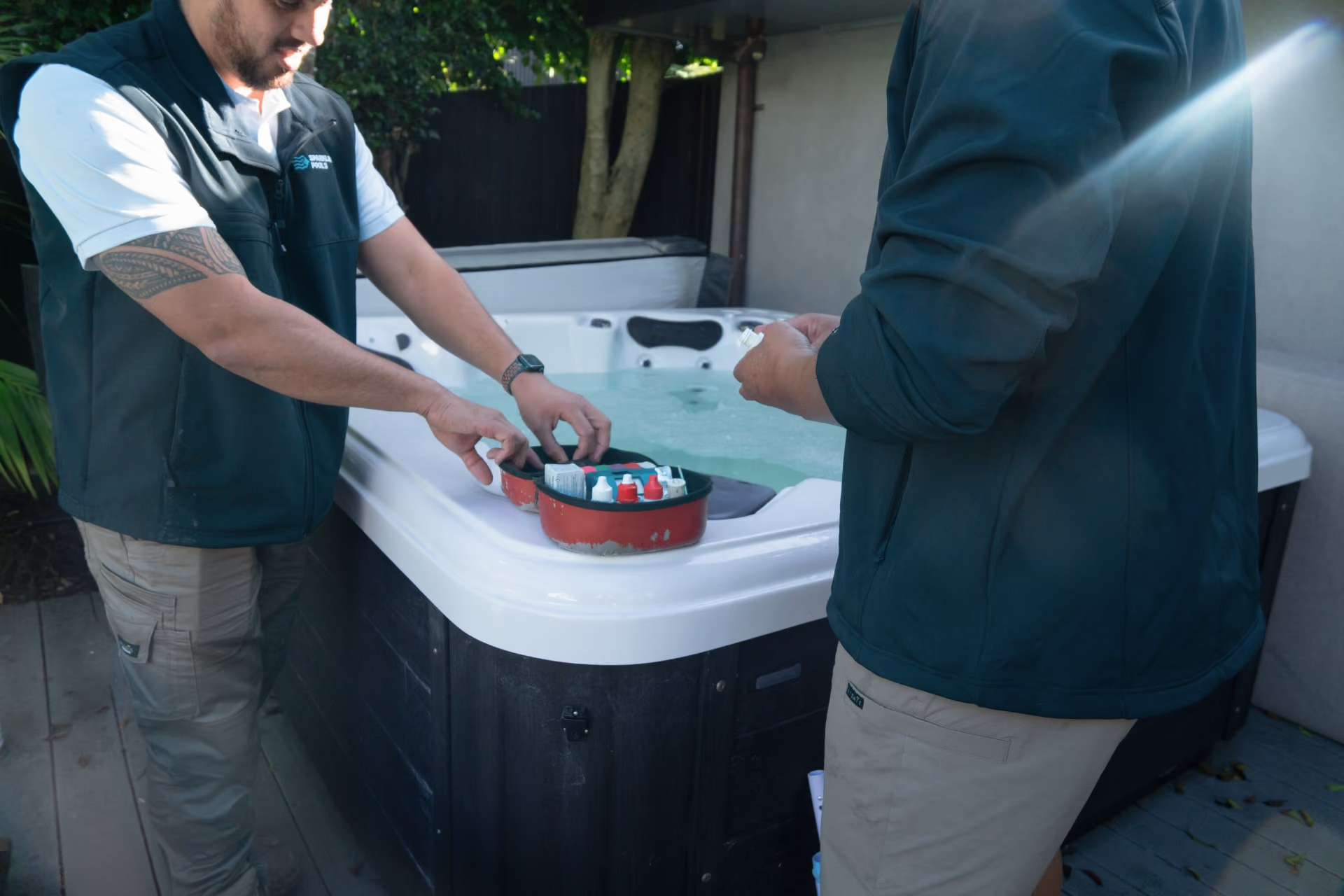
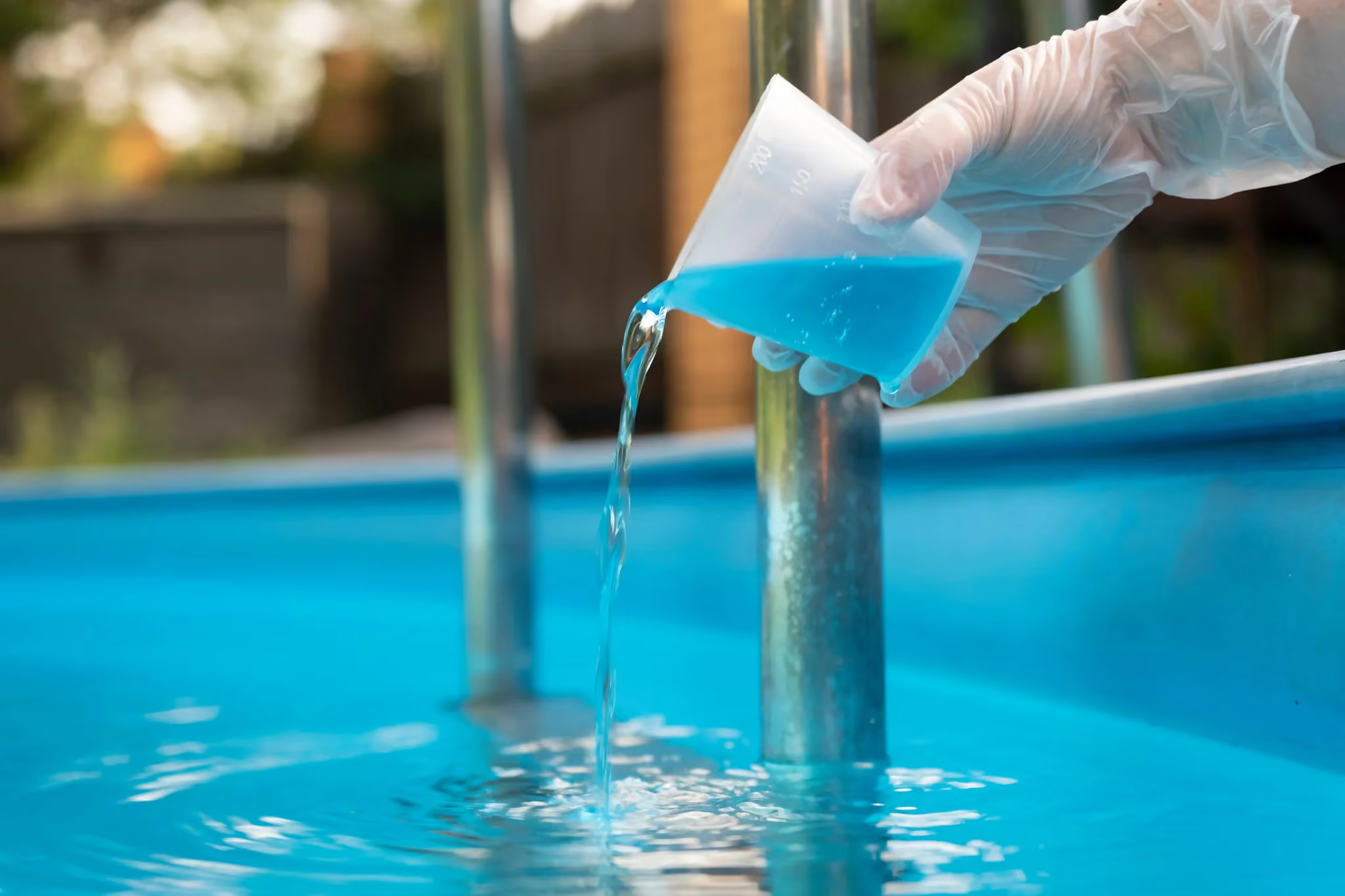
Regular testing is the foundation of good pool chemistry. There are two practical options for home testing:
- Test strips, quick and easy, but less precise. Good for routine weekly checks.
- Liquid test kits, more accurate for pH and chlorine. Worth using if you are troubleshooting a problem.
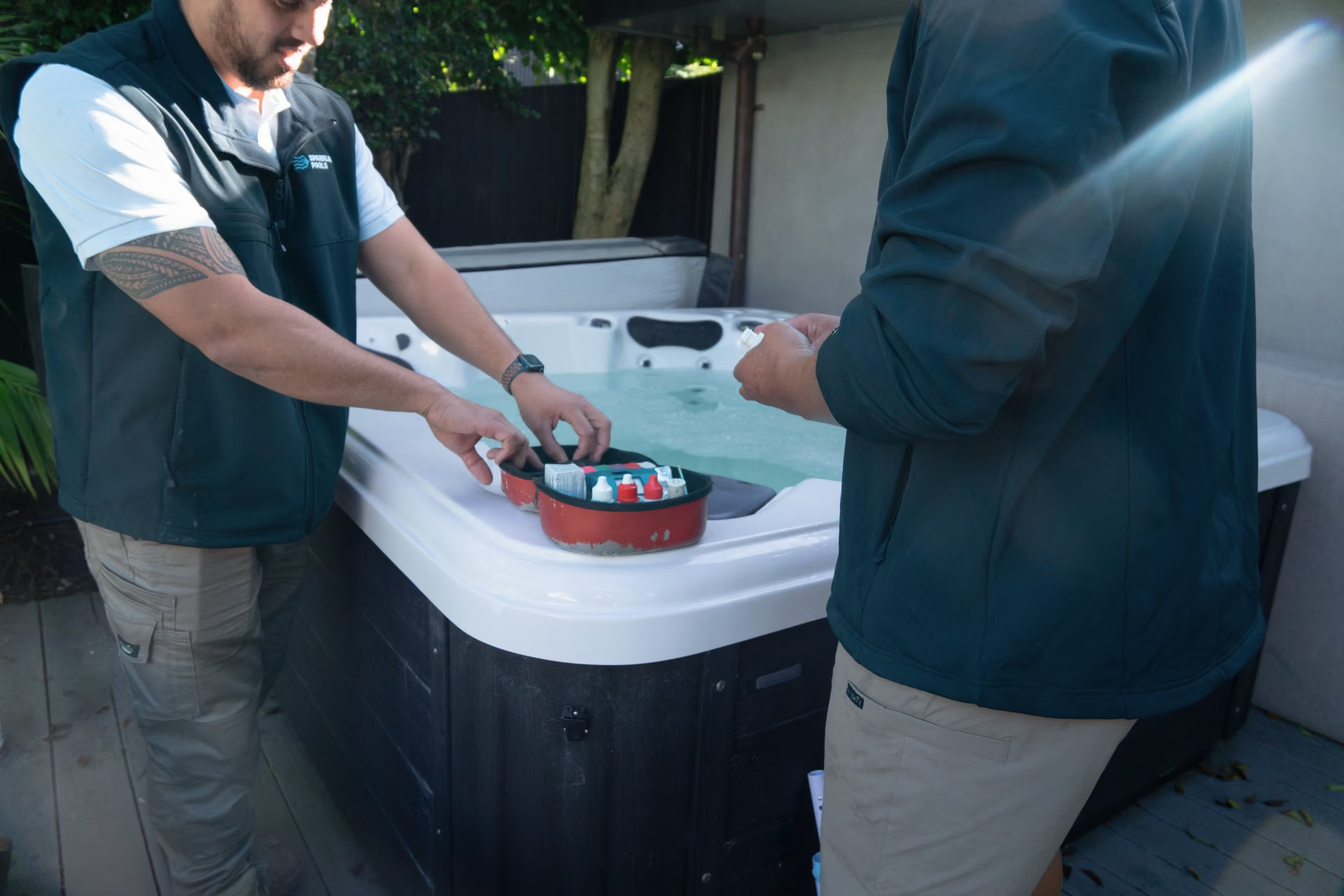
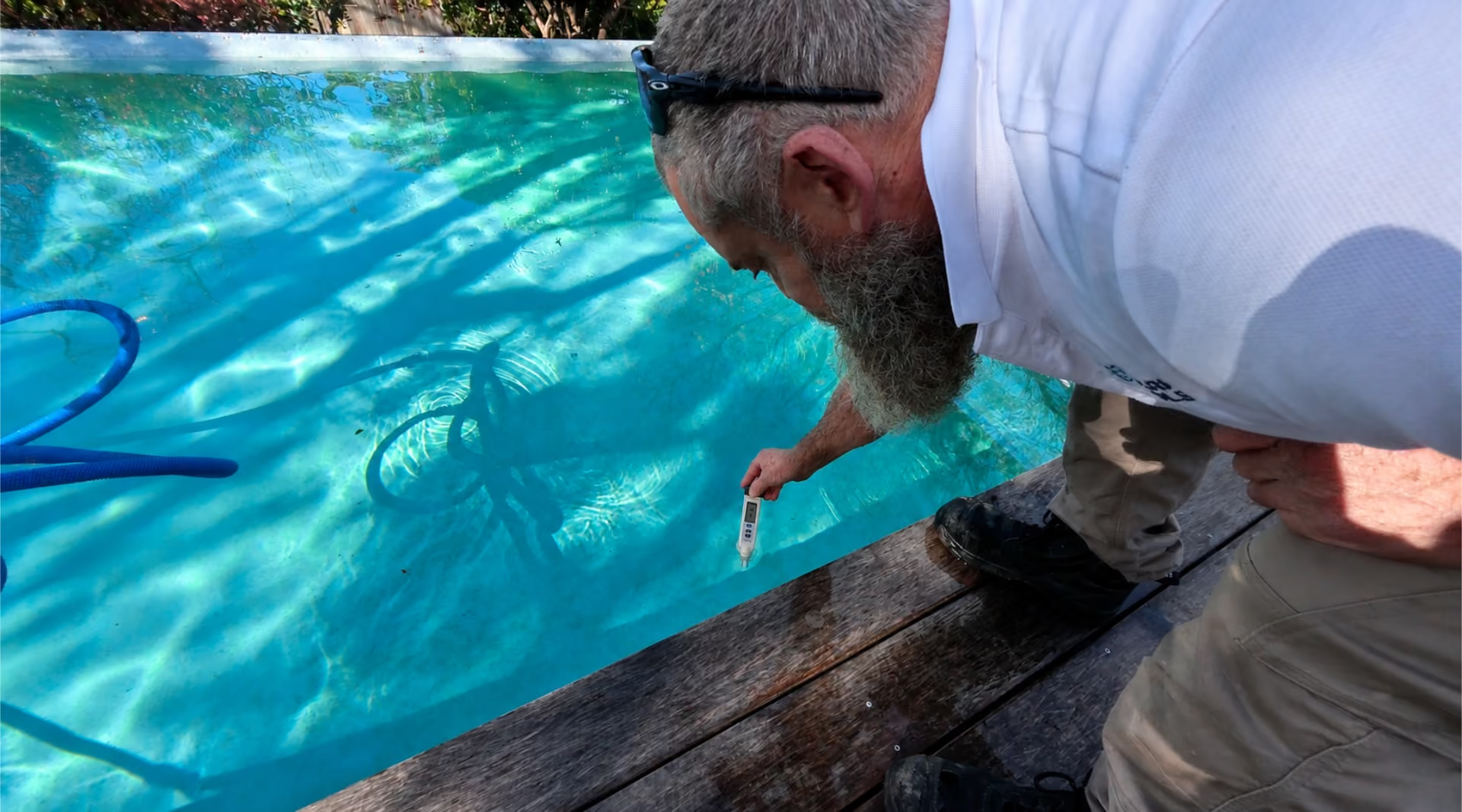
For a full picture, including calcium hardness, cyanuric acid, and total dissolved solids, a professional water test is the most reliable option. Sparkling Pools carries out on-site water testing at your home, anywhere across Auckland, and can advise on exactly what adjustments your pool needs.
How Often to Test
- Weekly during the swimming season
- Fortnightly in cooler months when the pool is less used
- After heavy rain or a large swim session, both can shift chemistry quickly
- After adding any chemicals, retest after the recommended wait time to confirm the adjustment has worked
---
How to Adjust Each Parameter
When you test and find something out of range, adjust one parameter at a time where possible. Adding multiple chemicals at once makes it harder to know what worked and can cause unexpected reactions.
Adjusting pH
- pH too high: Add a pH decreaser (sodium bisulphate or muriatic acid). Add to the deep end with the pump running. Retest after several hours.
- pH too low: Add a pH increaser (sodium carbonate / soda ash). Add in small amounts and retest. pH can rise quickly, so go cautiously.
Adjusting Total Alkalinity
- TA too low: Add sodium bicarbonate (baking soda). Broadcast it across the pool surface with the pump running.
- TA too high: Add a pH decreaser slowly over several days. Lowering TA takes patience, rushing it will also crash your pH.
Adjusting Chlorine
- Chlorine too low: Shock the pool with a chlorine-based shock product or add your regular chlorine dose. For a significant drop, a shock treatment is more effective than a standard dose.
- Chlorine too high: Stop dosing and allow sunlight and time to bring it down. Running the pump helps. Do not swim until levels return to the safe range.
Adjusting Calcium Hardness
- Too low: Add calcium chloride. Dissolve it in a bucket of water before adding to the pool.
- Too high: Partial drain and refill with fresh water is the most practical fix.
Adjusting Cyanuric Acid
- Too low: Add a stabiliser (cyanuric acid granules). Dissolve in warm water first.
- Too high: Partial drain and refill. There is no chemical that removes CYA from pool water.
---
The Right Order to Balance Chemistry
When multiple parameters are out of range, adjust them in this order:
1. Total alkalinity first, stabilising TA makes pH easier to control
2. pH second, once TA is stable, pH adjustments hold better
3. Calcium hardness third
4. Cyanuric acid fourth
5. Chlorine last, chlorine works best once pH is correct
Always wait the recommended time between adjustments and retest before adding the next chemical.
---
Common Mistakes to Avoid
Adding chemicals directly to the skimmer box. Some chemicals, particularly chlorine and acid, should never go directly into the skimmer. They can damage equipment and create dangerous reactions. Always add to the pool water directly, with the pump running.
Mixing chemicals before adding them. Never mix two pool chemicals together before adding them to the water. Add them separately, at different times.
Ignoring alkalinity and chasing pH. If your pH keeps bouncing back after adjustment, low total alkalinity is usually the cause. Fix the alkalinity first.
Testing in direct sunlight. UV light can affect test results. Test in the shade for more accurate readings.
Not waiting long enough between adjustments. Chemicals need time to circulate and react. Retesting too soon leads to over-correction.
---
When to Call a Professional
Most chemistry adjustments are straightforward once you know the process. But there are situations where professional help makes sense:
- Your water has been out of balance for an extended period and you are not sure where to start
- You have adjusted chemicals multiple times without achieving stable results
- The water is green, heavily clouded, or has visible algae growth
- You suspect a problem with your sanitiser system rather than the chemistry itself
Sparkling Pools offers on-site water testing across Auckland. A technician visits your property, tests the water on site, and gives you a clear picture of what needs adjusting and why.
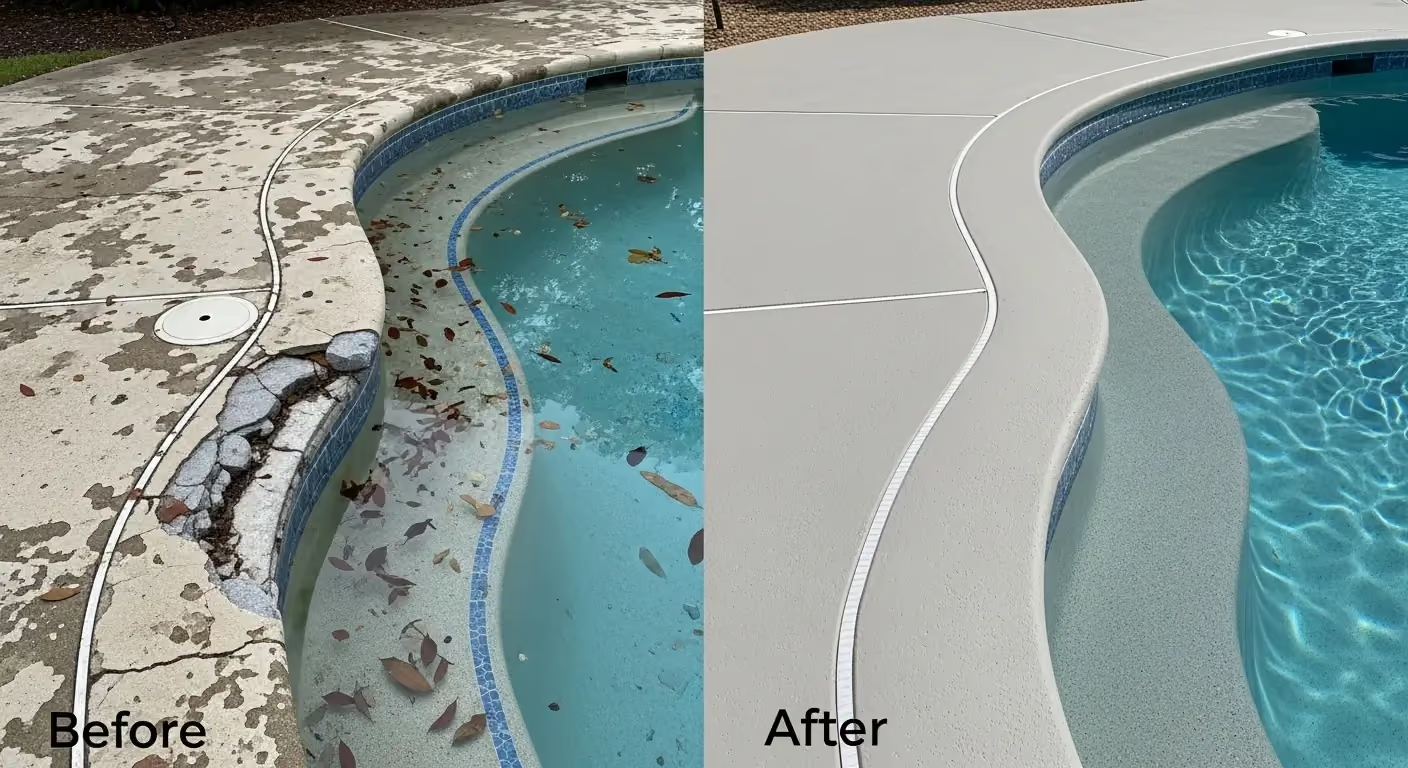
Pool resurfacing solutions
Restore your pool with durable plaster finishes

Work completed
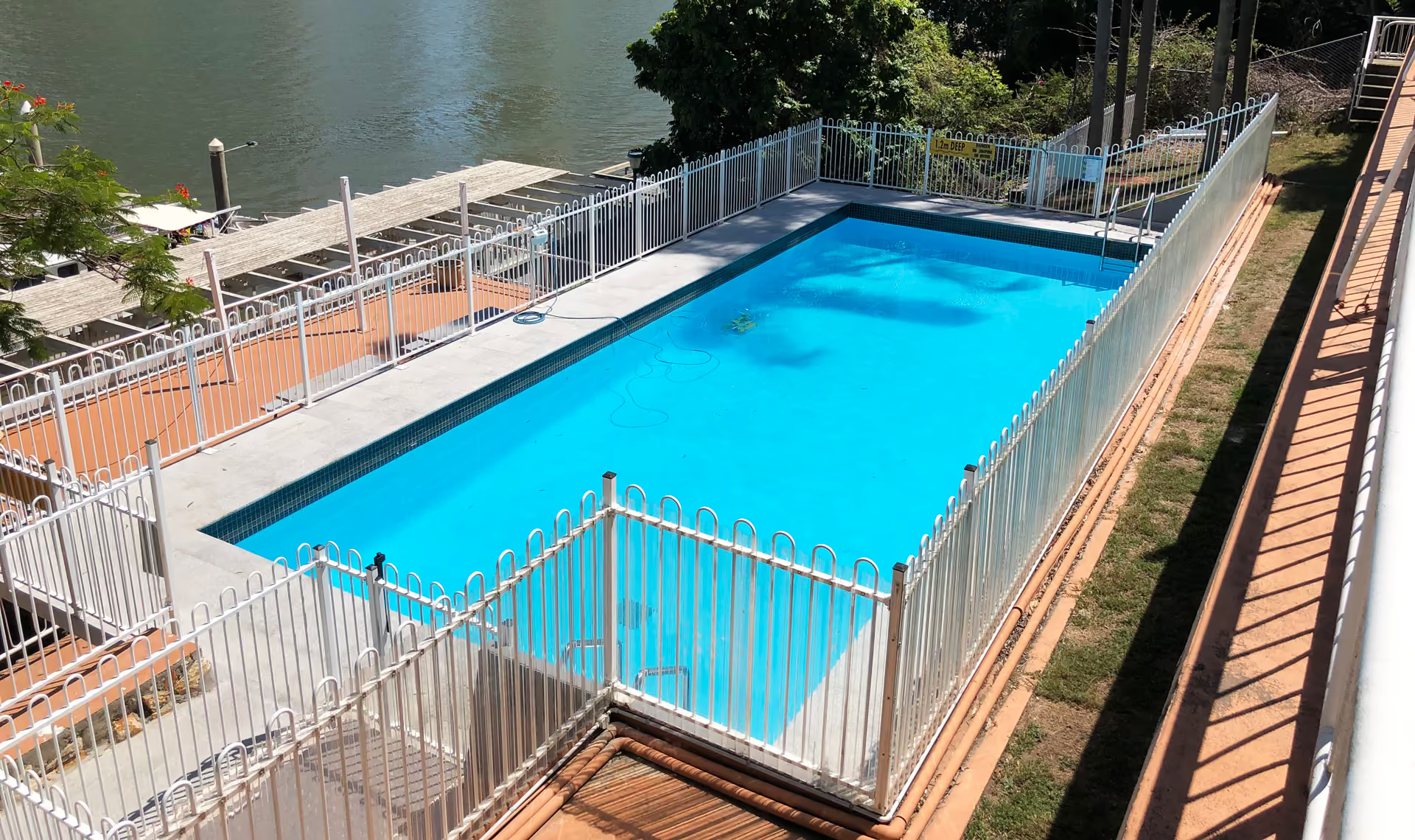
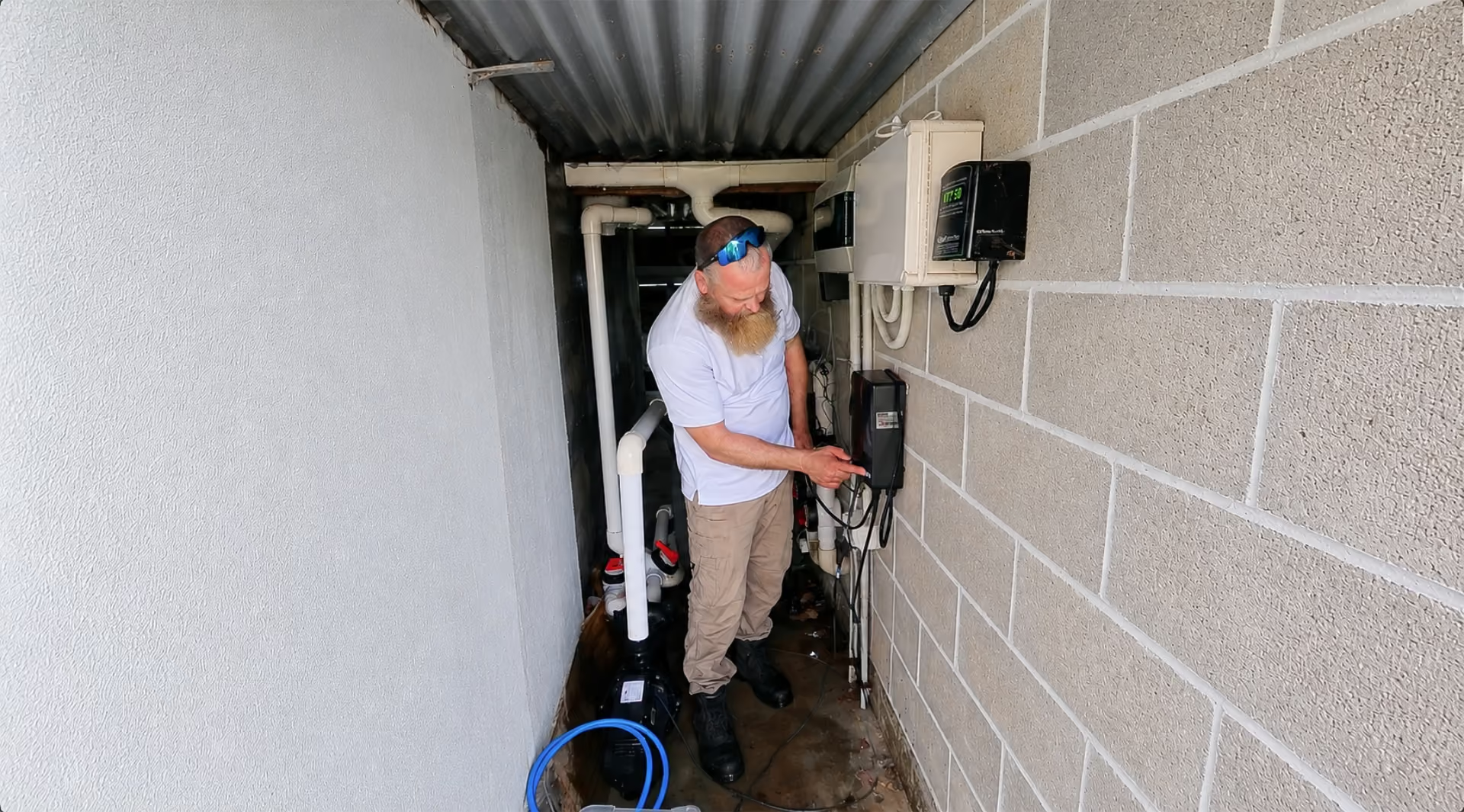
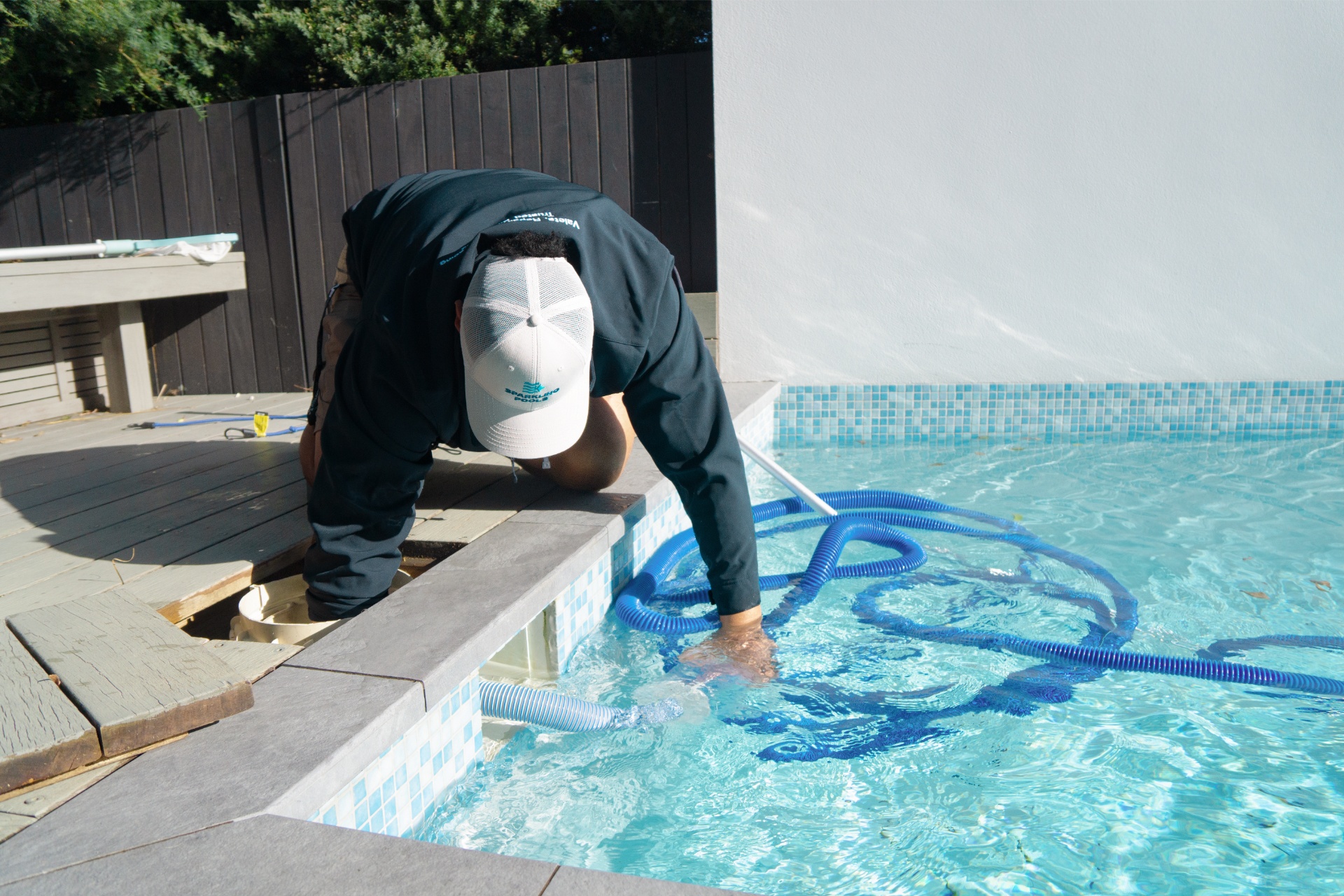
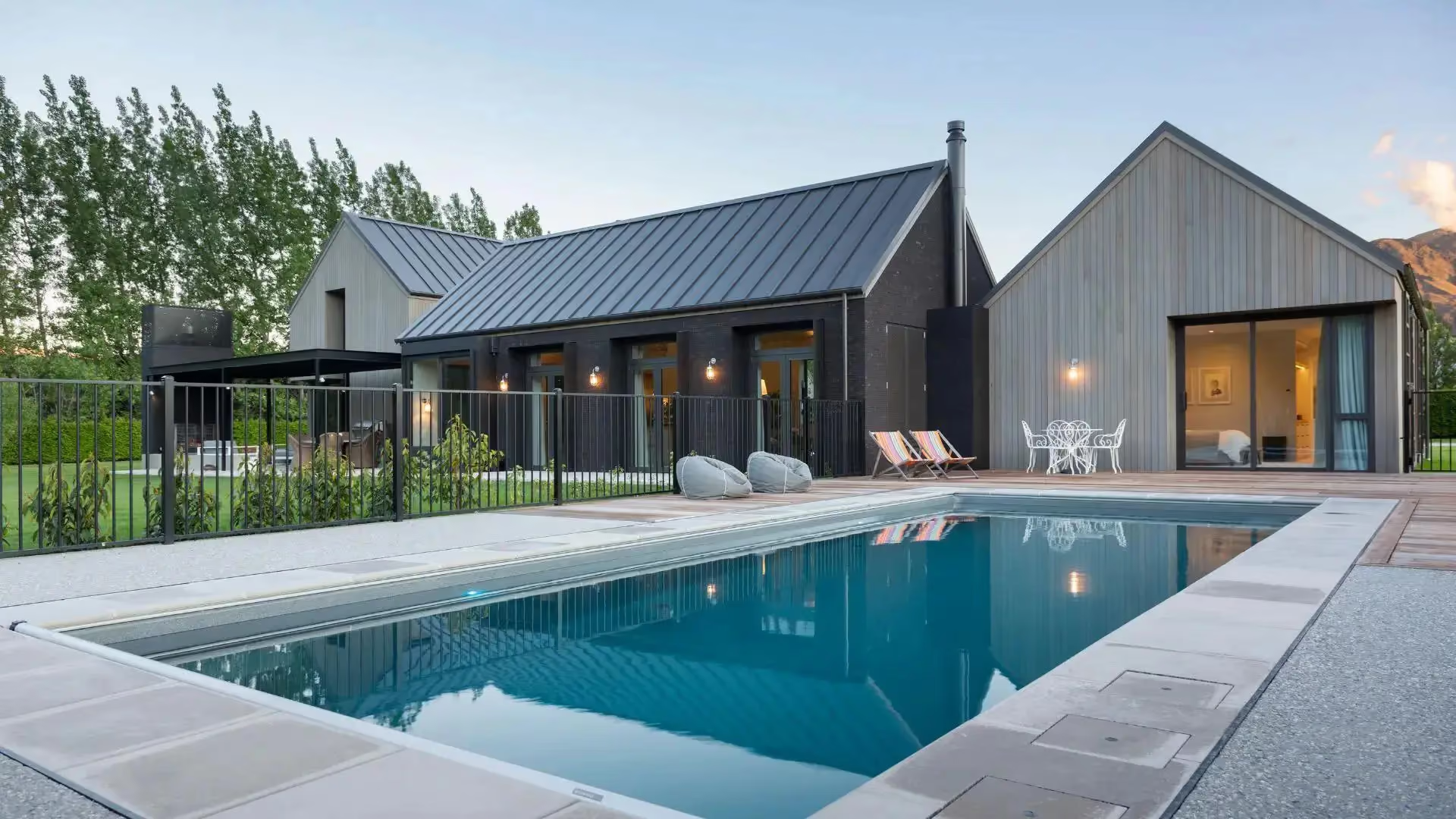
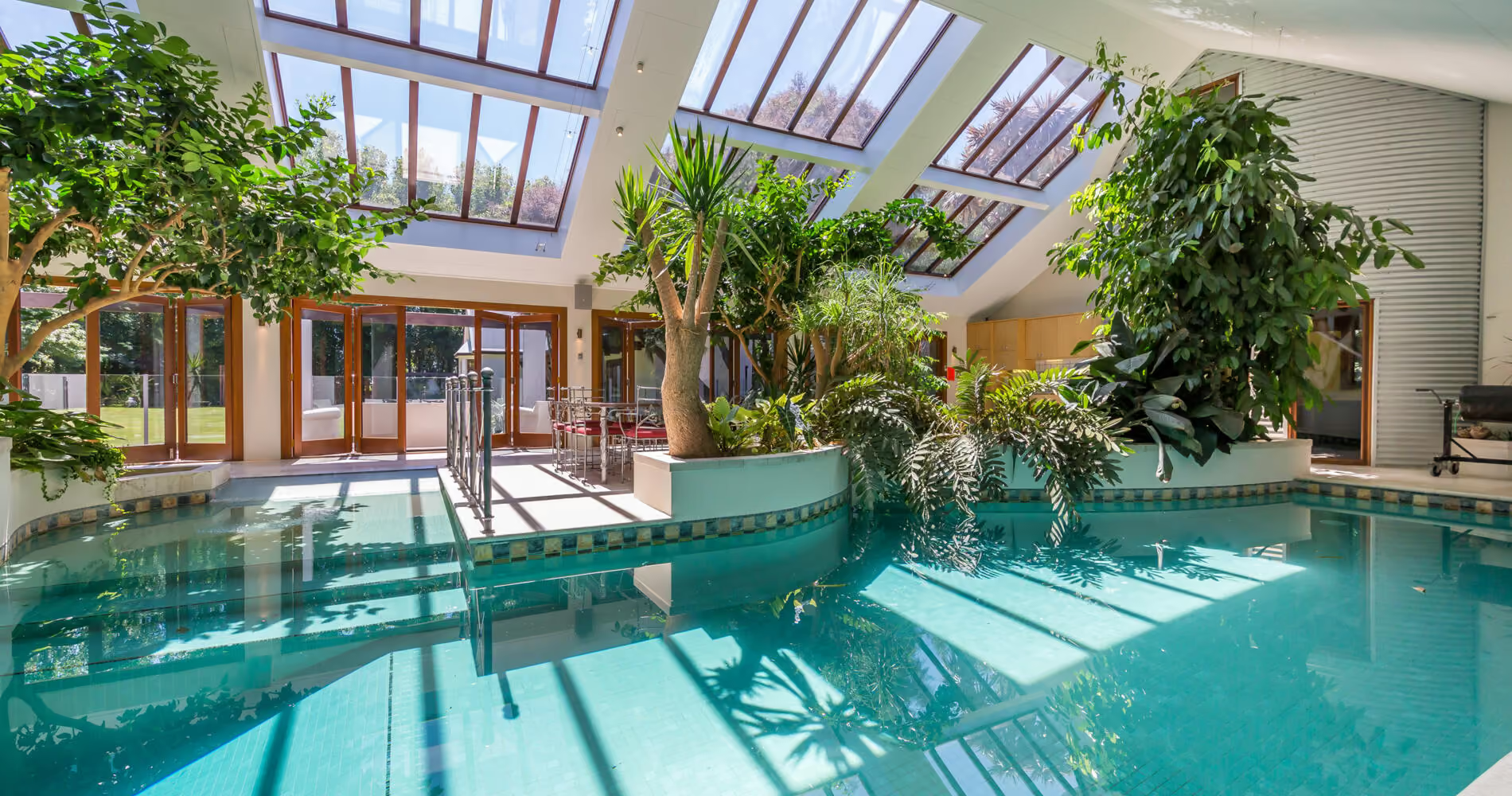
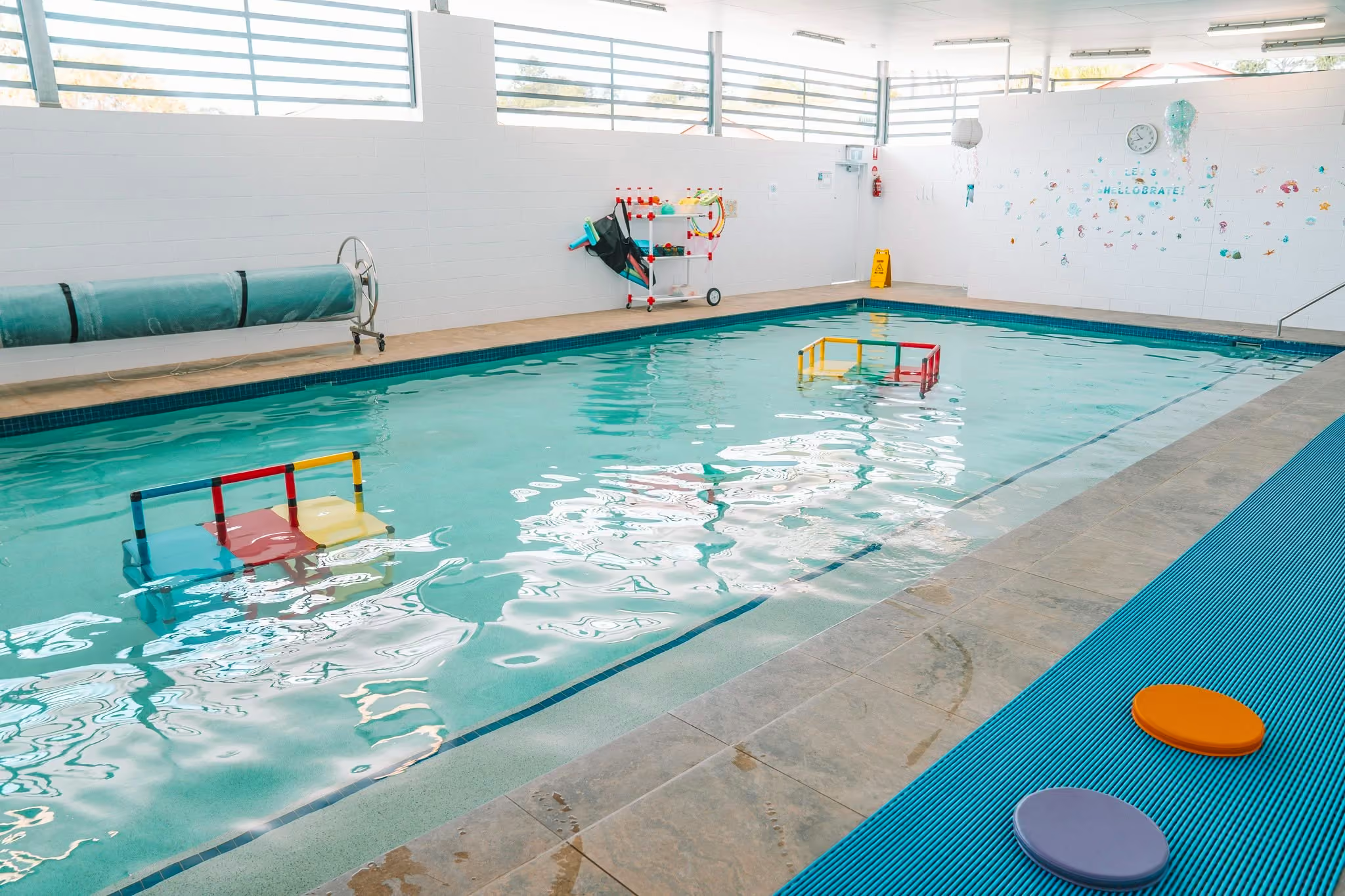
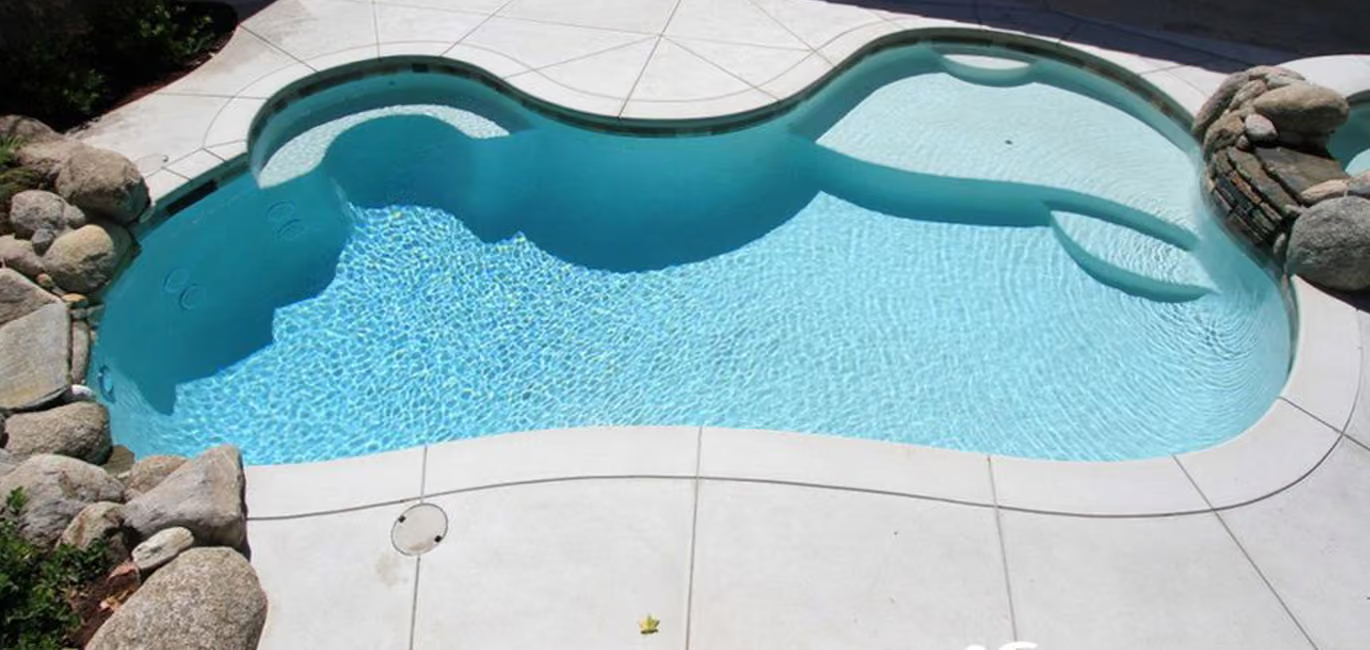
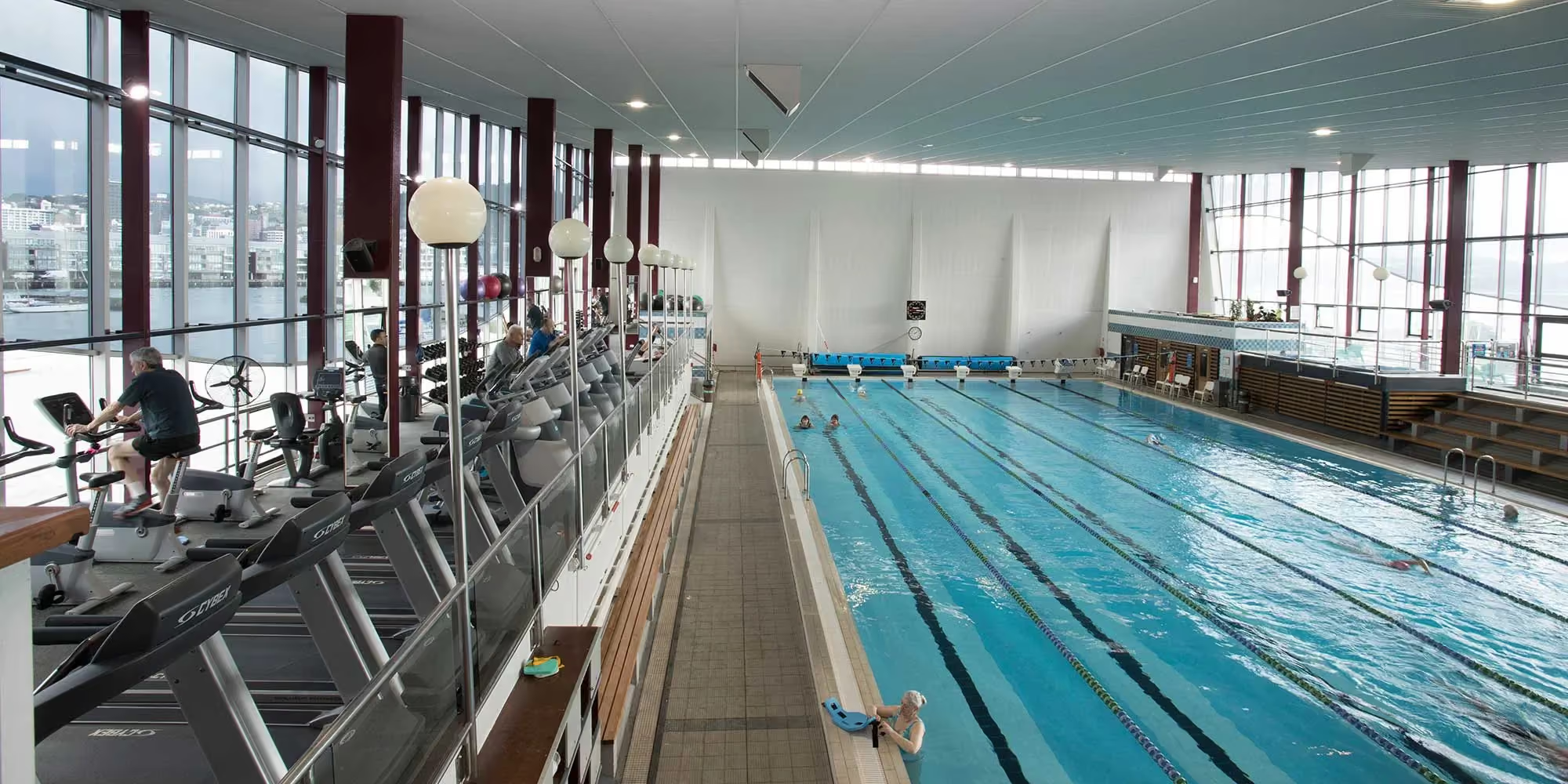
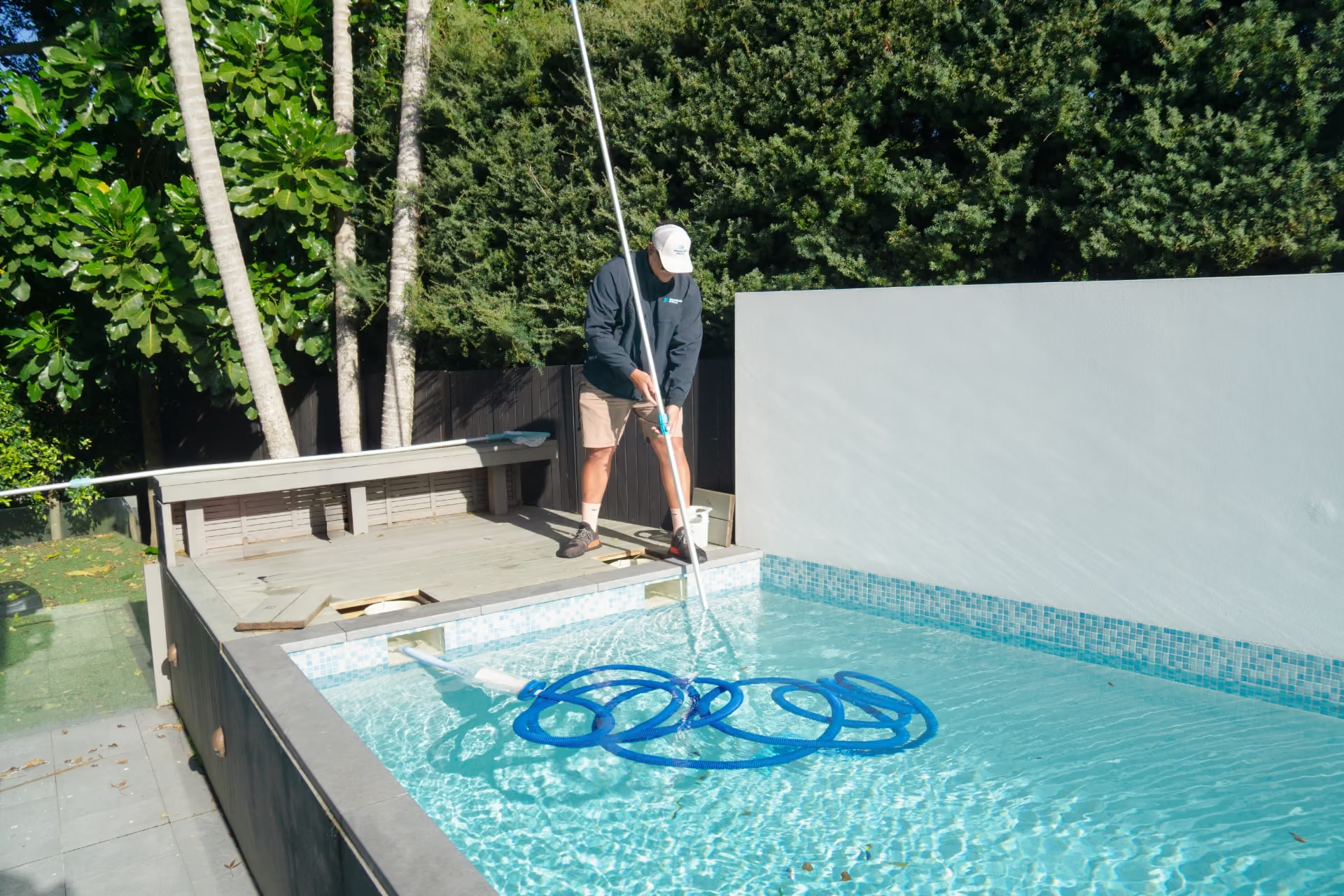
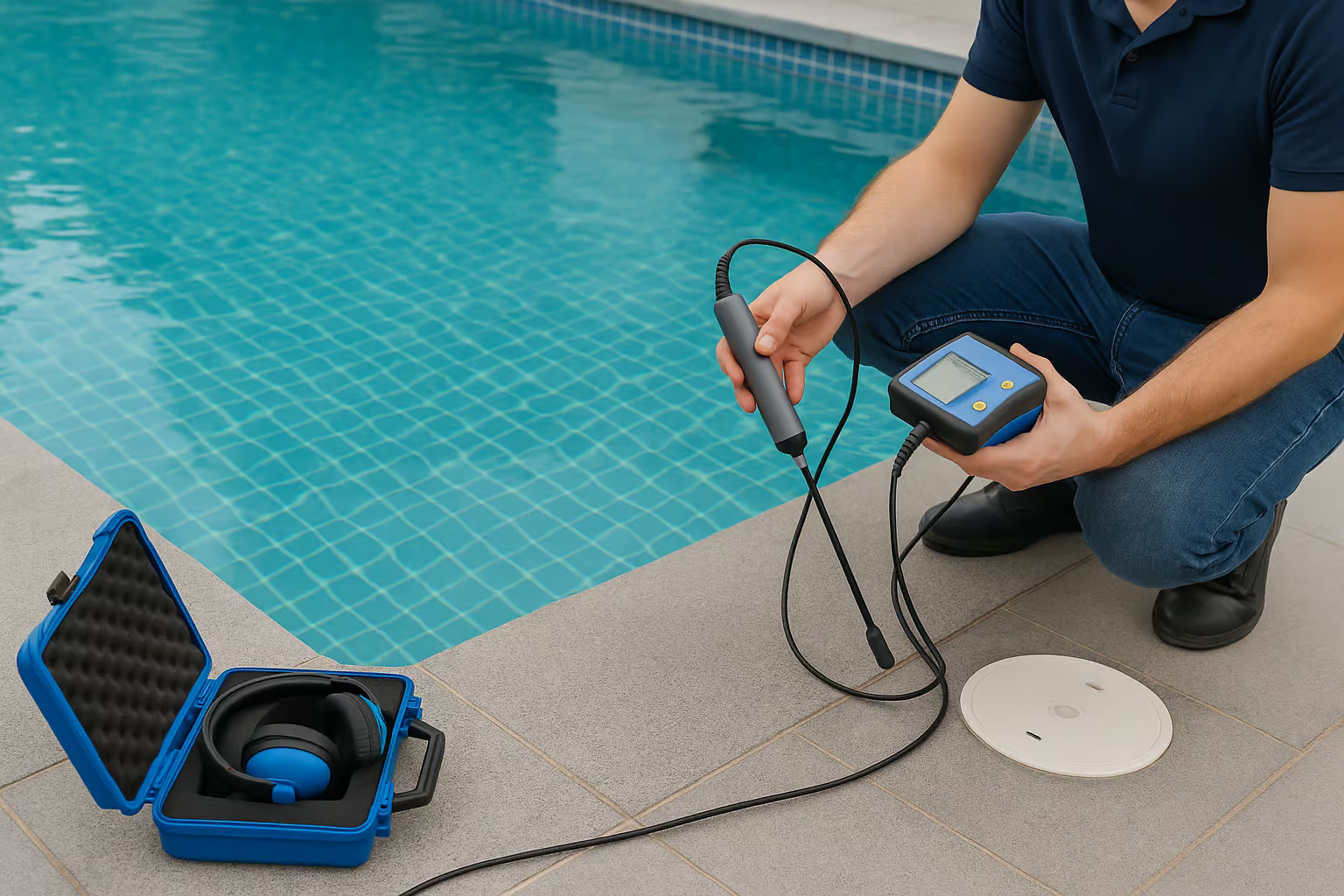
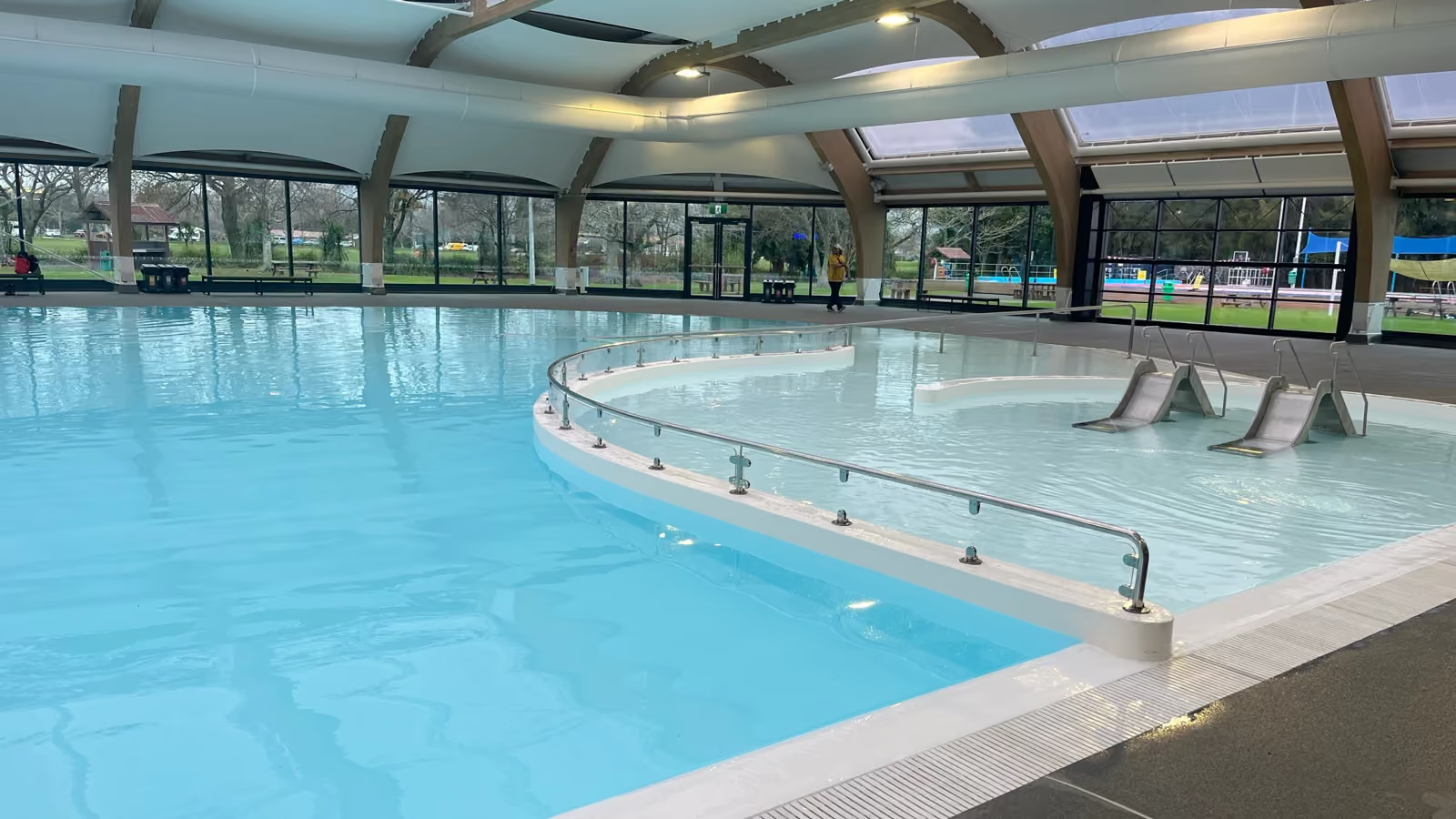
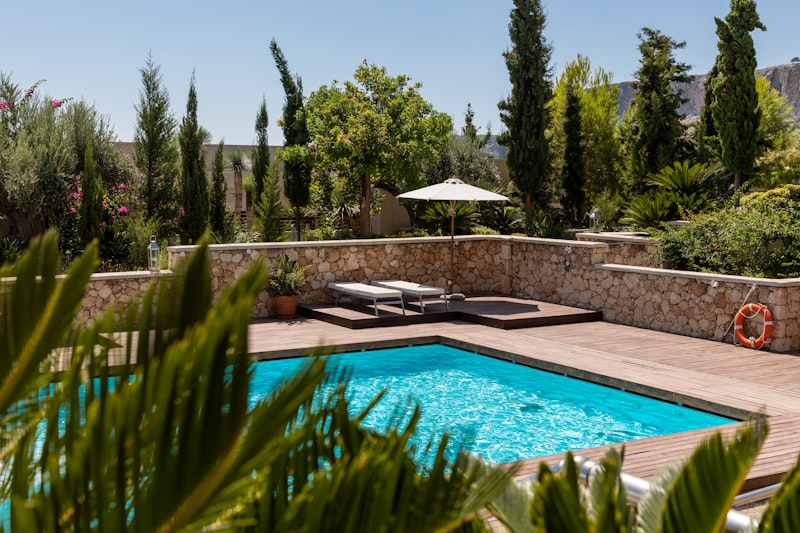
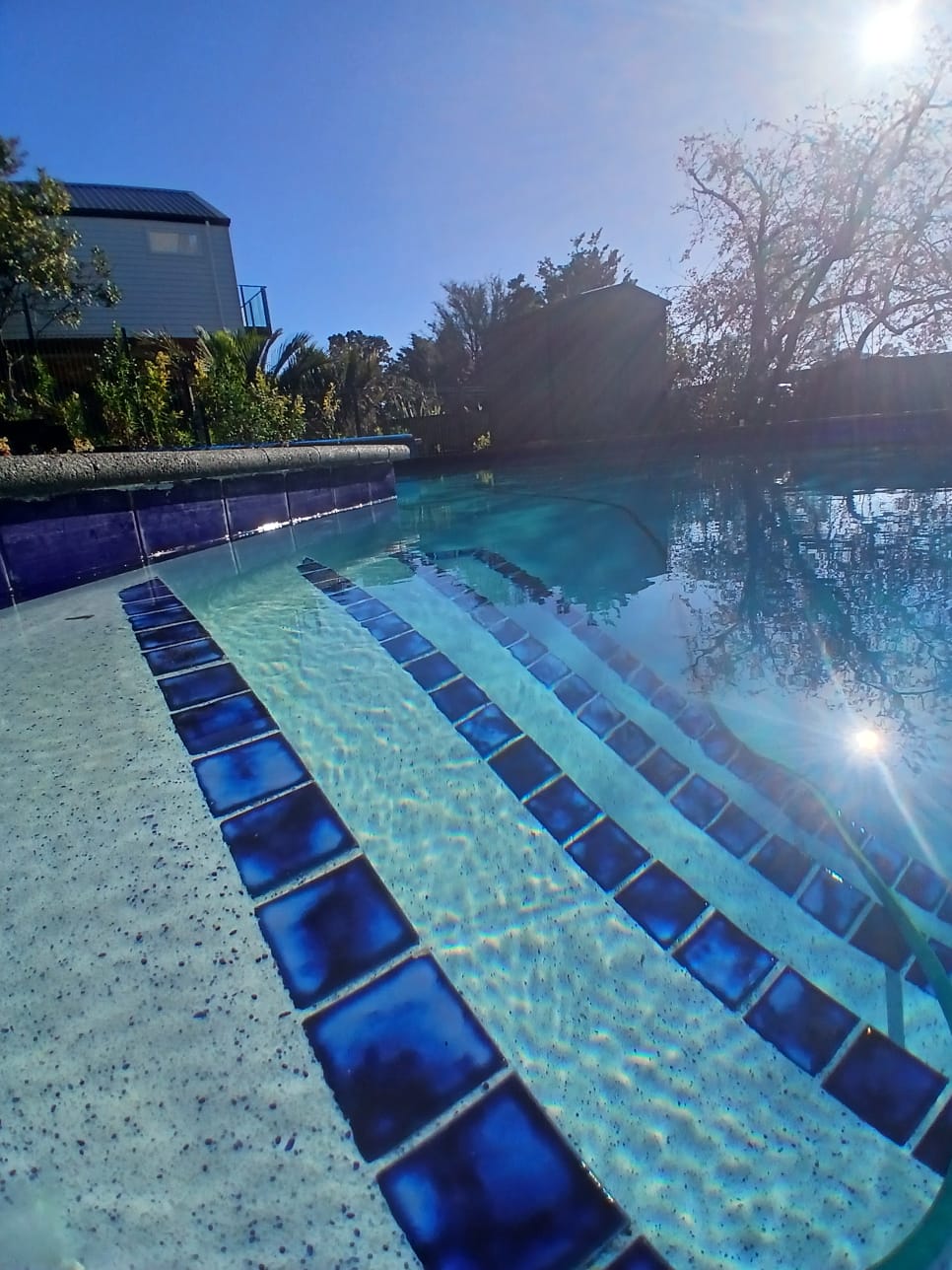
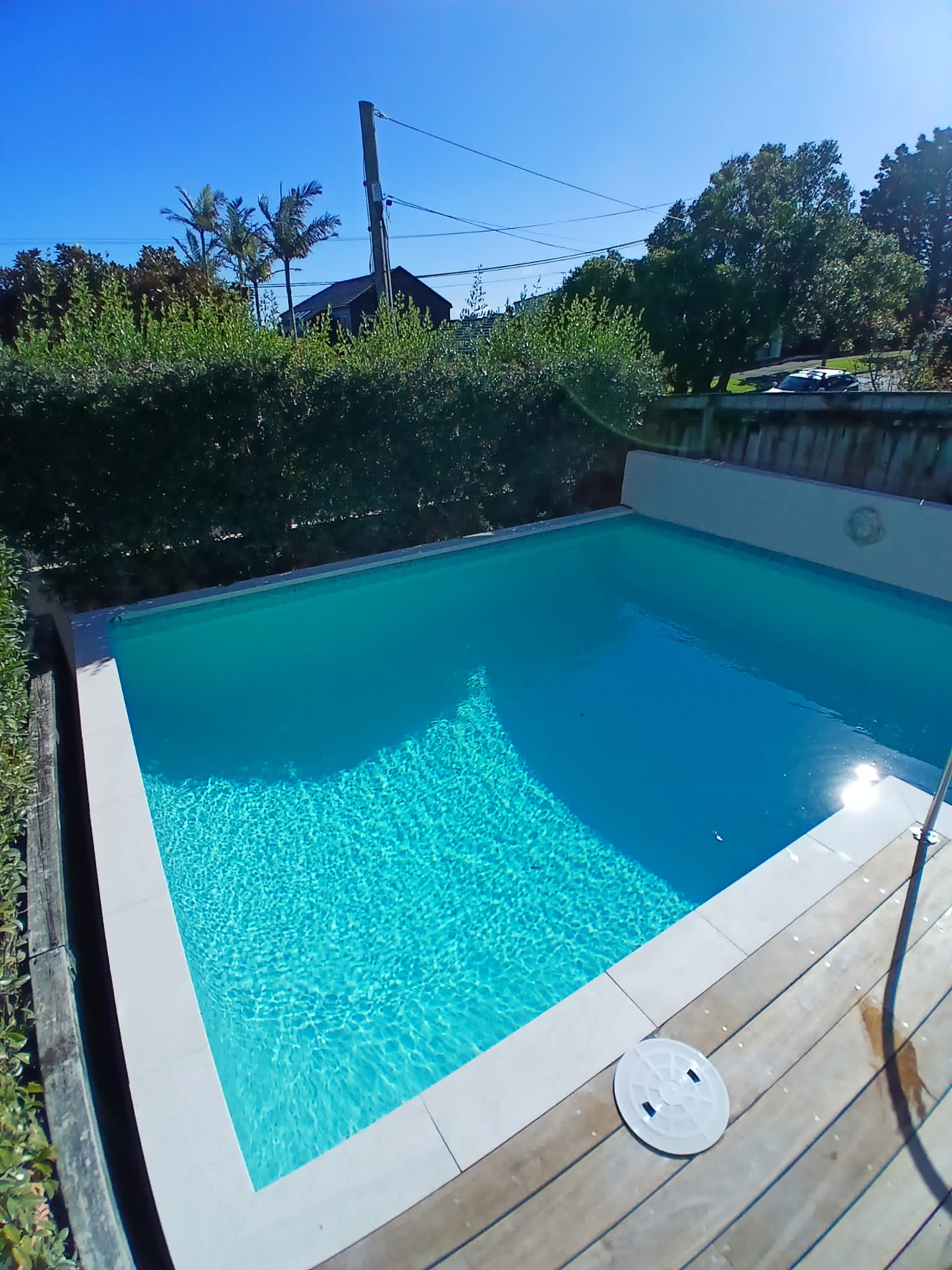
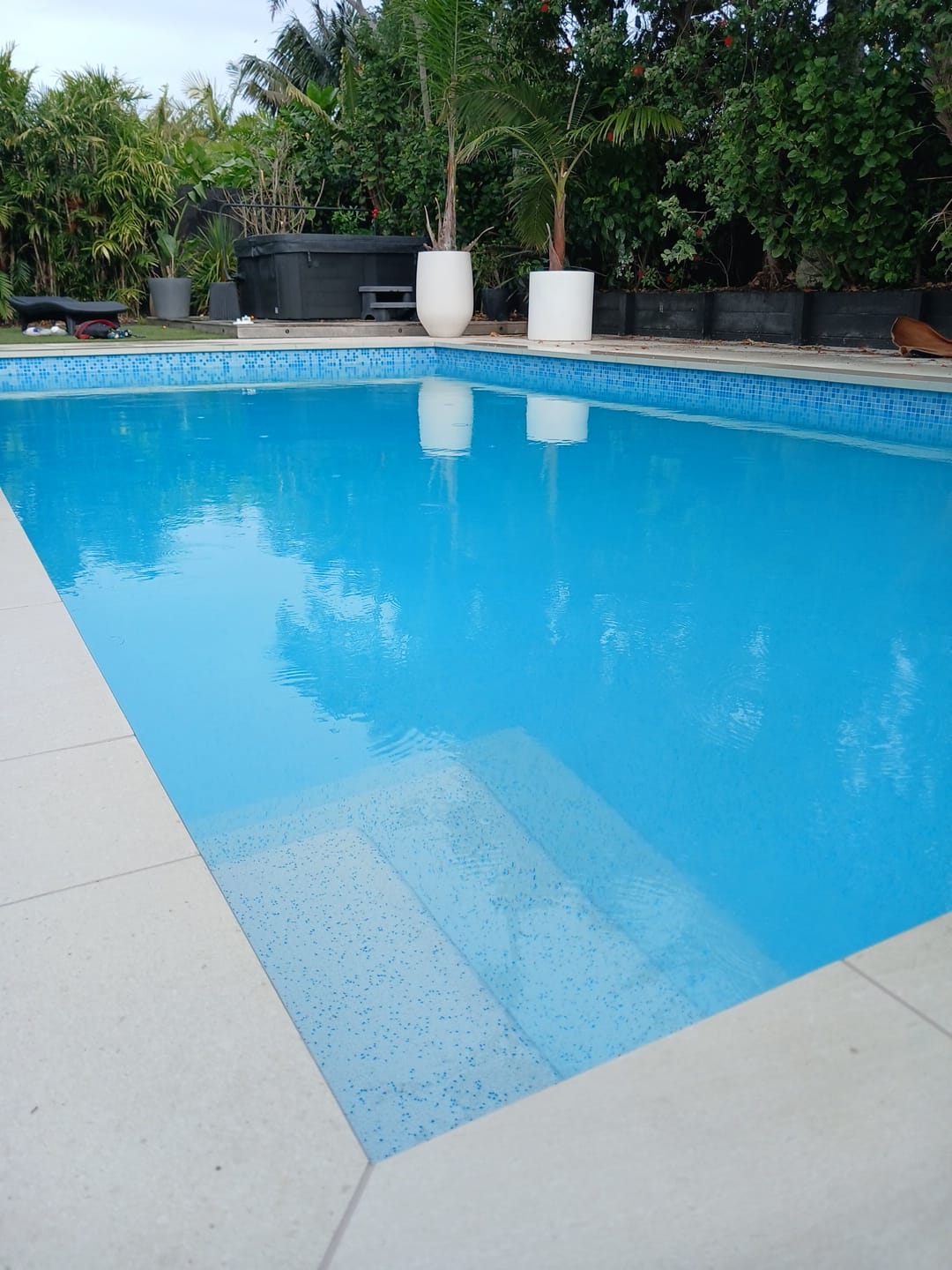
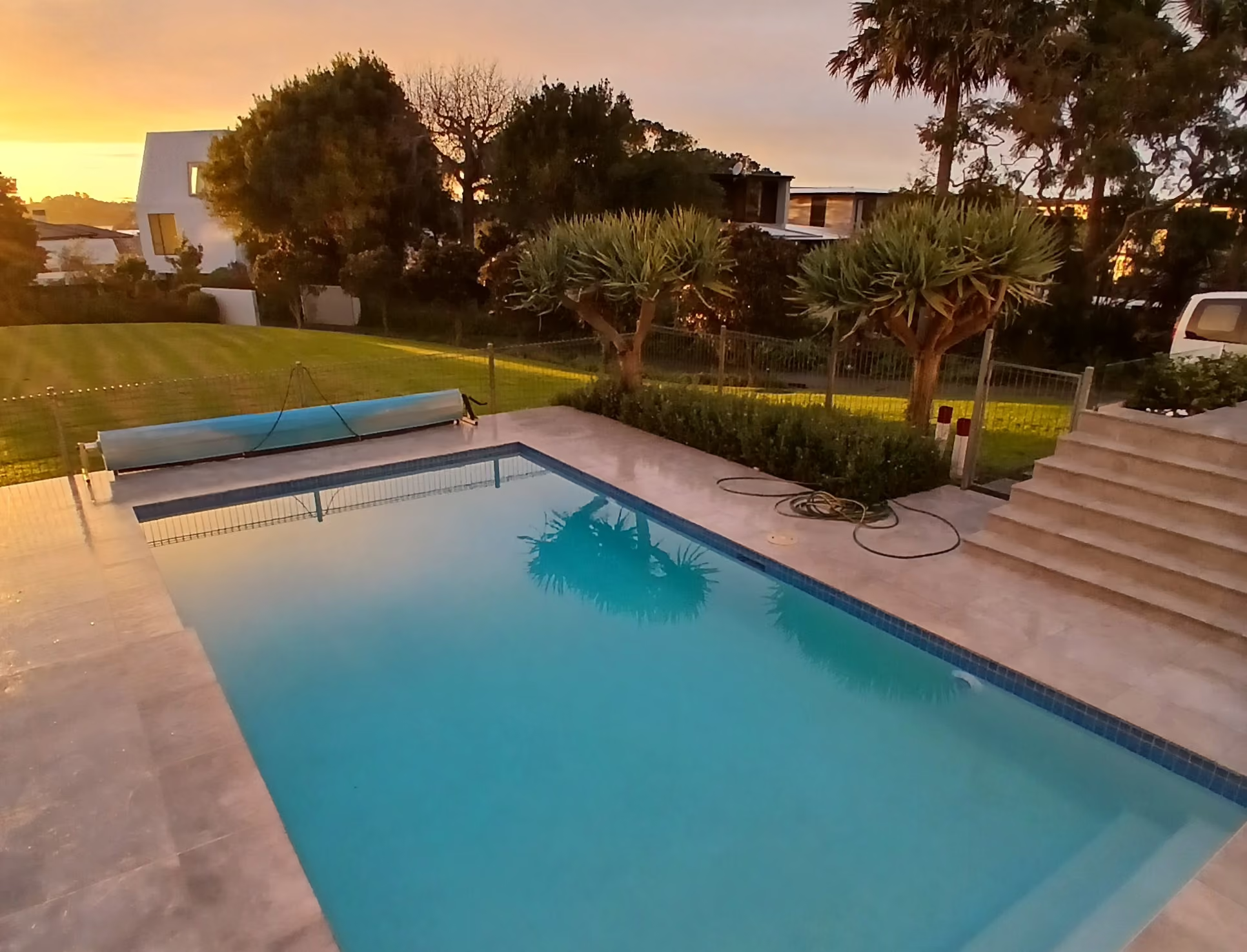
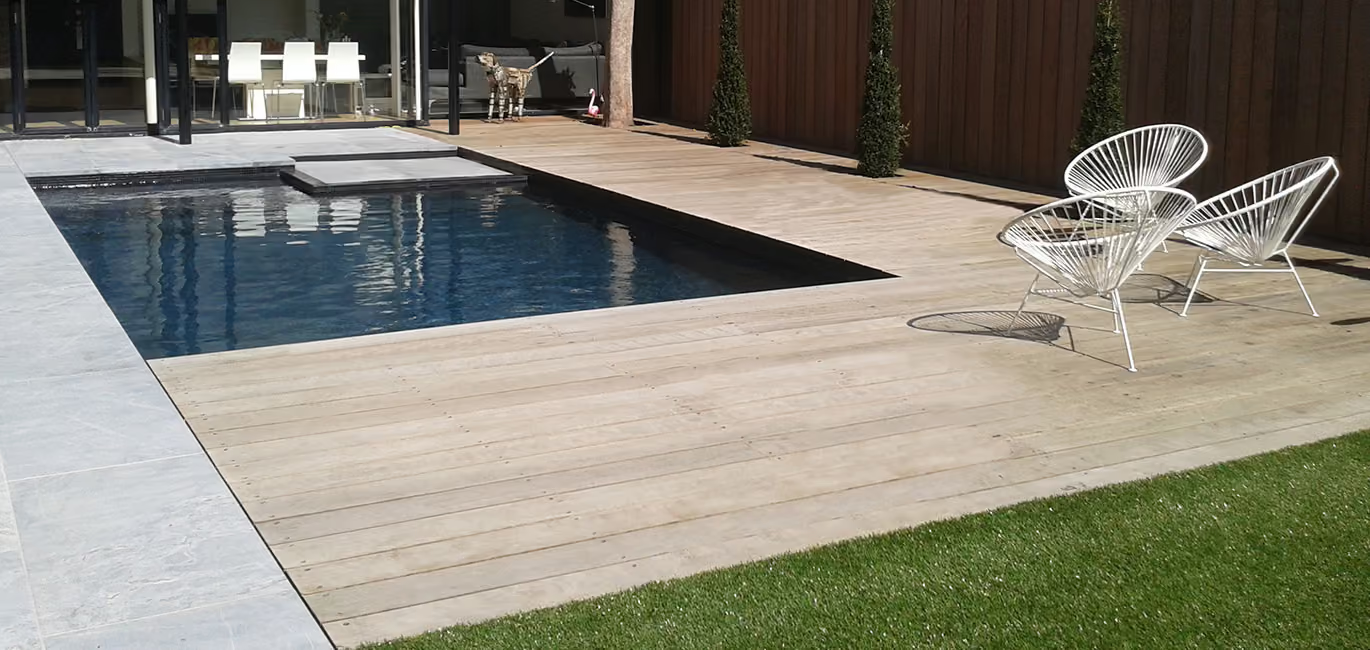
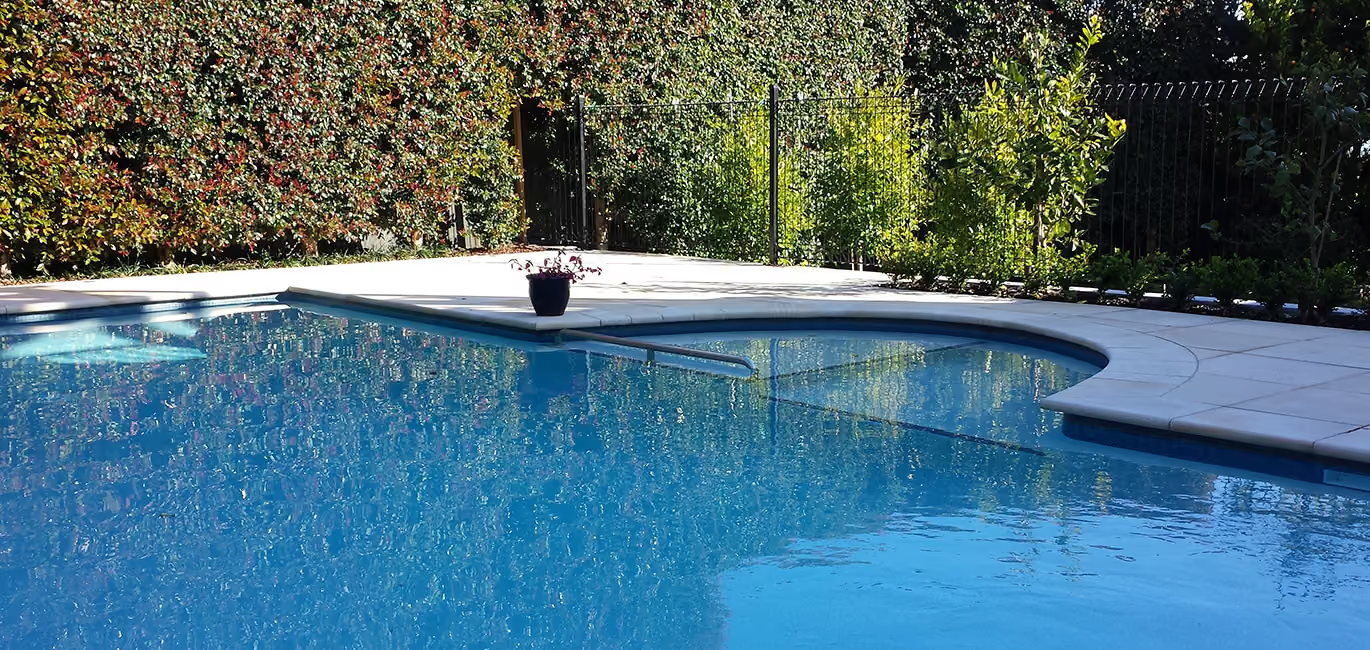
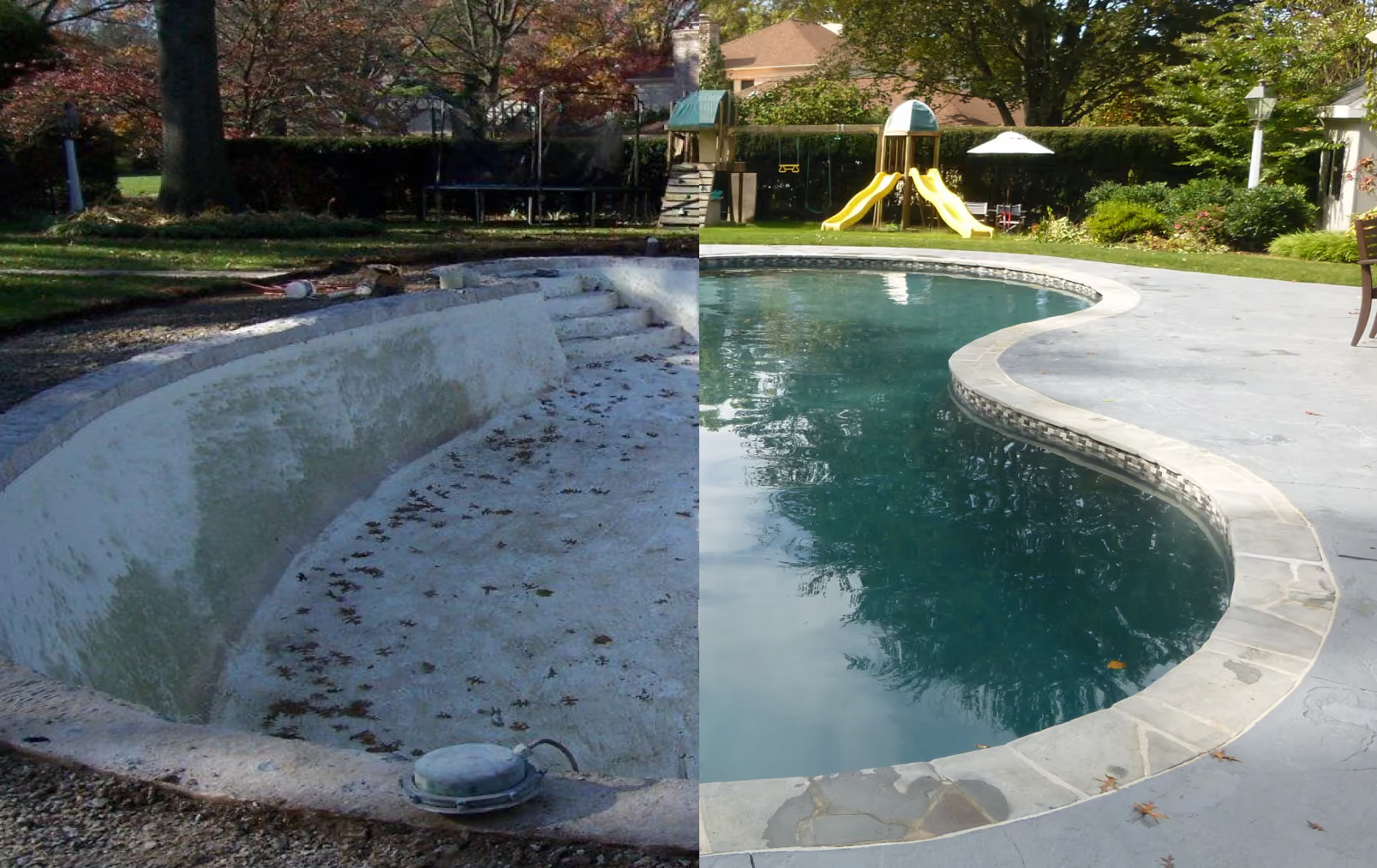
Sparkling Pools has worked on pools across Auckland, including residential renovation projects, equipment upgrades, ongoing maintenance and pool care for managed properties. Past projects show how the right approach can improve presentation, water quality and day-to-day usability. A well-maintained pool is easier to manage, more pleasant to use and better prepared for seasonal changes.
Trusted by Homeowners Across Auckland
Don't just take our word for it. Read what our clients have to say about our transparent communication, reliable service, and stunning pool transformations.
Related Blog Posts
Stay informed on pool care and renovations
Winter pool care essentials for Auckland
Pool Renovation Mistakes

Auckland Climate Pool Maintenance

Choosing Renovation Contractor
Pool Care Auckland Summer
Permits & Consents
Pool Renovation ROI
How Often to Test Pool Water
Pool Renovation Costs
Cost of Pool Service Auckland
Pool Renovation Planning Guide
Pool Lighting Buying Guide
Pool Cleaner Buying Guide
Pool Automation Buying Guide
Pool Heater Buying Guide
Pool Filter Buying Guide
Pool Pump Buying Guide
Best Equipment Auckland Climate
Auckland Water Quality
Auckland Pool Season
Pool Ownership Costs
Common Pool Mistakes
Pool Safety Laws
Pool Inspection Requirements
Pool Fence Compliance
.avif)
Auckland Pool Industry Trends
Auckland Pool Regulations
Pool Equipment Suppliers
Best Pool Service Areas
Pool Service Pricing Analysis
Company vs Independent
Best Pool Surface Materials
Pool Resurfacing Options
Pebble vs Plaster Surfaces
One-Time vs Ongoing Service
Full Service vs Chemicals Only
Pool Cover Types
Robotic vs Suction Cleaners
Mineral vs Saltwater
Gas vs Heat Pump
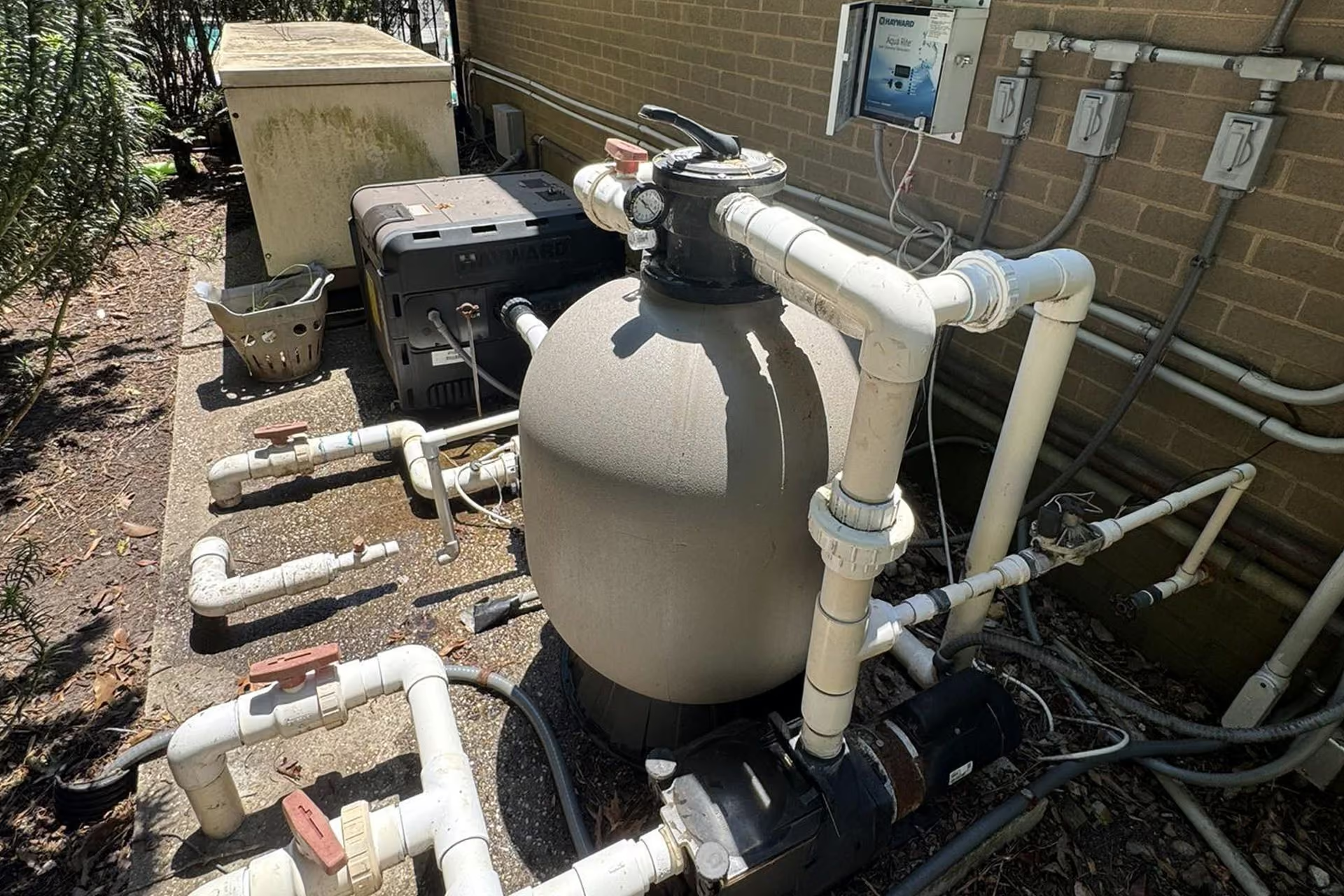
Pool Heater Types
Pool Winterizing Guide Auckland
Pool Opening Guide Summer
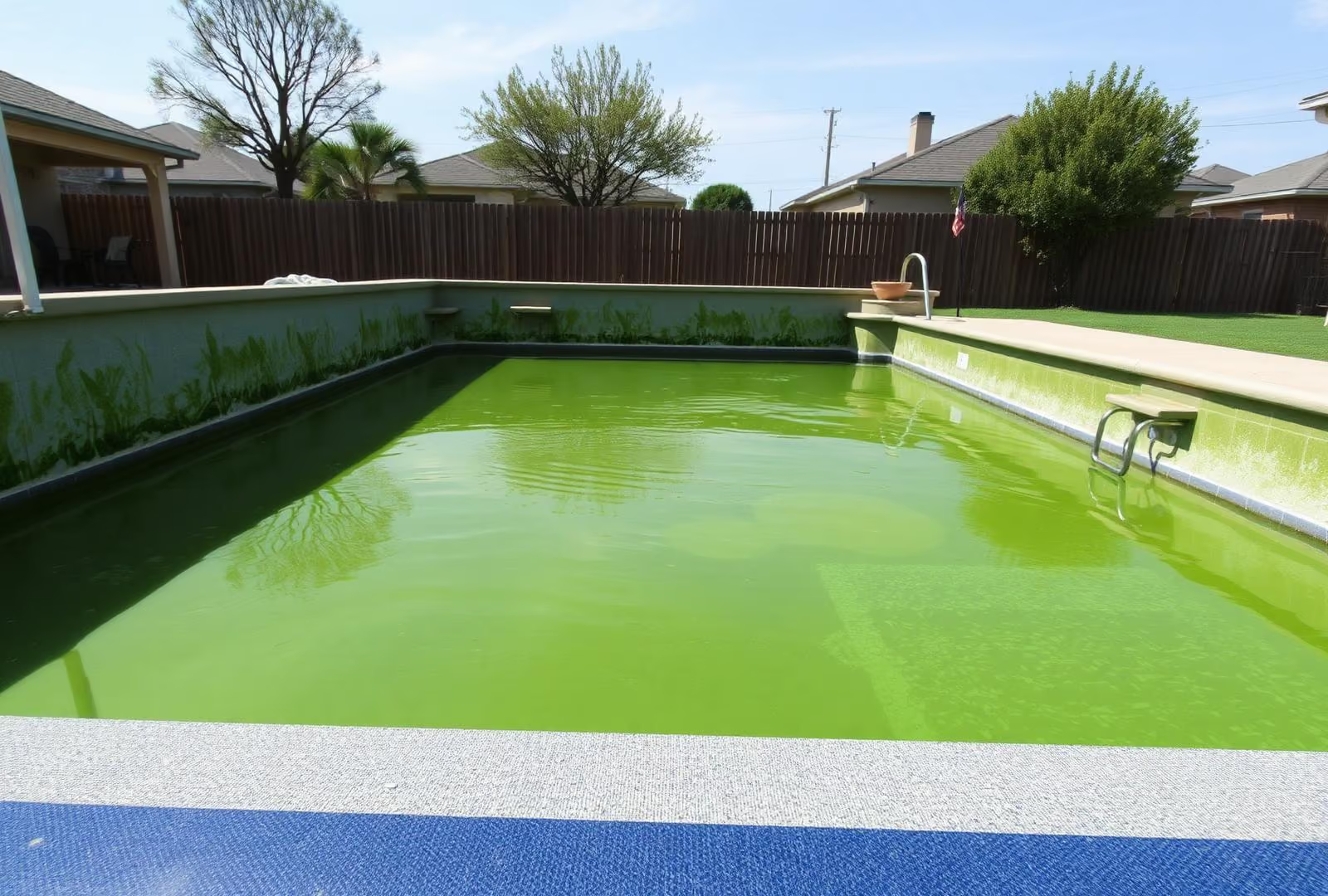
Pool Maintenance After Heavy Rain
Pool Maintenance Schedule
How Often to Run Pool Filter
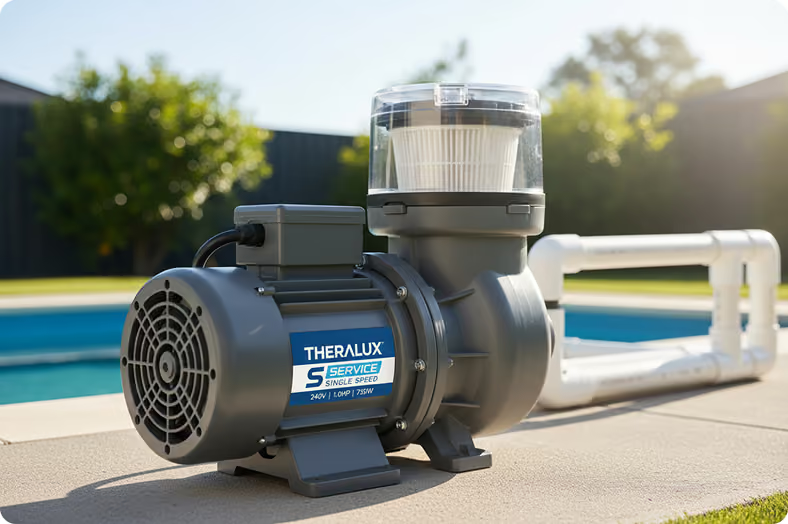
Pool Pump Maintenance Schedule
Pool Filter Cartridge Cleaning
Pool Equipment Maintenance Checklist
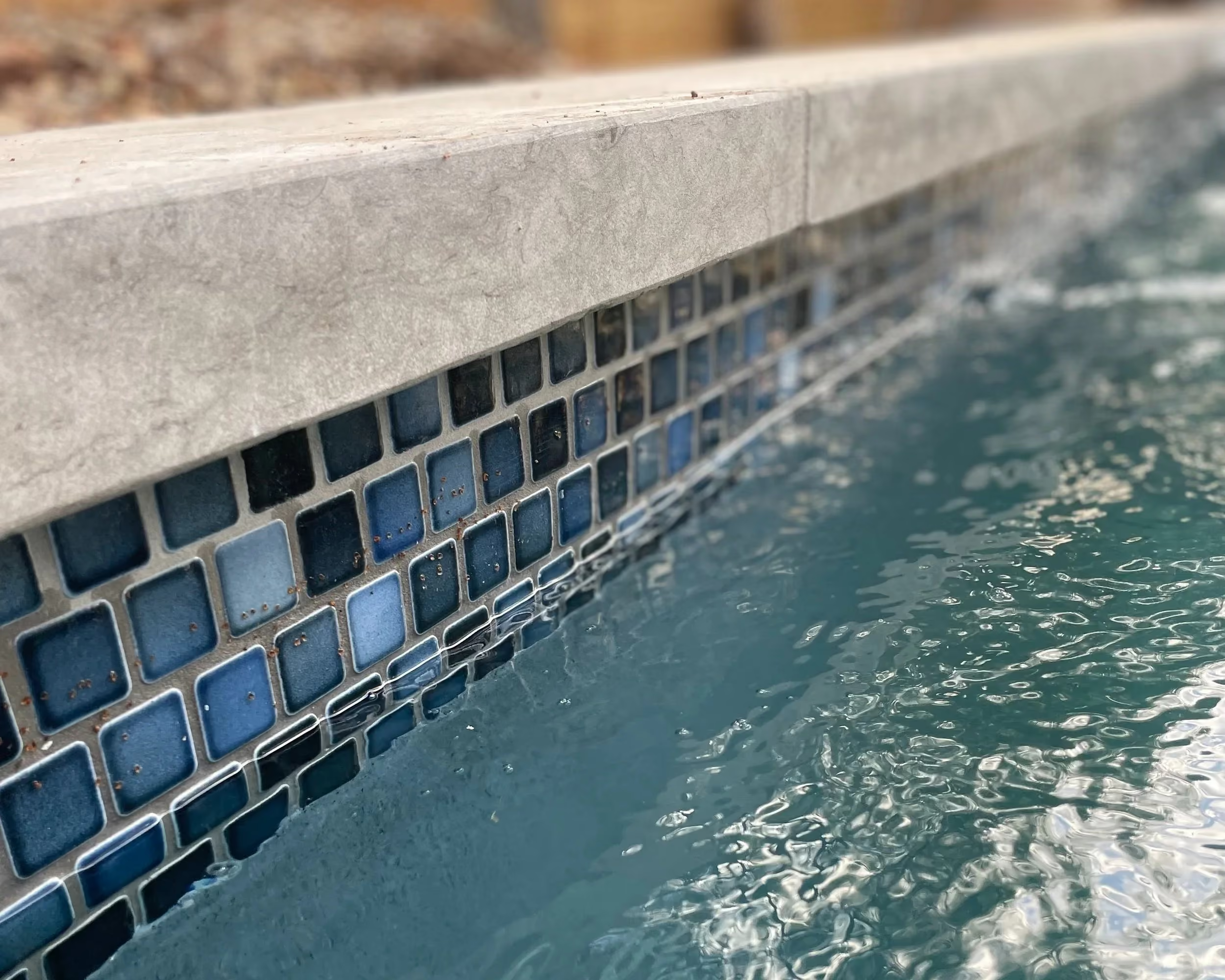
Pool Waterline Cleaning
Pool Skimmer Basket Cleaning
Pool Chlorine Levels
How Often Clean Pool Filter
How to Vacuum Pool
Pool Brushing Technique
Pool Chemical Dosing Chart
Pool Water Chemistry Basics
How to Balance Pool Chemistry
How to Test Pool Water
Pool Maintenance Tips
Complete Pool Maintenance Guide
Pool Service ROI
Pool Equipment Buy or Service
Pool Maintenance Time Requirements
DIY vs Professional
Pool Service Contract
Pool Service vs Pool Valet
Is Pool Service Worth It
Pool Service Guarantees
Pool Service Reviews
Pool Service Red Flags
Questions to Ask Pool Companies
How to Choose Pool Service Company
Hidden Costs DIY Maintenance
Pool Cleaning Prices Auckland
Cost of Pool Resurfacing
Cost of Pool Pump Replacement
Cost to Fix Green Pool
Pool Liner Wrinkles
Pool Cracks When to Worry
Pool Surface Stains
Pool Valve Leaking
Pool Automation Not Working
Pool Light Not Working
Pool Heater Not Heating
Pool Skimmer Not Working
High Pool Filter Pressure
Pool Losing Water
Pool Filter Not Clearing Water
Pool Pump Leaking
Pool Pump Not Pumping
Pool Pump Losing Prime
Pool Pump Noisy
Pool Pump Not Working
Pool Water Foaming
Pool pH Too Low
Pool pH Too High
Green Pool After Rain
Pool Still Green After Shock
Pool Water Cloudy
How to Clear a Green Pool
Pool Care That Protects Your Investment
Good pool care protects more than appearance. Our pool specialists support the long-term condition of your swimming pool while keeping it ready for everyday use.