How Often to Run Pool Filter

Why Auckland trusts our pool service expertise
Running your pool filter for the right amount of time each day is one of the most effective ways to maintain clean, clear water. The correct run time depends on your pool's size, how often it's used, and the time of year.
These key points cover the essentials so you can make a quick, informed decision about your filter schedule.
What you'll learn
The Short Answer
For most residential pools in Auckland, running your filter for 8 hours per day is a practical starting point. That said, the right run time depends on your pool's size, how much it gets used, the time of year, and the type of filter you have.
Getting this right matters. Too little filtration and the water turns cloudy or green. Too much and you're running up power costs unnecessarily.
---
Why Filter Run Time Matters
Your pool filter does two jobs: it removes physical debris and it circulates the water so sanitisers like chlorine can work evenly throughout the pool.
When water sits still, chlorine becomes unevenly distributed, debris settles, and algae finds it easier to take hold. Regular circulation keeps everything moving and gives your sanitiser the best chance of doing its job.
In Auckland's warmer months, particularly from November through to March, water temperatures rise and bather loads increase. Both conditions accelerate algae growth and chlorine consumption, which means your filter needs to work harder.
---
How to Work Out the Right Run Time for Your Pool
Turnover Rate
The standard benchmark is to turn over your pool's full volume of water at least once every 24 hours. Some pools benefit from two turnovers per day during summer.
To estimate your pool's volume:
- Rectangular pool: Length × Width × Average Depth × 1,000 (for litres)
- Circular pool: Diameter × Diameter × Average Depth × 785 (for litres)
- Kidney or freeform: Use a rough average of the widest and narrowest points
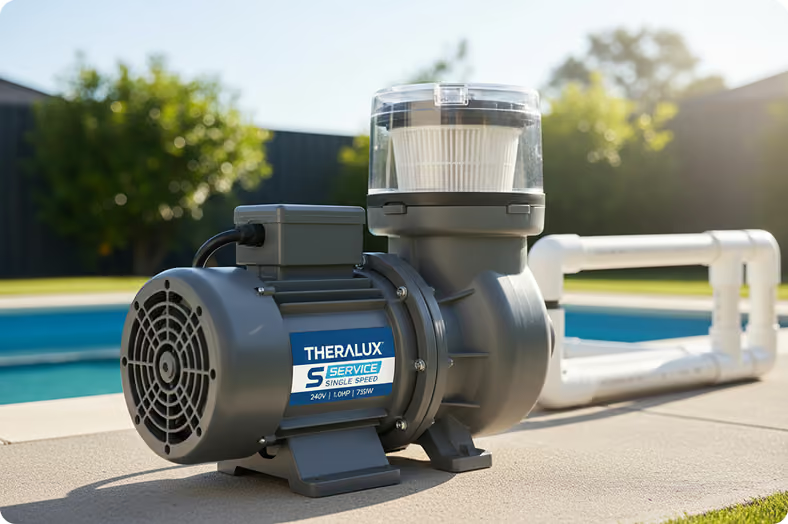
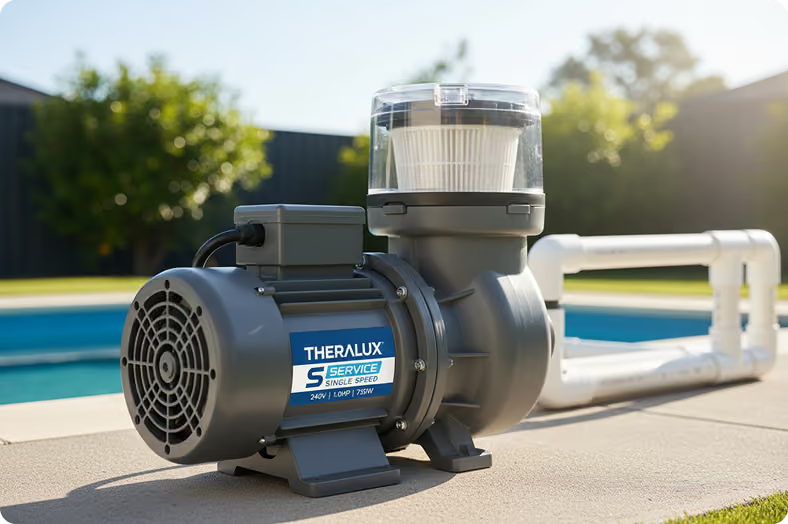
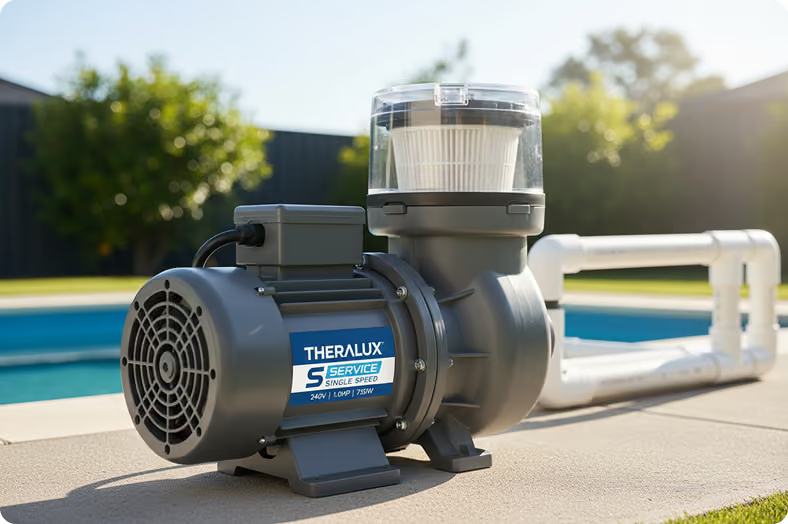
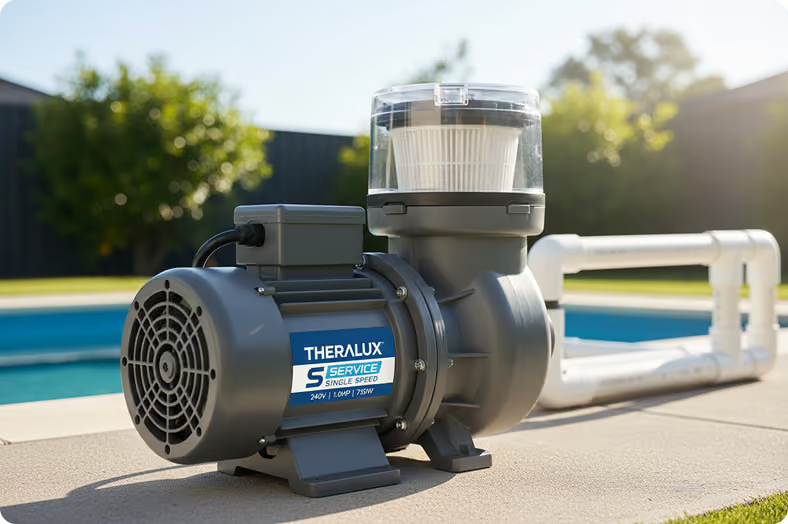
Once you know the volume, check your pump's flow rate (usually listed on the pump label in litres per hour). Divide the pool volume by the flow rate to get the minimum hours needed for one full turnover.
A Practical Starting Point
If you don't want to do the maths, these are reasonable defaults for most Auckland residential pools:
- Summer (November-March): 8-10 hours per day
- Autumn and spring: 6-8 hours per day
- Winter (June-August): 4-6 hours per day
These are starting points. Adjust based on what you see in the water.
---
When to Run the Filter
Split the Run Time
If your timer allows it, splitting the run time into two sessions, for example, morning and evening, can improve circulation and help your sanitiser work more evenly throughout the day.
Run During the Day in Summer
In summer, running the filter during daylight hours means it's circulating water when UV exposure and bather activity are highest, both of which deplete chlorine faster. Running the filter during peak hours helps the sanitiser keep up.
Overnight Running in Winter
In winter, overnight running can be useful if you're concerned about frost or freezing in colder parts of Auckland. Moving water is less likely to freeze in equipment.
---
Signs Your Filter Isn't Running Long Enough
If your filter run time is too short, you'll usually notice one or more of the following:
- Cloudy or hazy water that doesn't clear up
- Algae starting to form on walls or the floor
- Chlorine readings that drop quickly between doses
- Debris settling on the pool floor rather than being drawn into the skimmer
- A noticeable smell or eye irritation when swimming
If you're seeing any of these signs, increasing your daily run time is usually the first thing to try before adjusting chemistry.
---
Factors That Increase How Long You Should Run Your Filter
Several conditions mean your pool needs more filtration time:
- Heavy use: More swimmers means more debris, body oils, and sunscreen entering the water
- Hot weather: Warmer water encourages algae growth and speeds up chlorine loss
- After a storm: Rain and wind bring in extra debris, and heavy rain can dilute your pool chemistry
- Surrounding trees or gardens: Leaf litter and organic matter increase the load on your filter
- Parties or events: A pool used by many people in a short period needs extra run time in the days following
After any of these events, running the filter for an extra few hours, or even continuously for 24 hours, is a sensible precaution.
---
Filter Type and Run Time
The type of filter you have can influence how efficiently it works within a given run time.
Sand Filters
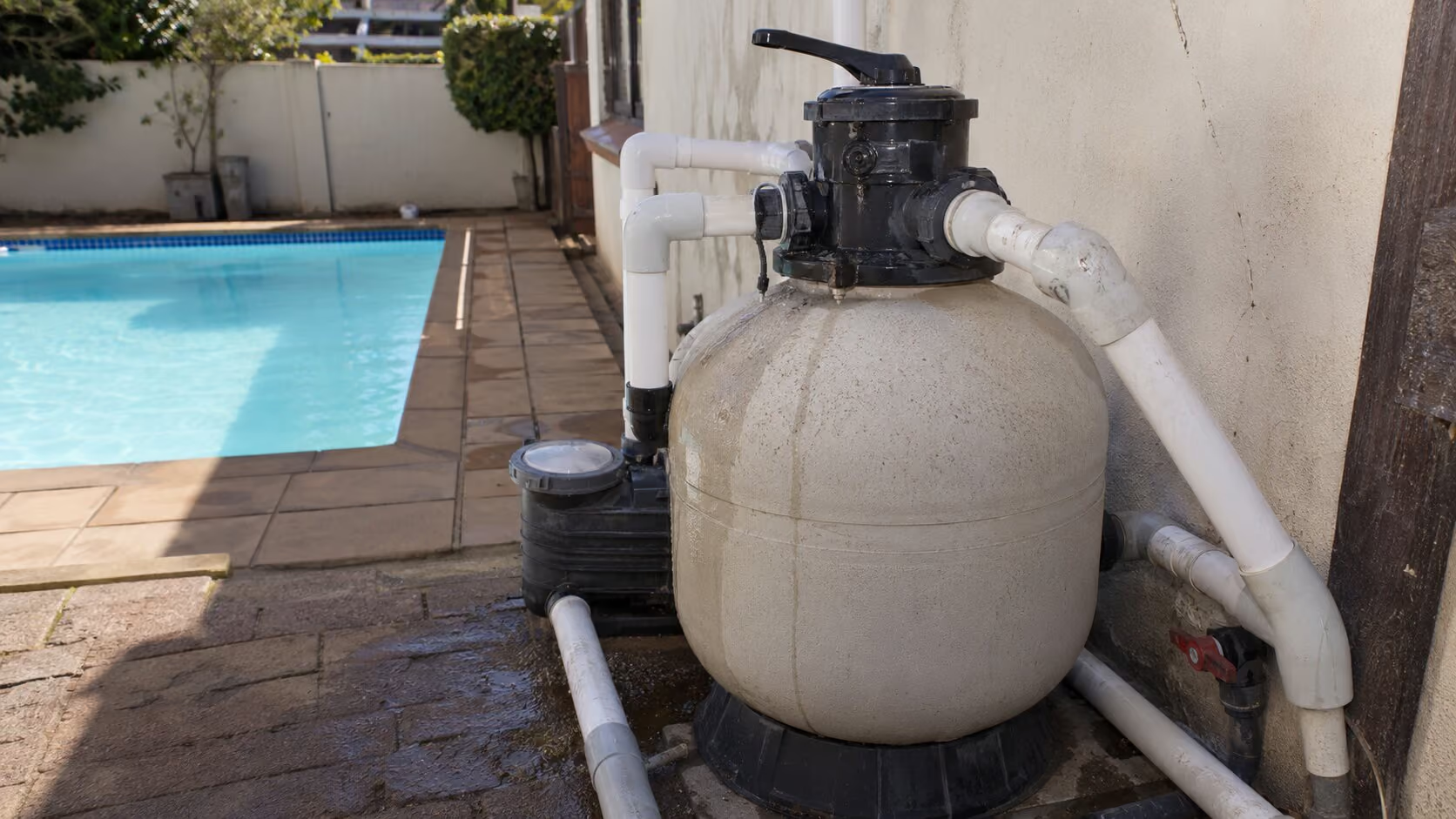
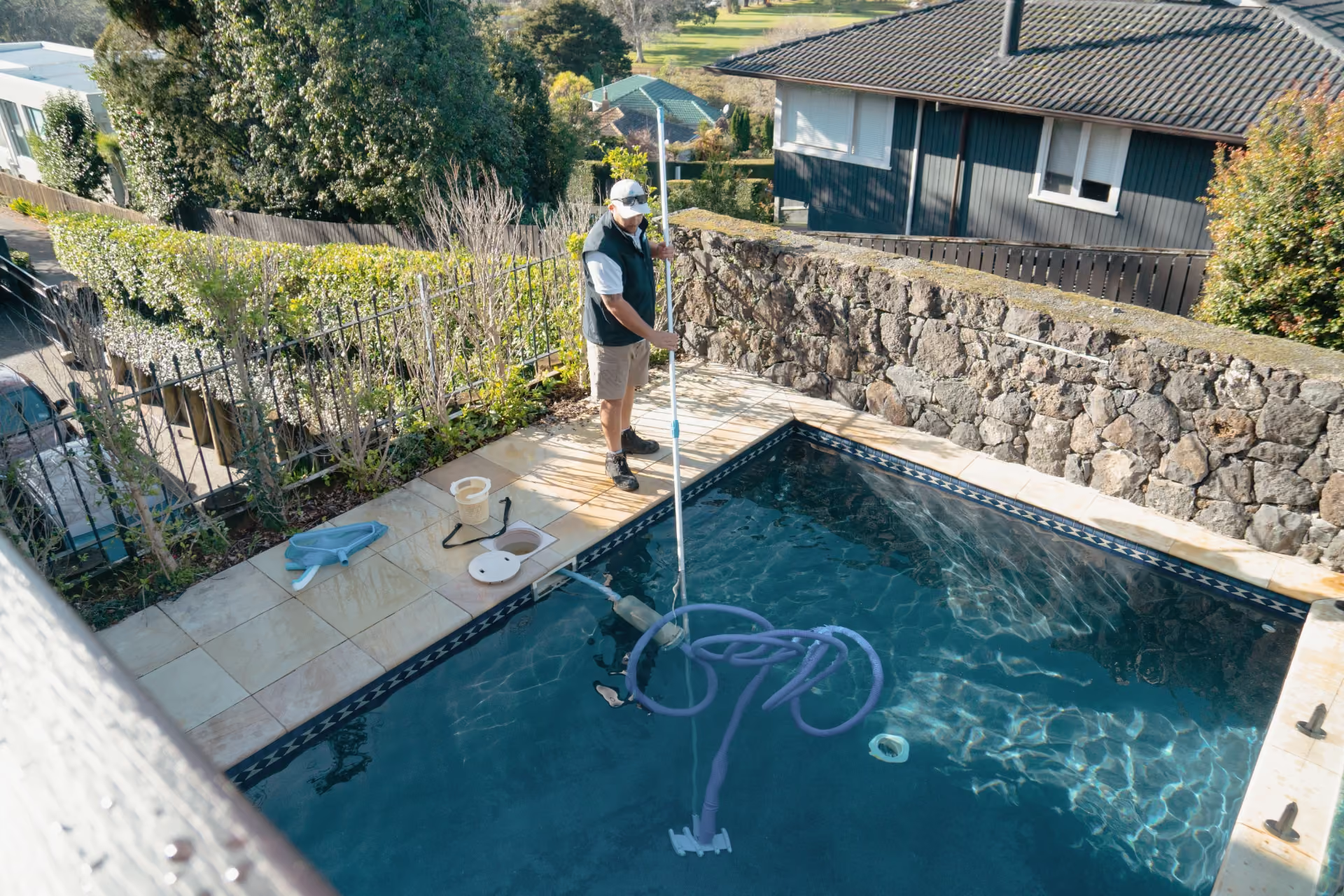
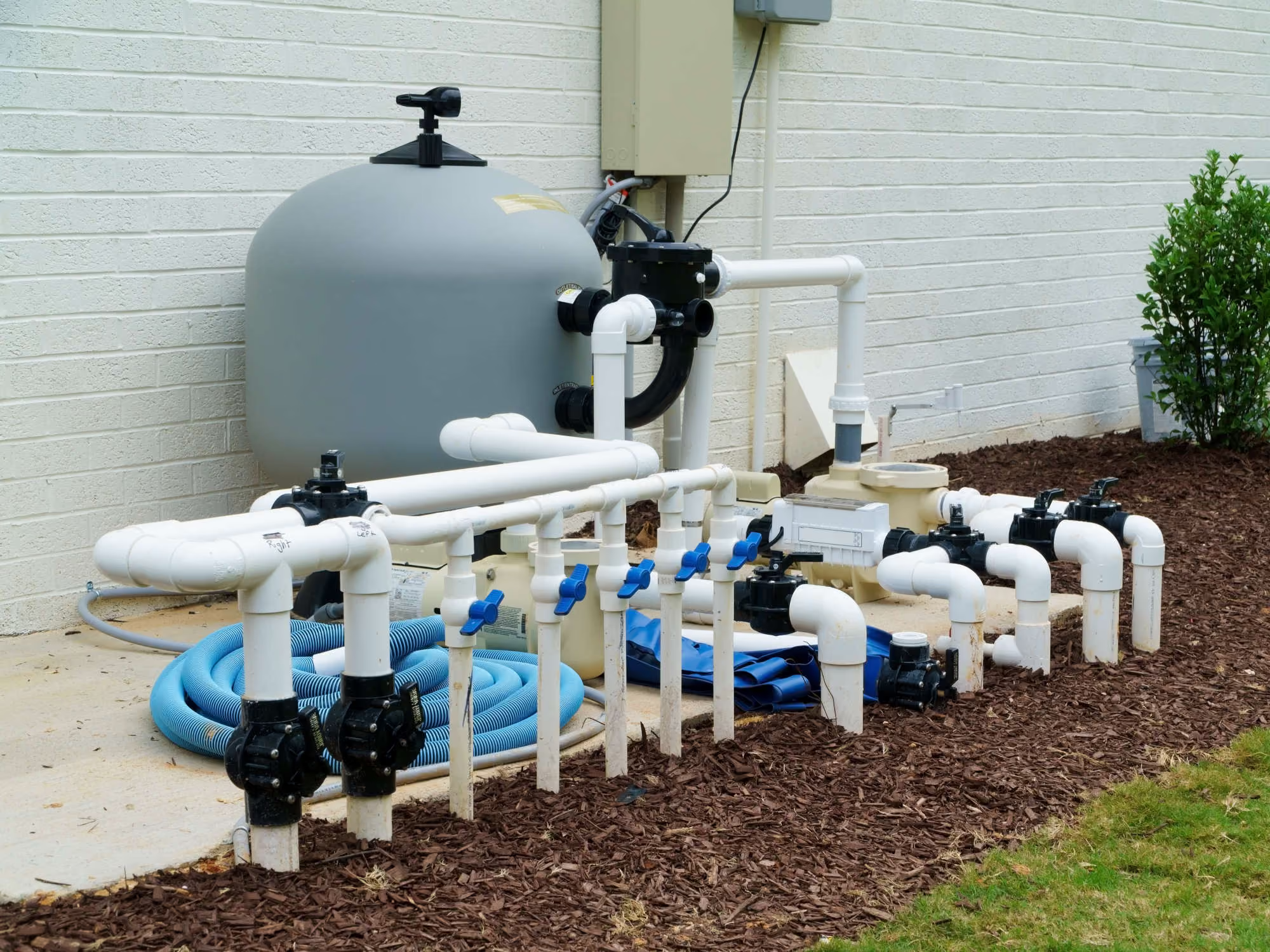
Sand filters are common in New Zealand residential pools. They work well but require regular backwashing to maintain flow. A filter running with high pressure due to a dirty sand bed won't circulate water as effectively, even if the pump is running for the right number of hours.
Cartridge Filters
Cartridge filters generally offer finer filtration than sand. They don't require backwashing but do need the cartridge removed and cleaned periodically. A clogged cartridge reduces flow and means your run time is less effective.
DE (Diatomaceous Earth) Filters
DE filters offer very fine filtration. They require recharging with DE powder after backwashing. As with other filter types, a dirty or undercharged DE filter won't perform as well regardless of how long it runs.
The key point: run time only works if the filter itself is clean and well maintained. A long run time through a dirty filter is less effective than a shorter run time through a clean one.
---
Using a Timer
A programmable timer on your pump is one of the most practical tools for consistent pool care. It removes the need to remember to switch the pump on and off, and it lets you split run times across the day easily.
If you don't already have a timer on your pump, it's worth asking a pool technician about fitting one. It can also reduce power costs by letting you schedule run times during off-peak electricity hours where applicable.
---
When to Get Help
If you've increased your filter run time and the water still isn't clearing, or if you're noticing a drop in flow despite the pump running, there may be an underlying issue:
- A worn or damaged pump impeller reducing flow
- A filter that needs a full clean or media replacement
- A blockage in the plumbing
- A water chemistry issue that filtration alone won't fix
In these cases, it's worth having a pool technician take a look. Running a pump harder for longer won't resolve a mechanical fault, it may just wear the equipment out faster.
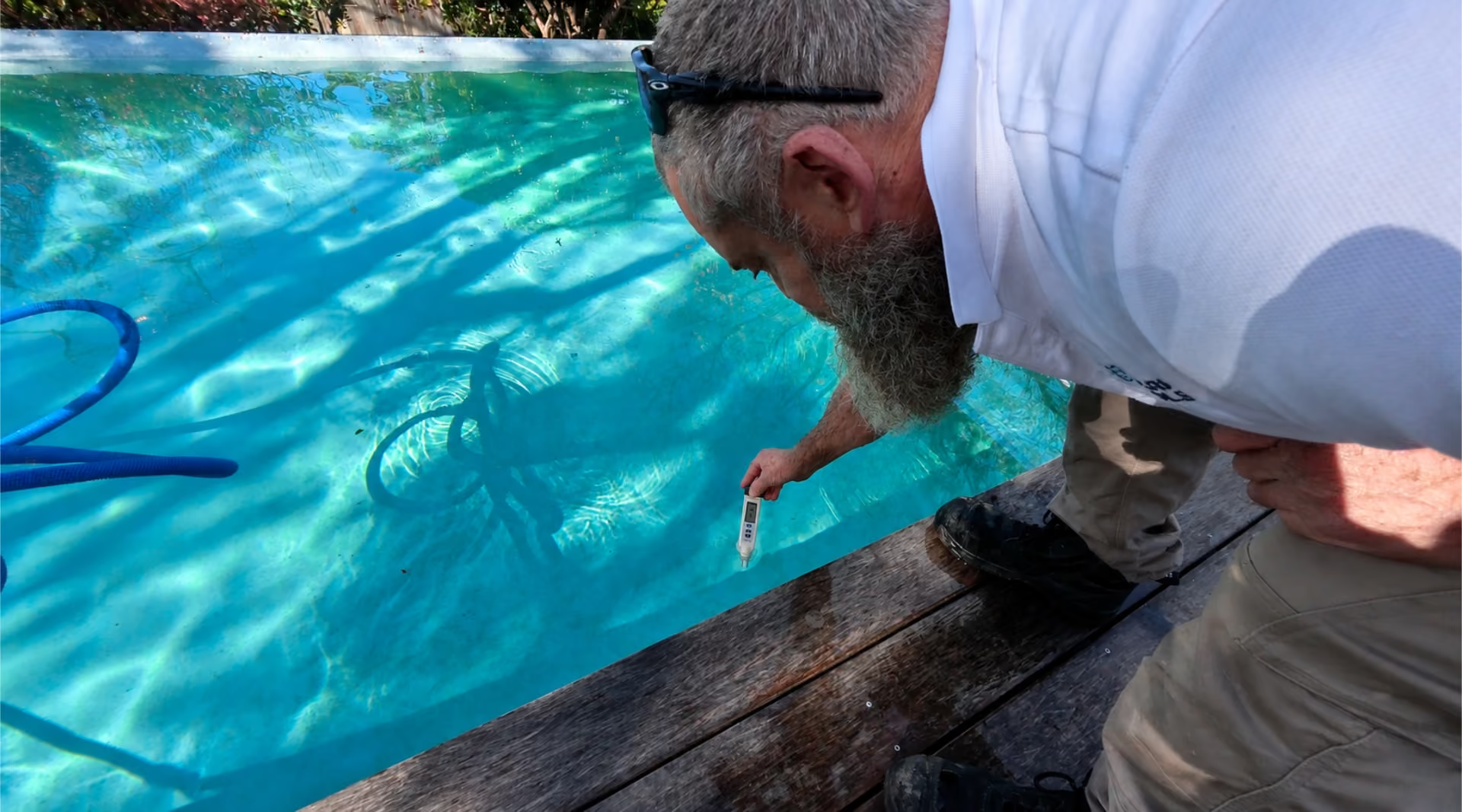
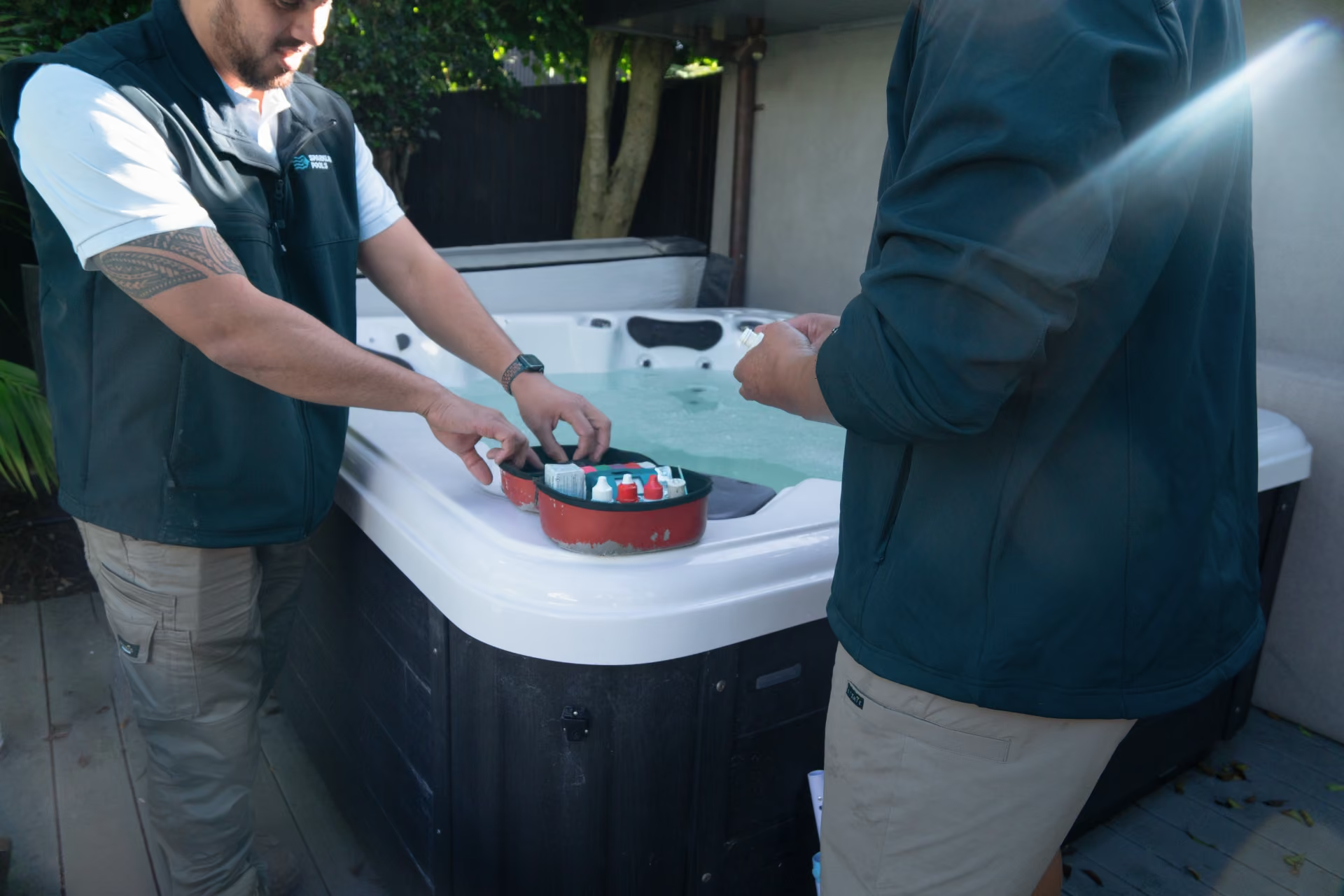
Sparkling Pools provides on-site water testing and equipment checks across Auckland. If you're unsure whether your filter is performing as it should, a visit from a technician can save time and money compared to guessing.
---
A Simple Maintenance Habit
Along with setting the right run time, a few regular habits keep your filter working well:
- Check and empty the skimmer basket at least weekly, a blocked basket restricts flow to the pump
- Check the pump basket and clear any debris
- Monitor filter pressure, a significant rise above the normal operating pressure usually means it's time to backwash or clean the cartridge
- Backwash sand and DE filters when pressure rises, or at least every four to six weeks during summer
- Clean cartridge filters every four to eight weeks depending on use
These steps take only a few minutes and make a real difference to how effectively your filter runs.
---
Summary
Running your pool filter for the right amount of time each day is one of the most straightforward things you can do for water quality. Start with 8 hours per day in summer and adjust based on conditions, pool use, and what you see in the water. Keep the filter clean, use a timer if you can, and increase run time after heavy use or bad weather.
If the water isn't responding or you suspect an equipment issue, Sparkling Pools is available Monday to Friday to help with on-site checks and advice across Auckland.
Pool resurfacing solutions
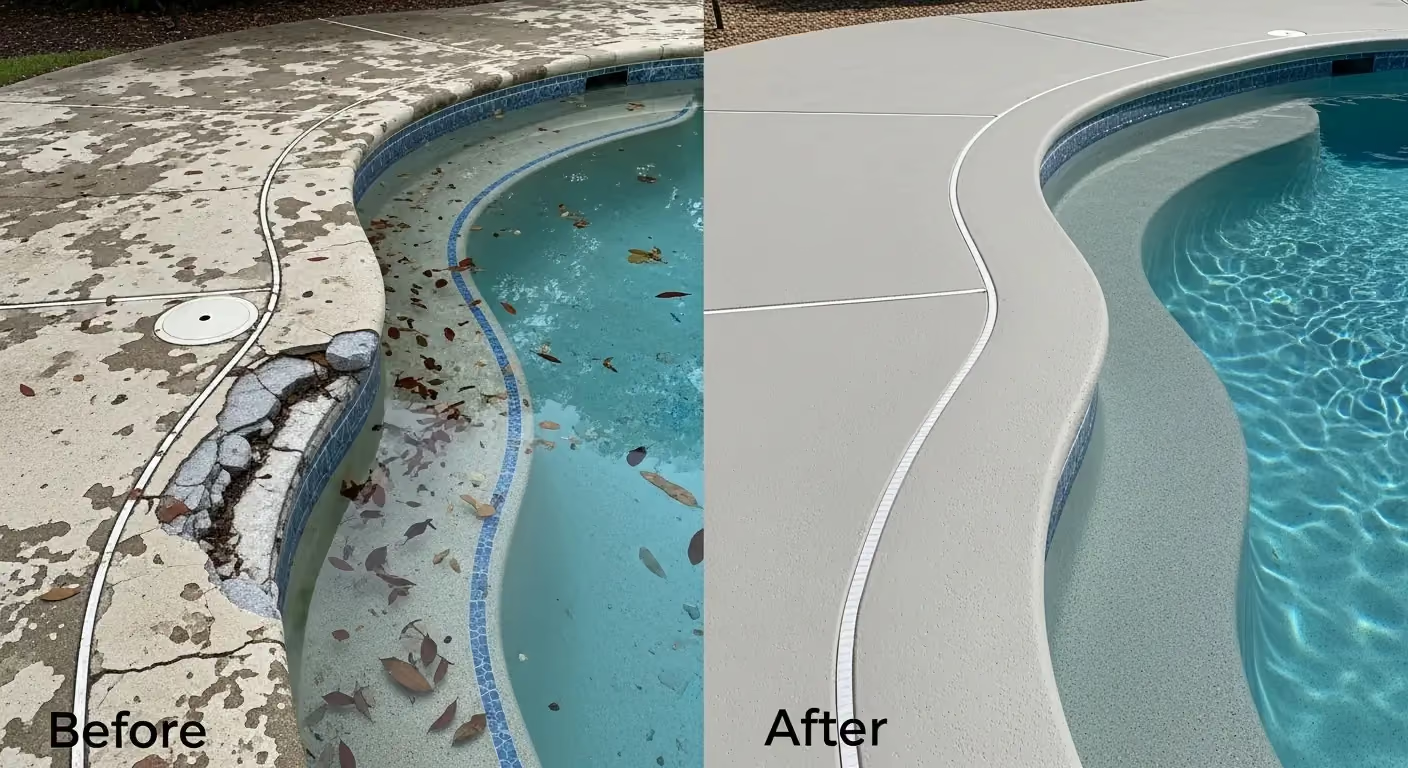
Restore your pool with durable plaster finishes

Work completed
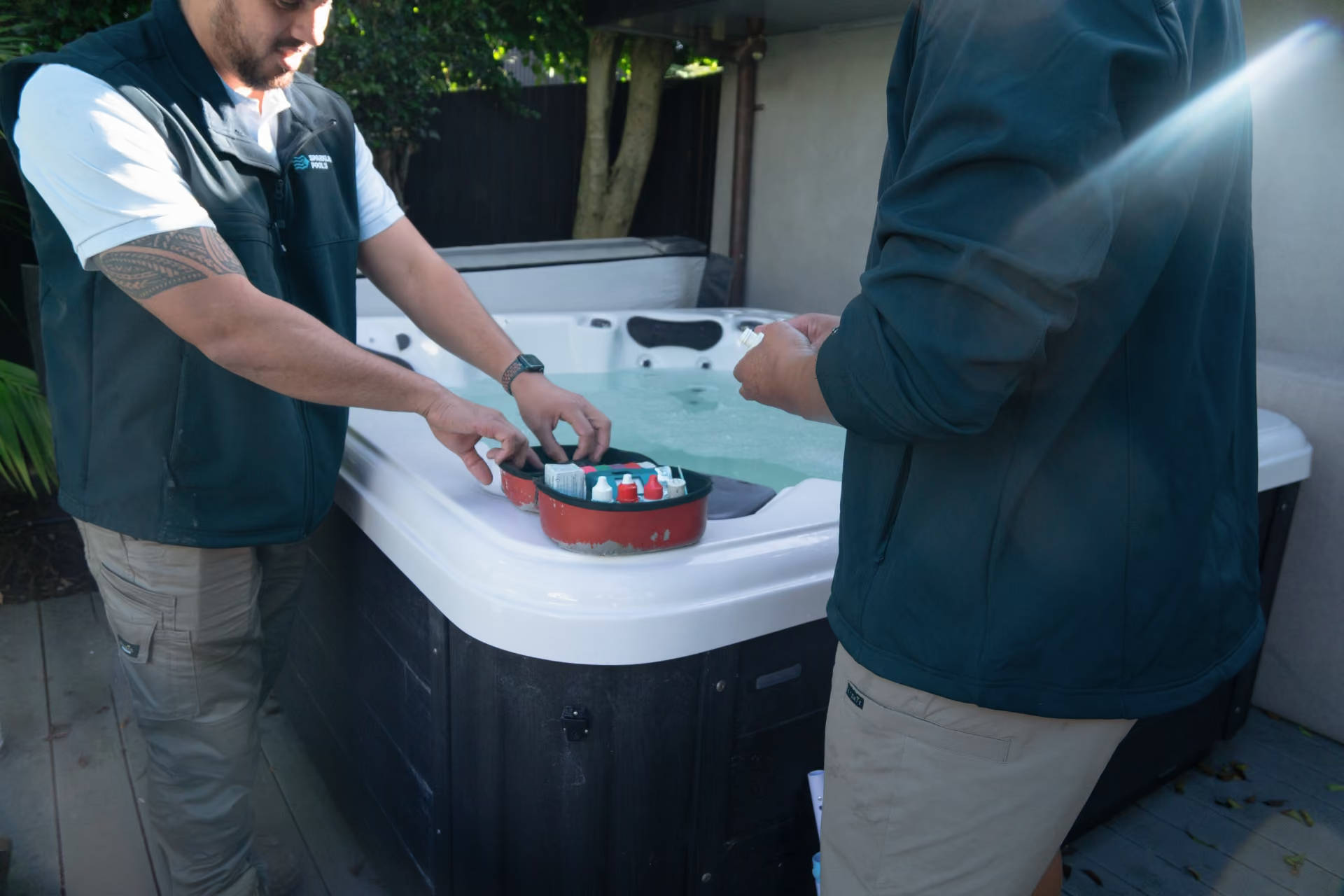
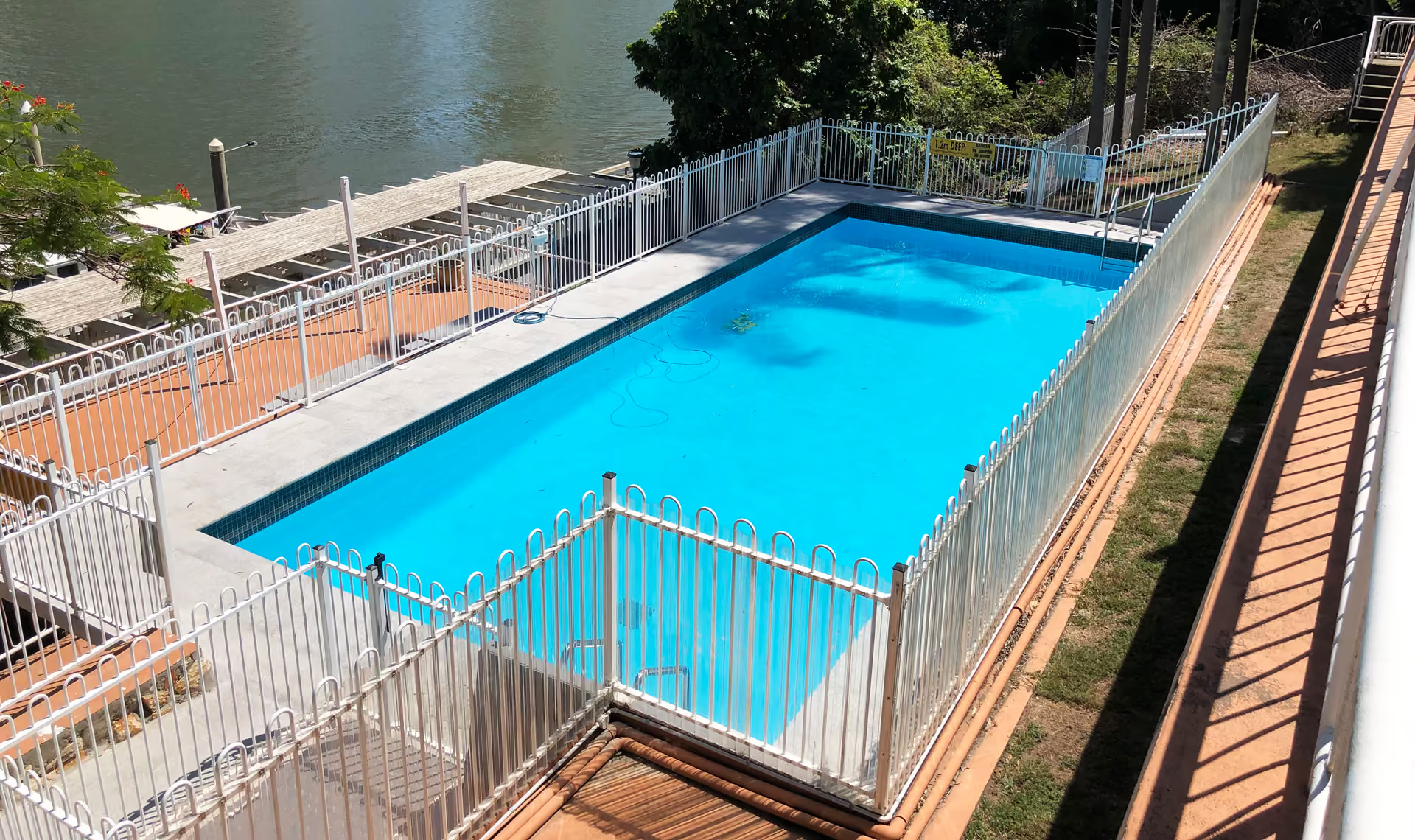
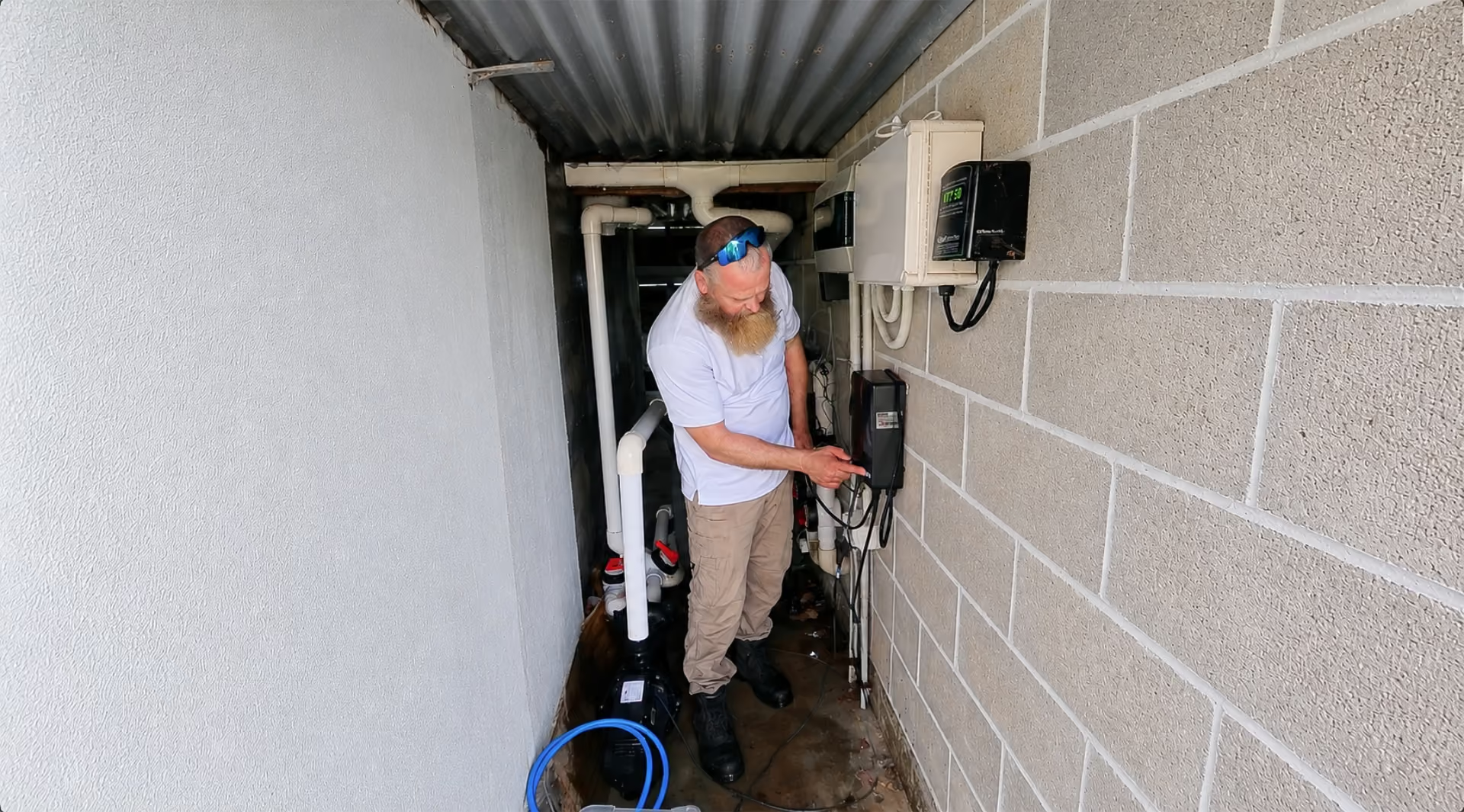
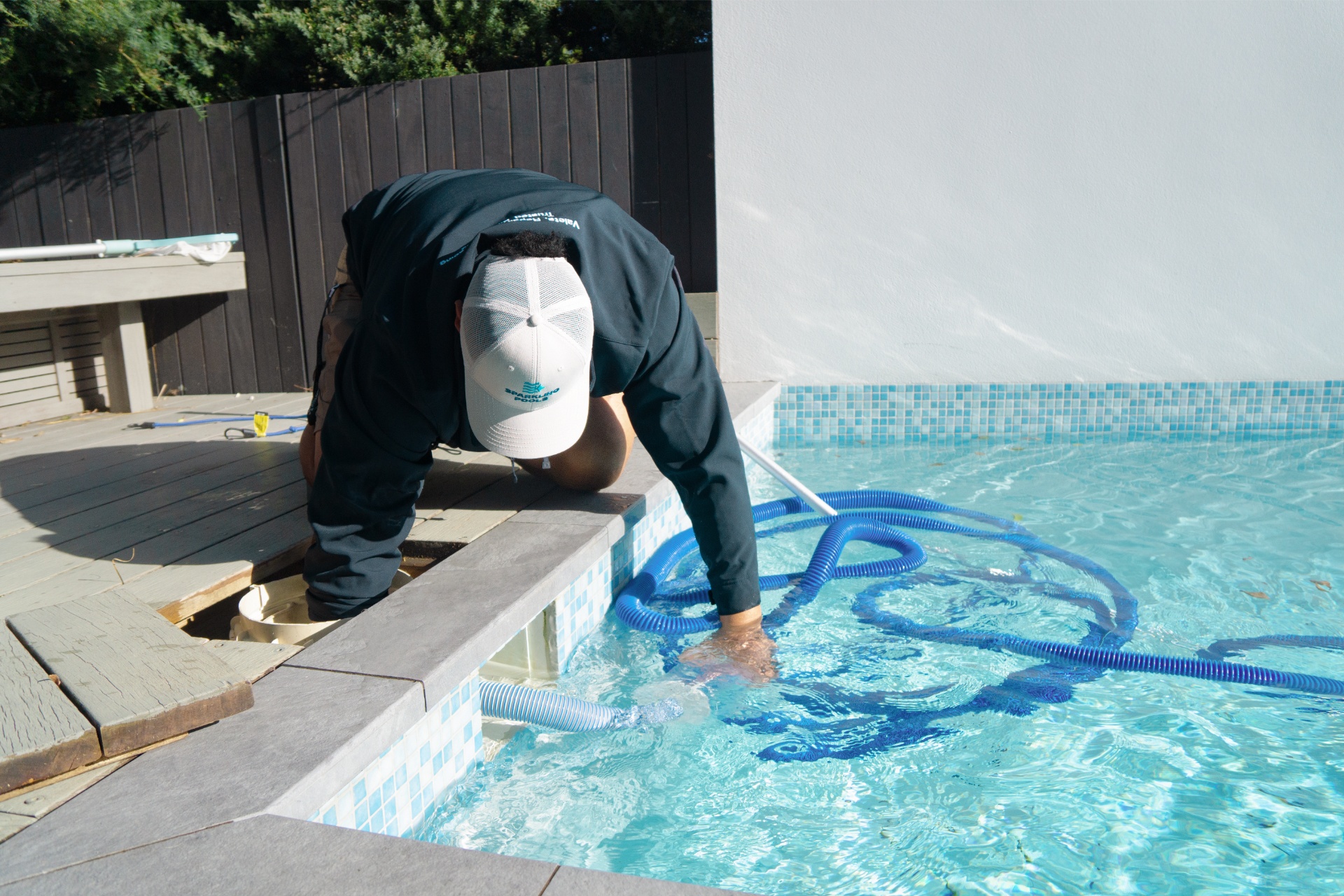
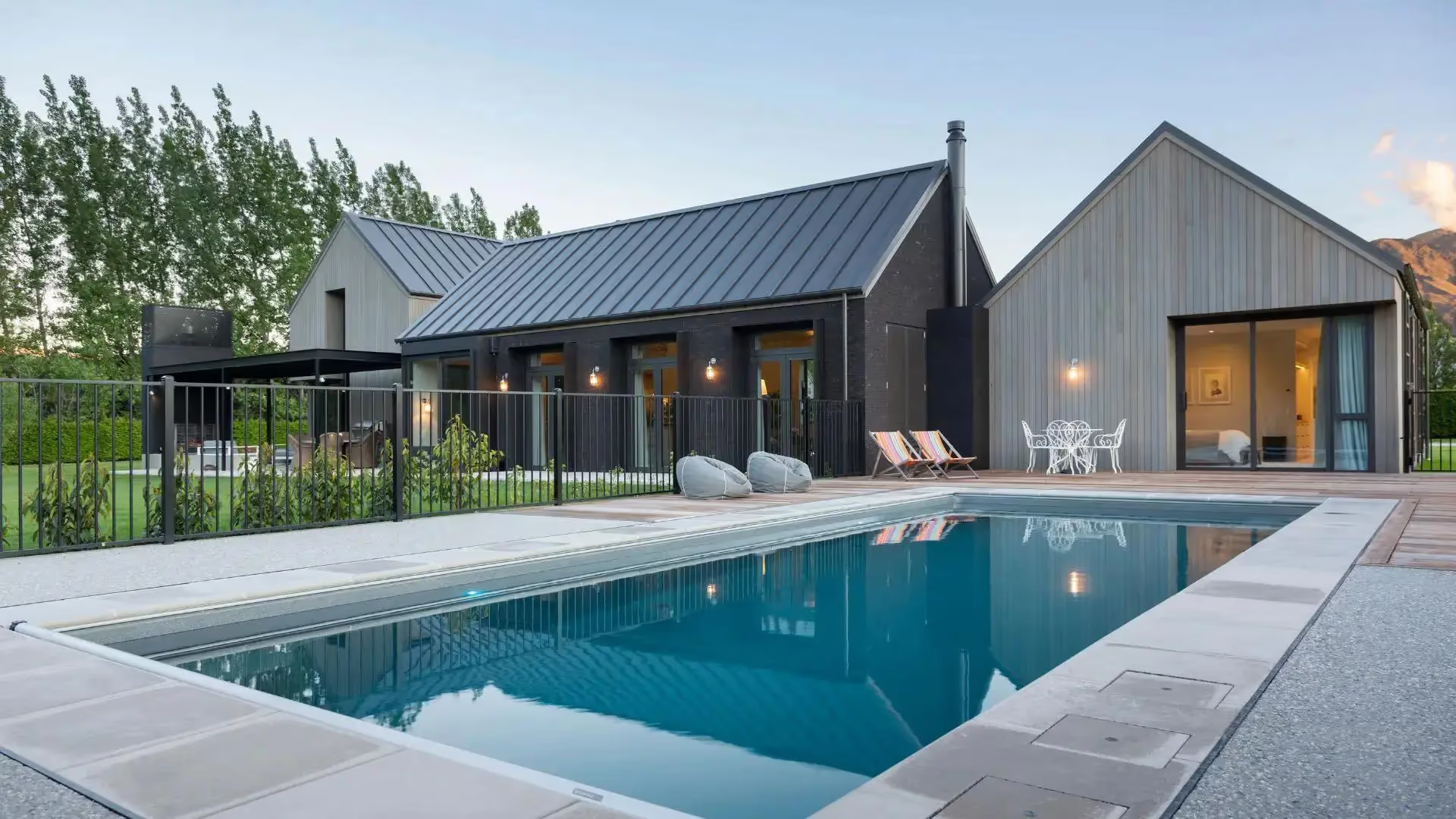
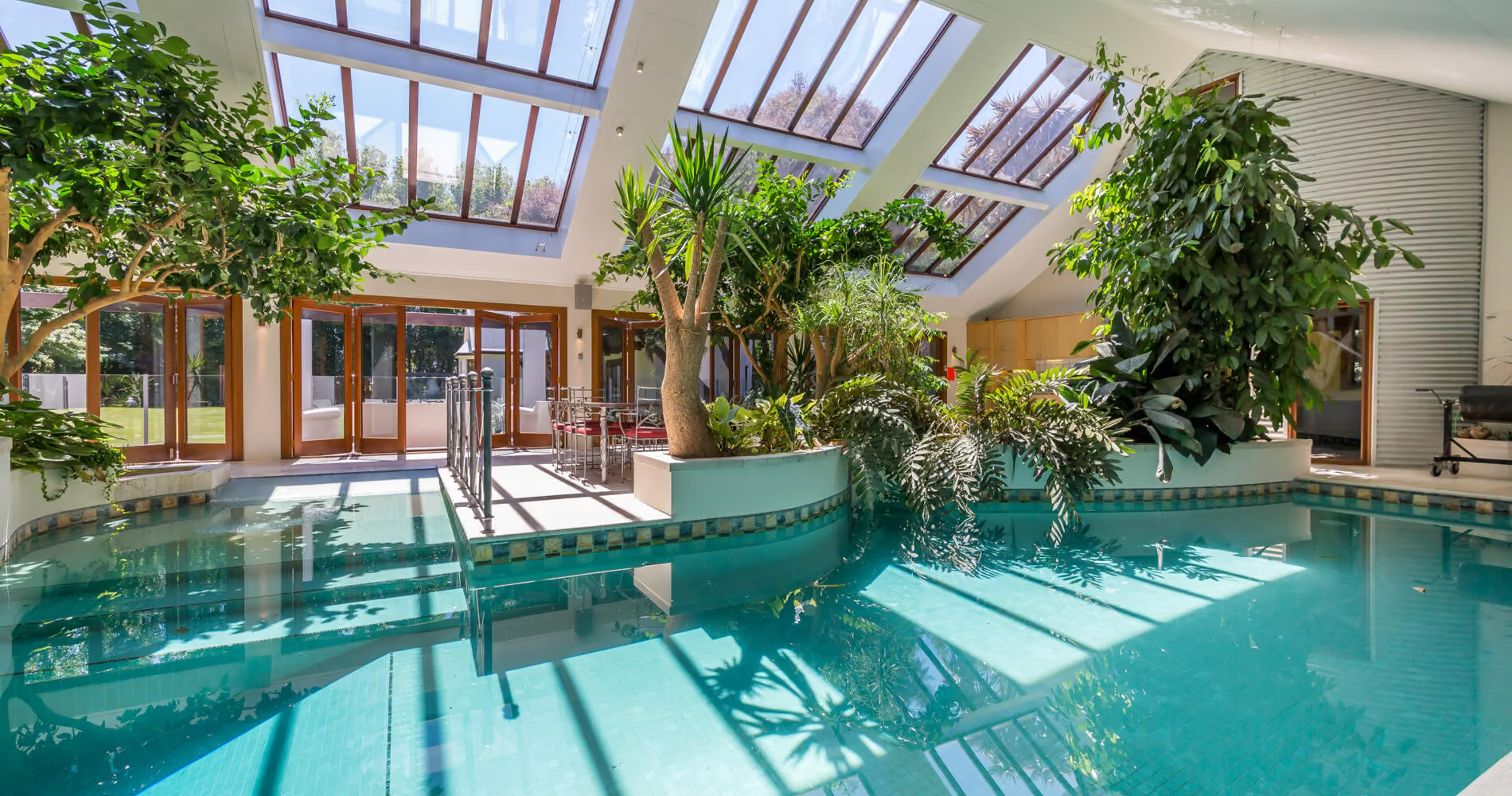
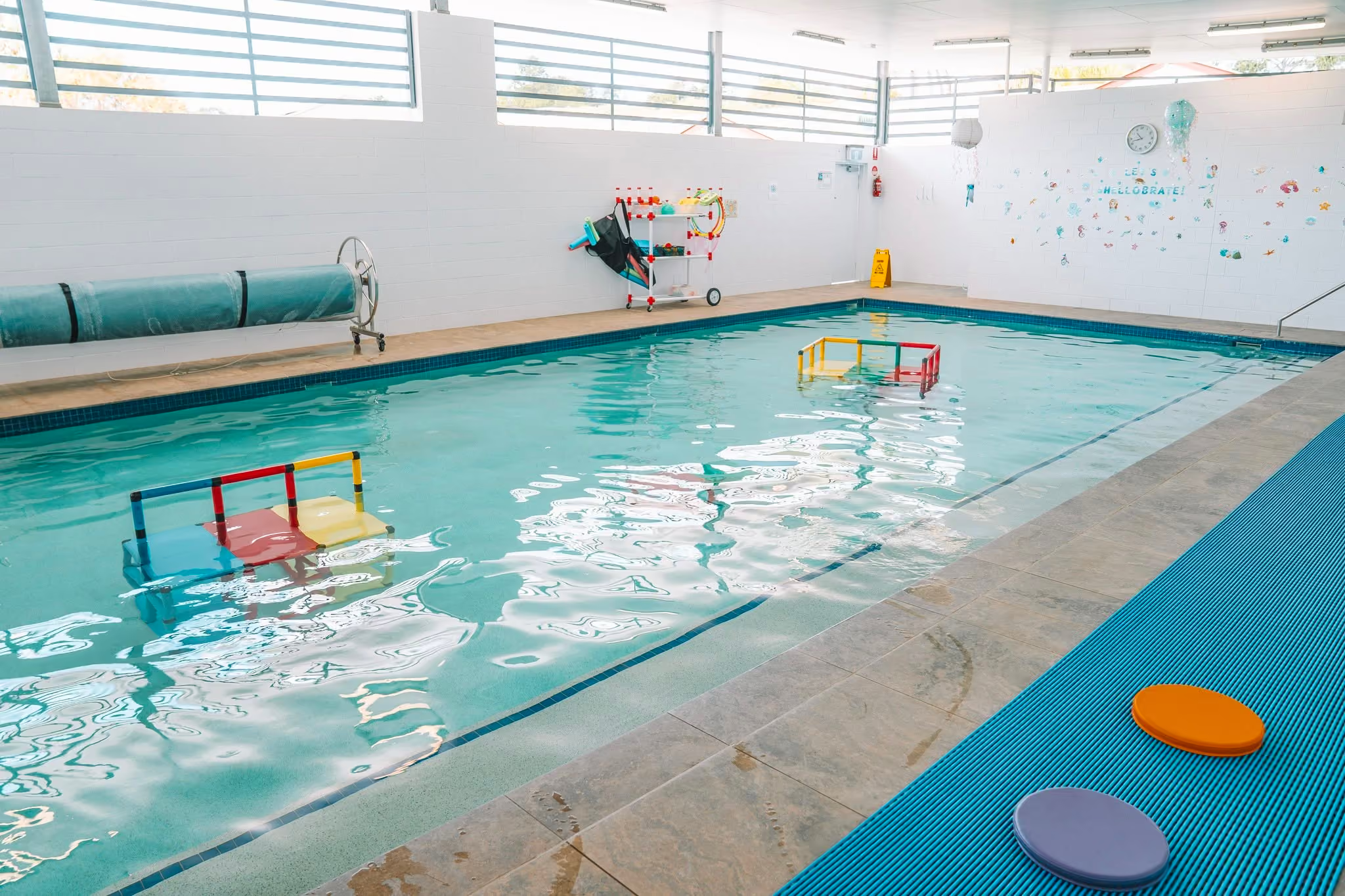
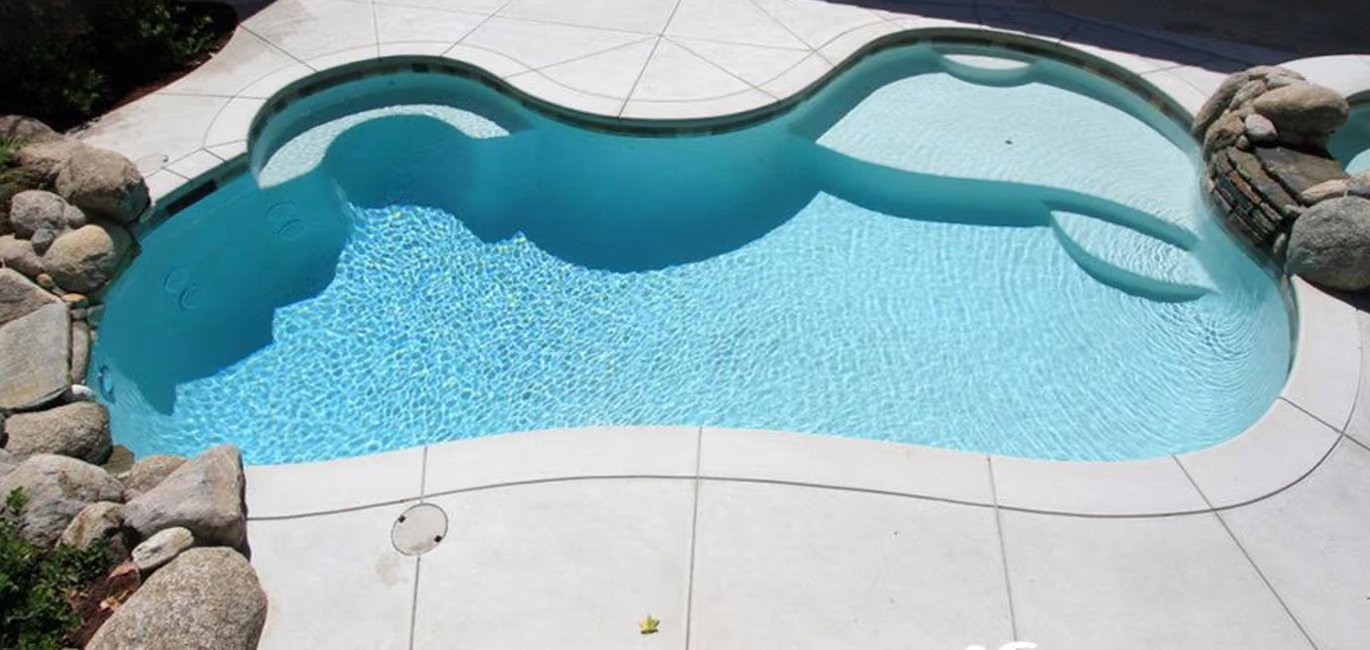
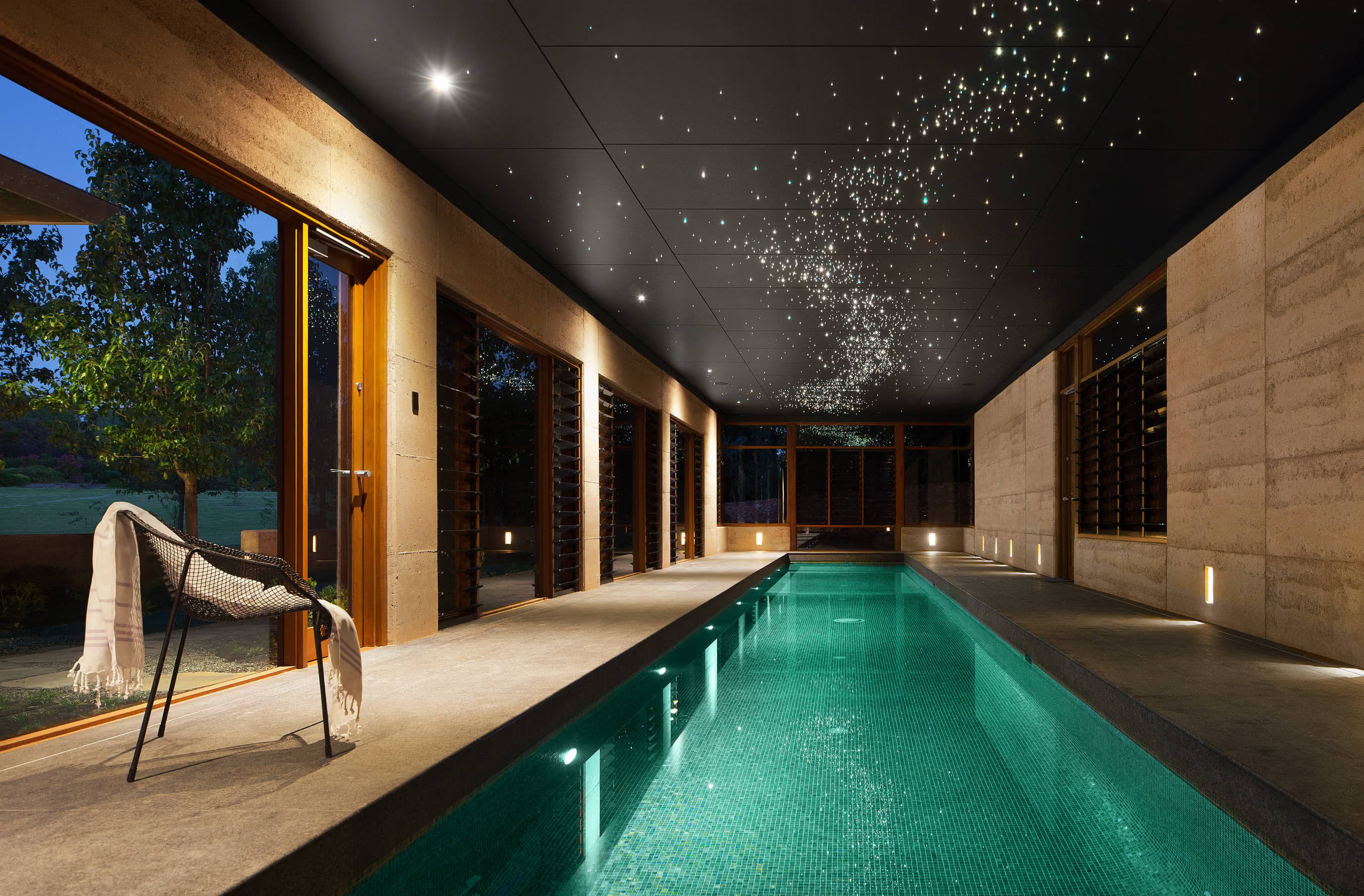
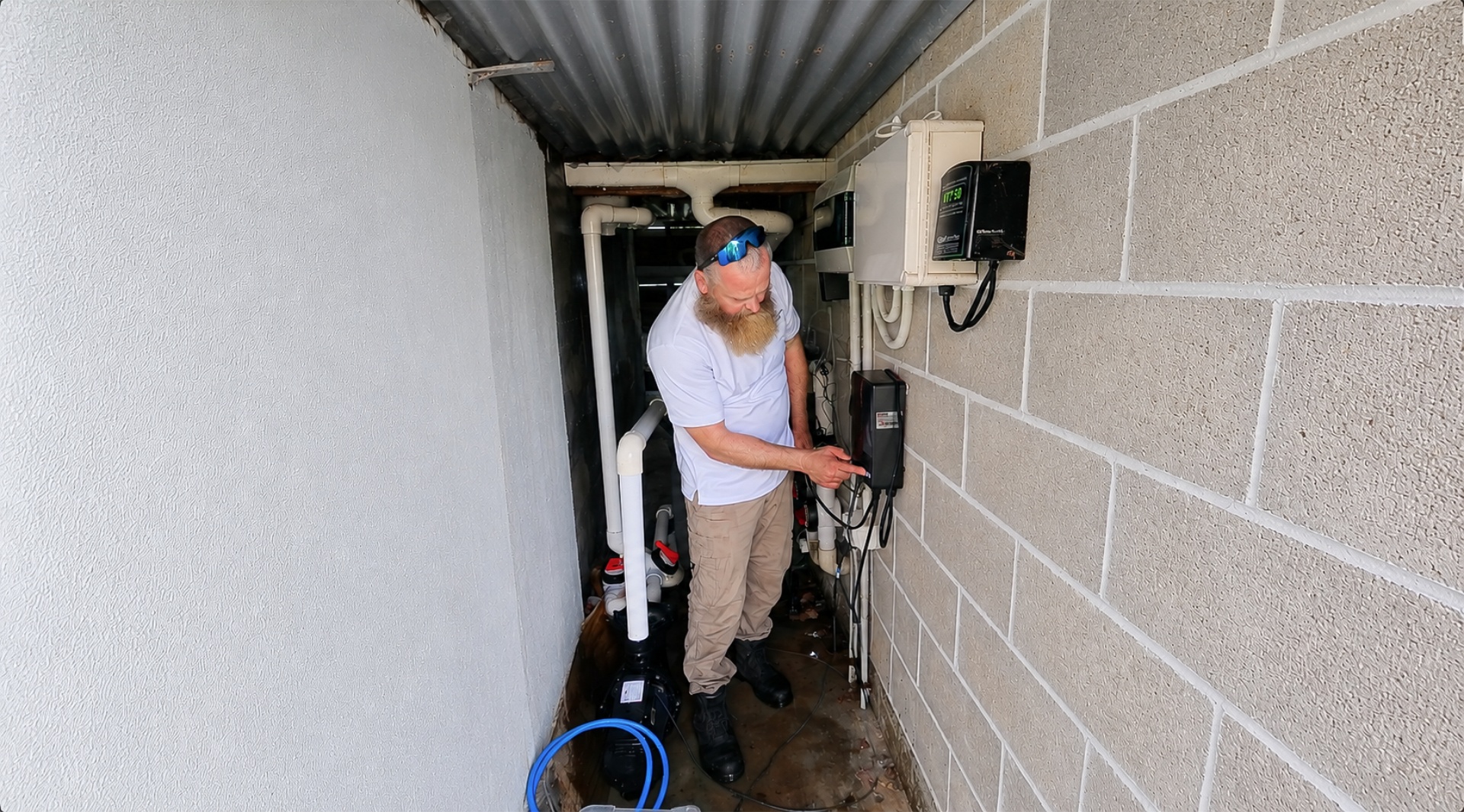
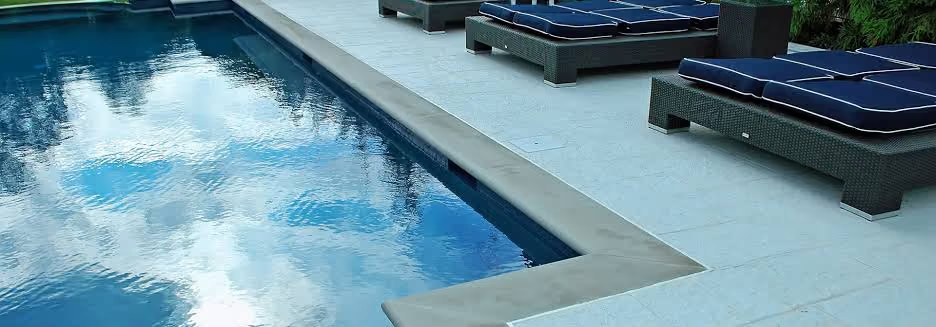
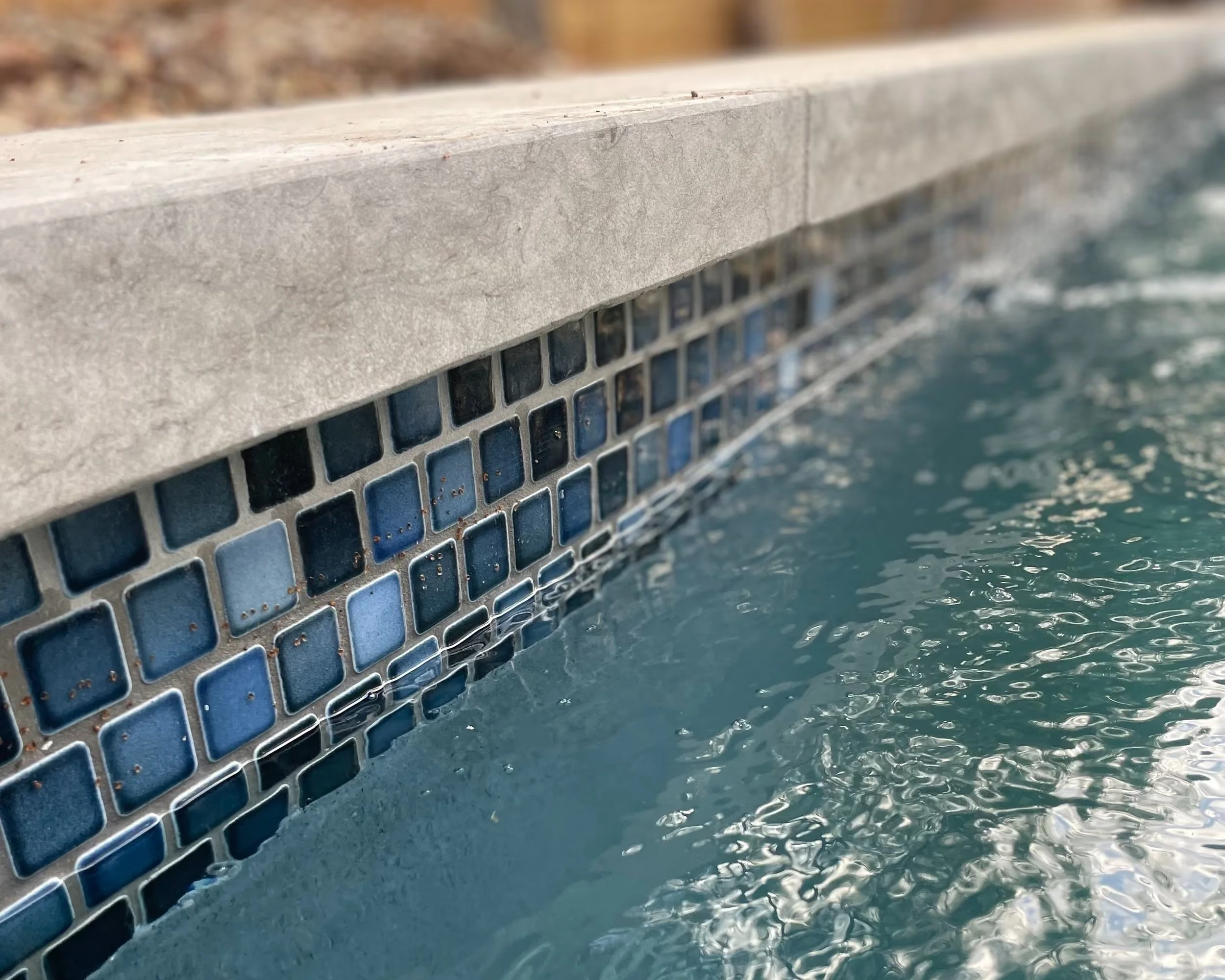
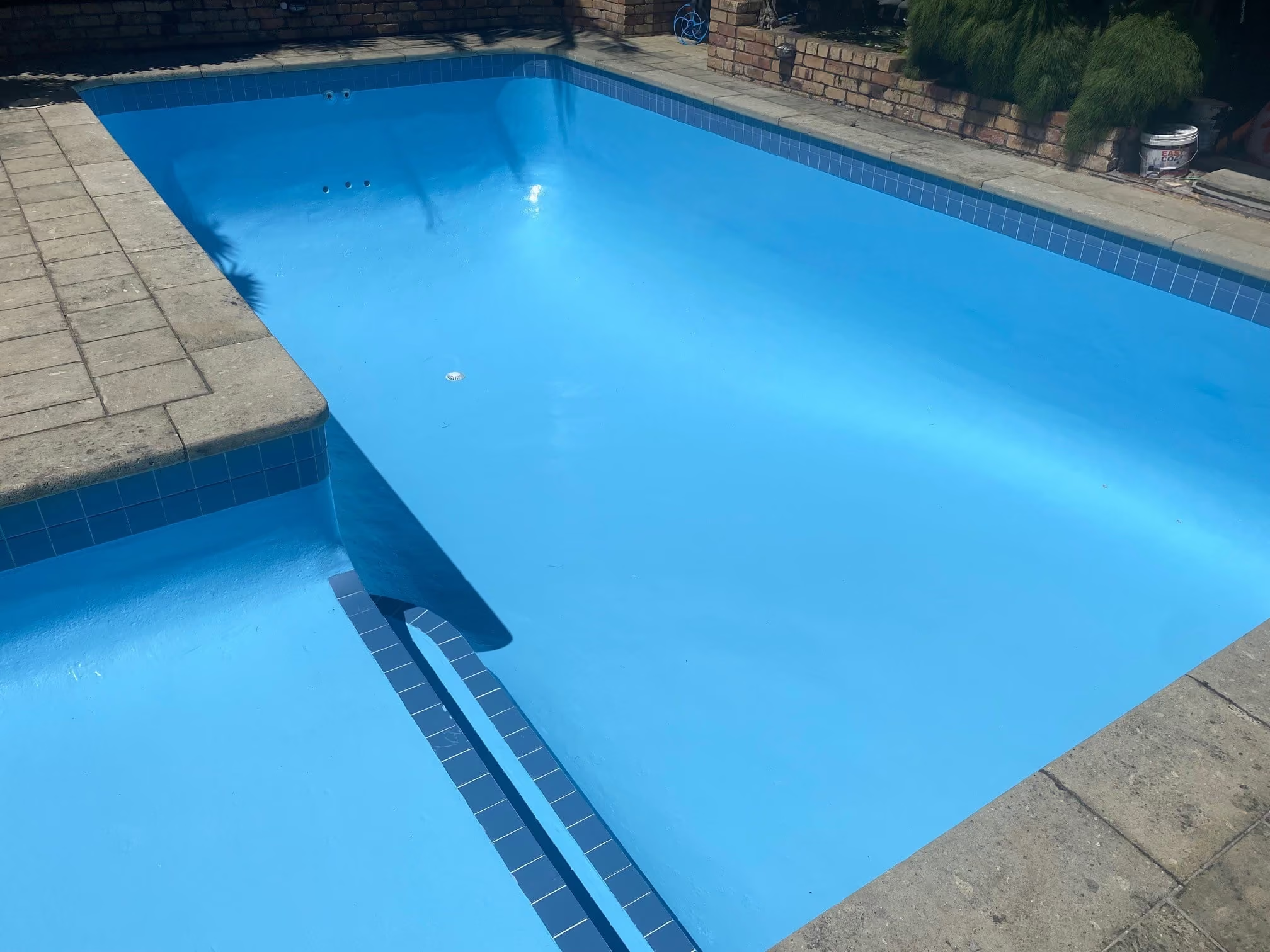
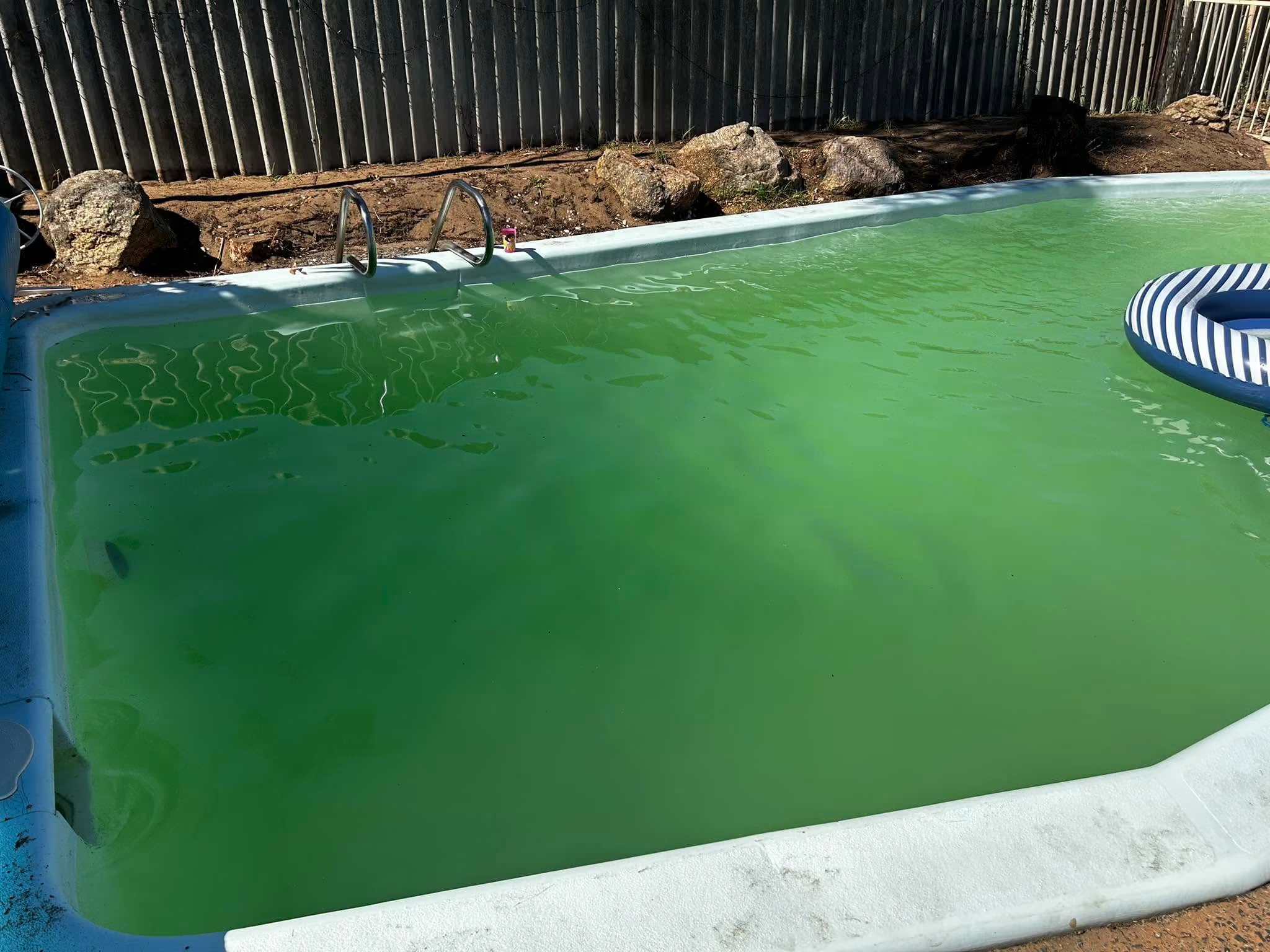
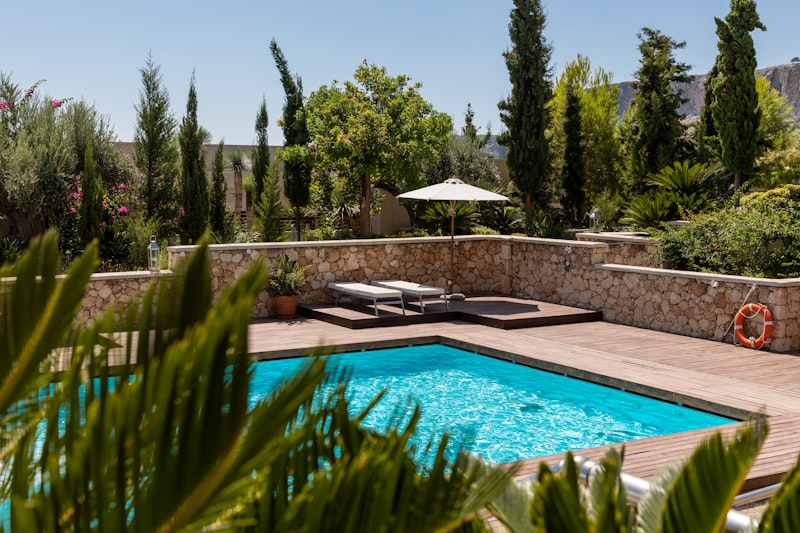
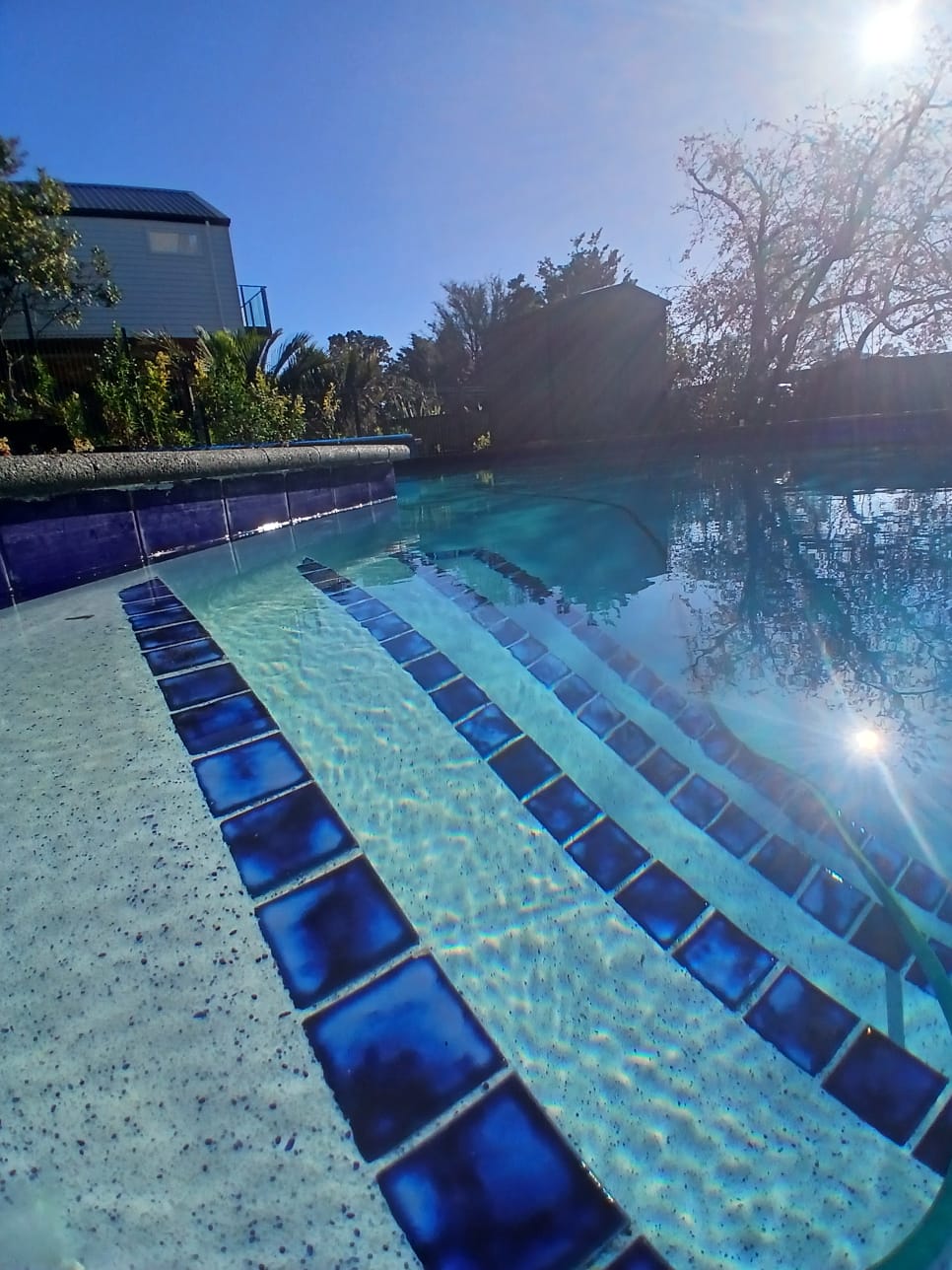
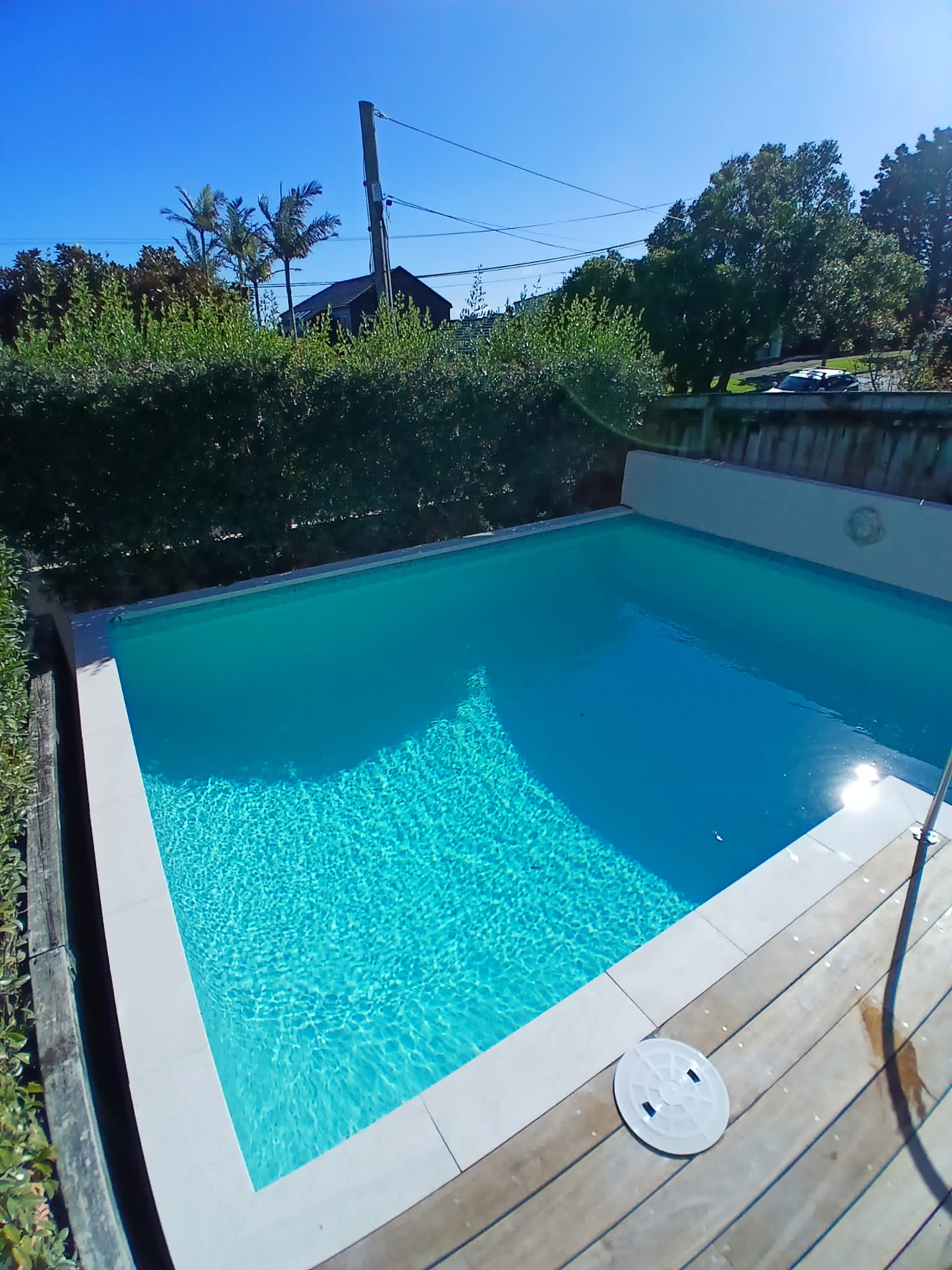
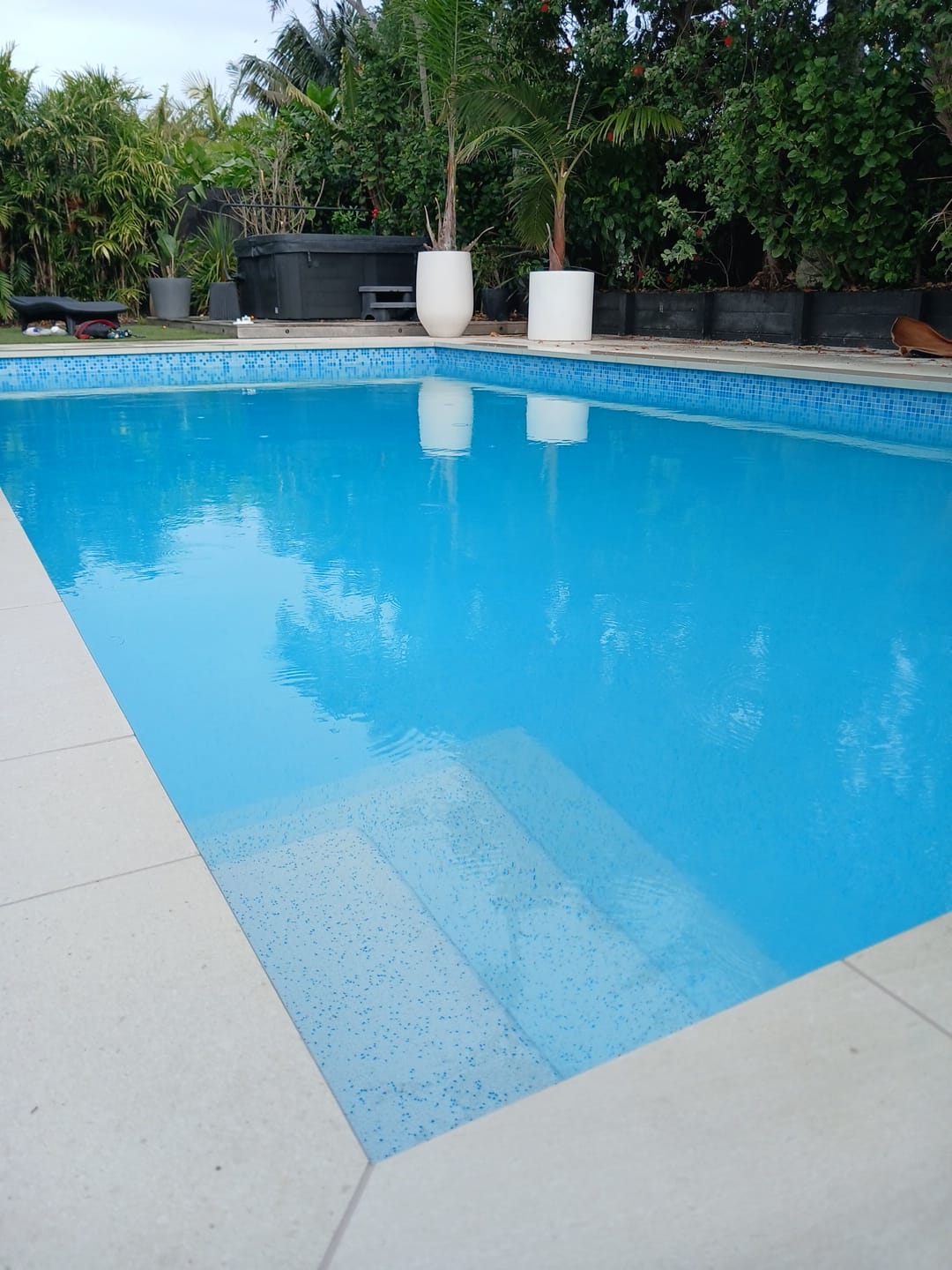
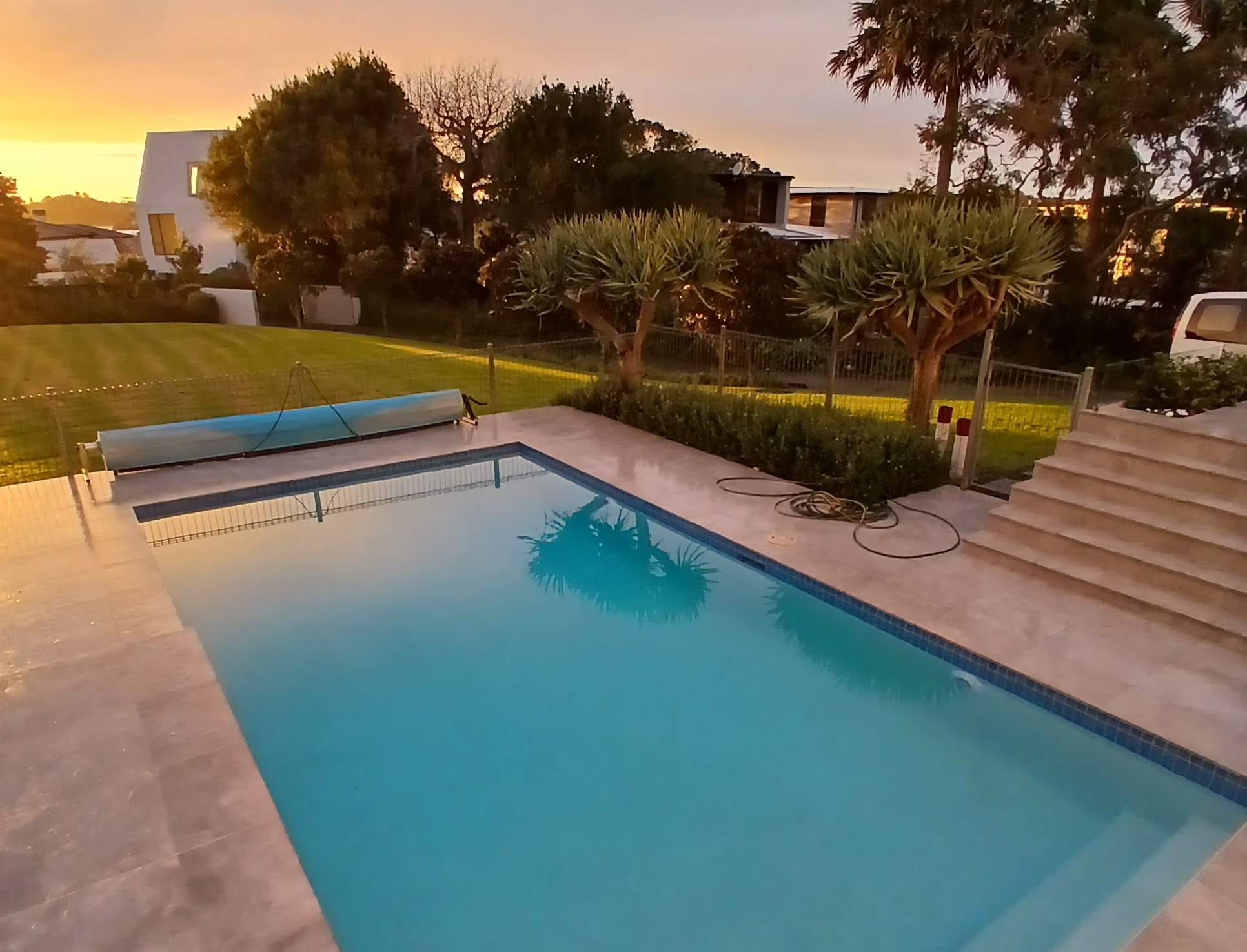
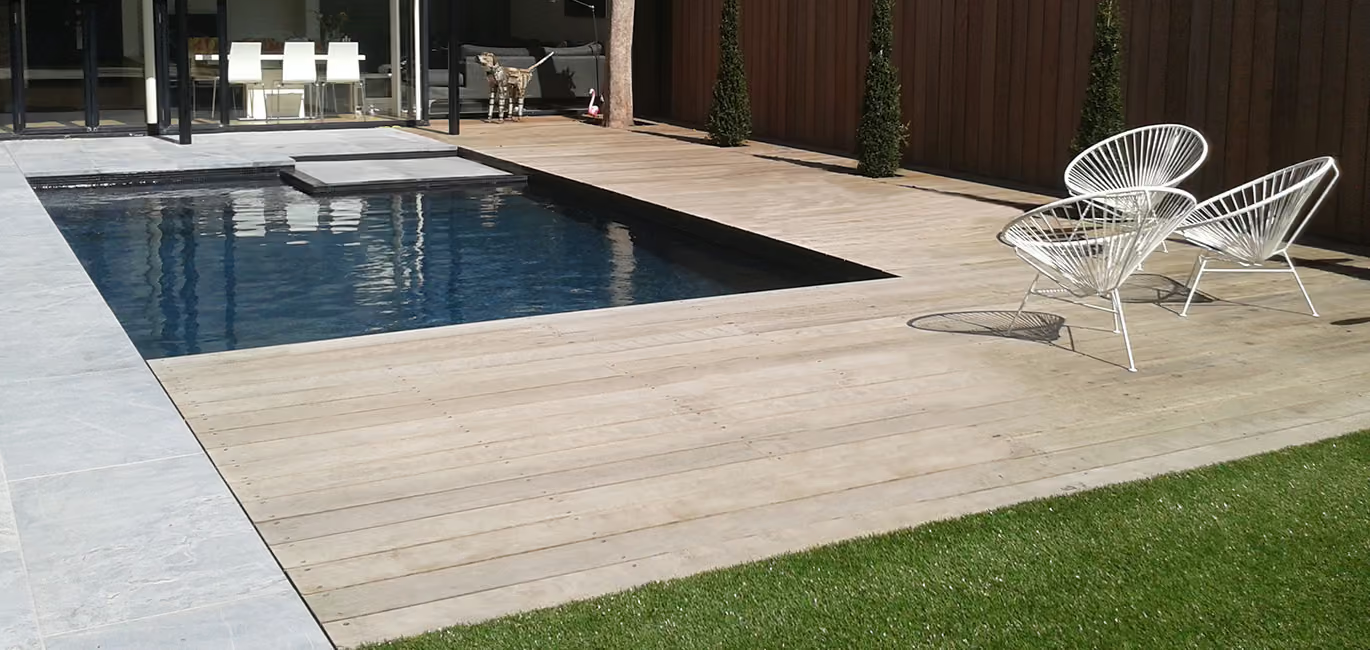
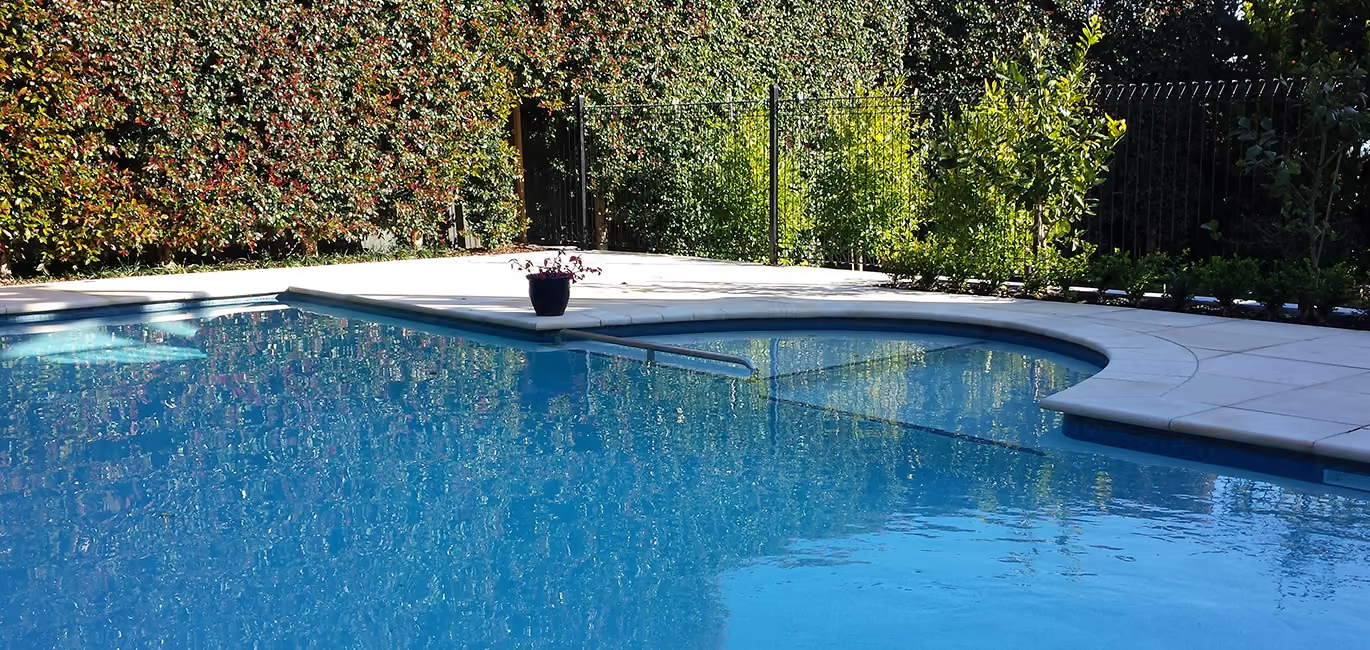
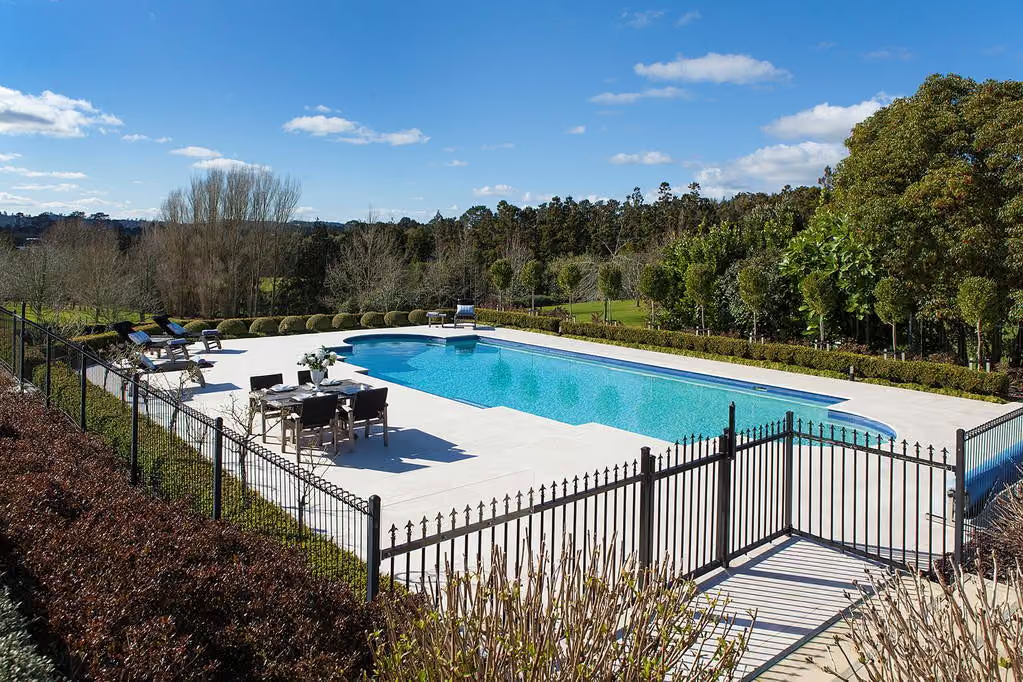
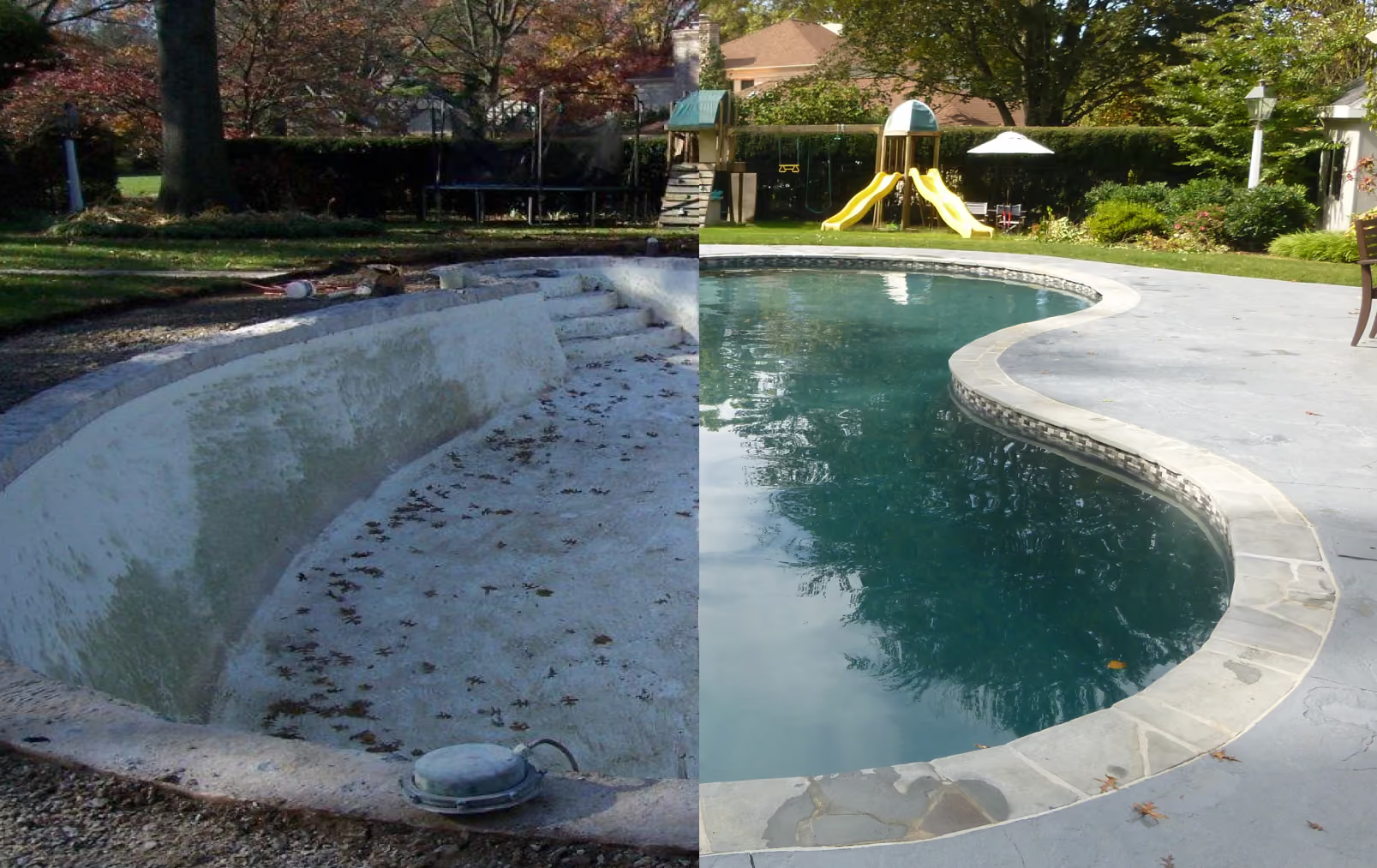
Sparkling Pools has worked on pools across Auckland, including residential renovation projects, equipment upgrades, ongoing maintenance and pool care for managed properties. Past projects show how the right approach can improve presentation, water quality and day-to-day usability. A well-maintained pool is easier to manage, more pleasant to use and better prepared for seasonal changes.
Trusted by Homeowners Across Auckland
Don't just take our word for it. Read what our clients have to say about our transparent communication, reliable service, and stunning pool transformations.
Related Blog Posts
Stay informed on pool care and renovations
Winter pool care essentials for Auckland
Pool Renovation Mistakes

Auckland Climate Pool Maintenance
Choosing Renovation Contractor
Pool Care Auckland Summer
Permits & Consents
Pool Renovation ROI
How Often to Test Pool Water
Pool Renovation Costs
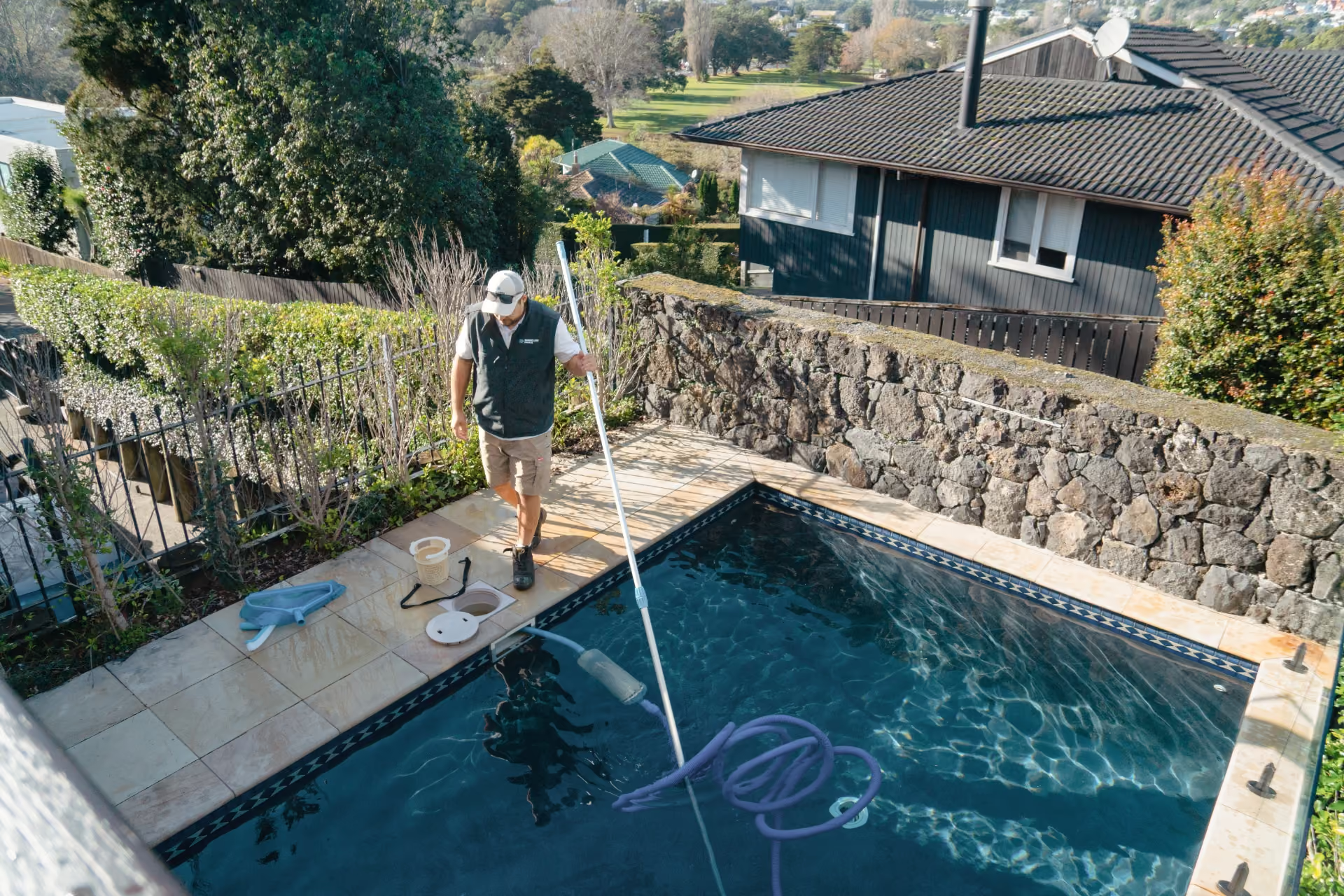
Cost of Pool Service Auckland
Pool Renovation Planning Guide
Pool Lighting Buying Guide
Pool Cleaner Buying Guide
Pool Automation Buying Guide
Pool Heater Buying Guide
Pool Filter Buying Guide
Pool Pump Buying Guide
Best Equipment Auckland Climate
Auckland Water Quality
Auckland Pool Season
Pool Ownership Costs
Common Pool Mistakes
Pool Safety Laws
Pool Inspection Requirements
Pool Fence Compliance
.avif)
Auckland Pool Industry Trends
Auckland Pool Regulations
Pool Equipment Suppliers
Best Pool Service Areas
Pool Service Pricing Analysis
Company vs Independent
Best Pool Surface Materials
Pool Resurfacing Options
Pebble vs Plaster Surfaces
One-Time vs Ongoing Service
Full Service vs Chemicals Only
Pool Cover Types
Robotic vs Suction Cleaners
Mineral vs Saltwater
Gas vs Heat Pump
Pool Heater Types
Pool Winterizing Guide Auckland
Pool Opening Guide Summer
Pool Maintenance After Heavy Rain
Pool Maintenance Schedule
How Often to Run Pool Filter
Pool Pump Maintenance Schedule
Pool Filter Cartridge Cleaning
Pool Equipment Maintenance Checklist
Pool Waterline Cleaning
Pool Skimmer Basket Cleaning
Pool Chlorine Levels
How Often Clean Pool Filter
How to Vacuum Pool
Pool Brushing Technique
Pool Chemical Dosing Chart
Pool Water Chemistry Basics
How to Balance Pool Chemistry
How to Test Pool Water
Pool Maintenance Tips
Complete Pool Maintenance Guide
Pool Service ROI
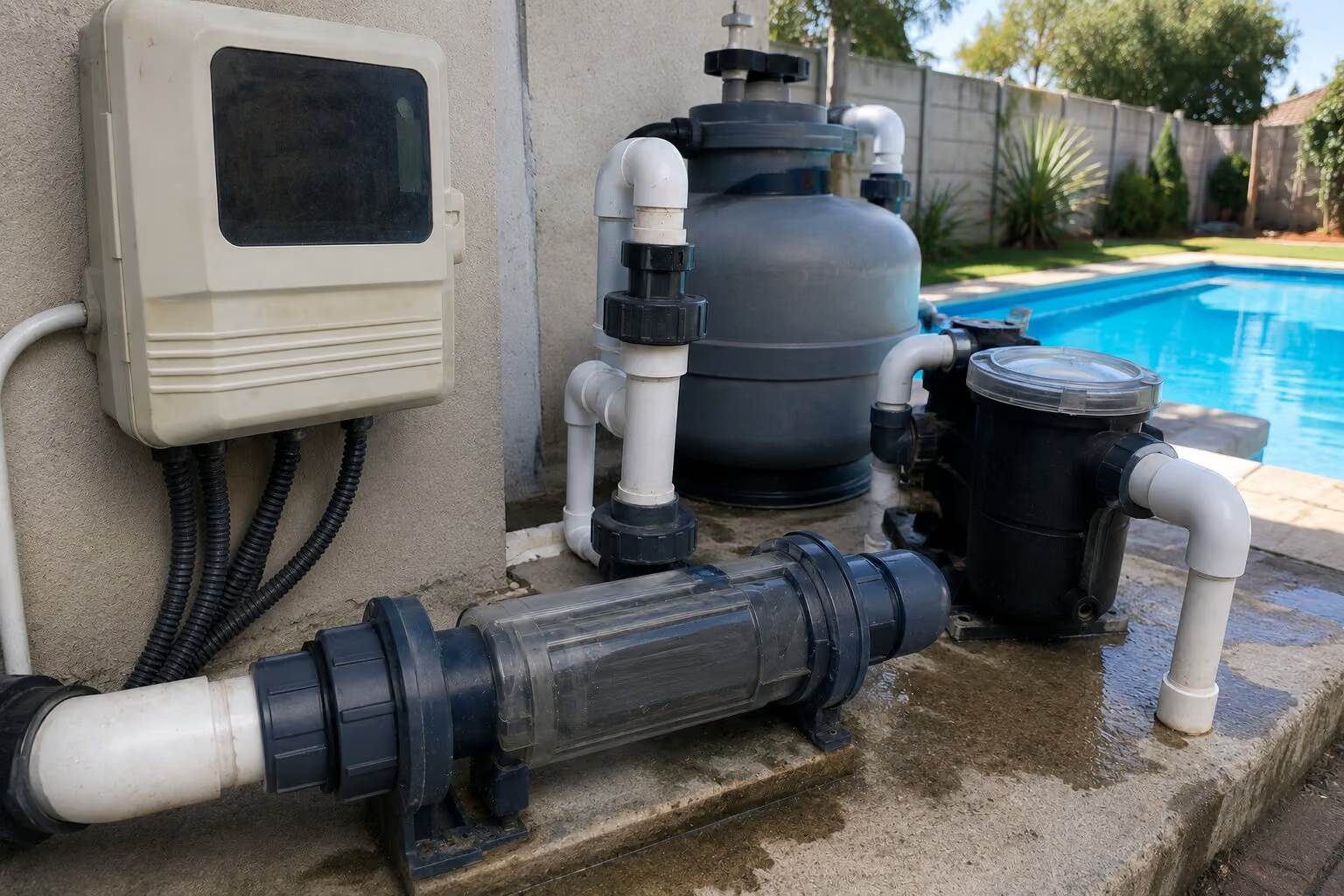
Pool Equipment Buy or Service
Pool Maintenance Time Requirements
DIY vs Professional
Pool Service Contract
Pool Service vs Pool Valet
Is Pool Service Worth It
Pool Service Guarantees
Pool Service Reviews
Pool Service Red Flags
Questions to Ask Pool Companies
How to Choose Pool Service Company
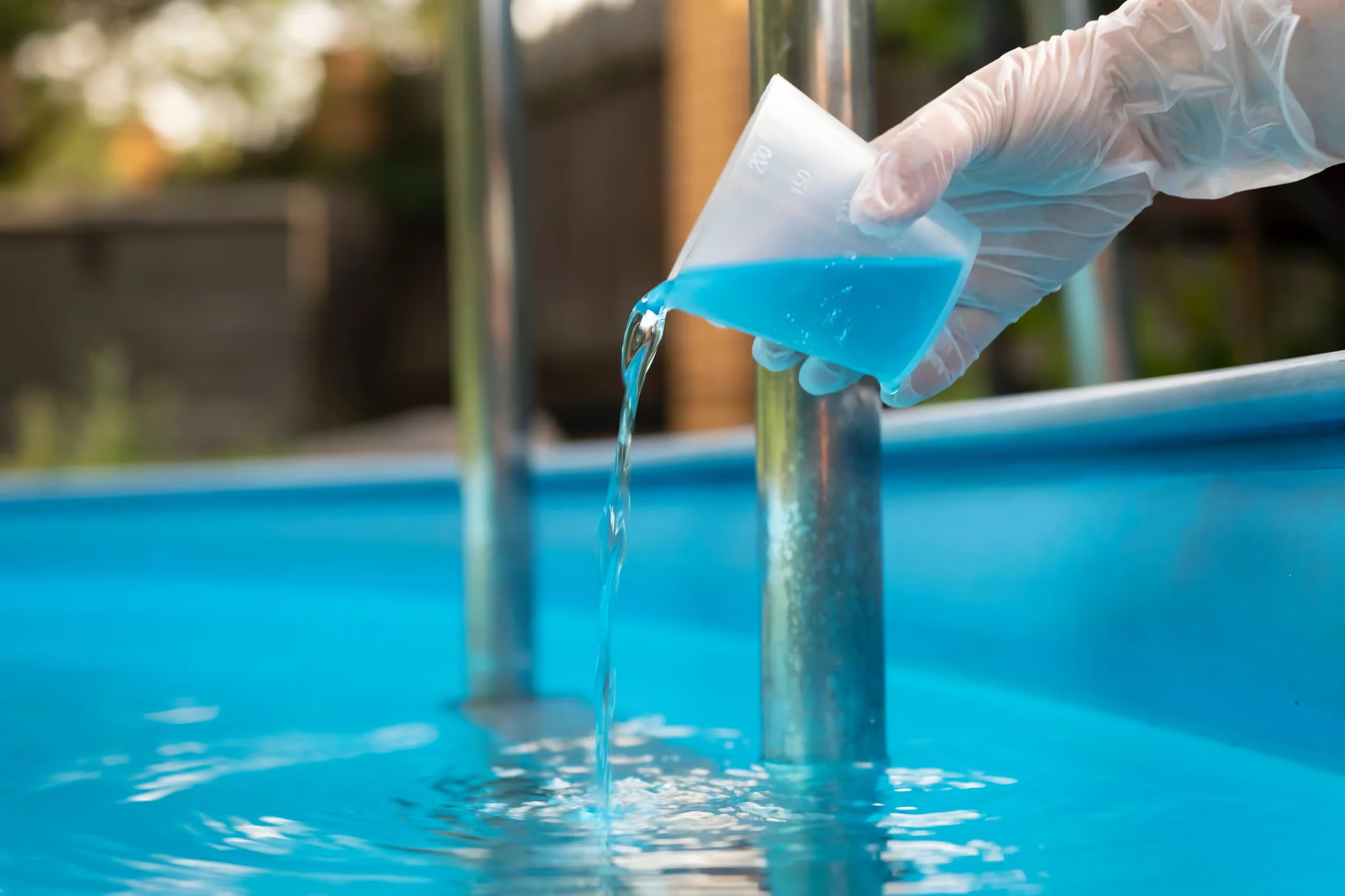
Hidden Costs DIY Maintenance
Pool Cleaning Prices Auckland
Cost of Pool Resurfacing
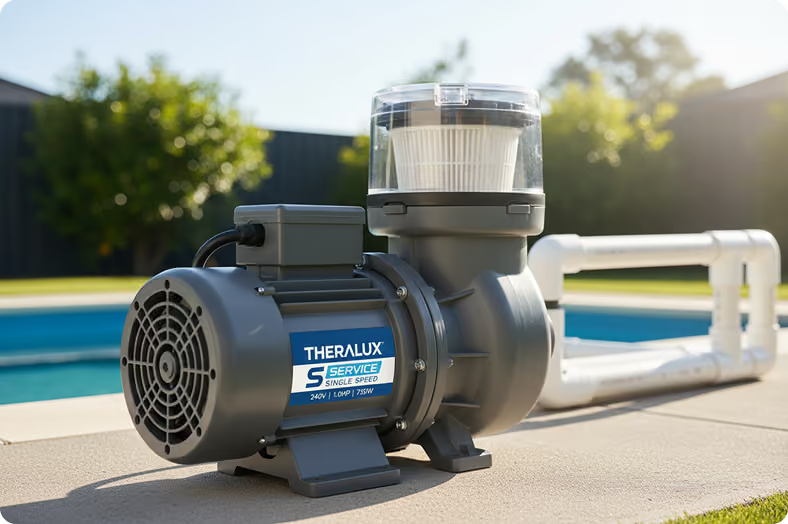
Cost of Pool Pump Replacement
Cost to Fix Green Pool
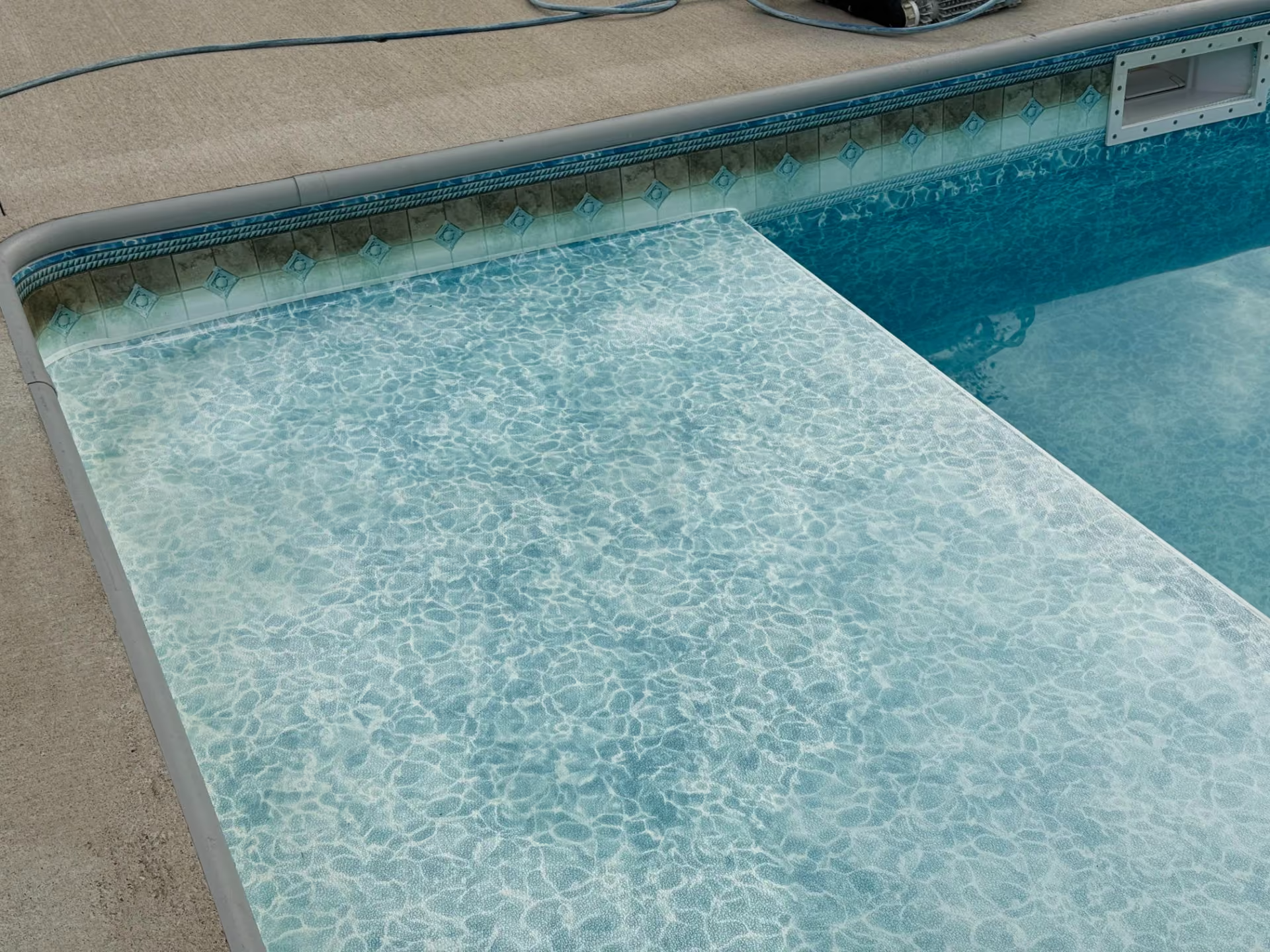
Pool Liner Wrinkles
Pool Cracks When to Worry
Pool Surface Stains
Pool Valve Leaking
Pool Automation Not Working
Pool Light Not Working
Pool Heater Not Heating
Pool Skimmer Not Working
High Pool Filter Pressure
Pool Losing Water
Pool Filter Not Clearing Water
Pool Pump Leaking
Pool Pump Not Pumping
Pool Pump Losing Prime
Pool Pump Noisy
Pool Pump Not Working
Pool Water Foaming
Pool pH Too Low
Pool pH Too High
Green Pool After Rain
Pool Still Green After Shock
Pool Water Cloudy
How to Clear a Green Pool
Pool Care That Protects Your Investment
Good pool care protects more than appearance. Our pool specialists support the long-term condition of your swimming pool while keeping it ready for everyday use.