Pool Water Foaming

Why Auckland trusts our pool service expertise
Pool water foaming is a common issue that usually has a straightforward cause. Understanding what's behind it makes it much easier to fix quickly and prevent it from coming back.
Here are the key points to know about foamy pool water.
What you'll learn
Why Is My Pool Water Foaming?
Foam on the surface of your pool is almost always a sign that something has been introduced to the water that shouldn't be there, or that the water chemistry is out of balance. It's rarely dangerous, but it does mean something needs attention.
This guide covers the most common causes of pool water foaming, how to check what's going on, and how to clear it up properly.
---
What Causes Pool Water to Foam?
Foam forms when surface tension in the water drops low enough that air bubbles can't break apart quickly. Several things can cause this.
Body Care Products and Residues
This is the most common cause. Sunscreen, body lotion, hair products, and cosmetics all contain surfactants, the same compounds that make soap lather. When swimmers enter the pool, these residues wash off into the water. Over time they accumulate, and the water starts to foam, especially around return jets or when the pool is agitated.
Swimwear washed in laundry detergent can also contribute. Even a small amount of detergent residue on a swimsuit is enough to cause noticeable foam.
Algaecide Overuse or the Wrong Type
Some algaecides, particularly cheaper polyquat-based products, are known to cause foaming if overdosed or used in pools that already have elevated organic loading. If you've recently added algaecide and foam appeared shortly after, this is likely the cause.
Low Calcium Hardness
When calcium hardness drops too low, the water becomes aggressive and unstable. One of the side effects is a tendency to foam. Soft water has lower surface tension, which makes it easier for bubbles to form and persist.
Cheap or Incompatible Pool Products
Not all pool chemicals are equal. Some lower-quality products contain fillers or additives that can cause foaming, particularly when combined with other chemicals already in the water.
Organic Build-Up
Over time, pools accumulate dissolved organics, body oils, sweat, sunscreen, and other compounds that don't get removed by standard filtration. As this load builds up, the water becomes more prone to foaming. This is especially common in pools that see heavy use without regular shocking.
---
How to Check What's Causing It
Before treating the foam, it helps to narrow down the cause. Work through these checks in order.
1. Check when the foam appeared.
Did it start after a pool party or heavy swim session? That points to body care products or swimwear residues. Did it appear after you added a chemical? That points to algaecide or a product reaction.
2. Test your calcium hardness.
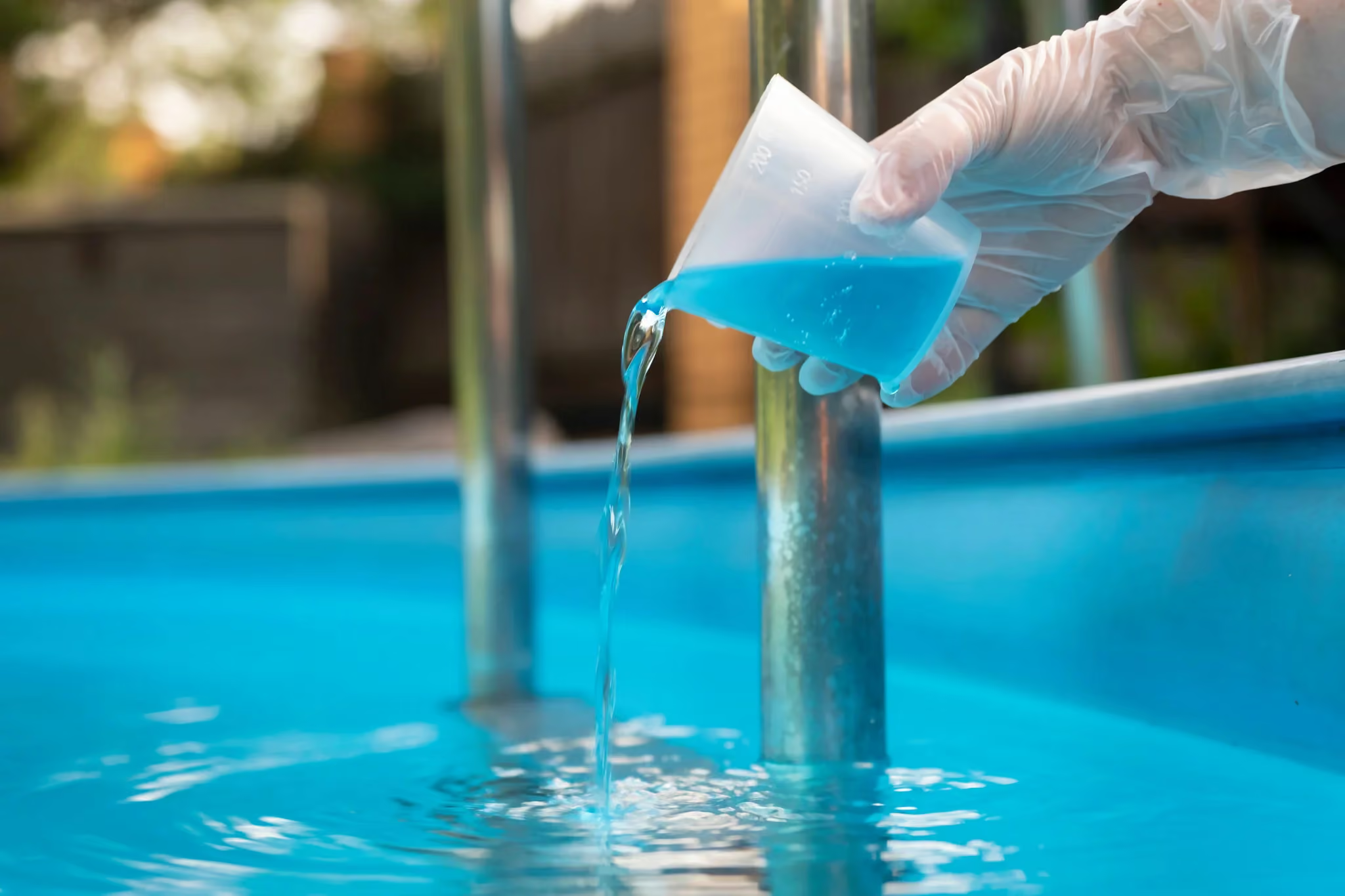
Low calcium hardness is a common and overlooked cause. Test your water or have it tested. If calcium hardness is below the recommended range, that's likely contributing.
3. Check your algaecide use.
Look at what you've added recently. If you used an algaecide, particularly a polyquat product, and foam appeared within a day or two, that's a strong indicator.
4. Consider bather load.
A pool that's had a lot of swimmers recently, especially if people weren't showering beforehand, will have a higher organic load. This is a common trigger.
5. Smell the foam.
Foam from body care products or organics often has a faint soapy or musty smell. Foam from a chemical reaction may be odourless. This isn't definitive, but it can help narrow things down.
---
How to Fix Foamy Pool Water
The fix depends on the cause, but the steps below cover the most common scenarios.
Step 1, Skim and Remove Surface Foam
Use your pool skimmer to physically remove as much foam as you can from the surface. This won't solve the underlying problem, but it clears the way to see what you're dealing with.
Step 2, Shock the Pool
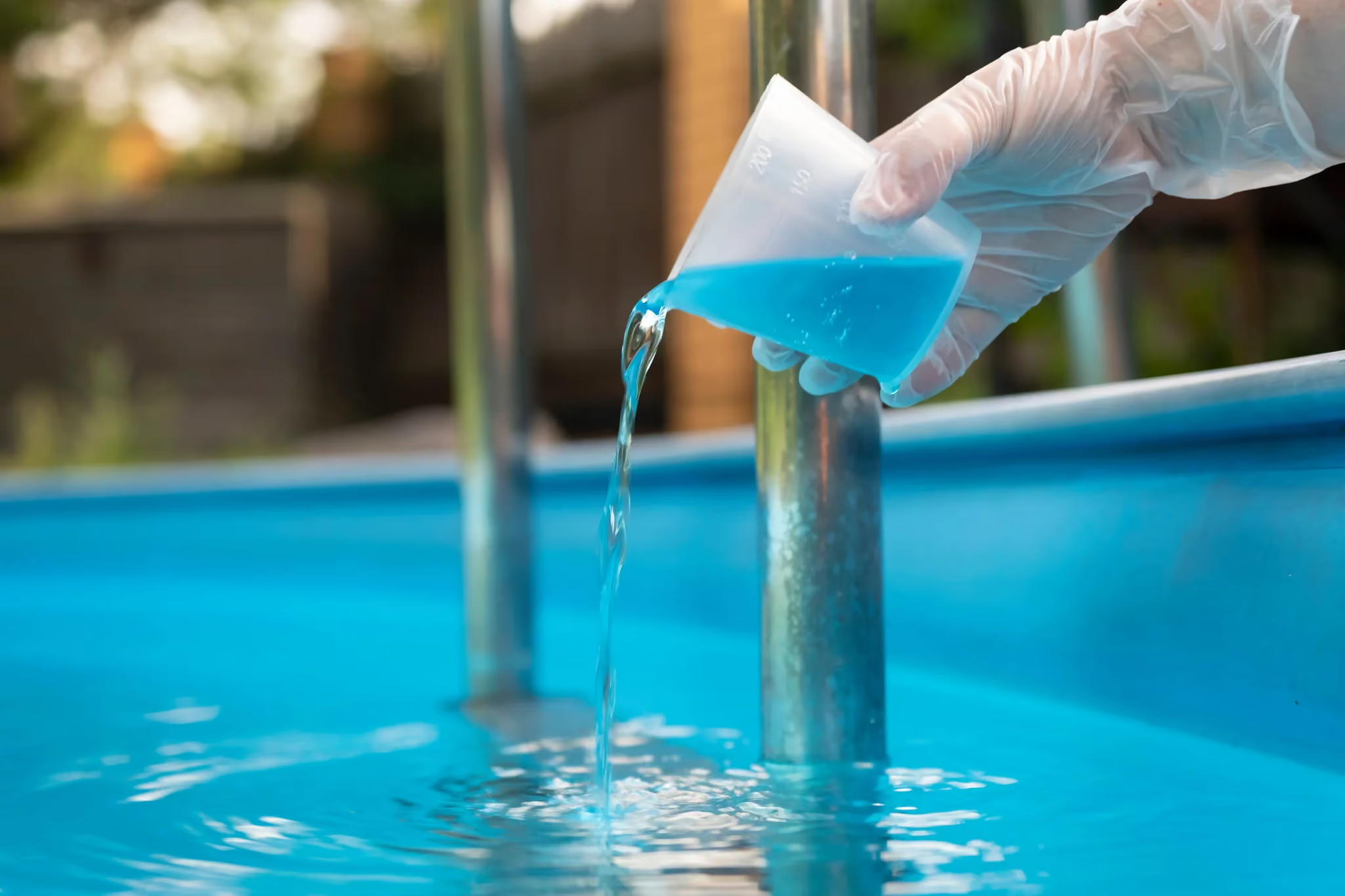
A good oxidising shock treatment helps break down the dissolved organics and surfactants causing the foam. This is one of the most effective first steps regardless of the cause. Follow the dosing instructions on your shock product based on your pool's volume.
Step 3, Check and Adjust Calcium Hardness
Test your calcium hardness level. If it's low, add a calcium hardness increaser to bring it back into the correct range. This alone can make a significant difference to foam formation.
Step 4, Run the Filter
Run your filtration system continuously while you're treating the water. Good circulation helps break up foam and moves water through the filter where some of the organic load can be captured.
Step 5, Reduce Bather Load Temporarily
If the foam is heavy, it's worth keeping the pool out of use for 24-48 hours while you treat it. This stops more residues being added while you're trying to clear the existing ones.
Step 6, Use an Anti-Foam Product if Needed
Anti-foam products are available and can knock foam down quickly. They're a short-term fix rather than a cure, they don't address the underlying cause, but they're useful if you need the pool looking presentable quickly. Use sparingly and follow dosing instructions carefully.
Step 7, Partial Water Change if the Problem Persists
If foam keeps returning despite treatment, the dissolved organic load in the water may simply be too high to treat chemically. A partial drain and refill, replacing a portion of the pool water with fresh water, dilutes the problem and often resolves persistent foaming.
---
When to Call a Professional
Most foaming issues can be resolved with the steps above. However, there are situations where it's worth getting a professional involved.
- The foam is persistent and returns within a day or two of treatment
- You've done a partial water change and foam is still appearing
- You're unsure what's causing it and home testing isn't giving you clear answers
- The foam is accompanied by other water quality issues, cloudiness, unusual colour, or a strong smell
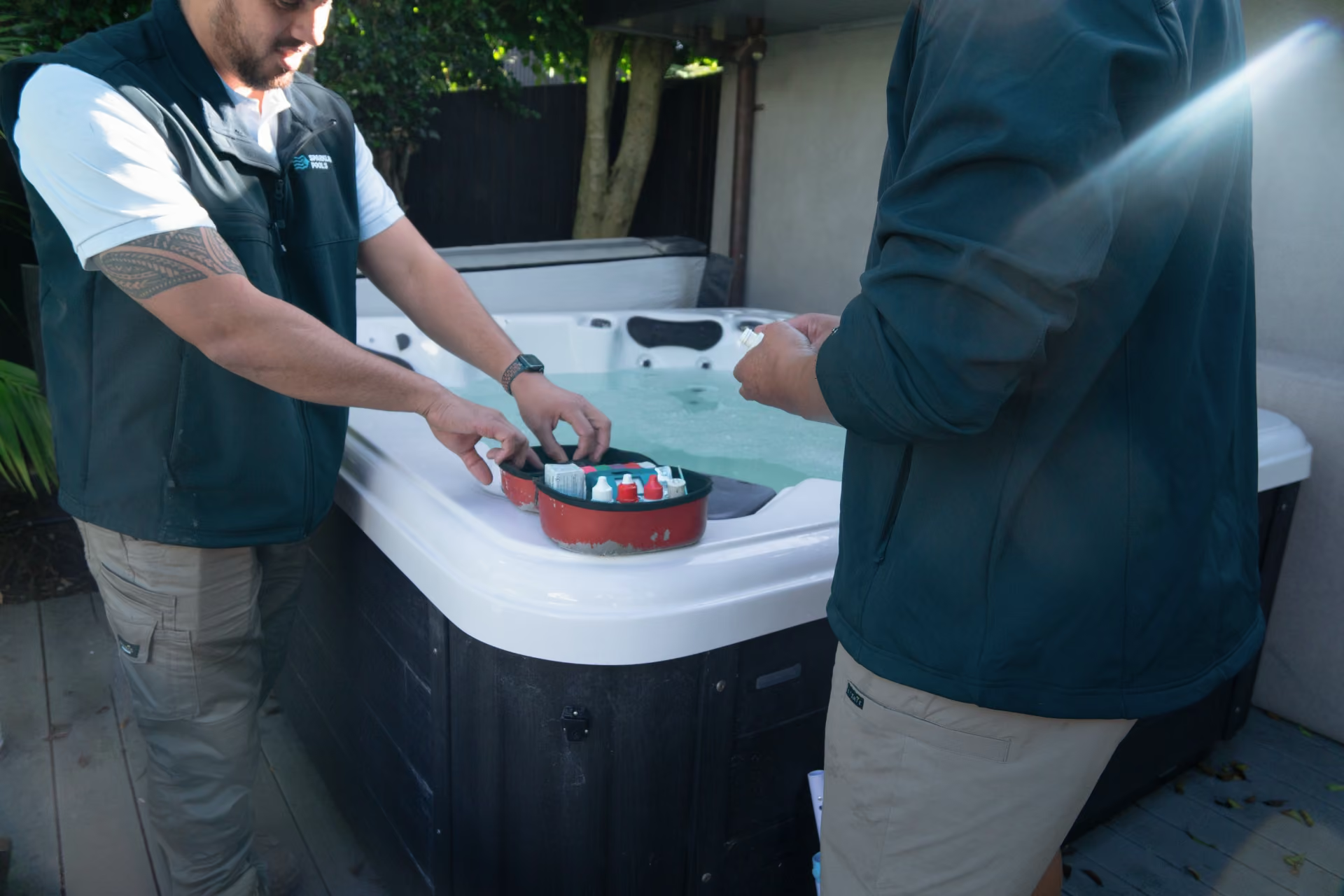
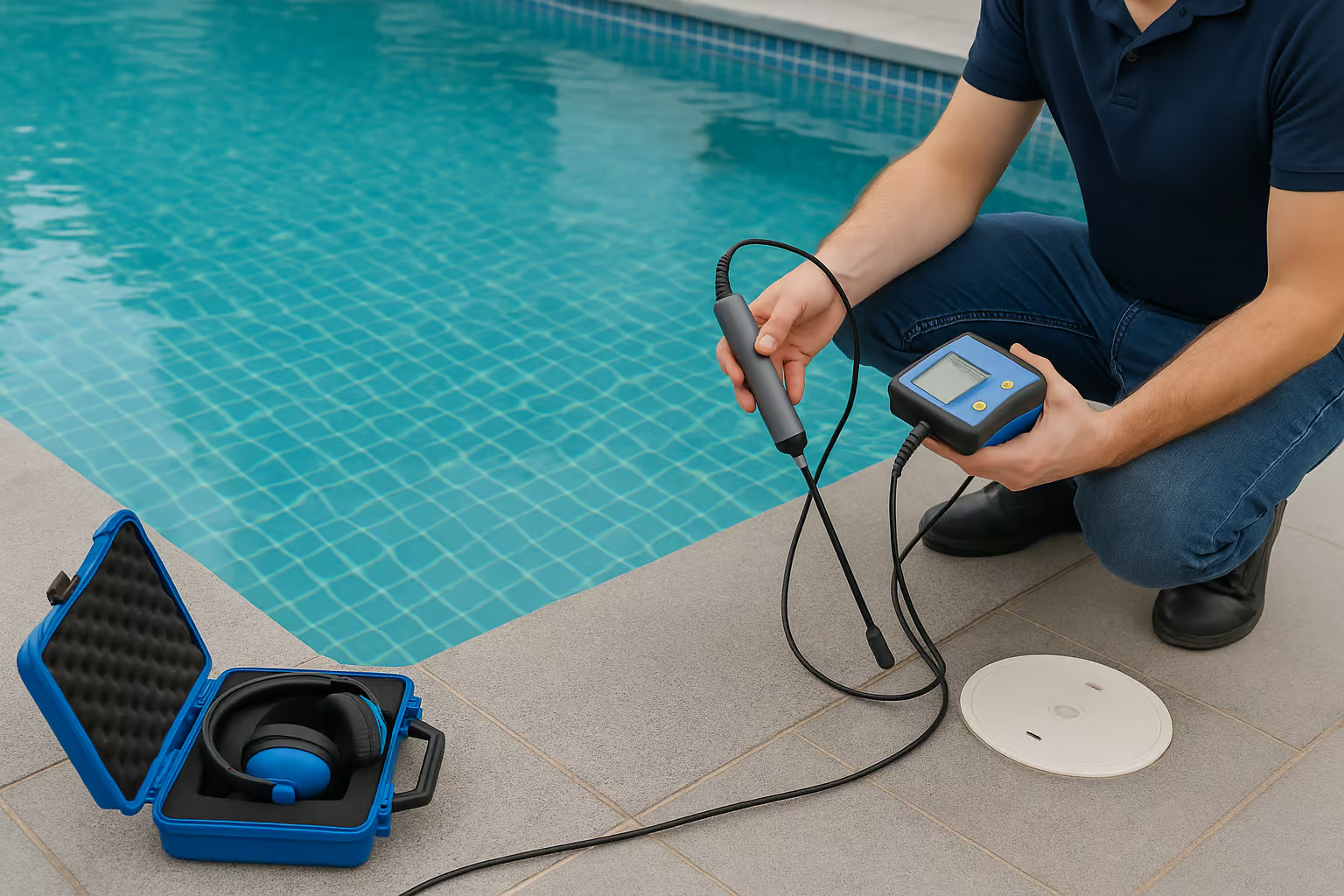
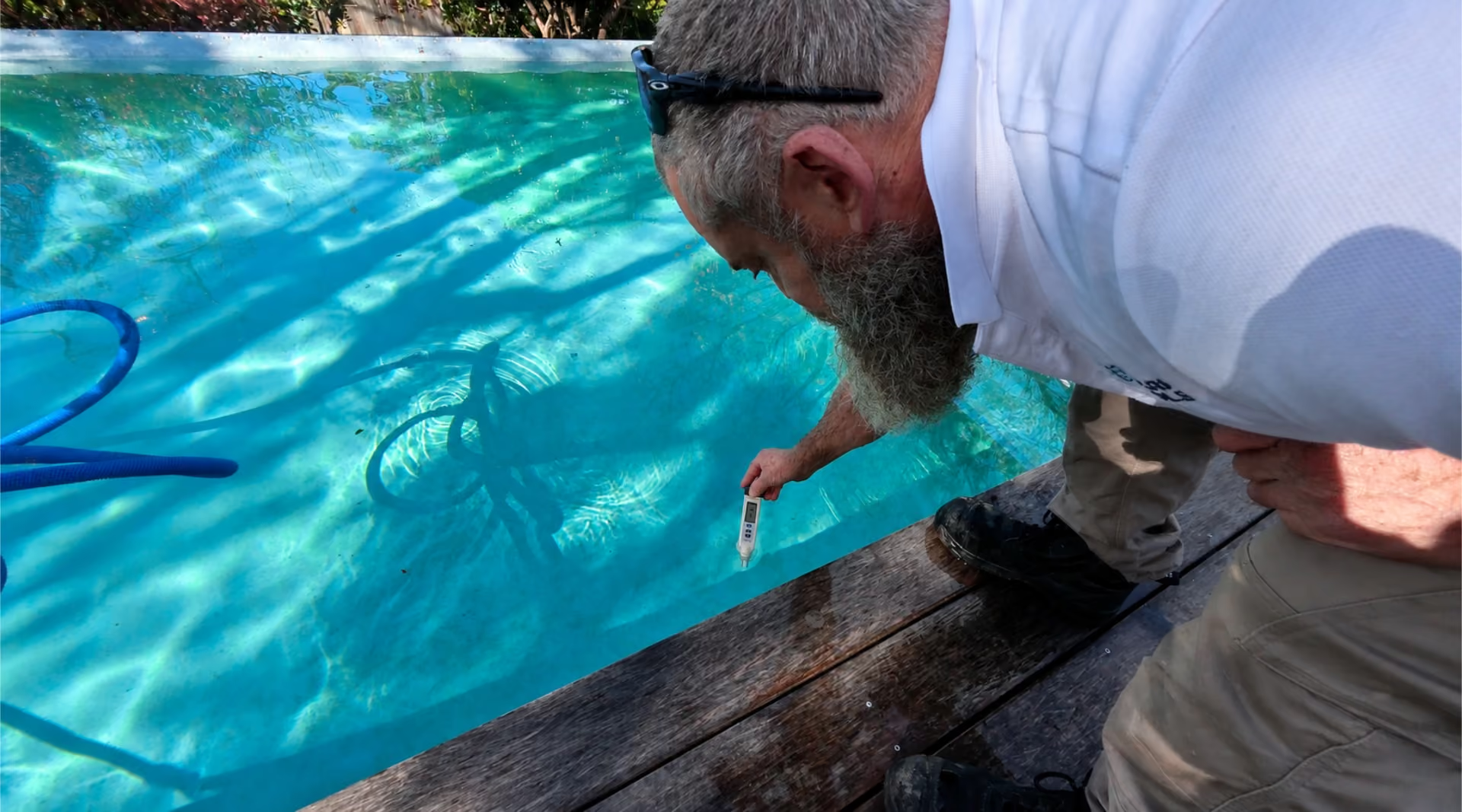
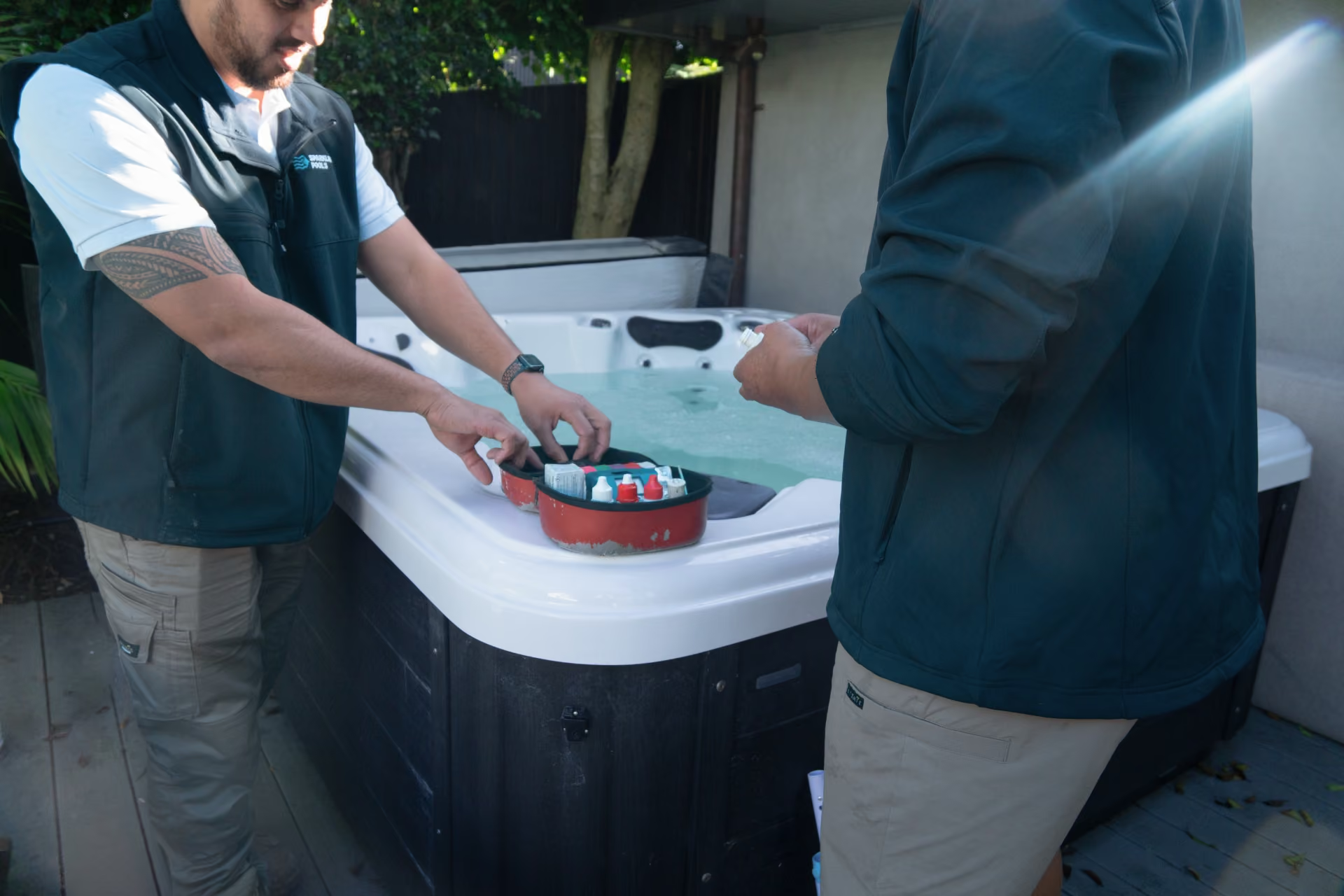
Sparkling Pools offers on-site water testing across Auckland. A technician comes to your home, tests the water on site, and gives you a clear picture of what's going on. This takes the guesswork out of diagnosing persistent water quality problems.
---
Stopping It Coming Back
Once you've cleared the foam, a few straightforward habits will help keep it from returning.
- Encourage swimmers to shower before entering the pool. This removes the bulk of sunscreen, body lotion, and other residues before they reach the water.
- Rinse swimwear thoroughly before use. Laundry detergent residue is a surprisingly common cause of foam.
- Shock the pool regularly. Regular oxidising treatments break down organic build-up before it reaches the point of causing problems. This is especially important after periods of heavy use.
- Test calcium hardness as part of your routine. Keep it within the correct range. Low calcium hardness makes foam more likely and causes other water quality issues too.
- Choose quality pool chemicals. Cheaper products can contain additives that contribute to foaming. Stick to reputable brands and follow dosing instructions carefully.
- Don't overdose algaecide. More is not better. Follow the recommended dose for your pool volume and choose a non-foaming algaecide where possible.
With consistent water care, foaming is rarely a recurring problem. It's usually a sign that something in the routine has slipped, fix the underlying cause and keep up with regular maintenance, and it generally stays away.
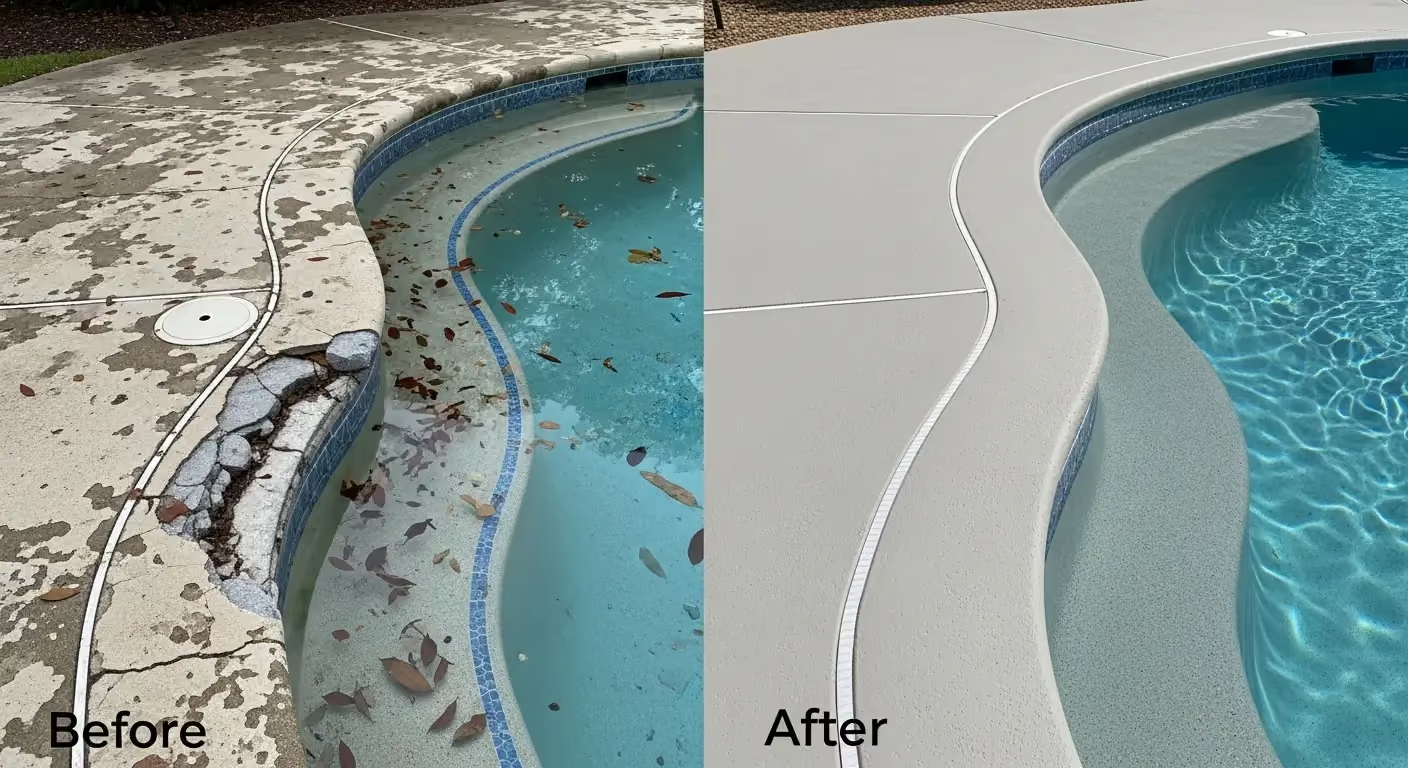
Pool resurfacing solutions
Restore your pool with durable plaster finishes
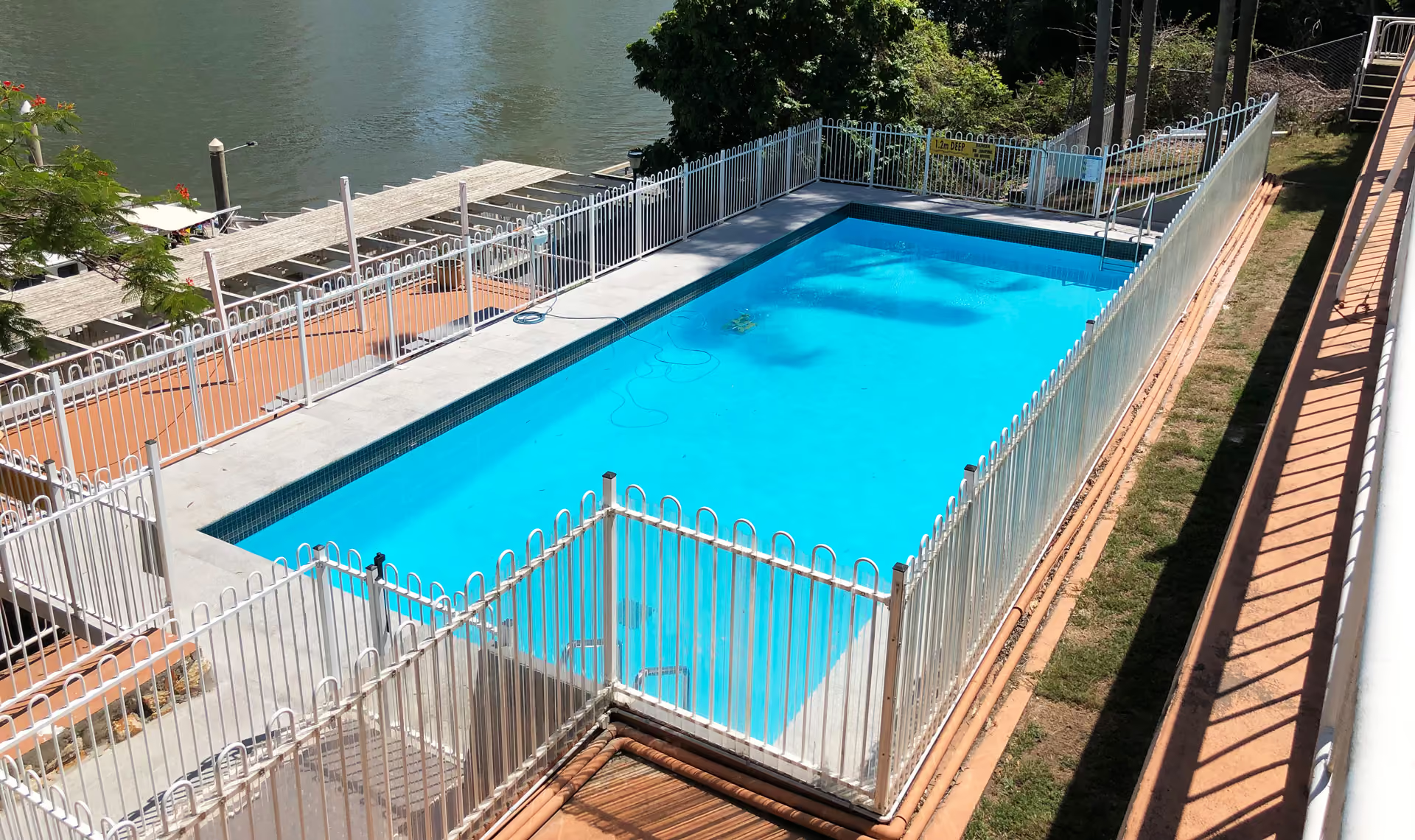
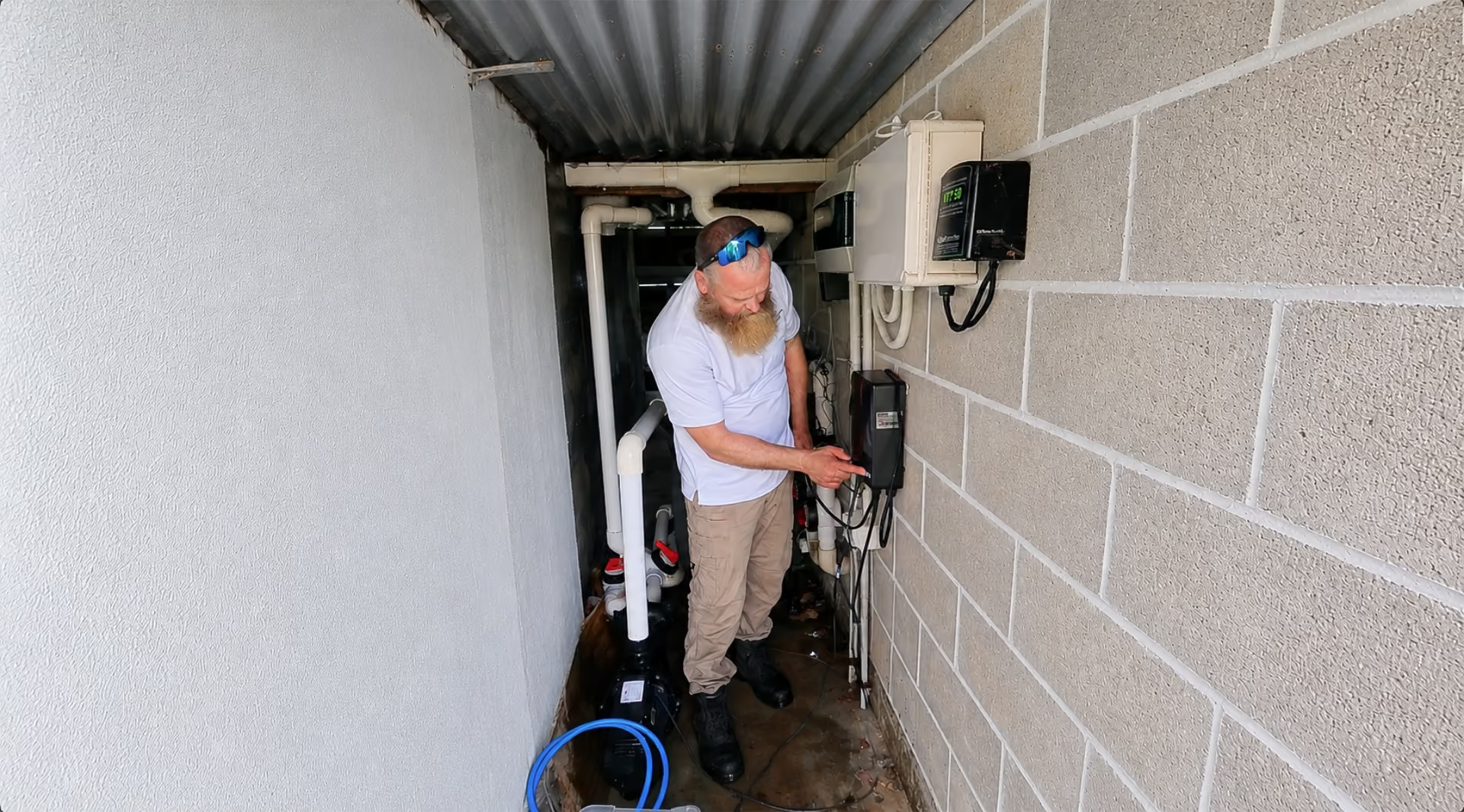
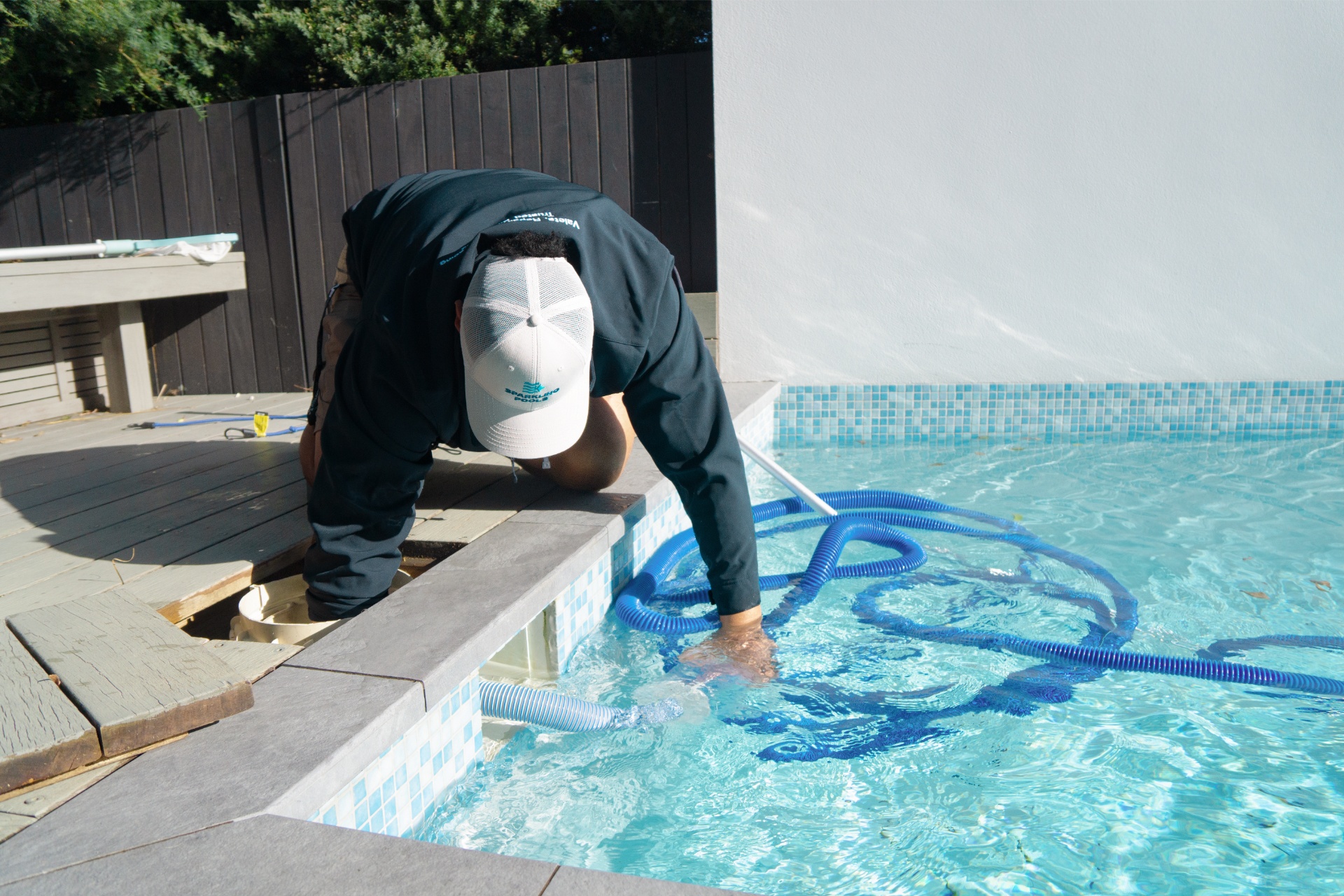
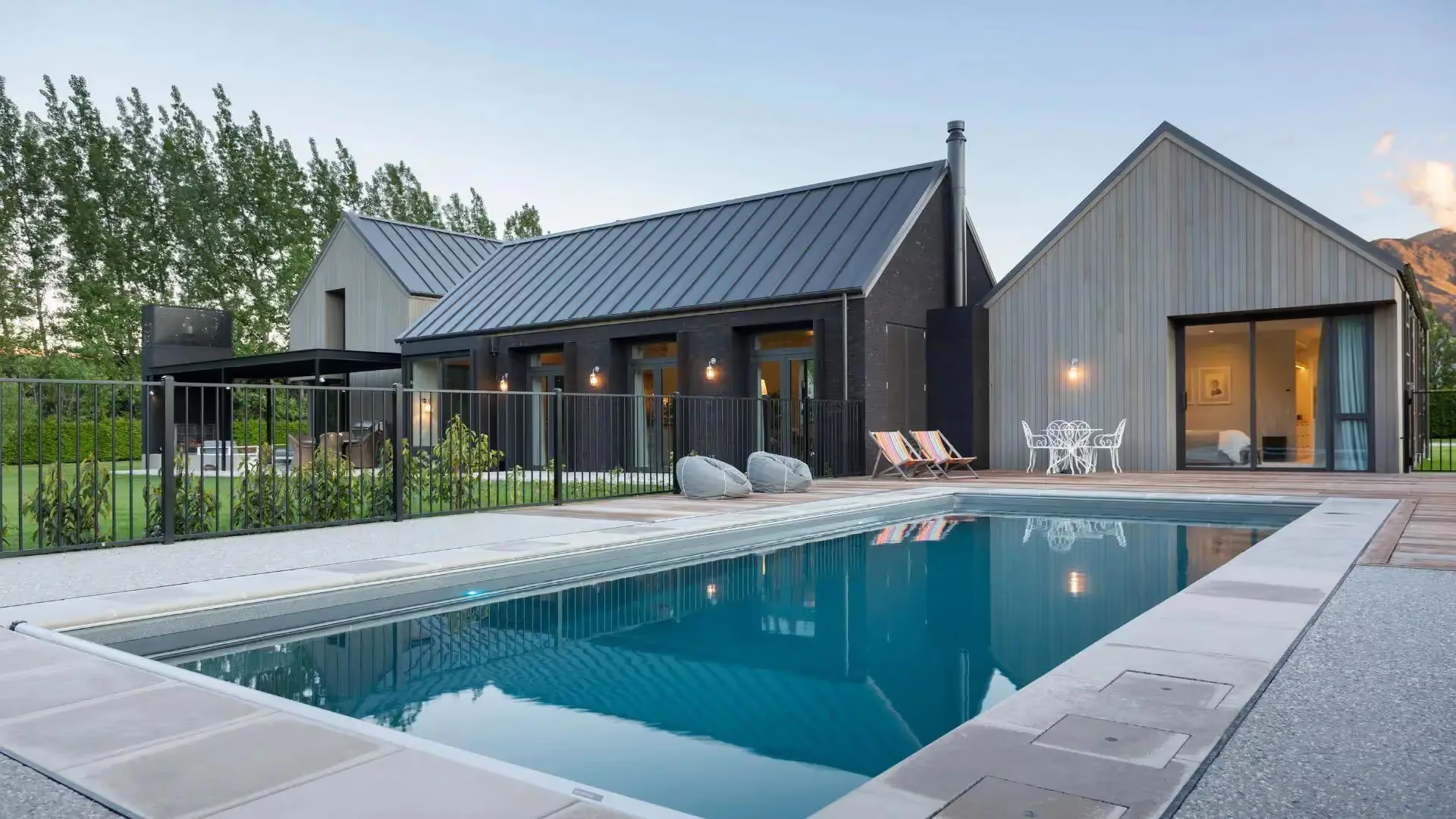
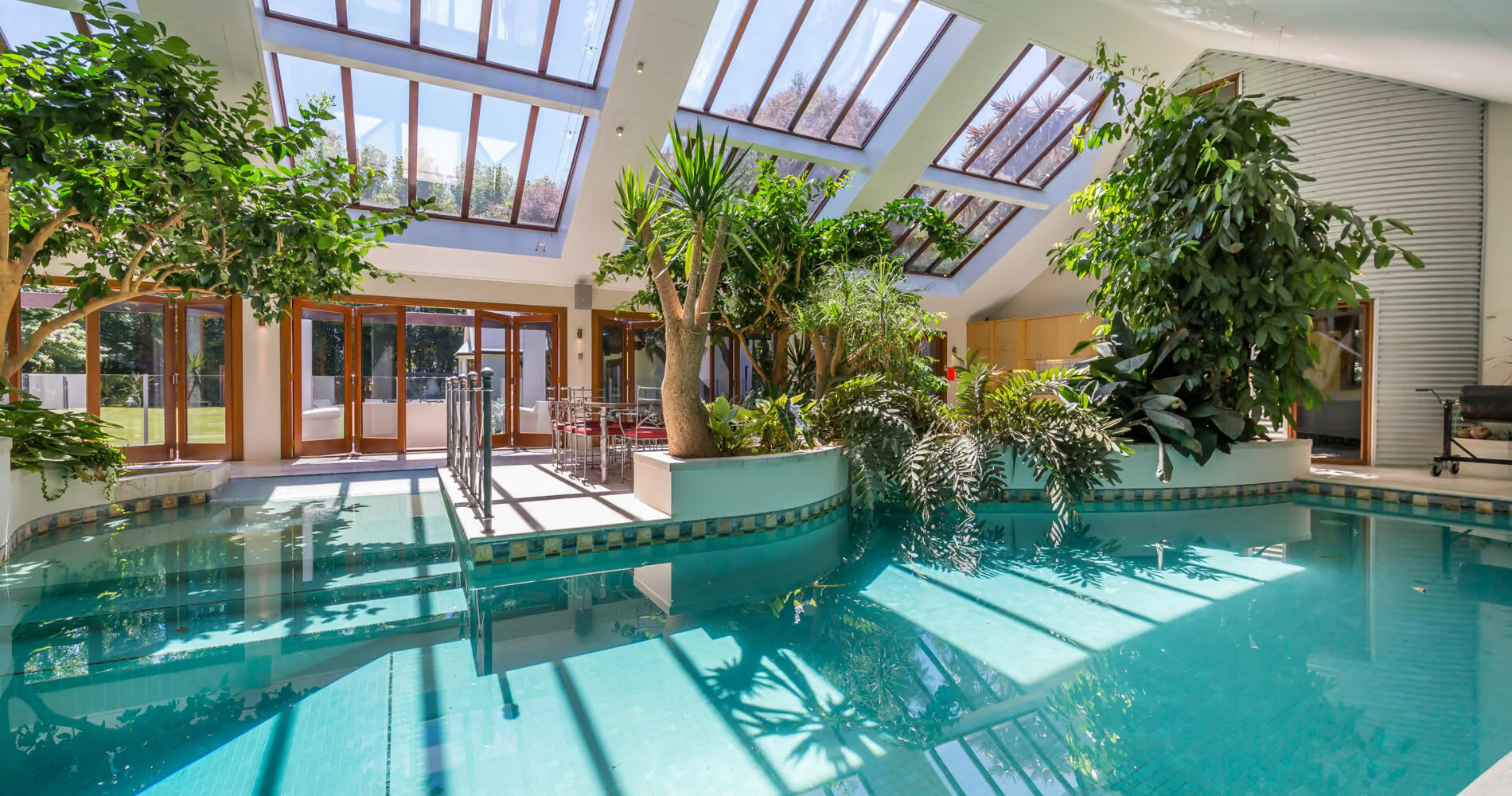
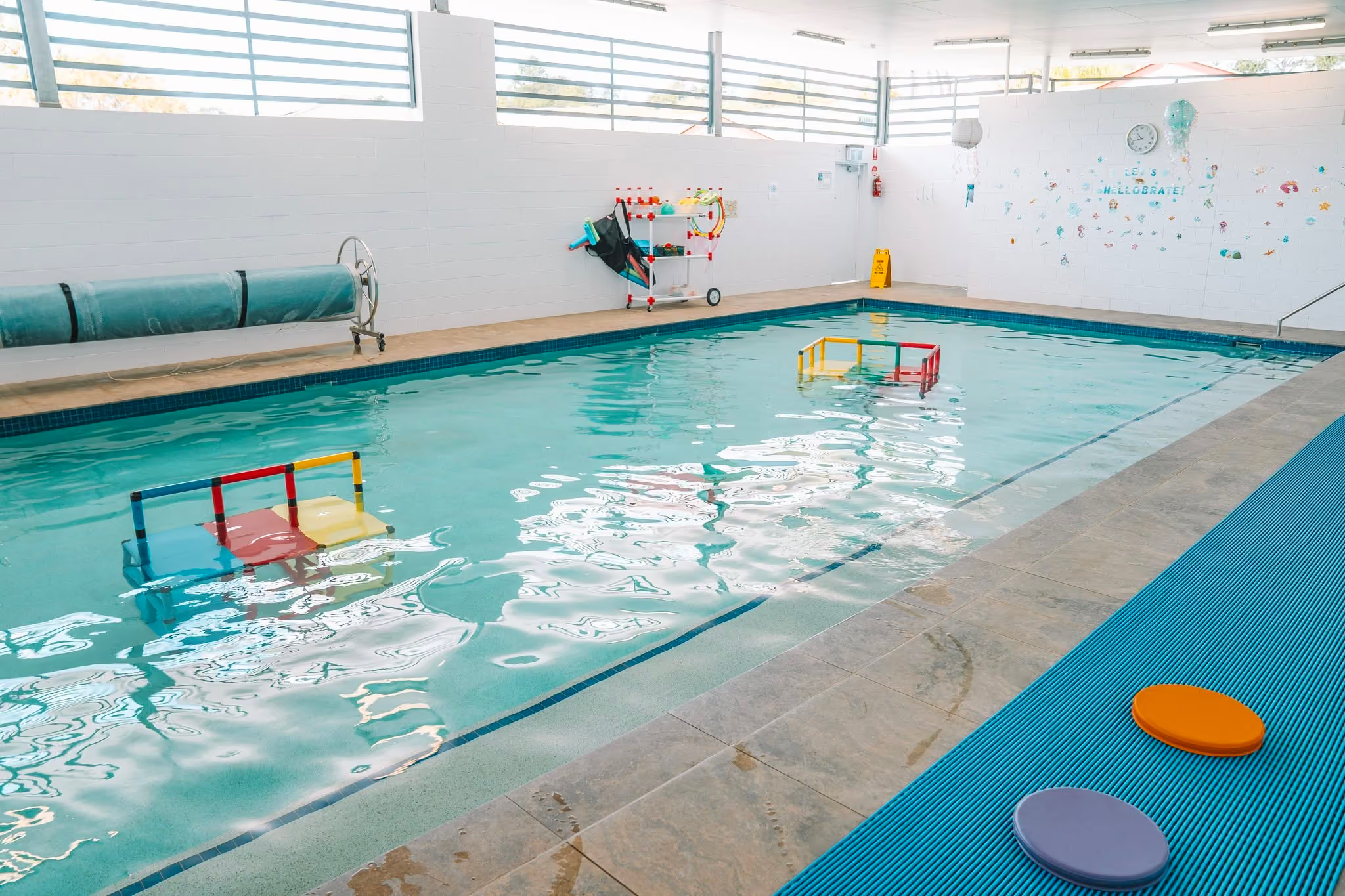
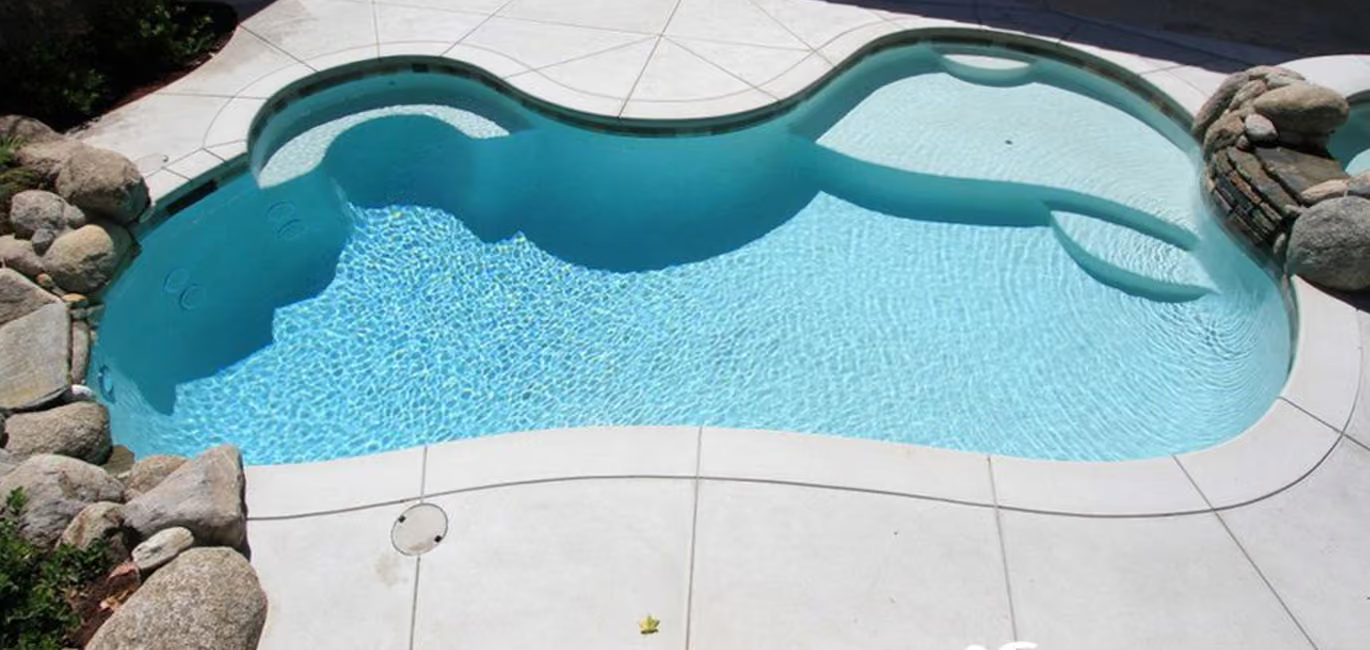
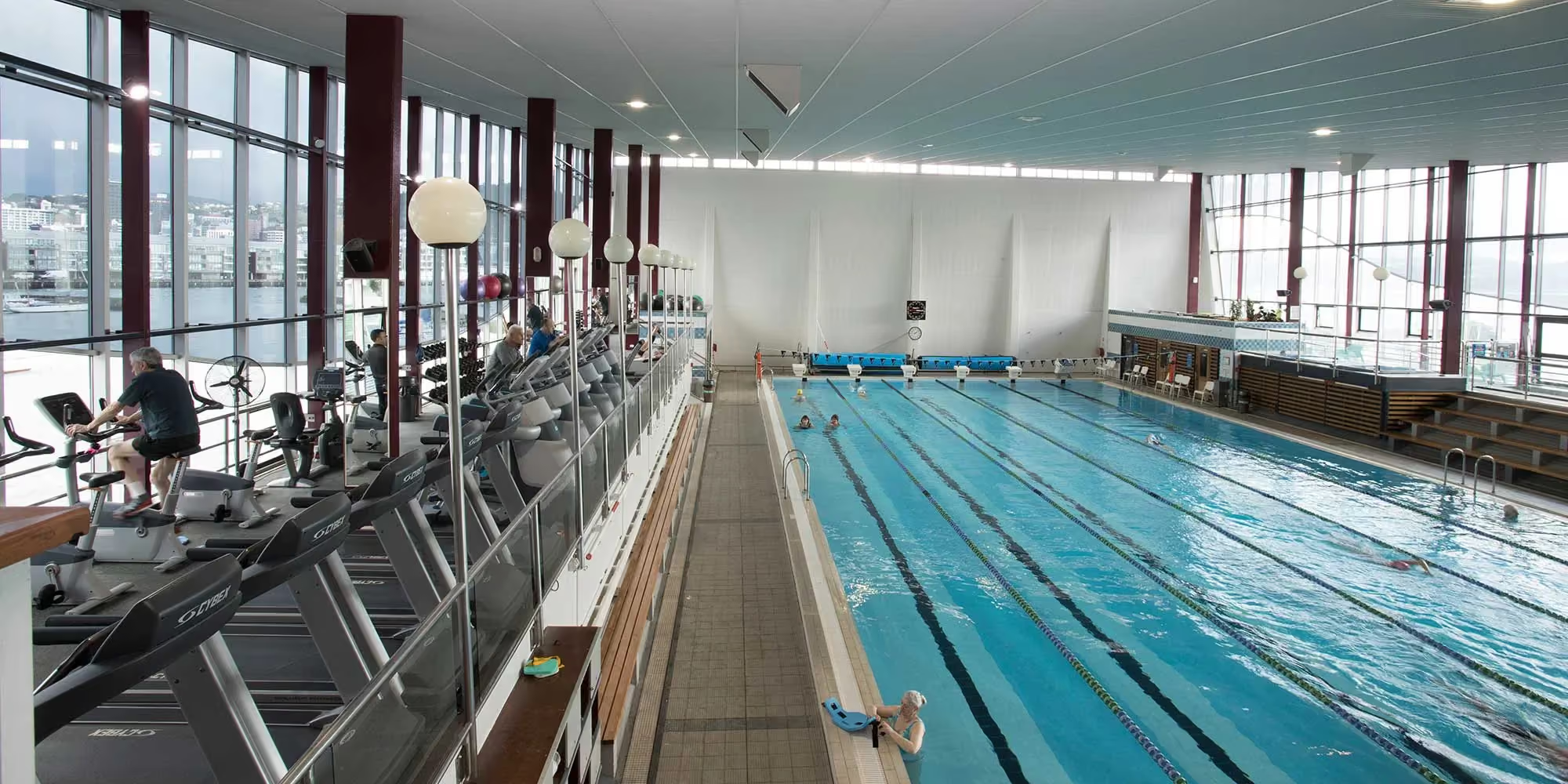


Work completed
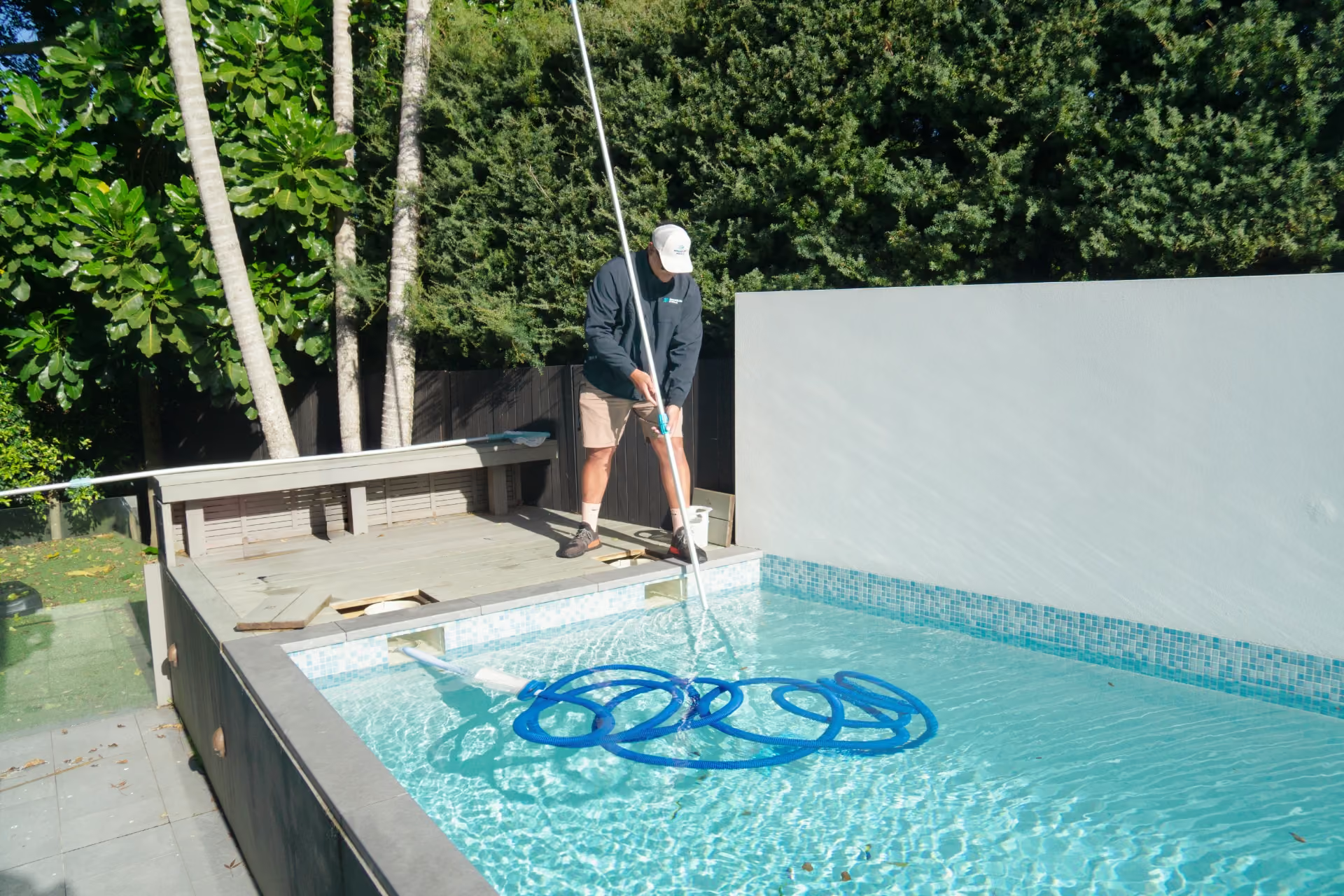
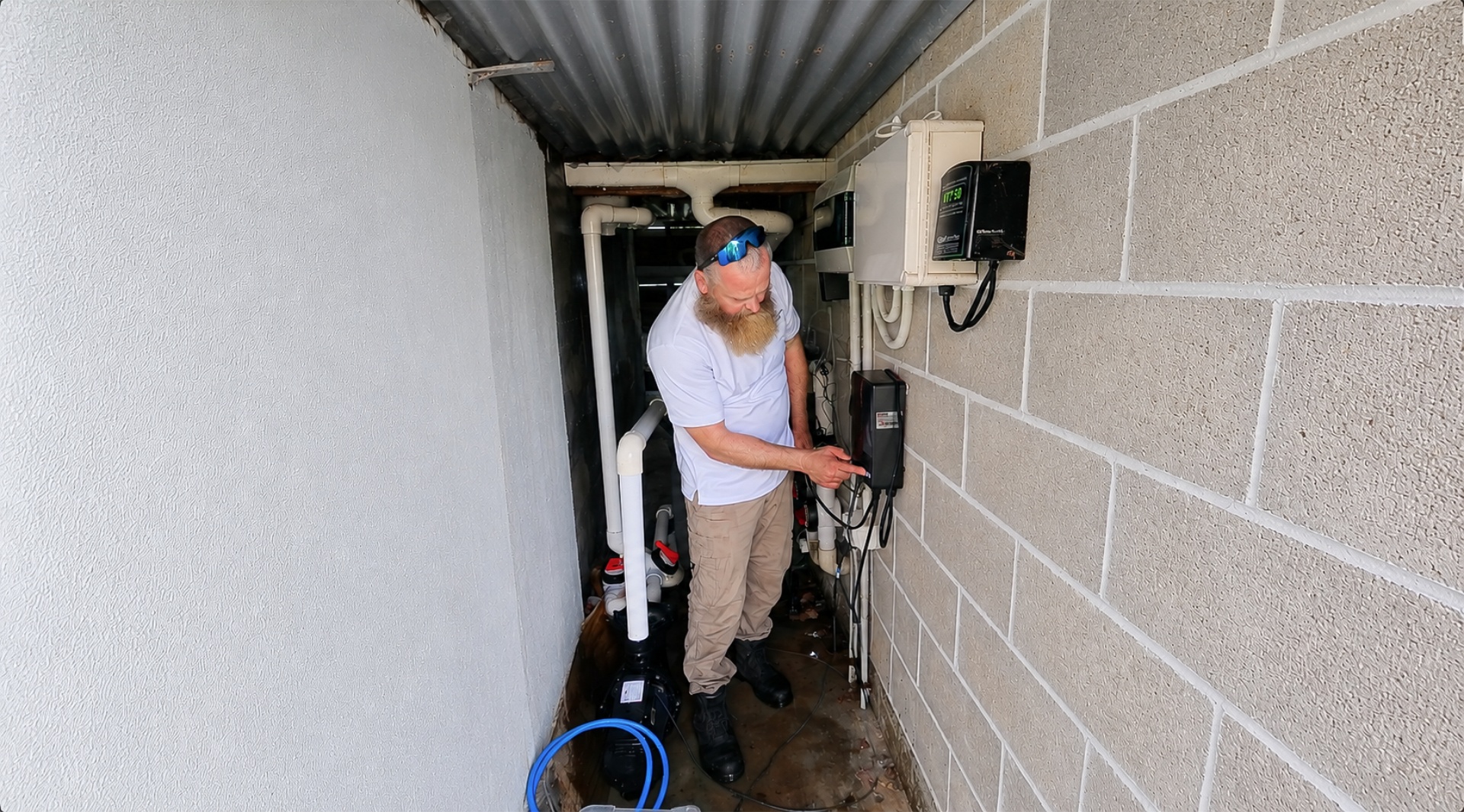
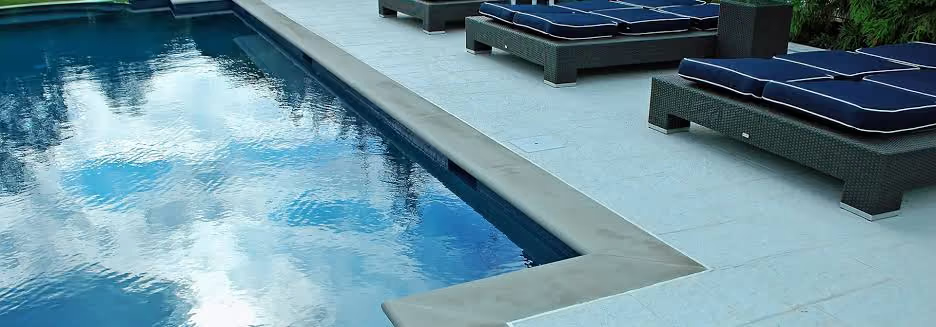
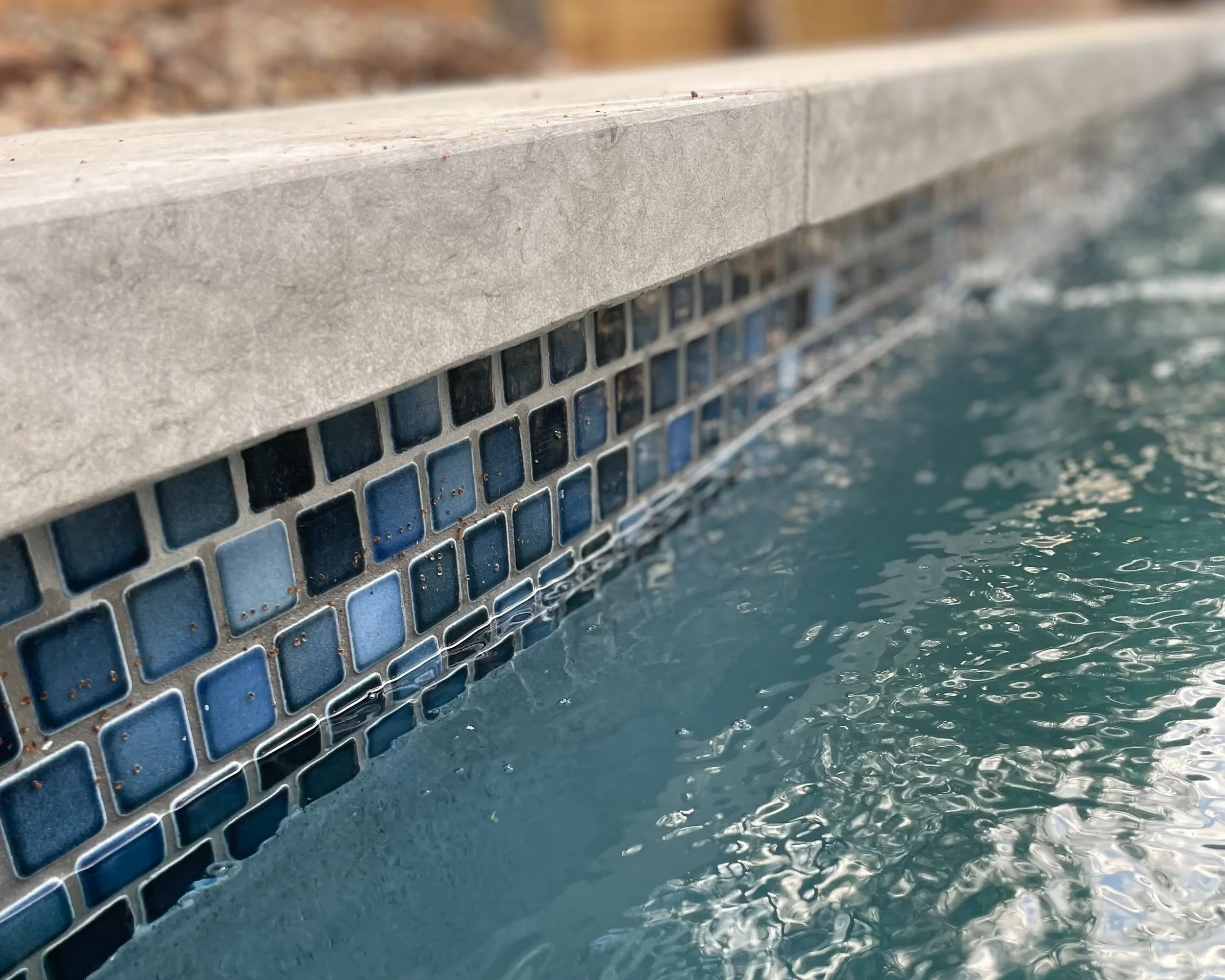
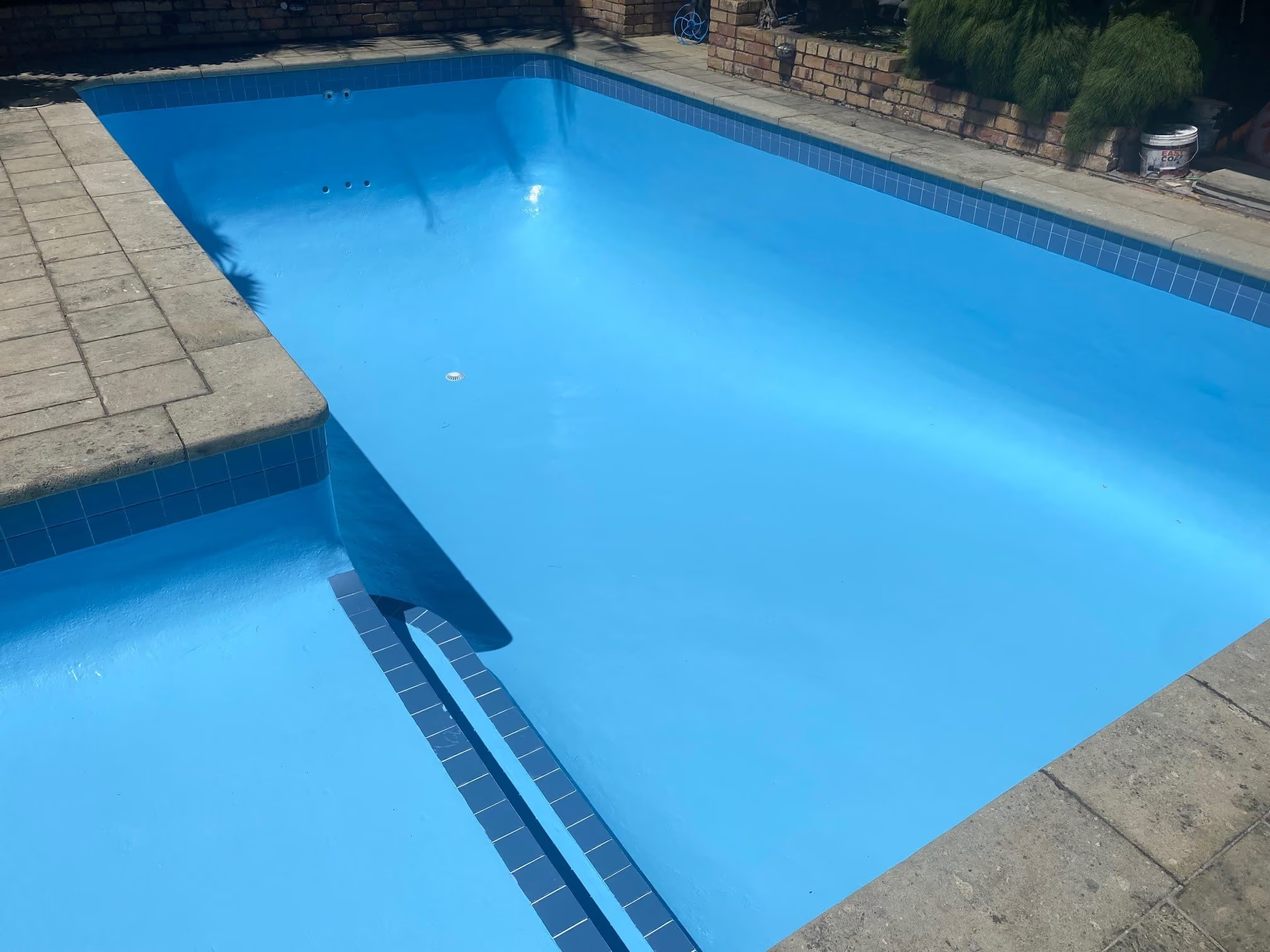
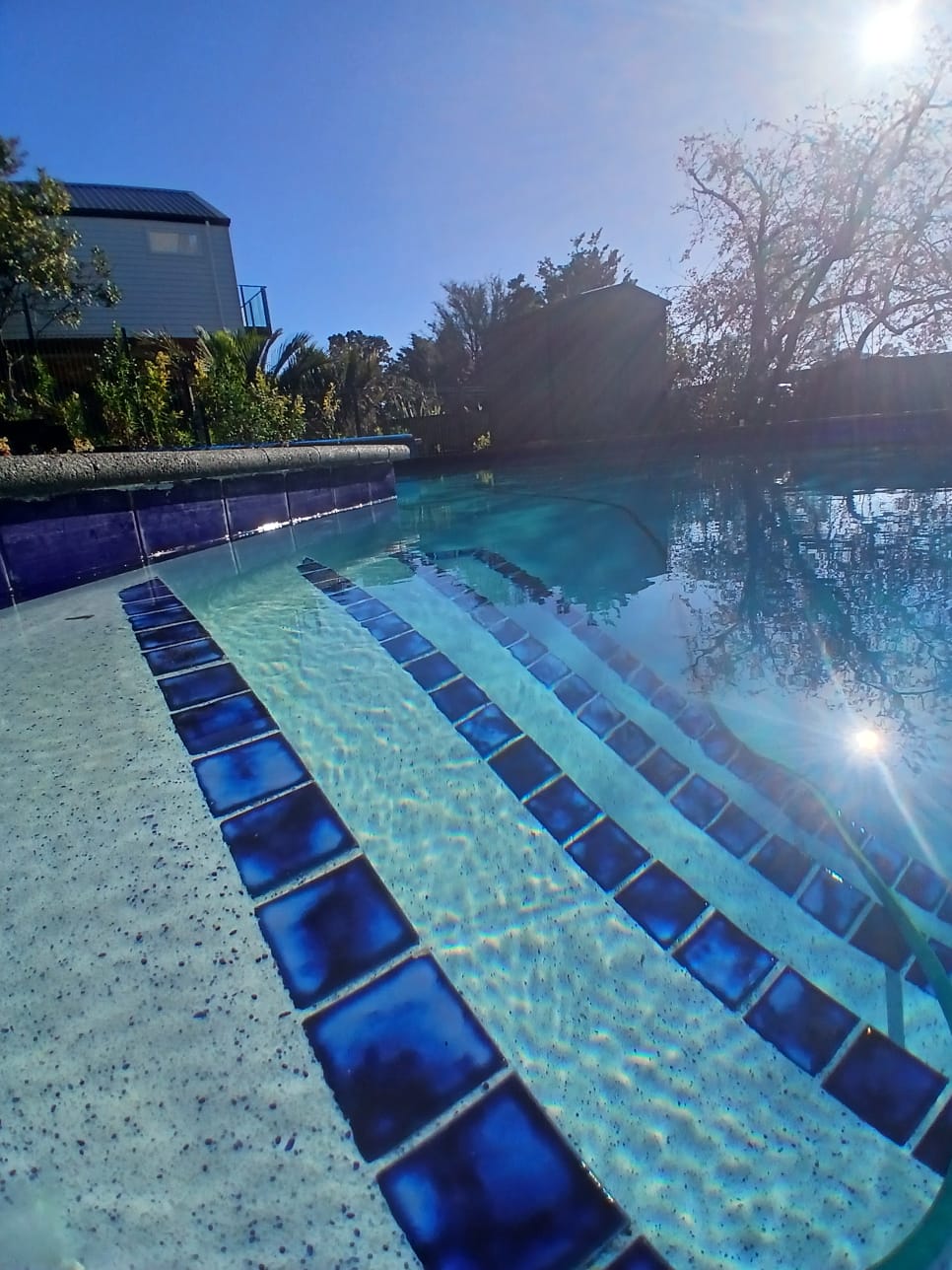
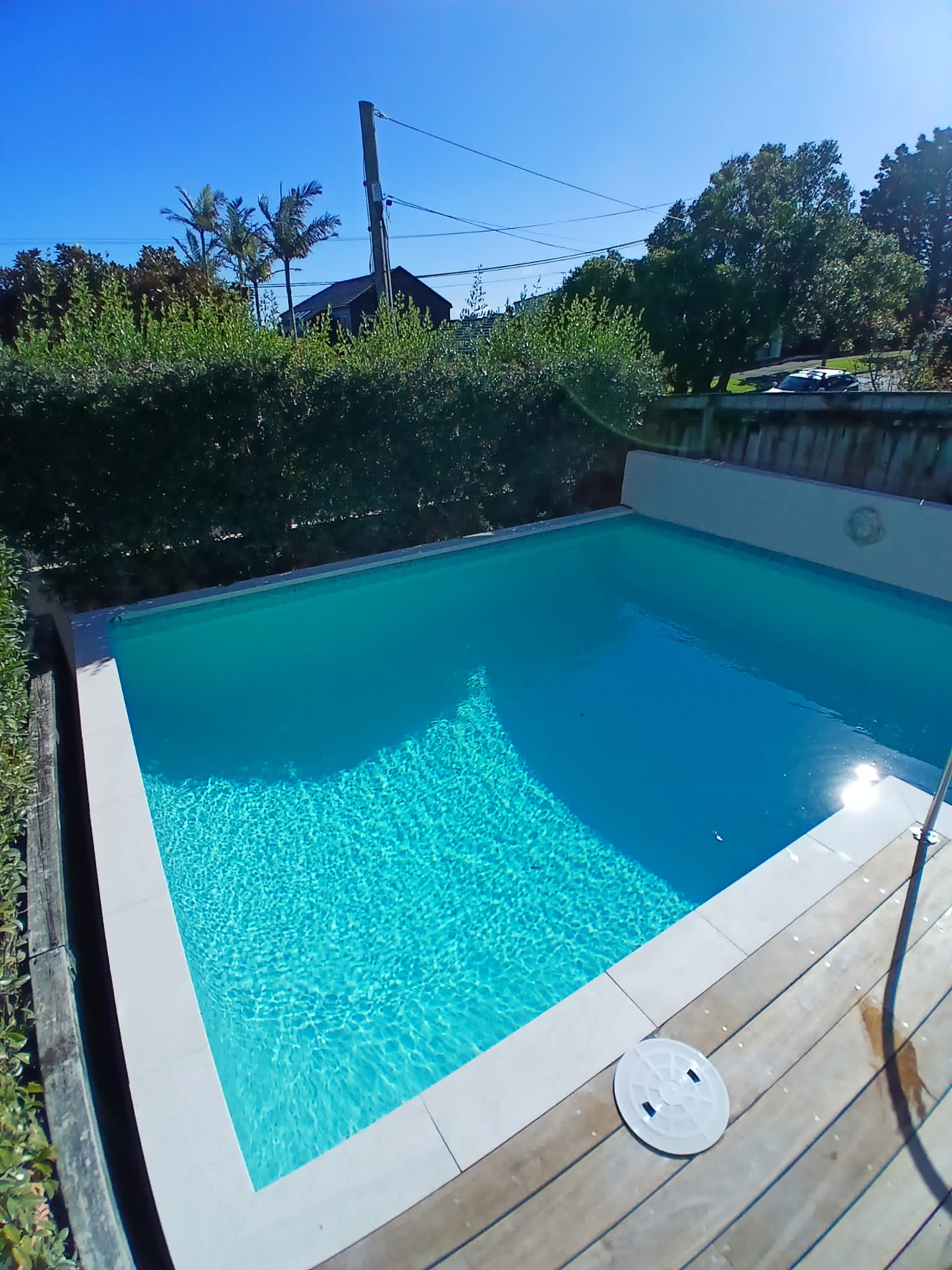
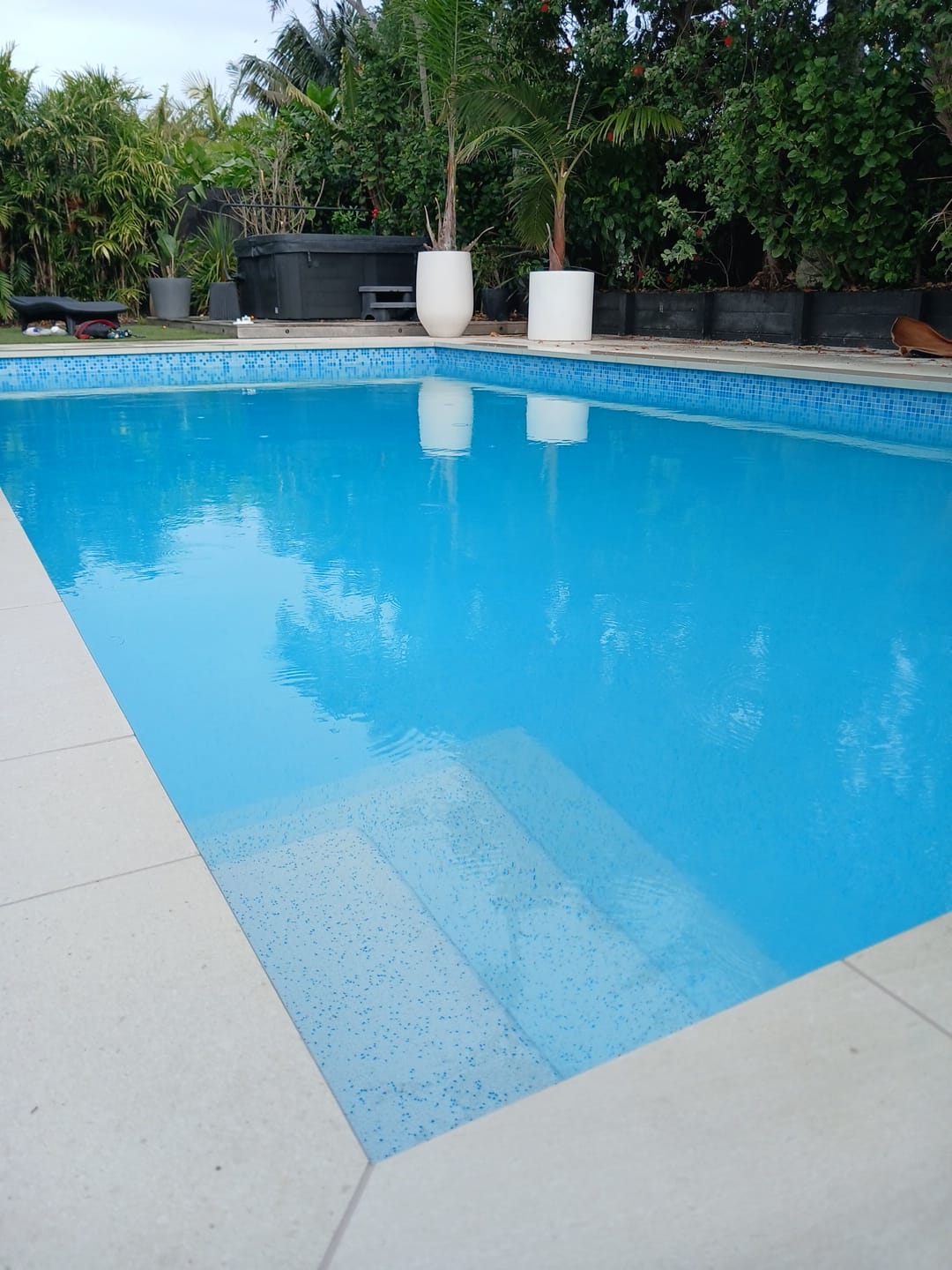
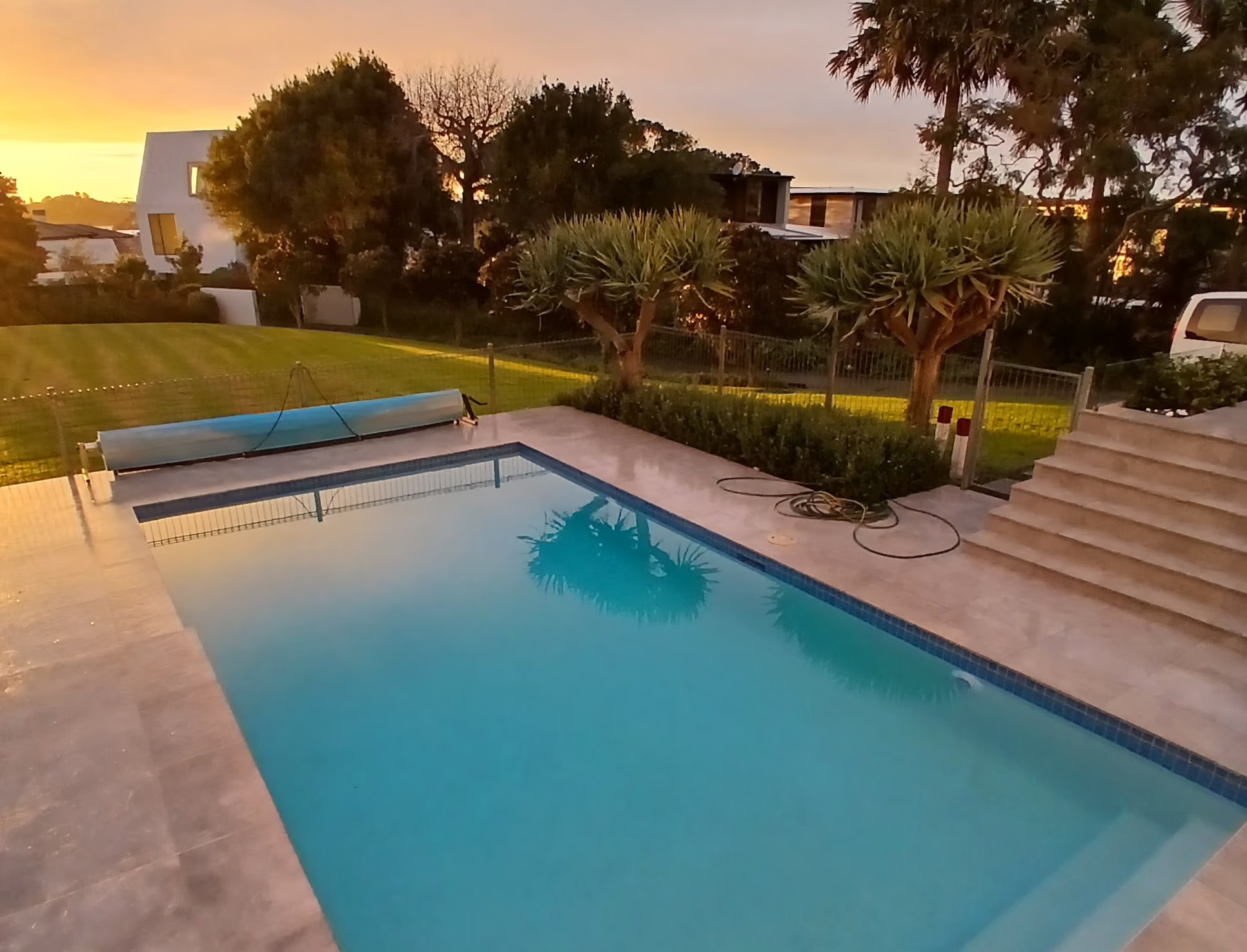
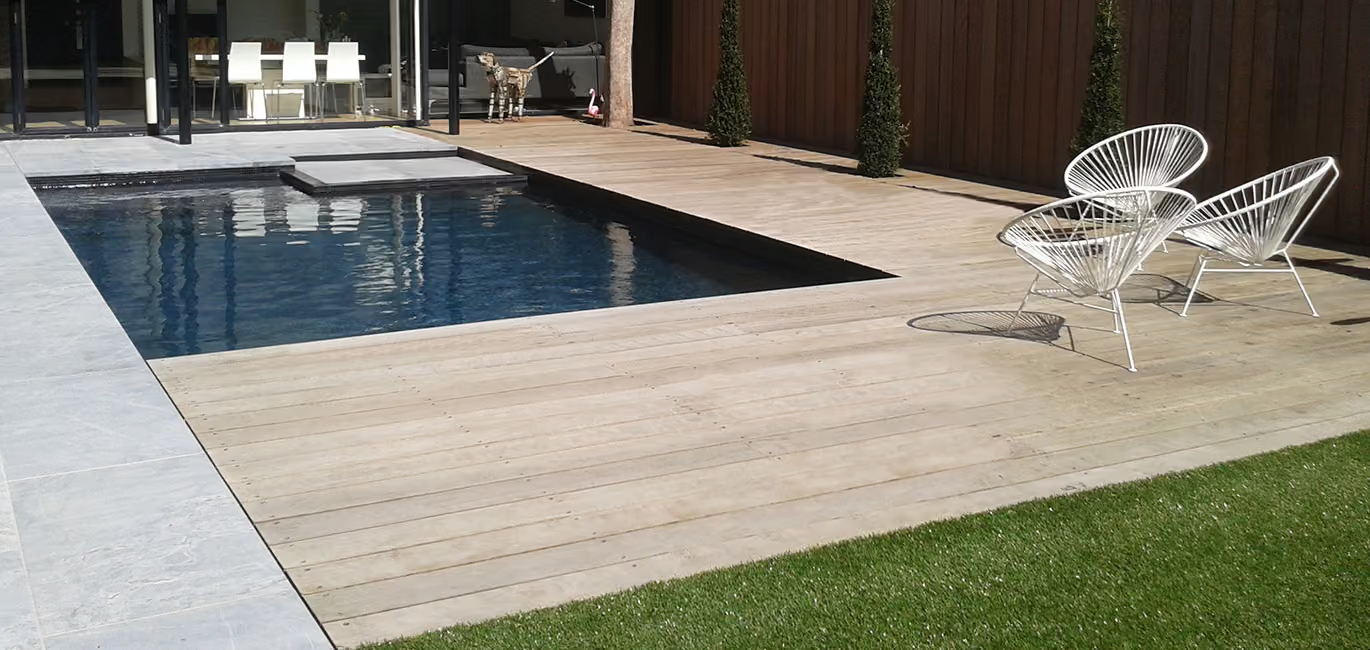
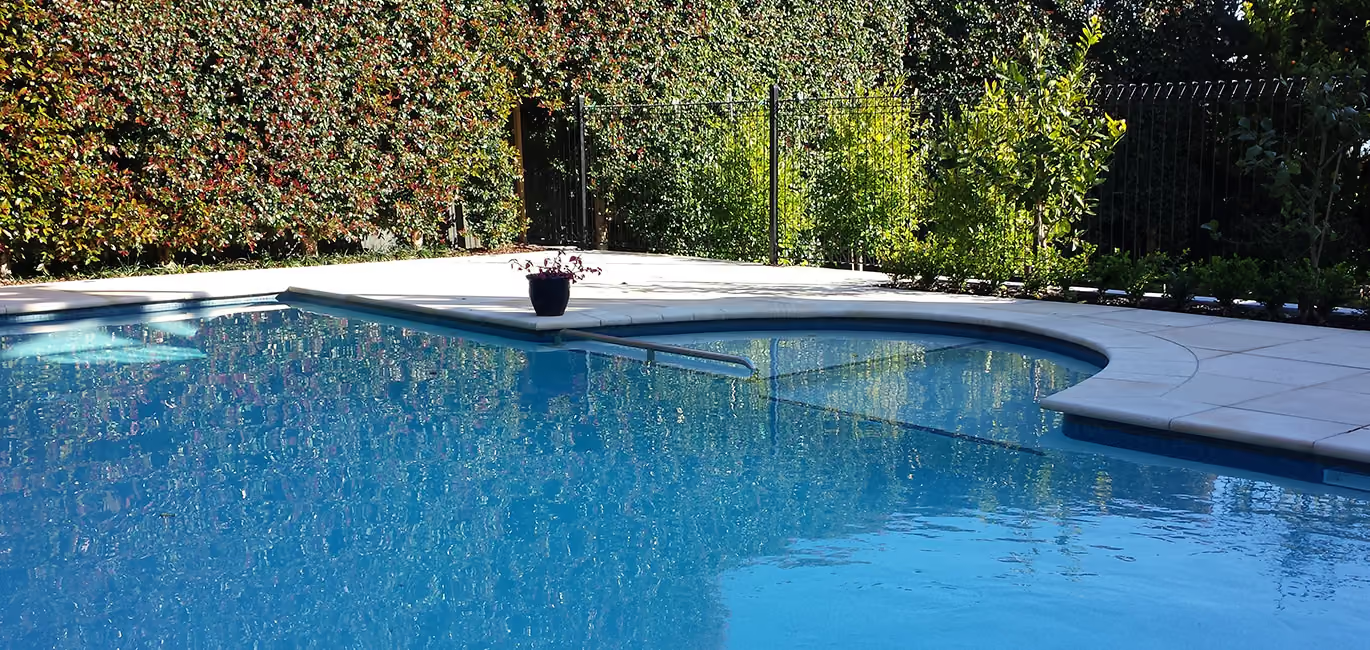
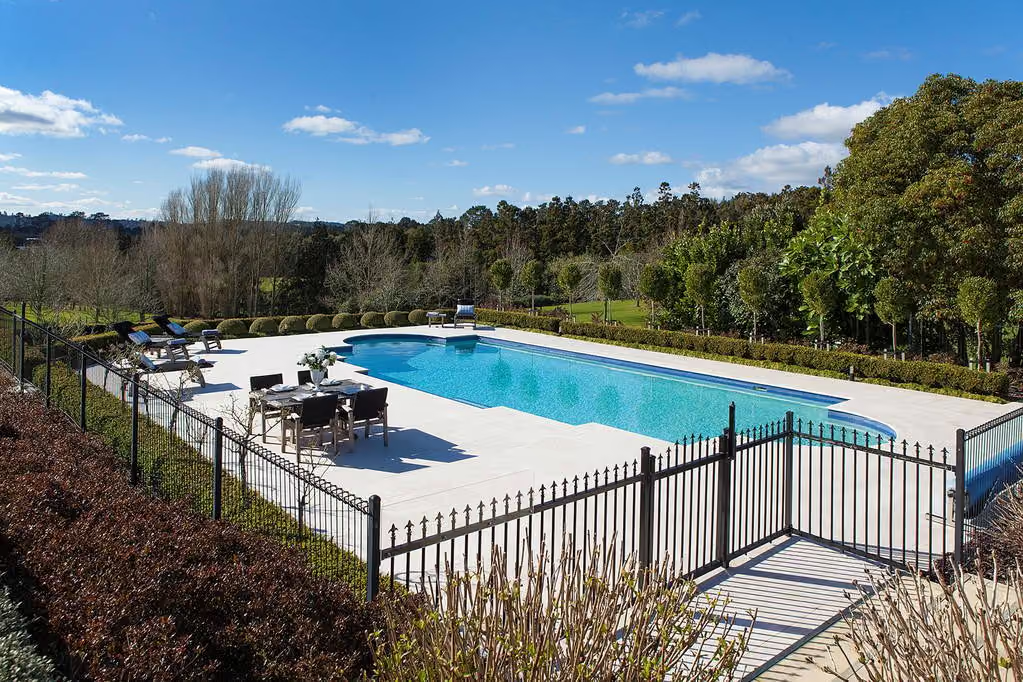
Sparkling Pools has worked on pools across Auckland, including residential renovation projects, equipment upgrades, ongoing maintenance and pool care for managed properties. Past projects show how the right approach can improve presentation, water quality and day-to-day usability. A well-maintained pool is easier to manage, more pleasant to use and better prepared for seasonal changes.
Trusted by Homeowners Across Auckland
Don't just take our word for it. Read what our clients have to say about our transparent communication, reliable service, and stunning pool transformations.
Related Blog Posts
Stay informed on pool care and renovations
Winter pool care essentials for Auckland
Pool Renovation Mistakes
Auckland Climate Pool Maintenance
Choosing Renovation Contractor
Pool Care Auckland Summer
Permits & Consents

Pool Renovation ROI
How Often to Test Pool Water
Pool Renovation Costs
Cost of Pool Service Auckland
Pool Renovation Planning Guide
Pool Lighting Buying Guide
Pool Cleaner Buying Guide
Pool Automation Buying Guide
Pool Heater Buying Guide
Pool Filter Buying Guide
Pool Pump Buying Guide
Best Equipment Auckland Climate
Auckland Water Quality
Auckland Pool Season
Pool Ownership Costs
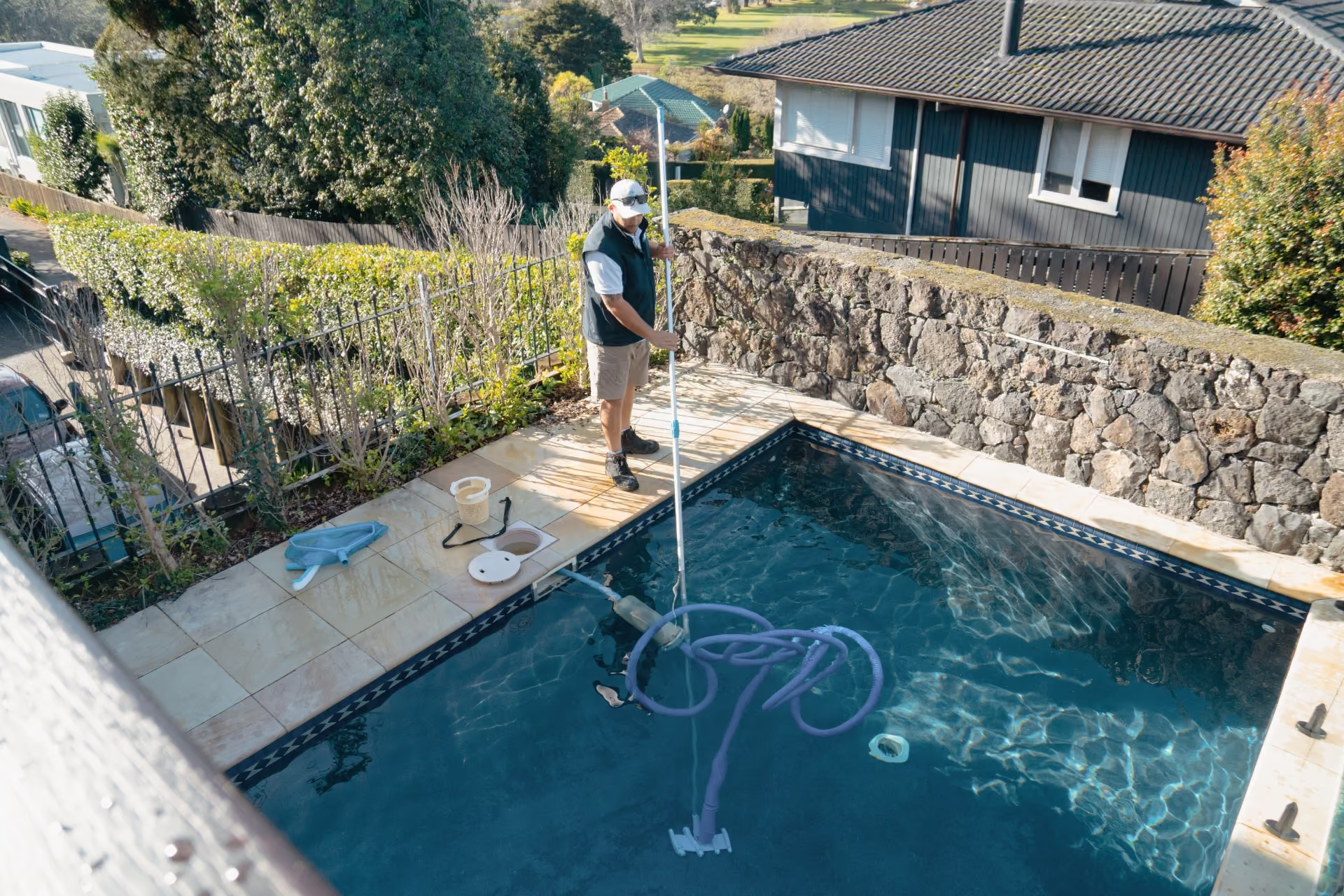
Common Pool Mistakes
Pool Safety Laws
Pool Inspection Requirements
Pool Fence Compliance
.avif)
Auckland Pool Industry Trends
Auckland Pool Regulations
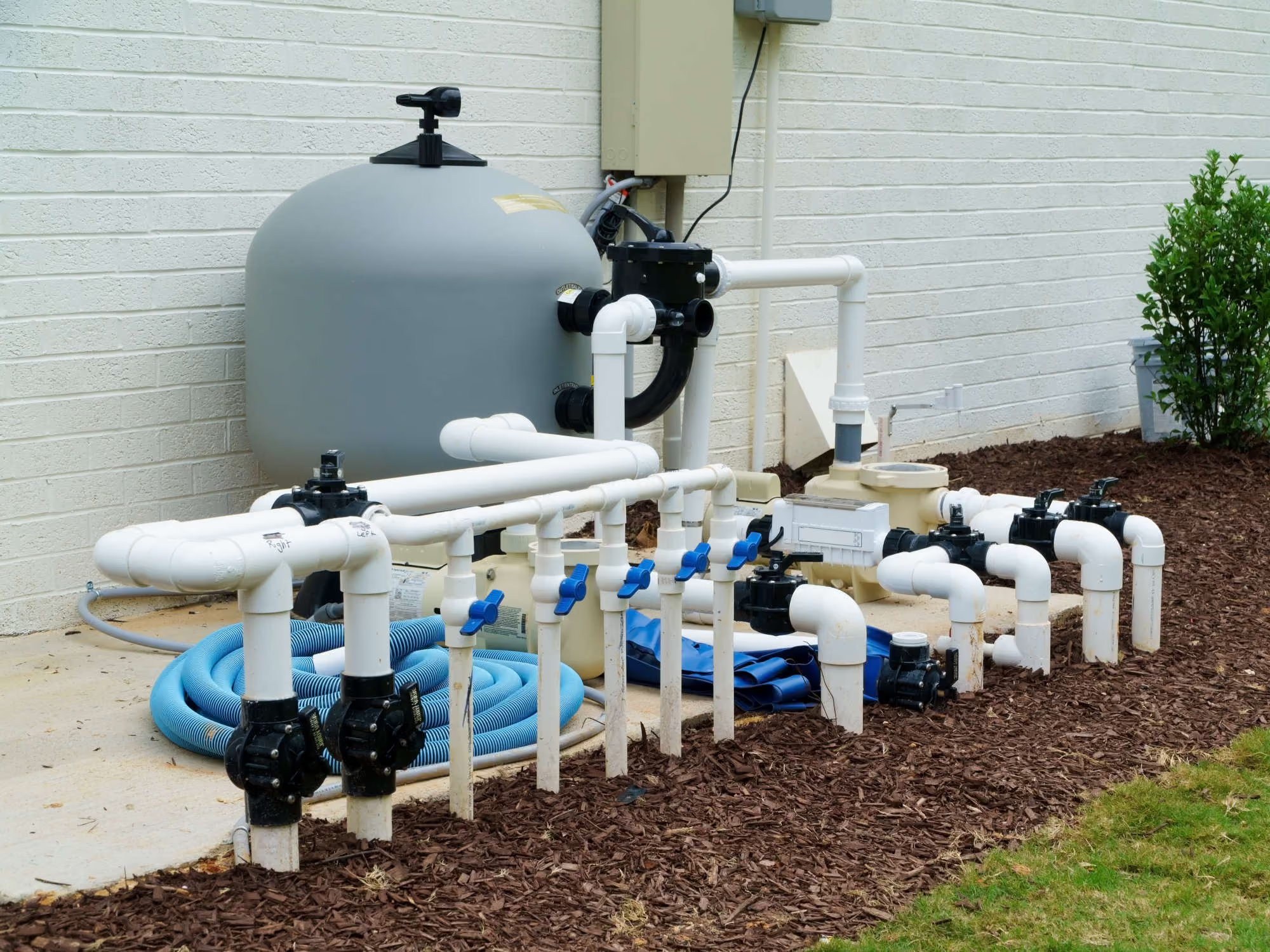
Pool Equipment Suppliers
Best Pool Service Areas
Pool Service Pricing Analysis
Company vs Independent
Best Pool Surface Materials
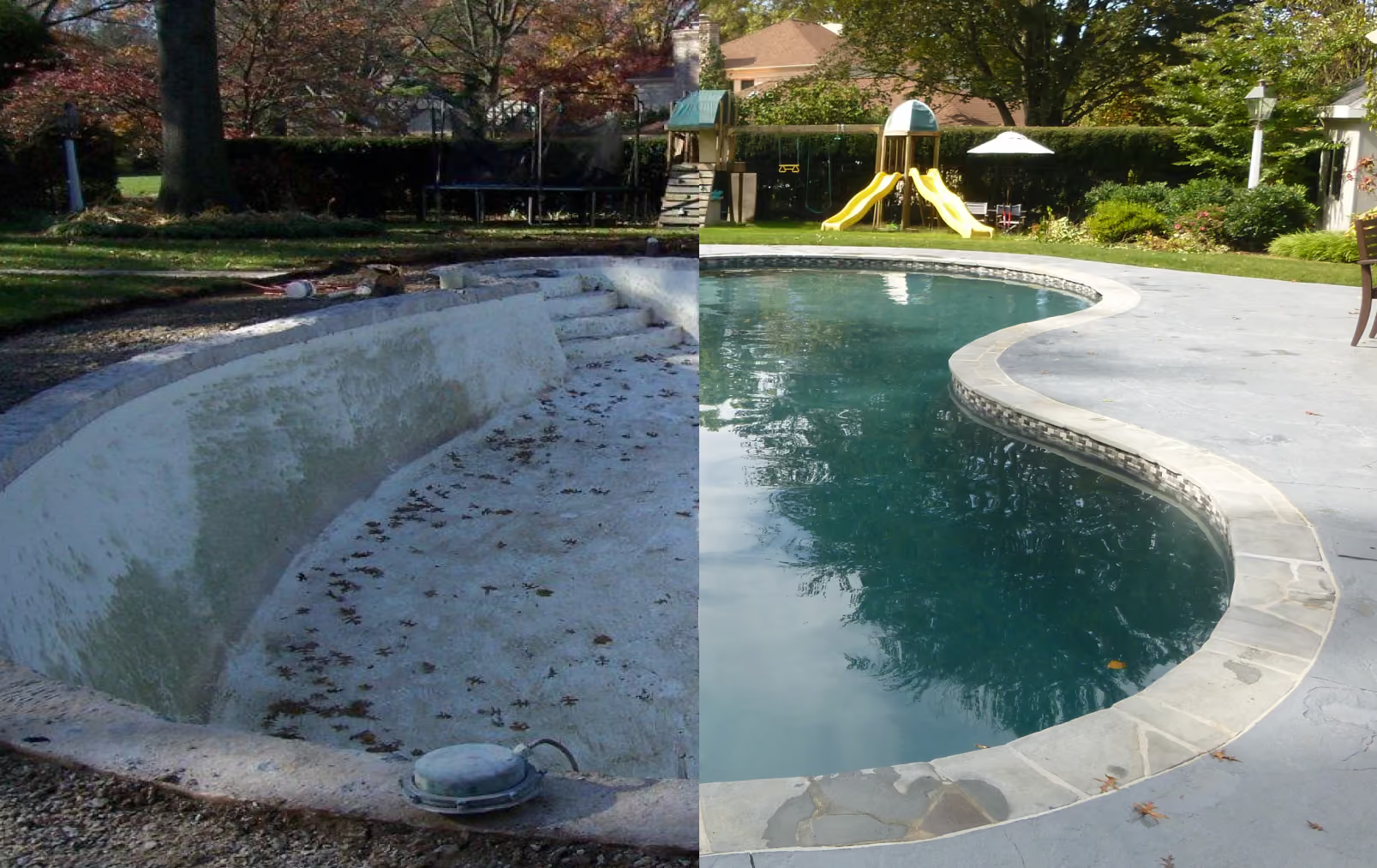
Pool Resurfacing Options
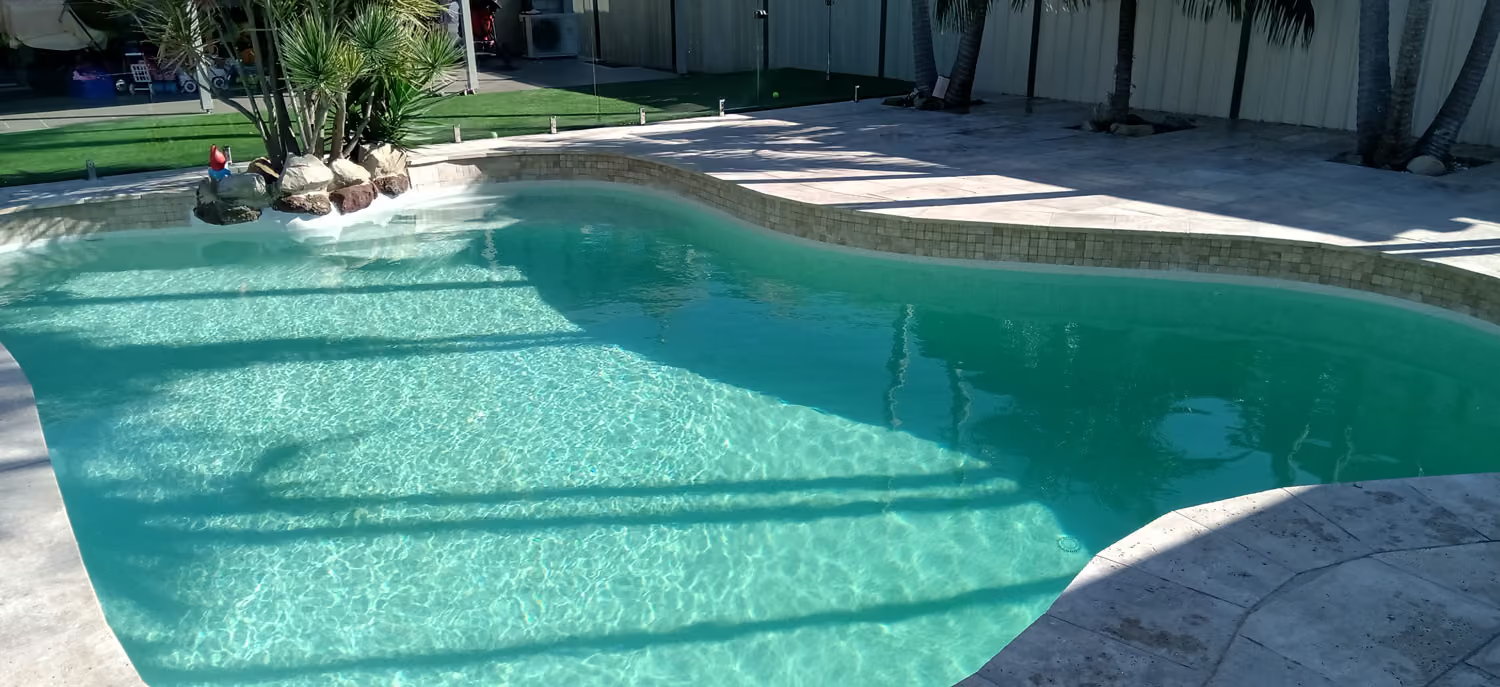
Pebble vs Plaster Surfaces
One-Time vs Ongoing Service
Full Service vs Chemicals Only
Pool Cover Types
Robotic vs Suction Cleaners
Mineral vs Saltwater
Gas vs Heat Pump
Pool Heater Types
Pool Winterizing Guide Auckland
Pool Opening Guide Summer
Pool Maintenance After Heavy Rain
Pool Maintenance Schedule
How Often to Run Pool Filter
Pool Pump Maintenance Schedule
Pool Filter Cartridge Cleaning
Pool Equipment Maintenance Checklist
Pool Waterline Cleaning
Pool Skimmer Basket Cleaning
Pool Chlorine Levels
How Often Clean Pool Filter
How to Vacuum Pool
Pool Brushing Technique
Pool Chemical Dosing Chart
Pool Water Chemistry Basics
How to Balance Pool Chemistry
How to Test Pool Water
Pool Maintenance Tips
Complete Pool Maintenance Guide
Pool Service ROI
Pool Equipment Buy or Service
Pool Maintenance Time Requirements
DIY vs Professional
Pool Service Contract
Pool Service vs Pool Valet
Is Pool Service Worth It
Pool Service Guarantees
Pool Service Reviews
Pool Service Red Flags
Questions to Ask Pool Companies
How to Choose Pool Service Company
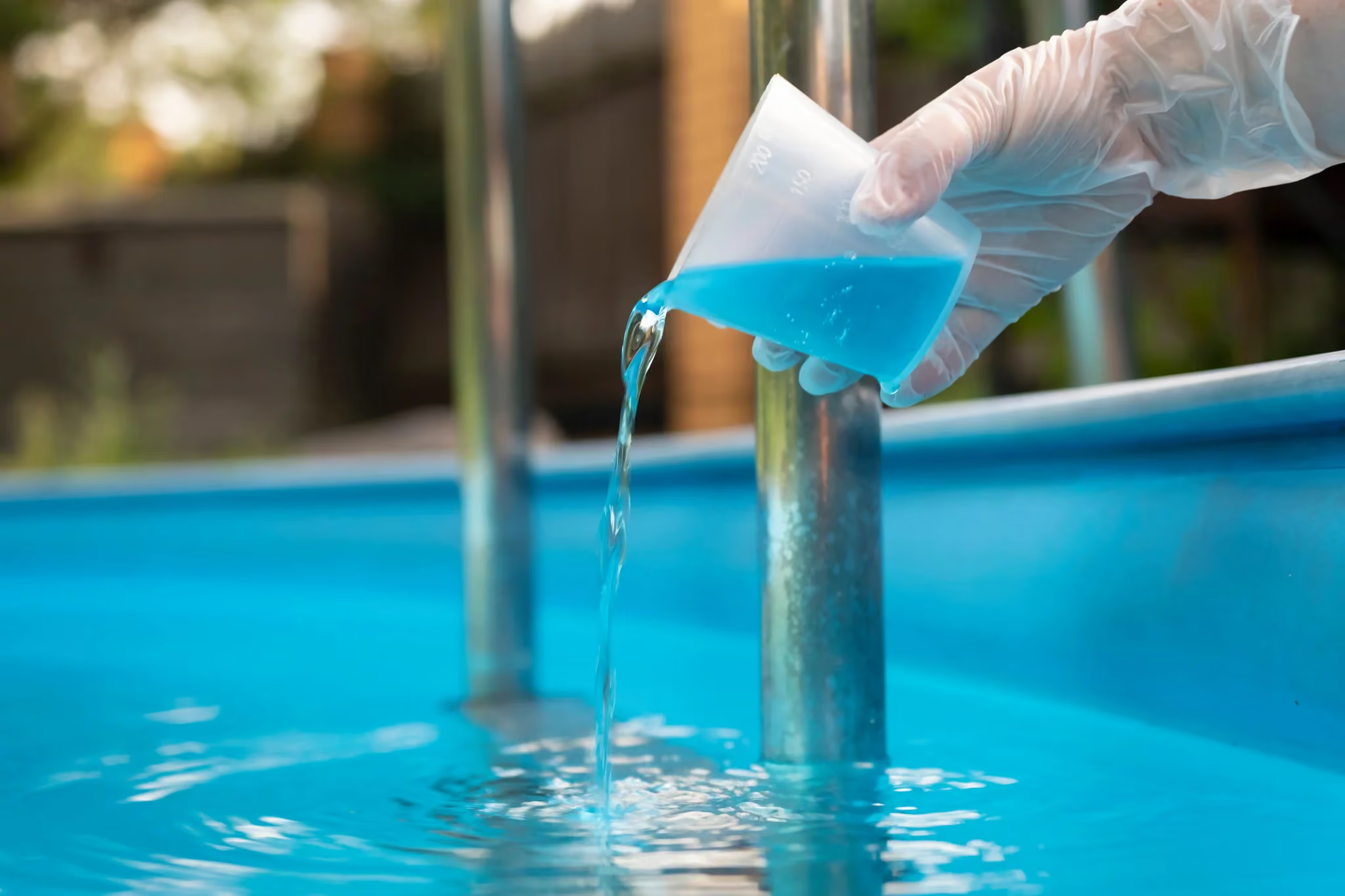
Hidden Costs DIY Maintenance
Pool Cleaning Prices Auckland
Cost of Pool Resurfacing
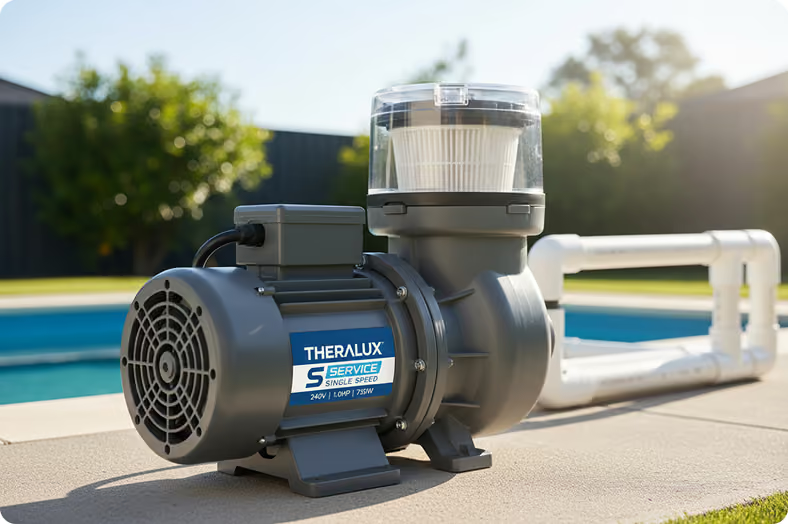
Cost of Pool Pump Replacement
Cost to Fix Green Pool
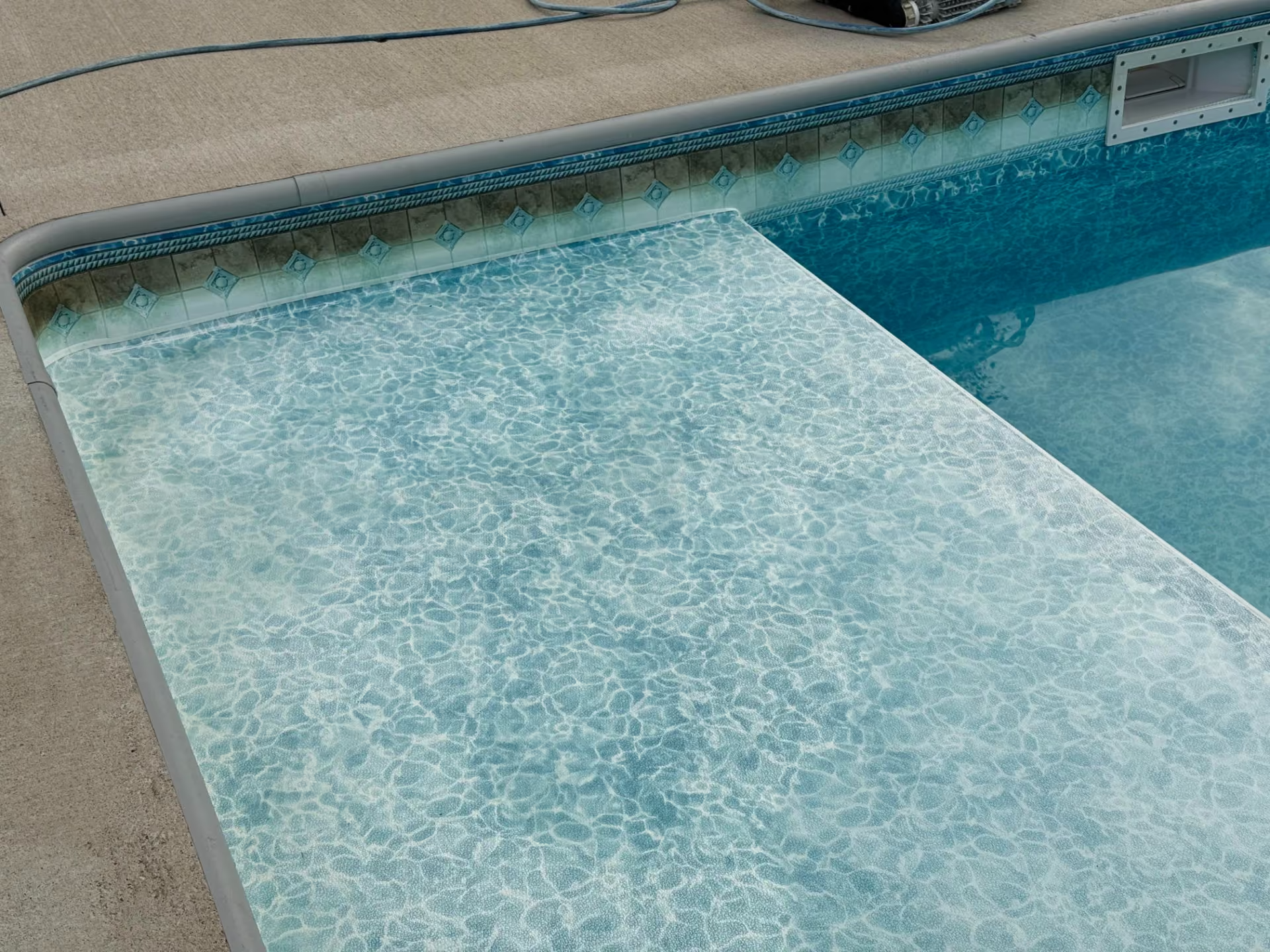
Pool Liner Wrinkles
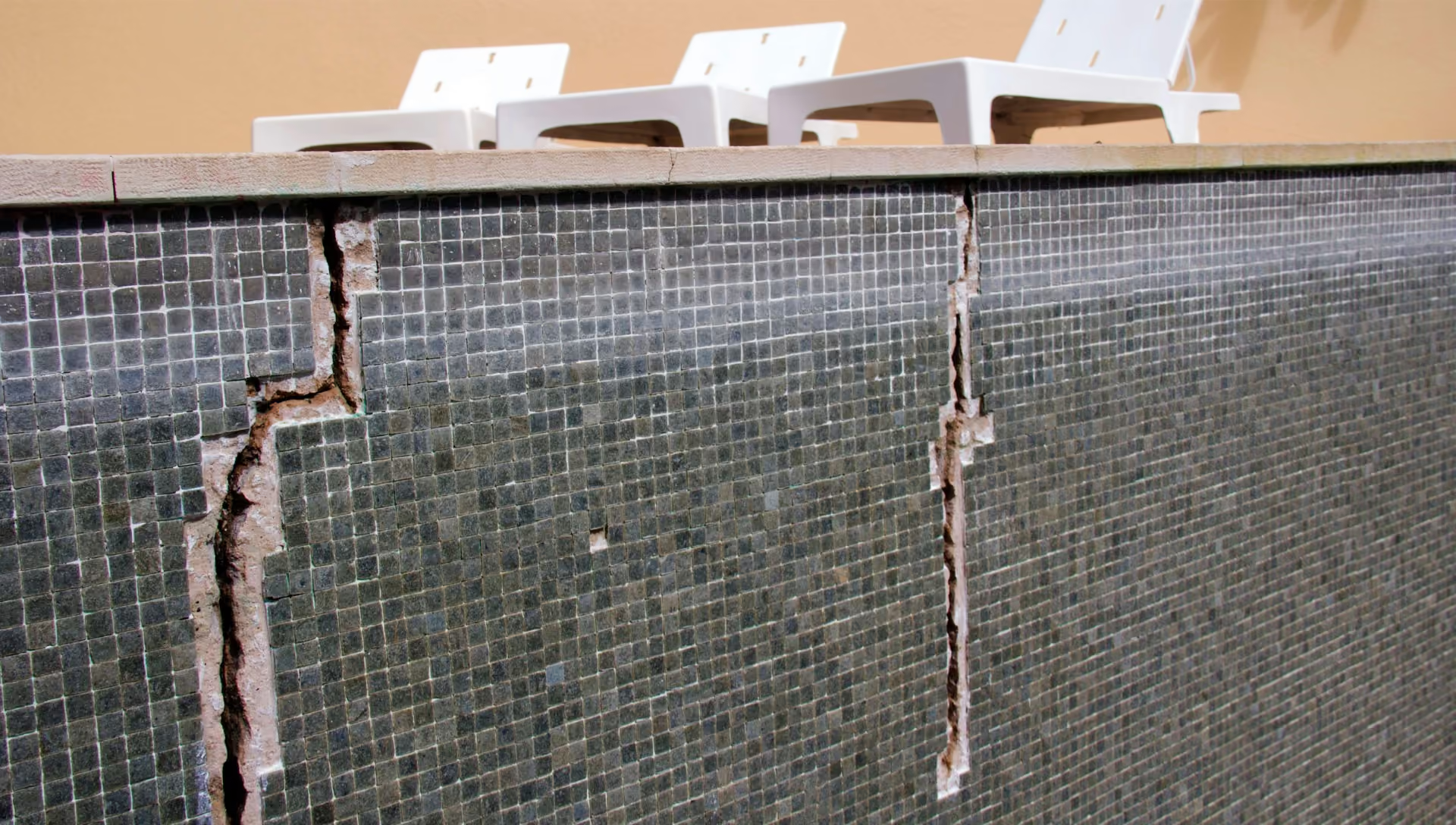
Pool Cracks When to Worry
Pool Surface Stains
Pool Valve Leaking
Pool Automation Not Working
Pool Light Not Working
Pool Heater Not Heating
Pool Skimmer Not Working
High Pool Filter Pressure
Pool Losing Water
Pool Filter Not Clearing Water
Pool Pump Leaking
Pool Pump Not Pumping
Pool Pump Losing Prime
Pool Pump Noisy
Pool Pump Not Working
Pool Water Foaming
Pool pH Too Low
Pool pH Too High
Green Pool After Rain
Pool Still Green After Shock
Pool Water Cloudy
How to Clear a Green Pool
Pool Care That Protects Your Investment
Good pool care protects more than appearance. Our pool specialists support the long-term condition of your swimming pool while keeping it ready for everyday use.