Pool Renovation Planning Guide

Why Auckland trusts our pool service expertise
Planning a pool renovation involves more than choosing a new surface finish. Getting the sequence right, assessment, scope, budget, contractor selection, makes a significant difference to the outcome and the cost.
The points below summarise the key things Auckland pool owners should know before starting a renovation project.
What you'll learn
Why Pool Renovation Is Worth Planning Carefully
A pool renovation is a significant investment. Done properly, it extends the life of your pool, improves how it looks, and makes it safer and easier to maintain. Done without a clear plan, it can lead to unexpected costs and delays.
This guide walks Auckland pool owners through the key decisions involved in planning a renovation, from assessing what your pool actually needs, to understanding the main types of work and how to approach the process.
---
Step 1: Assess the Current Condition of Your Pool
Before committing to any work, get a clear picture of what you're dealing with. A thorough assessment covers:
- The shell and surface, Is the plaster cracked, stained, or rough? Is the surface peeling or flaking? These are signs the pool surface is nearing the end of its useful life.
- The waterline tiles, Tiles can lift, crack, or discolour over time. Damaged tiles can also allow water to penetrate the shell.
- The coping and surrounds, Cracked or uneven coping is a safety issue as well as an aesthetic one.
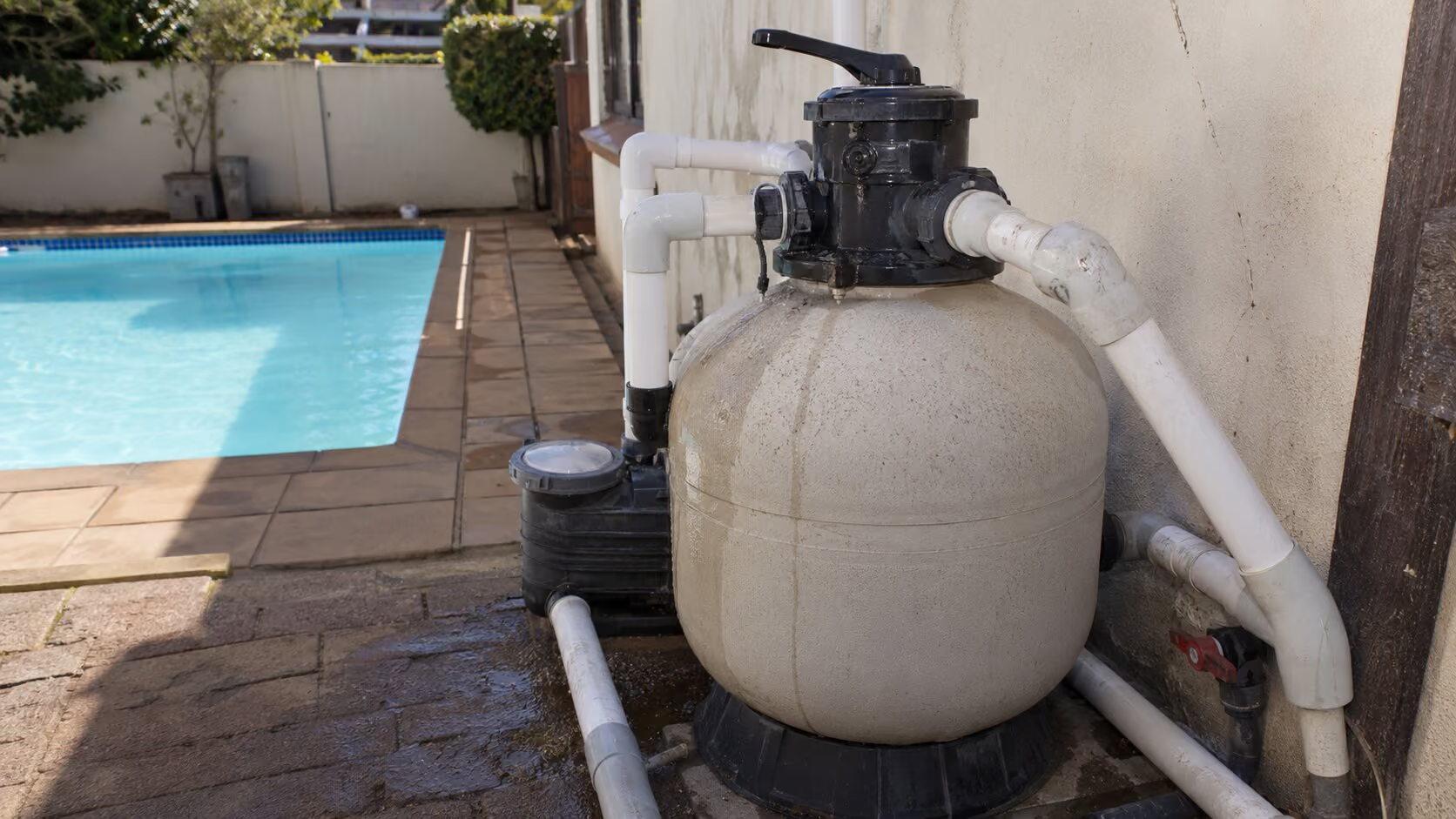
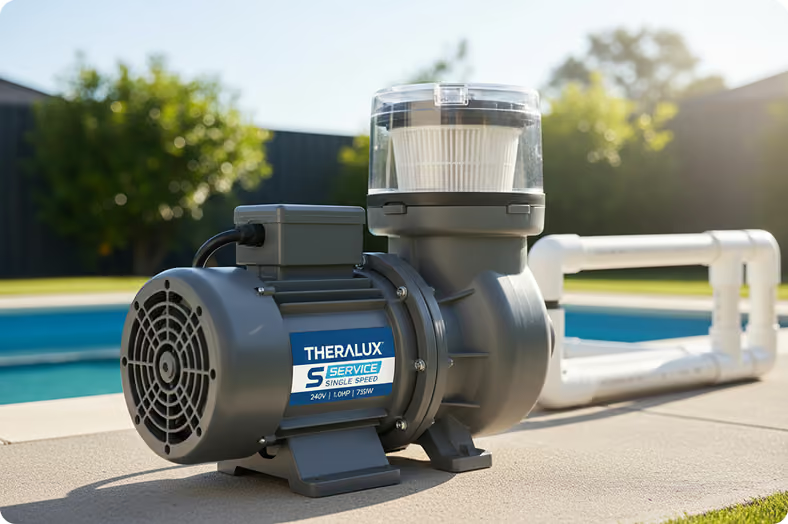
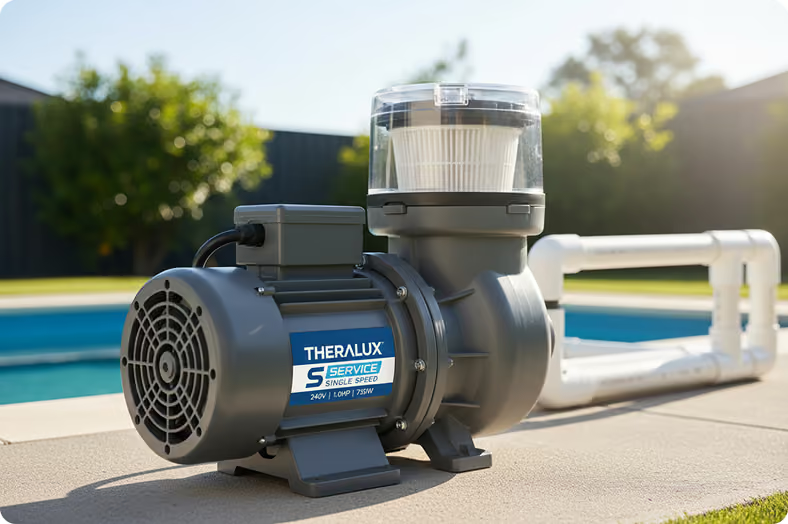
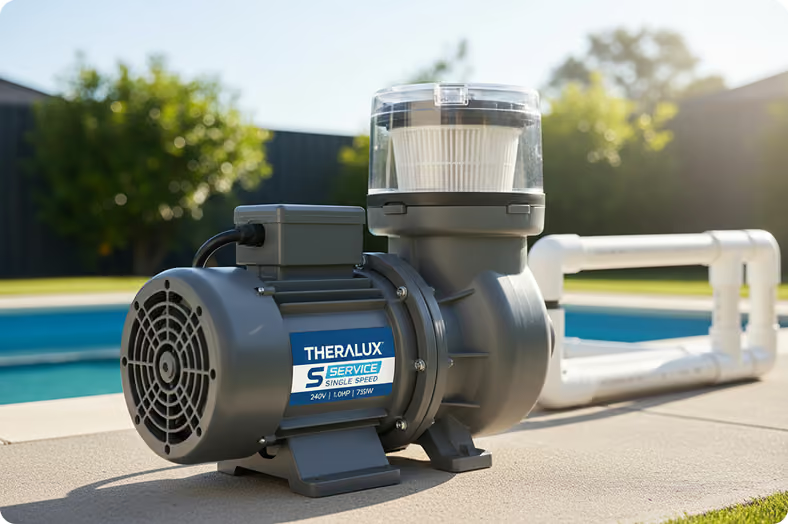
- The equipment, Pump, filter, chlorinator, and any heating equipment should all be assessed. An older pool may have equipment that is inefficient or no longer supported.
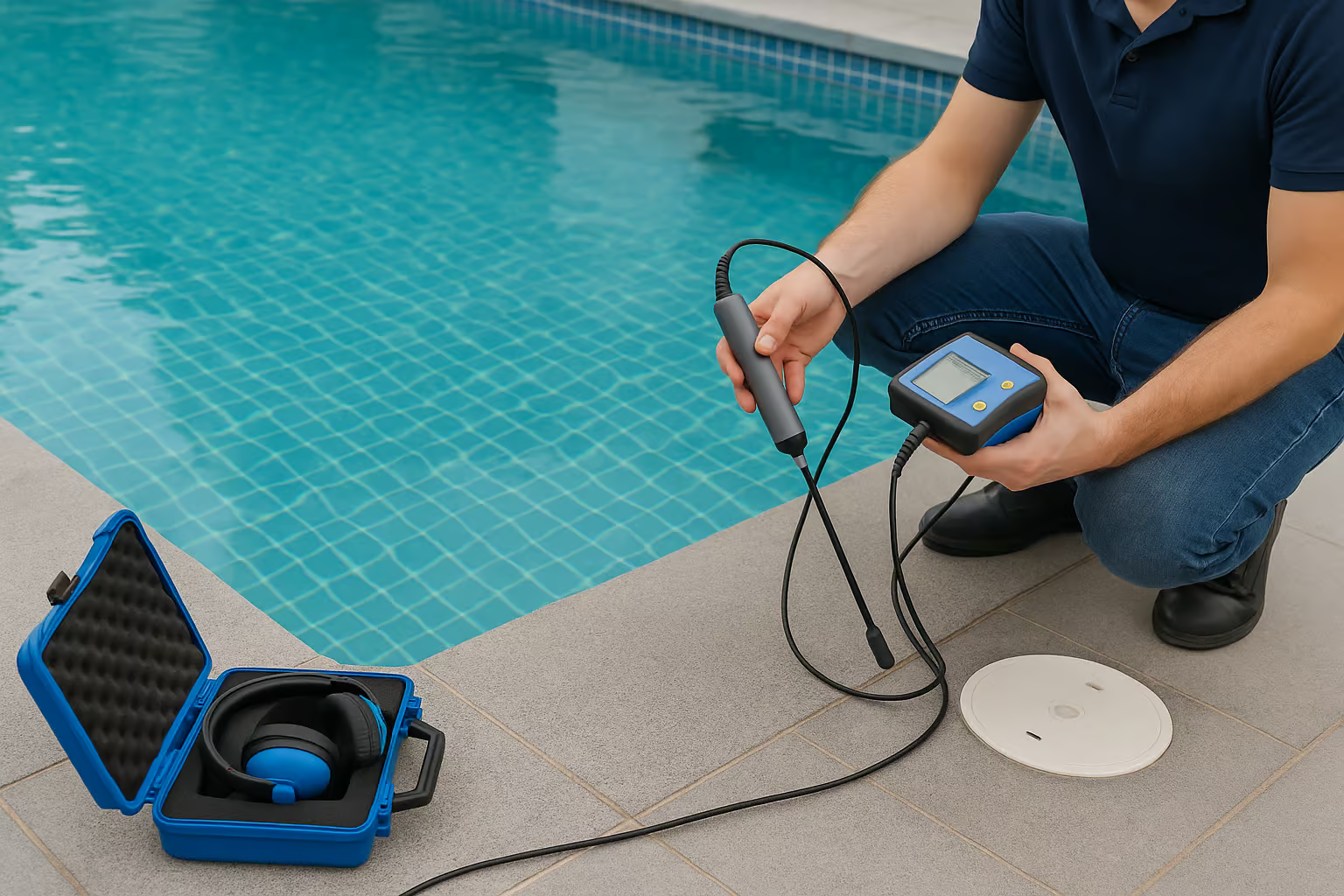
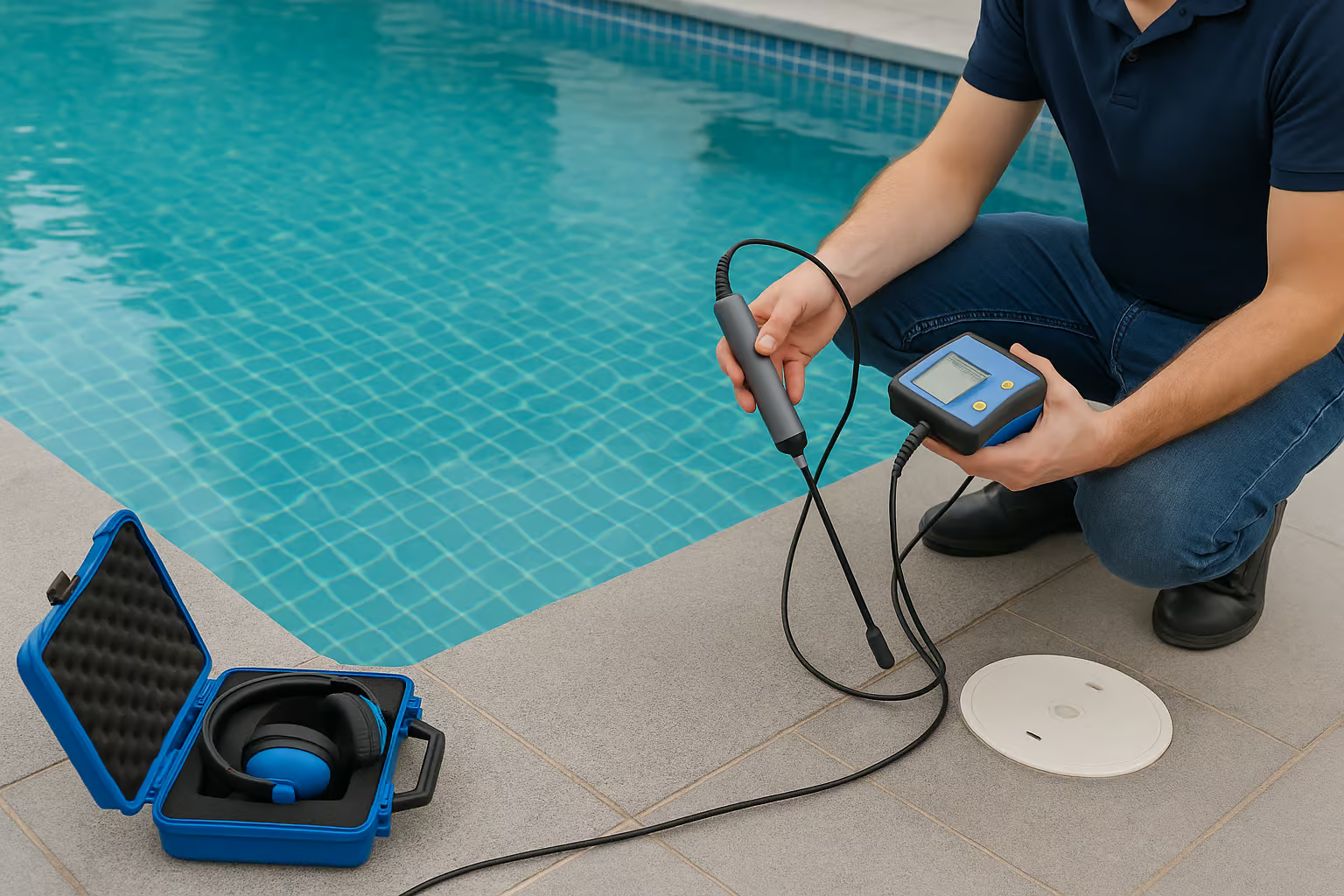
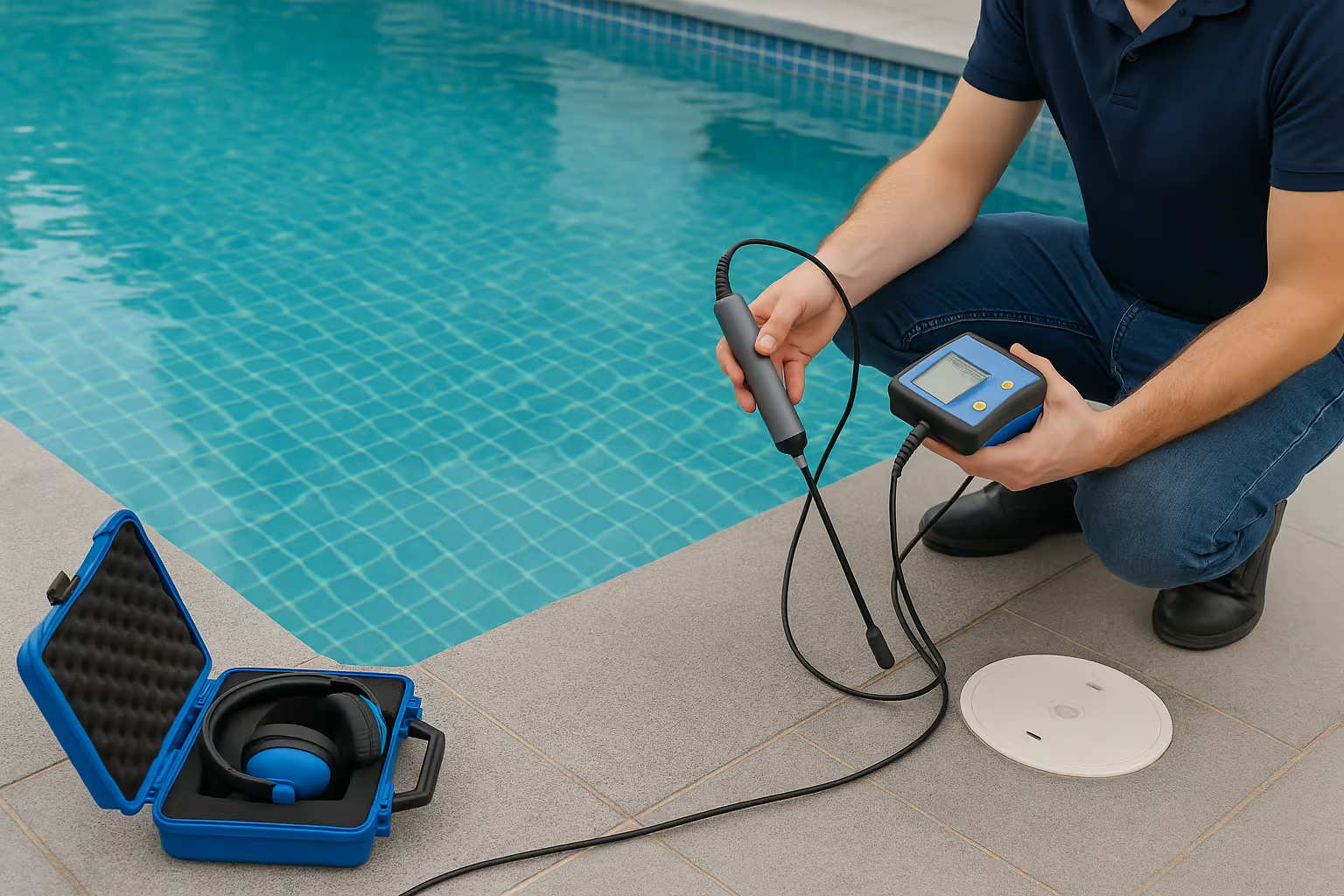
- Leaks, If your pool is losing water beyond normal evaporation, a leak investigation should happen before any surface work begins. Renovating over an unresolved leak wastes money.
If you are unsure about the condition of your pool, having a pool specialist assess it before planning work is a sensible first step.
---
Step 2: Decide What You Actually Need
Not every renovation requires a full strip-back and replaster. Some pools need surface work only. Others need equipment upgrades. Many need both.
Surface Renovation
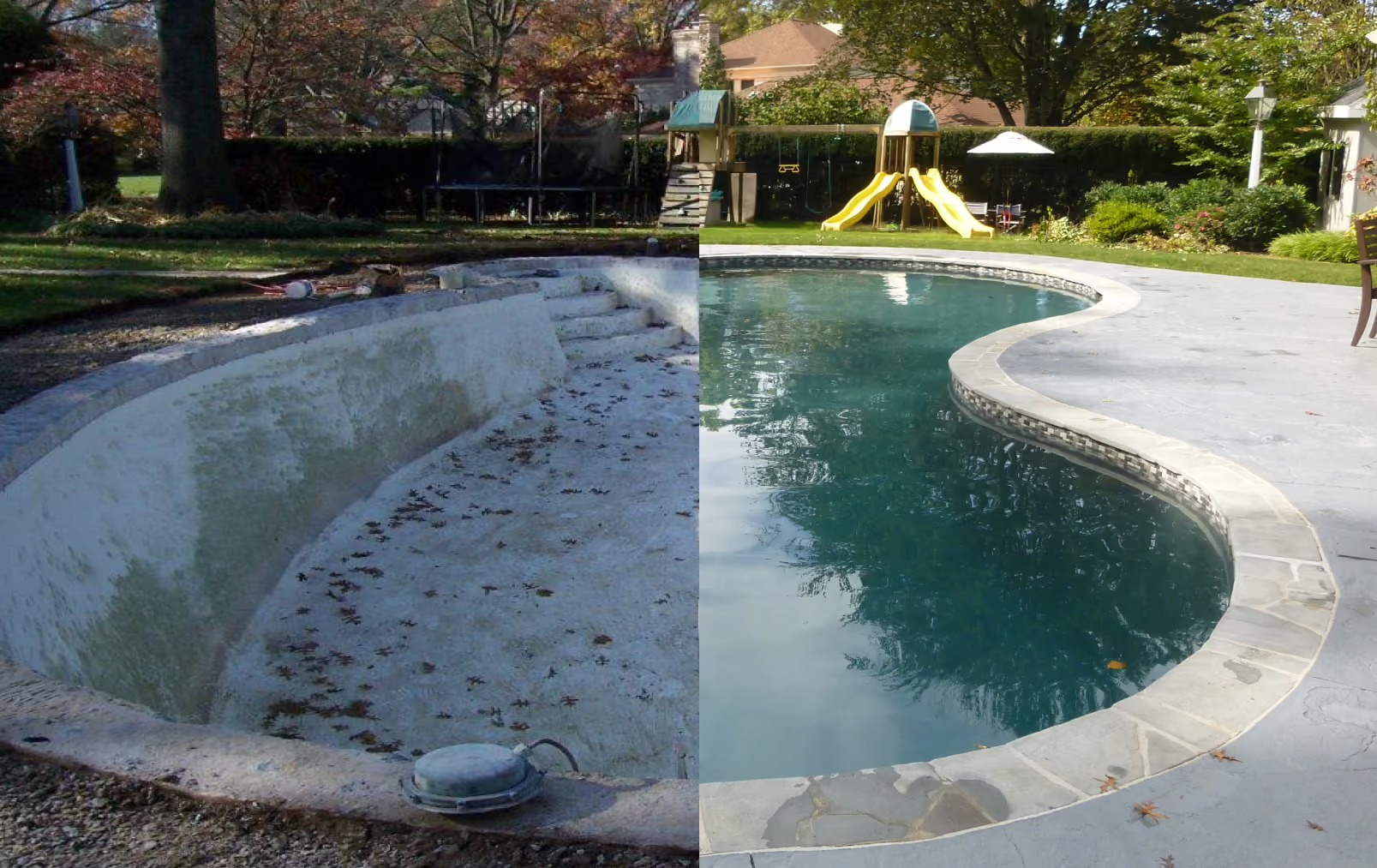
Pool plaster and interior finishes have a finite lifespan. When the surface becomes rough, stained, or structurally compromised, resurfacing is the practical solution. Options typically include:
- Replastering, The most common approach for concrete pools. The old surface is removed and a new plaster coat is applied.
- Pebble or aggregate finishes, A more durable and textured alternative to standard plaster.
- Fibreglass resurfacing, An option for some pool types where a fibreglass coating is applied over the existing shell.
The right choice depends on your pool's construction, its current condition, and your budget.
Tiling
Waterline tiles protect the shell at the water surface and are a common renovation item. Full interior tiling is also an option for pools where a tiled finish is preferred over plaster.
Equipment Upgrades
A renovation is a practical time to upgrade equipment, since the pool will already be drained or partially drained. Common upgrades include:
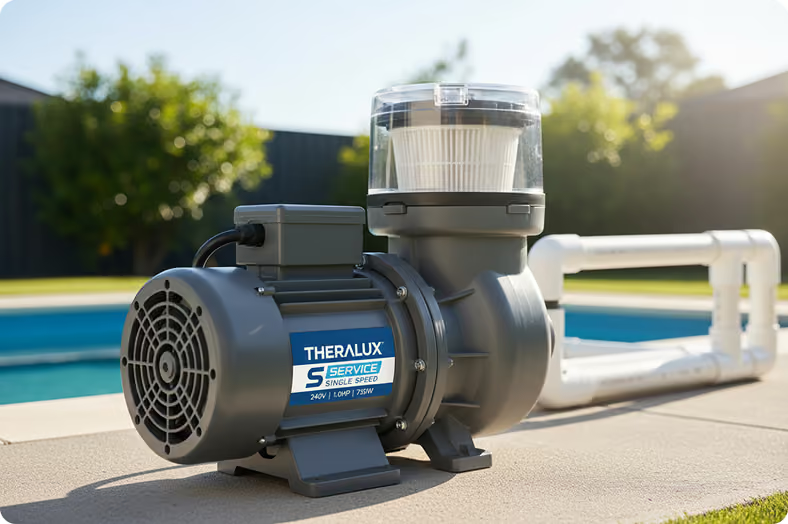
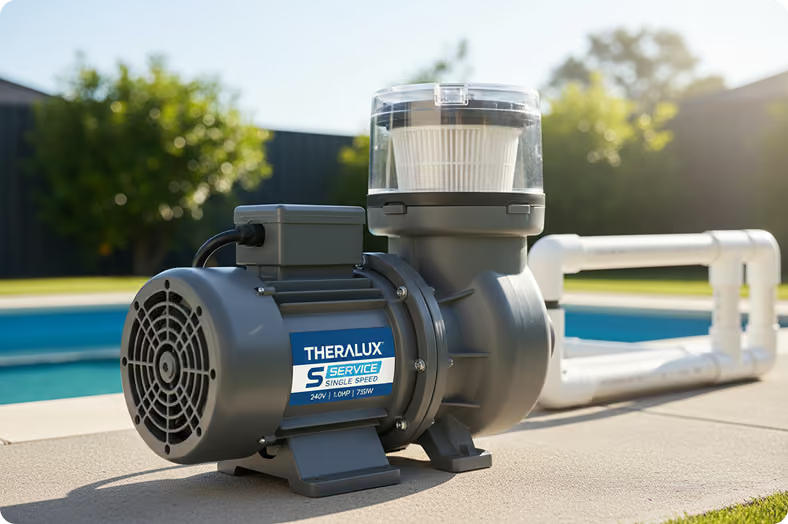
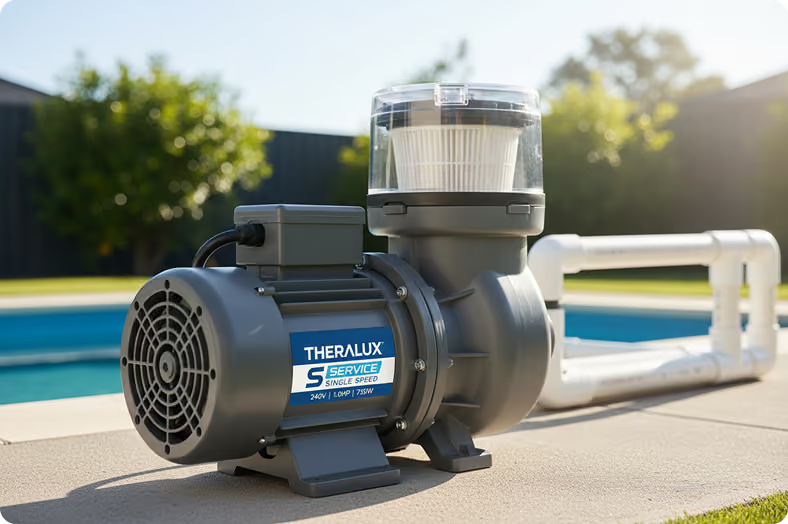
- Variable speed pumps, More energy-efficient than single-speed models
- Updated filtration, Sand filter media replacement, or a switch to cartridge filtration
- Salt chlorination, If the pool currently uses traditional chlorine dosing
- Heating, Heat pumps or solar heating for year-round use
- LED lighting, Replacing older incandescent or halogen pool lights
Safety and Compliance
If your pool fencing, barriers, or drainage do not meet current New Zealand standards, a renovation is the right time to address this. Pool fencing requirements in New Zealand are set by the Building Act and the Fencing of Swimming Pools Act. Any work that affects pool barriers should be checked against current requirements.
---
Step 3: Set a Realistic Budget
Pool renovation costs vary depending on the scope of work, the size of the pool, and the materials chosen. A surface-only replaster on a standard residential pool is a very different cost to a full renovation involving new equipment, tiling, coping replacement, and fencing upgrades.
When budgeting, account for:
- The core renovation work, Surface, tiling, coping
- Equipment, Any items being replaced or added
- Water refill, Refilling a pool after drainage has a cost, and in Auckland the water supply should be factored in
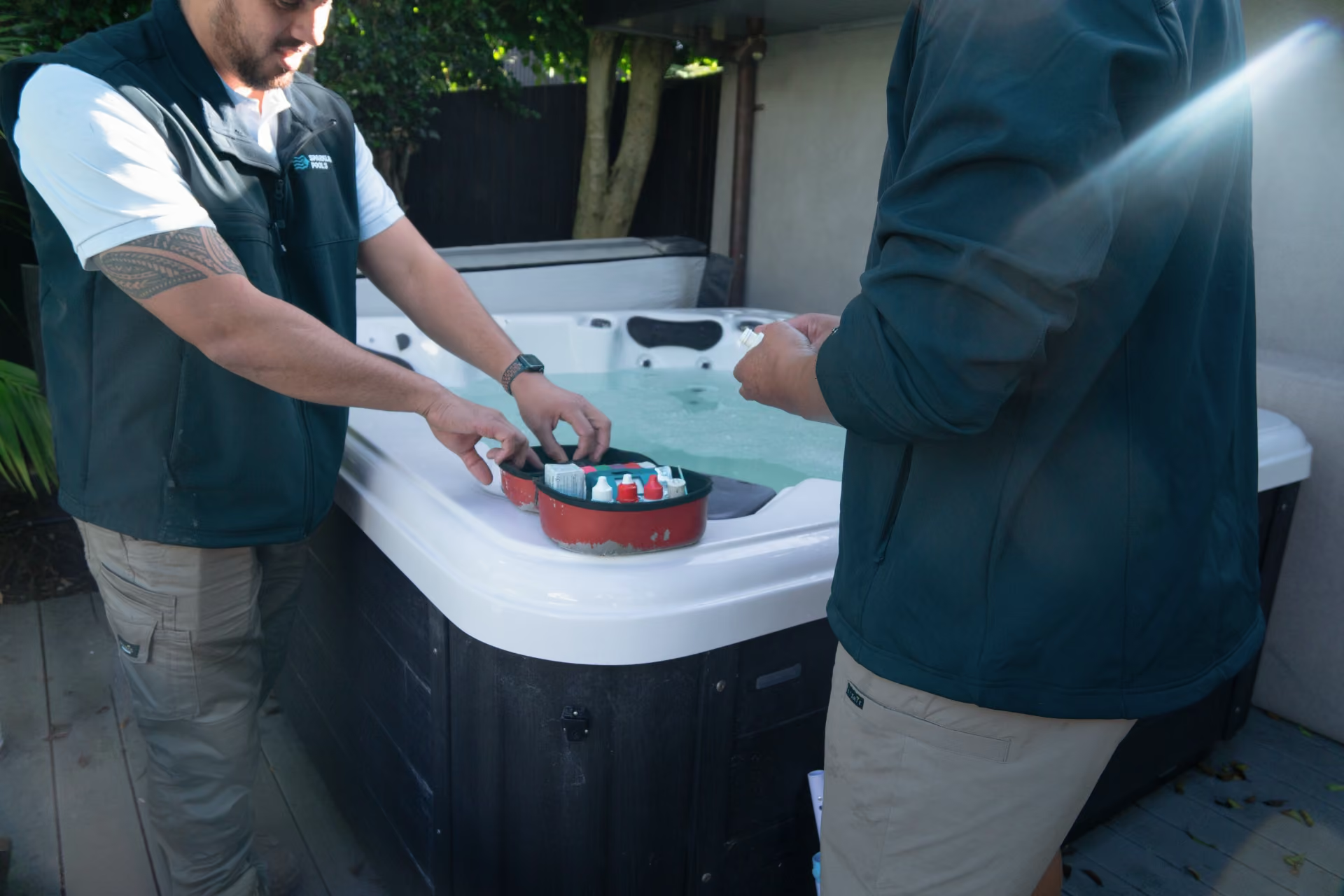
- Chemical startup, A freshly plastered pool requires a careful chemical startup process
- Contingency, Older pools sometimes reveal additional issues once work begins
Get written quotes from qualified tradespeople before committing. A detailed scope of work in the quote protects both parties.
---
Step 4: Understand the Process and Timeline
Draining the Pool
Most renovation work requires the pool to be fully or partially drained. In Auckland, pool water discharge must comply with Auckland Council requirements. A reputable pool company will manage this correctly.
Surface Preparation
For replastering, the existing surface is chipped back to the shell. This is labour-intensive work and generates significant debris. The shell is then inspected for cracks or structural issues before the new surface is applied.
Curing and Chemical Startup
Fresh plaster requires a careful startup process. The pool is filled slowly, and the water chemistry is managed closely over the first several weeks. This curing period is important, poor startup can permanently affect the appearance and longevity of the new surface.
Typical Timeframes
A straightforward surface renovation on a residential pool typically takes one to two weeks from draining to refill, depending on the scope of work and weather conditions. More complex renovations involving structural repairs, full tiling, or significant equipment work will take longer.
Plan the timing around Auckland's seasons. Starting a renovation in late summer or autumn means the pool is ready for the following season.
---
Step 5: Choose the Right Contractor
Pool renovation is specialist work. The quality of the finish, and how long it lasts, depends heavily on the skill and experience of the people doing it.
When selecting a contractor:
- Ask about their experience with the specific type of work you need
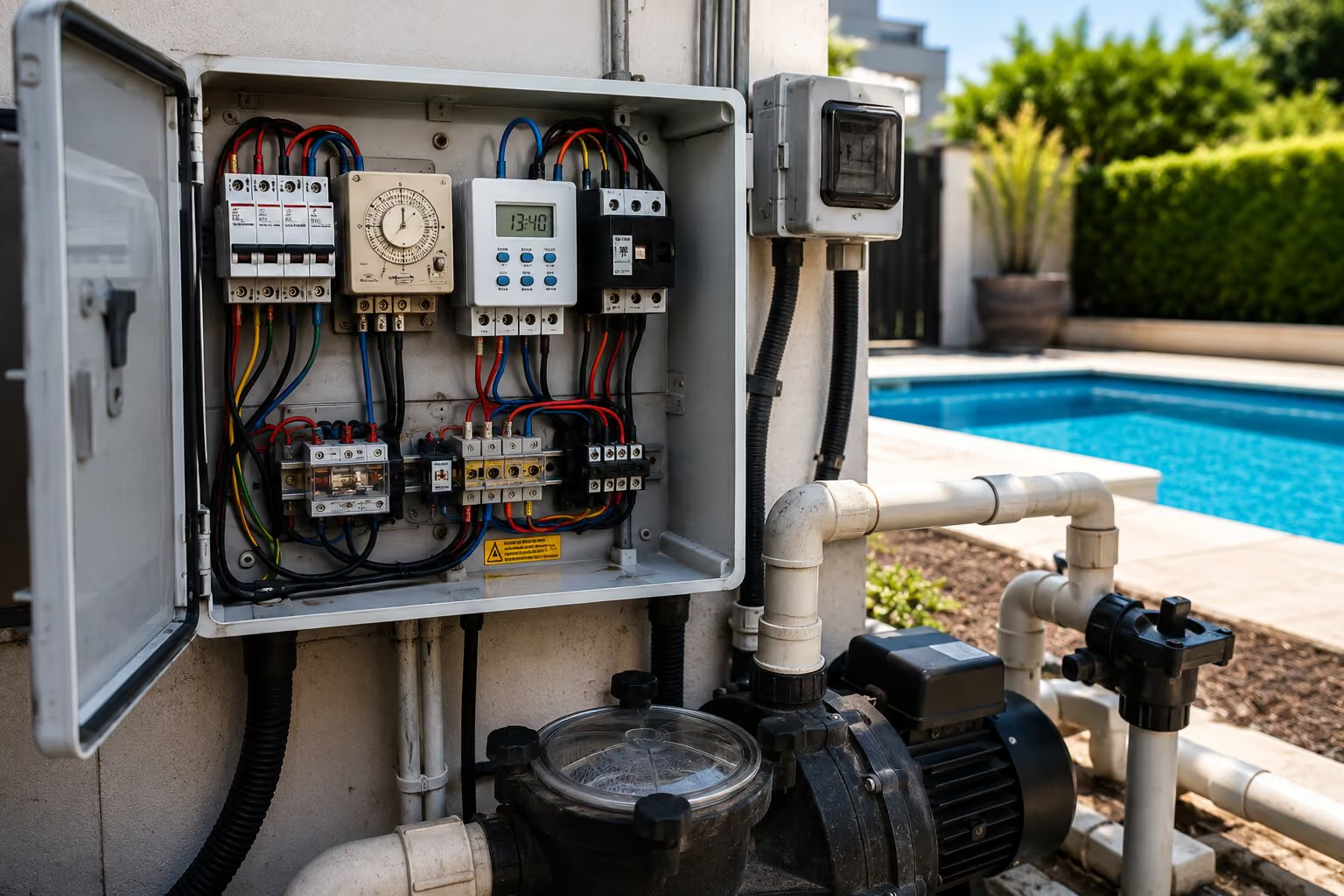
- Check that they are licensed for any electrical or plumbing work involved
- Ask for references from similar renovation projects
- Get a written scope of work before any contract is signed
- Clarify what the warranty covers, both on materials and on workmanship
A pool company that has been operating in Auckland for many years will have experience with the range of pool types, construction methods, and conditions common in the region.
---
Common Mistakes to Avoid
- Starting surface work before resolving a leak, If the pool is leaking, fix the leak first. Renovating over a leak is a waste of money.
- Skipping the chemical startup process, Fresh plaster is vulnerable. Cutting corners on startup affects the surface for its entire life.
- Underestimating the scope, Once a pool is drained and work begins, additional issues sometimes emerge. Build contingency into the budget.
- Choosing on price alone, The cheapest quote is not always the best value. A poor renovation may need to be redone sooner than expected.
- Ignoring equipment condition, If the pump or filter is near the end of its life, replacing it during the renovation avoids draining the pool again in a year or two.
---
When to Call a Pool Specialist
If you are unsure about the condition of your pool, or if you have noticed cracks, persistent leaks, or significant surface deterioration, a professional assessment is the right starting point. A pool specialist can identify what work is genuinely needed and give you an accurate picture of the scope and cost before you commit.
Sparkling Pools has been providing pool services across Auckland since 1992, including pool renovations, plastering, and equipment upgrades for residential and managed properties.
Pool resurfacing solutions
Restore your pool with durable plaster finishes


Work completed
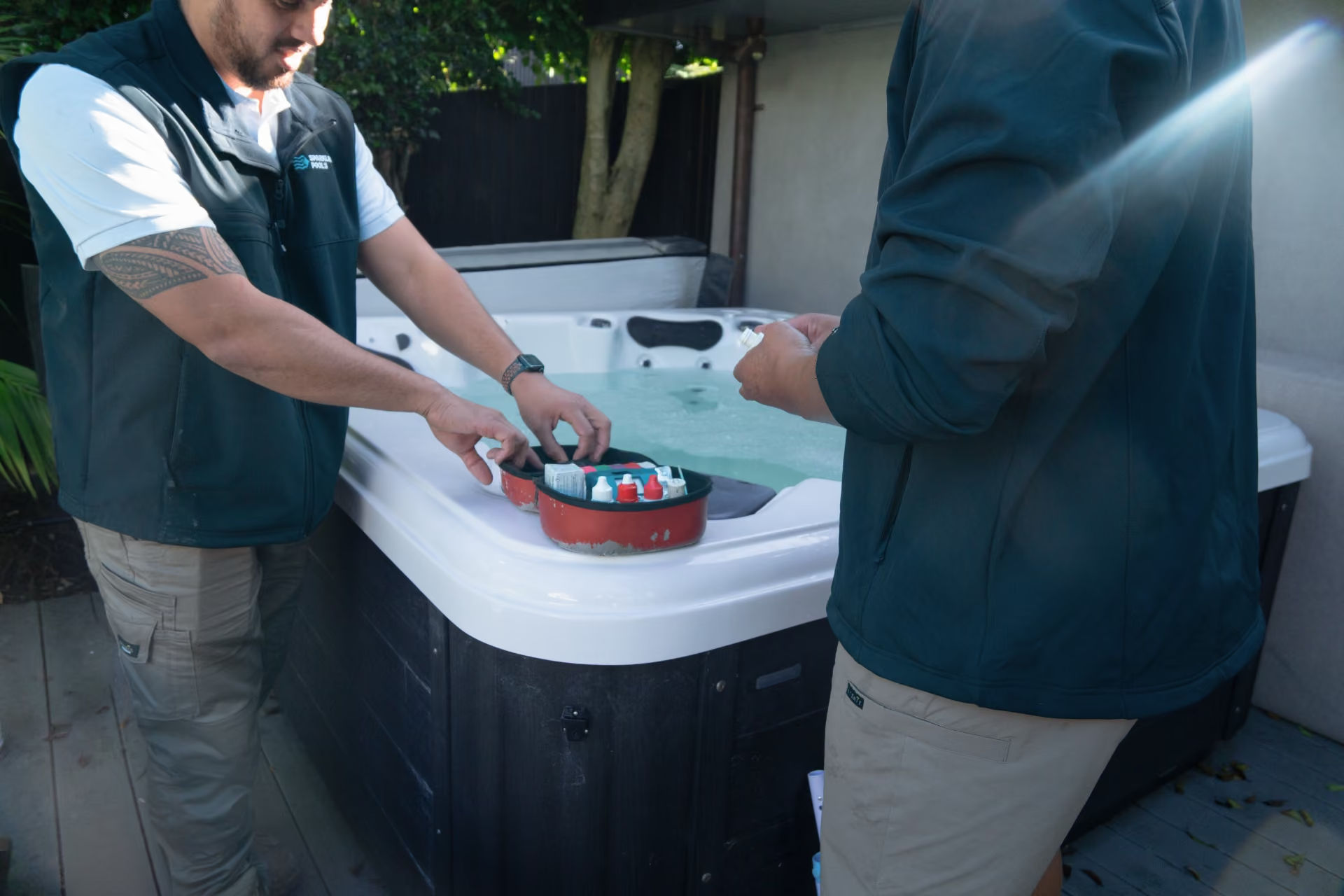
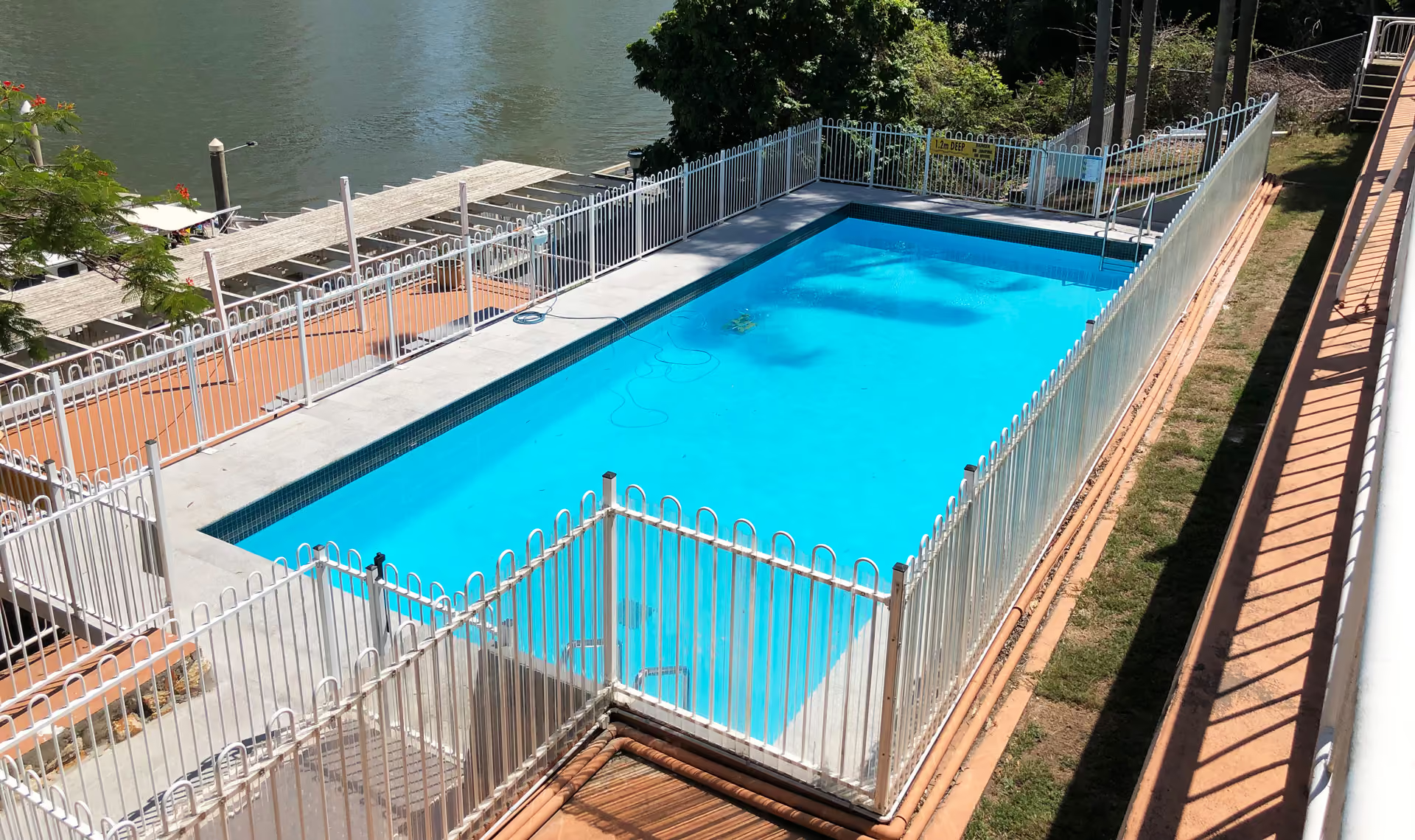
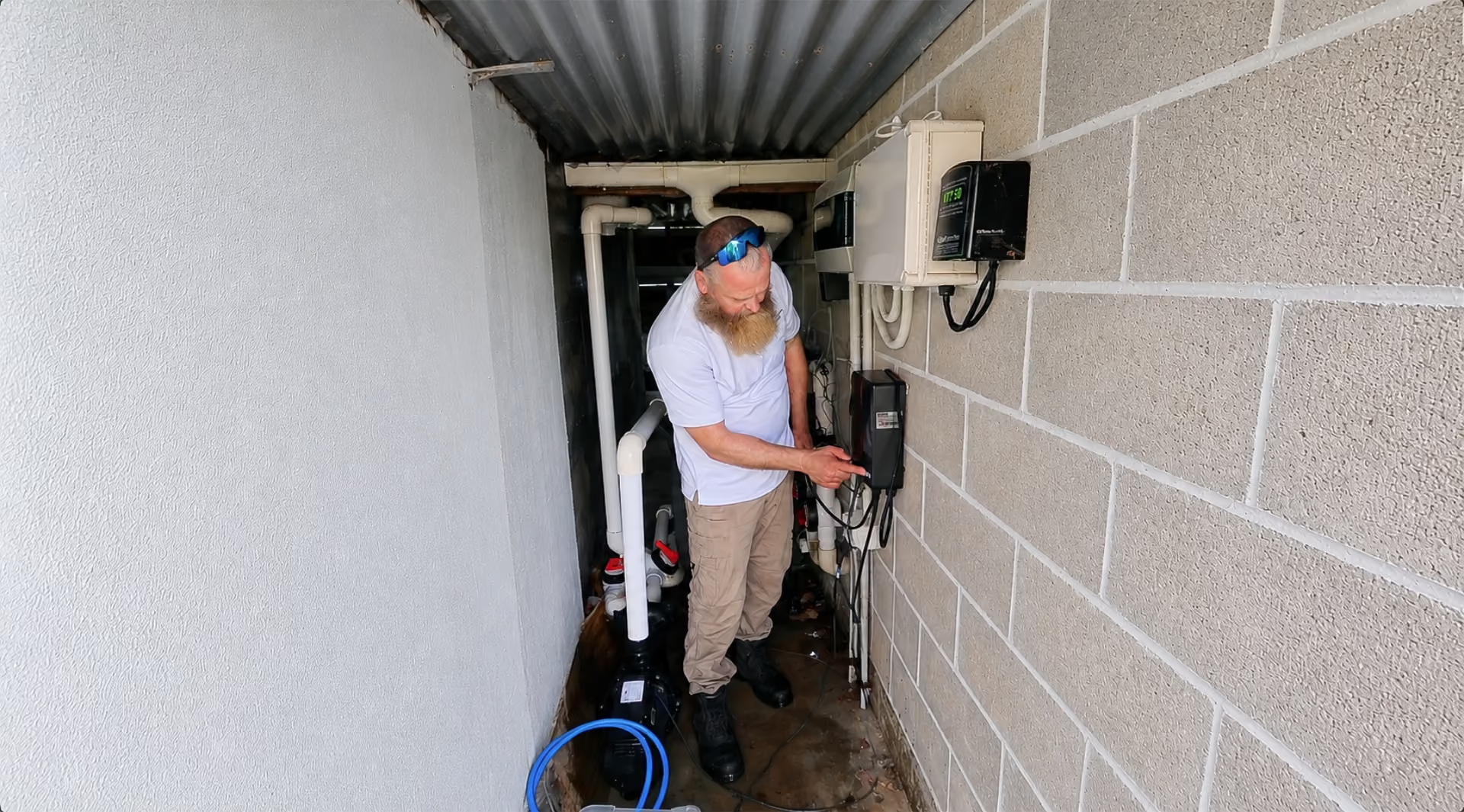
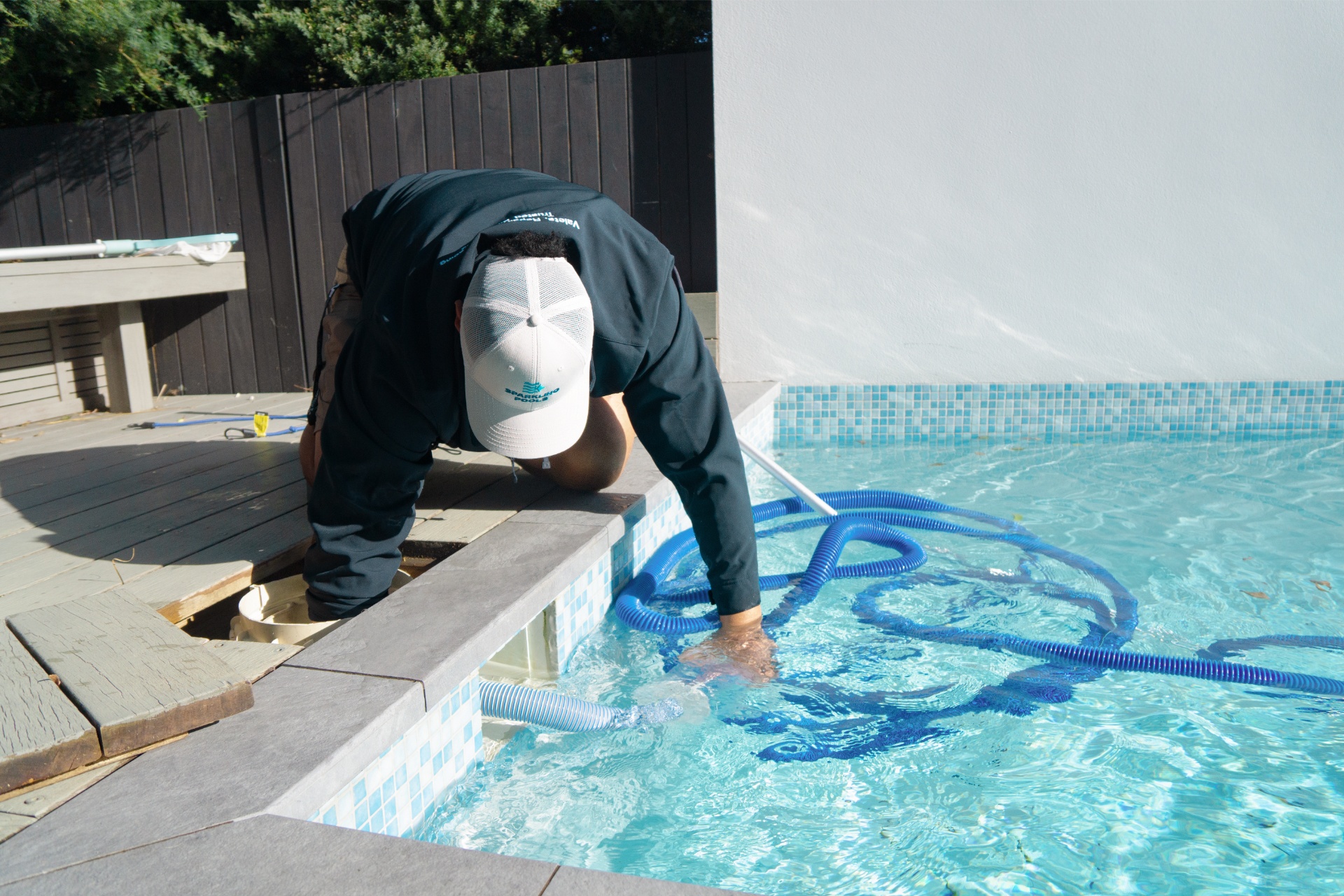
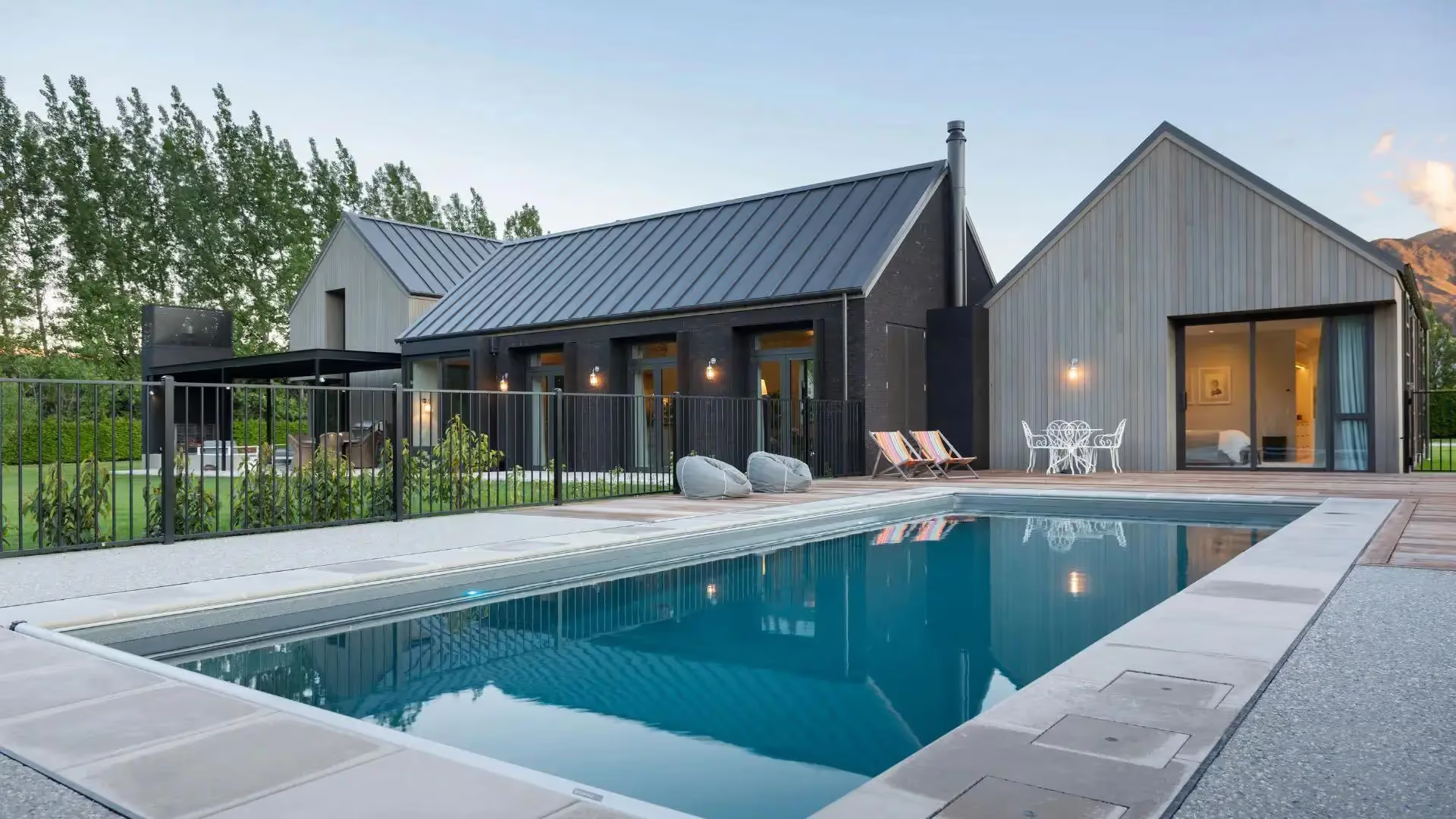
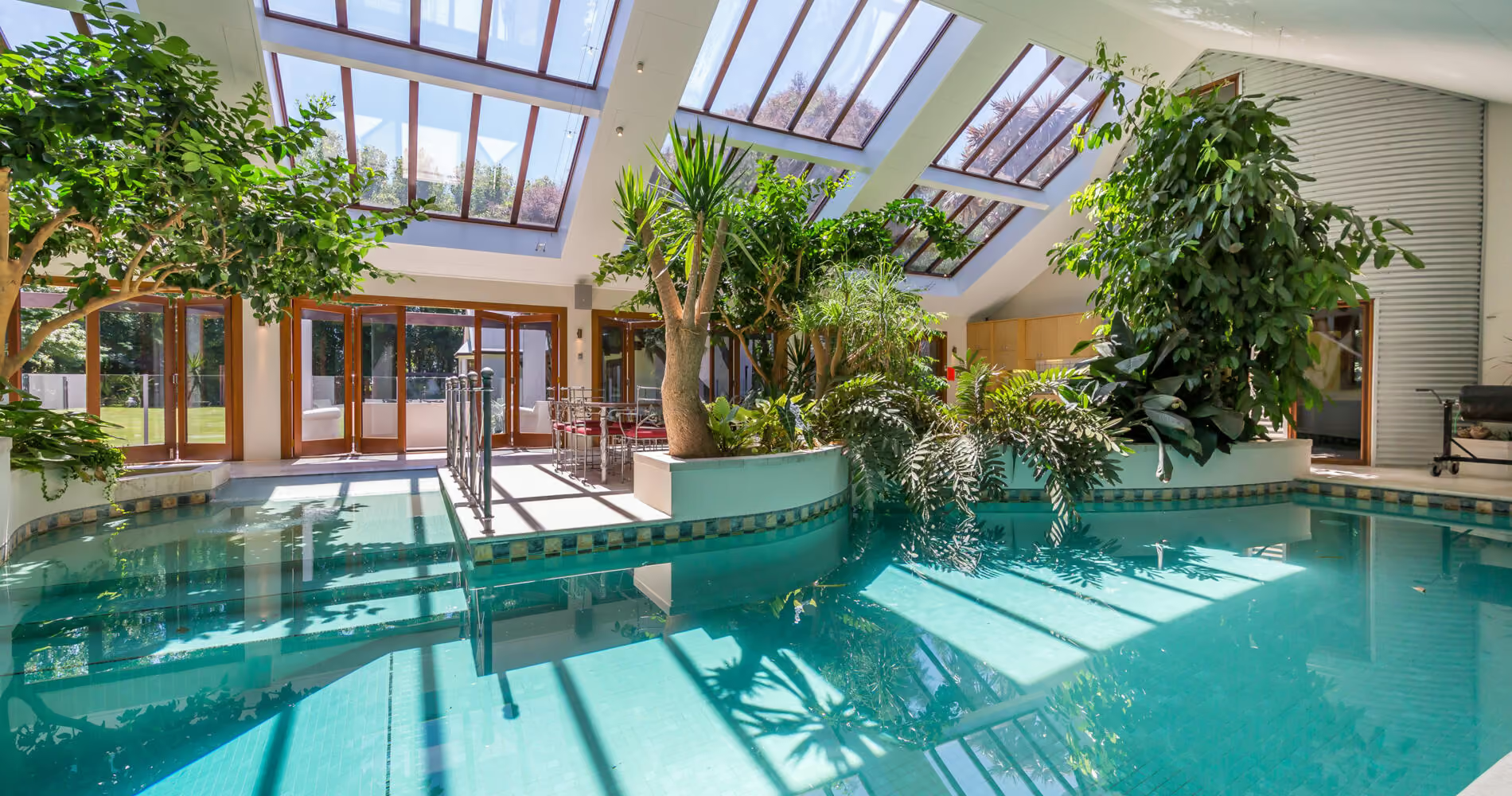
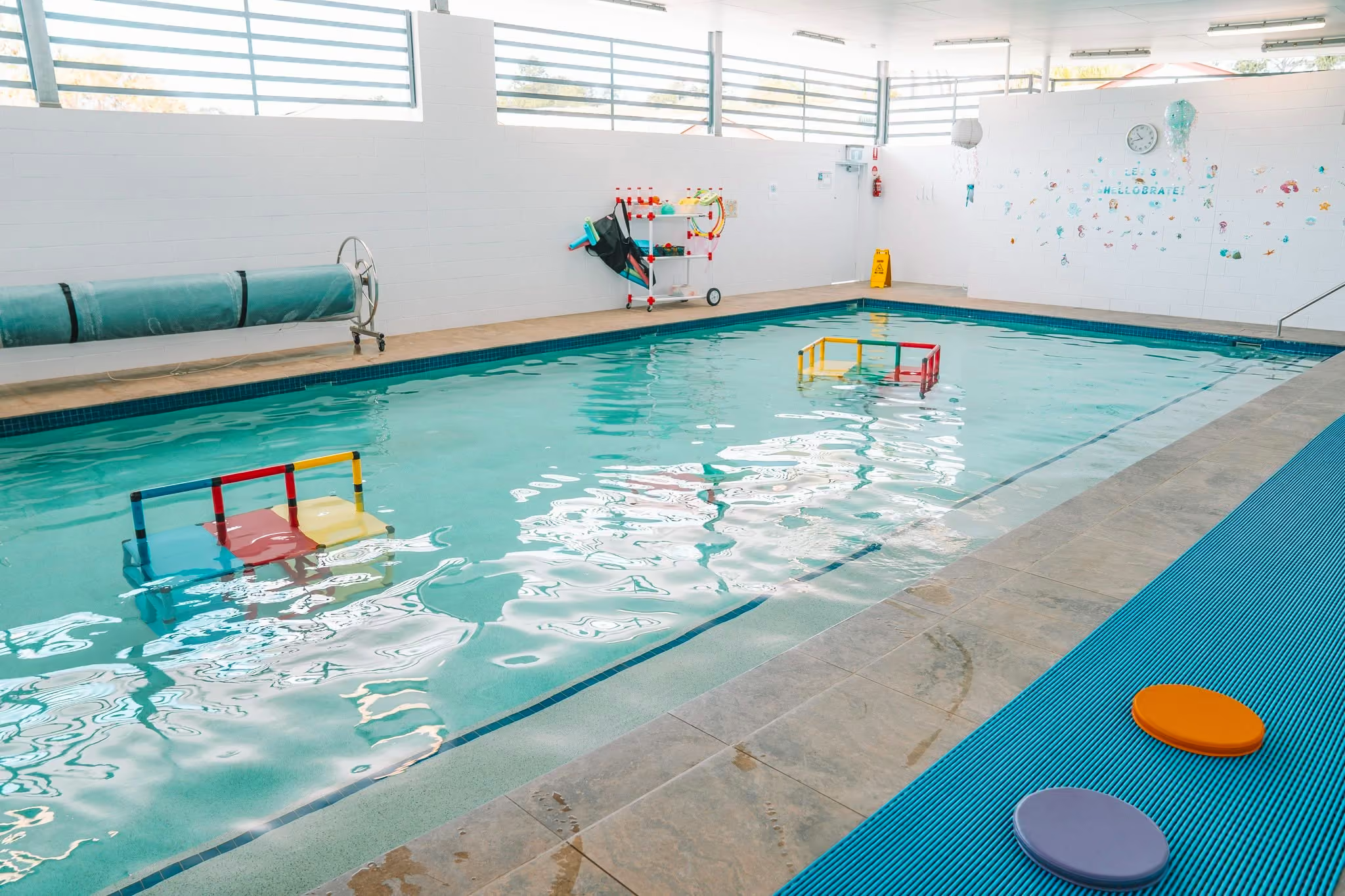
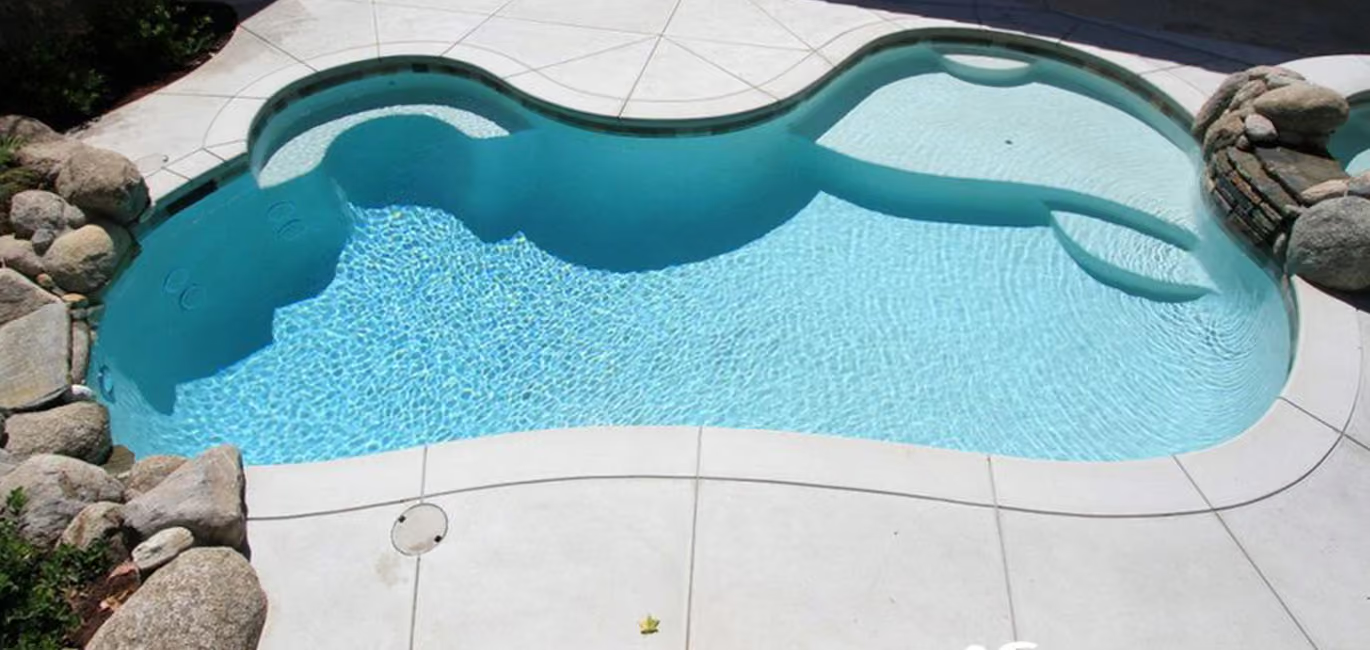
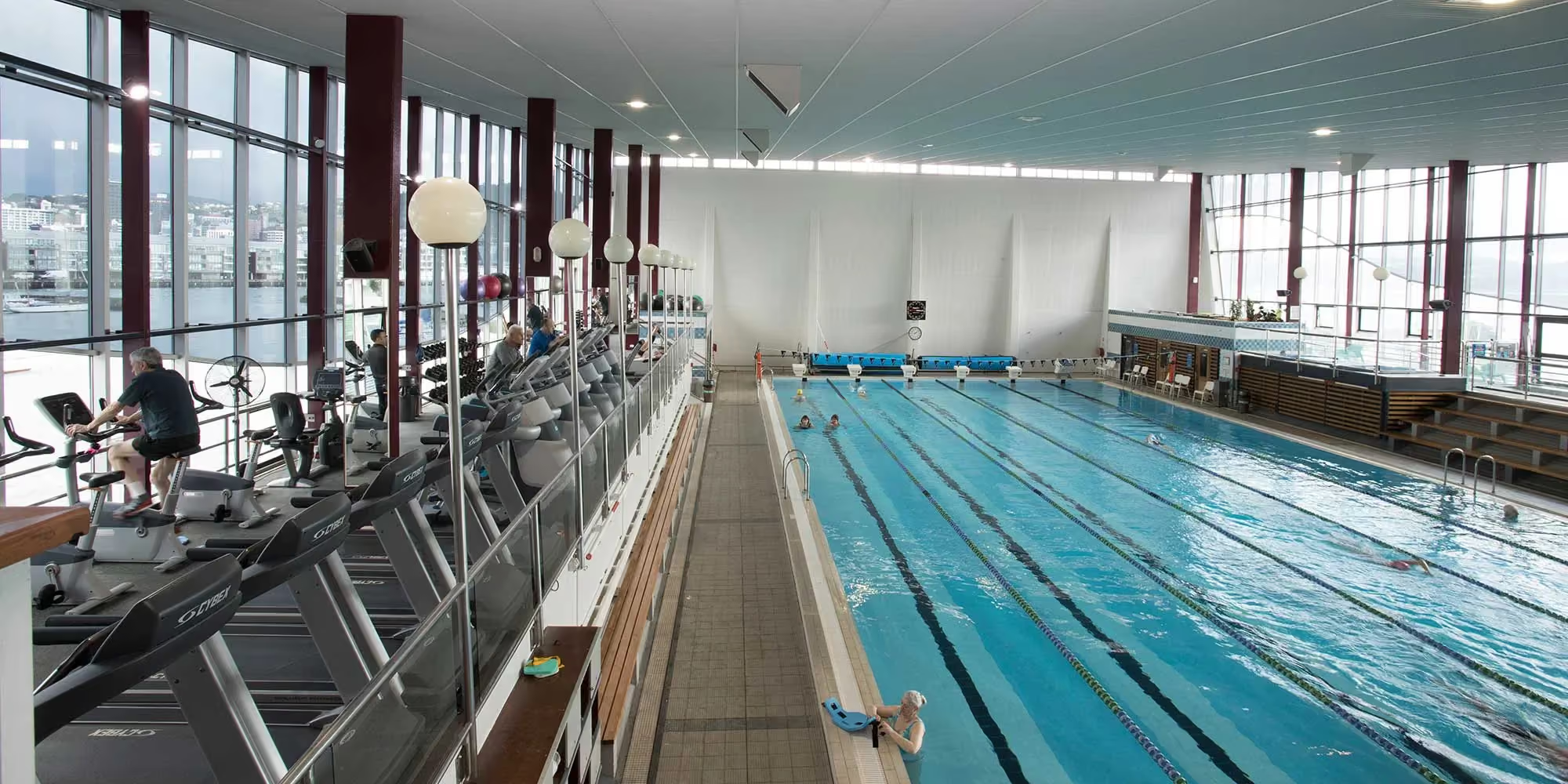
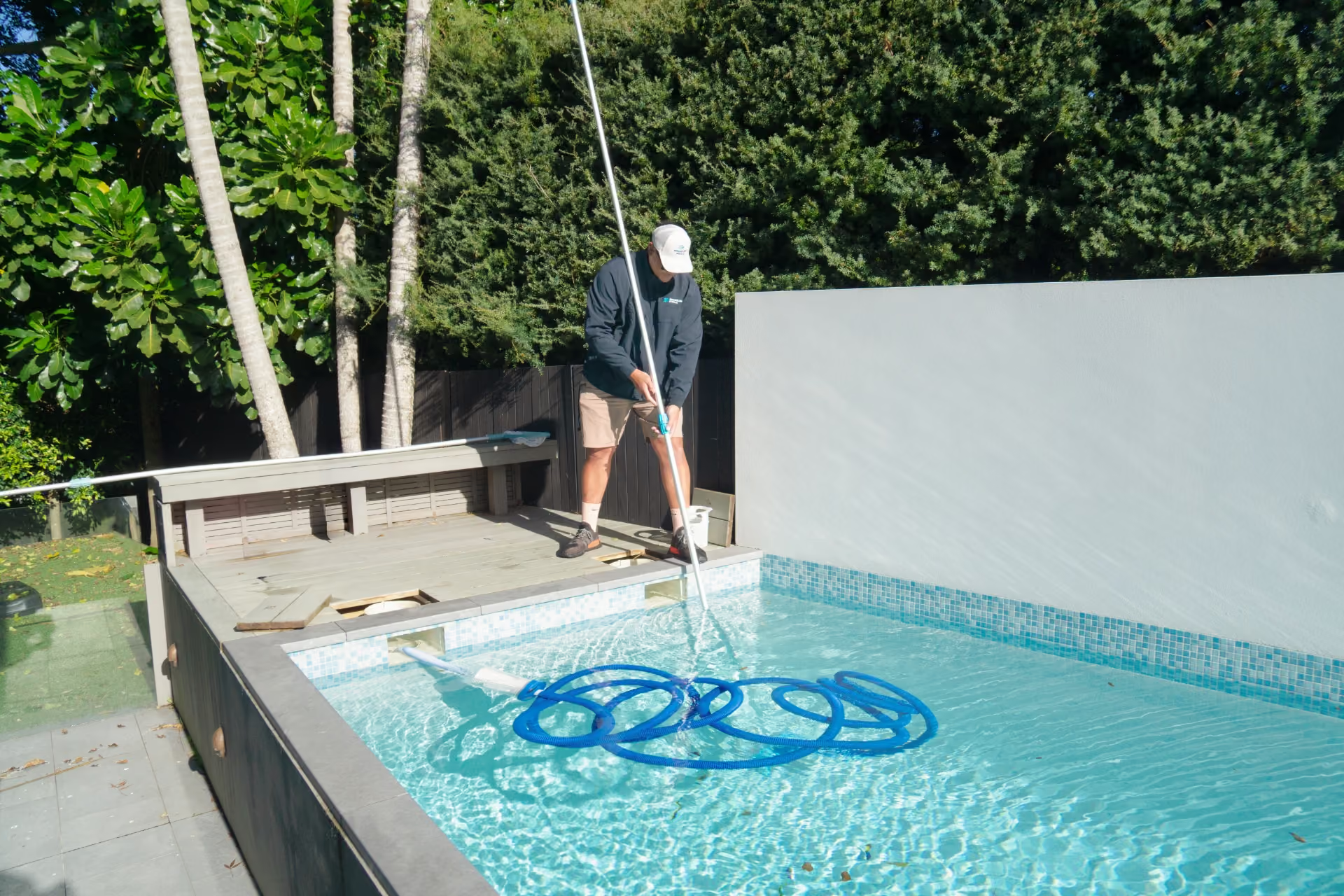
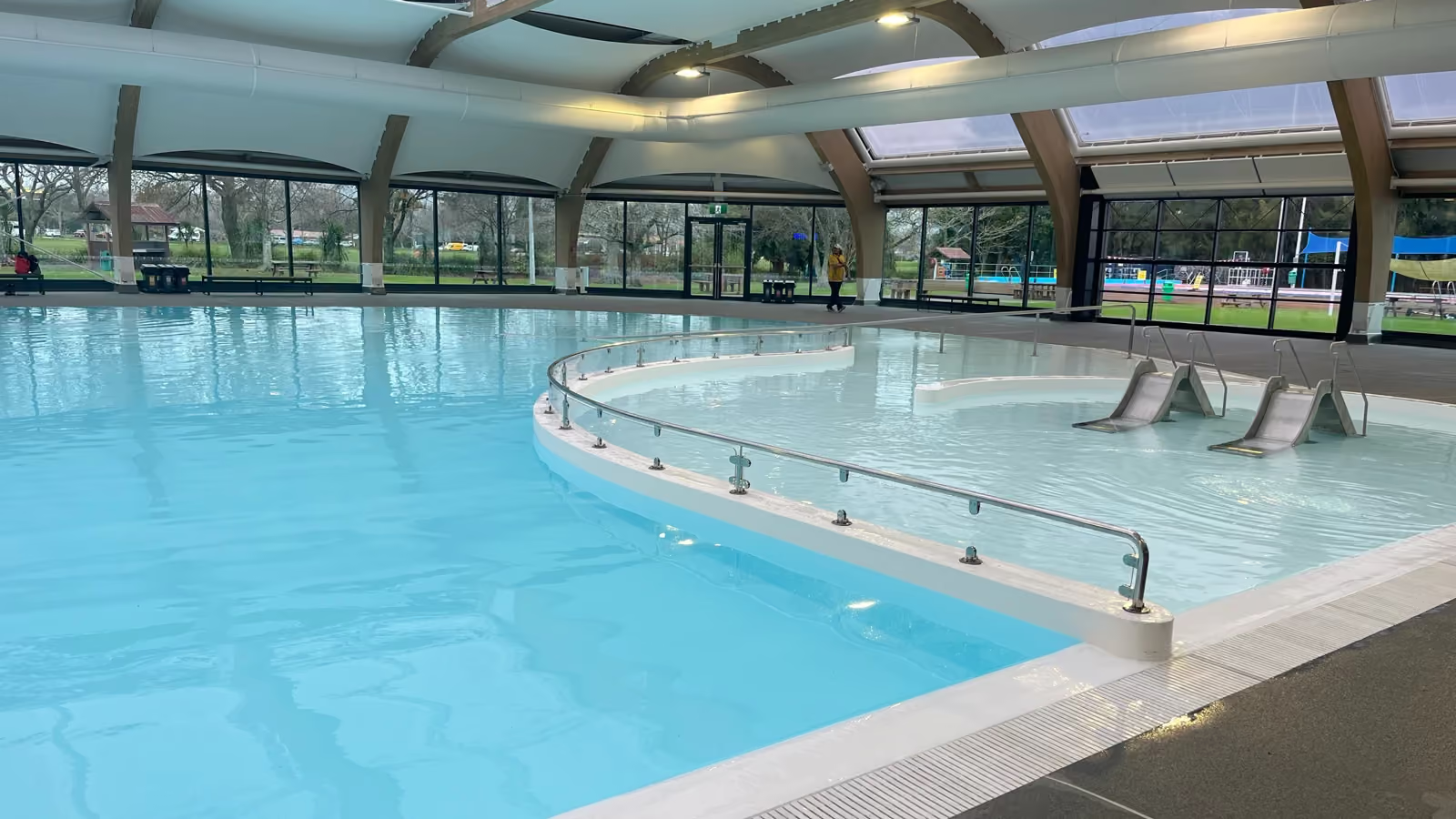
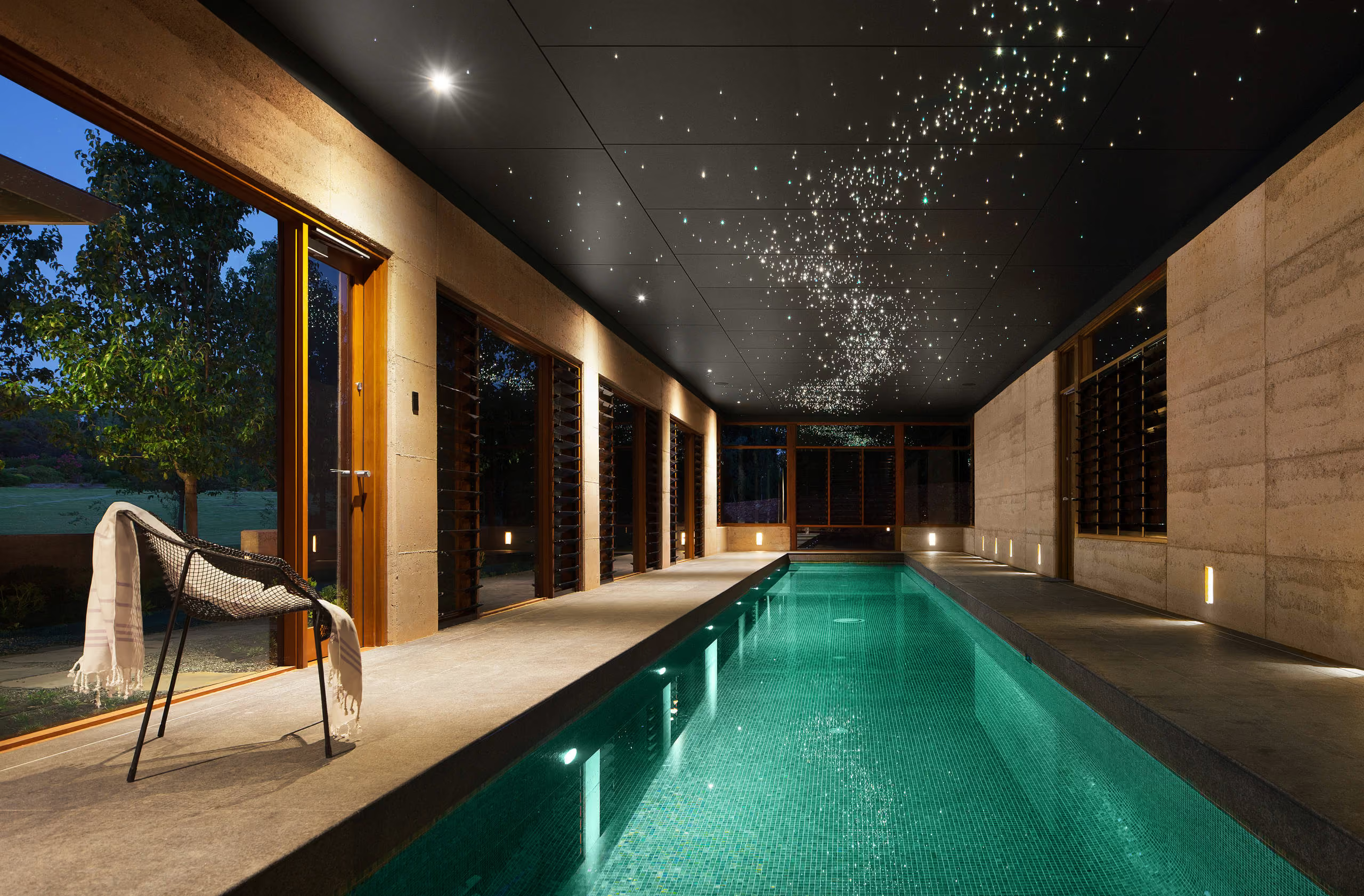
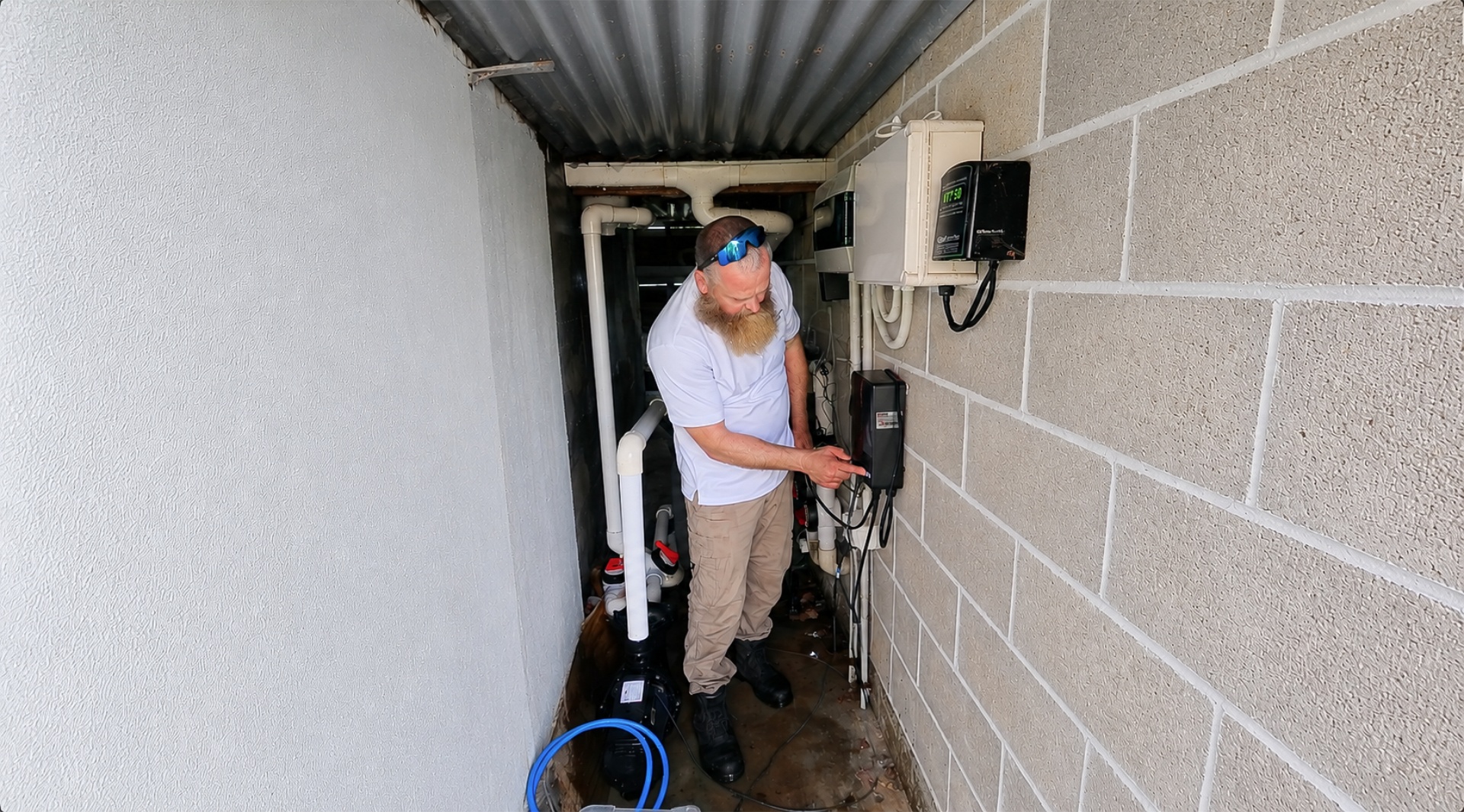
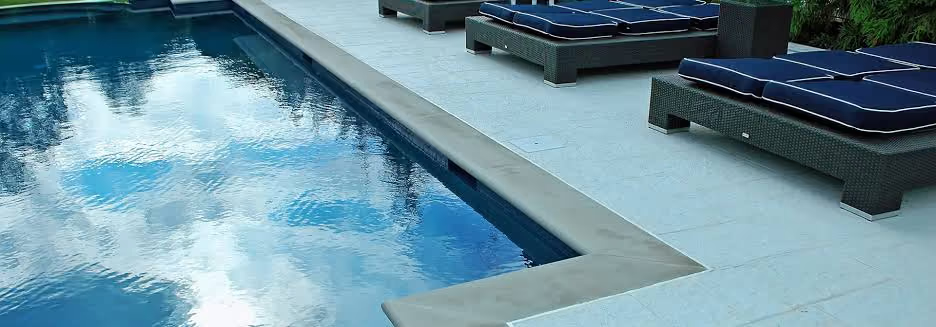
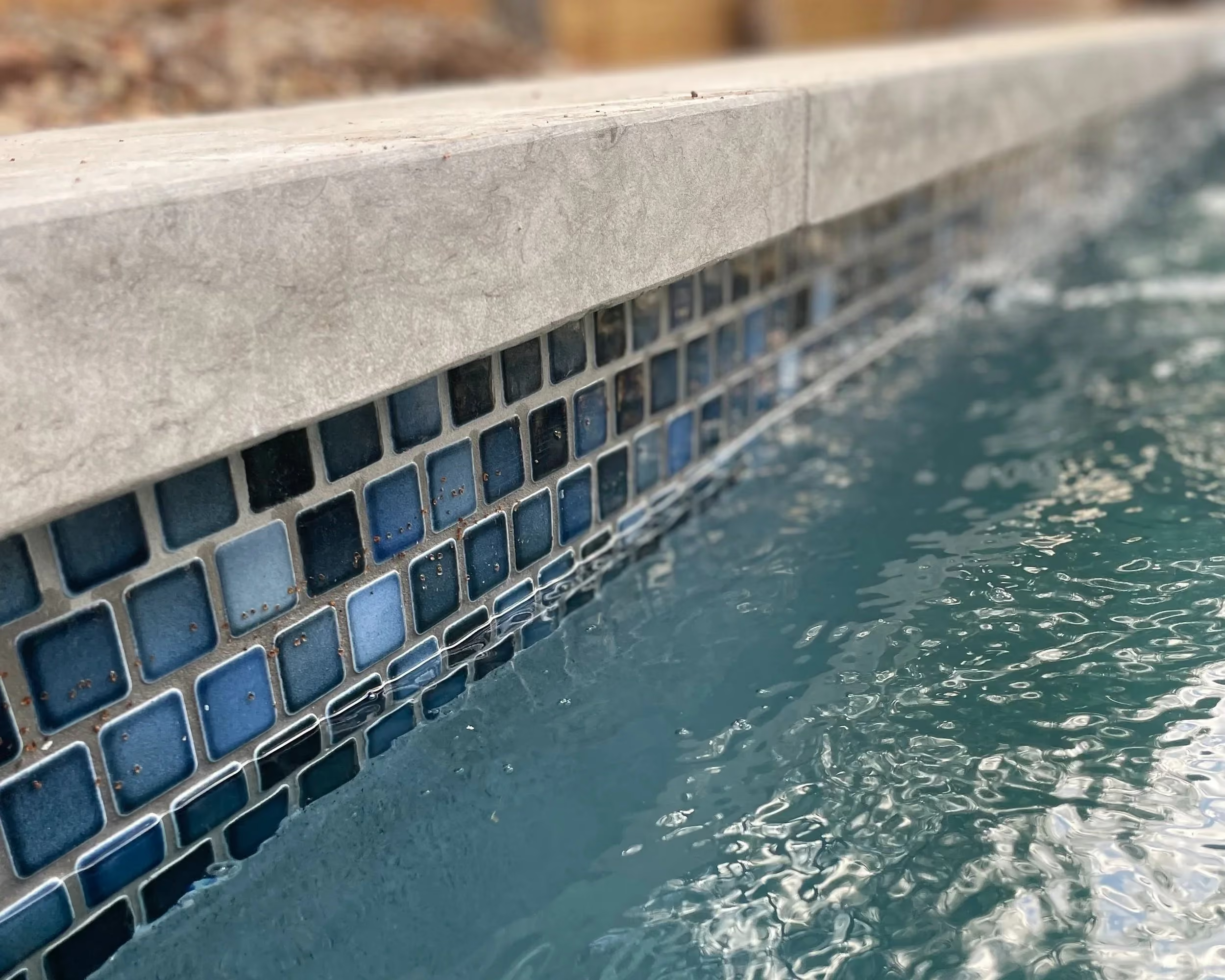
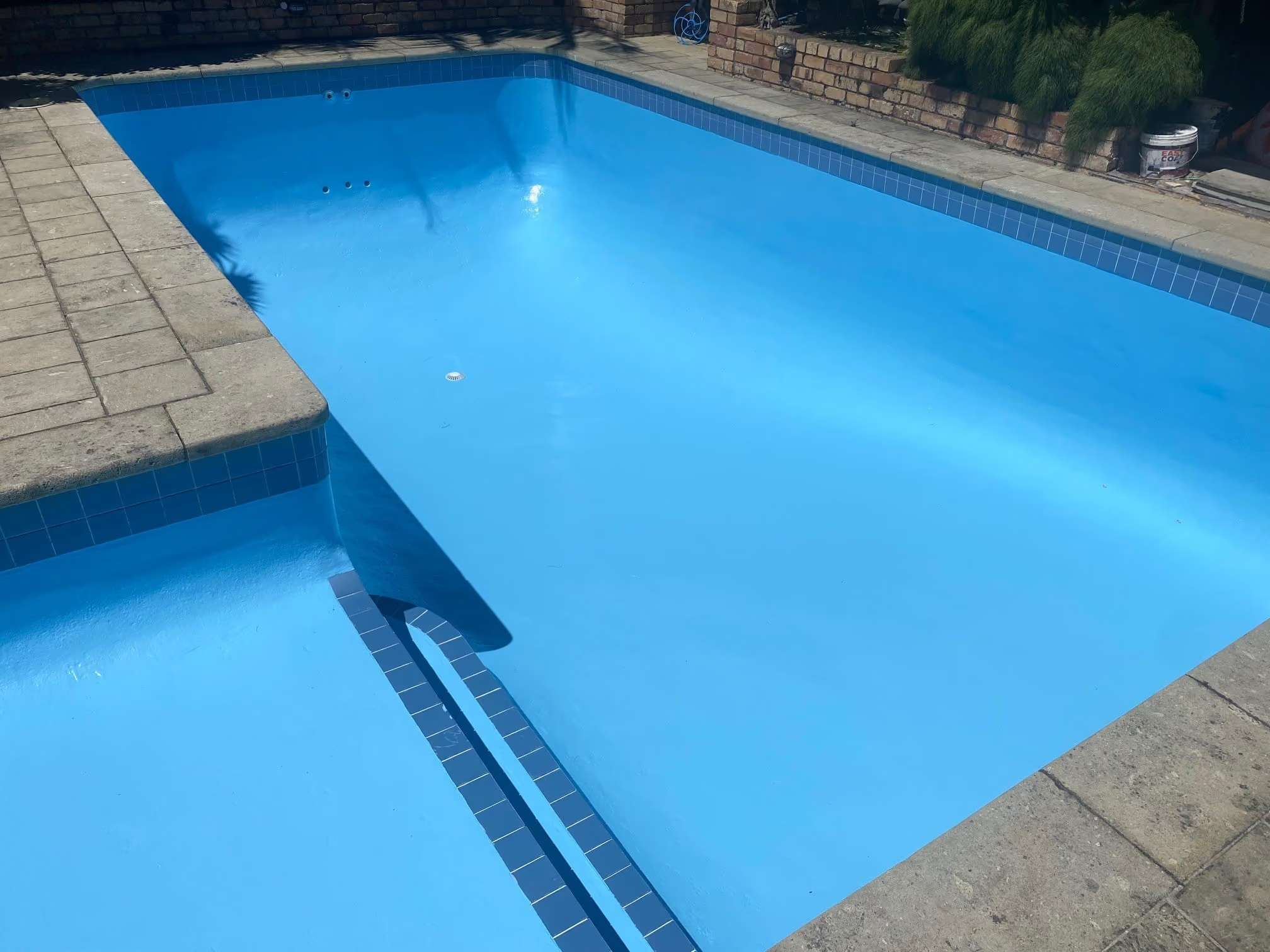
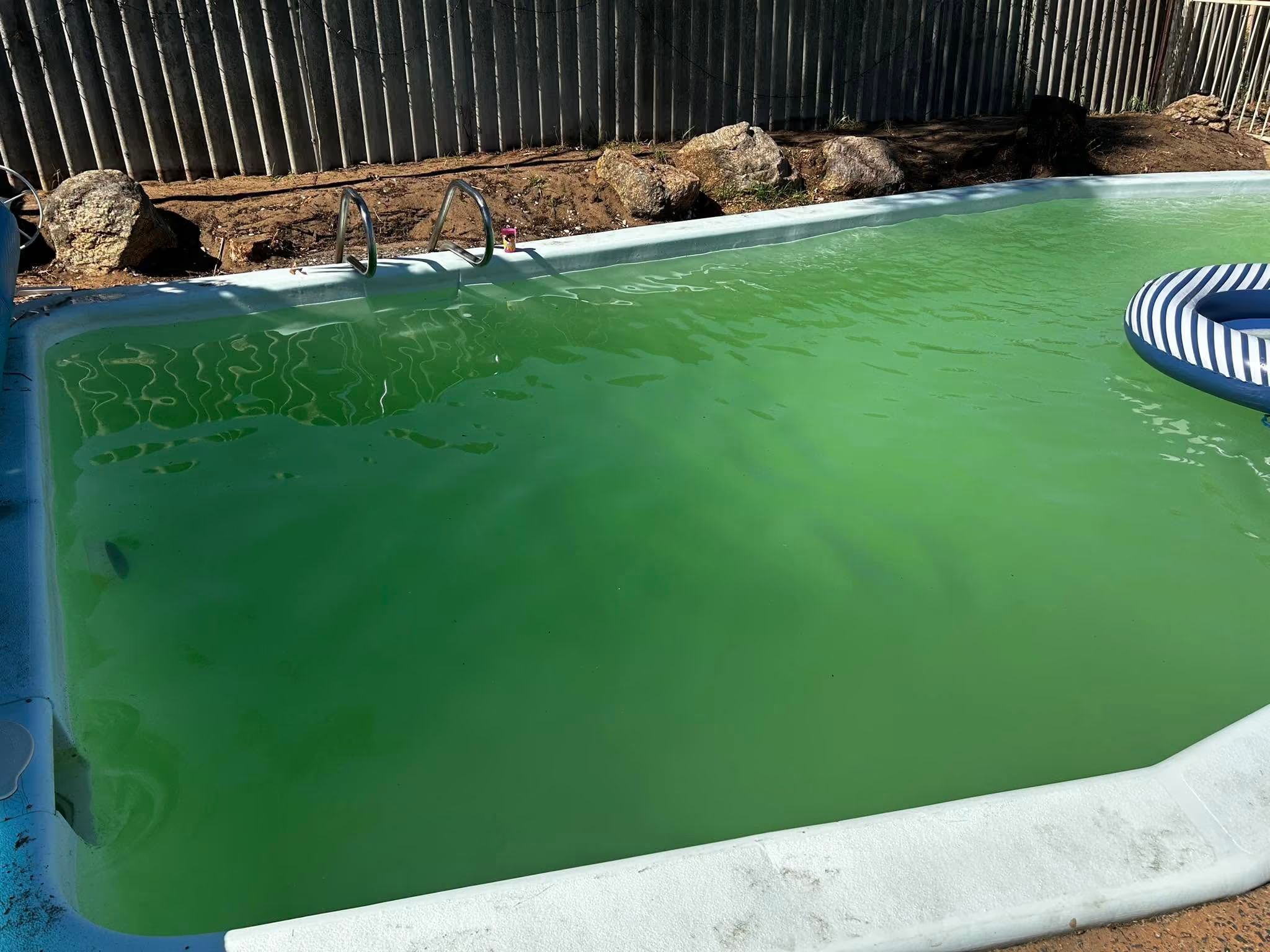
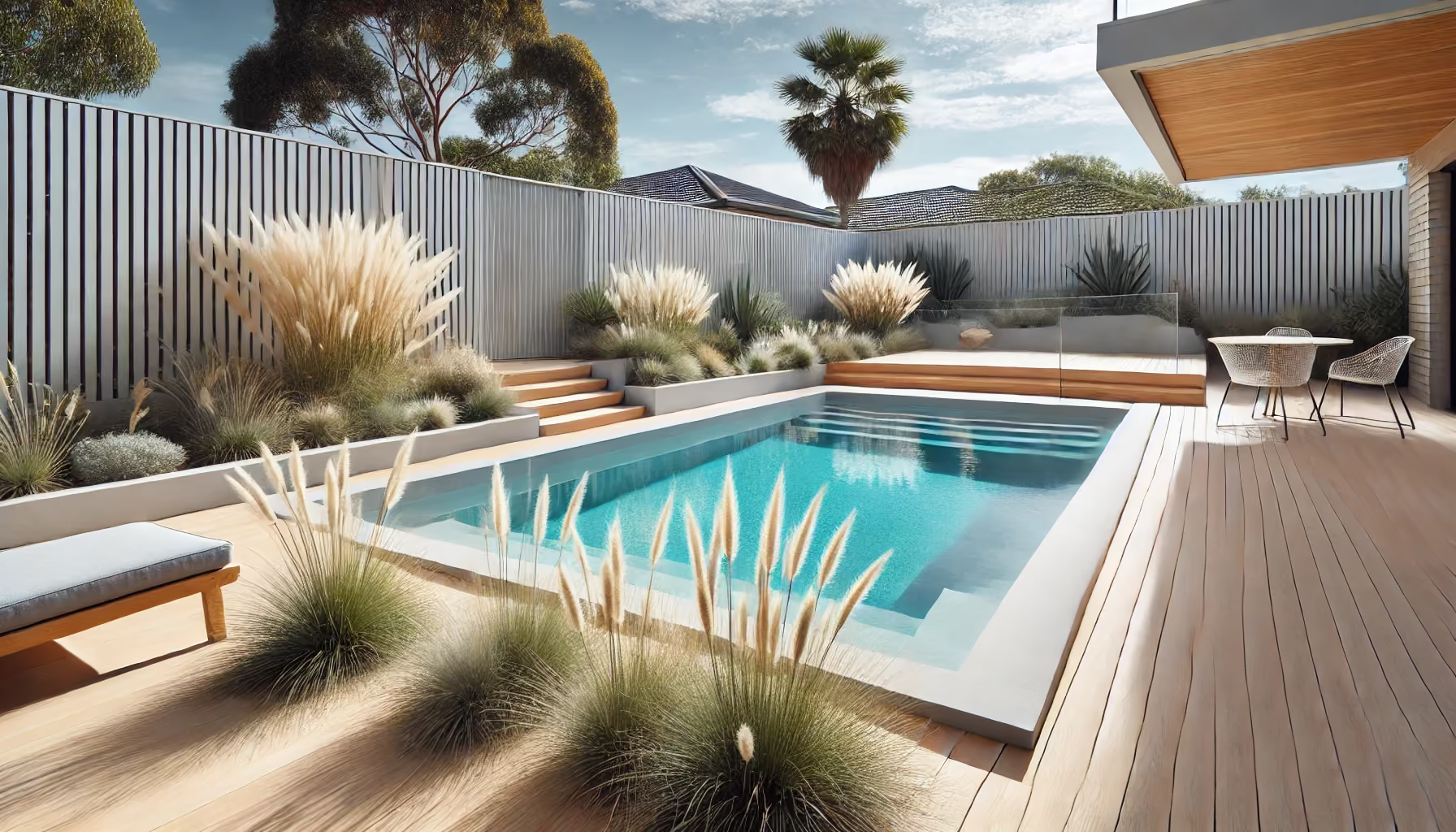
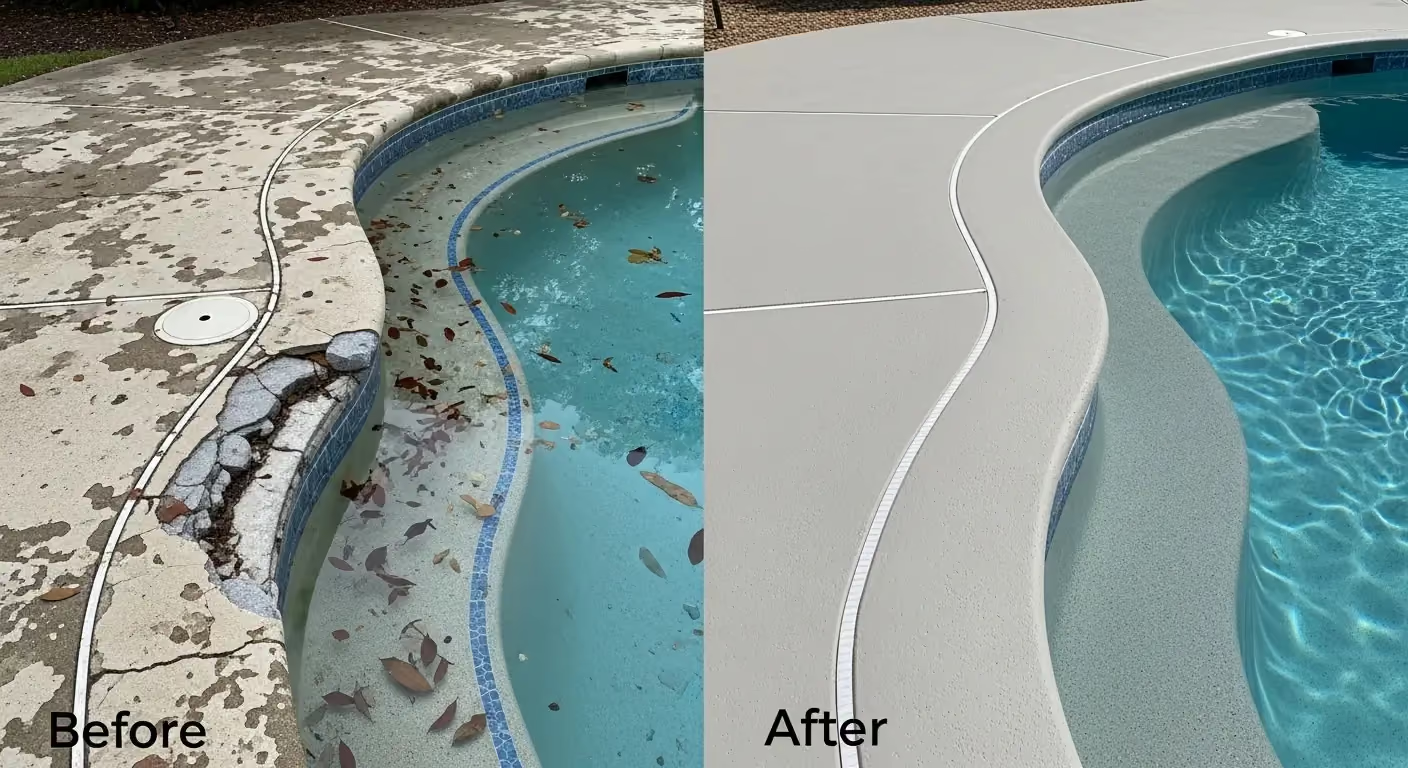
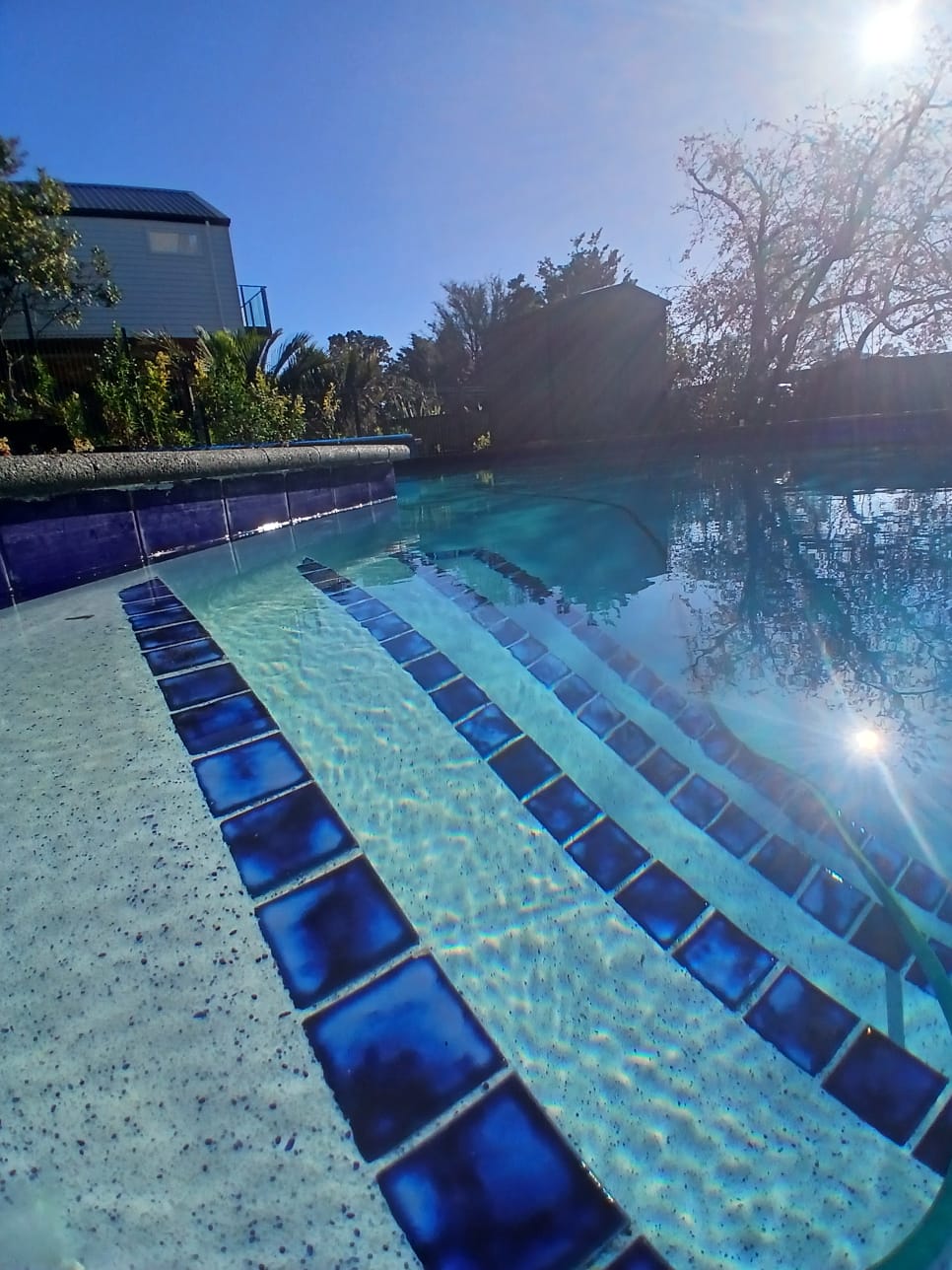
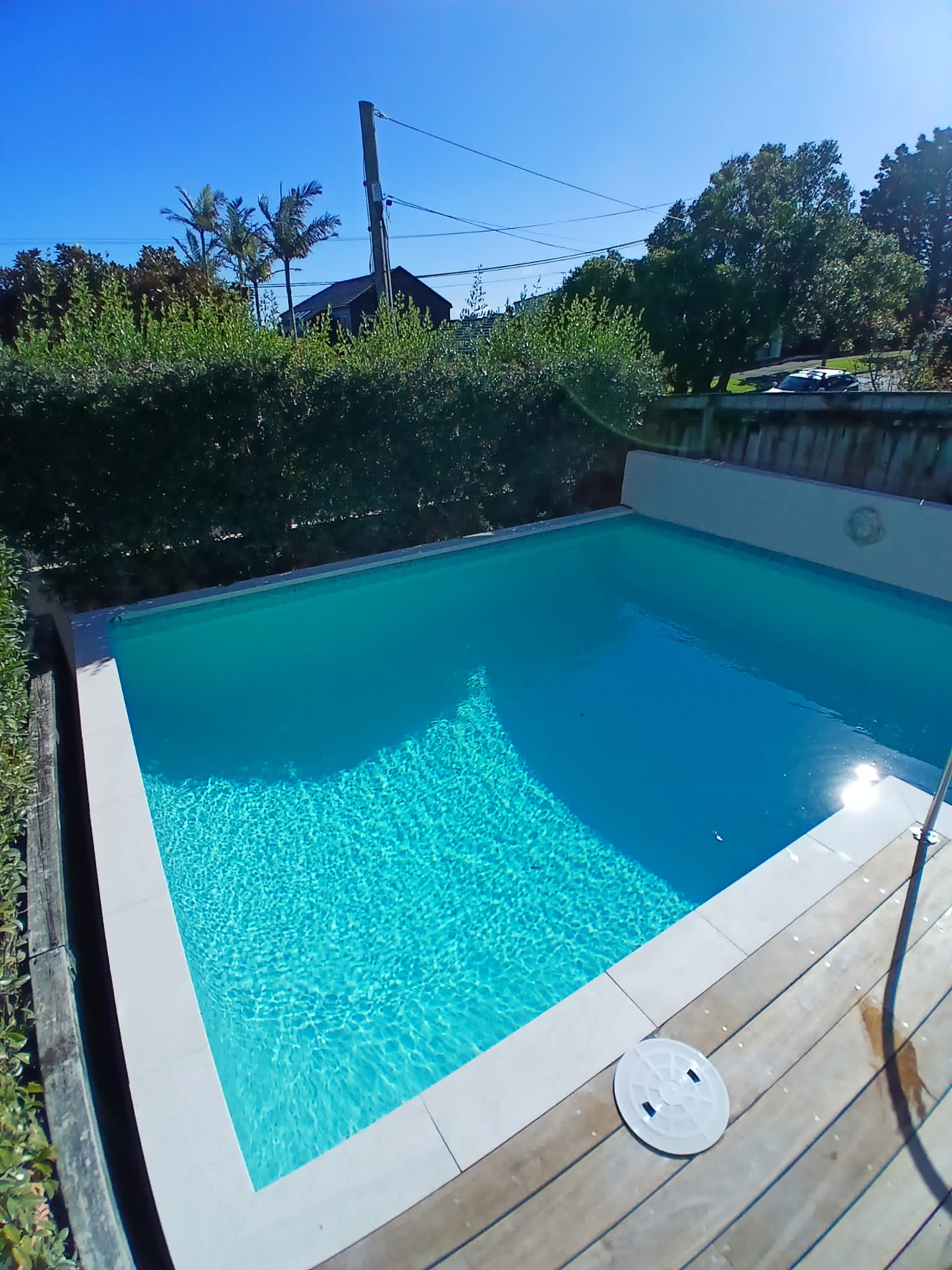
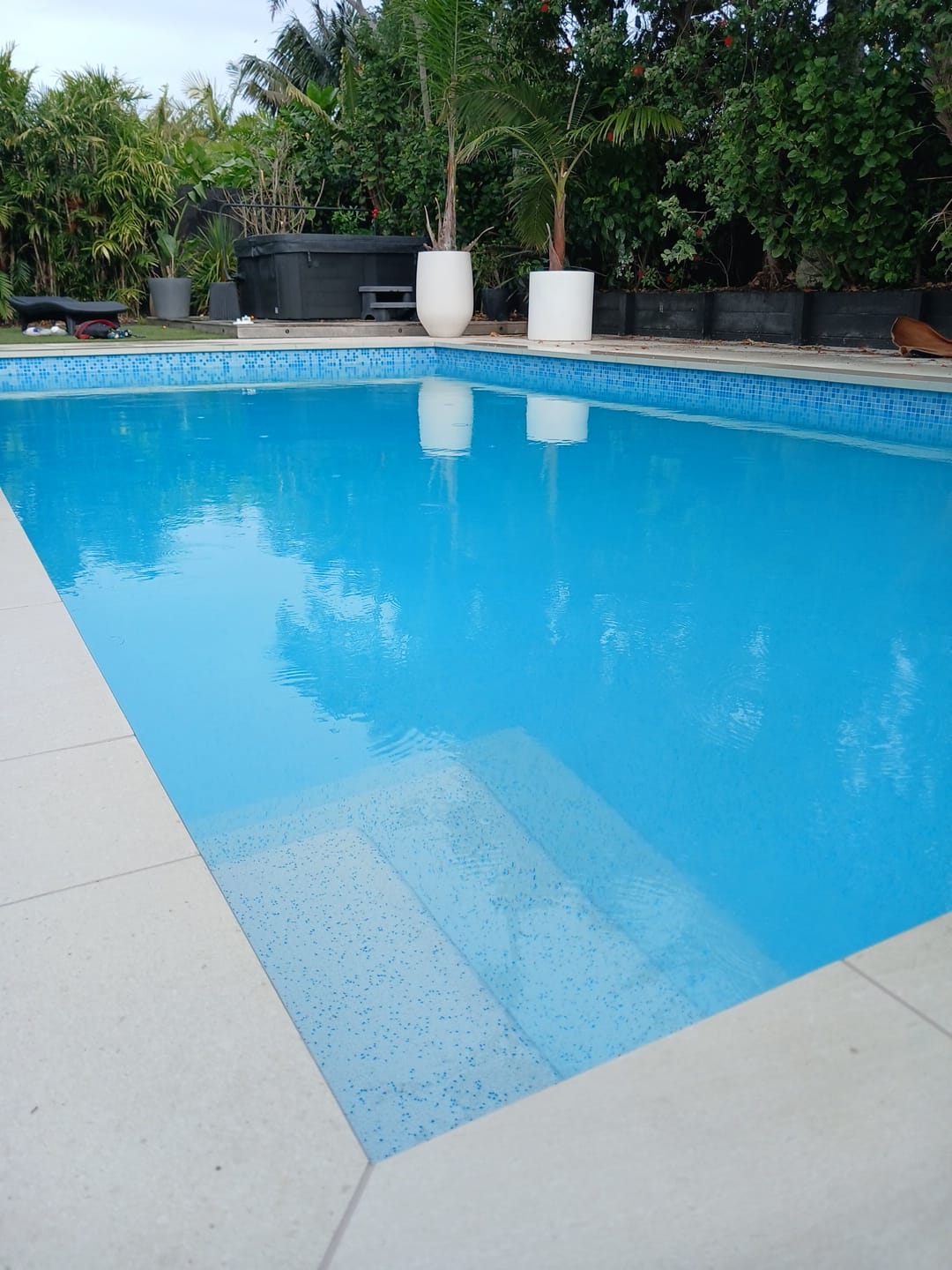
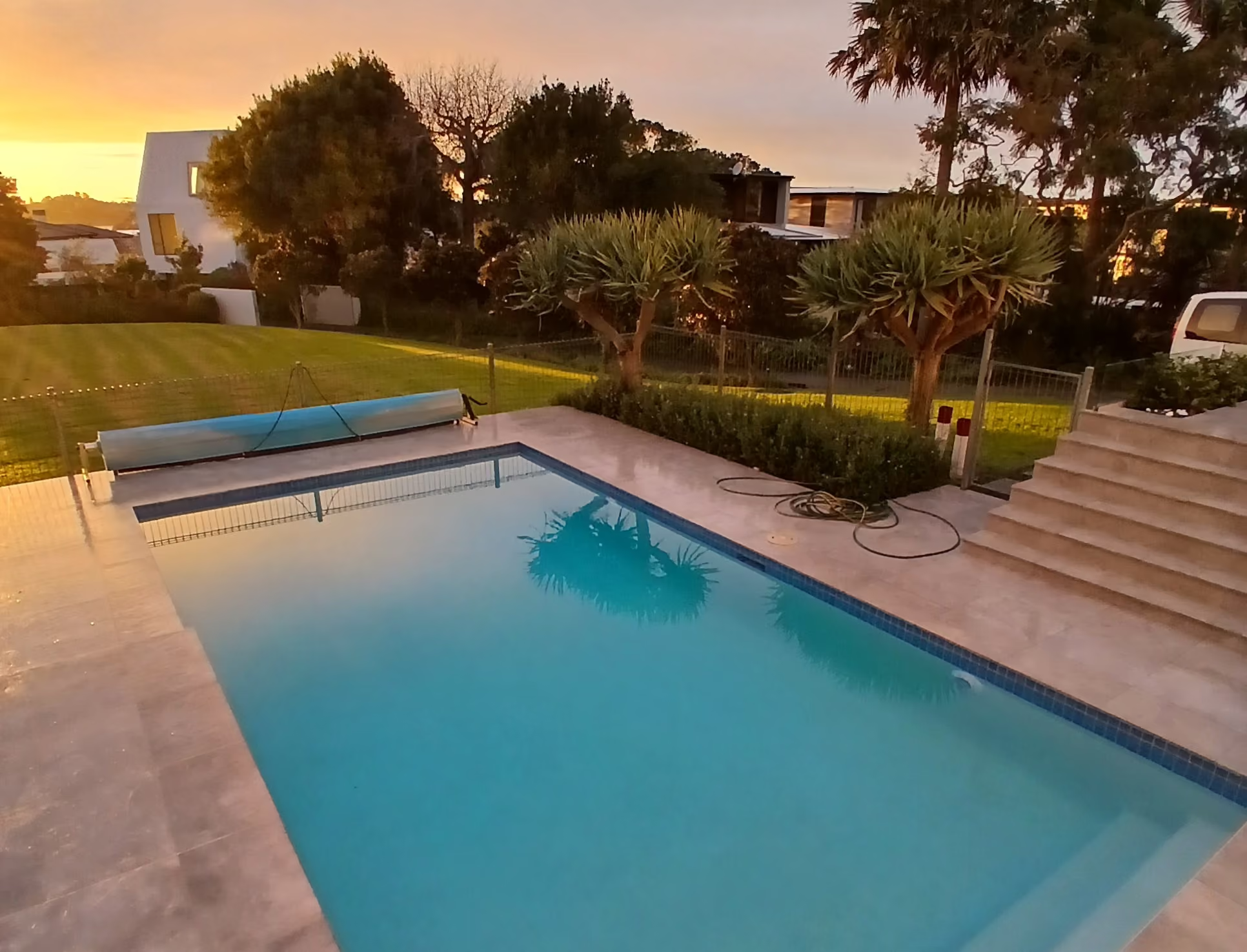
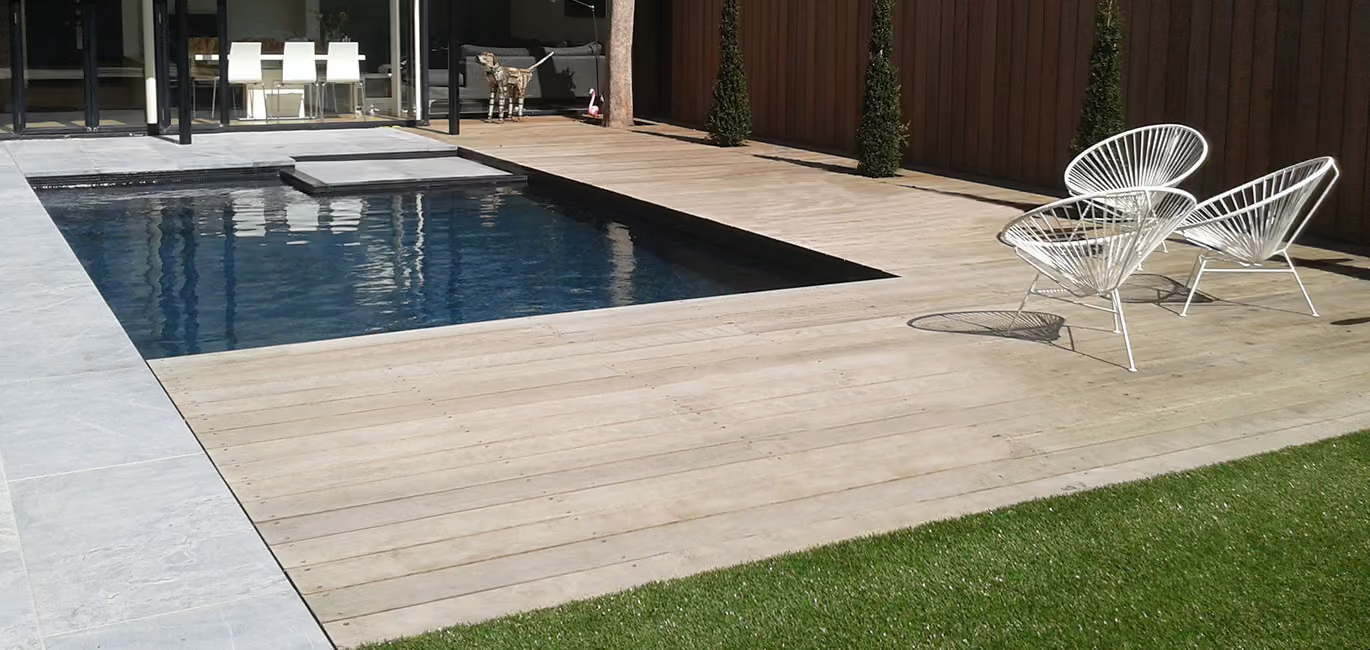
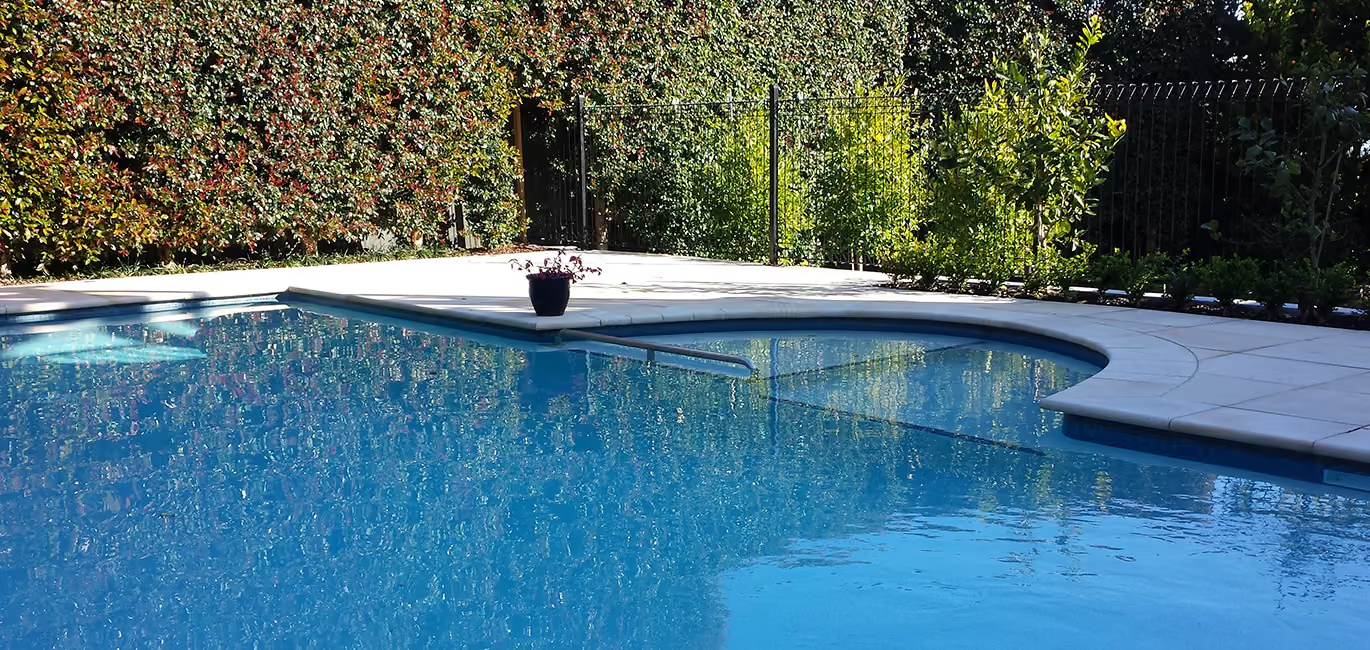
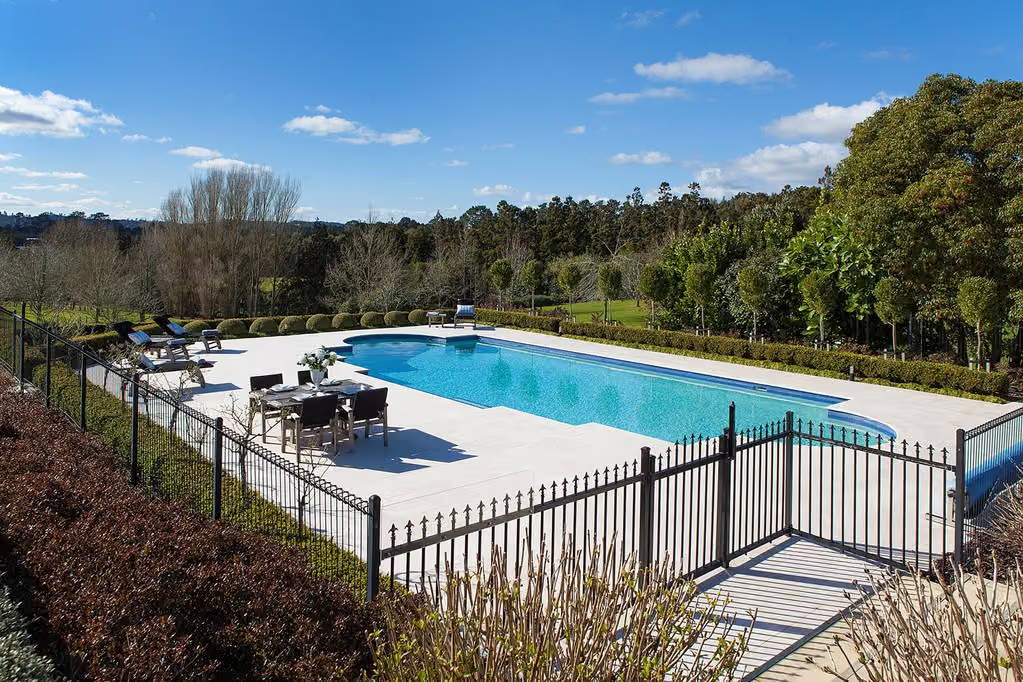
Sparkling Pools has worked on pools across Auckland, including residential renovation projects, equipment upgrades, ongoing maintenance and pool care for managed properties. Past projects show how the right approach can improve presentation, water quality and day-to-day usability. A well-maintained pool is easier to manage, more pleasant to use and better prepared for seasonal changes.
Trusted by Homeowners Across Auckland
Don't just take our word for it. Read what our clients have to say about our transparent communication, reliable service, and stunning pool transformations.
Related Blog Posts
Stay informed on pool care and renovations
Winter pool care essentials for Auckland
Pool Renovation Mistakes

Auckland Climate Pool Maintenance

Choosing Renovation Contractor
Pool Care Auckland Summer
Permits & Consents
Pool Renovation ROI
How Often to Test Pool Water
Pool Renovation Costs
Cost of Pool Service Auckland
Pool Renovation Planning Guide
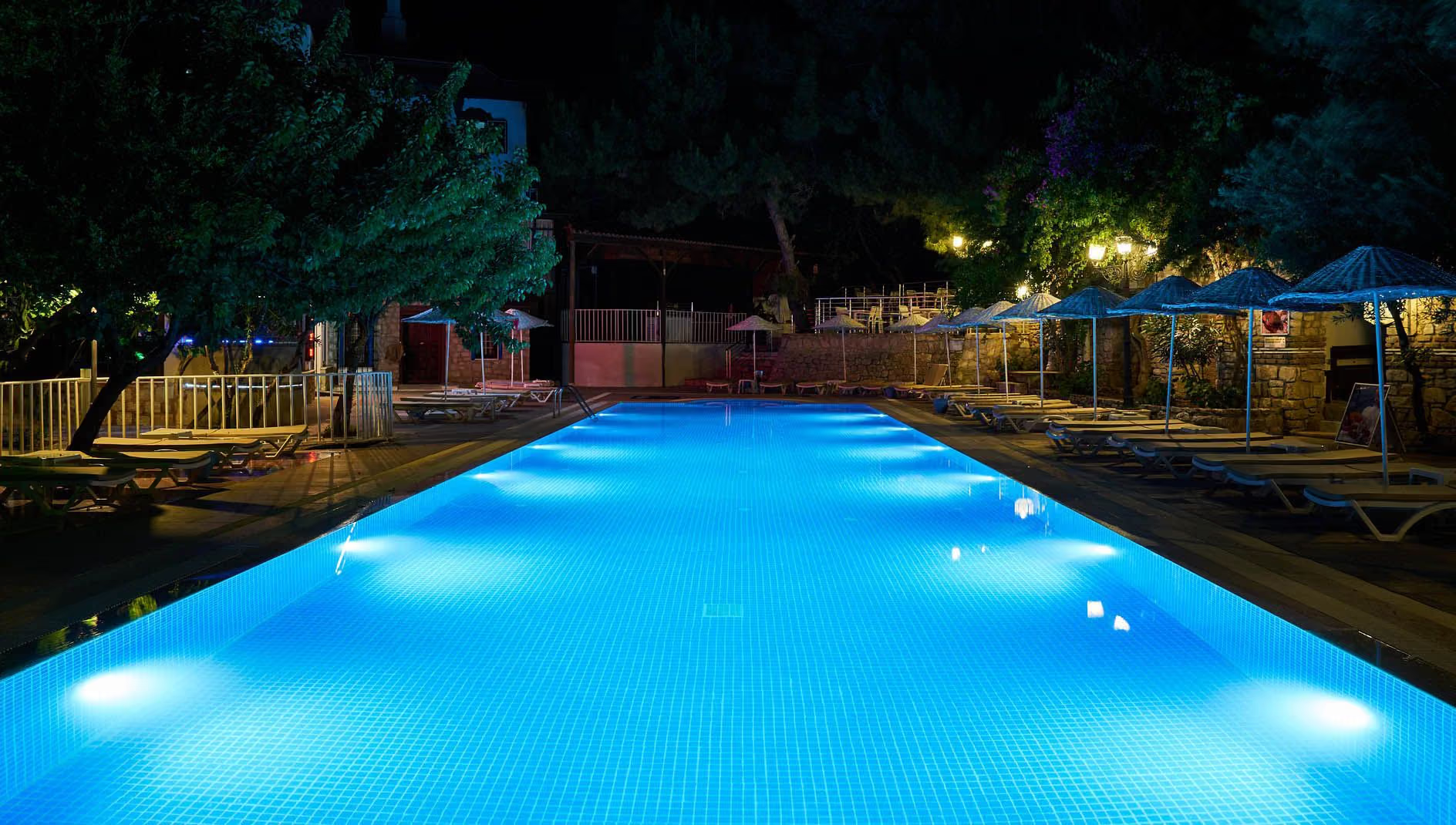
Pool Lighting Buying Guide
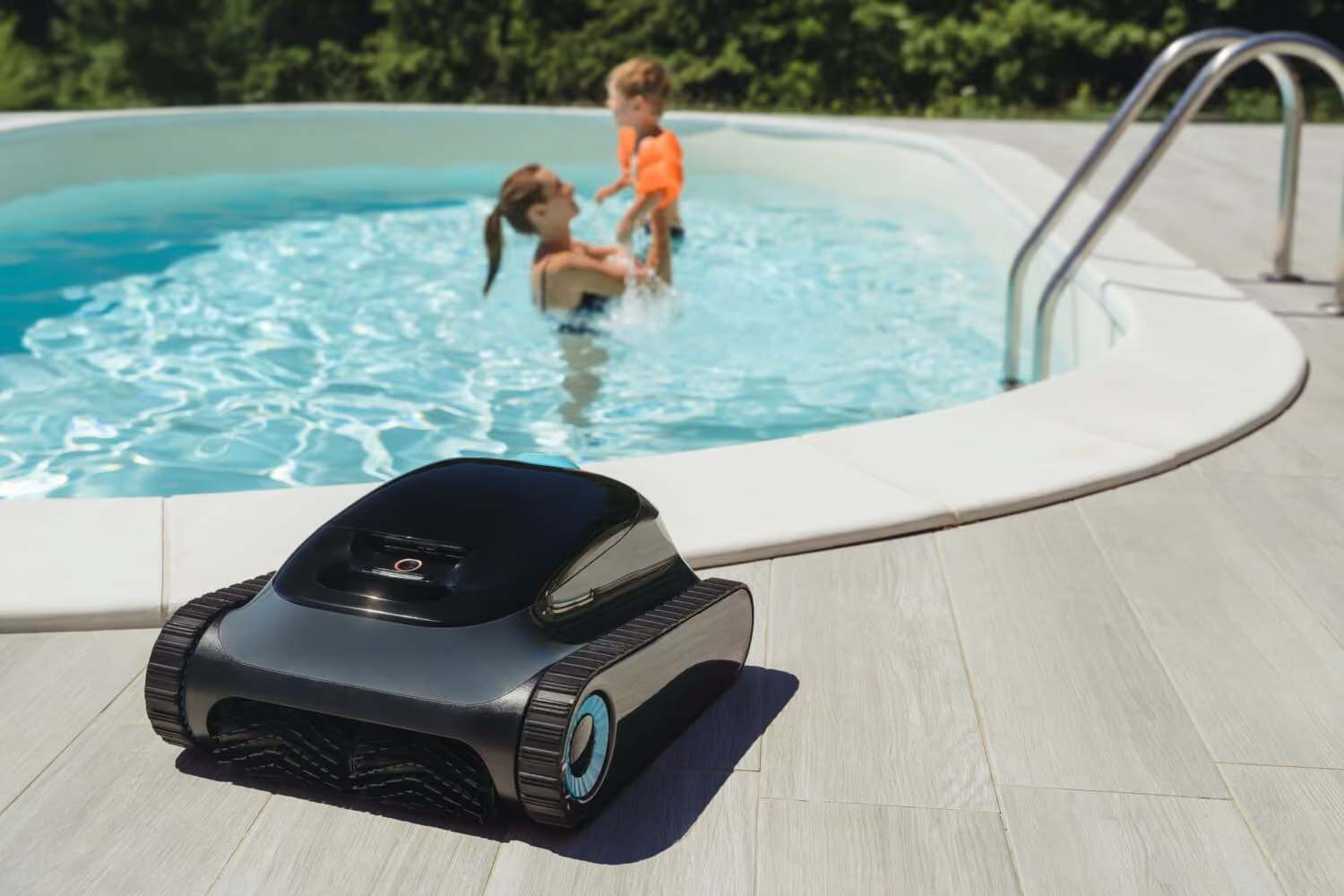
Pool Cleaner Buying Guide
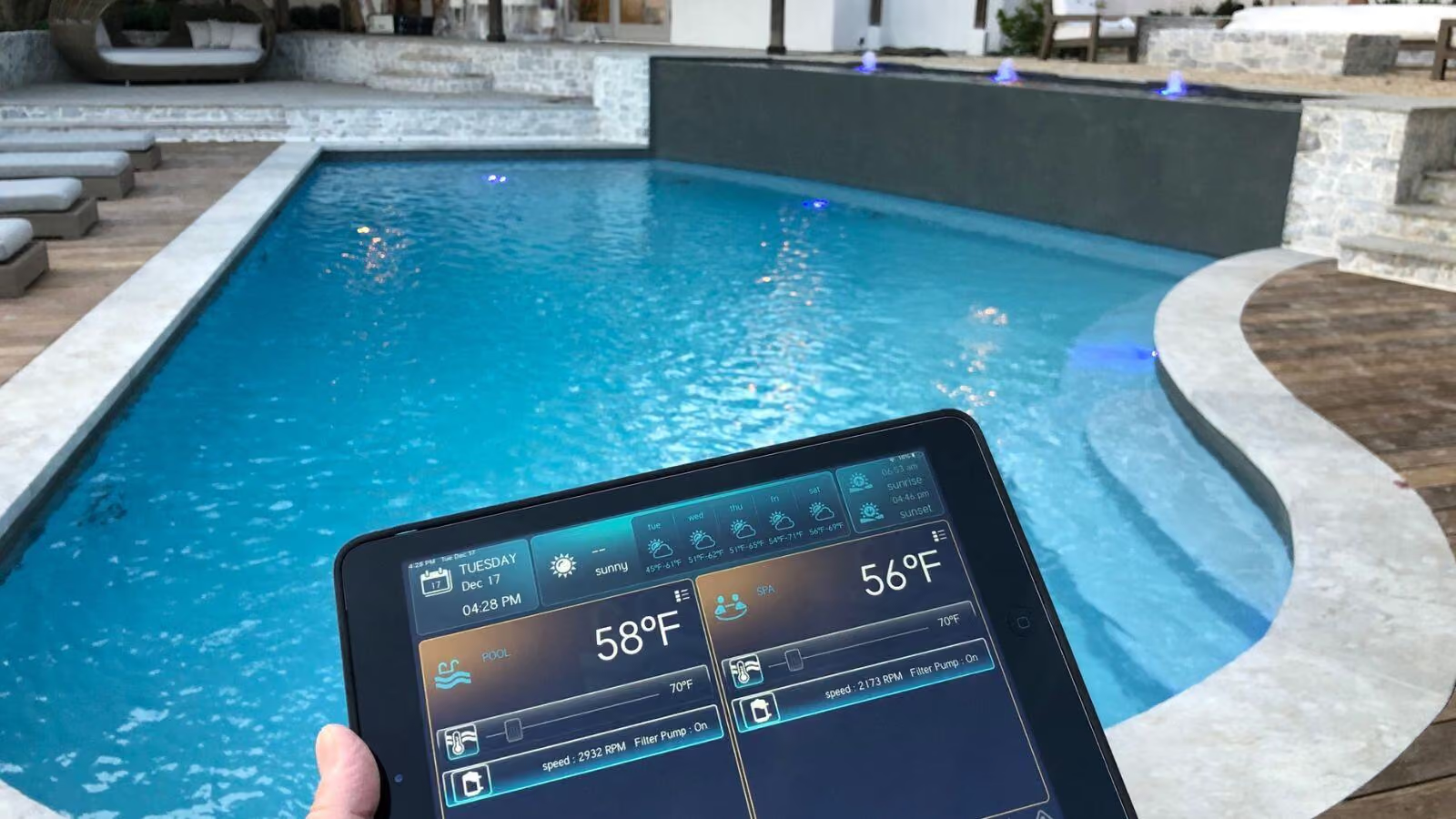
Pool Automation Buying Guide
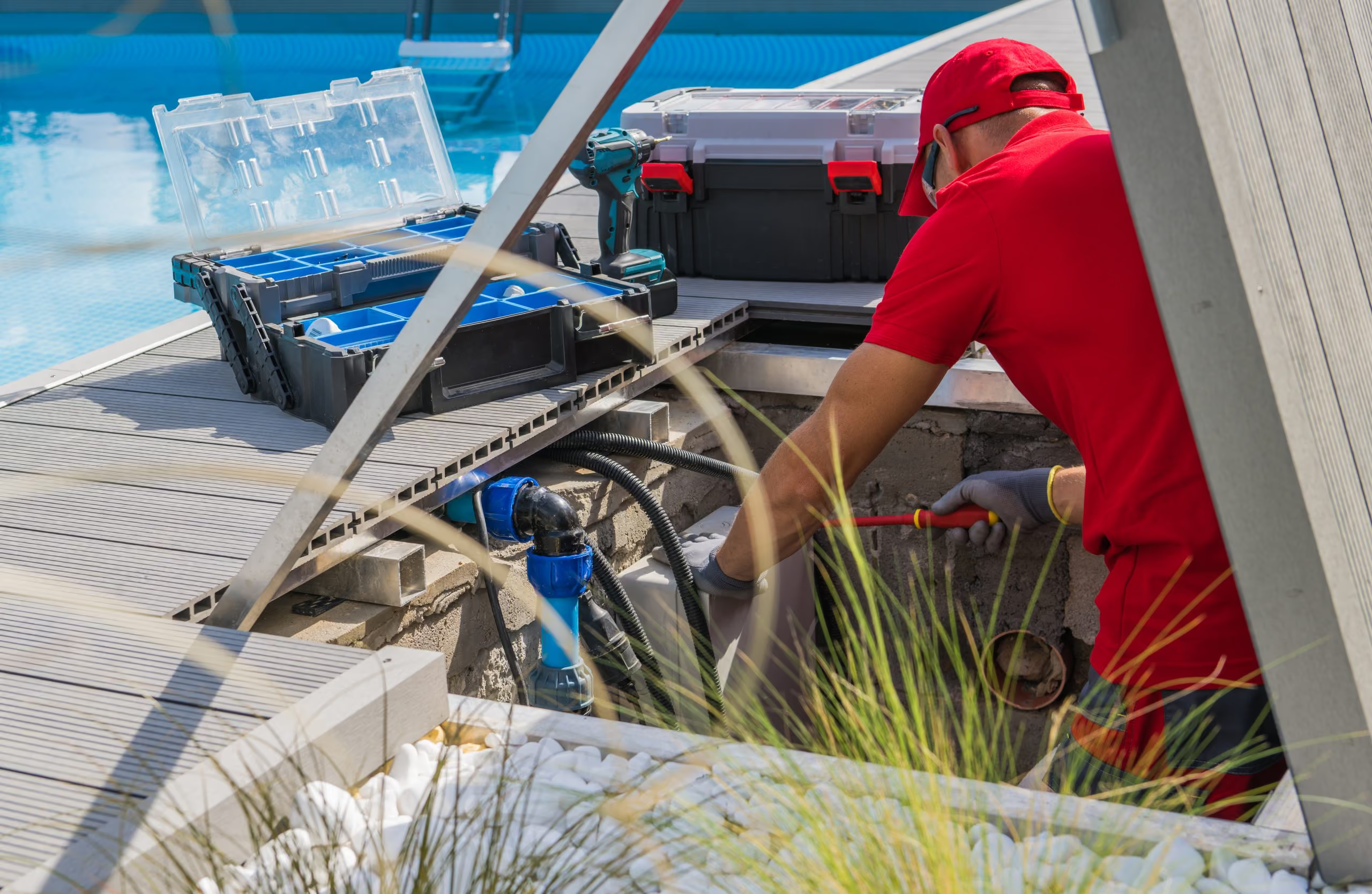
Pool Heater Buying Guide
Pool Filter Buying Guide
Pool Pump Buying Guide
Best Equipment Auckland Climate
Auckland Water Quality
Auckland Pool Season
Pool Ownership Costs
Common Pool Mistakes
Pool Safety Laws
Pool Inspection Requirements
Pool Fence Compliance
.avif)
Auckland Pool Industry Trends
Auckland Pool Regulations
Pool Equipment Suppliers
Best Pool Service Areas
Pool Service Pricing Analysis
Company vs Independent
Best Pool Surface Materials
Pool Resurfacing Options
Pebble vs Plaster Surfaces
One-Time vs Ongoing Service
Full Service vs Chemicals Only
Pool Cover Types
Robotic vs Suction Cleaners
Mineral vs Saltwater
Gas vs Heat Pump
Pool Heater Types
Pool Winterizing Guide Auckland
Pool Opening Guide Summer
Pool Maintenance After Heavy Rain
Pool Maintenance Schedule
How Often to Run Pool Filter
Pool Pump Maintenance Schedule
Pool Filter Cartridge Cleaning
Pool Equipment Maintenance Checklist
Pool Waterline Cleaning
Pool Skimmer Basket Cleaning
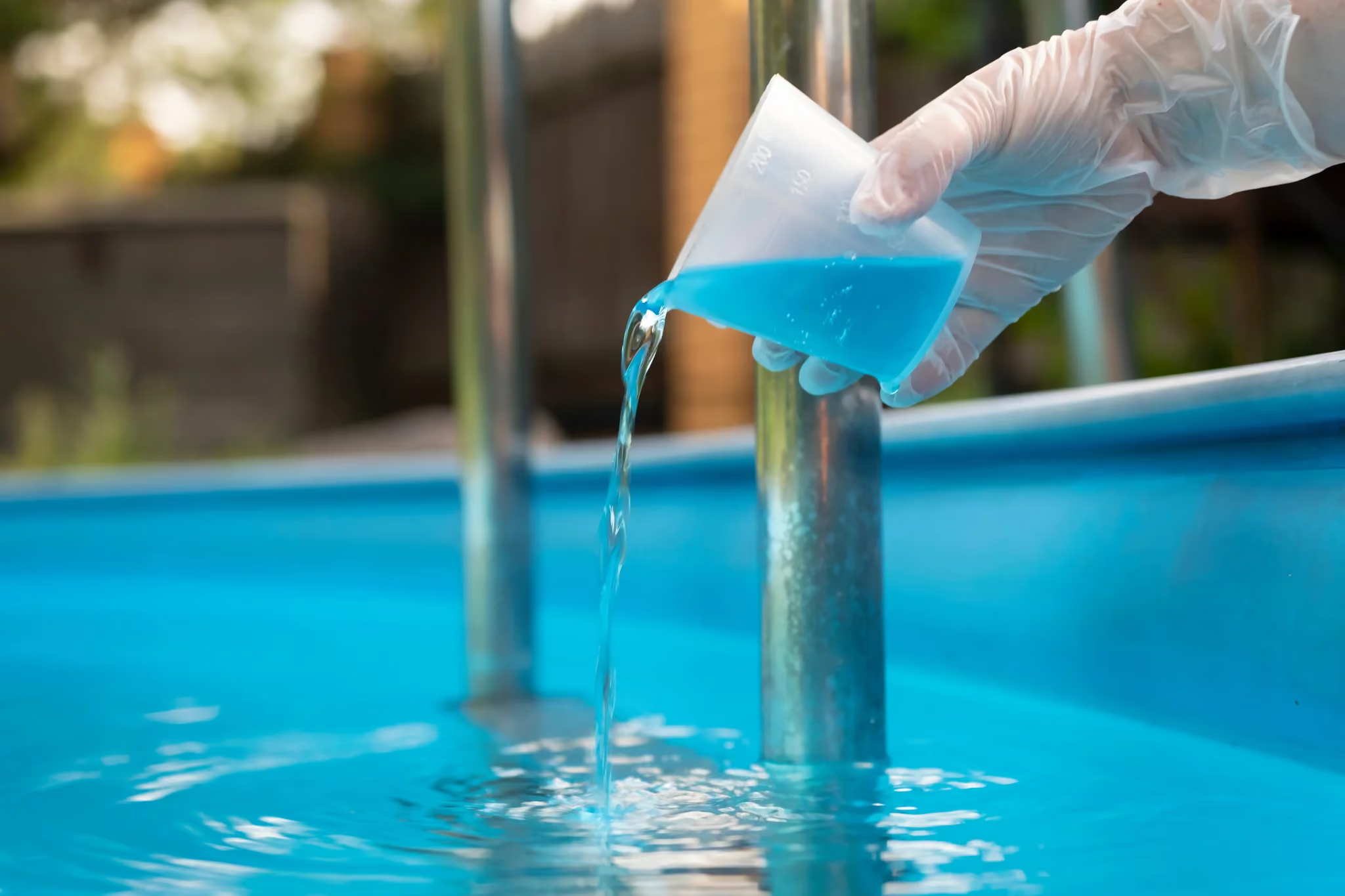
Pool Chlorine Levels
How Often Clean Pool Filter
How to Vacuum Pool
Pool Brushing Technique
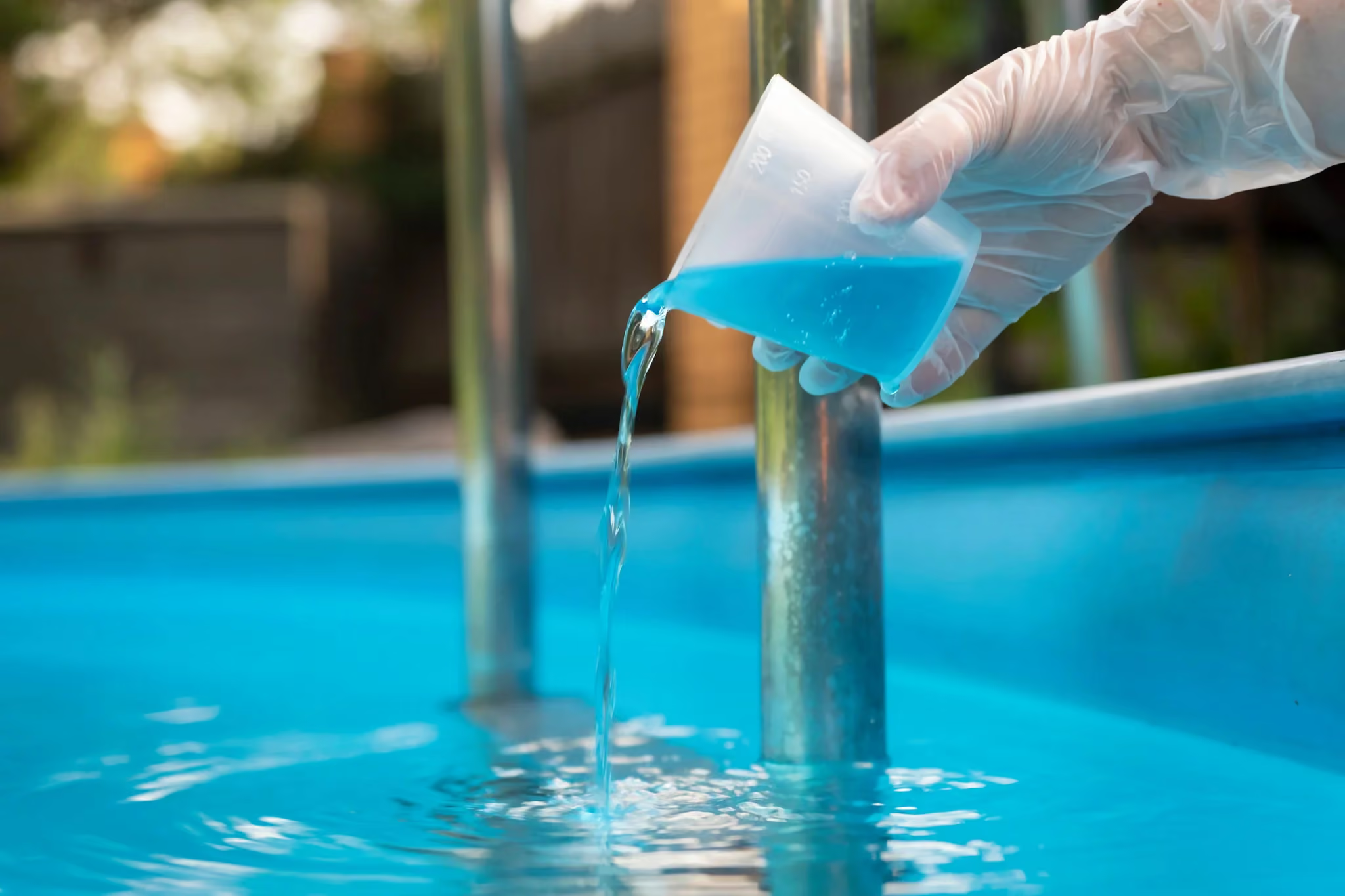
Pool Chemical Dosing Chart
Pool Water Chemistry Basics
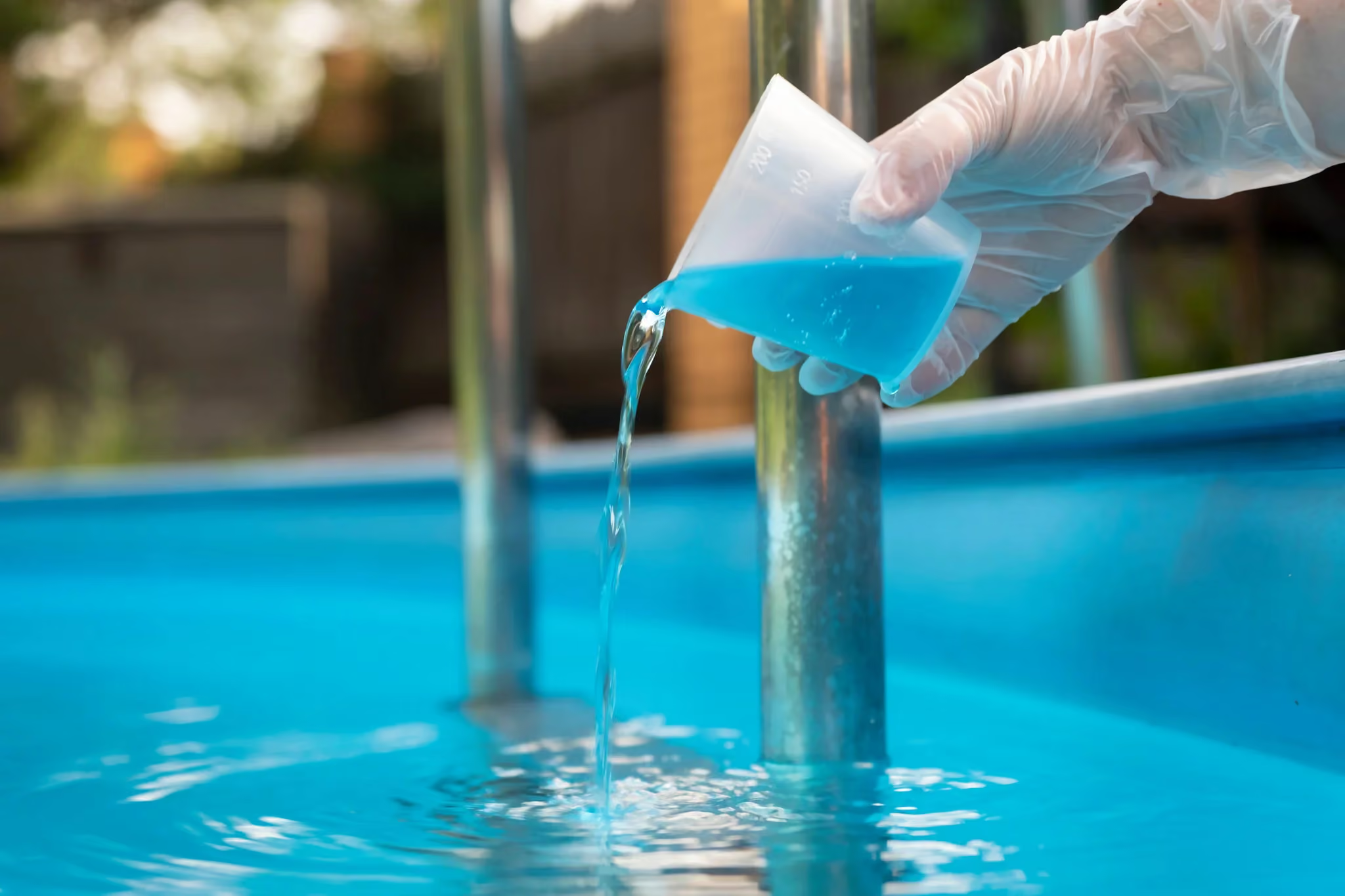
How to Balance Pool Chemistry
How to Test Pool Water
Pool Maintenance Tips
Complete Pool Maintenance Guide
Pool Service ROI
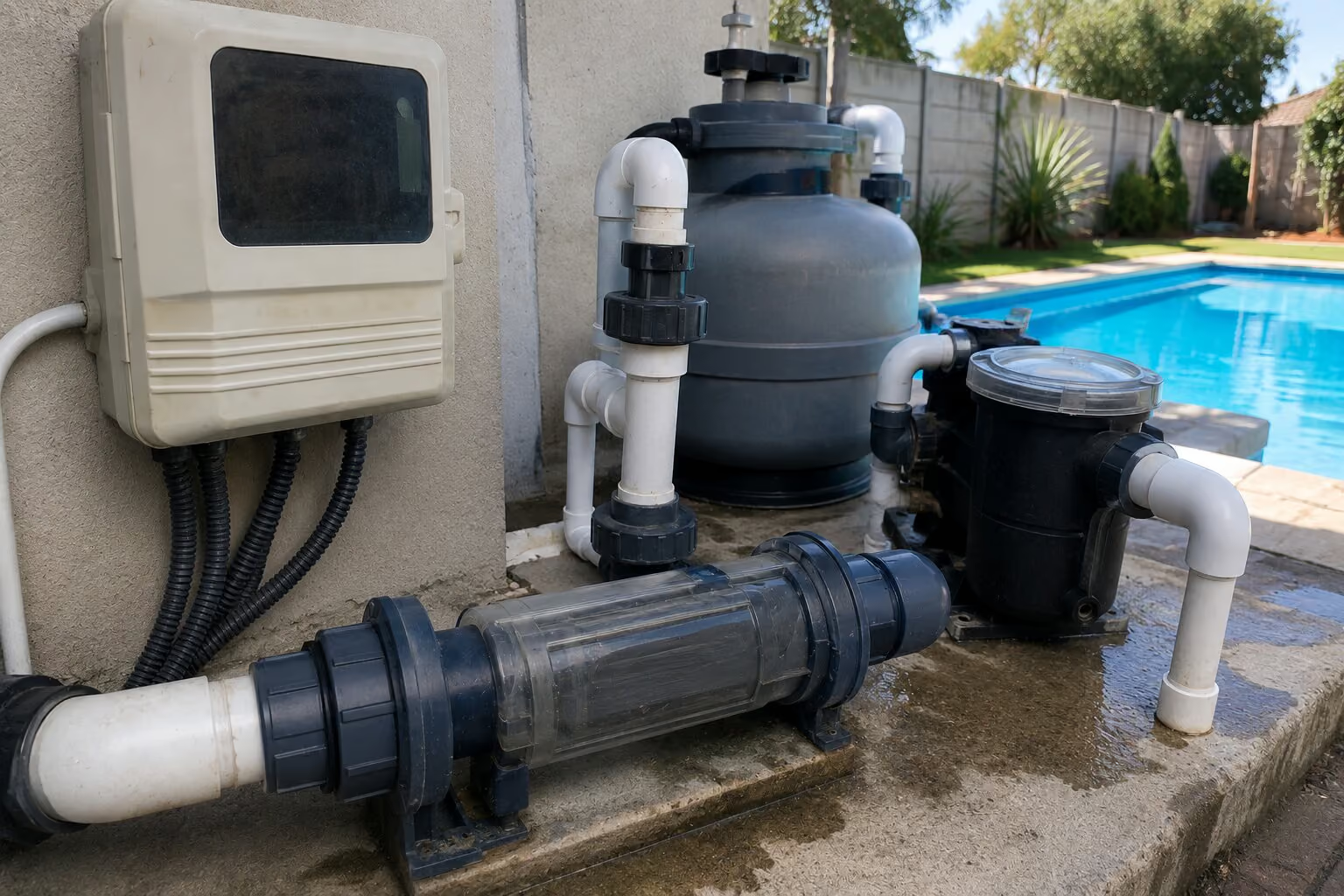
Pool Equipment Buy or Service
Pool Maintenance Time Requirements
DIY vs Professional
Pool Service Contract
Pool Service vs Pool Valet
Is Pool Service Worth It
Pool Service Guarantees
Pool Service Reviews
Pool Service Red Flags
Questions to Ask Pool Companies
How to Choose Pool Service Company
Hidden Costs DIY Maintenance
Pool Cleaning Prices Auckland
Cost of Pool Resurfacing
Cost of Pool Pump Replacement
Cost to Fix Green Pool
Pool Liner Wrinkles
Pool Cracks When to Worry
Pool Surface Stains
Pool Valve Leaking
Pool Automation Not Working
Pool Light Not Working
Pool Heater Not Heating
Pool Skimmer Not Working
High Pool Filter Pressure
Pool Losing Water
Pool Filter Not Clearing Water
Pool Pump Leaking
Pool Pump Not Pumping
Pool Pump Losing Prime
Pool Pump Noisy
Pool Pump Not Working
Pool Water Foaming
Pool pH Too Low
Pool pH Too High
Green Pool After Rain
Pool Still Green After Shock
Pool Water Cloudy
How to Clear a Green Pool
Pool Care That Protects Your Investment
Good pool care protects more than appearance. Our pool specialists support the long-term condition of your swimming pool while keeping it ready for everyday use.