Pool Maintenance After Heavy Rain

Why Auckland trusts our pool service expertise
Heavy rain affects pool water in several ways at once, it dilutes chlorine, lowers pH, and introduces organic matter and phosphates from runoff. Acting promptly after a rain event helps prevent algae growth and keeps the water safe for swimming.
The steps below summarise what to do and what to watch for after a downpour.
What you'll learn
Why Heavy Rain Affects Your Pool
A heavy downpour does more than fill your pool with extra water. Rainwater is naturally acidic and dilutes your pool's chemical balance. Runoff from surrounding surfaces carries dirt, fertilisers, lawn clippings, bird droppings, and other organic matter into the water. Together, these can drop your pH, reduce your sanitiser levels, and create conditions where algae and bacteria can take hold quickly.
Auckland's climate means heavy rain events are common year-round, not just in winter. Knowing what to check after a storm means you can act before small problems become bigger ones.
---
What Heavy Rain Does to Your Pool Chemistry
It lowers pH
Rainwater is typically acidic. When a large volume enters your pool, it can pull the pH down below the safe range. Low pH makes the water corrosive, uncomfortable for swimmers and potentially damaging to pool surfaces and equipment over time.
It dilutes chlorine
The influx of fresh water reduces your chlorine concentration. At the same time, the organic material carried in by runoff increases chlorine demand. The result: your sanitiser gets used up faster than normal, leaving the water less protected.
It introduces phosphates and organic matter
Fertilisers, leaf litter, and soil runoff are rich in phosphates and organic compounds. These act as a food source for algae. If your chlorine is already low after rain, algae can begin to establish within a day or two.
It can raise or lower total alkalinity
Depending on what enters the pool, total alkalinity can shift in either direction. Low alkalinity makes pH unstable and harder to correct. High alkalinity can cause cloudiness and scale.
---
What to Check After Heavy Rain
Work through these checks in order. Don't skip ahead, each one informs the next.
1. Check the water level
Heavy rain often overfills pools. An overfull pool reduces the effectiveness of your skimmer, which relies on surface tension to pull in debris. If the water level is above the midpoint of the skimmer opening, drain some water down before doing anything else.
2. Remove debris
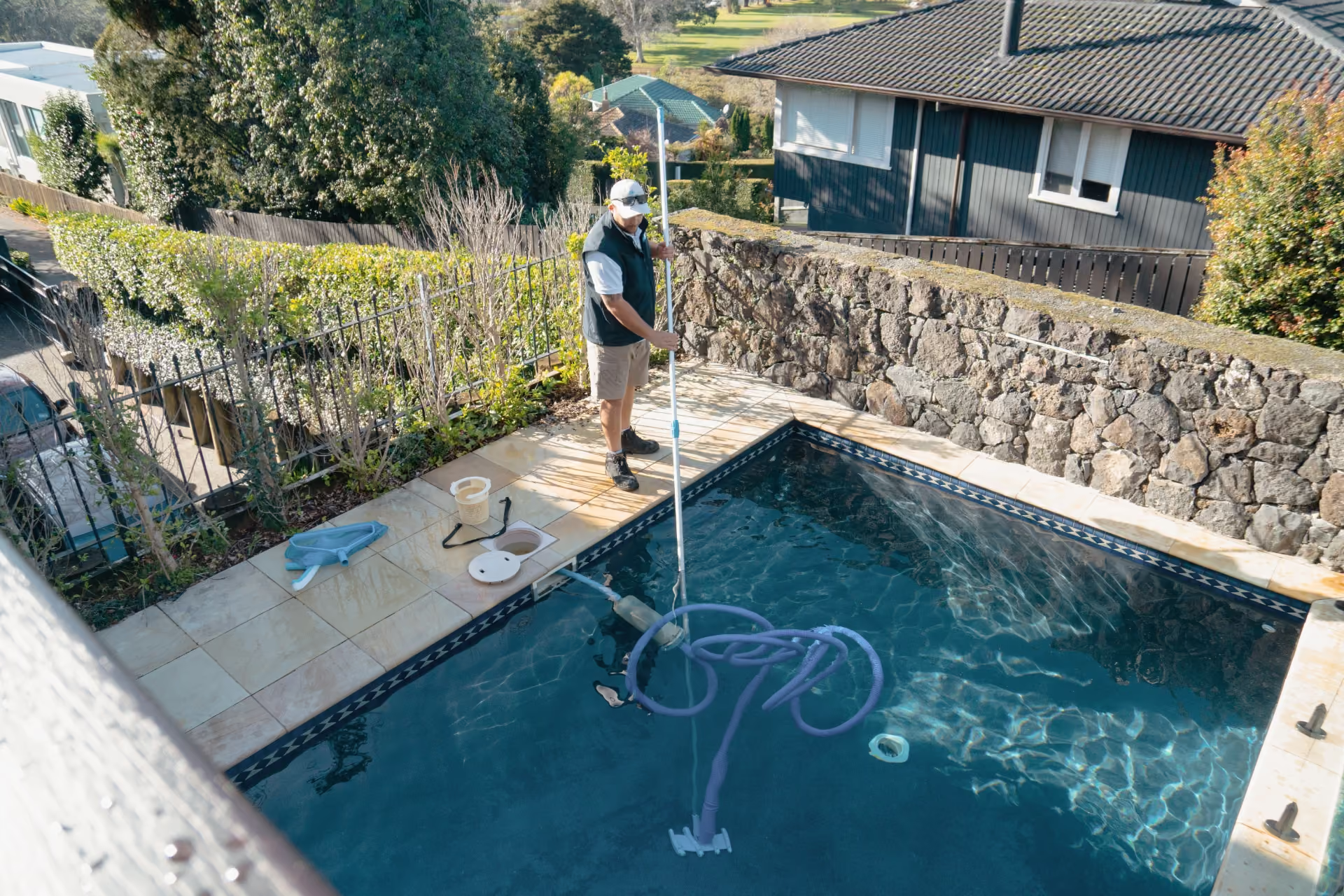
Use a leaf net or skimmer to clear leaves, twigs, and other debris from the surface and floor. The sooner you remove organic matter, the less it breaks down and depletes your chlorine.
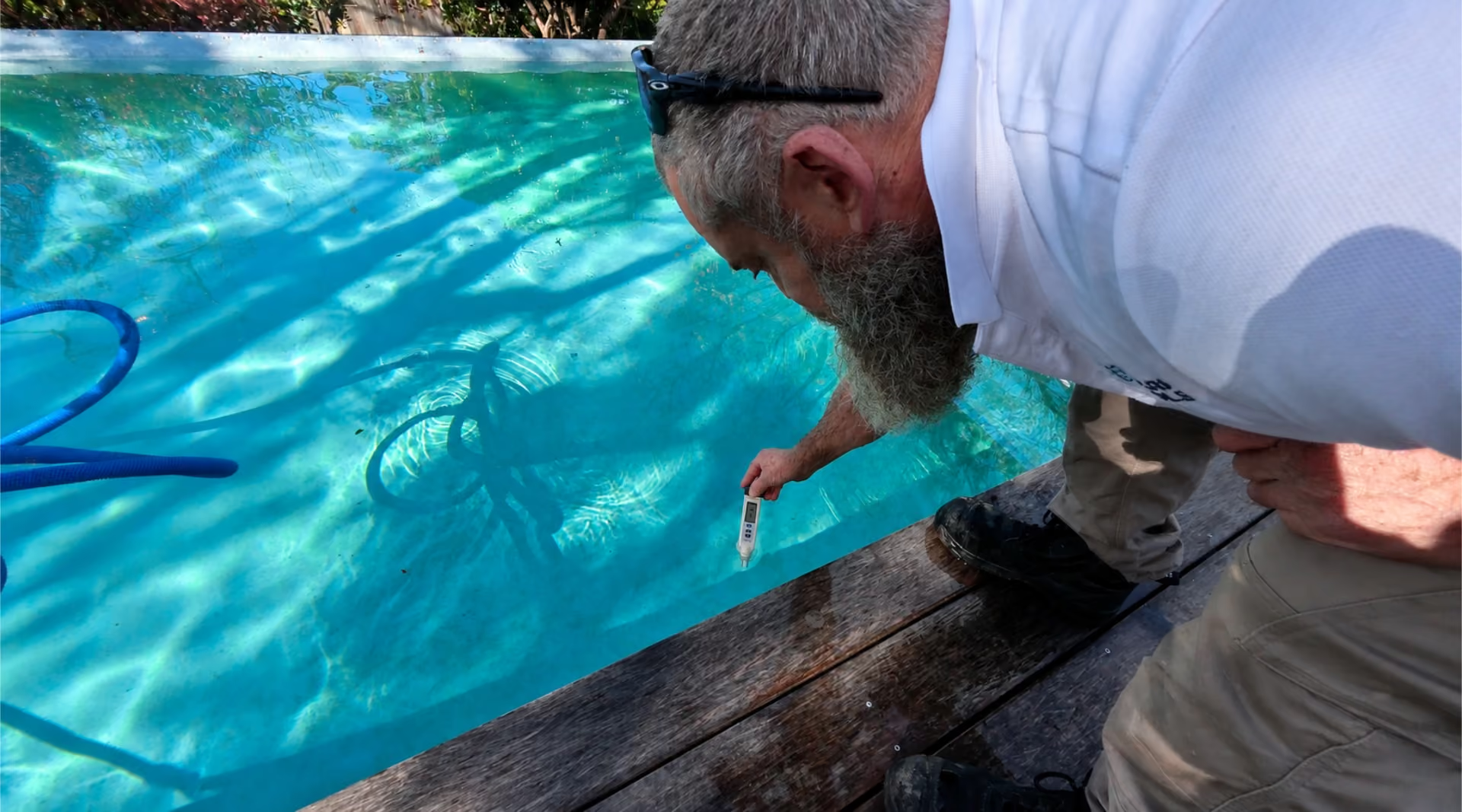
3. Test the water
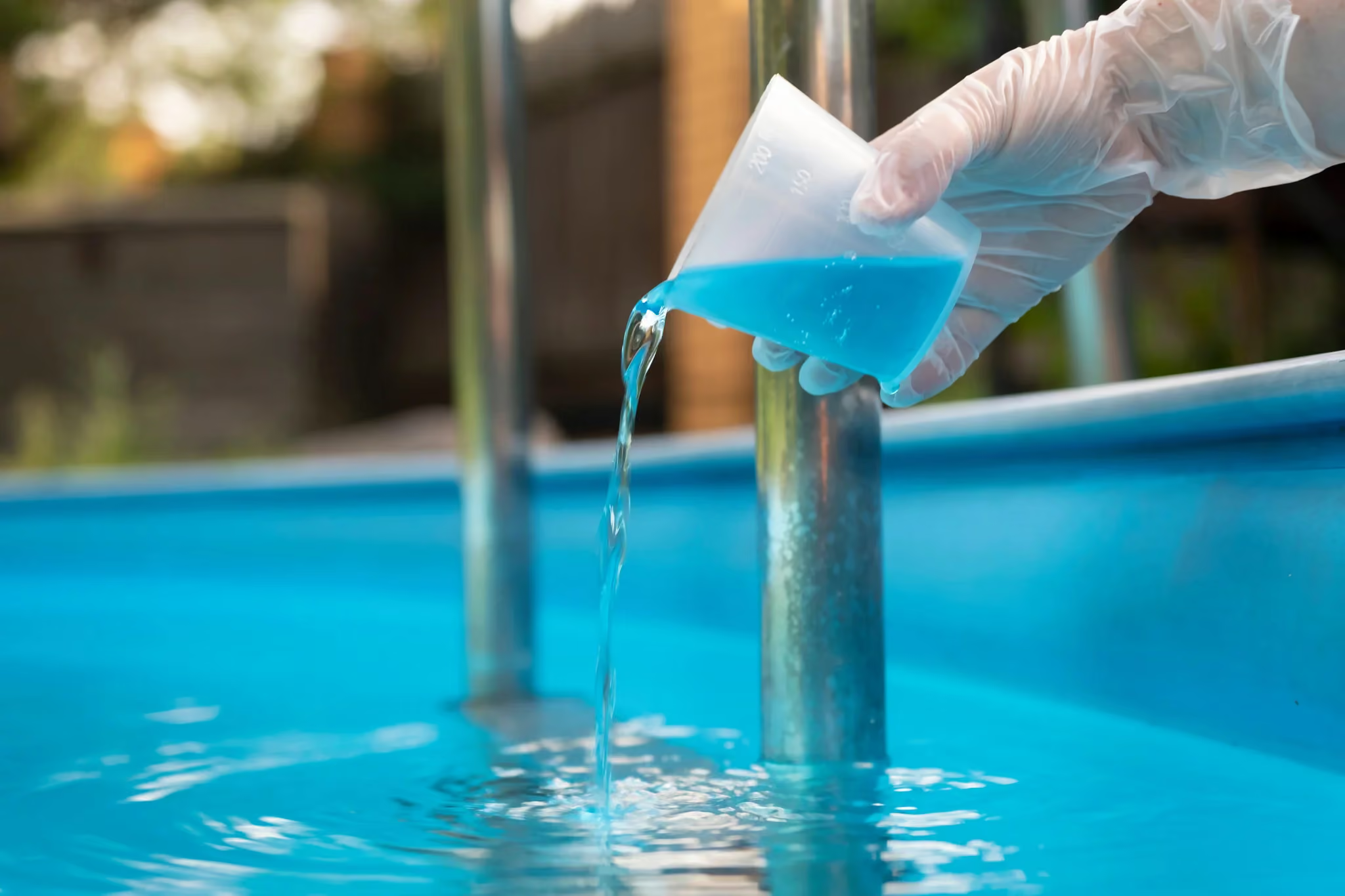
Test your pool water as soon as possible after a rain event. The key parameters to check are:
- pH, aim for the correct range for your pool type
- Total alkalinity, this buffers pH and should be checked before adjusting pH
- Free chlorine, confirm your sanitiser level is adequate
- Phosphates, elevated levels after runoff can fuel algae growth
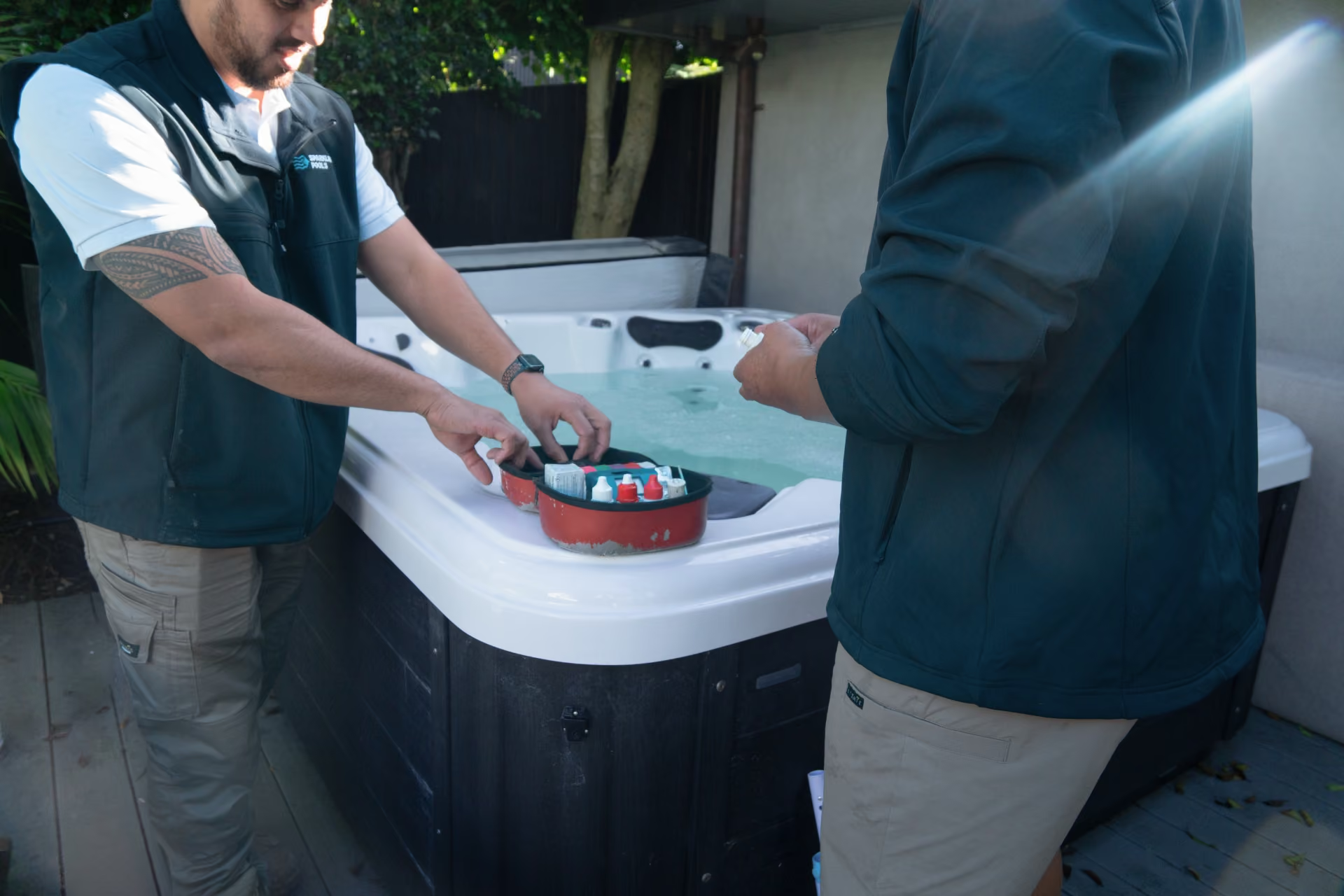
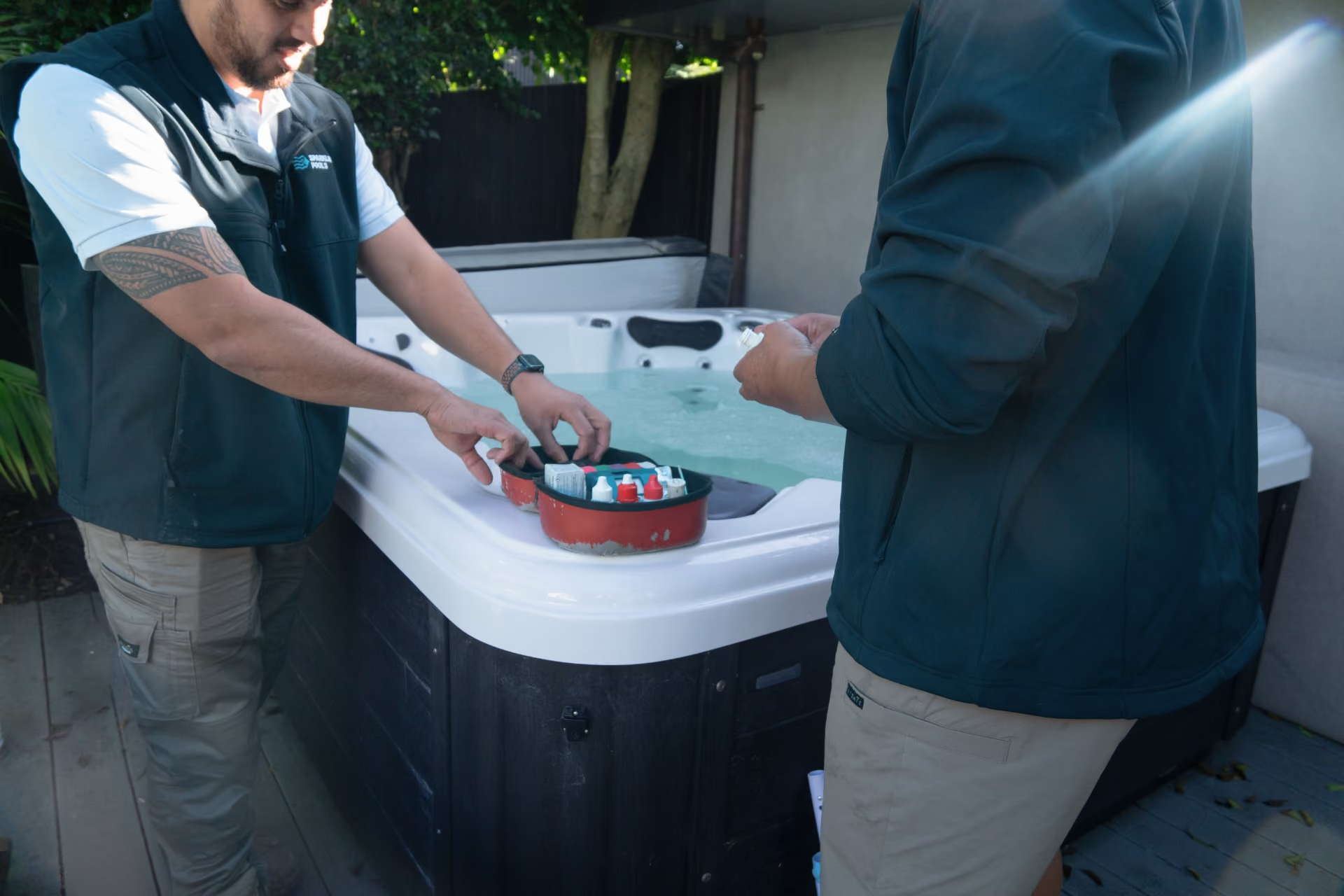
If you don't have a reliable test kit at home, Sparkling Pools offers on-site water testing across Auckland. A technician comes to your home and tests everything on site.
4. Check your filter and skimmer baskets
After heavy rain, skimmer and pump baskets fill up quickly. A blocked basket restricts water flow and puts strain on your pump. Empty them and check that your filter is running properly.
5. Run your filter longer than usual
After a significant rain event, run your filtration system for an extended period to help clear the water and process any fine particles that have entered the pool. This is especially important if the water looks cloudy or discoloured.
---
How to Rebalance Your Pool After Rain
Once you have your test results, work through corrections in this order. Adjusting in the wrong sequence wastes chemicals and can make the problem worse.
1. Adjust total alkalinity first. Alkalinity stabilises pH, so correct it before touching pH. If it's low, add a suitable alkalinity increaser. If it's high, an acid dose will bring it down, but go carefully and retest.
2. Adjust pH. Once alkalinity is in range, bring pH into the correct zone. Use pH increaser (sodium carbonate) if it's low, or pH reducer (sodium bisulphate or muriatic acid) if it's high.
3. Shock the pool. After rain, a shock dose of chlorine helps oxidise the organic material that's entered the water and restores your sanitiser level. This is especially important if the pool looks cloudy or if you've had a lot of runoff. Shock in the evening to avoid UV degradation.
4. Treat for phosphates if needed. If your test shows elevated phosphates, a phosphate remover will reduce the food source available to algae.
5. Check again after 24 hours. Retest the water the following day to confirm levels have stabilised before swimming.
---
What People Commonly Miss
Waiting too long to act
The longer you leave an unbalanced pool after rain, the harder it becomes to correct. Algae can begin to establish within 24-48 hours if chlorine is low and conditions are right. Test and treat promptly.
Forgetting the filter
Many pool owners focus on chemistry and overlook the filter. A dirty or overloaded filter won't clear the water effectively, even if your chemicals are correct. Clean or backwash your filter after a heavy rain event.
Assuming the pool is fine because it looks clear
Water can look clear but still be chemically out of balance. Low pH and low chlorine aren't always visible. Always test, don't rely on appearance alone.
Not checking the pool surrounds
After rain, check the area around your pool for debris, soil displacement, or anything that could continue washing into the water. Clearing the surrounds reduces ongoing contamination.
---
When to Call a Professional
Most post-rain maintenance is straightforward if you have a test kit and the right chemicals on hand. However, call a pool professional if:
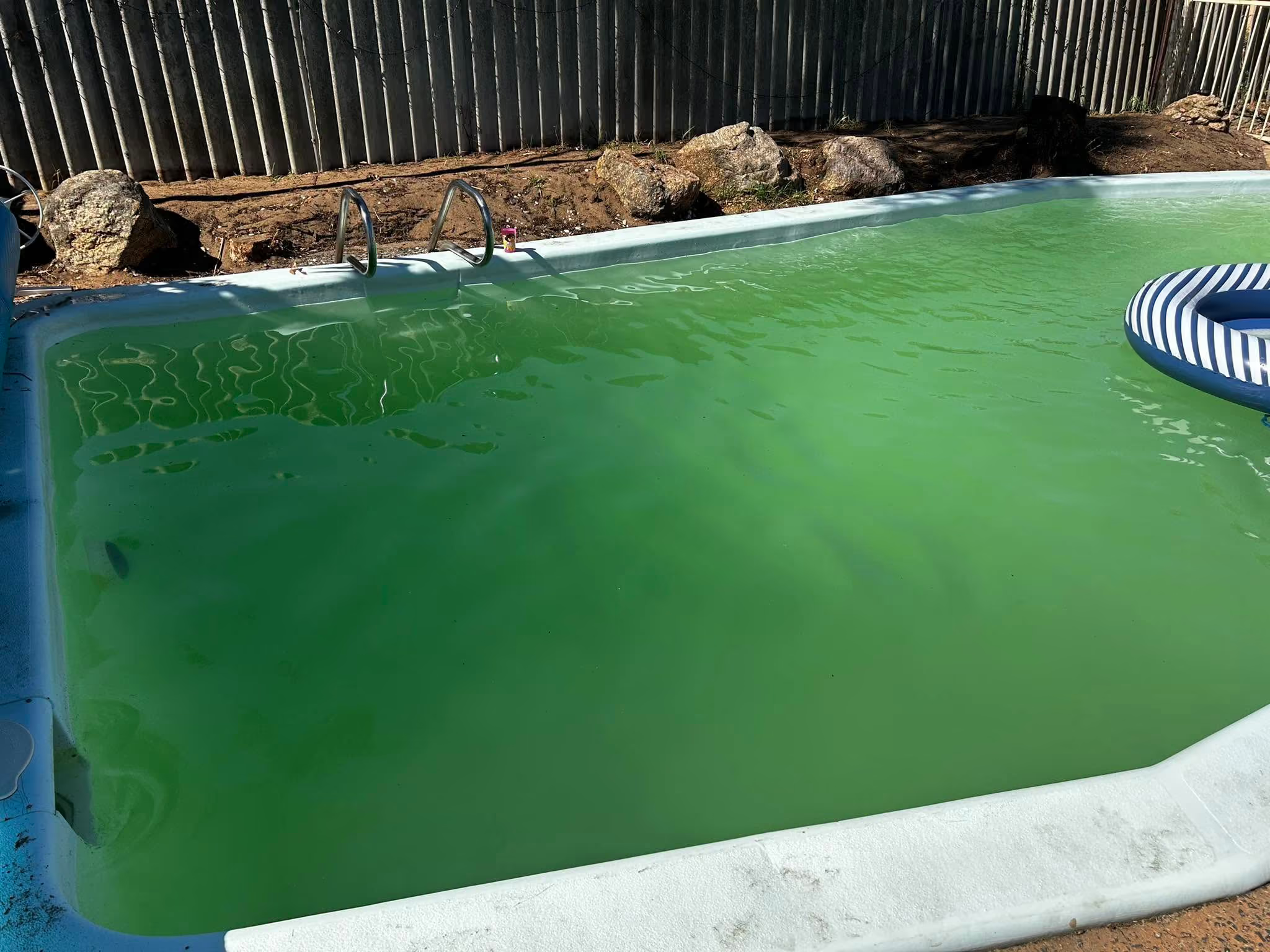
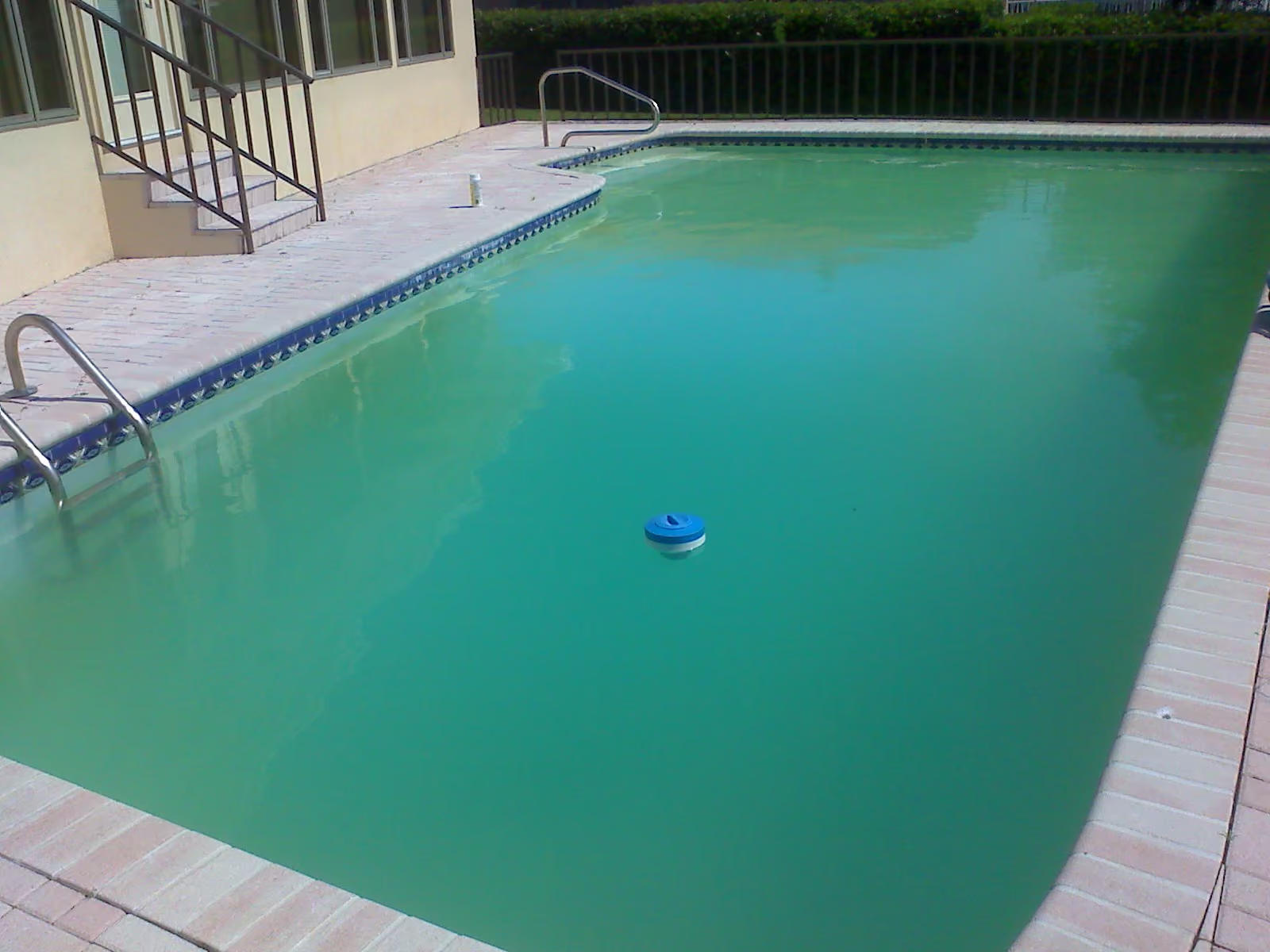
- The water has turned green or is heavily clouded and isn't responding to treatment
- You're unsure how to interpret your test results or which chemicals to add
- Your equipment, pump, filter, or chlorinator, isn't operating normally after the rain event
- You've had significant flooding or debris ingress that may have affected your equipment
Sparkling Pools provides on-site water testing and pool servicing across Auckland. If your pool isn't coming right after rain, a technician can assess the water and equipment on site and advise on the right course of action.
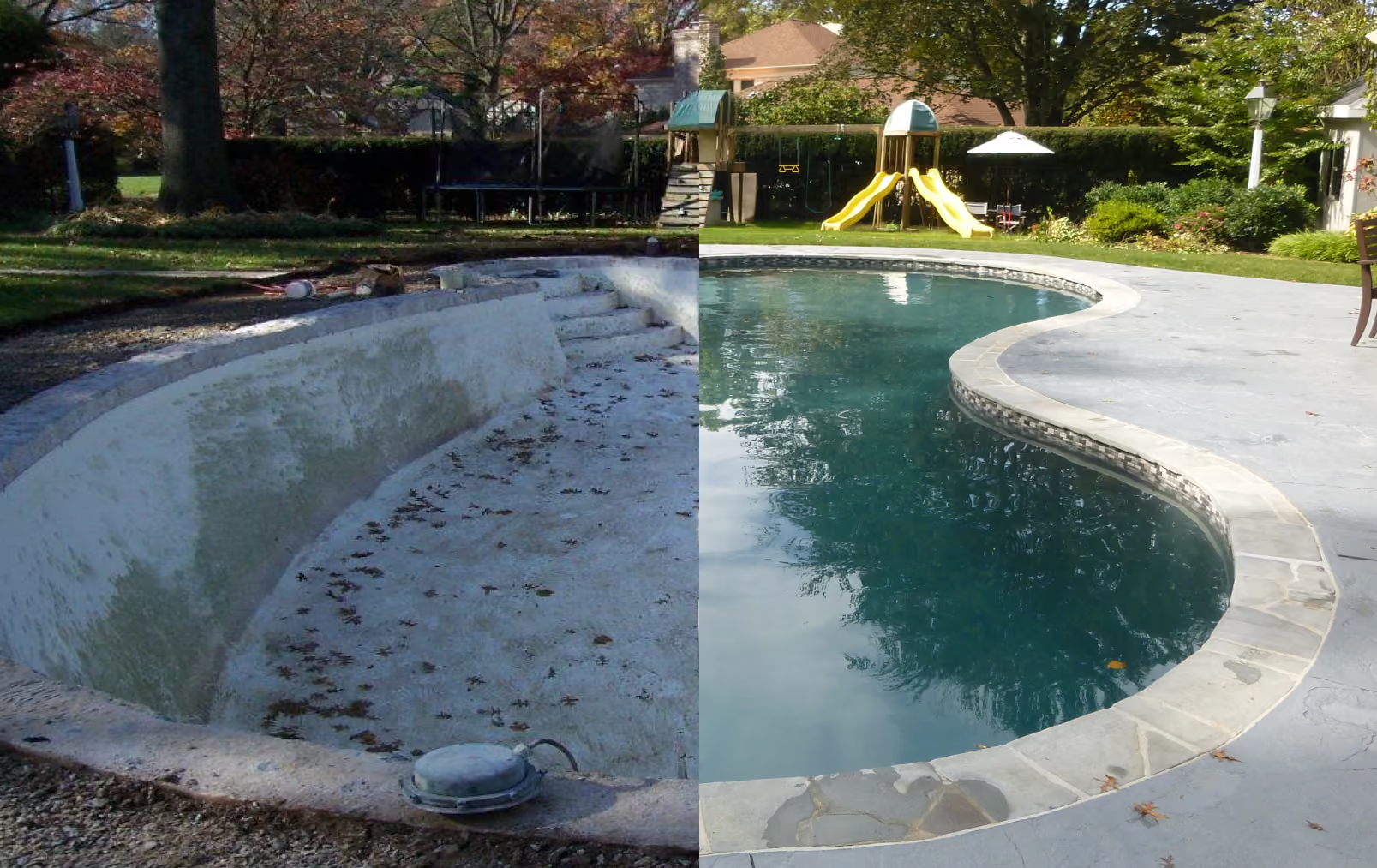
Pool resurfacing solutions
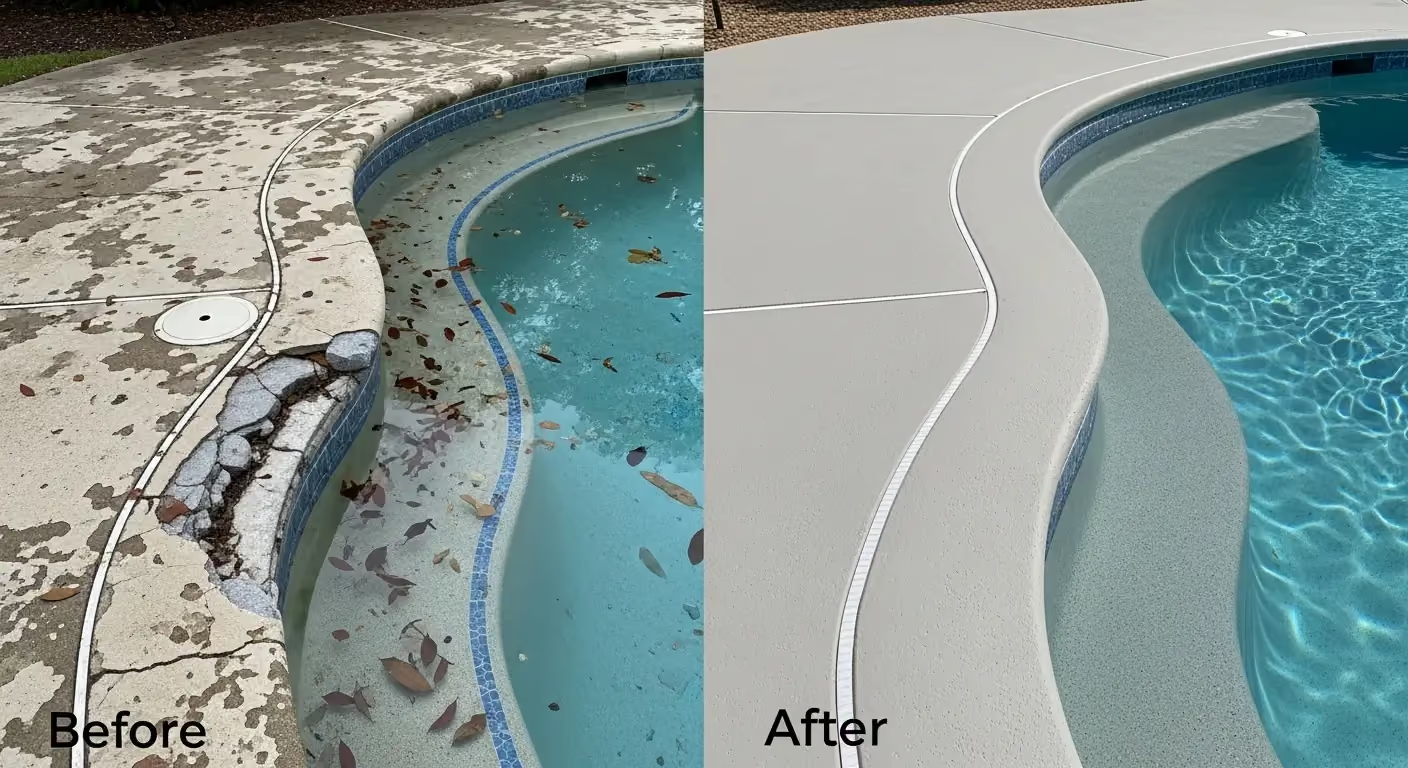
Restore your pool with durable plaster finishes

Work completed
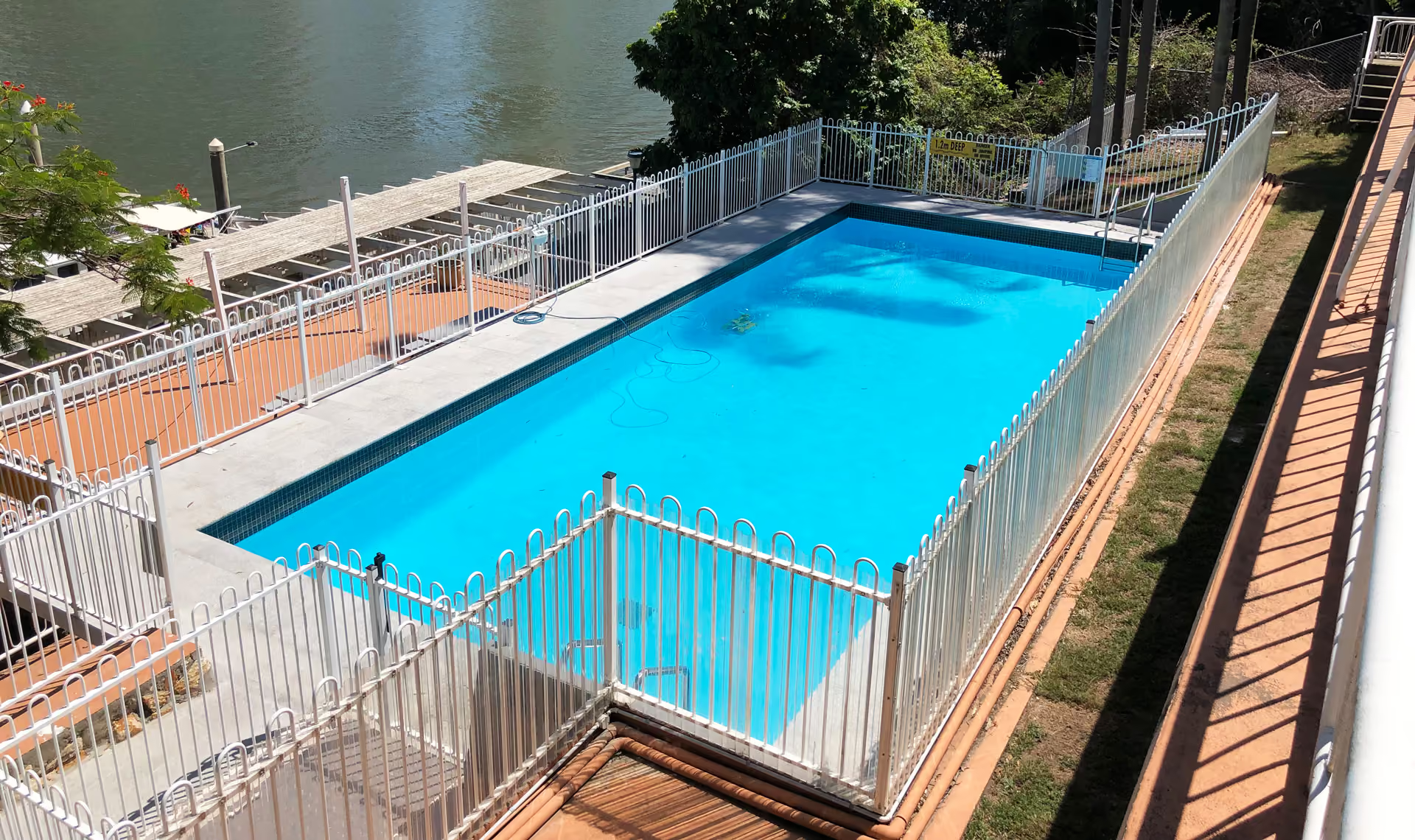
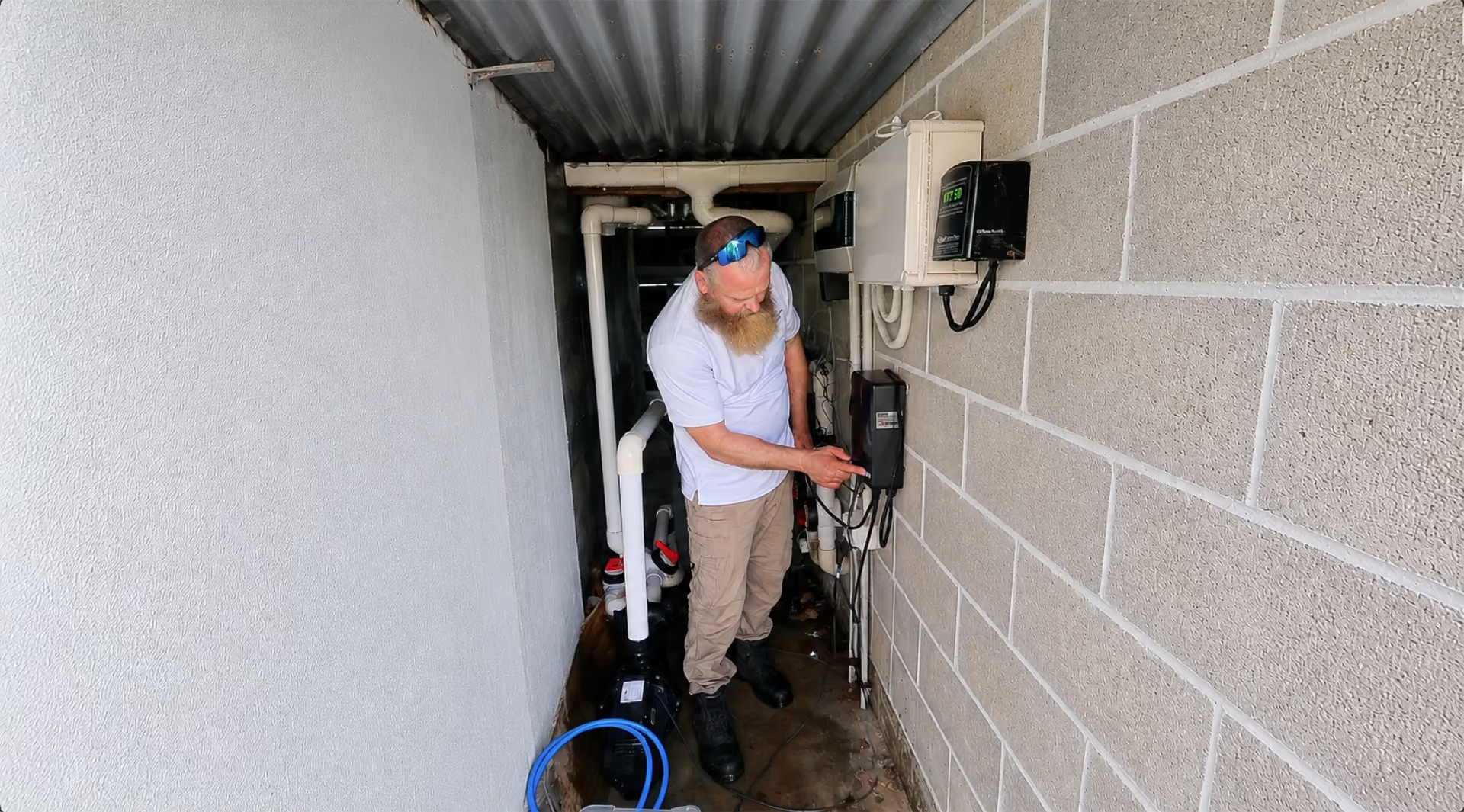
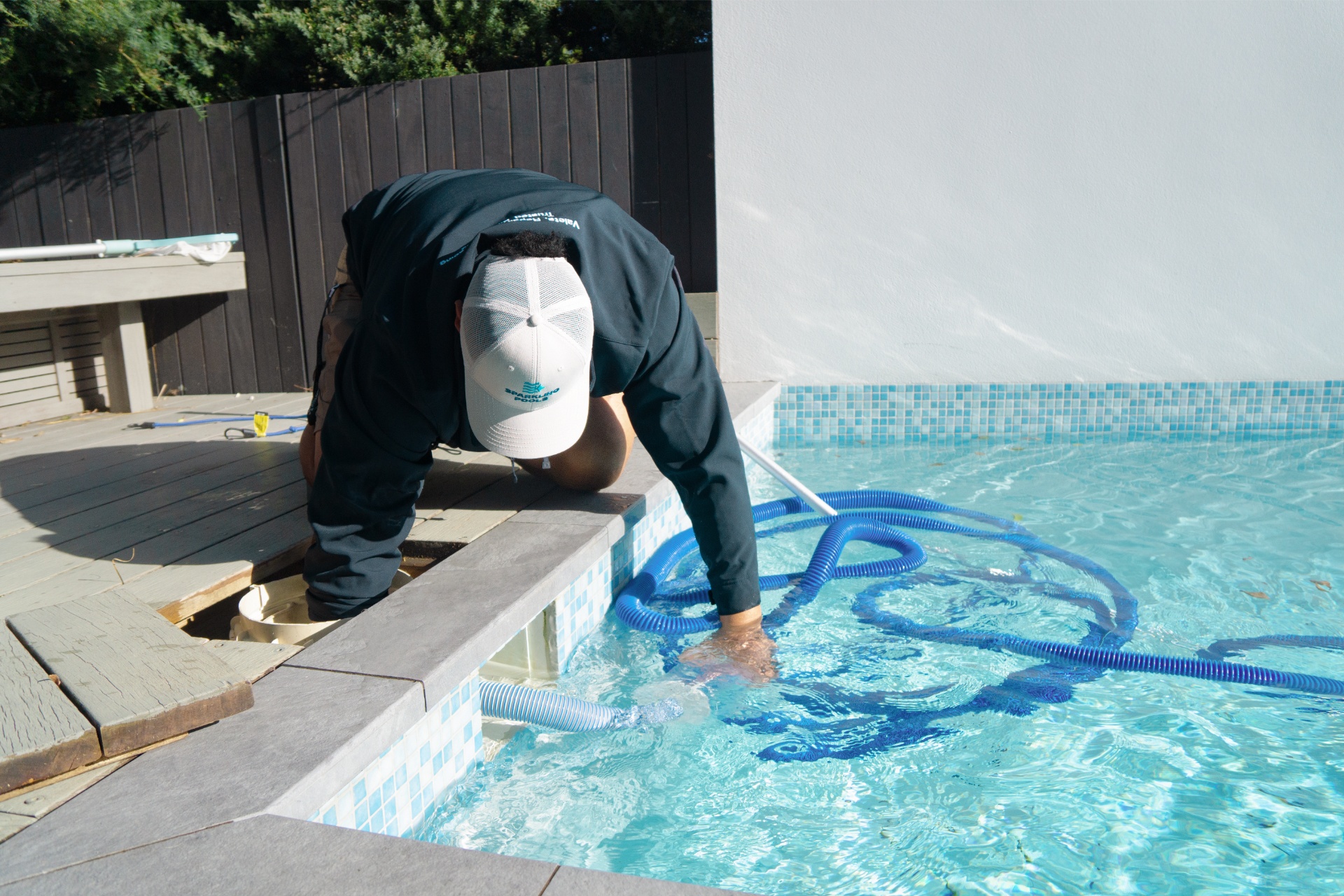
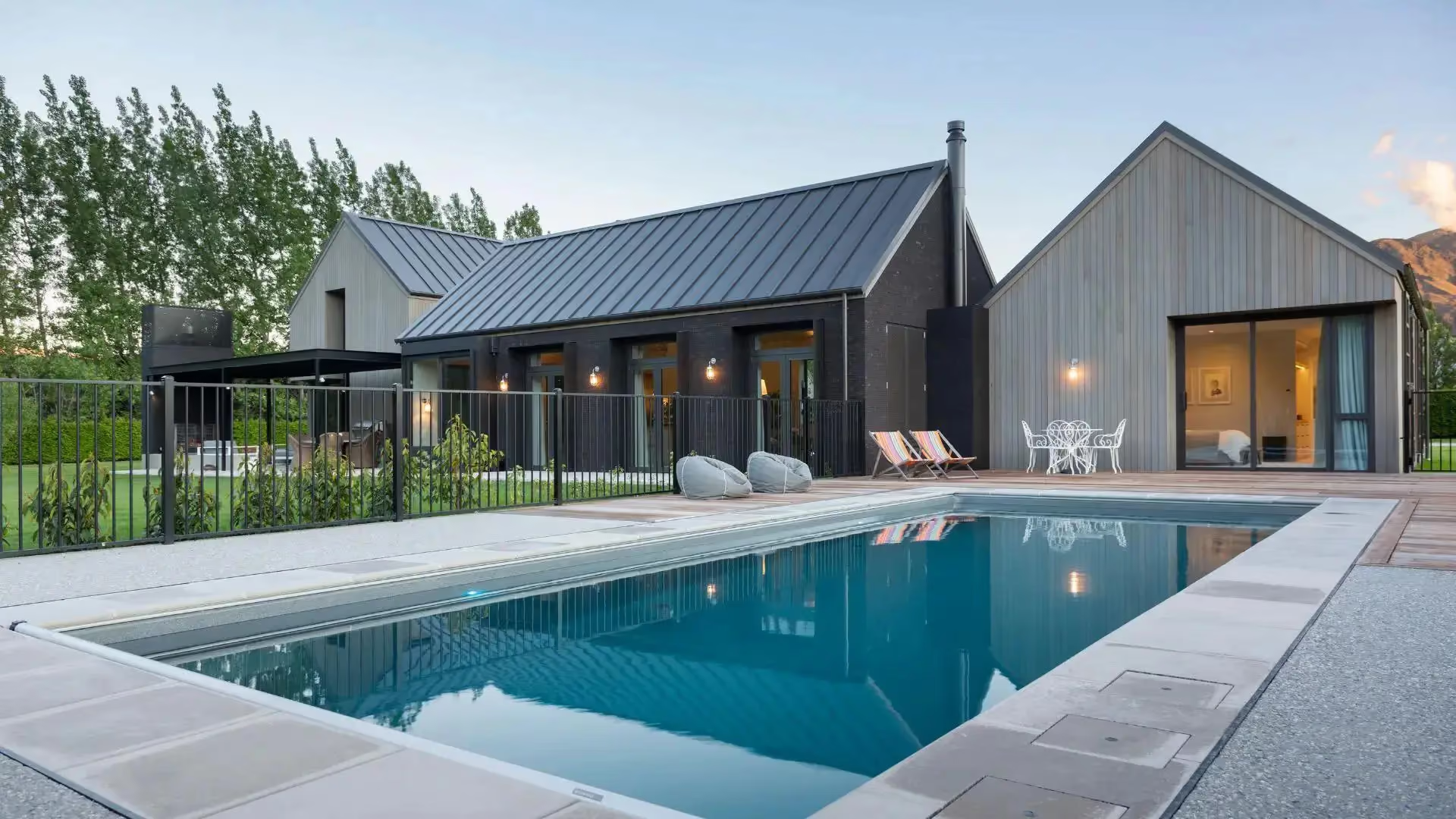
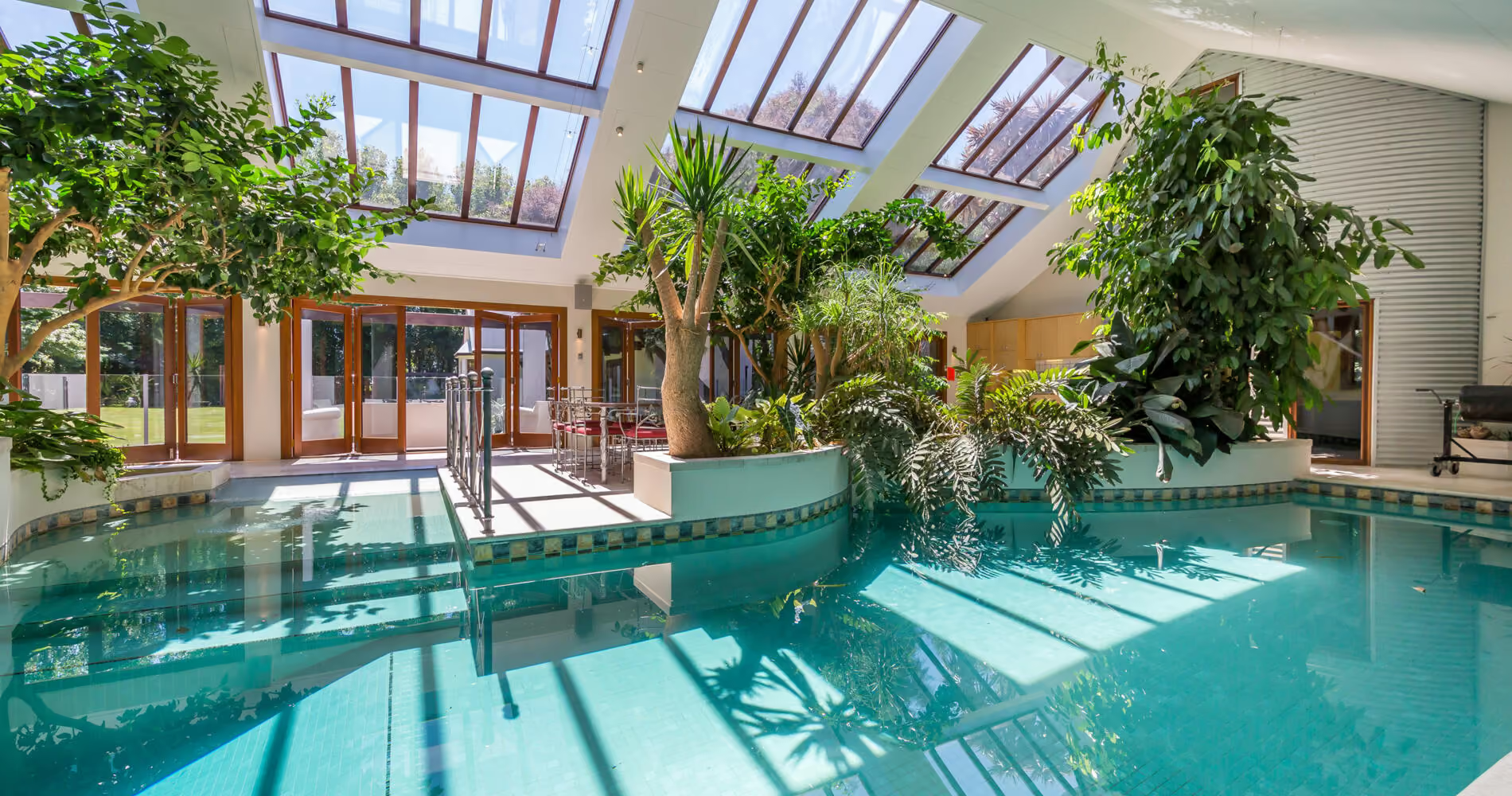
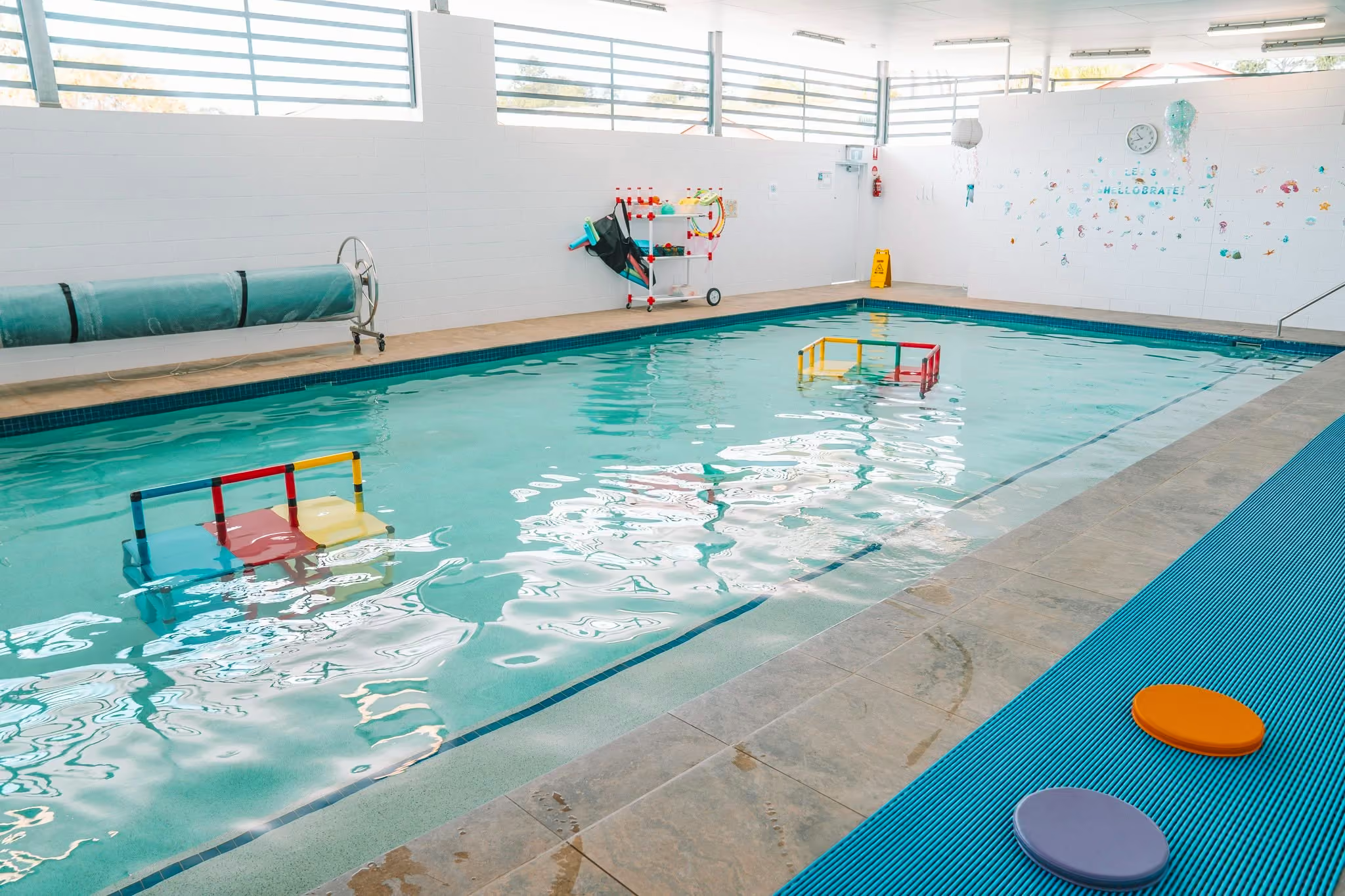
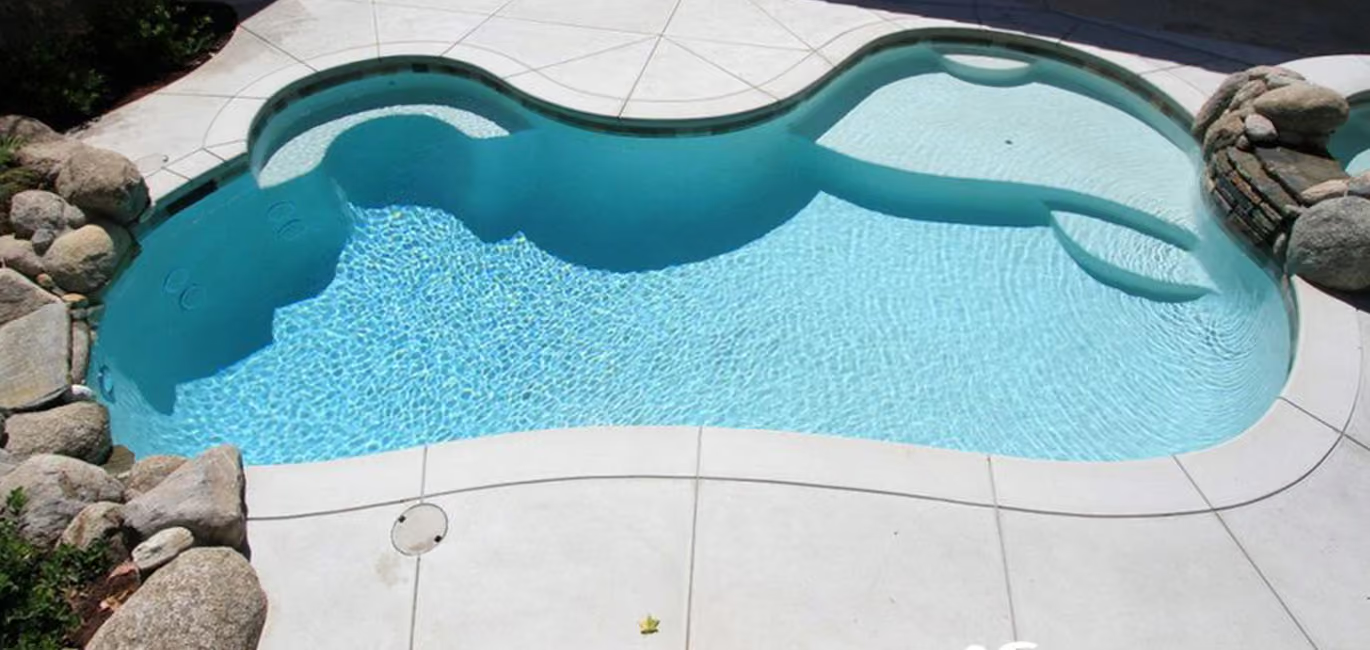
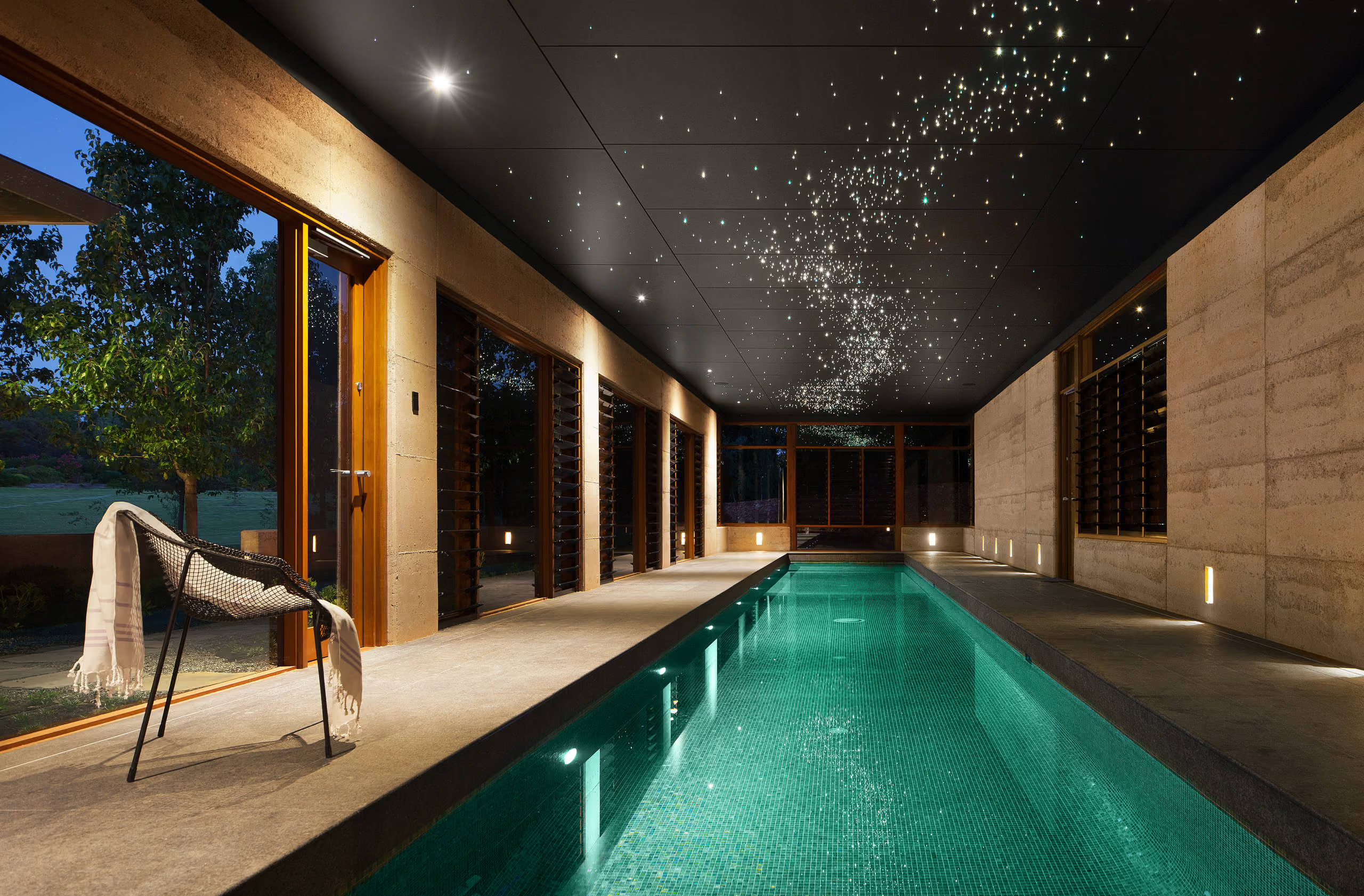
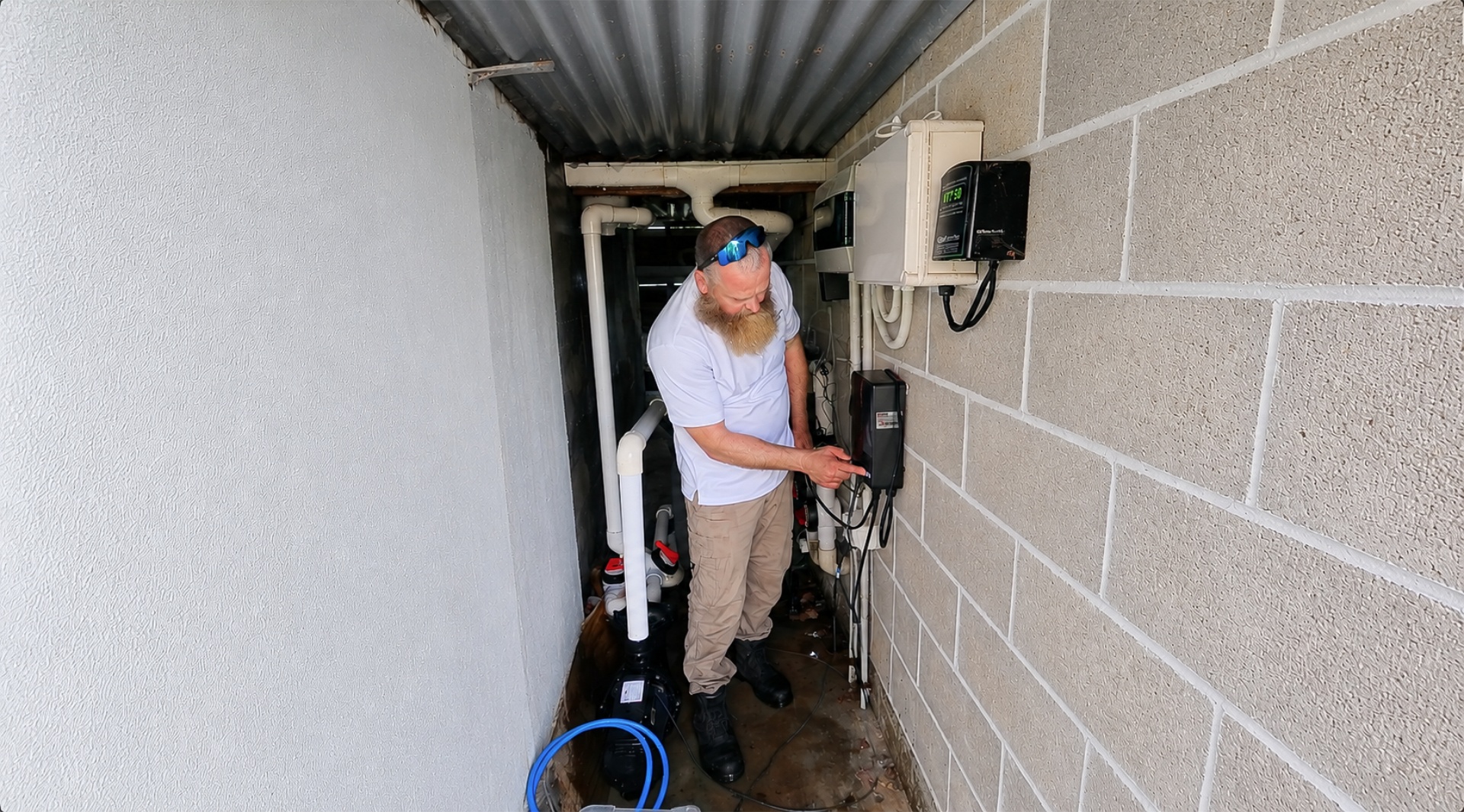
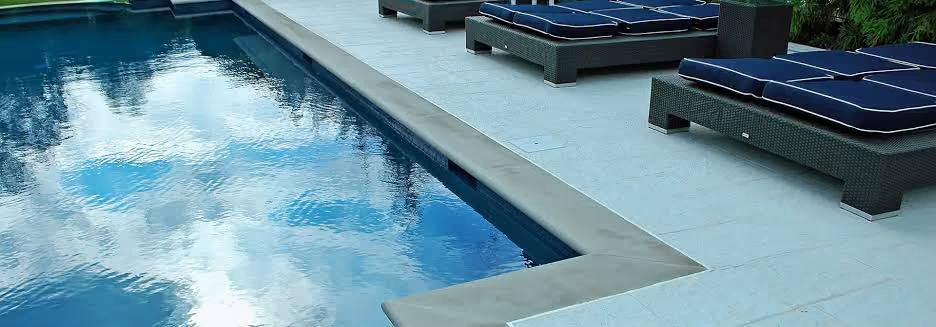
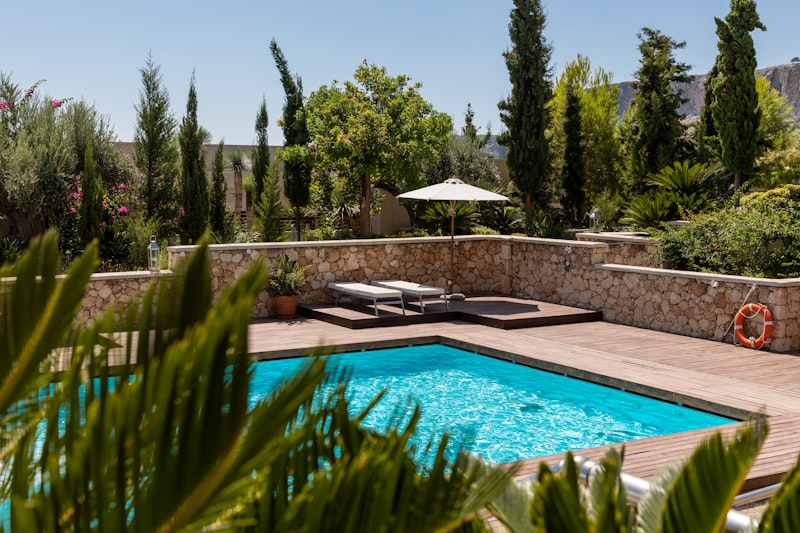
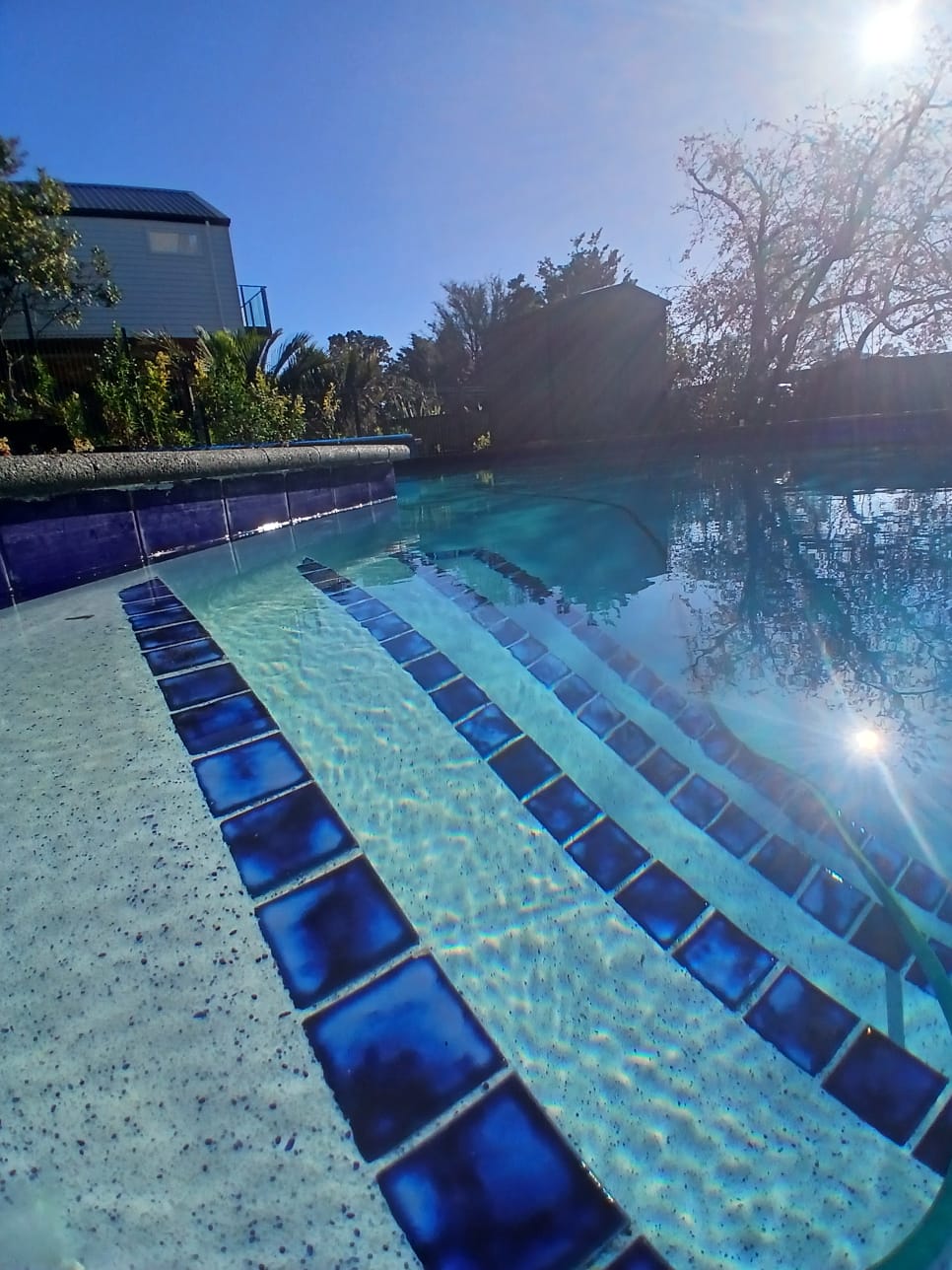
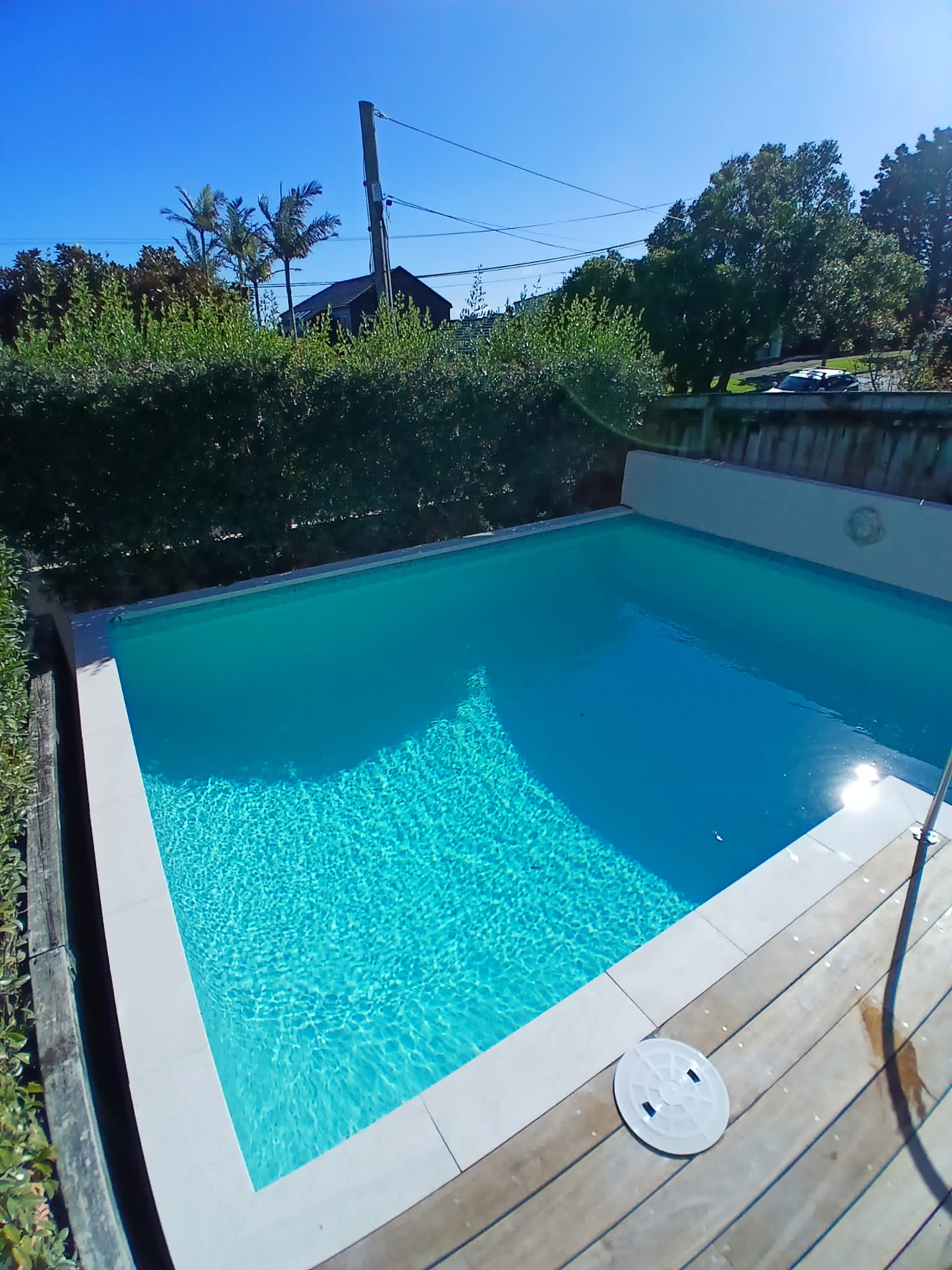
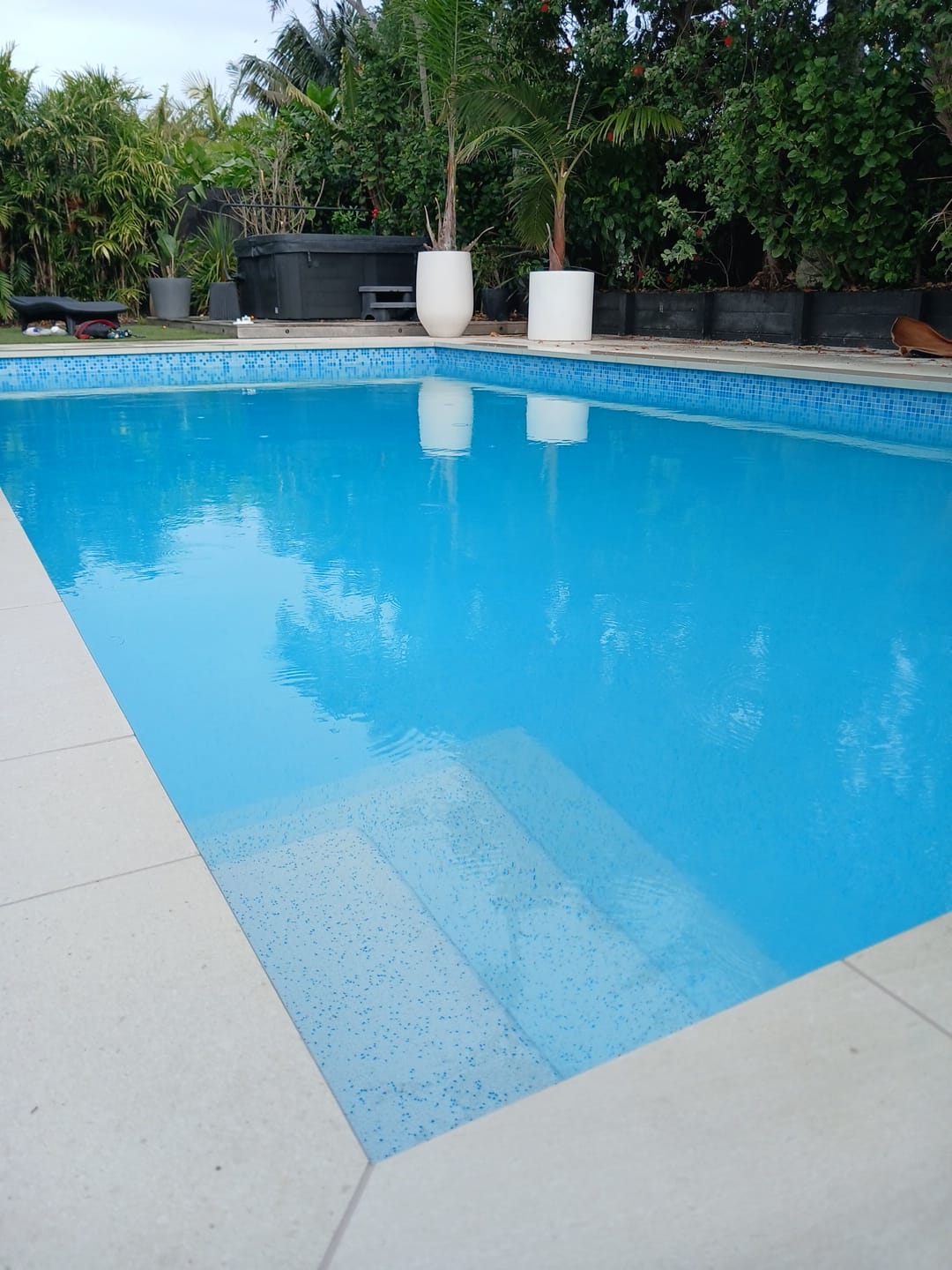
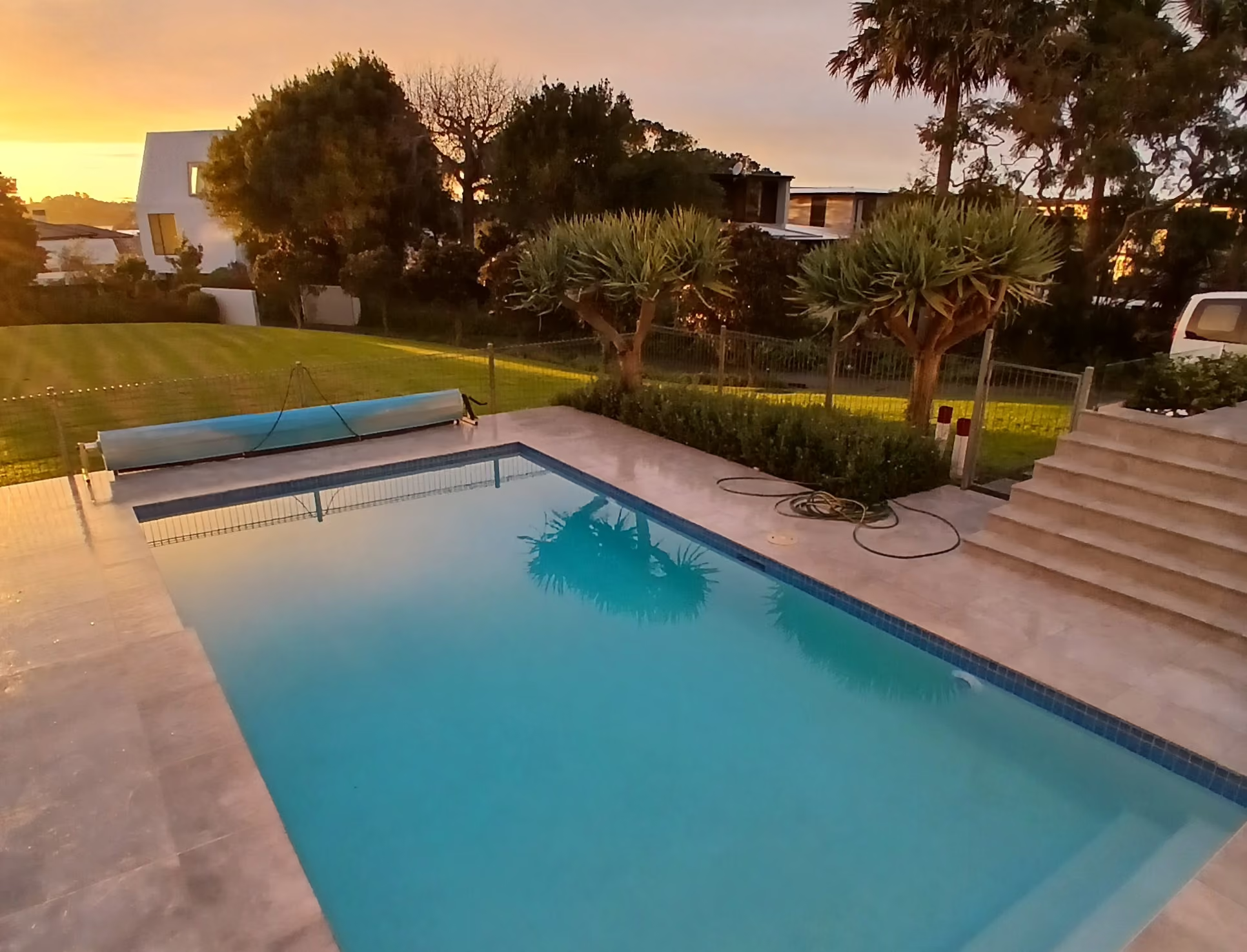
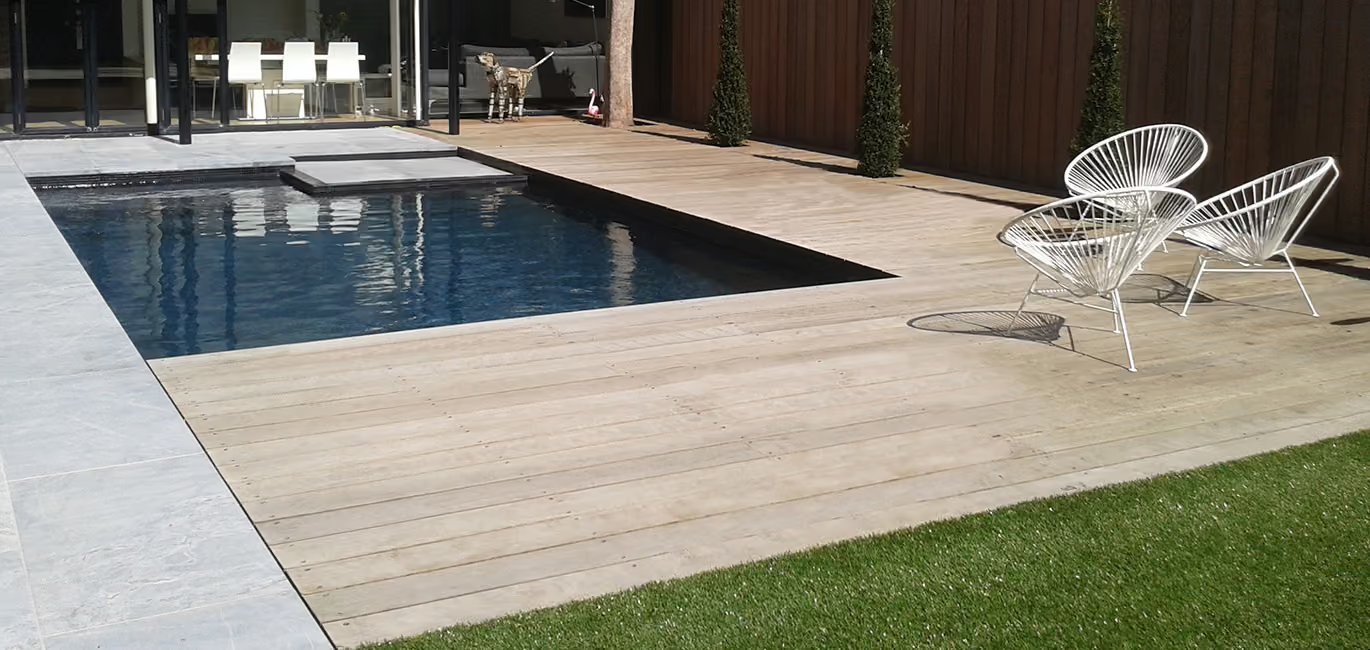
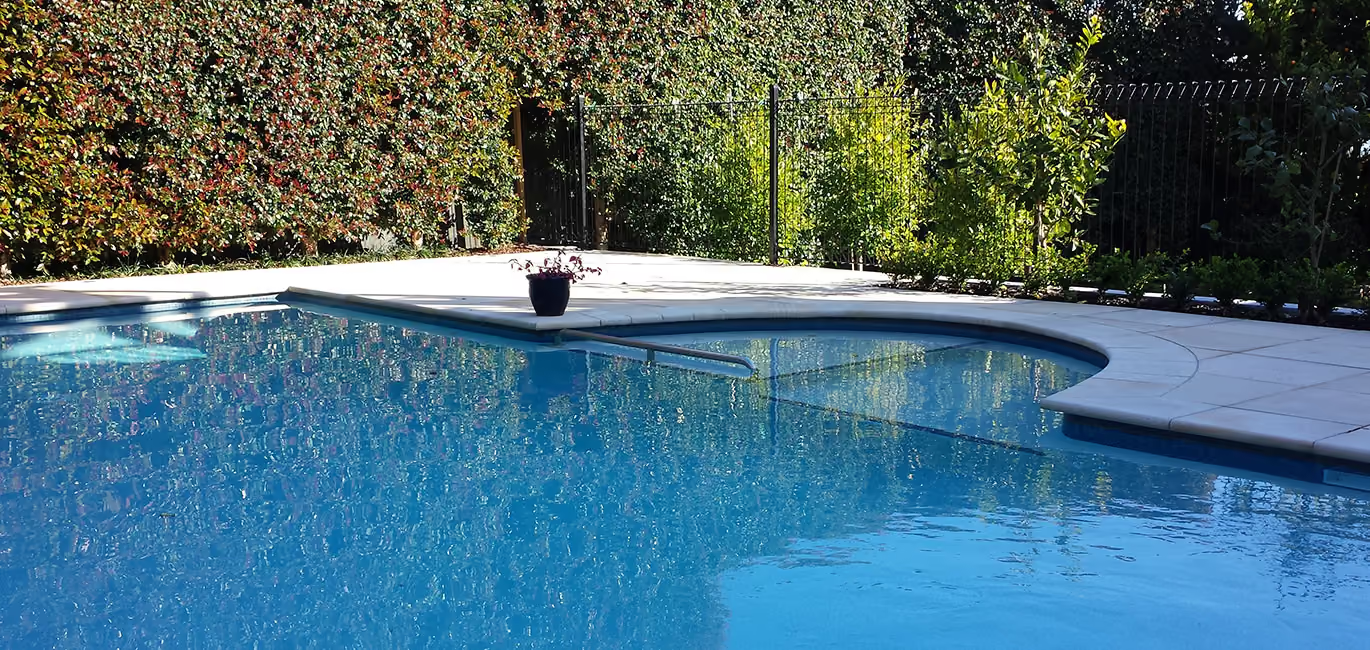
Sparkling Pools has worked on pools across Auckland, including residential renovation projects, equipment upgrades, ongoing maintenance and pool care for managed properties. Past projects show how the right approach can improve presentation, water quality and day-to-day usability. A well-maintained pool is easier to manage, more pleasant to use and better prepared for seasonal changes.
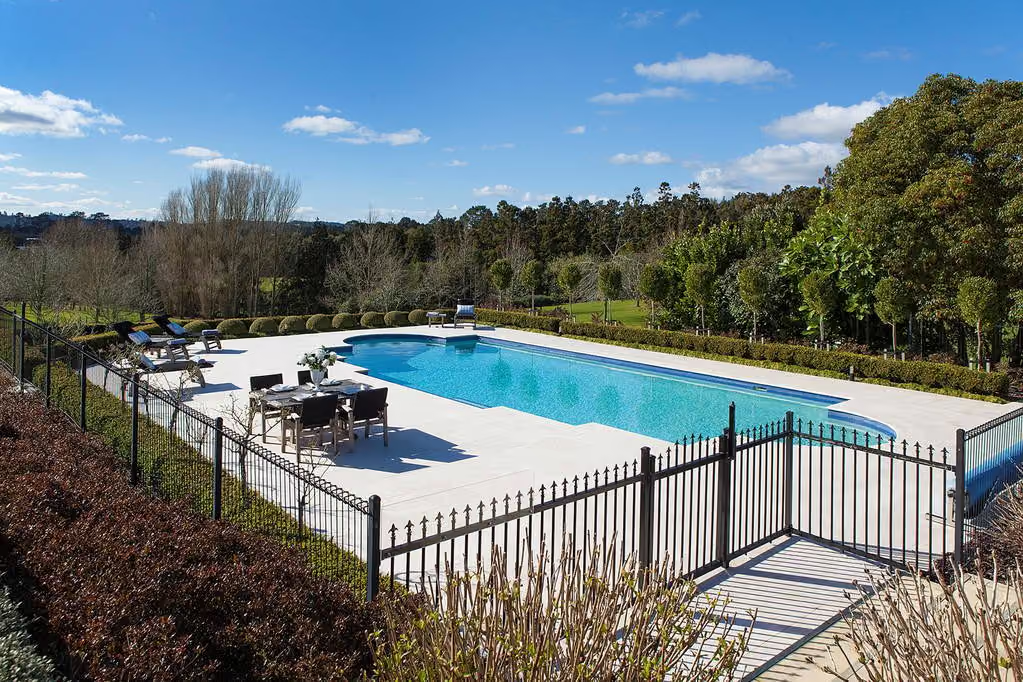
Trusted by Homeowners Across Auckland
Don't just take our word for it. Read what our clients have to say about our transparent communication, reliable service, and stunning pool transformations.
Related Blog Posts
Stay informed on pool care and renovations
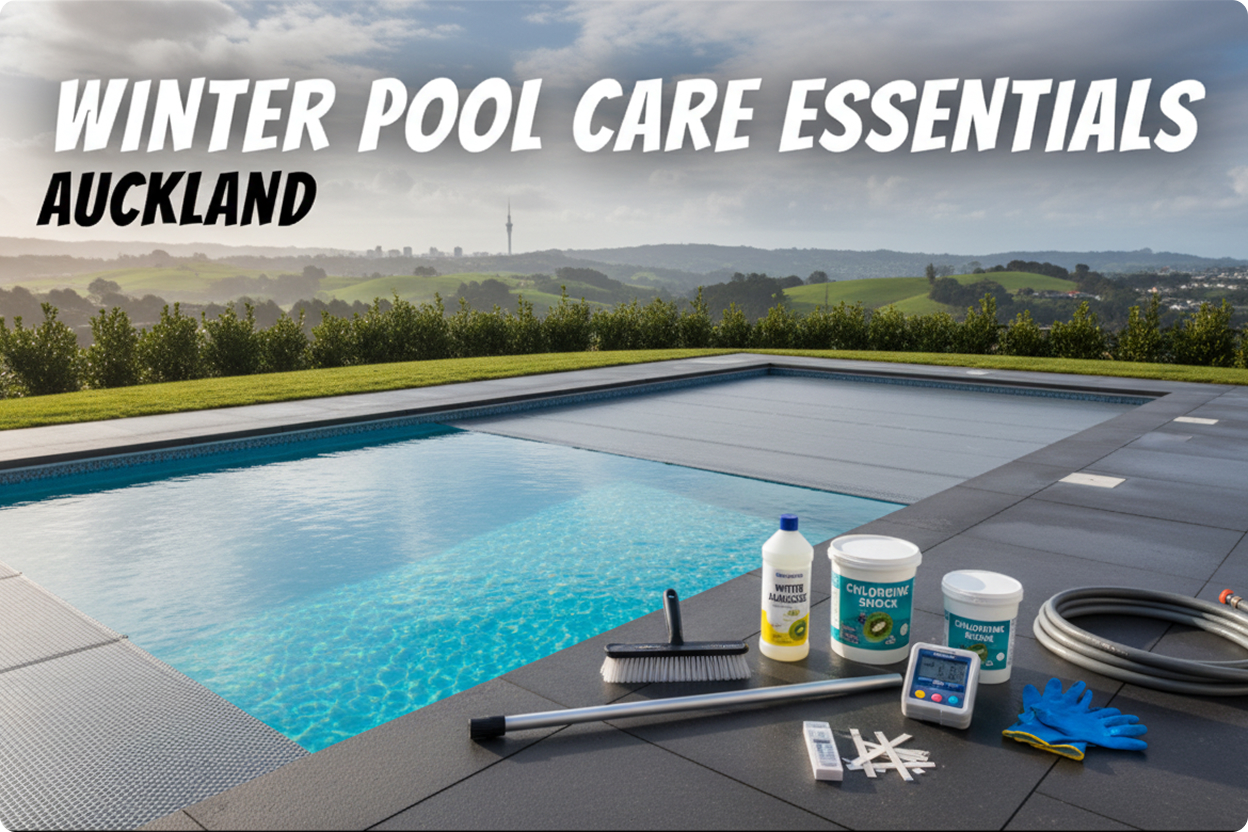
Winter pool care essentials for Auckland
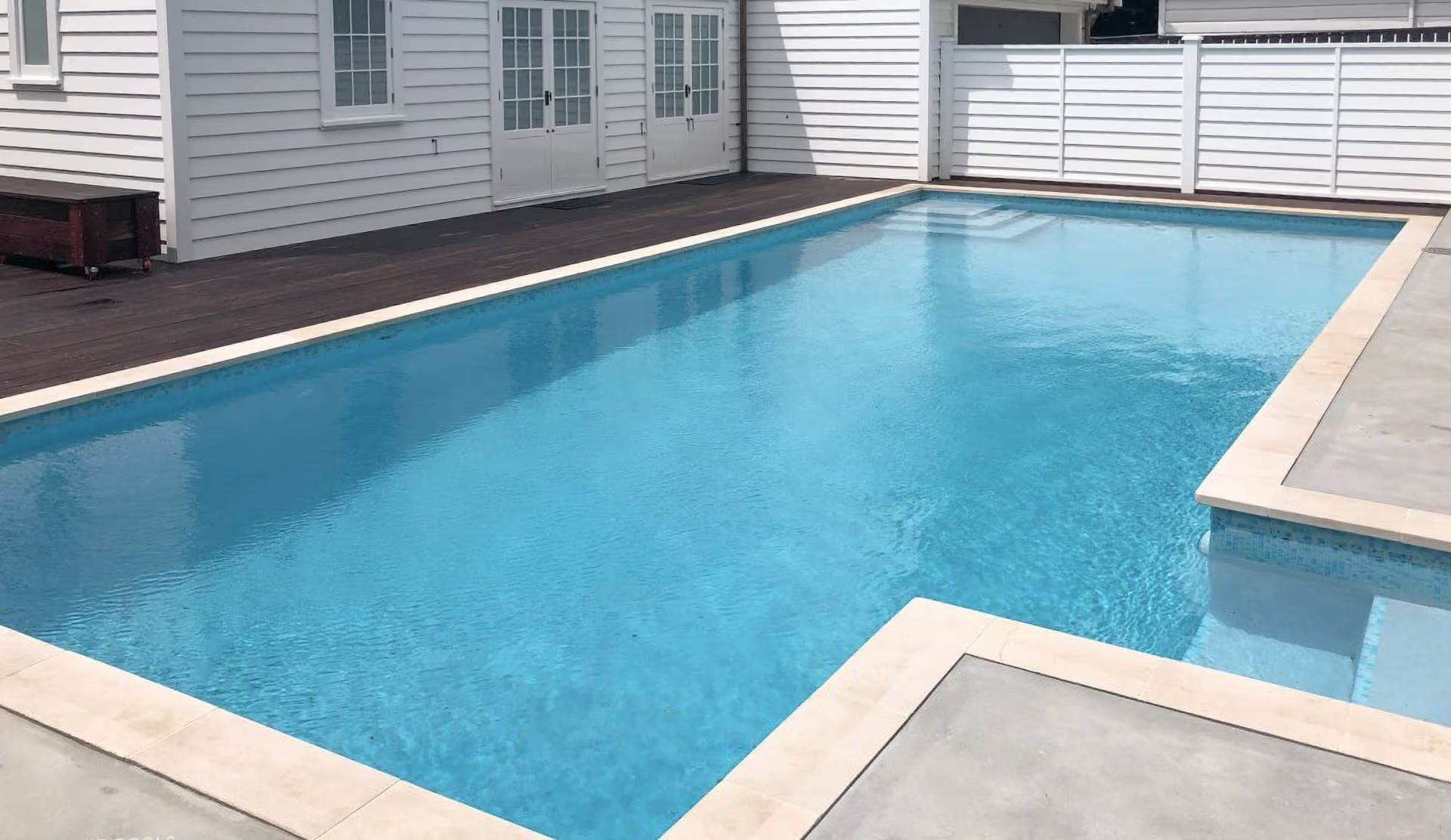
Pool Renovation Mistakes

Auckland Climate Pool Maintenance
Choosing Renovation Contractor
Pool Care Auckland Summer
Permits & Consents
Pool Renovation ROI
How Often to Test Pool Water
Pool Renovation Costs
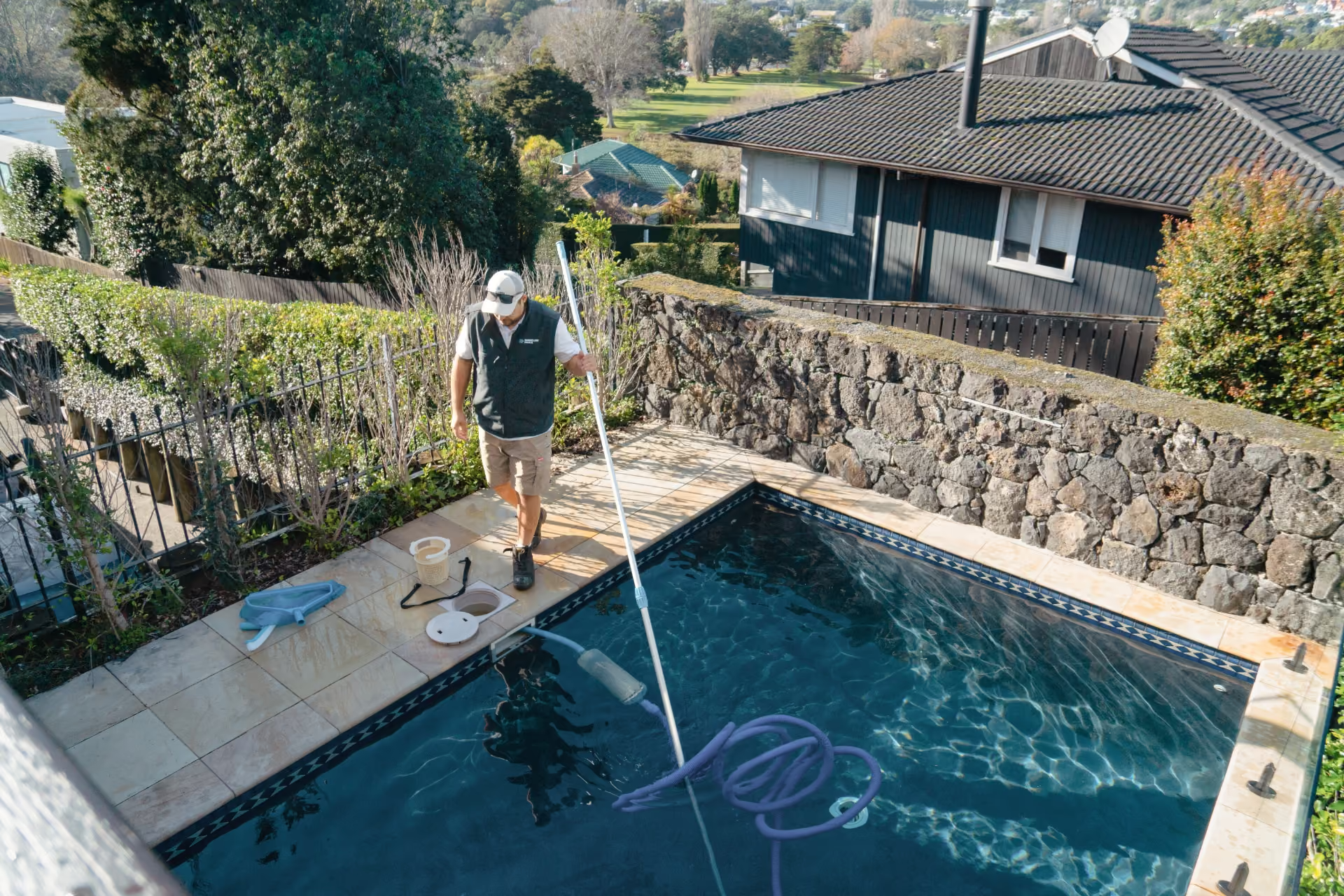
Cost of Pool Service Auckland
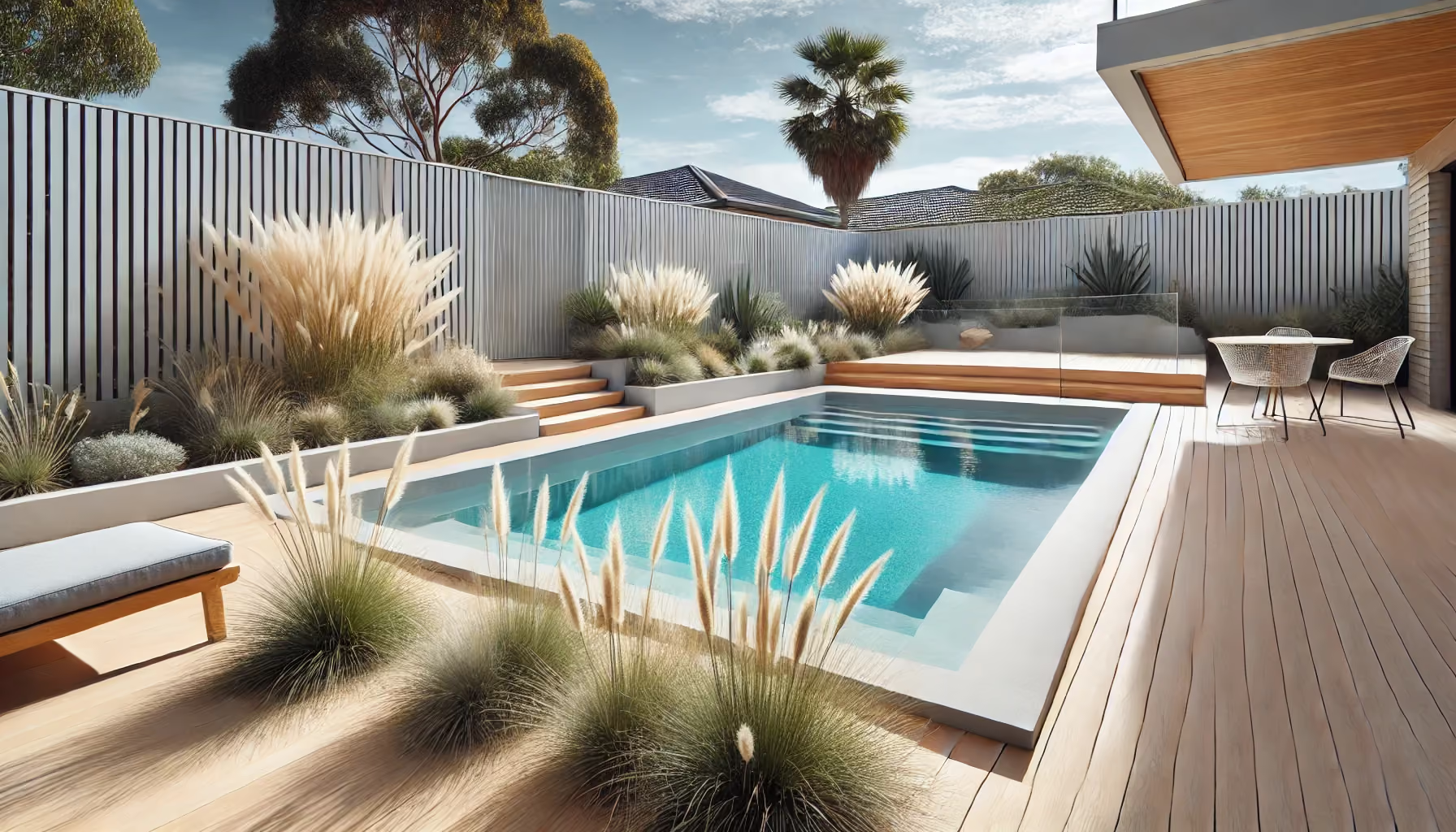
Pool Renovation Planning Guide
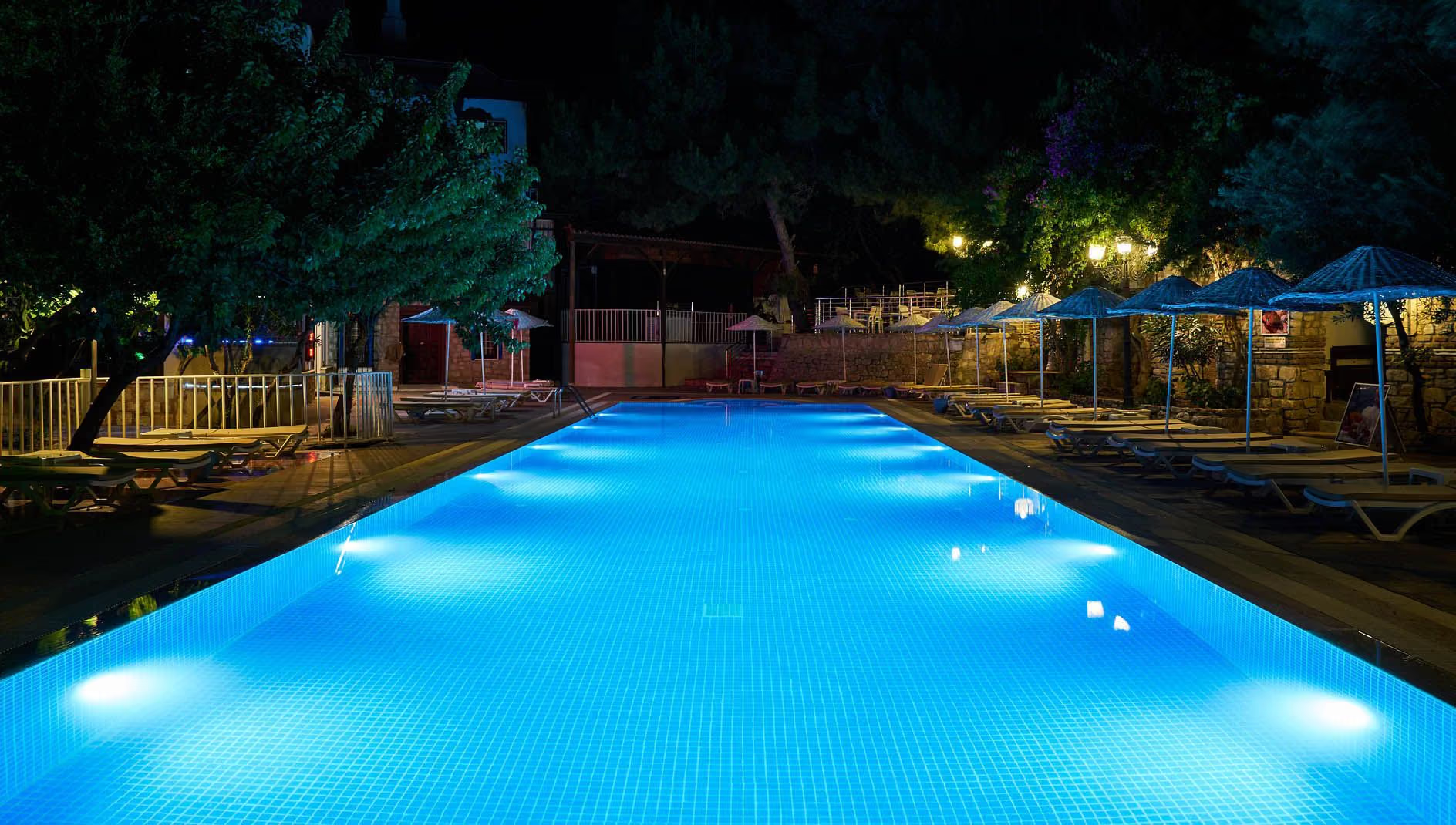
Pool Lighting Buying Guide
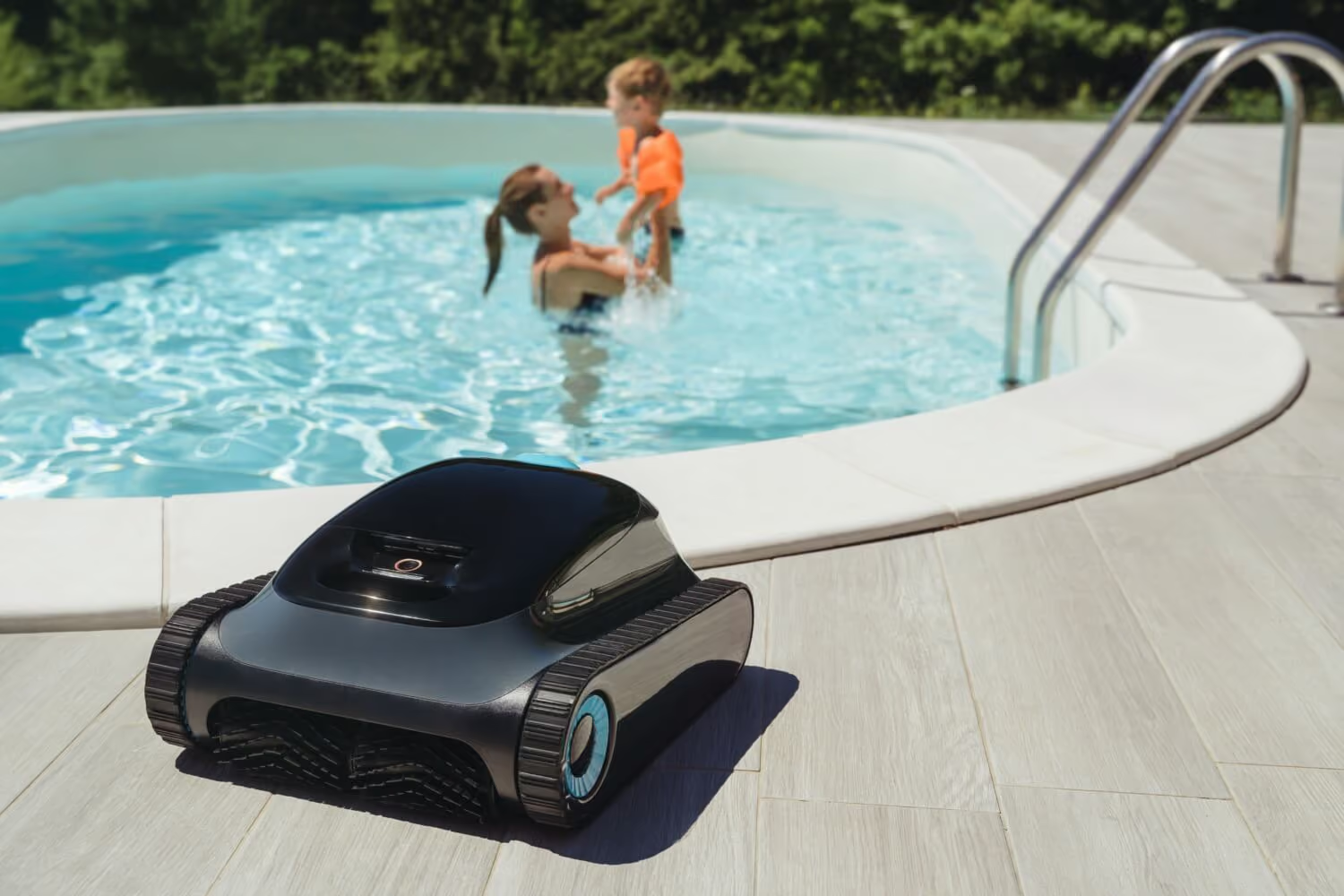
Pool Cleaner Buying Guide
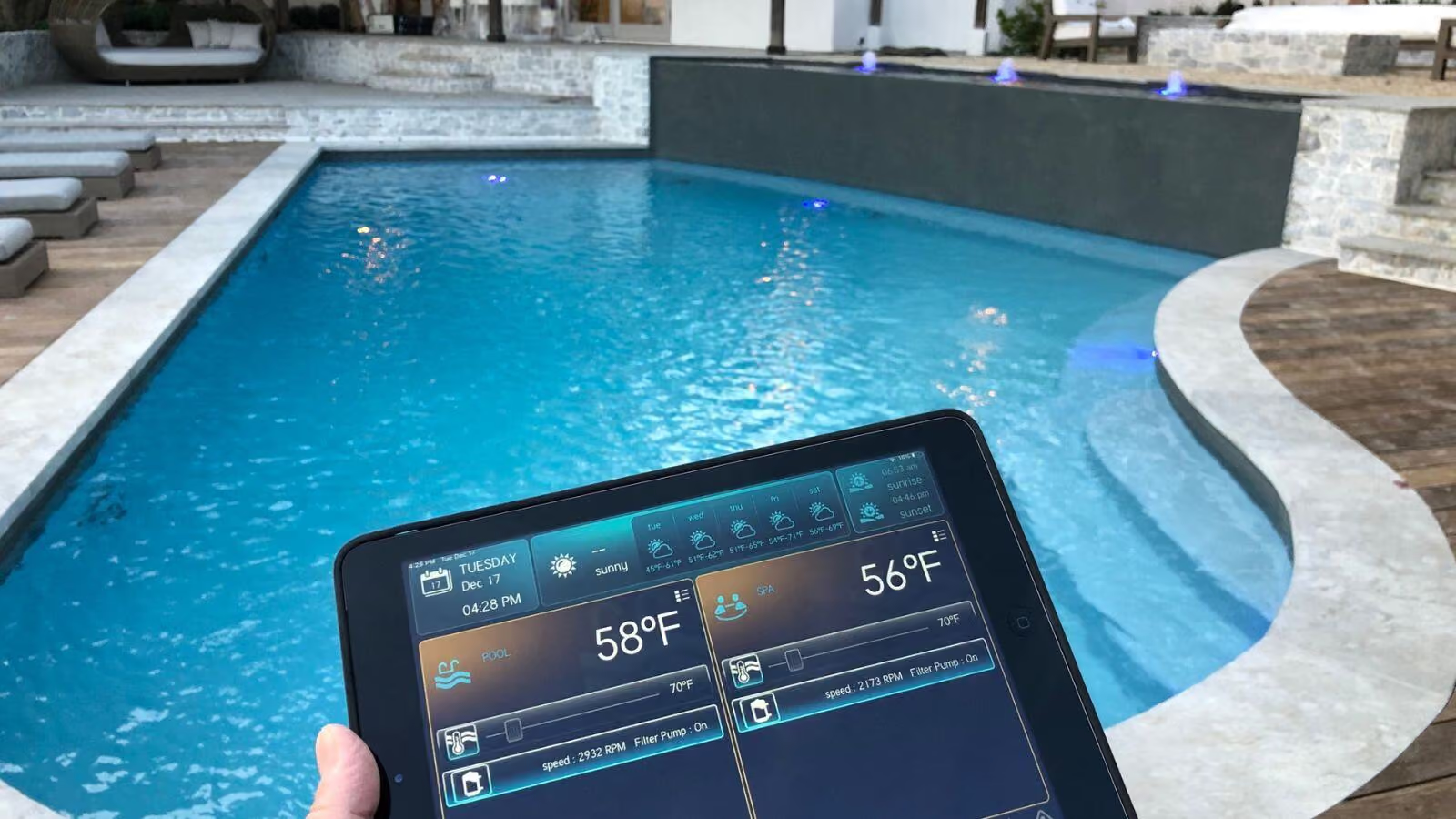
Pool Automation Buying Guide
Pool Heater Buying Guide
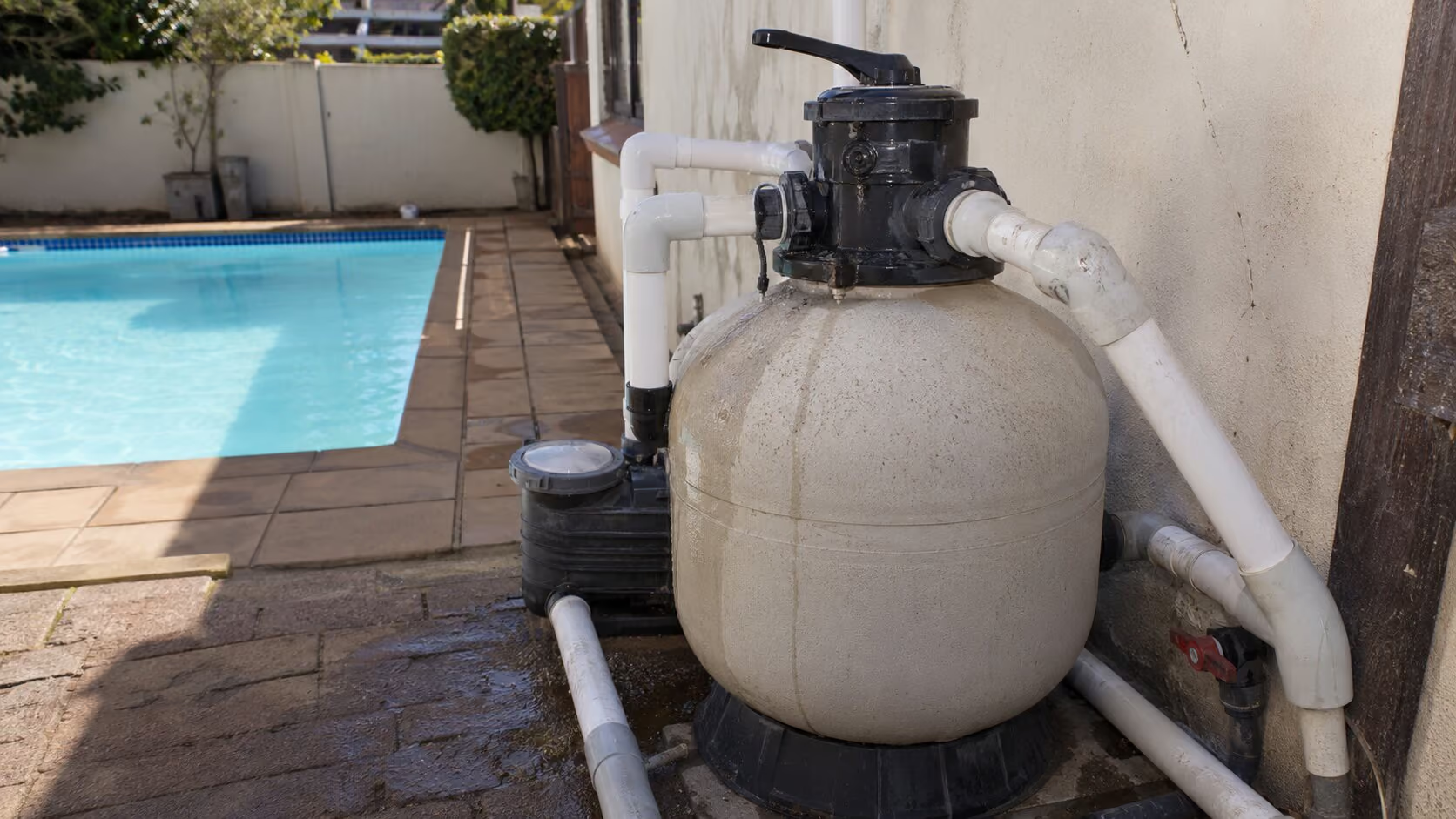
Pool Filter Buying Guide
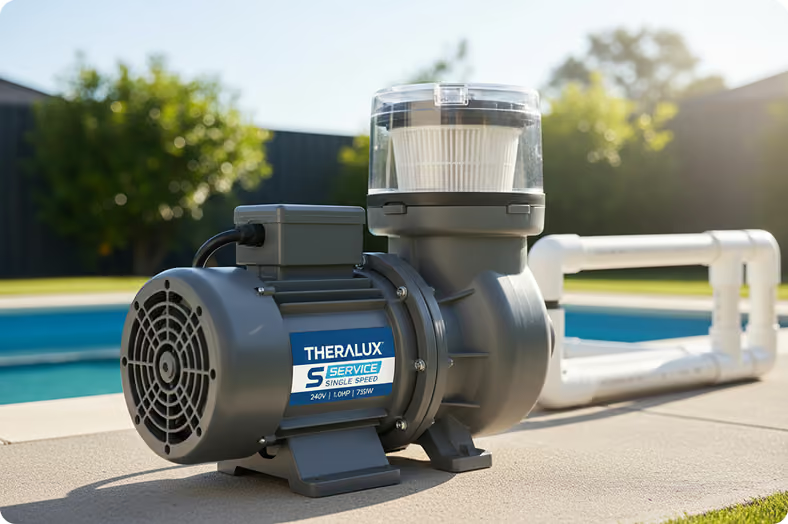
Pool Pump Buying Guide
Best Equipment Auckland Climate
Auckland Water Quality
Auckland Pool Season
Pool Ownership Costs
Common Pool Mistakes
Pool Safety Laws
Pool Inspection Requirements
Pool Fence Compliance
.avif)
Auckland Pool Industry Trends
Auckland Pool Regulations
Pool Equipment Suppliers
Best Pool Service Areas
Pool Service Pricing Analysis
Company vs Independent
Best Pool Surface Materials
Pool Resurfacing Options
Pebble vs Plaster Surfaces
One-Time vs Ongoing Service
Full Service vs Chemicals Only
Pool Cover Types
Robotic vs Suction Cleaners
Mineral vs Saltwater
Gas vs Heat Pump
Pool Heater Types
Pool Winterizing Guide Auckland
Pool Opening Guide Summer
Pool Maintenance After Heavy Rain
Pool Maintenance Schedule
How Often to Run Pool Filter
Pool Pump Maintenance Schedule
Pool Filter Cartridge Cleaning
Pool Equipment Maintenance Checklist
Pool Waterline Cleaning
Pool Skimmer Basket Cleaning
Pool Chlorine Levels
How Often Clean Pool Filter
How to Vacuum Pool
Pool Brushing Technique
Pool Chemical Dosing Chart
Pool Water Chemistry Basics
How to Balance Pool Chemistry
How to Test Pool Water
Pool Maintenance Tips
Complete Pool Maintenance Guide
Pool Service ROI
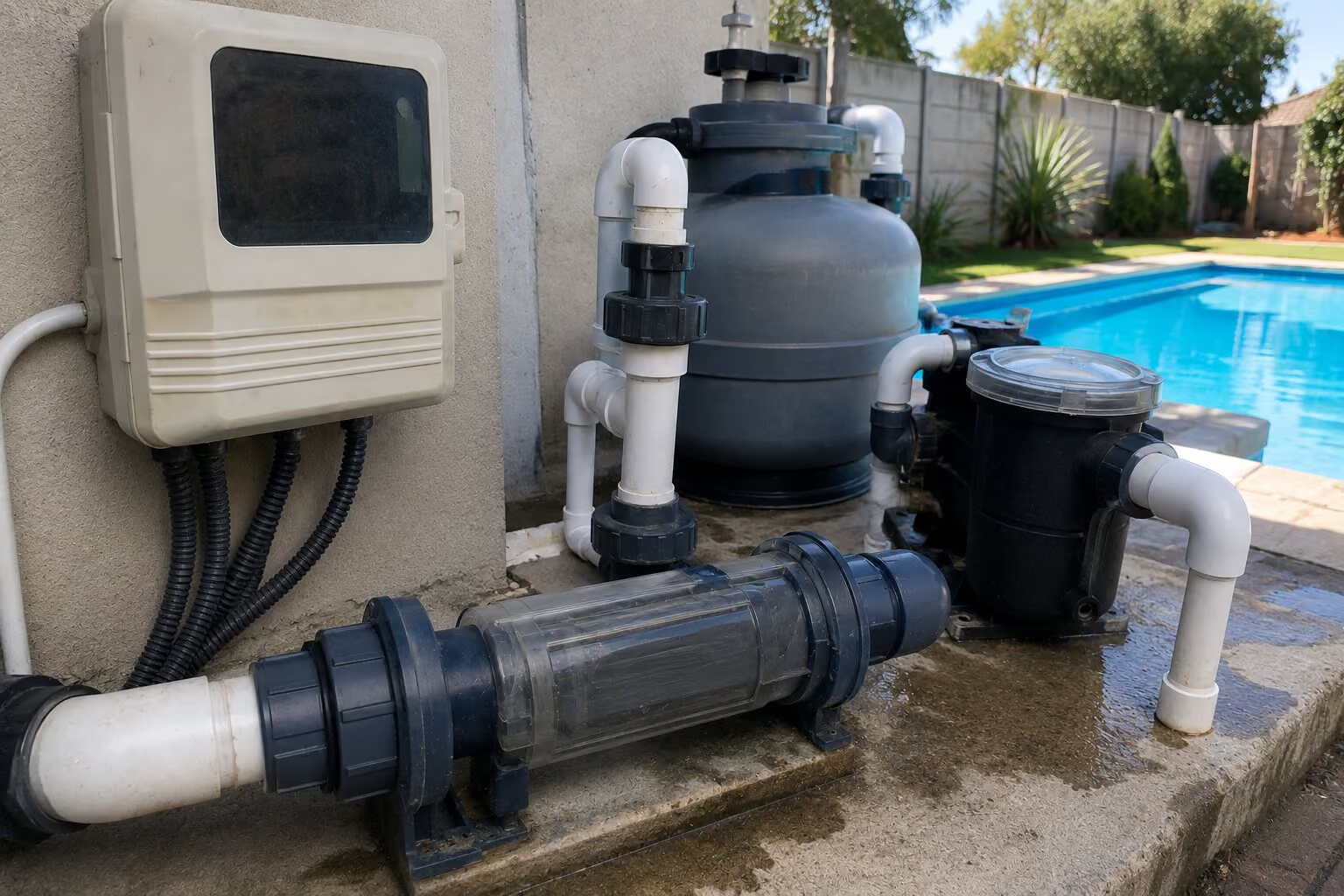
Pool Equipment Buy or Service
Pool Maintenance Time Requirements
DIY vs Professional
Pool Service Contract
Pool Service vs Pool Valet
Is Pool Service Worth It
Pool Service Guarantees
Pool Service Reviews
Pool Service Red Flags
Questions to Ask Pool Companies
How to Choose Pool Service Company
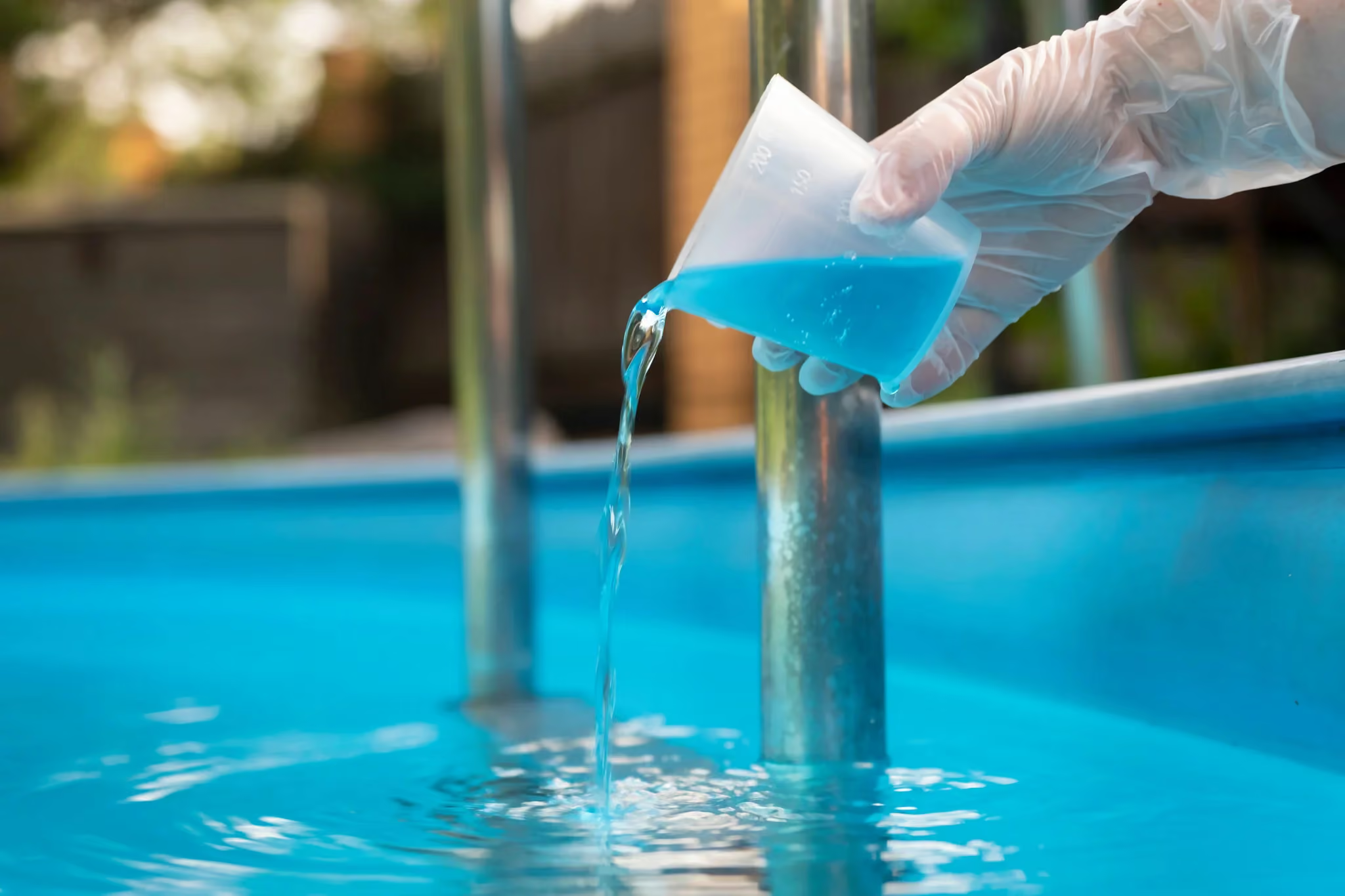
Hidden Costs DIY Maintenance
Pool Cleaning Prices Auckland
Cost of Pool Resurfacing
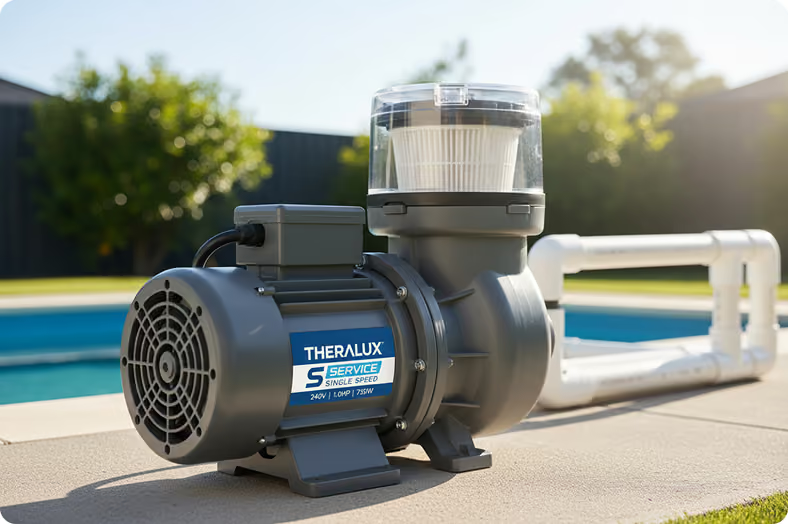
Cost of Pool Pump Replacement
Cost to Fix Green Pool
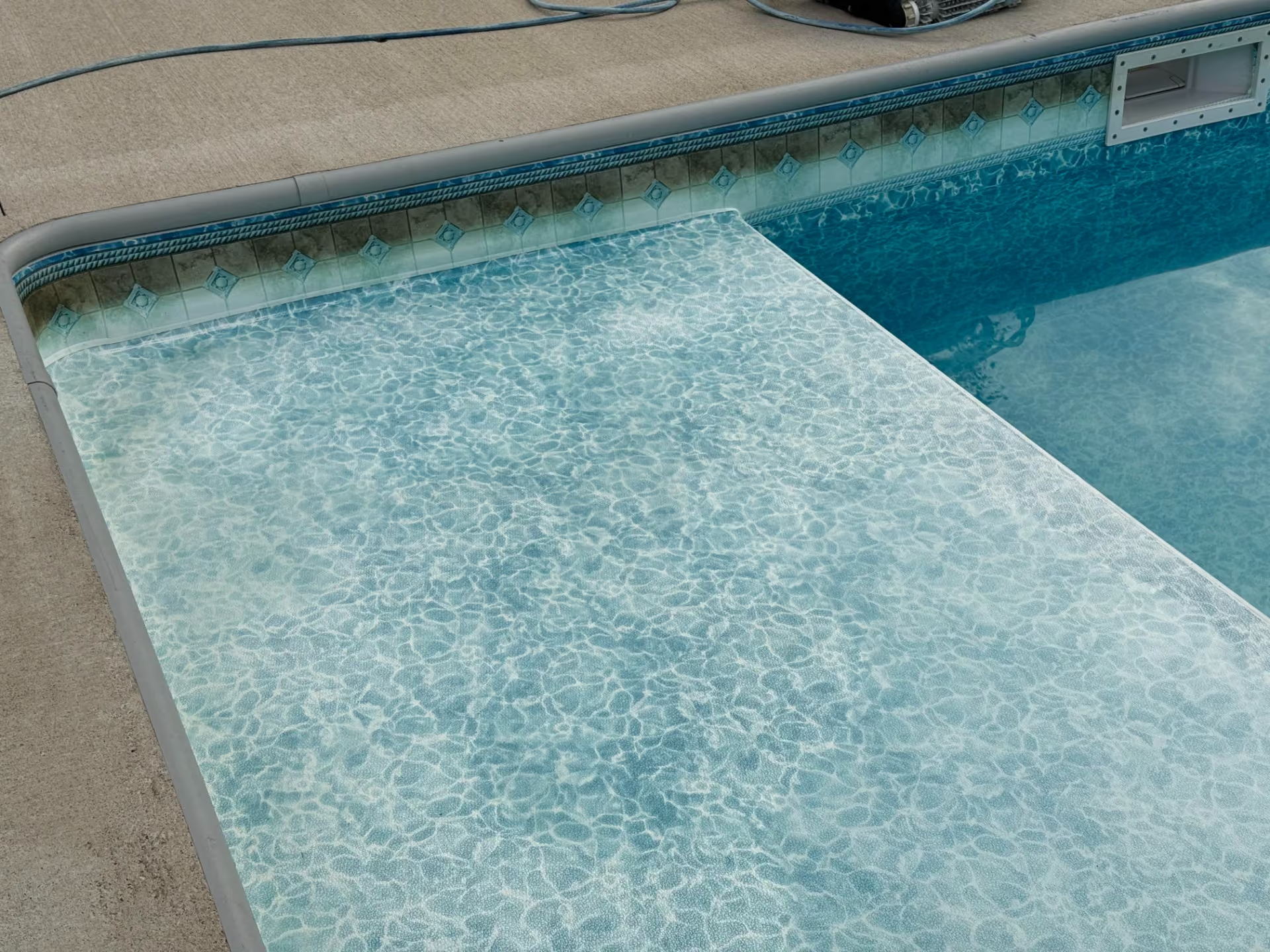
Pool Liner Wrinkles
Pool Cracks When to Worry
Pool Surface Stains
Pool Valve Leaking
Pool Automation Not Working
Pool Light Not Working
Pool Heater Not Heating
Pool Skimmer Not Working
High Pool Filter Pressure
Pool Losing Water
Pool Filter Not Clearing Water
Pool Pump Leaking
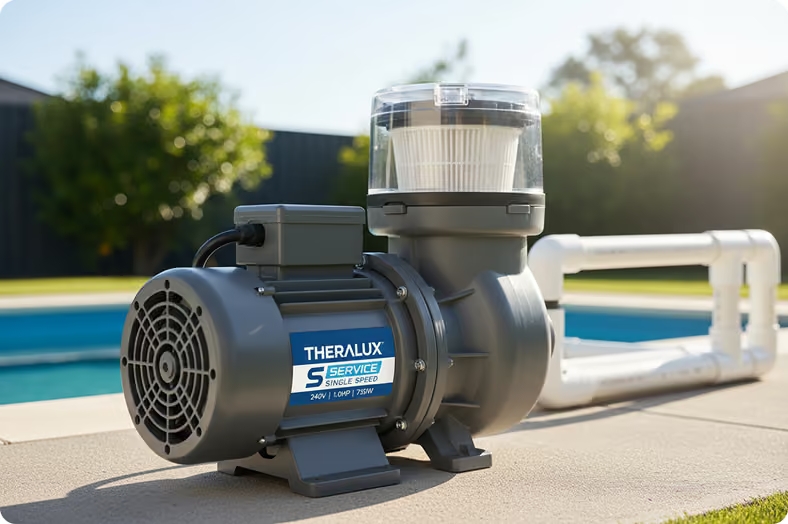
Pool Pump Not Pumping
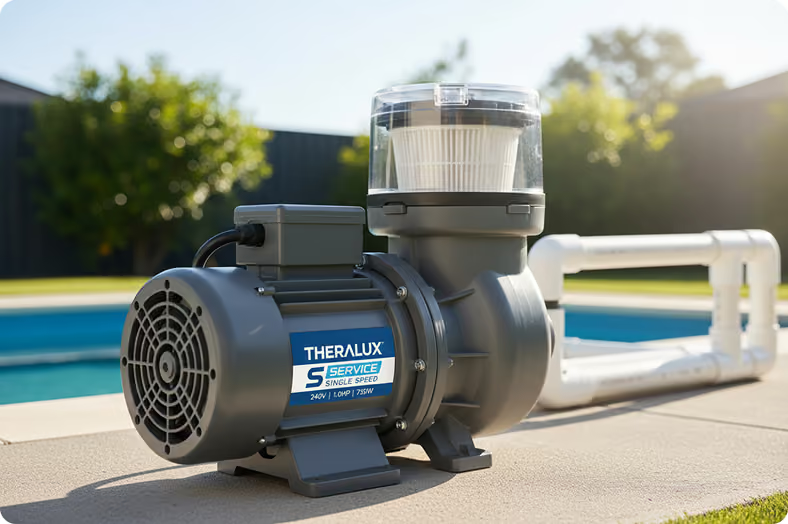
Pool Pump Losing Prime
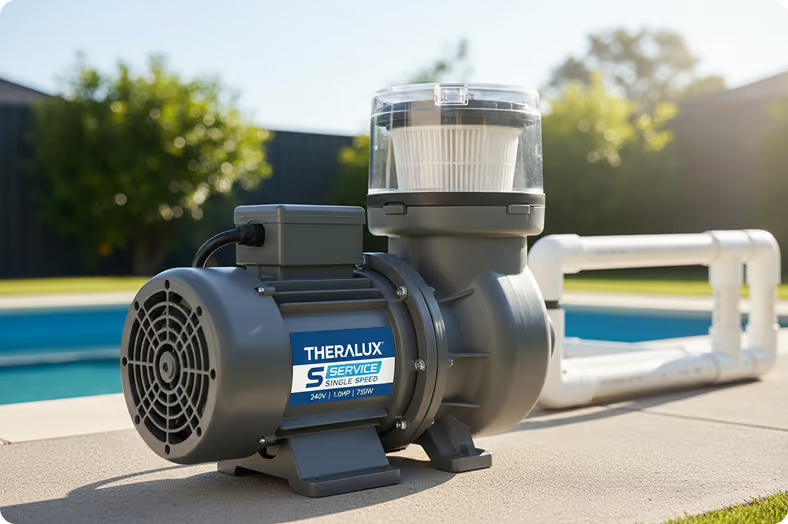
Pool Pump Noisy
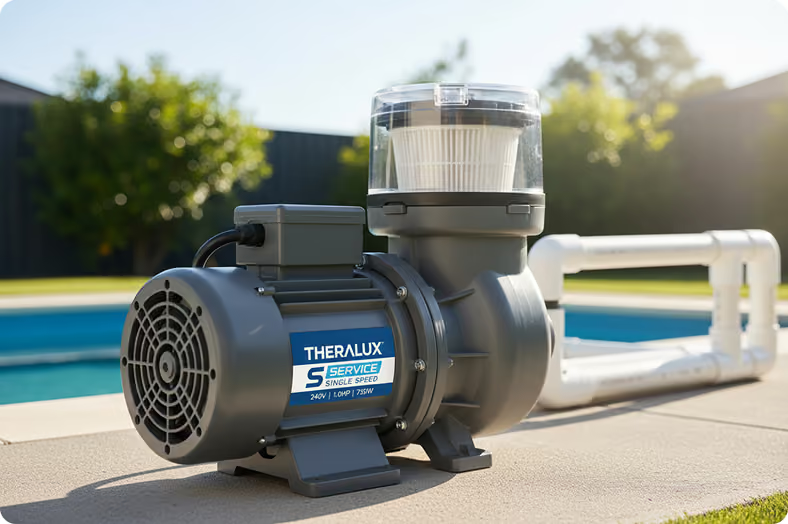
Pool Pump Not Working
Pool Water Foaming
Pool pH Too Low
Pool pH Too High
Green Pool After Rain
Pool Still Green After Shock
Pool Water Cloudy
How to Clear a Green Pool
Pool Care That Protects Your Investment
Good pool care protects more than appearance. Our pool specialists support the long-term condition of your swimming pool while keeping it ready for everyday use.