Pool Maintenance Schedule

Why Auckland trusts our pool service expertise
Keeping a pool in good condition comes down to doing the right tasks at the right time. A structured schedule, broken into daily, weekly, monthly, and seasonal tasks, prevents most common pool problems before they start.
The points below summarise the key actions every Auckland pool owner should know.
What you'll learn
Why a Pool Maintenance Schedule Matters
A pool that looks after itself doesn't exist. Without a consistent routine, water chemistry drifts, equipment wears faster, and small problems become expensive ones. A clear schedule takes the guesswork out of pool care, you know what to check, when to check it, and what to do if something's off.
This guide breaks pool maintenance into daily, weekly, monthly, and seasonal tasks. It's written for Auckland conditions, where warm summers, heavy rain events, and year-round use all affect how a pool behaves.
---
Daily Checks (2-5 Minutes)
Most daily tasks are visual. You're not testing or adjusting, you're looking for anything that needs attention before it gets worse.
What to Check Each Day
- Skimmer baskets, empty if debris is building up, especially after wind or rain
- Water level, should sit at roughly mid-skimmer height; too low and the pump can run dry
- Pump and filter, confirm the pump is running and the filter pressure gauge reads within its normal range
- Pool surface, look for visible algae, discolouration, or floating debris
- Chlorinator (if you have one), check the indicator light or display is showing normal operation
These checks take a few minutes and catch most issues early.
---
Weekly Tasks
Weekly maintenance is where the real work happens. This is when you test the water, adjust chemistry, and keep the pool physically clean.
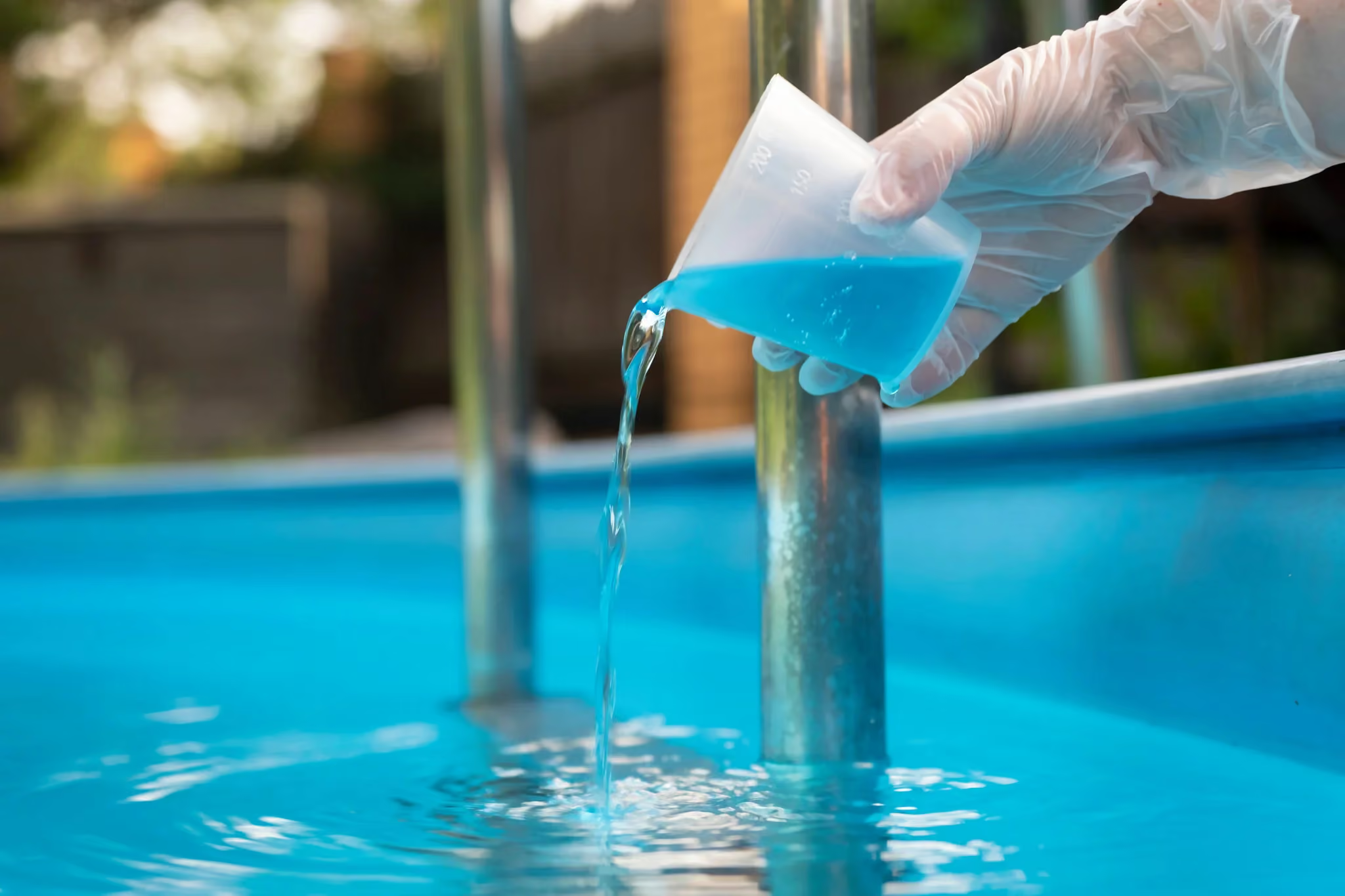
Test and Adjust Water Chemistry
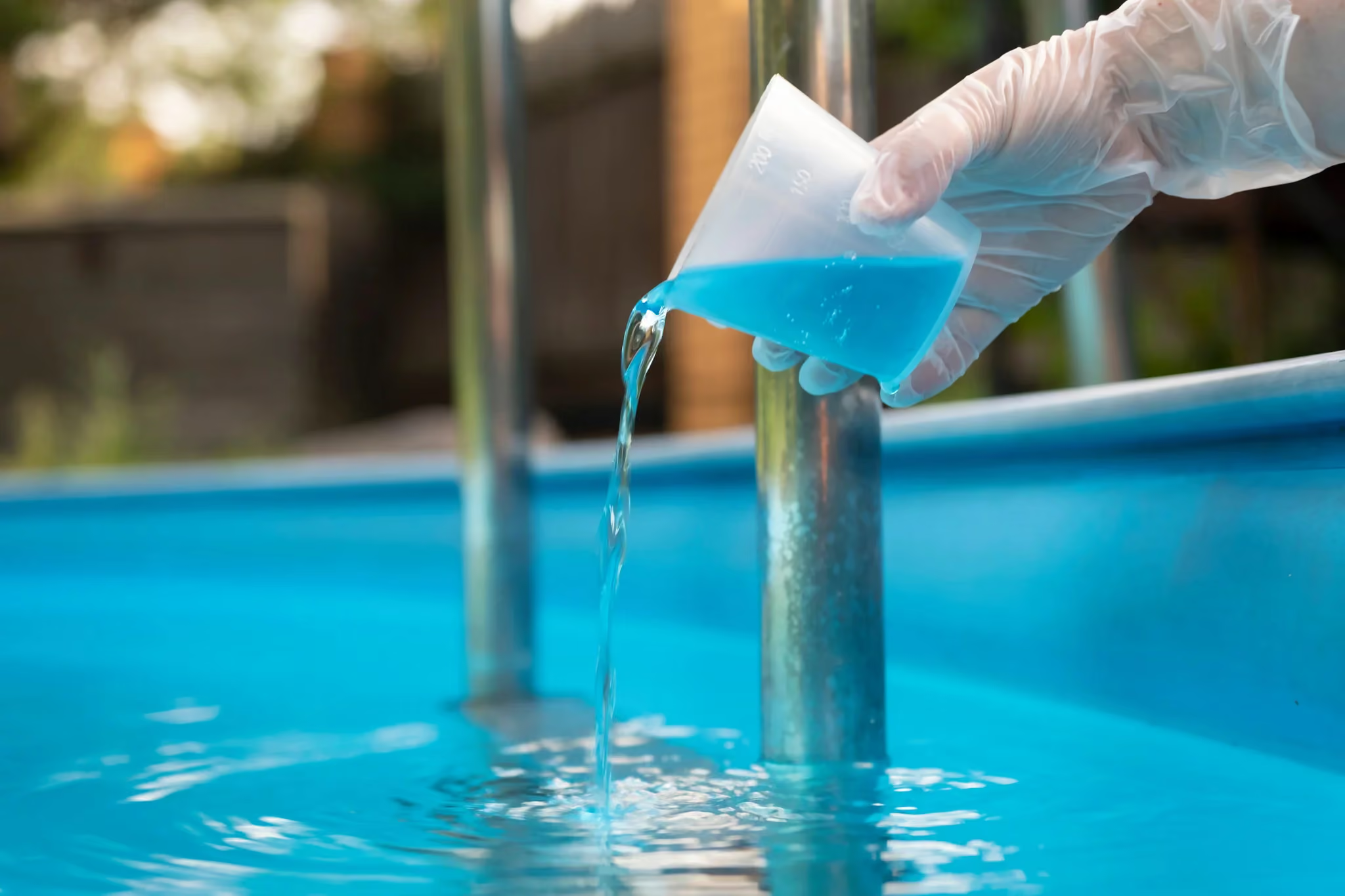
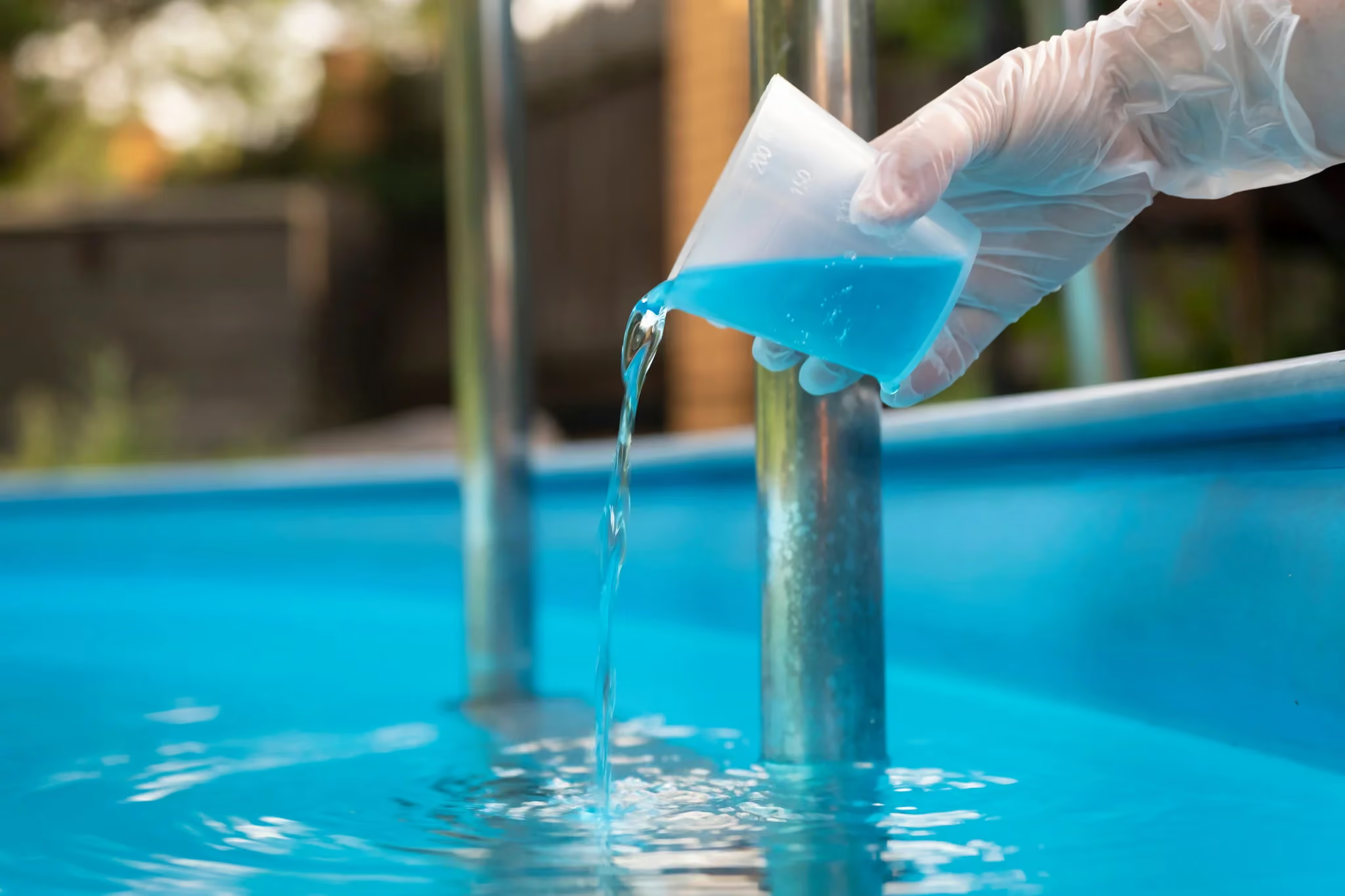
Test your water at least once a week during summer, and every one to two weeks during cooler months when the pool is used less.
The key parameters to test and their target ranges:
- Free chlorine: 1-3 ppm
- pH: 7.2-7.6
- Total alkalinity: 80-120 ppm
- Calcium hardness: 200-400 ppm
- Cyanuric acid (stabiliser): 30-50 ppm
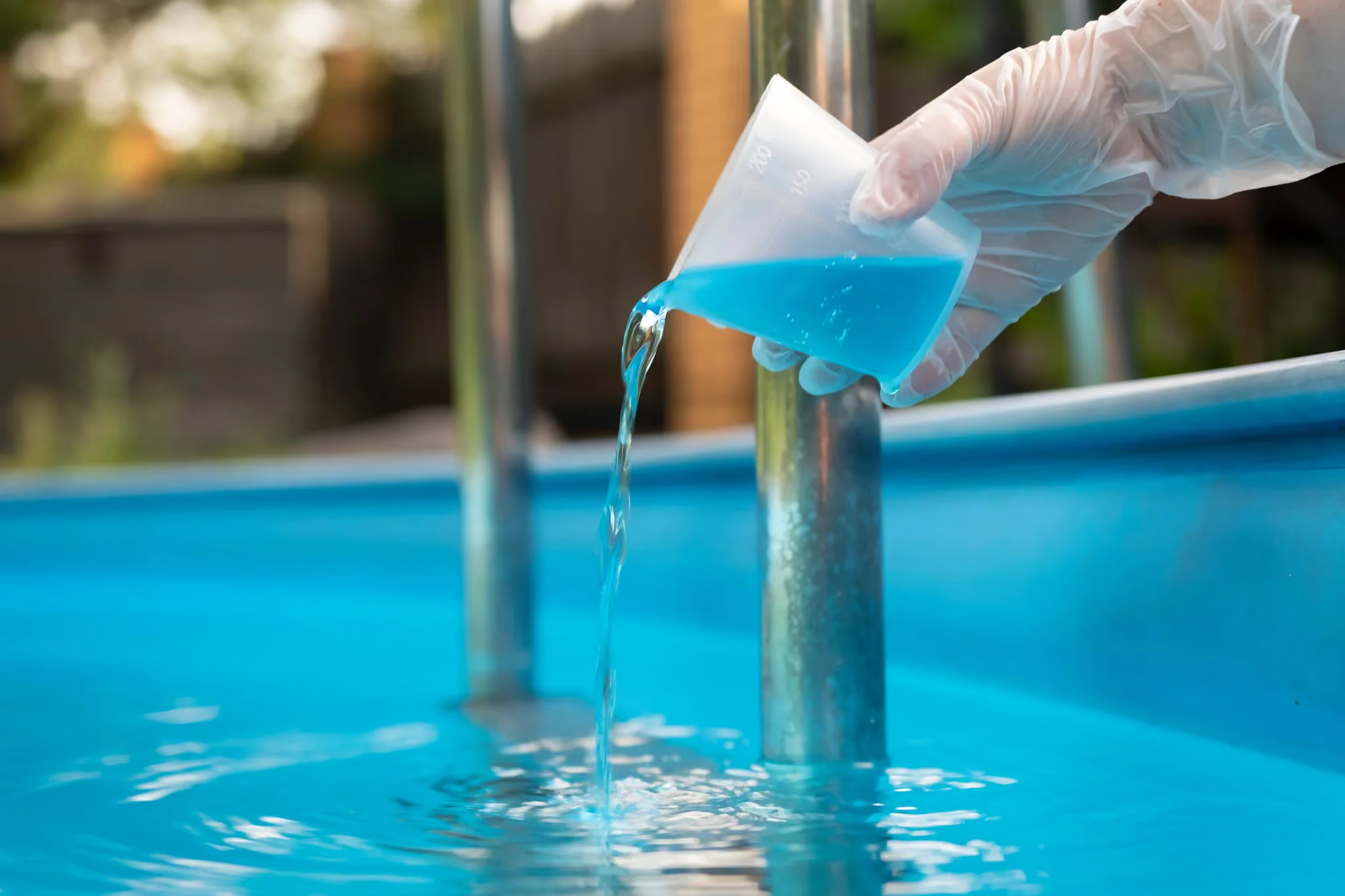
Always adjust total alkalinity before pH, and pH before chlorine. Getting the order right means your adjustments actually hold.
Brush the Pool
Brush walls, steps, and the waterline tile even if the pool looks clean. Algae and scale start as a thin film before they become visible. A weekly brush disrupts that before it takes hold.
Vacuum the Pool
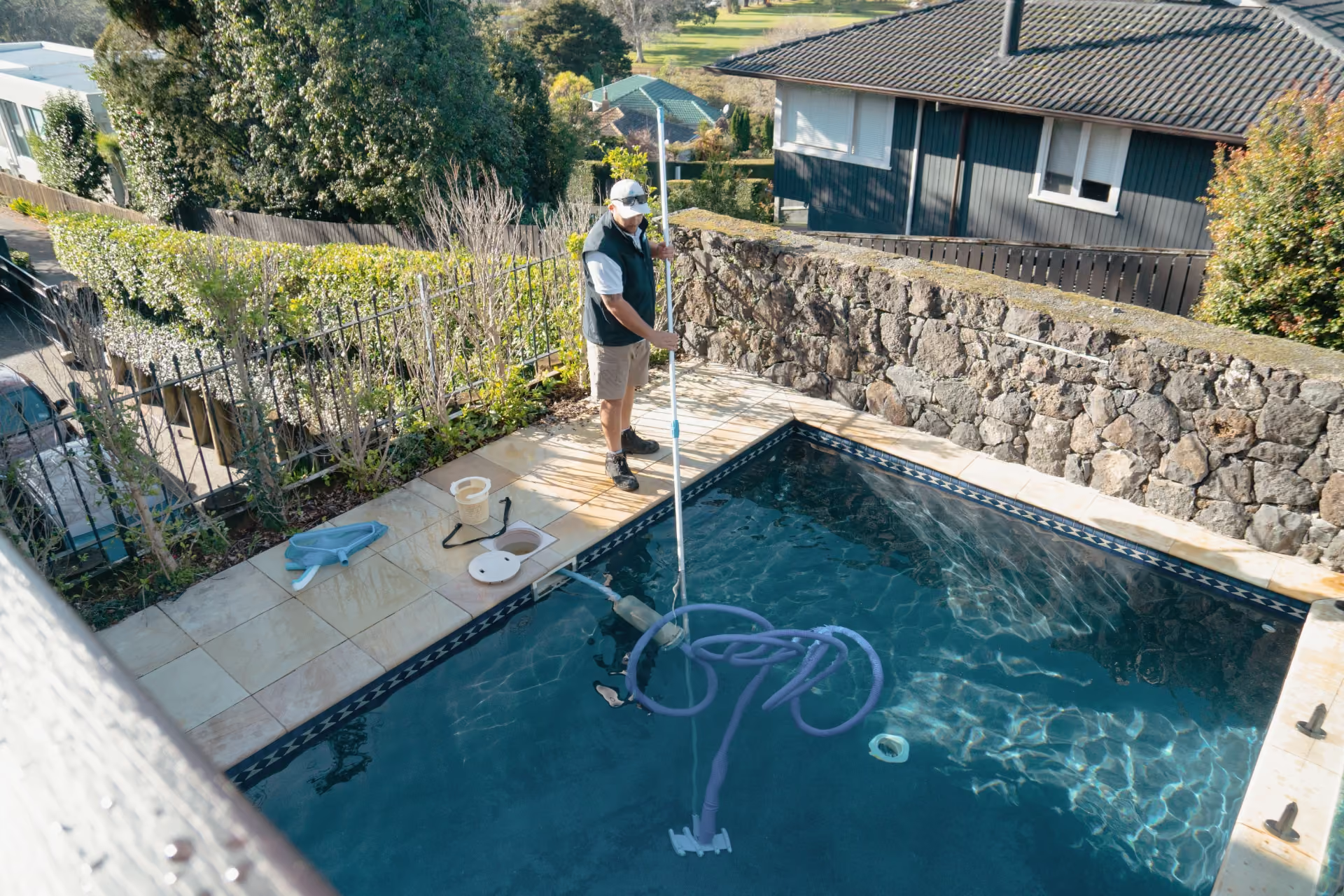
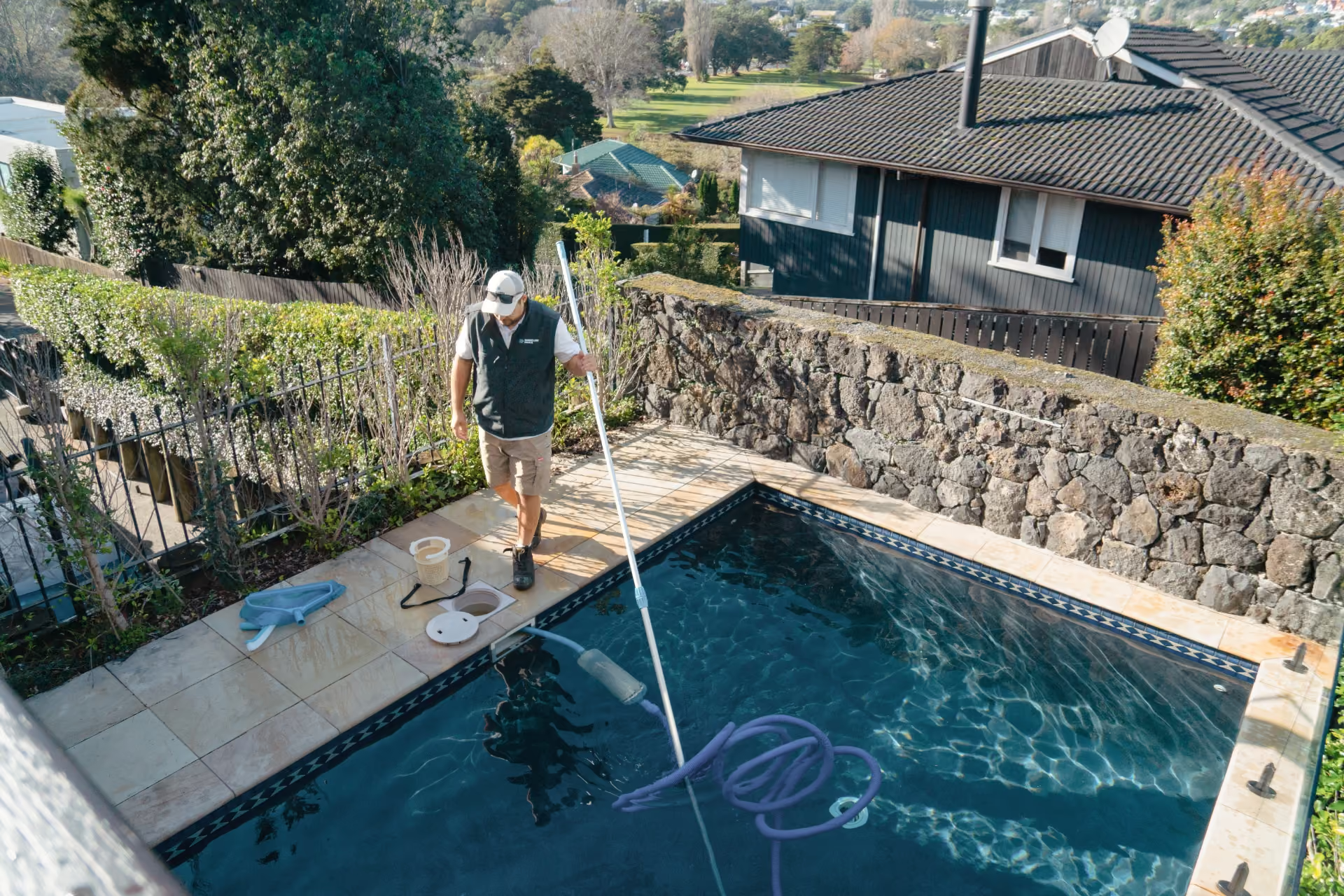
Vacuum the floor and any areas where debris settles. If you have a robotic or suction cleaner running regularly, a quick manual check of corners and steps is still worthwhile.
Clean the Skimmer and Pump Baskets
Empty both baskets weekly regardless of how full they look. Restricted flow puts strain on the pump.
Check Filter Pressure
Note the pressure gauge reading. If it's risen 8-10 psi above the clean baseline, the filter needs backwashing or cleaning.
---
Monthly Tasks
Monthly maintenance goes a level deeper. These tasks don't need to happen every week, but skipping them for months at a time leads to bigger problems.
Backwash or Clean the Filter
For sand and DE filters, backwash when pressure rises or monthly as a minimum. For cartridge filters, remove and rinse the cartridge. A thorough chemical soak of cartridge elements every few months extends their life significantly.
Check and Clean the Chlorinator Cell
If you have a salt water chlorinator, inspect the cell monthly. Scale build-up on the plates reduces chlorine output. Most cells have a self-cleaning cycle, but a visual check confirms it's working. If you see heavy scale, a diluted acid wash may be needed, follow the manufacturer's instructions carefully.
Shock the Pool
Even a well-maintained pool benefits from a monthly shock dose. This oxidises combined chlorines (chloramines) that cause eye irritation and that familiar chlorine smell, and it helps clear any organic load that's built up.
Test Calcium Hardness and Stabiliser
These parameters change slowly, so weekly testing isn't necessary. Monthly checks catch drift before it causes scale or corrosion.
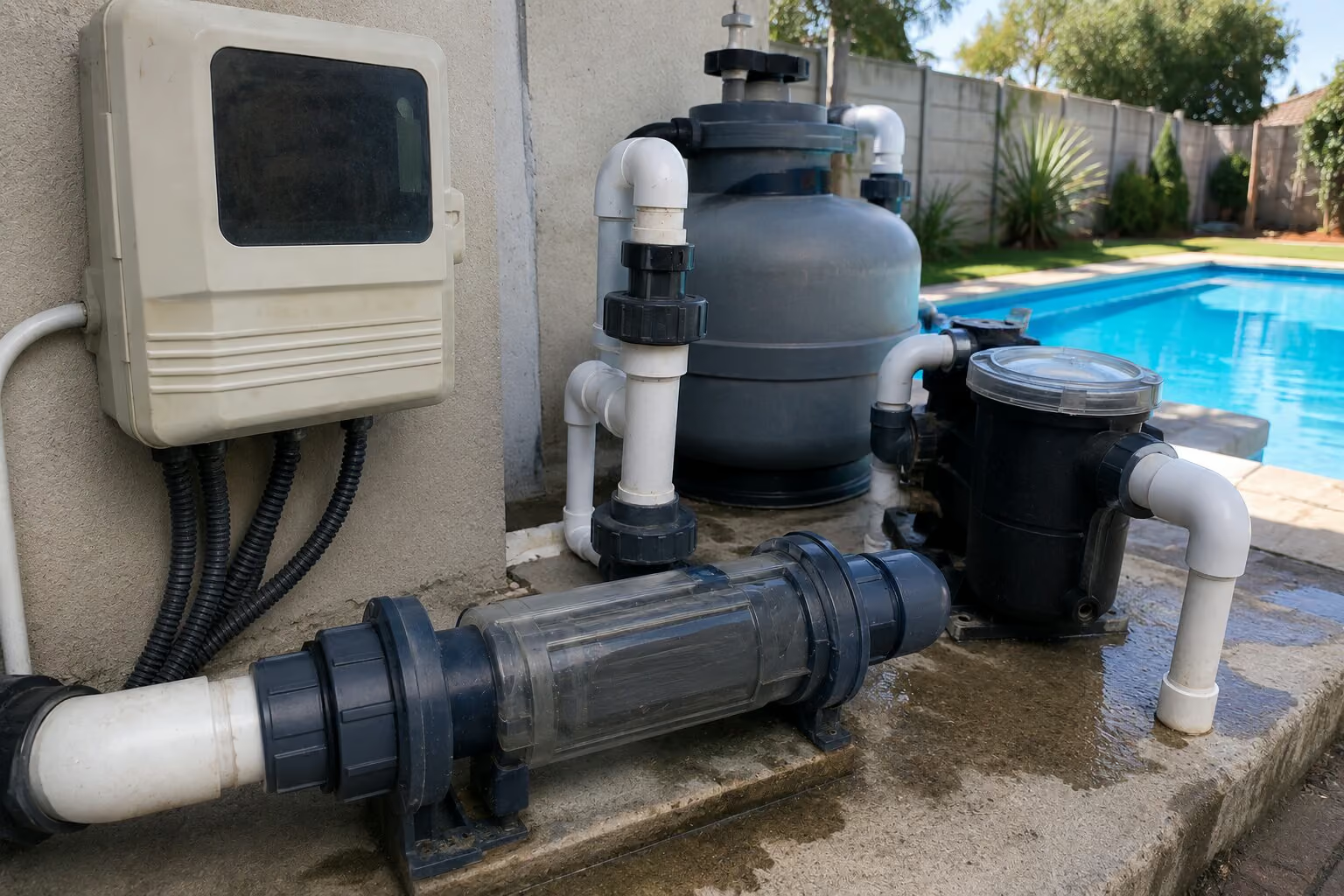
Inspect Equipment
Take a few minutes to look over the pump, filter, and any visible pipework. Check for:
- Drips or wet patches around fittings
- Unusual pump noise
- Cracked or brittle hoses
- Loose lid seals on the pump pot
Catching a small drip early is far cheaper than dealing with a failed fitting later.
---
Seasonal Maintenance in Auckland
Auckland's climate is mild year-round, which means most pools stay in use across all four seasons. That said, the demands on your pool change with the seasons.
Summer (December-February)
This is the highest-demand period. Increased bather load, UV intensity, and warm water temperatures all accelerate chlorine consumption and algae growth.
- Test water chemistry two to three times per week during heavy use
- Check stabiliser levels, UV breaks down chlorine faster in summer; adequate cyanuric acid slows this
- Run the pump for longer periods, typically 8-12 hours per day in peak summer
- Keep an eye on water level; evaporation and splash-out are higher
- Shock the pool after large gatherings or heavy rain events
Autumn (March-May)
As temperatures cool and leaf fall increases, the focus shifts to keeping debris out of the pool and adjusting run times down.
- Empty skimmer baskets more frequently during leaf fall
- Reduce pump run time gradually as water temperature drops
- Test water monthly rather than weekly if the pool is used less
- Check and clean the filter before the quieter winter period
Winter (June-August)
Auckland winters are mild enough that most pools stay operational. The pool still needs attention, just less of it.
- Test water every two weeks
- Run the pump for a minimum of 4-6 hours per day to maintain circulation
- Keep chlorine levels maintained, algae can still grow in cooler water, just more slowly
- Inspect the pool cover if you use one; clean and check it for damage
Spring (September-November)
Spring is the time to bring the pool back to full readiness before summer. If the pool has been underused or covered, it may need a full water test and balance before swimming season begins.
- Test all parameters and bring chemistry back into range
- Inspect all equipment after winter, check seals, O-rings, and fittings
- Clean the filter thoroughly
- Brush and vacuum the pool before the first swim of the season
- If the water has gone green over winter, treat it before opening the pool for use
---
What People Commonly Miss
Even experienced pool owners tend to overlook a few things:
- Testing after rain, heavy Auckland rain dilutes and unbalances pool water quickly. Test within 24 hours of a significant downpour.
- Checking stabiliser levels, cyanuric acid is often forgotten until chlorine stops holding. Test it monthly in summer.
- Running the pump long enough, under-circulation is one of the most common causes of water quality problems. If in doubt, run it longer.
- Cleaning the waterline, oils, sunscreen, and organic matter build up at the waterline and can stain the tile or coping if left.
- Ignoring small leaks, a slow drip from a fitting or valve can become a significant water loss over weeks. Check equipment monthly.
---
When to Book a Professional Service
A consistent home routine handles most of what a pool needs. But some situations call for a professional:
- Water chemistry that won't balance despite repeated adjustments
- Persistent algae that returns after treatment
- Pump or filter issues that aren't resolved by basic checks
- A pool that's been neglected for an extended period
- Annual equipment servicing, a professional check of the pump, filter, and chlorinator once a year is good practice
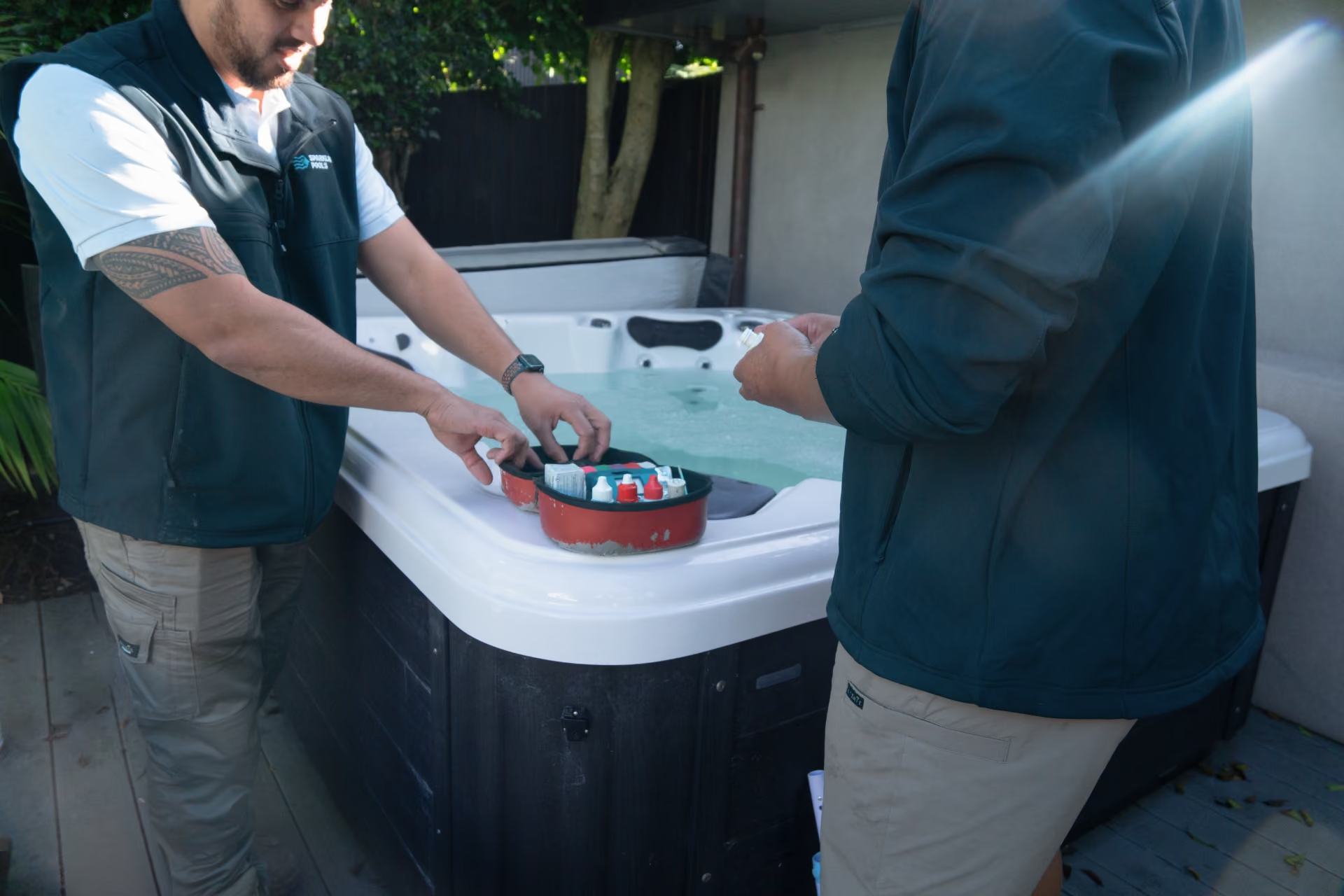
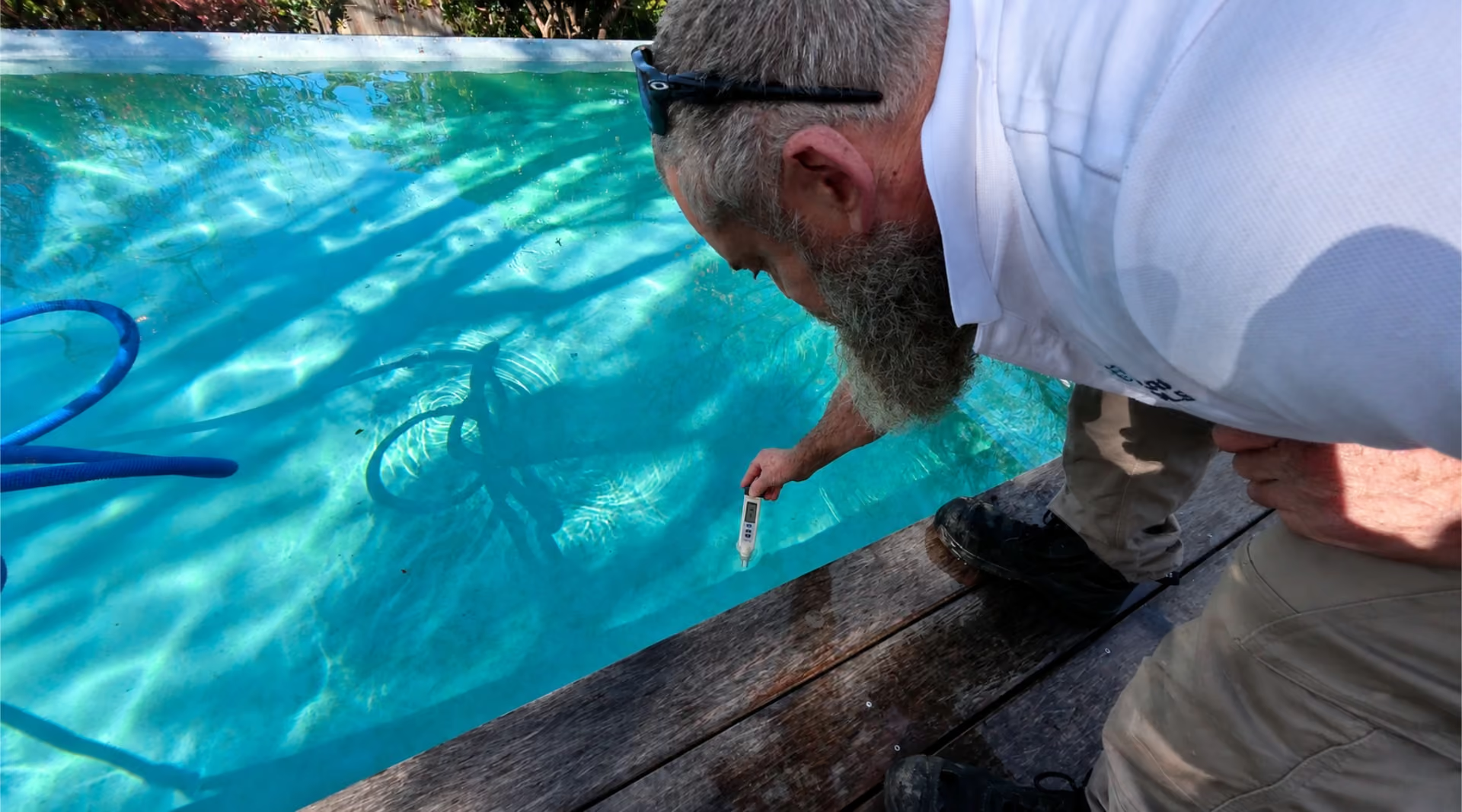
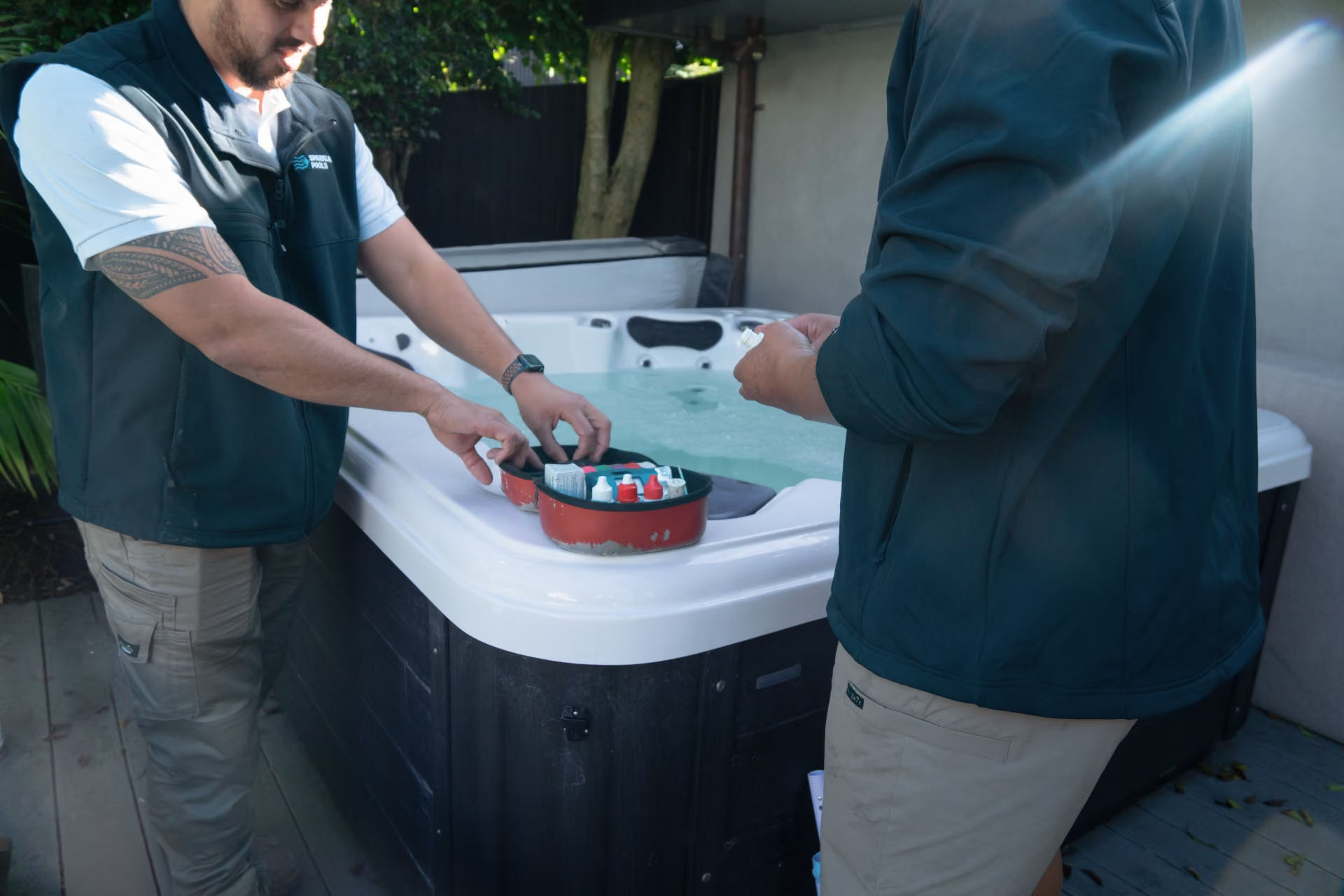
Sparkling Pools provides on-site water testing across Auckland, coming to your home to test and assess the pool in person. This is particularly useful when water chemistry is persistently out of range and you're not sure why.
---
A Quick-Reference Summary
Daily:
- Empty skimmer baskets, check water level, confirm pump is running
Weekly:
- Test and adjust water chemistry, brush walls and floor, vacuum, clean baskets, check filter pressure
Monthly:
- Backwash or clean filter, inspect chlorinator cell, shock the pool, test calcium hardness and stabiliser, inspect equipment
Seasonally:
- Adjust run times, deep-clean equipment, prepare for summer or wind down after it, treat any algae before it establishes
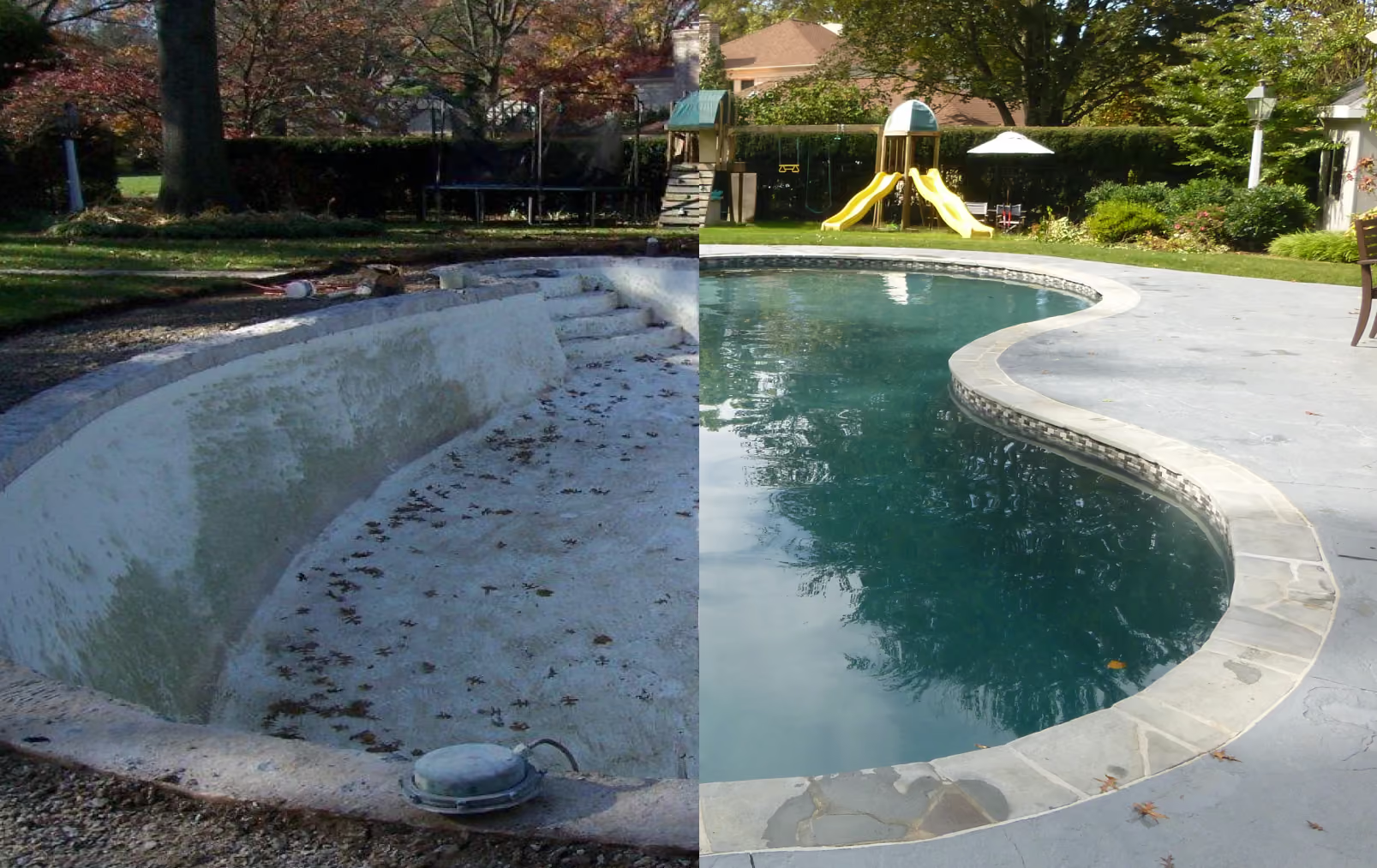
Pool resurfacing solutions
Restore your pool with durable plaster finishes

Work completed
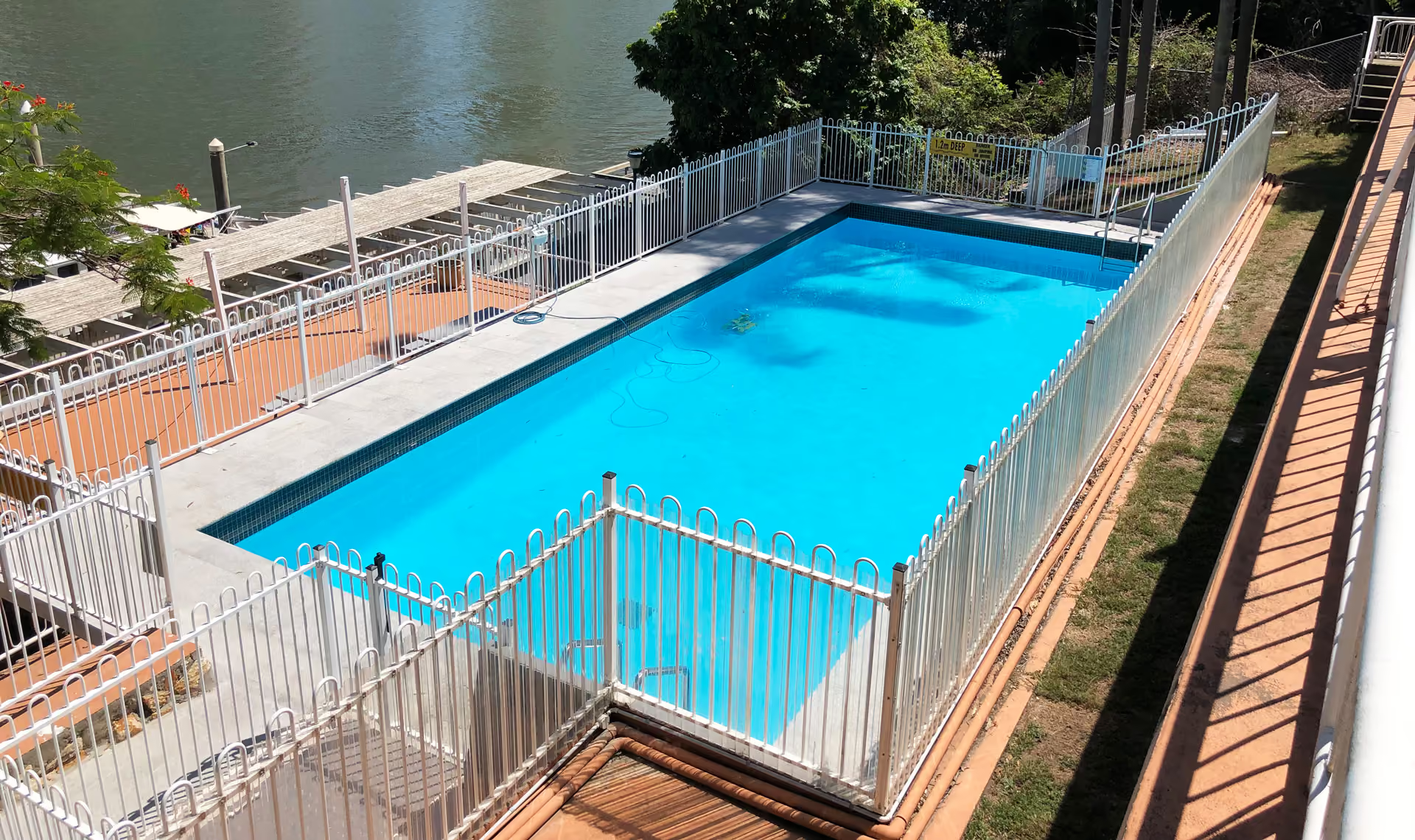
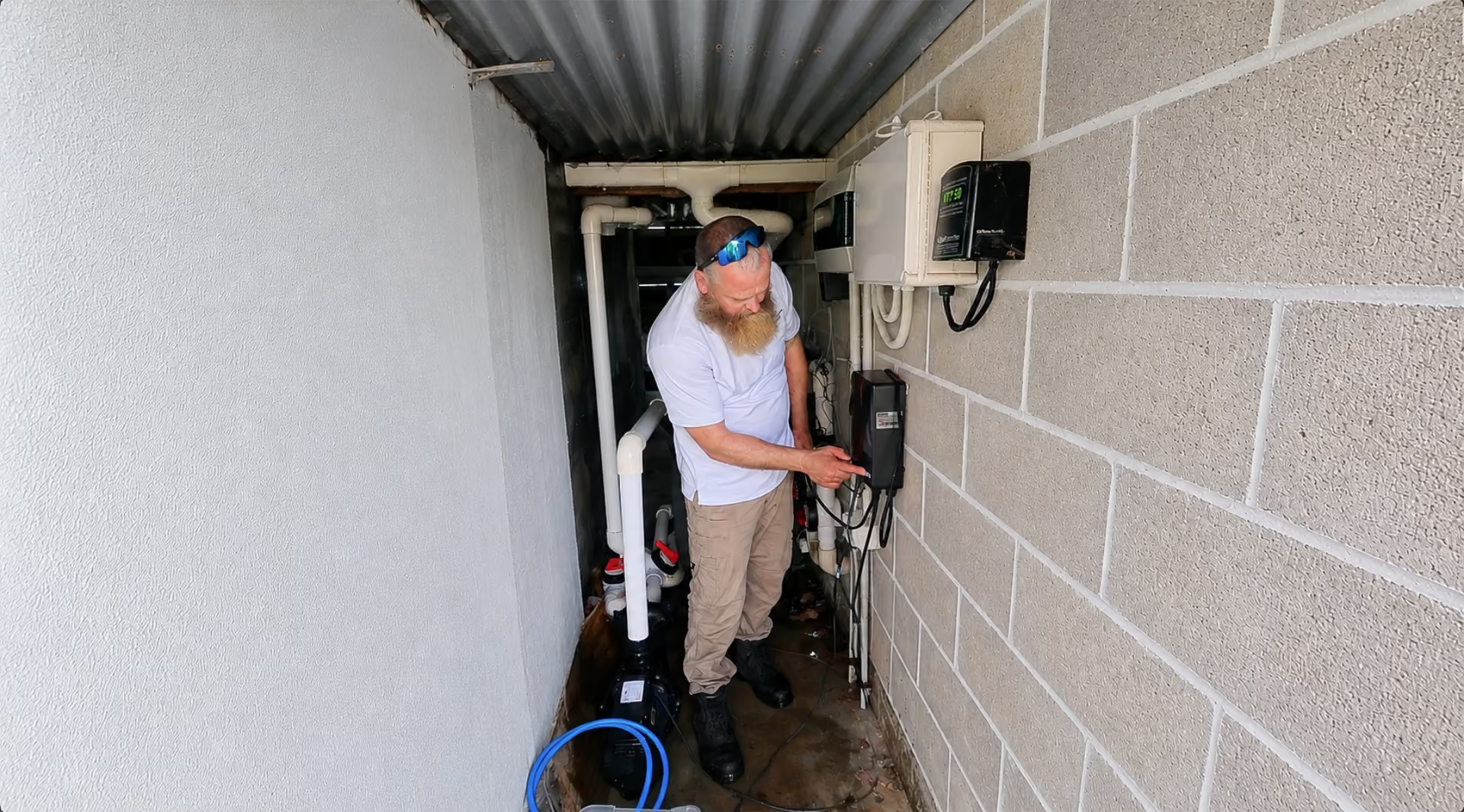
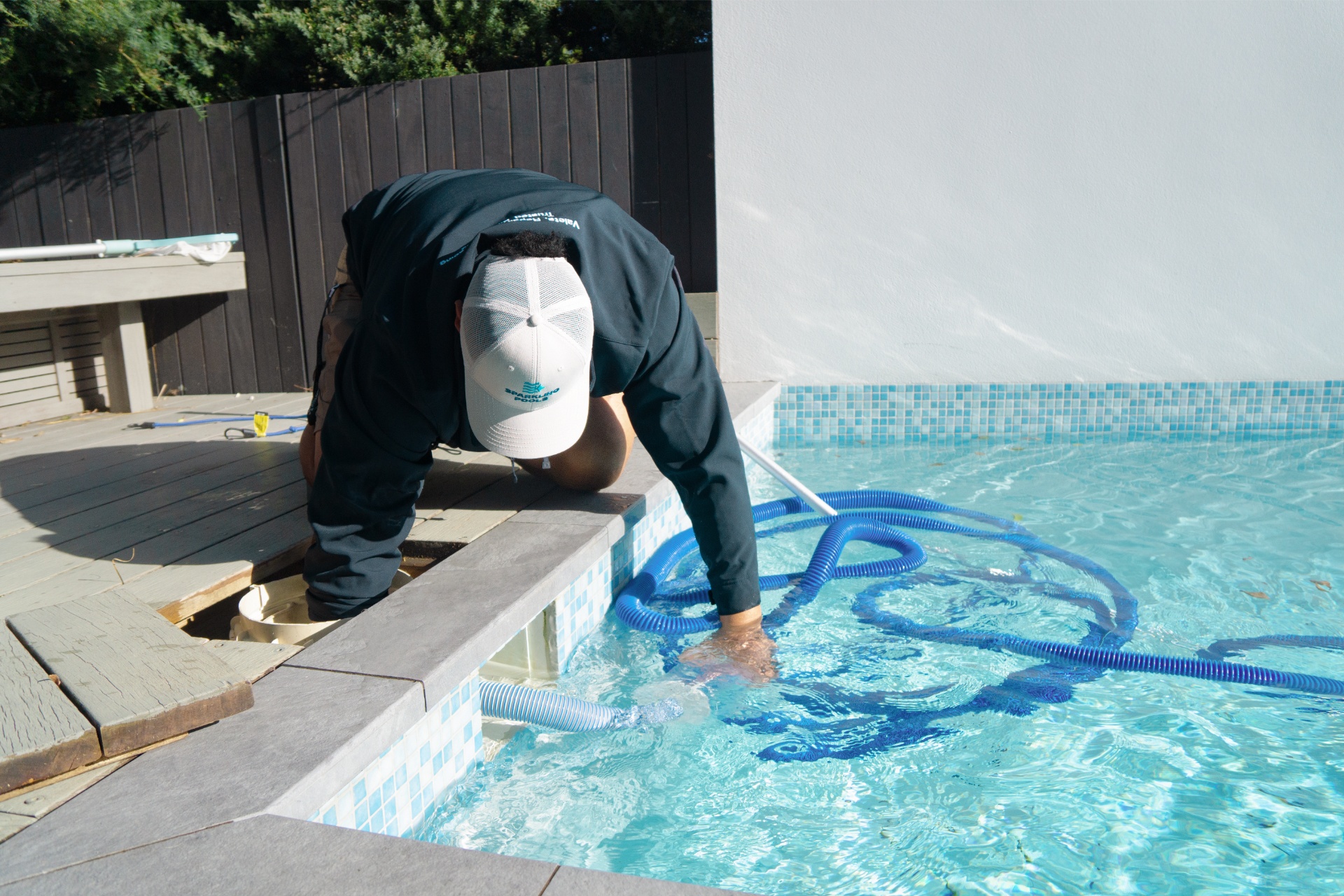
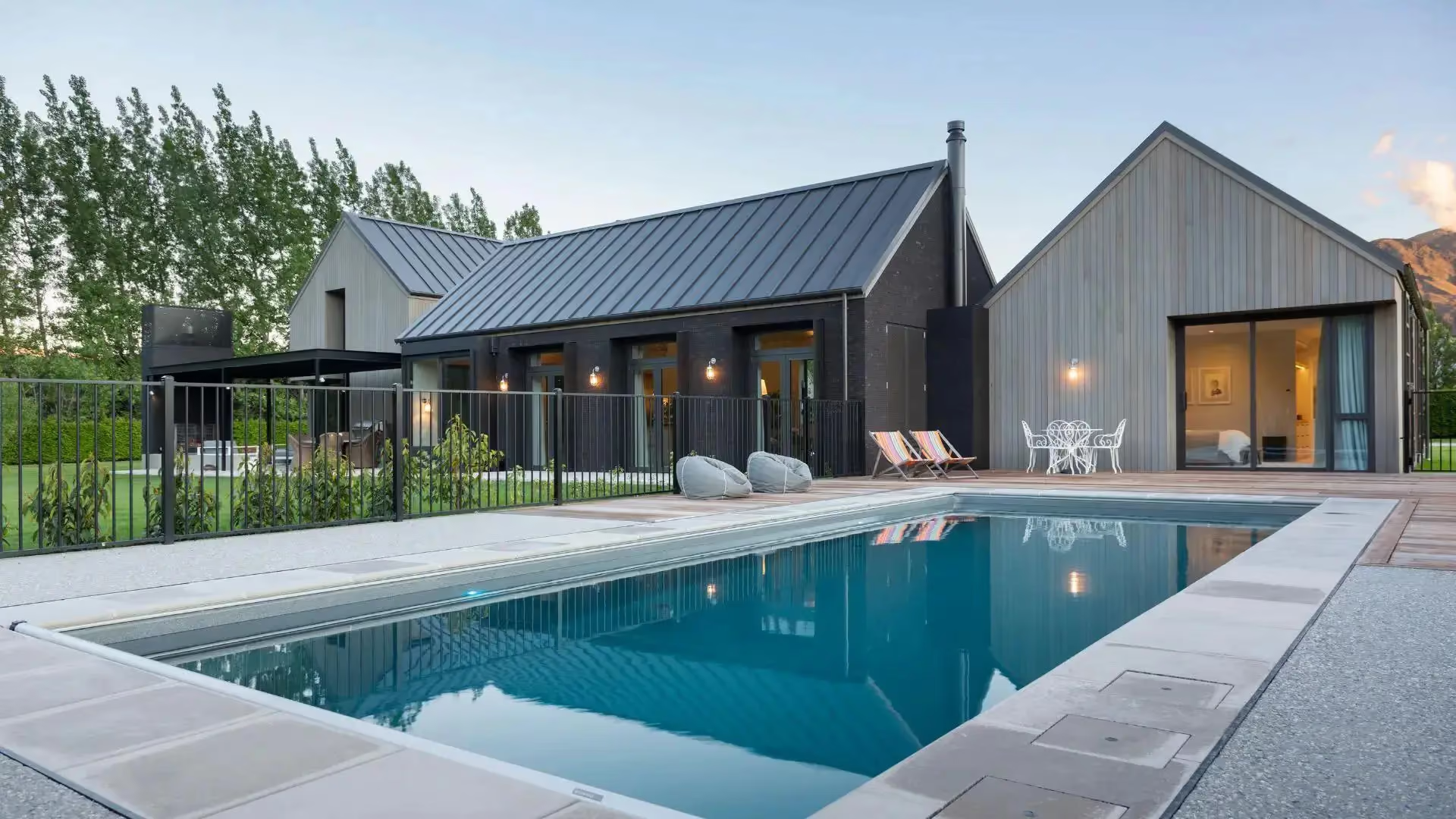
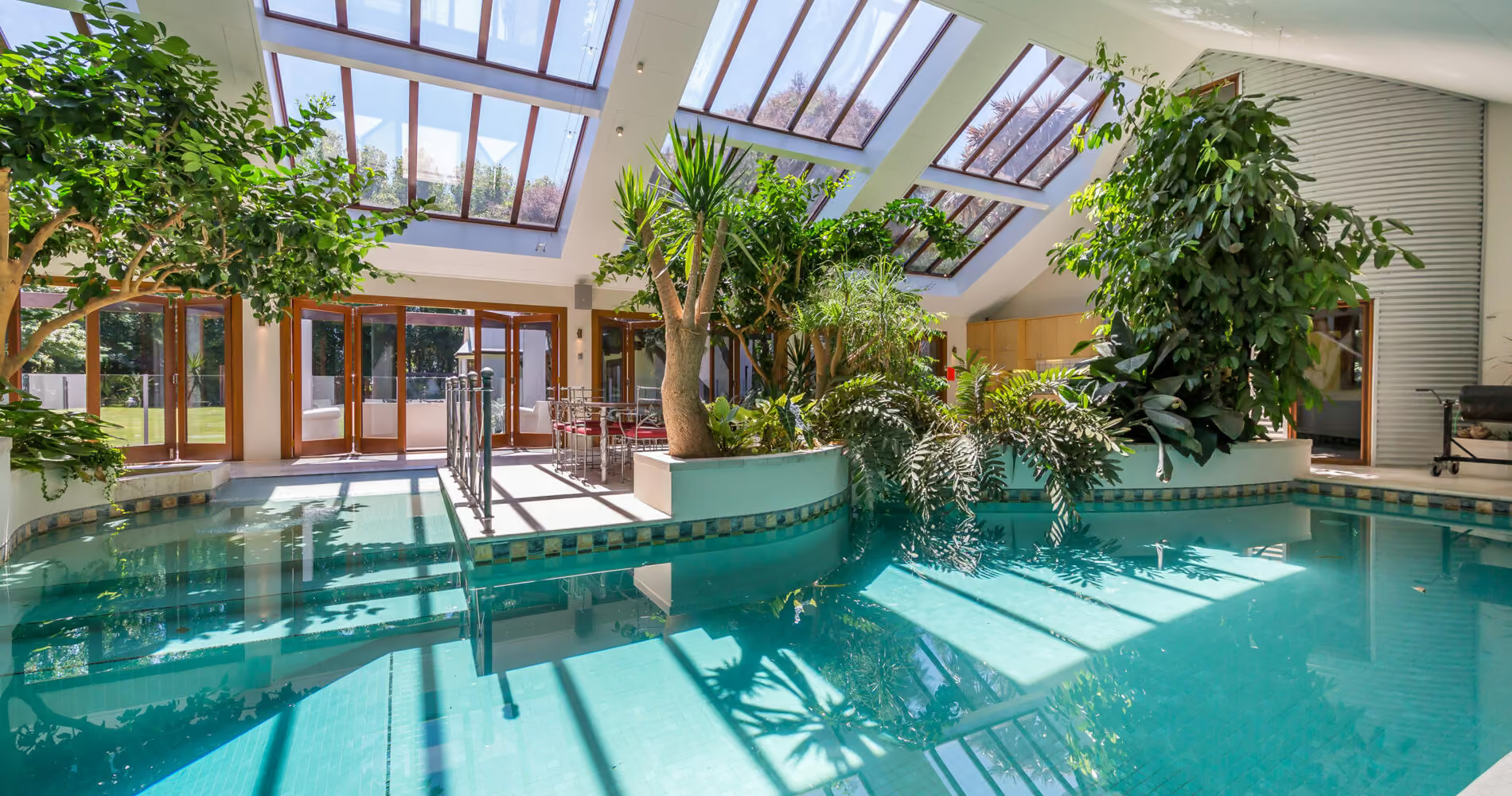
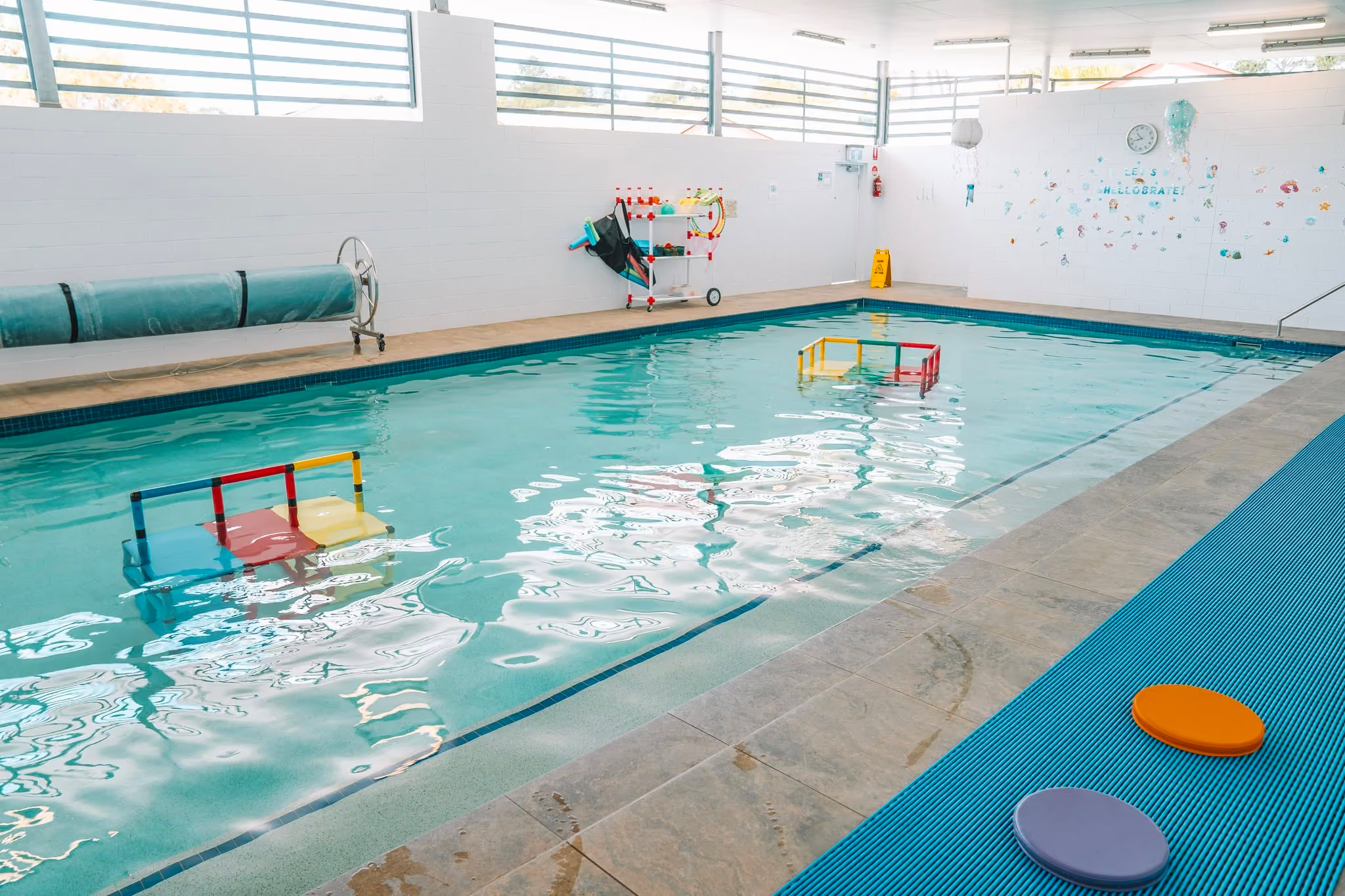
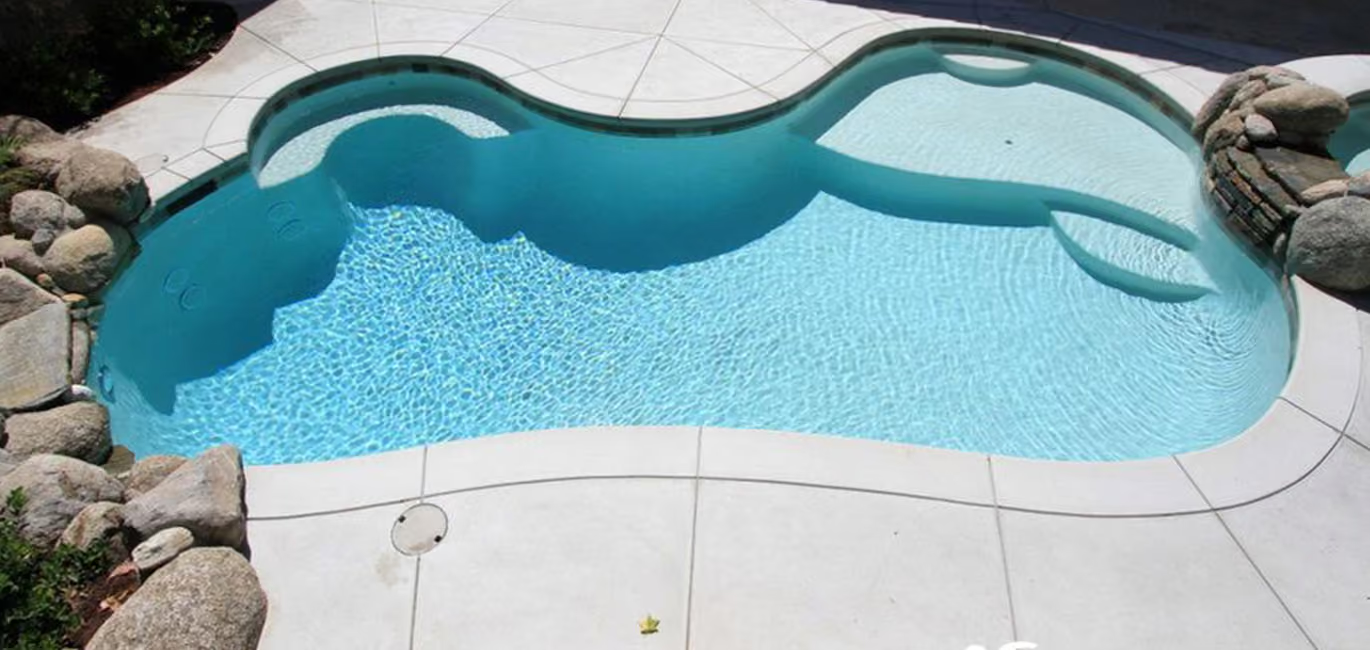
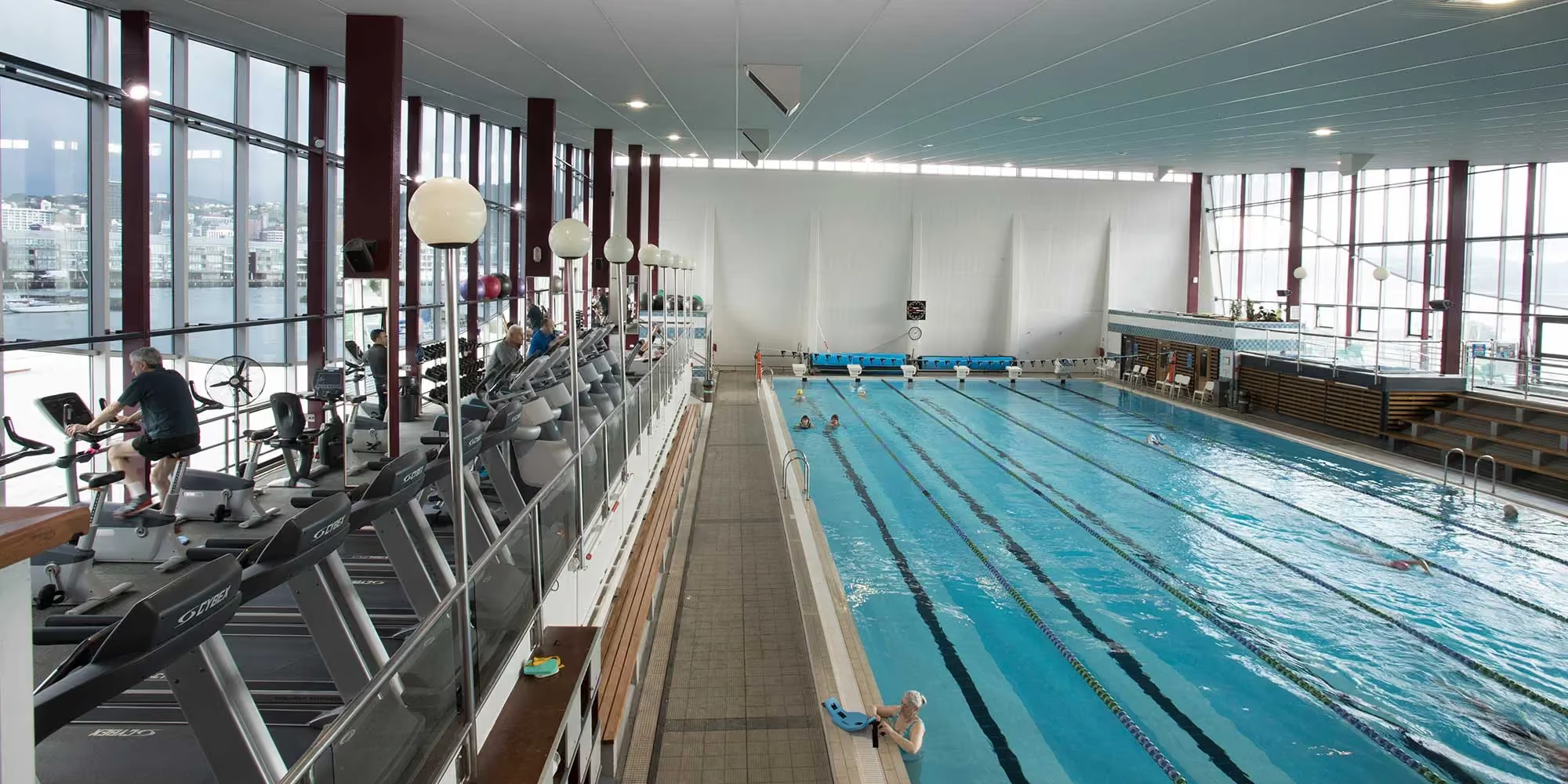
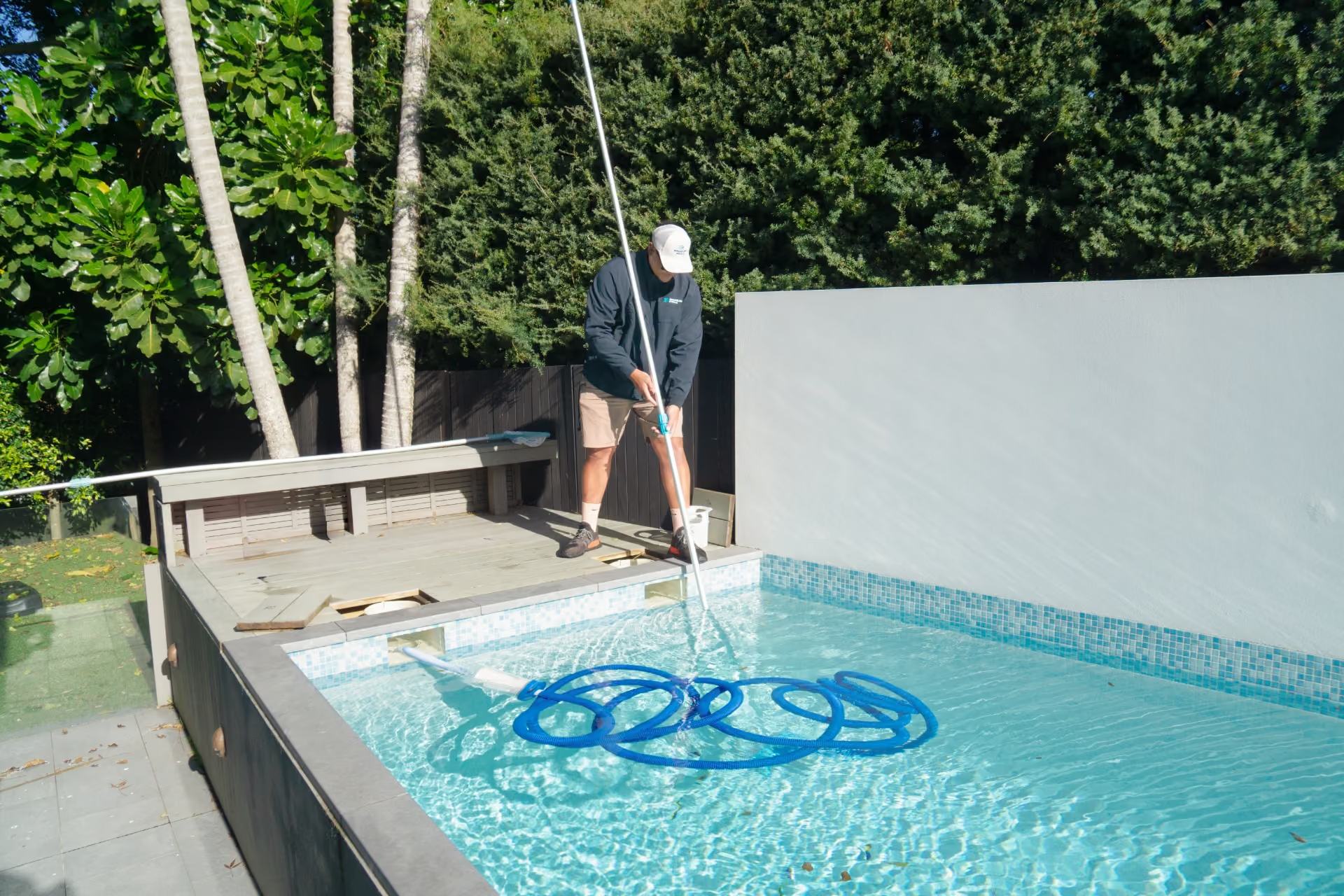
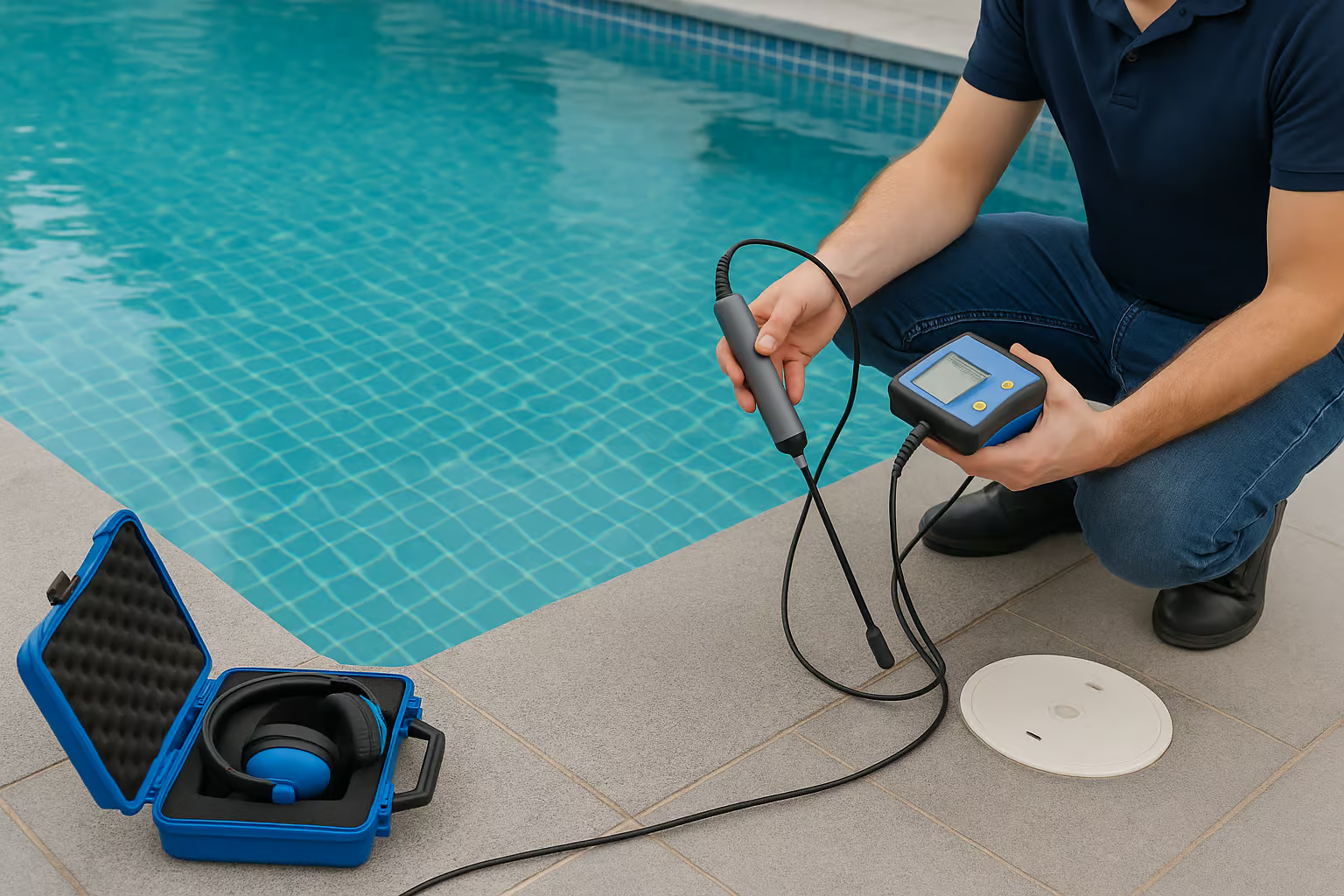
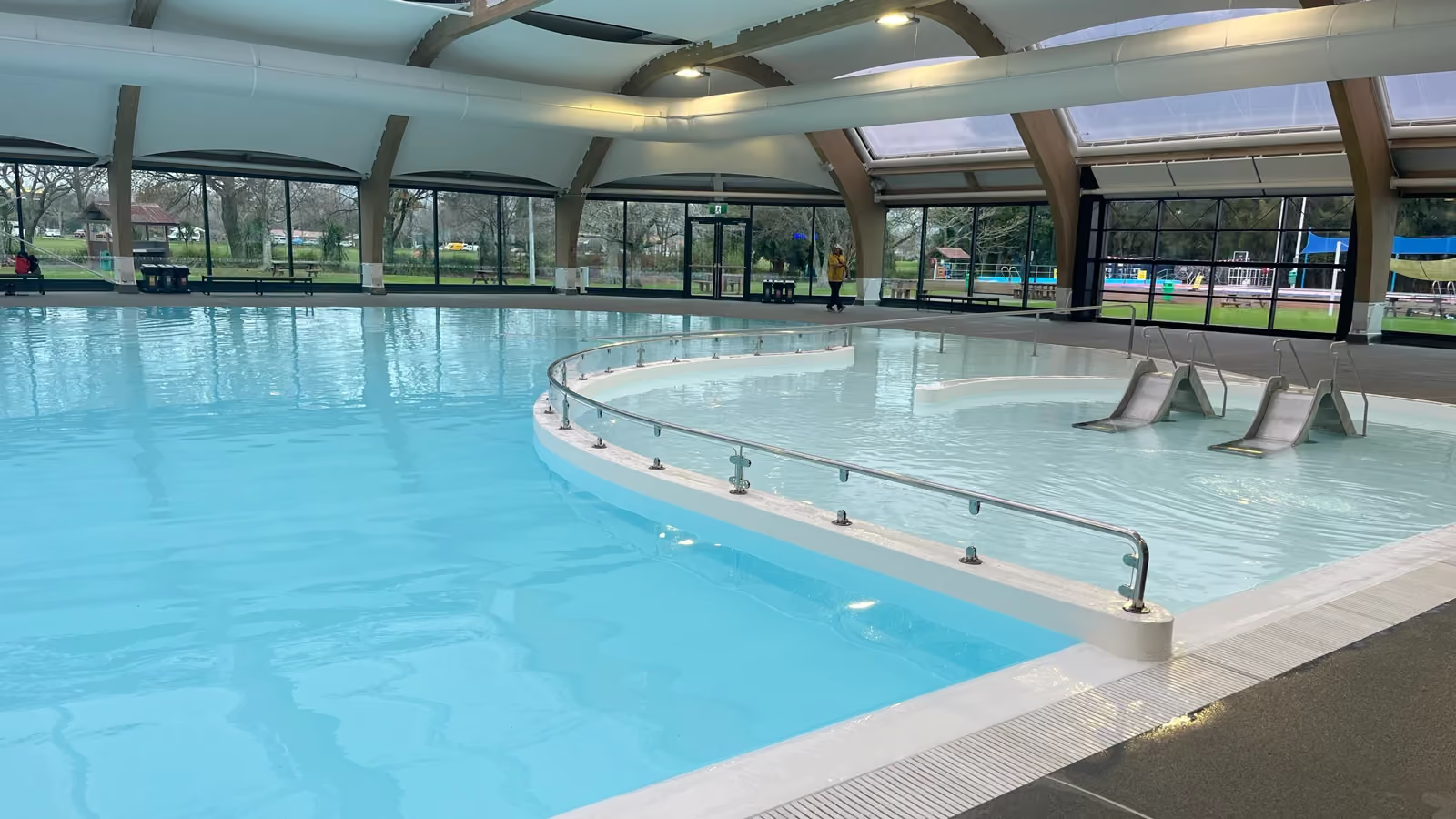
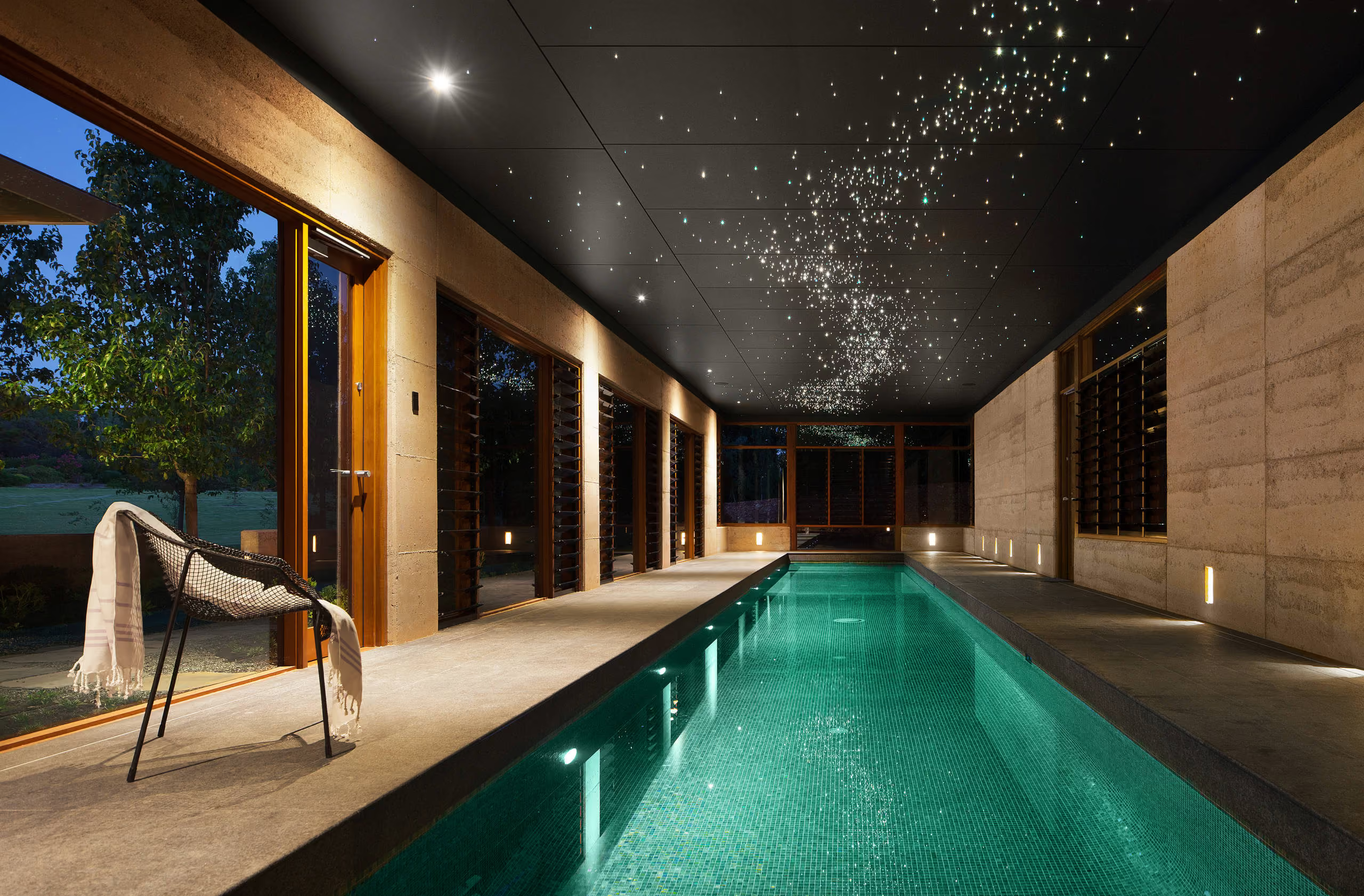
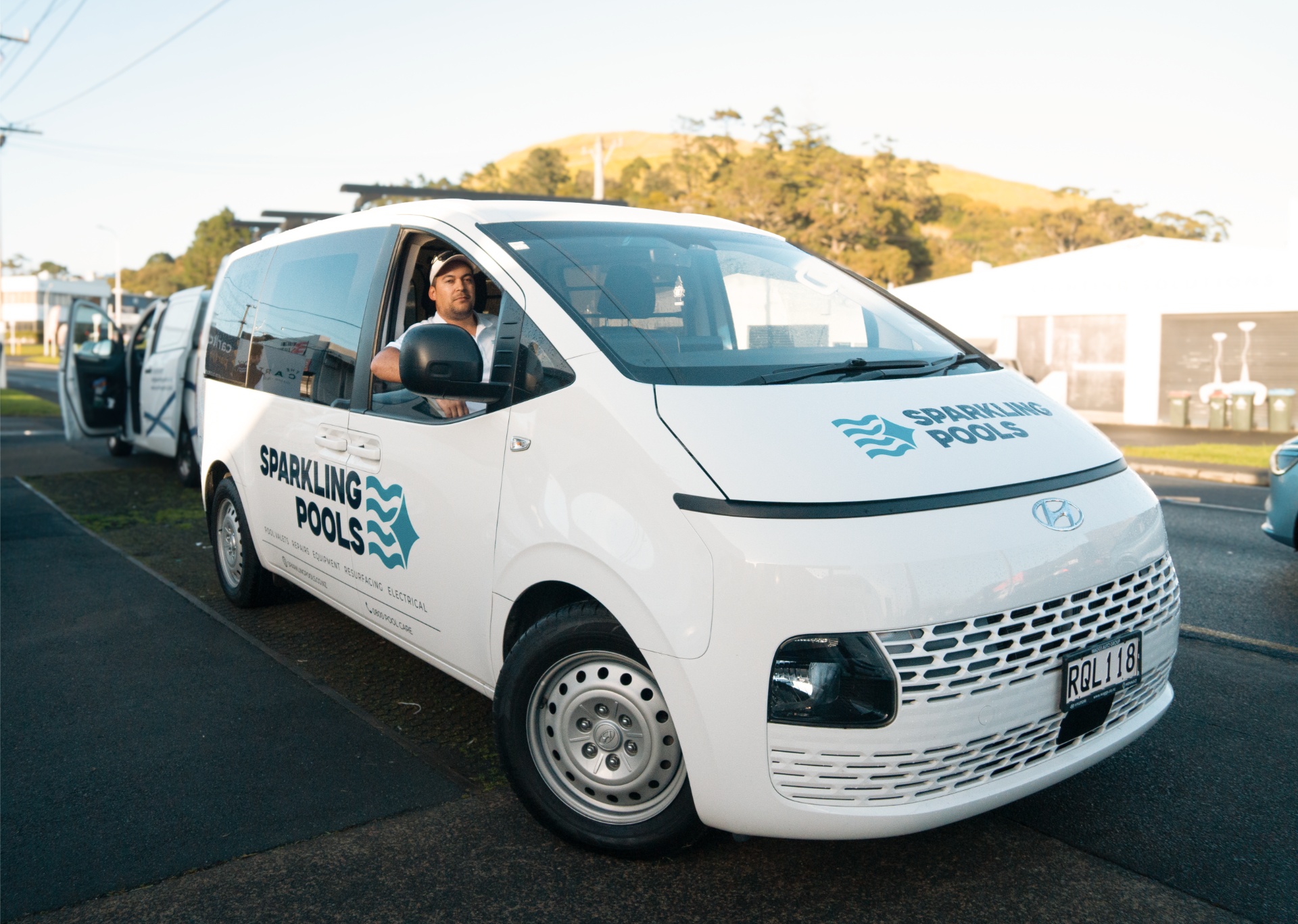
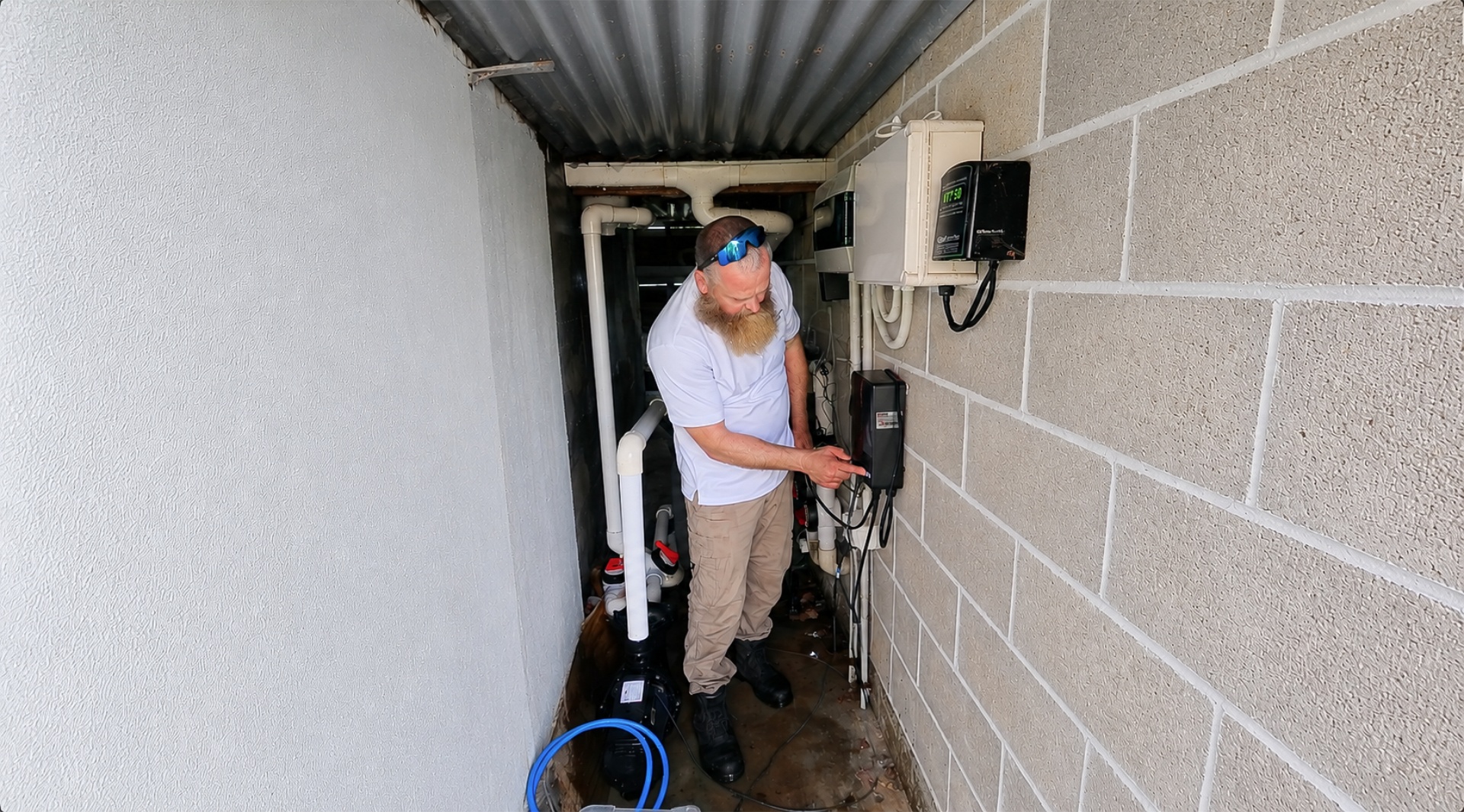
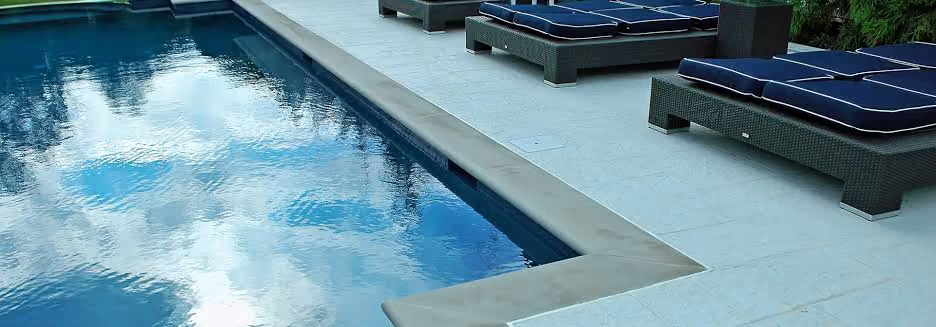
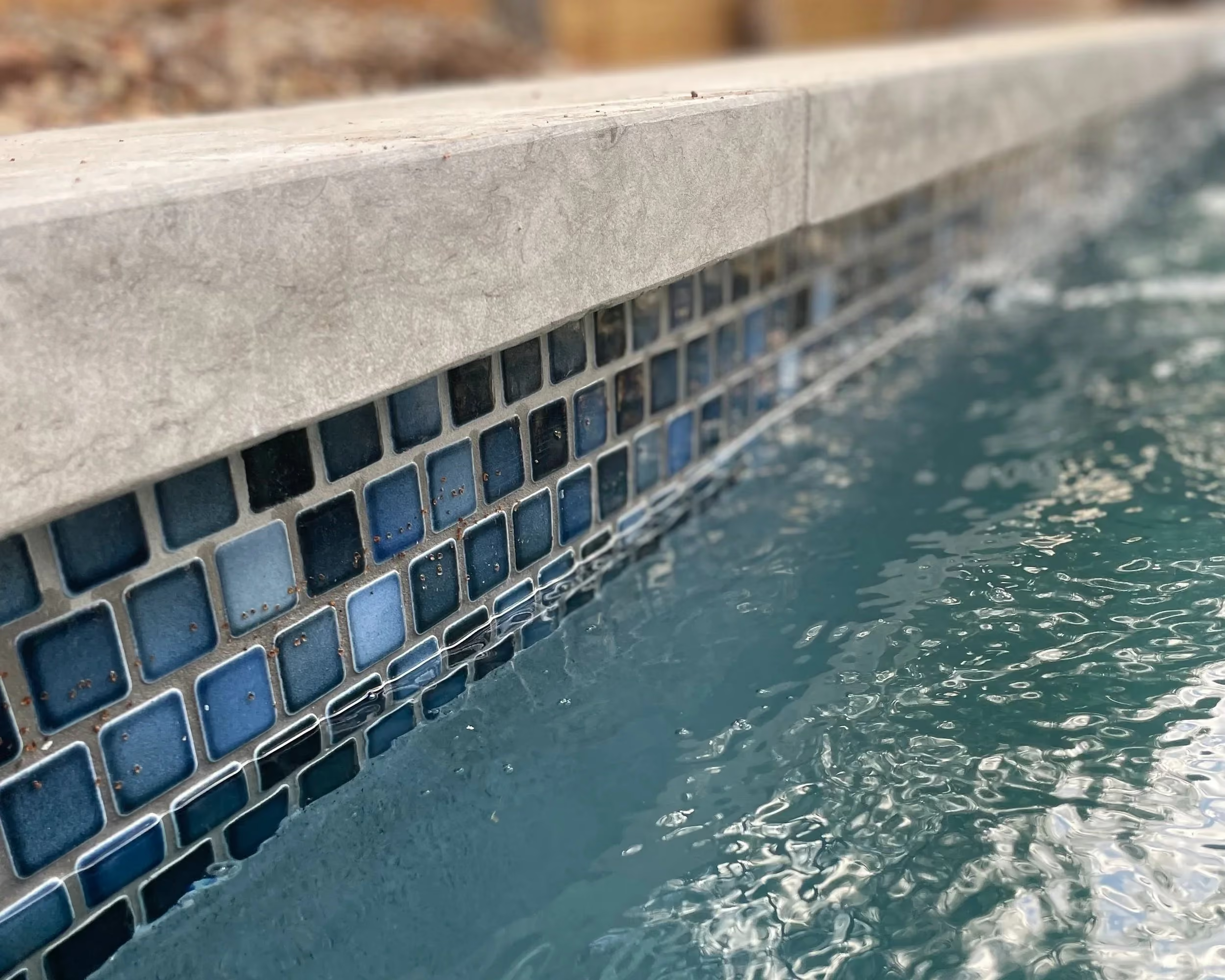
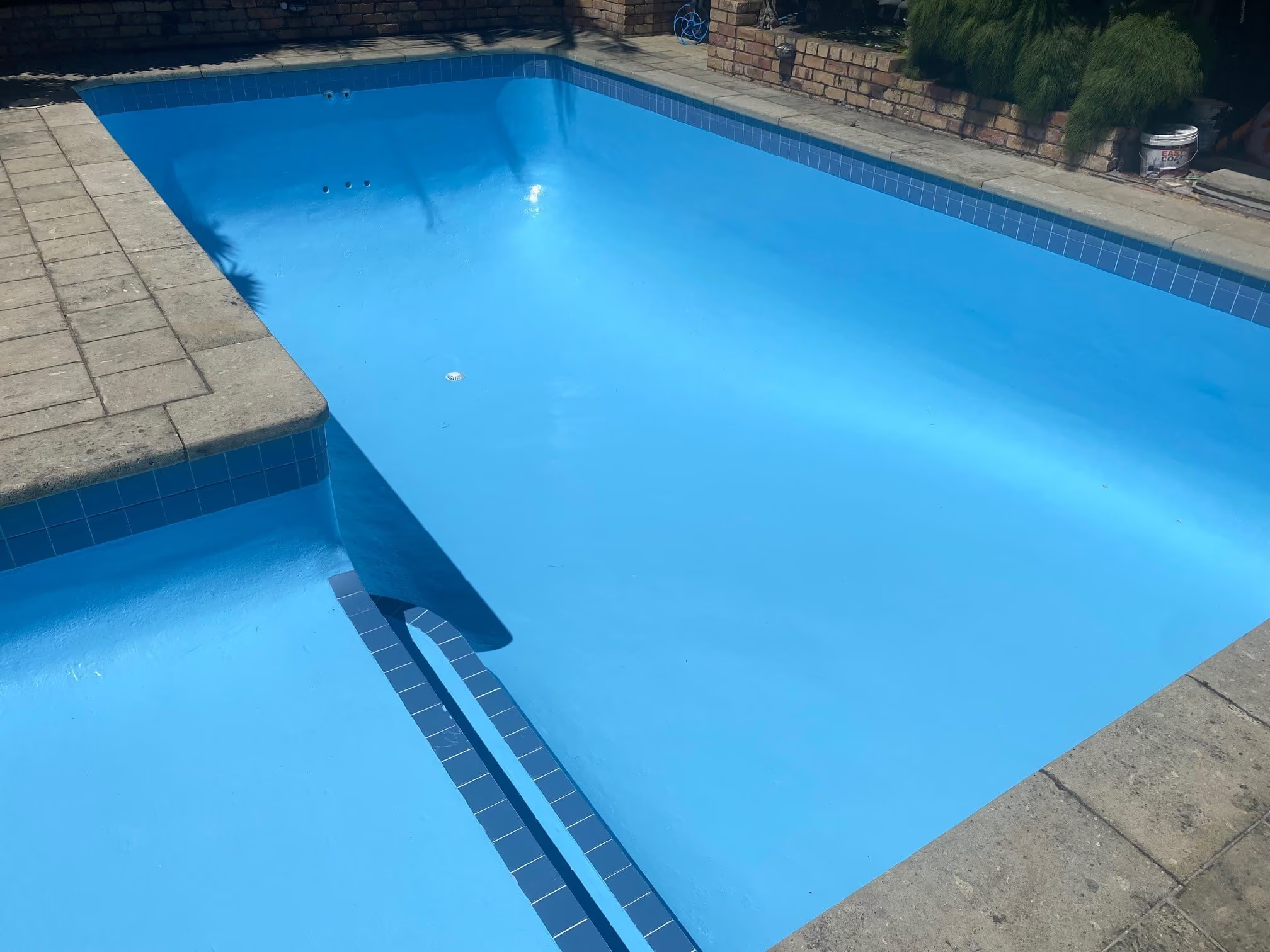
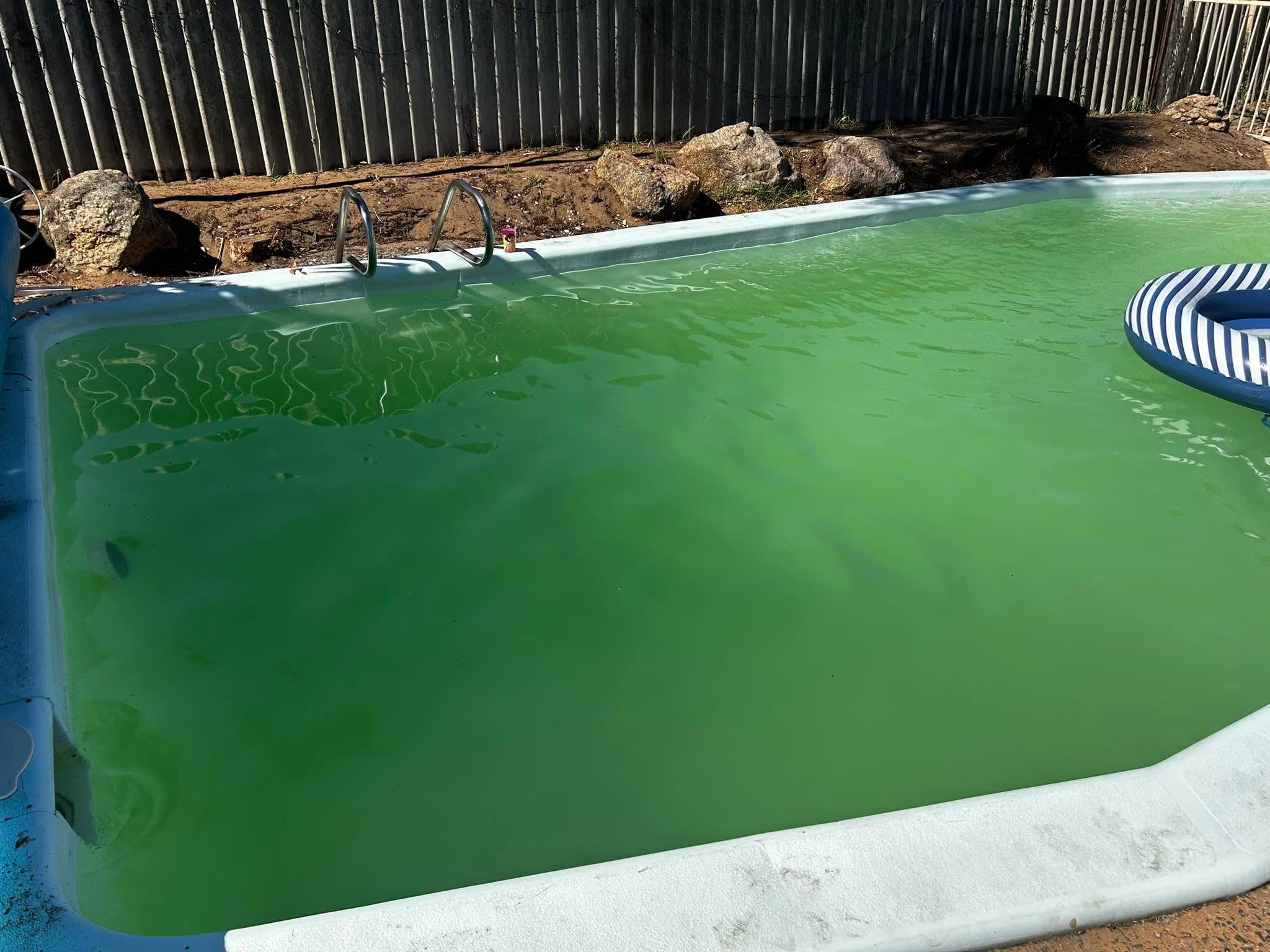
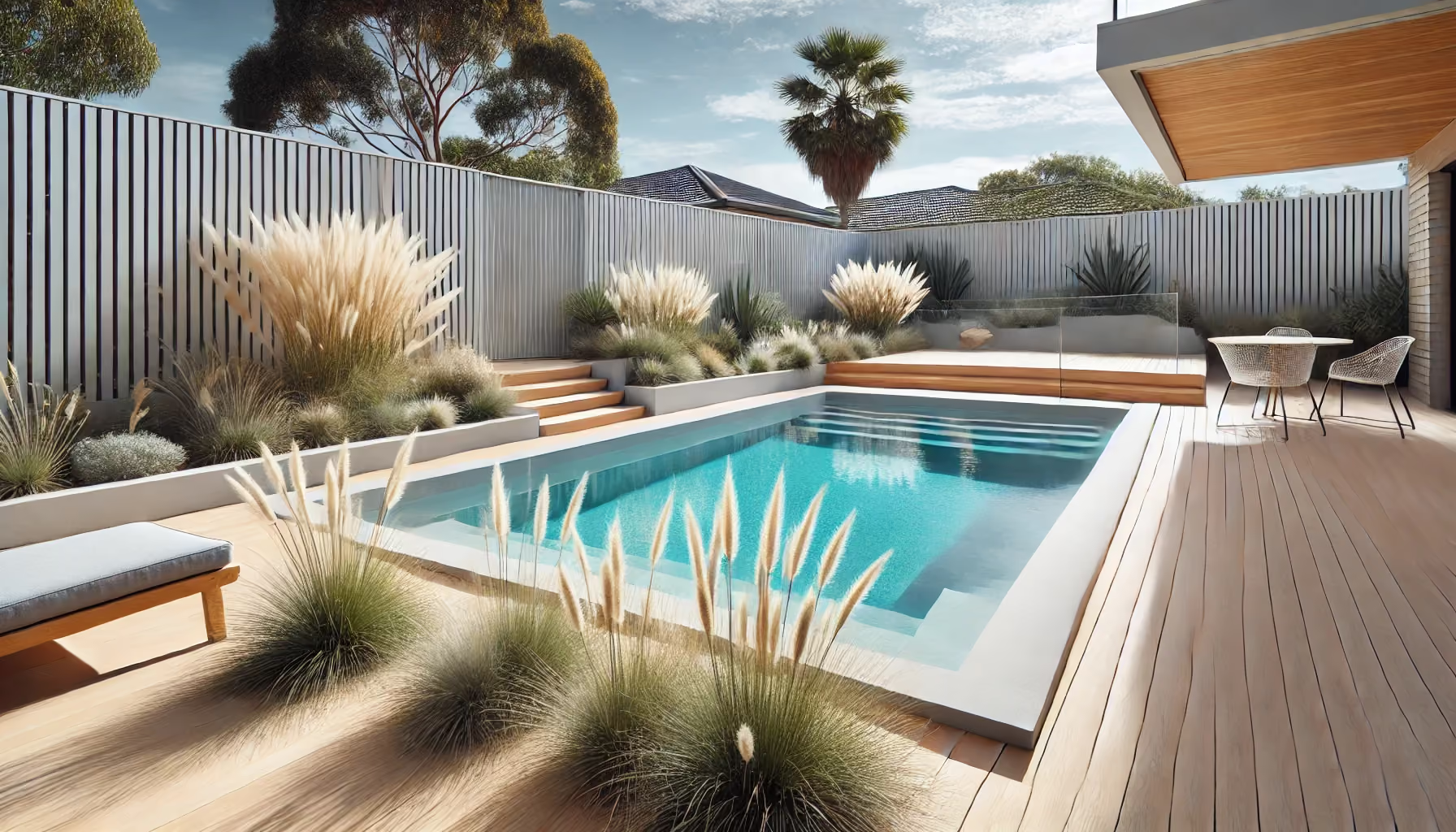
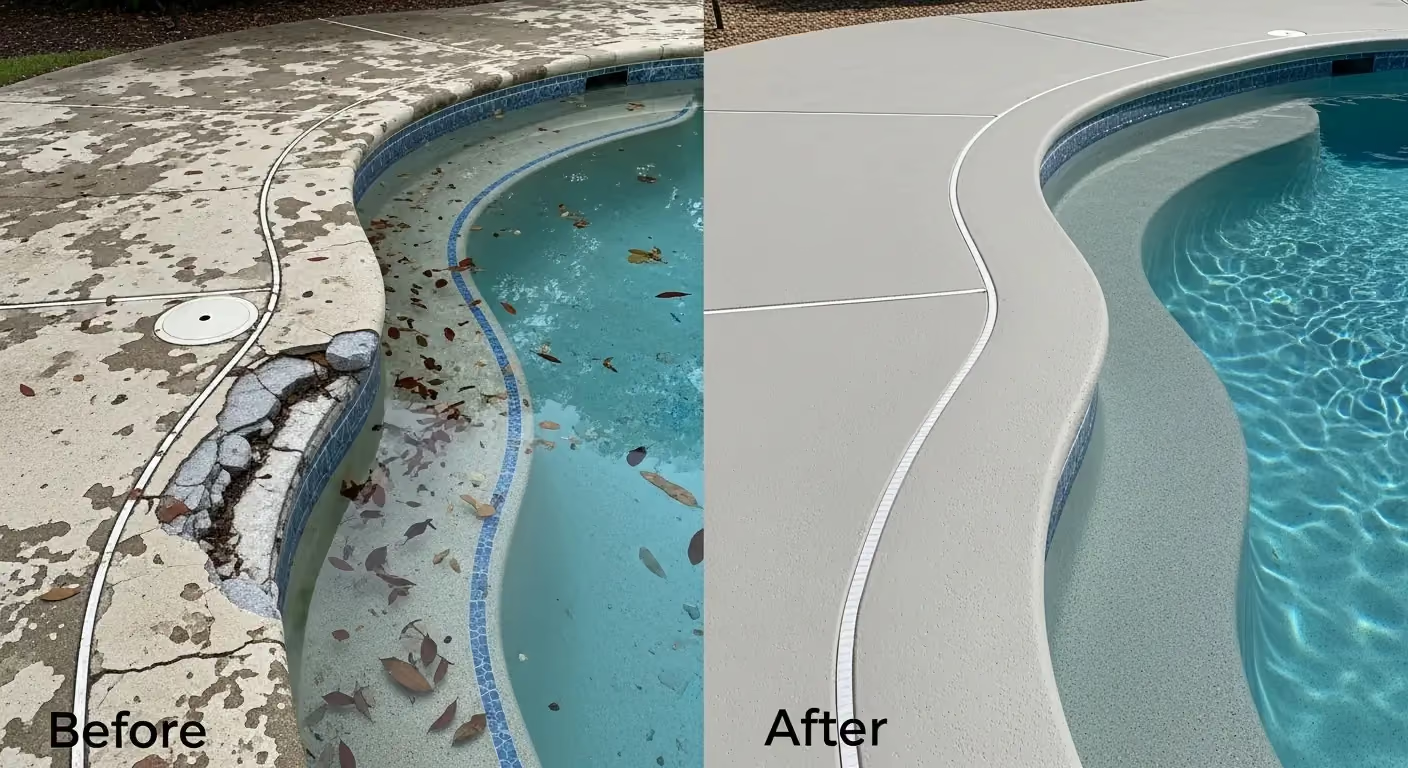
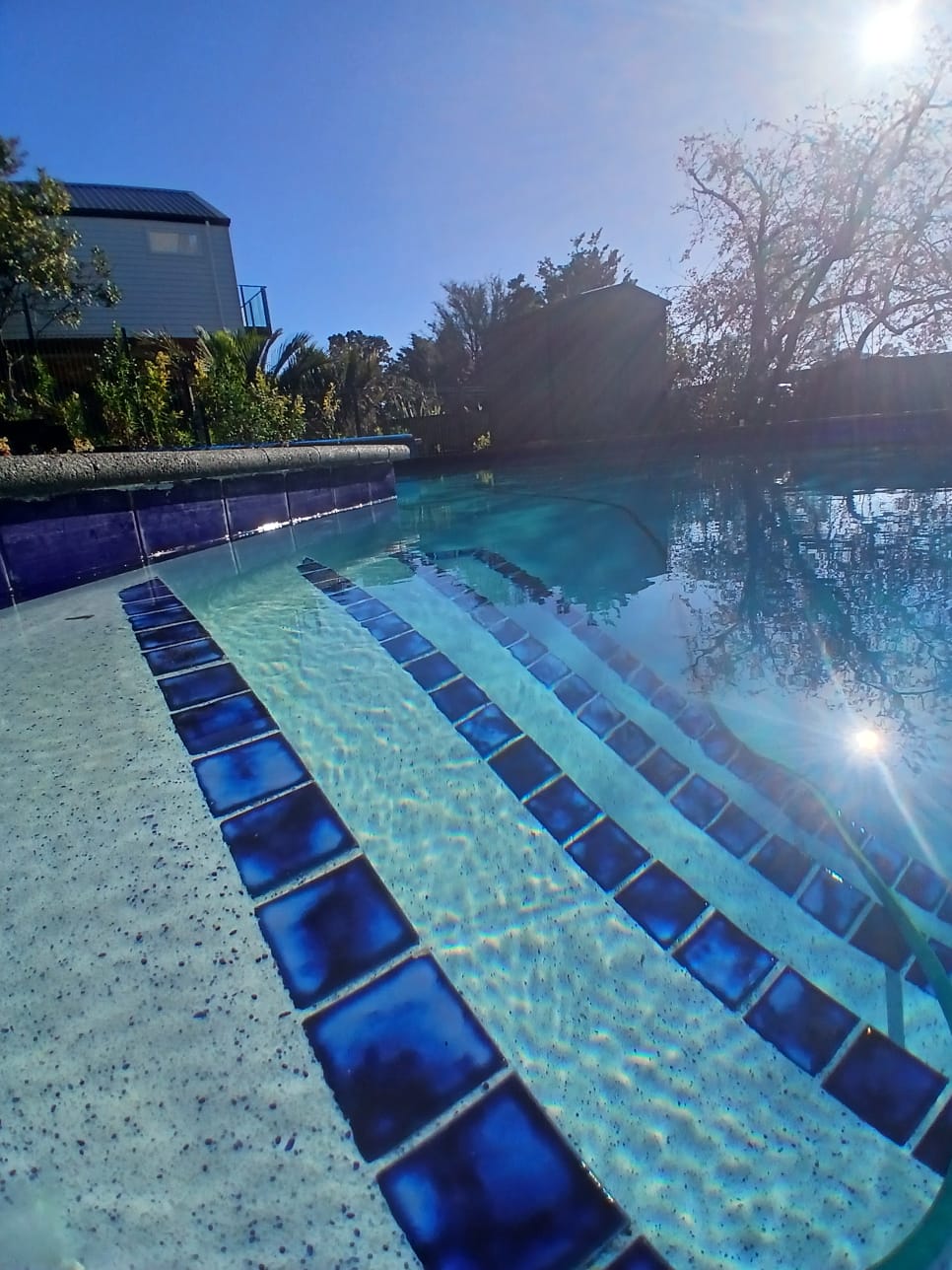
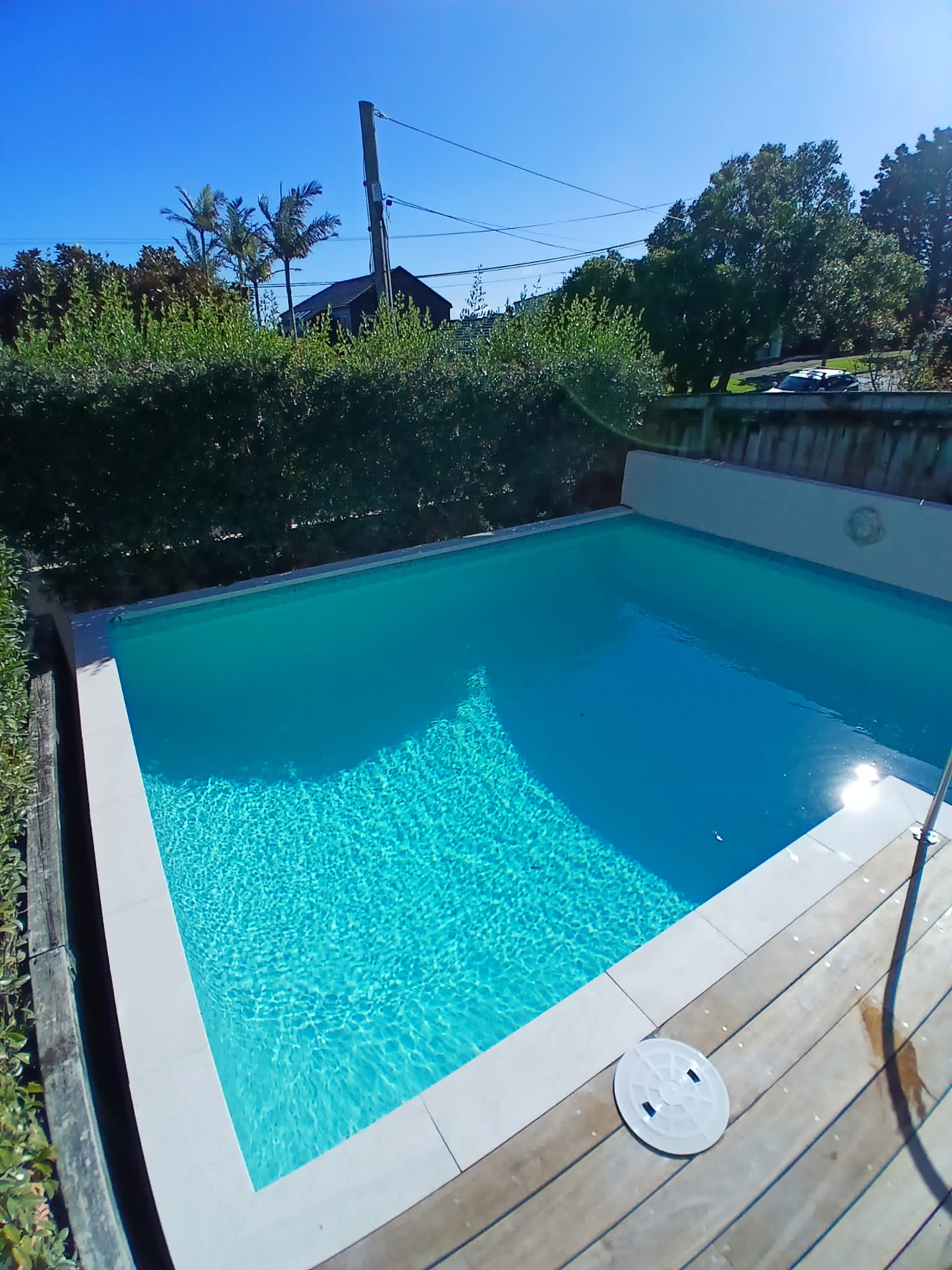
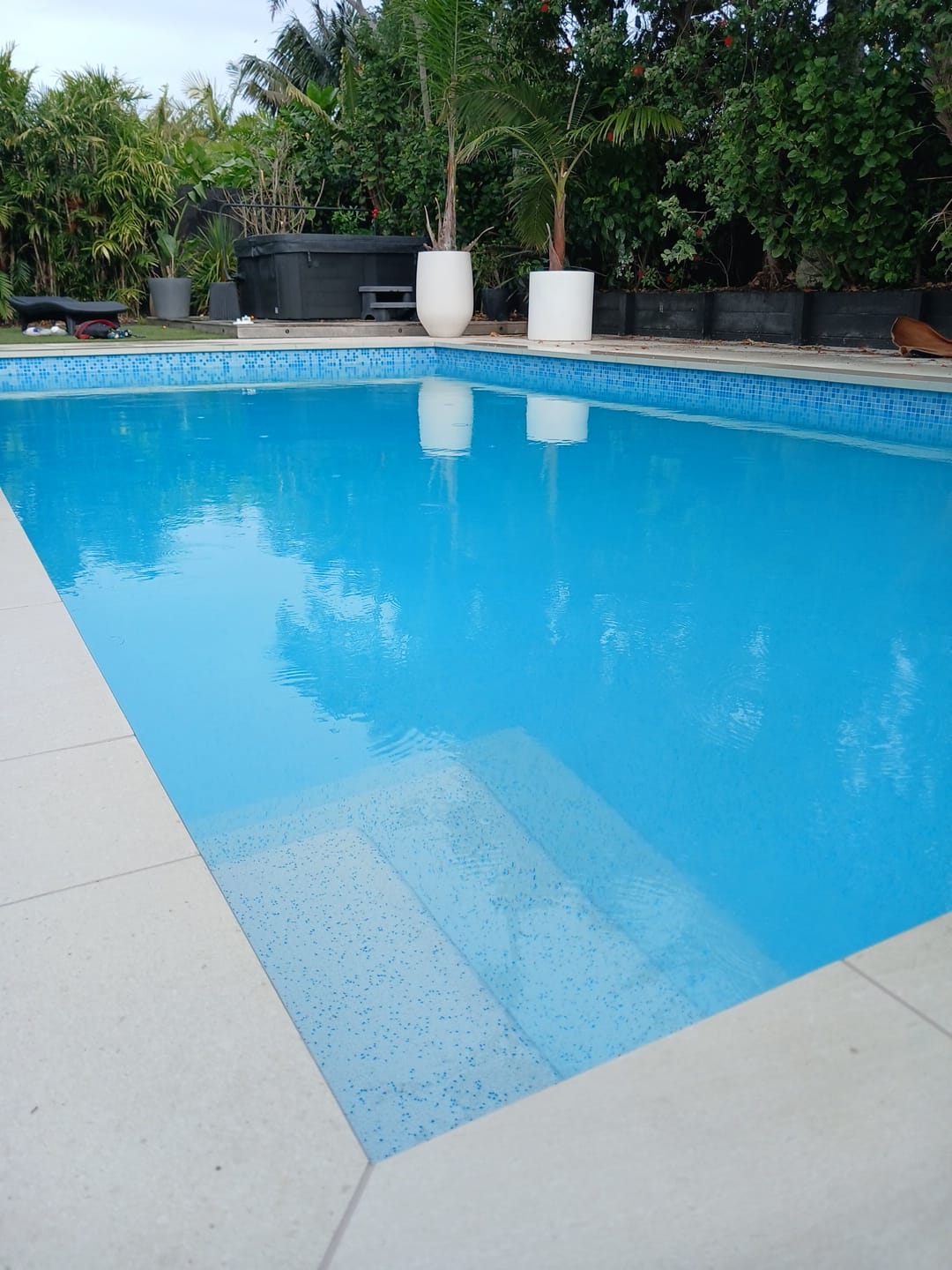
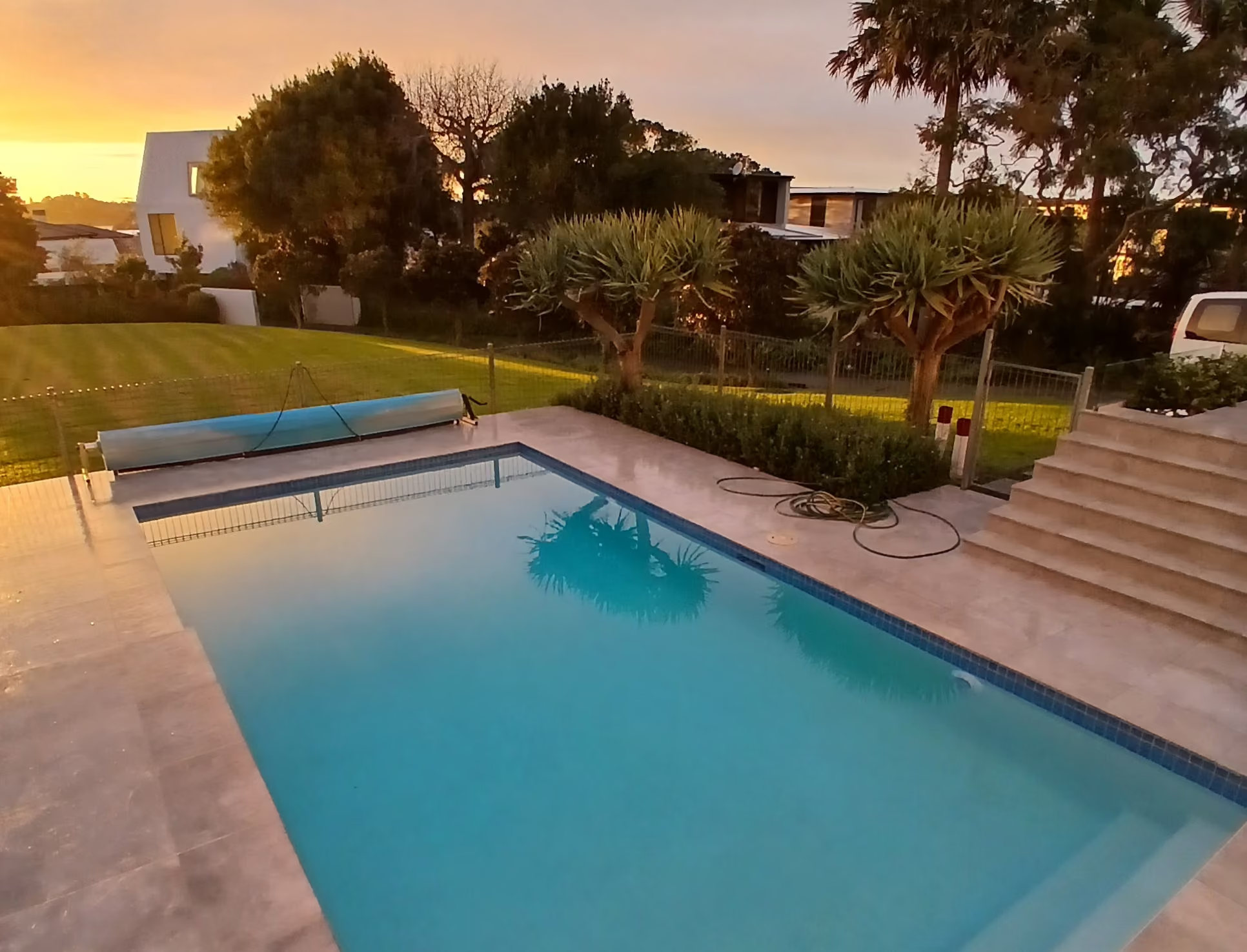
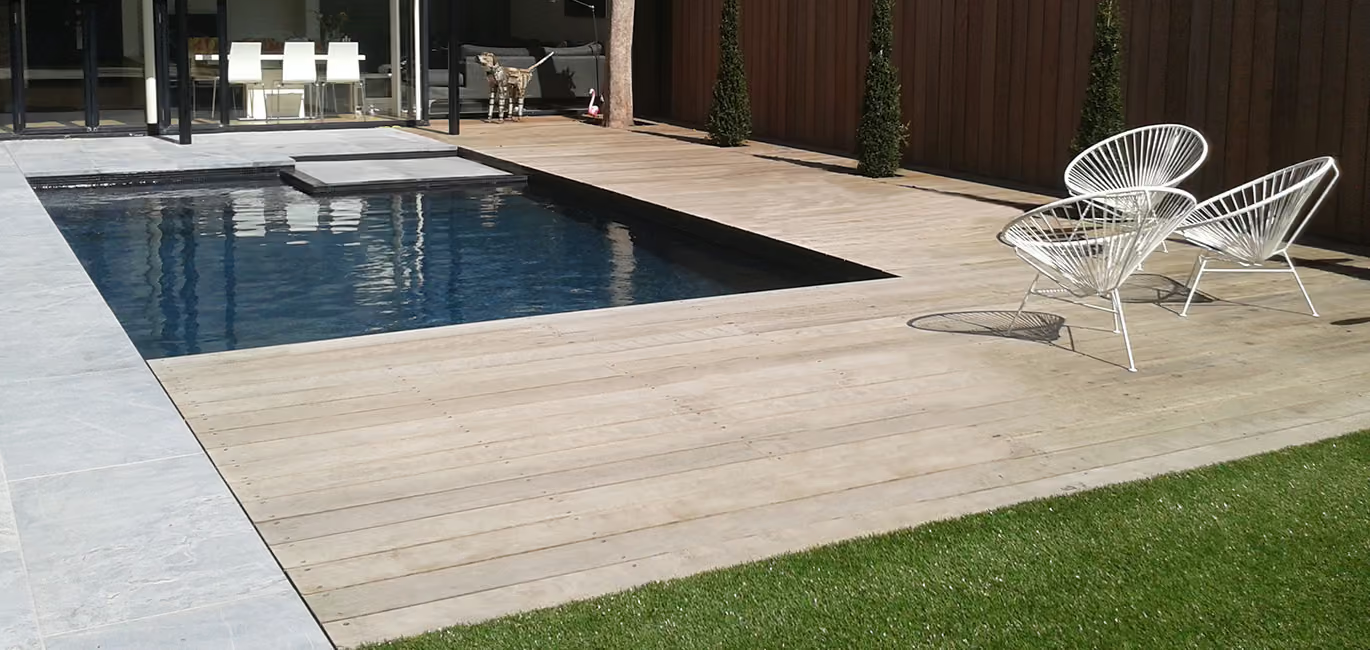
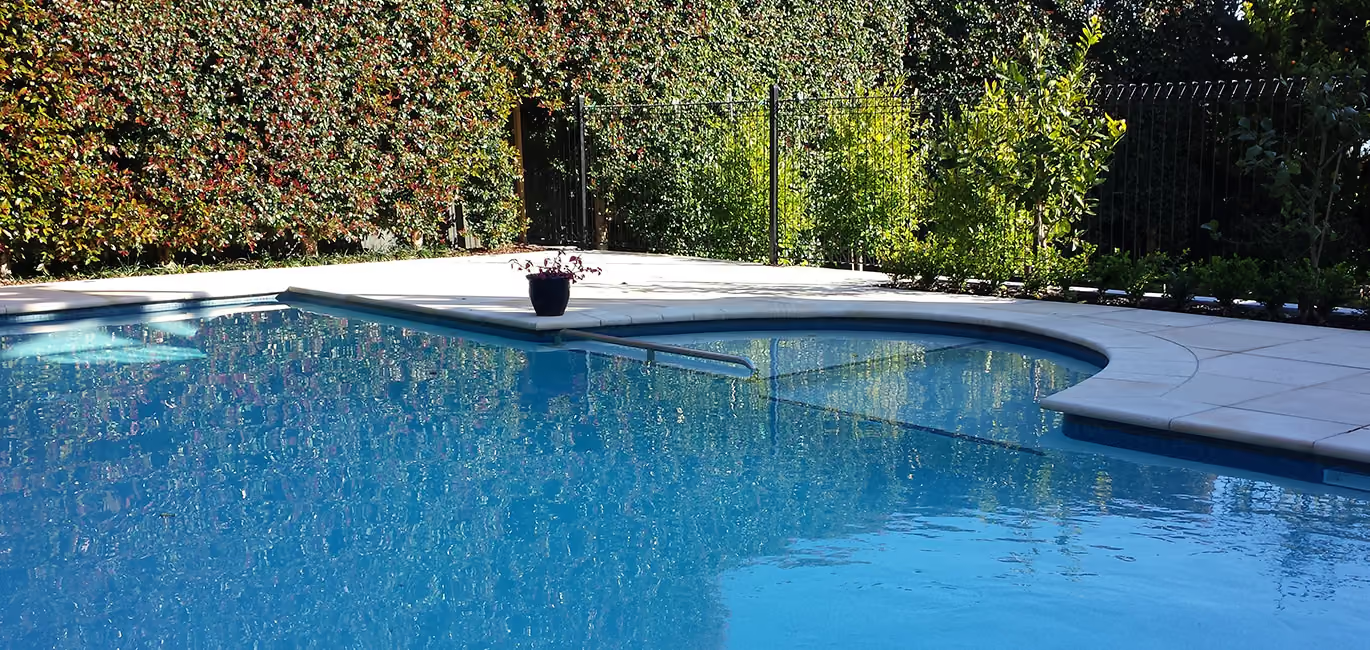
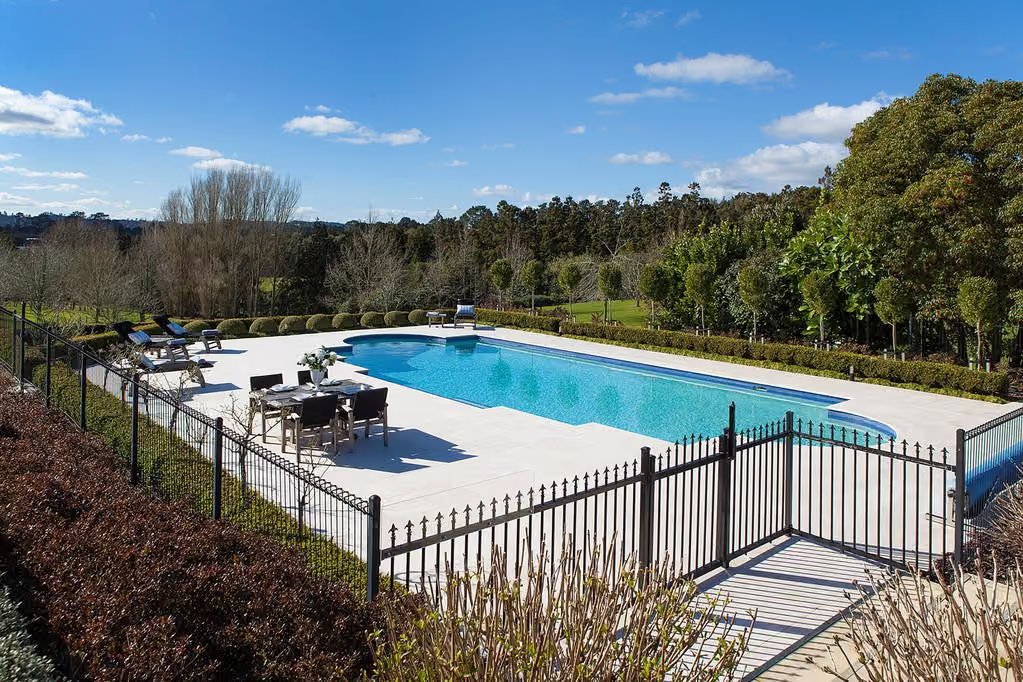
Sparkling Pools has worked on pools across Auckland, including residential renovation projects, equipment upgrades, ongoing maintenance and pool care for managed properties. Past projects show how the right approach can improve presentation, water quality and day-to-day usability. A well-maintained pool is easier to manage, more pleasant to use and better prepared for seasonal changes.
Trusted by Homeowners Across Auckland
Don't just take our word for it. Read what our clients have to say about our transparent communication, reliable service, and stunning pool transformations.
Related Blog Posts
Stay informed on pool care and renovations
Winter pool care essentials for Auckland
Pool Renovation Mistakes

Auckland Climate Pool Maintenance
Choosing Renovation Contractor
Pool Care Auckland Summer
Permits & Consents
Pool Renovation ROI
How Often to Test Pool Water
Pool Renovation Costs
Cost of Pool Service Auckland
Pool Renovation Planning Guide
Pool Lighting Buying Guide
Pool Cleaner Buying Guide
Pool Automation Buying Guide
Pool Heater Buying Guide
Pool Filter Buying Guide
Pool Pump Buying Guide
Best Equipment Auckland Climate
Auckland Water Quality
Auckland Pool Season
Pool Ownership Costs
Common Pool Mistakes
Pool Safety Laws
Pool Inspection Requirements
Pool Fence Compliance
.avif)
Auckland Pool Industry Trends
Auckland Pool Regulations
Pool Equipment Suppliers
Best Pool Service Areas
Pool Service Pricing Analysis
Company vs Independent
Best Pool Surface Materials
Pool Resurfacing Options
Pebble vs Plaster Surfaces
One-Time vs Ongoing Service
Full Service vs Chemicals Only
Pool Cover Types
Robotic vs Suction Cleaners
Mineral vs Saltwater
Gas vs Heat Pump
Pool Heater Types
Pool Winterizing Guide Auckland
Pool Opening Guide Summer
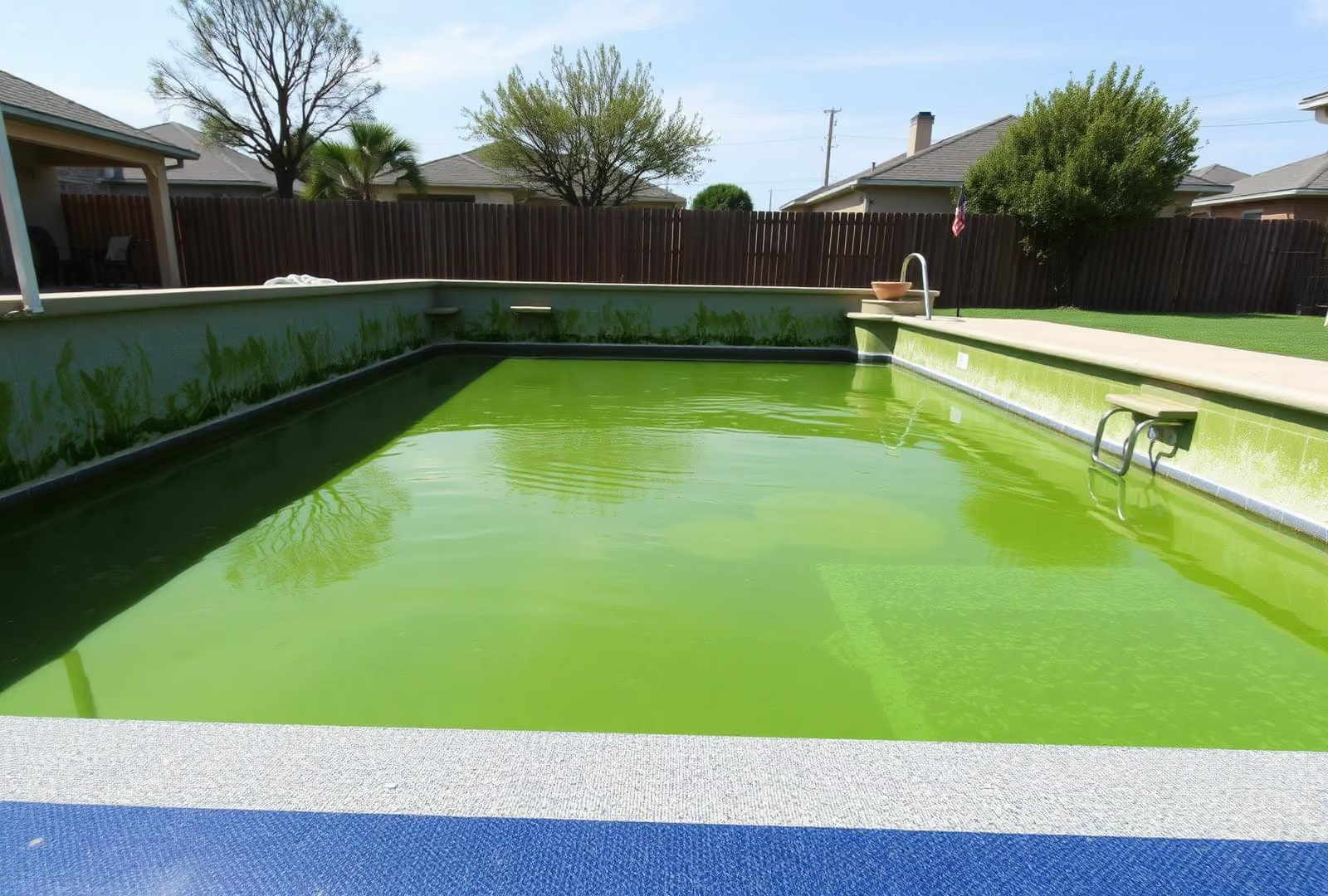
Pool Maintenance After Heavy Rain
Pool Maintenance Schedule
How Often to Run Pool Filter
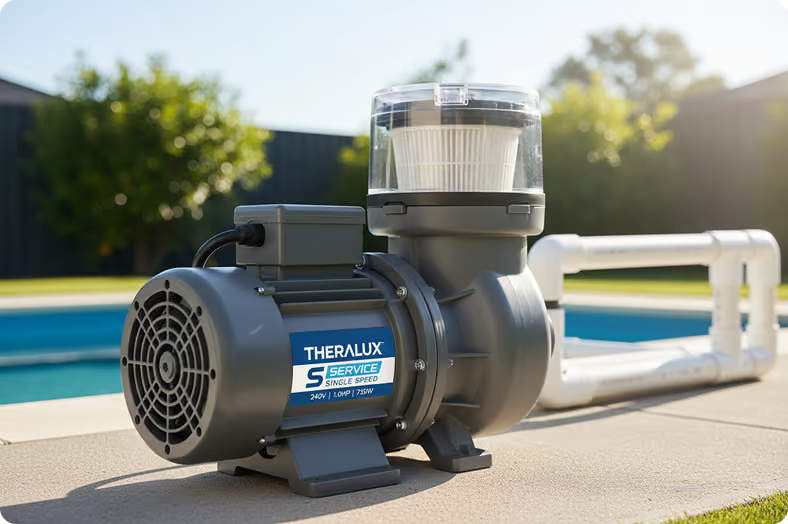
Pool Pump Maintenance Schedule
Pool Filter Cartridge Cleaning
Pool Equipment Maintenance Checklist
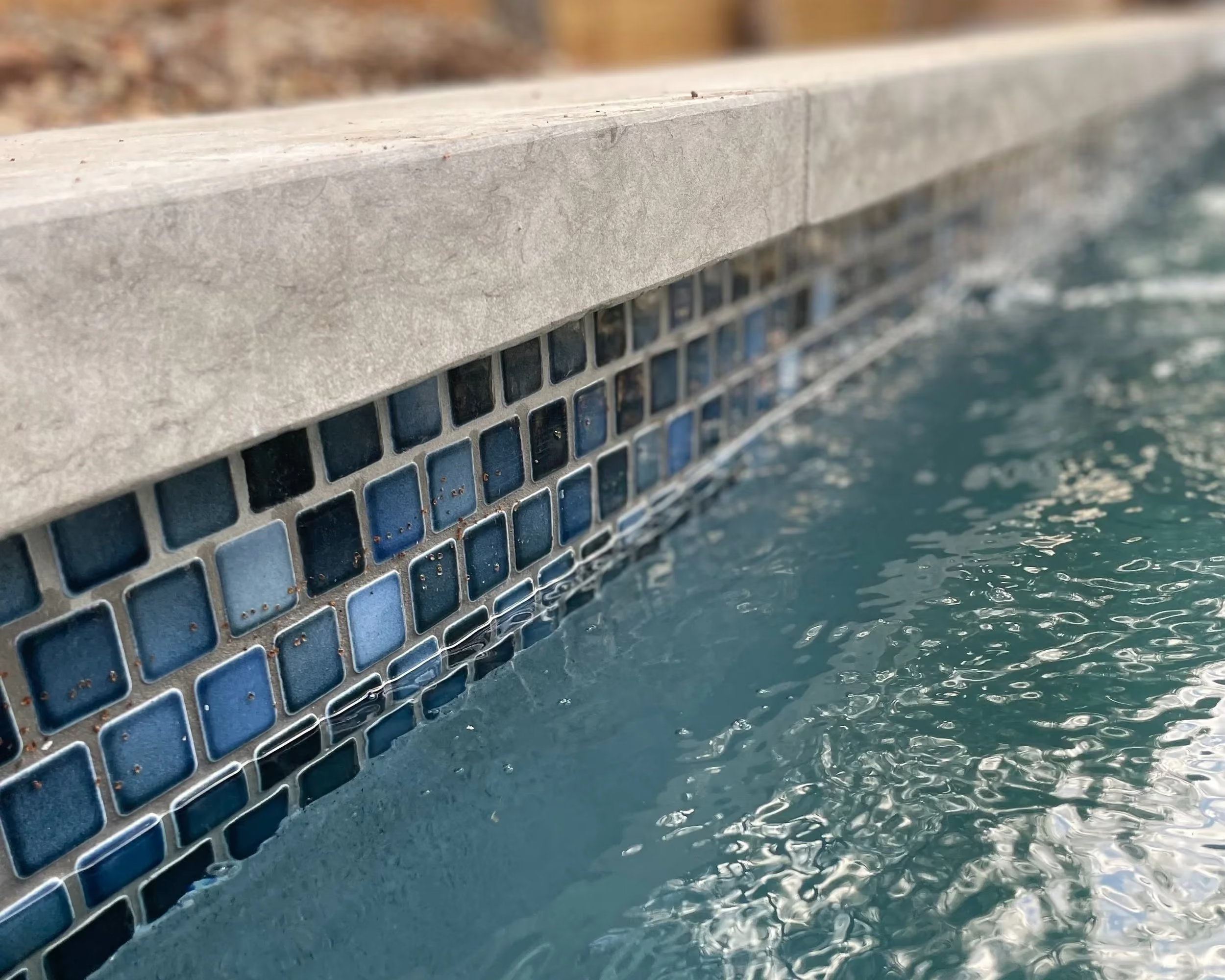
Pool Waterline Cleaning
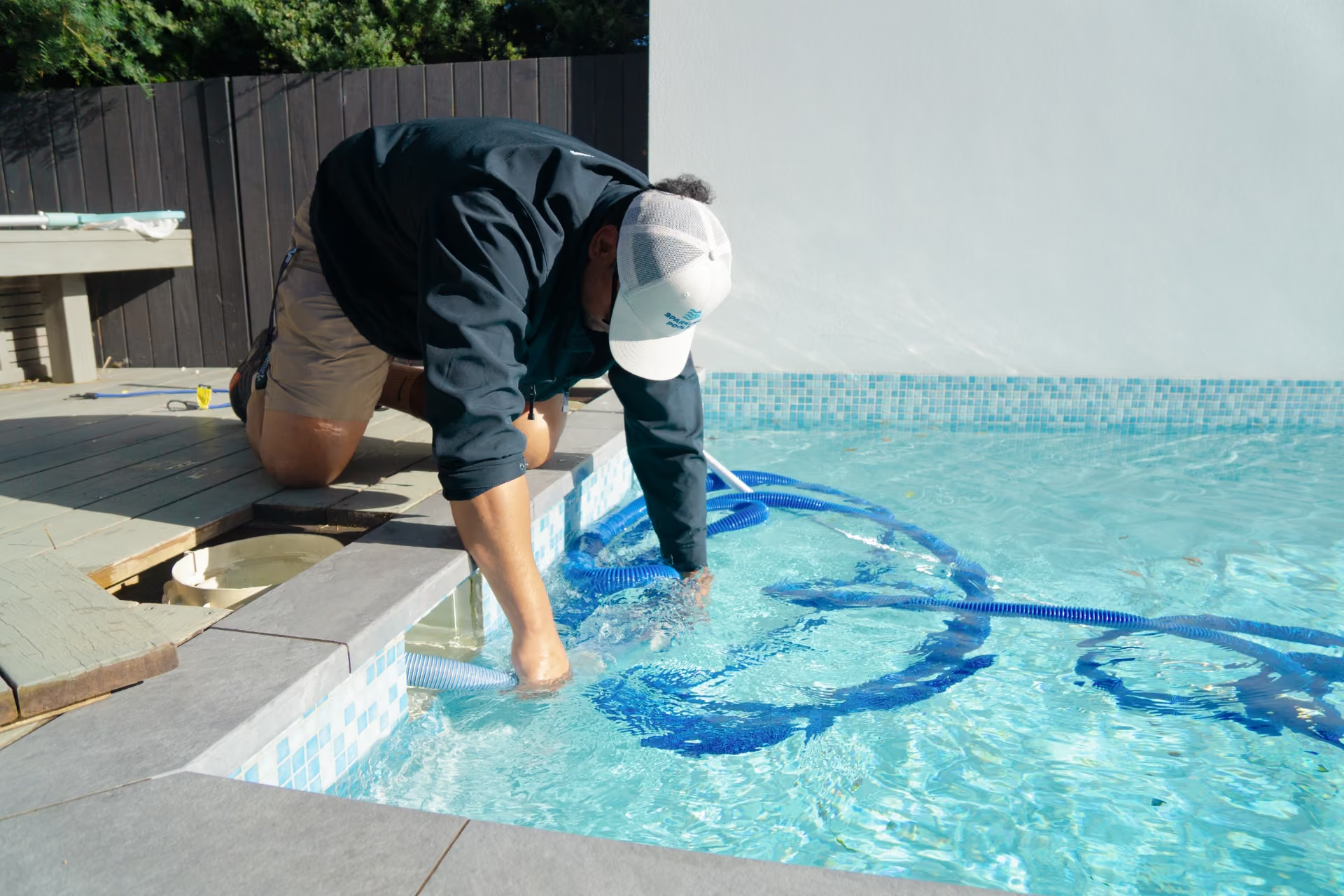
Pool Skimmer Basket Cleaning
Pool Chlorine Levels
How Often Clean Pool Filter
How to Vacuum Pool
Pool Brushing Technique
Pool Chemical Dosing Chart
Pool Water Chemistry Basics
How to Balance Pool Chemistry
How to Test Pool Water
Pool Maintenance Tips
Complete Pool Maintenance Guide
Pool Service ROI
Pool Equipment Buy or Service
Pool Maintenance Time Requirements
DIY vs Professional
Pool Service Contract
Pool Service vs Pool Valet
Is Pool Service Worth It
Pool Service Guarantees
Pool Service Reviews
Pool Service Red Flags
Questions to Ask Pool Companies
How to Choose Pool Service Company
Hidden Costs DIY Maintenance
Pool Cleaning Prices Auckland
Cost of Pool Resurfacing
Cost of Pool Pump Replacement
Cost to Fix Green Pool
Pool Liner Wrinkles
Pool Cracks When to Worry
Pool Surface Stains
Pool Valve Leaking
Pool Automation Not Working
Pool Light Not Working
Pool Heater Not Heating
Pool Skimmer Not Working
High Pool Filter Pressure
Pool Losing Water
Pool Filter Not Clearing Water
Pool Pump Leaking
Pool Pump Not Pumping
Pool Pump Losing Prime
Pool Pump Noisy
Pool Pump Not Working
Pool Water Foaming
Pool pH Too Low
Pool pH Too High
Green Pool After Rain
Pool Still Green After Shock
Pool Water Cloudy
How to Clear a Green Pool
Pool Care That Protects Your Investment
Good pool care protects more than appearance. Our pool specialists support the long-term condition of your swimming pool while keeping it ready for everyday use.