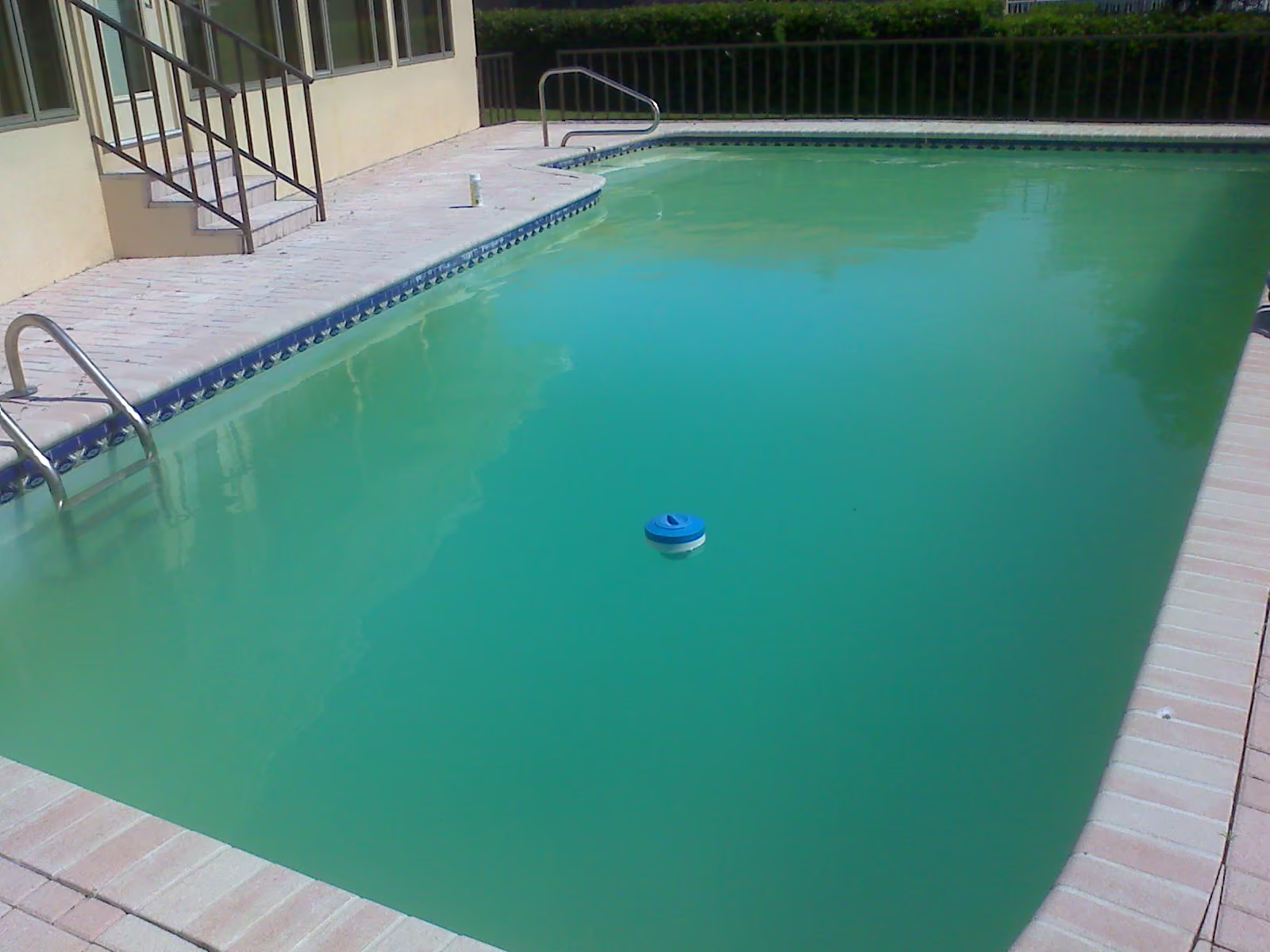
Green Pool After Rain

Why Auckland trusts our pool service expertise
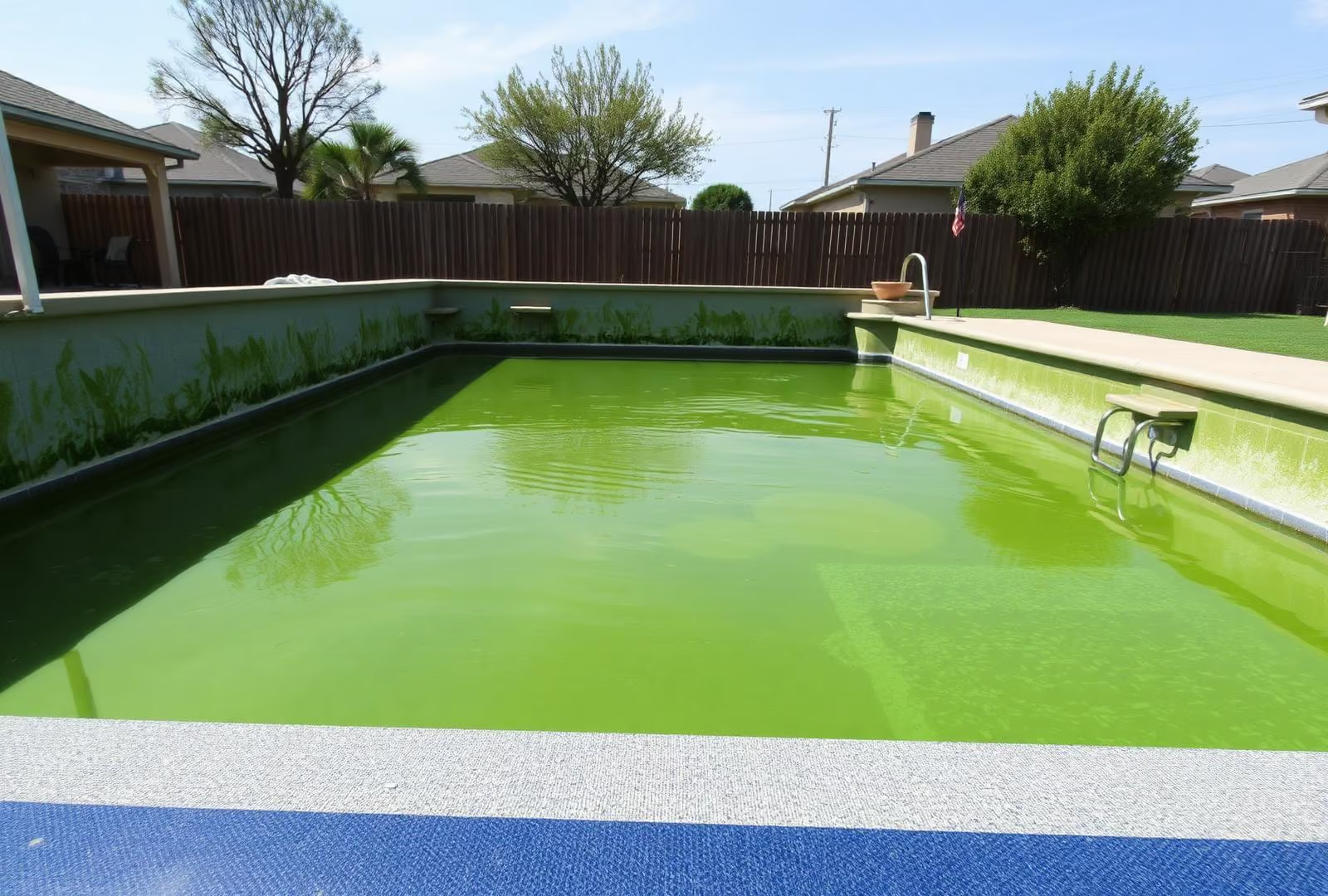
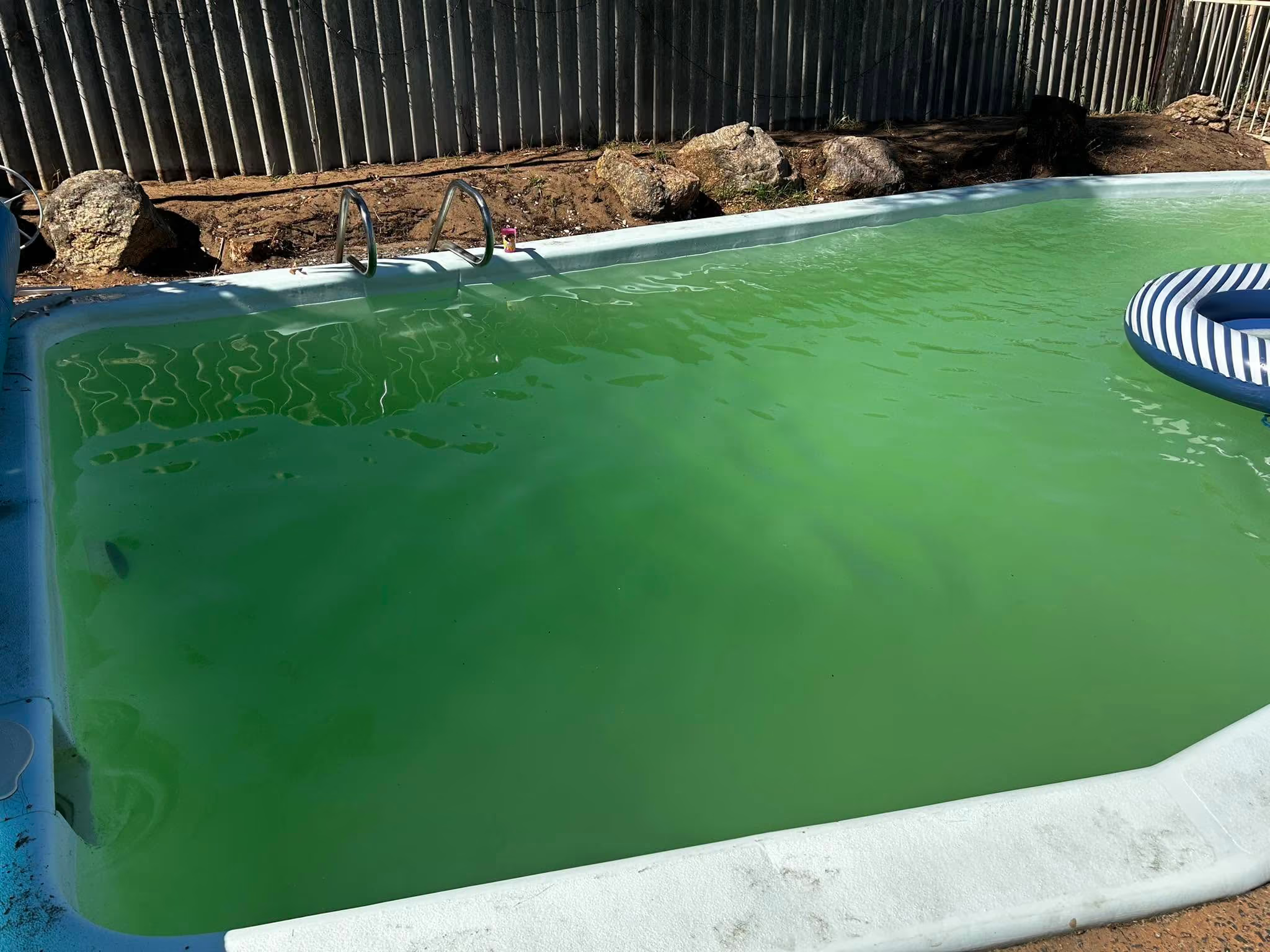
Rain causes pools to go green by diluting chlorine, shifting pH, and washing in organic debris and nutrients that feed algae. The good news is that most post-rain green pools can be recovered at home by working through a straightforward treatment process.
The key is to test before you treat, work through the steps in order, and keep the pump running until the water clears. If the pool is not responding after a couple of days, or if algae keeps coming back after every rain event, it is worth getting a professional to test the water on site.
What you'll learn
Why Rain Turns a Pool Green
A pool that looks fine one day and green the next is a common sight after heavy Auckland rainfall. It can feel like the water changed overnight, and sometimes it does.
Rain itself is not the direct cause. What rain does is create the conditions that allow algae to take hold quickly.
Dilution of chlorine
Rainwater contains no chlorine. When a large volume of rain falls into your pool, it dilutes the sanitiser level. If free chlorine drops low enough, algae can begin growing within hours, especially in warm weather.
pH and chemical imbalance
Rainwater is slightly acidic. A heavy downpour can shift your pool's pH downward. When pH moves outside the correct range, chlorine becomes significantly less effective even if the chlorine reading looks acceptable on a test strip.
Runoff and debris
Rain washes organic matter, leaves, soil, fertiliser, bird droppings, lawn clippings, into the pool. Organic material consumes chlorine rapidly and provides nutrients that algae feed on. Runoff from garden beds or paved areas can introduce phosphates, which accelerate algae growth further.
Reduced circulation
Many pool owners run their pump on a timer. If the pump is off during or after a storm, water sits still while conditions for algae are at their worst. Poor circulation means sanitiser is not being distributed evenly through the pool.
---
How to Check What's Going On
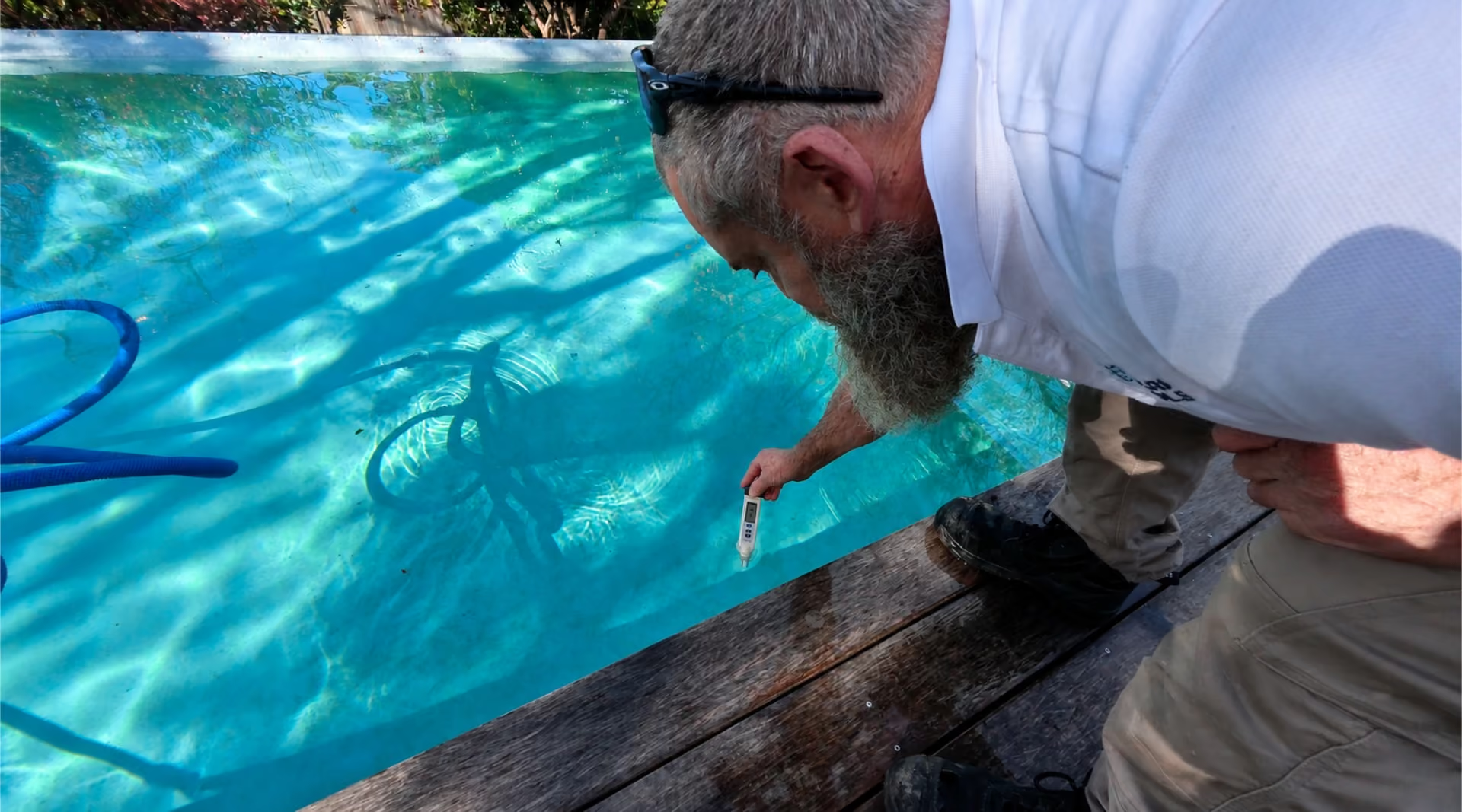
Before adding any chemicals, test the water. Treating without knowing your current levels wastes product and can make the problem worse.
Test for the following, in this order:
- Free chlorine, the active sanitiser level
- pH, affects how well chlorine works
- Total alkalinity, stabilises pH and prevents rapid swings
- Phosphates, if algae keeps returning, this is worth checking
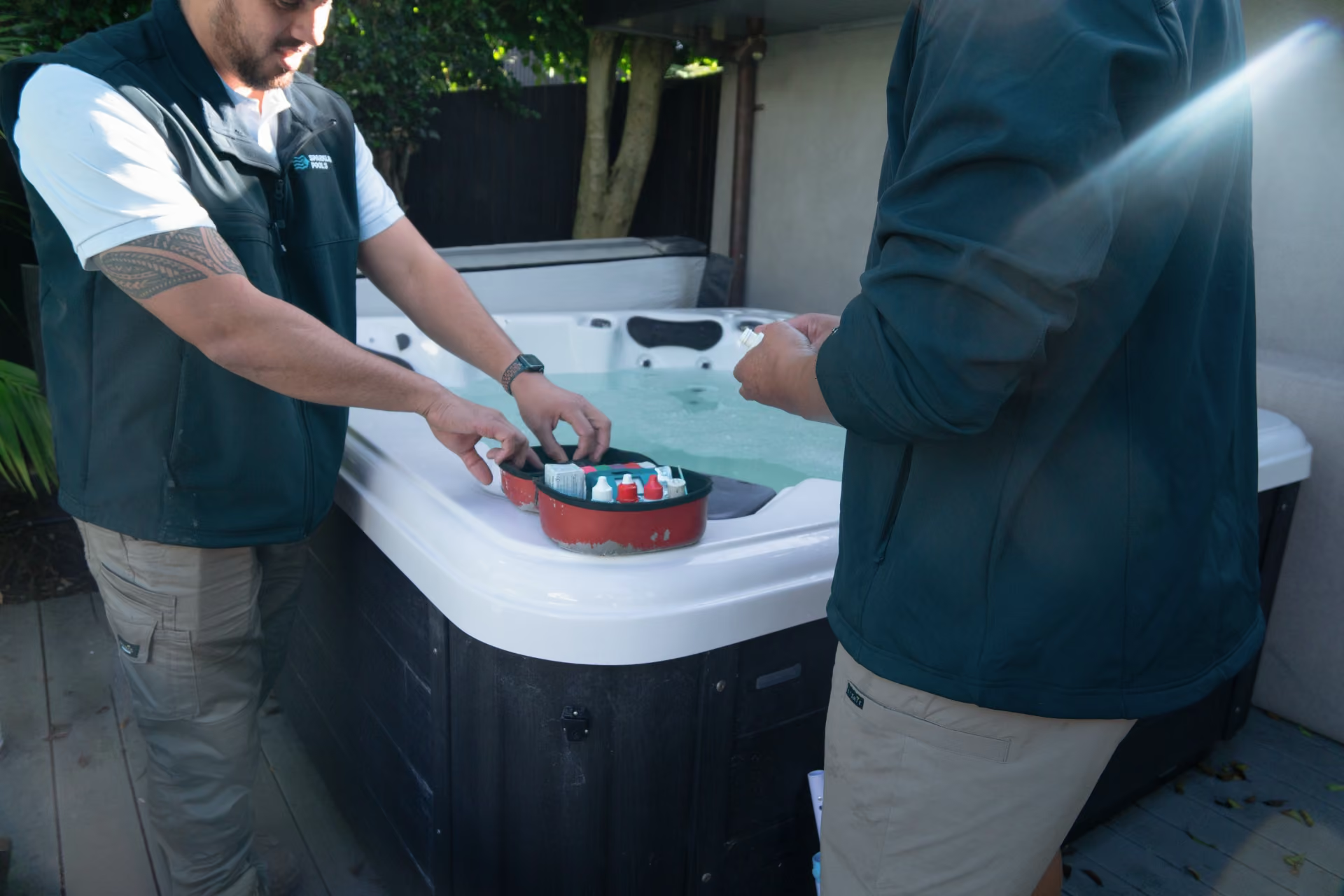
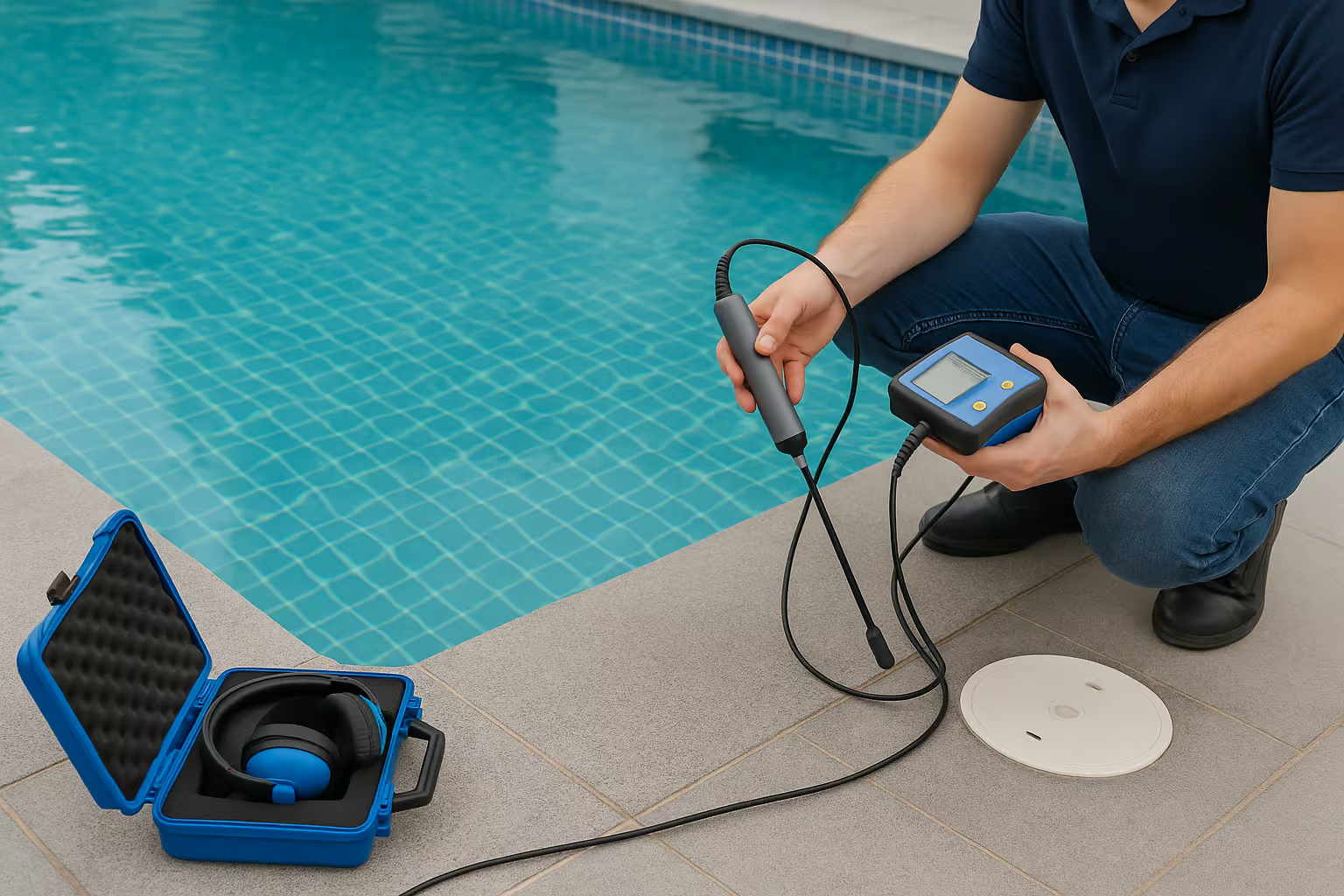
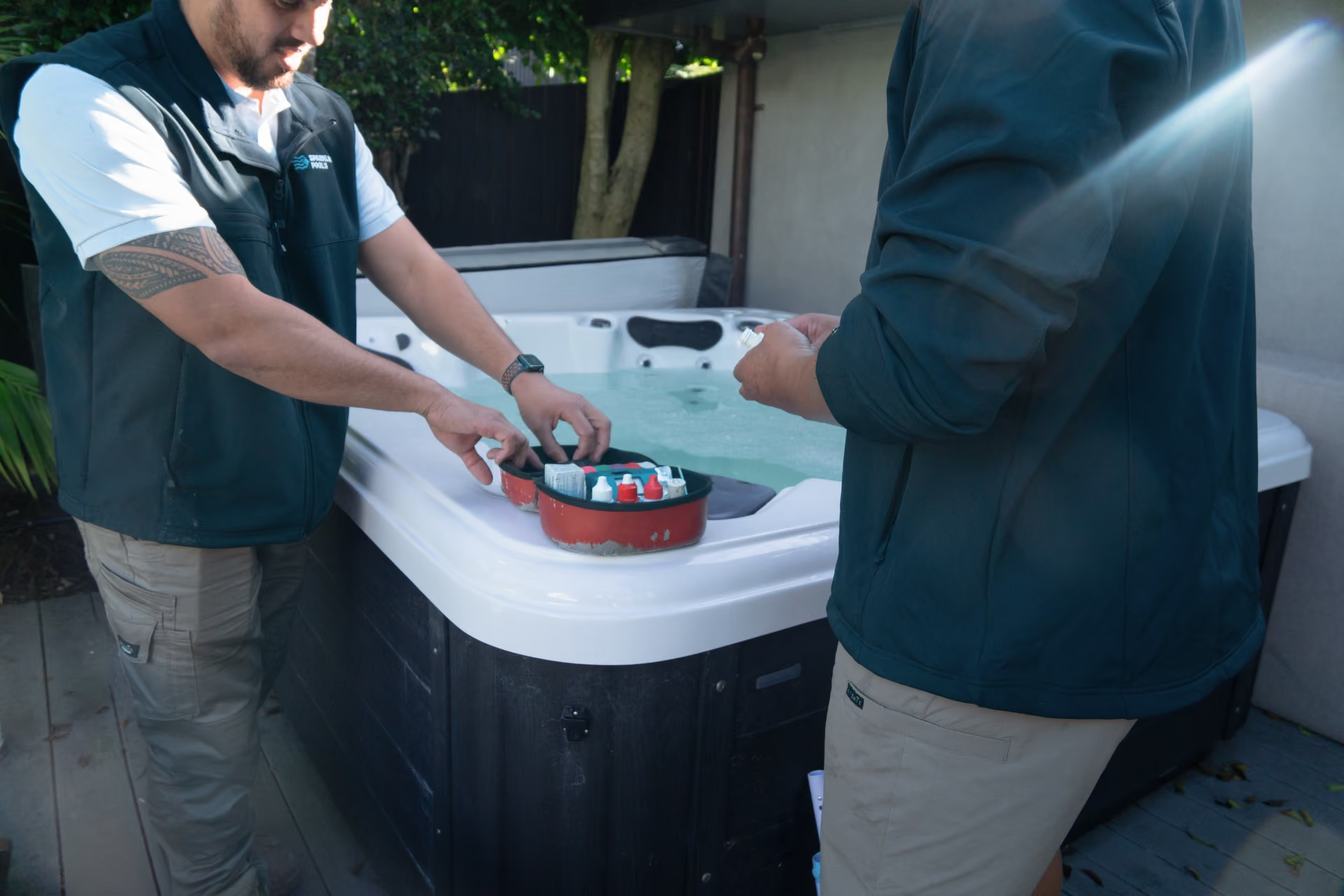
If you have a test kit at home, use it. If you are unsure of the results or the water is heavily discoloured, Sparkling Pools offers on-site water testing across Auckland, a technician comes to your home and tests everything on site, giving you an accurate picture before any treatment begins.
---
How to Fix a Green Pool After Rain
The steps below apply to a pool that has gone green or is starting to turn. Work through them in order.
Step 1, Remove debris
Net out any leaves, grass, or visible debris before adding chemicals. Organic matter consumes chlorine and will slow your recovery.
Step 2, Check and adjust pH
Bring pH back into the correct range before shocking. Chlorine is far less effective outside the correct pH window. If pH is low after rain, use a pH increaser (sodium carbonate or similar) to bring it up. If it is high, use a pH reducer.
Step 3, Shock the pool
Shocking means adding a large dose of chlorine to kill algae and oxidise organic waste. Use a chlorine-based pool shock product appropriate for your pool type. Follow the product label for dosing based on your pool volume.
Add the shock in the evening or at night where possible, UV from sunlight breaks down unstabilised chlorine quickly.
Step 4, Run the pump continuously
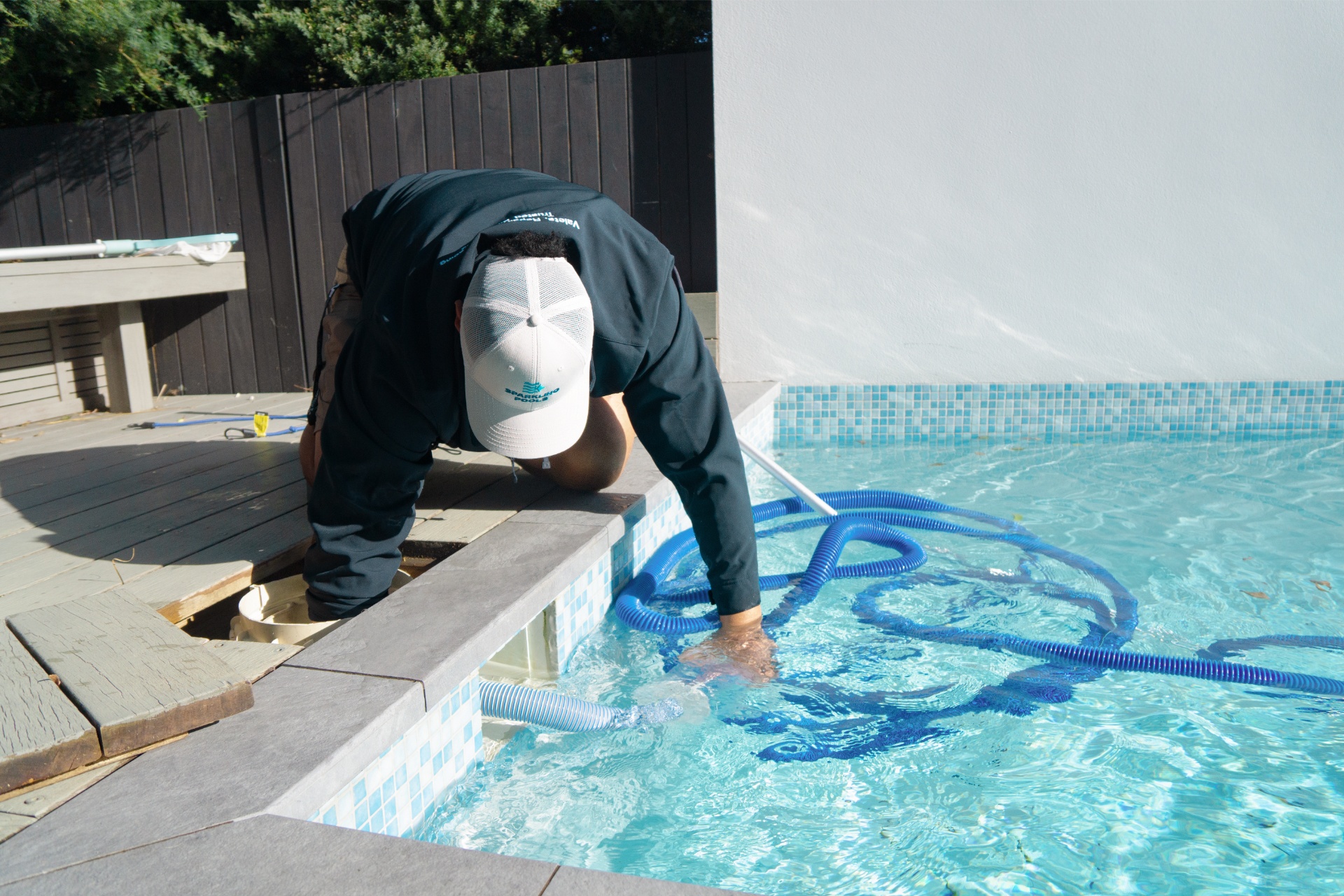
Keep the pump and filter running continuously until the water clears. Circulation distributes the sanitiser and pushes water through the filter where dead algae and debris are captured.
Step 5, Backwash or clean the filter
As algae dies and is filtered out, filter pressure will rise. Backwash a sand or DE filter, or rinse a cartridge filter, once pressure increases noticeably. You may need to do this more than once during the recovery process.
Step 6, Retest and balance
Once the water begins to clear, retest all parameters and adjust as needed. Bring chlorine, pH, and total alkalinity back into their correct ranges before resuming normal operation.
---
When to Call a Professional
Most post-rain green pools can be recovered at home with the right products and patience. However, there are situations where it is worth calling in a professional:
- The water remains green or cloudy after 48-72 hours of treatment, the algae strain may be resistant, or there may be an underlying water chemistry issue that a basic test kit is not picking up
- You are unsure of your pool volume, incorrect dosing will either fail to fix the problem or damage pool surfaces and equipment
- The filter is not clearing the water, the filter itself may need servicing or the media may need replacing
- Algae keeps returning after every rain event, this often points to a persistent phosphate problem or a sanitiser system that is not keeping up with demand
Sparkling Pools provides on-site water testing and pool servicing across Auckland. If the pool is not responding to home treatment, a technician can assess the water and equipment properly.
---
Stopping It Happening Again
A few straightforward habits will reduce the chance of your pool going green after the next downpour.
Keep chlorine levels topped up before a storm
If rain is forecast, check your chlorine level beforehand. A pool entering a rain event with a strong chlorine reading is far more resilient than one that is already running low.
Use a stabiliser (cyanuric acid)
Stabiliser protects chlorine from UV breakdown. Without it, chlorine added before or after rain can be consumed by sunlight before it has a chance to work. Check that your stabiliser level is within the correct range.
Trim back garden beds and lawns near the pool
Reducing the amount of organic material that can wash into the pool during rain cuts down on the chlorine demand that follows a storm.
Consider a phosphate remover
If your pool regularly turns green after rain, elevated phosphates from garden runoff may be a contributing factor. A phosphate remover added as part of your regular maintenance routine can help keep algae growth in check.
Review your pump run times
Auckland summers are warm, and warm water supports faster algae growth. During summer months, or after heavy rain, increasing your pump run time helps maintain even chemical distribution and keeps the filter working.
Maintain a regular testing and maintenance schedule
The most reliable way to avoid post-rain problems is to keep the pool balanced consistently. A pool with stable chemistry bounces back from rain far more quickly than one that is already out of balance.
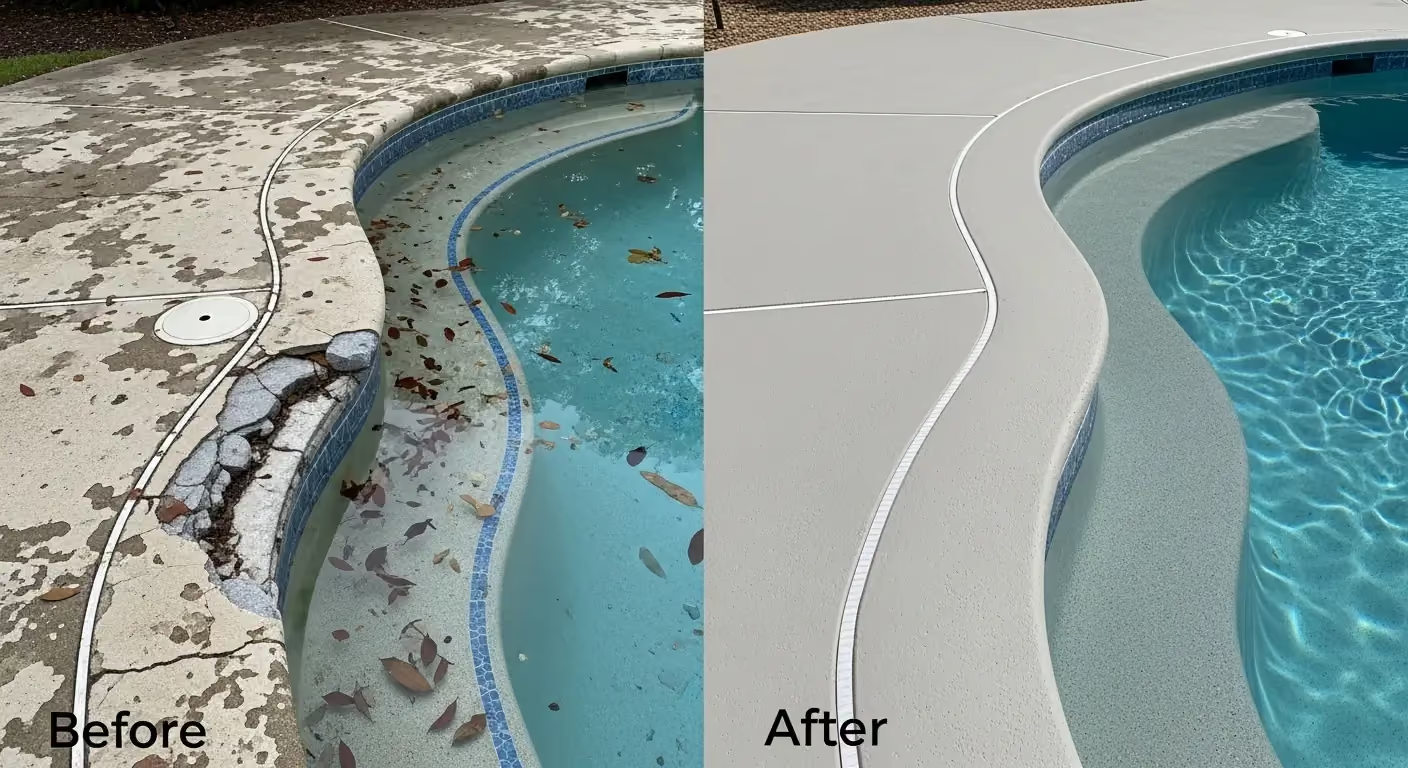
Pool resurfacing solutions
Restore your pool with durable plaster finishes

Work completed
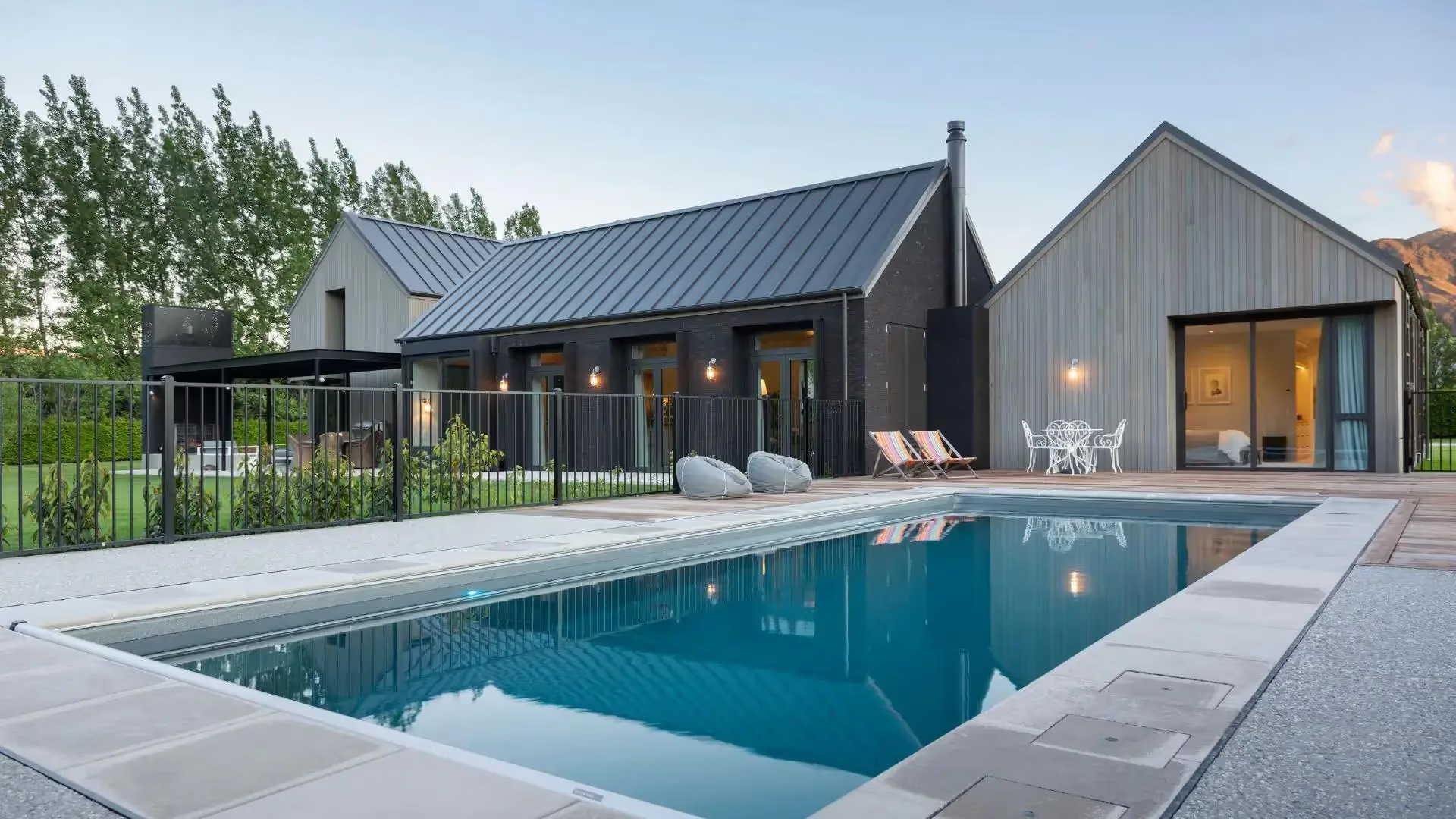
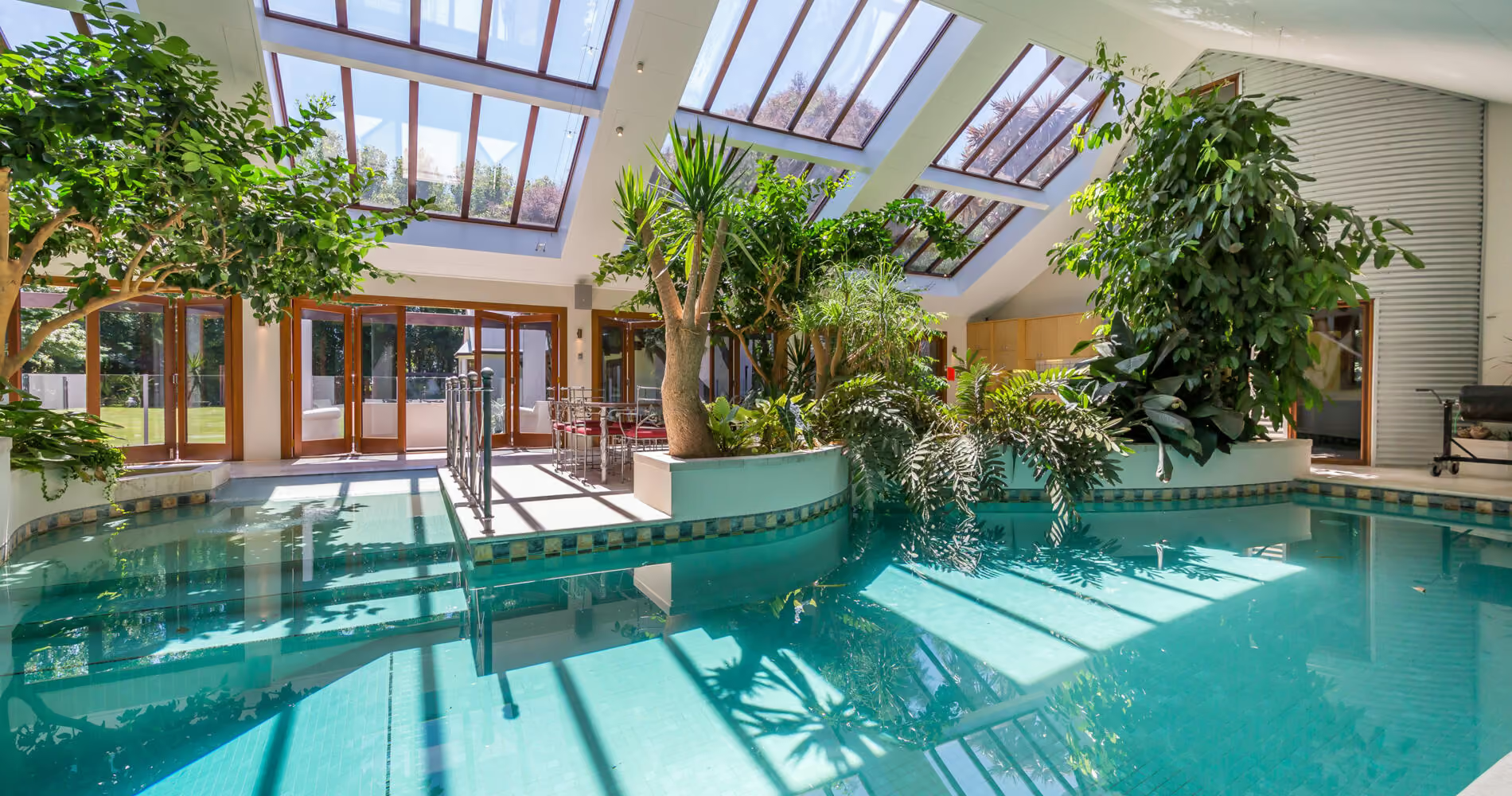
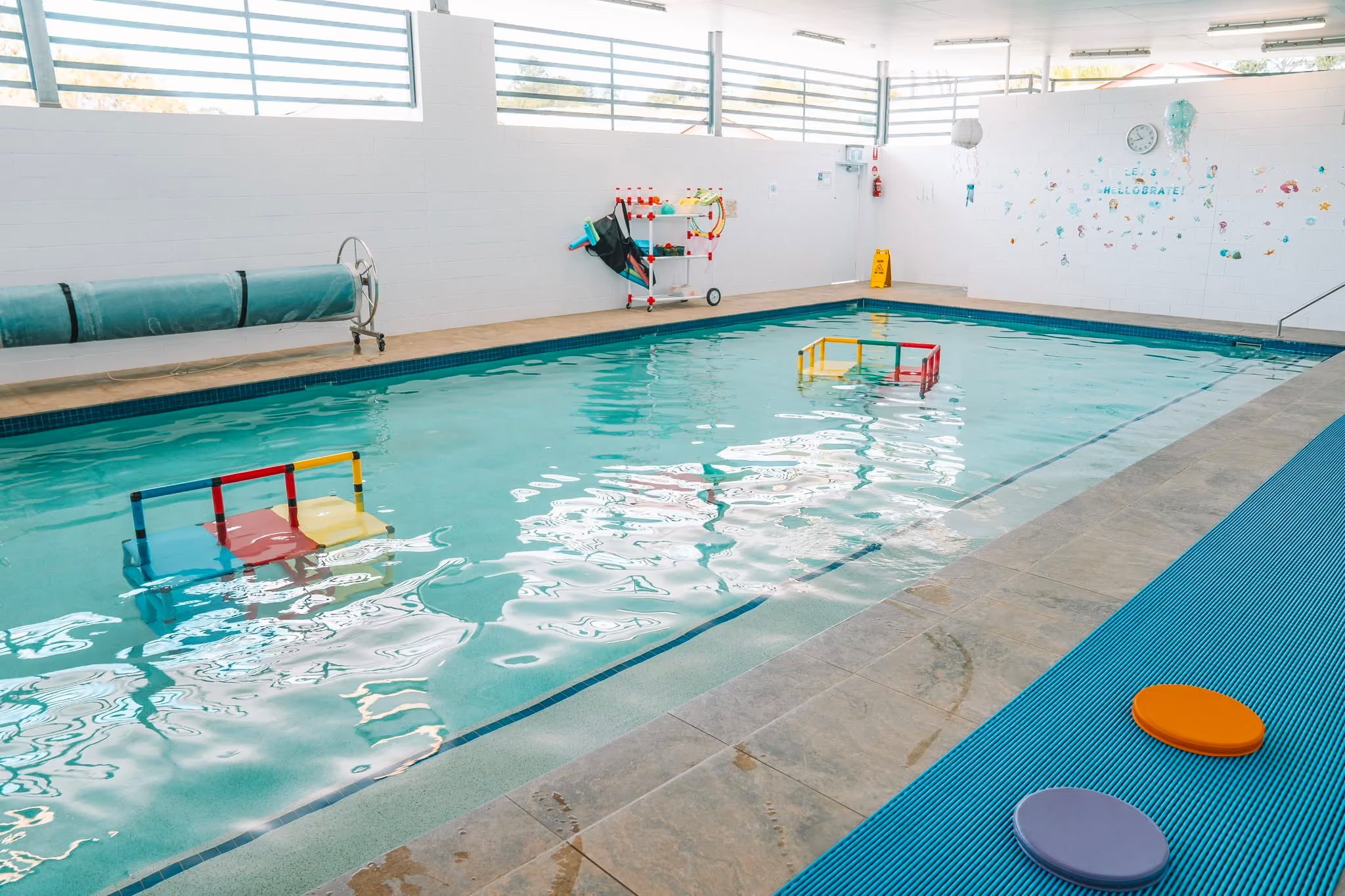
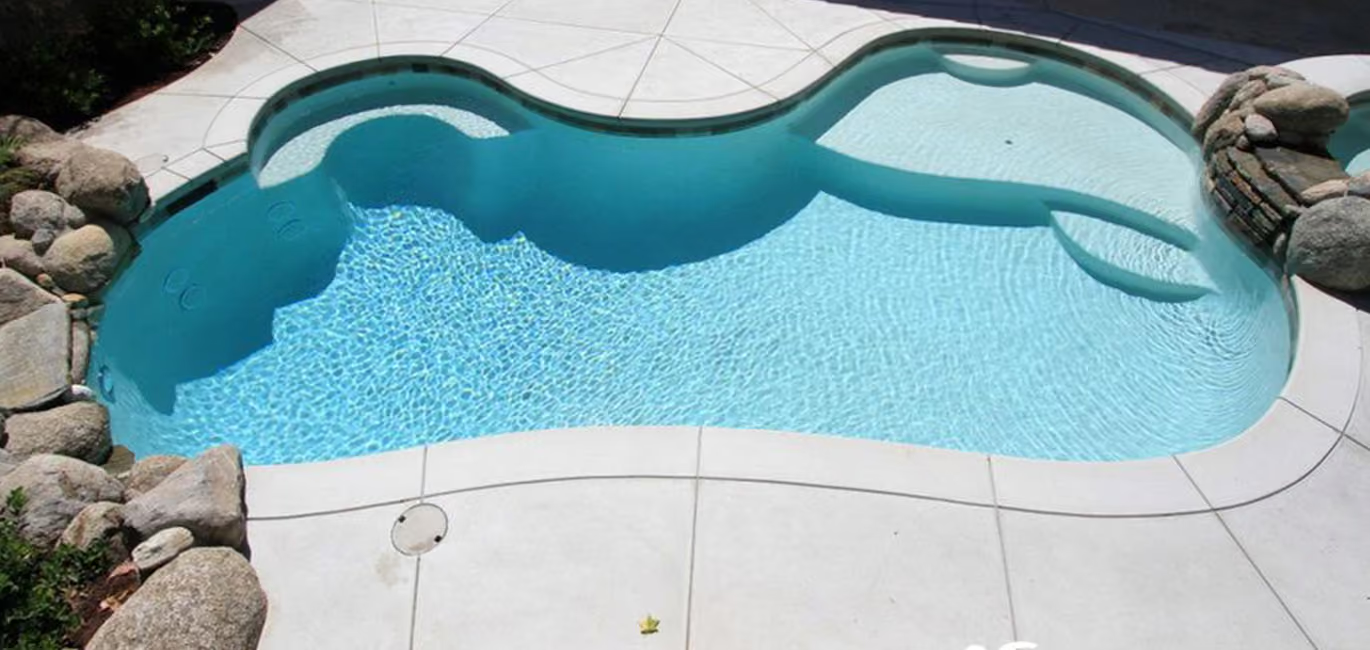
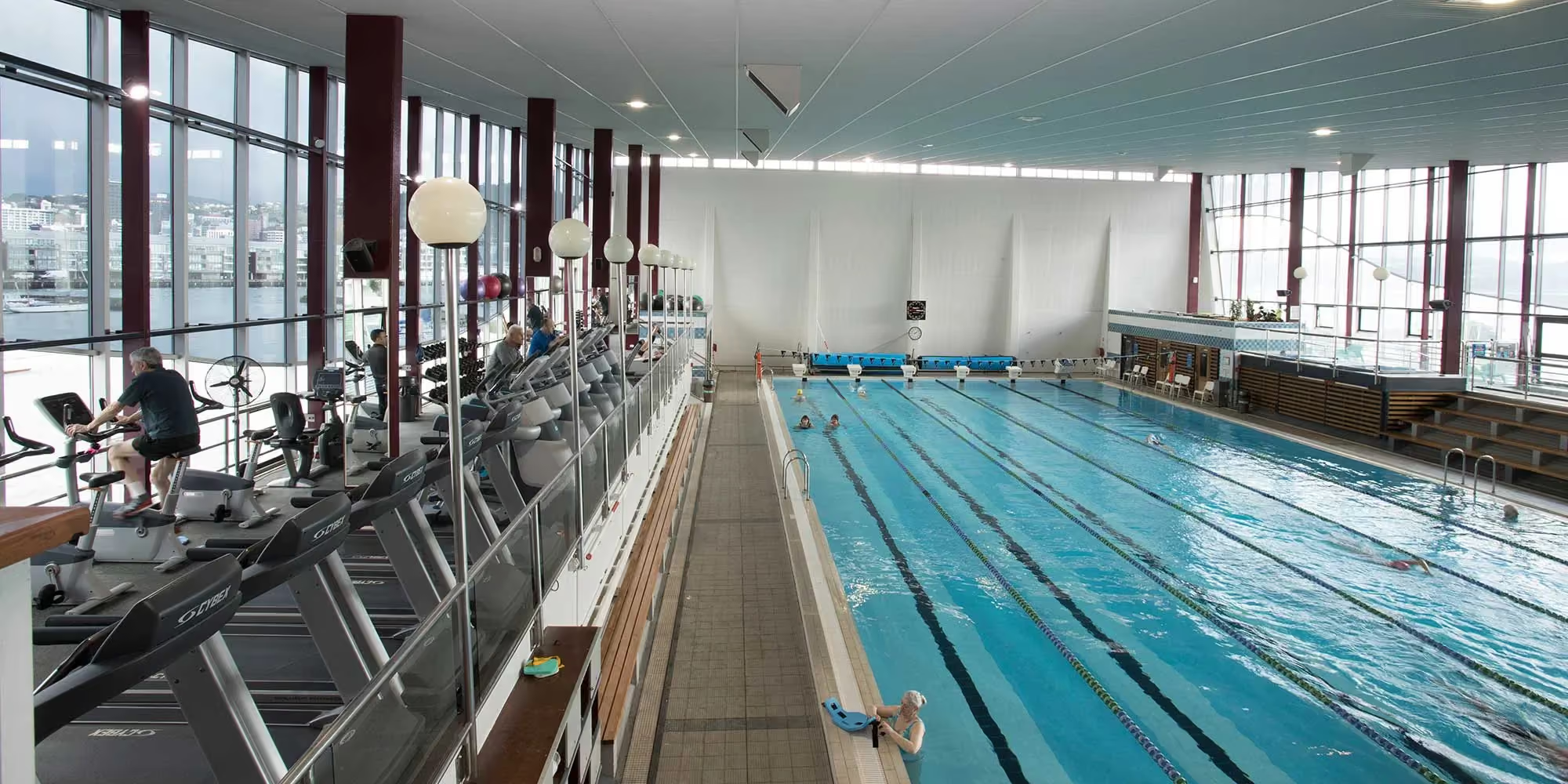
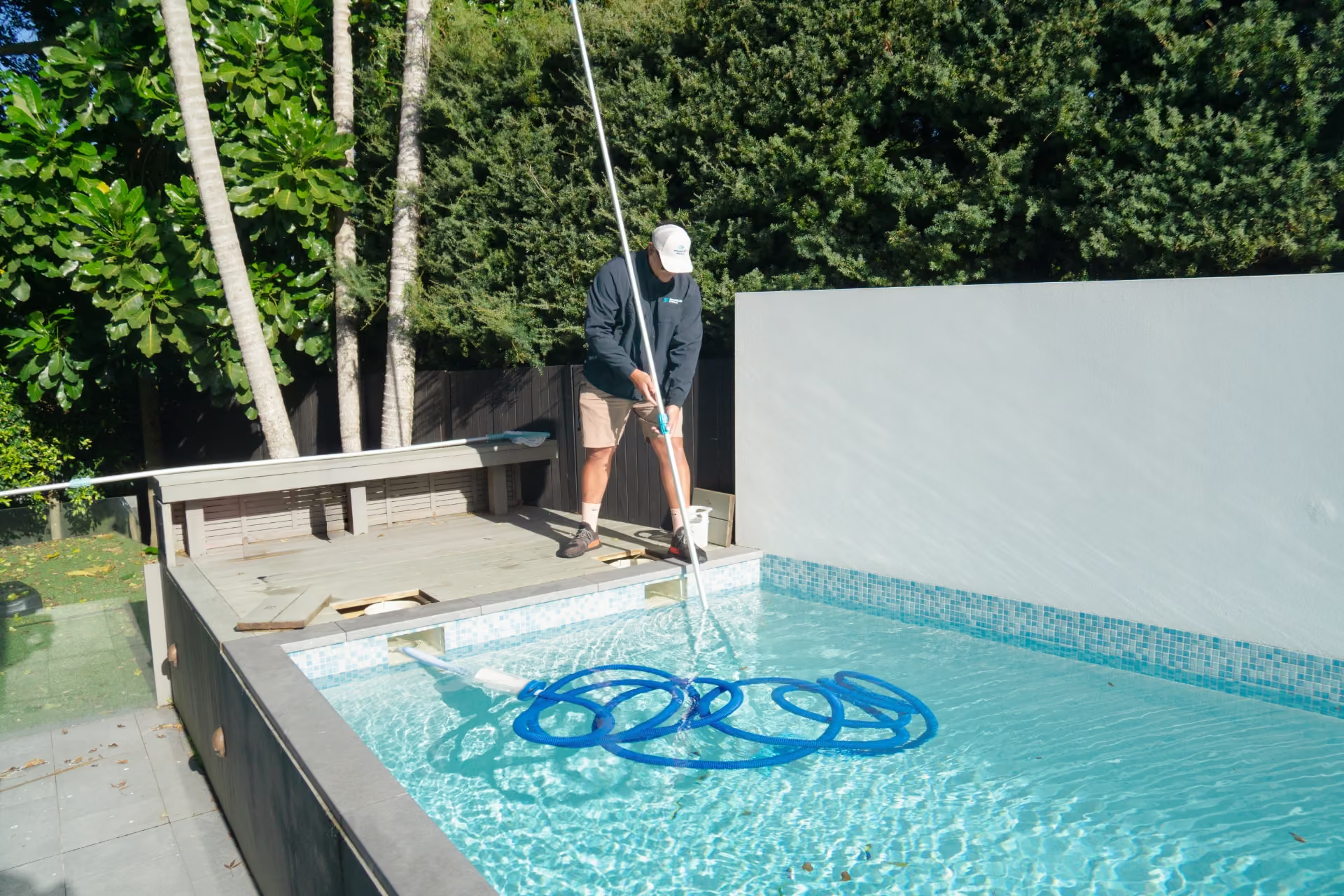
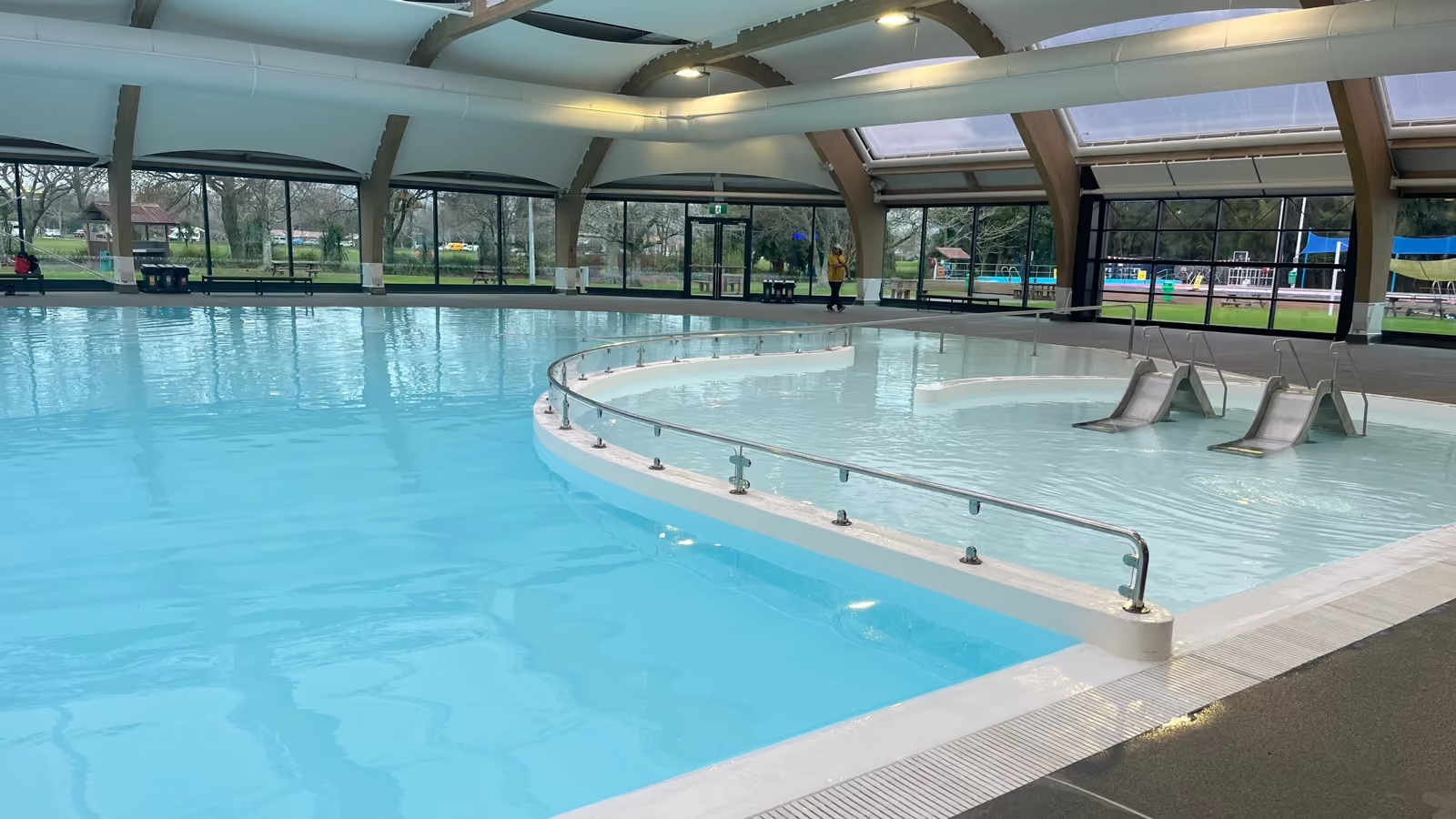
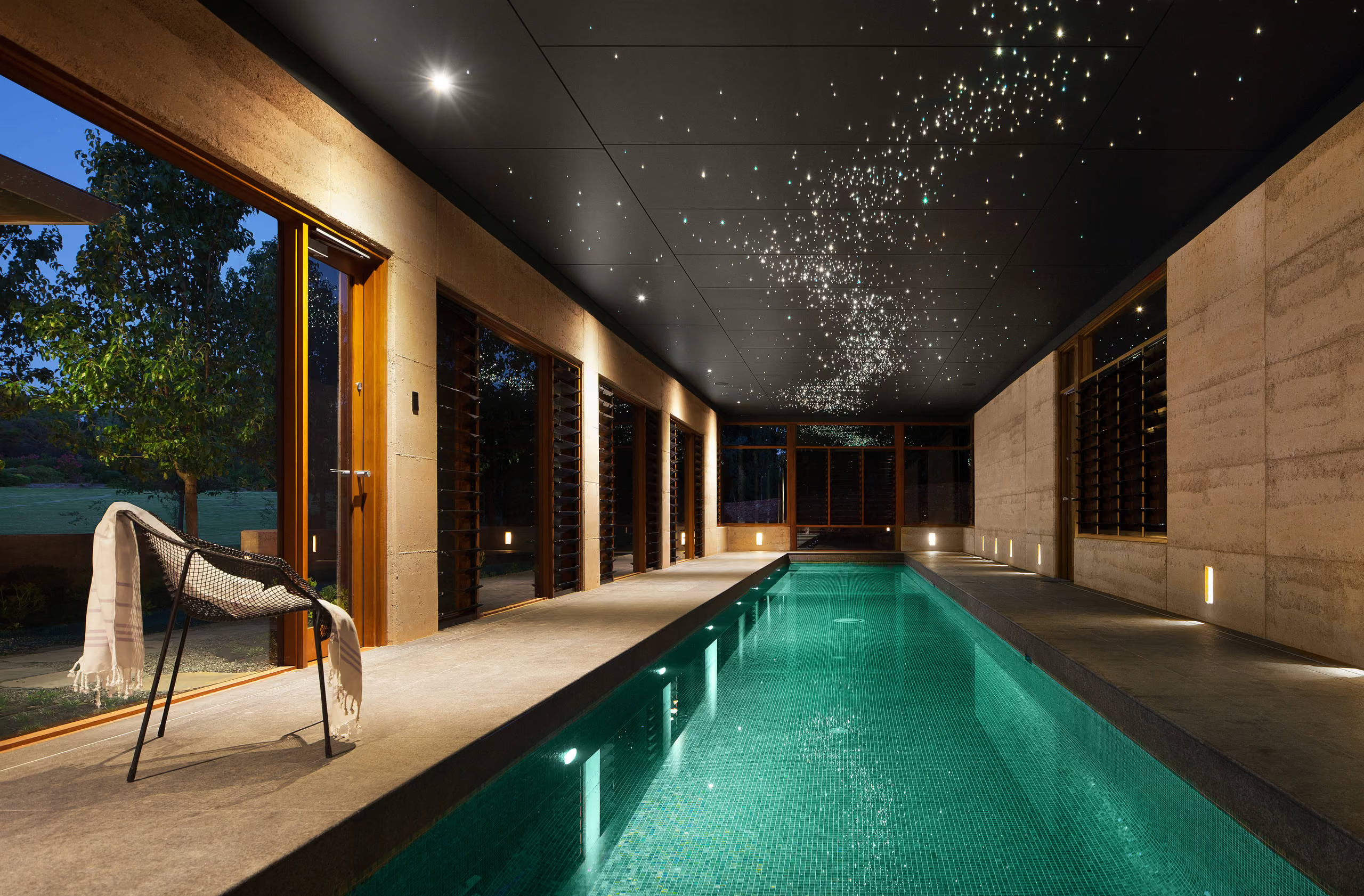
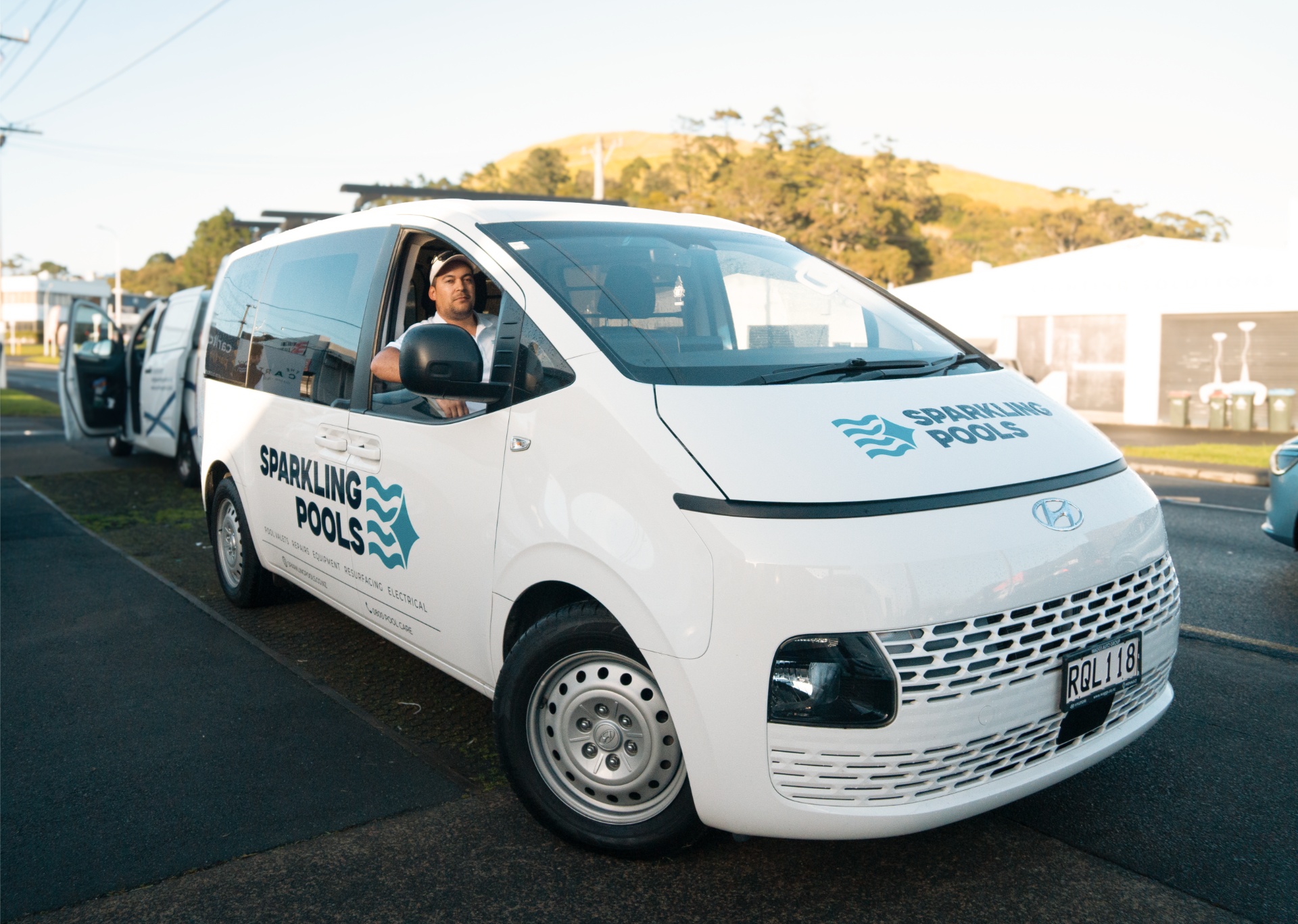
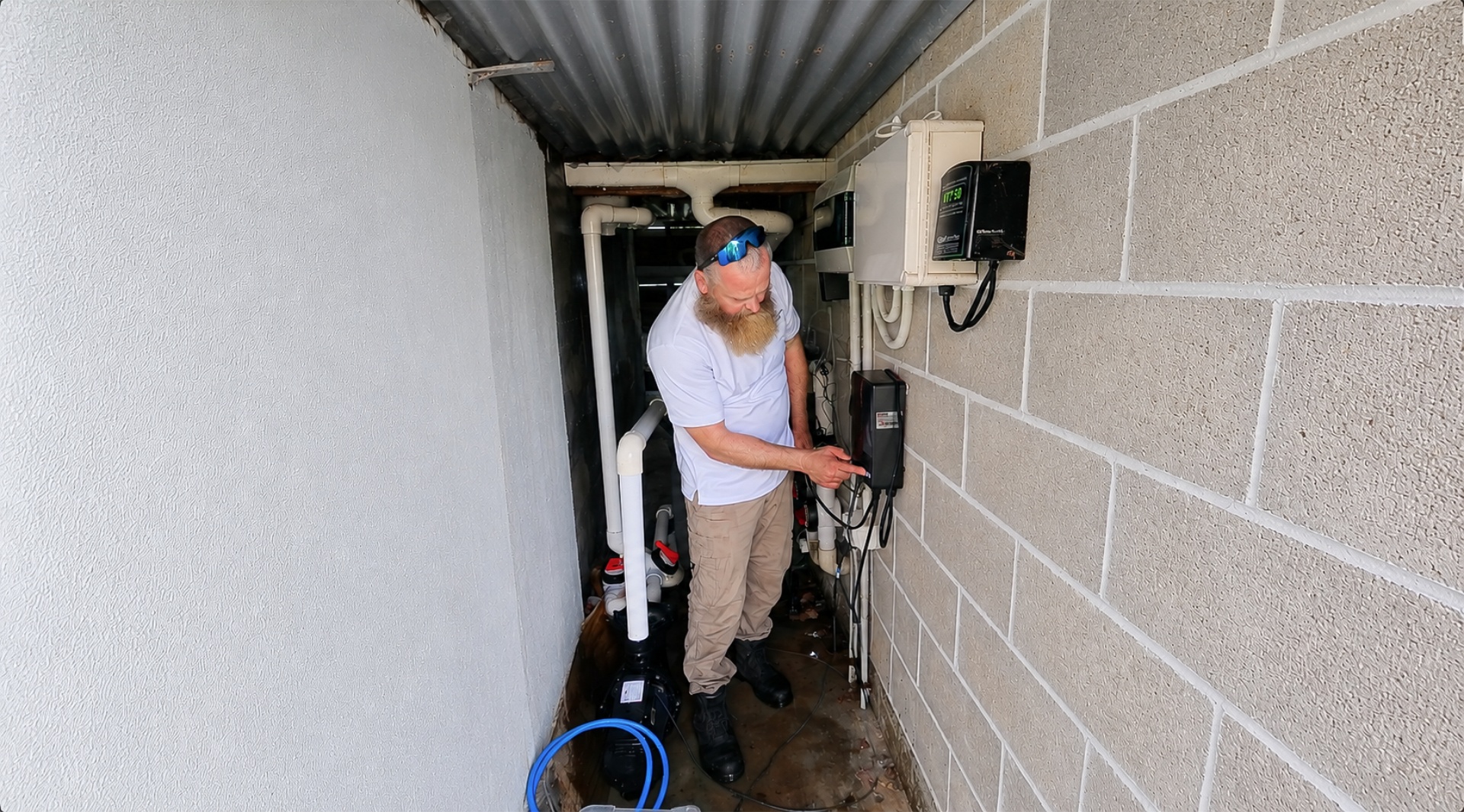
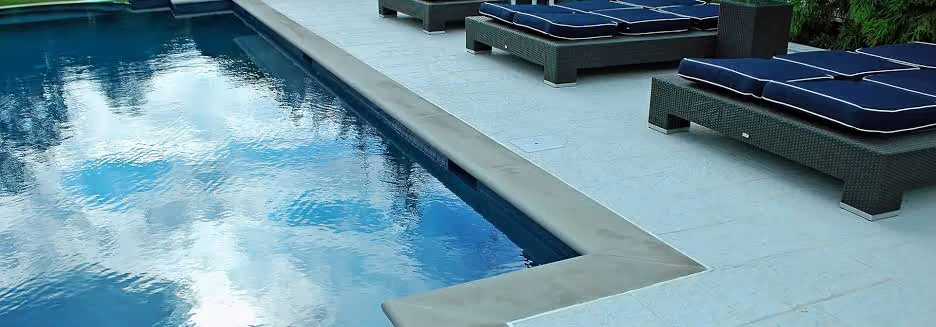
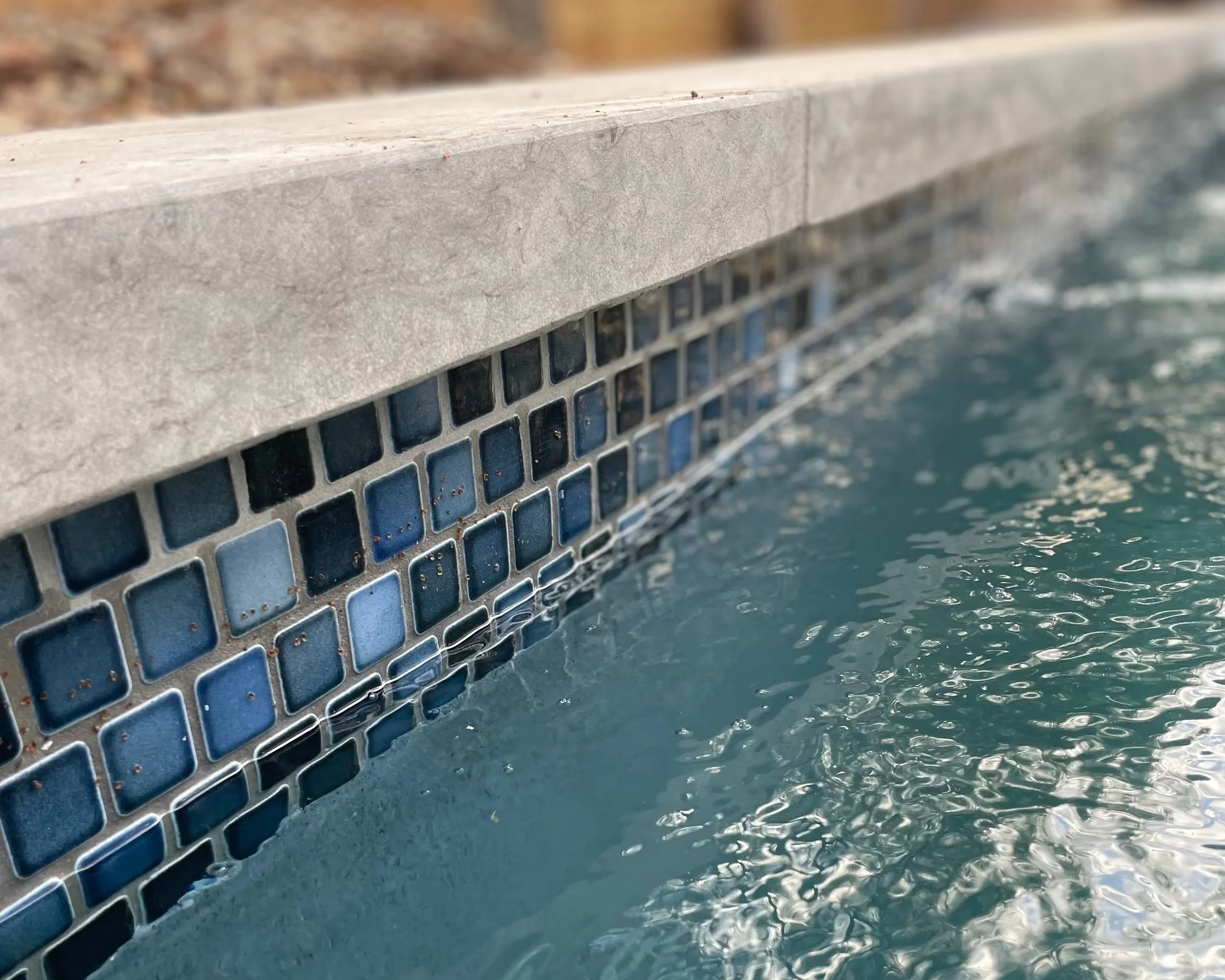
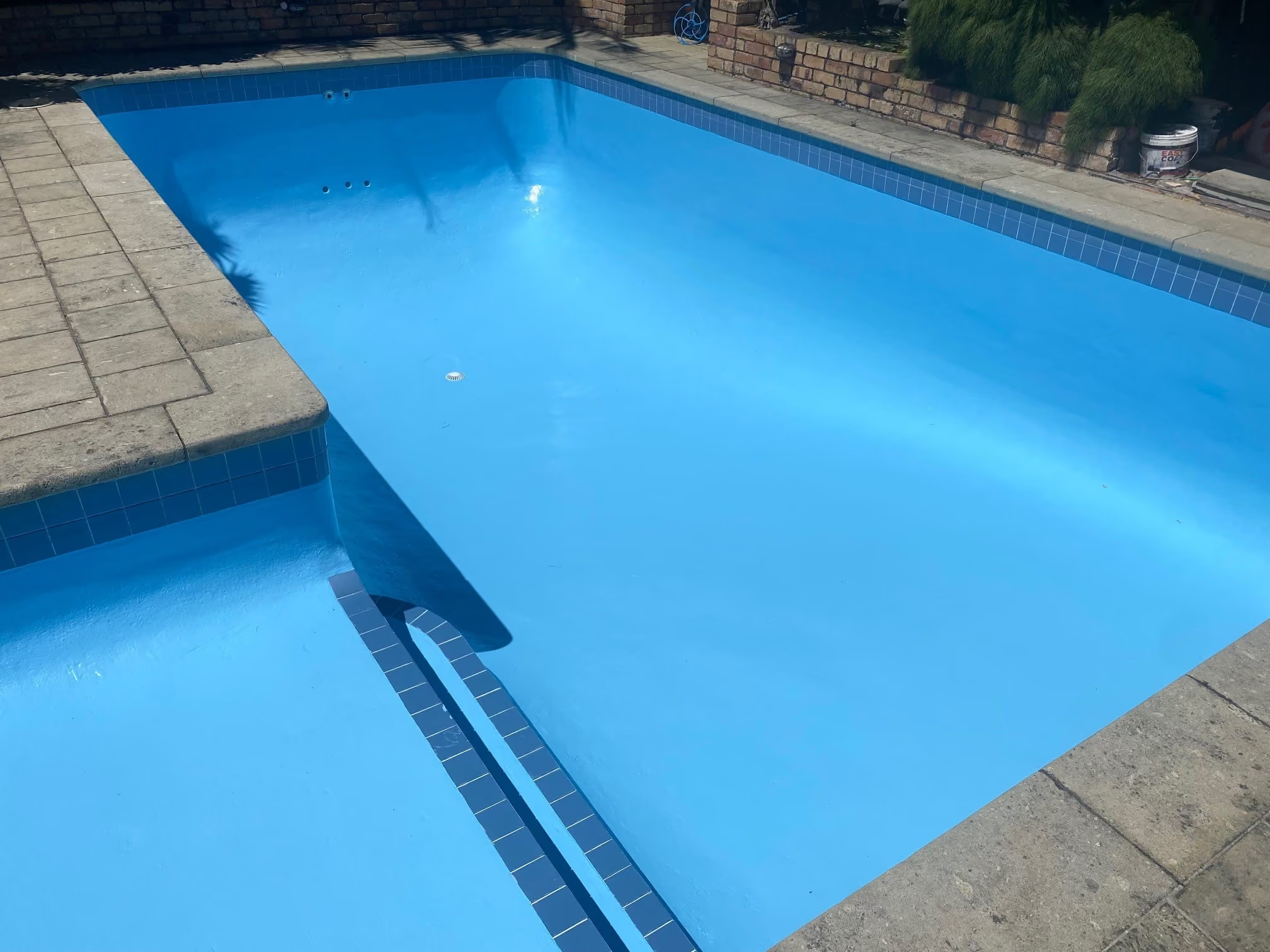
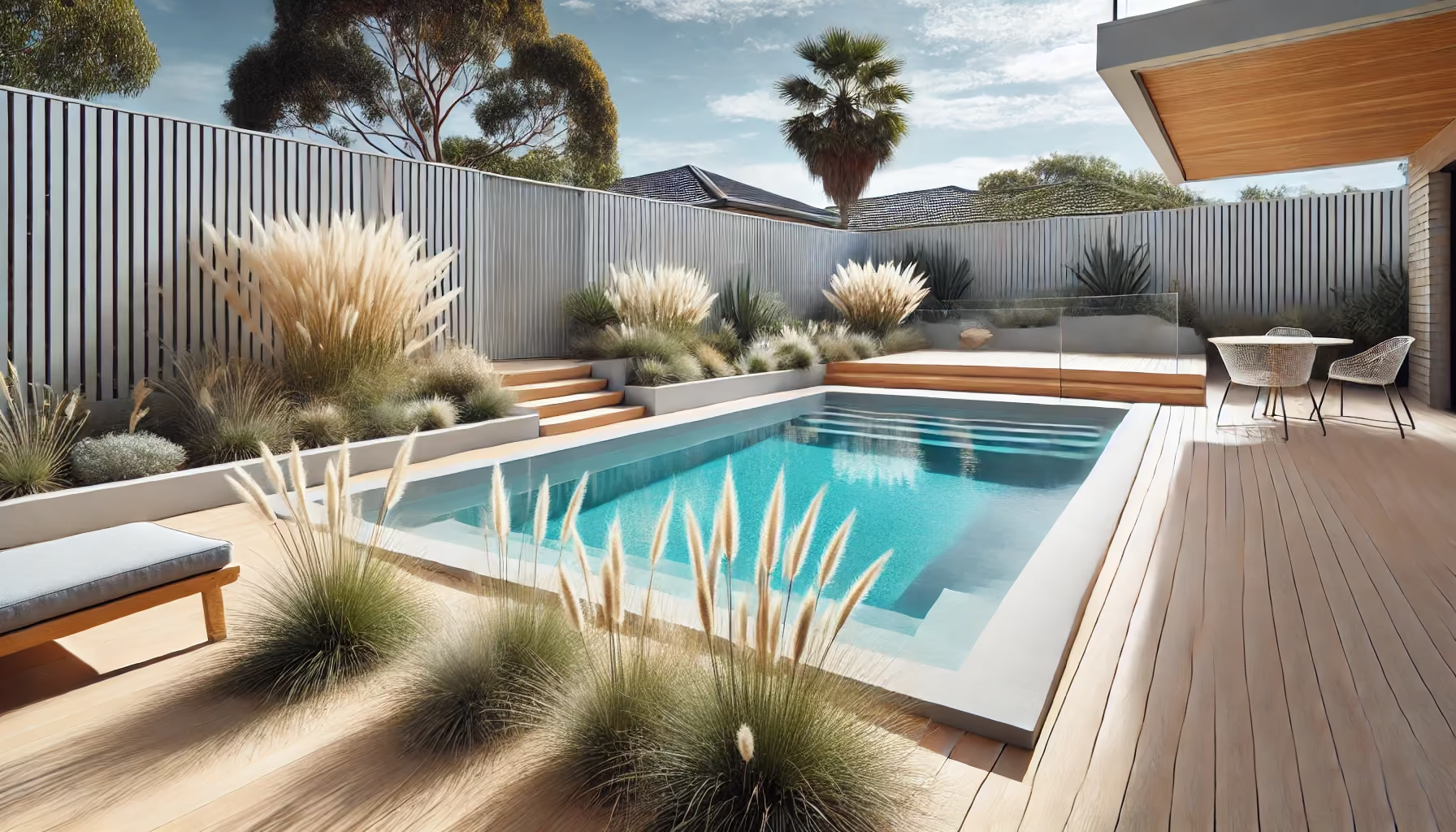
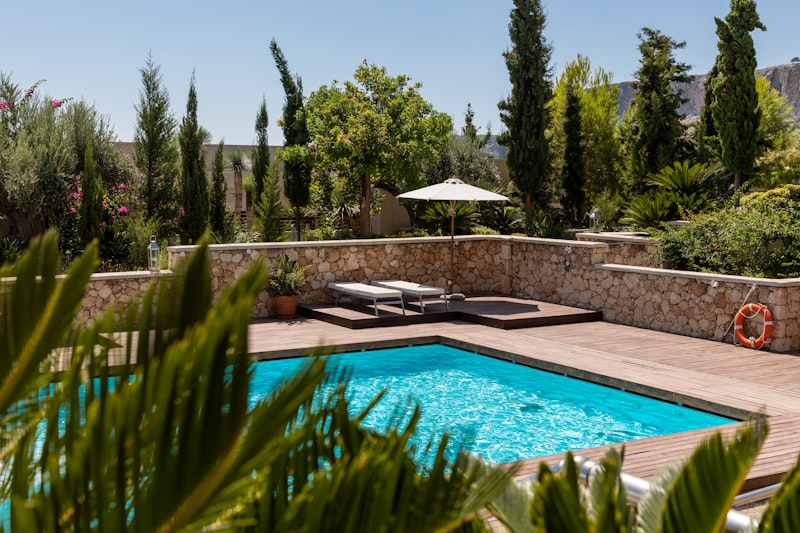
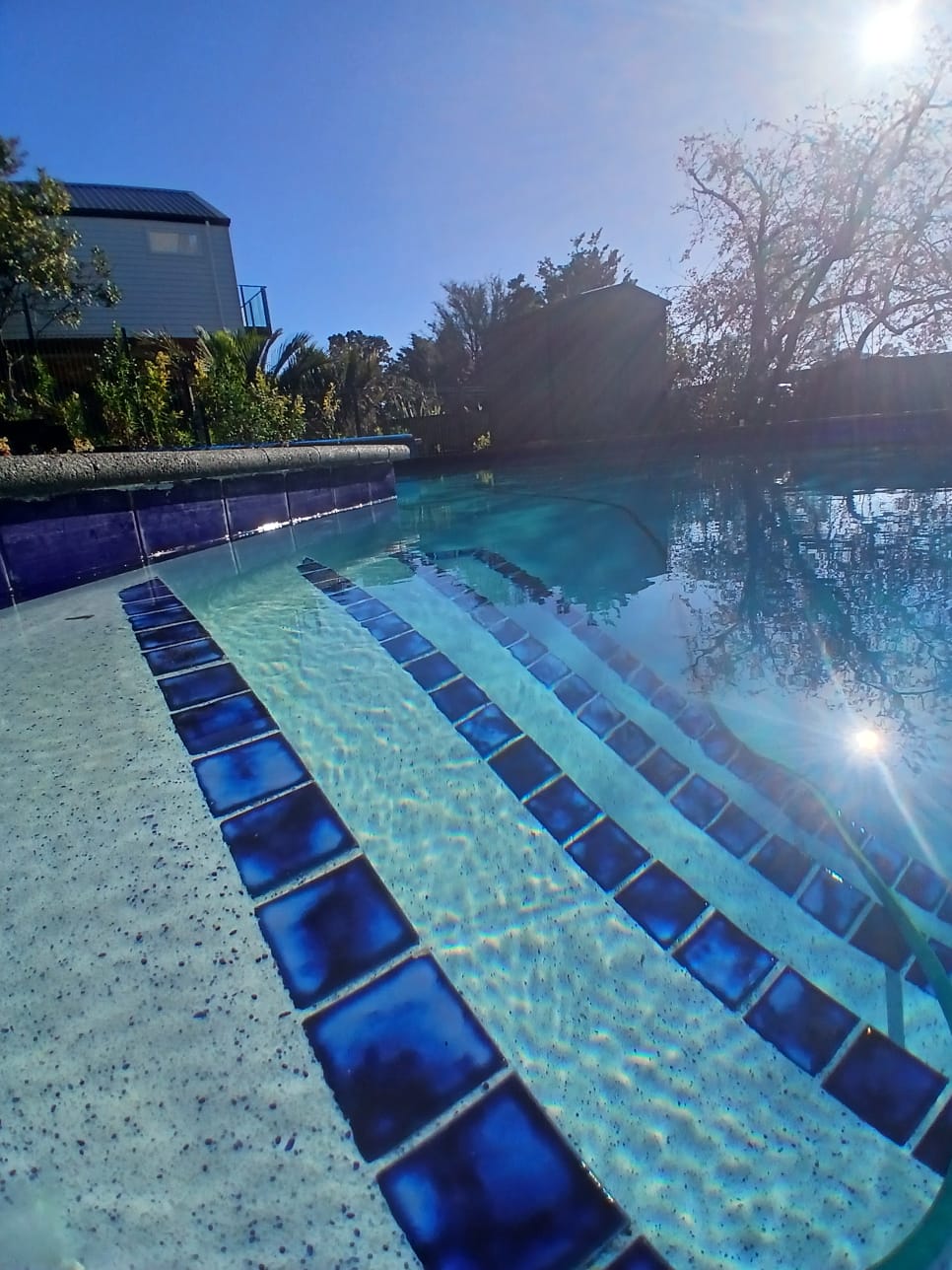
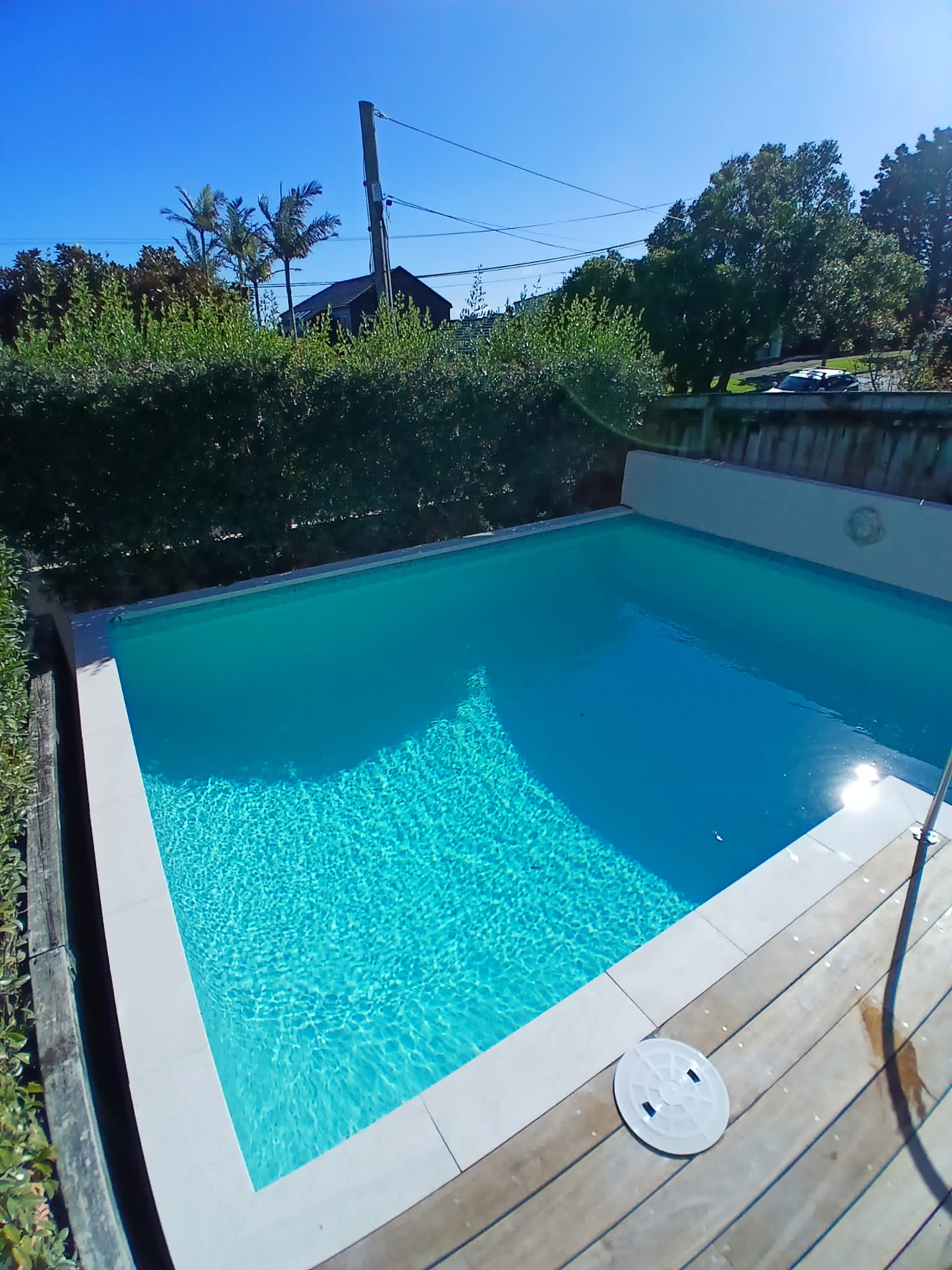
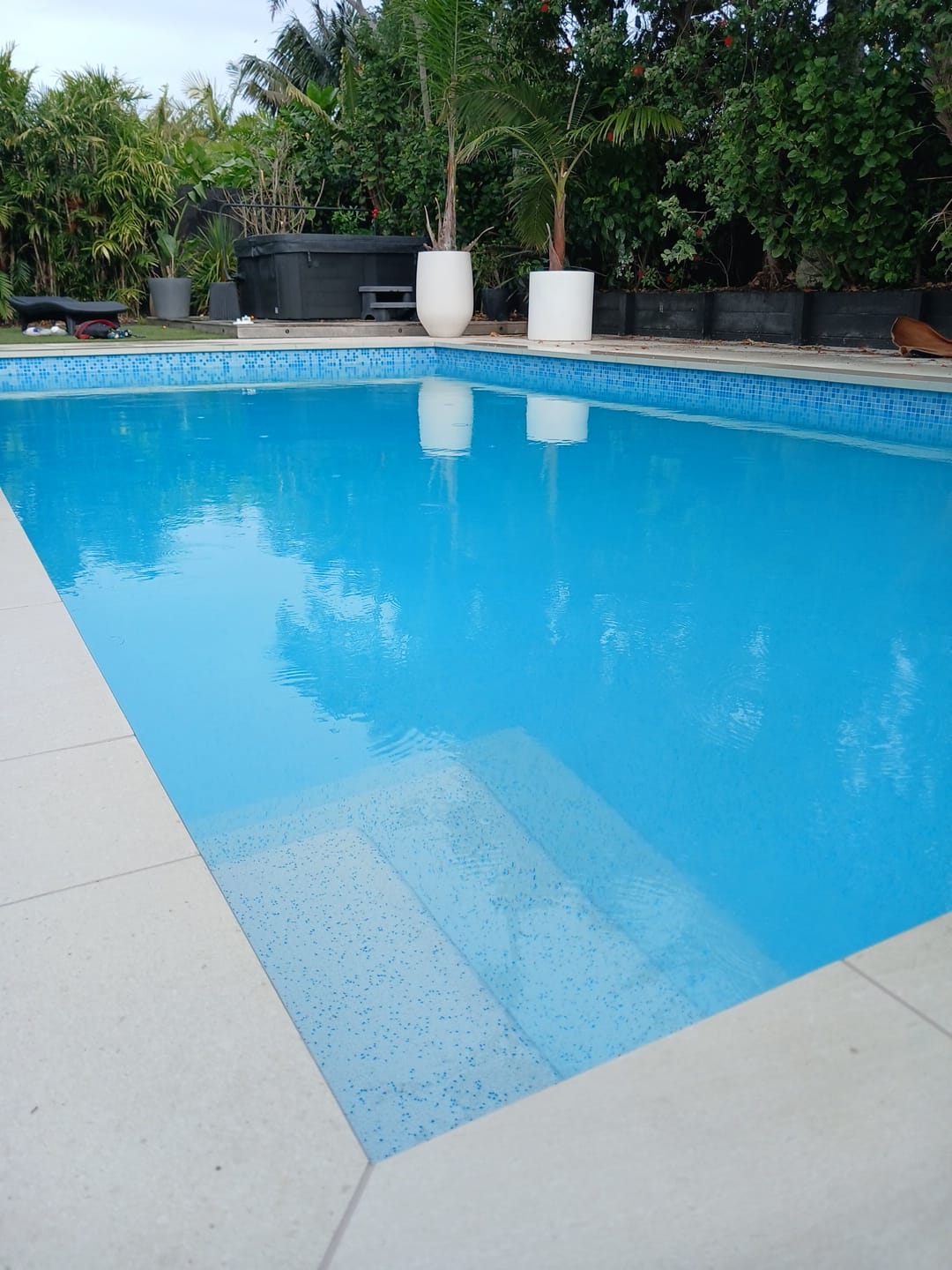
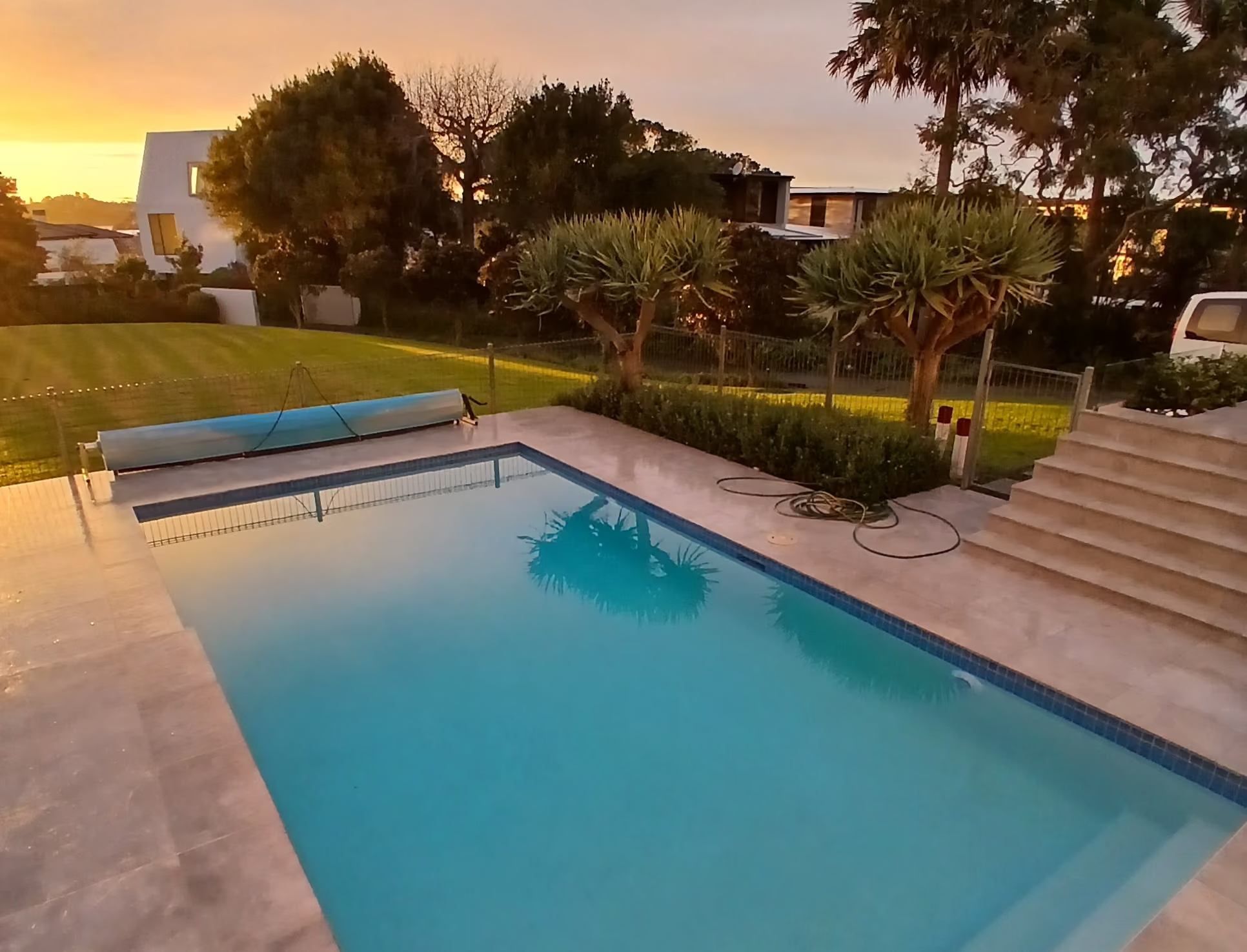
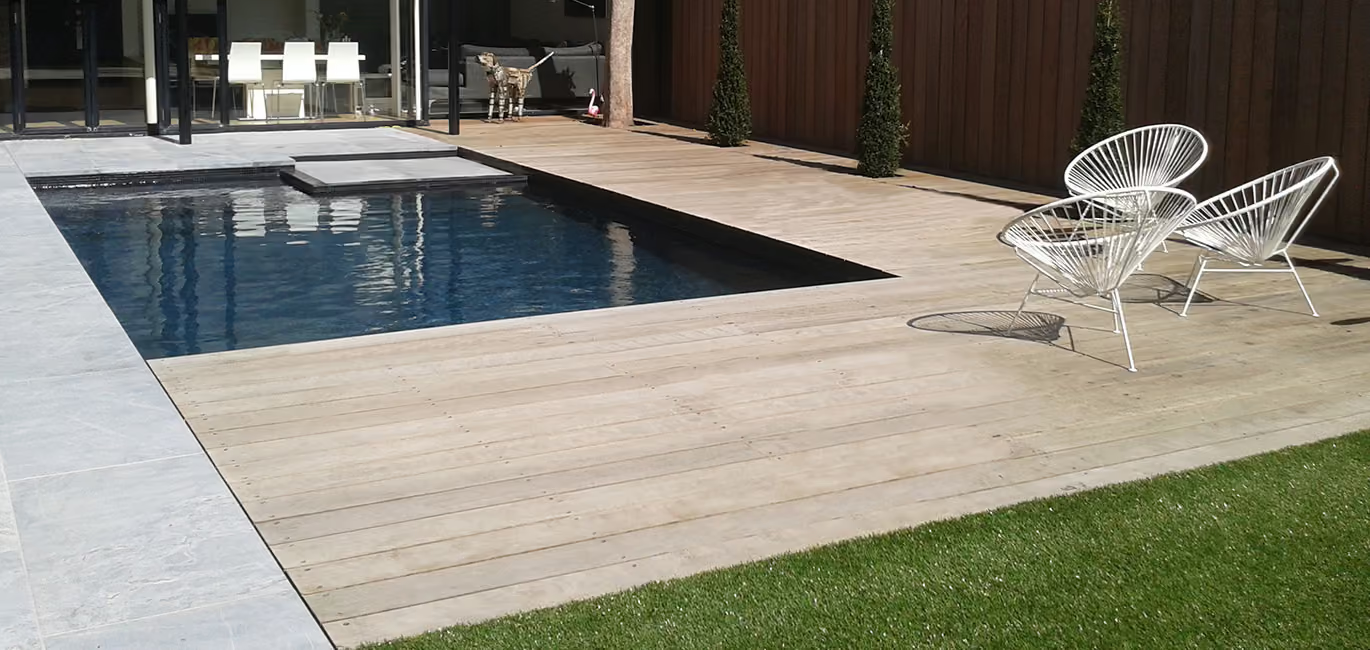
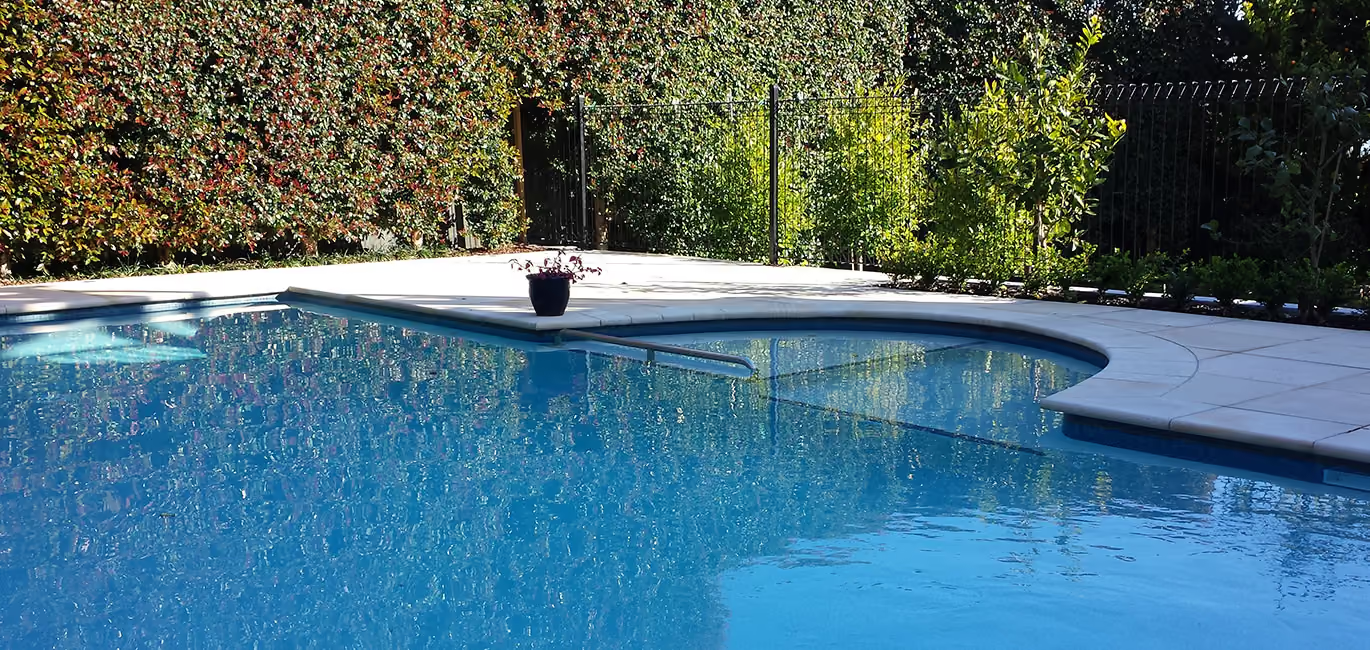
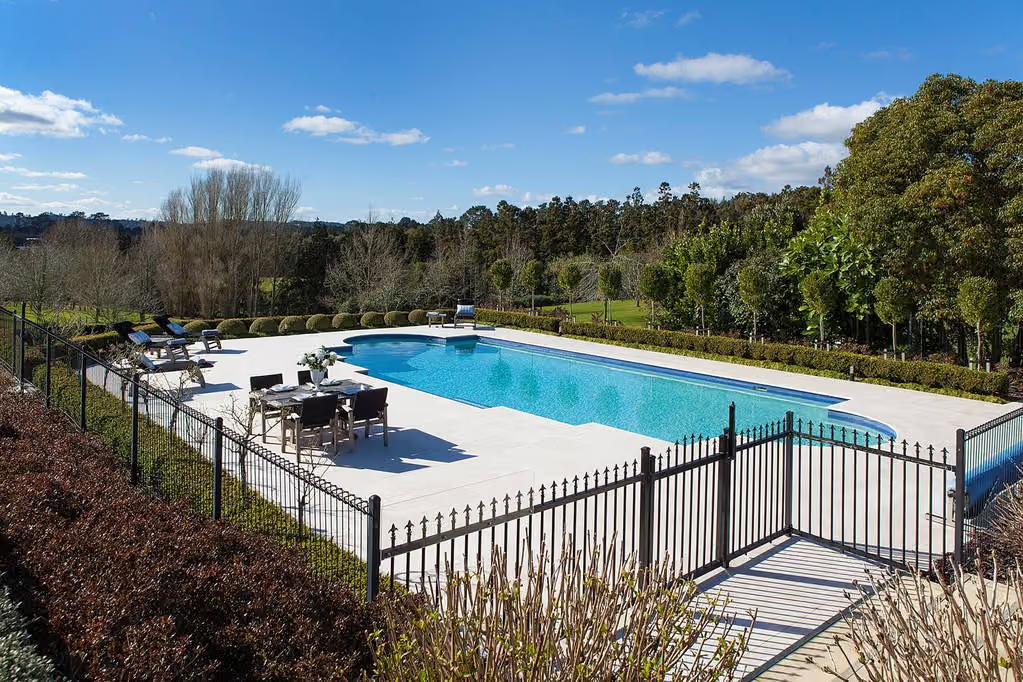
Sparkling Pools has worked on pools across Auckland, including residential renovation projects, equipment upgrades, ongoing maintenance and pool care for managed properties. Past projects show how the right approach can improve presentation, water quality and day-to-day usability. A well-maintained pool is easier to manage, more pleasant to use and better prepared for seasonal changes.
Trusted by Homeowners Across Auckland
Don't just take our word for it. Read what our clients have to say about our transparent communication, reliable service, and stunning pool transformations.
Related Blog Posts
Stay informed on pool care and renovations
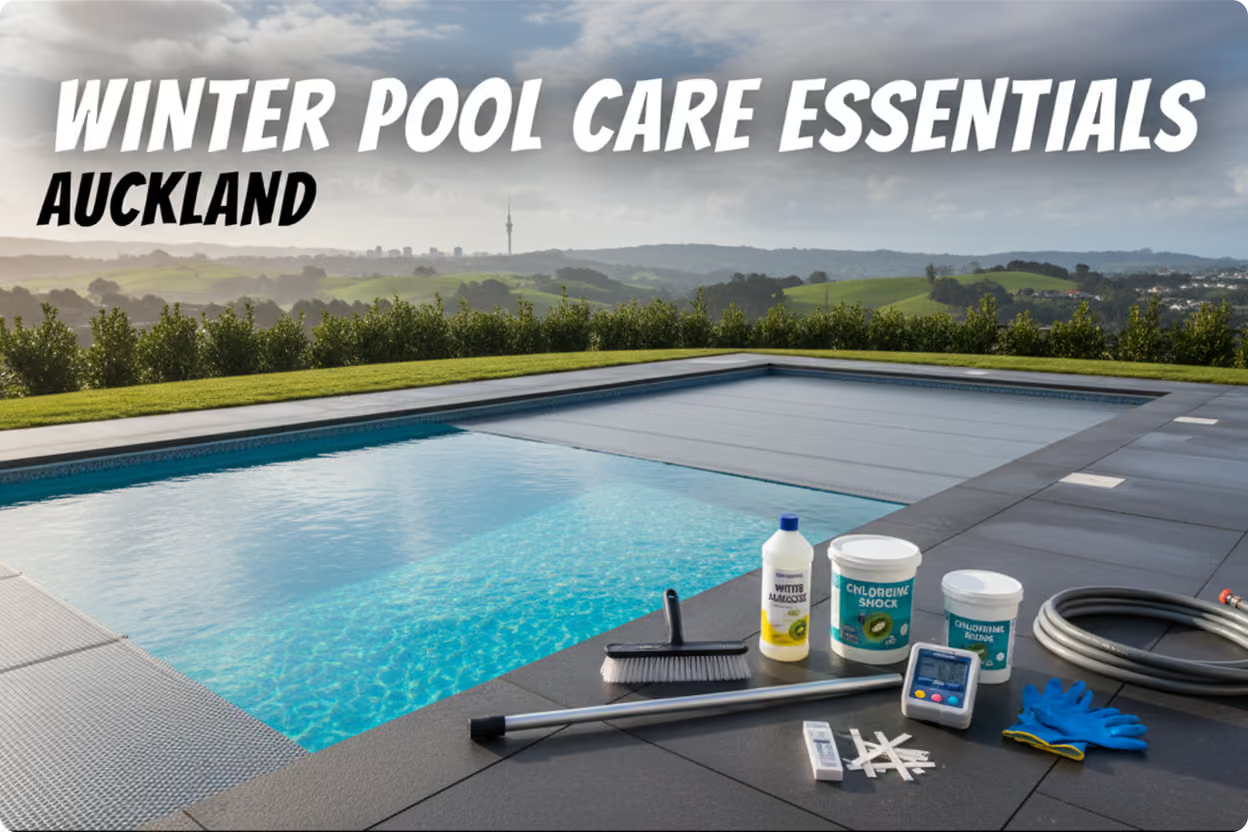
Winter pool care essentials for Auckland
Pool Renovation Mistakes

Auckland Climate Pool Maintenance
Choosing Renovation Contractor
Pool Care Auckland Summer
Permits & Consents
Pool Renovation ROI
How Often to Test Pool Water
Pool Renovation Costs
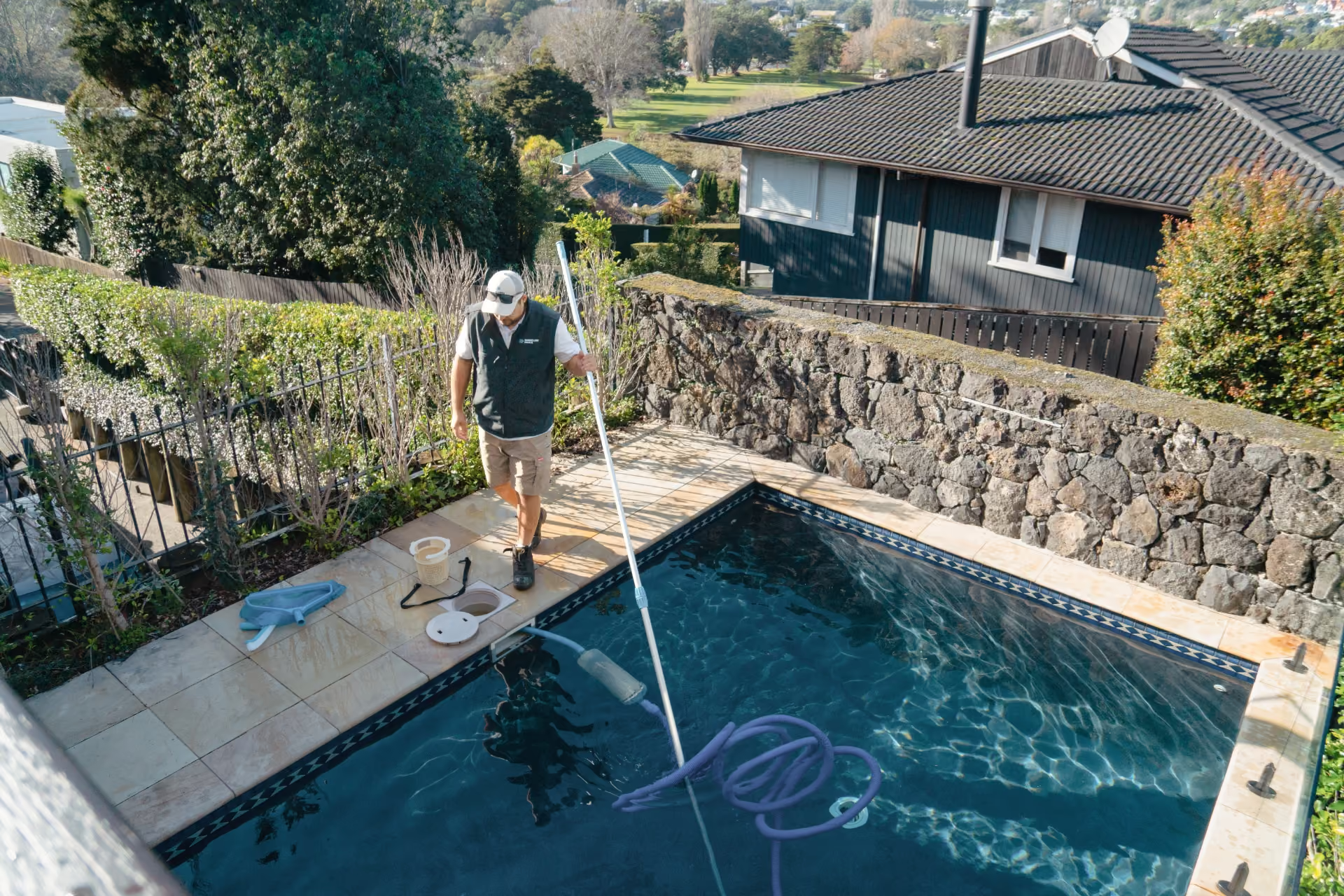
Cost of Pool Service Auckland
Pool Renovation Planning Guide
Pool Lighting Buying Guide
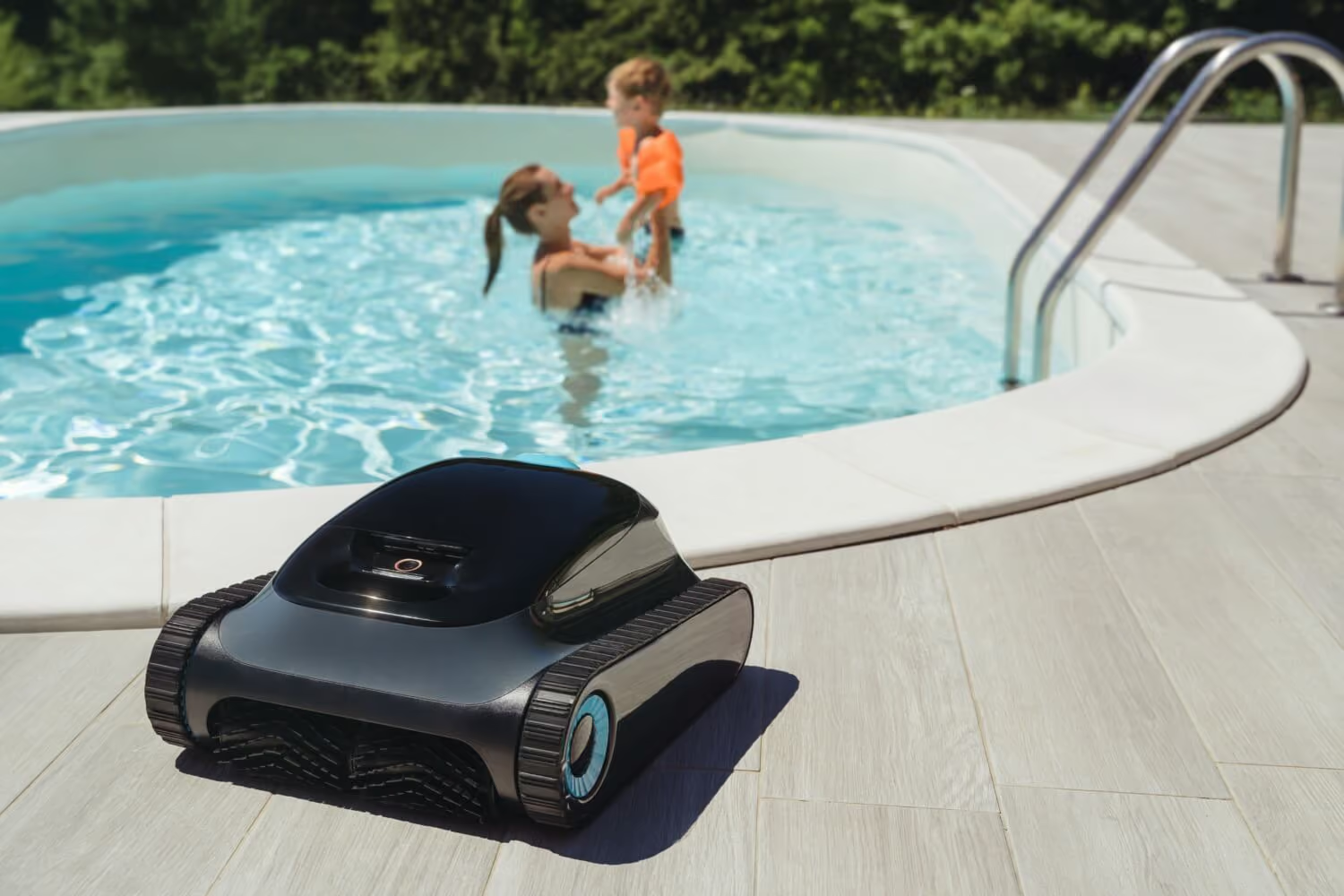
Pool Cleaner Buying Guide
Pool Automation Buying Guide
Pool Heater Buying Guide
Pool Filter Buying Guide
Pool Pump Buying Guide
Best Equipment Auckland Climate
Auckland Water Quality
Auckland Pool Season
Pool Ownership Costs
Common Pool Mistakes
Pool Safety Laws
Pool Inspection Requirements
Pool Fence Compliance
.avif)
Auckland Pool Industry Trends
Auckland Pool Regulations
Pool Equipment Suppliers
Best Pool Service Areas
Pool Service Pricing Analysis
Company vs Independent
Best Pool Surface Materials
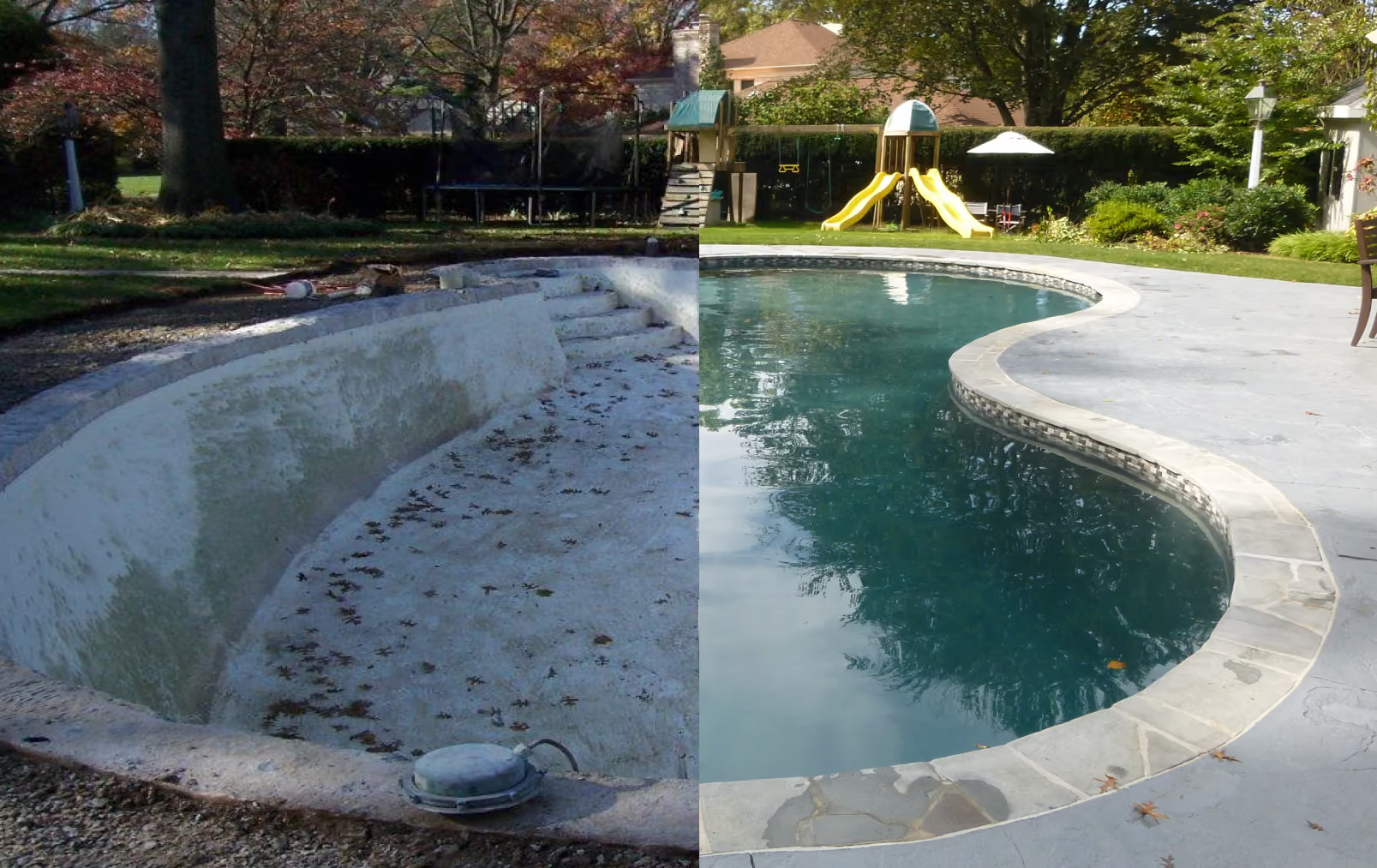
Pool Resurfacing Options
Pebble vs Plaster Surfaces
One-Time vs Ongoing Service
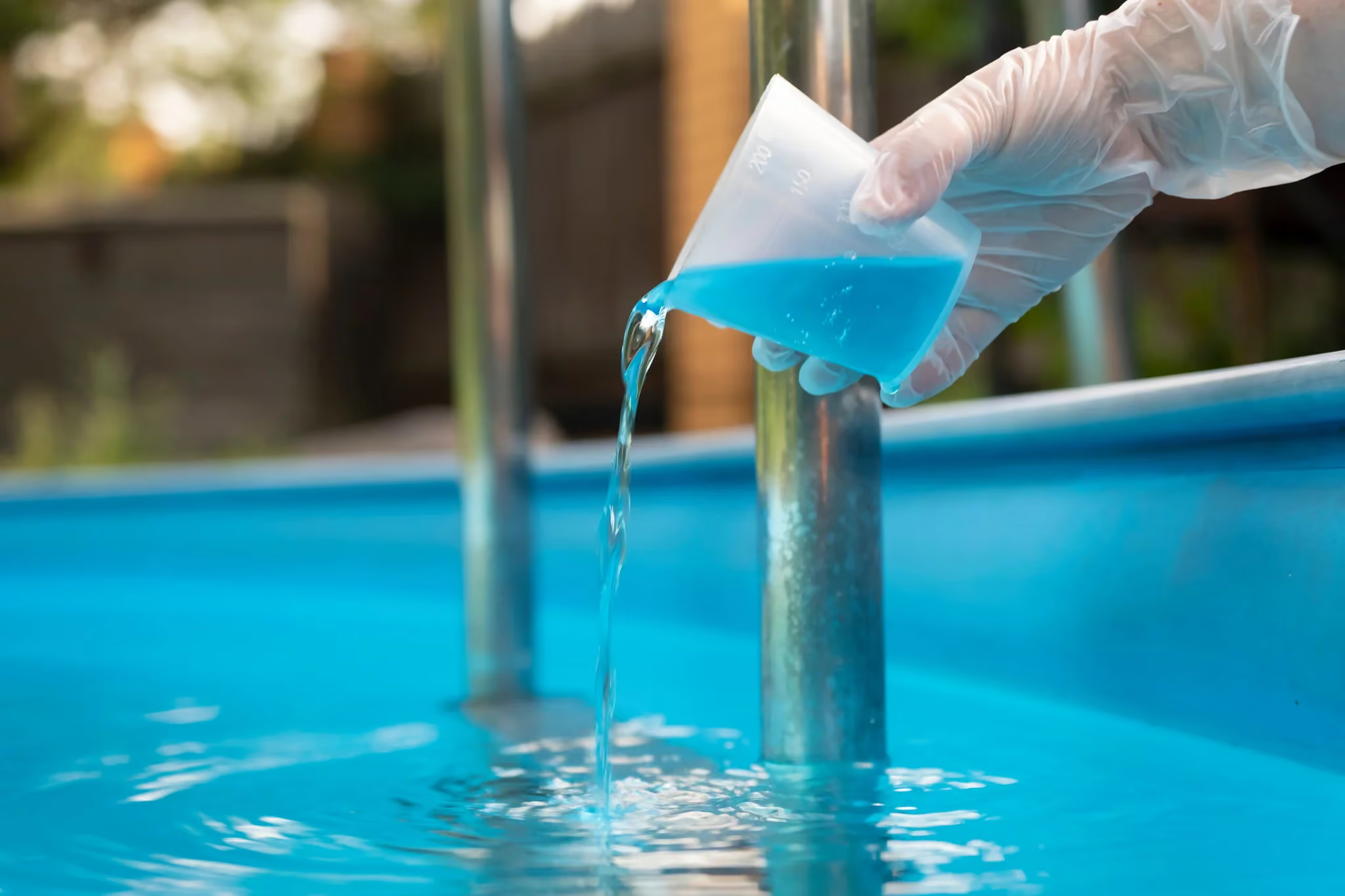
Full Service vs Chemicals Only
Pool Cover Types
Robotic vs Suction Cleaners
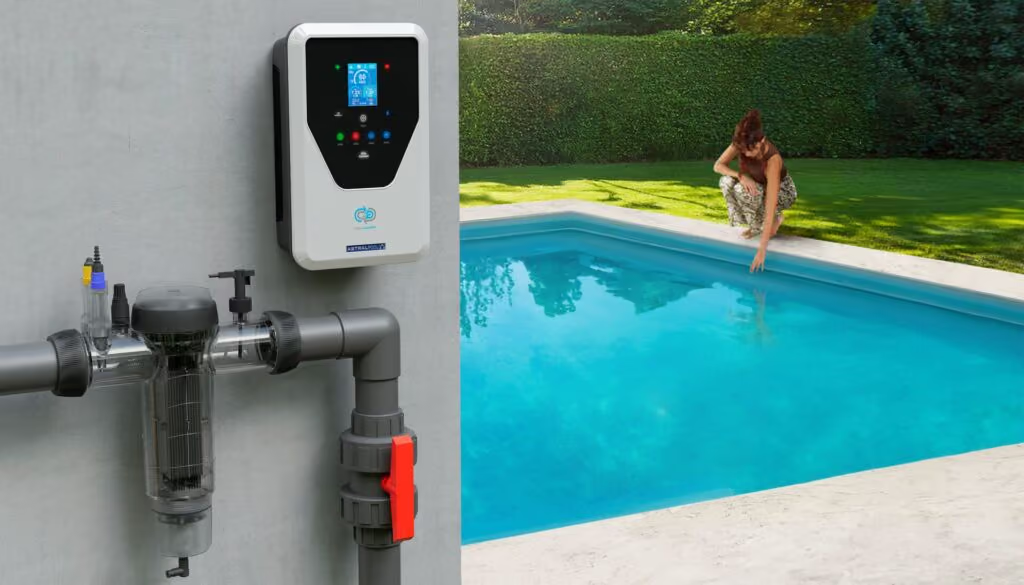
Mineral vs Saltwater
Gas vs Heat Pump
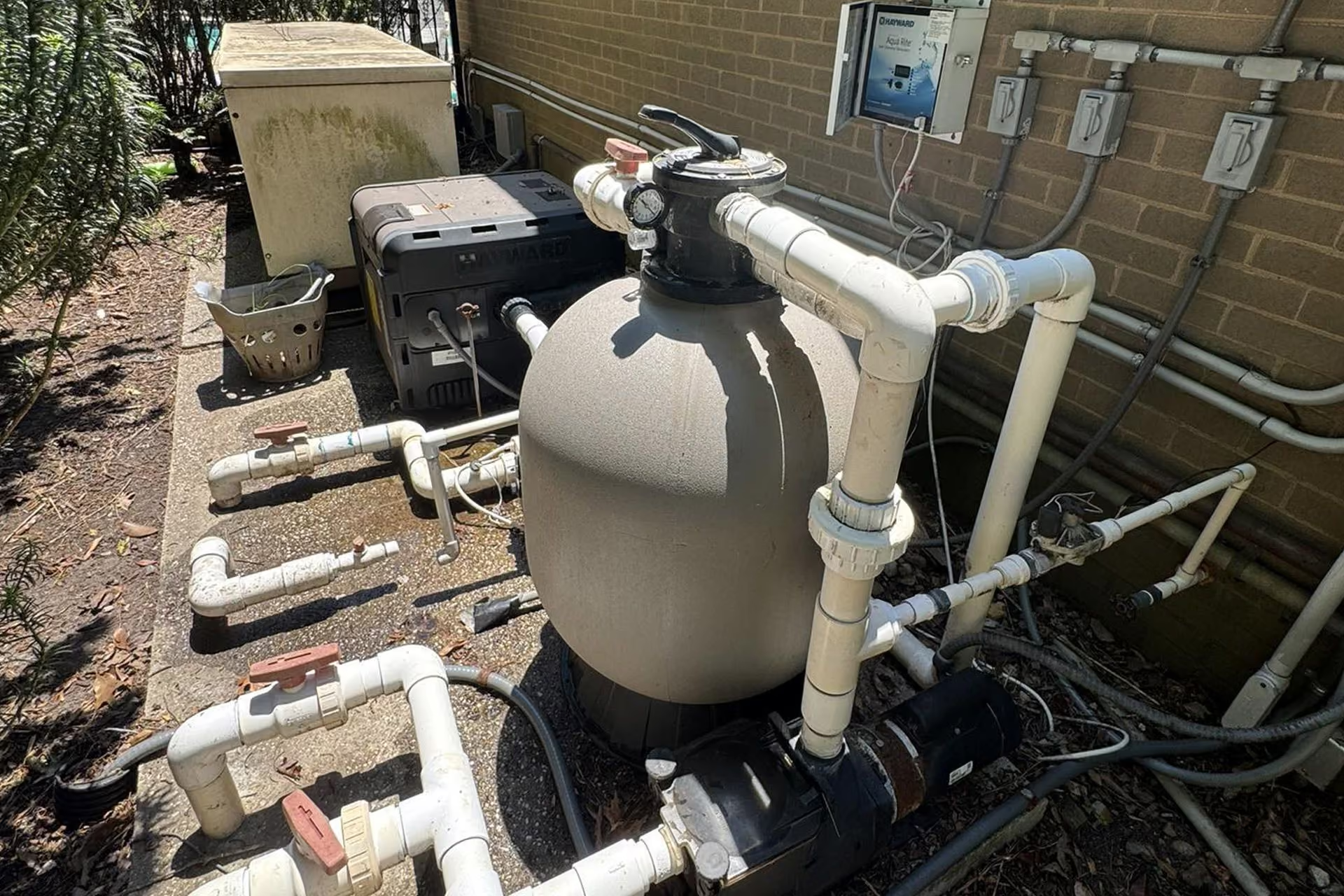
Pool Heater Types
Pool Winterizing Guide Auckland
Pool Opening Guide Summer
Pool Maintenance After Heavy Rain
Pool Maintenance Schedule
How Often to Run Pool Filter
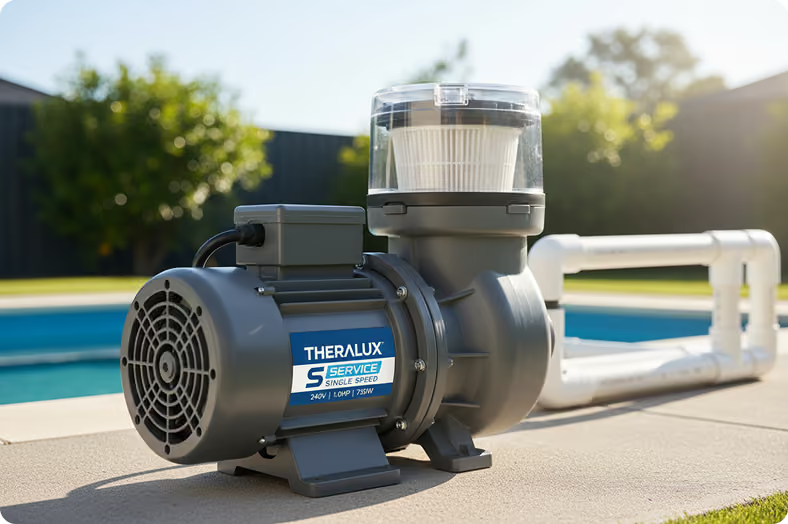
Pool Pump Maintenance Schedule
Pool Filter Cartridge Cleaning
Pool Equipment Maintenance Checklist
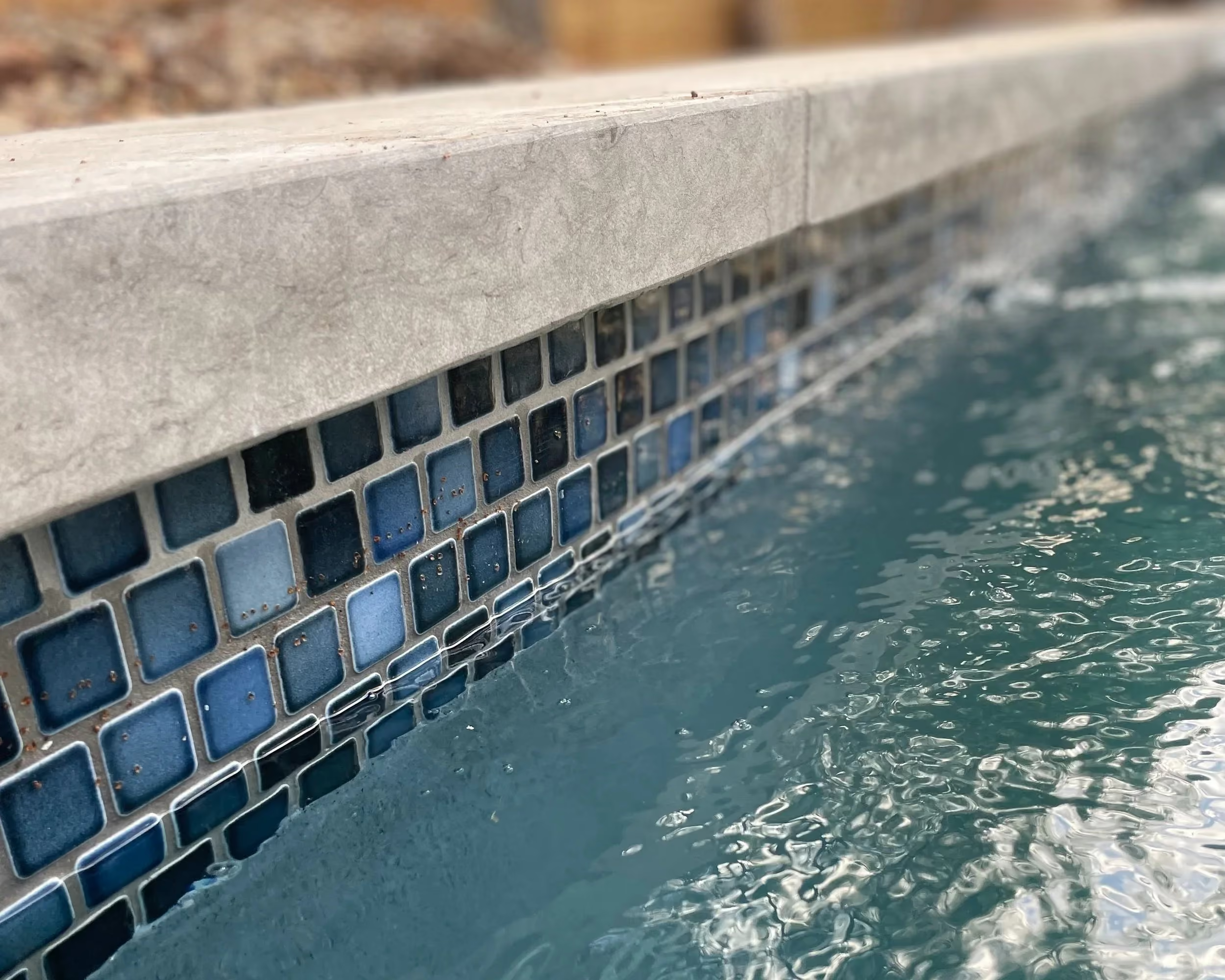
Pool Waterline Cleaning
Pool Skimmer Basket Cleaning
Pool Chlorine Levels
How Often Clean Pool Filter
How to Vacuum Pool
Pool Brushing Technique
Pool Chemical Dosing Chart
Pool Water Chemistry Basics
How to Balance Pool Chemistry
How to Test Pool Water
Pool Maintenance Tips
Complete Pool Maintenance Guide
Pool Service ROI
Pool Equipment Buy or Service
Pool Maintenance Time Requirements
DIY vs Professional
Pool Service Contract
Pool Service vs Pool Valet
Is Pool Service Worth It
Pool Service Guarantees
Pool Service Reviews
Pool Service Red Flags
Questions to Ask Pool Companies
How to Choose Pool Service Company
Hidden Costs DIY Maintenance
Pool Cleaning Prices Auckland
Cost of Pool Resurfacing
Cost of Pool Pump Replacement
Cost to Fix Green Pool
Pool Liner Wrinkles
Pool Cracks When to Worry
Pool Surface Stains
Pool Valve Leaking
Pool Automation Not Working
Pool Light Not Working
Pool Heater Not Heating
Pool Skimmer Not Working
High Pool Filter Pressure
Pool Losing Water
Pool Filter Not Clearing Water
Pool Pump Leaking
Pool Pump Not Pumping
Pool Pump Losing Prime
Pool Pump Noisy
Pool Pump Not Working
Pool Water Foaming
Pool pH Too Low
Pool pH Too High
Green Pool After Rain
Pool Still Green After Shock
Pool Water Cloudy
How to Clear a Green Pool
Pool Care That Protects Your Investment
Good pool care protects more than appearance. Our pool specialists support the long-term condition of your swimming pool while keeping it ready for everyday use.