Mineral vs Saltwater
Why Auckland trusts our pool service expertise
Mineral and saltwater pools are both alternatives to manually dosing chlorine, but they work in different ways and suit different priorities. Understanding the distinction helps pool owners make a more informed decision about which system fits their pool and their household.
The key differences come down to how each system sanitises the water, what the water feels like to swim in, and what ongoing maintenance looks like. Neither system is maintenance-free, and both still require regular water testing and chemistry management.
What you'll learn
The Short Answer
Saltwater pools use a salt chlorinator to generate chlorine from dissolved salt. Mineral pools add a blend of minerals, typically magnesium and potassium, to the water, usually alongside a lower-chlorine or chlorine-free sanitising system. Both are alternatives to manually dosing liquid or granular chlorine, but they are not the same thing.
If you are trying to decide between the two, the choice comes down to your priorities: water feel, maintenance effort, upfront cost, and how your skin and eyes respond to chlorine.
---
How a Saltwater Pool Works
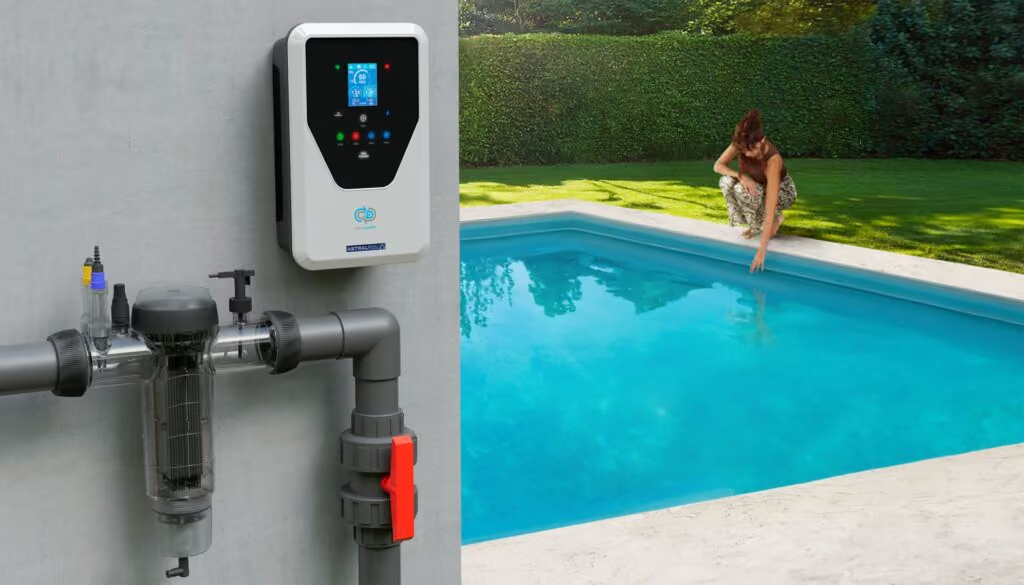
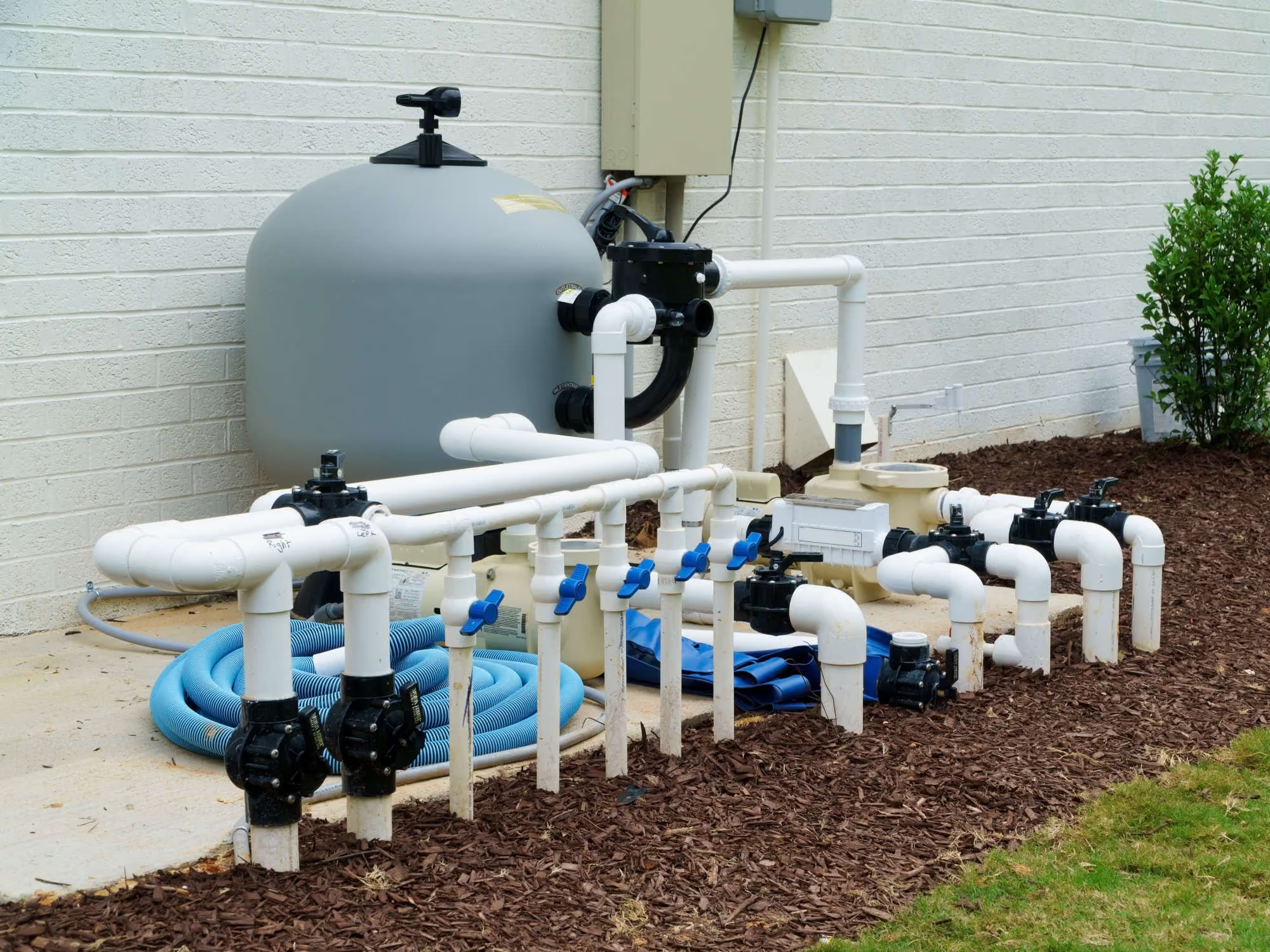
A saltwater pool is not chlorine-free. It uses a salt chlorinator, an electrolytic cell installed in the return line, to convert dissolved salt into chlorine gas, which immediately dissolves into the water as a sanitiser. The chlorine does its job, then reverts to salt, and the cycle repeats.
What that means in practice
- Salt is added to the pool at commissioning and topped up periodically as water is lost through splashing, backwashing, or dilution from rain
- The chlorinator cell needs regular cleaning, typically every one to three months depending on usage and water hardness
- Water chemistry still needs monitoring: pH, alkalinity, stabiliser, and calcium hardness all affect how well the system works
- Saltwater is mildly corrosive over time, so pool surrounds, fittings, and equipment need to be rated for salt exposure
Typical salt levels
Most salt chlorinators operate within a specific salt range, check your unit's manual for the target level, as this varies between brands and models. Running the cell outside that range reduces efficiency and can shorten cell life.
---
How a Mineral Pool Works
Mineral pools use a blend of minerals, commonly magnesium chloride and potassium chloride, dissolved in the pool water. These minerals are gentler on skin and eyes than standard chlorinated water, and some owners find they reduce irritation noticeably.
Most mineral systems still use some form of sanitiser. Common setups include:
- Mineral + low-chlorine: A salt chlorinator runs at a lower output, with the mineral blend supplementing water quality
- Mineral + UV or ozone: A UV or ozone unit handles the bulk of sanitisation, with minerals in the water and minimal chlorine as a backup residual
- Mineral + alternative sanitiser: Some systems use hydrogen peroxide or other non-chlorine sanitisers alongside the mineral blend
What that means in practice
- Mineral blends are added at commissioning and topped up when water is lost or diluted
- If a chlorinator is part of the system, cell maintenance still applies
- Water chemistry monitoring remains important, mineral pools are not maintenance-free
- Mineral water is generally softer and less harsh on skin, hair, and eyes than standard chlorinated or saltwater pools
---
Key Differences Side by Side
Sanitisation
Saltwater pools rely on chlorine as the primary sanitiser, generated on site rather than added manually. Mineral pools vary: some still use chlorine at lower levels, others use alternative sanitisers with chlorine only as a backup.
Water feel
Many swimmers find mineral water noticeably softer and more comfortable than saltwater. This is one of the main reasons owners choose a mineral system, particularly if they or their family have sensitive skin.
Maintenance
Both systems require regular water testing and chemistry management. Neither is set-and-forget. Saltwater pools need cell cleaning and salt top-ups. Mineral pools need mineral top-ups and, depending on the sanitiser used, cell or UV lamp maintenance.
Equipment compatibility
Saltwater systems are well established, and most pool equipment is available in salt-rated versions. Mineral systems vary more by brand and setup, it is worth confirming compatibility with your existing equipment before switching.
Upfront and ongoing cost
Saltwater systems are generally the more straightforward and cost-predictable option. Mineral systems can have higher upfront costs depending on the sanitiser technology used alongside the minerals. Ongoing costs depend on water loss rates, usage, and local water chemistry.
---
Which System Suits Which Pool Owner?
Saltwater may suit you if:
- You want a proven, widely supported system
- Your pool is already set up for salt, or you are building new
- You are comfortable with standard chlorine-based water chemistry
- You want straightforward equipment servicing and parts availability
Mineral may suit you if:
- Skin, eye, or hair sensitivity to chlorine is a concern for your household
- You want to reduce chlorine levels in the water
- You are willing to invest more upfront for a different swimming experience
- You are open to a slightly more involved setup and commissioning process
---
What Both Systems Have in Common
It is worth being clear about what neither system changes:
- Water testing is still necessary. pH, alkalinity, stabiliser, and sanitiser levels all need regular monitoring regardless of which system you run.
- Neither system is maintenance-free. Equipment still needs cleaning, cells still need inspection, and chemistry still drifts.
- Auckland's water supply affects both. Local water hardness and chemistry influence how any pool system performs. What works well in one part of Auckland may need adjustment in another.
- Professional setup matters. Both systems perform better when commissioned correctly. An incorrectly set up mineral system or an undersized chlorinator cell will cause problems regardless of which technology you choose.
---
Switching from One System to the Other
If you are considering switching your existing pool from saltwater to mineral, or from a standard chlorine pool to either system, it is worth getting professional advice before you start. The transition involves draining or diluting the existing water, adjusting chemistry, and ensuring your equipment is compatible.
Sparkling Pools can assess your current setup and advise on what a switch would involve for your specific pool.
---
When to Get Professional Advice
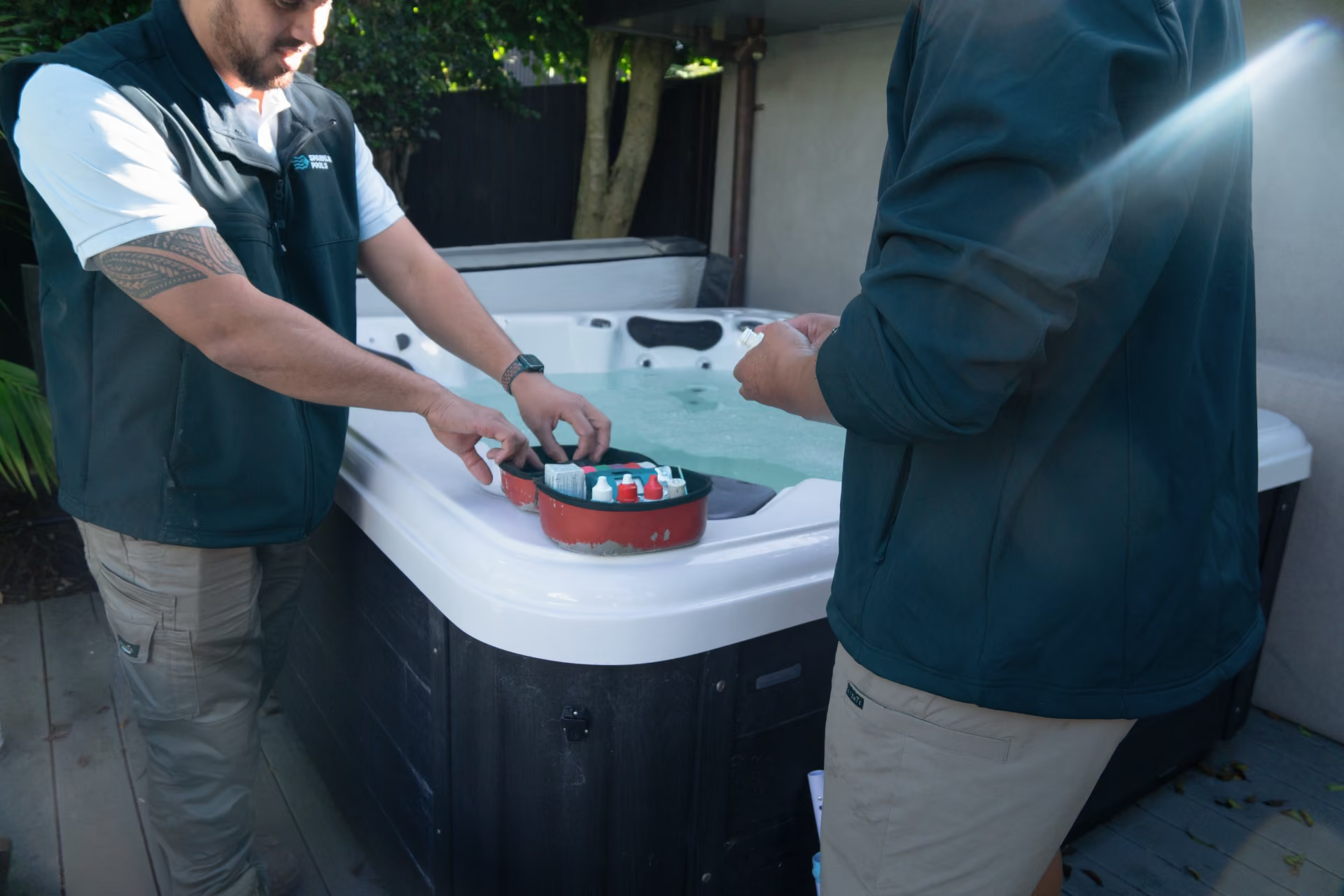
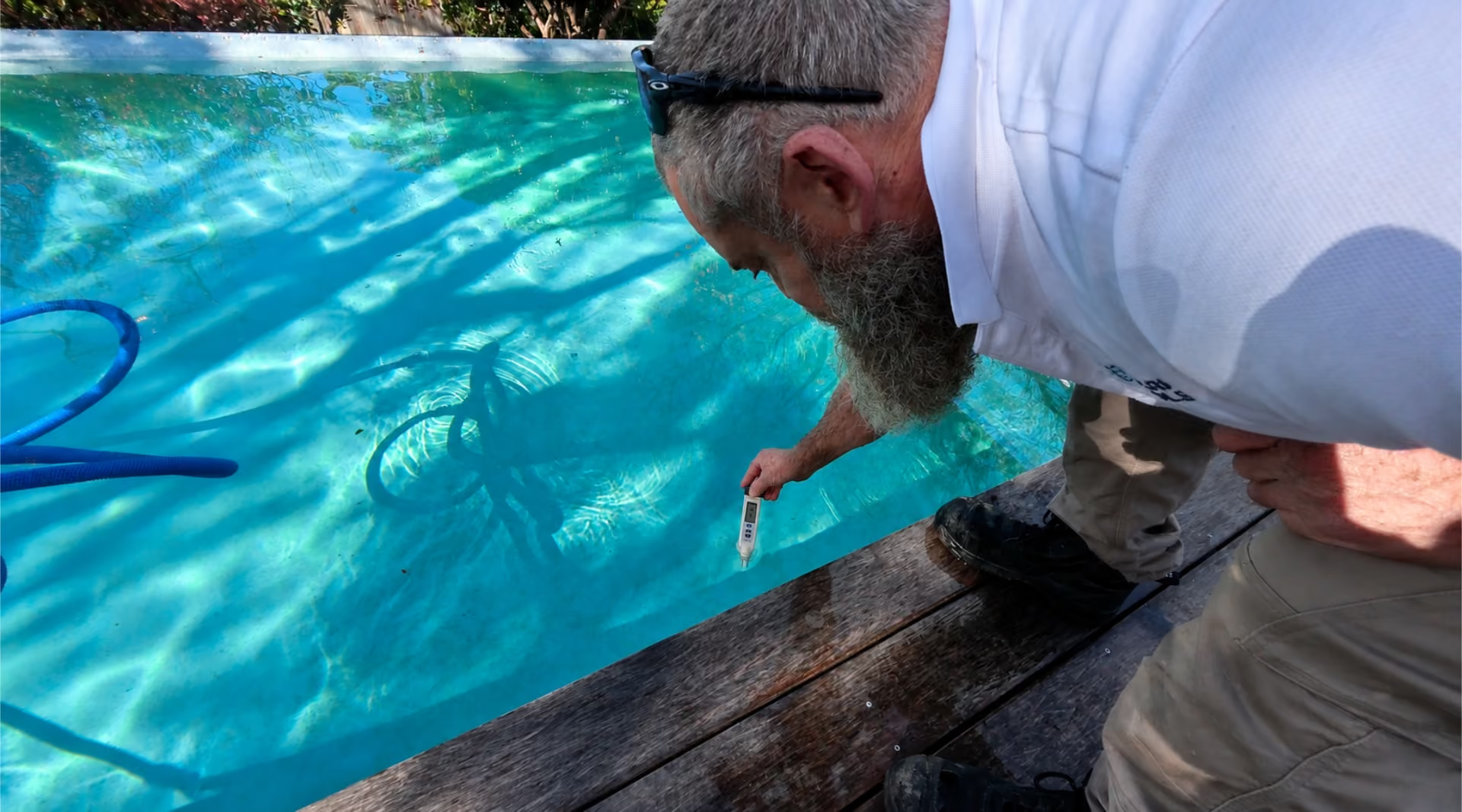
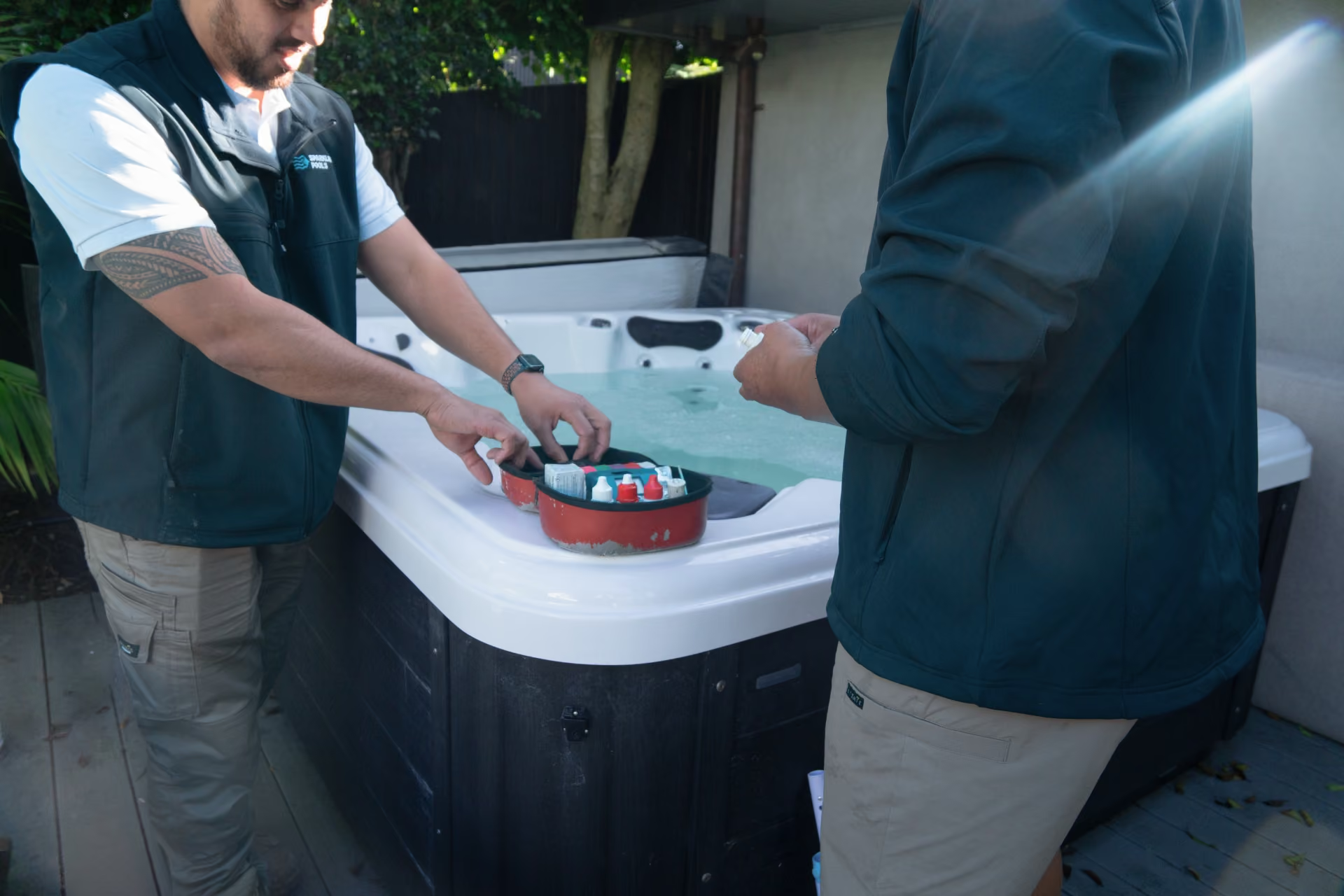
If you are unsure which system suits your pool, or if you are experiencing ongoing water quality issues that your current system is not resolving, an on-site water test is a practical starting point. Sparkling Pools carries out water testing at your home, across Auckland, and can give you a clear picture of what your water is doing and what your options are.
Pool resurfacing solutions
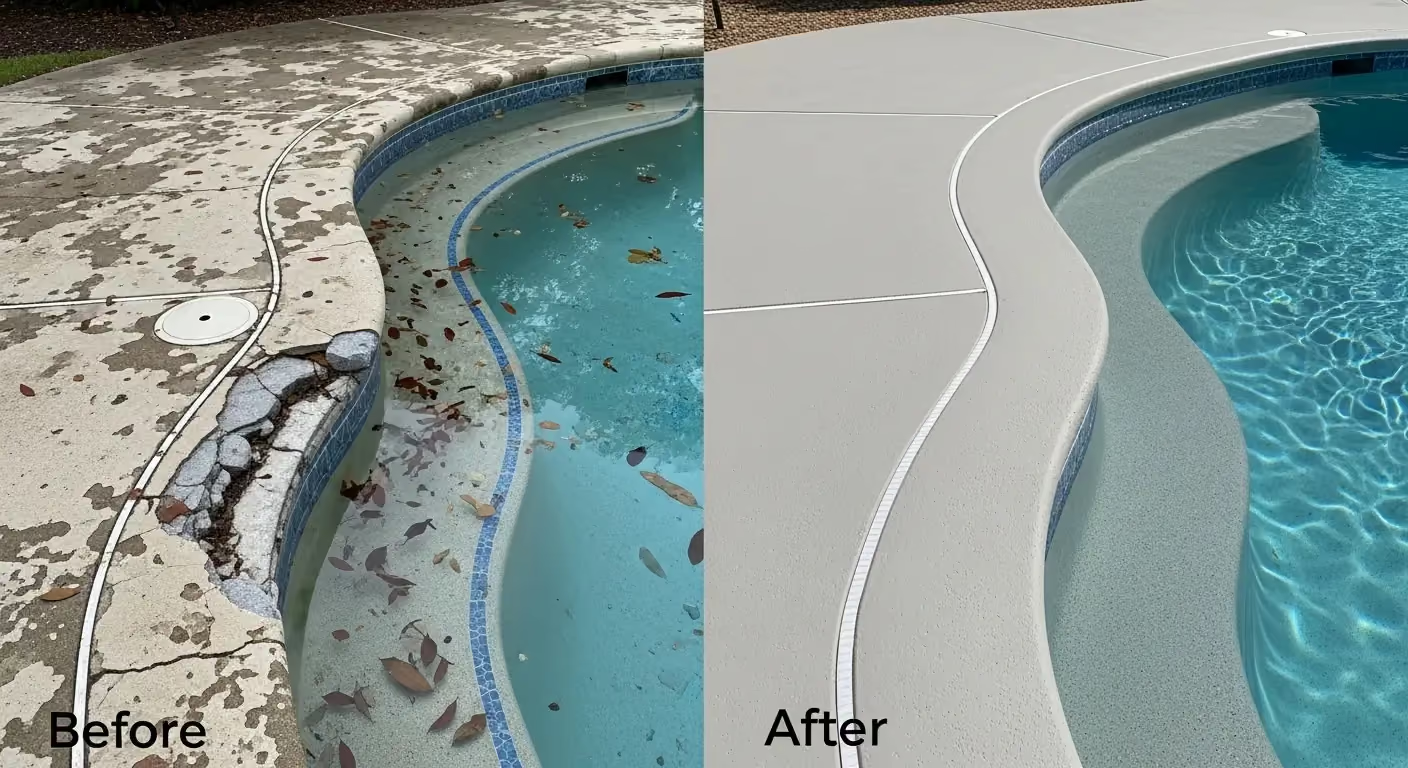
Restore your pool with durable plaster finishes


Work completed
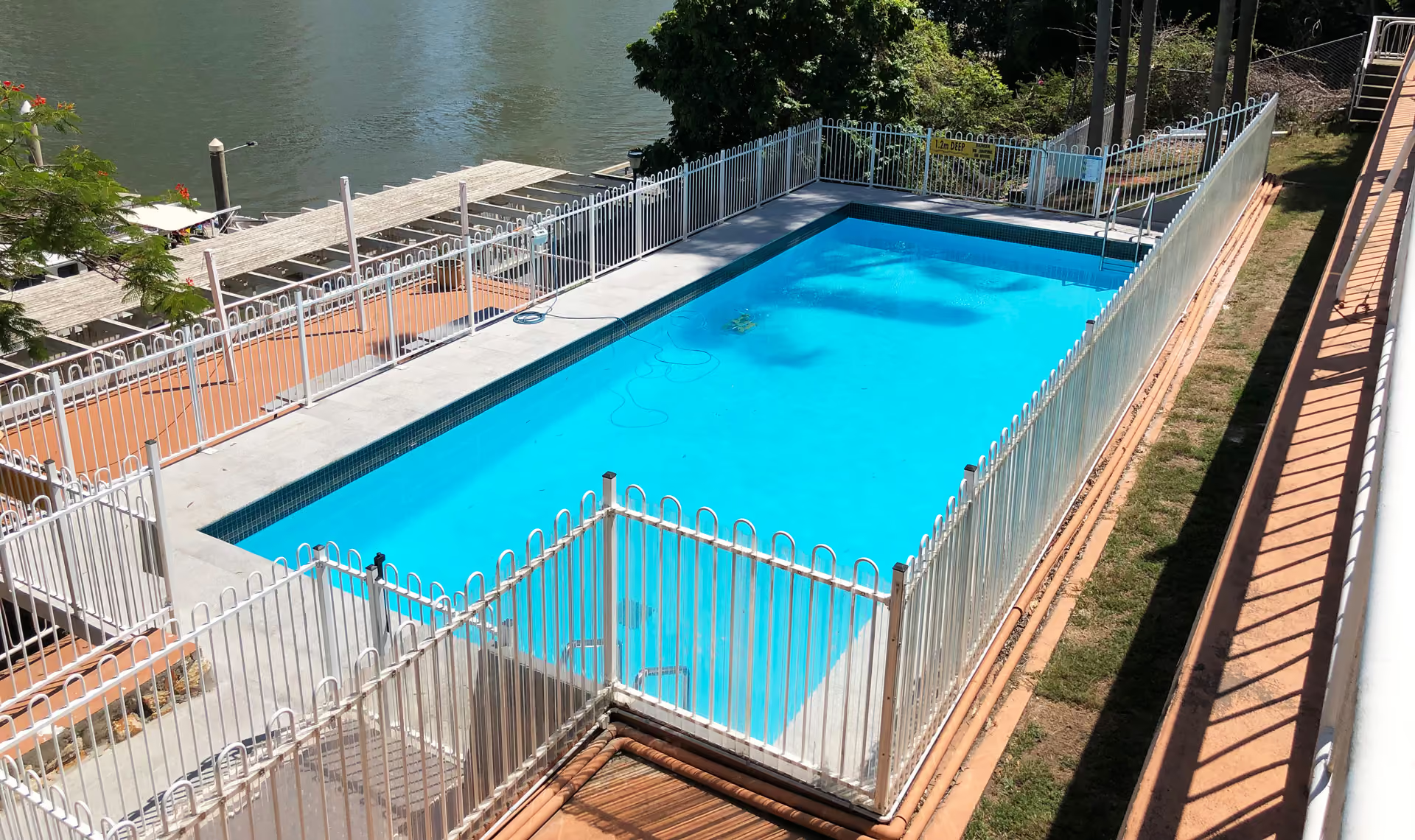
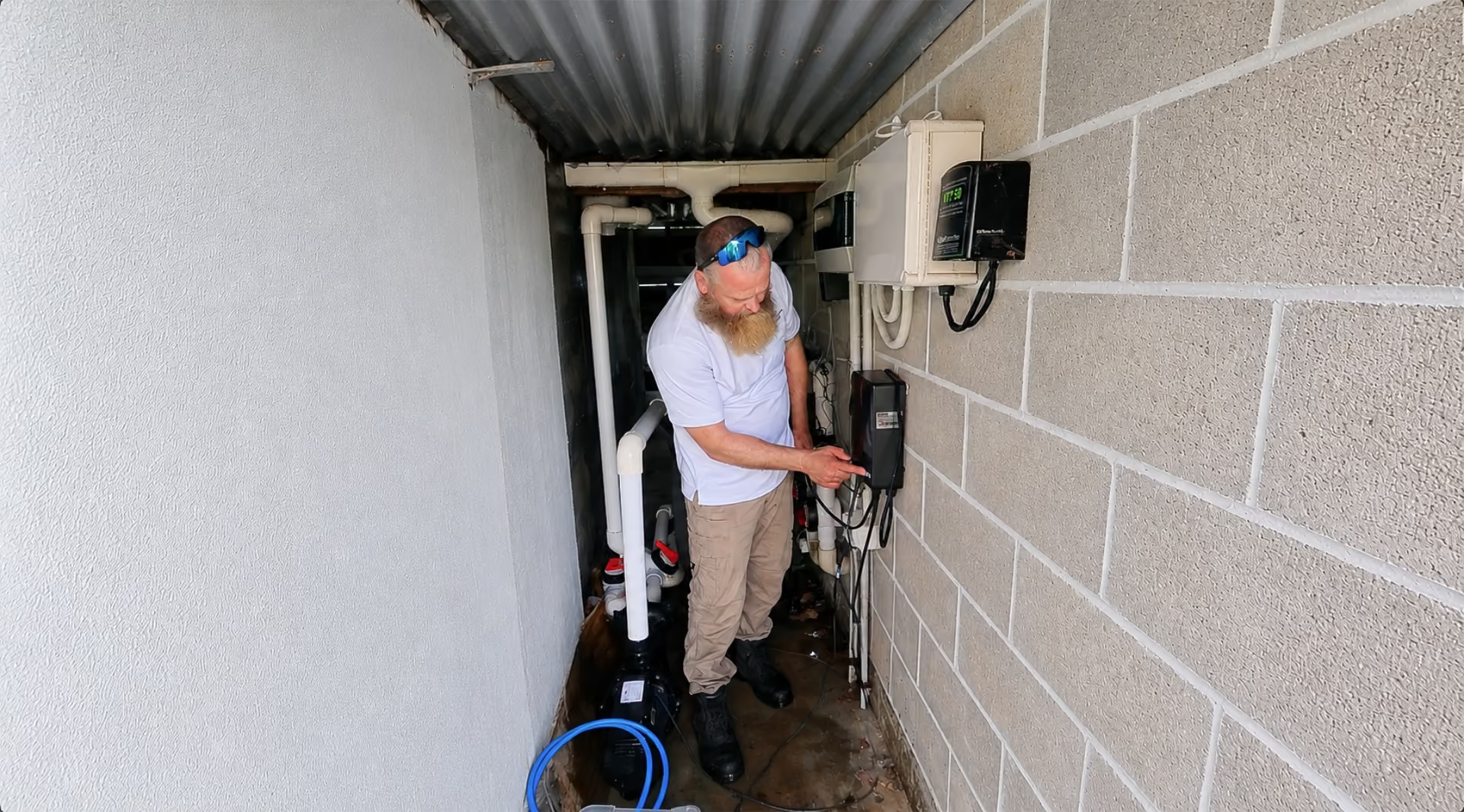
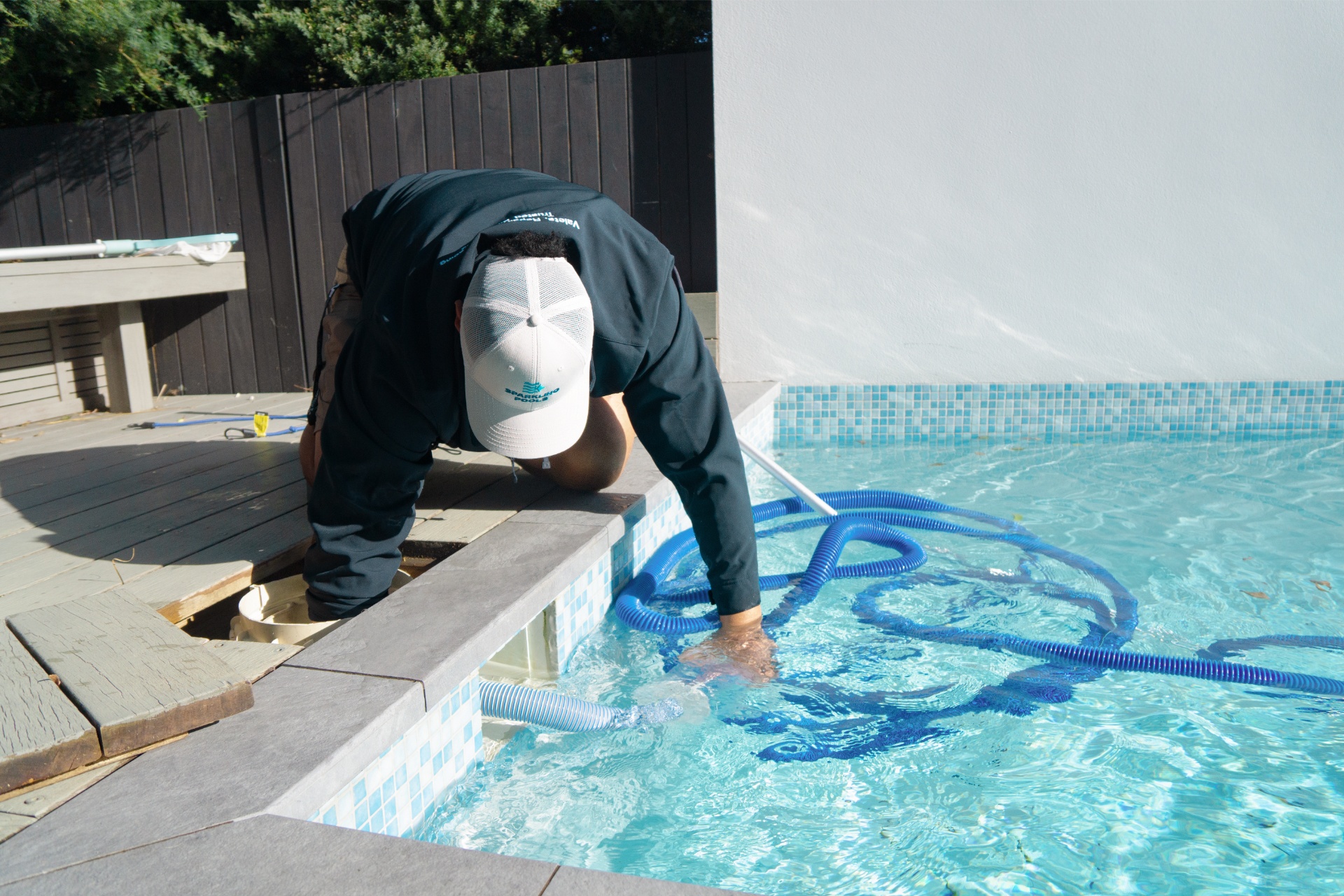
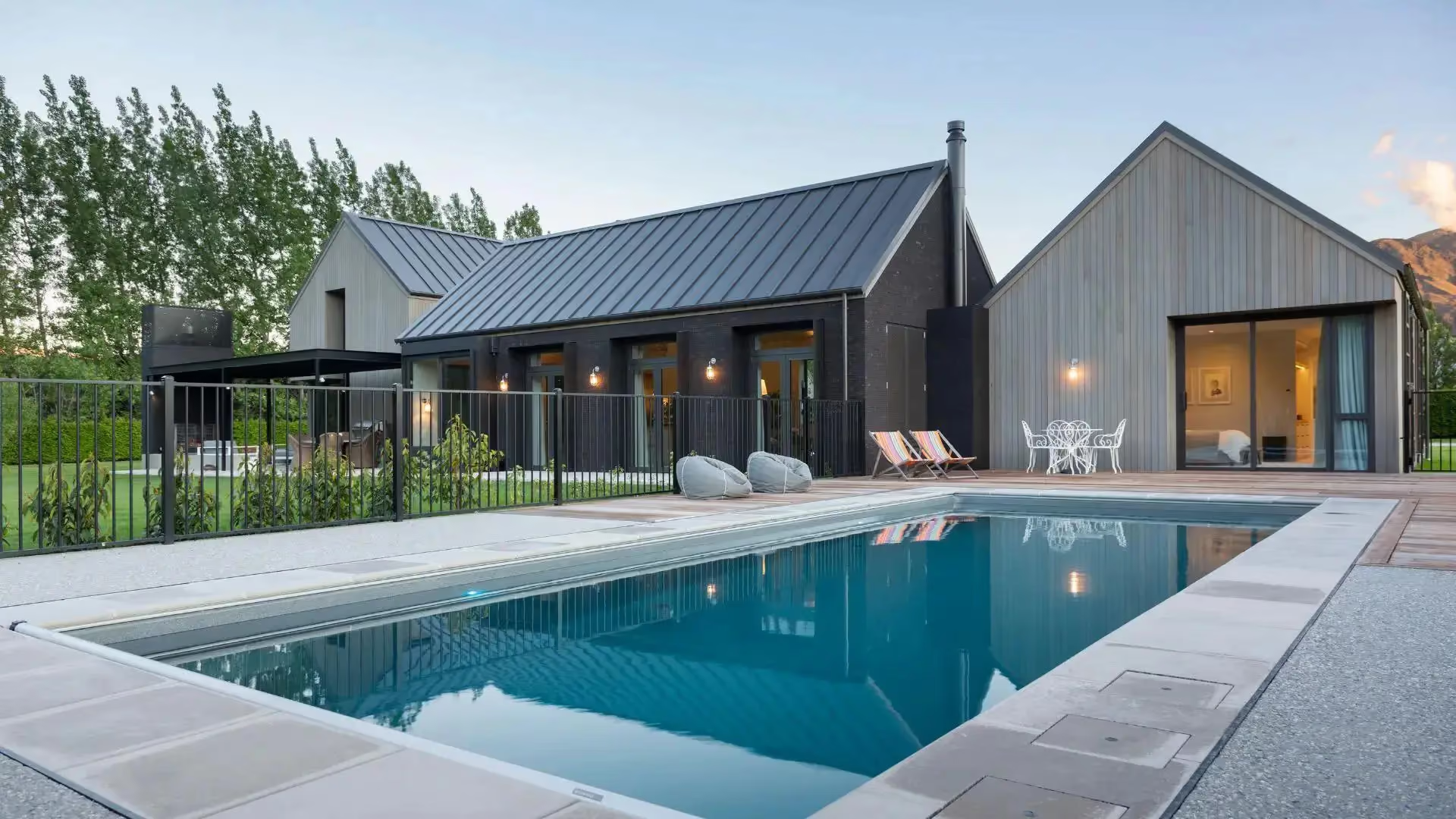
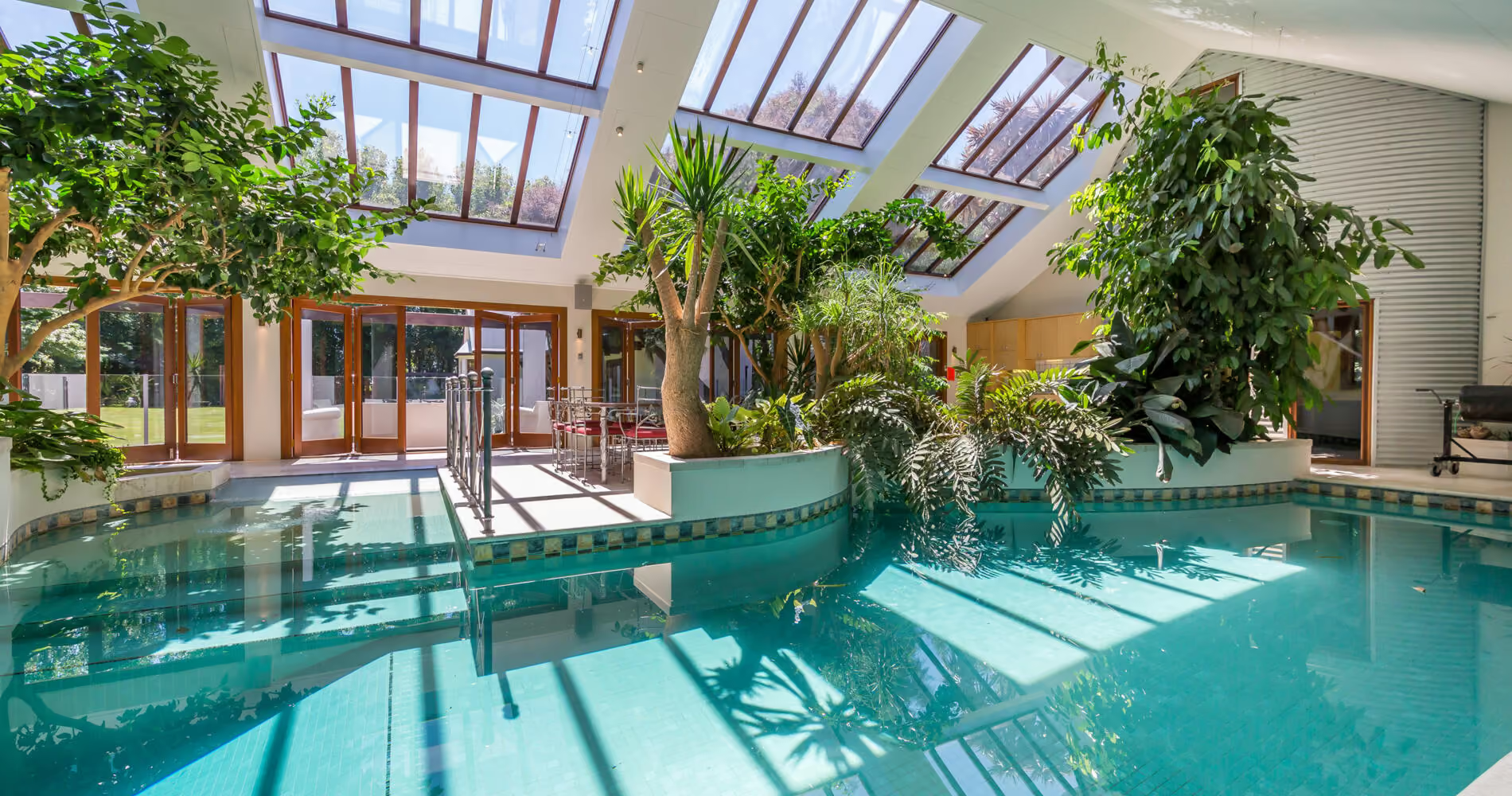
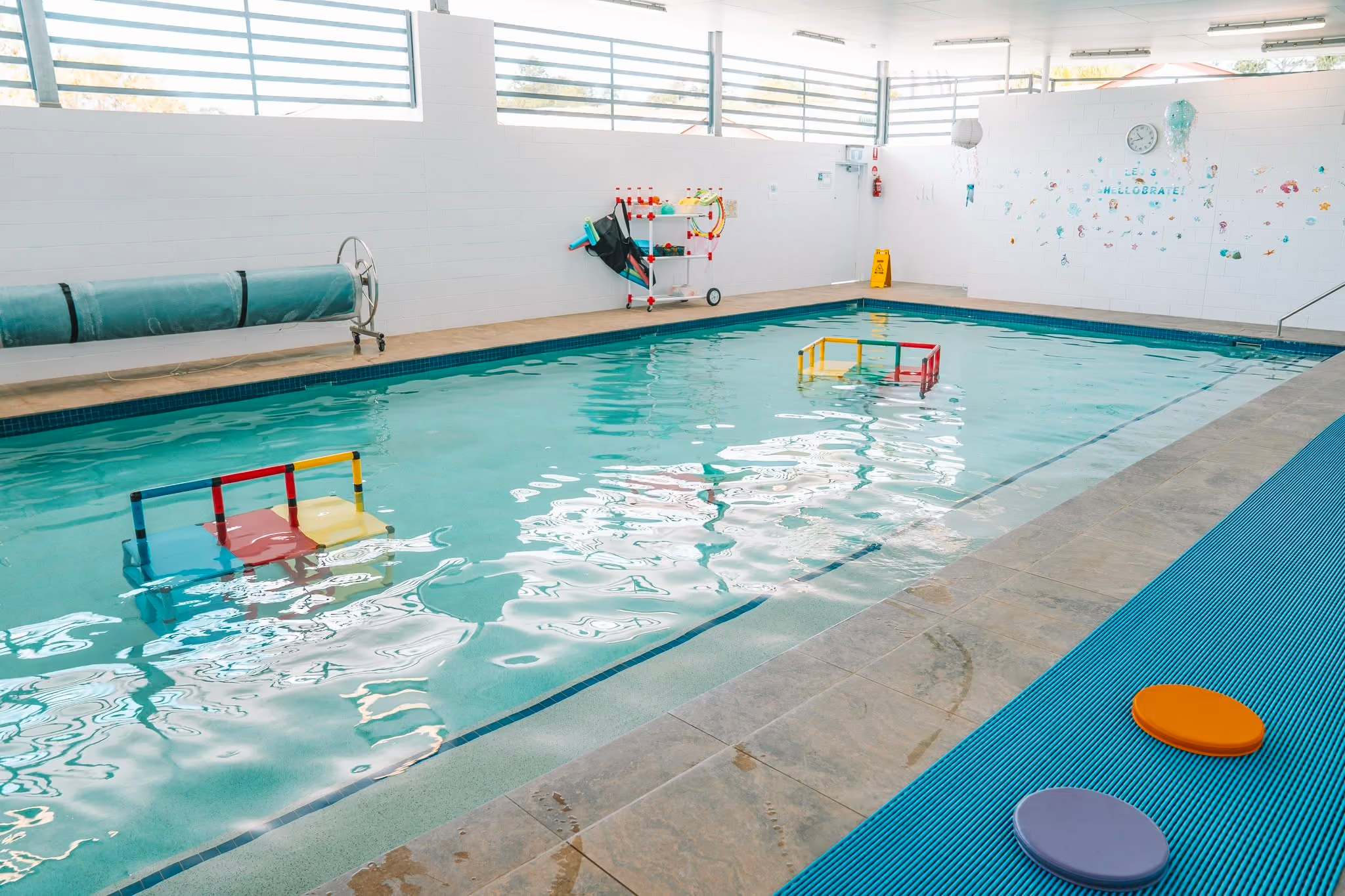
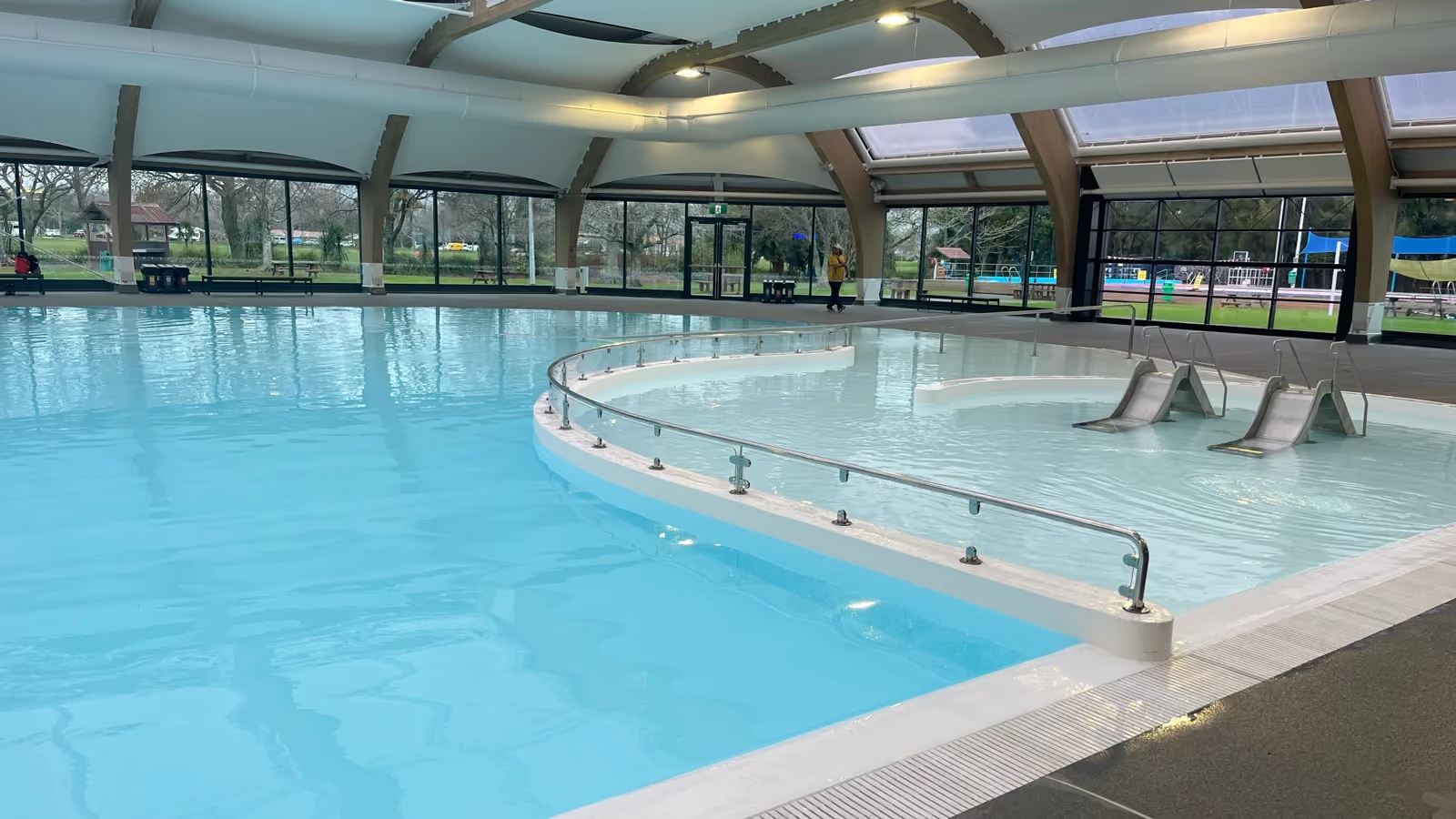
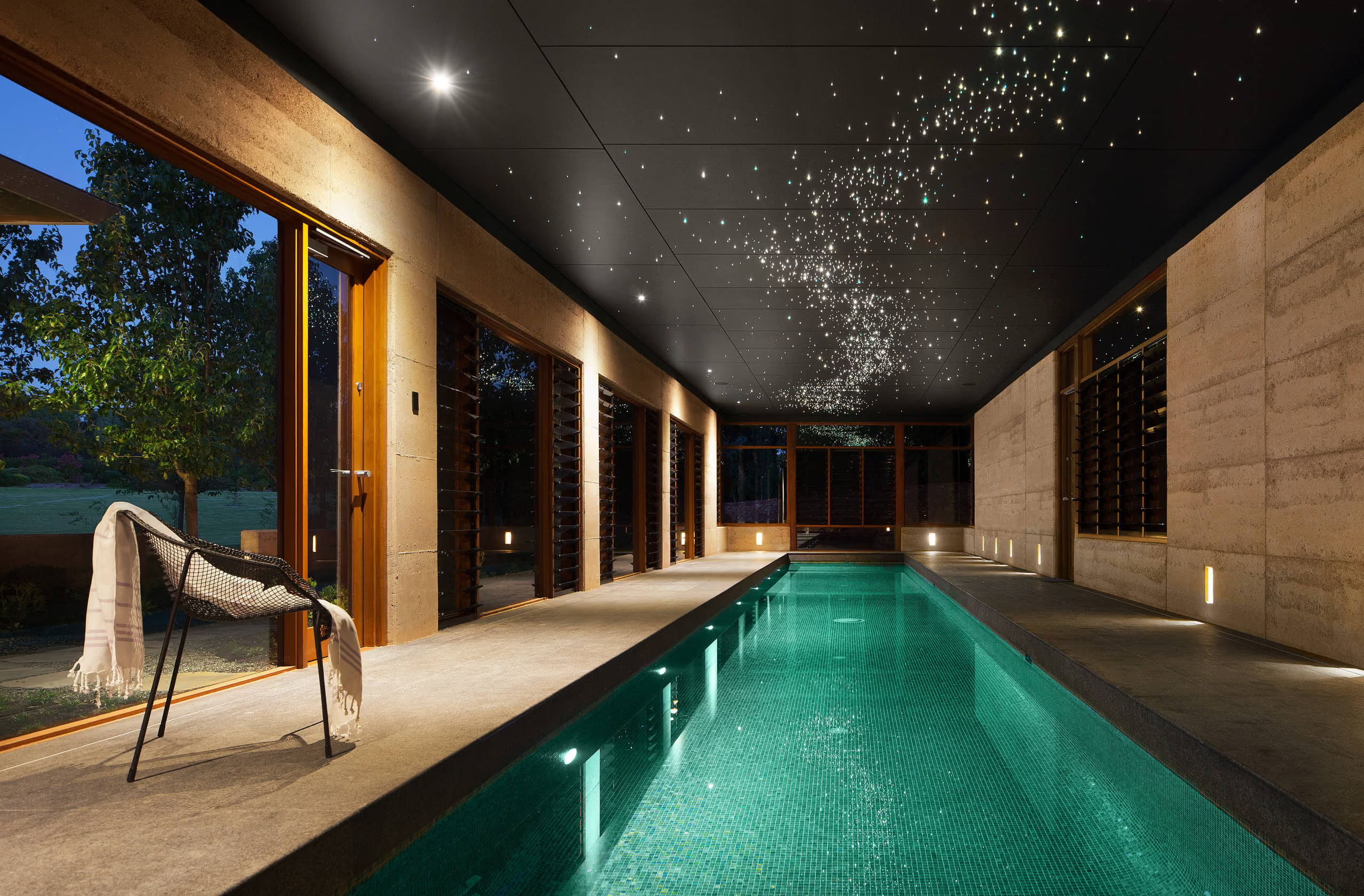
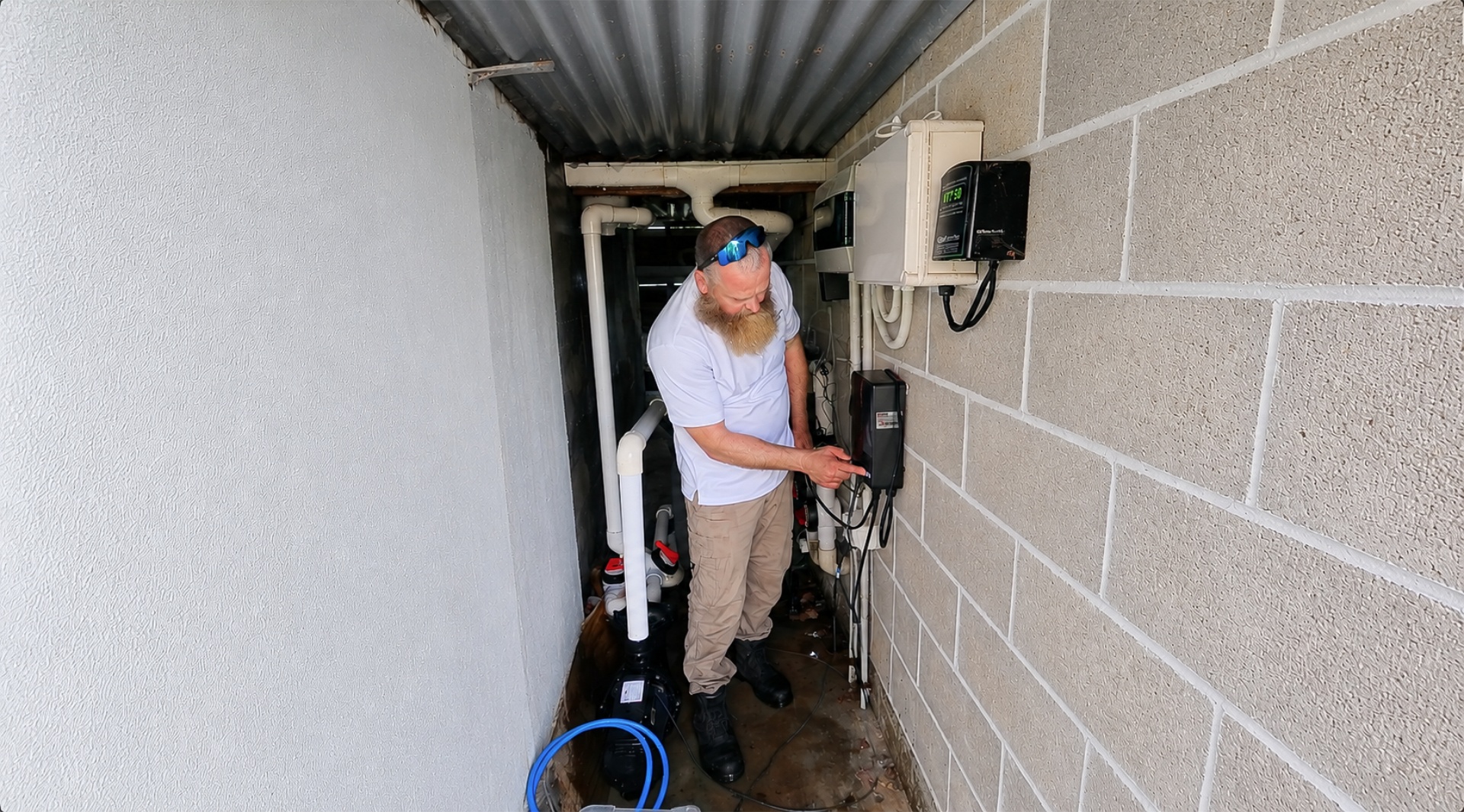
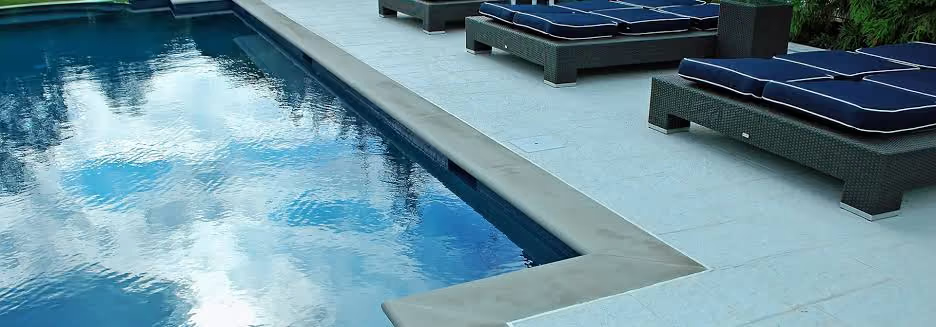
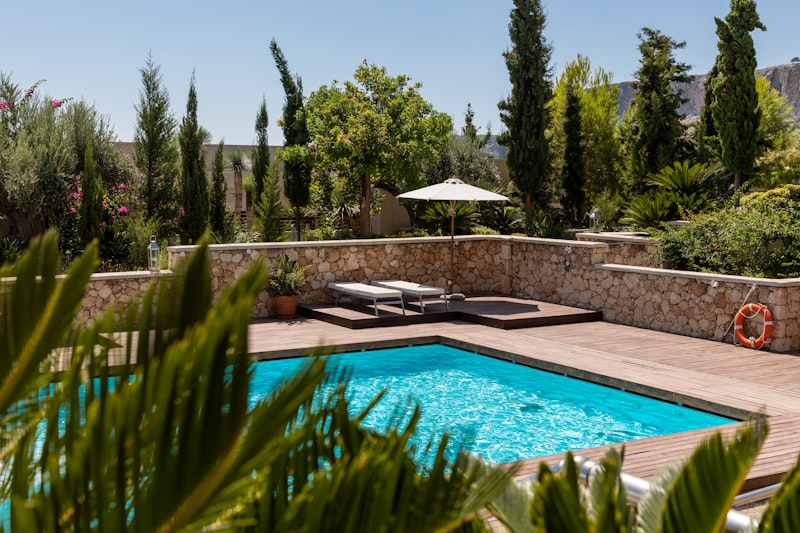
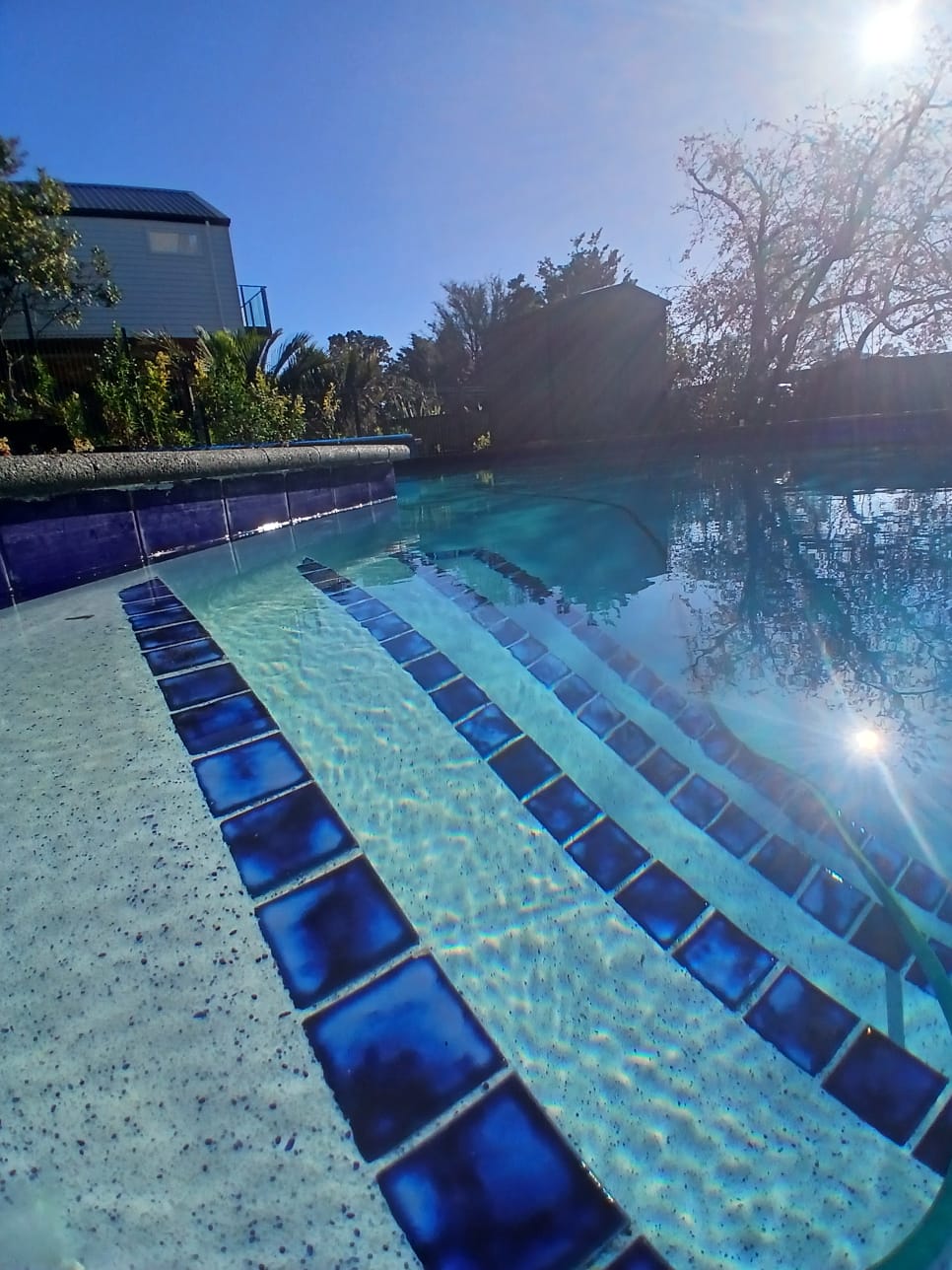
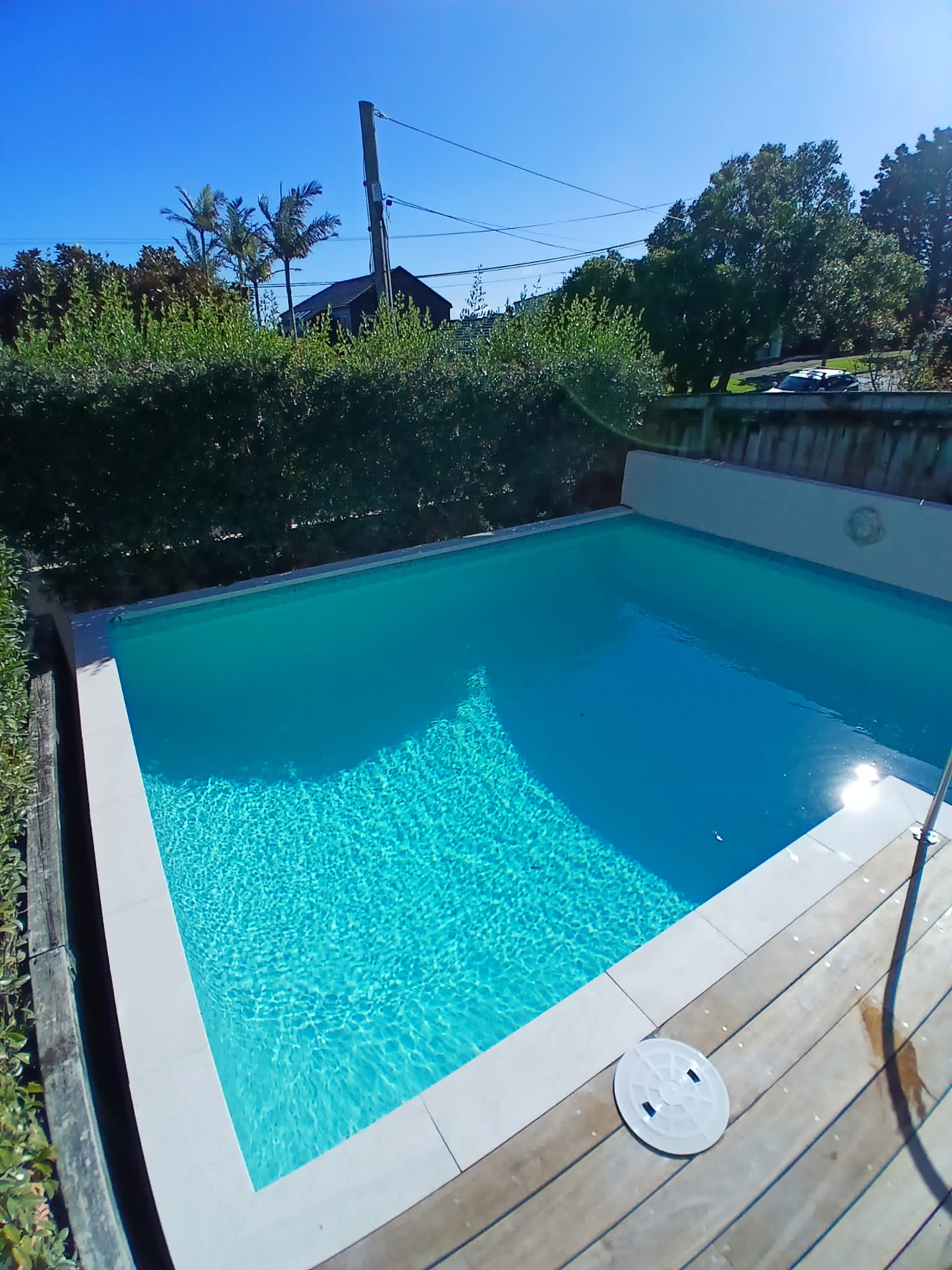
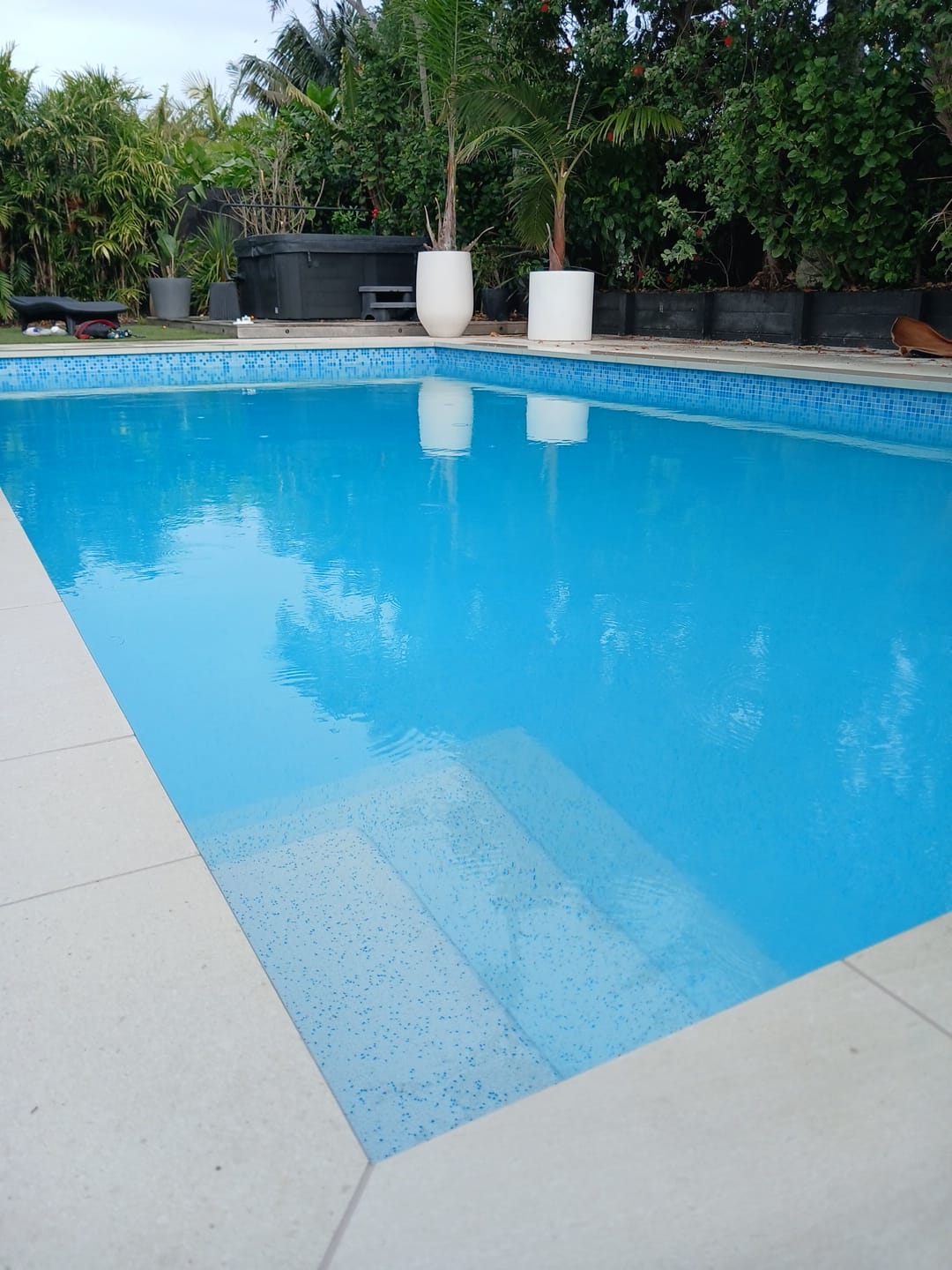
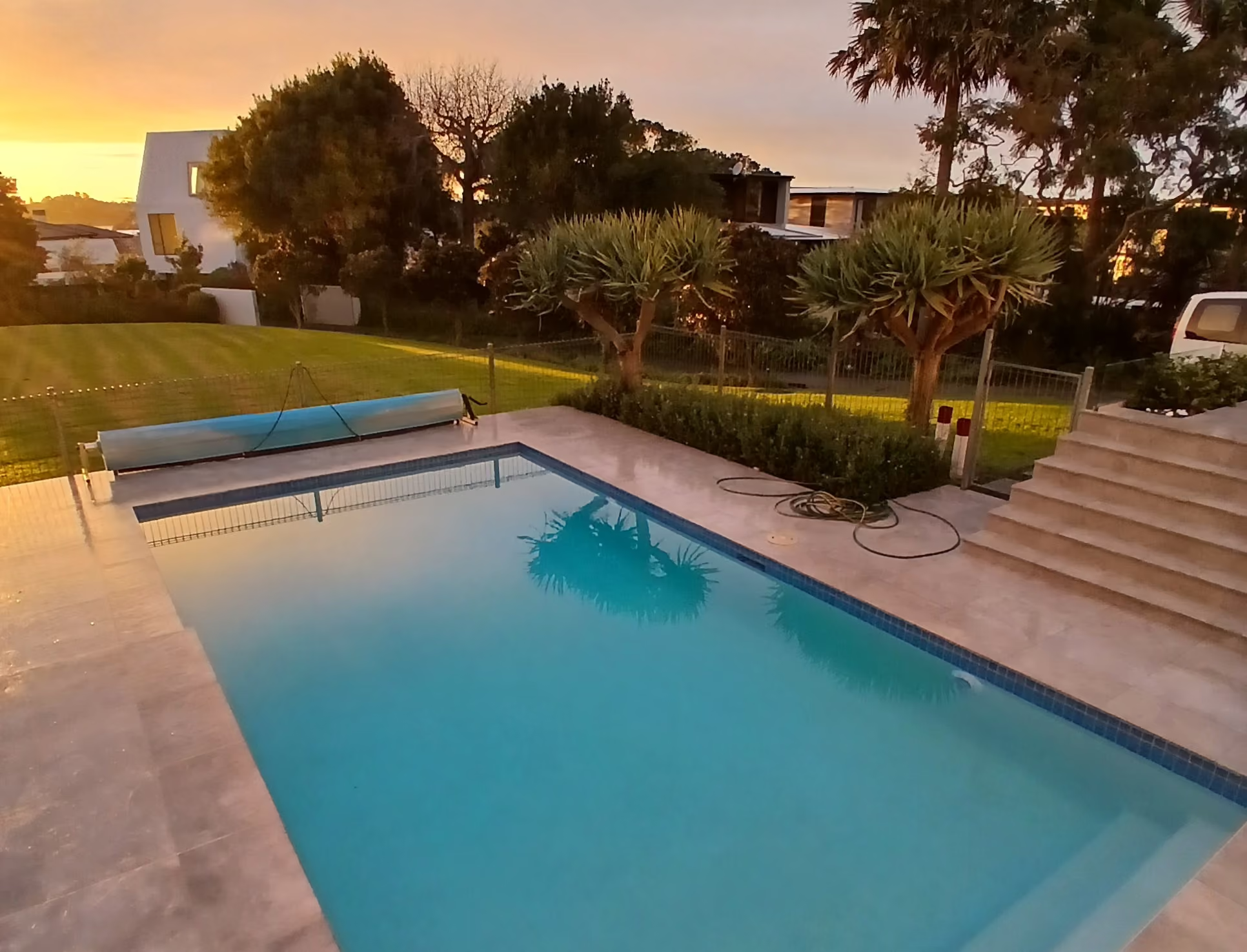
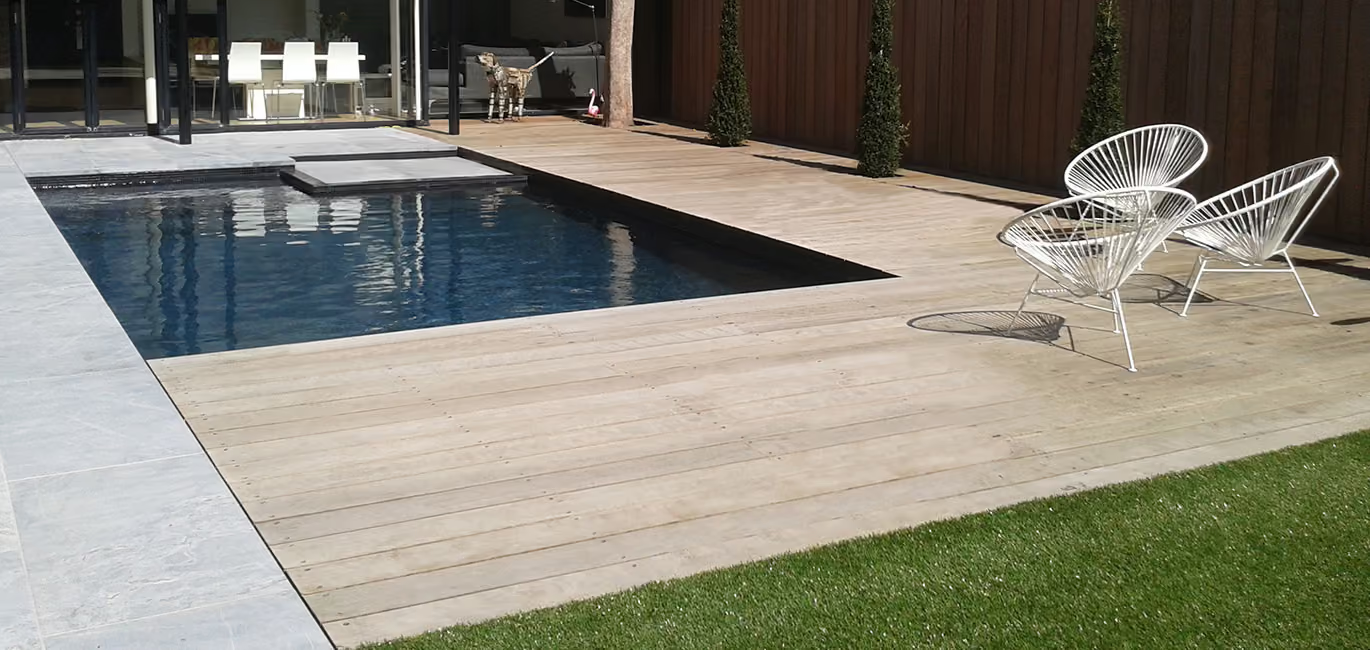
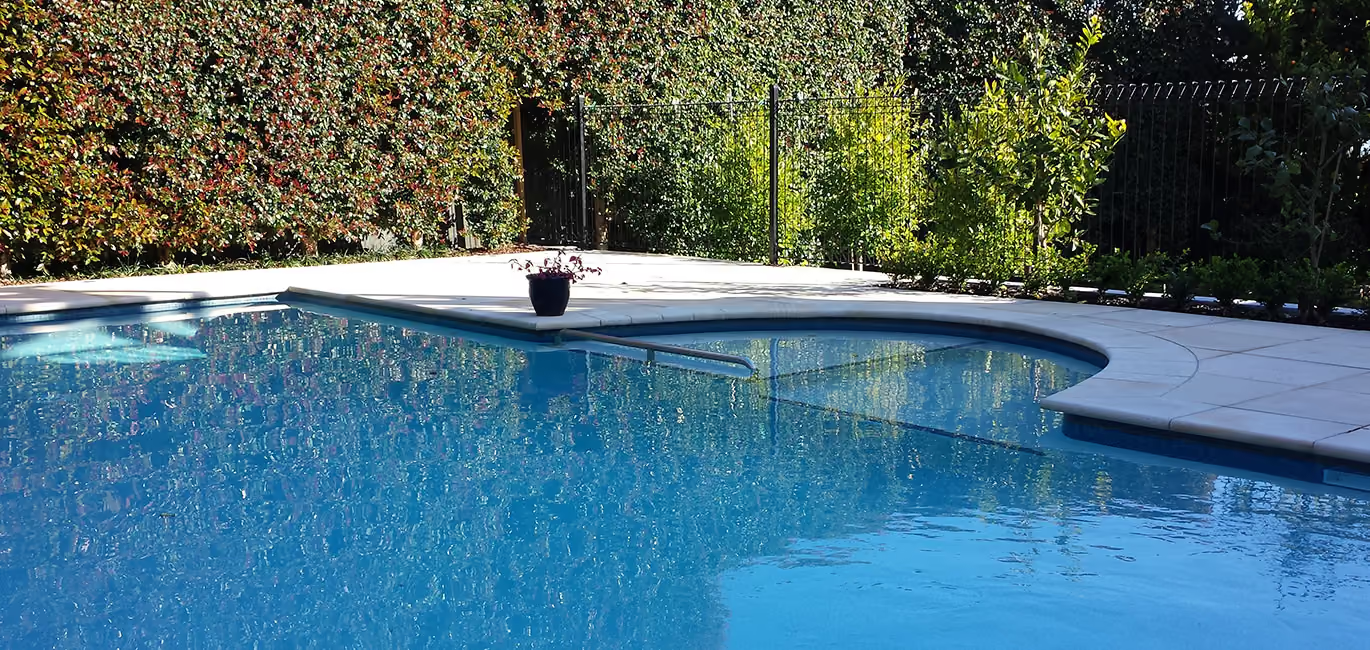
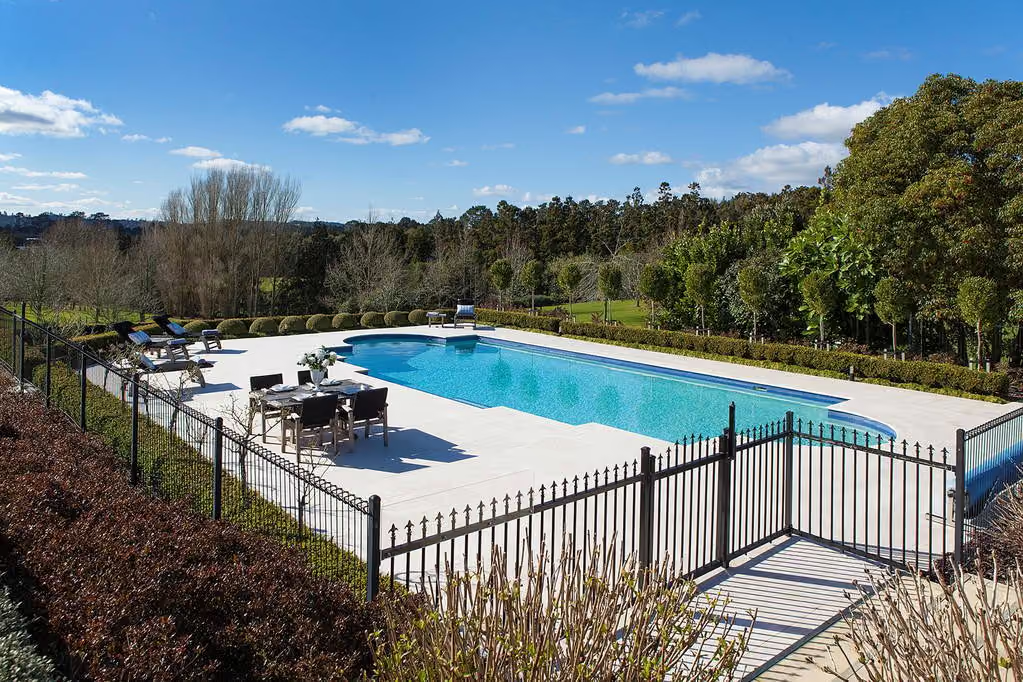
Sparkling Pools has worked on pools across Auckland, including residential renovation projects, equipment upgrades, ongoing maintenance and pool care for managed properties. Past projects show how the right approach can improve presentation, water quality and day-to-day usability. A well-maintained pool is easier to manage, more pleasant to use and better prepared for seasonal changes.
Trusted by Homeowners Across Auckland
Don't just take our word for it. Read what our clients have to say about our transparent communication, reliable service, and stunning pool transformations.
Related Blog Posts
Stay informed on pool care and renovations
Winter pool care essentials for Auckland
Pool Renovation Mistakes

Auckland Climate Pool Maintenance

Choosing Renovation Contractor
Pool Care Auckland Summer
Permits & Consents
Pool Renovation ROI
How Often to Test Pool Water
Pool Renovation Costs
Cost of Pool Service Auckland
Pool Renovation Planning Guide
Pool Lighting Buying Guide
Pool Cleaner Buying Guide
Pool Automation Buying Guide
Pool Heater Buying Guide
Pool Filter Buying Guide
Pool Pump Buying Guide
Best Equipment Auckland Climate
Auckland Water Quality
Auckland Pool Season
Pool Ownership Costs
Common Pool Mistakes
Pool Safety Laws
Pool Inspection Requirements
Pool Fence Compliance
.avif)
Auckland Pool Industry Trends
Auckland Pool Regulations
Pool Equipment Suppliers
Best Pool Service Areas
Pool Service Pricing Analysis
Company vs Independent
Best Pool Surface Materials
Pool Resurfacing Options
Pebble vs Plaster Surfaces
One-Time vs Ongoing Service
Full Service vs Chemicals Only
Pool Cover Types
Robotic vs Suction Cleaners
Mineral vs Saltwater
Gas vs Heat Pump
Pool Heater Types
Pool Winterizing Guide Auckland
Pool Opening Guide Summer
Pool Maintenance After Heavy Rain
Pool Maintenance Schedule
How Often to Run Pool Filter
Pool Pump Maintenance Schedule
Pool Filter Cartridge Cleaning
Pool Equipment Maintenance Checklist
Pool Waterline Cleaning
Pool Skimmer Basket Cleaning
Pool Chlorine Levels
How Often Clean Pool Filter
How to Vacuum Pool
Pool Brushing Technique
Pool Chemical Dosing Chart
Pool Water Chemistry Basics
How to Balance Pool Chemistry
How to Test Pool Water
Pool Maintenance Tips
Complete Pool Maintenance Guide
Pool Service ROI
Pool Equipment Buy or Service
Pool Maintenance Time Requirements
DIY vs Professional
Pool Service Contract
Pool Service vs Pool Valet
Is Pool Service Worth It
Pool Service Guarantees
Pool Service Reviews
Pool Service Red Flags
Questions to Ask Pool Companies
How to Choose Pool Service Company
Hidden Costs DIY Maintenance
Pool Cleaning Prices Auckland
Cost of Pool Resurfacing
Cost of Pool Pump Replacement
Cost to Fix Green Pool
Pool Liner Wrinkles
Pool Cracks When to Worry
Pool Surface Stains
Pool Valve Leaking
Pool Automation Not Working
Pool Light Not Working
Pool Heater Not Heating
Pool Skimmer Not Working
High Pool Filter Pressure
Pool Losing Water
Pool Filter Not Clearing Water
Pool Pump Leaking
Pool Pump Not Pumping
Pool Pump Losing Prime
Pool Pump Noisy
Pool Pump Not Working
Pool Water Foaming
Pool pH Too Low
Pool pH Too High
Green Pool After Rain
Pool Still Green After Shock
Pool Water Cloudy
How to Clear a Green Pool
Pool Care That Protects Your Investment
Good pool care protects more than appearance. Our pool specialists support the long-term condition of your swimming pool while keeping it ready for everyday use.