Pool Liner Wrinkles

Why Auckland trusts our pool service expertise
Pool liner wrinkles are a common issue in vinyl-lined pools, but the cause and severity can vary. Understanding what is behind the wrinkles helps determine whether it is something you can address yourself or whether a pool specialist needs to be involved.
The key takeaways below summarise the main causes, warning signs, and practical steps for dealing with liner wrinkles.
What you'll learn
What Are Pool Liner Wrinkles?
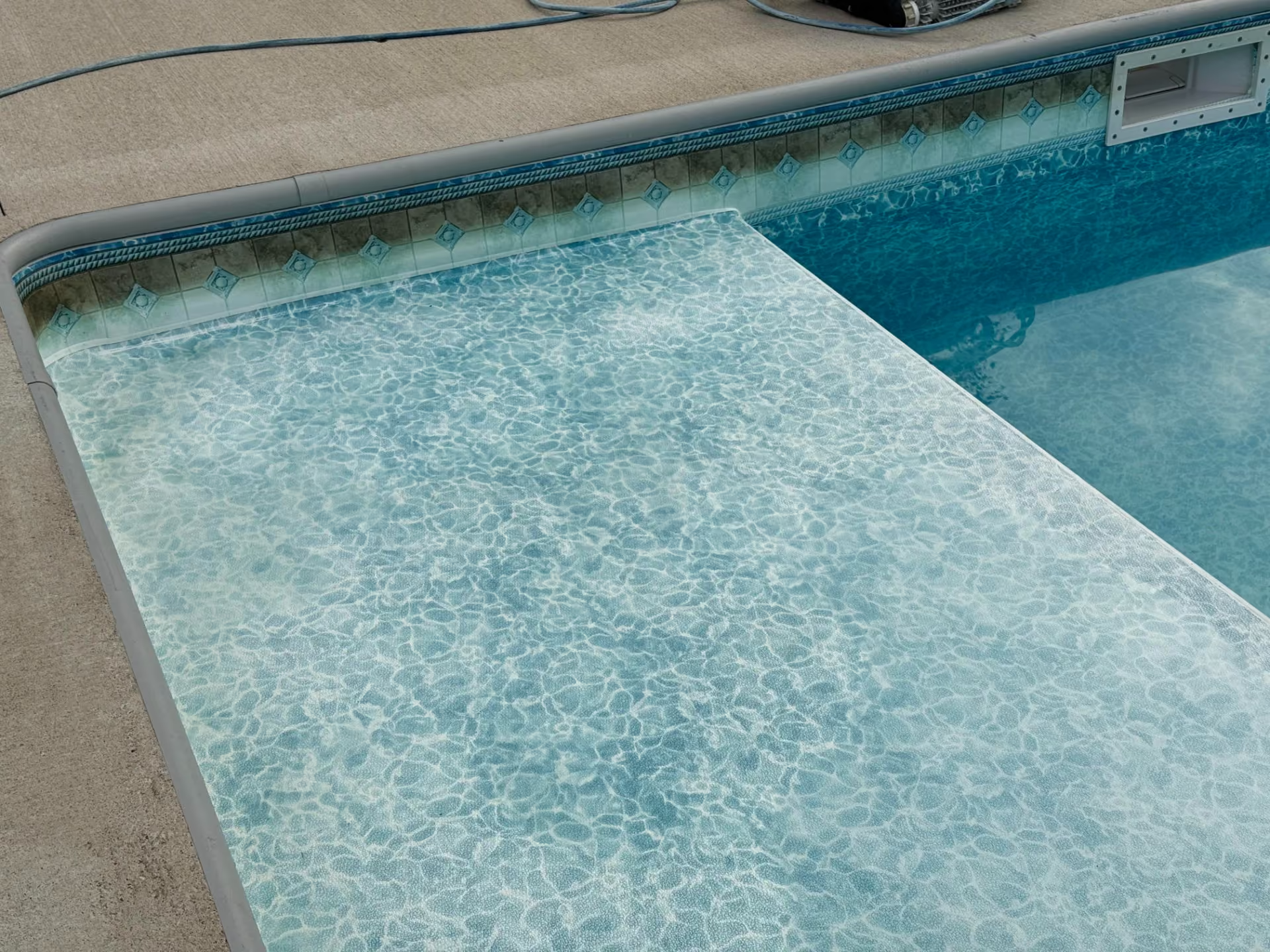
Vinyl pool liners are designed to sit smooth and taut against the pool walls and floor. When wrinkles appear, whether small creases along the floor or larger folds running up the walls, it's a sign that something has shifted. Sometimes the cause is minor. Other times, wrinkles point to a water chemistry or structural problem that needs attention before the liner is damaged permanently.
This guide covers the main causes of pool liner wrinkles, how to assess what you're dealing with, and what can realistically be fixed versus what needs a professional.
---
What Causes Pool Liner Wrinkles?
Water Chemistry Imbalance
One of the most common causes of liner wrinkles is water that is too soft or too acidic. When pH or total alkalinity drops too low, the vinyl can absorb water and swell slightly, causing it to lose its shape and form wrinkles or folds.
Vinyl liners are sensitive to chemical imbalance. Even a period of low pH, particularly over summer when pools are used heavily and chemicals are consumed faster, can cause the liner material to distort.
Water Loss Behind the Liner
If water is leaking out from behind the liner rather than staying in the pool, the liner can lose the support it needs to hold its shape. This often shows up as wrinkles or sections of liner that appear to have shifted or lifted away from the wall.
This is a more serious cause. If you suspect a leak behind the liner, it needs to be investigated promptly, ongoing water movement behind the liner can cause further displacement and, eventually, liner failure.
Groundwater Pressure
In some Auckland properties, particularly those on sloped sections or in areas with high water tables, groundwater can push up against the underside of the liner. This hydrostatic pressure can cause the liner floor to bubble or wrinkle, especially after heavy rain.
If wrinkles appear or worsen after wet weather, groundwater pressure is worth considering as a cause.
Improper Installation or Liner Age
A liner that was not fitted correctly from the outset may develop wrinkles early in its life. Poor stretching during installation, incorrect sizing, or inadequate bead seating can all lead to creases that appear within the first season.
Older liners also become less flexible over time. As vinyl ages, it loses some of its elasticity and becomes more prone to permanent creasing. A liner that has been in place for many years and is developing new wrinkles may simply be reaching the end of its serviceable life.
Draining the Pool
Vinyl liners should not be fully drained unless there is a specific reason and a plan to refill promptly. When a liner loses the water pressure holding it in place, it can shift, shrink slightly, and develop wrinkles that are difficult to remove once the pool is refilled.
If your pool was recently drained, for a repair, renovation, or cleaning, and wrinkles appeared afterward, this is likely the cause.
---
How to Assess the Wrinkles
Before deciding on a course of action, it helps to understand what you're dealing with.
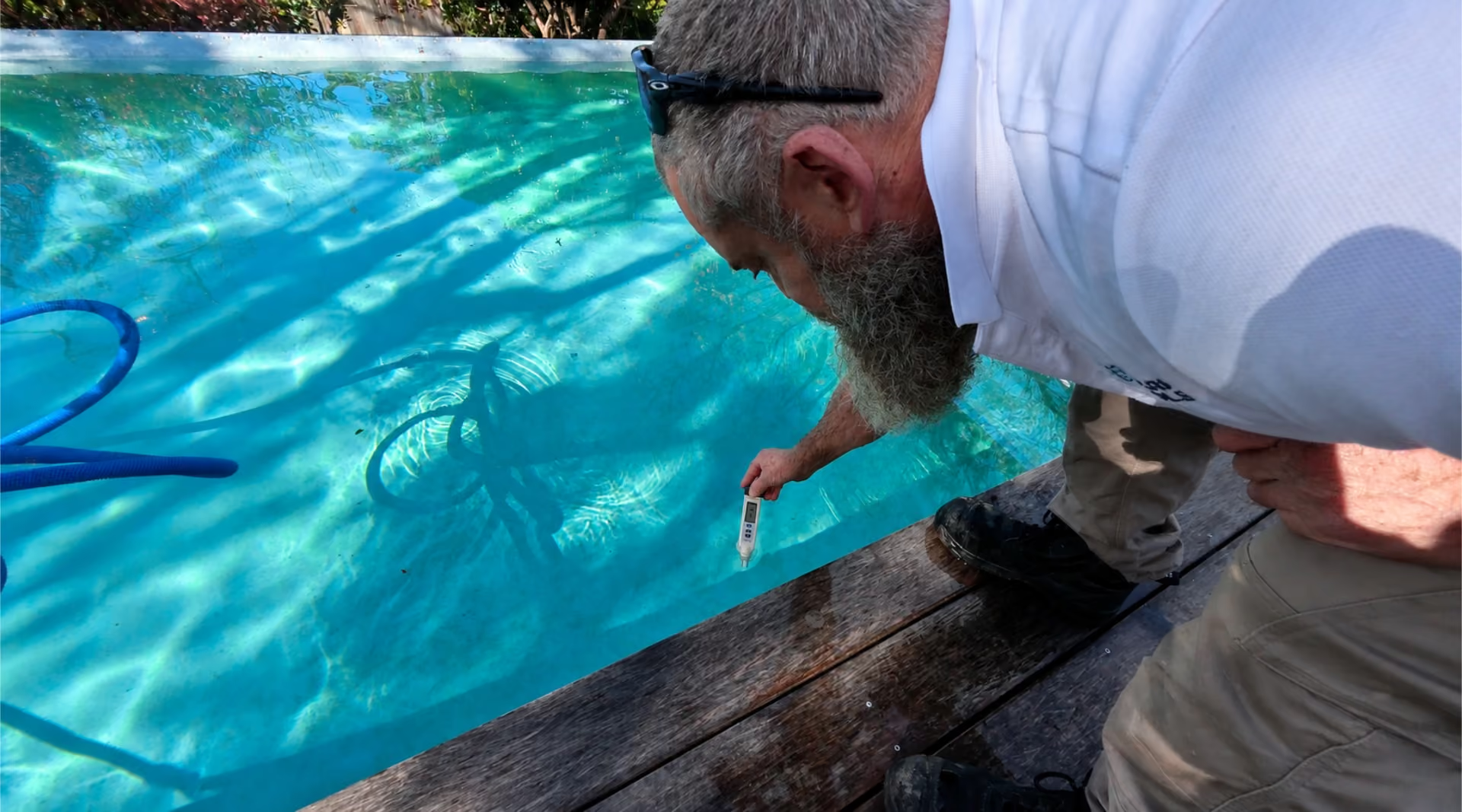
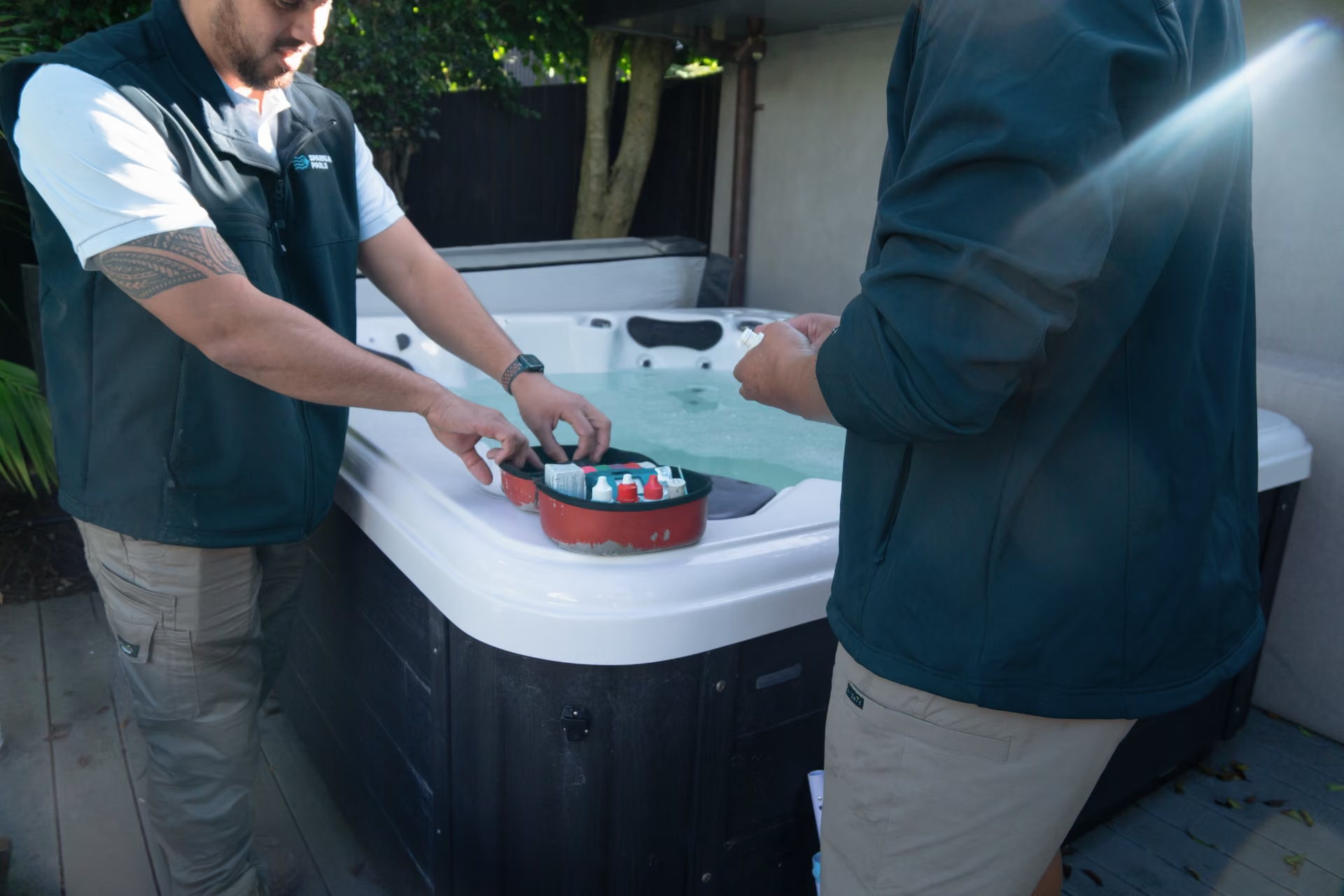
Check the water chemistry first. Test pH, total alkalinity, and calcium hardness. If the water is out of balance, particularly if pH or alkalinity is low, correcting the chemistry is the logical first step. In some cases, once the water is properly balanced, minor wrinkles will reduce on their own as the liner stabilises.
Look at where the wrinkles are. Floor wrinkles are common and often less serious than wall wrinkles. Wall wrinkles, or sections of liner that appear to have pulled away from the bead track, suggest a more significant problem.
Check for signs of a leak. If the pool water level is dropping faster than evaporation would explain, or if you can see areas where the liner appears to have shifted significantly, a leak behind the liner is possible. This warrants a professional inspection.
Consider recent events. Has the pool been drained recently? Has there been heavy rain? Has the water chemistry been neglected for a period? The timing of when the wrinkles appeared often points to the cause.
---
What Can Be Done About Liner Wrinkles?
Correcting Water Chemistry
If low pH or alkalinity is the cause, bringing the water back into balance is the first step. This alone may help minor wrinkles settle, though it will not reverse significant distortion.
For ongoing liner care, keeping water chemistry within the correct ranges is the single most effective preventive measure.
Smoothing Minor Wrinkles
For small wrinkles on the pool floor, some pool owners have success using a soft pool brush or a flat-headed tool to gently work the liner back into position. This is most effective when the liner is relatively new and the wrinkle has not been in place long.
This approach has limits. Forcing a wrinkle in an older or already-stressed liner can cause tearing. If the liner does not move easily, do not force it.
Professional Assessment and Repair
If wrinkles are significant, widespread, or accompanied by signs of a leak or structural movement, a professional assessment is the right call. A pool specialist can:
- Identify whether the cause is chemical, structural, or installation-related
- Check for leaks behind the liner using appropriate diagnostic methods
- Assess whether the liner can be repositioned or whether replacement is the better option
- Advise on groundwater management if hydrostatic pressure is a factor
Liner Replacement
If the liner is old, has lost its flexibility, or has developed tears or significant permanent distortion, replacement is often the most practical solution. A new liner, correctly fitted, will restore the pool's appearance and function.
Sparkling Pools can assess liner condition and advise on whether repair or replacement is the appropriate next step.
---
Preventing Liner Wrinkles
- Keep water chemistry balanced year-round. Regular testing and adjustment prevents the low-pH conditions that cause vinyl to absorb water and distort.
- Avoid unnecessary draining. Only drain a vinyl-lined pool when necessary, and refill promptly.
- Monitor water levels. A consistently dropping water level may indicate a leak that, if left unaddressed, can lead to liner movement and wrinkling.
- Service the pool regularly. Routine maintenance catches chemistry drift and equipment issues before they affect the liner.
- After heavy rain, check the liner. If groundwater is a known issue on your property, inspect the liner floor after significant rainfall.
---
When to Call a Pool Specialist
Contact a professional if:
- Wrinkles are large, widespread, or have appeared suddenly
- The liner has visibly shifted away from the wall or bead track
- You suspect a leak behind the liner
- Wrinkles appeared after heavy rain and you are on a sloped or high-water-table property
- The liner is old and developing new creases despite correct water chemistry
- You have tried smoothing minor wrinkles and they have returned
Sparkling Pools provides on-site assessments across Auckland and can advise on liner condition, leak detection, and repair or replacement options.
Pool resurfacing solutions
Restore your pool with durable plaster finishes



Work completed
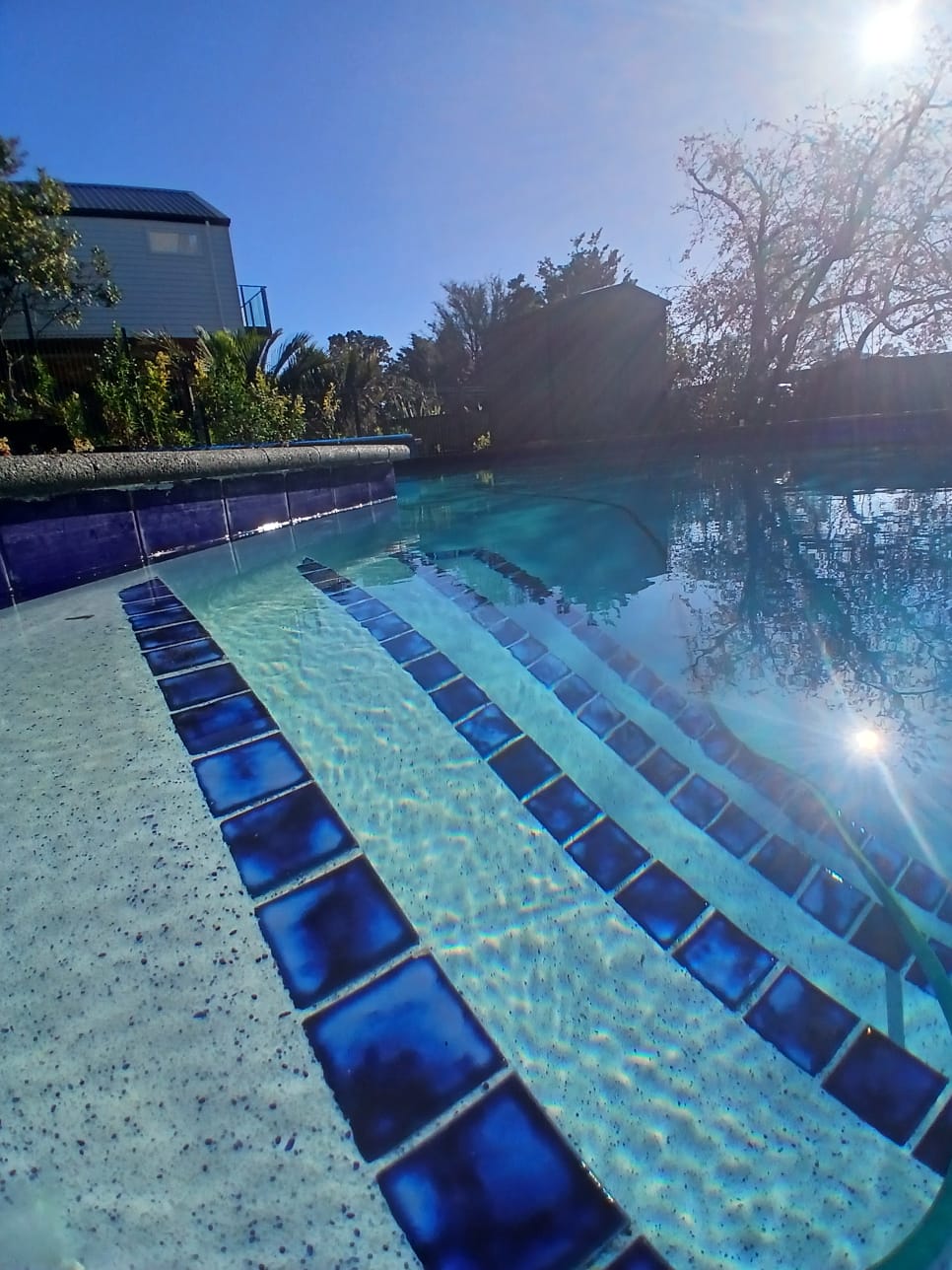
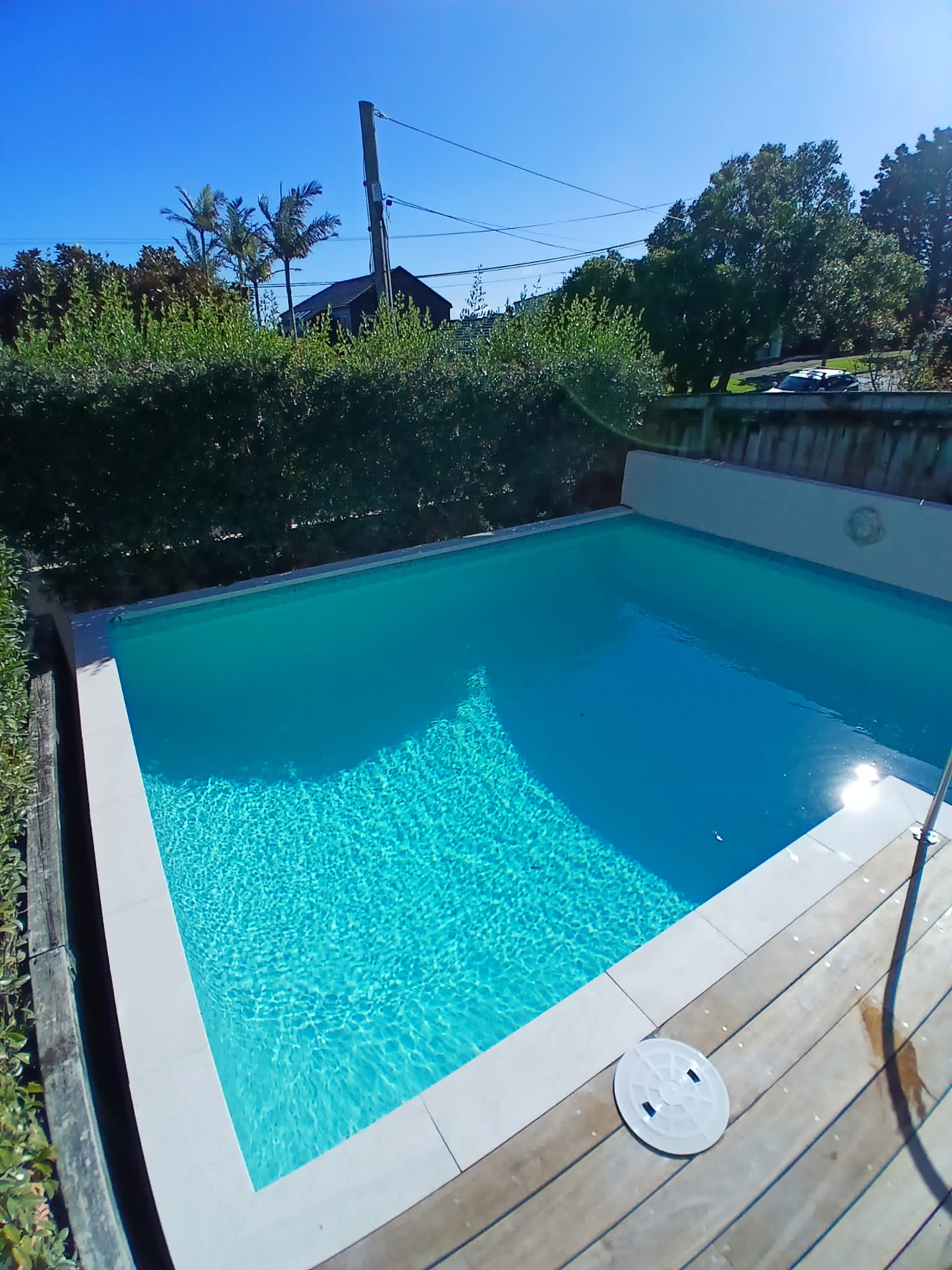
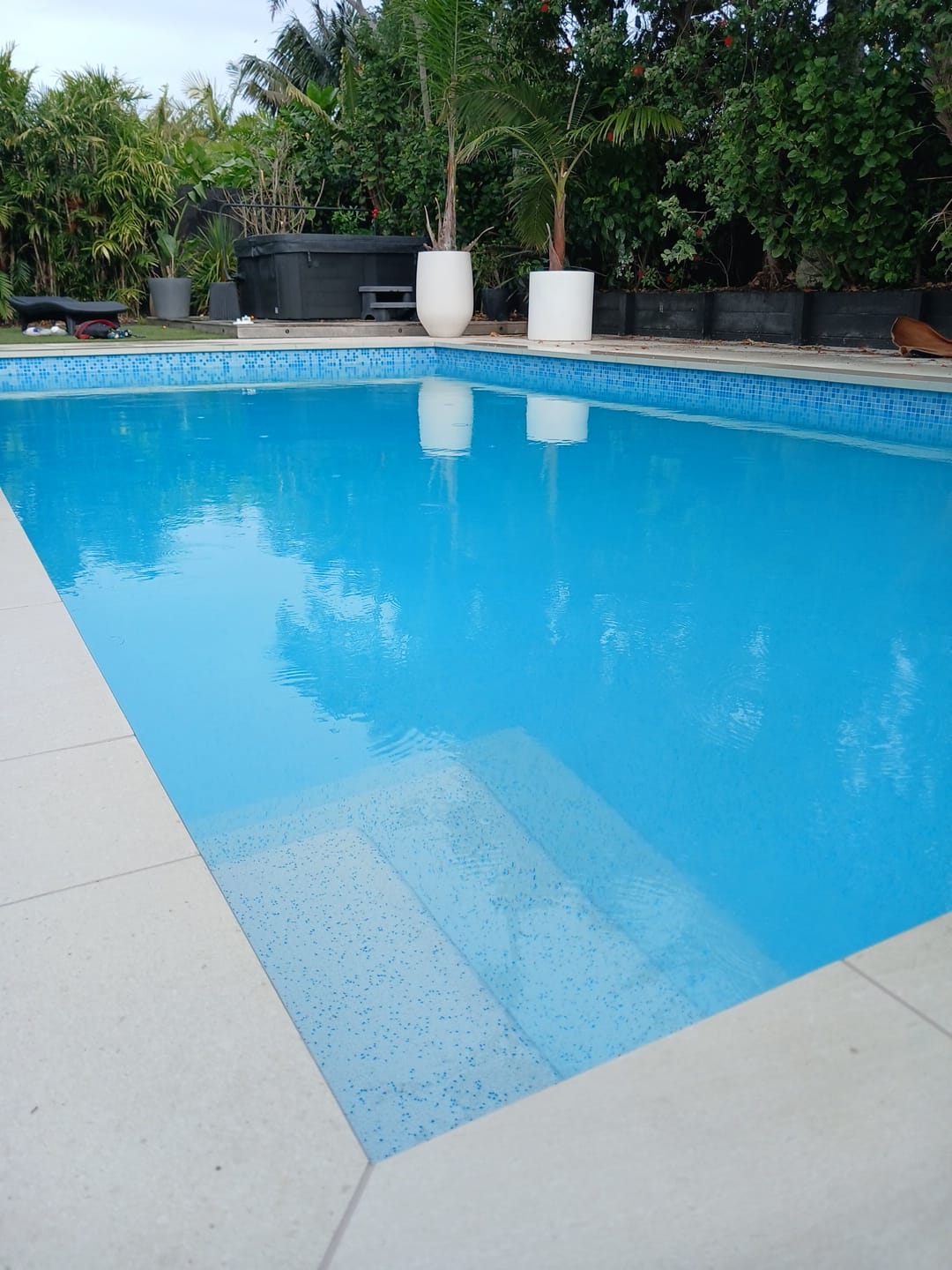
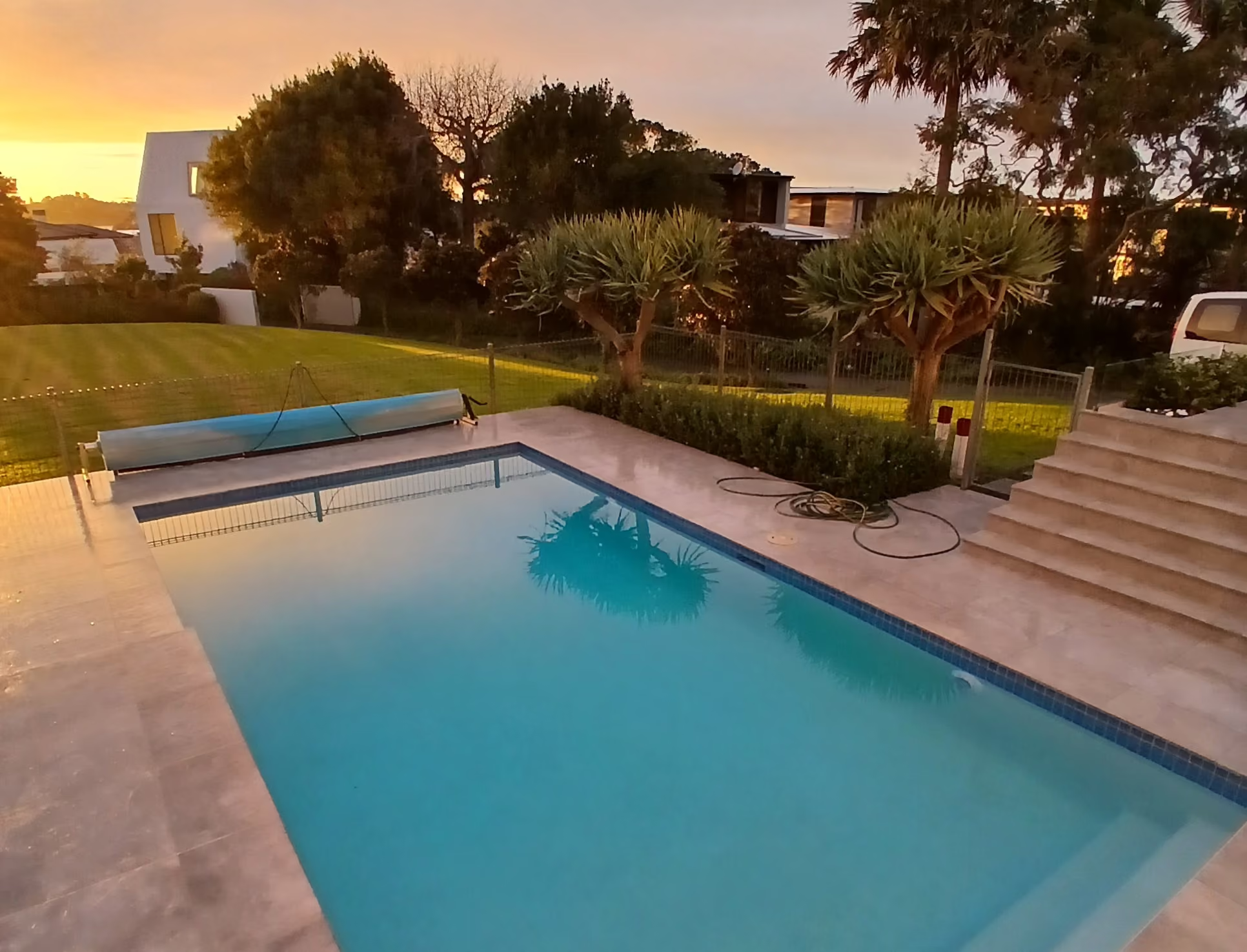
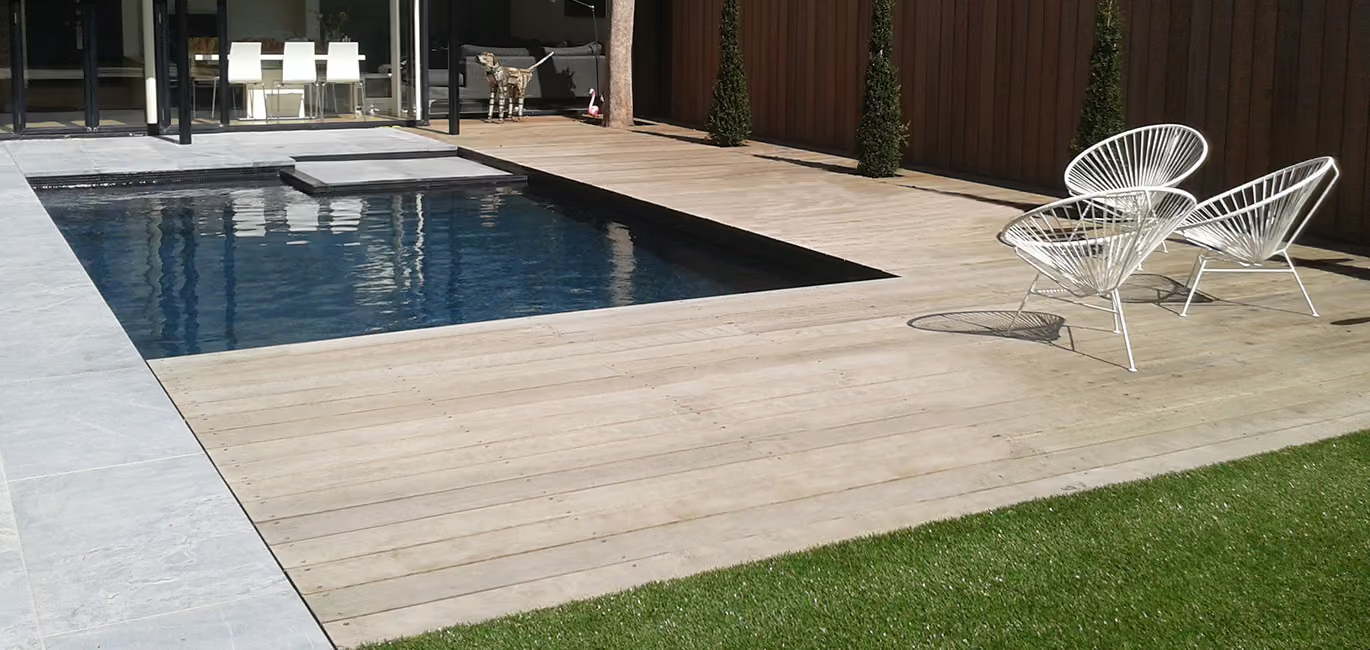
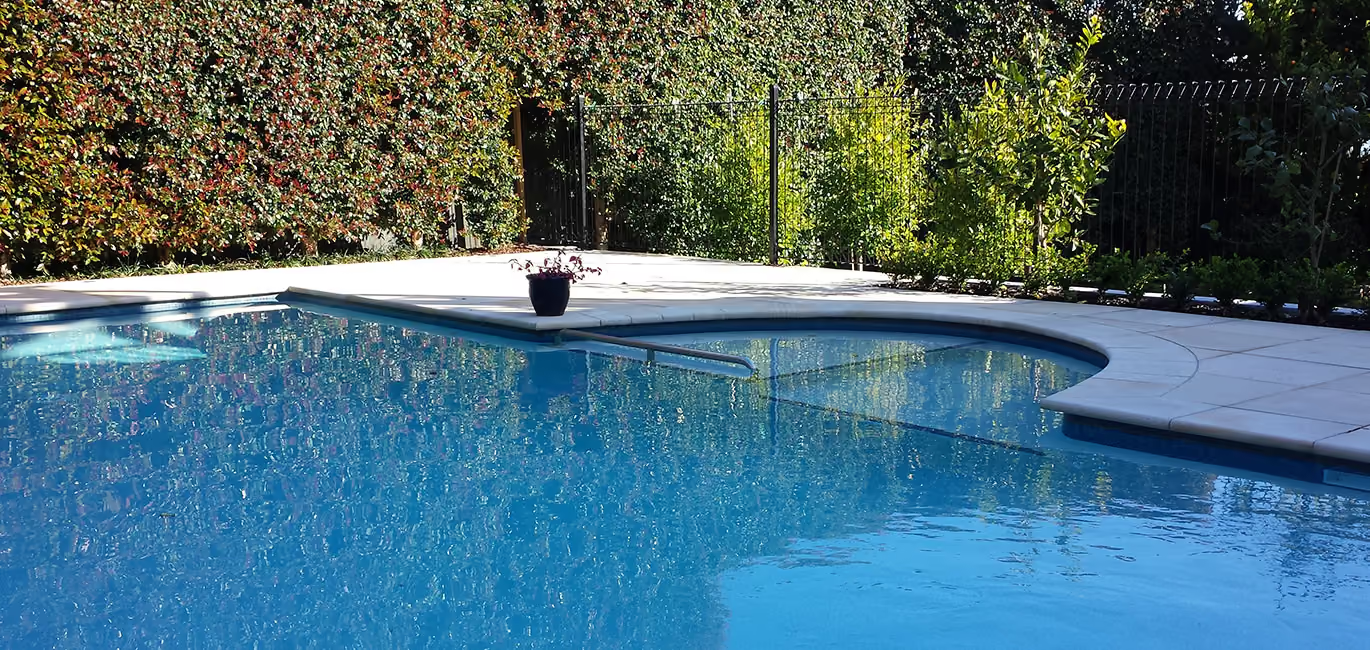
Sparkling Pools has worked on pools across Auckland, including residential renovation projects, equipment upgrades, ongoing maintenance and pool care for managed properties. Past projects show how the right approach can improve presentation, water quality and day-to-day usability. A well-maintained pool is easier to manage, more pleasant to use and better prepared for seasonal changes.

Trusted by Homeowners Across Auckland
Don't just take our word for it. Read what our clients have to say about our transparent communication, reliable service, and stunning pool transformations.
Related Blog Posts
Stay informed on pool care and renovations
Winter pool care essentials for Auckland
Pool Renovation Mistakes

Auckland Climate Pool Maintenance
Choosing Renovation Contractor
Pool Care Auckland Summer
Permits & Consents

Pool Renovation ROI
How Often to Test Pool Water
Pool Renovation Costs
Cost of Pool Service Auckland
Pool Renovation Planning Guide
Pool Lighting Buying Guide
Pool Cleaner Buying Guide
Pool Automation Buying Guide
Pool Heater Buying Guide
Pool Filter Buying Guide
Pool Pump Buying Guide
Best Equipment Auckland Climate
Auckland Water Quality
Auckland Pool Season
Pool Ownership Costs
Common Pool Mistakes
Pool Safety Laws
Pool Inspection Requirements
Pool Fence Compliance
.avif)
Auckland Pool Industry Trends
Auckland Pool Regulations
Pool Equipment Suppliers
Best Pool Service Areas
Pool Service Pricing Analysis
Company vs Independent
Best Pool Surface Materials
Pool Resurfacing Options
Pebble vs Plaster Surfaces
One-Time vs Ongoing Service
Full Service vs Chemicals Only
Pool Cover Types
Robotic vs Suction Cleaners
Mineral vs Saltwater
Gas vs Heat Pump
Pool Heater Types
Pool Winterizing Guide Auckland
Pool Opening Guide Summer
Pool Maintenance After Heavy Rain
Pool Maintenance Schedule
How Often to Run Pool Filter
Pool Pump Maintenance Schedule
Pool Filter Cartridge Cleaning
Pool Equipment Maintenance Checklist
Pool Waterline Cleaning
Pool Skimmer Basket Cleaning
Pool Chlorine Levels
How Often Clean Pool Filter
How to Vacuum Pool
Pool Brushing Technique
Pool Chemical Dosing Chart
Pool Water Chemistry Basics
How to Balance Pool Chemistry
How to Test Pool Water
Pool Maintenance Tips
Complete Pool Maintenance Guide
Pool Service ROI
Pool Equipment Buy or Service
Pool Maintenance Time Requirements
DIY vs Professional
Pool Service Contract
Pool Service vs Pool Valet
Is Pool Service Worth It
Pool Service Guarantees
Pool Service Reviews
Pool Service Red Flags
Questions to Ask Pool Companies
How to Choose Pool Service Company
Hidden Costs DIY Maintenance
Pool Cleaning Prices Auckland
Cost of Pool Resurfacing
Cost of Pool Pump Replacement
Cost to Fix Green Pool
Pool Liner Wrinkles
Pool Cracks When to Worry
Pool Surface Stains
Pool Valve Leaking
Pool Automation Not Working
Pool Light Not Working
Pool Heater Not Heating
Pool Skimmer Not Working
High Pool Filter Pressure
Pool Losing Water
Pool Filter Not Clearing Water
Pool Pump Leaking
Pool Pump Not Pumping
Pool Pump Losing Prime
Pool Pump Noisy
Pool Pump Not Working
Pool Water Foaming
Pool pH Too Low
Pool pH Too High
Green Pool After Rain
Pool Still Green After Shock
Pool Water Cloudy
How to Clear a Green Pool
Pool Care That Protects Your Investment
Good pool care protects more than appearance. Our pool specialists support the long-term condition of your swimming pool while keeping it ready for everyday use.