Pool Cracks When to Worry

Why Auckland trusts our pool service expertise
Pool cracks range from minor surface marks to signs of serious structural damage. Understanding the difference helps you decide whether to monitor, patch, or call a professional.
The key is knowing what to look for. A few simple checks, including a bucket test for water loss, can tell you a lot about whether a crack needs urgent attention.
What you'll learn
What Kind of Crack Is It?
Pool cracks fall into two broad categories: cosmetic and structural. Knowing which you're dealing with determines whether you need to act now, monitor over time, or call a professional.
Cosmetic cracks sit on the surface of the pool finish, the plaster, render, or paint layer. They don't go through to the shell beneath. Structural cracks go deeper, into the concrete or gunite shell itself, and can affect the integrity of the pool.
The distinction matters because a cosmetic crack is mostly an aesthetic issue. A structural crack can lead to water loss, ground movement, and expensive damage if left unaddressed.
---
Types of Cracks You Might See
Crazing (Surface Craze Cracks)
Crazing looks like a fine network of hairline cracks across the plaster surface, similar to the pattern on old ceramic glaze. It's caused by the surface drying too quickly during the plastering process, or by age and chemical imbalance over time.
Crazing is almost always cosmetic. The cracks are shallow and don't penetrate the shell. They can make the surface feel rough underfoot and may harbour algae if left untreated, but they don't typically cause water loss.
Shrinkage Cracks
These appear as fine, isolated lines, usually short and relatively straight. They often develop in new plaster as it cures and settles. In most cases, shrinkage cracks are superficial.
If a shrinkage crack is narrow (less than a few millimetres wide) and not growing, it's generally low priority. If it's widening or deepening over weeks, that warrants closer attention.
Structural Cracks
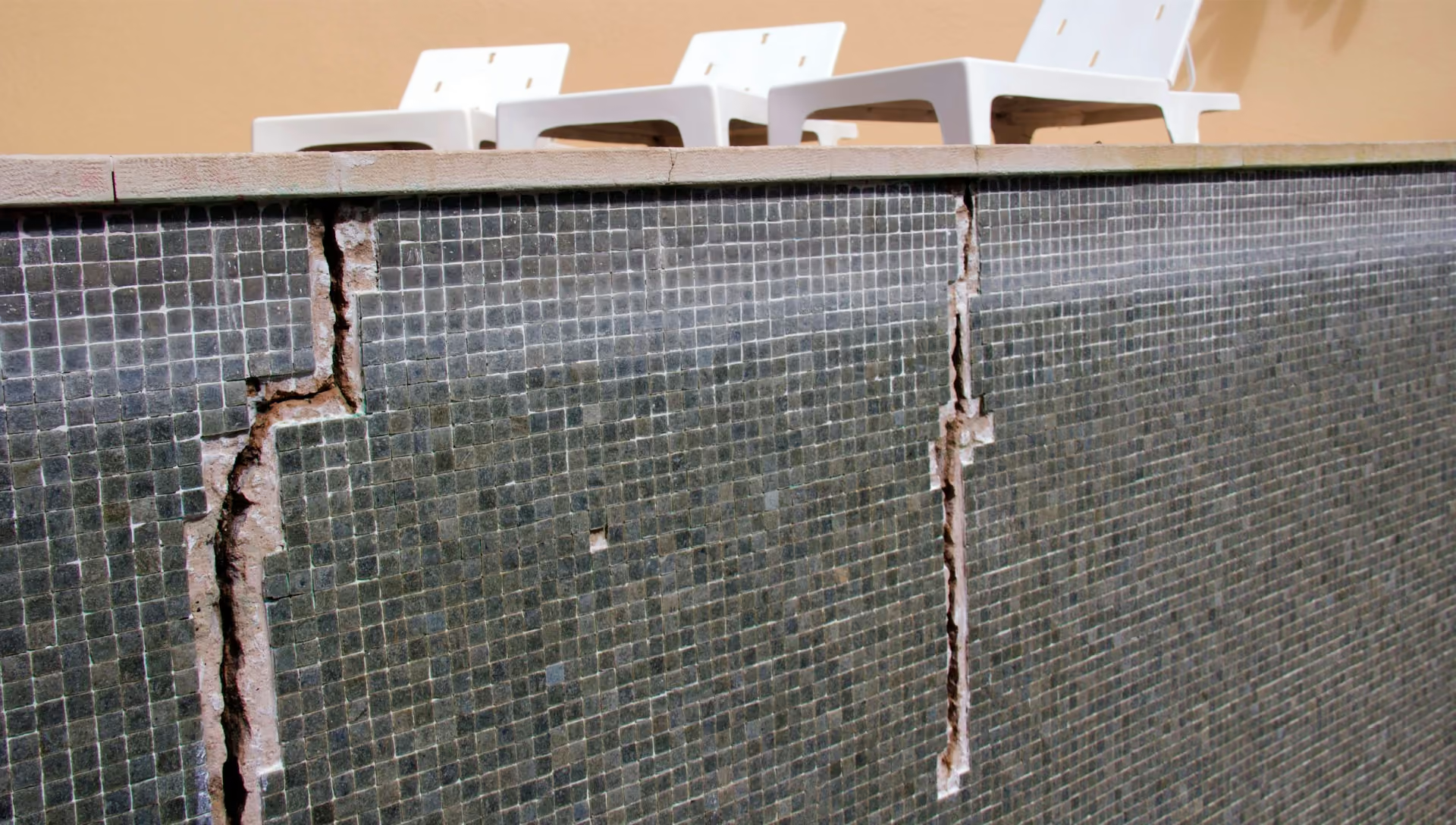
Structural cracks are wider, longer, or deeper than surface cracks. They may run in a single direction across a large section of the pool wall or floor. In some cases, you can see one side of the crack sitting slightly higher or lower than the other, this is called displacement, and it's a serious sign.
Structural cracks can allow water to escape into the surrounding ground. Over time, this can erode the soil beneath the pool, making the problem progressively worse.
---
Signs a Crack Is Serious
Not every crack needs immediate professional attention, but certain signs should prompt you to act sooner rather than later.
Call a professional if you notice any of the following:
- The crack is wider than a few millimetres
- One side of the crack is higher or lower than the other (displacement)
- The crack is growing, either longer or wider over days or weeks
- You're losing water faster than normal evaporation would explain
- The crack is located near a fitting, return jet, or light recess
- There are multiple cracks appearing in the same area
- The pool shell feels soft or hollow when tapped near the crack
Water loss is one of the clearest indicators. A pool naturally loses some water to evaporation, particularly in Auckland's warmer months, but if you're topping up more than usual, a crack may be the cause.
---
How to Check for Water Loss
A simple bucket test can help you determine whether water loss is from evaporation or a leak.
1. Fill a bucket with pool water and place it on a pool step, so the water level inside the bucket sits at the same height as the pool water outside it.
2. Mark the water level on both the bucket and the pool wall with tape or a pencil.
3. Leave the pool running as normal for 24 hours.
4. Compare the two levels.
If the pool has lost significantly more water than the bucket, you likely have a leak. A crack is one possible cause, though leaks can also come from fittings, pipes, or equipment.
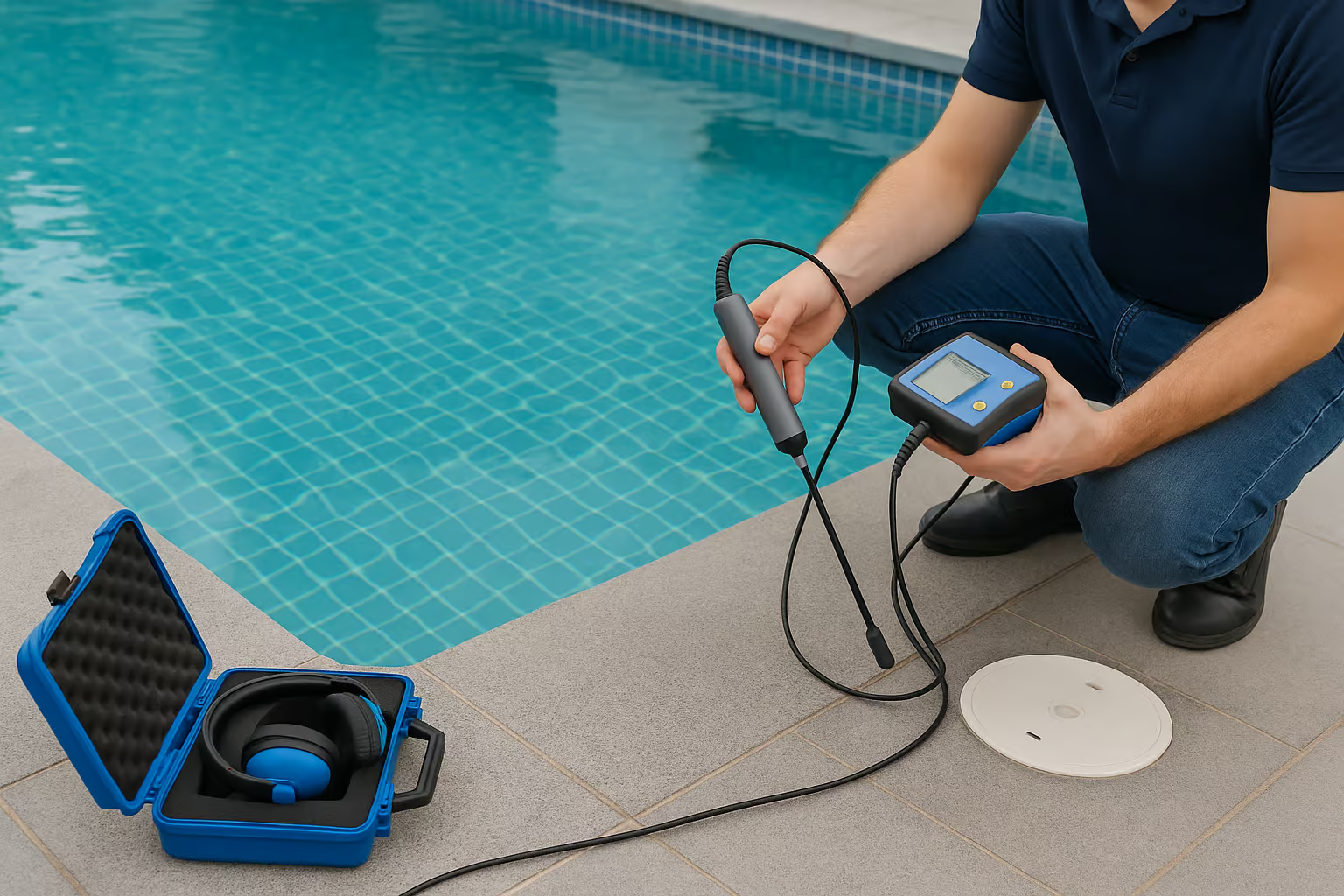
If you suspect a leak, it's worth having a professional assess the pool rather than attempting to locate it yourself. Leak detection requires specialist equipment and experience to do accurately.
---
What Causes Pool Cracks?
Ground Movement
New Zealand's soil conditions vary considerably. In some parts of Auckland, expansive clay soils shift with moisture changes, swelling when wet, contracting when dry. This movement puts stress on the pool shell over time and can cause cracking.
Pools built on poorly compacted fill or in areas with a high water table are particularly susceptible.
Age and Wear
Concrete pools age. The shell expands and contracts with temperature changes over many years, and the surface finish deteriorates. Older pools, particularly those that haven't been replastered in many years, are more likely to develop cracks simply through wear.
Chemical Imbalance
Persistently low pH or high calcium hardness can attack the plaster surface over time, making it more brittle and prone to cracking. Maintaining balanced water chemistry is one of the most effective ways to extend the life of a pool finish.
Poor Original Construction
Some cracks trace back to the original build, inadequate shell thickness, insufficient steel reinforcement, or a rushed plaster job. These issues may not become visible for years.
Tree Roots
Roots from nearby trees can grow under and around a pool shell, exerting pressure that causes cracking over time. If you have large trees close to your pool, it's worth keeping an eye on the surrounding area for signs of root intrusion.
---
What You Can Do Yourself
For small, stable cosmetic cracks, a pool owner can apply a hydraulic cement or pool putty as a temporary measure. This won't fix an underlying structural problem, but it can reduce roughness and slow algae growth in the short term.
Before applying any filler:
- Clean the crack thoroughly, remove any loose material, algae, or scale
- Make sure the product is rated for use in pools and compatible with your pool finish
- Follow the manufacturer's instructions for application and curing time
This is a surface-level fix only. If the crack is structural, or if you're unsure, get a professional assessment before attempting any repair.
---
When to Call a Professional
Structural cracks, active leaks, and cracks showing displacement are not DIY repairs. Attempting to patch a structural crack without addressing the underlying cause will not hold, and may make a proper repair more difficult later.
A professional pool repairer can:
- Assess whether a crack is cosmetic or structural
- Identify the likely cause
- Recommend the appropriate repair method, whether that's a targeted patch, a full replaster, or something more involved
- Check for associated damage to fittings or pipework
If your pool is older and showing multiple cracks, it may be worth considering a full renovation rather than repeated spot repairs. A pool specialist can advise on whether that makes sense for your pool's age and condition.
---
Preventing Cracks
No pool lasts forever without some maintenance, but there are practical steps that reduce the risk of cracking.
- Keep water chemistry balanced. Test regularly and adjust pH, alkalinity, and calcium hardness to recommended levels. Imbalanced water is hard on pool surfaces.
- Maintain consistent water levels. Letting a pool run low puts stress on the shell and exposes the waterline to drying and cracking.
- Don't drain the pool unnecessarily. An empty pool is vulnerable, hydrostatic pressure from groundwater can crack or lift the shell. Always consult a professional before draining.
- Address small cracks early. A minor cosmetic crack that's left untreated can develop into something more serious over time.
- Have the pool inspected periodically. A professional eye can catch early signs of deterioration before they become expensive problems.
---
The Bottom Line
Most pool cracks are cosmetic and low priority. But some are signs of a more serious problem that will only get worse, and more costly, if ignored.
If you're unsure what you're looking at, or if any of the warning signs above apply to your pool, it's worth getting a professional to take a look. Catching a structural issue early is almost always cheaper than dealing with it after the damage has progressed.
Pool resurfacing solutions
Restore your pool with durable plaster finishes


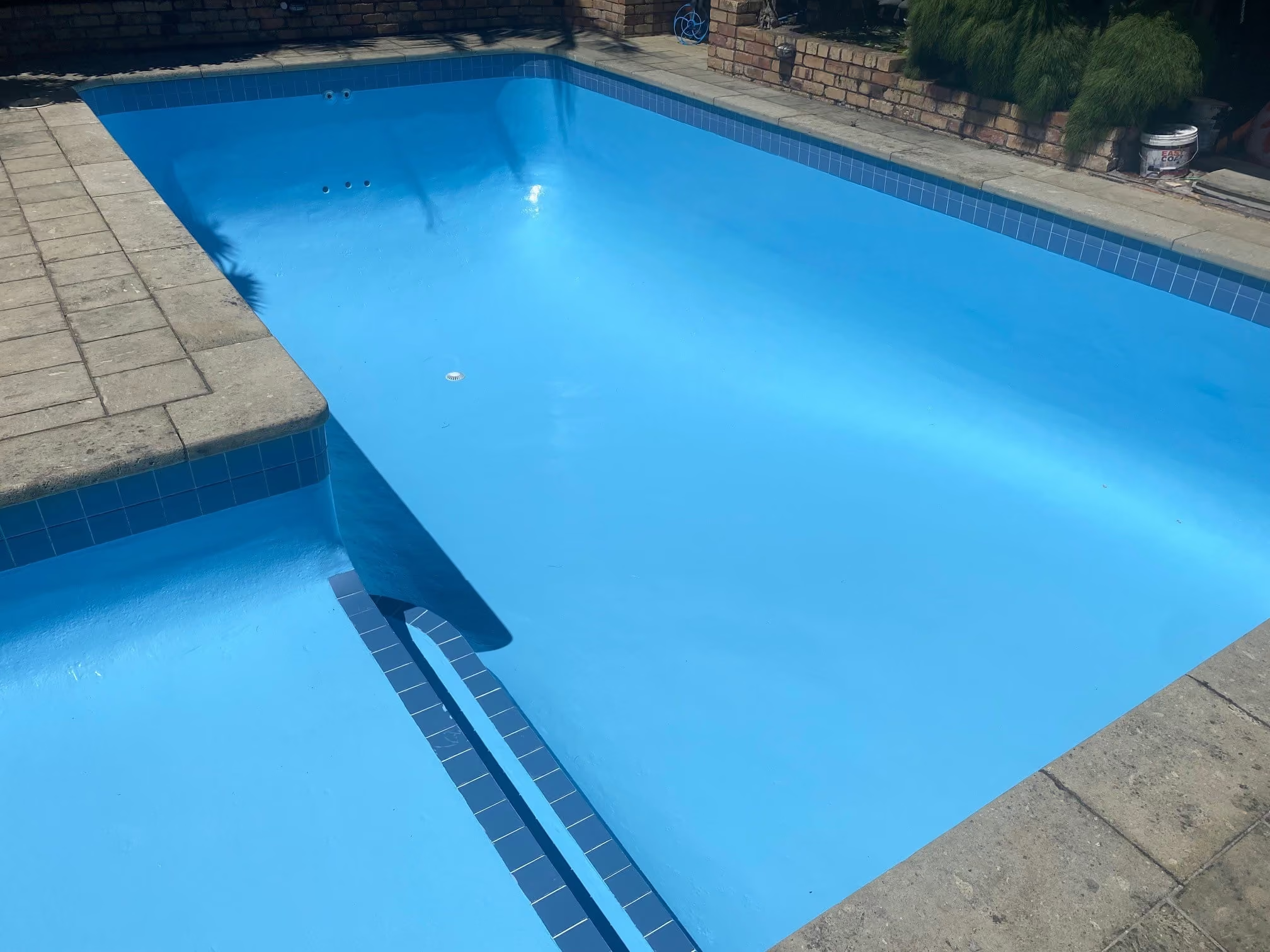
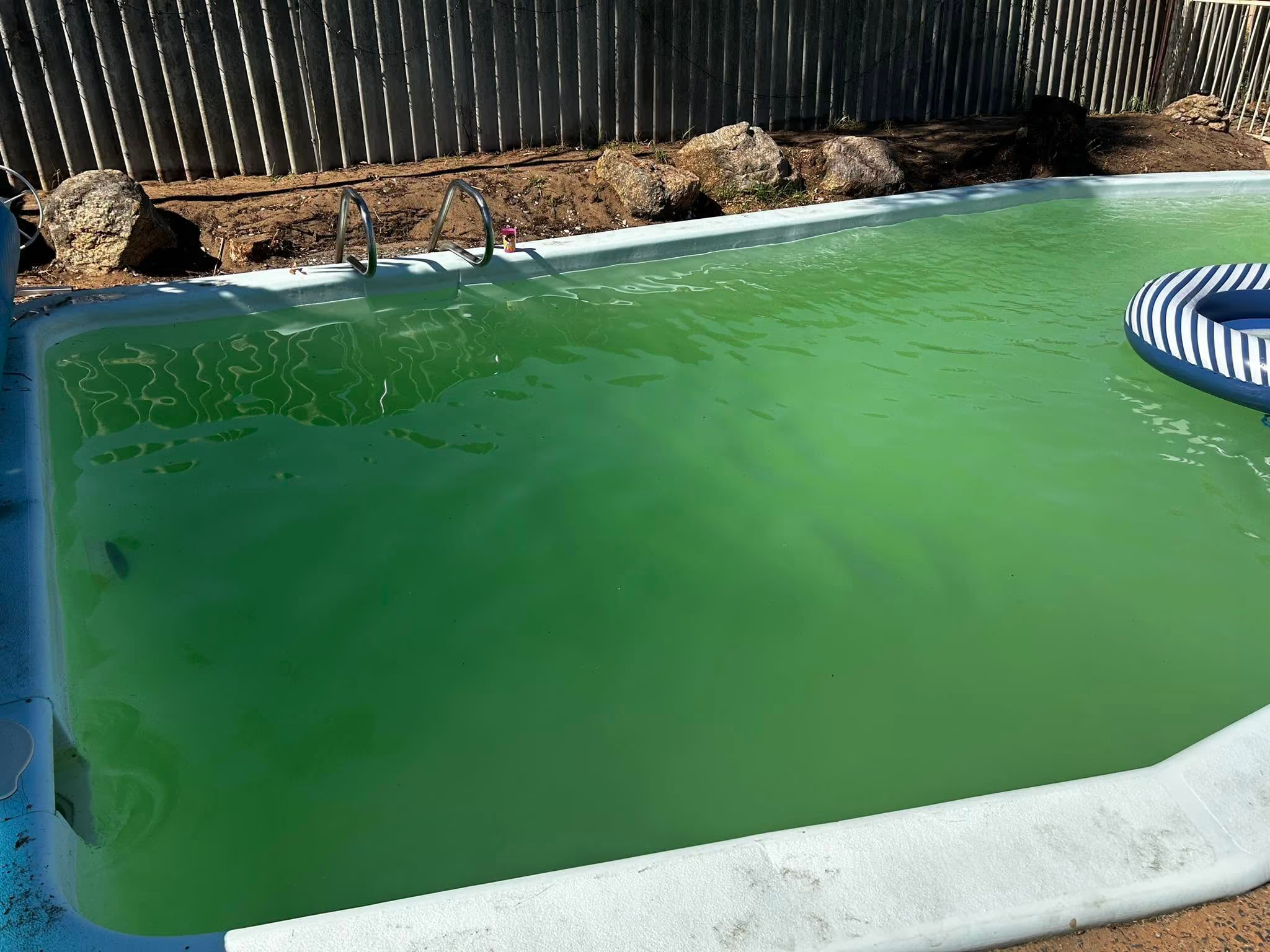
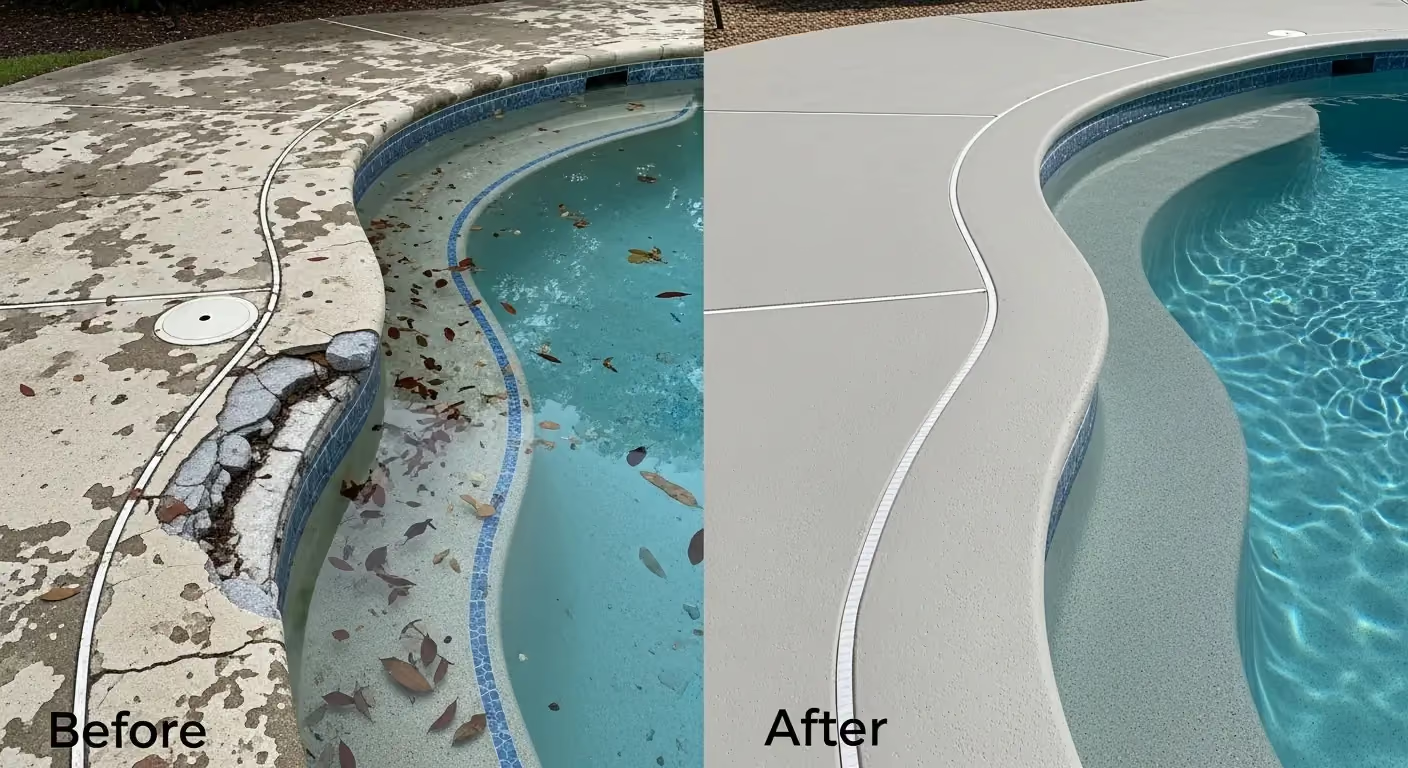
Work completed
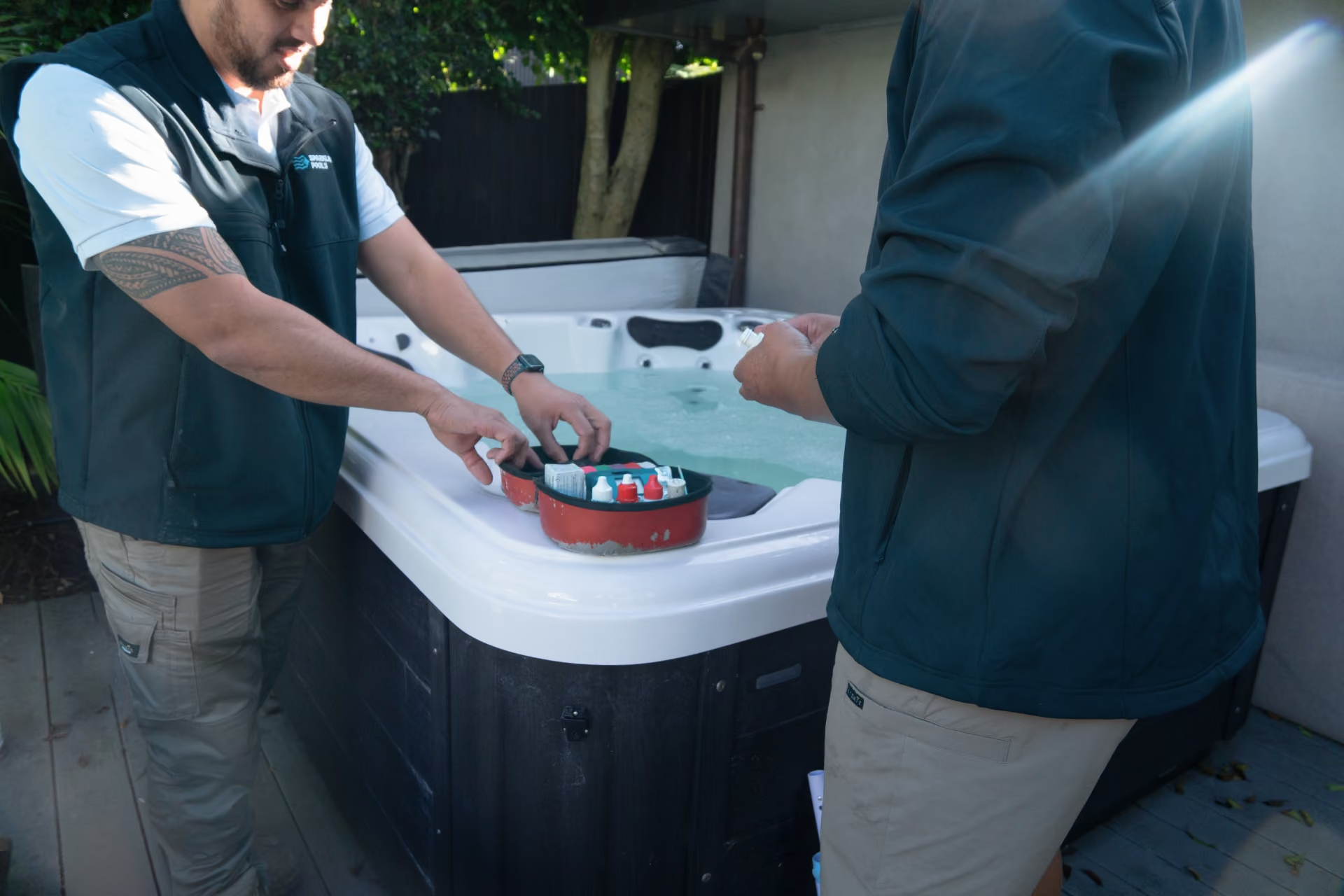
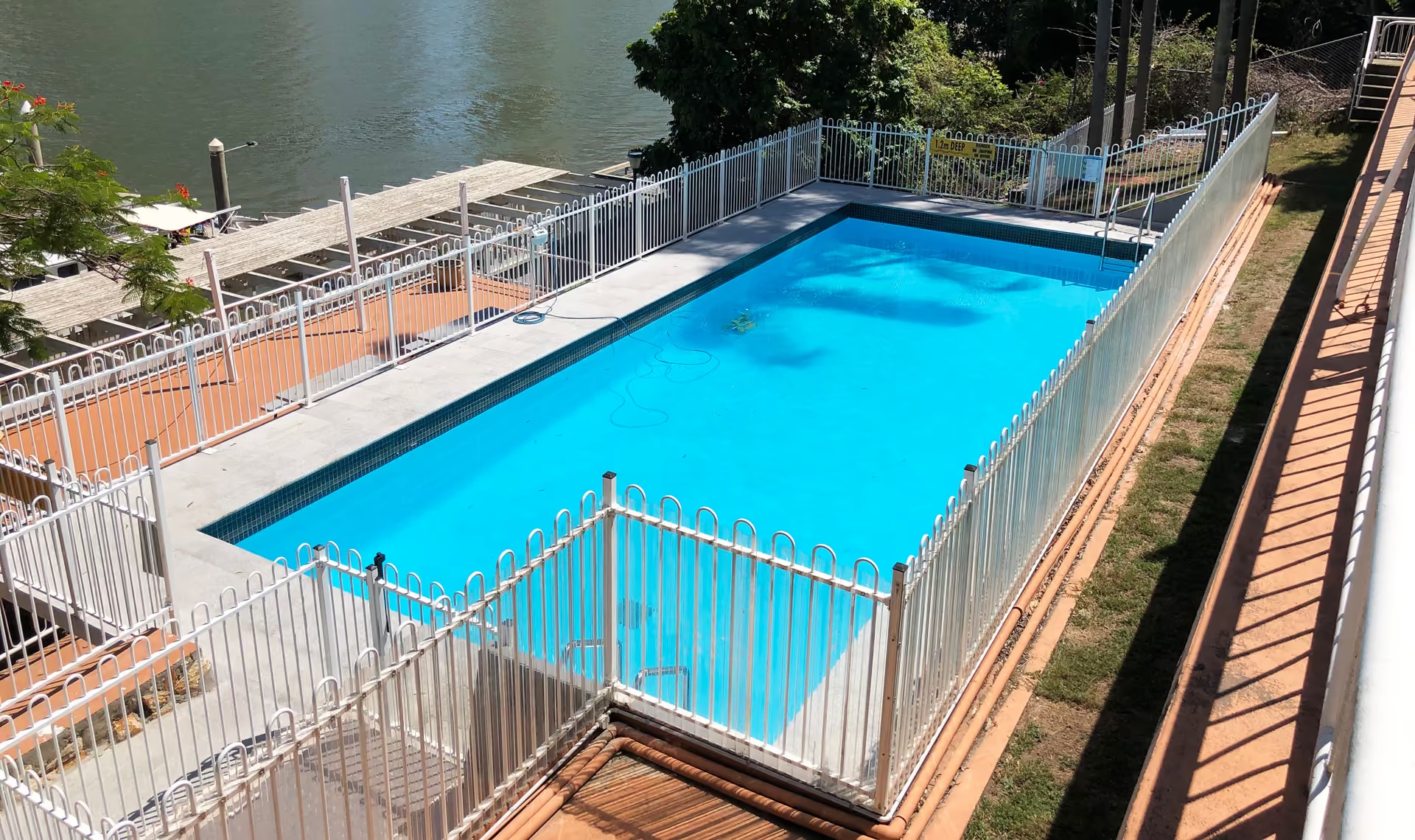
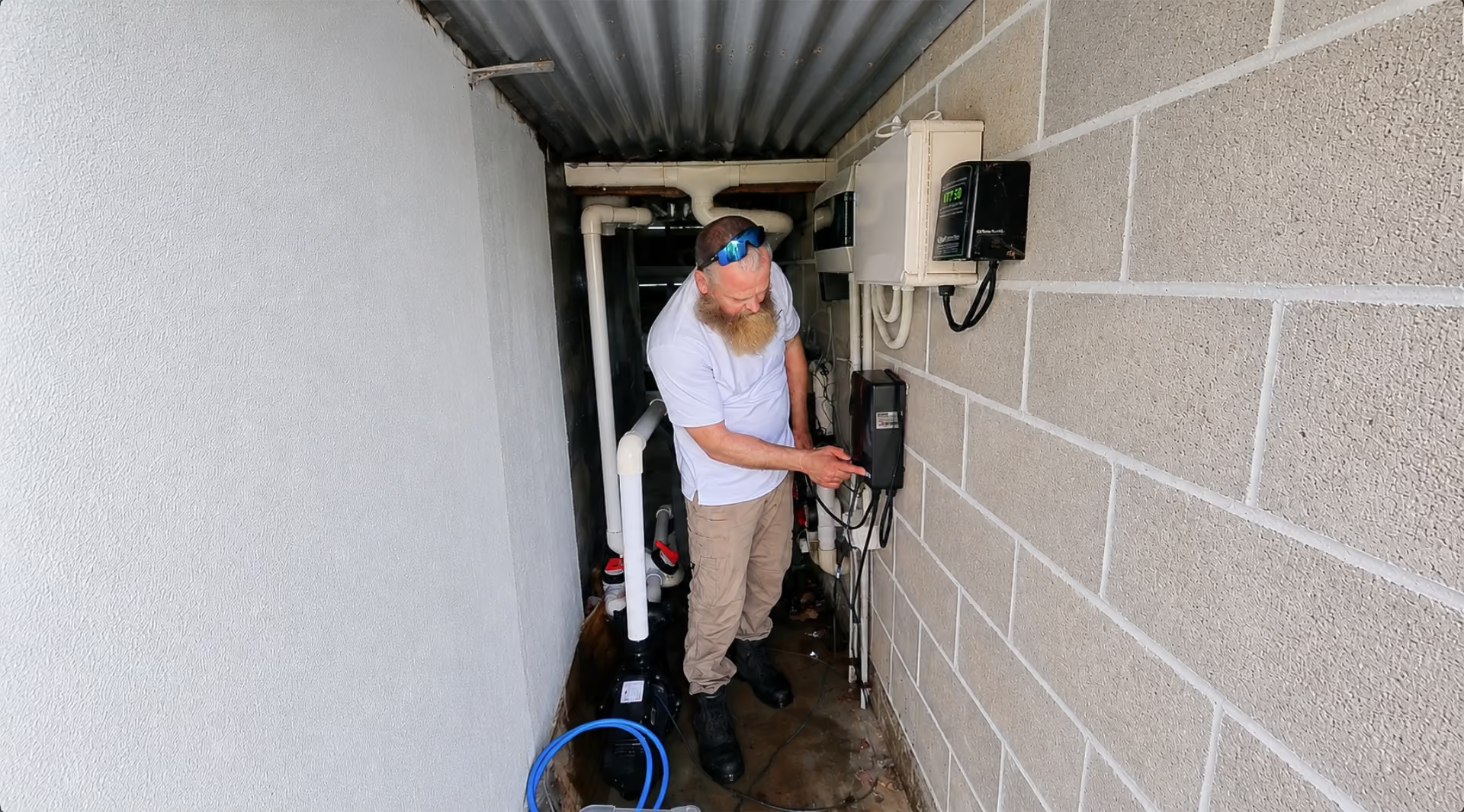
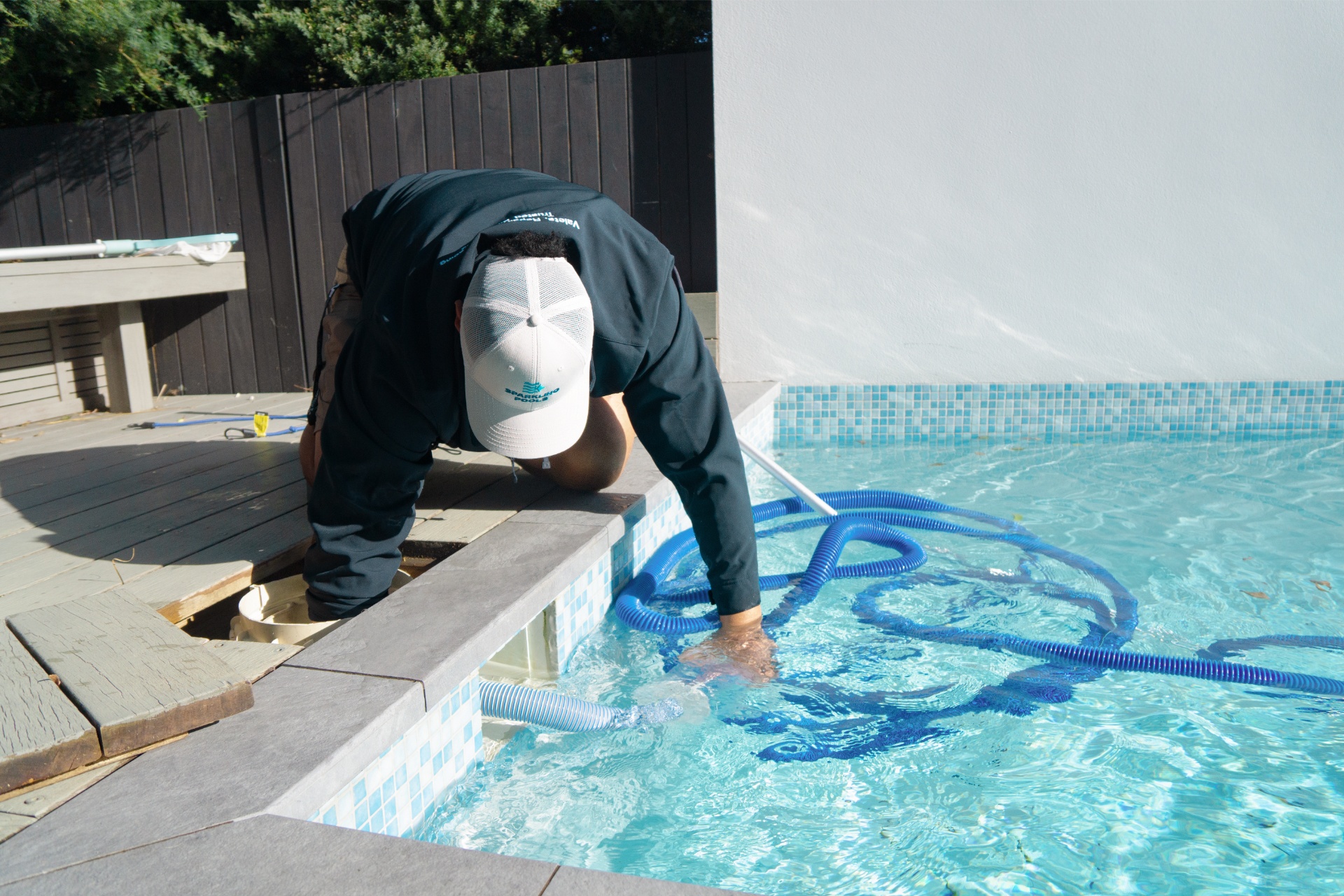
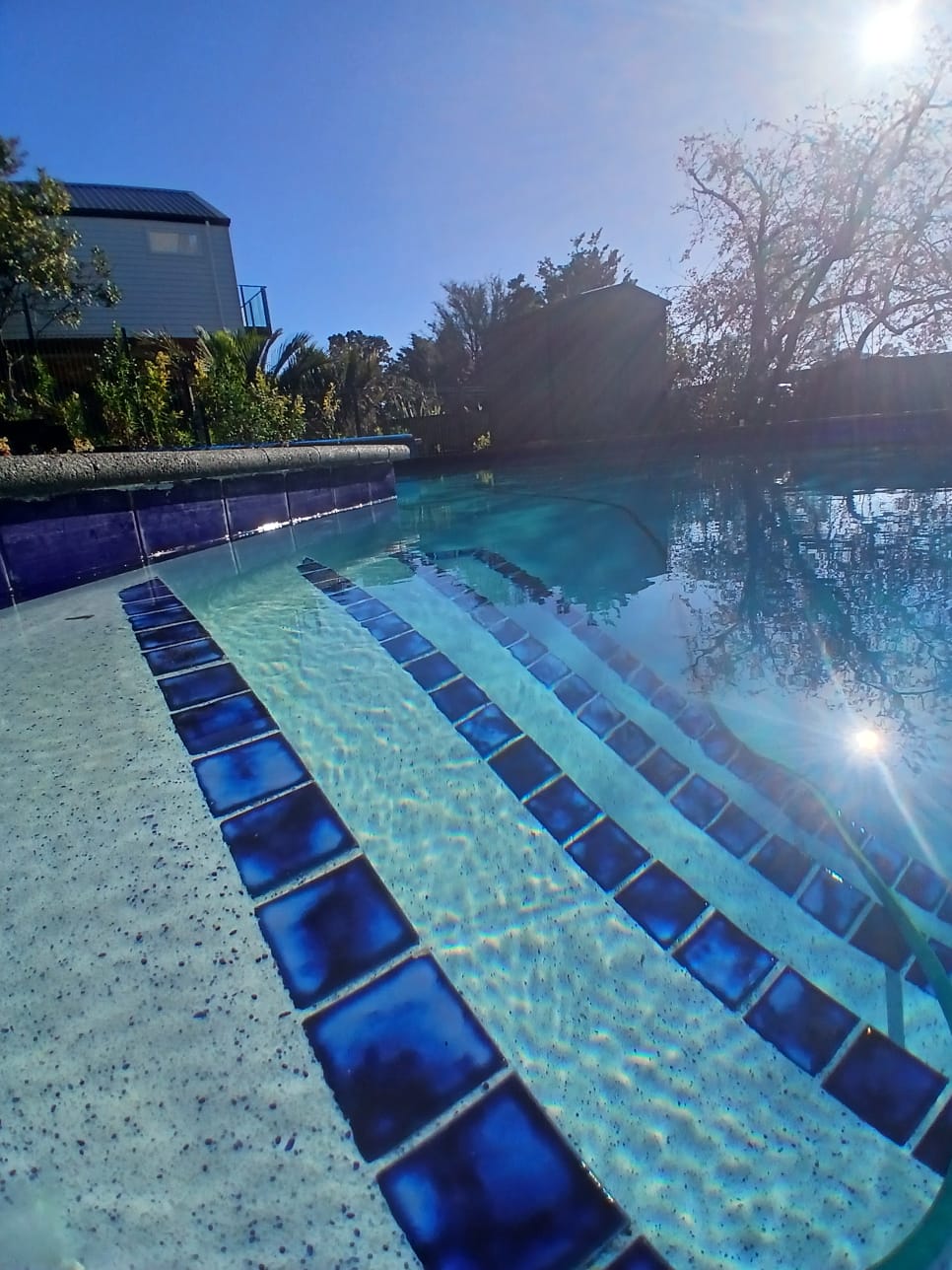
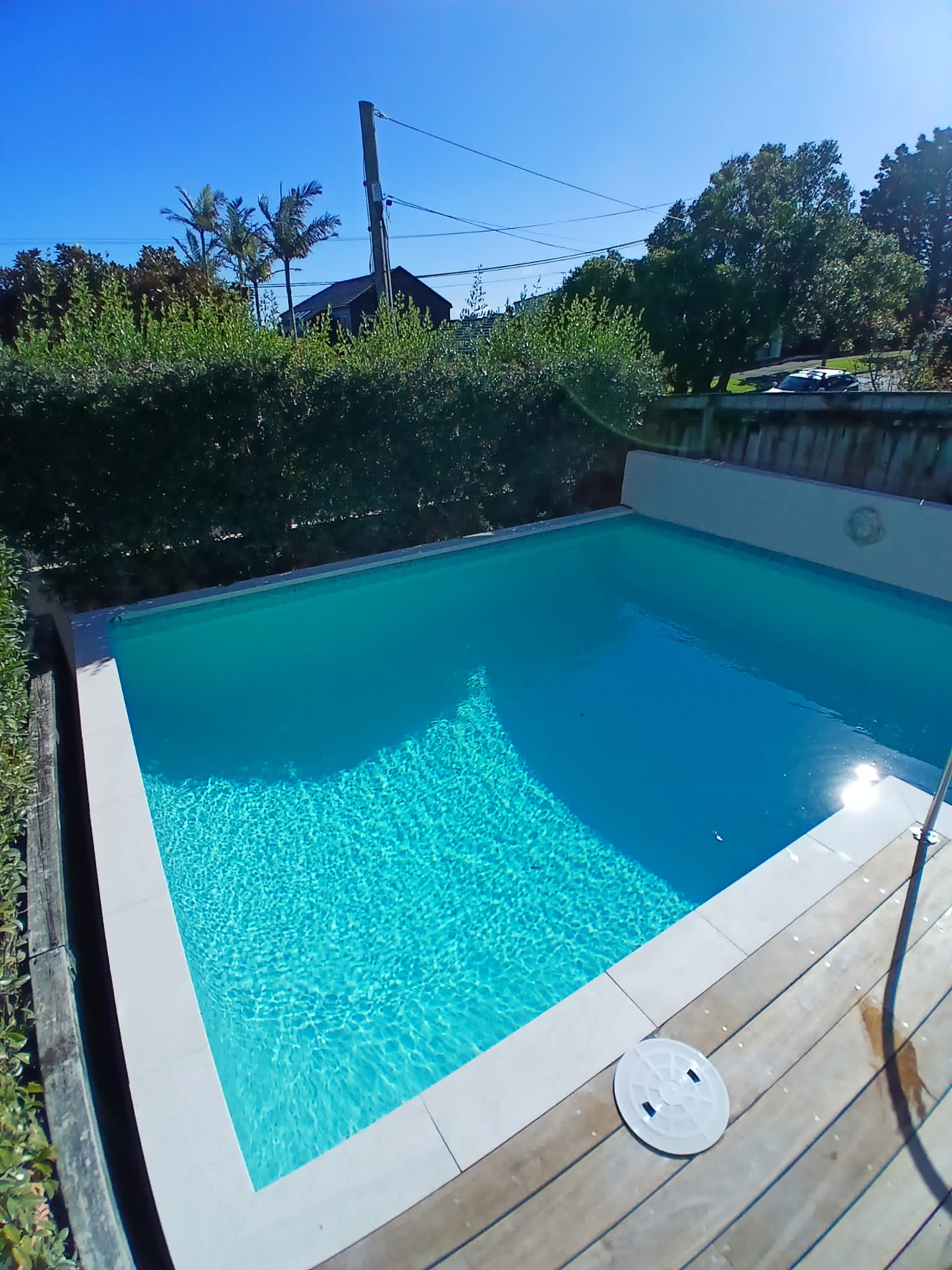
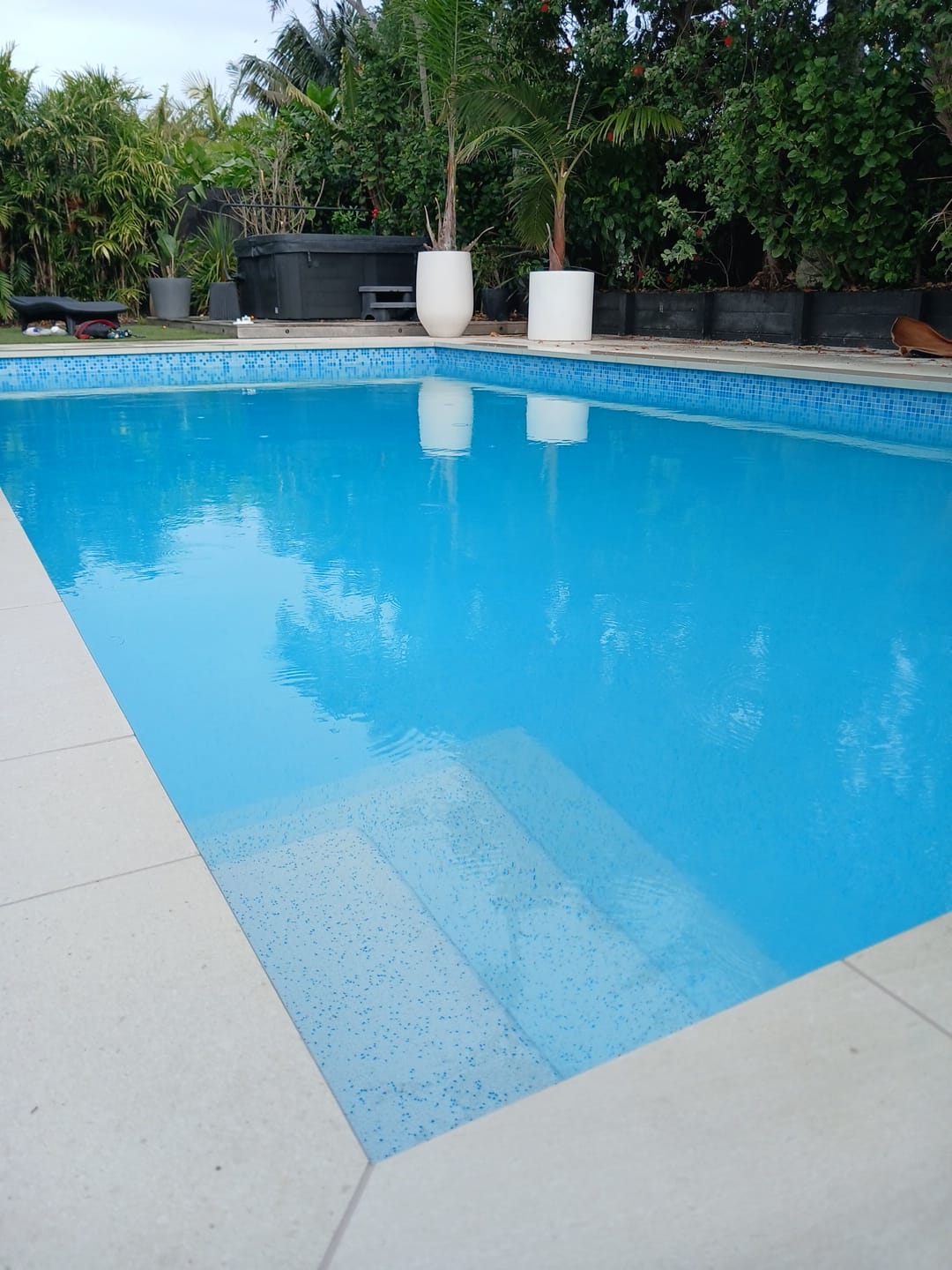
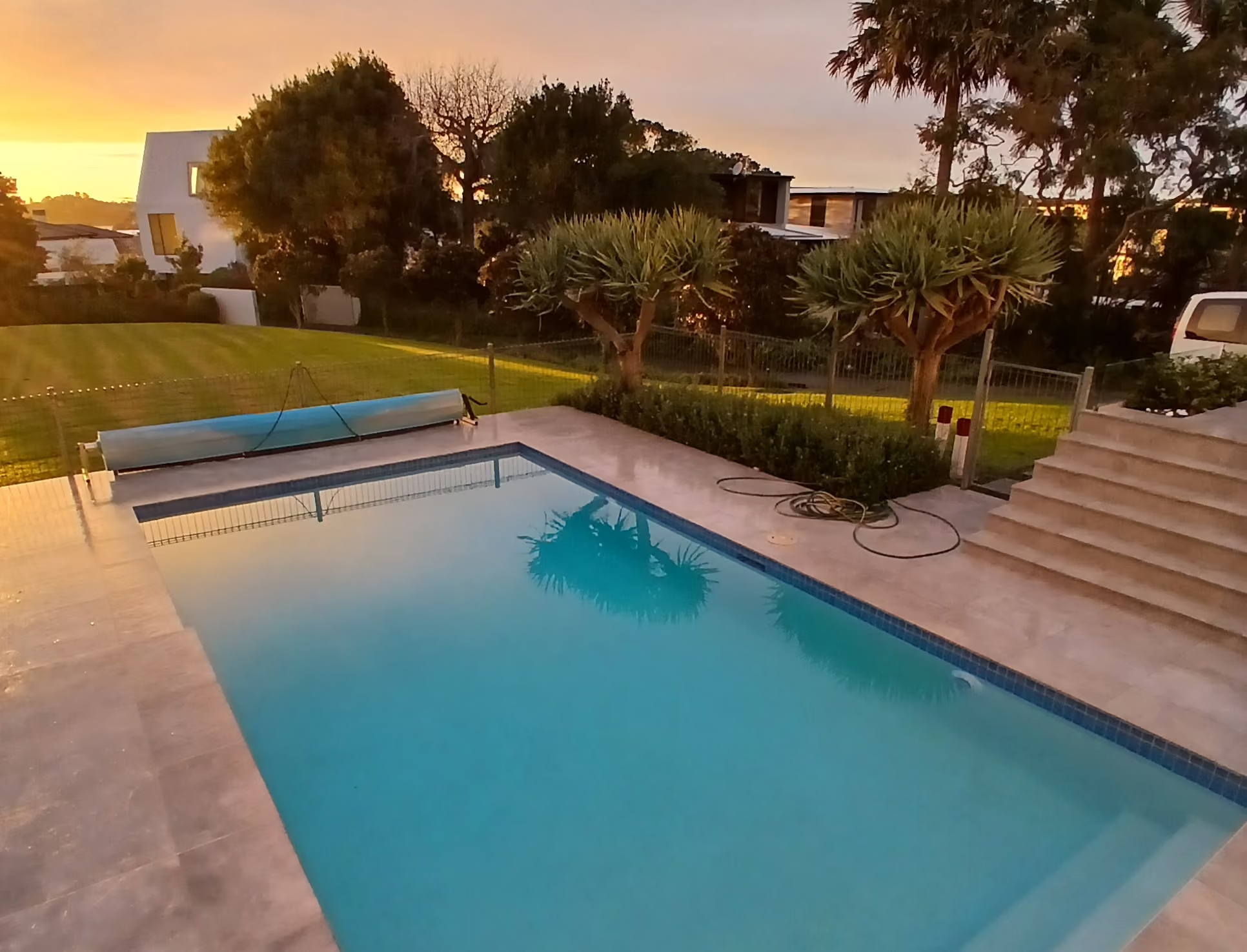
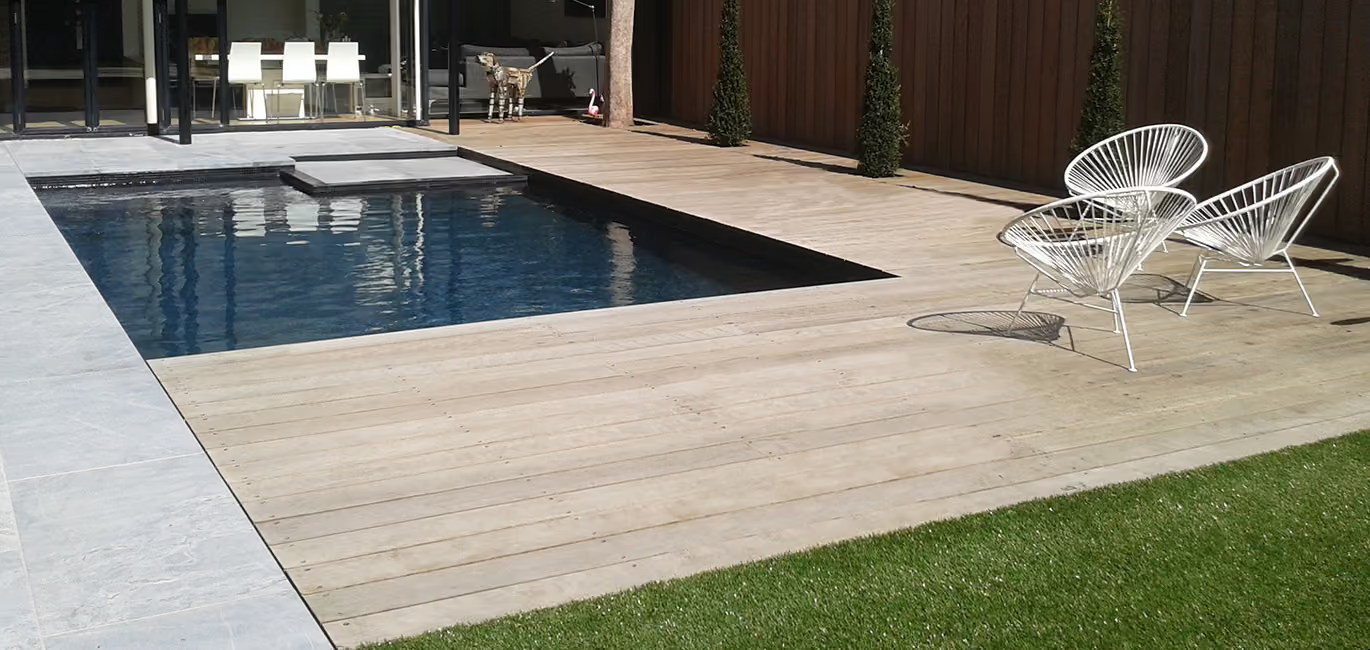
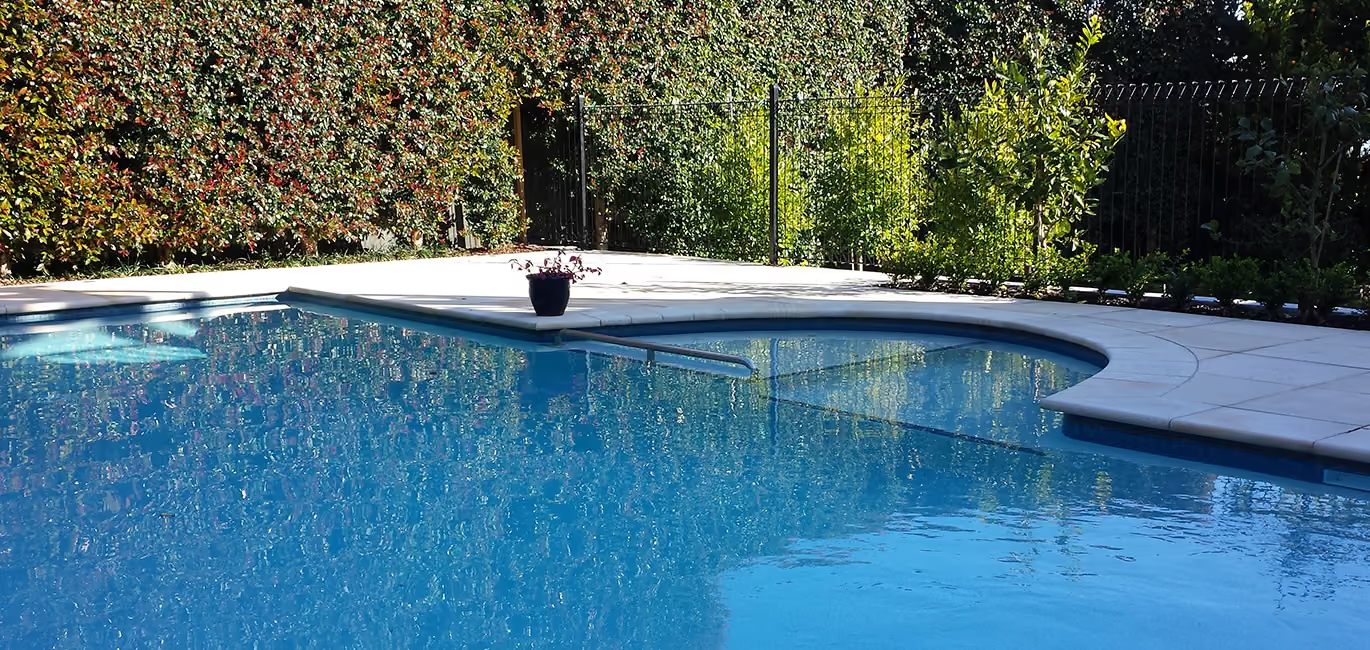
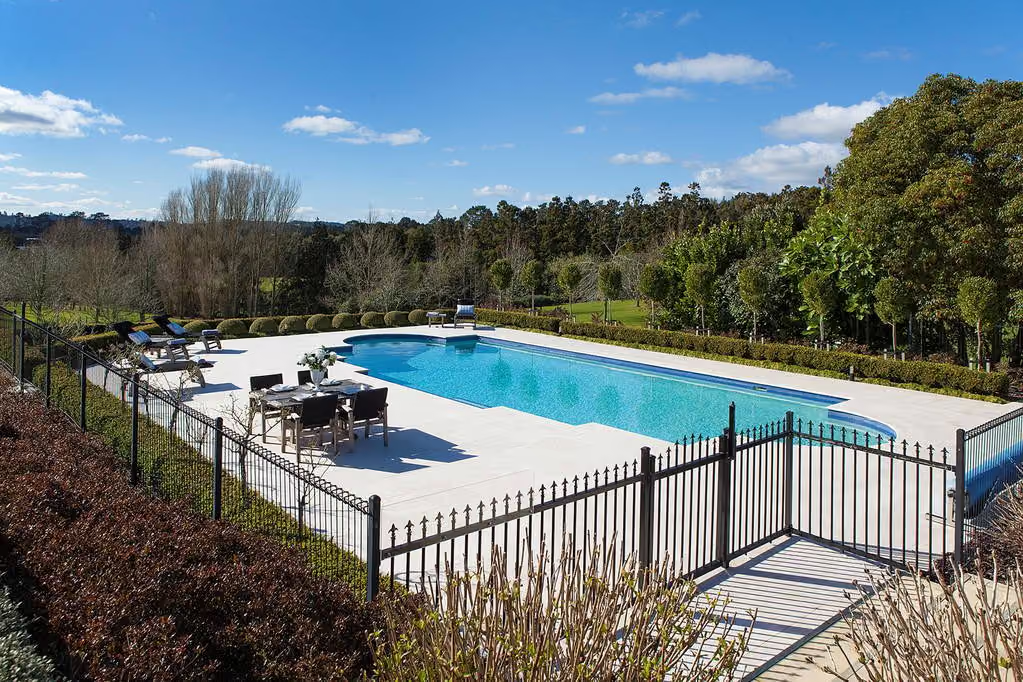
Sparkling Pools has worked on pools across Auckland, including residential renovation projects, equipment upgrades, ongoing maintenance and pool care for managed properties. Past projects show how the right approach can improve presentation, water quality and day-to-day usability. A well-maintained pool is easier to manage, more pleasant to use and better prepared for seasonal changes.
Trusted by Homeowners Across Auckland
Don't just take our word for it. Read what our clients have to say about our transparent communication, reliable service, and stunning pool transformations.
Related Blog Posts
Stay informed on pool care and renovations
Winter pool care essentials for Auckland
Pool Renovation Mistakes

Auckland Climate Pool Maintenance
Choosing Renovation Contractor
Pool Care Auckland Summer
Permits & Consents
Pool Renovation ROI
How Often to Test Pool Water
Pool Renovation Costs
Cost of Pool Service Auckland
Pool Renovation Planning Guide
Pool Lighting Buying Guide
Pool Cleaner Buying Guide
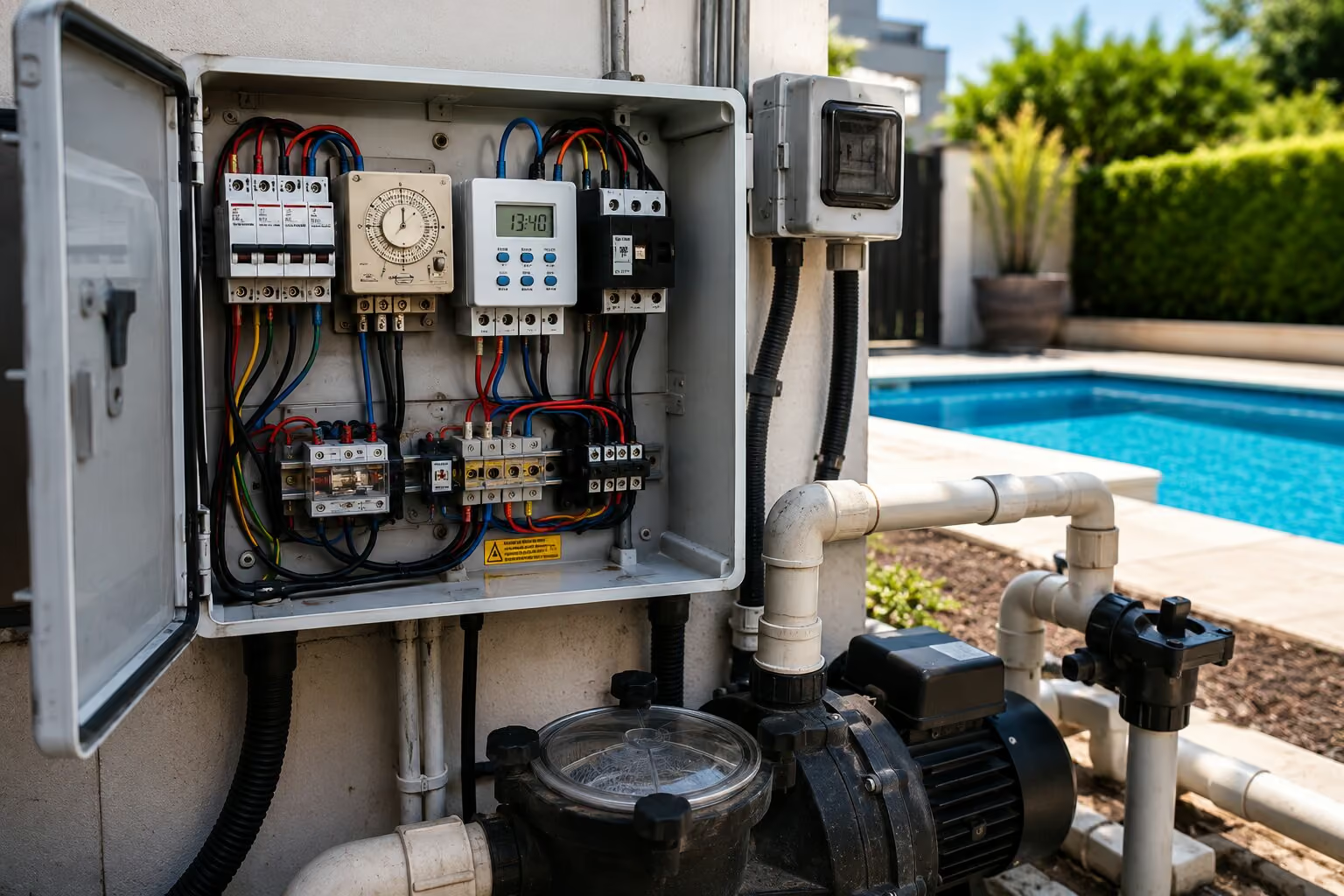
Pool Automation Buying Guide
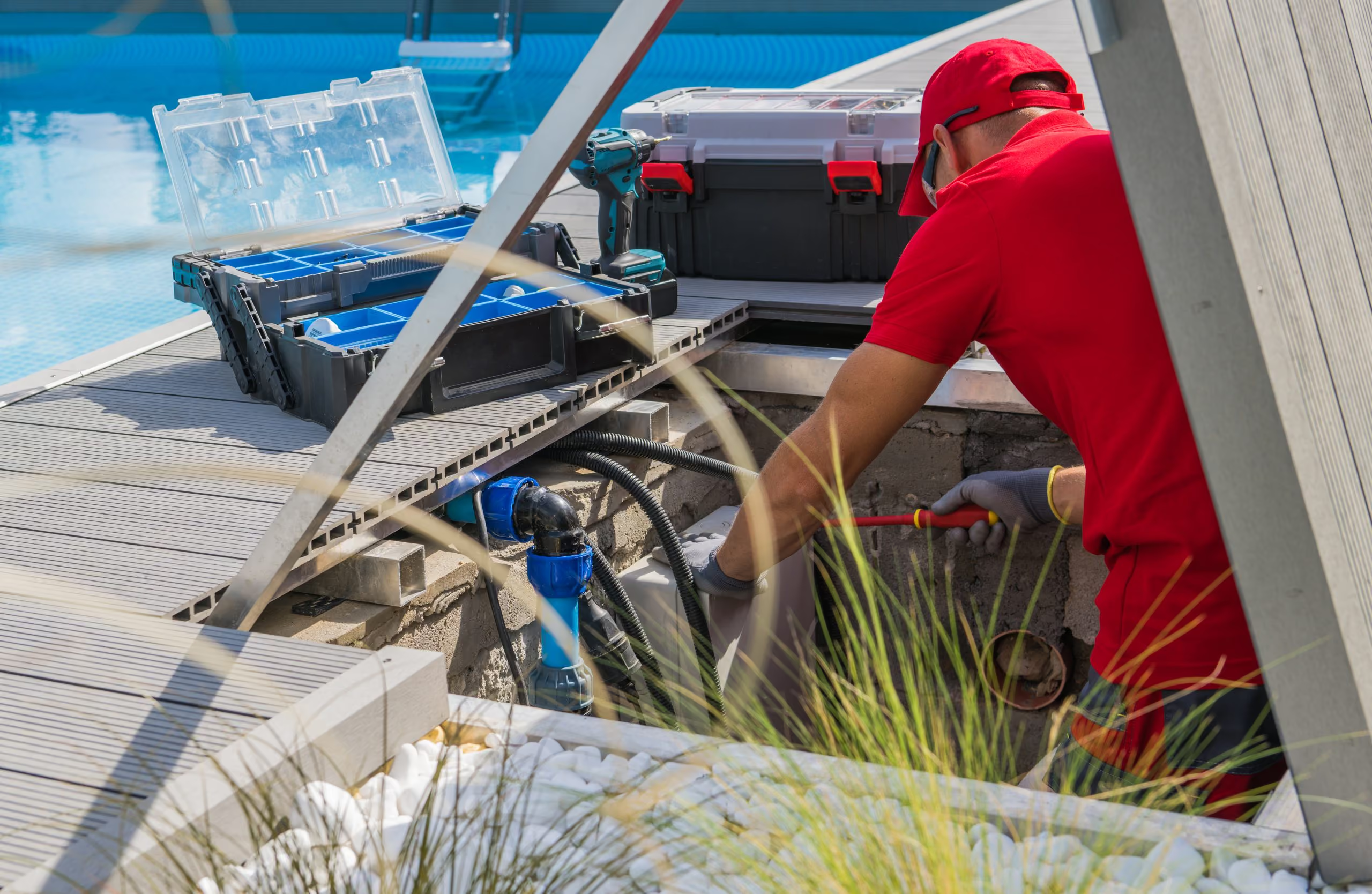
Pool Heater Buying Guide
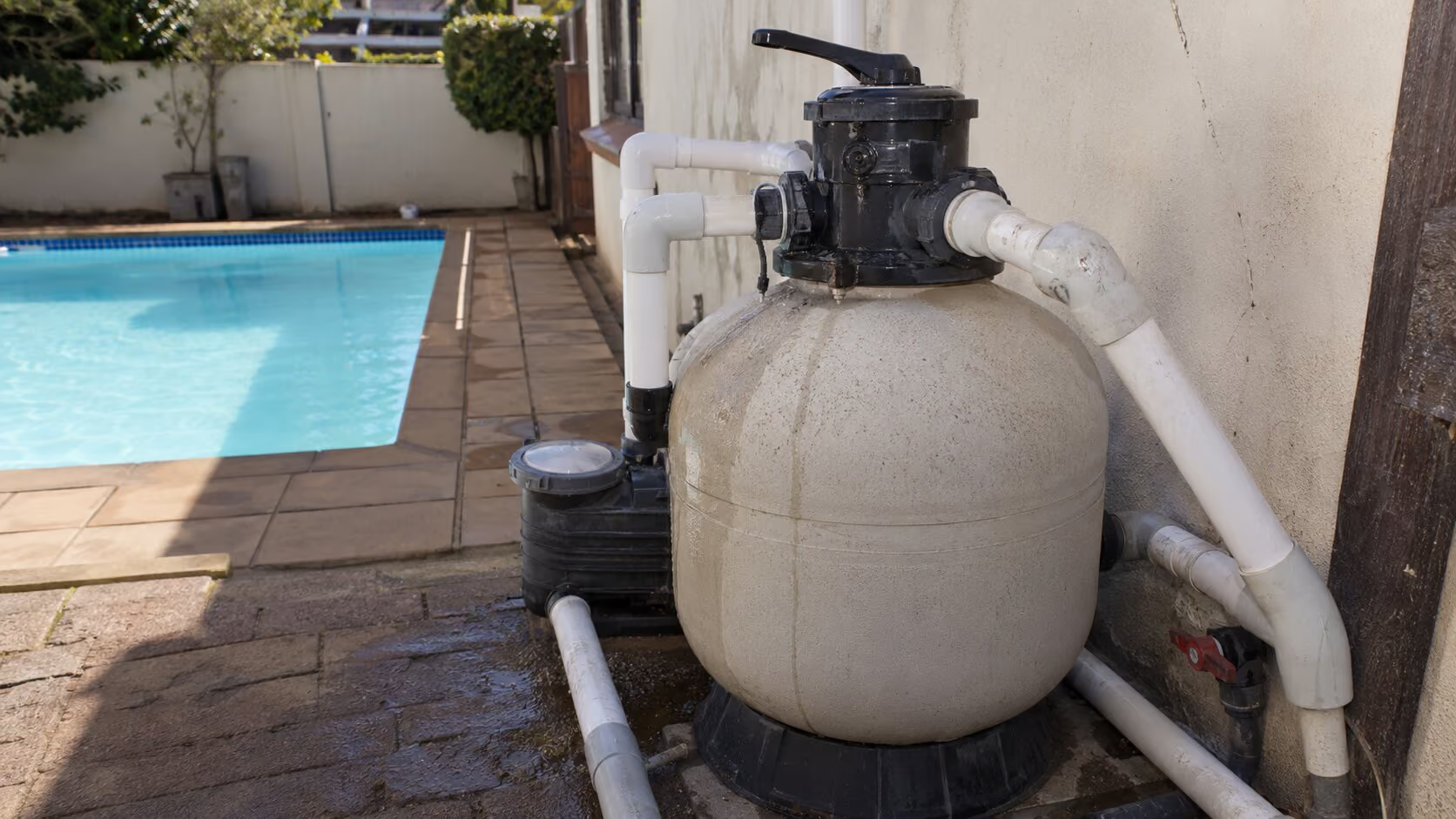
Pool Filter Buying Guide
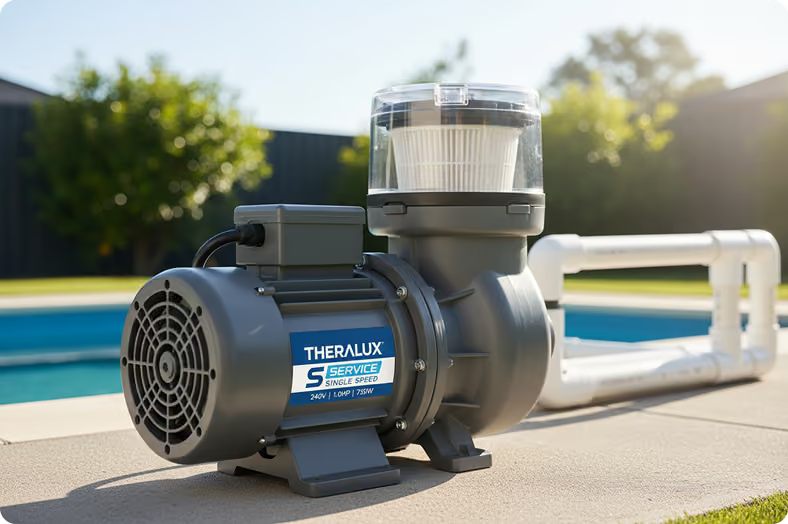
Pool Pump Buying Guide
Best Equipment Auckland Climate
Auckland Water Quality
Auckland Pool Season
Pool Ownership Costs
Common Pool Mistakes
Pool Safety Laws
Pool Inspection Requirements
Pool Fence Compliance
.avif)
Auckland Pool Industry Trends
Auckland Pool Regulations
Pool Equipment Suppliers
Best Pool Service Areas
Pool Service Pricing Analysis
Company vs Independent
Best Pool Surface Materials
Pool Resurfacing Options
Pebble vs Plaster Surfaces
One-Time vs Ongoing Service
Full Service vs Chemicals Only
Pool Cover Types
Robotic vs Suction Cleaners
Mineral vs Saltwater
Gas vs Heat Pump
Pool Heater Types
Pool Winterizing Guide Auckland
Pool Opening Guide Summer
Pool Maintenance After Heavy Rain
Pool Maintenance Schedule
How Often to Run Pool Filter
Pool Pump Maintenance Schedule
Pool Filter Cartridge Cleaning
Pool Equipment Maintenance Checklist
Pool Waterline Cleaning
Pool Skimmer Basket Cleaning
Pool Chlorine Levels
How Often Clean Pool Filter
How to Vacuum Pool
Pool Brushing Technique
Pool Chemical Dosing Chart
Pool Water Chemistry Basics
How to Balance Pool Chemistry
How to Test Pool Water
Pool Maintenance Tips
Complete Pool Maintenance Guide
Pool Service ROI
Pool Equipment Buy or Service
Pool Maintenance Time Requirements
DIY vs Professional
Pool Service Contract
Pool Service vs Pool Valet
Is Pool Service Worth It
Pool Service Guarantees
Pool Service Reviews
Pool Service Red Flags
Questions to Ask Pool Companies
How to Choose Pool Service Company
Hidden Costs DIY Maintenance
Pool Cleaning Prices Auckland
Cost of Pool Resurfacing
Cost of Pool Pump Replacement
Cost to Fix Green Pool
Pool Liner Wrinkles
Pool Cracks When to Worry
Pool Surface Stains
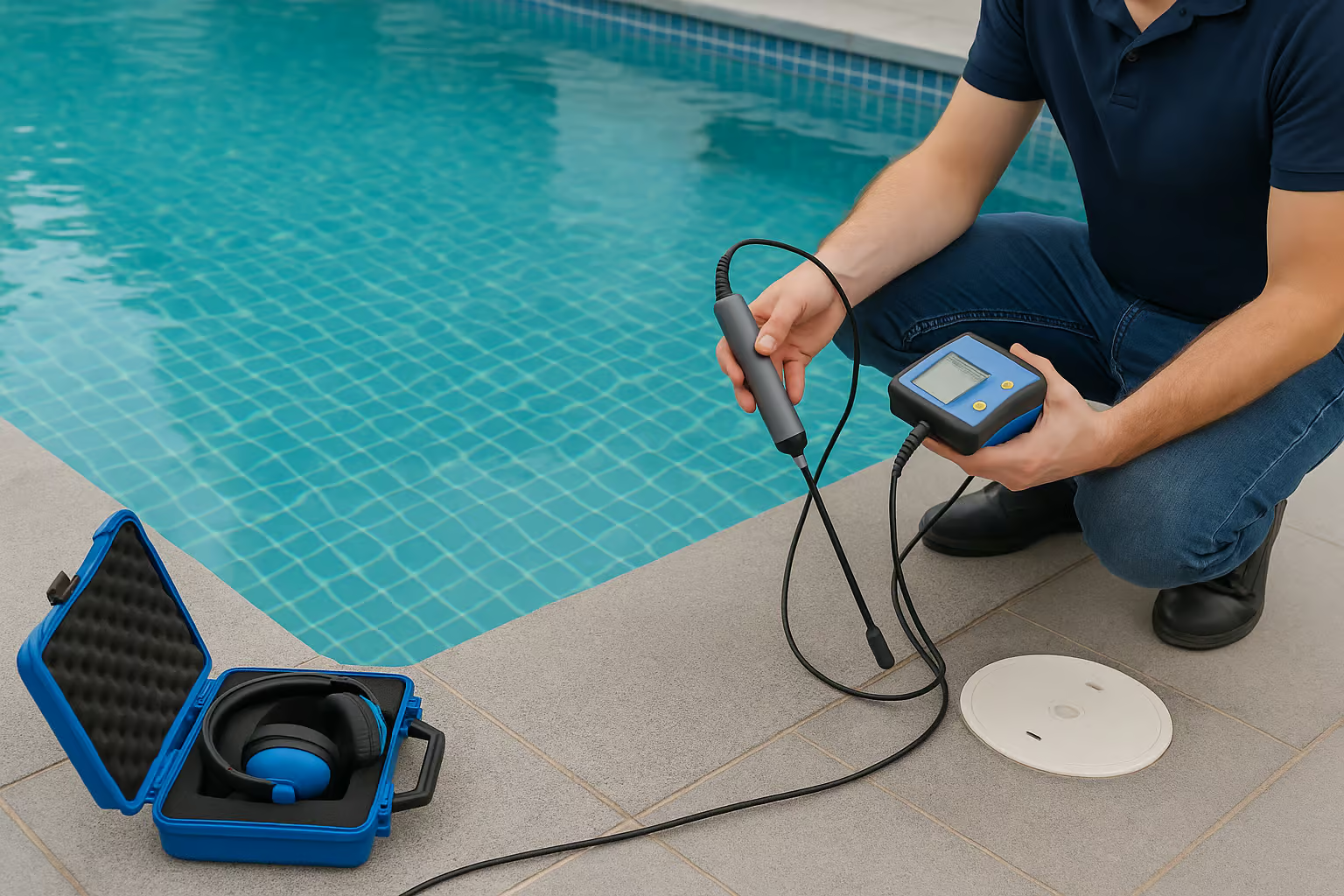
Pool Valve Leaking
Pool Automation Not Working
Pool Light Not Working
Pool Heater Not Heating
Pool Skimmer Not Working
High Pool Filter Pressure
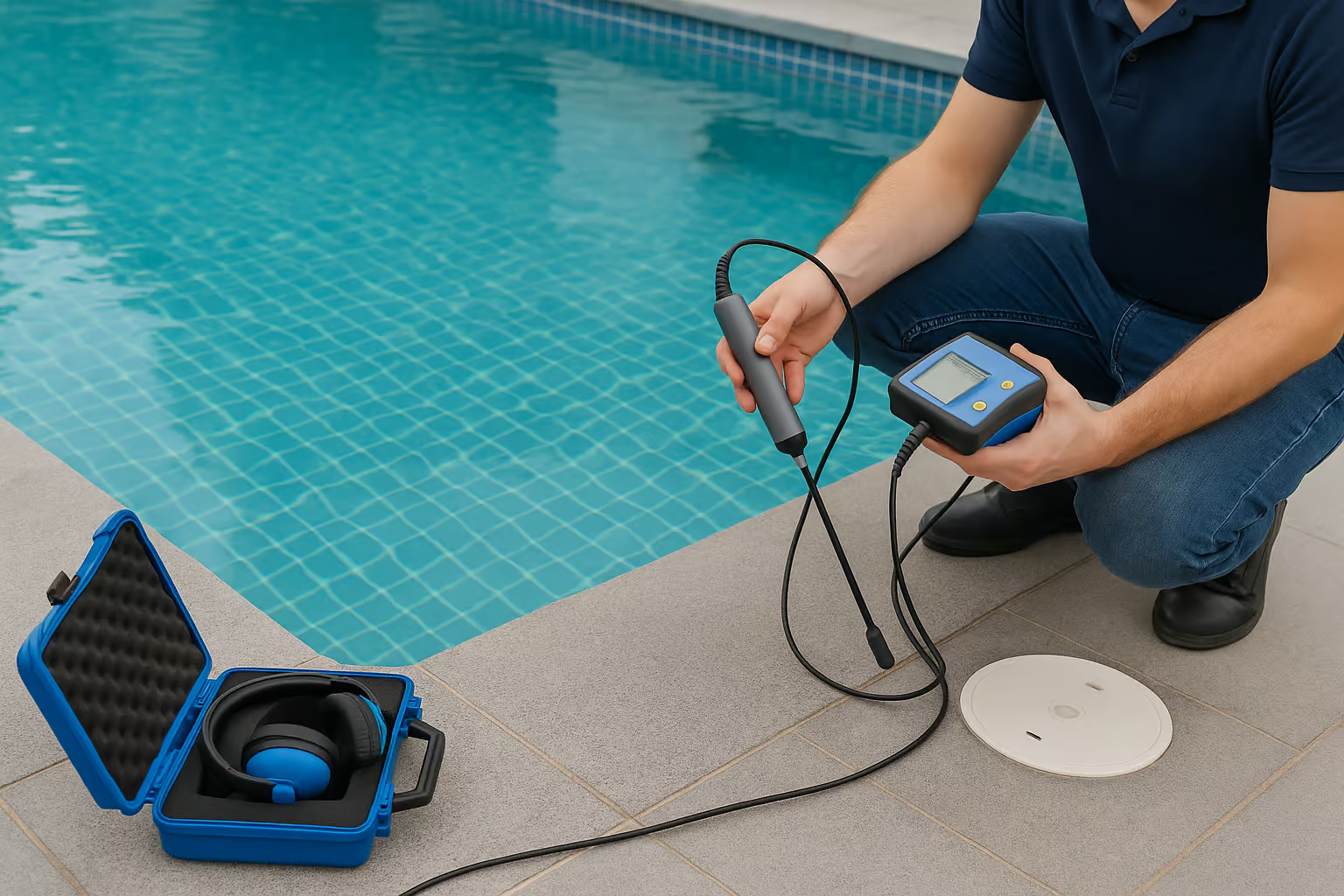
Pool Losing Water
Pool Filter Not Clearing Water
Pool Pump Leaking
Pool Pump Not Pumping
Pool Pump Losing Prime
Pool Pump Noisy
Pool Pump Not Working
Pool Water Foaming
Pool pH Too Low
Pool pH Too High
Green Pool After Rain
Pool Still Green After Shock
Pool Water Cloudy
How to Clear a Green Pool
Pool Care That Protects Your Investment
Good pool care protects more than appearance. Our pool specialists support the long-term condition of your swimming pool while keeping it ready for everyday use.