Pool Cover Types

Why Auckland trusts our pool service expertise
Pool covers come in several types, each suited to different priorities. Understanding what each cover does, and does not do, makes it straightforward to choose the right one for your pool.
The key points below summarise the main differences and what to consider when making your decision.
What you'll learn
The Short Answer
Pool covers reduce evaporation, retain heat, keep debris out, and can improve safety. The right type depends on what you need most, whether that's cutting heating costs, keeping leaves out, or meeting a safety requirement. Most Auckland pool owners end up choosing between a solar cover, a thermal blanket, or a safety cover, sometimes combining two.
---
Why Pool Covers Are Worth Using
A pool left uncovered loses water and heat continuously. In Auckland's climate, evaporation is a year-round issue, not just a summer one. Wind accelerates it significantly.
Covers help by:
- Reducing evaporation and topping-up frequency
- Retaining heat overnight or between uses
- Keeping leaves, dust, and debris out of the water
- Reducing chemical consumption by limiting UV exposure and contamination
- Improving safety where children or pets are present
No single cover type does all of these equally well. Understanding the trade-offs makes it easier to choose.
---
The Main Pool Cover Types
Solar Covers (Bubble Covers)
Solar covers are the most common type for residential pools. They look like large sheets of bubble wrap and sit directly on the water surface.
What they do well:
- Trap solar energy during the day and transfer it to the water
- Reduce overnight heat loss significantly
- Cut evaporation and chemical loss
- Relatively affordable and easy to use with a roller
Limitations:
- Not a safety cover, they do not support the weight of a child or pet
- Degrade over time with UV exposure; lifespan varies by quality
- Can be awkward to handle on larger pools without a roller system
Solar covers are a practical first choice for pool owners who want to extend their swimming season and reduce running costs without a large upfront investment.
---
Thermal Blankets
Thermal blankets are denser and more insulating than standard solar covers. They are designed primarily to retain heat rather than to collect it.
What they do well:
- Excellent heat retention overnight and during cooler periods
- More durable than standard bubble covers
- Reduce evaporation effectively
Limitations:
- Heavier and less flexible than solar covers
- Higher cost than entry-level bubble covers
- Still not a certified safety cover
Thermal blankets suit pools with heating systems, heat pumps or gas heaters, where the goal is to hold onto heat that has already been generated rather than to add more.
---
Safety Covers
Safety covers are designed to prevent accidental entry into the pool. They are anchored to the pool surround and can support significant weight.
What they do well:
- Provide a physical barrier that meets safety standards
- Keep debris out effectively
- Durable and long-lasting with proper care
- Available in mesh or solid formats
Mesh vs solid safety covers:
- Mesh covers allow rainwater to drain through, reducing the risk of water pooling on top. They let some light through, which can encourage algae growth if the pool is left covered for extended periods.
- Solid covers block light entirely, which helps control algae during winterisation. They require a pump to remove standing water from the surface.
Limitations:
- Higher cost than solar or thermal covers
- Installation requires anchoring into the pool deck
- Not primarily designed for heat retention
Safety covers are the right choice where child or pet safety is the primary concern, or where the pool will be closed for an extended period such as winter.
---
Automatic and Semi-Automatic Covers
Automatic covers use a motorised roller system to deploy and retract the cover at the touch of a button. Semi-automatic versions use a motorised roller but require manual attachment.
What they do well:
- Convenient, removes the effort of handling a large cover
- Encourages consistent use, which improves all the benefits covers provide
- Can be integrated into the pool structure for a clean appearance
- Some models meet safety standards
Limitations:
- Significantly higher cost than manual covers
- Mechanical components require maintenance and occasional repair
- Retrofitting to an existing pool can be complex depending on pool shape and surround
Automatic covers suit pool owners who want the benefits of a cover without the daily effort of deploying it manually. They are particularly popular on pools used frequently throughout the week.
---
Leaf and Debris Covers
Leaf covers are lightweight mesh covers designed to catch leaves and coarse debris. They are not insulating and are not safety covers.
What they do well:
- Keep leaves out during autumn and storm events
- Lightweight and easy to put on and take off
- Low cost
Limitations:
- No heat retention
- No safety function
- Fine debris and dust can still pass through
Leaf covers are often used as a secondary cover over a solar or thermal blanket, or on their own during periods when the pool is in regular use but leaf fall is heavy.
---
Comparing the Cover Types at a Glance
Solar cover:
- Heat retention: Good
- Safety: No
- Debris protection: Good
- Relative cost: Low to moderate
Thermal blanket:
- Heat retention: Excellent
- Safety: No
- Debris protection: Good
- Relative cost: Moderate
Safety cover (mesh):
- Heat retention: Low
- Safety: Yes
- Debris protection: Excellent
- Relative cost: Moderate to high
Safety cover (solid):
- Heat retention: Moderate
- Safety: Yes
- Debris protection: Excellent
- Relative cost: Moderate to high
Automatic cover:
- Heat retention: Good to excellent (depends on type)
- Safety: Some models yes
- Debris protection: Good to excellent
- Relative cost: High
Leaf cover:
- Heat retention: None
- Safety: No
- Debris protection: Moderate (coarse debris only)
- Relative cost: Low
---
How to Choose the Right Cover
If your main goal is reducing heating costs
A solar cover or thermal blanket will deliver the most noticeable difference. If your pool has a heat pump or gas heater, a thermal blanket is worth the extra investment, it holds the heat you have already paid to generate.
If safety is the priority
A certified safety cover is the appropriate choice. Check that any cover marketed as a safety cover meets New Zealand standards before purchasing. An automatic cover may also meet safety requirements depending on the model.
If you want low maintenance during winter
A solid safety cover keeps light and debris out during extended closure. Pair it with a proper winterisation routine for best results.
If you want convenience above all
An automatic cover removes the daily effort of covering and uncovering the pool. The higher upfront cost is offset by consistent use and the ongoing savings that come with it.
If you just want to keep leaves out
A leaf cover is a simple, low-cost option. It works well alongside another cover type or on its own during high-debris periods.
---
Using Covers Alongside Other Pool Equipment
Covers work best as part of a broader pool care routine. A few things to keep in mind:
- Chlorine levels: Always check and balance your water chemistry before putting a cover on. Covering a pool with unbalanced water can accelerate problems.
- Circulation: Run your pump and filter as normal even when the cover is on. Covers reduce evaporation and debris load but do not replace filtration.
- Algae risk: Solid covers that block light help prevent algae during winterisation, but the pool still needs appropriate sanitiser levels.
- Cover care: Rinse covers periodically and store them correctly when not in use. Debris left sitting on a cover can stain the pool surface if it washes in.
---
When to Ask a Professional
Choosing and fitting a safety cover or automatic cover system is worth getting right the first time. Incorrect installation can compromise both safety and function. If you are unsure which cover suits your pool, or if you are looking at an automatic system that needs to be integrated into your pool structure, it is worth talking to a pool specialist before committing.
Sparkling Pools has been working with Auckland pool owners since 1992. If you have questions about covers or any other aspect of pool care, get in touch.
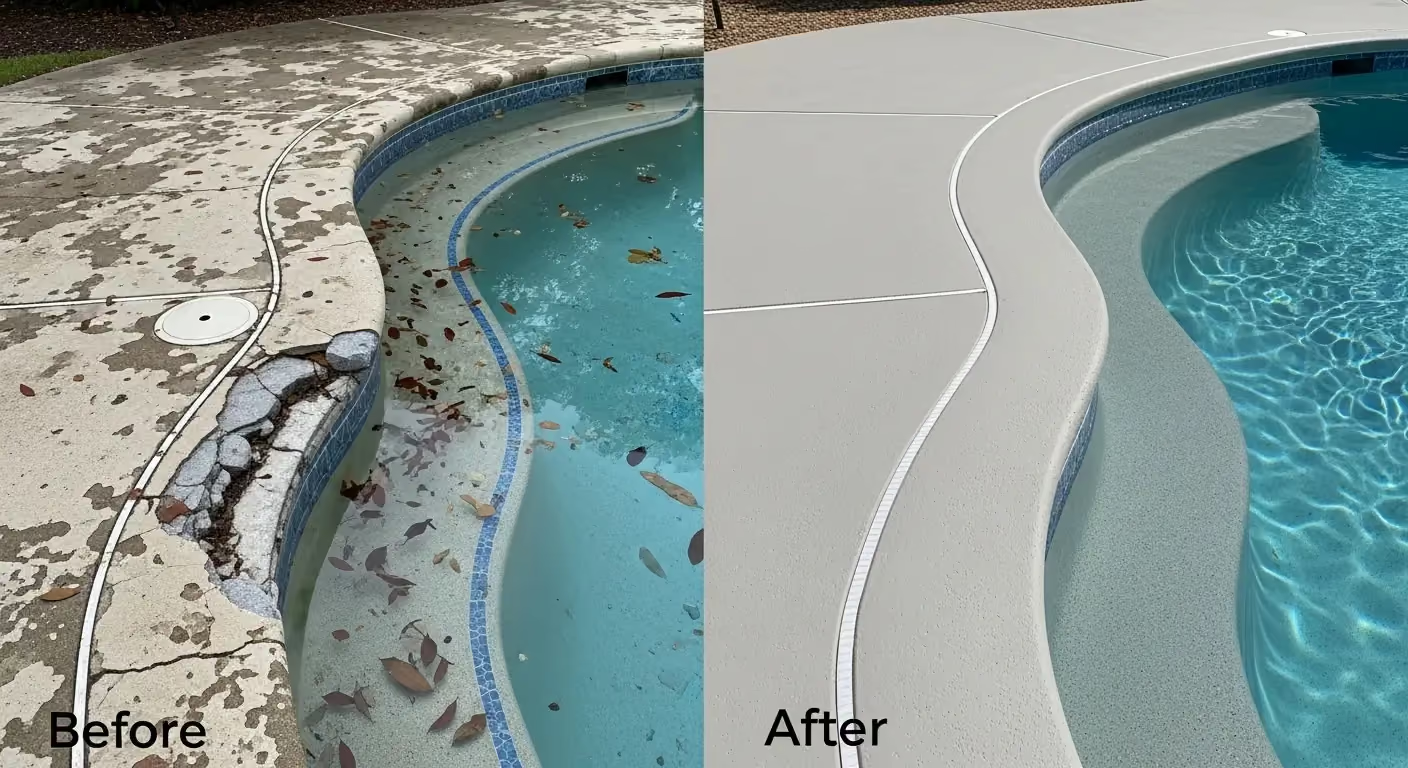
Pool resurfacing solutions
Restore your pool with durable plaster finishes

Work completed
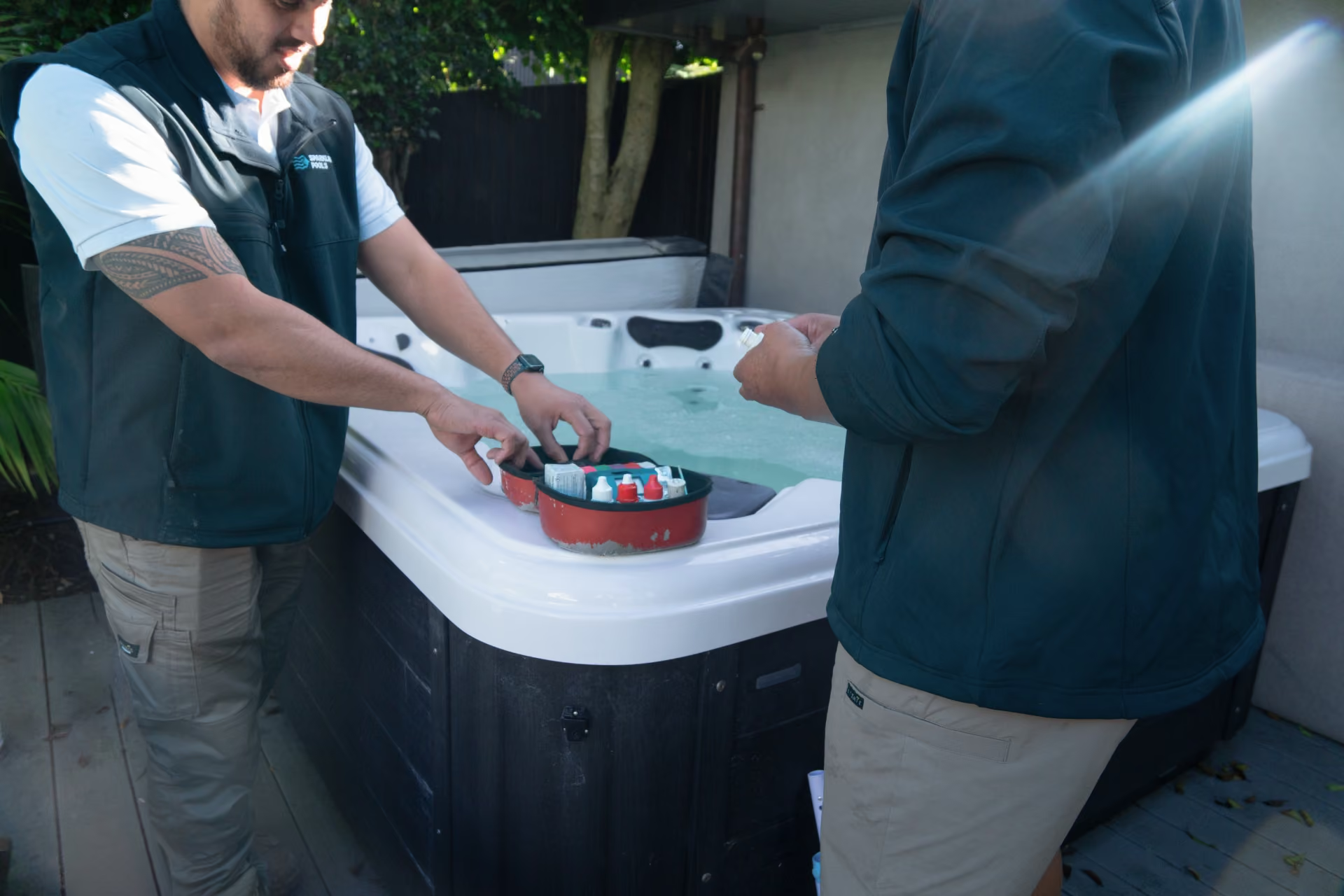
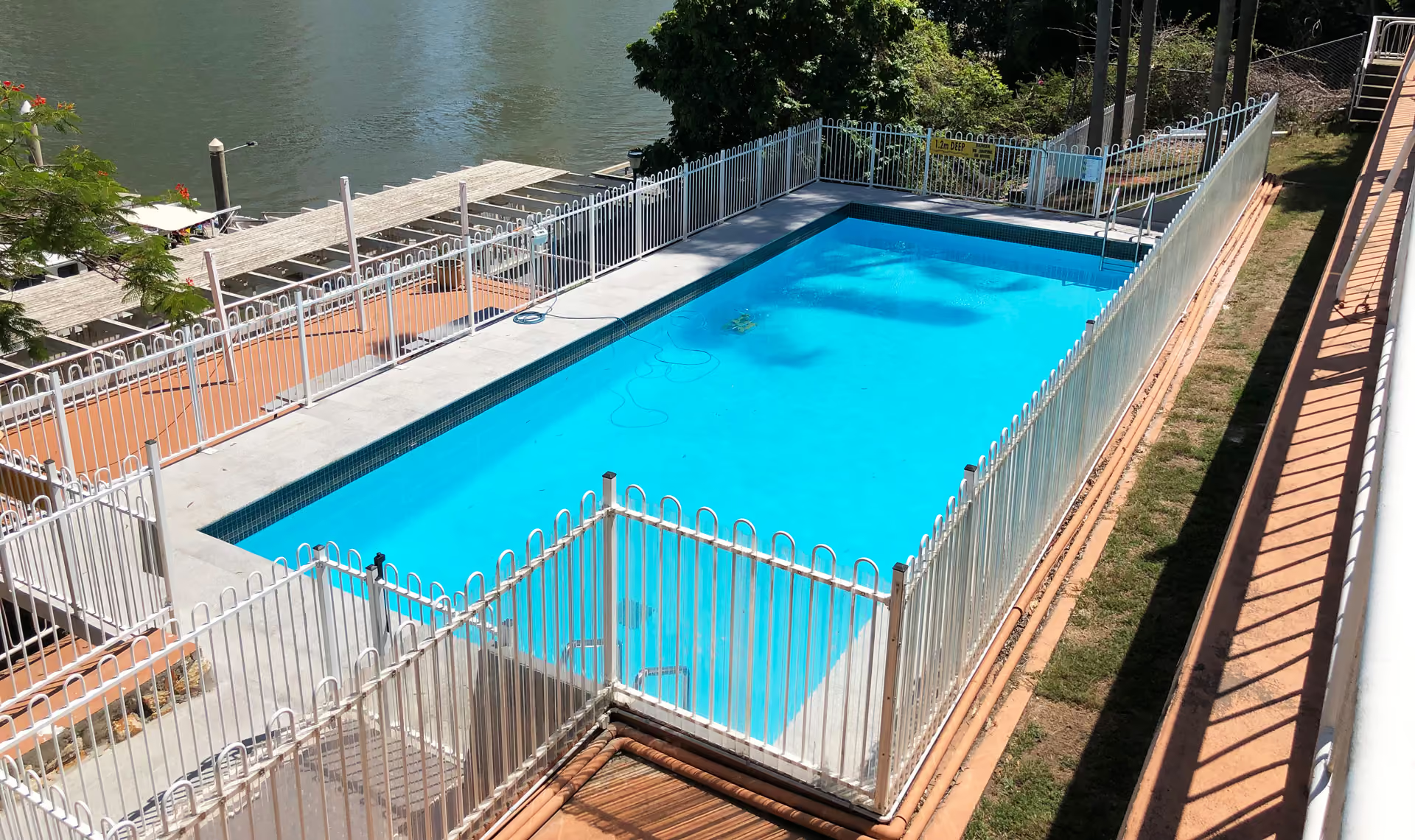
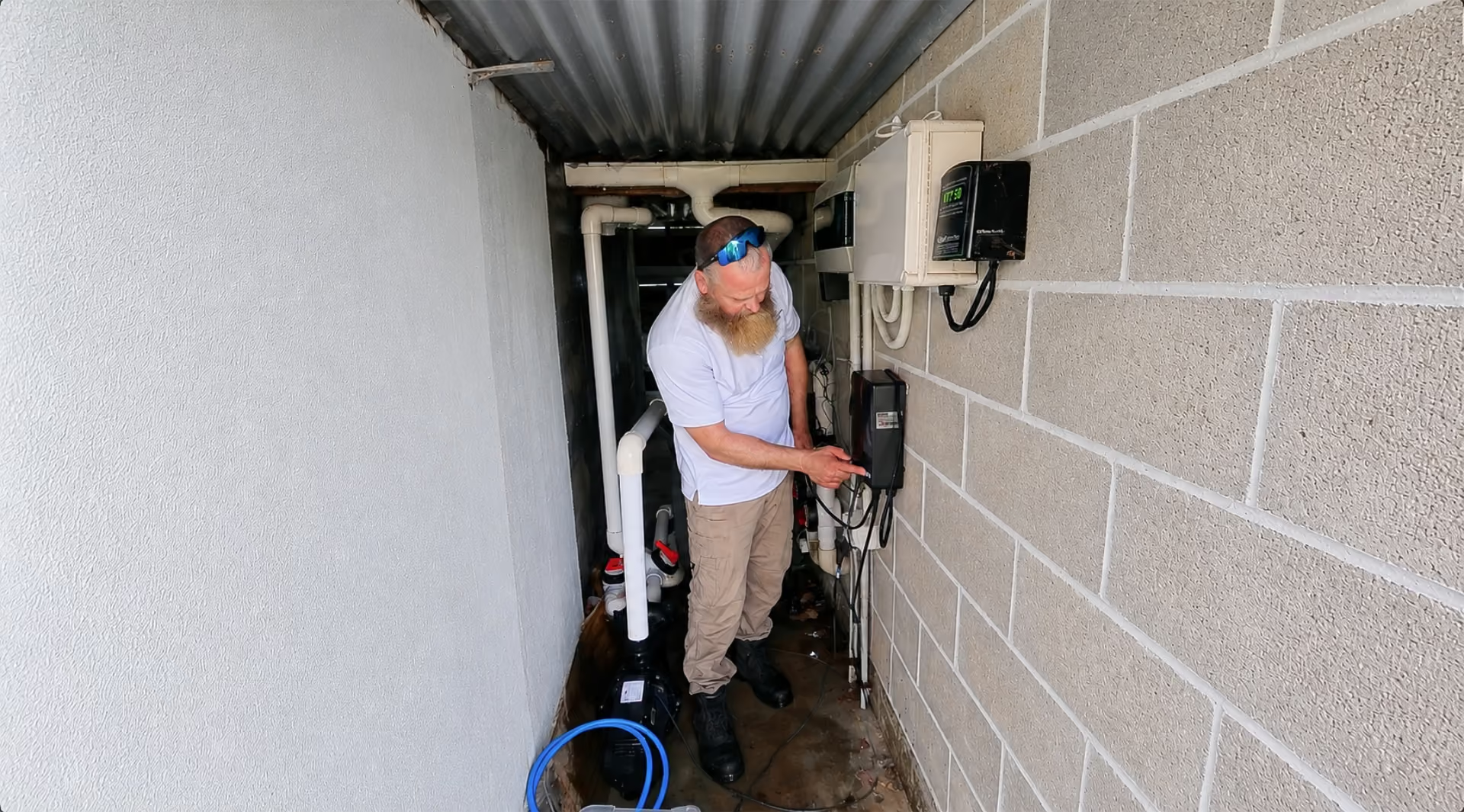
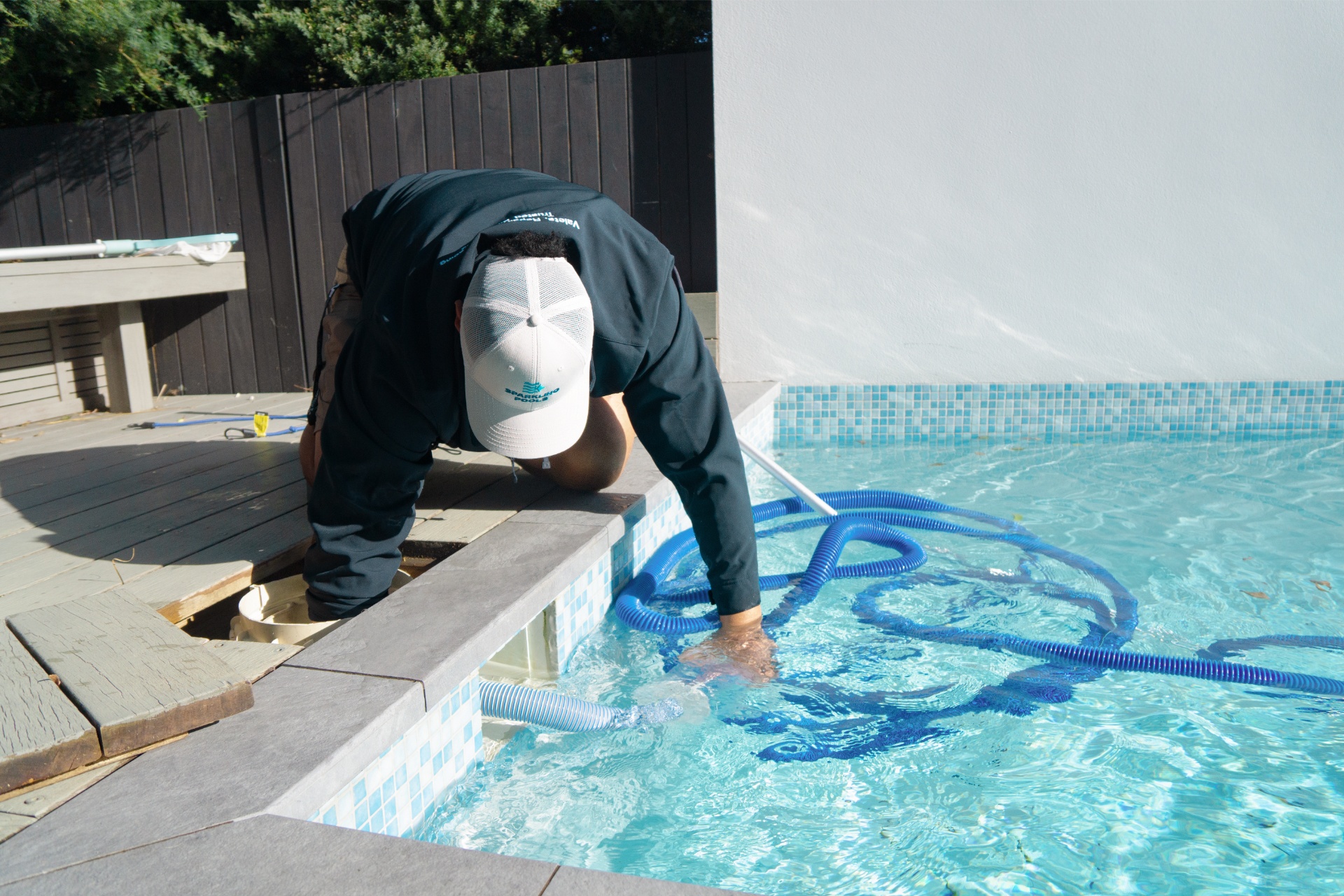
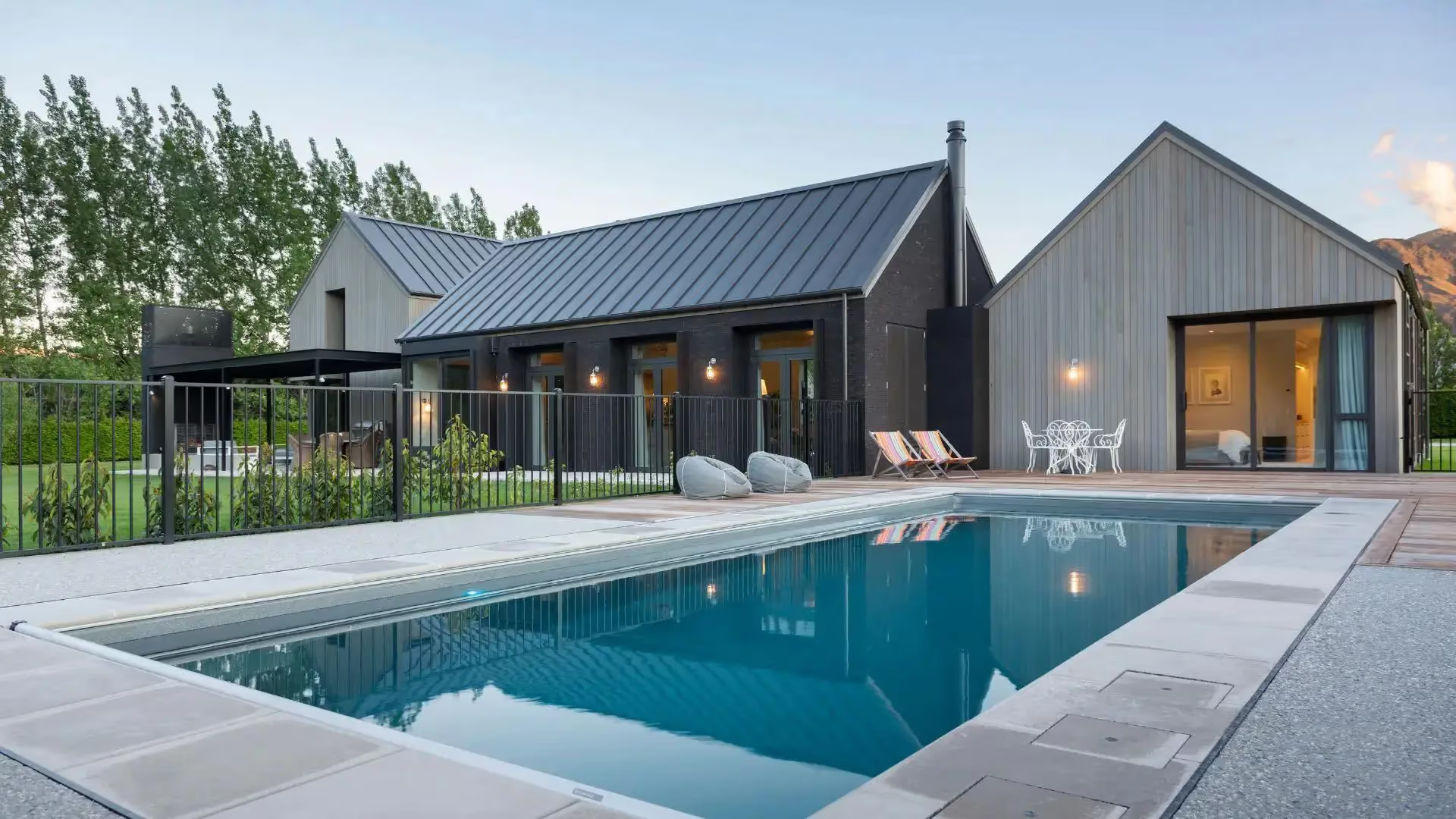
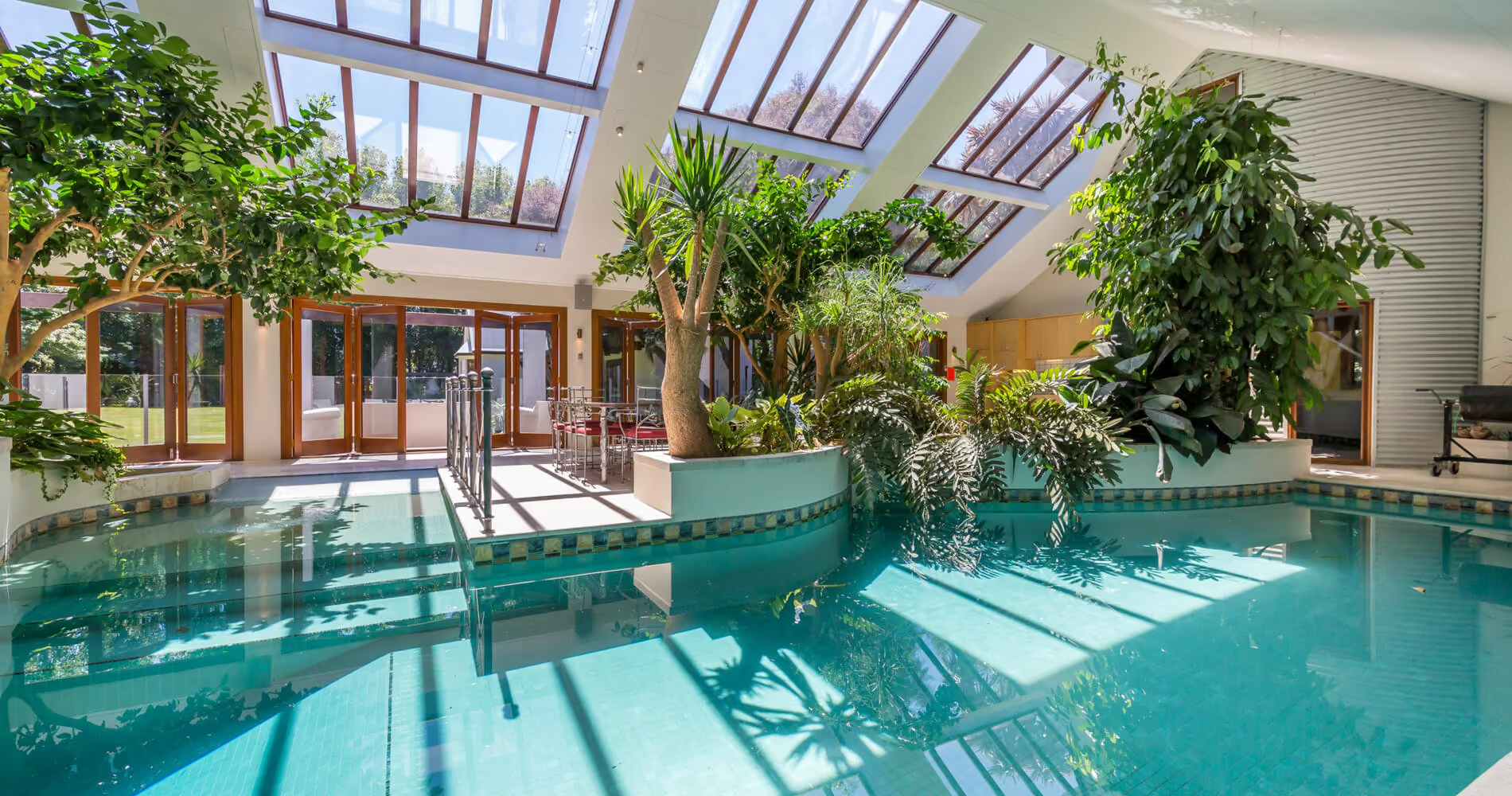
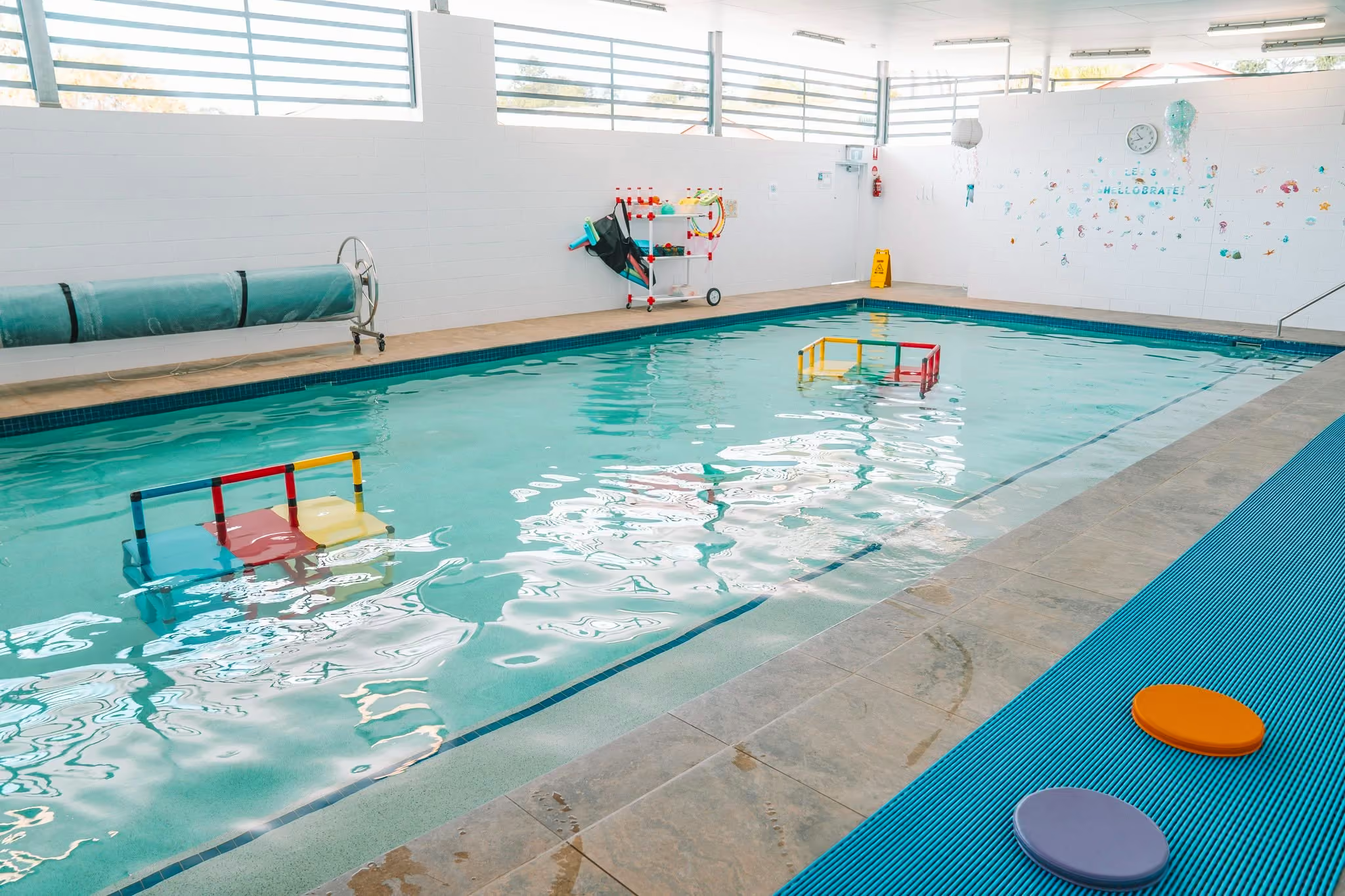
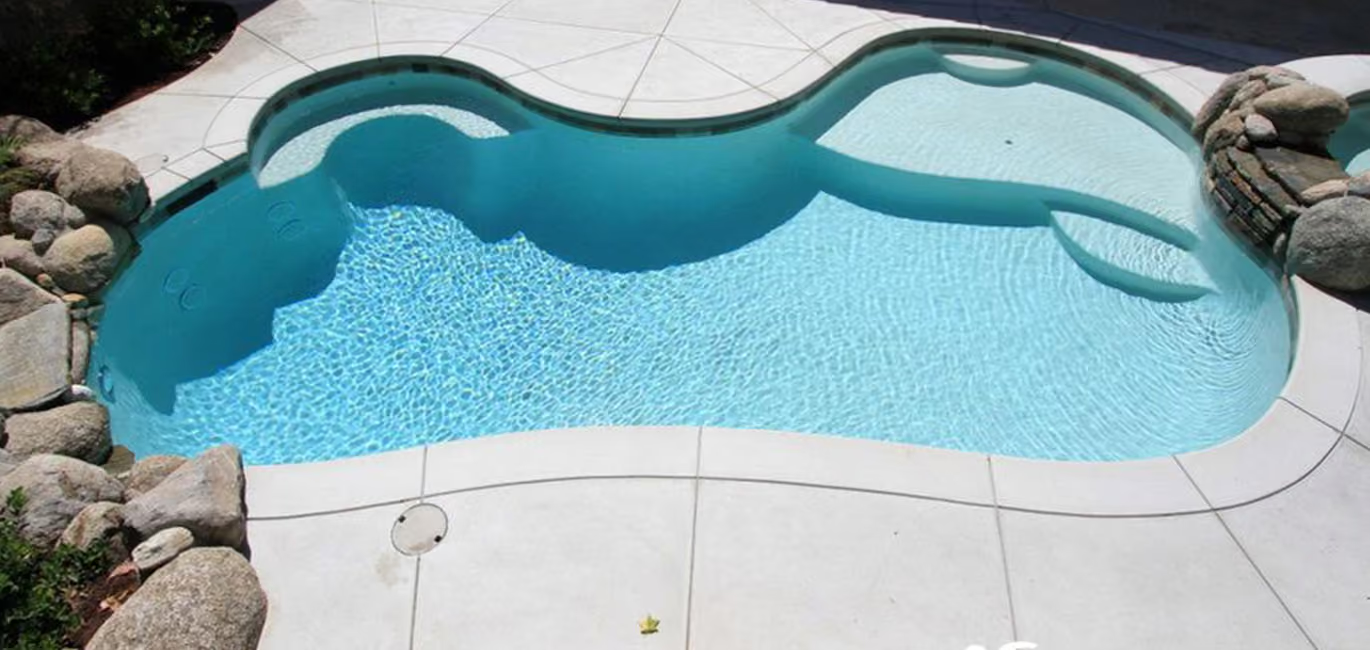
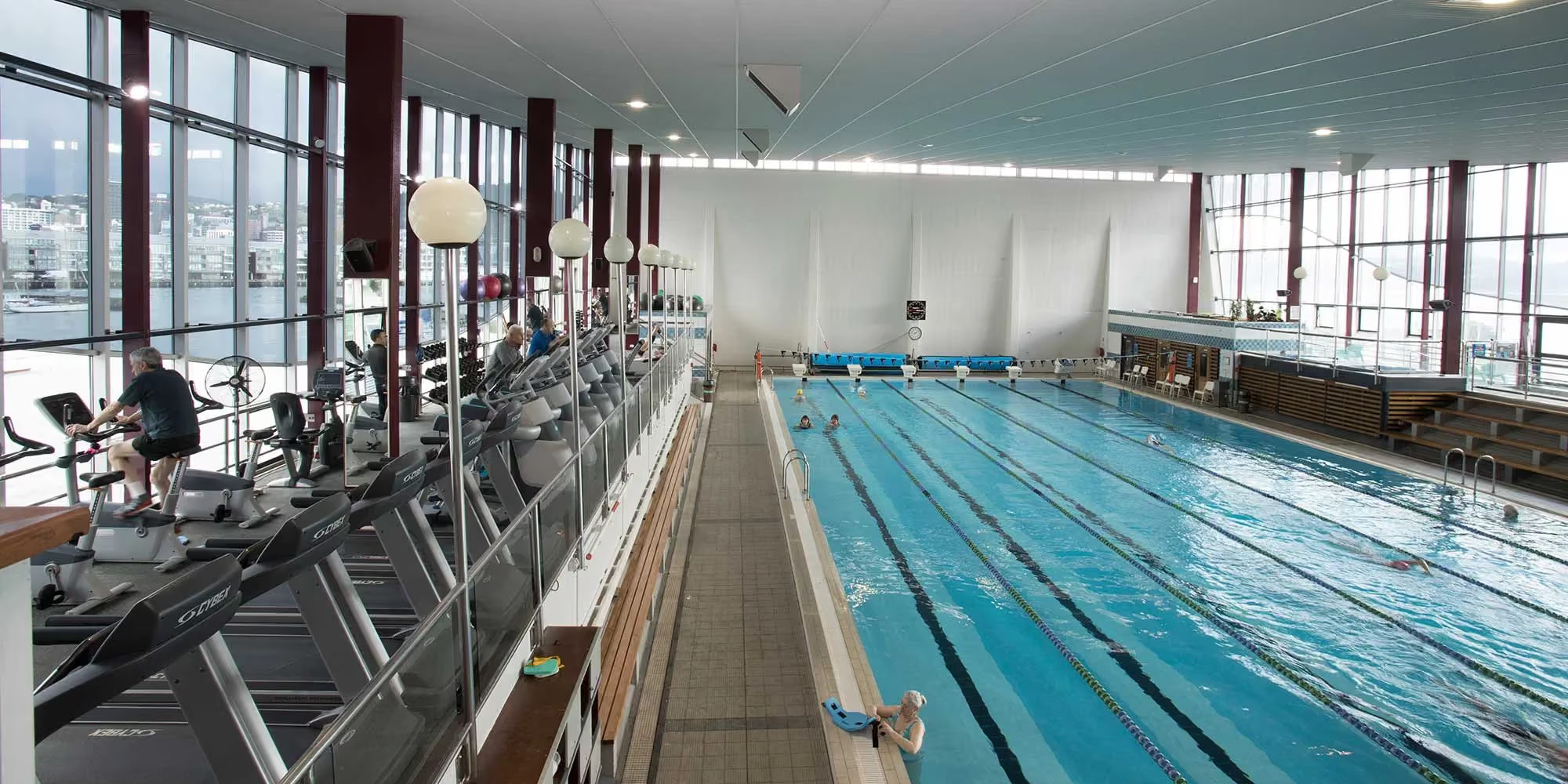
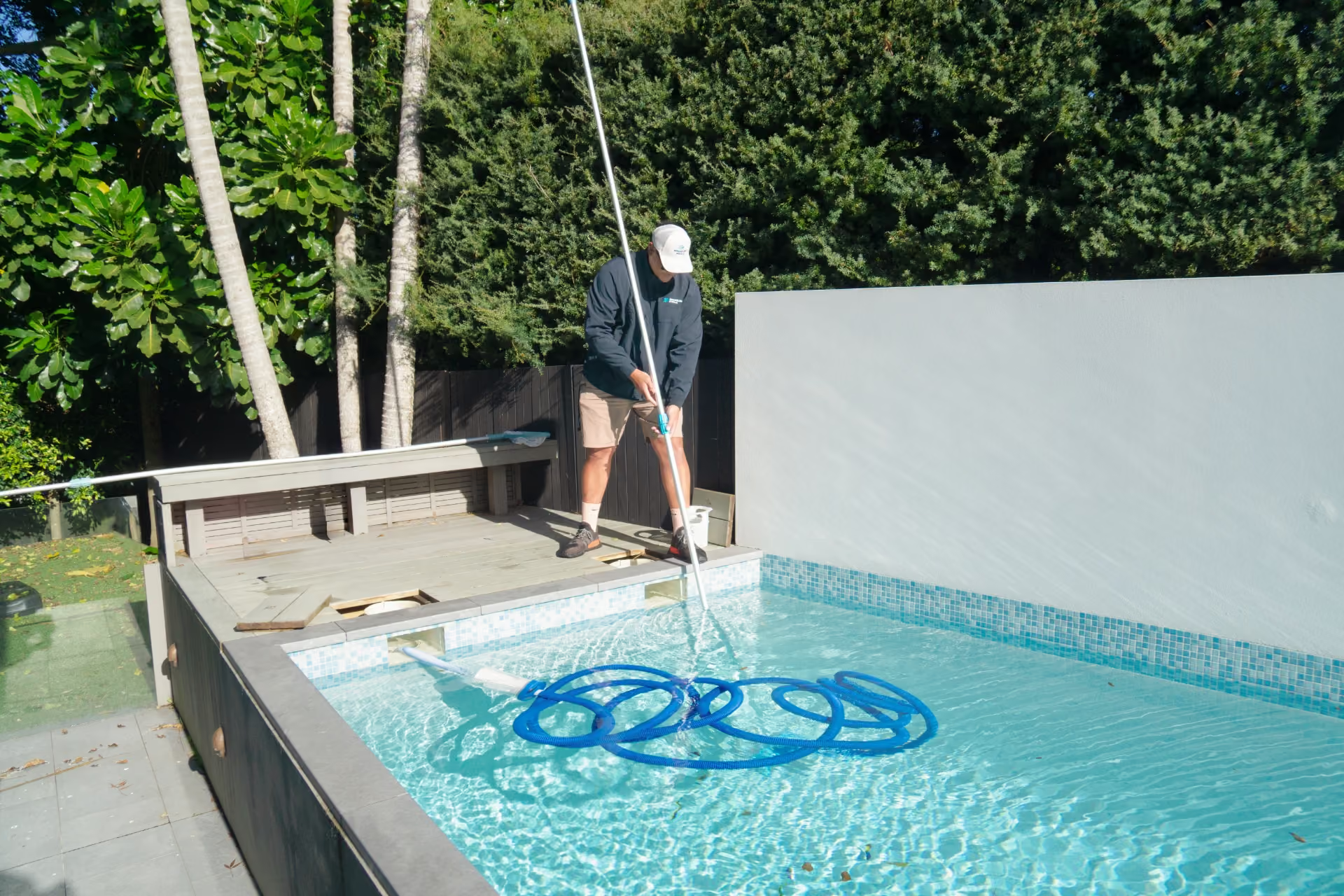
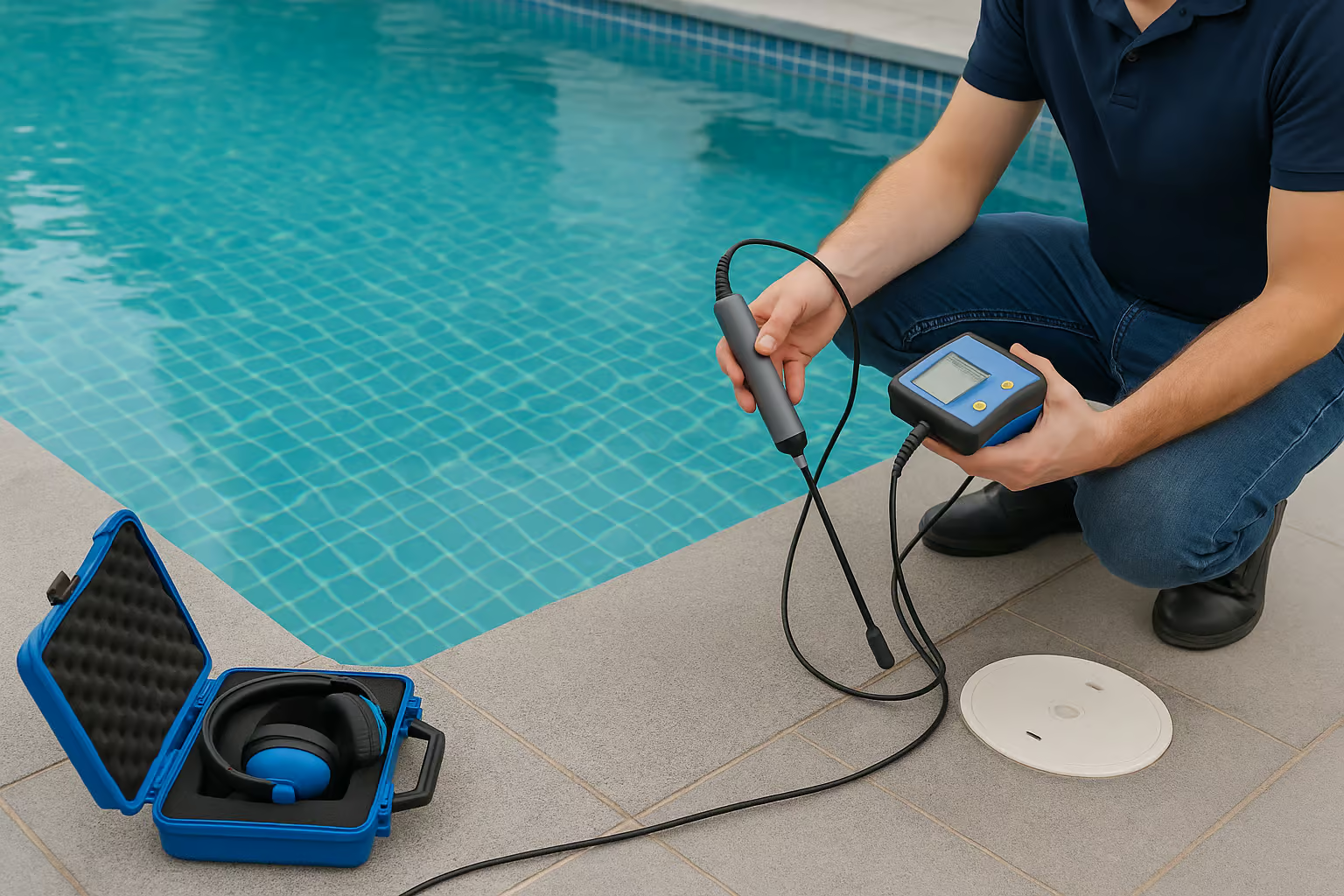
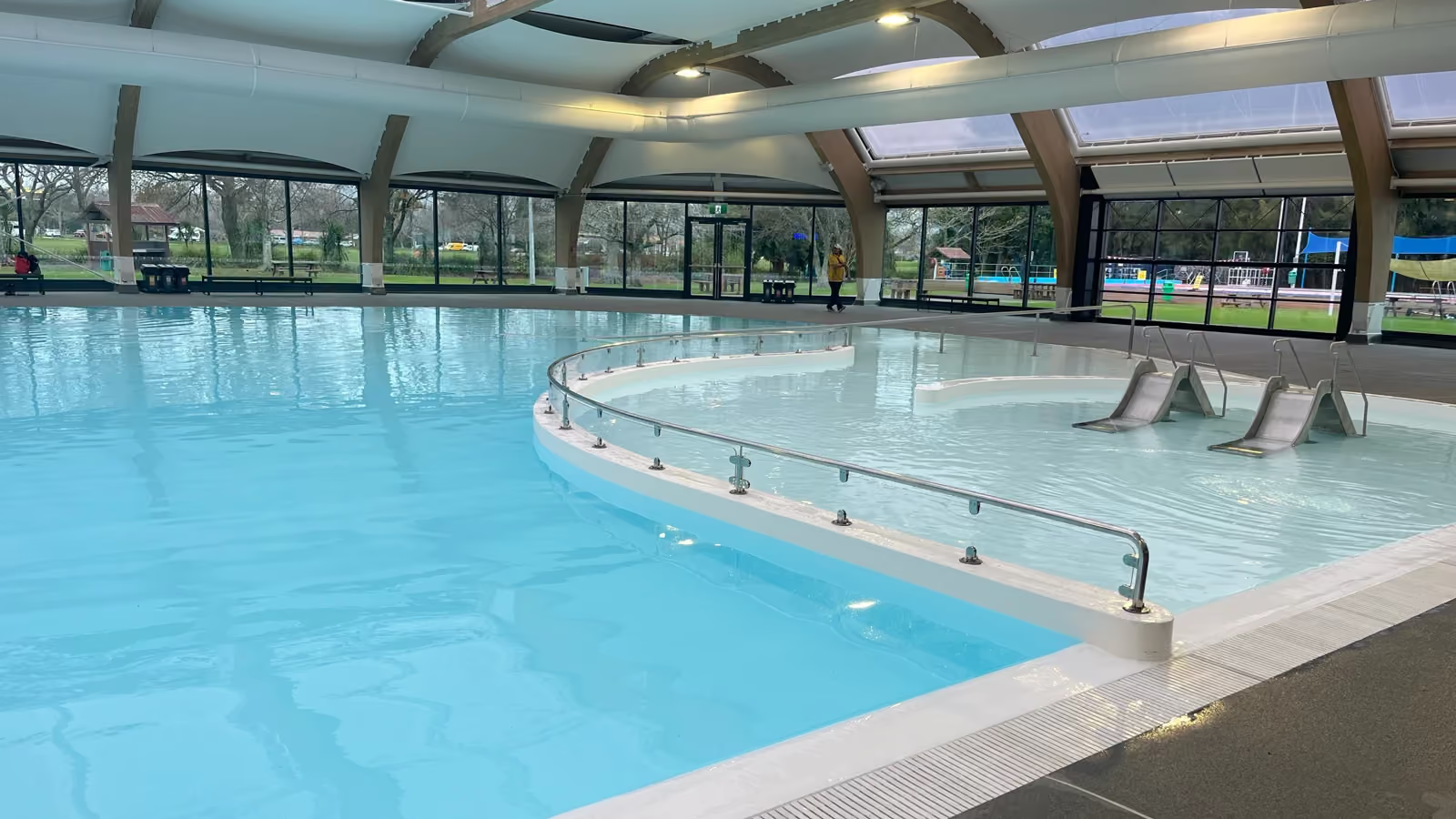
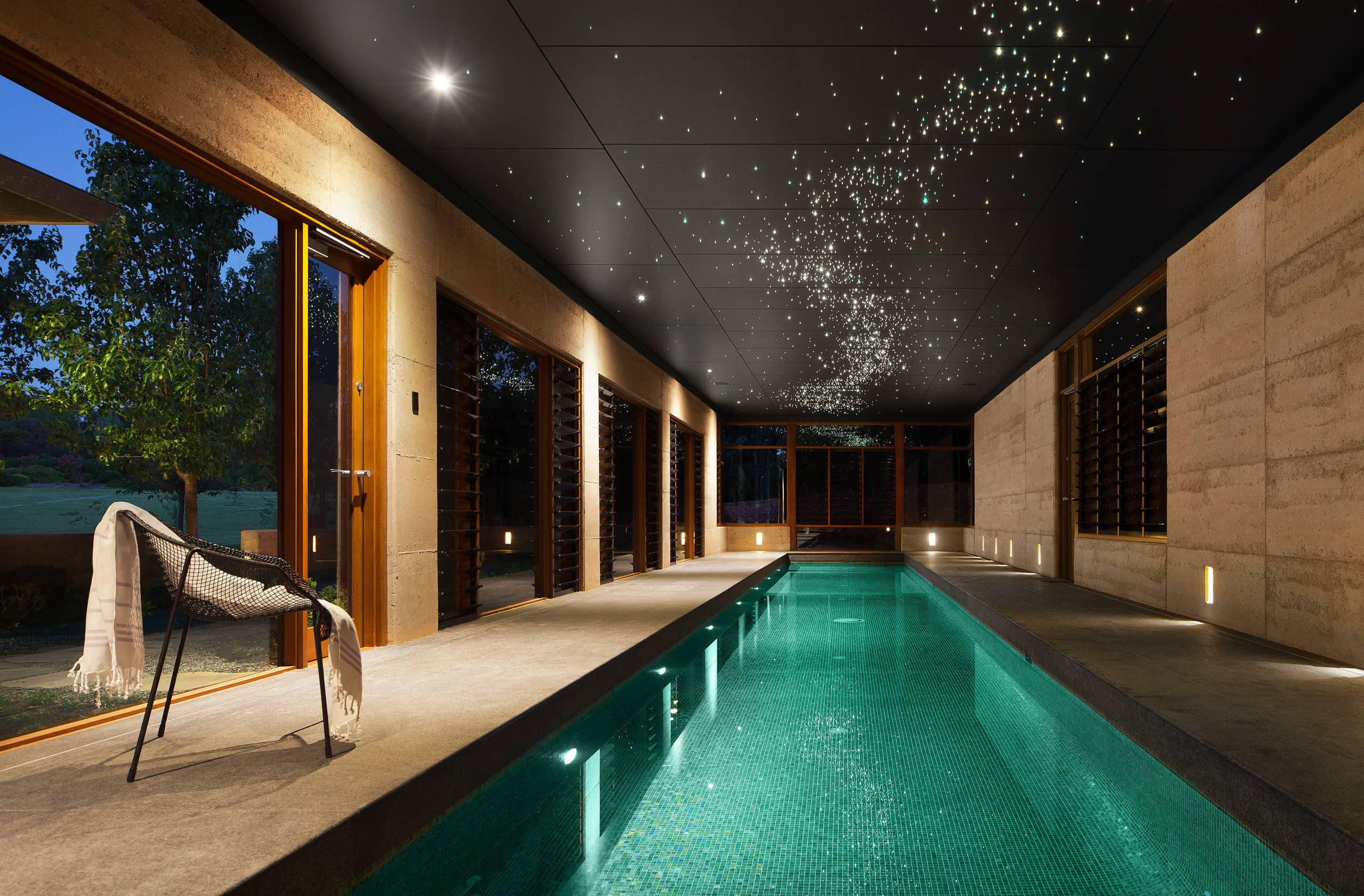
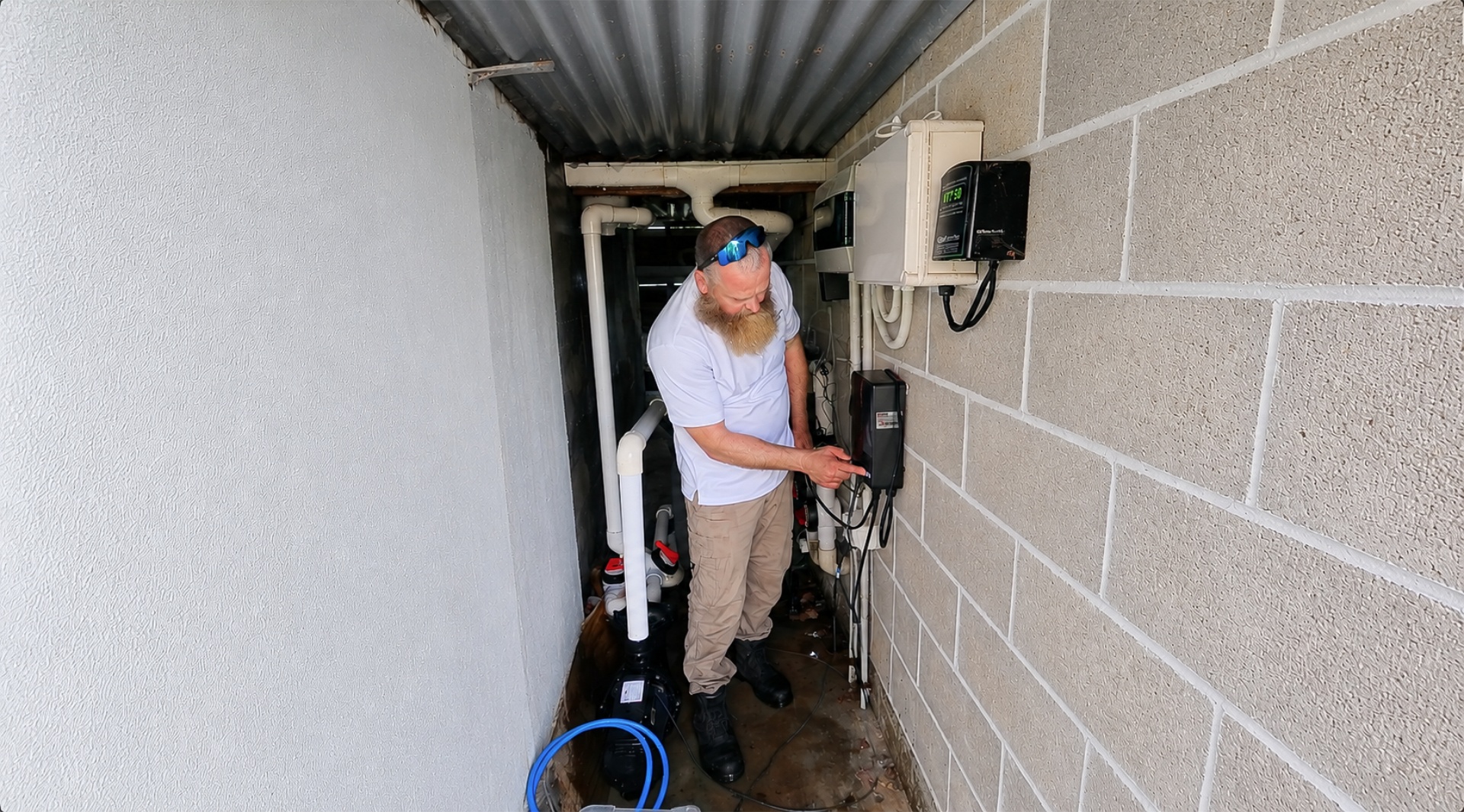
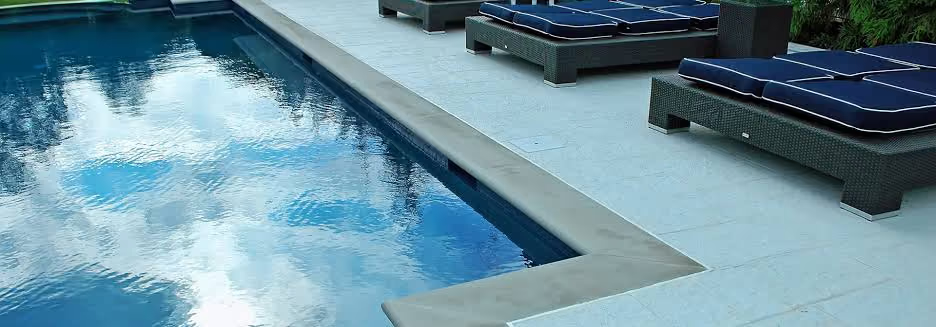
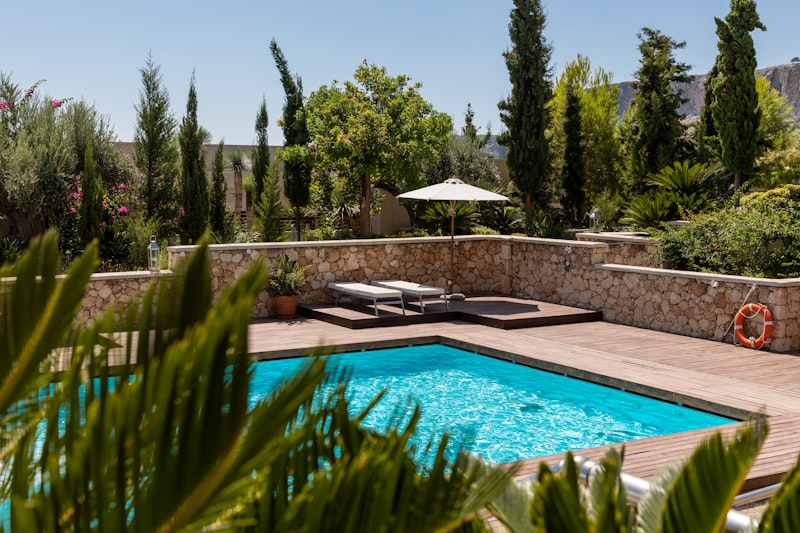
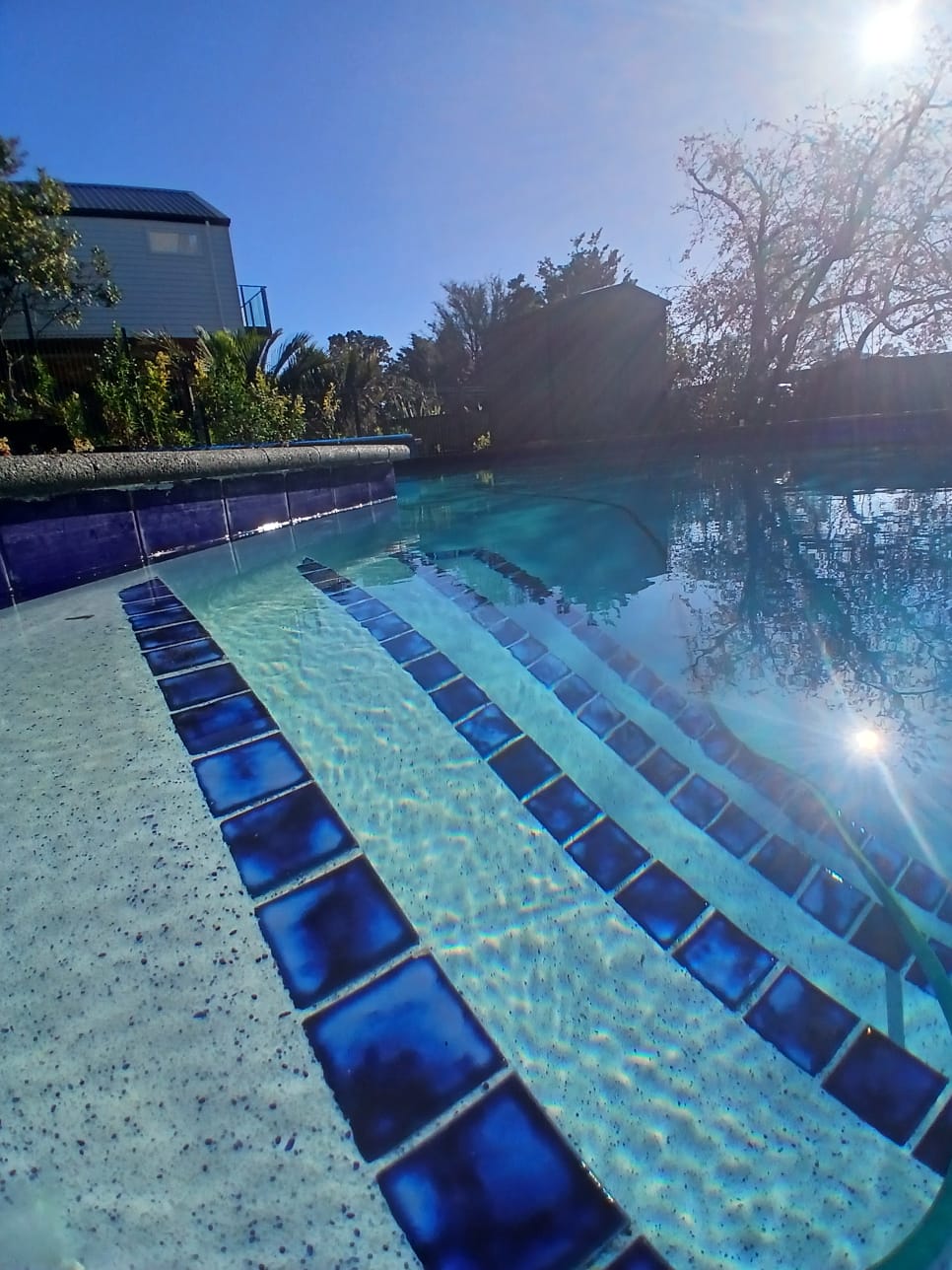
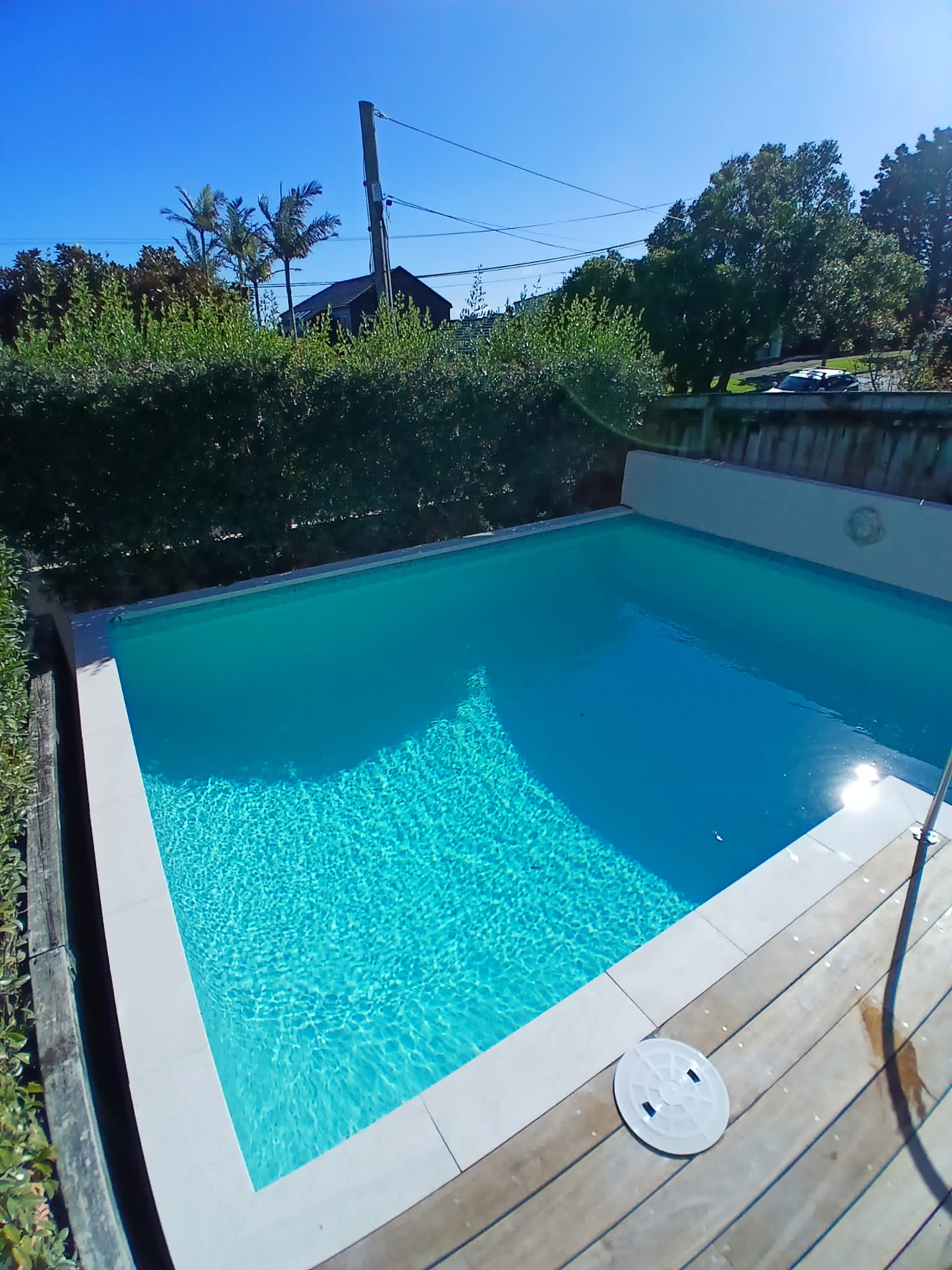
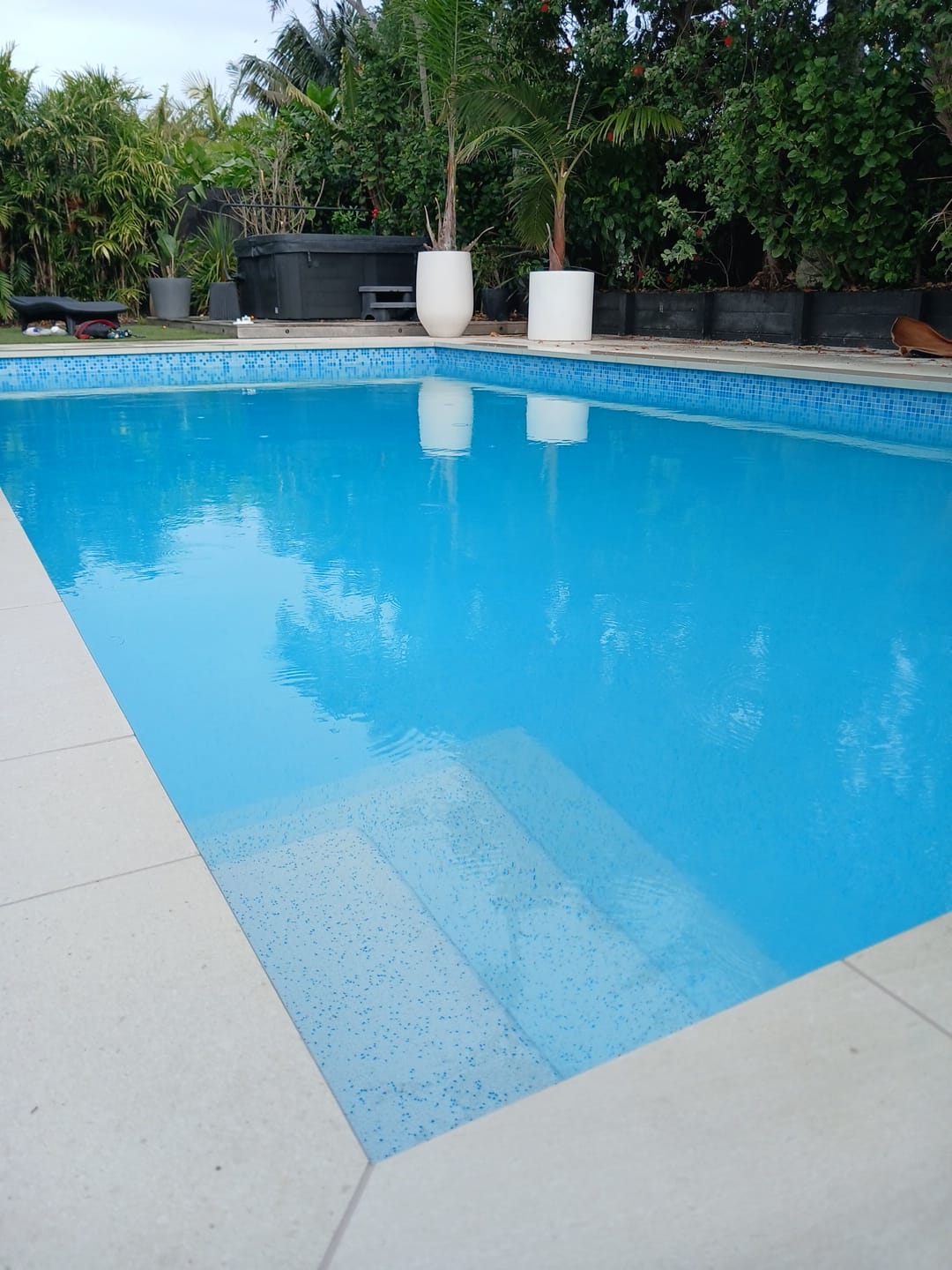
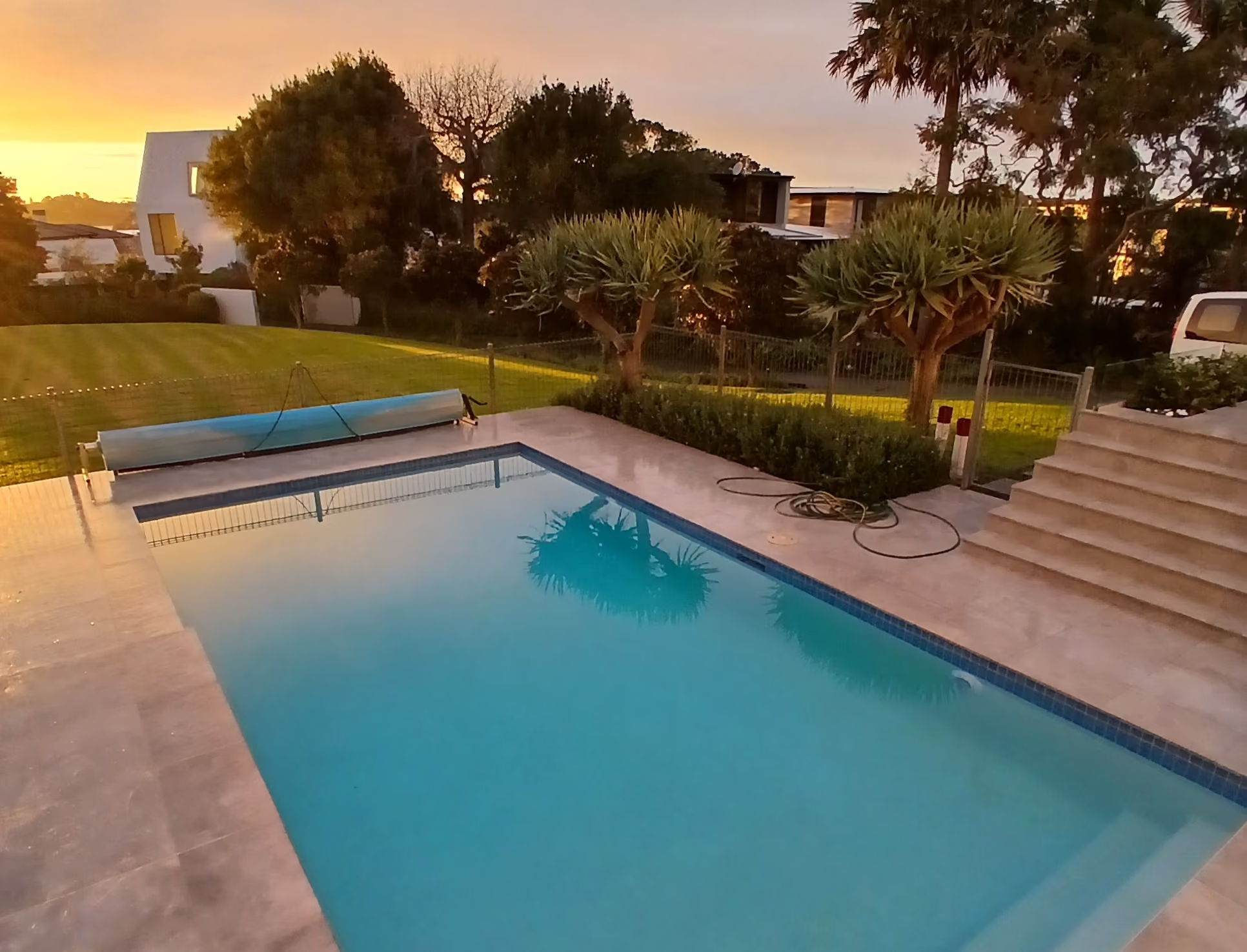
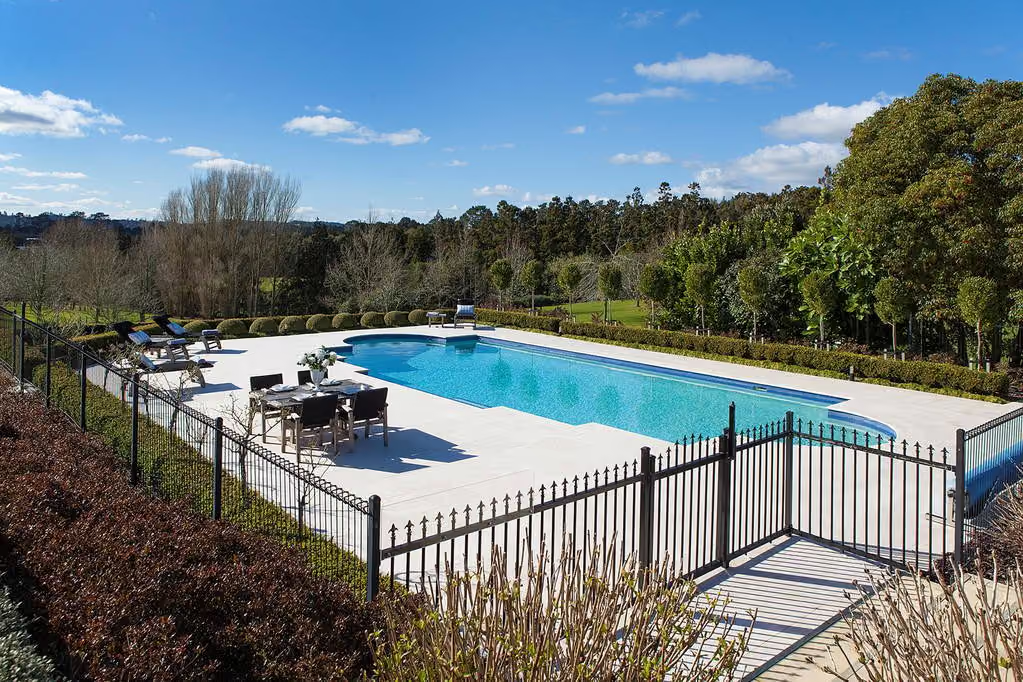
Sparkling Pools has worked on pools across Auckland, including residential renovation projects, equipment upgrades, ongoing maintenance and pool care for managed properties. Past projects show how the right approach can improve presentation, water quality and day-to-day usability. A well-maintained pool is easier to manage, more pleasant to use and better prepared for seasonal changes.
Trusted by Homeowners Across Auckland
Don't just take our word for it. Read what our clients have to say about our transparent communication, reliable service, and stunning pool transformations.
Related Blog Posts
Stay informed on pool care and renovations
Winter pool care essentials for Auckland
Pool Renovation Mistakes

Auckland Climate Pool Maintenance

Choosing Renovation Contractor
Pool Care Auckland Summer
Permits & Consents
Pool Renovation ROI
How Often to Test Pool Water
Pool Renovation Costs
Cost of Pool Service Auckland
Pool Renovation Planning Guide
Pool Lighting Buying Guide
Pool Cleaner Buying Guide
Pool Automation Buying Guide
Pool Heater Buying Guide
Pool Filter Buying Guide
Pool Pump Buying Guide
Best Equipment Auckland Climate
Auckland Water Quality
Auckland Pool Season
Pool Ownership Costs
Common Pool Mistakes
Pool Safety Laws
Pool Inspection Requirements
Pool Fence Compliance
.avif)
Auckland Pool Industry Trends
Auckland Pool Regulations
Pool Equipment Suppliers
Best Pool Service Areas
Pool Service Pricing Analysis
Company vs Independent
Best Pool Surface Materials
Pool Resurfacing Options
Pebble vs Plaster Surfaces
One-Time vs Ongoing Service
Full Service vs Chemicals Only
Pool Cover Types
Robotic vs Suction Cleaners
Mineral vs Saltwater
Gas vs Heat Pump
Pool Heater Types
Pool Winterizing Guide Auckland
Pool Opening Guide Summer
Pool Maintenance After Heavy Rain
Pool Maintenance Schedule
How Often to Run Pool Filter
Pool Pump Maintenance Schedule
Pool Filter Cartridge Cleaning
Pool Equipment Maintenance Checklist
Pool Waterline Cleaning
Pool Skimmer Basket Cleaning
Pool Chlorine Levels
How Often Clean Pool Filter
How to Vacuum Pool
Pool Brushing Technique
Pool Chemical Dosing Chart
Pool Water Chemistry Basics
How to Balance Pool Chemistry
How to Test Pool Water
Pool Maintenance Tips
Complete Pool Maintenance Guide
Pool Service ROI
Pool Equipment Buy or Service
Pool Maintenance Time Requirements
DIY vs Professional
Pool Service Contract
Pool Service vs Pool Valet
Is Pool Service Worth It
Pool Service Guarantees
Pool Service Reviews
Pool Service Red Flags
Questions to Ask Pool Companies
How to Choose Pool Service Company
Hidden Costs DIY Maintenance
Pool Cleaning Prices Auckland
Cost of Pool Resurfacing
Cost of Pool Pump Replacement
Cost to Fix Green Pool
Pool Liner Wrinkles
Pool Cracks When to Worry
Pool Surface Stains
Pool Valve Leaking
Pool Automation Not Working
Pool Light Not Working
Pool Heater Not Heating
Pool Skimmer Not Working
High Pool Filter Pressure
Pool Losing Water
Pool Filter Not Clearing Water
Pool Pump Leaking
Pool Pump Not Pumping
Pool Pump Losing Prime
Pool Pump Noisy
Pool Pump Not Working
Pool Water Foaming
Pool pH Too Low
Pool pH Too High
Green Pool After Rain
Pool Still Green After Shock
Pool Water Cloudy
How to Clear a Green Pool
Pool Care That Protects Your Investment
Good pool care protects more than appearance. Our pool specialists support the long-term condition of your swimming pool while keeping it ready for everyday use.