Pool Maintenance Tips

Why Auckland trusts our pool service expertise
Keeping a pool in good condition comes down to a handful of consistent habits. The tasks themselves are not complicated, but they do need to be done regularly.
The points below cover the most important things to know about pool maintenance, whether you're new to pool ownership or looking to tighten up your existing routine.
What you'll learn
Why Regular Pool Maintenance Matters
A pool that gets consistent attention is easier and cheaper to manage than one that's left until something goes wrong. Skipping routine tasks, even for a week or two, can let water chemistry drift, algae take hold, or equipment wear faster than it should.
For Auckland pool owners, the climate adds an extra layer of consideration. Warm summers, heavy rain events, and year-round use mean your pool is rarely truly dormant. Keeping on top of maintenance through every season is the most practical way to protect your investment.
---
1. Test Your Water Regularly
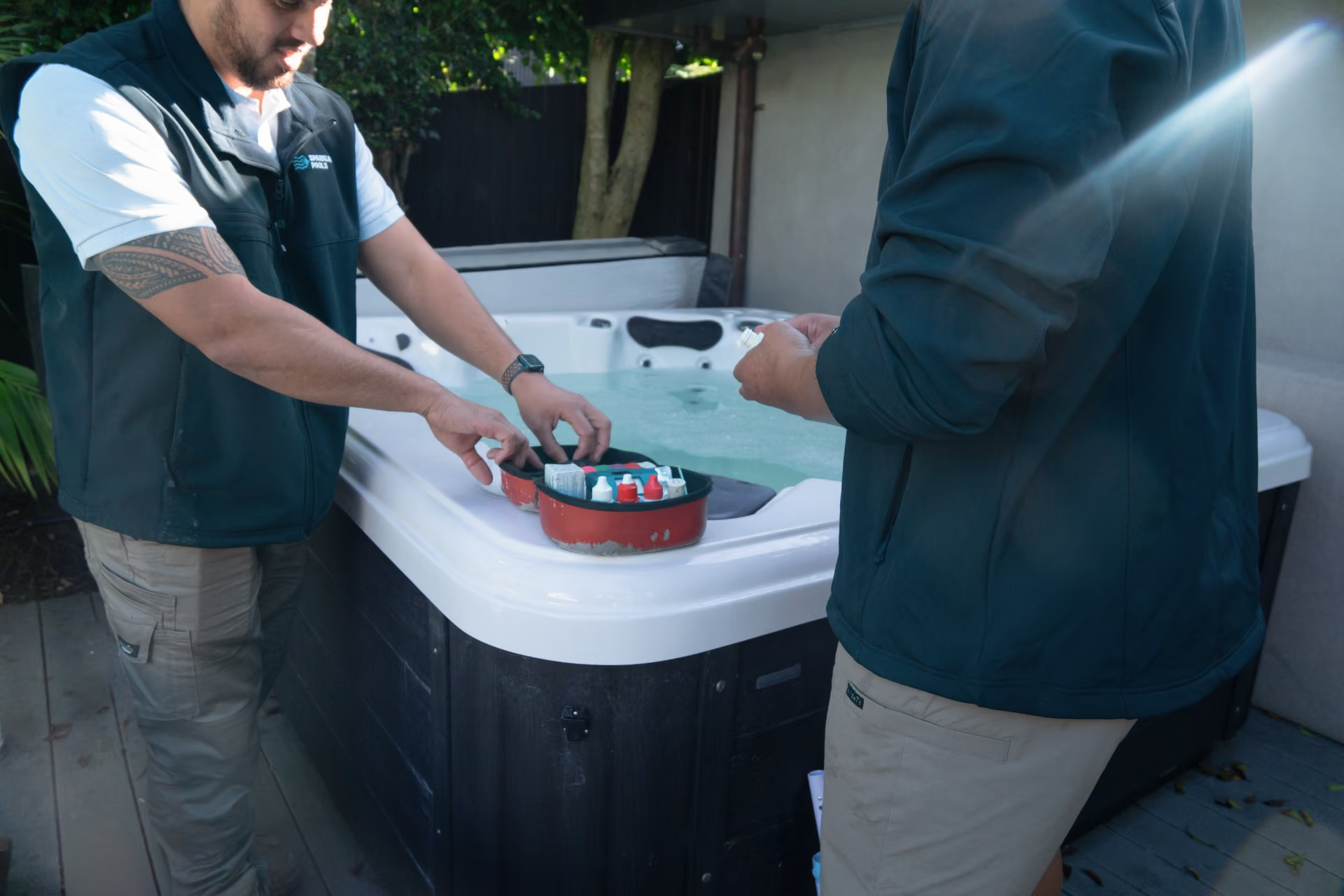
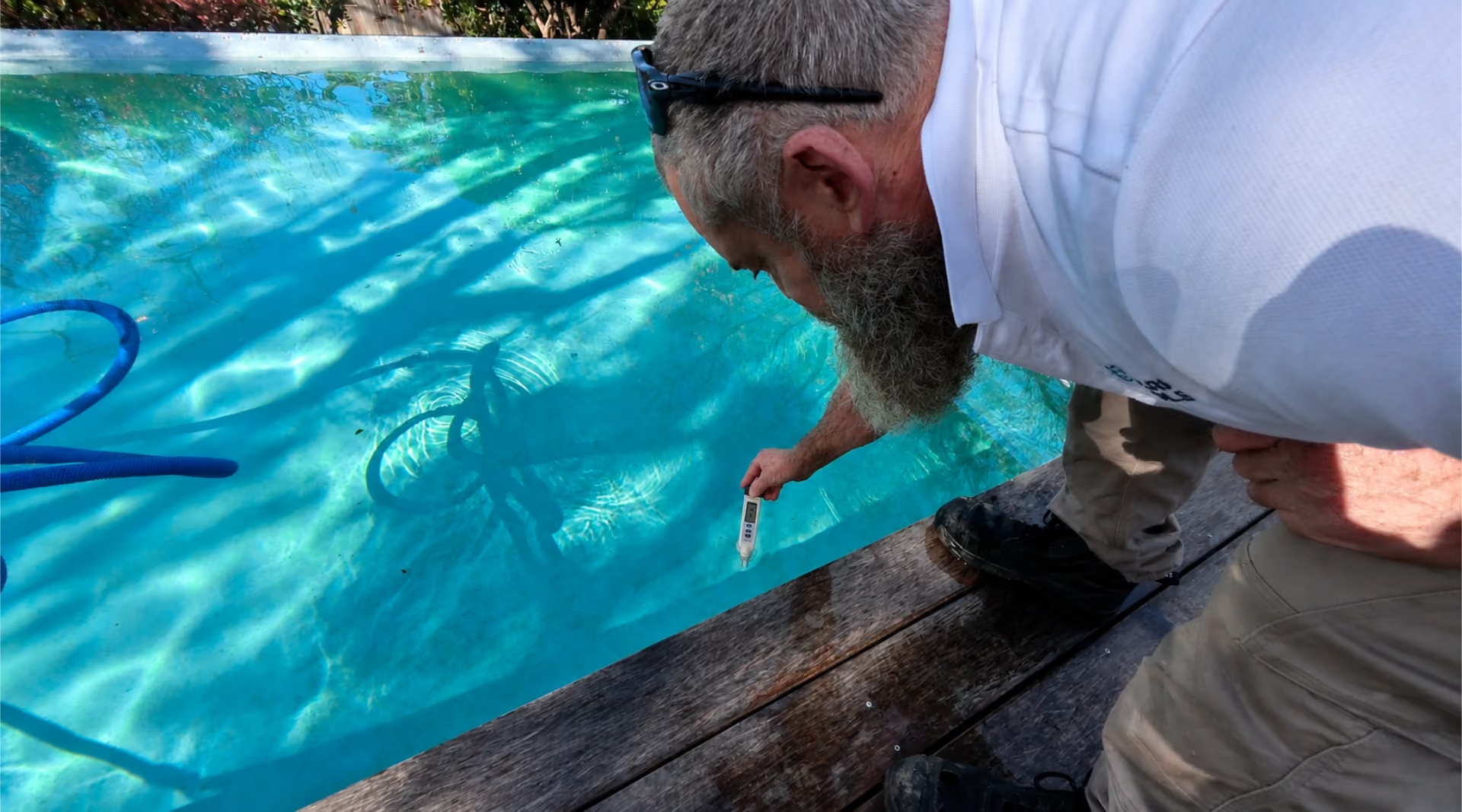
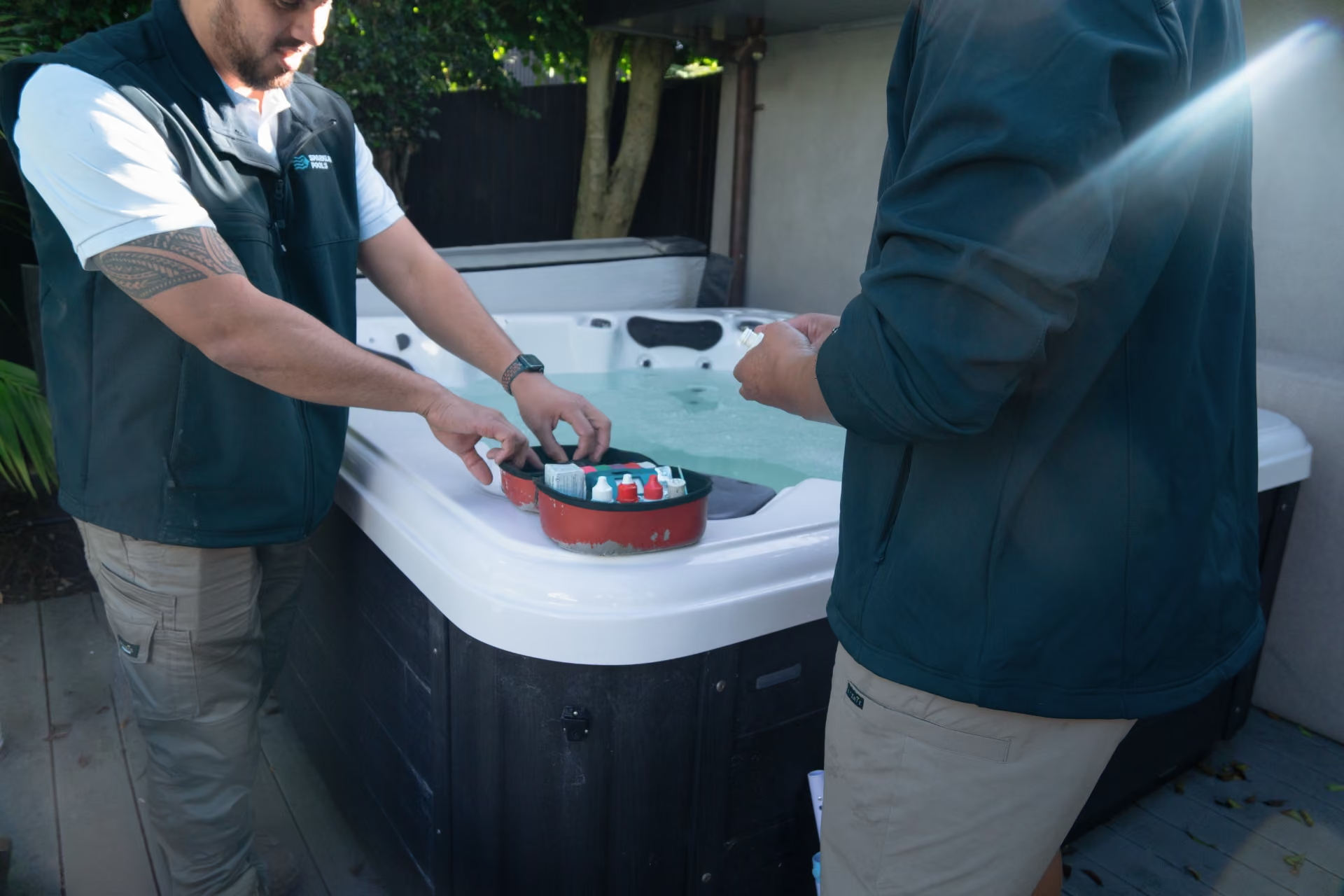
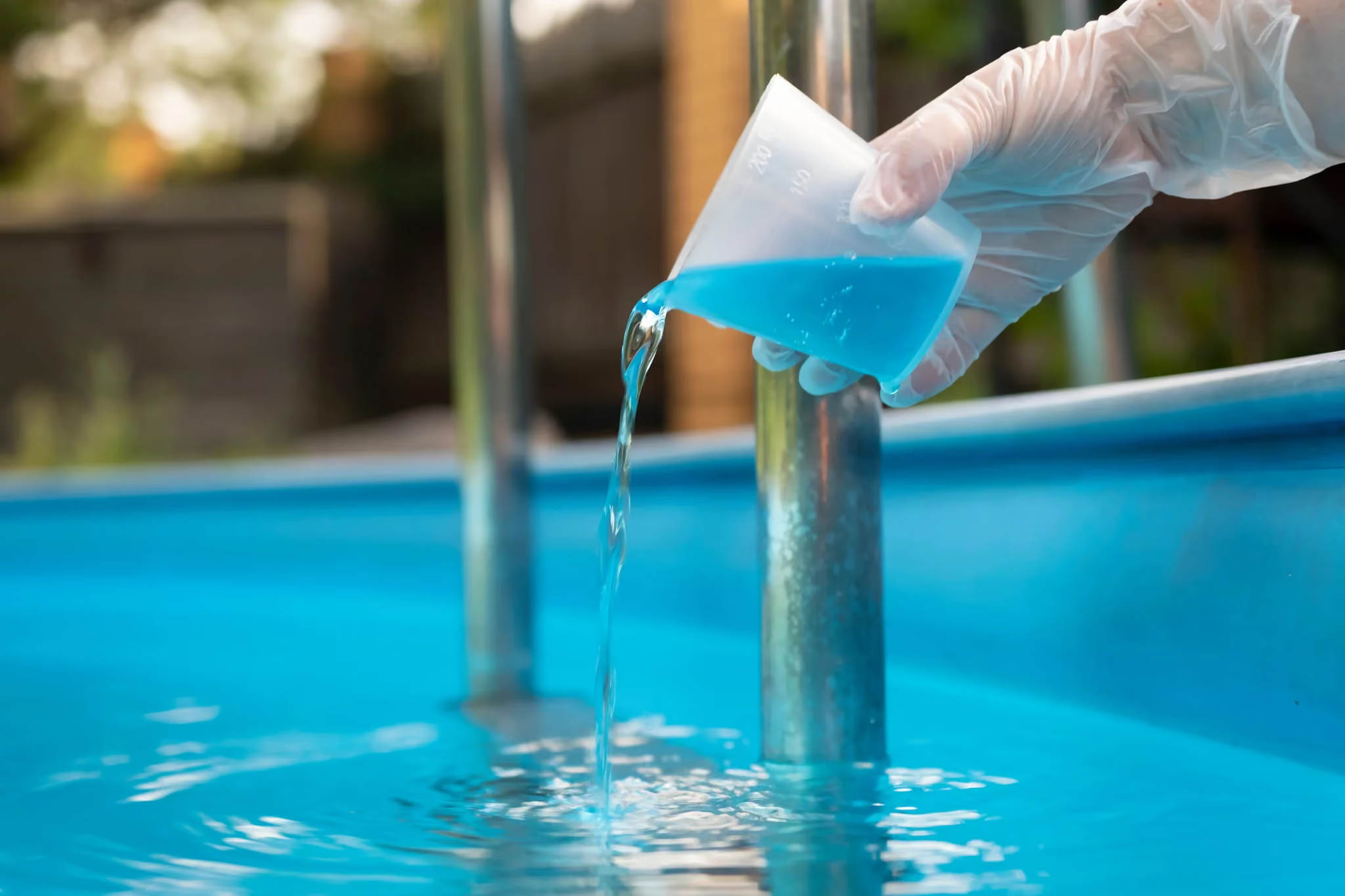
Water testing is the foundation of good pool care. Without it, you're guessing at chemical adjustments, and guessing usually leads to overcorrection or undercorrection.
How often to test
- Weekly during summer or periods of heavy use
- Fortnightly during cooler months or when the pool is used less often
- After heavy rain or a large number of swimmers, both can shift water chemistry quickly
What to test for
A basic home test kit or test strips will cover the essentials:
- Free chlorine
- pH
- Total alkalinity
- Calcium hardness
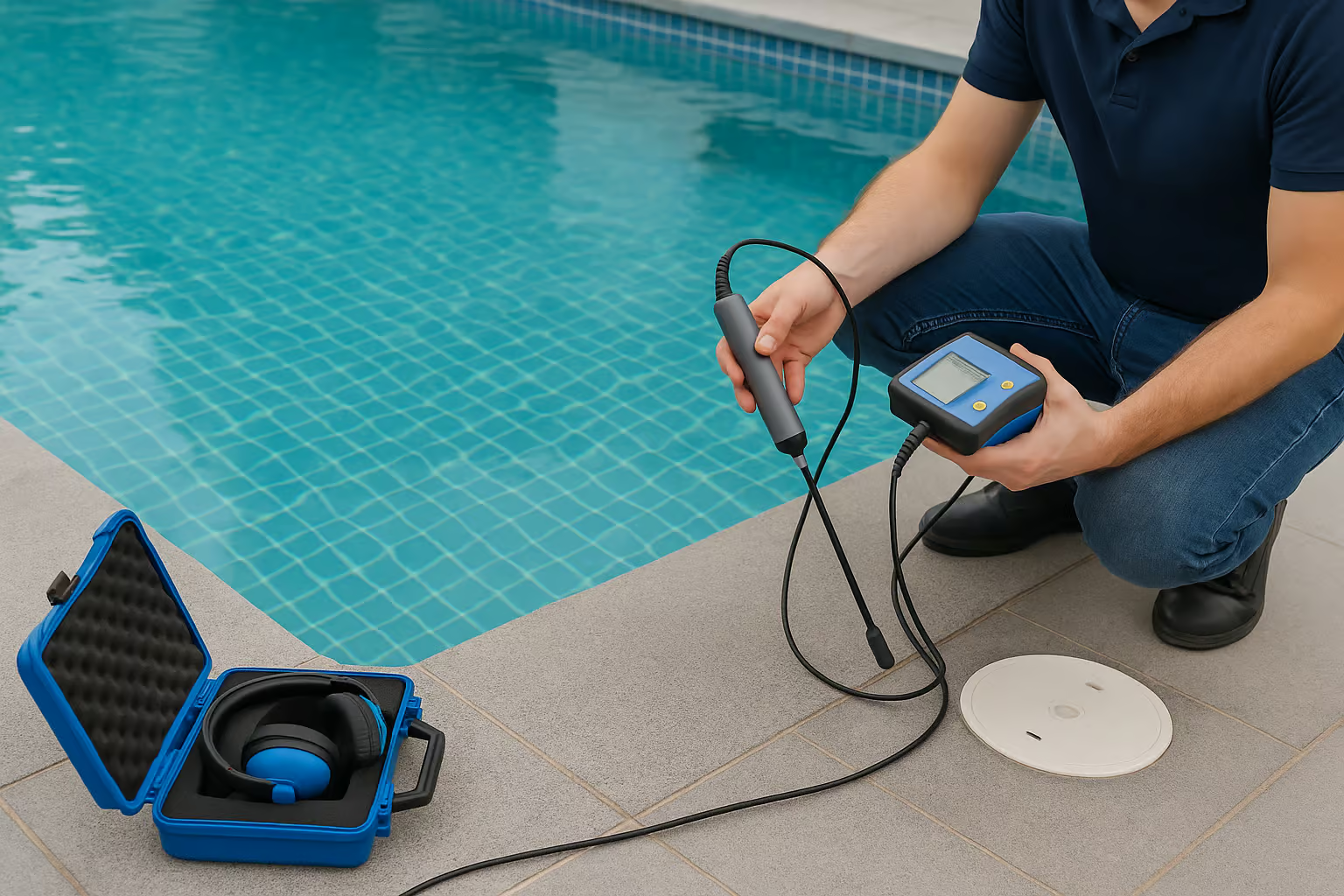
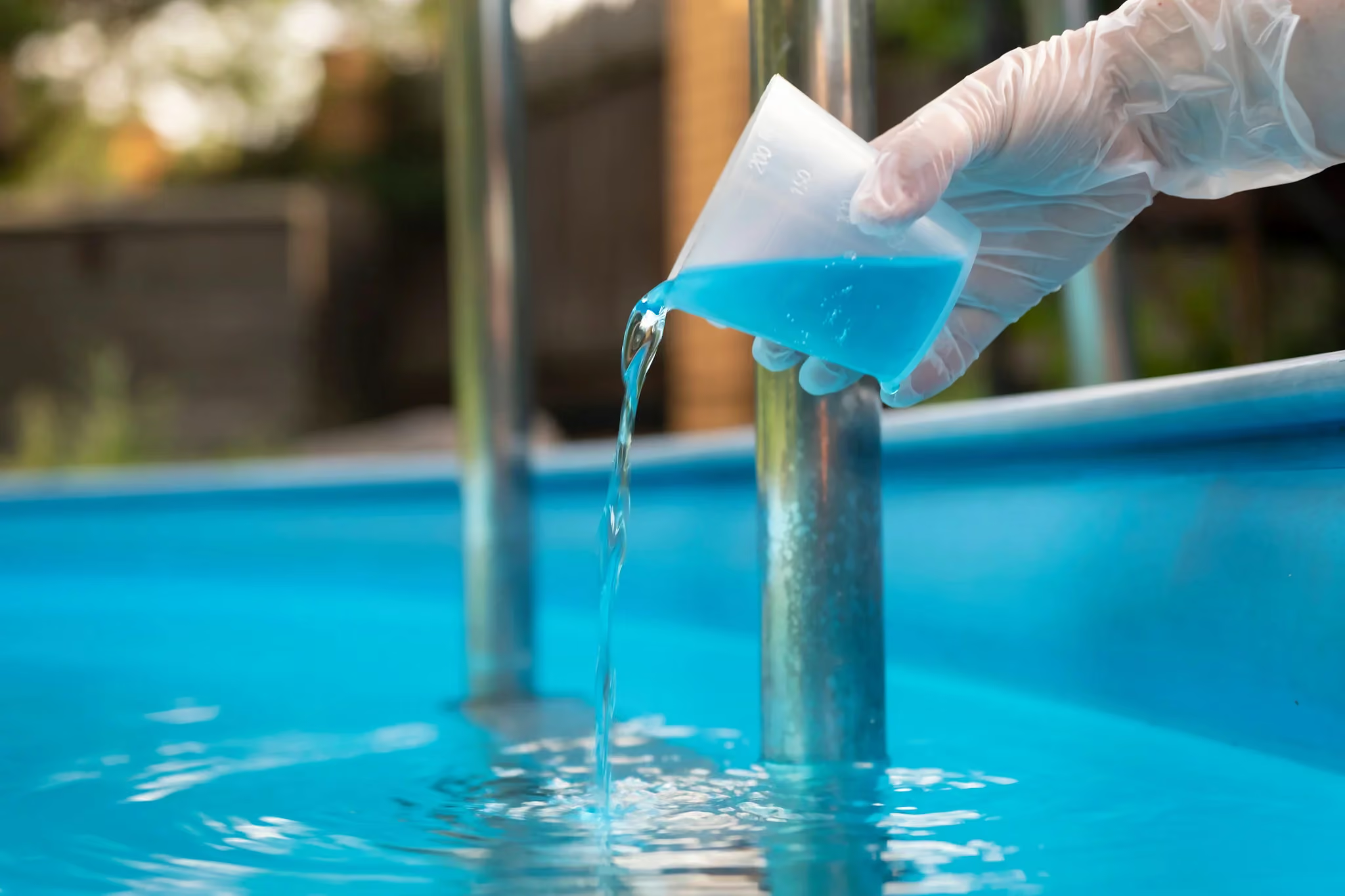
For a more complete picture, including stabiliser (cyanuric acid) levels and salt concentration in saltwater pools, an on-site professional test gives you accurate readings across all parameters. Sparkling Pools carries out water testing at your home, anywhere in Auckland, so you get results based on your actual pool water rather than a sample taken to a shop.
---
2. Maintain Proper Water Chemistry
Once you have your test results, the goal is to keep each parameter within its target range. Water that's out of balance can irritate swimmers, damage pool surfaces, and reduce the effectiveness of your sanitiser.
Key parameters to manage
Chlorine is your primary sanitiser. It needs to be present at the right level to keep bacteria and algae under control. Too little and the water becomes unsafe; too much and it can irritate eyes and skin.
pH affects how well chlorine works and how comfortable the water feels. A pH that drifts too high or too low will cause problems even if your chlorine level looks fine.
Total alkalinity acts as a buffer for pH. Keeping it stable makes pH easier to manage.
Calcium hardness matters for the long-term health of your pool surface and equipment. Water that's too soft can be corrosive; water that's too hard can cause scaling.
If you're unsure what adjustments to make after testing, Sparkling Pools can advise based on your specific results.
---
3. Keep Up With Cleaning Tasks
Chemistry alone won't keep a pool clean. Physical cleaning removes debris and organic matter before it has a chance to affect water quality or clog your filtration system.
Weekly cleaning tasks
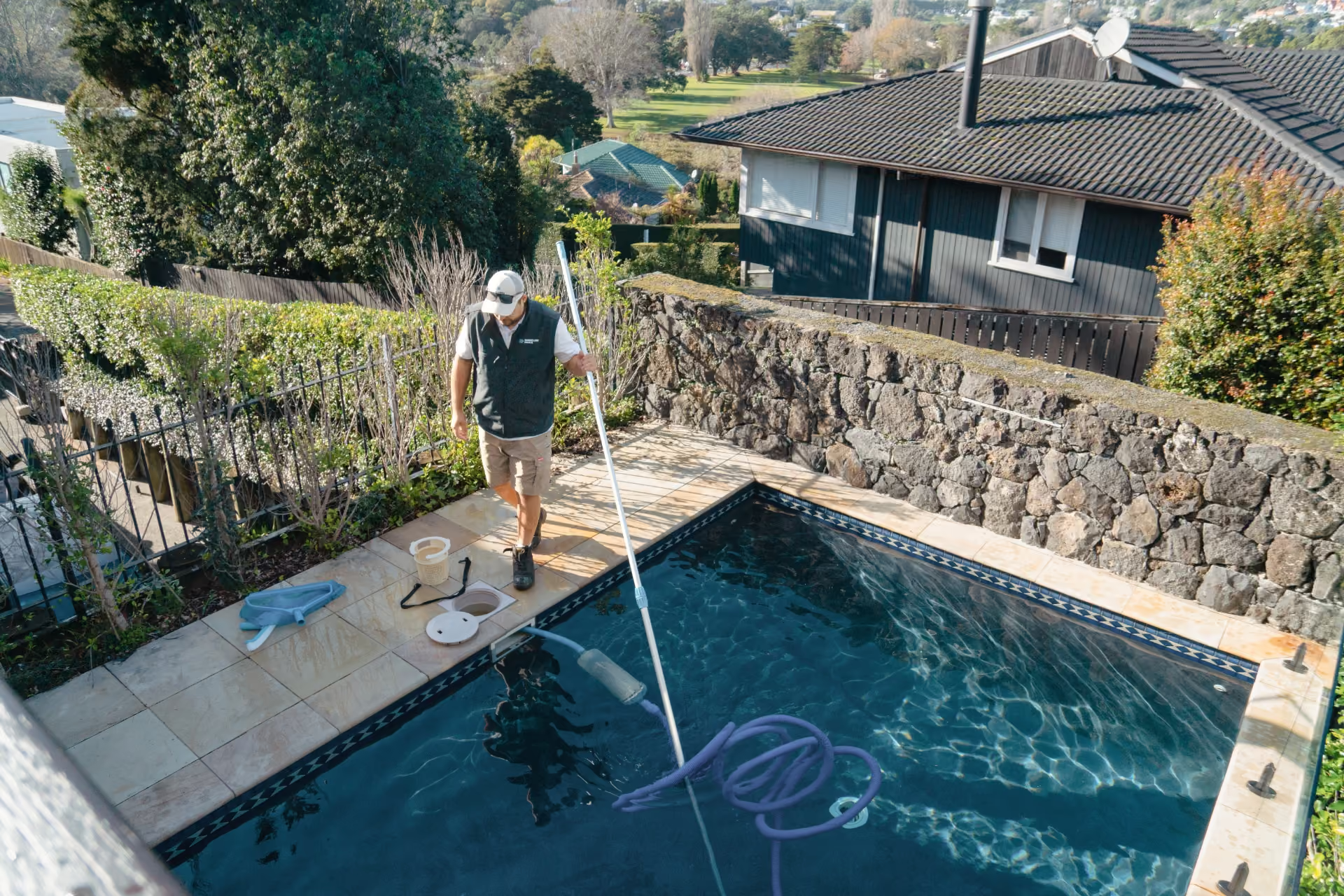
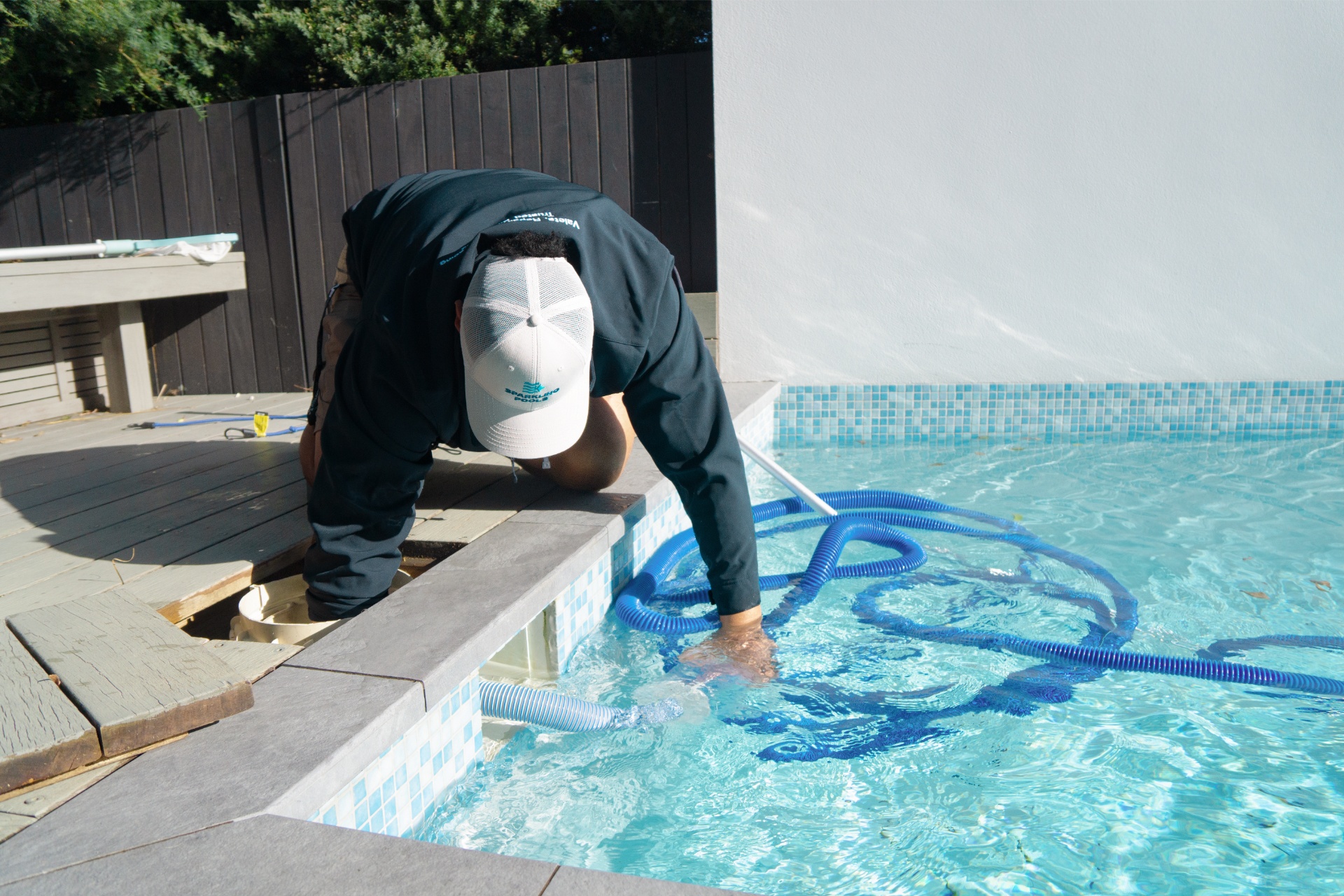
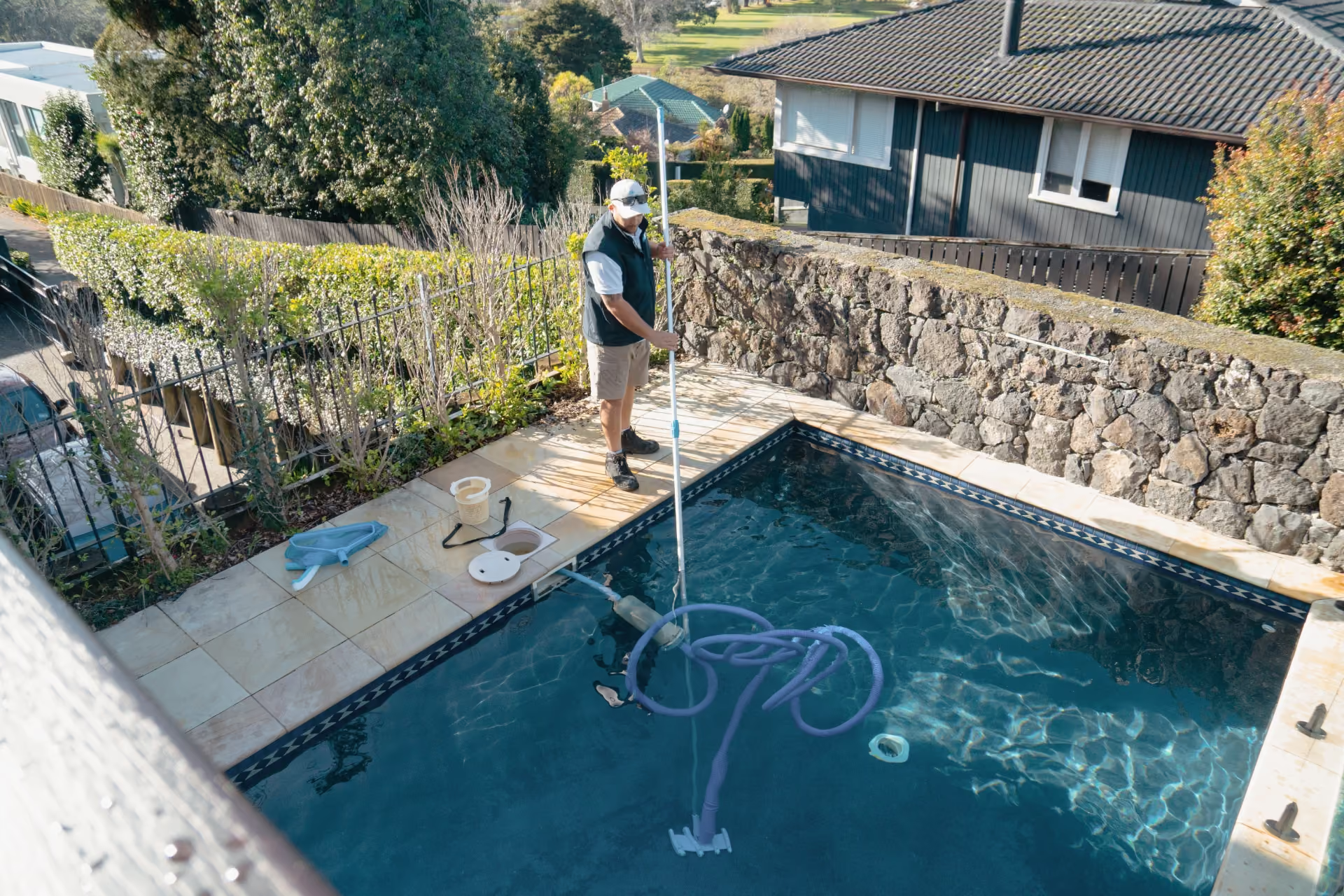
- Skim the surface to remove leaves, insects, and other floating debris
- Brush the walls and floor to prevent algae from taking hold on surfaces
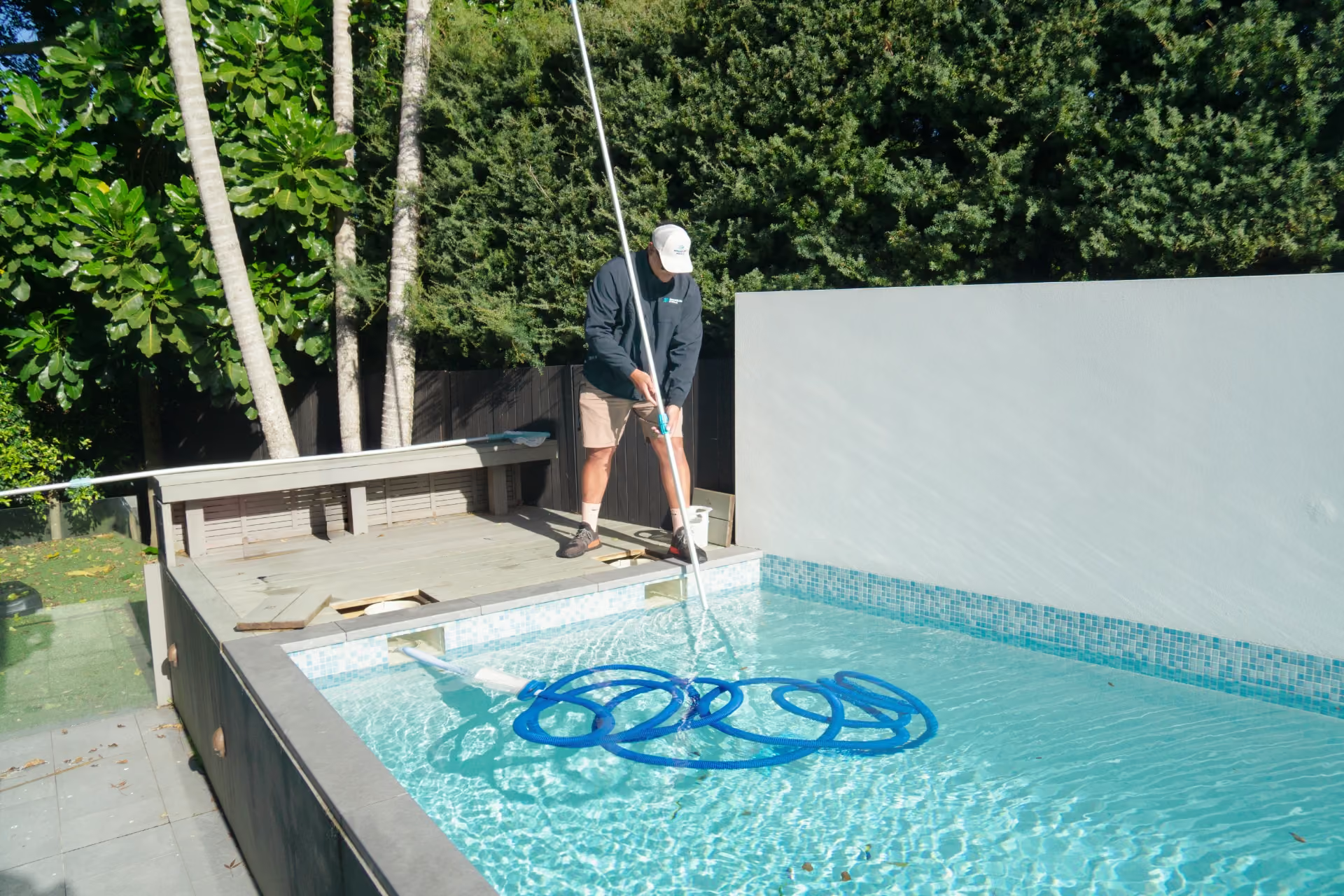
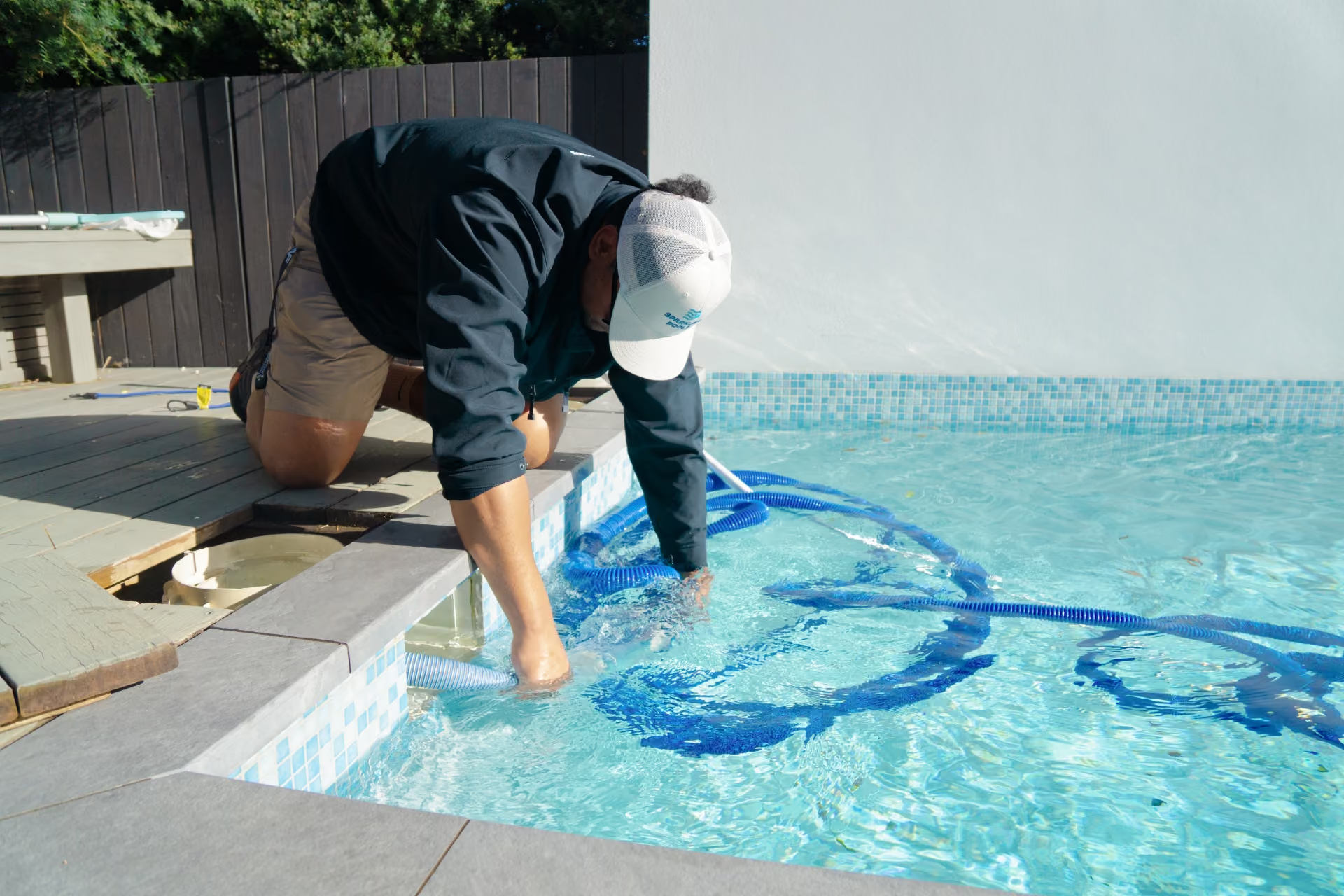
- Vacuum the pool to remove settled debris from the bottom
- Empty the skimmer and pump baskets so water flow isn't restricted
What happens if you skip cleaning
Leaves and organic debris break down in the water and consume chlorine. This means your sanitiser gets used up faster, and you end up adding more chemicals to compensate. Regular physical cleaning reduces your overall chemical use.
---
4. Look After Your Filtration System
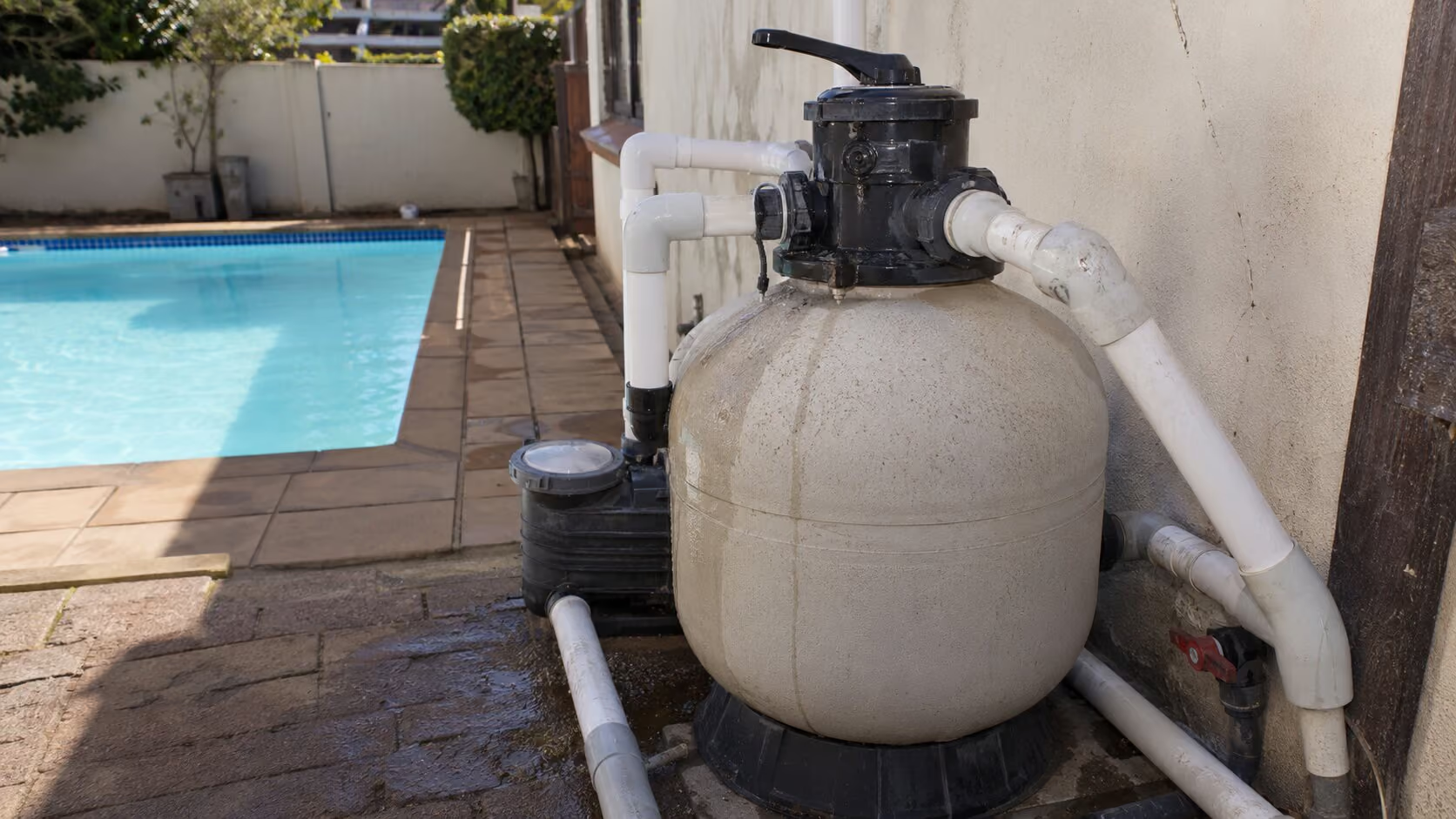
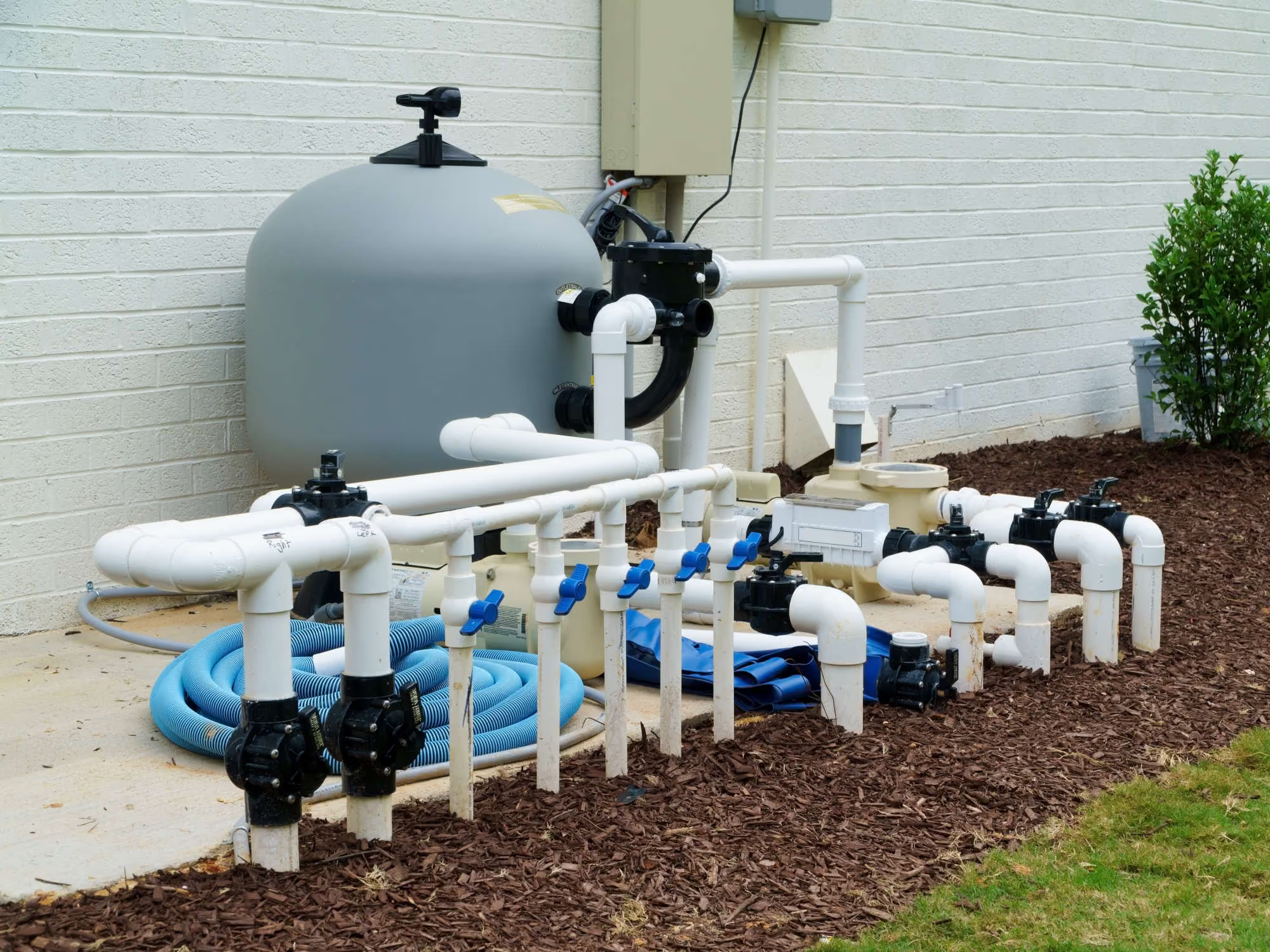
Your filter is what keeps the water clear by removing fine particles that vacuuming and skimming can't catch. It needs regular attention to work properly.
Run times
Your pump and filter should run long enough each day to turn the pool water over completely. The right run time depends on your pool volume and pump capacity. If you're unsure, a pool technician can advise on the correct setting for your setup.
Backwashing a sand or DE filter
Sand and diatomaceous earth (DE) filters need to be backwashed when the pressure gauge reads noticeably higher than normal, typically around 7-10 psi above the clean starting pressure. Backwashing reverses the flow of water through the filter to flush out trapped debris.
Cleaning a cartridge filter
Cartridge filters don't backwash, they need to be removed and rinsed with a hose. How often depends on your pool's usage and surroundings, but a general guide is every four to six weeks during the swimming season.
When to replace filter media
Sand in a sand filter typically needs replacing every five to seven years. Cartridge elements wear out over time and should be replaced when they no longer clean effectively or show signs of damage.
---
5. Check Your Equipment Regularly
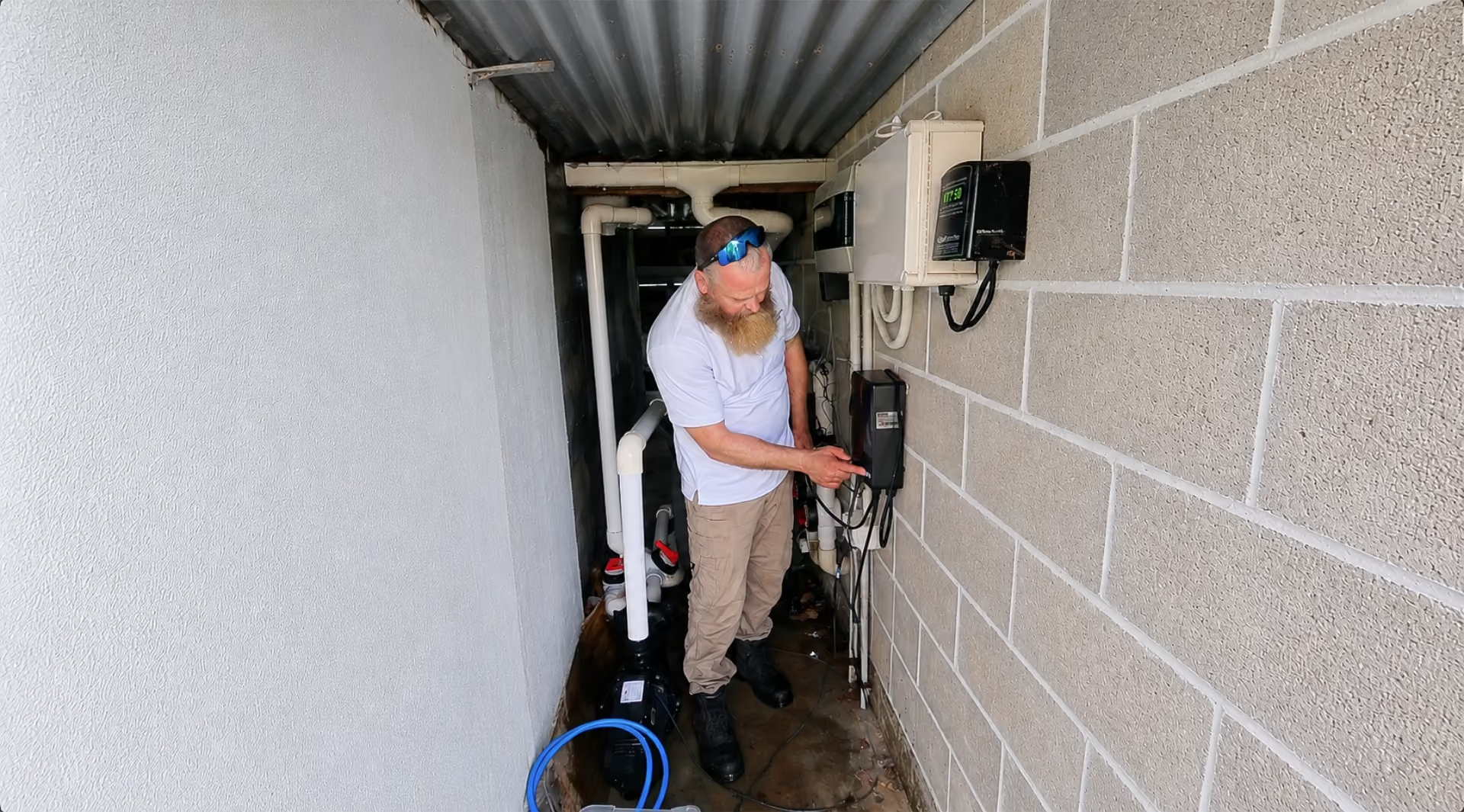
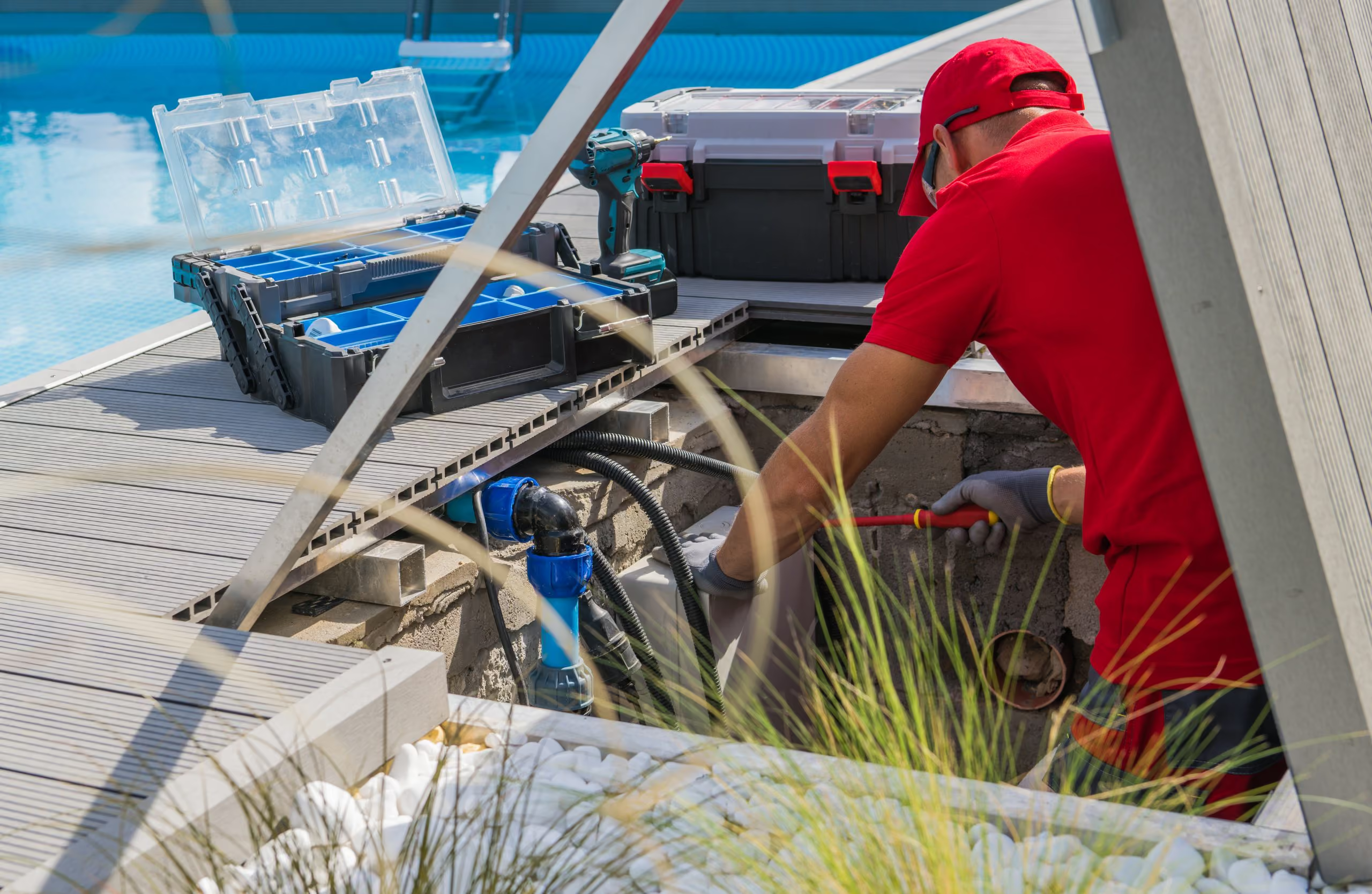
Your pump, filter, chlorinator, and any heating equipment all benefit from routine checks. Catching a small issue early is far less disruptive, and less expensive, than dealing with a breakdown mid-summer.
Signs to watch for
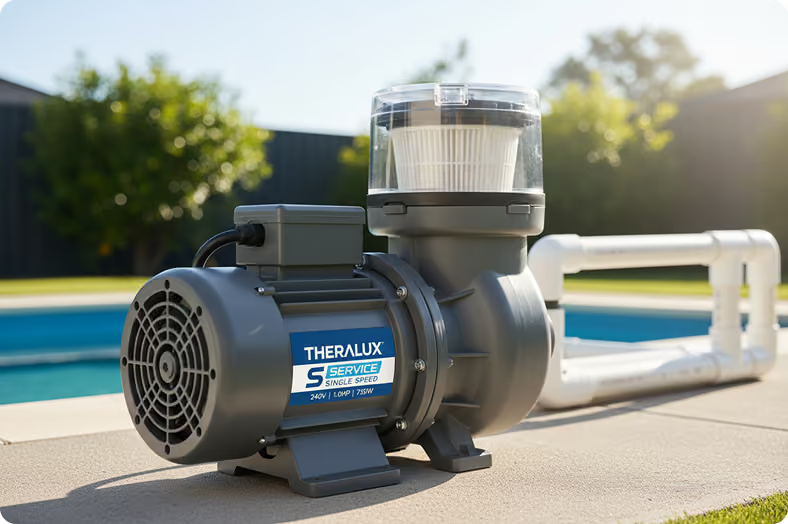
- Unusual pump noise, grinding, rattling, or a high-pitched whine can indicate a worn bearing or debris in the impeller
- Low water flow, can point to a blocked basket, a clogged filter, or an air leak in the suction line
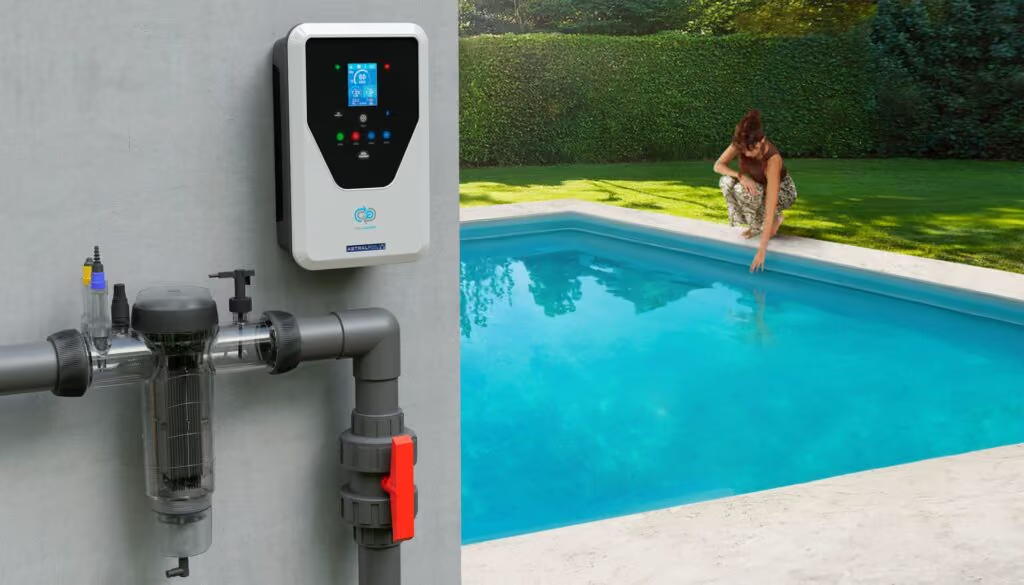
- Chlorinator not producing, salt cell chlorinators need periodic cleaning and will eventually need cell replacement
- Leaks around fittings or equipment, even small leaks should be investigated promptly
If you notice any of these, it's worth having a technician take a look before the problem develops further. Sparkling Pools provides equipment diagnosis and repair across Auckland.
---
6. Adjust Your Routine for Auckland's Seasons
Auckland's climate means pools are often used for a longer season than in other parts of New Zealand. That's a good thing, but it also means maintenance doesn't stop when summer ends.
Summer
High temperatures, UV exposure, and more swimmers all put extra demand on your pool. Test water more frequently, check chlorine levels after hot days, and keep an eye on algae growth, particularly after rain.
Autumn
Falling leaves increase the debris load significantly. Empty skimmer baskets more often and consider a leaf net cover if your pool is surrounded by trees.
Winter
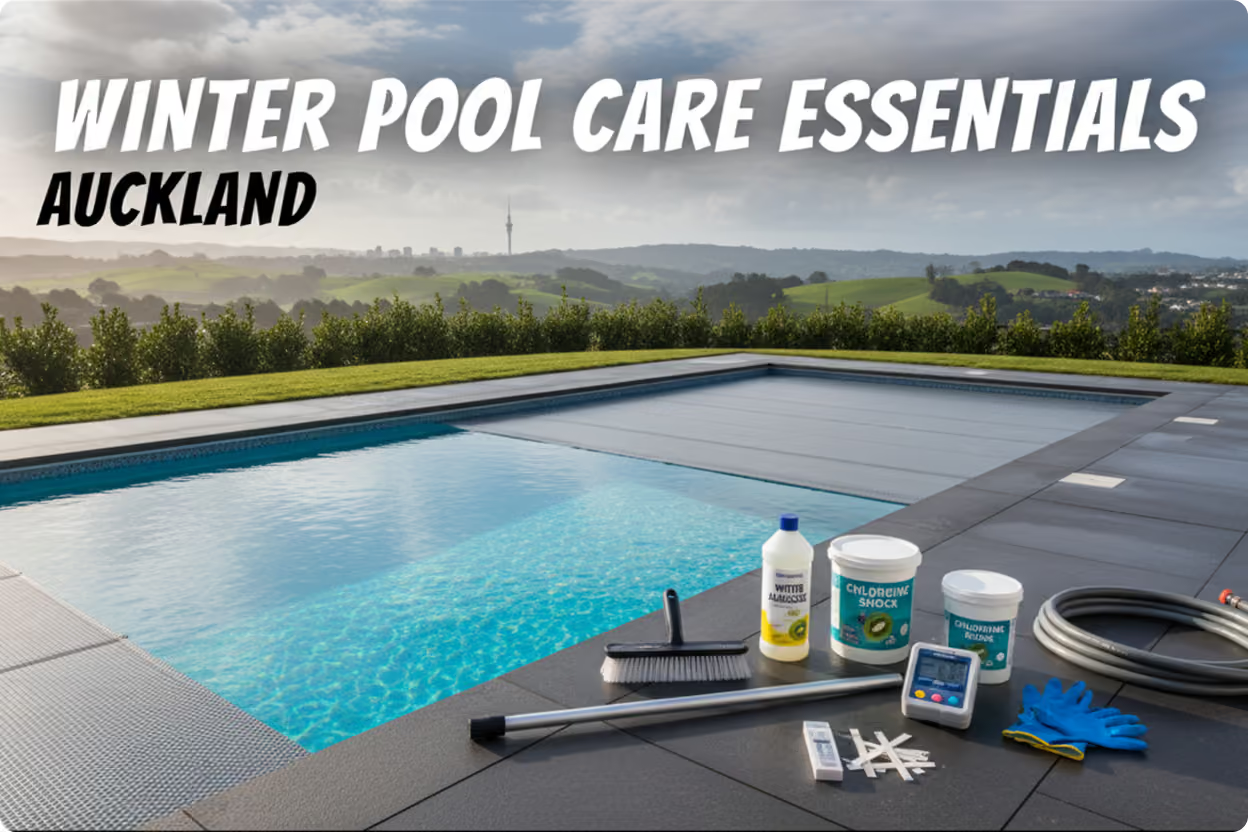
Even if the pool isn't being used, it still needs attention. Maintain water chemistry, run the pump regularly to prevent stagnation, and check equipment before the busy season returns.
Spring
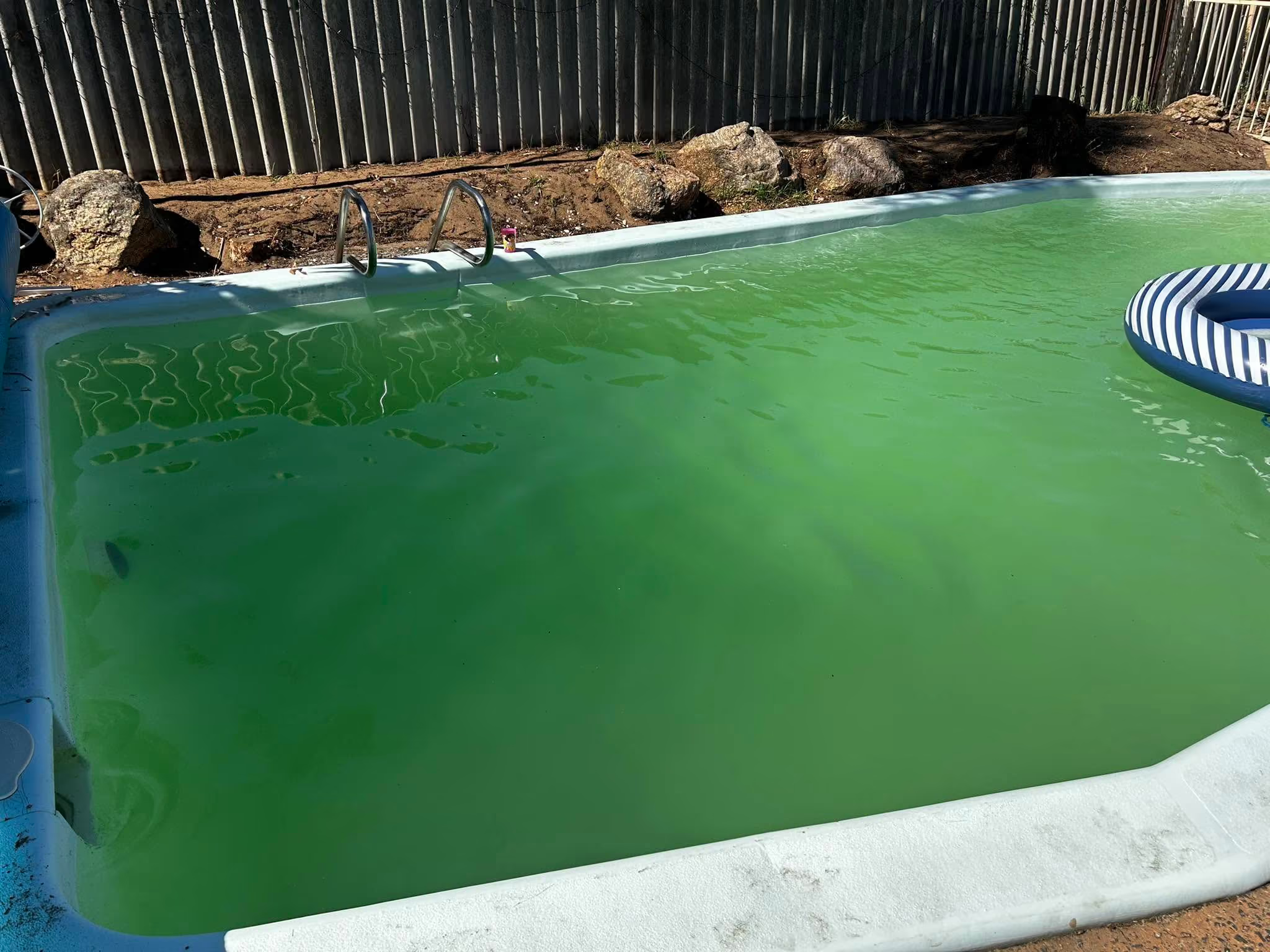
Before the swimming season starts, test the water thoroughly, check all equipment is operating correctly, and clean the pool from top to bottom. If the water has gone green over winter, a full treatment programme will be needed before it's safe to swim.
---
7. Common Maintenance Mistakes to Avoid
Even experienced pool owners fall into habits that make maintenance harder than it needs to be.
- Testing infrequently, water chemistry can shift quickly, especially in summer. Weekly testing is the minimum during the swimming season.
- Adding chemicals without testing first, dosing without knowing your current levels often leads to overcorrection.
- Neglecting the filter, a dirty or overloaded filter can't keep the water clear, no matter how good your chemistry is.
- Ignoring small equipment issues, a minor leak or unusual noise rarely fixes itself. Early attention usually means a simpler repair.
- Letting the pool go over winter, a pool that's been neglected for months takes considerably more time and product to bring back into condition.
---
8. When to Call a Pool Professional
Most routine maintenance tasks are straightforward for a pool owner to handle. But there are situations where professional help is the right call:
- Water that won't clear despite correct chemistry and filtration
- Persistent algae that keeps returning after treatment
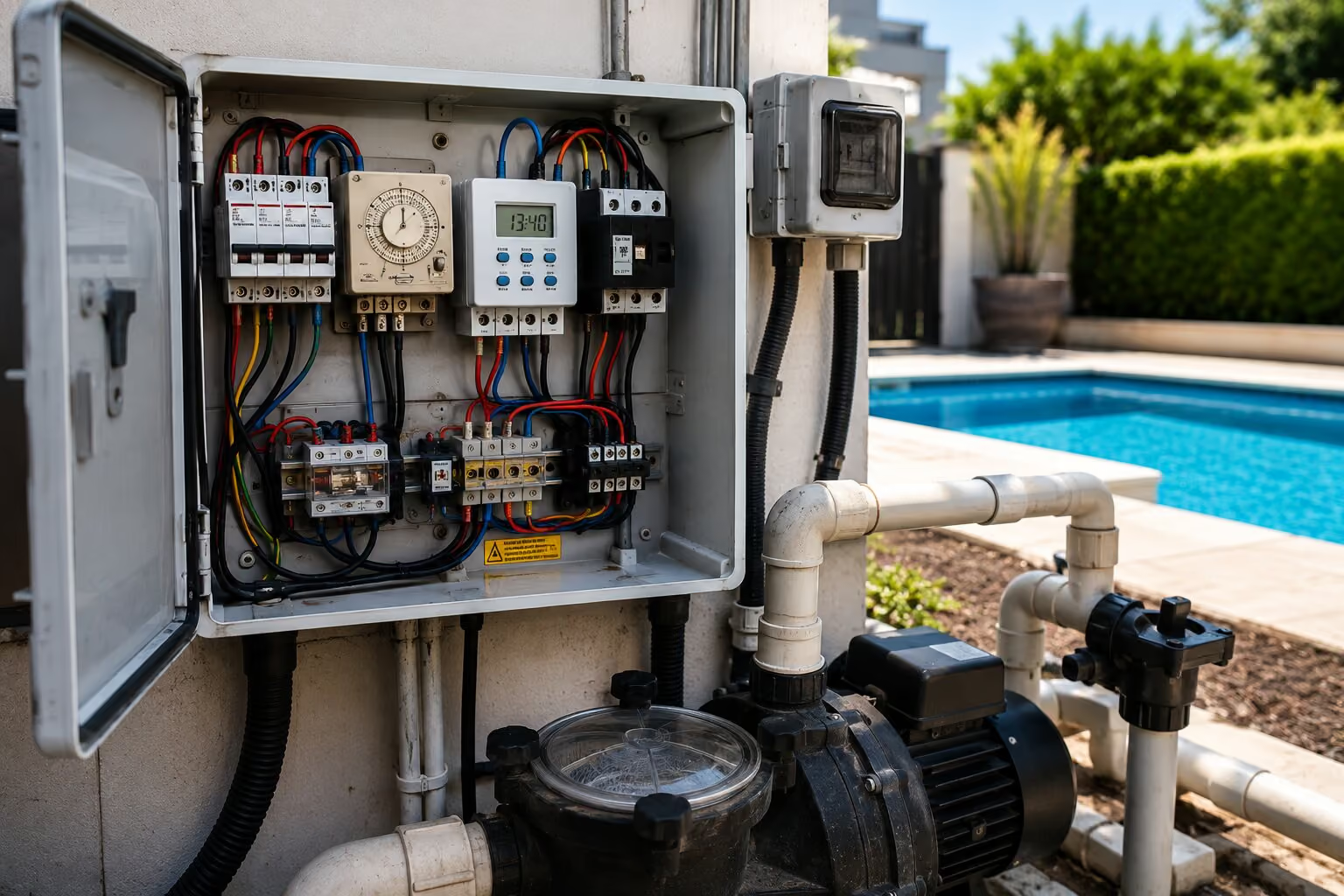
- Equipment faults involving electrical components, gas heating, or pressure vessels
- A pool that has been left untreated for an extended period
- Any situation where you're unsure what's causing the problem
Sparkling Pools has been providing pool maintenance and servicing across Auckland since 1992. If your pool needs attention, whether it's a water quality issue, an equipment fault, or a full seasonal service, the team can help.
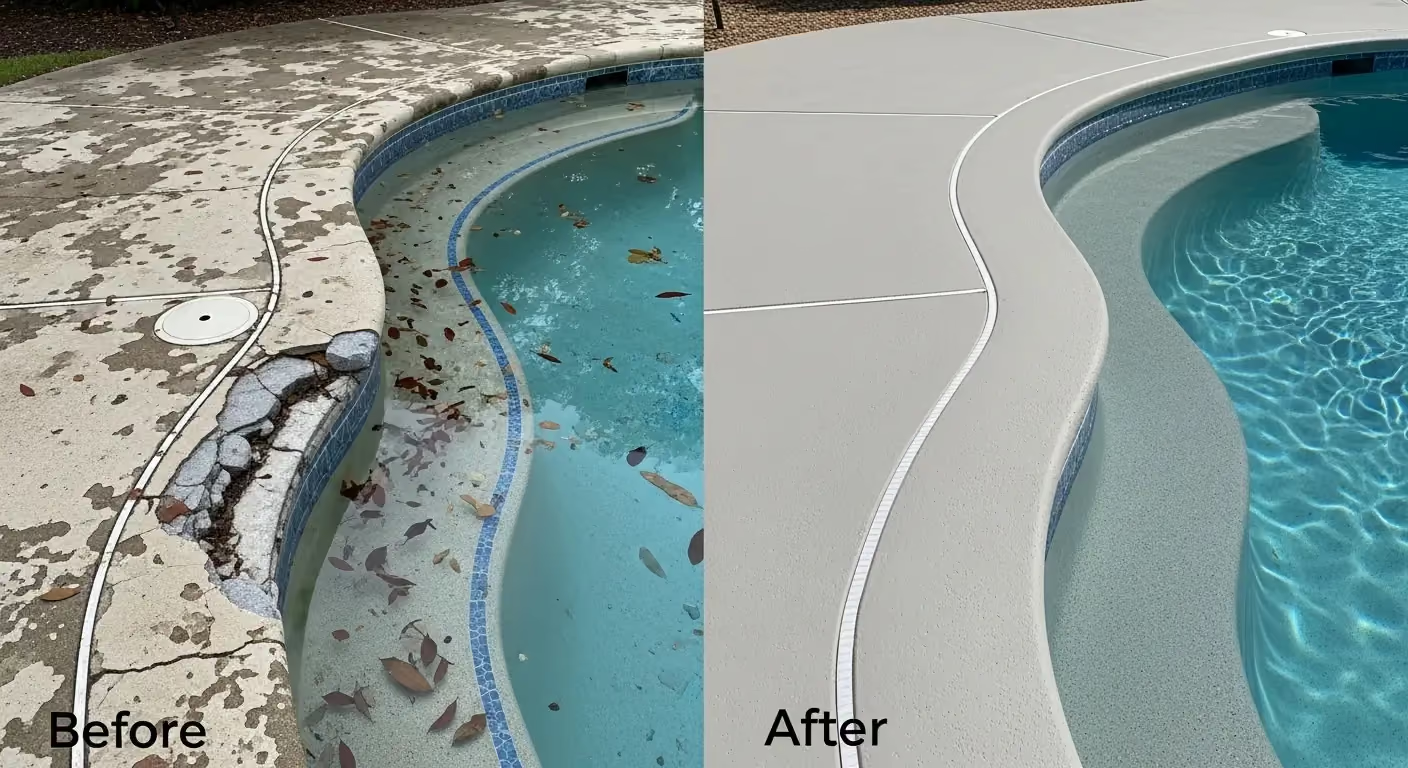
Pool resurfacing solutions
Restore your pool with durable plaster finishes

Work completed
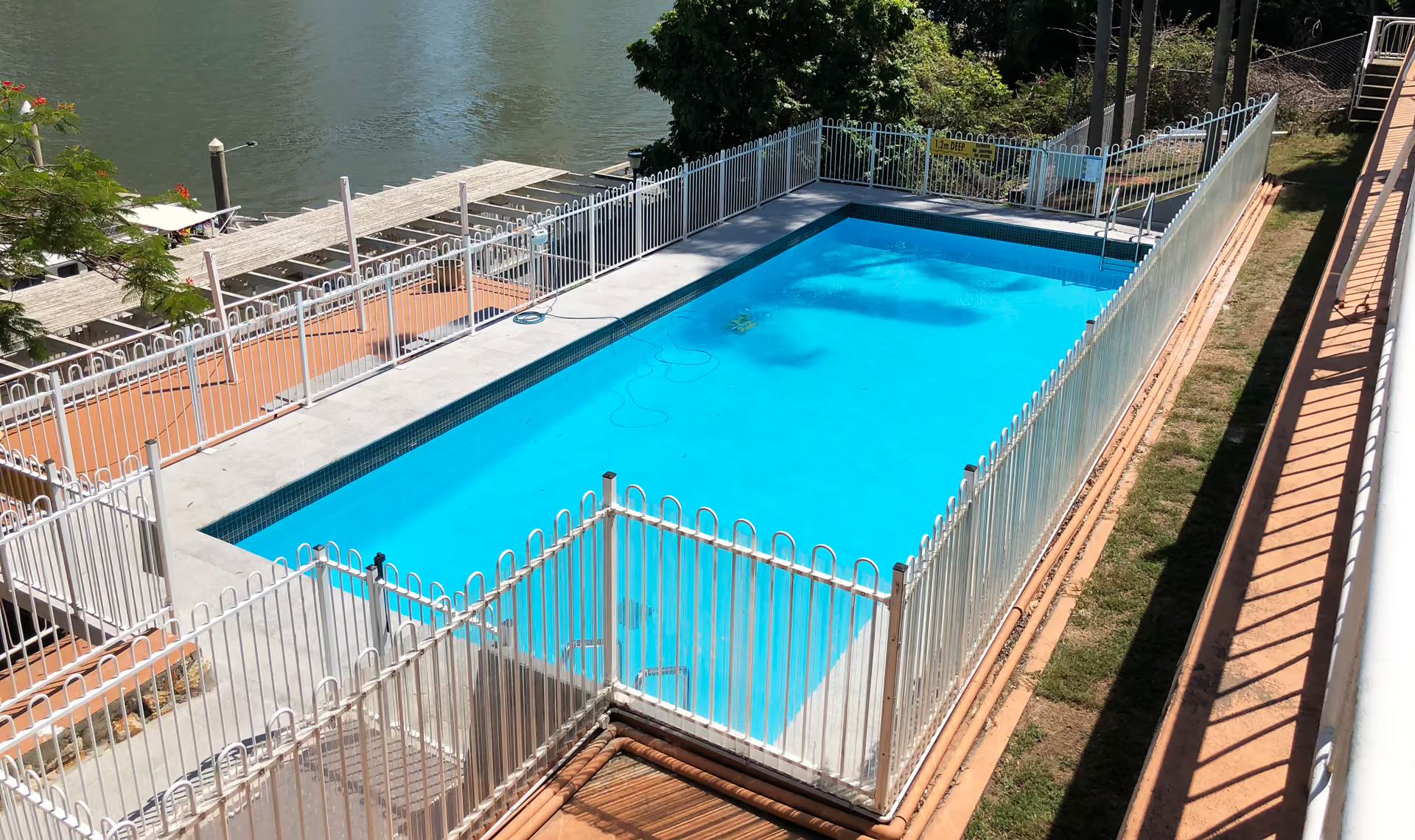
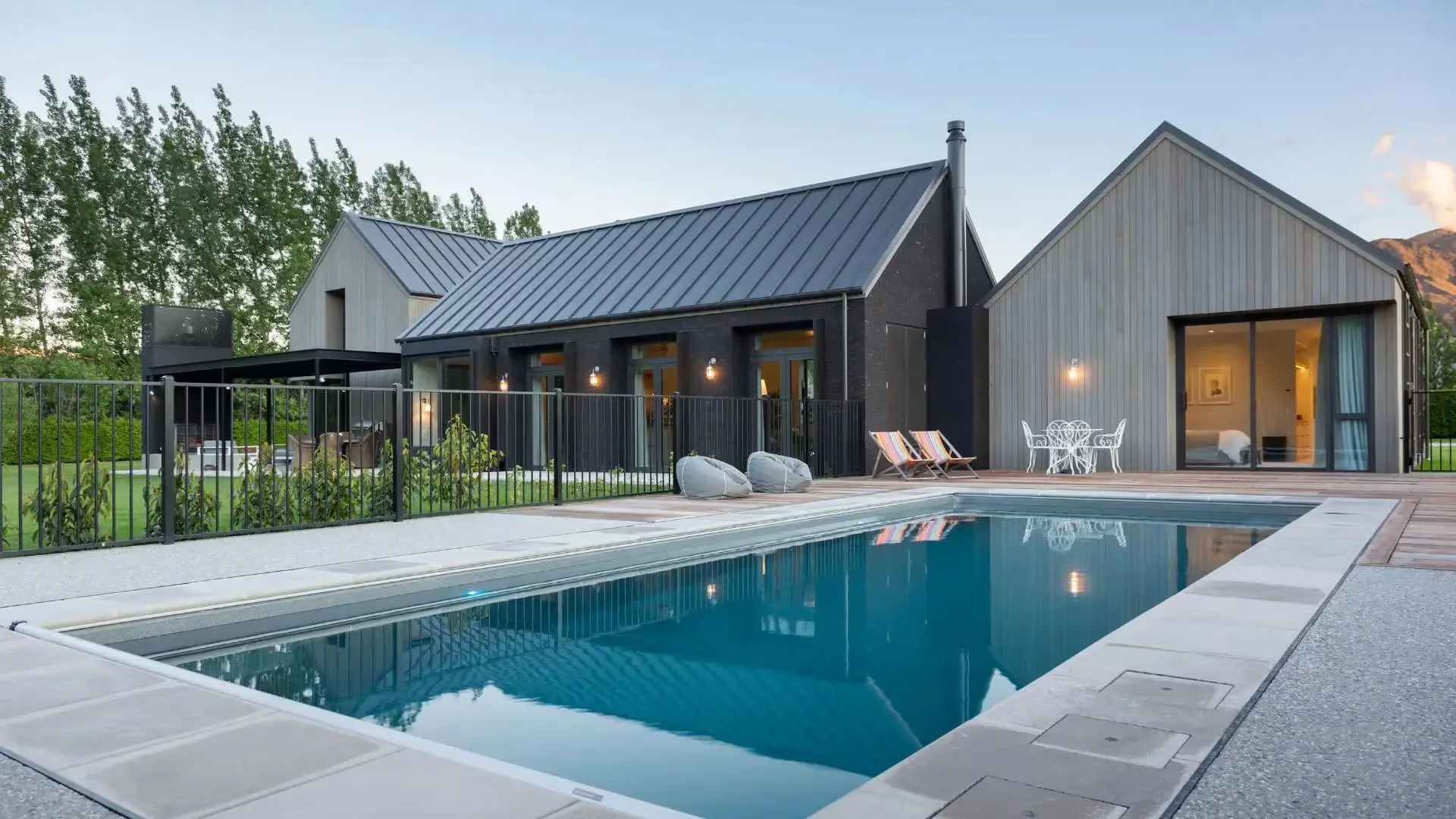
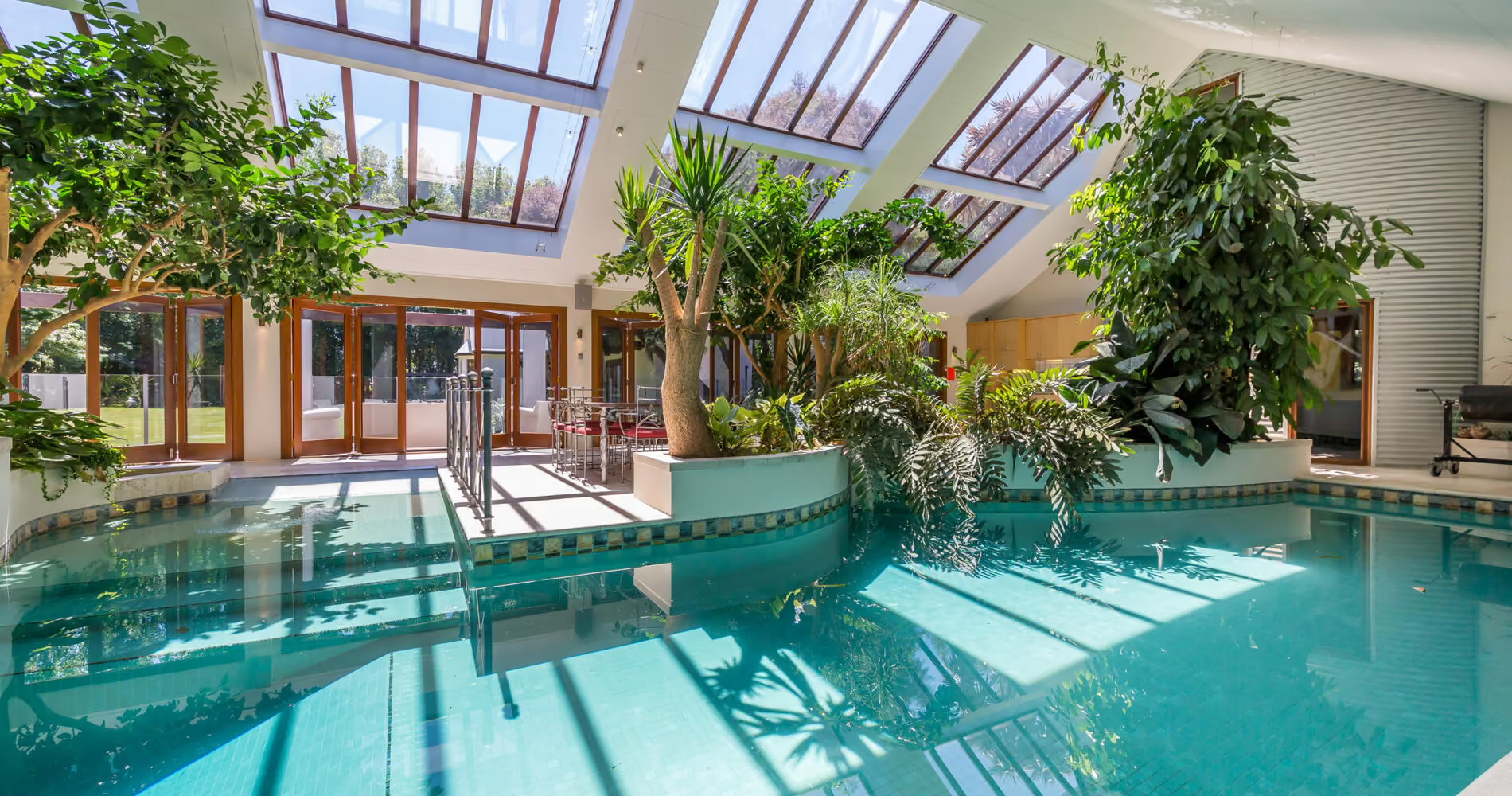
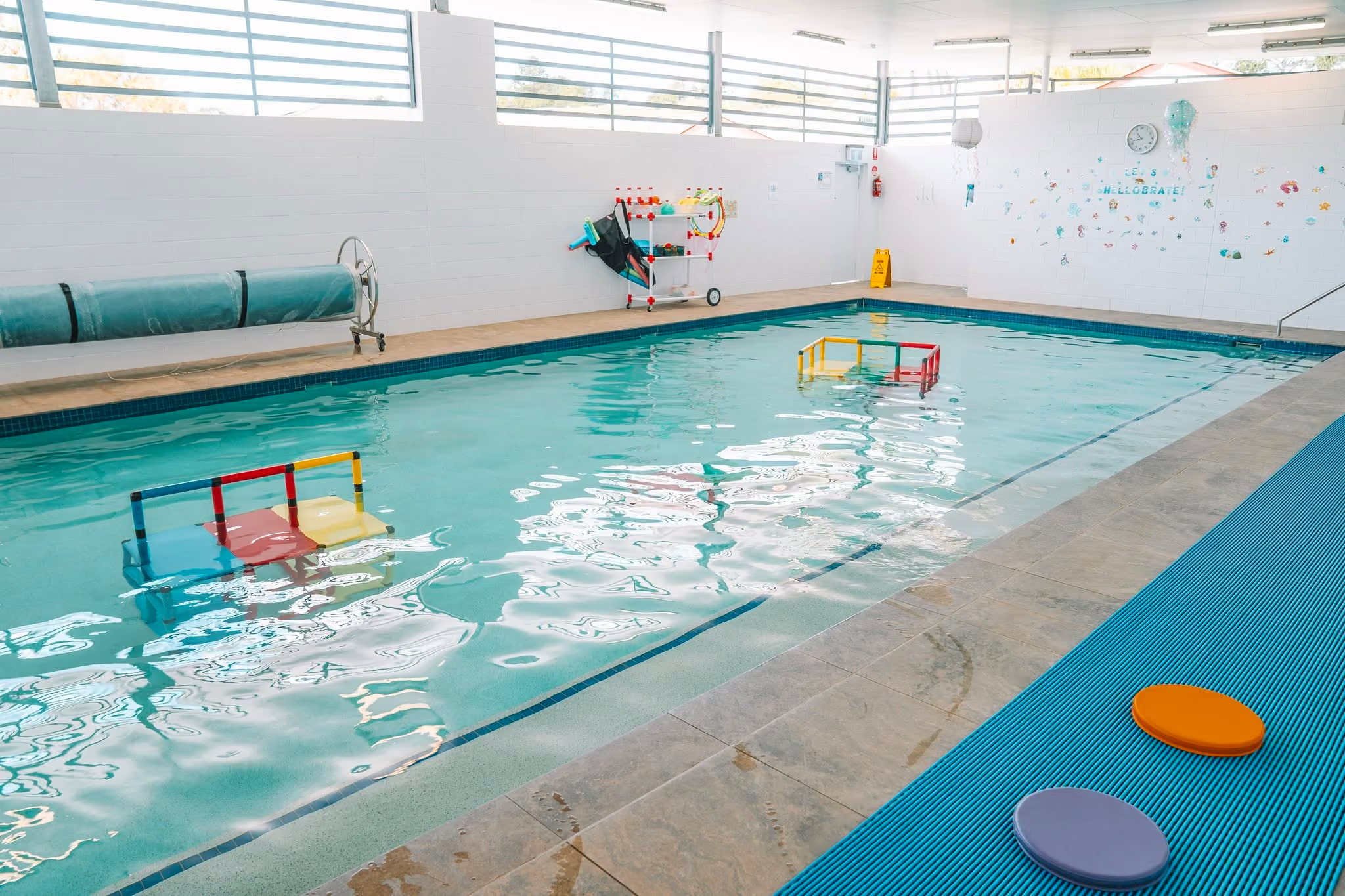
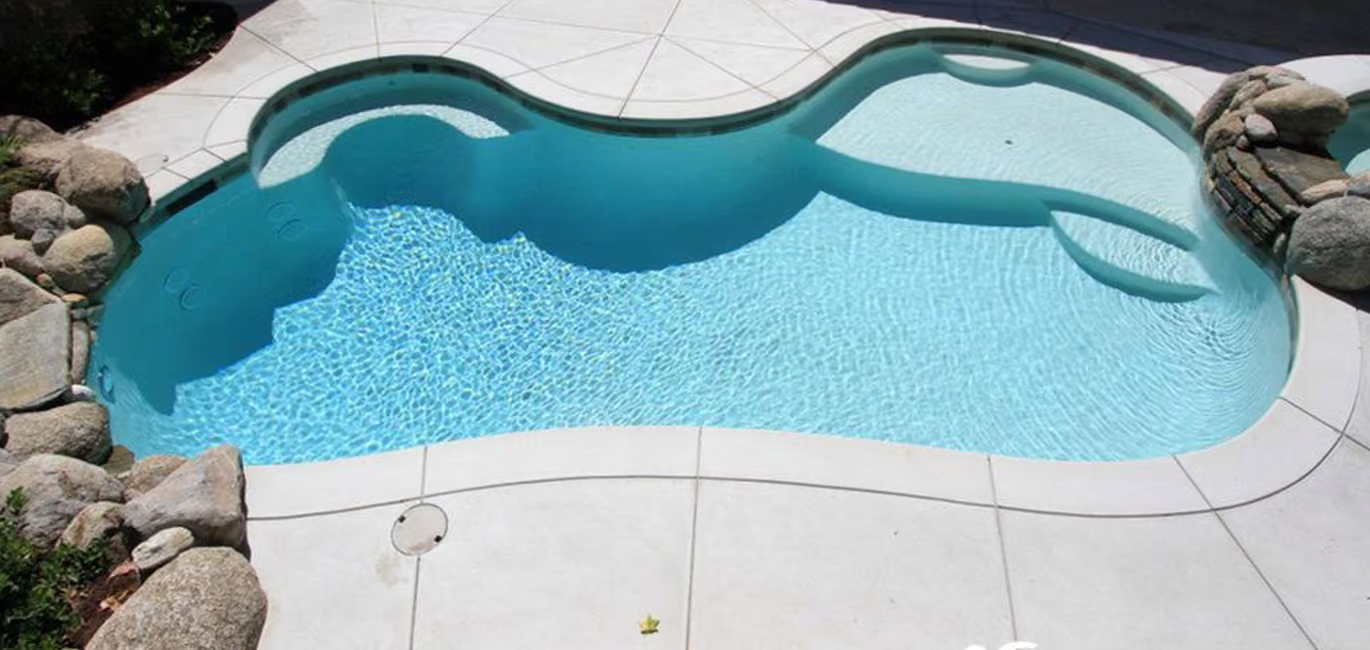
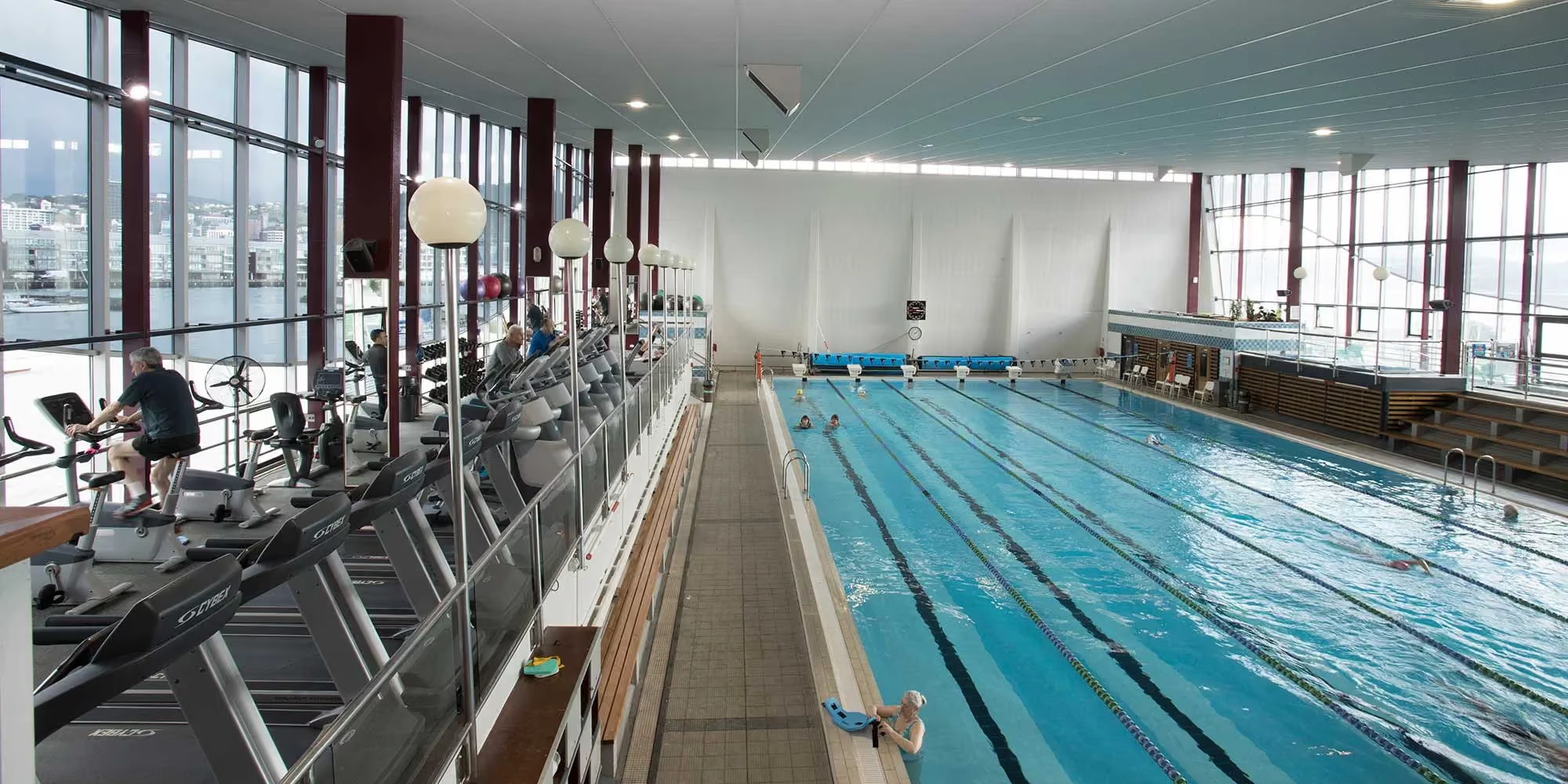
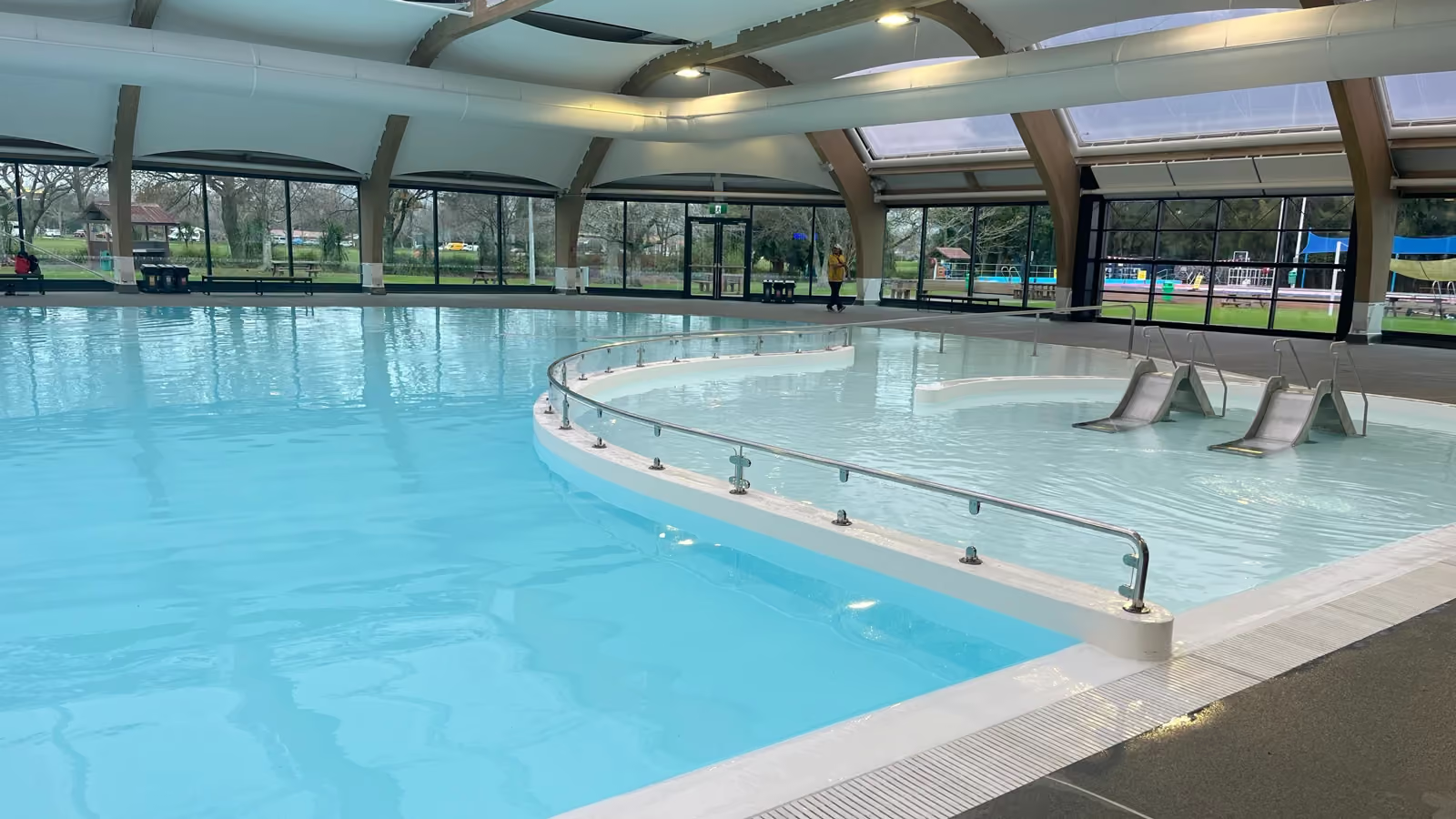
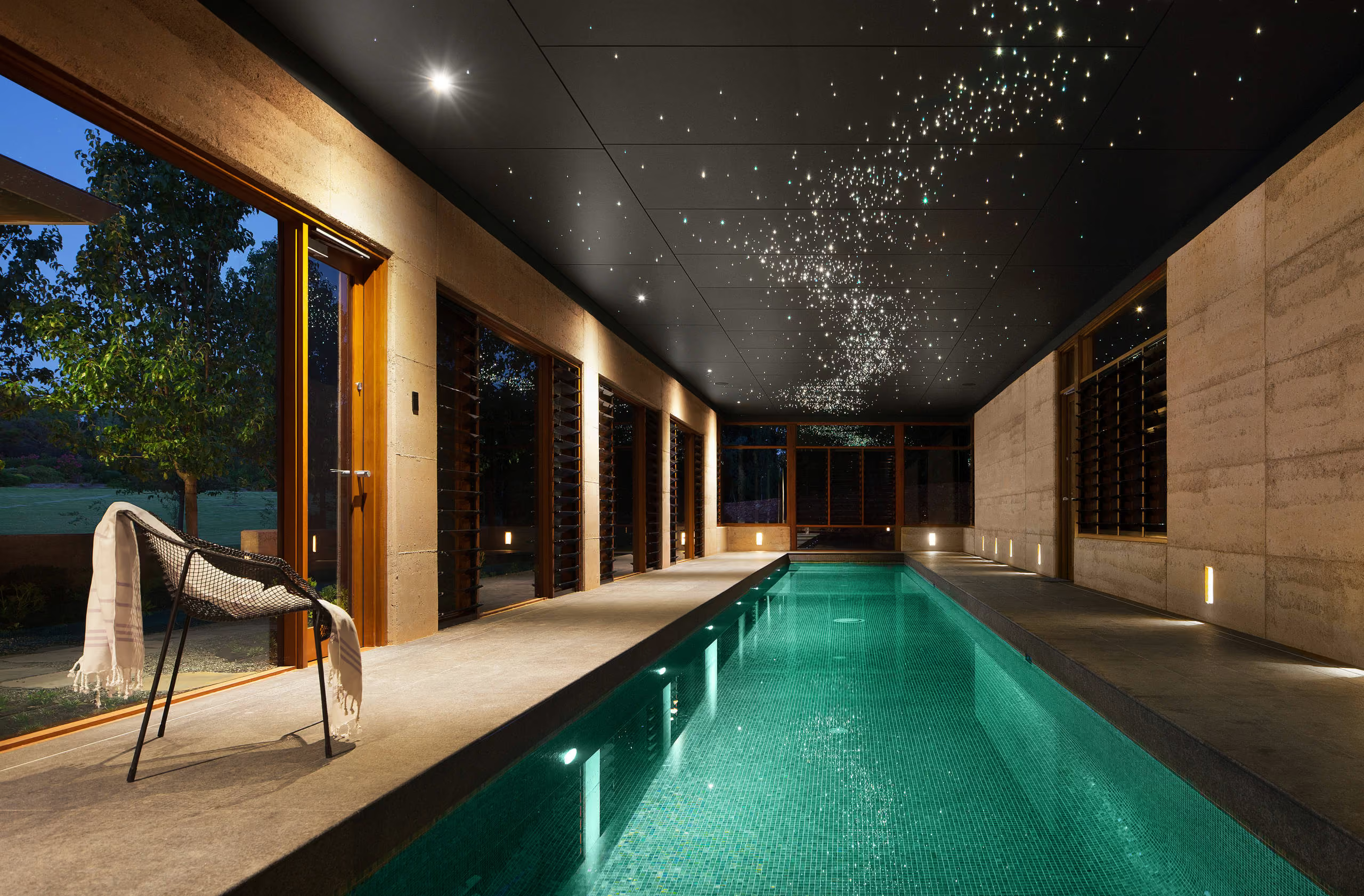
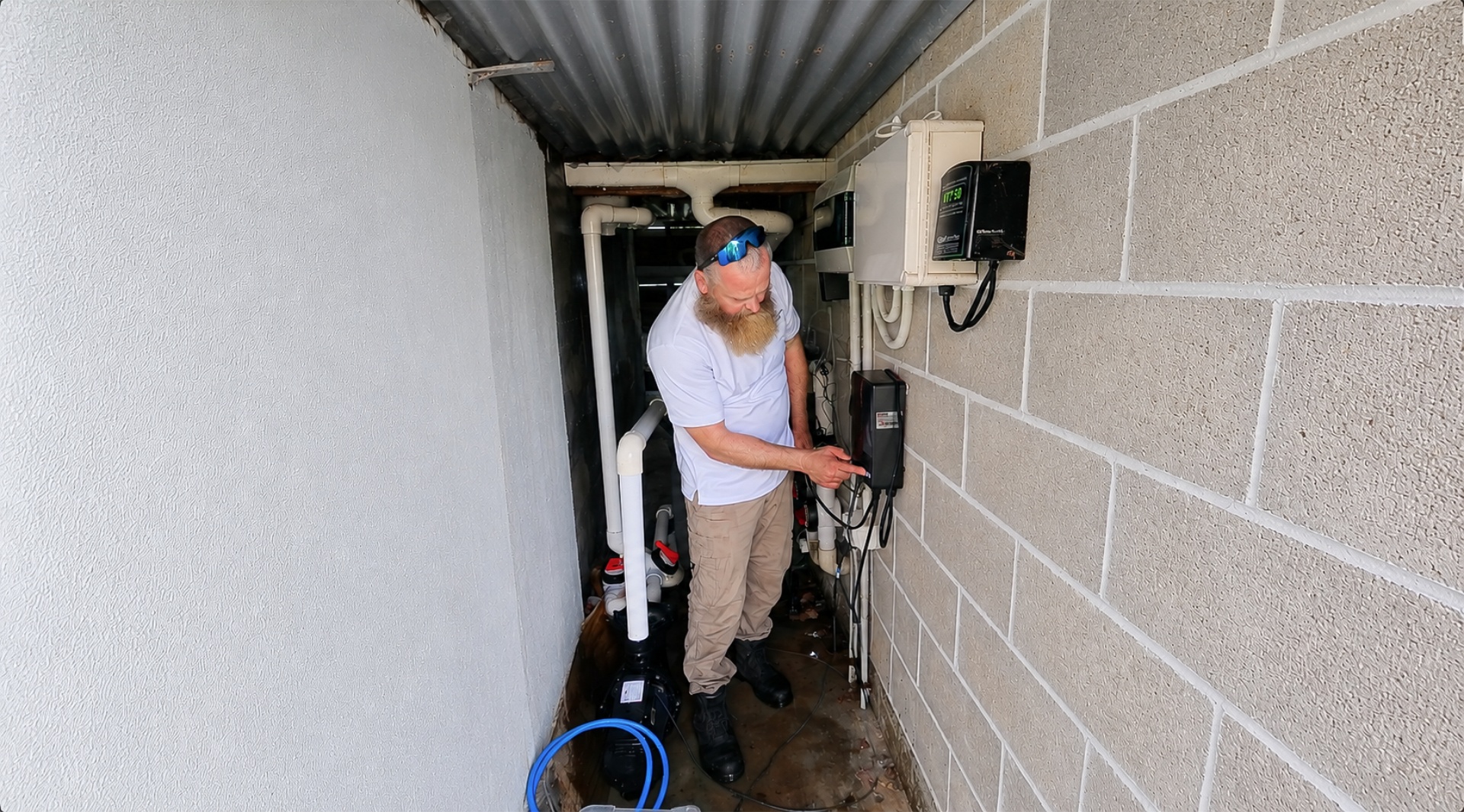
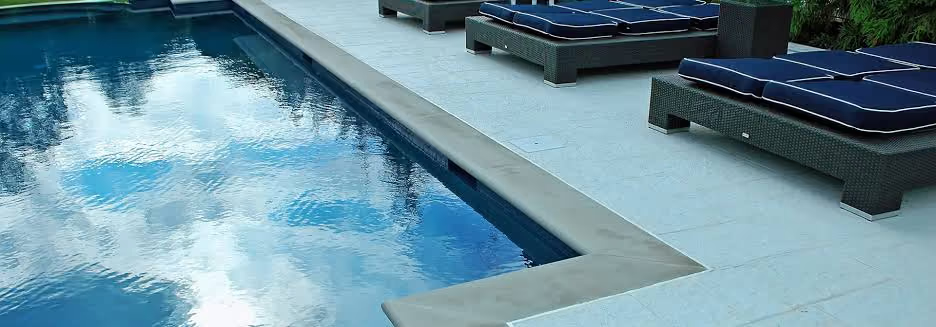
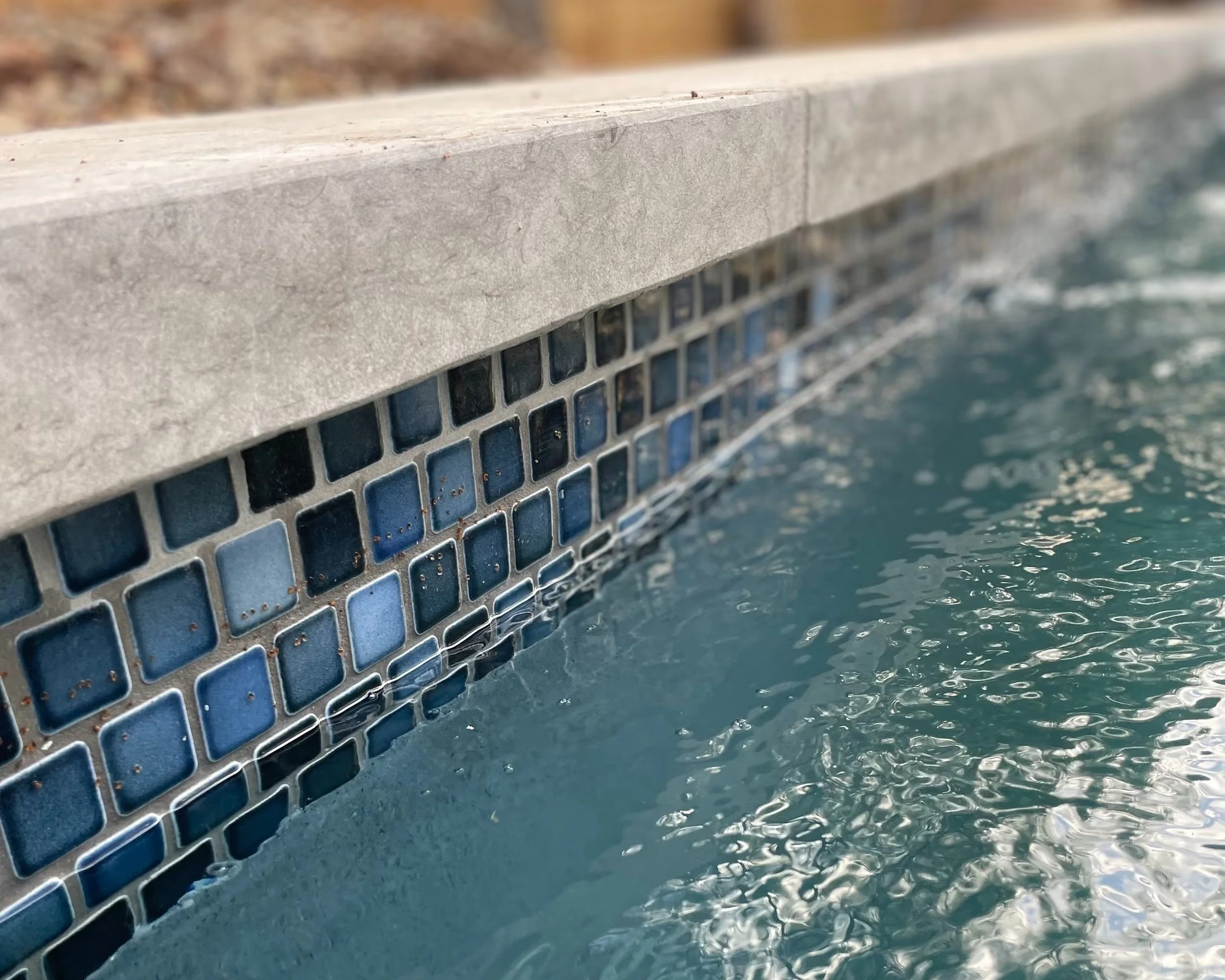
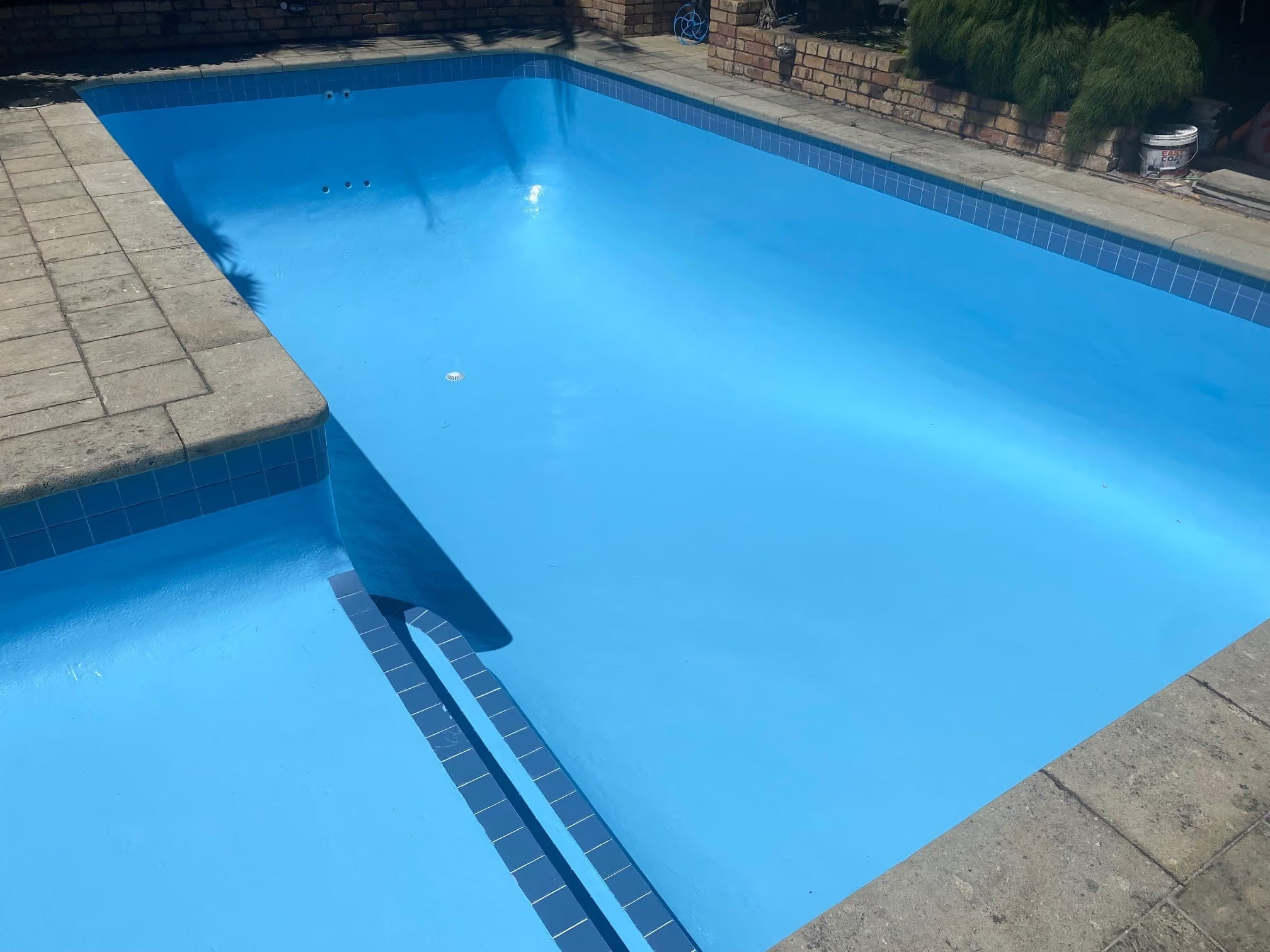
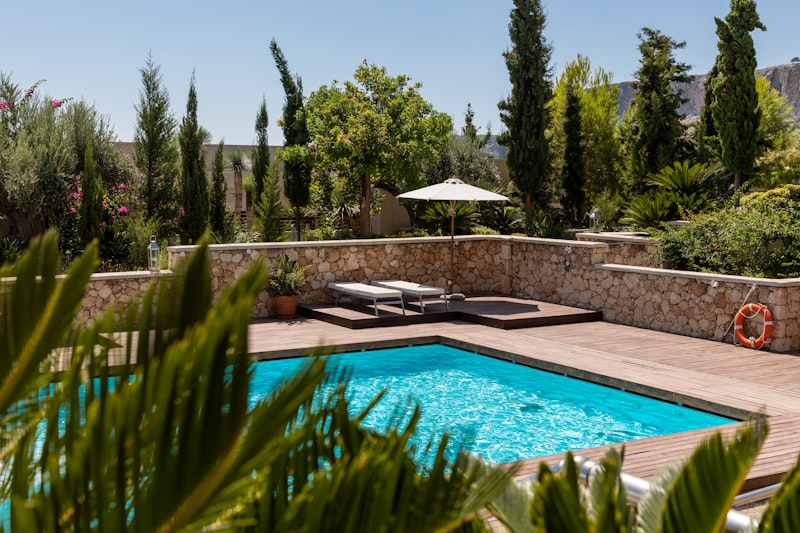
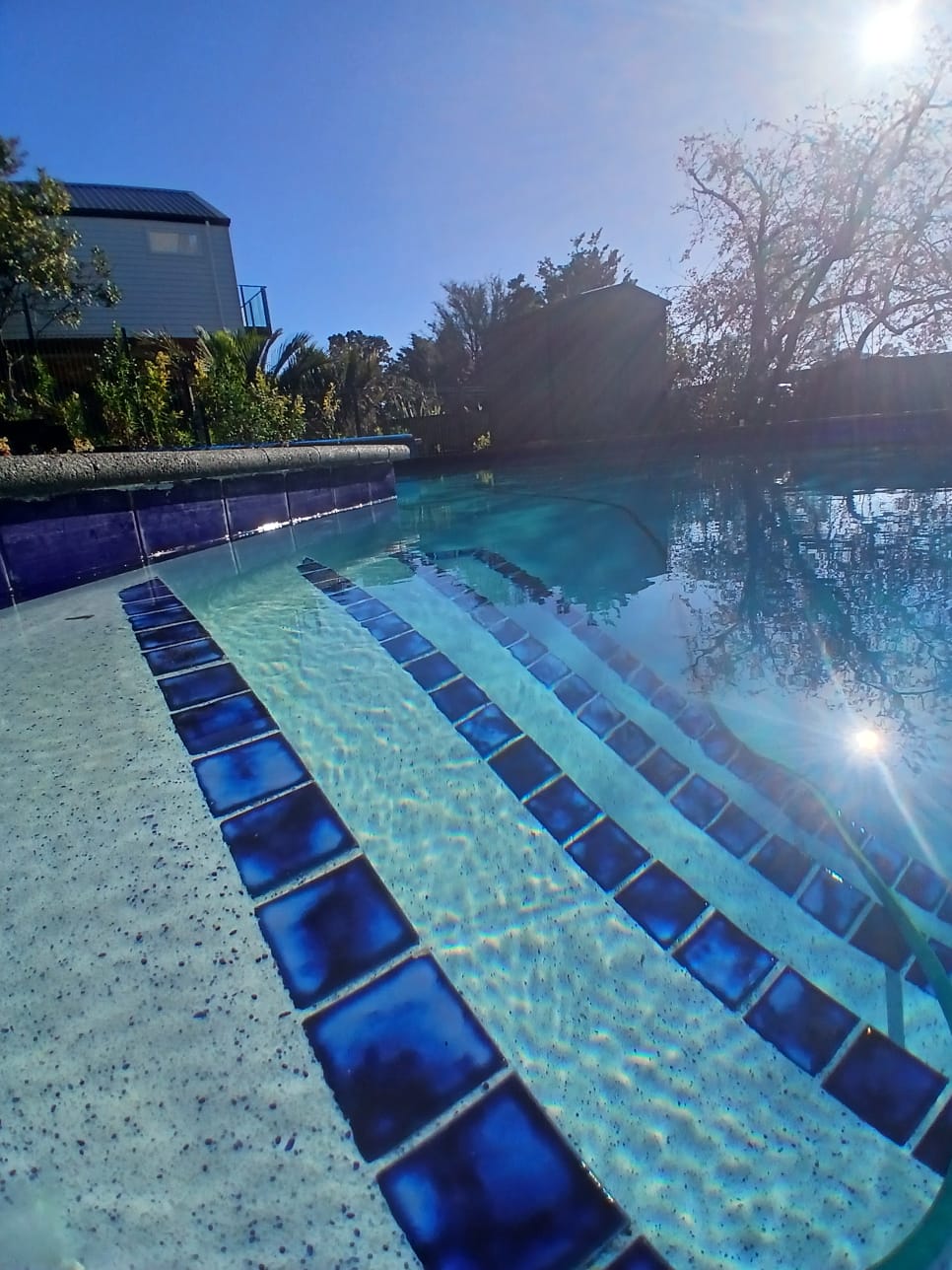
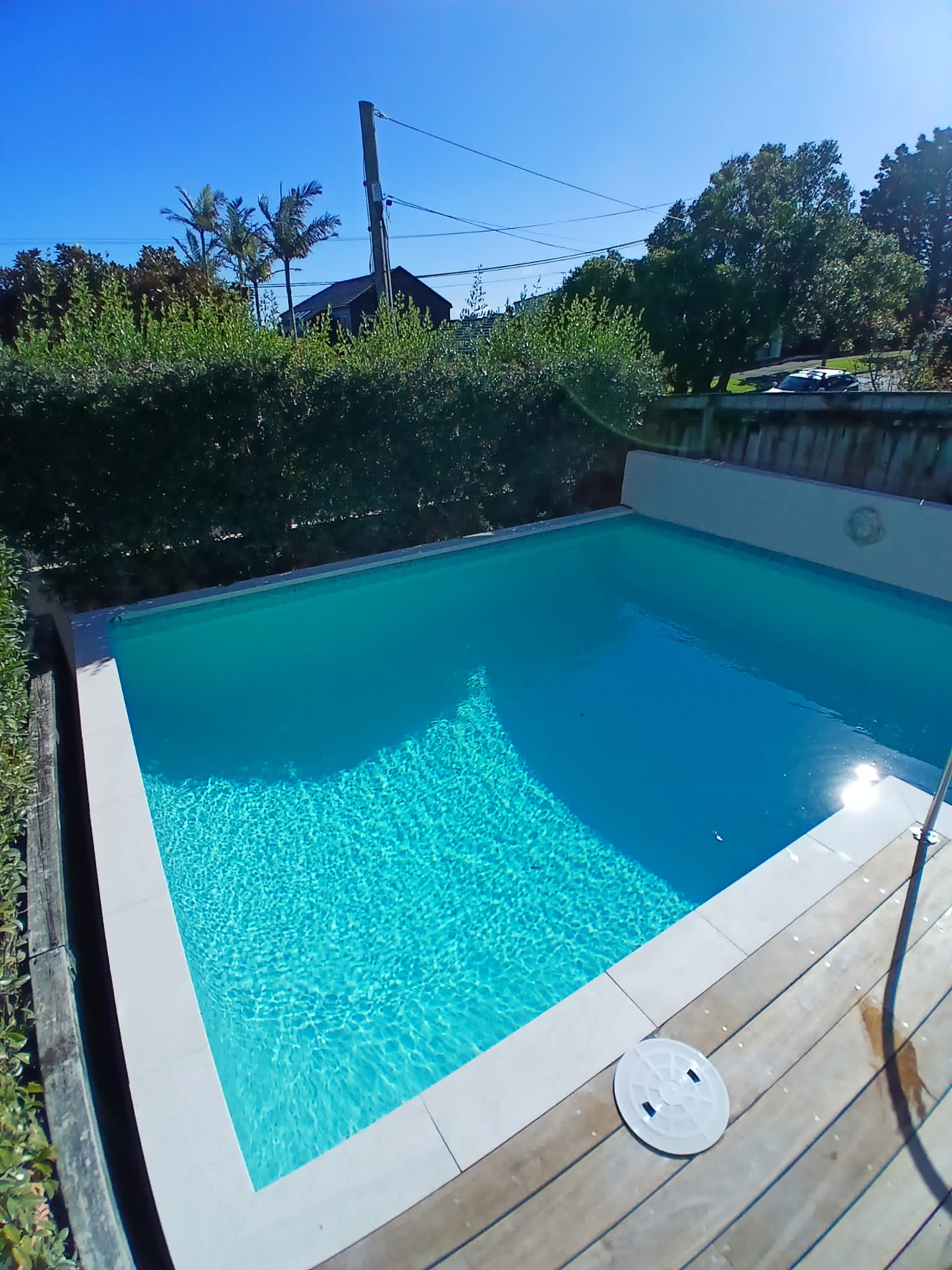
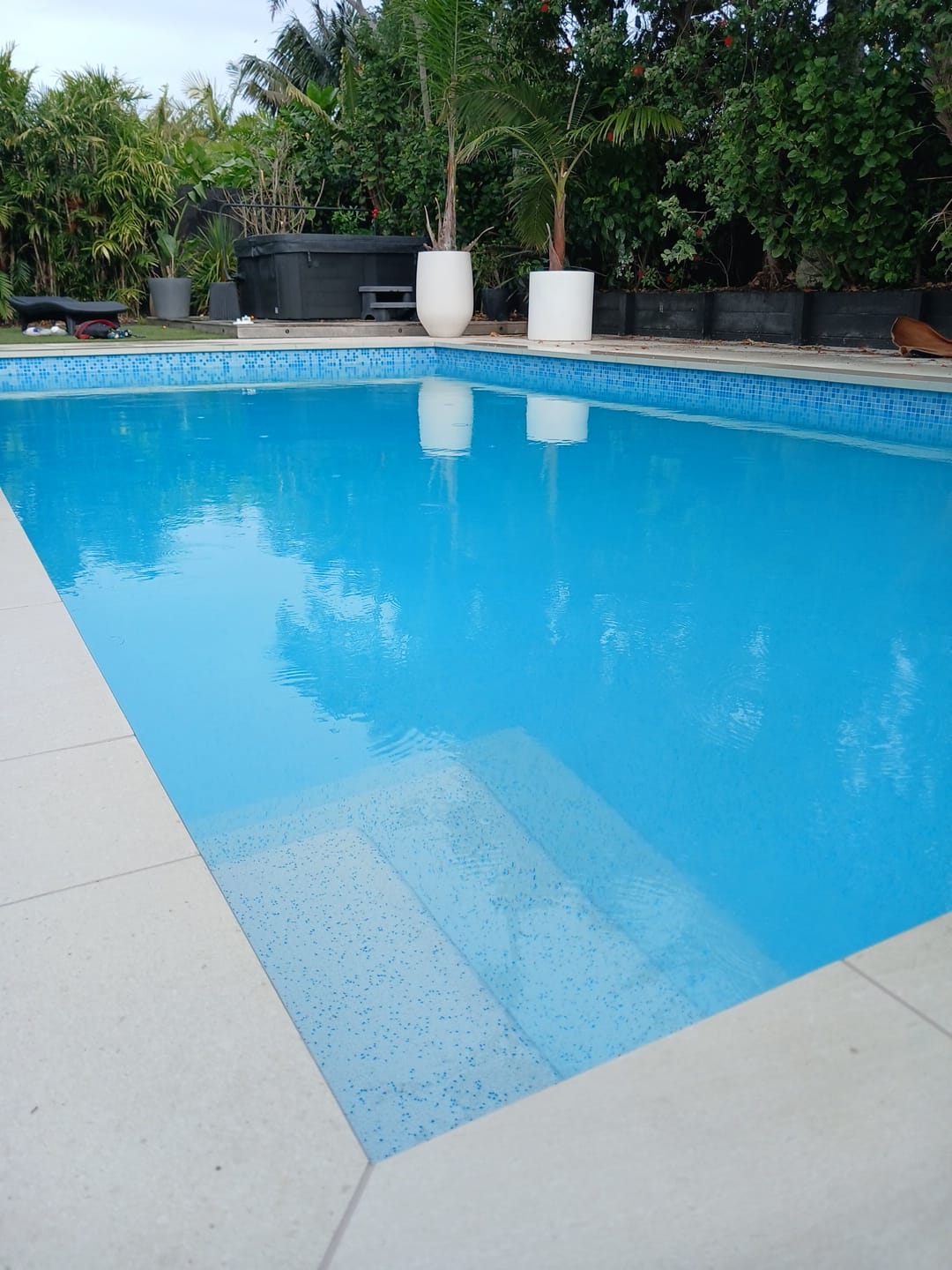
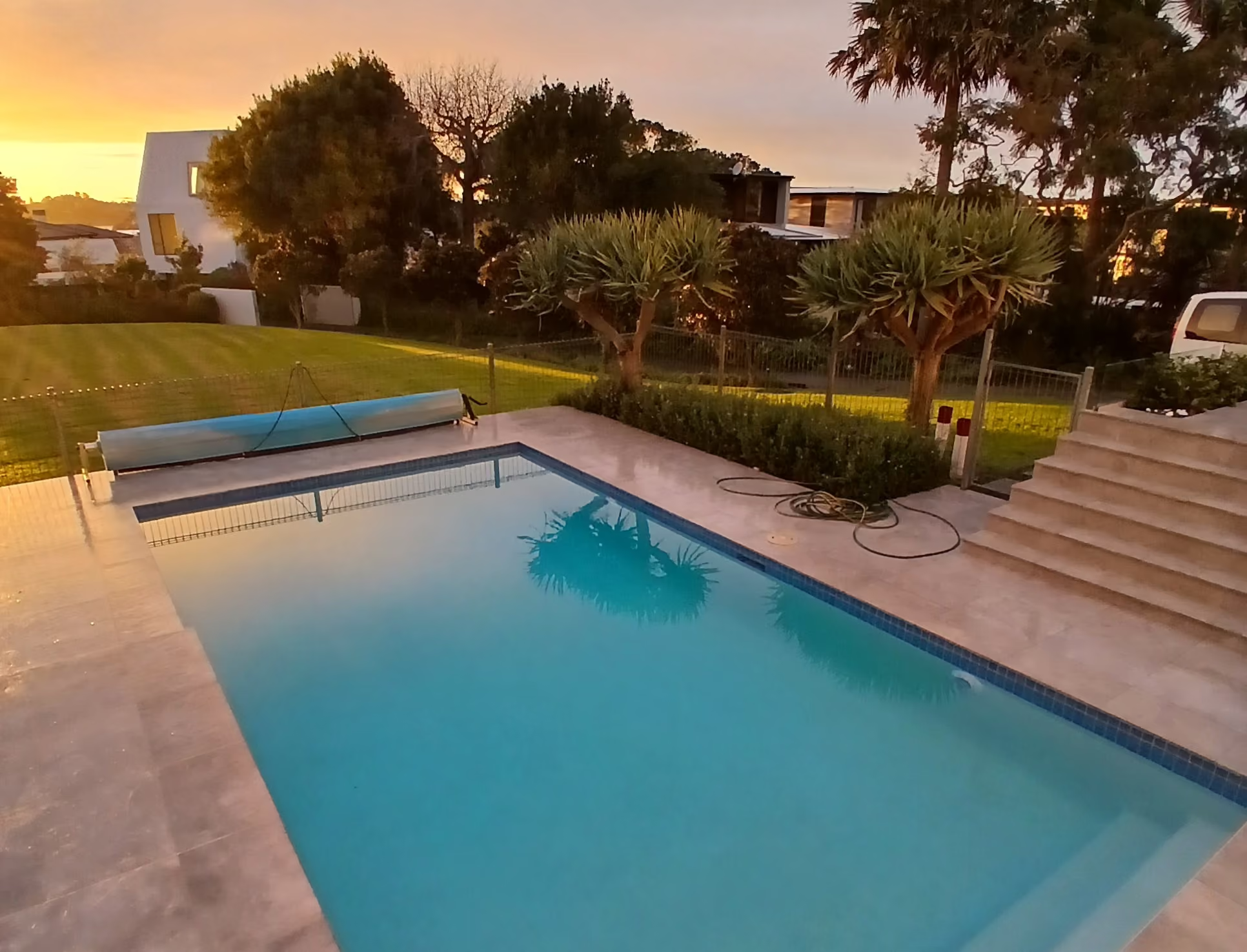
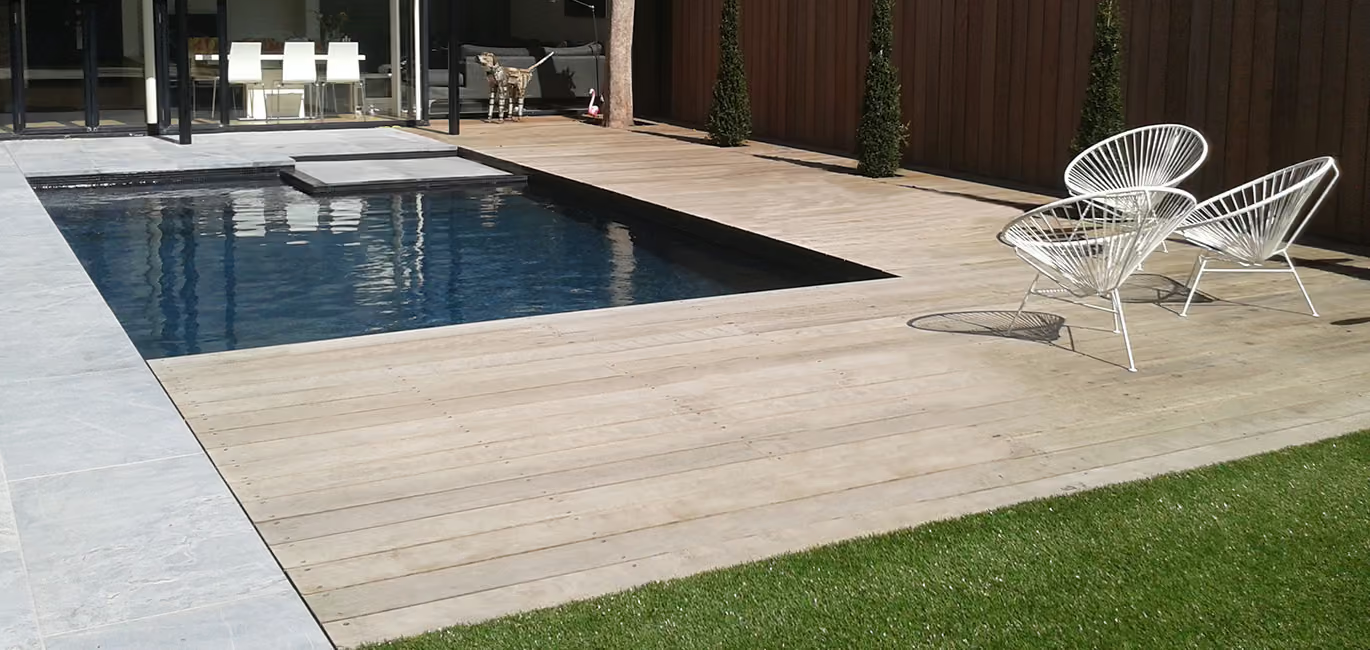
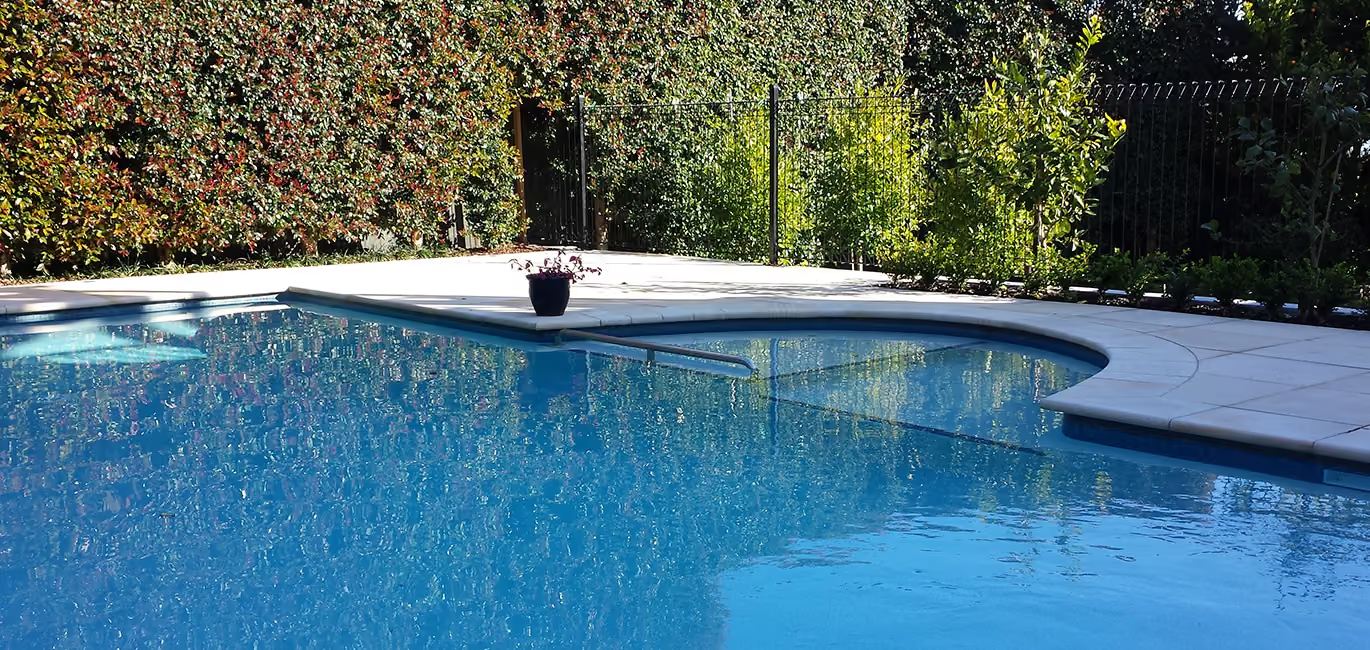
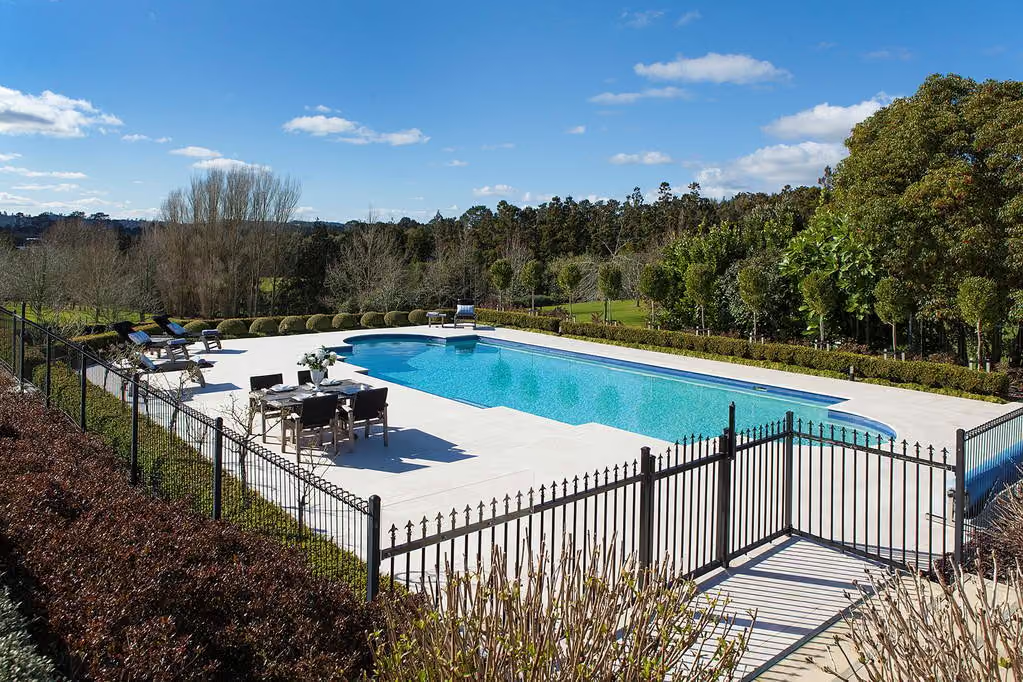
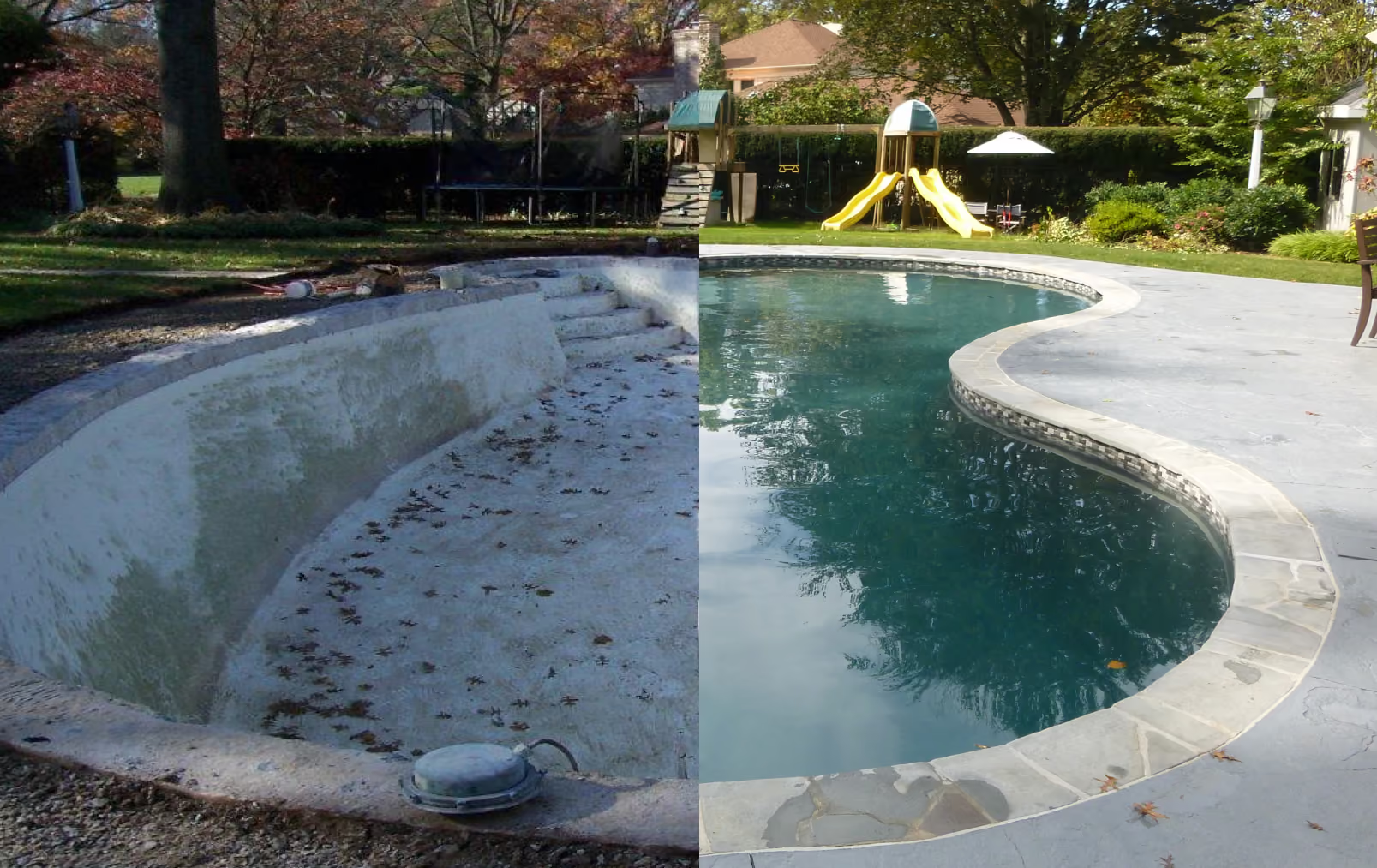
Sparkling Pools has worked on pools across Auckland, including residential renovation projects, equipment upgrades, ongoing maintenance and pool care for managed properties. Past projects show how the right approach can improve presentation, water quality and day-to-day usability. A well-maintained pool is easier to manage, more pleasant to use and better prepared for seasonal changes.
Trusted by Homeowners Across Auckland
Don't just take our word for it. Read what our clients have to say about our transparent communication, reliable service, and stunning pool transformations.
Related Blog Posts
Stay informed on pool care and renovations
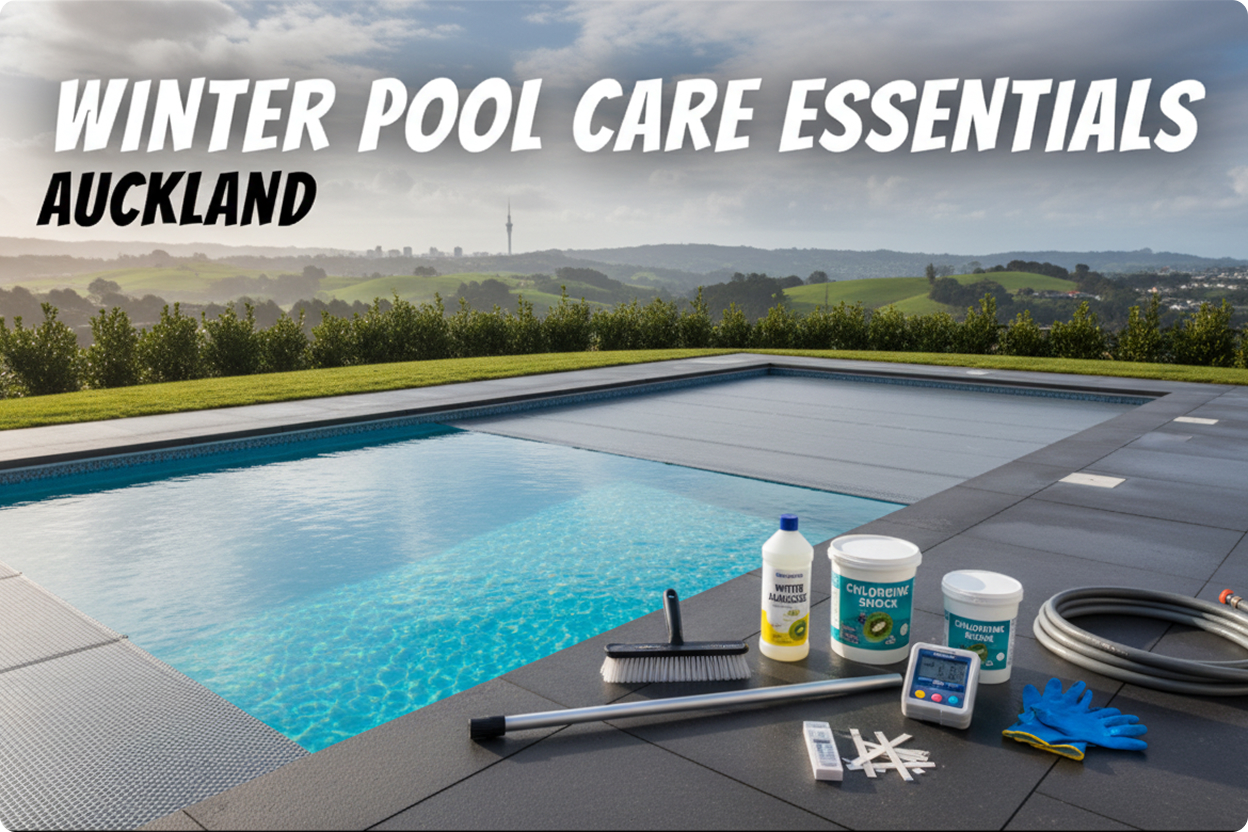
Winter pool care essentials for Auckland
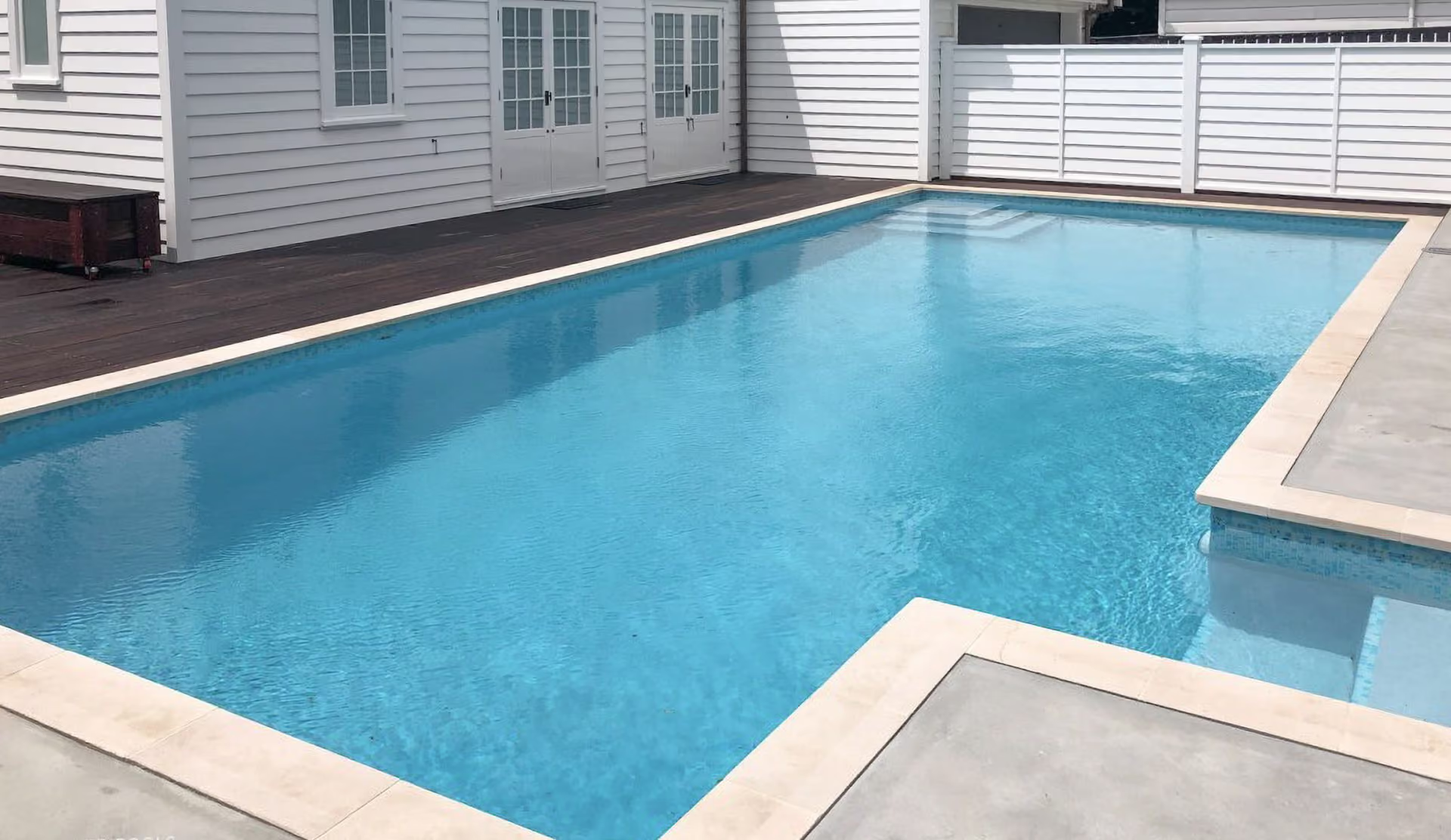
Pool Renovation Mistakes

Auckland Climate Pool Maintenance
Choosing Renovation Contractor
Pool Care Auckland Summer
Permits & Consents
Pool Renovation ROI
How Often to Test Pool Water
Pool Renovation Costs
Cost of Pool Service Auckland
Pool Renovation Planning Guide
Pool Lighting Buying Guide
Pool Cleaner Buying Guide
Pool Automation Buying Guide
Pool Heater Buying Guide
Pool Filter Buying Guide
Pool Pump Buying Guide
Best Equipment Auckland Climate
Auckland Water Quality
Auckland Pool Season
Pool Ownership Costs
Common Pool Mistakes
Pool Safety Laws
Pool Inspection Requirements
Pool Fence Compliance
.avif)
Auckland Pool Industry Trends
Auckland Pool Regulations
Pool Equipment Suppliers
Best Pool Service Areas
Pool Service Pricing Analysis
Company vs Independent
Best Pool Surface Materials
Pool Resurfacing Options
Pebble vs Plaster Surfaces
One-Time vs Ongoing Service
Full Service vs Chemicals Only
Pool Cover Types
Robotic vs Suction Cleaners
Mineral vs Saltwater
Gas vs Heat Pump
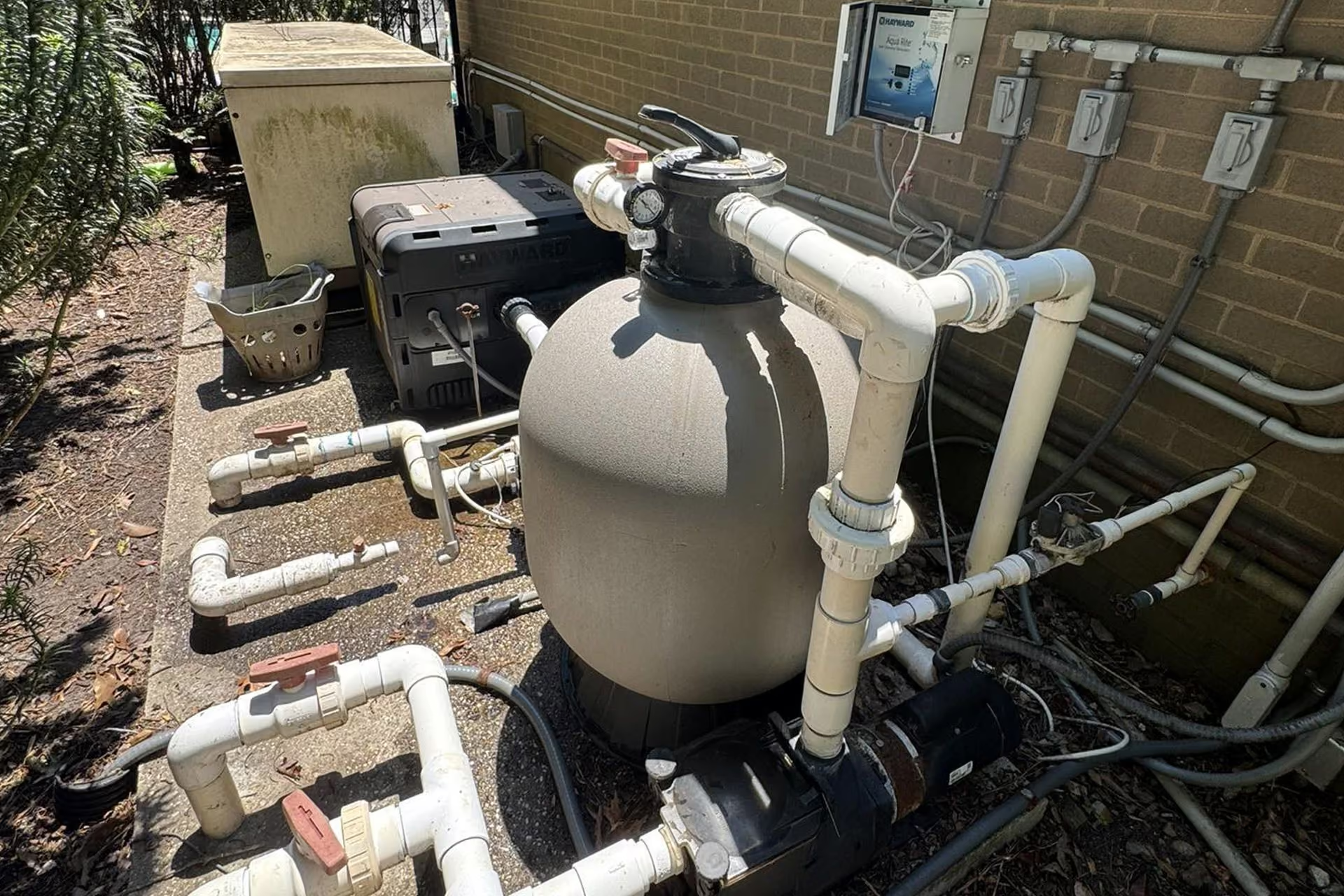
Pool Heater Types
Pool Winterizing Guide Auckland
Pool Opening Guide Summer
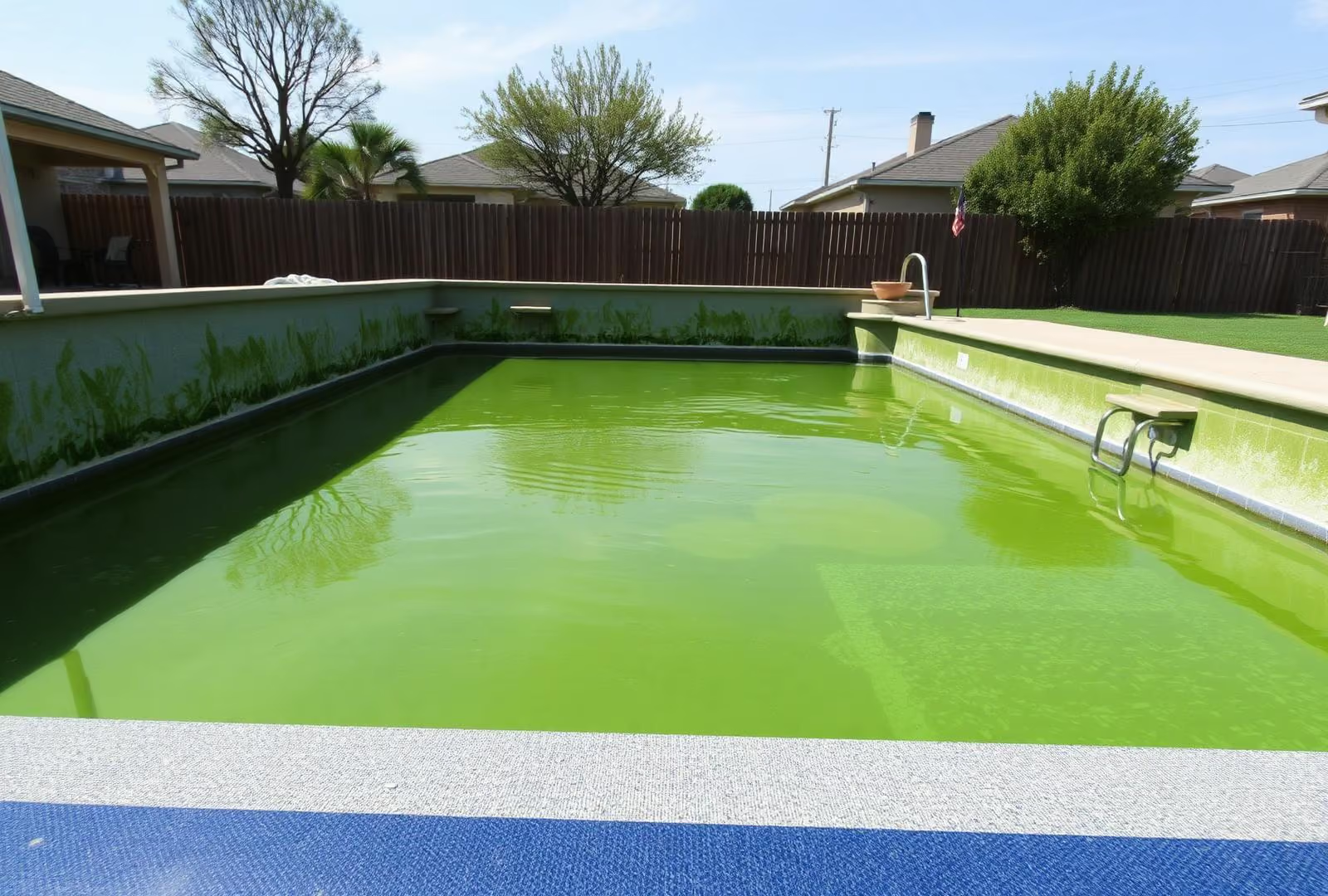
Pool Maintenance After Heavy Rain
Pool Maintenance Schedule
How Often to Run Pool Filter
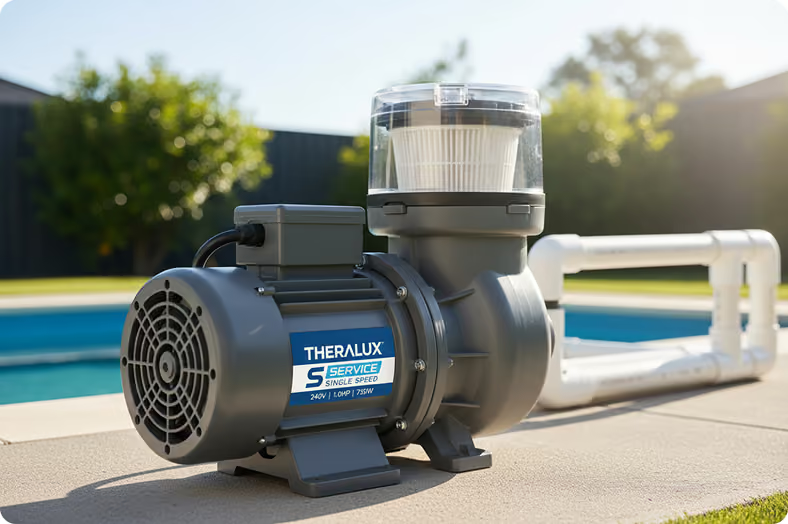
Pool Pump Maintenance Schedule
Pool Filter Cartridge Cleaning
Pool Equipment Maintenance Checklist
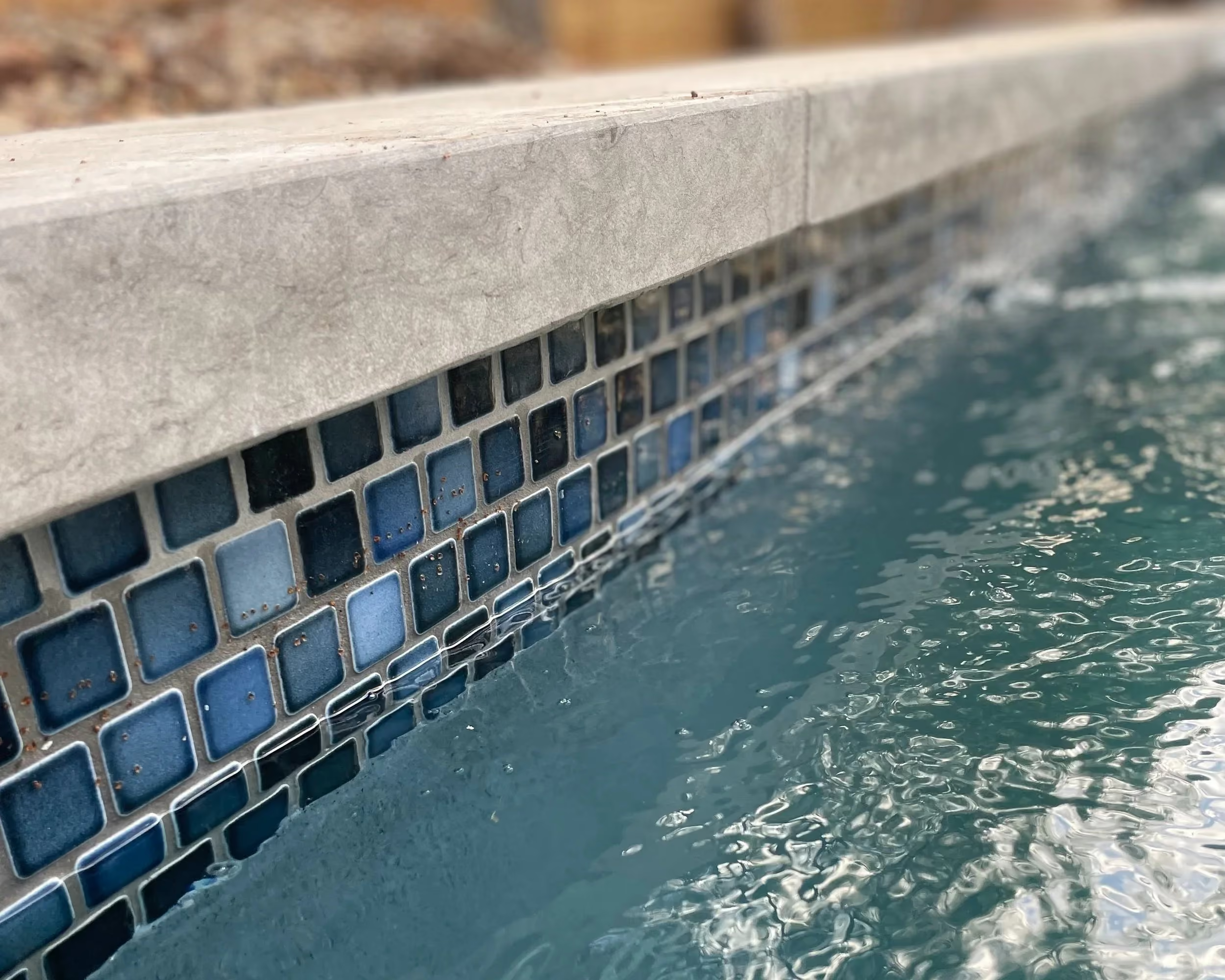
Pool Waterline Cleaning
Pool Skimmer Basket Cleaning
Pool Chlorine Levels
How Often Clean Pool Filter
How to Vacuum Pool
Pool Brushing Technique
Pool Chemical Dosing Chart
Pool Water Chemistry Basics
How to Balance Pool Chemistry
How to Test Pool Water
Pool Maintenance Tips
Complete Pool Maintenance Guide
Pool Service ROI
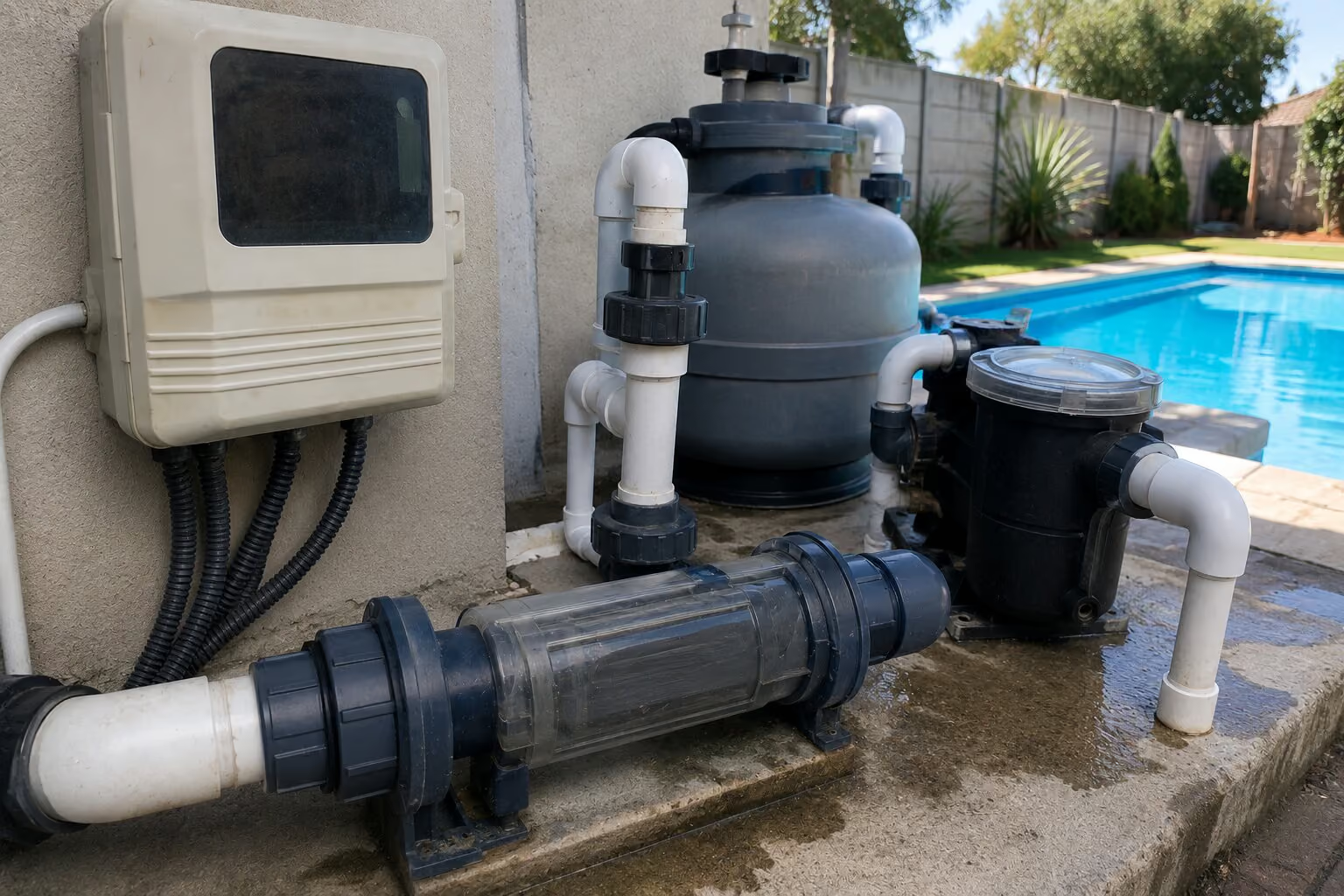
Pool Equipment Buy or Service
Pool Maintenance Time Requirements
DIY vs Professional
Pool Service Contract
Pool Service vs Pool Valet
Is Pool Service Worth It
Pool Service Guarantees
Pool Service Reviews
Pool Service Red Flags
Questions to Ask Pool Companies
How to Choose Pool Service Company
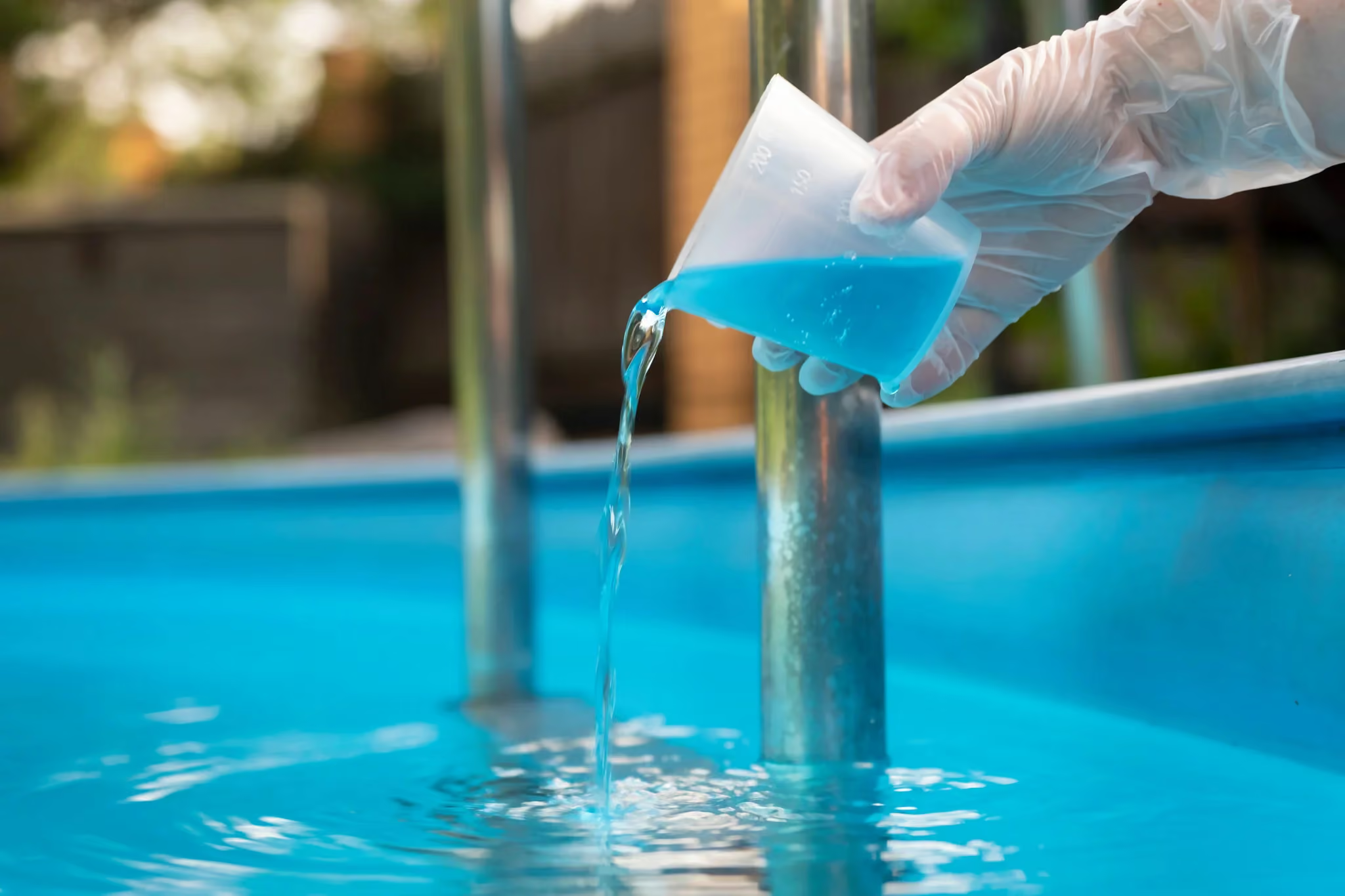
Hidden Costs DIY Maintenance
Pool Cleaning Prices Auckland
Cost of Pool Resurfacing
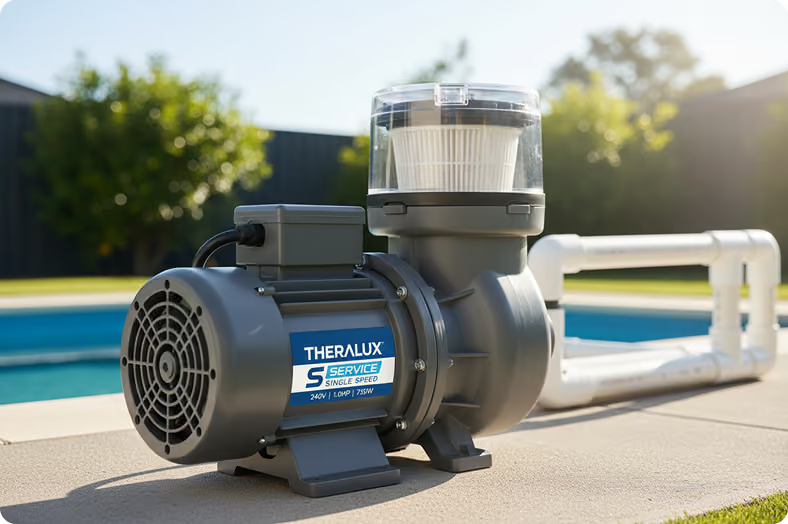
Cost of Pool Pump Replacement
Cost to Fix Green Pool
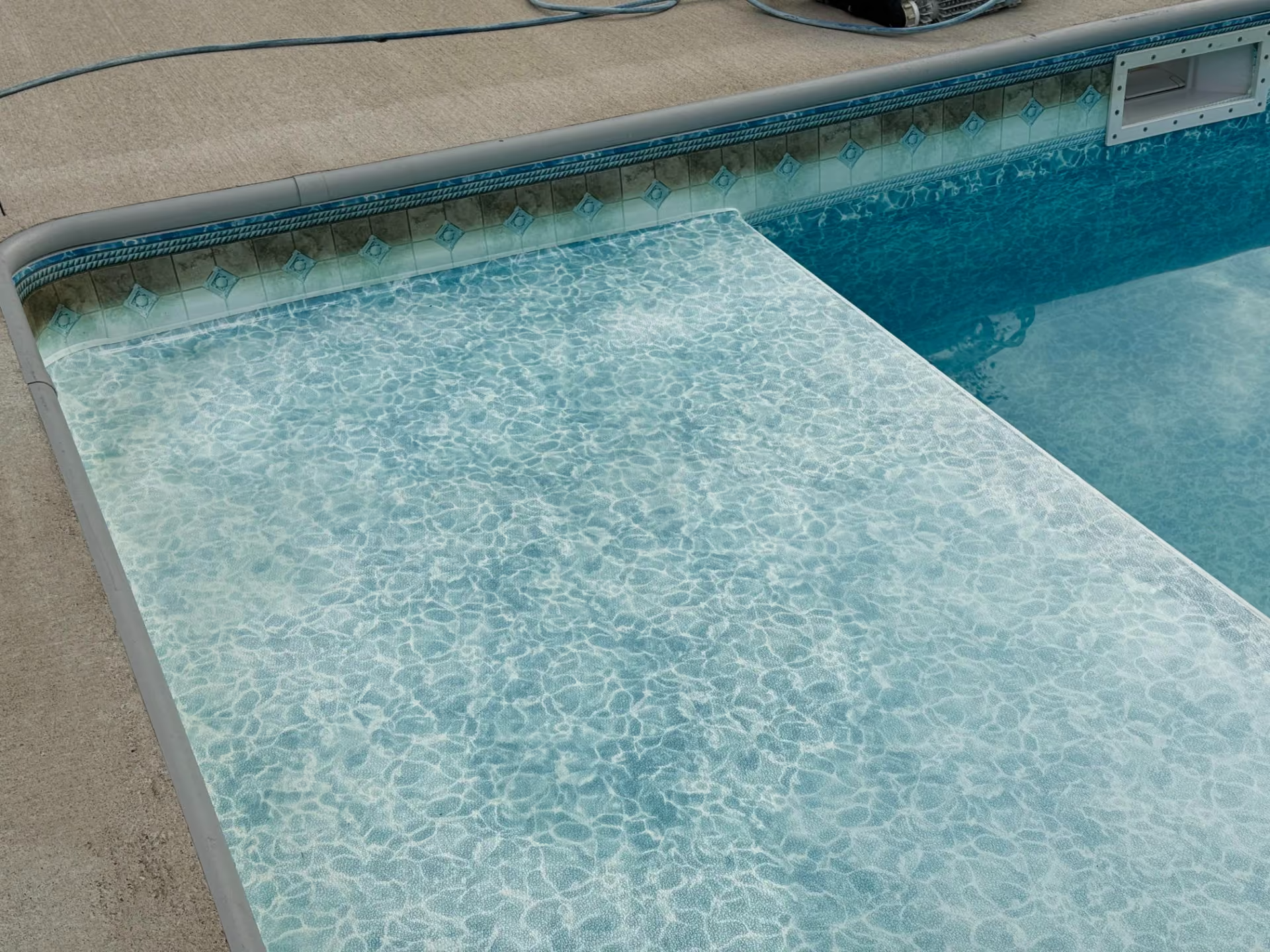
Pool Liner Wrinkles
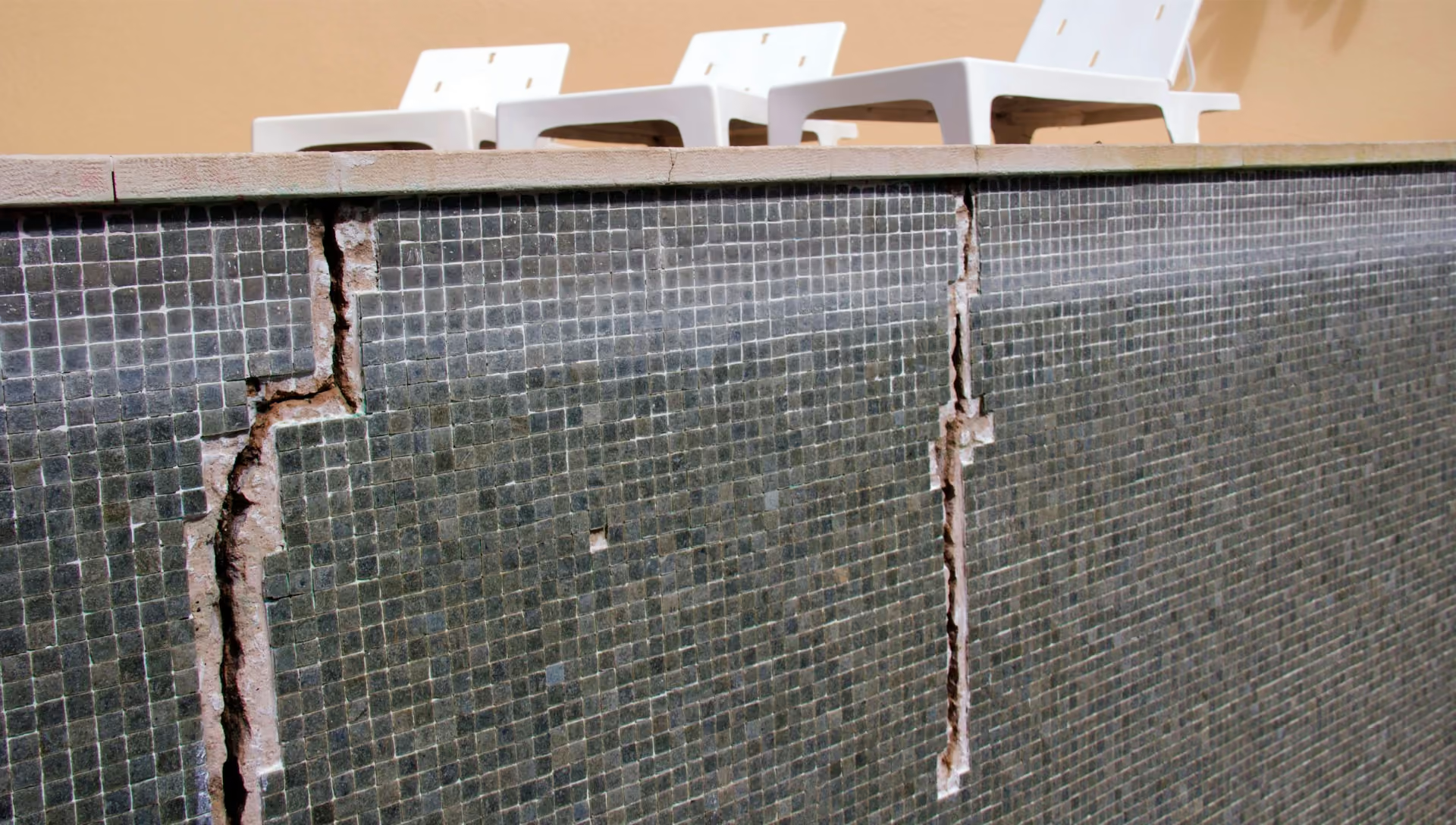
Pool Cracks When to Worry
Pool Surface Stains
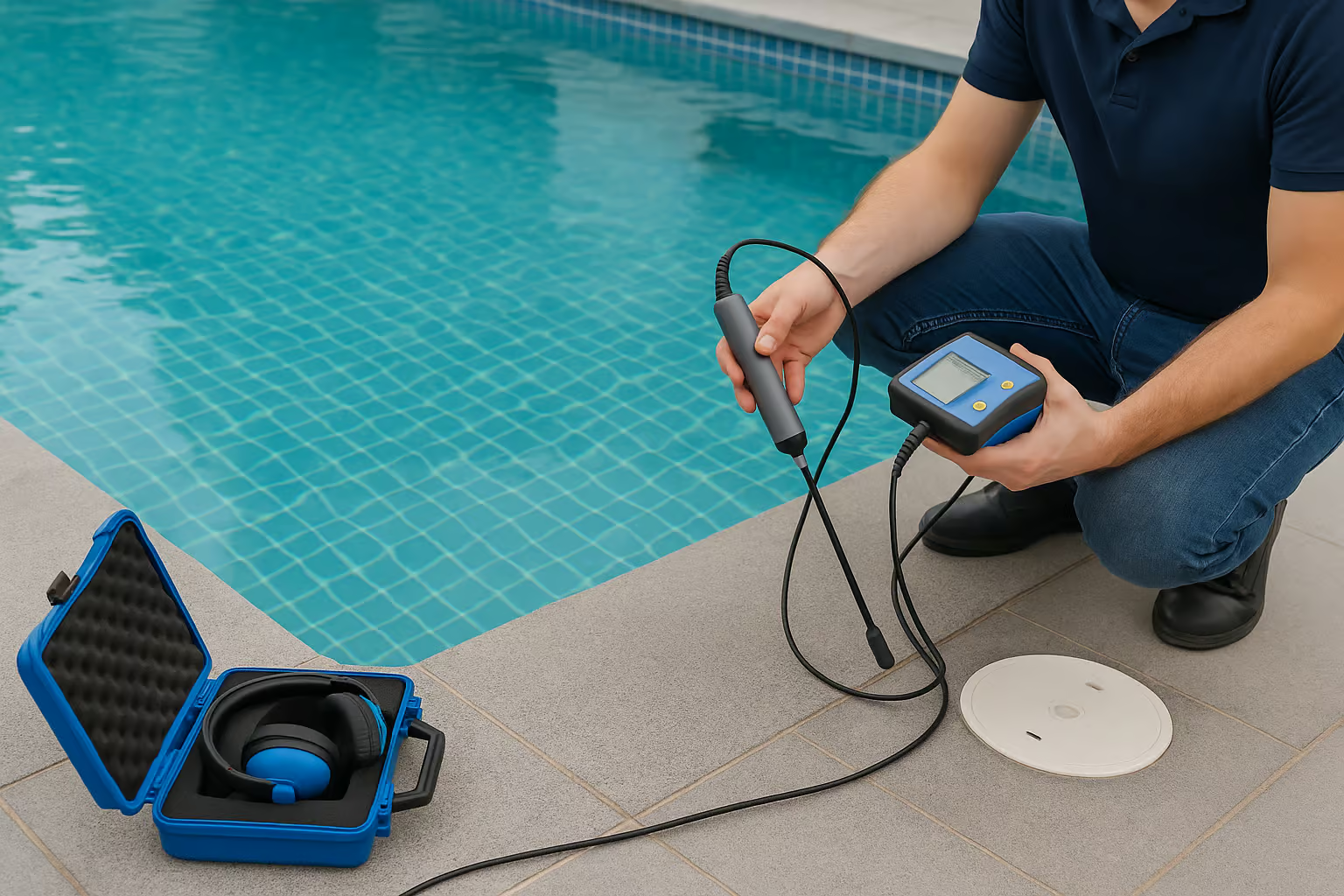
Pool Valve Leaking
Pool Automation Not Working
Pool Light Not Working
Pool Heater Not Heating
Pool Skimmer Not Working
High Pool Filter Pressure
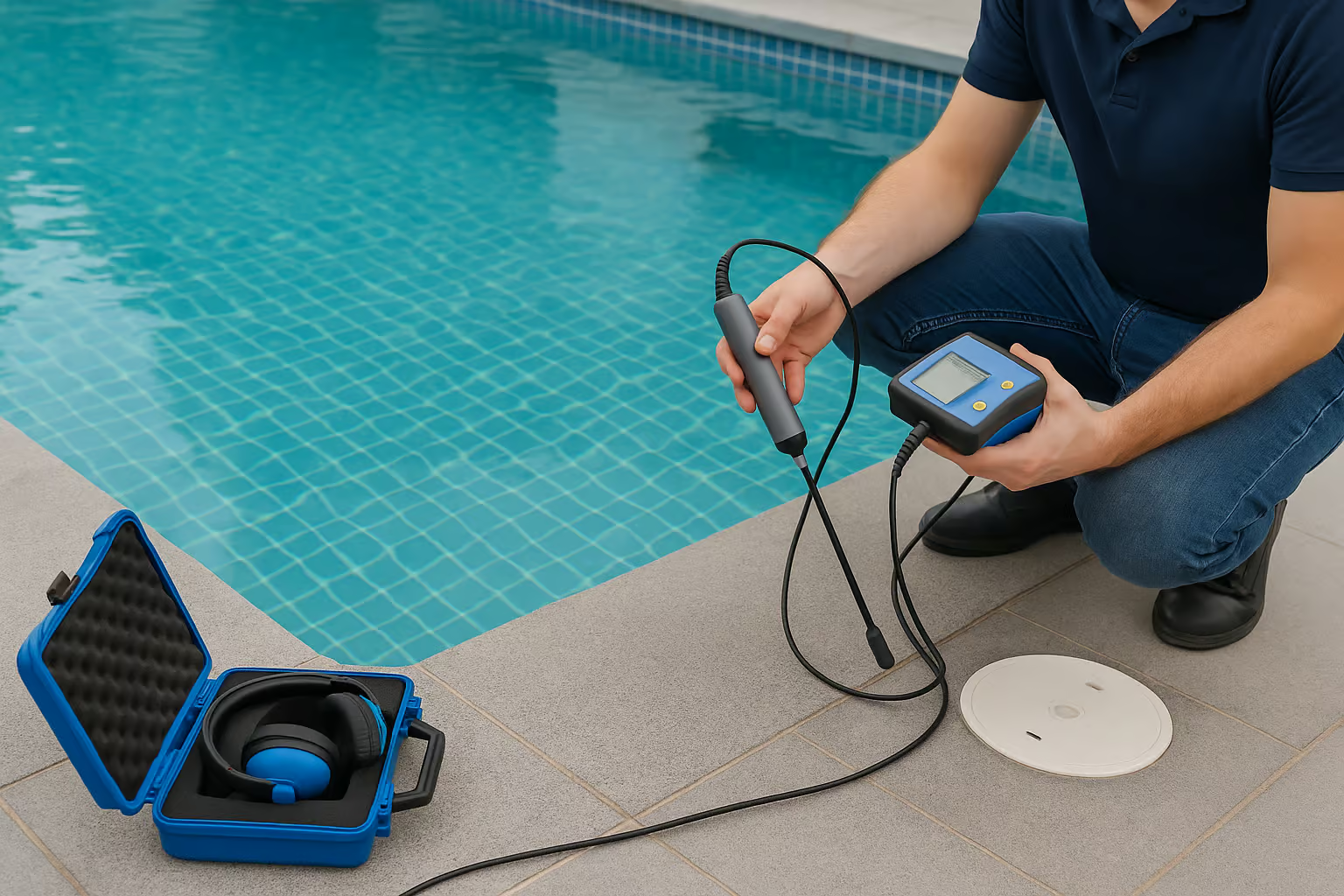
Pool Losing Water
Pool Filter Not Clearing Water
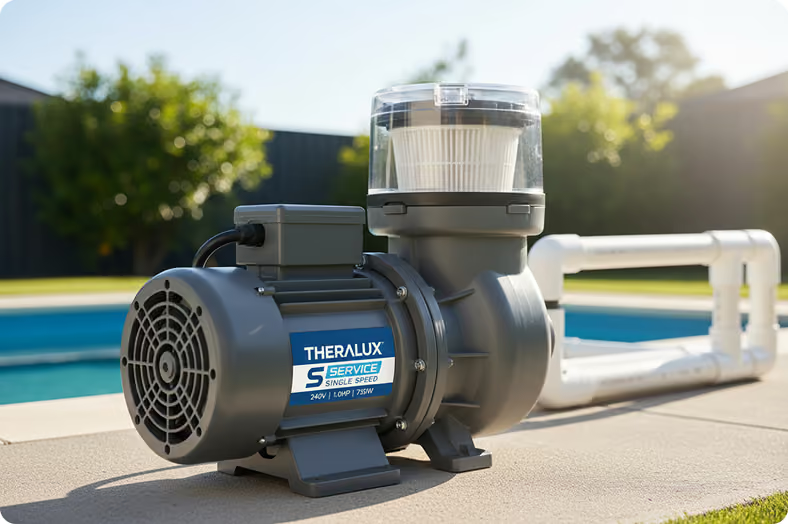
Pool Pump Leaking
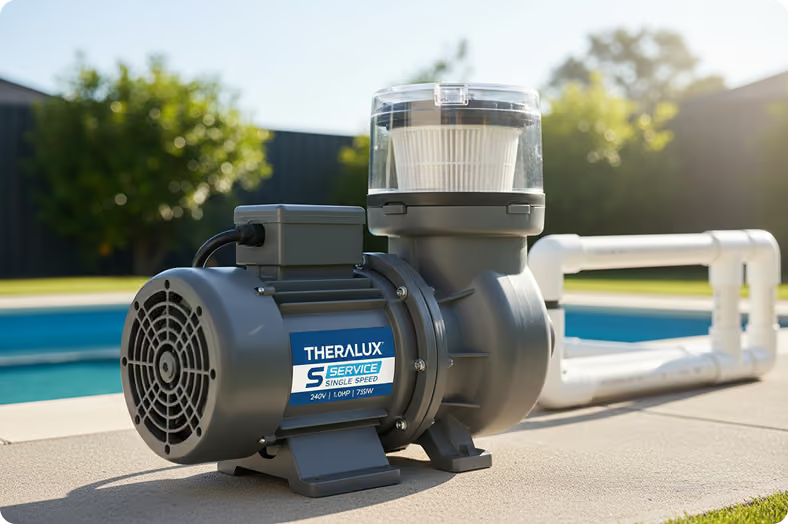
Pool Pump Not Pumping
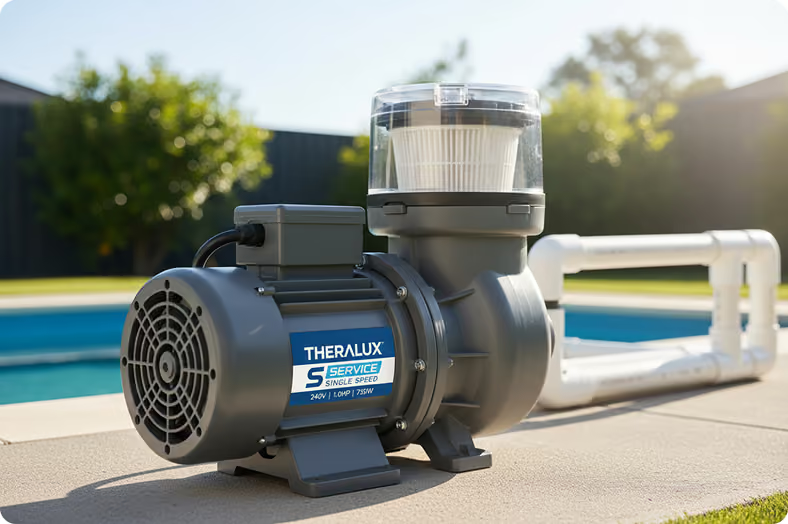
Pool Pump Losing Prime
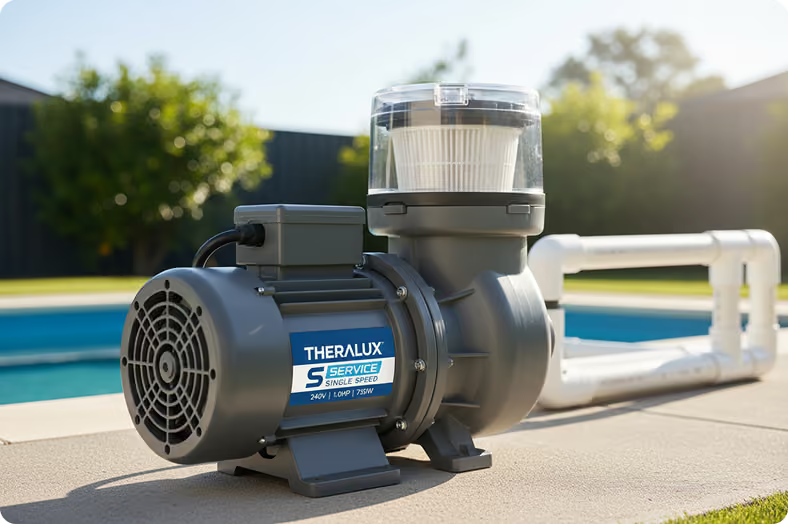
Pool Pump Noisy
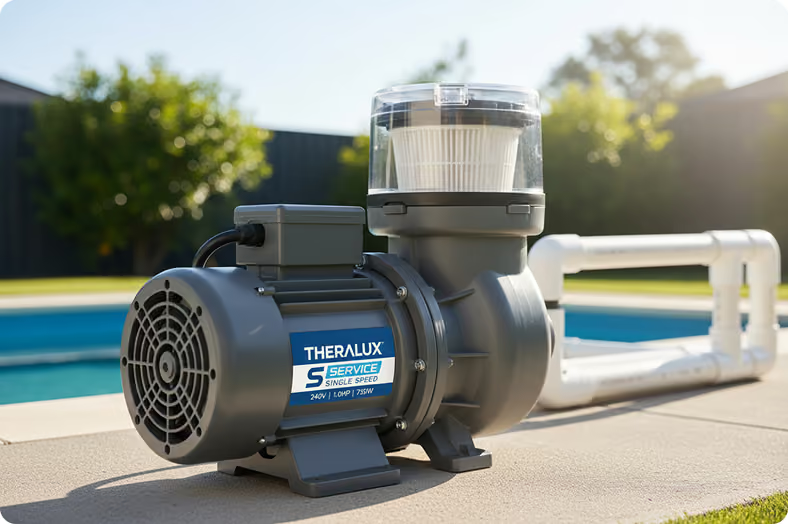
Pool Pump Not Working
Pool Water Foaming
Pool pH Too Low
Pool pH Too High
Green Pool After Rain
Pool Still Green After Shock
Pool Water Cloudy
How to Clear a Green Pool
Pool Care That Protects Your Investment
Good pool care protects more than appearance. Our pool specialists support the long-term condition of your swimming pool while keeping it ready for everyday use.