How to Test Pool Water

Why Auckland trusts our pool service expertise
Testing pool water regularly keeps it safe, clear, and balanced. These key points cover when to test, what to look for, and how to get accurate results.
Whether you're using test strips or a full kit, the process is straightforward once you know the steps. The notes below give you the essentials at a glance.
What you'll learn
When You Need to Test Your Pool Water
Regular water testing is the foundation of good pool care. Without it, you're guessing, and guessing with pool chemistry usually ends in green water, irritated eyes, or damaged equipment.
As a general rule, test your pool water at least once a week during the swimming season. Test more frequently after heavy rain, a large swim session, or if the water looks or smells off. If you've just added chemicals, test again after the recommended wait time to confirm the levels have balanced.
Auckland's climate means pools can be used year-round, so regular testing doesn't stop in winter, it just becomes less frequent.
---
What You'll Need
Before you start, gather the right equipment. There are a few options:
- Test strips, quick and easy; dip in the water and compare colours to the chart on the pack
- Liquid drop test kit, more accurate than strips; involves adding reagent drops to a water sample and matching colours
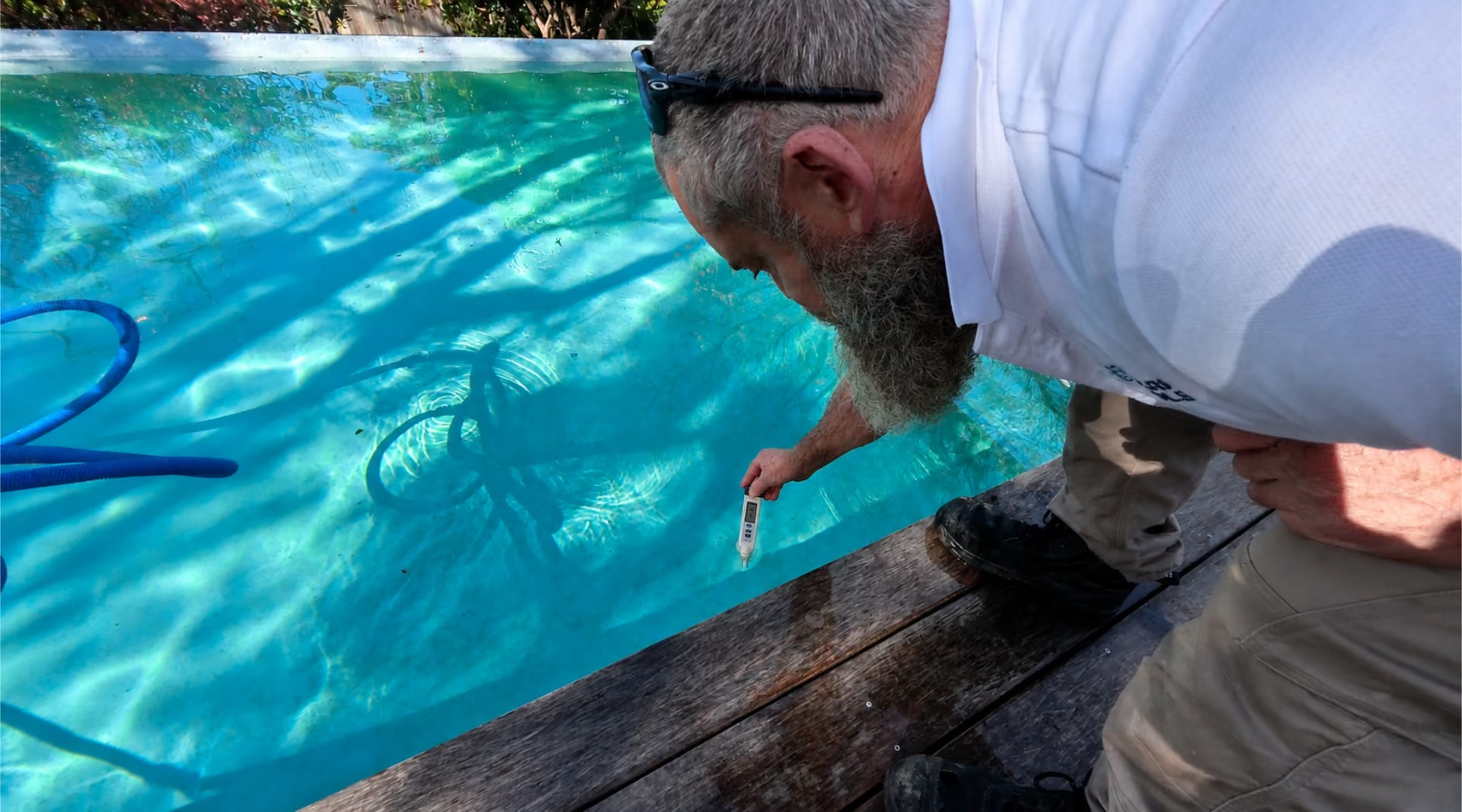
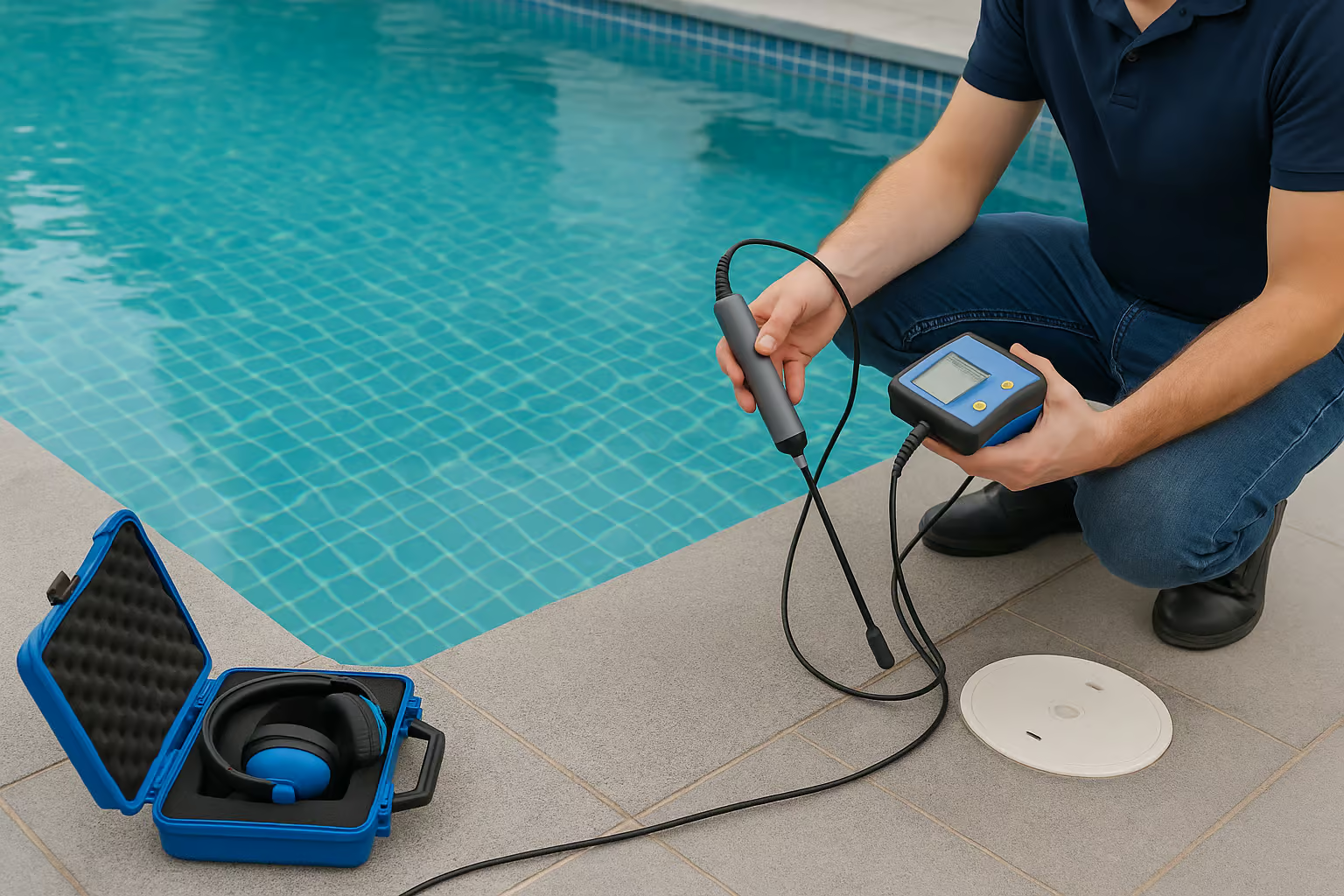
- Digital tester, the most accurate option for home use; reads results electronically
- A clean sample container, if using a kit that requires a water sample
Whichever method you use, make sure your kit is in date. Expired reagents and degraded test strips give unreliable readings.
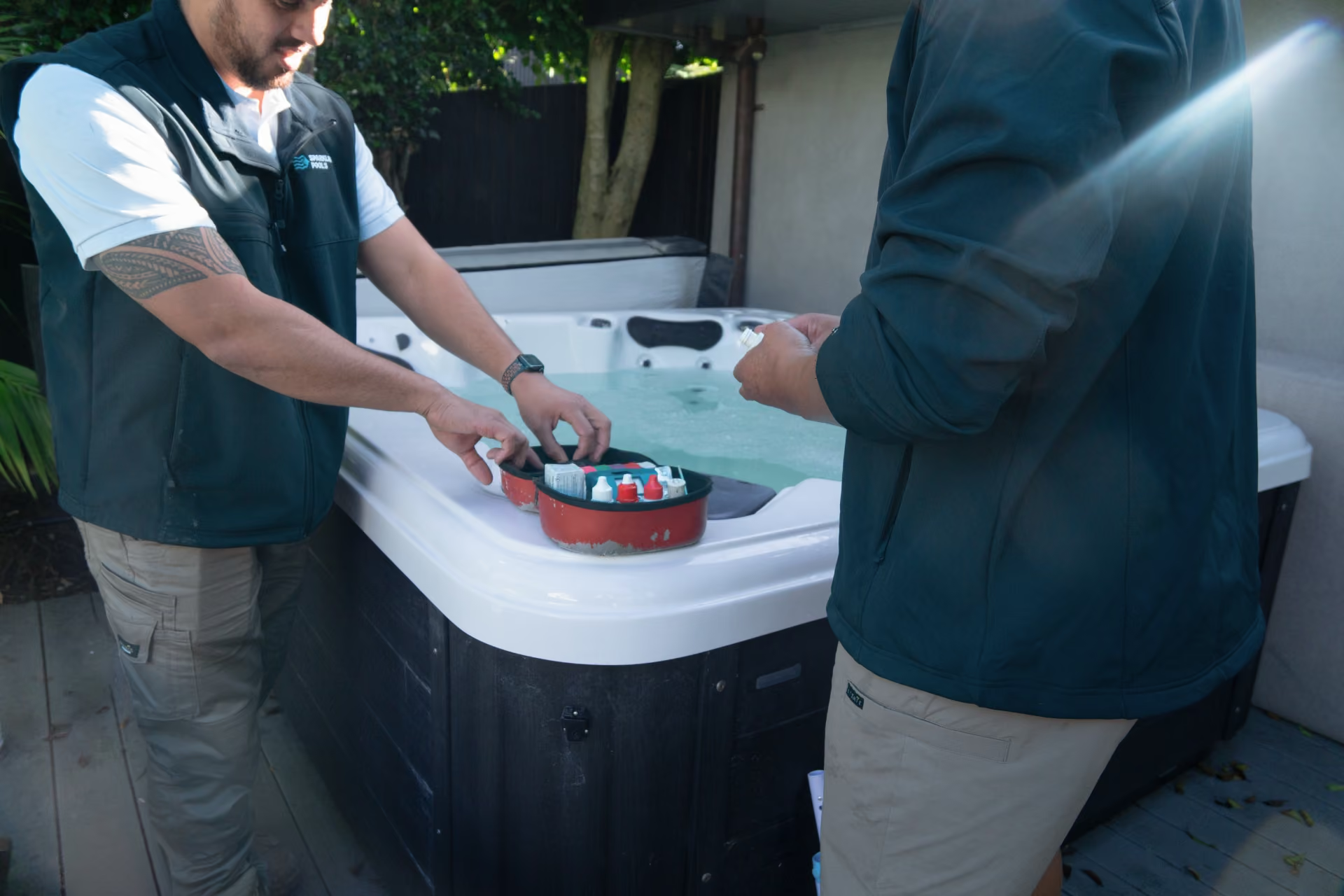
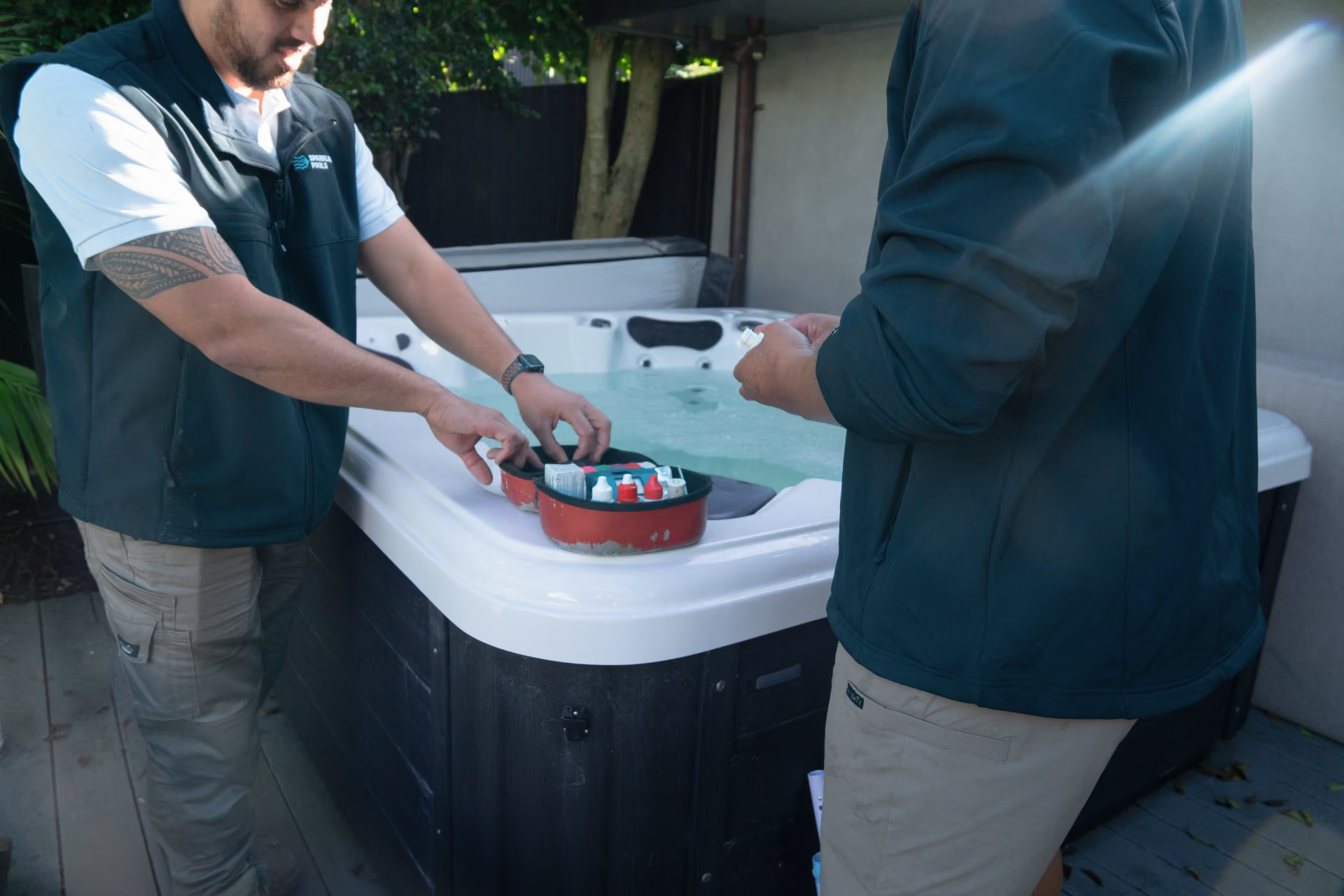
For the most accurate results, Sparkling Pools offers on-site water testing across Auckland, a technician comes to your home and tests everything on site.
---
What to Test For
A full water test covers several parameters. Here's what each one tells you:
Free Chlorine
Chlorine is your pool's primary sanitiser. It kills bacteria and keeps the water safe to swim in. Free chlorine is the active, available portion, this is what you're measuring.pH
pH measures how acidic or alkaline your water is. It affects how well chlorine works and how comfortable the water is on skin and eyes. If pH is off, even a correct chlorine level won't do its job properly.Total Alkalinity
Alkalinity acts as a buffer for pH, it stops pH from swinging up and down rapidly. Testing alkalinity helps explain why your pH might be hard to stabilise.Calcium Hardness
This measures the amount of dissolved calcium in the water. Too low and the water becomes corrosive; too high and you get scale on surfaces and equipment.Stabiliser (Cyanuric Acid)
Stabiliser protects chlorine from being broken down by UV sunlight. It's particularly relevant for outdoor pools. Too little and chlorine burns off quickly; too much and it becomes less effective.Salt (for Salt Water Pools)
If you have a salt water chlorinator, you'll also need to check salt levels. The chlorinator needs the right salt concentration to produce chlorine efficiently.---
Step-by-Step: How to Test Your Pool Water
Step 1, Collect your sample correctly
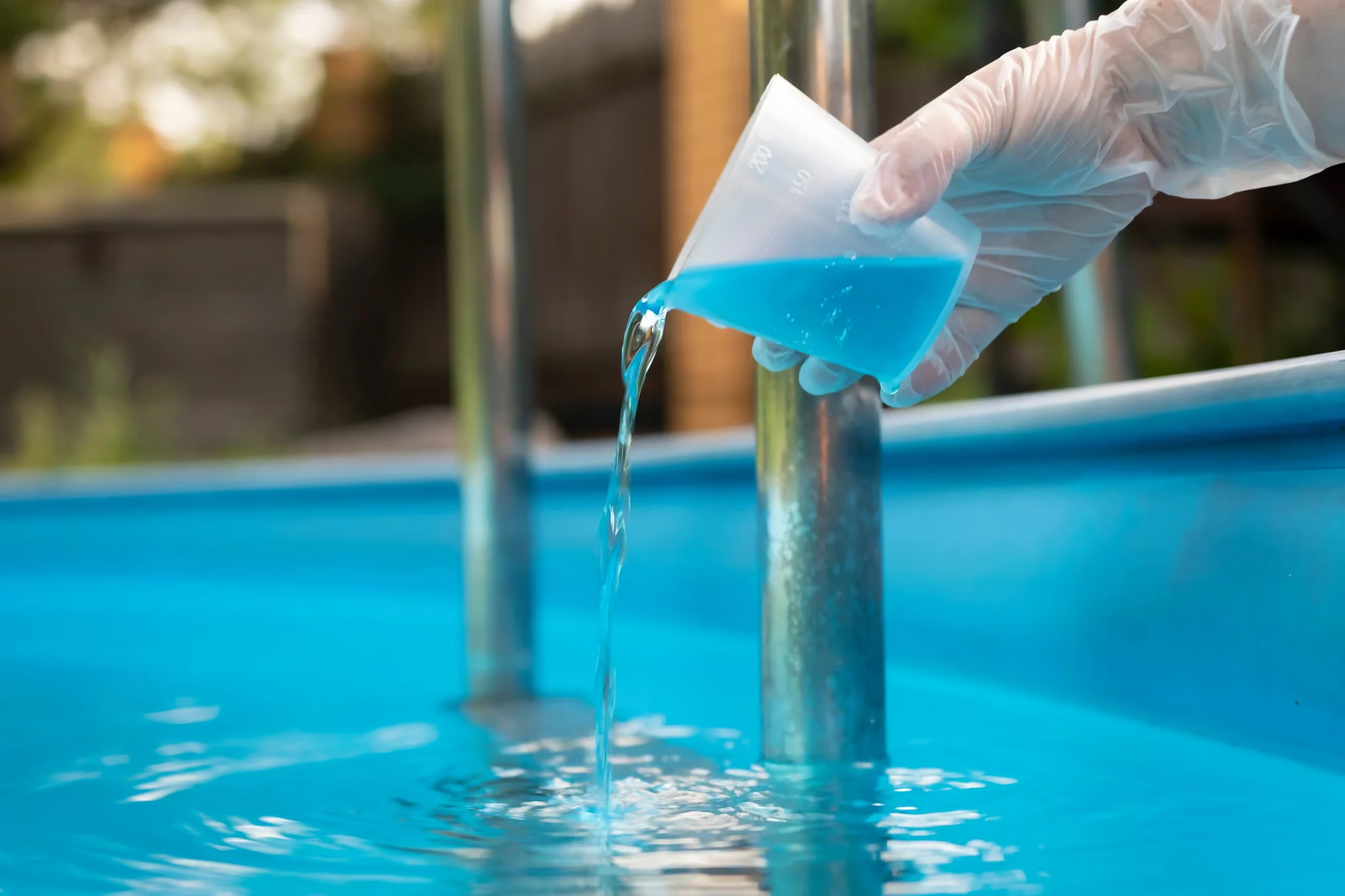
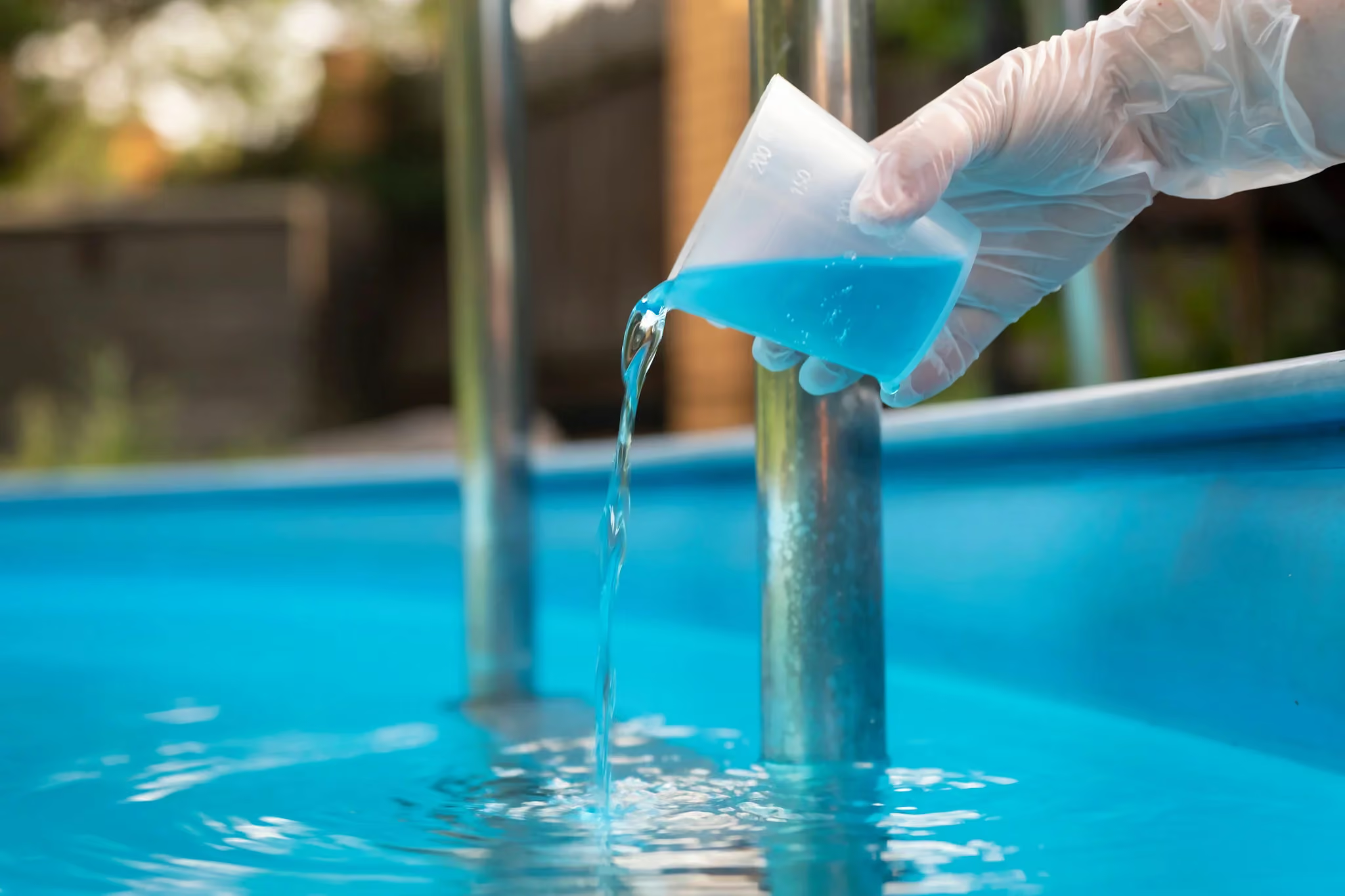
Take your water sample from elbow depth, not from the surface, and not directly in front of a return jet. This gives you a representative reading of the bulk water. Use a clean container.
Step 2, Test away from direct sunlight
UV light can affect reagent colours. Test in the shade or indoors for the most accurate colour comparison.
Step 3, Follow your kit's instructions
Each kit or strip brand has its own process. Read the instructions, don't assume all kits work the same way. Timing matters with liquid drop tests.
Step 4, Record your results
Write down each reading. Keeping a log helps you spot trends, for example, if your pH consistently drifts high after rain, you can get ahead of it.
Step 5, Compare against target ranges
Match your readings against the recommended ranges. If a parameter is outside range, address it before swimming.
Step 6, Add chemicals if needed
If any levels are off, adjust one parameter at a time. Add the required chemical, allow time for it to circulate, then re-test before adding anything else.
---
Common Mistakes When Testing Pool Water
Testing at the wrong time
Don't test immediately after adding chemicals, the readings won't reflect the pool's actual balanced state. Wait for the pump to circulate the water fully.Using old or stored-incorrectly test strips
Test strips degrade if exposed to moisture, heat, or sunlight. Keep them sealed in their original container and check the expiry date.Only testing one parameter
Chlorine and pH interact with each other, and both are affected by alkalinity. Testing just one gives you an incomplete picture. A full test takes only a few minutes more.Ignoring the results
Testing is only useful if you act on what you find. A reading outside the target range that gets noted and ignored is the same as not testing at all.Sampling from the surface
Surface water is not representative of the whole pool. Always sample from elbow depth, away from inlets and returns.---
When to Get Help
Home test kits are reliable for routine monitoring, but there are times when a professional test is the better option:
- Your water looks or smells wrong but your home test reads normal
- You've added chemicals repeatedly and levels won't stabilise
- You're opening the pool after a long period of no use
- You want a baseline reading at the start of the season
- Your pool has had a significant event, heavy rain, a large party, or visible algae
Sparkling Pools provides on-site water testing across Auckland. A technician visits your home, tests your water on site, and can advise on what adjustments are needed. It's a straightforward way to get an accurate picture without guessing.
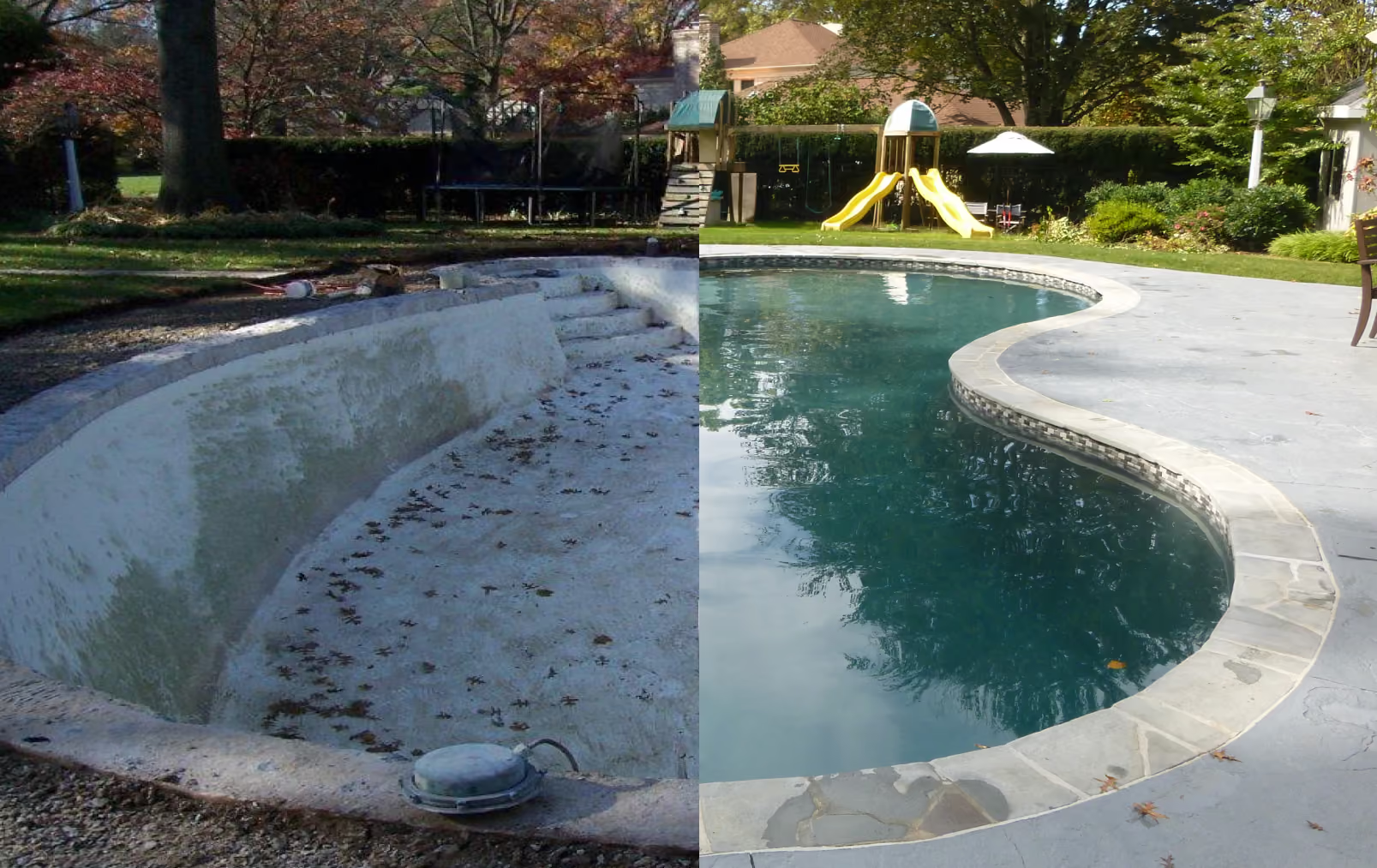
Pool resurfacing solutions
Restore your pool with durable plaster finishes

Work completed
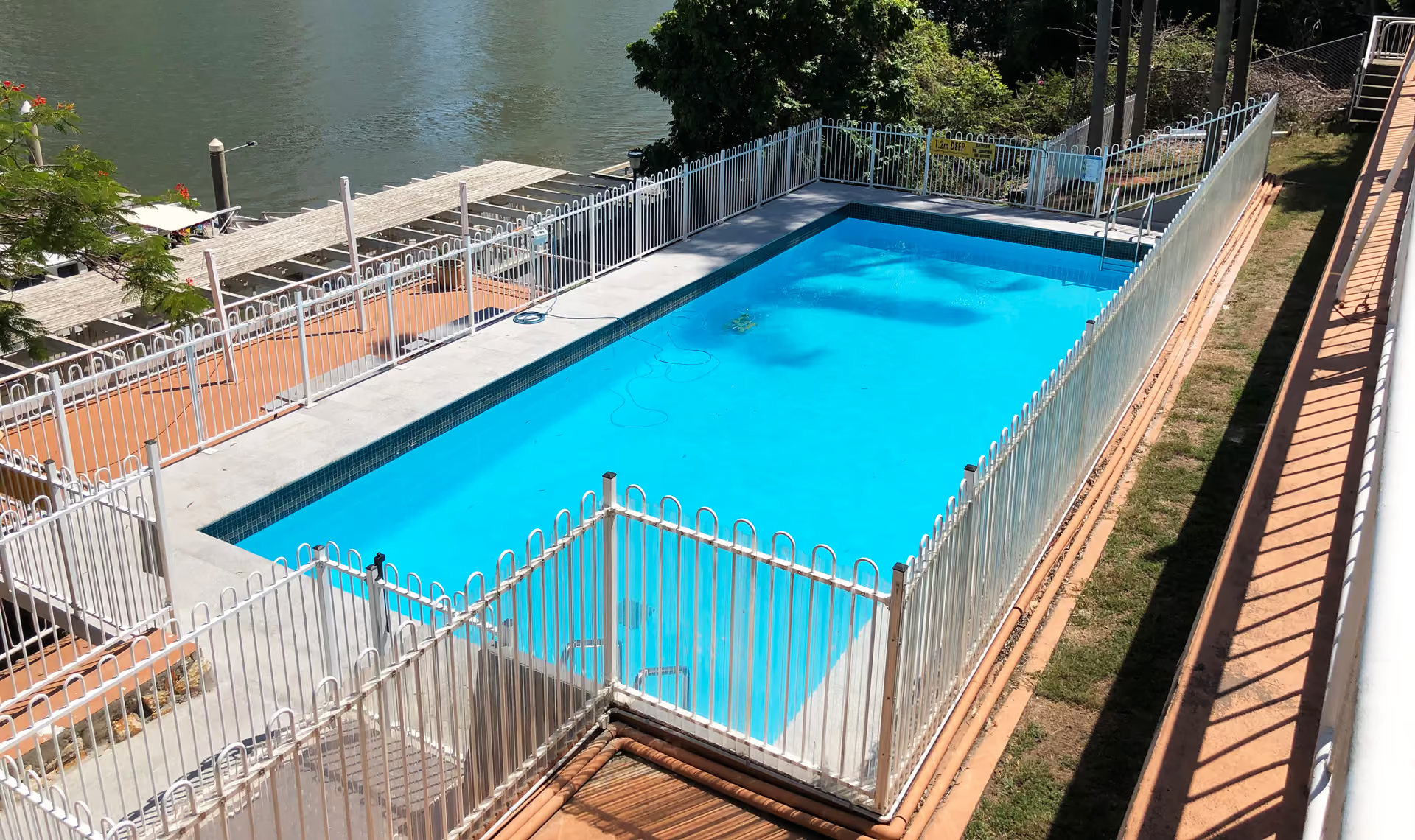
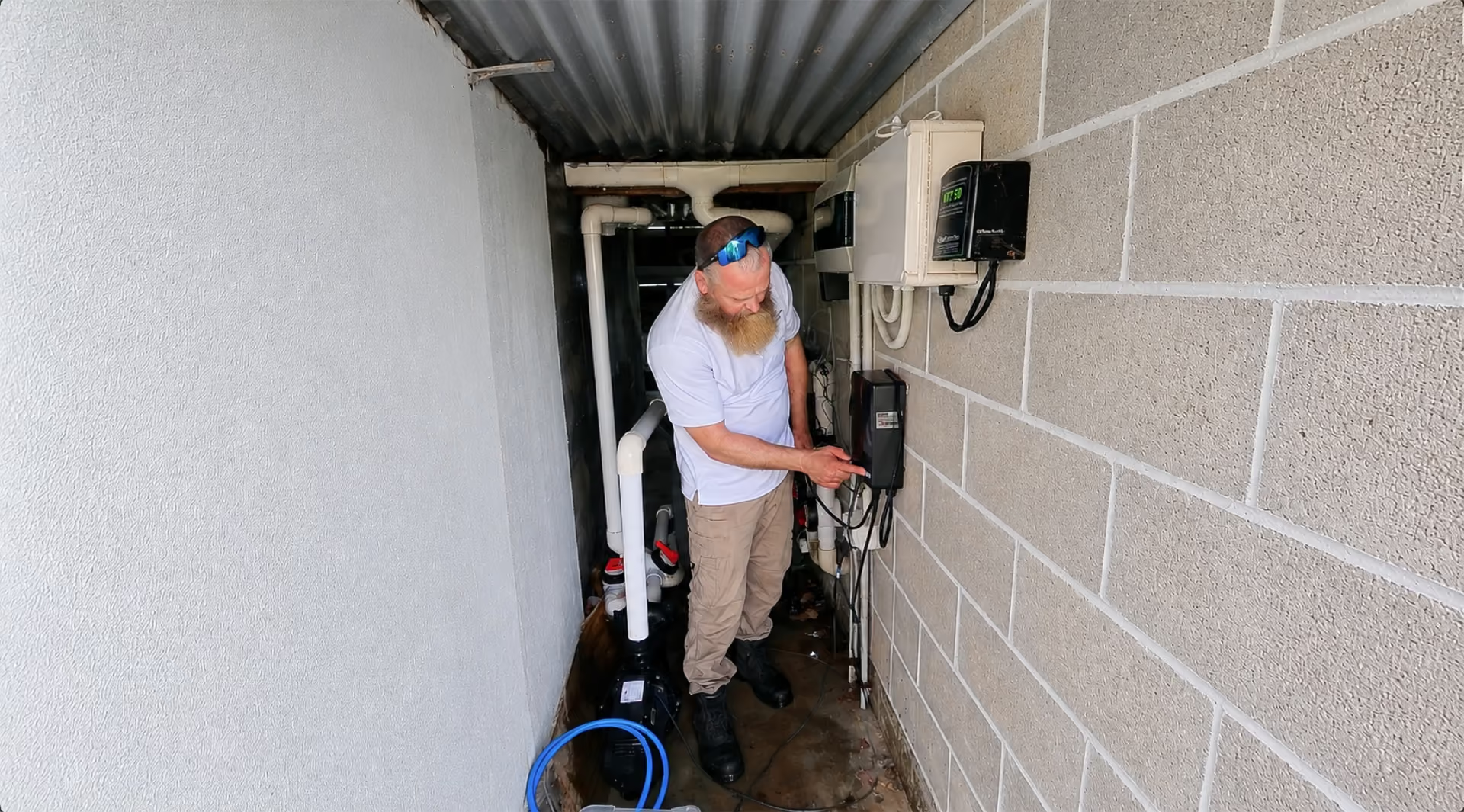
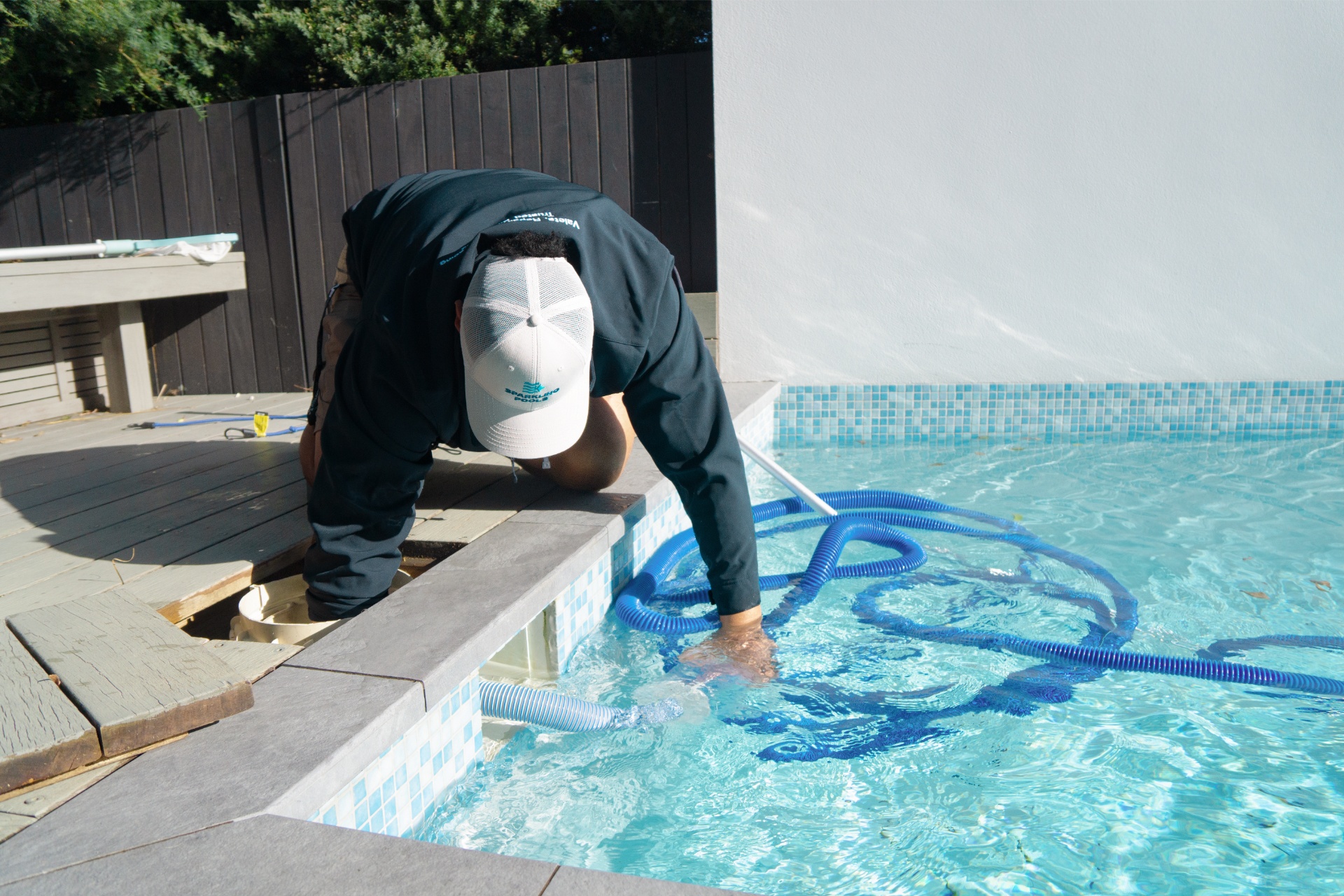
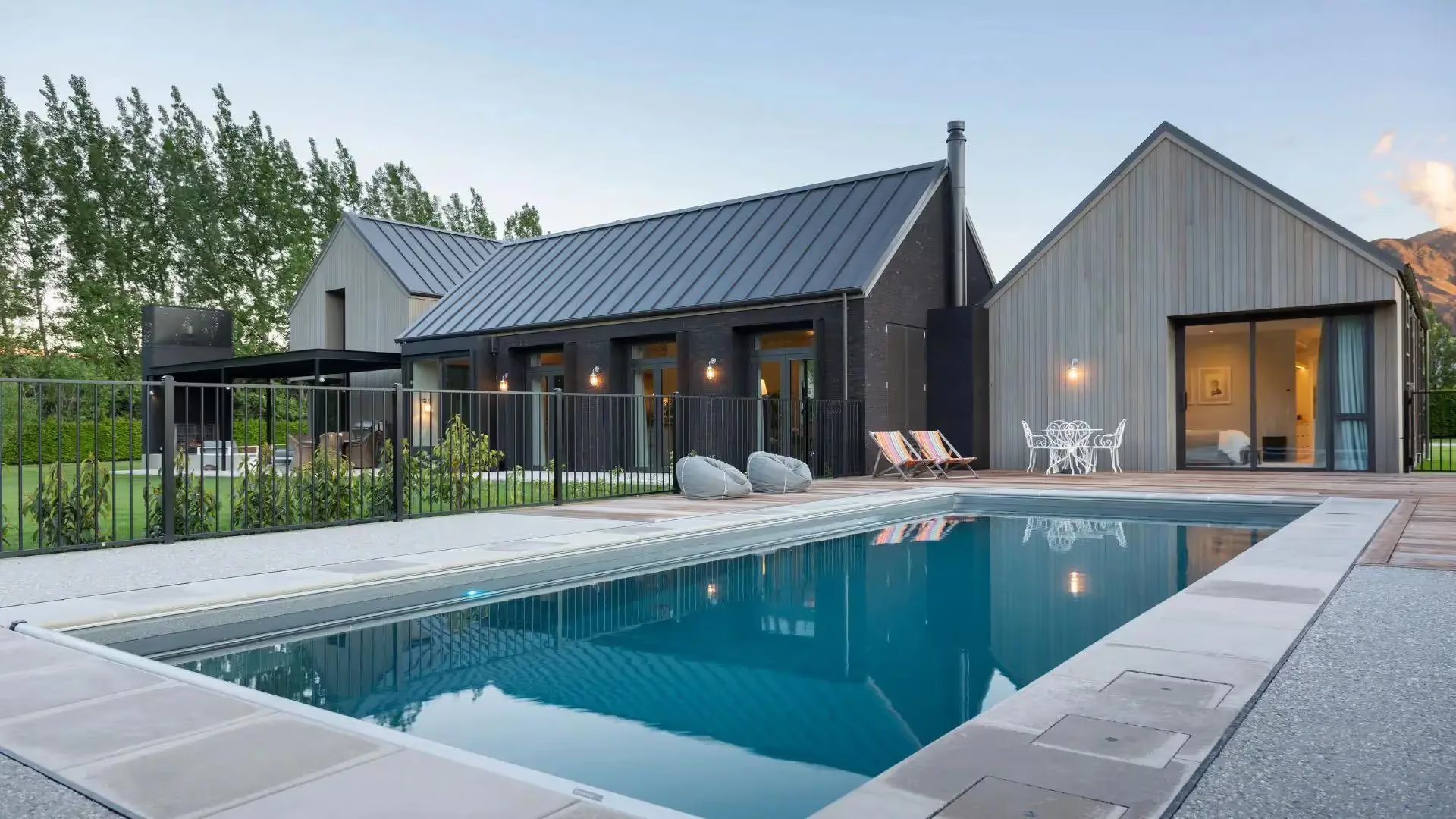
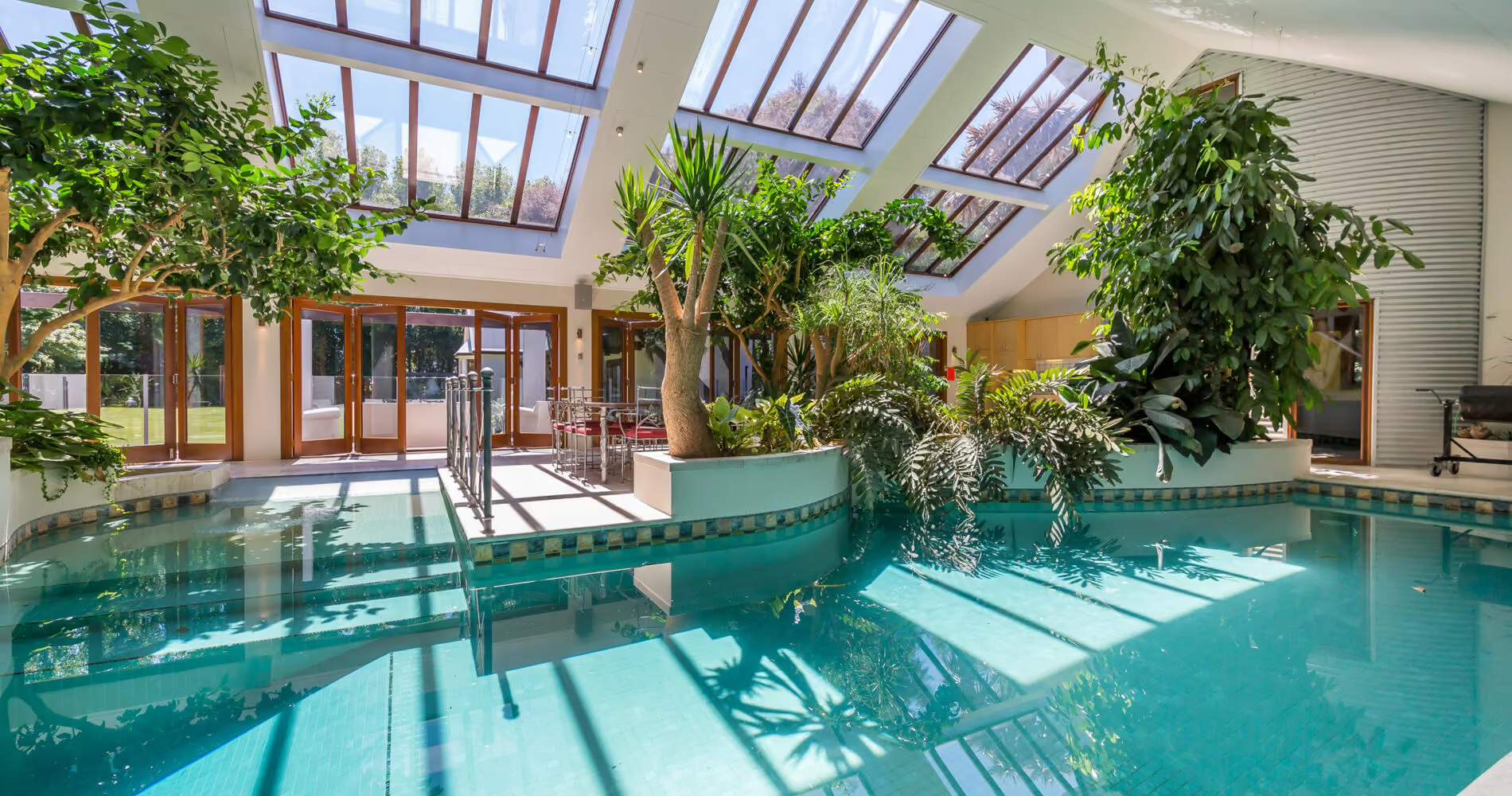
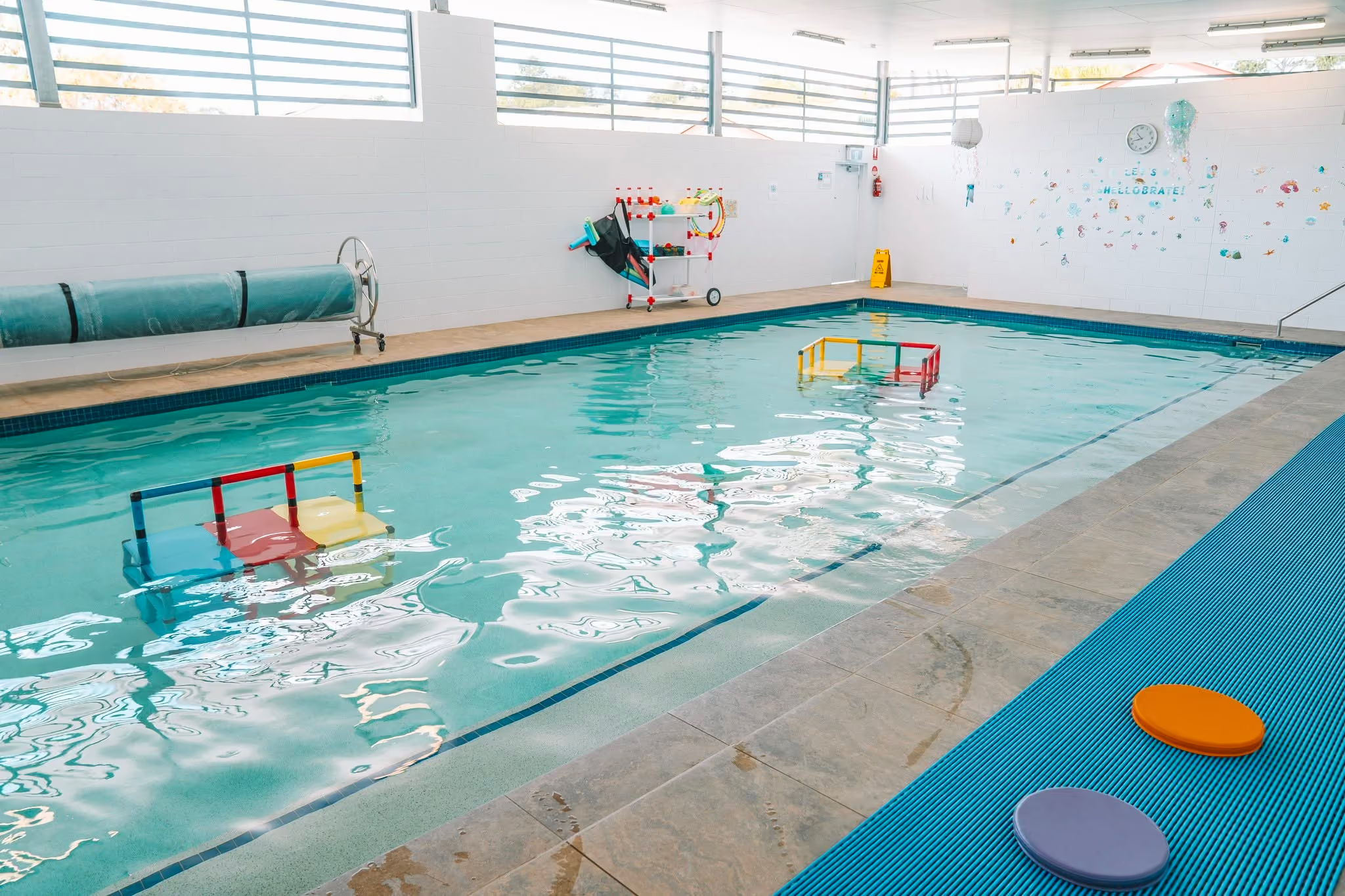
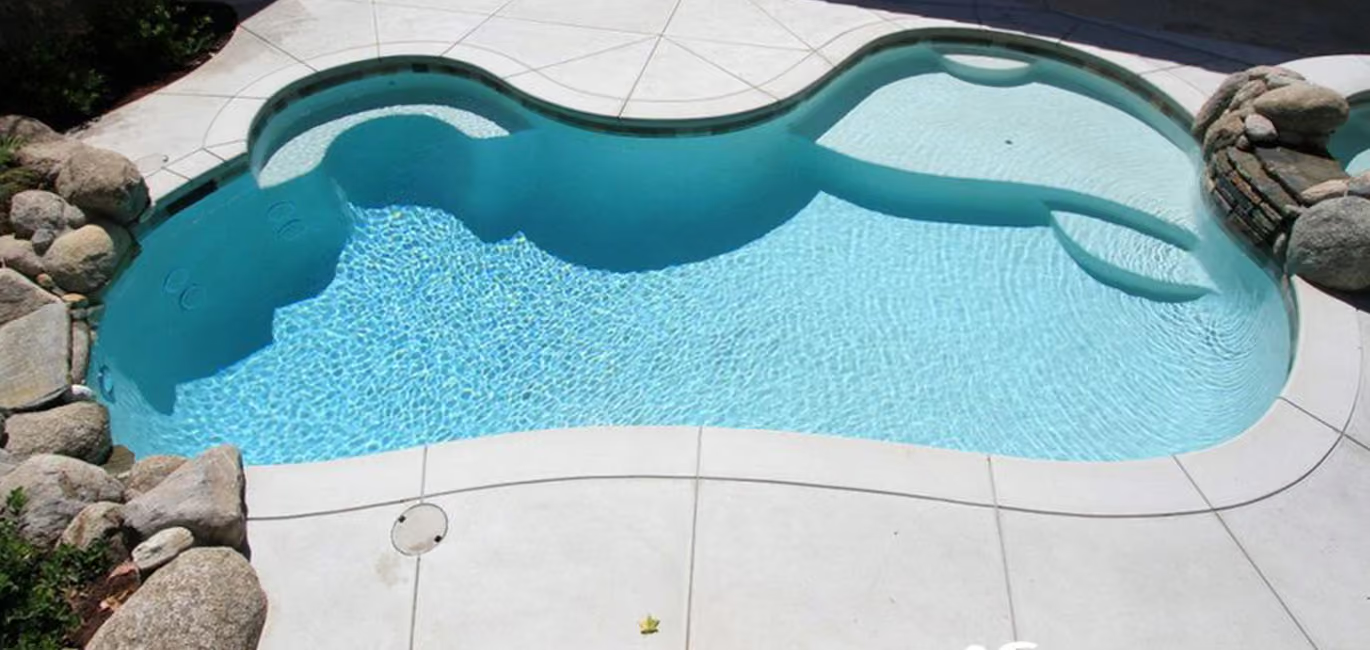
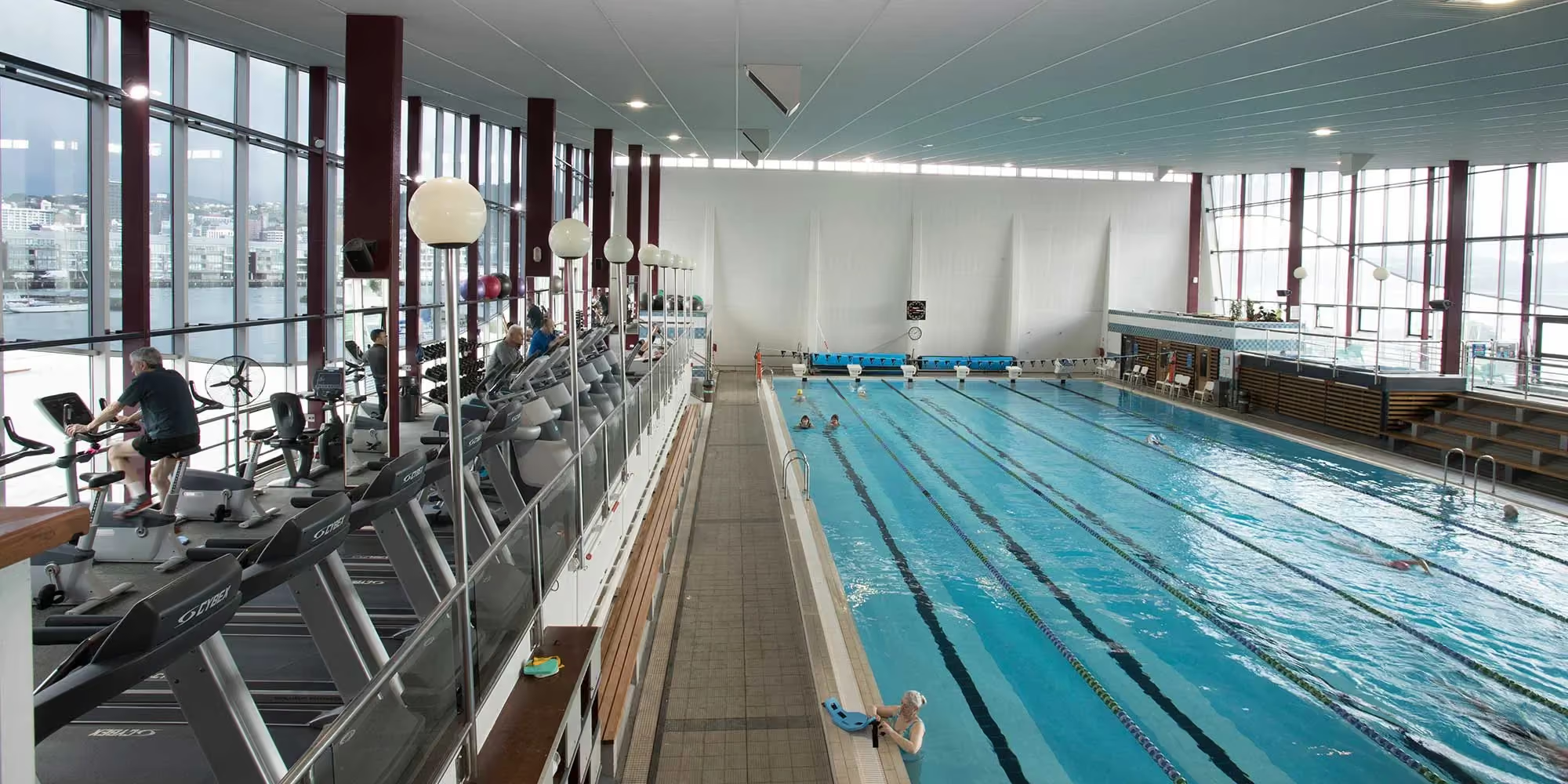
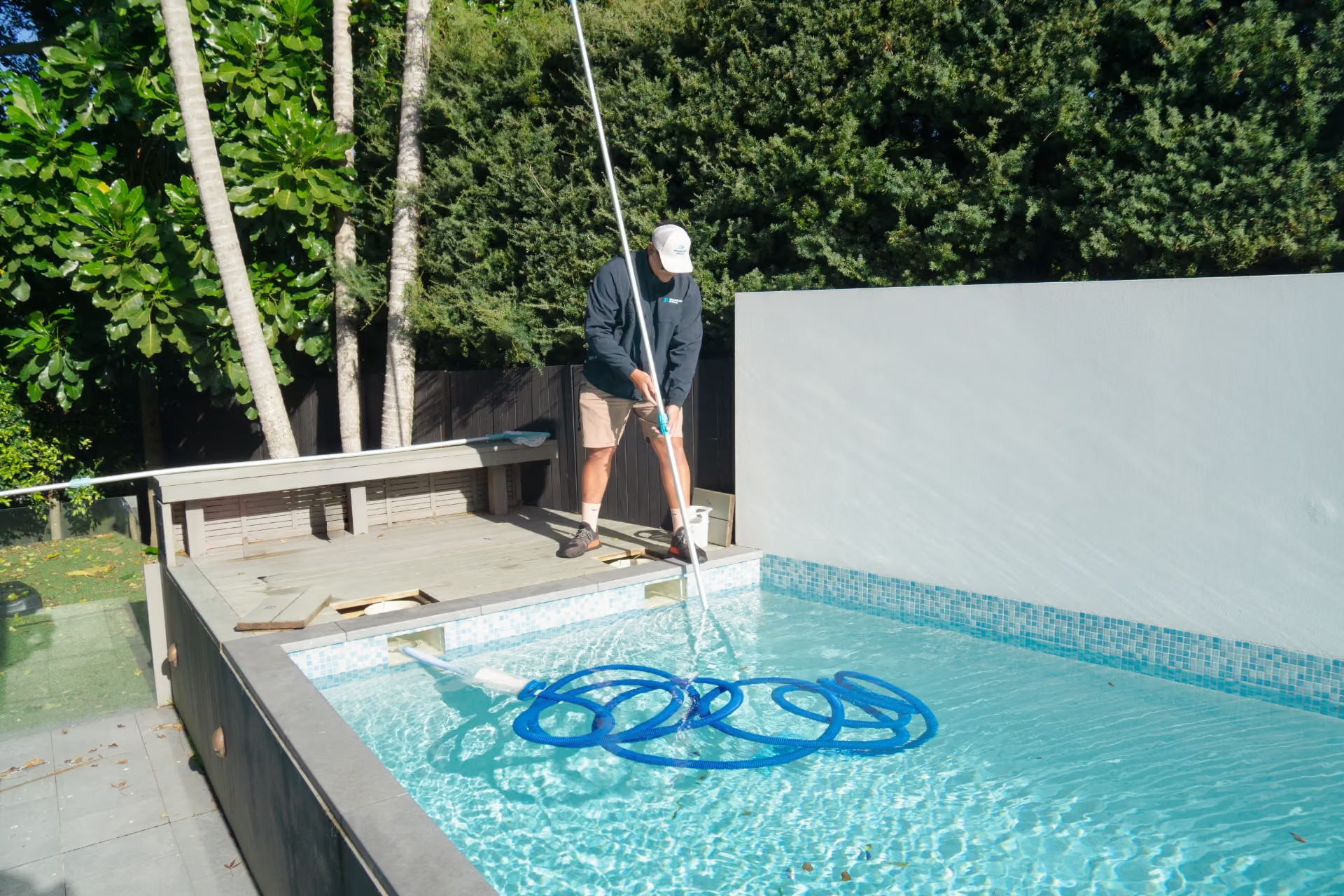
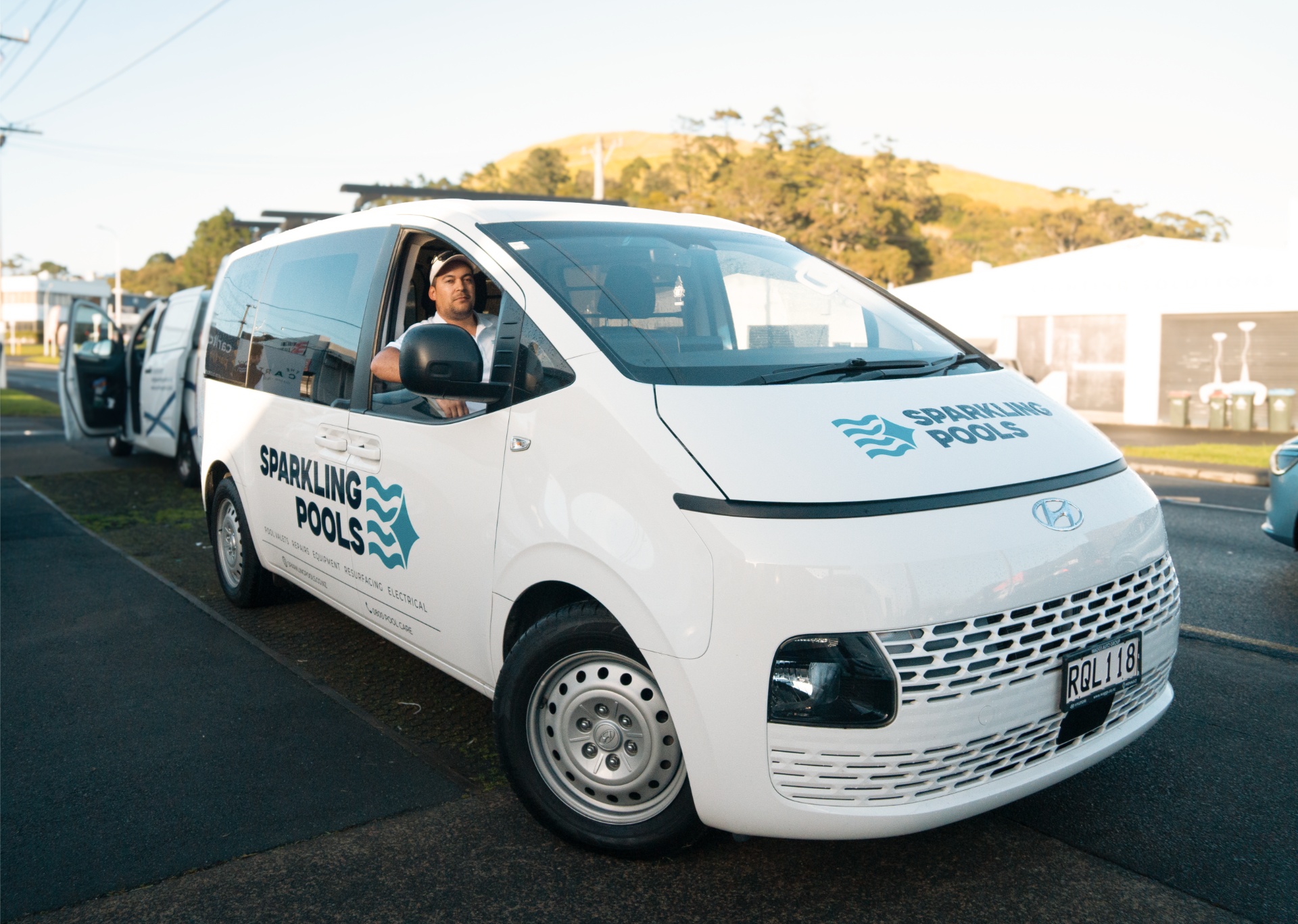
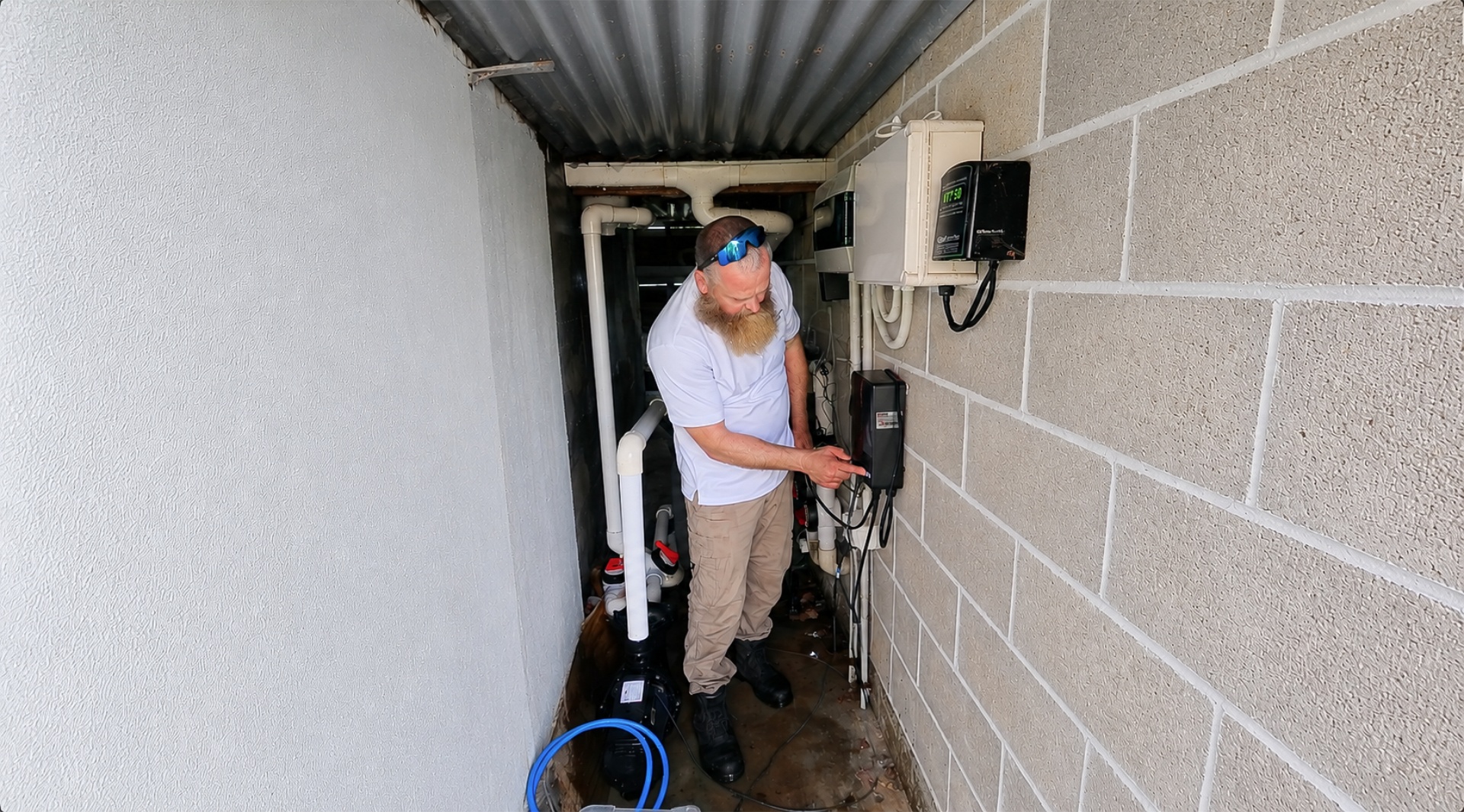
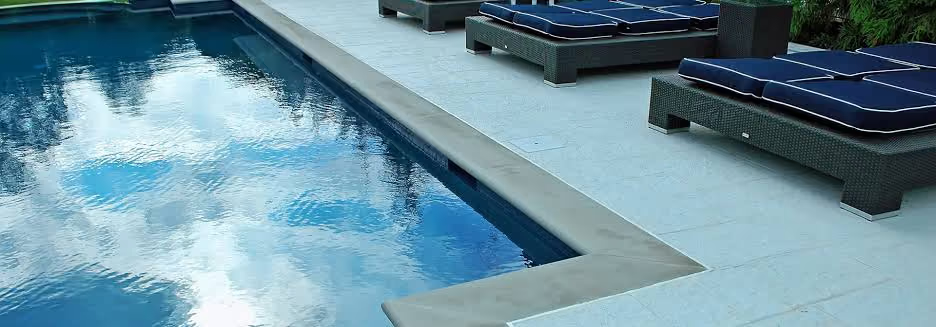
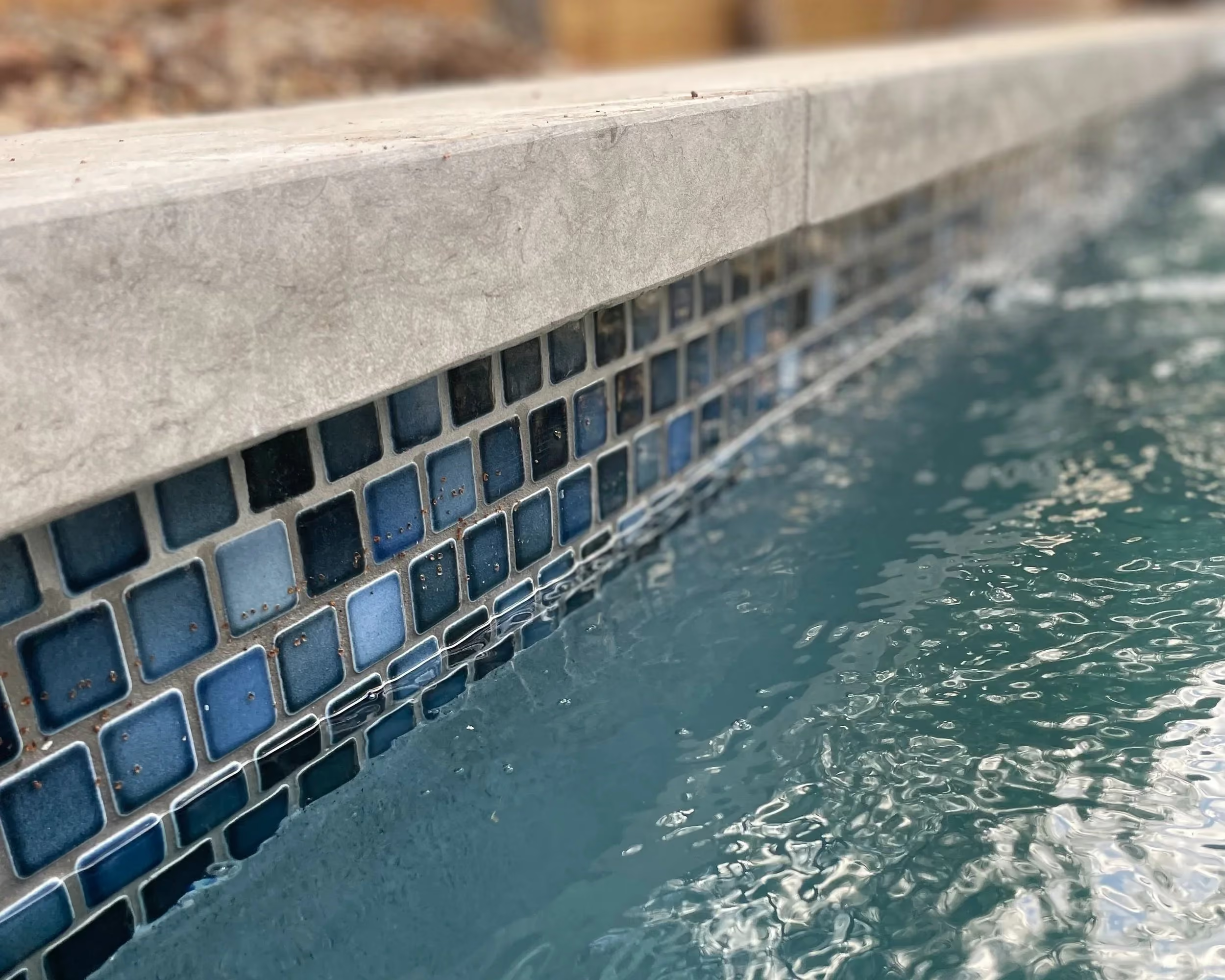
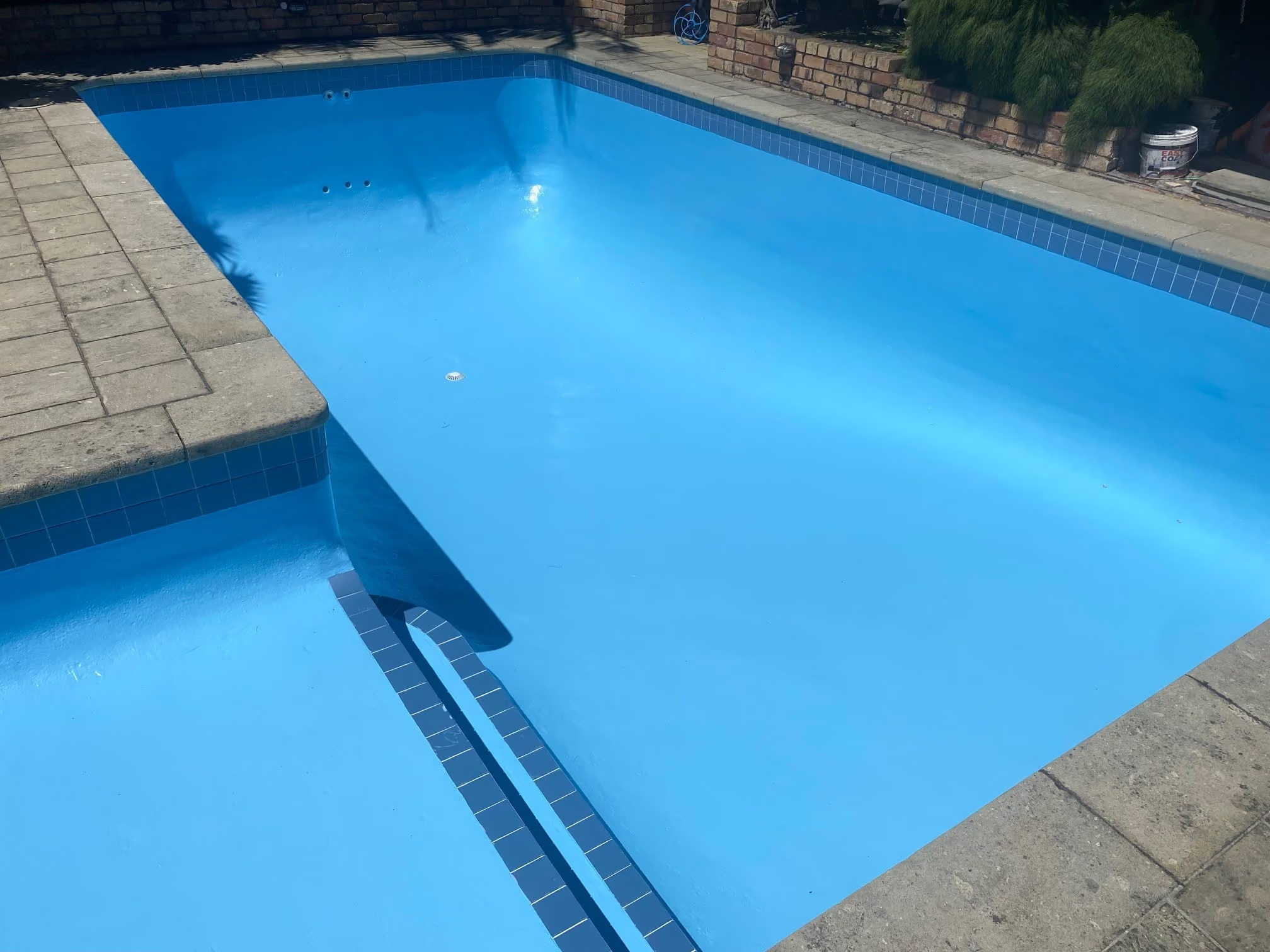
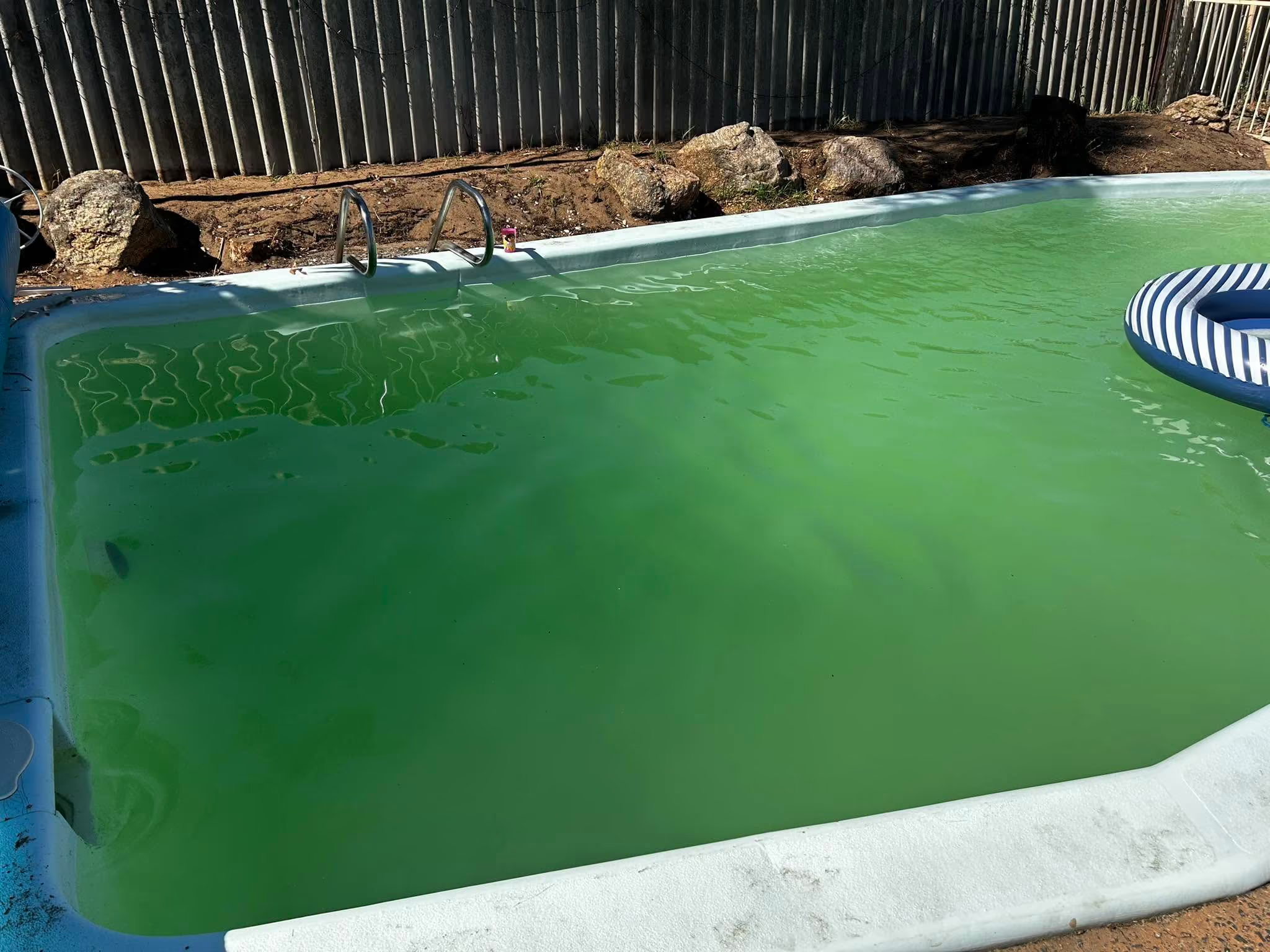
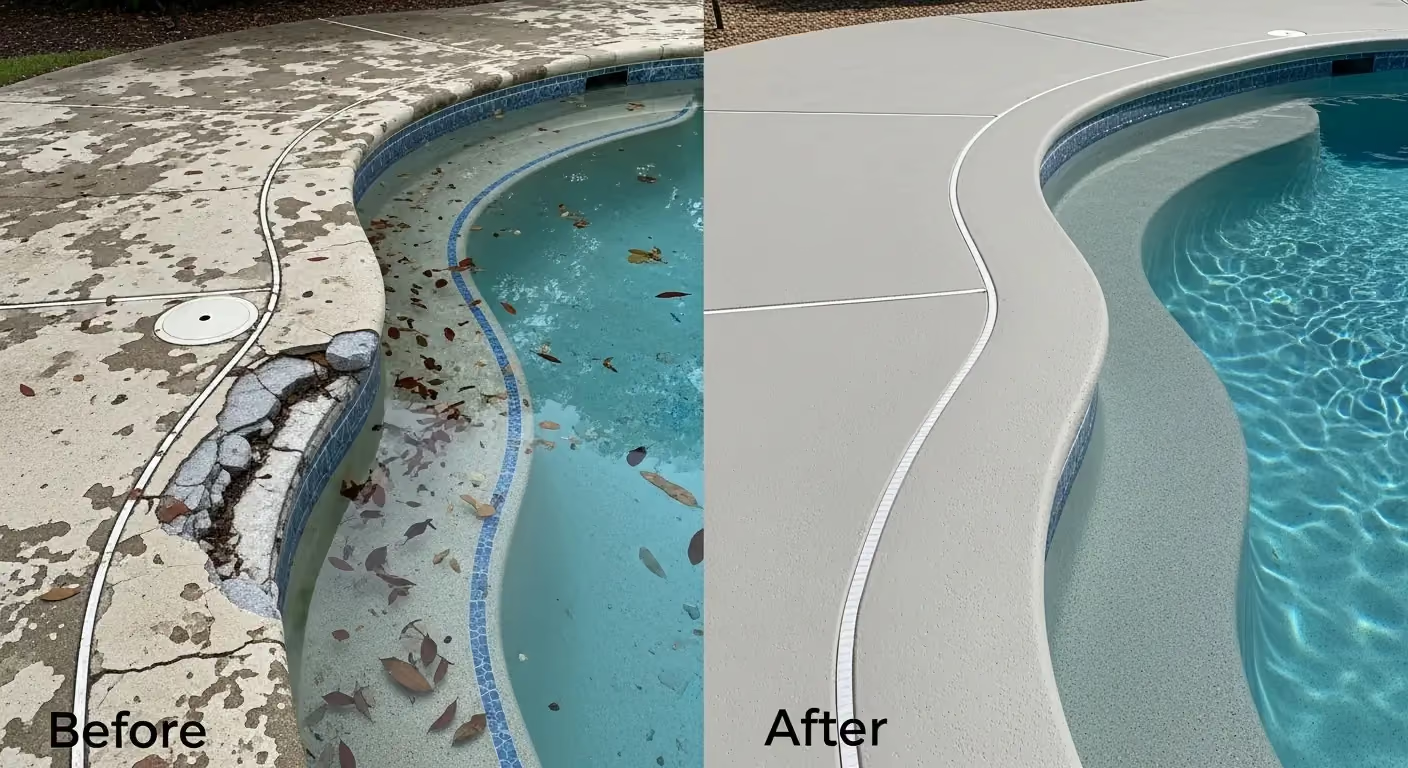
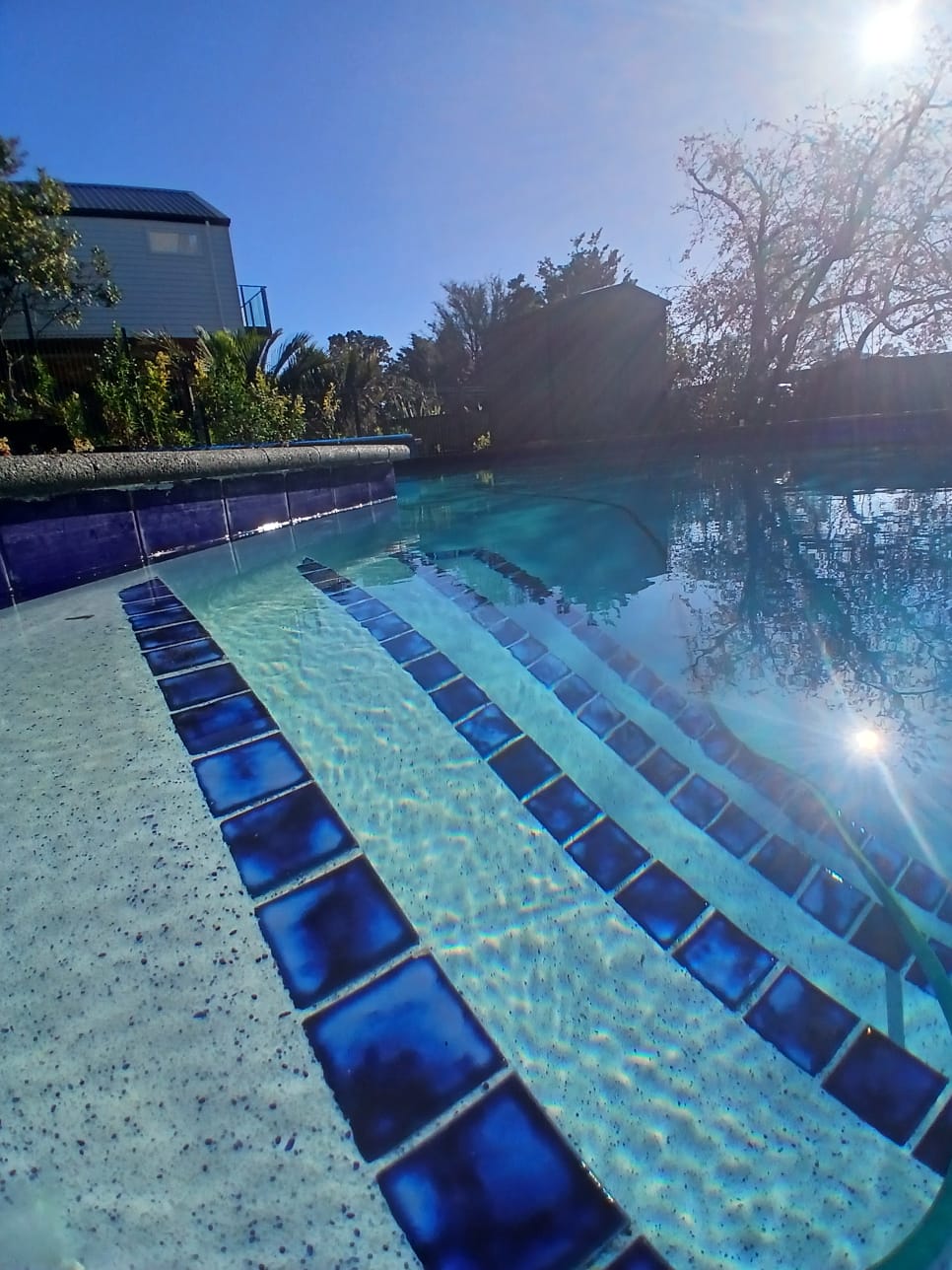
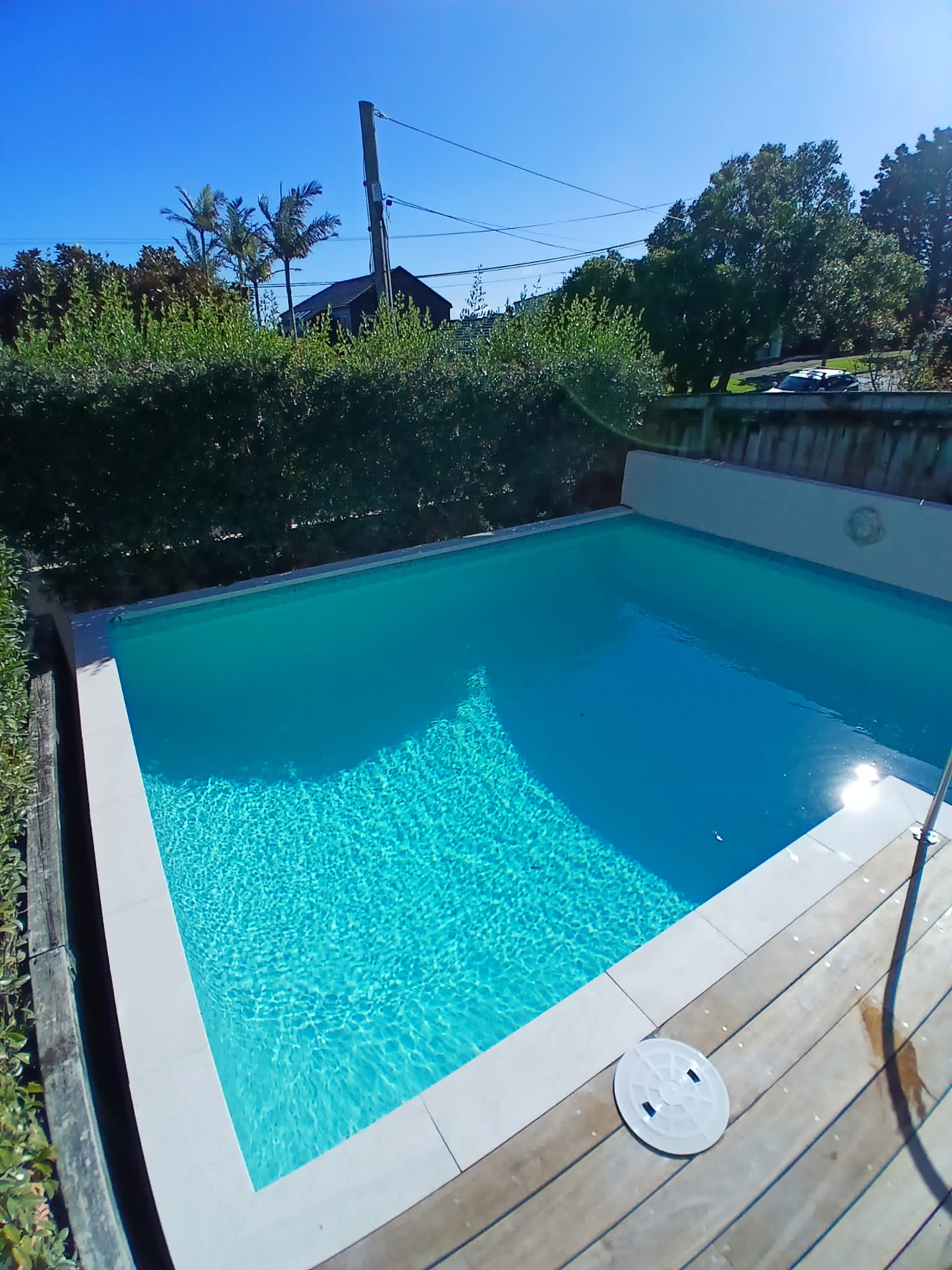
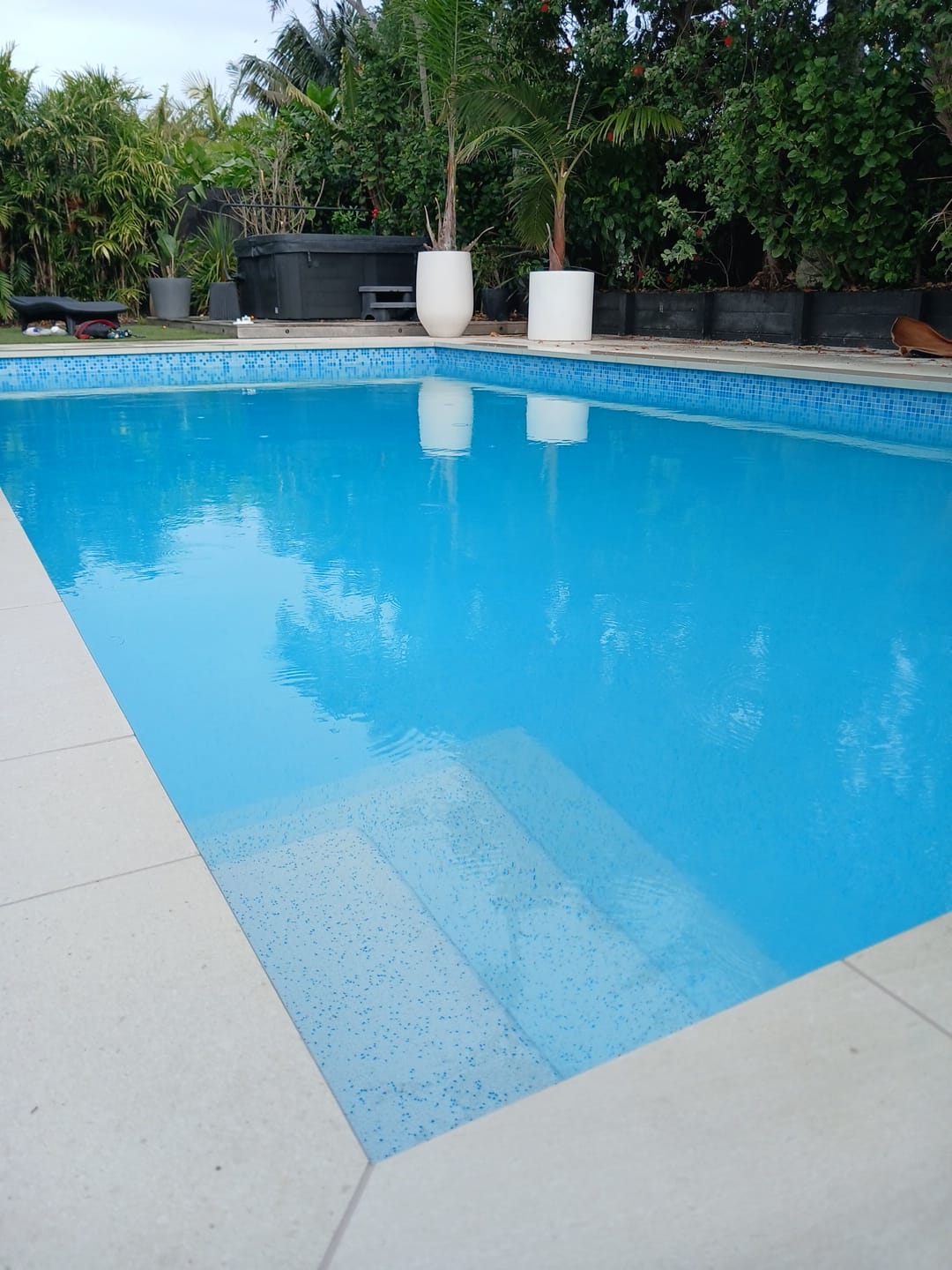
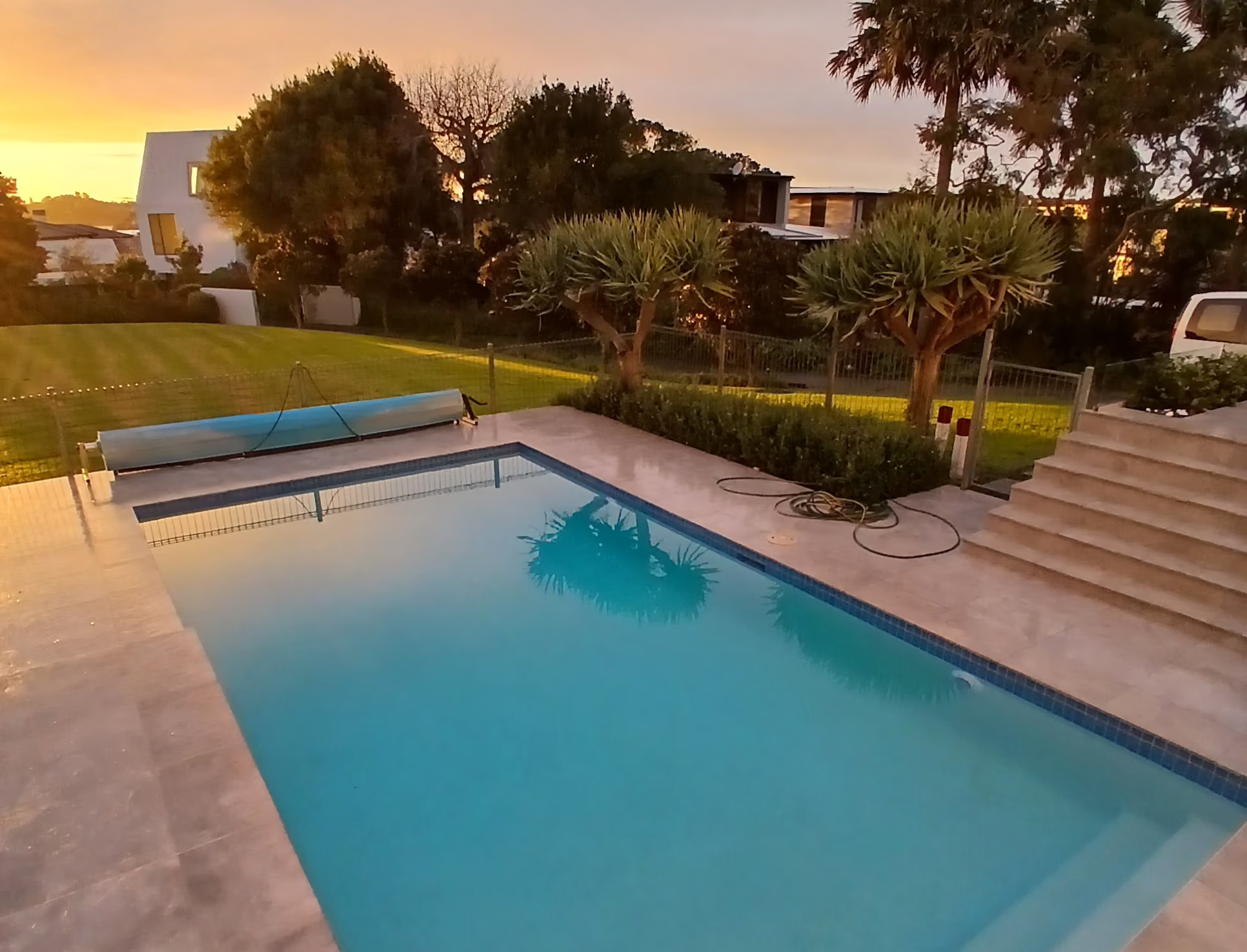
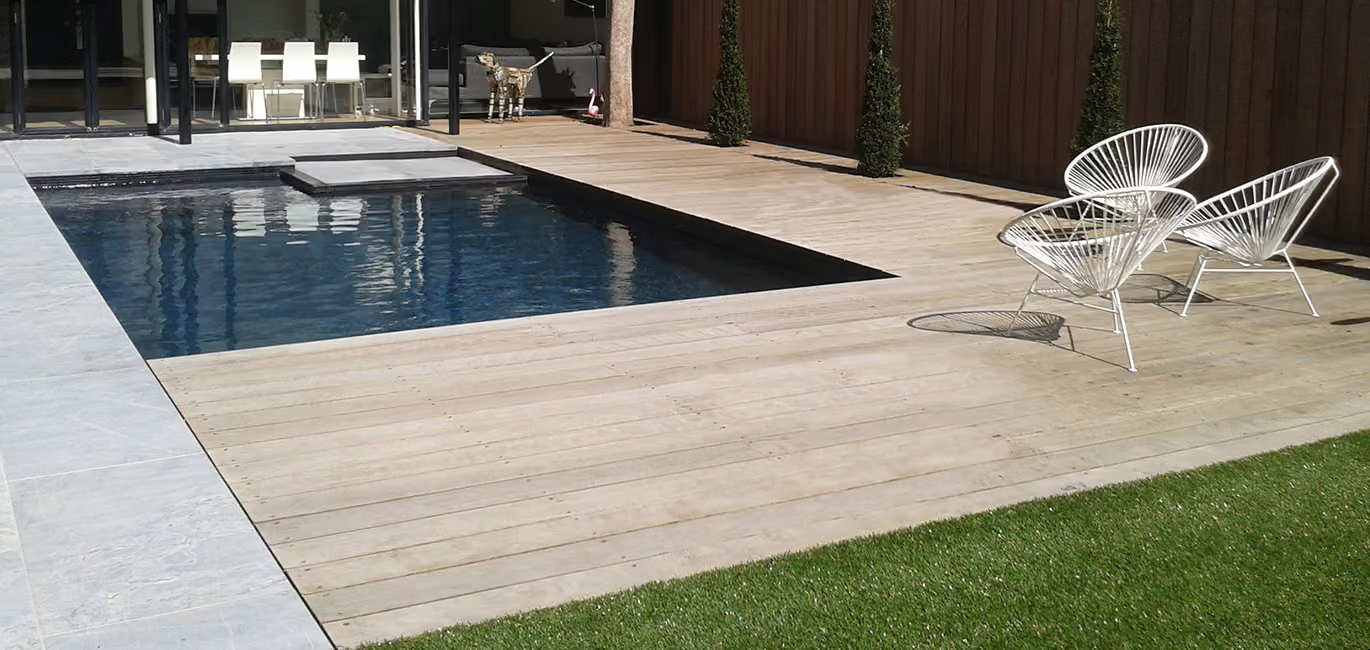
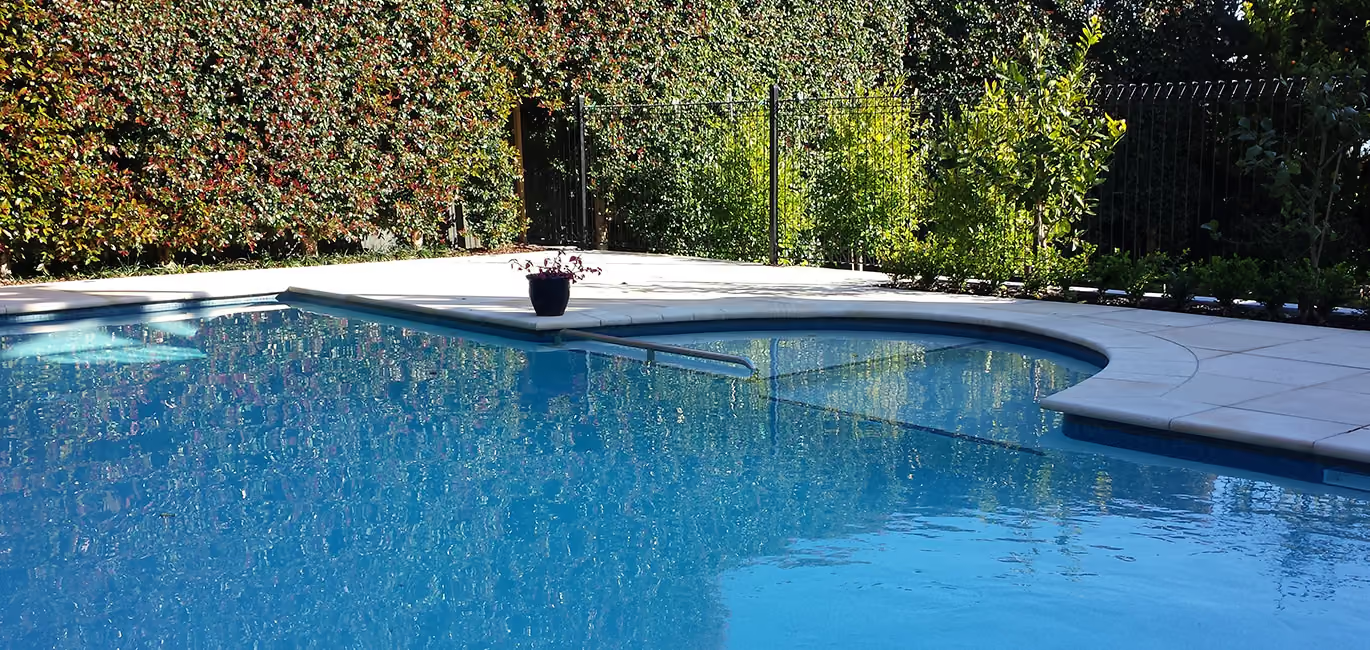
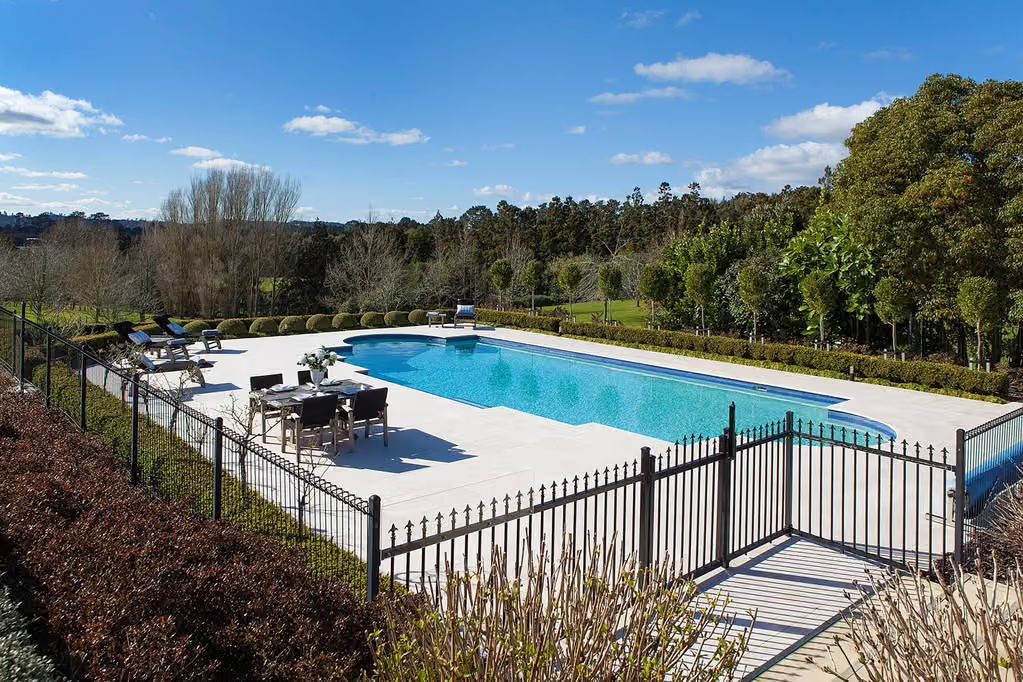
Sparkling Pools has worked on pools across Auckland, including residential renovation projects, equipment upgrades, ongoing maintenance and pool care for managed properties. Past projects show how the right approach can improve presentation, water quality and day-to-day usability. A well-maintained pool is easier to manage, more pleasant to use and better prepared for seasonal changes.

Trusted by Homeowners Across Auckland
Don't just take our word for it. Read what our clients have to say about our transparent communication, reliable service, and stunning pool transformations.
Related Blog Posts
Stay informed on pool care and renovations
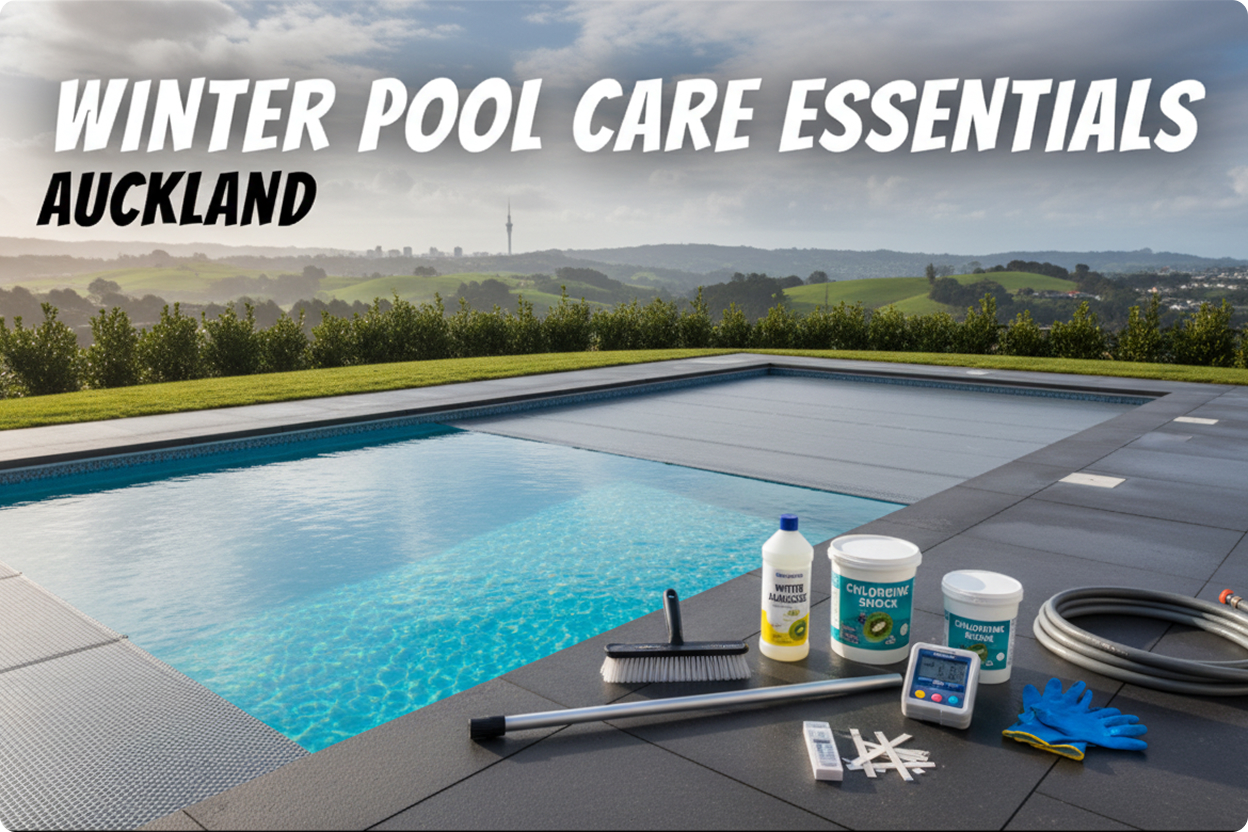
Winter pool care essentials for Auckland
Pool Renovation Mistakes

Auckland Climate Pool Maintenance
Choosing Renovation Contractor
Pool Care Auckland Summer
Permits & Consents

Pool Renovation ROI
How Often to Test Pool Water
Pool Renovation Costs
Cost of Pool Service Auckland
Pool Renovation Planning Guide
Pool Lighting Buying Guide
Pool Cleaner Buying Guide
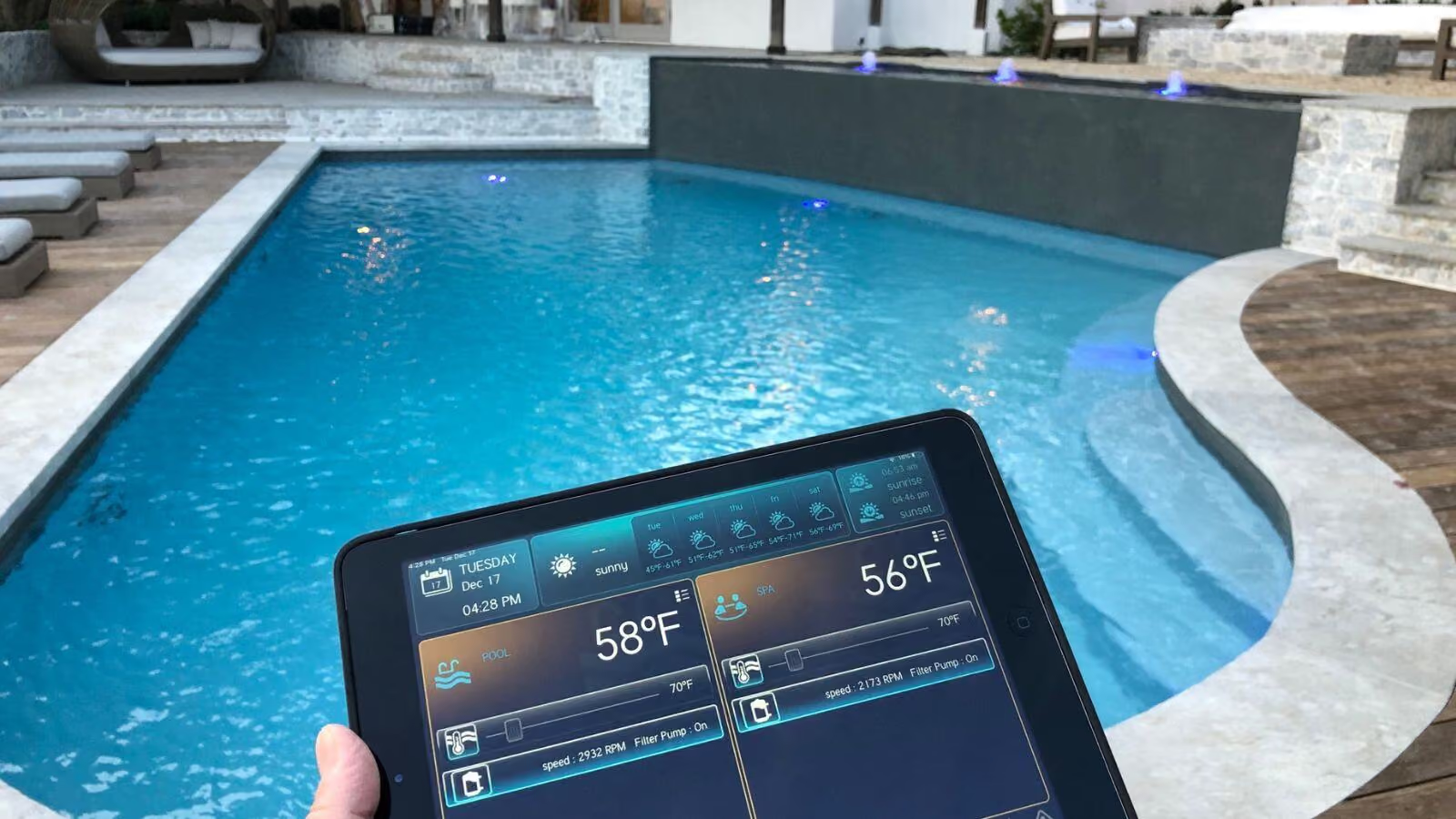
Pool Automation Buying Guide
Pool Heater Buying Guide
Pool Filter Buying Guide
Pool Pump Buying Guide
Best Equipment Auckland Climate
Auckland Water Quality
Auckland Pool Season
Pool Ownership Costs
Common Pool Mistakes
Pool Safety Laws
Pool Inspection Requirements
Pool Fence Compliance
.avif)
Auckland Pool Industry Trends
Auckland Pool Regulations
Pool Equipment Suppliers
Best Pool Service Areas
Pool Service Pricing Analysis
Company vs Independent
Best Pool Surface Materials
Pool Resurfacing Options
Pebble vs Plaster Surfaces
One-Time vs Ongoing Service
Full Service vs Chemicals Only
Pool Cover Types
Robotic vs Suction Cleaners
Mineral vs Saltwater
Gas vs Heat Pump
Pool Heater Types
Pool Winterizing Guide Auckland
Pool Opening Guide Summer
Pool Maintenance After Heavy Rain
Pool Maintenance Schedule
How Often to Run Pool Filter
Pool Pump Maintenance Schedule
Pool Filter Cartridge Cleaning
Pool Equipment Maintenance Checklist
Pool Waterline Cleaning
Pool Skimmer Basket Cleaning
Pool Chlorine Levels
How Often Clean Pool Filter
How to Vacuum Pool
Pool Brushing Technique
Pool Chemical Dosing Chart
Pool Water Chemistry Basics
How to Balance Pool Chemistry
How to Test Pool Water
Pool Maintenance Tips
Complete Pool Maintenance Guide
Pool Service ROI
Pool Equipment Buy or Service
Pool Maintenance Time Requirements
DIY vs Professional
Pool Service Contract
Pool Service vs Pool Valet
Is Pool Service Worth It
Pool Service Guarantees
Pool Service Reviews
Pool Service Red Flags
Questions to Ask Pool Companies
How to Choose Pool Service Company
Hidden Costs DIY Maintenance
Pool Cleaning Prices Auckland
Cost of Pool Resurfacing
Cost of Pool Pump Replacement
Cost to Fix Green Pool
Pool Liner Wrinkles
Pool Cracks When to Worry
Pool Surface Stains
Pool Valve Leaking
Pool Automation Not Working
Pool Light Not Working
Pool Heater Not Heating
Pool Skimmer Not Working
High Pool Filter Pressure
Pool Losing Water
Pool Filter Not Clearing Water
Pool Pump Leaking
Pool Pump Not Pumping
Pool Pump Losing Prime
Pool Pump Noisy
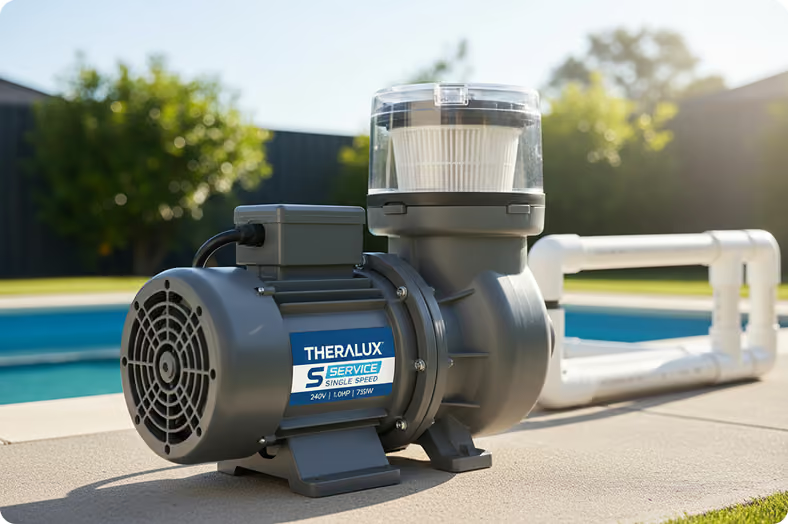
Pool Pump Not Working
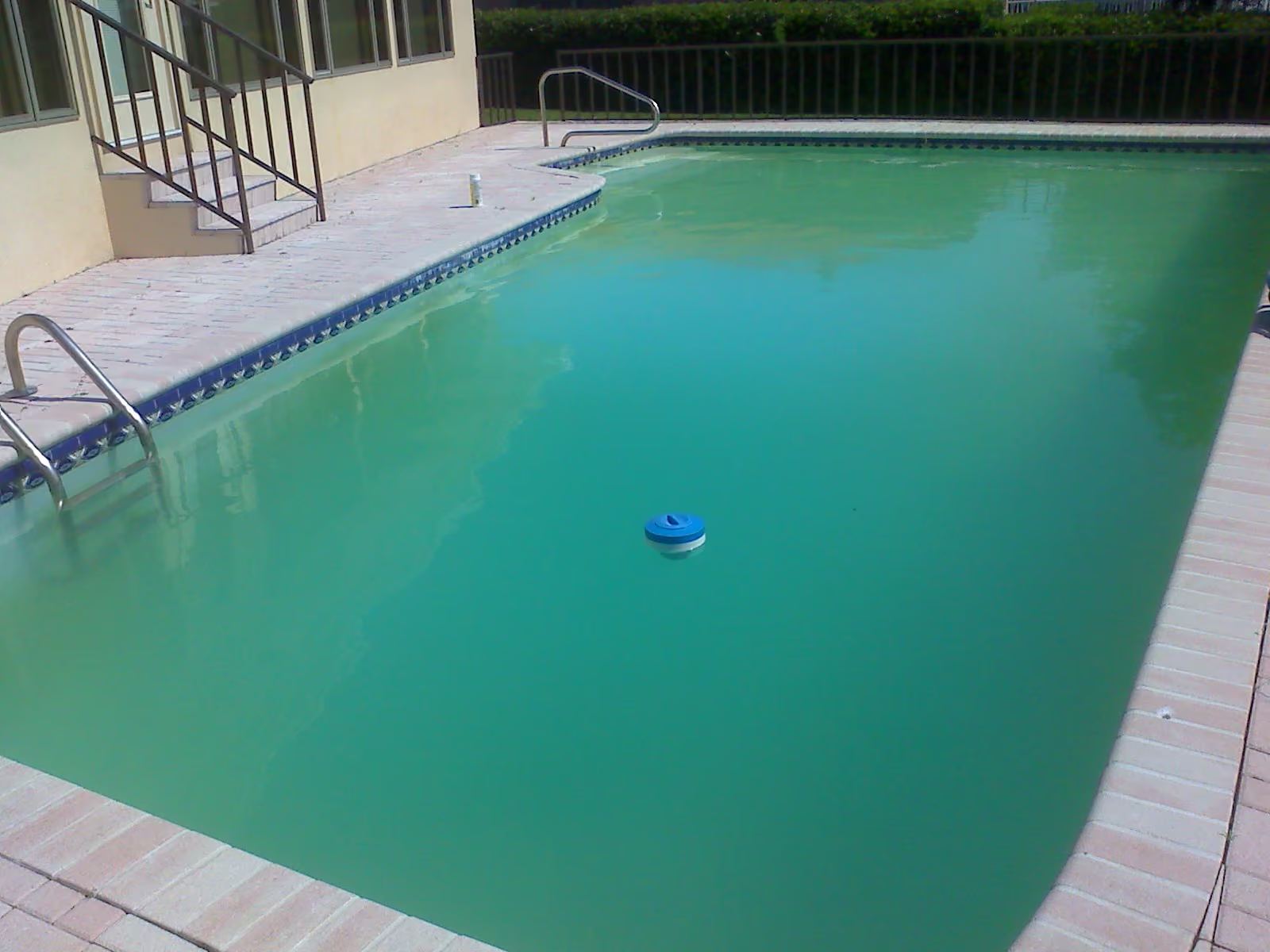
Pool Water Foaming
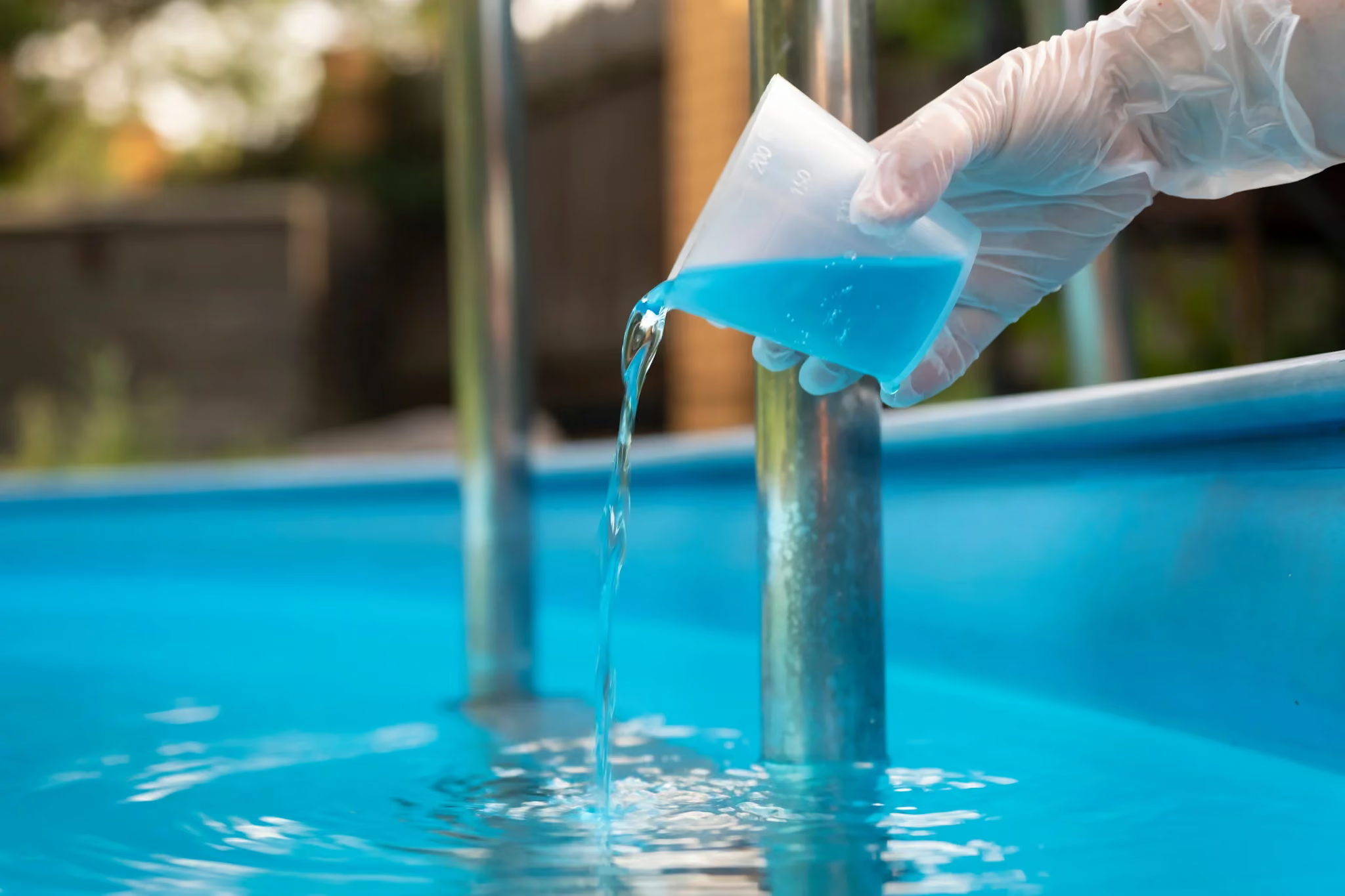
Pool pH Too Low
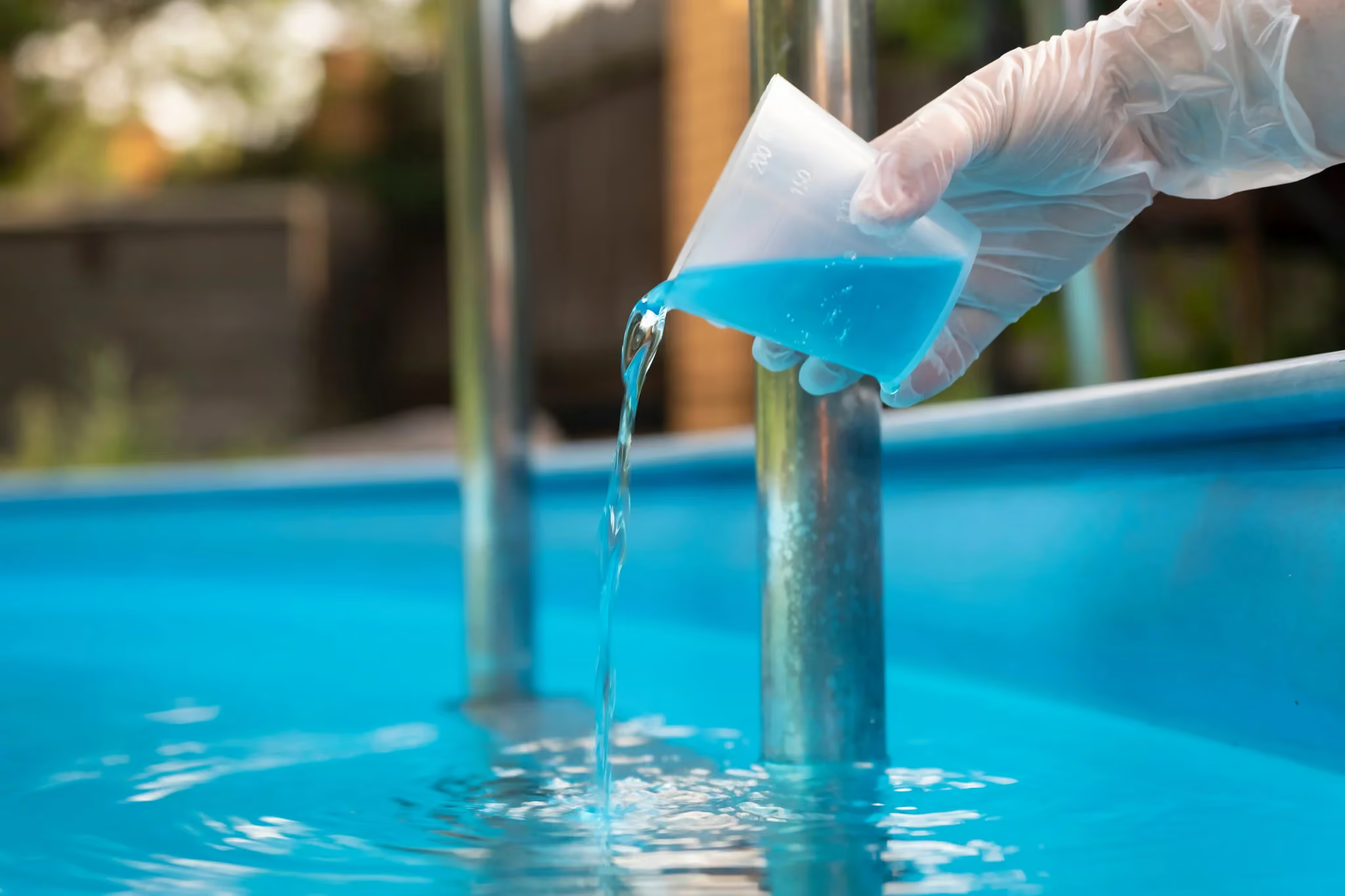
Pool pH Too High
Green Pool After Rain
Pool Still Green After Shock
Pool Water Cloudy
How to Clear a Green Pool
Pool Care That Protects Your Investment
Good pool care protects more than appearance. Our pool specialists support the long-term condition of your swimming pool while keeping it ready for everyday use.