How to Clear a Green Pool

Why Auckland trusts our pool service expertise
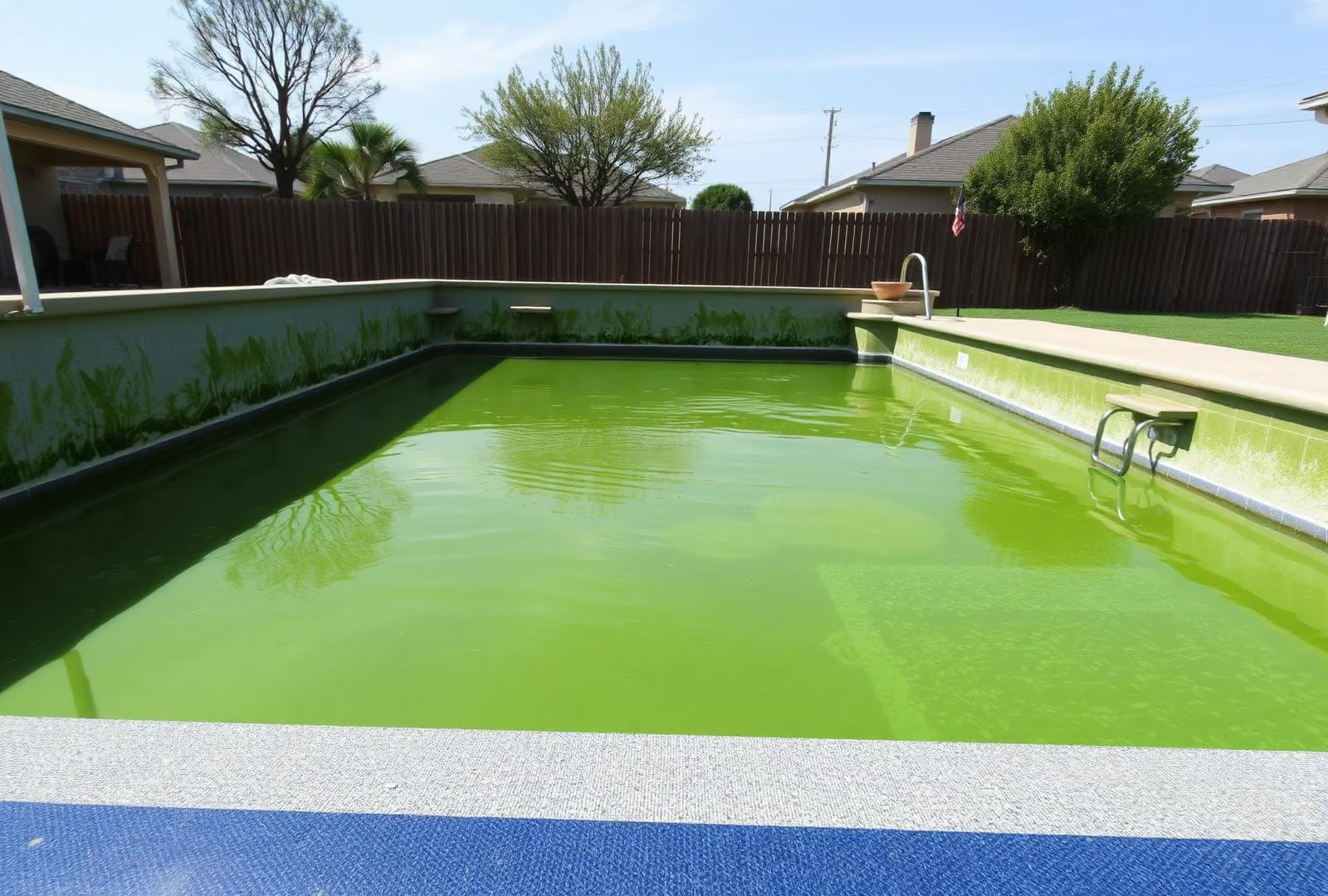
A green pool is almost always caused by algae taking hold when chlorine levels drop, pH drifts out of range, or circulation is poor. The good news is that most green pools can be cleared by the owner with the right approach.
The key is to test the water first, correct the chemistry before shocking, and run the filter continuously until the water clears. Skipping steps or rushing the process is the most common reason treatment fails.
What you'll learn
Why Has Your Pool Turned Green?
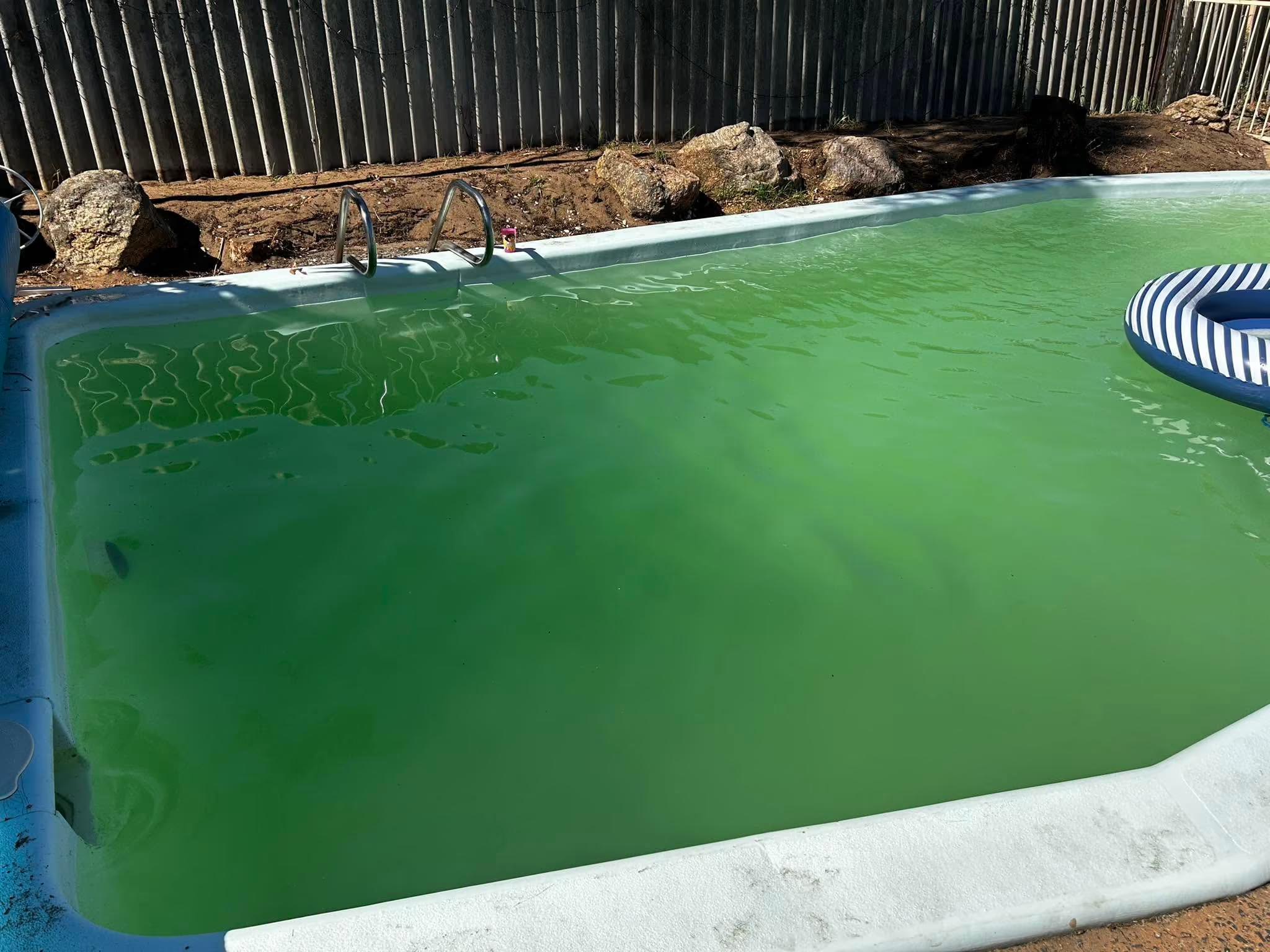
A green pool is almost always an algae problem. Algae spores are naturally present in the environment and enter your pool through rain, wind, and even swimwear. Under normal conditions, your sanitiser keeps them under control. When that balance breaks down, algae can take hold quickly, sometimes turning a clear pool green within 24 to 48 hours.
Low or Zero Chlorine
The most common cause is a drop in free chlorine. If your chlorine level falls too low, there is nothing left to kill incoming algae spores. This can happen after a period of heavy use, a stretch of hot sunny weather, or simply missing a few days of dosing.
High Phosphate Levels
Phosphates are nutrients that feed algae. They enter pools through leaves, garden runoff, rain, and some pool products. High phosphate levels make it much harder to keep algae under control, even when chlorine is present.
Poor Circulation
Algae thrives in still water. If your pump is not running long enough each day, or if there are dead spots in your pool where water barely moves, those areas become vulnerable. Poor circulation also means your sanitiser is not being distributed evenly.
pH Out of Range
Chlorine works best within a specific pH range. When pH drifts too high, chlorine becomes far less effective, even if the reading looks adequate on a test strip. A pool with high pH and seemingly normal chlorine can still go green.
Warm Weather and Heavy Rain
Auckland summers bring both heat and rain, which is a difficult combination for pool chemistry. Warm water accelerates algae growth, while rain dilutes your chemicals and introduces phosphates and organic matter from the surrounding environment.
---
How to Check What You're Dealing With
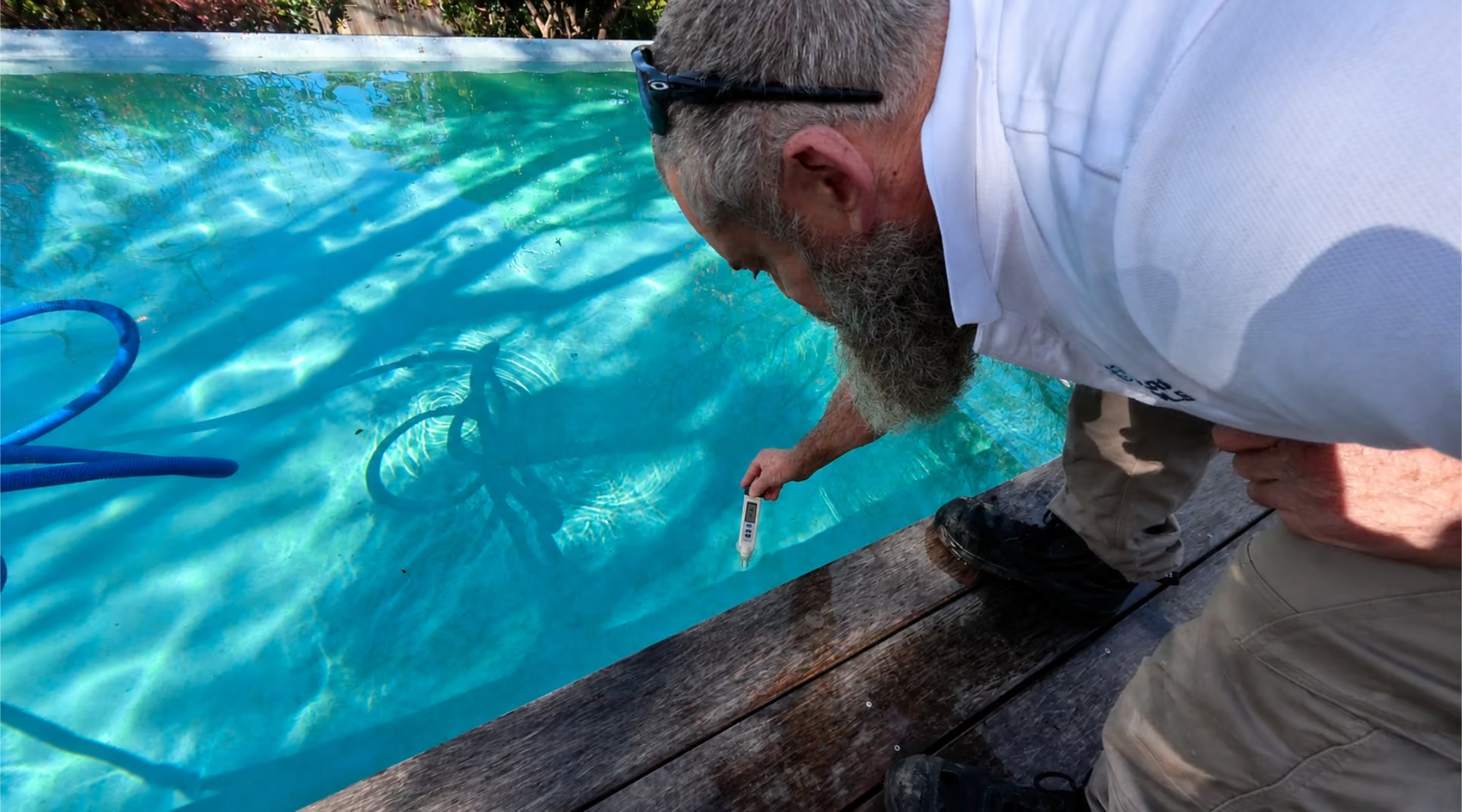
Before you add anything to the pool, test the water. Treating a green pool without knowing your current chemistry is guesswork, and it can make things worse.
Test for the following, in this order:
- Free chlorine, is there any sanitiser present at all?
- pH, is it within the recommended range?
- Total alkalinity, this affects how stable your pH is
- Phosphates, high levels will undermine any treatment you apply
- Cyanuric acid (stabiliser), if this is too high, your chlorine will not work effectively
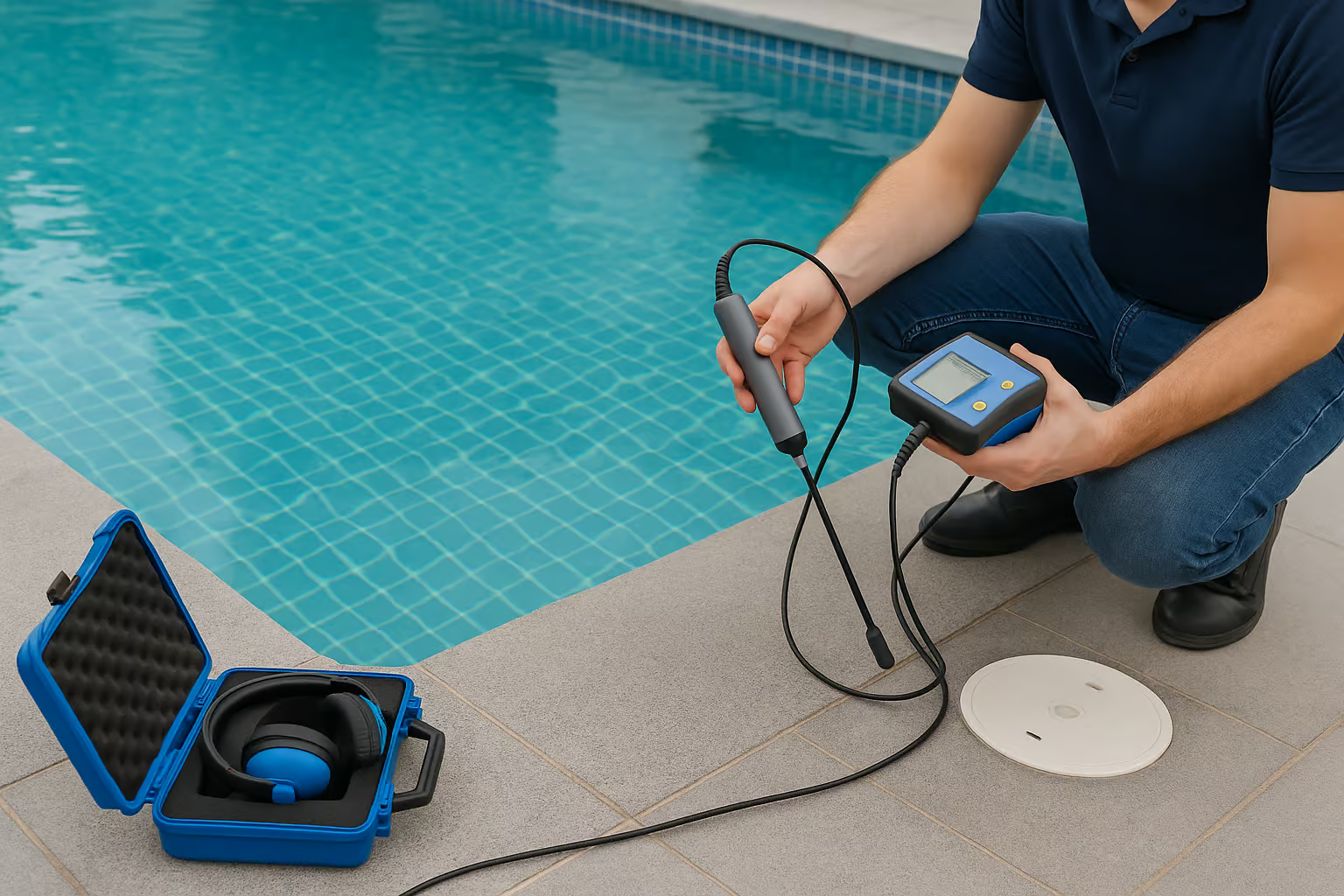
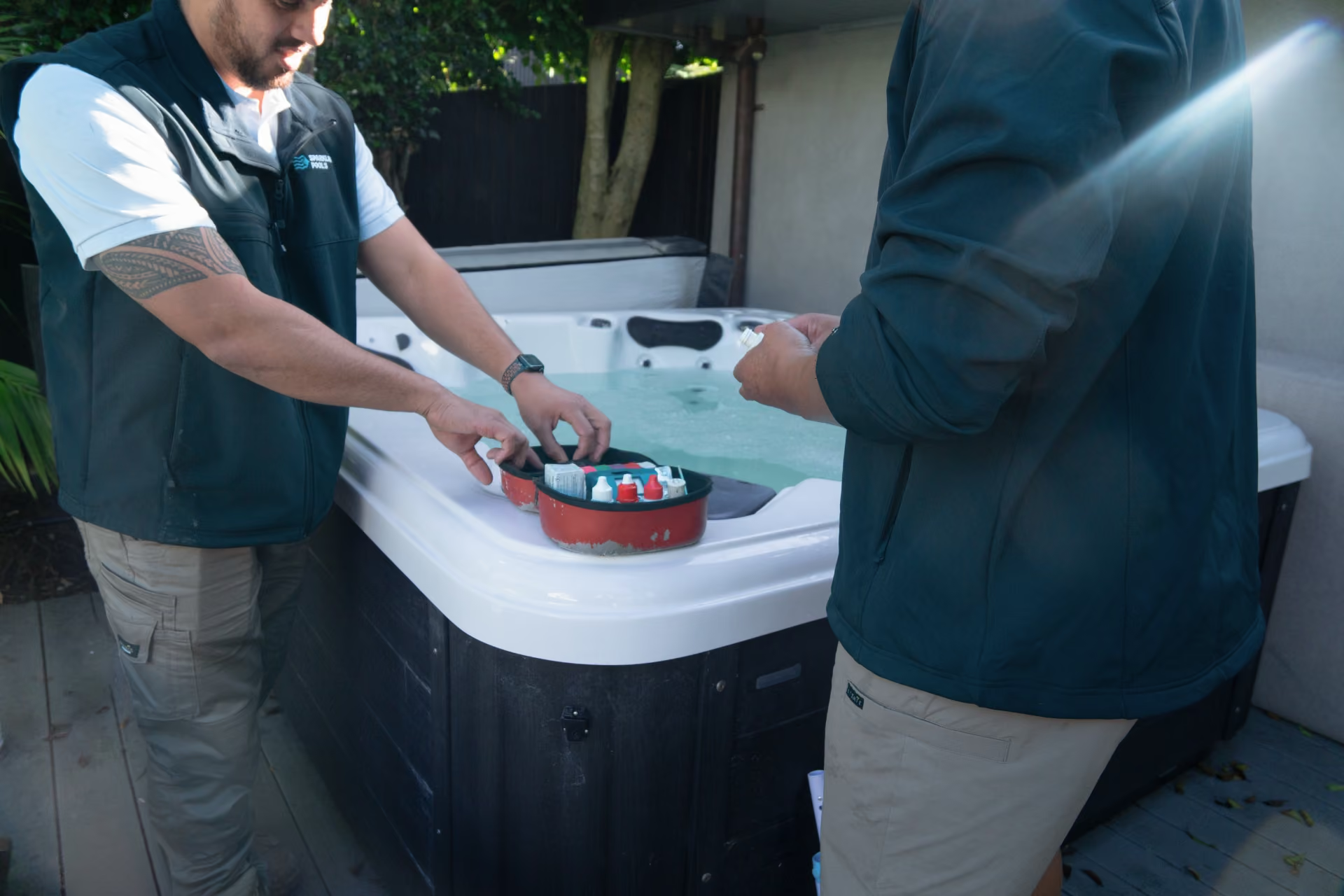
If you are unsure about your readings, Sparkling Pools offers on-site water testing across Auckland. A technician comes to your home and tests everything on site, so you get accurate results and clear advice before spending money on chemicals.
---
How to Clear a Green Pool: Step by Step
Once you know your water chemistry, work through these steps in order. Skipping steps or rushing the process is the most common reason a green pool treatment fails.
Step 1: Remove Debris
Use a leaf rake or net to remove as much visible debris as possible, leaves, twigs, insects. Do not vacuum yet. Vacuuming at this stage stirs up algae and makes the water cloudier. Get the large material out first.
Step 2: Adjust pH
Bring your pH into the correct range before adding any shock treatment. If pH is too high, your chlorine shock will have little effect. Check your test results and dose accordingly with pH decreaser or increaser as needed.
Step 3: Shock the Pool
Shocking means raising the free chlorine level significantly above normal to kill algae. Use a pool shock product appropriate for your pool type. Add it in the evening where possible, UV from sunlight degrades unstabilised chlorine quickly. Run the pump continuously during and after shocking.
Step 4: Add an Algaecide
Once the shock has had time to work, adding an algaecide helps clear any remaining algae and reduces the chance of regrowth. Follow the product label for dosing. Not all algaecides are suitable for all pool types, so check compatibility before use.
Step 5: Run the Filter Continuously
Your filter is doing the heavy lifting now. Run it continuously, 24 hours a day if possible, until the water clears. Dead algae needs to be captured by the filter, not left floating in the pool.
Step 6: Backwash or Clean the Filter
As the filter collects dead algae, it will become clogged. Check your filter pressure regularly. Backwash a sand filter or clean a cartridge filter as needed. A blocked filter cannot clear the water, no matter how much chemical you add.
Step 7: Brush the Pool
Brush the walls, floor, and steps thoroughly. Algae clings to surfaces, and brushing dislodges it so the filter can capture it. Do this daily until the pool is clear.
Step 8: Test and Rebalance
Once the water has cleared, test again and bring all levels back into balance. This includes chlorine, pH, total alkalinity, and calcium hardness. A pool that clears but is left out of balance will go green again quickly.
---
When to Call a Professional
Most green pools can be cleared by a pool owner who follows the steps carefully. However, there are situations where it makes sense to get professional help.
- The pool has been green for several weeks or longer
- Multiple treatment attempts have not worked
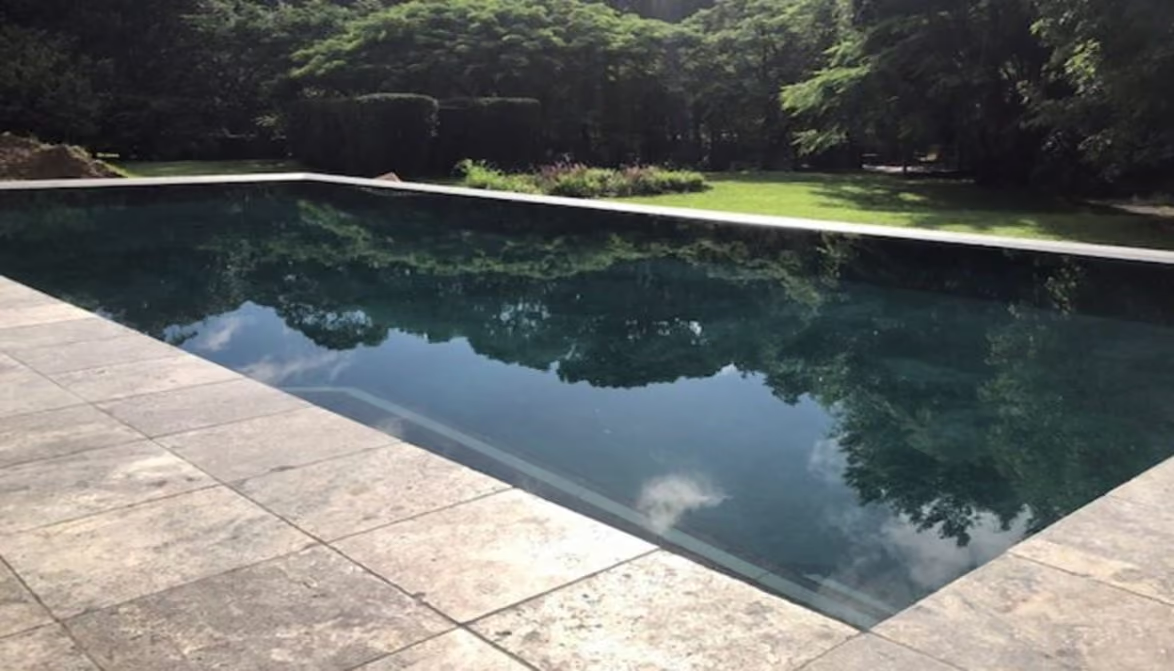
- The water is black or very dark green, this can indicate a more serious algae strain or underlying water chemistry problem
- You are unsure about your water test results and do not want to risk overdosing
- Your filter or pump does not appear to be working correctly during treatment
Sparkling Pools has been servicing Auckland pools since 1992. If a green pool is not responding to treatment, or if you would rather have it handled properly from the start, get in touch.
---
How to Stop Your Pool Going Green Again
Clearing a green pool takes time and effort. Keeping it clear is much easier.
- Test your water regularly, at least once a week during summer, and after heavy rain or high bather load
- Maintain your chlorine level consistently, do not let it drop to zero
- Keep your pH in range, this is as important as the chlorine level itself
- Run your pump long enough each day, circulation is essential for even chemical distribution and filtration
- Clean your filter on schedule, a dirty filter cannot keep up with demand
- Remove leaves and debris promptly, organic matter consumes chlorine and raises phosphate levels
- Consider a phosphate remover if your pool is surrounded by garden or regularly receives runoff
- Book a professional service at the start of each season to check equipment and water chemistry before problems develop
Auckland's warm summers and variable weather make consistent pool care more important than in cooler climates. A pool that is well maintained through spring and summer rarely goes green.
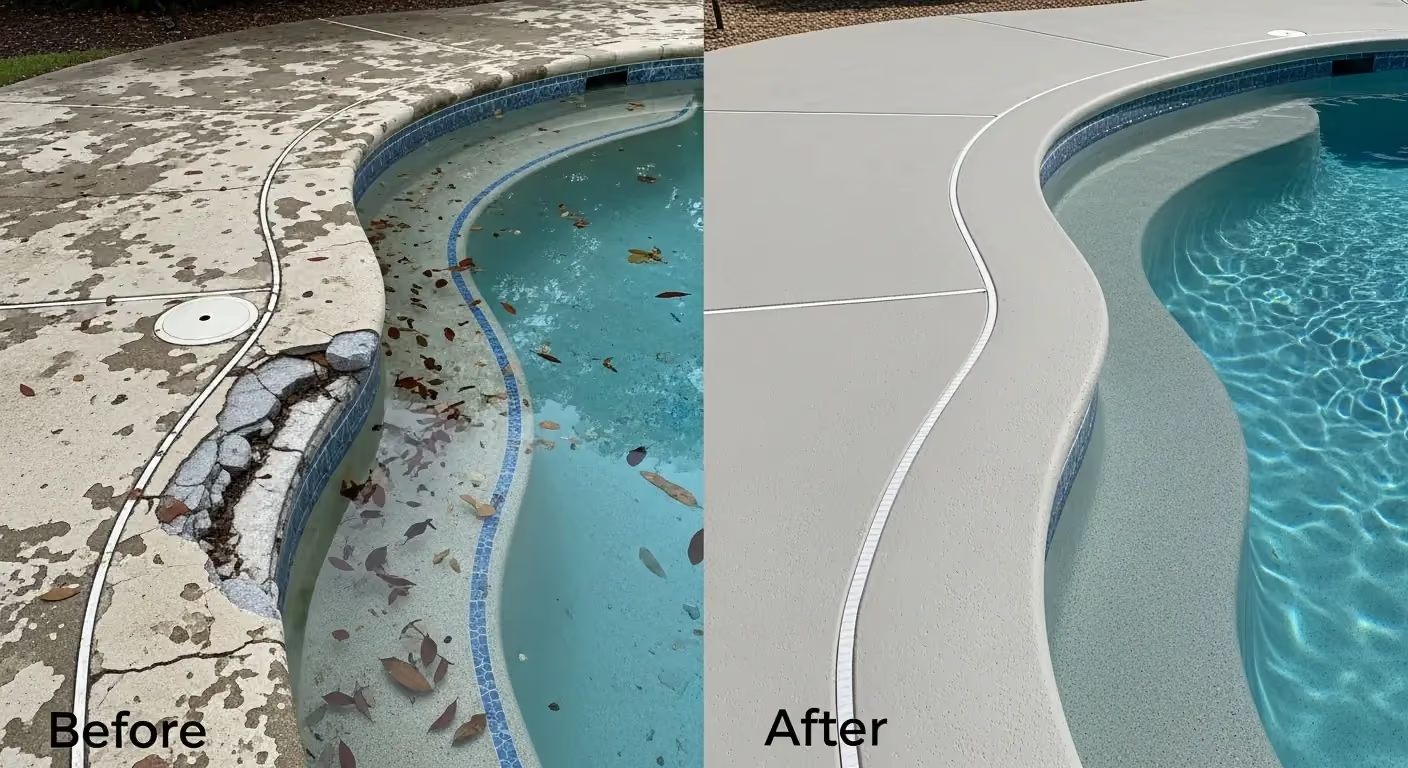
Pool resurfacing solutions
Restore your pool with durable plaster finishes

Work completed
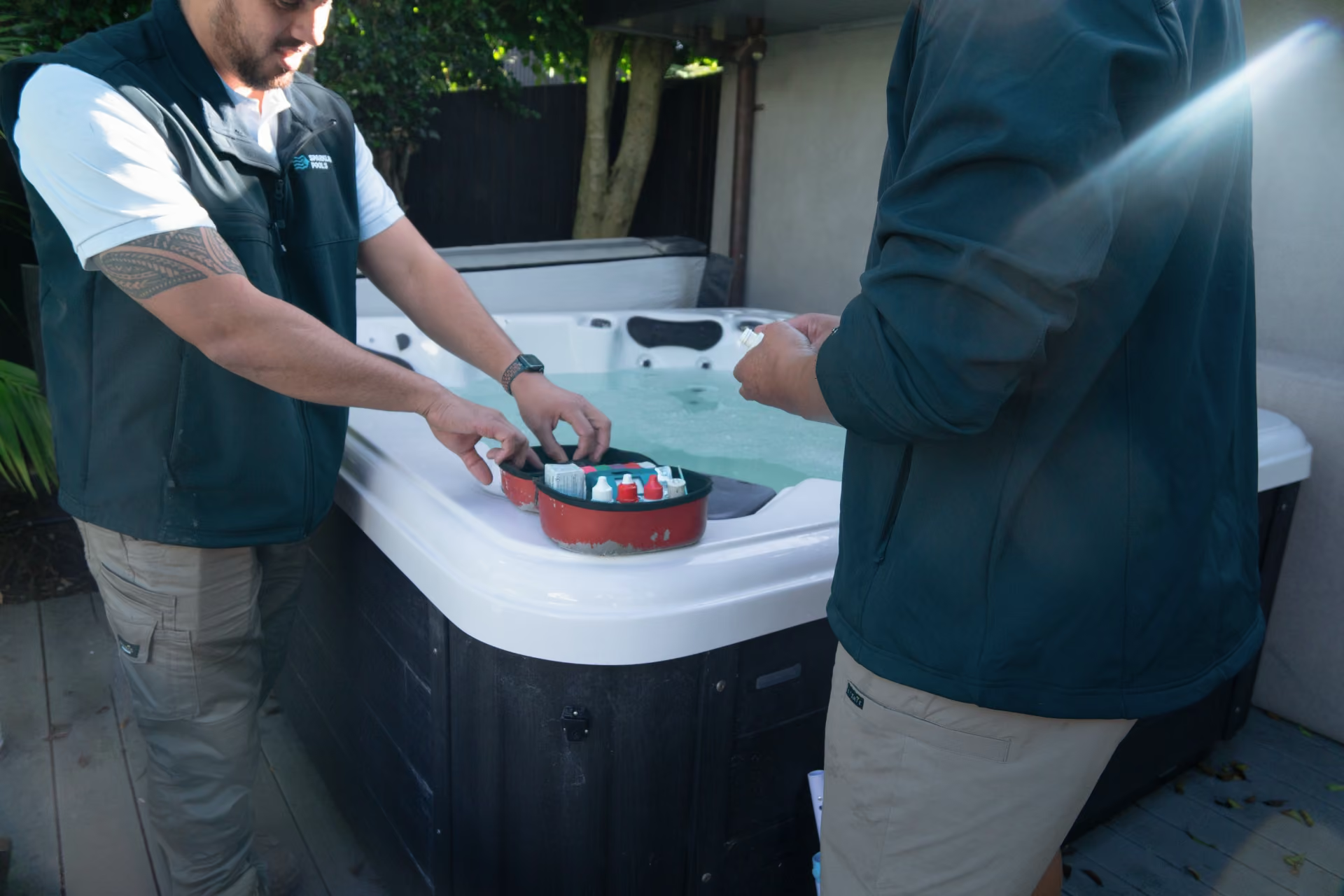
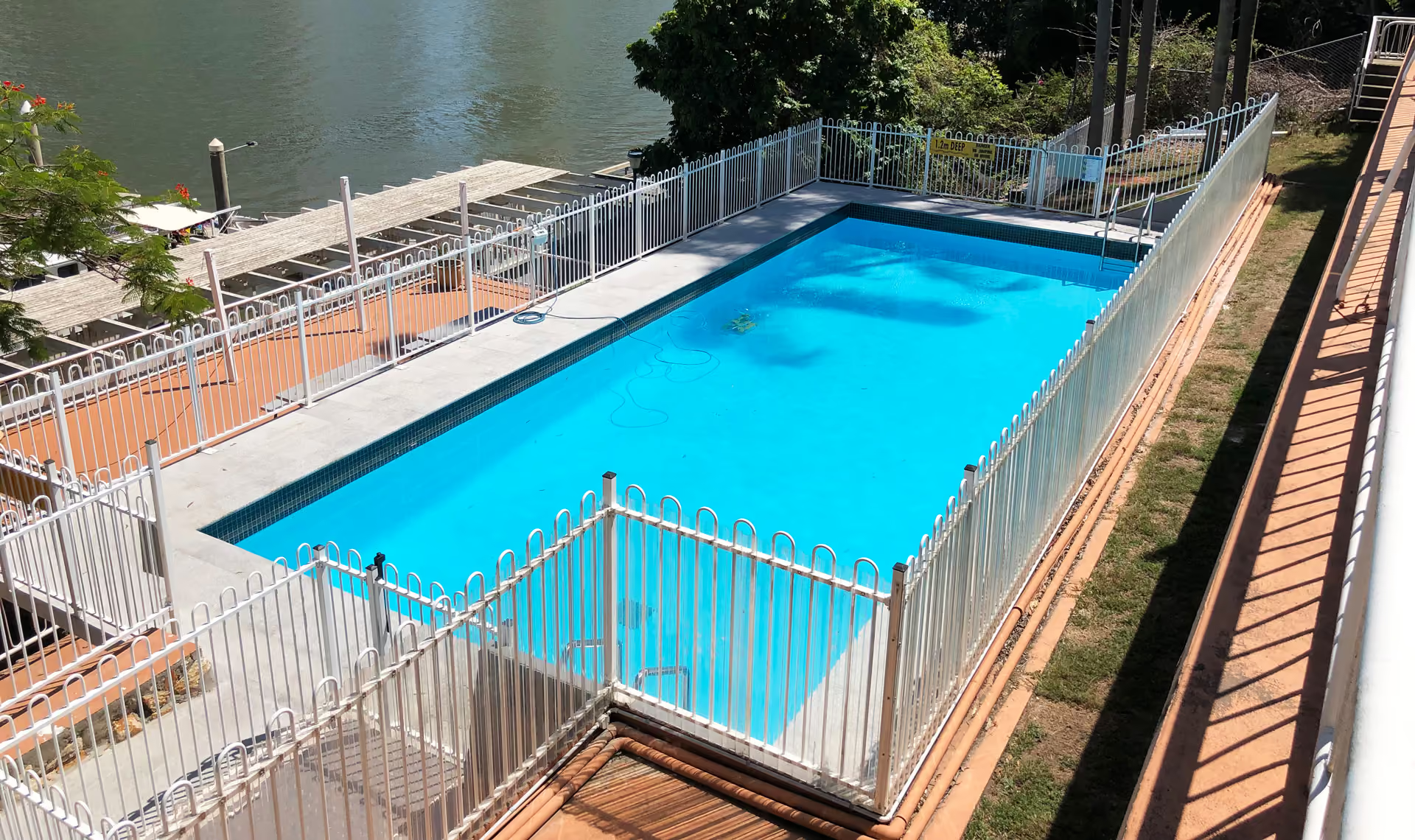
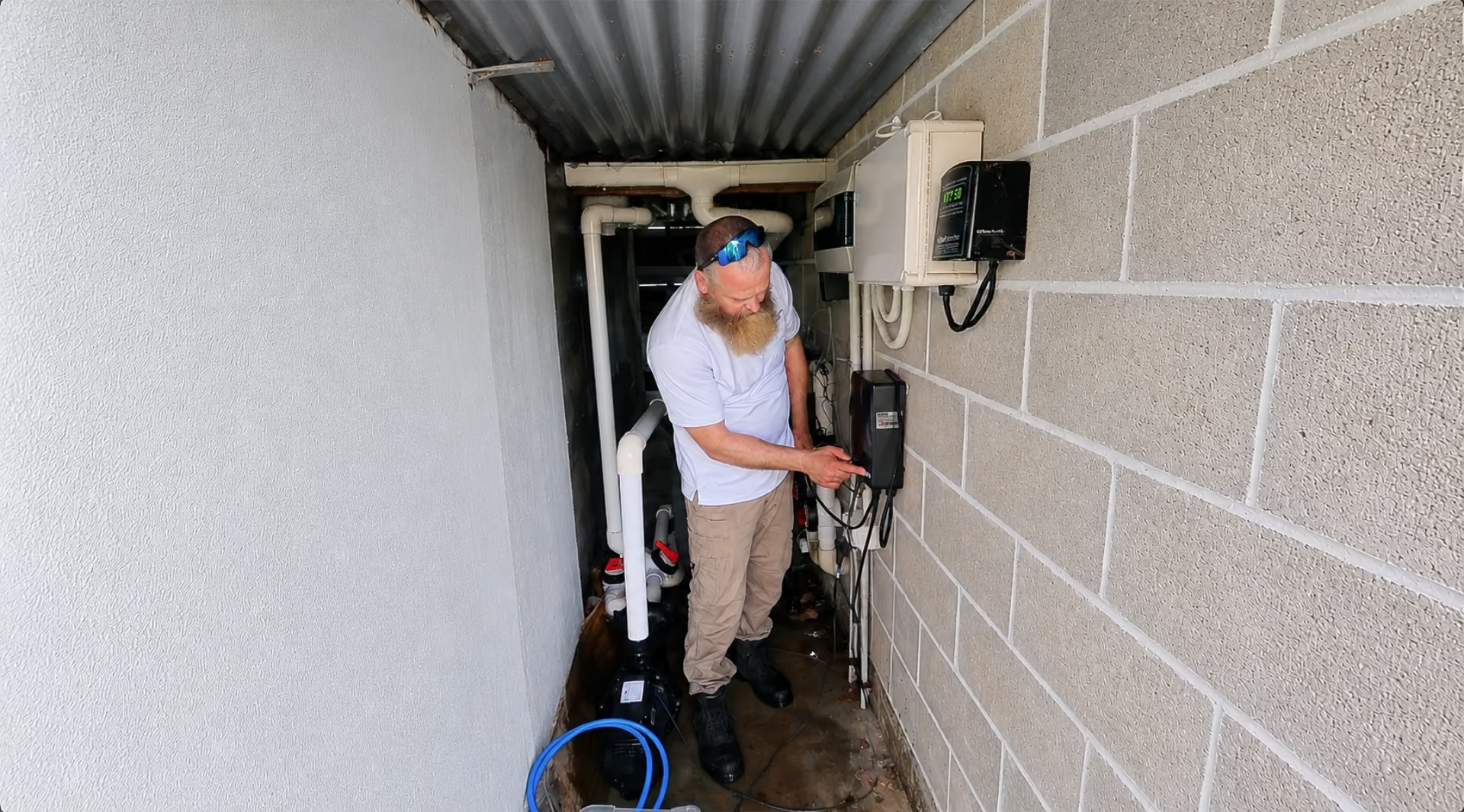
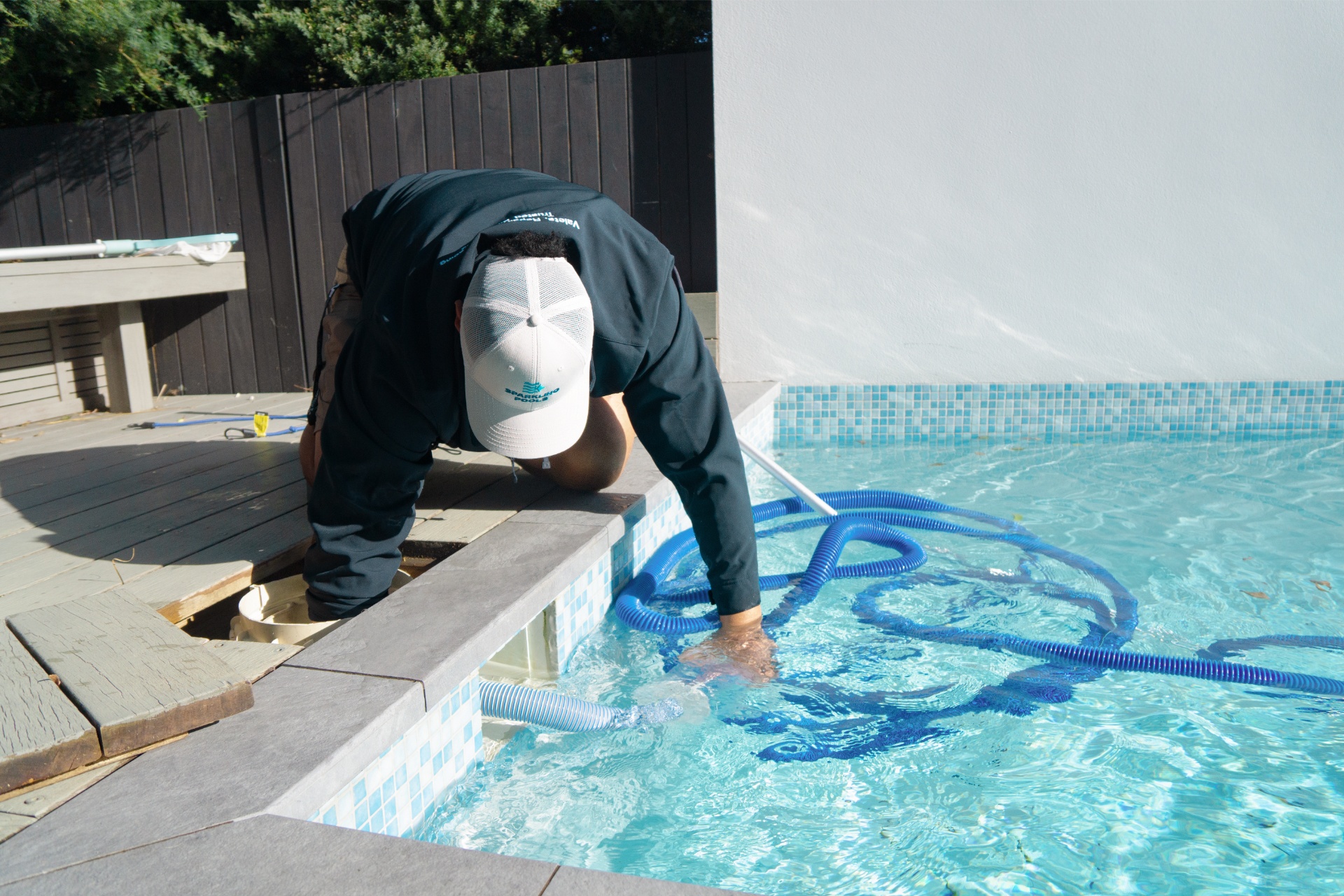
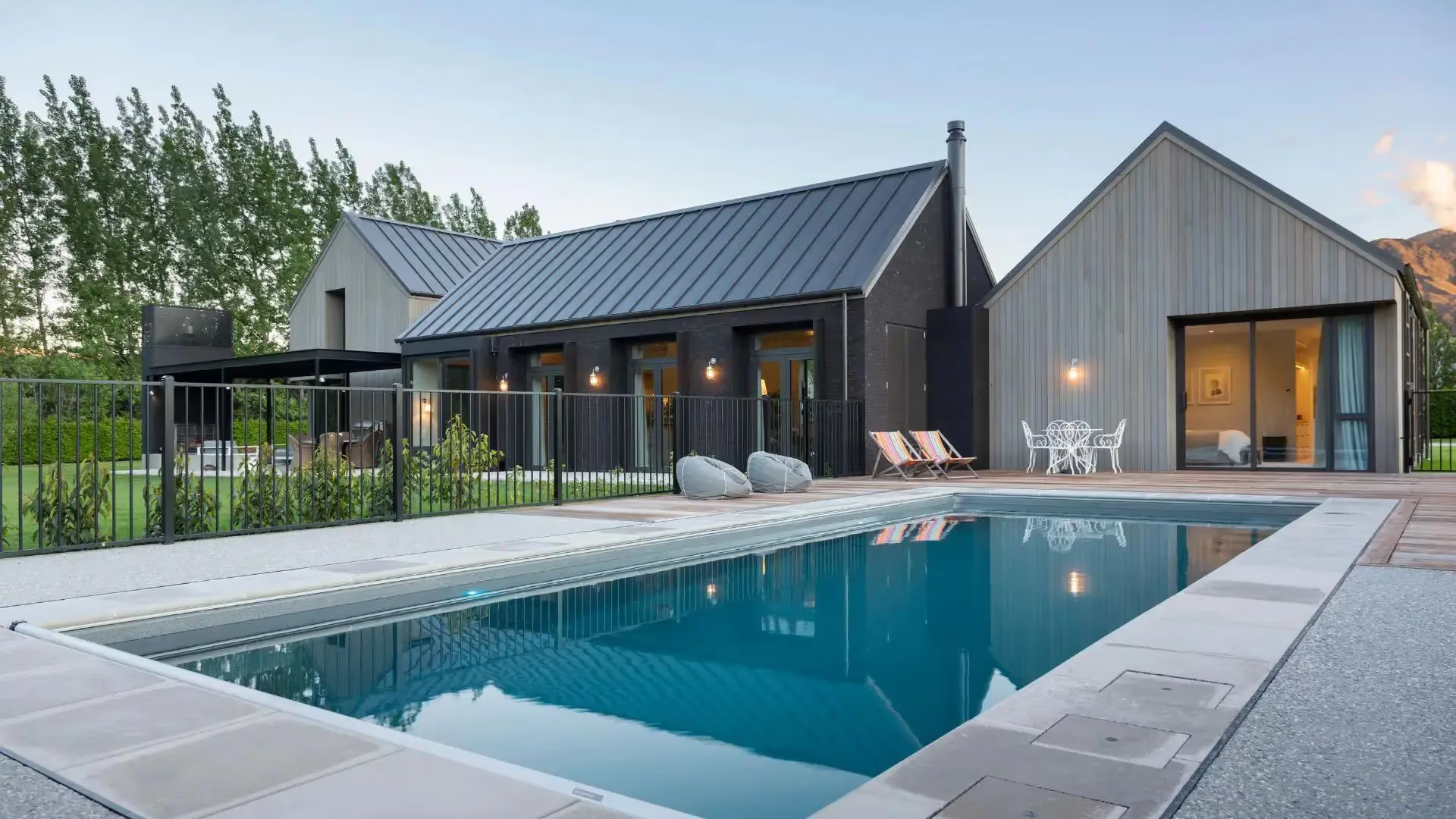
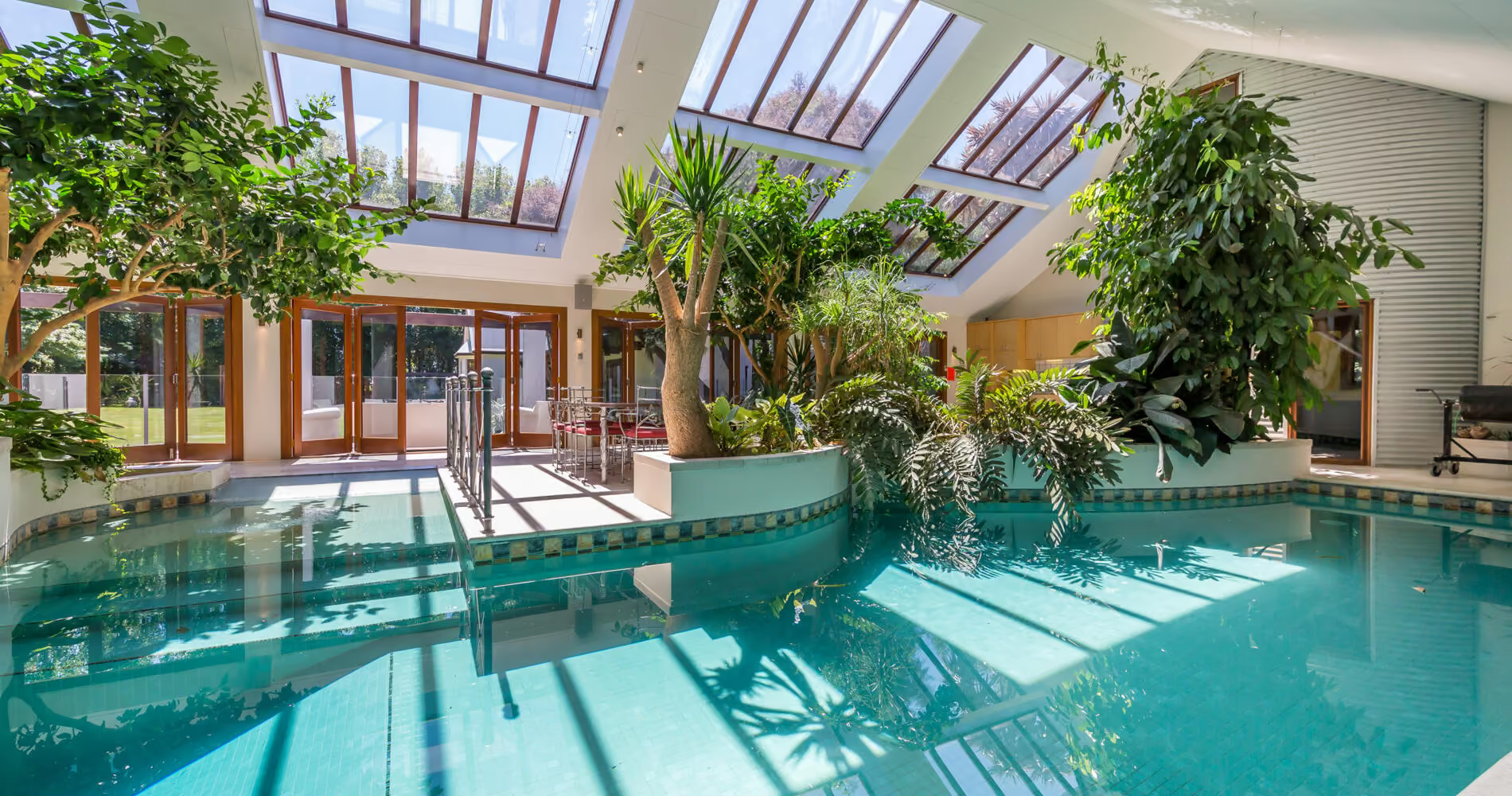
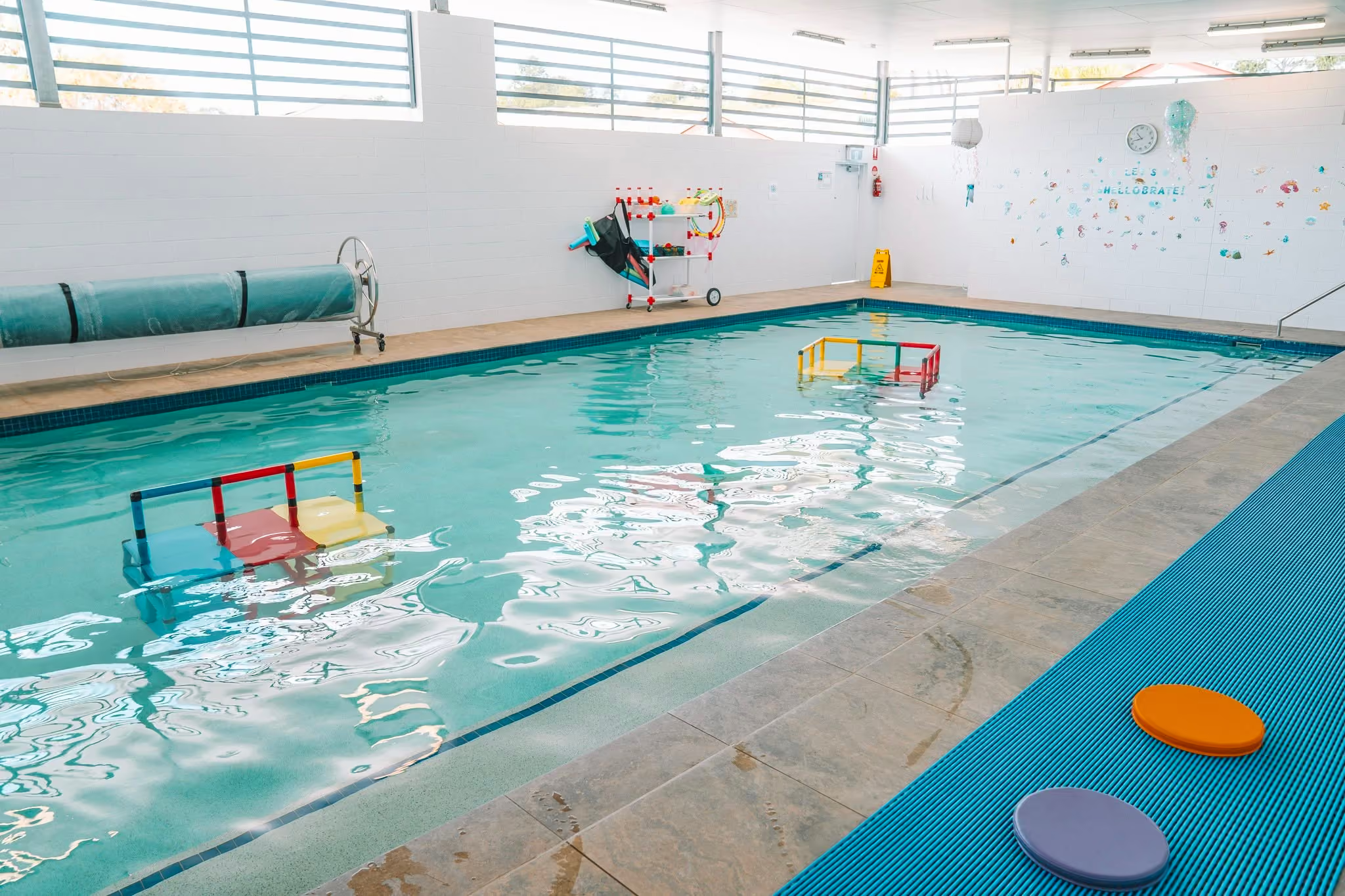
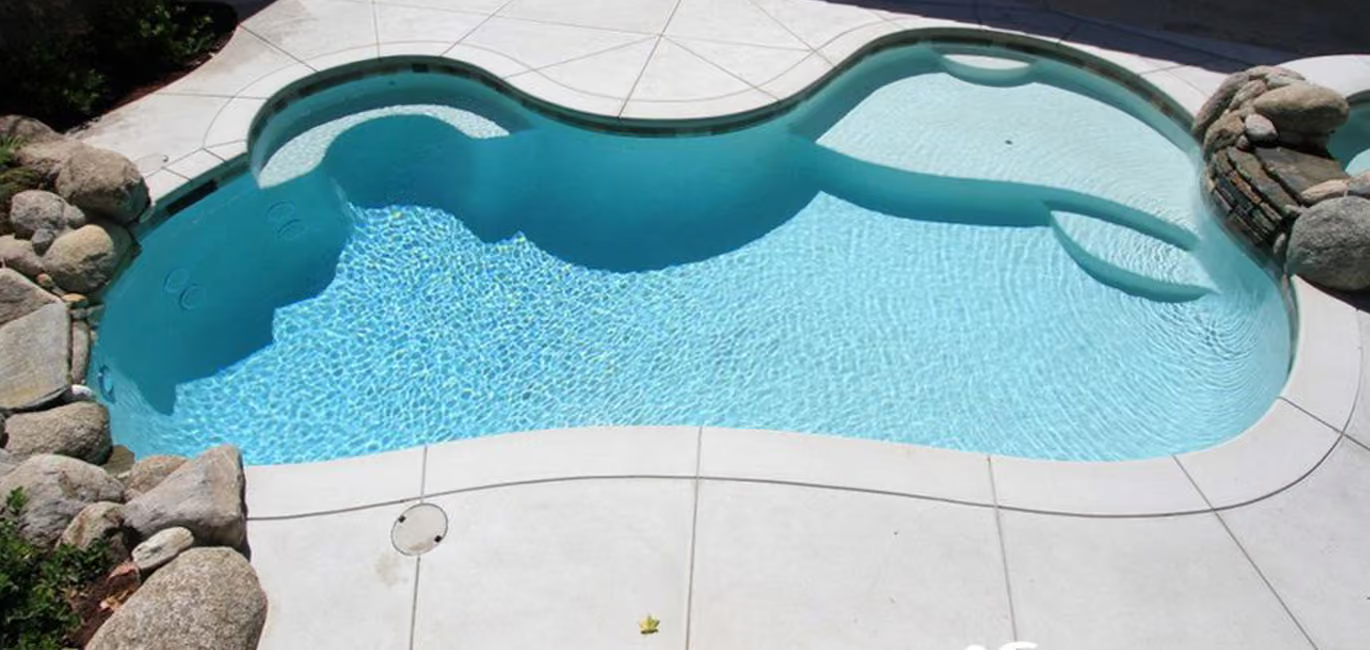
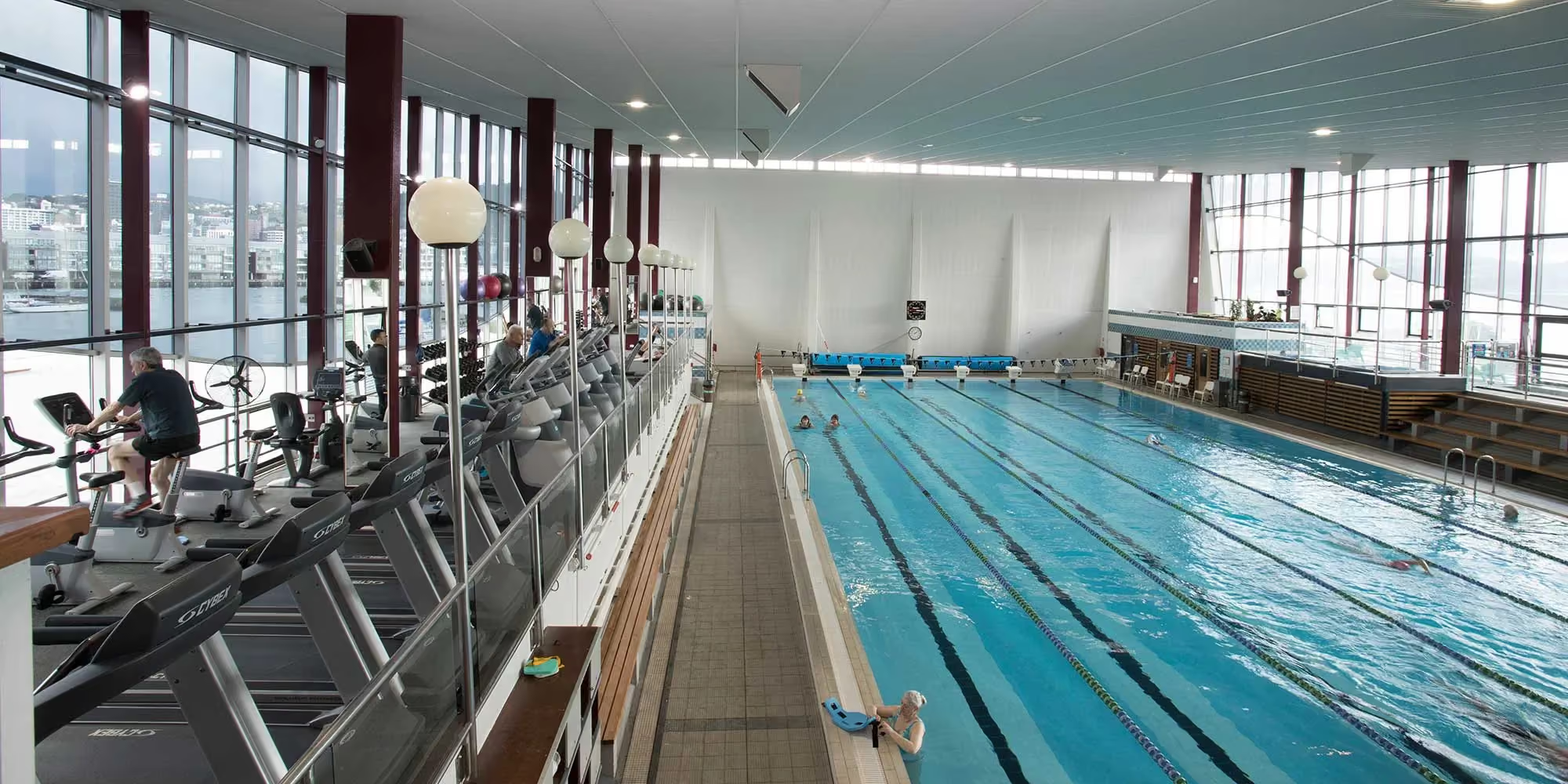
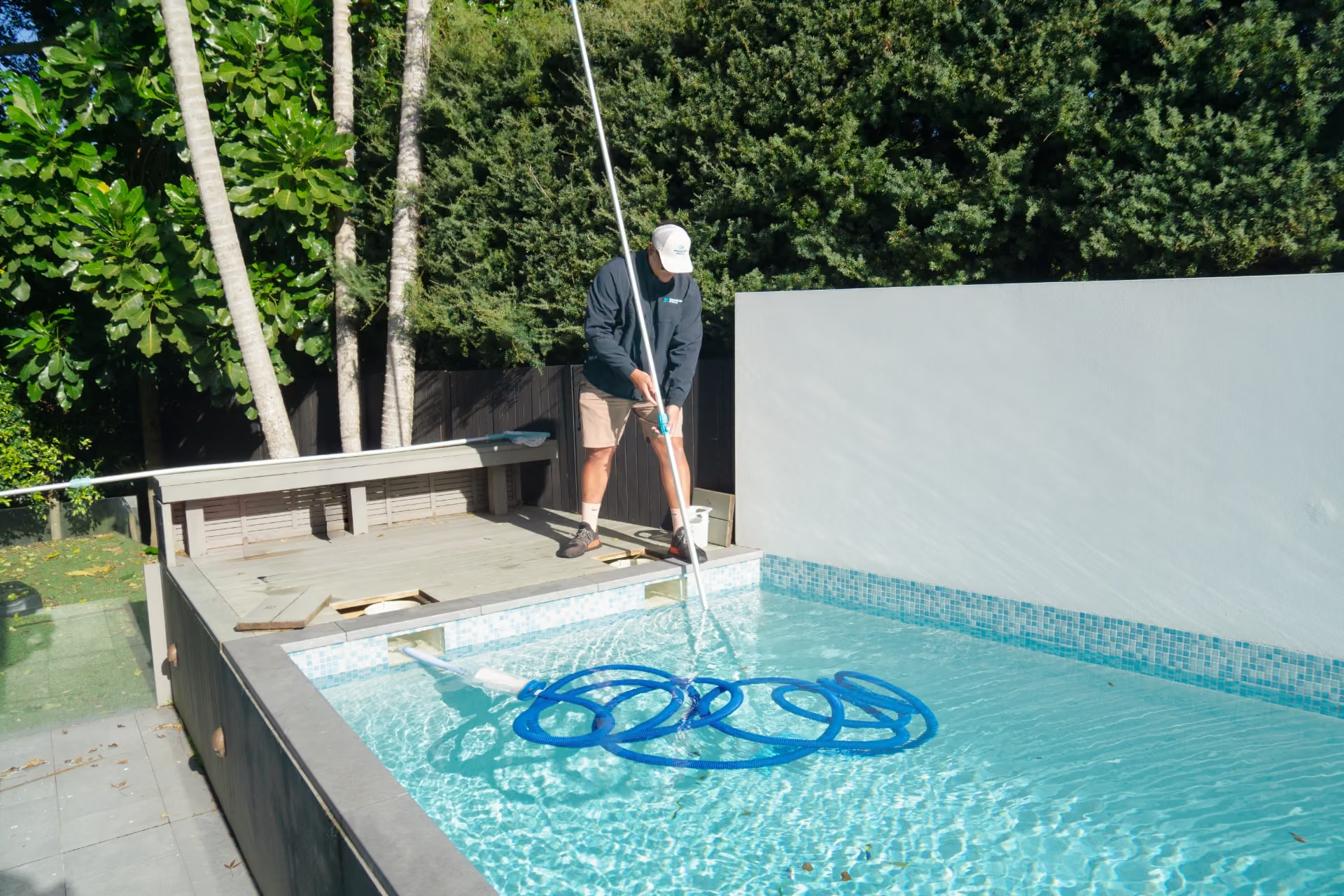
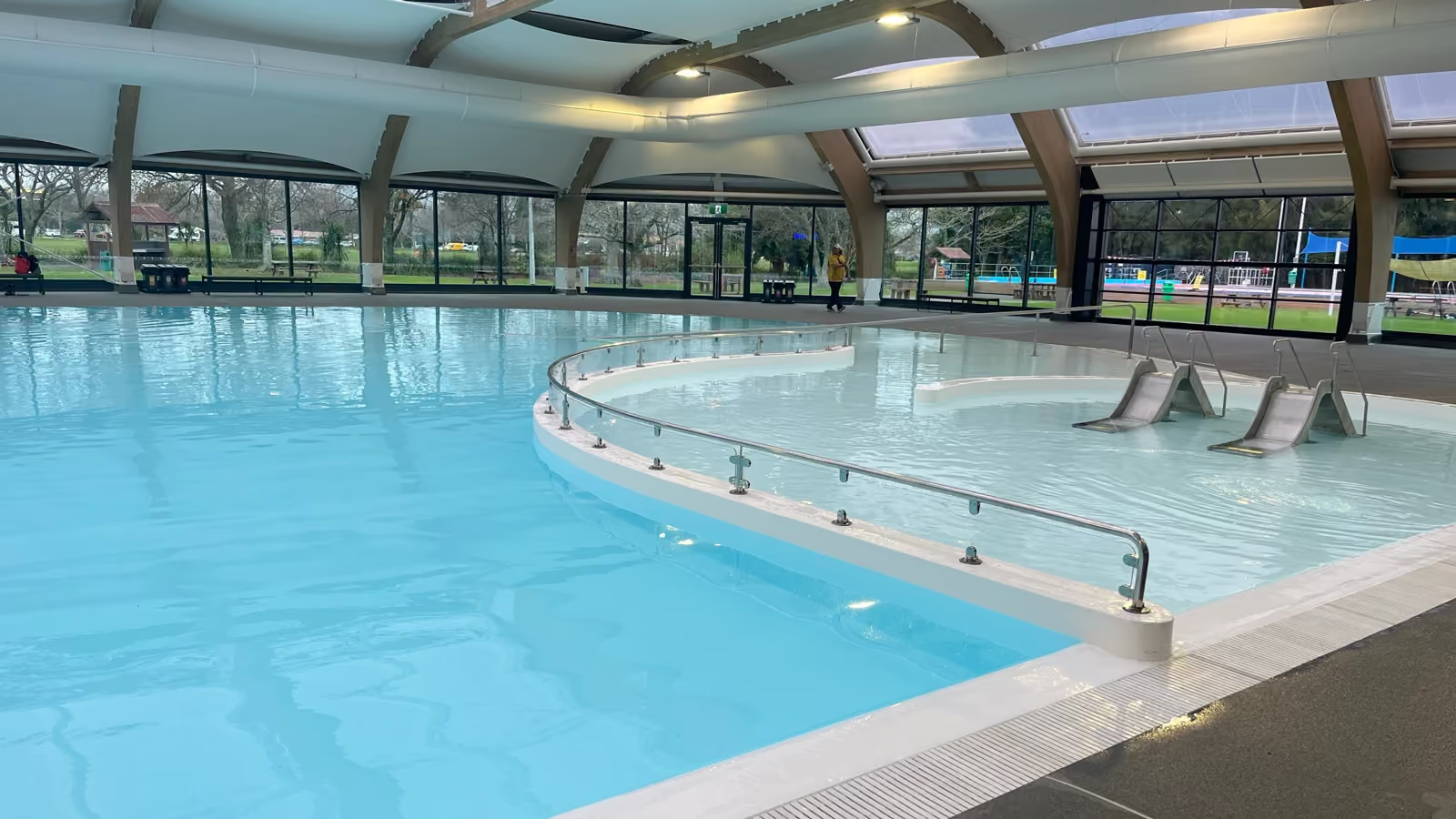
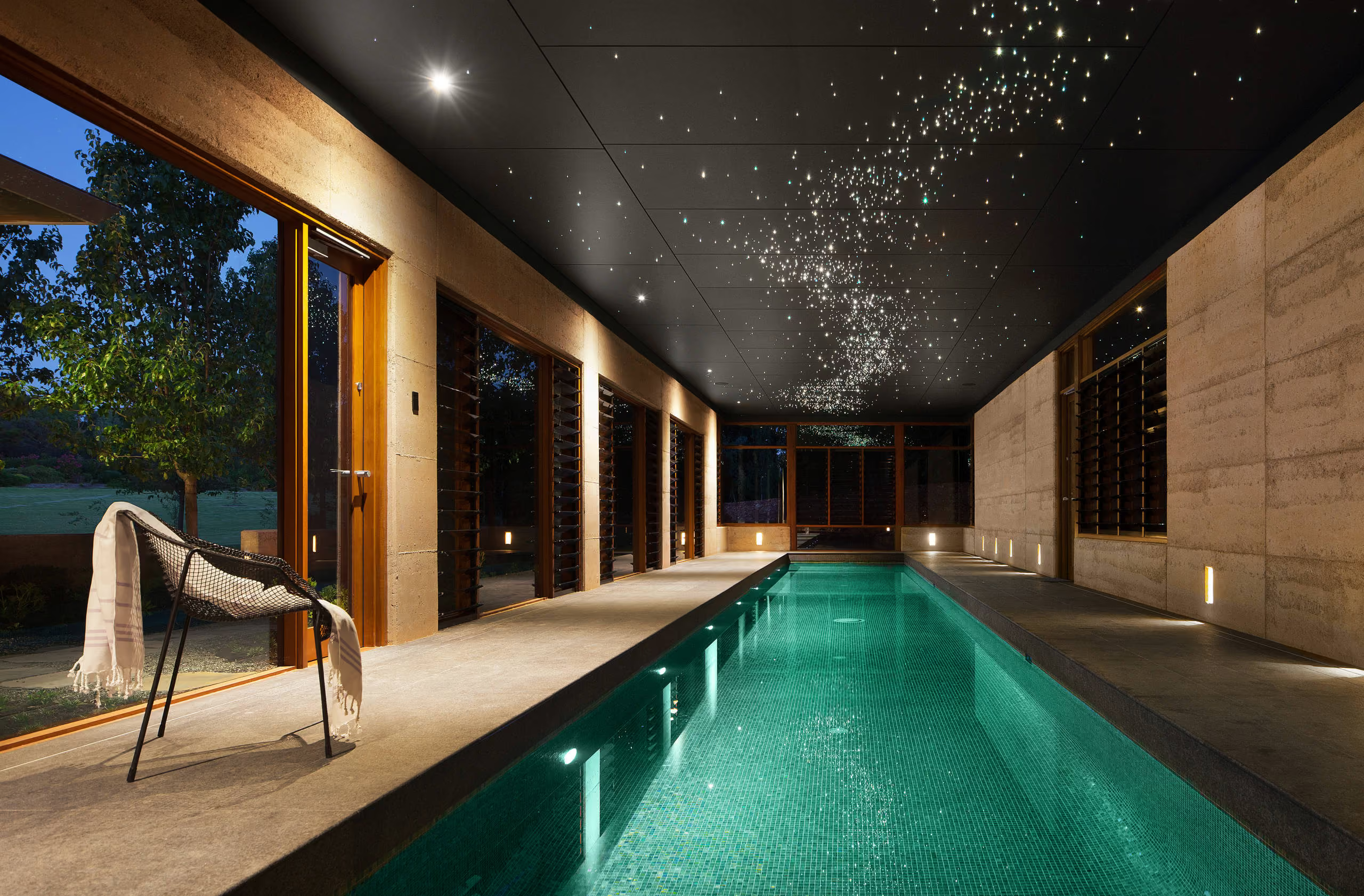
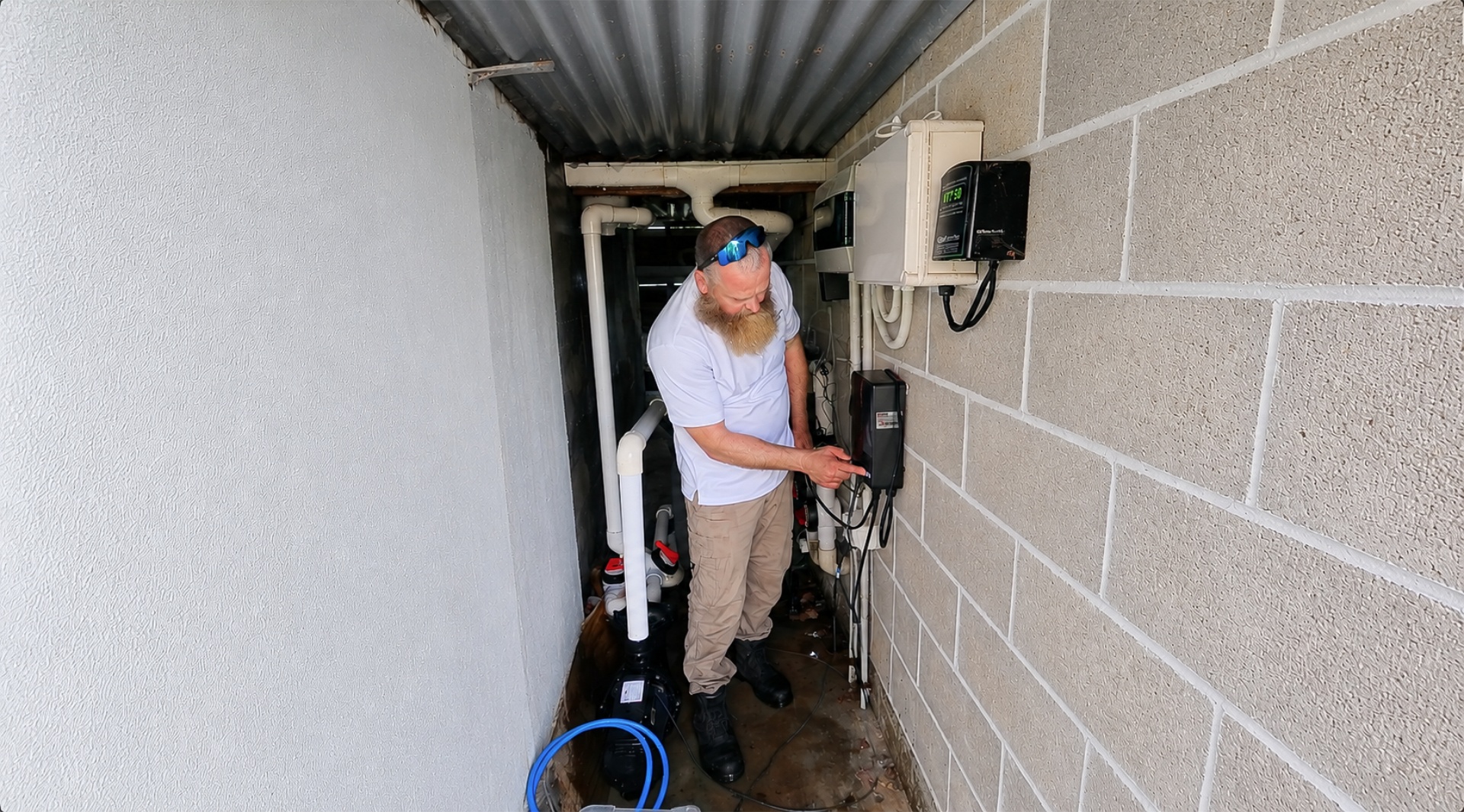
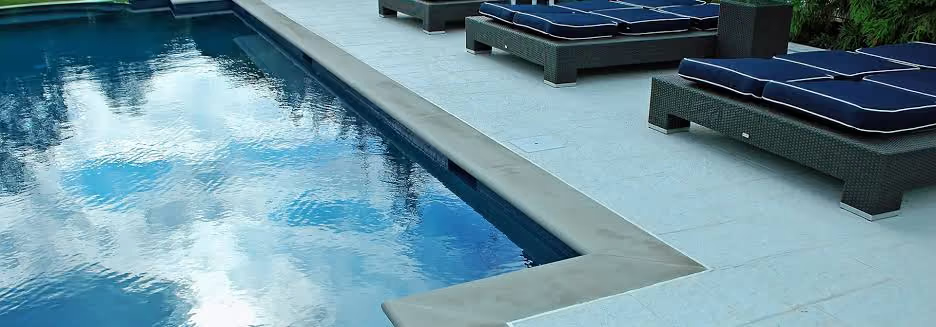
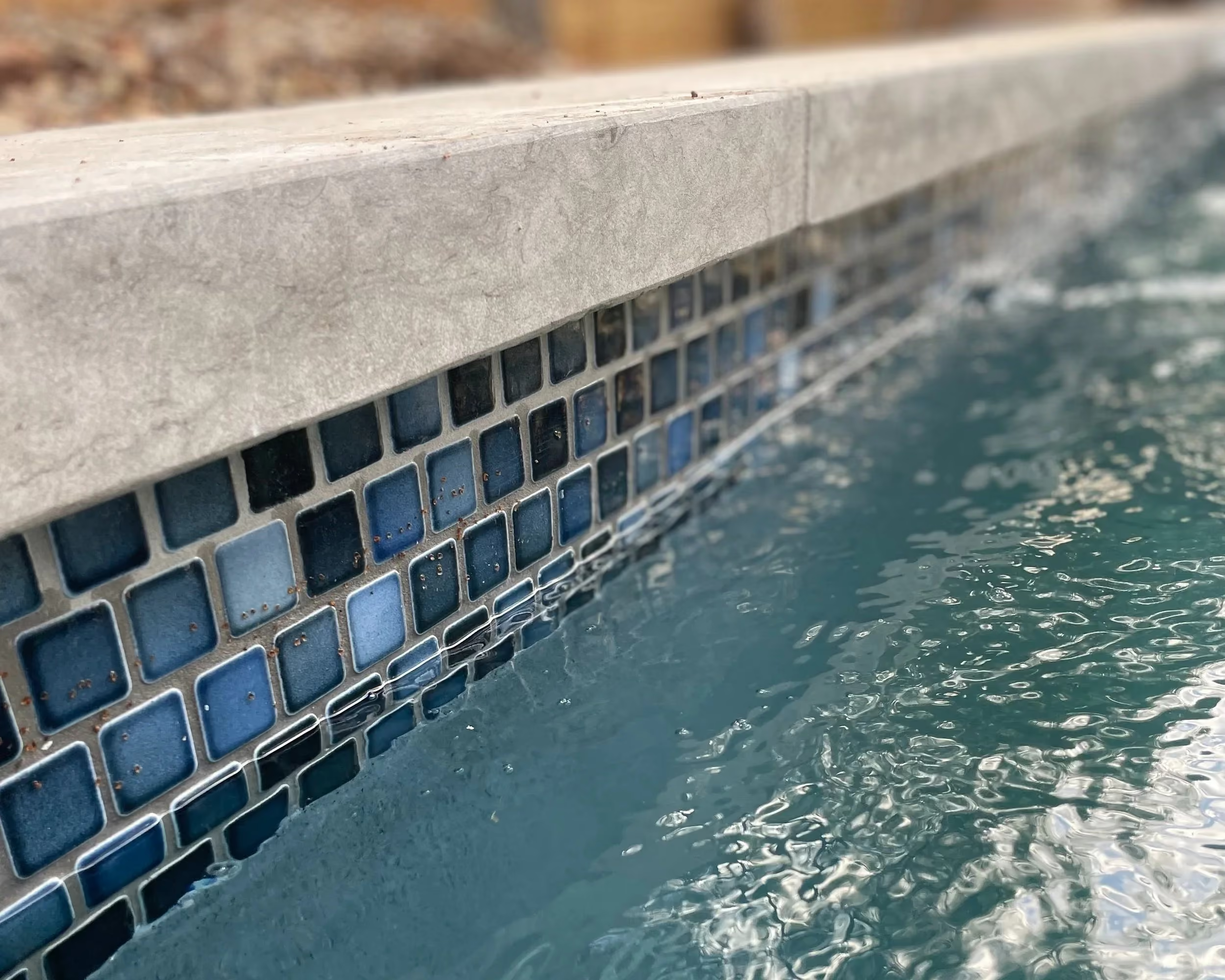
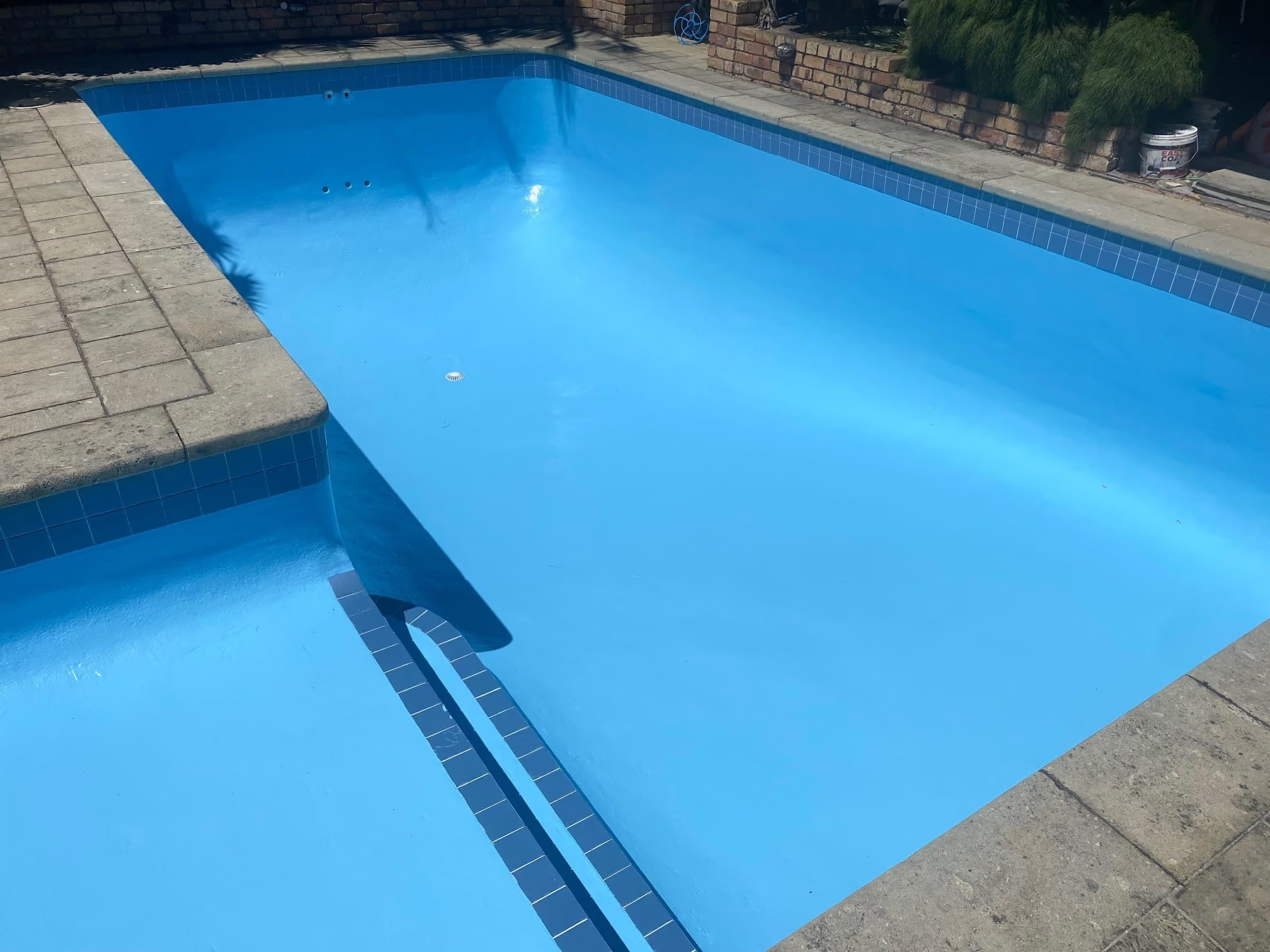
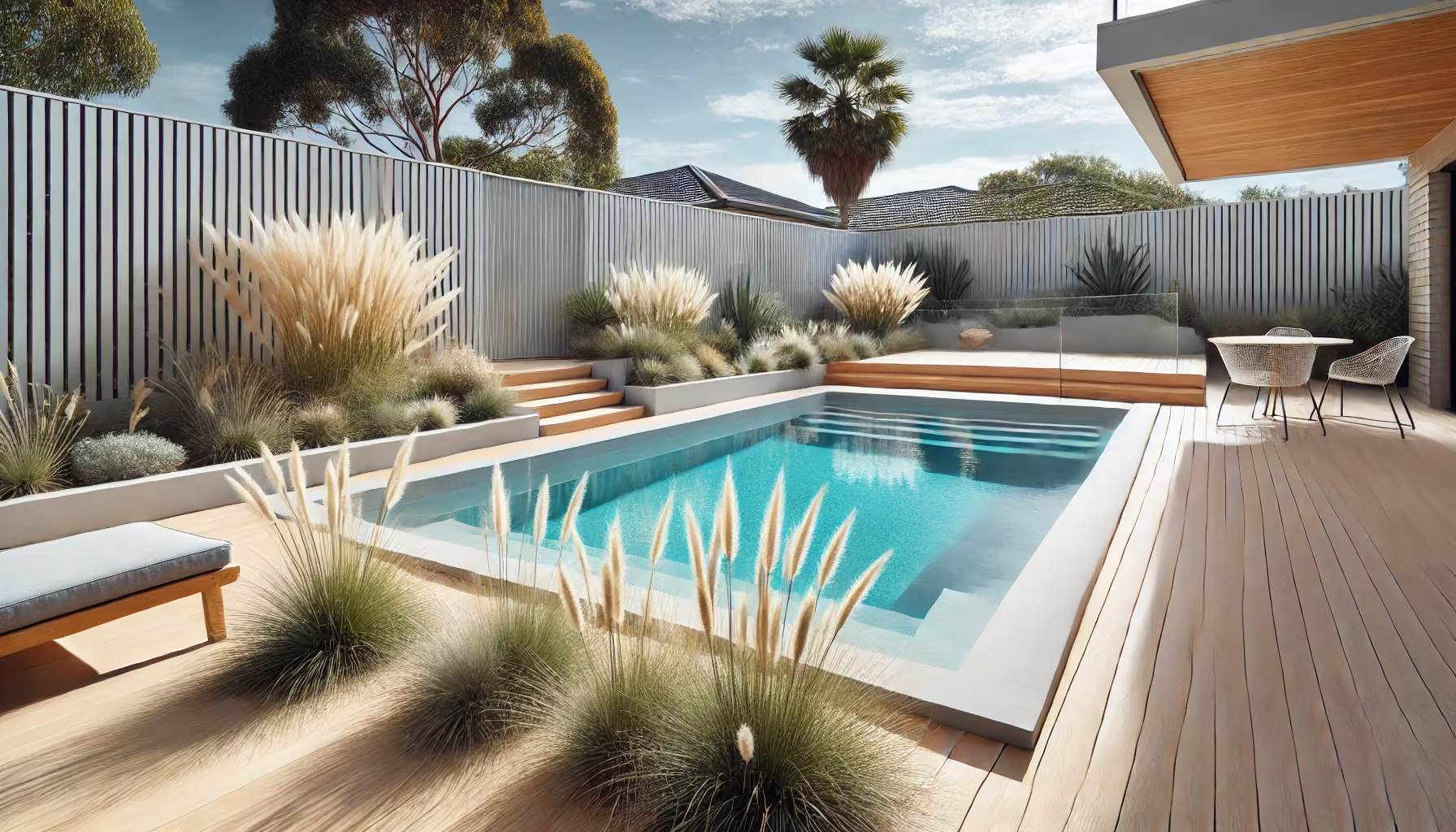
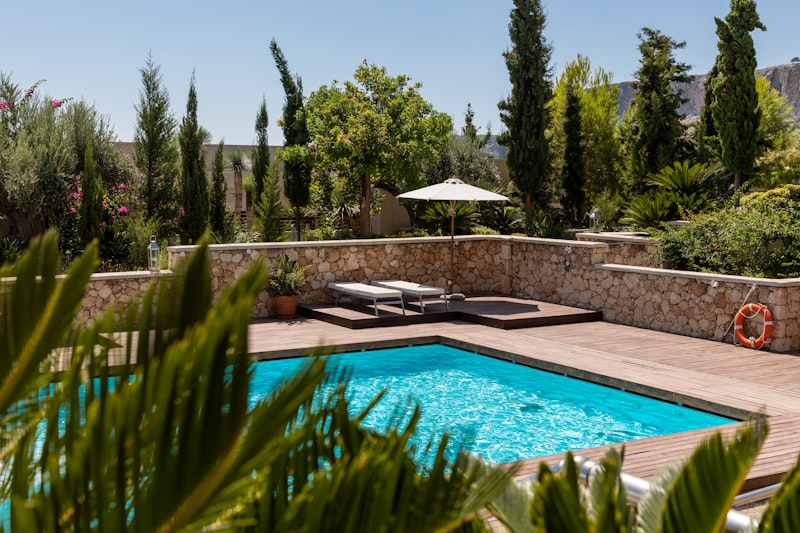
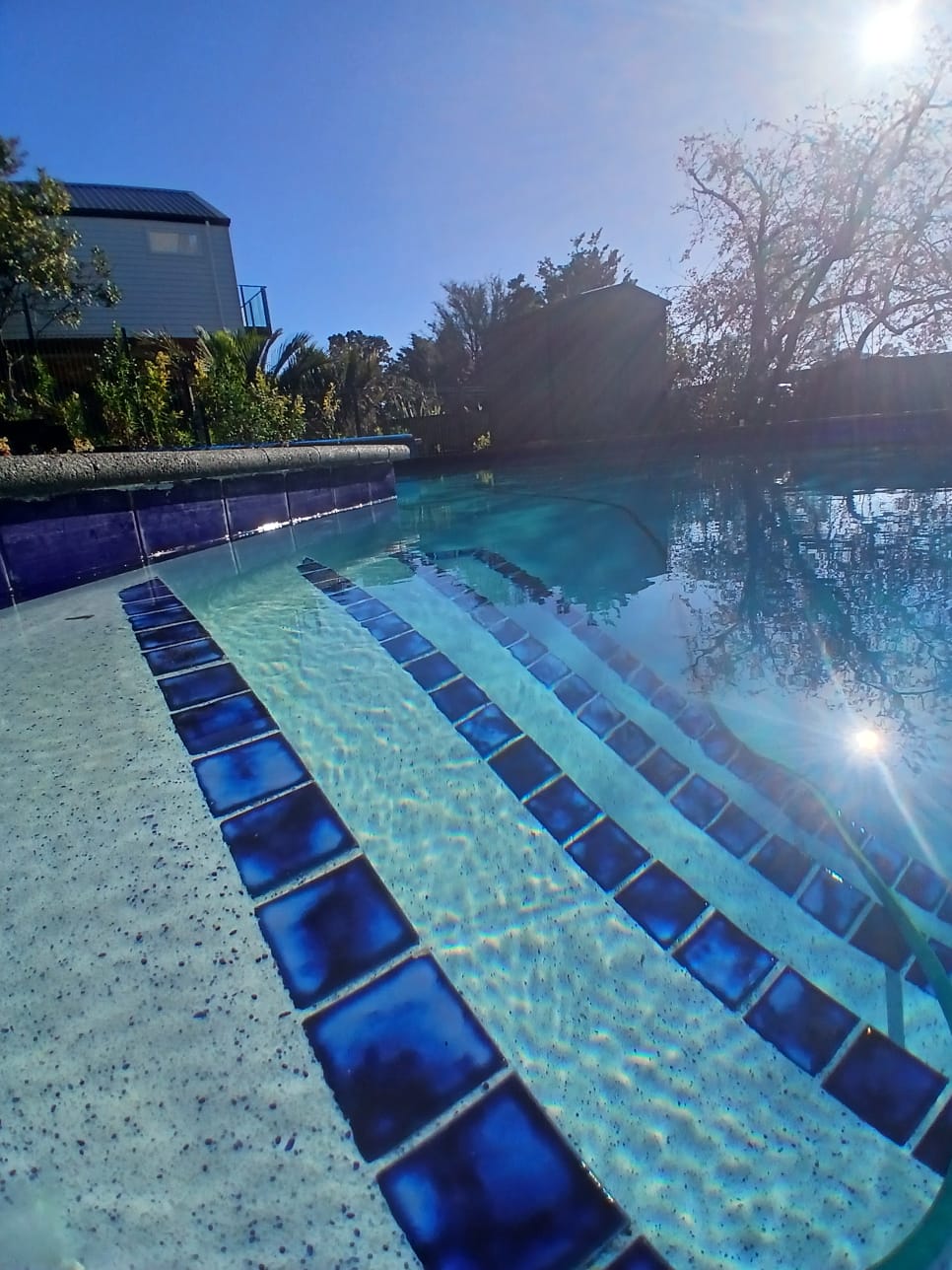
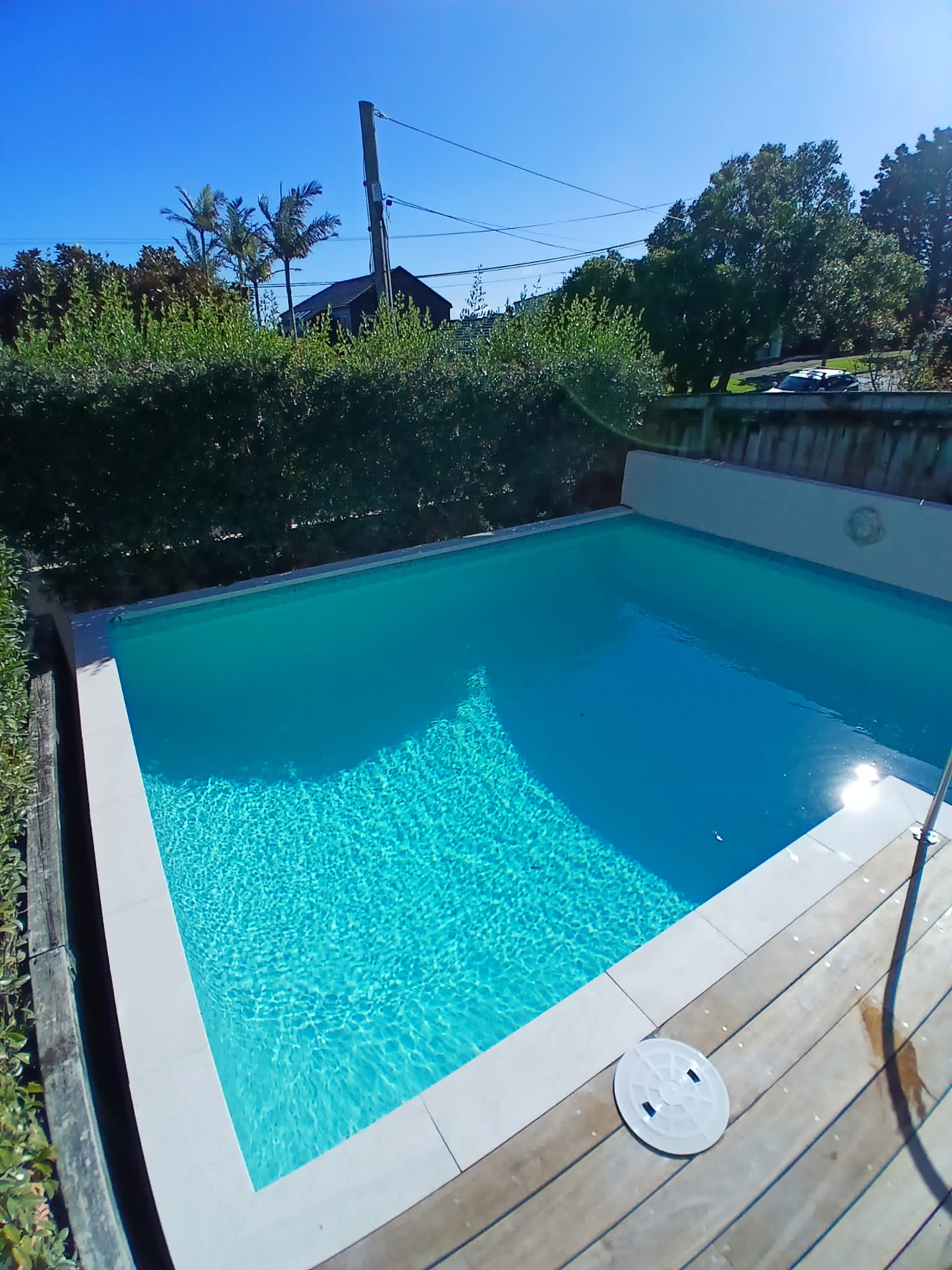
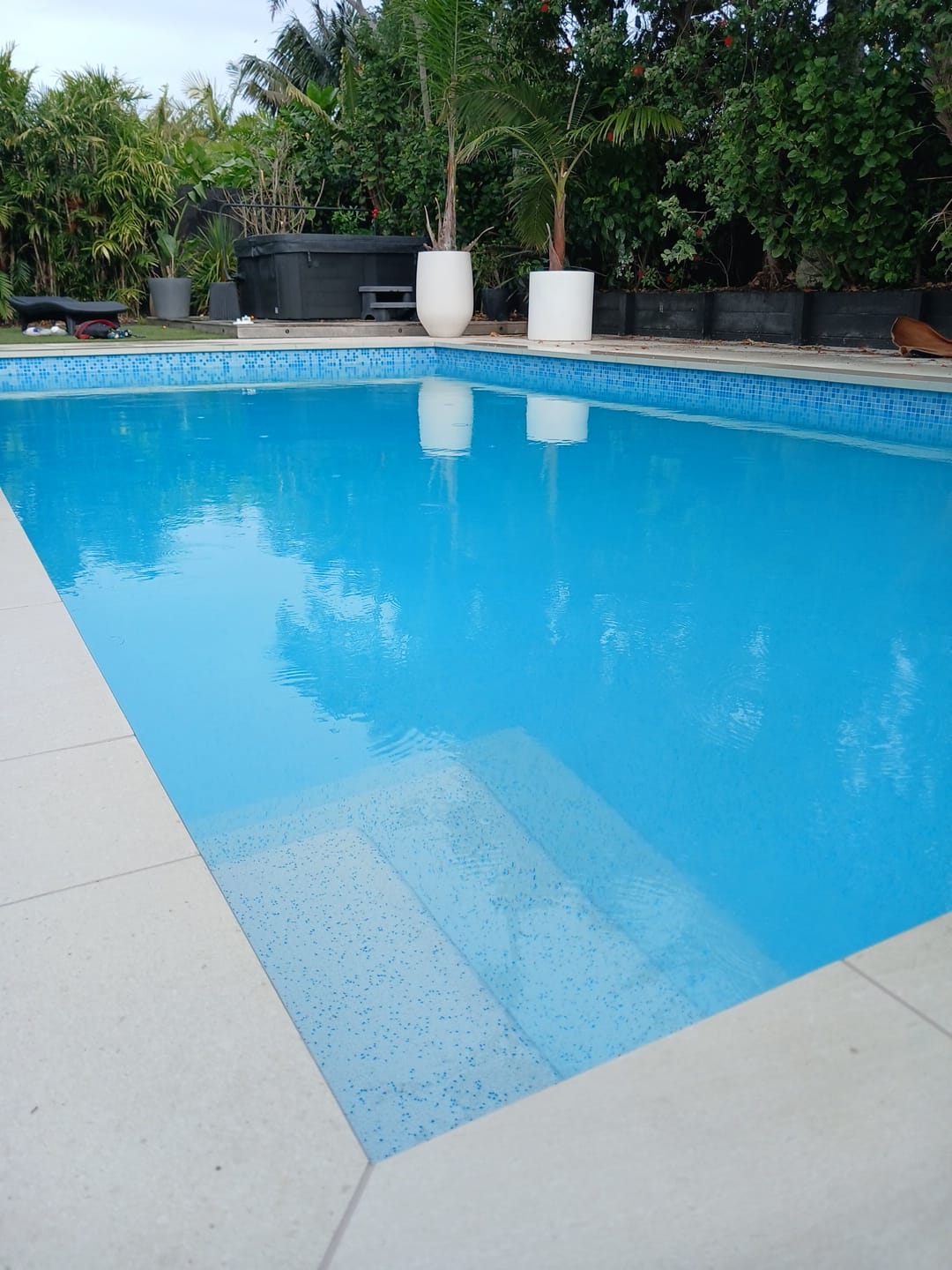
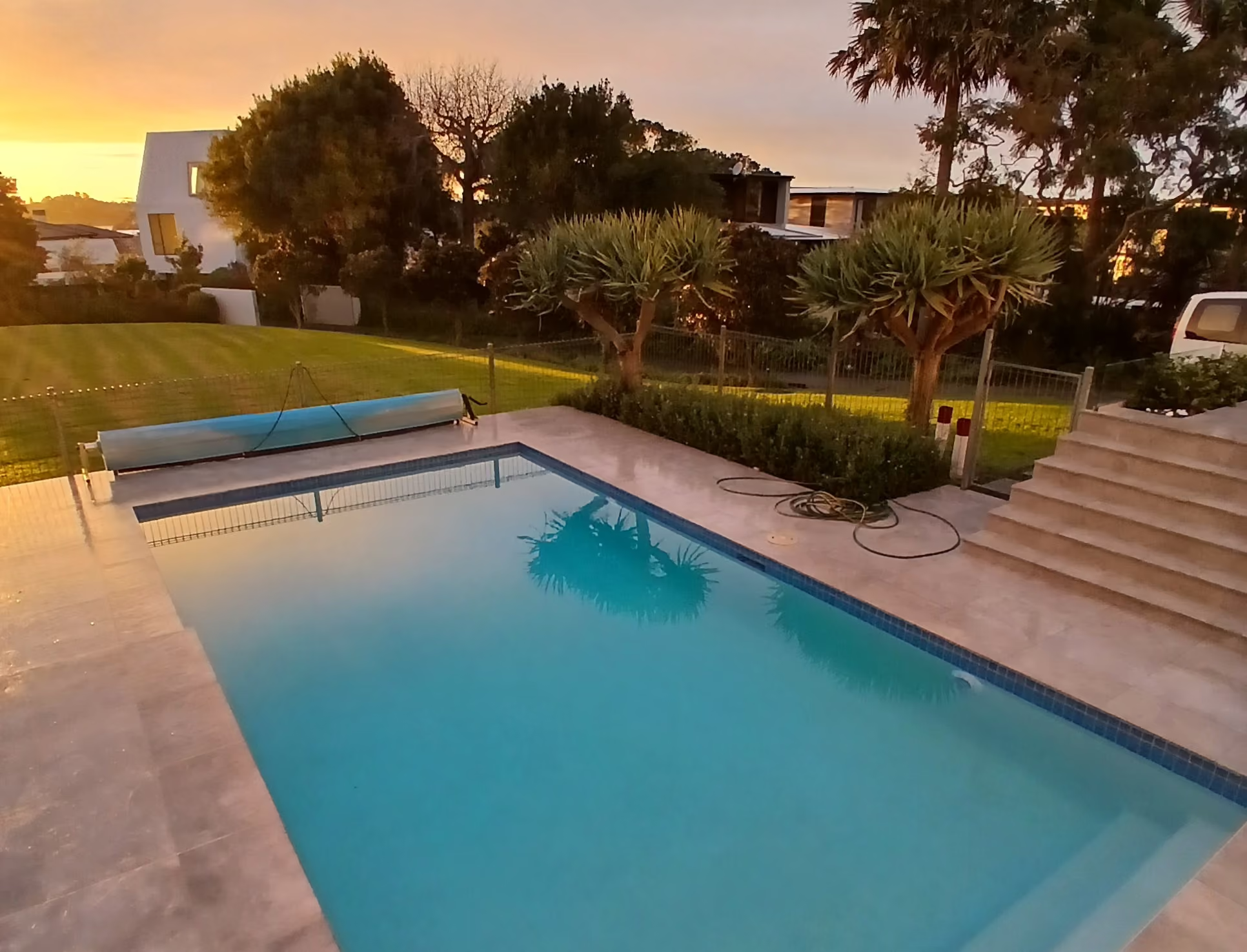
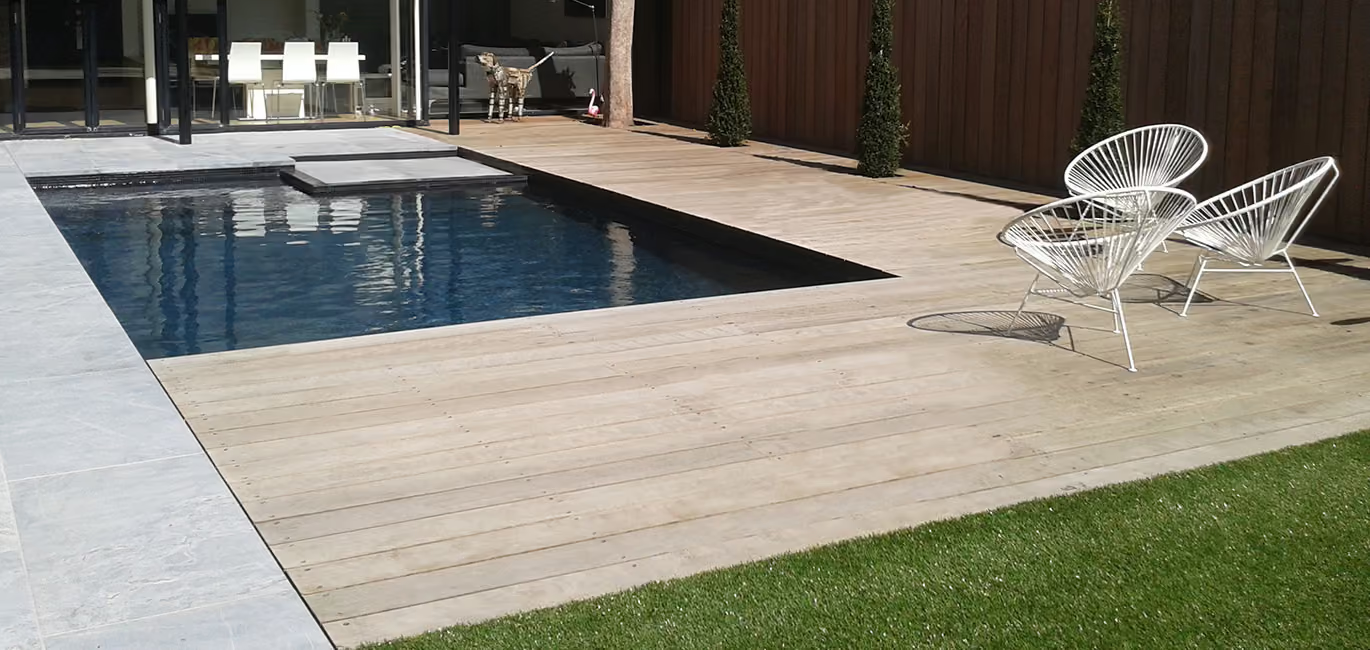
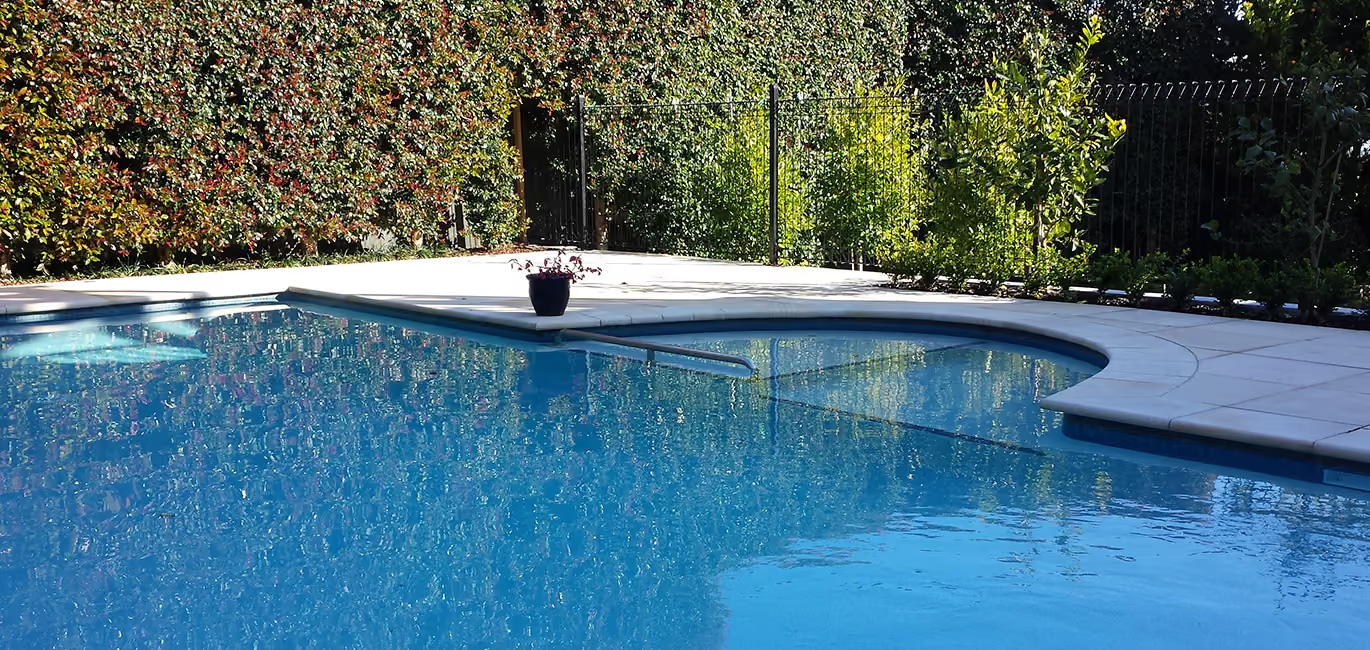
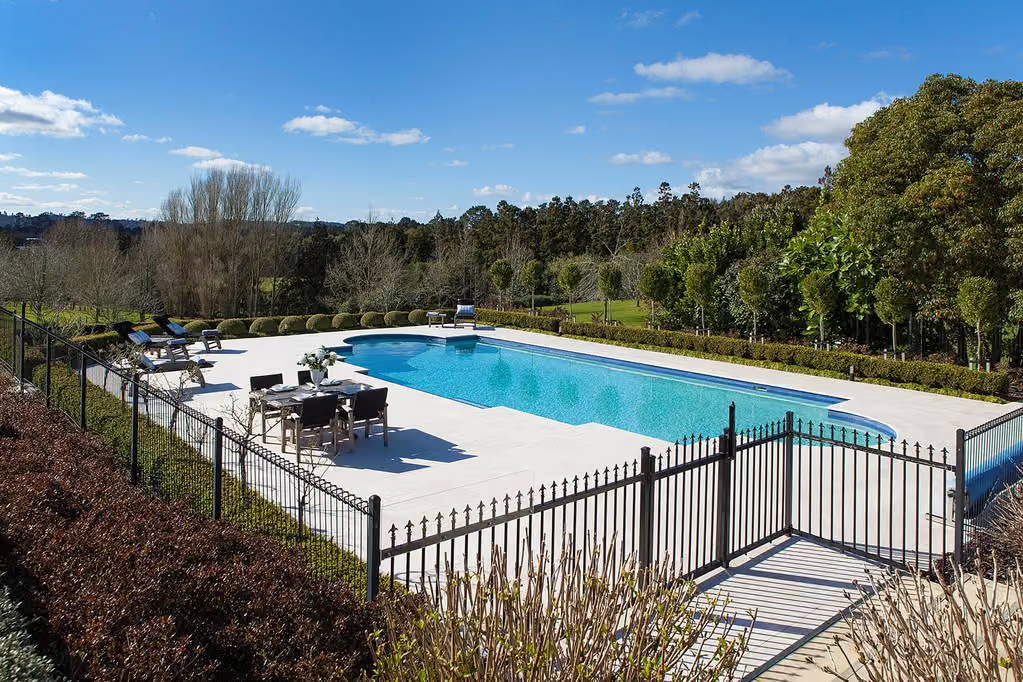
Sparkling Pools has worked on pools across Auckland, including residential renovation projects, equipment upgrades, ongoing maintenance and pool care for managed properties. Past projects show how the right approach can improve presentation, water quality and day-to-day usability. A well-maintained pool is easier to manage, more pleasant to use and better prepared for seasonal changes.
Trusted by Homeowners Across Auckland
Don't just take our word for it. Read what our clients have to say about our transparent communication, reliable service, and stunning pool transformations.
Related Blog Posts
Stay informed on pool care and renovations
Winter pool care essentials for Auckland
Pool Renovation Mistakes
Auckland Climate Pool Maintenance
Choosing Renovation Contractor
Pool Care Auckland Summer
Permits & Consents
Pool Renovation ROI
How Often to Test Pool Water
Pool Renovation Costs
Cost of Pool Service Auckland
Pool Renovation Planning Guide
Pool Lighting Buying Guide
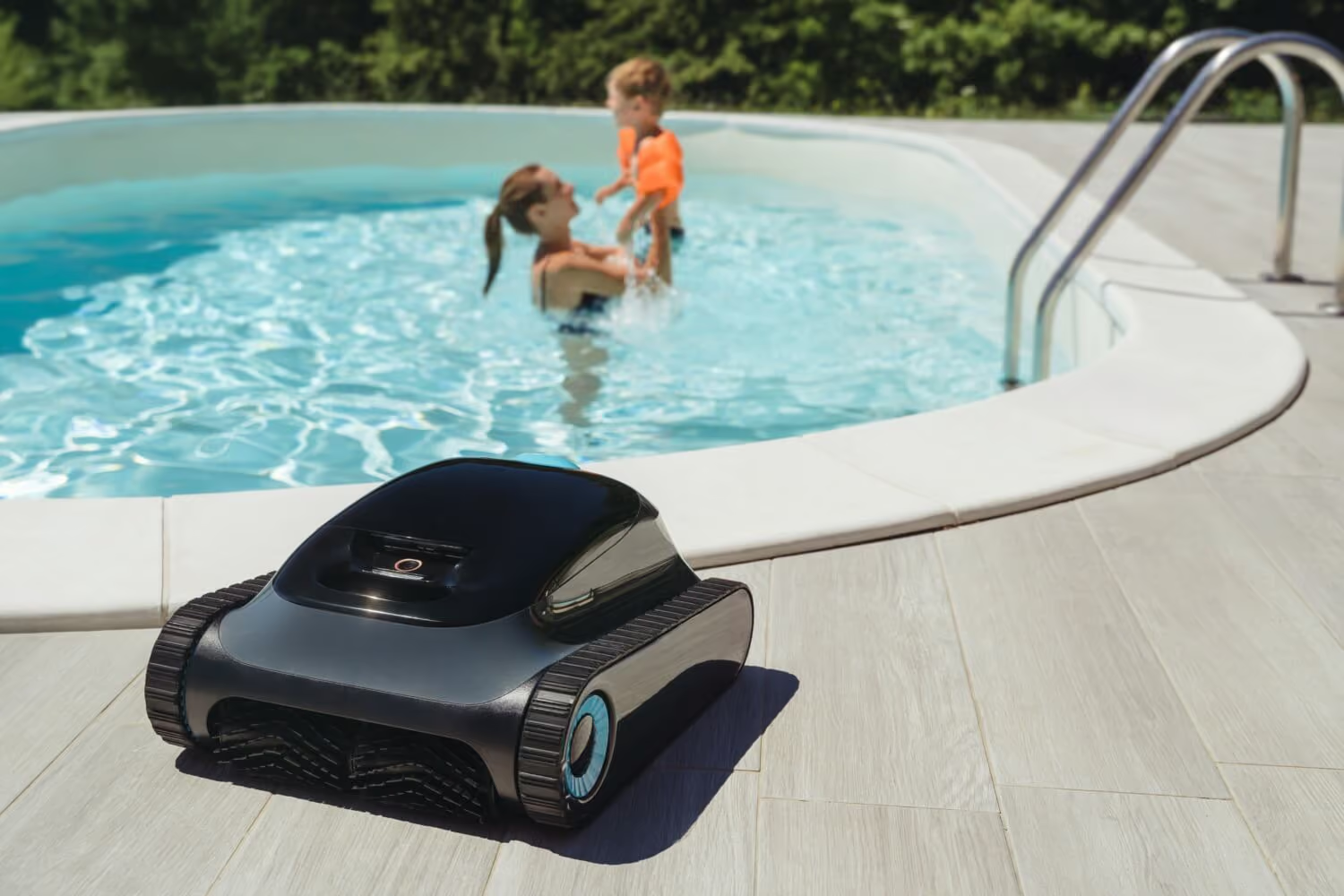
Pool Cleaner Buying Guide
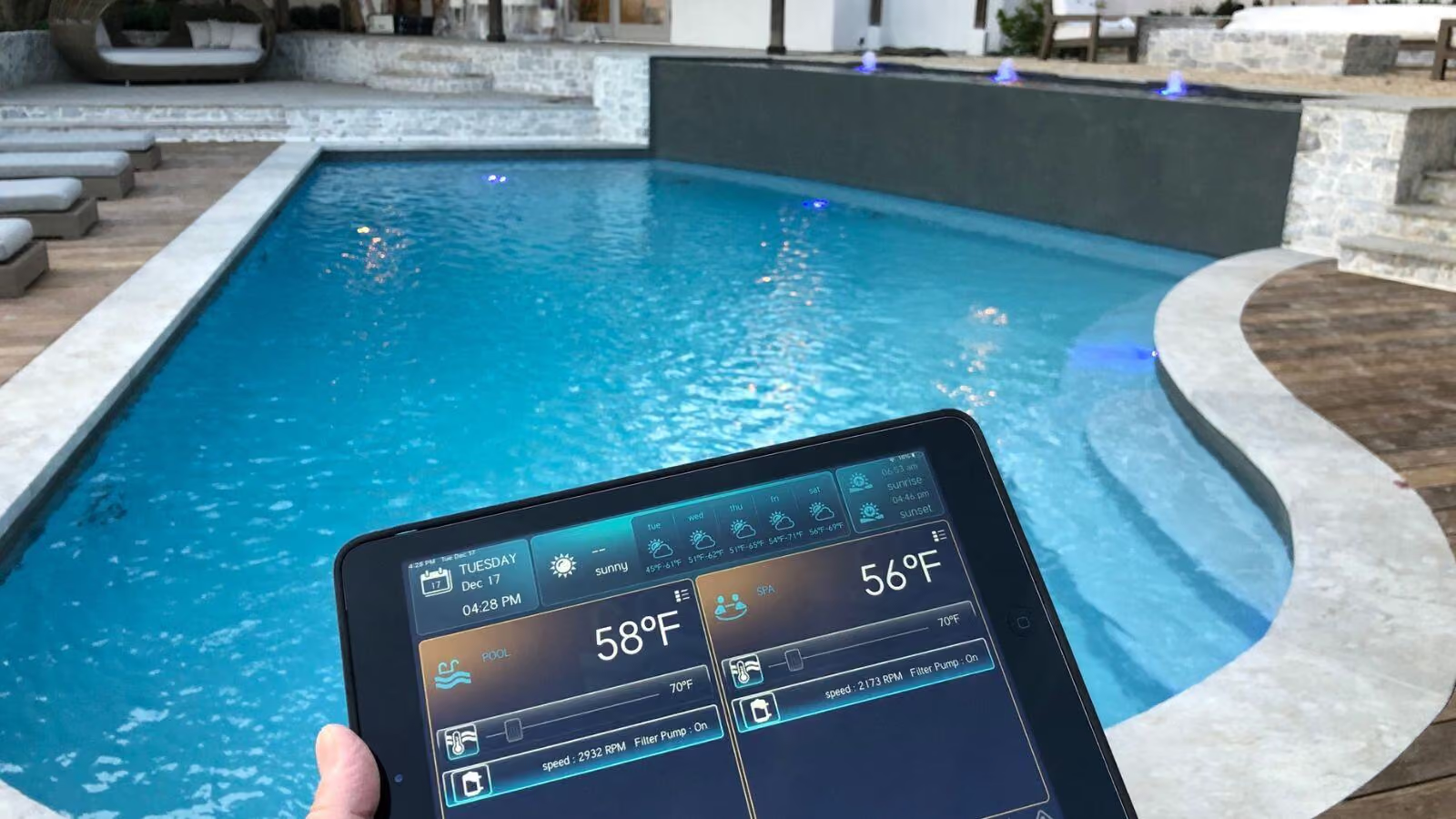
Pool Automation Buying Guide
Pool Heater Buying Guide
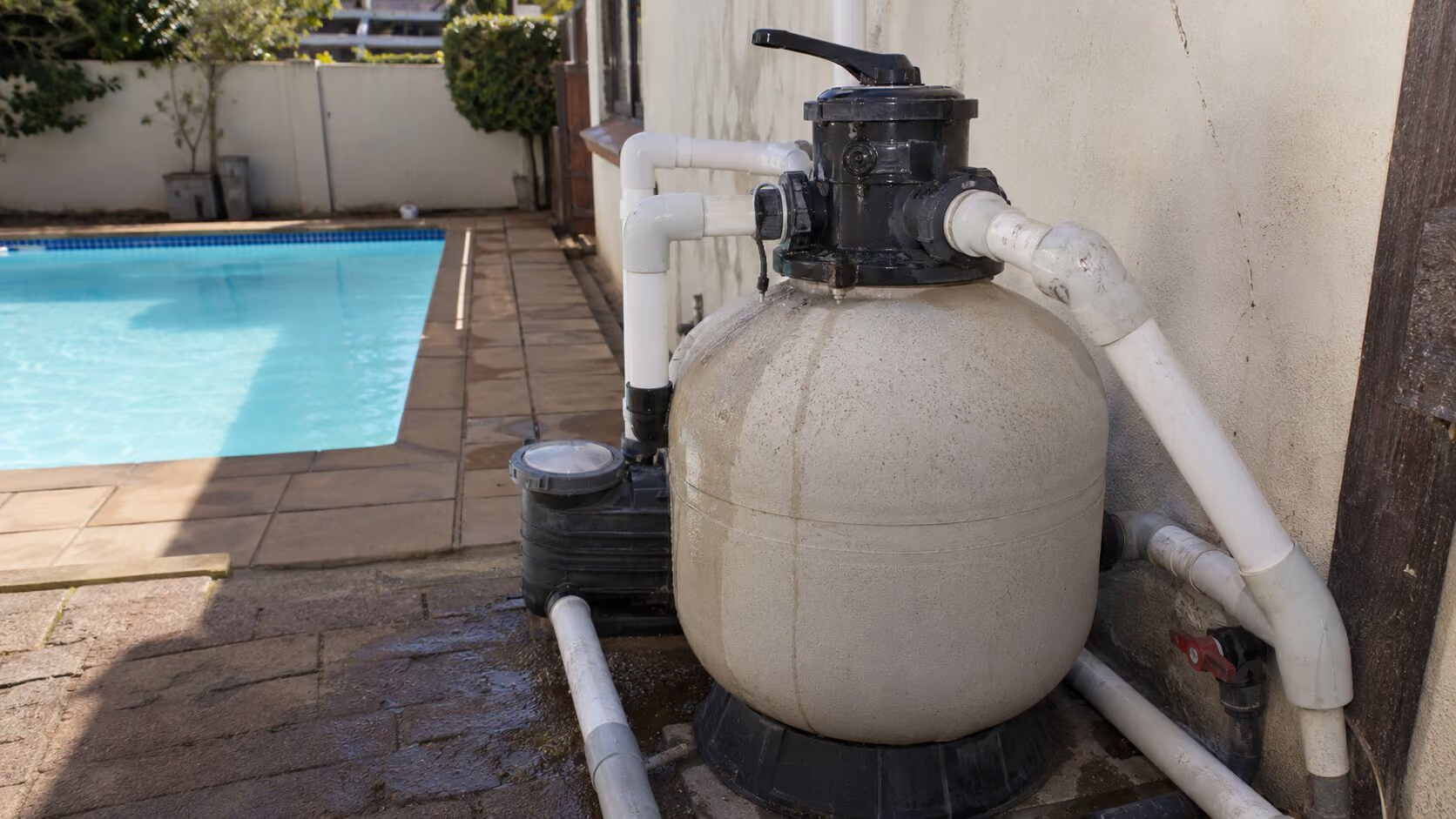
Pool Filter Buying Guide
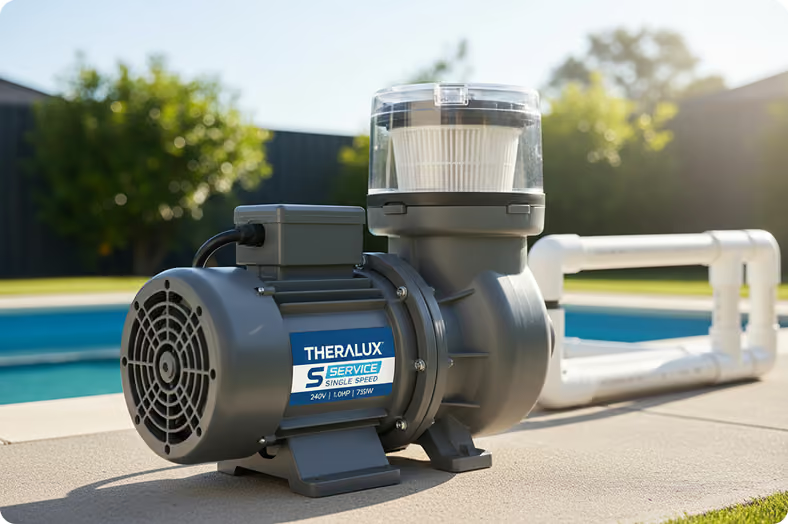
Pool Pump Buying Guide
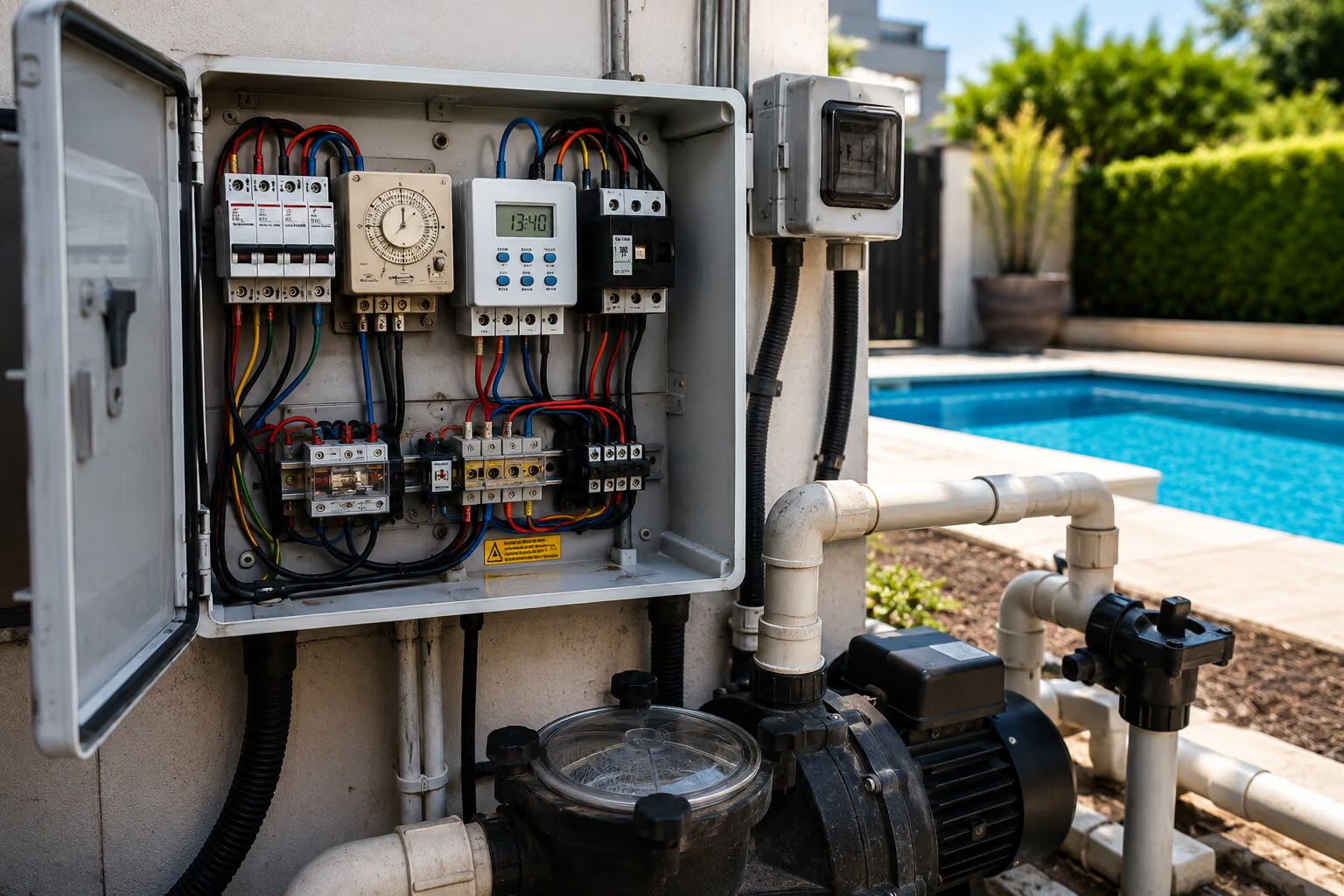
Best Equipment Auckland Climate
Auckland Water Quality
Auckland Pool Season
Pool Ownership Costs
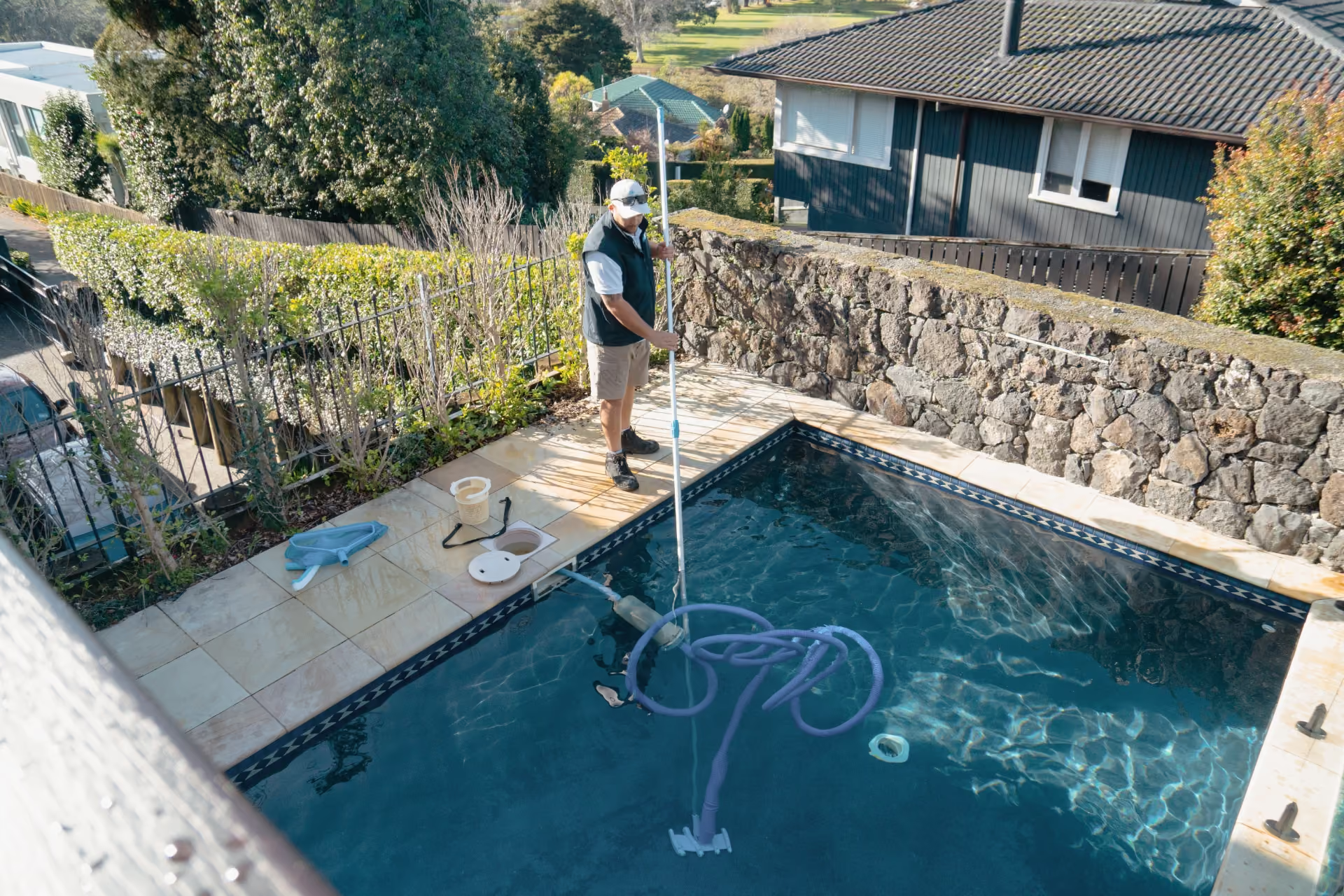
Common Pool Mistakes
Pool Safety Laws
Pool Inspection Requirements
Pool Fence Compliance
.avif)
Auckland Pool Industry Trends
Auckland Pool Regulations
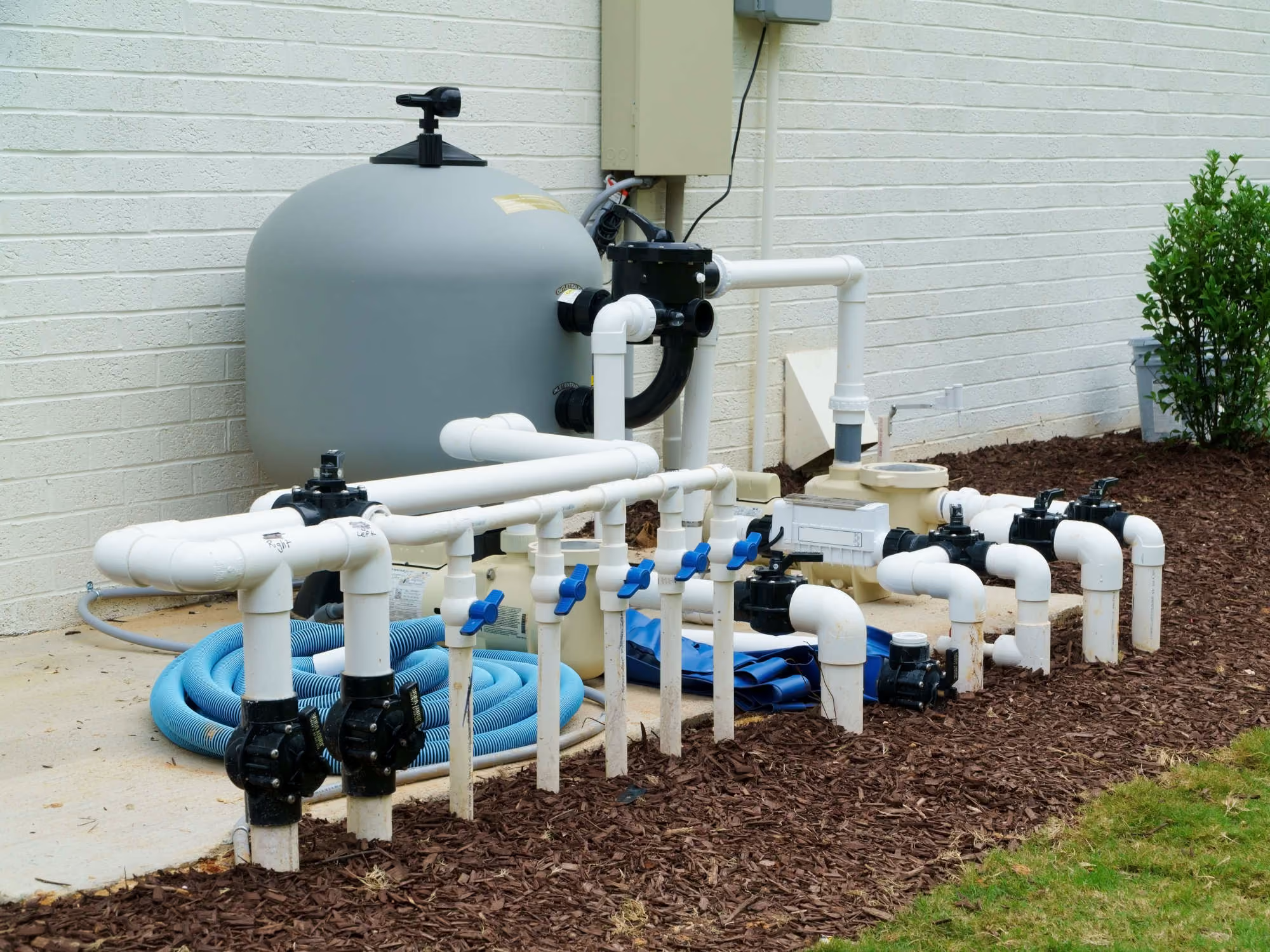
Pool Equipment Suppliers
Best Pool Service Areas
Pool Service Pricing Analysis
Company vs Independent
Best Pool Surface Materials
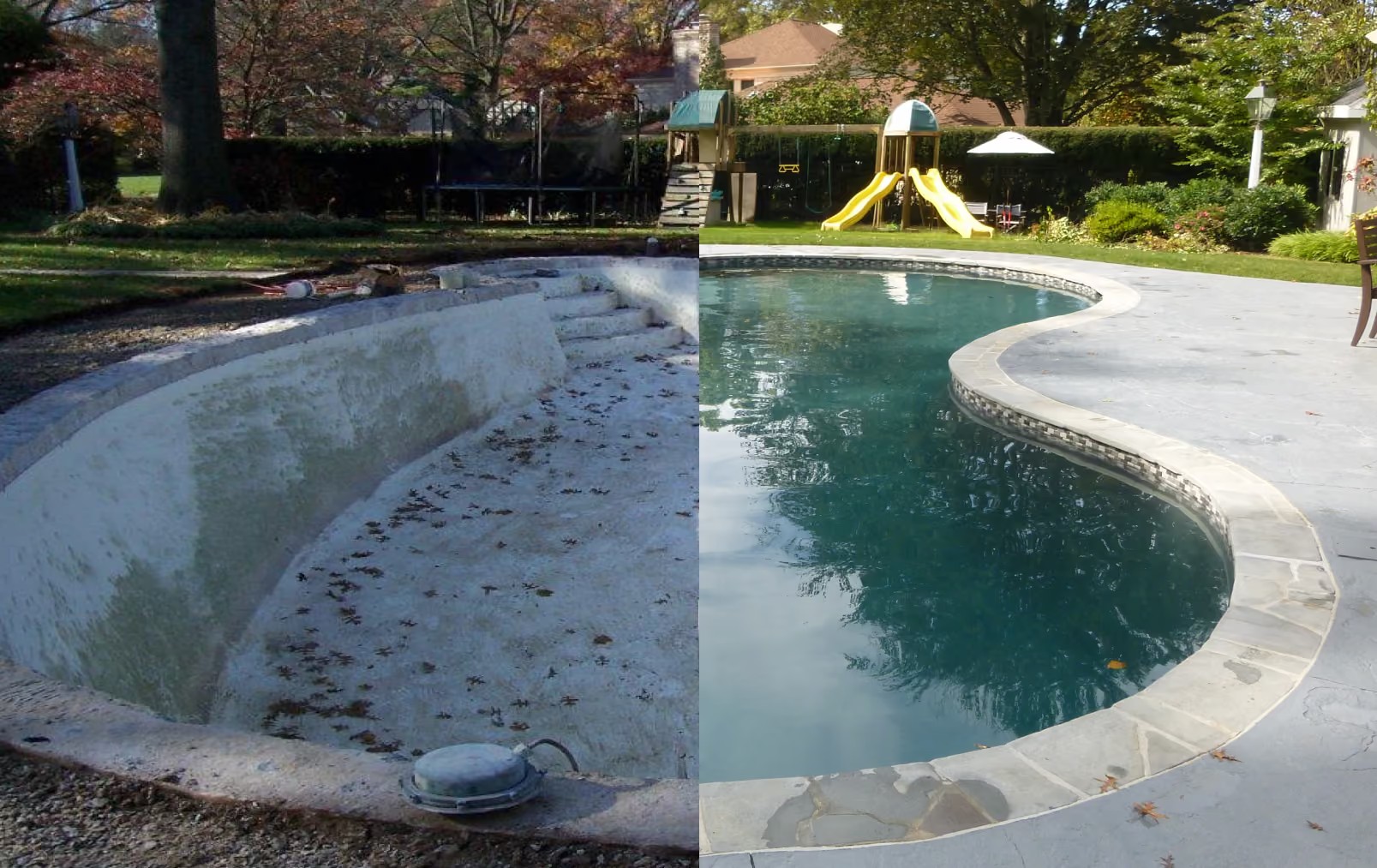
Pool Resurfacing Options
Pebble vs Plaster Surfaces
One-Time vs Ongoing Service
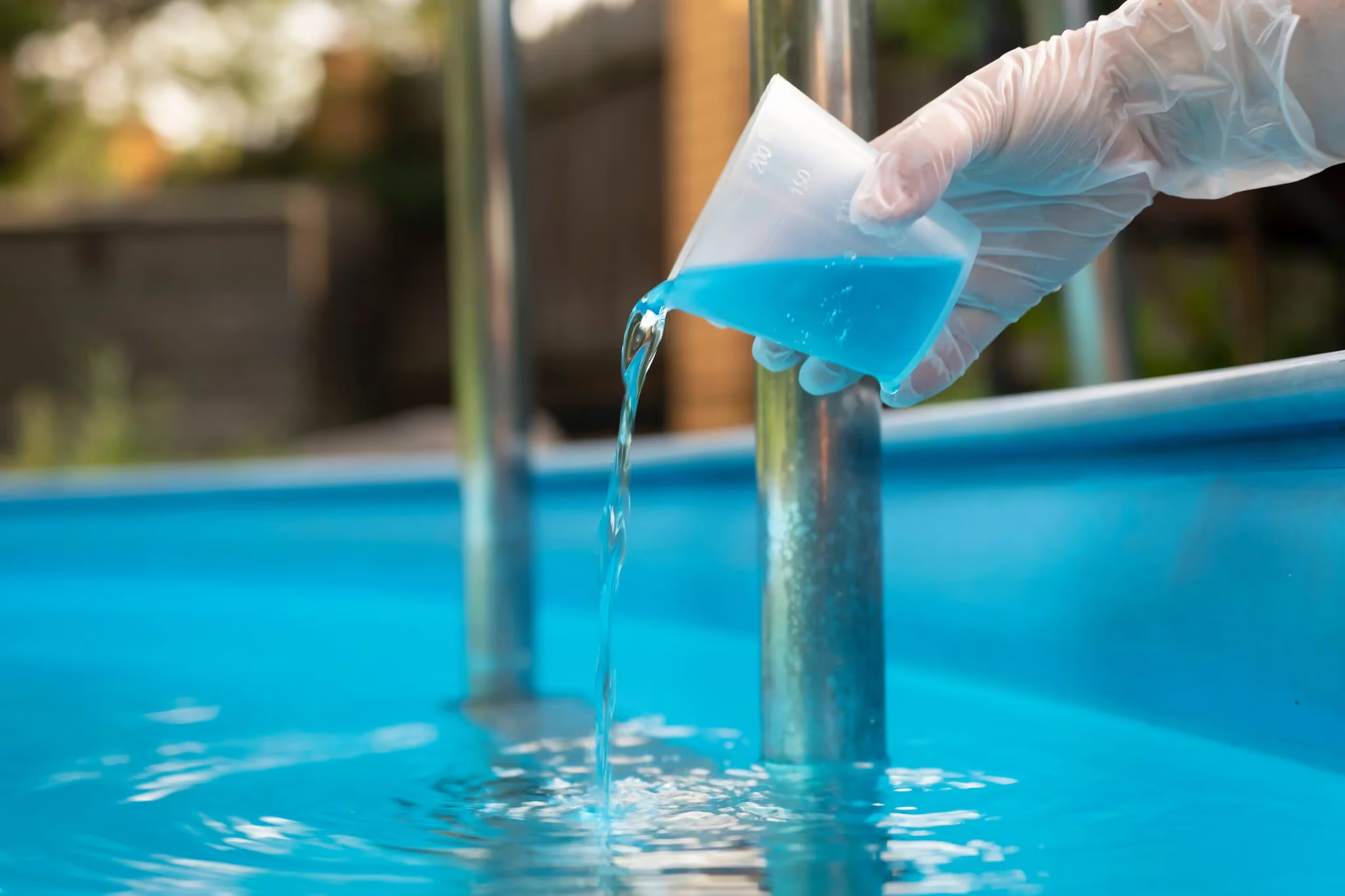
Full Service vs Chemicals Only
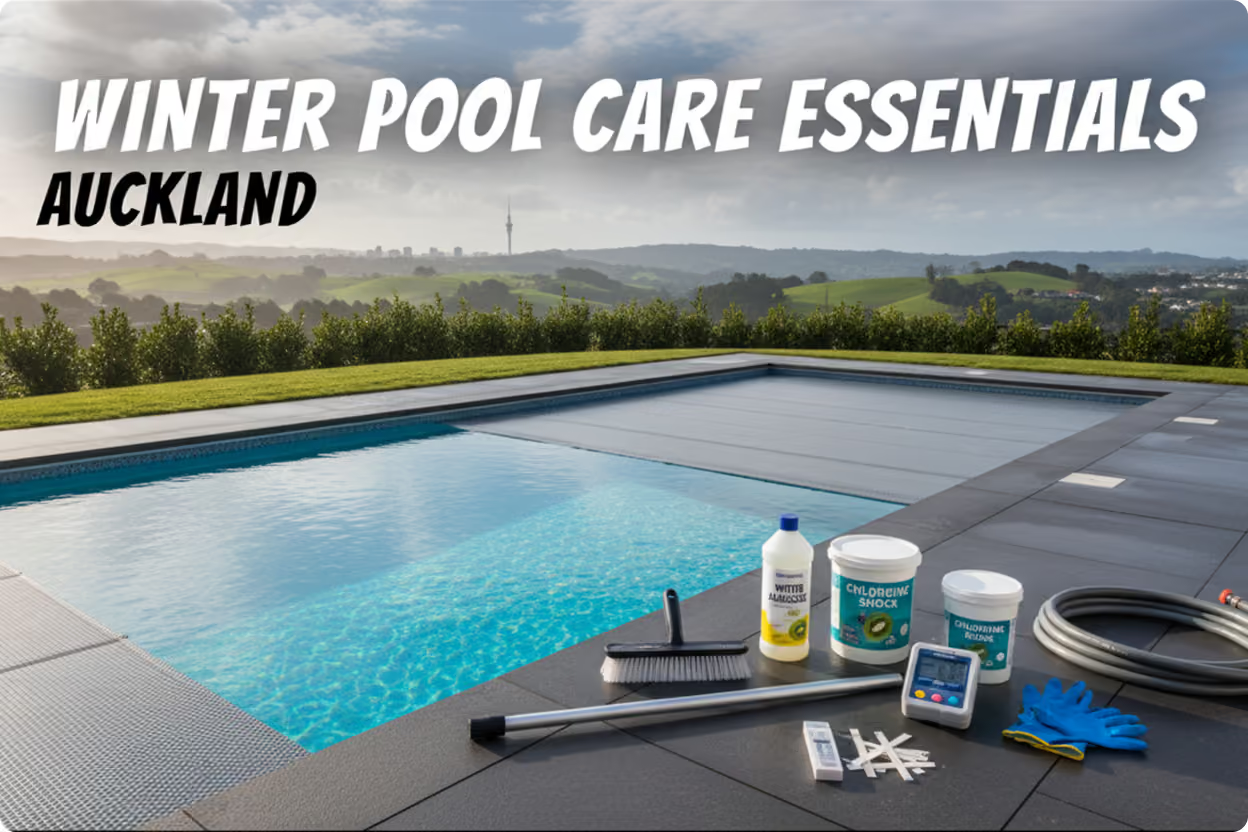
Pool Cover Types
Robotic vs Suction Cleaners
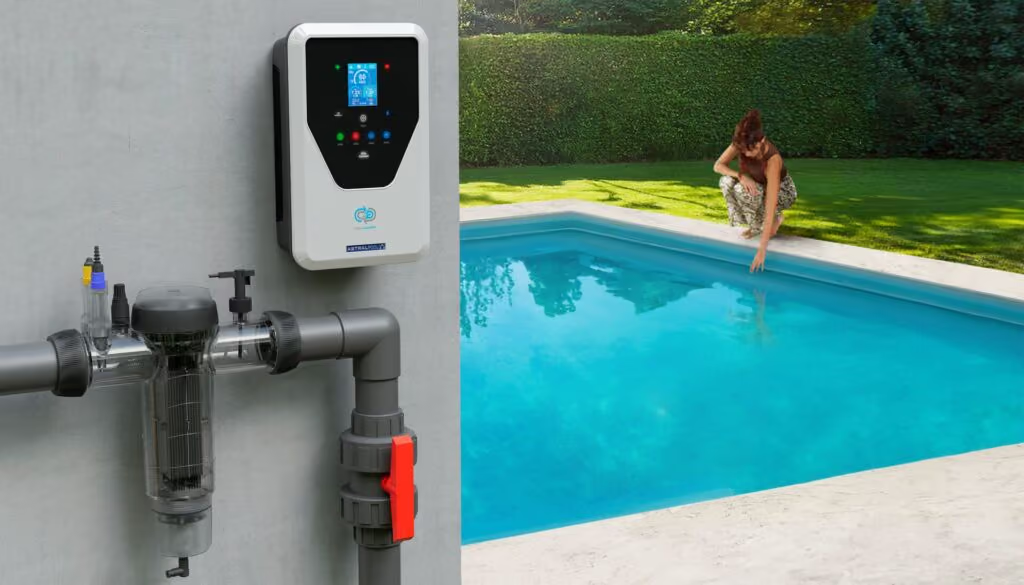
Mineral vs Saltwater
Gas vs Heat Pump
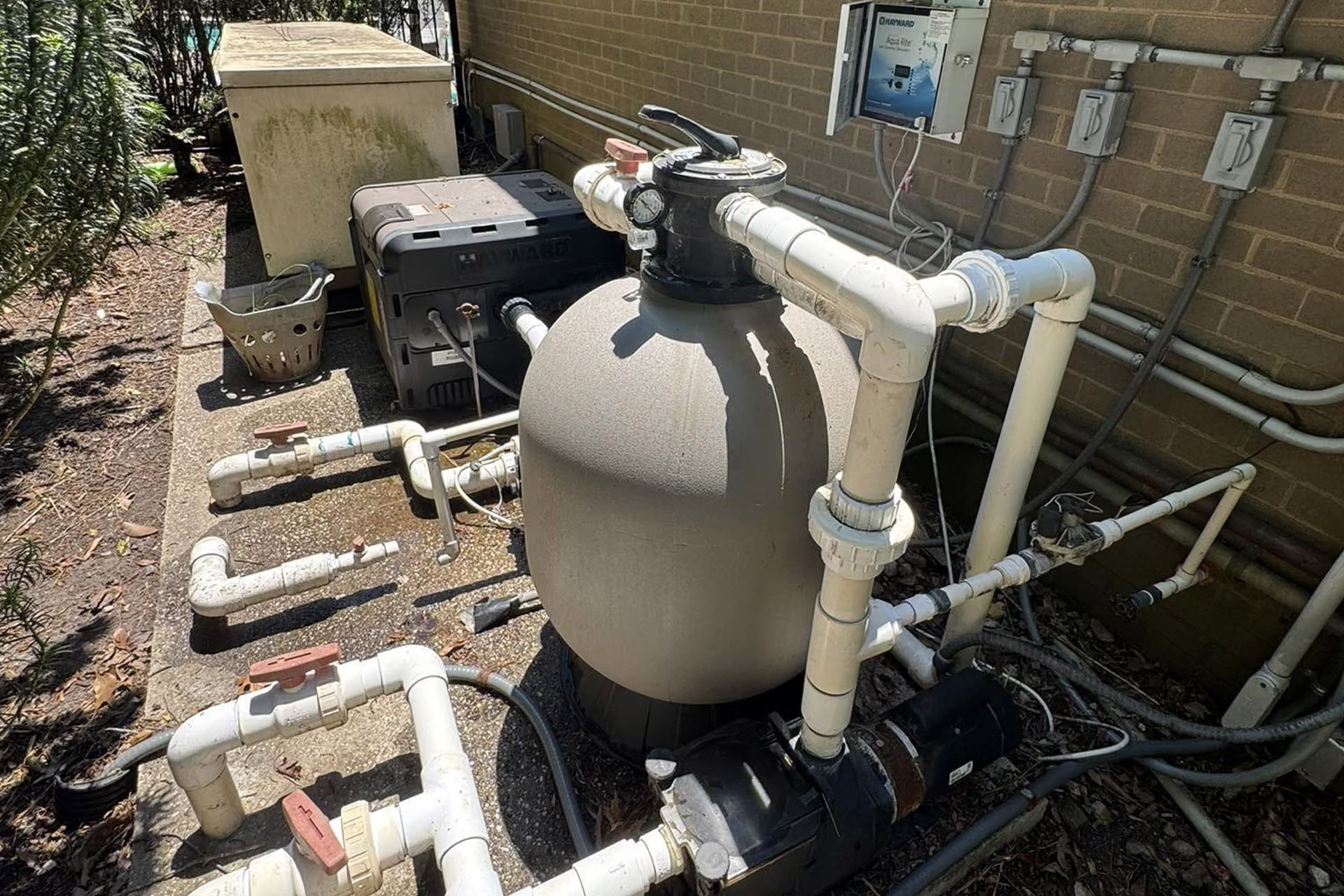
Pool Heater Types
Pool Winterizing Guide Auckland
Pool Opening Guide Summer
Pool Maintenance After Heavy Rain
Pool Maintenance Schedule
How Often to Run Pool Filter
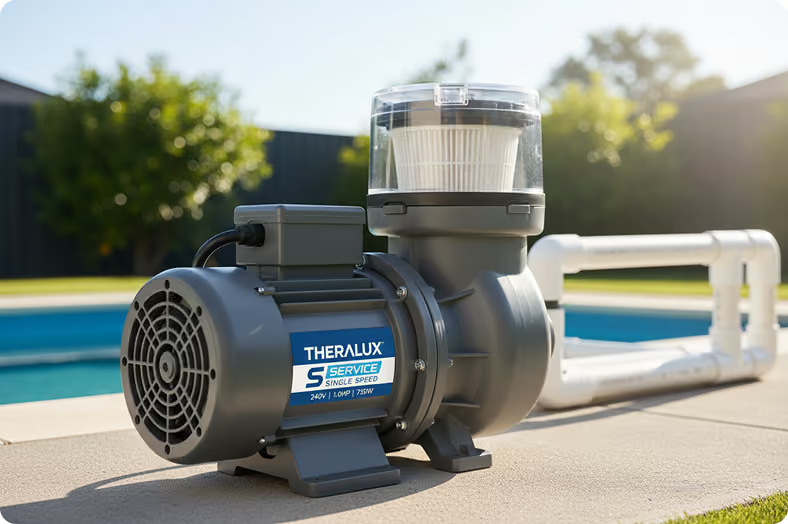
Pool Pump Maintenance Schedule
Pool Filter Cartridge Cleaning
Pool Equipment Maintenance Checklist
Pool Waterline Cleaning
Pool Skimmer Basket Cleaning
Pool Chlorine Levels
How Often Clean Pool Filter
How to Vacuum Pool
Pool Brushing Technique
Pool Chemical Dosing Chart
Pool Water Chemistry Basics
How to Balance Pool Chemistry
How to Test Pool Water
Pool Maintenance Tips
Complete Pool Maintenance Guide
Pool Service ROI
Pool Equipment Buy or Service
Pool Maintenance Time Requirements
DIY vs Professional
Pool Service Contract
Pool Service vs Pool Valet
Is Pool Service Worth It
Pool Service Guarantees
Pool Service Reviews
Pool Service Red Flags
Questions to Ask Pool Companies
How to Choose Pool Service Company
Hidden Costs DIY Maintenance
Pool Cleaning Prices Auckland
Cost of Pool Resurfacing
Cost of Pool Pump Replacement
Cost to Fix Green Pool
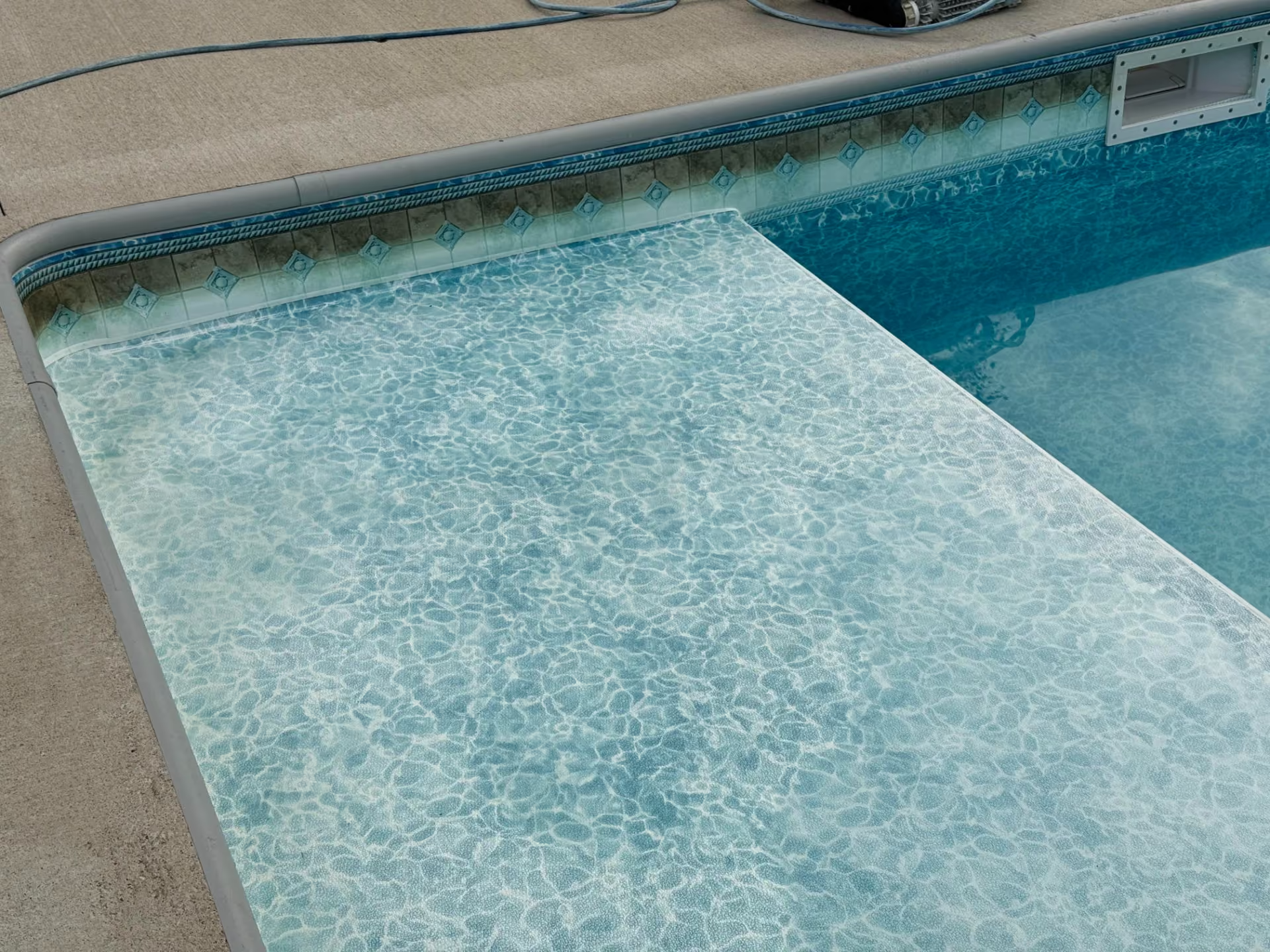
Pool Liner Wrinkles
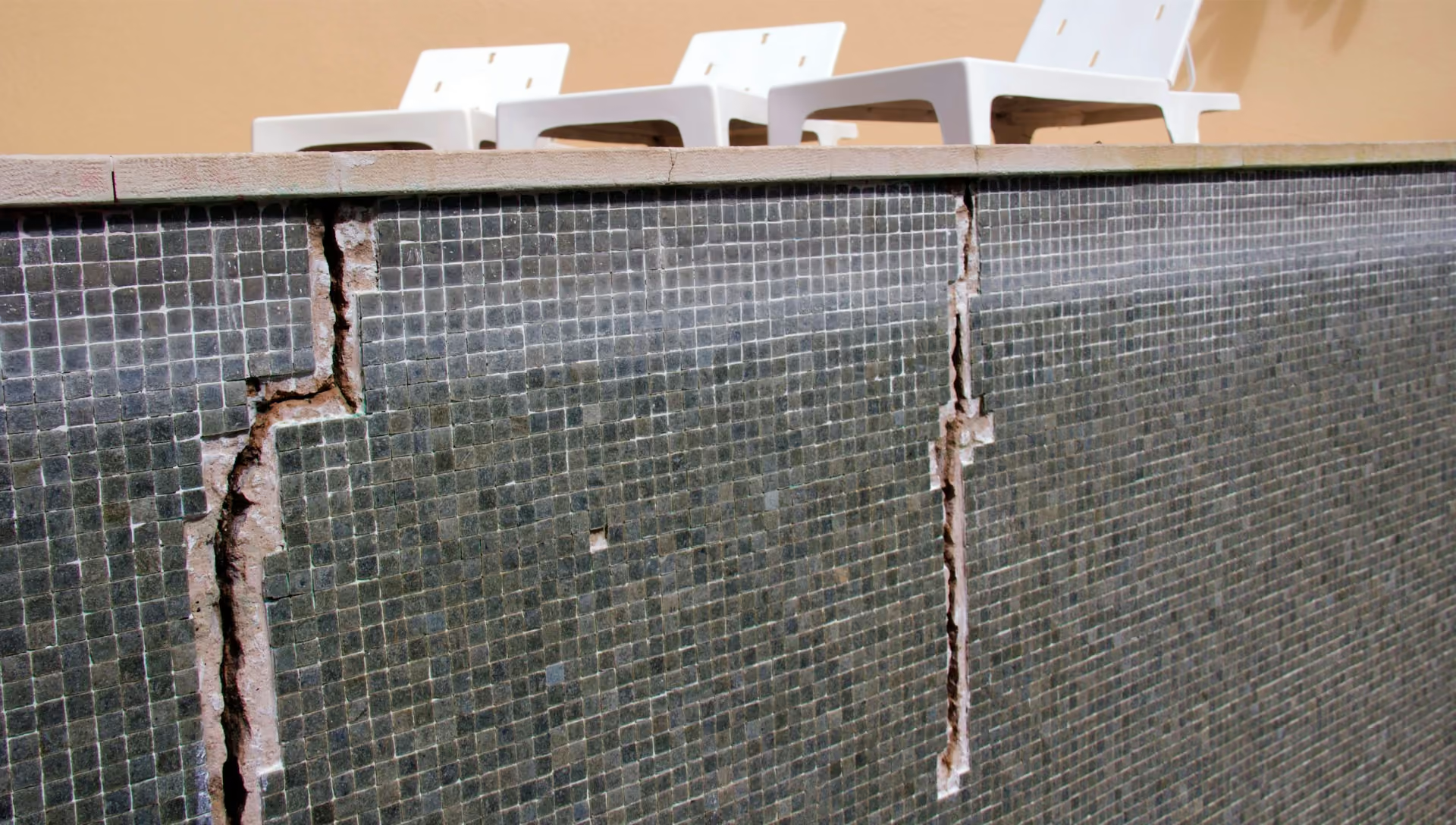
Pool Cracks When to Worry
Pool Surface Stains
Pool Valve Leaking
Pool Automation Not Working
Pool Light Not Working
Pool Heater Not Heating
Pool Skimmer Not Working
High Pool Filter Pressure
Pool Losing Water
Pool Filter Not Clearing Water
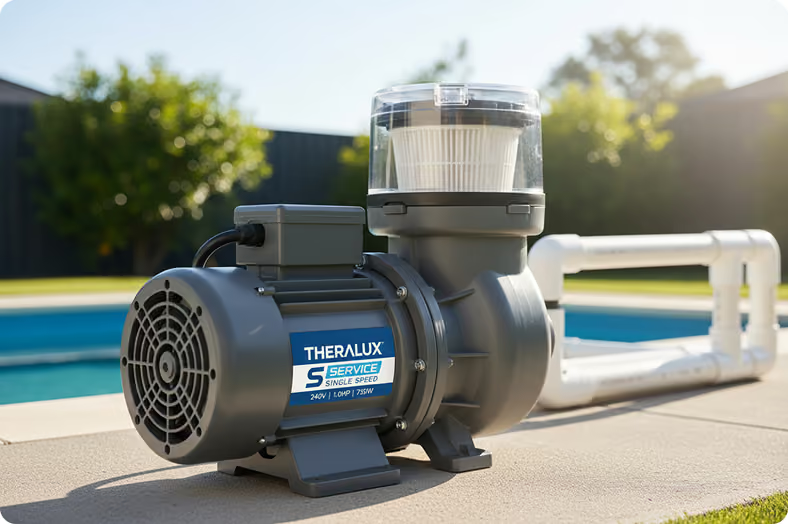
Pool Pump Leaking
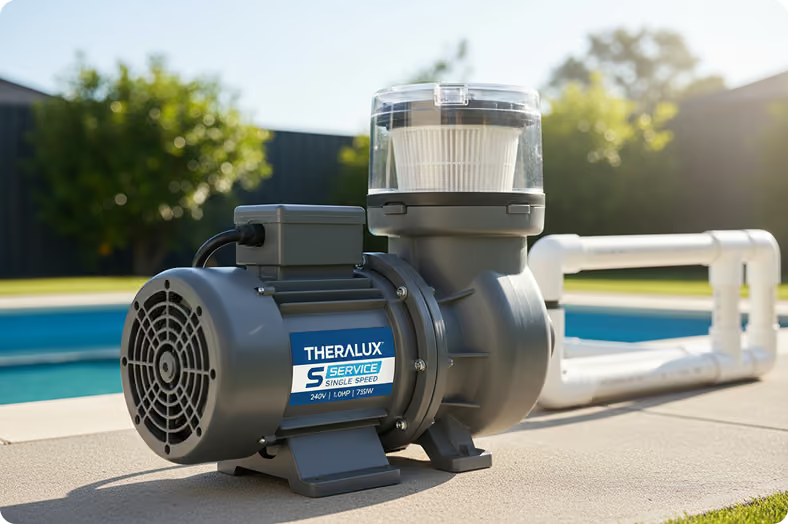
Pool Pump Not Pumping
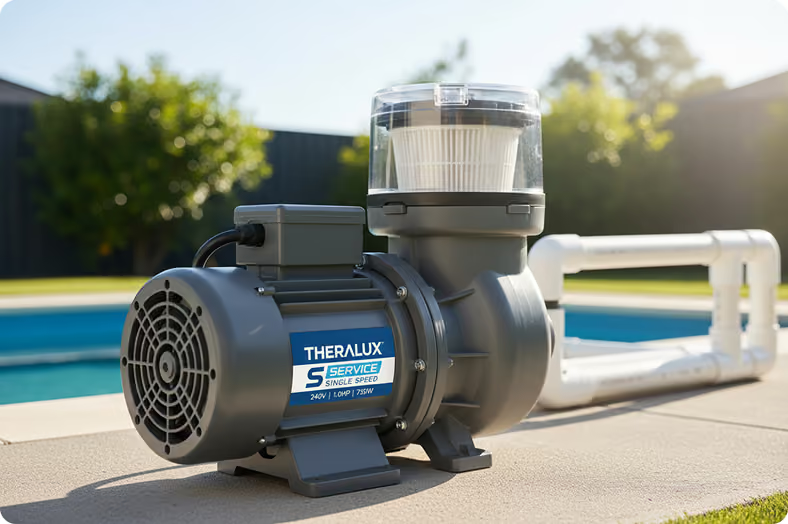
Pool Pump Losing Prime
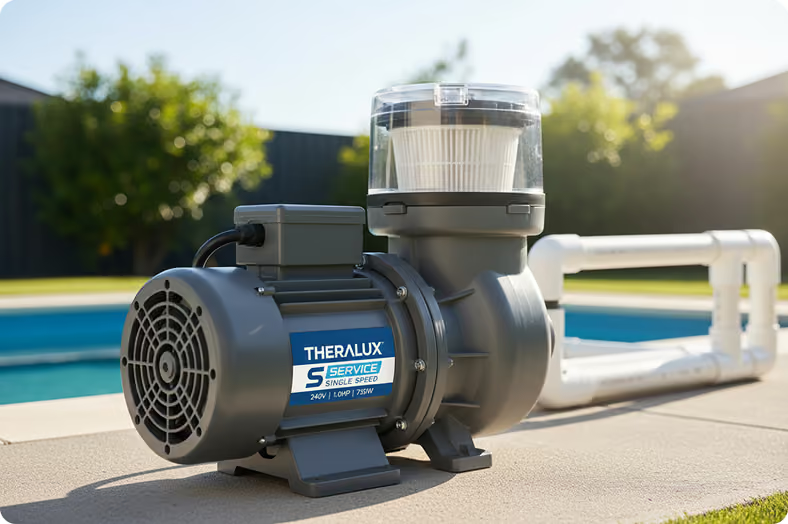
Pool Pump Noisy
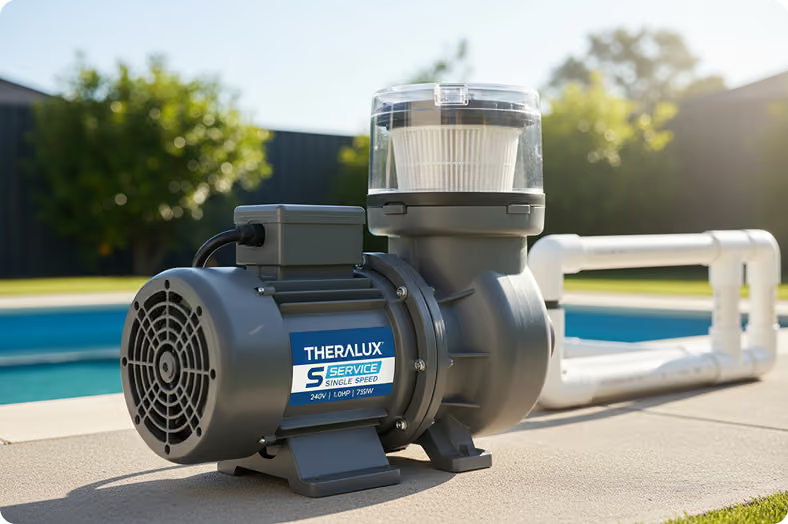
Pool Pump Not Working
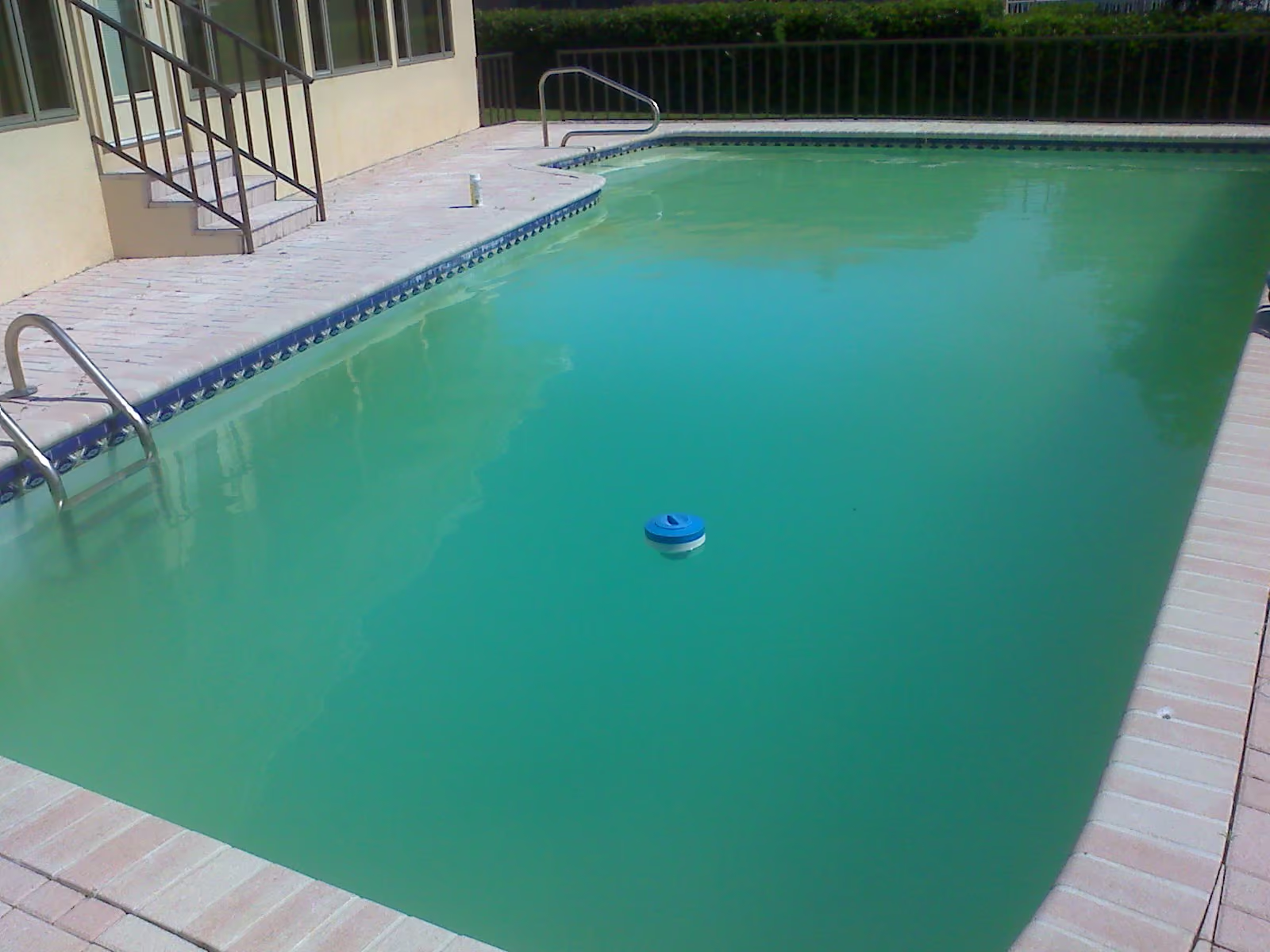
Pool Water Foaming
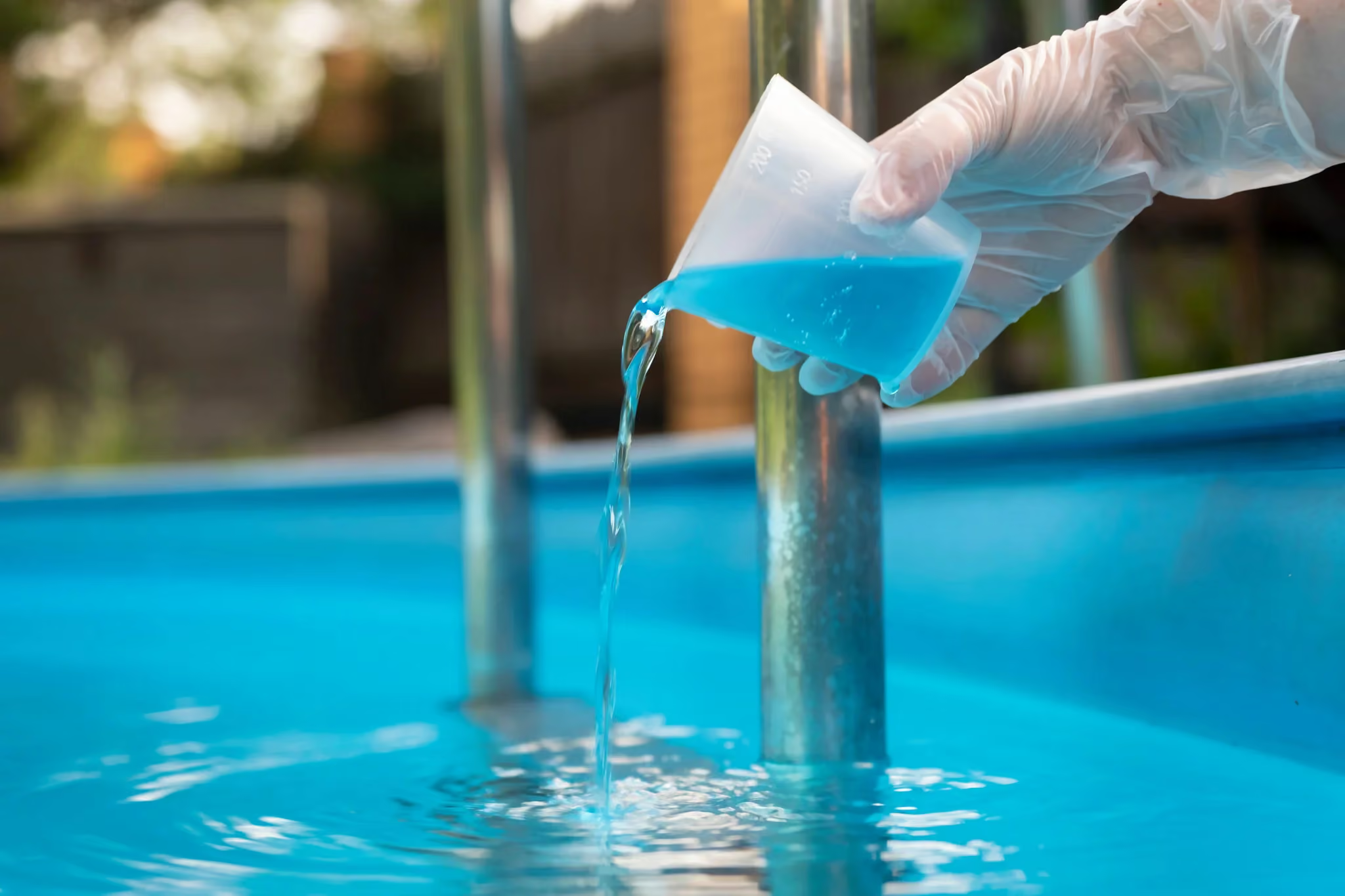
Pool pH Too Low
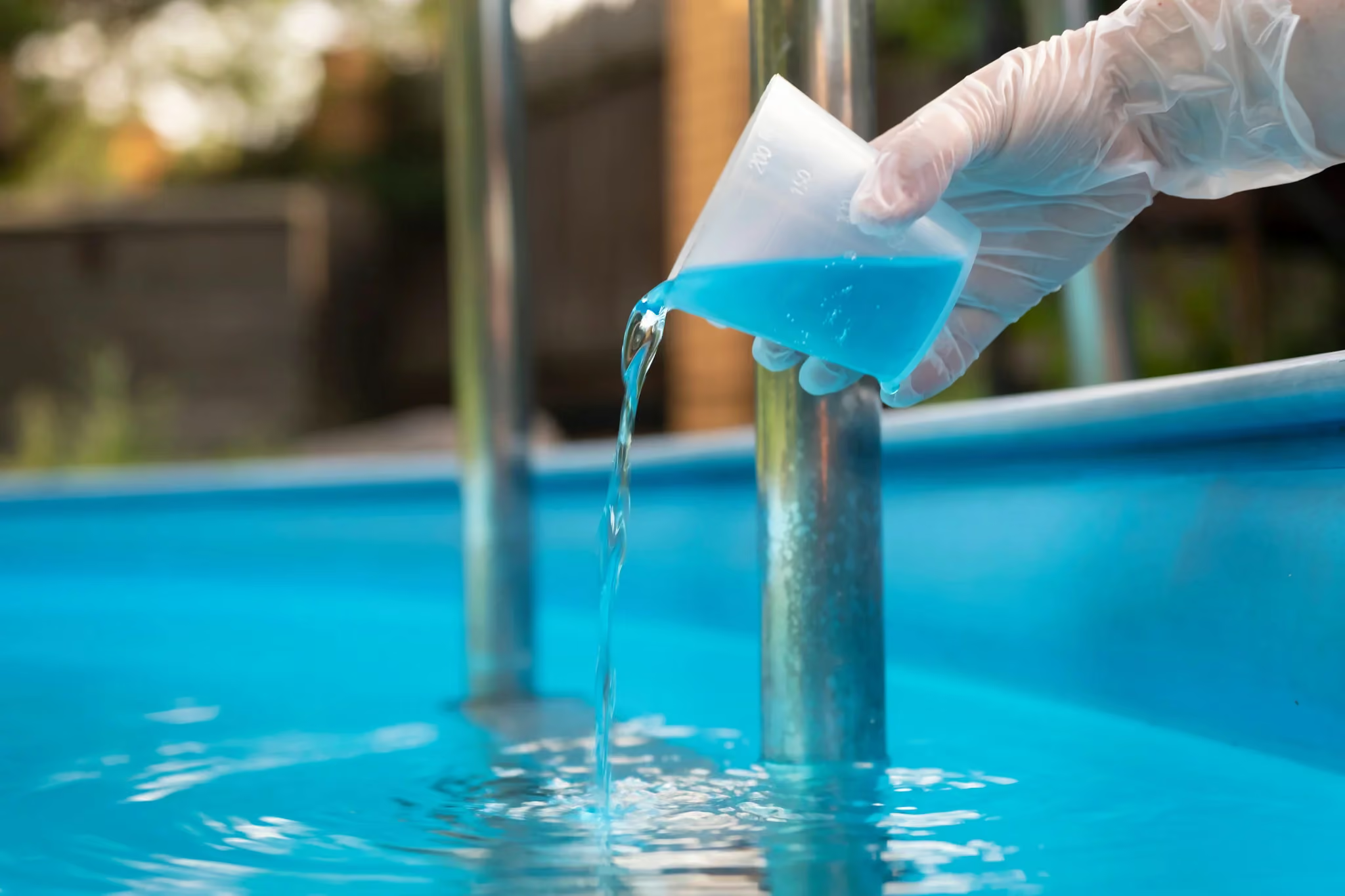
Pool pH Too High
Green Pool After Rain
Pool Still Green After Shock
Pool Water Cloudy
How to Clear a Green Pool
Pool Care That Protects Your Investment
Good pool care protects more than appearance. Our pool specialists support the long-term condition of your swimming pool while keeping it ready for everyday use.