Pool Ownership Costs

Why Auckland trusts our pool service expertise
Running a pool in Auckland involves several ongoing cost categories beyond the initial build or purchase. Understanding each one helps you budget realistically and avoid unexpected bills.
The key costs are chemicals, power, routine maintenance, equipment repairs, and water. How much you spend in each category depends on your pool size, usage, equipment, and how consistently the pool is maintained.
What you'll learn
What Does It Actually Cost to Own a Pool in Auckland?
A pool adds real value to a property and gets used year-round in Auckland's climate. But the purchase or build price is just the beginning. Ongoing running costs are what catch many pool owners off guard.
This guide covers the main cost categories so you can plan ahead rather than react to unexpected bills.
---
Chemical Costs
Keeping water balanced and sanitised is the most consistent ongoing expense. The amount you spend depends on pool size, bather load, and how well the water is maintained between treatments.
Chlorine and Sanitiser
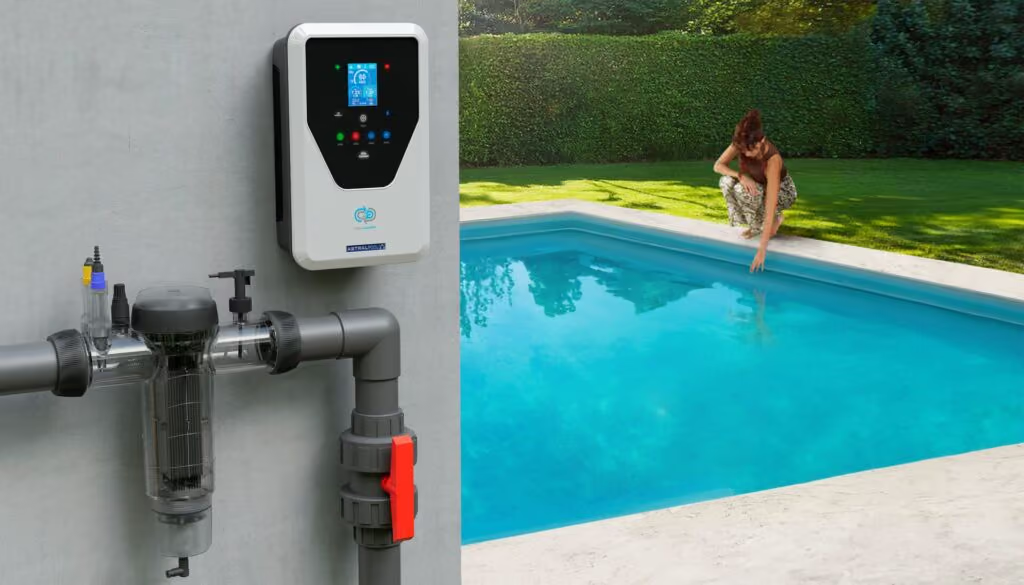
Chlorine is the most common sanitiser for Auckland pools. It comes in several forms, liquid, granular, and tablet, each with different costs and application rates. Salt chlorination systems reduce the need to buy chlorine separately, but the salt cell itself has a lifespan and will eventually need replacing.
Balancing Chemicals
Beyond sanitiser, pools need regular doses of pH adjusters, alkalinity increasers, stabiliser (cyanuric acid), and calcium hardness products. These are not optional, imbalanced water damages surfaces, equipment, and is uncomfortable to swim in.
Algaecides and Shock Treatments
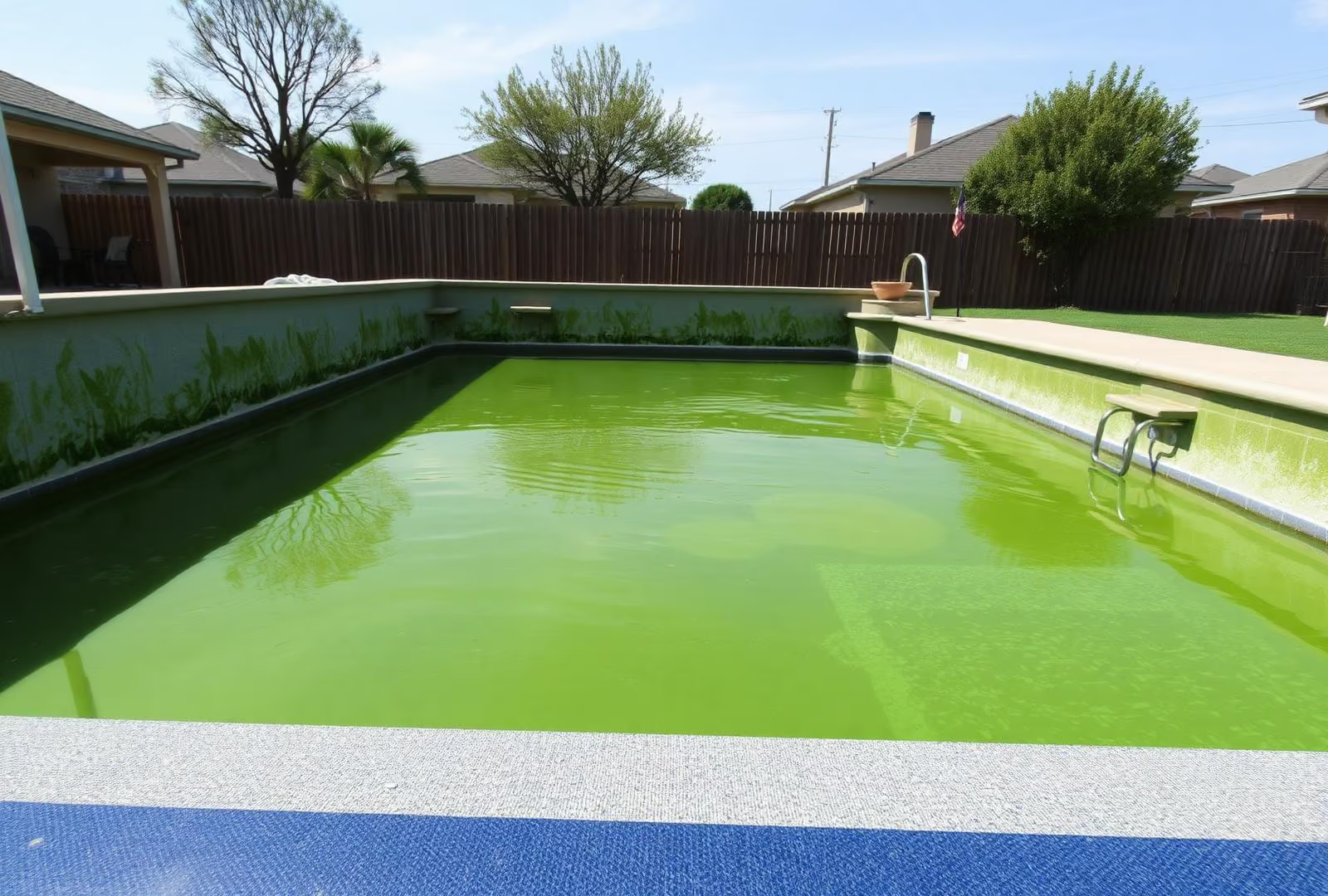
Even well-maintained pools occasionally need a shock treatment or algaecide dose, particularly after heavy rain, a large swim party, or a period of neglect. These are additional costs on top of routine chemical spend.
Practical note: Buying chemicals in bulk where safe to do so, and keeping water balanced consistently, reduces the amount of corrective product needed over time.
---
Power Costs
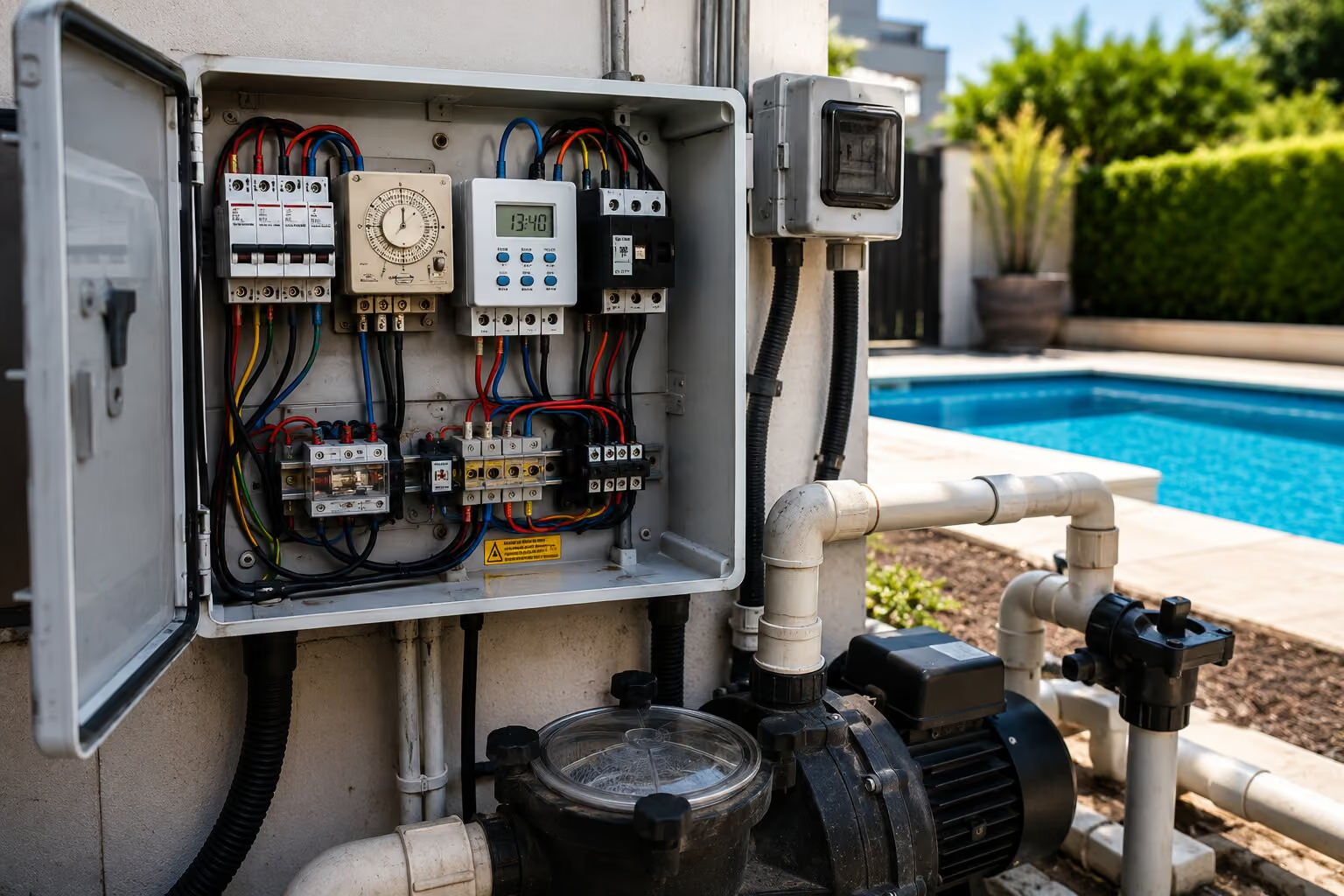
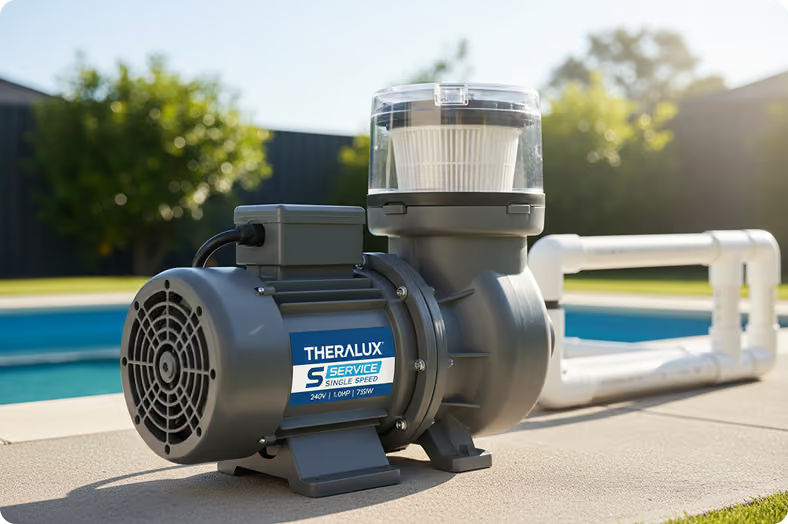
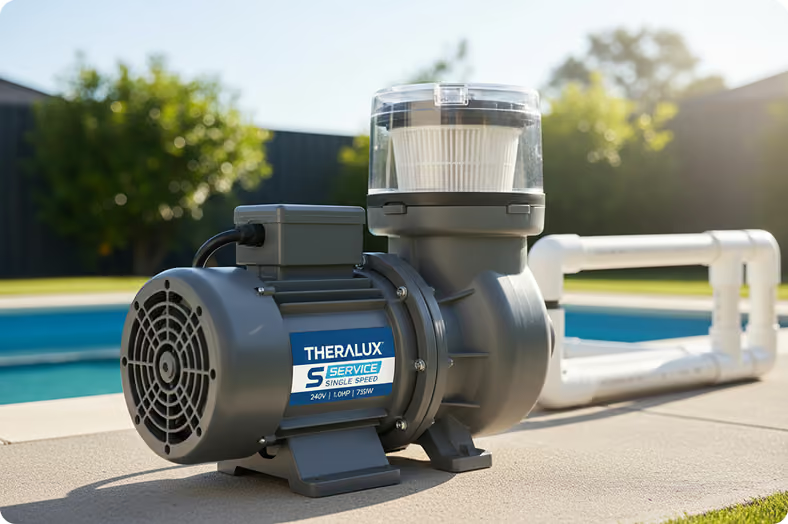
The pool pump is typically the largest electricity draw in a pool system. It needs to run long enough each day to turn the water over completely, the exact duration depends on pool volume and pump flow rate.
Pump Running Hours
In summer, pumps generally need to run longer than in winter. Running a pump on a timer and setting it to off-peak hours (where your power plan allows) can reduce electricity costs meaningfully over a year.
Heating
Not all Auckland pools are heated, but those that are, particularly with heat pumps or gas heaters, carry a significant additional power or gas cost. Heat pumps are generally more efficient to run than gas heaters, though they have a higher upfront cost.
Other Equipment
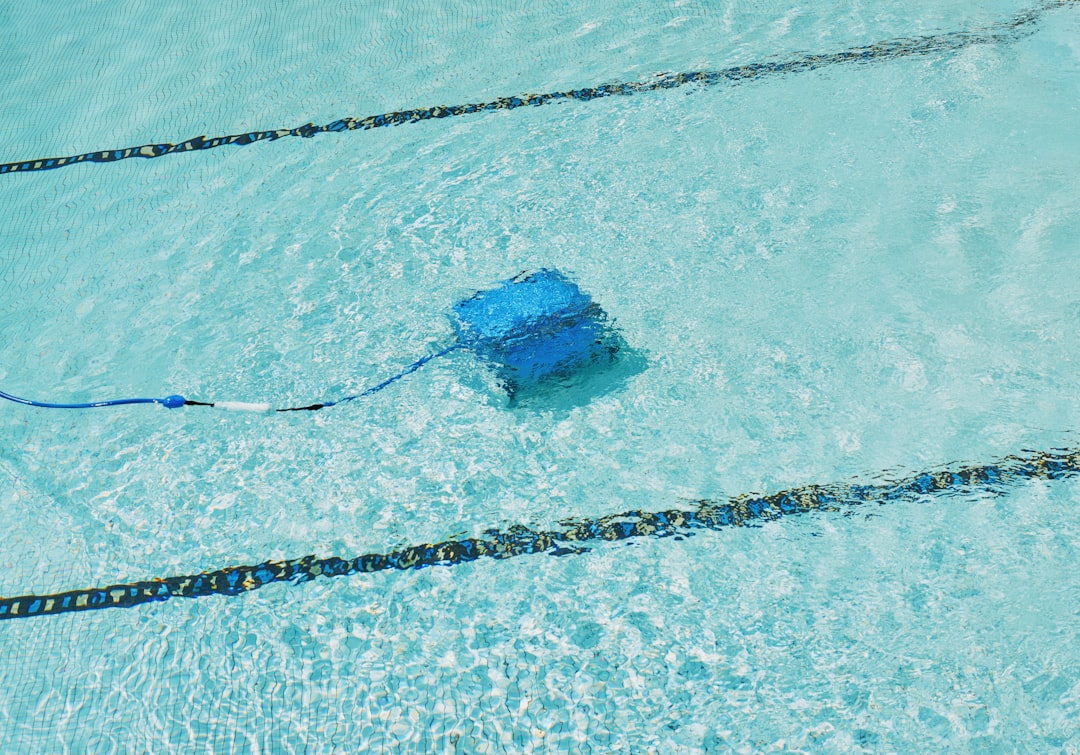
Automated pool cleaners, lighting, and water features all add to the power bill. These are worth factoring in if you're planning a new pool or upgrade.
---
Maintenance and Servicing Costs
Regular servicing keeps a pool running efficiently and prevents small problems from becoming expensive ones.
Routine Maintenance
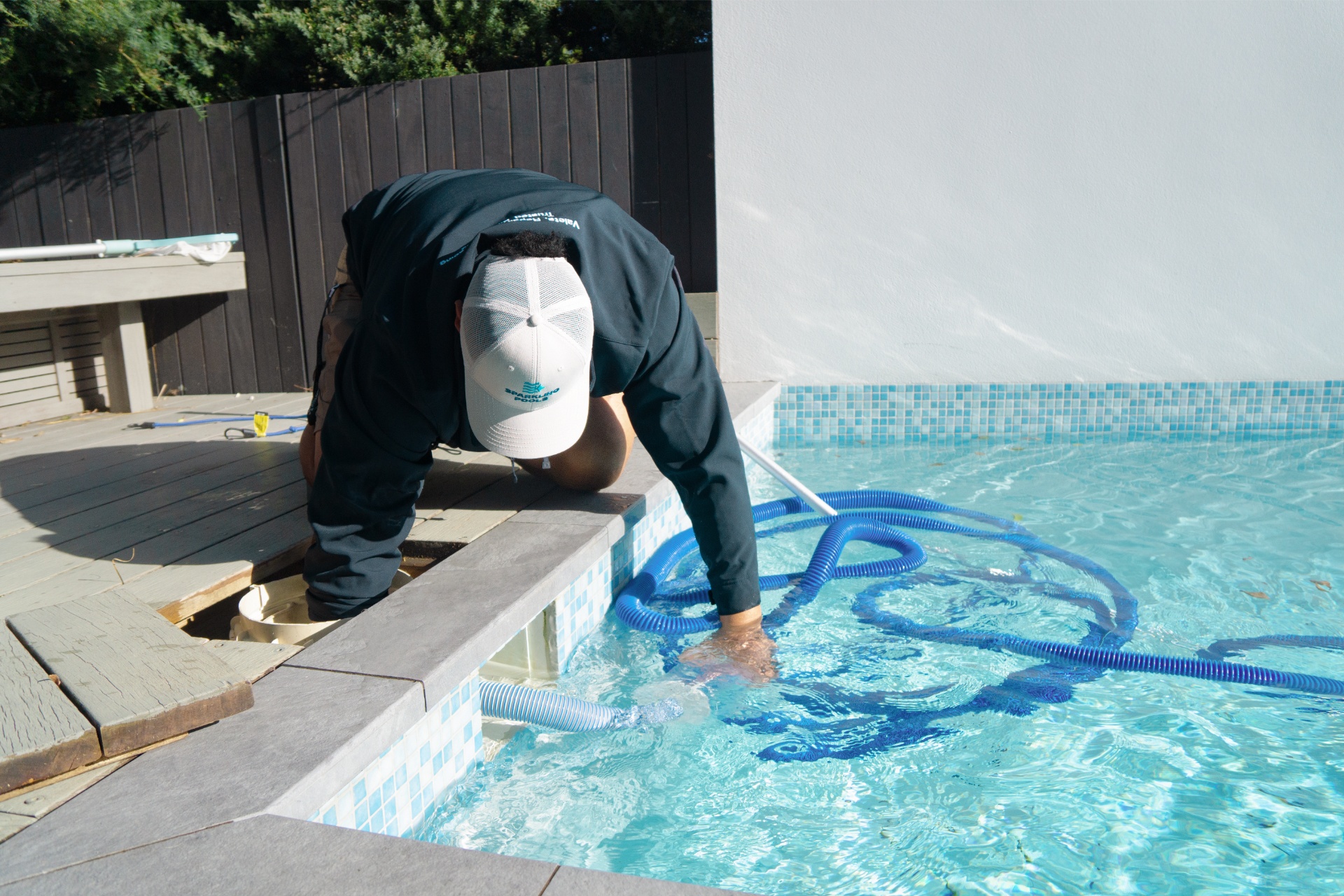
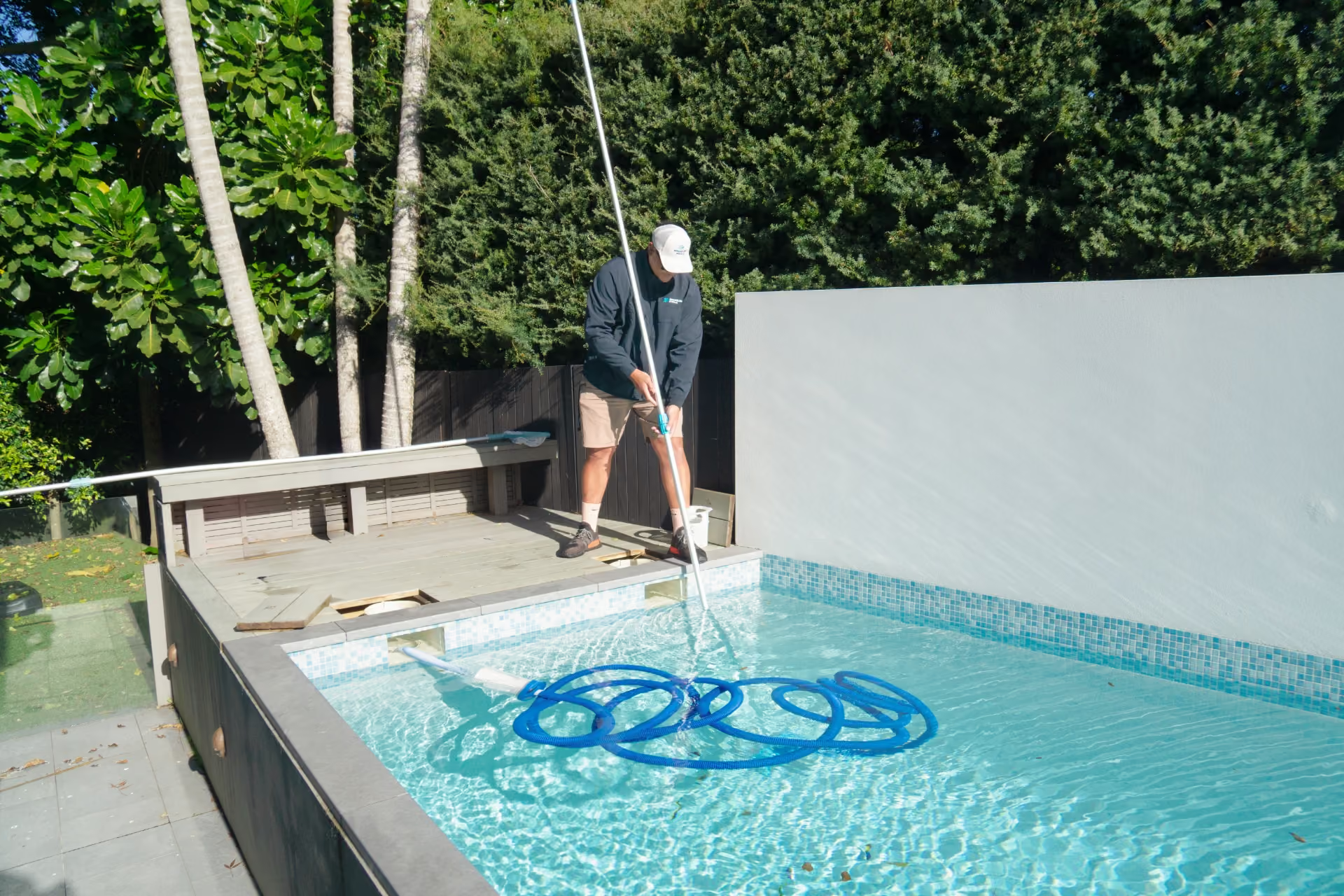
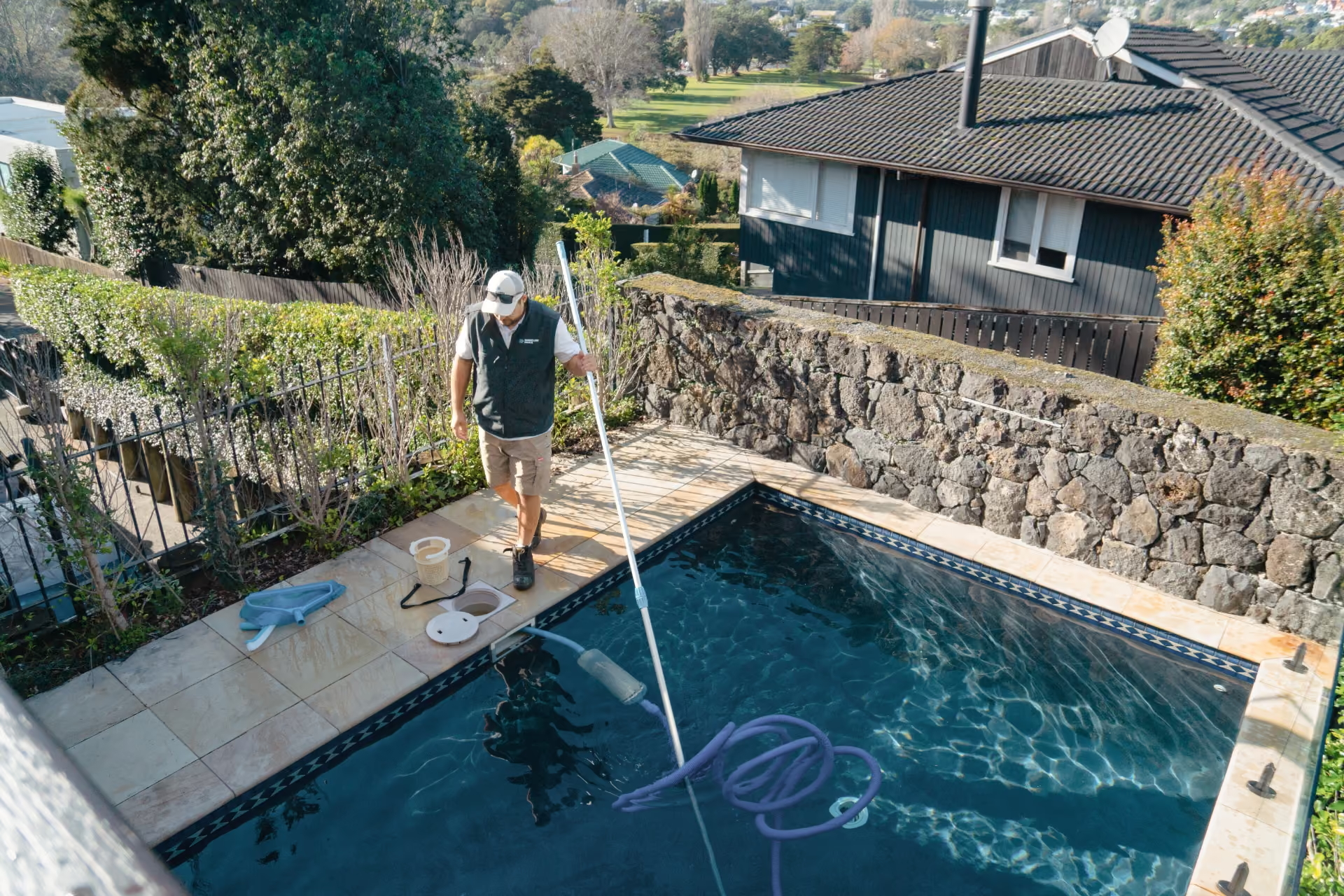
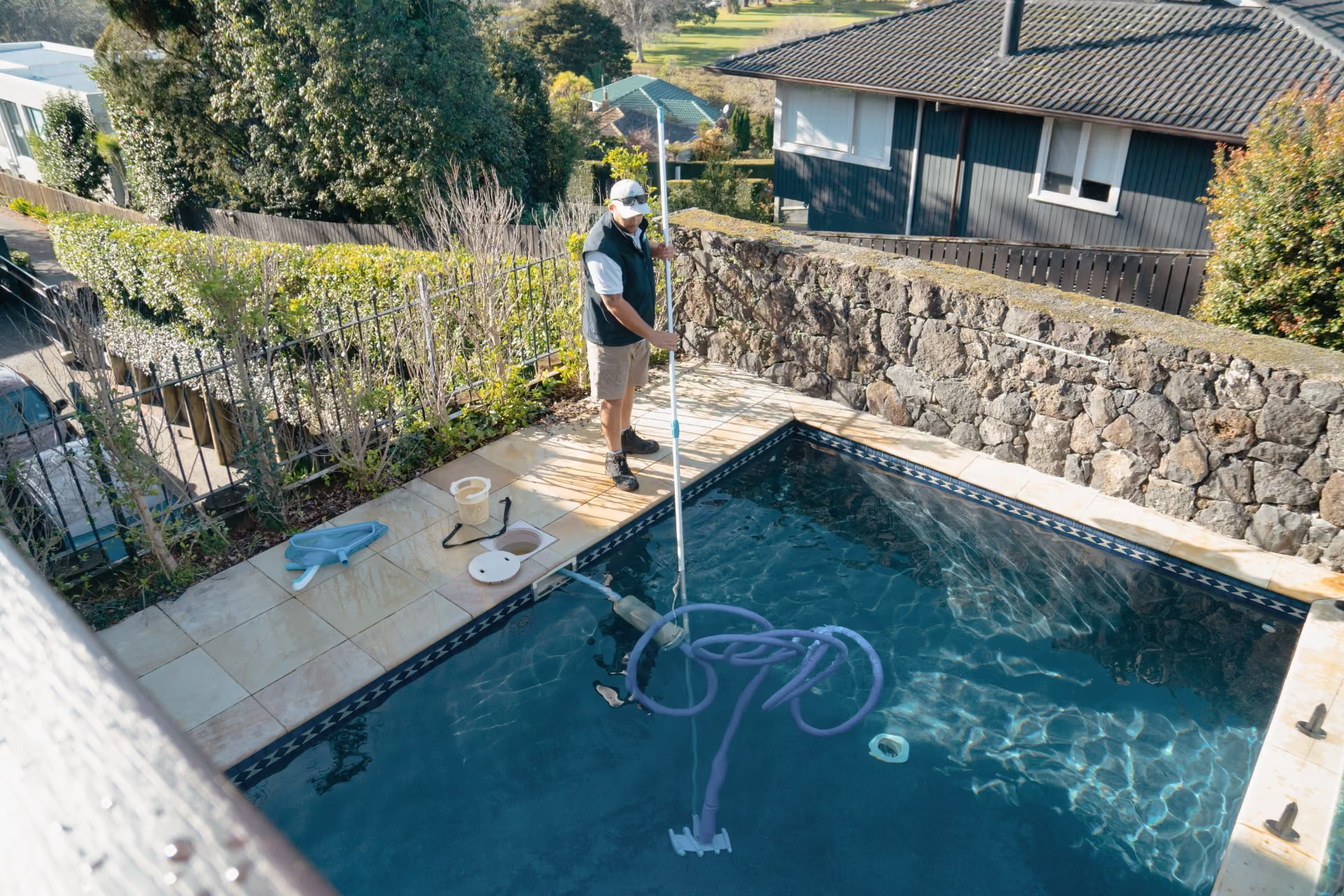
This includes skimming, vacuuming, brushing walls and floor, emptying baskets, and checking equipment. Some owners handle this themselves; others use a pool service company. Either way, the time or money cost is real and recurring.
Water Testing
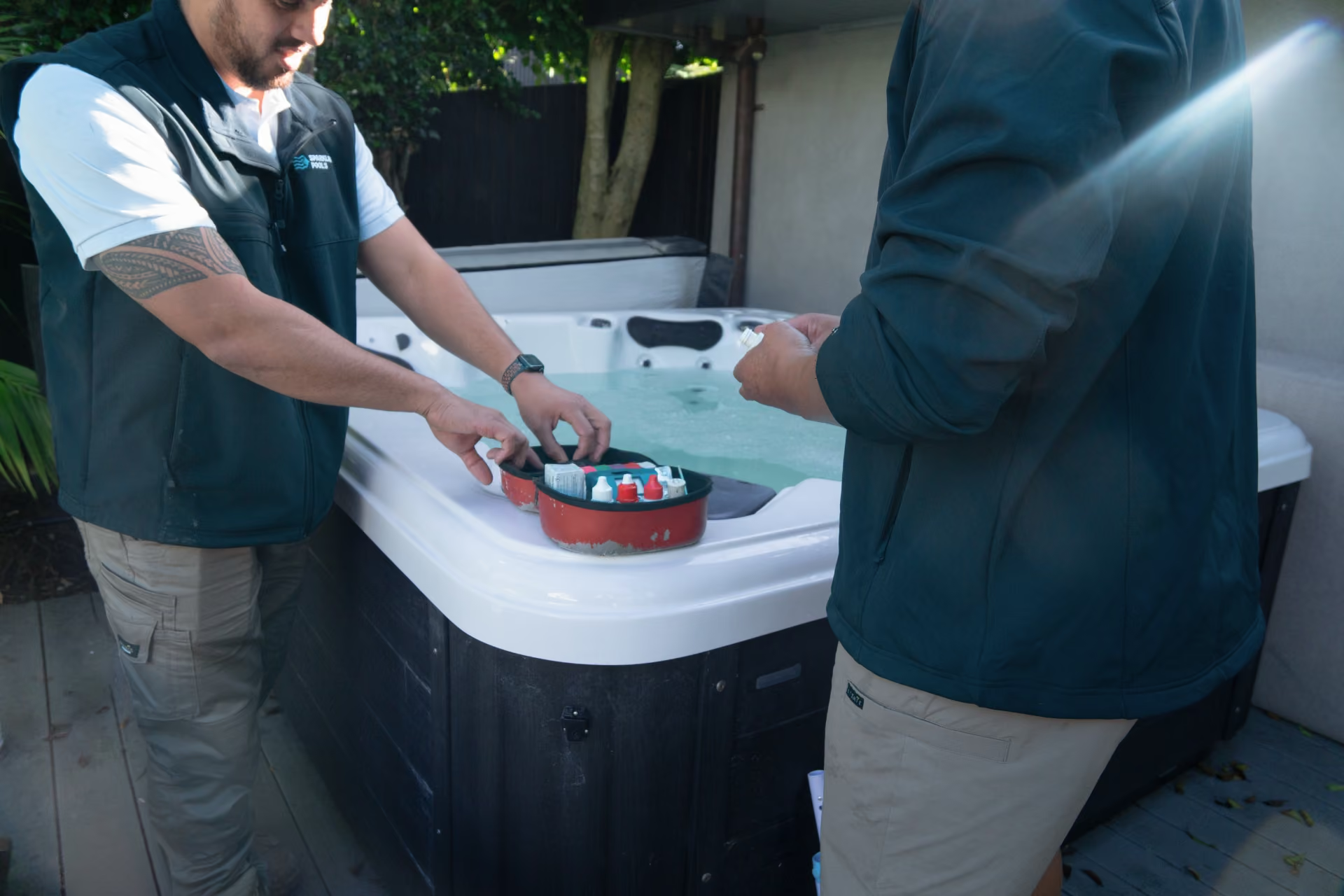
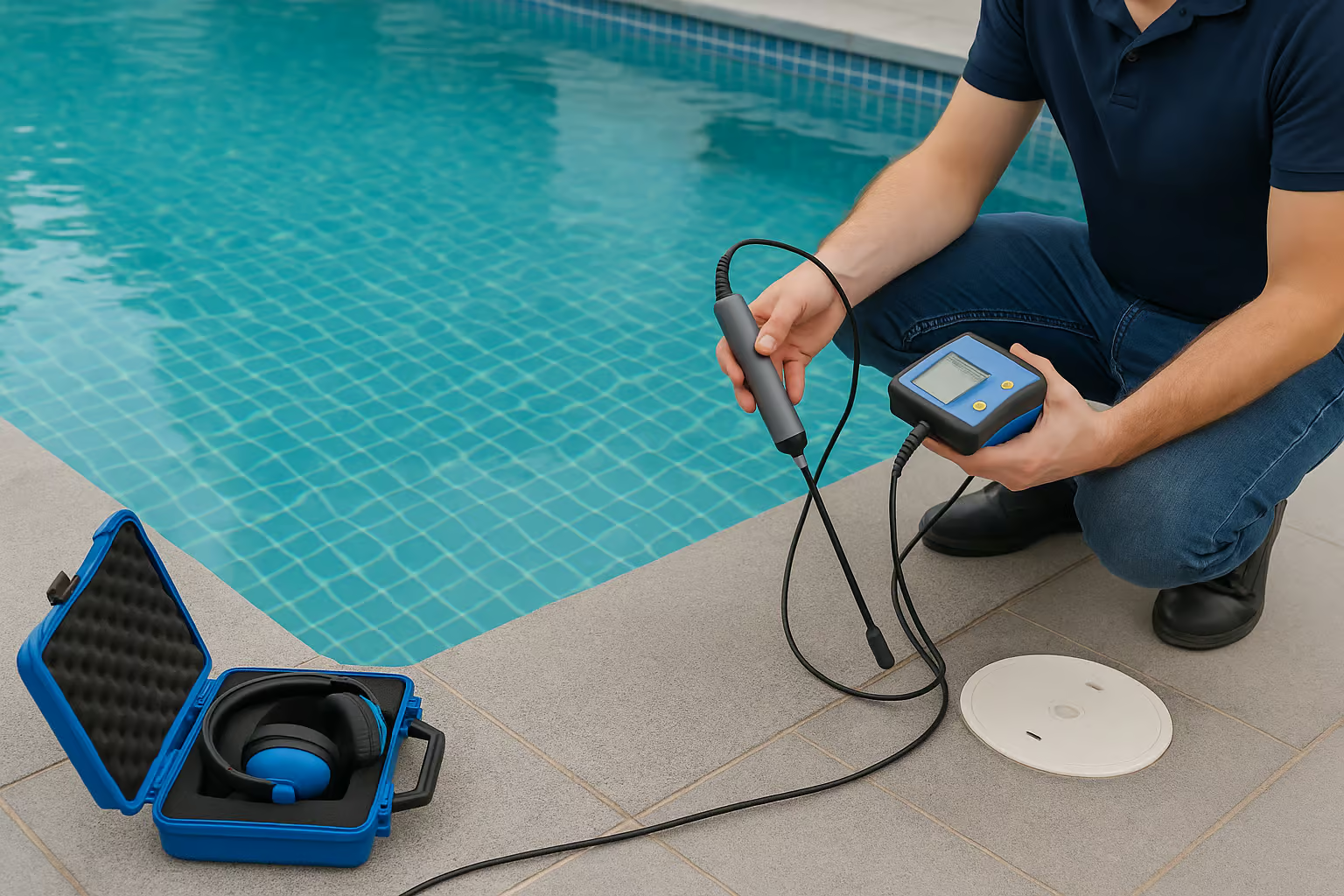
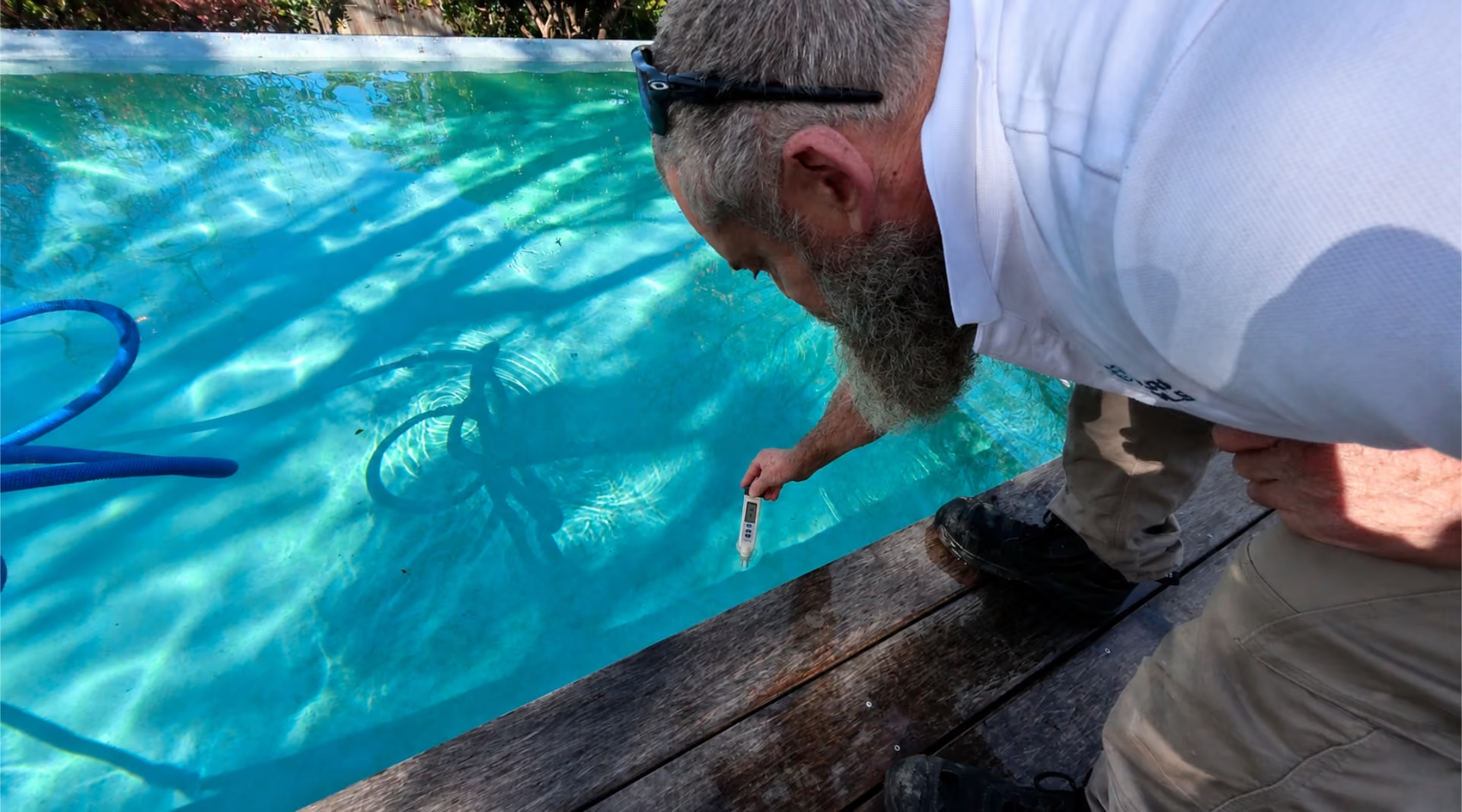
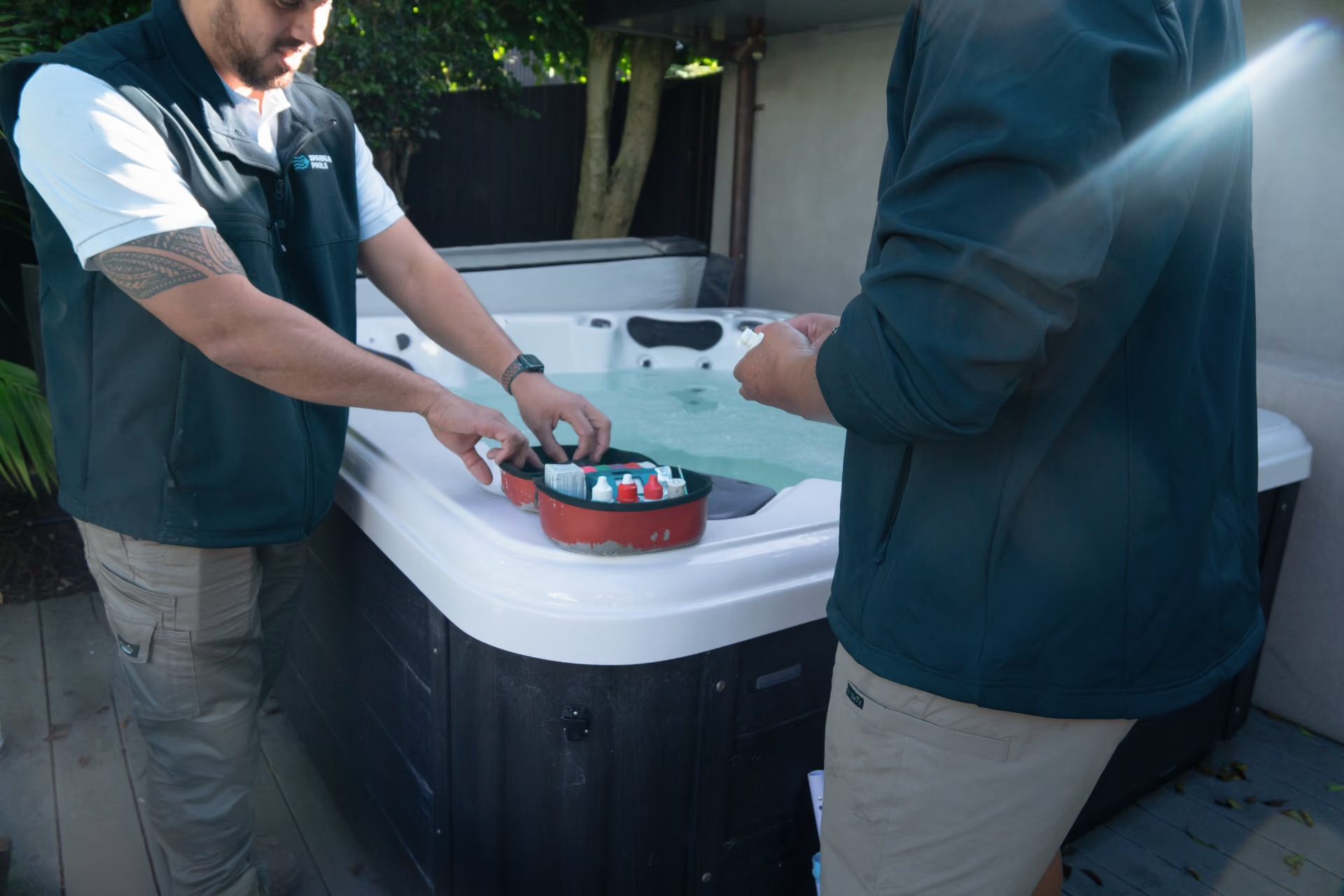
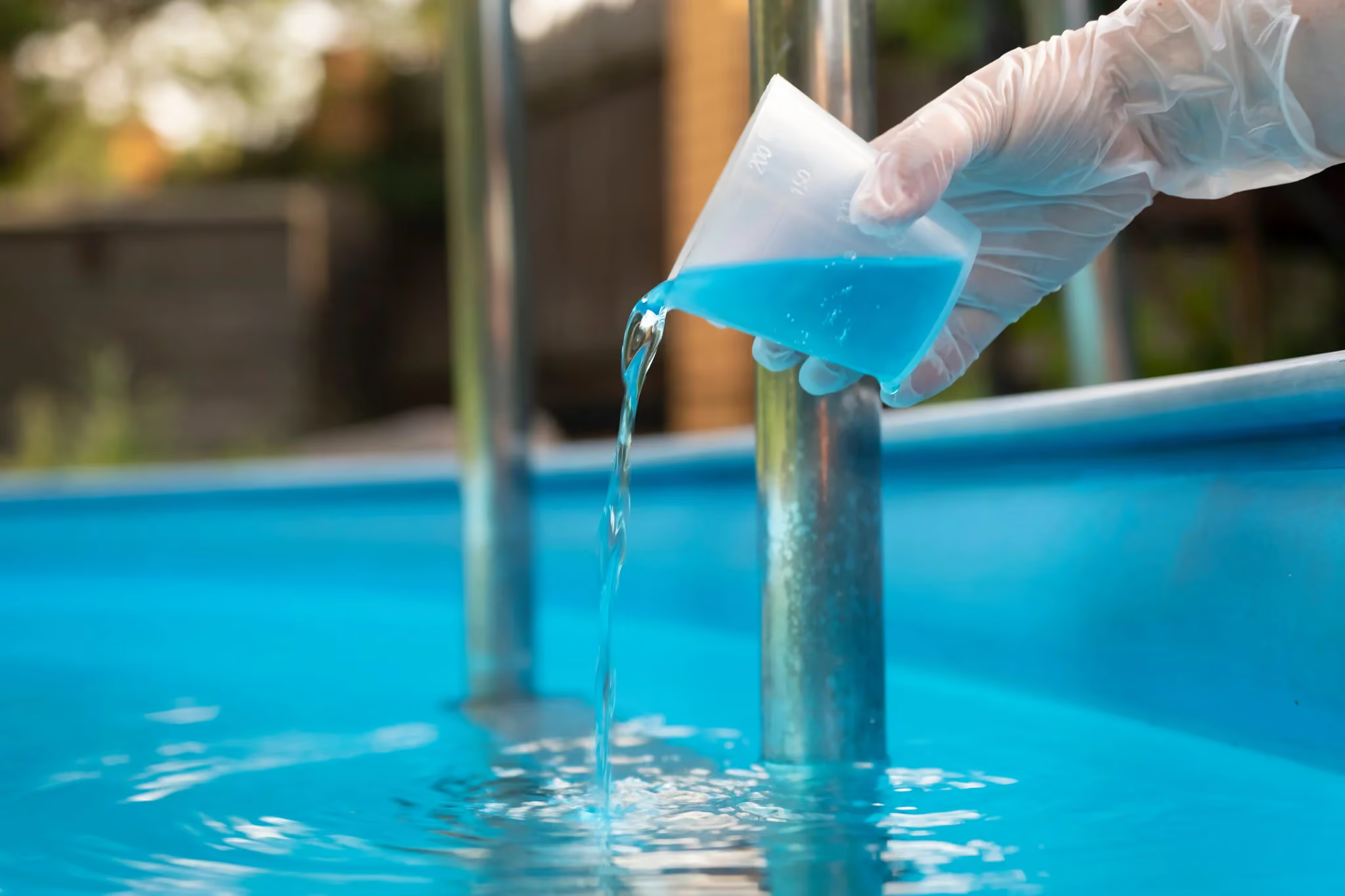
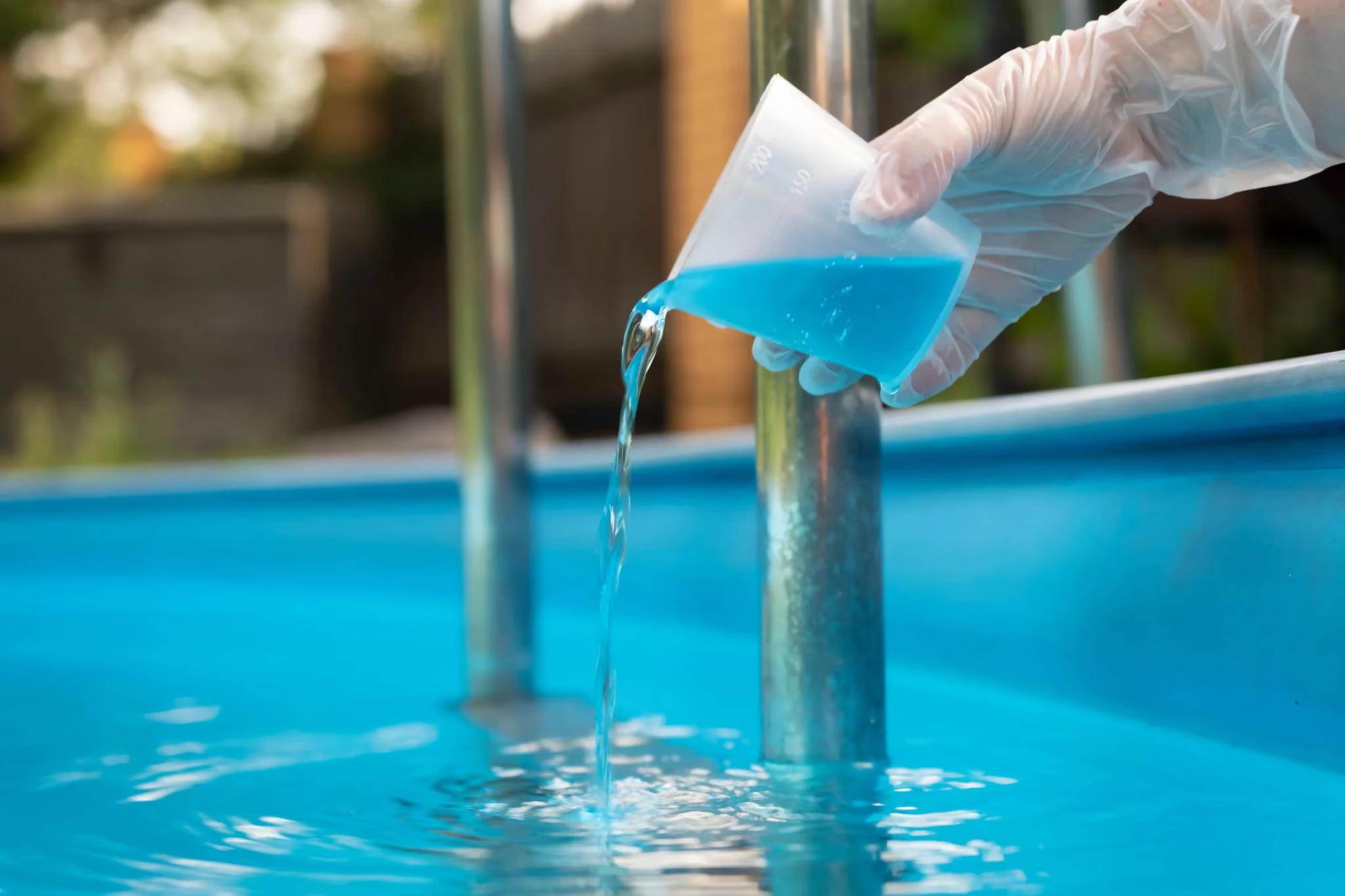
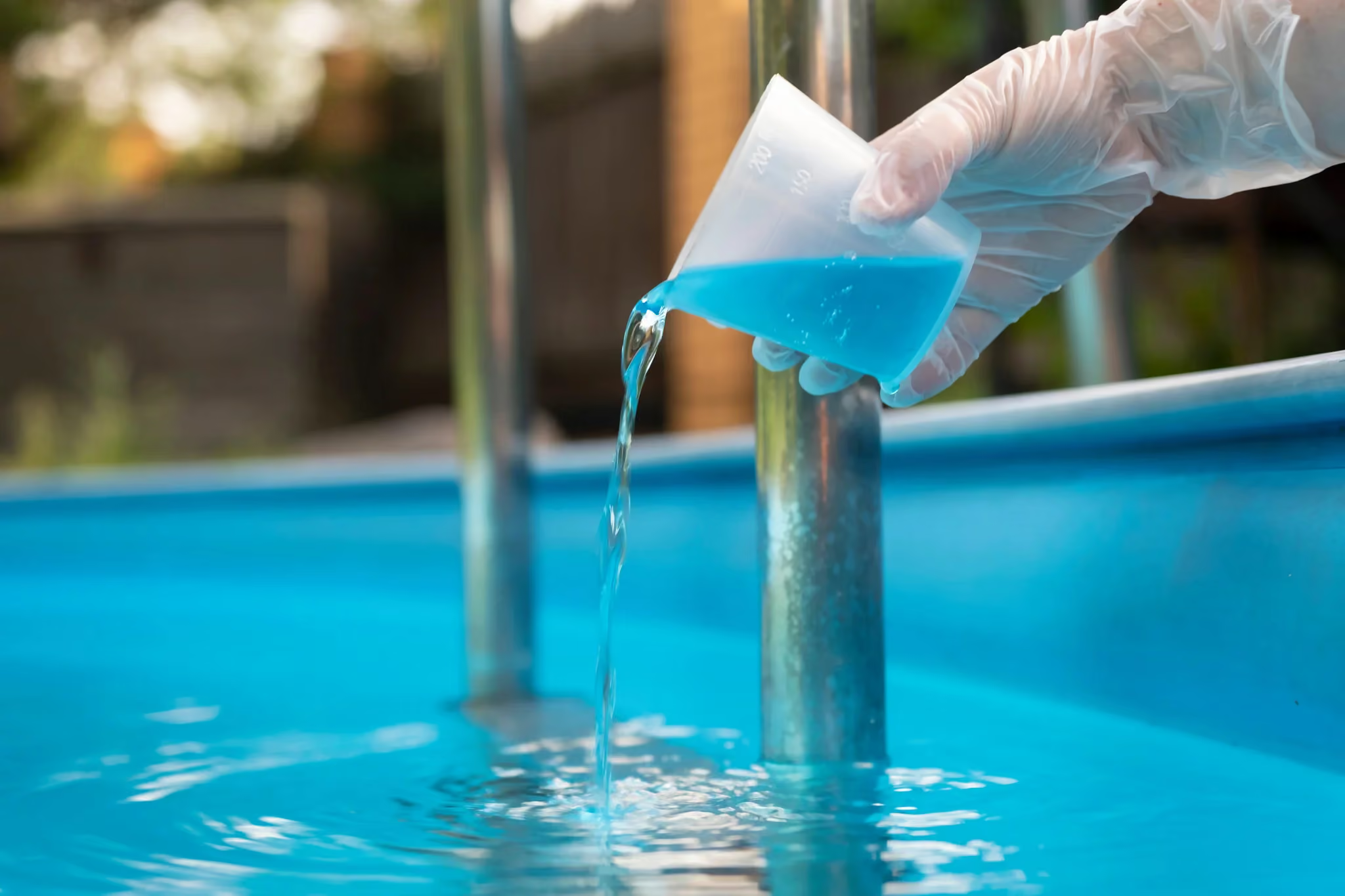
Accurate water testing is the foundation of good pool care. Test strips give a rough guide, but a full water analysis, checking pH, alkalinity, calcium hardness, stabiliser, and sanitiser levels, gives a much clearer picture. Sparkling Pools offers on-site water testing across Auckland, coming to your home and testing everything on site.
Filter Maintenance
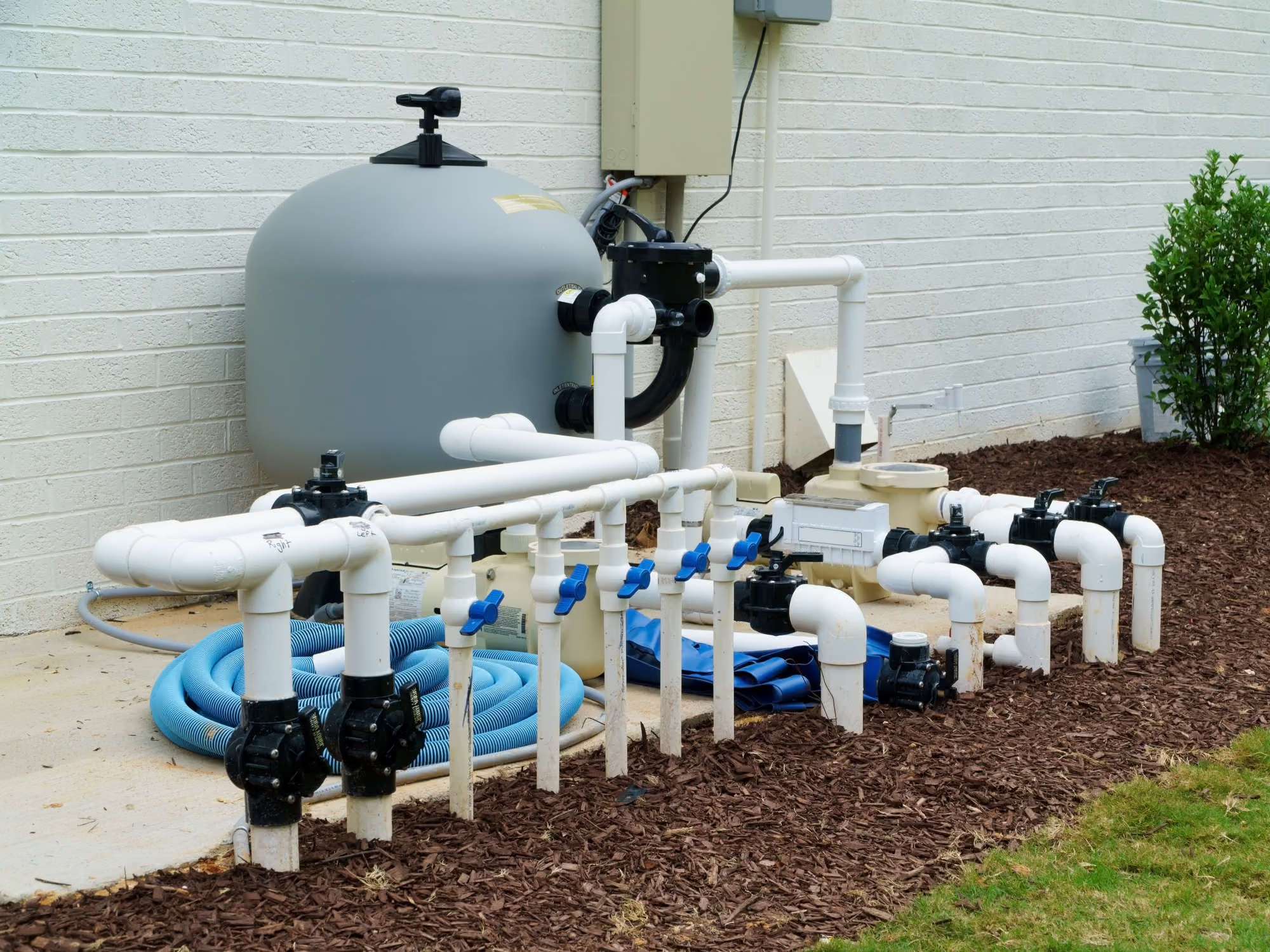
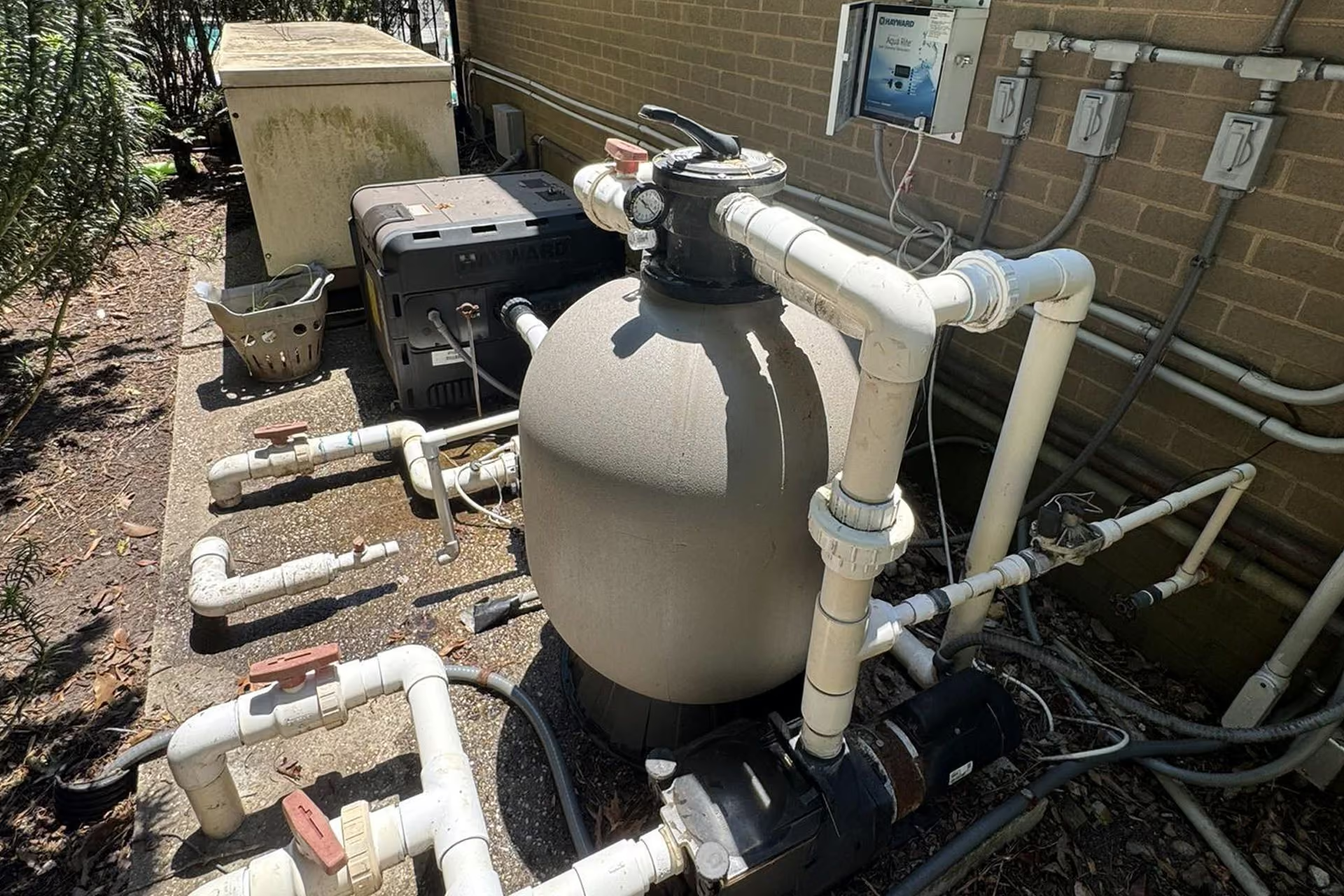
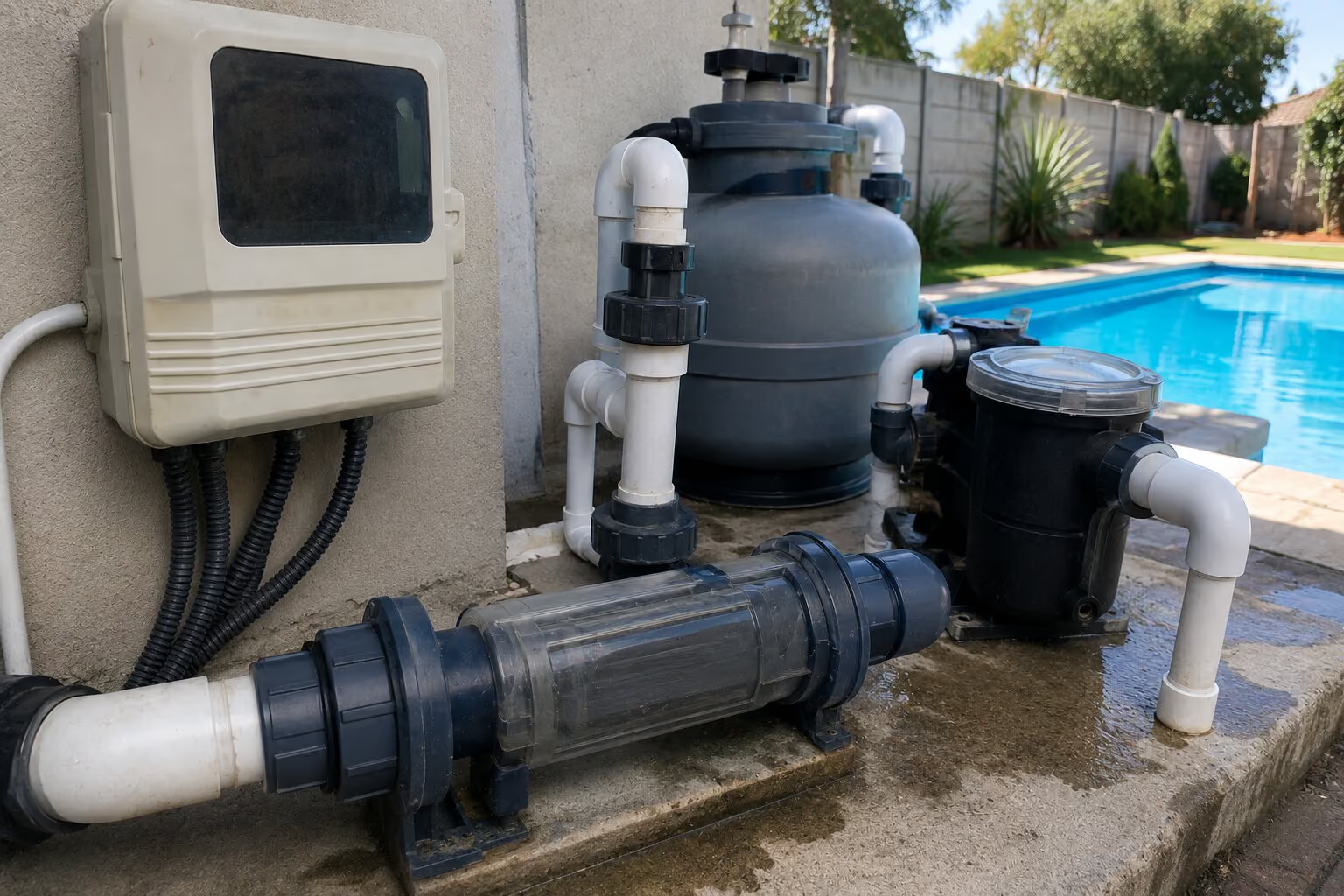
Sand filters need backwashing regularly and the sand replaced every several years. Cartridge filters need cleaning and periodic replacement. DE (diatomaceous earth) filters require recharging after each backwash. These are predictable costs that are easy to budget for.
---
Equipment Repair and Replacement
Pool equipment does not last forever. Budgeting for eventual repairs and replacements is part of responsible pool ownership.
Common Equipment Lifespan Considerations
- Pumps are mechanical and will eventually wear out or need new seals and impellers
- Salt chlorinator cells have a finite lifespan and need replacing periodically
- Filter media (sand, cartridges) degrades over time and needs renewal
- Heaters, both heat pump and gas, require servicing and will eventually need replacement
- Automatic cleaners have wear parts (tyres, brushes, filters) that need replacing
None of these are emergencies if you plan for them. A pool that is well-maintained tends to have fewer sudden, expensive failures.
Surface and Structure
Pool surfaces, whether plaster, pebblecrete, fibreglass, or tiles, have a lifespan. Replastering or resurfacing is a significant cost but an infrequent one. Keeping water chemistry balanced is the single best way to extend surface life.
---
Water Costs
Pools lose water through evaporation, splash-out, and backwashing. In Auckland's climate, evaporation is a year-round factor, though it is more pronounced in summer.
A pool cover significantly reduces evaporation and also cuts heating costs and chemical consumption, it is one of the most cost-effective investments a pool owner can make.
---
What Affects Your Total Running Cost?
Several factors influence how much your pool costs to run each year:
- Pool size, larger pools need more chemicals, more filtration time, and more energy to heat
- Pool type, salt pools, mineral pools, and traditionally chlorinated pools each have different ongoing cost profiles
- Usage, a pool used heavily by a large family needs more chemical management than one used occasionally
- Equipment efficiency, older or undersized equipment costs more to run and is more likely to fail
- How consistently it is maintained, neglected pools cost significantly more to recover than pools kept in good condition week to week
---
Keeping Costs Under Control
The most reliable way to manage pool running costs is consistent, proactive maintenance. Pools that are tested and balanced regularly use fewer corrective chemicals, put less strain on equipment, and avoid the expensive recovery treatments that come with neglect.
If you are unsure where your pool stands, an on-site water test is a practical starting point. Sparkling Pools has been servicing Auckland pools since 1992 and can assess your water, equipment, and maintenance routine in a single visit.
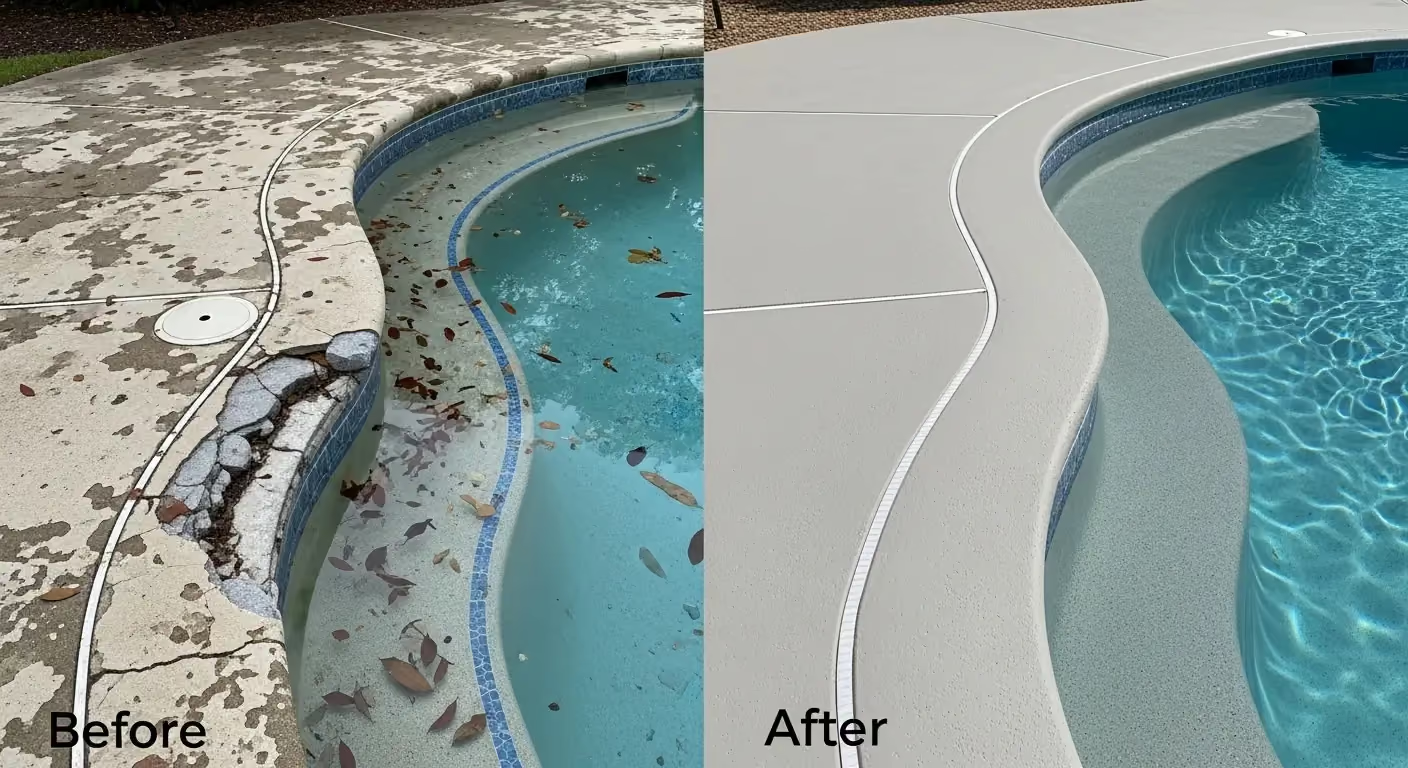
Pool resurfacing solutions
Restore your pool with durable plaster finishes

Work completed
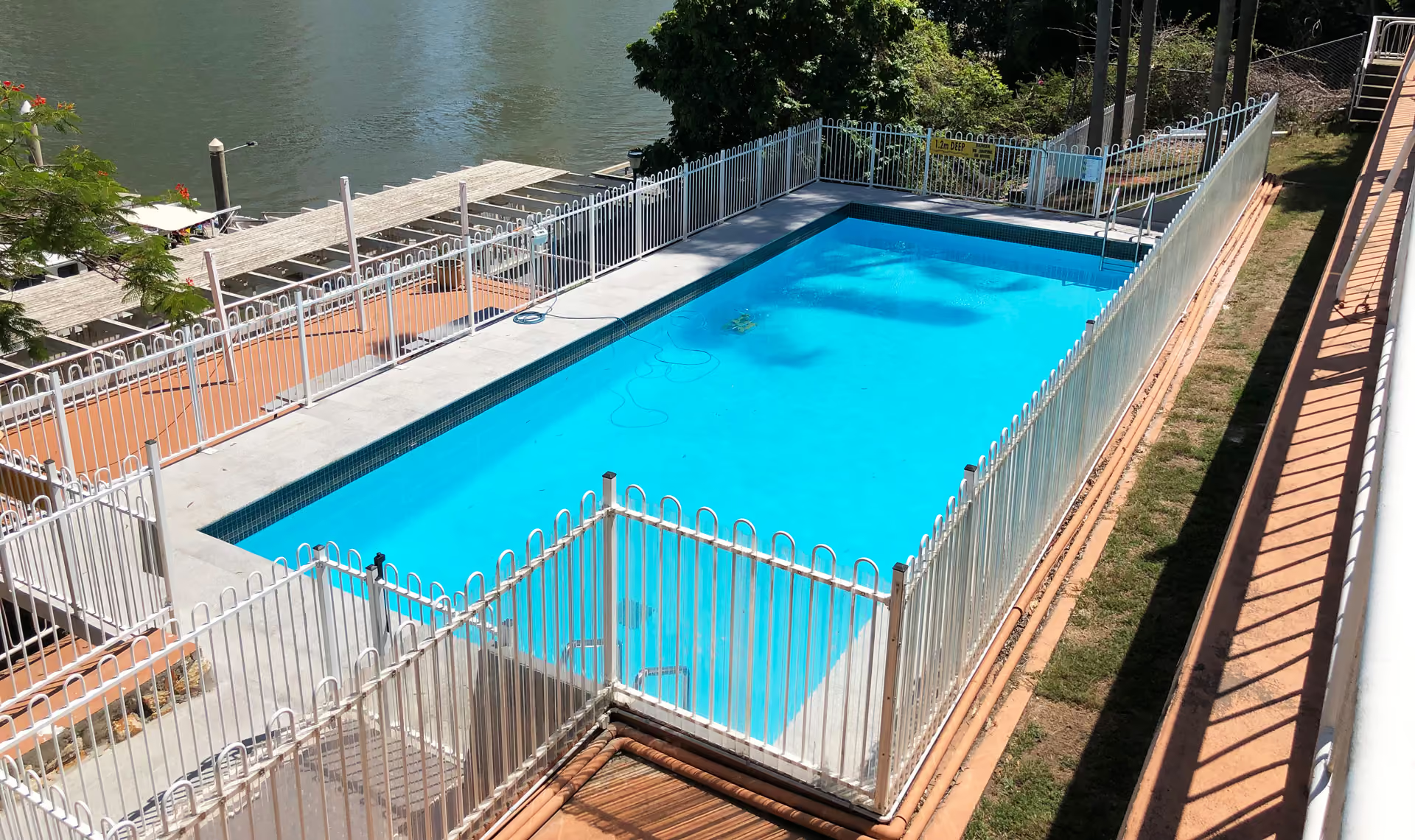
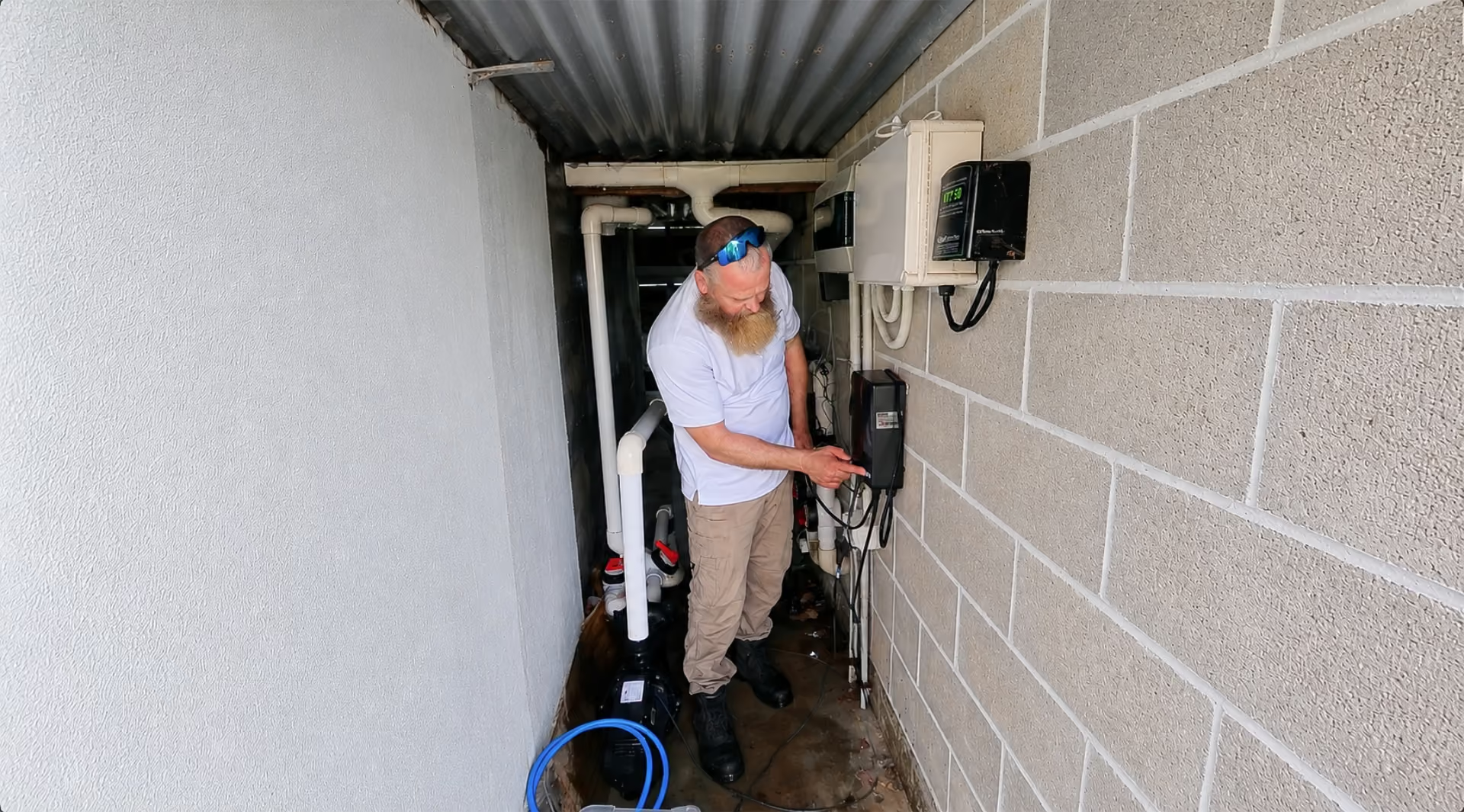
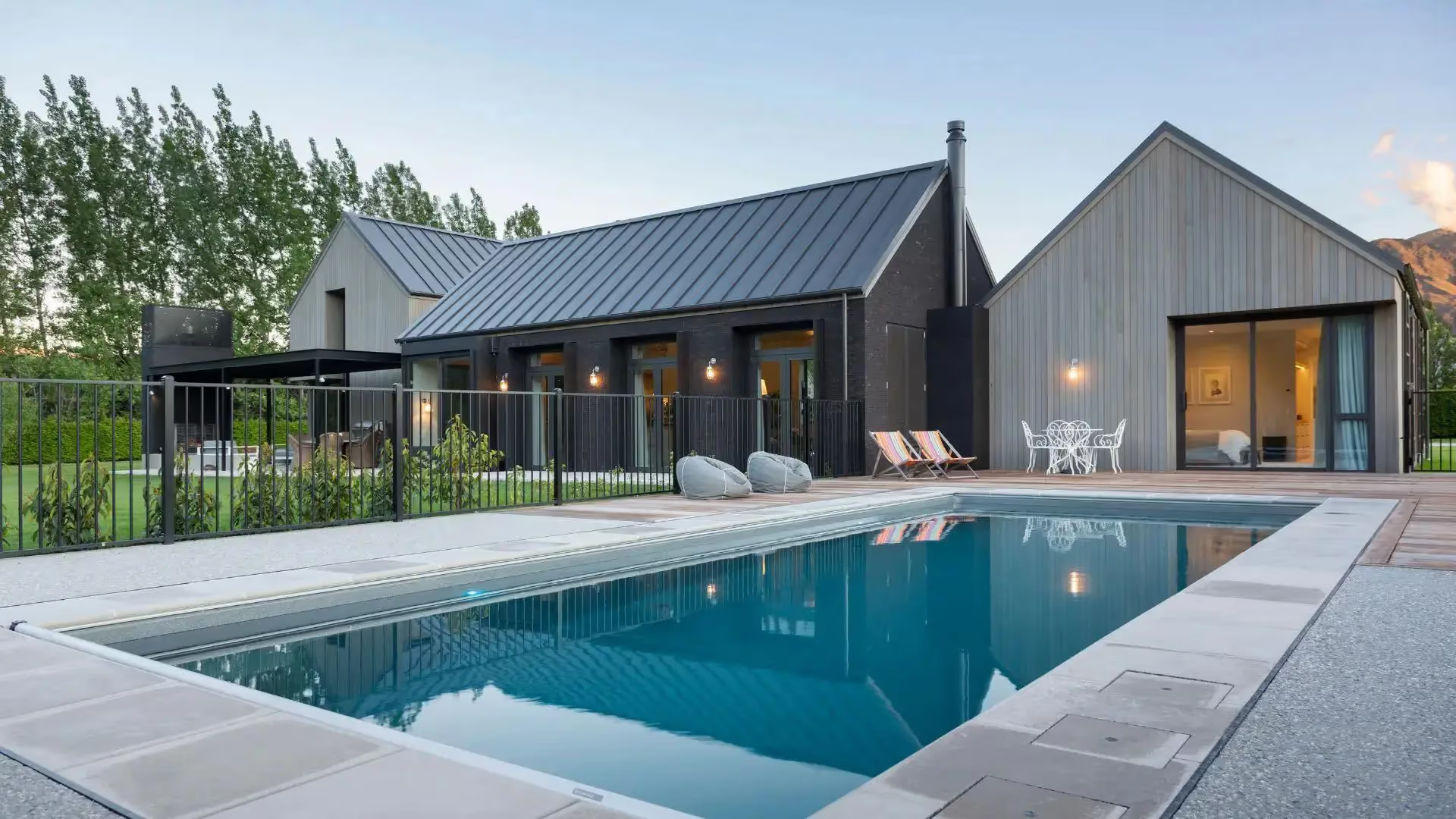
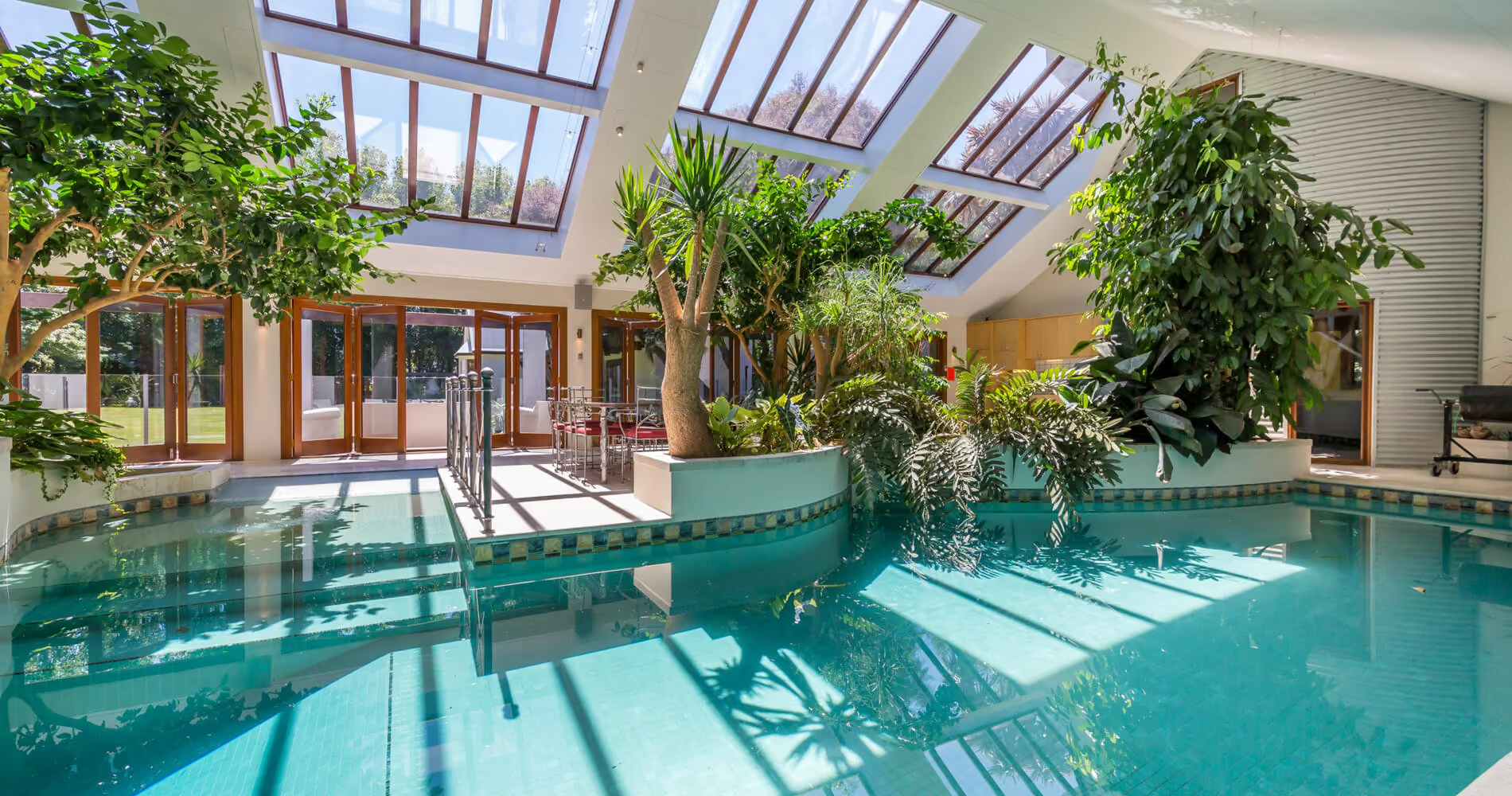
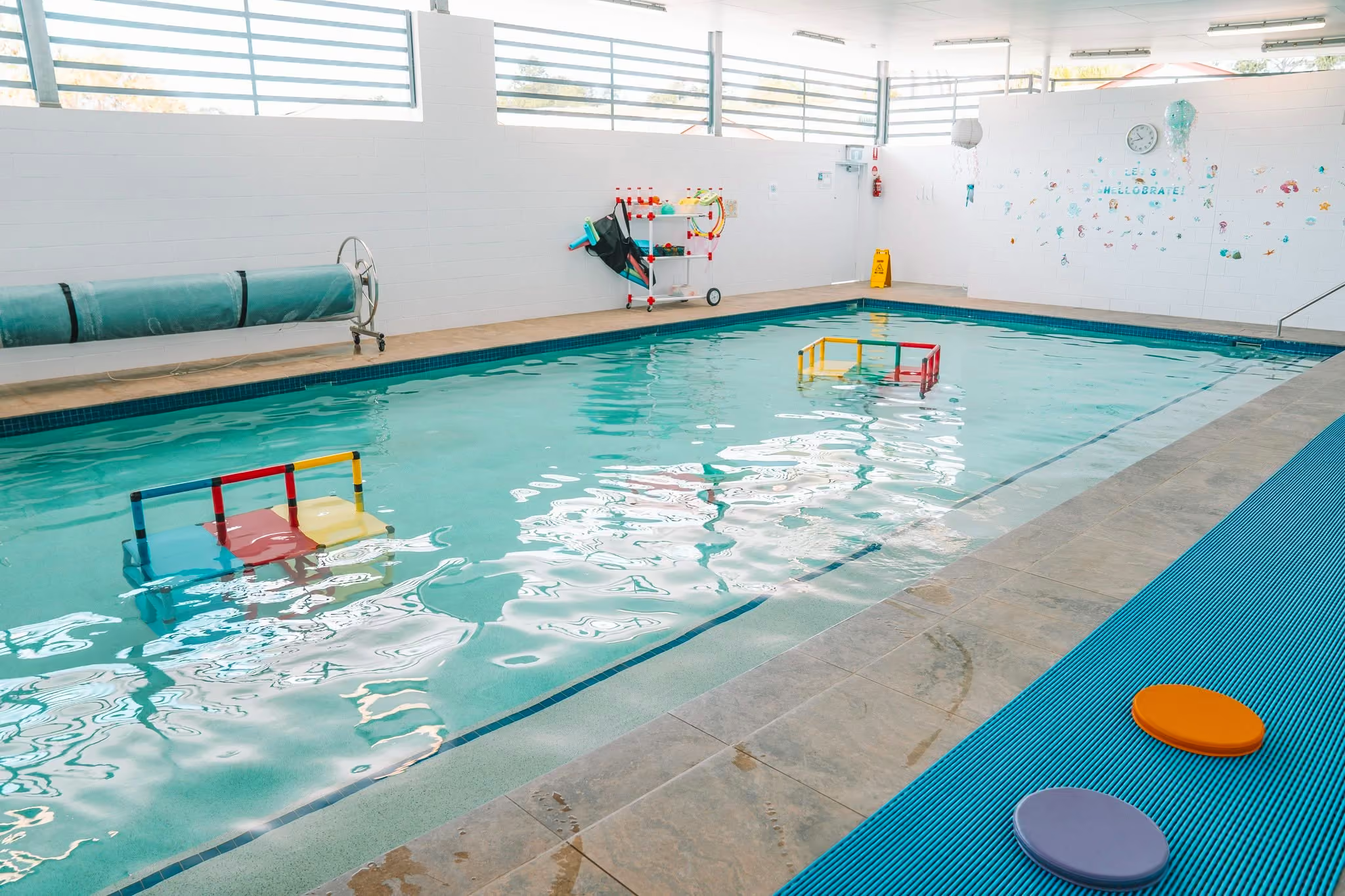
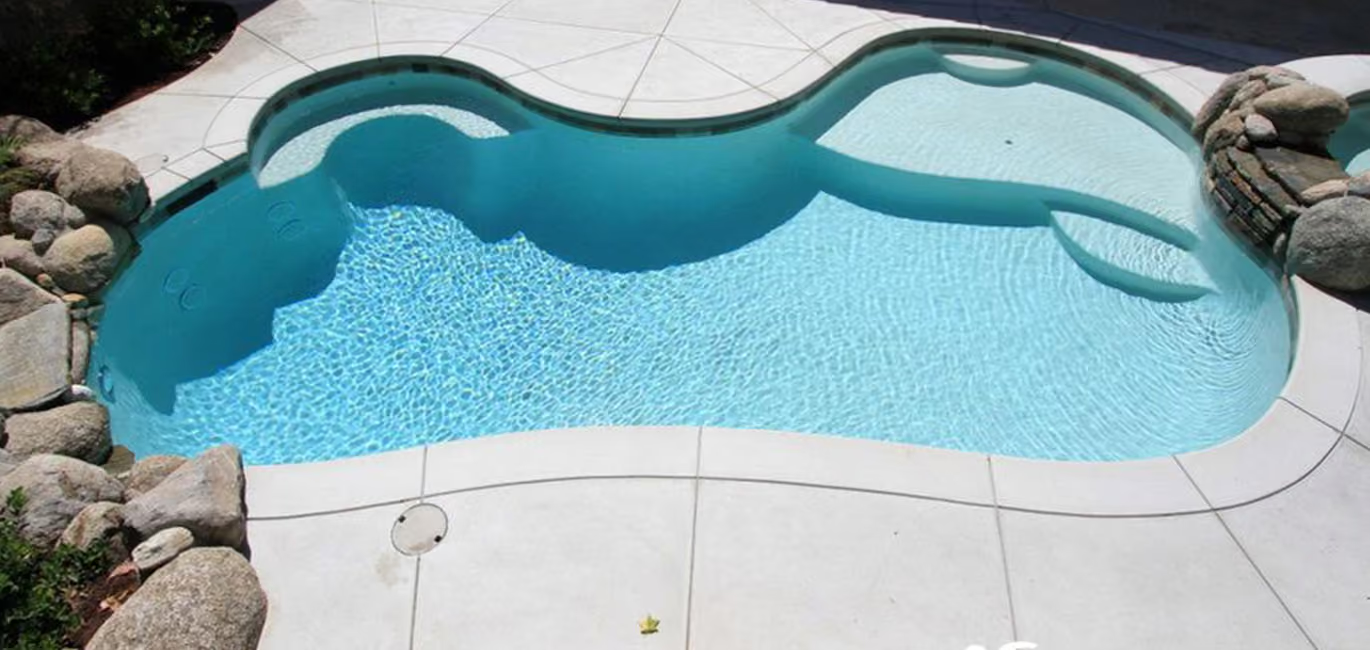
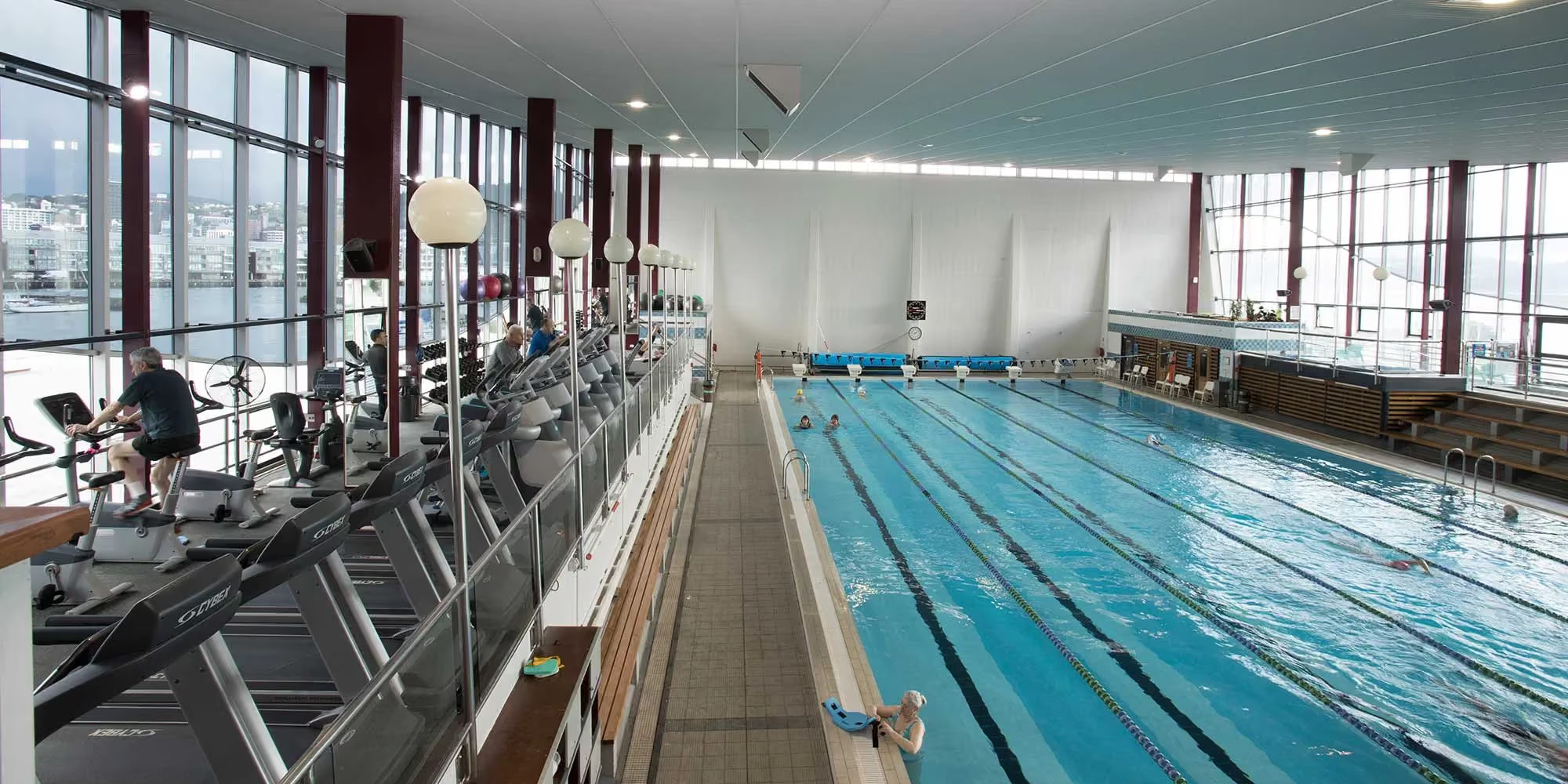
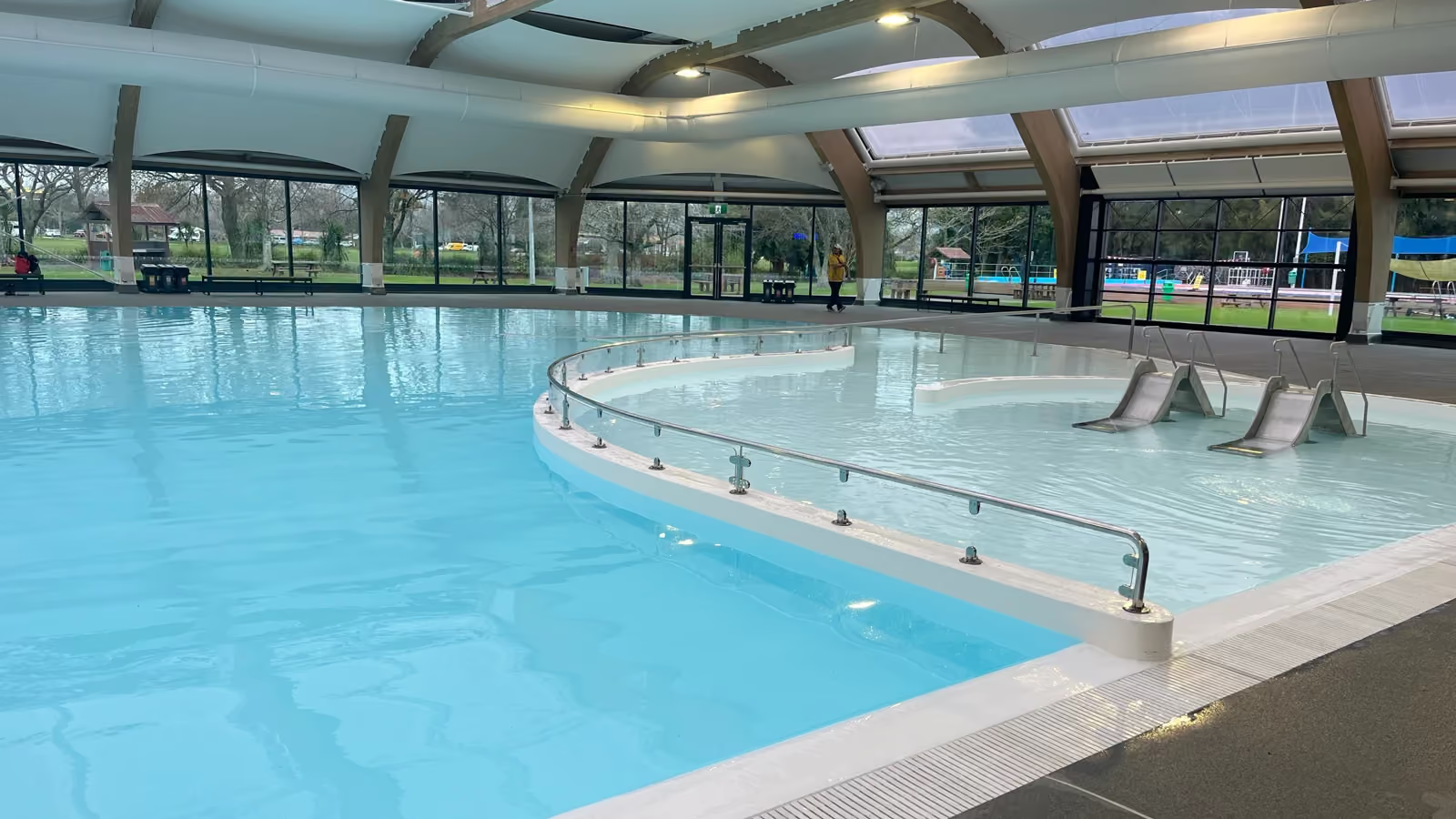
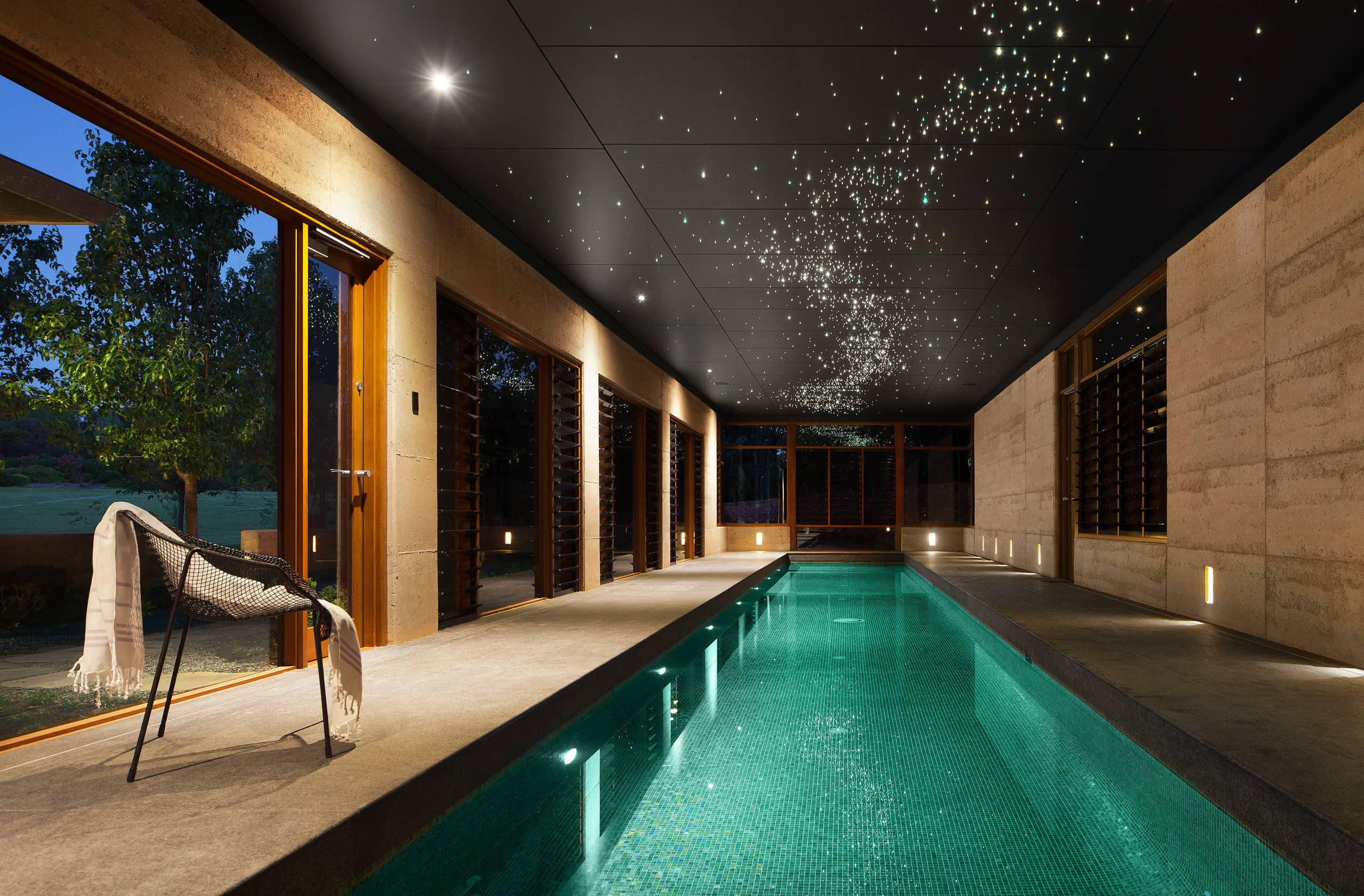
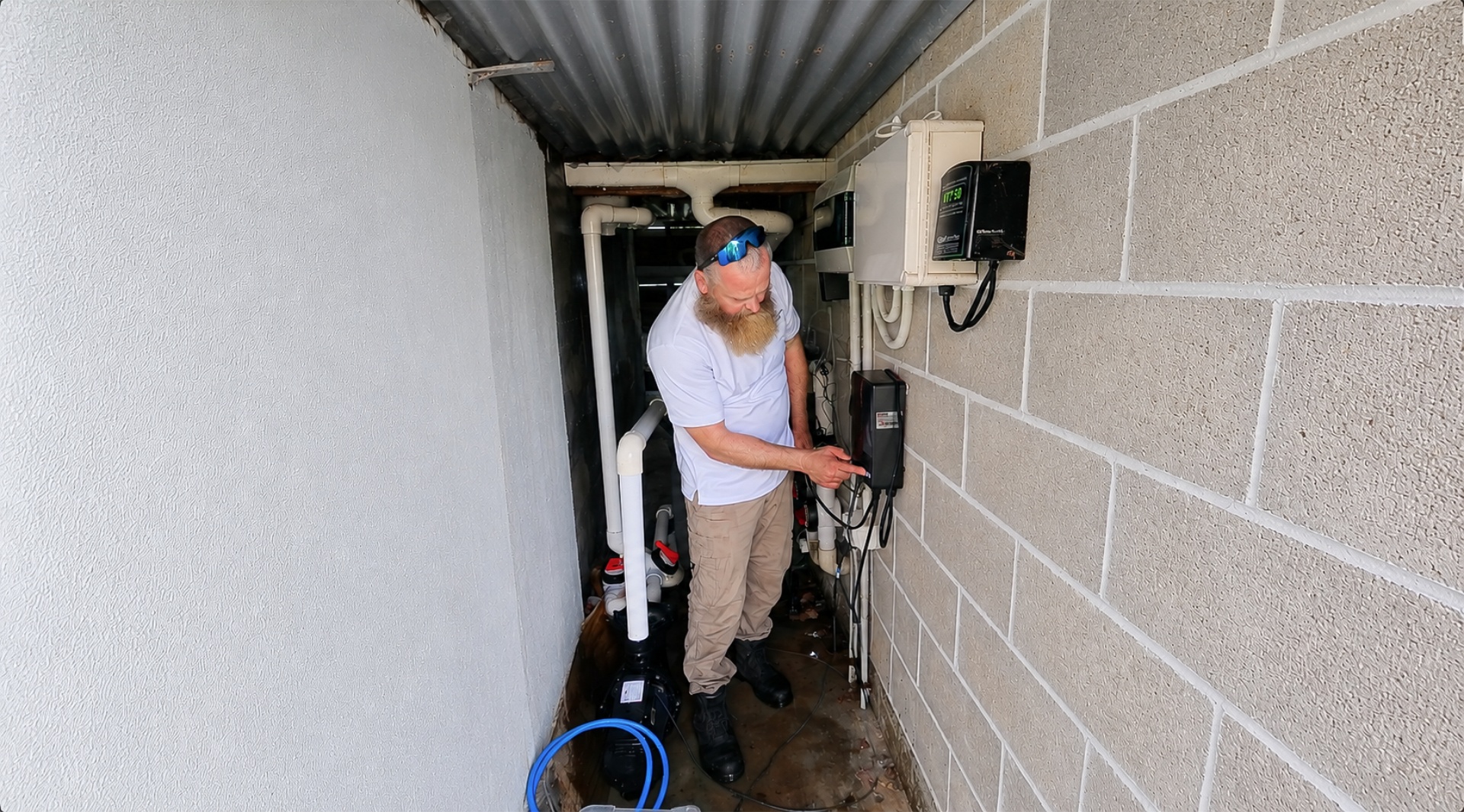
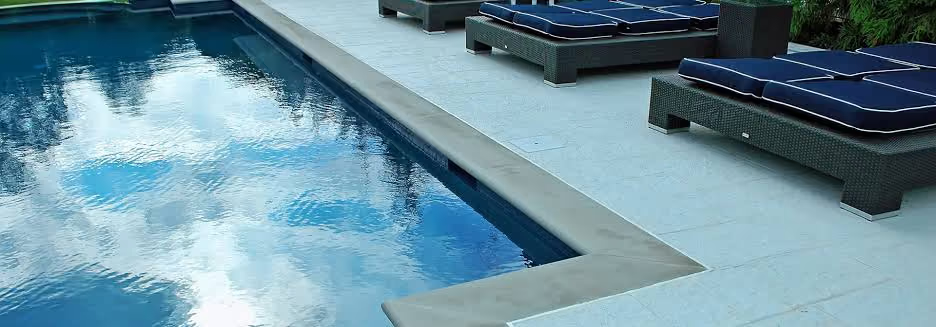
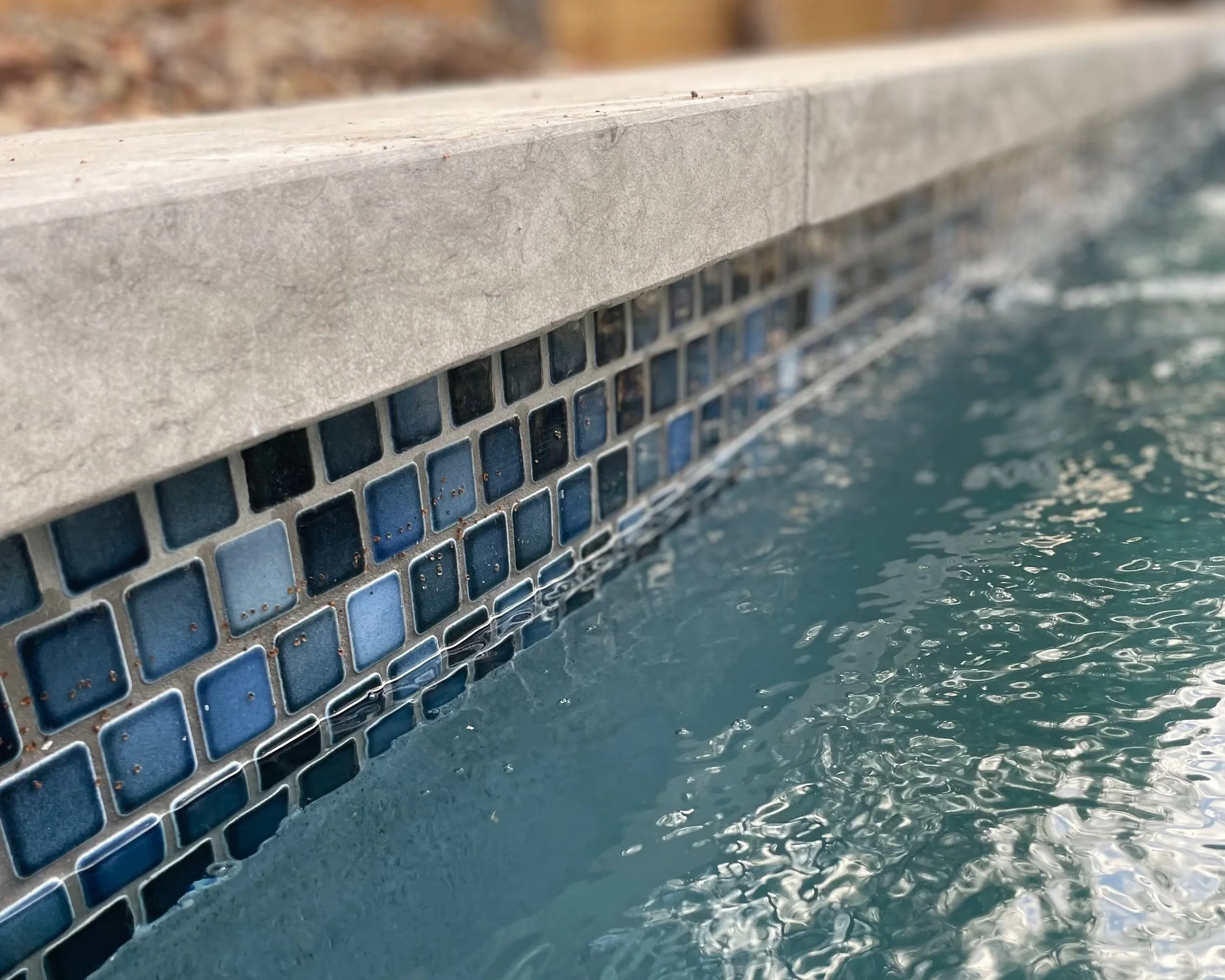
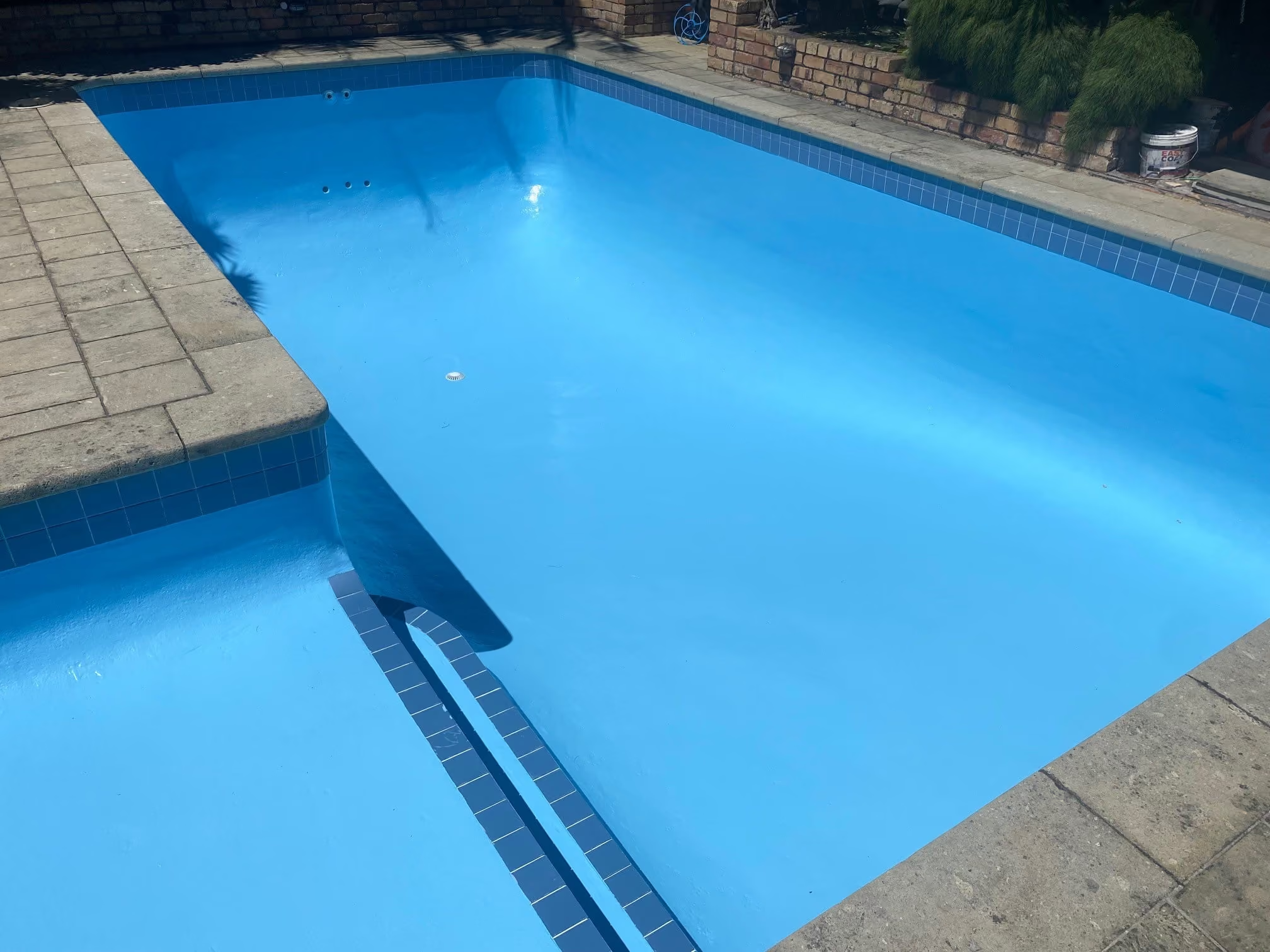
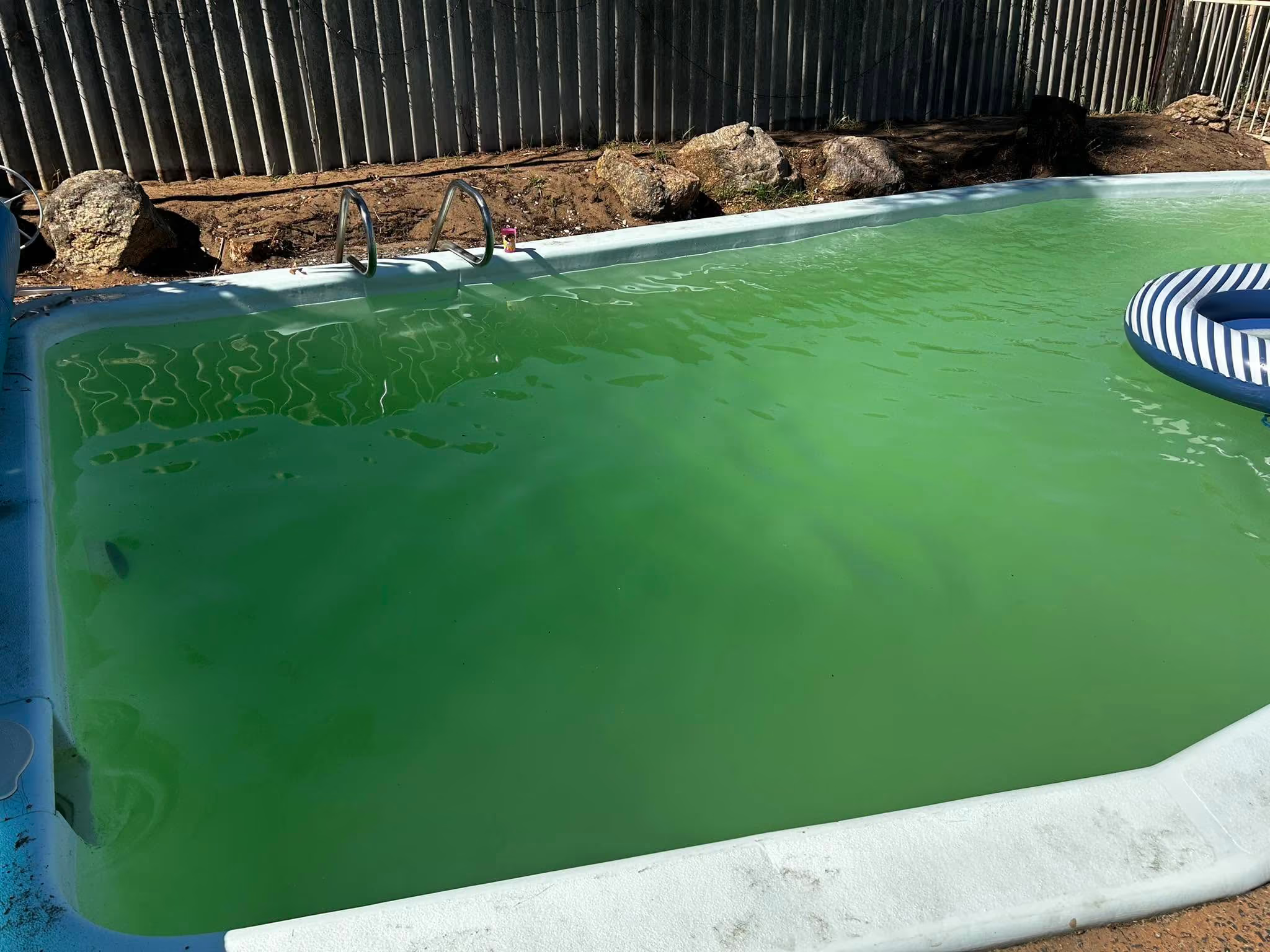
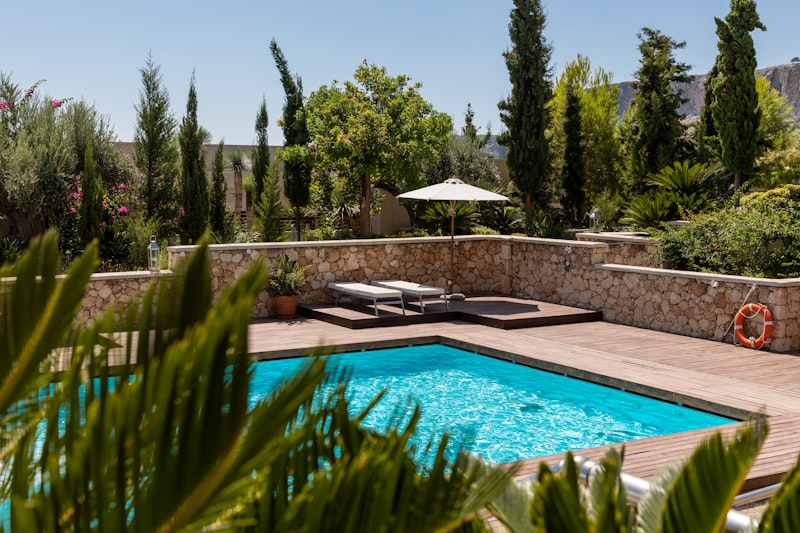
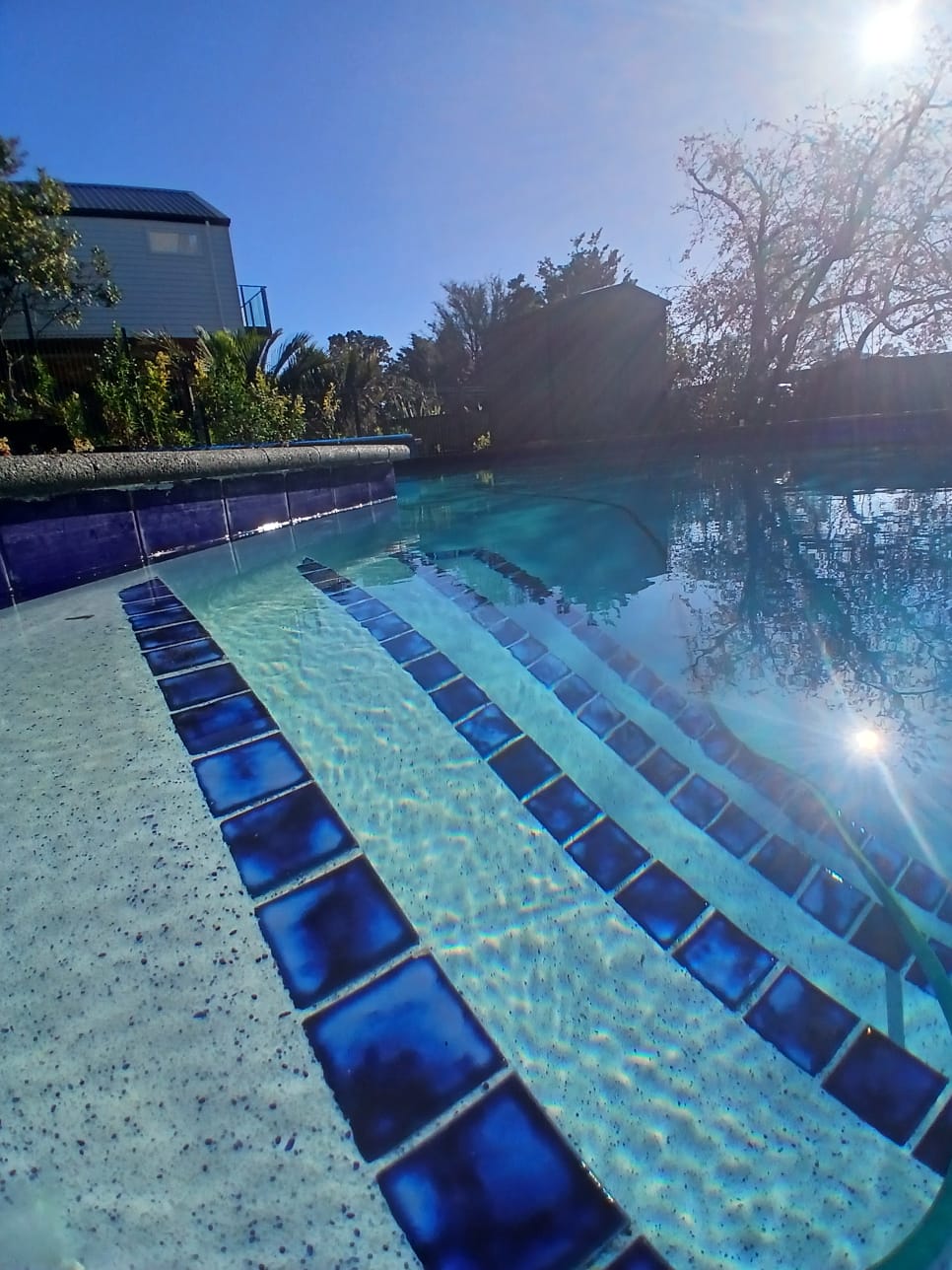
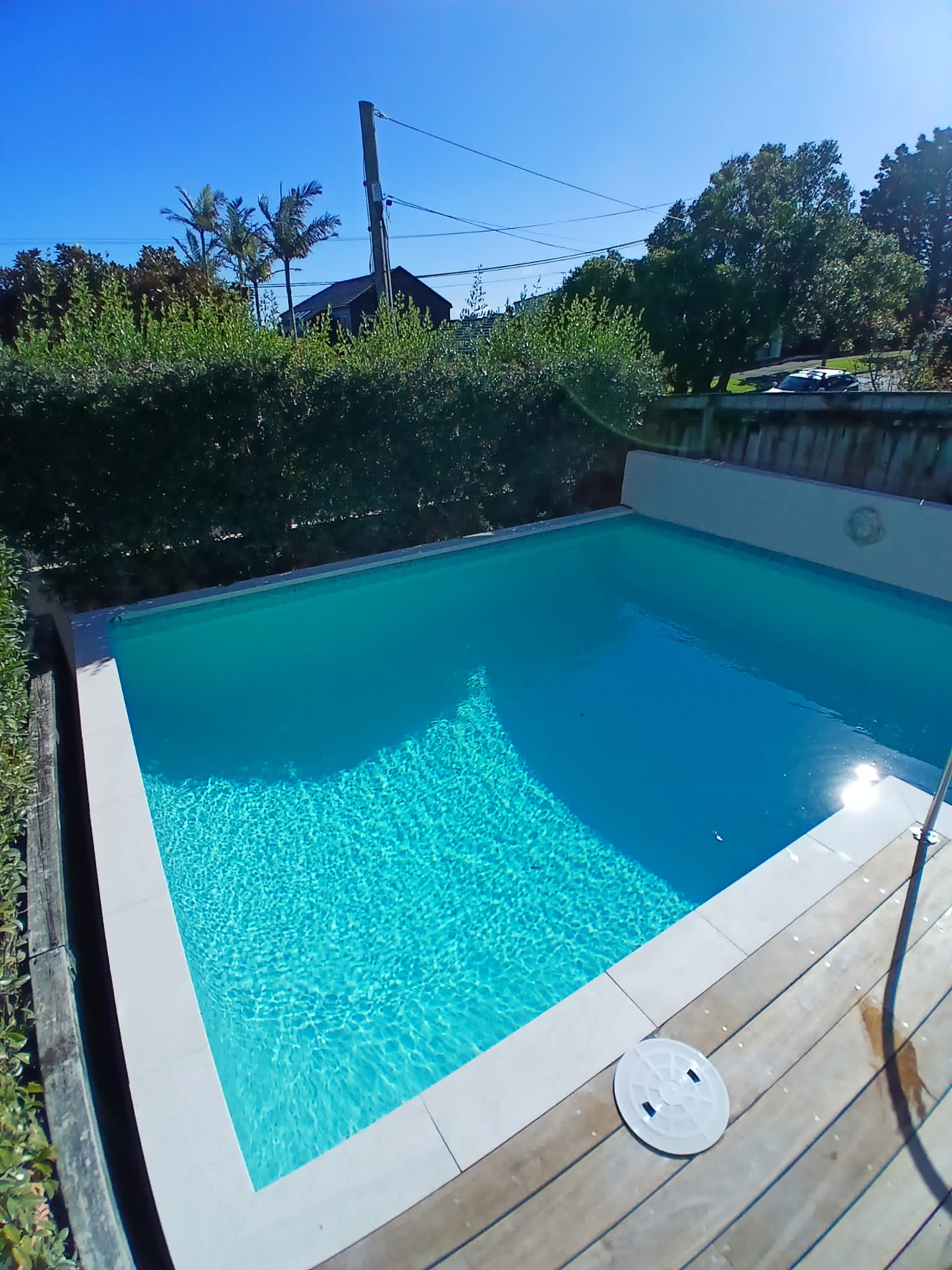
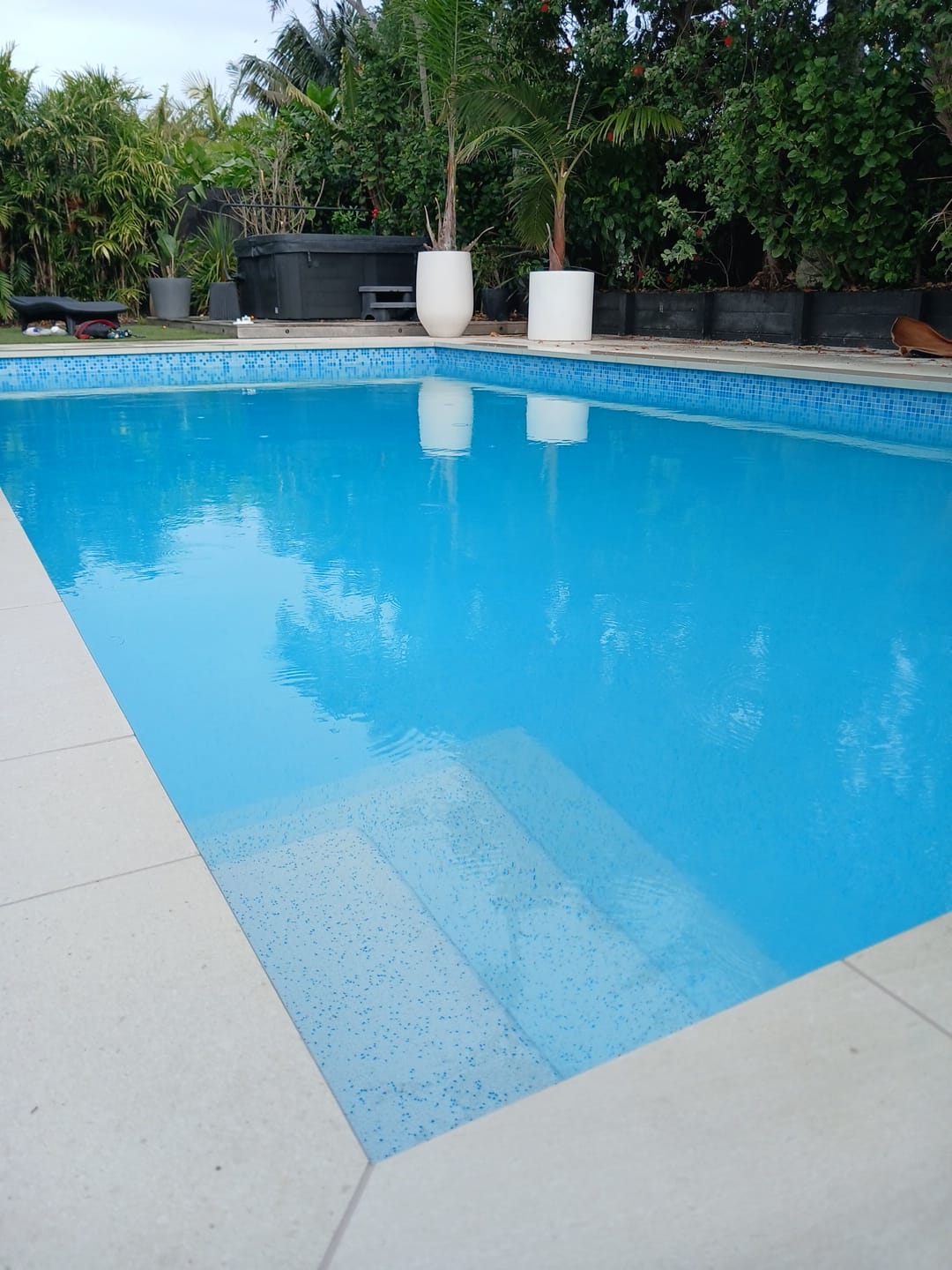
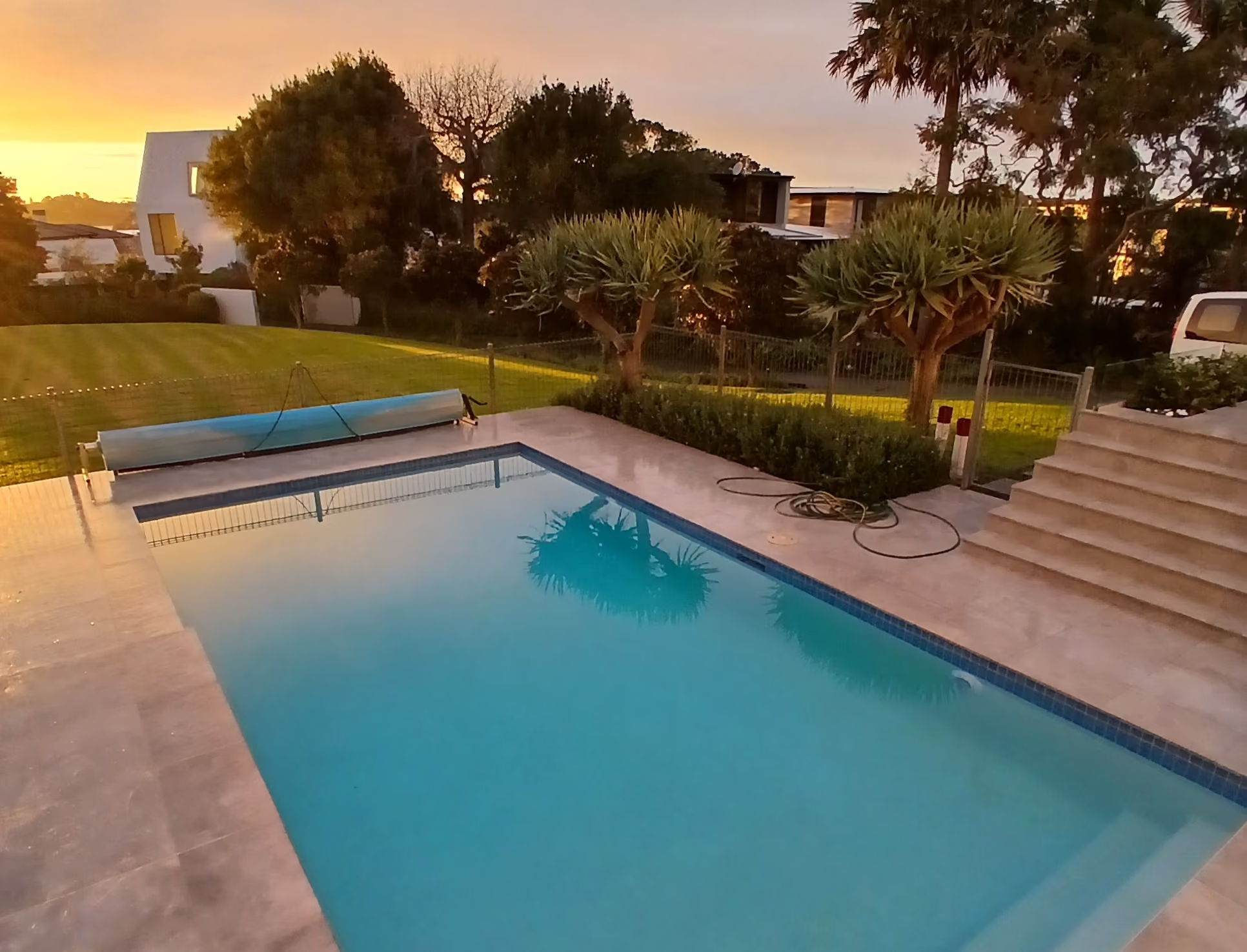
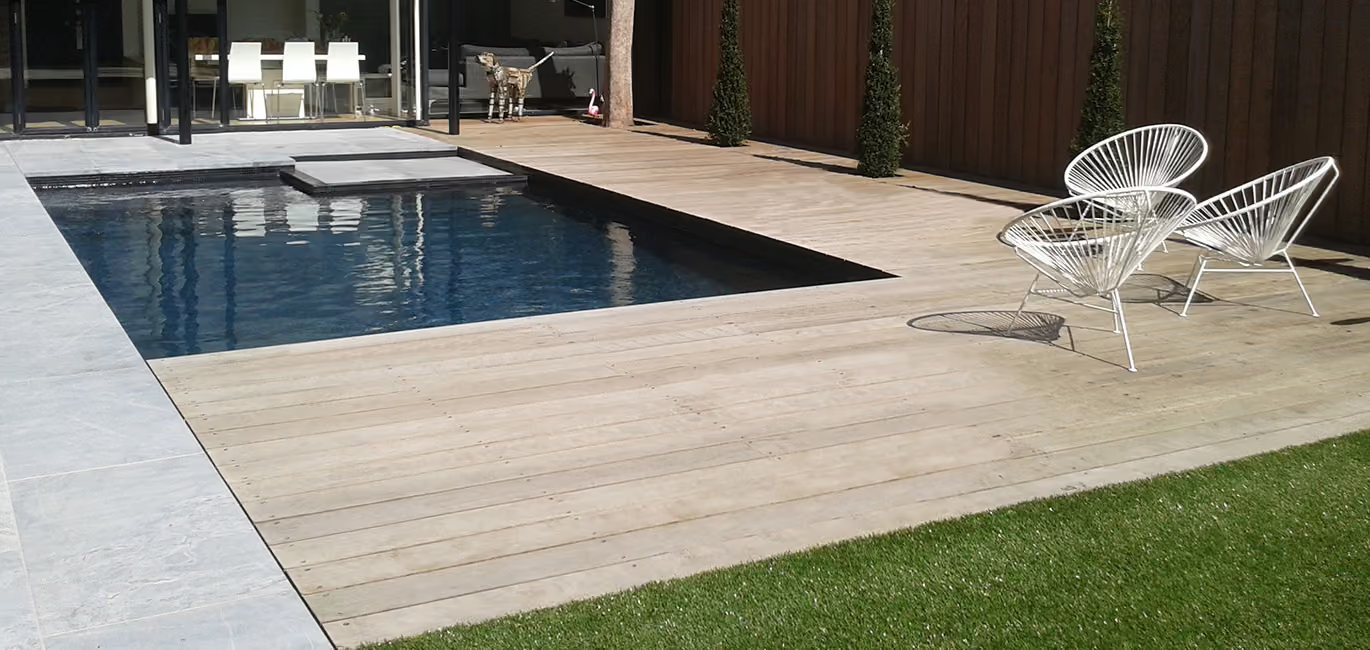
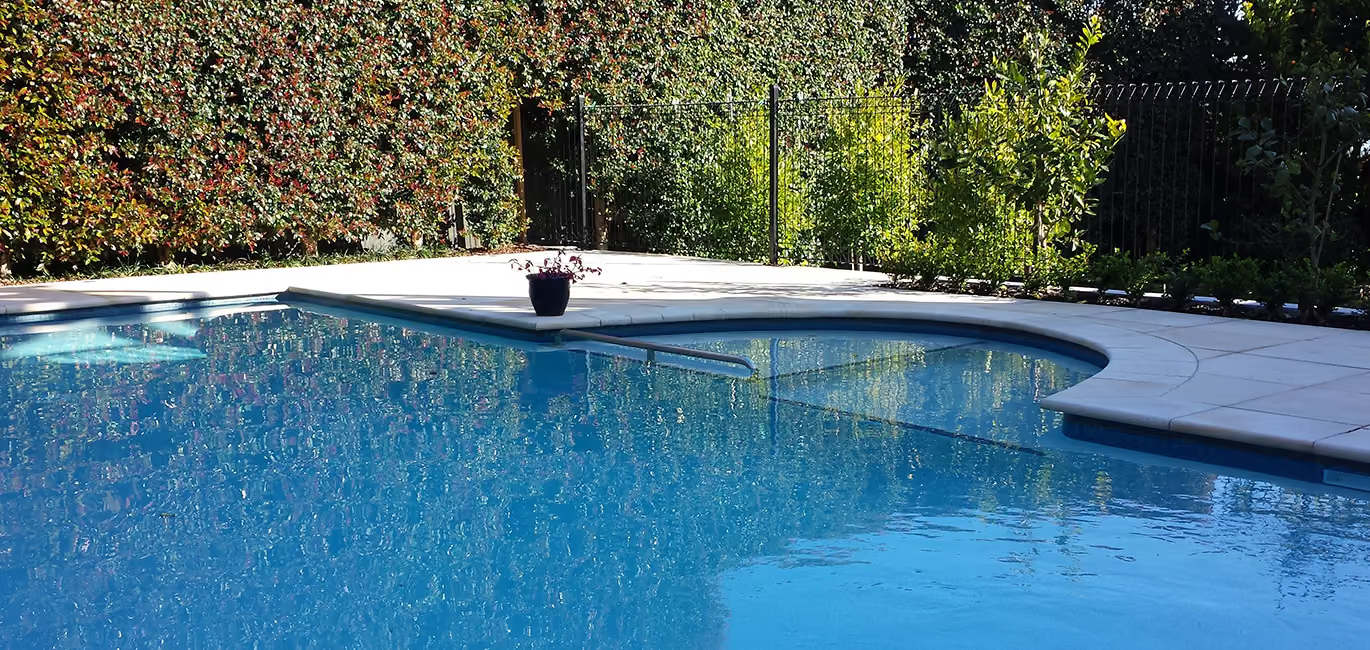
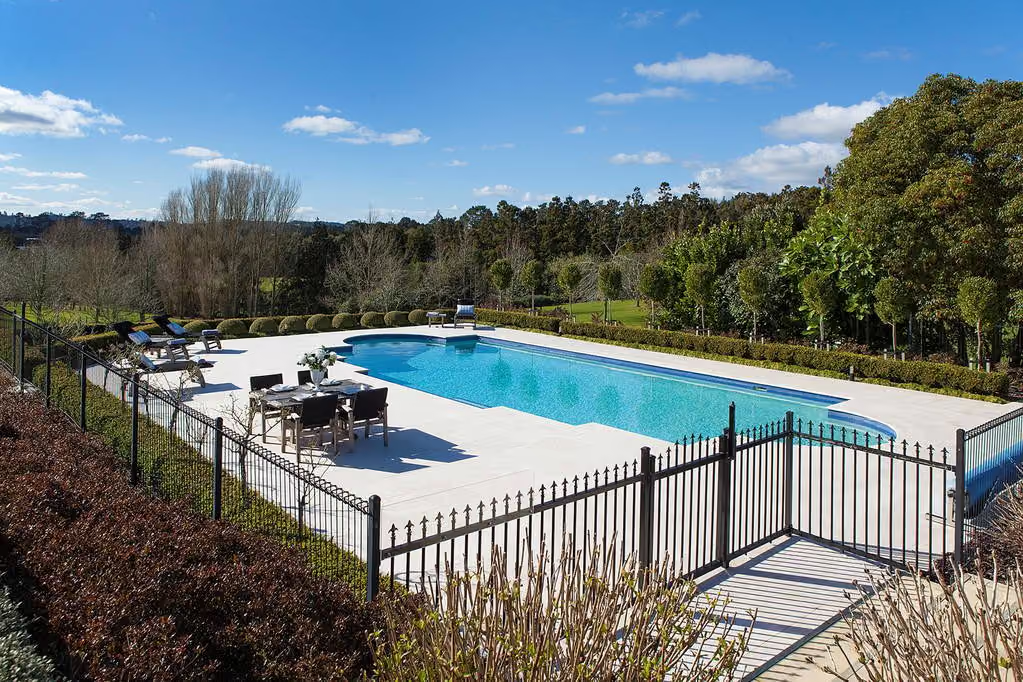
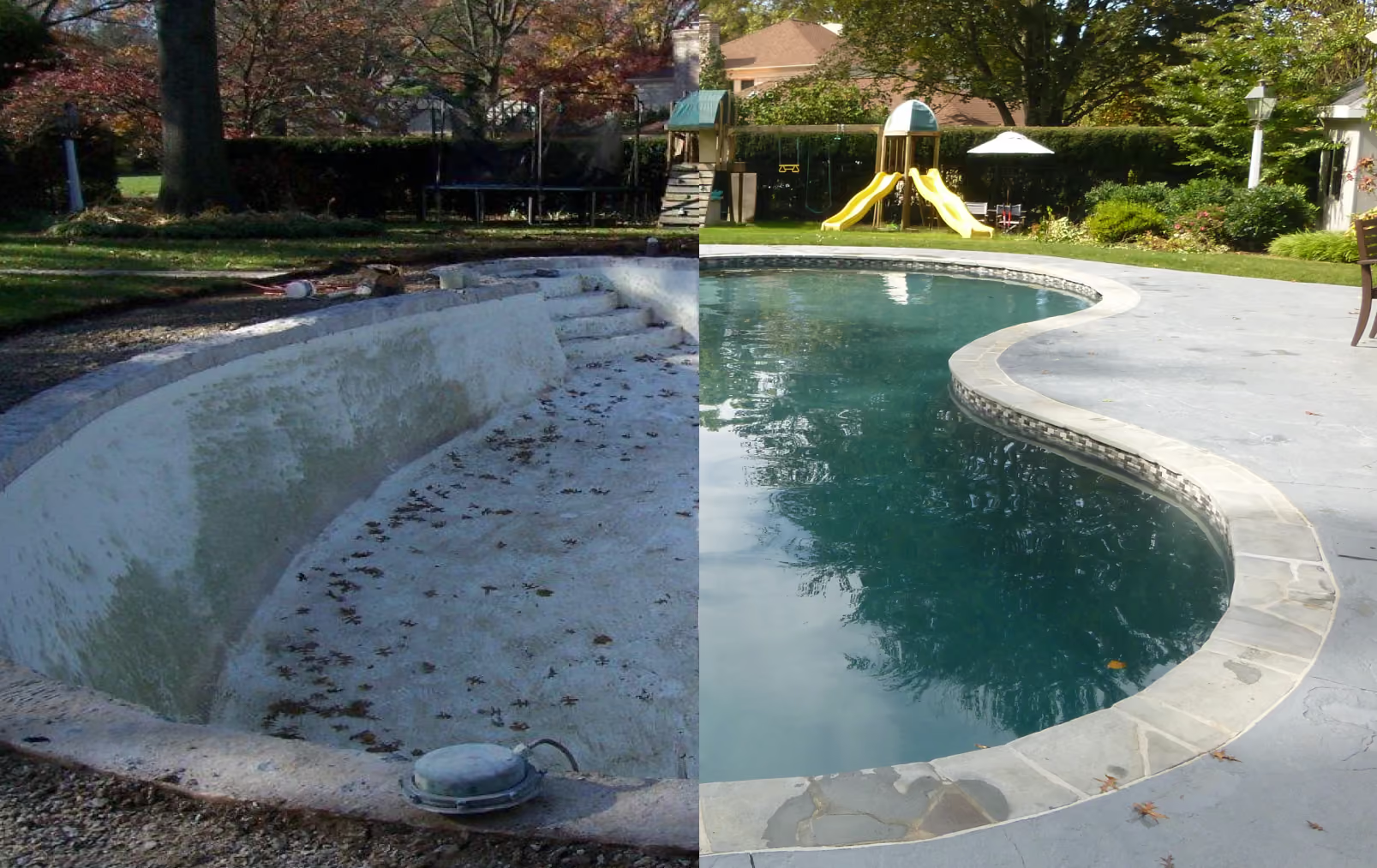
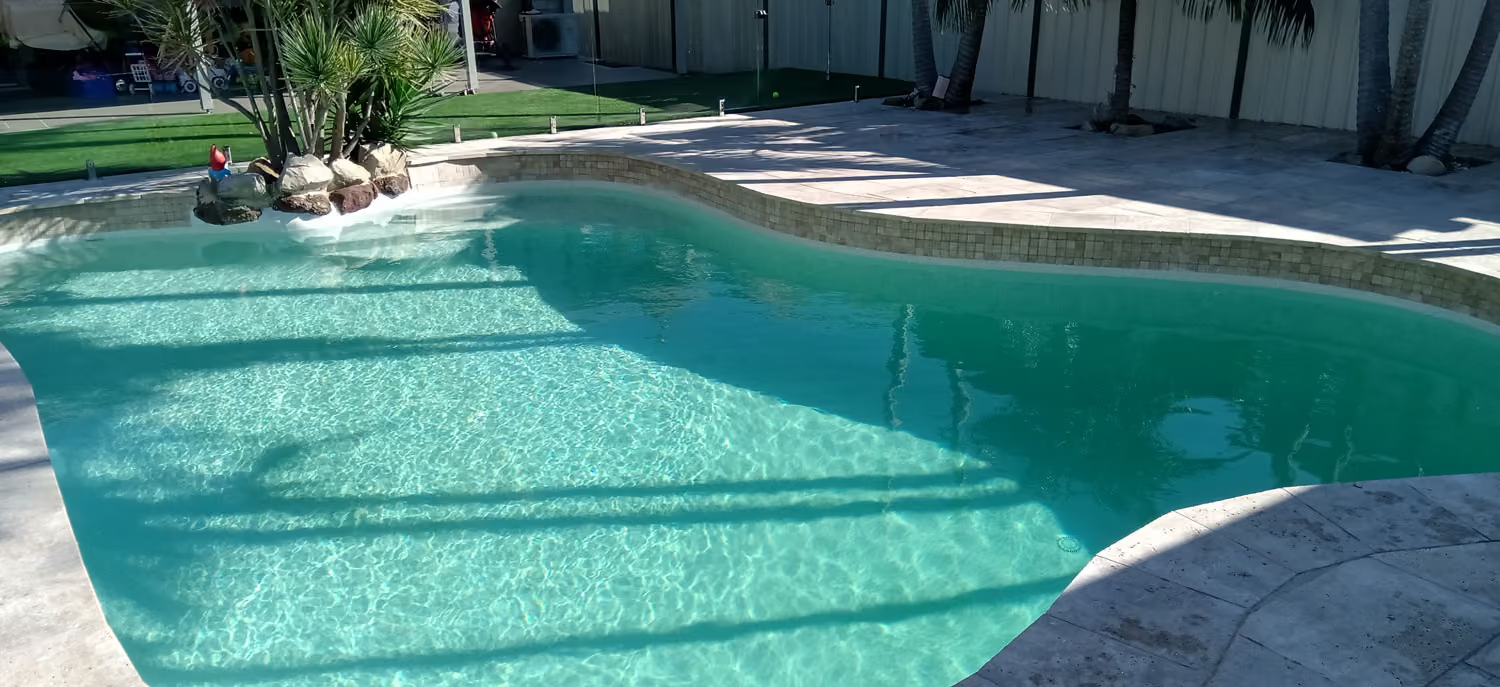
Sparkling Pools has worked on pools across Auckland, including residential renovation projects, equipment upgrades, ongoing maintenance and pool care for managed properties. Past projects show how the right approach can improve presentation, water quality and day-to-day usability. A well-maintained pool is easier to manage, more pleasant to use and better prepared for seasonal changes.
Trusted by Homeowners Across Auckland
Don't just take our word for it. Read what our clients have to say about our transparent communication, reliable service, and stunning pool transformations.
Related Blog Posts
Stay informed on pool care and renovations
Winter pool care essentials for Auckland
Pool Renovation Mistakes
Auckland Climate Pool Maintenance
Choosing Renovation Contractor
Pool Care Auckland Summer
Permits & Consents
Pool Renovation ROI
How Often to Test Pool Water
Pool Renovation Costs
Cost of Pool Service Auckland
Pool Renovation Planning Guide
Pool Lighting Buying Guide
Pool Cleaner Buying Guide
Pool Automation Buying Guide
Pool Heater Buying Guide
Pool Filter Buying Guide
Pool Pump Buying Guide
Best Equipment Auckland Climate
Auckland Water Quality
Auckland Pool Season
Pool Ownership Costs
Common Pool Mistakes
Pool Safety Laws
Pool Inspection Requirements
Pool Fence Compliance
.avif)
Auckland Pool Industry Trends
Auckland Pool Regulations
Pool Equipment Suppliers
Best Pool Service Areas
Pool Service Pricing Analysis
Company vs Independent
Best Pool Surface Materials
Pool Resurfacing Options
Pebble vs Plaster Surfaces
One-Time vs Ongoing Service
Full Service vs Chemicals Only
Pool Cover Types
Robotic vs Suction Cleaners
Mineral vs Saltwater
Gas vs Heat Pump
Pool Heater Types
Pool Winterizing Guide Auckland
Pool Opening Guide Summer
Pool Maintenance After Heavy Rain
Pool Maintenance Schedule
How Often to Run Pool Filter
Pool Pump Maintenance Schedule
Pool Filter Cartridge Cleaning
Pool Equipment Maintenance Checklist
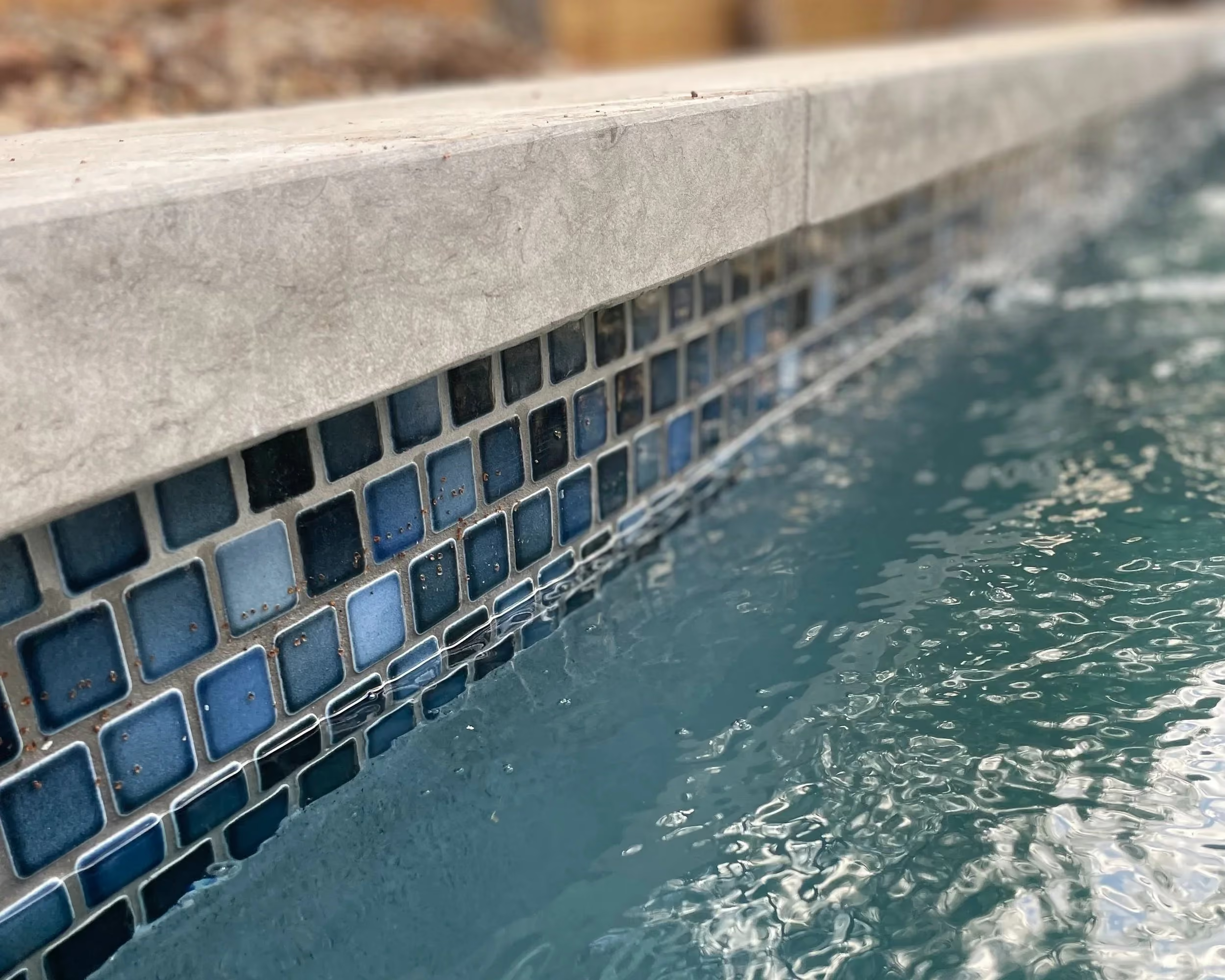
Pool Waterline Cleaning
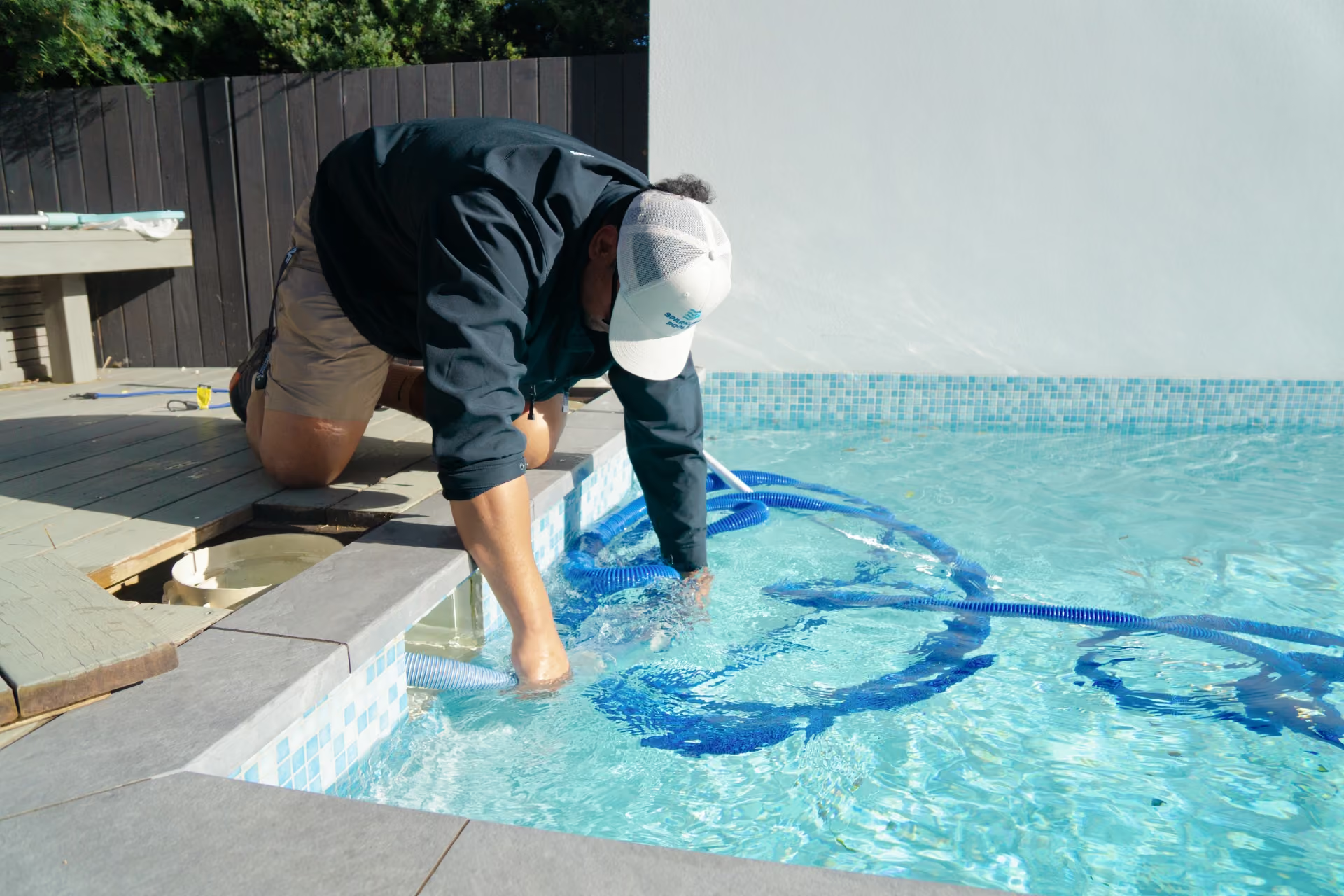
Pool Skimmer Basket Cleaning
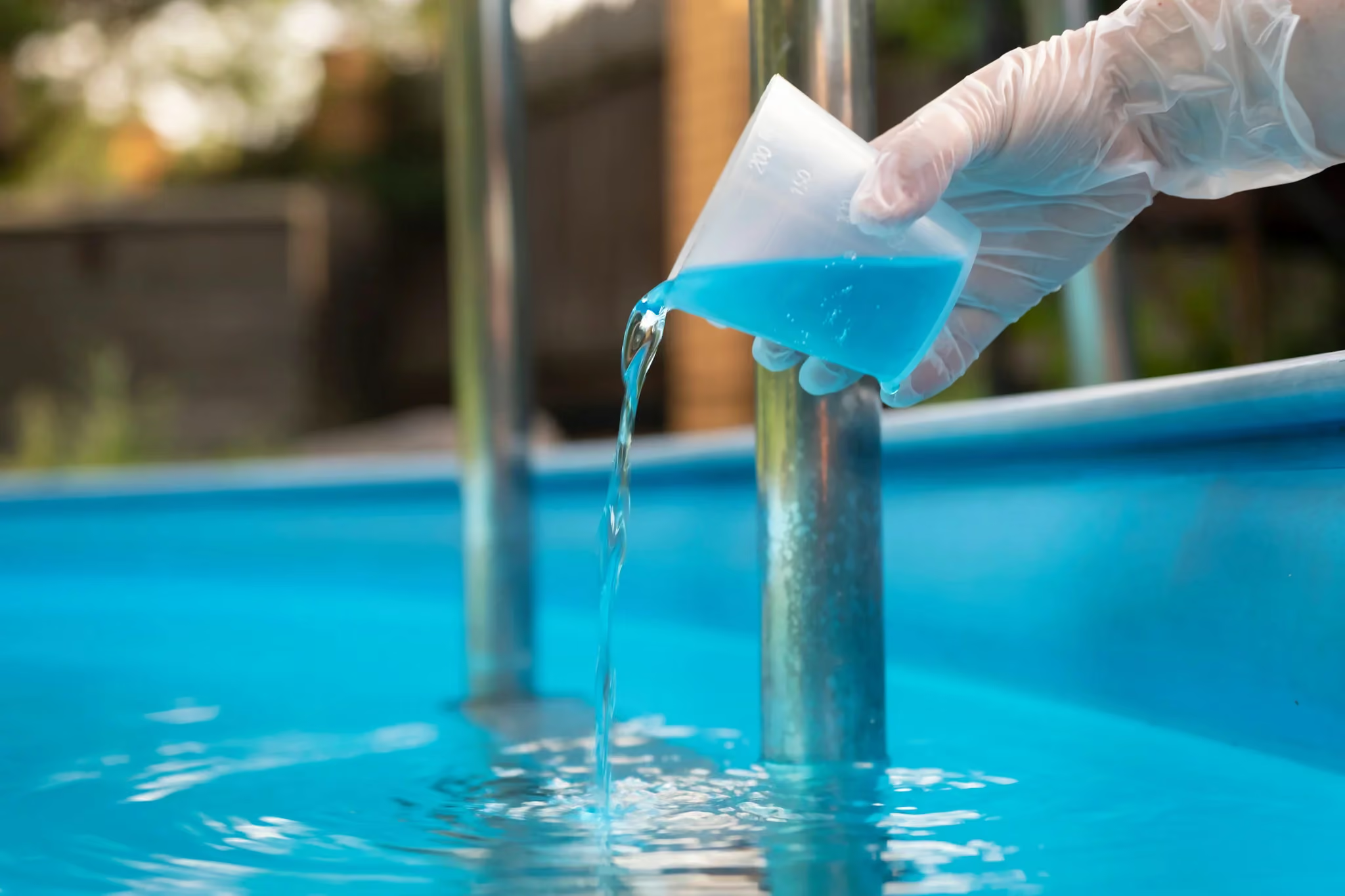
Pool Chlorine Levels
How Often Clean Pool Filter
How to Vacuum Pool
Pool Brushing Technique
Pool Chemical Dosing Chart
Pool Water Chemistry Basics
How to Balance Pool Chemistry
How to Test Pool Water
Pool Maintenance Tips
Complete Pool Maintenance Guide
Pool Service ROI
Pool Equipment Buy or Service
Pool Maintenance Time Requirements
DIY vs Professional
Pool Service Contract
Pool Service vs Pool Valet
Is Pool Service Worth It
Pool Service Guarantees
Pool Service Reviews
Pool Service Red Flags
Questions to Ask Pool Companies
How to Choose Pool Service Company
Hidden Costs DIY Maintenance
Pool Cleaning Prices Auckland
Cost of Pool Resurfacing
Cost of Pool Pump Replacement
Cost to Fix Green Pool
Pool Liner Wrinkles
Pool Cracks When to Worry
Pool Surface Stains
Pool Valve Leaking
Pool Automation Not Working
Pool Light Not Working
Pool Heater Not Heating
Pool Skimmer Not Working
High Pool Filter Pressure
Pool Losing Water
Pool Filter Not Clearing Water
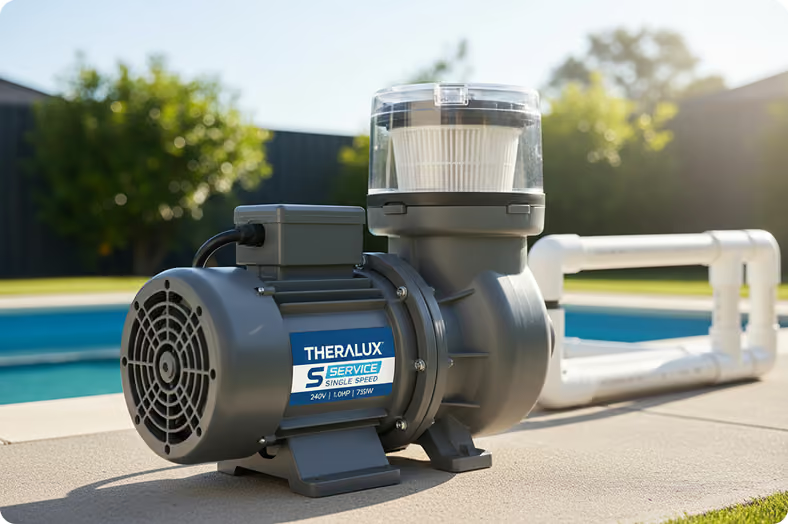
Pool Pump Leaking
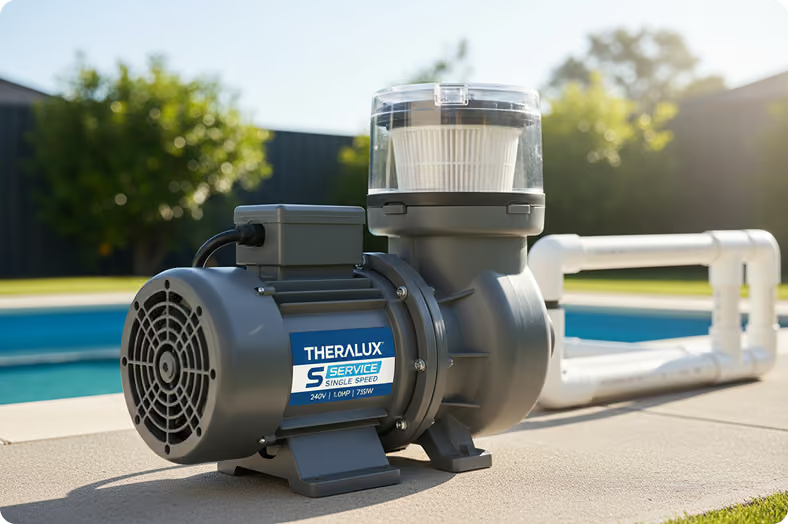
Pool Pump Not Pumping
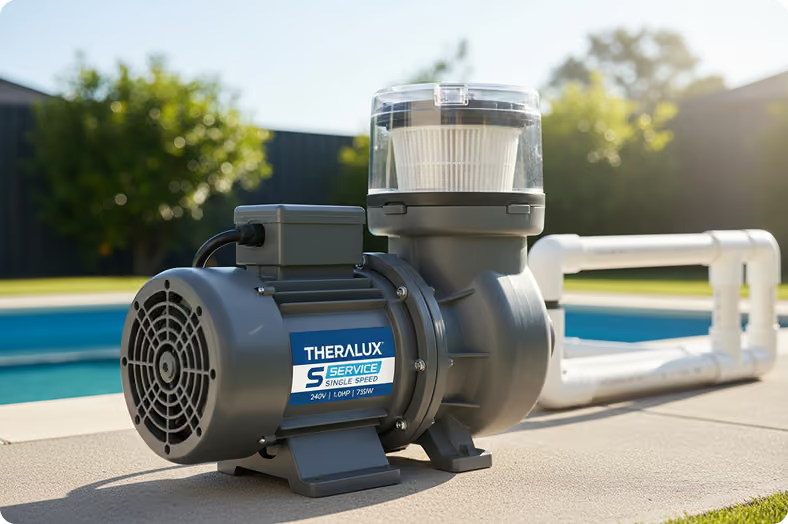
Pool Pump Losing Prime
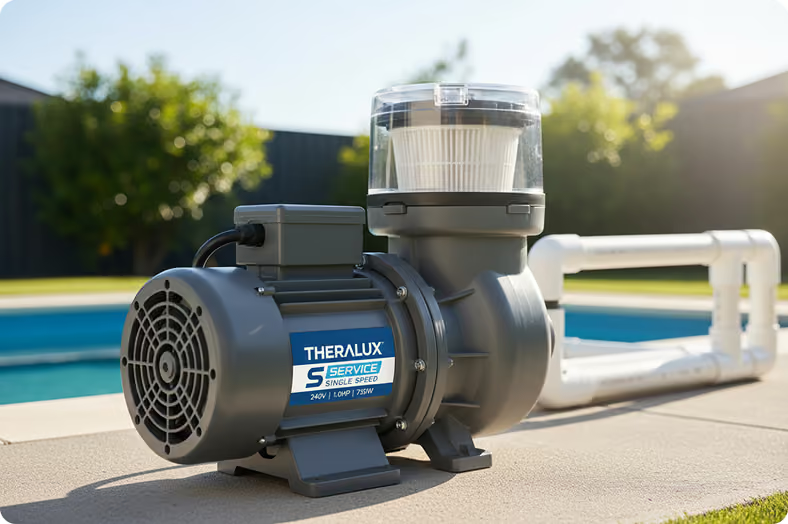
Pool Pump Noisy
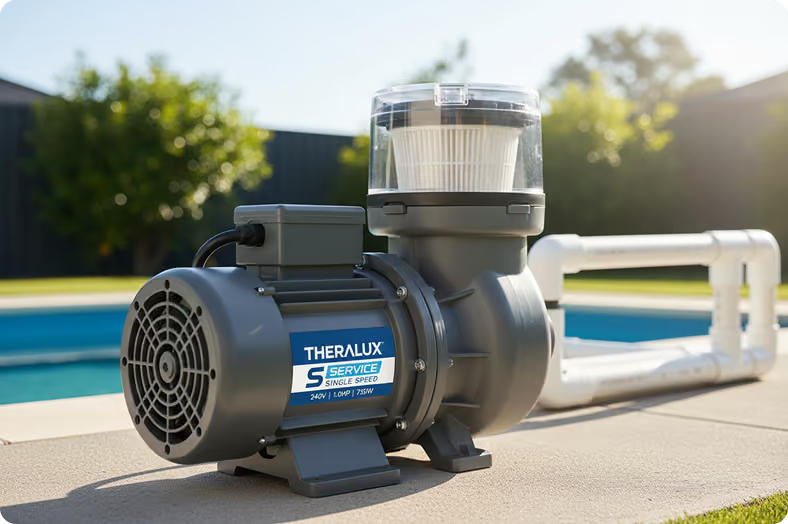
Pool Pump Not Working
Pool Water Foaming
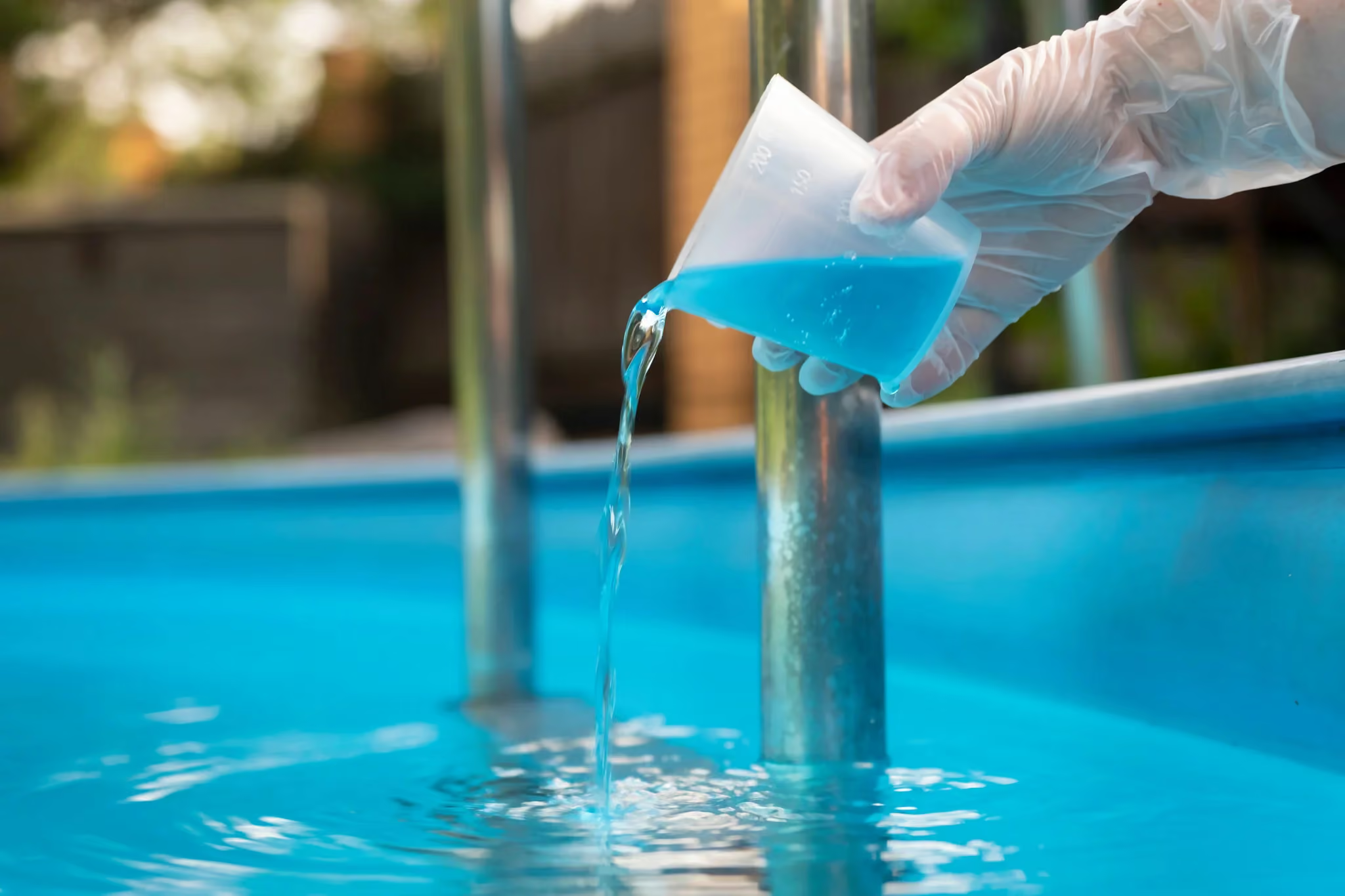
Pool pH Too Low
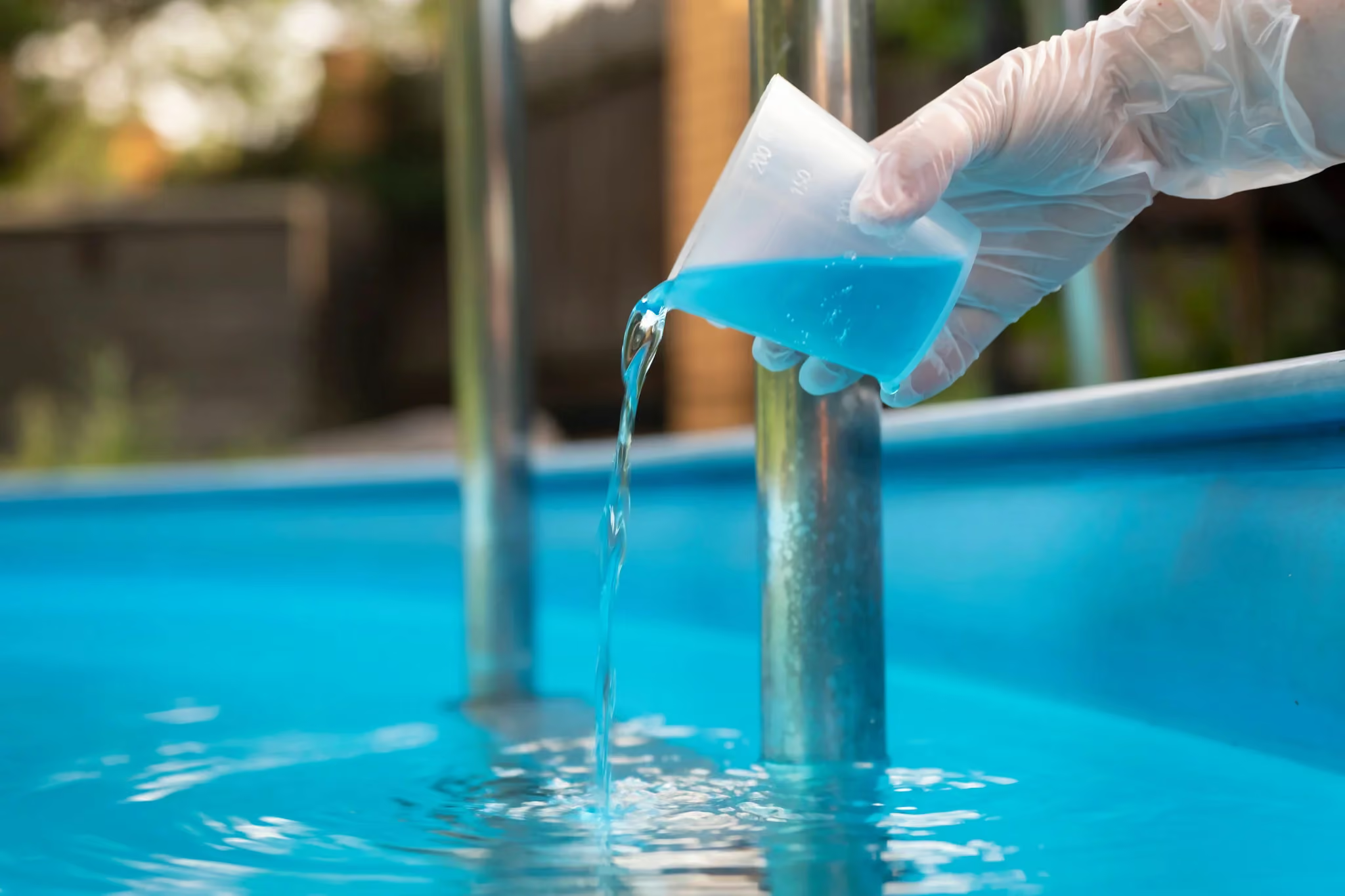
Pool pH Too High
Green Pool After Rain
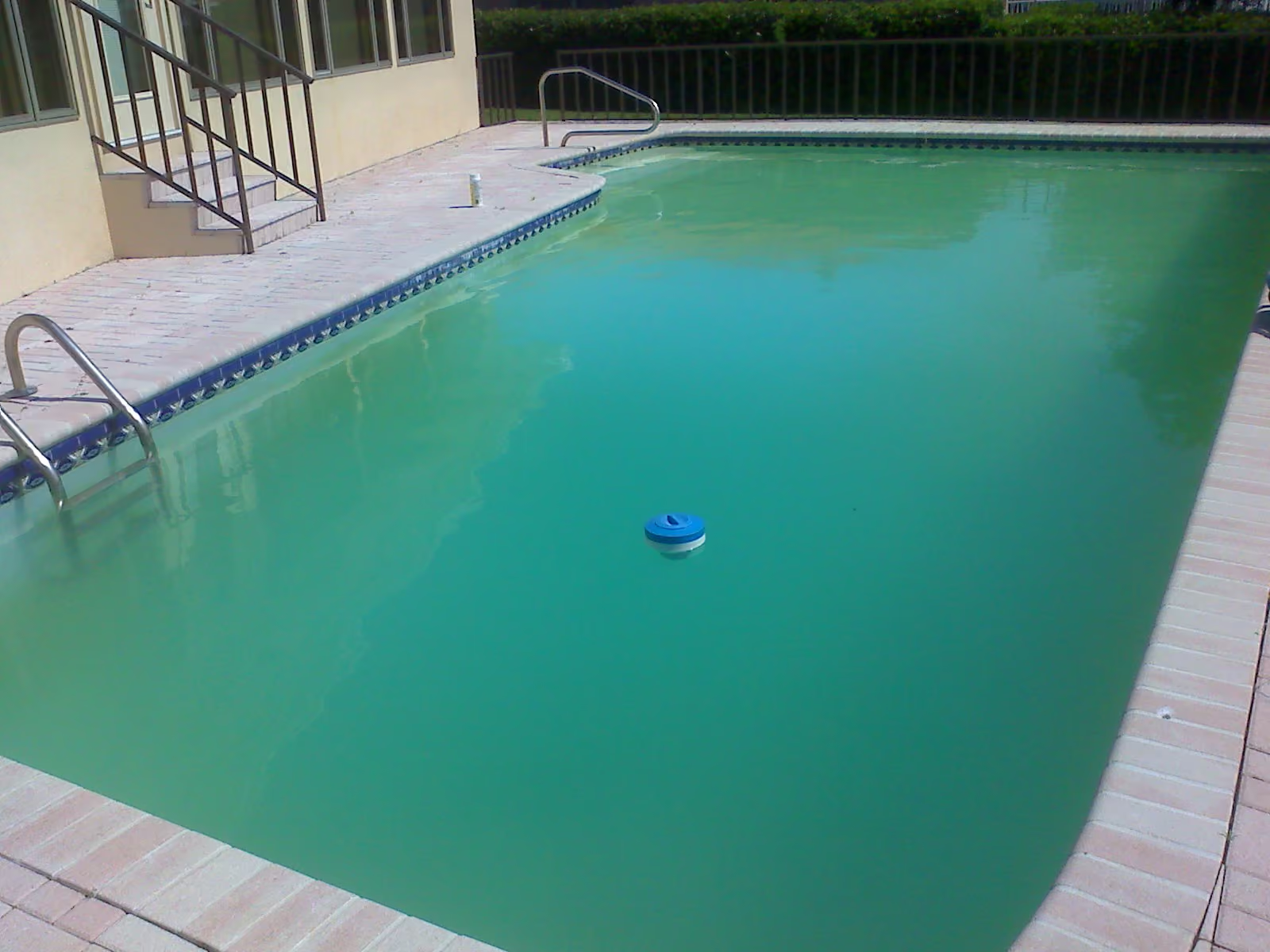
Pool Still Green After Shock
Pool Water Cloudy
How to Clear a Green Pool
Pool Care That Protects Your Investment
Good pool care protects more than appearance. Our pool specialists support the long-term condition of your swimming pool while keeping it ready for everyday use.