Pool Service ROI


Why Auckland trusts our pool service expertise
Regular pool servicing is often worth the cost when you account for what it prevents. The upfront expense of professional maintenance is generally lower than the cost of the repairs, chemical treatments, and surface damage that result from neglect.
The key is understanding what you're actually paying for, and what you're avoiding. These takeaways summarise the main points.
What you'll learn
The Short Answer
Yes, for most pool owners, regular professional servicing costs less over time than the alternative. Skipping maintenance doesn't save money; it defers costs and usually makes them larger.
That said, "worth it" depends on your pool, how you use it, and what you're comparing it to. This post works through the real numbers and trade-offs so you can make an informed decision.
---
What Regular Servicing Actually Covers
A professional pool service visit typically includes more than a quick look and a chemical top-up. Done properly, it covers:
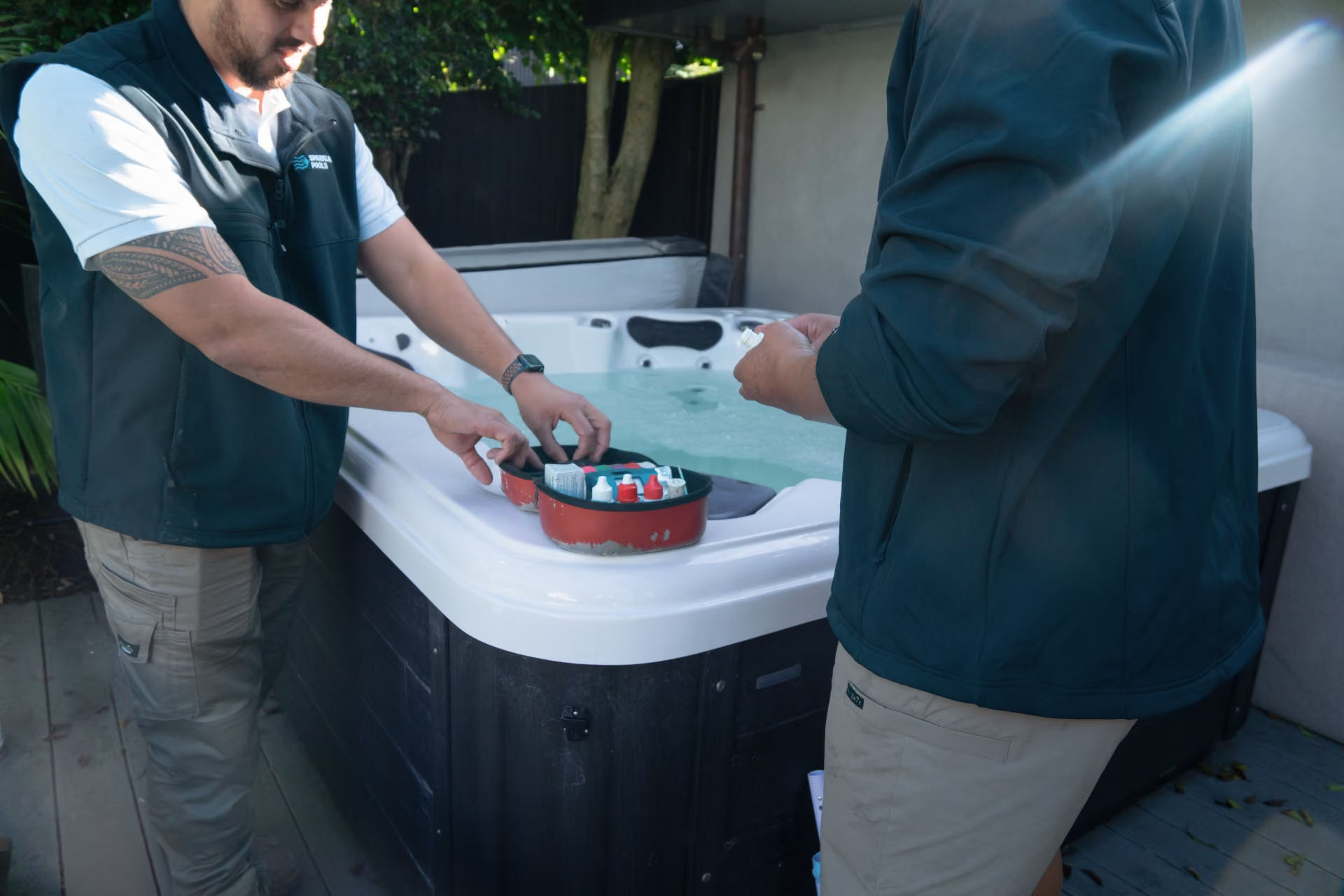
- Water chemistry testing and balancing
- Checking and adjusting sanitiser levels
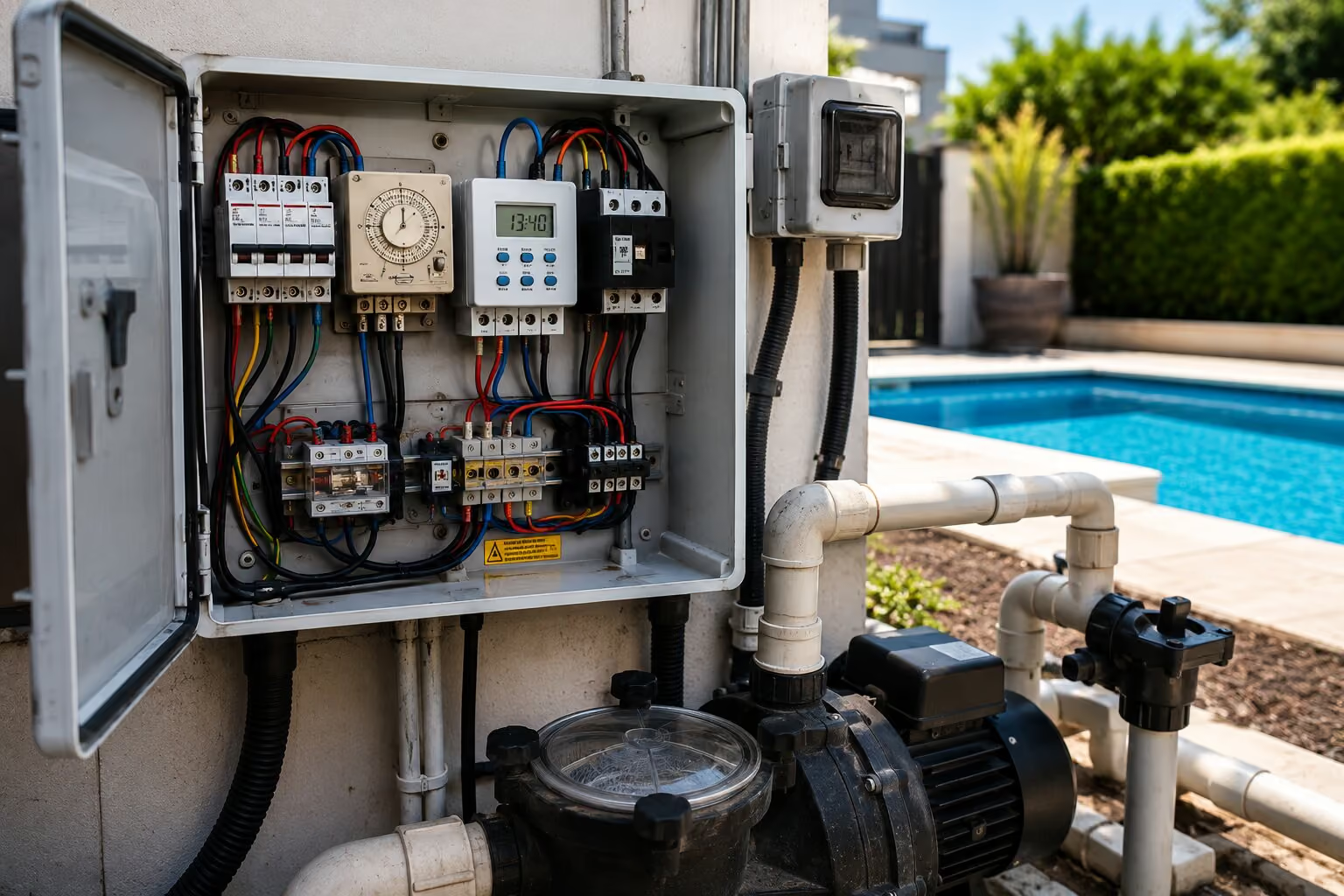
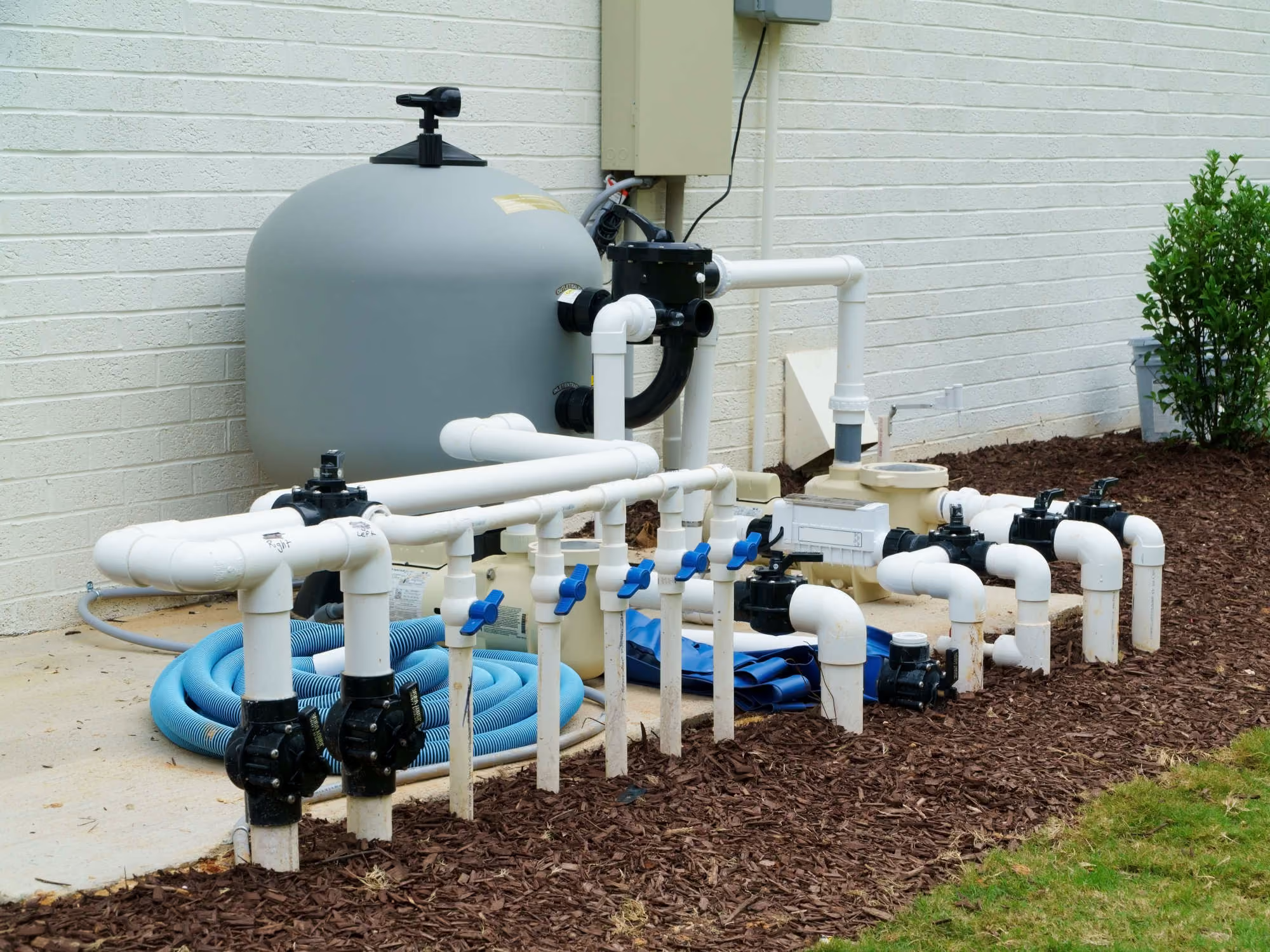
- Inspecting filtration and circulation equipment
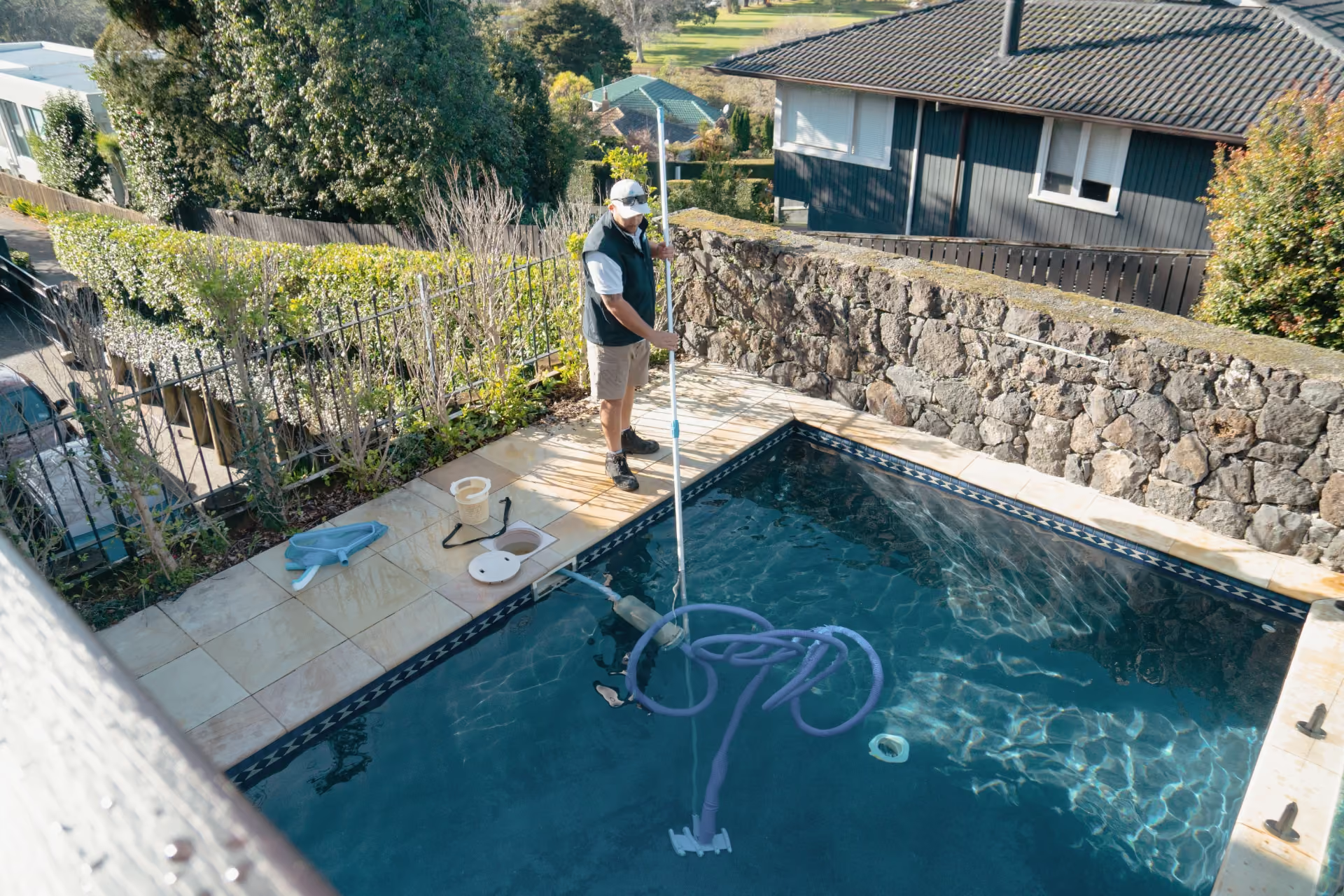
- Cleaning skimmer baskets and pump baskets
- Brushing walls and vacuuming the floor
- Checking for early signs of equipment wear or water issues
The value isn't just in what gets done, it's in what gets caught early. A technician who visits regularly will notice a pump running hot, a filter pressure creeping up, or a pH that keeps drifting before those issues become expensive problems.
---
Where the Costs Add Up Without Servicing
Equipment Repairs and Replacements
Pool equipment runs continuously. Pumps, filters, chlorinators, and heaters all have a service life, but that life shortens significantly when they're not maintained.
A pump running with a clogged basket works harder and runs hotter. A filter that's never backwashed loses efficiency and puts pressure on the pump. A chlorinator cell that isn't cleaned regularly scales up and stops producing chlorine effectively.
These aren't hypothetical scenarios. They're the most common reasons pool owners end up with repair bills that could have been avoided.
Chemical Overuse and Waste
Water chemistry that's left unchecked tends to drift. When it drifts far enough, correcting it requires significantly more product than maintaining it in range would have. A pool that's been neglected for a month may need several treatments to bring back into balance, treatments that cost more than the routine maintenance that would have kept it stable.
There's also the issue of inefficiency. Chlorine works best within a specific pH range. If pH is off, chlorine becomes far less effective, meaning you're using more product for less sanitisation.
Algae and Green Water
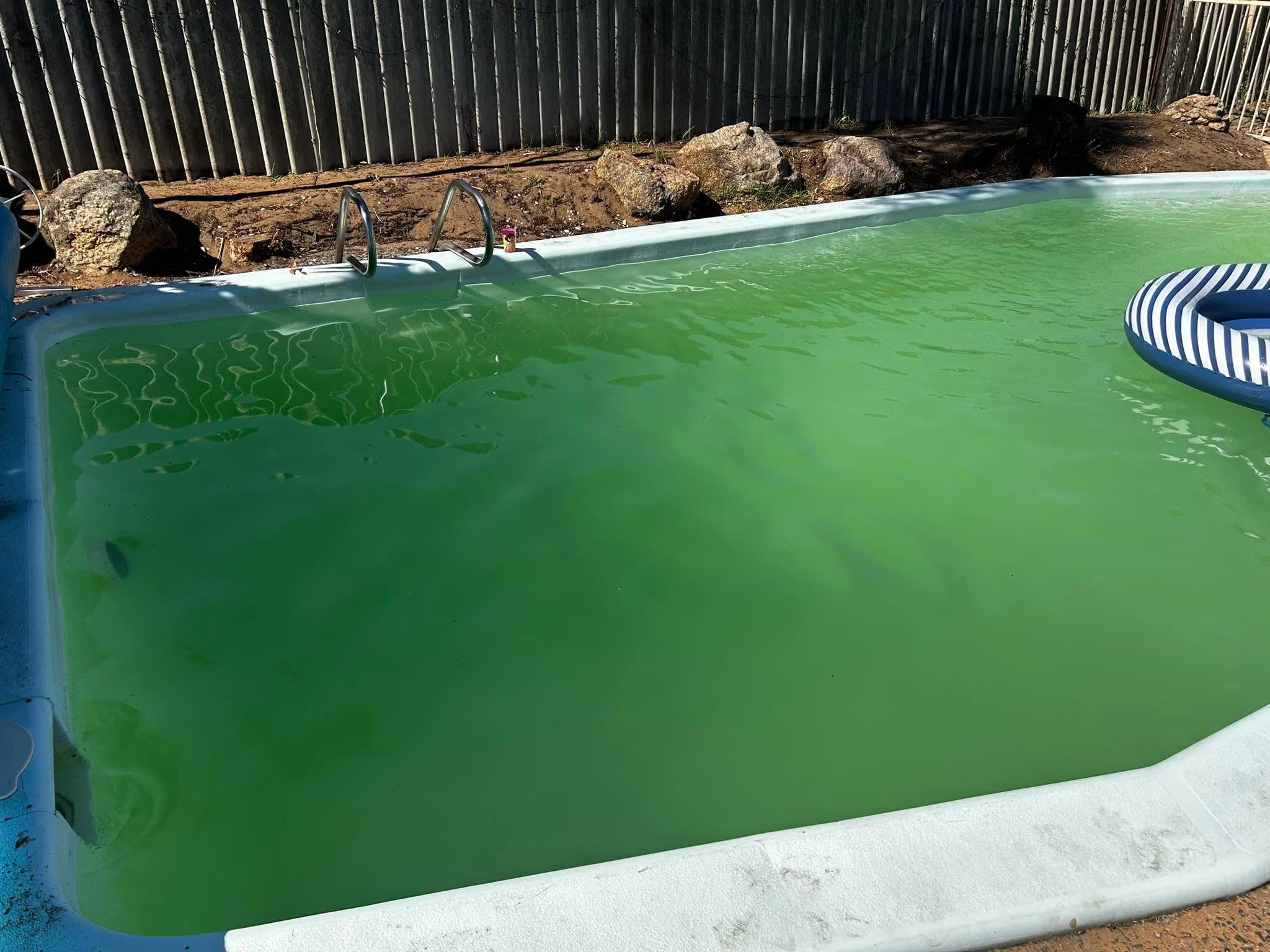
Algae blooms are one of the most visible and frustrating consequences of inconsistent pool care. A green pool typically requires a shock treatment, extended filtration, multiple follow-up chemical doses, and sometimes a full drain and clean depending on severity.
The cost of treating a green pool, in chemicals, time, and water, is almost always higher than the cost of the regular maintenance that would have prevented it.
Surface and Structural Damage
Unbalanced water doesn't just affect clarity. Water that's too acidic gradually attacks pool surfaces, fittings, and equipment. Water that's too alkaline causes scale to build up on surfaces and in pipes. Both conditions cause damage that accumulates quietly over months and years.
Replastering a pool is a significant cost. Replacing corroded fittings or a scaled-up heat exchanger is another. These are the kinds of expenses that feel sudden but are actually the result of long-term neglect.
---
The Case for Professional Servicing vs. DIY
Many pool owners manage their own maintenance, and do it well. DIY pool care is entirely viable if you're consistent, you understand water chemistry, and you have the time to stay on top of it.
The honest comparison isn't "professional servicing vs. doing nothing." It's "professional servicing vs. doing it yourself properly."
Where DIY works well
- You're comfortable testing and adjusting water chemistry regularly
- You have time to check and clean equipment weekly
- Your pool is straightforward, no complex equipment, no recurring issues
- You enjoy the process and stay consistent through summer and winter
Where professional servicing adds value
- You don't have time for weekly checks, especially during busy periods
- Your pool has a history of chemistry problems or equipment issues
- You're not confident diagnosing equipment faults early
- You want a second set of eyes on the pool regularly, someone who'll notice what you might miss
- You're managing a rental or commercial property where consistency matters
For many Auckland homeowners, the answer is a combination: a professional service on a regular schedule, with the owner handling basic tasks in between.
---
What Consistent Servicing Protects
Your Equipment's Service Life
Pool equipment that's properly maintained lasts longer. That's not a marketing claim, it's basic mechanical reality. A pump that runs clean, a filter that's regularly backwashed, and a chlorinator cell that's kept free of scale will all reach their expected service life. Equipment that's neglected often doesn't.
Your Pool's Usability
A pool that's regularly serviced is ready to use. There's no waiting for chemistry to come right, no weekend lost to treating a green pool, no guests arriving to find the water uninviting. For families who use their pool regularly through summer, that reliability has real value.
Your Time
Time spent diagnosing a chemistry problem, sourcing the right products, treating the water, and waiting for it to clear is time that could be spent elsewhere. For many pool owners, the cost of professional servicing is straightforwardly offset by the time it saves.
---
A Practical Way to Think About It
Rather than asking "how much does servicing cost?", the more useful question is: what does it cost to not service the pool?
Consider the realistic costs of a single avoidable incident:
- Green pool treatment: chemicals, extended filtration run time, follow-up doses
- Pump repair or replacement: a common consequence of running with a blocked basket or poor water chemistry
- Filter media replacement: sand or cartridge media that's degraded from lack of maintenance
- Replastering: a long-term consequence of chronically unbalanced water
None of these are inevitable, but all of them are more likely without regular maintenance. Regular servicing is, in large part, the cost of avoiding them.
---
When to Consider a Professional Service
If your pool is currently well-maintained and you're confident in your DIY routine, you may not need a regular service schedule. But it's worth considering professional servicing if:
- Your pool has recurring chemistry problems that you can't resolve
- You've noticed changes in equipment performance, unusual noise, reduced flow, pressure fluctuations
- You're heading into summer after a period of reduced maintenance
- You're preparing to sell or rent a property with a pool
- You simply don't have the time to stay consistent
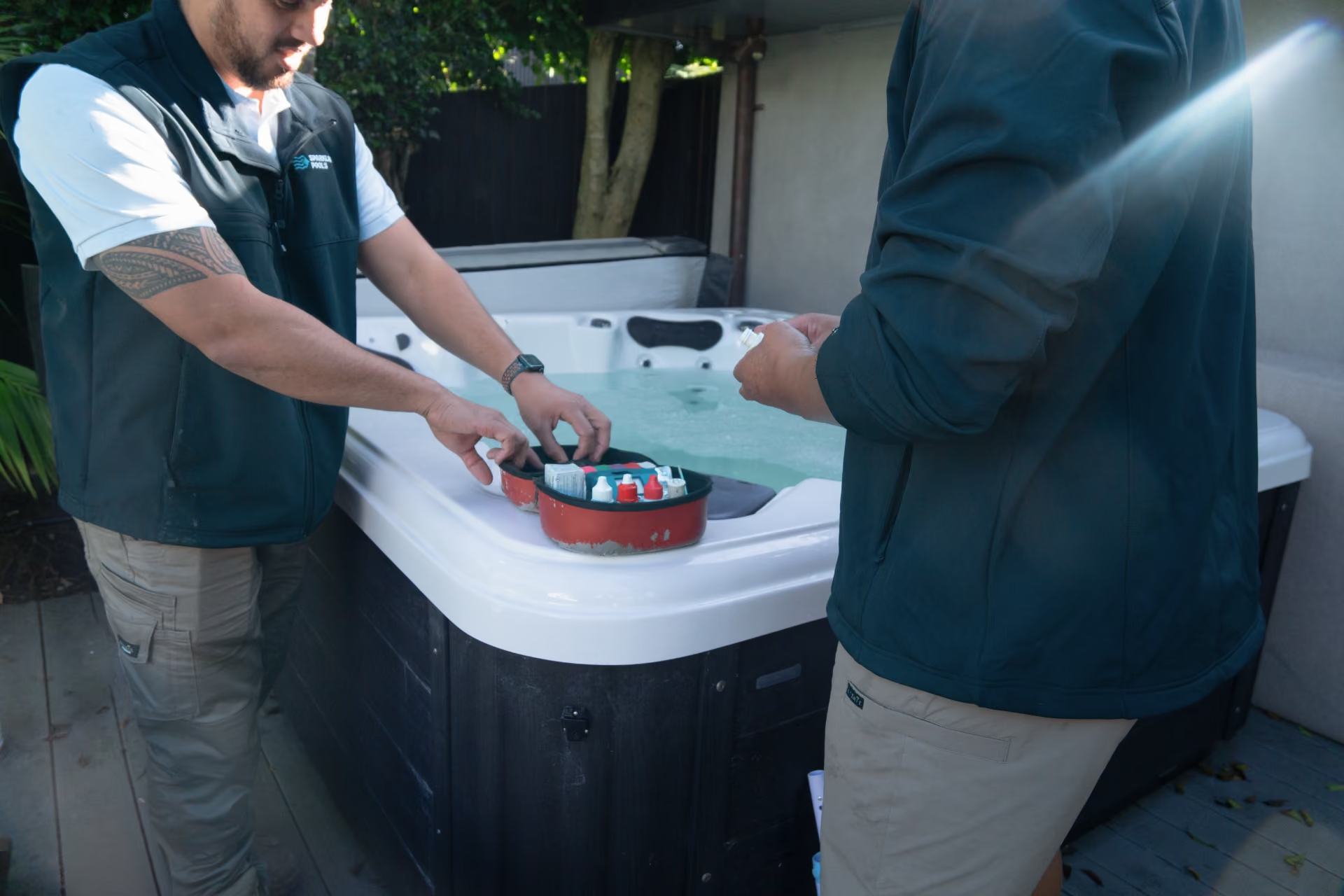
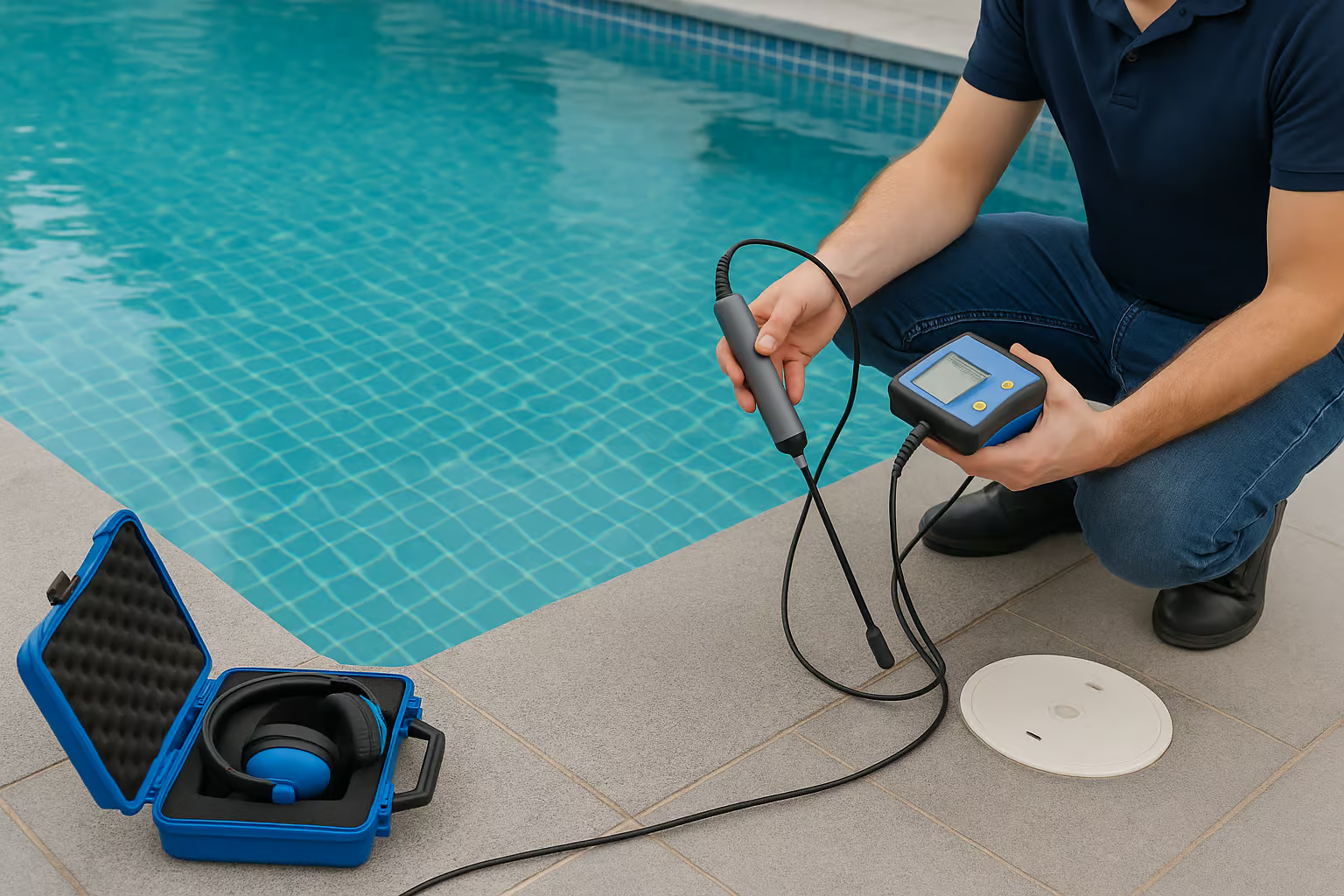
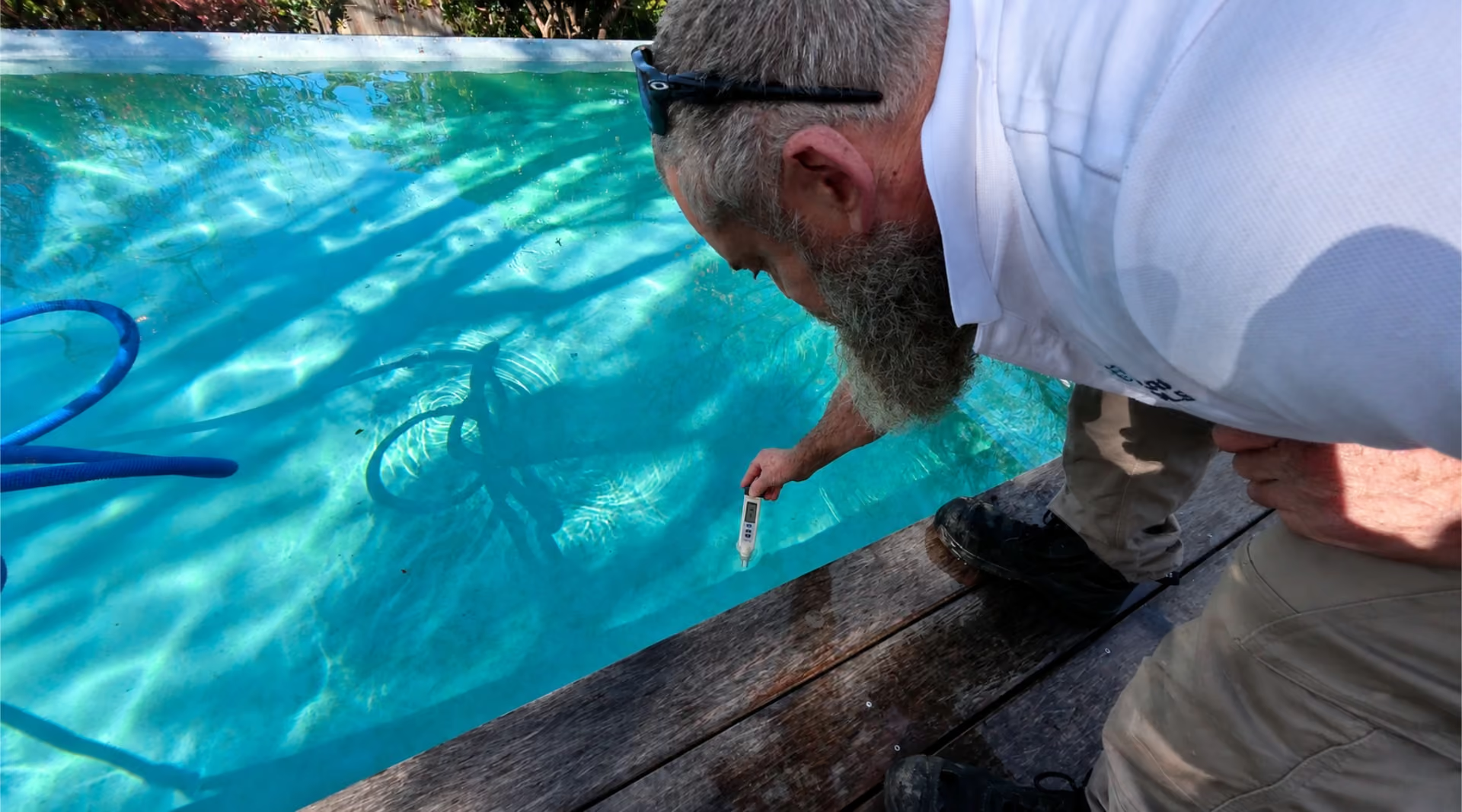
Sparkling Pools offers on-site water testing across Auckland, visiting your home to test and assess your pool's condition. It's a practical starting point if you're unsure where things stand.
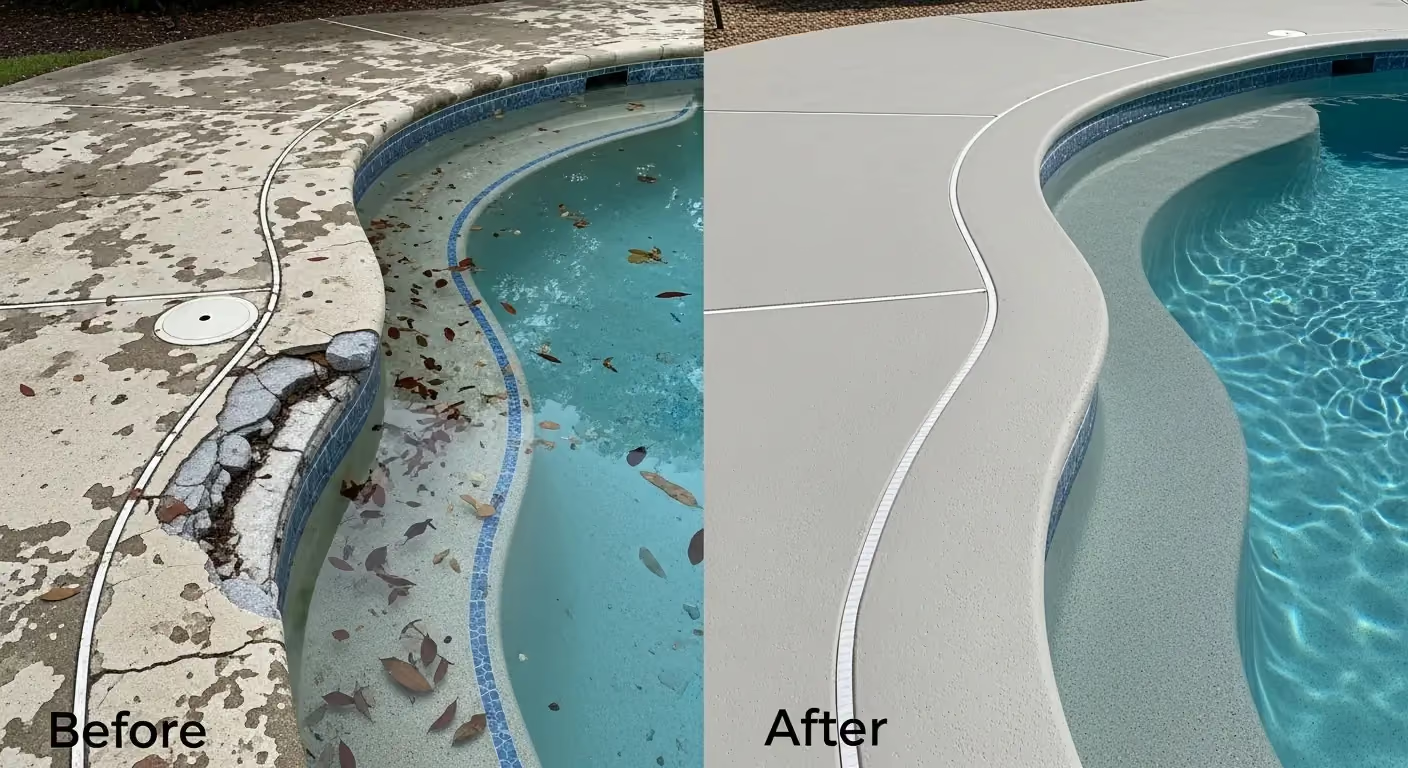
Pool resurfacing solutions
Restore your pool with durable plaster finishes


Work completed
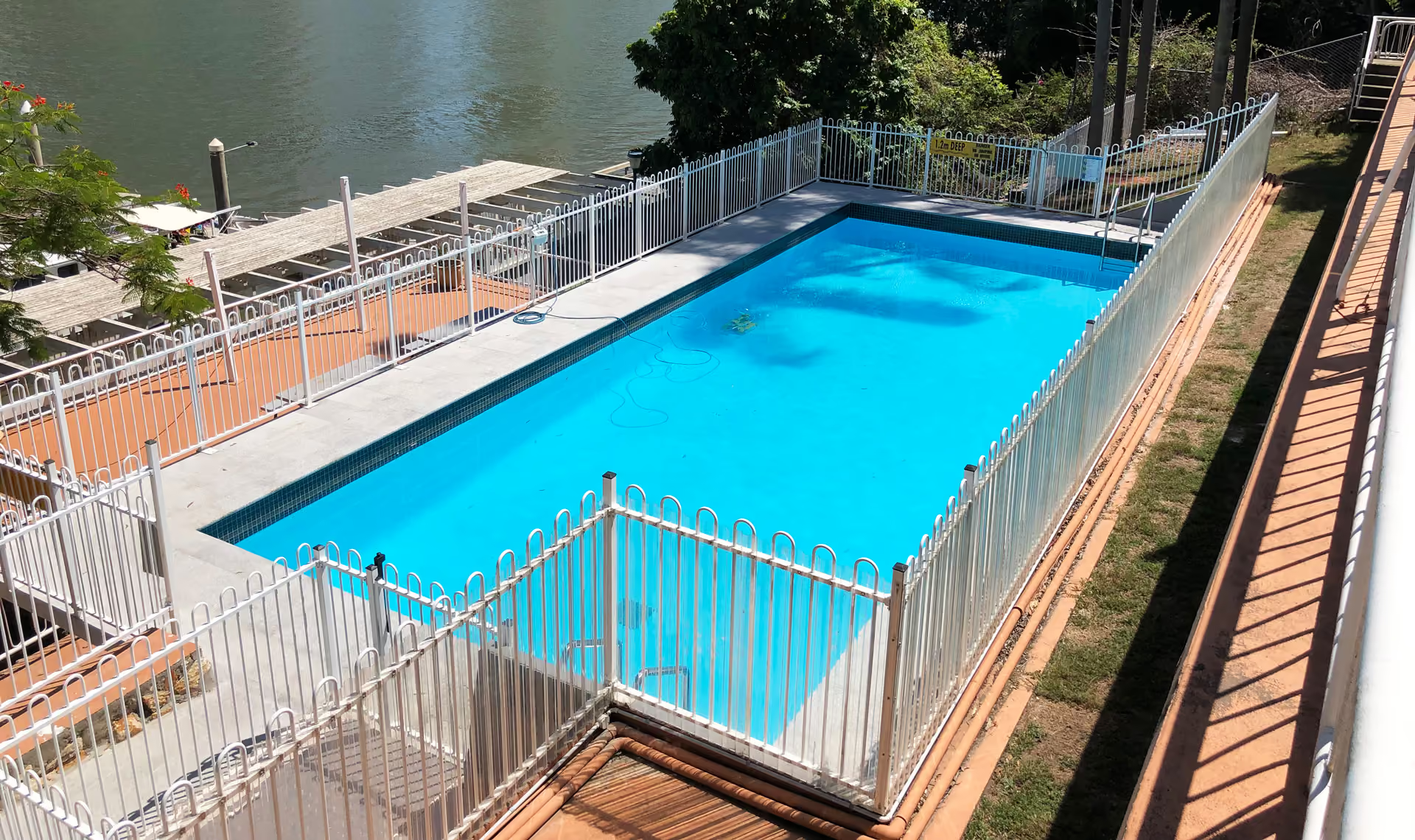
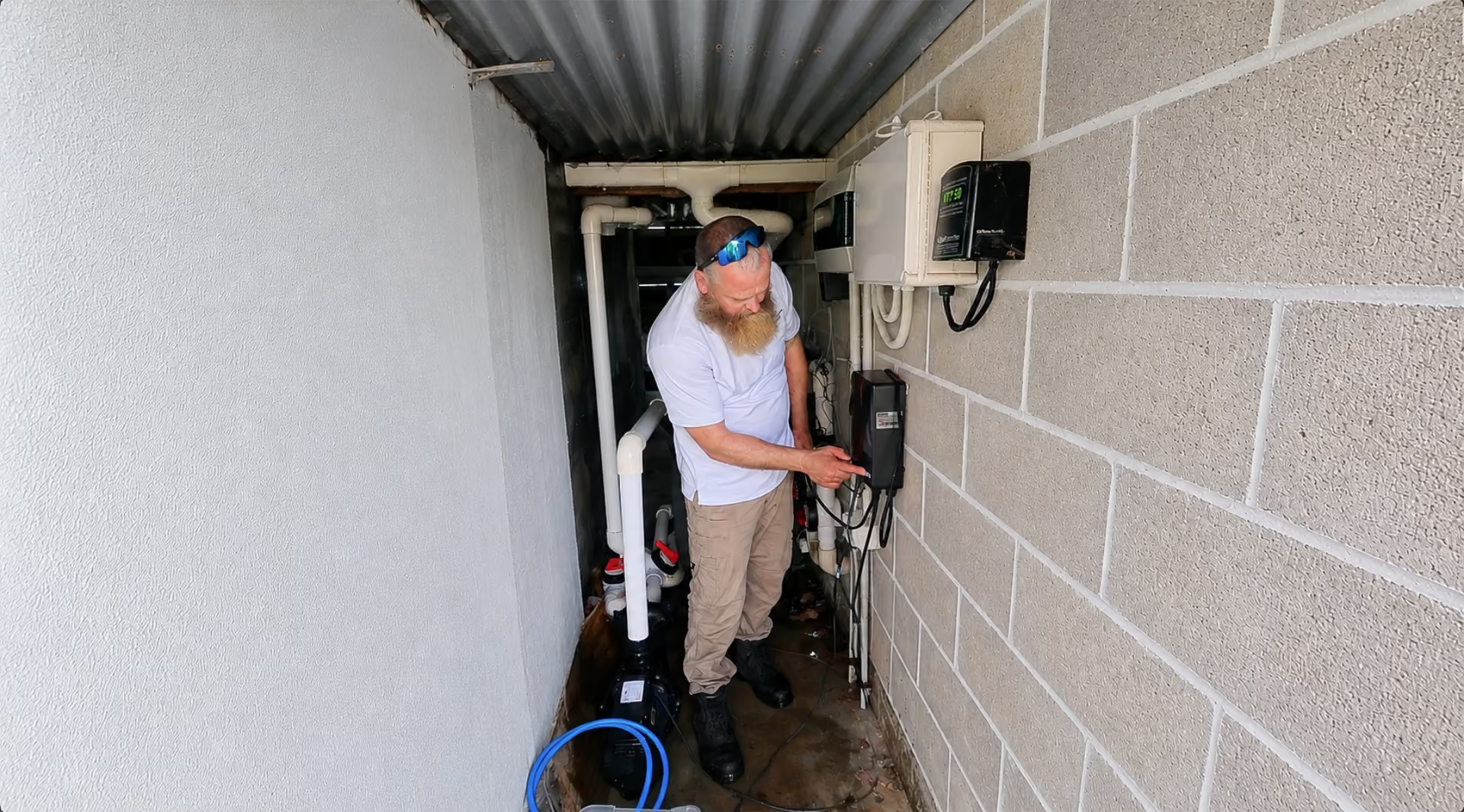
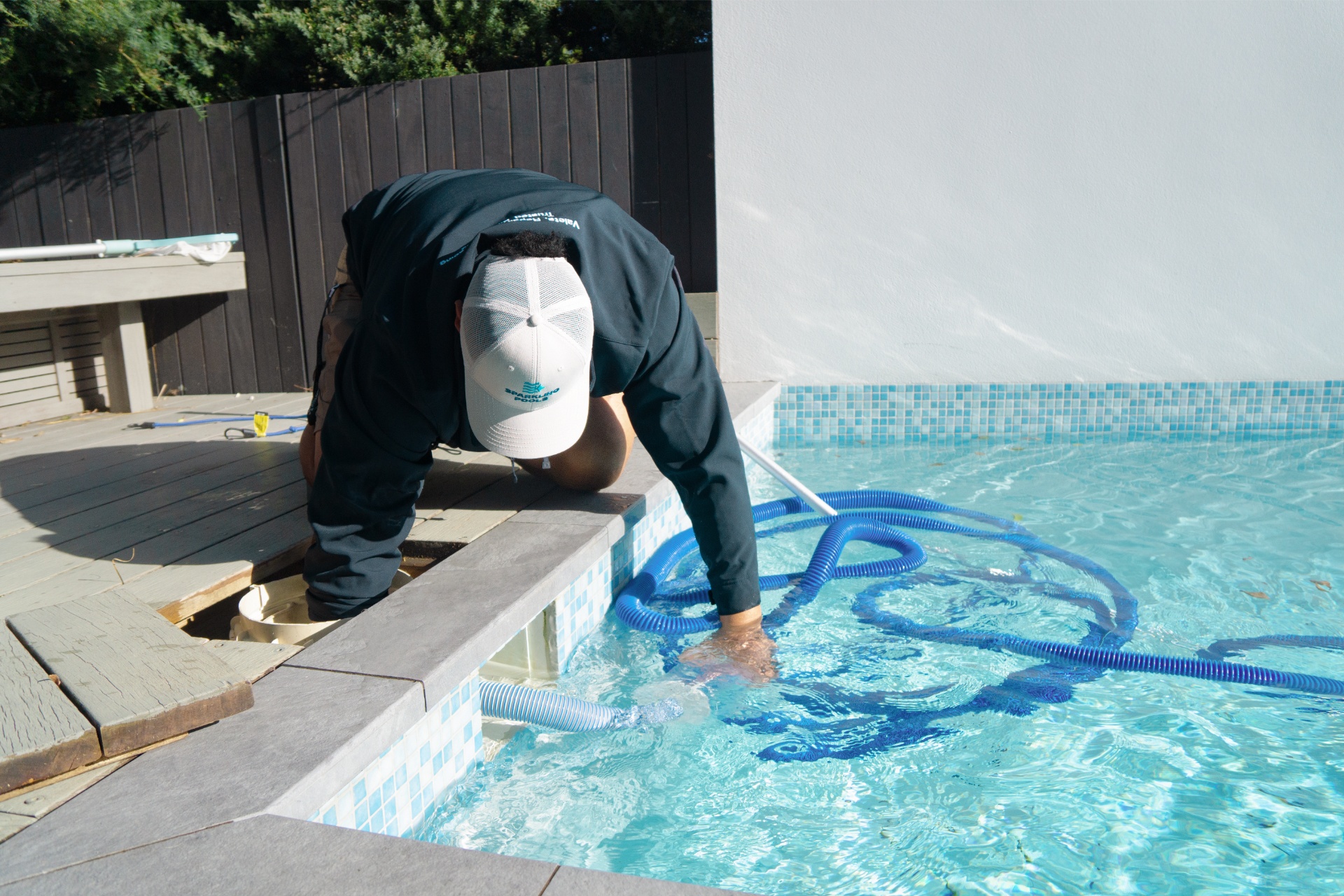
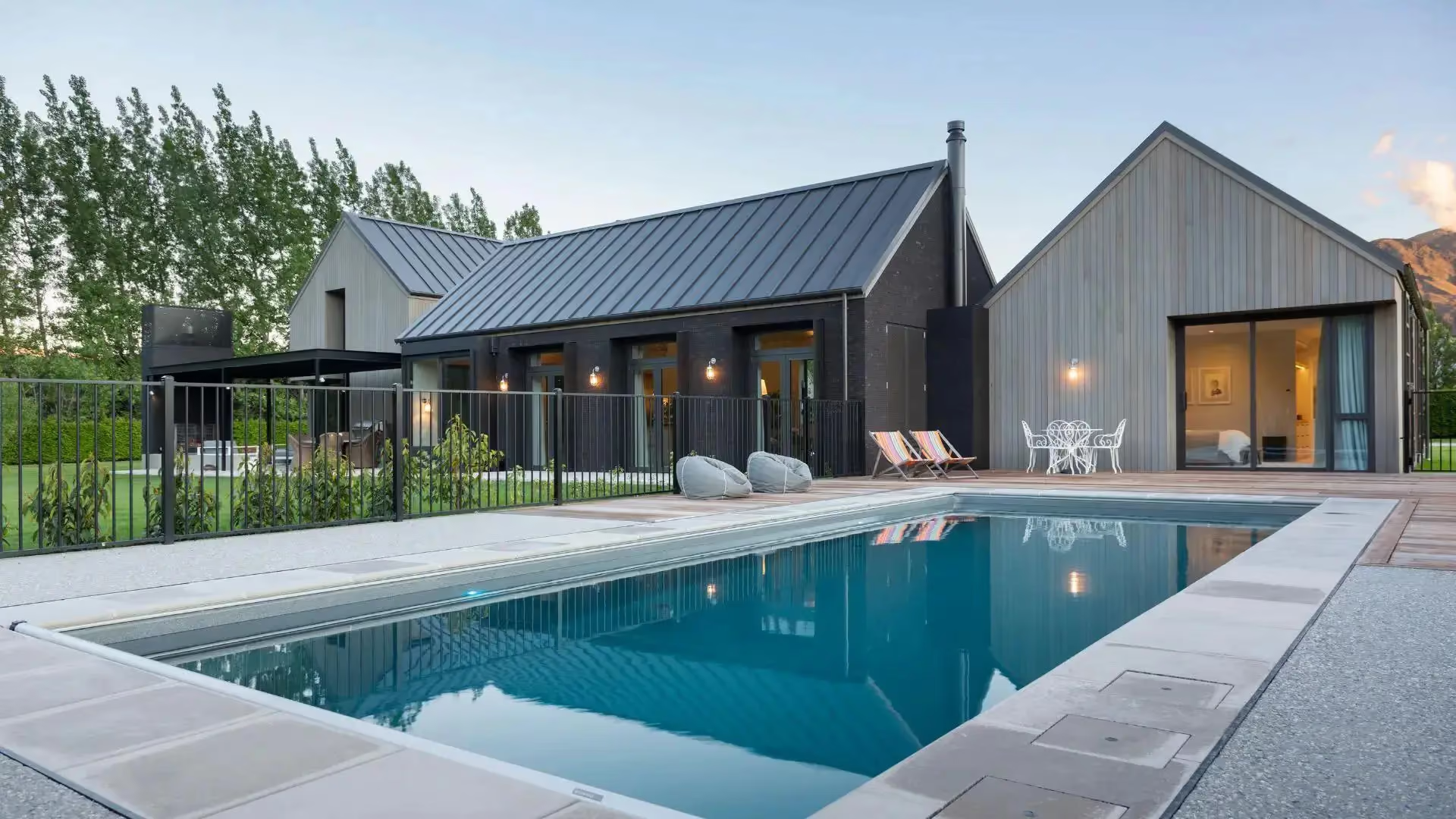
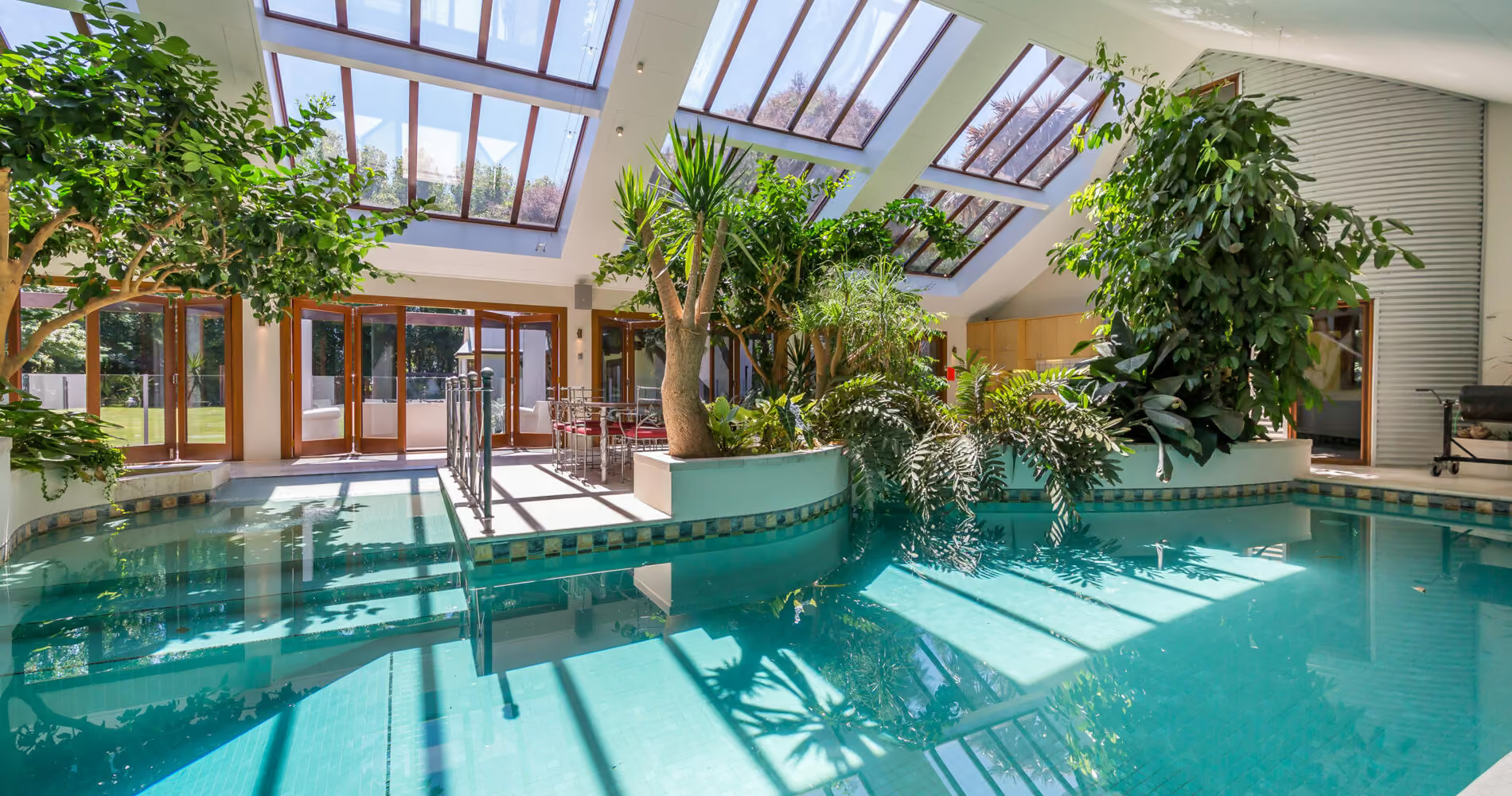
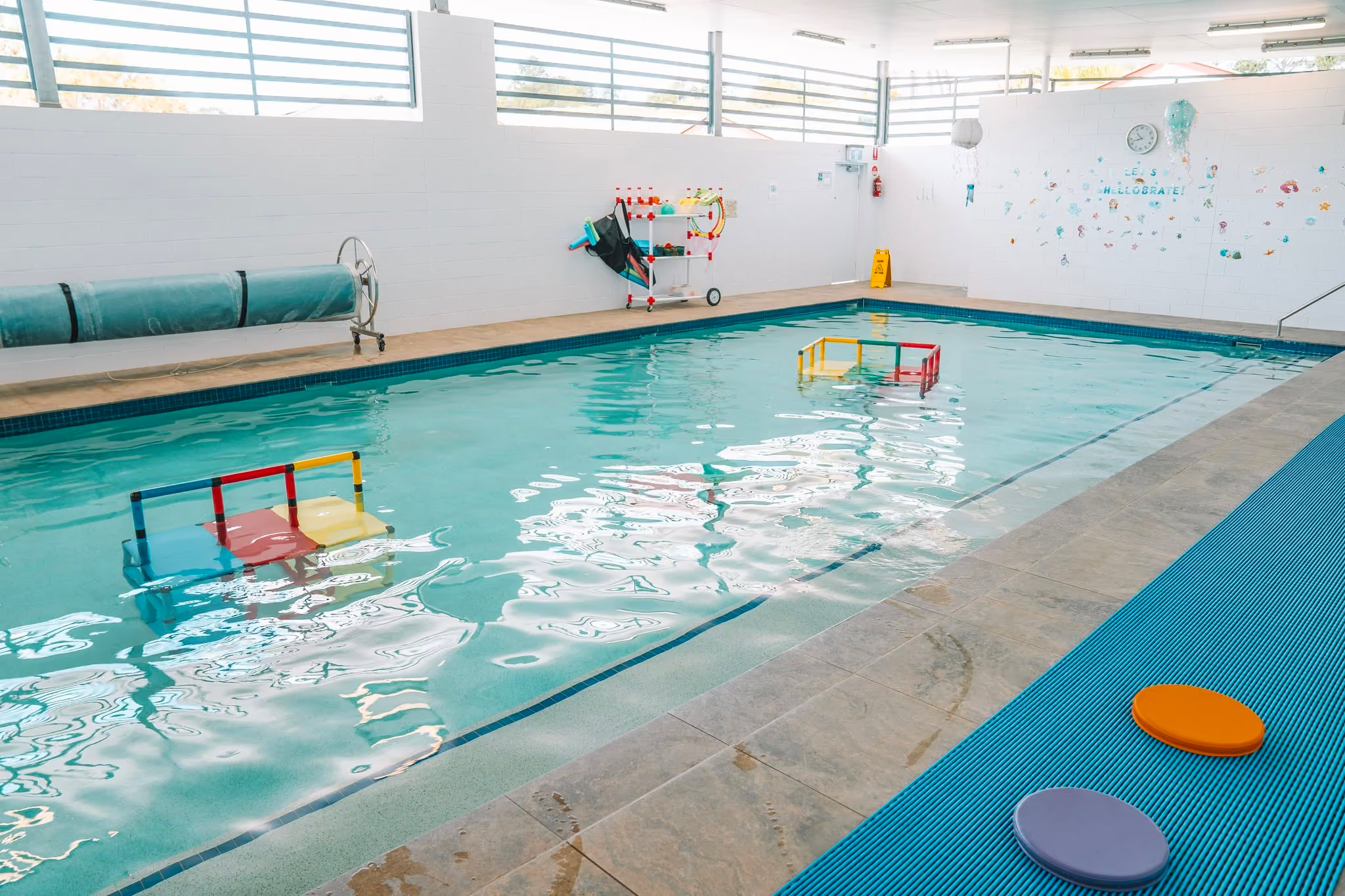
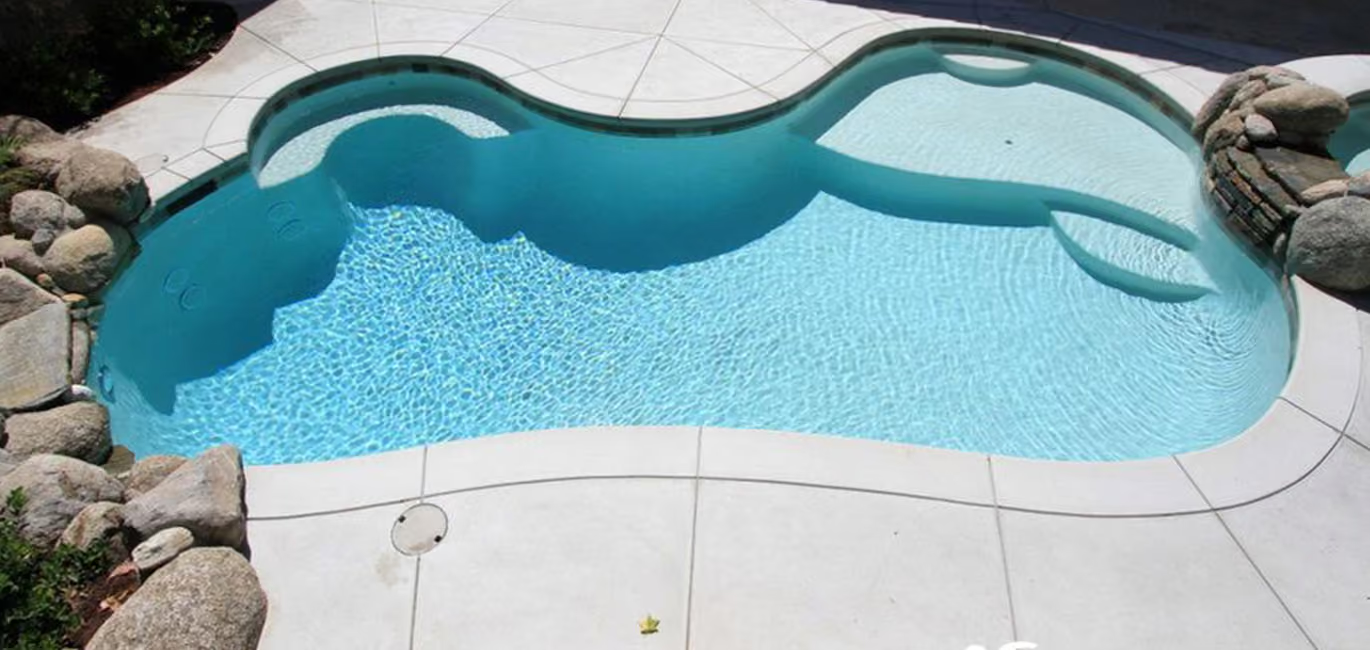
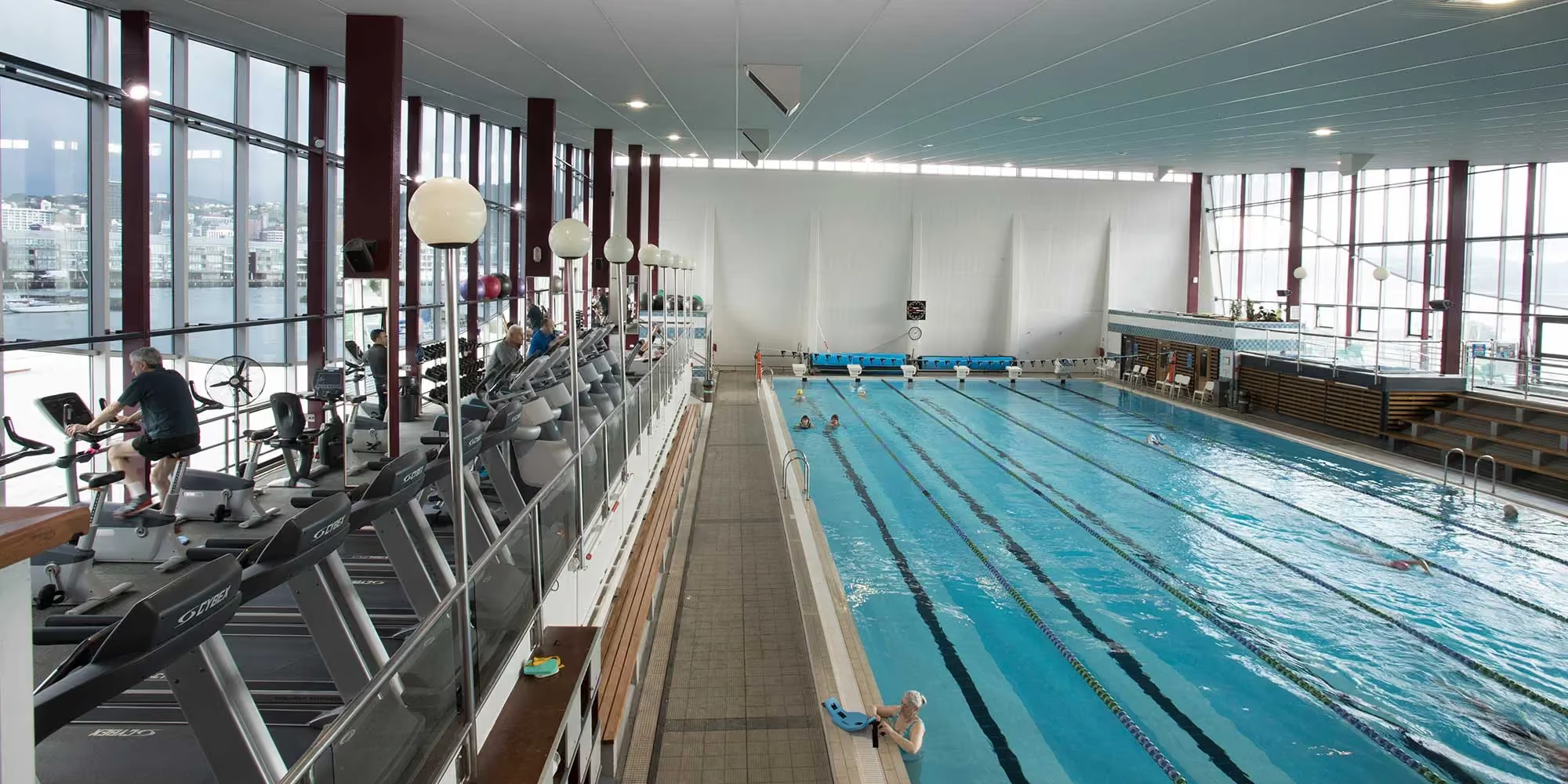
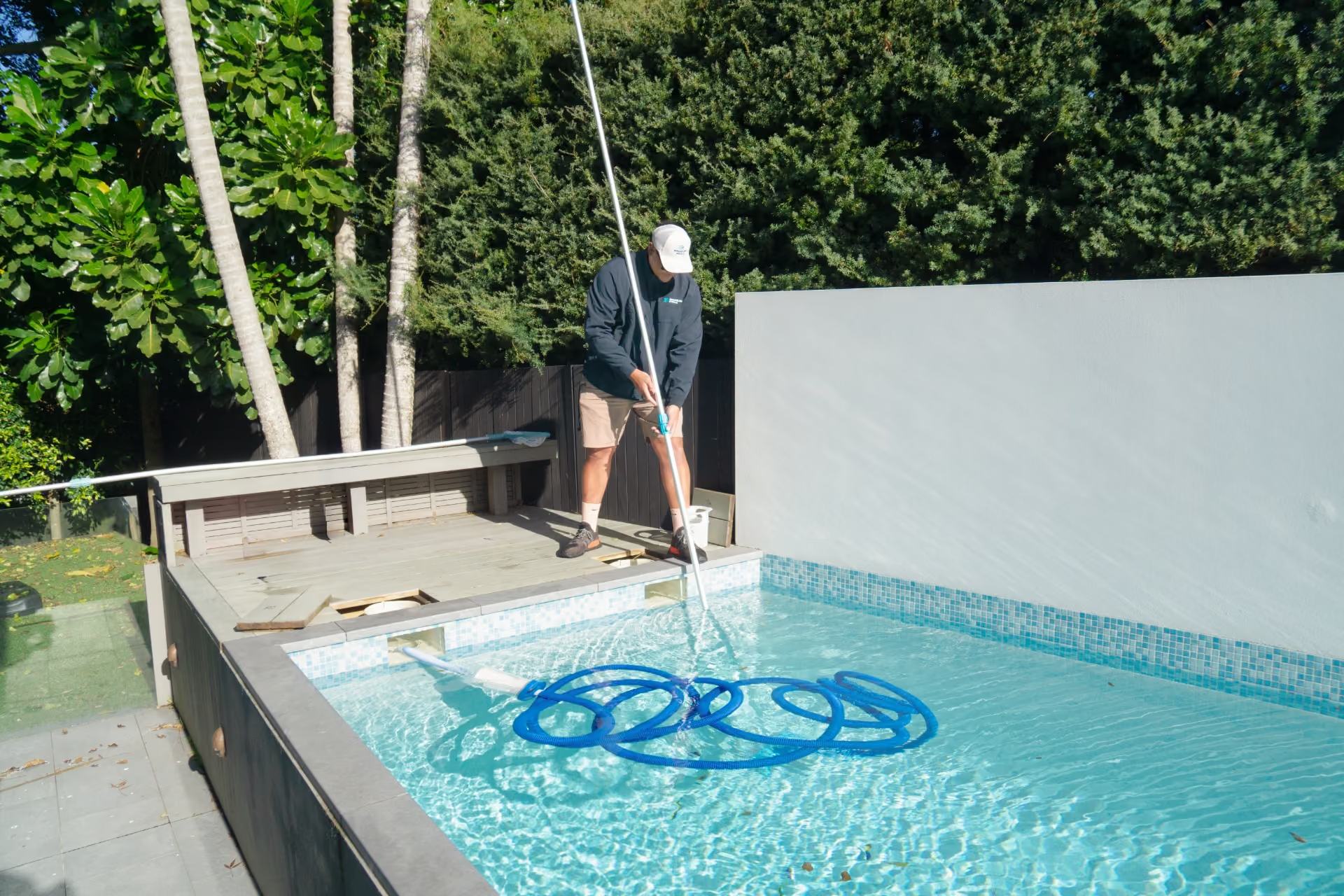
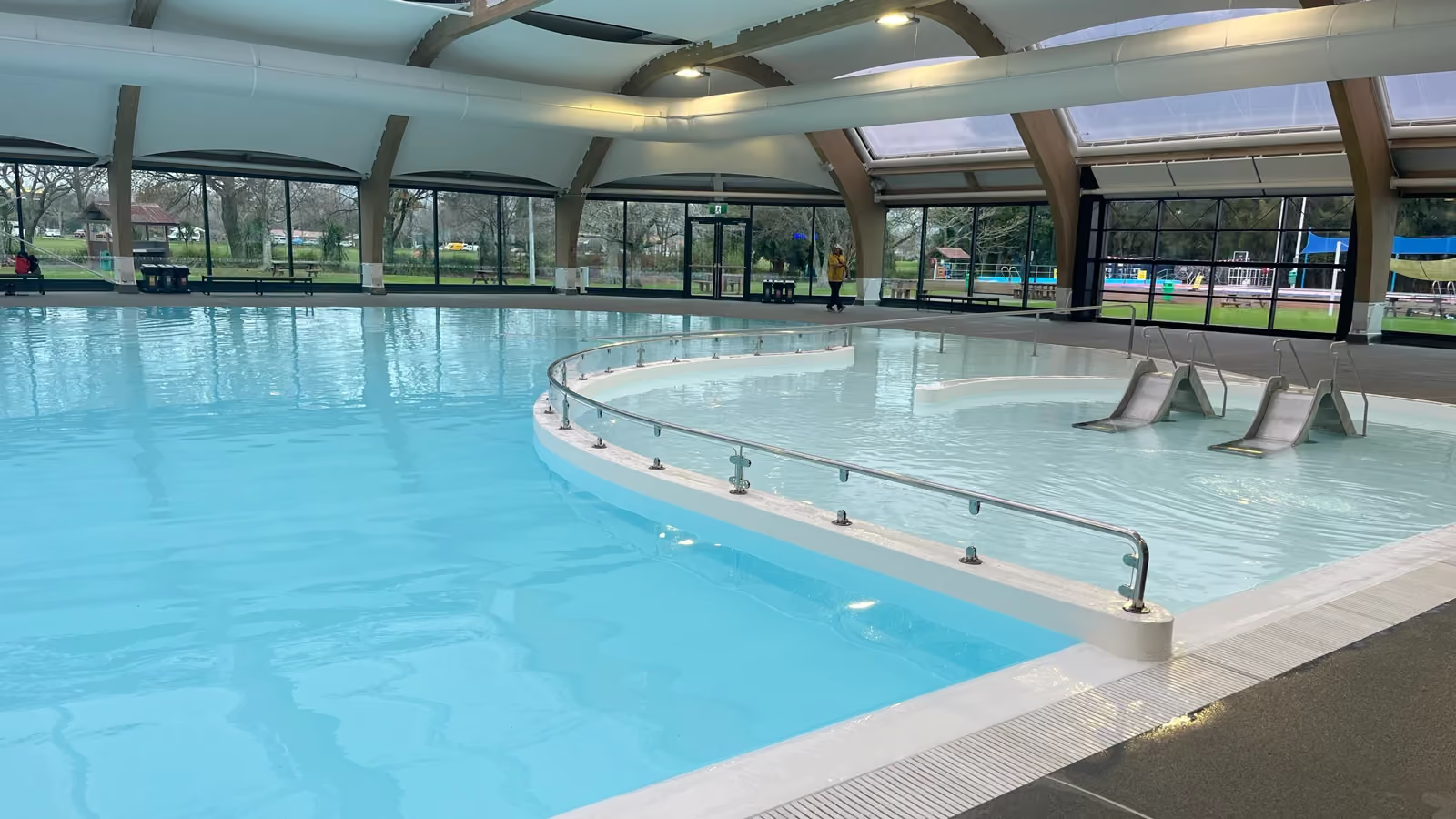
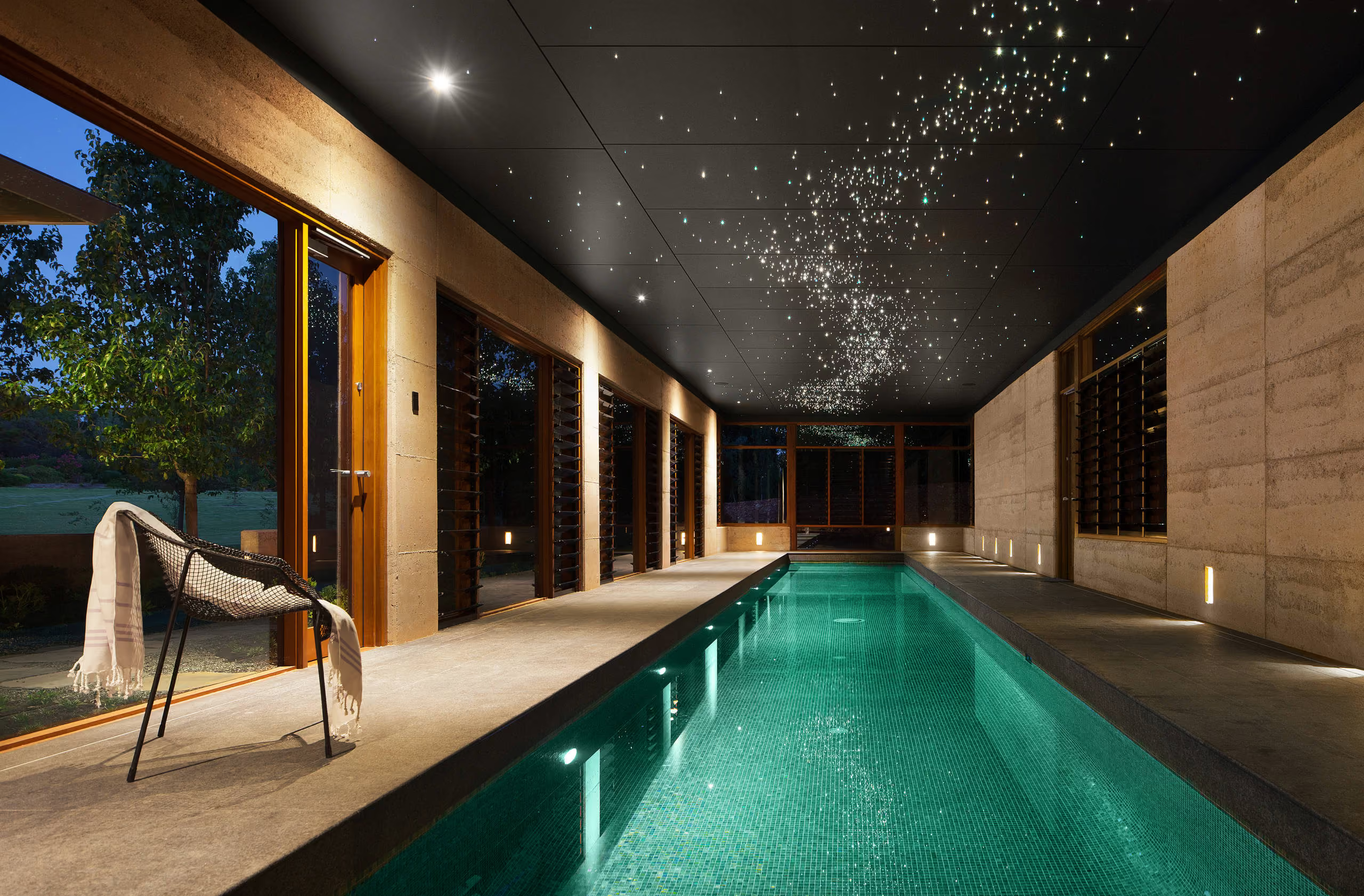
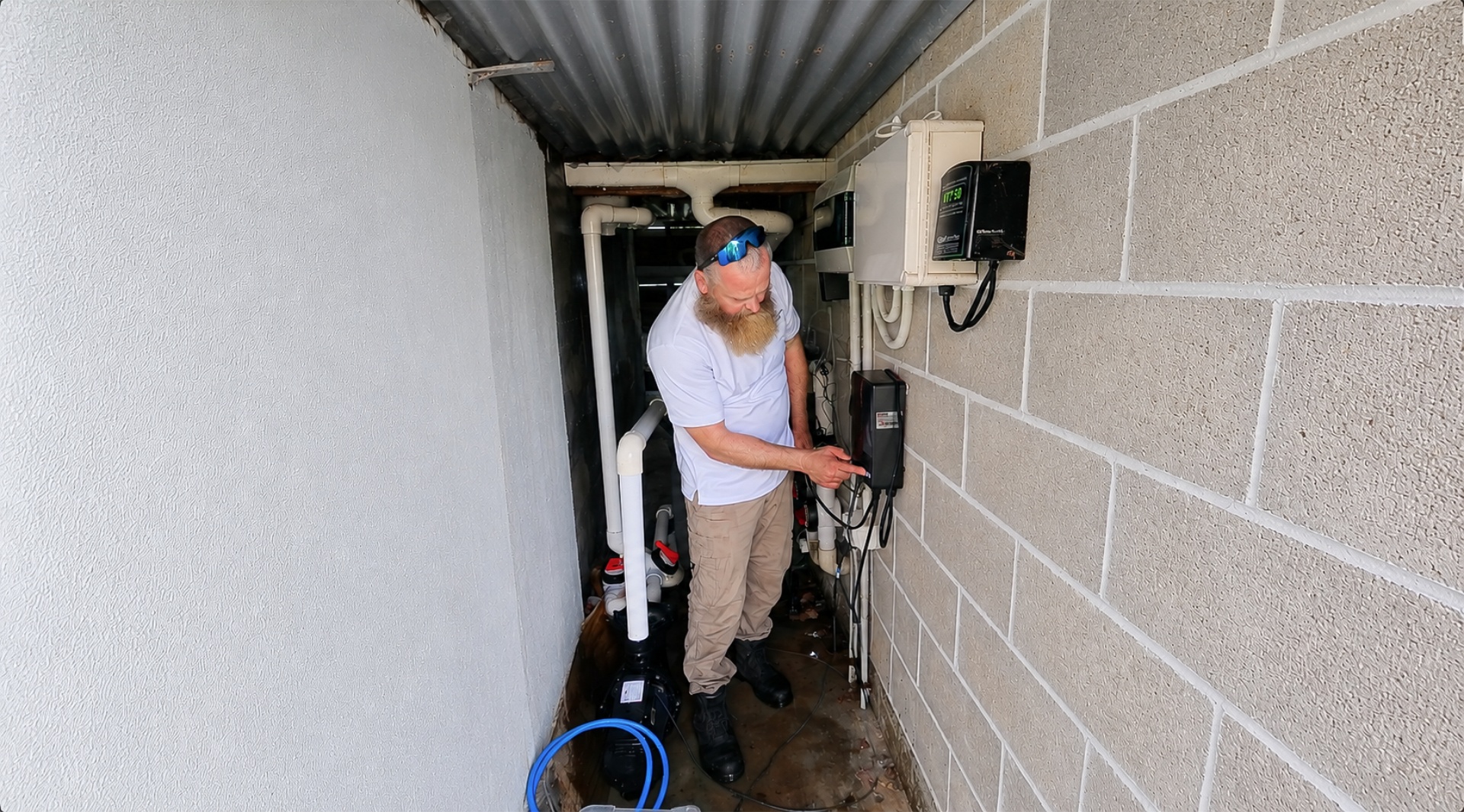
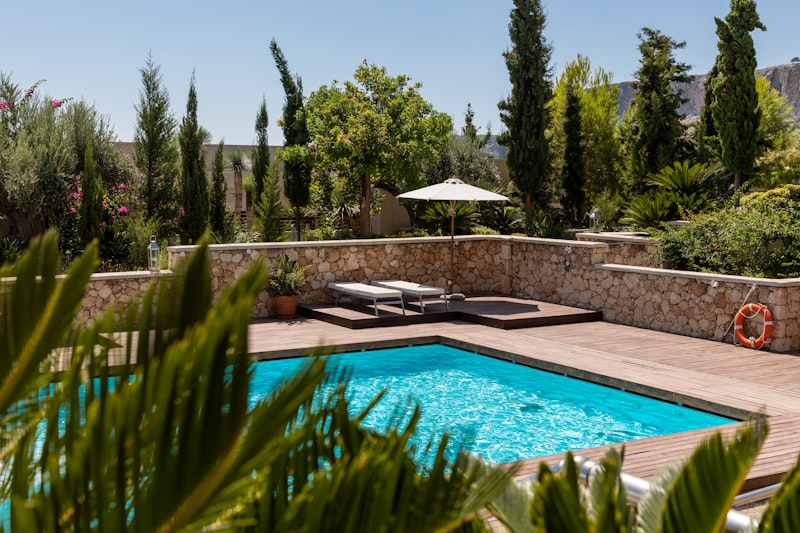
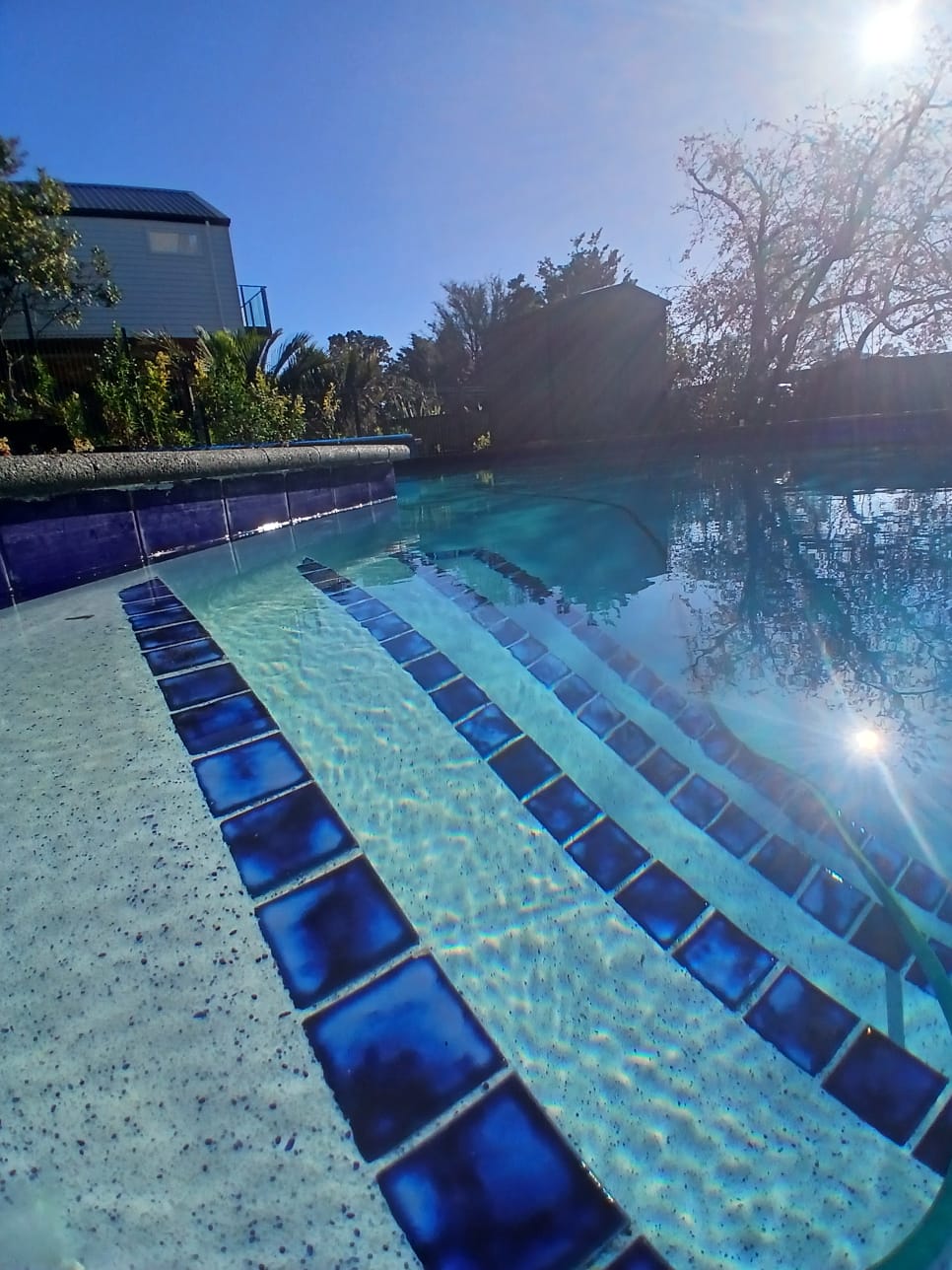
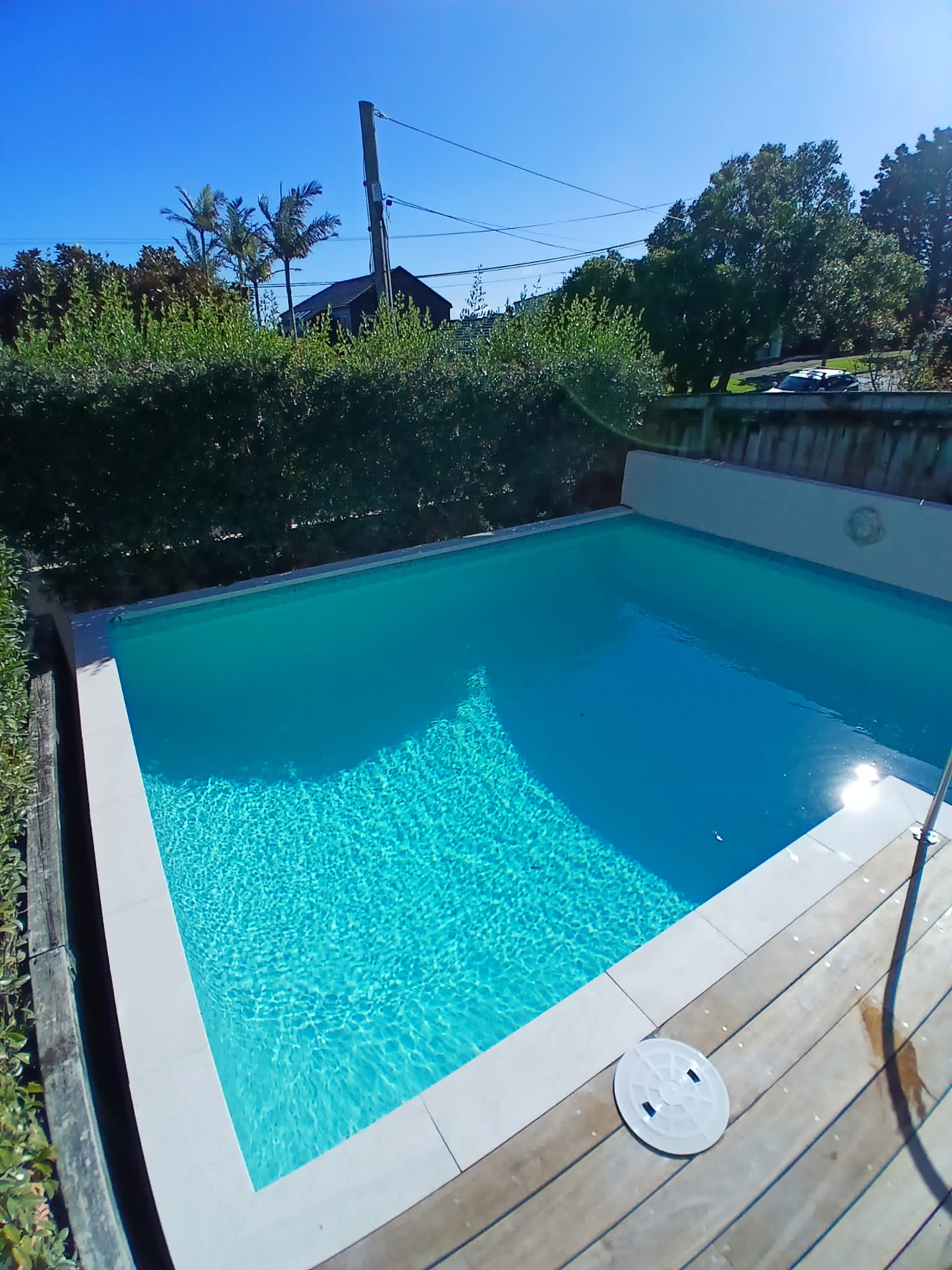
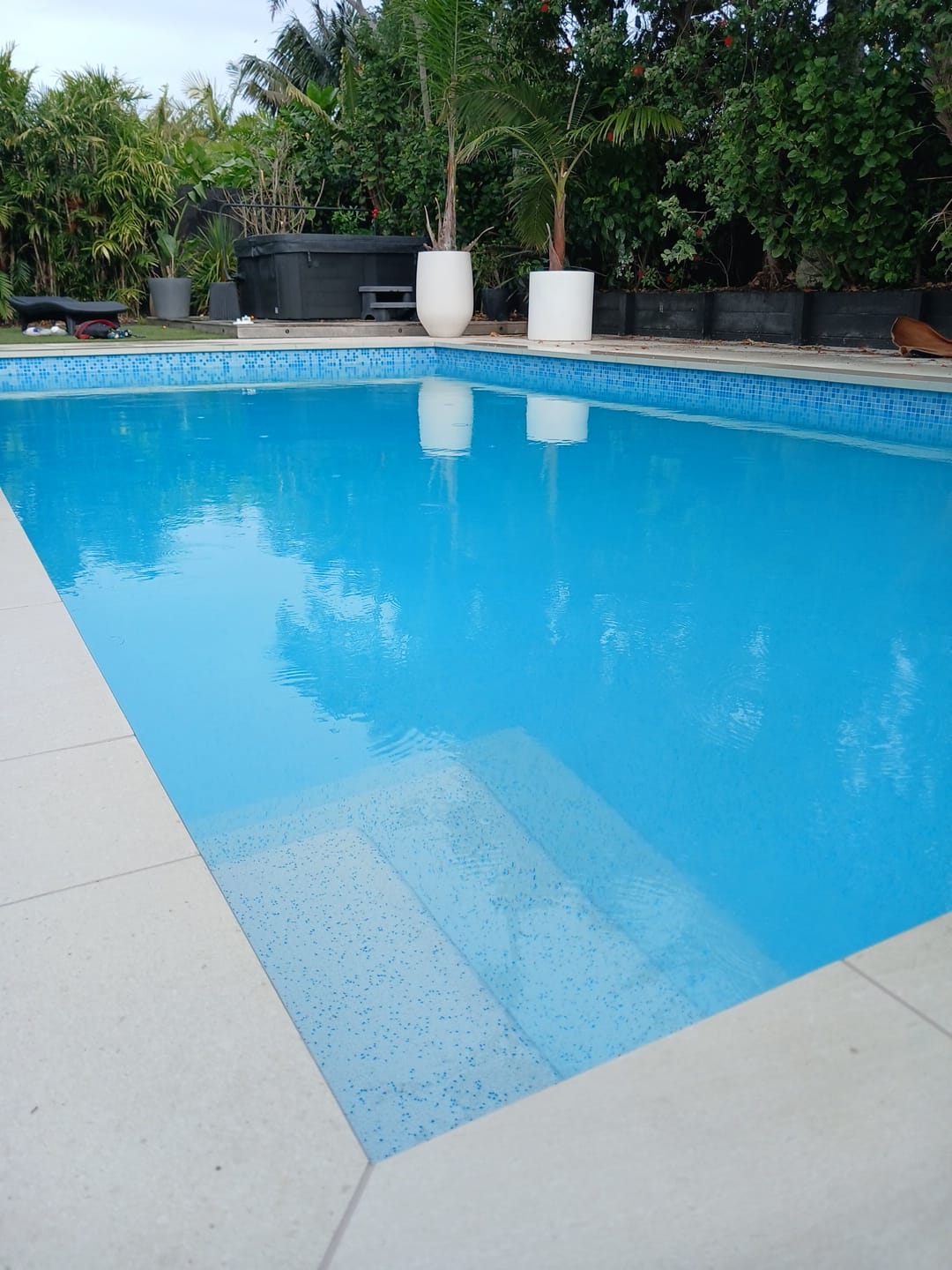
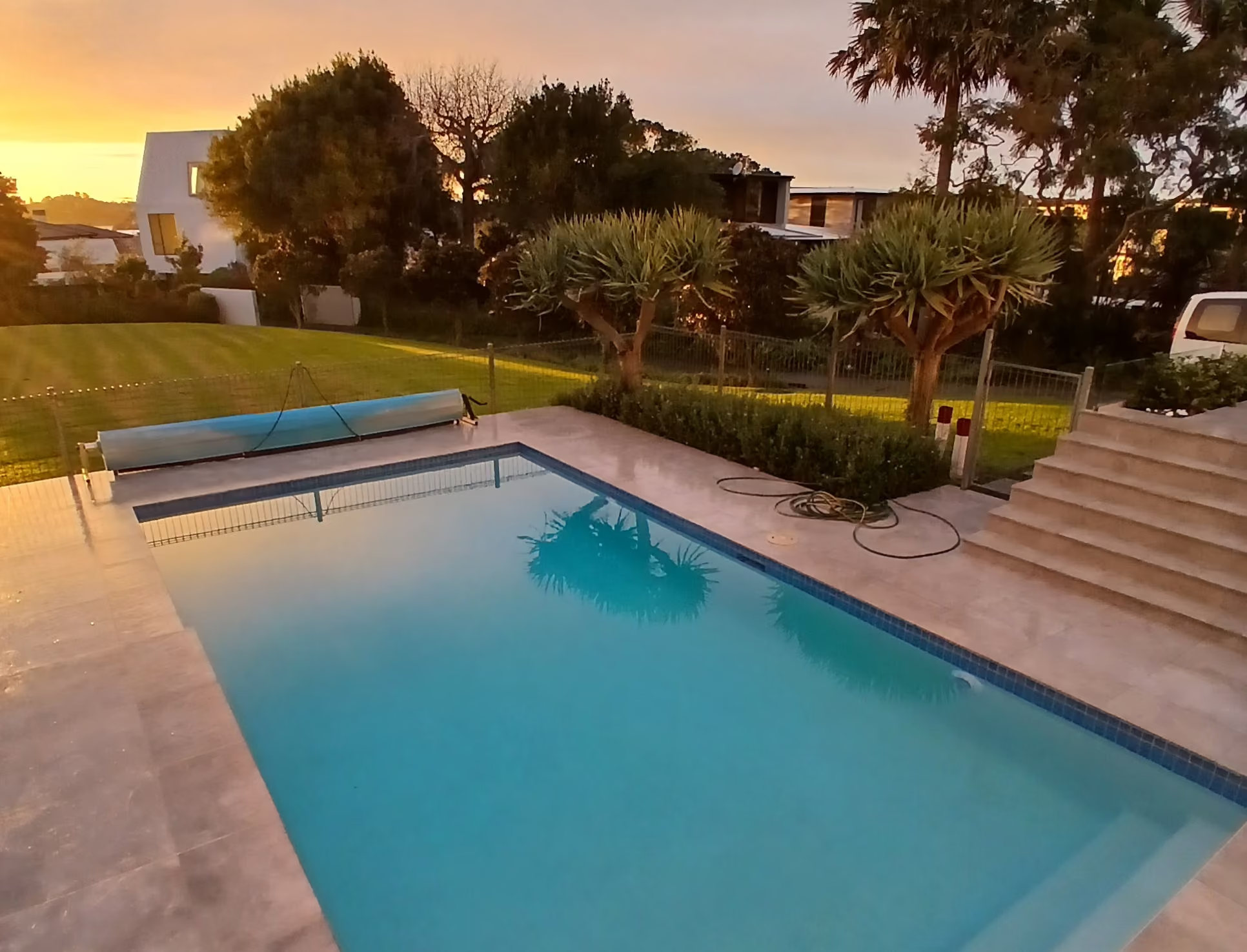
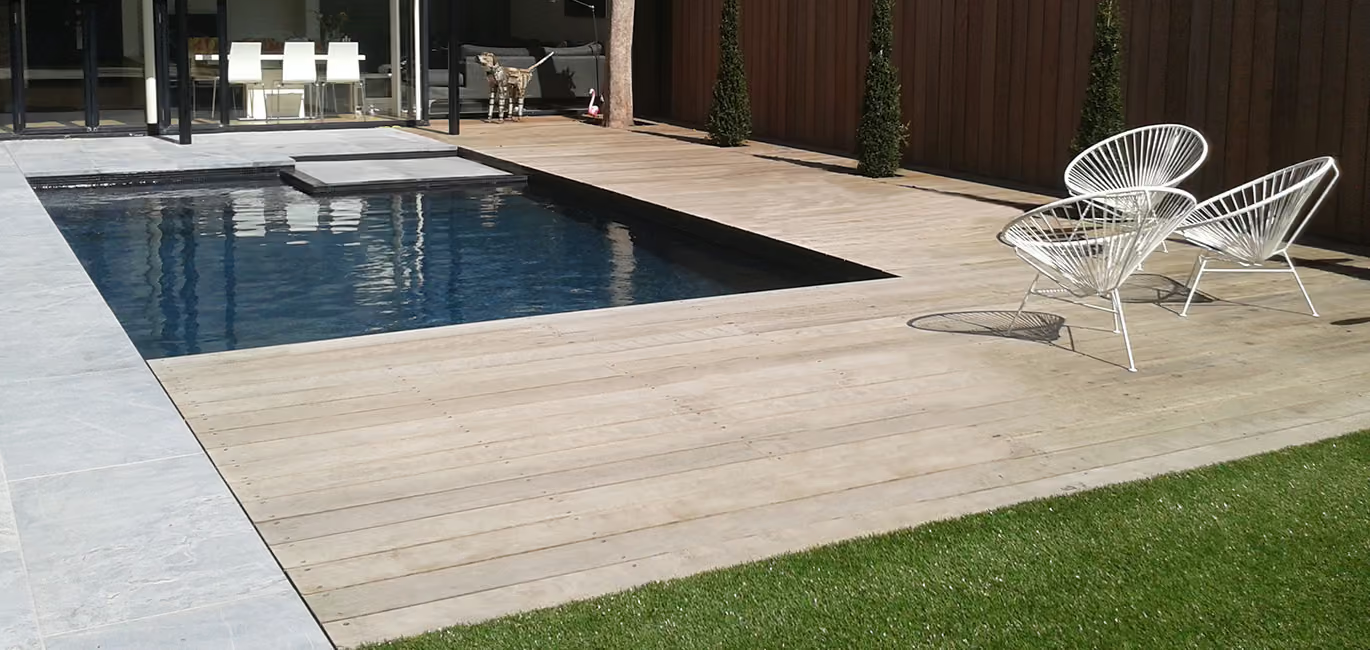
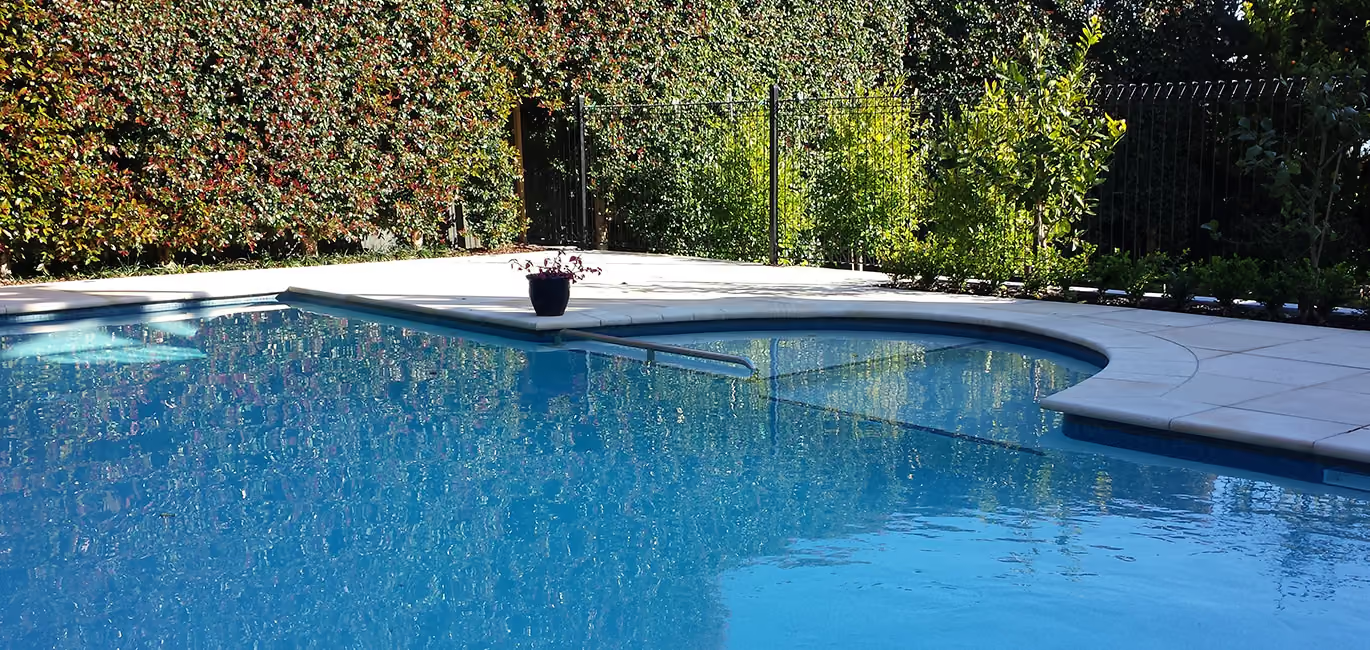
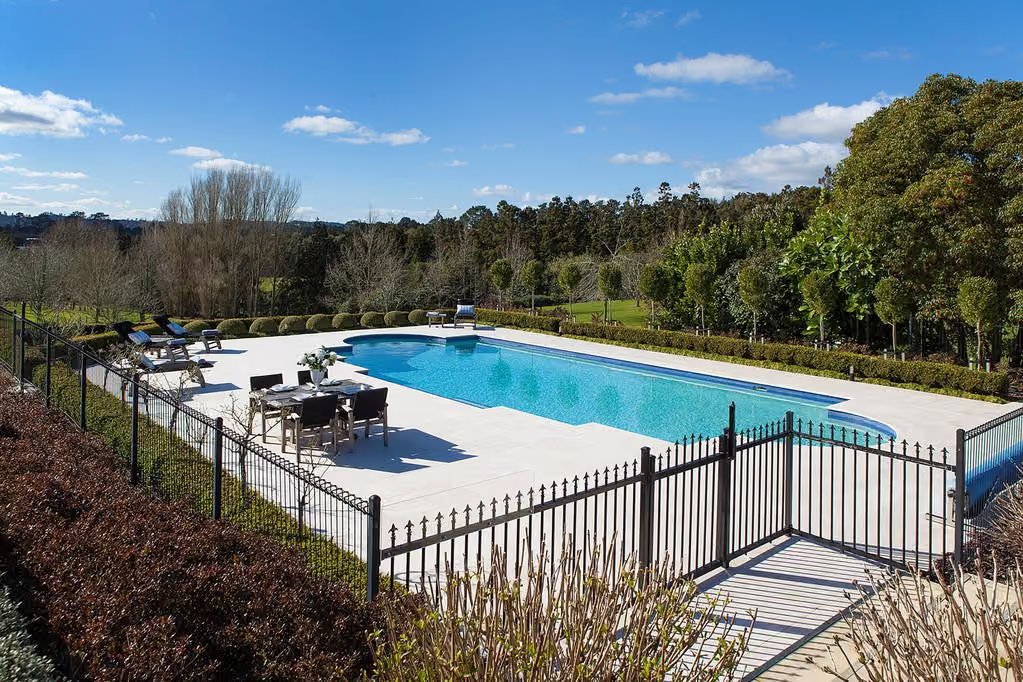
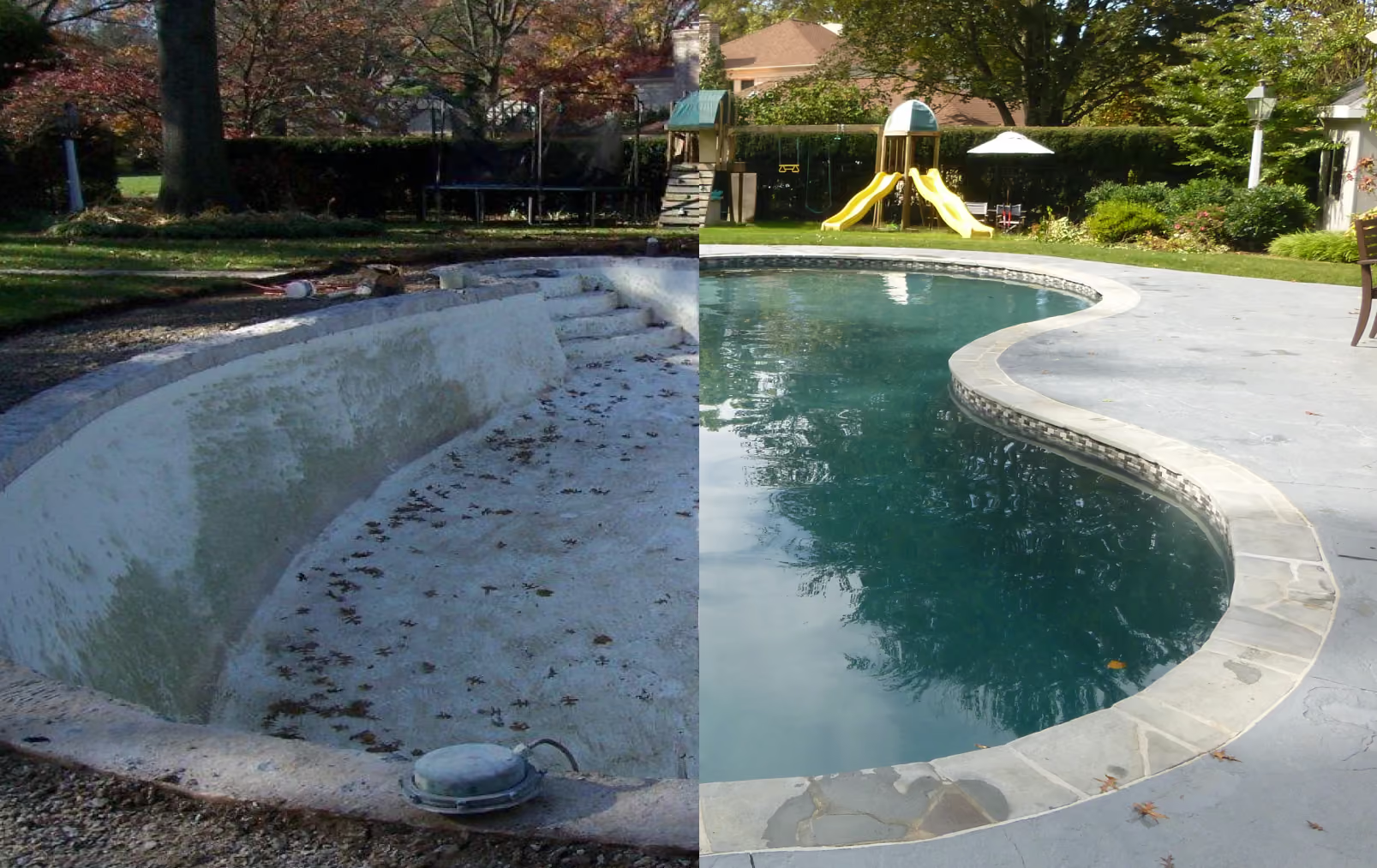
Sparkling Pools has worked on pools across Auckland, including residential renovation projects, equipment upgrades, ongoing maintenance and pool care for managed properties. Past projects show how the right approach can improve presentation, water quality and day-to-day usability. A well-maintained pool is easier to manage, more pleasant to use and better prepared for seasonal changes.
Trusted by Homeowners Across Auckland
Don't just take our word for it. Read what our clients have to say about our transparent communication, reliable service, and stunning pool transformations.
Related Blog Posts
Stay informed on pool care and renovations
Winter pool care essentials for Auckland
Pool Renovation Mistakes

Auckland Climate Pool Maintenance
Choosing Renovation Contractor
Pool Care Auckland Summer
Permits & Consents
Pool Renovation ROI
How Often to Test Pool Water
Pool Renovation Costs
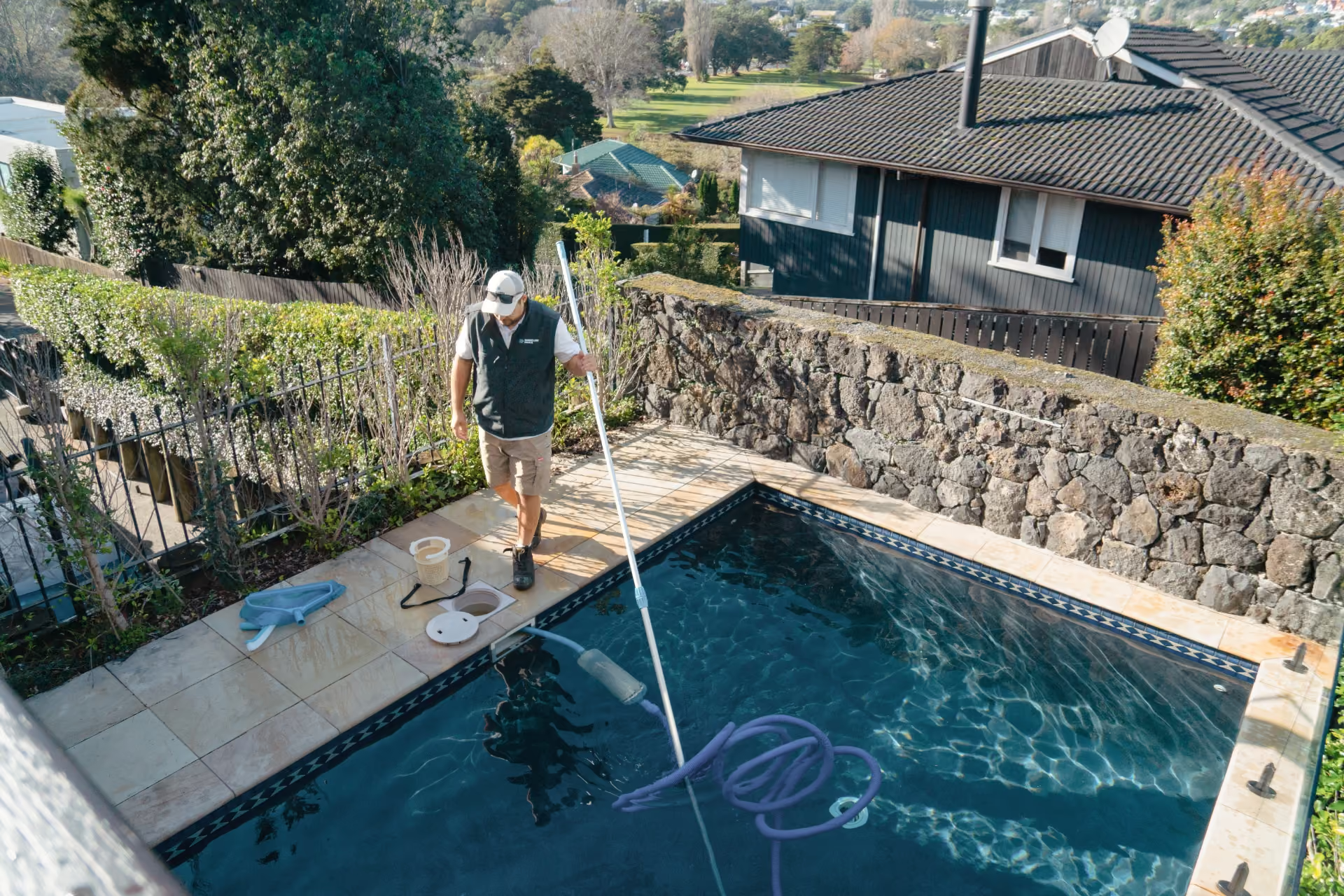
Cost of Pool Service Auckland
Pool Renovation Planning Guide
Pool Lighting Buying Guide
Pool Cleaner Buying Guide
Pool Automation Buying Guide
Pool Heater Buying Guide
Pool Filter Buying Guide
Pool Pump Buying Guide
Best Equipment Auckland Climate
Auckland Water Quality
Auckland Pool Season
Pool Ownership Costs
Common Pool Mistakes
Pool Safety Laws
Pool Inspection Requirements
Pool Fence Compliance
.avif)
Auckland Pool Industry Trends
Auckland Pool Regulations
Pool Equipment Suppliers
Best Pool Service Areas
Pool Service Pricing Analysis
Company vs Independent
Best Pool Surface Materials
Pool Resurfacing Options
Pebble vs Plaster Surfaces
One-Time vs Ongoing Service
Full Service vs Chemicals Only
Pool Cover Types
Robotic vs Suction Cleaners
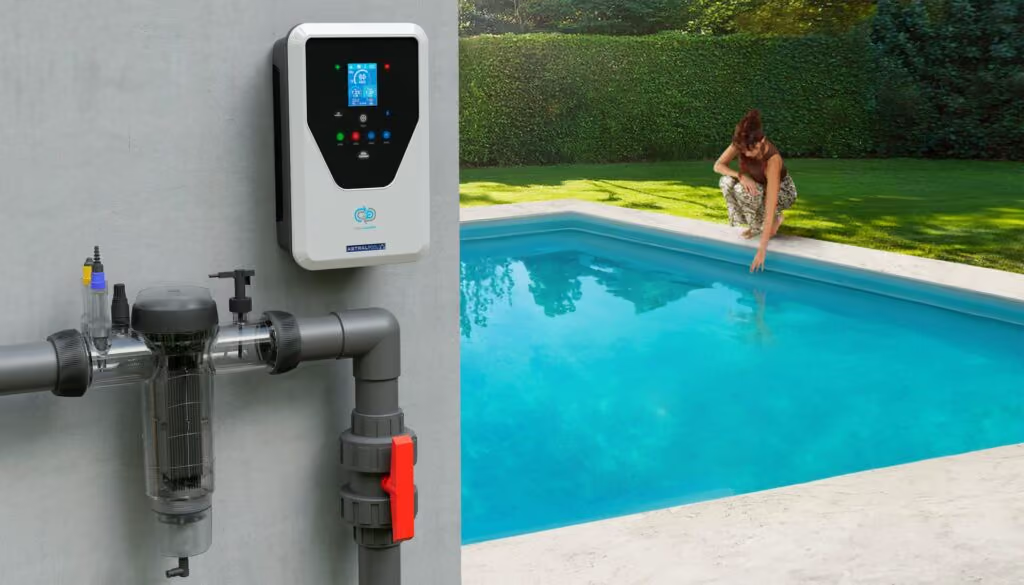
Mineral vs Saltwater
Gas vs Heat Pump
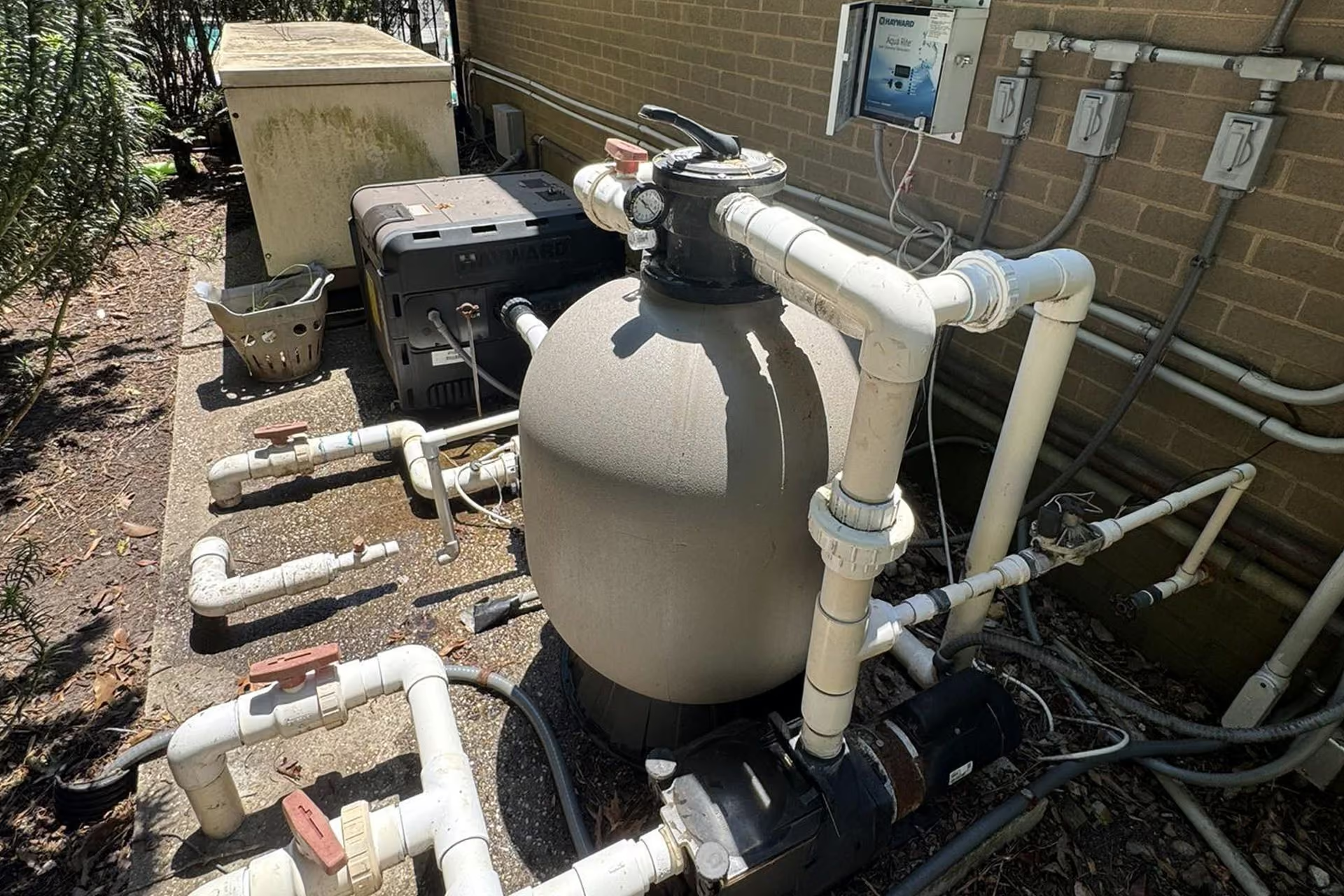
Pool Heater Types
Pool Winterizing Guide Auckland
Pool Opening Guide Summer
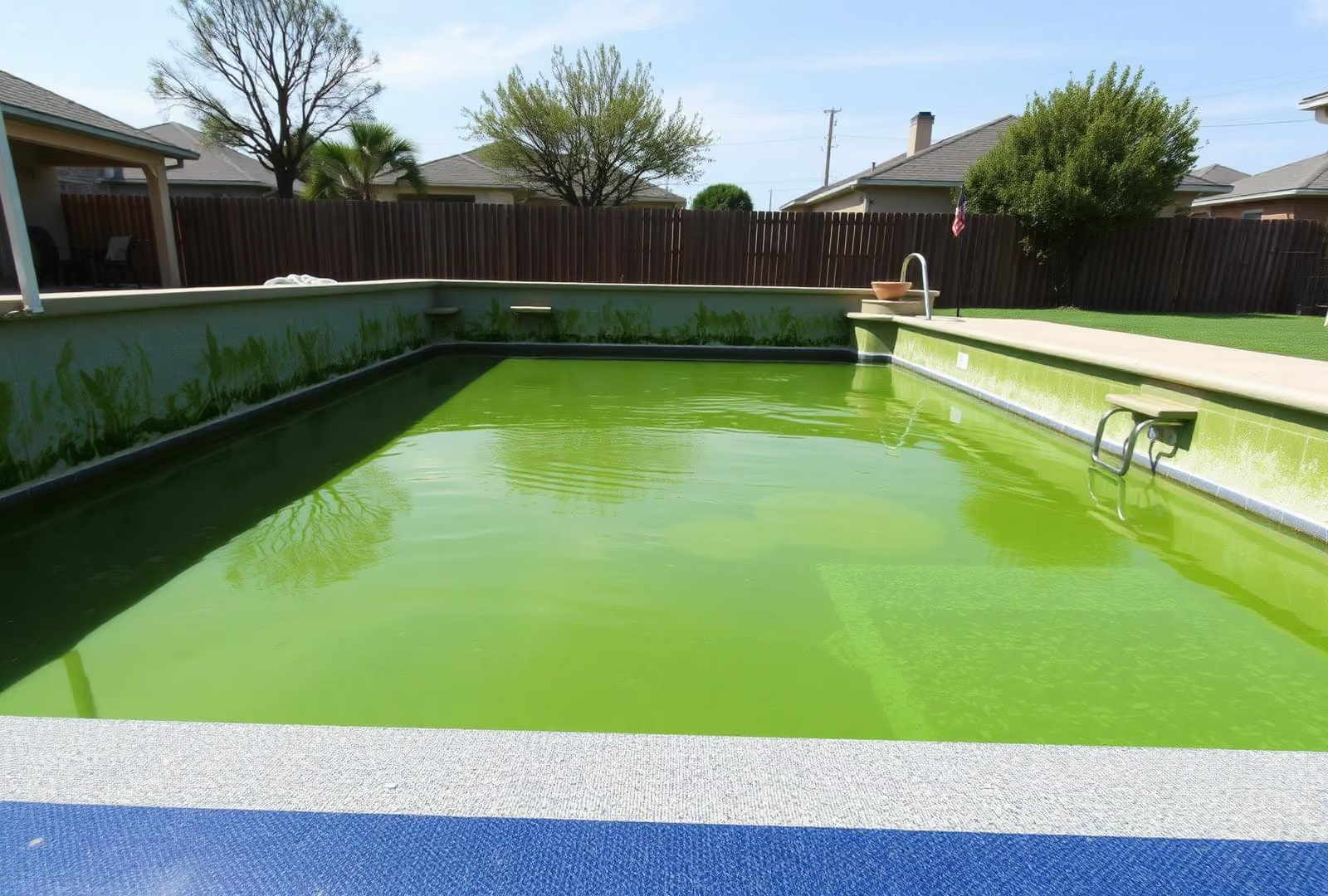
Pool Maintenance After Heavy Rain
Pool Maintenance Schedule
How Often to Run Pool Filter
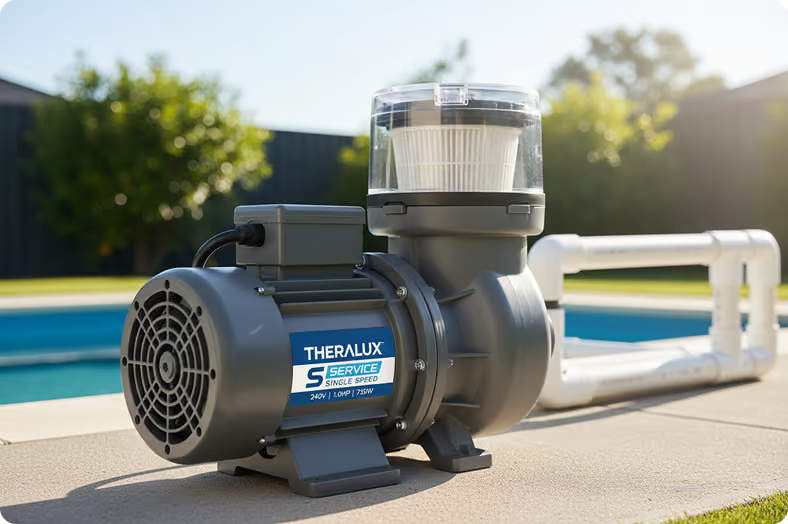
Pool Pump Maintenance Schedule
Pool Filter Cartridge Cleaning
Pool Equipment Maintenance Checklist
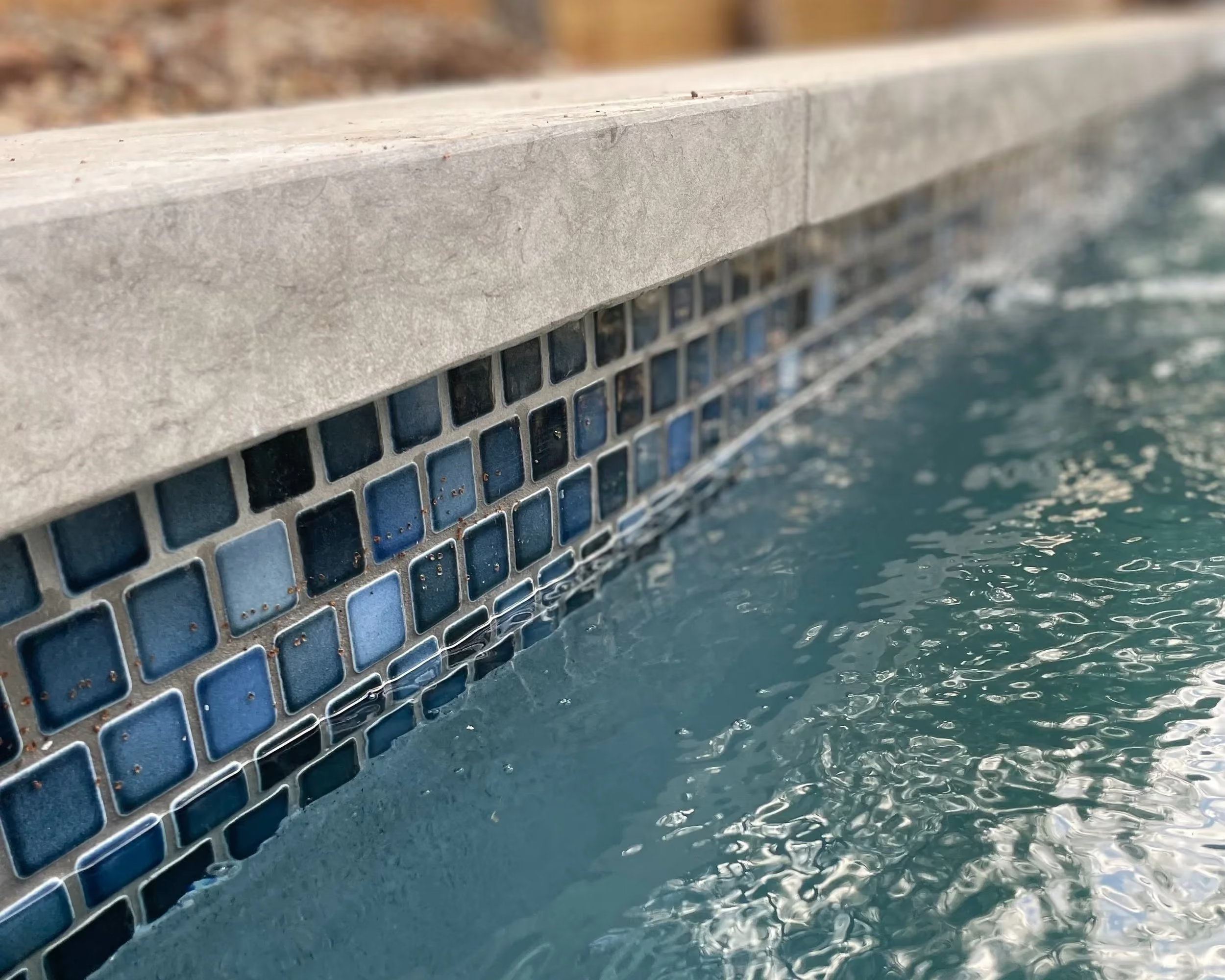
Pool Waterline Cleaning
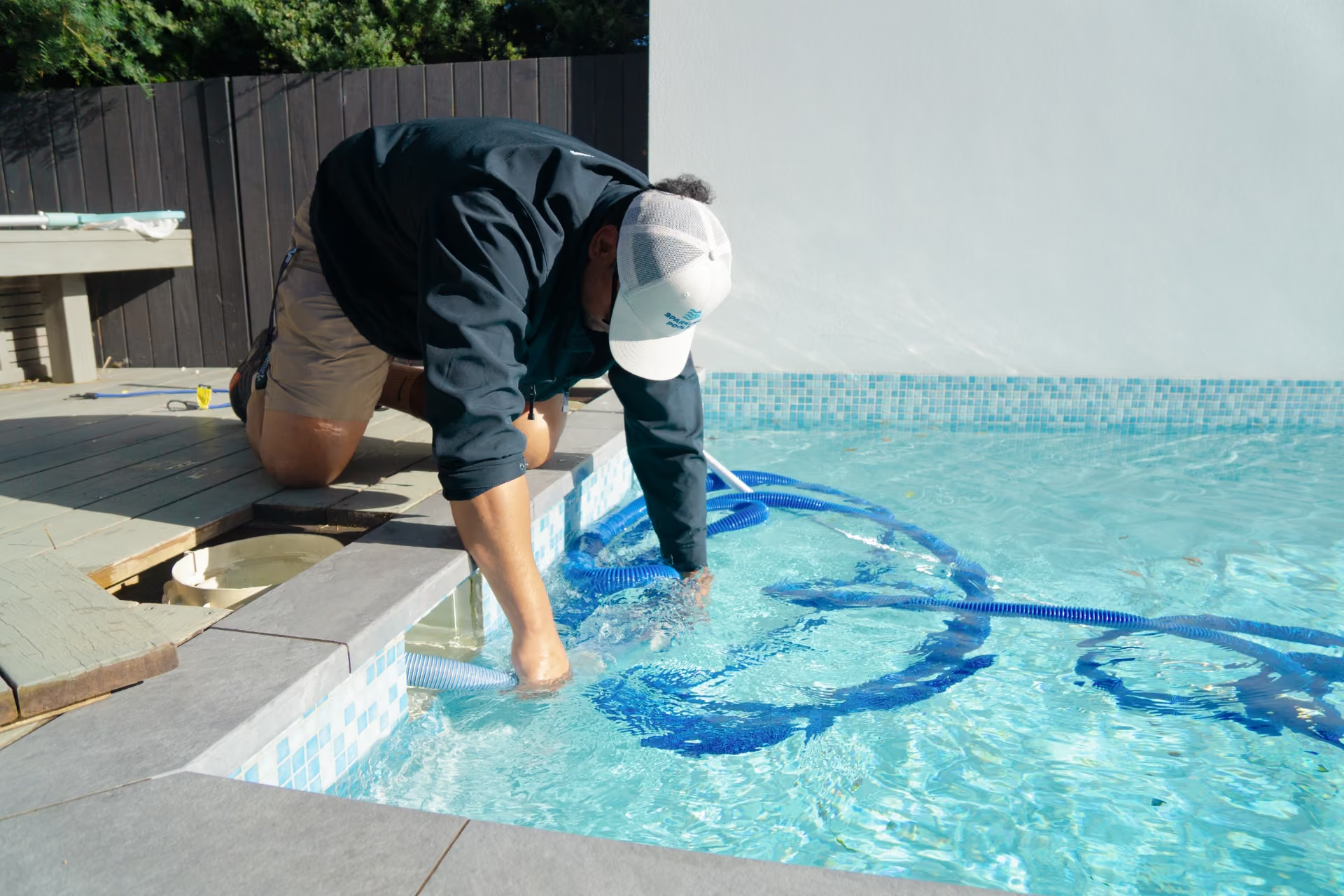
Pool Skimmer Basket Cleaning
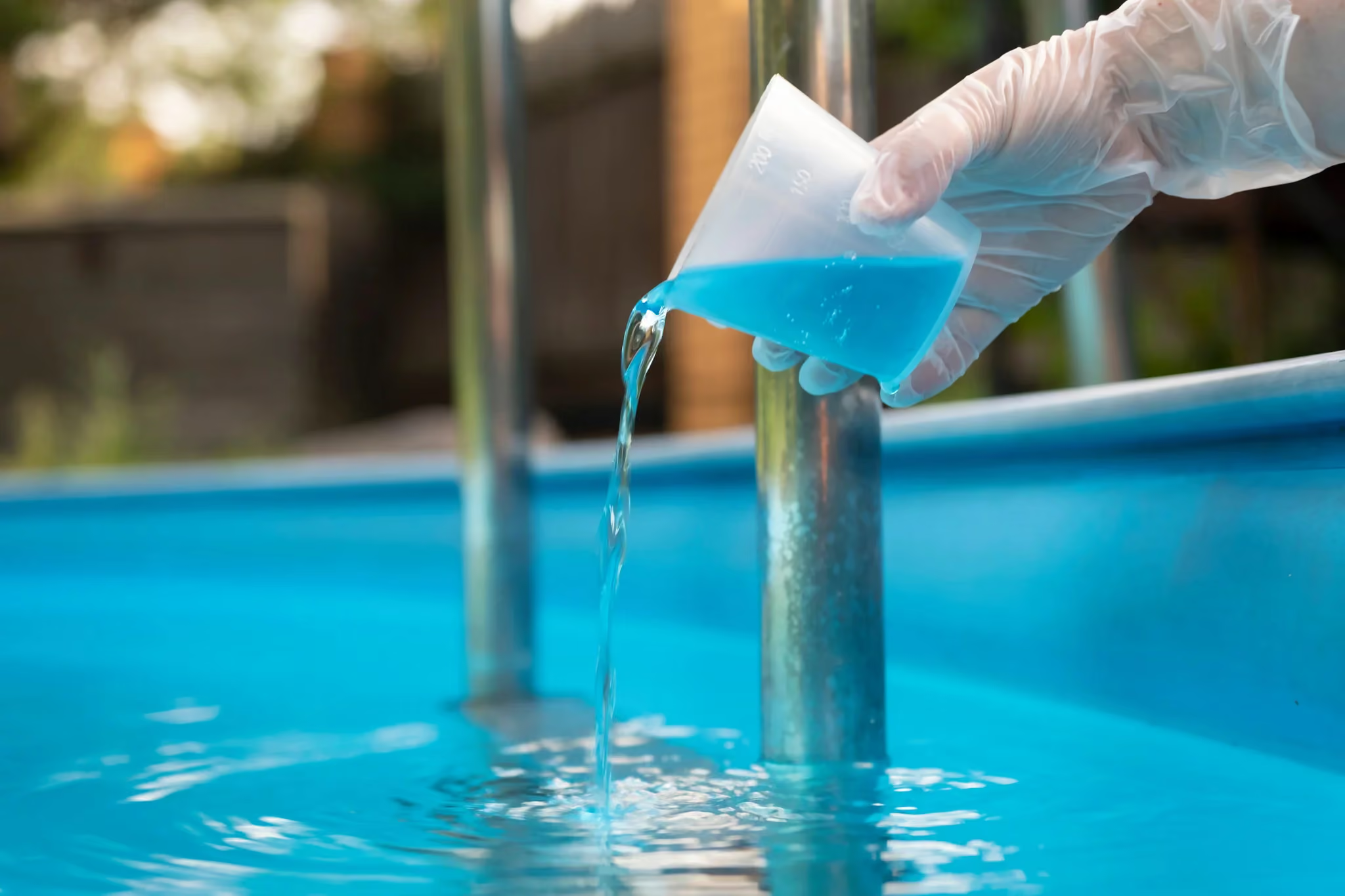
Pool Chlorine Levels
How Often Clean Pool Filter
How to Vacuum Pool
Pool Brushing Technique
Pool Chemical Dosing Chart
Pool Water Chemistry Basics
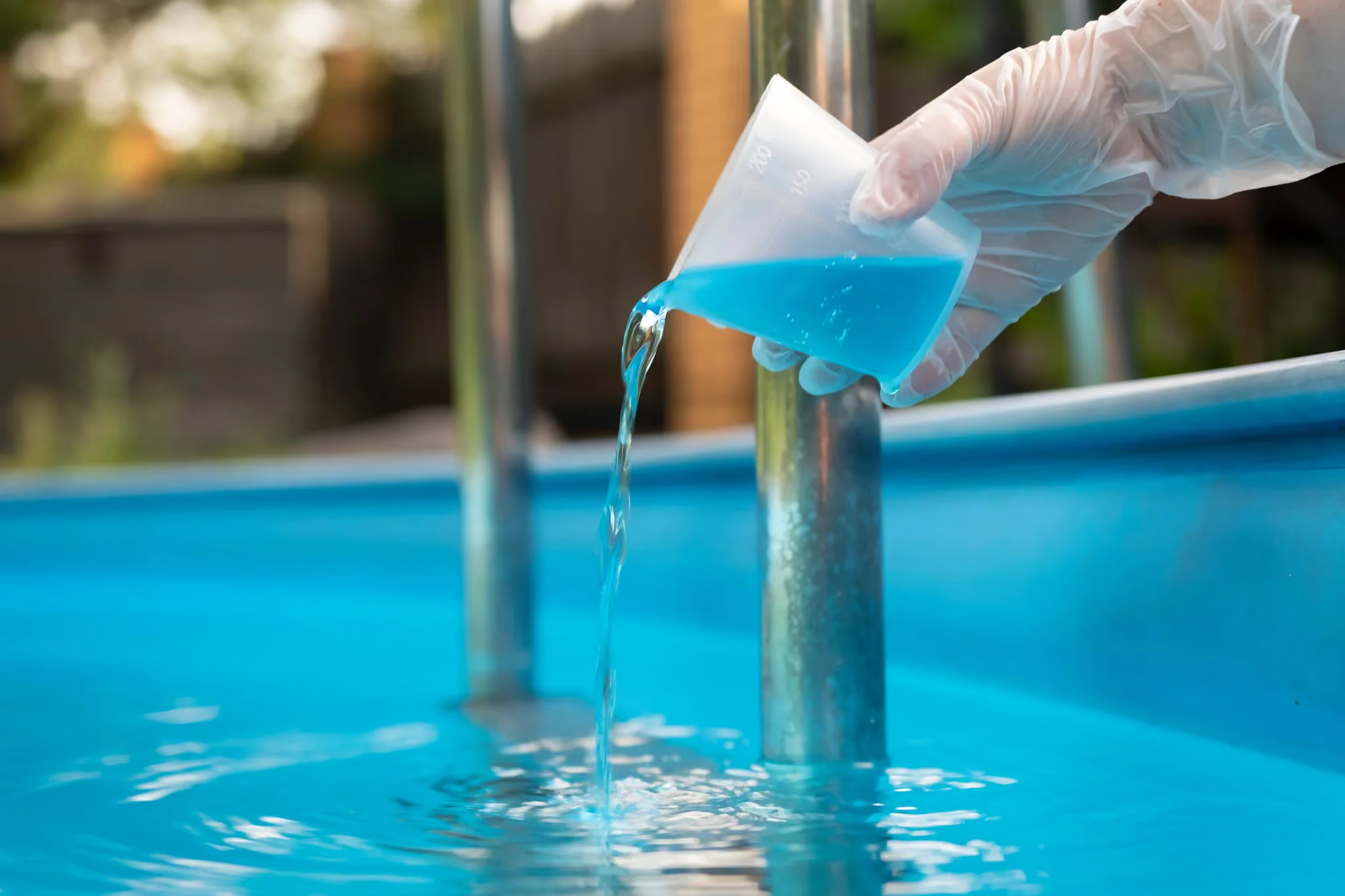
How to Balance Pool Chemistry
How to Test Pool Water
Pool Maintenance Tips
Complete Pool Maintenance Guide
Pool Service ROI
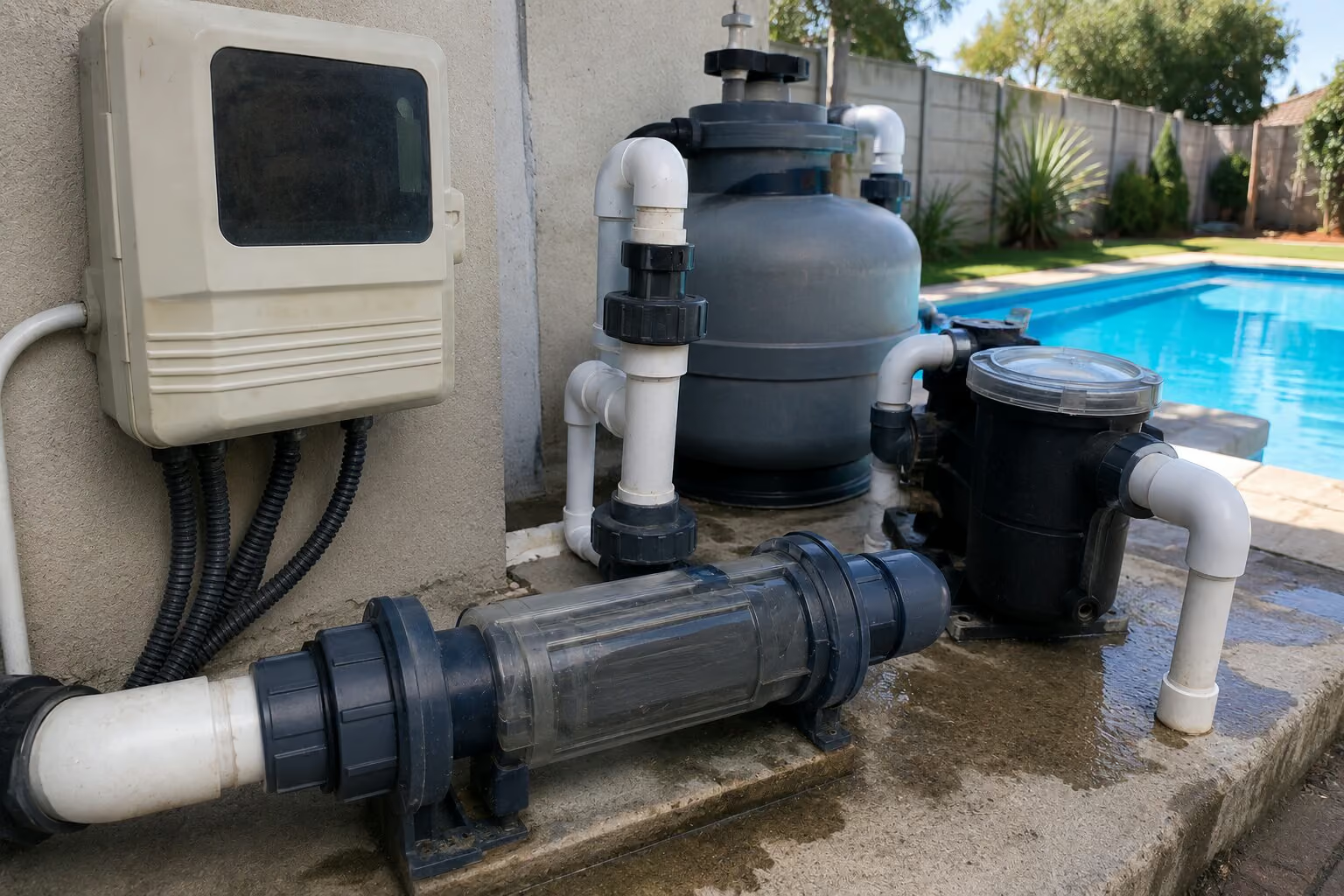
Pool Equipment Buy or Service
Pool Maintenance Time Requirements
DIY vs Professional
Pool Service Contract
Pool Service vs Pool Valet
Is Pool Service Worth It
Pool Service Guarantees
Pool Service Reviews
Pool Service Red Flags
Questions to Ask Pool Companies
How to Choose Pool Service Company
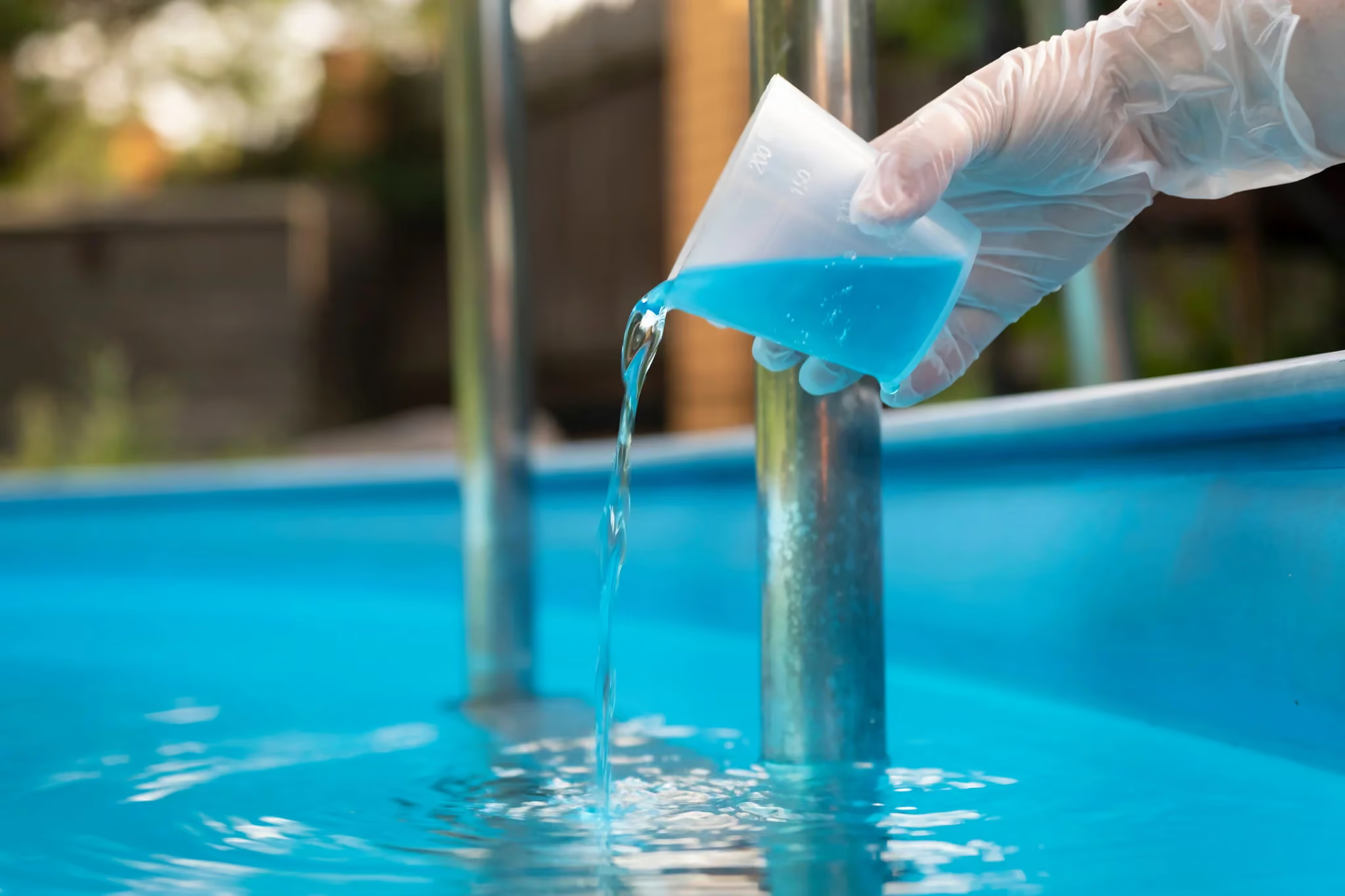
Hidden Costs DIY Maintenance
Pool Cleaning Prices Auckland
Cost of Pool Resurfacing
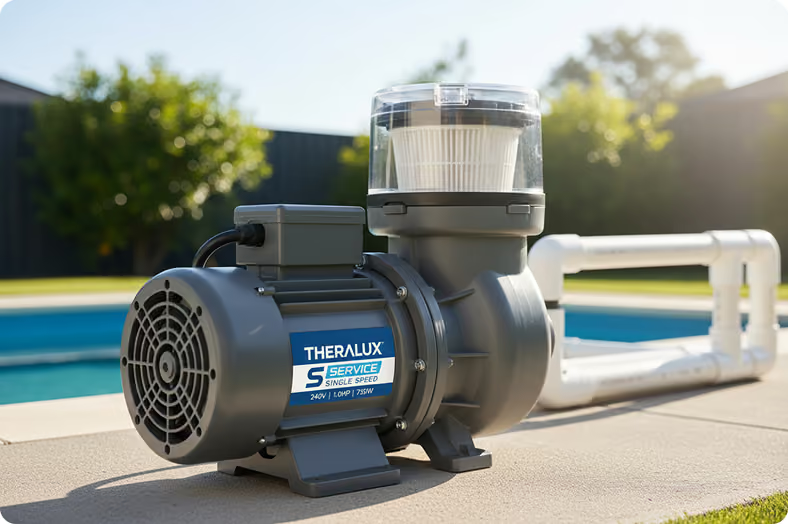
Cost of Pool Pump Replacement
Cost to Fix Green Pool
Pool Liner Wrinkles
Pool Cracks When to Worry
Pool Surface Stains
Pool Valve Leaking
Pool Automation Not Working
Pool Light Not Working
Pool Heater Not Heating
Pool Skimmer Not Working
High Pool Filter Pressure
Pool Losing Water
Pool Filter Not Clearing Water
Pool Pump Leaking
Pool Pump Not Pumping
Pool Pump Losing Prime
Pool Pump Noisy
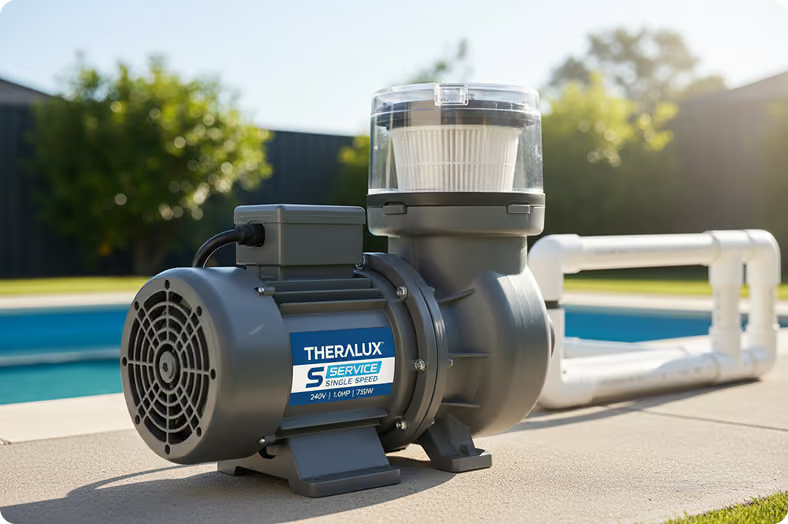
Pool Pump Not Working
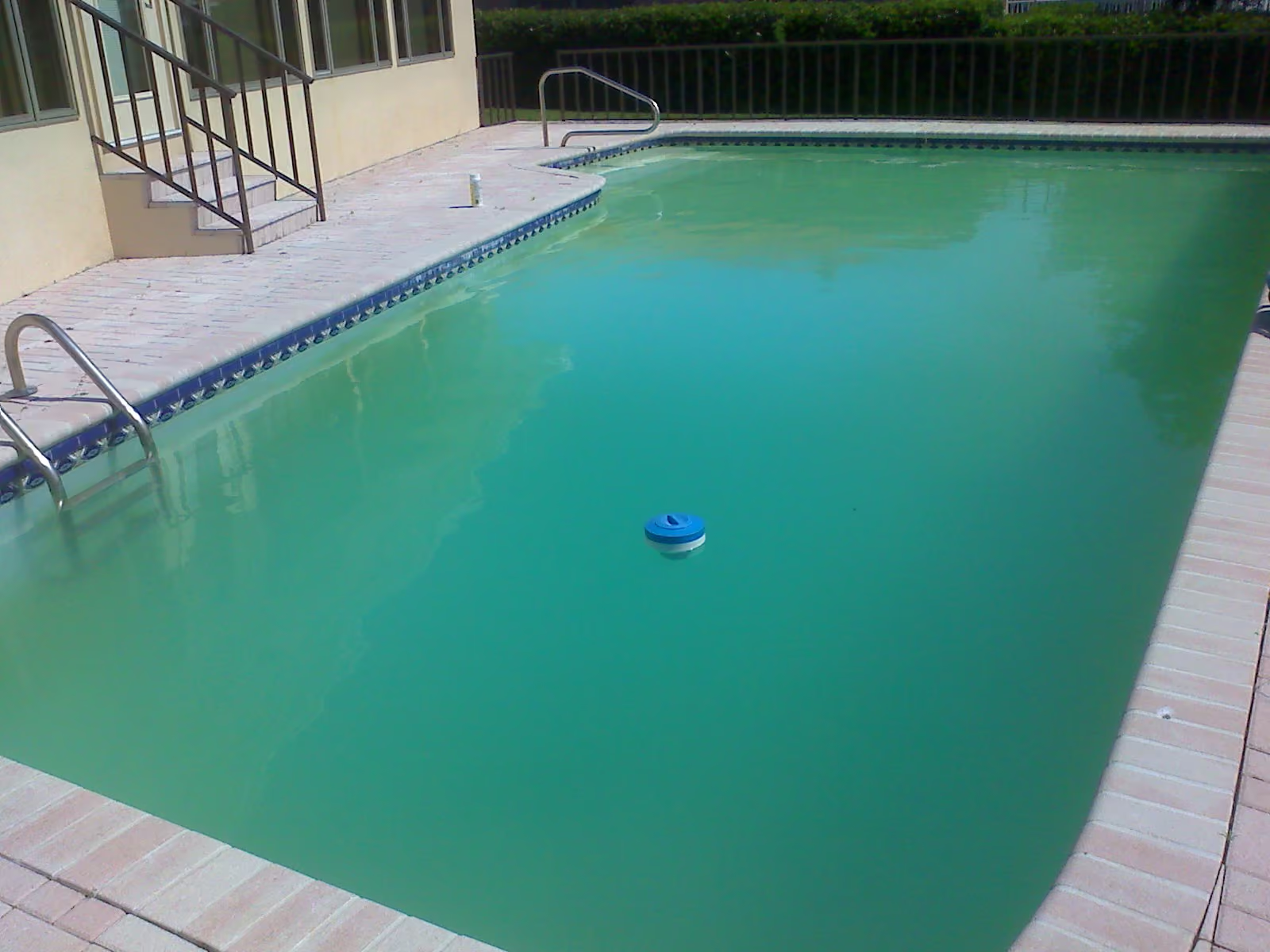
Pool Water Foaming
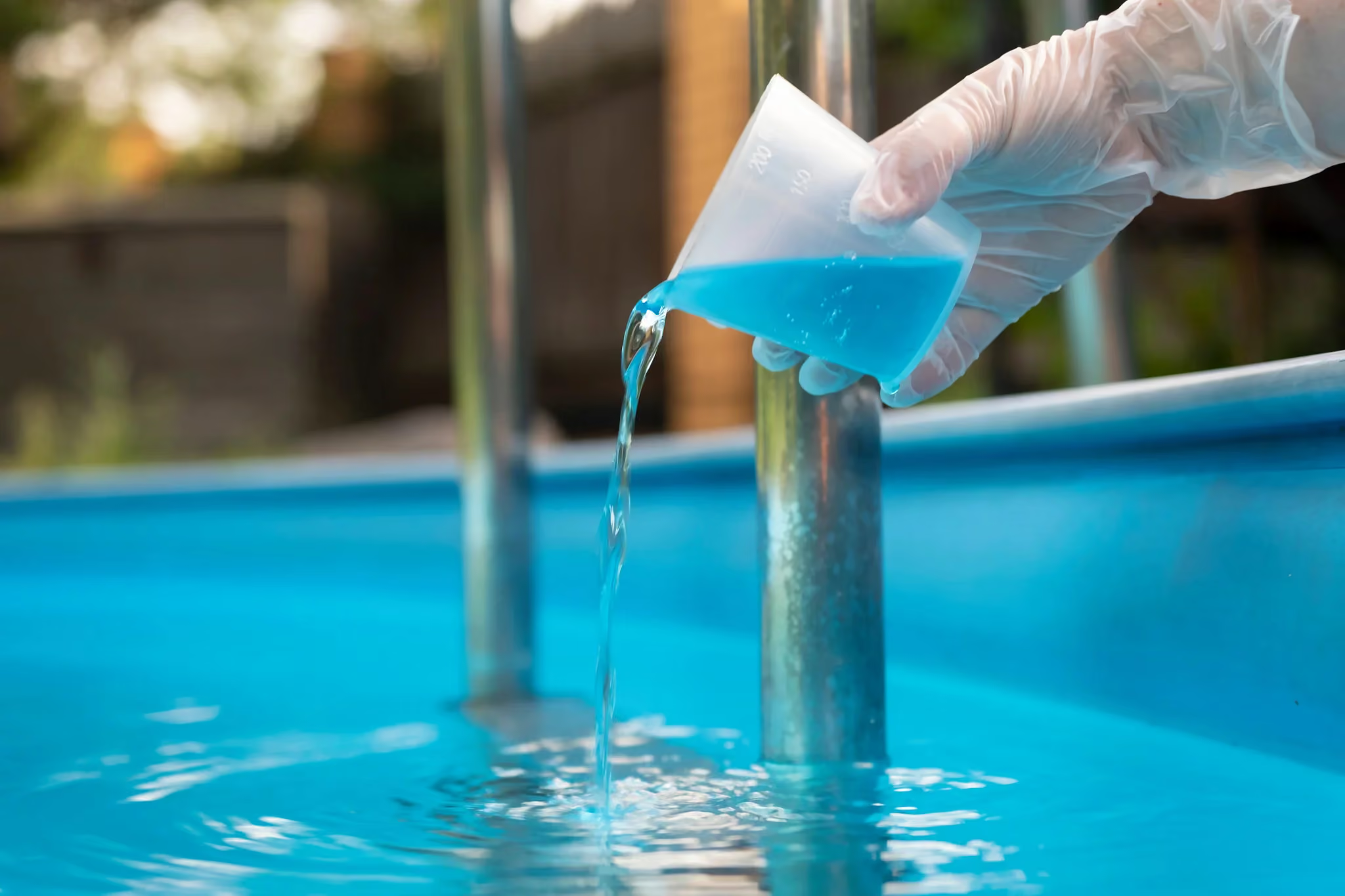
Pool pH Too Low
Pool pH Too High
Green Pool After Rain
Pool Still Green After Shock
Pool Water Cloudy
How to Clear a Green Pool
Pool Care That Protects Your Investment
Good pool care protects more than appearance. Our pool specialists support the long-term condition of your swimming pool while keeping it ready for everyday use.