Pool Pump Noisy
Why Auckland trusts our pool service expertise
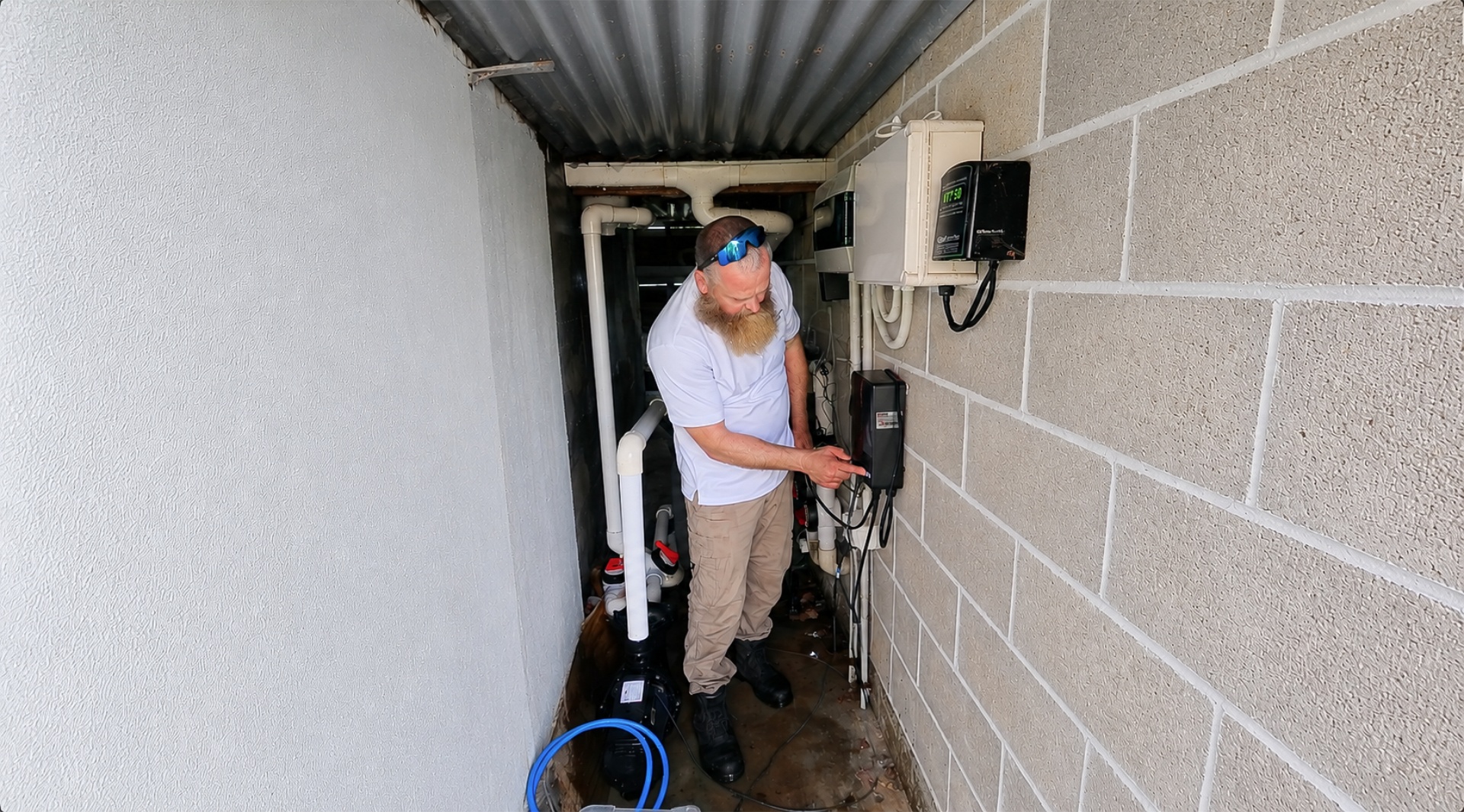
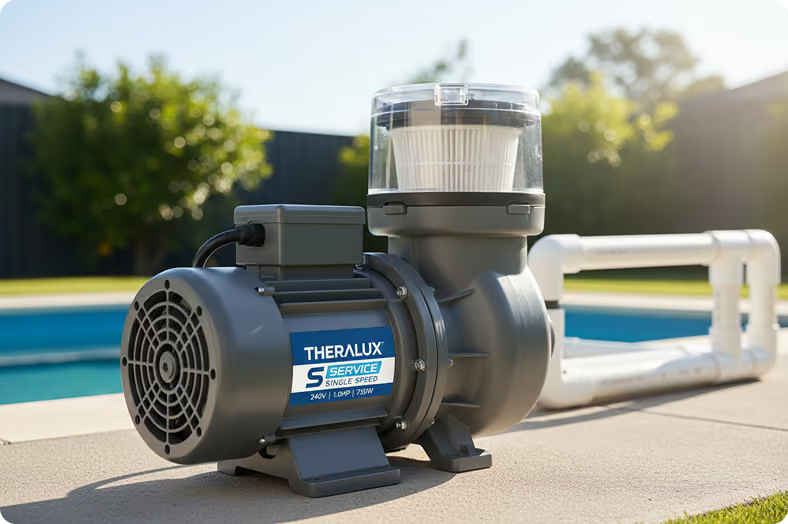
A noisy pool pump is usually a sign of a specific, identifiable fault, not just general wear. Most causes can be narrowed down quickly by checking a few things before calling a technician.
The key takeaways below cover the most common causes of pump noise, what owners can check safely, and when the job needs a professional.
What you'll learn
What a Noisy Pool Pump Usually Means
A pool pump makes some noise during normal operation, a steady, low hum is expected. But when that sound changes to grinding, screeching, rattling, or a loud vibrating hum, it's a signal that something isn't right.
Ignoring pump noise tends to make things worse. What starts as a minor issue can develop into a full pump failure, leaving your pool without circulation and filtration. Catching it early usually means a simpler, less costly fix.
This guide covers the most common causes of pump noise, what you can safely check yourself, and when the job needs a qualified technician.
---
Common Causes of Pool Pump Noise
Cavitation (Sucking Air)
Cavitation happens when the pump isn't getting enough water and starts drawing in air instead. It produces a loud, irregular rattling or gurgling sound, sometimes described as gravel moving through the pump.
Common causes include:
- A blocked or partially blocked skimmer basket
- A clogged pump basket
- A low water level in the pool
- A partially closed suction valve
- An air leak on the suction side of the plumbing
Cavitation puts significant stress on the impeller and pump housing. If left unaddressed, it can cause lasting damage.
Worn or Failing Bearings
The motor inside your pump relies on bearings to spin smoothly. When those bearings wear out, the pump produces a grinding, screeching, or high-pitched whining noise, often getting louder over time.
Bearing wear is normal after years of use, but it can be accelerated by water ingress into the motor, running the pump dry, or vibration from loose mounting.
This is one of the more common causes of pump noise in older equipment.
Blocked or Damaged Impeller
The impeller is the rotating component that moves water through the pump. If debris, leaves, hair, small stones, gets past the pump basket and lodges in the impeller, it can cause a rattling or grinding sound and reduce water flow.
A cracked or damaged impeller produces similar symptoms.
Loose Mountings or Vibration
Sometimes the noise isn't coming from inside the pump at all. A pump that isn't firmly secured to its base can vibrate against the mounting surface, producing a rattling or buzzing sound that travels through the pipework.
This is usually easy to identify, the noise changes when you apply light pressure to the pump housing.
Electrical Fault or Capacitor Issue
A loud, continuous hum, where the pump motor doesn't actually start spinning, often points to an electrical fault. A failed start capacitor is a common culprit. The motor receives power but can't generate enough torque to turn over.
This type of fault requires a qualified technician. Do not attempt to open the motor housing or work on the electrical components yourself.
---
What You Can Safely Check Yourself
Before calling a technician, there are a few straightforward checks that don't require any tools or electrical knowledge.
Check the water level. The pool water should sit at the midpoint of the skimmer opening. If it's too low, the pump will draw air.
Clean the skimmer basket. Remove the skimmer lid and clear out any debris. A blocked skimmer restricts water flow to the pump.
Clean the pump basket. Turn the pump off at the isolating switch before opening the pump lid. Remove and rinse the basket. Check the O-ring on the lid while you're there, a cracked or dry O-ring can allow air into the system.
Check all suction valves are fully open. A partially closed valve restricts flow and can cause cavitation.
Look for visible air bubbles. If you can see bubbles returning to the pool through the return jets, air is entering the system somewhere on the suction side.
Check the pump is firmly mounted. Look for loose bolts or movement in the pump base.
If any of these checks resolve the noise, monitor the pump over the next few days to confirm it's operating normally.
---
What Needs a Technician
Some pump faults are not safe or practical for a pool owner to diagnose or repair. Hand the job over to a qualified technician if:
- The pump hums but doesn't start. This points to an electrical fault, likely a failed capacitor or motor winding issue. Working inside the motor housing is not a DIY task.
- The noise is grinding or screeching and doesn't stop after cleaning the baskets. Worn bearings or a damaged impeller need professional assessment.
- You've found an air leak but can't locate the source. Suction-side leaks can be difficult to trace without pressure-testing equipment.
- The pump is tripping the circuit breaker. This is an electrical fault and needs an electrician or qualified pool technician.
- The pump is leaking water from the seal. A failed mechanical seal needs replacing before the motor is damaged by water ingress.
- The noise has returned after a recent repair. A recurring fault may indicate a deeper underlying issue.
Attempting electrical repairs without the right qualifications is dangerous and may void any existing warranty on the equipment.
---
Preventing Pump Noise
Most pump noise issues are preventable with a consistent maintenance routine.
- Clean the pump and skimmer baskets weekly during the swimming season, and after any storm or heavy leaf fall.
- Keep the pool water level correct, at the midpoint of the skimmer opening.
- Check the pump lid O-ring every few months and replace it if it shows signs of cracking or flattening. A small amount of O-ring lubricant helps it seal properly.
- Have the pump and motor inspected annually as part of a regular pool service. A technician can identify bearing wear or impeller damage before it becomes a failure.
- Don't run the pump dry. If the pool is being drained for any reason, turn the pump off before the water level drops below the skimmer.
Auckland's warm summers mean pools often run longer filtration cycles during peak season. That extra run time makes regular basket cleaning and annual servicing even more important.
---
When to Book a Service
If you've worked through the checks above and the noise persists, it's time to get a technician involved. Pump repairs are generally straightforward when caught early, a worn bearing or blocked impeller is a much simpler job than replacing a motor that's been run to failure.
Sparkling Pools provides equipment diagnosis and repair across Auckland. If your pump is making an unusual noise, get in touch to arrange an inspection.
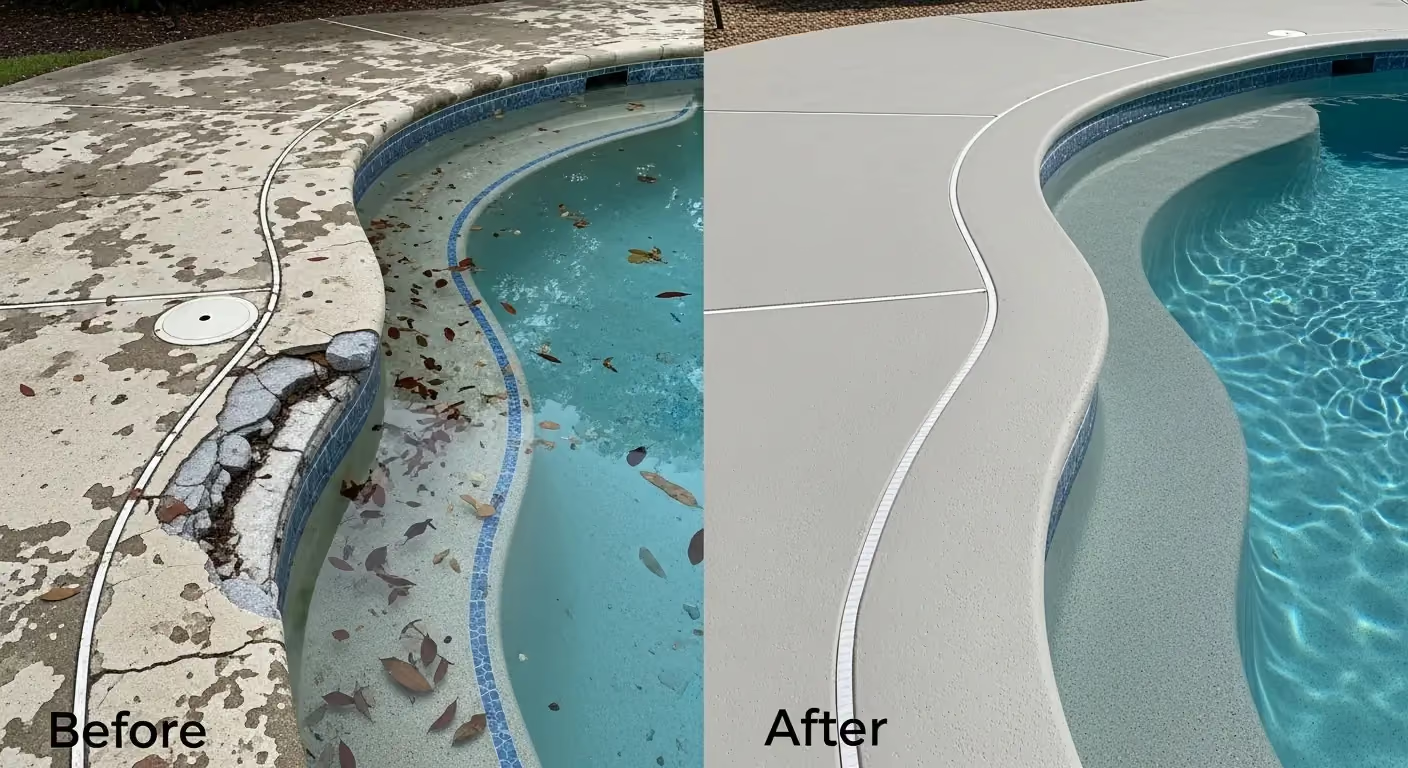
Pool resurfacing solutions
Restore your pool with durable plaster finishes



Work completed
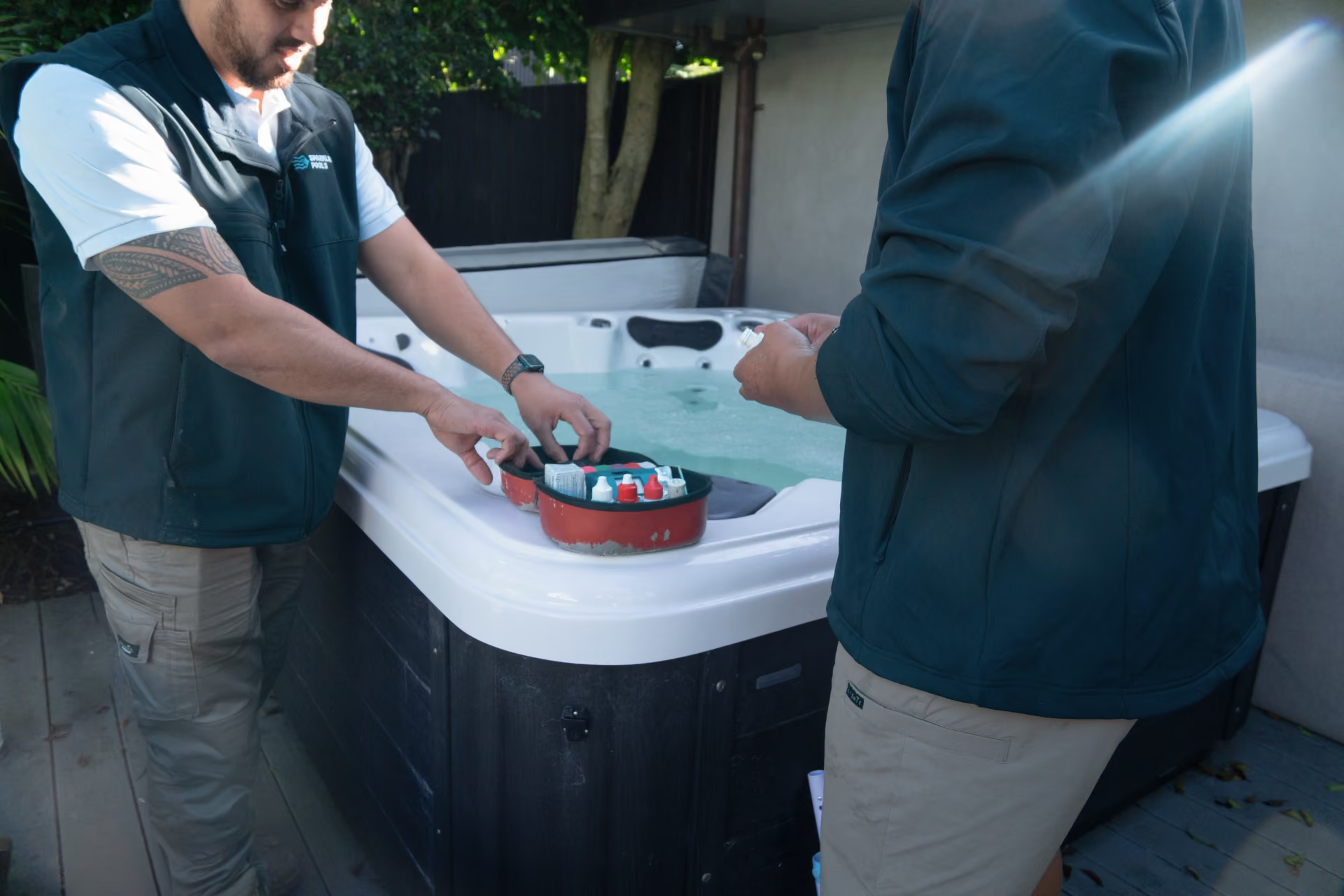
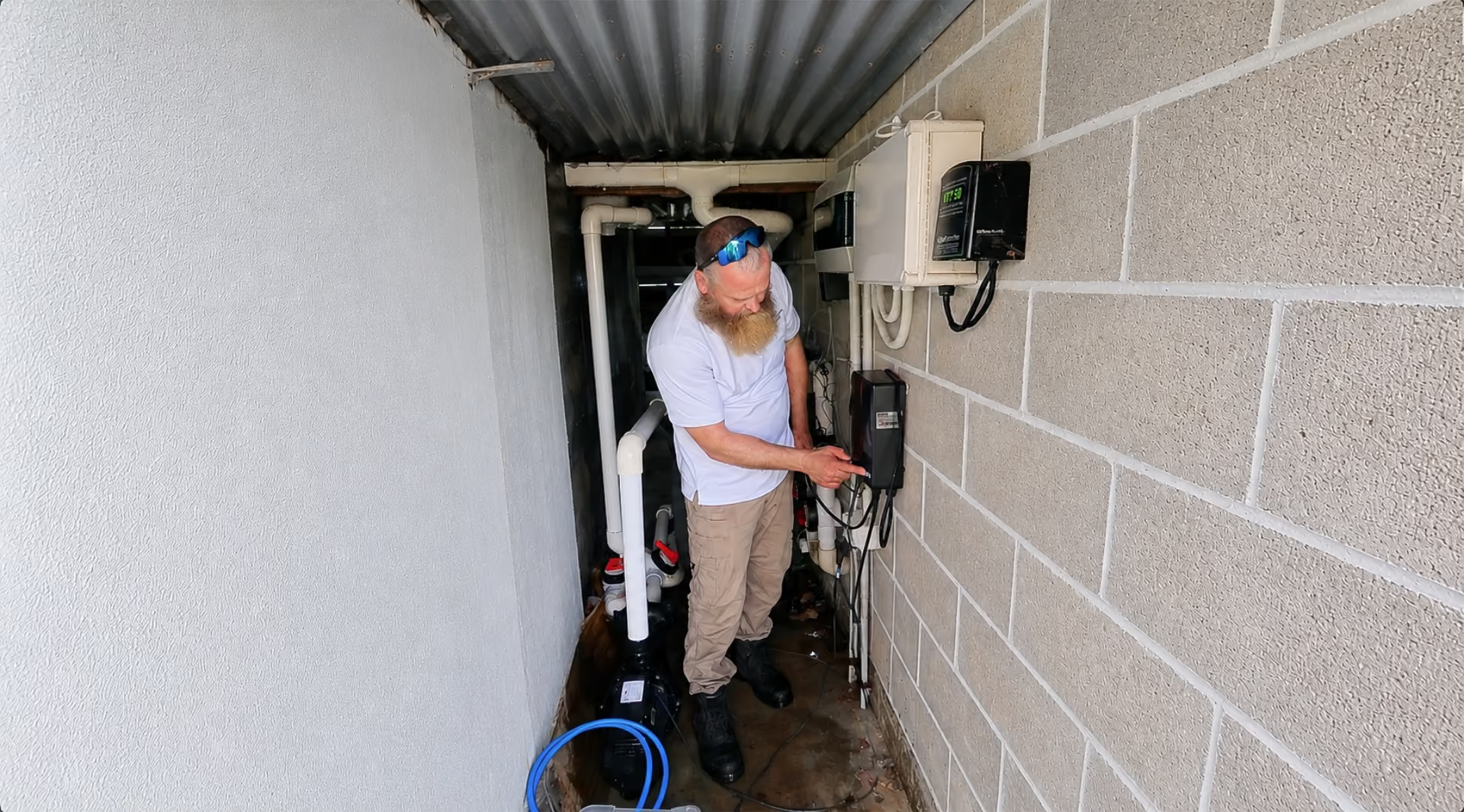
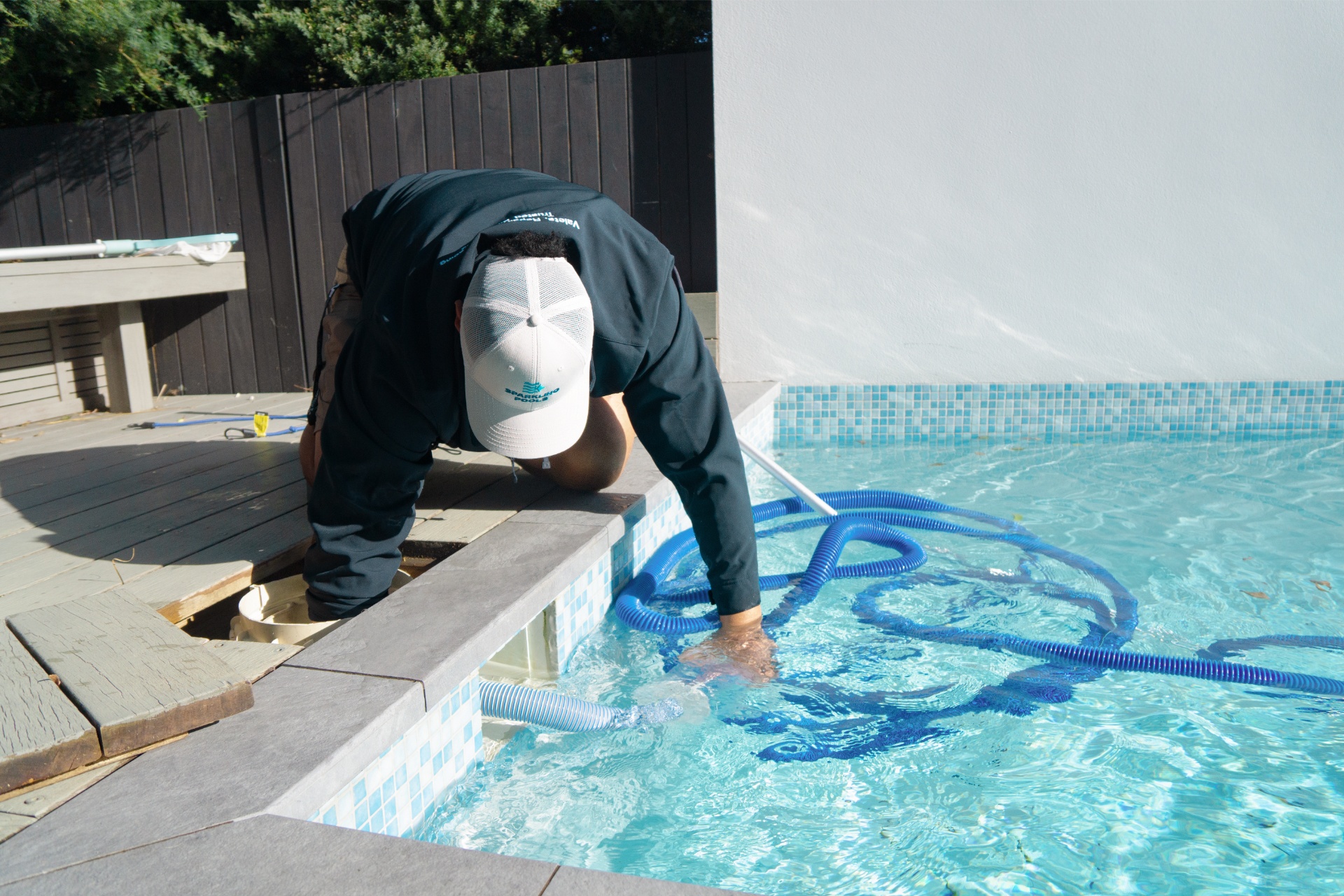
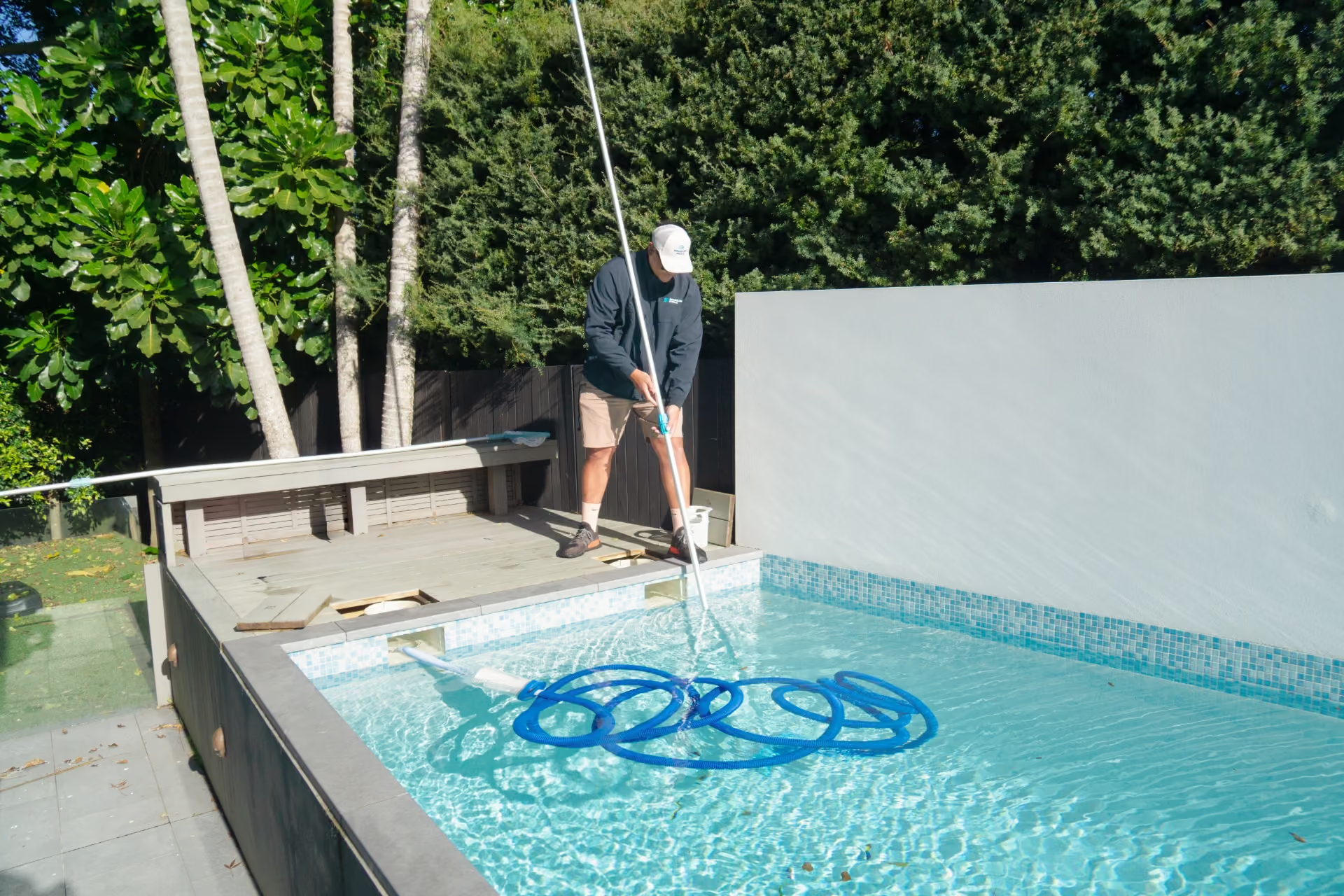
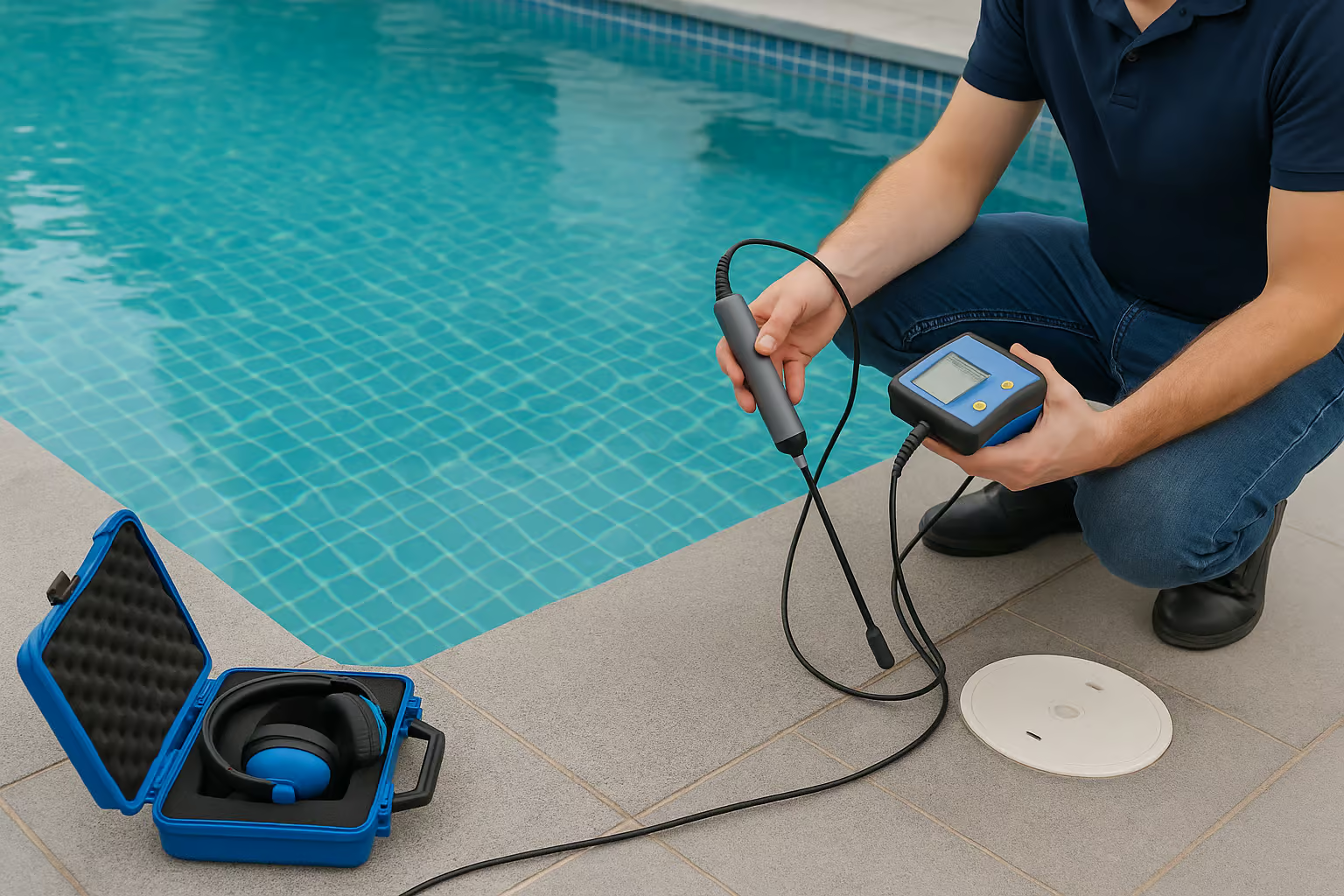
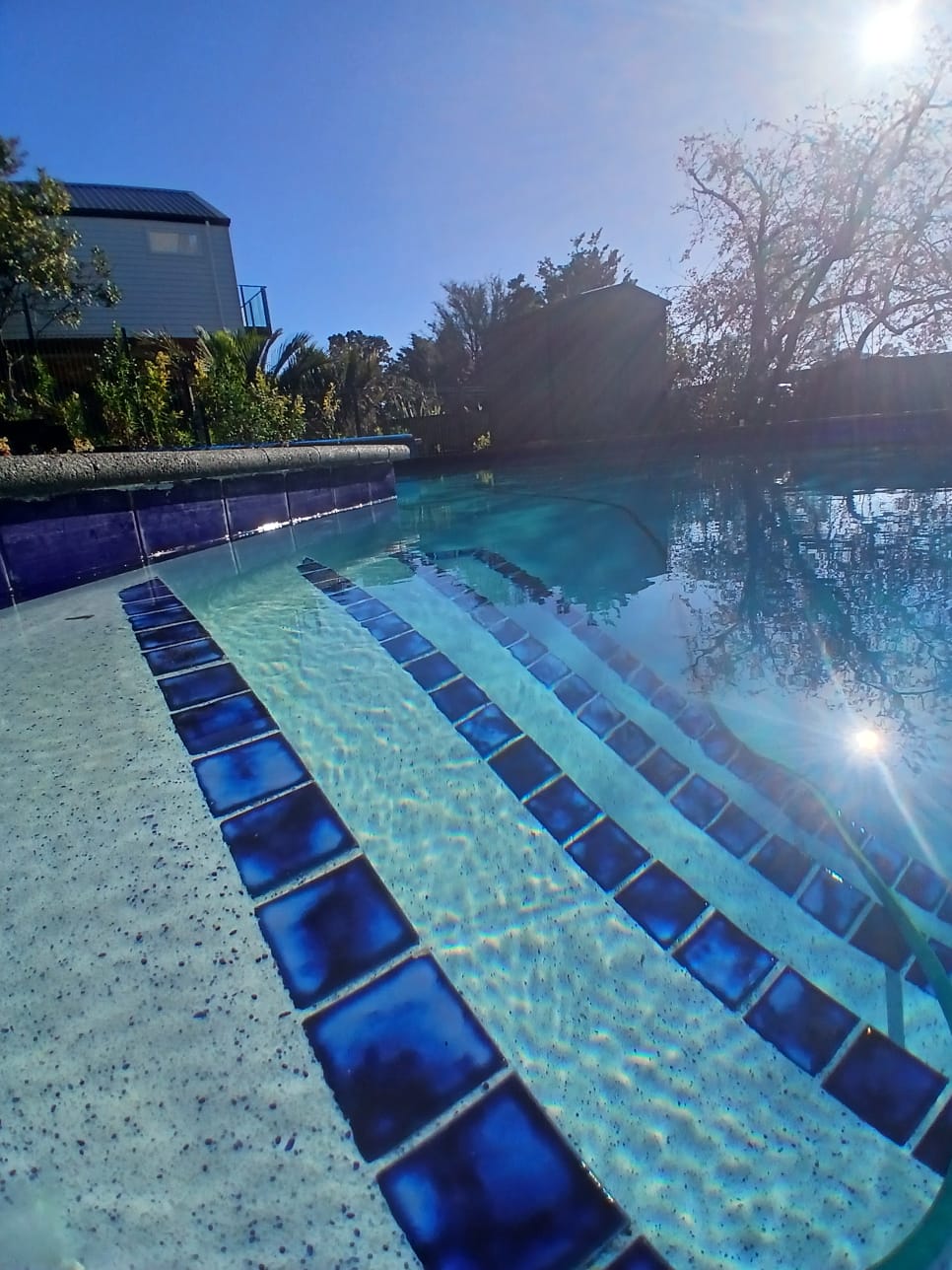
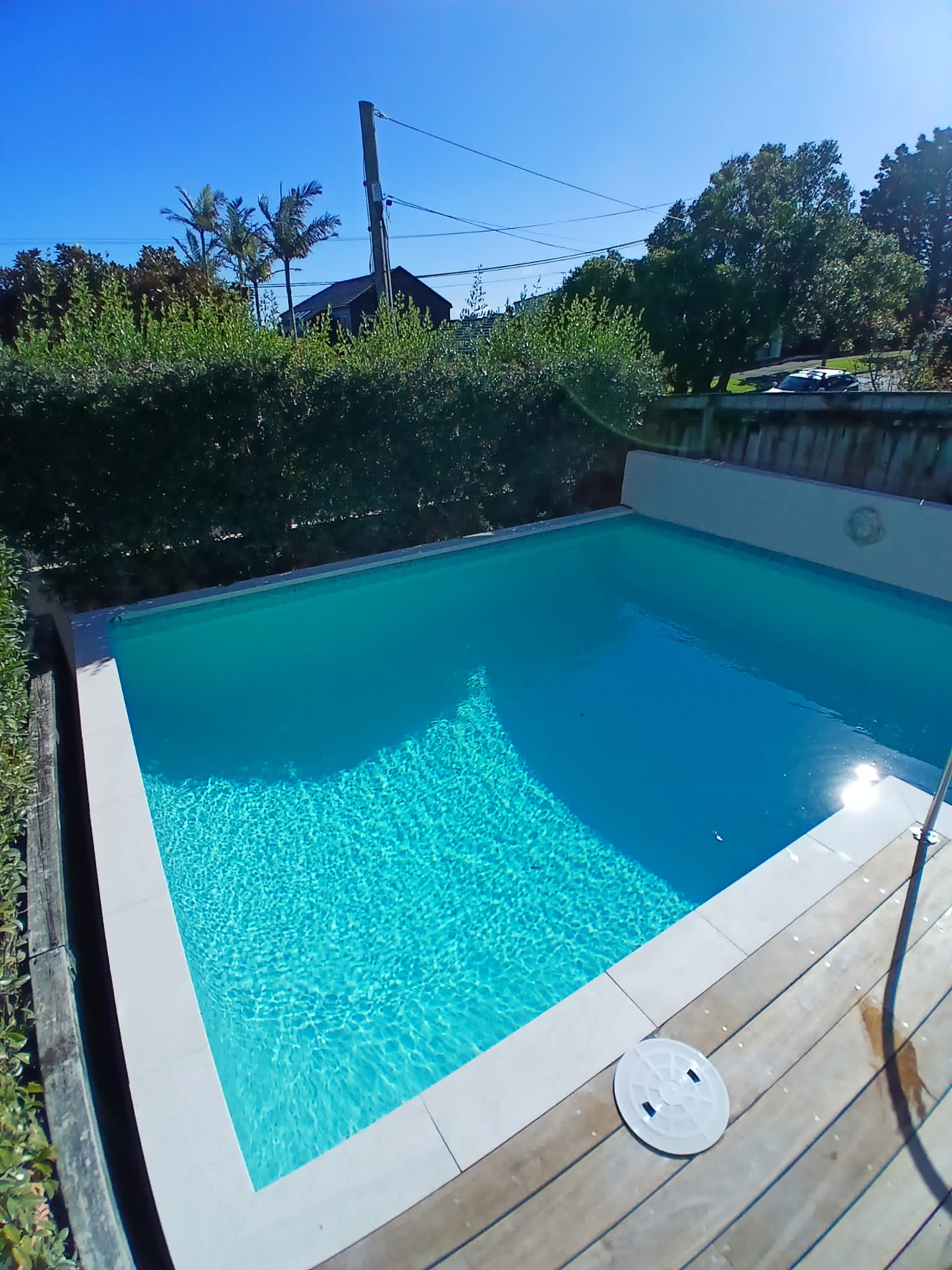
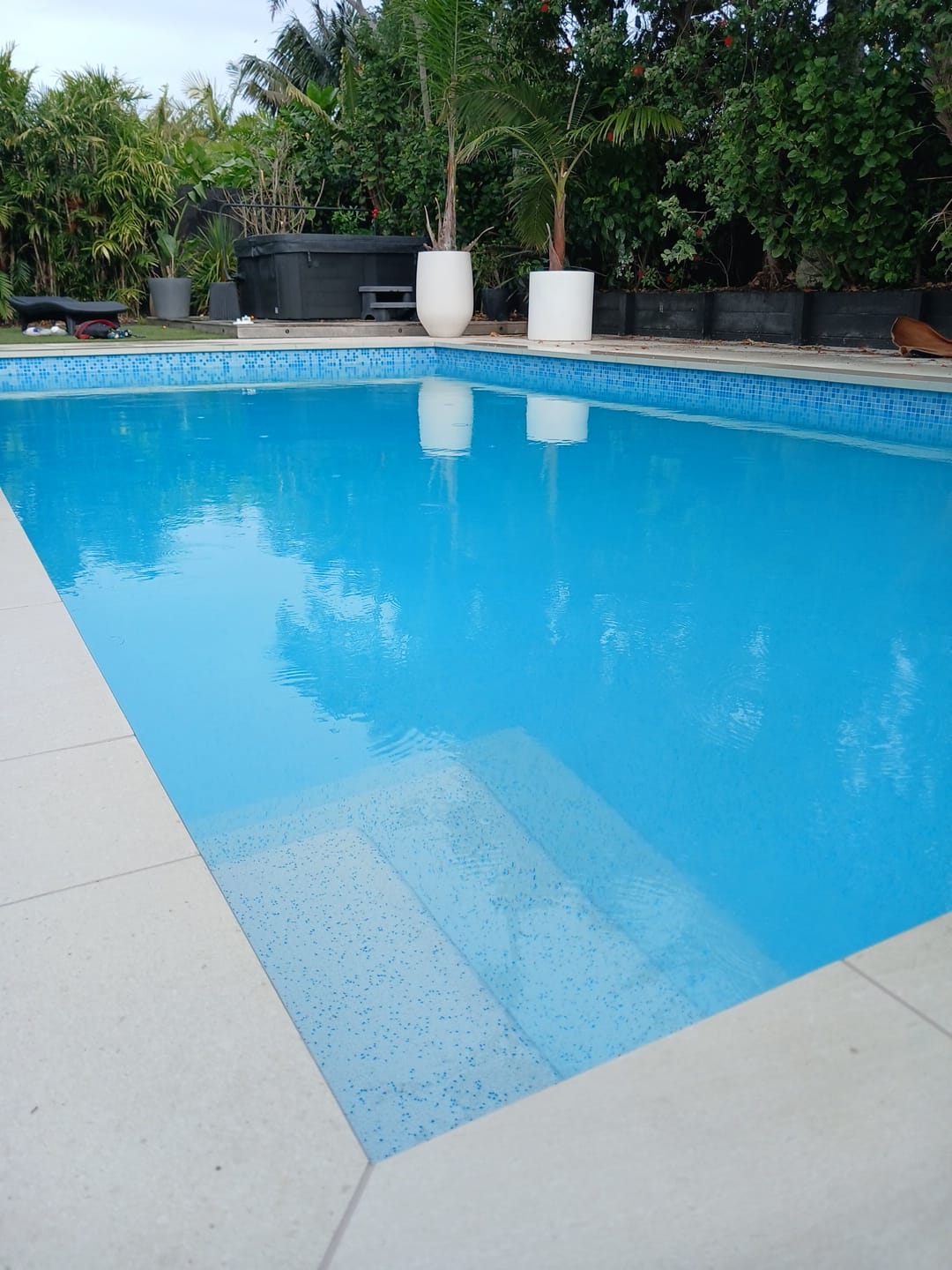
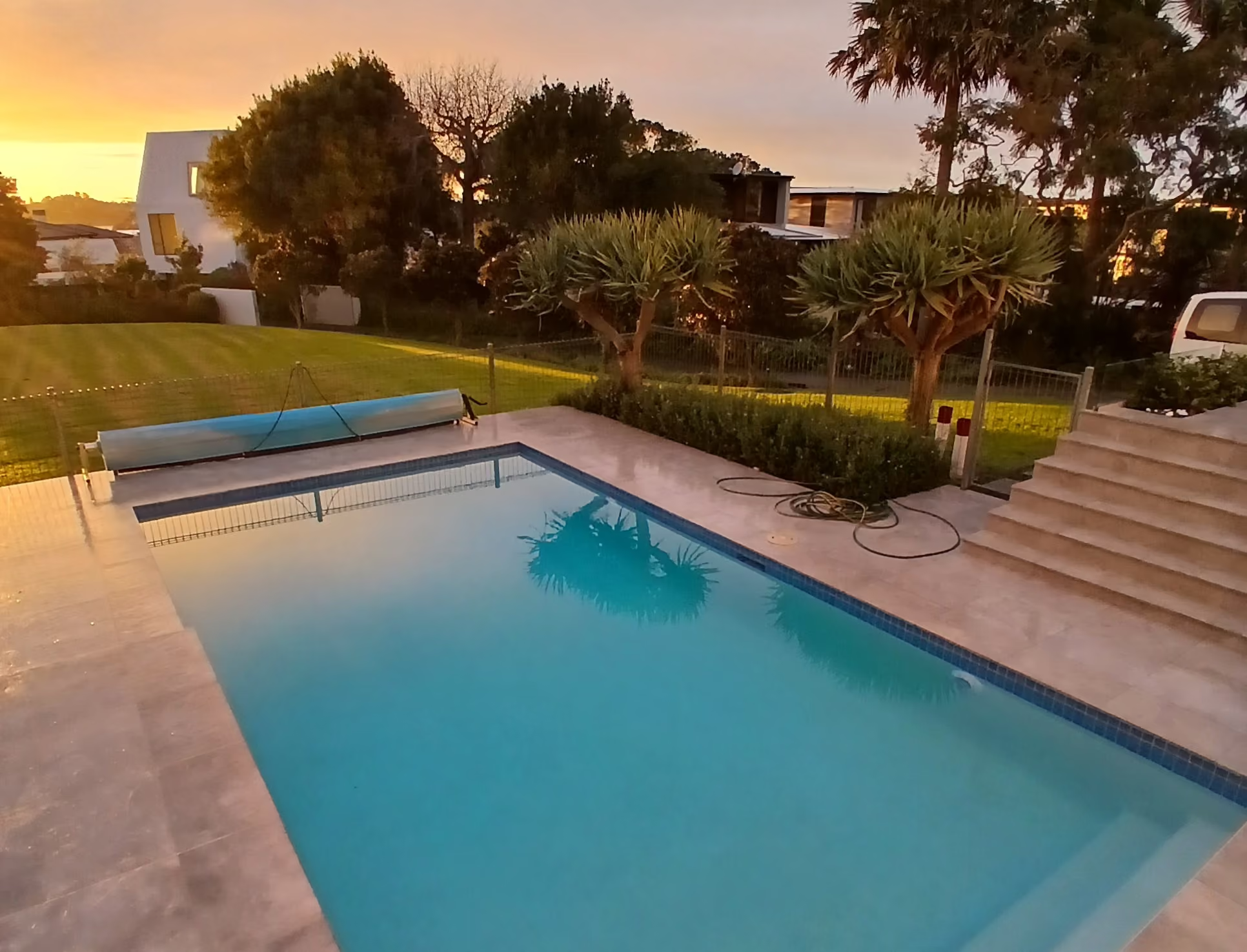
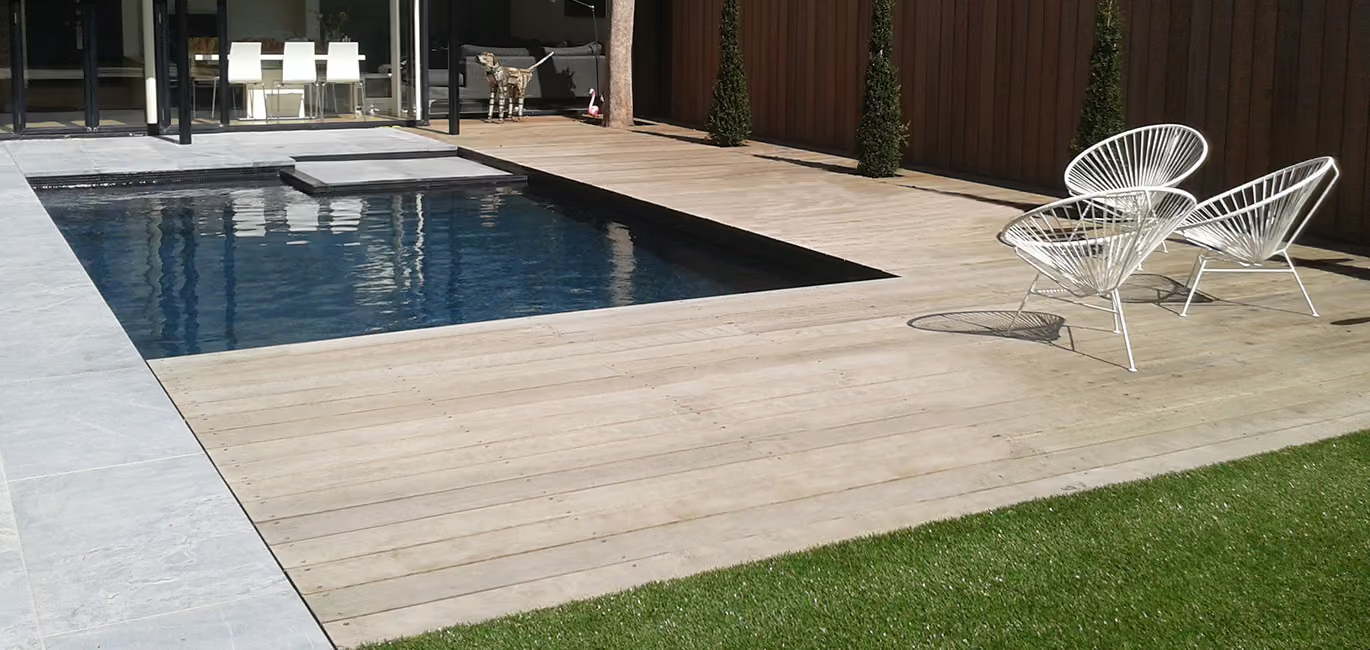
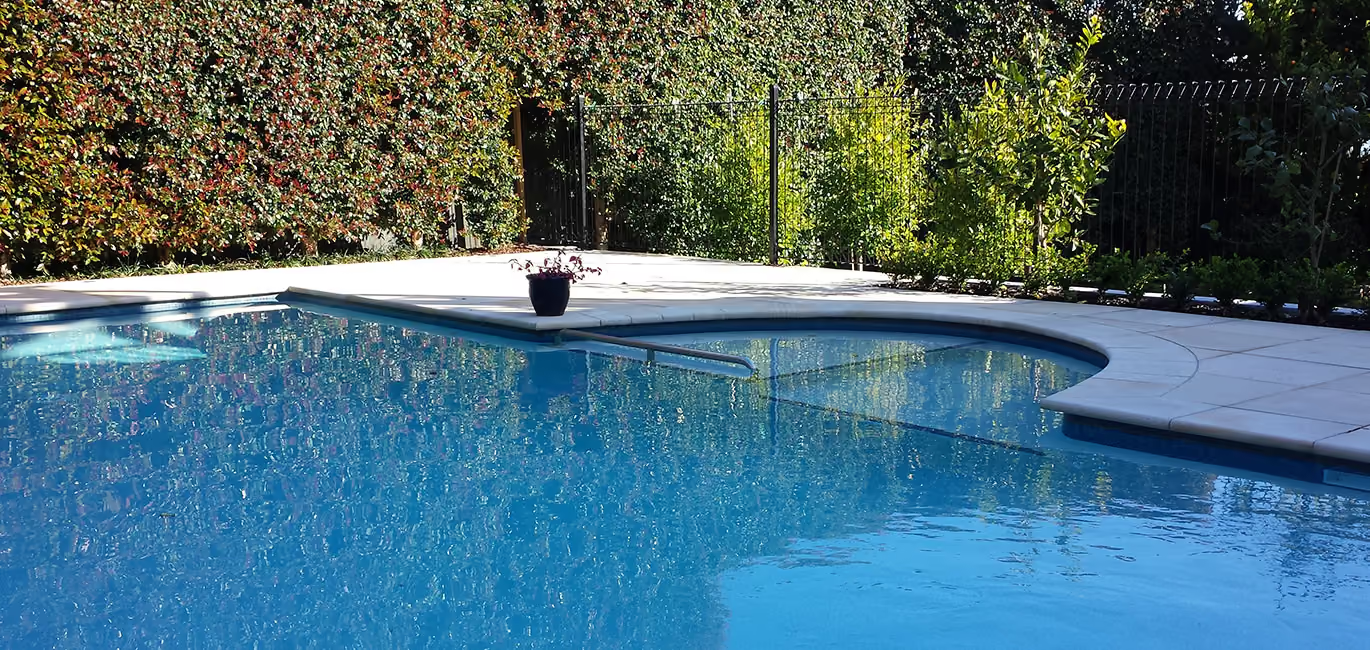
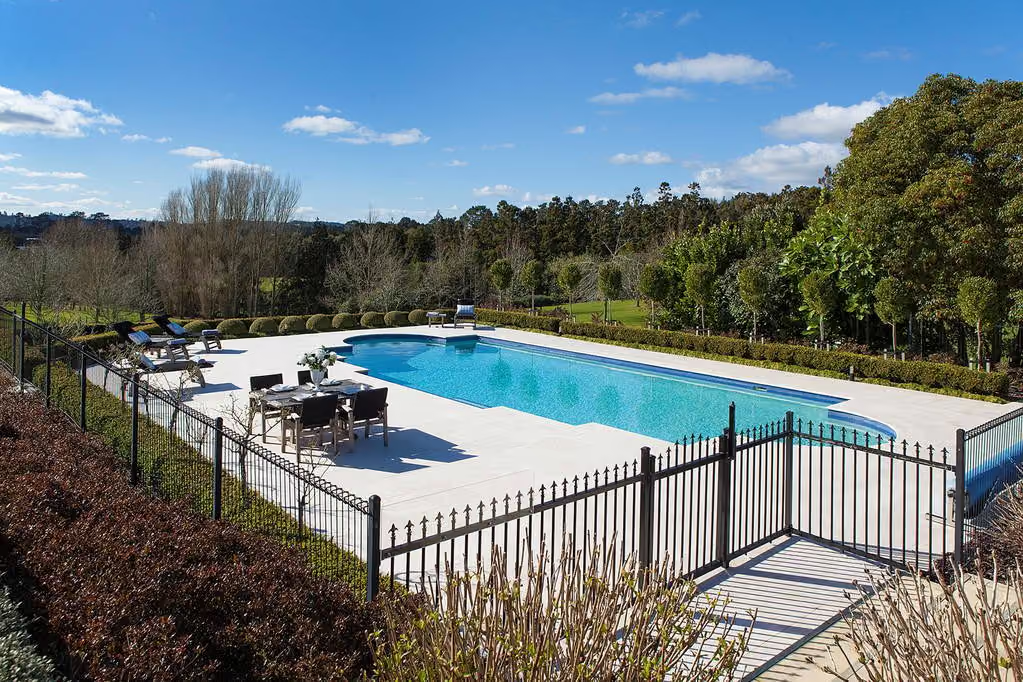
Sparkling Pools has worked on pools across Auckland, including residential renovation projects, equipment upgrades, ongoing maintenance and pool care for managed properties. Past projects show how the right approach can improve presentation, water quality and day-to-day usability. A well-maintained pool is easier to manage, more pleasant to use and better prepared for seasonal changes.
Trusted by Homeowners Across Auckland
Don't just take our word for it. Read what our clients have to say about our transparent communication, reliable service, and stunning pool transformations.
Related Blog Posts
Stay informed on pool care and renovations

Winter pool care essentials for Auckland
Pool Renovation Mistakes

Auckland Climate Pool Maintenance
Choosing Renovation Contractor
Pool Care Auckland Summer
Permits & Consents

Pool Renovation ROI
How Often to Test Pool Water
Pool Renovation Costs
Cost of Pool Service Auckland
Pool Renovation Planning Guide
Pool Lighting Buying Guide
Pool Cleaner Buying Guide
Pool Automation Buying Guide
Pool Heater Buying Guide
Pool Filter Buying Guide
Pool Pump Buying Guide
Best Equipment Auckland Climate
Auckland Water Quality
Auckland Pool Season
Pool Ownership Costs
Common Pool Mistakes
Pool Safety Laws
Pool Inspection Requirements
Pool Fence Compliance
.avif)
Auckland Pool Industry Trends
Auckland Pool Regulations
Pool Equipment Suppliers
Best Pool Service Areas
Pool Service Pricing Analysis
Company vs Independent
Best Pool Surface Materials
Pool Resurfacing Options
Pebble vs Plaster Surfaces
One-Time vs Ongoing Service
Full Service vs Chemicals Only

Pool Cover Types
Robotic vs Suction Cleaners
Mineral vs Saltwater
Gas vs Heat Pump
Pool Heater Types
Pool Winterizing Guide Auckland
Pool Opening Guide Summer
Pool Maintenance After Heavy Rain
Pool Maintenance Schedule
How Often to Run Pool Filter
Pool Pump Maintenance Schedule
Pool Filter Cartridge Cleaning
Pool Equipment Maintenance Checklist
Pool Waterline Cleaning
Pool Skimmer Basket Cleaning
Pool Chlorine Levels
How Often Clean Pool Filter
How to Vacuum Pool
Pool Brushing Technique
Pool Chemical Dosing Chart
Pool Water Chemistry Basics
How to Balance Pool Chemistry
How to Test Pool Water
Pool Maintenance Tips
Complete Pool Maintenance Guide
Pool Service ROI
Pool Equipment Buy or Service
Pool Maintenance Time Requirements
DIY vs Professional
Pool Service Contract
Pool Service vs Pool Valet
Is Pool Service Worth It
Pool Service Guarantees
Pool Service Reviews
Pool Service Red Flags
Questions to Ask Pool Companies
How to Choose Pool Service Company
Hidden Costs DIY Maintenance
Pool Cleaning Prices Auckland
Cost of Pool Resurfacing
Cost of Pool Pump Replacement
Cost to Fix Green Pool
Pool Liner Wrinkles
Pool Cracks When to Worry
Pool Surface Stains
Pool Valve Leaking
Pool Automation Not Working
Pool Light Not Working
Pool Heater Not Heating
Pool Skimmer Not Working
High Pool Filter Pressure
Pool Losing Water
Pool Filter Not Clearing Water
Pool Pump Leaking
Pool Pump Not Pumping
Pool Pump Losing Prime
Pool Pump Noisy
Pool Pump Not Working
Pool Water Foaming
Pool pH Too Low
Pool pH Too High
Green Pool After Rain
Pool Still Green After Shock
Pool Water Cloudy
How to Clear a Green Pool
Pool Care That Protects Your Investment
Good pool care protects more than appearance. Our pool specialists support the long-term condition of your swimming pool while keeping it ready for everyday use.