Full Service vs Chemicals Only

Why Auckland trusts our pool service expertise
Choosing between a full pool service and a chemicals-only plan comes down to how much of the maintenance you want to handle yourself. Both options keep your water balanced, but they differ significantly in what else is covered.
Here are the key points to help you decide which plan suits your pool and your situation.
What you'll learn
The Short Answer
A chemicals-only plan keeps your water balanced. A full service keeps your entire pool, water, equipment, and surfaces, operating properly. Which one suits you depends on how hands-on you want to be, and how complex your pool setup is.
Both options have their place. Neither is automatically better. The right choice comes down to your pool, your schedule, and what you're willing to manage yourself.
---
What a Chemicals-Only Plan Covers
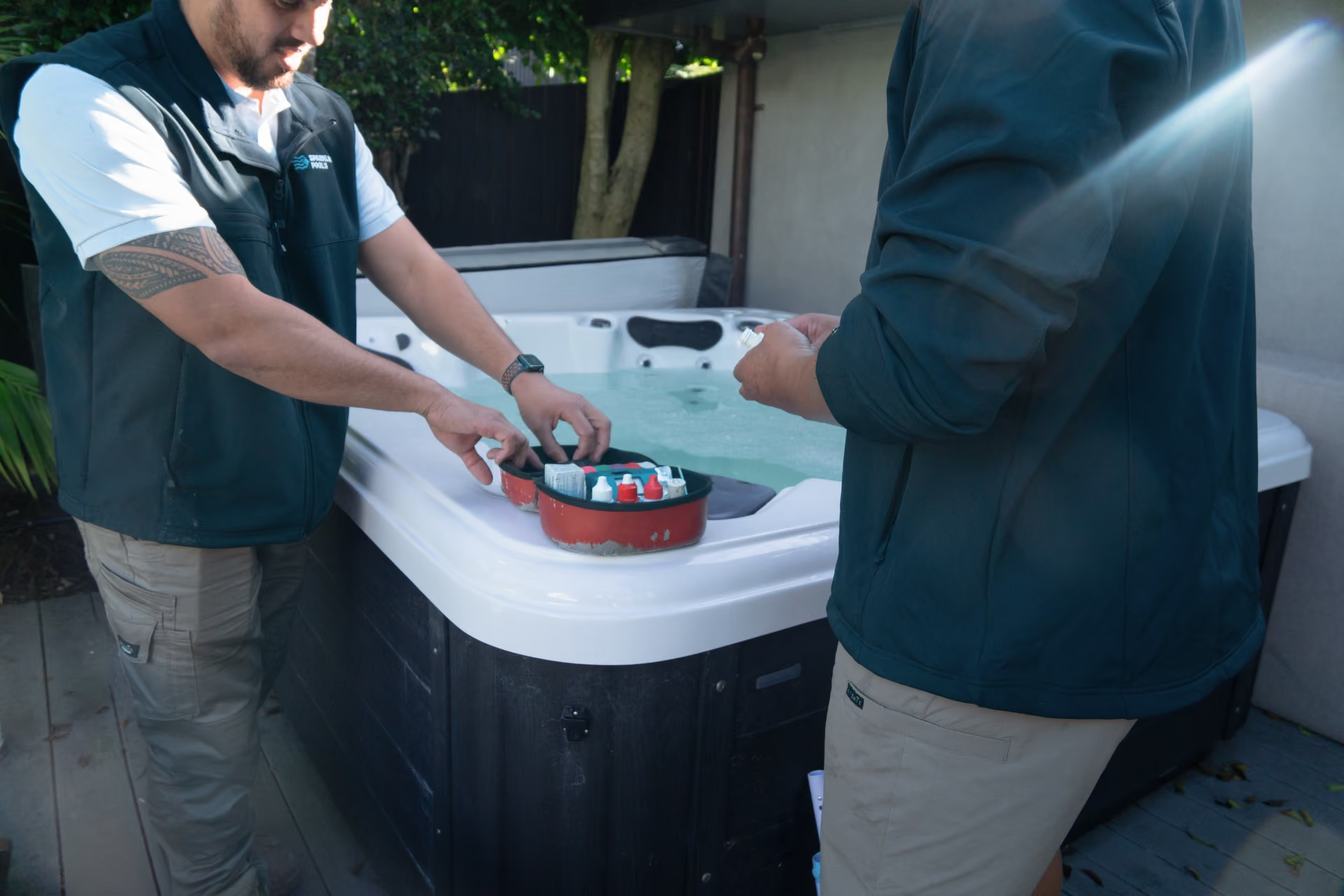
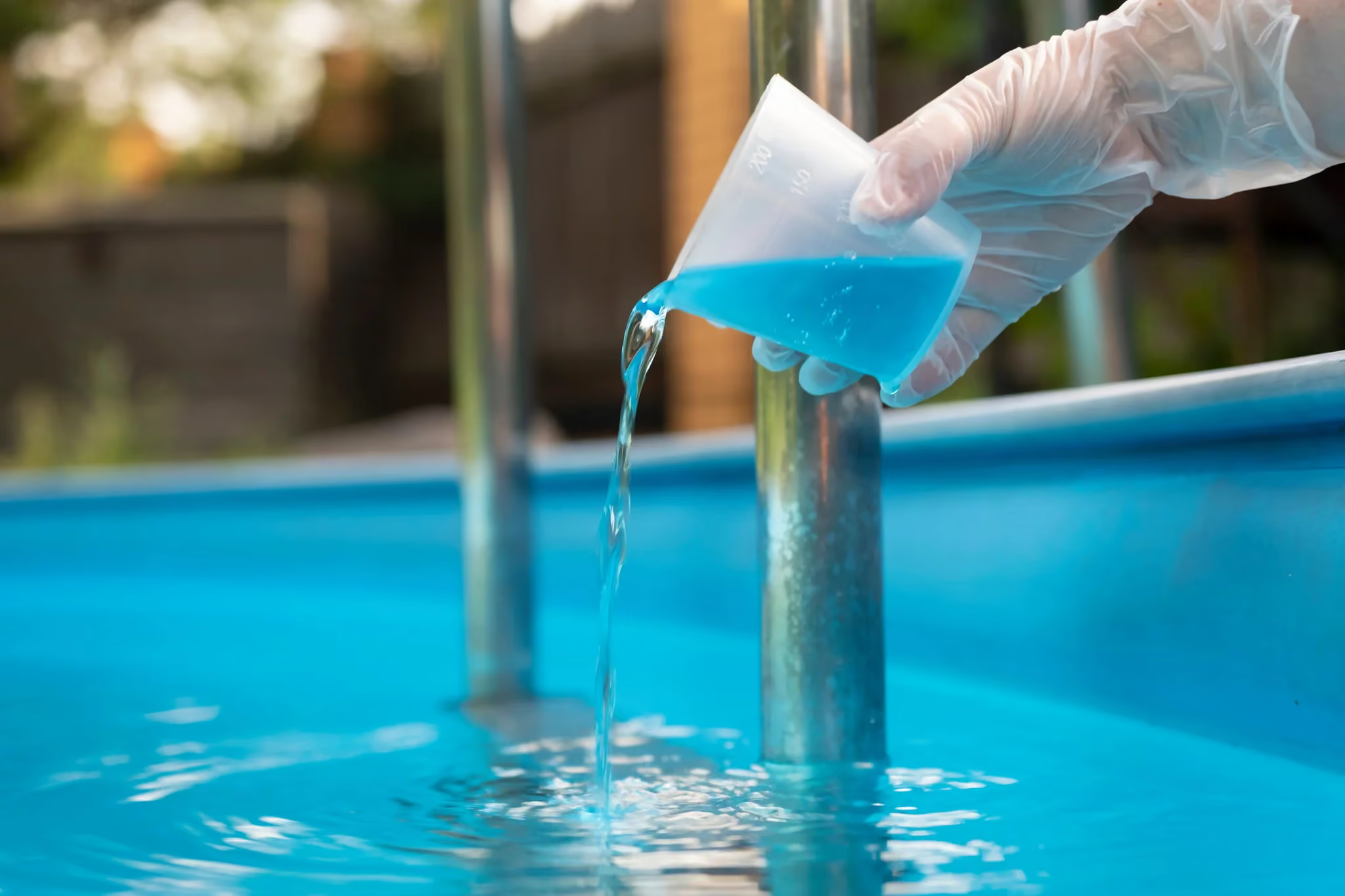
A chemicals-only arrangement means a technician visits to test your water and dose it with the right chemicals to keep it balanced and sanitised. That's the core of it.
What's typically included
- Water testing on site
- Chlorine and pH adjustment
- Algaecide and other chemical treatments as needed
- Advice on what's changed since the last visit
What it doesn't cover
Chemicals-only plans don't include any physical work on the pool or its equipment. That means:
- Skimming, vacuuming, and brushing are your responsibility
- Filter backwashing or cartridge cleaning is not included
- Equipment checks, pump, filter, chlorinator, aren't part of the visit
- Any physical debris in the pool stays until you remove it
This works well for pool owners who are comfortable doing the physical maintenance themselves and just want the chemistry handled by someone who knows what they're doing.
---
What a Full Service Covers
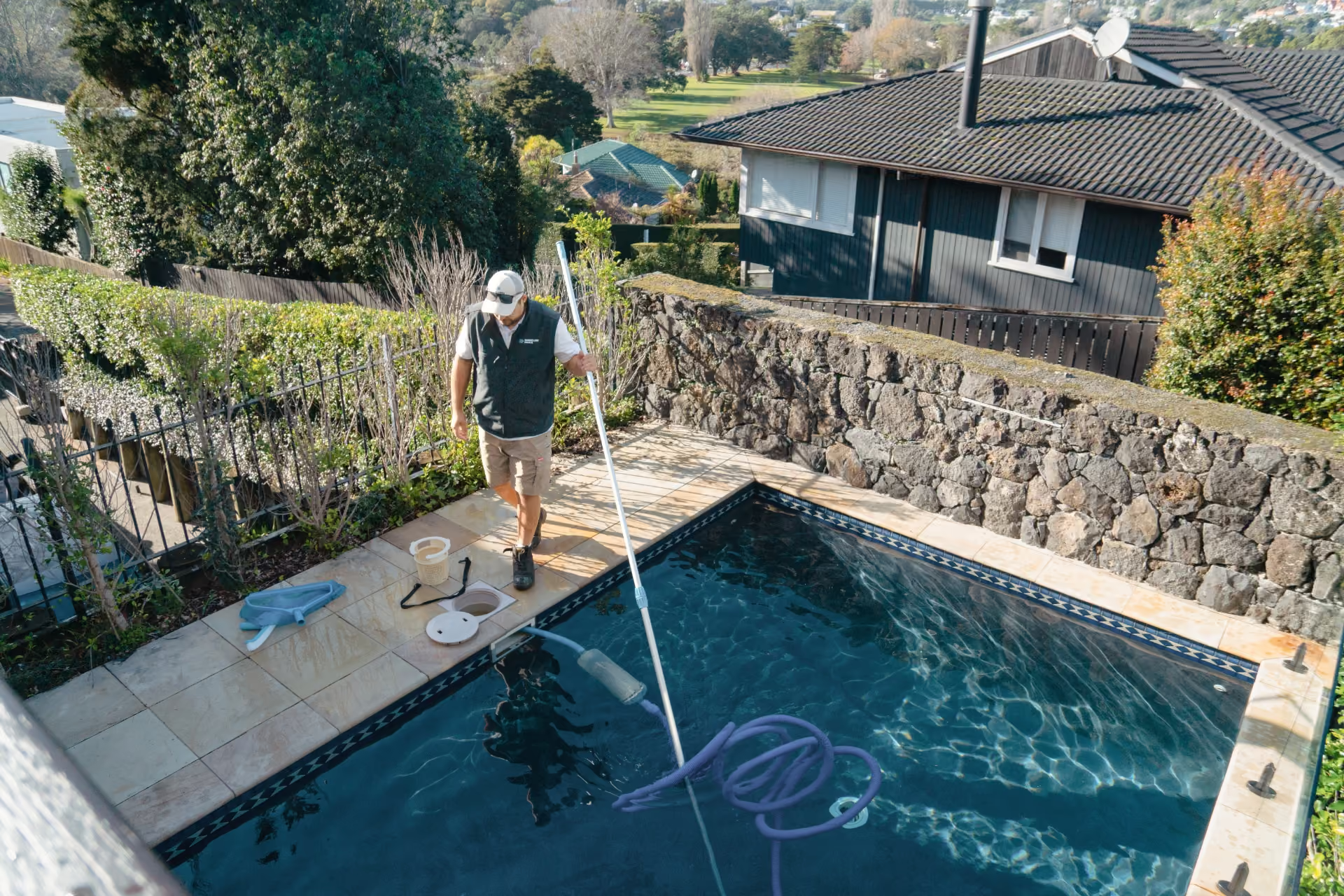
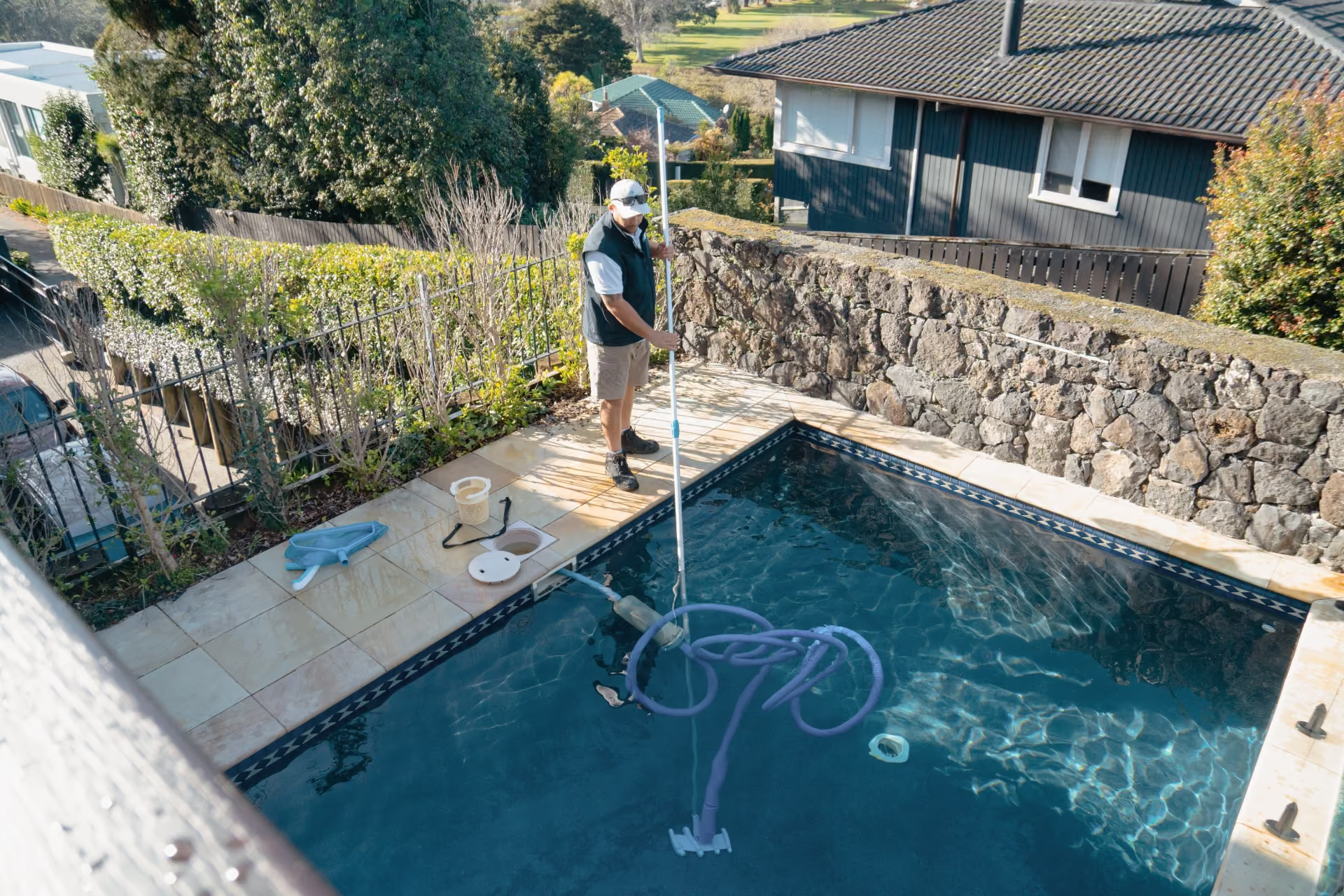
A full service combines water chemistry with hands-on maintenance. A technician handles both the water balance and the physical upkeep of the pool during each visit.
What's typically included
- All the water testing and chemical dosing from a chemicals-only plan
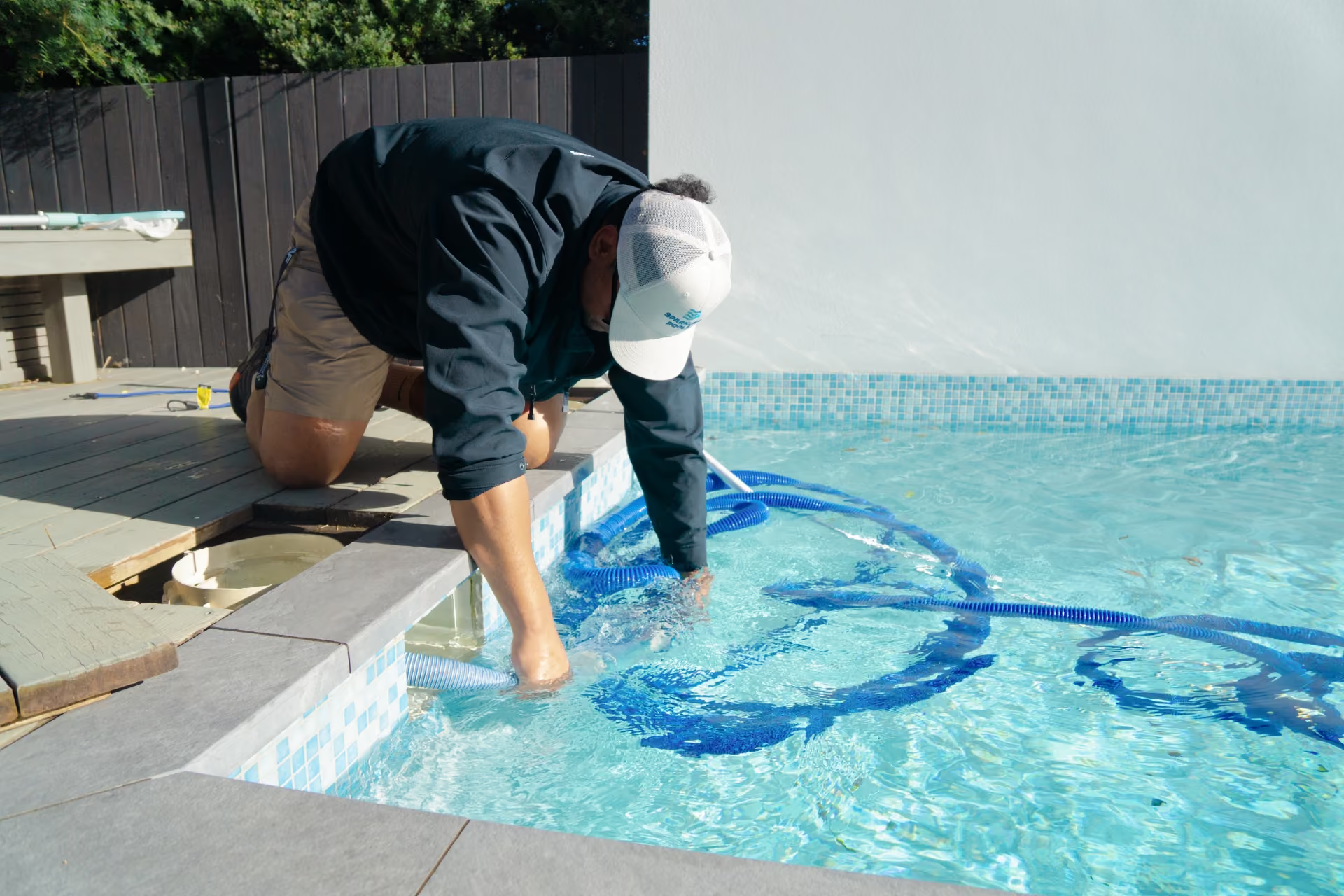
- Skimming the surface and removing debris
- Vacuuming the pool floor
- Brushing walls and steps
- Emptying skimmer and pump baskets
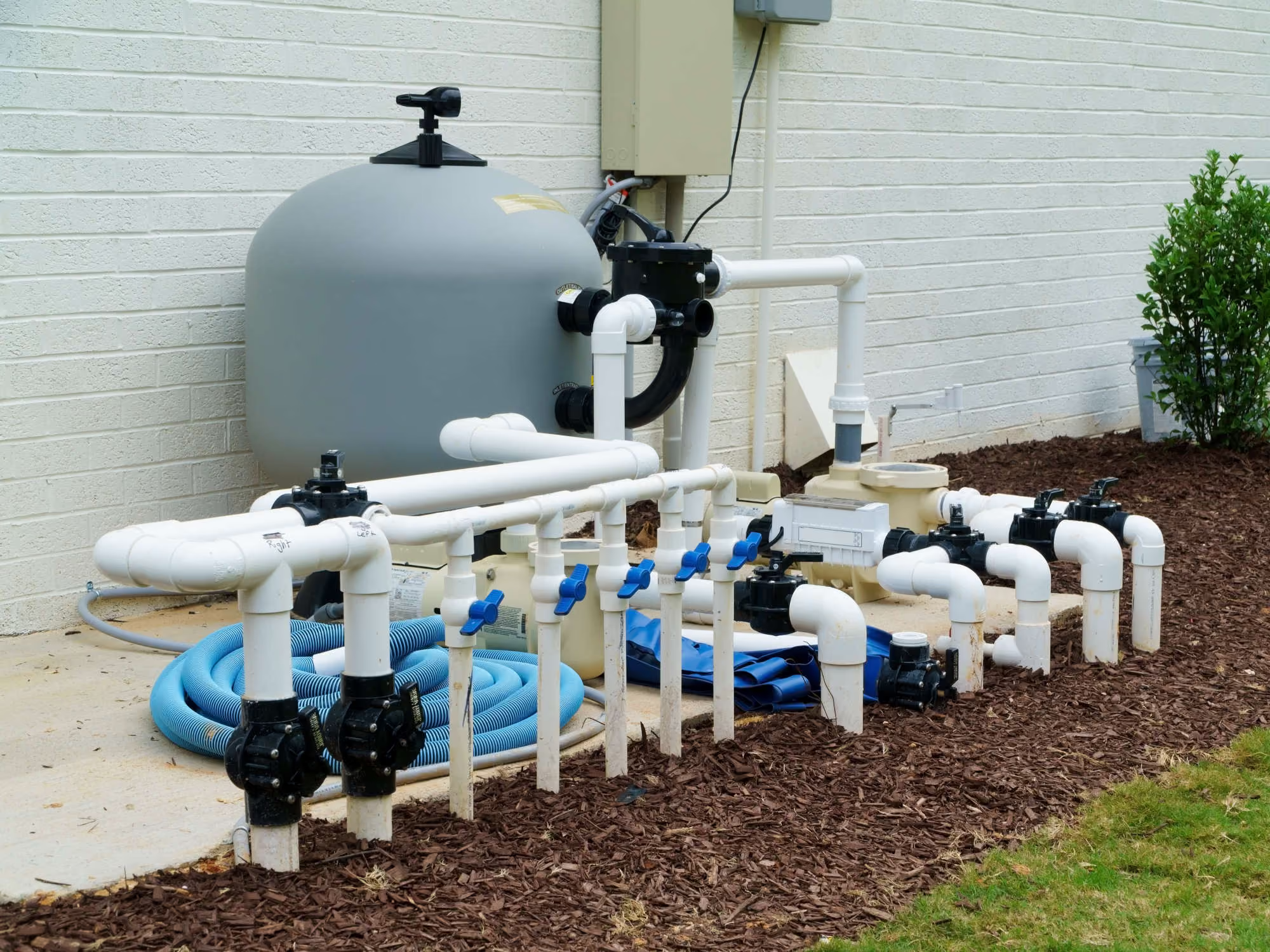
- Checking equipment is running correctly
- Backwashing the filter or cleaning the cartridge as needed
- Reporting any faults or concerns
Who it suits
A full service is the better fit if:
- You don't have time to maintain the pool yourself between visits
- You have a larger or more complex pool
- You manage a rental property or commercial facility
- You want one point of contact for everything pool-related
- You'd rather know early if something is going wrong with your equipment
---
The Key Differences Side by Side
Water chemistry
Both plans include water testing and chemical dosing. This part is the same.
Physical cleaning
Chemicals-only: not included. Full service: included.
Equipment checks
Chemicals-only: not included. Full service: included as part of each visit.
Your time commitment
Chemicals-only: you'll need to vacuum, brush, skim, and check equipment yourself. Full service: minimal, you're largely hands-off.
Early fault detection
Chemicals-only: faults may go unnoticed between visits unless you spot them. Full service: a technician checks equipment each time and can flag issues early.
---
What Happens When You Only Manage the Chemistry
Chemistry and physical cleanliness are connected. A pool with balanced water but heavy debris loading will still struggle. Leaves and organic matter consume chlorine faster, which means your chemical costs can rise even with regular dosing visits.
Equipment that isn't being checked regularly can also develop faults quietly. A pump running hot, a filter pressure creeping up, or a chlorinator cell starting to scale, these are easy to miss if no one is looking at the equipment during each visit.
This doesn't mean chemicals-only is a poor choice. It just means you need to be genuinely committed to doing the physical side yourself, consistently.
---
What Happens When You Skip the Chemistry
Some pool owners do all the physical cleaning themselves but let the chemistry slide. This is the other common gap.
A visually clean pool can still have water that's out of balance. Incorrect pH reduces how effective chlorine is, even when chlorine levels look fine on a basic test strip. Calcium hardness and alkalinity issues can quietly damage pool surfaces and equipment over time.
Regular, accurate water testing, ideally on site with proper equipment, is what catches these problems before they become expensive.
---
How to Decide
Ask yourself these questions:
- How much time do I realistically have each week? If the honest answer is not much, a full service is likely the better fit.
- Do I have the right equipment at home? Vacuuming and brushing properly requires the right gear and some practice.
- Is my pool in a high-debris environment? Trees, wind, and heavy use all increase the physical maintenance load.
- Am I confident checking my own equipment? If you wouldn't know what to look for on a pump or filter, having a technician check it regularly has real value.
- Is this a rental or managed property? Full service is almost always the right call here, it removes the dependency on tenants or on-site staff to manage pool upkeep.
---
A Note on Water Testing
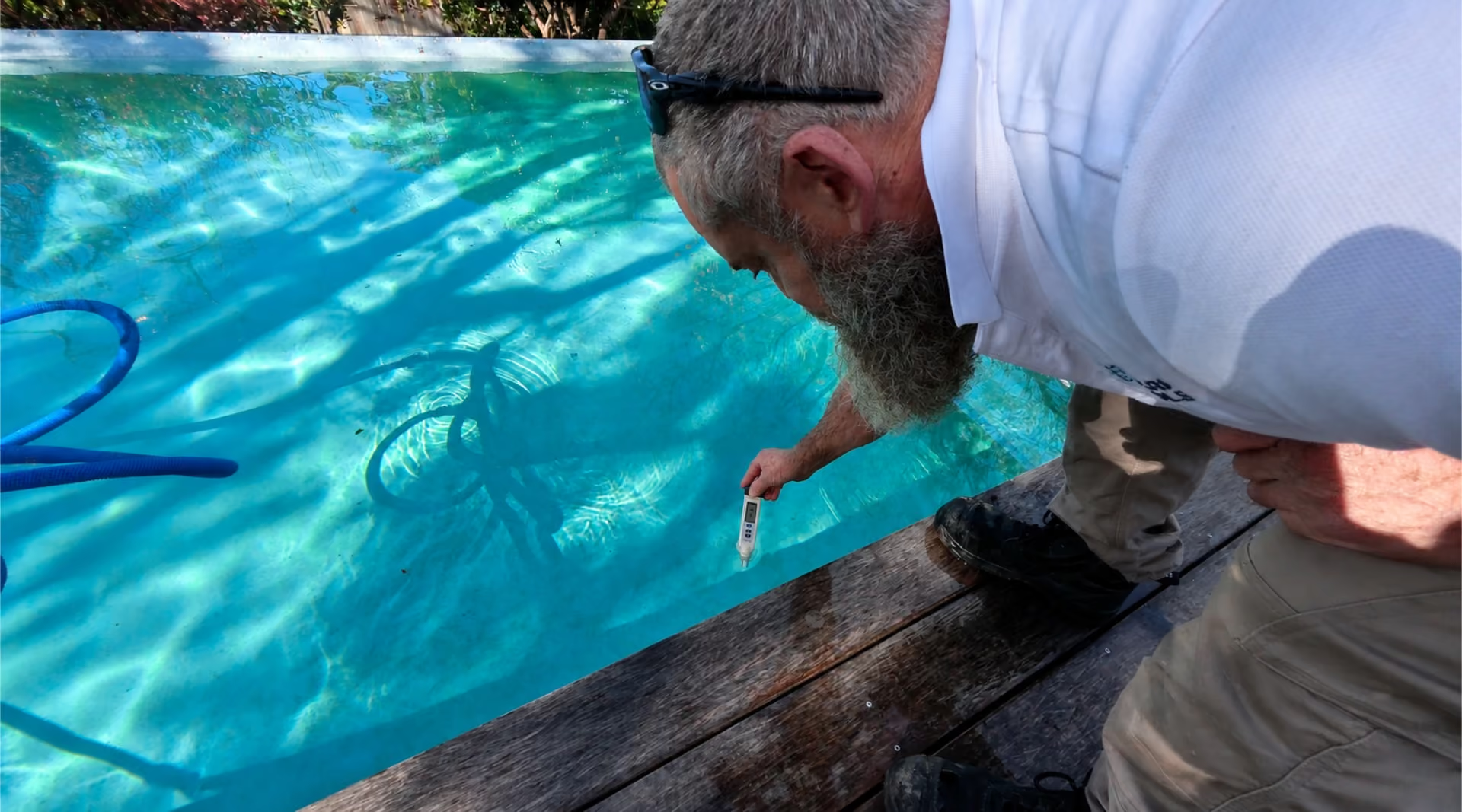
Whichever plan you choose, the quality of the water testing matters. Basic test strips give a rough picture. Proper on-site testing with calibrated equipment gives an accurate one.
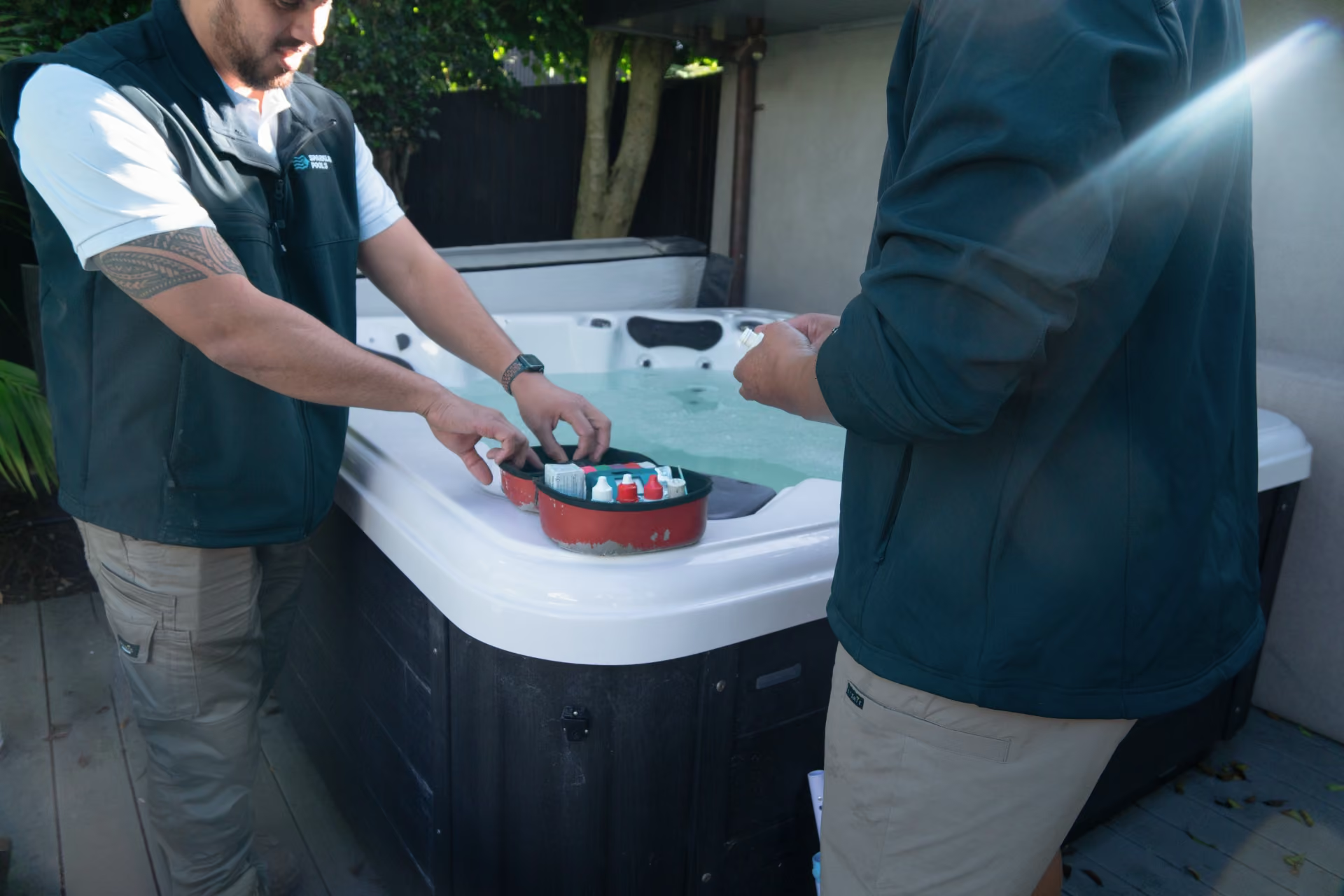
Sparkling Pools tests water on site at your home, anywhere across Auckland. This means the results reflect your actual pool conditions, not a sample that's been transported and may have shifted in transit.
---
When to Reassess Your Plan
Your needs can change. A chemicals-only plan that worked well when you had time to maintain the pool yourself may not work as well during a busy period, after a storm, or as your pool equipment gets older.
If you're finding that your pool is regularly out of balance, or that small problems are becoming bigger ones, it may be worth stepping up to a full service, at least temporarily.
Conversely, if you're on a full service and you're confident managing the physical side yourself, a chemicals-only plan might be a practical fit.
The goal is a pool that's clean, safe, and operating well, whatever arrangement gets you there consistently.
Pool resurfacing solutions
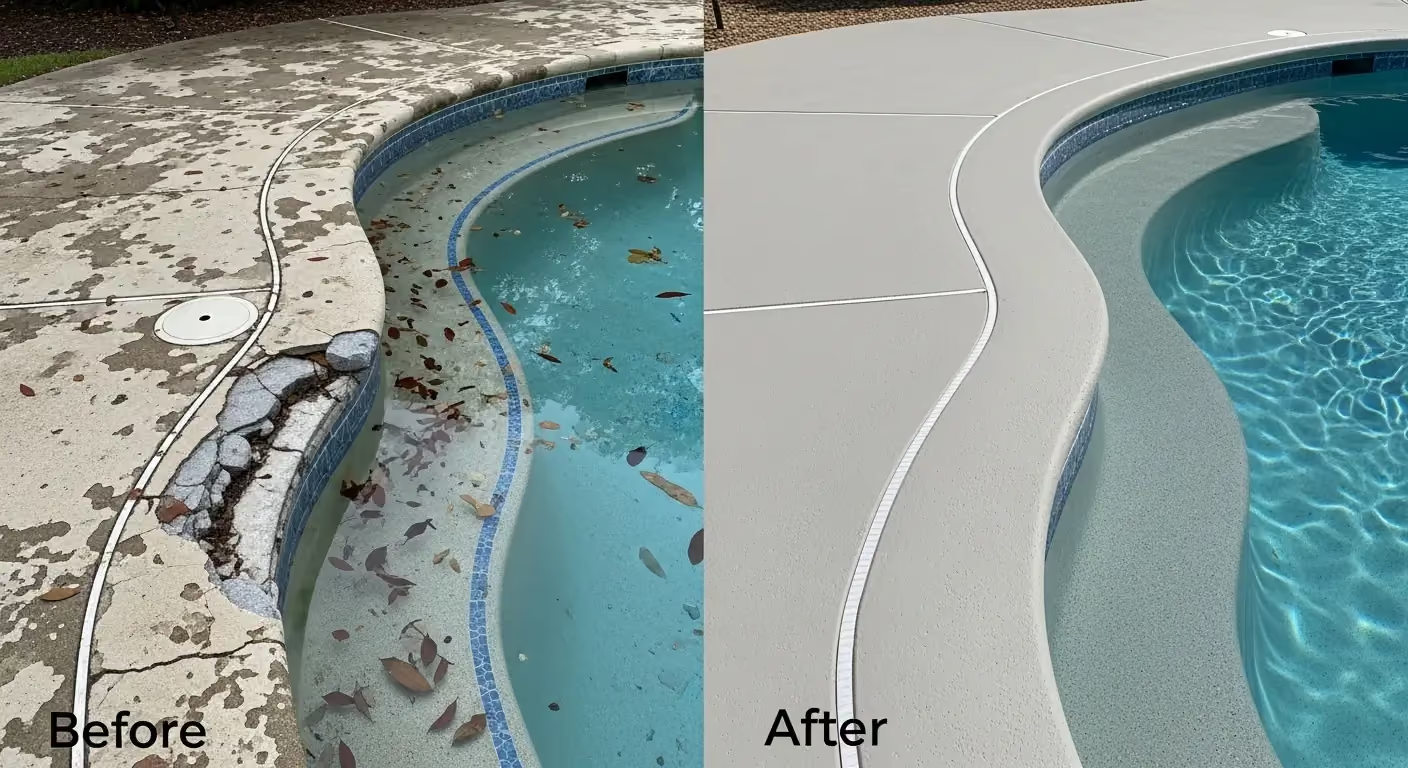
Restore your pool with durable plaster finishes



Work completed
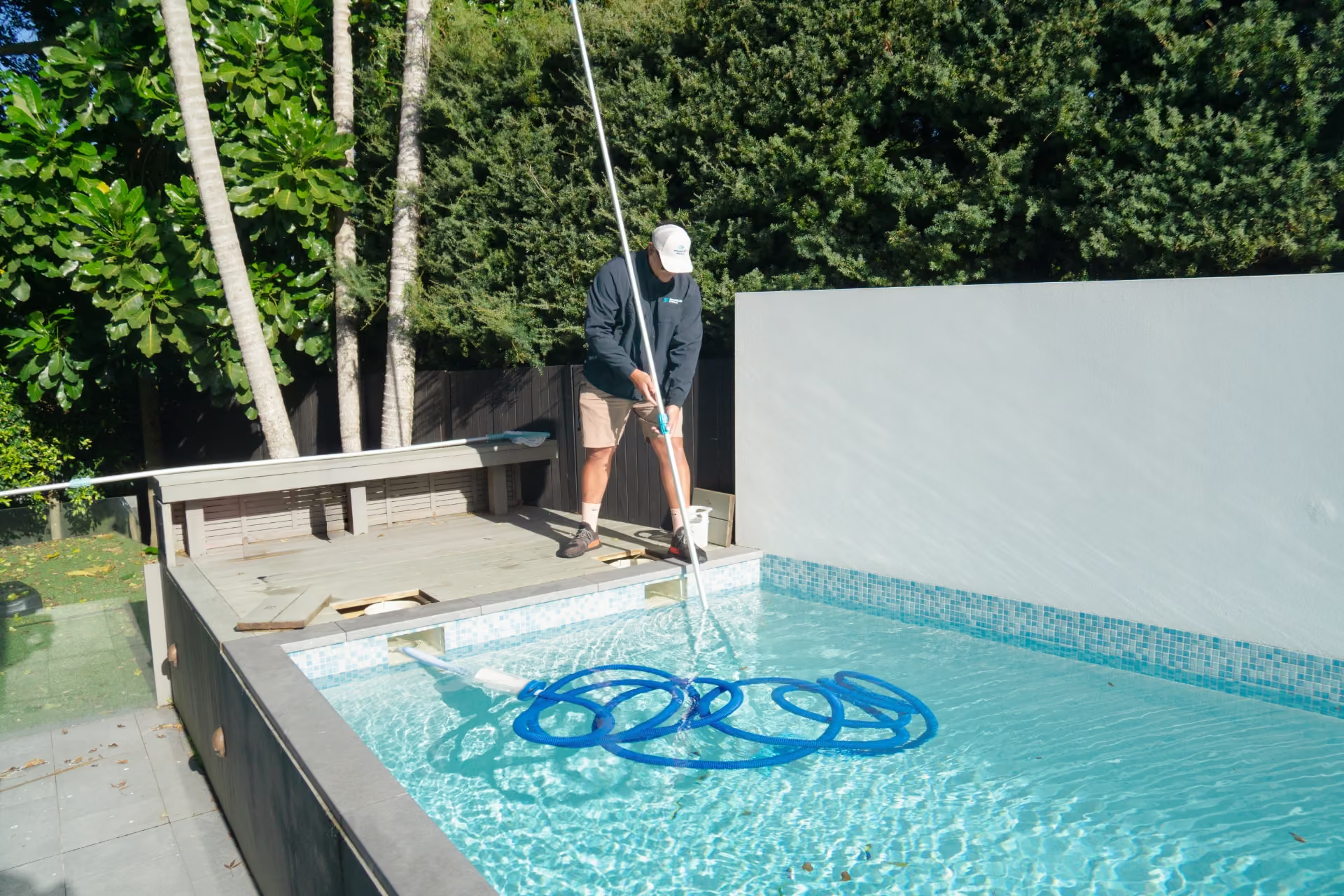
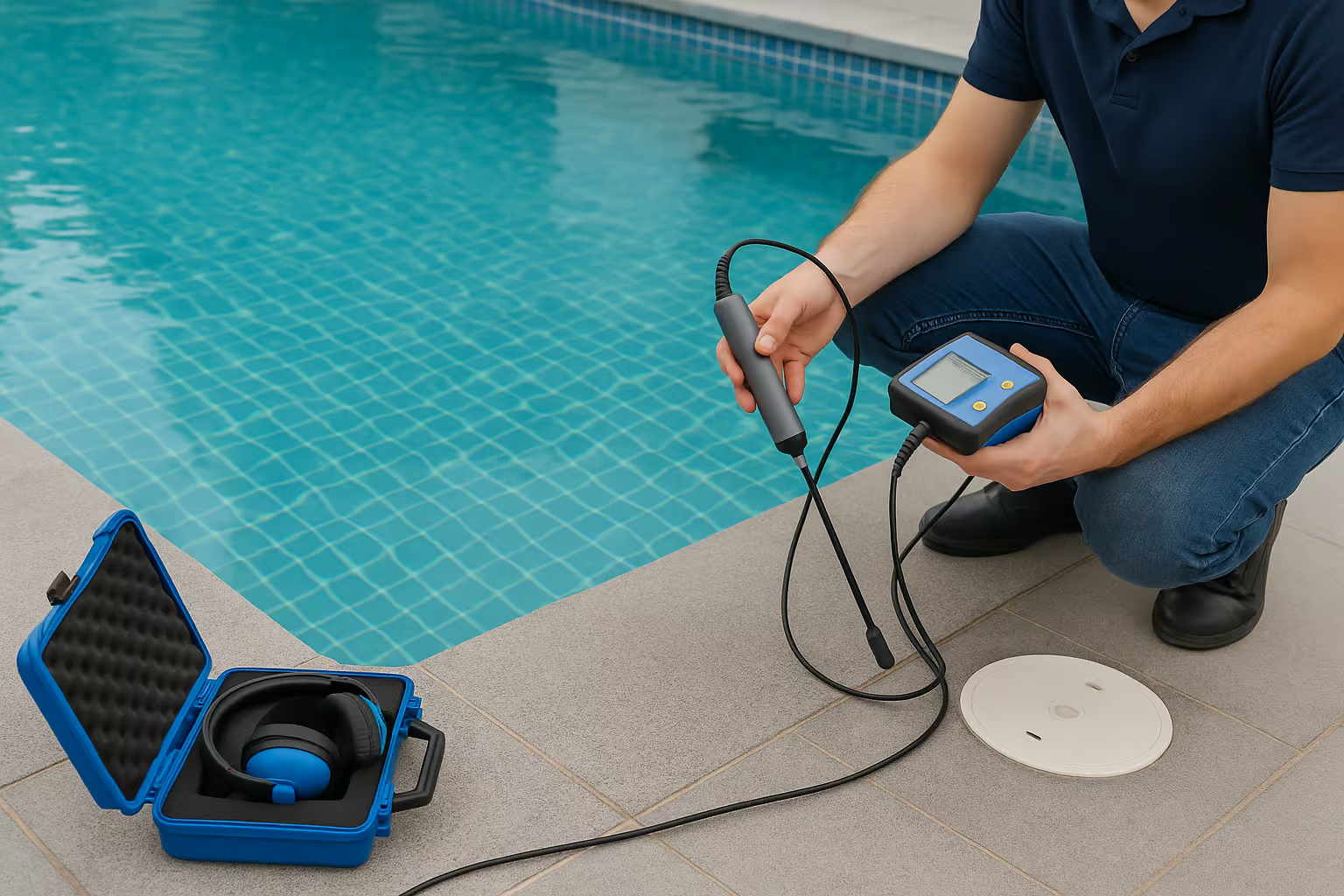
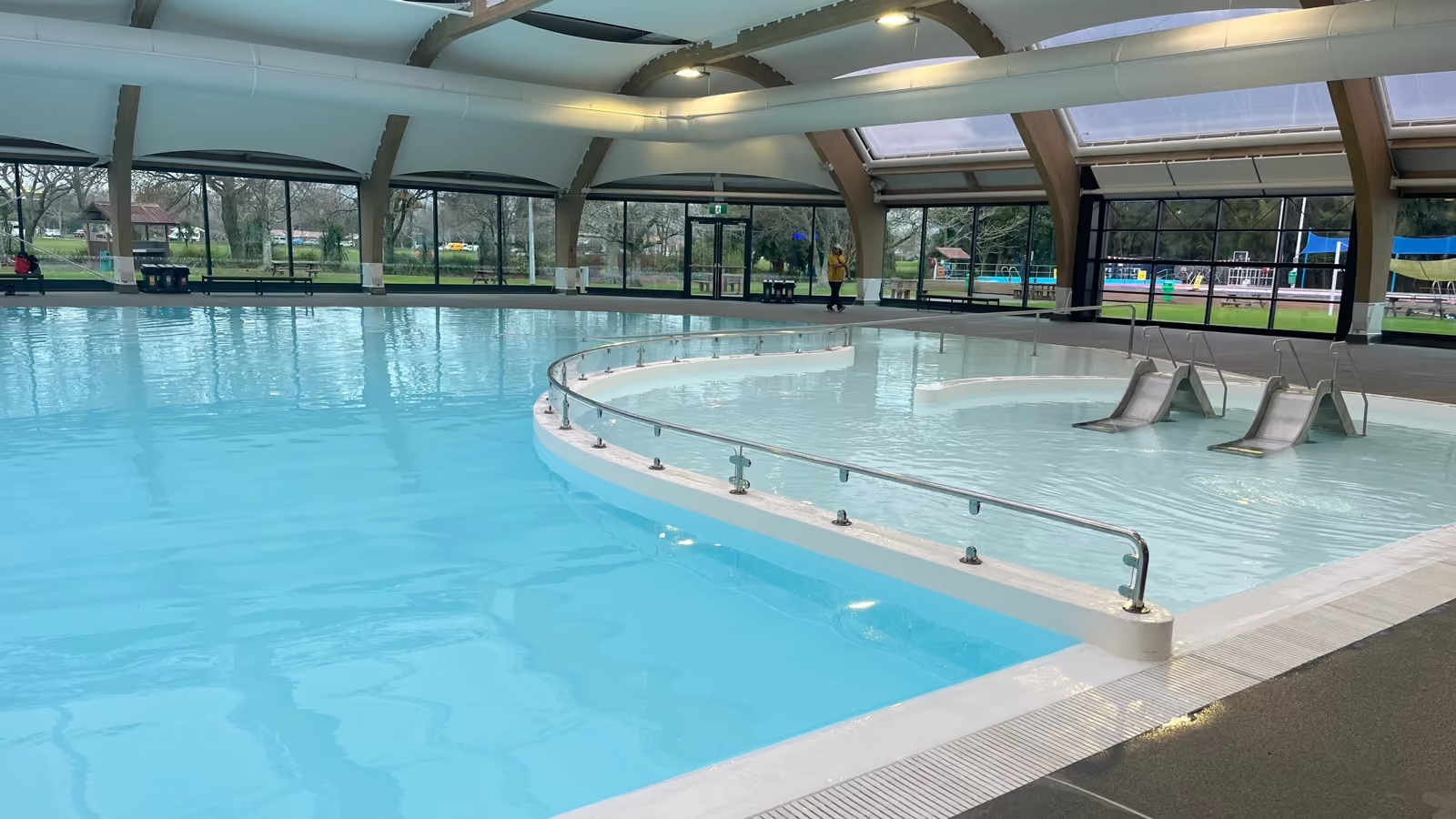
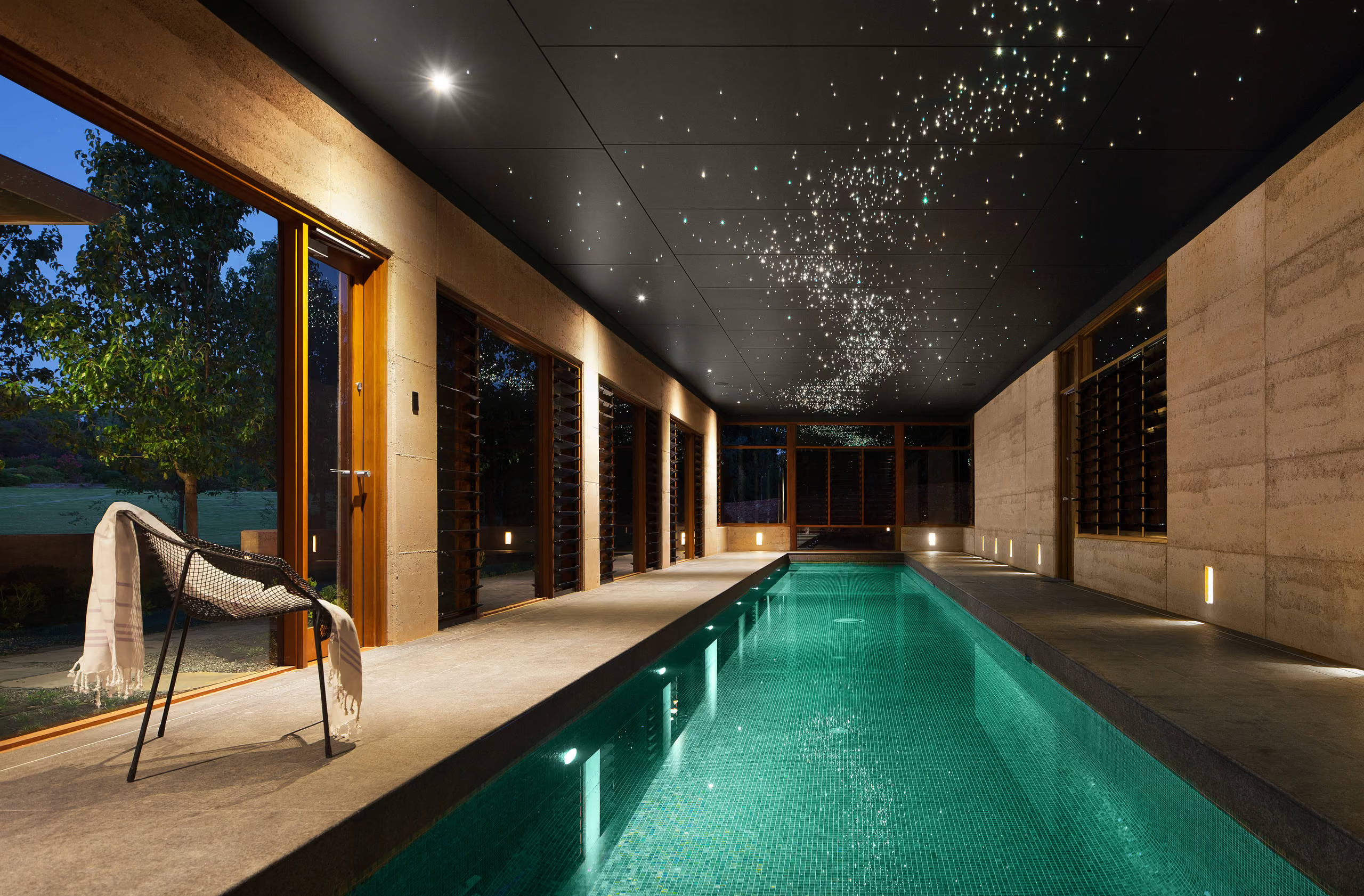
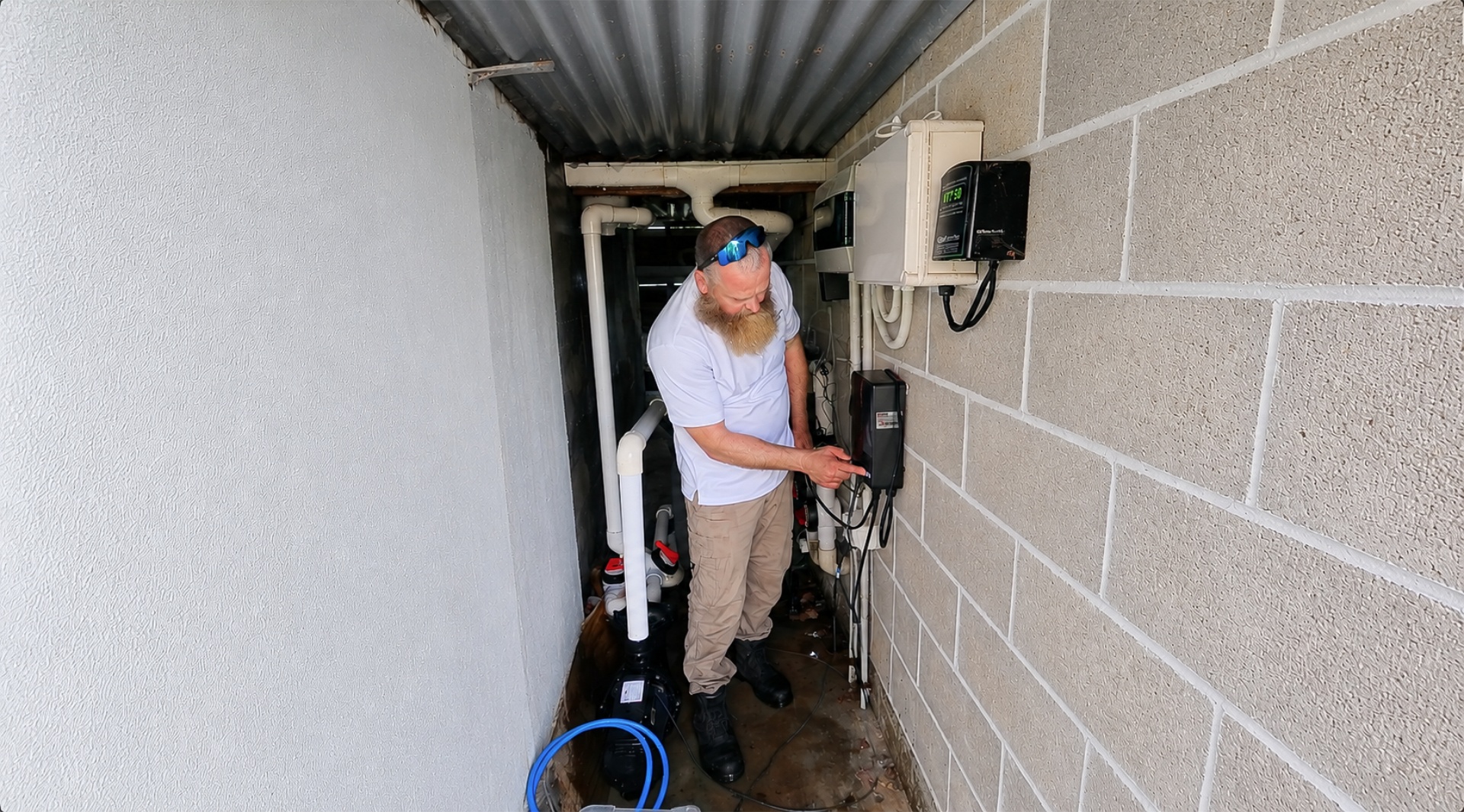
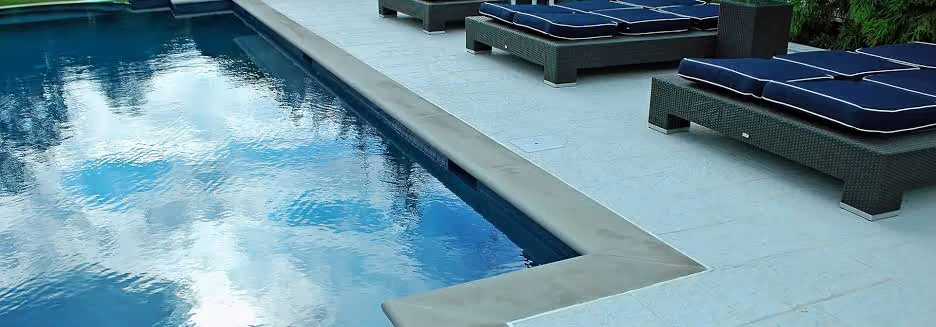
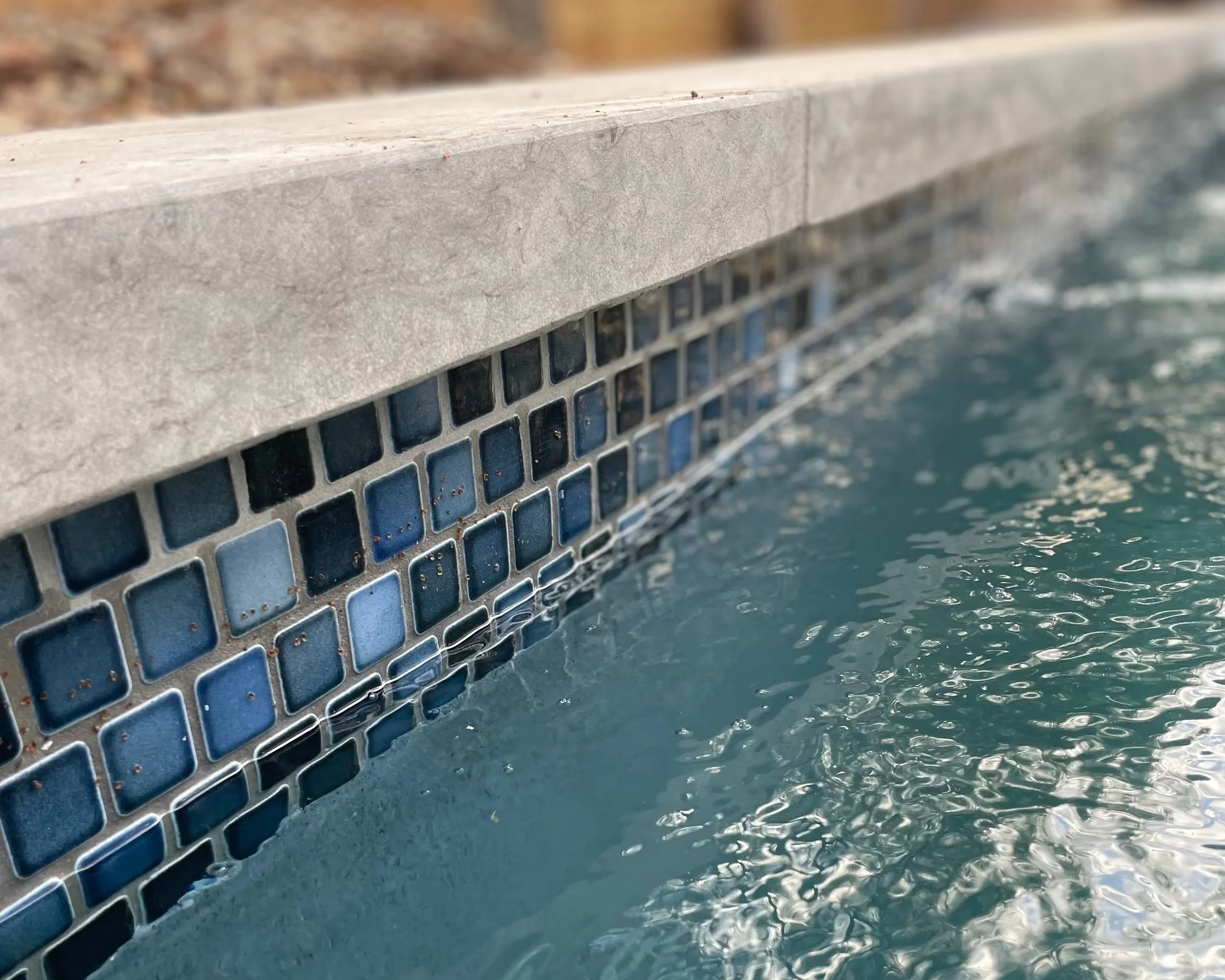
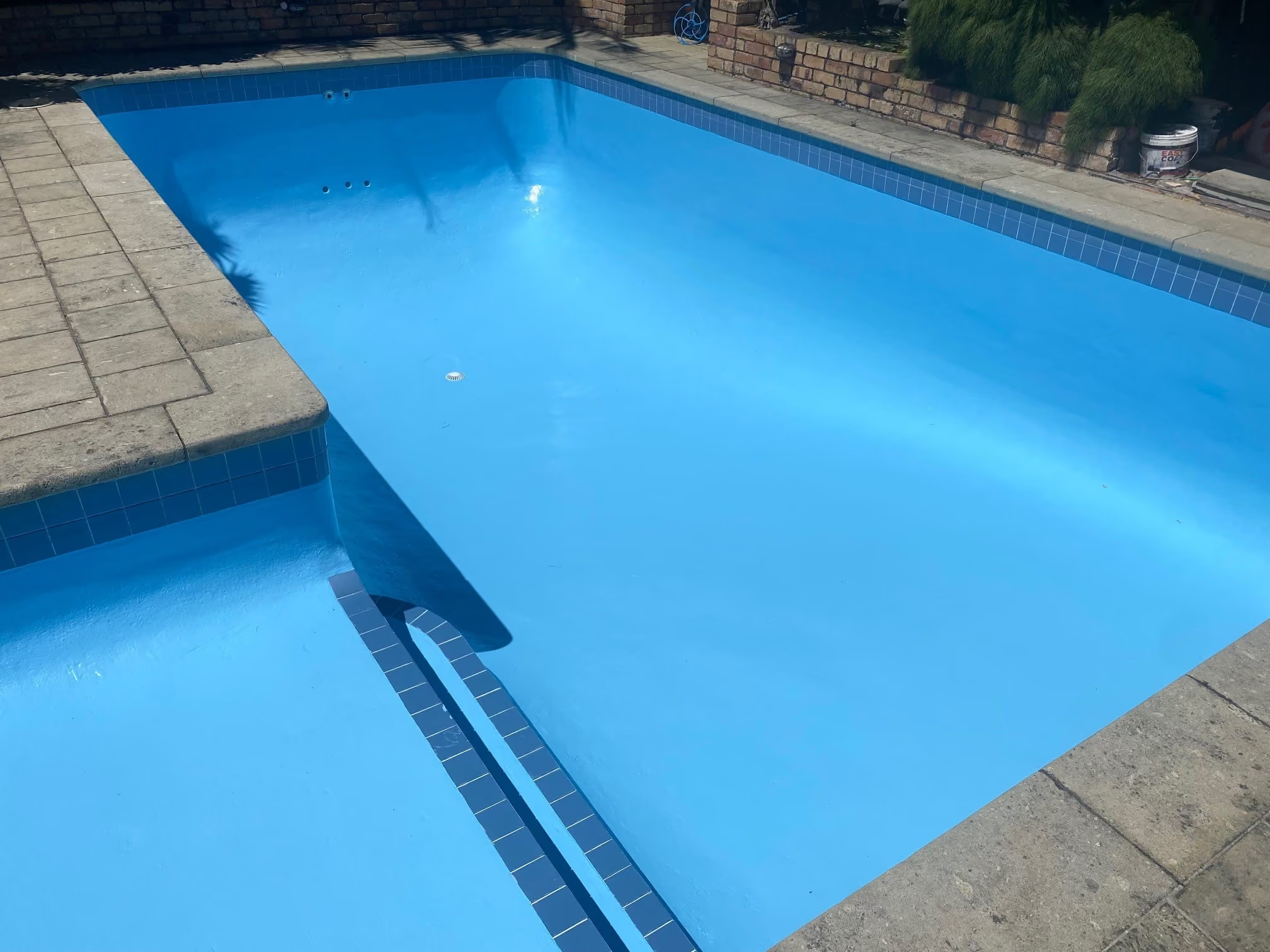
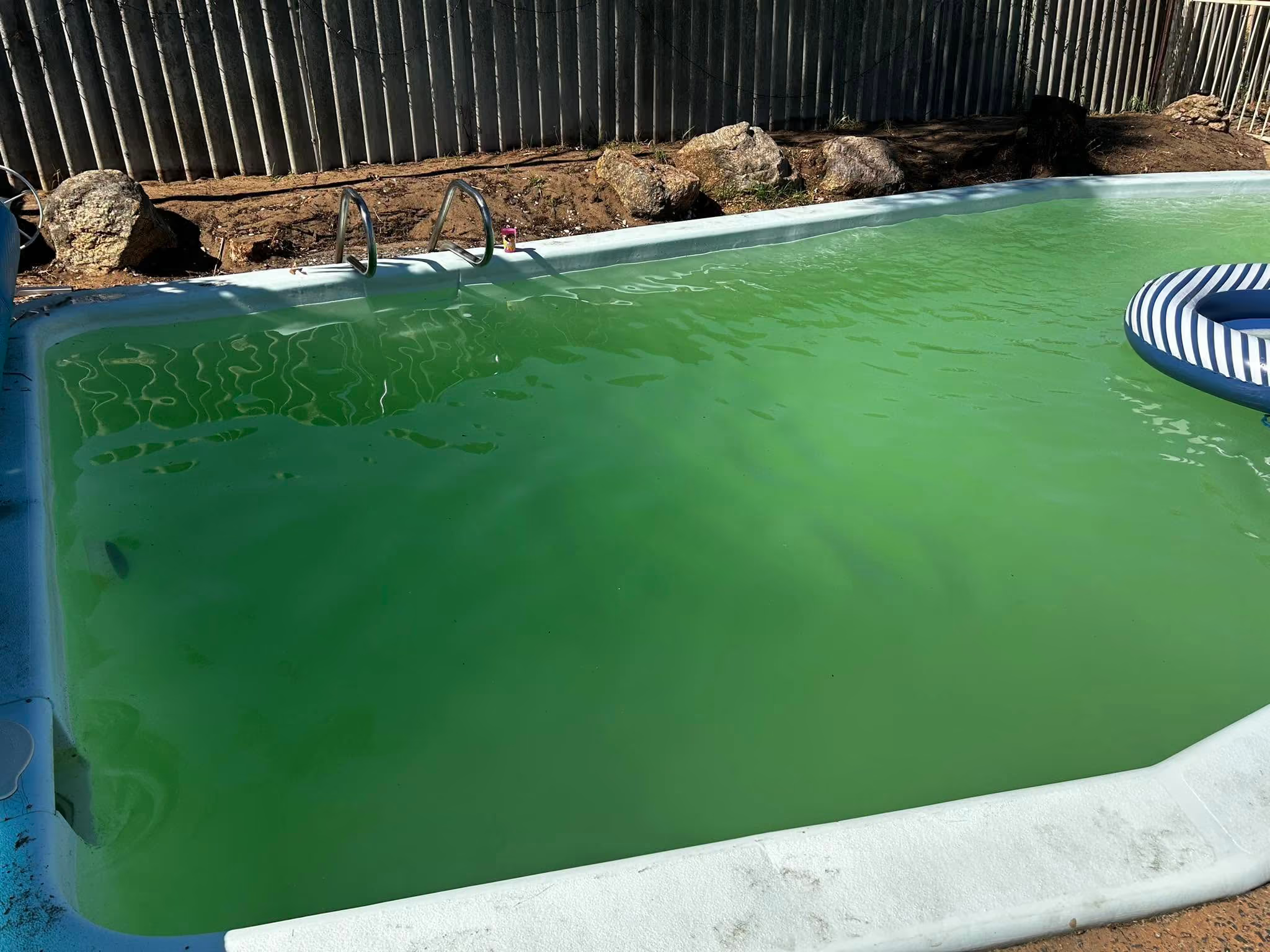
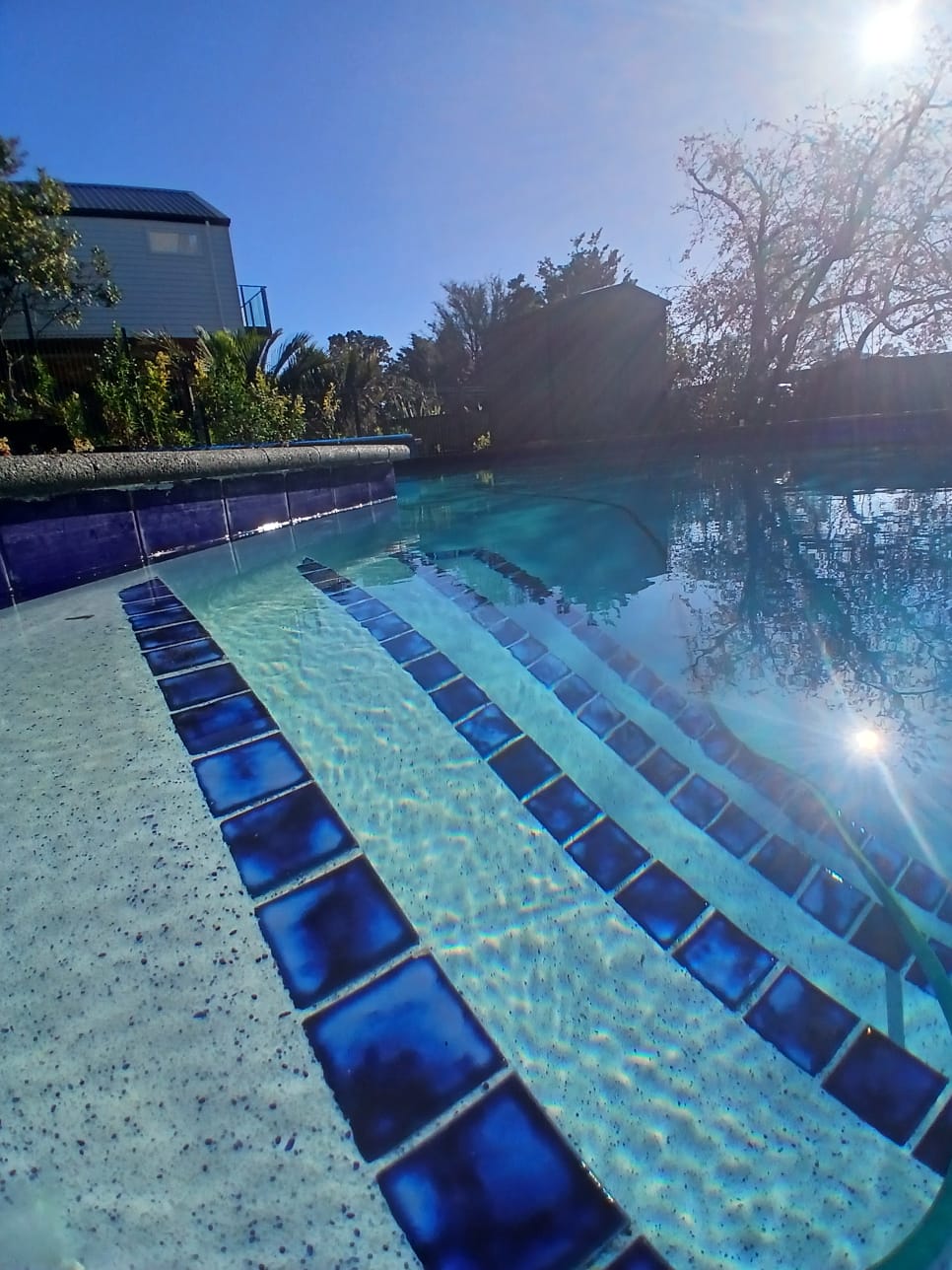
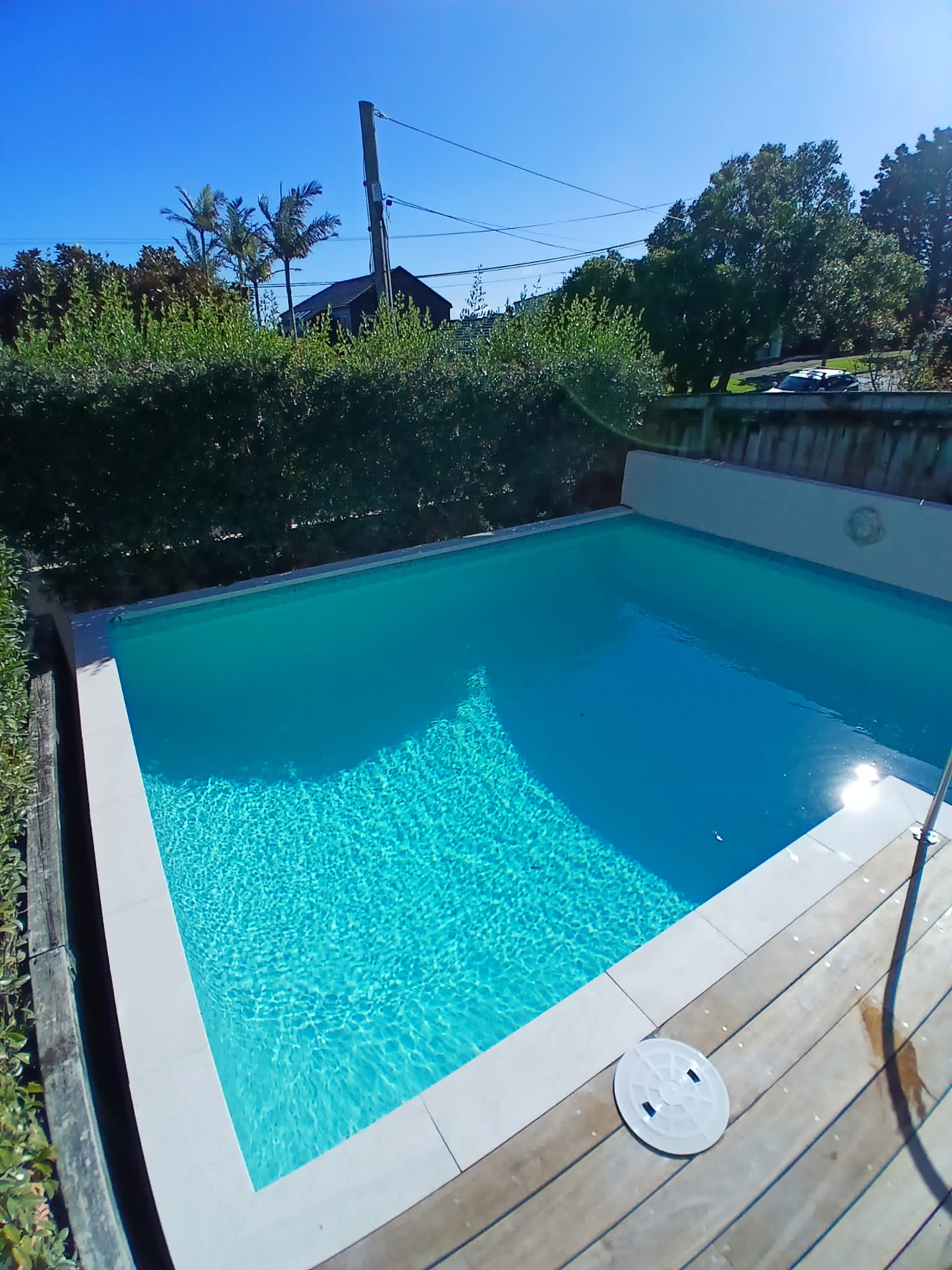
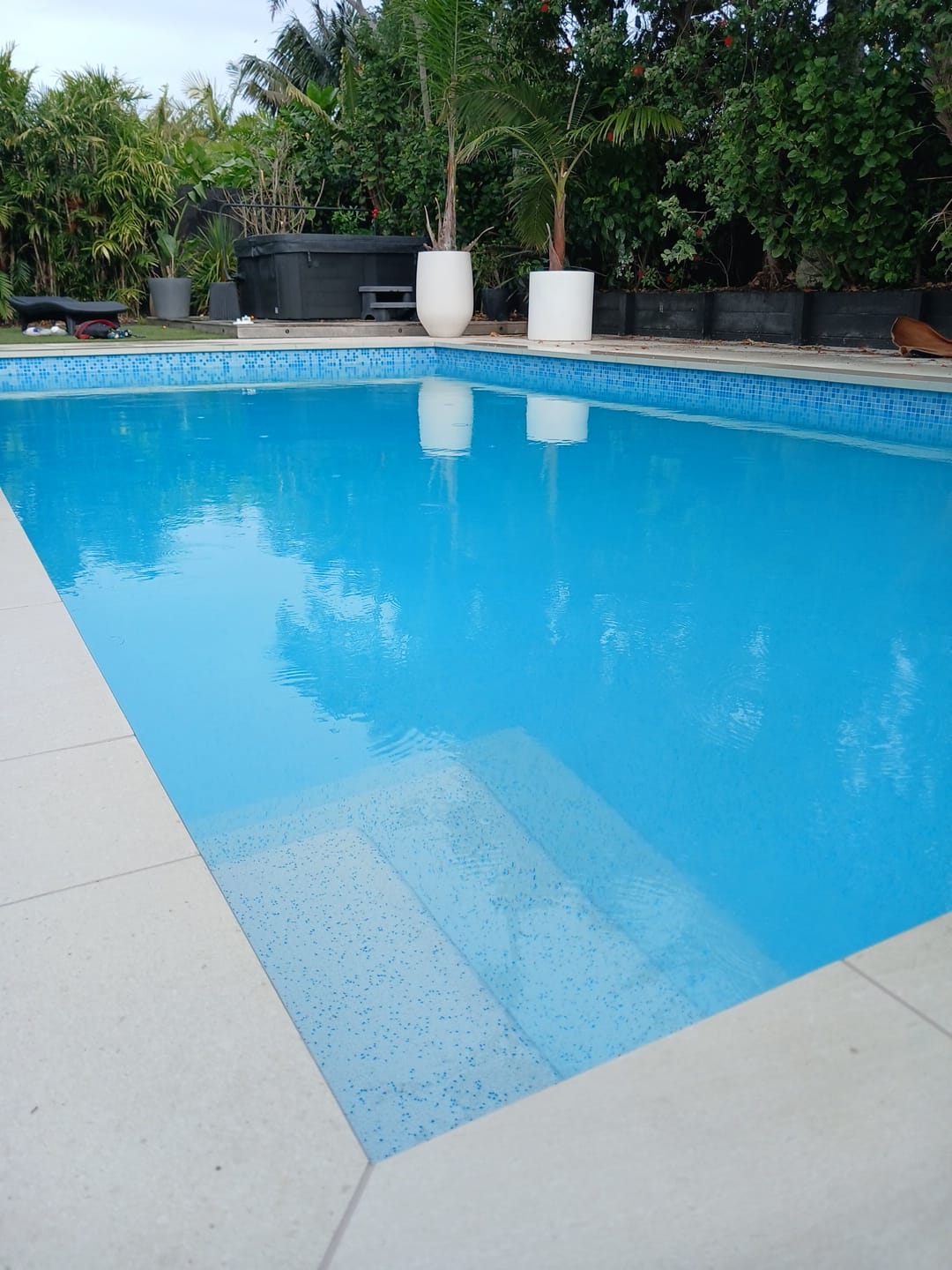
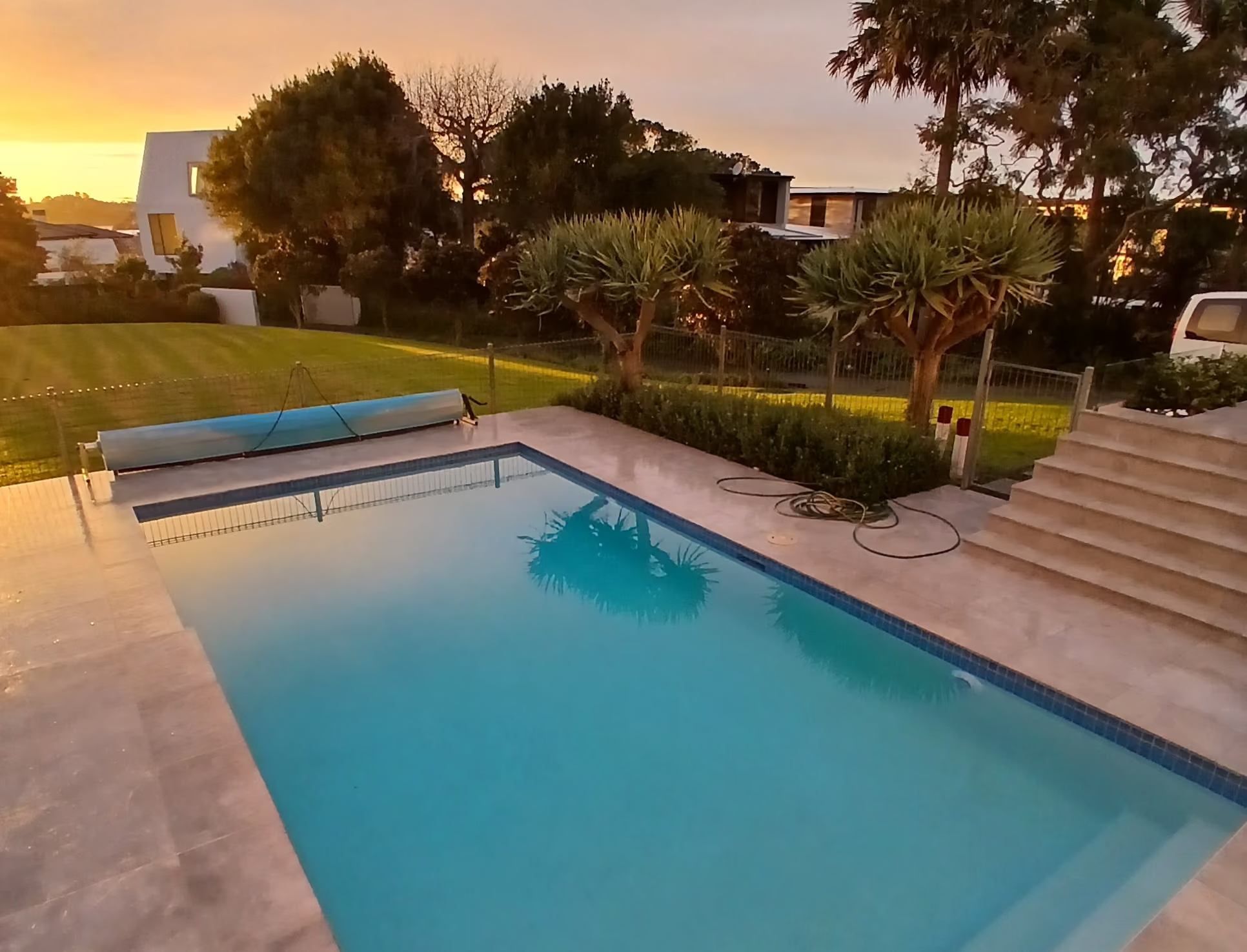
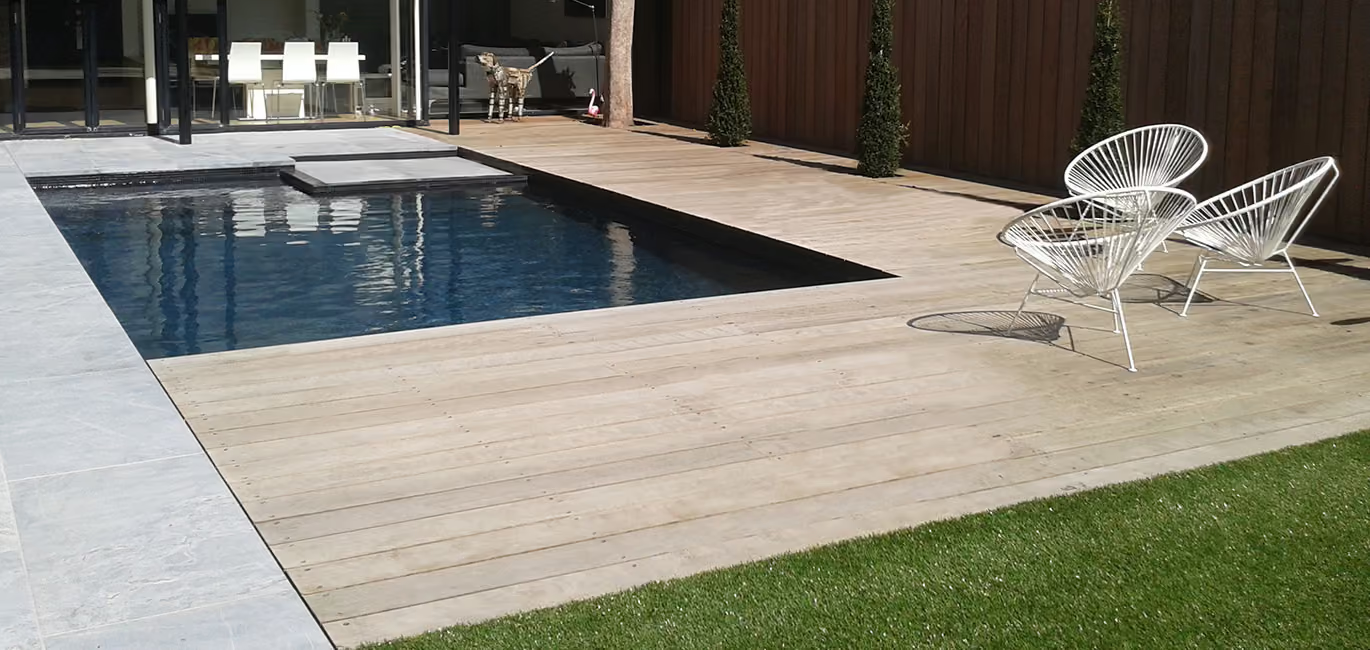
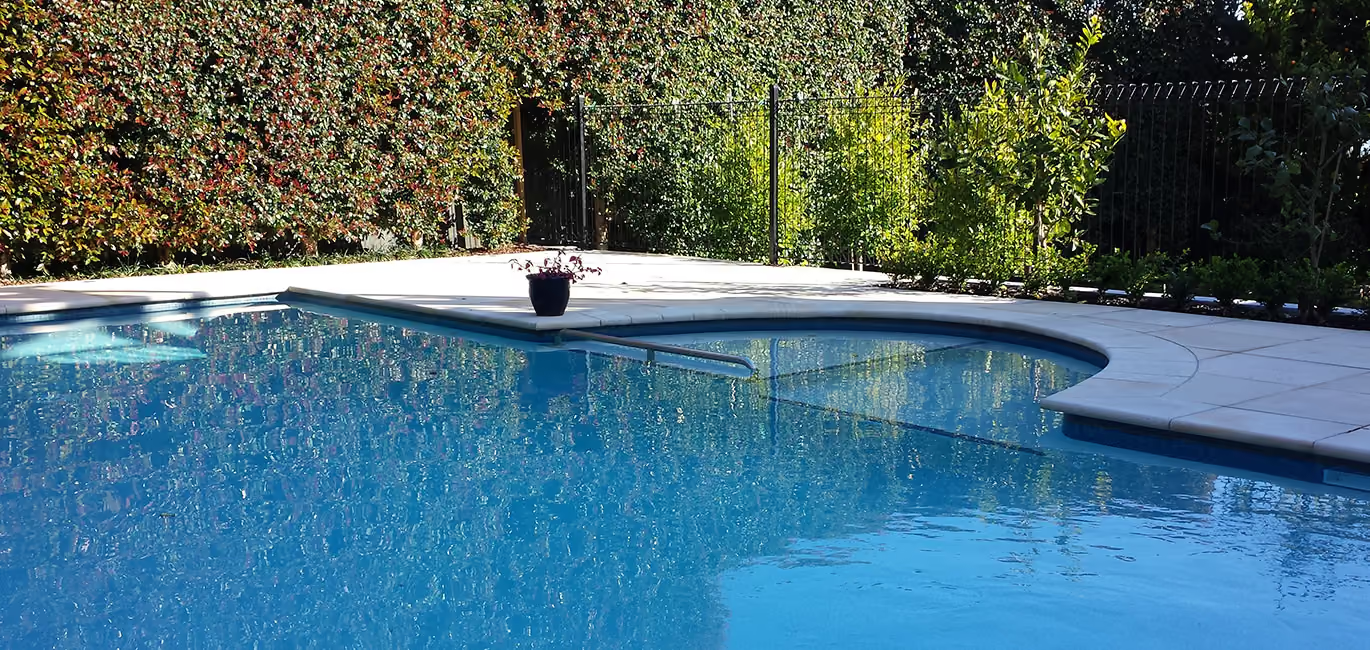
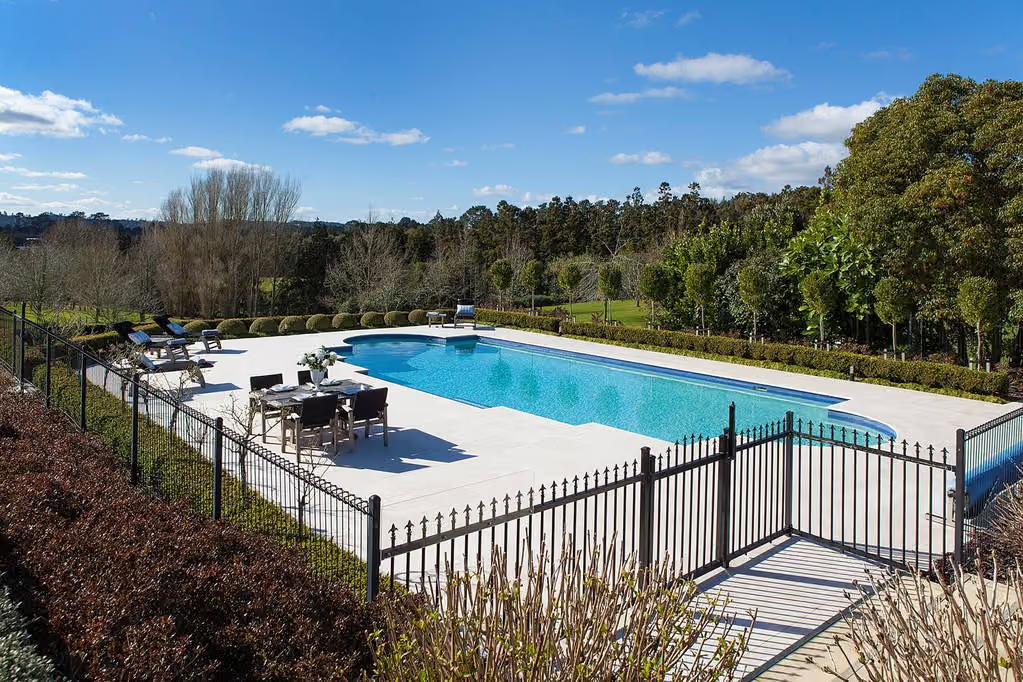
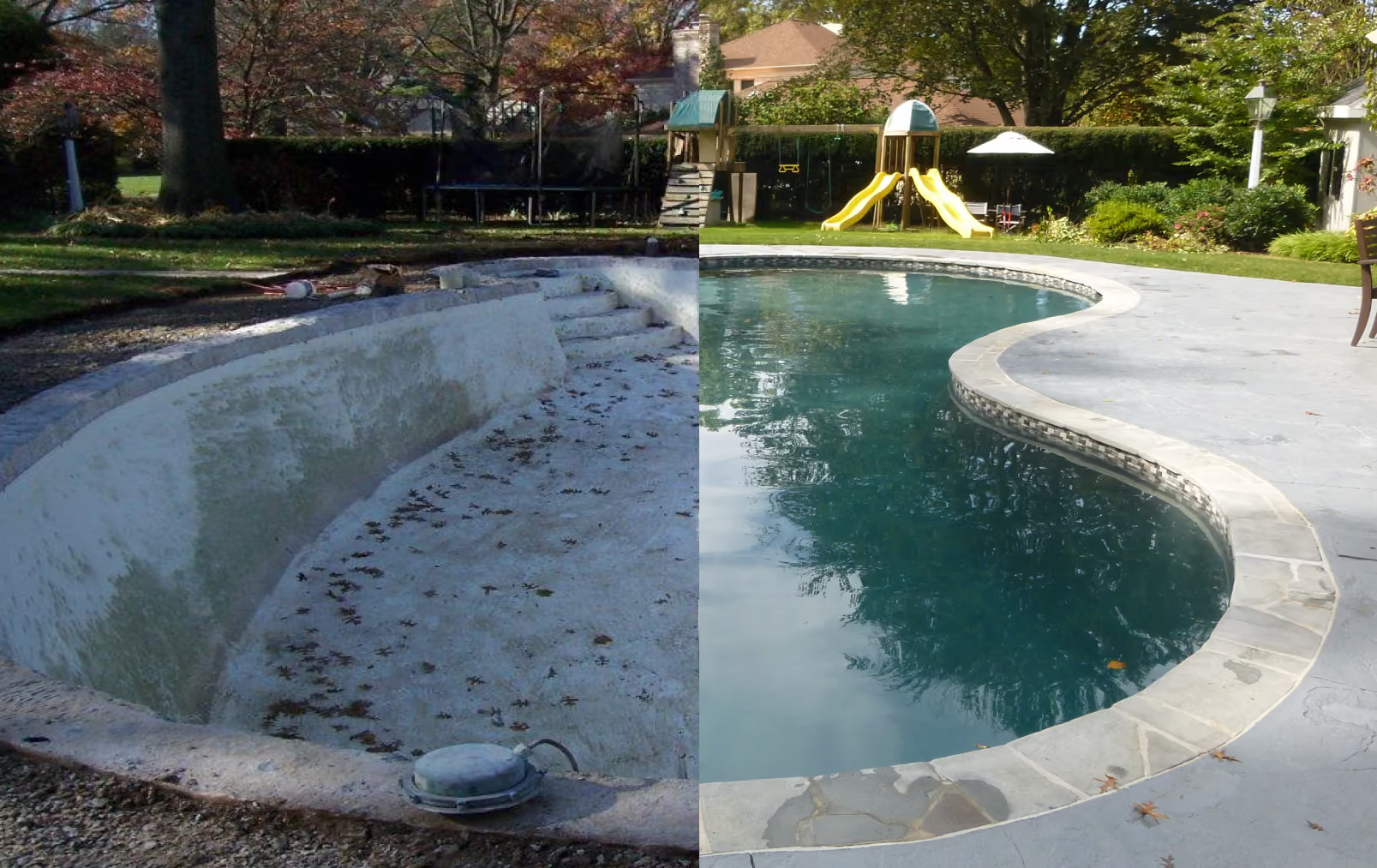
Sparkling Pools has worked on pools across Auckland, including residential renovation projects, equipment upgrades, ongoing maintenance and pool care for managed properties. Past projects show how the right approach can improve presentation, water quality and day-to-day usability. A well-maintained pool is easier to manage, more pleasant to use and better prepared for seasonal changes.

Trusted by Homeowners Across Auckland
Don't just take our word for it. Read what our clients have to say about our transparent communication, reliable service, and stunning pool transformations.
Related Blog Posts
Stay informed on pool care and renovations
Winter pool care essentials for Auckland
Pool Renovation Mistakes

Auckland Climate Pool Maintenance
Choosing Renovation Contractor
Pool Care Auckland Summer
Permits & Consents

Pool Renovation ROI
How Often to Test Pool Water
Pool Renovation Costs
Cost of Pool Service Auckland
Pool Renovation Planning Guide
Pool Lighting Buying Guide
Pool Cleaner Buying Guide
Pool Automation Buying Guide
Pool Heater Buying Guide
Pool Filter Buying Guide
Pool Pump Buying Guide
Best Equipment Auckland Climate
Auckland Water Quality
Auckland Pool Season
Pool Ownership Costs
Common Pool Mistakes
Pool Safety Laws
Pool Inspection Requirements
Pool Fence Compliance
.avif)
Auckland Pool Industry Trends
Auckland Pool Regulations
Pool Equipment Suppliers
Best Pool Service Areas
Pool Service Pricing Analysis
Company vs Independent
Best Pool Surface Materials
Pool Resurfacing Options
Pebble vs Plaster Surfaces
One-Time vs Ongoing Service
Full Service vs Chemicals Only
Pool Cover Types
Robotic vs Suction Cleaners
Mineral vs Saltwater
Gas vs Heat Pump
Pool Heater Types
Pool Winterizing Guide Auckland
Pool Opening Guide Summer
Pool Maintenance After Heavy Rain
Pool Maintenance Schedule
How Often to Run Pool Filter
Pool Pump Maintenance Schedule
Pool Filter Cartridge Cleaning
Pool Equipment Maintenance Checklist
Pool Waterline Cleaning
Pool Skimmer Basket Cleaning
Pool Chlorine Levels
How Often Clean Pool Filter
How to Vacuum Pool
Pool Brushing Technique
Pool Chemical Dosing Chart
Pool Water Chemistry Basics
How to Balance Pool Chemistry
How to Test Pool Water
Pool Maintenance Tips
Complete Pool Maintenance Guide
Pool Service ROI
Pool Equipment Buy or Service
Pool Maintenance Time Requirements
DIY vs Professional
Pool Service Contract
Pool Service vs Pool Valet
Is Pool Service Worth It
Pool Service Guarantees
Pool Service Reviews
Pool Service Red Flags
Questions to Ask Pool Companies
How to Choose Pool Service Company
Hidden Costs DIY Maintenance
Pool Cleaning Prices Auckland
Cost of Pool Resurfacing
Cost of Pool Pump Replacement
Cost to Fix Green Pool
Pool Liner Wrinkles
Pool Cracks When to Worry
Pool Surface Stains
Pool Valve Leaking
Pool Automation Not Working
Pool Light Not Working
Pool Heater Not Heating
Pool Skimmer Not Working
High Pool Filter Pressure
Pool Losing Water
Pool Filter Not Clearing Water
Pool Pump Leaking
Pool Pump Not Pumping
Pool Pump Losing Prime
Pool Pump Noisy
Pool Pump Not Working
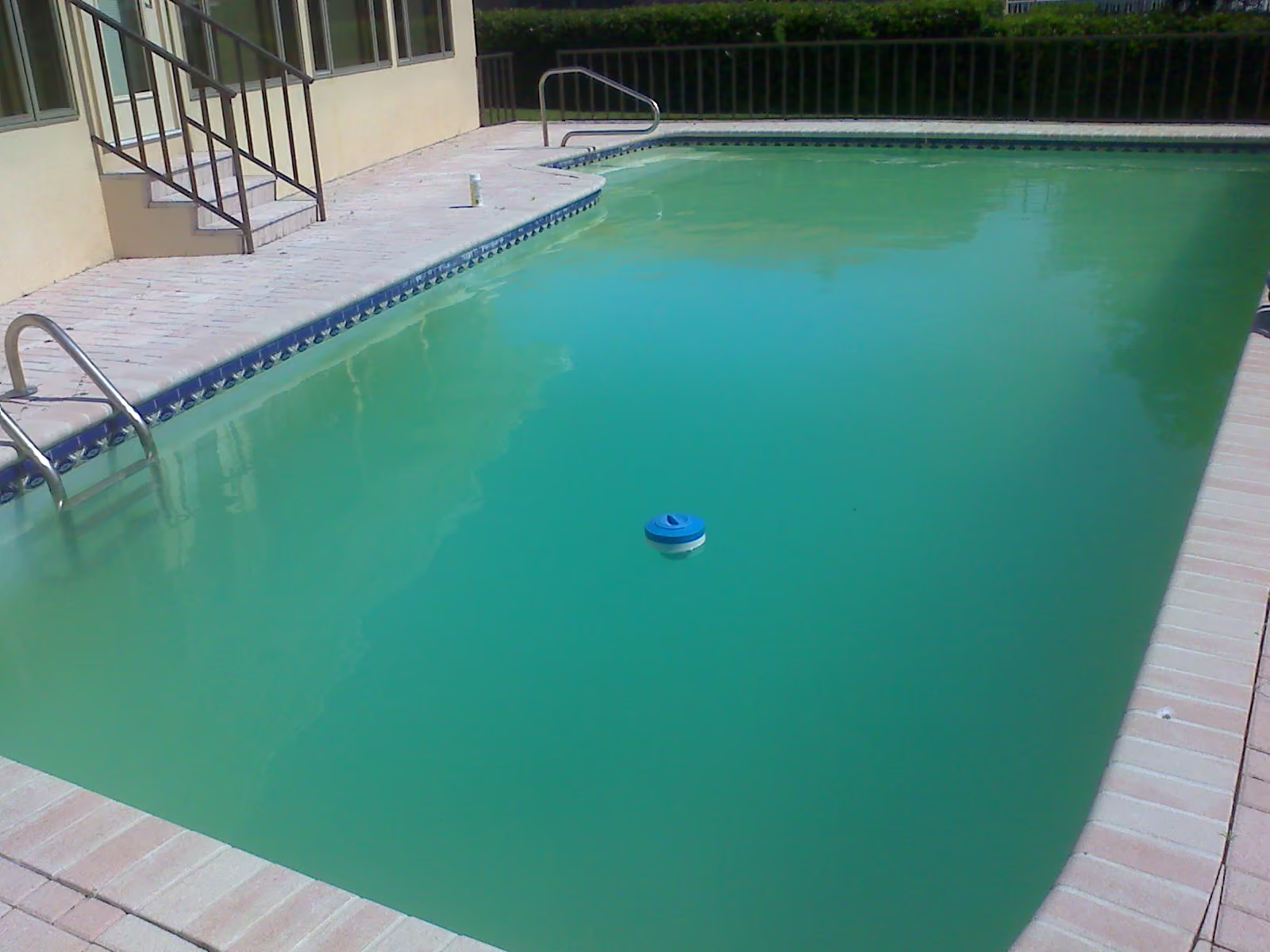
Pool Water Foaming
Pool pH Too Low
Pool pH Too High
Green Pool After Rain
Pool Still Green After Shock
Pool Water Cloudy
How to Clear a Green Pool
Pool Care That Protects Your Investment
Good pool care protects more than appearance. Our pool specialists support the long-term condition of your swimming pool while keeping it ready for everyday use.