Pool Opening Guide Summer

Why Auckland trusts our pool service expertise
Opening a pool for summer involves more than removing the cover and switching the pump on. A proper opening covers equipment checks, water level, cleaning, and water chemistry, done in the right order.
The steps below summarise what is involved so you know what to expect and where to focus your attention first.
What you'll learn
Why Opening Your Pool Properly Matters
Auckland summers arrive quickly, and a pool that has been sitting idle through winter needs more than a quick look before anyone jumps in. Water chemistry drifts when a pool is unused. Equipment that was fine in March may have developed a fault over winter. Debris and algae can take hold faster than expected.
Taking the time to open your pool properly means fewer problems once the season is underway, and a safer swim for everyone using it.
---
Step 1, Remove and Clean the Cover
If your pool has a winter cover, start here.
- Pump or scoop standing water off the cover before removing it
- Lift the cover carefully to avoid tipping debris into the pool
- Rinse the cover with fresh water and allow it to dry fully before storing
- Store it somewhere dry and out of direct sunlight to extend its life
A cover that goes into storage wet or dirty will degrade faster and may develop mould.
---
Step 2, Inspect the Pool and Surrounds
Before touching the equipment, do a visual check of the pool itself.
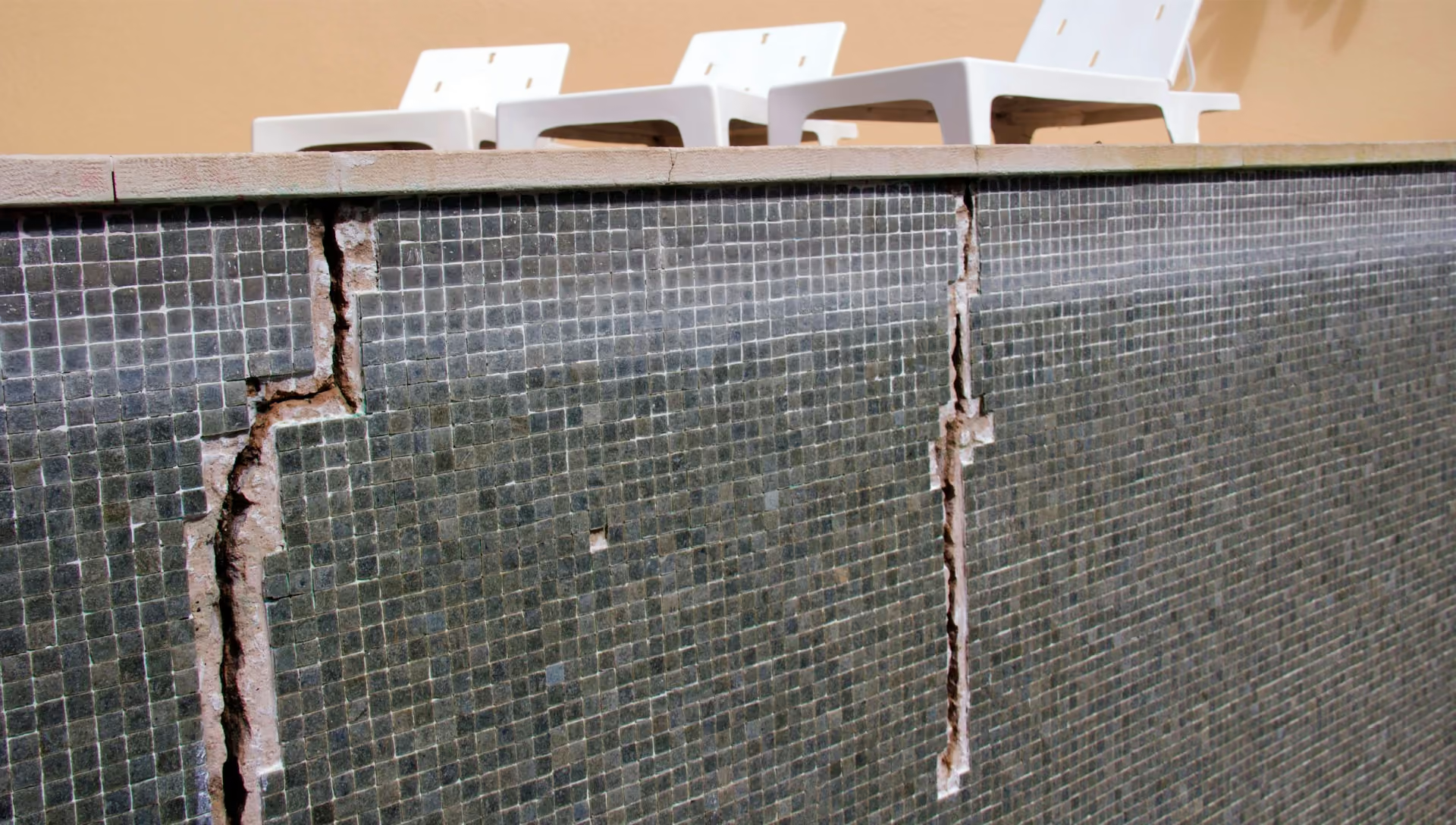
- Look for visible cracks or damage to the pool shell, coping, or tiles
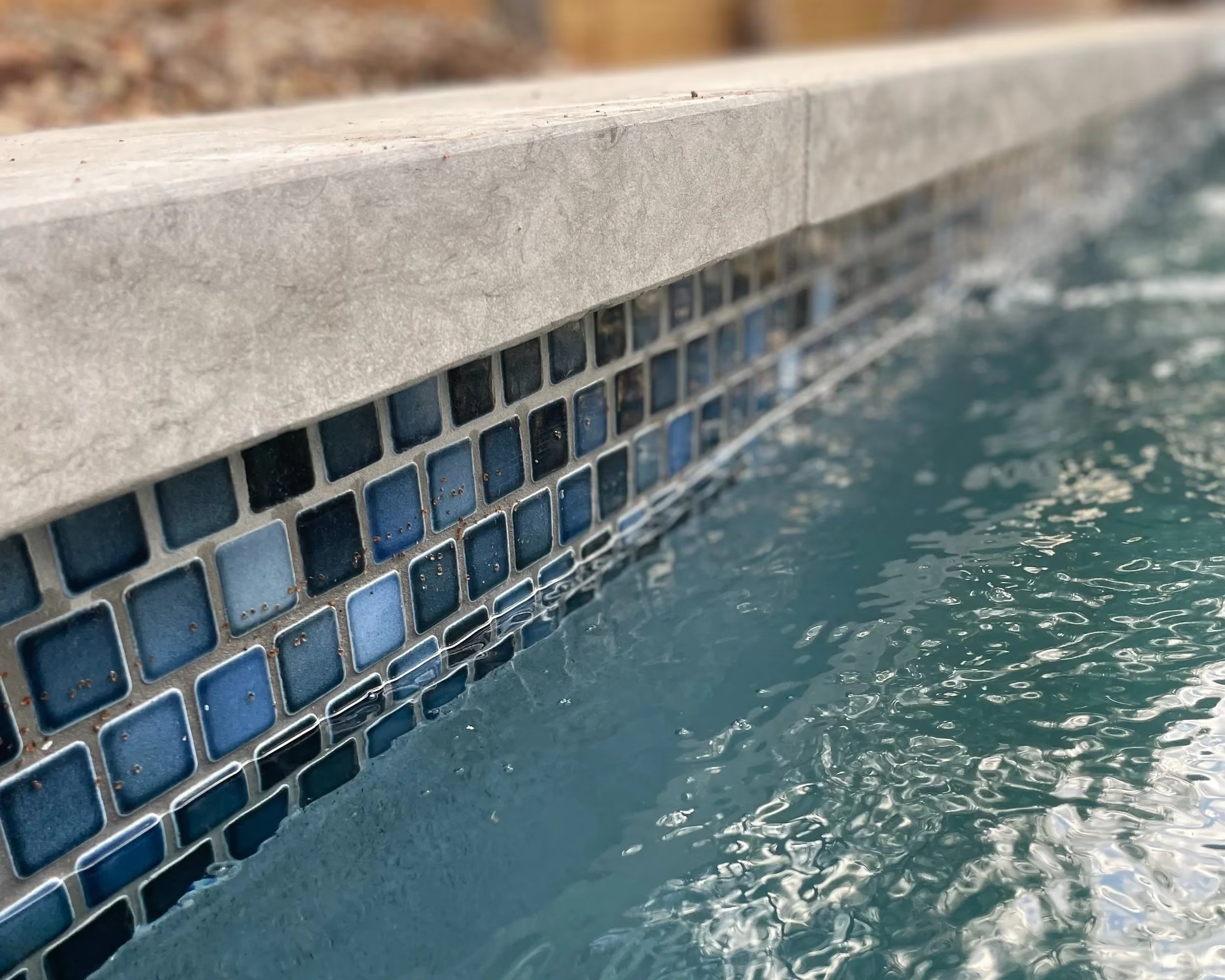
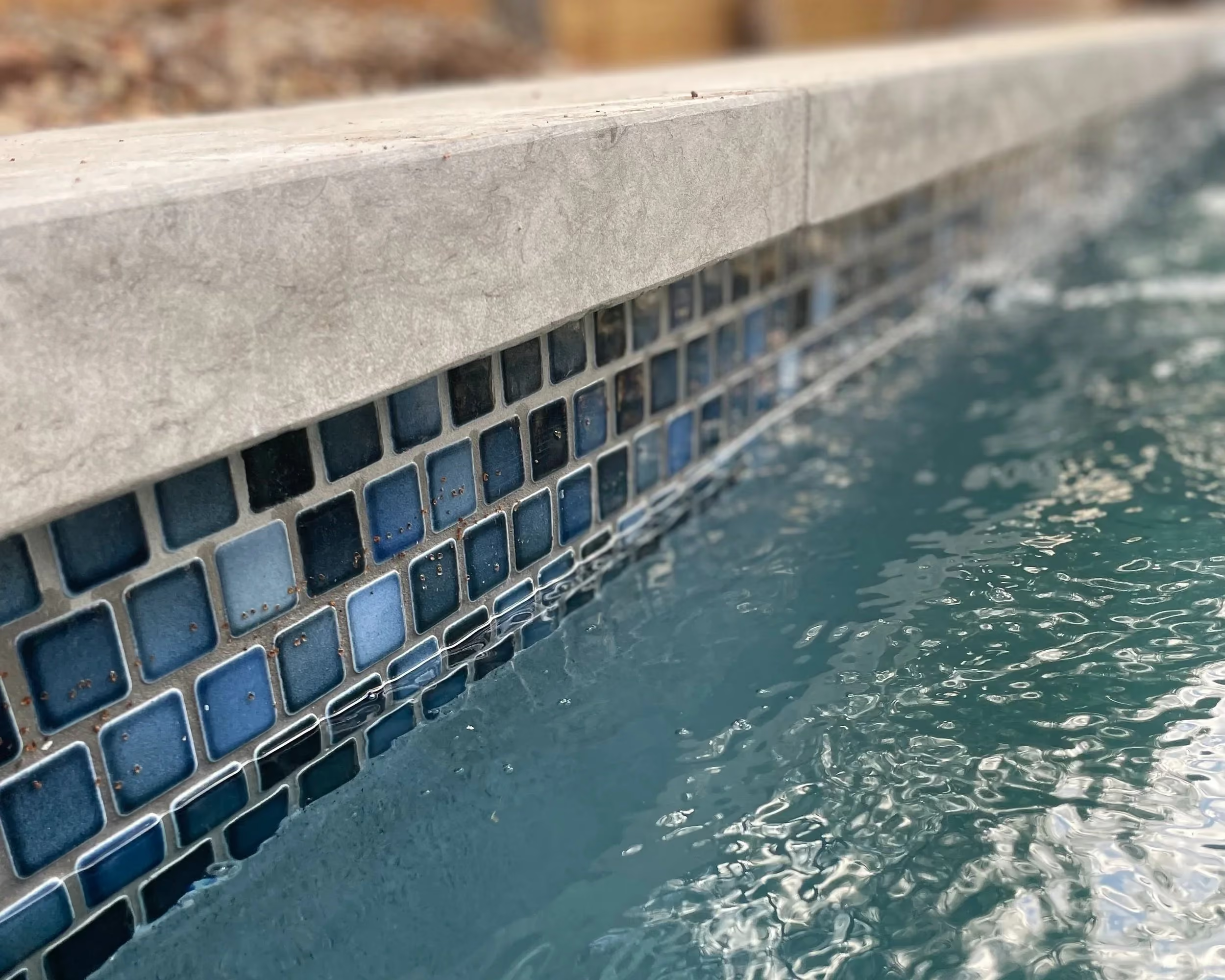
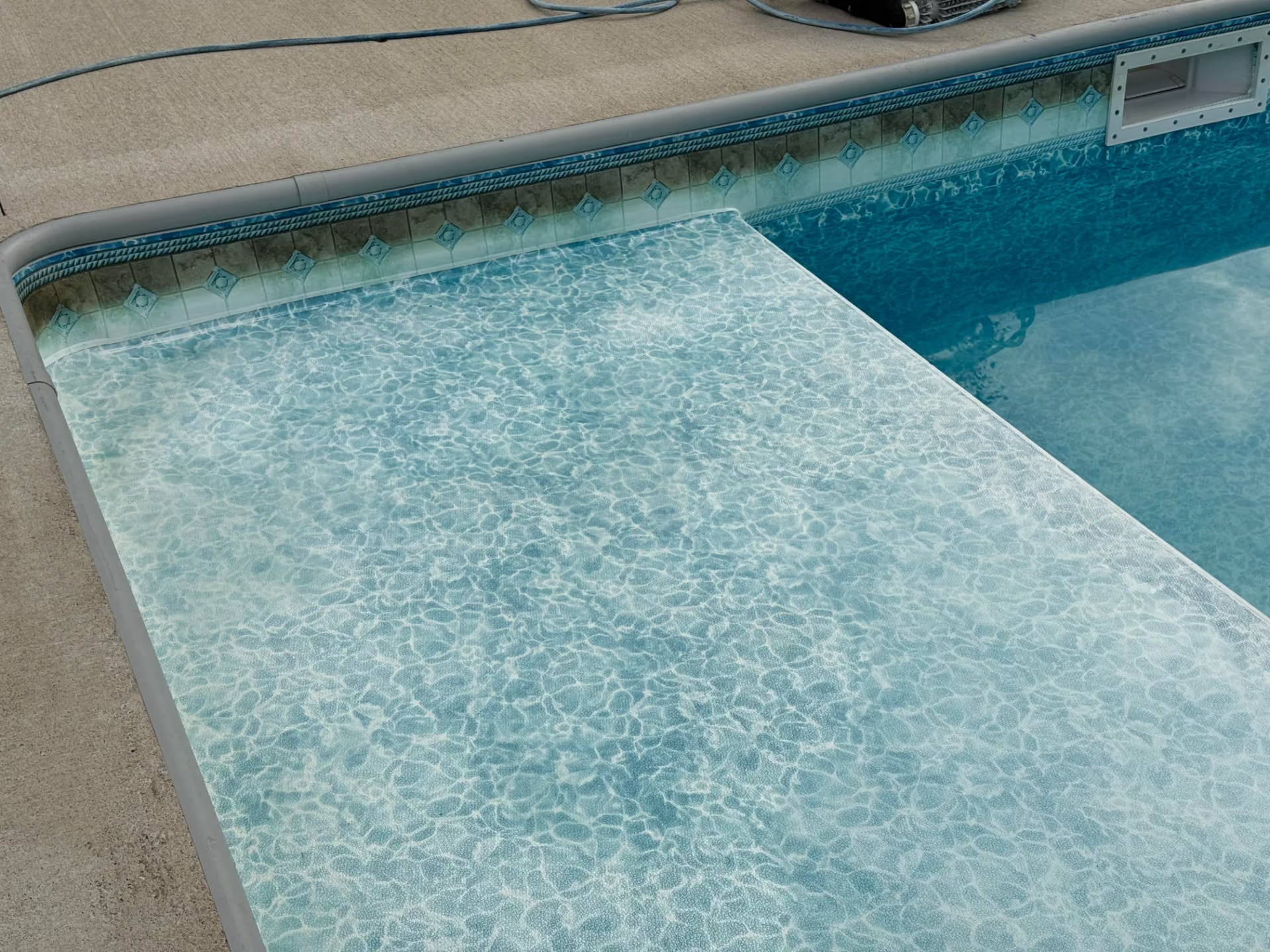
- Check the waterline for staining or scale build-up
- Note any areas where the surface looks rough, flaking, or discoloured
- Inspect the pool deck and surrounds for any trip hazards or damage over winter
If you spot cracks in the shell or significant surface damage, get a professional assessment before filling or running the system.
---
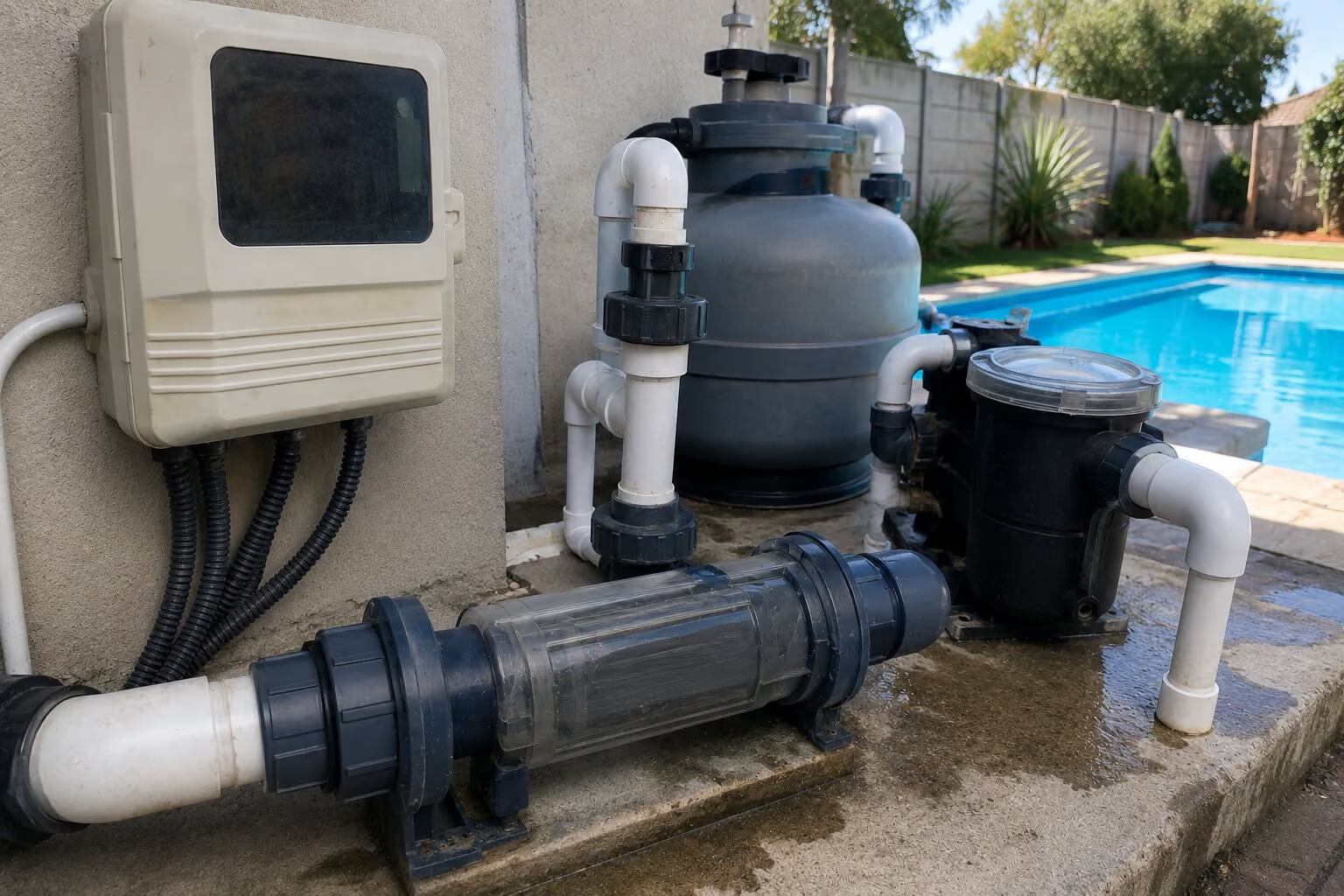
Step 3, Check and Reconnect Equipment
Winter can be hard on pool equipment, even when it has been properly shut down.
Pump
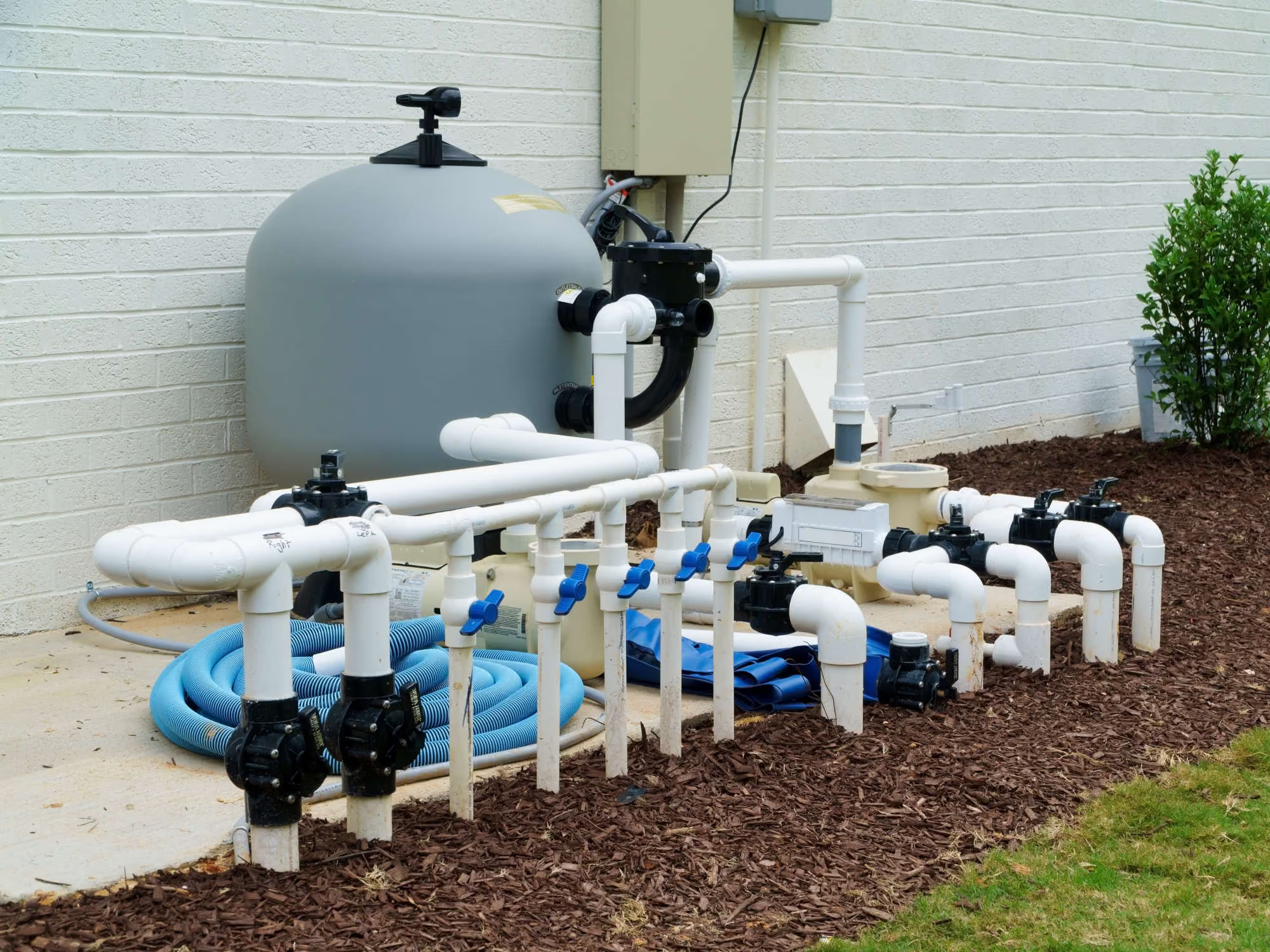
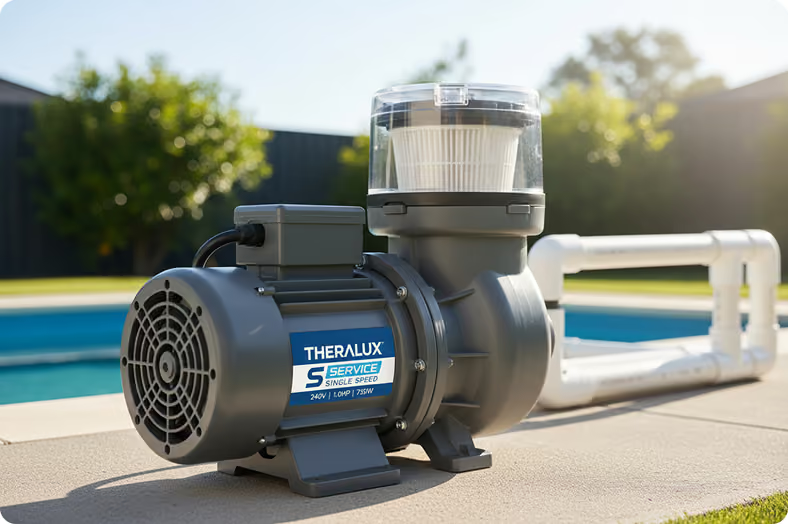
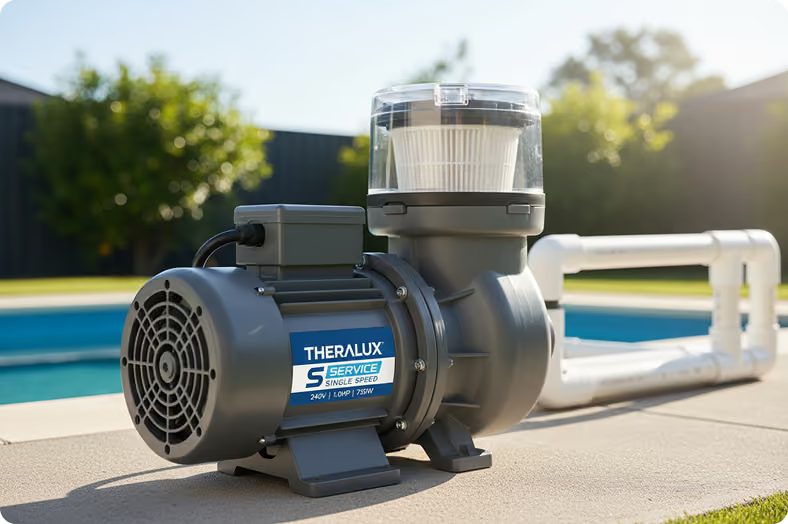
- Reconnect any fittings or unions that were loosened for winterising - Check the pump lid O-ring, replace it if it looks cracked or compressed flat - Look for any signs of water damage or corrosion around the motor housingFilter
- For sand filters: check the pressure gauge is reading zero at rest and that the multiport valve moves freely through all positions - For cartridge filters: remove and inspect the cartridge, if it was left in over winter, clean or replace it before starting up - Check all filter housing clamps and O-rings for conditionChlorinator
- Inspect the cell for calcium build-up if you have a salt chlorinator - Check the controller display powers on correctly - Confirm salt levels are within the manufacturer's operating range before running the cellHeater (if fitted)
- Check for any visible corrosion or pest damage around the unit - Do not attempt to service gas or heat pump equipment yourself, if anything looks wrong, book a technician before running itPlumbing and fittings
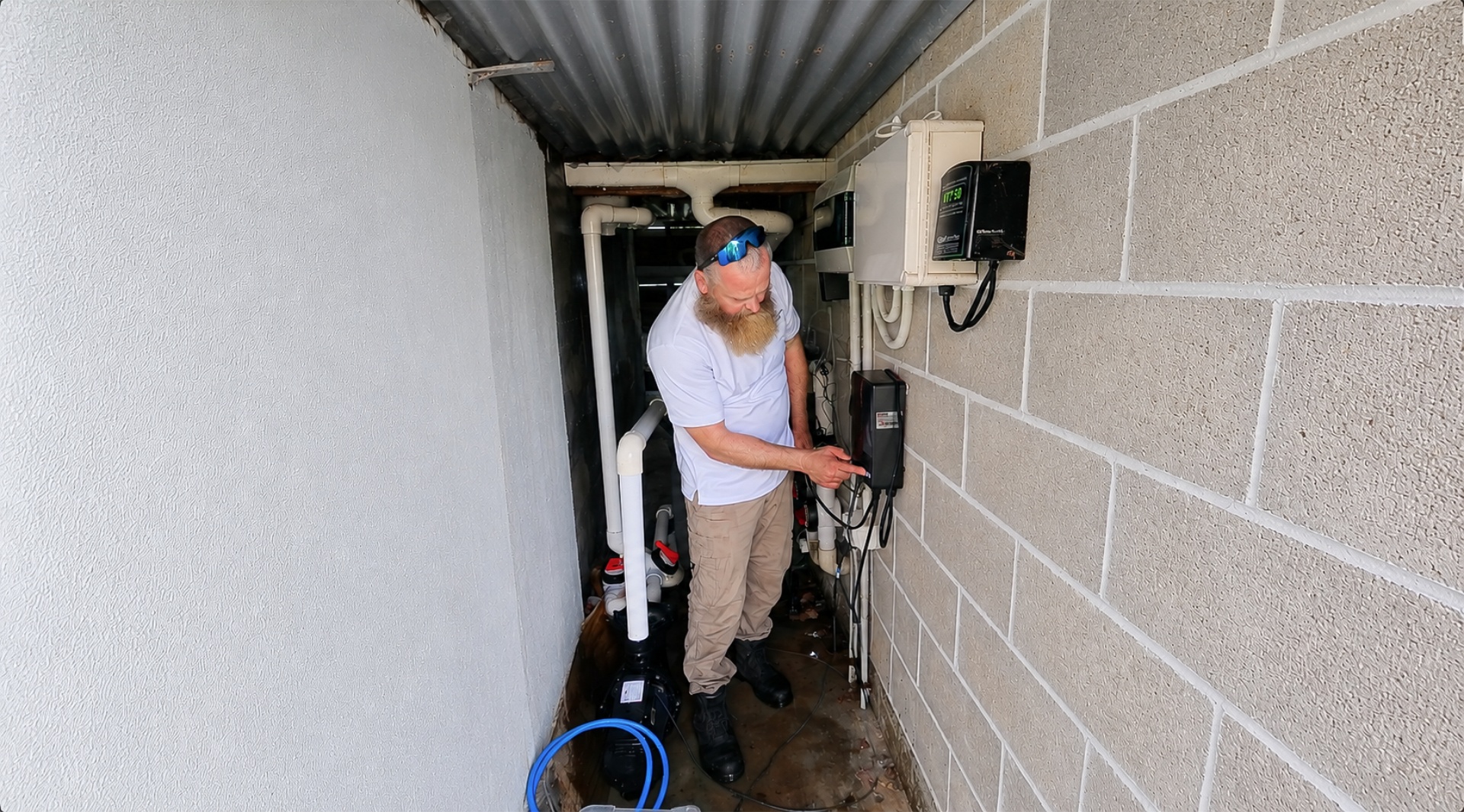
- Walk the equipment pad and check for any drips, loose fittings, or cracked pipes - Reconnect any unions or valves that were closed for winter---
Step 4, Top Up the Water Level
Pools often lose water over winter through evaporation and splash-out. The water level should sit midway up the skimmer box opening, too low and the pump will draw air; too high and the skimmer will not work efficiently.
Top up with a hose before running the system.
---
Step 5, Run the System and Check for Faults
Once everything is reconnected and the water level is correct, start the pump and run the system.
- Prime the pump if needed, open the lid, fill the basket with water, replace the lid, then start
- Watch the pressure gauge on the filter as the system starts, it should rise to a normal operating range and hold steady
- Listen for unusual noises from the pump: grinding, rattling, or a high-pitched whine can indicate a bearing or impeller issue
- Check all return jets are flowing and the skimmer is drawing water
- Look for any leaks around fittings, valves, or the filter housing while the system is running
If the pump loses prime repeatedly, or the filter pressure is unusually high or low, stop the system and investigate before continuing.
---
Step 6, Clean the Pool
With the system running, it is time to clean the water and surfaces.
- Skim the surface to remove leaves and debris
- Brush the walls and floor, paying attention to corners and steps where algae tends to start
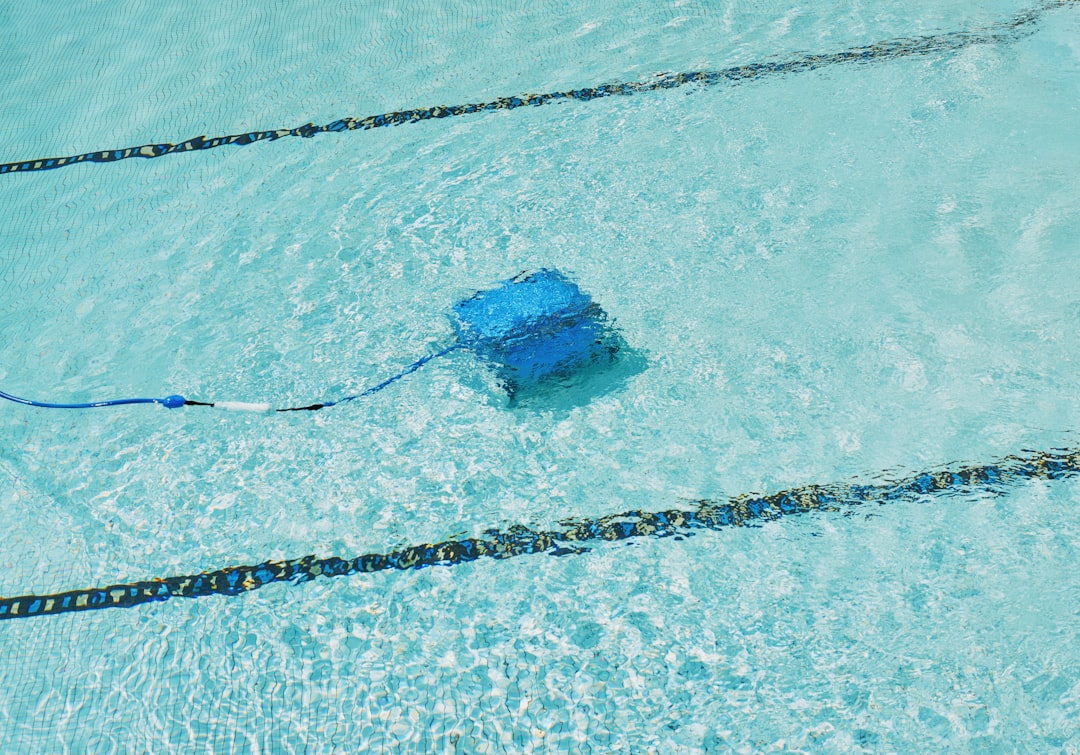
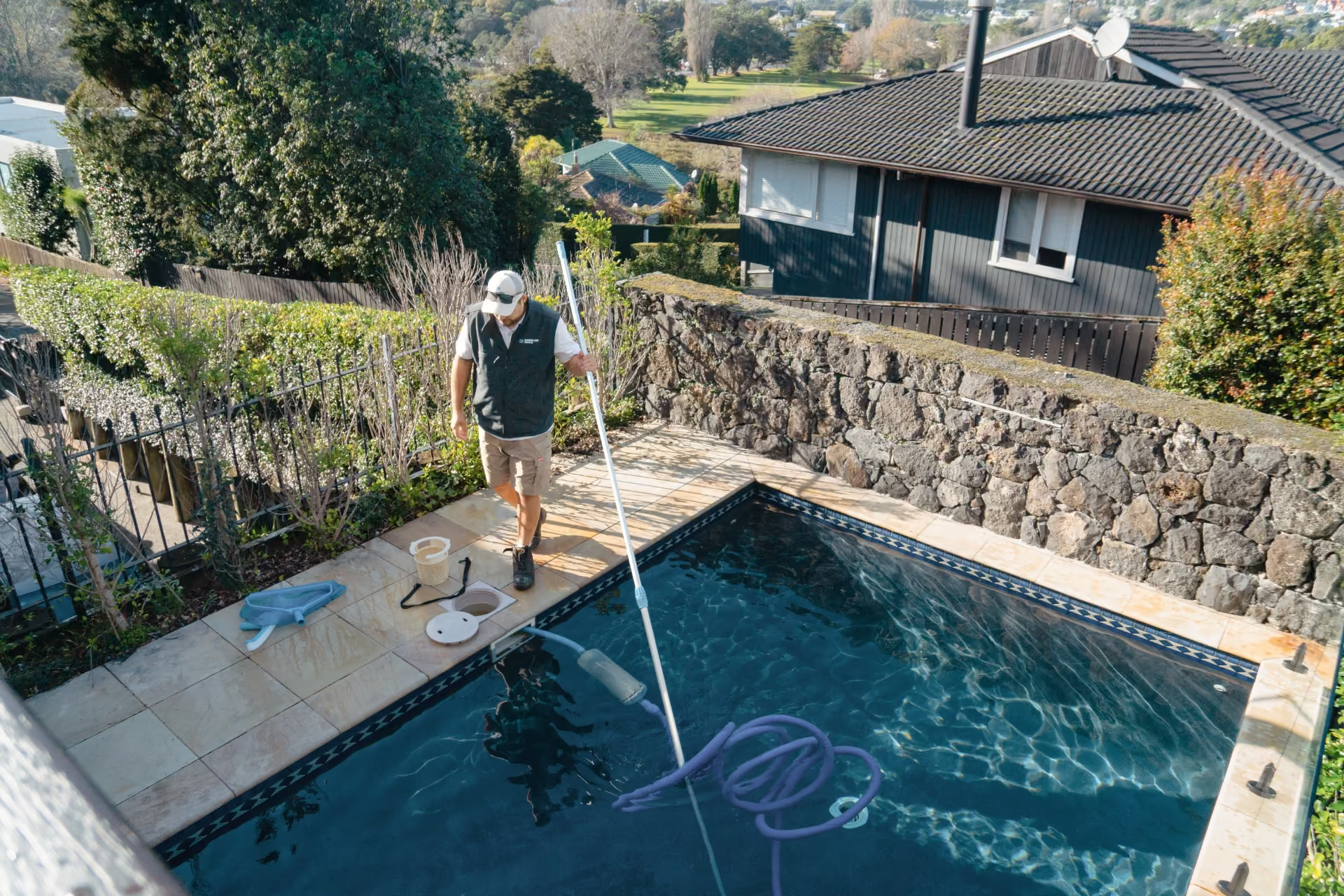
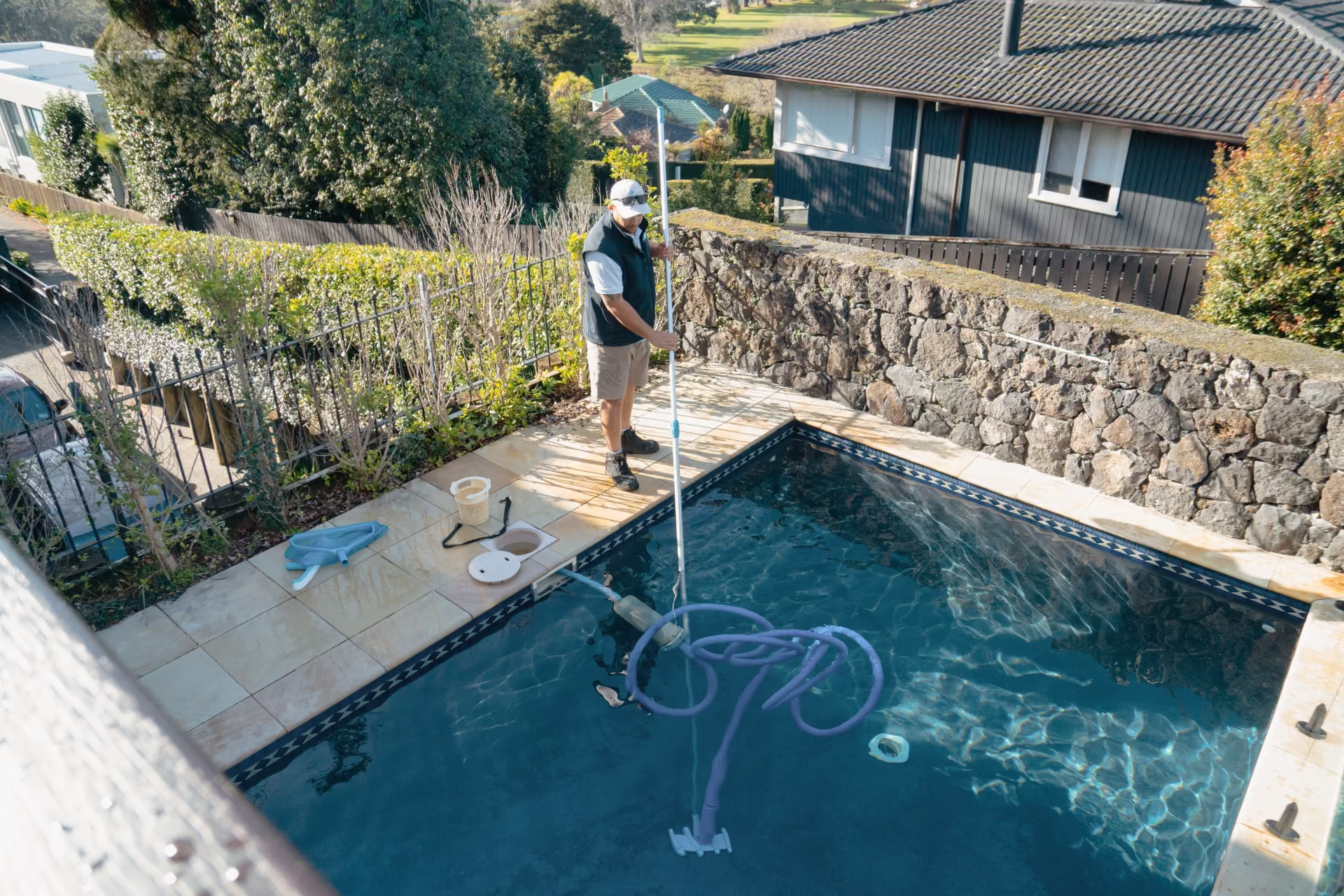
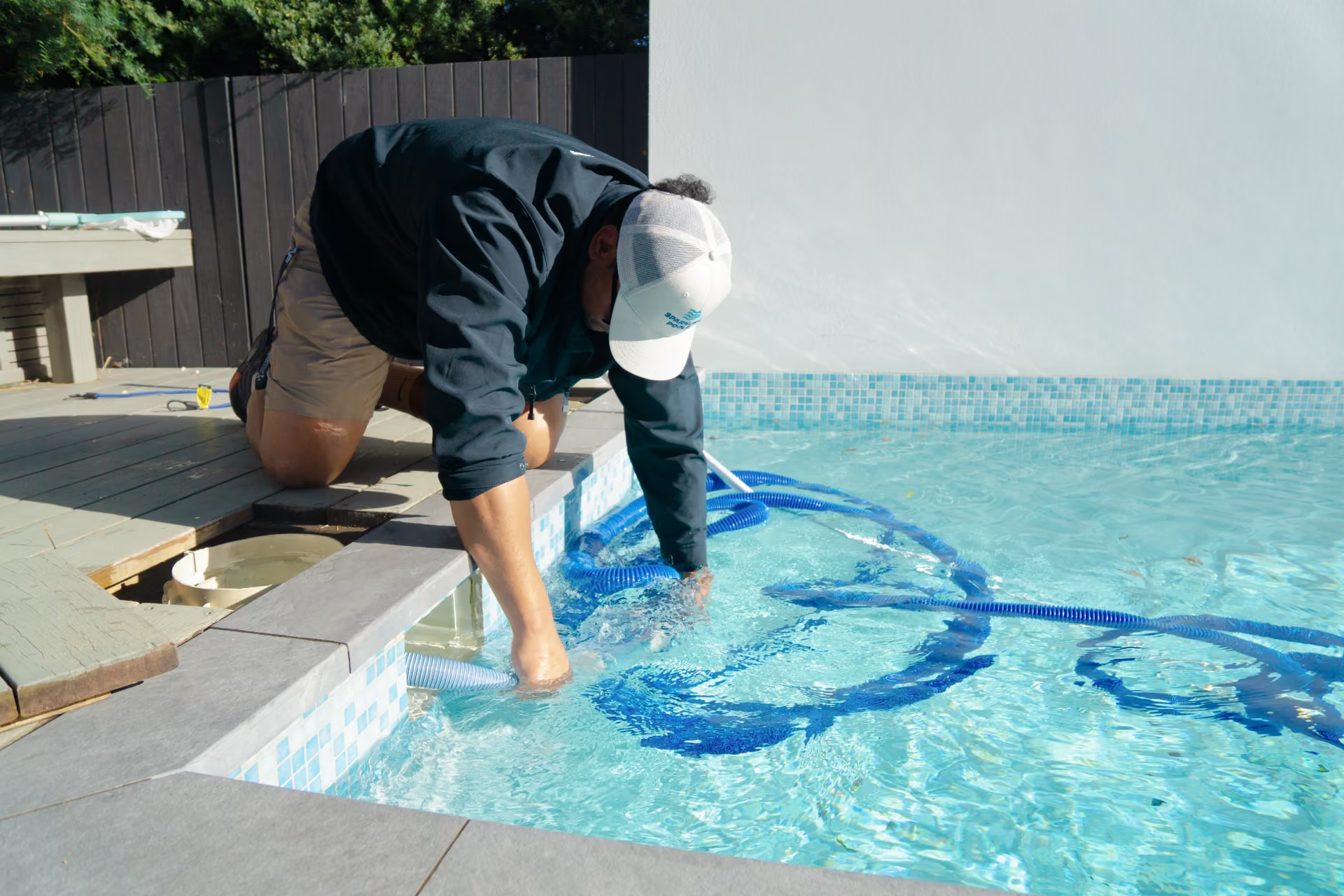
- Vacuum the pool, either manually or using an automatic cleaner
- Empty and clean the skimmer basket and pump basket
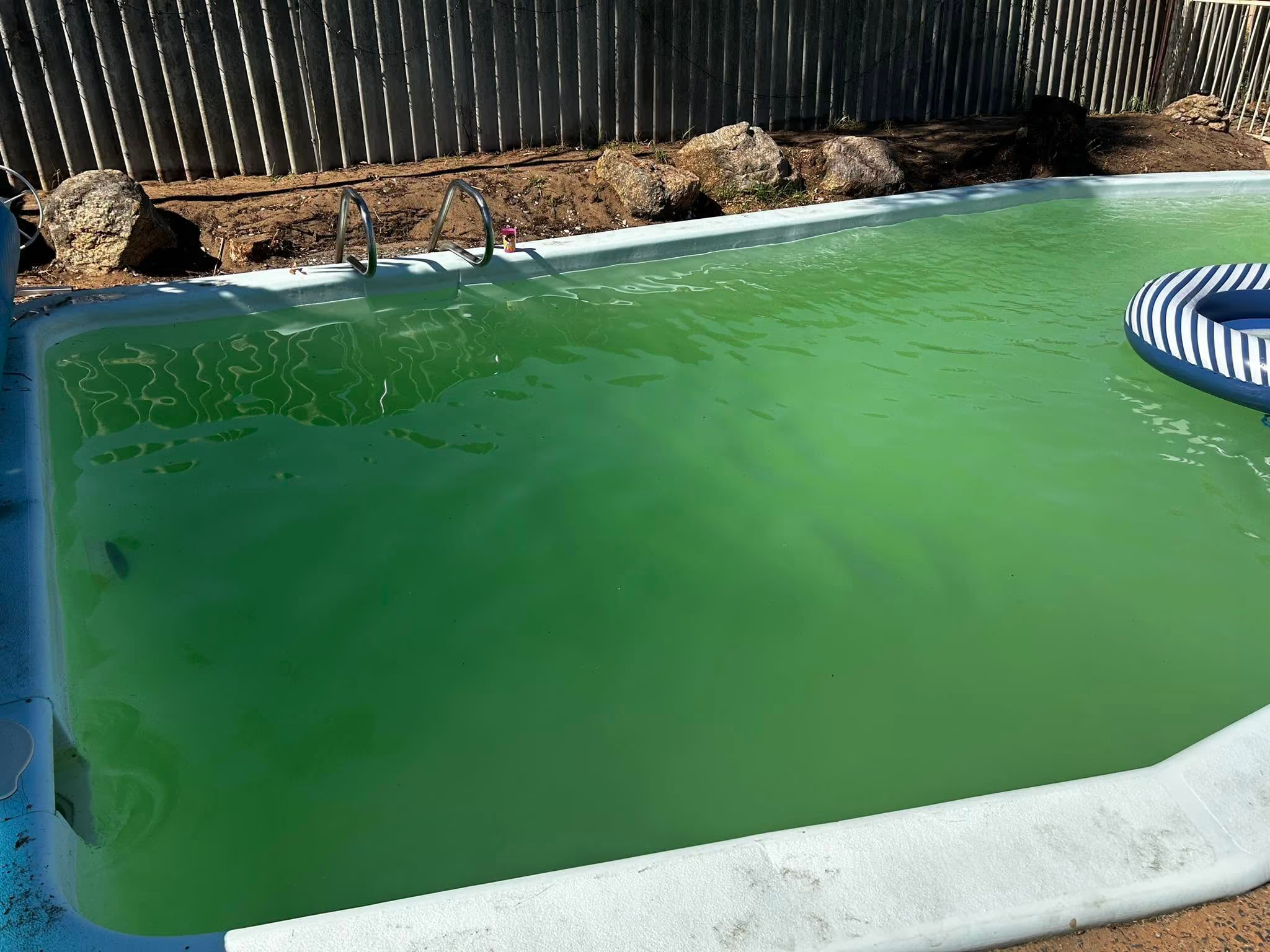
If the water has gone green or significantly cloudy over winter, a more involved treatment process will be needed before the pool is safe to swim in. See the section below on when to get professional help.
---
Step 7, Test and Balance the Water Chemistry
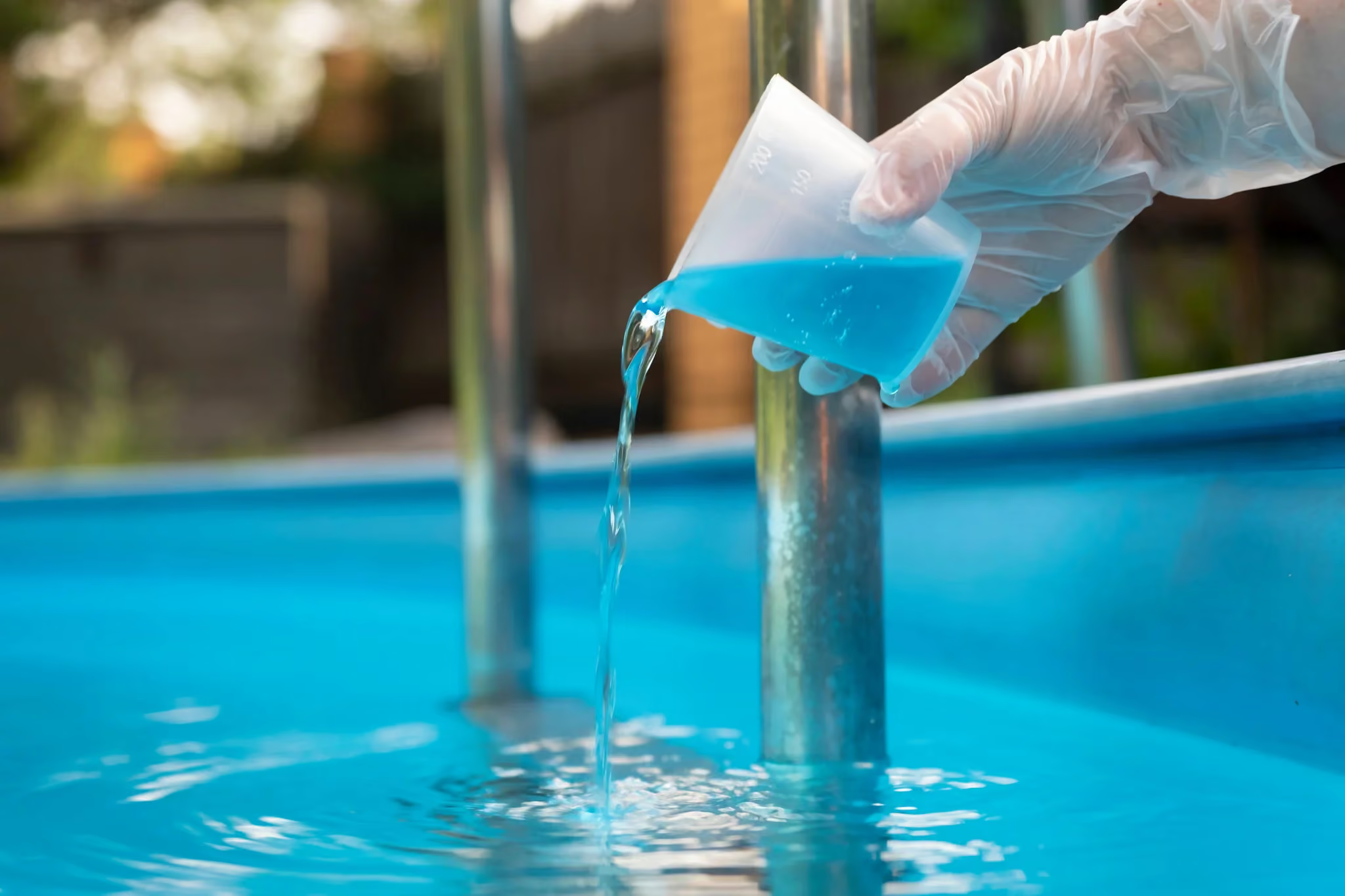
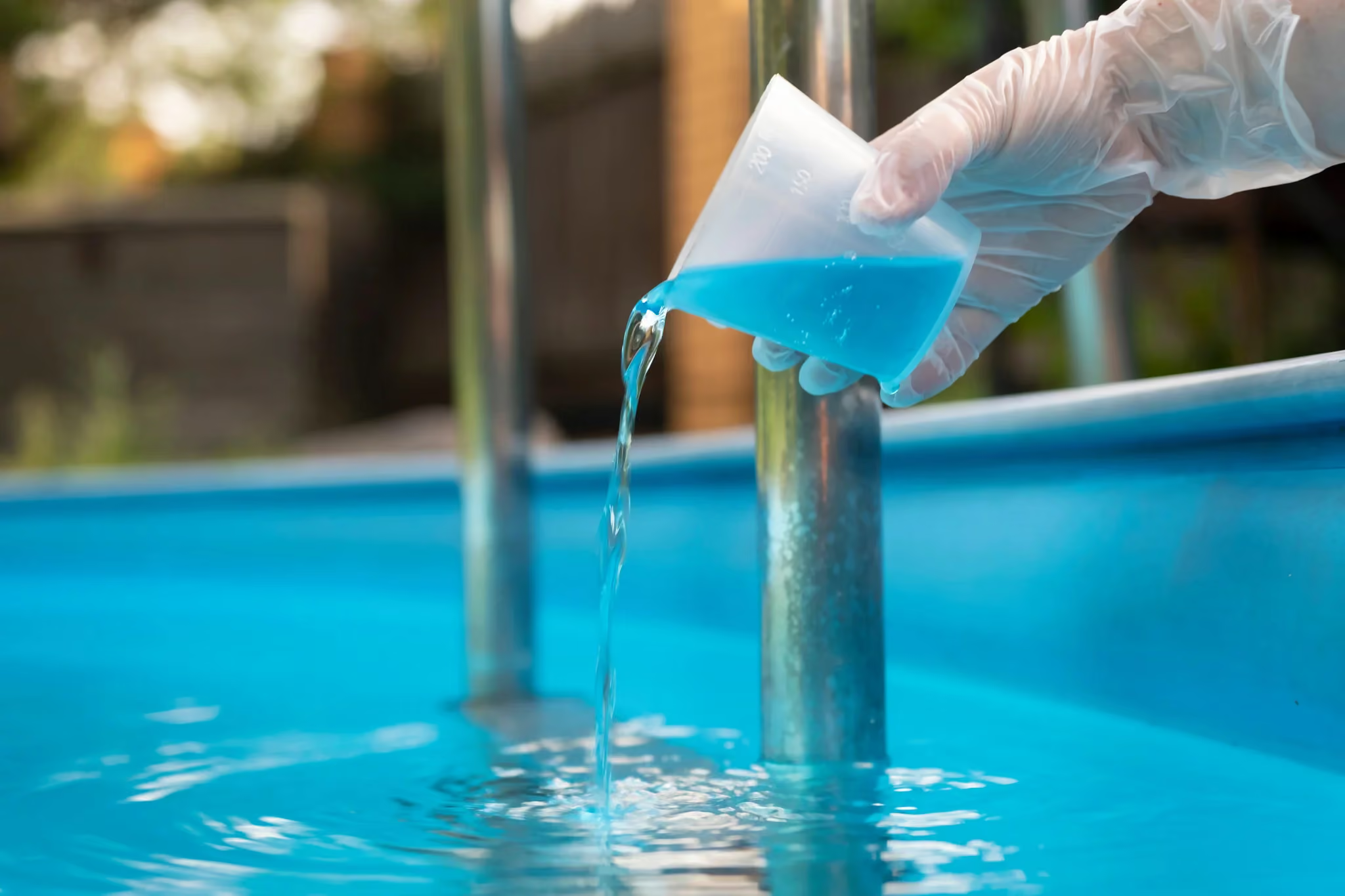
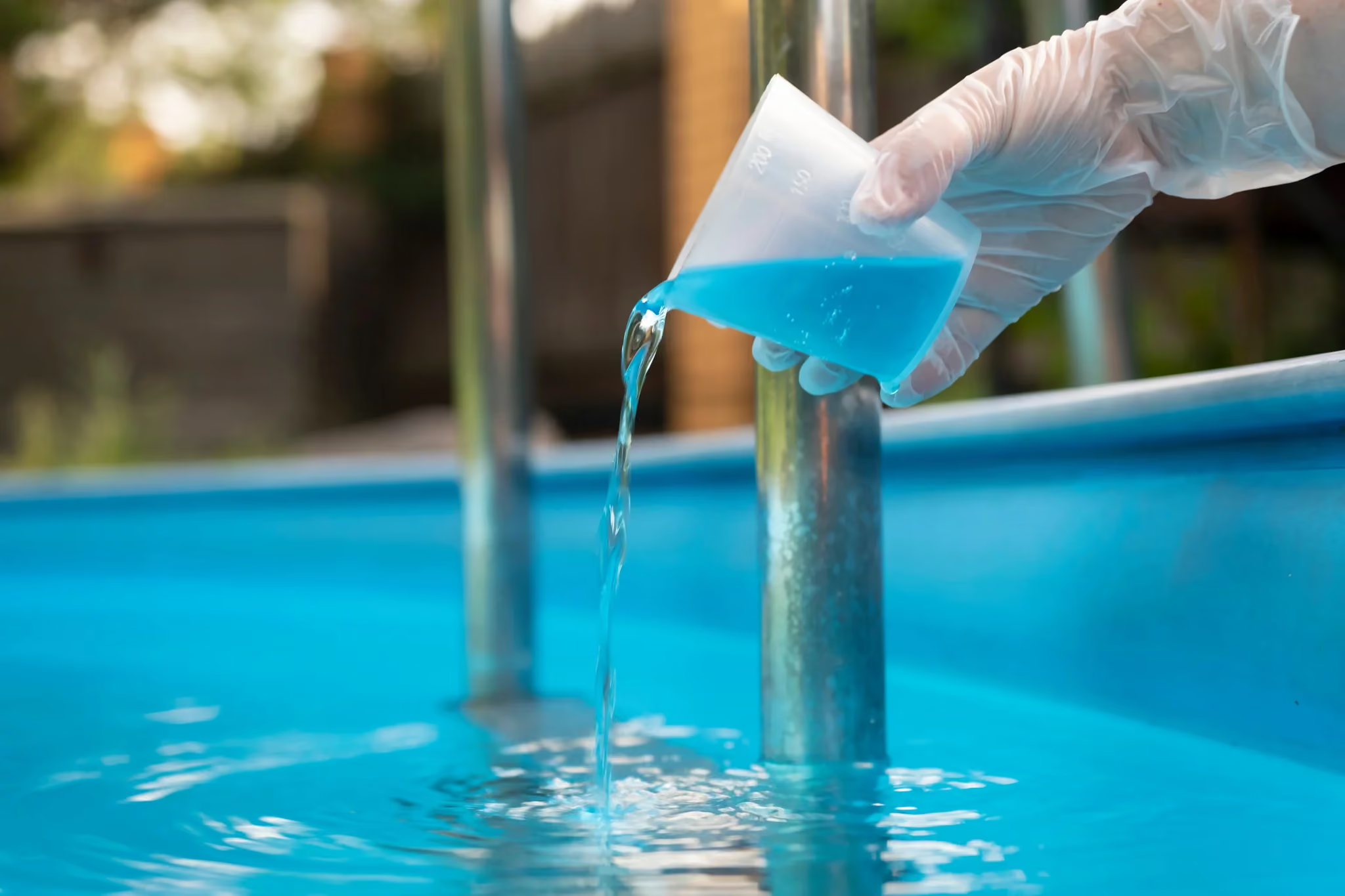
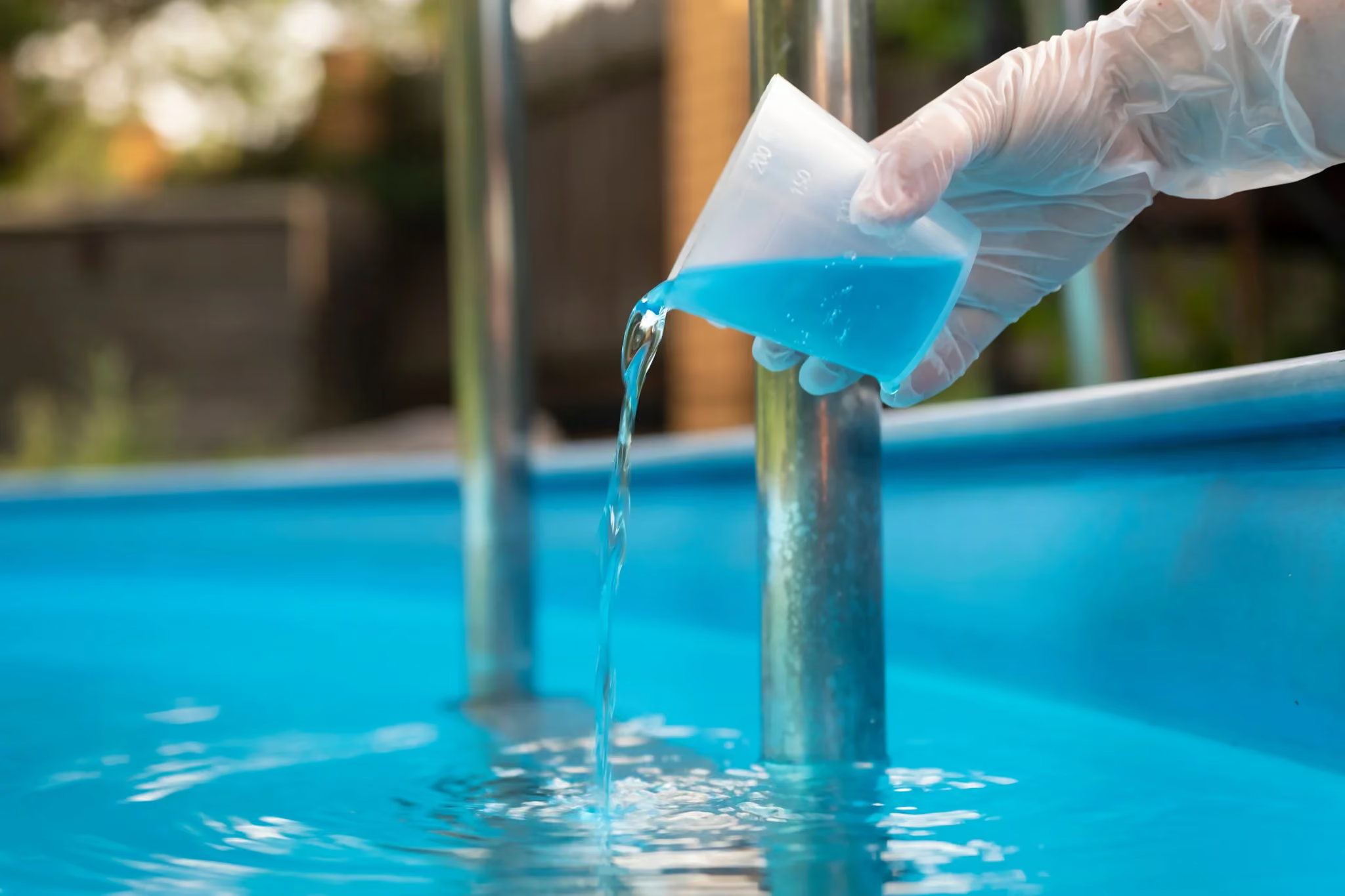
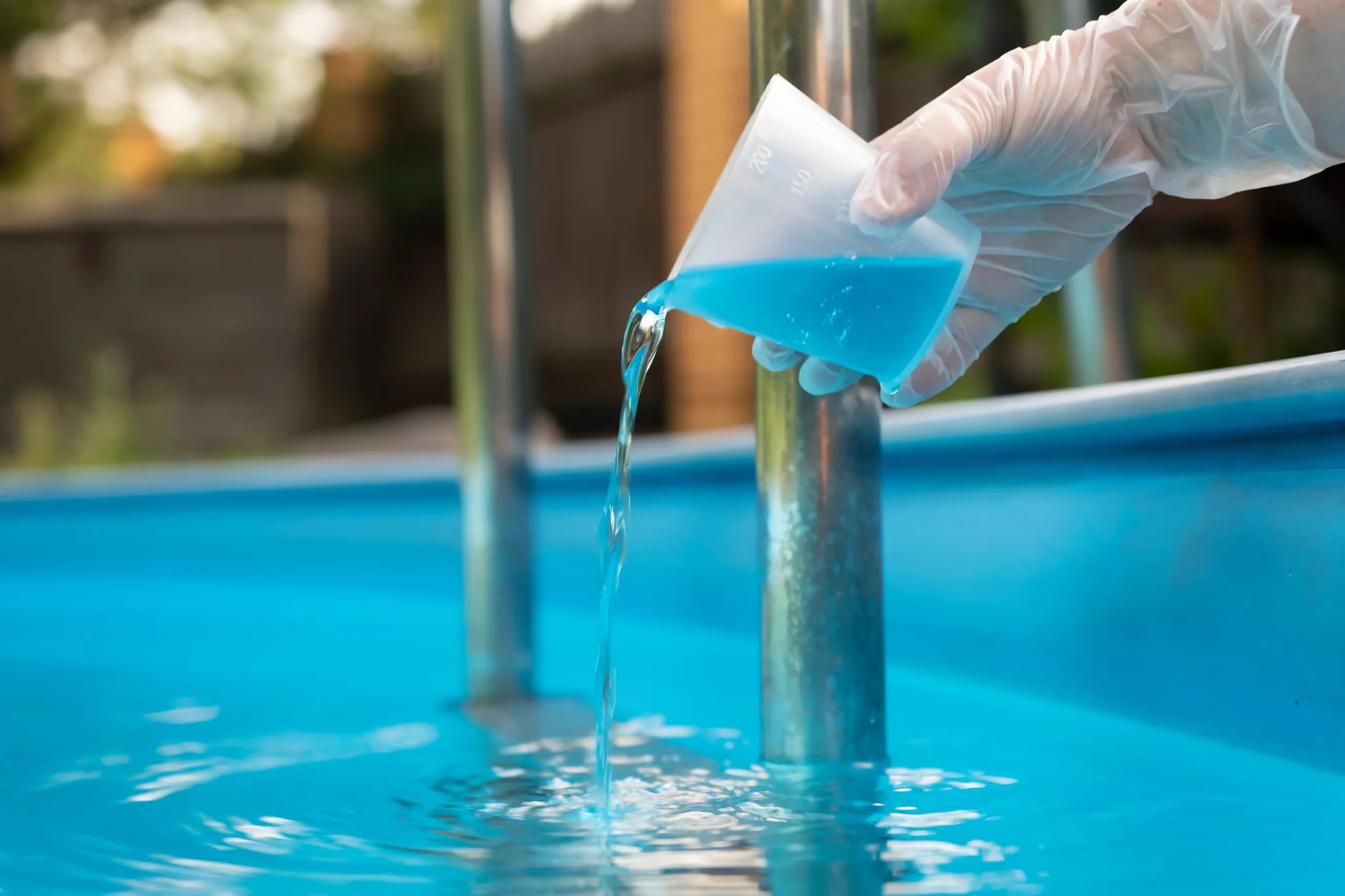
This is the most important step. Even water that looks clear can be chemically unbalanced and unsafe to swim in.
Test for the following:
- Free chlorine, the active sanitiser keeping the water safe
- pH, affects how effective chlorine is and how comfortable the water feels
- Total alkalinity, buffers pH and keeps it stable
- Calcium hardness, protects the pool surface and equipment
- Stabiliser (cyanuric acid), protects chlorine from UV breakdown in outdoor pools
- Salt level, if you have a salt chlorinator
Adjust each parameter in the correct order: total alkalinity first, then pH, then calcium hardness, then sanitiser. Adding chemicals out of sequence can make balancing harder and waste product.
Allow the pump to circulate for several hours between adjustments before retesting.
Not sure where to start?
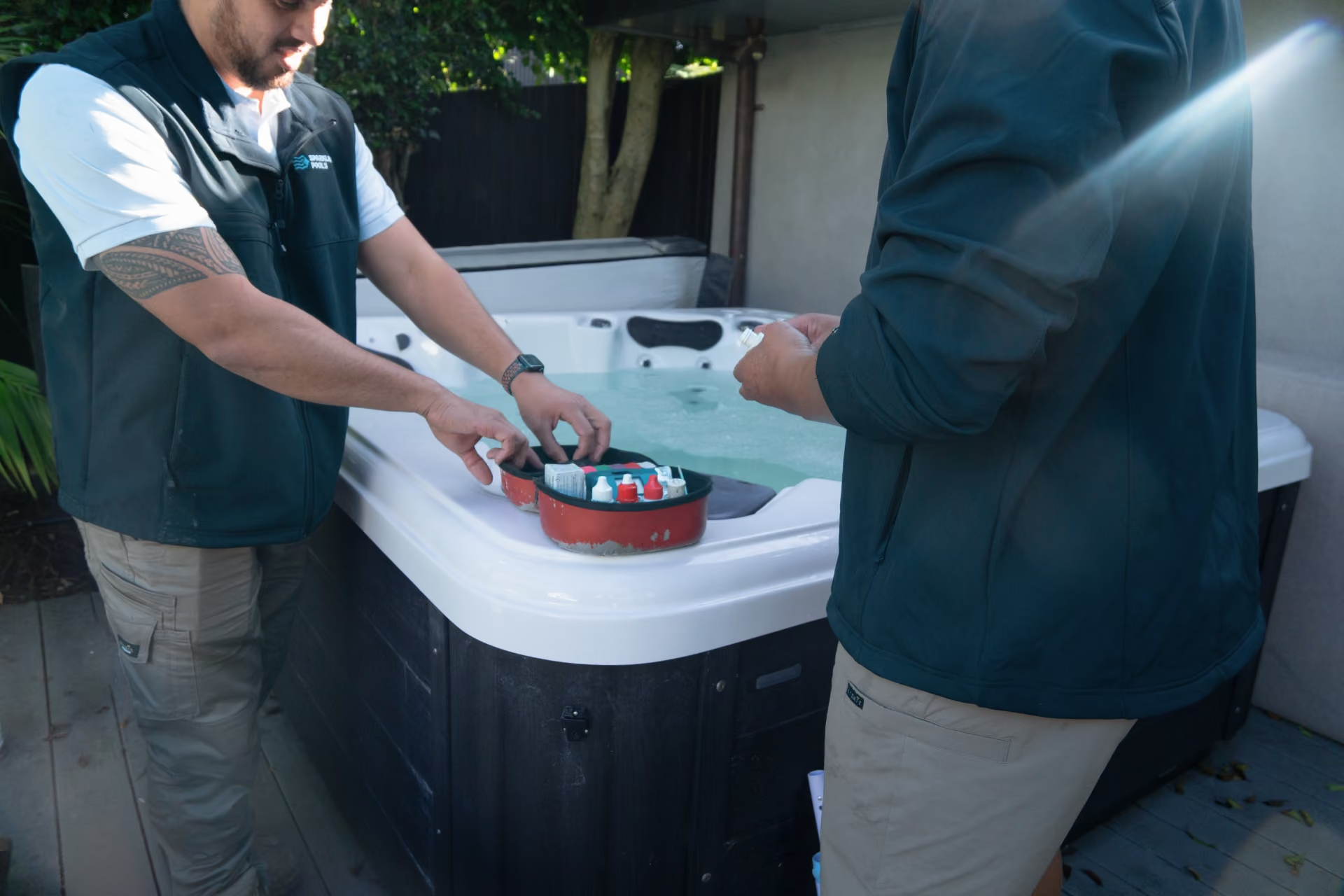
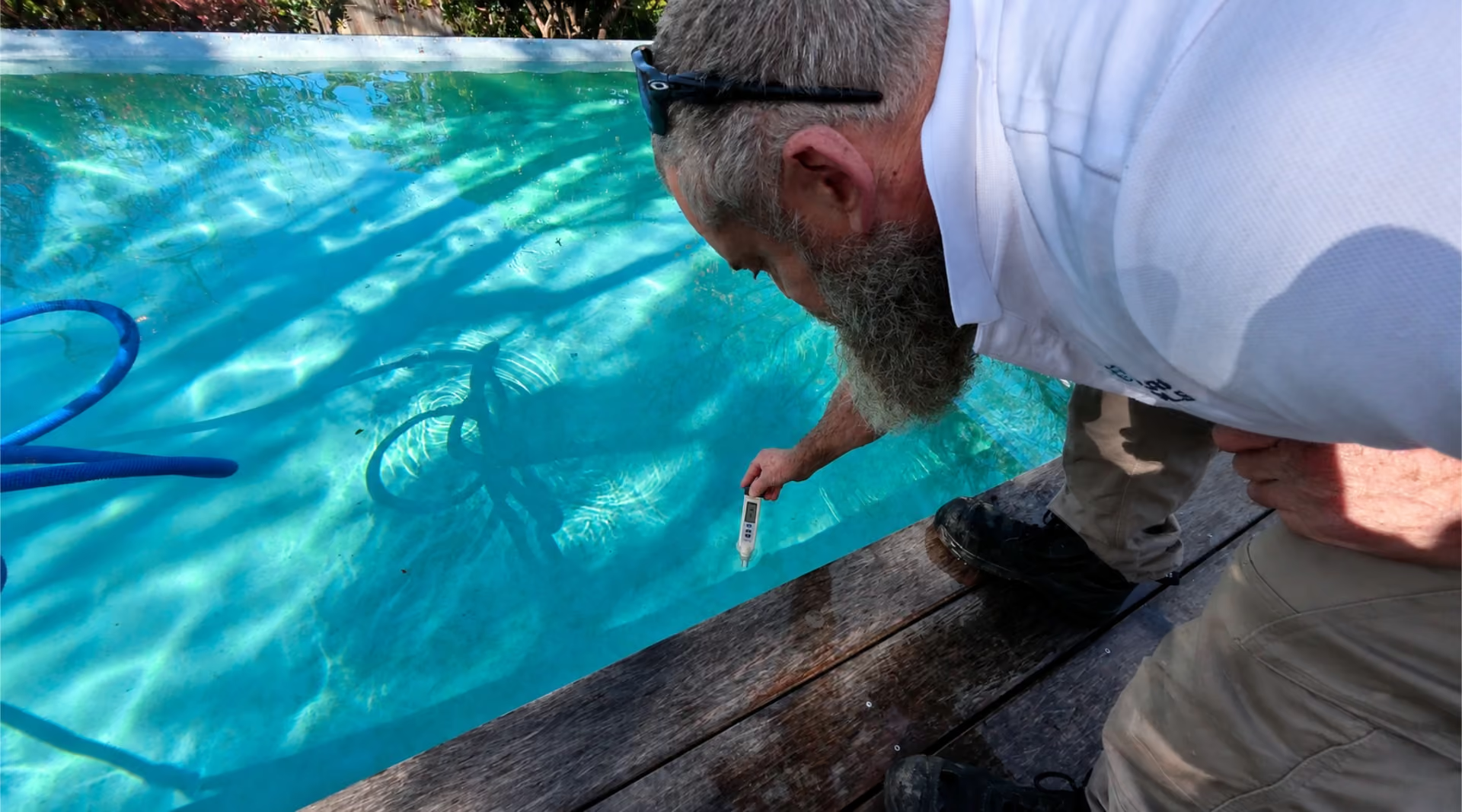
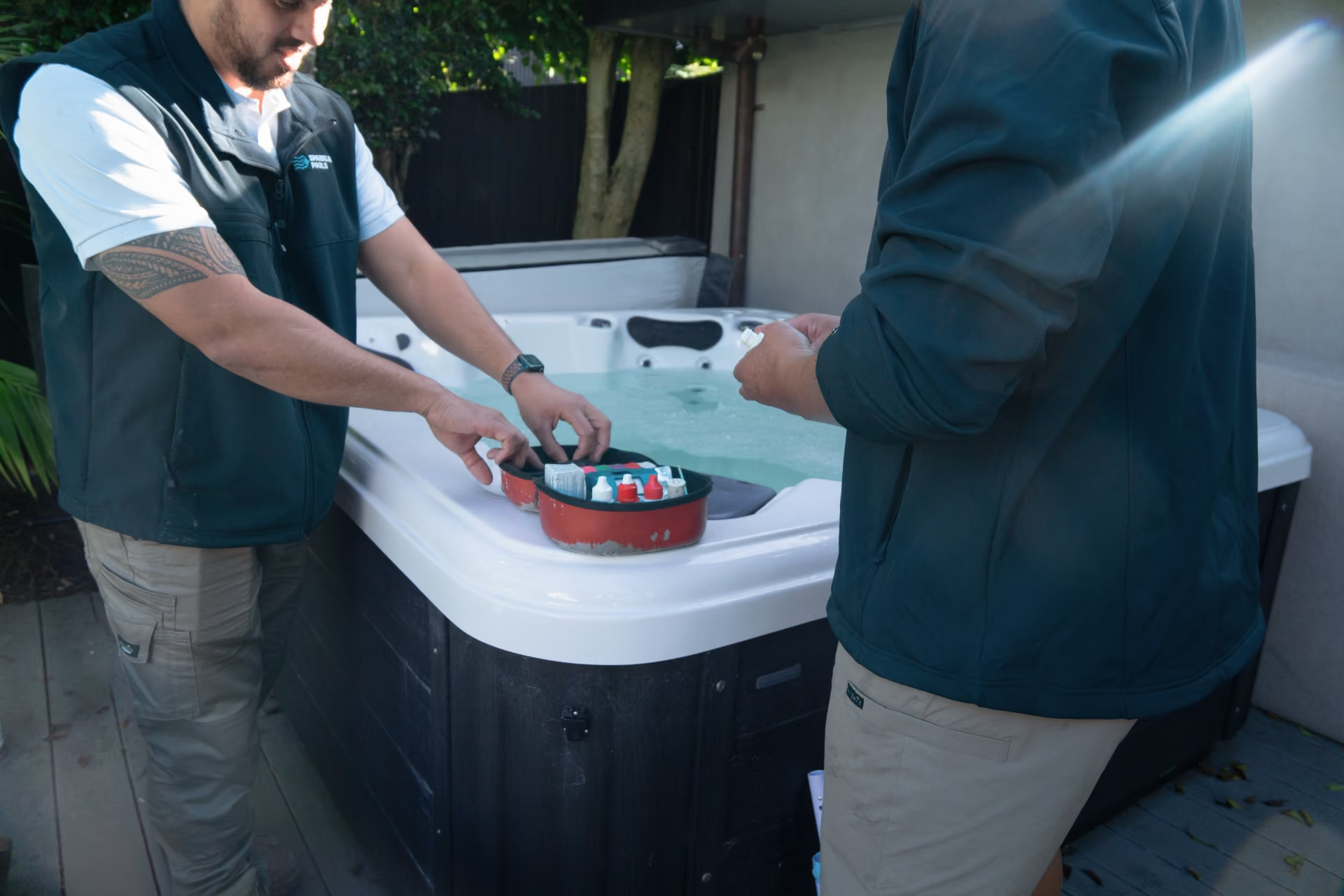
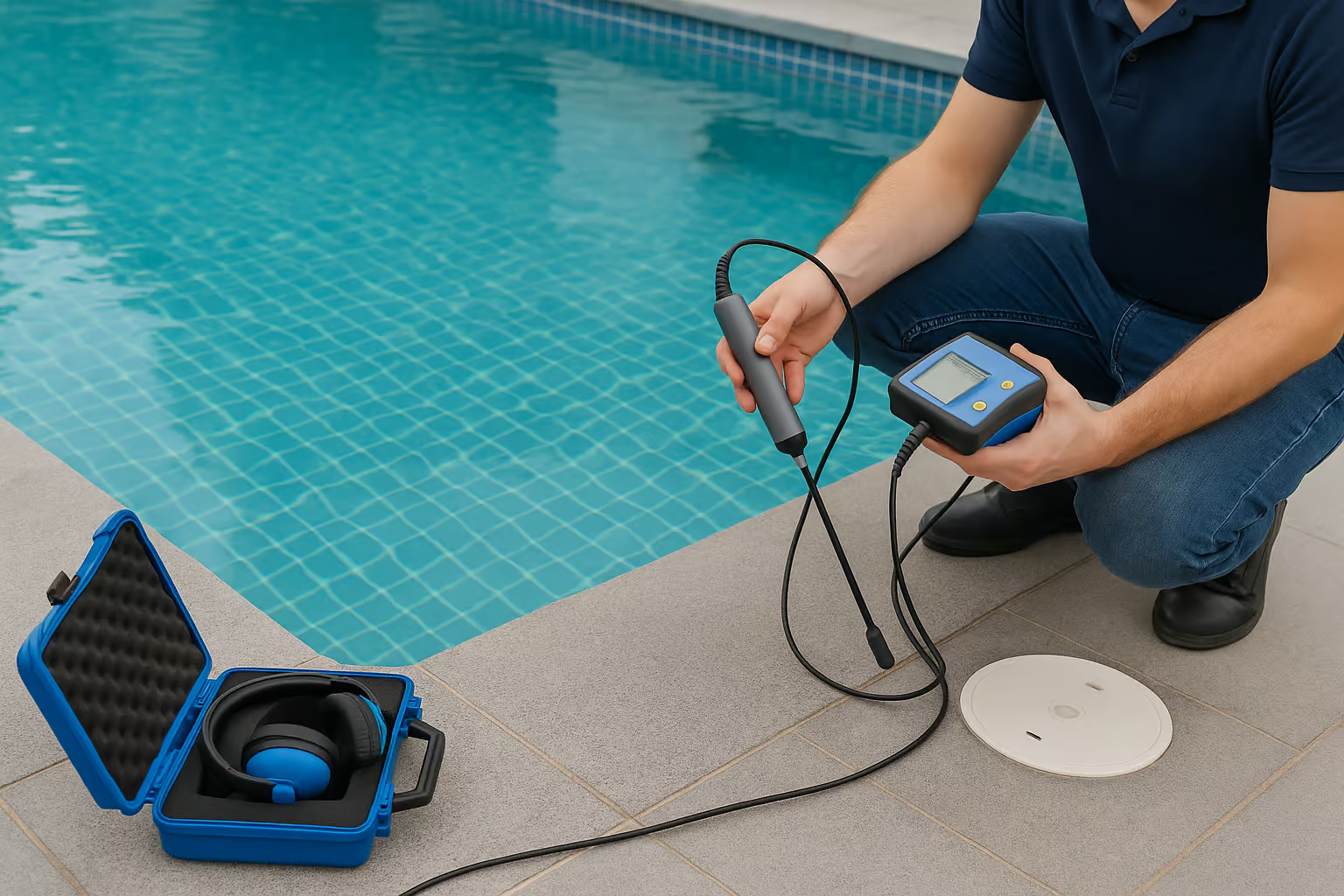
Sparkling Pools offers on-site water testing across Auckland. A technician comes to your home, tests everything on site, and advises exactly what your pool needs. It takes the guesswork out of the process.
---
What People Commonly Miss
Even experienced pool owners tend to overlook a few things when opening for summer.
- Stabiliser levels, if cyanuric acid is too low, chlorine will burn off quickly in summer sun and the pool will struggle to stay sanitised
- Calcium hardness, low calcium causes water to draw minerals from the pool surface, leading to etching and surface damage over time
- The pump basket O-ring, a cracked O-ring here causes air leaks that make the pump lose prime repeatedly
- Running the system long enough, after adding chemicals, the pool needs adequate circulation time before retesting; checking too soon gives misleading results
- Backwashing the filter, a filter that has been sitting idle still needs a backwash before the season starts to clear any settled debris
---
When to Book a Professional
Some opening tasks are straightforward DIY. Others are worth handing over.
Book a professional if:
- The pool has gone green and you are not confident treating it yourself
- The pump is making unusual noises or losing prime repeatedly
- The filter pressure is significantly outside its normal range
- You have a gas heater or heat pump that needs checking, do not attempt to service these yourself
- There is visible cracking or damage to the pool shell
- You have not opened the pool yourself before and want it done right the first time
Sparkling Pools has been servicing Auckland pools since 1992. The team can handle the full opening process or step in at any point where things get complicated.
Pool resurfacing solutions
Restore your pool with durable plaster finishes


Work completed
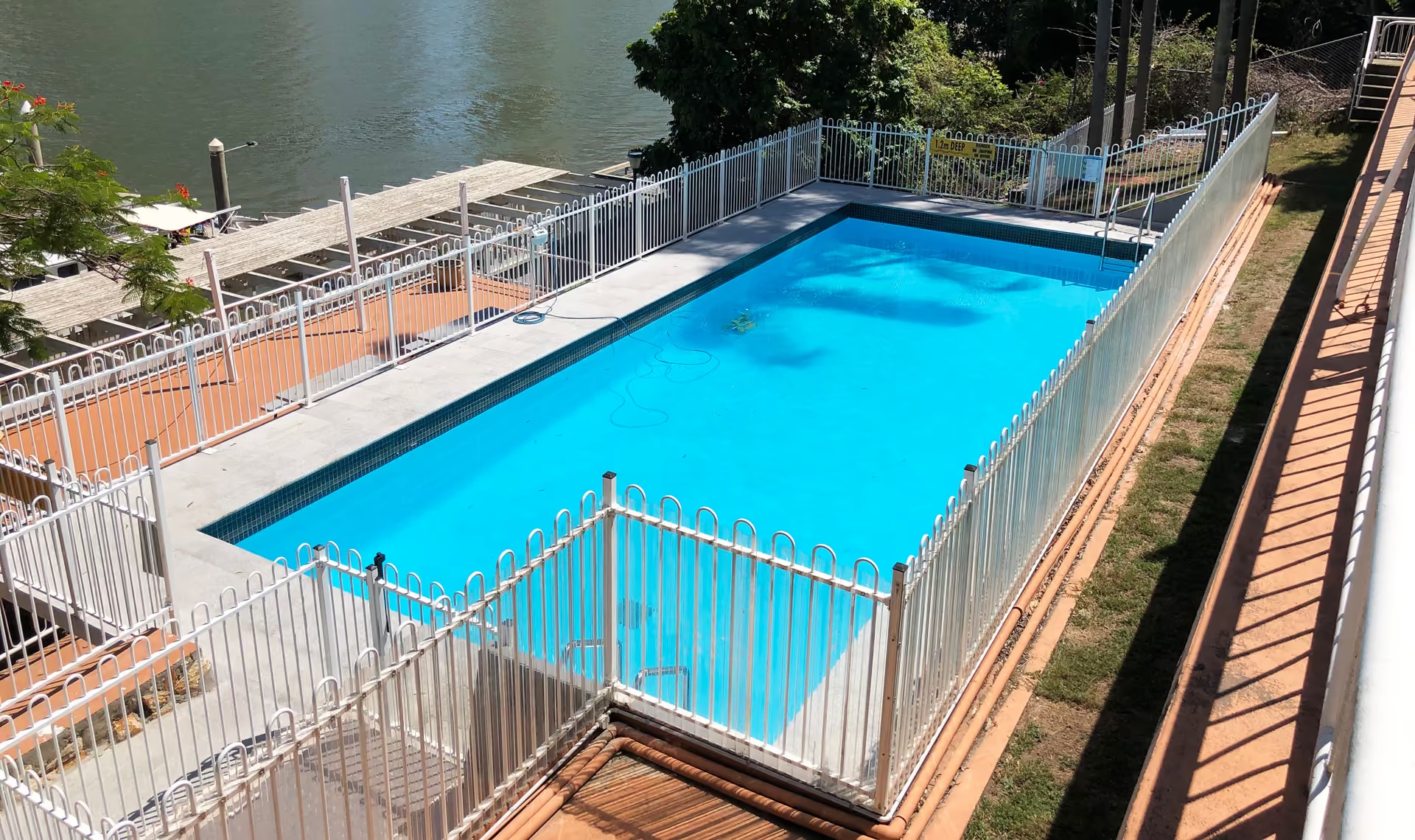
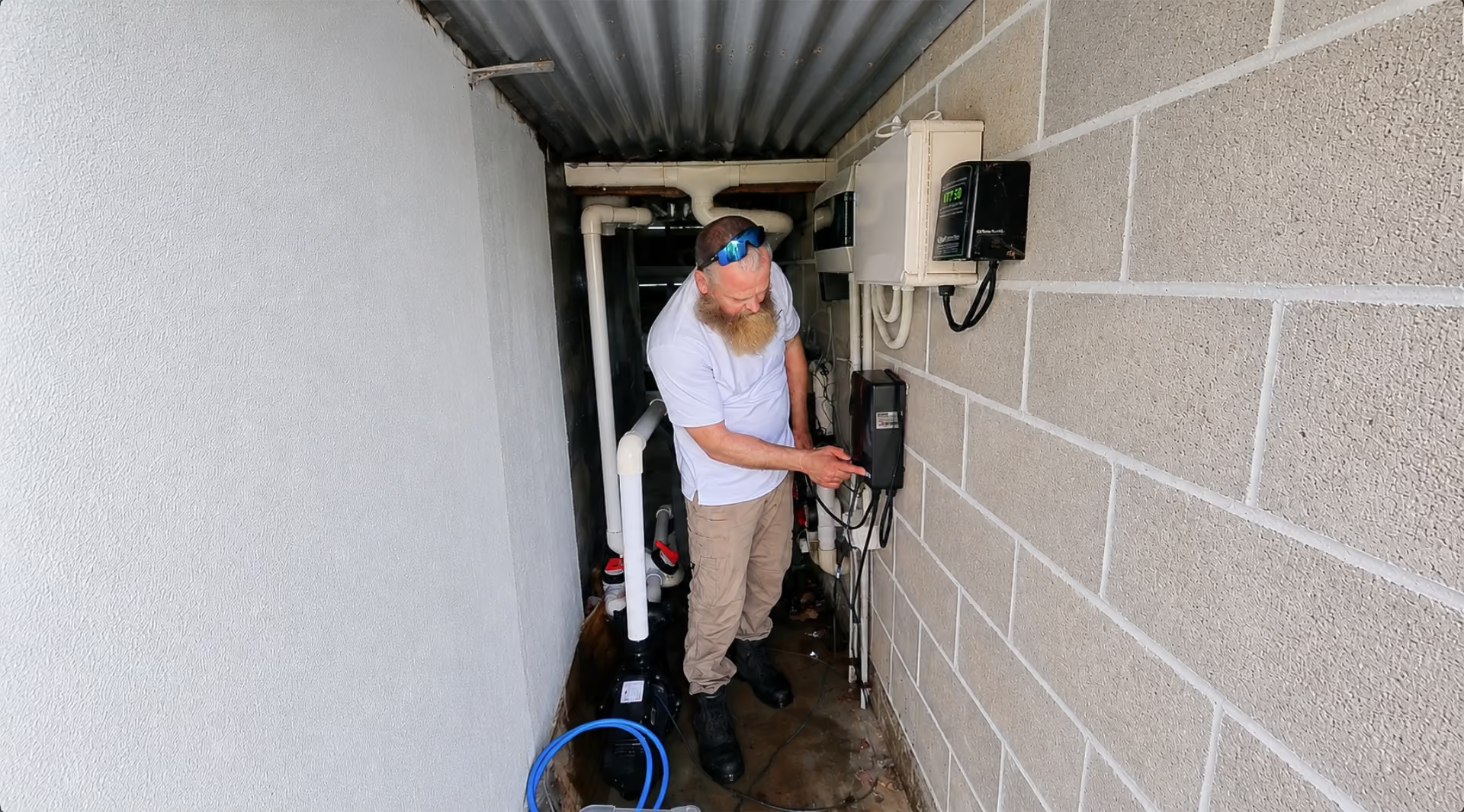
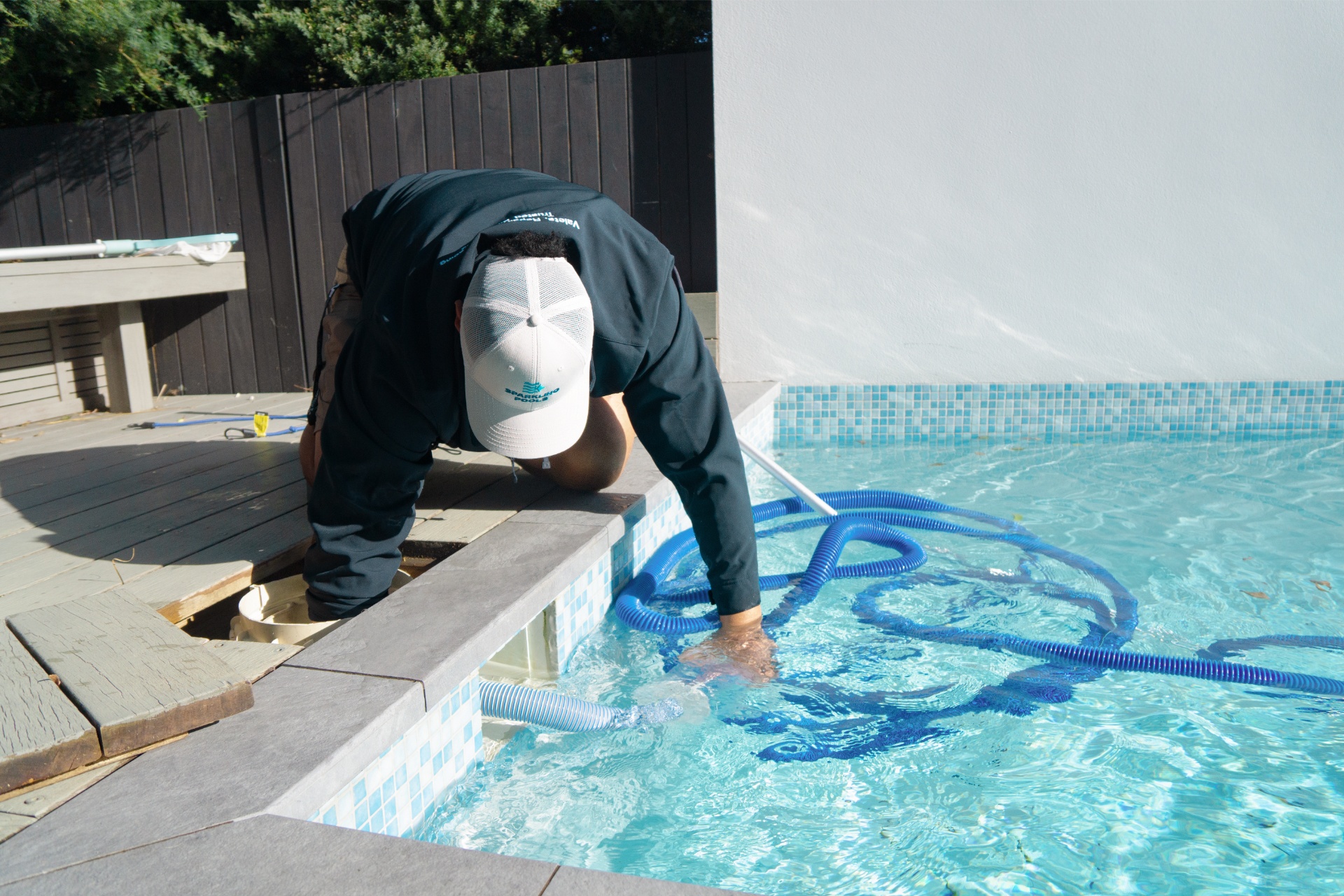
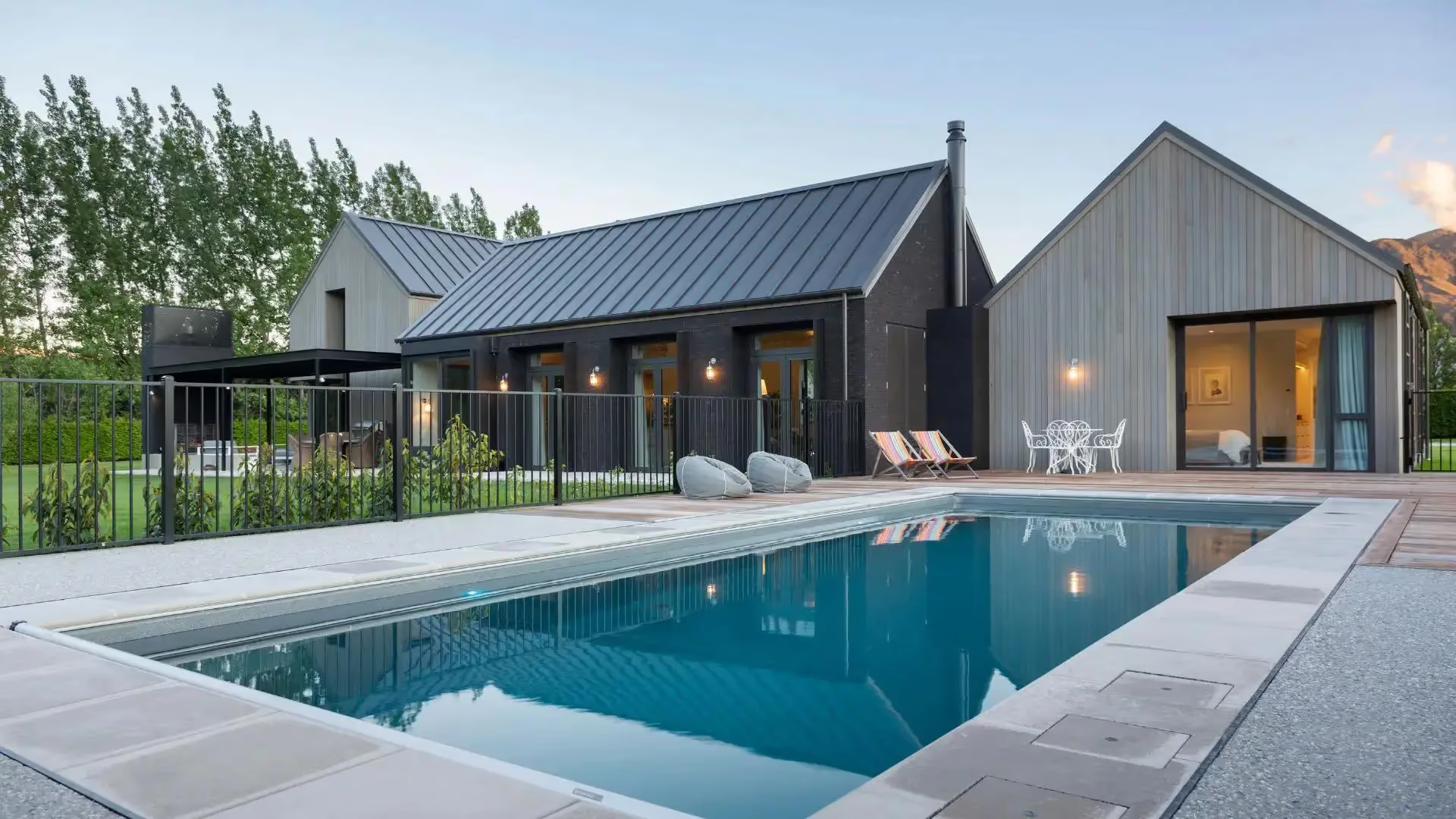
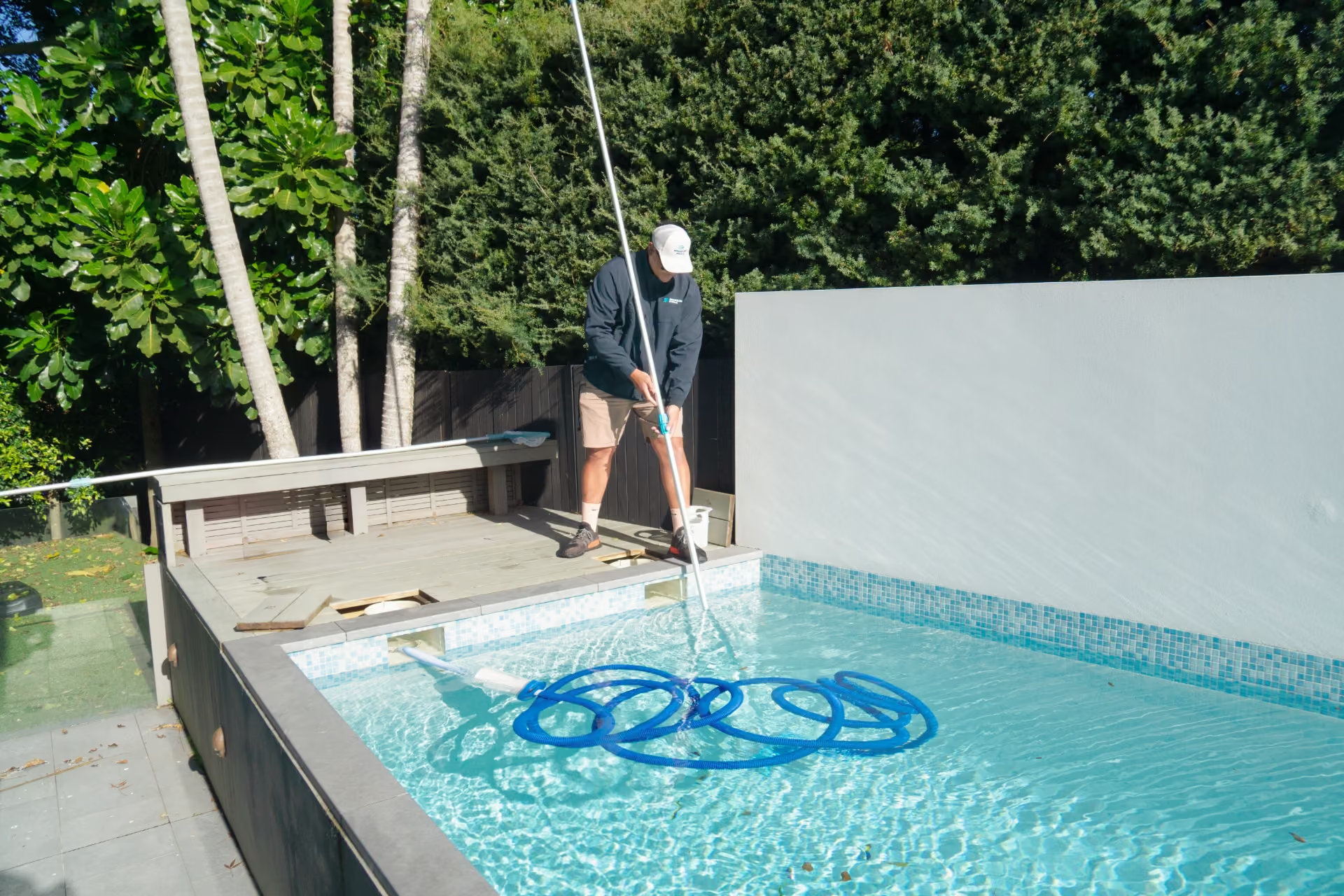
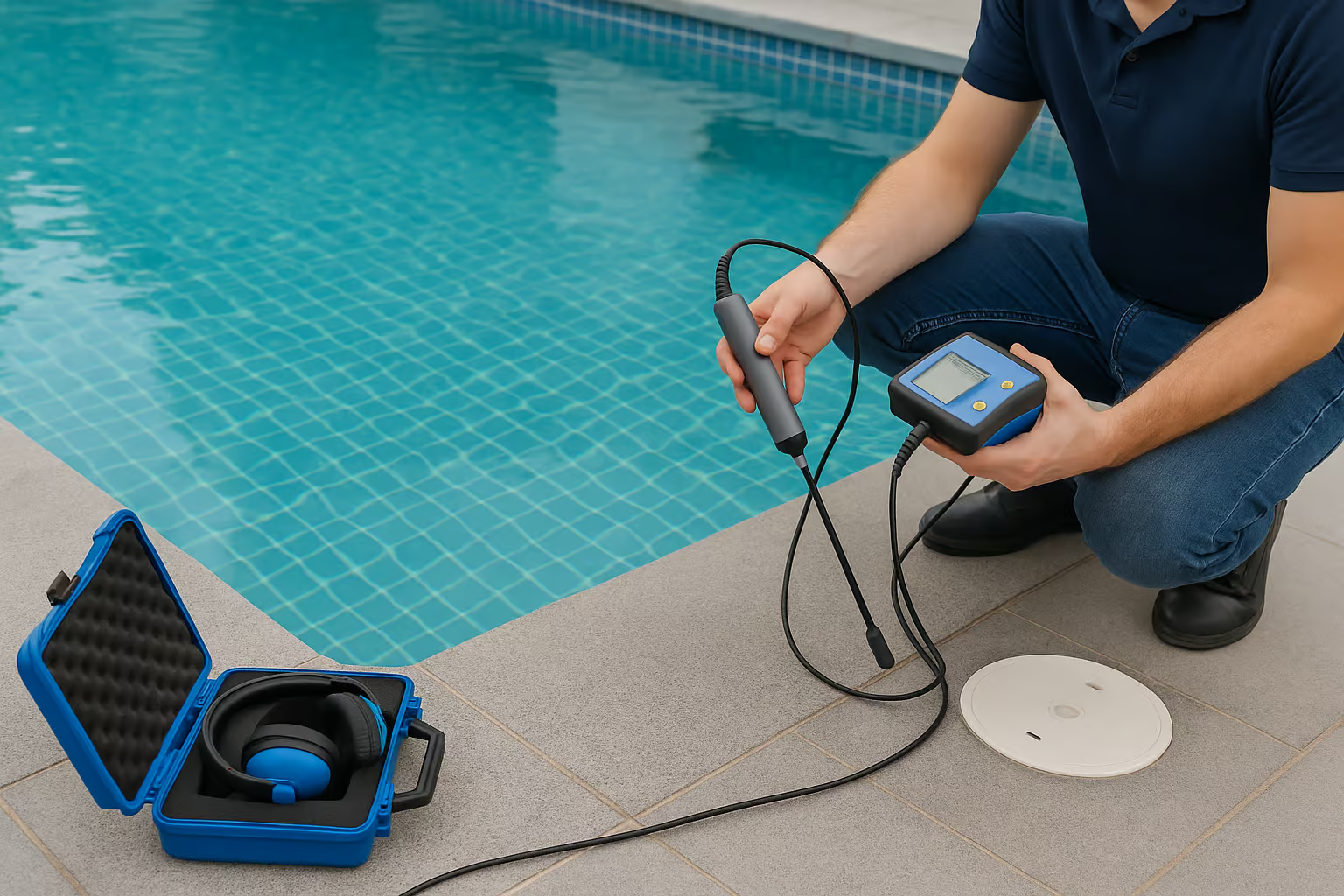
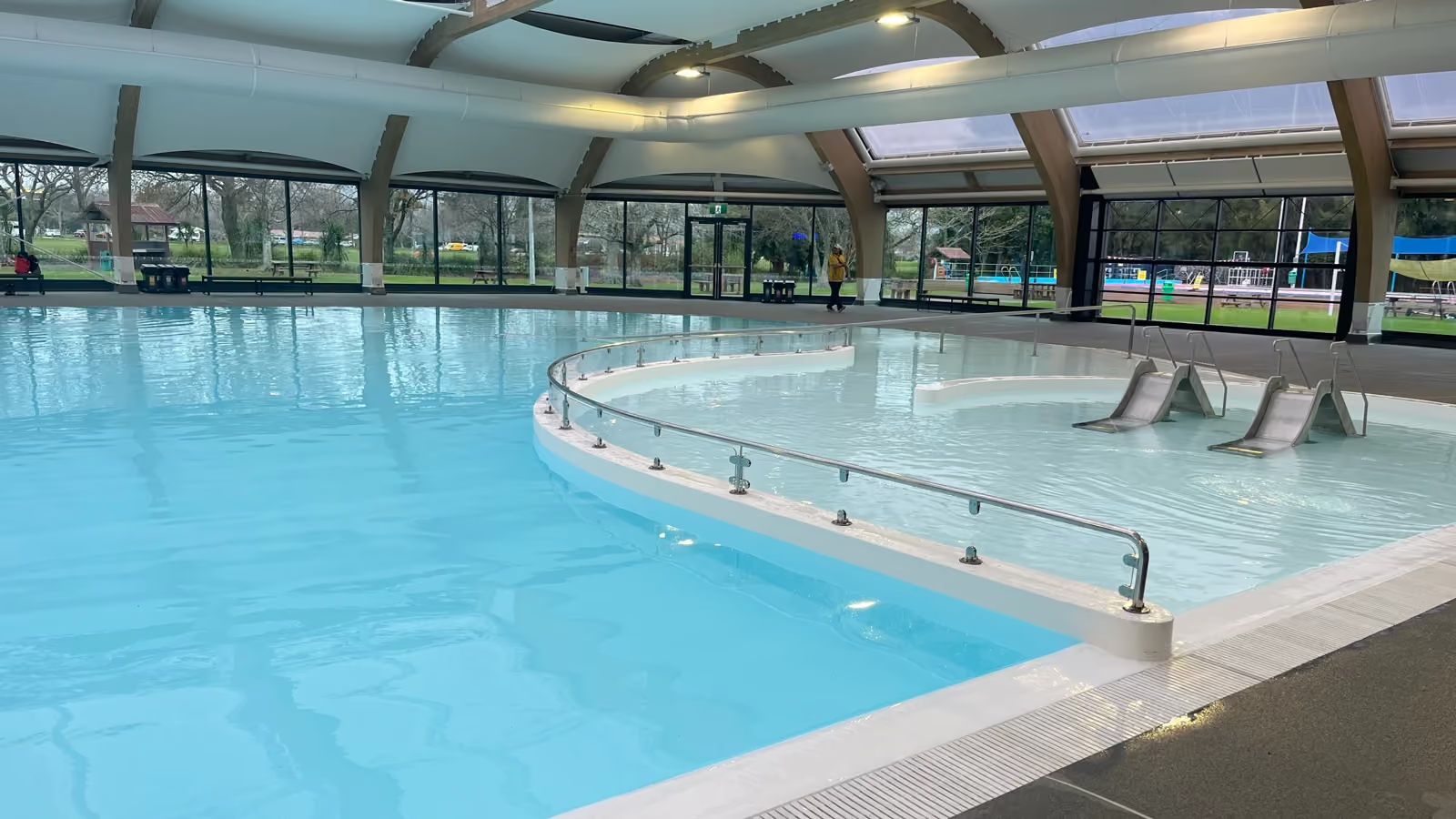
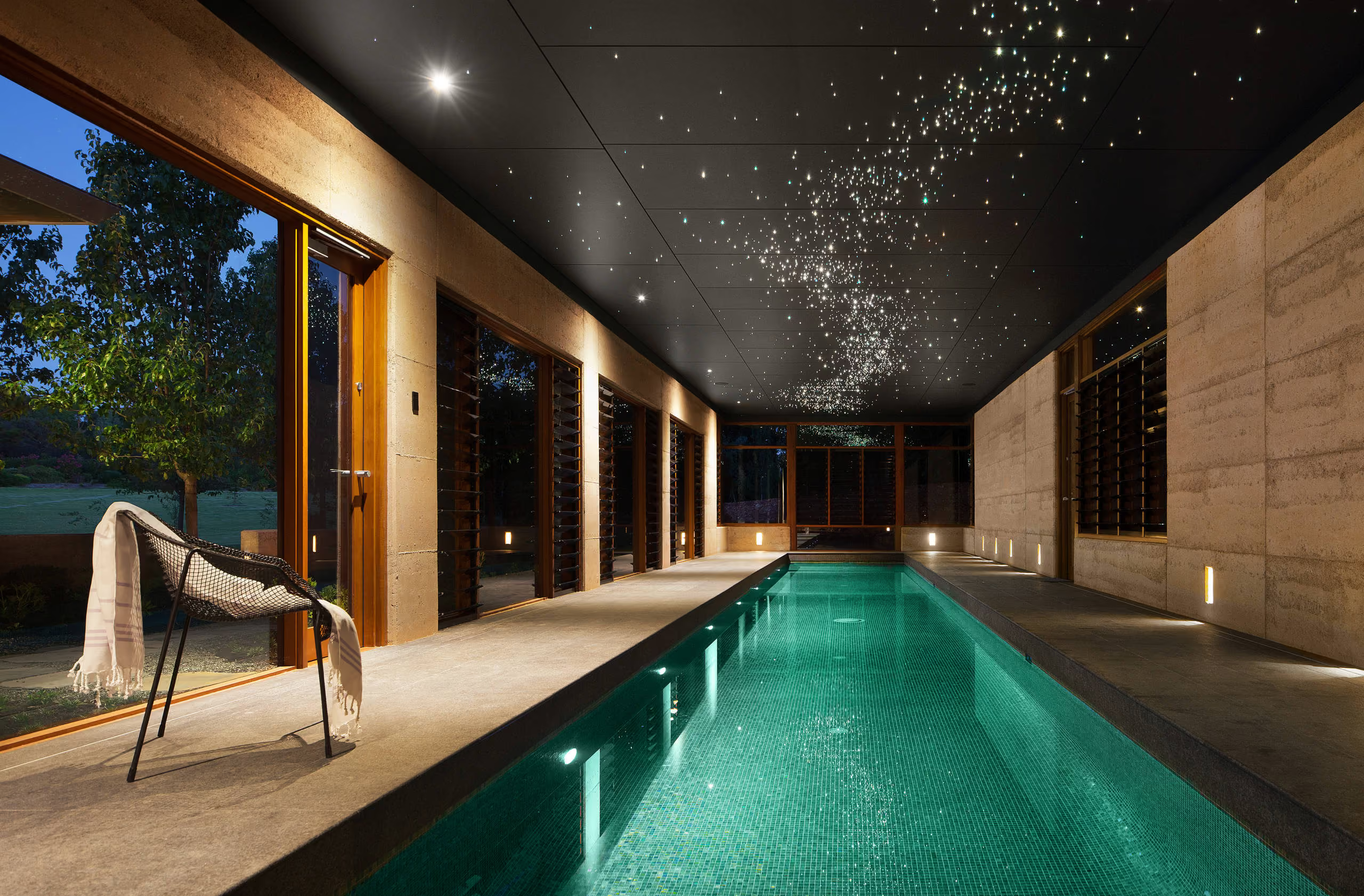
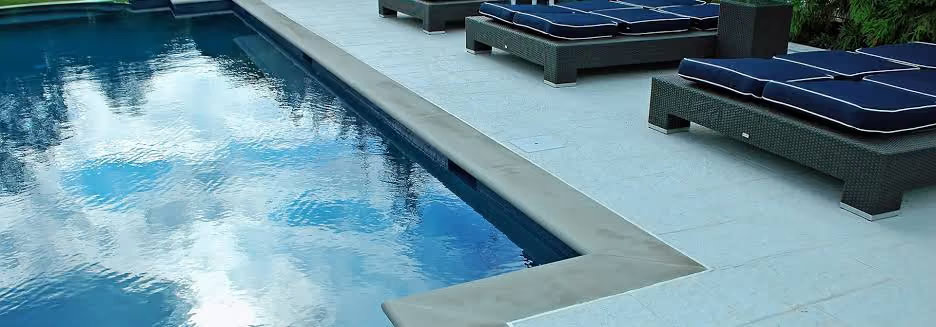
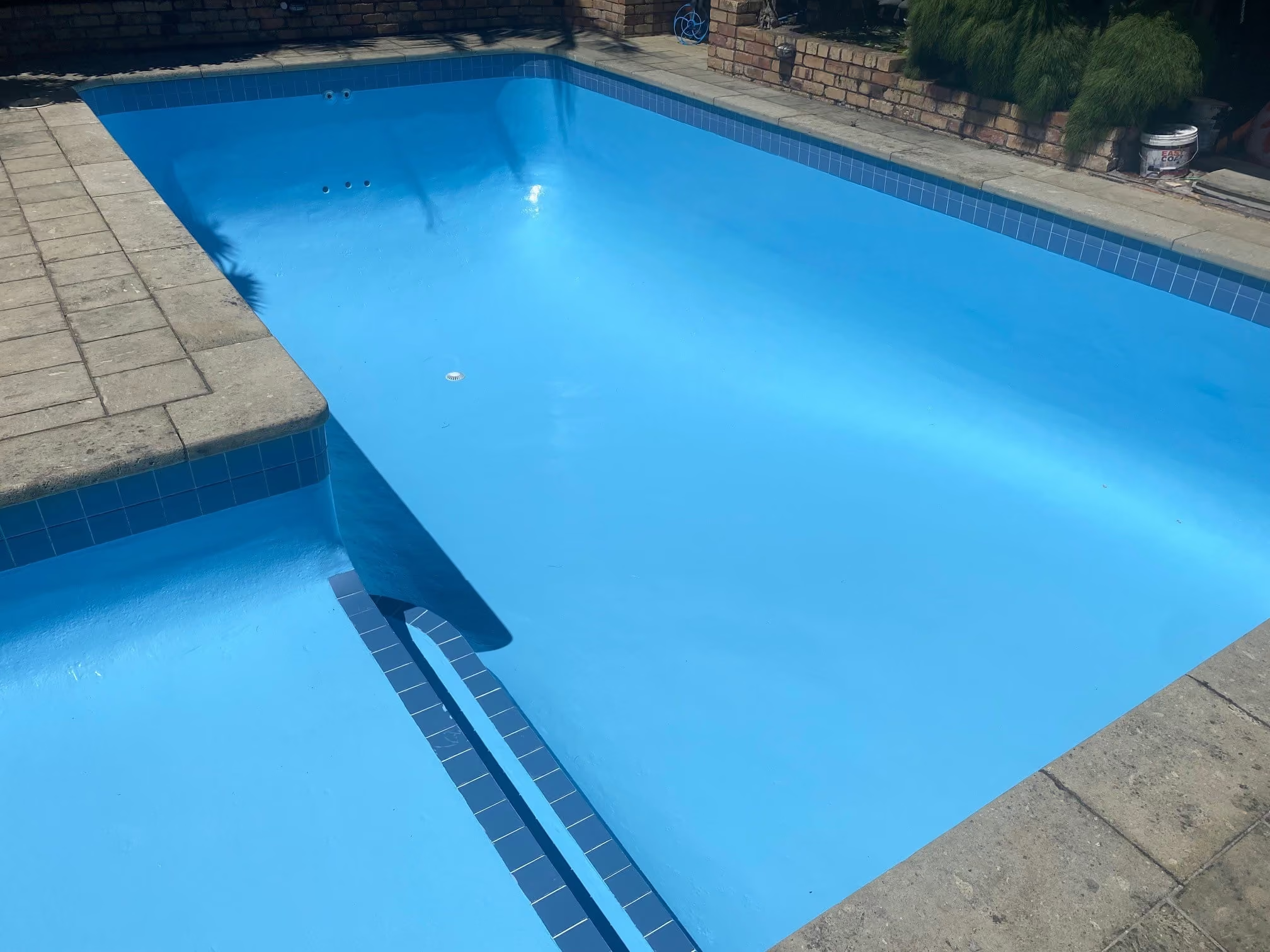
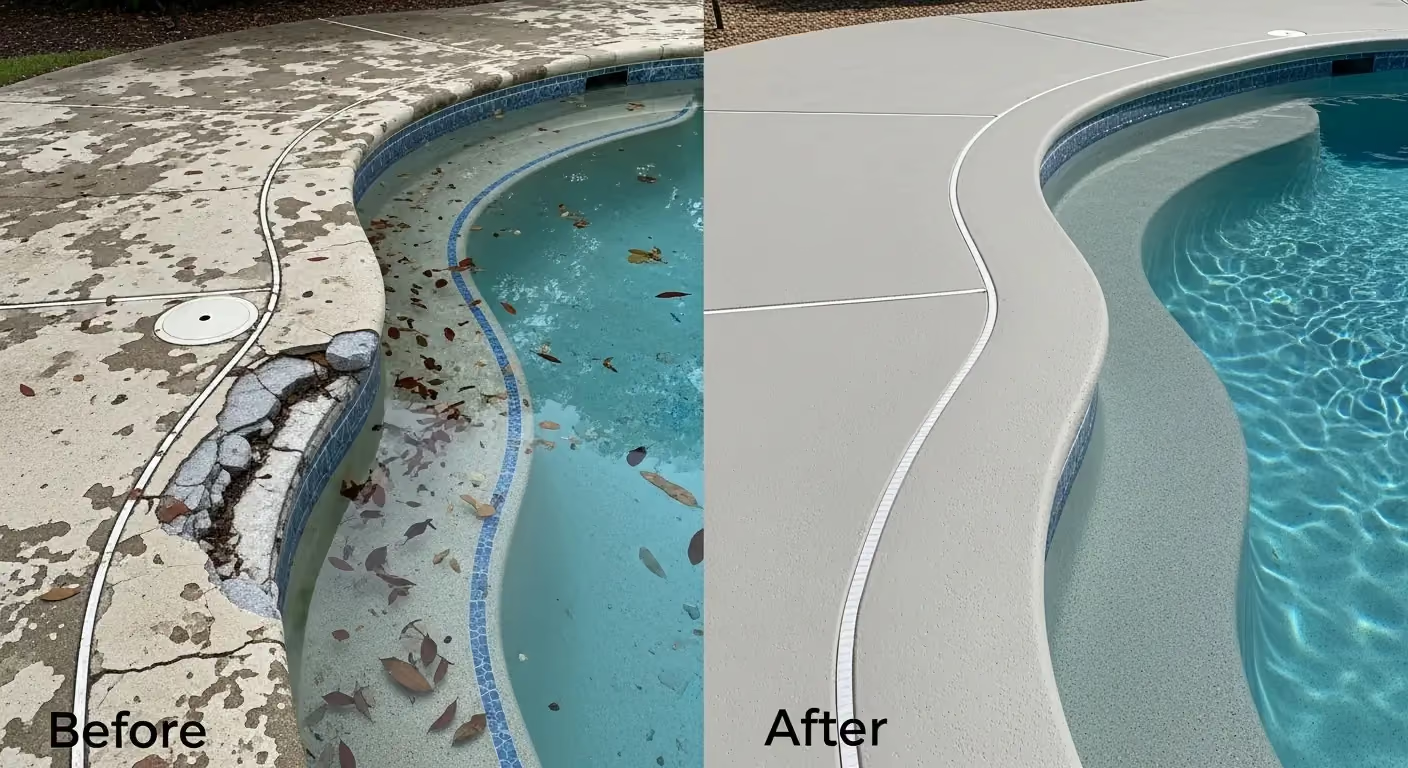
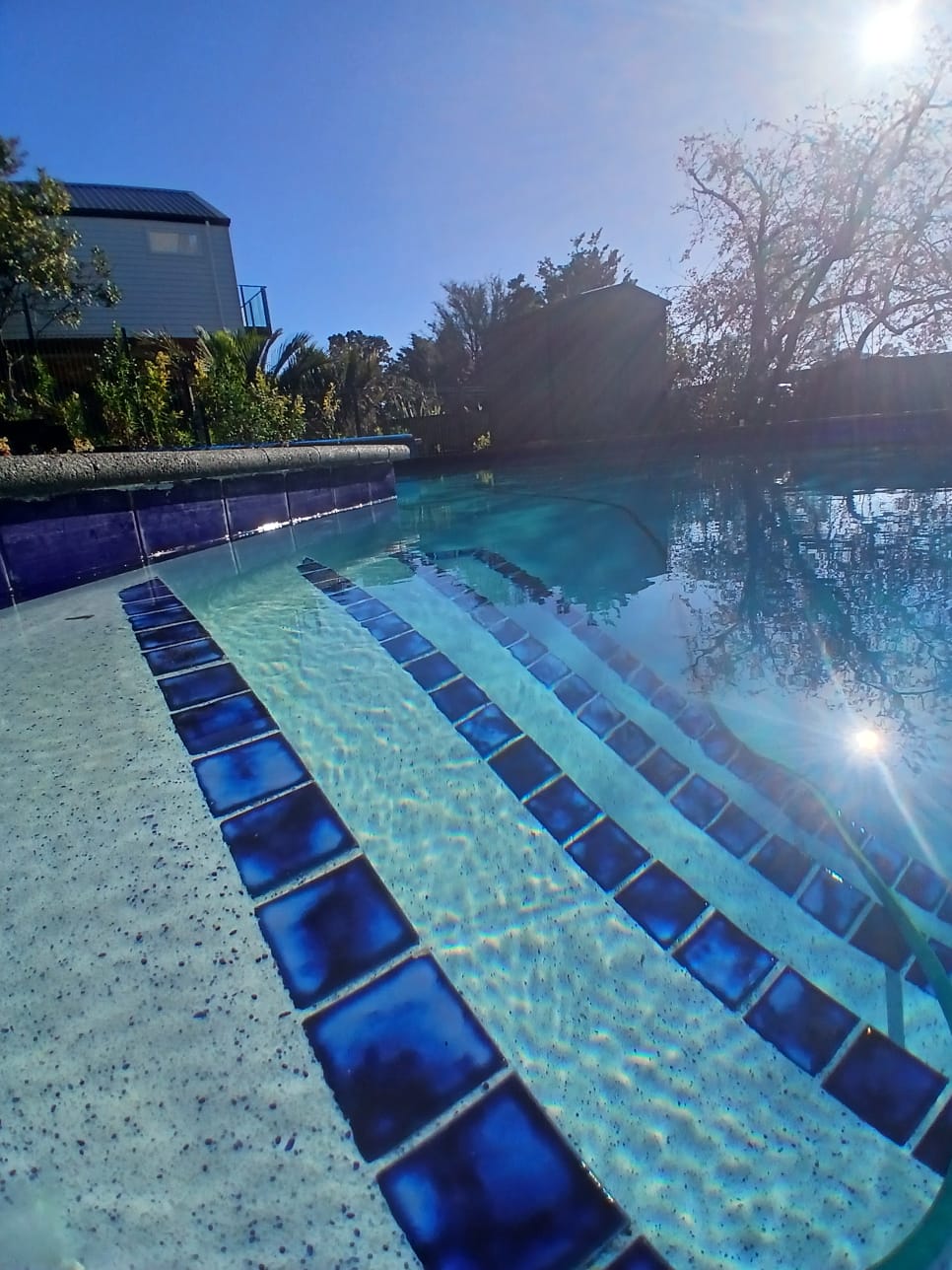
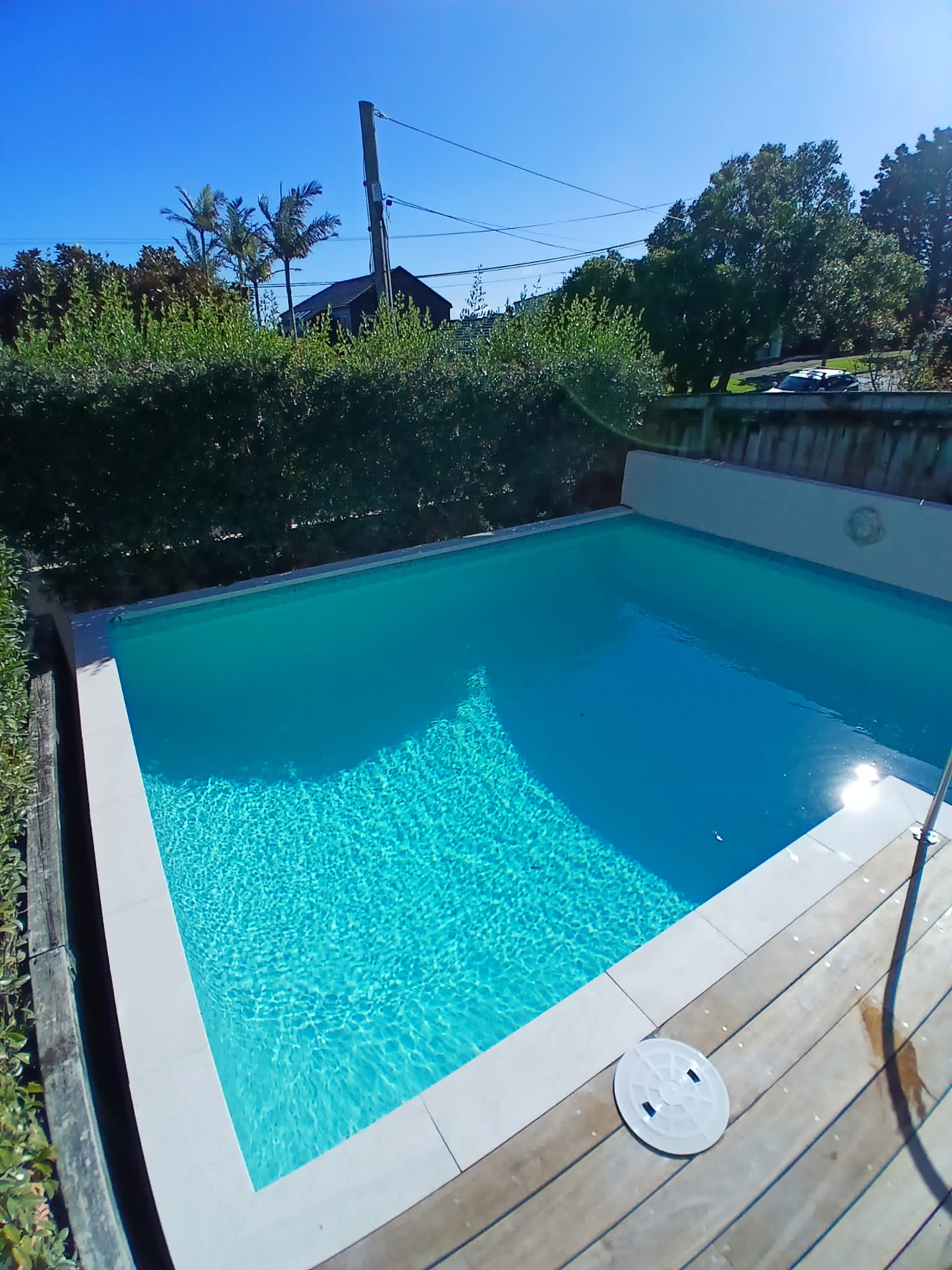
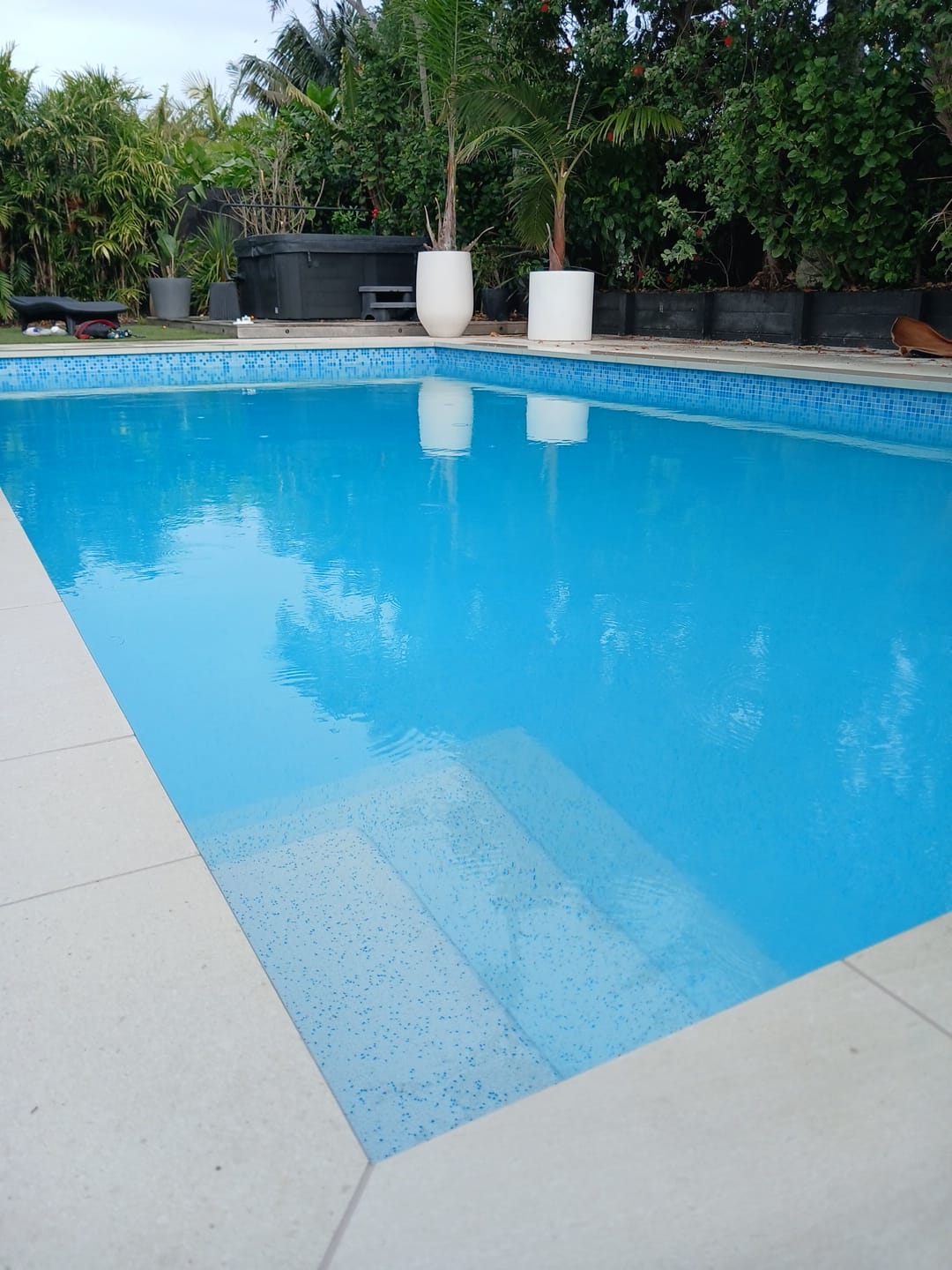
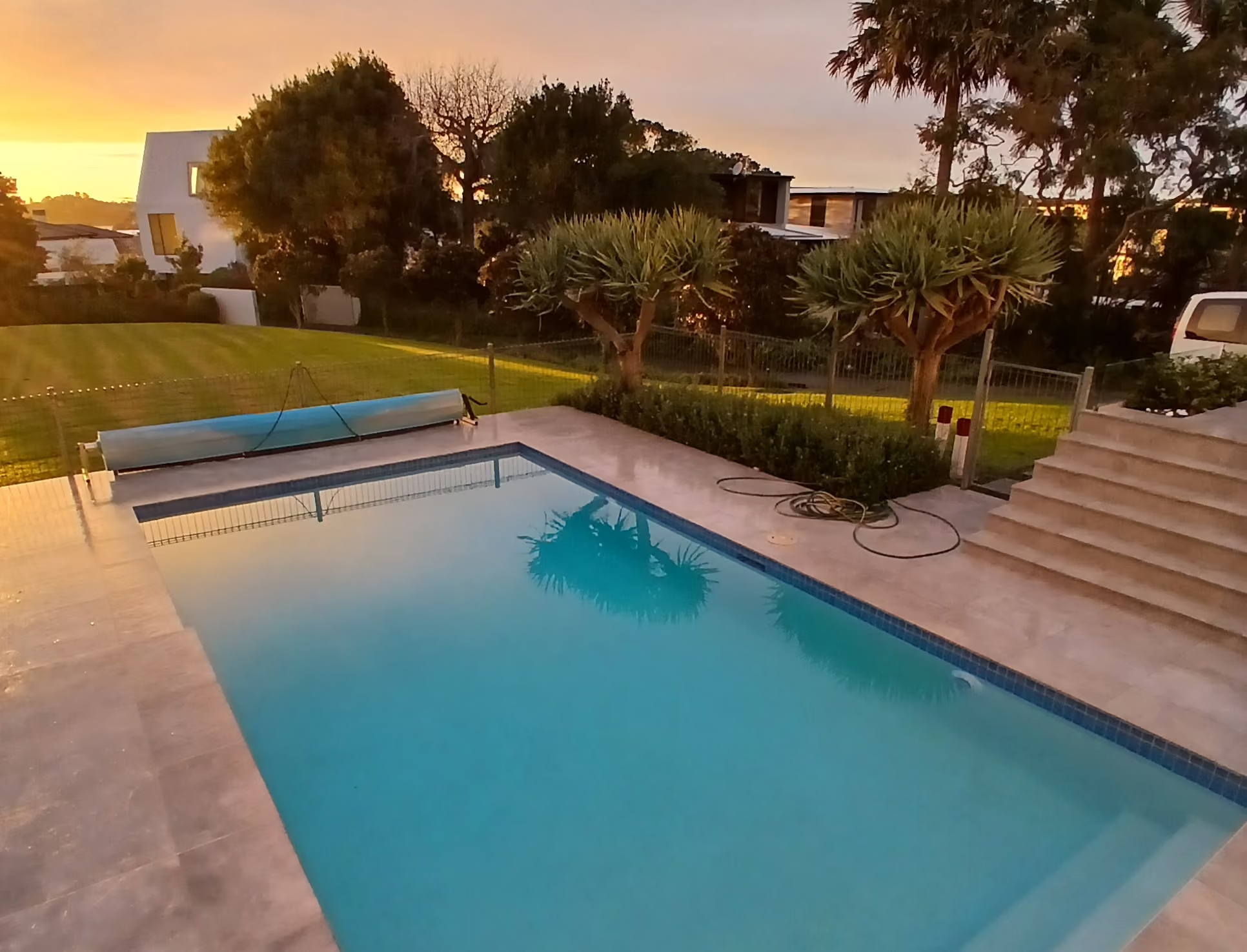
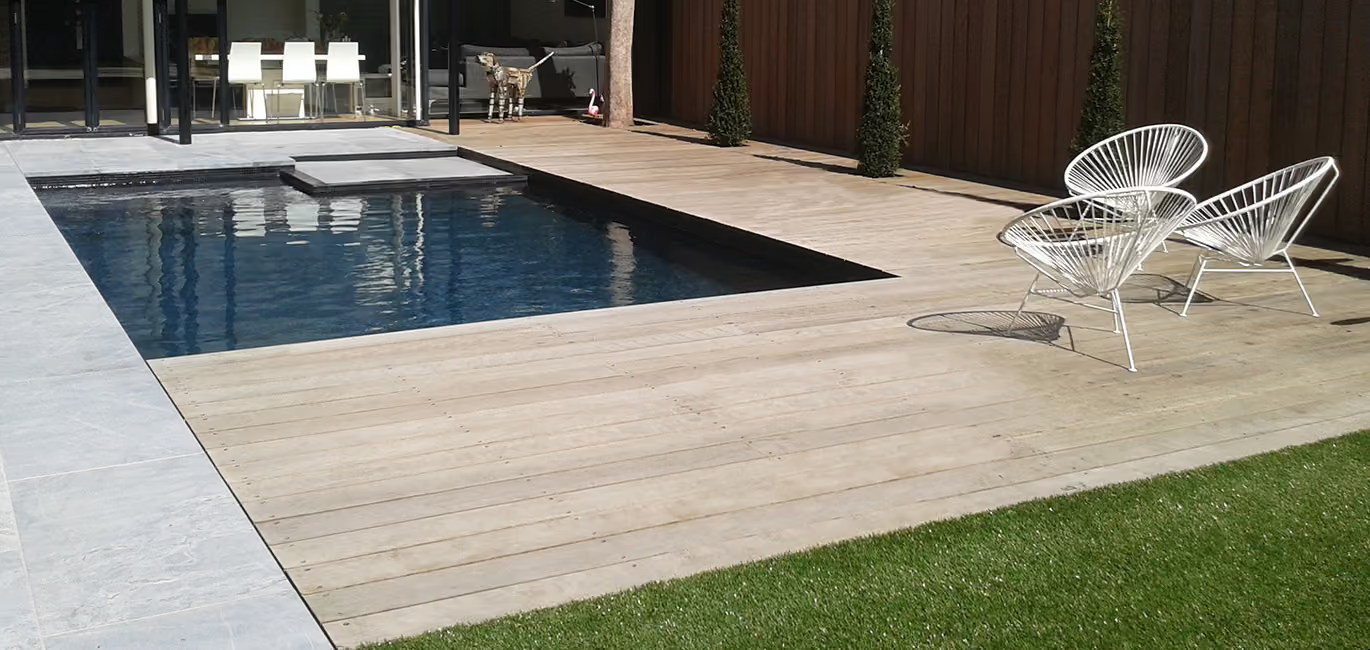
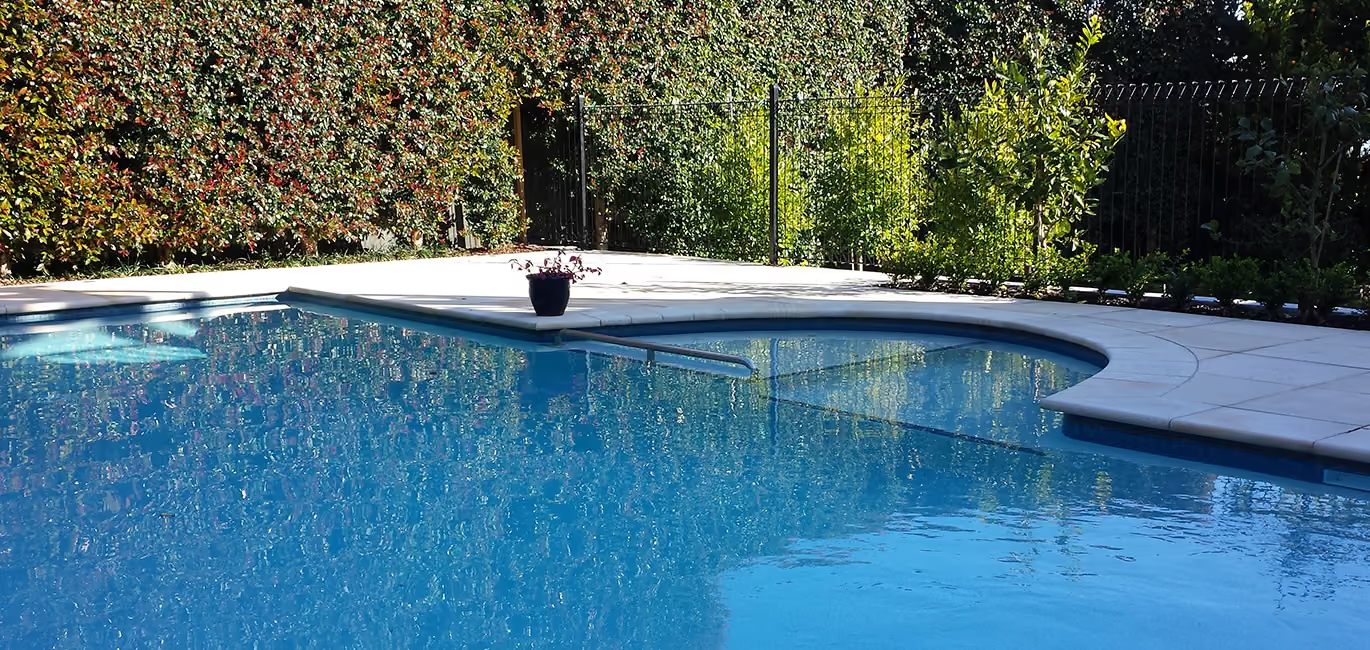
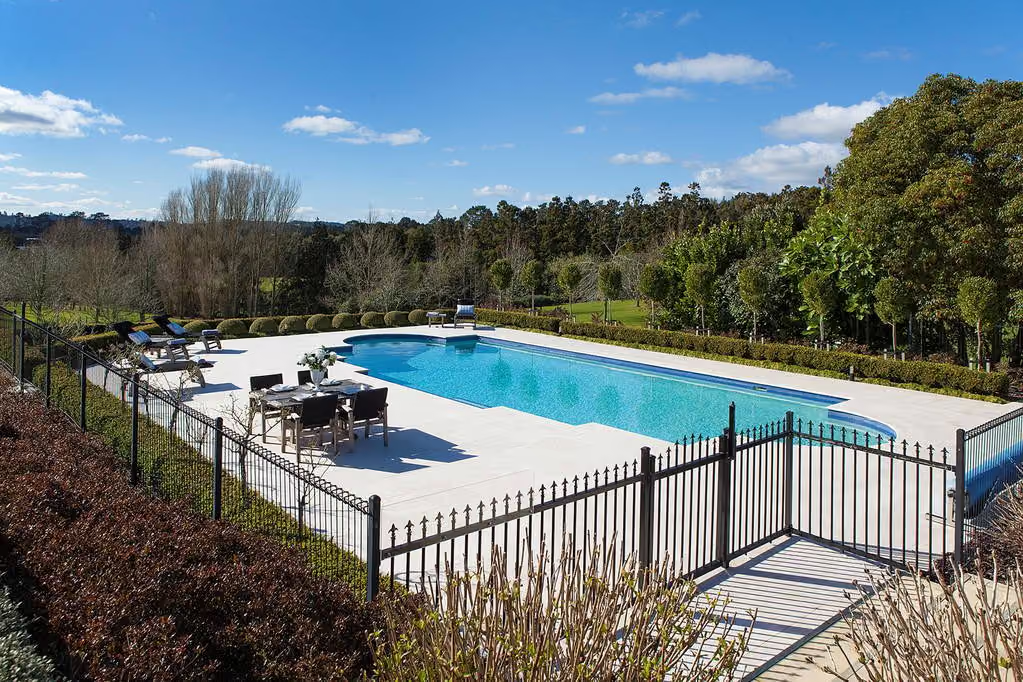
Sparkling Pools has worked on pools across Auckland, including residential renovation projects, equipment upgrades, ongoing maintenance and pool care for managed properties. Past projects show how the right approach can improve presentation, water quality and day-to-day usability. A well-maintained pool is easier to manage, more pleasant to use and better prepared for seasonal changes.
Trusted by Homeowners Across Auckland
Don't just take our word for it. Read what our clients have to say about our transparent communication, reliable service, and stunning pool transformations.
Related Blog Posts
Stay informed on pool care and renovations
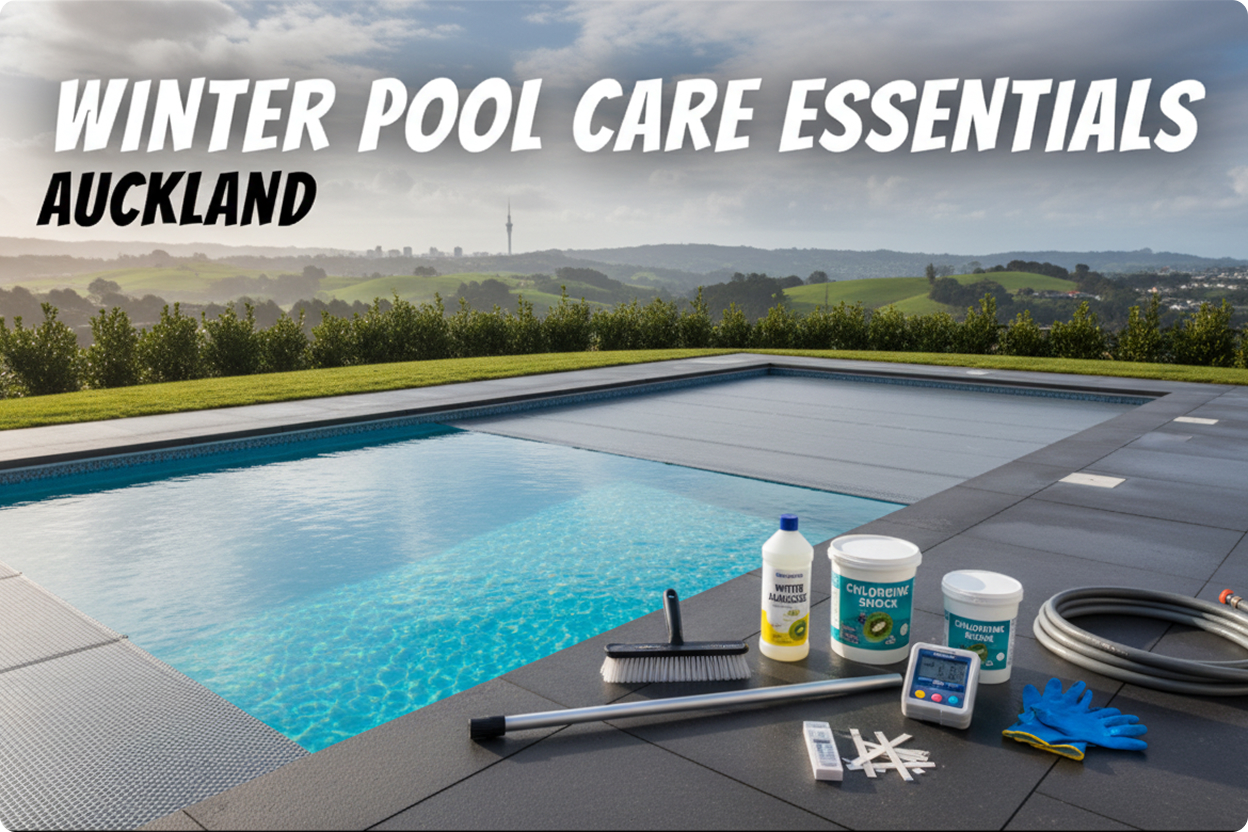
Winter pool care essentials for Auckland
Pool Renovation Mistakes

Auckland Climate Pool Maintenance
Choosing Renovation Contractor
Pool Care Auckland Summer
Permits & Consents
Pool Renovation ROI
How Often to Test Pool Water
Pool Renovation Costs
Cost of Pool Service Auckland
Pool Renovation Planning Guide
Pool Lighting Buying Guide
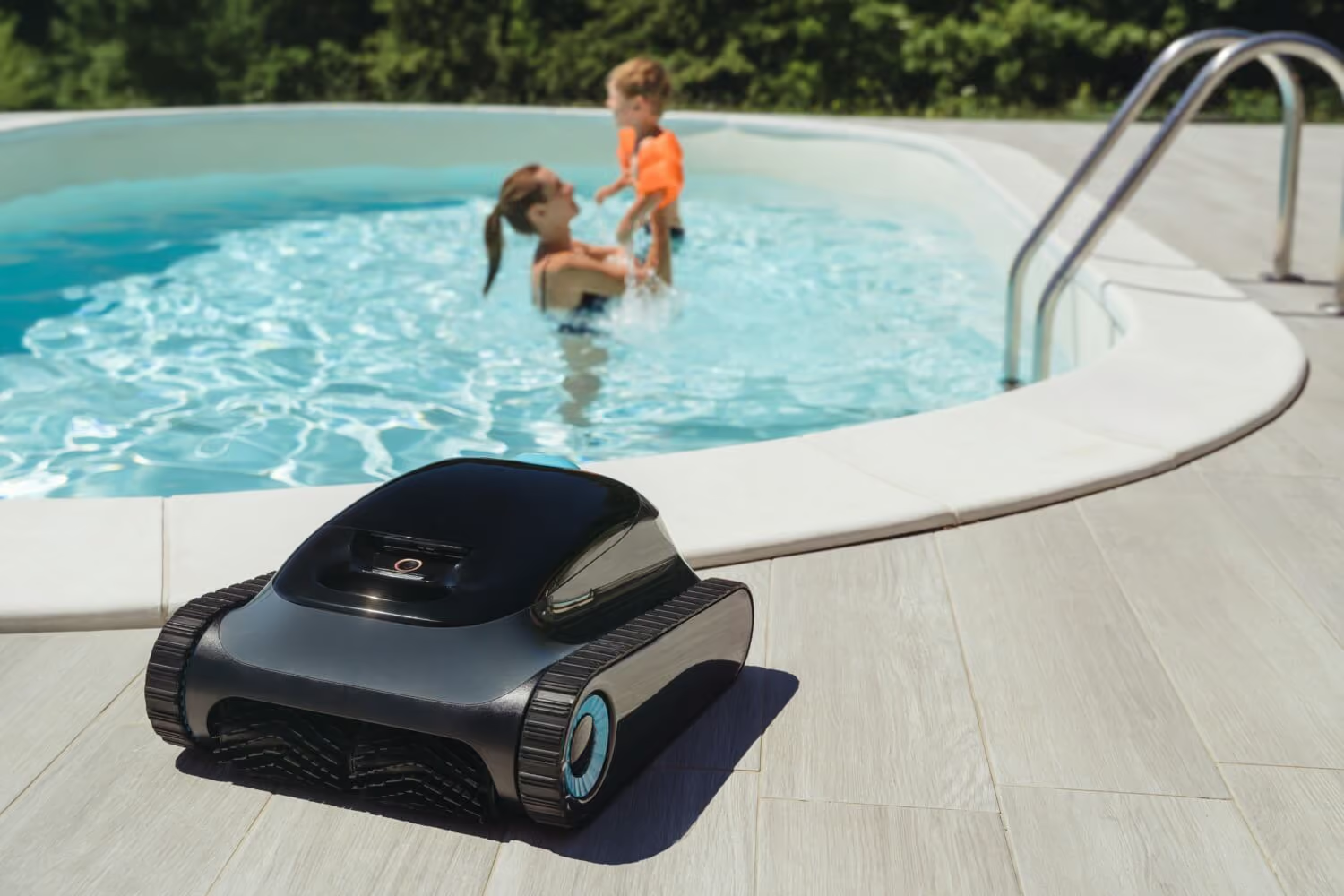
Pool Cleaner Buying Guide
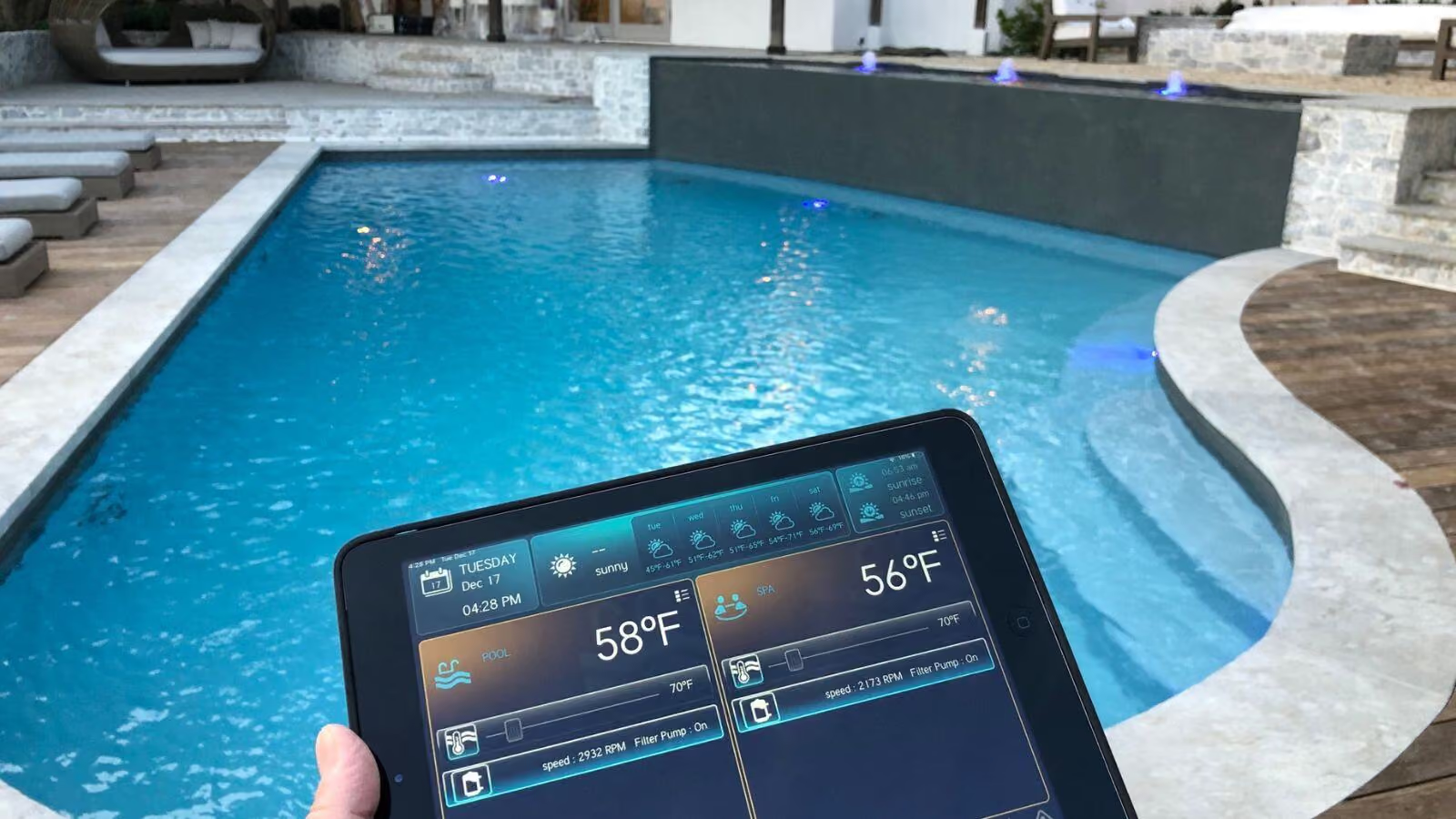
Pool Automation Buying Guide
Pool Heater Buying Guide
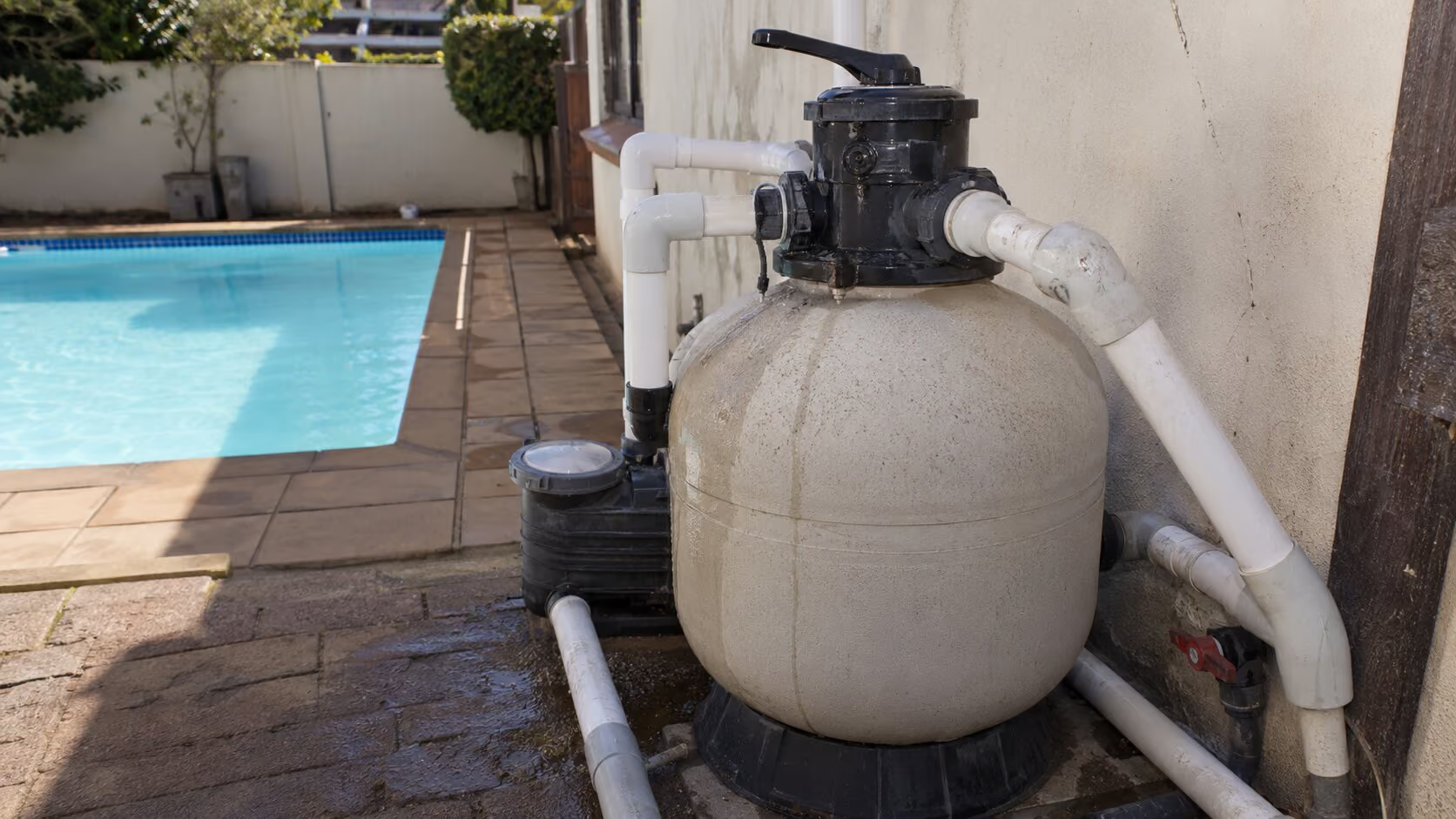
Pool Filter Buying Guide
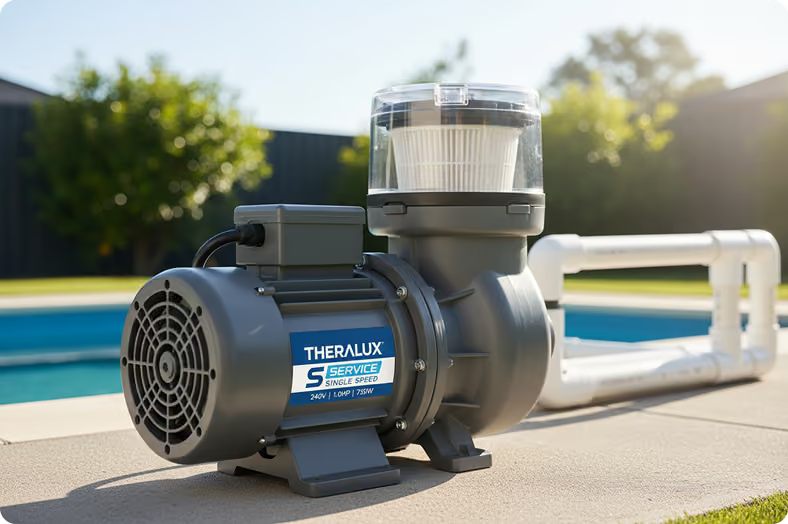
Pool Pump Buying Guide
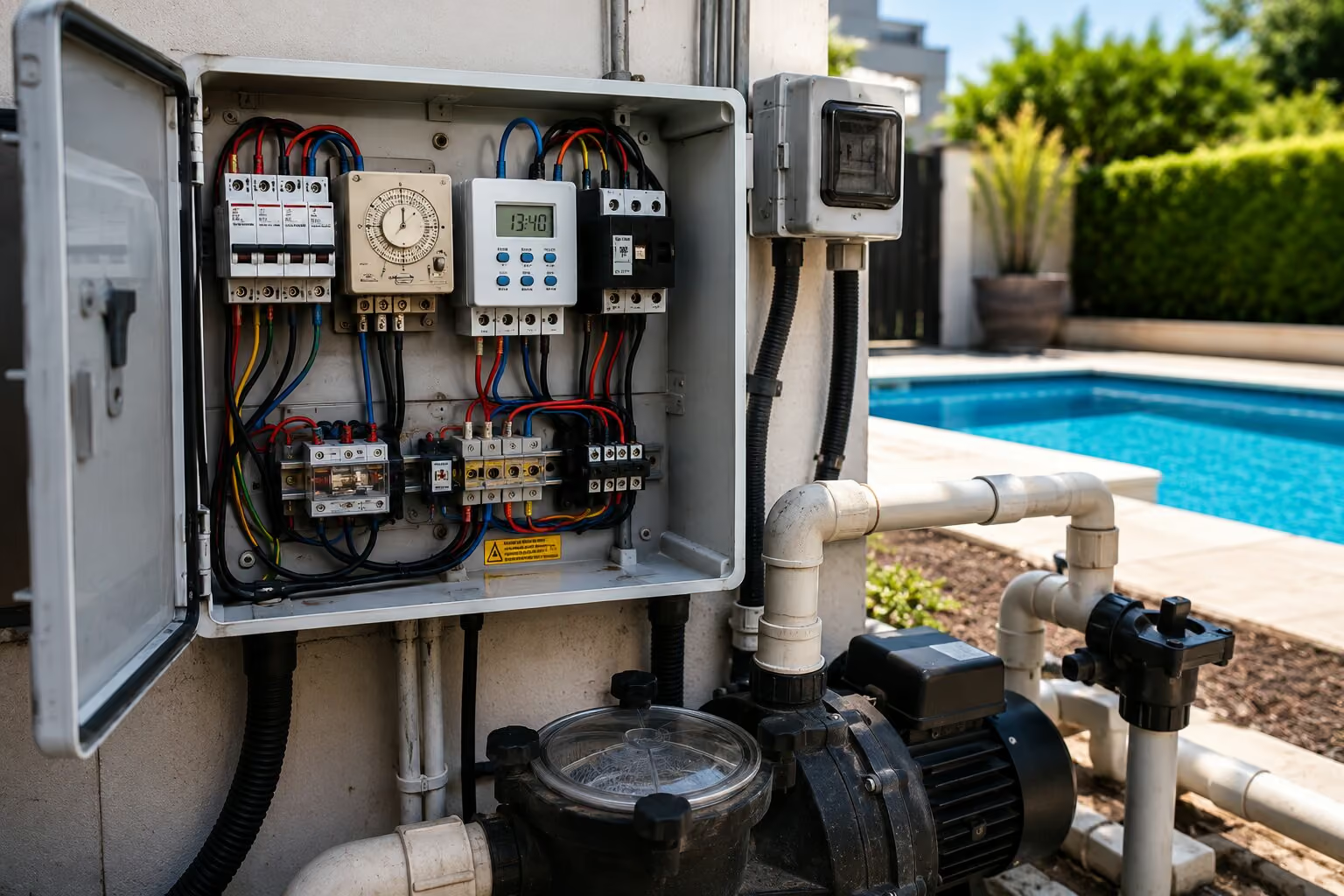
Best Equipment Auckland Climate
Auckland Water Quality
Auckland Pool Season
Pool Ownership Costs
Common Pool Mistakes
Pool Safety Laws
Pool Inspection Requirements
Pool Fence Compliance
.avif)
Auckland Pool Industry Trends
Auckland Pool Regulations
Pool Equipment Suppliers
Best Pool Service Areas
Pool Service Pricing Analysis
Company vs Independent
Best Pool Surface Materials
Pool Resurfacing Options
Pebble vs Plaster Surfaces
One-Time vs Ongoing Service
Full Service vs Chemicals Only
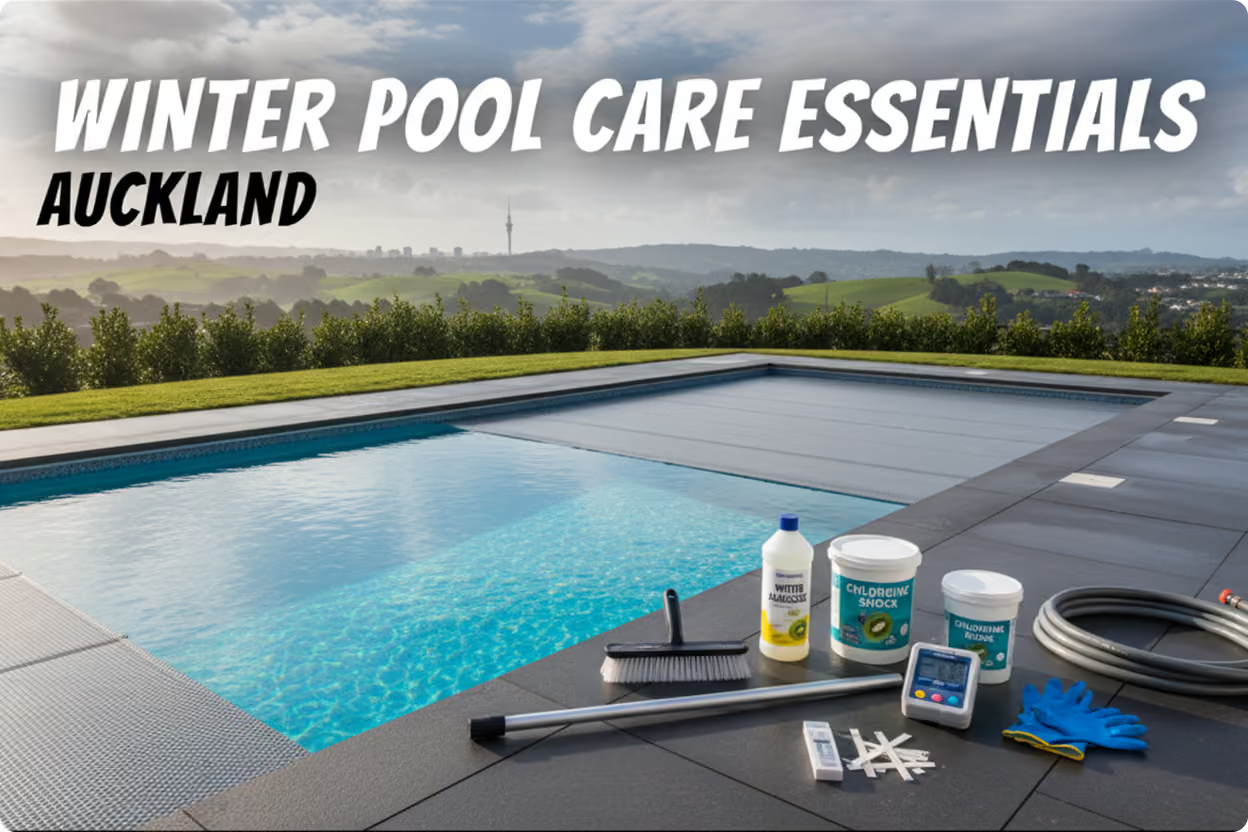
Pool Cover Types
Robotic vs Suction Cleaners
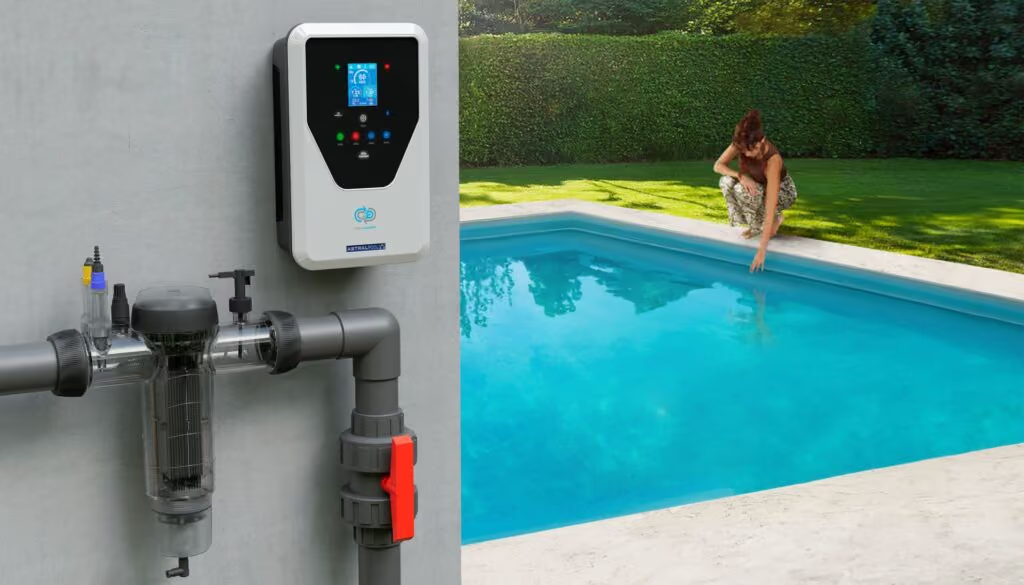
Mineral vs Saltwater
Gas vs Heat Pump
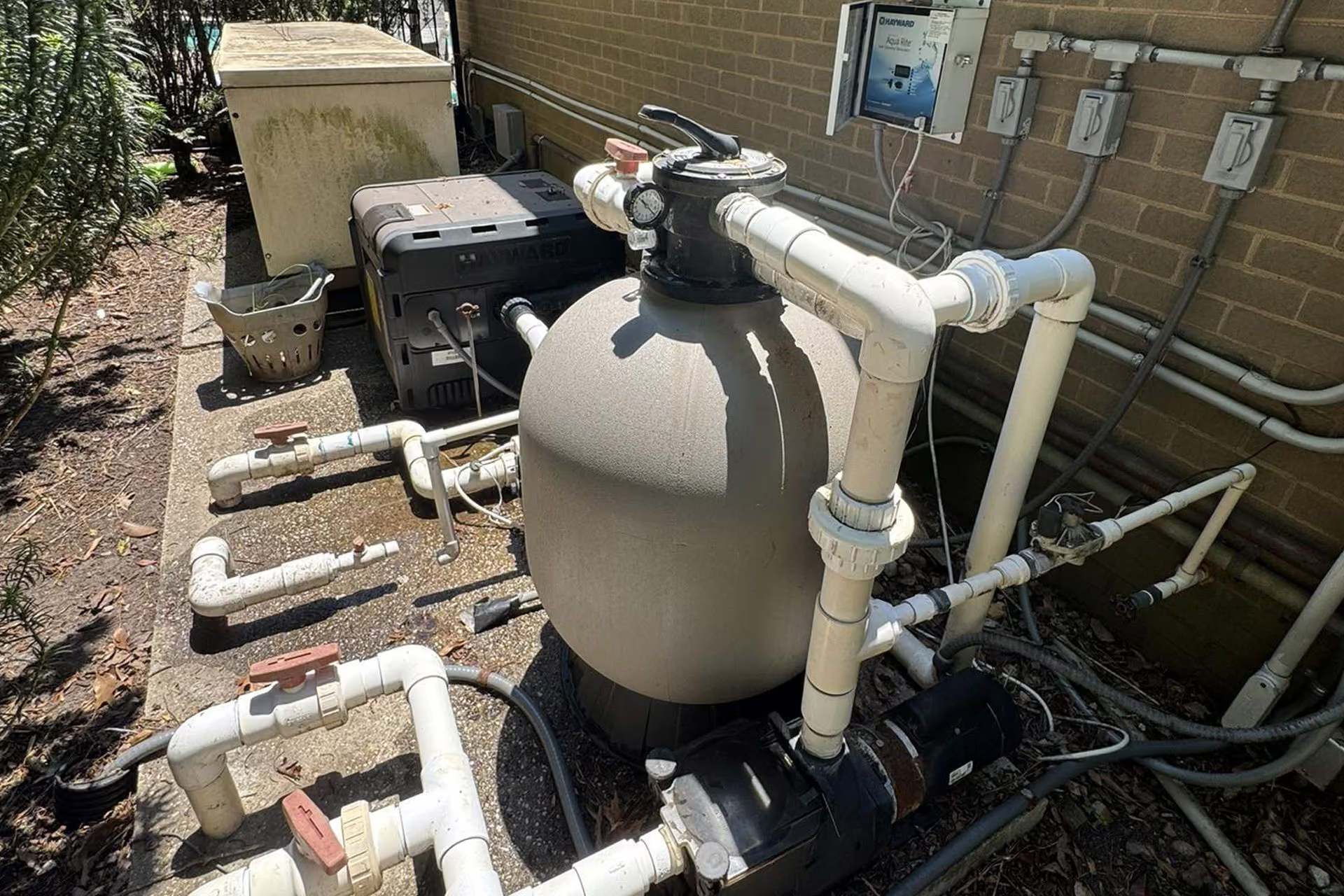
Pool Heater Types
Pool Winterizing Guide Auckland
Pool Opening Guide Summer
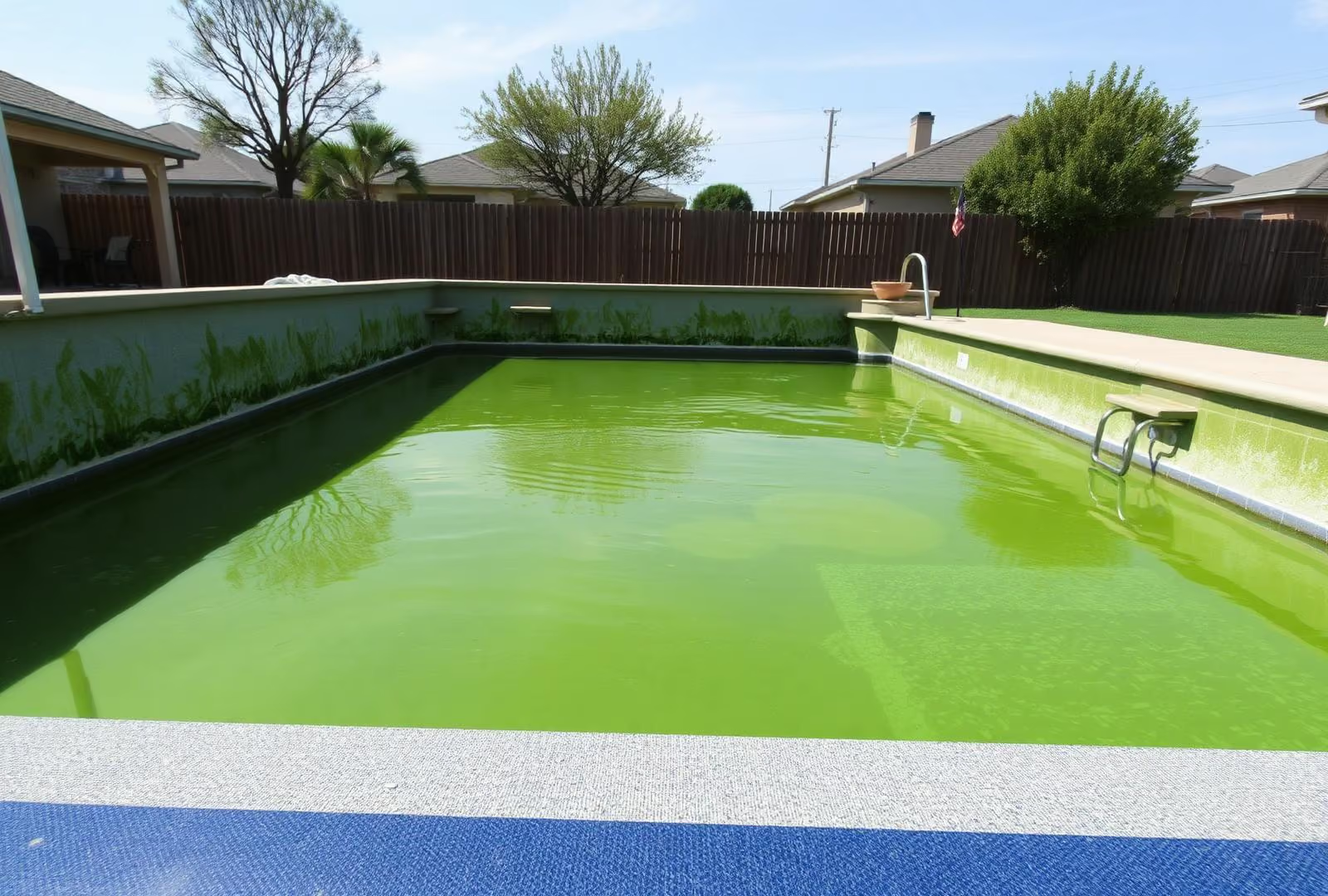
Pool Maintenance After Heavy Rain
Pool Maintenance Schedule
How Often to Run Pool Filter
Pool Pump Maintenance Schedule
Pool Filter Cartridge Cleaning
Pool Equipment Maintenance Checklist
Pool Waterline Cleaning
Pool Skimmer Basket Cleaning
Pool Chlorine Levels
How Often Clean Pool Filter
How to Vacuum Pool
Pool Brushing Technique
Pool Chemical Dosing Chart
Pool Water Chemistry Basics
How to Balance Pool Chemistry
How to Test Pool Water
Pool Maintenance Tips
Complete Pool Maintenance Guide
Pool Service ROI
Pool Equipment Buy or Service
Pool Maintenance Time Requirements
DIY vs Professional
Pool Service Contract
Pool Service vs Pool Valet
Is Pool Service Worth It
Pool Service Guarantees
Pool Service Reviews
Pool Service Red Flags
Questions to Ask Pool Companies
How to Choose Pool Service Company
Hidden Costs DIY Maintenance
Pool Cleaning Prices Auckland
Cost of Pool Resurfacing
Cost of Pool Pump Replacement
Cost to Fix Green Pool
Pool Liner Wrinkles
Pool Cracks When to Worry
Pool Surface Stains
Pool Valve Leaking
Pool Automation Not Working
Pool Light Not Working
Pool Heater Not Heating
Pool Skimmer Not Working
High Pool Filter Pressure
Pool Losing Water
Pool Filter Not Clearing Water
Pool Pump Leaking
Pool Pump Not Pumping
Pool Pump Losing Prime
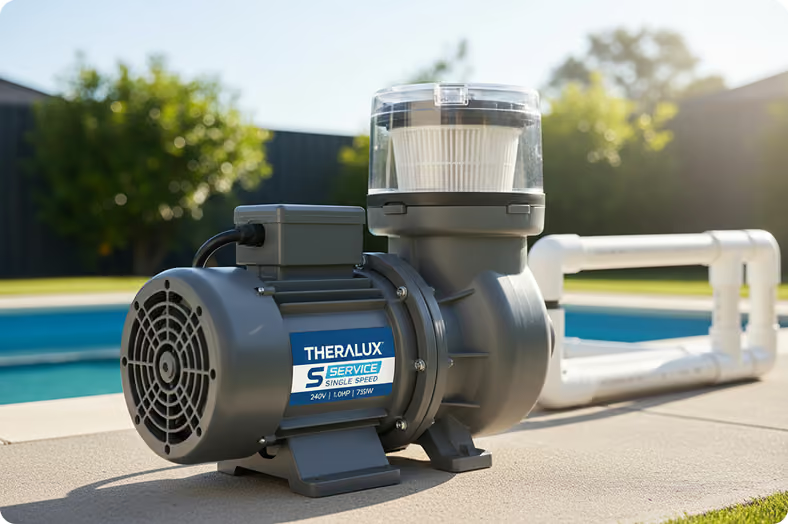
Pool Pump Noisy
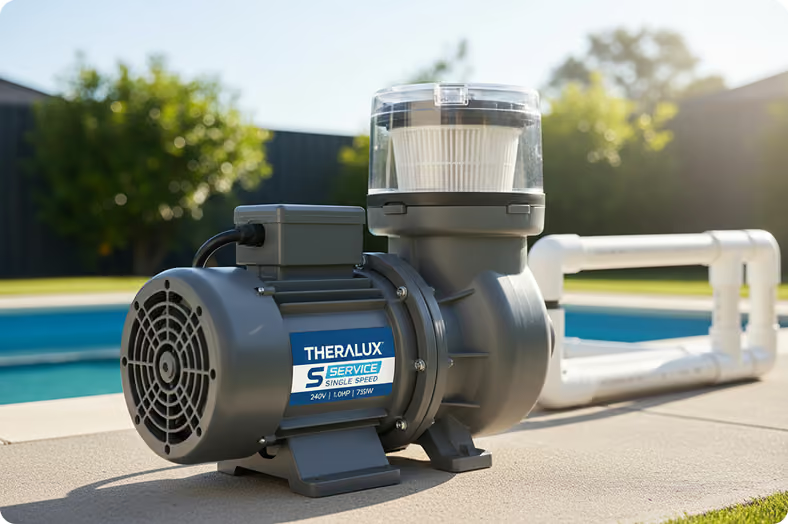
Pool Pump Not Working
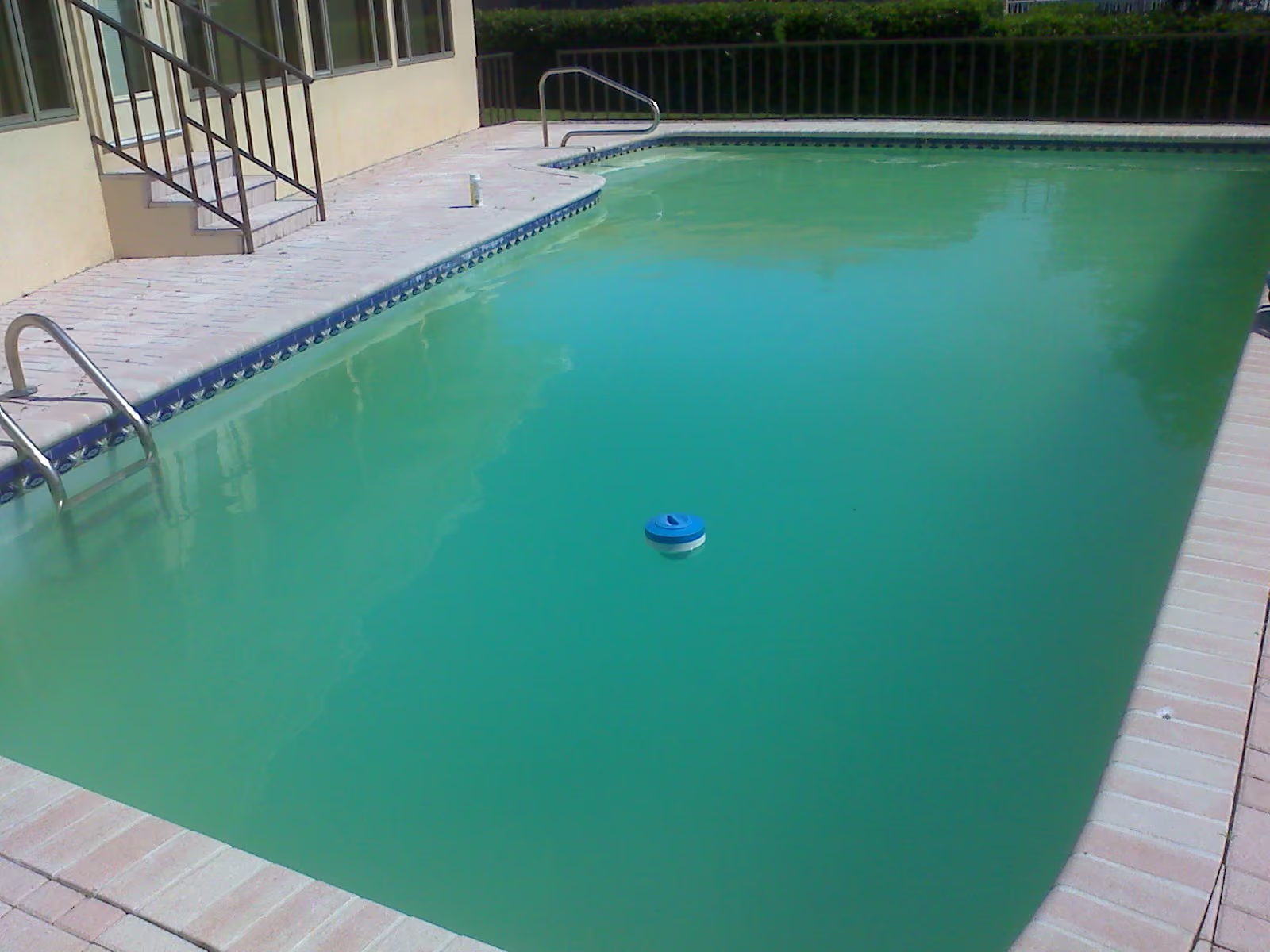
Pool Water Foaming
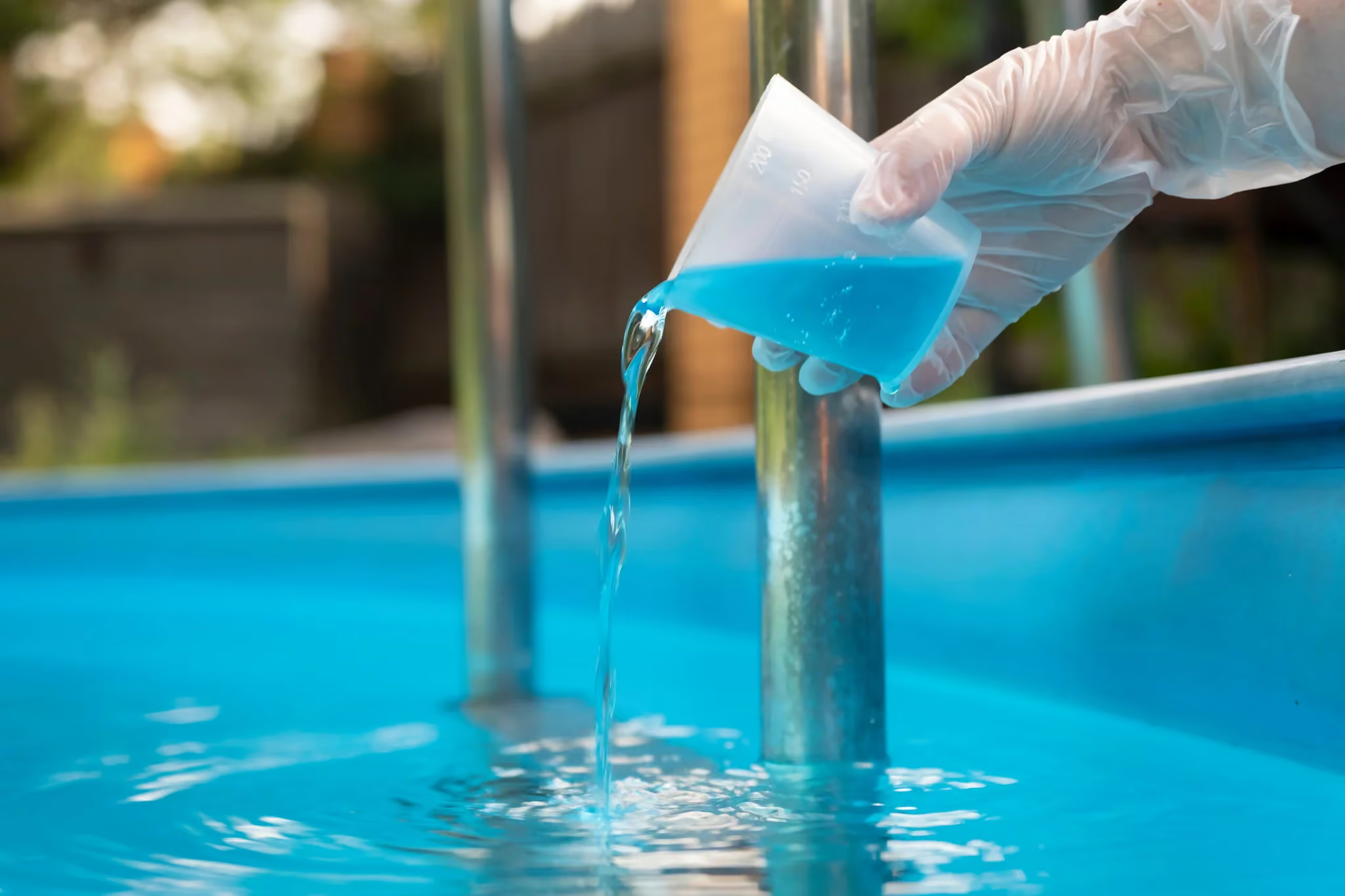
Pool pH Too Low
Pool pH Too High
Green Pool After Rain
Pool Still Green After Shock
Pool Water Cloudy
How to Clear a Green Pool
Pool Care That Protects Your Investment
Good pool care protects more than appearance. Our pool specialists support the long-term condition of your swimming pool while keeping it ready for everyday use.