Pool Cleaner Buying Guide
Why Auckland trusts our pool service expertise
Choosing a pool cleaner comes down to a few practical factors: your pool's size and shape, the debris load it deals with, your existing filtration setup, and how much ongoing involvement you want.
The three main types, suction, pressure, and robotic, each have genuine strengths and trade-offs. Understanding those differences makes it easier to pick the right one for your situation.
What you'll learn
The Short Answer
There are three main types of pool cleaners: suction-side, pressure-side, and robotic. Each works differently and suits different pools and budgets. Robotic cleaners do the most work independently; suction cleaners are the most common entry-level option; pressure cleaners sit somewhere in between. The right choice depends on your pool's size, shape, surface, and how hands-on you want to be.
---
Suction-Side Pool Cleaners
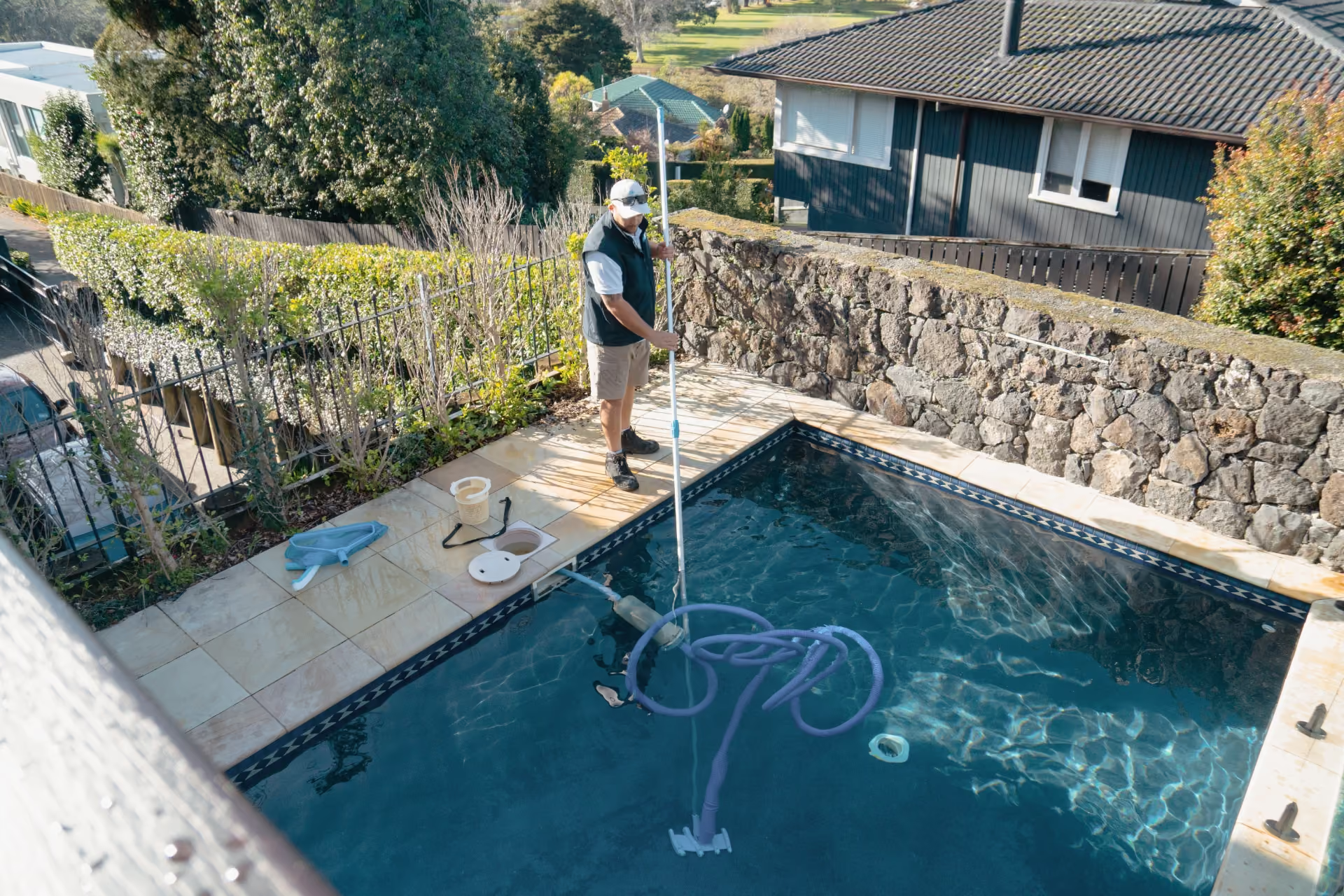
Suction cleaners connect to your pool's existing filtration system, usually via the skimmer box or a dedicated suction port. They move around the pool floor and walls using the suction created by your pump, picking up debris as they go.
How They Work
The cleaner draws water and debris through a hose into the pump basket and filter. Because they rely on your existing pump and filter, they add load to that equipment while running.
Pros
- Generally the most affordable option
- Simple to set up and use
- Widely available in New Zealand
- Low maintenance on the cleaner itself
Cons
- Puts additional load on your pump and filter
- Less effective on pools with heavy leaf fall or large debris
- Coverage can be inconsistent on irregular pool shapes
- Doesn't scrub surfaces, mainly vacuums
Best Suited To
Suction cleaners work well for pools with moderate debris loads, straightforward shapes, and owners who want a reliable, low-cost automated option.
---
Pressure-Side Pool Cleaners
Pressure cleaners use water pressure, either from your existing return jets or a dedicated booster pump, to propel themselves around the pool. They collect debris into an onboard bag rather than sending it through your filter.
How They Work
Water pressure drives the cleaner forward and agitates debris off surfaces. The debris is captured in a filter bag attached to the unit, which you empty after each clean.
Pros
- Debris goes into the cleaner's own bag, not your filter
- Reduces wear on your main filtration system
- Handles larger debris like leaves reasonably well
- Good coverage on most pool shapes
Cons
- Some models require a dedicated booster pump, which adds cost and installation
- The debris bag needs regular emptying
- Generally more expensive than suction cleaners
- Moving parts can wear over time
Best Suited To
Pressure cleaners suit pools with higher debris loads, particularly those near trees, and owners who want to protect their main filter from heavy use.
---
Robotic Pool Cleaners
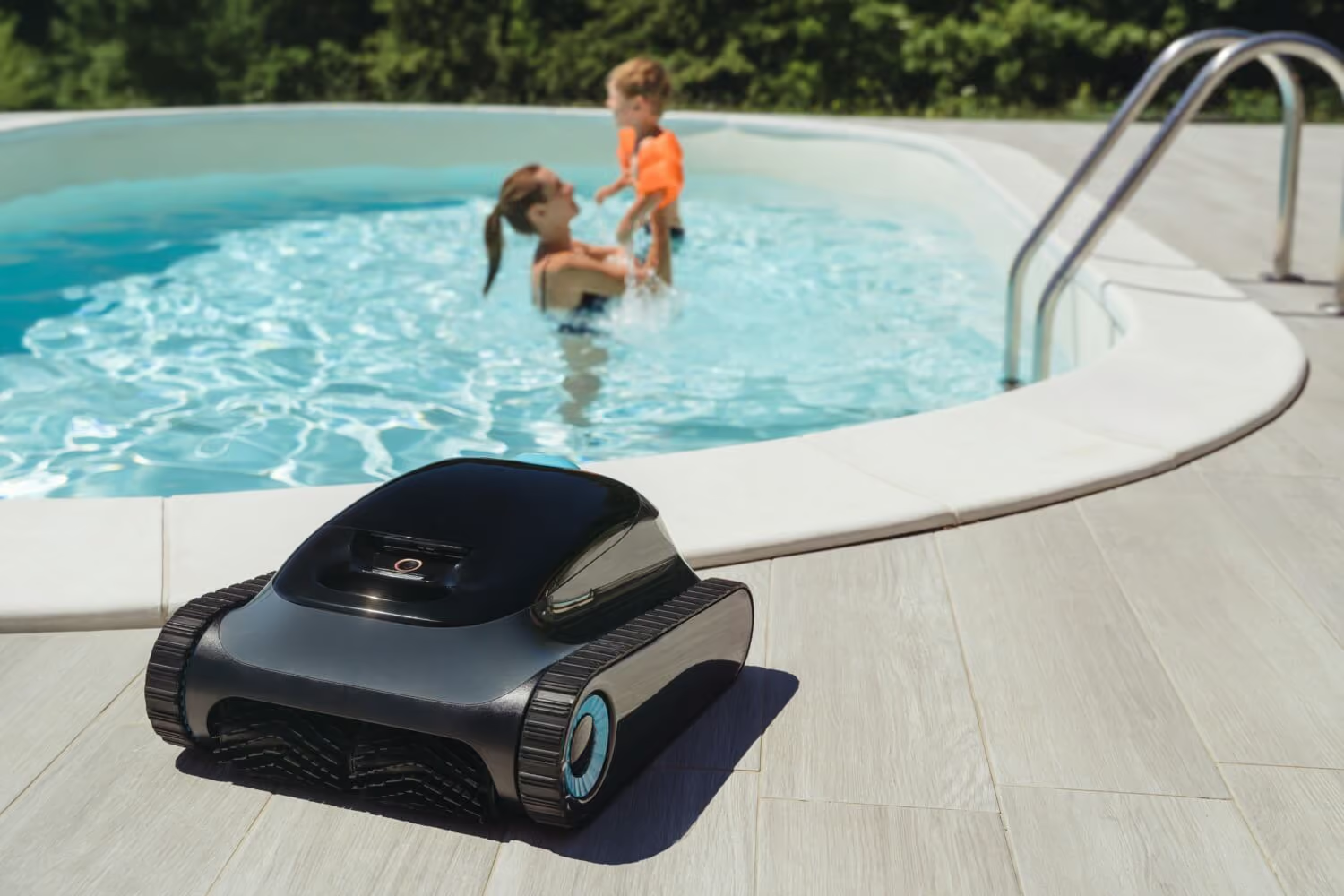
Robotic cleaners are self-contained units that run independently of your pool's filtration system. They plug into a standard power outlet and use their own motor, pump, and filter to clean the pool.
How They Work
The robot drives itself around the pool floor, walls, and waterline (depending on the model), scrubbing surfaces and filtering water through its own internal filter. Most models run on a programmed cycle and switch off automatically.
Pros
- Fully independent, no load on your pool pump or filter
- Scrubs surfaces as well as vacuuming
- Many models clean walls and the waterline
- Energy-efficient compared to running your main pump for extended periods
- Programmable cycles on most models
- Filters fine particles including some algae
Cons
- Higher upfront cost than suction or pressure cleaners
- Internal filters need regular cleaning
- Repairs can be more involved if something goes wrong
- Cord management can be a minor inconvenience
Best Suited To
Robotic cleaners are well suited to larger pools, pools with complex shapes, and owners who want the most thorough clean with the least ongoing effort. They're also a good choice where reducing pump run time is a priority.
---
Key Factors to Consider Before Buying
Pool Size and Shape
Larger pools benefit from cleaners with longer run times and better navigation. Irregular shapes, kidney, freeform, or L-shaped pools, can cause some suction cleaners to get stuck or miss areas. Robotic cleaners with smart navigation generally handle complex shapes better.
Pool Surface
Different cleaners suit different surfaces. Fibreglass, concrete, and tiled pools each have different requirements. Check that the cleaner you're considering is rated for your pool's surface type, some models with aggressive brushes can mark softer surfaces.
Debris Load
If your pool is surrounded by trees or catches a lot of wind-blown leaves, a cleaner with good debris capacity matters. Pressure cleaners and robotic cleaners with large filter baskets handle heavy debris better than basic suction models.
Your Filtration System
If your pump and filter are already working hard, adding a suction cleaner increases that load further. A robotic cleaner avoids this problem entirely. If your pump is older or undersized, this is worth factoring in.
Budget
Suction cleaners are the most affordable entry point. Pressure cleaners sit in the mid-range, though the cost rises if a booster pump is needed. Robotic cleaners carry a higher upfront cost but can reduce running costs over time by lowering pump hours.
How Much Involvement You Want
If you want to set and forget, a robotic cleaner with a programmed cycle is the most hands-off option. If you're comfortable with a more involved routine, a suction or pressure cleaner can do the job well at lower cost.
---
Suction vs Pressure vs Robotic: A Quick Comparison
Suction cleaners
- Lowest upfront cost
- Uses your existing pump and filter
- Best for pools with light to moderate debris
- Vacuums but doesn't scrub
Pressure cleaners
- Mid-range cost (higher if booster pump needed)
- Collects debris in its own bag
- Good for heavier debris loads
- Some scrubbing action
Robotic cleaners
- Highest upfront cost
- Fully independent of pool filtration
- Best all-round clean including walls and waterline
- Most energy-efficient option long-term
---
Maintenance and Running Costs
All pool cleaners need some upkeep.
- Suction cleaners: Check and clean the pump basket regularly. Inspect hoses and the cleaner body for wear.
- Pressure cleaners: Empty and rinse the debris bag after each use. Check hose connections and moving parts periodically.
- Robotic cleaners: Clean the internal filter after every use or every few uses depending on debris load. Rinse the unit and store it out of direct sunlight when not in use.
Spare parts availability is worth checking before you buy, particularly for robotic models. A cleaner that can't be repaired locally becomes expensive to own.
---
When to Get Advice Before Buying
If you're unsure which type suits your pool, it's worth talking to a pool specialist before committing. Factors like your existing pump size, pool surface, plumbing configuration, and local debris conditions all affect which cleaner will perform well. A pool professional can also check whether your current equipment is in good enough condition to support a suction or pressure cleaner without adding unnecessary strain.
Sparkling Pools has been helping Auckland pool owners with equipment advice and supply since 1992. If you're weighing up options or want a second opinion before buying, get in touch.
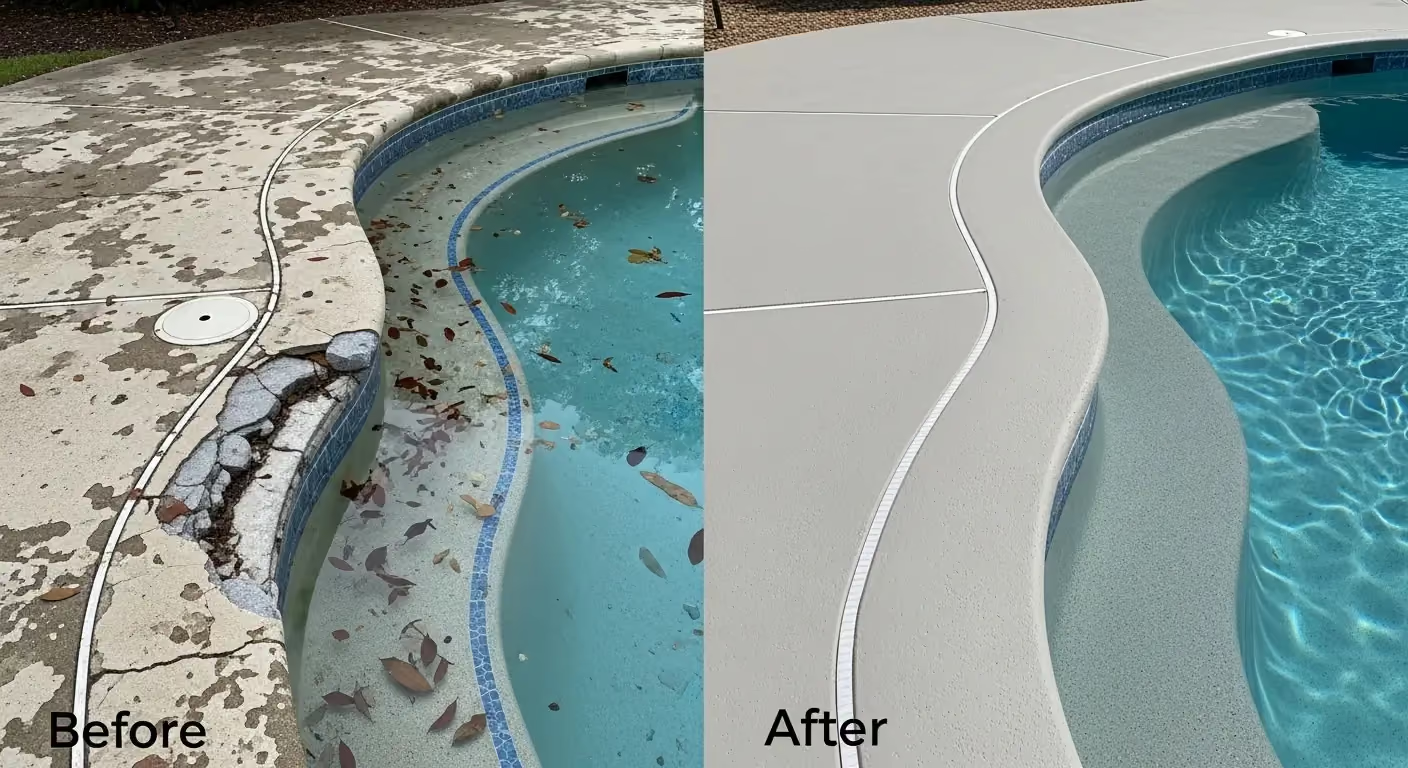
Pool resurfacing solutions
Restore your pool with durable plaster finishes

Work completed
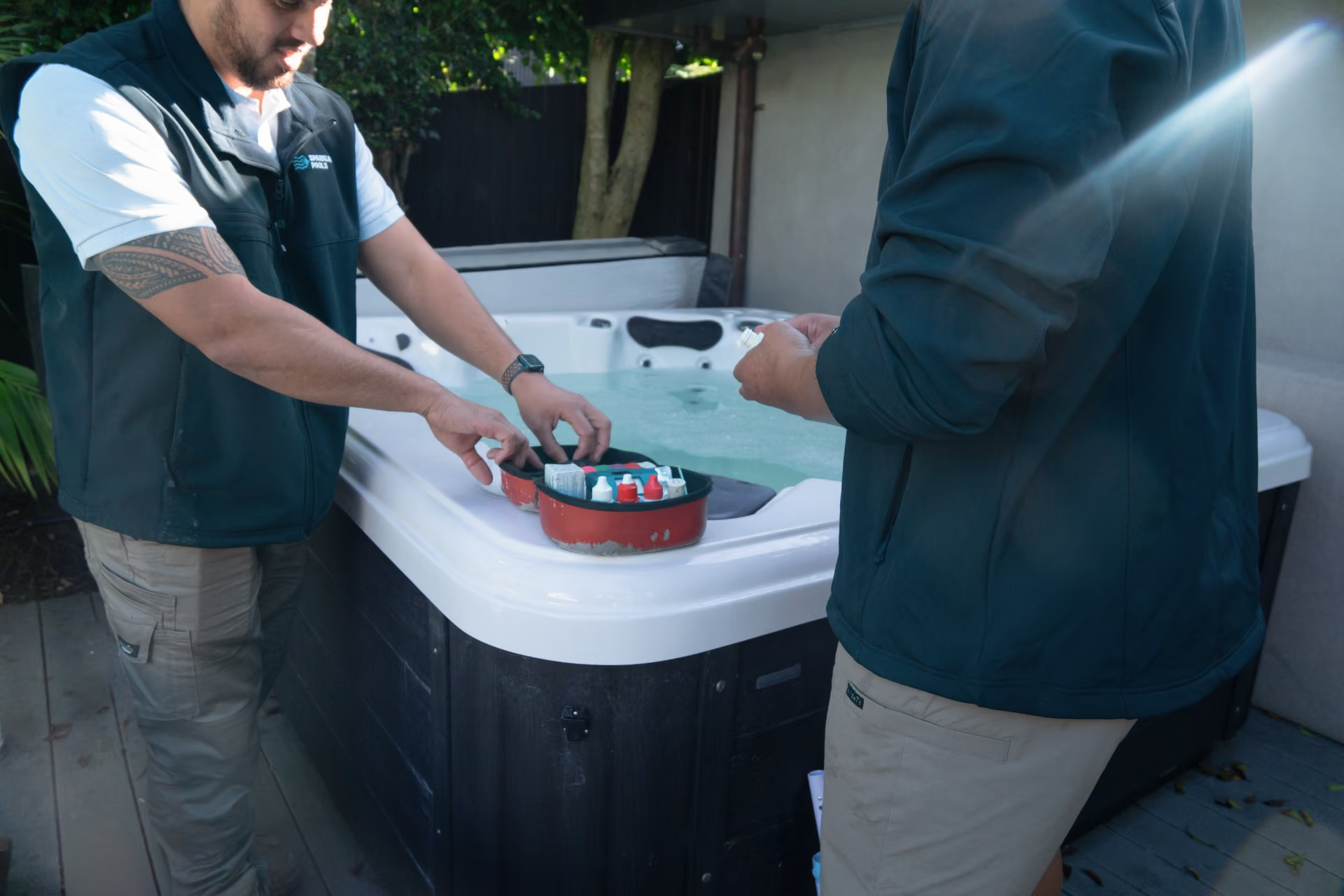
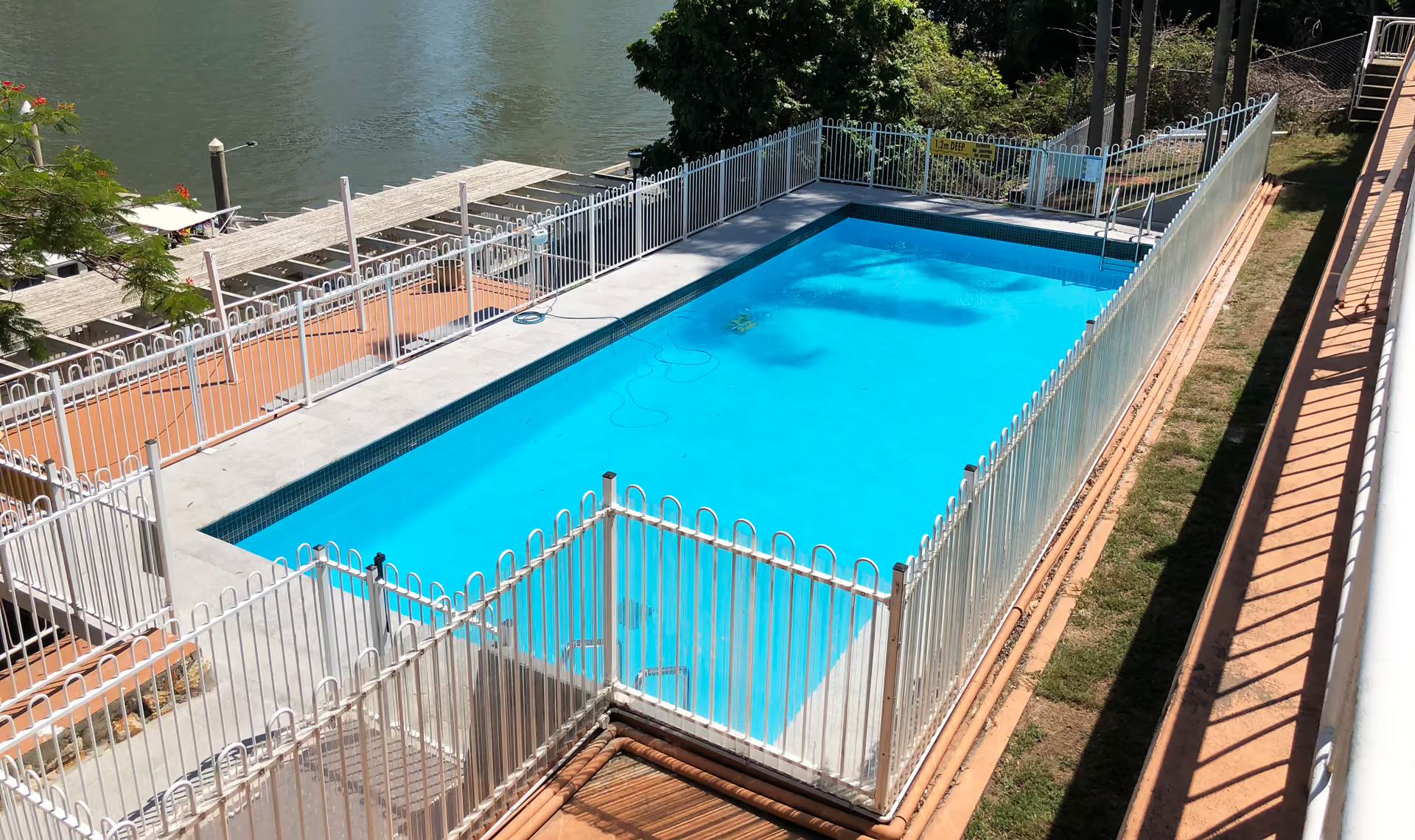
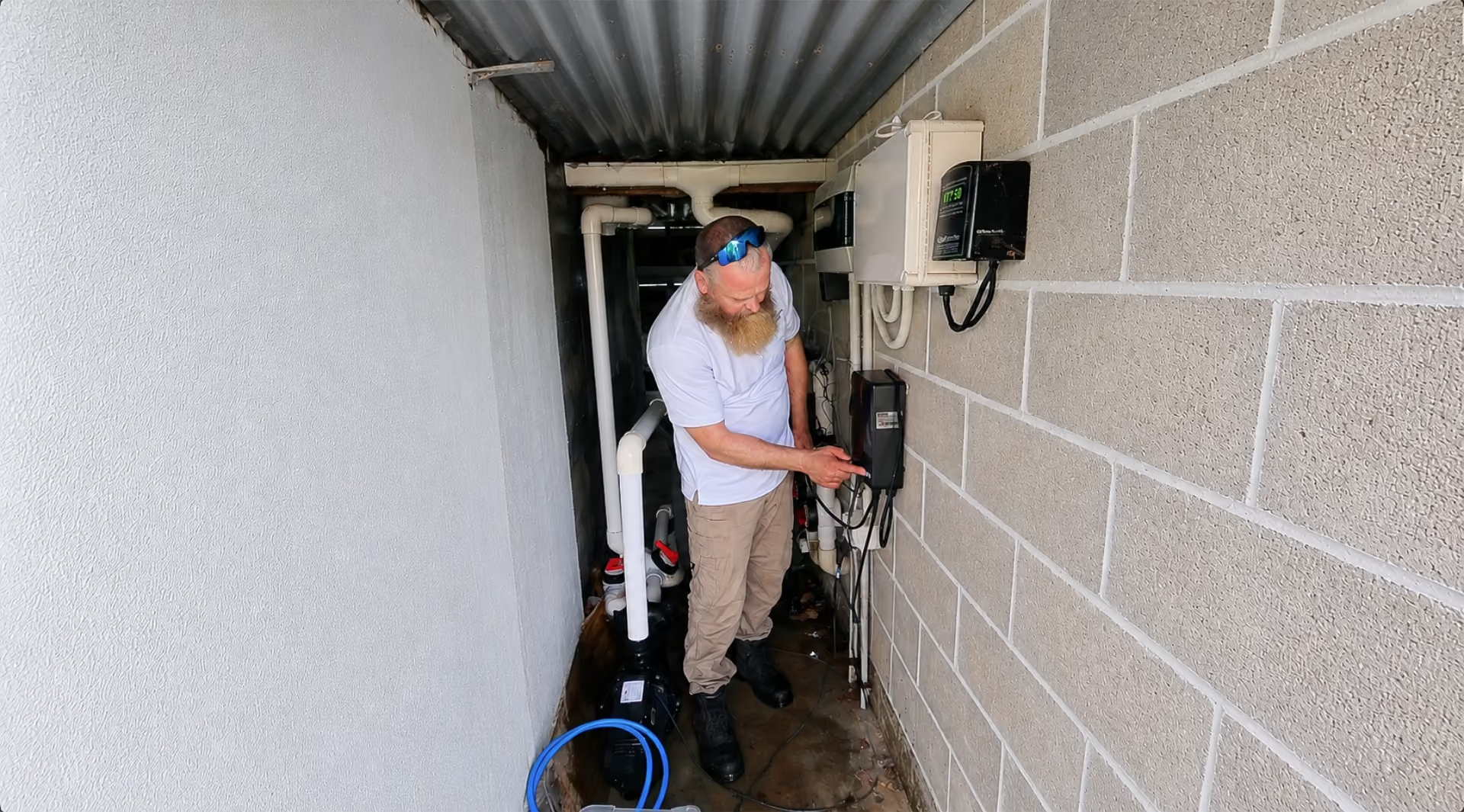
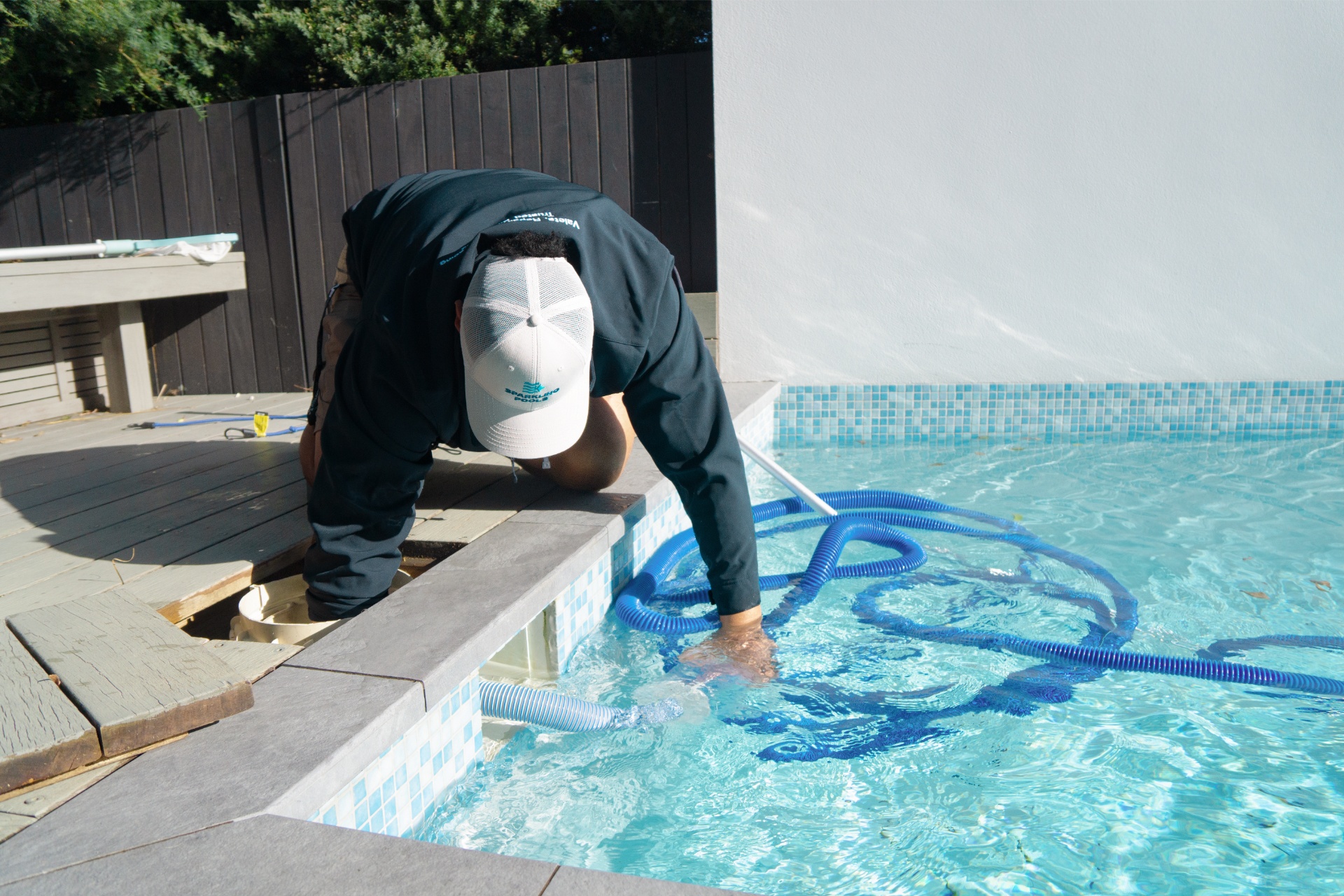
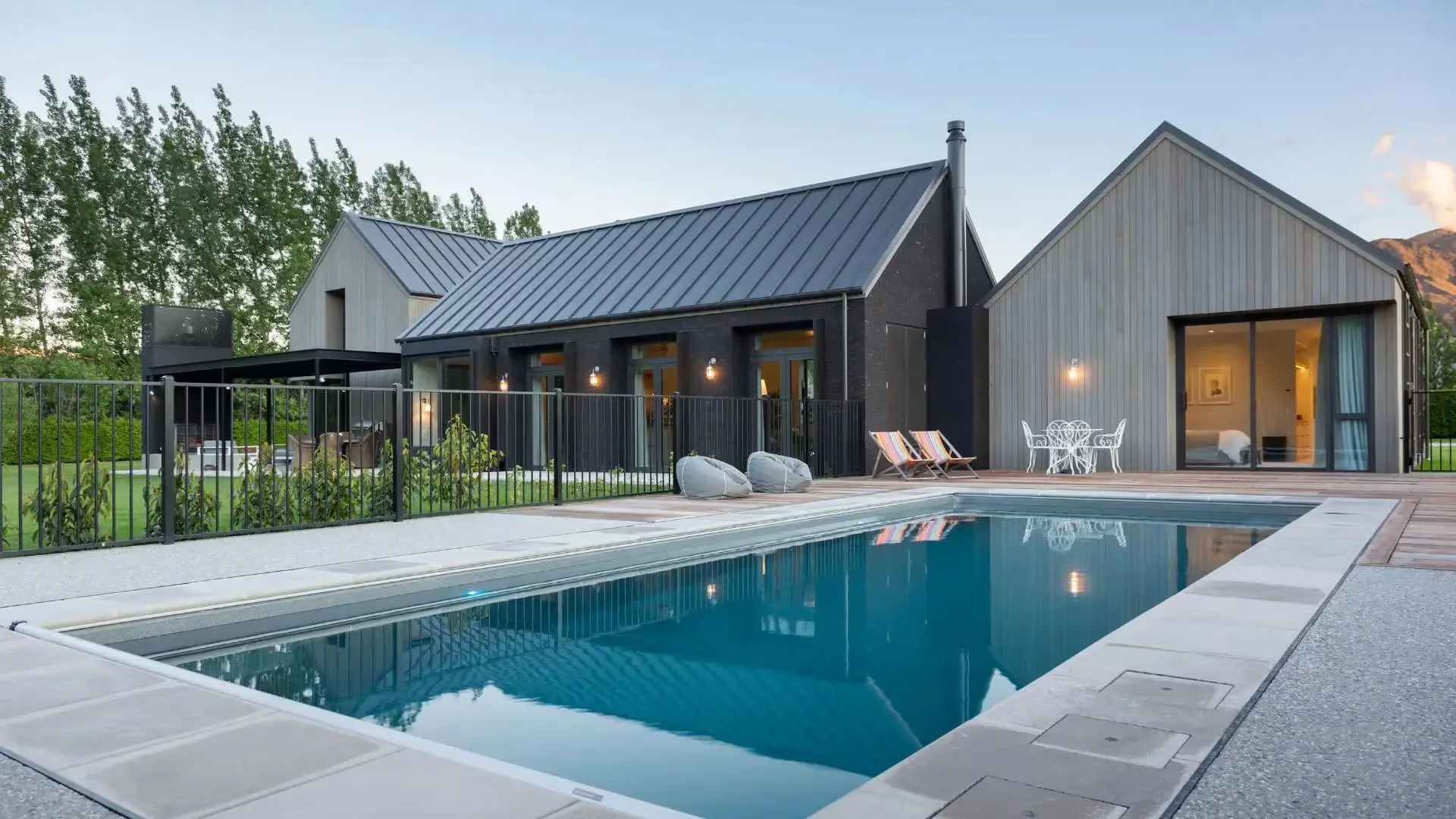
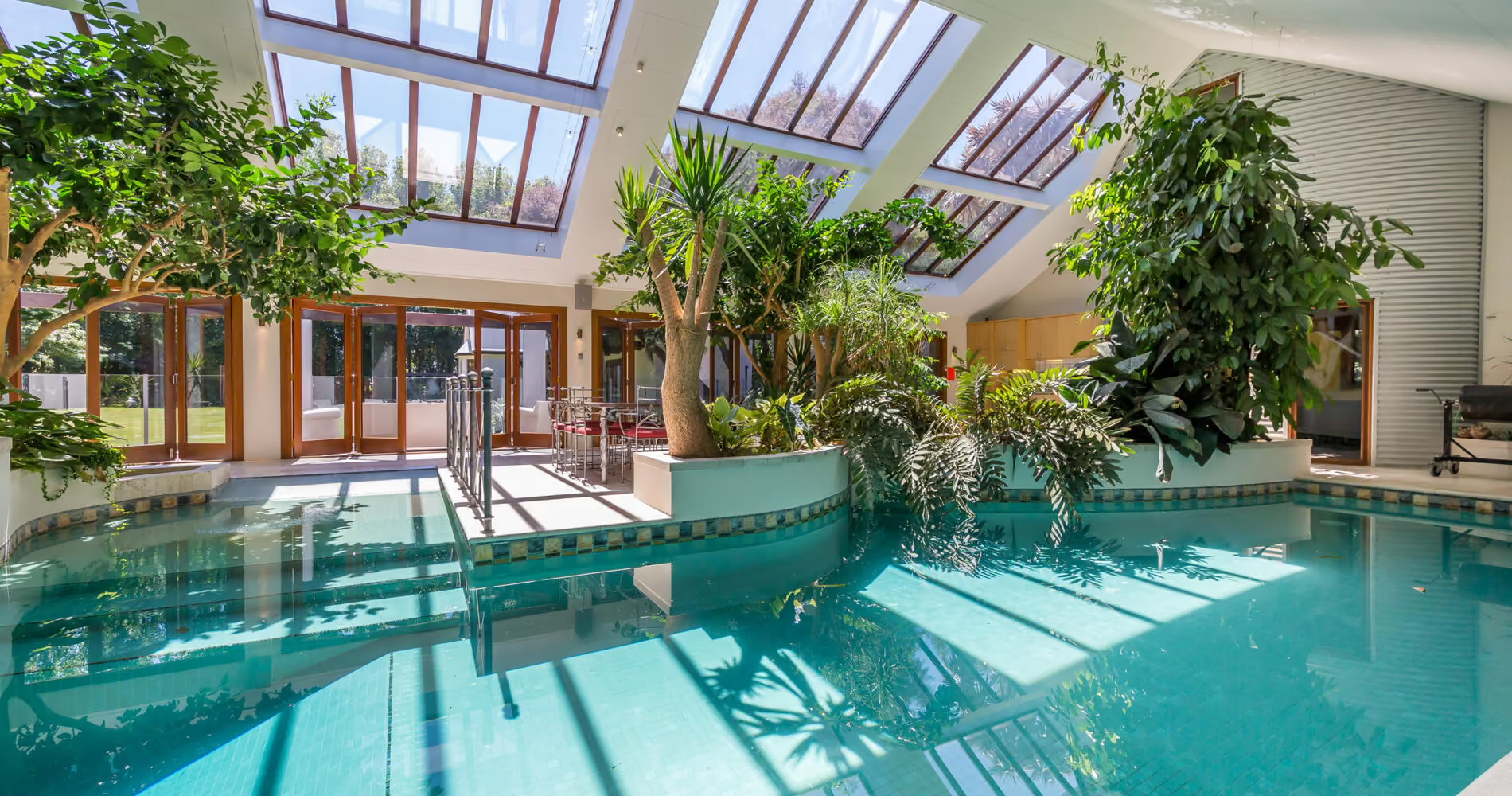
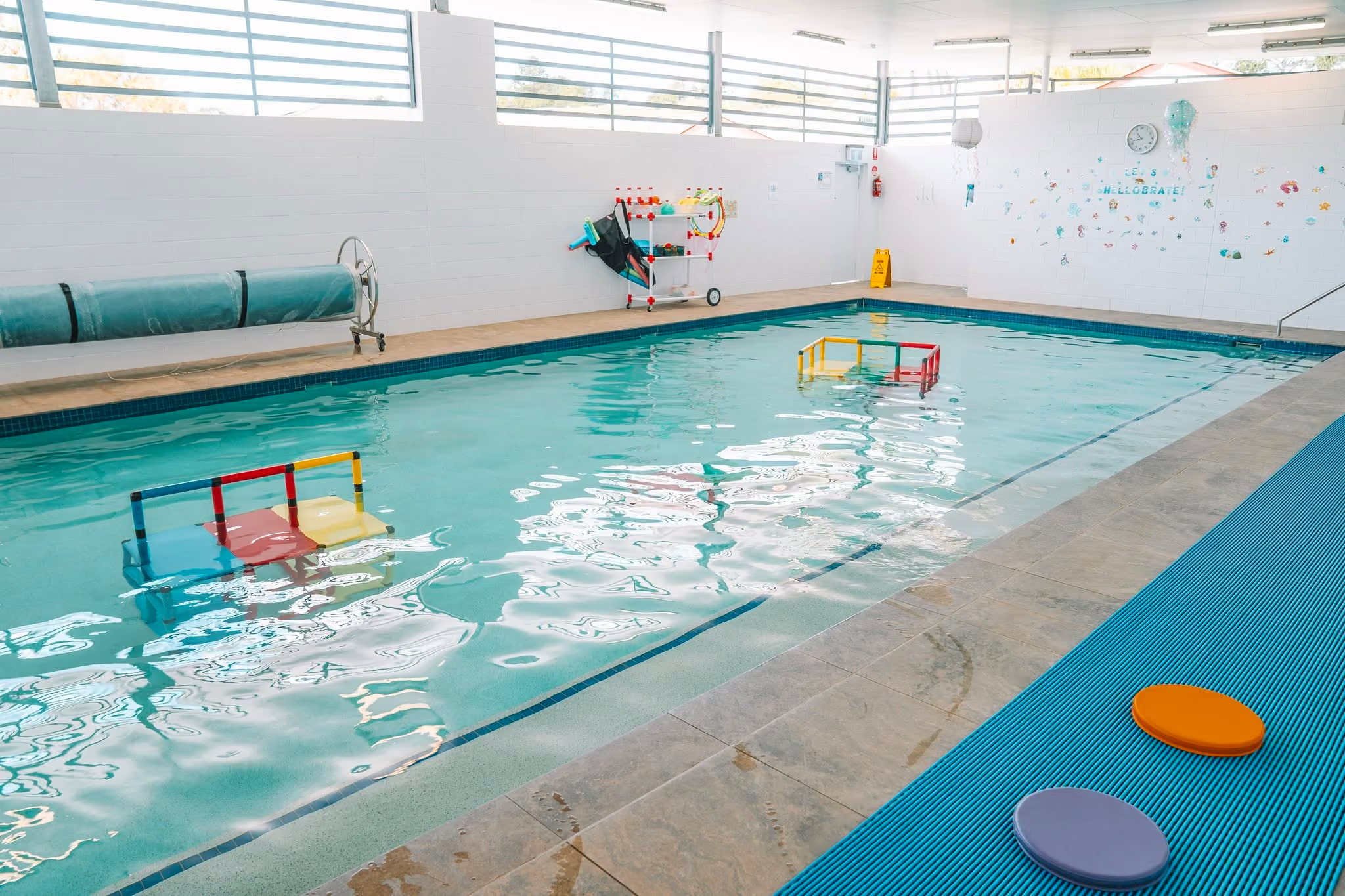
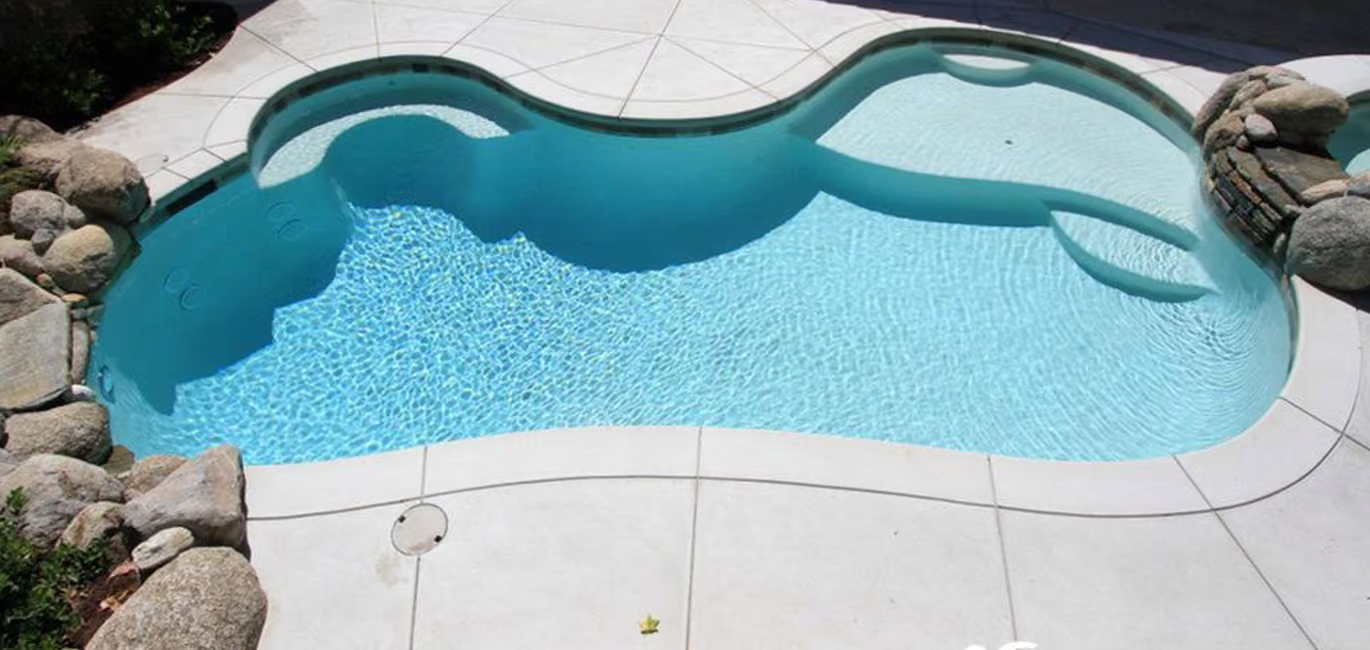
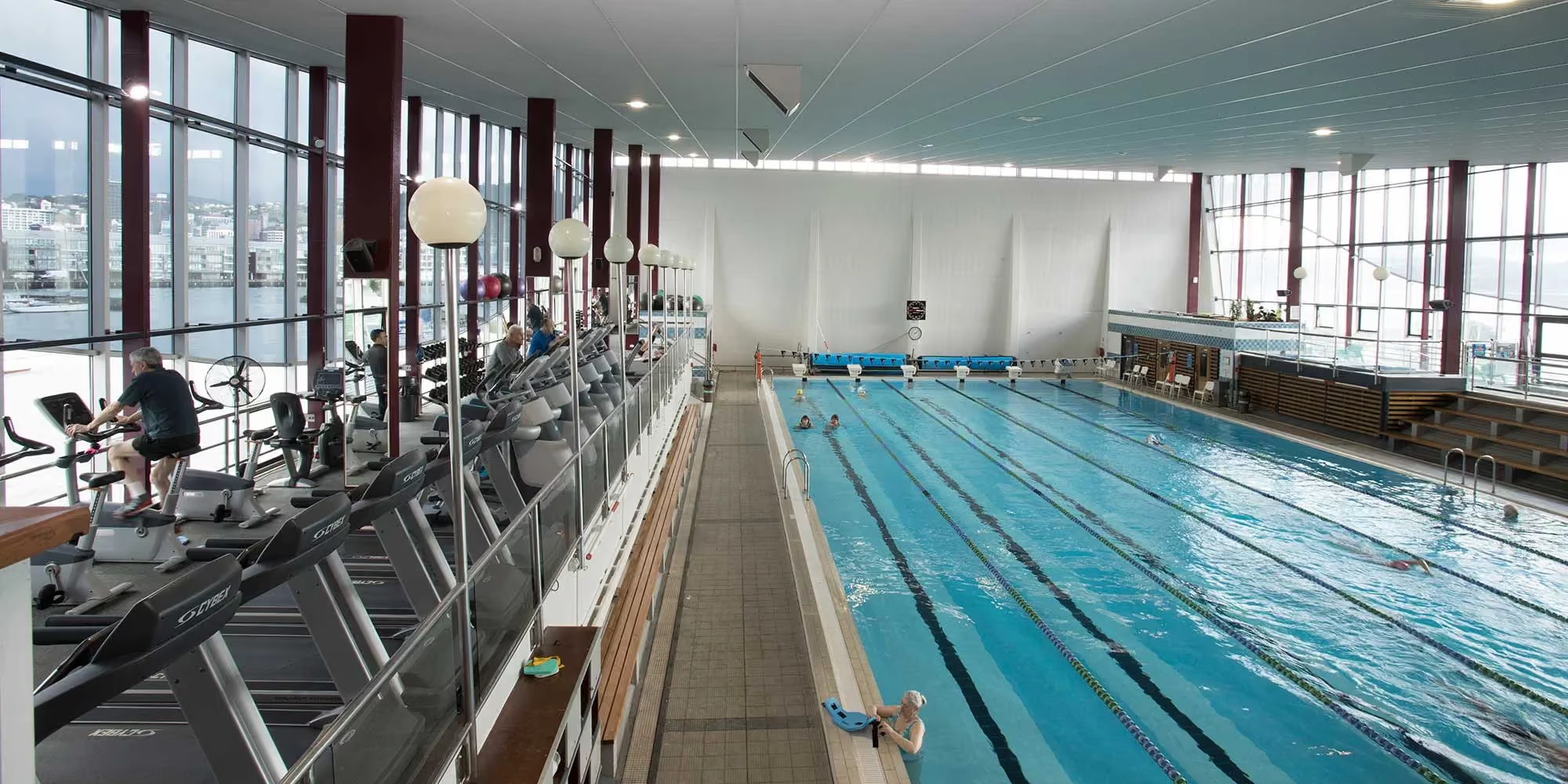
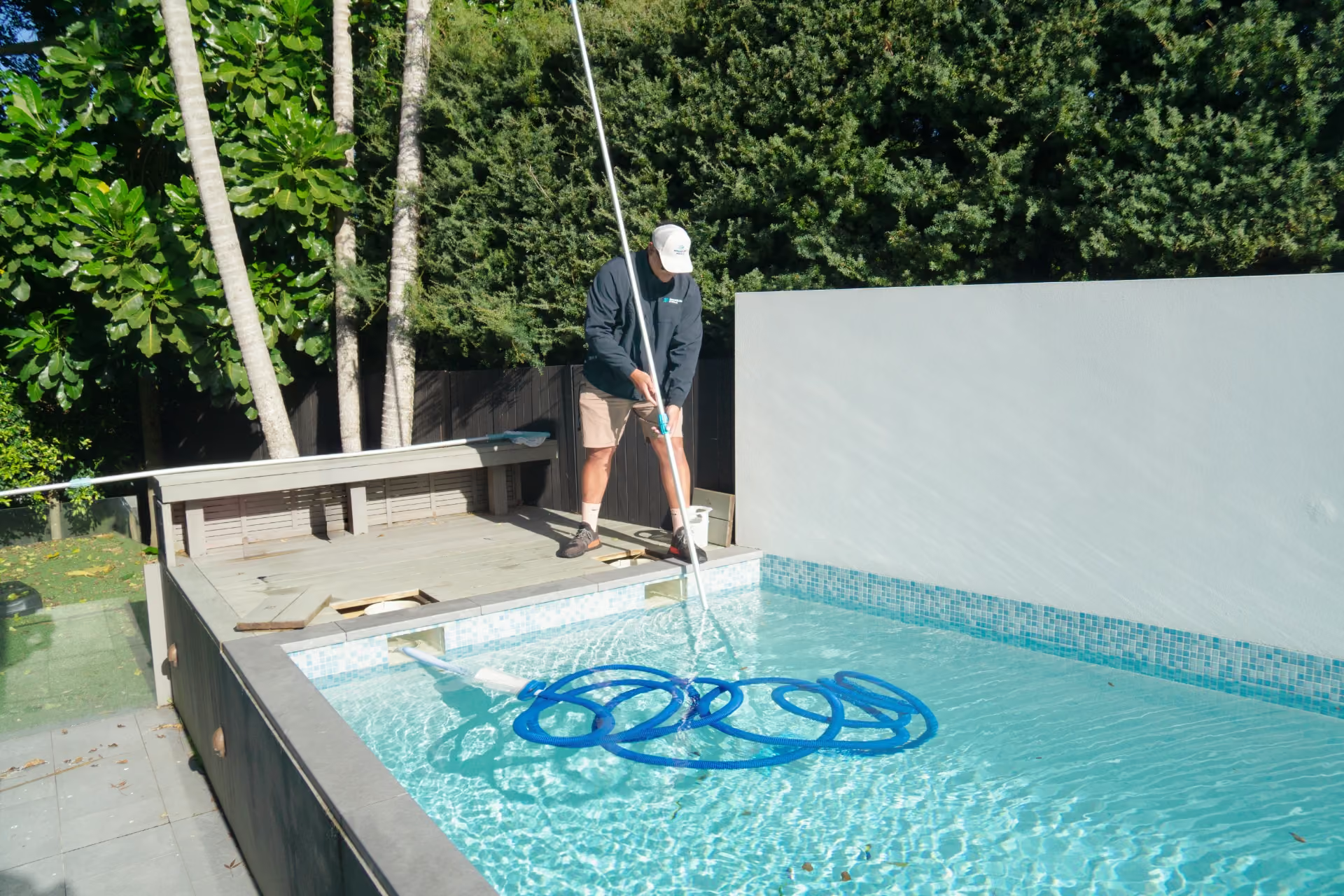
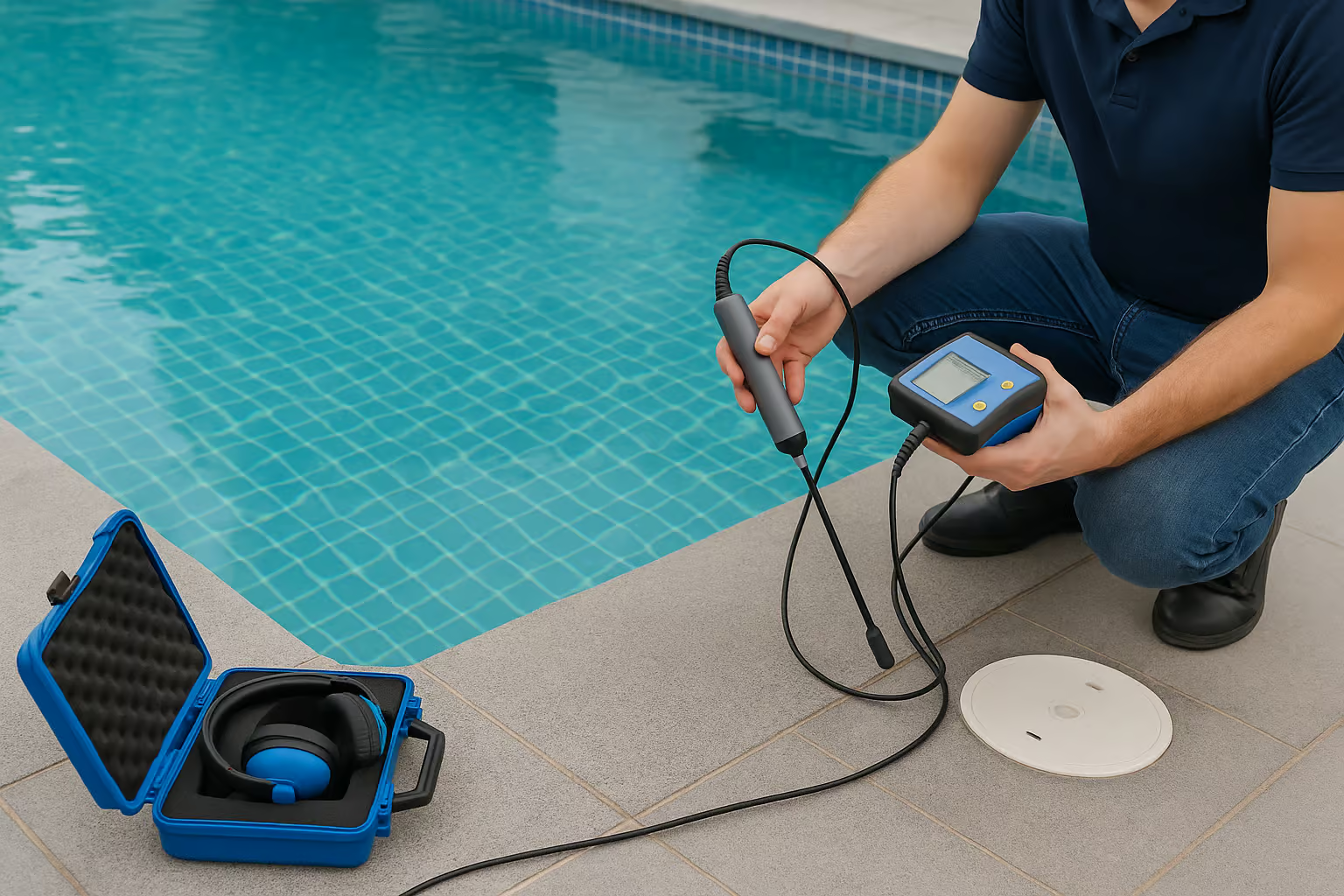
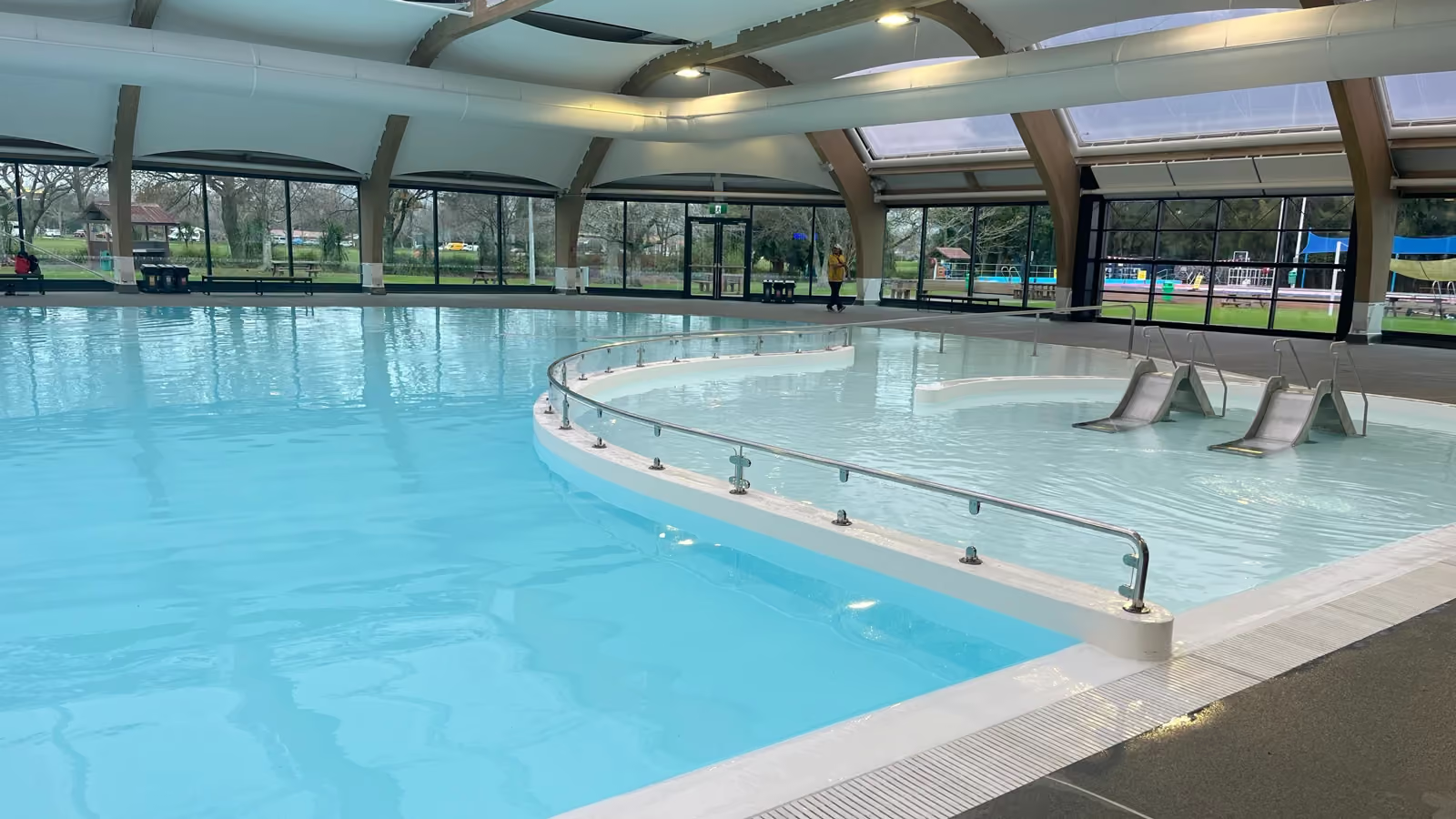
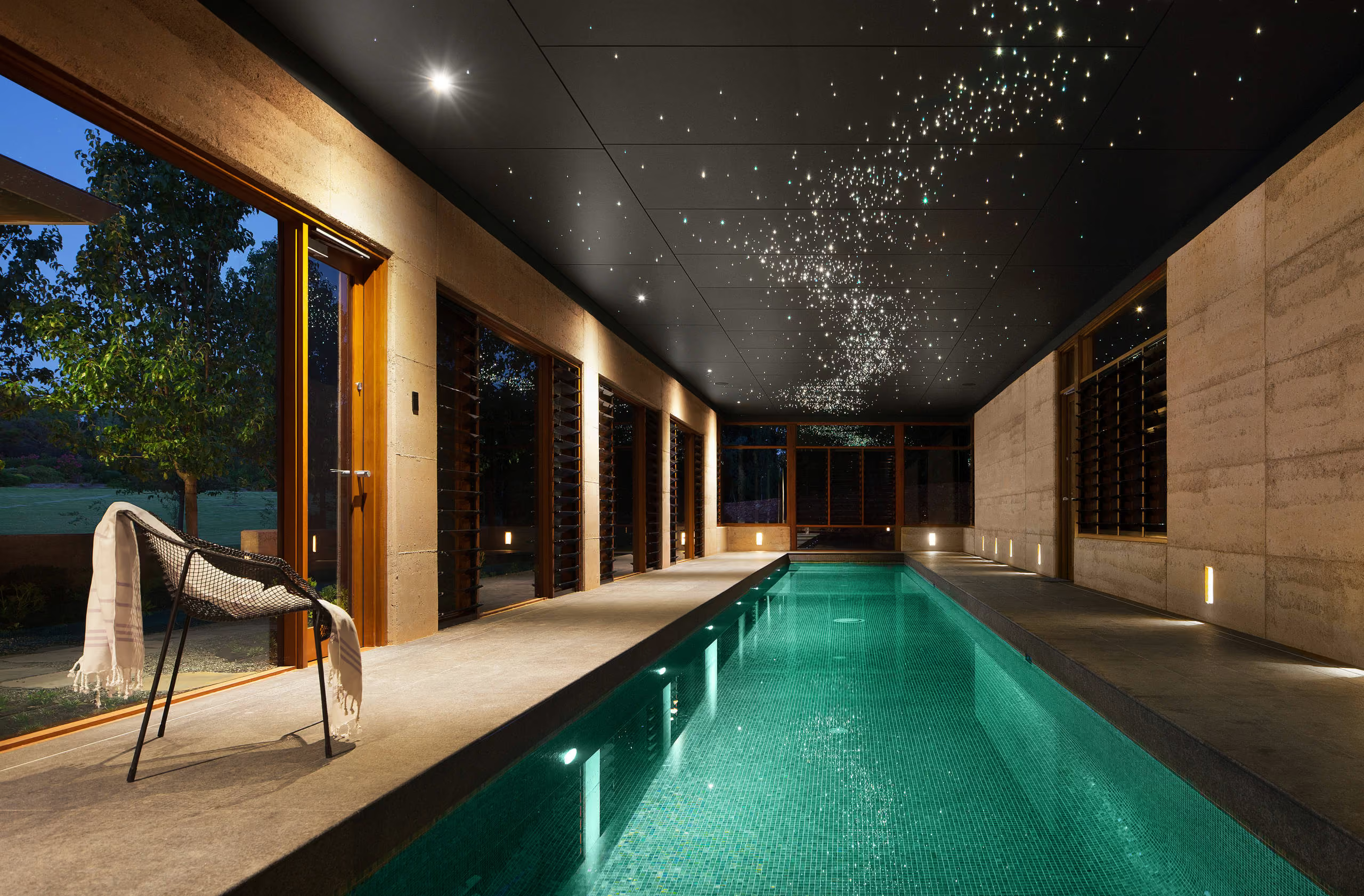
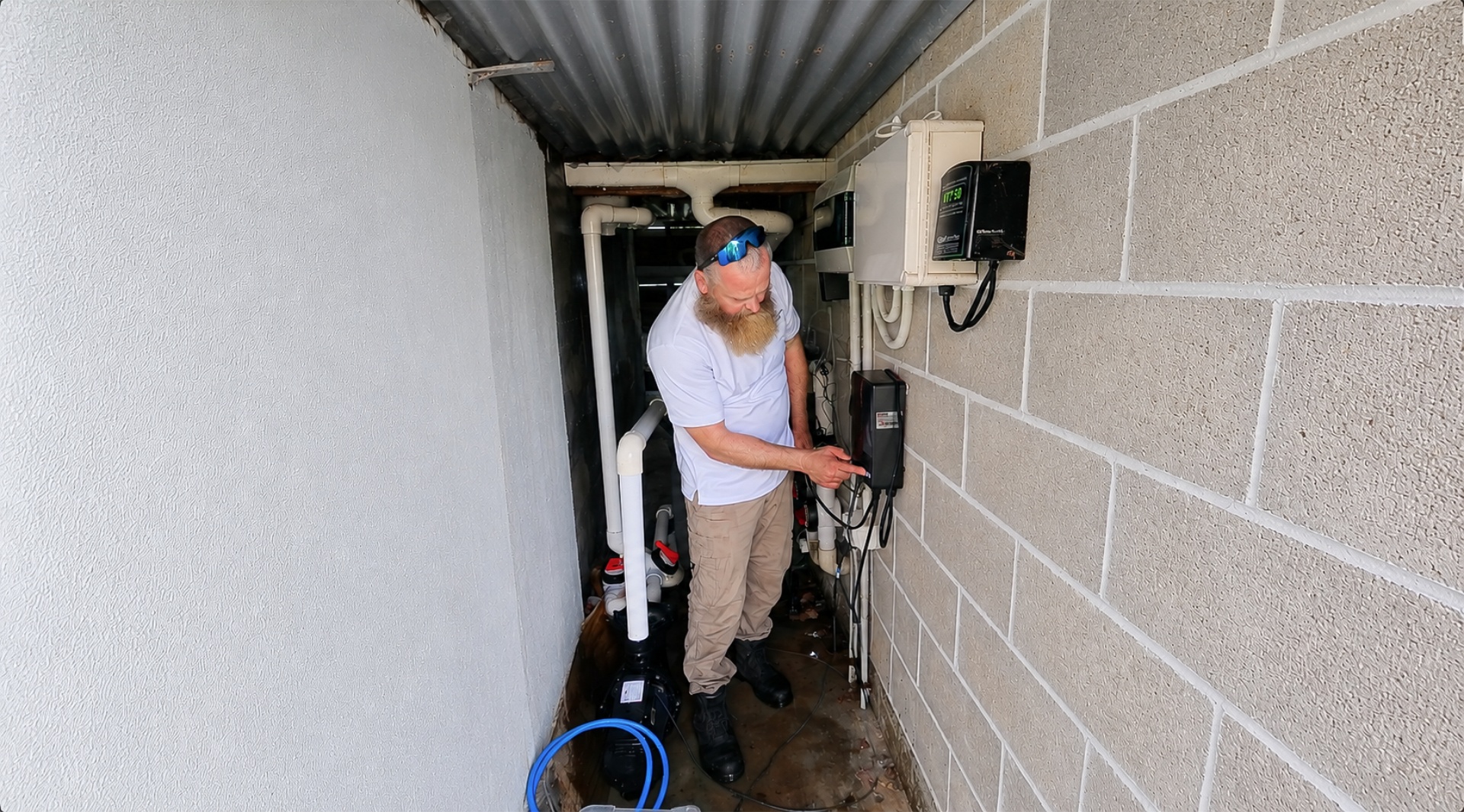
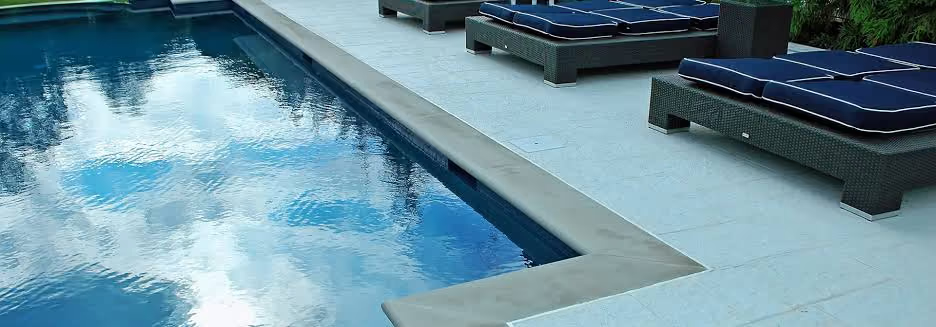
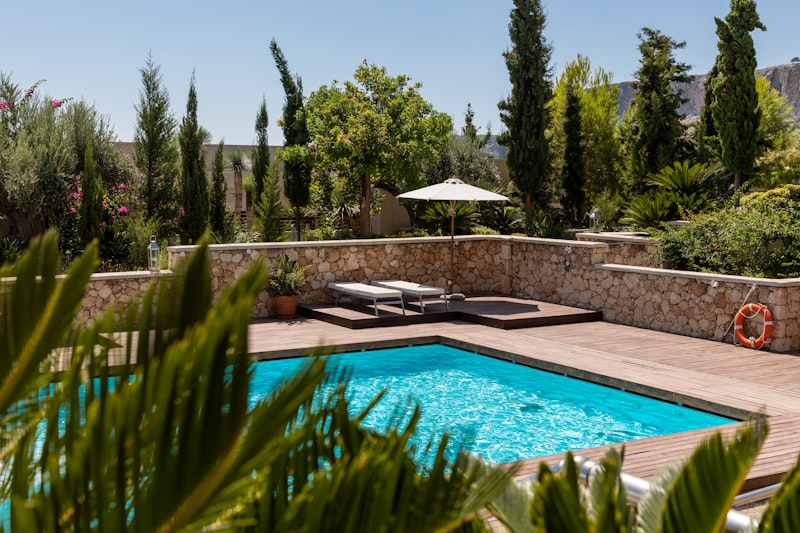
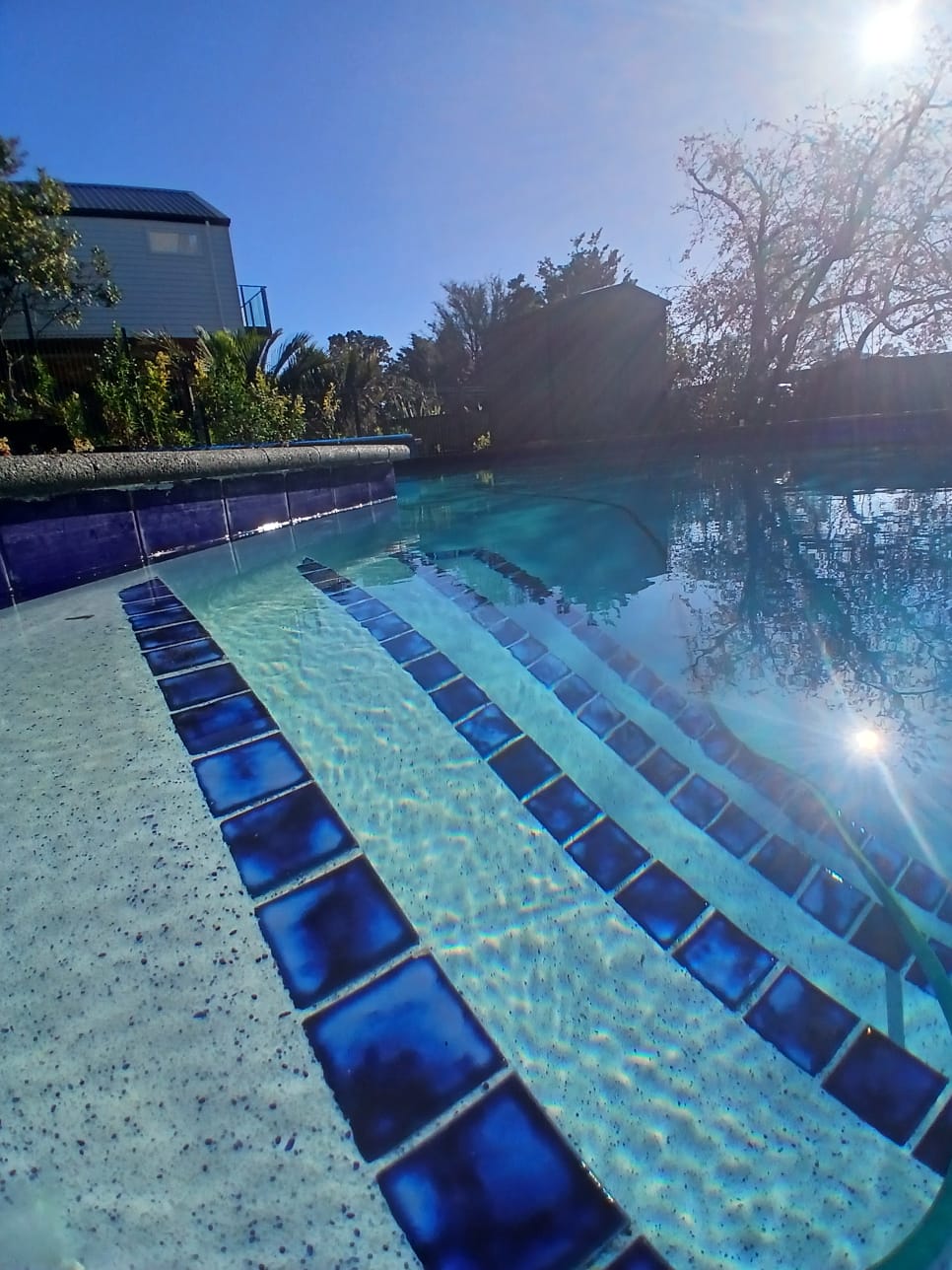
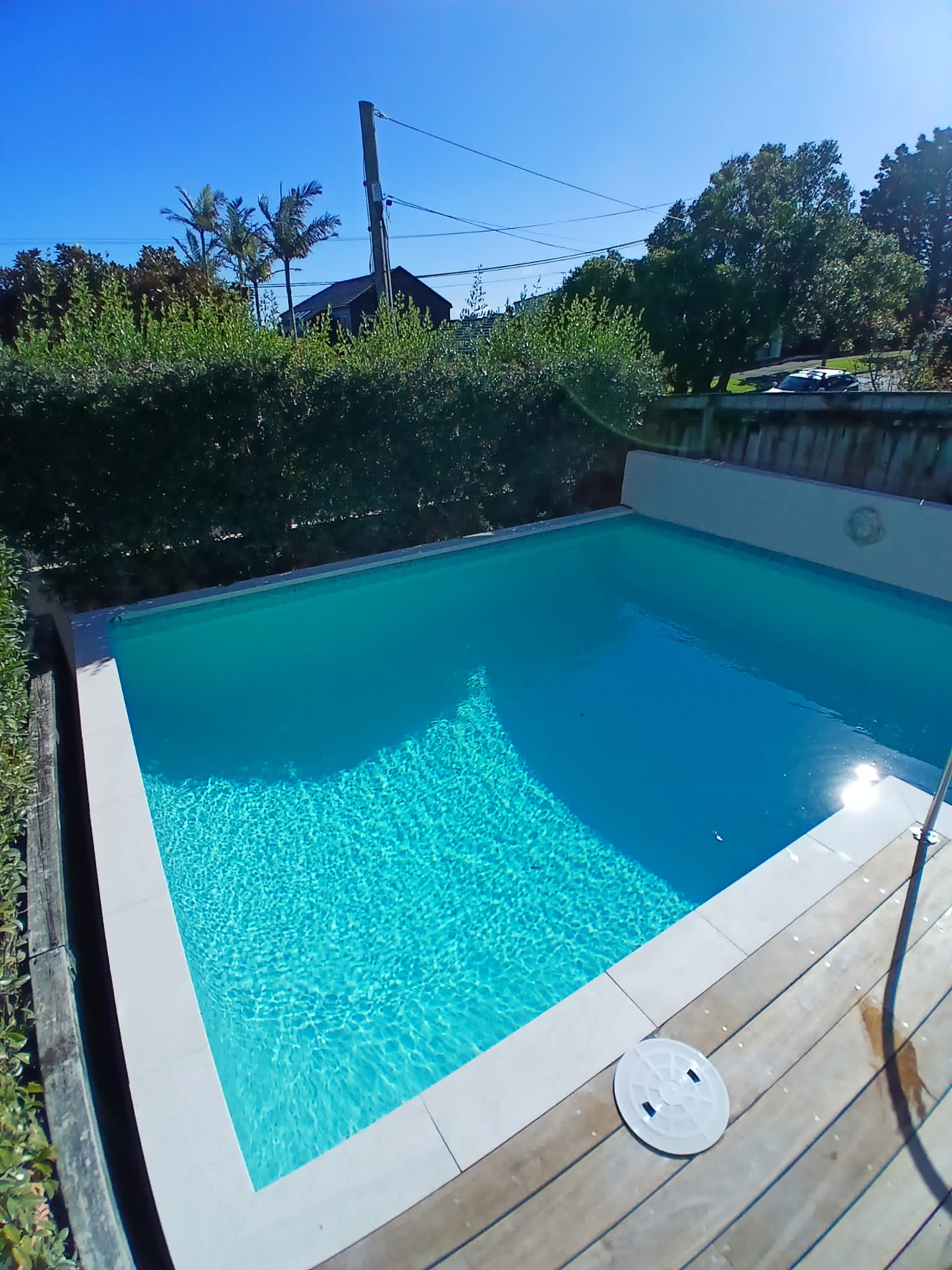
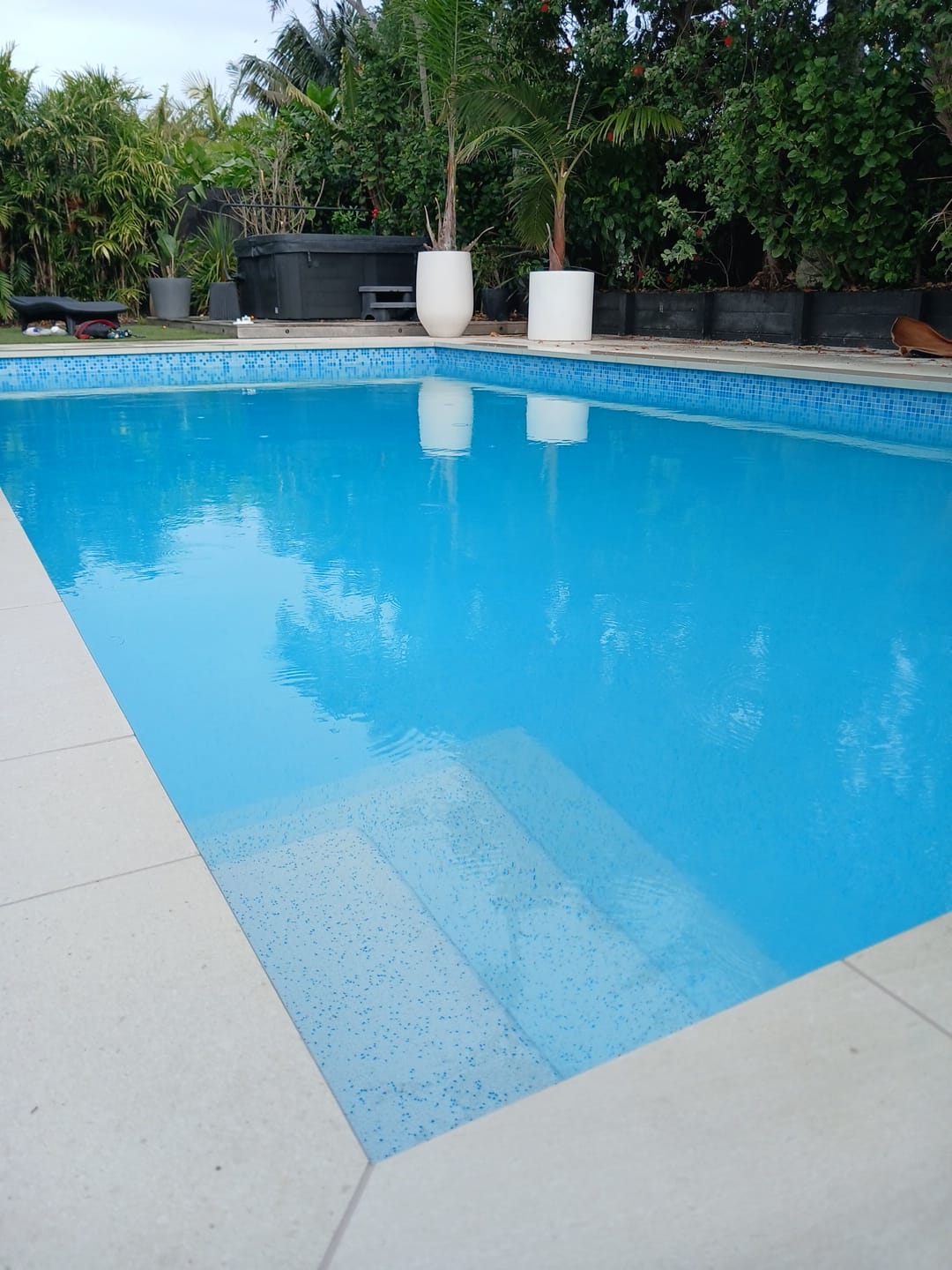
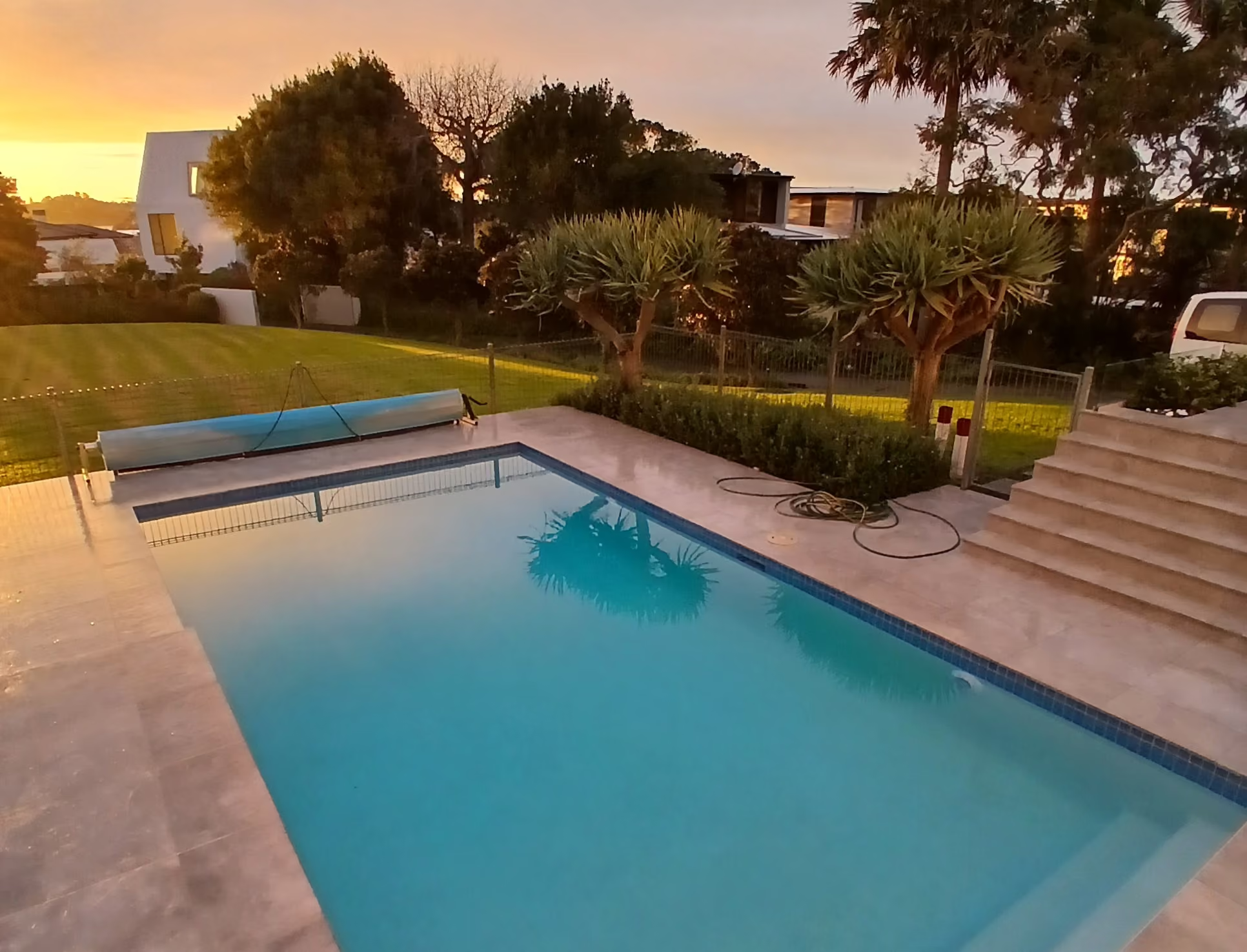
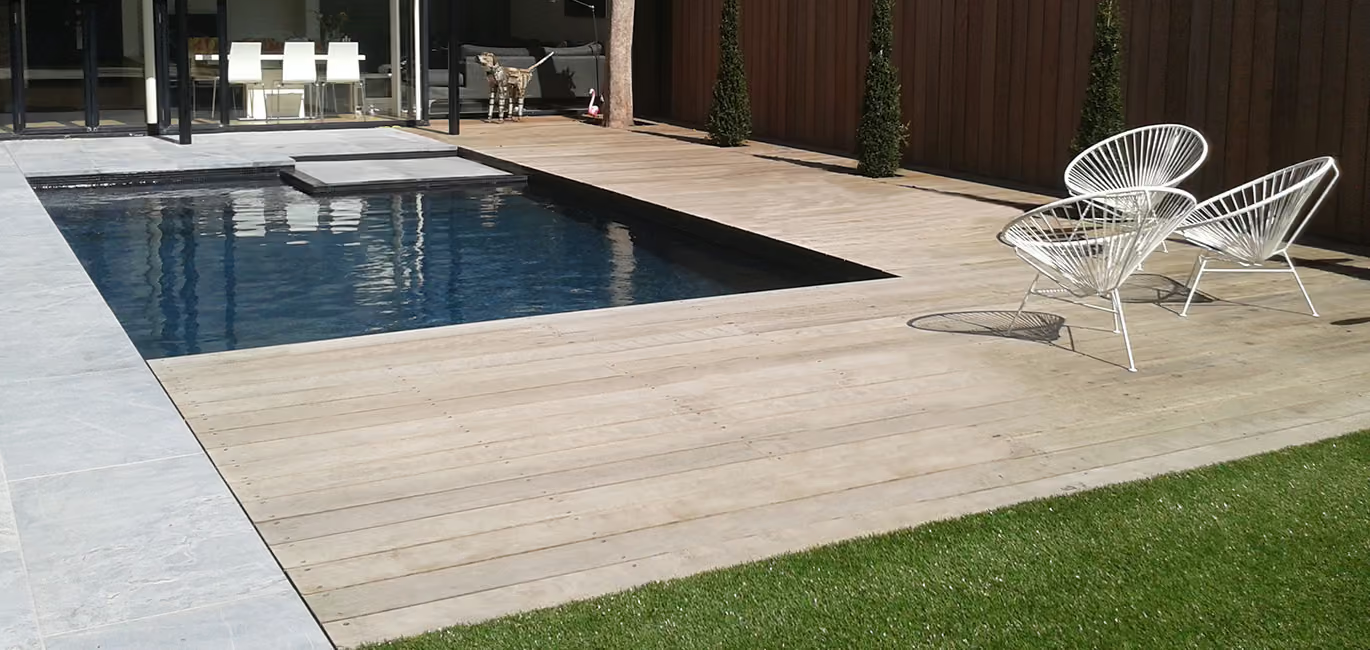
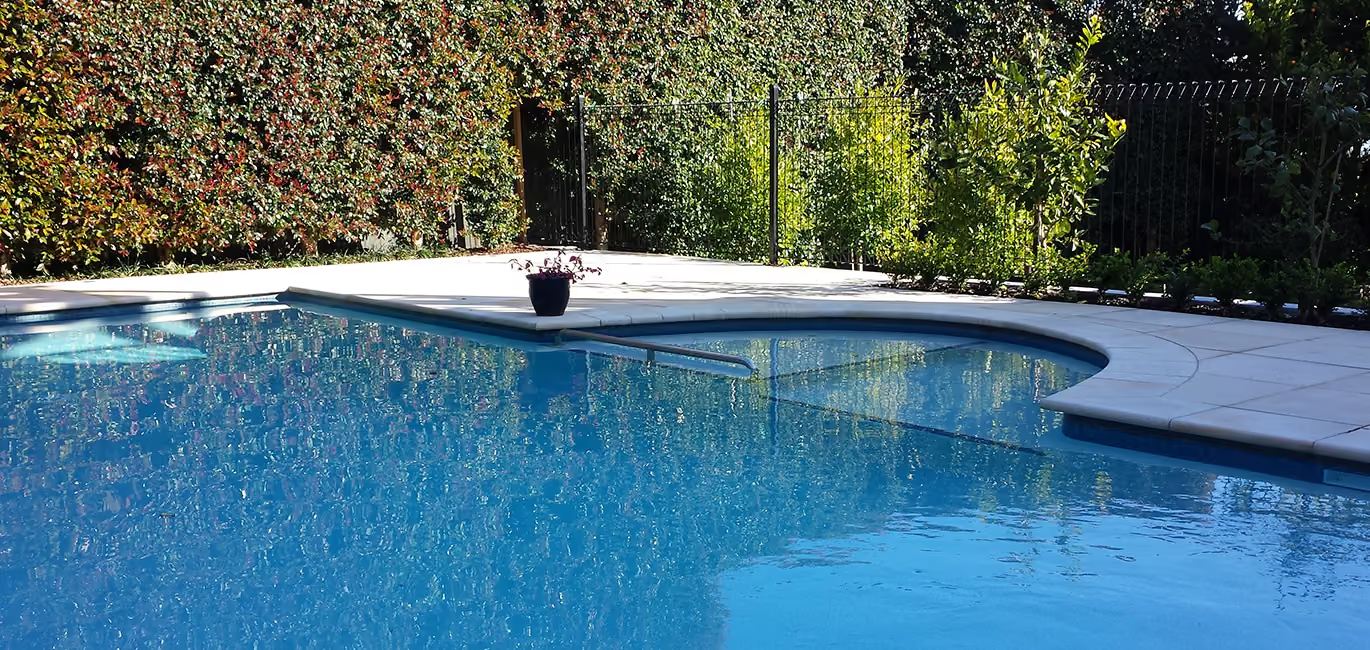
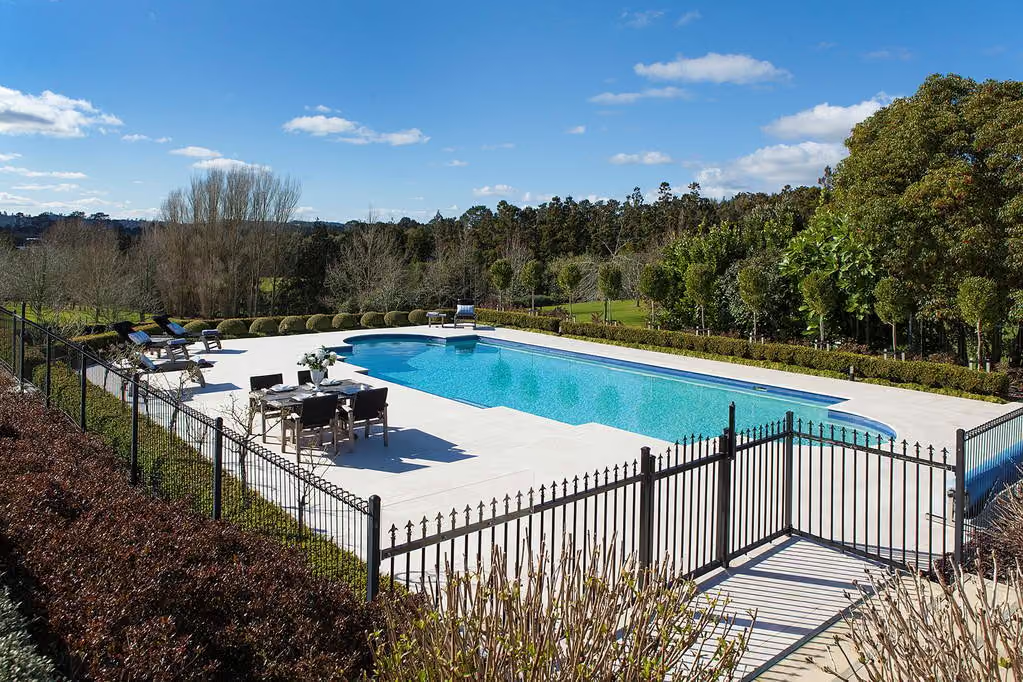
Sparkling Pools has worked on pools across Auckland, including residential renovation projects, equipment upgrades, ongoing maintenance and pool care for managed properties. Past projects show how the right approach can improve presentation, water quality and day-to-day usability. A well-maintained pool is easier to manage, more pleasant to use and better prepared for seasonal changes.
Trusted by Homeowners Across Auckland
Don't just take our word for it. Read what our clients have to say about our transparent communication, reliable service, and stunning pool transformations.
Related Blog Posts
Stay informed on pool care and renovations
Winter pool care essentials for Auckland
Pool Renovation Mistakes

Auckland Climate Pool Maintenance
Choosing Renovation Contractor
Pool Care Auckland Summer
Permits & Consents

Pool Renovation ROI
How Often to Test Pool Water
Pool Renovation Costs
Cost of Pool Service Auckland
Pool Renovation Planning Guide
Pool Lighting Buying Guide
Pool Cleaner Buying Guide
Pool Automation Buying Guide
Pool Heater Buying Guide
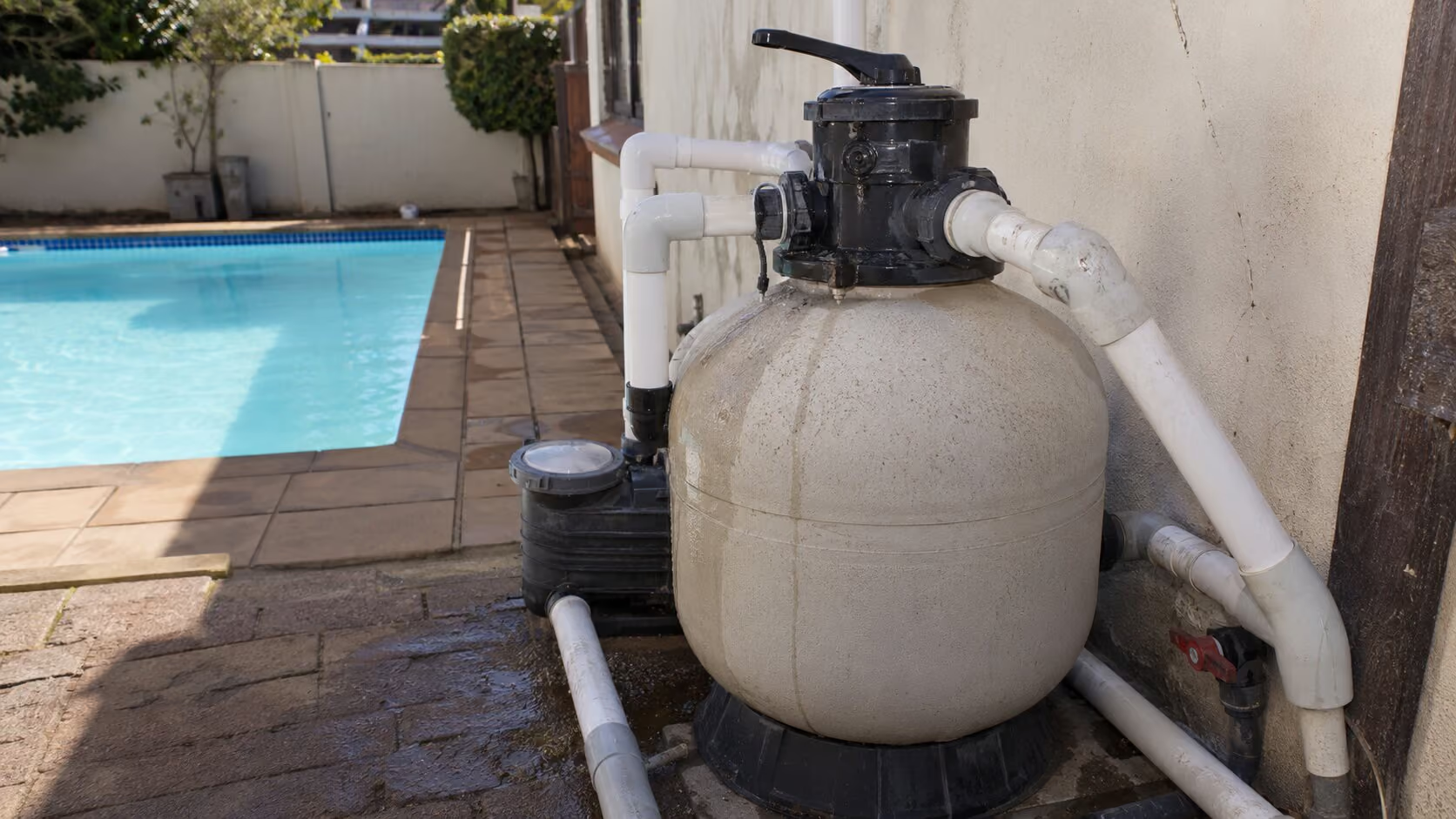
Pool Filter Buying Guide
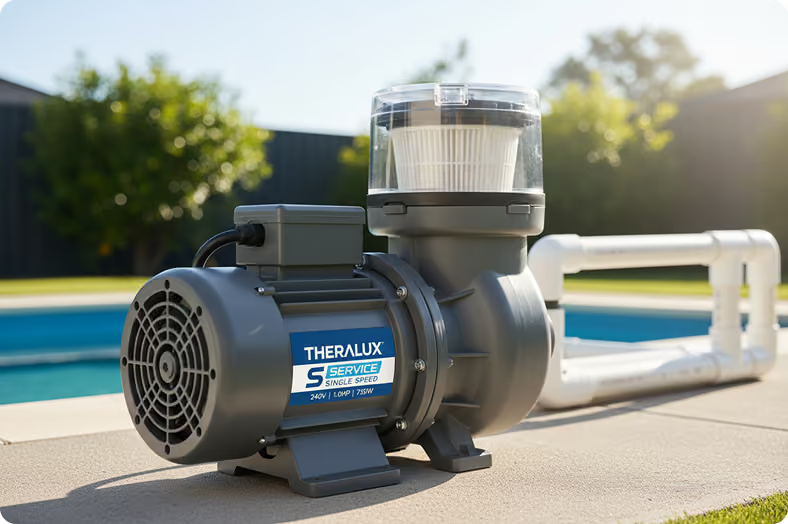
Pool Pump Buying Guide
Best Equipment Auckland Climate
Auckland Water Quality
Auckland Pool Season
Pool Ownership Costs
Common Pool Mistakes
Pool Safety Laws
Pool Inspection Requirements
Pool Fence Compliance
.avif)
Auckland Pool Industry Trends
Auckland Pool Regulations
Pool Equipment Suppliers
Best Pool Service Areas
Pool Service Pricing Analysis
Company vs Independent
Best Pool Surface Materials
Pool Resurfacing Options
Pebble vs Plaster Surfaces
One-Time vs Ongoing Service
Full Service vs Chemicals Only
Pool Cover Types
Robotic vs Suction Cleaners
Mineral vs Saltwater
Gas vs Heat Pump
Pool Heater Types
Pool Winterizing Guide Auckland
Pool Opening Guide Summer
Pool Maintenance After Heavy Rain
Pool Maintenance Schedule
How Often to Run Pool Filter
Pool Pump Maintenance Schedule
Pool Filter Cartridge Cleaning
Pool Equipment Maintenance Checklist
Pool Waterline Cleaning
Pool Skimmer Basket Cleaning
Pool Chlorine Levels
How Often Clean Pool Filter
How to Vacuum Pool
Pool Brushing Technique
Pool Chemical Dosing Chart
Pool Water Chemistry Basics
How to Balance Pool Chemistry
How to Test Pool Water
Pool Maintenance Tips
Complete Pool Maintenance Guide
Pool Service ROI
Pool Equipment Buy or Service
Pool Maintenance Time Requirements
DIY vs Professional
Pool Service Contract
Pool Service vs Pool Valet
Is Pool Service Worth It
Pool Service Guarantees
Pool Service Reviews
Pool Service Red Flags
Questions to Ask Pool Companies
How to Choose Pool Service Company
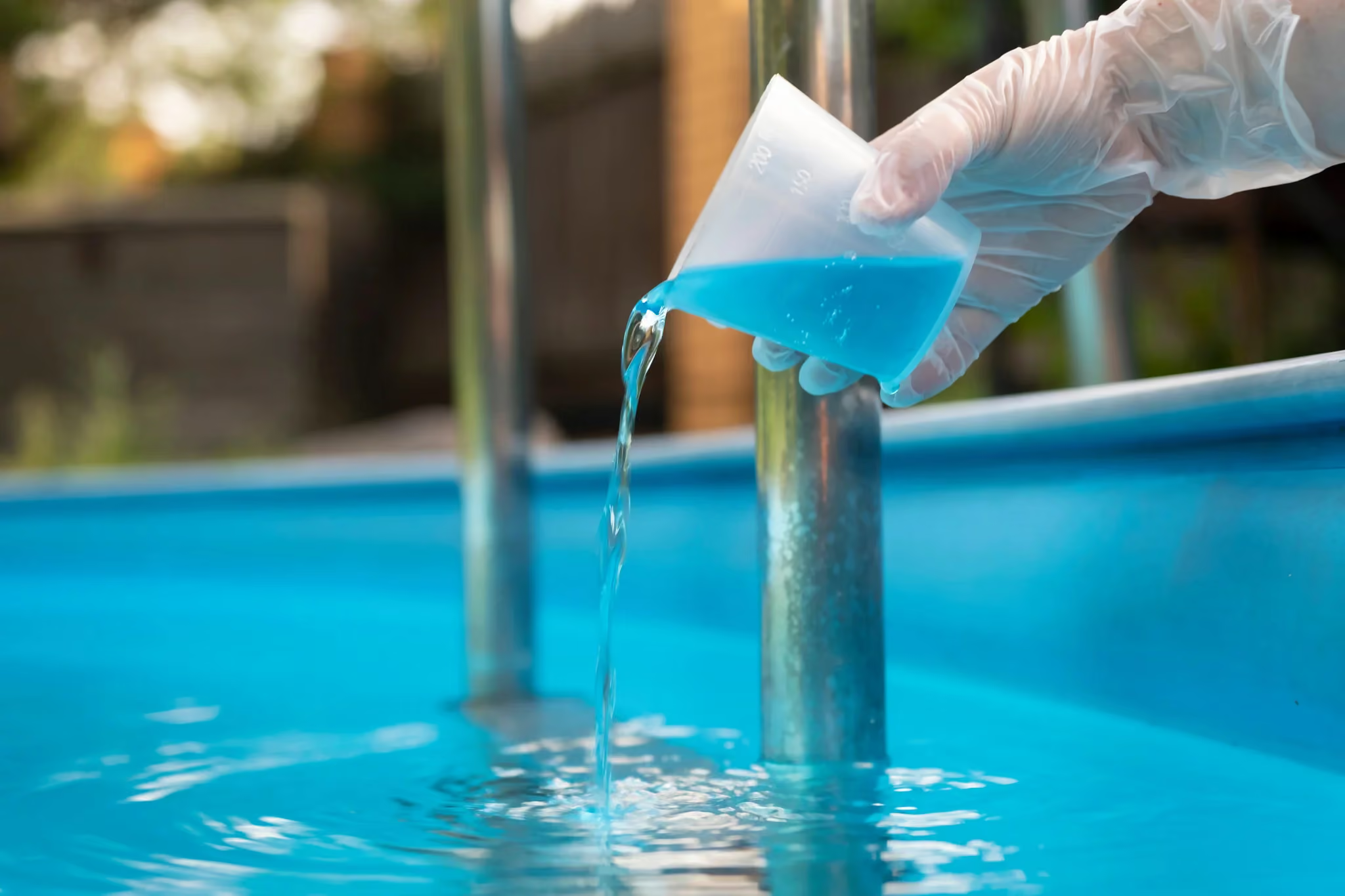
Hidden Costs DIY Maintenance
Pool Cleaning Prices Auckland
Cost of Pool Resurfacing
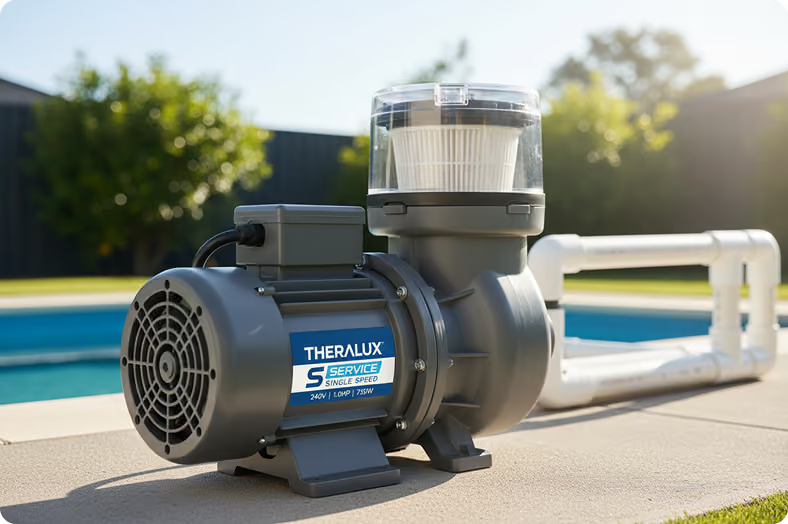
Cost of Pool Pump Replacement
Cost to Fix Green Pool
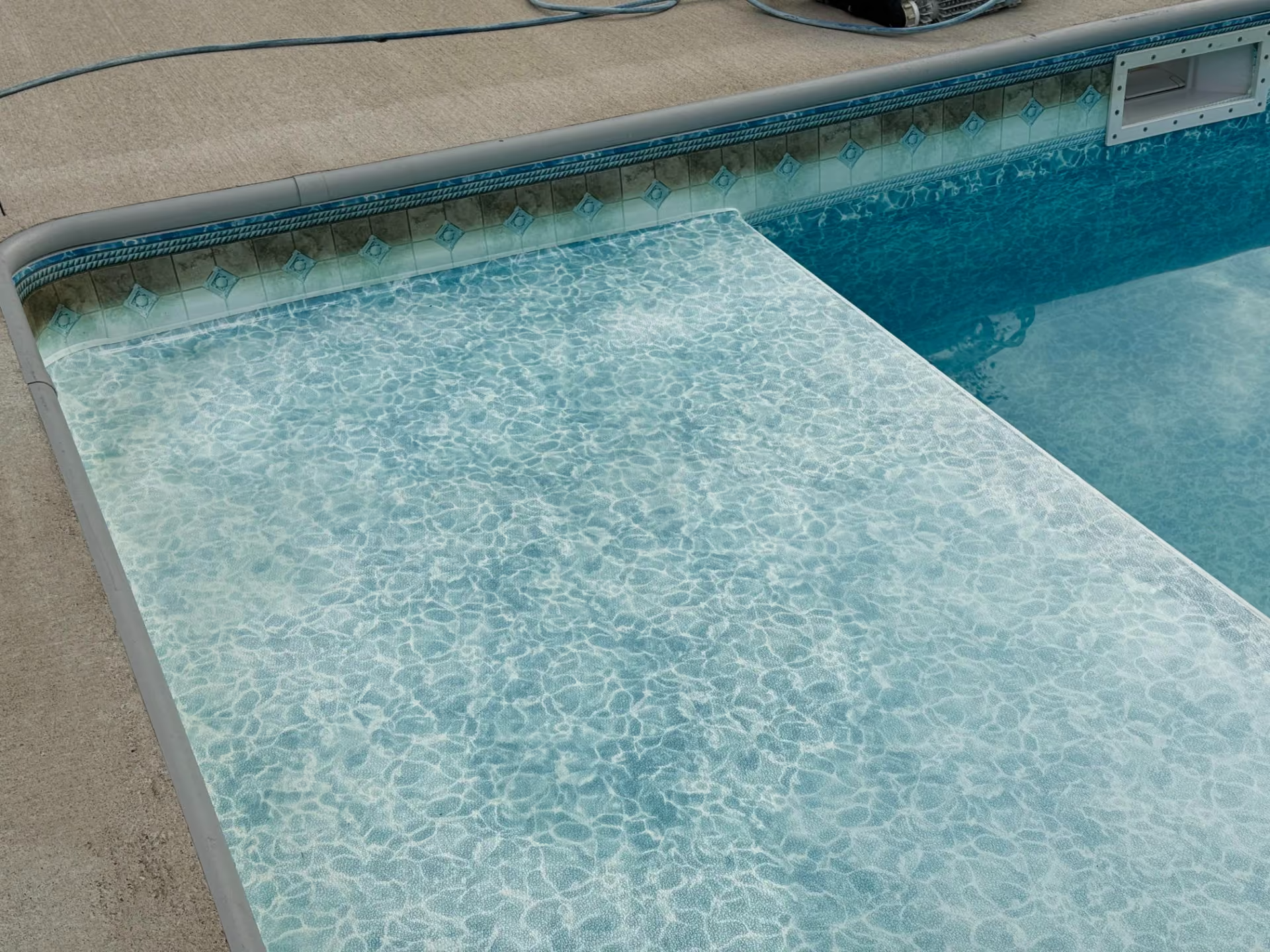
Pool Liner Wrinkles
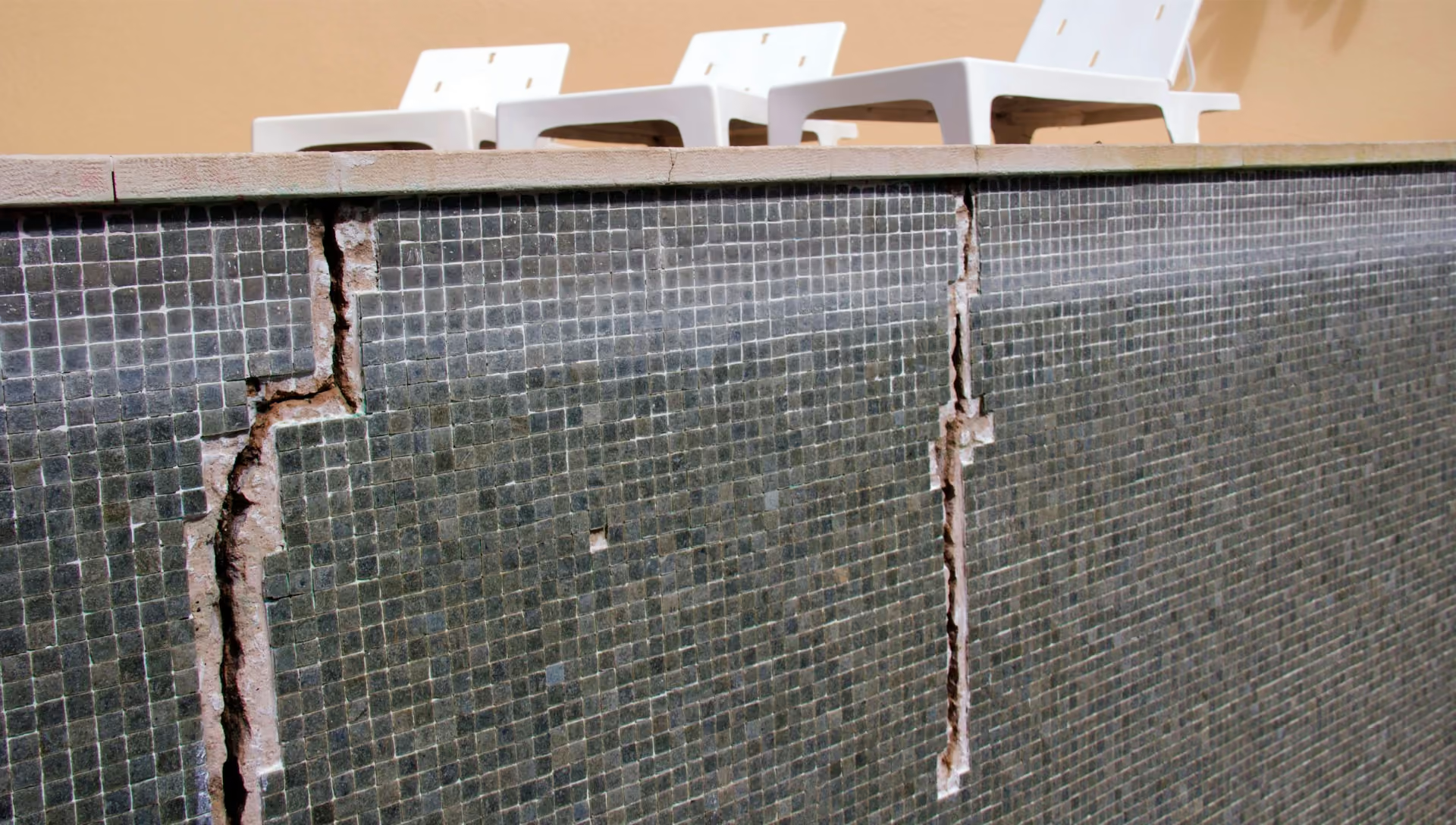
Pool Cracks When to Worry
Pool Surface Stains
Pool Valve Leaking
Pool Automation Not Working
Pool Light Not Working
Pool Heater Not Heating
Pool Skimmer Not Working
High Pool Filter Pressure
Pool Losing Water
Pool Filter Not Clearing Water
Pool Pump Leaking
Pool Pump Not Pumping
Pool Pump Losing Prime
Pool Pump Noisy
Pool Pump Not Working
Pool Water Foaming
Pool pH Too Low
Pool pH Too High
Green Pool After Rain
Pool Still Green After Shock
Pool Water Cloudy
How to Clear a Green Pool
Pool Care That Protects Your Investment
Good pool care protects more than appearance. Our pool specialists support the long-term condition of your swimming pool while keeping it ready for everyday use.