Pool Resurfacing Options

Why Auckland trusts our pool service expertise
Pool resurfacing replaces the interior finish of a concrete or fibreglass pool once it has worn, stained, or deteriorated. The main options are pool paint, plaster, pebble and aggregate finishes, and fibreglass coating, each with different costs, lifespans, and maintenance requirements.
Choosing the right option depends on your pool's construction type, your budget, and how much ongoing upkeep you want to manage. The quality of application and ongoing water chemistry management are the biggest factors in how long any resurfaced pool lasts.
What you'll learn
The Short Answer
Pool resurfacing replaces the worn or damaged interior finish of your pool. The main options are pool paint, plaster (marblite), pebble finishes, and fibreglass coating. Each has different upfront costs, lifespans, maintenance demands, and suitability depending on your pool's construction type. There is no single best option, the right choice depends on your pool shell, how you use it, and what you want from the finish long term.
---
Why Pools Need Resurfacing
Every pool surface wears over time. Exposure to pool chemicals, UV, temperature changes, and general use gradually breaks down the interior finish. When the surface starts to show its age, it affects more than just looks.
Common signs that resurfacing is due include:
- Rough or abrasive texture underfoot
- Visible staining that won't respond to treatment
- Cracking, chipping or flaking of the surface
- Plaster that has become porous, making water balance harder to maintain
- Fibreglass that has blistered or delaminated
- Paint that is peeling or lifting in patches
Left too long, a deteriorating surface can make water chemistry harder to manage and cause ongoing discomfort for swimmers.
---
The Main Resurfacing Options
Pool Paint
Pool paint is the most accessible resurfacing option. It is applied directly over the existing surface and is available in chlorinated rubber, epoxy, and water-based formulations.
What it suits: Concrete pools that need a cost-effective refresh. Also used on fibreglass pools in some cases.
Lifespan: Pool paint is the shortest-lived option. Depending on the paint type and pool conditions, repainting is typically needed every few years. Epoxy paints generally last longer than chlorinated rubber.
Considerations:
- Preparation is critical, the surface must be clean, dry, and properly etched or primed
- Paint type must be compatible with whatever was previously applied; mixing paint types causes adhesion failure
- Once you start painting a pool, you are generally committed to repainting it on a regular cycle
- Labour and materials are lower upfront, but the ongoing repainting cycle adds up over time
Plaster (Marblite / Render)
Plaster, often called marblite or pool render, is a cement-based finish applied by hand to concrete pools. It has been the standard interior finish for concrete pools for decades and remains widely used in New Zealand.
What it suits: Concrete (gunite or shotcrete) pools. Not suitable for fibreglass shells.
Lifespan: A well-applied plaster finish typically lasts a number of years before it needs replacement, though this varies with water chemistry maintenance and the quality of the original application.
Considerations:
- Plaster is porous and requires careful water balance, particularly in the first few weeks after application (the curing period)
- Poor water chemistry accelerates plaster deterioration, low pH and aggressive water etches the surface
- Colour options are available but limited compared to pebble finishes
- Surface texture can become rough over time, which affects swimmer comfort
- Plaster is a skilled trade, quality of application significantly affects longevity
Pebble and Aggregate Finishes
Pebble finishes combine a cement base with small stones, glass beads, or quartz aggregate to create a textured, decorative surface. Common product types include pebblecrete, exposed aggregate, and glass bead finishes.
What it suits: Concrete pools. Offers a significant aesthetic upgrade over standard plaster.
Lifespan: Pebble and aggregate finishes are among the more durable resurfacing options. The aggregate material is harder-wearing than plain plaster, and the finish tends to hold up well over time with proper water chemistry.
Considerations:
- Texture varies, some pebble finishes are smooth underfoot, others are rougher; worth considering if young children use the pool
- A wider range of colours and visual effects is available compared to plain plaster
- Application requires specialist skill; the finish quality depends heavily on the applicator
- Water chemistry management remains important, cement-based finishes are still affected by imbalanced water
- Generally costs more upfront than standard plaster, but the longer lifespan can offset this
Fibreglass Coating
Fibreglass resurfacing involves applying a fibreglass laminate over an existing concrete pool shell. This is a different process from manufacturing a fibreglass pool from scratch, it is a resurfacing method applied on site.
What it suits: Concrete pools where the owner wants a smooth, non-porous surface. Also used to repair and re-coat existing fibreglass pools that have blistered or delaminated.
Lifespan: Fibreglass is non-porous, which makes it more resistant to algae and staining than cement-based finishes. When properly applied and maintained, it can last a significant number of years.
Considerations:
- The non-porous surface is easier to keep clean and requires less aggressive chemical treatment
- Colour options are available, though the range is more limited than pebble finishes
- Repairs to fibreglass surfaces are more specialised than patching plaster
- Application is a specialist process, surface preparation and laminate application must be done correctly for the finish to bond and perform
- Upfront cost is typically higher than paint or plaster
---
Comparing the Options Side by Side
Lifespan
- Paint: Shortest lifespan; requires regular recoating
- Plaster: Mid-range lifespan; varies with water chemistry and application quality
- Pebble/aggregate: Longer lifespan; durable surface material
- Fibreglass: Long lifespan when properly applied and maintained
Upfront Cost
- Paint: Lowest upfront cost
- Plaster: Moderate cost
- Pebble/aggregate: Higher than plaster; varies by finish type
- Fibreglass: Higher upfront investment
Maintenance Demands
- Paint: Requires repainting on a regular cycle; surface can be damaged by poor water chemistry
- Plaster: Requires careful water balance; porous surface can stain and etch
- Pebble/aggregate: Cement base still requires good water chemistry; surface is more forgiving than plain plaster
- Fibreglass: Non-porous surface is easier to clean; less prone to algae and staining
Suitability by Pool Type
- Concrete pools: All four options are applicable
- Fibreglass pools: Paint can be used; fibreglass re-coating is used for repairs; plaster and pebble are not suitable
---
What Affects How Long a Resurfaced Pool Lasts
Regardless of which surface you choose, how long it lasts comes down to a few consistent factors.
Water chemistry: Imbalanced water is the single biggest cause of premature surface deterioration. Low pH and aggressive water etch cement-based finishes. High pH and calcium levels cause scale build-up. Maintaining correct water balance extends the life of any surface.
Application quality: A resurfacing job is only as good as the preparation and application. Cutting corners on surface prep, mixing, or curing leads to early failure, regardless of the material used.
Curing and start-up: New plaster and pebble finishes require a careful start-up process. The first few weeks after resurfacing are critical for the surface to cure properly. Rushing this stage or getting the chemistry wrong during curing shortens the surface life.
Ongoing maintenance: Regular cleaning, consistent chemical management, and prompt attention to any issues all contribute to a longer-lasting surface.
---
When to Resurface vs When to Repair
Not every surface problem requires a full resurface. Small cracks, isolated chips, or minor staining can sometimes be repaired without replacing the entire finish.
A full resurface is generally the right call when:
- The surface is deteriorating broadly across the pool, not just in isolated spots
- Staining is widespread and not responding to chemical treatment
- The surface has become rough enough to affect swimmer comfort
- The finish has reached or exceeded its expected lifespan
- Repeated patch repairs are no longer holding
If you are unsure whether repair or resurfacing is the right approach, having the pool assessed by an experienced pool specialist is the most reliable way to get a clear answer.
---
Getting the Right Advice for Your Pool
Pool resurfacing is a significant investment. The right choice depends on your pool's construction, its current condition, your budget, and how much ongoing maintenance you want to manage.
Sparkling Pools has been working with Auckland pool owners since 1992. If your pool's surface is showing signs of wear, the team can assess the condition and advise on the most practical resurfacing option for your situation.
Pool resurfacing solutions
Restore your pool with durable plaster finishes


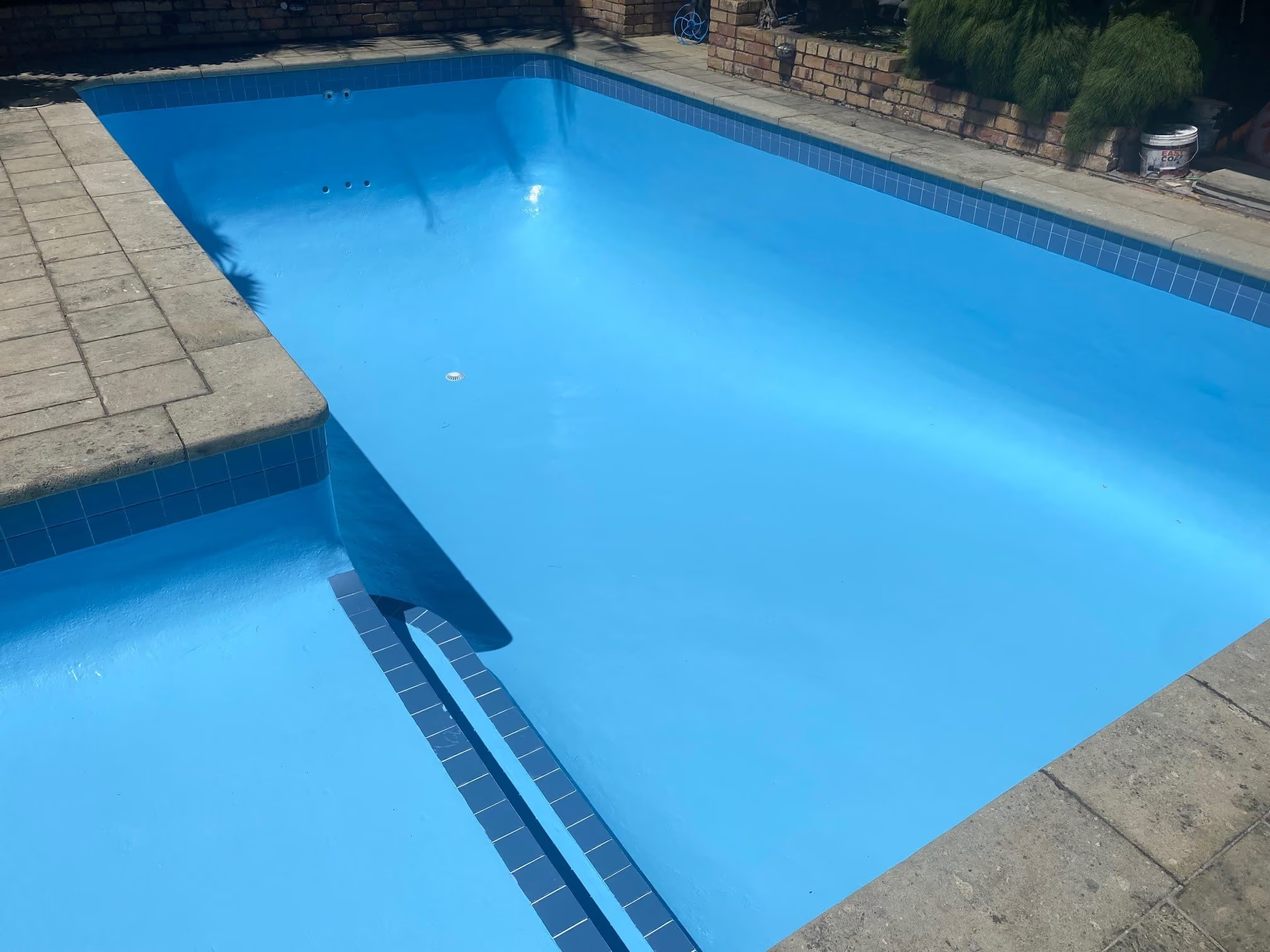
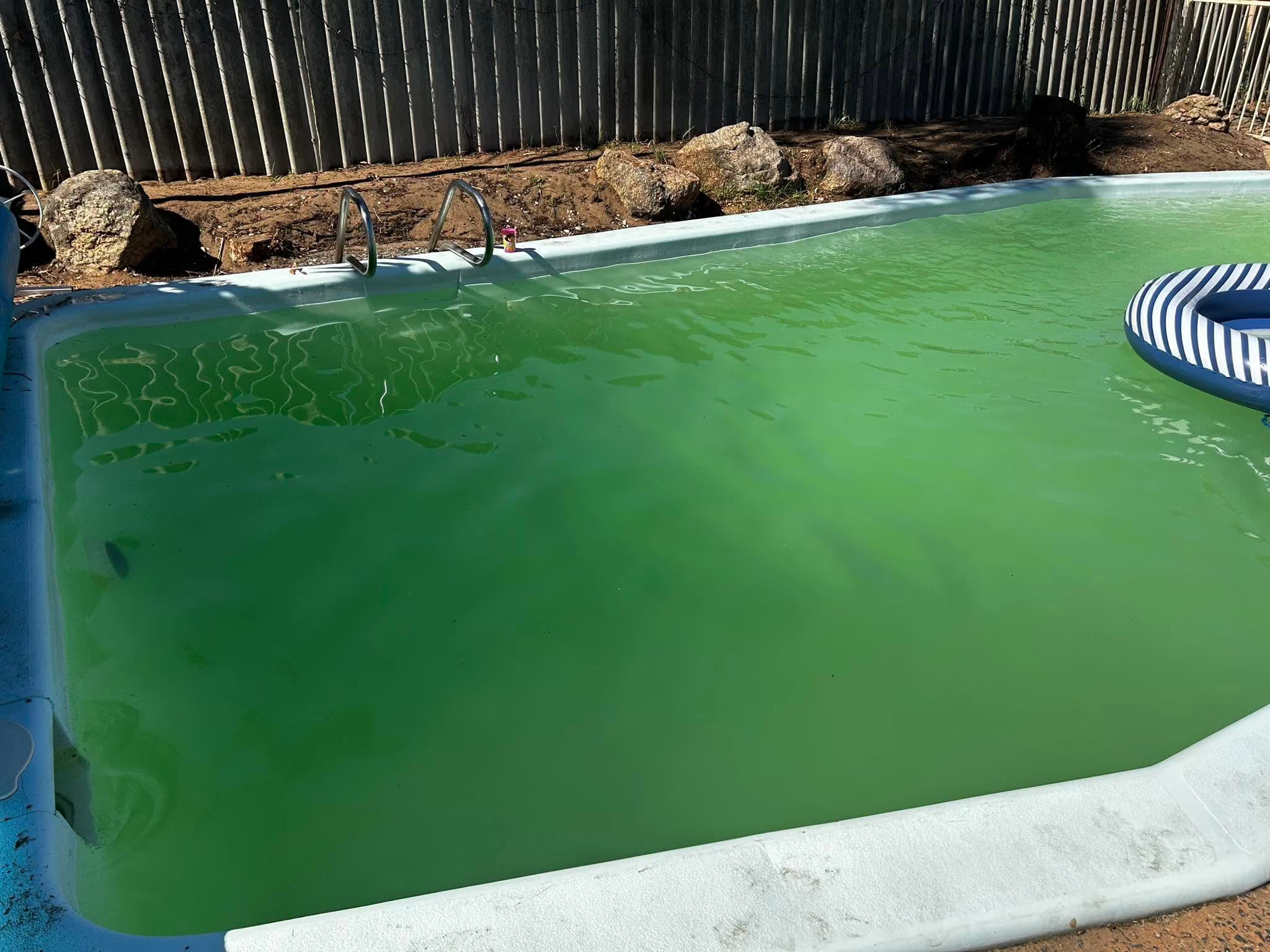
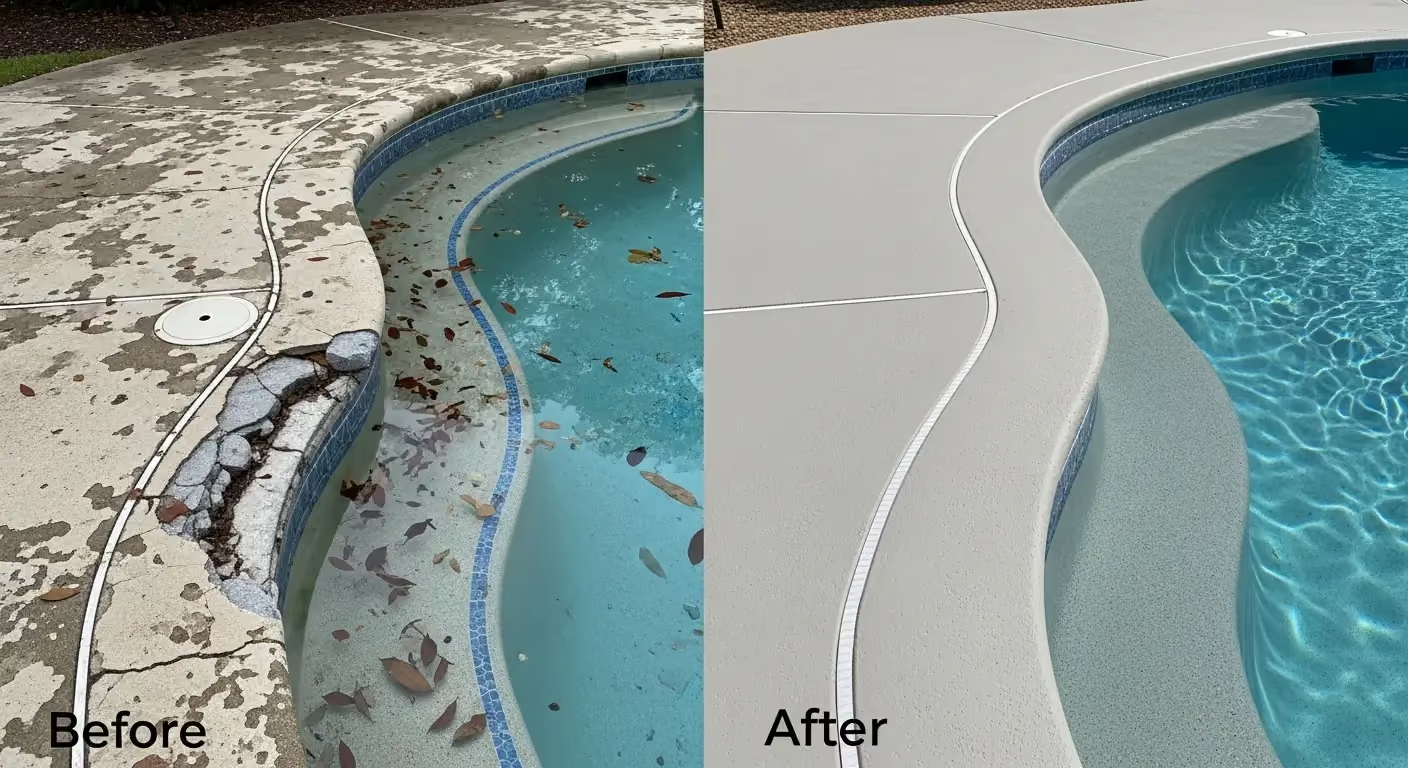
Work completed
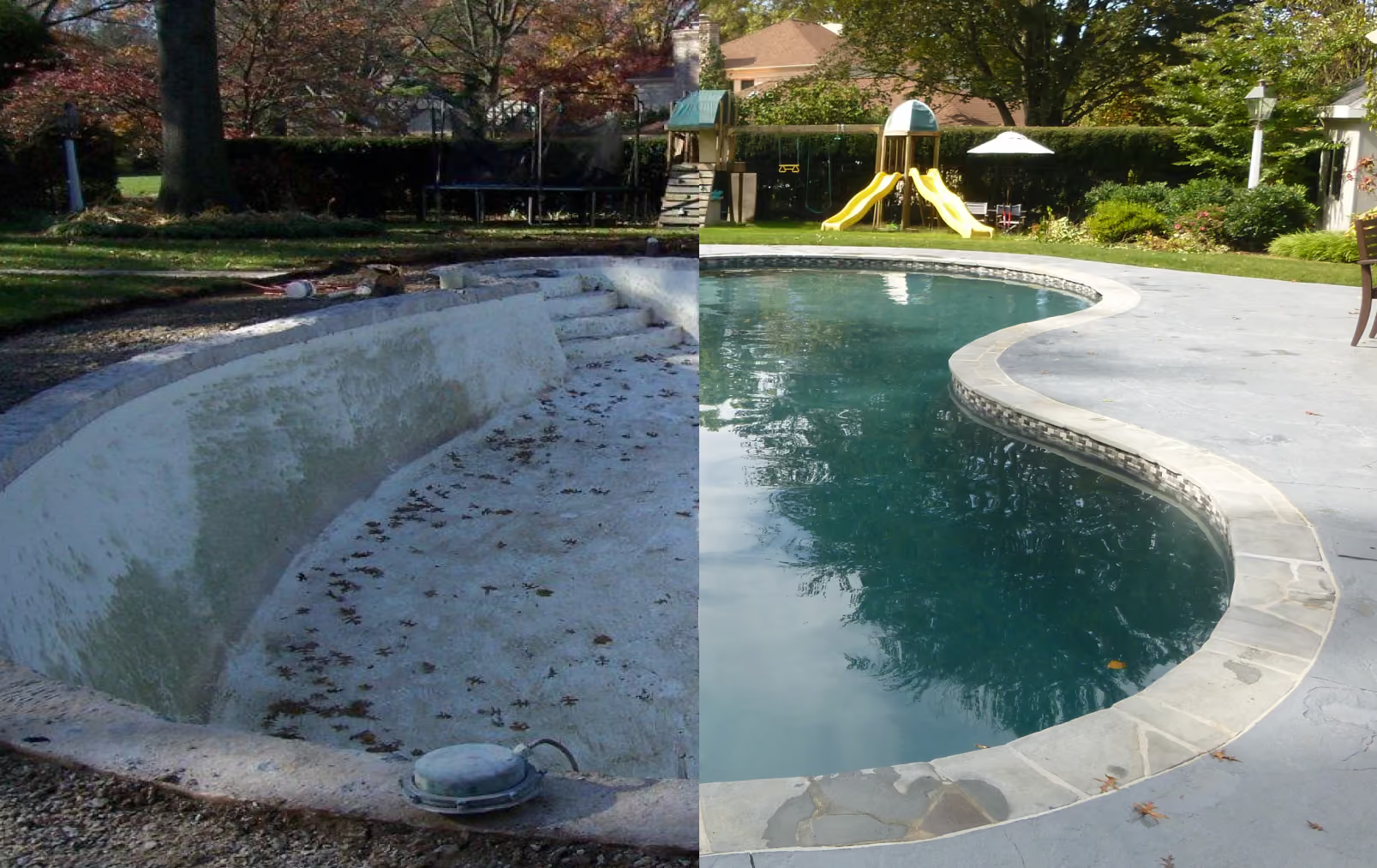
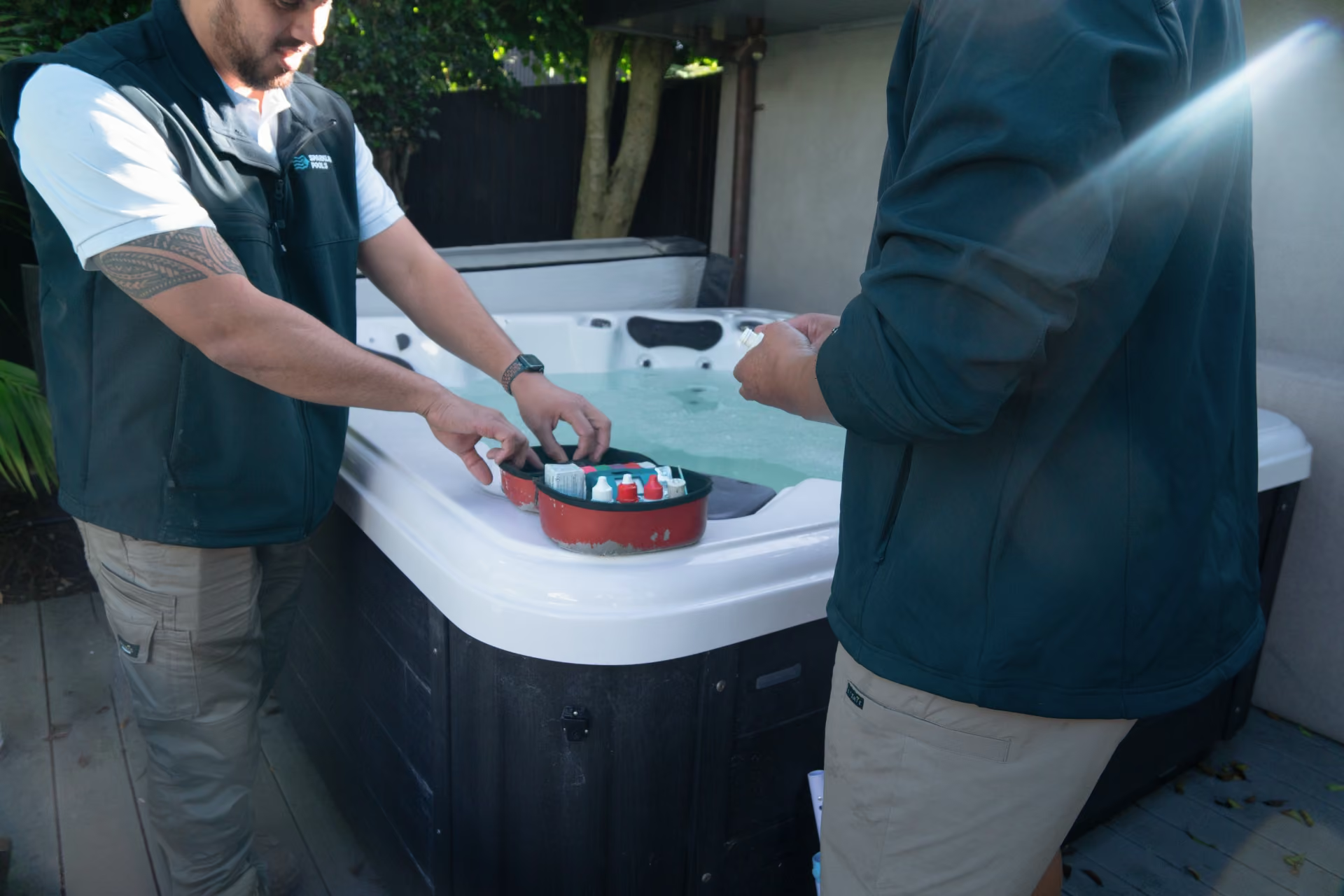
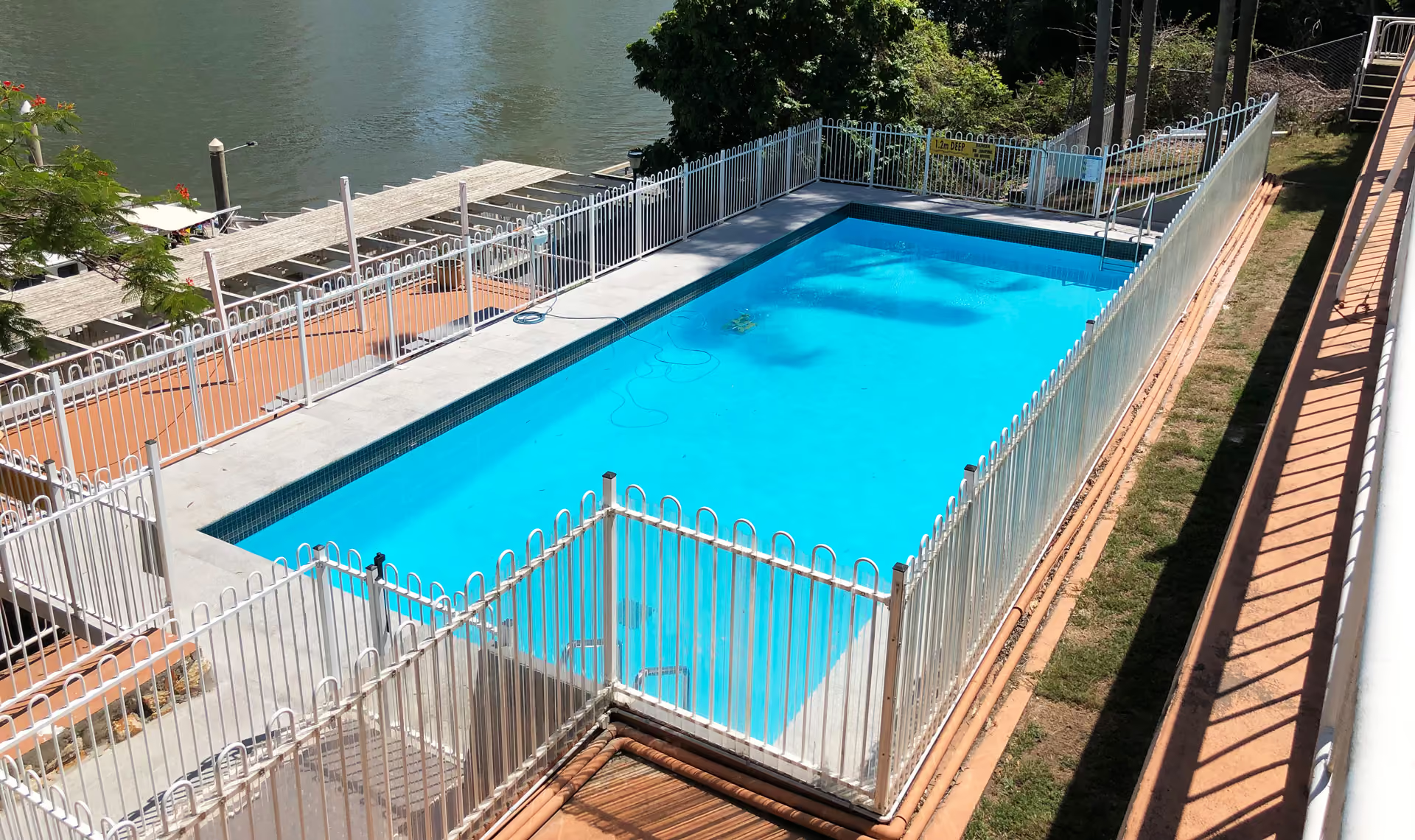
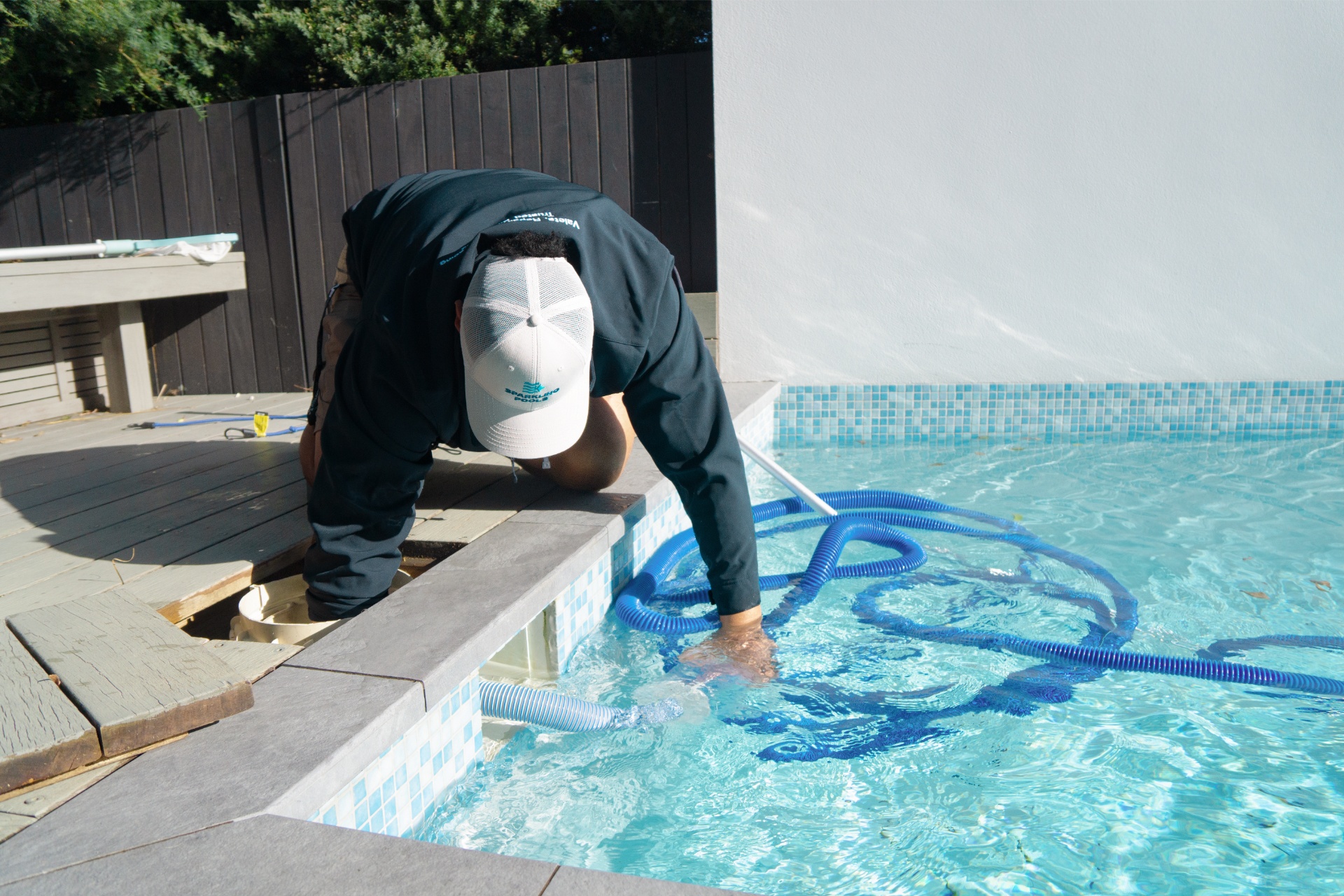
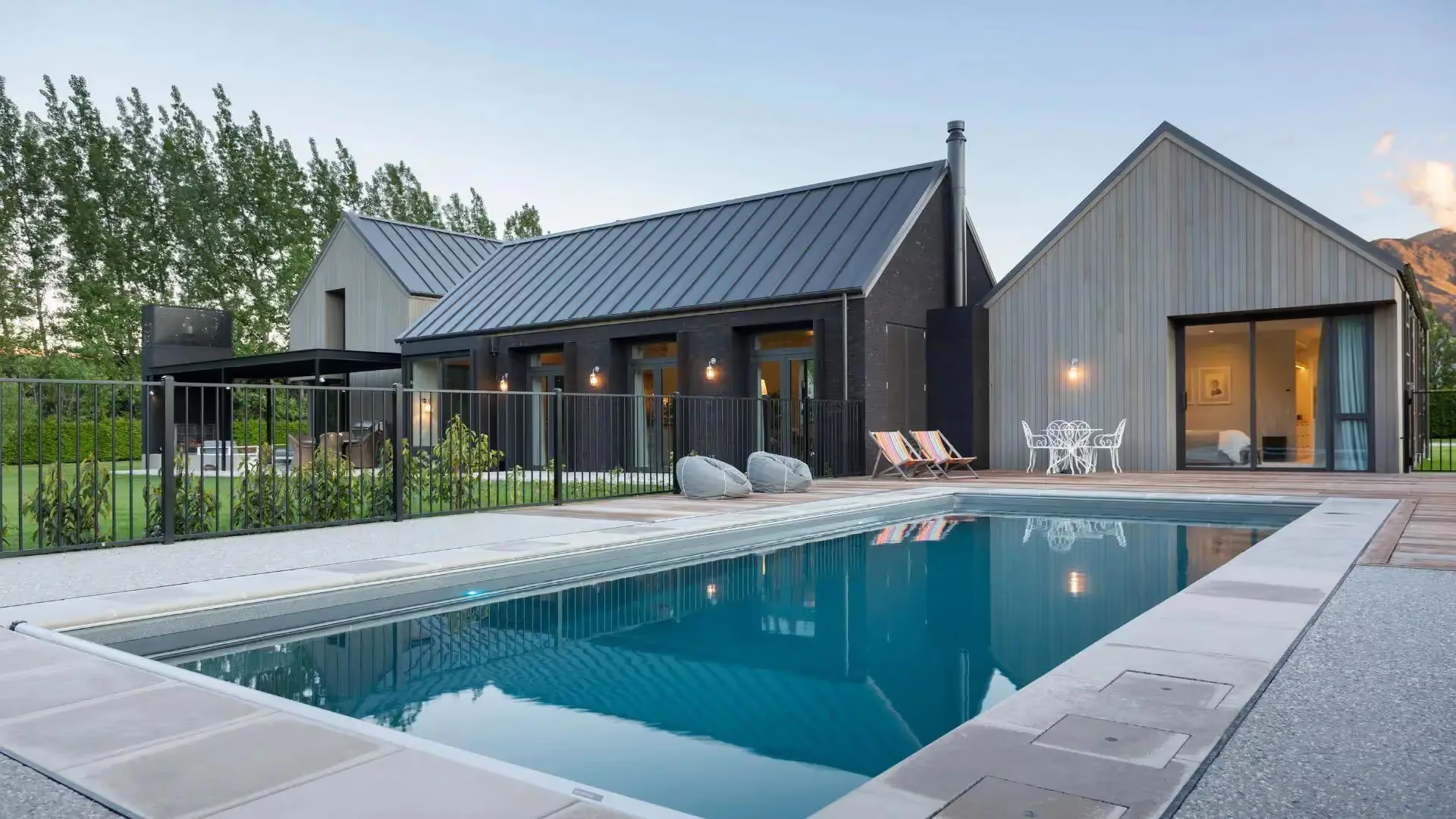
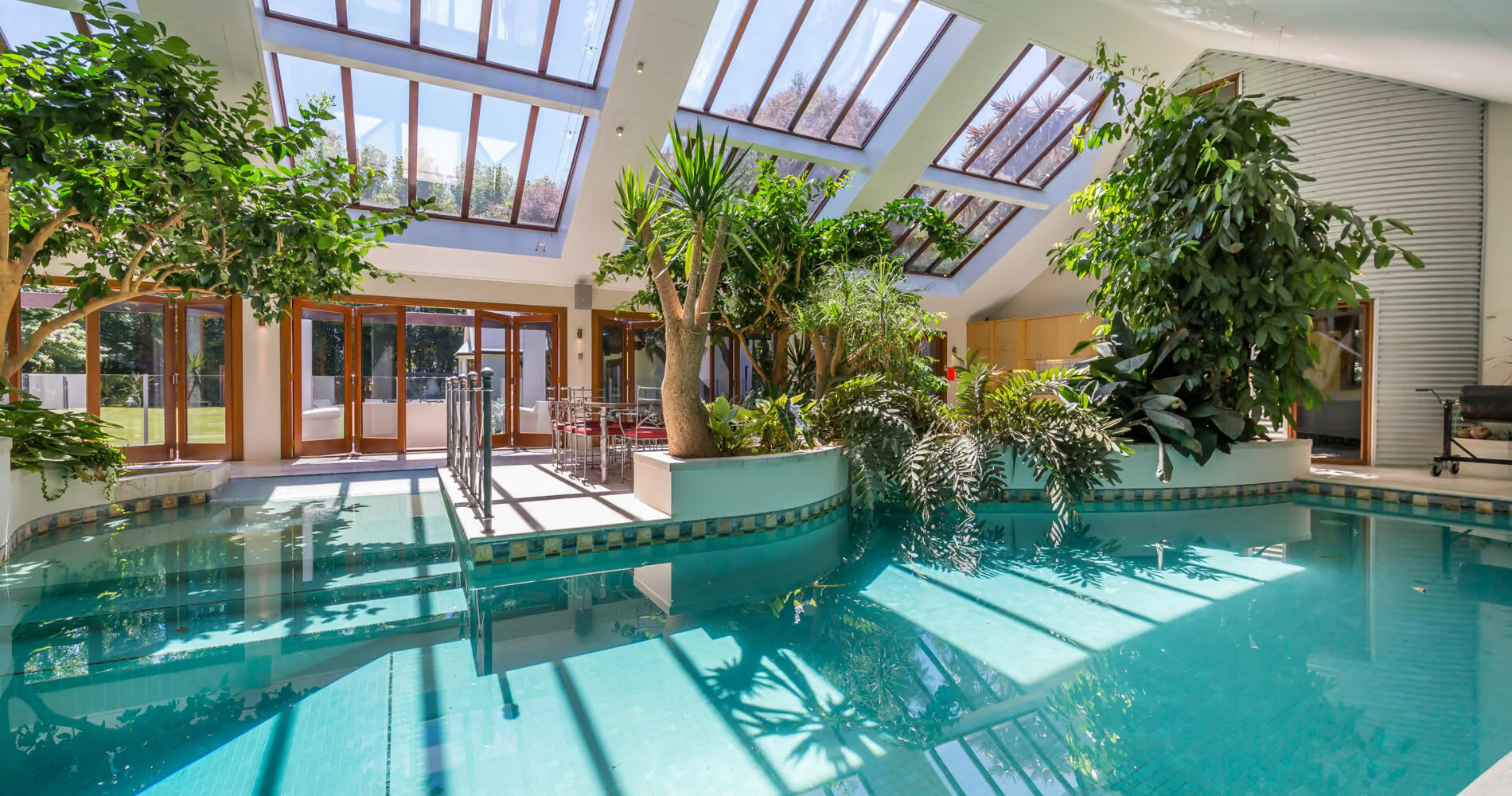
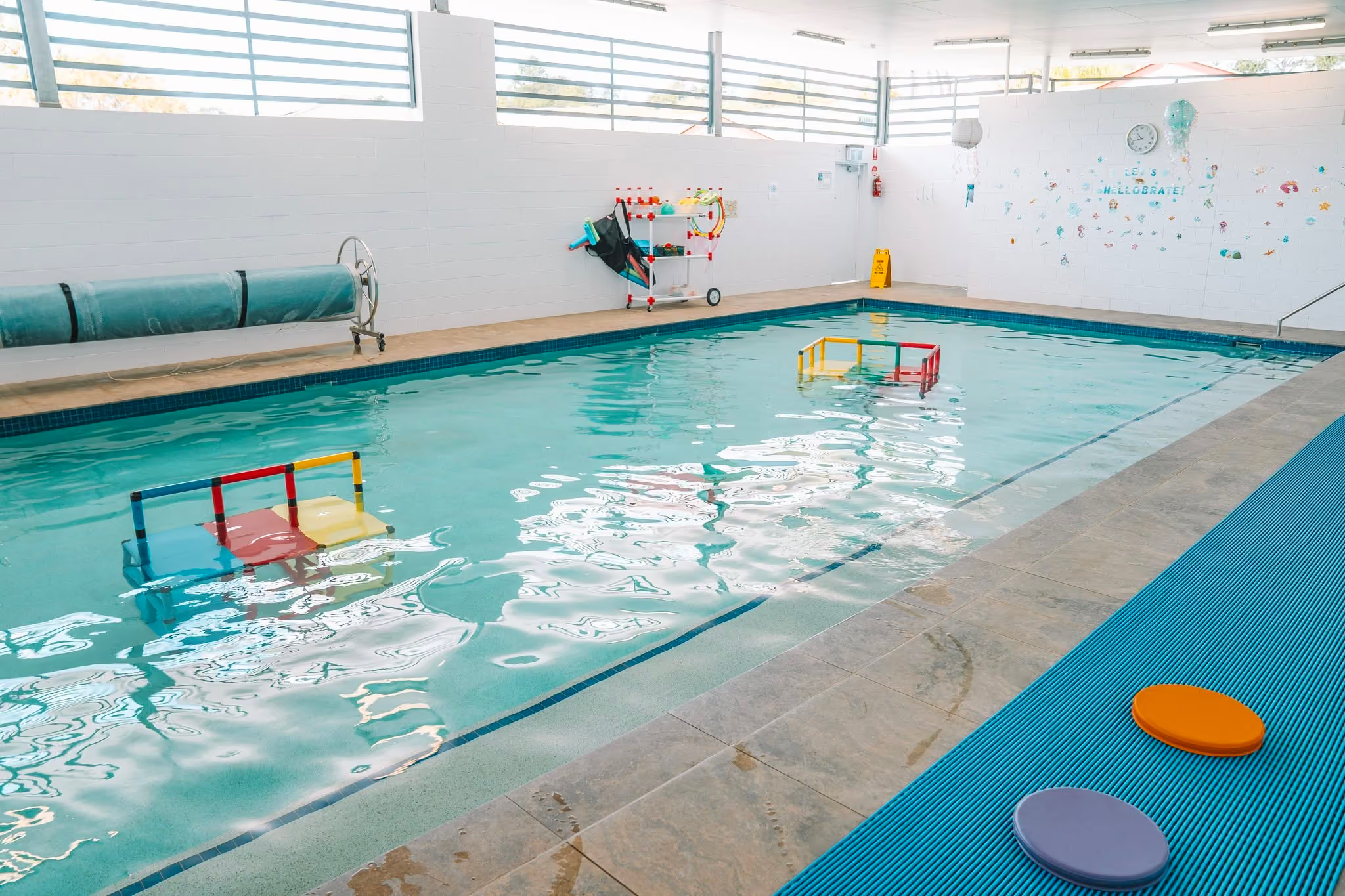
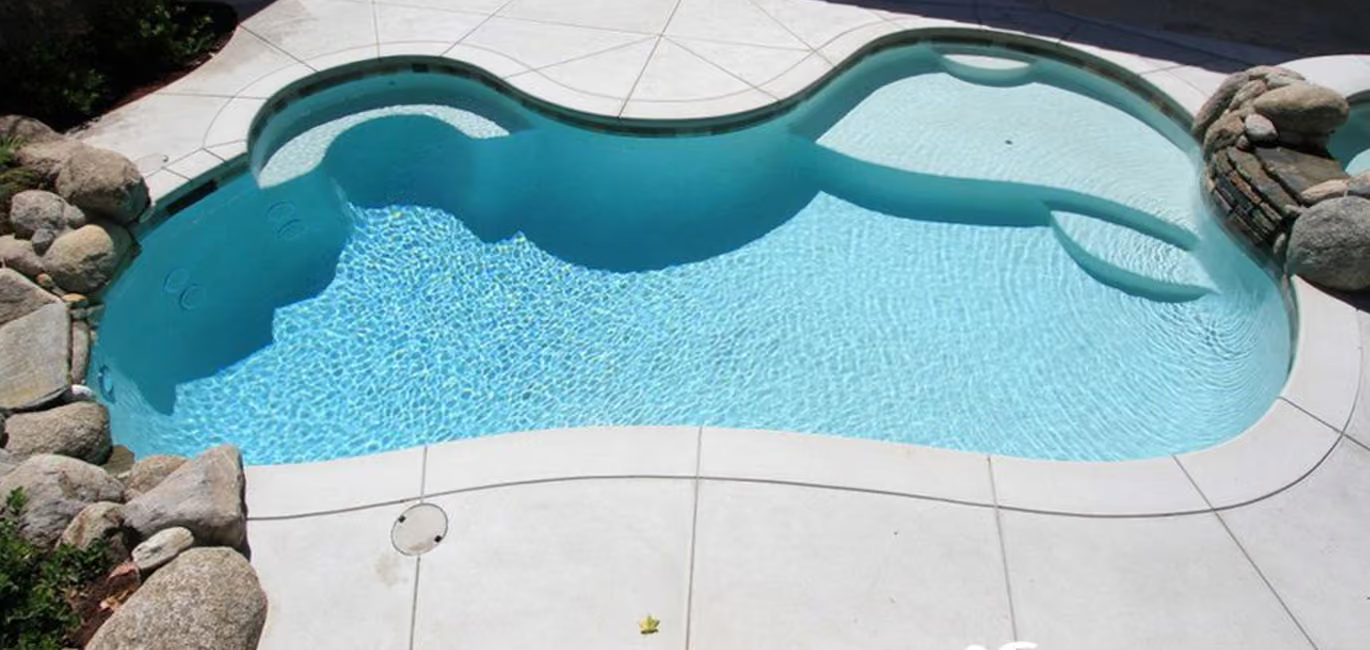
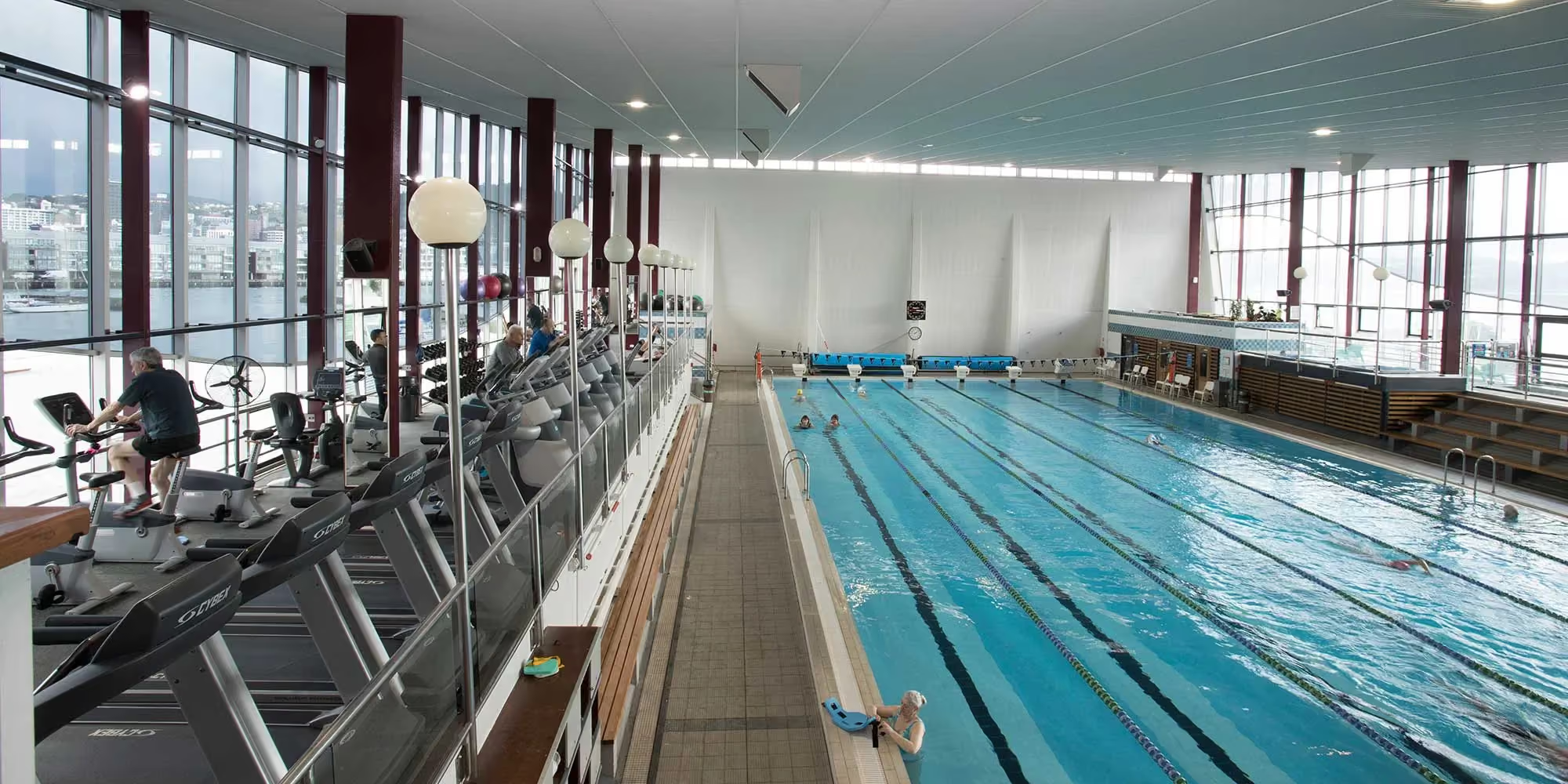
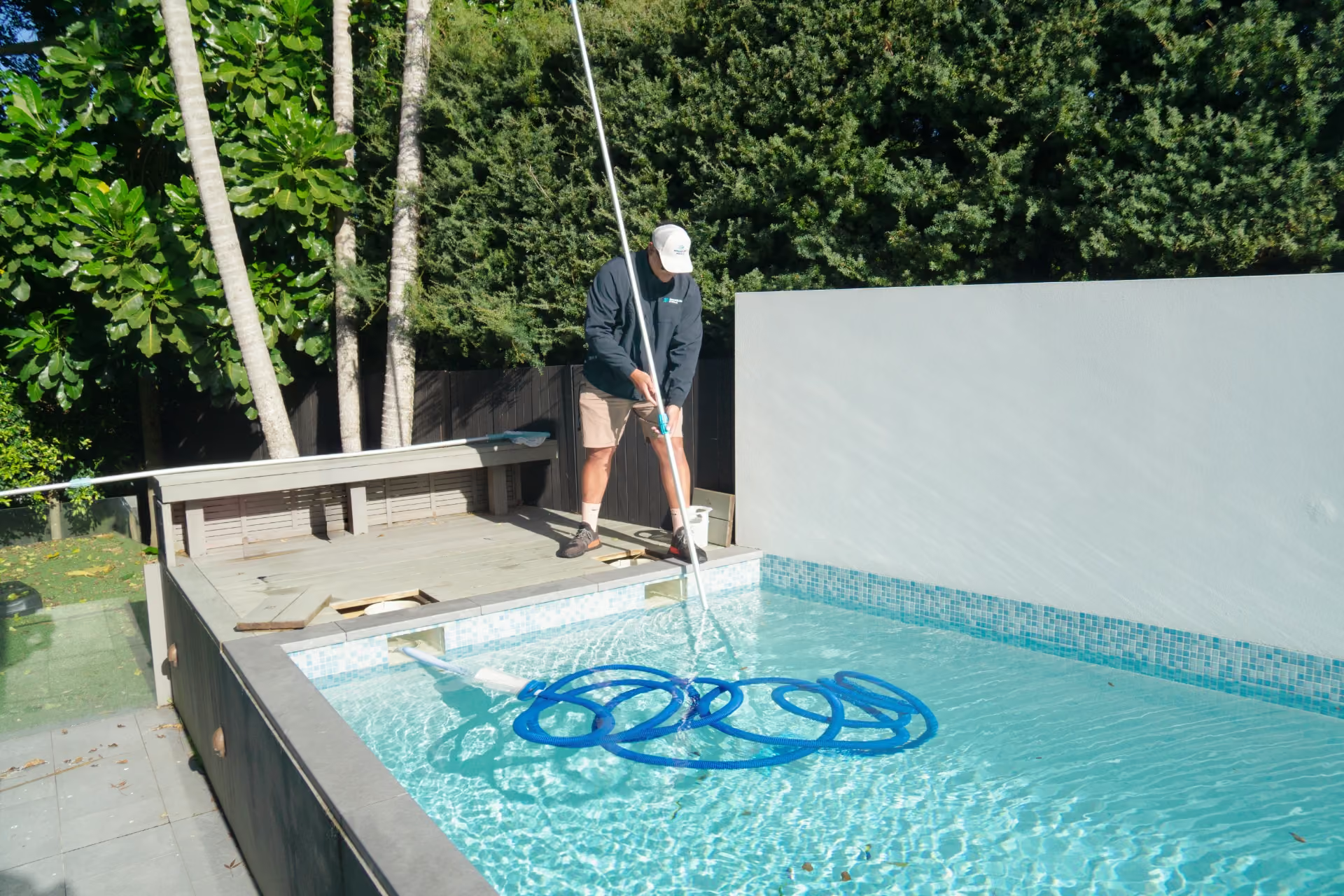
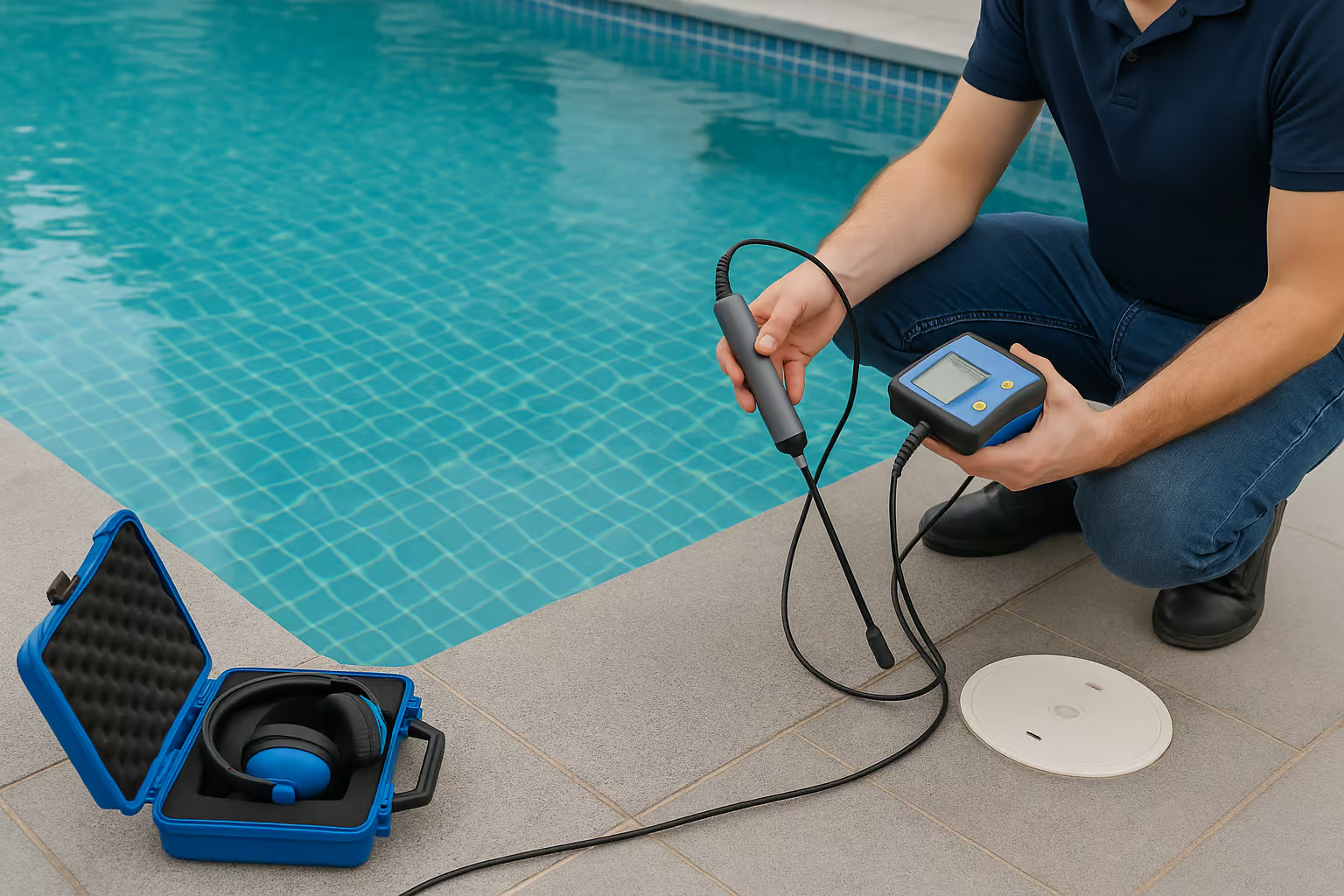
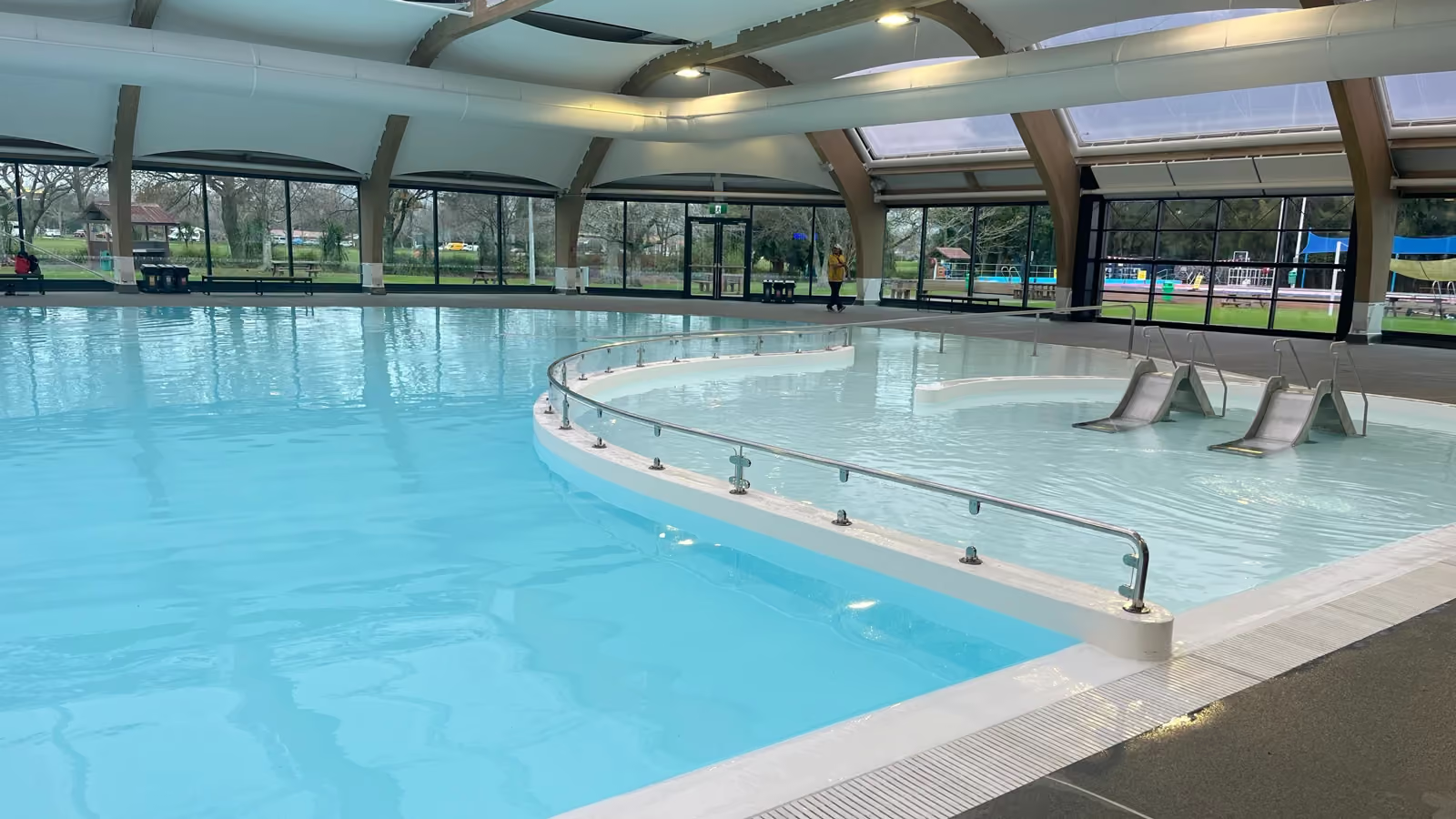
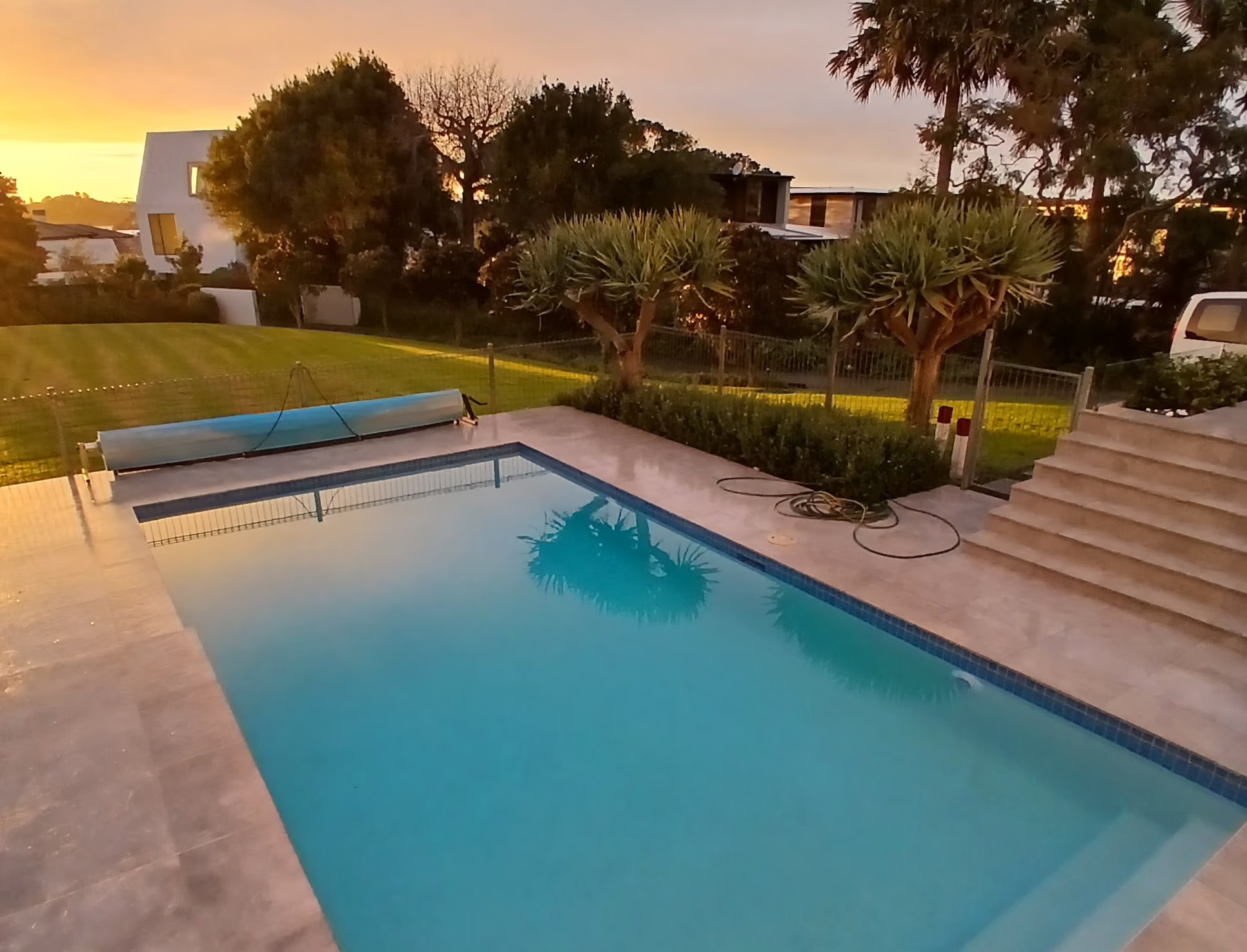
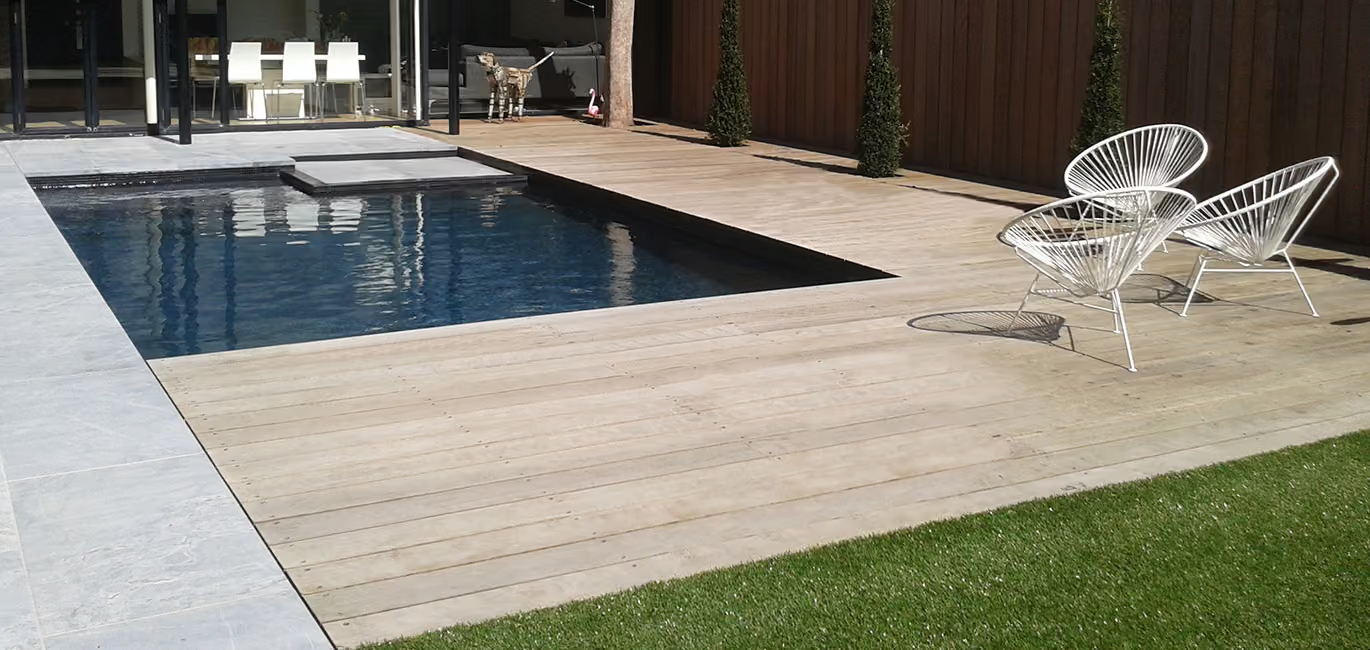
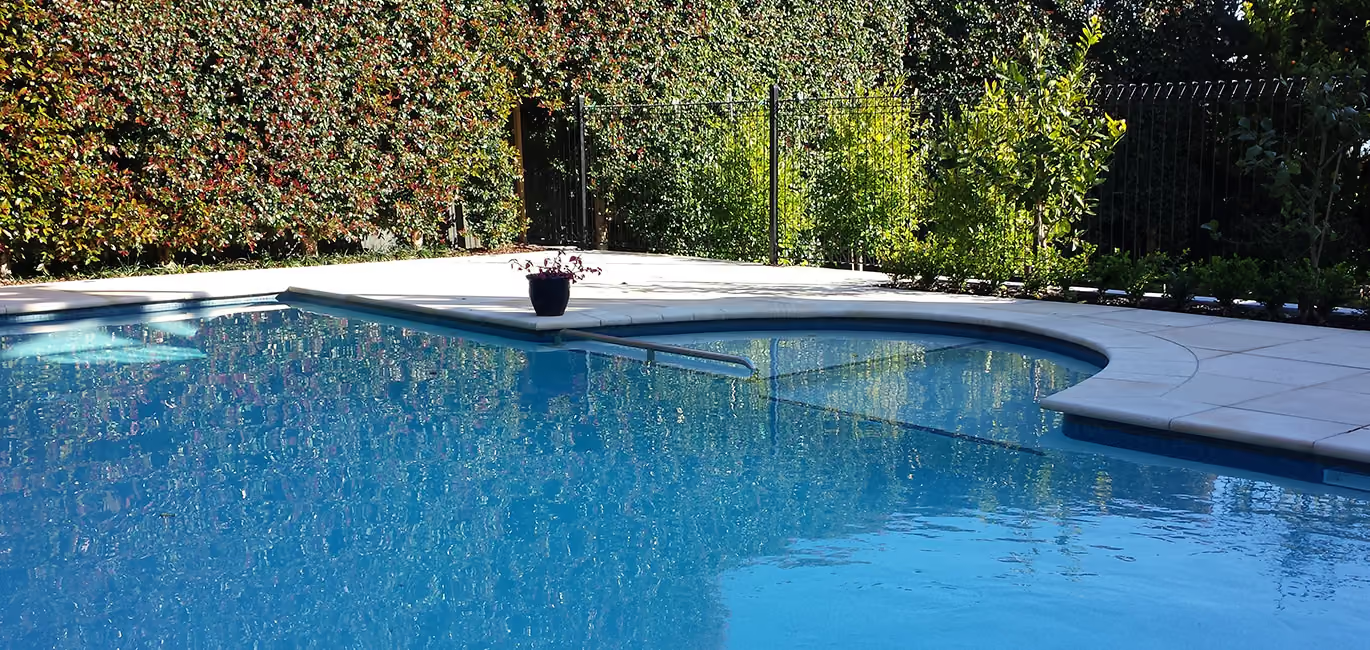
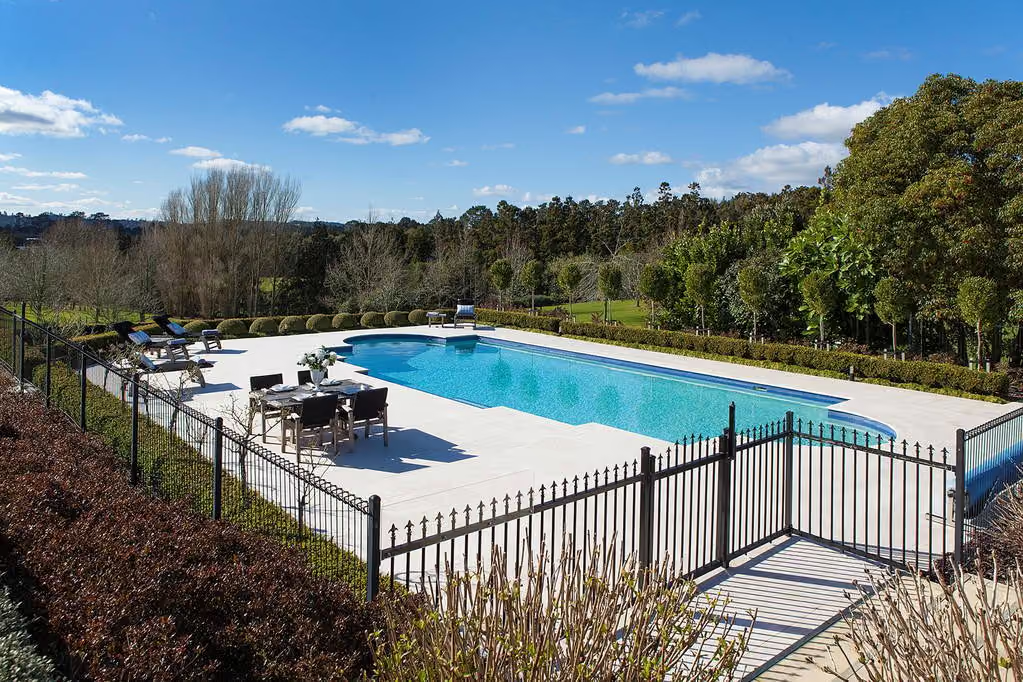
Sparkling Pools has worked on pools across Auckland, including residential renovation projects, equipment upgrades, ongoing maintenance and pool care for managed properties. Past projects show how the right approach can improve presentation, water quality and day-to-day usability. A well-maintained pool is easier to manage, more pleasant to use and better prepared for seasonal changes.
Trusted by Homeowners Across Auckland
Don't just take our word for it. Read what our clients have to say about our transparent communication, reliable service, and stunning pool transformations.
Related Blog Posts
Stay informed on pool care and renovations
Winter pool care essentials for Auckland
Pool Renovation Mistakes

Auckland Climate Pool Maintenance
Choosing Renovation Contractor
Pool Care Auckland Summer
Permits & Consents
Pool Renovation ROI
How Often to Test Pool Water
Pool Renovation Costs
Cost of Pool Service Auckland
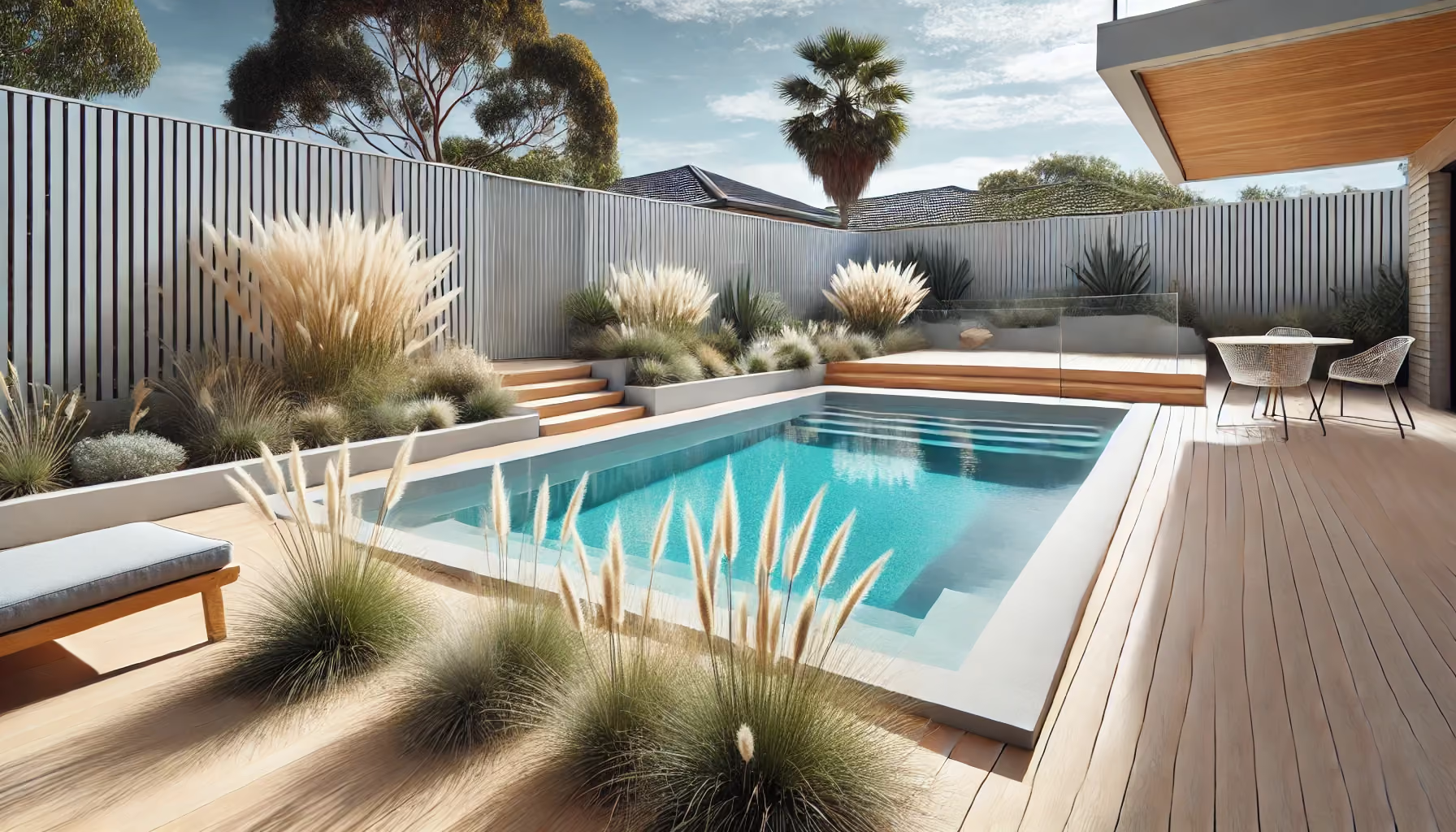
Pool Renovation Planning Guide
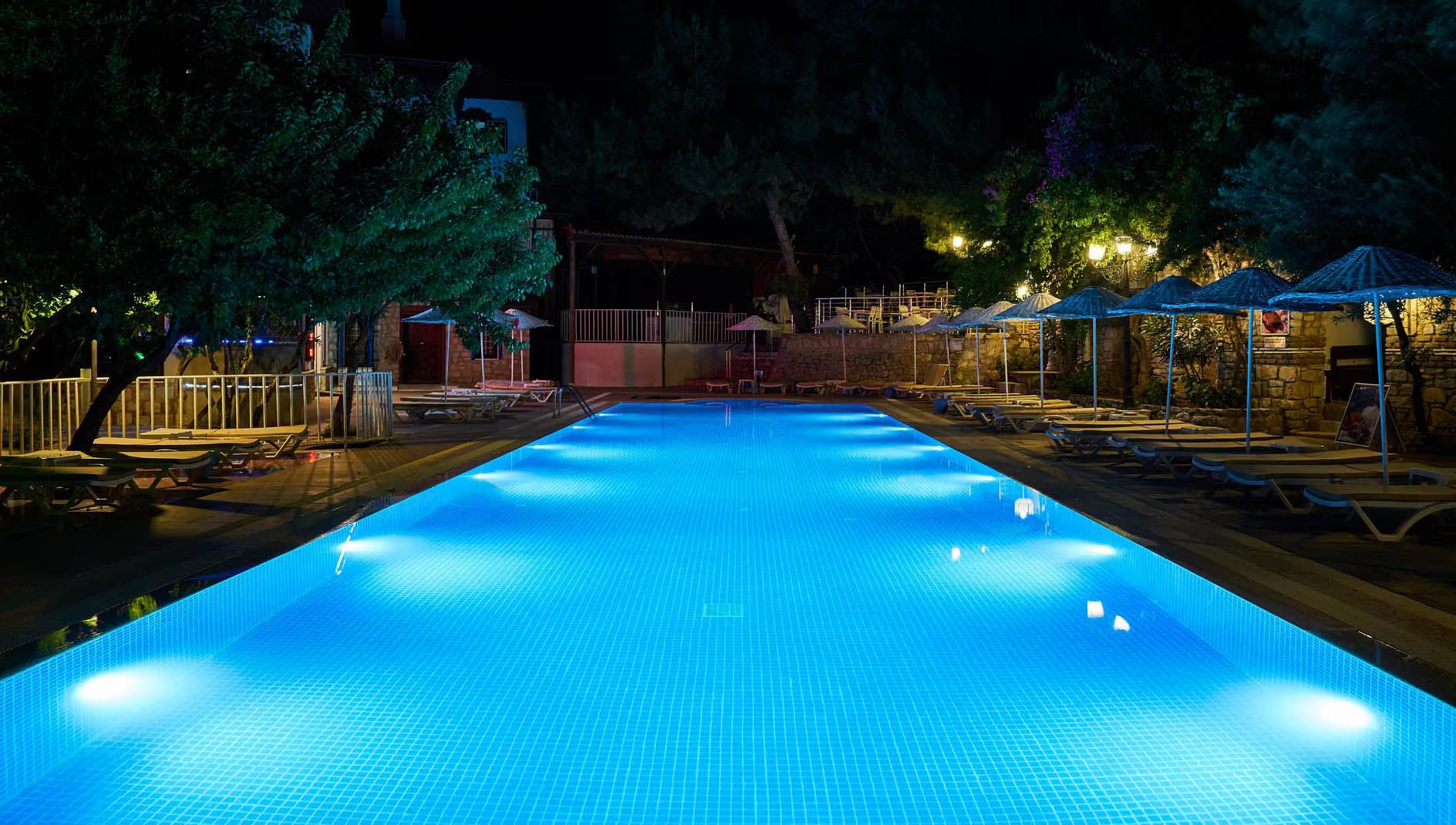
Pool Lighting Buying Guide
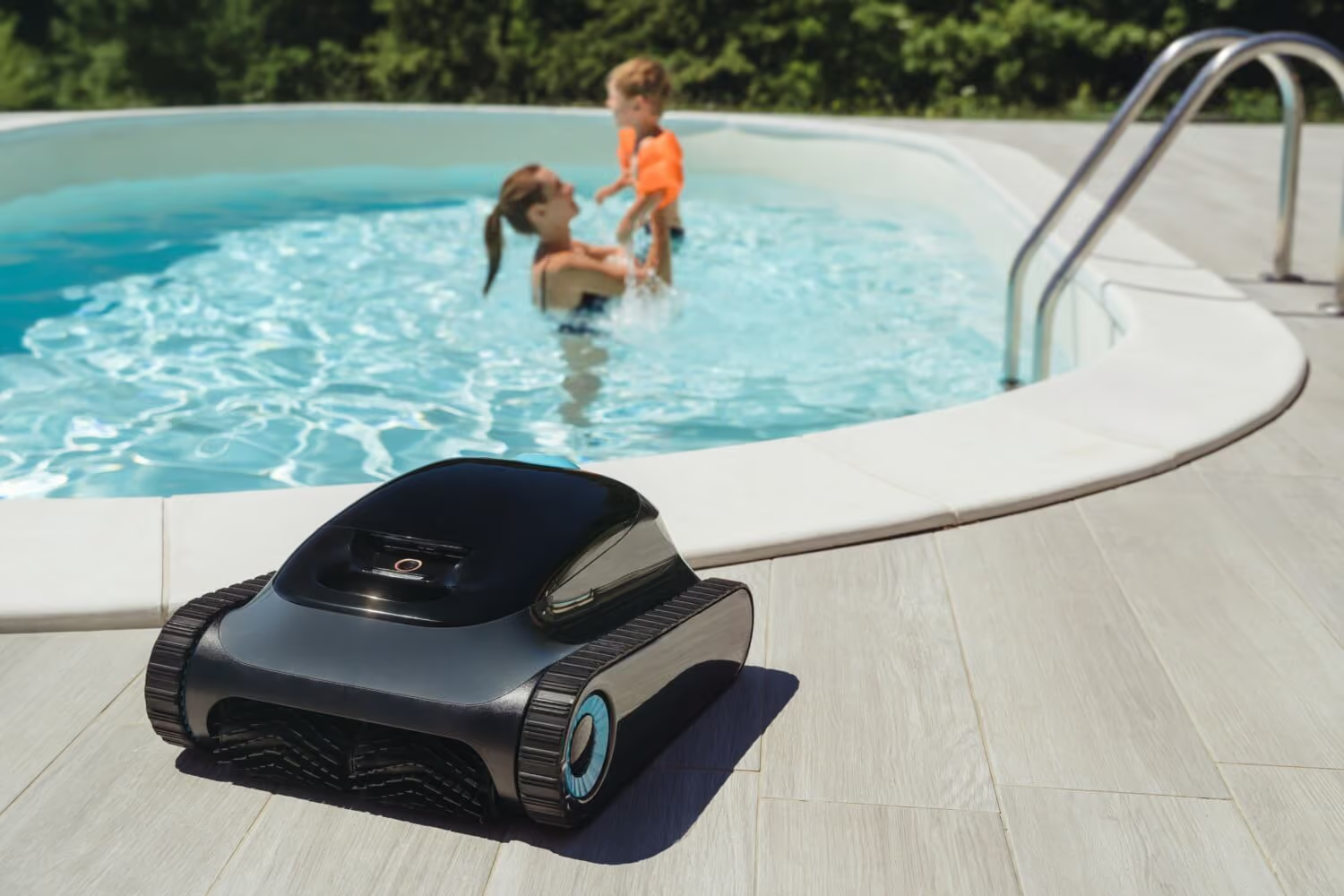
Pool Cleaner Buying Guide
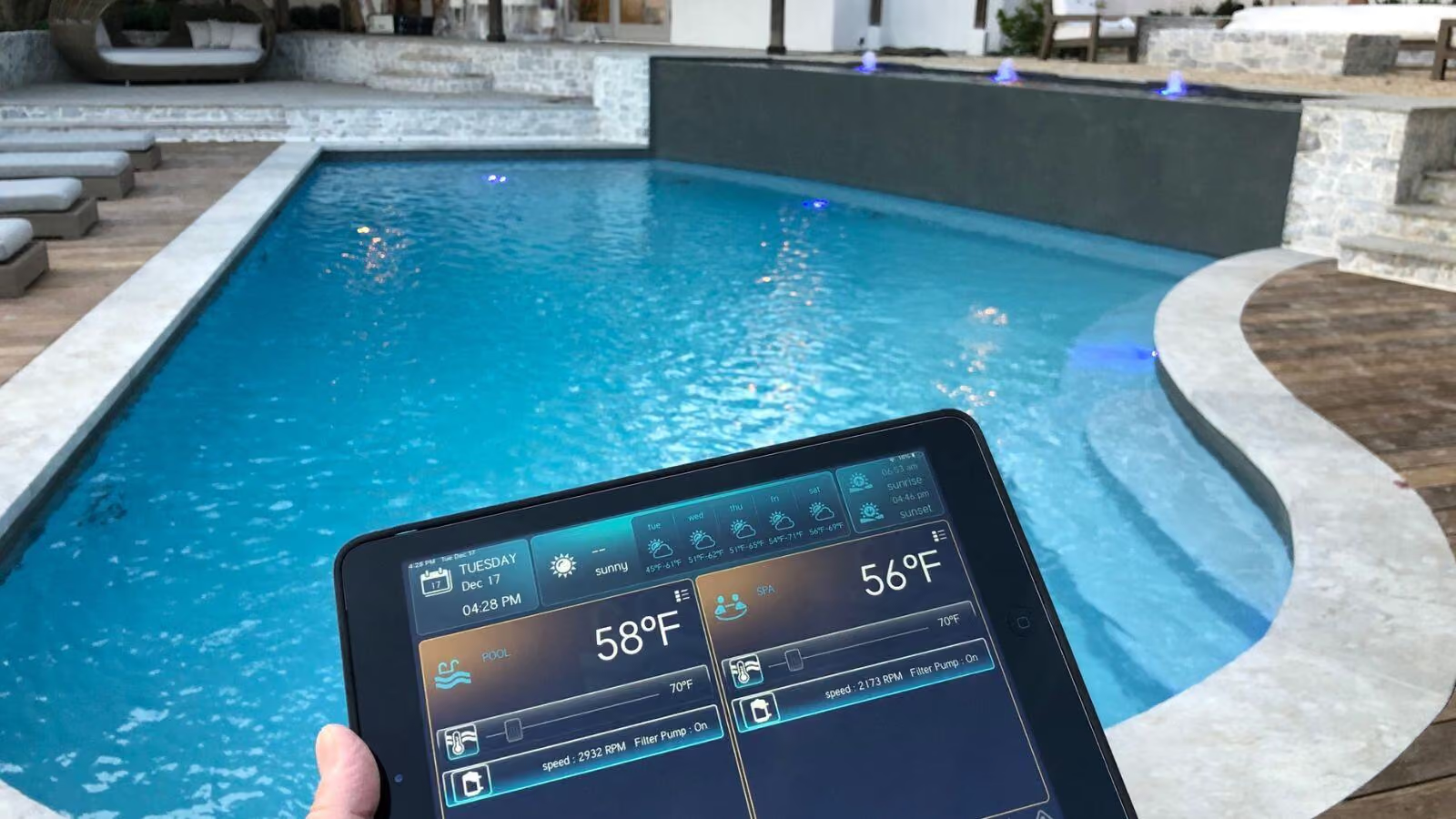
Pool Automation Buying Guide
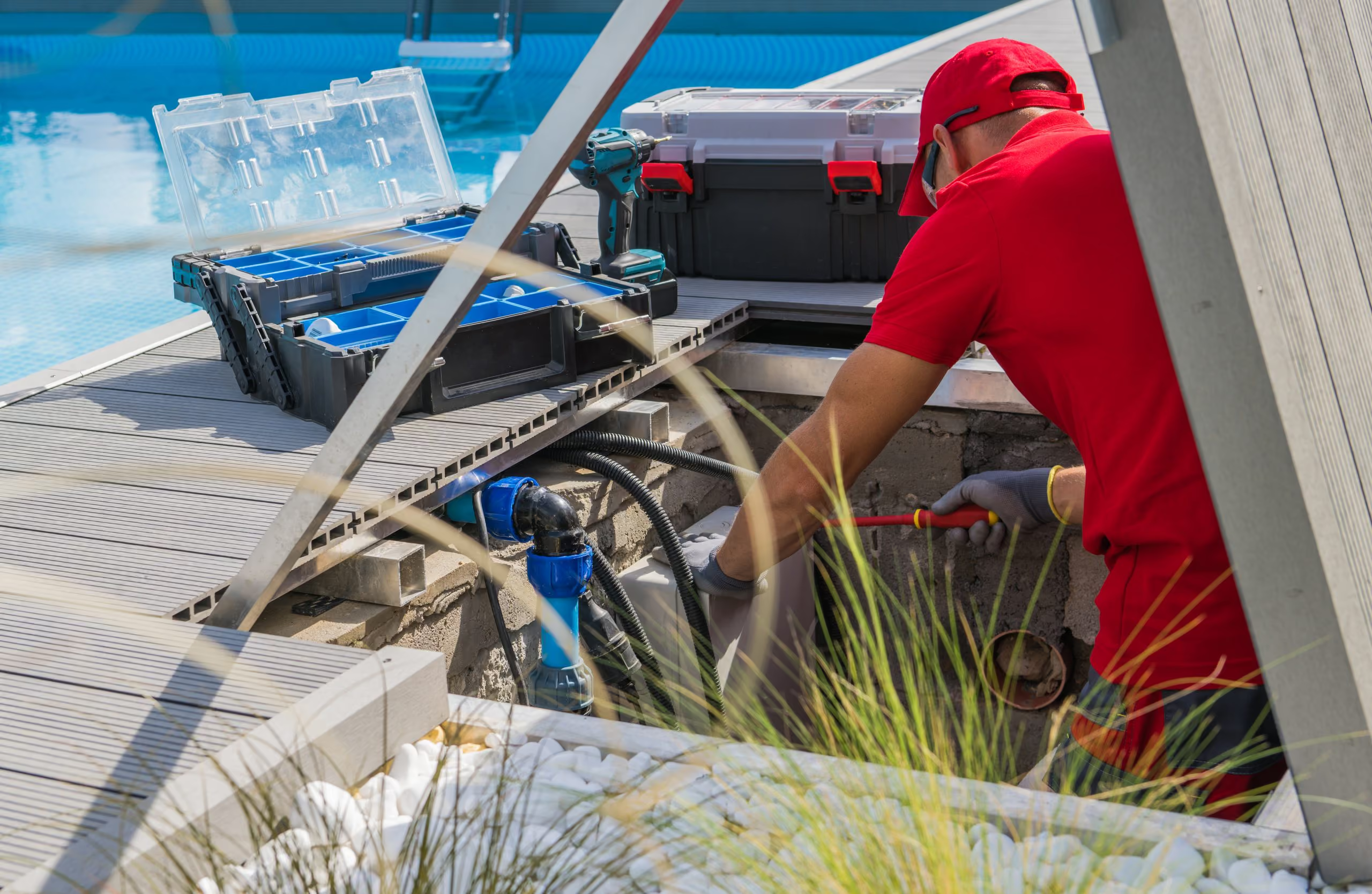
Pool Heater Buying Guide
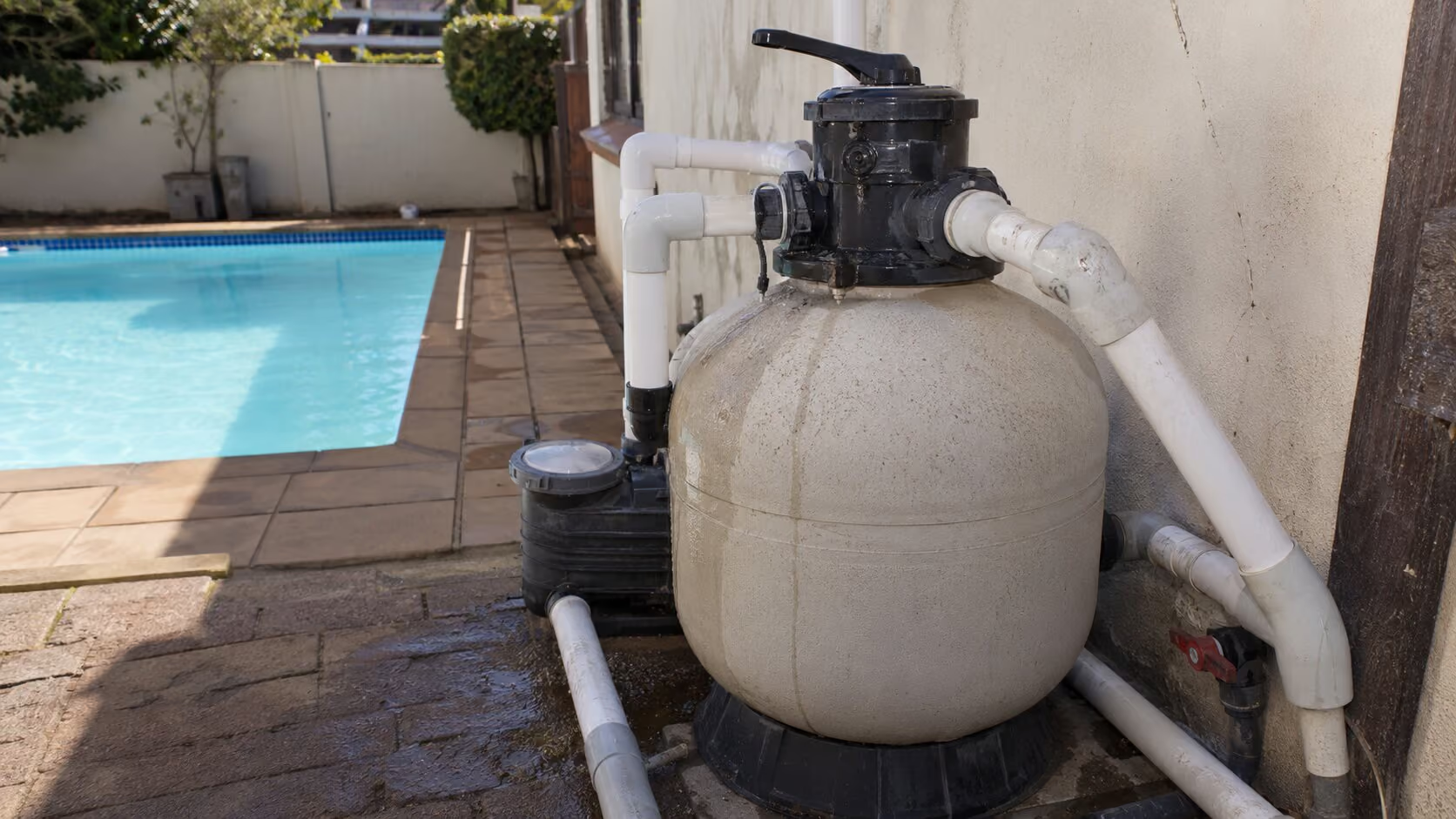
Pool Filter Buying Guide
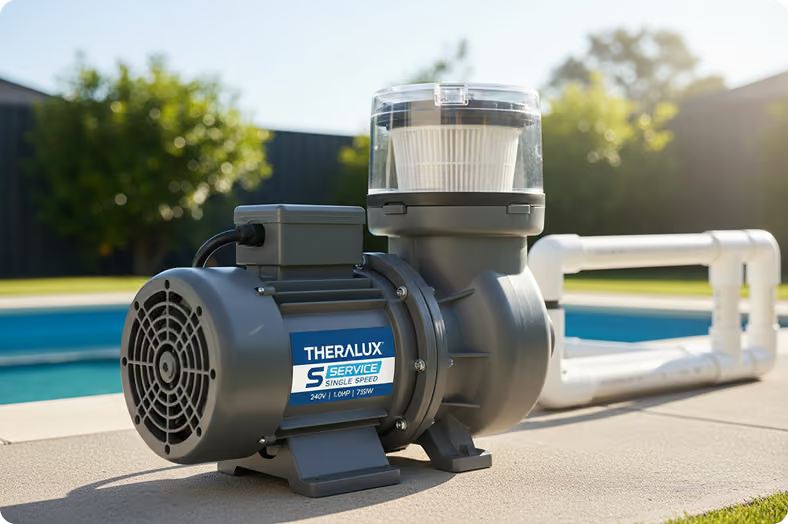
Pool Pump Buying Guide
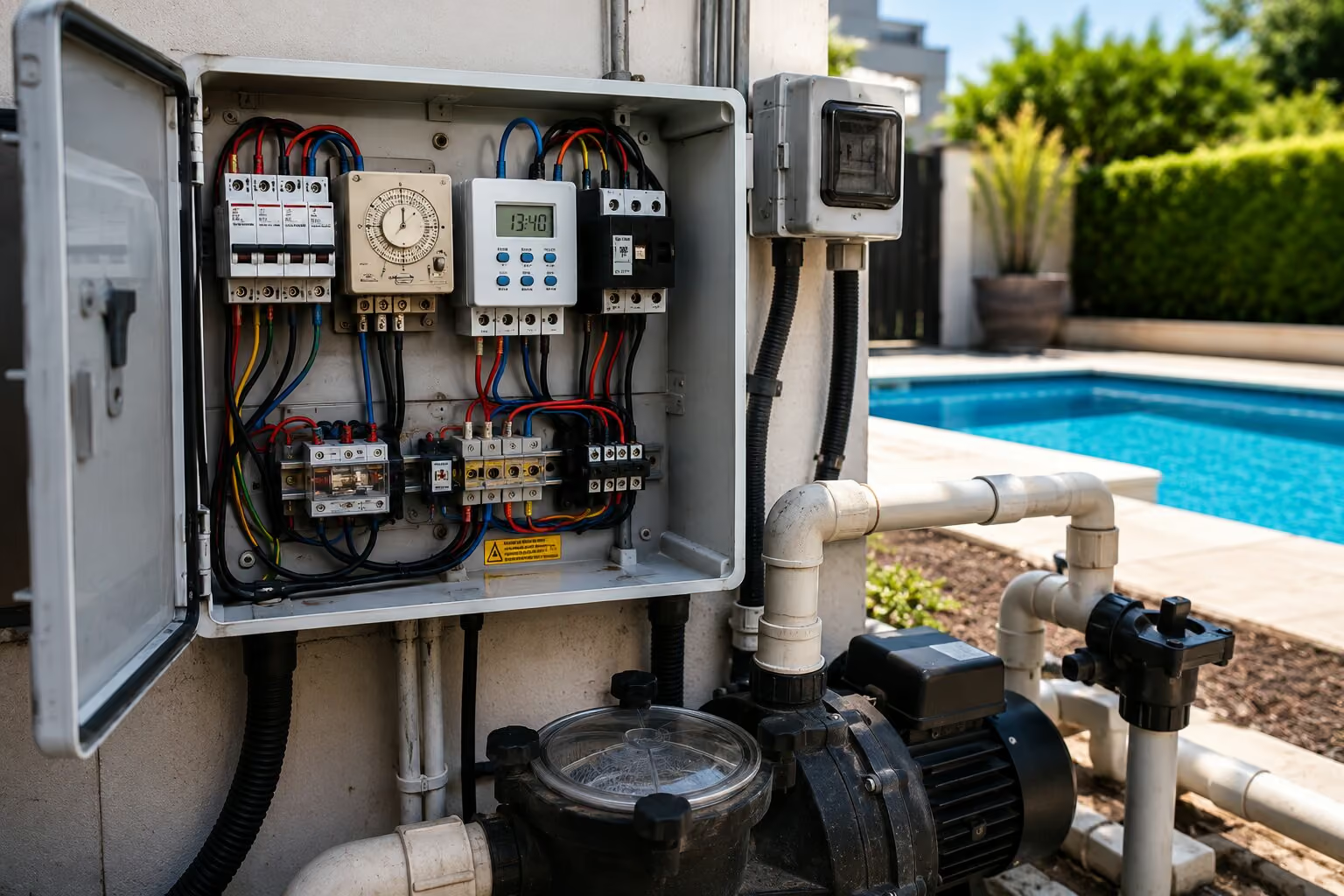
Best Equipment Auckland Climate
Auckland Water Quality
Auckland Pool Season
Pool Ownership Costs
Common Pool Mistakes
Pool Safety Laws
Pool Inspection Requirements
Pool Fence Compliance
.avif)
Auckland Pool Industry Trends
Auckland Pool Regulations
Pool Equipment Suppliers
Best Pool Service Areas
Pool Service Pricing Analysis
Company vs Independent
Best Pool Surface Materials
Pool Resurfacing Options
Pebble vs Plaster Surfaces
One-Time vs Ongoing Service
Full Service vs Chemicals Only
Pool Cover Types
Robotic vs Suction Cleaners
Mineral vs Saltwater
Gas vs Heat Pump
Pool Heater Types
Pool Winterizing Guide Auckland
Pool Opening Guide Summer
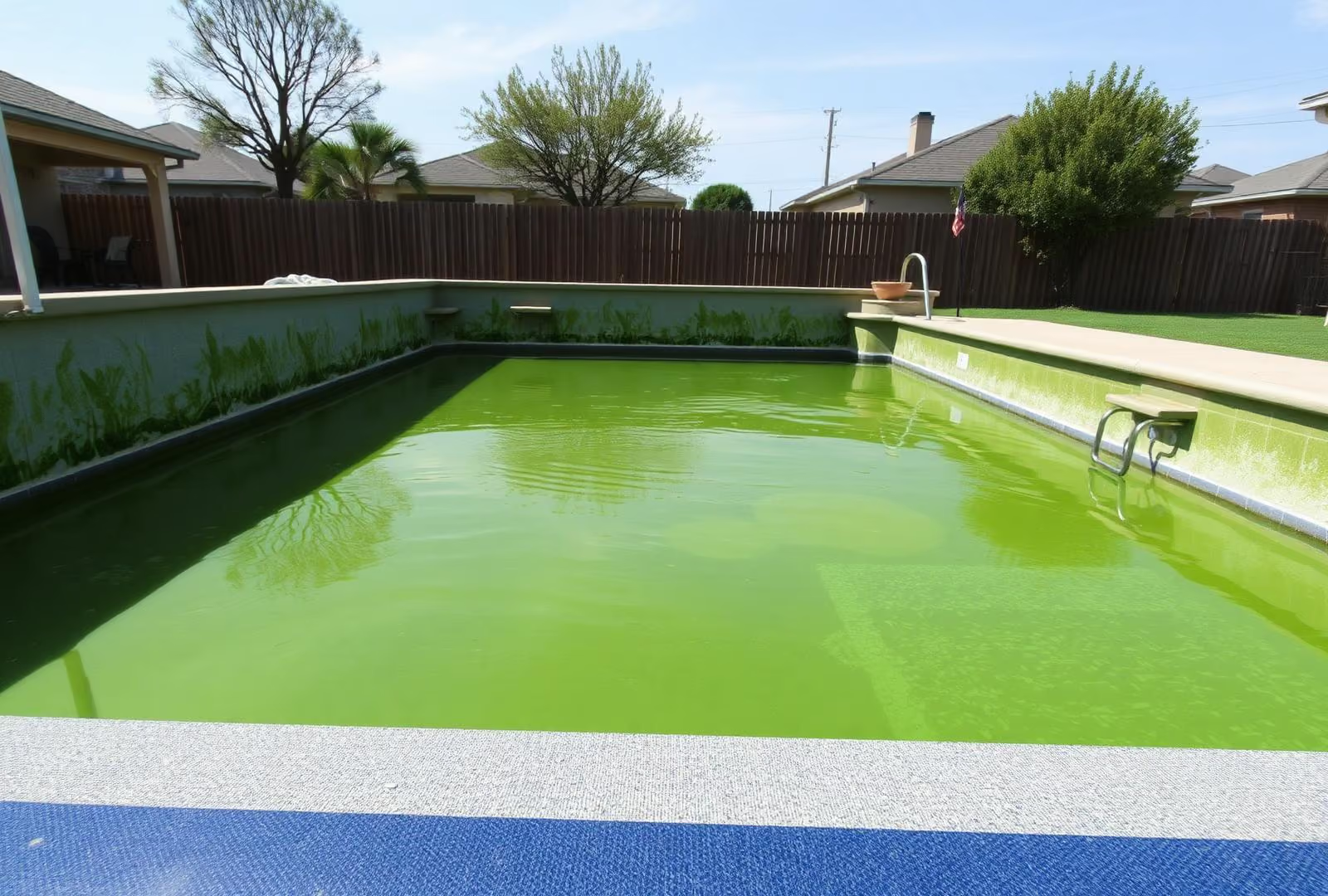
Pool Maintenance After Heavy Rain
Pool Maintenance Schedule
How Often to Run Pool Filter
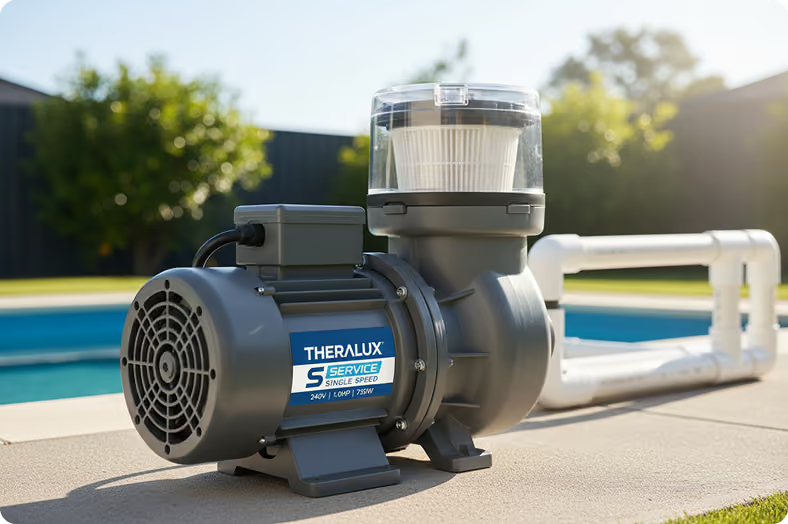
Pool Pump Maintenance Schedule
Pool Filter Cartridge Cleaning
Pool Equipment Maintenance Checklist
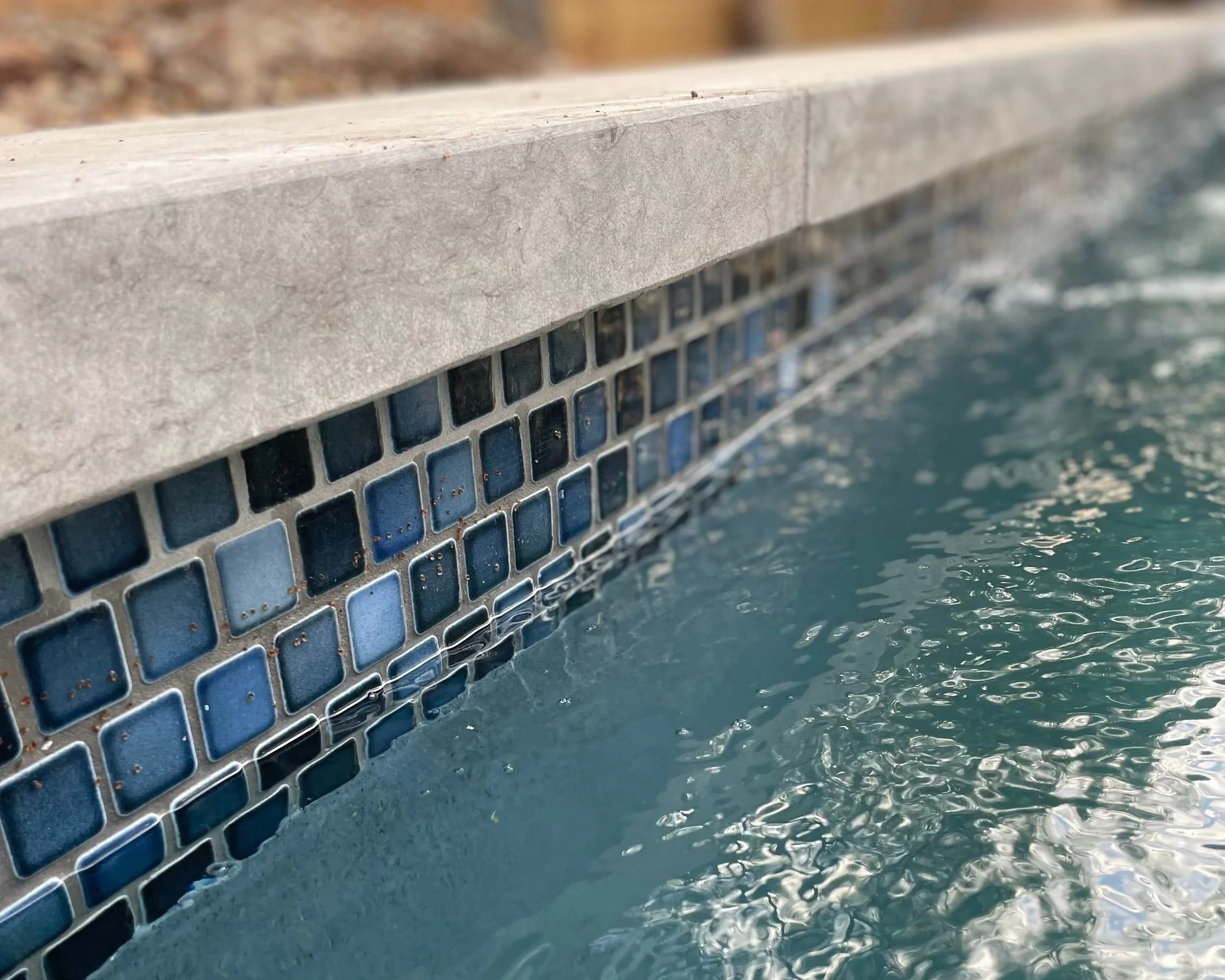
Pool Waterline Cleaning
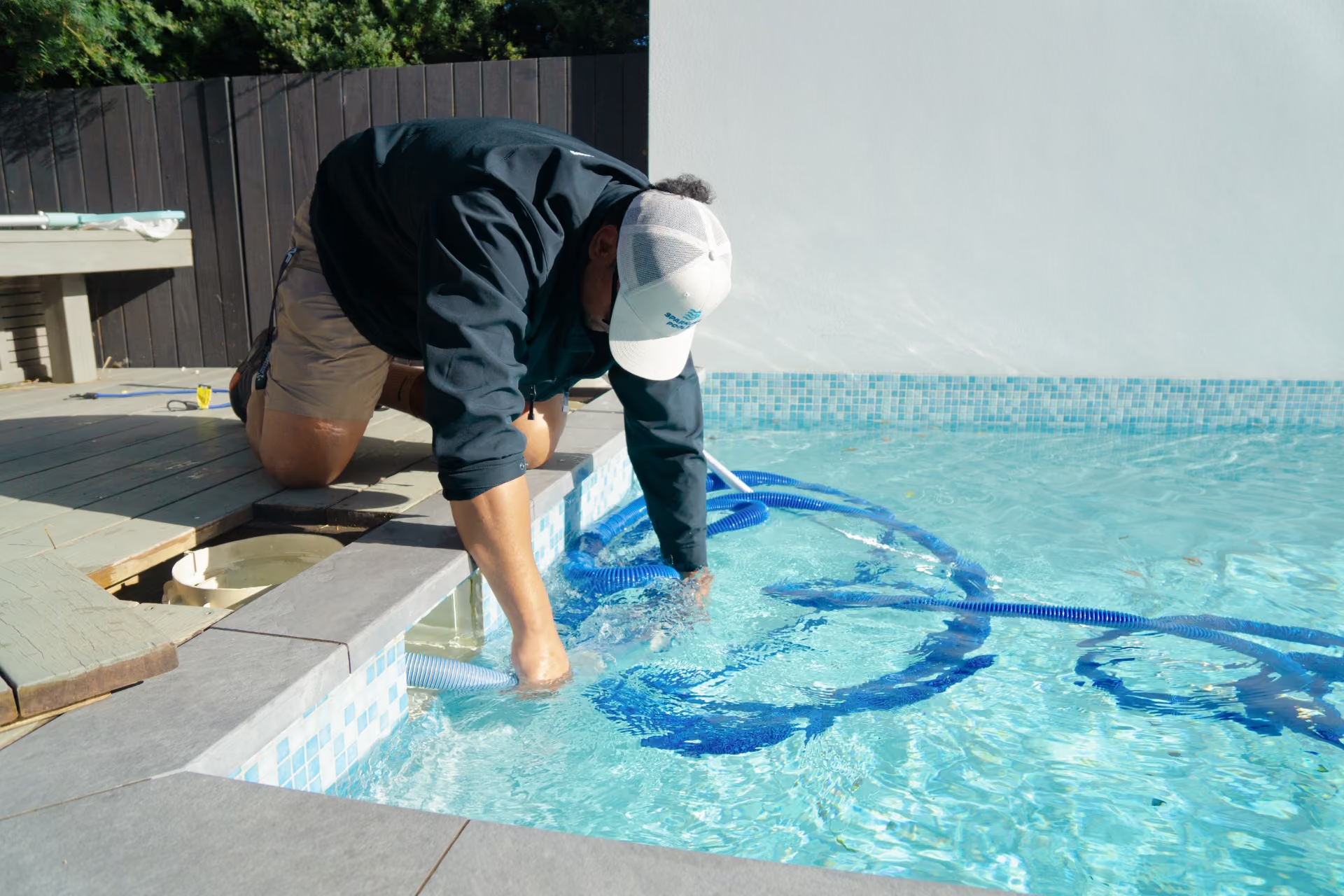
Pool Skimmer Basket Cleaning
Pool Chlorine Levels
How Often Clean Pool Filter
How to Vacuum Pool
Pool Brushing Technique
Pool Chemical Dosing Chart
Pool Water Chemistry Basics
How to Balance Pool Chemistry
How to Test Pool Water
Pool Maintenance Tips
Complete Pool Maintenance Guide
Pool Service ROI
Pool Equipment Buy or Service
Pool Maintenance Time Requirements
DIY vs Professional
Pool Service Contract
Pool Service vs Pool Valet
Is Pool Service Worth It
Pool Service Guarantees
Pool Service Reviews
Pool Service Red Flags
Questions to Ask Pool Companies
How to Choose Pool Service Company
Hidden Costs DIY Maintenance
Pool Cleaning Prices Auckland
Cost of Pool Resurfacing
Cost of Pool Pump Replacement
Cost to Fix Green Pool
Pool Liner Wrinkles
Pool Cracks When to Worry
Pool Surface Stains
Pool Valve Leaking
Pool Automation Not Working
Pool Light Not Working
Pool Heater Not Heating
Pool Skimmer Not Working
High Pool Filter Pressure
Pool Losing Water
Pool Filter Not Clearing Water
Pool Pump Leaking
Pool Pump Not Pumping
Pool Pump Losing Prime
Pool Pump Noisy
Pool Pump Not Working
Pool Water Foaming
Pool pH Too Low
Pool pH Too High
Green Pool After Rain
Pool Still Green After Shock
Pool Water Cloudy
How to Clear a Green Pool
Pool Care That Protects Your Investment
Good pool care protects more than appearance. Our pool specialists support the long-term condition of your swimming pool while keeping it ready for everyday use.