Pool Equipment Maintenance Checklist

Why Auckland trusts our pool service expertise
Keeping pool equipment in good condition comes down to consistent, routine checks rather than waiting for something to go wrong. Most of the tasks on this checklist take only a few minutes and can prevent much larger problems down the track.
Here are the key points from this pool equipment maintenance checklist.
What you'll learn
Why Regular Equipment Checks Matter
Pool equipment works hard. Pumps run daily, filters process thousands of litres, and chlorinators operate through heat, cold, and everything in between. When one component starts to fail, it rarely stays isolated, a struggling pump puts pressure on the filter, a dirty cell reduces chlorine output, and water chemistry quickly follows.
Staying on top of equipment maintenance is not about being overly cautious. It is about catching small issues before they become expensive ones. This checklist gives Auckland pool owners a clear, practical guide to what to check, how often, and what to look for.
---
The Pump
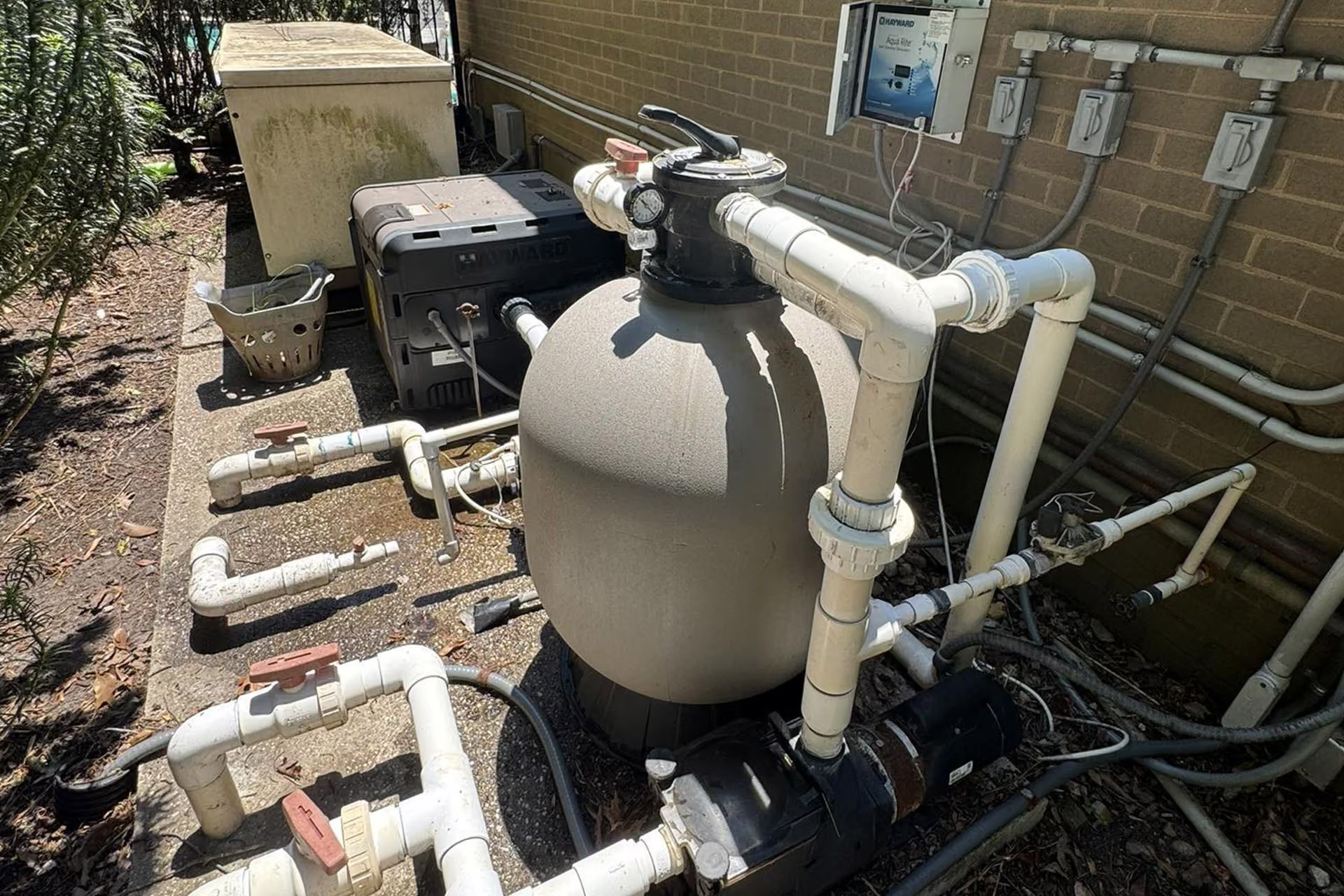
The pump is the heart of your pool system. If it is not working properly, nothing else will be either.
Weekly checks
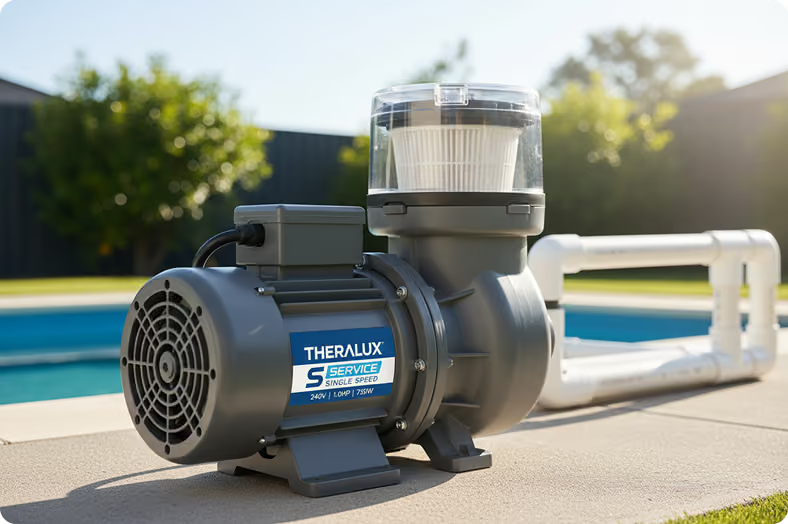
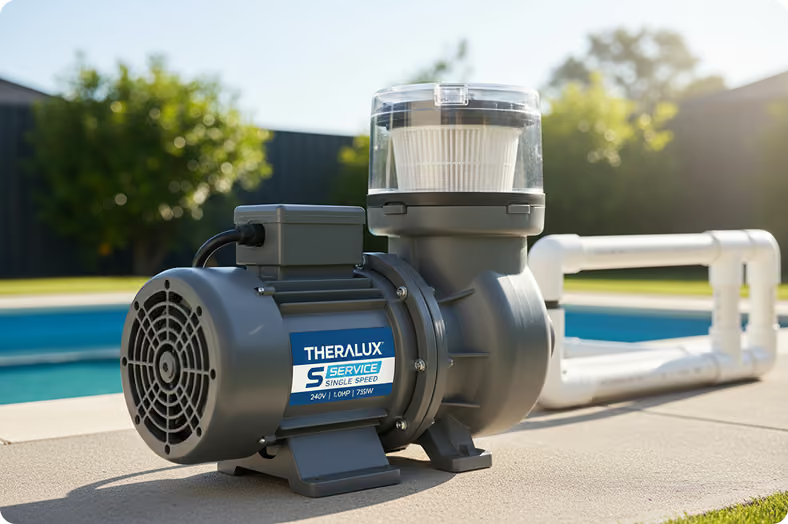
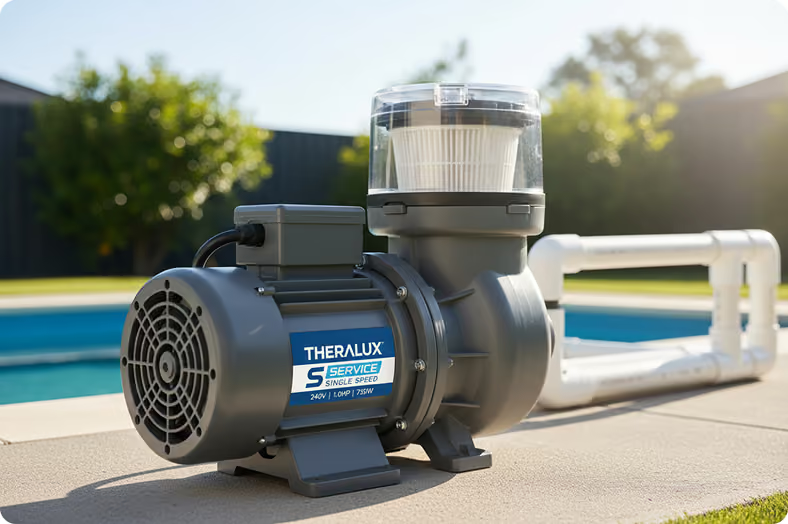
- Listen for unusual noise. A healthy pump runs with a steady, low hum. Grinding, rattling, or a high-pitched whine usually points to a bearing issue or debris in the impeller.
- Check the pump basket. Remove and clear the strainer basket of leaves, debris, and any buildup. A blocked basket restricts flow and makes the pump work harder.
- Look for leaks. Check around the pump lid, unions, and any visible fittings. Even a slow drip can worsen quickly.
Monthly checks
- Inspect the pump lid O-ring. If it looks cracked, flattened, or dry, replace it. A failing O-ring causes air leaks that prevent the pump from priming properly.
- Check that the pump is priming correctly. After startup, water should fill the pump housing within a minute or two. Slow or failed priming suggests an air leak or blockage.
---
The Filter
Your filter removes fine particles and keeps the water clear. How you maintain it depends on the filter type, sand, cartridge, or diatomaceous earth (DE).
Weekly checks
- Read the pressure gauge. Note your filter's normal operating pressure when it is clean. A reading that is significantly higher than normal, typically around 70 kPa above baseline, means the filter needs attention.
- Check for visible leaks around the filter body, multiport valve, or drain plug.
Sand filters, monthly
- Backwash when pressure rises. Run the backwash cycle until the sight glass runs clear, then rinse before returning to filter mode. Do not backwash more than necessary, it removes the fine layer of debris that actually improves filtration.
- Inspect the multiport valve handle and gasket for wear or cracking.
Cartridge filters, every 4-6 weeks
- Remove and rinse the cartridge with a hose, working from top to bottom between the pleats. Do not use a pressure washer, it damages the filter media.
- Inspect the cartridge for tears or collapsed pleats. A damaged cartridge should be replaced rather than cleaned.
- Soak the cartridge in a filter cleaning solution a few times per season to remove oils and fine debris that hosing alone will not shift.
DE filters, as needed
- Backwash and recharge with fresh DE powder when pressure rises. Follow the manufacturer's guidance on the correct amount for your filter size.
- Inspect the grids or fingers during the annual teardown for tears or damage.
---
The Chlorinator
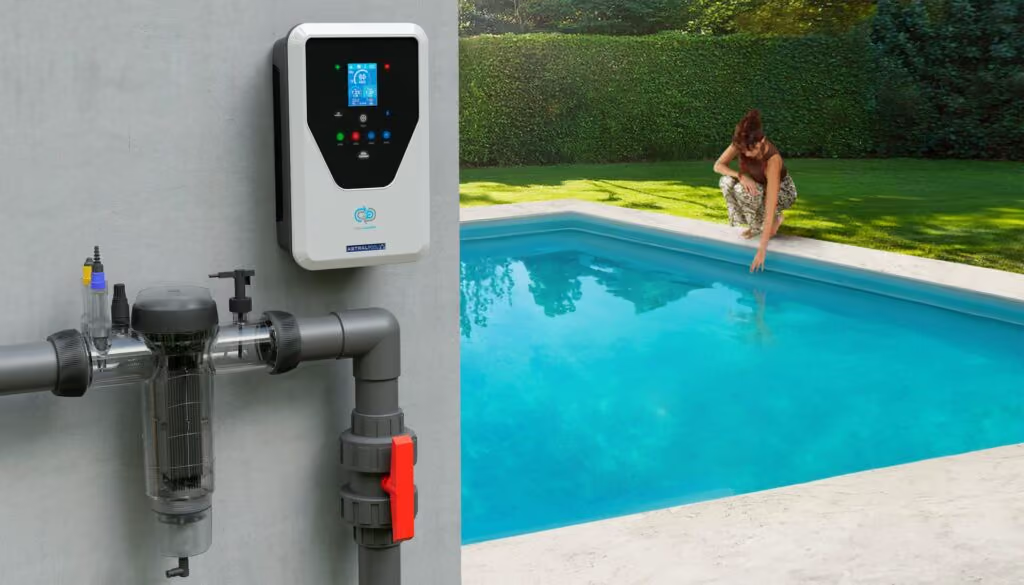
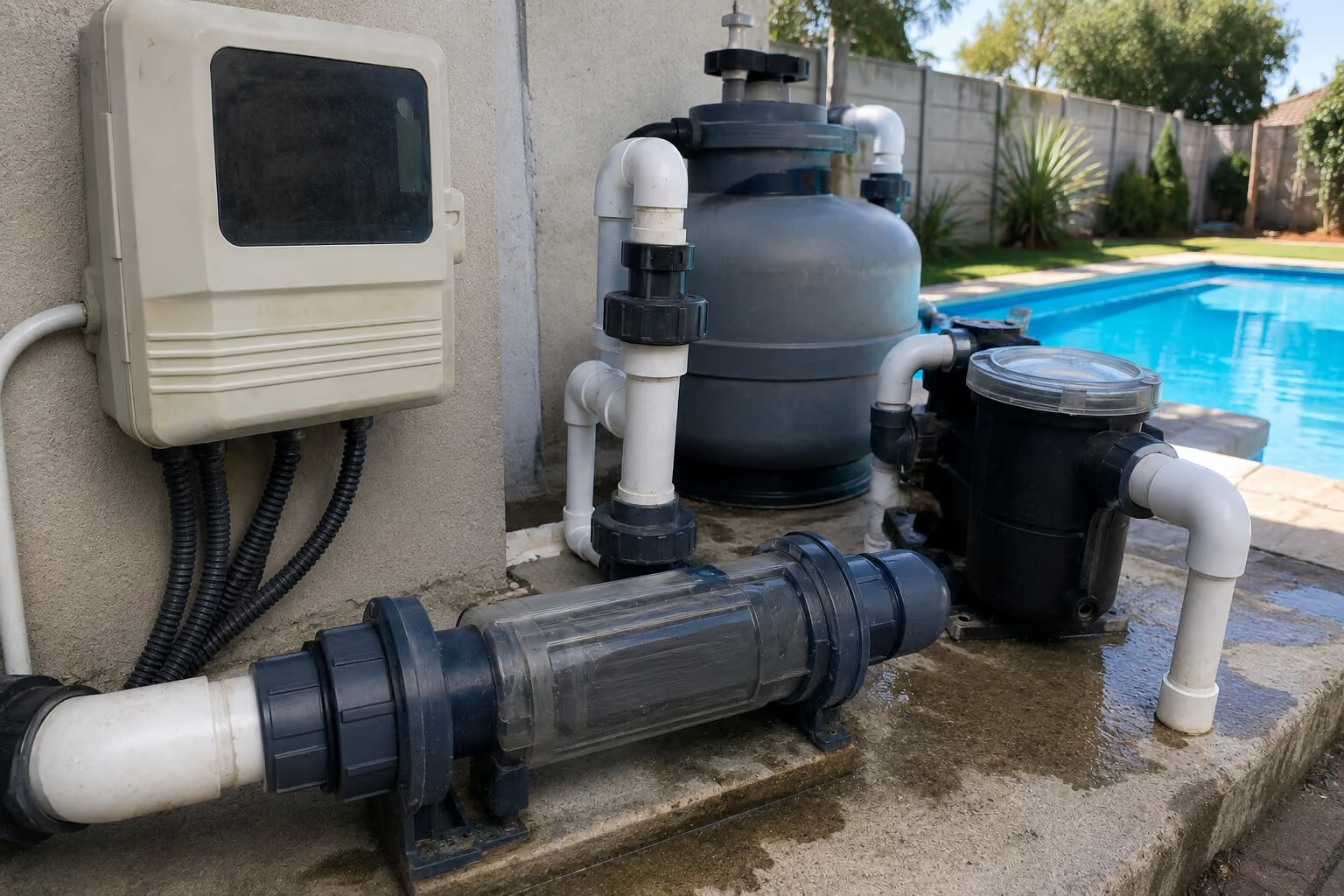
Salt water chlorinators are common across Auckland pools. The cell is the component that converts salt into chlorine, and it needs regular attention to keep output consistent.
Monthly checks
- Inspect the cell for calcium scale buildup. Hold it up to the light, if the plates are coated with white or grey deposits, output will be reduced.
- Clean the cell when needed. A diluted acid wash removes scale effectively. Always follow the manufacturer's instructions and handle acid carefully.
- Check the cell indicator light or display. Most modern chlorinators flag low output, low salt, or cell faults on the control panel.
Every 3 months
- Test salt levels in the water. Salt is lost through splash-out, backwashing, and rainfall dilution. Most chlorinators operate within a specific salt range, check your unit's manual for the correct level.
- Inspect the cell terminals and cable for corrosion or damage.
---
The Pool Heater or Heat Pump
Not every Auckland pool has a heater, but for those that do, a few regular checks help extend its life.
Monthly checks
- Keep the area around a heat pump clear. It needs good airflow to operate efficiently. Remove leaves, debris, or anything blocking the intake.
- Listen for unusual sounds during operation, rattling, clicking, or a struggling compressor are worth investigating.
- Check that water is flowing through the heater when it is running. Low flow can trigger safety shutoffs and, over time, cause damage.
Annually
- Have a qualified technician service the heater or heat pump. Gas heaters in particular must only be serviced by a licensed gasfitter. Do not attempt internal repairs yourself.
---
Automatic Pool Cleaners
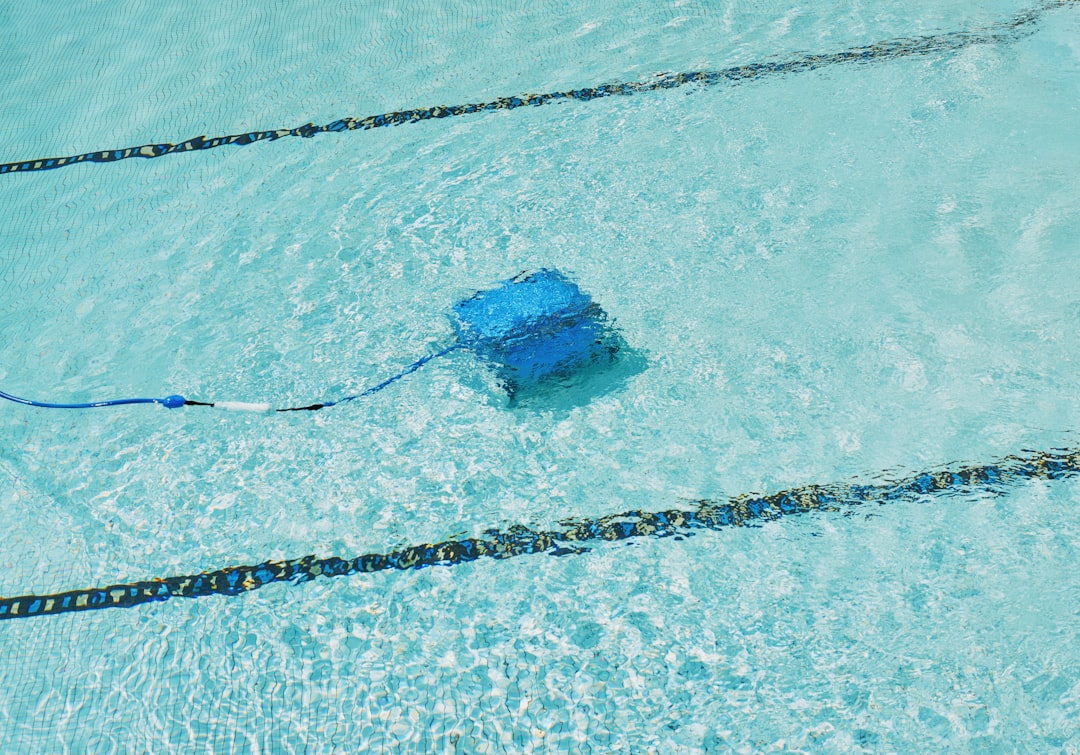
Whether you have a robotic, suction, or pressure cleaner, keeping it in good shape means it will actually clean the pool rather than just moving around it.
Weekly checks
- Empty the cleaner's filter bag or canister after each use.
- Check the hose or cable for kinks, cracks, or wear.
- Inspect the brushes and wheels for wear. Worn brushes reduce cleaning effectiveness on the pool floor and walls.
Monthly checks
- Check suction cleaner connections at the skimmer or dedicated suction port for a secure fit and no air leaks.
- Rinse robotic cleaners with fresh water after use to reduce salt and chemical buildup on the unit.
---
Skimmers and Returns
These are easy to overlook but important for circulation and surface cleaning.
Weekly checks
- Clear the skimmer basket of leaves and debris. A blocked skimmer reduces flow to the pump.
- Check the skimmer weir flap, it should move freely and not be stuck open or closed.
- Confirm return jets are directing flow in a way that promotes circulation across the whole pool. Aim them slightly downward and at an angle to create a circular current.
---
Valves, Fittings, and Pipework
Monthly checks
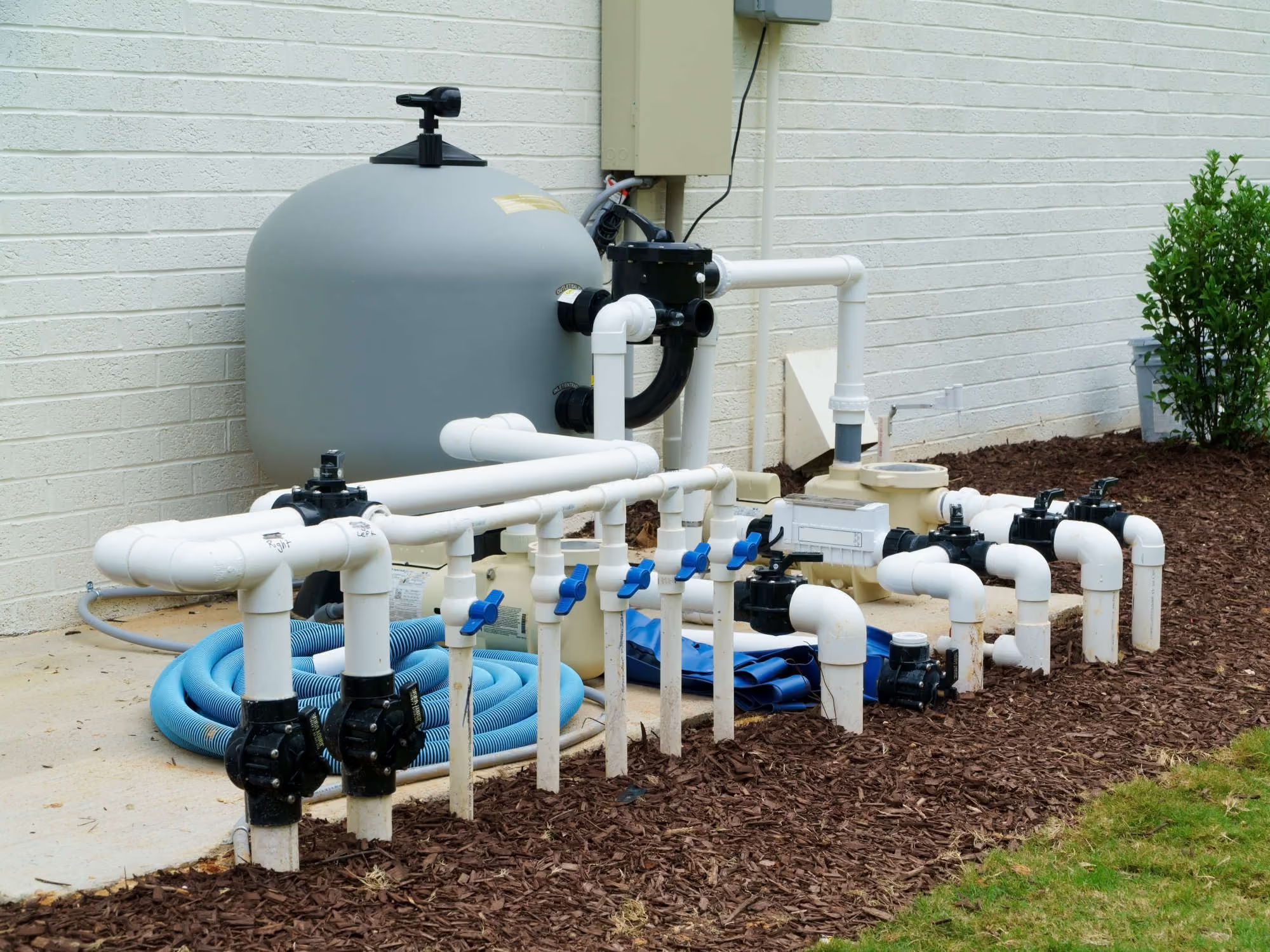
- Inspect visible pipework and fittings for drips, staining, or wet patches on the ground around the equipment pad.
- Turn isolation valves through their full range occasionally to prevent them seizing in one position.
- Check that all valves are set correctly for normal filtration, it is easy to leave a valve in the wrong position after backwashing or vacuuming.
---
The Equipment Pad Overall
Every 3 months
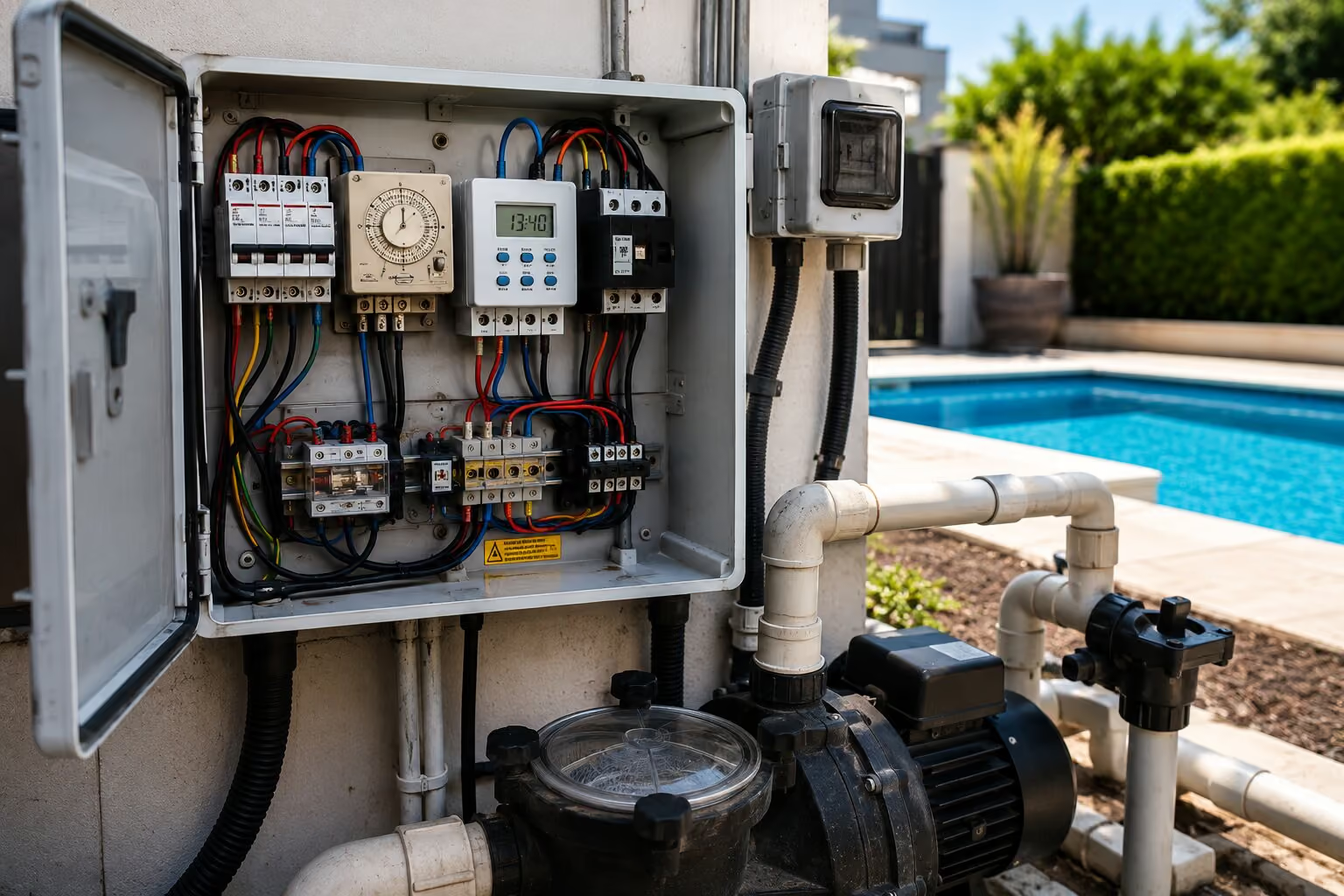
- Clear the area around all equipment of leaves, dirt, and debris. Buildup around electrical components is a maintenance and safety concern.
- Check that all electrical connections and conduit appear intact and undamaged. If anything looks worn, cracked, or water-damaged, have a qualified electrician or pool technician inspect it, do not attempt electrical repairs yourself.
- Look for signs of corrosion on metal fittings, particularly in coastal Auckland locations where salt air accelerates wear.
---
Annual Equipment Service
Beyond the routine checks above, an annual professional service is worth scheduling. A technician can:
- Inspect internal pump components including the impeller and shaft seal
- Test chlorinator cell output against actual chlorine production
- Check heater heat exchangers and burner assemblies
- Assess filter media condition and recommend replacement if needed
- Identify wear on valves, O-rings, and fittings before they fail
An annual service is also a good opportunity to catch anything that routine visual checks might miss, particularly on equipment that is several years old.
---
When to Call a Technician
Some checks and repairs are straightforward for a pool owner to handle. Others are not. Call a professional when:
- The pump will not prime after basic troubleshooting
- Filter pressure remains high after backwashing or cartridge cleaning
- The chlorinator is showing fault codes or consistently low output
- There are signs of an electrical fault, tripping breakers, burning smells, or visible damage to wiring
- A gas heater needs servicing or repair
- You can hear or see a leak but cannot identify the source
Attempting electrical or gas repairs without the right qualifications is unsafe and, in New Zealand, may also be illegal. When in doubt, stop and get a qualified person involved.
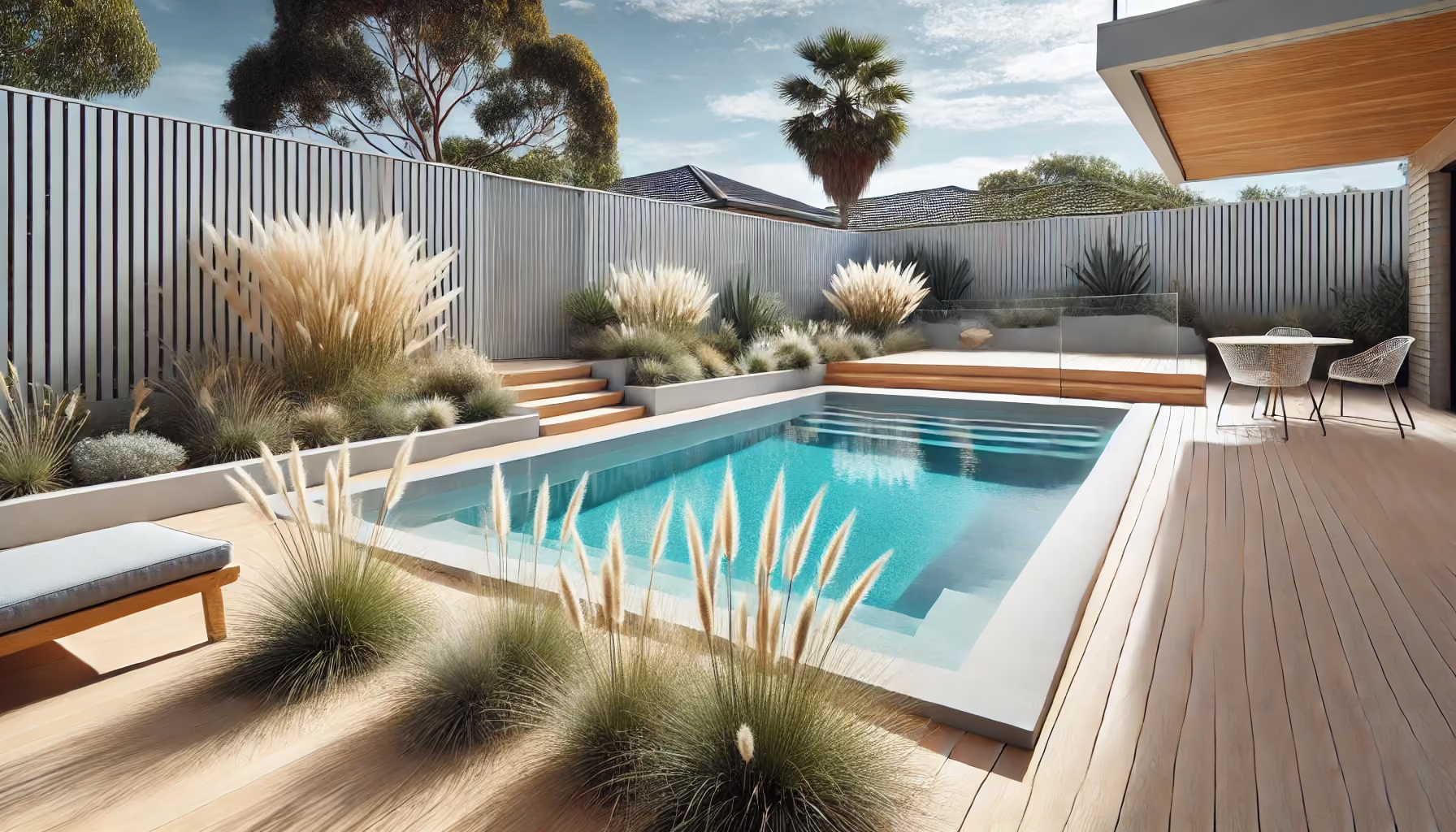
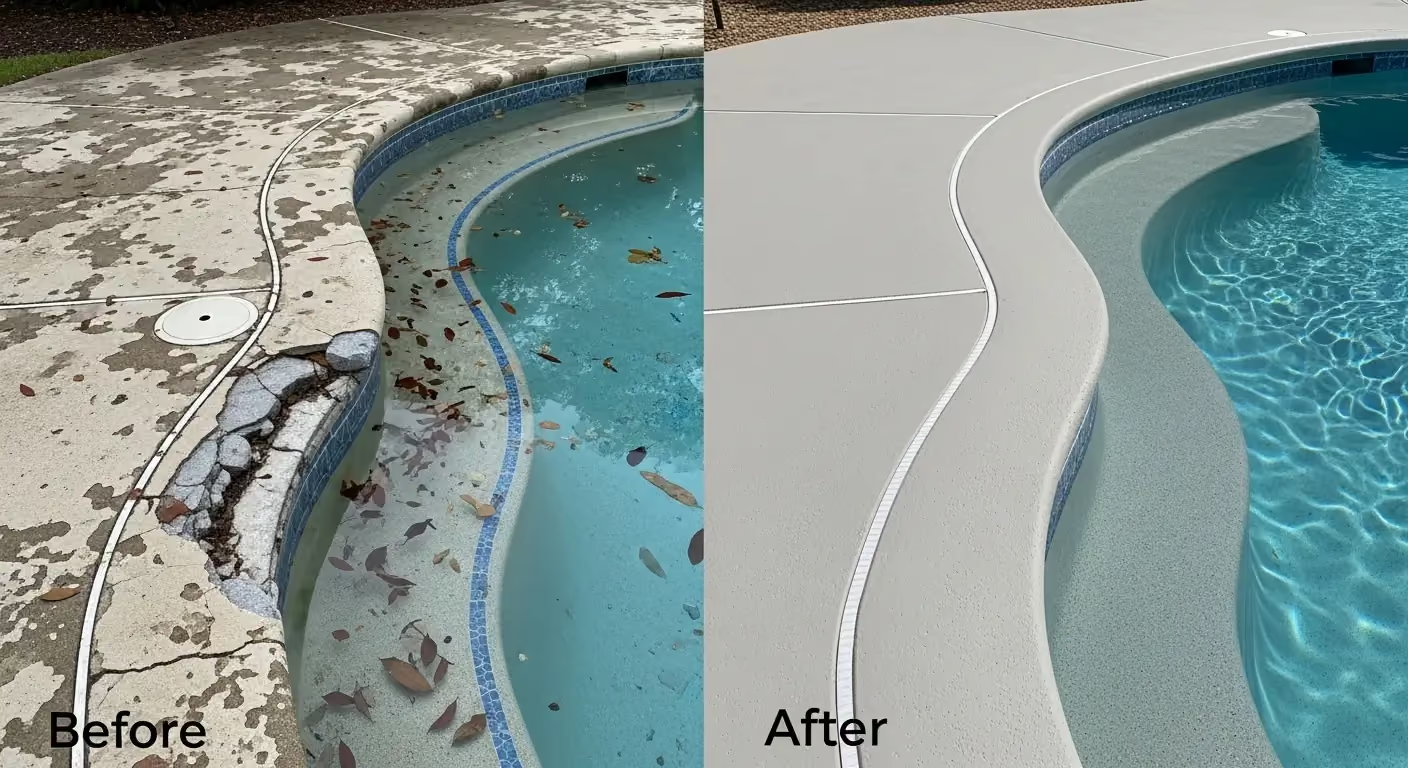
Pool resurfacing solutions
Restore your pool with durable plaster finishes



Work completed
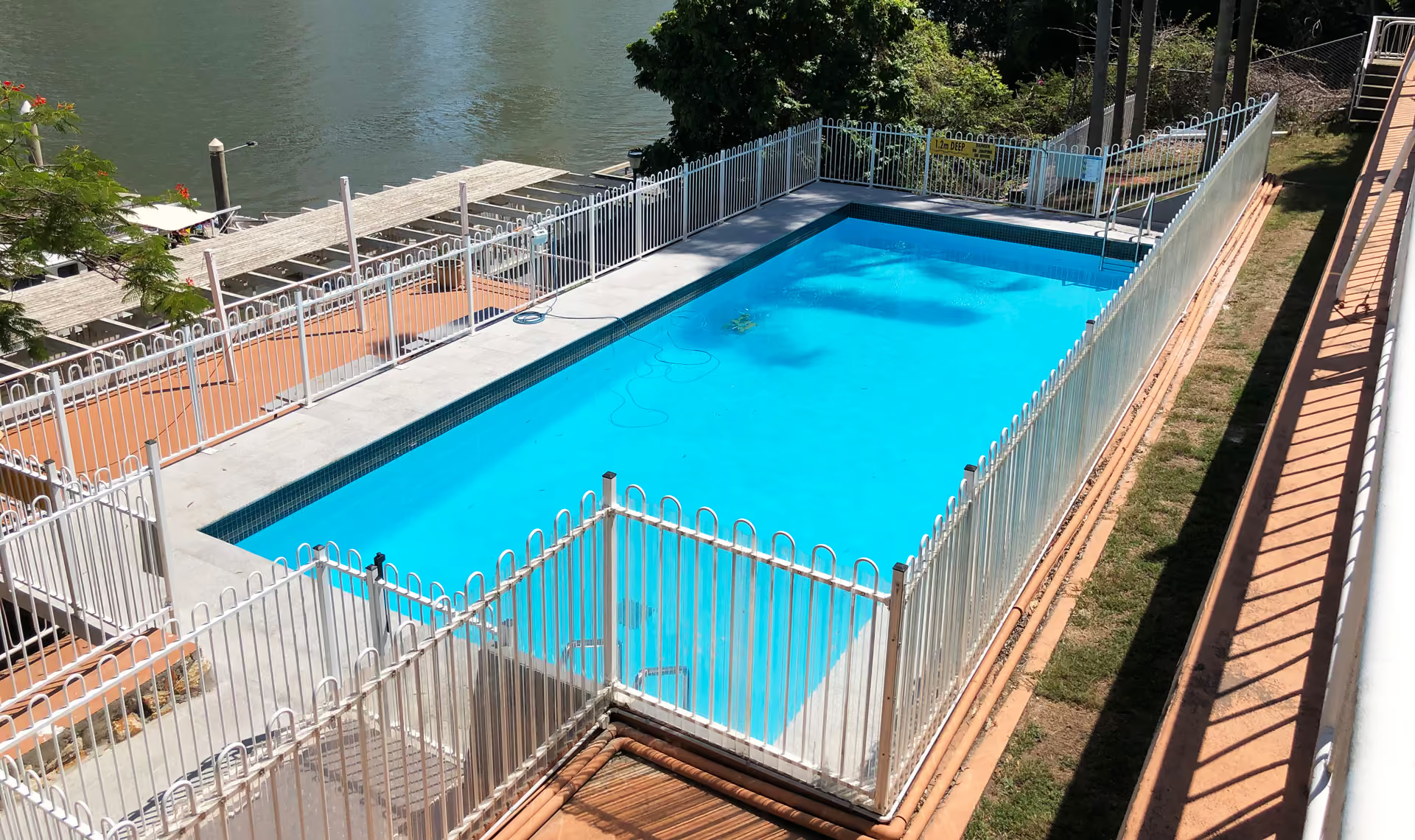
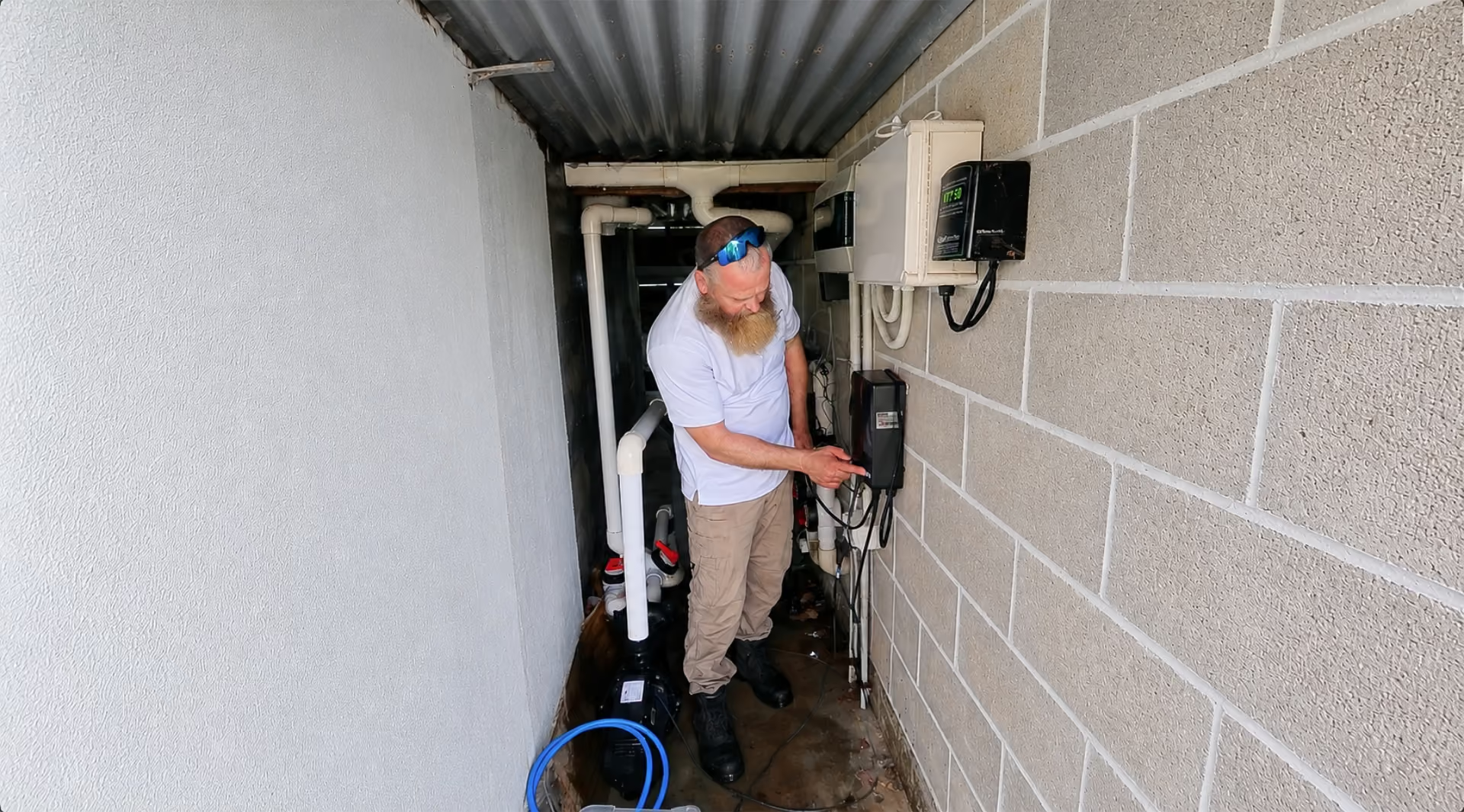
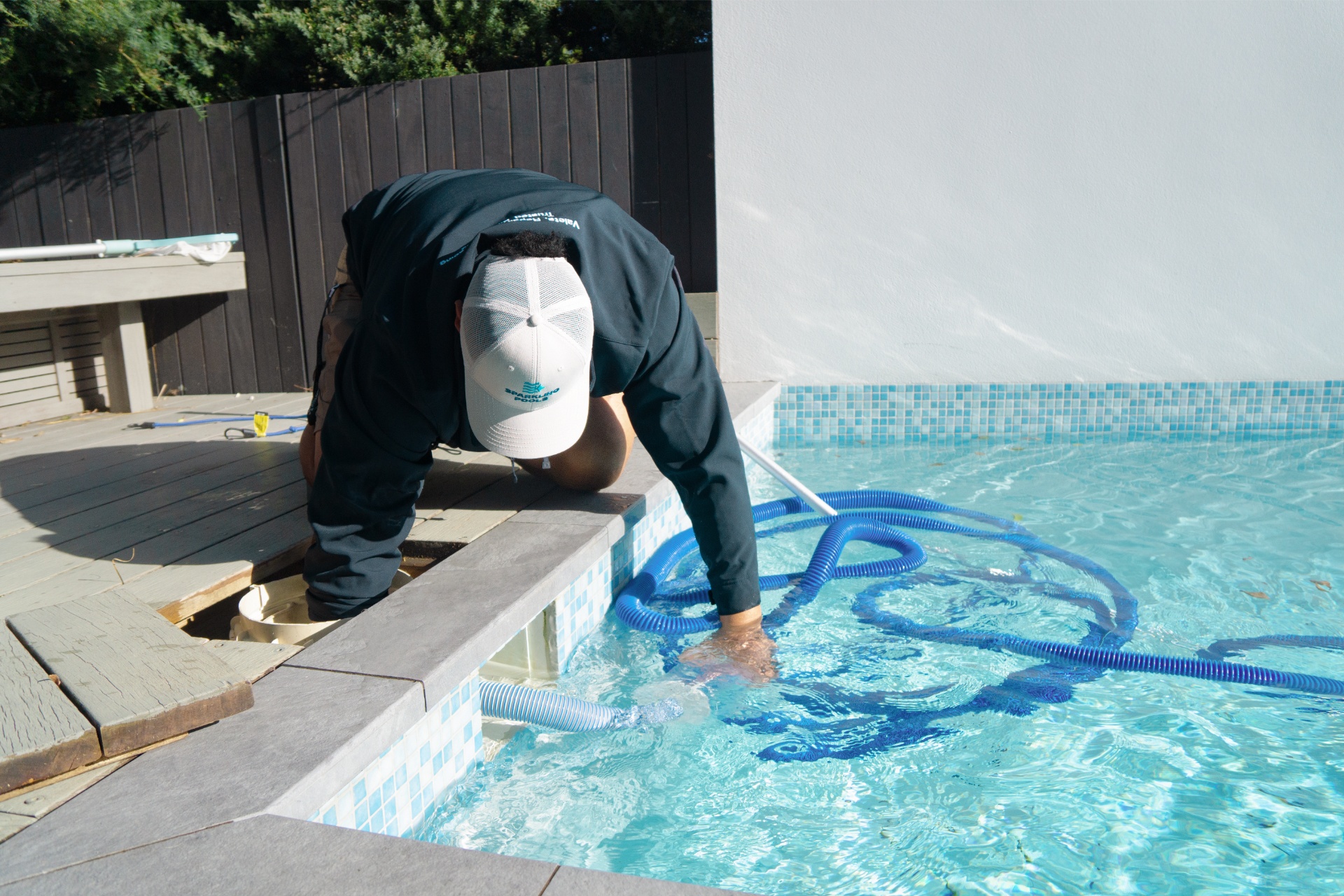
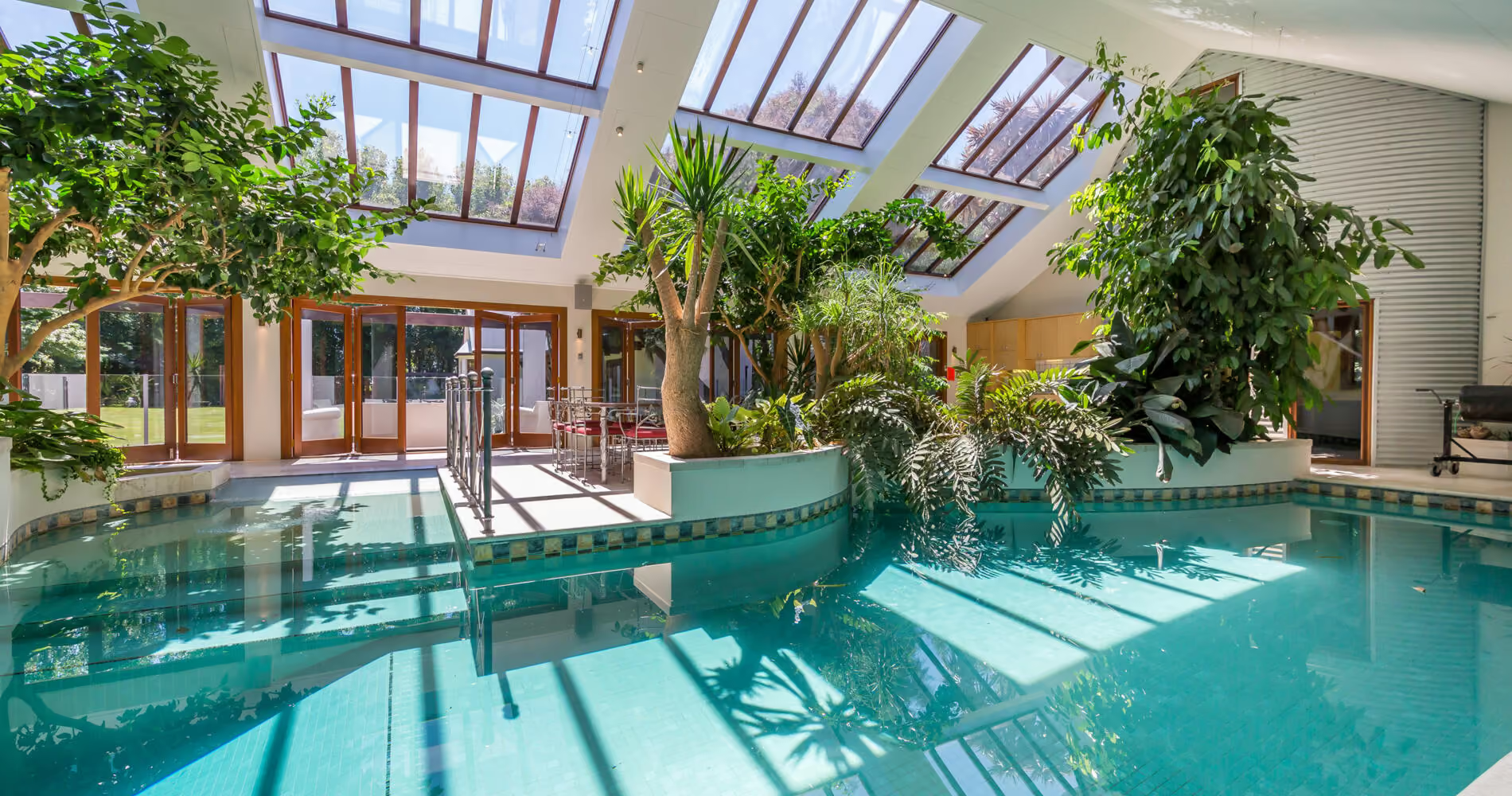
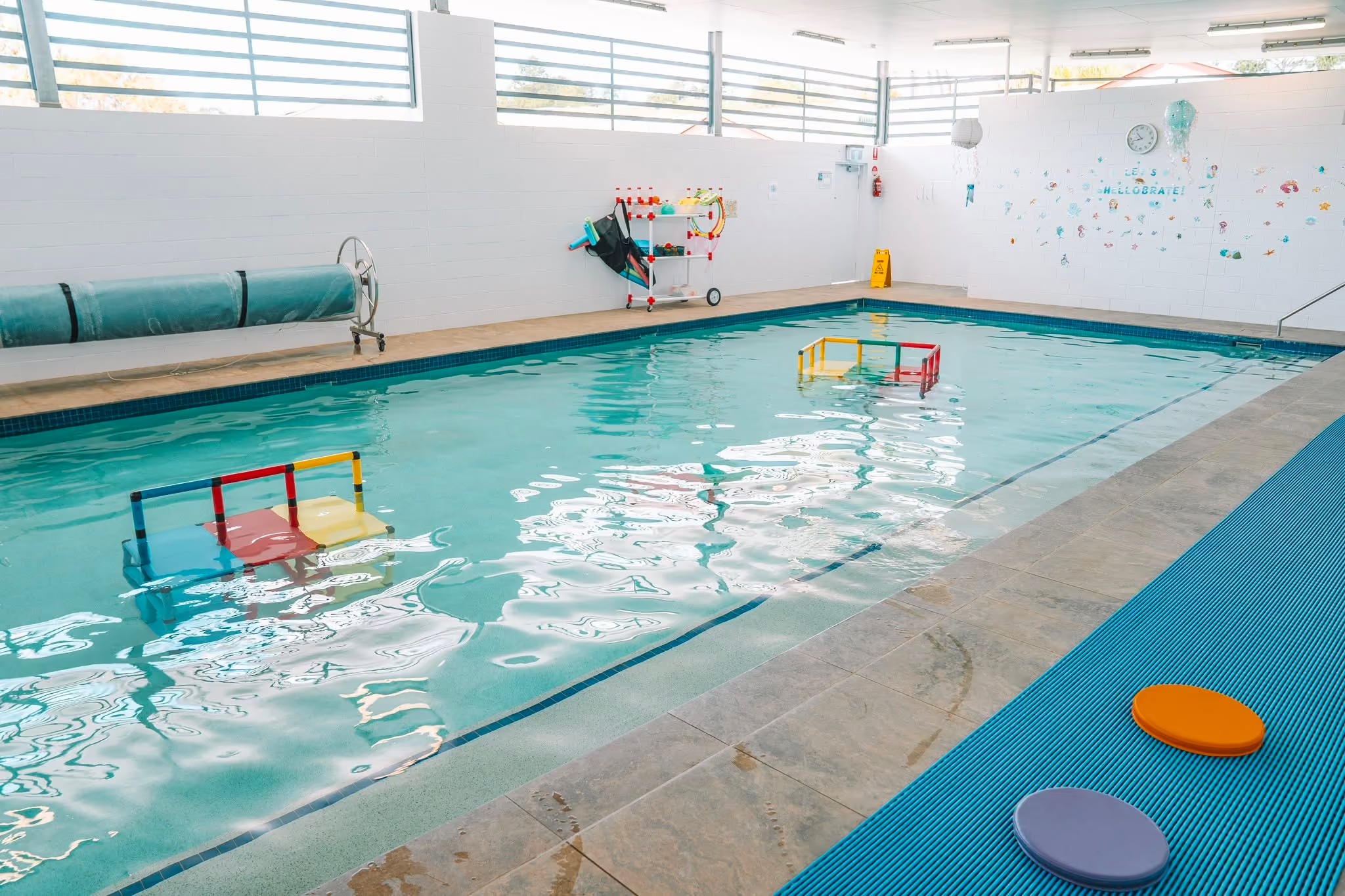
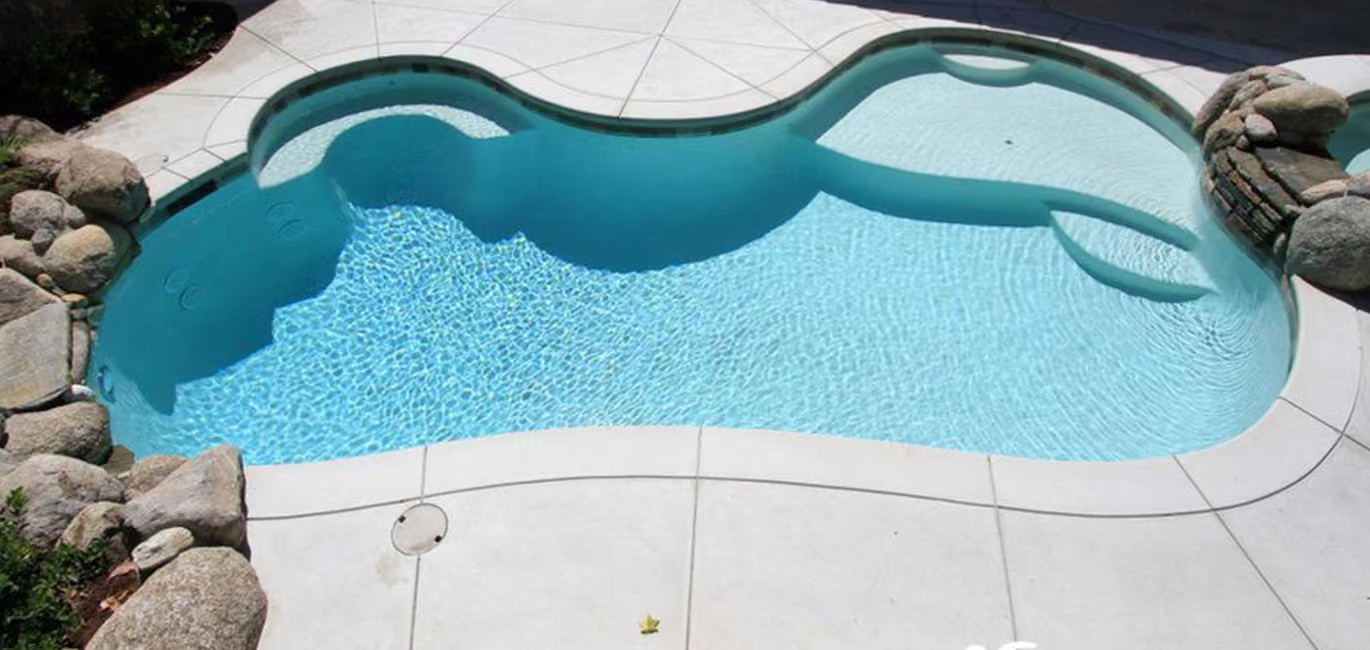
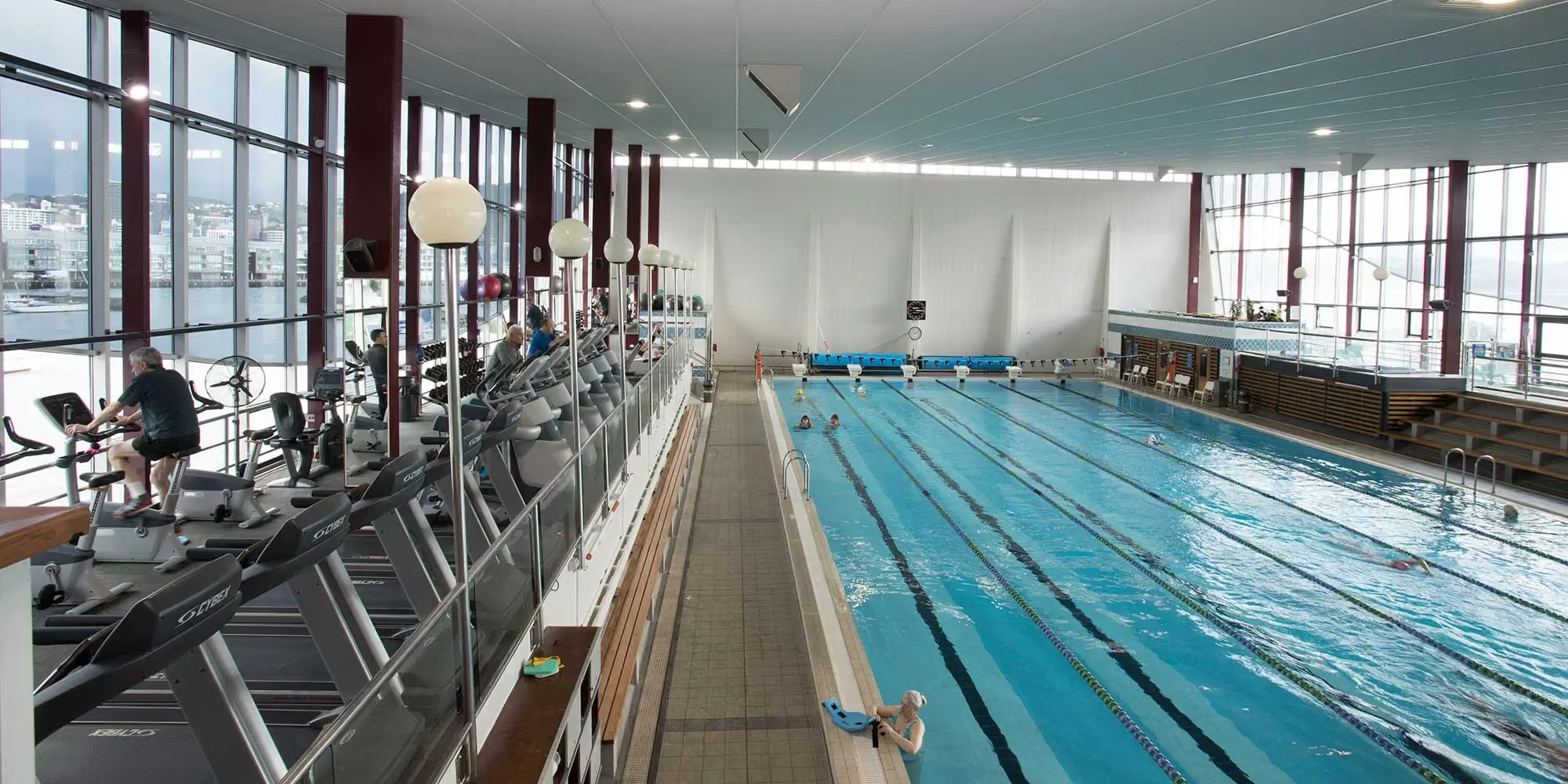
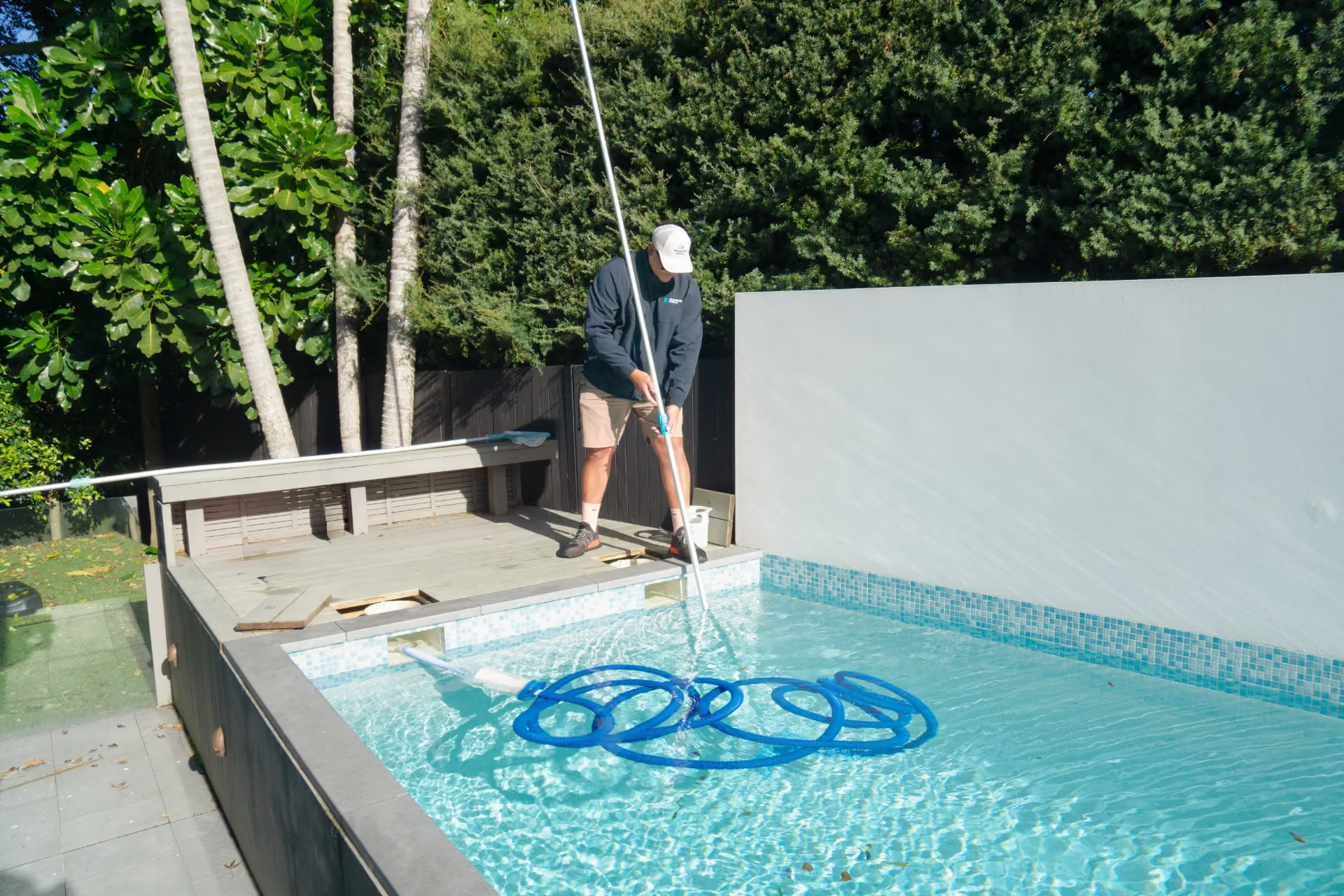
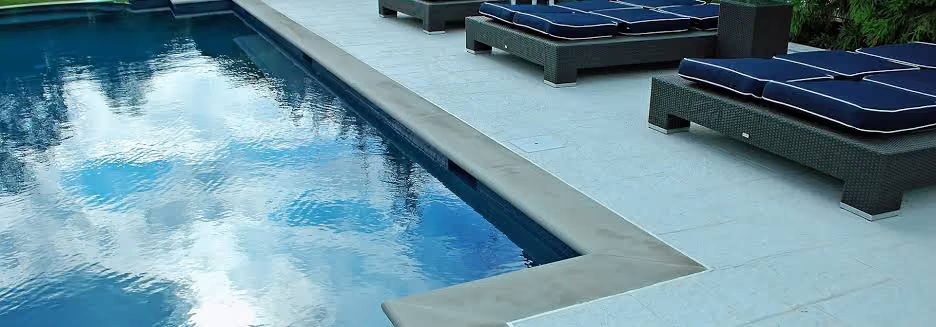
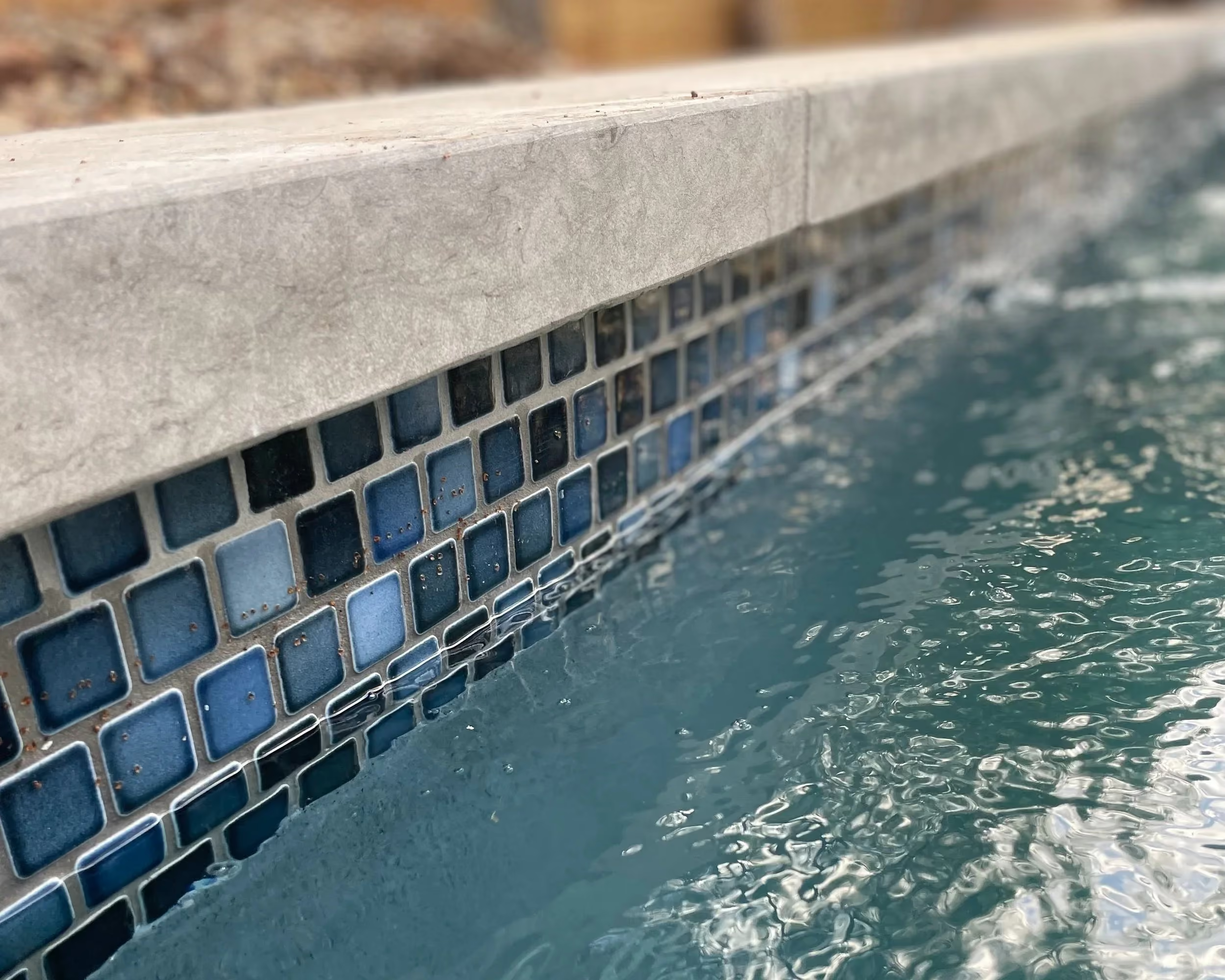
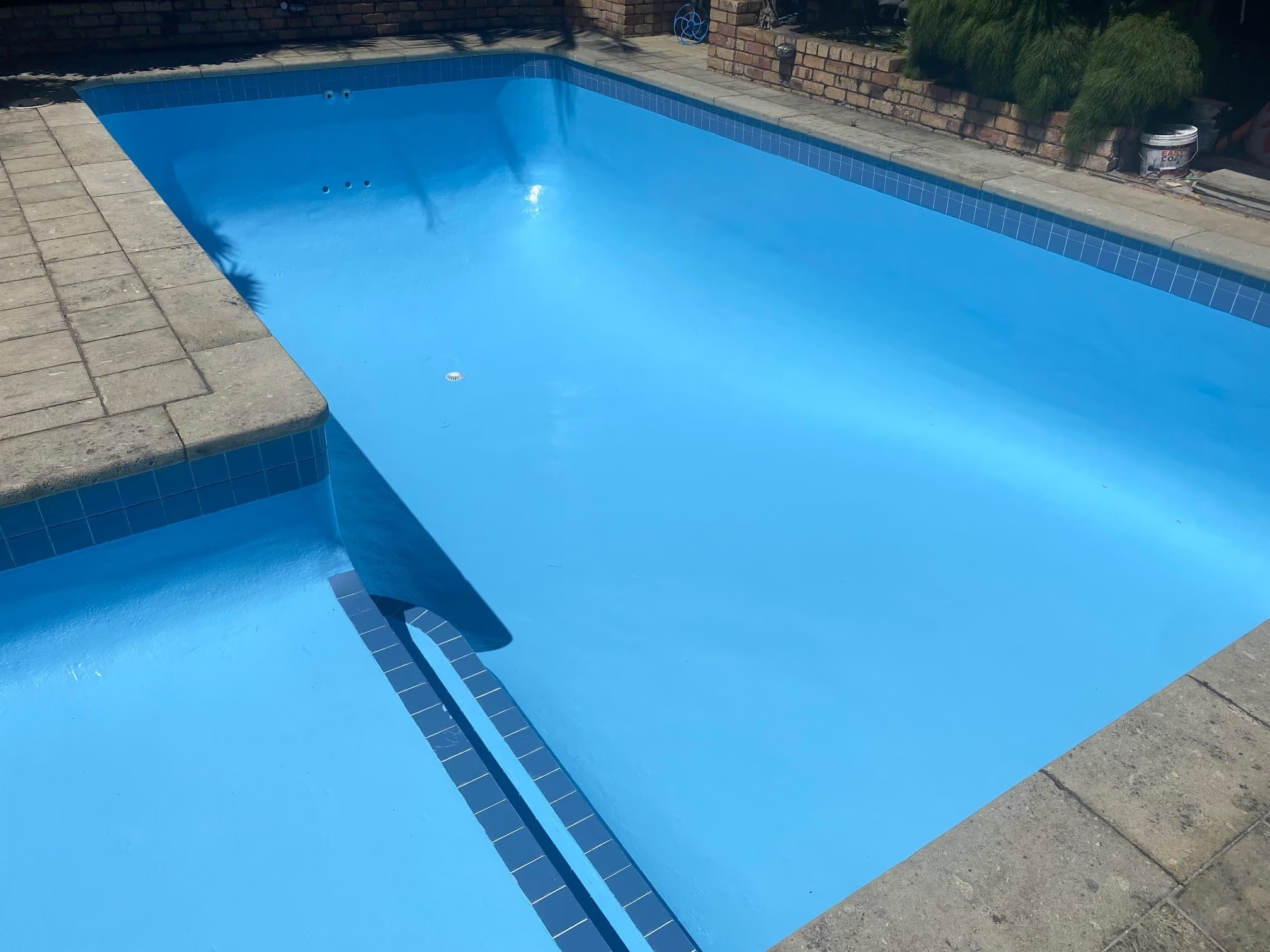
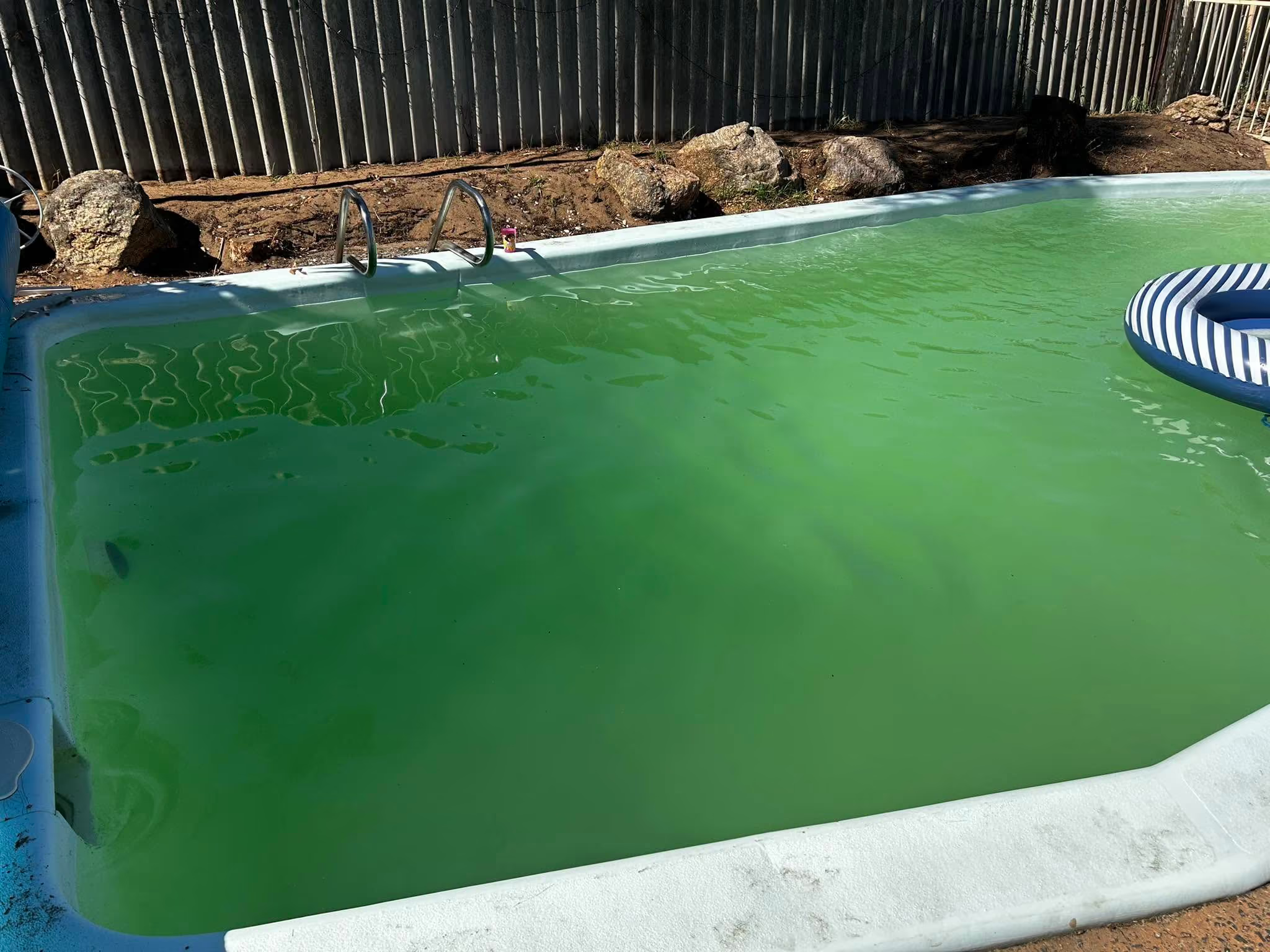
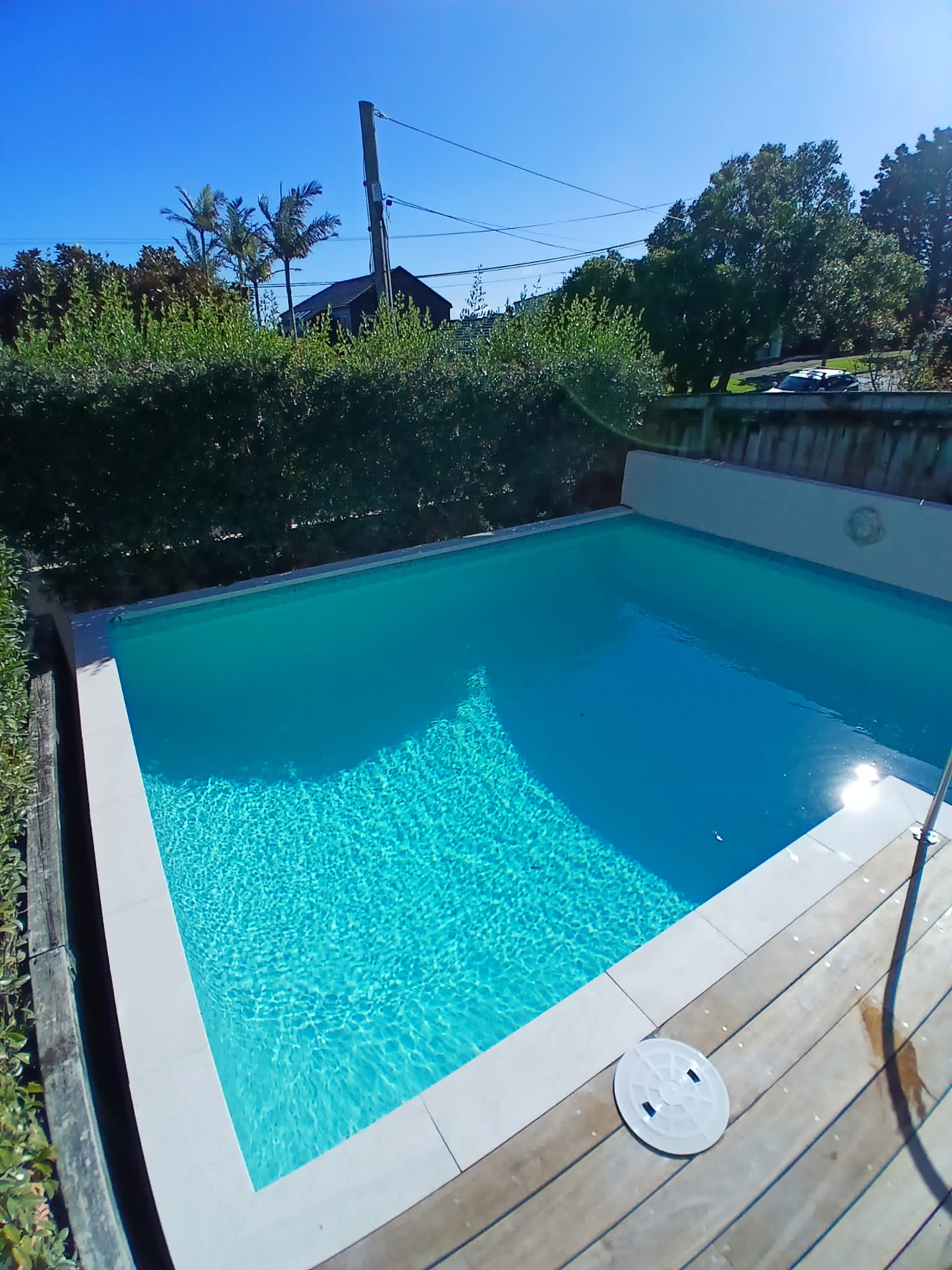
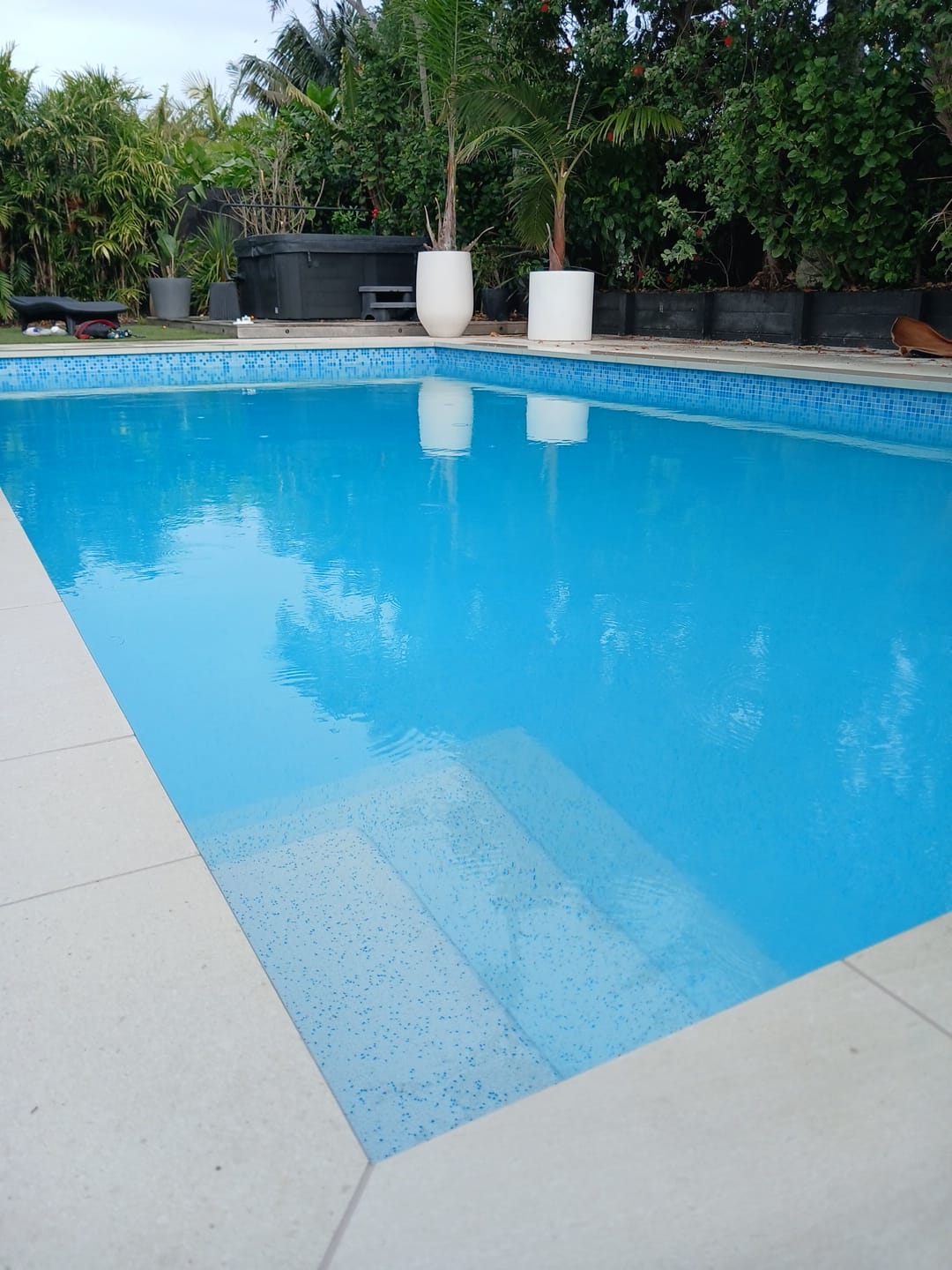
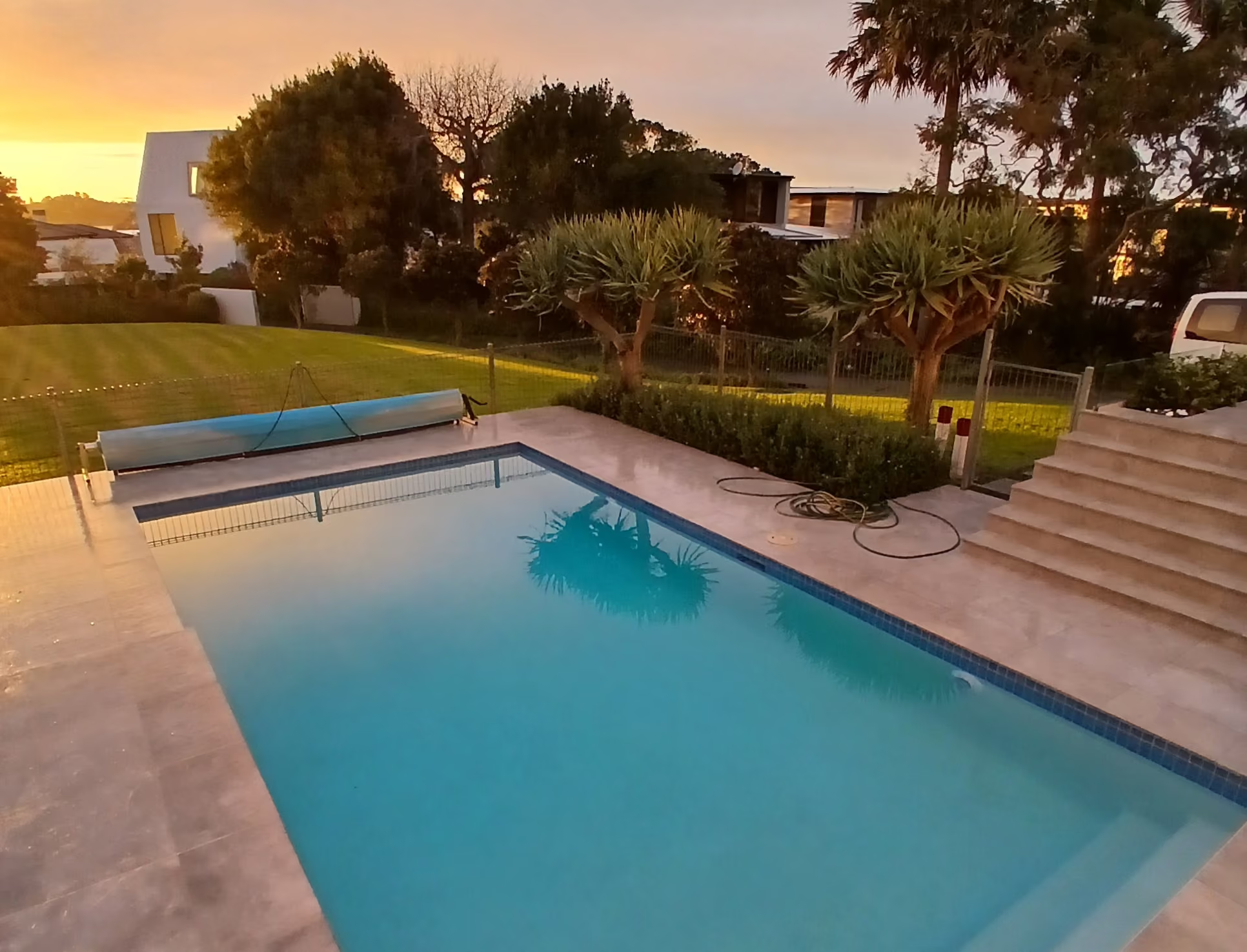
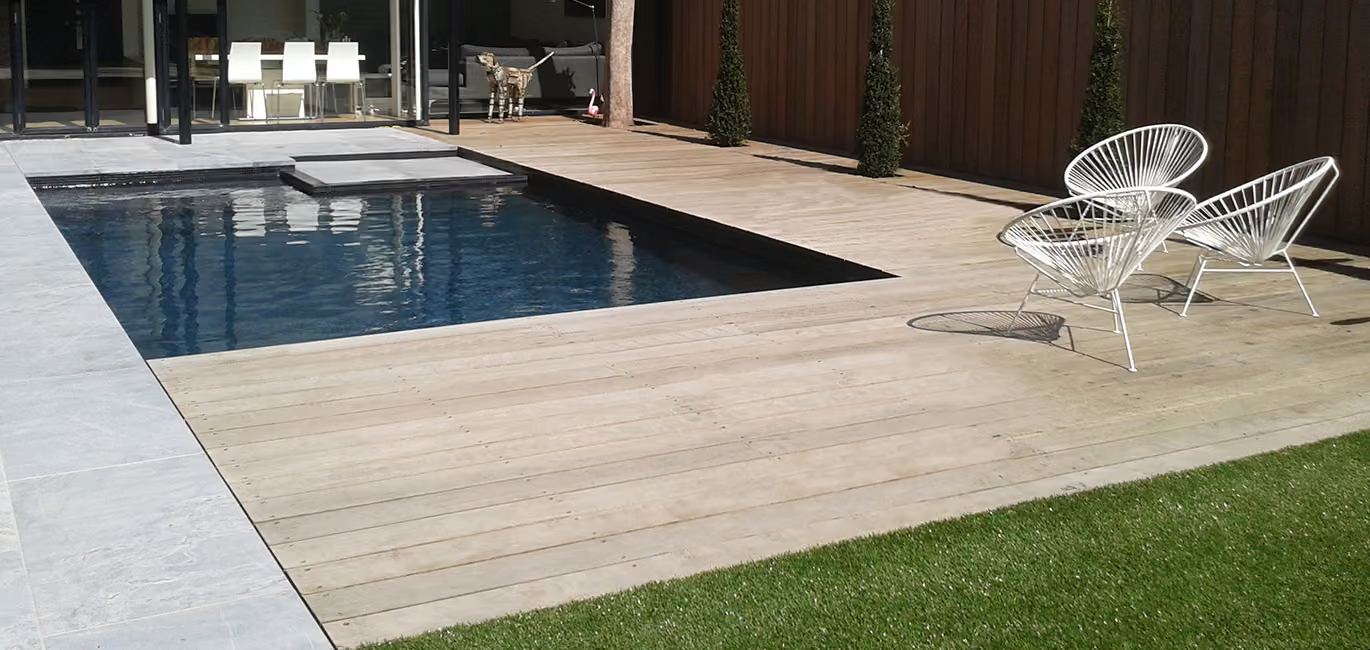
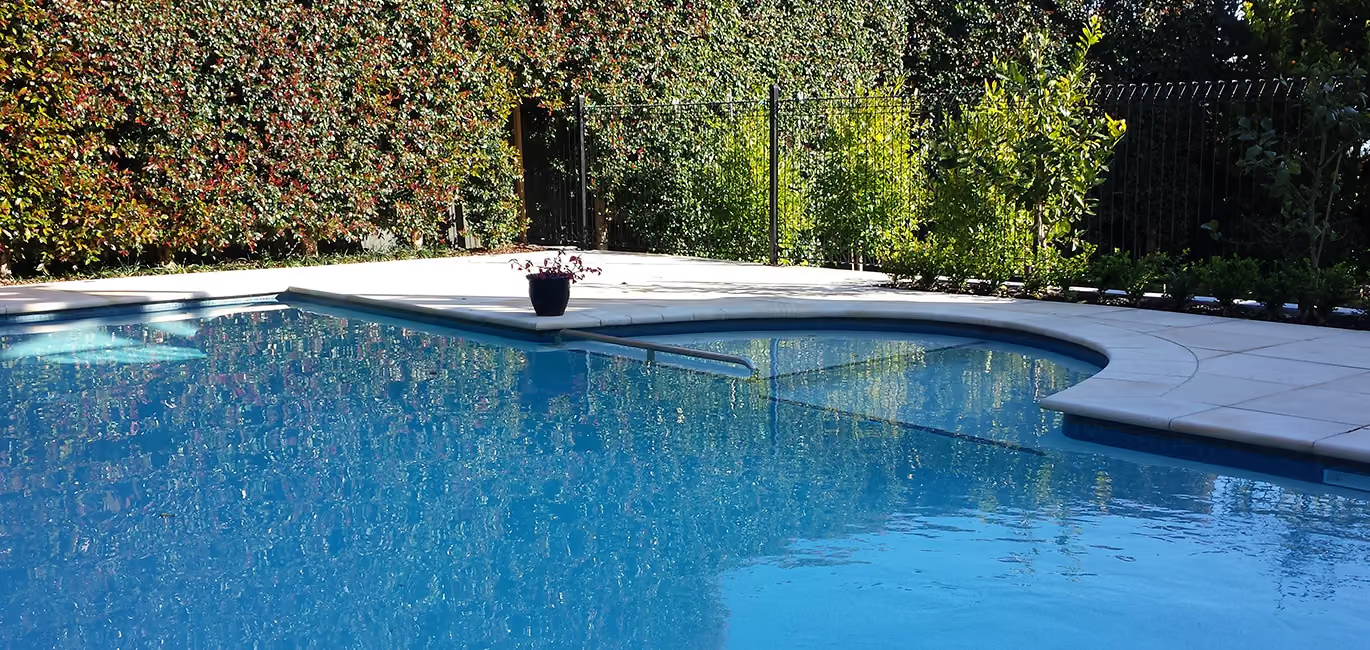
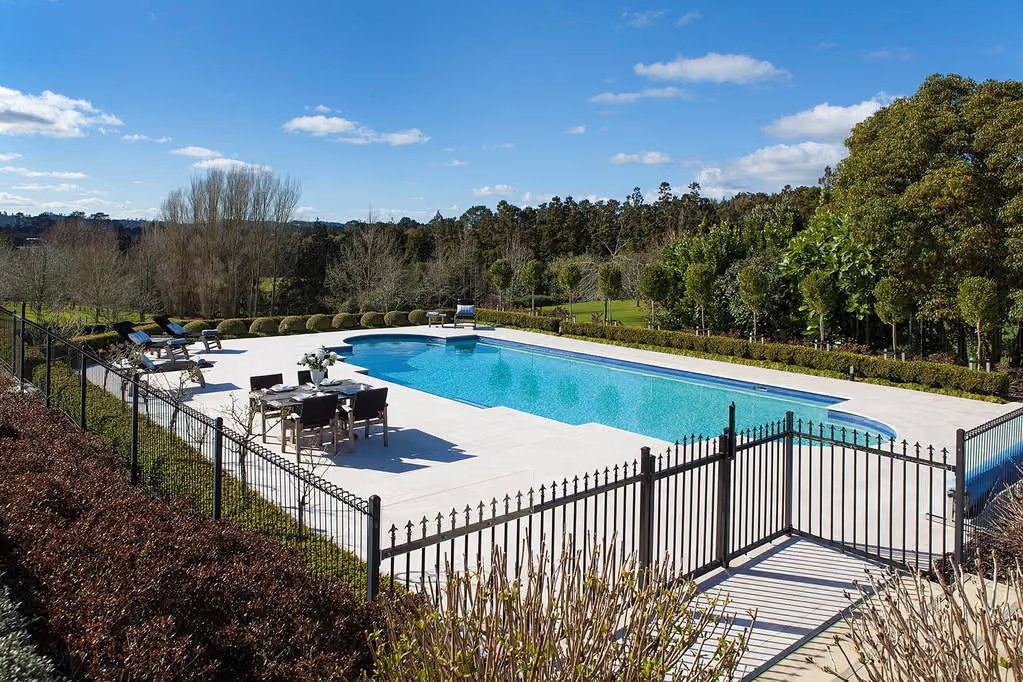
Sparkling Pools has worked on pools across Auckland, including residential renovation projects, equipment upgrades, ongoing maintenance and pool care for managed properties. Past projects show how the right approach can improve presentation, water quality and day-to-day usability. A well-maintained pool is easier to manage, more pleasant to use and better prepared for seasonal changes.
Trusted by Homeowners Across Auckland
Don't just take our word for it. Read what our clients have to say about our transparent communication, reliable service, and stunning pool transformations.
Related Blog Posts
Stay informed on pool care and renovations
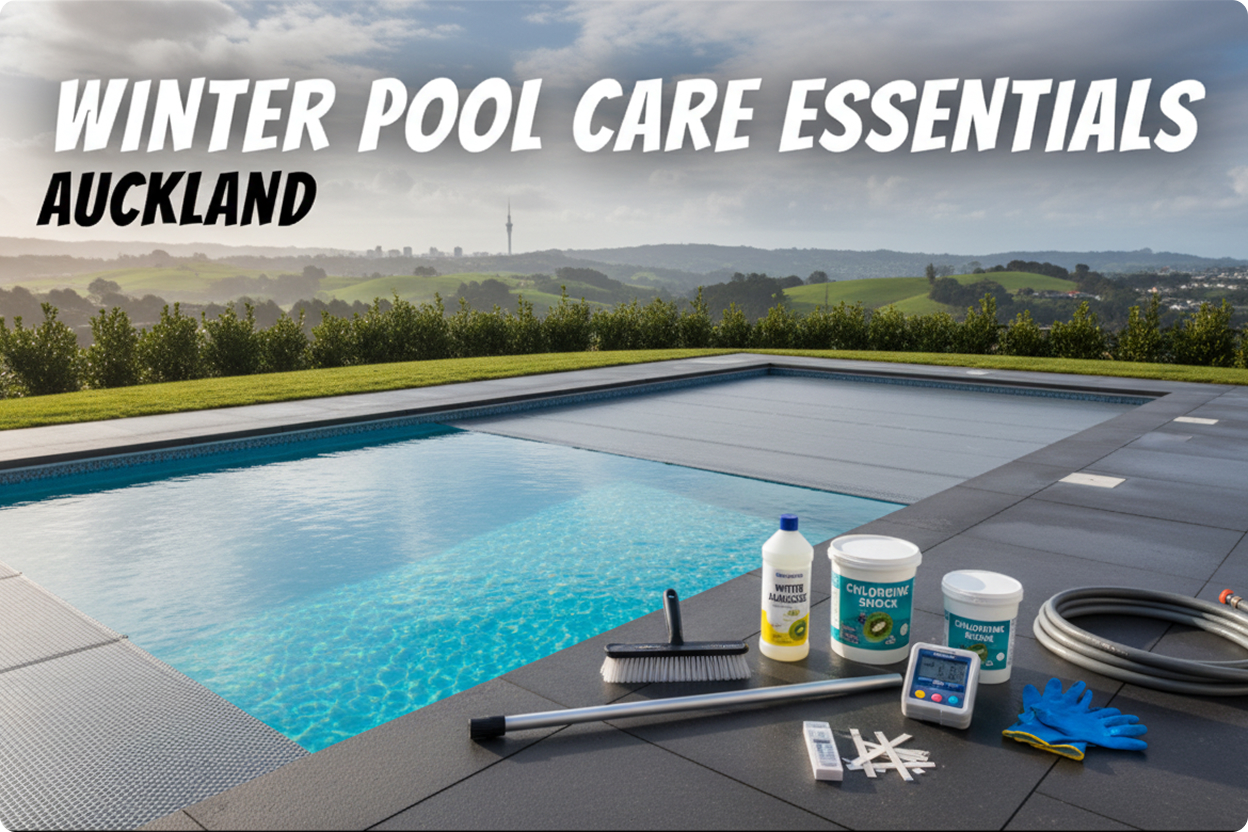
Winter pool care essentials for Auckland
Pool Renovation Mistakes

Auckland Climate Pool Maintenance
Choosing Renovation Contractor
Pool Care Auckland Summer
Permits & Consents

Pool Renovation ROI
How Often to Test Pool Water
Pool Renovation Costs
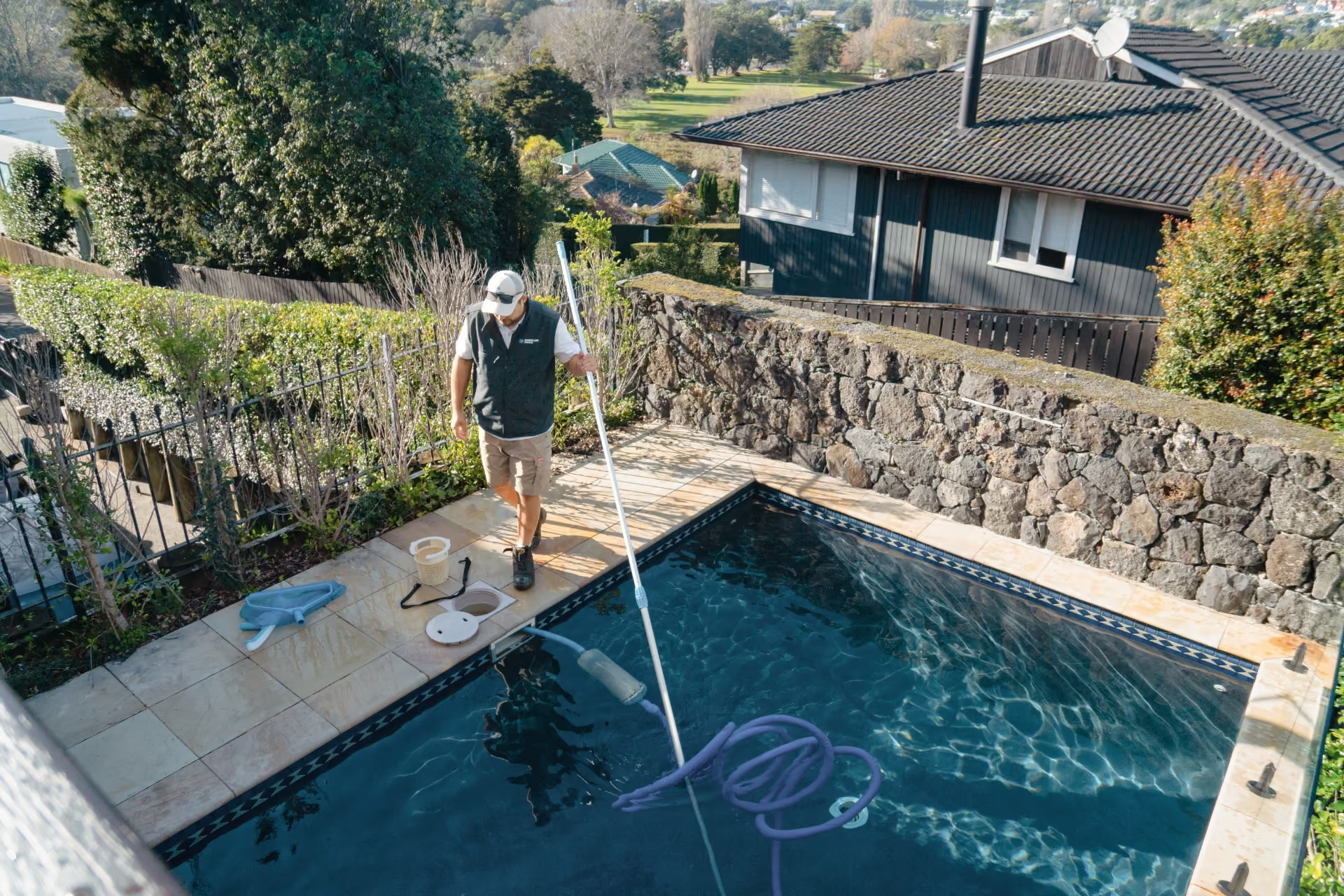
Cost of Pool Service Auckland
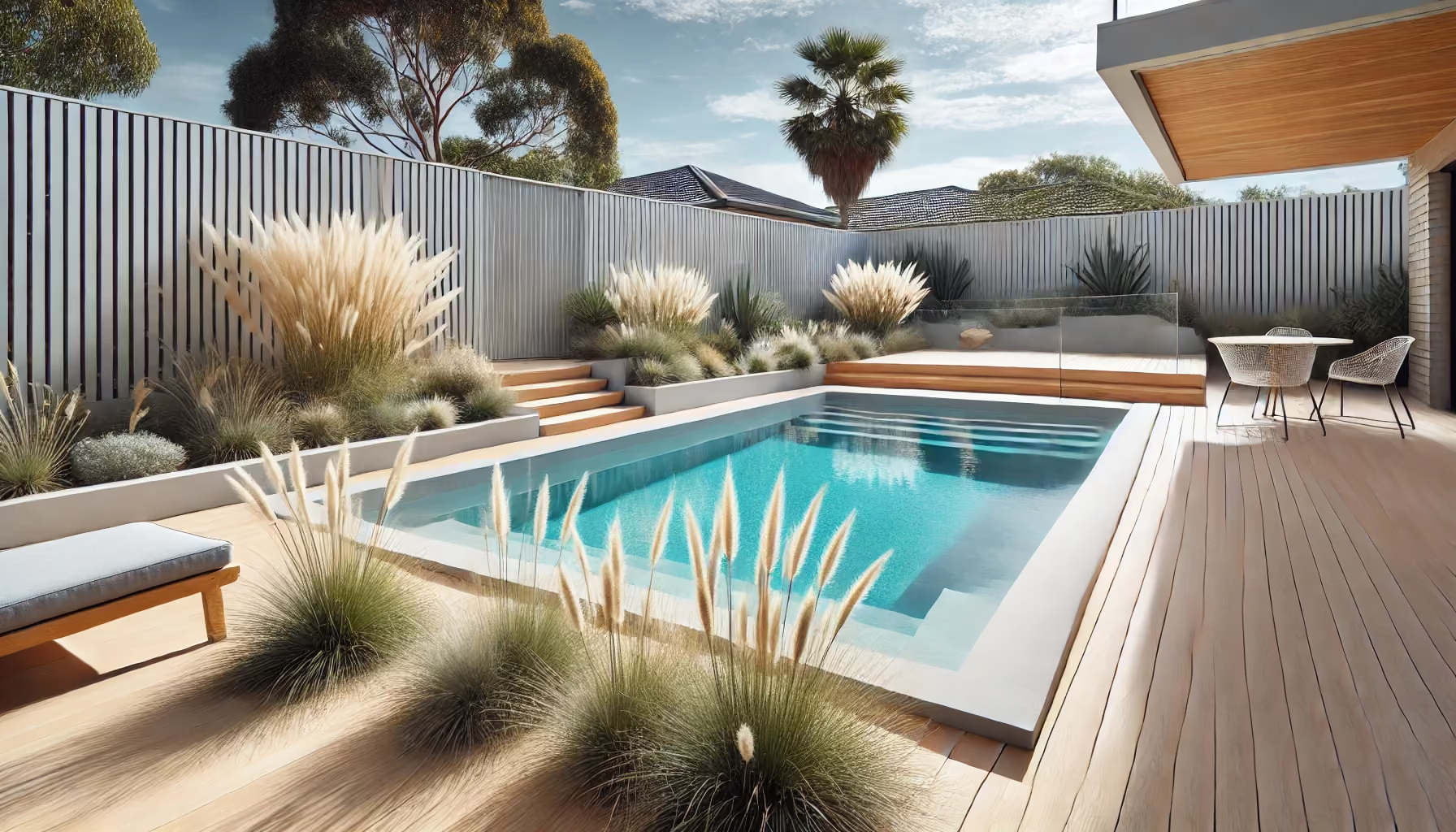
Pool Renovation Planning Guide
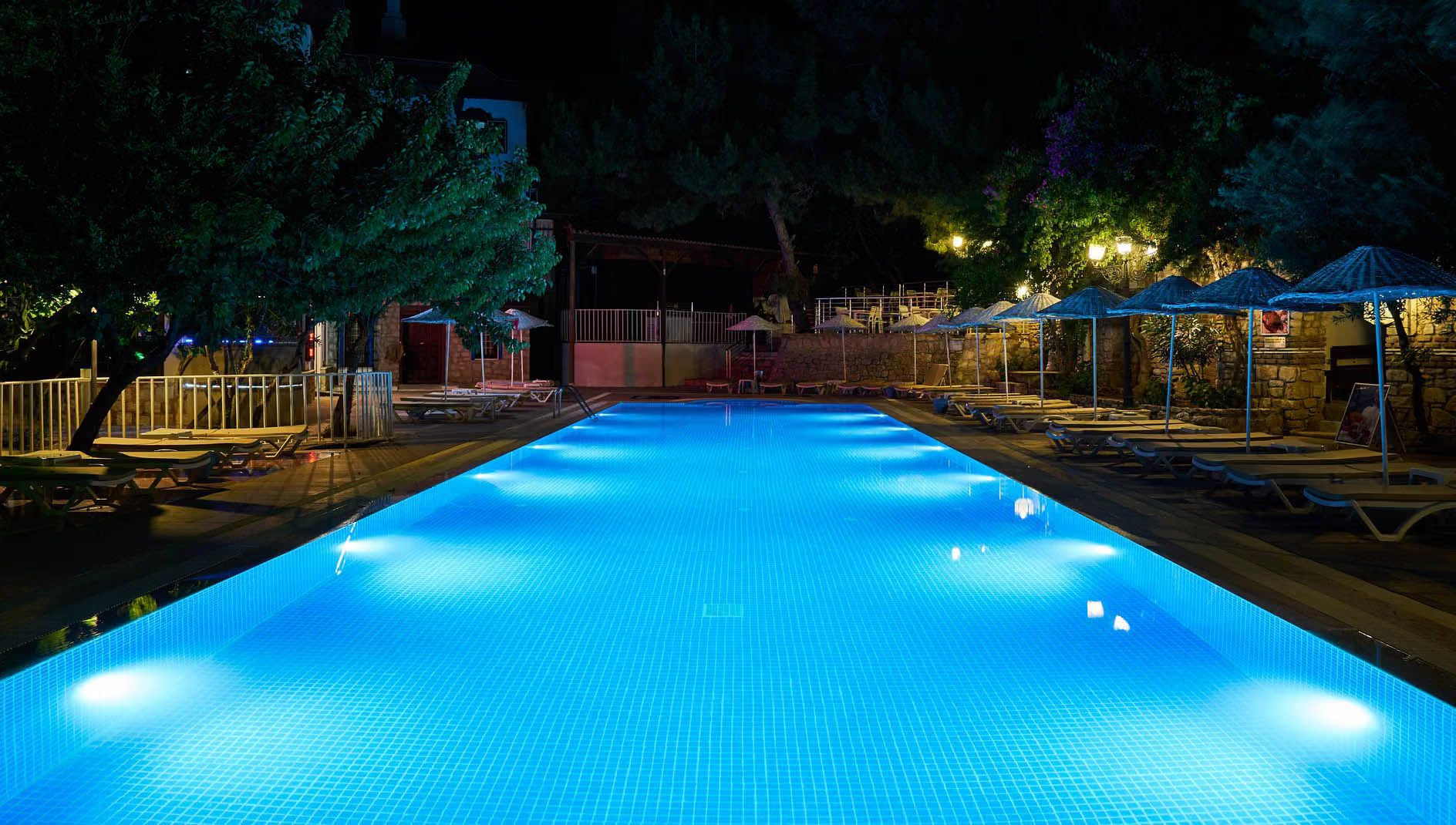
Pool Lighting Buying Guide
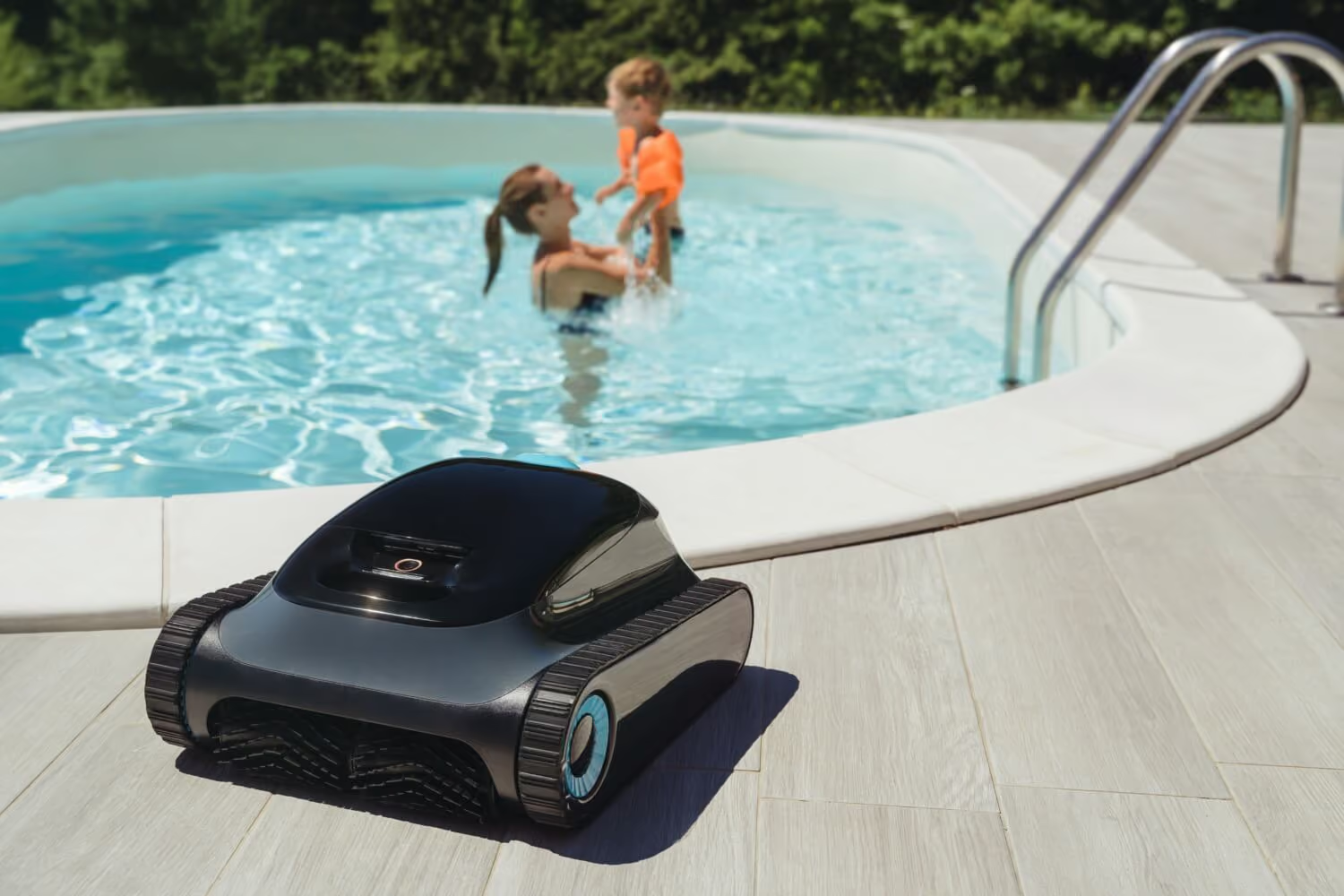
Pool Cleaner Buying Guide
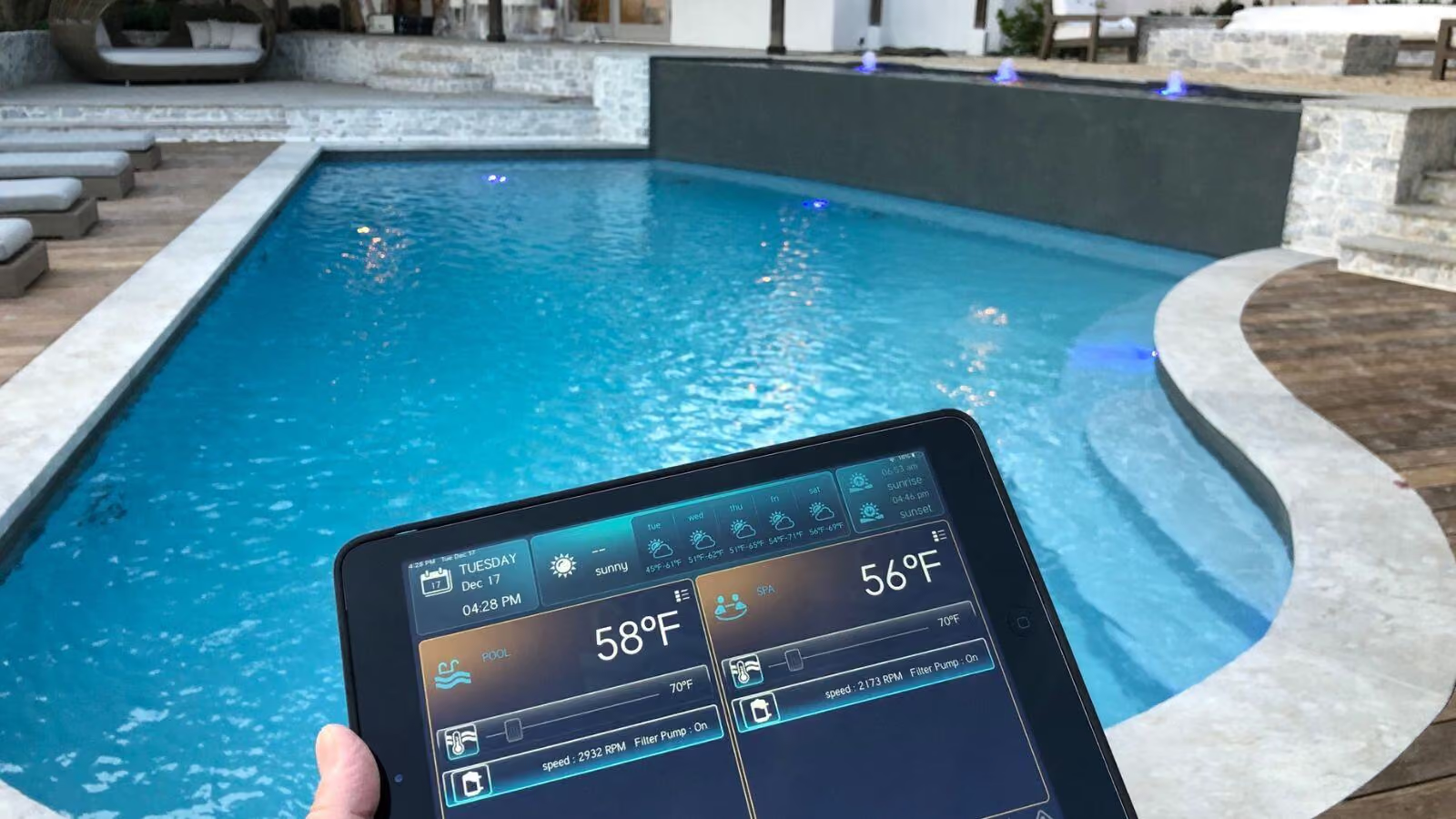
Pool Automation Buying Guide
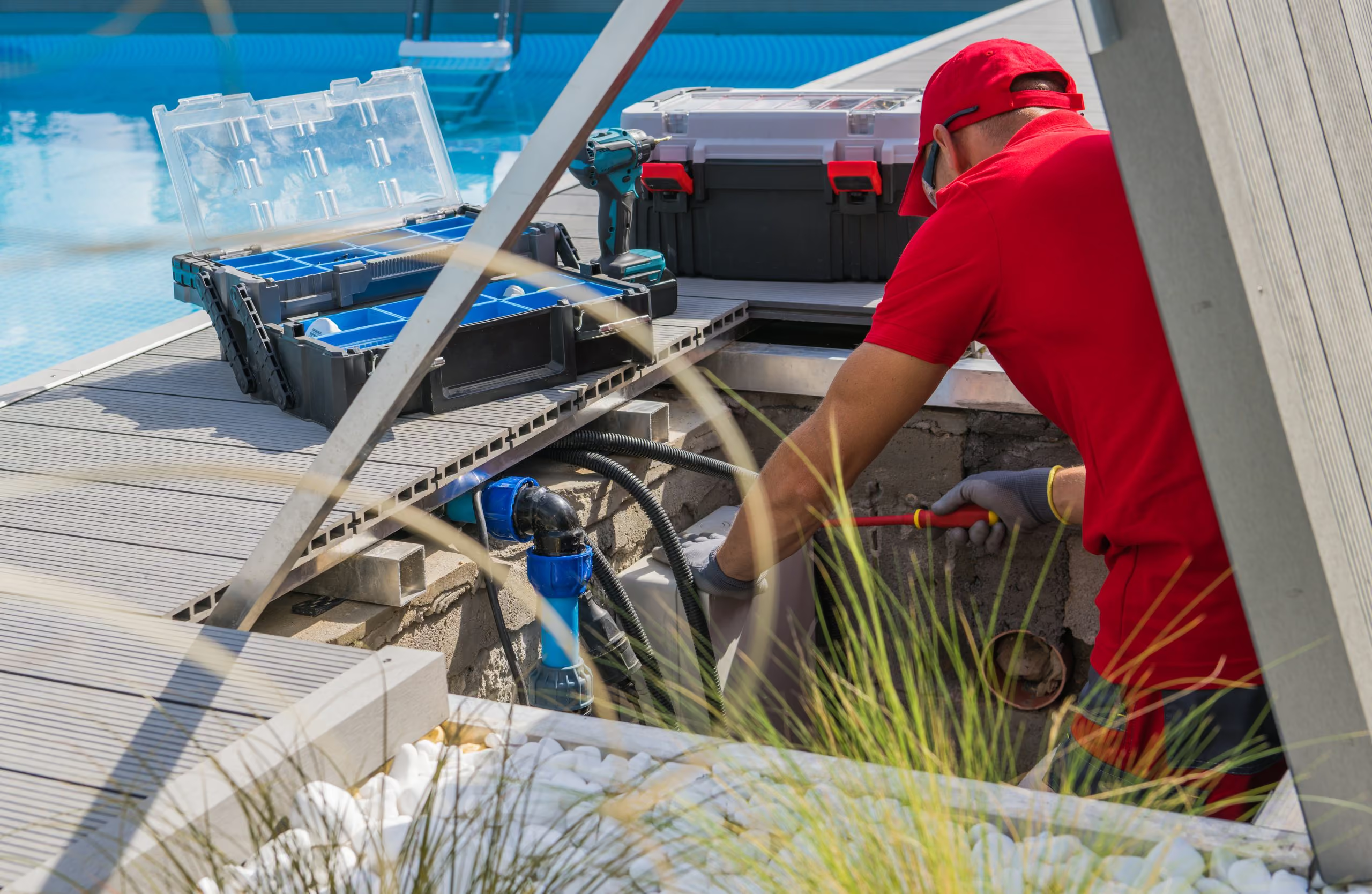
Pool Heater Buying Guide
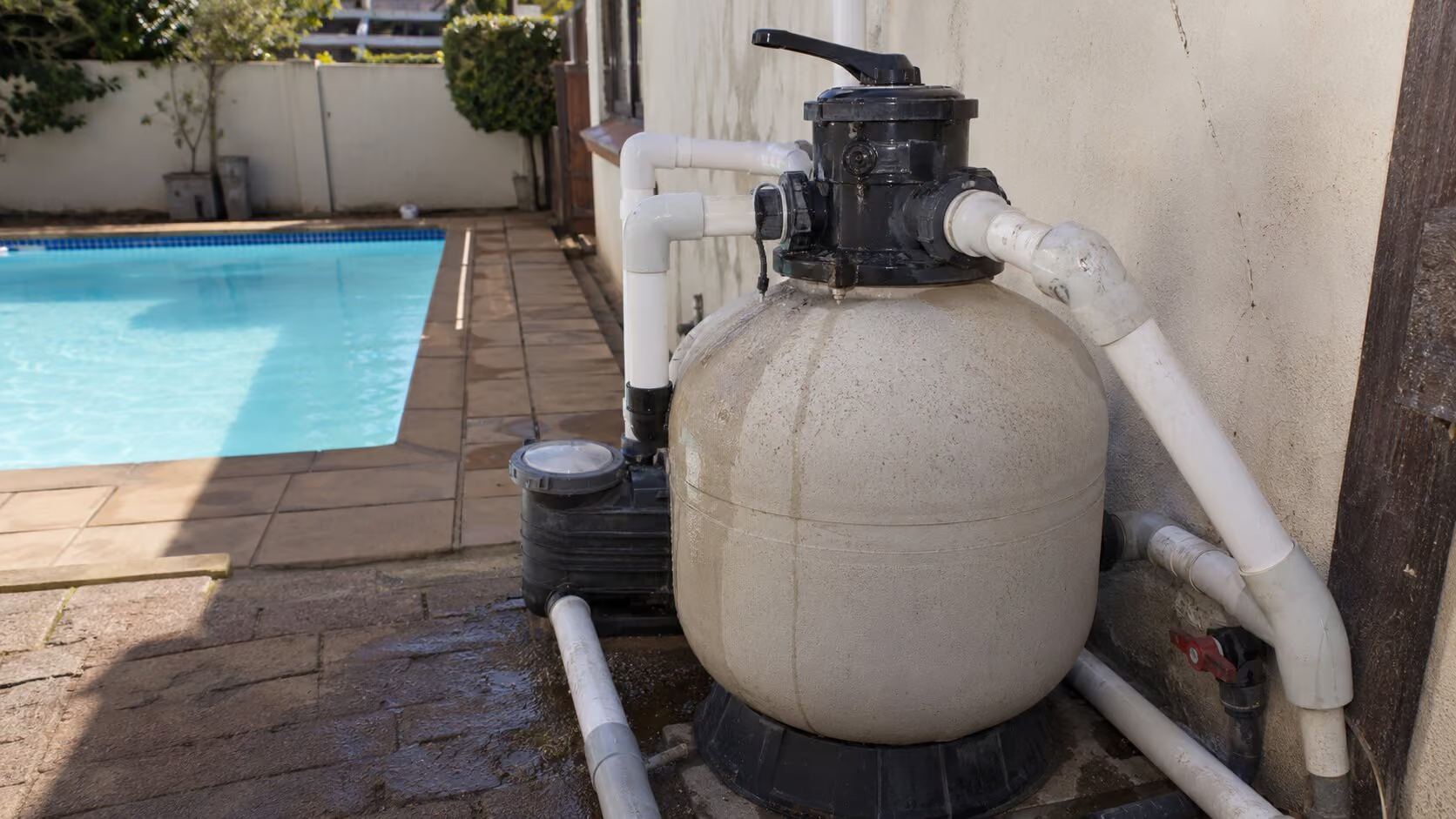
Pool Filter Buying Guide
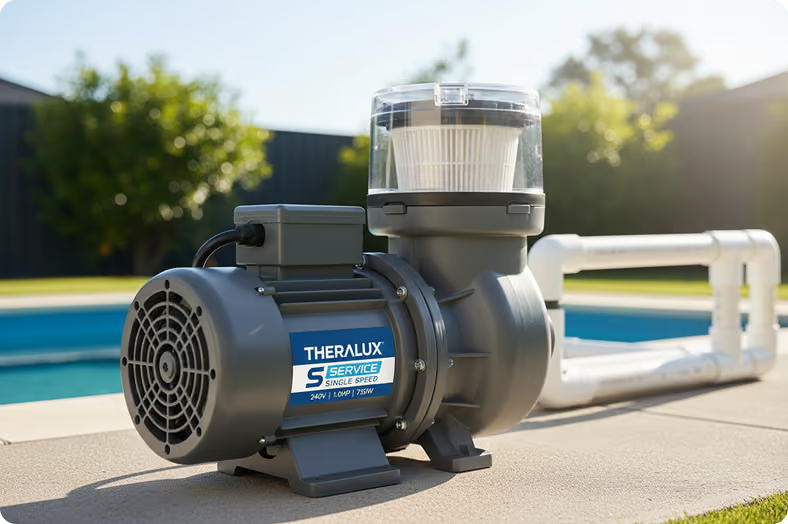
Pool Pump Buying Guide
Best Equipment Auckland Climate
Auckland Water Quality
Auckland Pool Season
Pool Ownership Costs
Common Pool Mistakes
Pool Safety Laws
Pool Inspection Requirements
Pool Fence Compliance
.avif)
Auckland Pool Industry Trends
Auckland Pool Regulations
Pool Equipment Suppliers
Best Pool Service Areas
Pool Service Pricing Analysis
Company vs Independent
Best Pool Surface Materials
Pool Resurfacing Options
Pebble vs Plaster Surfaces
One-Time vs Ongoing Service
Full Service vs Chemicals Only

Pool Cover Types
Robotic vs Suction Cleaners
Mineral vs Saltwater
Gas vs Heat Pump
Pool Heater Types
Pool Winterizing Guide Auckland
Pool Opening Guide Summer
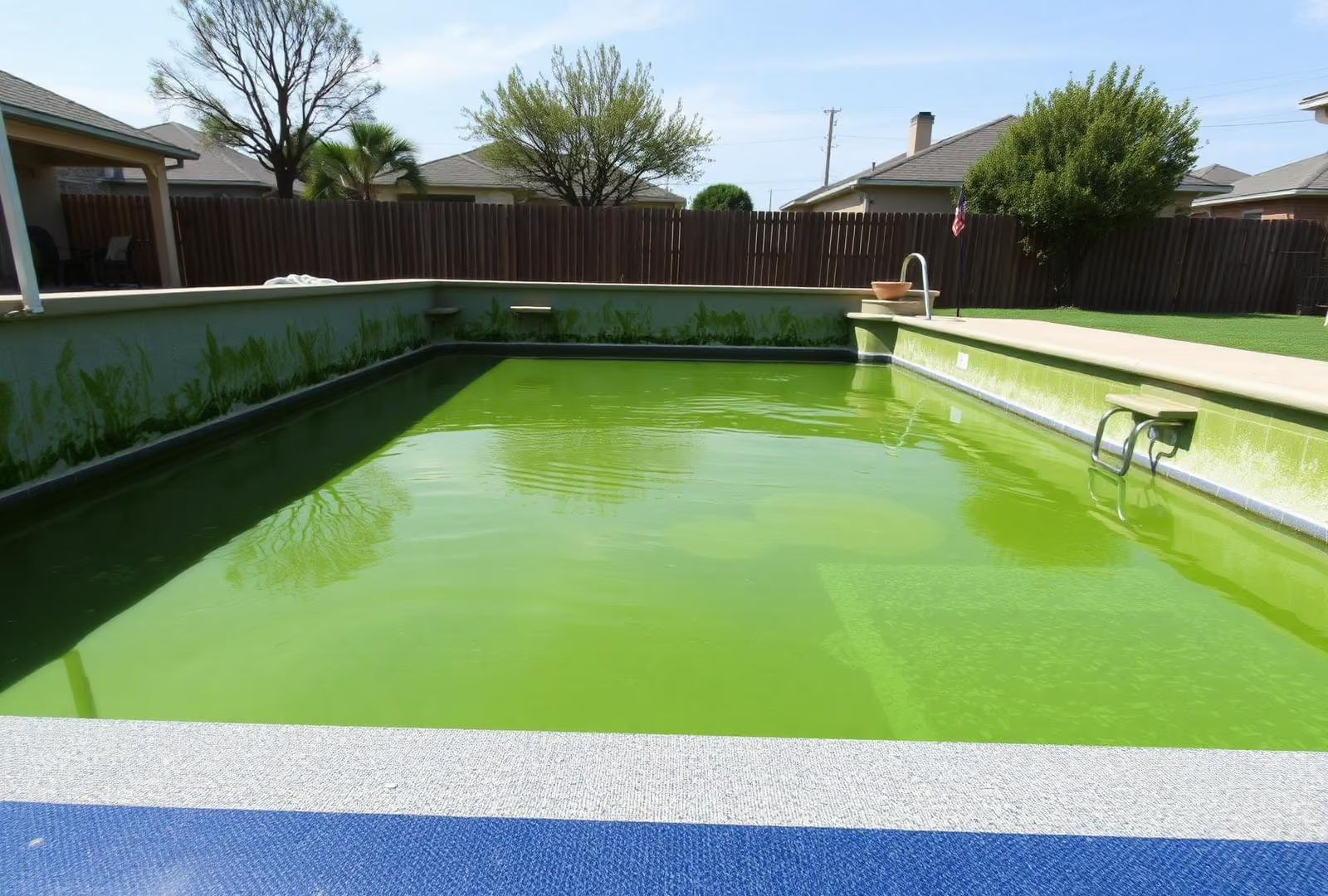
Pool Maintenance After Heavy Rain
Pool Maintenance Schedule
How Often to Run Pool Filter
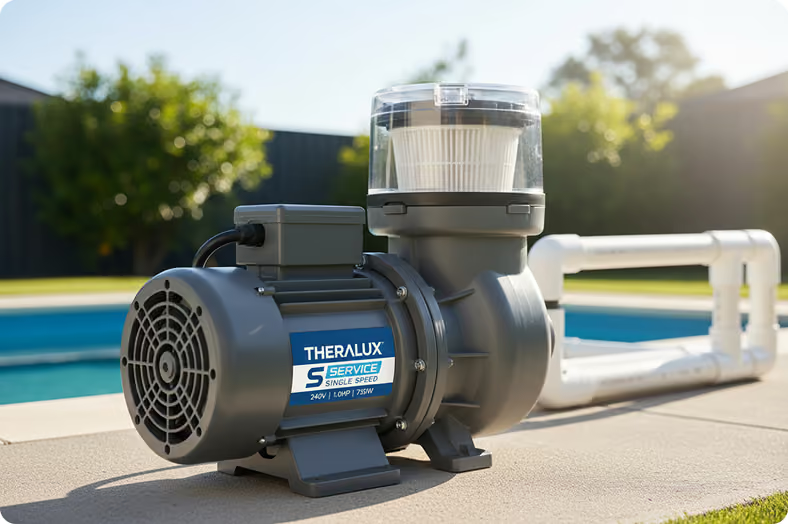
Pool Pump Maintenance Schedule
Pool Filter Cartridge Cleaning
Pool Equipment Maintenance Checklist
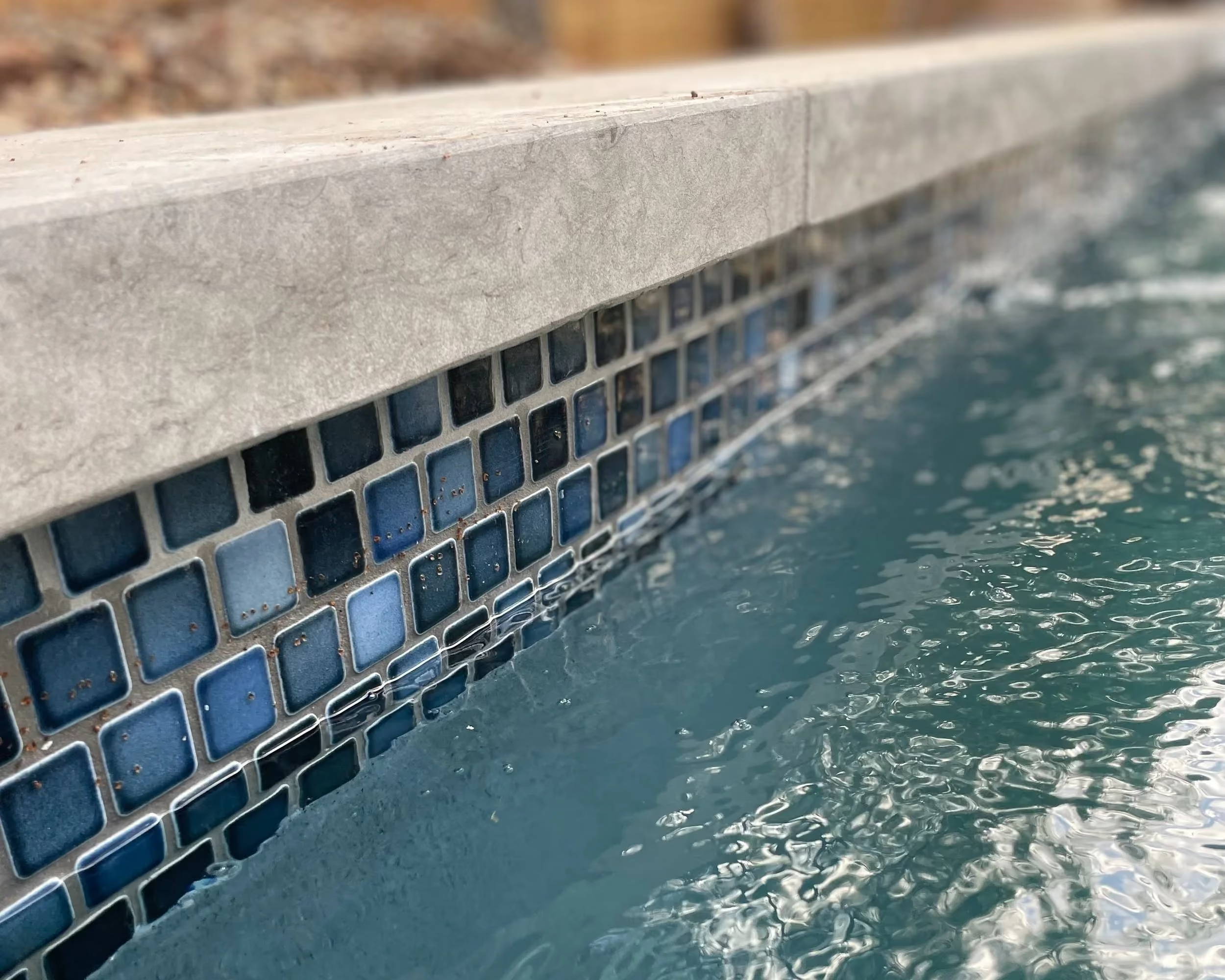
Pool Waterline Cleaning
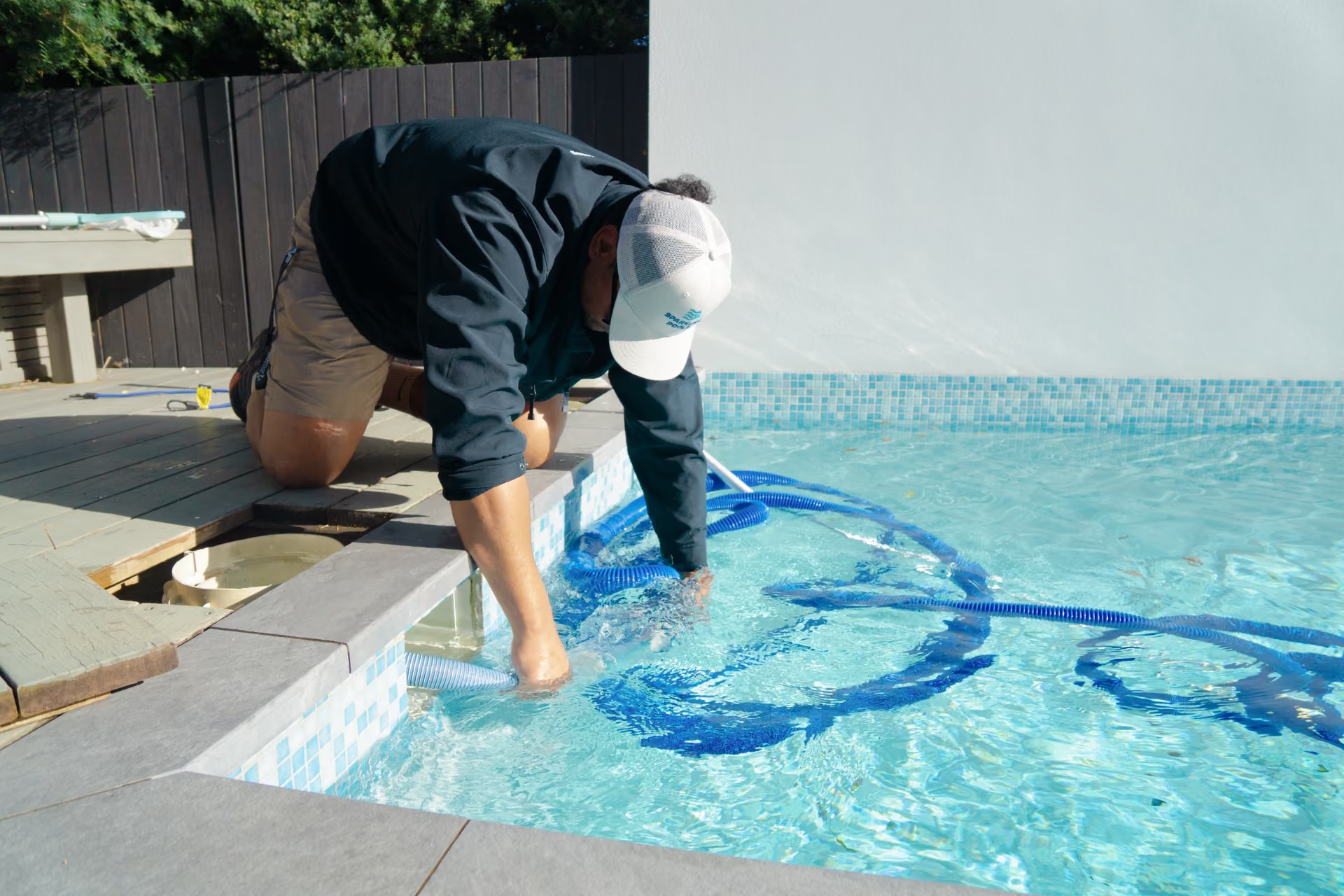
Pool Skimmer Basket Cleaning
Pool Chlorine Levels
How Often Clean Pool Filter
How to Vacuum Pool
Pool Brushing Technique
Pool Chemical Dosing Chart
Pool Water Chemistry Basics
How to Balance Pool Chemistry
How to Test Pool Water
Pool Maintenance Tips
Complete Pool Maintenance Guide
Pool Service ROI
Pool Equipment Buy or Service
Pool Maintenance Time Requirements
DIY vs Professional
Pool Service Contract
Pool Service vs Pool Valet
Is Pool Service Worth It
Pool Service Guarantees
Pool Service Reviews
Pool Service Red Flags
Questions to Ask Pool Companies
How to Choose Pool Service Company
Hidden Costs DIY Maintenance
Pool Cleaning Prices Auckland
Cost of Pool Resurfacing
Cost of Pool Pump Replacement
Cost to Fix Green Pool
Pool Liner Wrinkles
Pool Cracks When to Worry
Pool Surface Stains
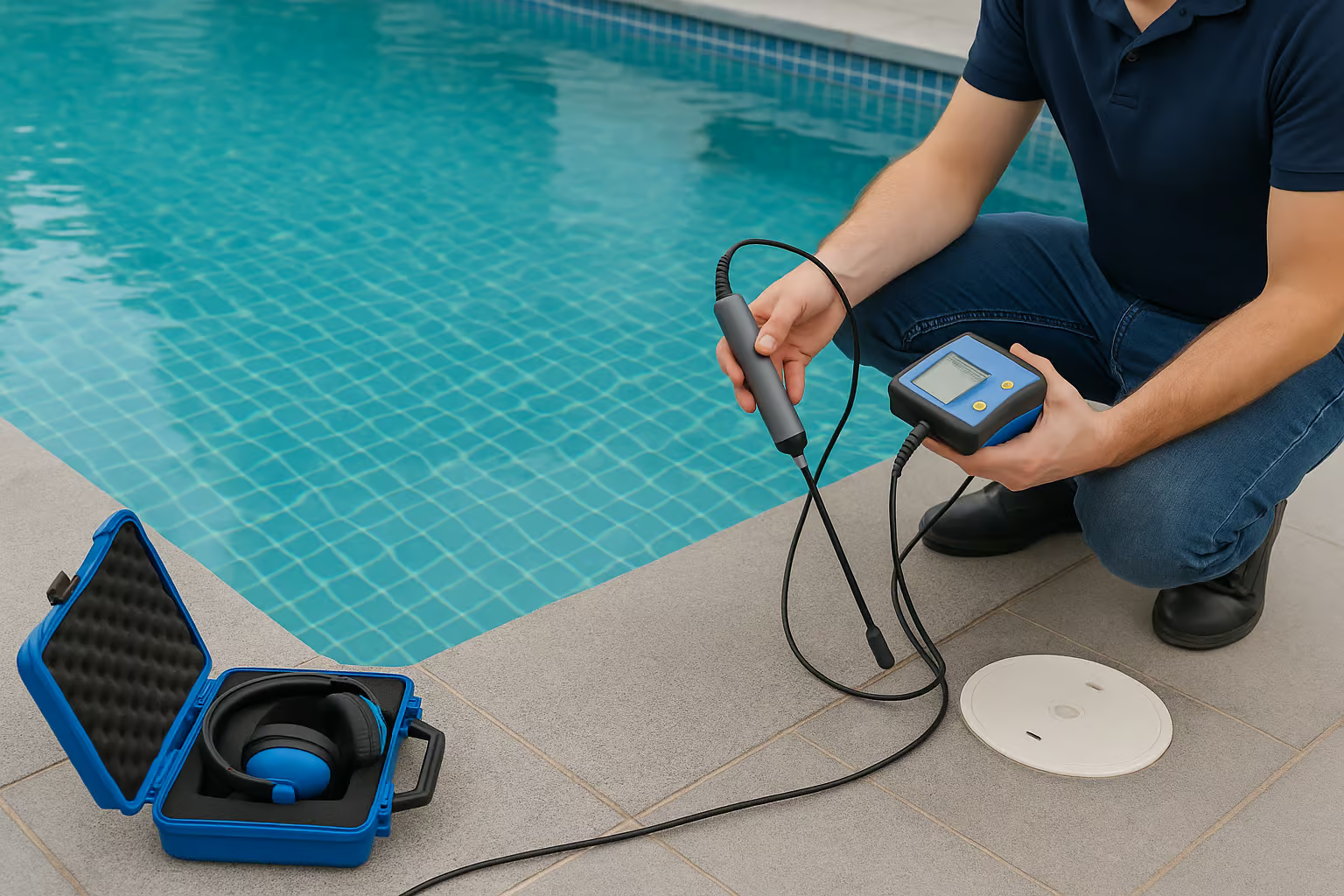
Pool Valve Leaking
Pool Automation Not Working
Pool Light Not Working
Pool Heater Not Heating
Pool Skimmer Not Working
High Pool Filter Pressure
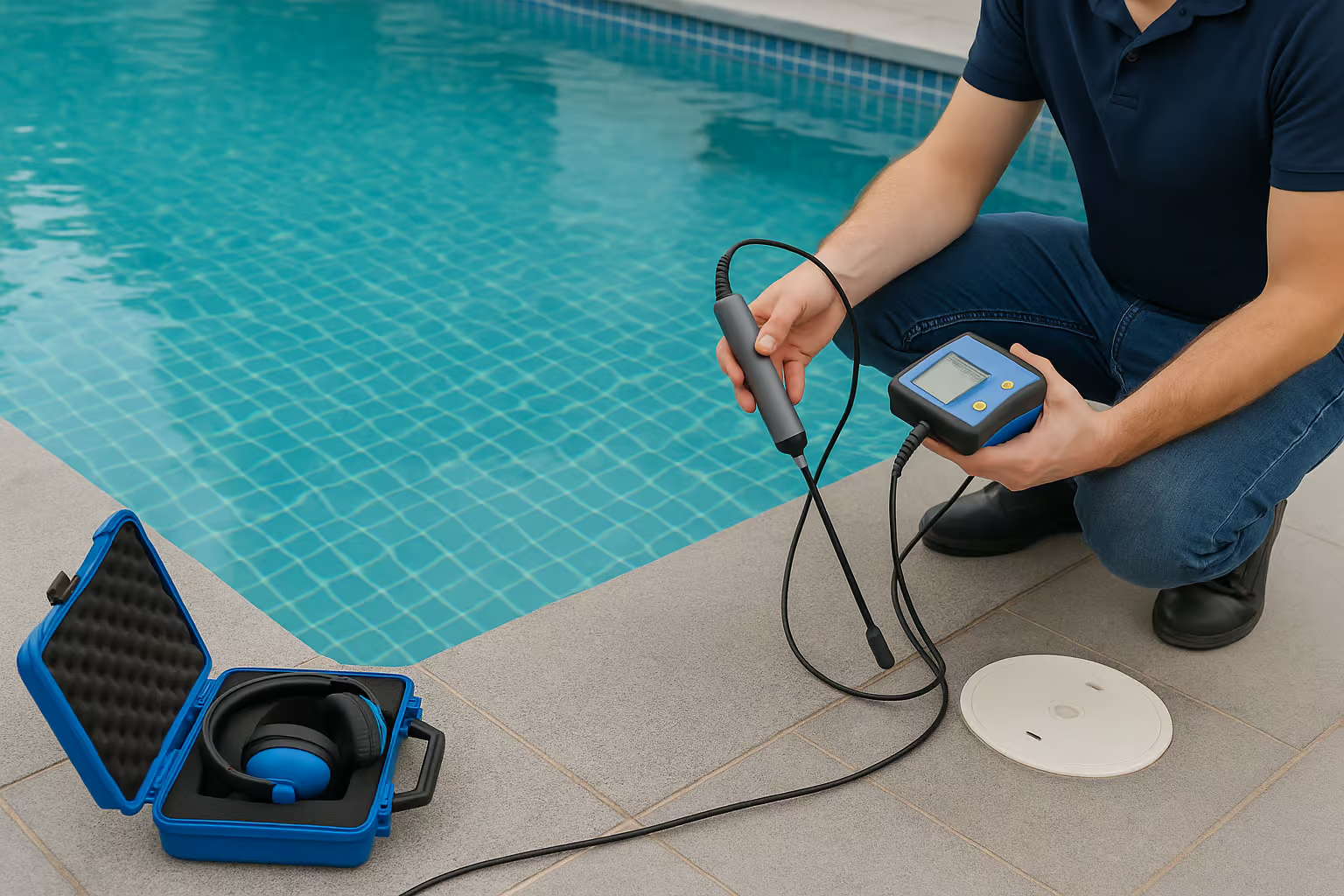
Pool Losing Water
Pool Filter Not Clearing Water
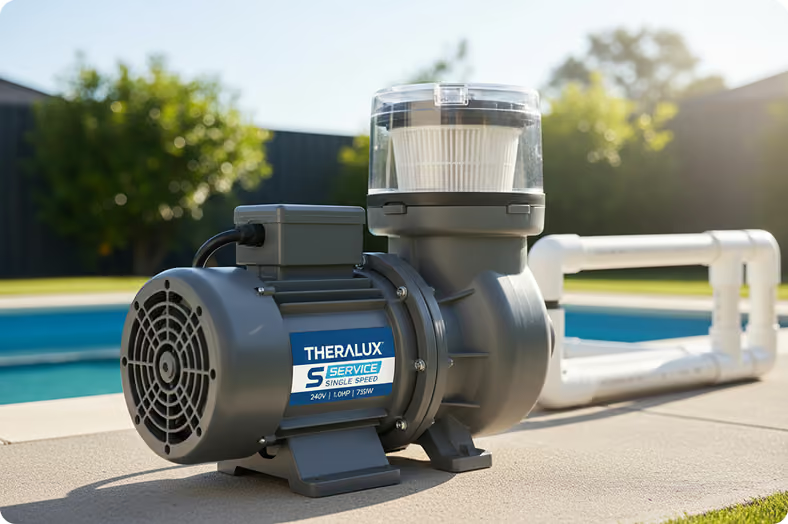
Pool Pump Leaking
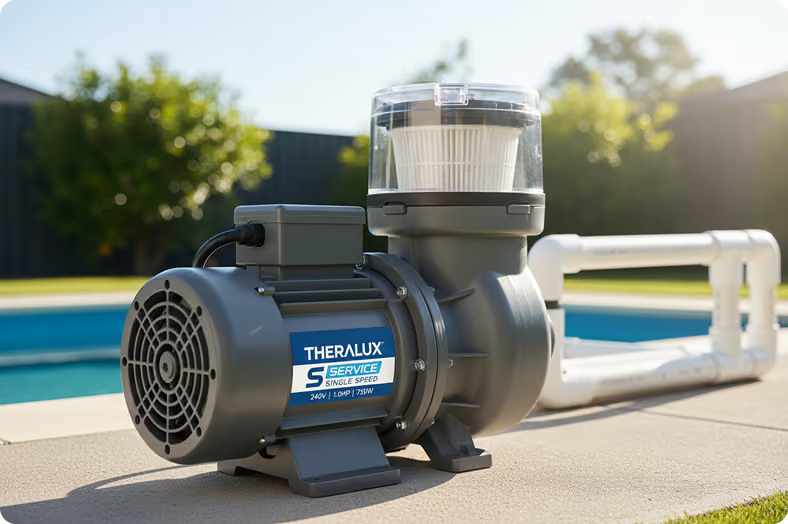
Pool Pump Not Pumping
Pool Pump Losing Prime
Pool Pump Noisy
Pool Pump Not Working
Pool Water Foaming
Pool pH Too Low
Pool pH Too High
Green Pool After Rain
Pool Still Green After Shock
Pool Water Cloudy
How to Clear a Green Pool
Pool Care That Protects Your Investment
Good pool care protects more than appearance. Our pool specialists support the long-term condition of your swimming pool while keeping it ready for everyday use.