Pool Service Contract

Why Auckland trusts our pool service expertise
A pool service contract sets out what work will be done, how often, and at what cost. Reading the detail carefully before signing helps avoid misunderstandings about what is and isn't covered.
The points below summarise the key things to check in any pool service agreement.
What you'll learn
What Is a Pool Service Contract?
A pool service contract is a formal agreement between a pool owner and a service provider. It sets out what work will be done, how often, and what you'll pay for it.
Contracts are common for residential pools, managed properties, and commercial facilities. They can cover anything from a basic weekly clean to a full-service arrangement that includes chemical dosing, equipment checks, and water testing.
Before signing anything, it pays to read the detail carefully. Not all contracts are structured the same way.
---
Why the Contract Wording Matters
A well-written contract protects both parties. It tells you exactly what you're getting and removes any ambiguity about who is responsible for what.
A poorly written contract can leave you paying for a service that doesn't cover what you assumed it would, or locked into terms that are difficult to exit.
The sections below cover the key things to look for.
---
What's Included, and What Isn't
This is the most important part of any pool service contract. The scope of work should be clearly defined.
Services typically included
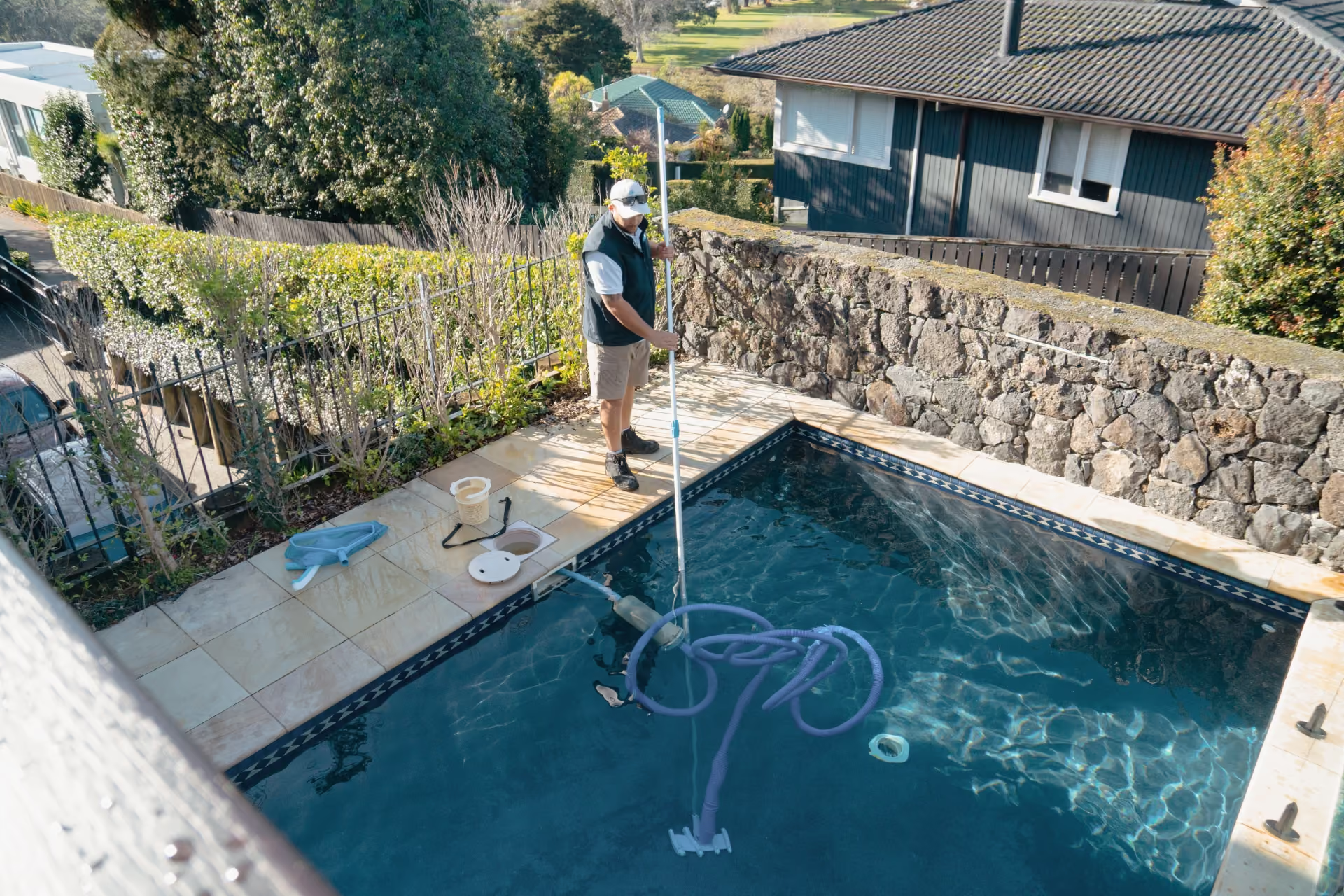
- Skimming and vacuuming
- Filter backwashing or cleaning
- Chemical testing and dosing
- Equipment visual checks
- Water balance adjustments
Services that may be excluded
- Equipment repairs or replacement parts
- Chemical supply (some contracts charge separately)
- Green pool treatments or algae remediation
- Storm clean-ups
- Seasonal opening or closing procedures
If a service isn't listed in the contract, assume it isn't covered. Ask the provider to clarify anything that's unclear before you sign.
---
Service Frequency and Visit Schedule
The contract should state clearly how often a technician will visit, weekly, fortnightly, or monthly, and what they will do on each visit.
Some contracts describe a visit schedule in general terms without specifying the tasks. That's worth querying. A fortnightly visit that only includes a visual check is different from one that includes full chemical testing and dosing.
For Auckland's climate, where pools are often used year-round, regular servicing is important. Make sure the frequency in the contract matches what your pool actually needs.
---
Chemical Supply and Water Testing
Check whether chemicals are included in the contract price or charged separately. Both arrangements are common, but the cost difference can be significant.
Also check how water testing is handled:
- Is it done on-site at each visit, or are samples sent away?
- What parameters are tested?
- Who is responsible if the water goes out of balance between visits?
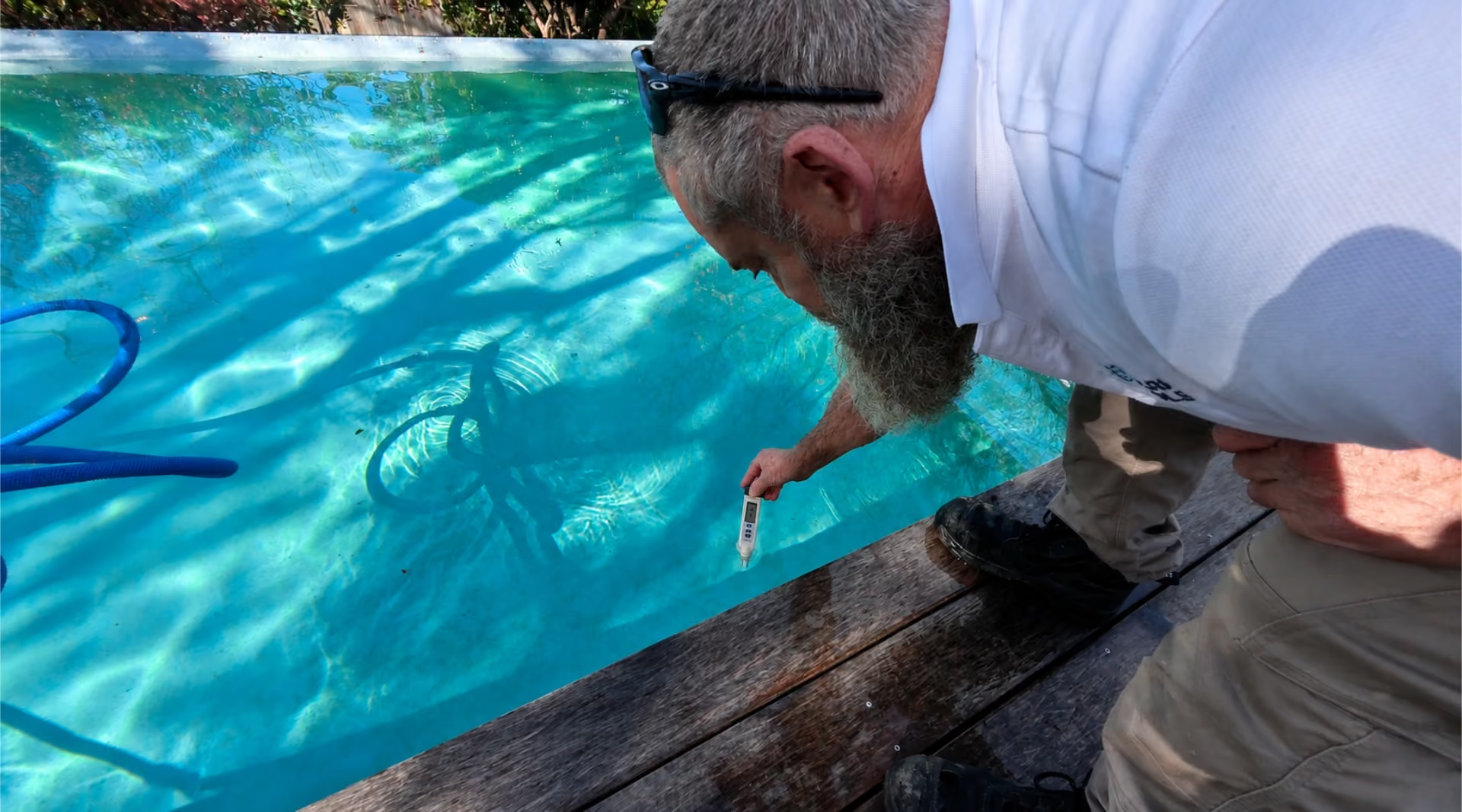
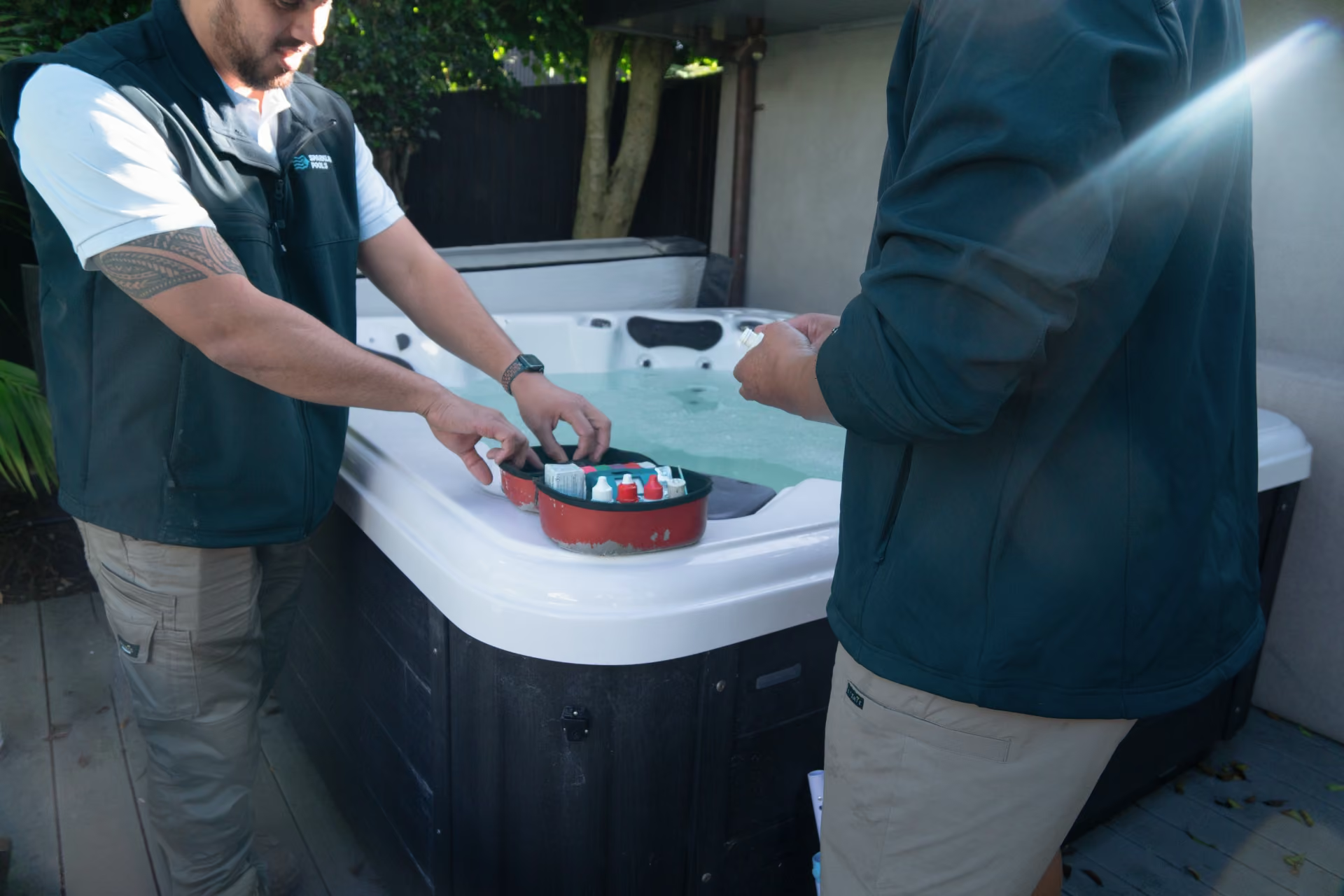
On-site water testing at each service visit gives the most accurate picture of your pool's condition. It allows the technician to adjust chemicals based on current readings rather than working from a previous result.
---
Equipment Coverage
Most service contracts cover routine maintenance but not equipment repairs. That's a reasonable distinction, but the contract should make it clear.
Look for language that specifies:
- Whether the technician will flag equipment faults during a visit
- Whether fault diagnosis is included or charged separately
- Who arranges and pays for repairs
- Whether the provider uses qualified technicians for electrical or mechanical work
If equipment repairs are included, check whether there's a cap on the value of work covered per visit or per year.
---
Contract Length and Exit Terms
Pool service contracts typically run for 12 months, though shorter and longer terms exist.
Before signing, check:
- Minimum term: How long are you committed for?
- Notice period: How much notice is required to cancel?
- Early exit: Is there a penalty for ending the contract early?
- Renewal: Does the contract auto-renew, and if so, with how much notice before the renewal date?
Auto-renewal clauses are common. If you don't want to be locked in for another term, you'll need to give notice before the renewal date, make a note of it when you sign.
---
Price Increases
Check whether the contract allows the provider to increase prices during the term, and if so, under what conditions.
A fixed-price contract for the full term gives you certainty. A contract that allows price increases at any time with short notice is less predictable.
If price increases are permitted, look for a cap, for example, increases limited to a percentage tied to a published index.
---
Liability and Insurance
The contract should state who is liable if something goes wrong, for example, if a chemical dosing error damages pool surfaces, or if equipment is damaged during a service visit.
Check that the provider holds current public liability insurance. A reputable pool service company will have this in place and should be able to confirm it on request.
---
Response Times for Problems
If your pool develops a problem between scheduled visits, a green pool, a pump fault, or a chemical imbalance, how quickly will the provider respond?
Some contracts include a response-time commitment for urgent issues. Others treat unscheduled visits as additional call-outs charged at a separate rate.
Know what you're entitled to before a problem arises.
---
Questions to Ask Before You Sign
Here's a practical checklist to work through with any provider:
- What exactly is included in each visit?
- Are chemicals included in the price?
- How is water tested, and how often?
- What happens if equipment needs repair?
- What is the minimum contract term and notice period?
- Does the contract auto-renew?
- Can prices increase during the term?
- Does the company hold public liability insurance?
- What is the process if I'm not satisfied with the service?
A provider who answers these questions clearly and without hesitation is generally one worth working with.
---
When a Contract Makes Sense
A pool service contract suits pool owners who want consistent, scheduled care without managing it themselves. It's particularly useful for:
- Busy households where pool maintenance often gets skipped
- Managed rental properties where the owner isn't on-site
- Commercial pools with compliance requirements
- Pools with complex equipment that benefits from regular professional attention
For owners who prefer to handle most of the work themselves, a contract for periodic professional servicing, rather than full ongoing maintenance, may be a better fit.
---
What a Good Contract Looks Like
A well-structured pool service contract will:
- Clearly list every service included
- State the visit frequency and what happens at each visit
- Specify whether chemicals are included
- Describe how equipment faults are handled
- Set out the term, notice period, and renewal conditions
- Include a fair process for resolving disputes
If a contract is vague on any of these points, ask for clarification in writing before you sign. Any reputable provider will be comfortable doing that.
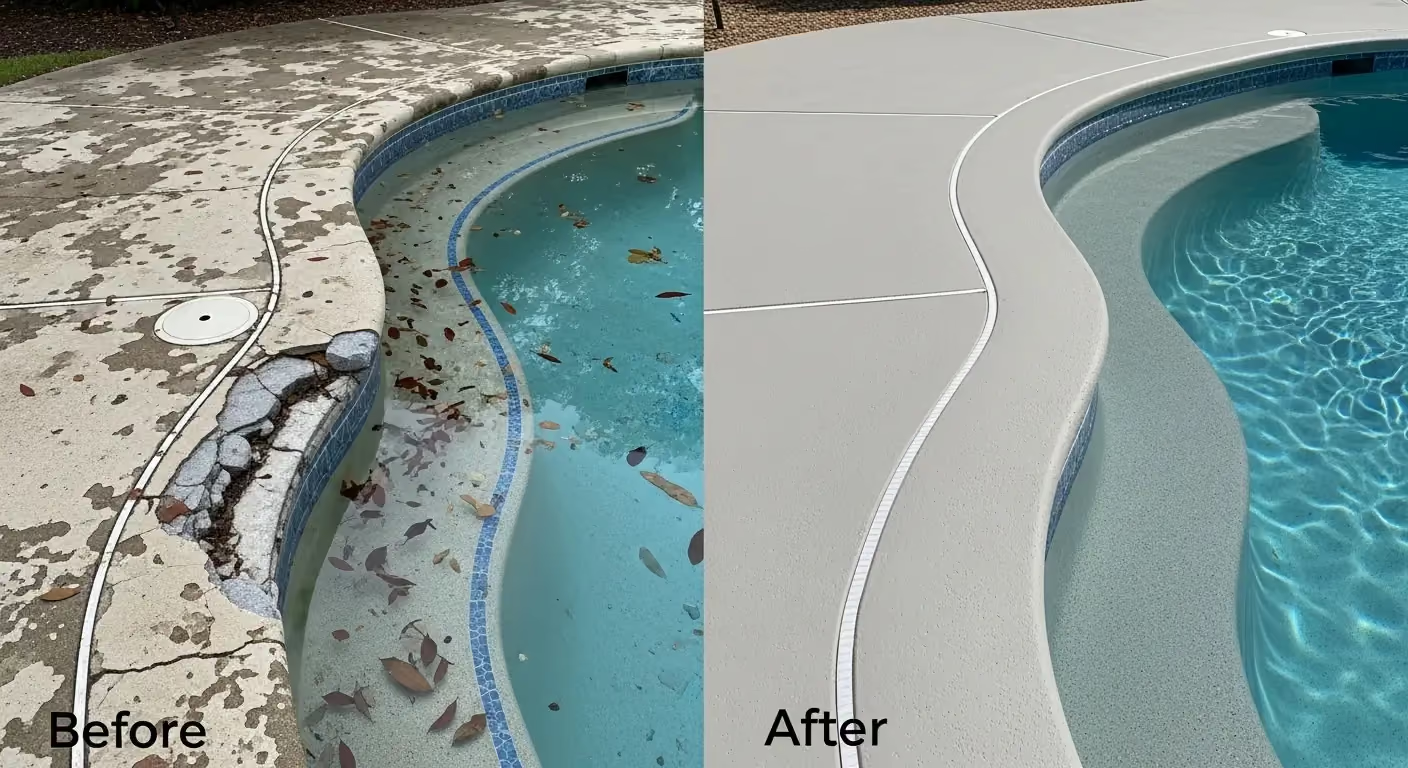
Pool resurfacing solutions
Restore your pool with durable plaster finishes




Work completed
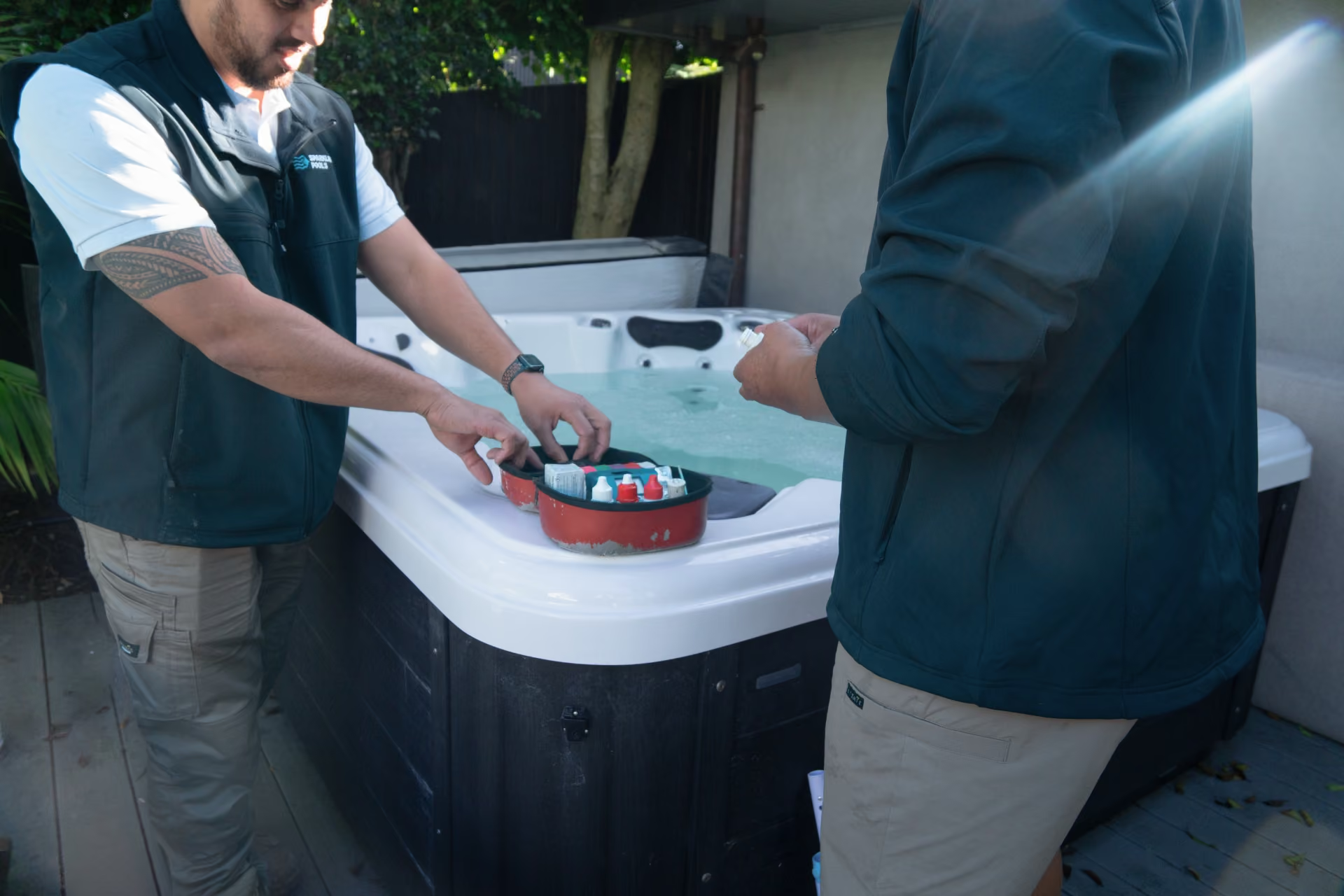
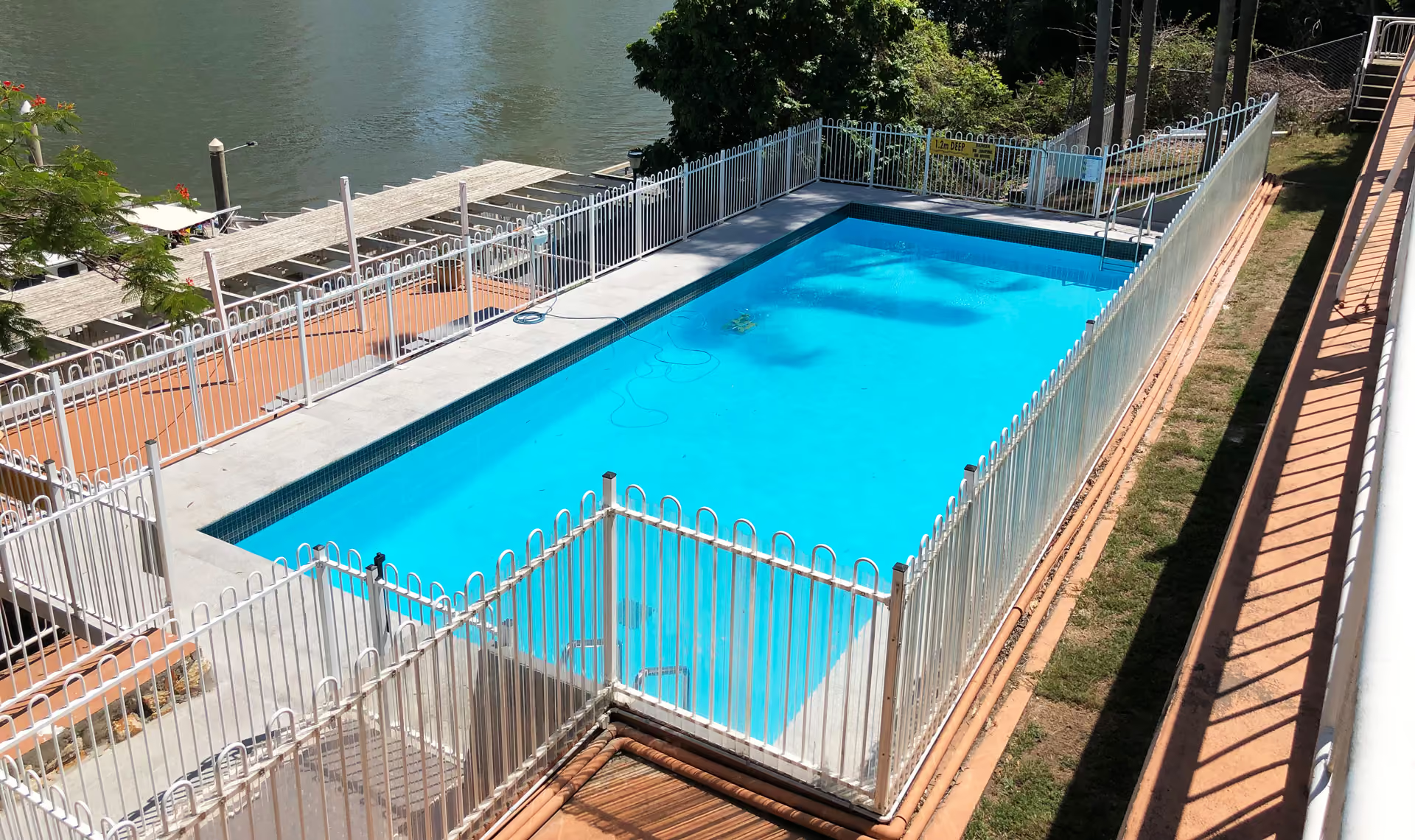
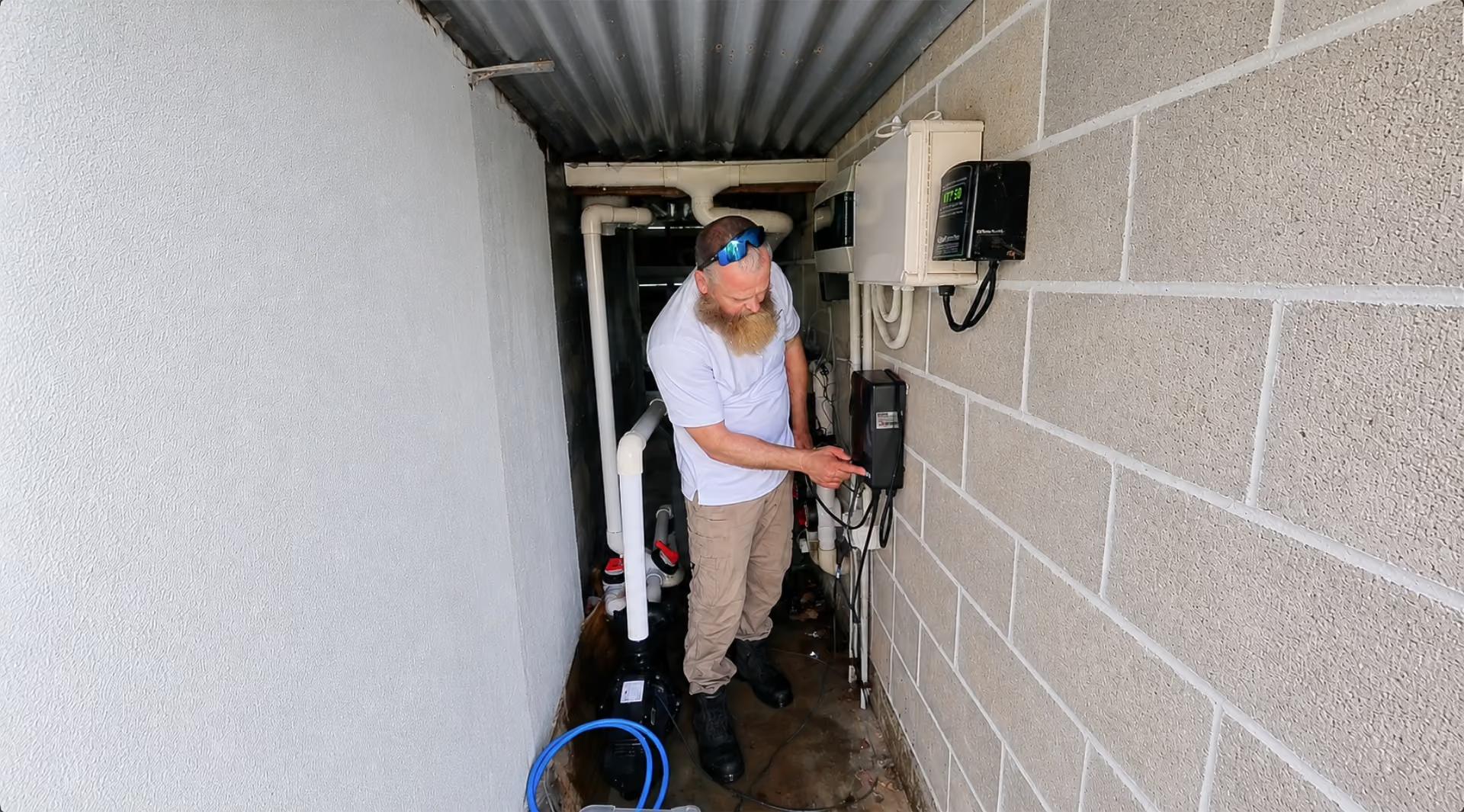
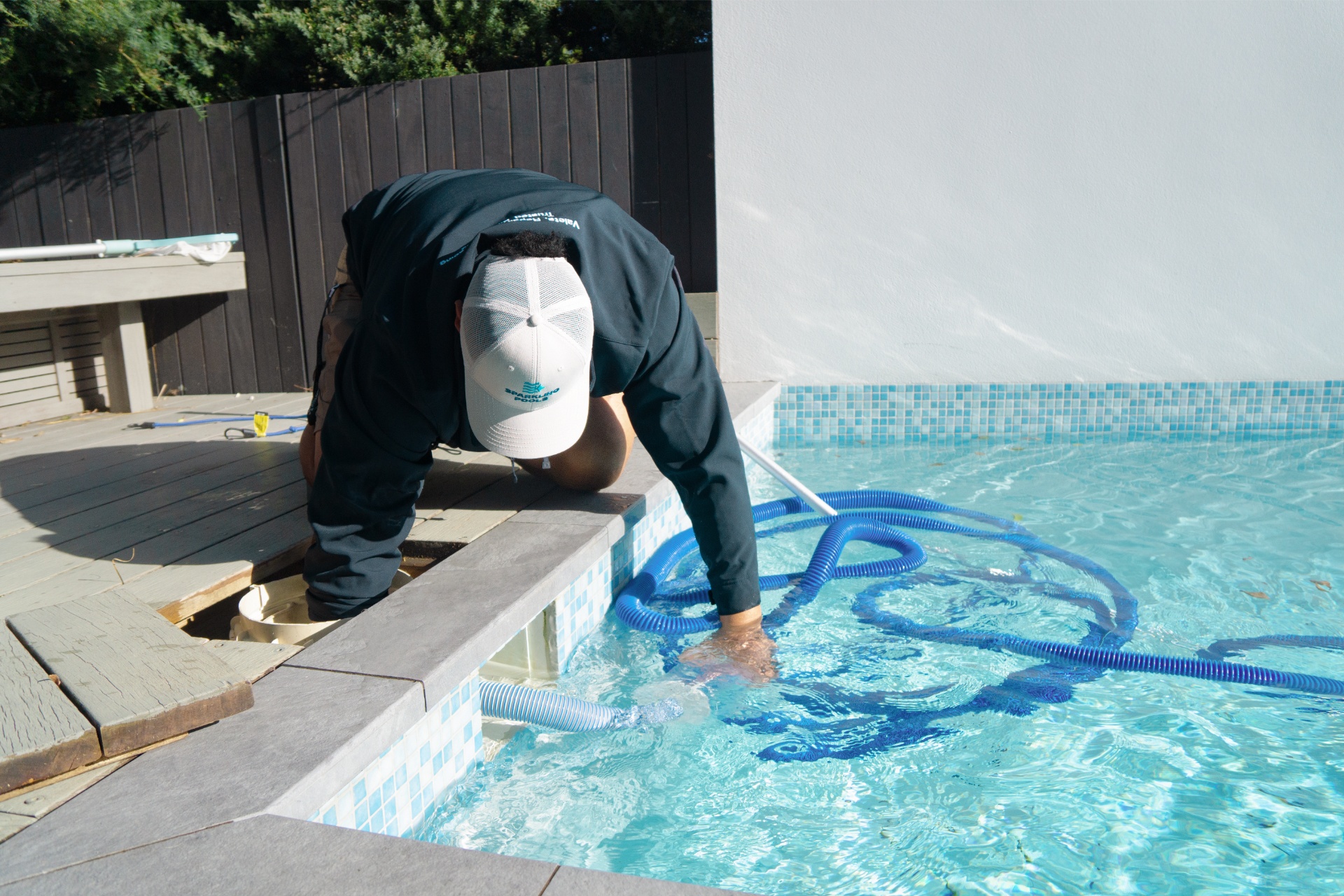
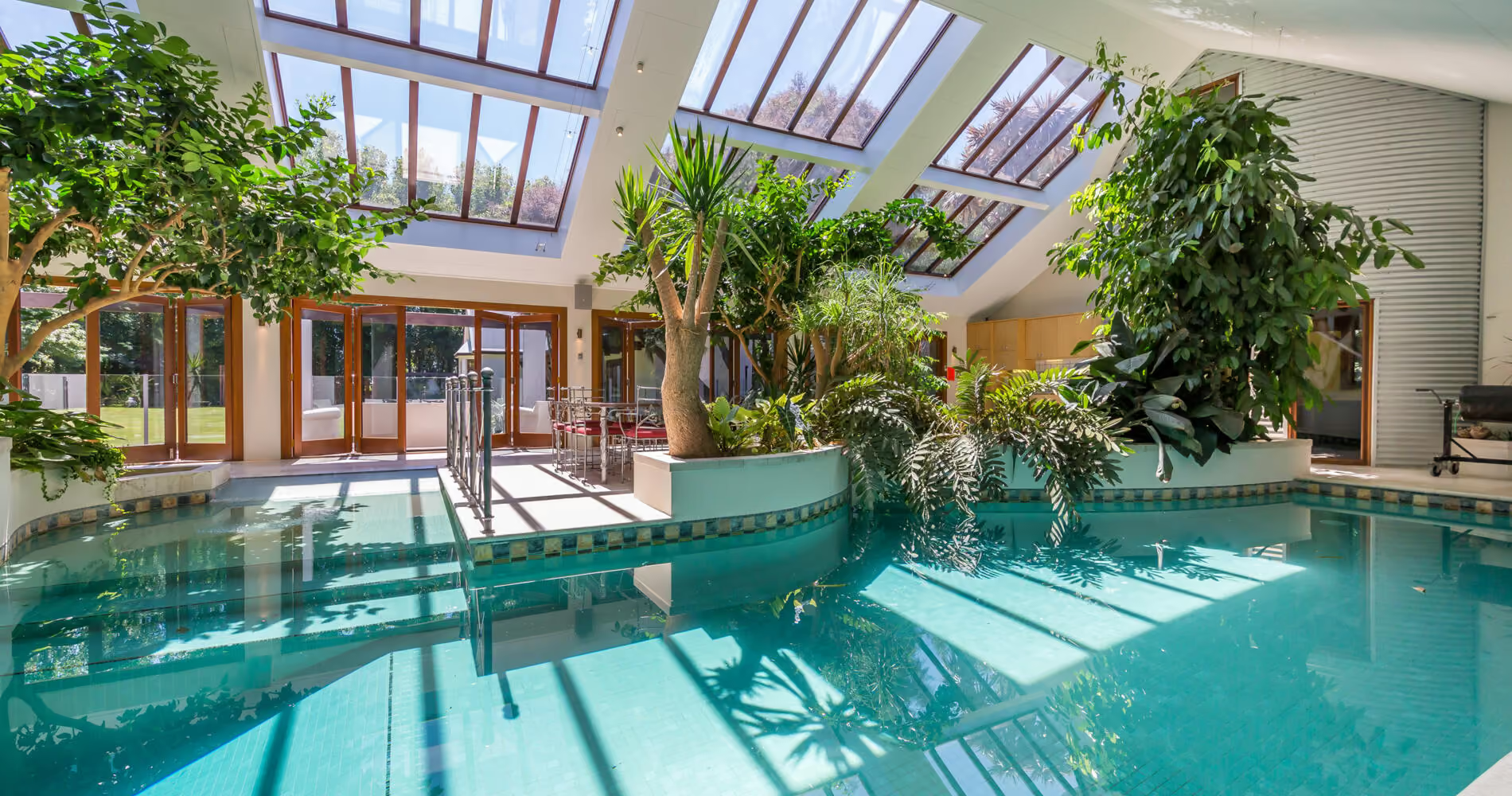
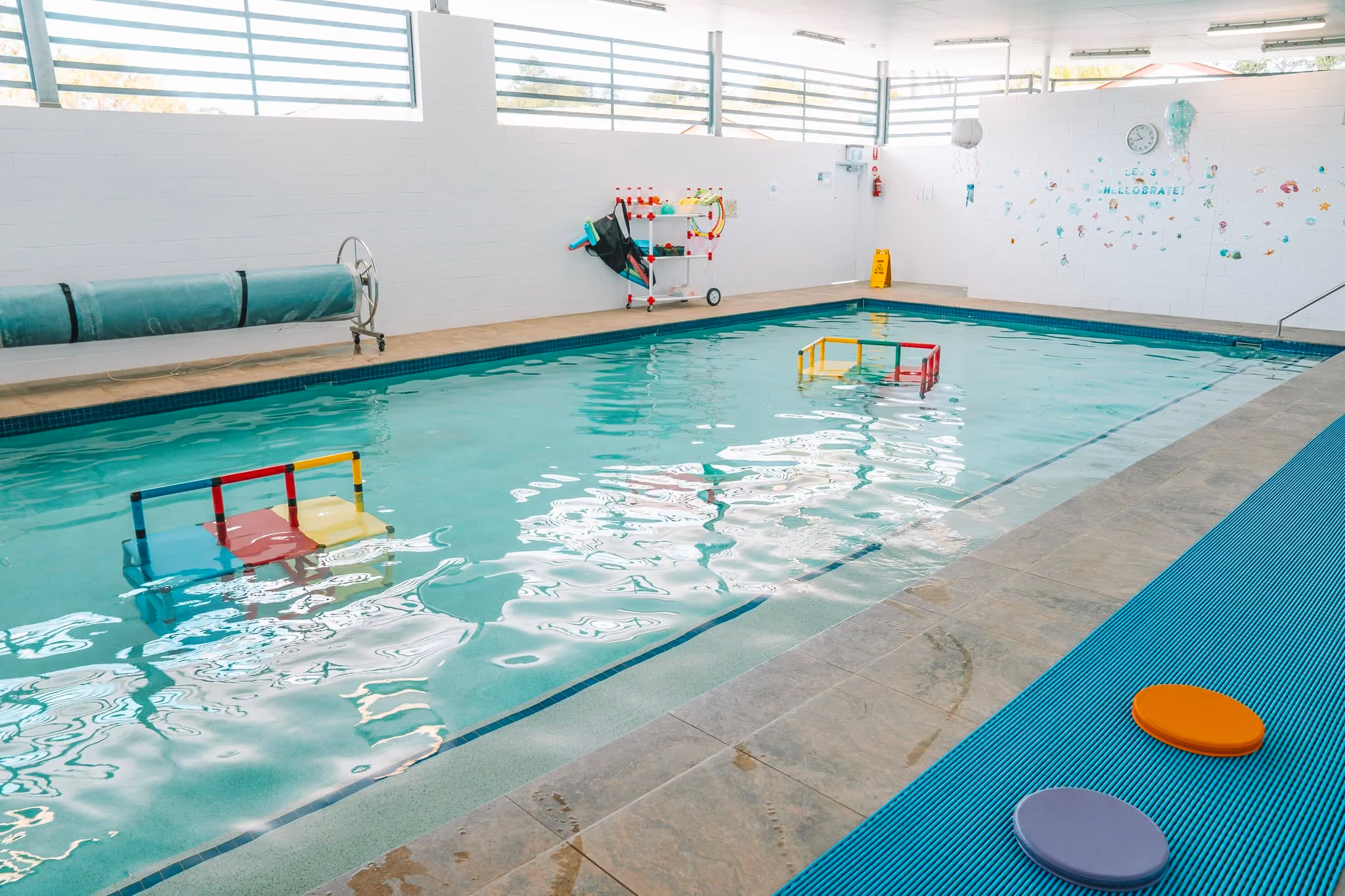
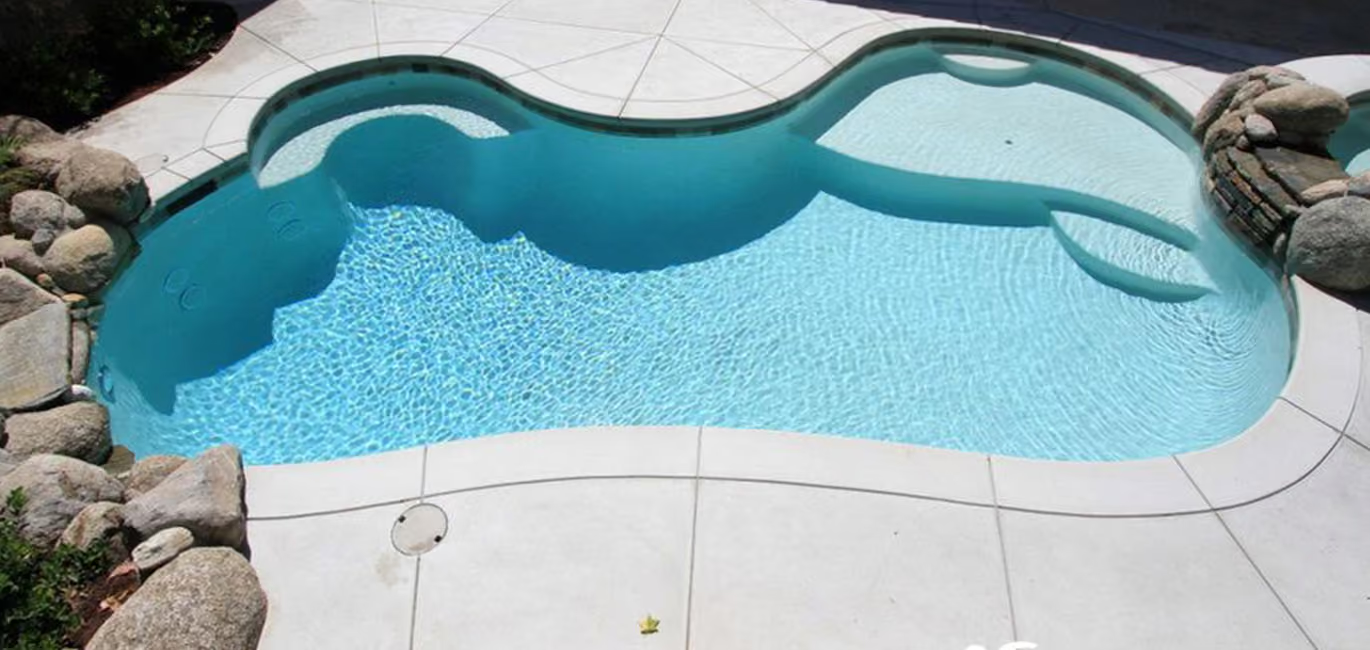
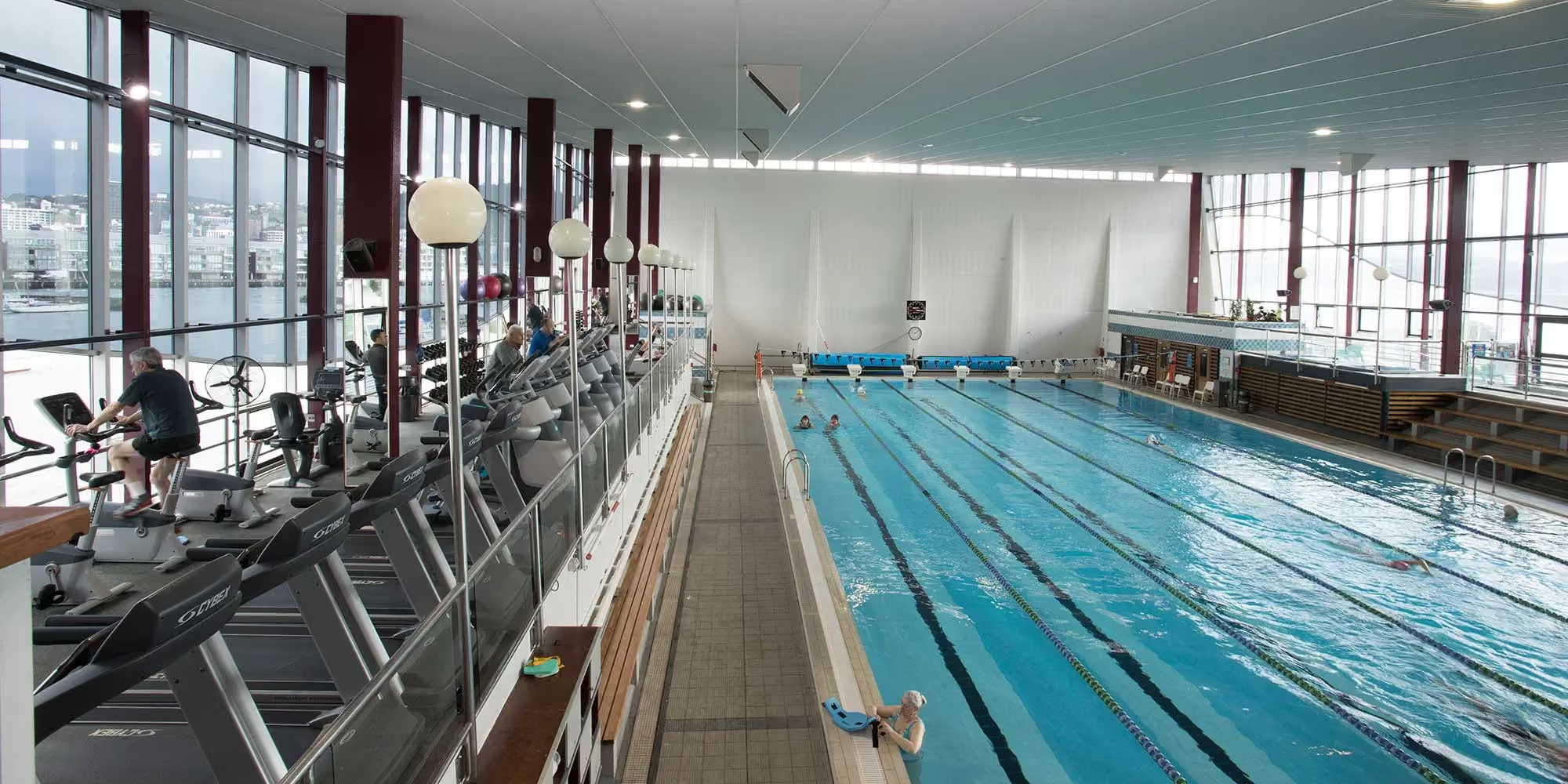
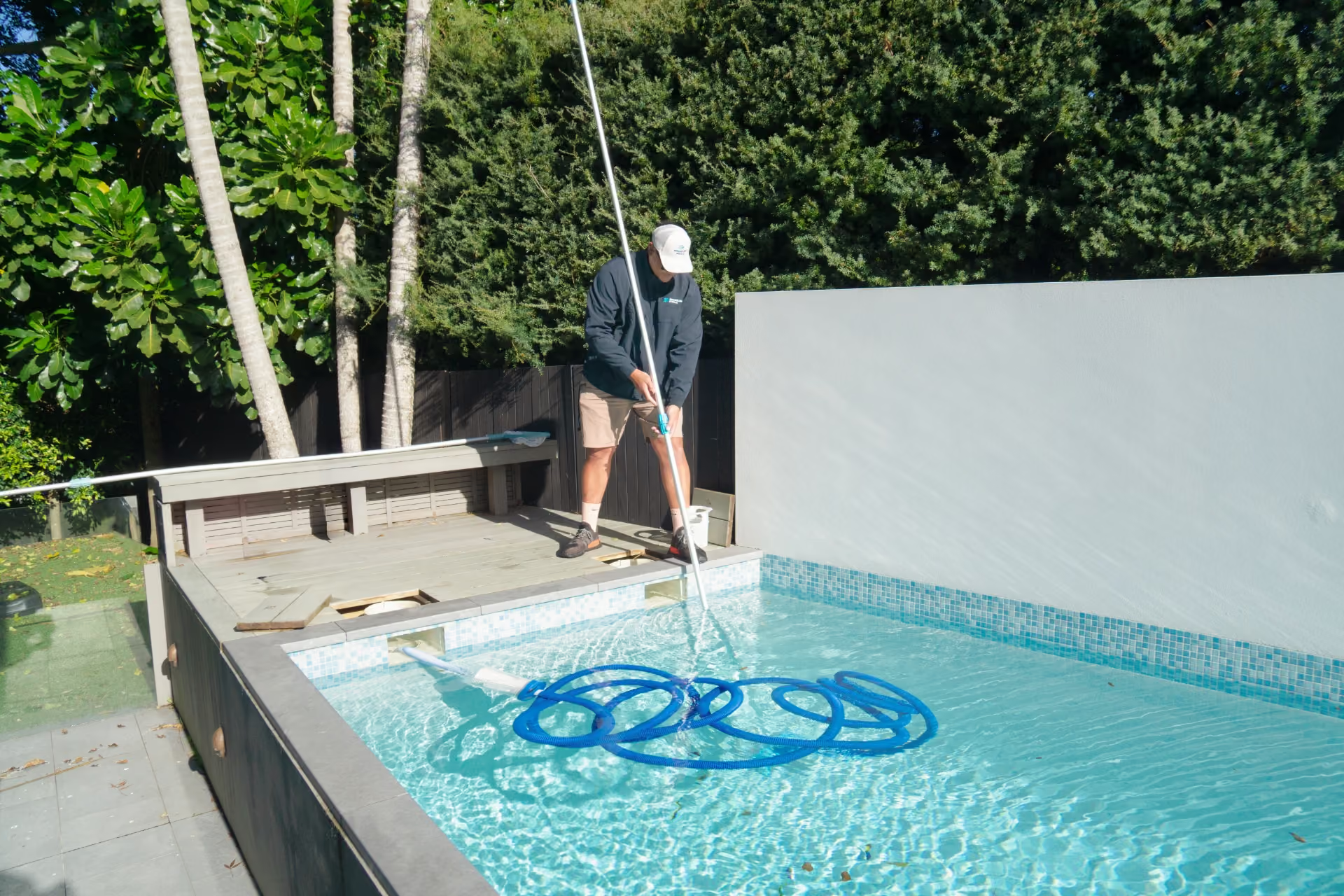
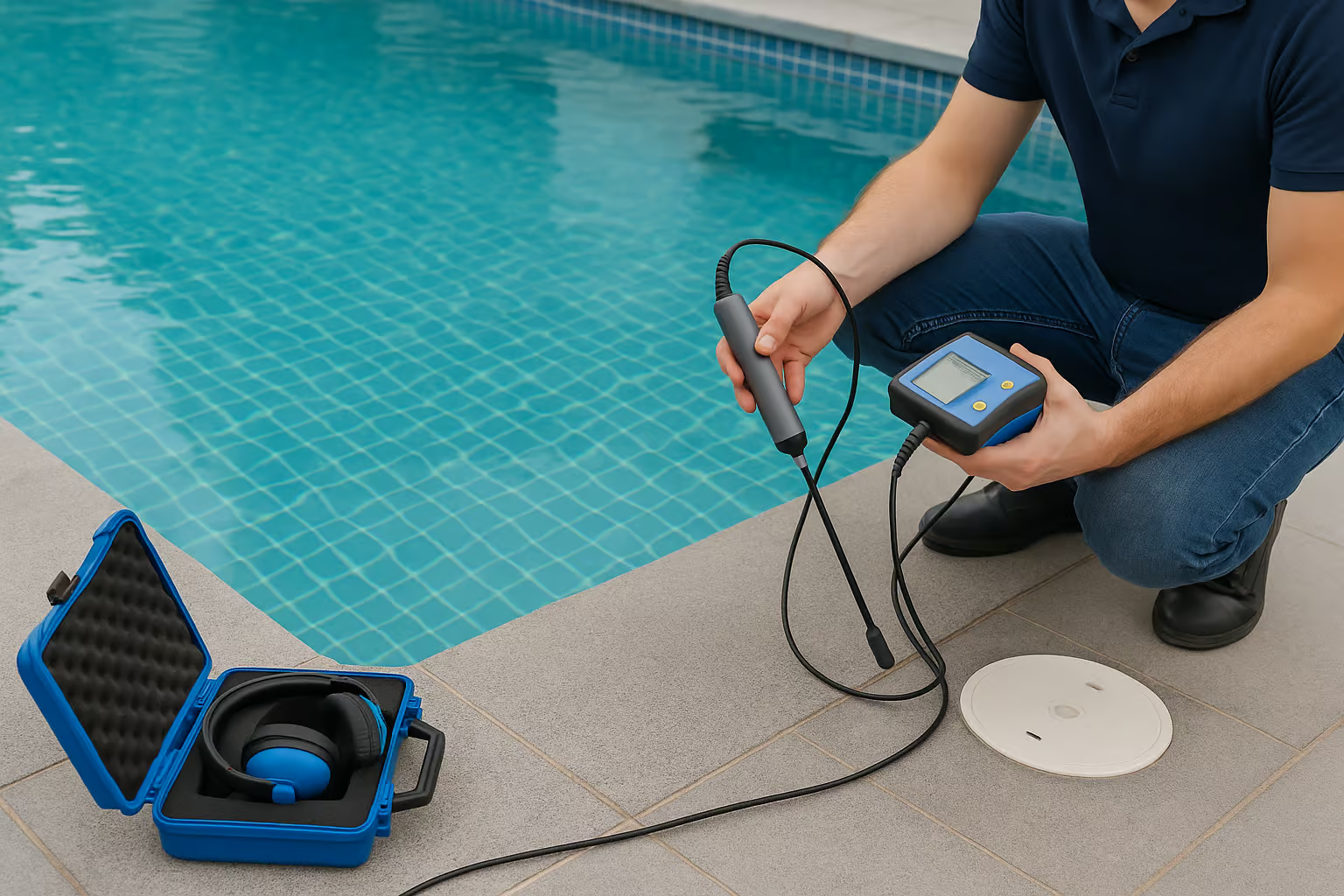
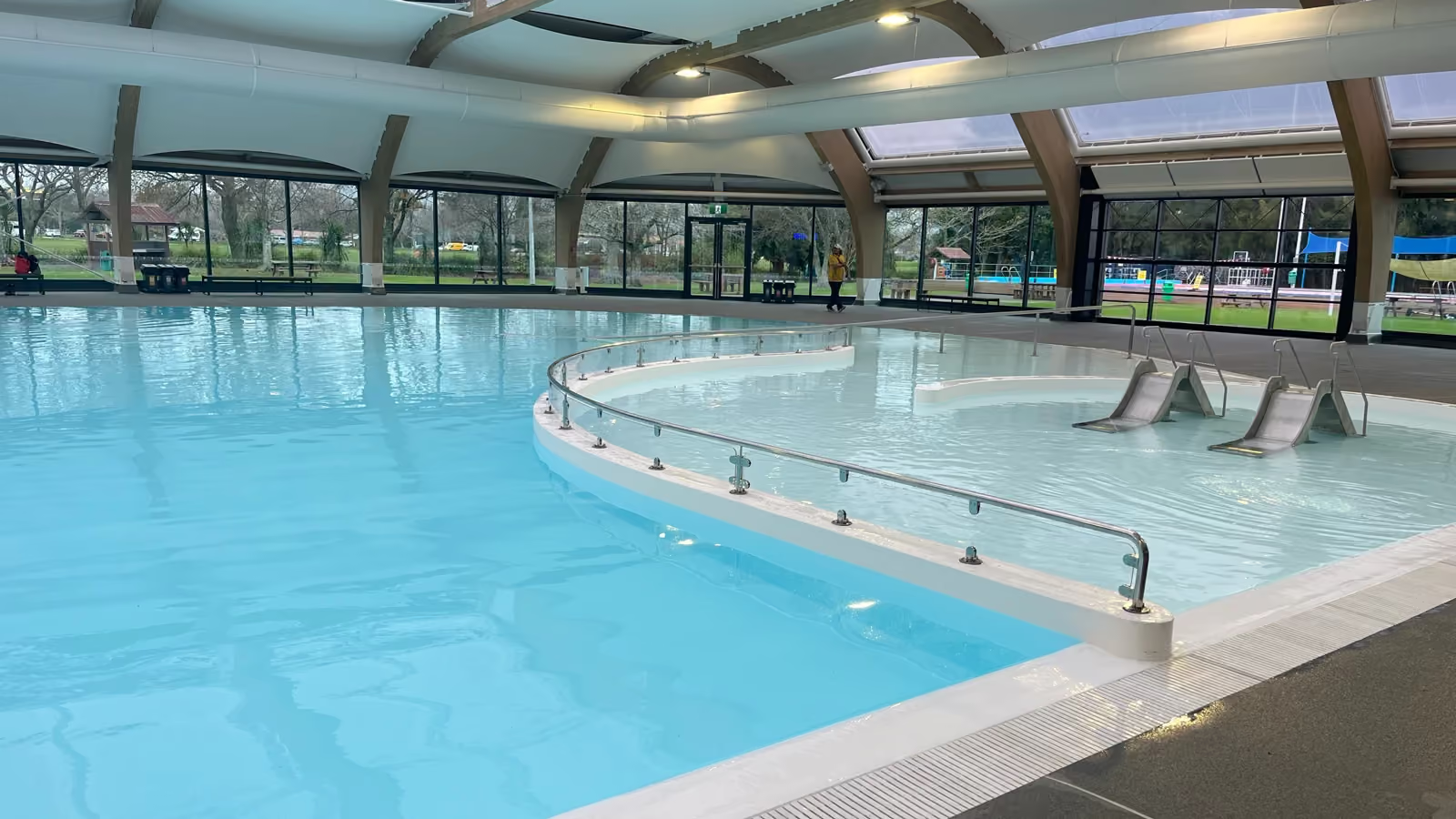
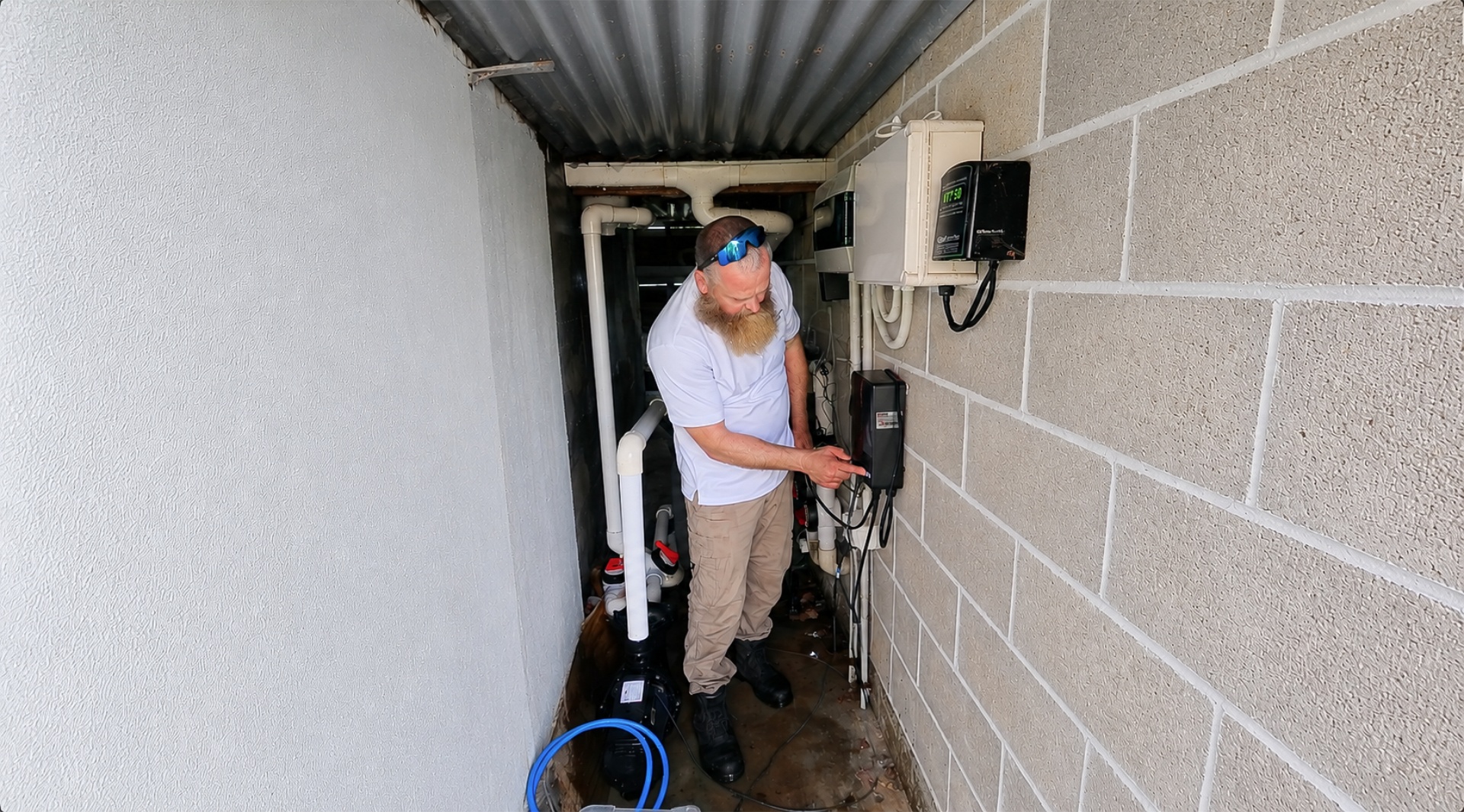
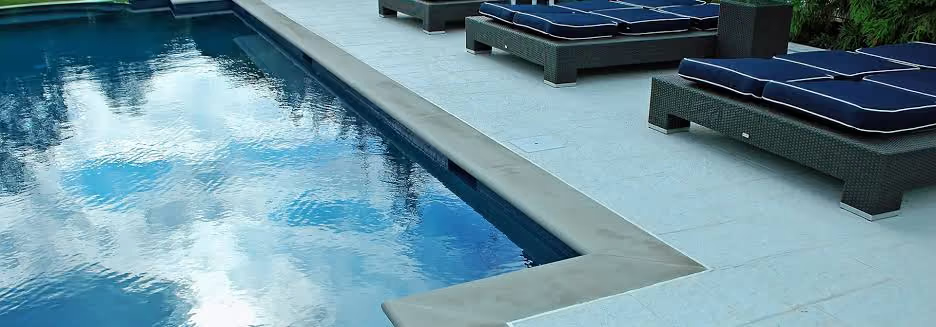
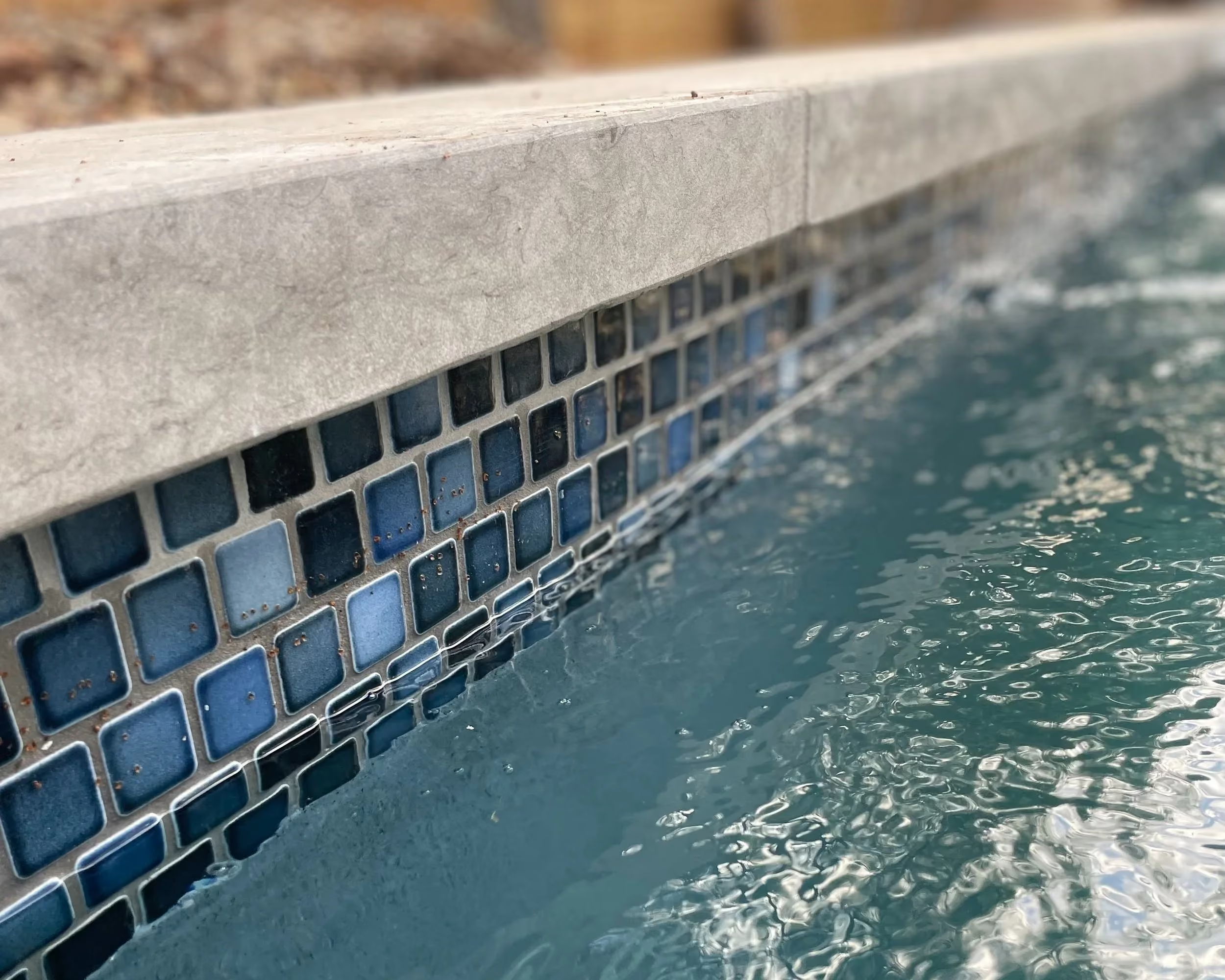
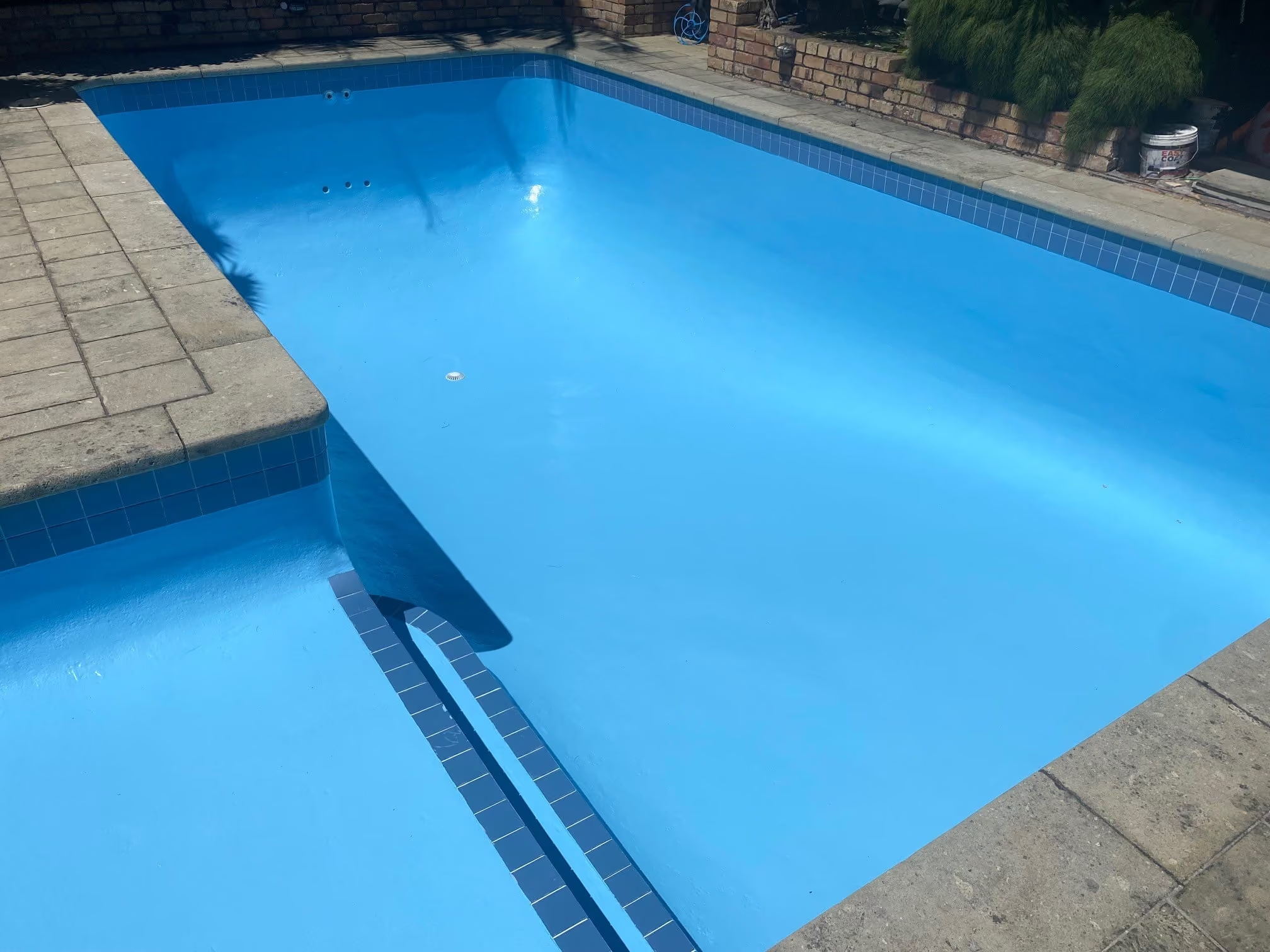
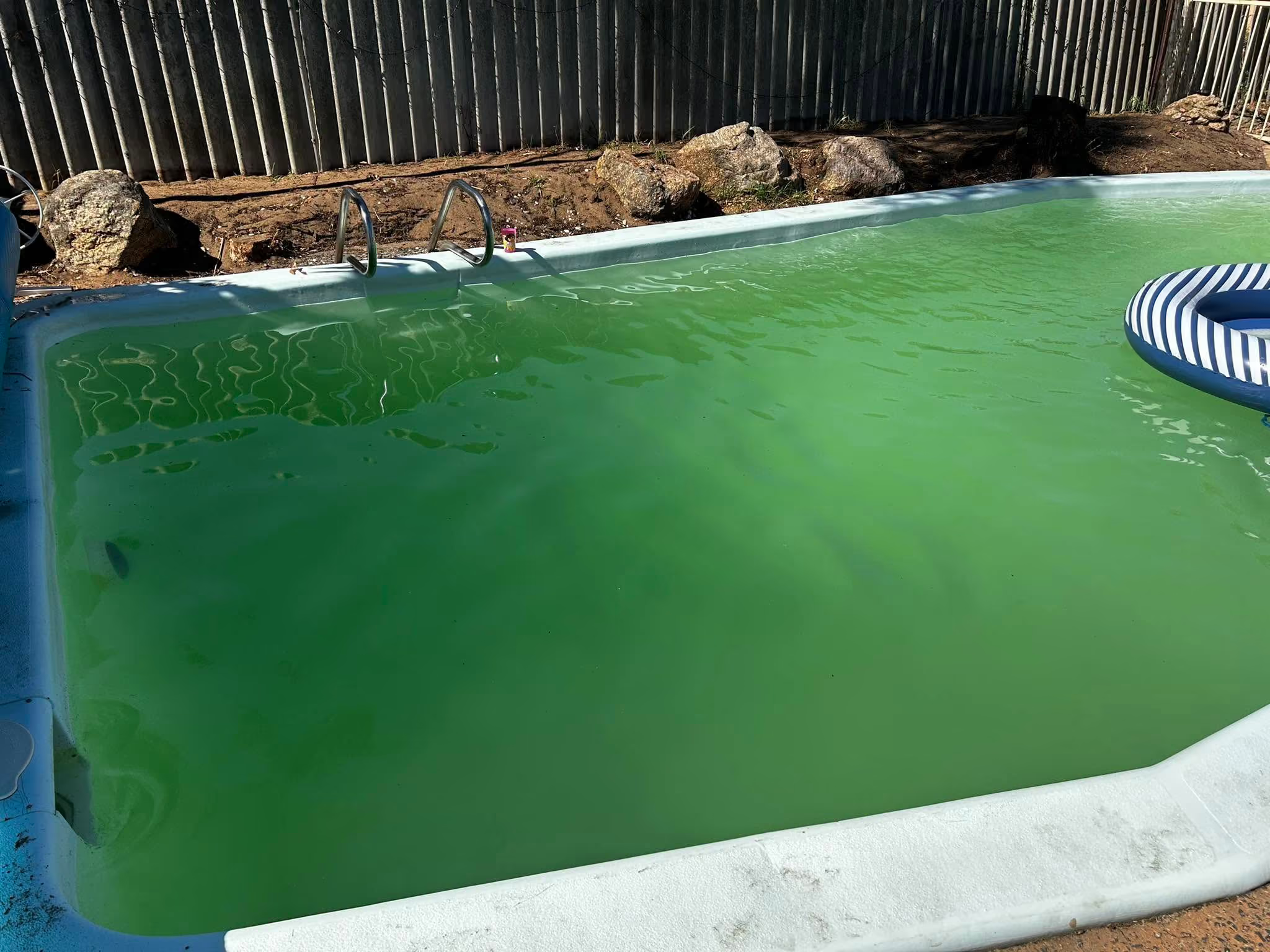
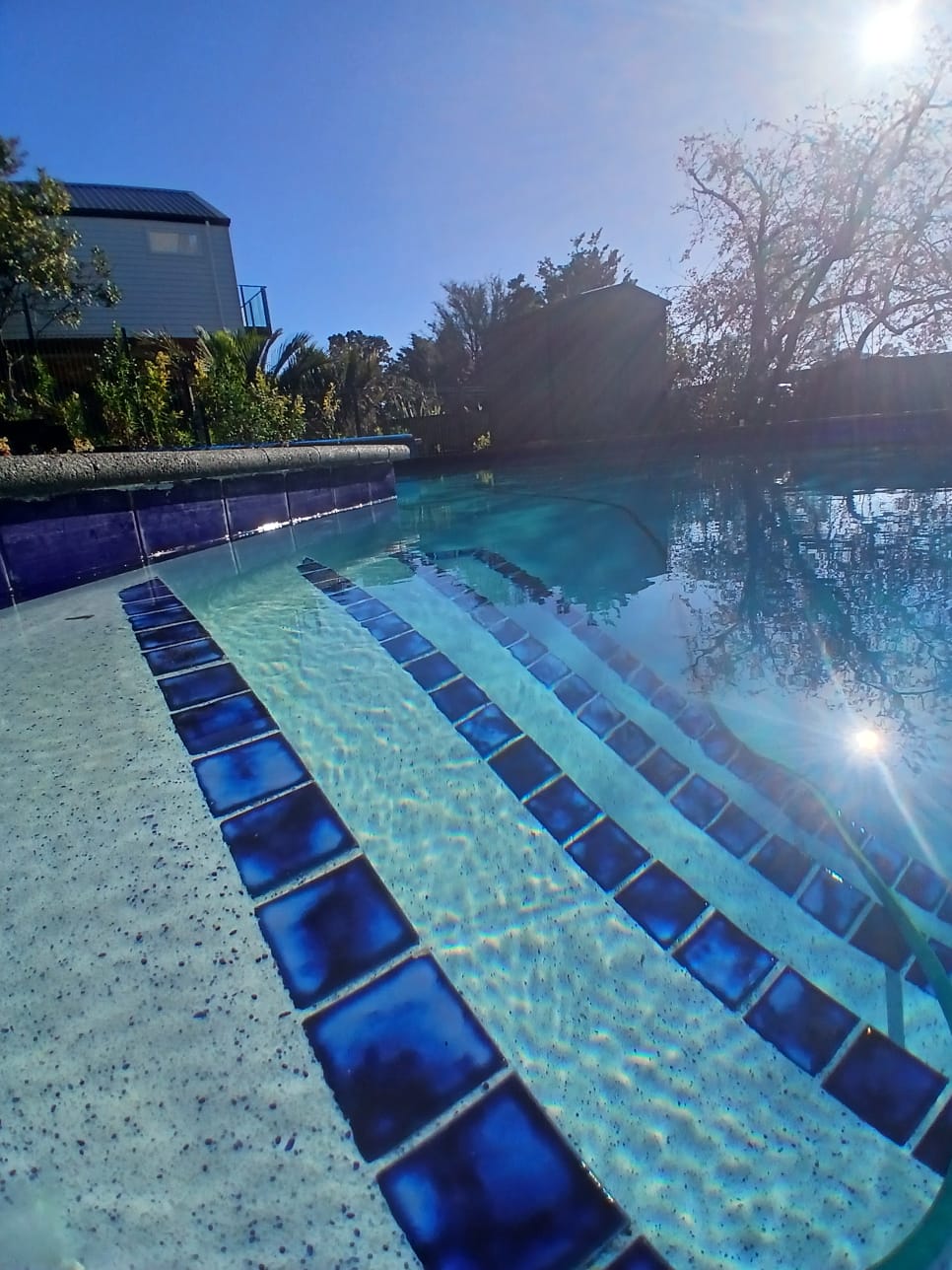
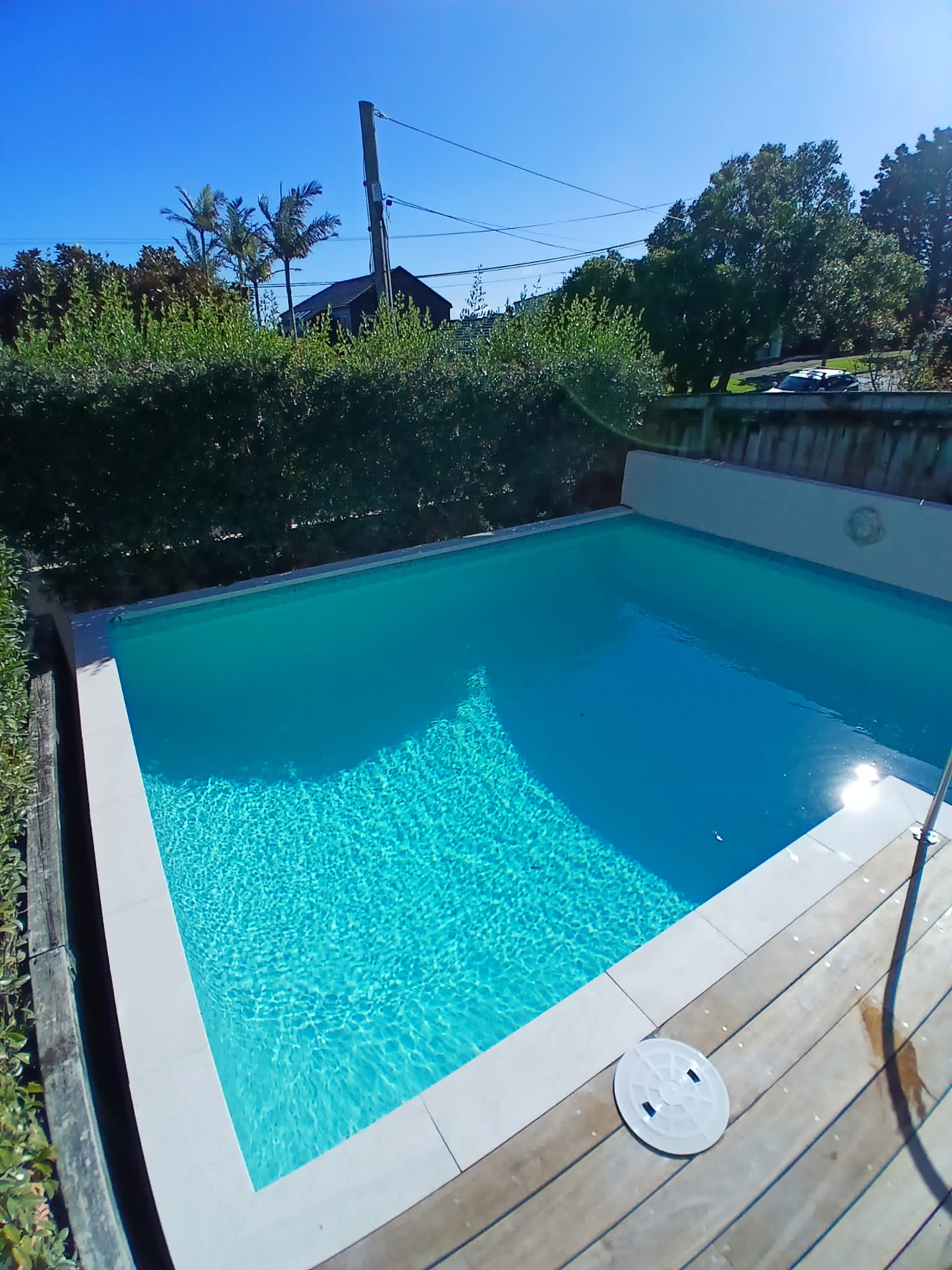
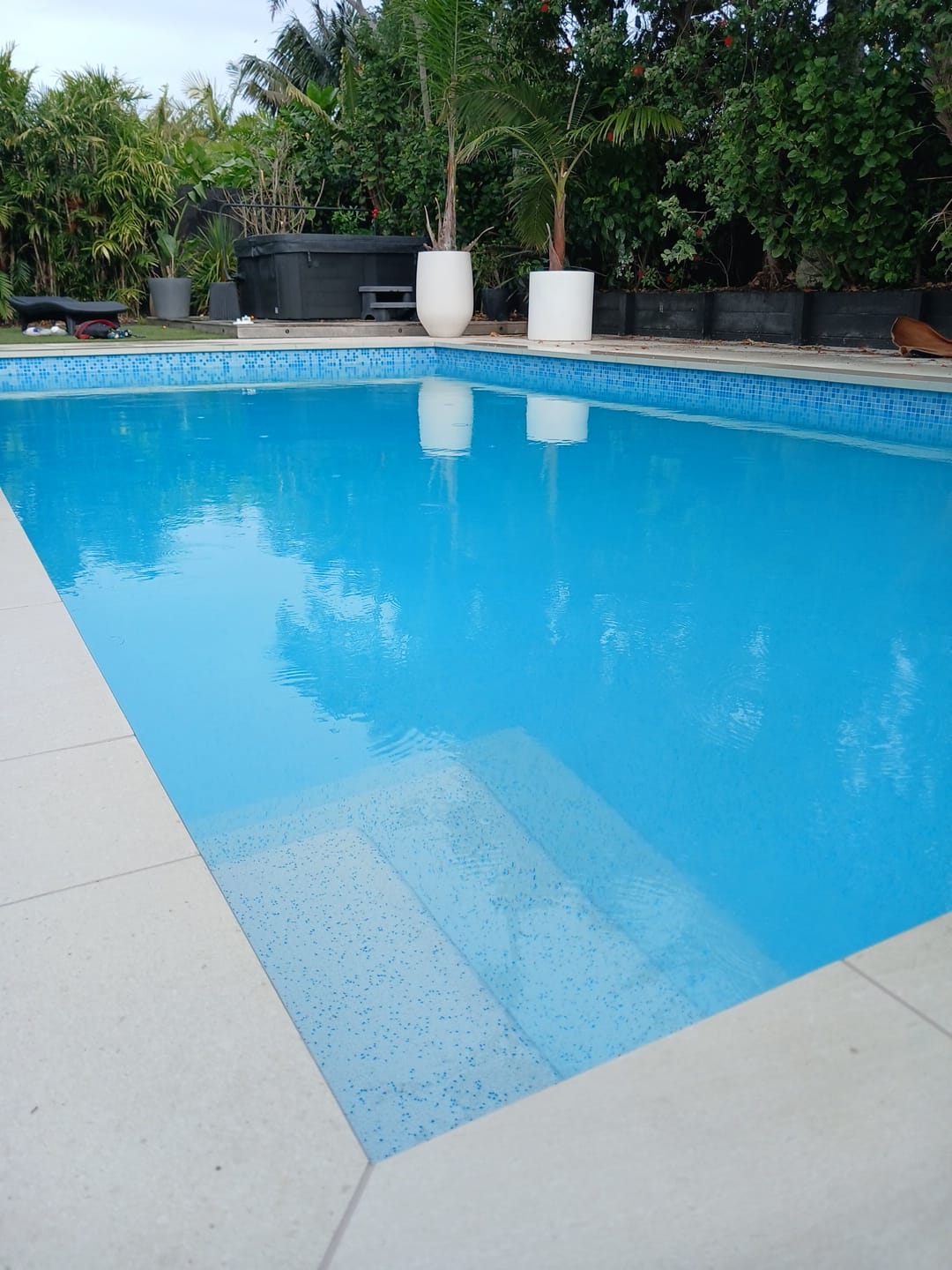
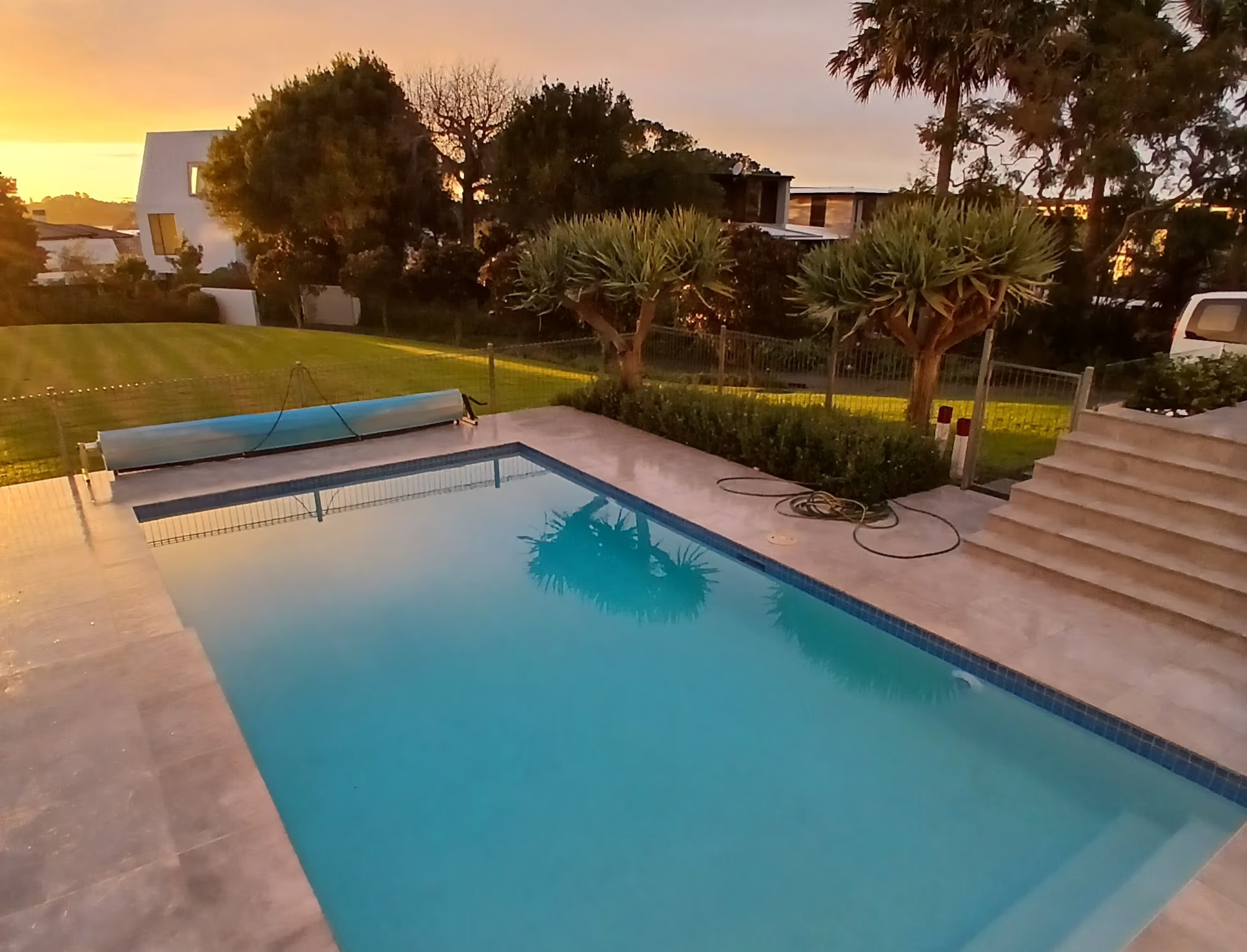
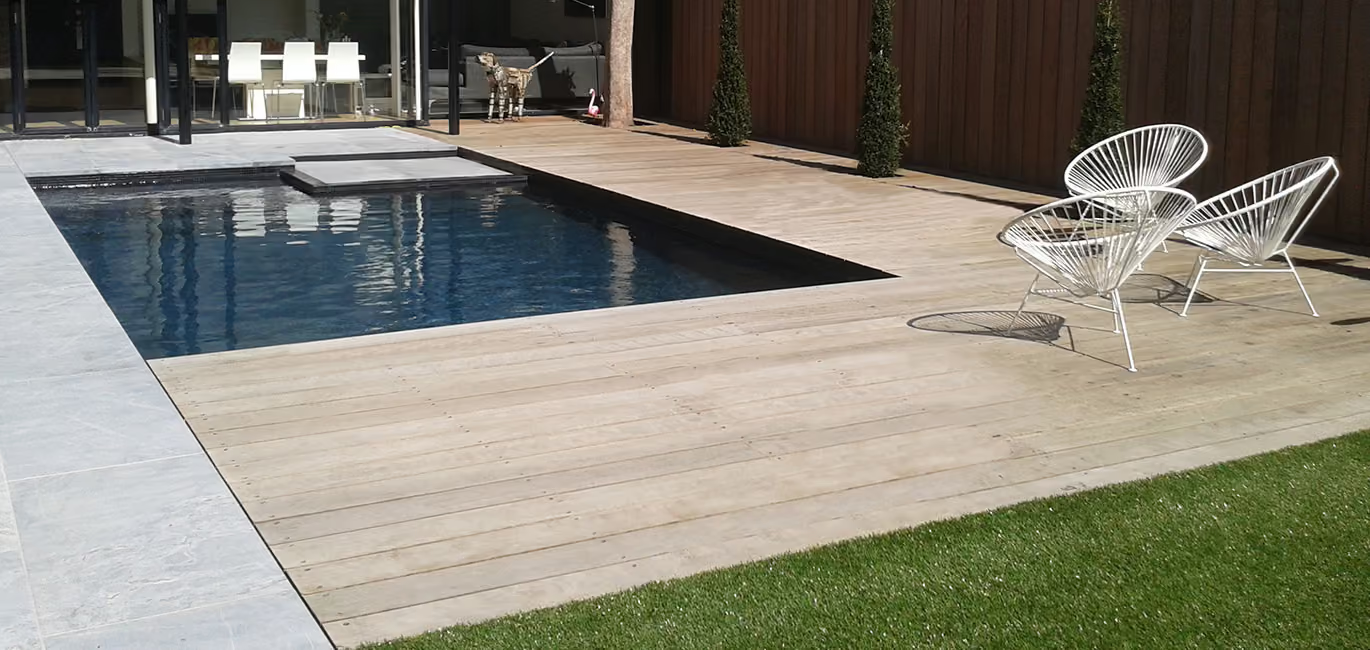
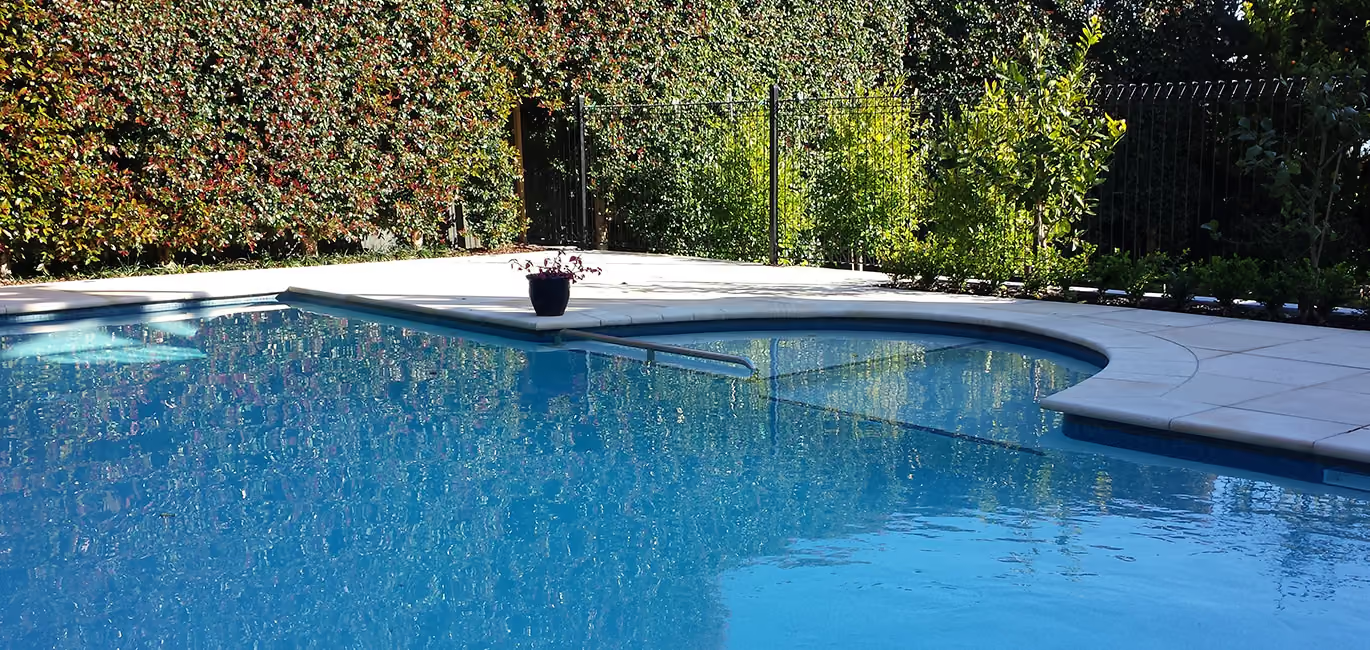
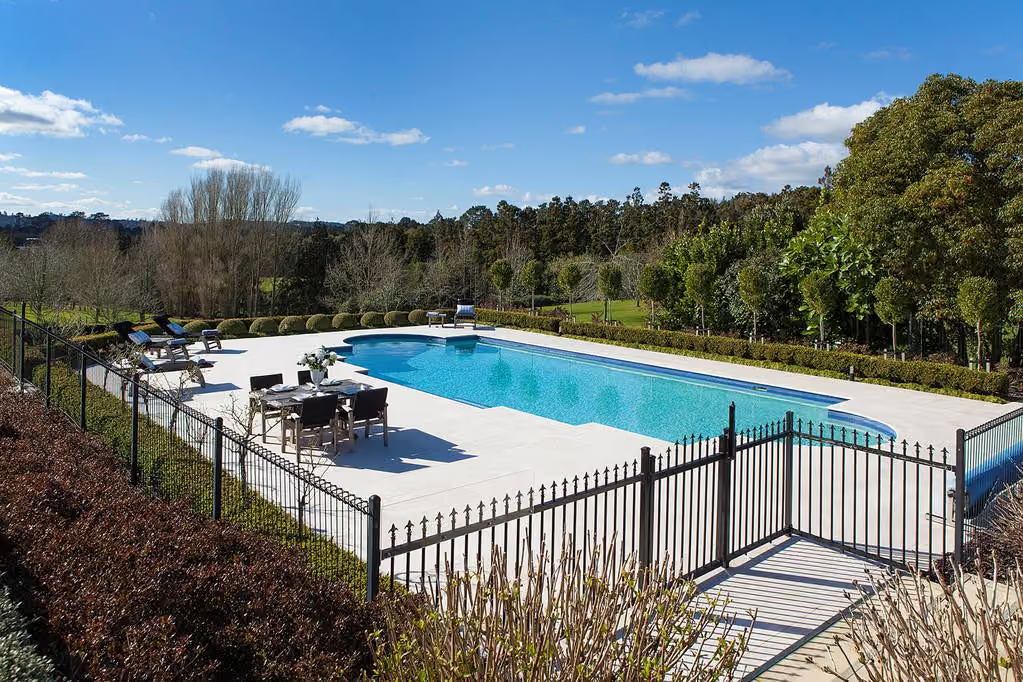
Sparkling Pools has worked on pools across Auckland, including residential renovation projects, equipment upgrades, ongoing maintenance and pool care for managed properties. Past projects show how the right approach can improve presentation, water quality and day-to-day usability. A well-maintained pool is easier to manage, more pleasant to use and better prepared for seasonal changes.

Trusted by Homeowners Across Auckland
Don't just take our word for it. Read what our clients have to say about our transparent communication, reliable service, and stunning pool transformations.
Related Blog Posts
Stay informed on pool care and renovations
Winter pool care essentials for Auckland
Pool Renovation Mistakes

Auckland Climate Pool Maintenance
Choosing Renovation Contractor
Pool Care Auckland Summer
Permits & Consents

Pool Renovation ROI
How Often to Test Pool Water
Pool Renovation Costs
Cost of Pool Service Auckland
Pool Renovation Planning Guide
Pool Lighting Buying Guide
Pool Cleaner Buying Guide
Pool Automation Buying Guide
Pool Heater Buying Guide
Pool Filter Buying Guide
Pool Pump Buying Guide
Best Equipment Auckland Climate
Auckland Water Quality
Auckland Pool Season
Pool Ownership Costs
Common Pool Mistakes
Pool Safety Laws
Pool Inspection Requirements
Pool Fence Compliance
.avif)
Auckland Pool Industry Trends
Auckland Pool Regulations
Pool Equipment Suppliers
Best Pool Service Areas
Pool Service Pricing Analysis
Company vs Independent
Best Pool Surface Materials
Pool Resurfacing Options
Pebble vs Plaster Surfaces
One-Time vs Ongoing Service
Full Service vs Chemicals Only
Pool Cover Types
Robotic vs Suction Cleaners
Mineral vs Saltwater
Gas vs Heat Pump
Pool Heater Types
Pool Winterizing Guide Auckland
Pool Opening Guide Summer
Pool Maintenance After Heavy Rain
Pool Maintenance Schedule
How Often to Run Pool Filter
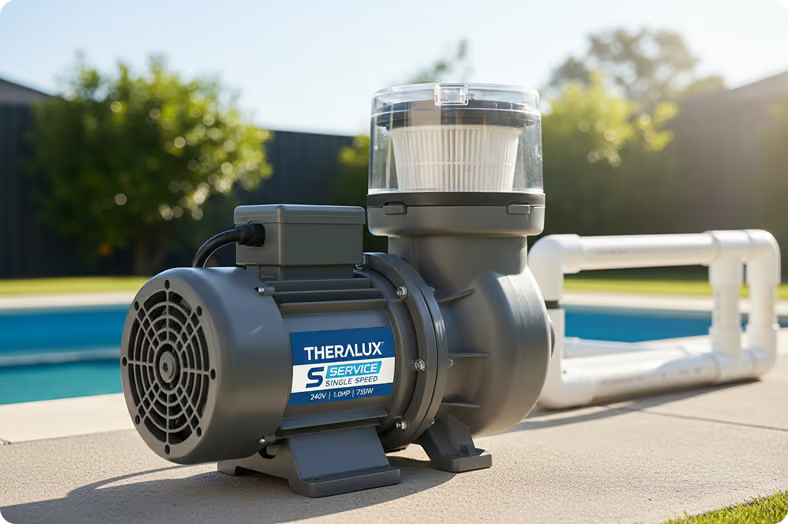
Pool Pump Maintenance Schedule
Pool Filter Cartridge Cleaning
Pool Equipment Maintenance Checklist
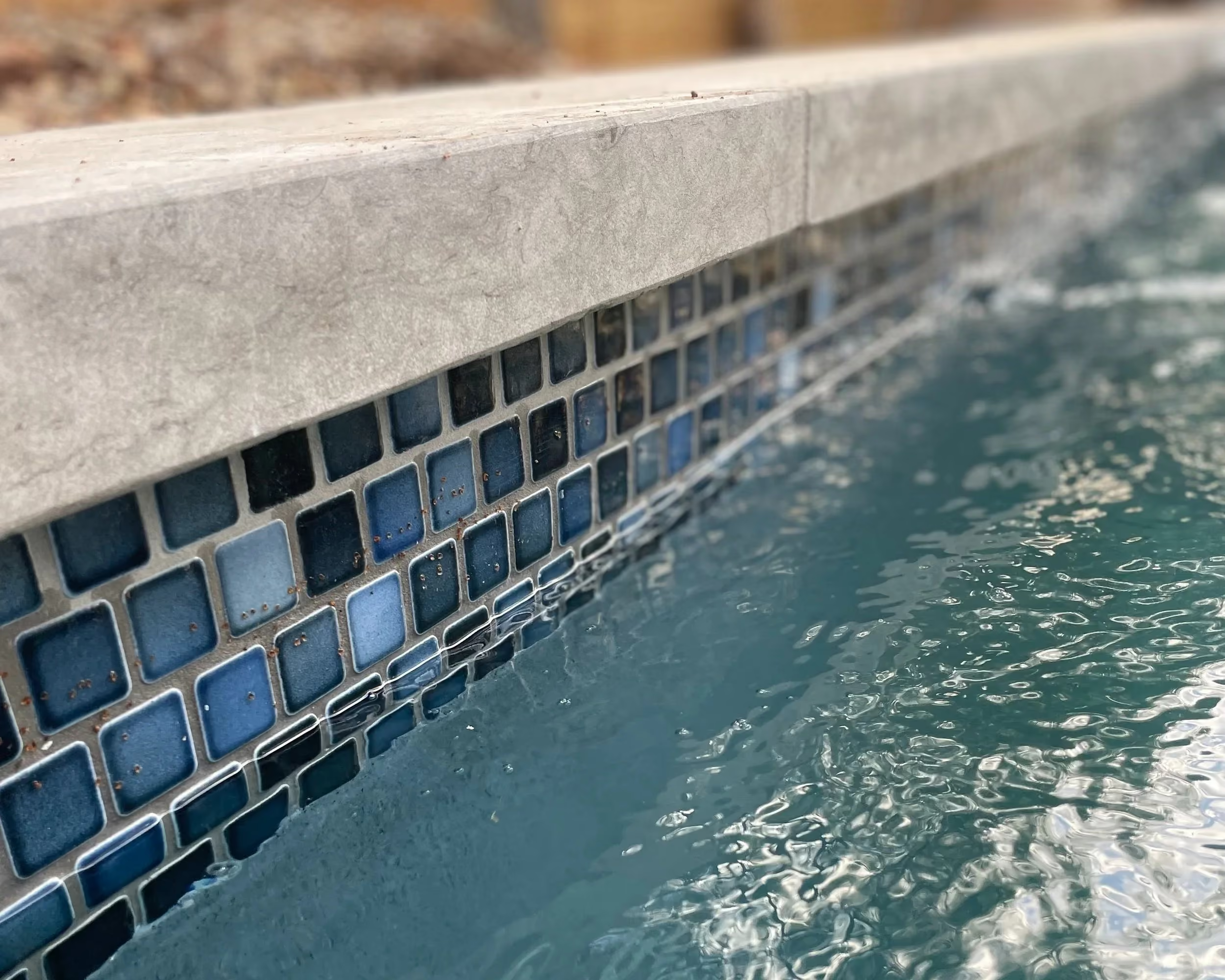
Pool Waterline Cleaning
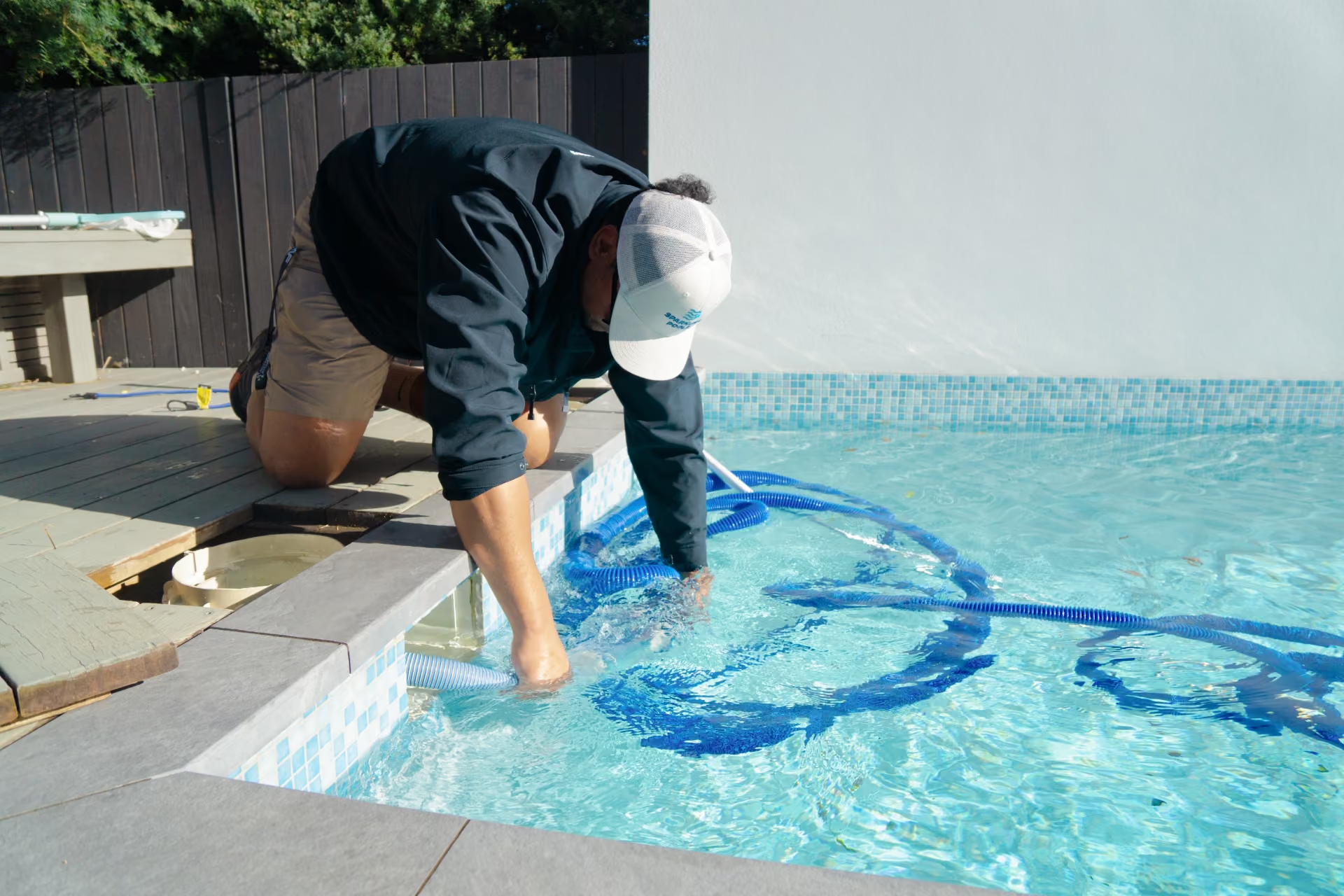
Pool Skimmer Basket Cleaning
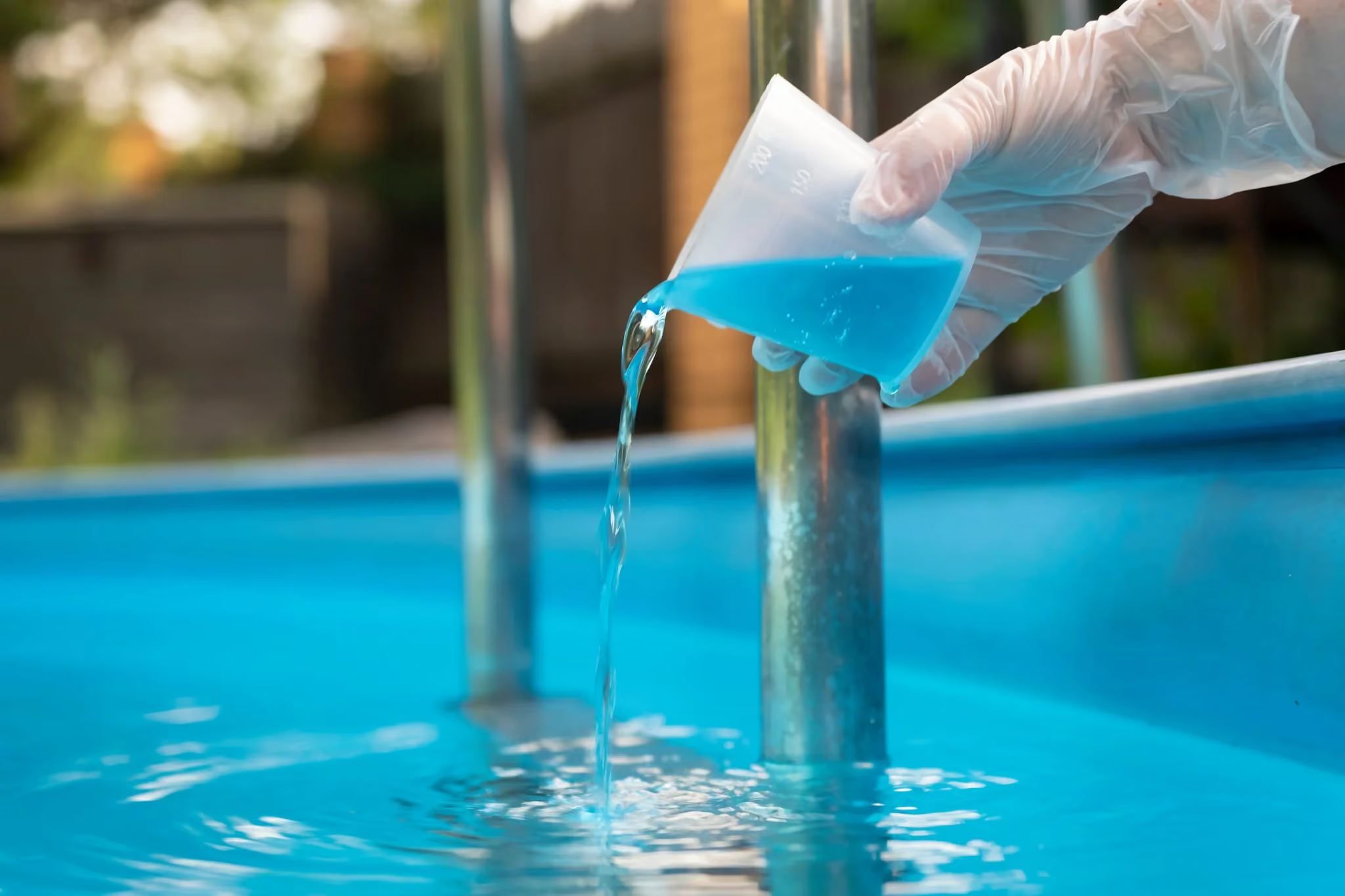
Pool Chlorine Levels
How Often Clean Pool Filter
How to Vacuum Pool
Pool Brushing Technique
Pool Chemical Dosing Chart
Pool Water Chemistry Basics
How to Balance Pool Chemistry
How to Test Pool Water
Pool Maintenance Tips
Complete Pool Maintenance Guide
Pool Service ROI
Pool Equipment Buy or Service
Pool Maintenance Time Requirements
DIY vs Professional
Pool Service Contract
Pool Service vs Pool Valet
Is Pool Service Worth It
Pool Service Guarantees
Pool Service Reviews
Pool Service Red Flags
Questions to Ask Pool Companies
How to Choose Pool Service Company
Hidden Costs DIY Maintenance
Pool Cleaning Prices Auckland
Cost of Pool Resurfacing
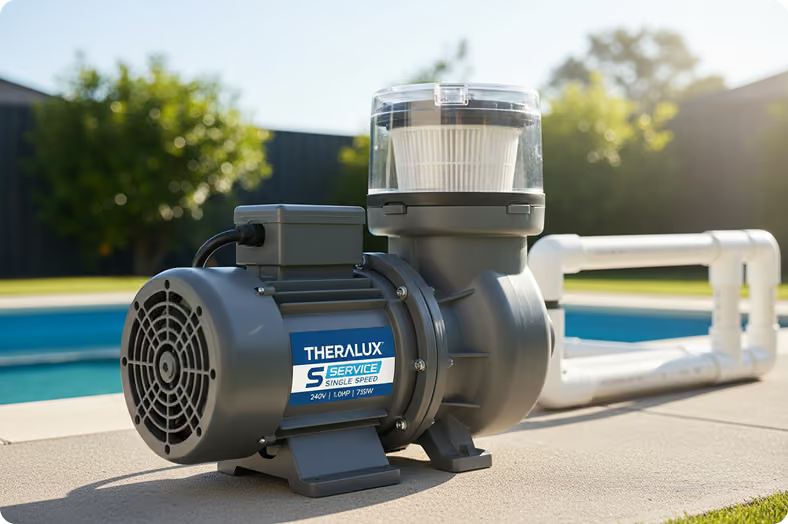
Cost of Pool Pump Replacement
Cost to Fix Green Pool
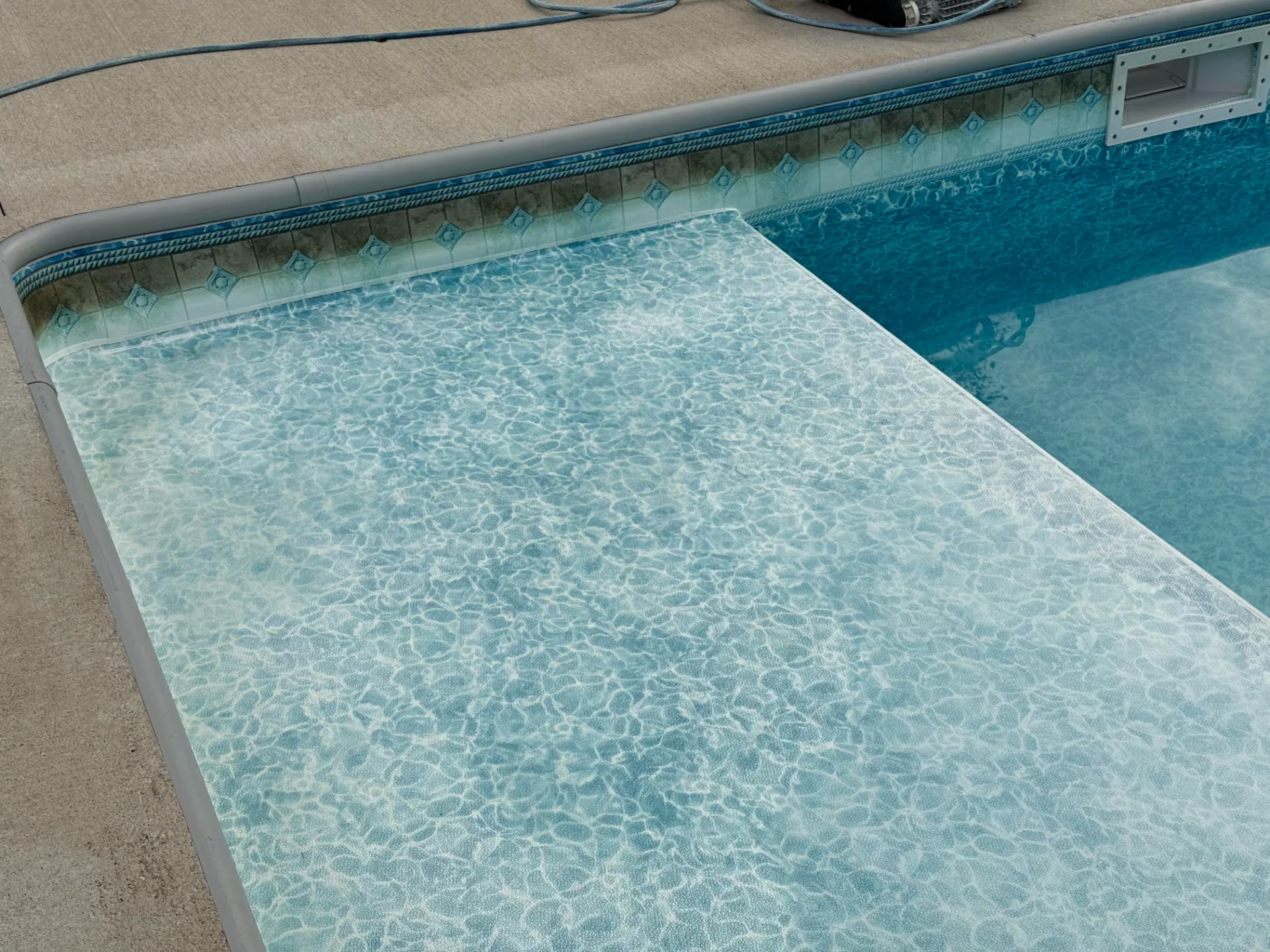
Pool Liner Wrinkles
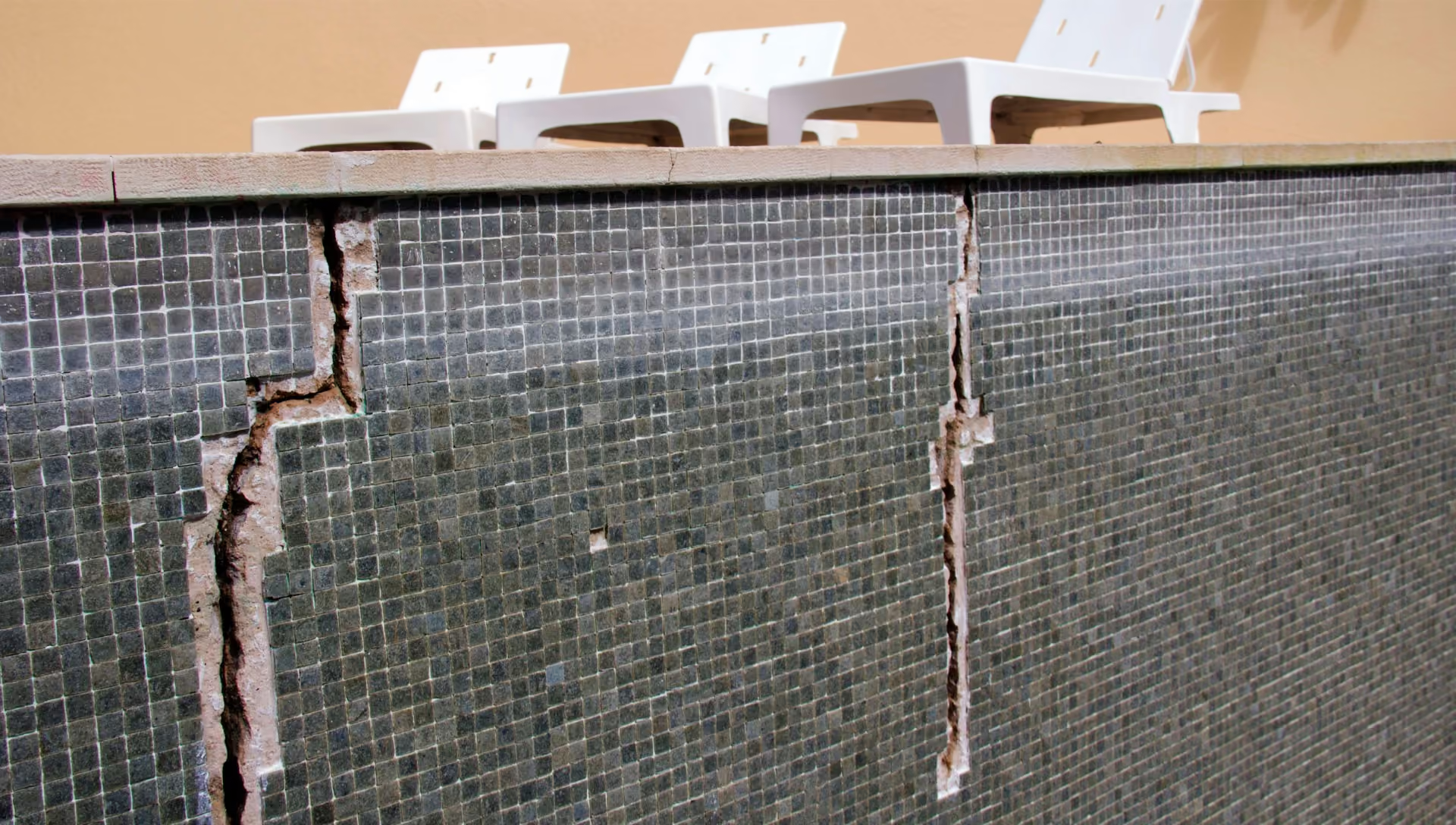
Pool Cracks When to Worry
Pool Surface Stains
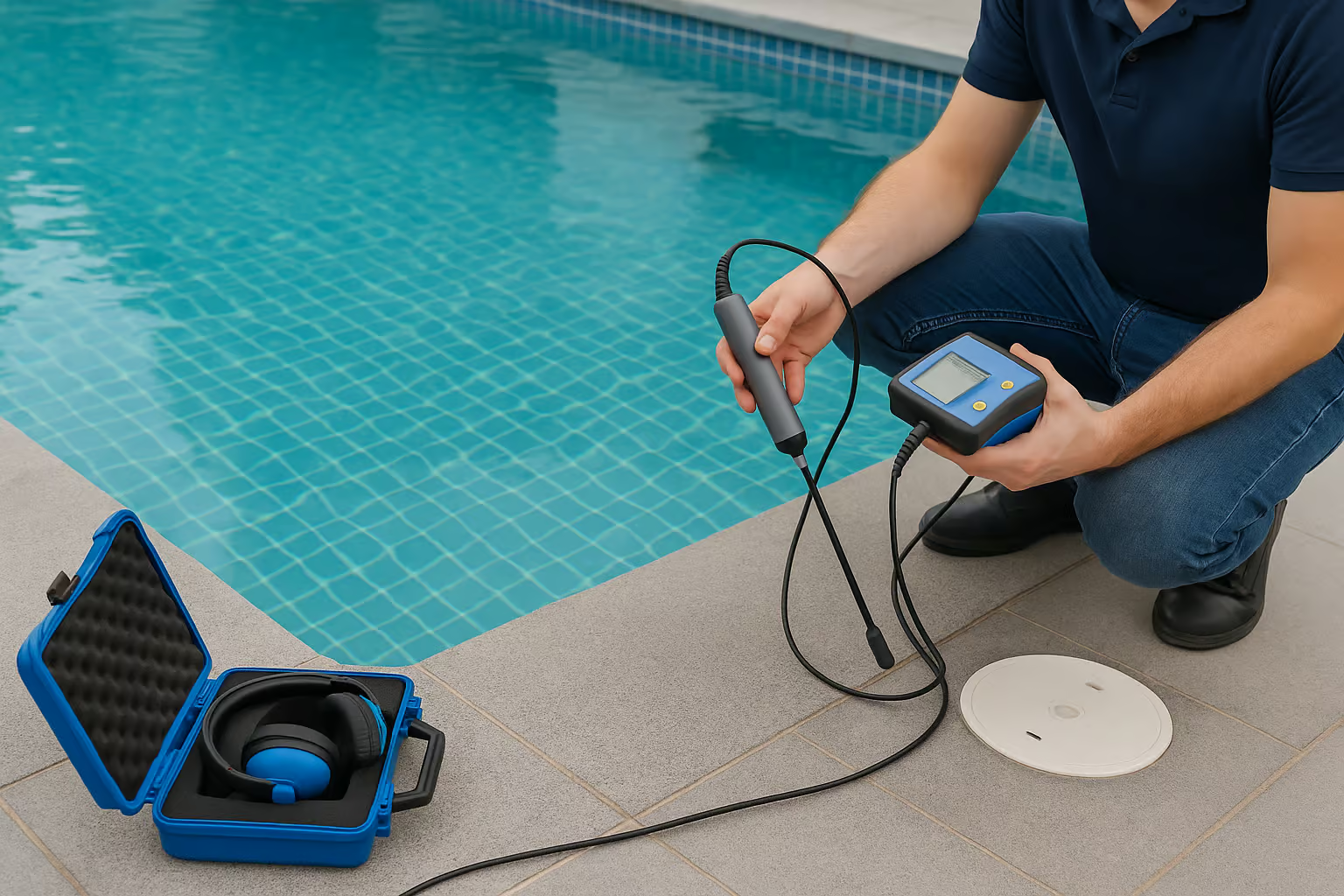
Pool Valve Leaking
Pool Automation Not Working
Pool Light Not Working
Pool Heater Not Heating
Pool Skimmer Not Working
High Pool Filter Pressure
Pool Losing Water
Pool Filter Not Clearing Water
Pool Pump Leaking
Pool Pump Not Pumping
Pool Pump Losing Prime
Pool Pump Noisy
Pool Pump Not Working
Pool Water Foaming
Pool pH Too Low
Pool pH Too High
Green Pool After Rain
Pool Still Green After Shock
Pool Water Cloudy
How to Clear a Green Pool
Pool Care That Protects Your Investment
Good pool care protects more than appearance. Our pool specialists support the long-term condition of your swimming pool while keeping it ready for everyday use.