Pool Water Chemistry Basics

Why Auckland trusts our pool service expertise
Getting pool water chemistry right comes down to understanding a handful of key parameters and keeping them within their target ranges. When the numbers are in balance, your sanitiser works properly, your pool surfaces last longer, and the water is comfortable to swim in.
The parameters interact with each other, so testing them together gives a more useful picture than checking one in isolation. Regular testing, and adjusting in the right order, is the most reliable way to keep a pool in good condition.
What you'll learn
Why Water Chemistry Matters
A pool that looks clear can still have water that's out of balance. Poor water chemistry causes eye and skin irritation, damages pool surfaces and equipment, and makes sanitisers work less effectively. Getting the basics right protects your pool and the people swimming in it.
This guide covers the core parameters every pool owner should understand, what the target ranges are, and what happens when levels drift outside them.
---
The Key Parameters to Test
Free Chlorine
Chlorine is the primary sanitiser in most pools. It kills bacteria, viruses and algae. The active form, free chlorine, is what actually does the work.
When free chlorine is too low, the water becomes unsafe and algae can take hold quickly. When it's too high, it can irritate eyes and skin and may bleach swimwear.
Target range: 1-3 ppm (parts per million)
Chlorine is consumed faster in warm weather, after heavy use, and following rain. Auckland's warm summers mean chlorine levels can drop quickly, testing more frequently during these periods helps you stay ahead of problems.
pH
pH measures how acidic or alkaline your pool water is. It affects almost everything else in the water, how well chlorine works, how comfortable the water feels, and whether surfaces and fittings corrode or scale up.
Target range: 7.2-7.6
At a pH below 7.2, the water becomes acidic. This makes chlorine more aggressive but also corrodes metal fittings, etches plaster surfaces, and irritates eyes. At a pH above 7.8, chlorine becomes significantly less effective, even if the reading looks fine on a test strip.
Rain, bather load, and the chemicals you add all affect pH. It's one of the most important parameters to keep in range.
Total Alkalinity
Total alkalinity (TA) acts as a buffer for pH. It helps prevent pH from swinging up or down rapidly when chemicals are added or when rain dilutes the water.
Target range: 80-120 ppm
Low alkalinity makes pH unstable and difficult to control. High alkalinity makes it hard to adjust pH and can contribute to cloudy water and scale formation. Getting alkalinity right first makes managing pH much easier.
Calcium Hardness
Calcium hardness measures the amount of dissolved calcium in the water. Both extremes cause problems.
Target range: 200-400 ppm
Water that's too soft (low calcium) is aggressive, it will draw calcium from plaster and grout to reach equilibrium, causing surface damage over time. Water that's too hard deposits calcium scale on surfaces, fittings and equipment.
Auckland's water supply tends to be relatively soft, so calcium hardness often needs to be raised rather than lowered in local pools.
Cyanuric Acid (Stabiliser)
Cyanuric acid (CYA) protects chlorine from being broken down by UV light. Without it, sunlight can destroy a significant portion of your free chlorine within hours.
Target range: 30-50 ppm
Most outdoor pools in Auckland benefit from using stabilised chlorine or adding CYA directly. However, if levels climb too high, often from years of using stabilised chlorine without dilution, chlorine becomes less effective even when readings look normal. This is sometimes called chlorine lock.
If CYA is above 80-100 ppm, partial draining and refilling is usually the only practical fix.
Total Dissolved Solids (TDS)
Over time, dissolved minerals, chemicals and organic matter accumulate in pool water. Total dissolved solids (TDS) is a measure of this build-up.
Very high TDS can make water appear dull, reduce the effectiveness of chemicals, and cause foaming. There's no chemical fix, the only remedy is dilution through partial draining and refilling.
---
How the Parameters Interact
Pool chemistry isn't a set of isolated readings, the parameters affect each other. pH influences how well chlorine works. Alkalinity influences how stable pH is. Calcium hardness and pH together determine whether water is scaling or corrosive.
This is why testing one parameter in isolation can be misleading. A full water test gives you the complete picture.
The Langelier Saturation Index
The Langelier Saturation Index (LSI) is a calculation that combines pH, alkalinity, calcium hardness, TDS and water temperature to determine whether water is balanced, corrosive or scale-forming. A professional water test will often include an LSI reading alongside the individual parameters.
---
How Often Should You Test?
As a general guide:
- Free chlorine and pH, test at least twice a week during summer, once a week in cooler months
- Total alkalinity and calcium hardness, test monthly
- Cyanuric acid, test at the start of the season and every few months
- Full professional test, at least once or twice a year, or whenever you're having persistent problems
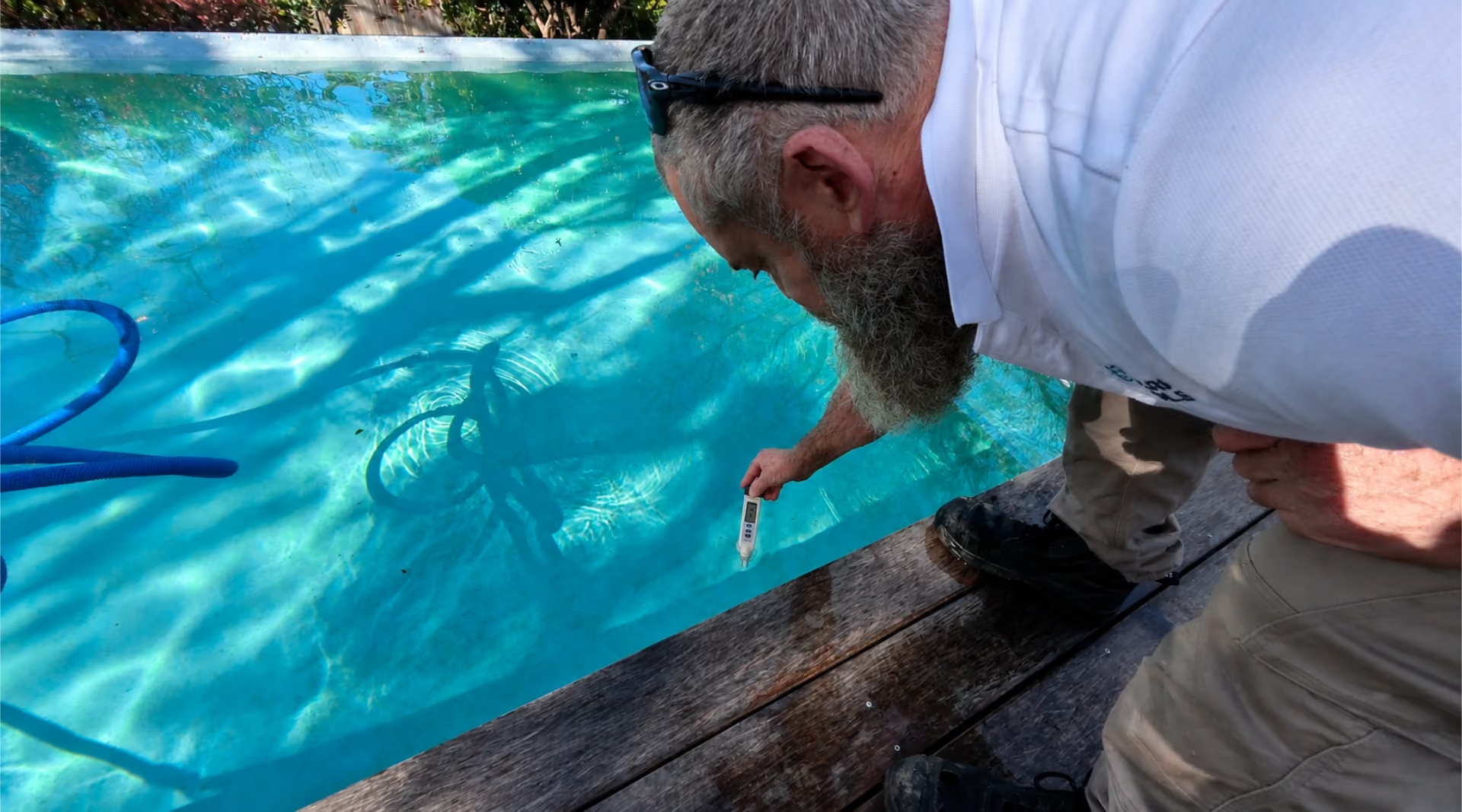
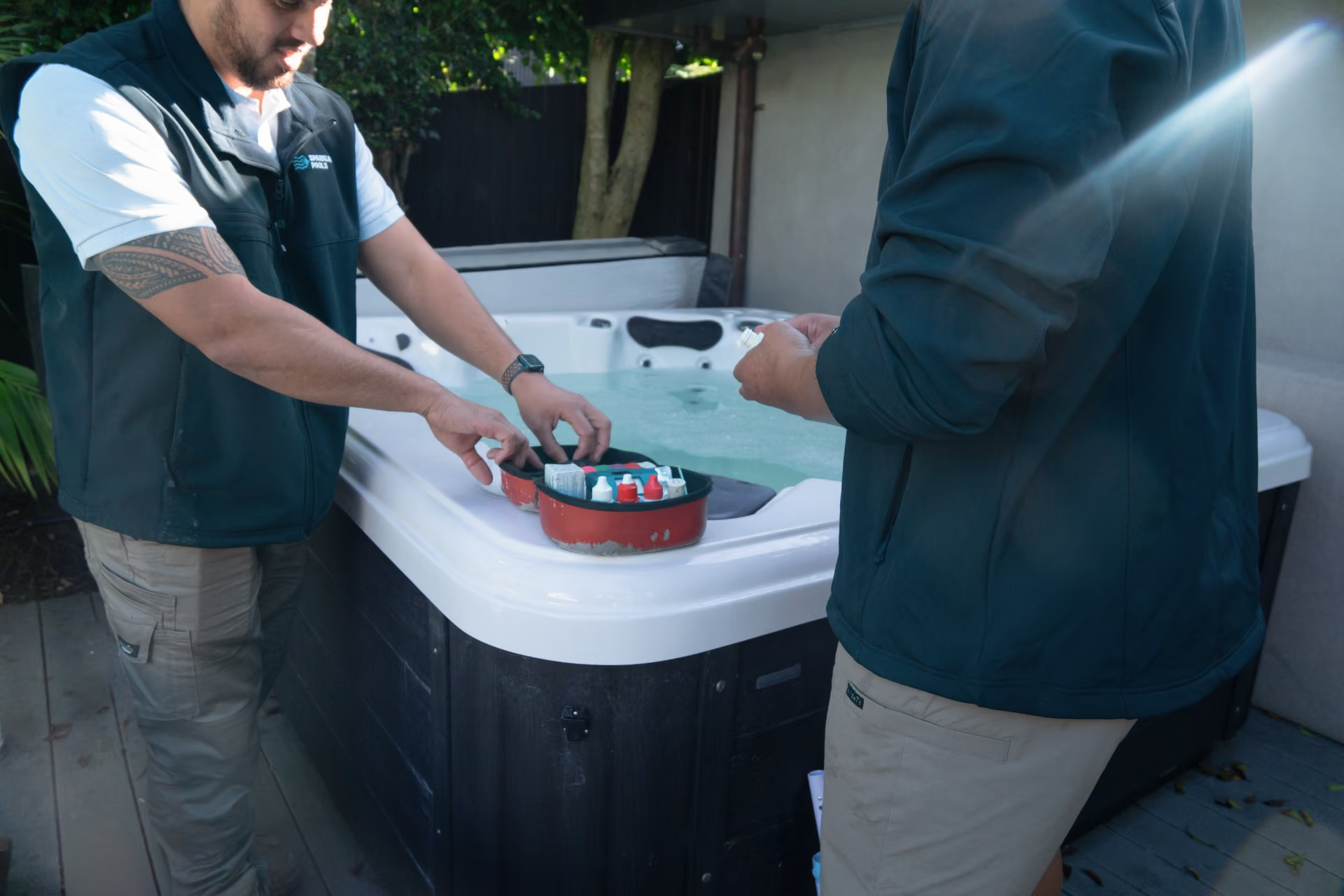
Home test kits and test strips give a useful snapshot, but they have limitations, strips in particular can be affected by age, storage conditions and user technique. A professional water test provides more accurate readings across all parameters.
---
Common Signs That Chemistry Is Off
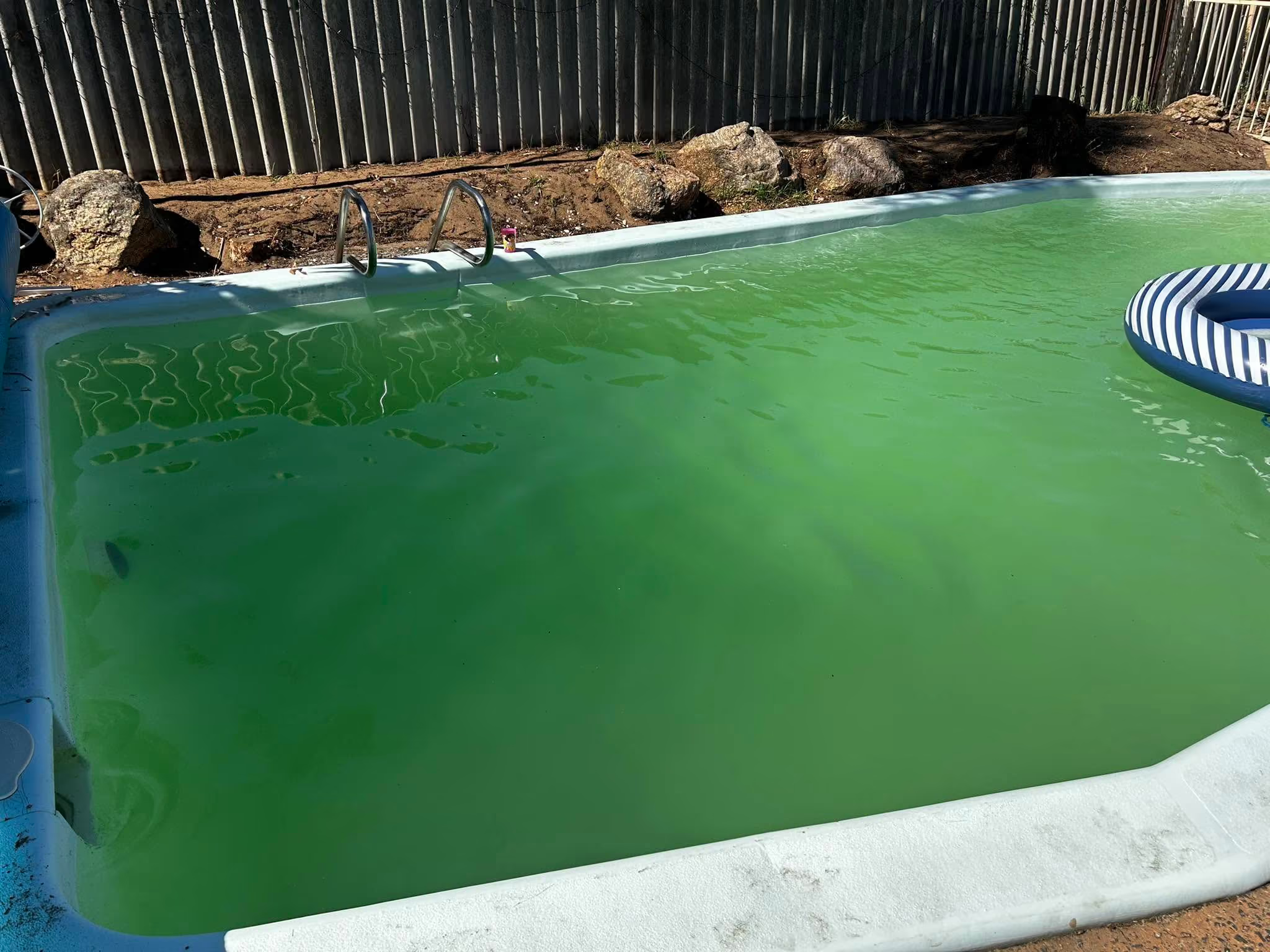
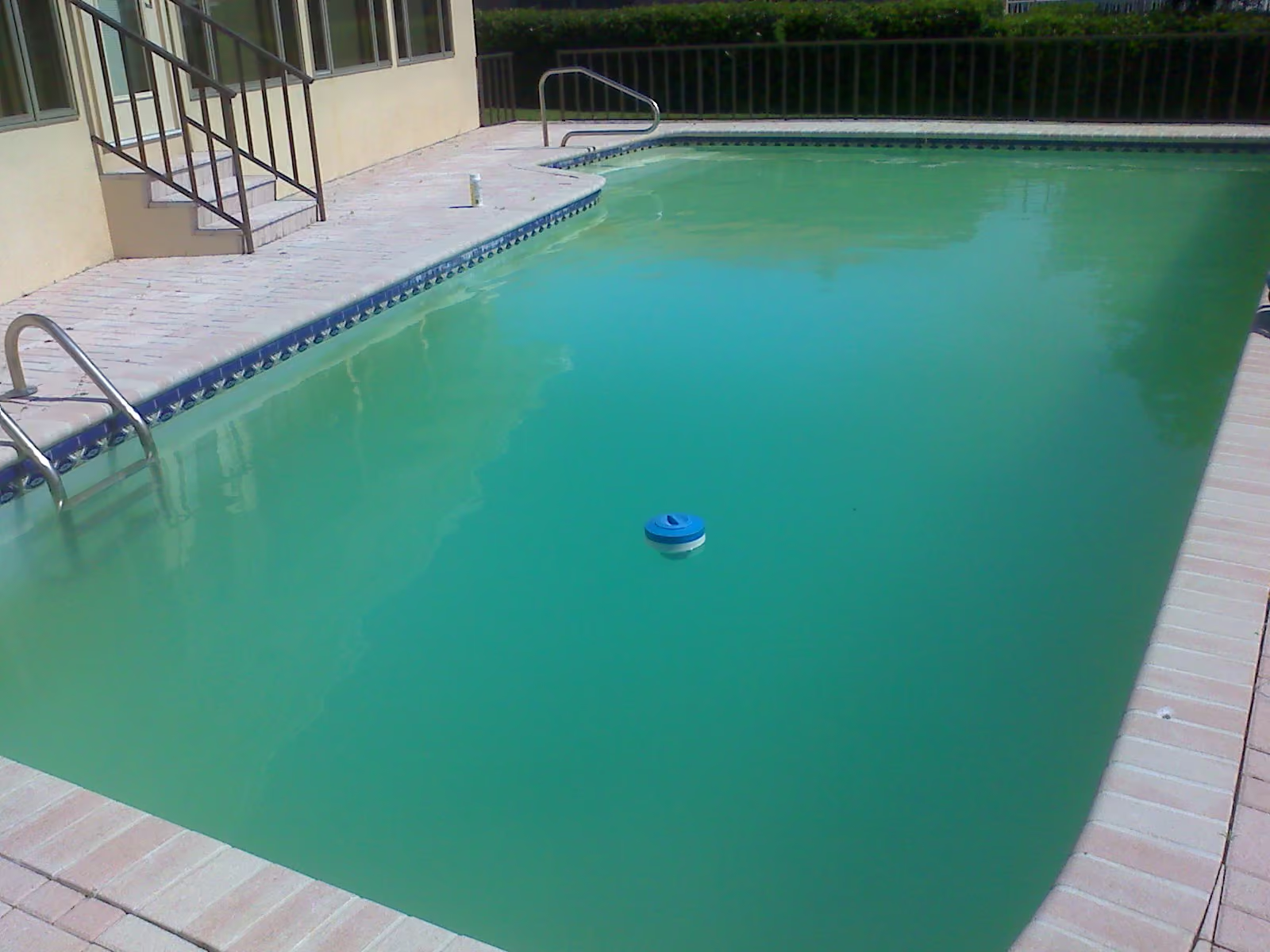
- Green or cloudy water, often low chlorine, high pH, or algae growth
- Eye or skin irritation, frequently caused by pH outside the target range, or high combined chlorine
- Chlorine smell, a strong chlorine odour usually indicates combined chlorine (chloramines), not excess free chlorine
- Scale on surfaces or fittings, high calcium hardness or high pH
- Etching or rough surfaces, low pH or low calcium hardness
- Chlorine not holding, possibly high CYA, high demand from algae, or combined chlorine build-up
---
Adjusting Your Water Chemistry
The Right Order
When multiple parameters are out of range, adjust them in this order:
1. Total alkalinity, stabilise this first
2. pH, adjust once alkalinity is in range
3. Calcium hardness, raise or lower as needed
4. Sanitiser (chlorine), bring to target once the above are correct
5. Cyanuric acid, adjust if needed
Adding chemicals out of order can make the job harder and may waste product.
Allow Time Between Adjustments
After adding any chemical, run the pump for several hours before retesting. Adding multiple chemicals at once without waiting makes it difficult to know what's working and can cause reactions in the water.
Shock Dosing
Shock dosing, adding a large dose of chlorine or a non-chlorine oxidiser, breaks down combined chlorine, kills algae, and resets the water. It's a normal part of pool maintenance, not a sign something has gone badly wrong. Most pools benefit from a shock dose every few weeks during summer, or after heavy use or a storm.
---
When to Get a Professional Water Test
Home testing is useful for routine monitoring, but there are times when a professional test is the better option:
- You've adjusted chemicals repeatedly and the water still isn't right
- The water is persistently cloudy, green or discoloured
- You're opening the pool after winter
- You've had a significant water change or refill
- You want a baseline reading at the start of the season
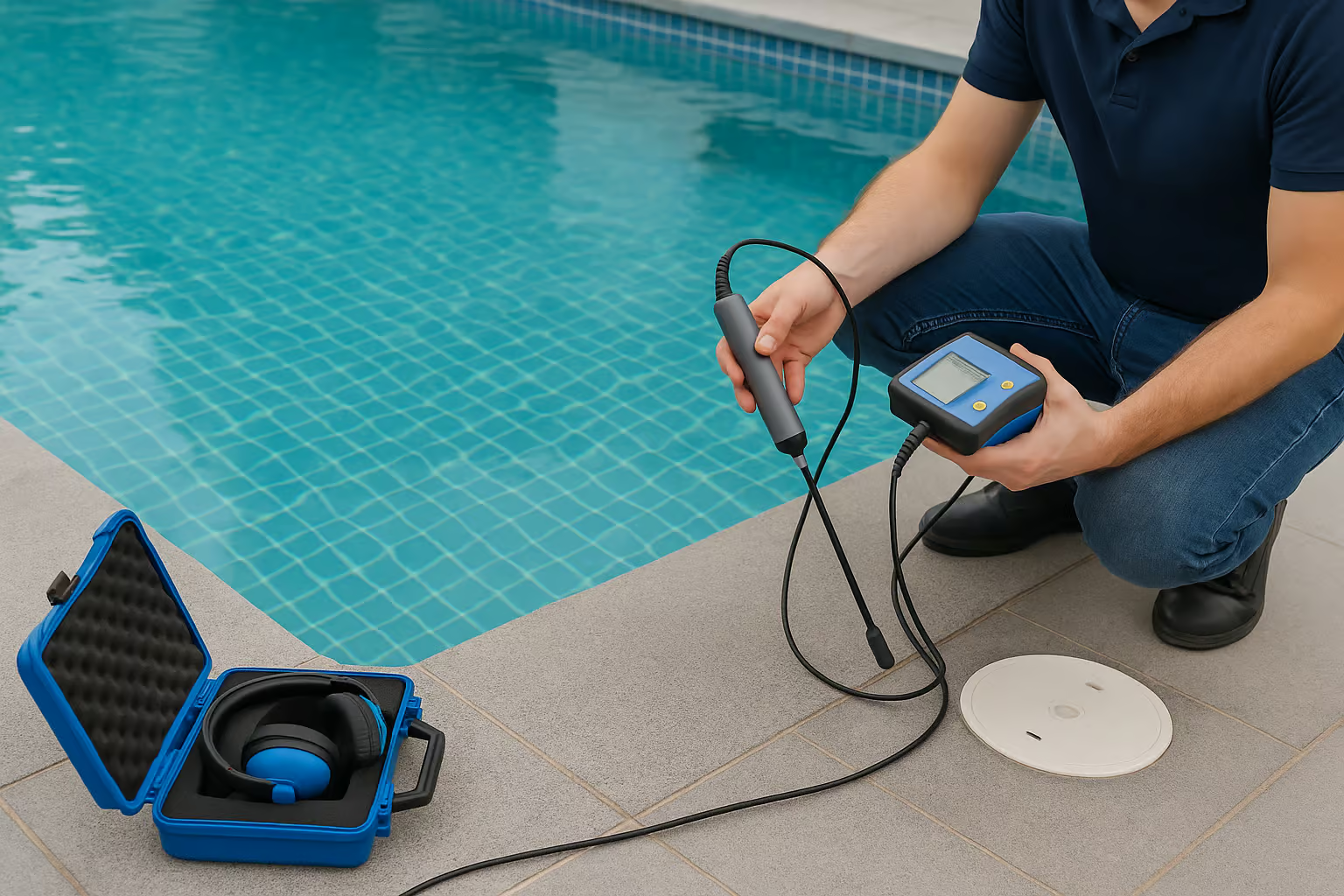
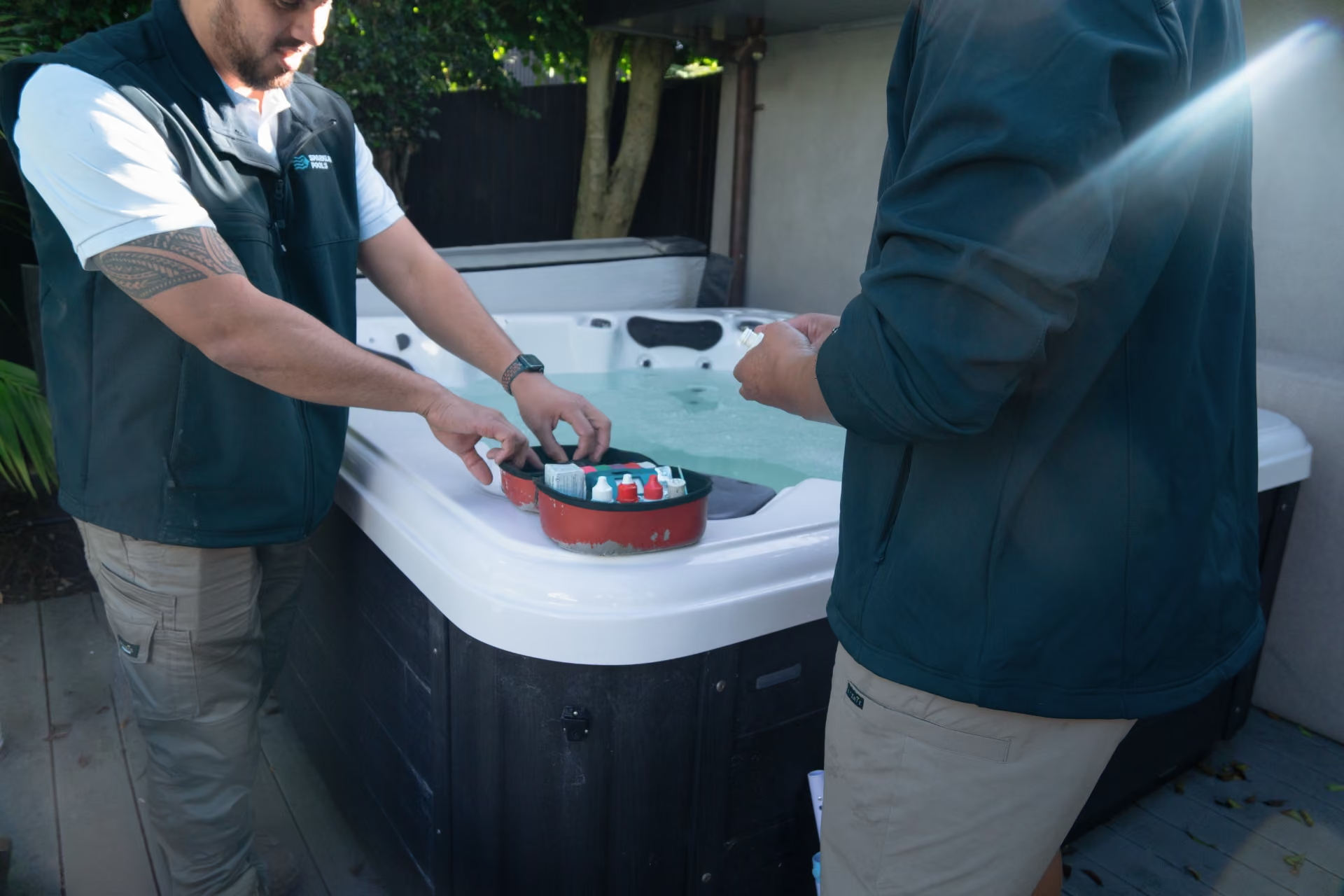
Sparkling Pools carries out on-site water testing at your home, anywhere across Auckland. Testing on location, rather than taking a sample to a shop, gives a more accurate result because the sample hasn't been affected by transport or time.
---
A Note on Salt Pools
Salt pools still use chlorine, the salt chlorinator converts dissolved salt into chlorine through electrolysis. The same chemistry parameters apply. Salt pools still need pH, alkalinity, calcium hardness and CYA managed in the same target ranges as a traditionally chlorinated pool.
The salt level itself also needs to be kept within the range specified by the chlorinator manufacturer. Too low and the cell won't produce enough chlorine; too high and it can damage the cell and other equipment.
---
Keeping It Simple
Pool water chemistry can seem complex, but the day-to-day reality is straightforward: test regularly, adjust in the right order, and deal with problems early before they compound. A pool that's tested and adjusted consistently is far easier to manage than one that's left until something goes visibly wrong.
If you're unsure where your water stands, a professional on-site test is a practical starting point.
Pool resurfacing solutions
Restore your pool with durable plaster finishes


Work completed
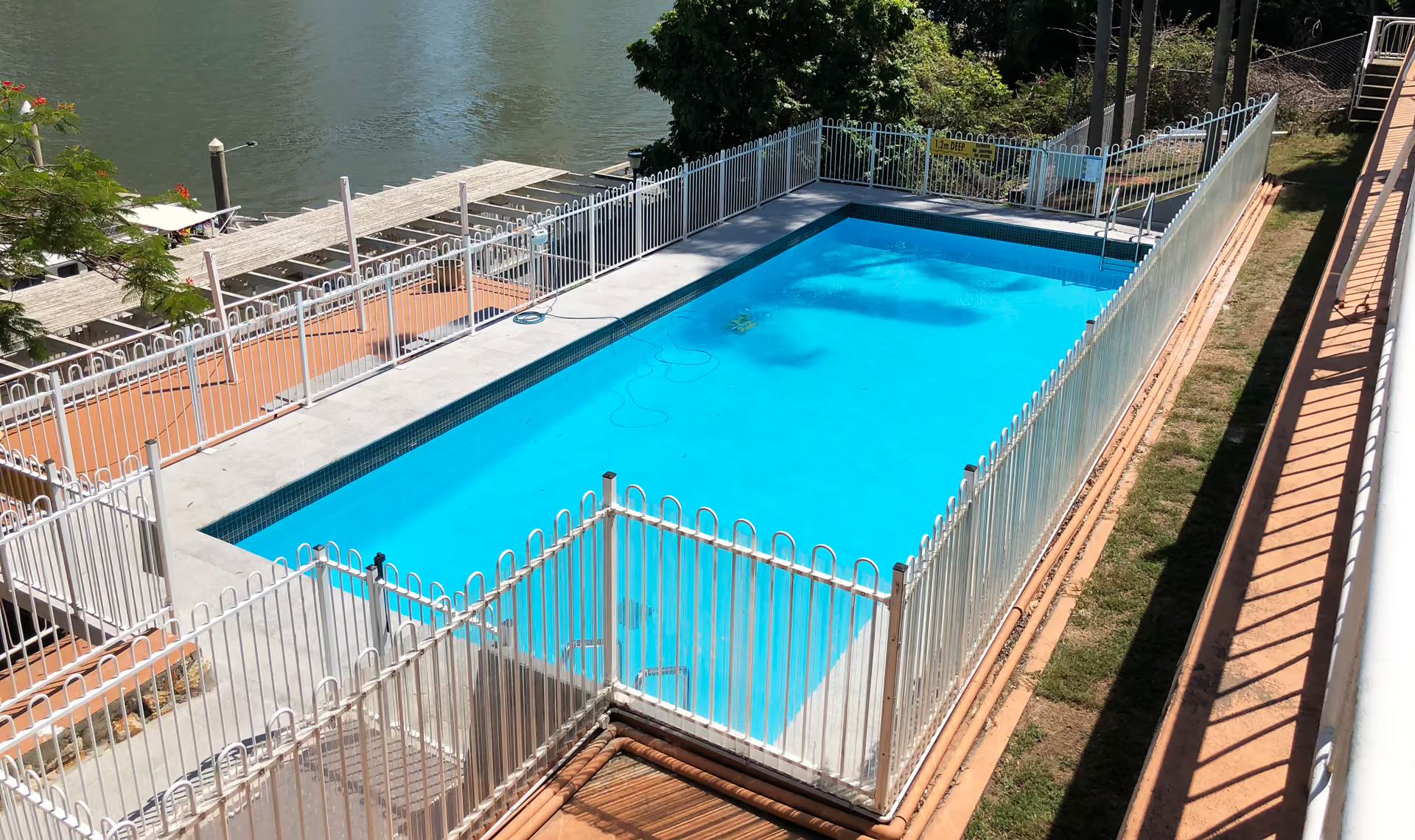
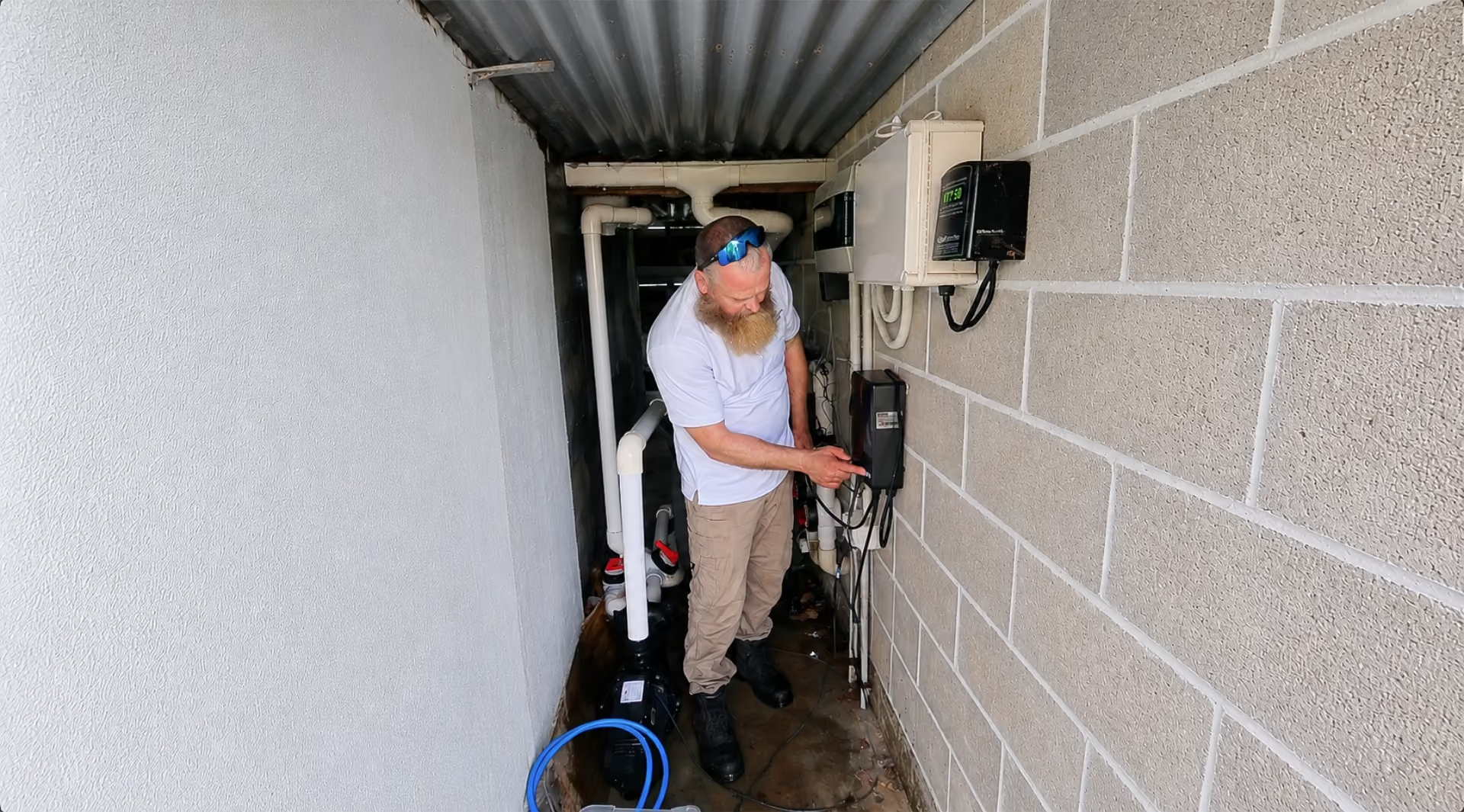
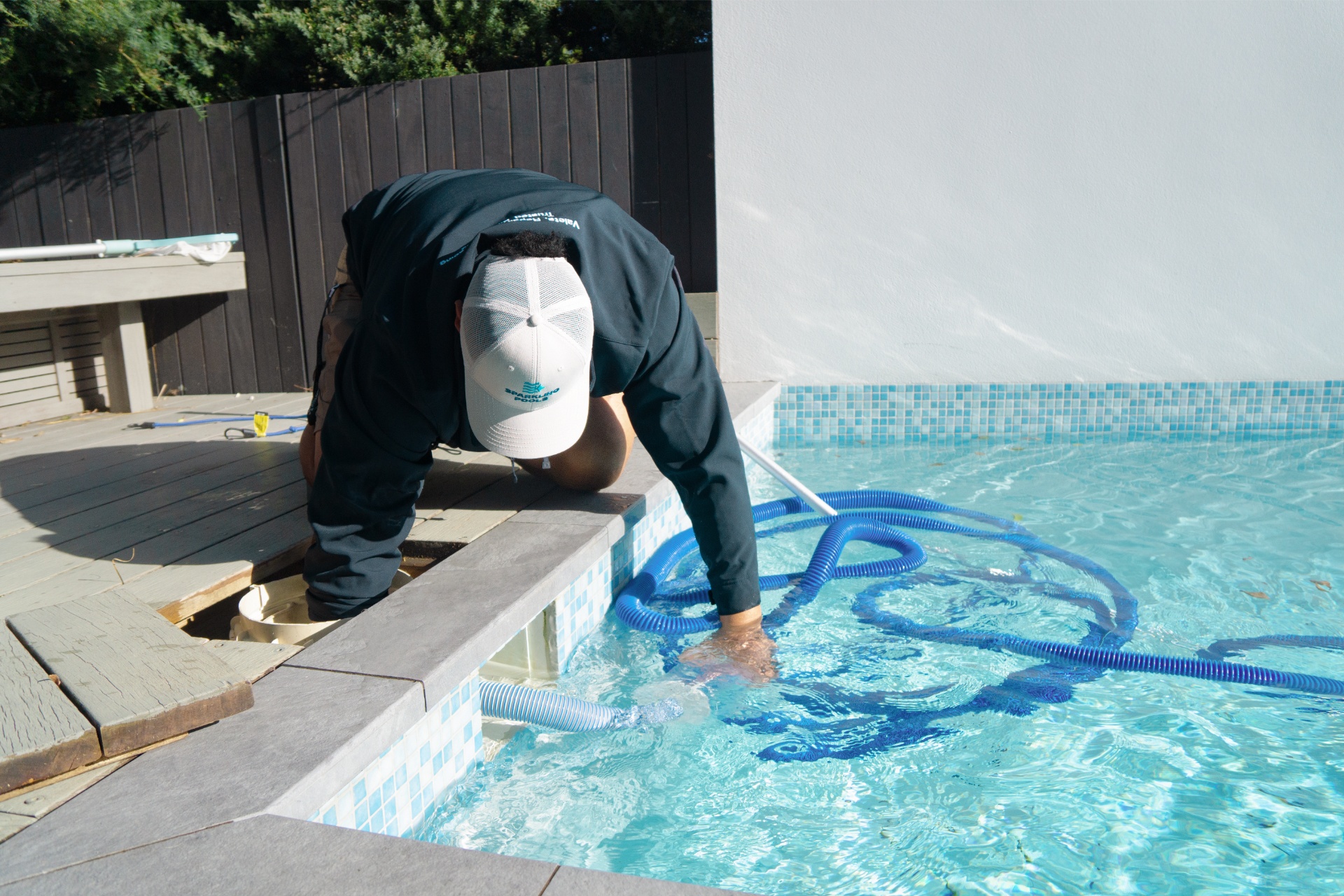
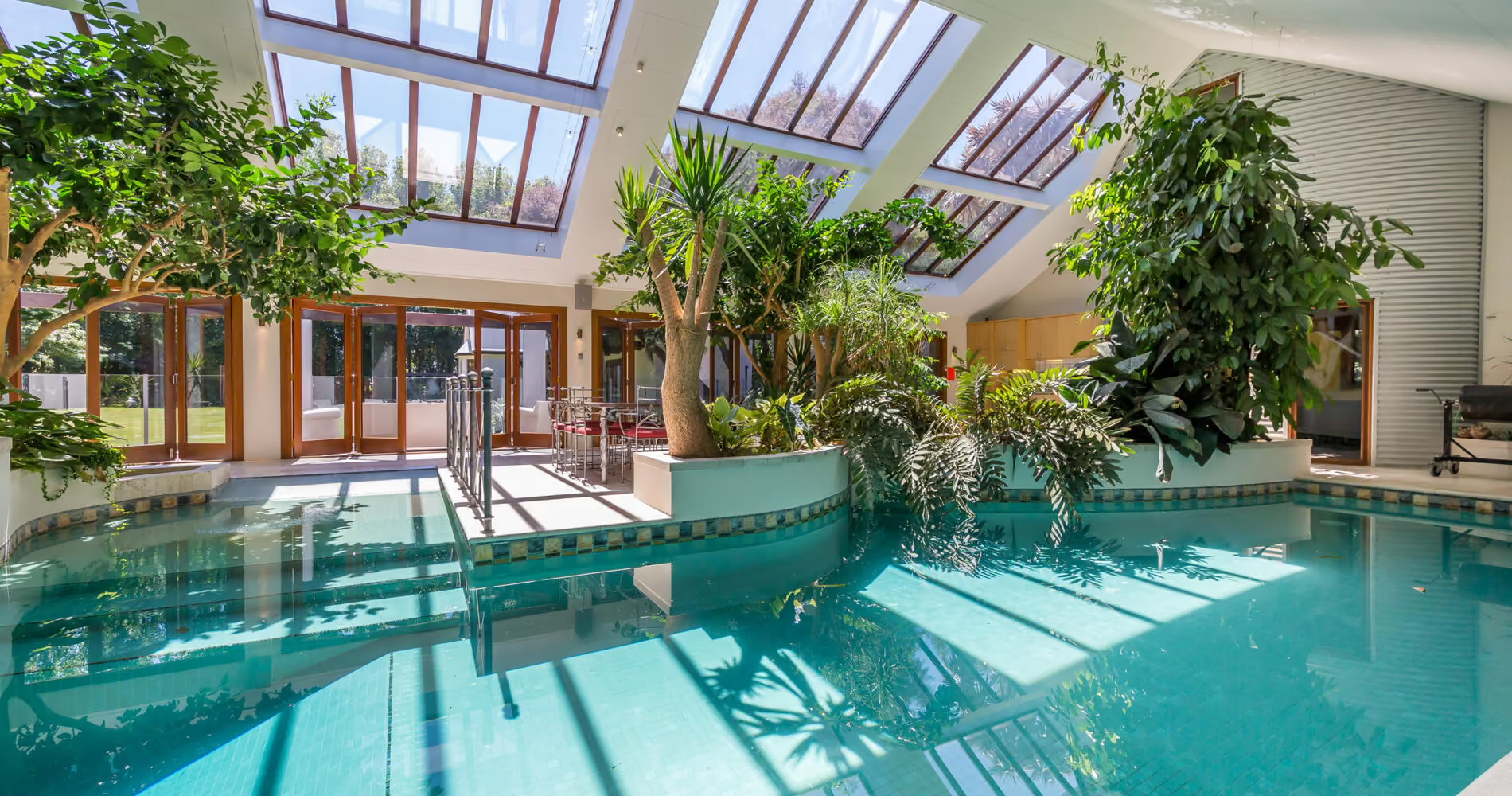
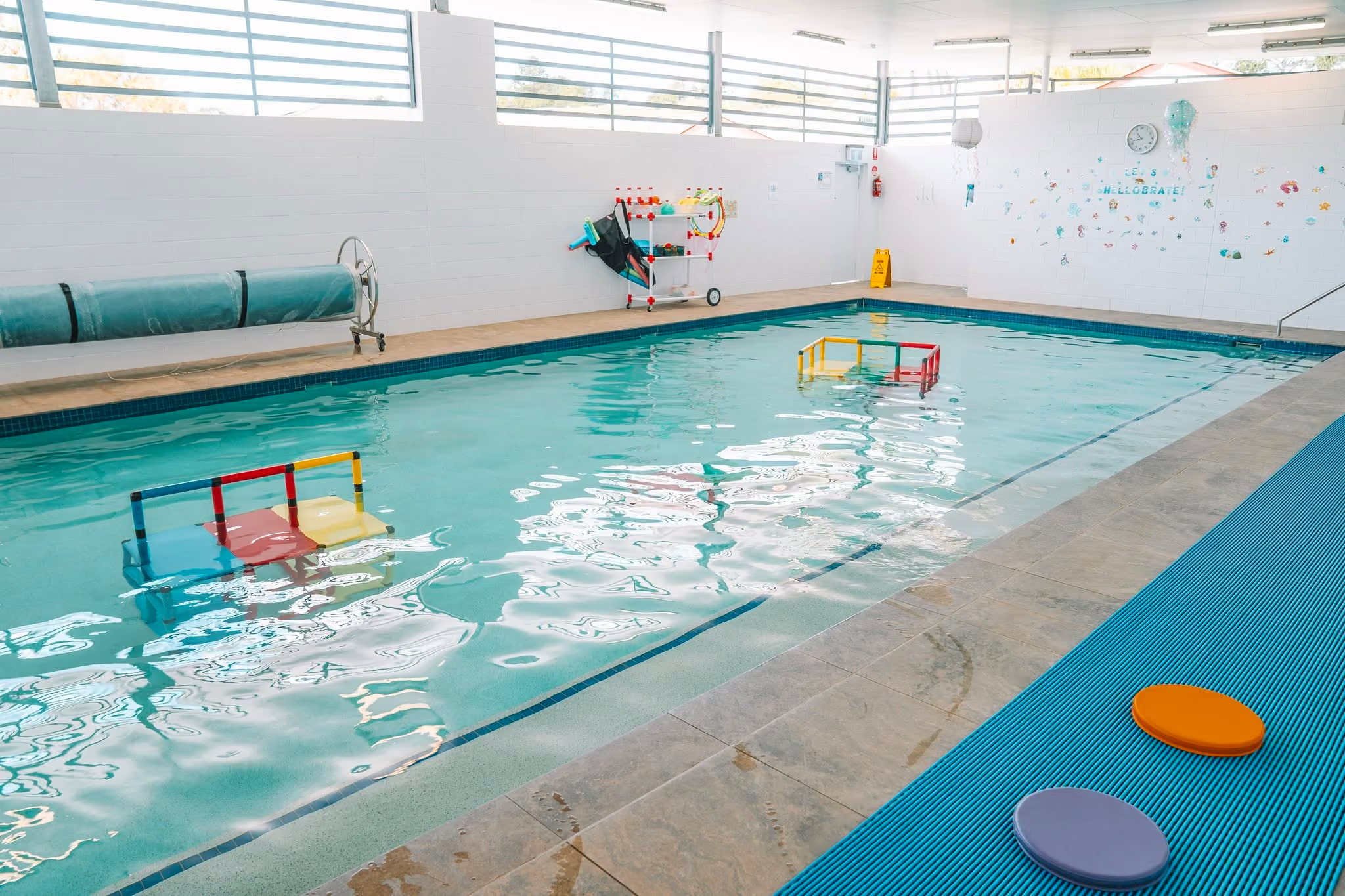
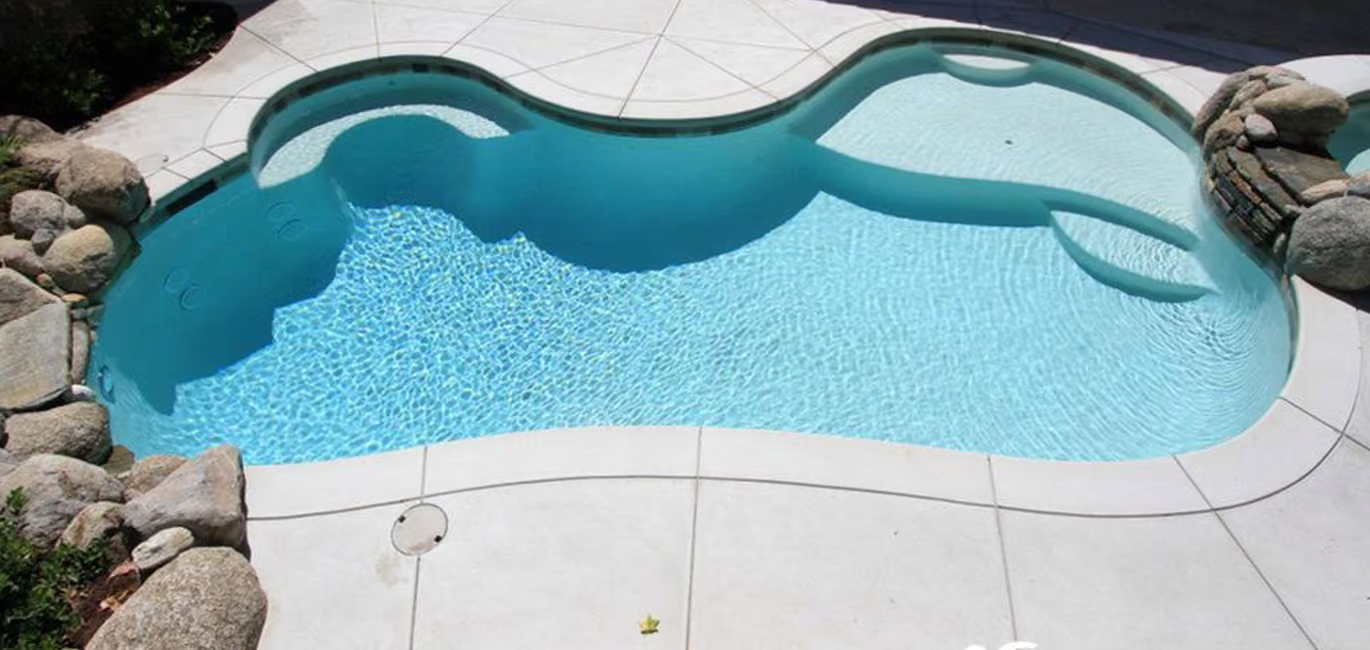
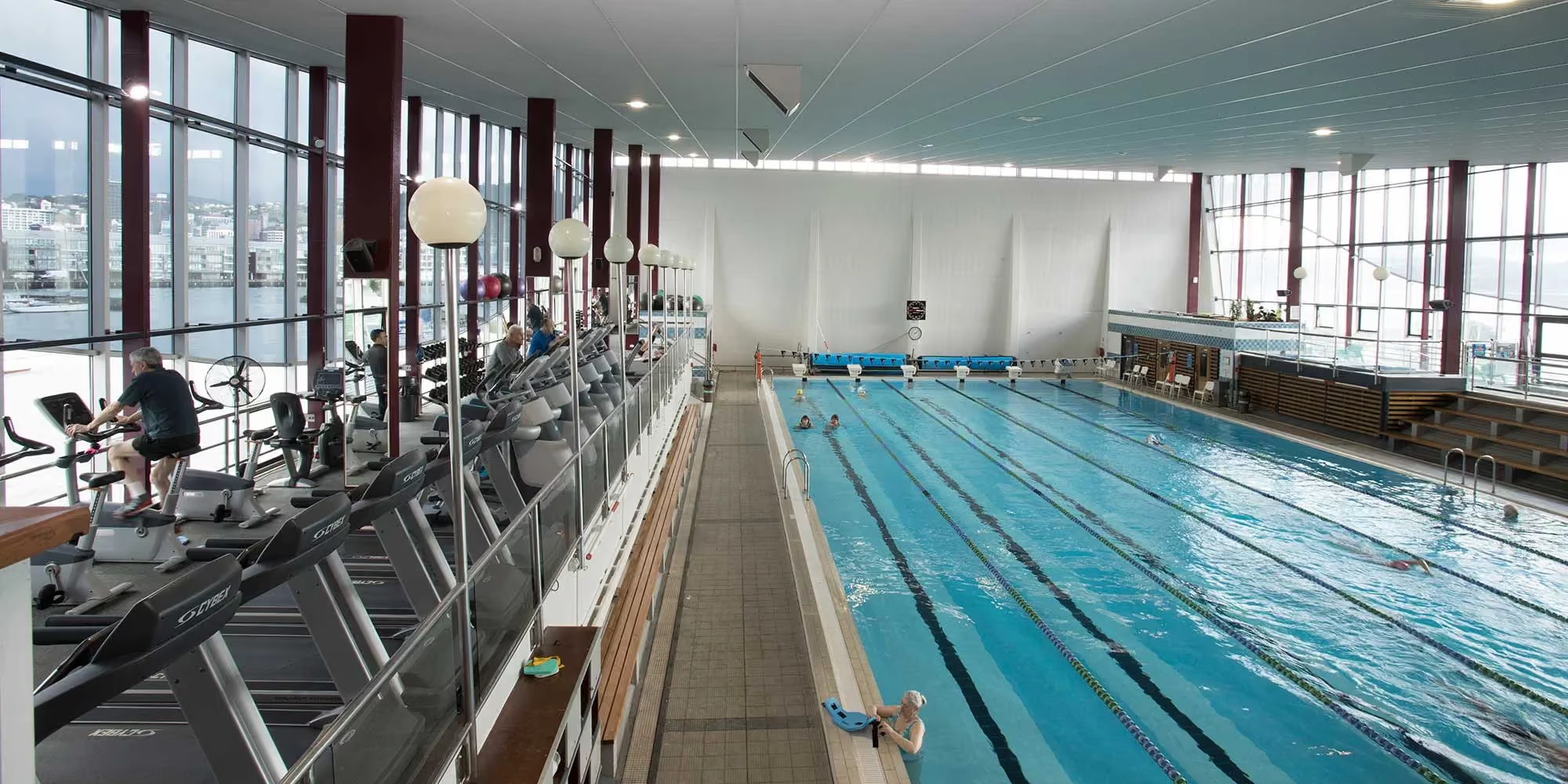
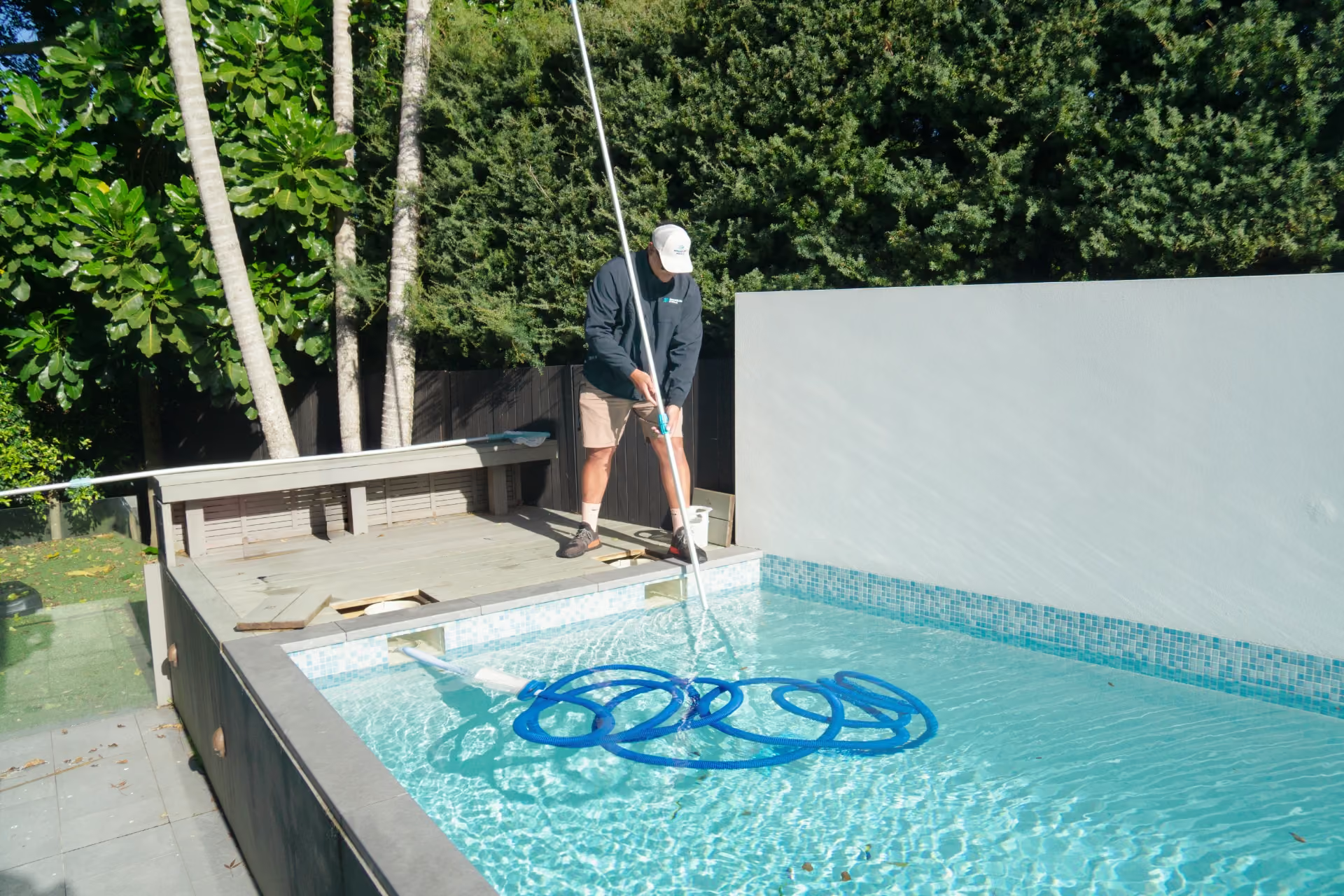
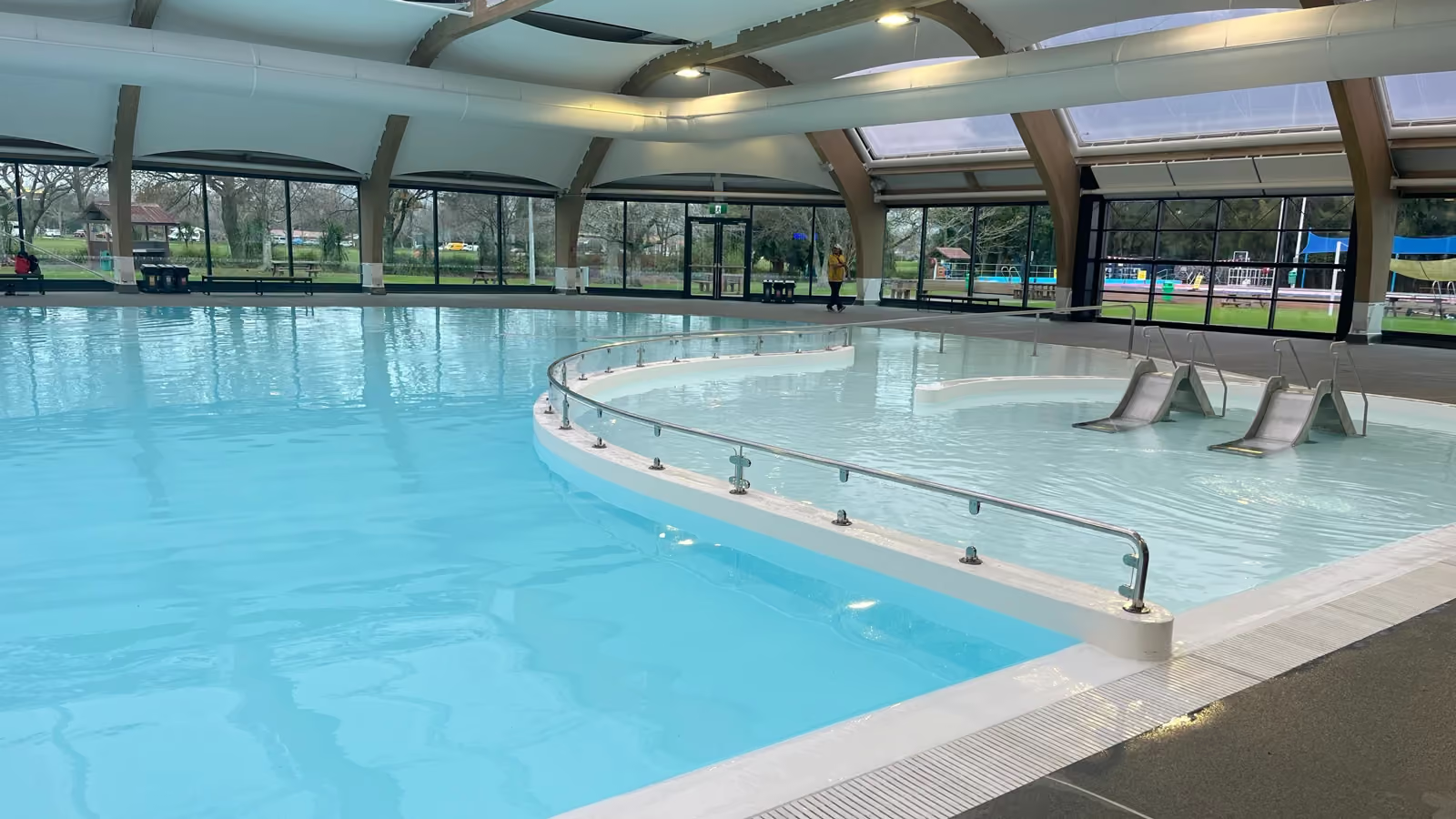
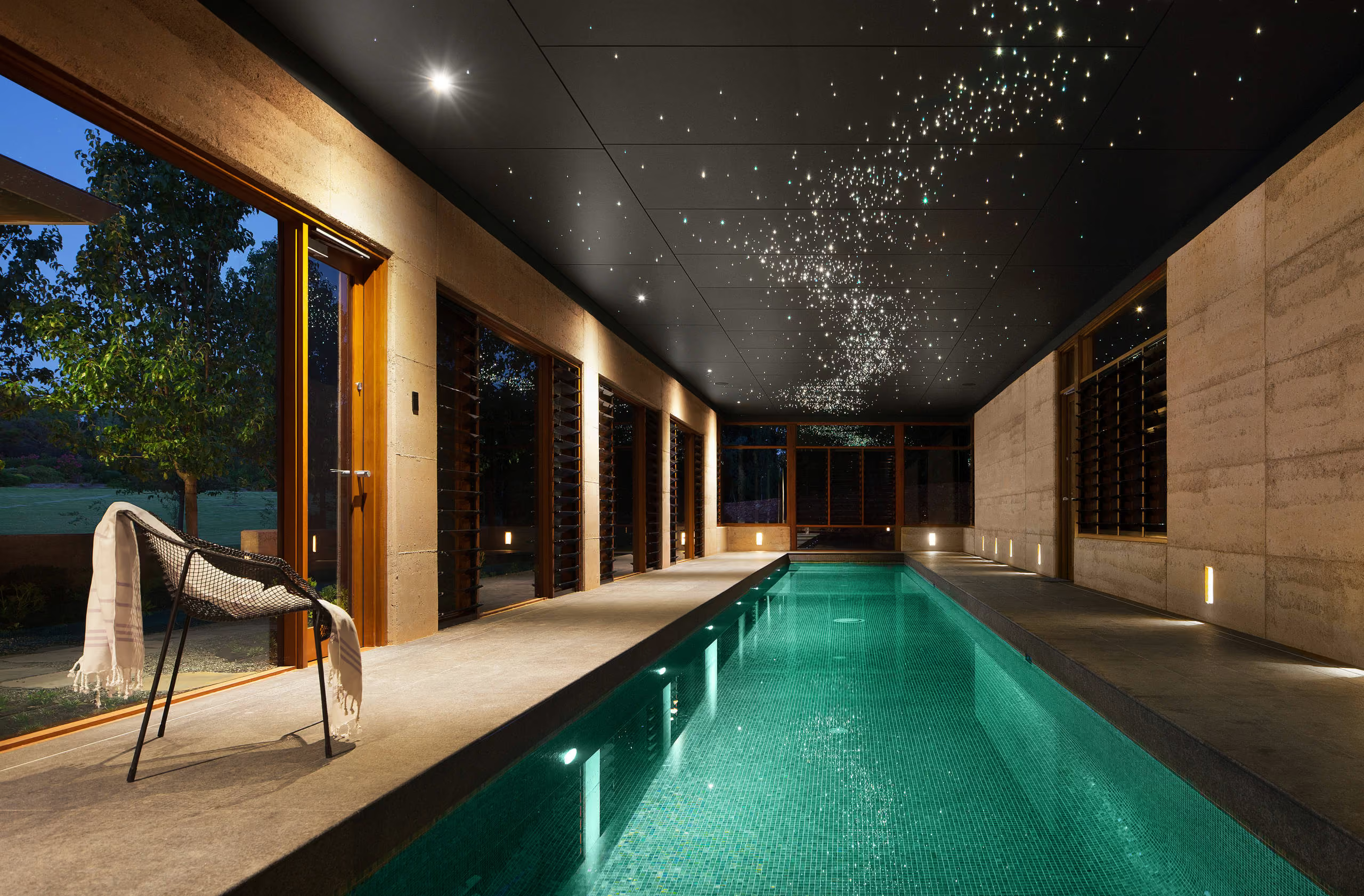
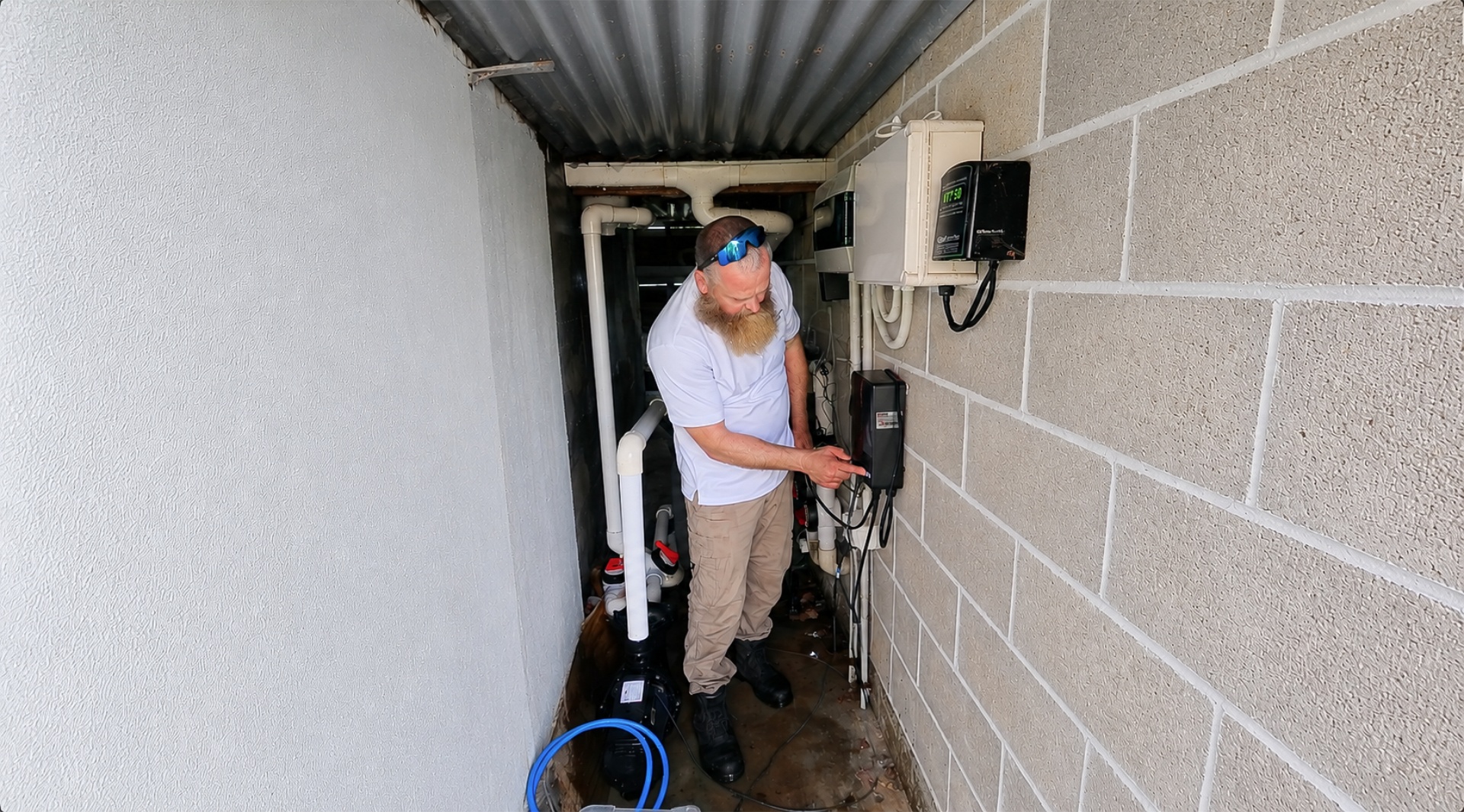
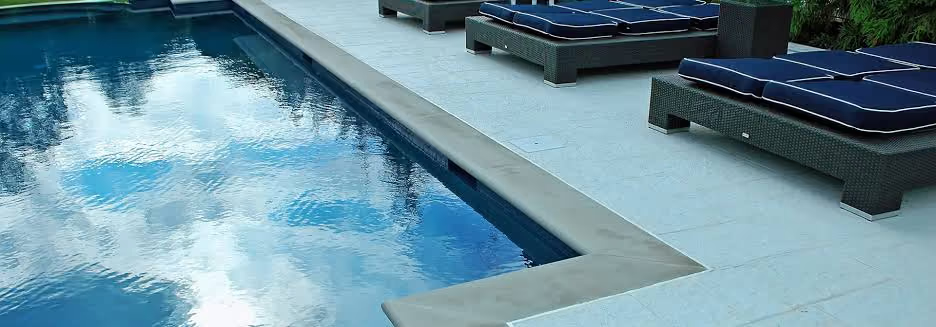
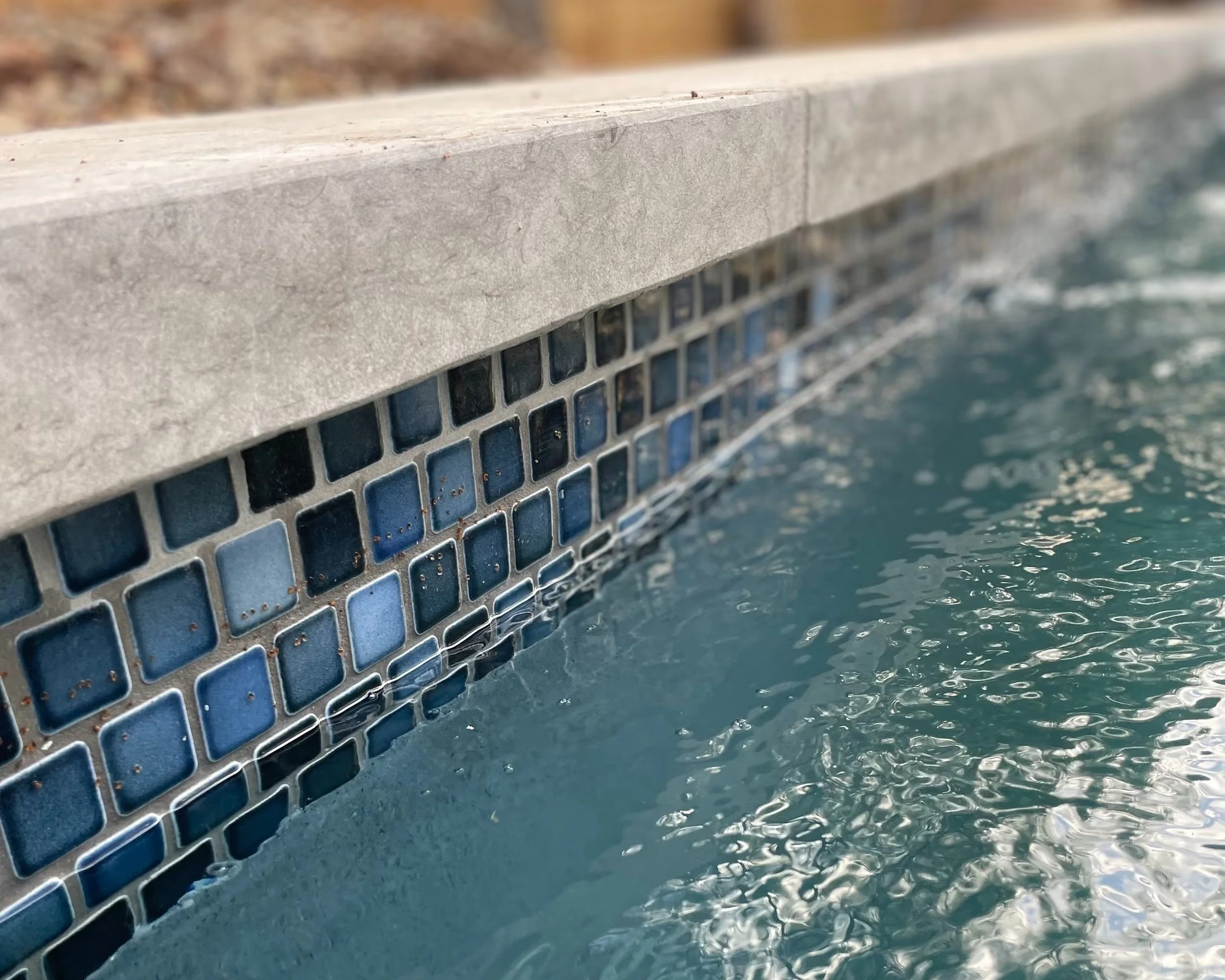
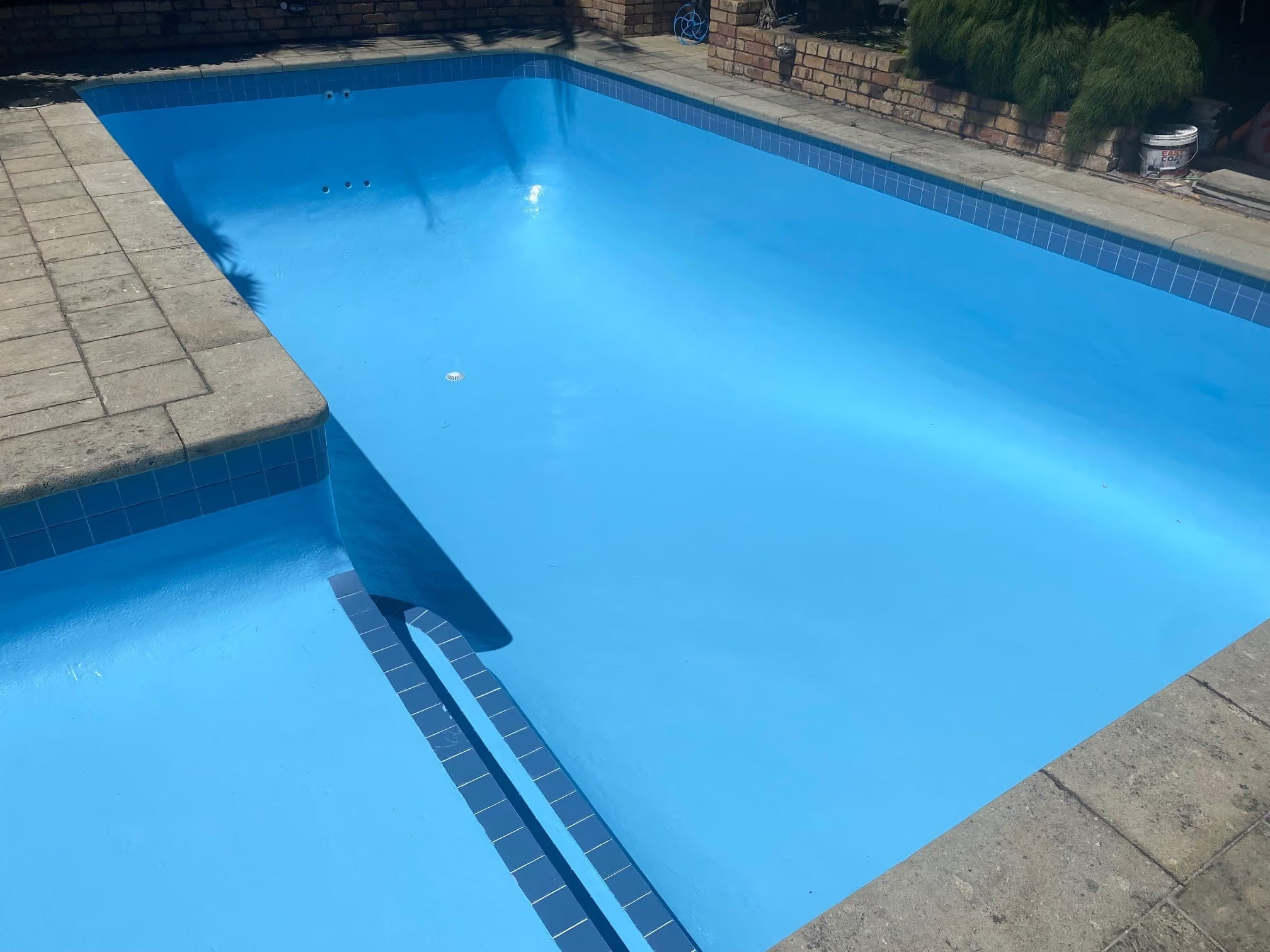
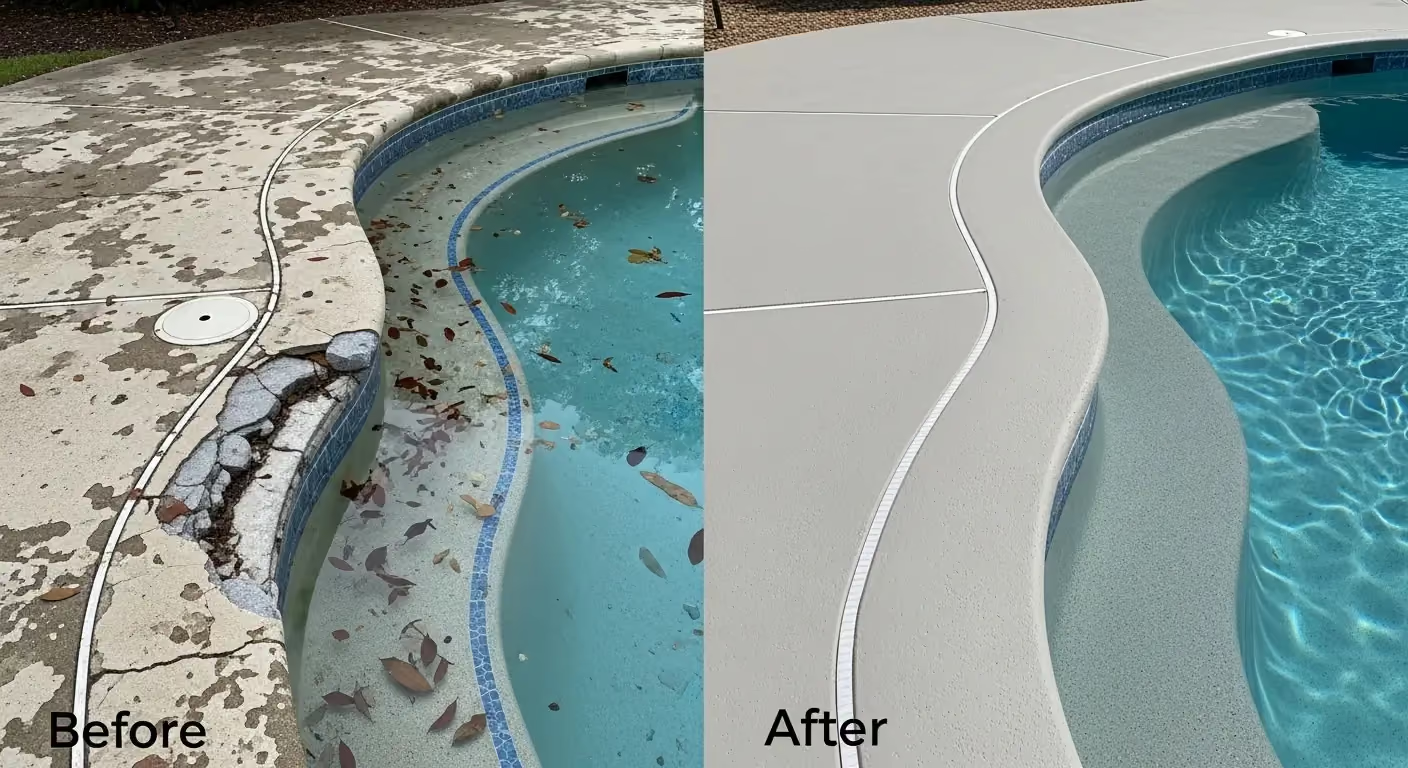
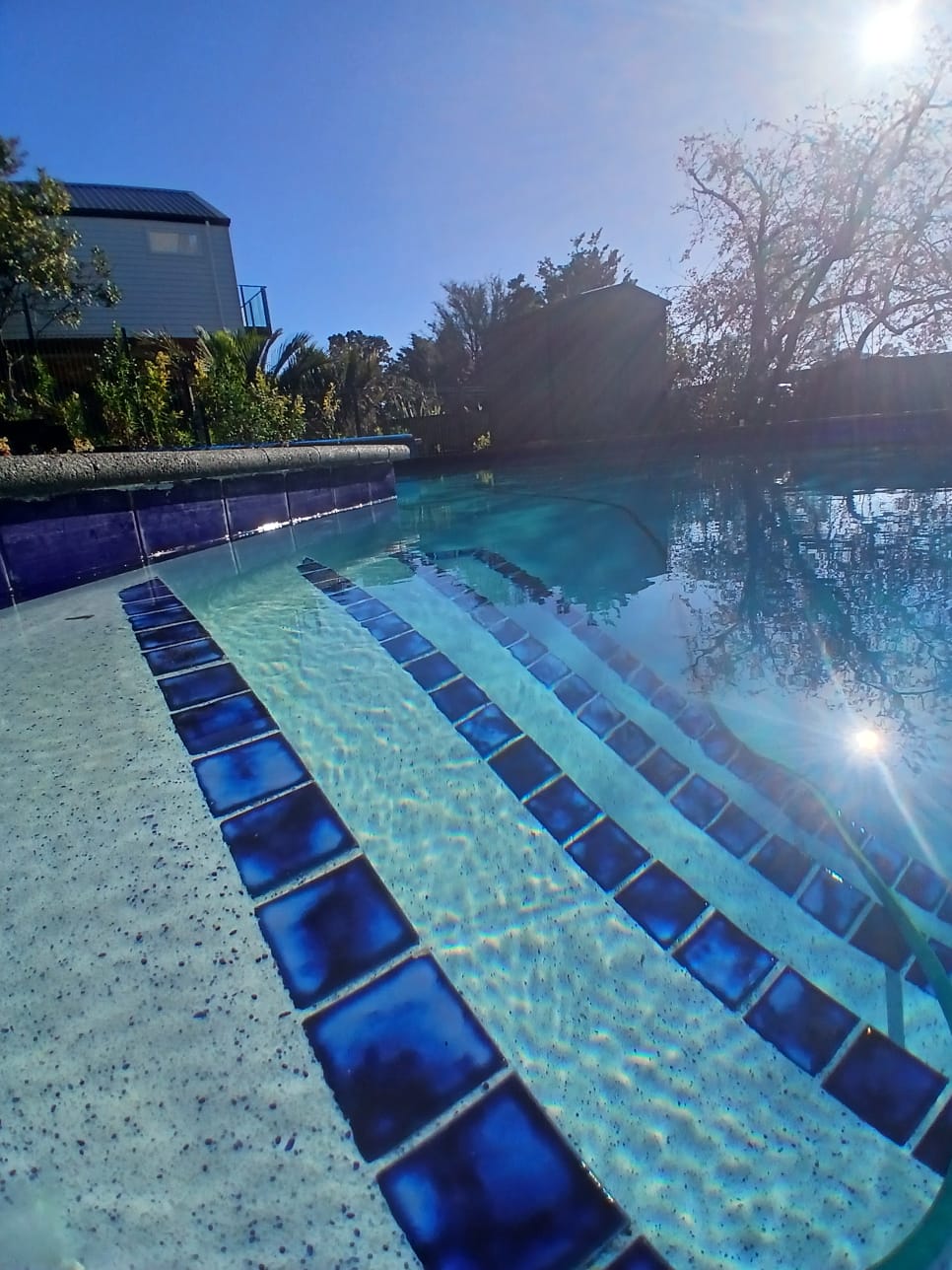
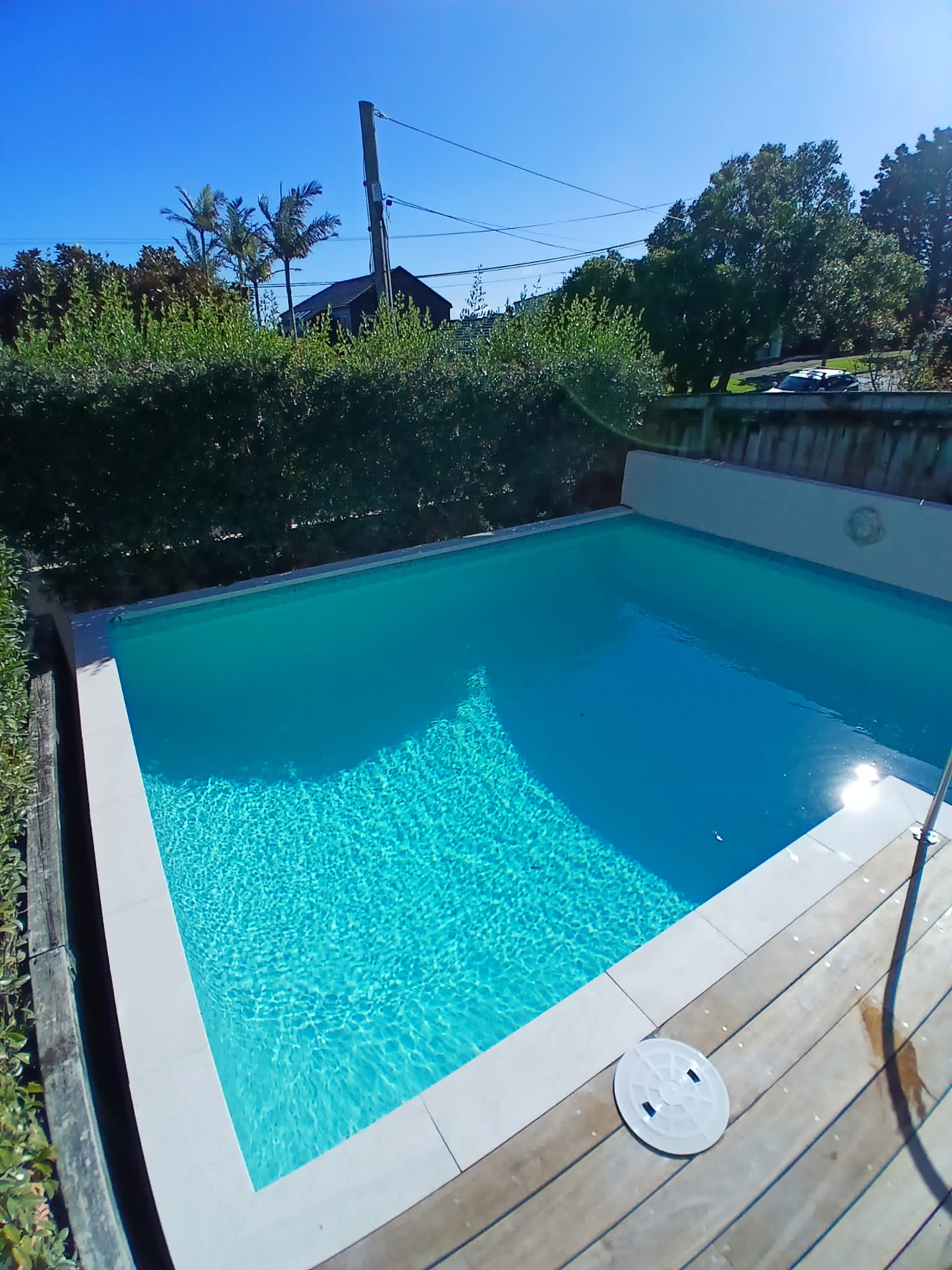
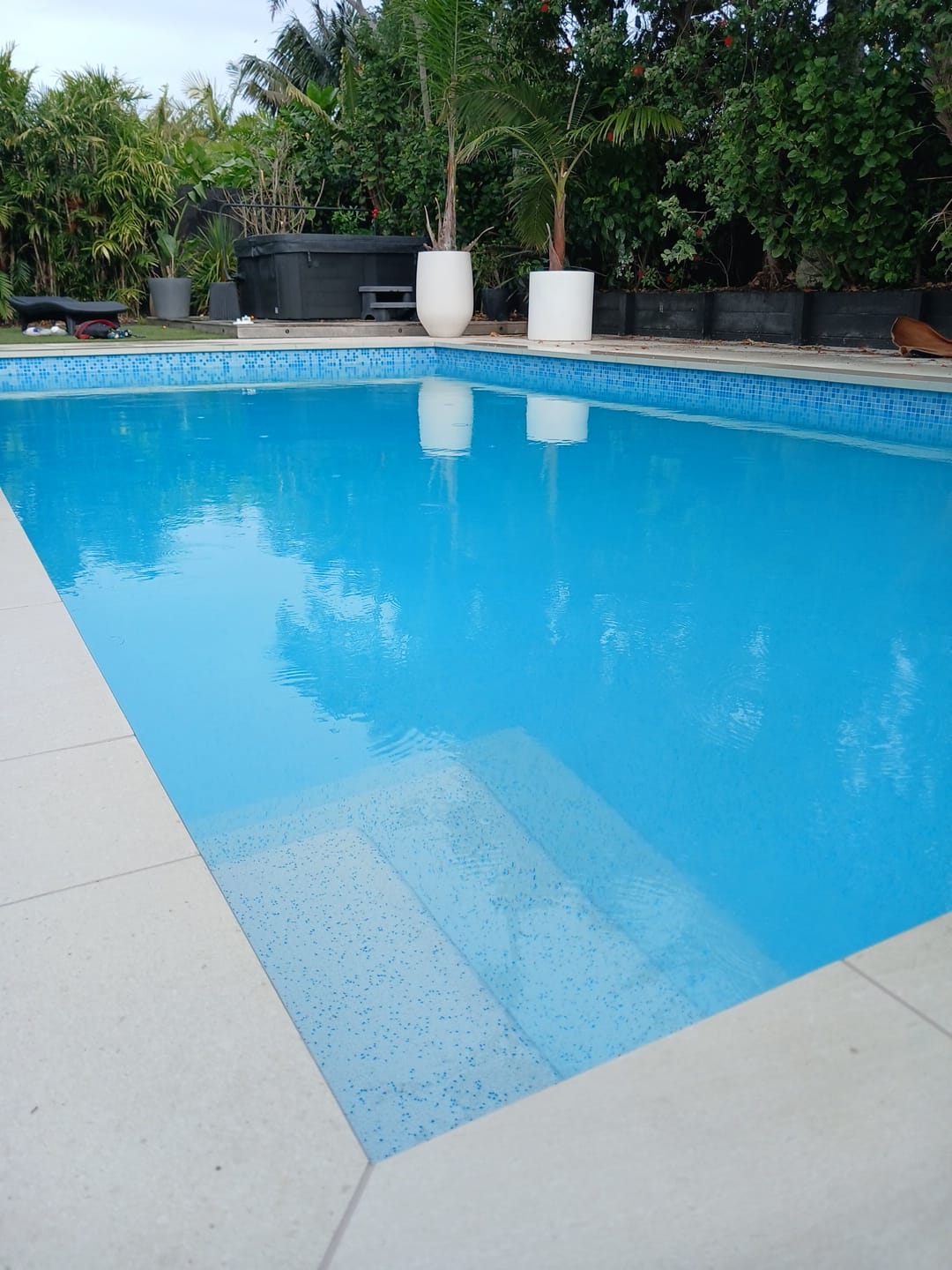
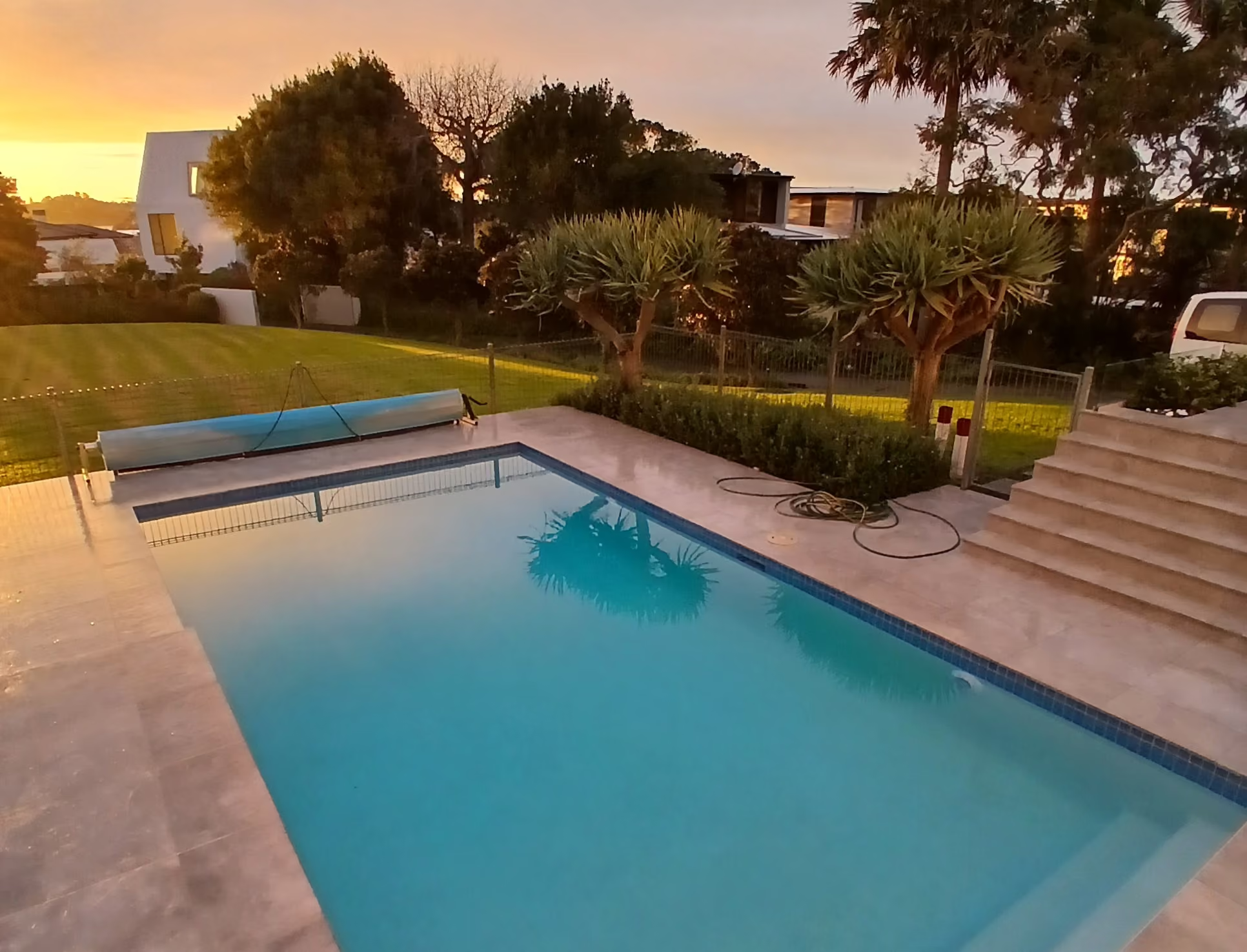
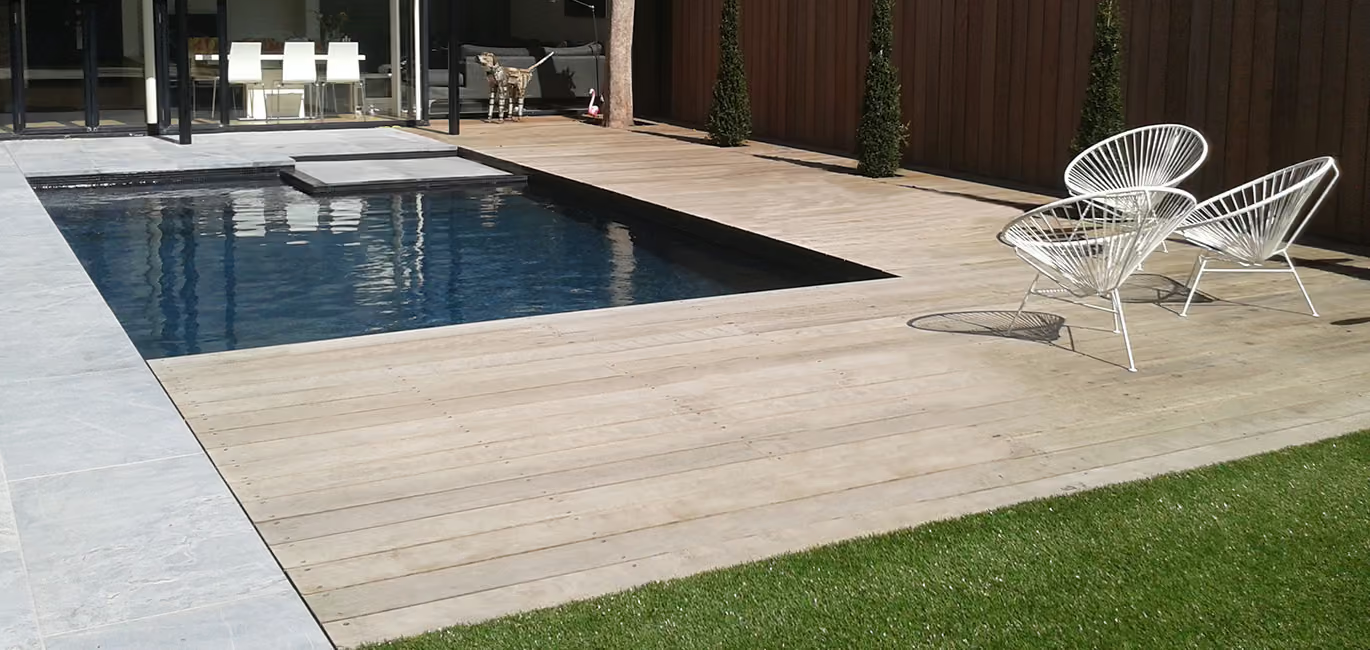
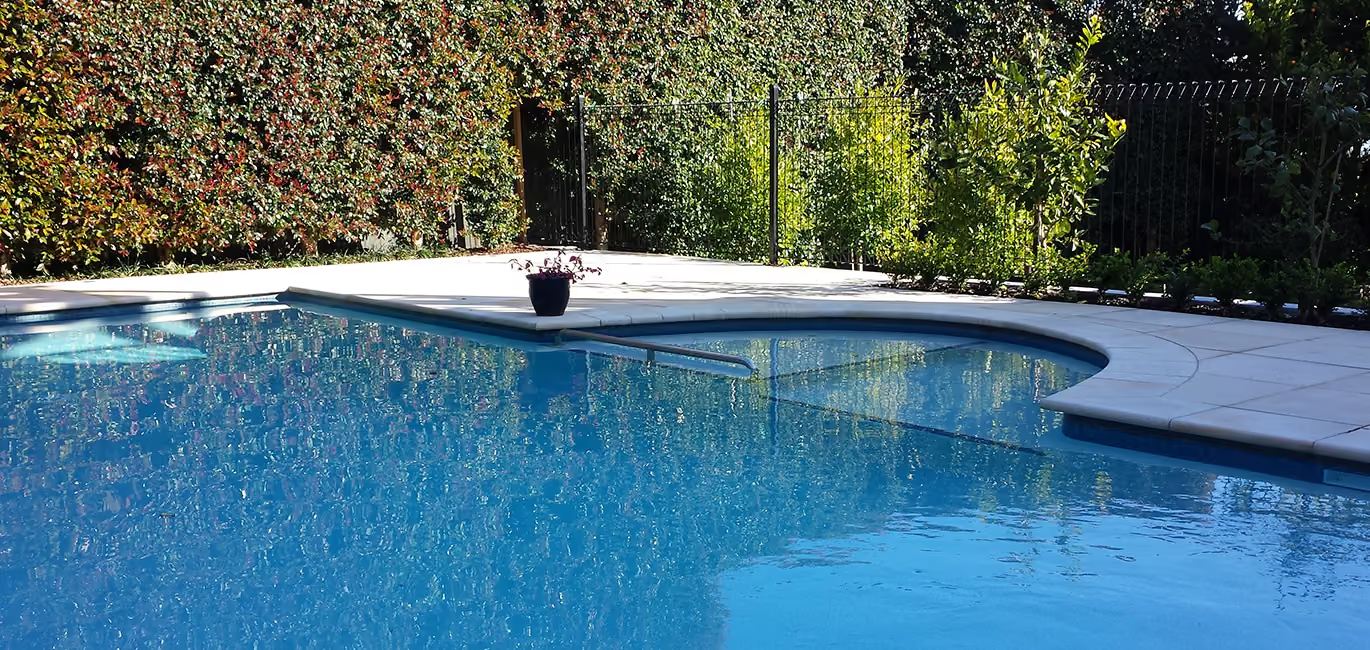
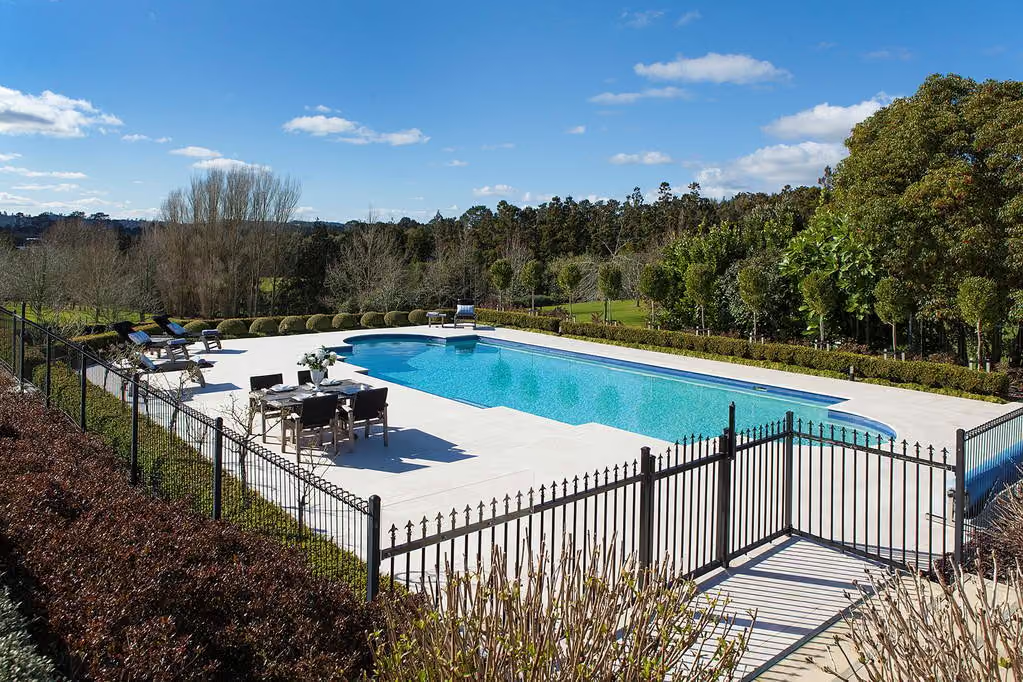
Sparkling Pools has worked on pools across Auckland, including residential renovation projects, equipment upgrades, ongoing maintenance and pool care for managed properties. Past projects show how the right approach can improve presentation, water quality and day-to-day usability. A well-maintained pool is easier to manage, more pleasant to use and better prepared for seasonal changes.
Trusted by Homeowners Across Auckland
Don't just take our word for it. Read what our clients have to say about our transparent communication, reliable service, and stunning pool transformations.
Related Blog Posts
Stay informed on pool care and renovations
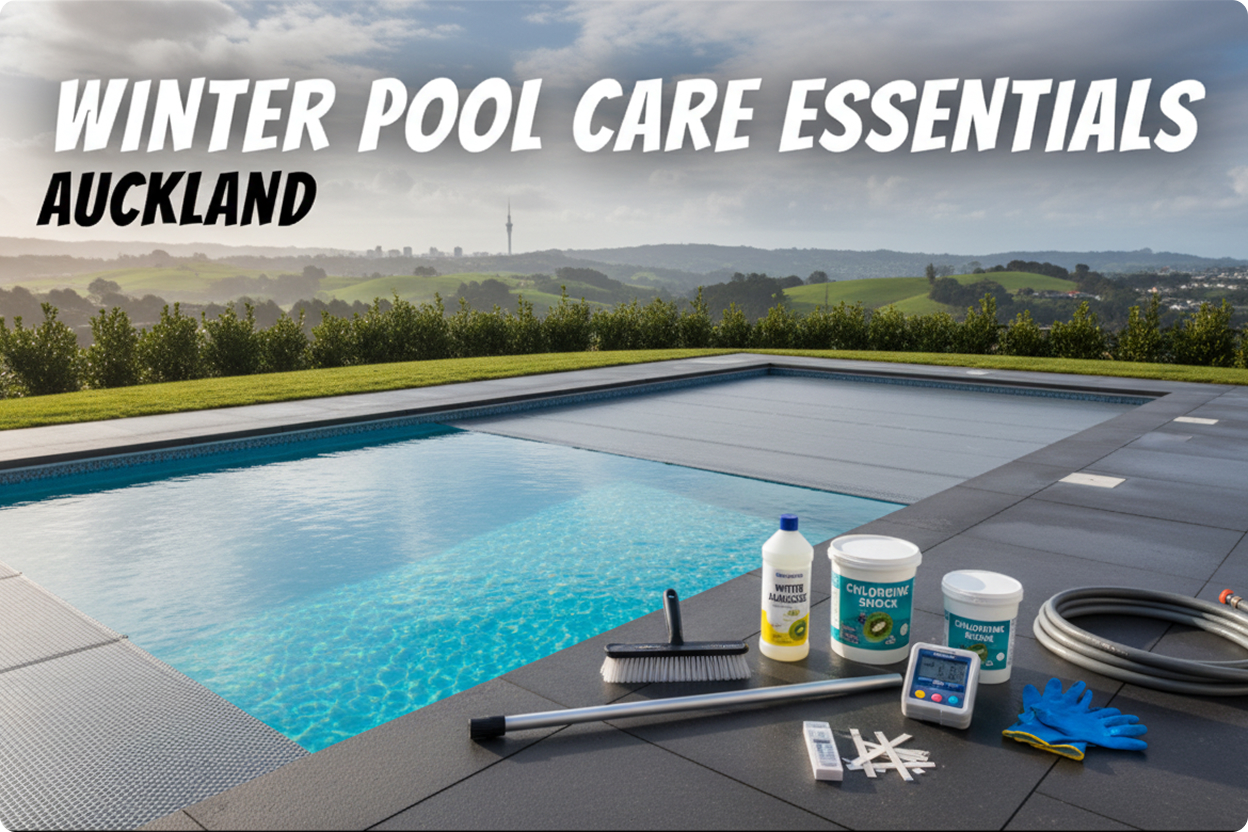
Winter pool care essentials for Auckland
Pool Renovation Mistakes

Auckland Climate Pool Maintenance

Choosing Renovation Contractor
Pool Care Auckland Summer
Permits & Consents

Pool Renovation ROI
How Often to Test Pool Water
Pool Renovation Costs
Cost of Pool Service Auckland
Pool Renovation Planning Guide
Pool Lighting Buying Guide
Pool Cleaner Buying Guide
Pool Automation Buying Guide
Pool Heater Buying Guide
Pool Filter Buying Guide
Pool Pump Buying Guide
Best Equipment Auckland Climate
Auckland Water Quality
Auckland Pool Season
Pool Ownership Costs
Common Pool Mistakes
Pool Safety Laws
Pool Inspection Requirements
Pool Fence Compliance
.avif)
Auckland Pool Industry Trends
Auckland Pool Regulations
Pool Equipment Suppliers
Best Pool Service Areas
Pool Service Pricing Analysis
Company vs Independent
Best Pool Surface Materials
Pool Resurfacing Options
Pebble vs Plaster Surfaces
One-Time vs Ongoing Service
Full Service vs Chemicals Only
Pool Cover Types
Robotic vs Suction Cleaners
Mineral vs Saltwater
Gas vs Heat Pump
Pool Heater Types
Pool Winterizing Guide Auckland
Pool Opening Guide Summer
Pool Maintenance After Heavy Rain
Pool Maintenance Schedule
How Often to Run Pool Filter
Pool Pump Maintenance Schedule
Pool Filter Cartridge Cleaning
Pool Equipment Maintenance Checklist
Pool Waterline Cleaning
Pool Skimmer Basket Cleaning
Pool Chlorine Levels
How Often Clean Pool Filter
How to Vacuum Pool
Pool Brushing Technique
Pool Chemical Dosing Chart
Pool Water Chemistry Basics
How to Balance Pool Chemistry
How to Test Pool Water
Pool Maintenance Tips
Complete Pool Maintenance Guide
Pool Service ROI
Pool Equipment Buy or Service
Pool Maintenance Time Requirements
DIY vs Professional
Pool Service Contract
Pool Service vs Pool Valet
Is Pool Service Worth It
Pool Service Guarantees
Pool Service Reviews
Pool Service Red Flags
Questions to Ask Pool Companies
How to Choose Pool Service Company
Hidden Costs DIY Maintenance
Pool Cleaning Prices Auckland
Cost of Pool Resurfacing
Cost of Pool Pump Replacement
Cost to Fix Green Pool
Pool Liner Wrinkles
Pool Cracks When to Worry
Pool Surface Stains
Pool Valve Leaking
Pool Automation Not Working
Pool Light Not Working
Pool Heater Not Heating
Pool Skimmer Not Working
High Pool Filter Pressure
Pool Losing Water
Pool Filter Not Clearing Water
Pool Pump Leaking
Pool Pump Not Pumping
Pool Pump Losing Prime
Pool Pump Noisy
Pool Pump Not Working
Pool Water Foaming
Pool pH Too Low
Pool pH Too High
Green Pool After Rain
Pool Still Green After Shock
Pool Water Cloudy
How to Clear a Green Pool
Pool Care That Protects Your Investment
Good pool care protects more than appearance. Our pool specialists support the long-term condition of your swimming pool while keeping it ready for everyday use.