Gas vs Heat Pump

Why Auckland trusts our pool service expertise
Choosing between gas and heat pump pool heating comes down to how you use your pool and what matters most to you, fast heat-up time, lower running costs, or year-round reliability.
Here are the key points to help you decide.
What you'll learn
The Short Answer
Both gas heaters and heat pumps will warm your pool effectively. The right choice depends on how you use your pool, how quickly you need it heated, and what your ongoing running costs look like.
- Gas heaters heat water quickly and work regardless of air temperature, useful for pools used occasionally or needing a fast warm-up.
- Heat pumps are slower to heat but significantly cheaper to run over time, better suited to pools used regularly throughout the season.
For most Auckland homeowners using their pool consistently through spring and summer, a heat pump tends to be the more cost-effective option. For holiday homes, infrequent use, or situations where fast heat-up matters, gas can make more sense.
---
How Each System Works
Gas Pool Heaters
A gas heater burns natural gas or LPG to heat water as it passes through the unit. The process is direct and fast, water temperature can rise noticeably within a few hours.
Gas heaters operate independently of outdoor air temperature. They perform just as well on a cold winter's day as they do in summer. This makes them reliable year-round, but the fuel cost is ongoing regardless of conditions.
Heat Pump Pool Heaters
A heat pump works by extracting heat from the surrounding air and transferring it into the pool water. It uses electricity to run, but because it moves heat rather than generating it, it produces significantly more energy than it consumes.
This efficiency is measured as a Coefficient of Performance (COP), a heat pump with a COP of 5 produces five units of heat for every one unit of electricity used. The trade-off is that efficiency drops as air temperature falls. In cooler conditions, a heat pump works harder and costs more to run.
In Auckland's mild climate, heat pumps remain effective for most of the year.
---
Running Costs: What to Expect
Running costs are where the two systems differ most significantly.
Gas Running Costs
Gas heaters are inexpensive to purchase and install relative to heat pumps, but the ongoing fuel cost is higher. The exact cost depends on whether you're using natural gas or LPG, current fuel prices, and how often you heat the pool.
For pools heated infrequently, say, warming the pool before a weekend gathering, gas can be cost-effective because you're only paying for the fuel you use. For pools heated regularly, the fuel bills accumulate quickly.
Heat Pump Running Costs
Heat pumps have a higher upfront cost but lower running costs over time. Because they use electricity efficiently, the cost per degree of heat added to the water is generally lower than gas.
The savings are most apparent when the heat pump is running regularly over a long season. In Auckland, where the swimming season can extend well into autumn, this adds up.
The Payback Period
The point at which a heat pump's lower running costs offset its higher purchase price depends on how frequently the pool is heated. For pools used regularly across a long season, the payback period is typically measured in years rather than decades. For infrequently used pools, gas may remain the cheaper option overall.
---
Performance in Auckland's Climate
Auckland's climate is relevant to this decision.
Heat pumps perform best when air temperatures are consistently mild. Auckland's relatively warm winters and long shoulder seasons mean heat pumps operate efficiently for more of the year compared to colder parts of New Zealand.
Gas heaters are unaffected by air temperature, so they're equally effective in winter, but in Auckland, the need to heat a pool through the coldest months is less common than in southern regions.
If you're extending your swimming season into late autumn or early spring, a heat pump will generally handle Auckland conditions well. If you want to swim through mid-winter, gas offers more consistent performance.
---
Installation Considerations
Gas Heater Installation
- Requires a gas supply, either a natural gas connection or an LPG tank
- Gas appliances must be installed by a licensed gasfitter
- Generally a simpler installation where a gas supply already exists
- Ongoing LPG delivery or natural gas billing required
Heat Pump Installation
- Requires a suitable outdoor location with good airflow around the unit
- Needs an electrical connection, a licensed electrician must carry out the wiring
- Larger units may require a dedicated circuit
- No fuel supply needed beyond the existing power connection
Both systems should be installed by qualified tradespeople. Gas work requires a licensed gasfitter; electrical connections require a licensed electrician. Neither is a DIY job.
---
Which System Suits Which Pool Owner?
Consider a heat pump if:
- You use your pool regularly through spring, summer, and autumn
- Keeping running costs low over the long term is a priority
- You have a suitable outdoor space for the unit
- You're in Auckland and want to make the most of the mild climate
Consider a gas heater if:
- You use your pool occasionally and want fast heat-up on demand
- You have a holiday home or a pool that sits unused for long periods
- You already have a gas supply connected to the property
- You want reliable performance regardless of air temperature
If you're unsure:
A pool heating specialist can assess your pool size, usage patterns, and site conditions to recommend the right system. The upfront cost difference between the two options is worth weighing against your actual usage before committing.
---
Maintenance and Longevity
Both systems require regular servicing to perform well and last.
Gas heaters should be checked annually by a licensed gasfitter. Burners, heat exchangers, and gas connections need inspection to ensure safe and efficient operation.
Heat pumps benefit from keeping the unit clear of debris and ensuring airflow around the cabinet is not restricted. The refrigerant system and electrical components should be checked periodically by a qualified technician.
Neither system is maintenance-free. Factoring in servicing costs is worthwhile when comparing the two options.
---
A Note on Pool Covers
Regardless of which heating system you choose, a pool cover makes a significant difference to running costs. Heat loss through evaporation is the single biggest drain on pool heating energy. A well-fitted cover reduces that loss substantially, meaning your heater, gas or heat pump, runs less often to maintain temperature.
If you're investing in pool heating, a cover is a practical addition that improves the return on that investment.
---
Getting Advice for Your Pool
The best heating system depends on your specific pool, property, and how you use it. If you're weighing up the options, Sparkling Pools can help assess what's practical for your situation. The team has been working with Auckland pool owners since 1992 and can give straightforward advice without the sales pressure.
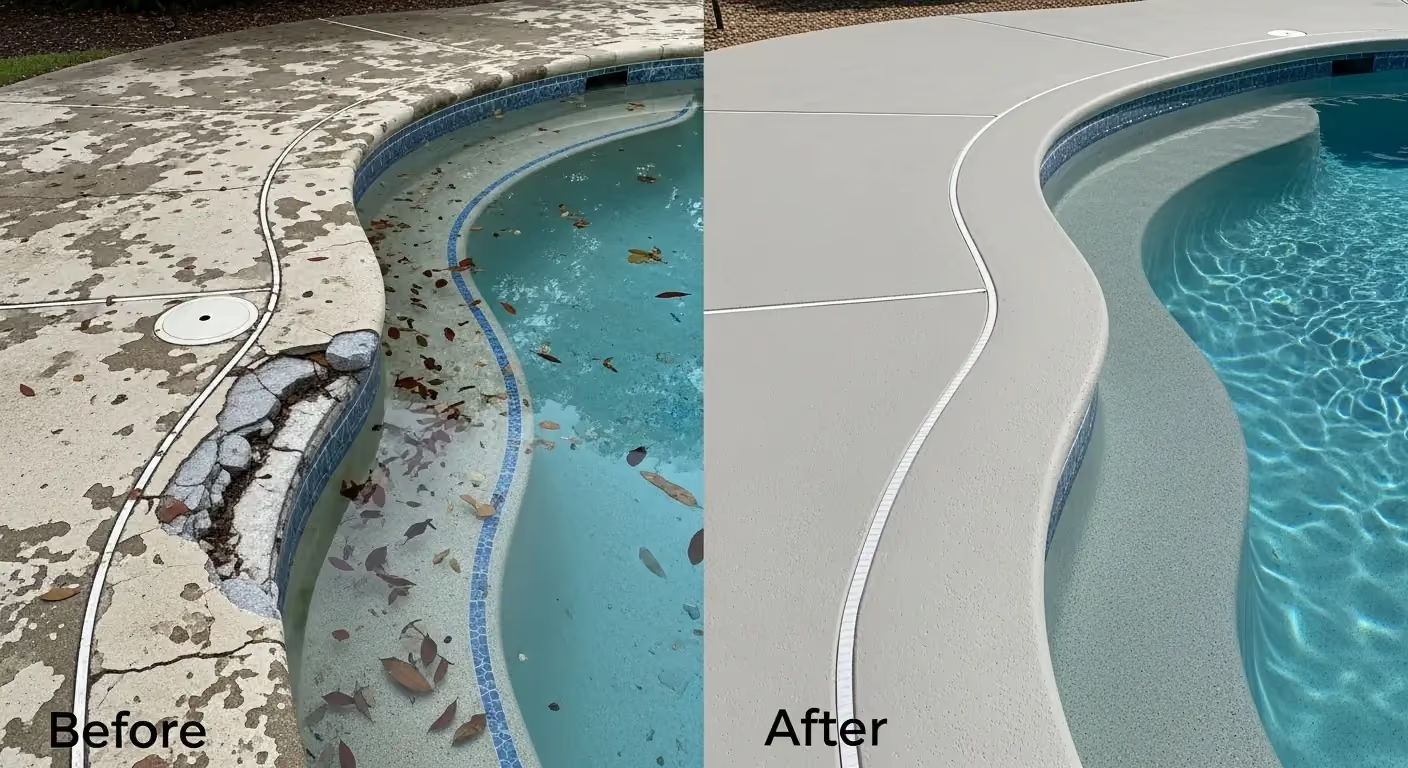
Pool resurfacing solutions
Restore your pool with durable plaster finishes

Work completed
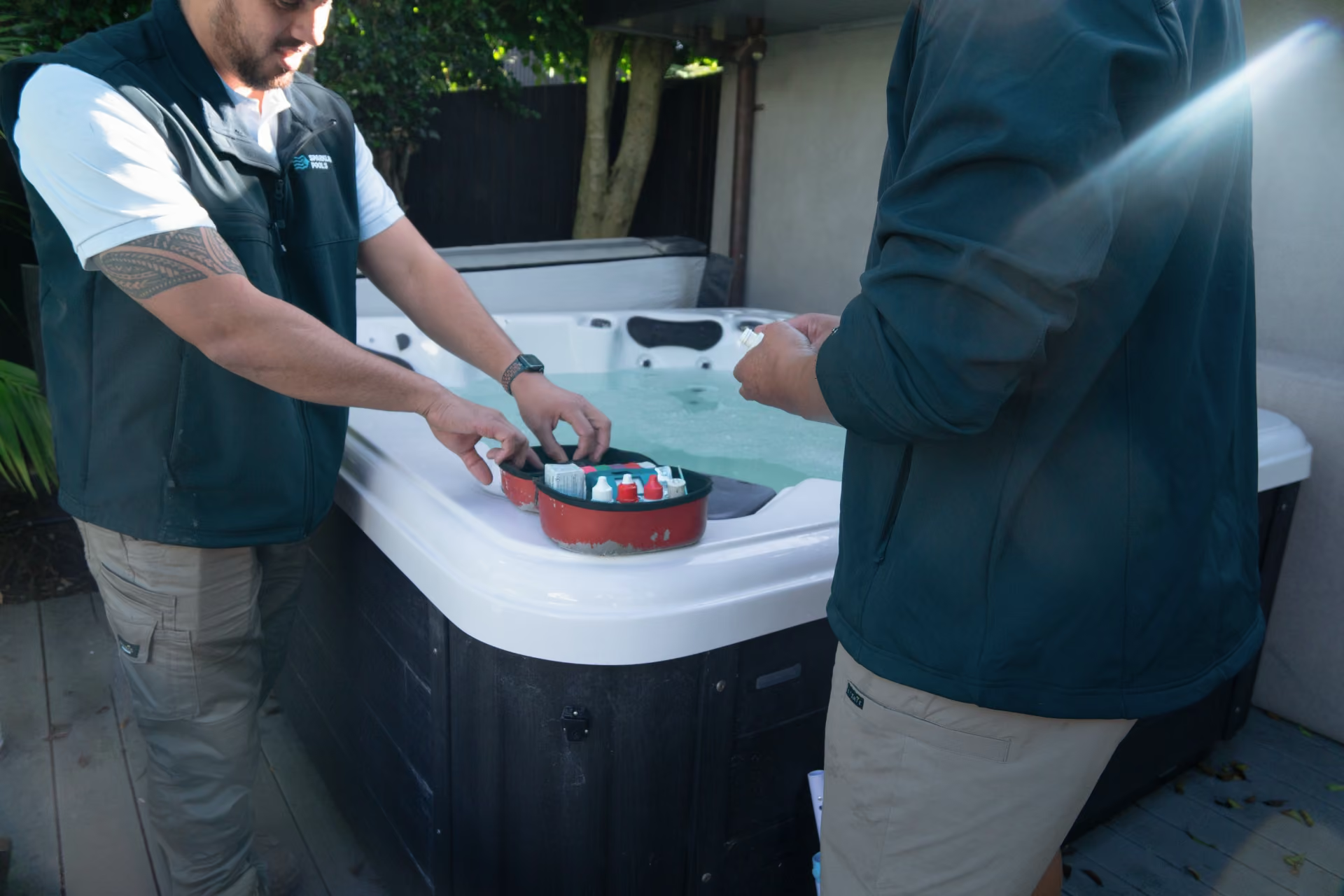
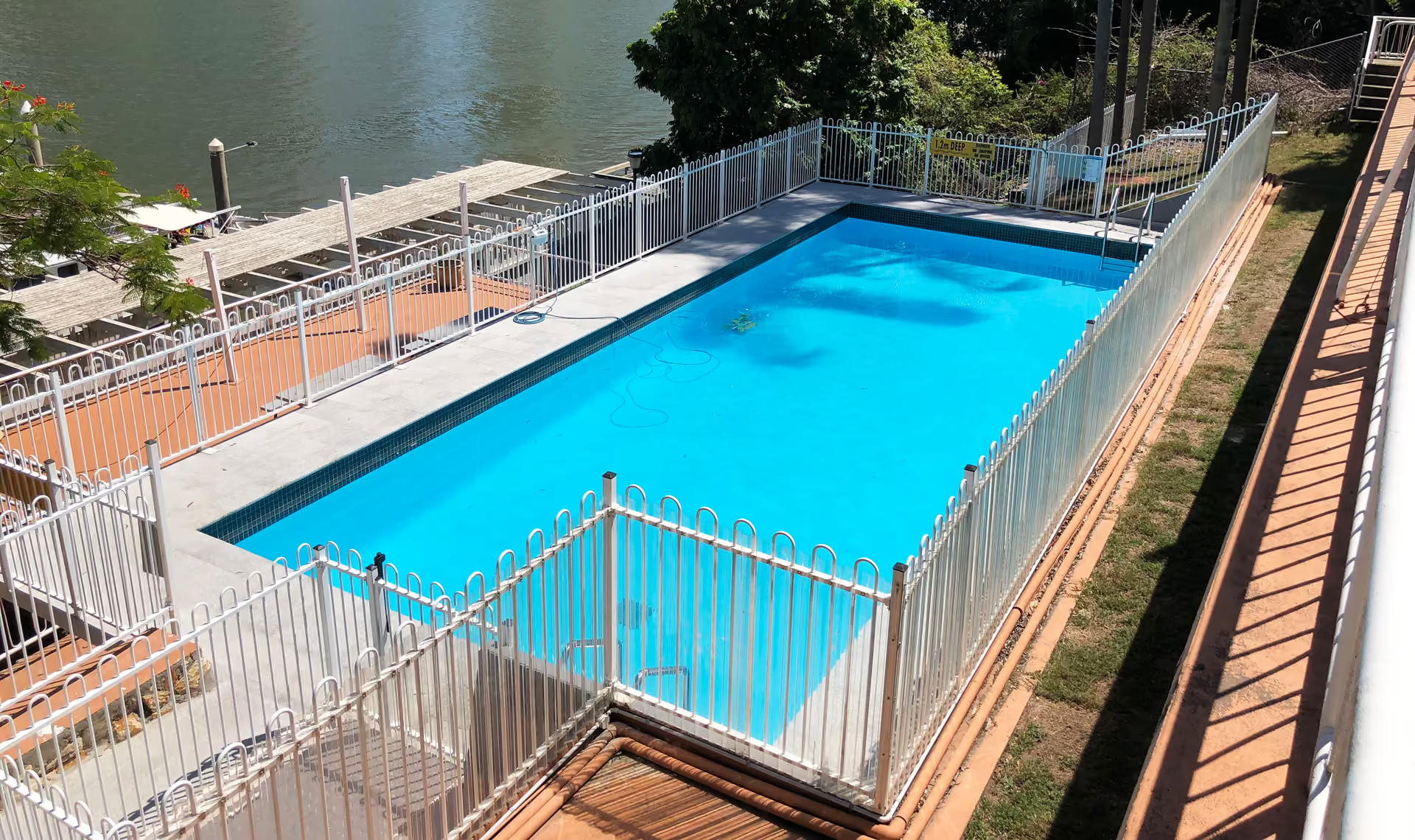
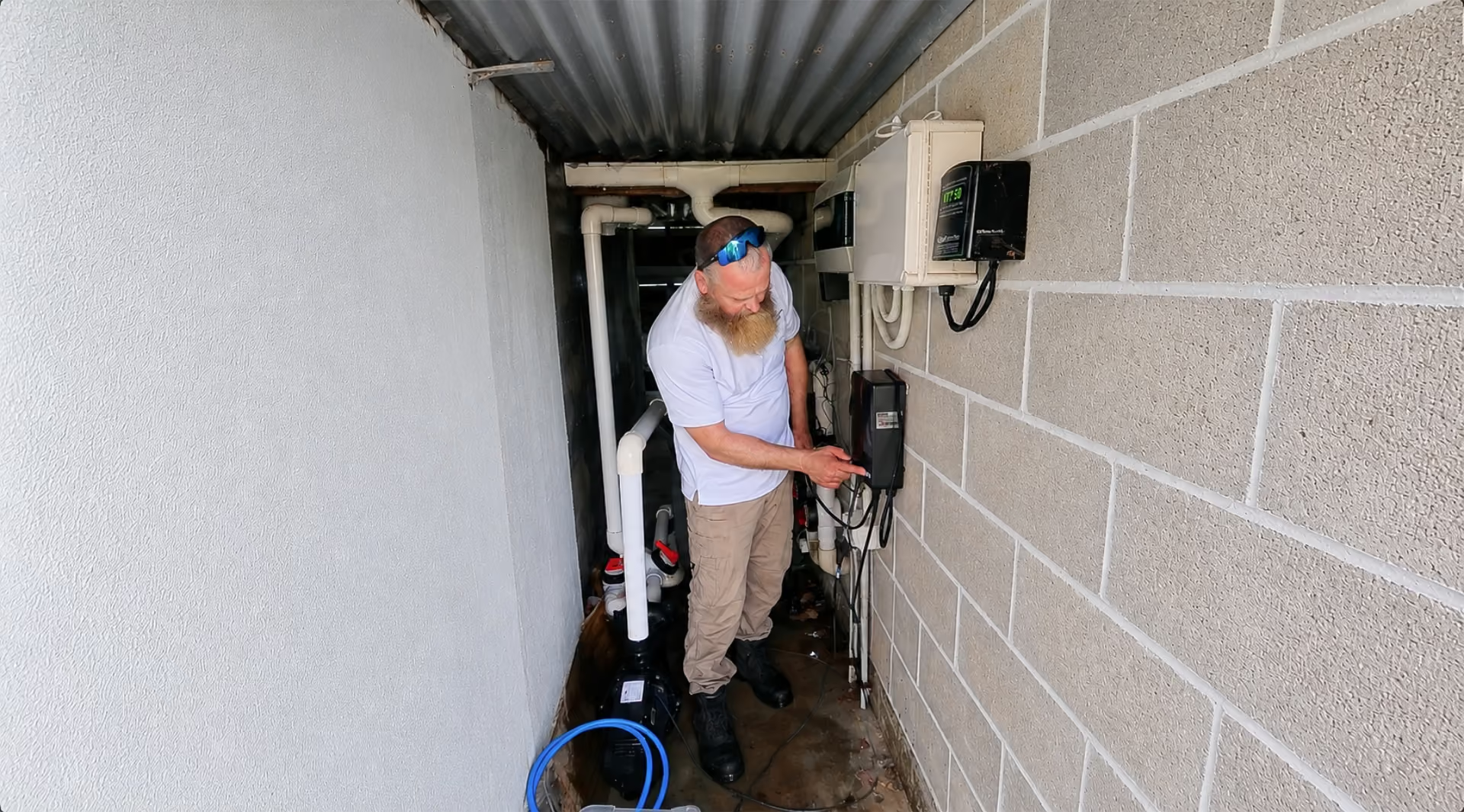
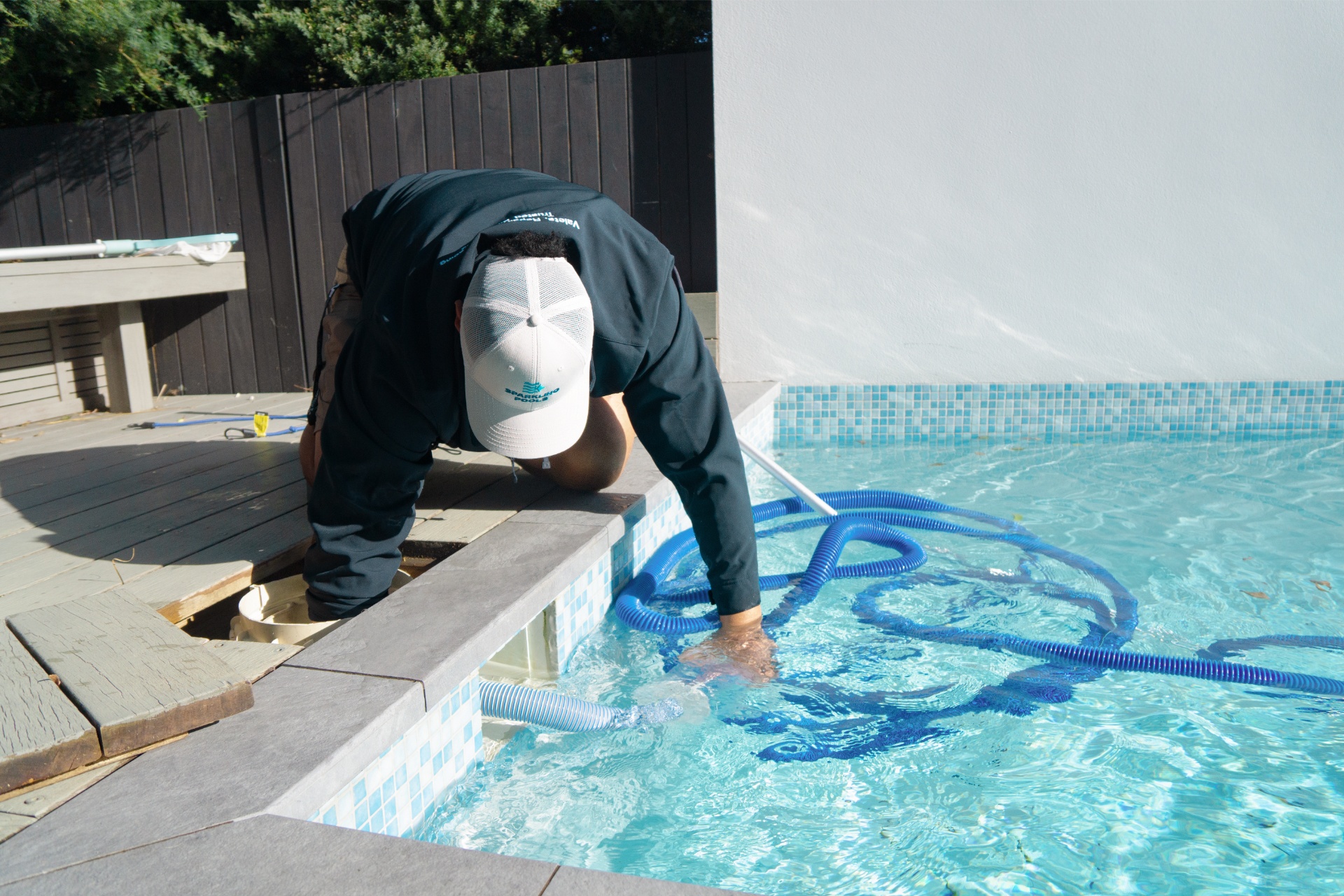
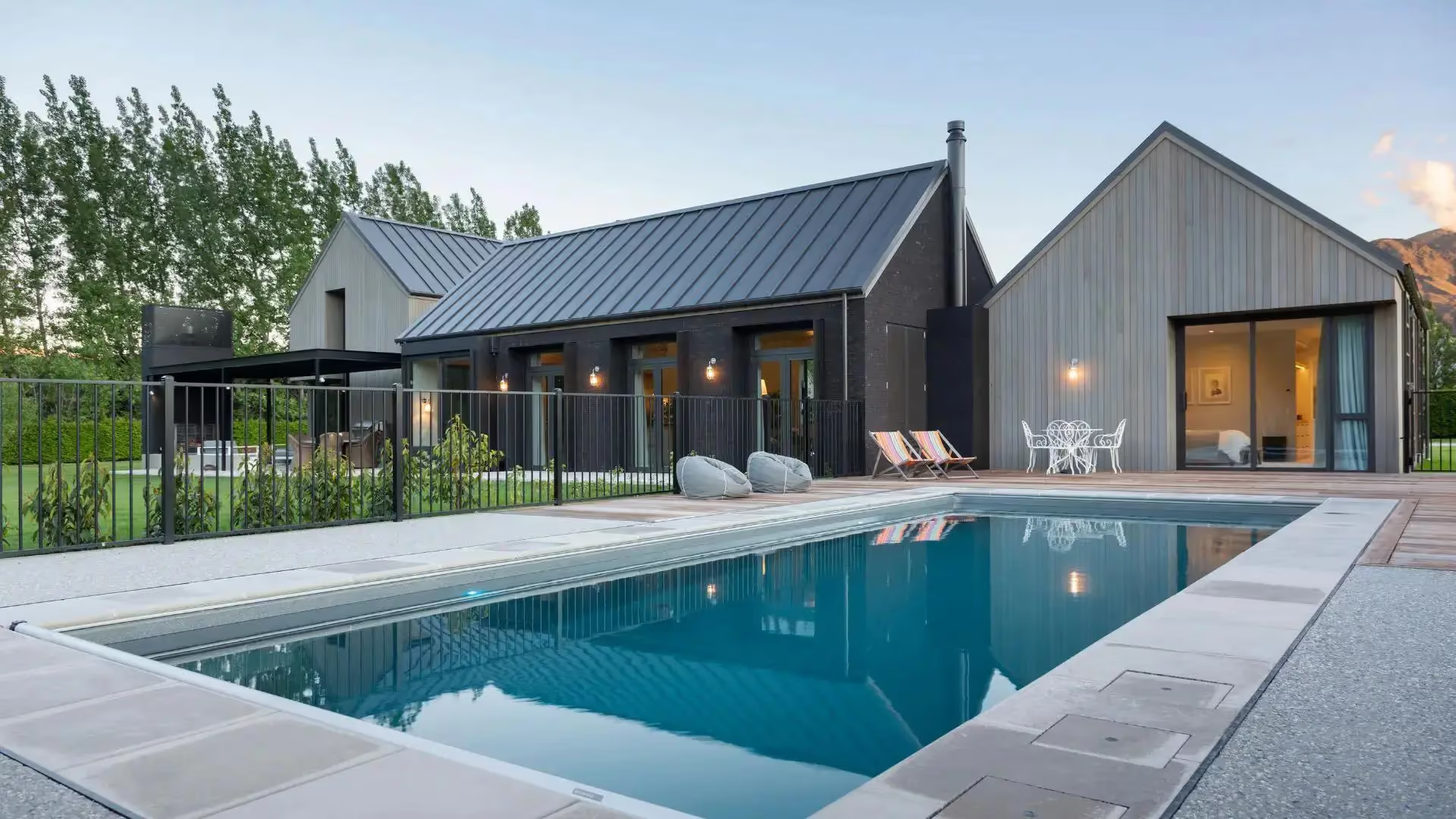
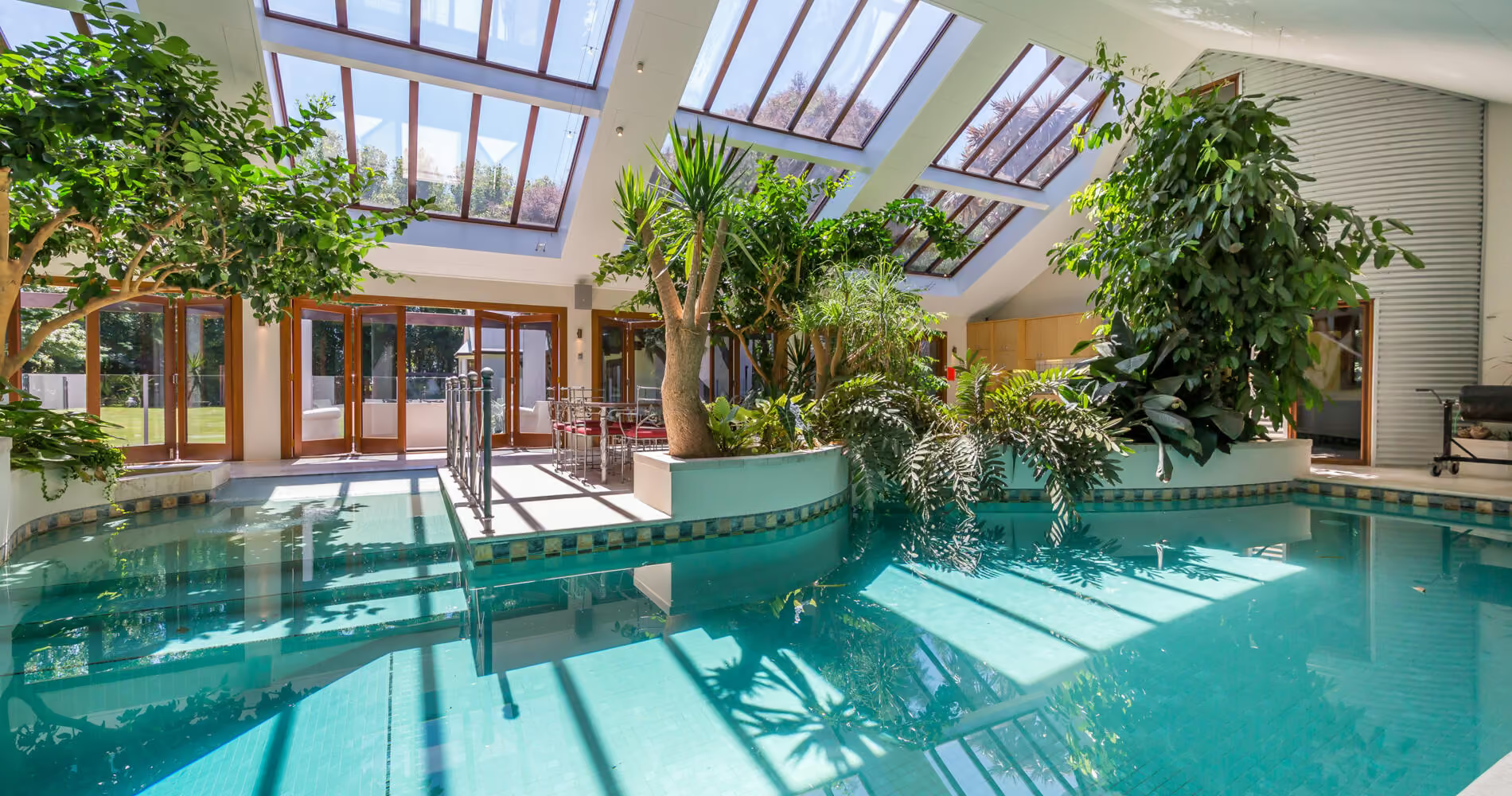
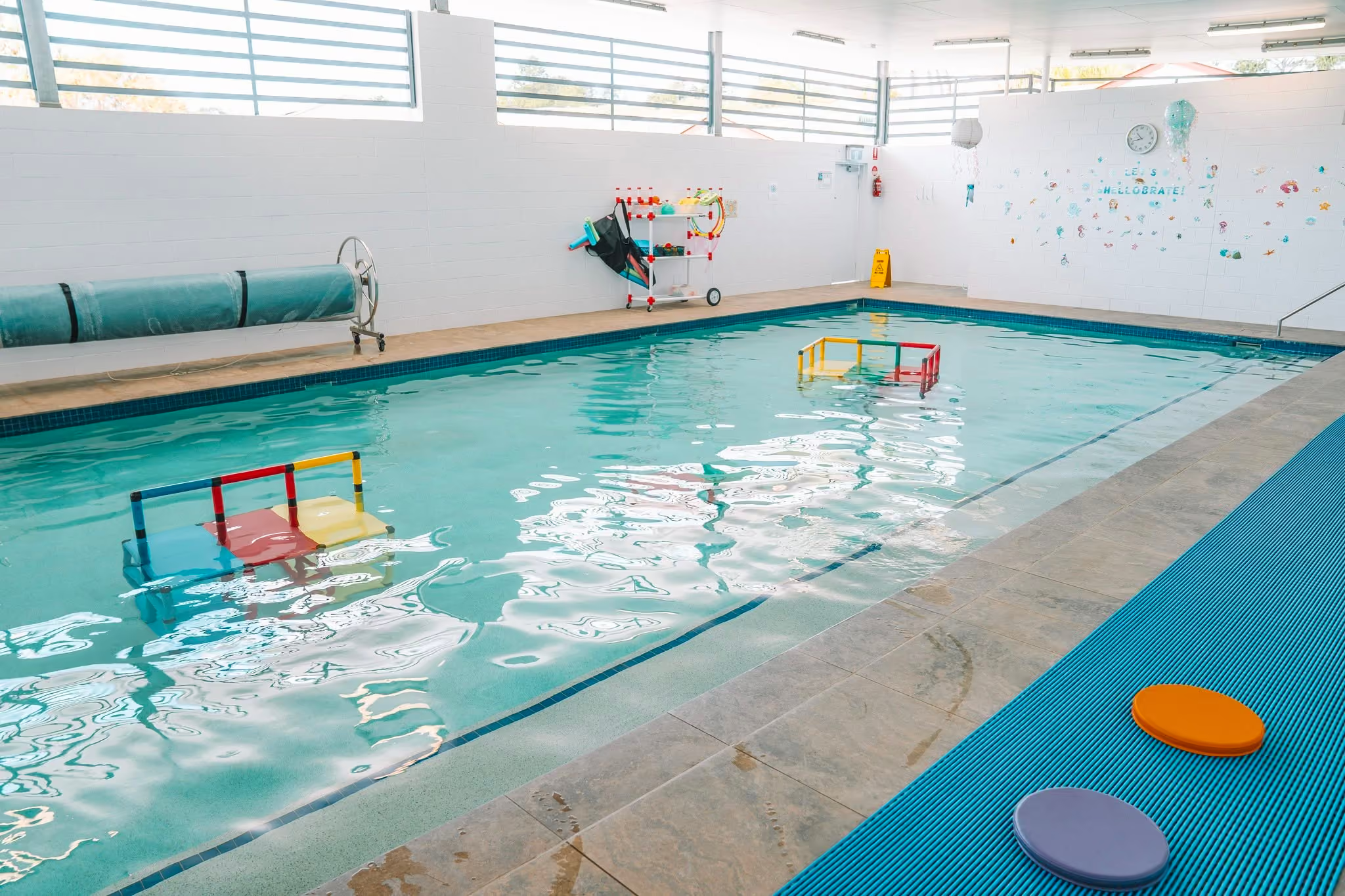
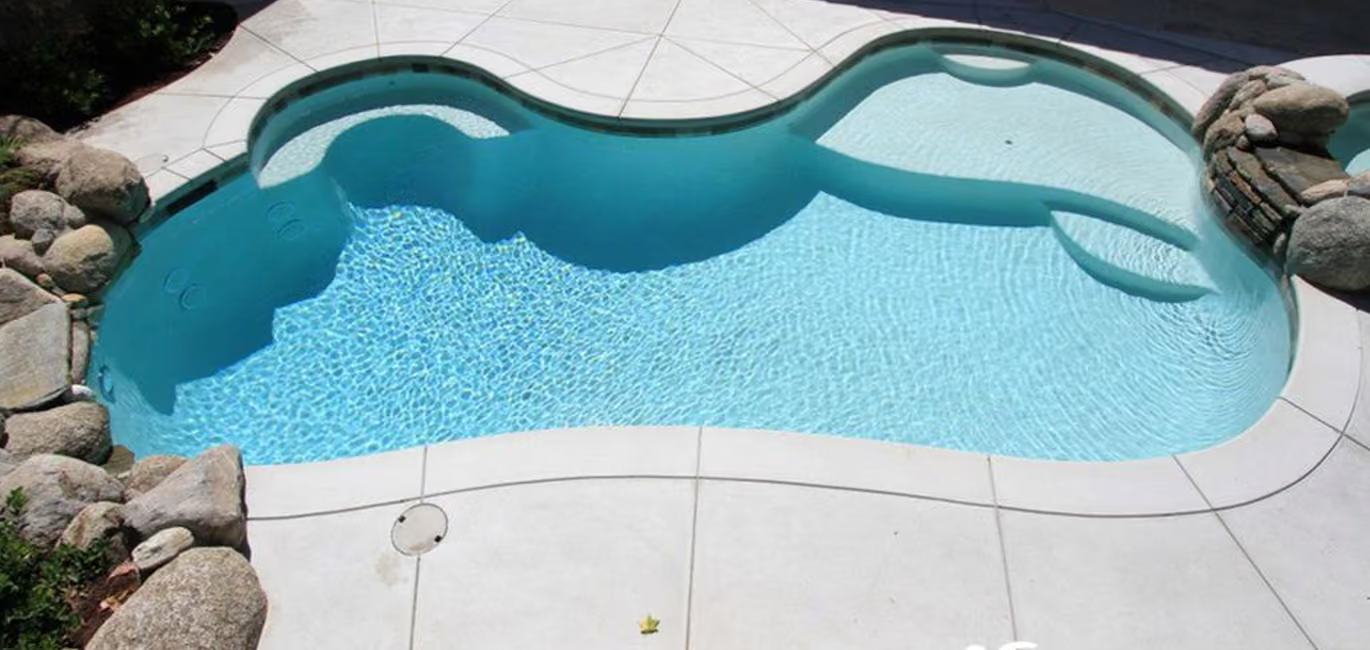
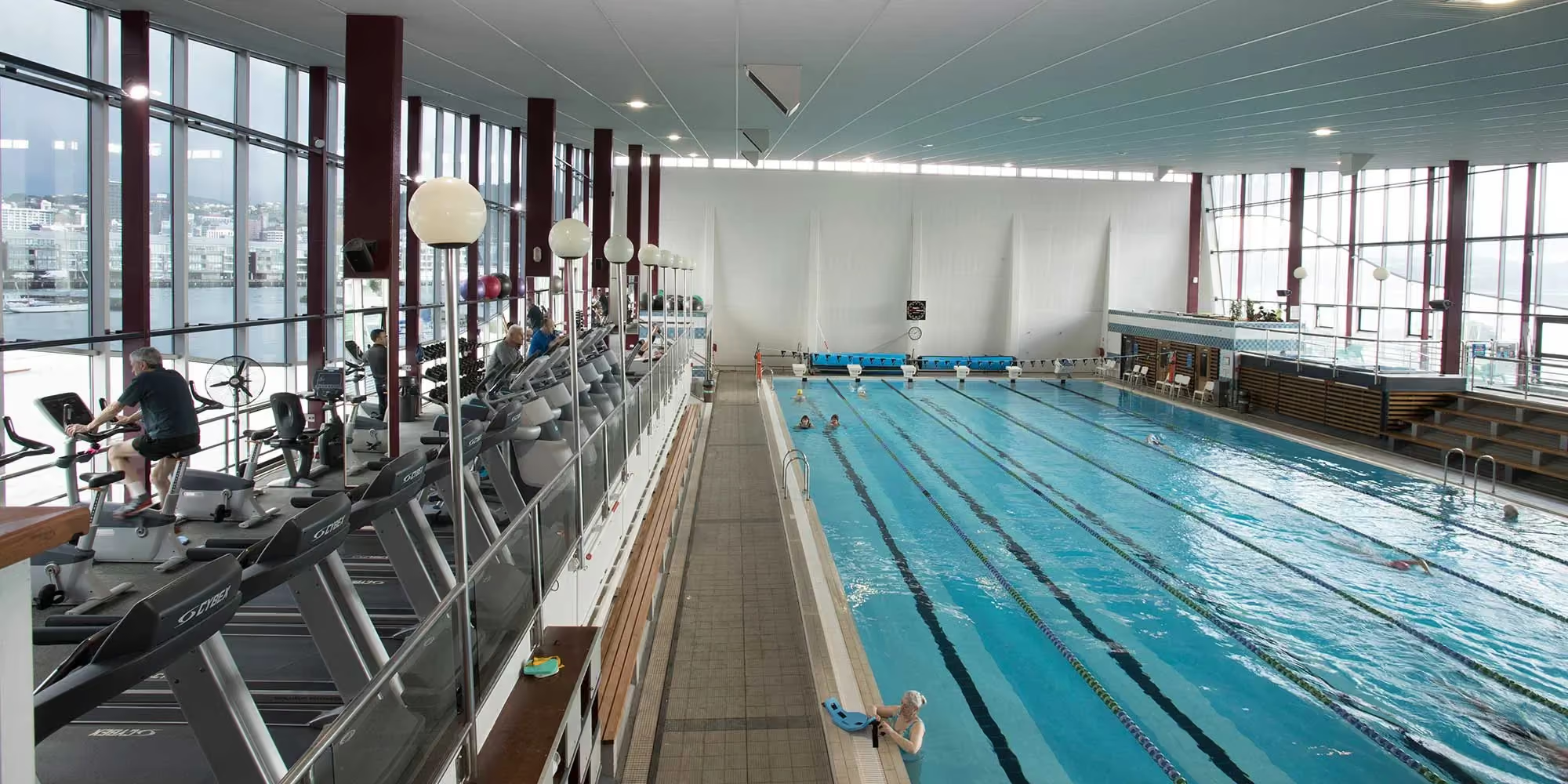
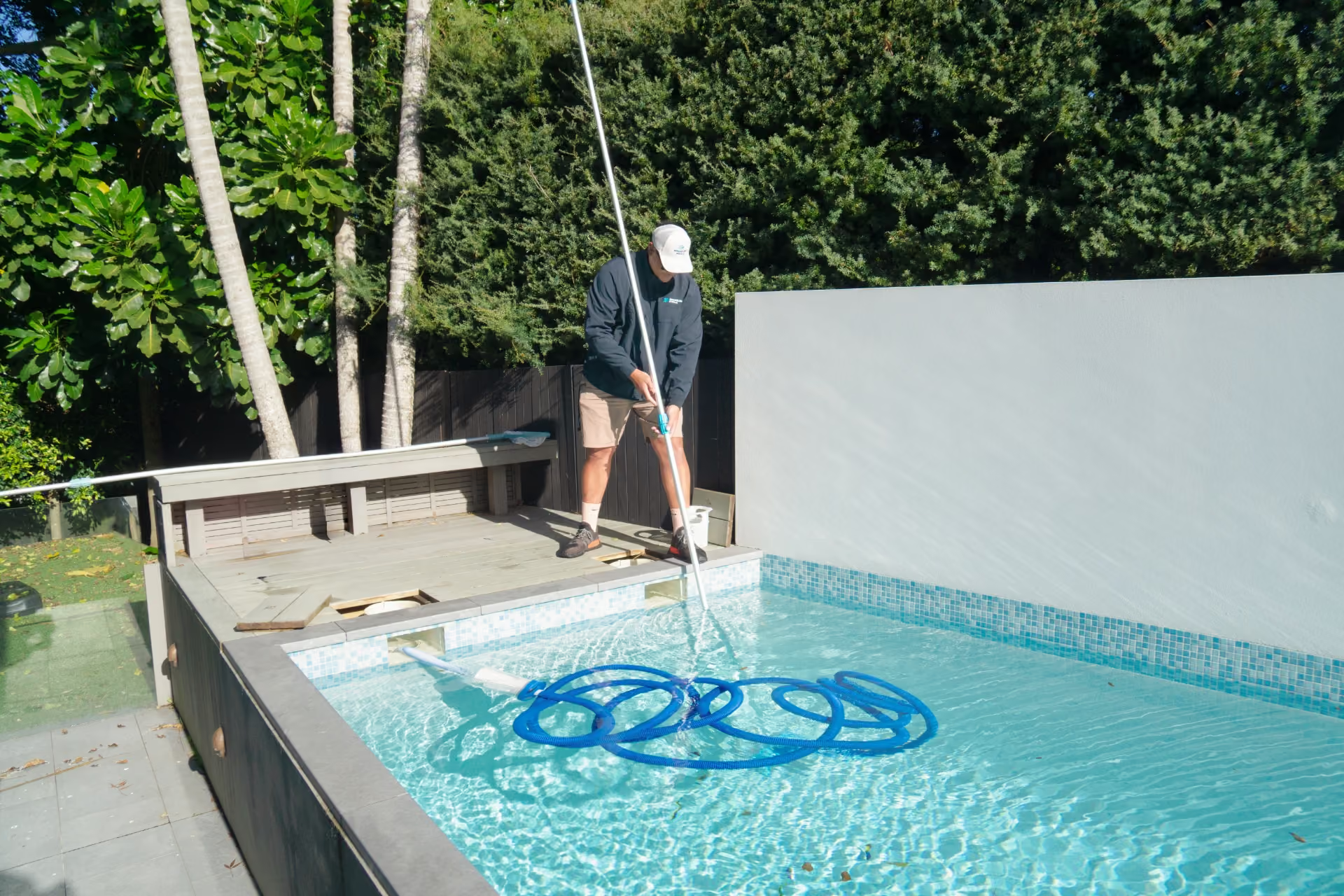
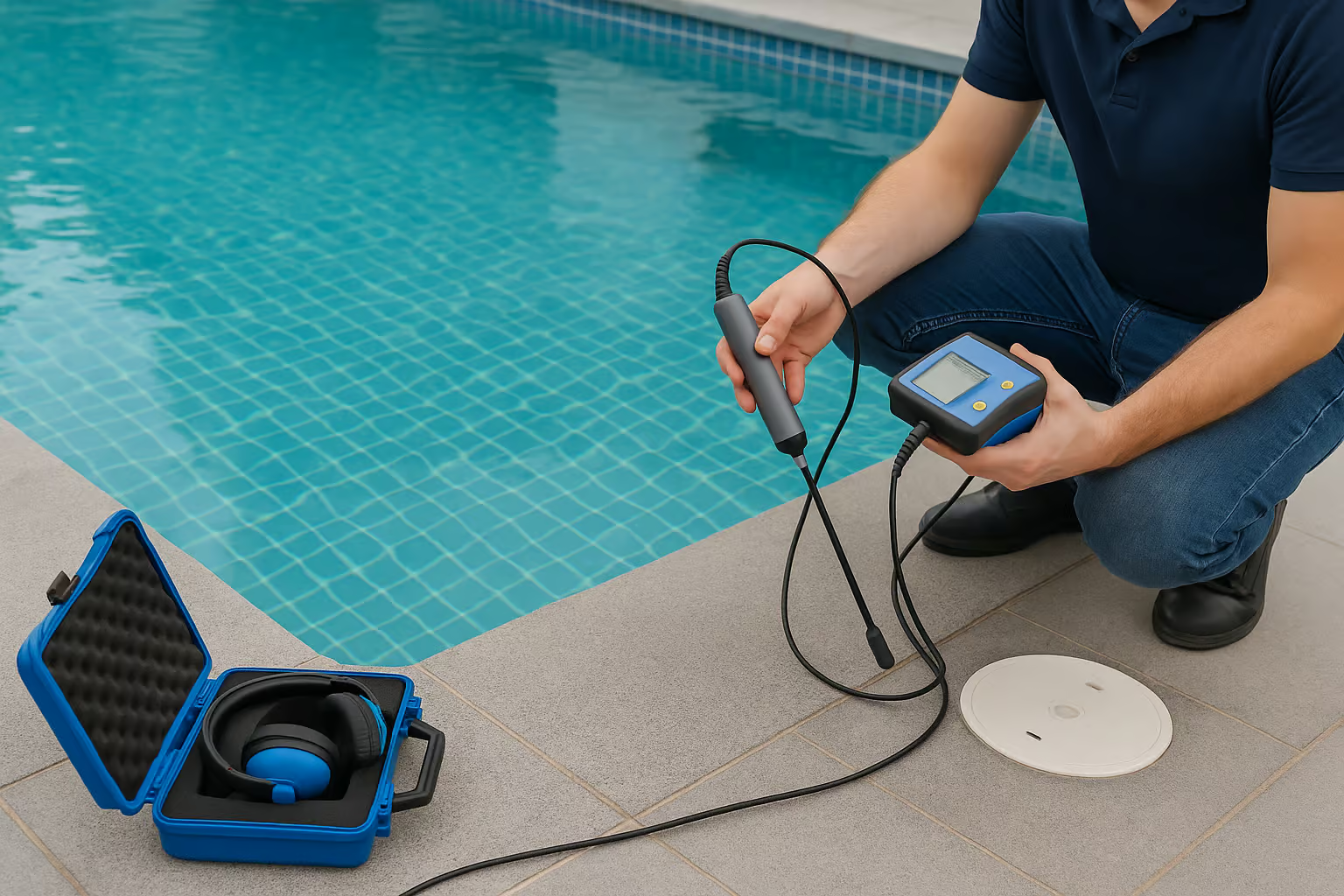
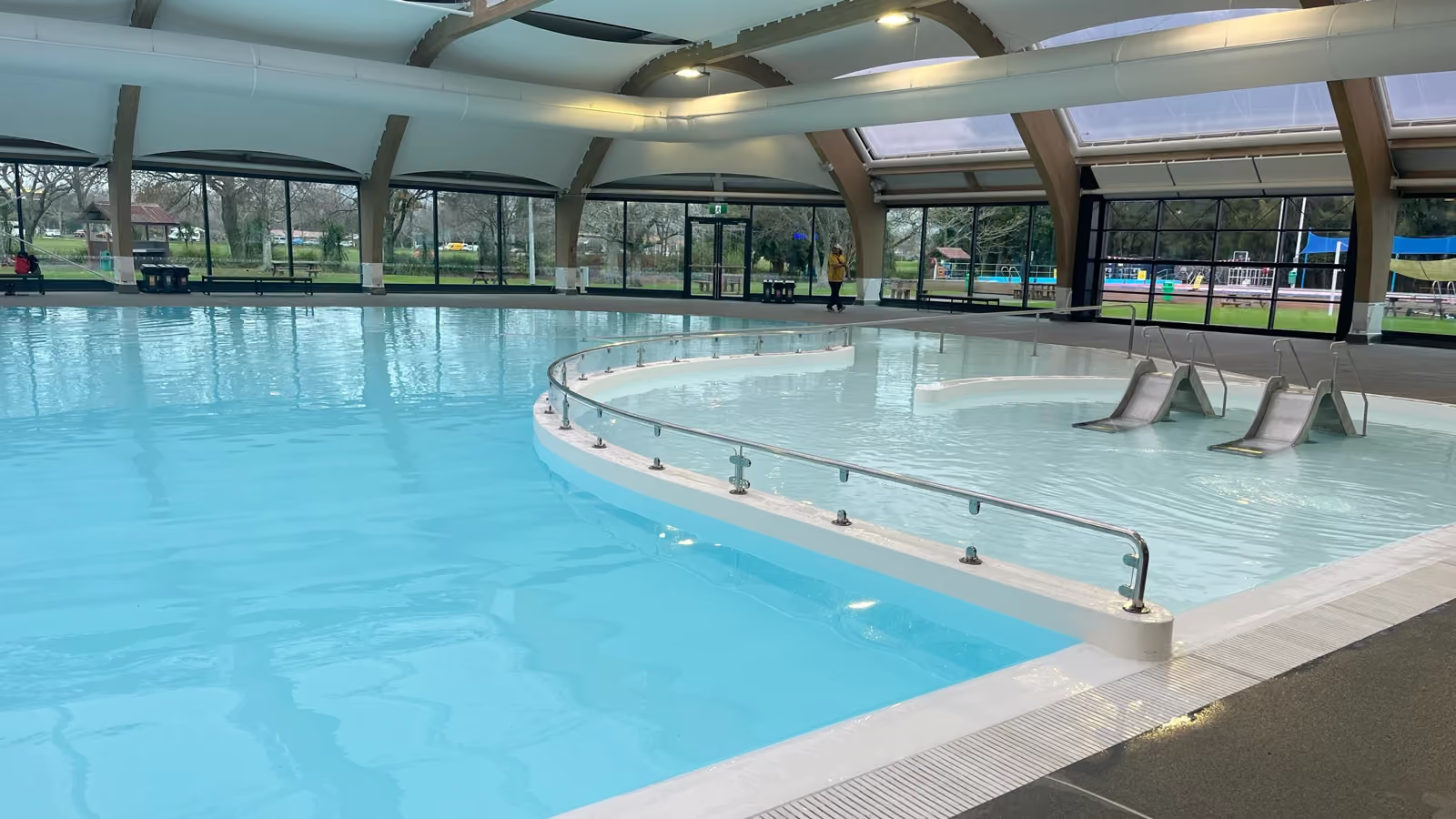
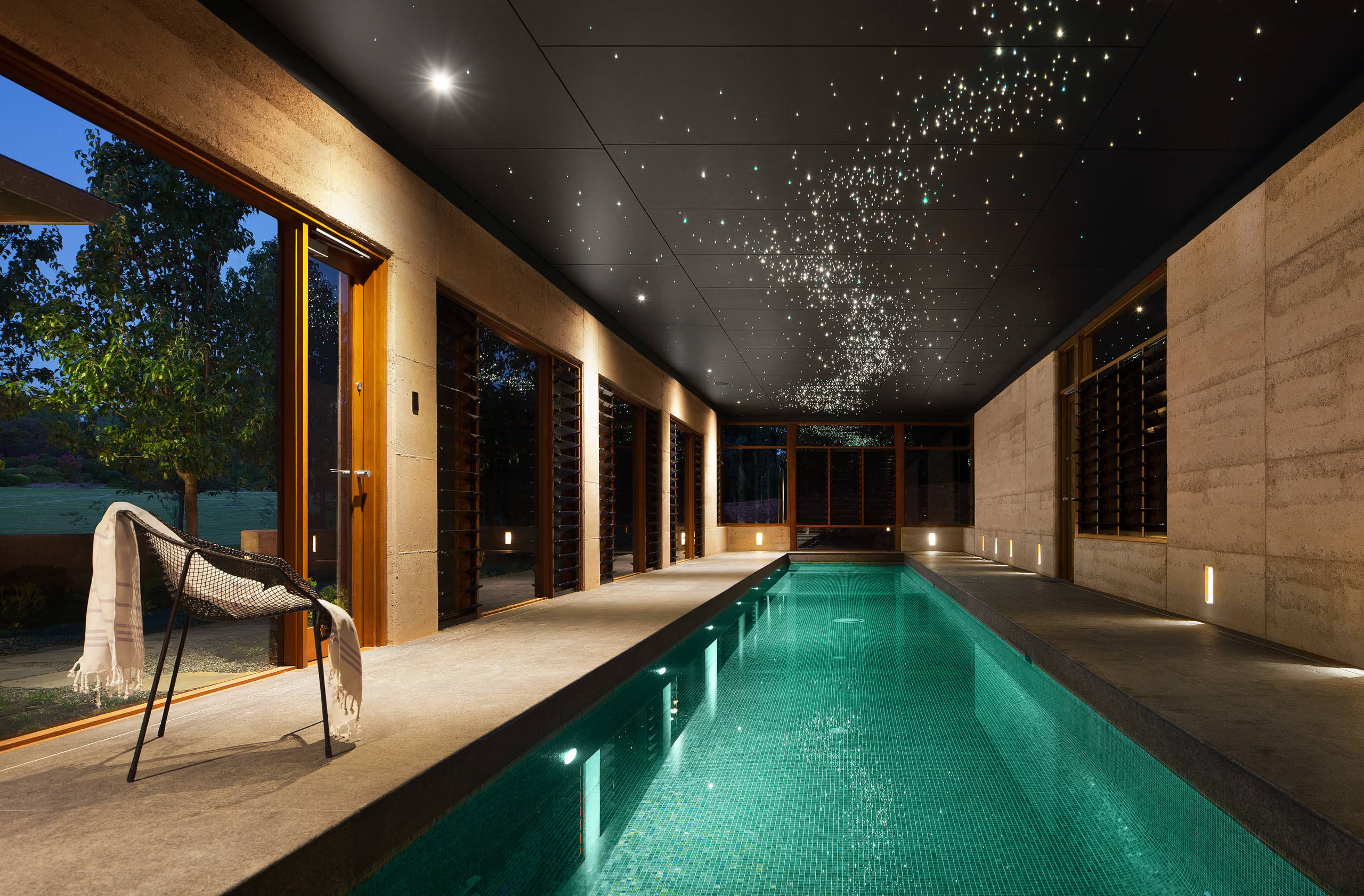
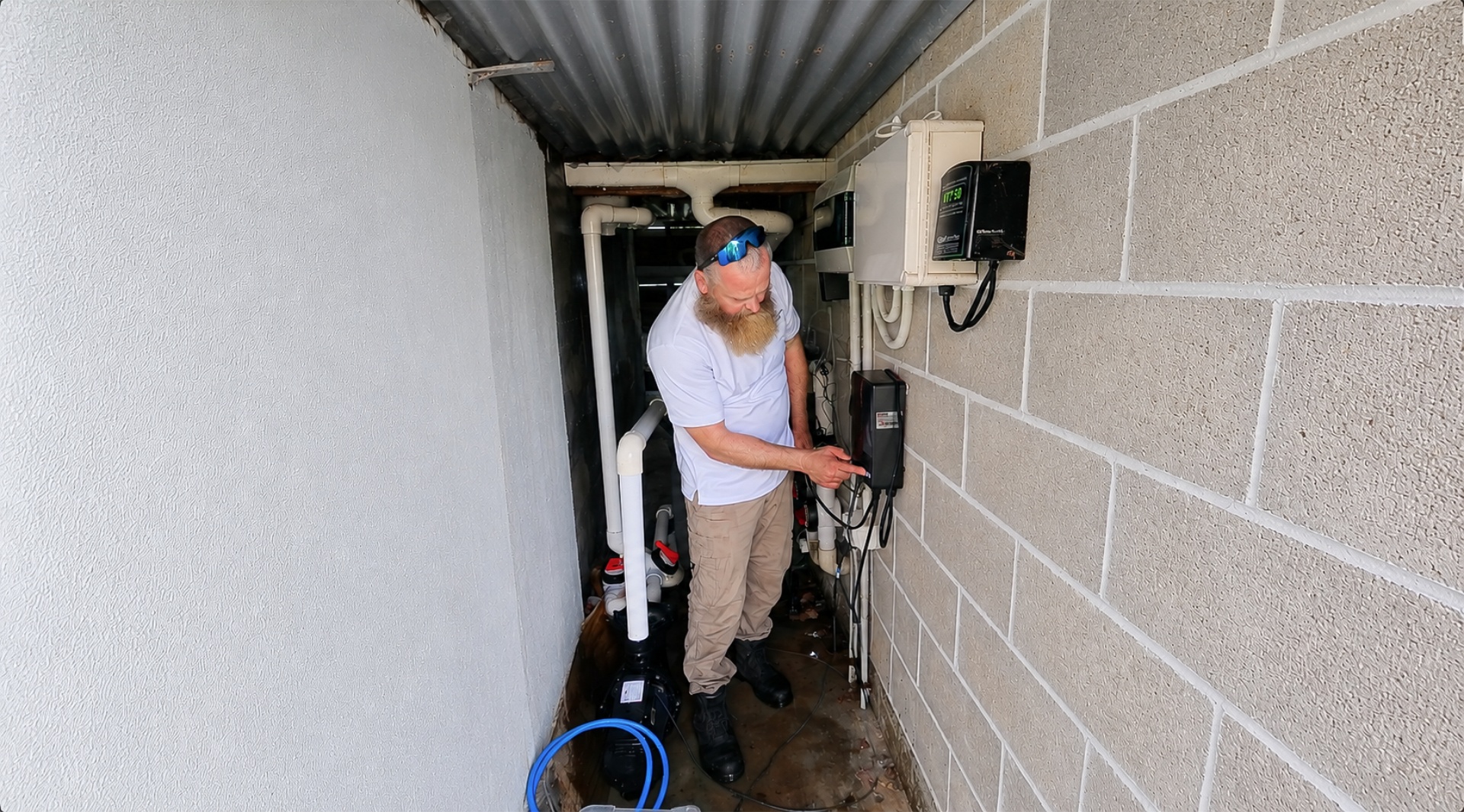
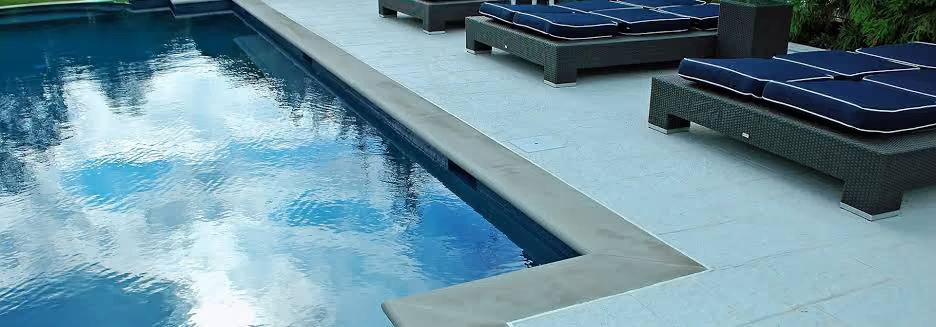
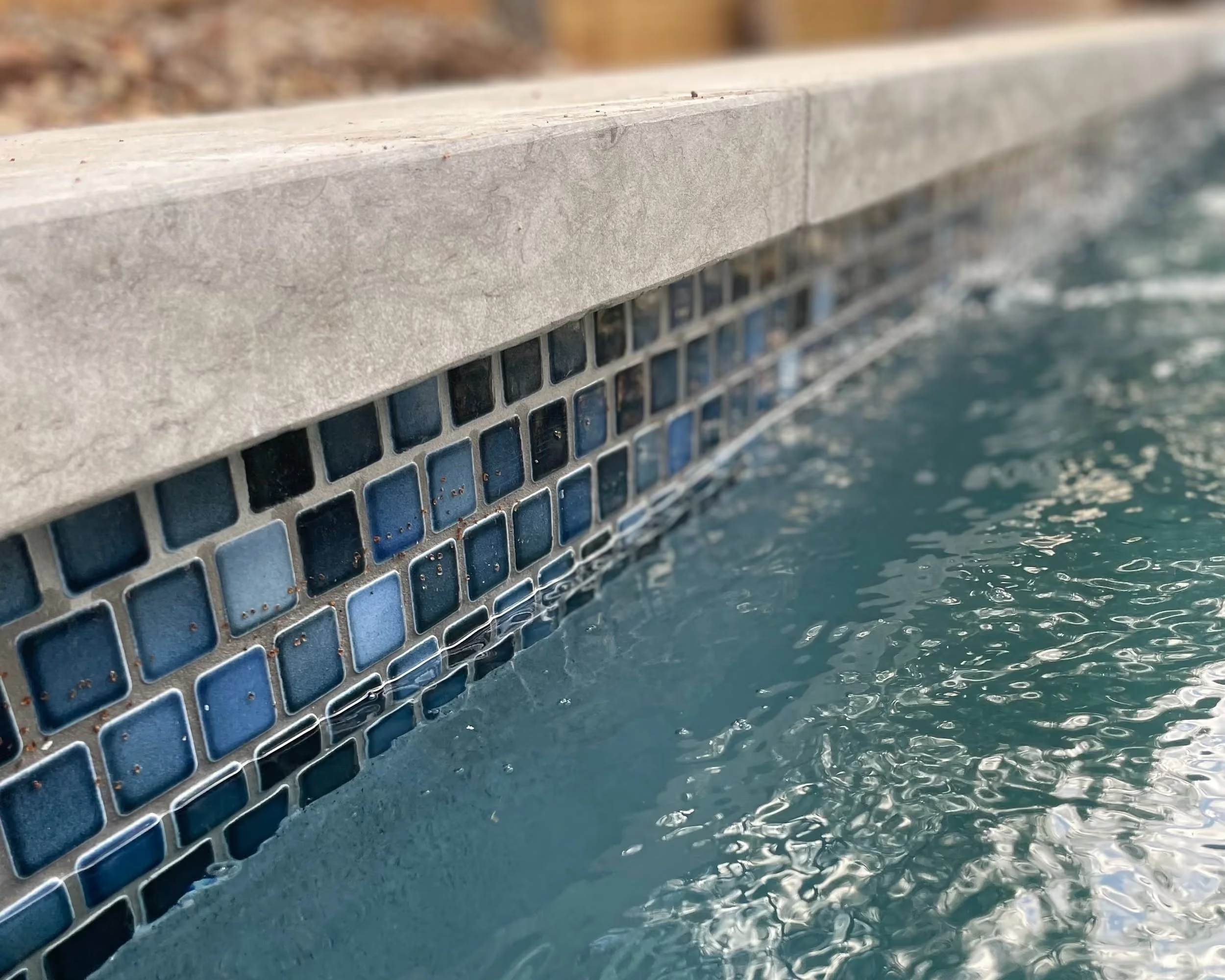
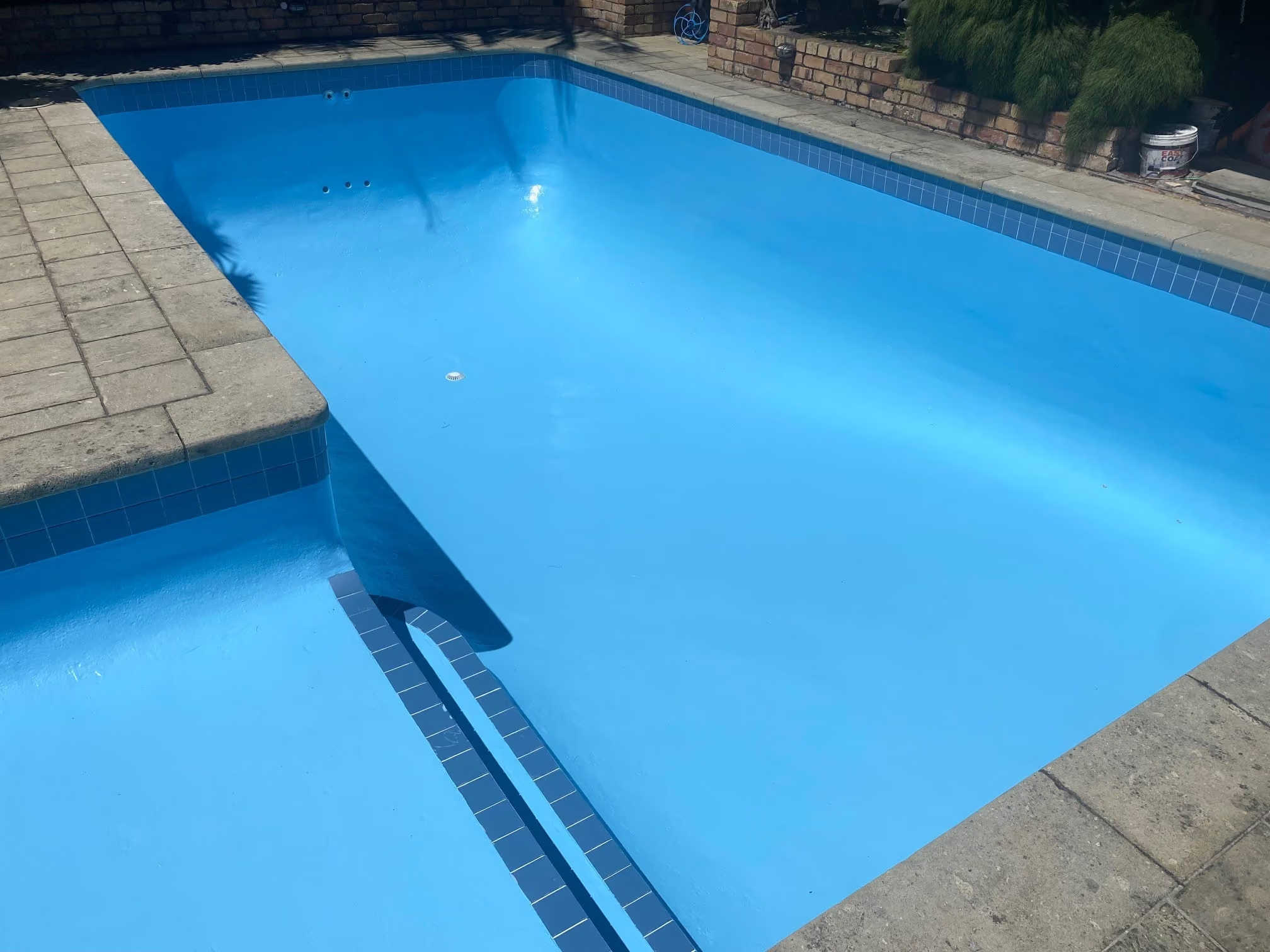
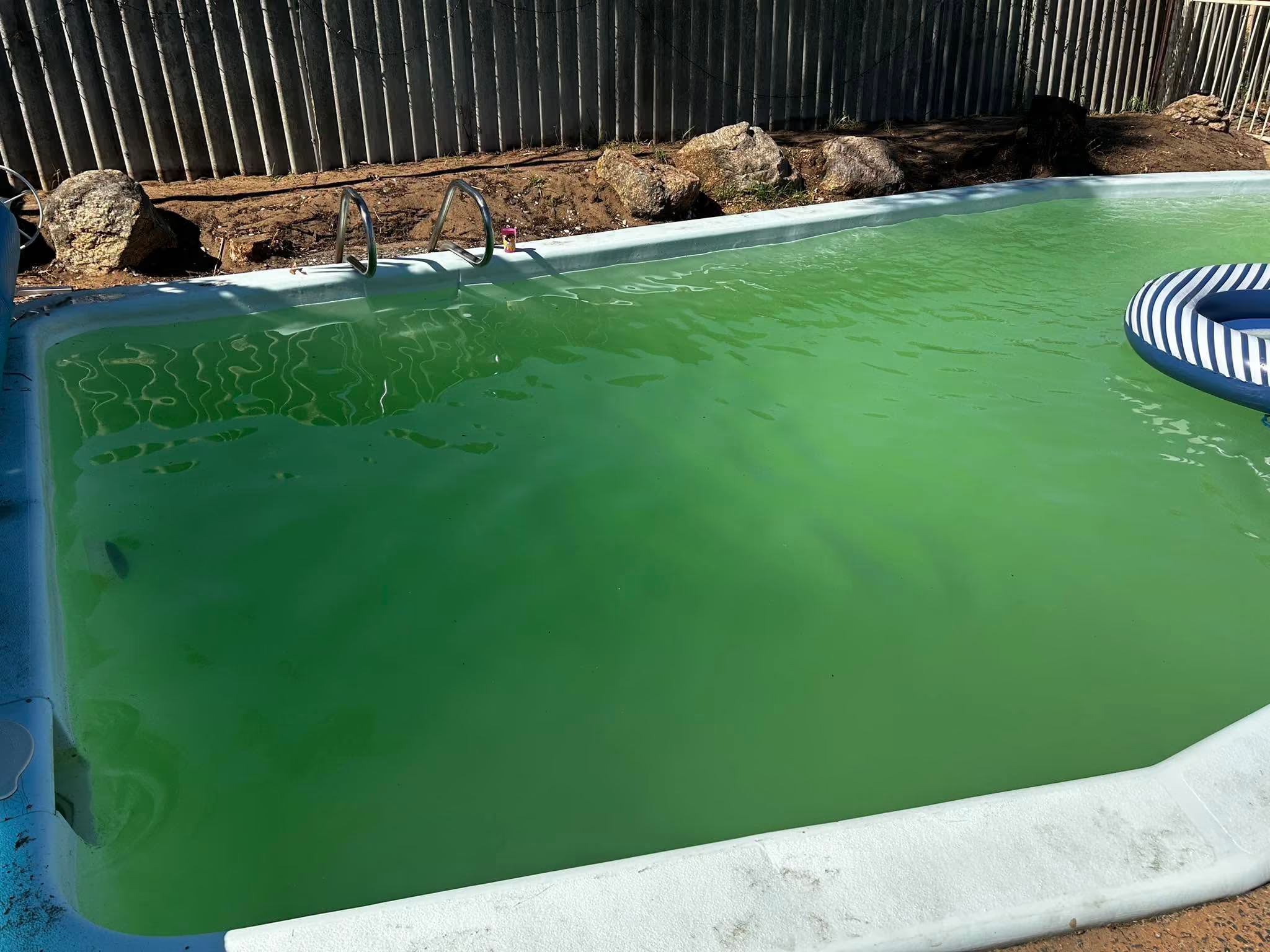
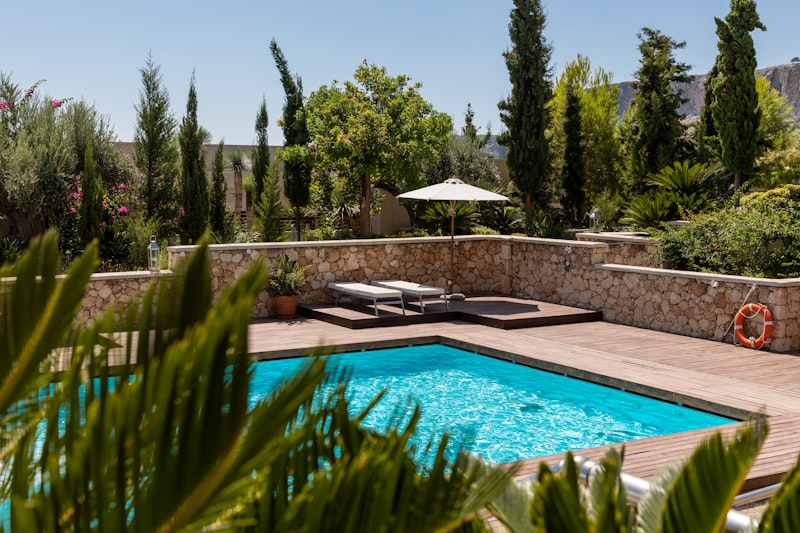
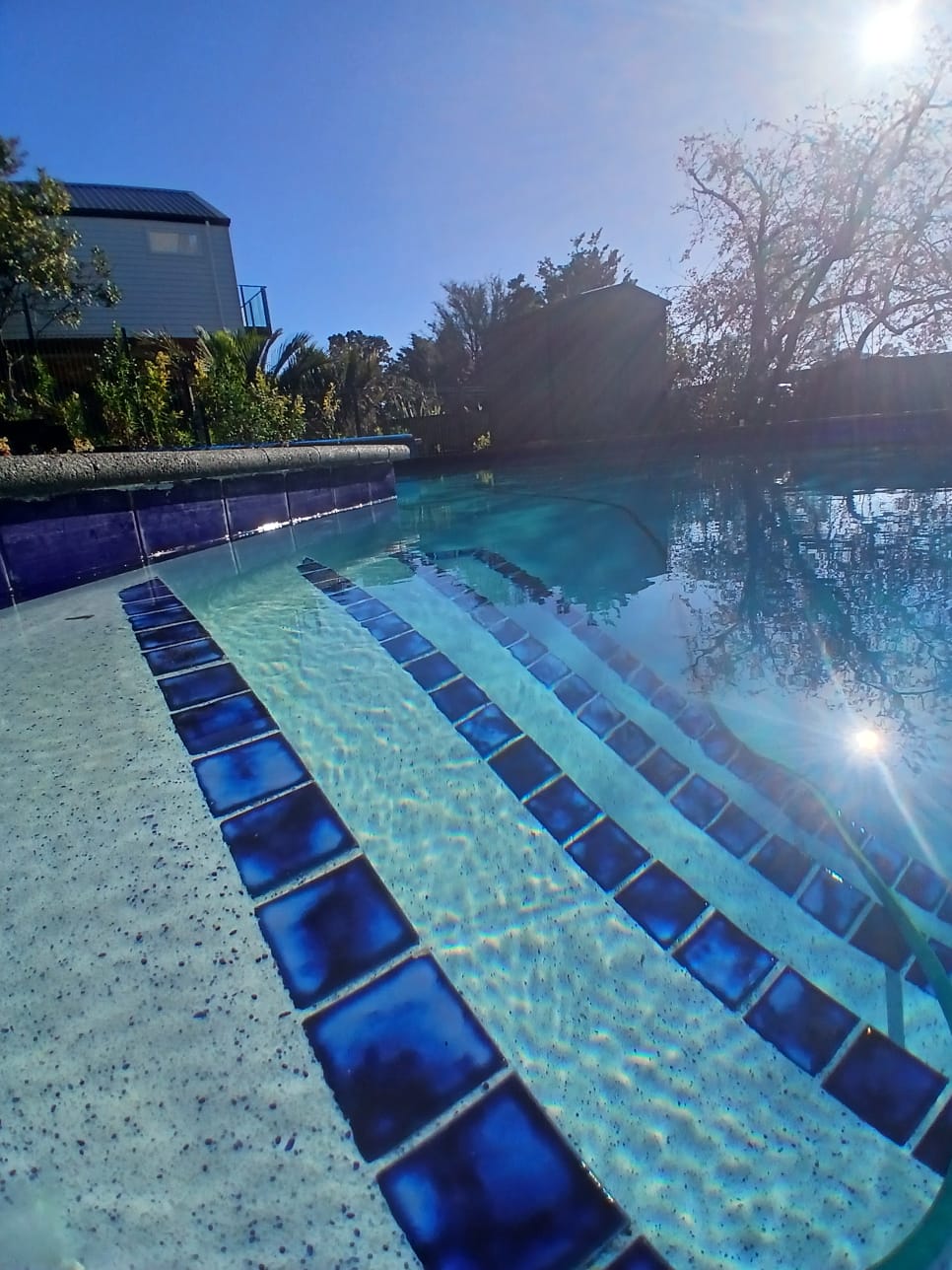
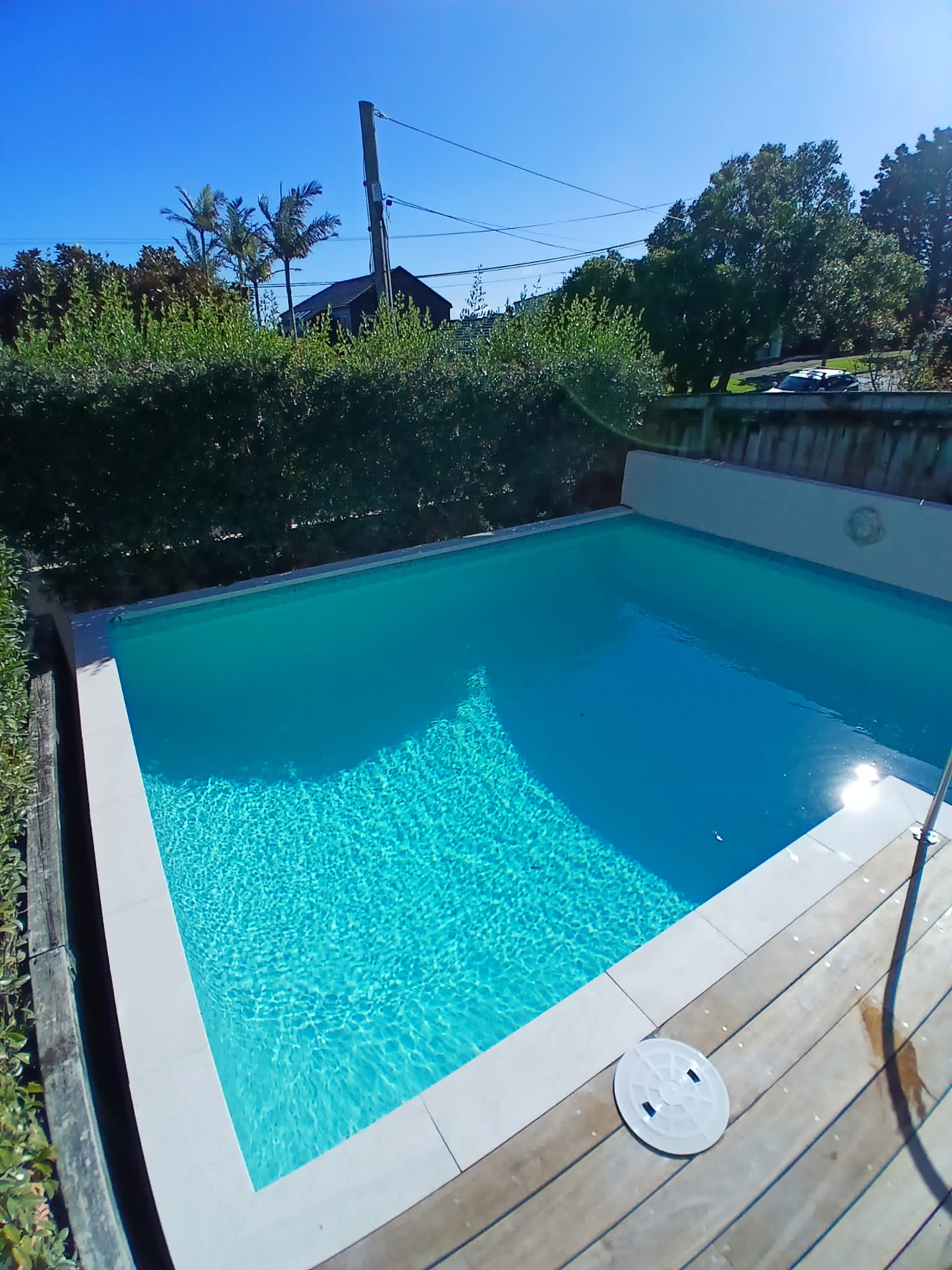
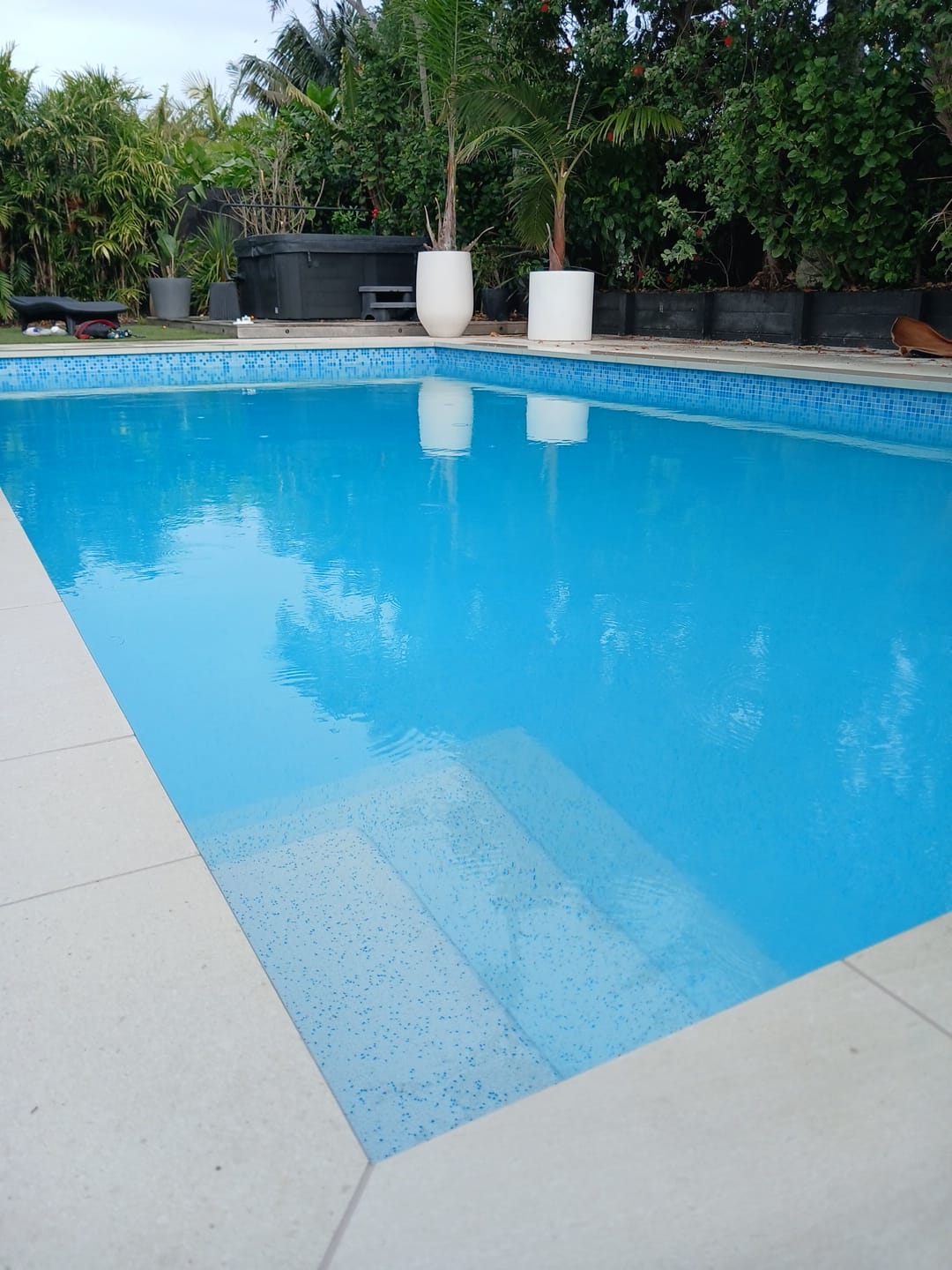
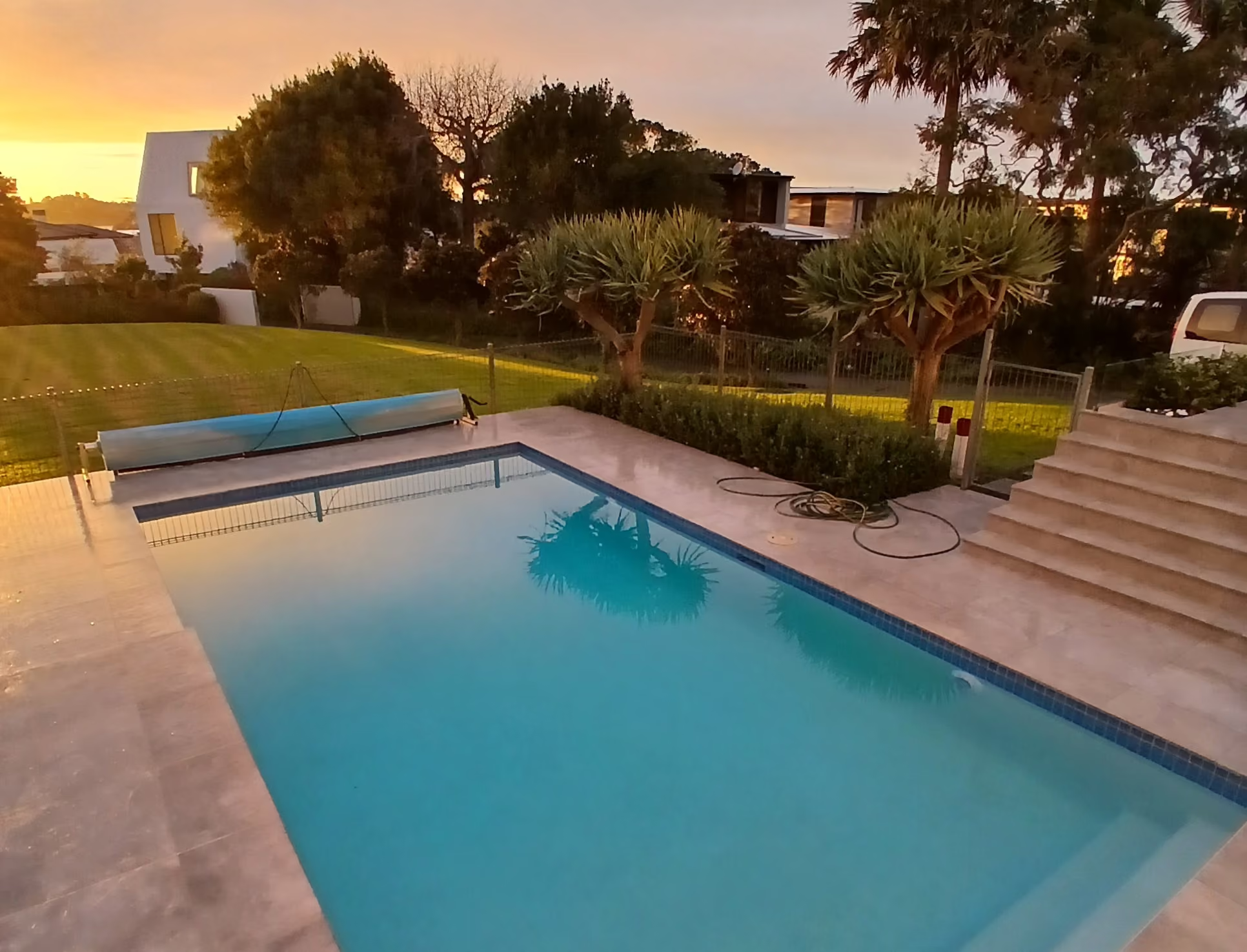
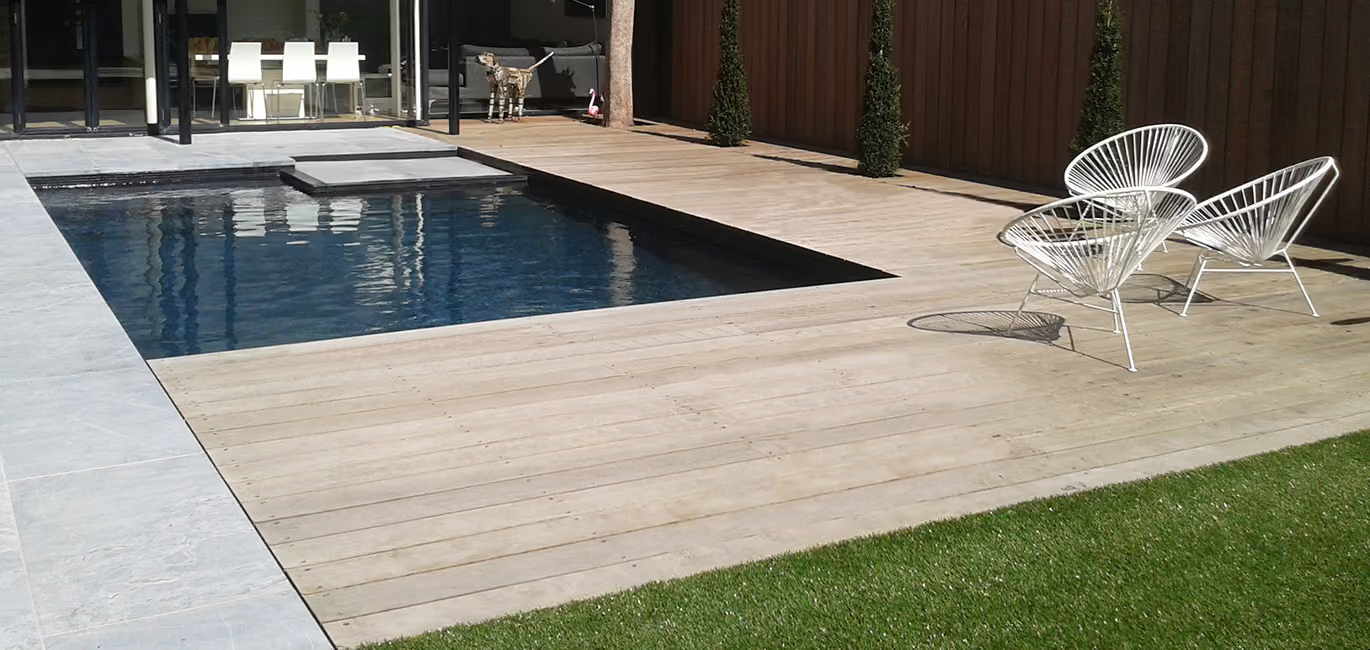
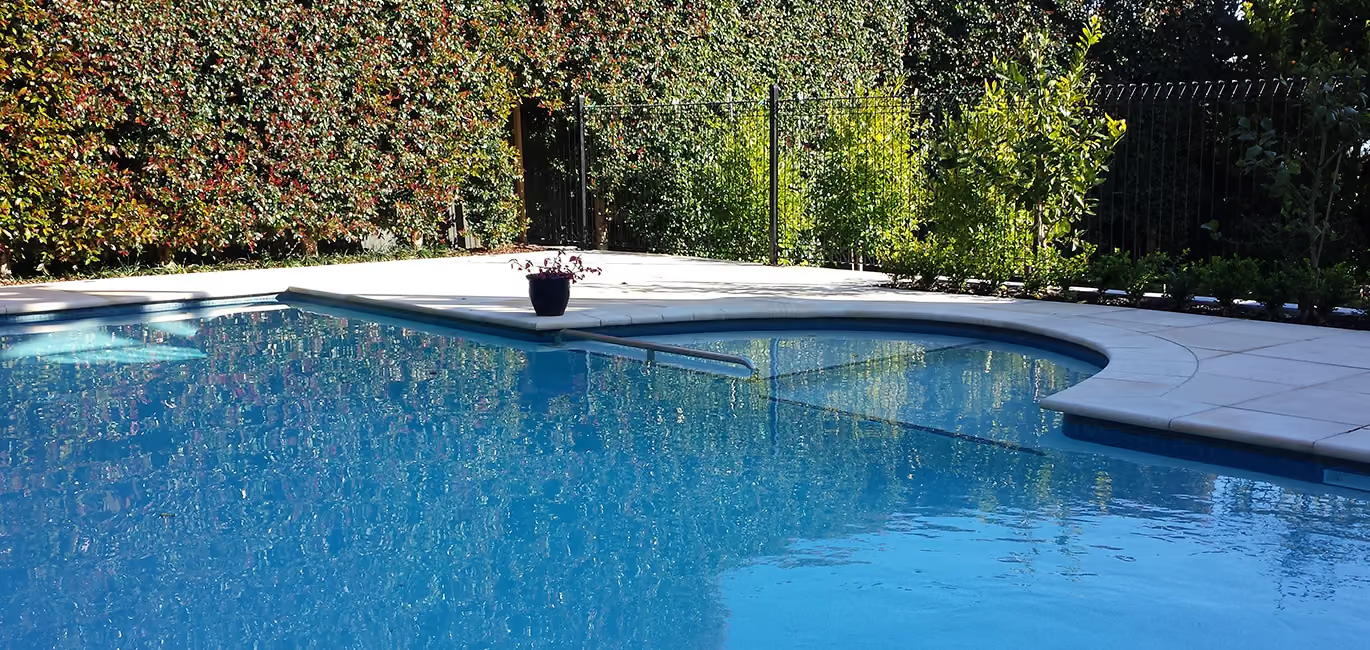
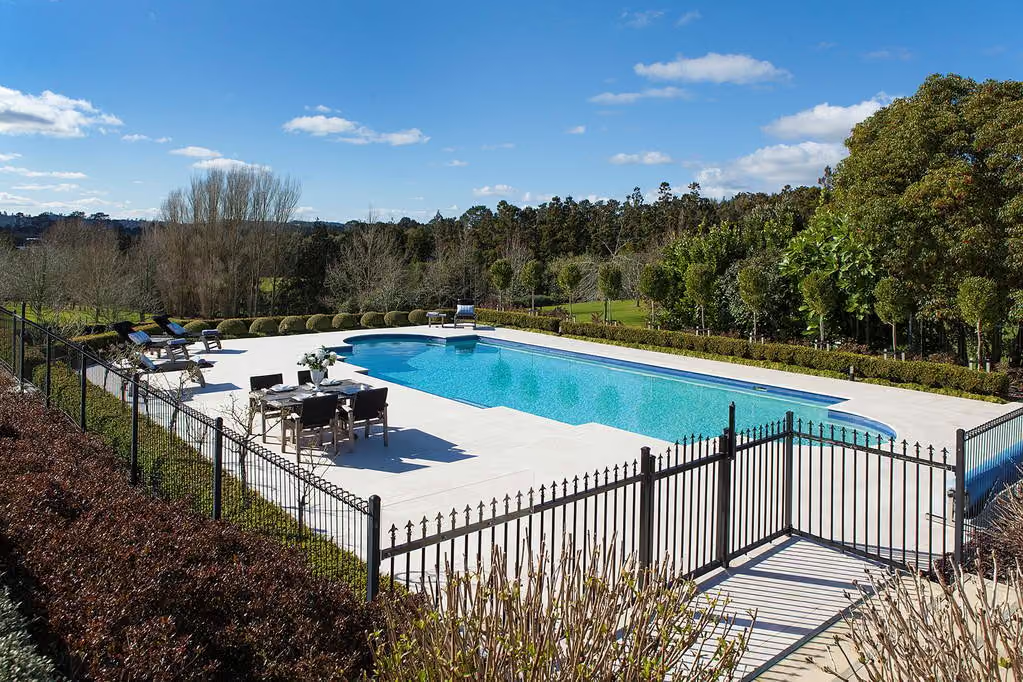
Sparkling Pools has worked on pools across Auckland, including residential renovation projects, equipment upgrades, ongoing maintenance and pool care for managed properties. Past projects show how the right approach can improve presentation, water quality and day-to-day usability. A well-maintained pool is easier to manage, more pleasant to use and better prepared for seasonal changes.
Trusted by Homeowners Across Auckland
Don't just take our word for it. Read what our clients have to say about our transparent communication, reliable service, and stunning pool transformations.
Related Blog Posts
Stay informed on pool care and renovations
Winter pool care essentials for Auckland
Pool Renovation Mistakes

Auckland Climate Pool Maintenance
Choosing Renovation Contractor
Pool Care Auckland Summer
Permits & Consents
Pool Renovation ROI
How Often to Test Pool Water
Pool Renovation Costs
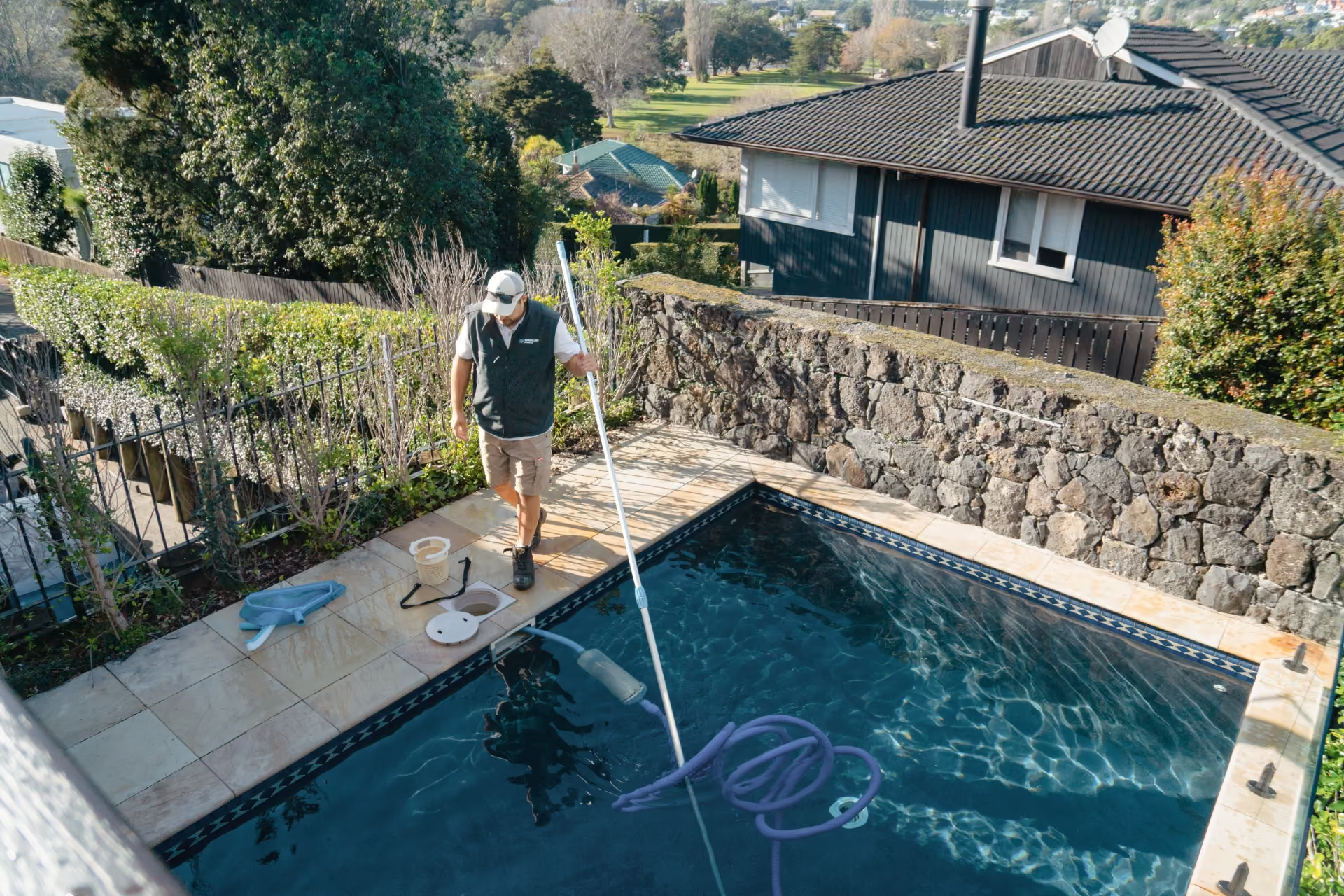
Cost of Pool Service Auckland
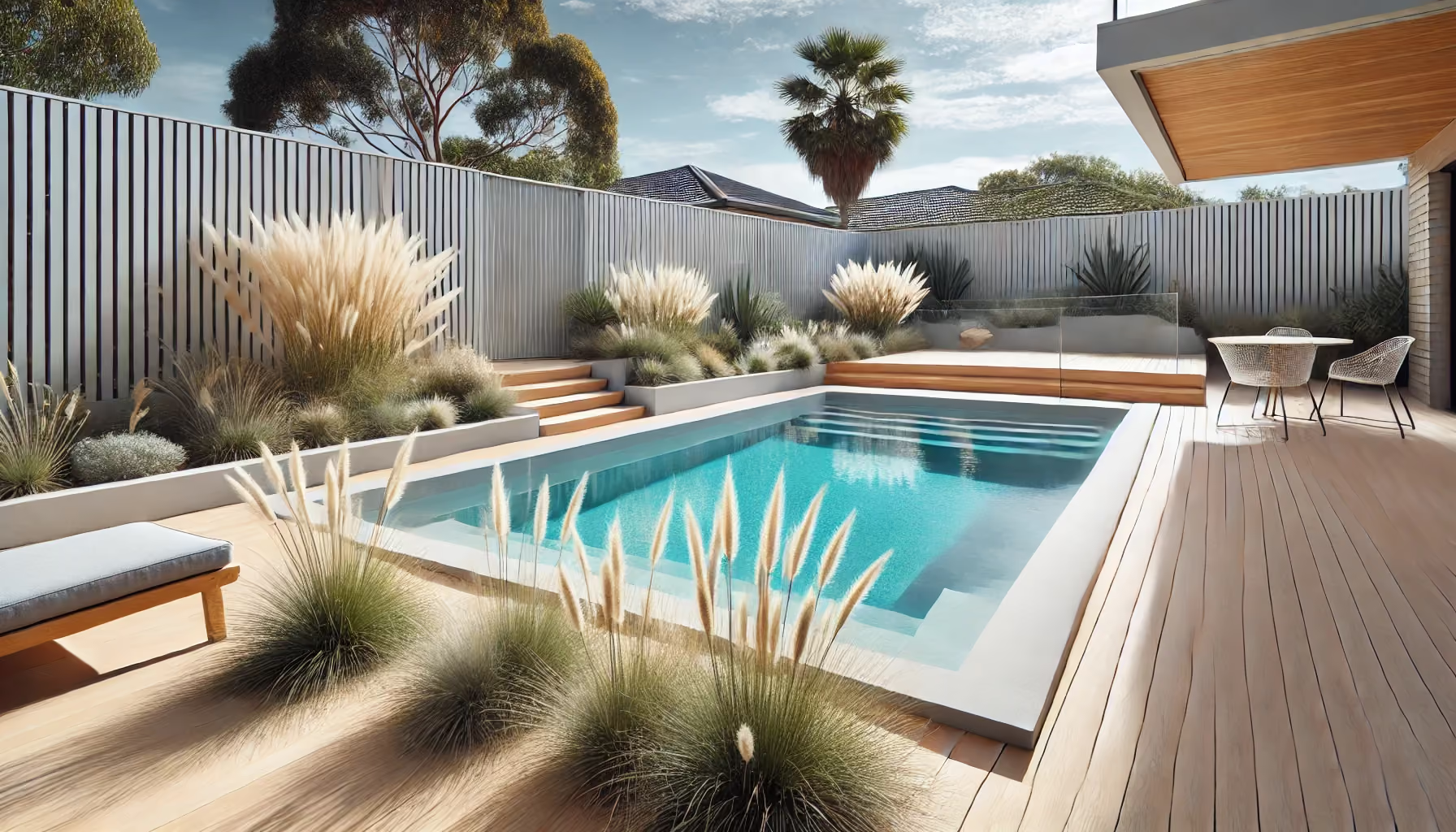
Pool Renovation Planning Guide
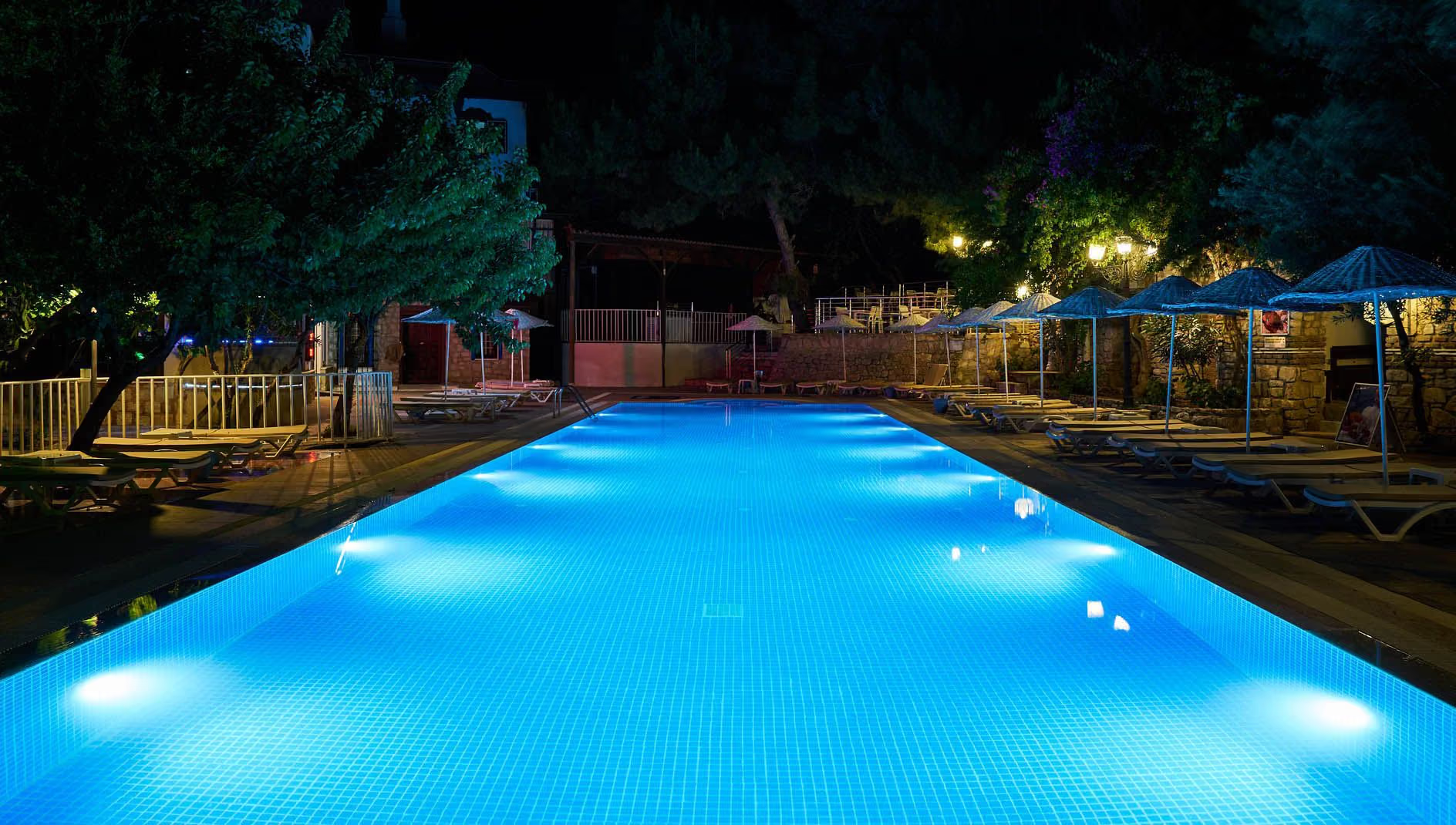
Pool Lighting Buying Guide
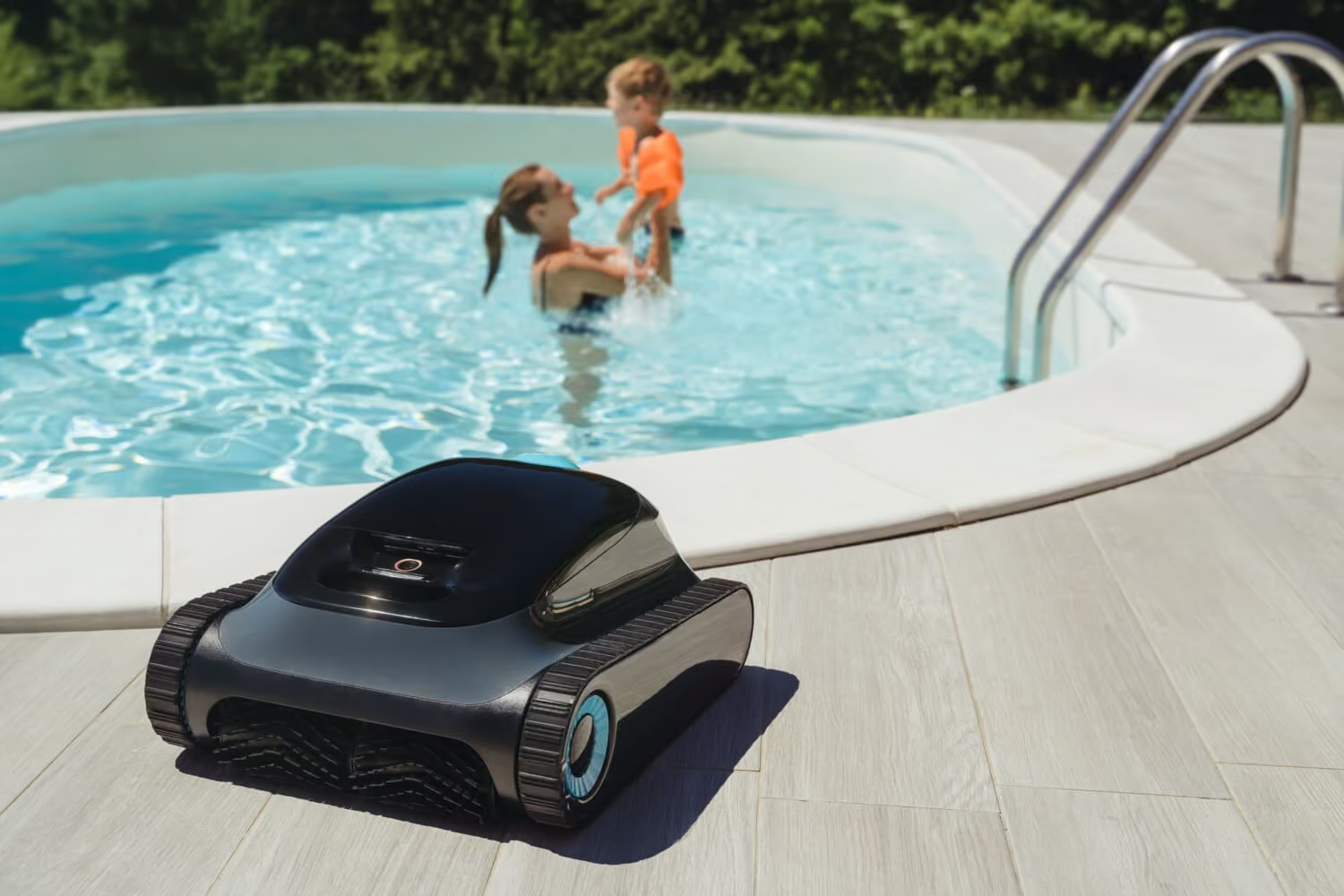
Pool Cleaner Buying Guide
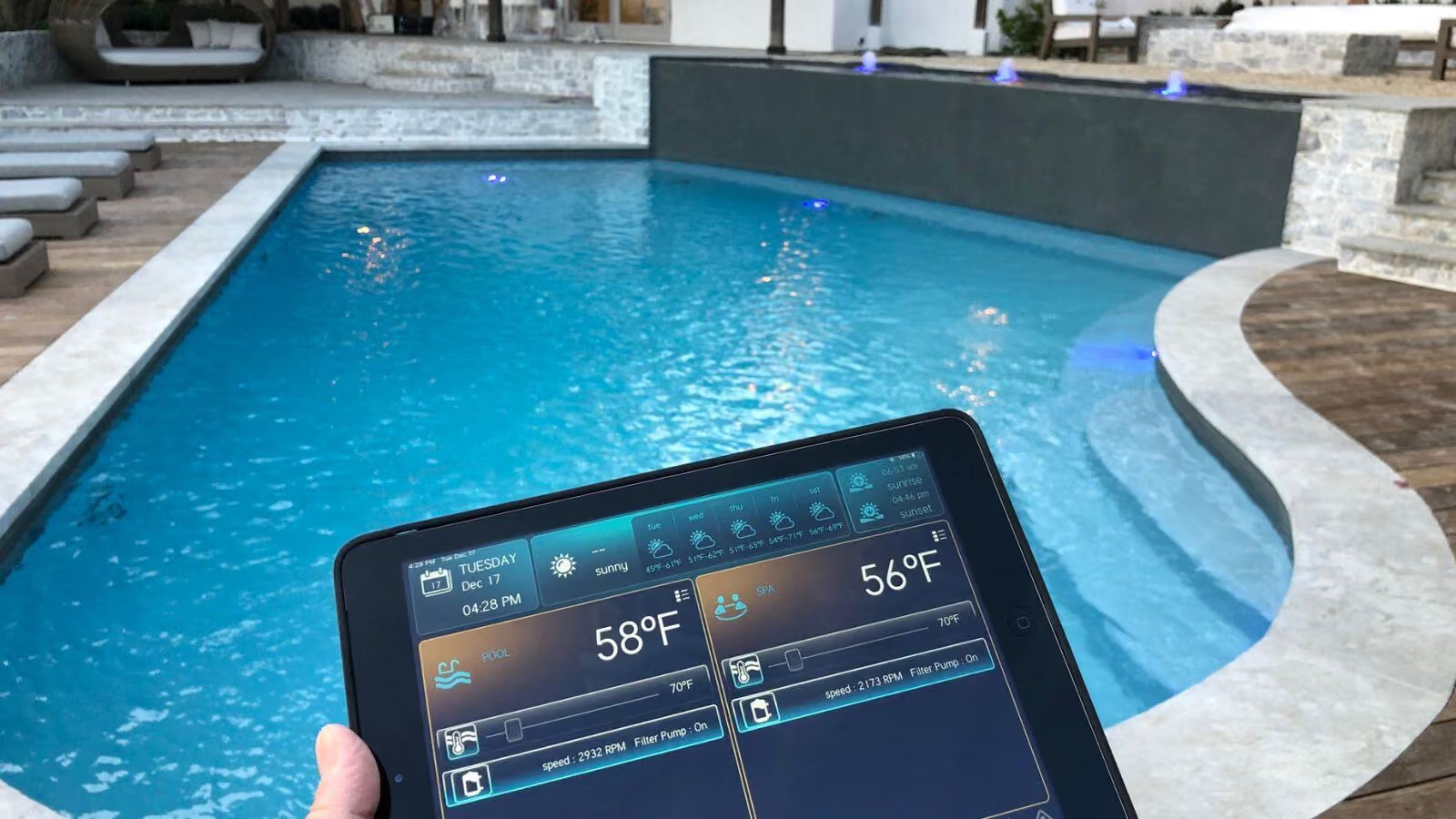
Pool Automation Buying Guide
Pool Heater Buying Guide
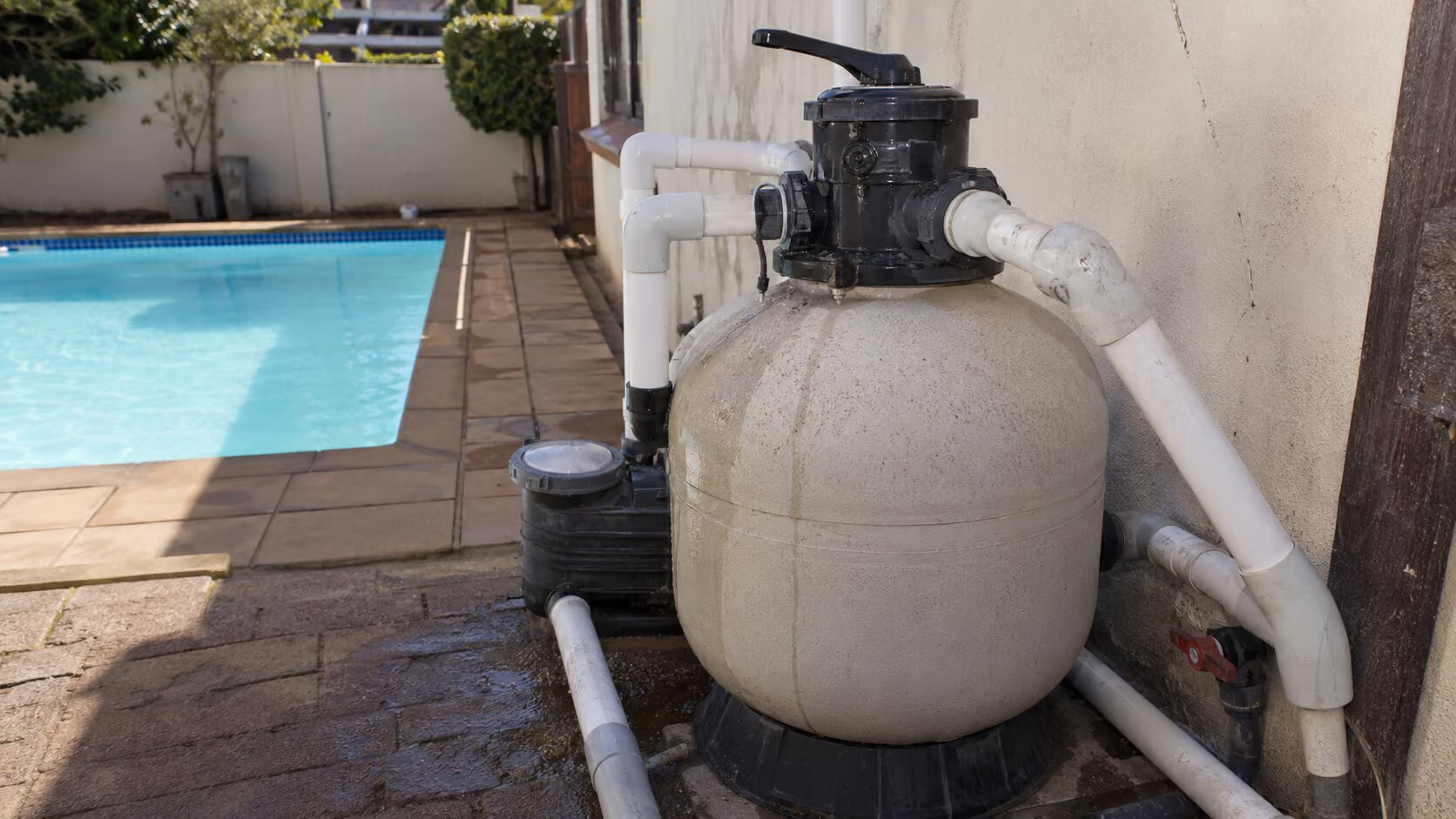
Pool Filter Buying Guide
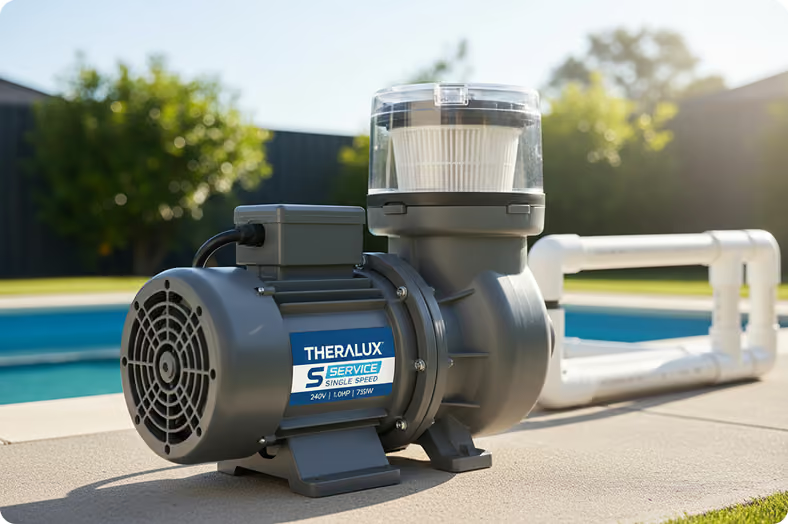
Pool Pump Buying Guide
Best Equipment Auckland Climate
Auckland Water Quality
Auckland Pool Season
Pool Ownership Costs
Common Pool Mistakes
Pool Safety Laws
Pool Inspection Requirements
Pool Fence Compliance
.avif)
Auckland Pool Industry Trends
Auckland Pool Regulations
Pool Equipment Suppliers
Best Pool Service Areas
Pool Service Pricing Analysis
Company vs Independent
Best Pool Surface Materials
Pool Resurfacing Options
Pebble vs Plaster Surfaces
One-Time vs Ongoing Service
Full Service vs Chemicals Only
Pool Cover Types
Robotic vs Suction Cleaners
Mineral vs Saltwater
Gas vs Heat Pump
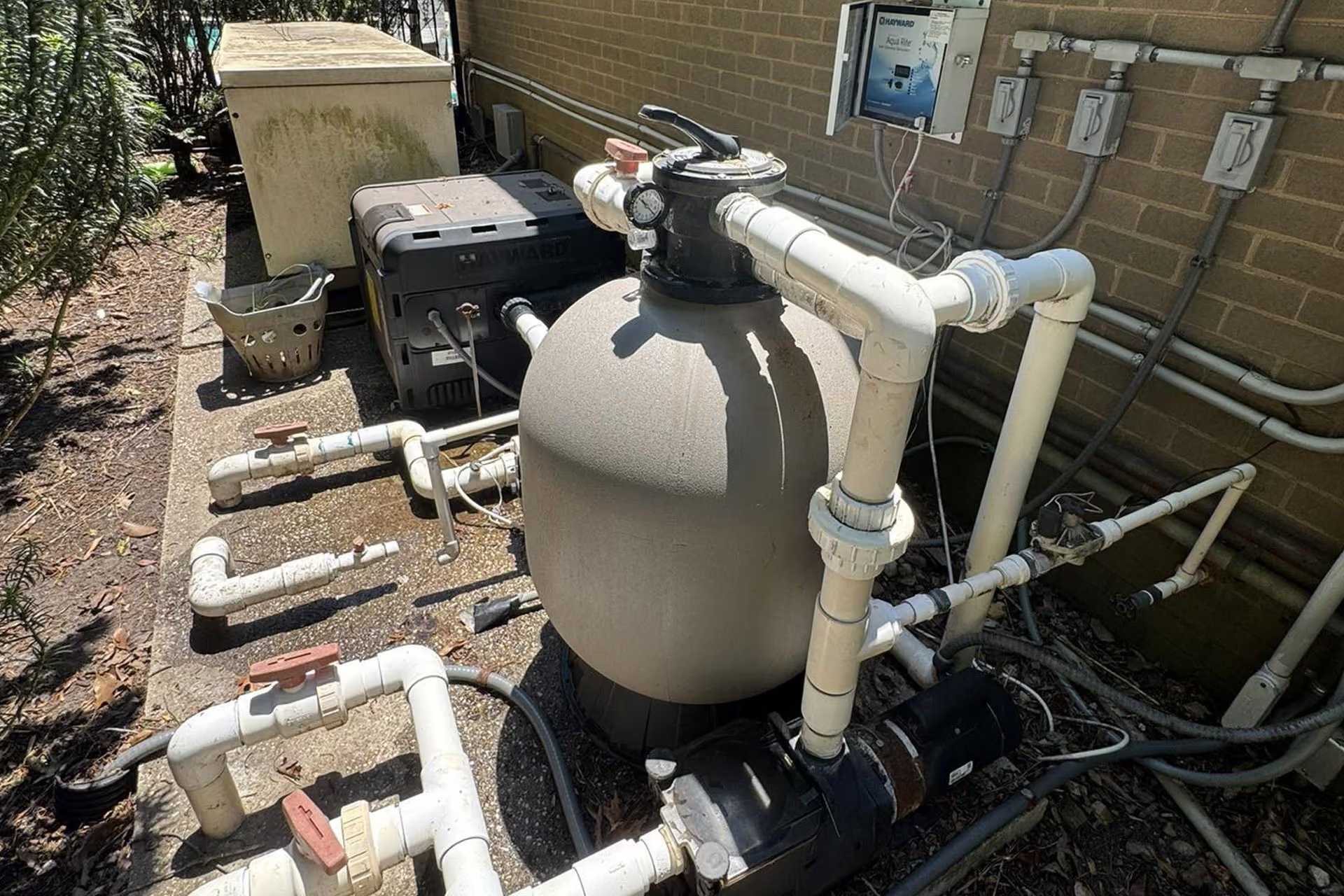
Pool Heater Types
Pool Winterizing Guide Auckland
Pool Opening Guide Summer
Pool Maintenance After Heavy Rain
Pool Maintenance Schedule
How Often to Run Pool Filter
Pool Pump Maintenance Schedule
Pool Filter Cartridge Cleaning
Pool Equipment Maintenance Checklist
Pool Waterline Cleaning
Pool Skimmer Basket Cleaning
Pool Chlorine Levels
How Often Clean Pool Filter
How to Vacuum Pool
Pool Brushing Technique
Pool Chemical Dosing Chart
Pool Water Chemistry Basics
How to Balance Pool Chemistry
How to Test Pool Water
Pool Maintenance Tips
Complete Pool Maintenance Guide
Pool Service ROI
Pool Equipment Buy or Service
Pool Maintenance Time Requirements
DIY vs Professional
Pool Service Contract
Pool Service vs Pool Valet
Is Pool Service Worth It
Pool Service Guarantees
Pool Service Reviews
Pool Service Red Flags
Questions to Ask Pool Companies
How to Choose Pool Service Company
Hidden Costs DIY Maintenance
Pool Cleaning Prices Auckland
Cost of Pool Resurfacing
Cost of Pool Pump Replacement
Cost to Fix Green Pool
Pool Liner Wrinkles
Pool Cracks When to Worry
Pool Surface Stains
Pool Valve Leaking
Pool Automation Not Working
Pool Light Not Working
Pool Heater Not Heating
Pool Skimmer Not Working
High Pool Filter Pressure
Pool Losing Water
Pool Filter Not Clearing Water
Pool Pump Leaking
Pool Pump Not Pumping
Pool Pump Losing Prime
Pool Pump Noisy
Pool Pump Not Working
Pool Water Foaming
Pool pH Too Low
Pool pH Too High
Green Pool After Rain
Pool Still Green After Shock
Pool Water Cloudy
How to Clear a Green Pool
Pool Care That Protects Your Investment
Good pool care protects more than appearance. Our pool specialists support the long-term condition of your swimming pool while keeping it ready for everyday use.