Pool Pump Leaking

Why Auckland trusts our pool service expertise
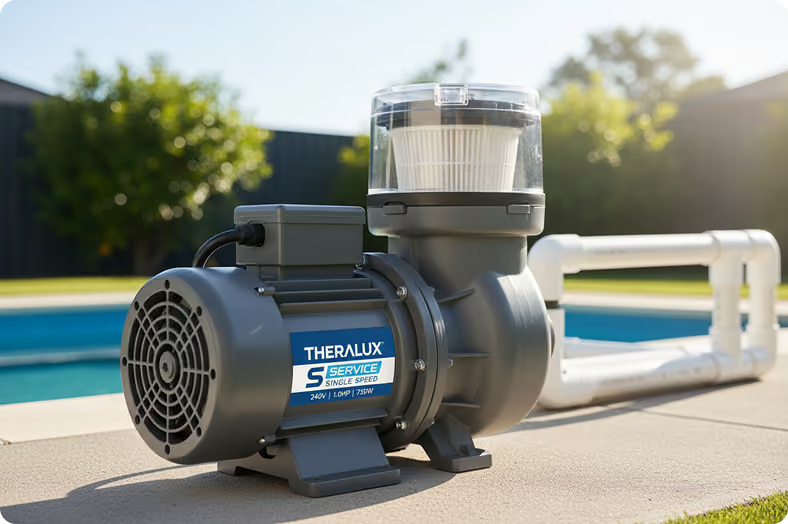
A leaking pool pump is a common issue that can usually be traced to one of a few specific points, the lid O-ring, union fittings, pump housing, or shaft seal. Some of these are straightforward to check and fix yourself; others need a technician.
The key is identifying where the leak is coming from before deciding what to do next. Running a pump with a shaft seal or pressure-side leak can cause further damage, so it pays to act promptly.
What you'll learn
What a Leaking Pool Pump Usually Means
A pool pump leak is worth taking seriously. Even a slow drip can lead to water loss, air ingestion, and pump damage if left unattended. The good news is that most leaks come from a small number of predictable places, and identifying the source is often something a pool owner can do safely before calling for help.
Leaks generally fall into two categories: wet-side leaks (water escaping from the plumbing or pump housing) and seal leaks (water escaping from inside the pump itself). Knowing which type you're dealing with helps narrow down the fix.
---
What You Can Safely Check Yourself
Before calling a technician, there are a few things you can inspect without tools or specialist knowledge. Work through these in order.
1. The Pump Lid and O-Ring
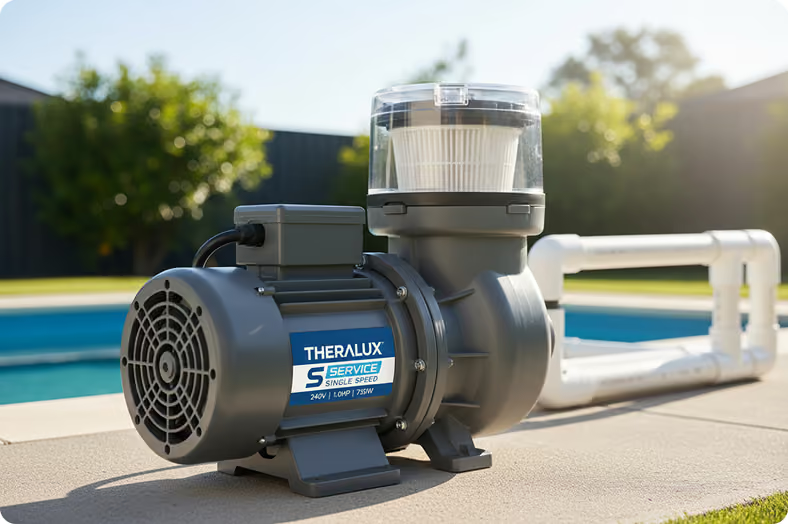
The most common source of a pool pump leak is the lid O-ring, the rubber seal that sits inside the pump's strainer lid. Over time, O-rings dry out, crack, or become misshapen.
- Turn off the pump at the isolating switch before touching anything
- Remove the strainer lid and inspect the O-ring
- Look for cracking, flattening, or visible gaps
- A damaged O-ring is a straightforward replacement, take the old one to a pool shop to match the size
Applying a small amount of O-ring lubricant (not petroleum-based) when refitting can extend its life.
2. The Union Fittings
Pool pumps connect to the plumbing via union fittings, threaded joints that can be hand-tightened. These are a common leak point, especially after the pump has been removed for servicing or after temperature fluctuations cause the pipework to expand and contract.
- Check the unions on both the inlet (suction) and outlet (pressure) sides of the pump
- Look for moisture, mineral deposits, or drips around the joint
- Try hand-tightening the union nut, do not use tools, as overtightening can crack the fitting
- If tightening doesn't stop the leak, the O-ring inside the union may need replacing
3. The Pump Housing and Visible Pipework
Inspect the pump body and the pipes leading to and from it. Look for:
- Cracks in the pump housing (often caused by freezing, impact, or age)
- Weeping joints in the PVC pipework nearby
- Moisture pooling underneath the pump that doesn't trace back to the lid or unions
Cracks in the pump housing itself generally mean the pump needs replacing rather than repairing.
4. The Shaft Seal
The shaft seal sits where the motor shaft enters the wet end of the pump. It prevents water from travelling along the shaft into the motor. A failing shaft seal typically produces a drip from underneath the pump, between the motor and the pump body.
This is worth identifying, but replacing a shaft seal requires disassembling the pump, and it's easy to damage the impeller or motor bearings in the process. This is a job for a technician unless you have direct experience with pump strip-downs.
---
What Needs a Technician
Some pump leaks are straightforward to fix yourself. Others are not. Call a pool technician if:
- The leak is coming from the shaft seal area, between the motor and the wet end of the pump
- The pump housing is cracked, this usually means a replacement is needed, and sizing the right pump for your pool requires some knowledge
- The leak is on the pressure side of the pump, downstream of the pump outlet, where water is under pressure; these leaks can be more forceful and harder to trace
- You've replaced the O-ring or tightened the unions and the leak continues, there may be a secondary fault that isn't immediately visible
- Water is reaching the motor, if the motor is wet or showing signs of corrosion, switch the pump off immediately and don't run it again until it's been inspected
- You're unsure which side of the pump the leak is coming from, guessing and running the pump can turn a minor fault into a full pump failure
Sparkling Pools provides equipment diagnosis and repair across Auckland. If you're not confident in what you're seeing, it's worth having a technician take a look before the problem gets worse.
---
Preventing Pump Leaks
Most pump leaks are gradual rather than sudden. A few simple habits help catch them early and reduce the chance of them developing in the first place.
- Inspect the pump lid O-ring annually, replace it if it shows any sign of wear, even if it isn't leaking yet
- Check union fittings after any pump removal or servicing, it's easy to leave a union slightly loose
- Keep the pump area clear, debris and moisture sitting around the pump base can mask a slow leak and accelerate corrosion
- Don't run the pump dry, if the pool water level drops below the skimmer, the pump can lose prime and run without water, which damages the shaft seal quickly
- Book a regular service, a technician checking the pump annually can spot early signs of seal wear or housing fatigue before they become leaks
Auckland's climate is relatively mild, but UV exposure and seasonal temperature swings still degrade rubber seals over time. O-rings and shaft seals don't last forever, replacing them on a schedule is cheaper than replacing a pump.
---
A Note on Running a Leaking Pump
It's tempting to keep the pump running while you wait for parts or a technician. Whether that's safe depends on where the leak is.
- A very minor lid O-ring drip is generally low risk for a short period, provided the pump is primed and running normally
- A shaft seal leak should not be ignored, water tracking into the motor can cause a short circuit or bearing failure
- A pressure-side leak means the pump is working harder than it should and the joint may fail further
When in doubt, switch the pump off and contact a technician. A few days without circulation is far less costly than a burnt-out motor.
Pool resurfacing solutions
Restore your pool with durable plaster finishes
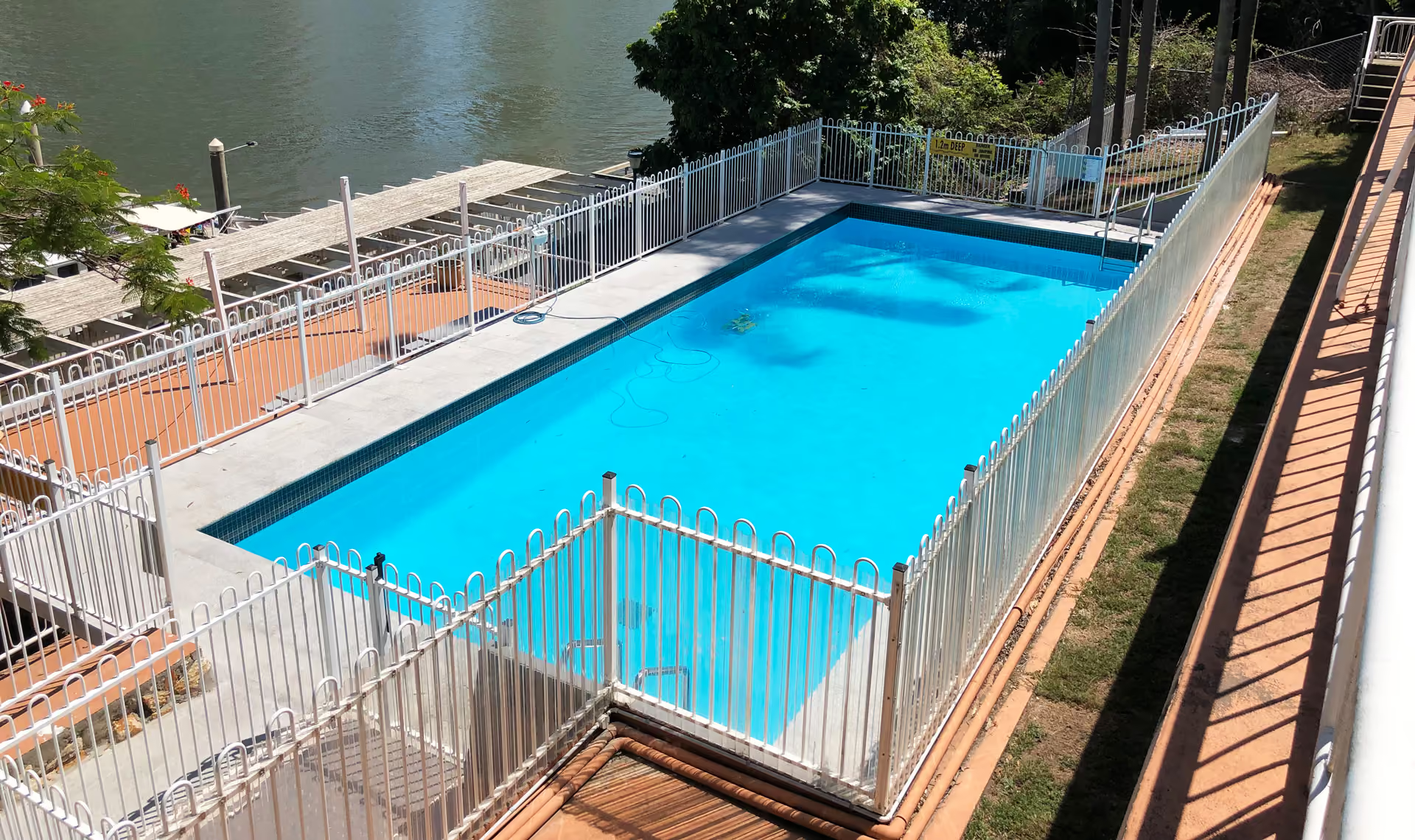
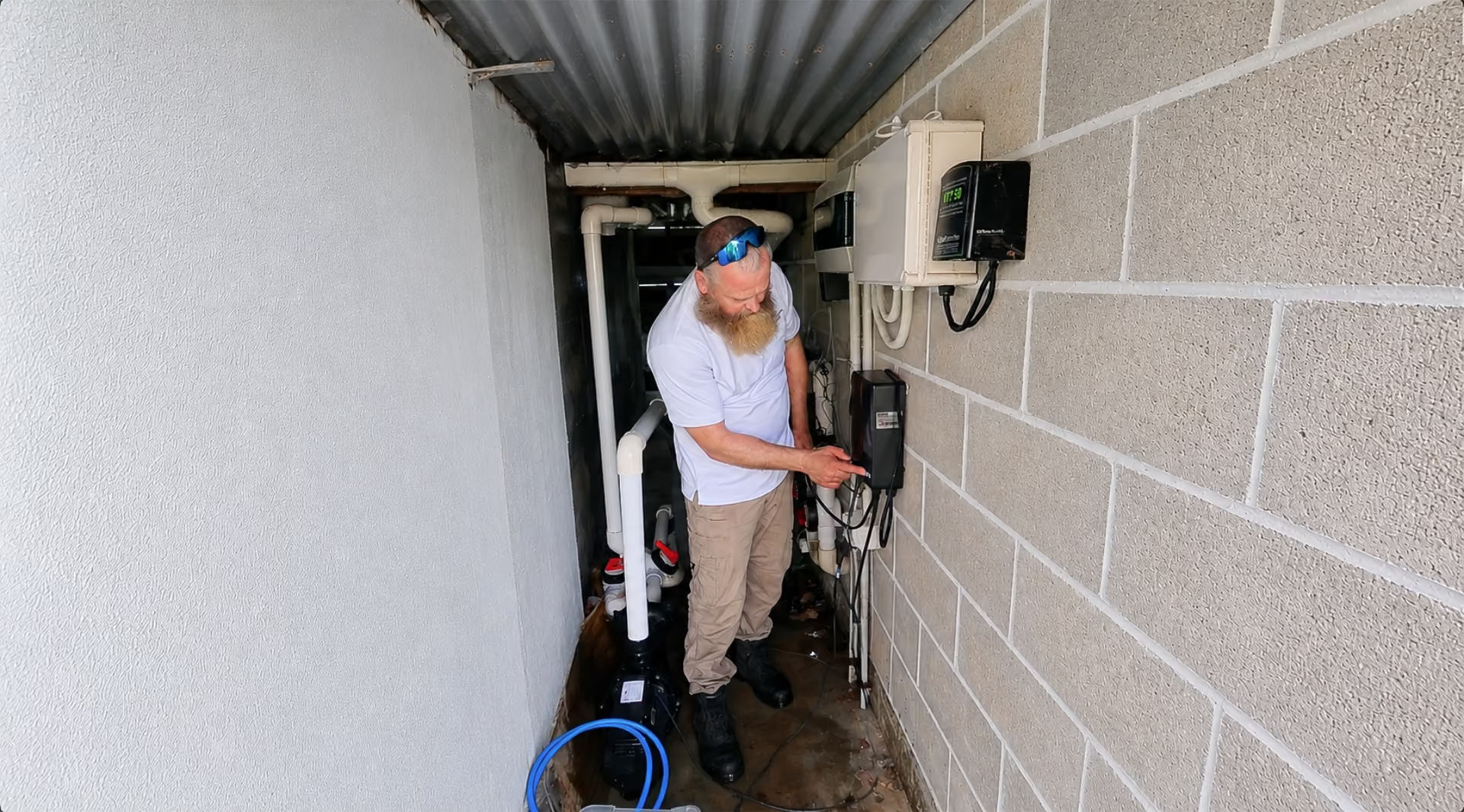
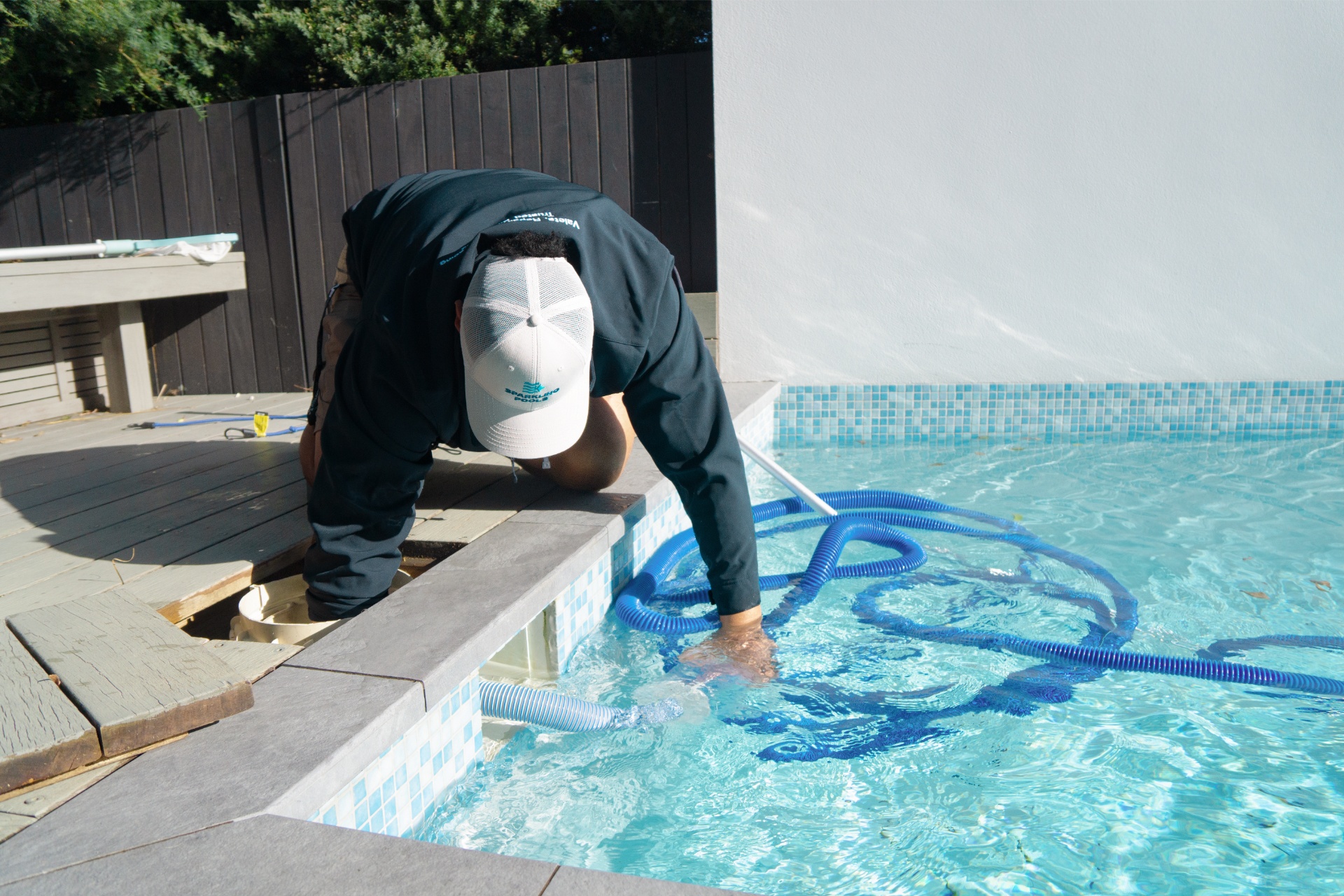
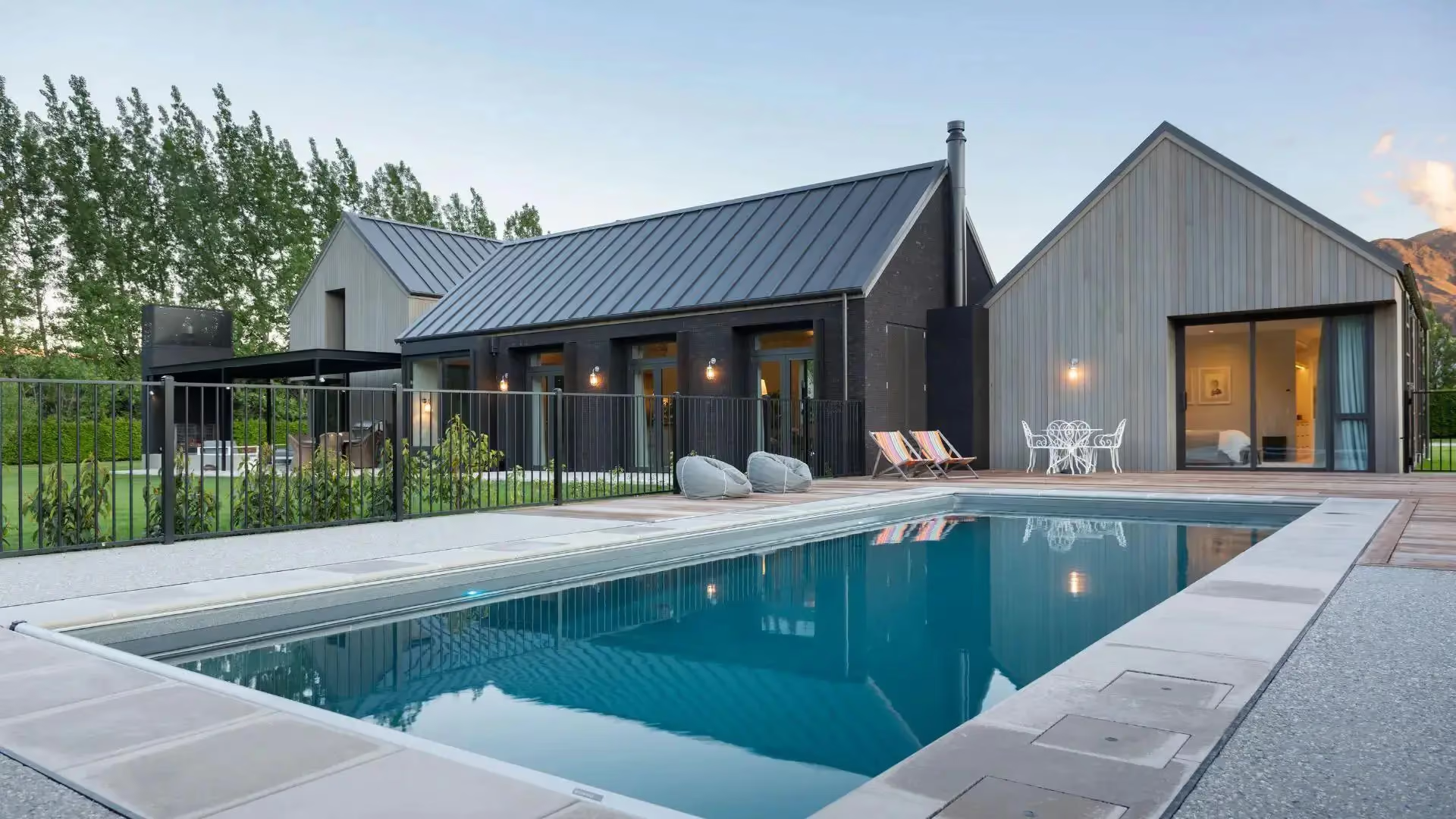



Work completed
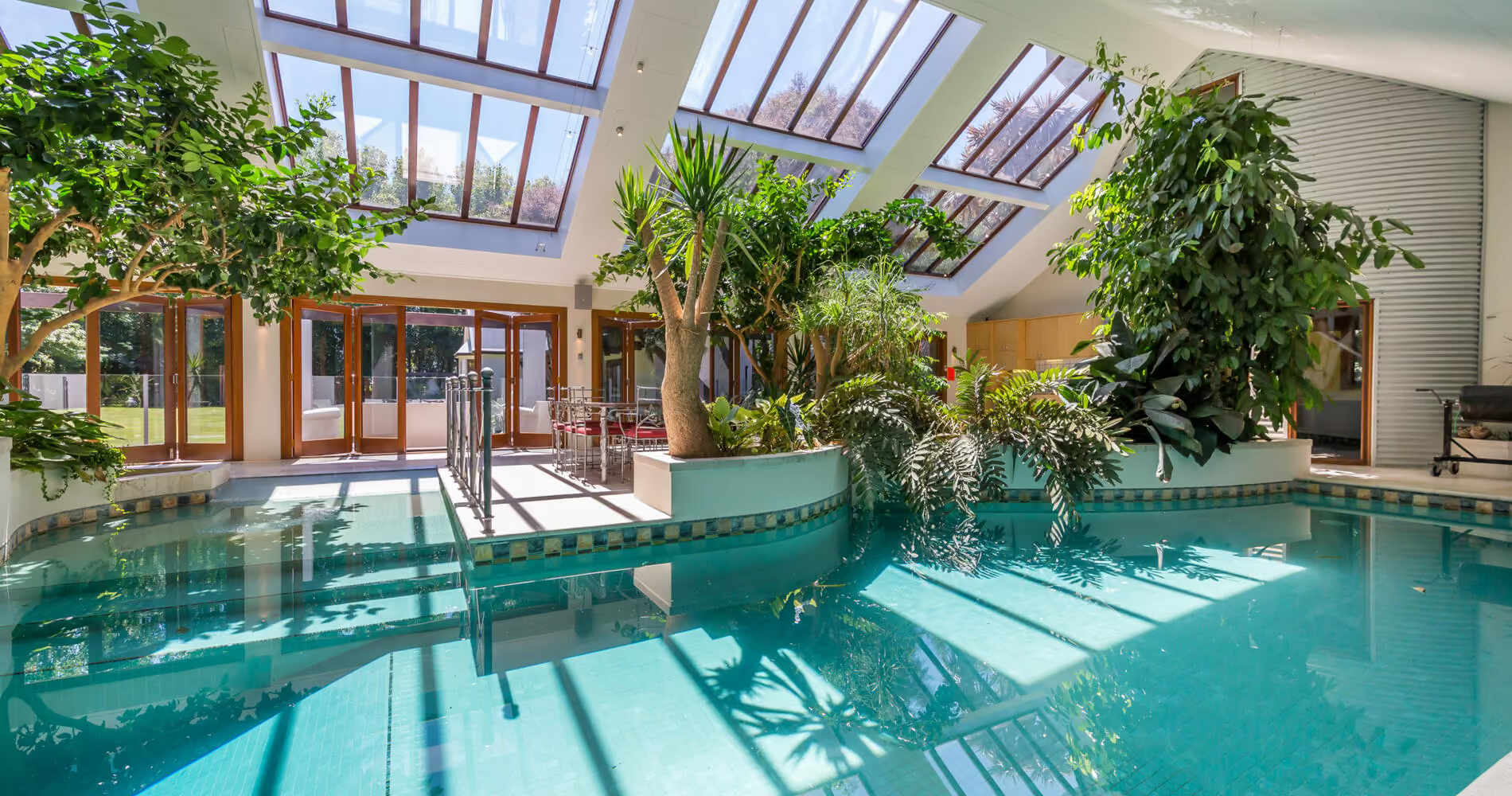
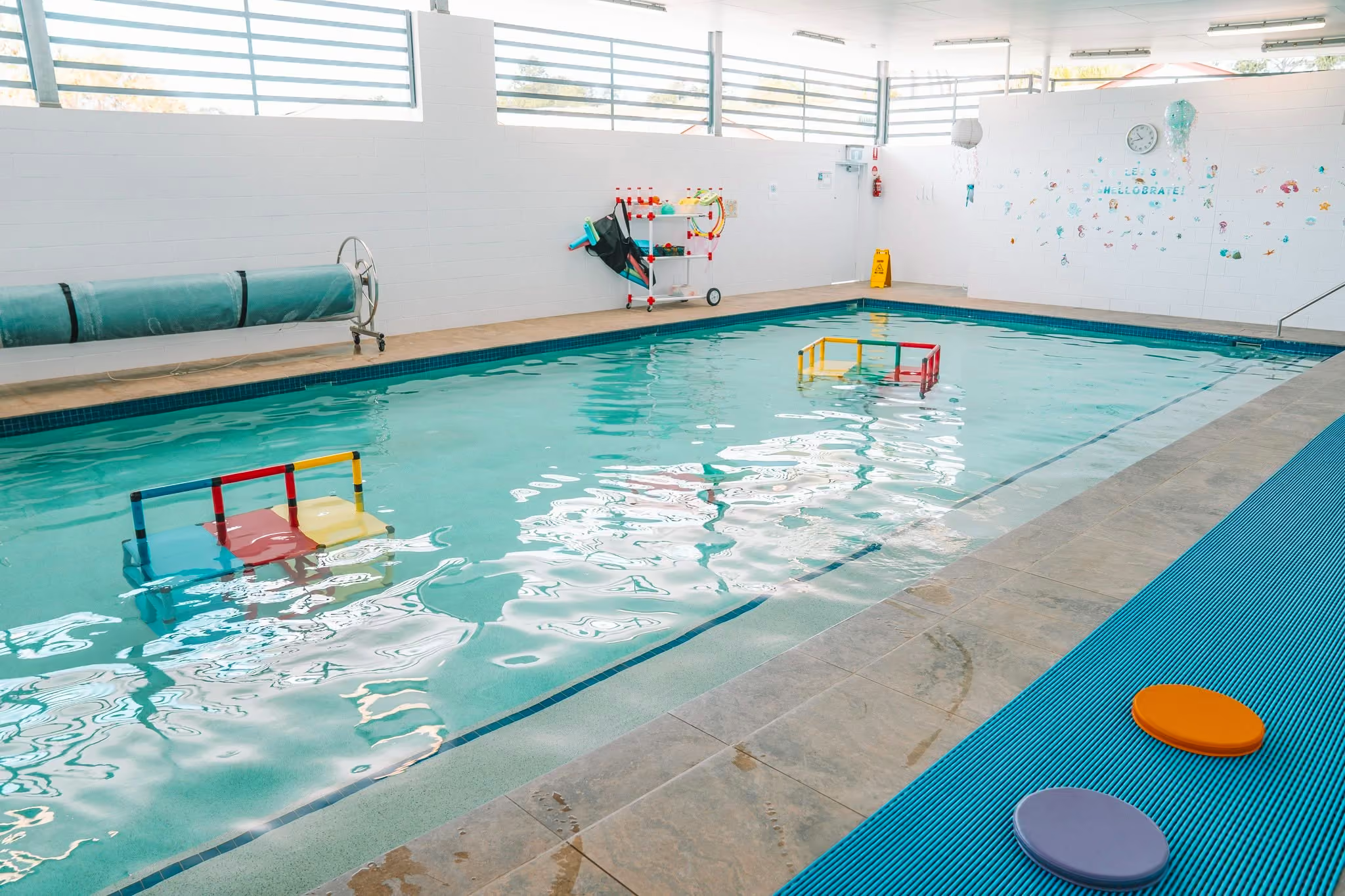
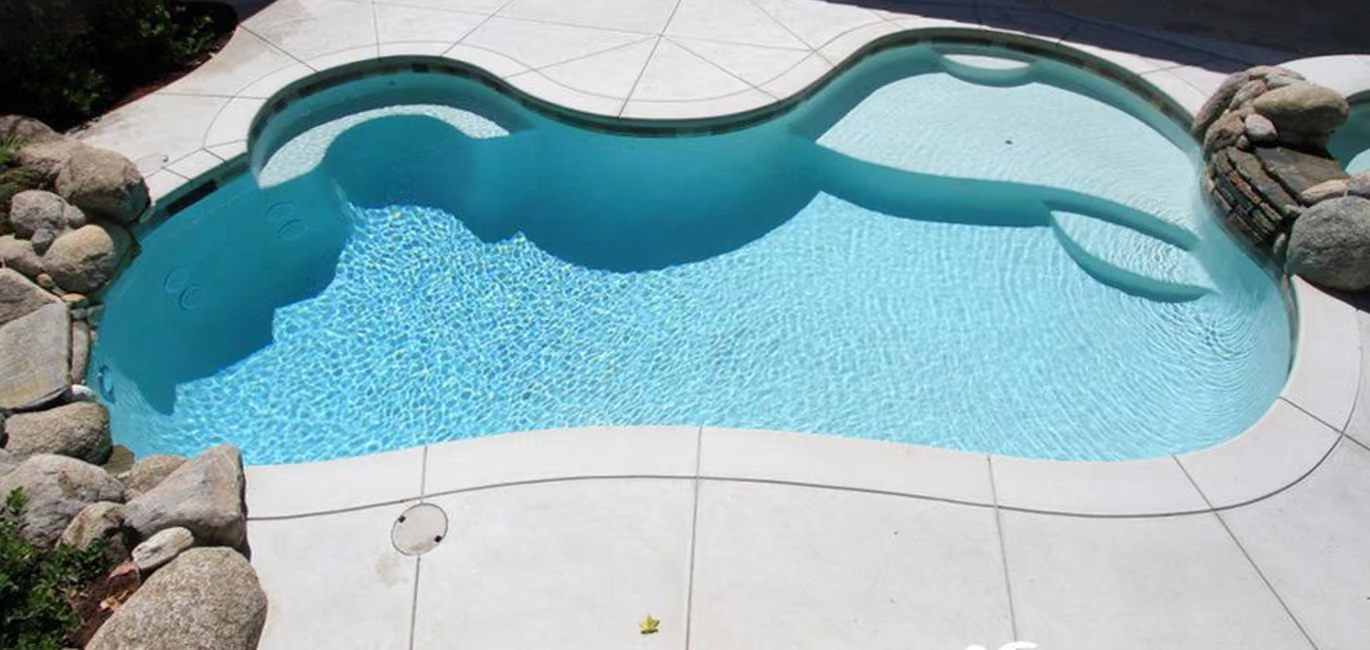
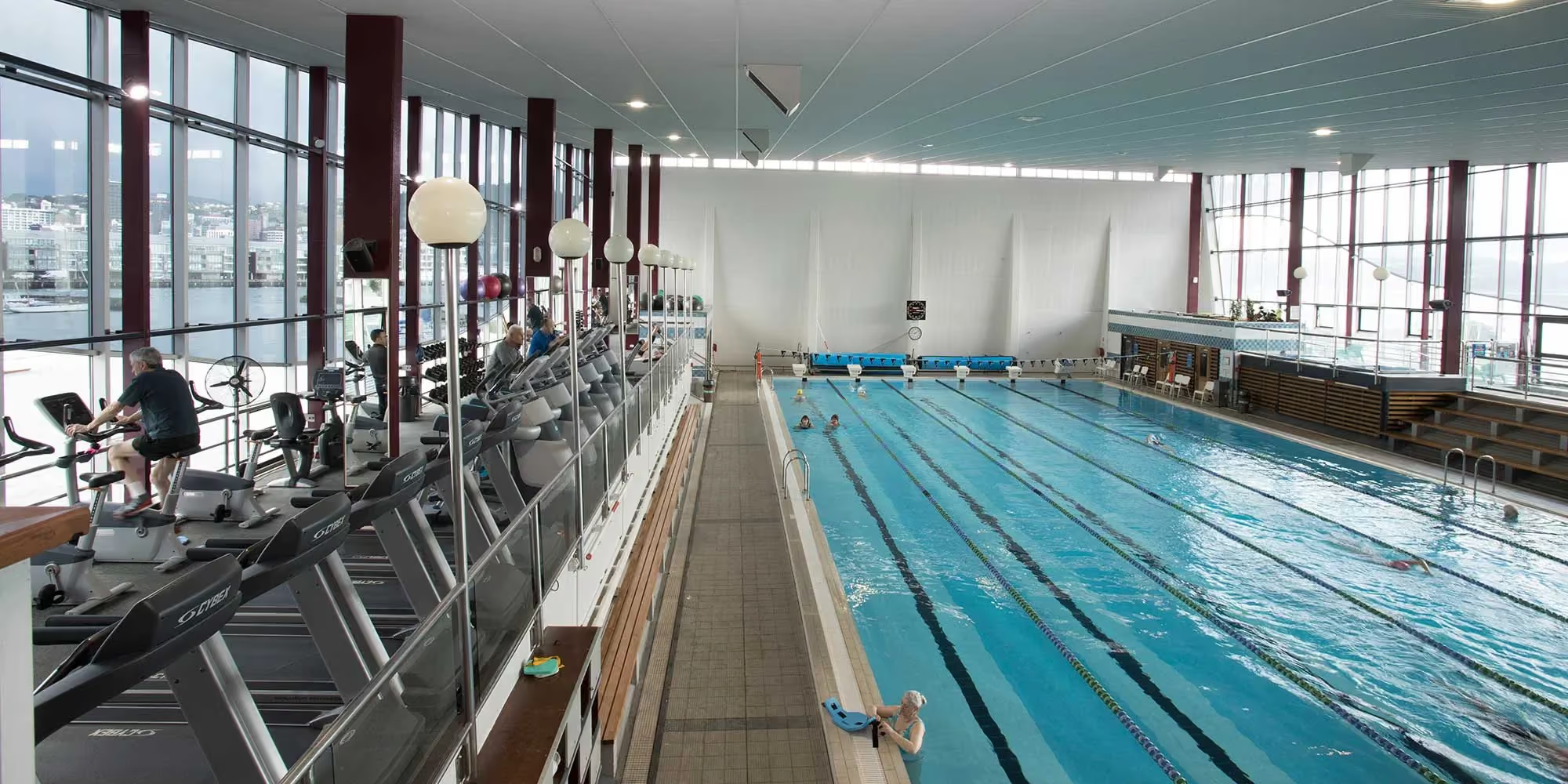
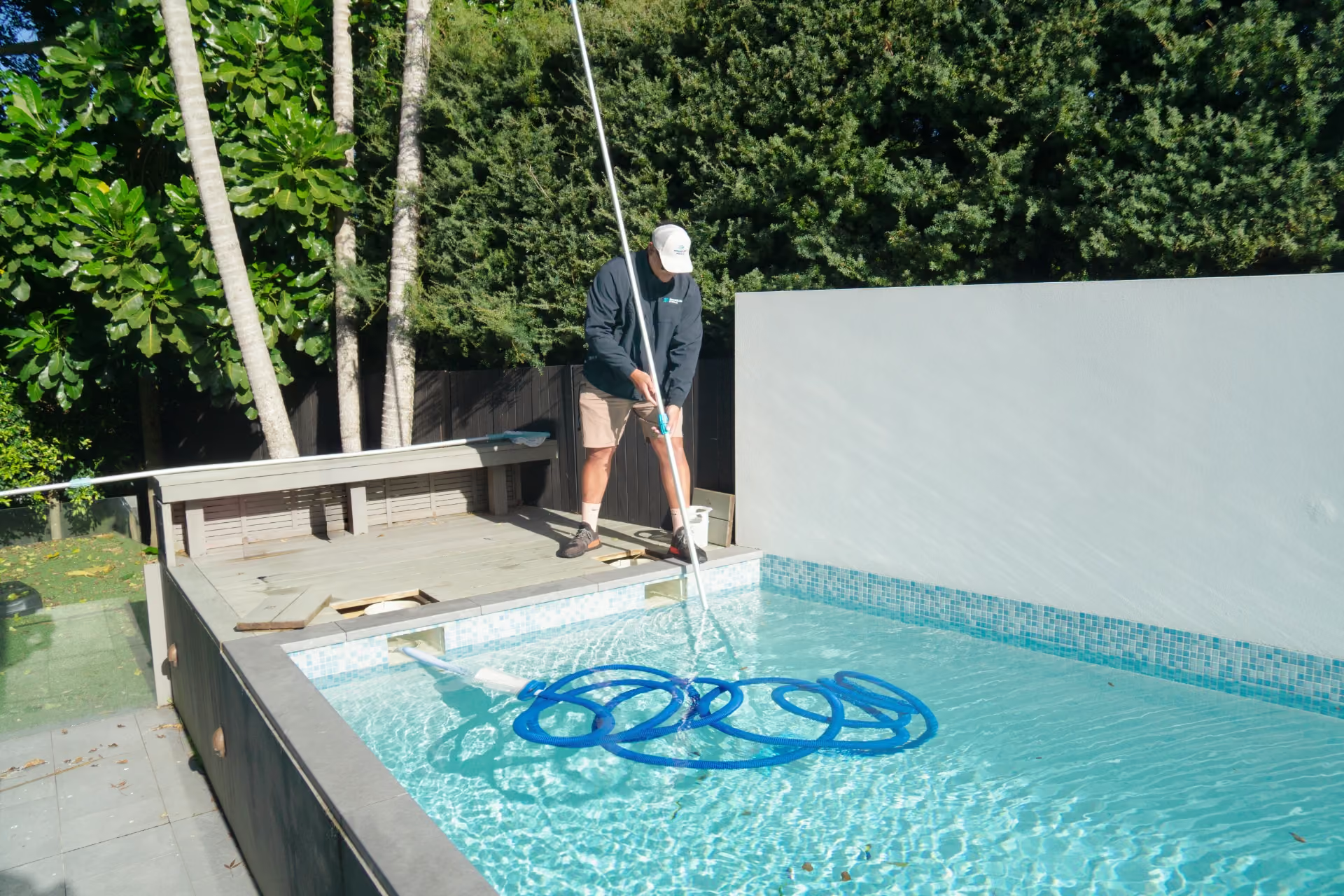
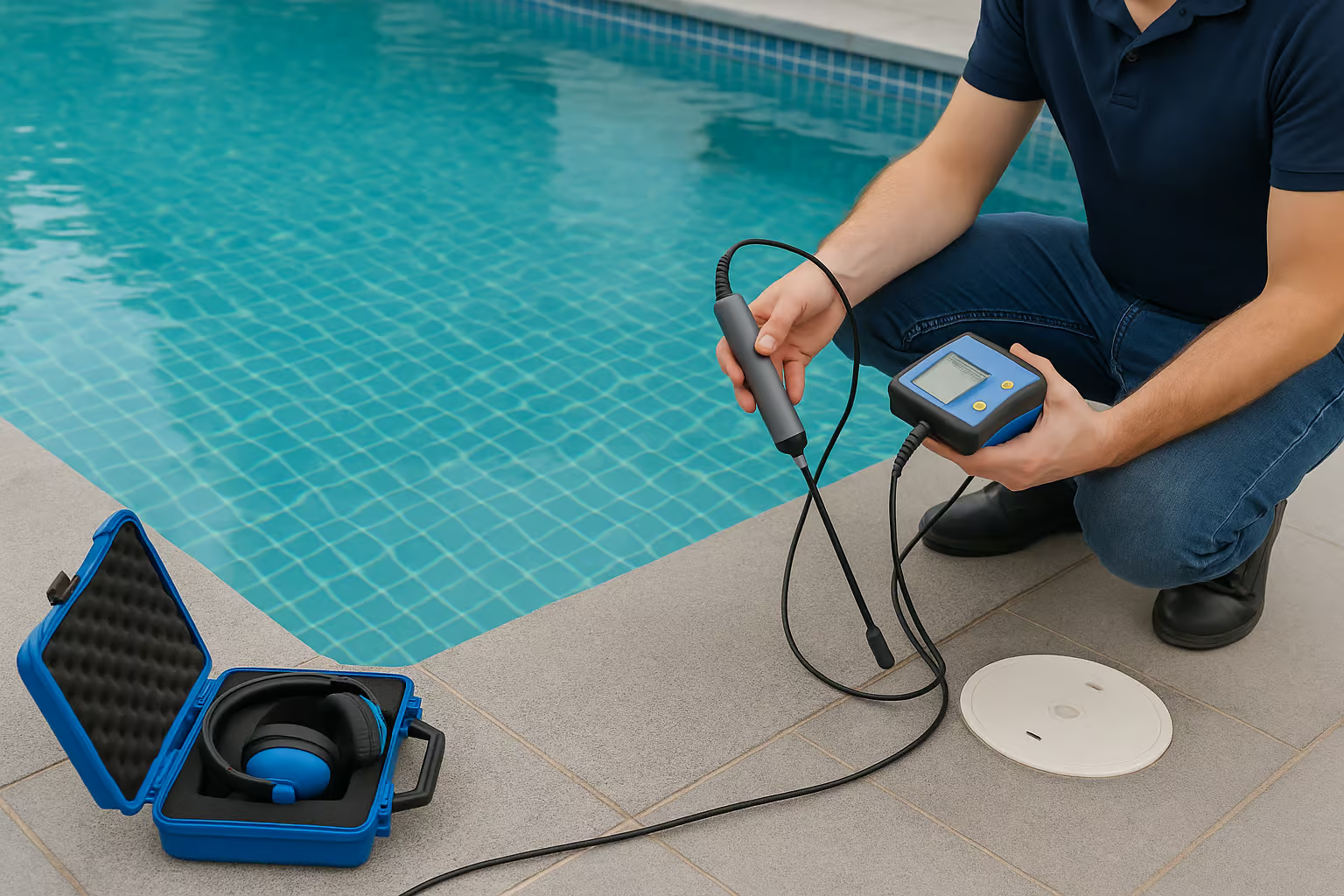
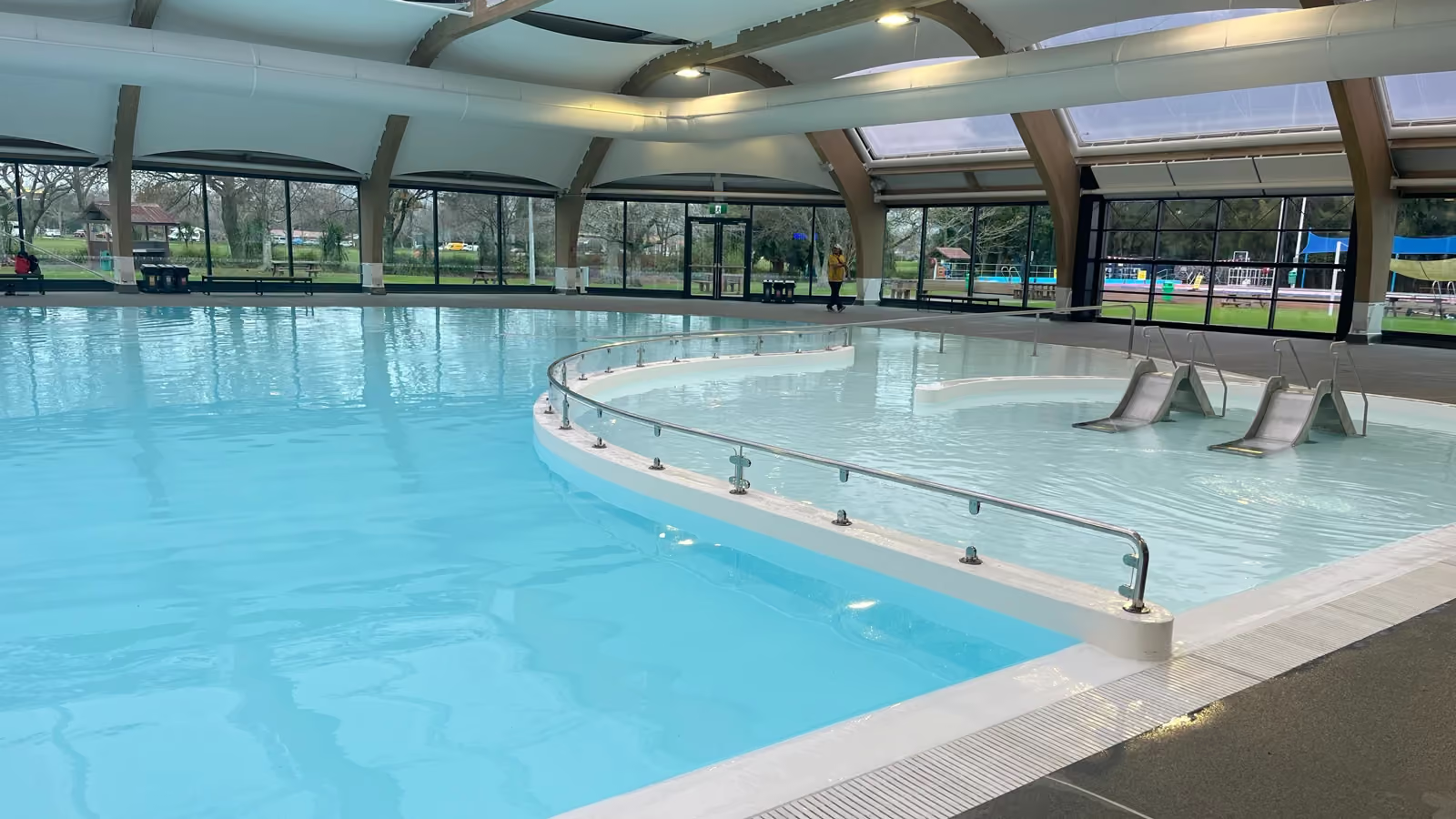
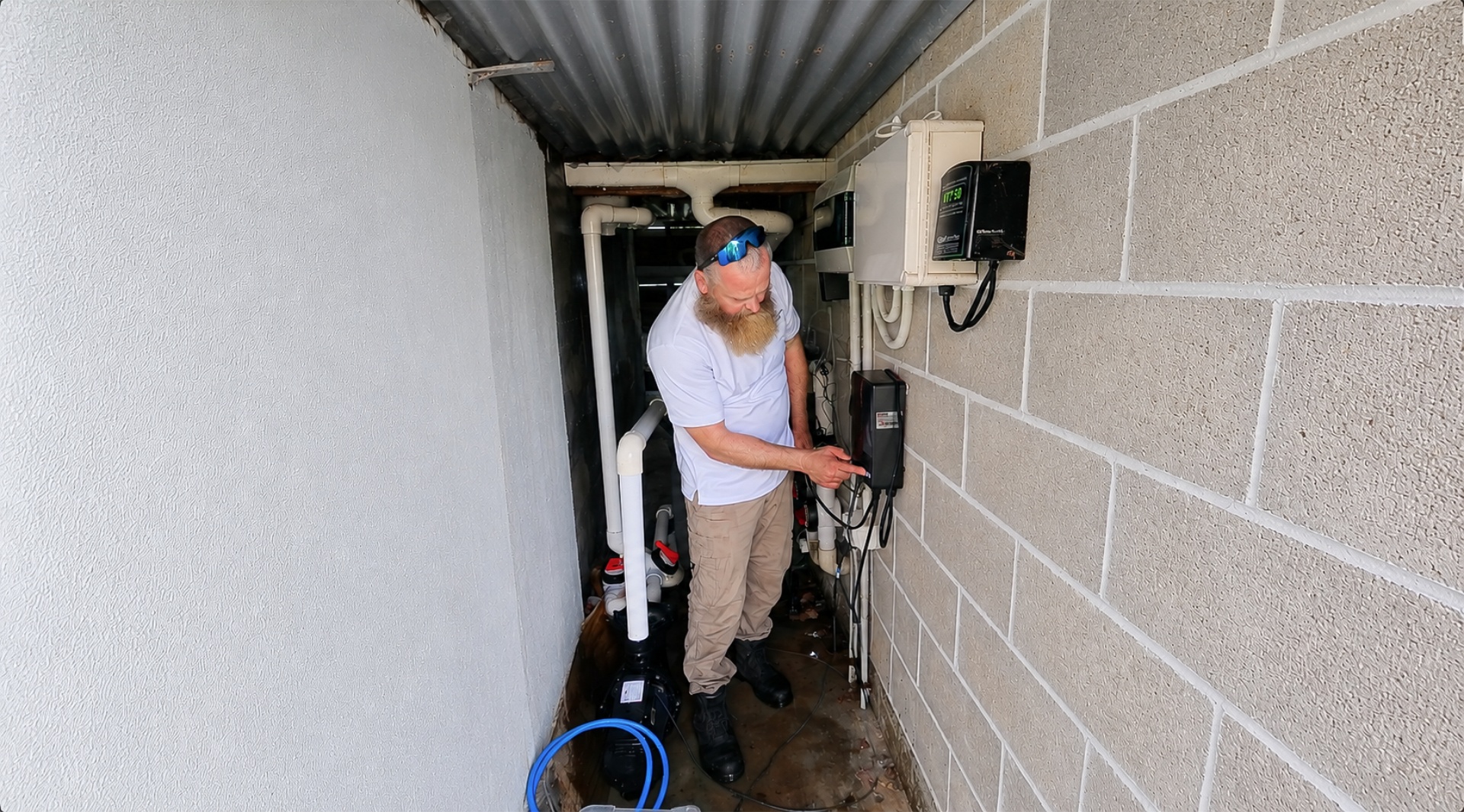
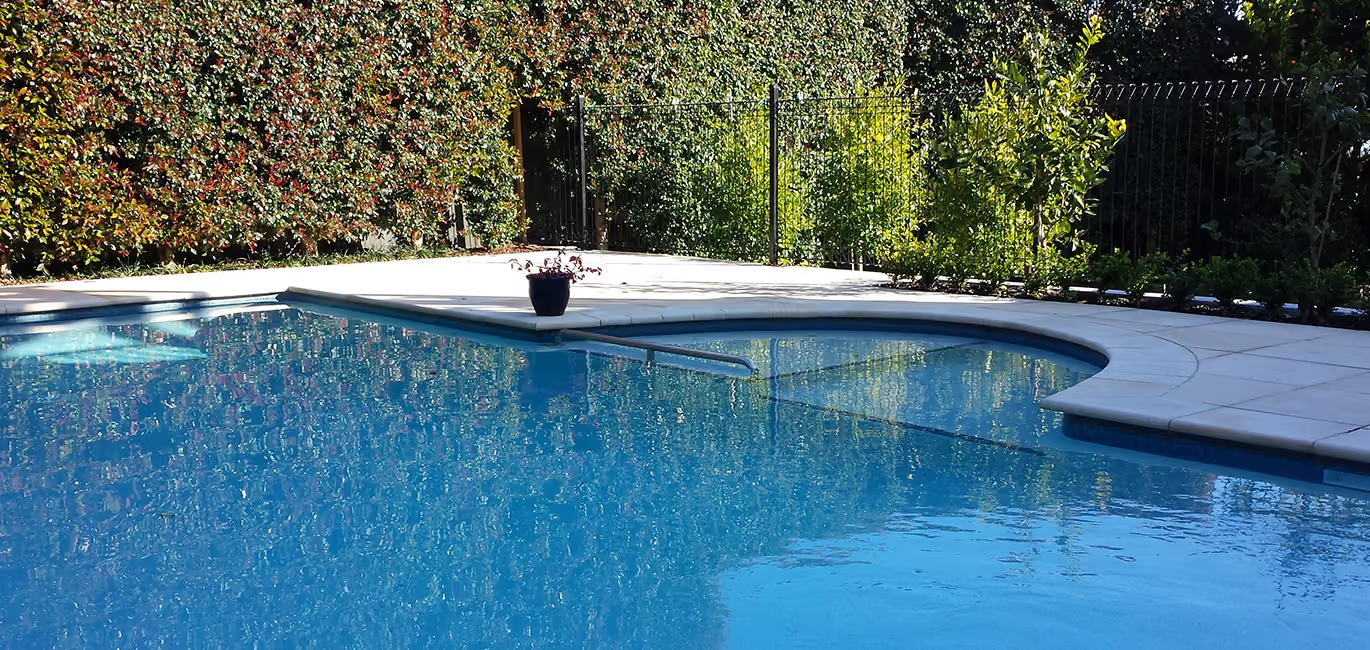
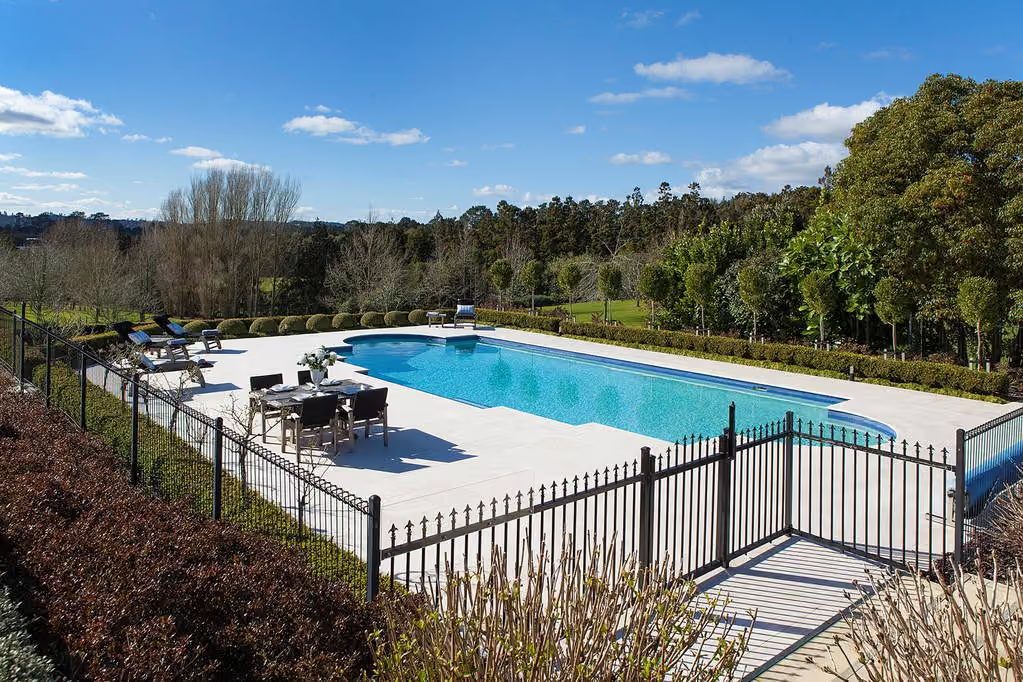
Sparkling Pools has worked on pools across Auckland, including residential renovation projects, equipment upgrades, ongoing maintenance and pool care for managed properties. Past projects show how the right approach can improve presentation, water quality and day-to-day usability. A well-maintained pool is easier to manage, more pleasant to use and better prepared for seasonal changes.
Trusted by Homeowners Across Auckland
Don't just take our word for it. Read what our clients have to say about our transparent communication, reliable service, and stunning pool transformations.
Related Blog Posts
Stay informed on pool care and renovations
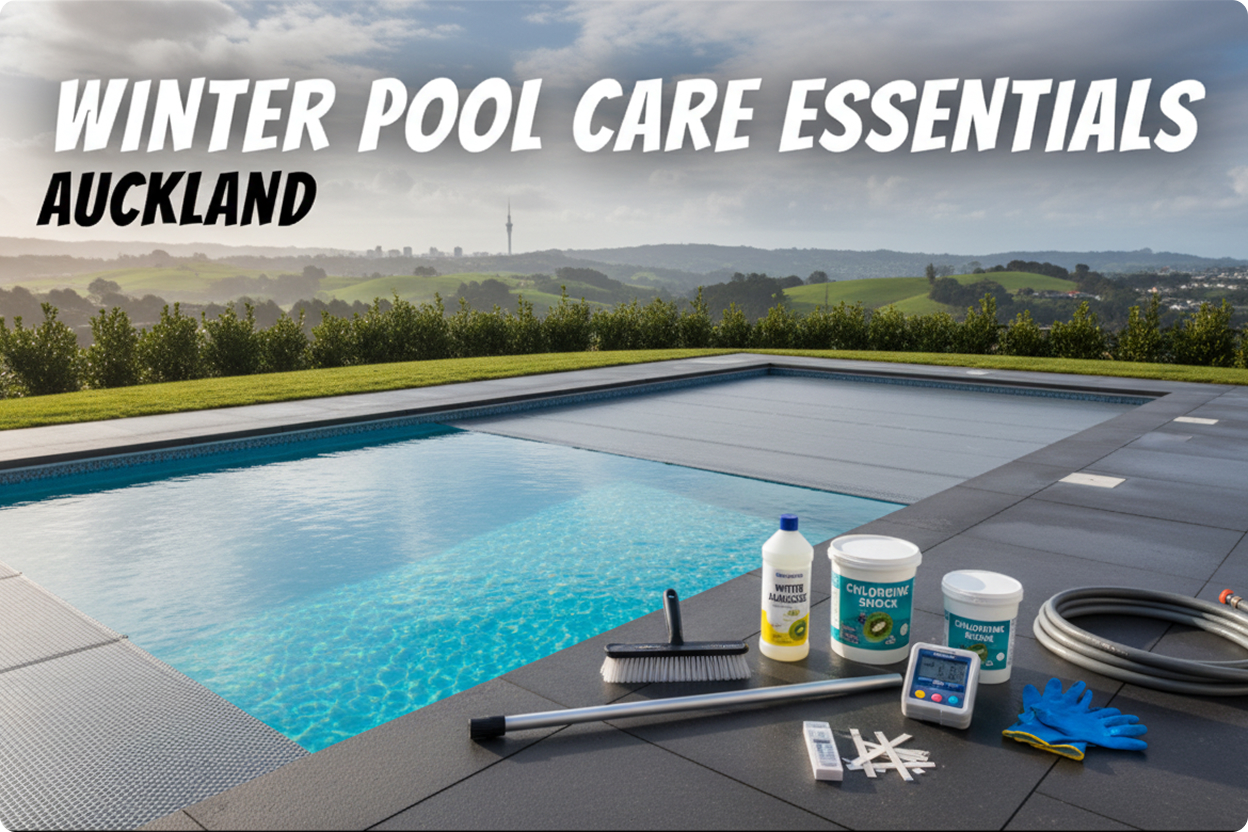
Winter pool care essentials for Auckland
Pool Renovation Mistakes

Auckland Climate Pool Maintenance
Choosing Renovation Contractor
Pool Care Auckland Summer
Permits & Consents

Pool Renovation ROI
How Often to Test Pool Water
Pool Renovation Costs
Cost of Pool Service Auckland
Pool Renovation Planning Guide
Pool Lighting Buying Guide
Pool Cleaner Buying Guide
Pool Automation Buying Guide
Pool Heater Buying Guide
Pool Filter Buying Guide
Pool Pump Buying Guide
Best Equipment Auckland Climate
Auckland Water Quality
Auckland Pool Season
Pool Ownership Costs
Common Pool Mistakes
Pool Safety Laws
Pool Inspection Requirements
Pool Fence Compliance
.avif)
Auckland Pool Industry Trends
Auckland Pool Regulations
Pool Equipment Suppliers
Best Pool Service Areas
Pool Service Pricing Analysis
Company vs Independent
Best Pool Surface Materials
Pool Resurfacing Options
Pebble vs Plaster Surfaces
One-Time vs Ongoing Service
Full Service vs Chemicals Only
Pool Cover Types
Robotic vs Suction Cleaners
Mineral vs Saltwater
Gas vs Heat Pump
Pool Heater Types
Pool Winterizing Guide Auckland
Pool Opening Guide Summer
Pool Maintenance After Heavy Rain
Pool Maintenance Schedule
How Often to Run Pool Filter
Pool Pump Maintenance Schedule
Pool Filter Cartridge Cleaning
Pool Equipment Maintenance Checklist
Pool Waterline Cleaning
Pool Skimmer Basket Cleaning
Pool Chlorine Levels
How Often Clean Pool Filter
How to Vacuum Pool
Pool Brushing Technique
Pool Chemical Dosing Chart
Pool Water Chemistry Basics
How to Balance Pool Chemistry
How to Test Pool Water
Pool Maintenance Tips
Complete Pool Maintenance Guide
Pool Service ROI
Pool Equipment Buy or Service
Pool Maintenance Time Requirements
DIY vs Professional
Pool Service Contract
Pool Service vs Pool Valet
Is Pool Service Worth It
Pool Service Guarantees
Pool Service Reviews
Pool Service Red Flags
Questions to Ask Pool Companies
How to Choose Pool Service Company
Hidden Costs DIY Maintenance
Pool Cleaning Prices Auckland
Cost of Pool Resurfacing
Cost of Pool Pump Replacement
Cost to Fix Green Pool
Pool Liner Wrinkles
Pool Cracks When to Worry
Pool Surface Stains
Pool Valve Leaking
Pool Automation Not Working
Pool Light Not Working
Pool Heater Not Heating
Pool Skimmer Not Working
High Pool Filter Pressure
Pool Losing Water
Pool Filter Not Clearing Water
Pool Pump Leaking
Pool Pump Not Pumping
Pool Pump Losing Prime
Pool Pump Noisy
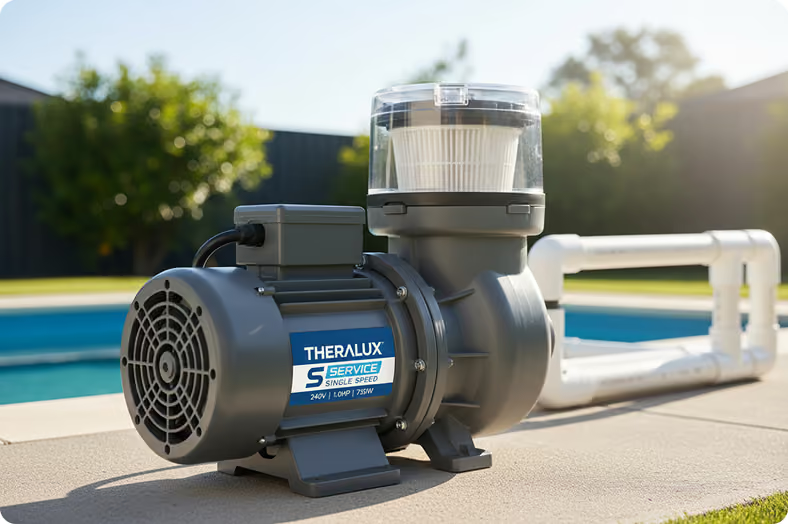
Pool Pump Not Working
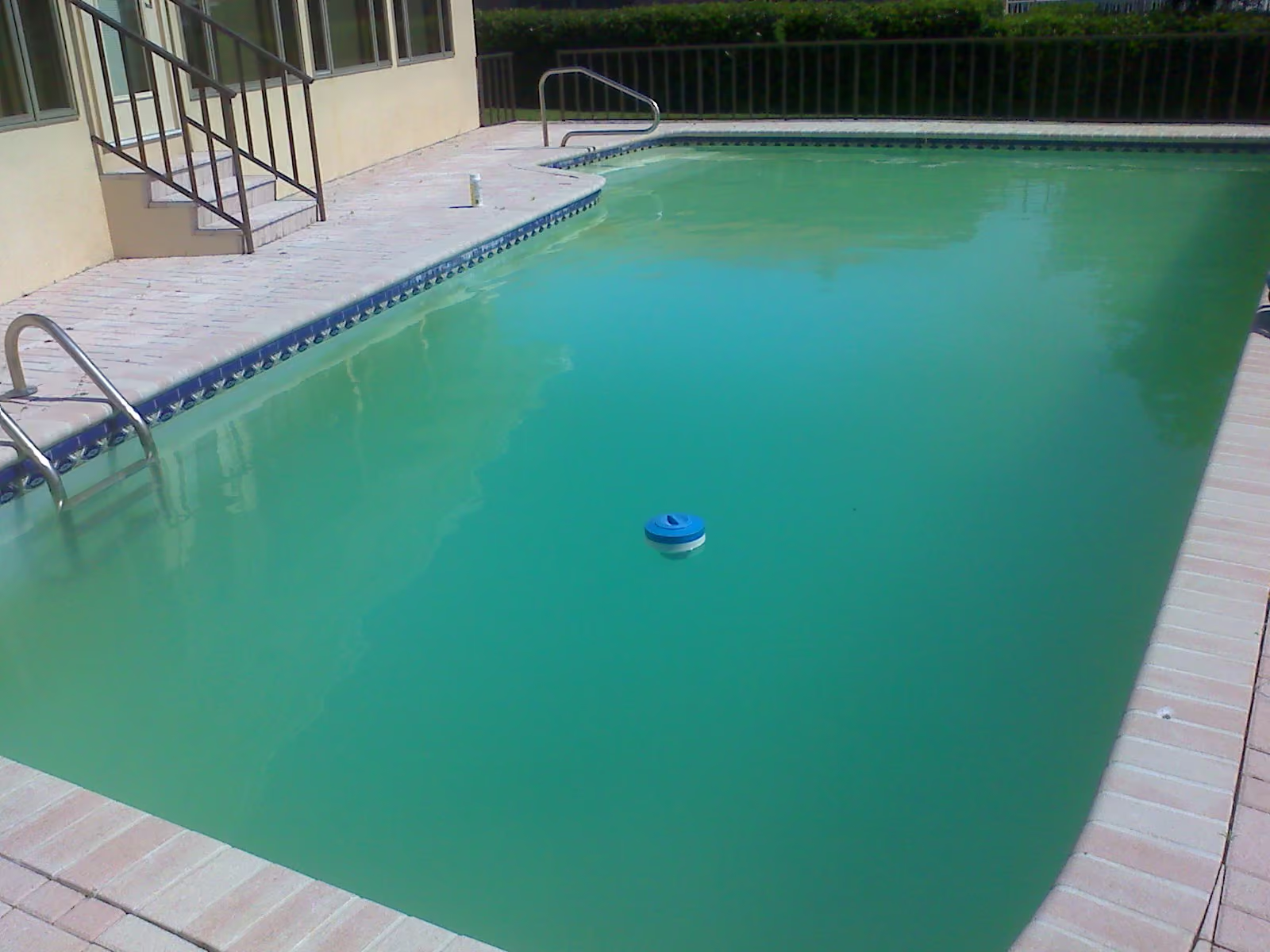
Pool Water Foaming
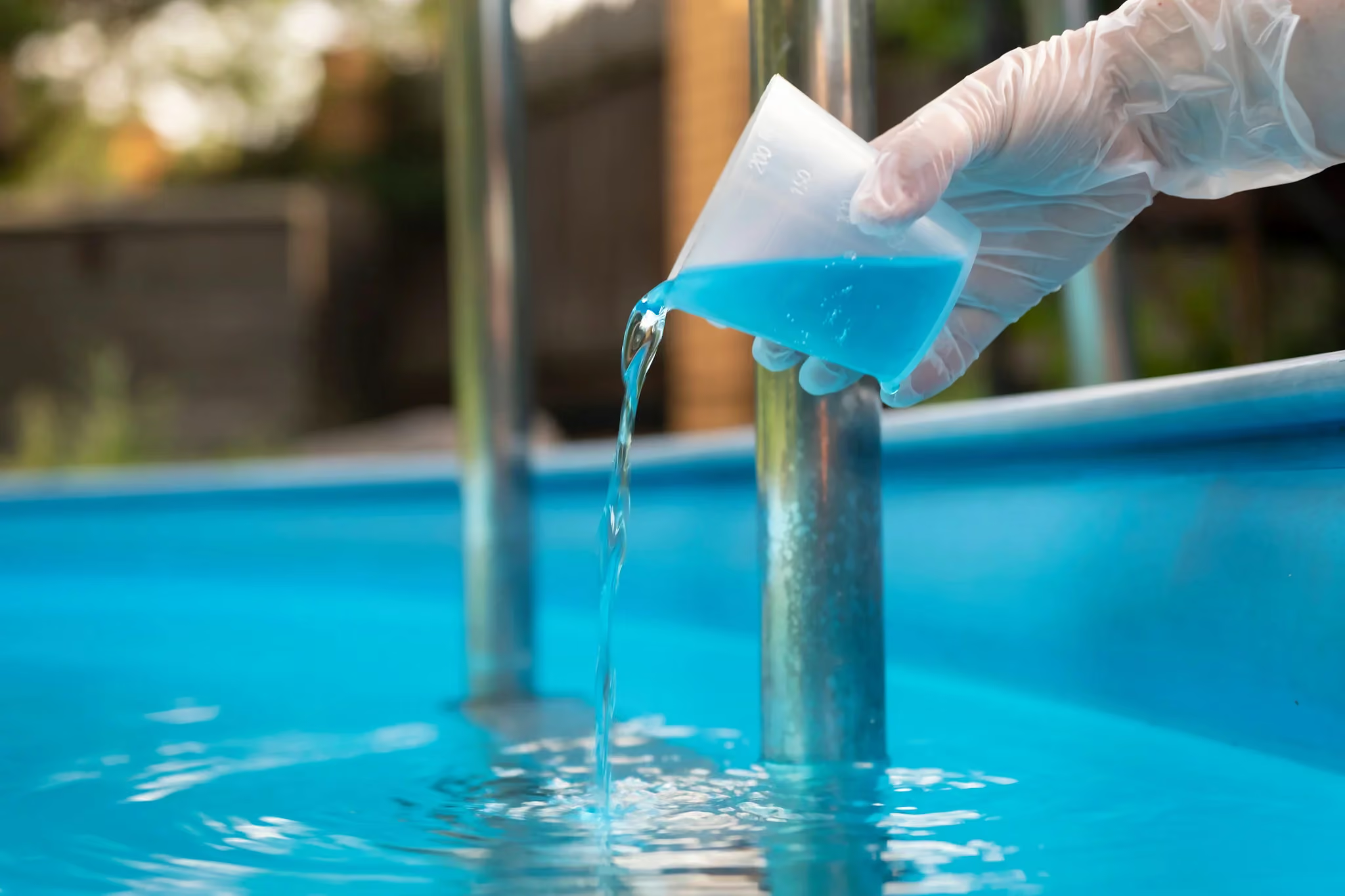
Pool pH Too Low
Pool pH Too High
Green Pool After Rain
Pool Still Green After Shock
Pool Water Cloudy
How to Clear a Green Pool
Pool Care That Protects Your Investment
Good pool care protects more than appearance. Our pool specialists support the long-term condition of your swimming pool while keeping it ready for everyday use.