Pool Valve Leaking

Why Auckland trusts our pool service expertise
Pool valve leaks are one of the more common equipment issues Auckland pool owners encounter. Understanding what type of valve is leaking and where the water is coming from makes it much easier to decide whether it is a job you can handle or one that needs a professional.
The points below cover the key things to know about pool valve leaks, from identifying the source to knowing when to stop and call for help.
What you'll learn
What a Leaking Pool Valve Usually Means
A pool valve controls water flow through your filtration and circulation system. When one starts leaking, it typically means a seal, O-ring or internal component has worn out or been damaged. Left unattended, even a slow leak can waste a significant amount of water, reduce system pressure and put extra strain on your pump.
The good news is that many valve leaks are straightforward to identify. The harder part is knowing whether the fix is a simple seal replacement or something that needs a technician.
---
Common Types of Pool Valves That Leak
Multiport Valve
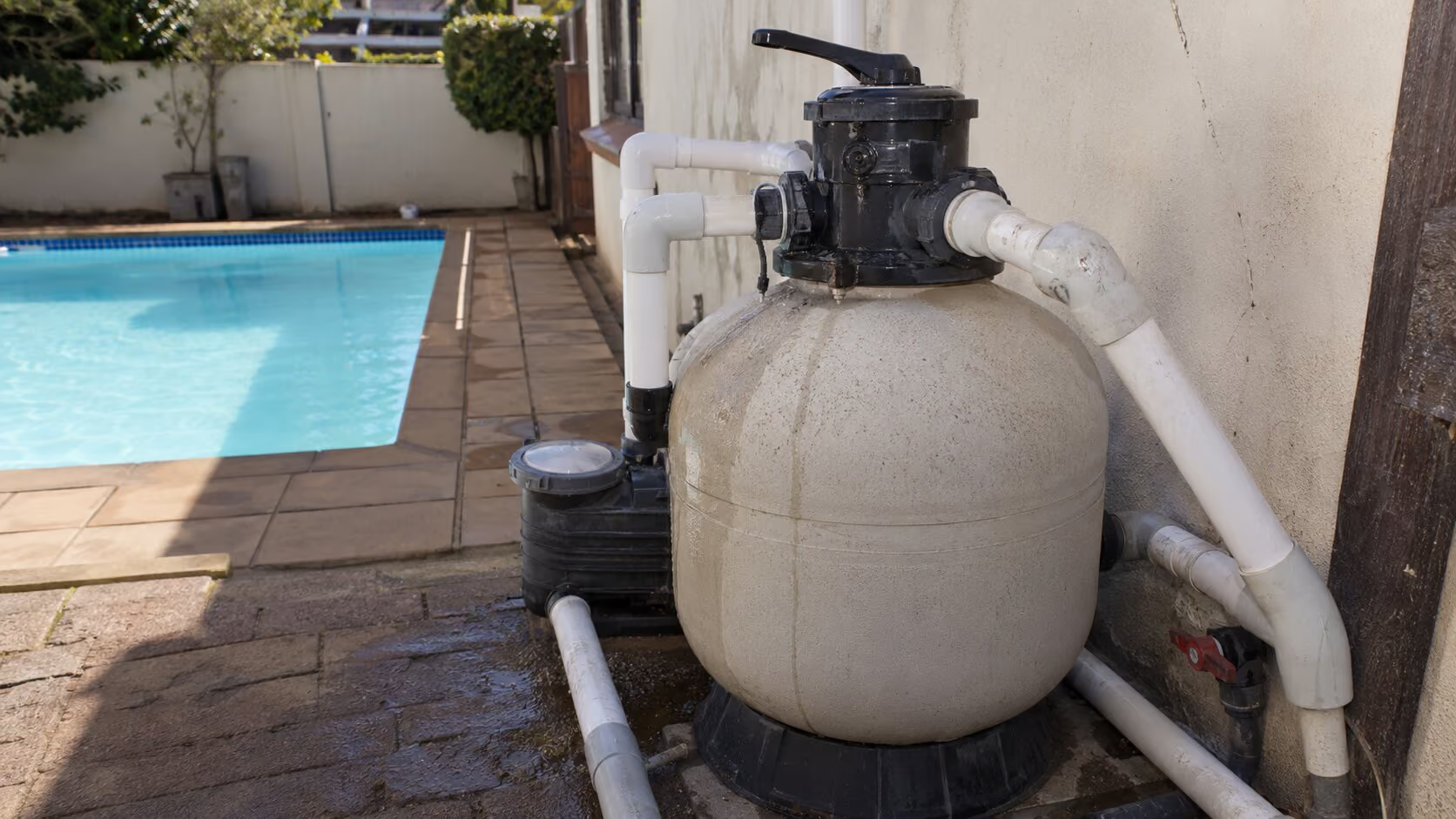
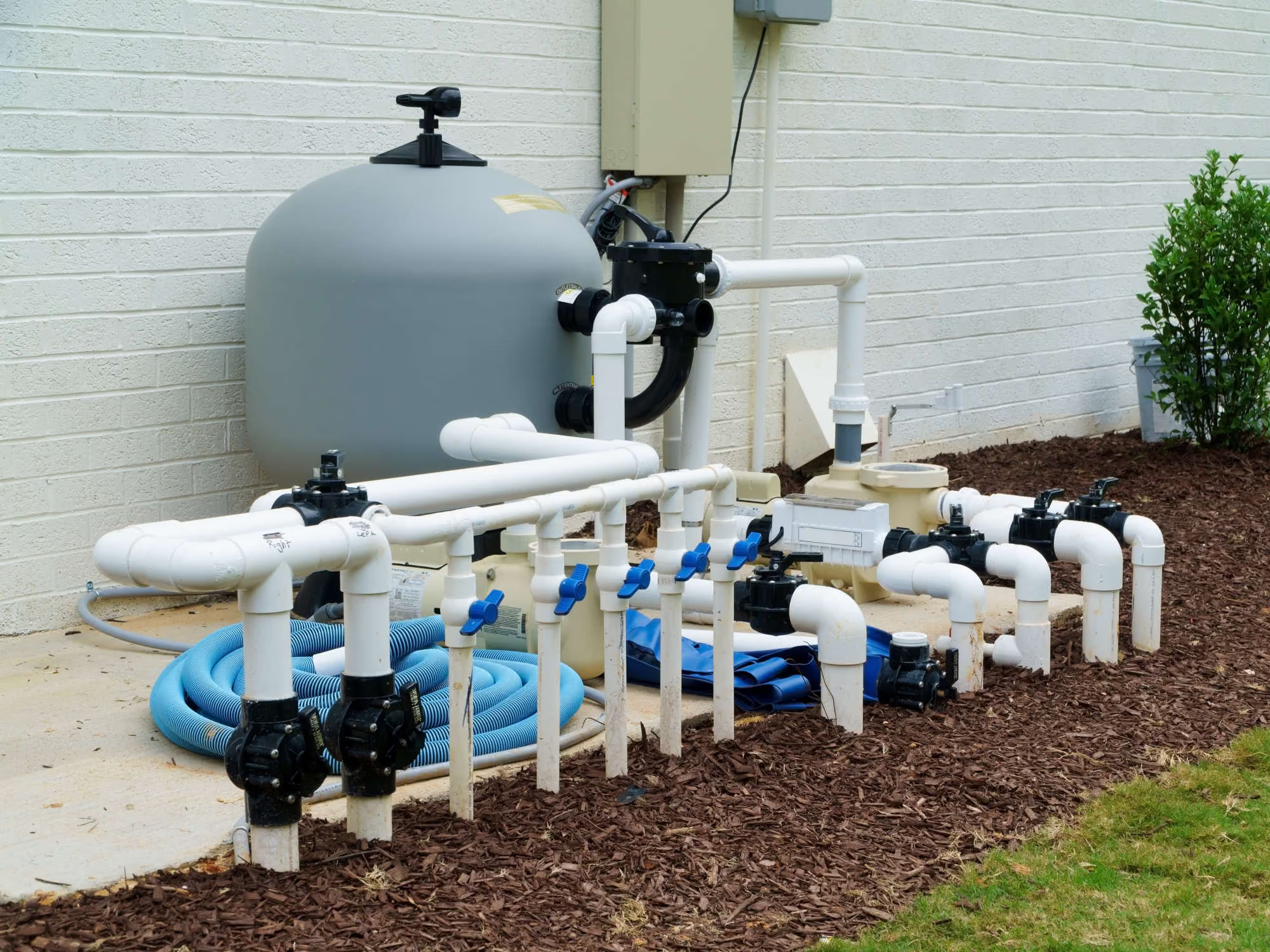
The multiport valve sits on top of a sand filter and directs water into different modes, filter, backwash, rinse, waste and so on. It contains a spider gasket inside that wears over time. When this gasket fails, water can bypass between ports or leak from the valve body itself.
Signs of a failing multiport valve:
- Water returning to the pool during backwash mode
- Water leaking from the waste line when the valve is set to filter
- Visible dripping or weeping around the valve handle or body
Ball Valve
Ball valves are used throughout pool plumbing to isolate sections of pipework. They have a simple quarter-turn mechanism and rely on internal seals to stay watertight. Over time, UV exposure and chemical contact degrade these seals.
Signs of a failing ball valve:
- Dripping from the valve body or handle
- Moisture or staining on the pipe fittings around the valve
- The valve feels loose or no longer holds its position firmly
Slide Valve (Gate Valve)
Slide valves are less common in modern pool installations but still found on older systems. They use a gate mechanism to restrict flow and can develop leaks around the stem seal.
Signs of a failing slide valve:
- Dripping from the valve stem or handle area
- Difficulty turning the handle, followed by leaking
---
What You Can Safely Check Yourself
Before calling anyone, there are a few things you can inspect without any specialist tools.
1. Locate the source of the leak
Dry the area around the valve with a cloth, then run the system briefly and watch closely. Identify exactly where the water is coming from, the valve body, the union fittings connecting it to the pipe, or the handle area.
2. Check the union fittings
Many apparent valve leaks are actually leaking union fittings, the threaded connectors on either side of the valve. These can sometimes be hand-tightened or re-taped with thread seal tape. Turn off the pump before attempting this.
3. Check for visible cracking
Inspect the valve body for hairline cracks. Plastic valves can crack from UV exposure, physical impact or overtightening. A cracked valve body cannot be repaired, it needs replacing.
4. Check the multiport valve handle and cover
On a multiport valve, the cover plate screws can loosen over time. With the pump off, check whether the screws are tight. Do not overtighten, the cover is plastic and can crack.
---
What Needs a Technician
Some valve repairs are straightforward enough for a confident DIYer. Others are best left to a professional, particularly if:
- The valve body is cracked. Replacing a valve involves cutting and re-gluing PVC pipe. Incorrect gluing can result in a worse leak or a joint failure under pressure.
- The multiport spider gasket needs replacing. This requires disassembling the valve internals. It is achievable for some homeowners, but incorrect reassembly can cause the valve to leak between ports or fail to seal entirely.
- The leak is underground or behind a wall. If you cannot see the source clearly, or if the leak appears to be coming from buried pipework near the valve, stop and call a technician. Digging without knowing what is there risks damaging other pipes or the pool shell.
- The system uses glued PVC fittings and the leak is at a joint. Re-gluing PVC requires the correct primer and cement, dry conditions and proper cure time. A failed glue joint under pressure can fail suddenly.
- You are unsure. If you cannot confidently identify the source or the repair required, a technician can diagnose it quickly and prevent a small leak from becoming a larger problem.
---
Preventing Valve Leaks
Most valve leaks are the result of age, UV degradation or infrequent servicing. A few habits help extend valve life:
- Keep valves out of direct sun where possible. UV breaks down plastic components over time. A simple shade cover or equipment enclosure helps.
- Do not overtighten union fittings. Hand-tight plus a quarter turn is usually sufficient. Overtightening cracks the fitting or distorts the seal.
- Operate valves regularly. Ball valves that sit in one position for years can seize. Turning them occasionally keeps the seals supple.
- Include valves in your annual service check. A technician can spot early seal wear before it becomes a leak.
- Use the correct valve position on multiport valves. Never turn the handle while the pump is running, this damages the spider gasket and is one of the most common causes of multiport valve failure.
---
When to Act Quickly
A small drip from a valve fitting may not feel urgent, but it is worth addressing promptly. Water loss adds up quickly, especially over summer. More importantly, a leak near electrical equipment, such as a pump motor, is a safety concern and should be looked at without delay.
If your pool level is dropping faster than evaporation can explain, and you cannot find an obvious surface leak, it is worth having a technician check the full circulation system, including valves, fittings and underground pipework.
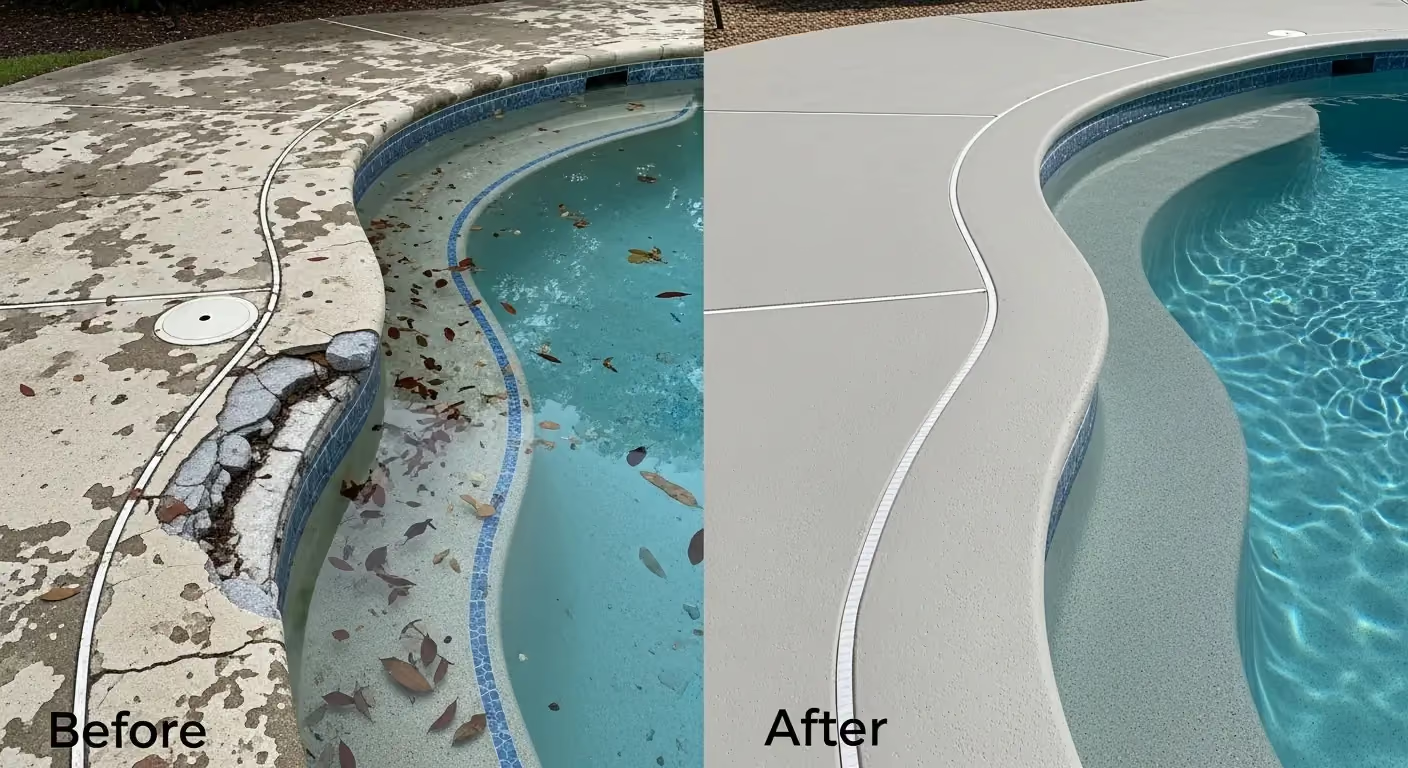
Pool resurfacing solutions
Restore your pool with durable plaster finishes



Work completed
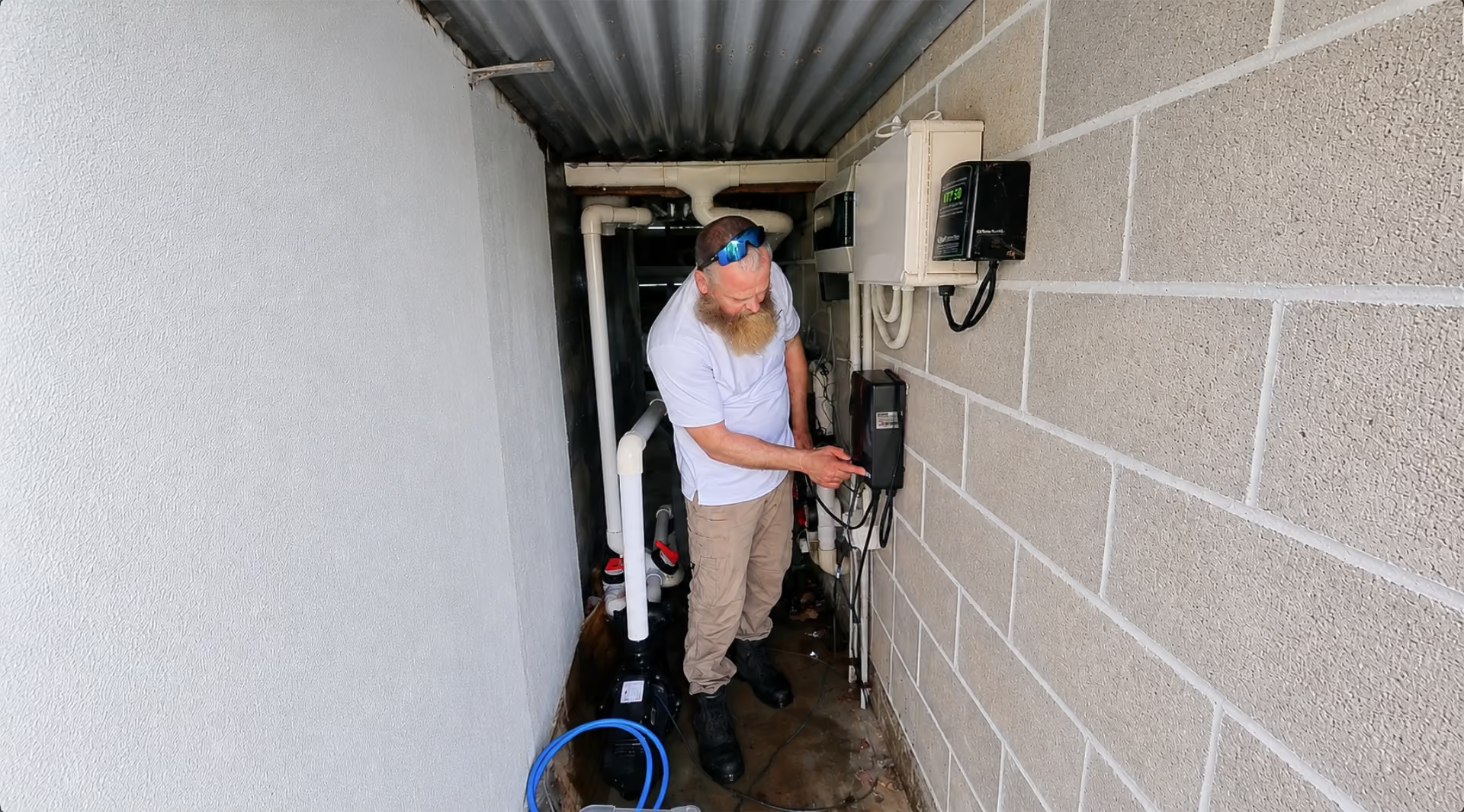
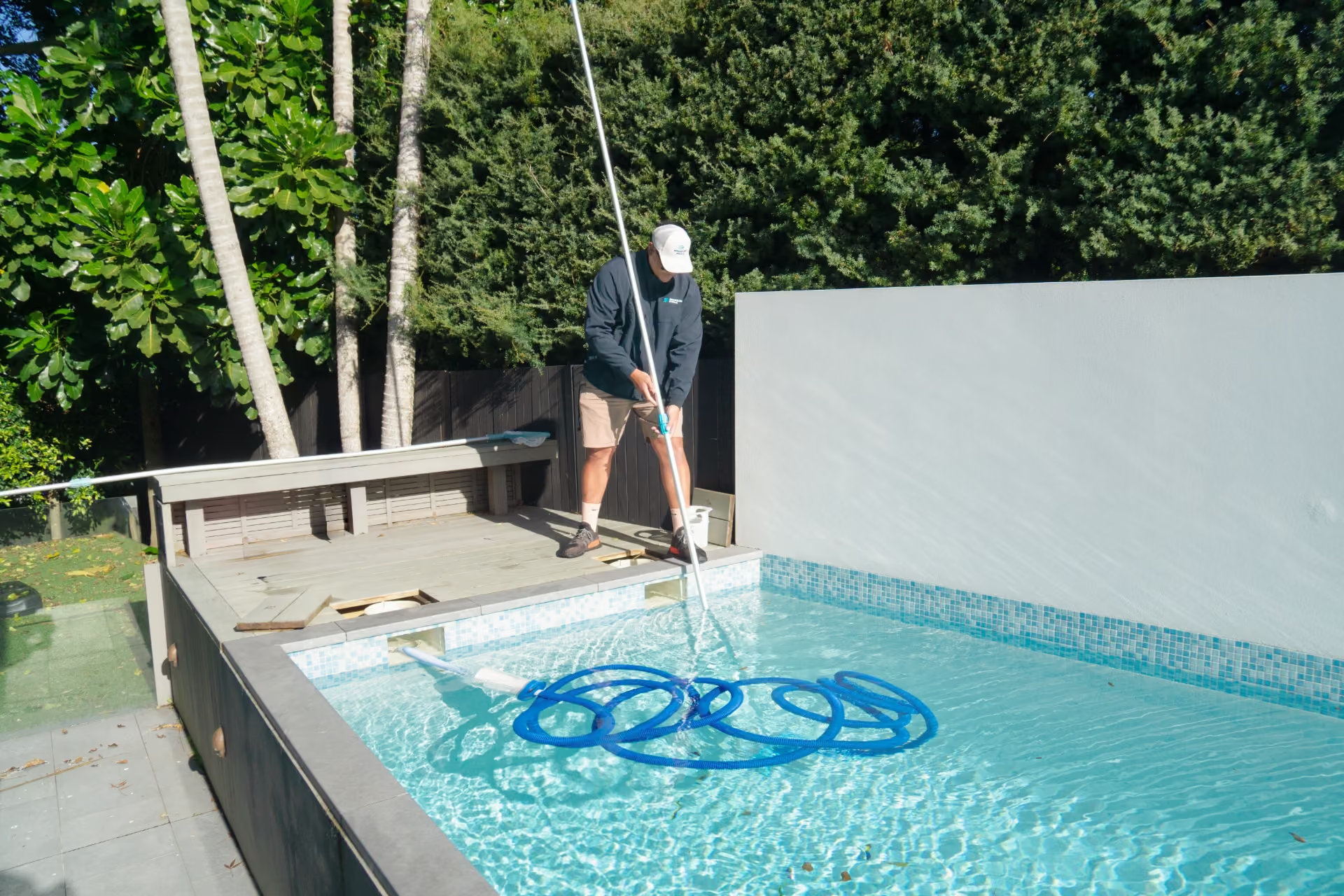
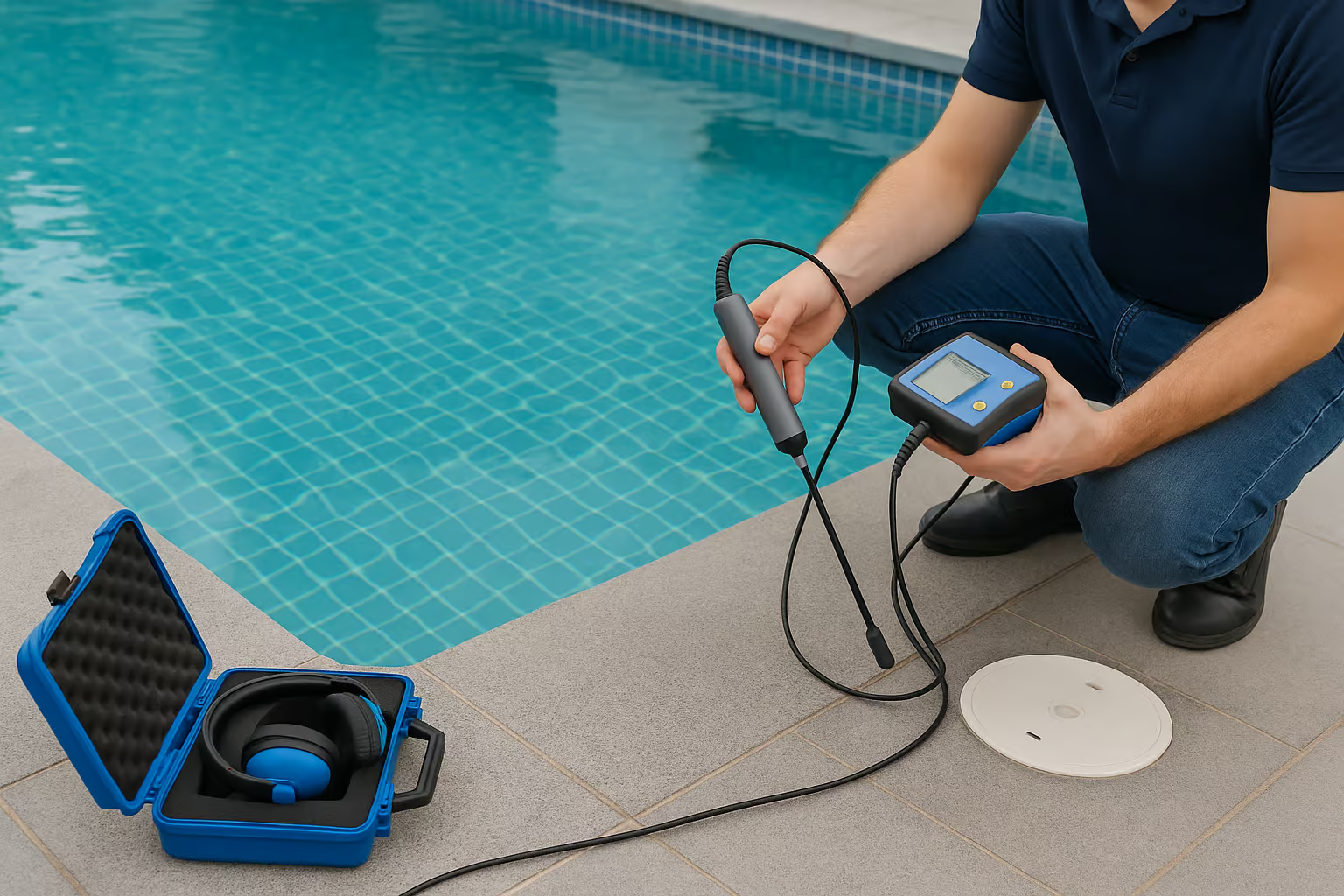
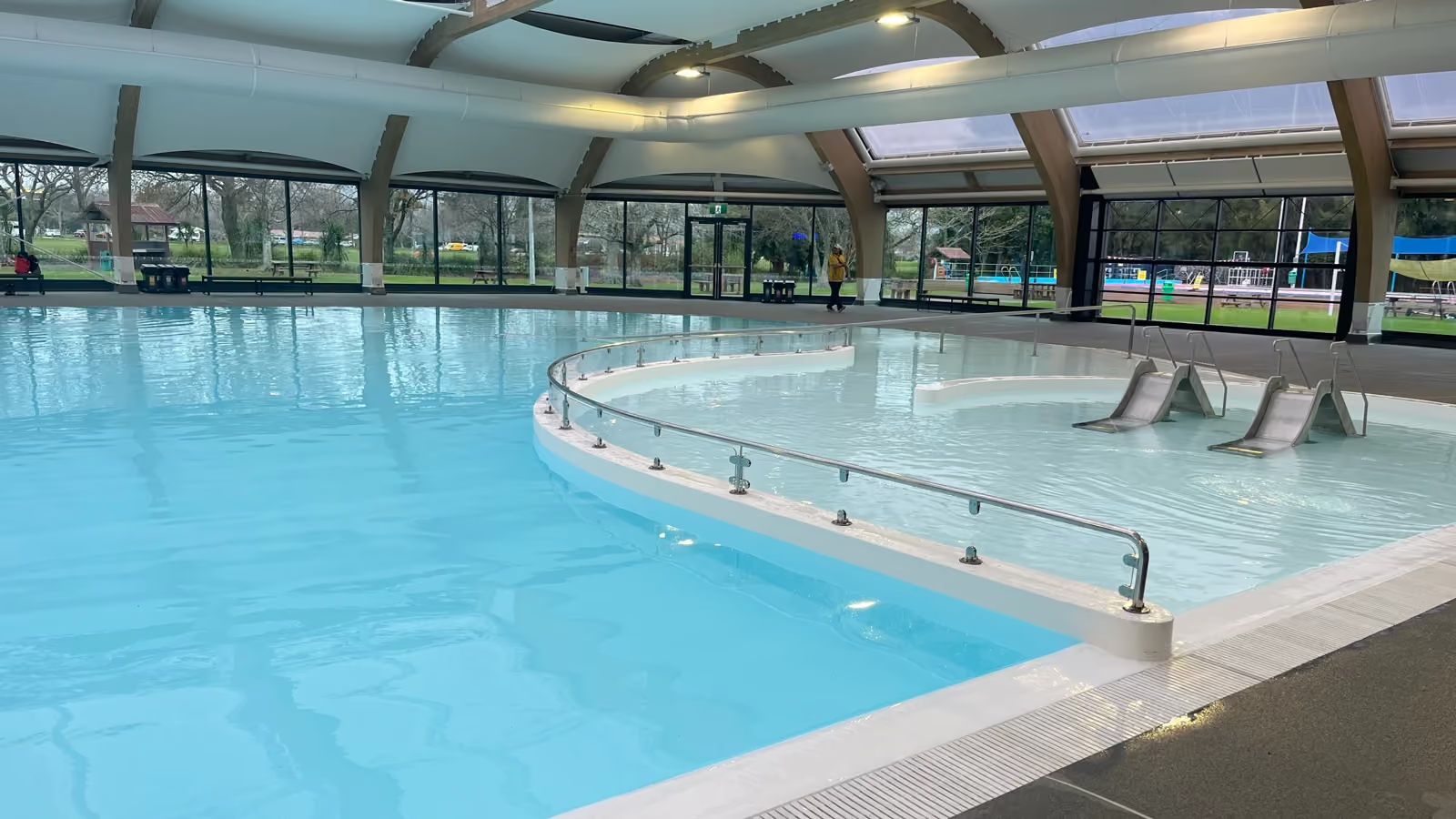
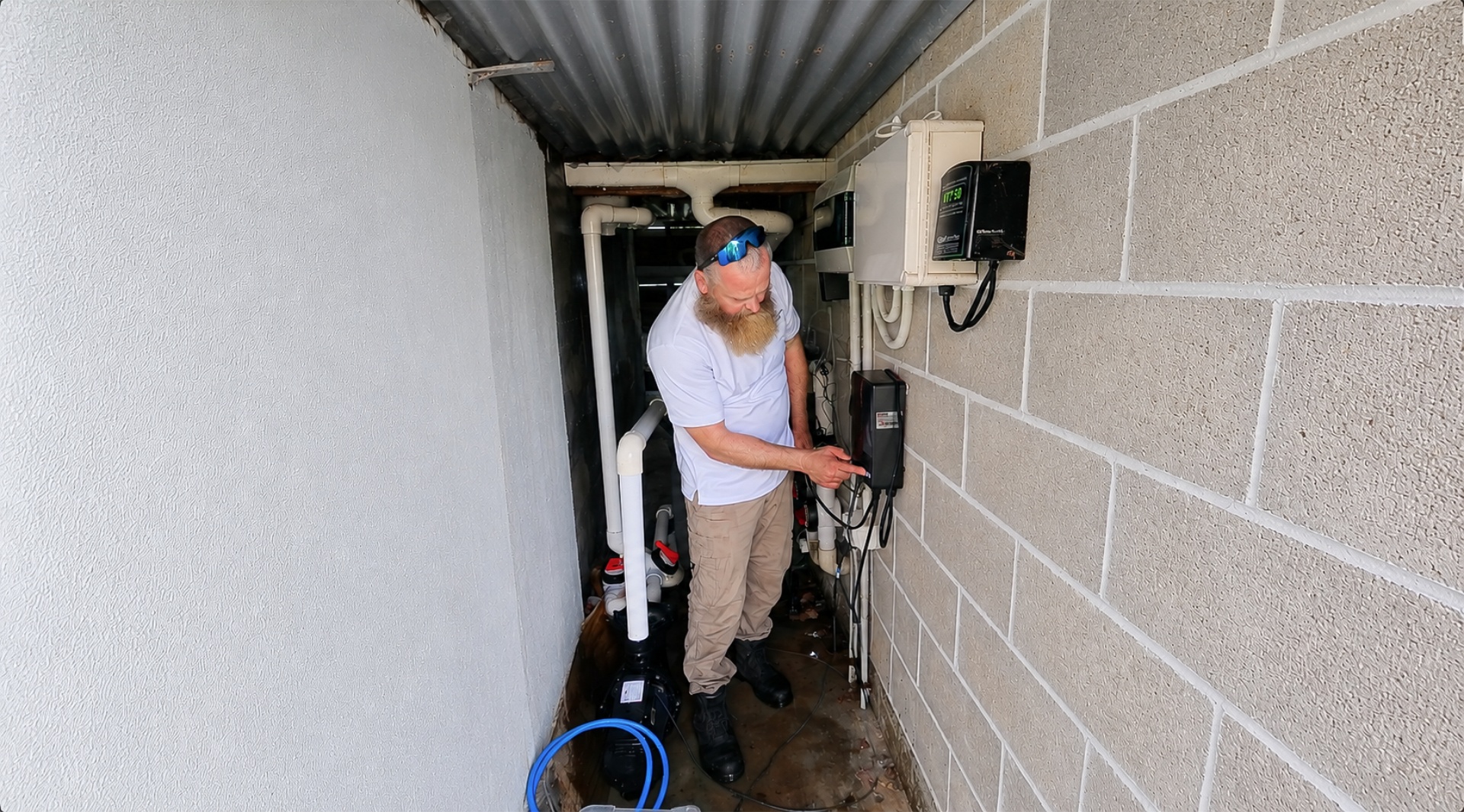
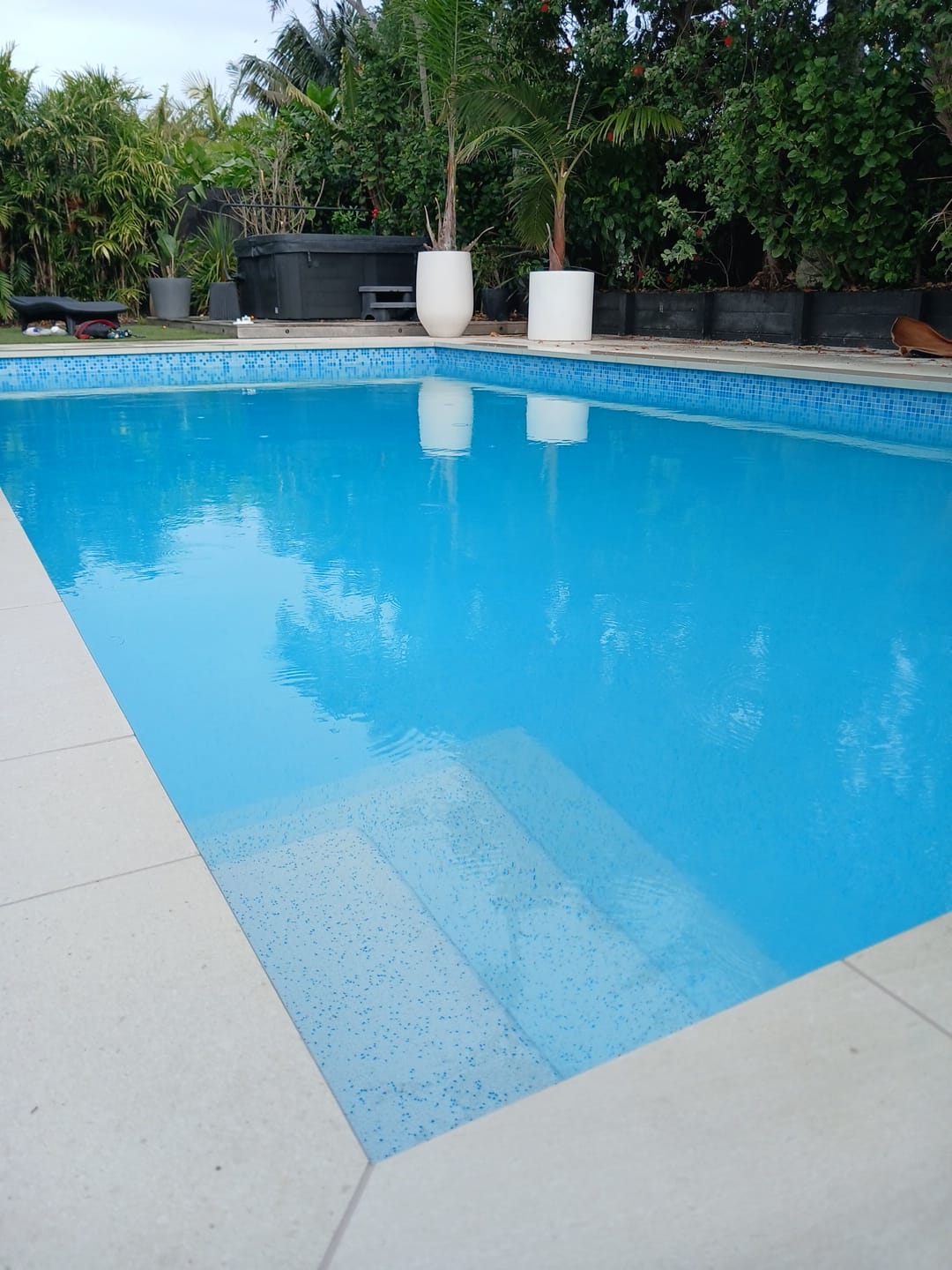
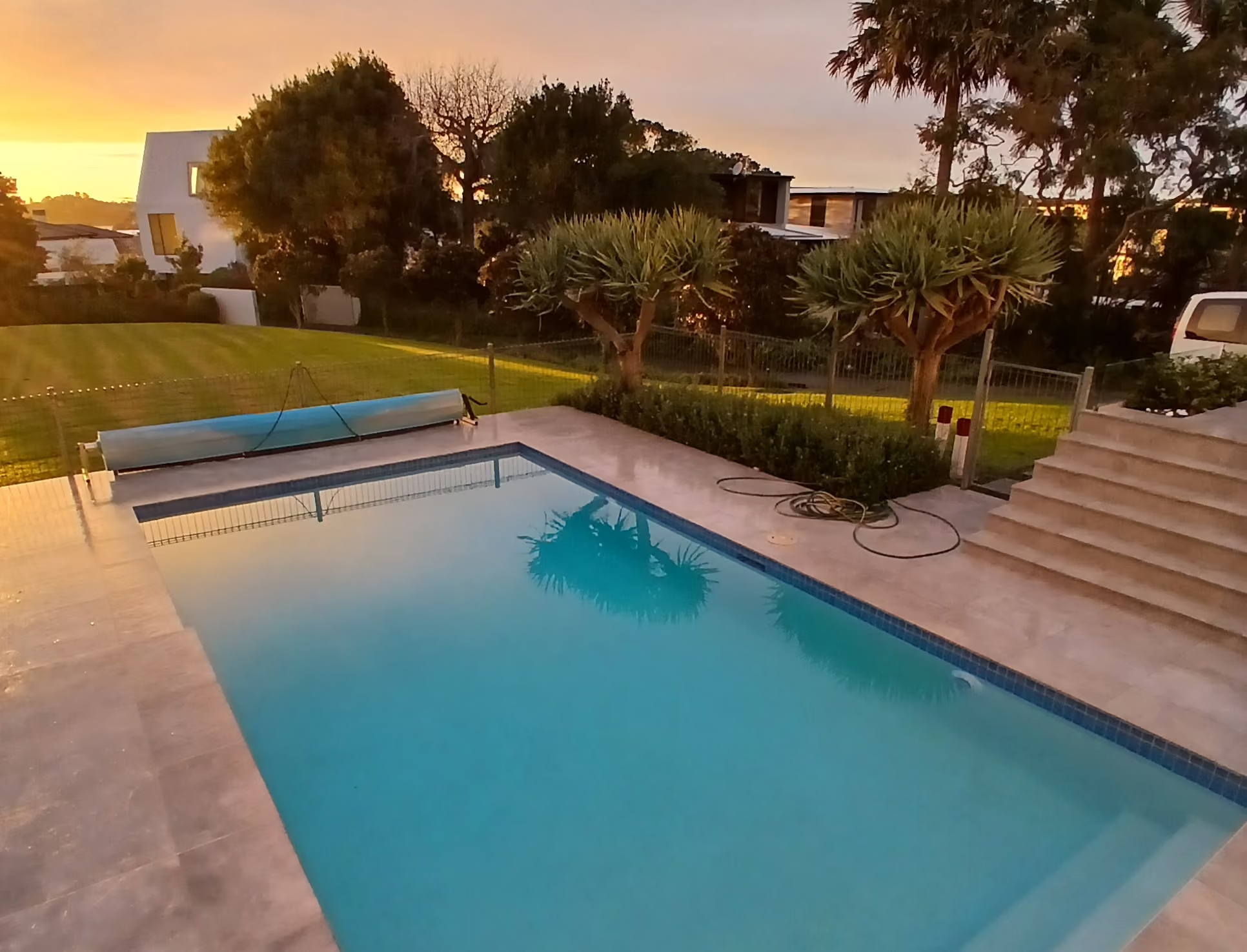
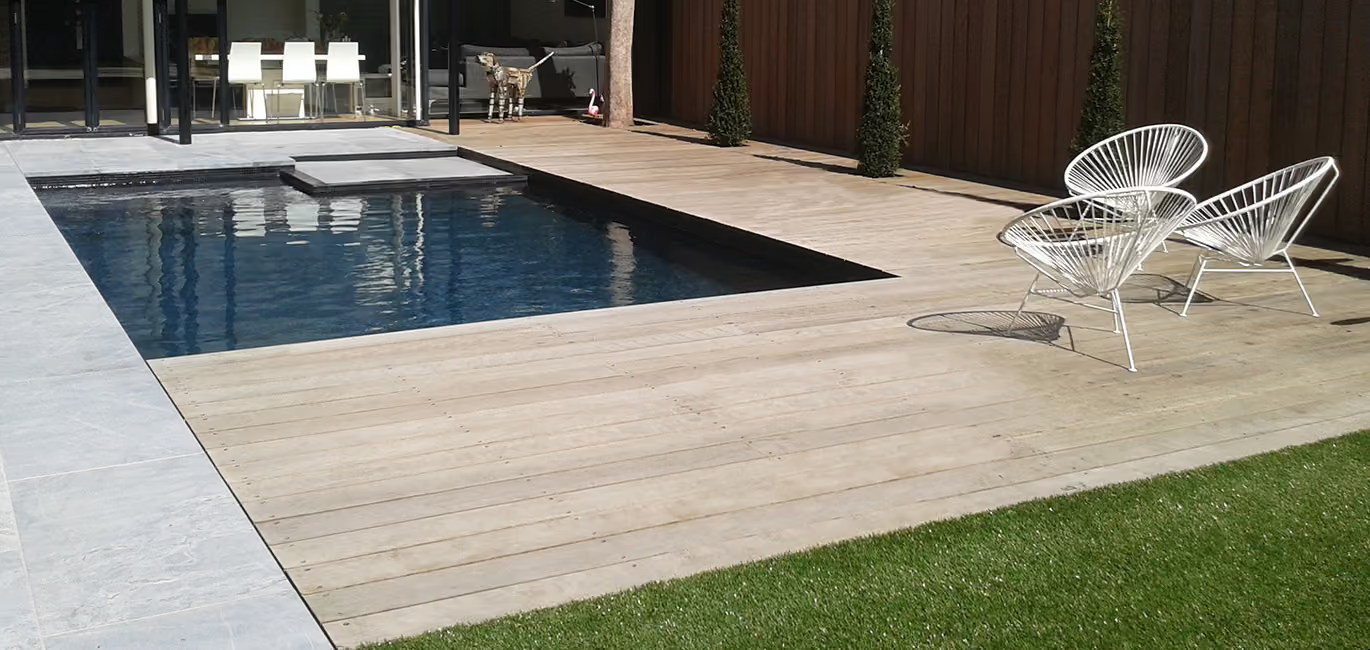
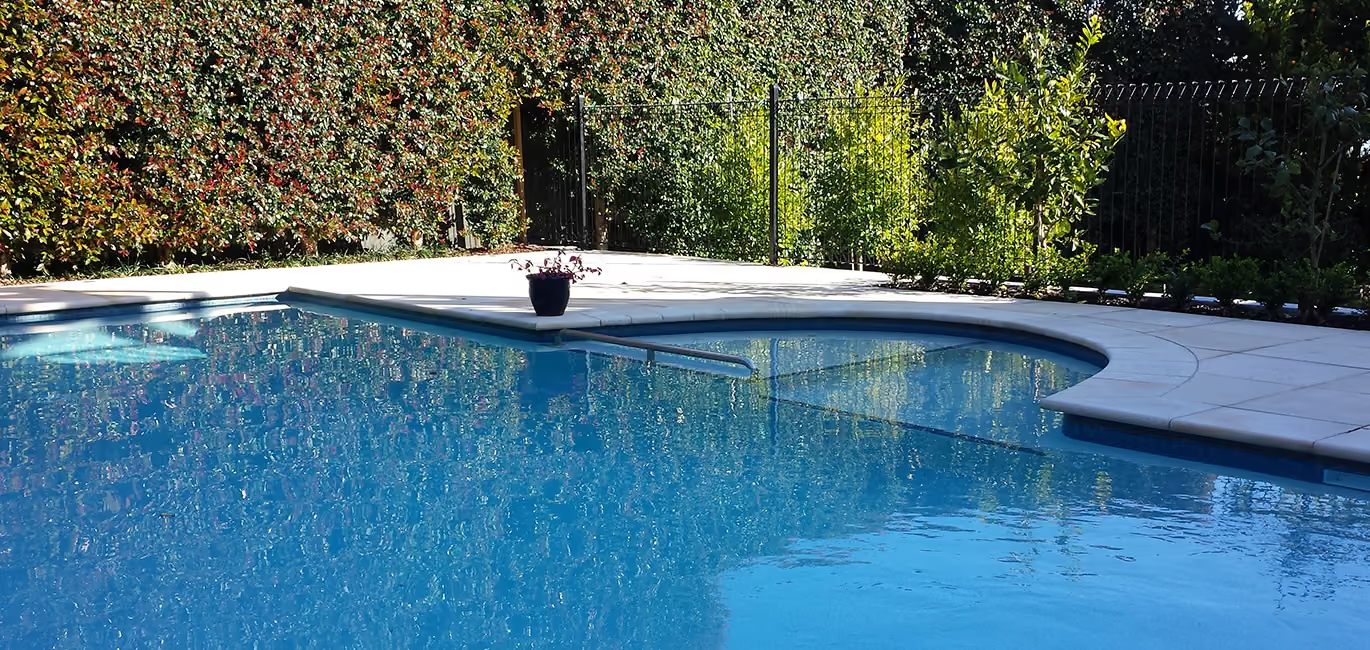
Sparkling Pools has worked on pools across Auckland, including residential renovation projects, equipment upgrades, ongoing maintenance and pool care for managed properties. Past projects show how the right approach can improve presentation, water quality and day-to-day usability. A well-maintained pool is easier to manage, more pleasant to use and better prepared for seasonal changes.

Trusted by Homeowners Across Auckland
Don't just take our word for it. Read what our clients have to say about our transparent communication, reliable service, and stunning pool transformations.
Related Blog Posts
Stay informed on pool care and renovations
Winter pool care essentials for Auckland
Pool Renovation Mistakes

Auckland Climate Pool Maintenance
Choosing Renovation Contractor
Pool Care Auckland Summer
Permits & Consents

Pool Renovation ROI
How Often to Test Pool Water
Pool Renovation Costs
Cost of Pool Service Auckland
Pool Renovation Planning Guide
Pool Lighting Buying Guide
Pool Cleaner Buying Guide
Pool Automation Buying Guide
Pool Heater Buying Guide
Pool Filter Buying Guide
Pool Pump Buying Guide
Best Equipment Auckland Climate
Auckland Water Quality
Auckland Pool Season
Pool Ownership Costs
Common Pool Mistakes
Pool Safety Laws
Pool Inspection Requirements
Pool Fence Compliance
.avif)
Auckland Pool Industry Trends
Auckland Pool Regulations
Pool Equipment Suppliers
Best Pool Service Areas
Pool Service Pricing Analysis
Company vs Independent
Best Pool Surface Materials
Pool Resurfacing Options
Pebble vs Plaster Surfaces
One-Time vs Ongoing Service
Full Service vs Chemicals Only
Pool Cover Types
Robotic vs Suction Cleaners
Mineral vs Saltwater
Gas vs Heat Pump
Pool Heater Types
Pool Winterizing Guide Auckland
Pool Opening Guide Summer
Pool Maintenance After Heavy Rain
Pool Maintenance Schedule
How Often to Run Pool Filter
Pool Pump Maintenance Schedule
Pool Filter Cartridge Cleaning
Pool Equipment Maintenance Checklist
Pool Waterline Cleaning
Pool Skimmer Basket Cleaning
Pool Chlorine Levels
How Often Clean Pool Filter
How to Vacuum Pool
Pool Brushing Technique
Pool Chemical Dosing Chart
Pool Water Chemistry Basics
How to Balance Pool Chemistry
How to Test Pool Water
Pool Maintenance Tips
Complete Pool Maintenance Guide
Pool Service ROI
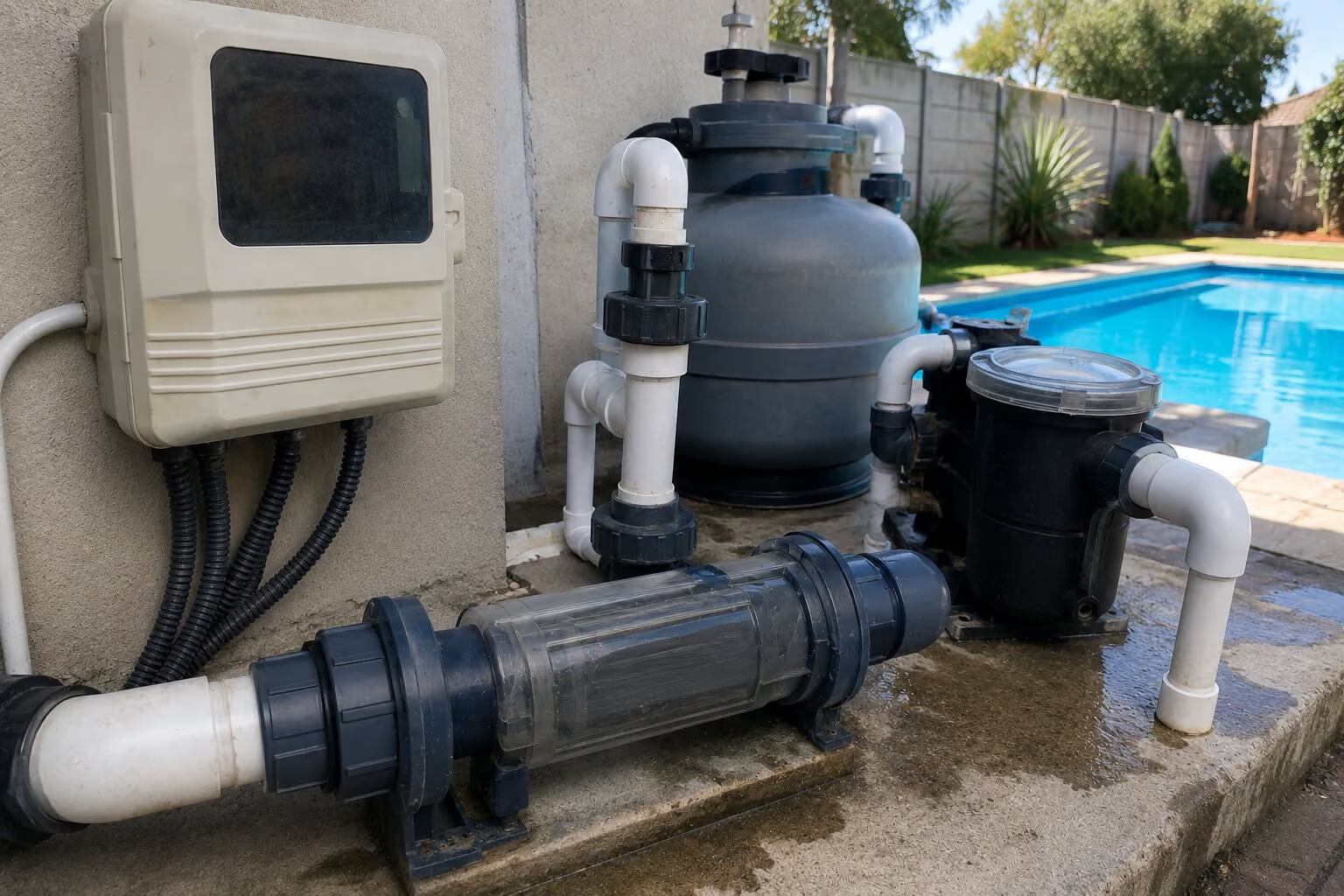
Pool Equipment Buy or Service
Pool Maintenance Time Requirements
DIY vs Professional
Pool Service Contract
Pool Service vs Pool Valet
Is Pool Service Worth It
Pool Service Guarantees
Pool Service Reviews
Pool Service Red Flags
Questions to Ask Pool Companies
How to Choose Pool Service Company
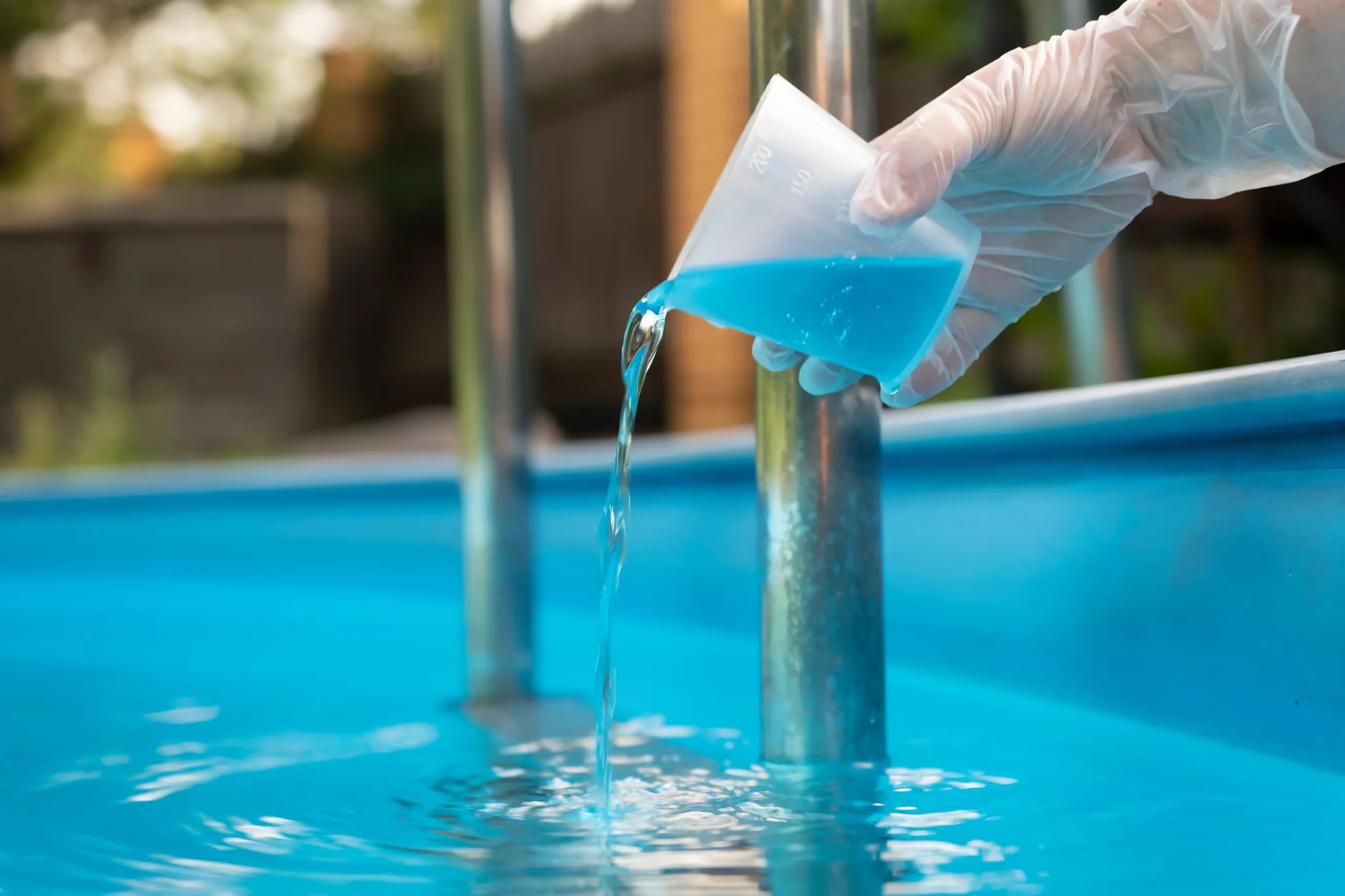
Hidden Costs DIY Maintenance
Pool Cleaning Prices Auckland
Cost of Pool Resurfacing
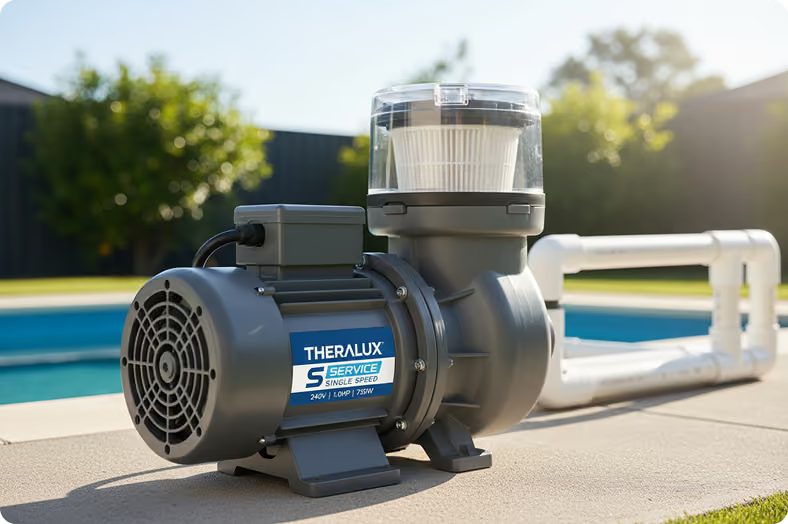
Cost of Pool Pump Replacement
Cost to Fix Green Pool
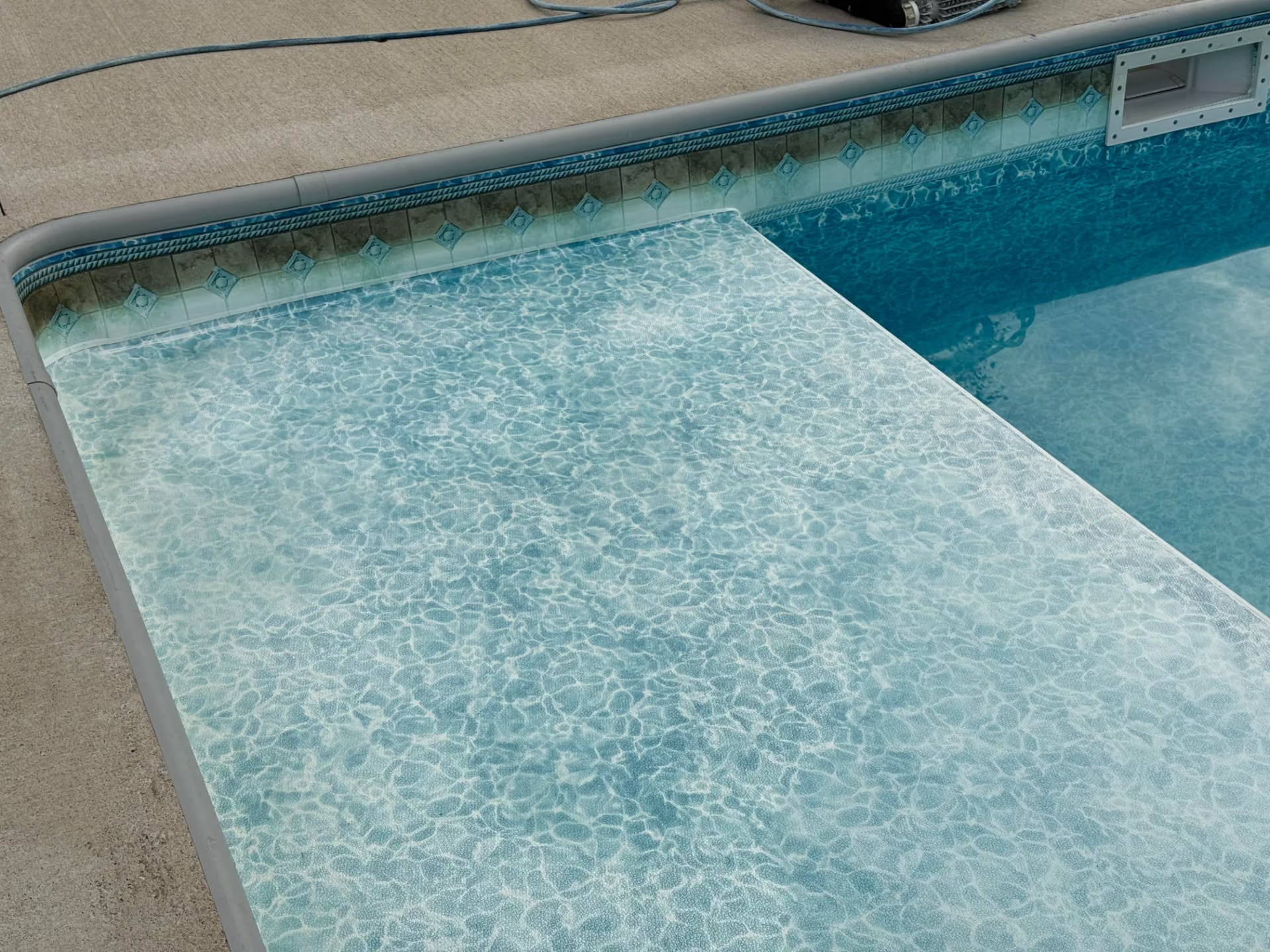
Pool Liner Wrinkles
Pool Cracks When to Worry
Pool Surface Stains
Pool Valve Leaking
Pool Automation Not Working
Pool Light Not Working
Pool Heater Not Heating
Pool Skimmer Not Working
High Pool Filter Pressure
Pool Losing Water
Pool Filter Not Clearing Water
Pool Pump Leaking
Pool Pump Not Pumping
Pool Pump Losing Prime
Pool Pump Noisy
Pool Pump Not Working
Pool Water Foaming
Pool pH Too Low
Pool pH Too High
Green Pool After Rain
Pool Still Green After Shock
Pool Water Cloudy
How to Clear a Green Pool
Pool Care That Protects Your Investment
Good pool care protects more than appearance. Our pool specialists support the long-term condition of your swimming pool while keeping it ready for everyday use.