Auckland Pool Season

Why Auckland trusts our pool service expertise
Auckland's pool season typically runs from around October through to April, giving most pool owners roughly six months of use. The mild climate is an advantage, but it also means pools need consistent attention across a longer period than in cooler parts of New Zealand.
The key to a good season is preparation at both ends, opening the pool properly in spring and closing it down (or scaling back) correctly in autumn. Staying on top of water chemistry and equipment through summer keeps problems manageable.
What you'll learn
When Does Pool Season Start and End in Auckland?
Auckland's mild climate means pool season stretches well beyond the school holidays. Most pool owners in Auckland start using their pools from around October and keep swimming into April, sometimes later during warm autumns.
That's roughly six months of use, which is longer than many parts of New Zealand. It also means your pool equipment, water chemistry and surfaces are under sustained demand. Getting the timing right at both ends of the season makes a real difference to how well your pool performs, and how much work it takes to maintain.
---
Why Timing Matters for Auckland Pool Owners
Auckland's weather doesn't follow a clean seasonal script. Warm spells arrive early in spring, and summer heat can linger well into autumn. This creates a few practical challenges:
- Algae can establish quickly when water warms up but hasn't been treated yet
- UV intensity increases from September onwards, which burns through chlorine faster
- Rainfall events can dilute water chemistry and introduce contaminants
- Humidity through summer creates conditions where bacteria and algae thrive if sanitiser levels drop
Understanding Auckland's seasonal patterns helps you stay ahead of problems rather than reacting to them.
---
Opening Your Pool for Summer
If your pool has been sitting through winter with reduced maintenance, it needs attention before you start swimming. Don't wait until the water looks bad, by then, you're already behind.
Step 1, Check the Water Chemistry
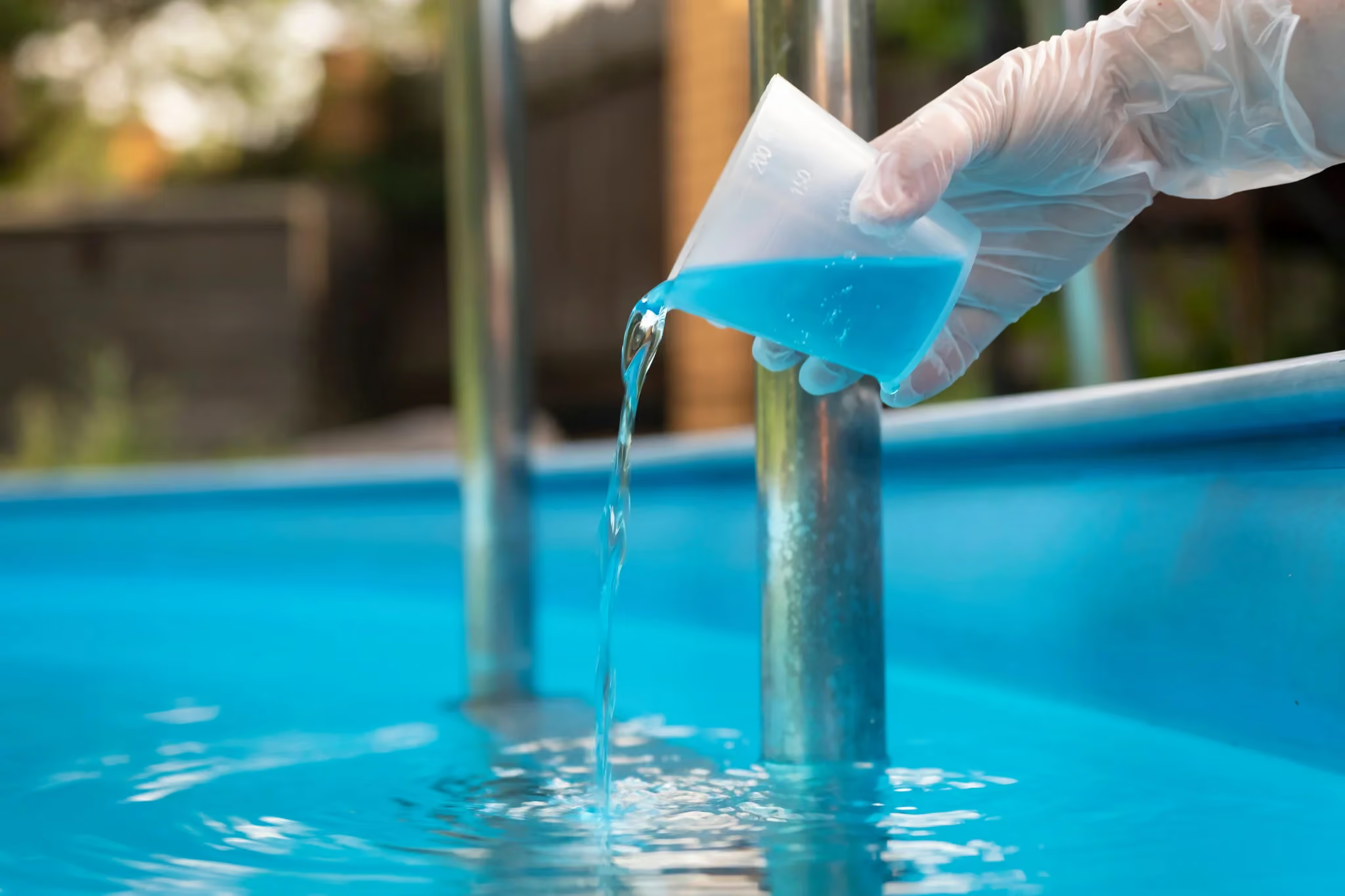
Before anything else, test your water. This means checking:
- pH, should sit within the correct range for your pool type
- Total alkalinity, affects how stable your pH is
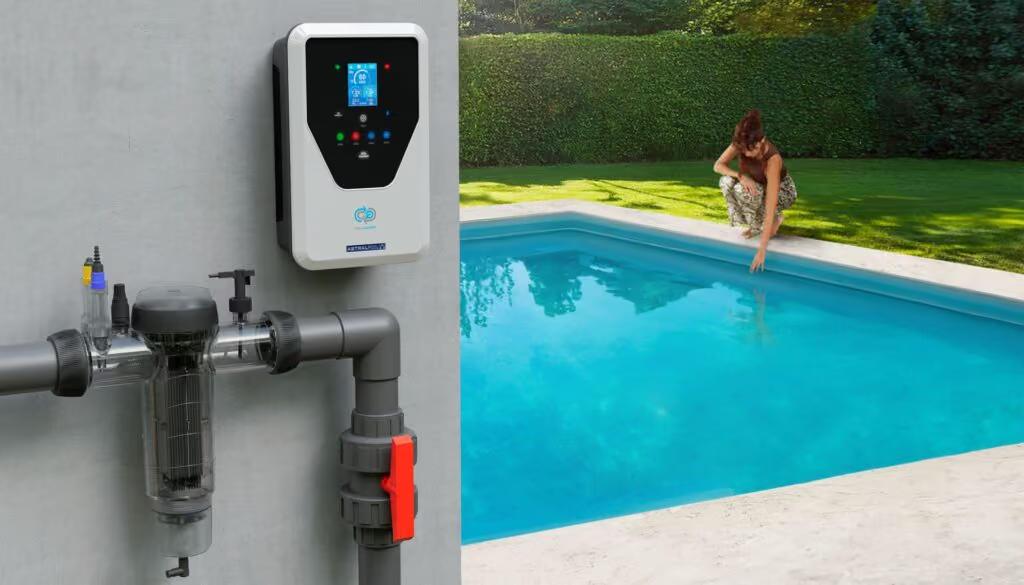
- Sanitiser levels, chlorine or salt chlorinator output
- Calcium hardness, particularly important for plaster and tiled pools
- Stabiliser (cyanuric acid), protects chlorine from UV breakdown
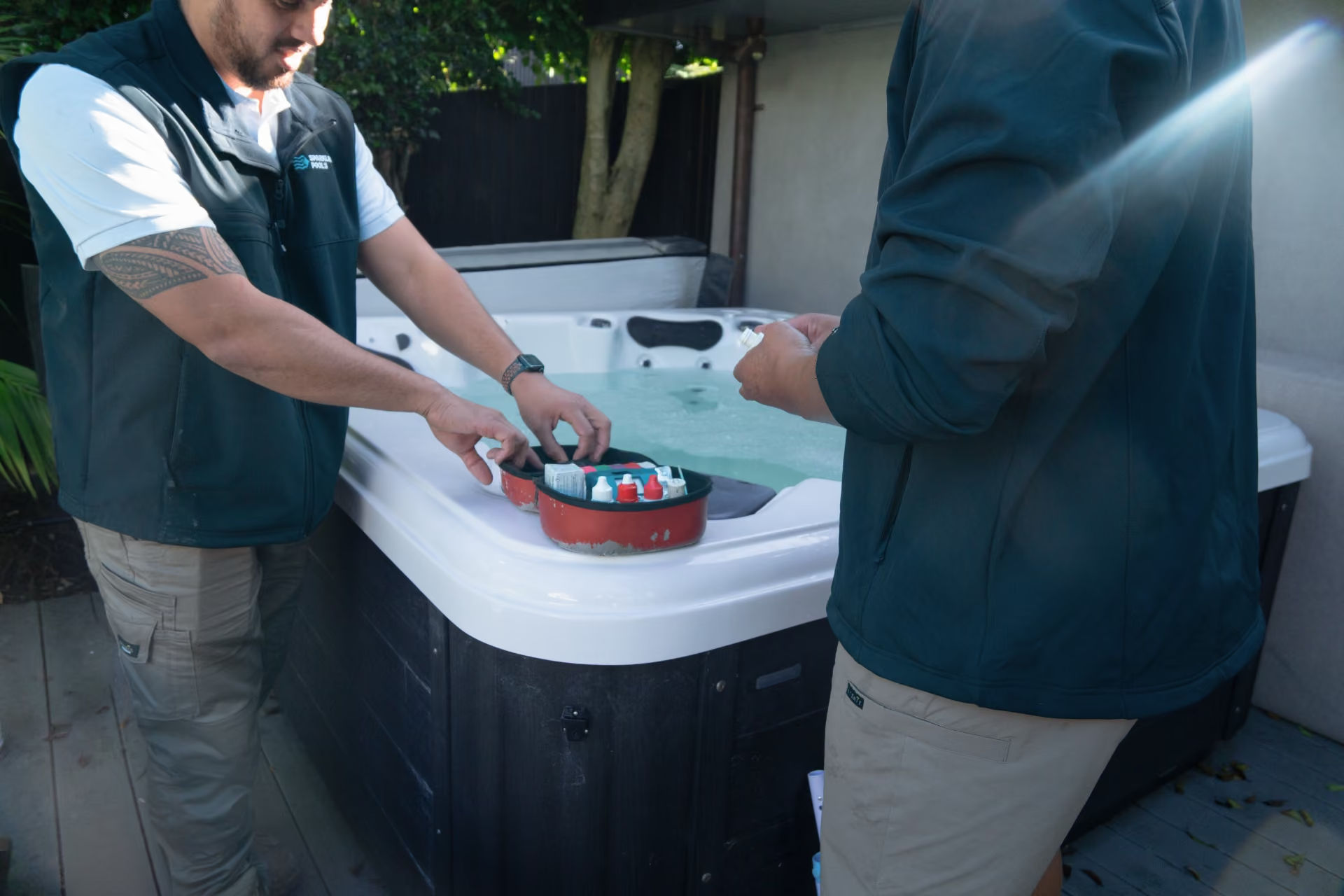
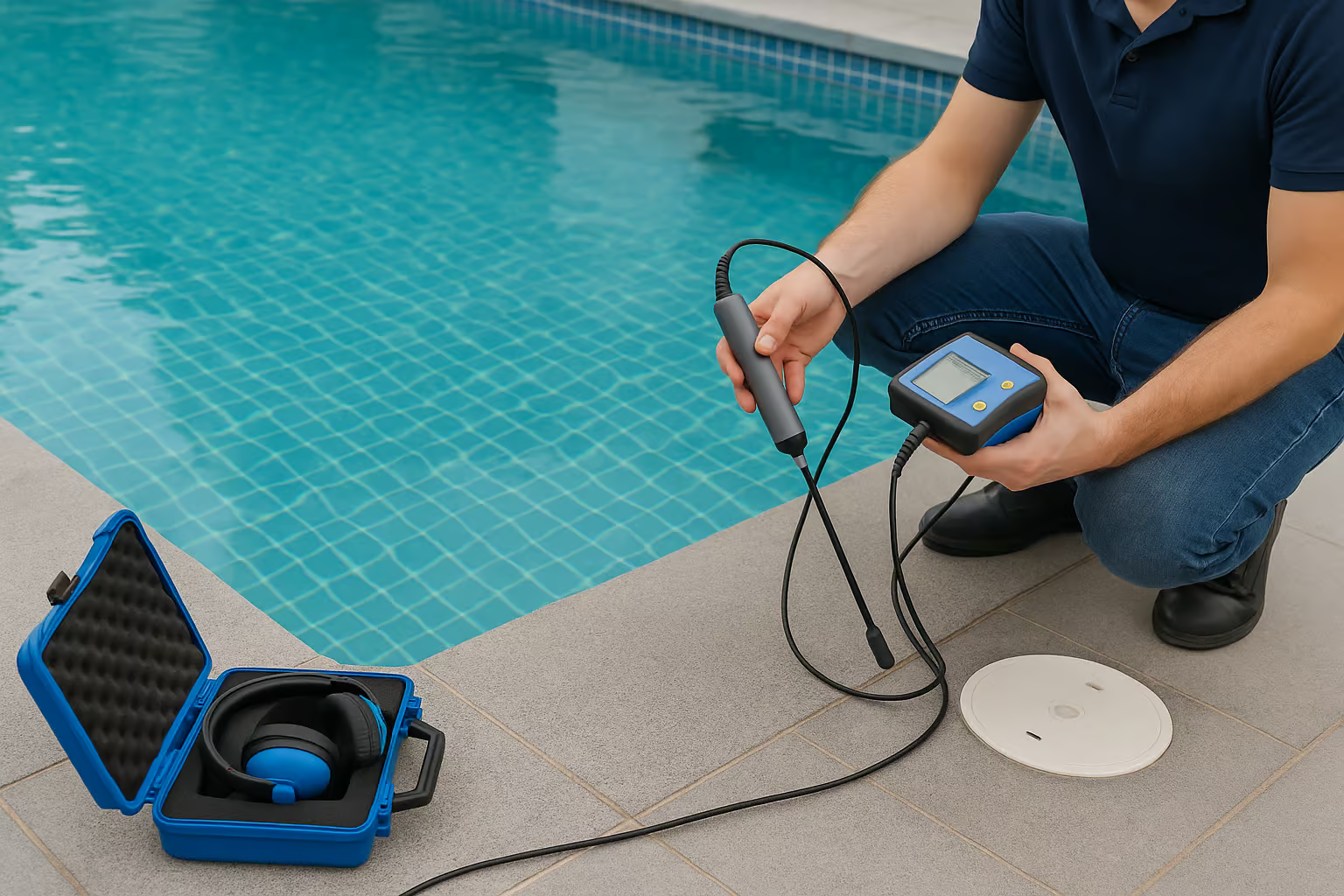
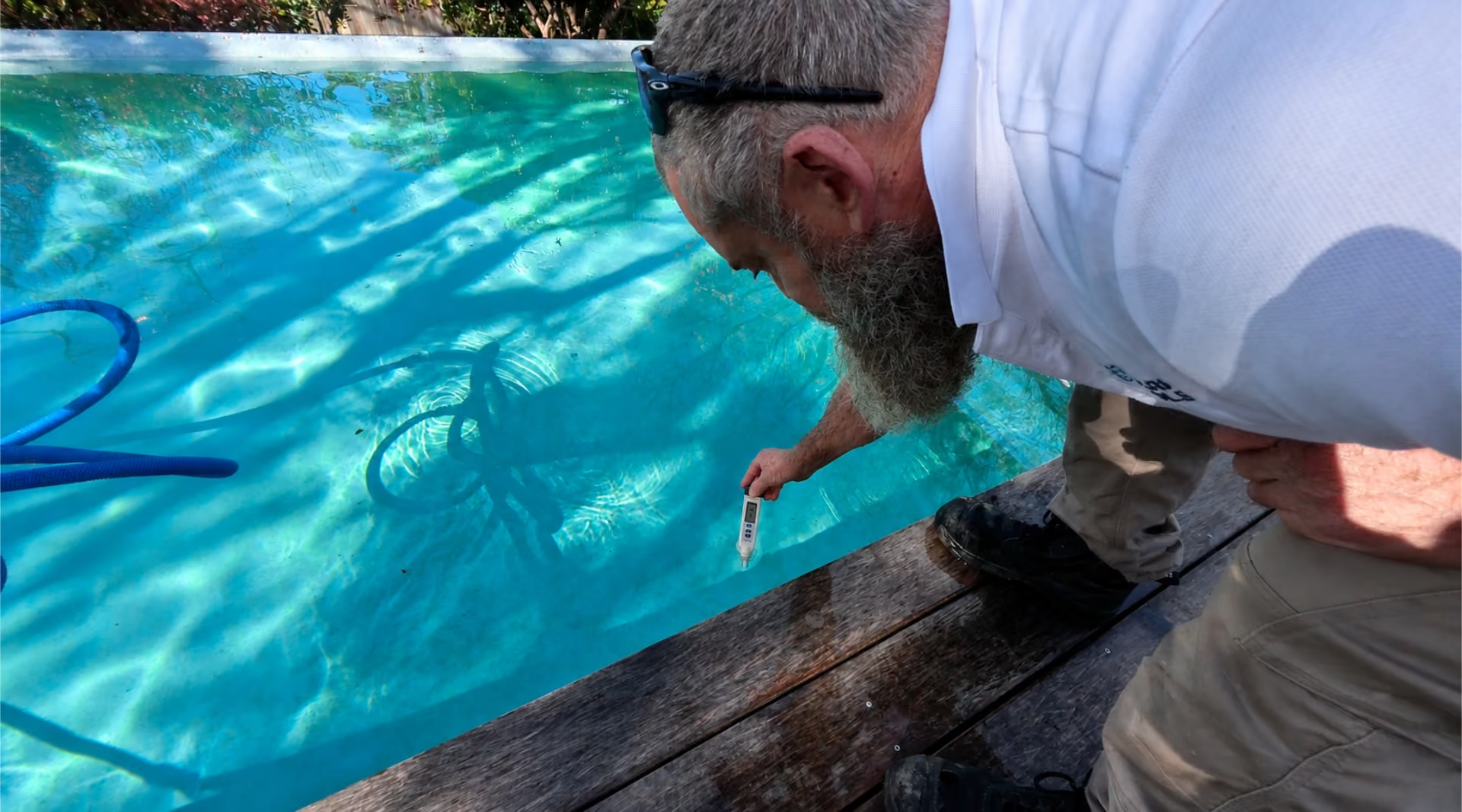
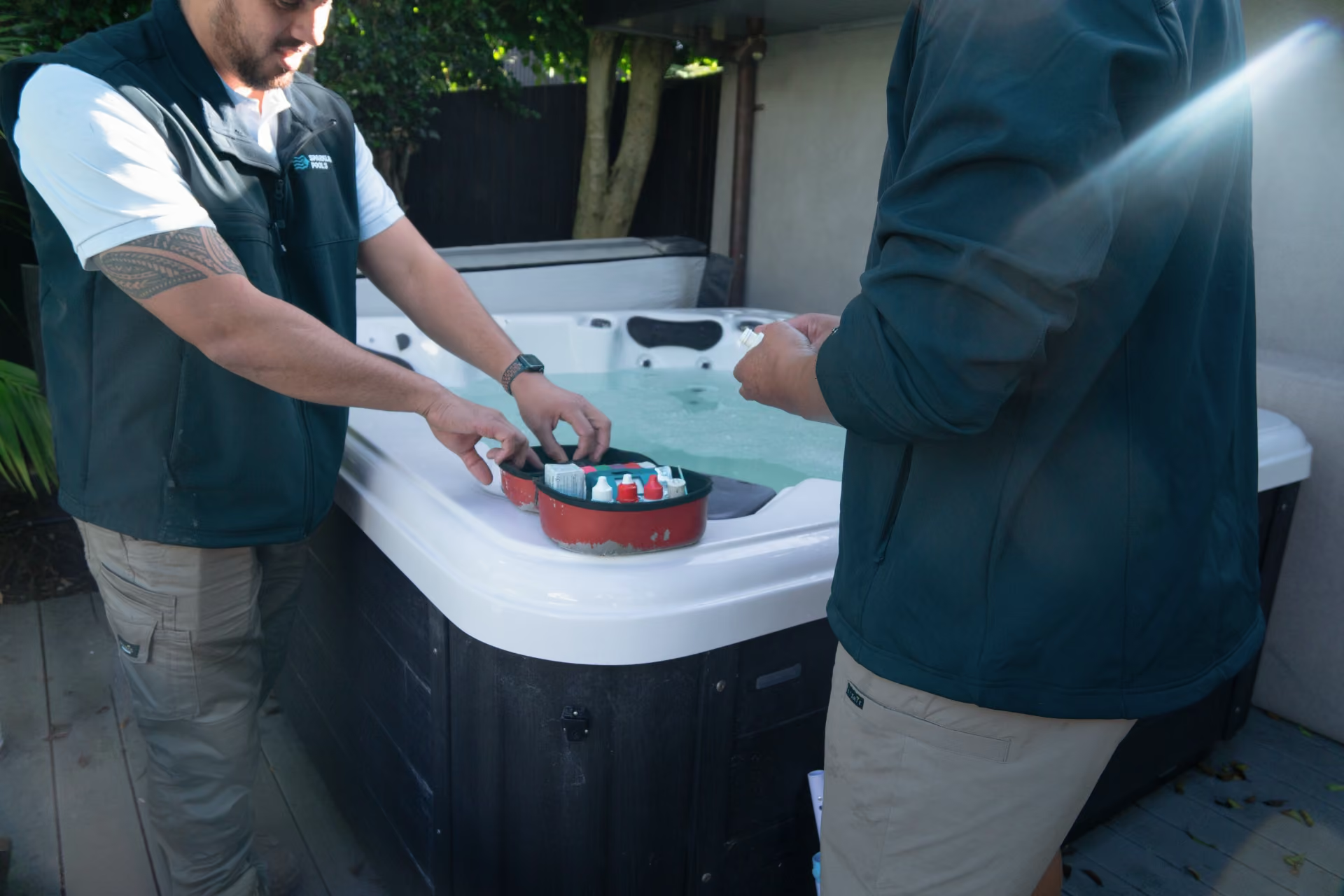
If you're not confident reading the results, Sparkling Pools offers on-site water testing across Auckland. A technician comes to your home and tests everything on site, no samples to drop off, no waiting.
Step 2, Inspect the Equipment
Before you run the system hard through summer, check:
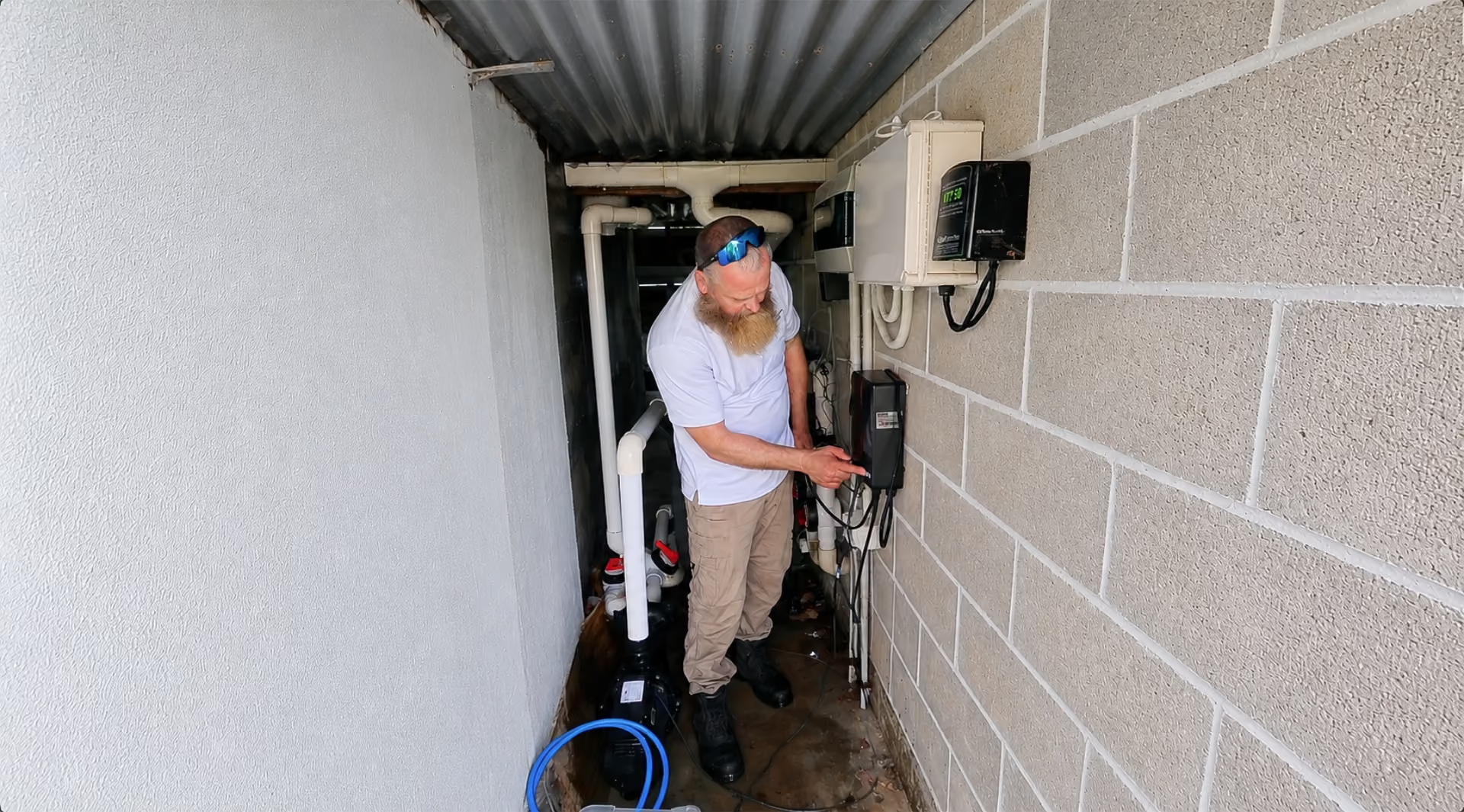
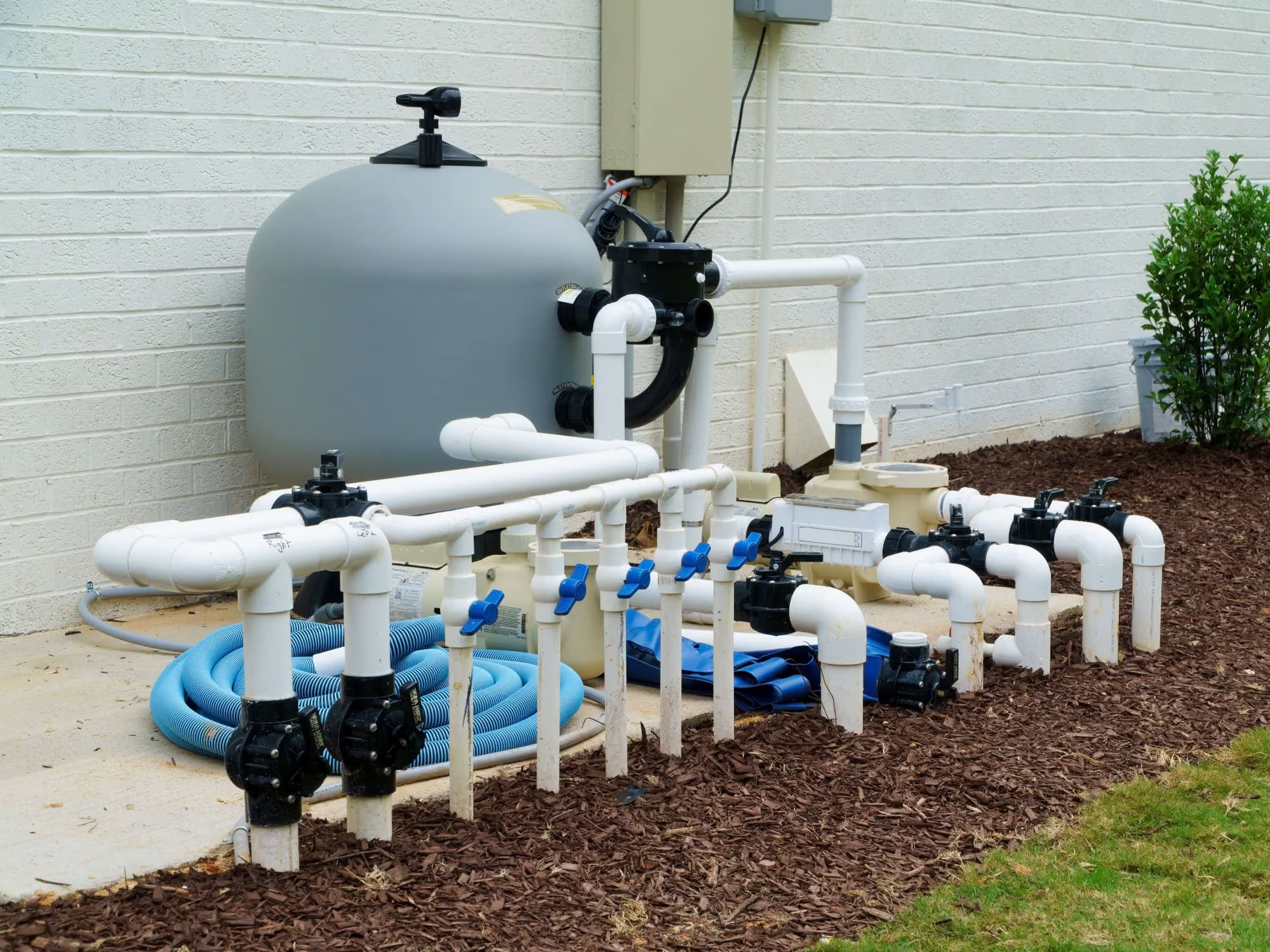
- Pump and filter, look for leaks, unusual noise, or reduced flow
- Chlorinator cell (if salt pool), inspect for scale build-up
- Skimmer baskets and pump basket, clear any debris from winter
- Pool cleaner, check hoses, wheels and connections
Any equipment that was struggling at the end of last season won't improve over winter. Get it looked at before the pool is in daily use.
Step 3, Clean the Pool
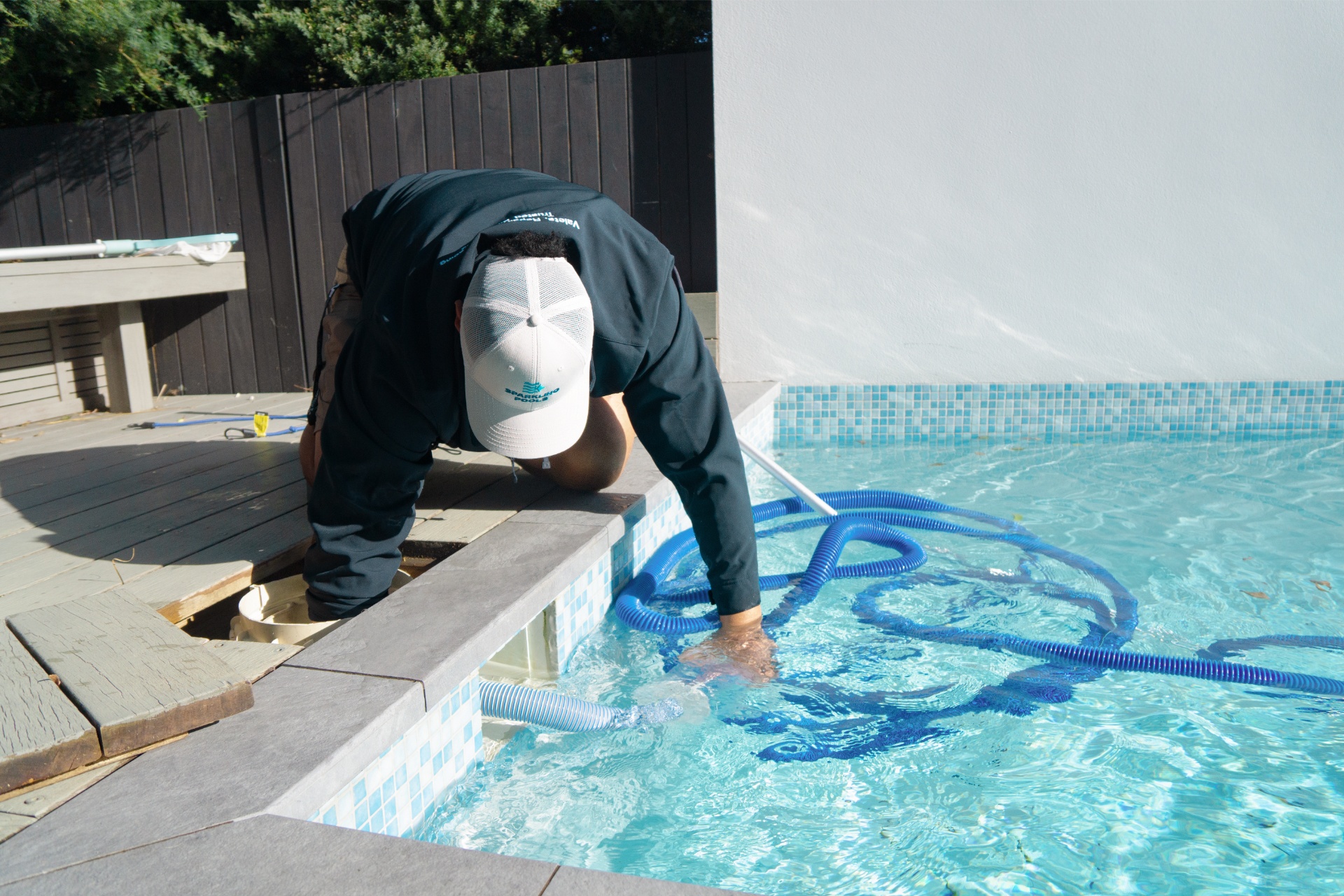
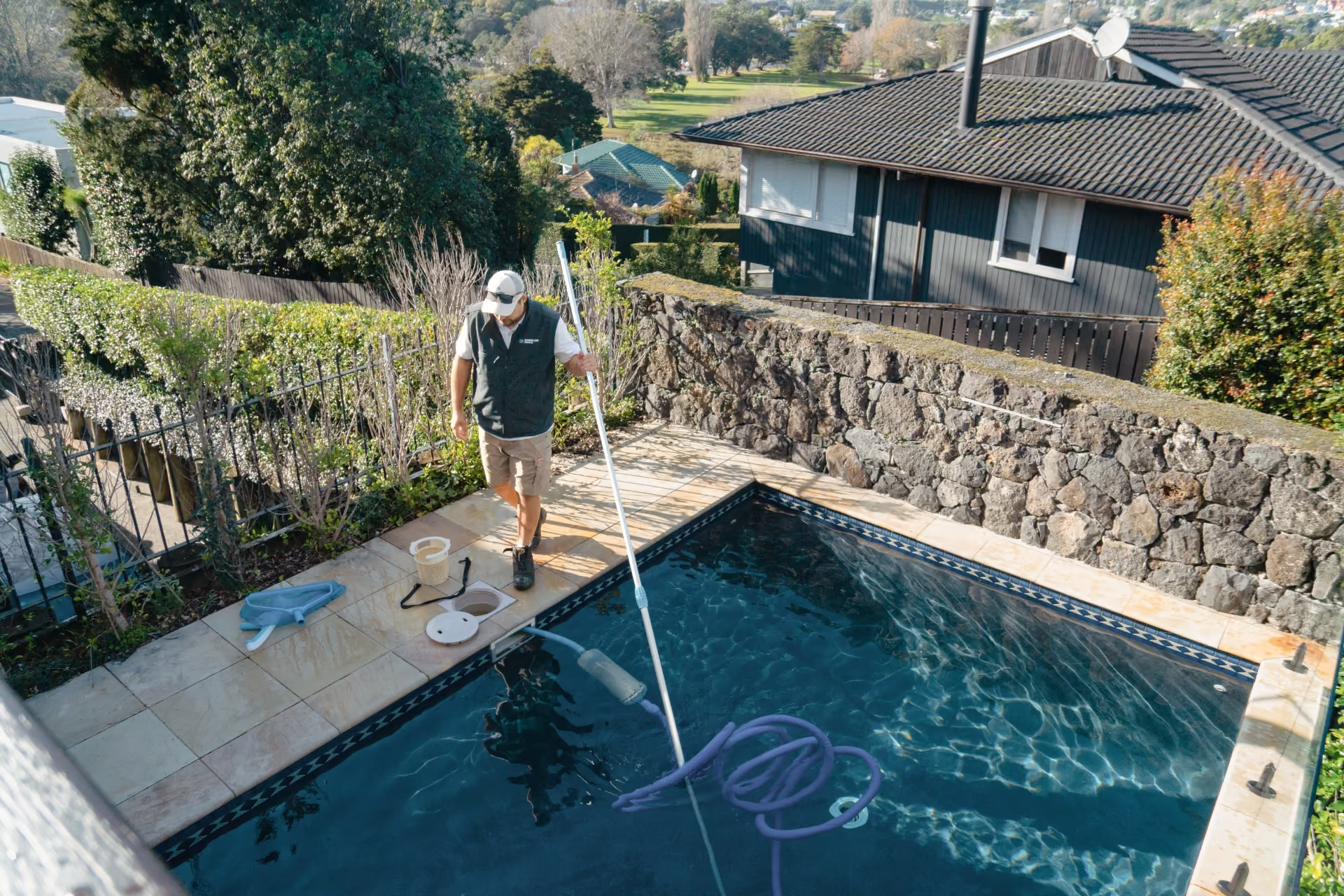
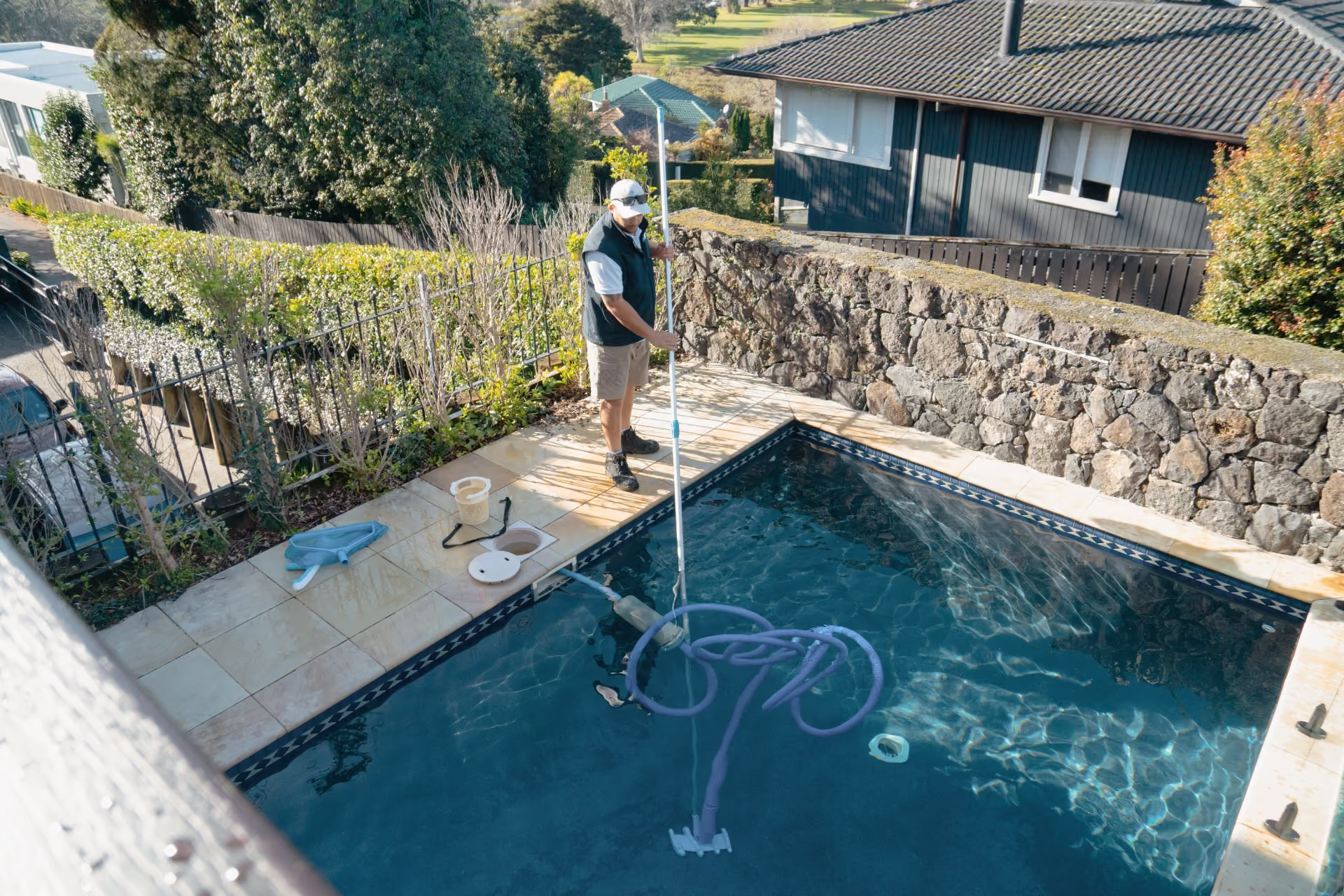
- Brush walls and floor to dislodge any algae or sediment
- Vacuum to waste if there's significant debris on the floor
- Clean the waterline tile or coping if there's a scum line from winter
- Backwash or rinse the filter
Step 4, Balance and Shock
Once the pool is clean and equipment is running, balance the water chemistry and consider a shock treatment to bring sanitiser levels up quickly. This is especially important if the water has been sitting with minimal treatment.
---
Keeping Up Through Summer
Once the pool is open and balanced, the goal is consistency. Auckland summers can be demanding on pool water, high UV, warm temperatures and heavy bather loads all work against stable chemistry.
Weekly Tasks
- Test water chemistry and adjust as needed
- Empty skimmer and pump baskets
- Brush walls and vacuum if your cleaner hasn't covered everything
- Check equipment is running as expected
After Heavy Rain
Auckland gets significant rainfall even in summer. After a heavy downpour:
- Retest your water, pH and alkalinity often shift after rain
- Check sanitiser levels, which can drop quickly after dilution
- Remove any debris that has blown in
During Heat Waves
Warm water and high UV accelerate chlorine consumption. During extended hot spells, test more frequently and be prepared to adjust sanitiser levels more often than usual.
---
What People Commonly Miss Mid-Season
Even pool owners who start the season well can run into problems by February or March. Common oversights include:
- Letting stabiliser levels drift, too low and chlorine burns off quickly; too high and it becomes less effective
- Skipping water tests when the pool looks clear, water can be chemically out of balance without looking it
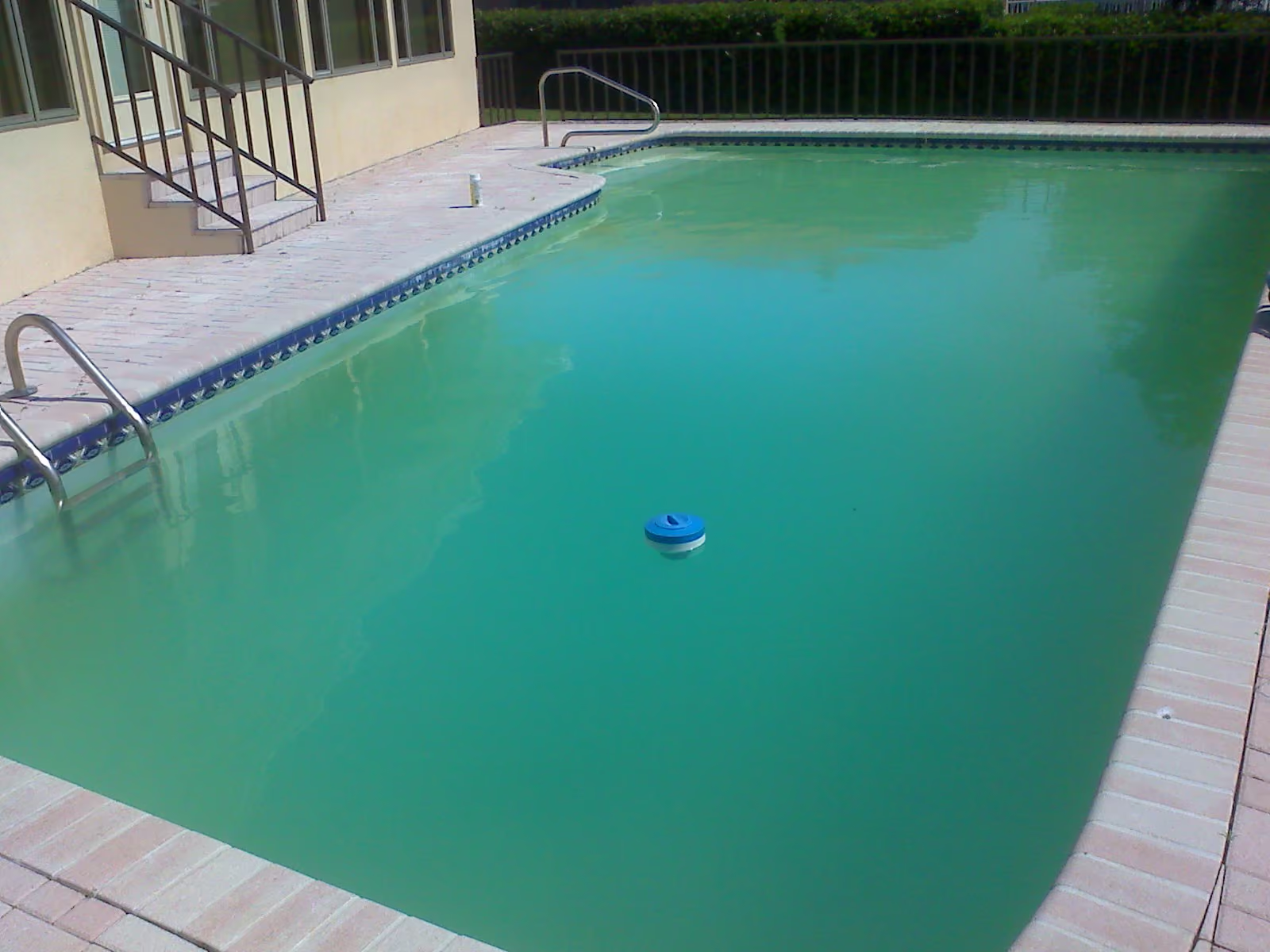
- Ignoring early signs of algae, a slightly green tinge on walls or a slippery floor surface means algae is establishing
- Not cleaning the chlorinator cell, scale build-up reduces output, which can lead to under-sanitised water without any obvious warning
- Running the pump for shorter periods, reduced circulation in warm weather is a common cause of water quality problems
---
Closing Your Pool for Winter
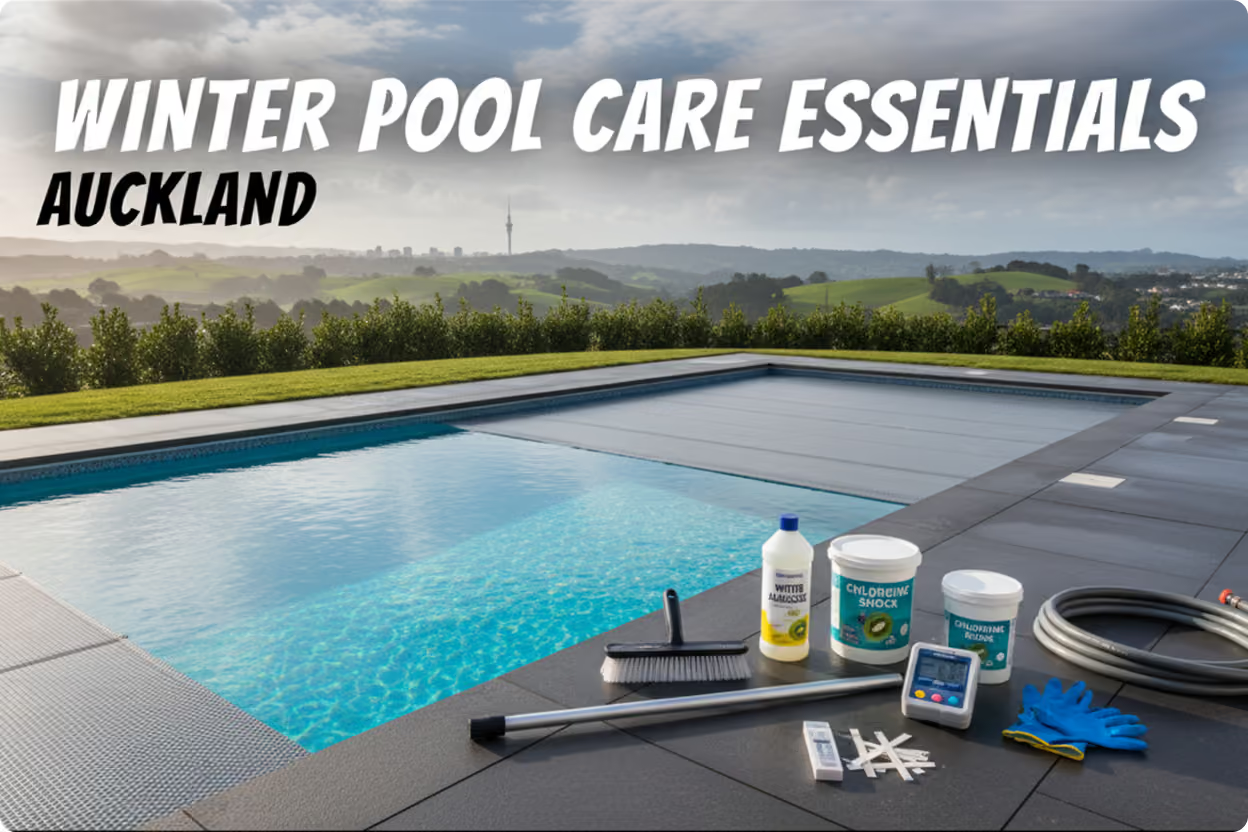
Auckland winters are mild enough that many pool owners keep their pools running year-round at a reduced level. Others scale back maintenance significantly. Either approach can work, but a proper close-down at the end of summer protects your pool through the cooler months.
If You're Keeping It Running
- Reduce pump run time gradually as water temperature drops
- Maintain a baseline sanitiser level, algae can still grow in cool water
- Test water monthly rather than weekly
- Keep the pool covered if possible to reduce debris and evaporation
If You're Closing Down Properly
- Balance the water chemistry before reducing maintenance
- Clean the pool thoroughly, algae and debris left over winter are harder to deal with in spring
- Lower the water level if required for your pool type
- Protect equipment from frost if relevant (less common in Auckland, but worth considering in elevated or exposed sites)
- Cover the pool securely
---
When to Book a Service
Some tasks are straightforward for pool owners to handle themselves. Others benefit from a professional eye, particularly at the start and end of season.
Consider booking a service with Sparkling Pools if:
- Your water chemistry is consistently difficult to balance
- Equipment is making unusual noises or not performing as expected
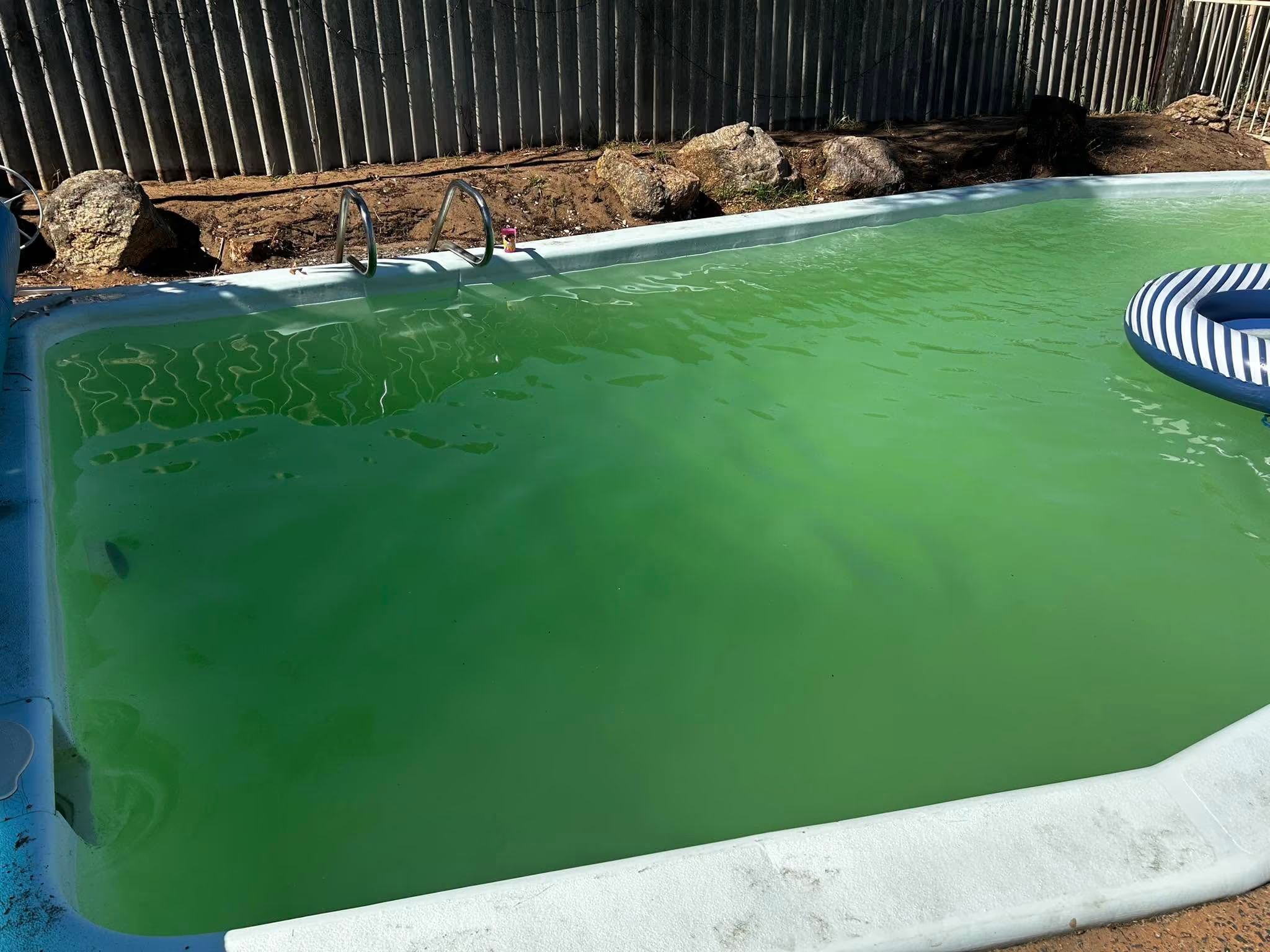
- You're opening a pool that has been neglected or sitting green over winter
- You want a full equipment check before the busy summer period
- You're not sure whether your chlorinator cell or filter needs attention
Sparkling Pools has been servicing pools across Auckland since 1992. The team can test your water on site, diagnose equipment issues and help you get your pool ready for the season, or close it down properly at the end of it.
To book or enquire, call 09 570 4797 or freephone 0800 794 673 (0800 SWIM READY), Monday to Friday, 8:00am, 4:30pm. You can also email info@sparklingpools.co.nz.
Pool resurfacing solutions
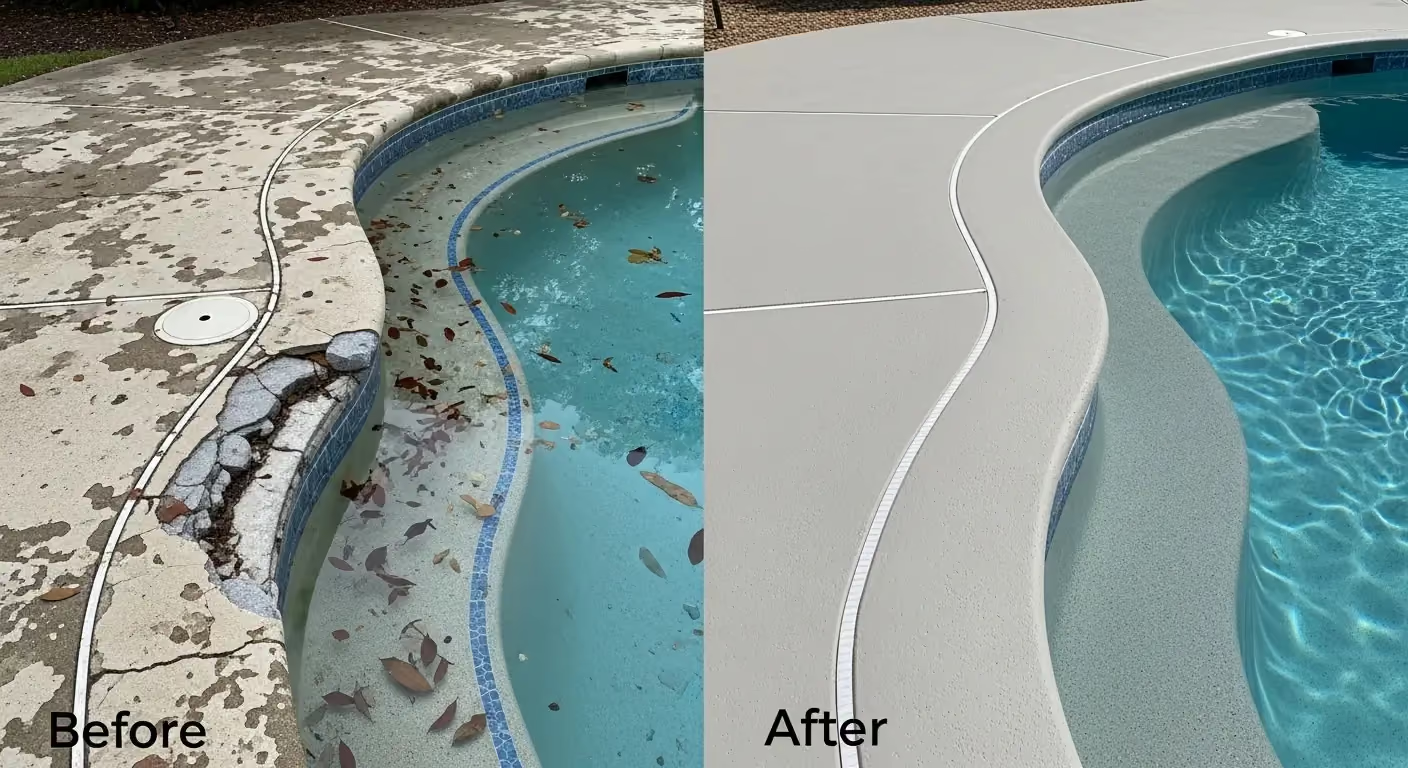
Restore your pool with durable plaster finishes

Work completed
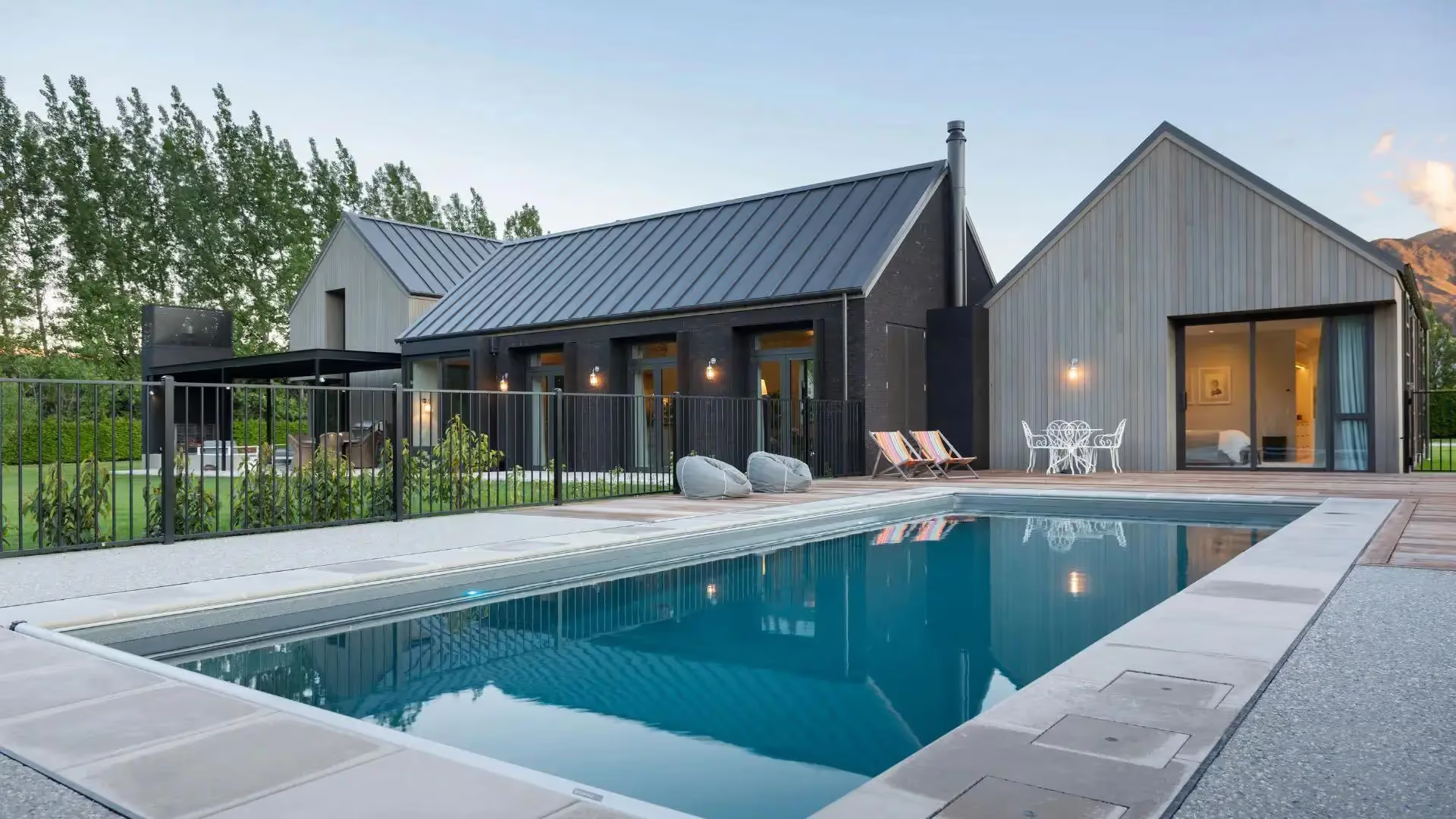
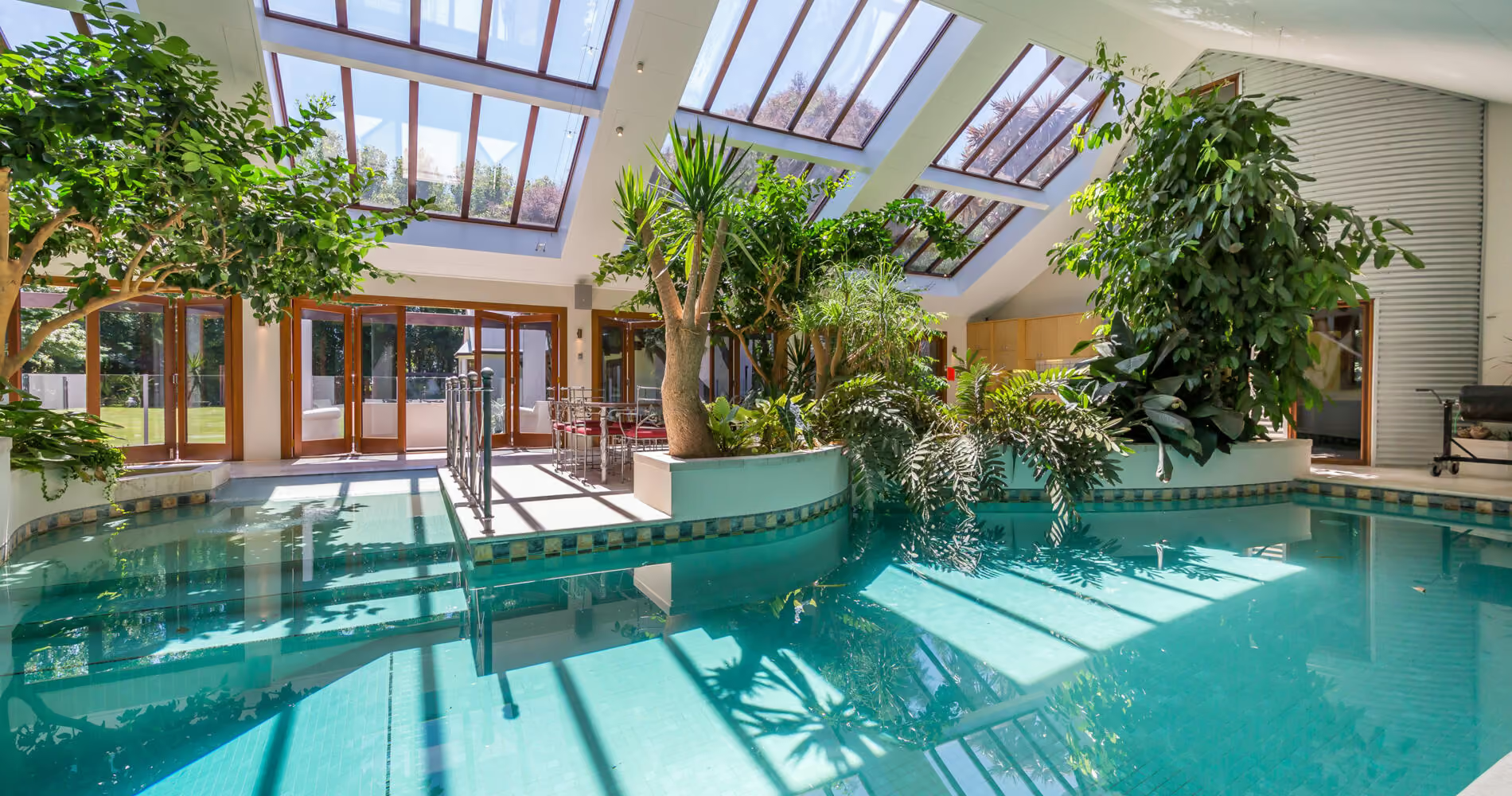
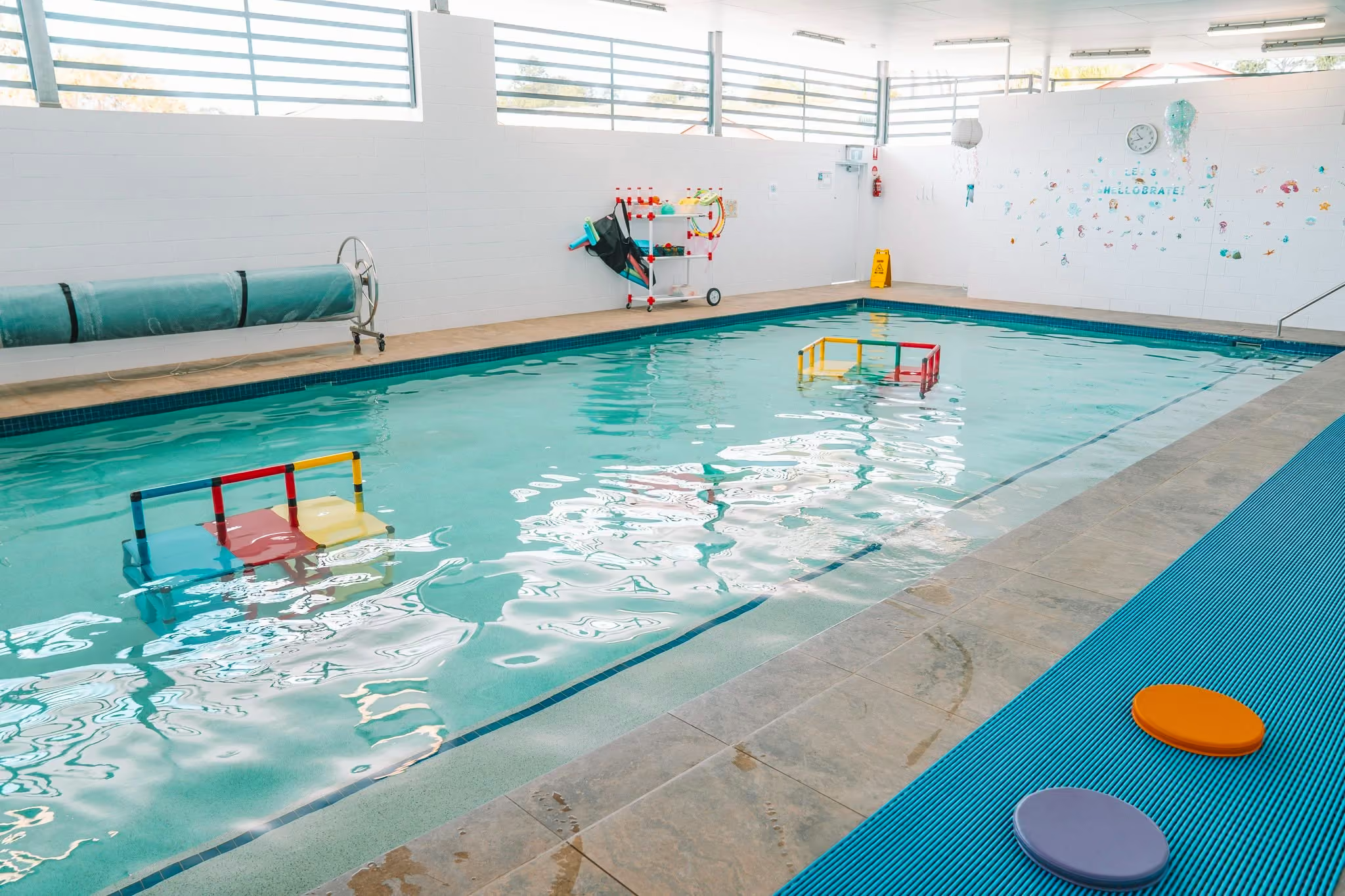
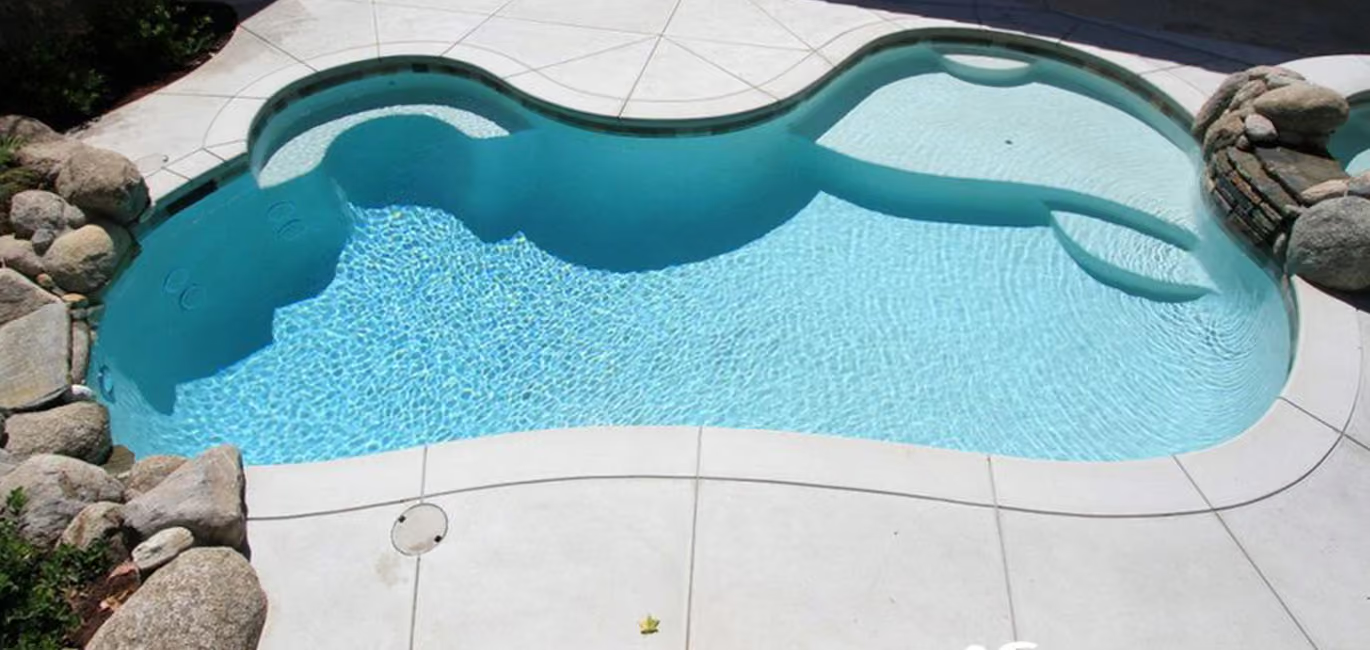
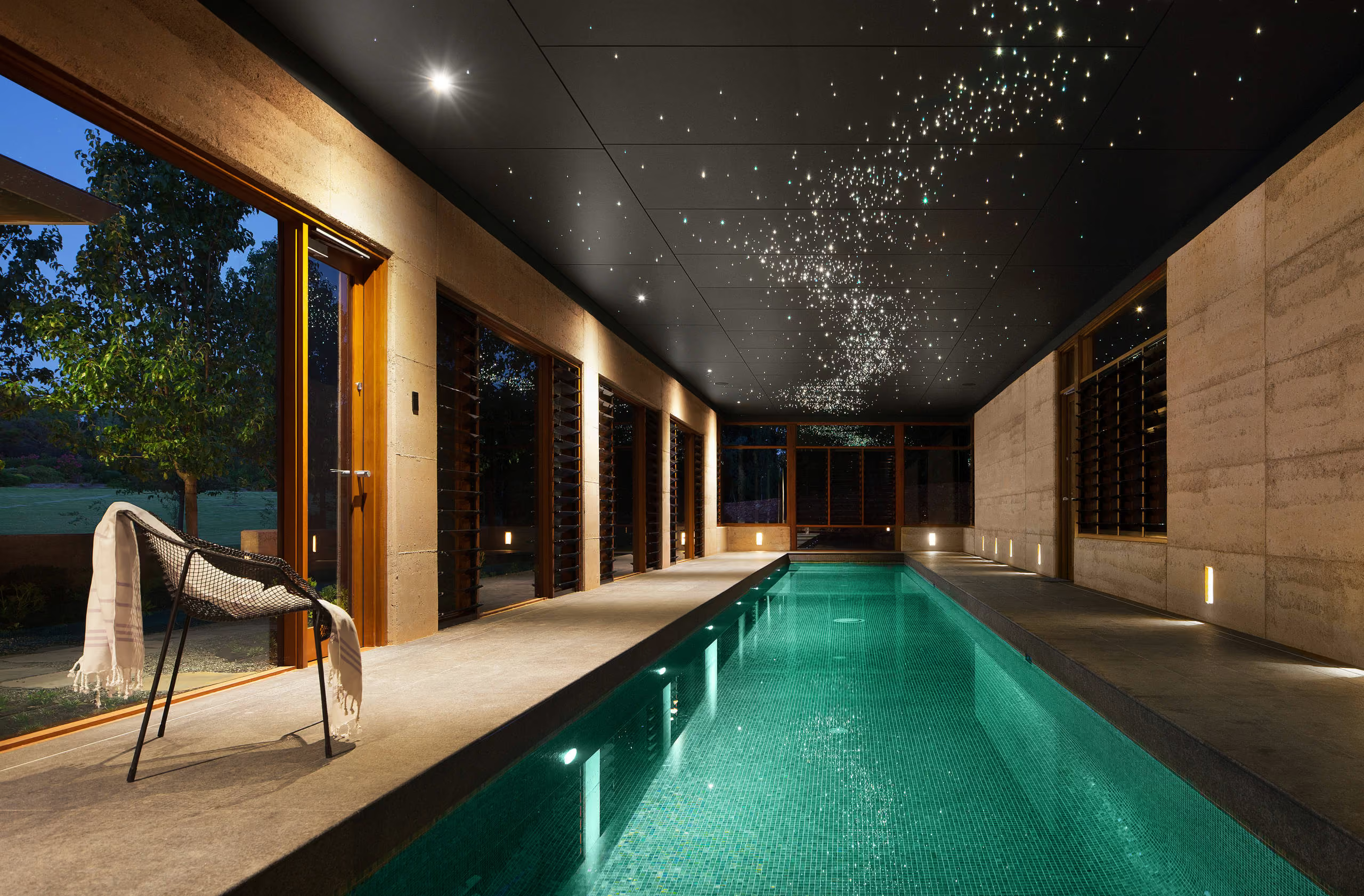
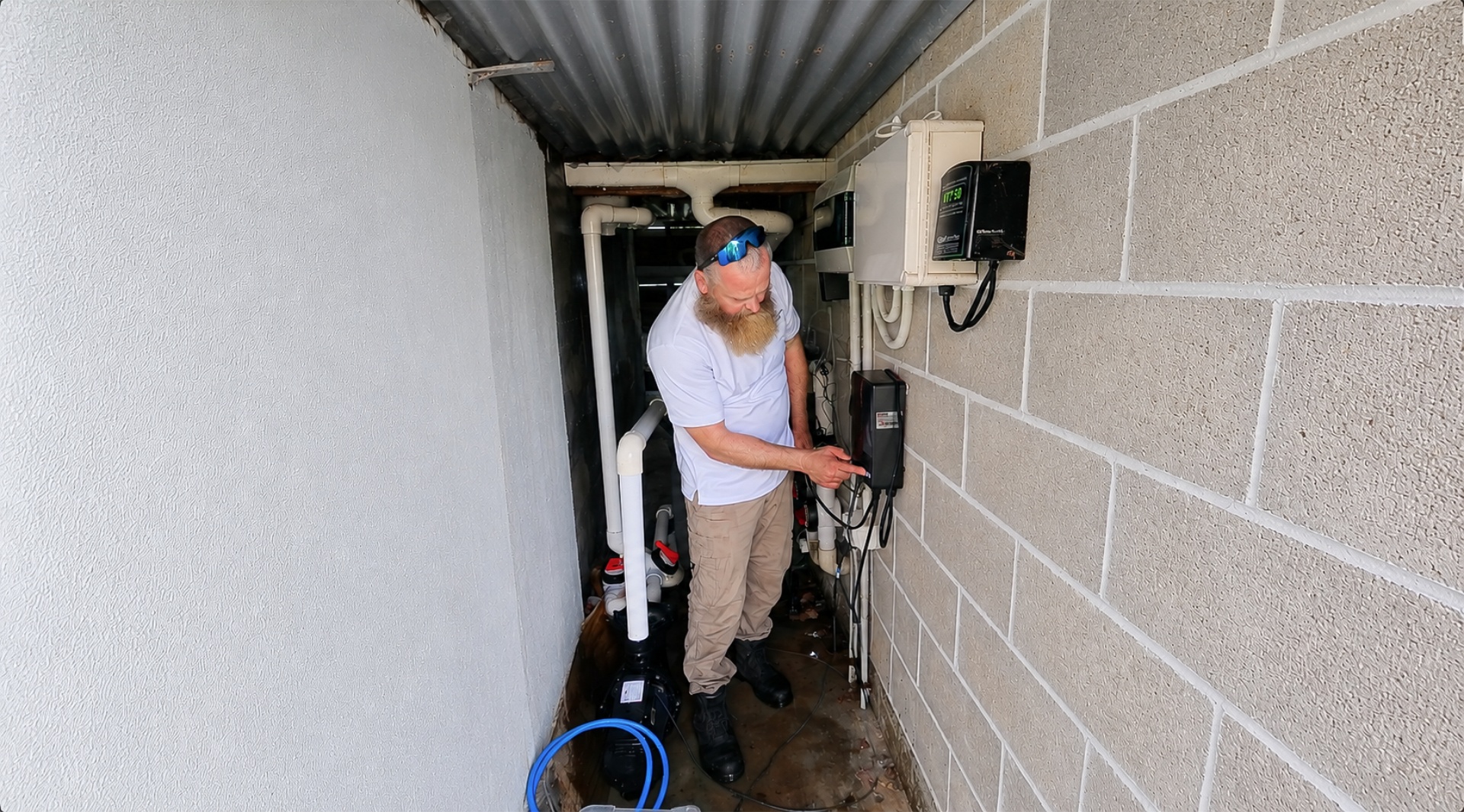
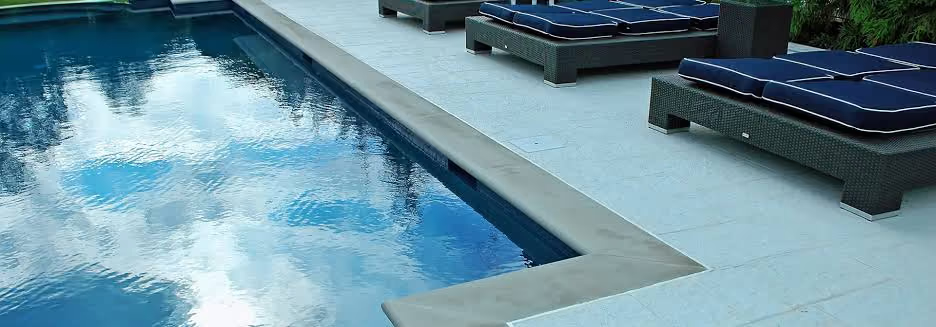
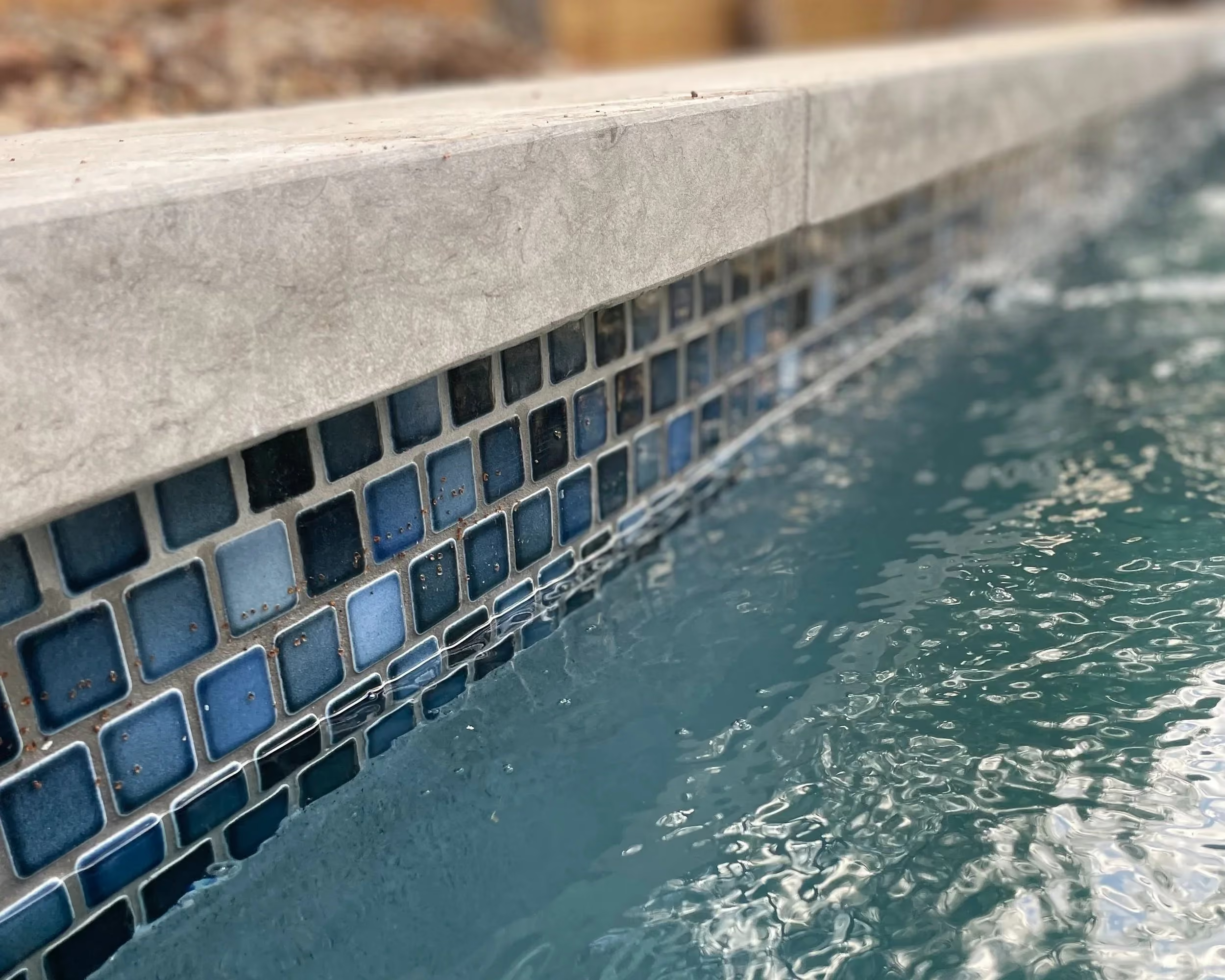
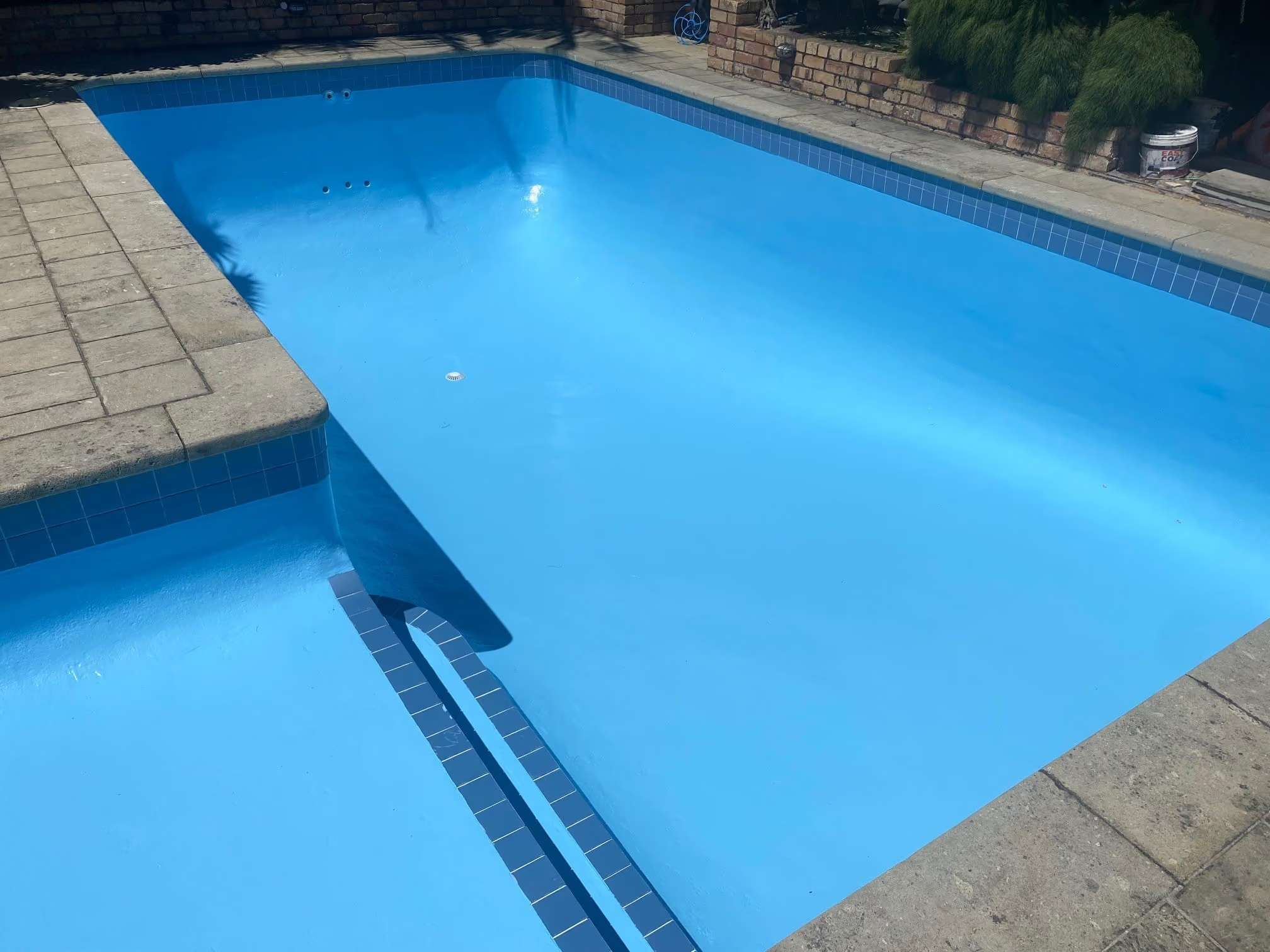
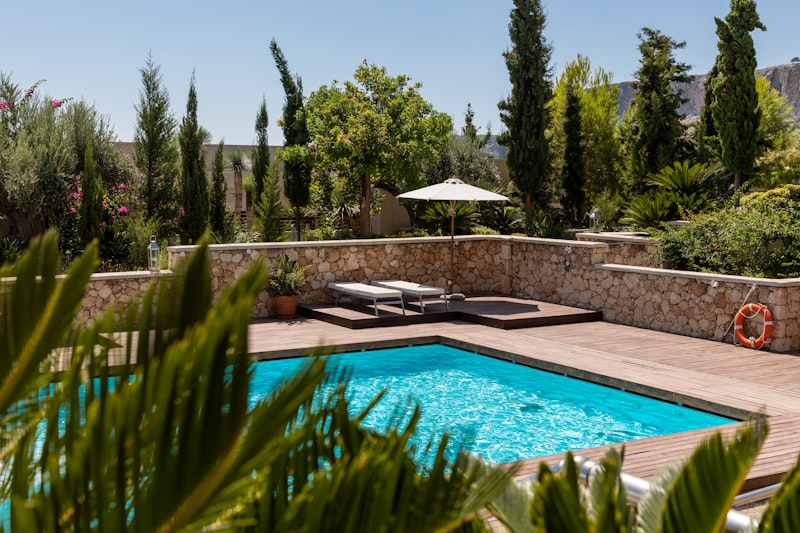
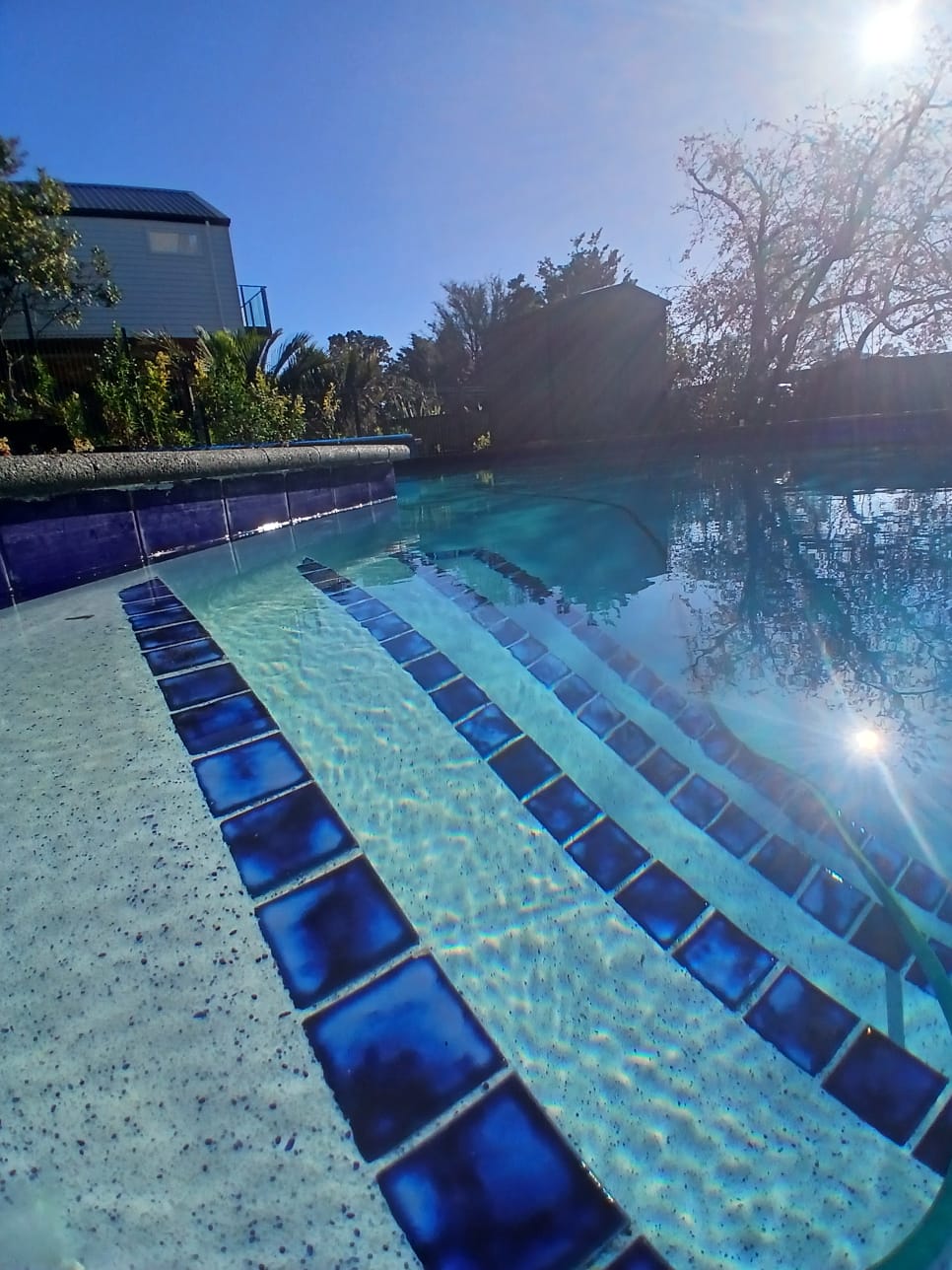
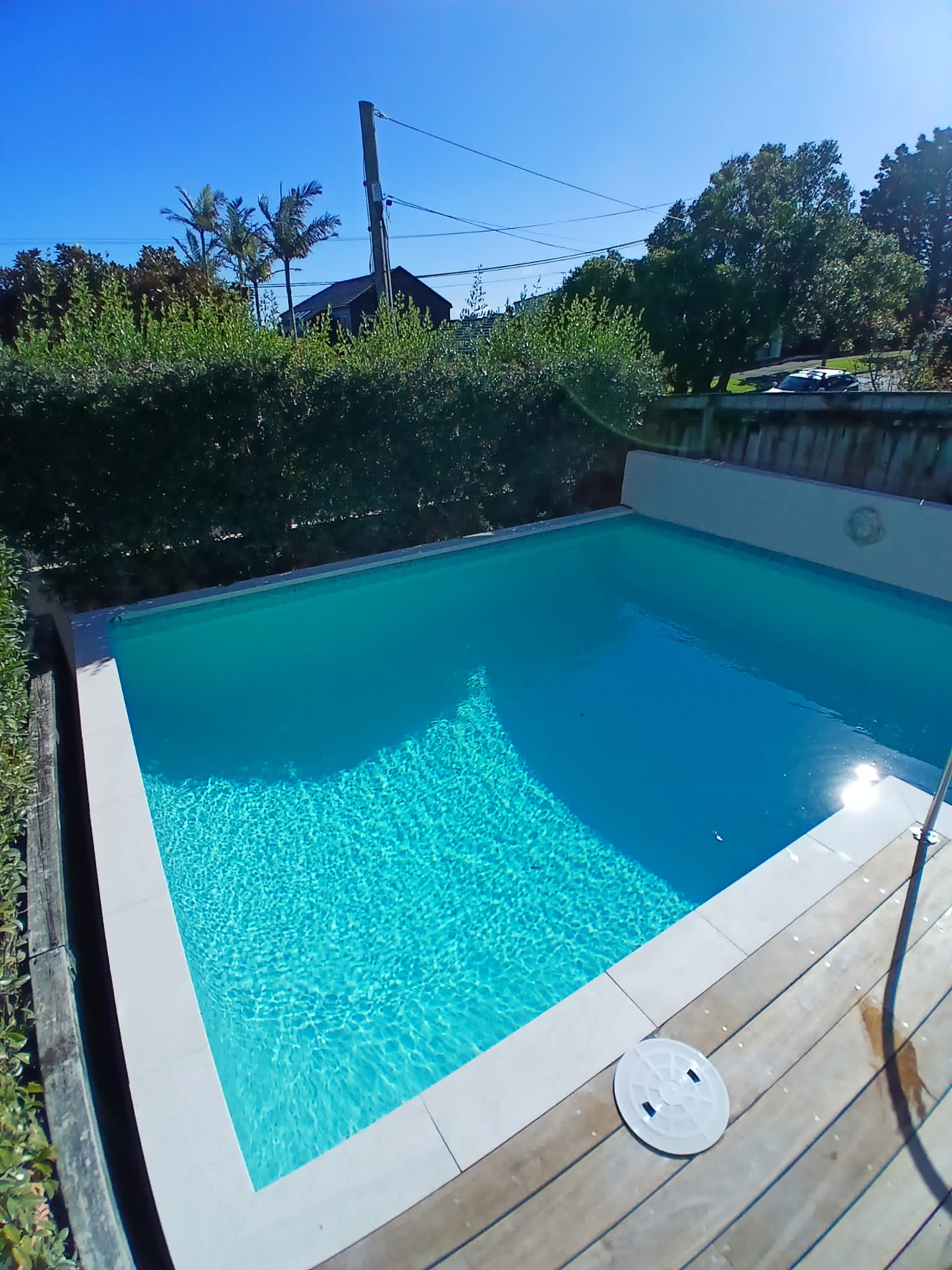
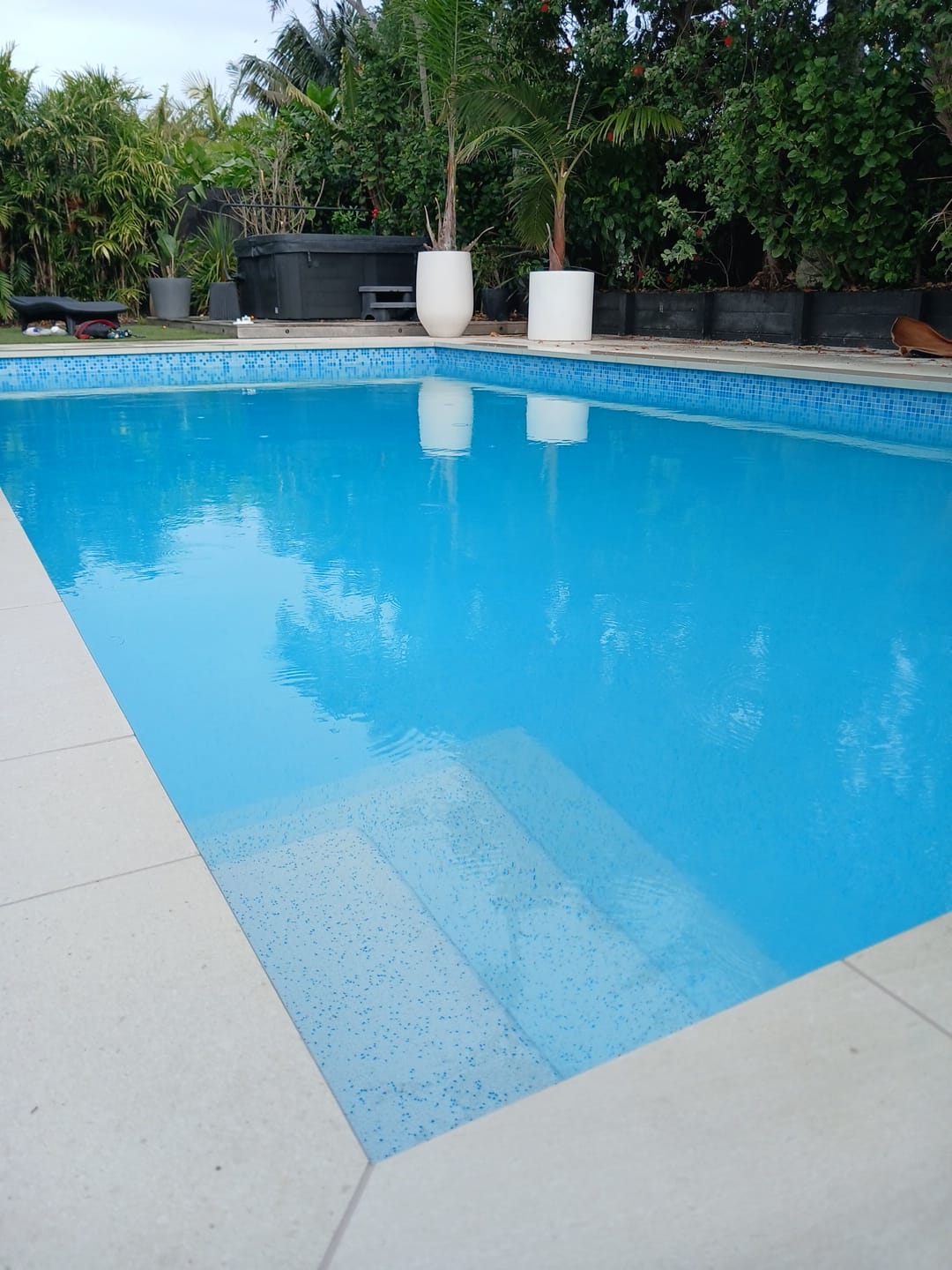
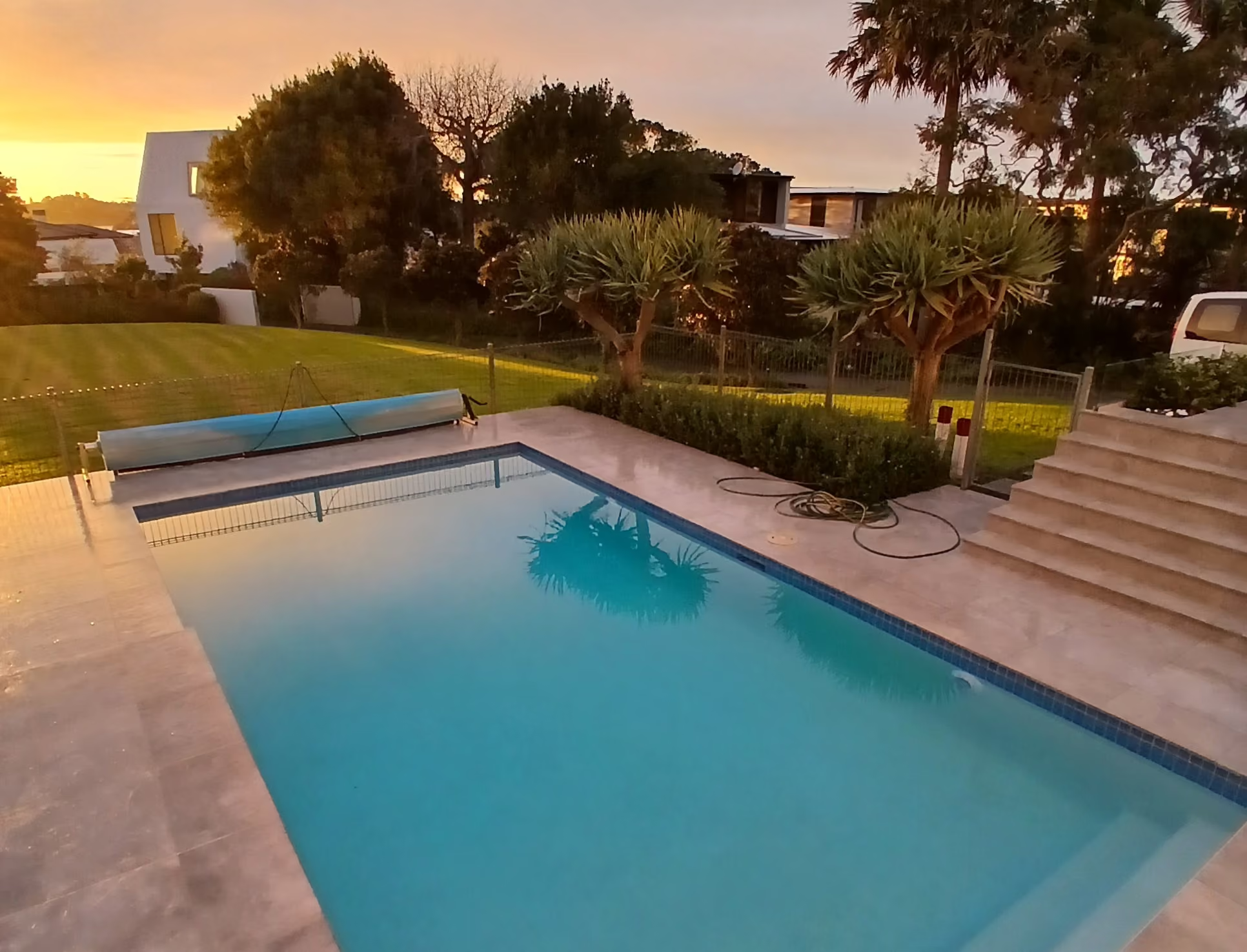
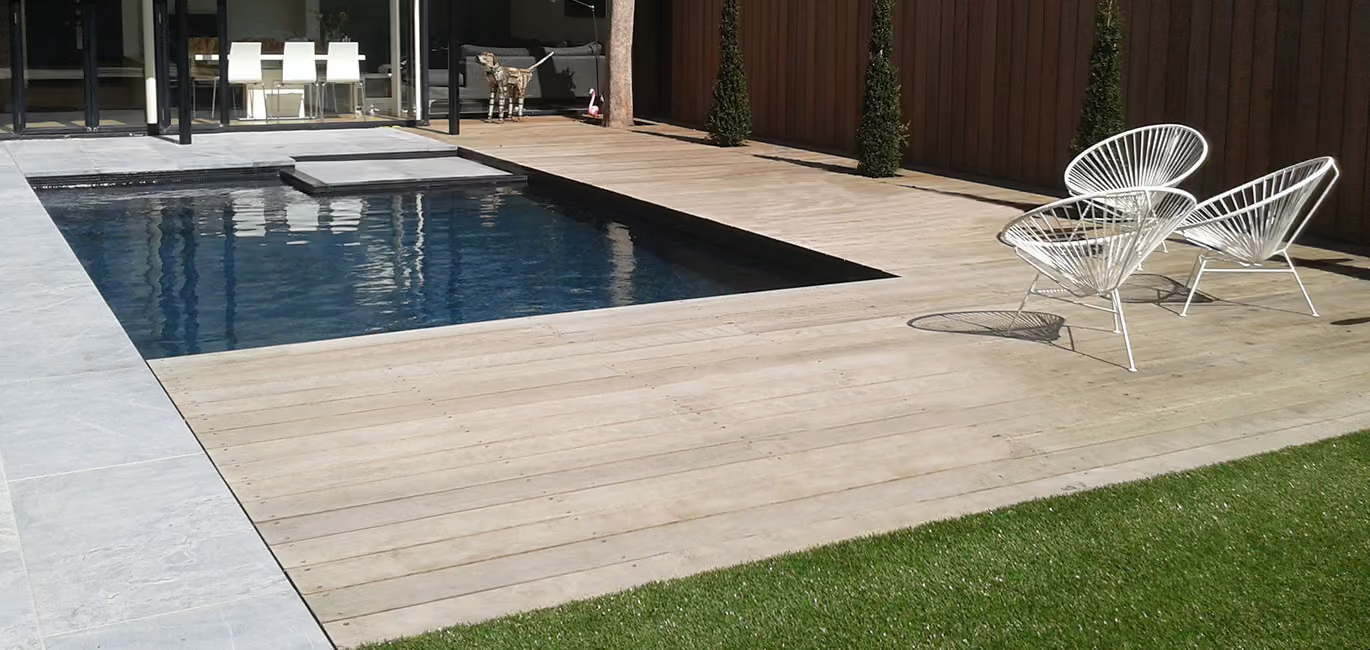
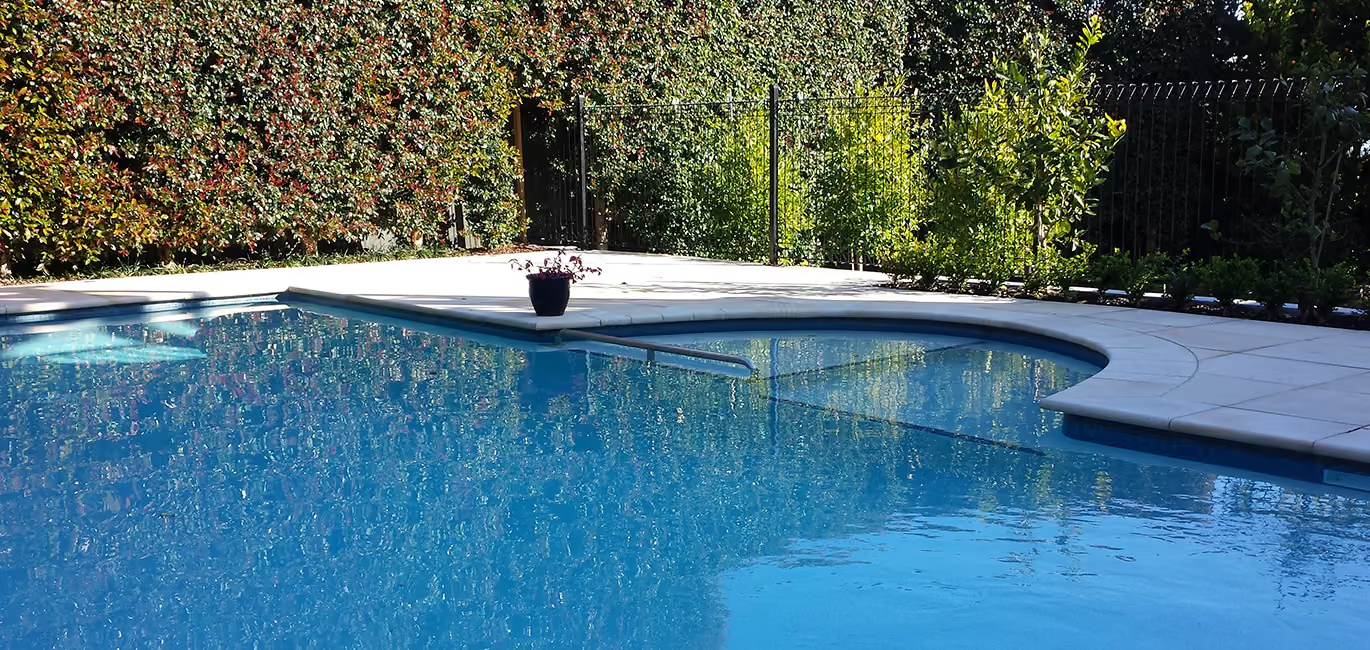
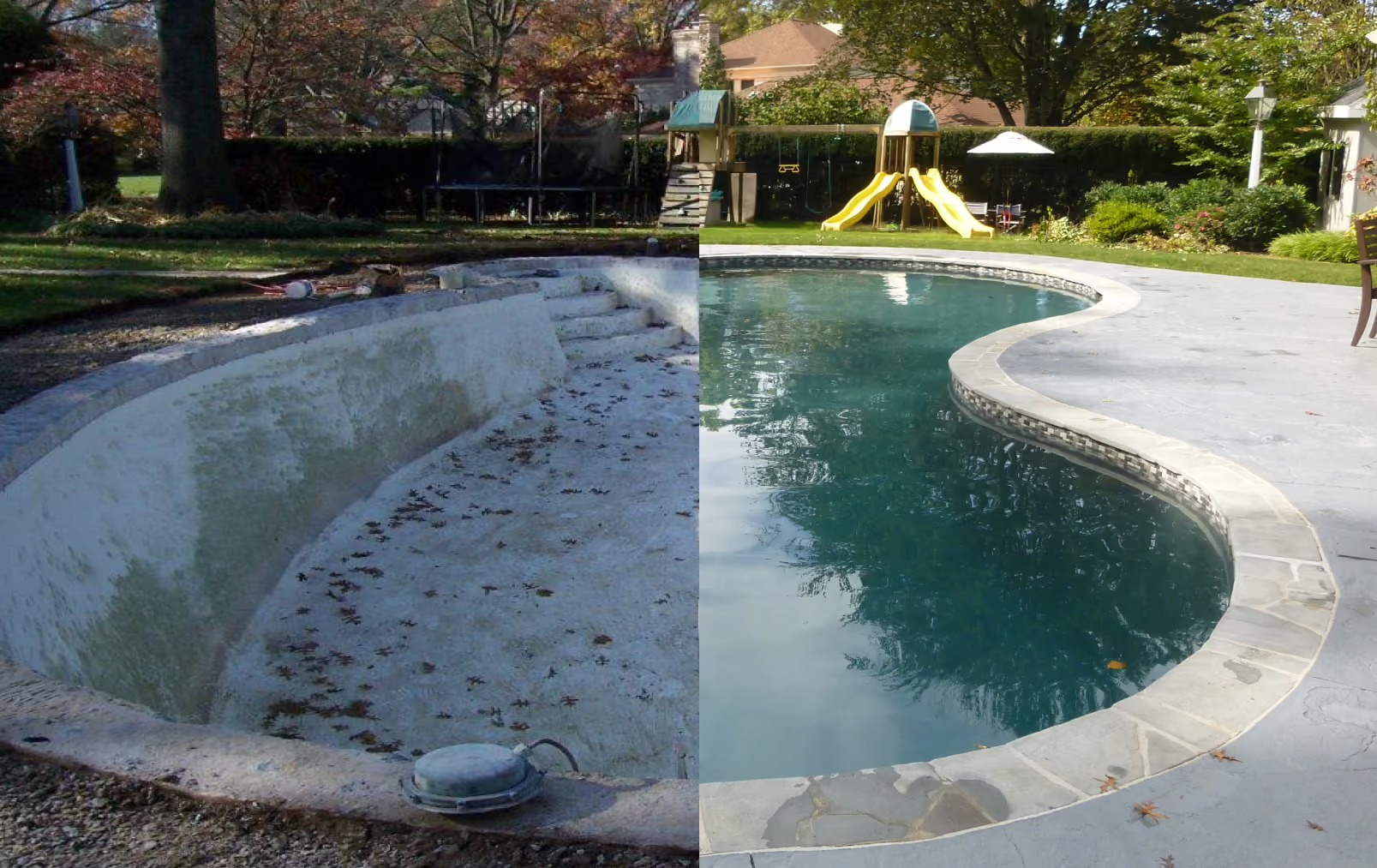
Sparkling Pools has worked on pools across Auckland, including residential renovation projects, equipment upgrades, ongoing maintenance and pool care for managed properties. Past projects show how the right approach can improve presentation, water quality and day-to-day usability. A well-maintained pool is easier to manage, more pleasant to use and better prepared for seasonal changes.
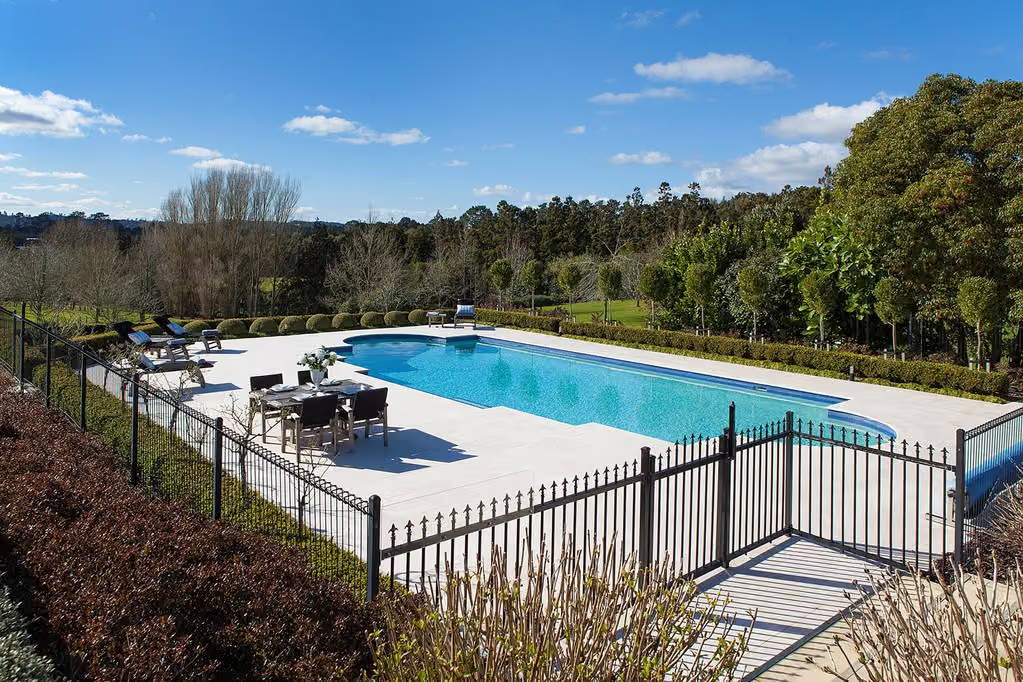
Trusted by Homeowners Across Auckland
Don't just take our word for it. Read what our clients have to say about our transparent communication, reliable service, and stunning pool transformations.
Related Blog Posts
Stay informed on pool care and renovations
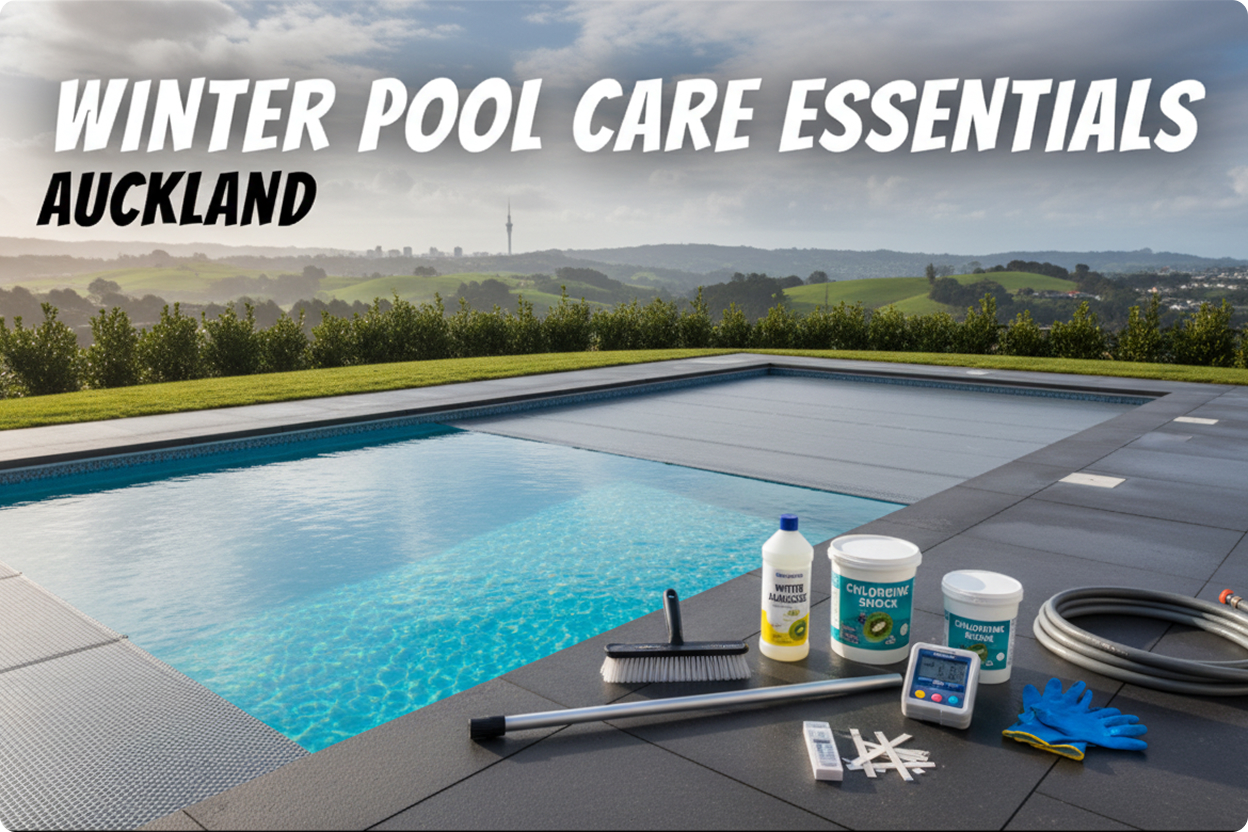
Winter pool care essentials for Auckland
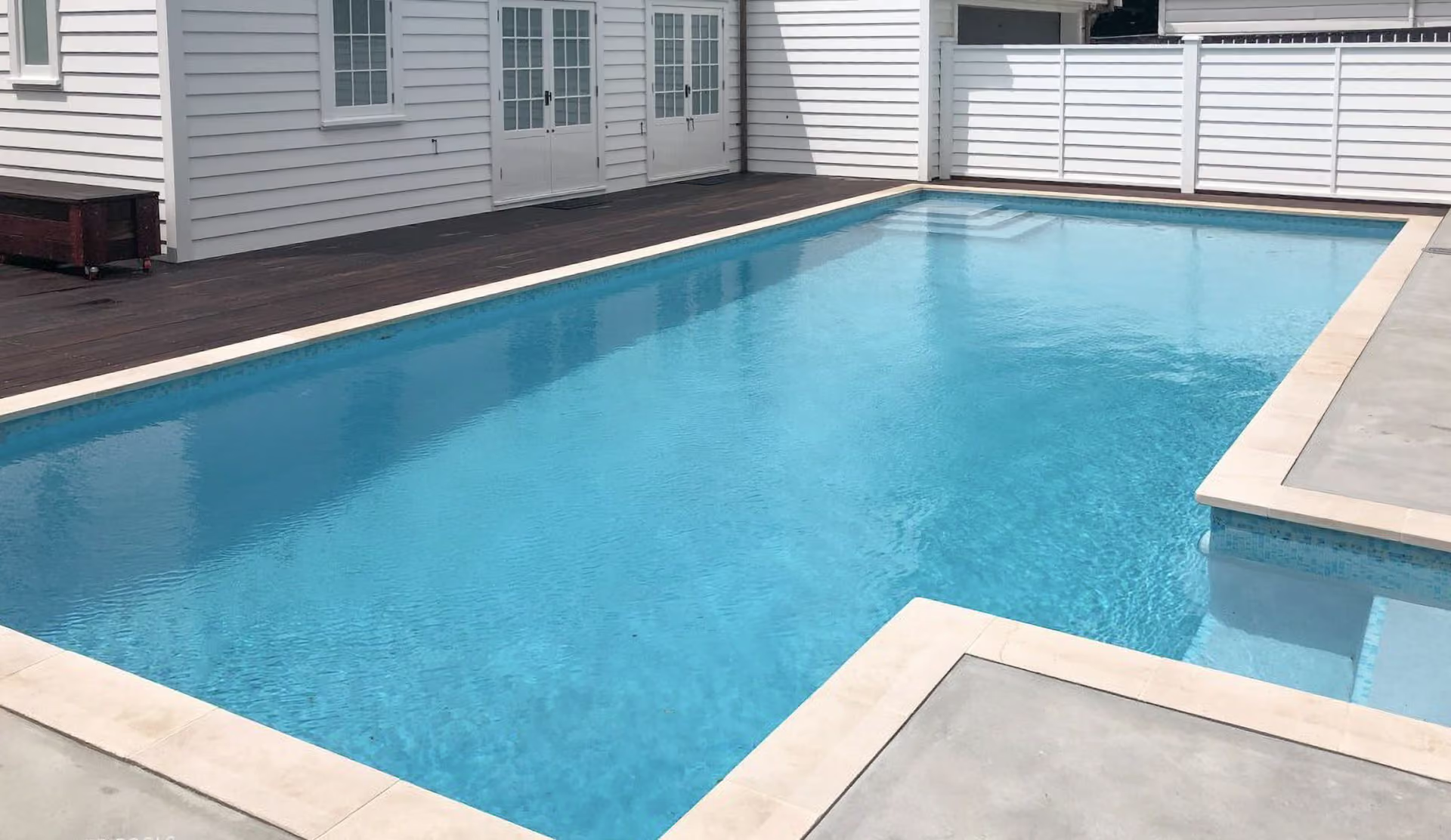
Pool Renovation Mistakes

Auckland Climate Pool Maintenance
Choosing Renovation Contractor
Pool Care Auckland Summer
Permits & Consents
Pool Renovation ROI
How Often to Test Pool Water
Pool Renovation Costs
Cost of Pool Service Auckland
Pool Renovation Planning Guide
Pool Lighting Buying Guide
Pool Cleaner Buying Guide
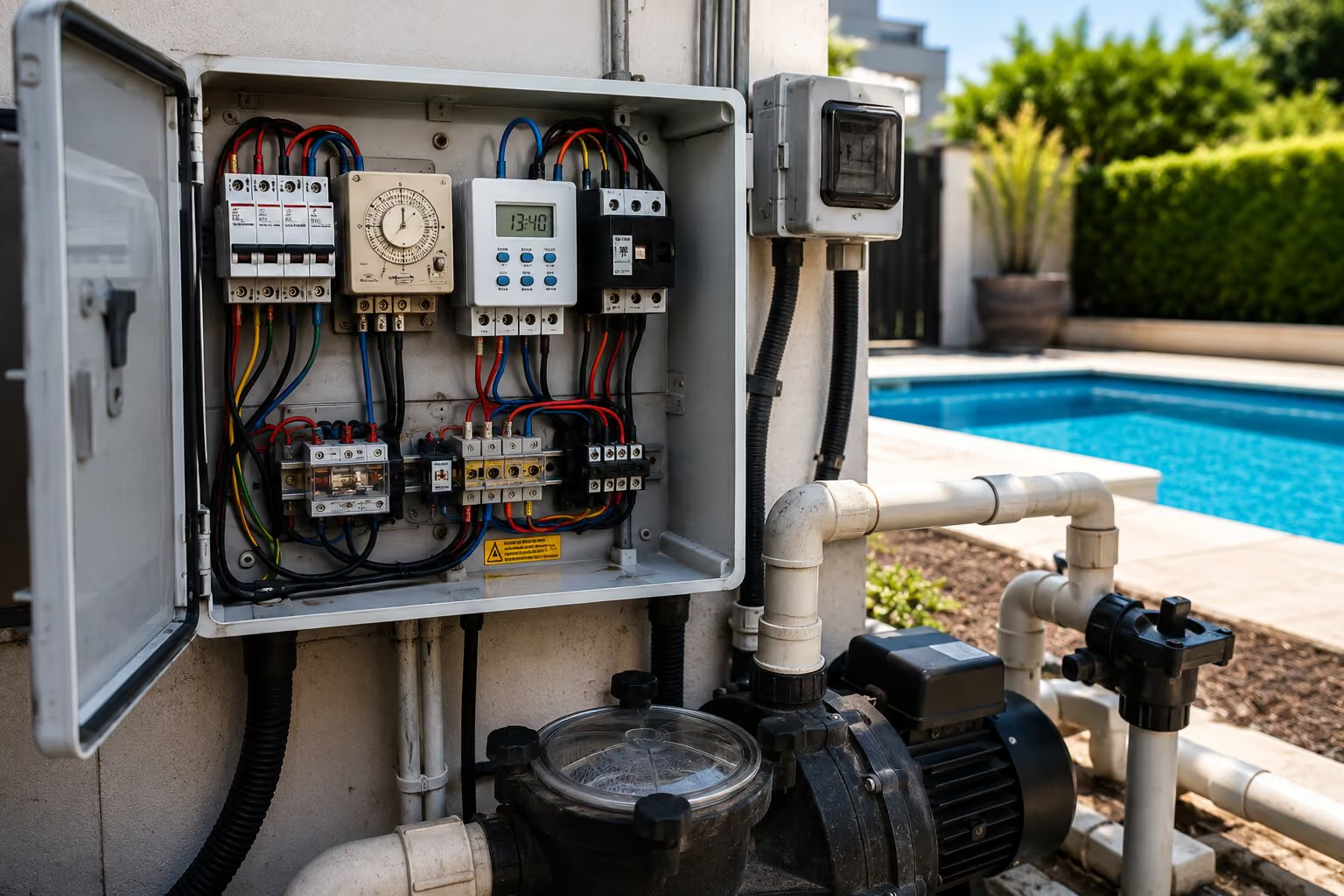
Pool Automation Buying Guide
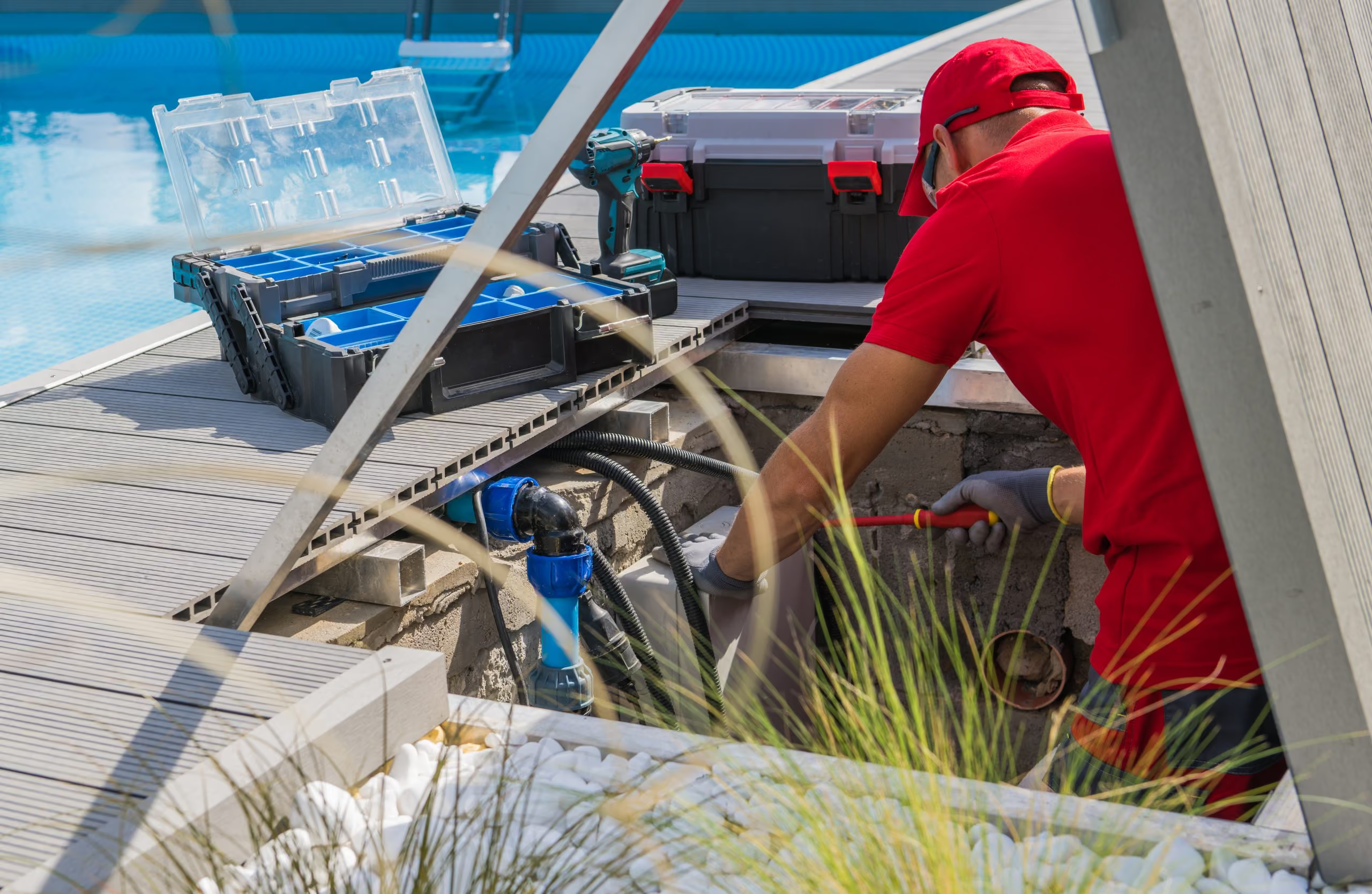
Pool Heater Buying Guide
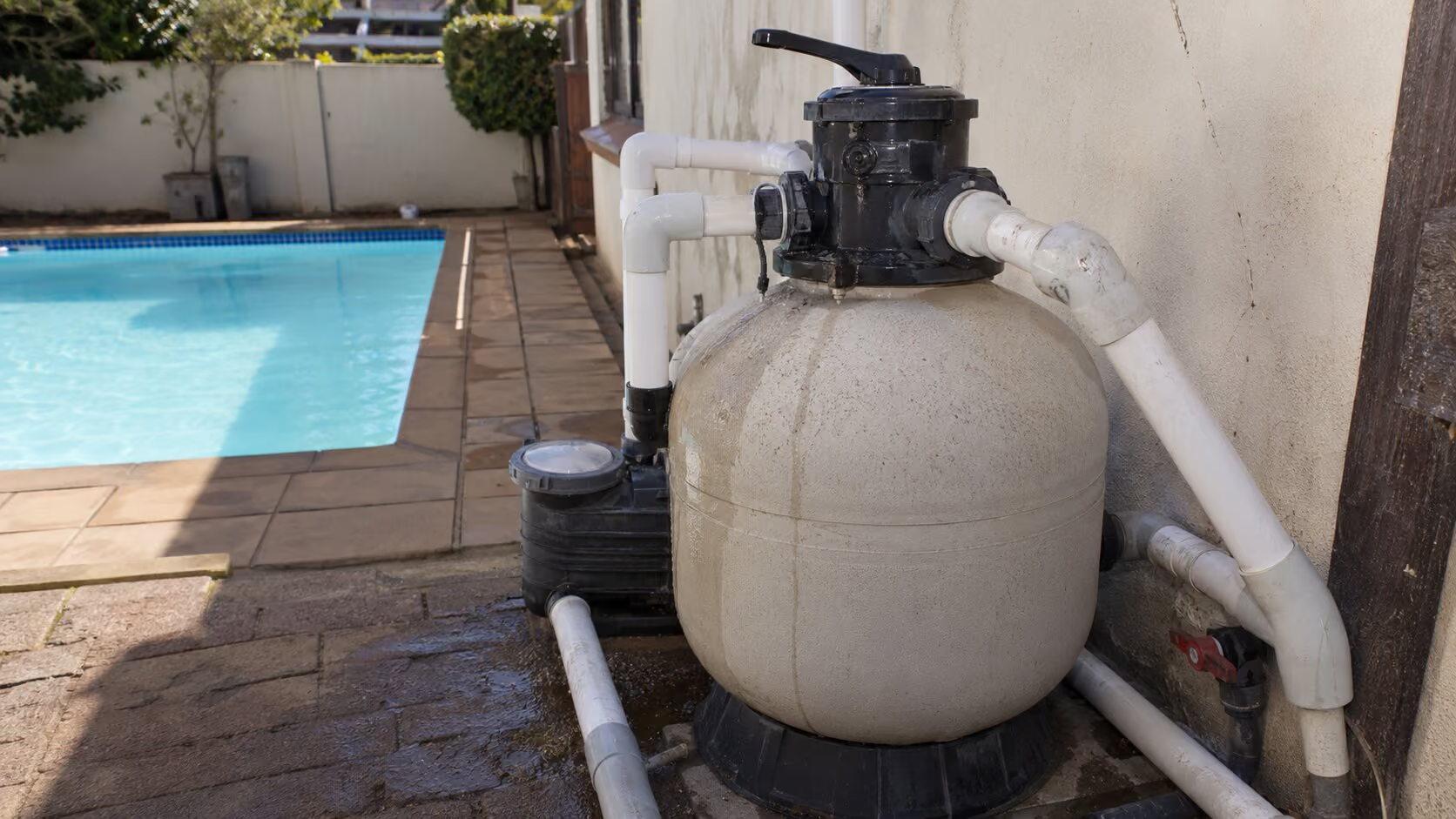
Pool Filter Buying Guide
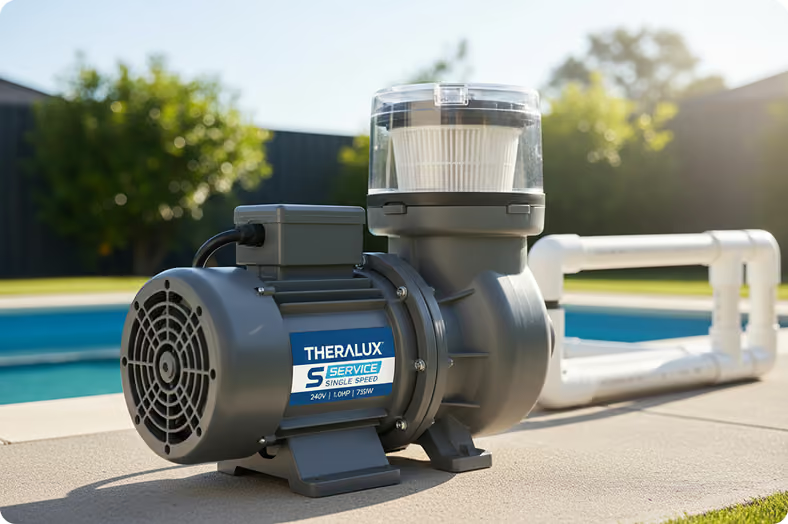
Pool Pump Buying Guide
Best Equipment Auckland Climate
Auckland Water Quality
Auckland Pool Season
Pool Ownership Costs
Common Pool Mistakes
Pool Safety Laws
Pool Inspection Requirements
Pool Fence Compliance
.avif)
Auckland Pool Industry Trends
Auckland Pool Regulations
Pool Equipment Suppliers
Best Pool Service Areas
Pool Service Pricing Analysis
Company vs Independent
Best Pool Surface Materials
Pool Resurfacing Options
Pebble vs Plaster Surfaces
One-Time vs Ongoing Service
Full Service vs Chemicals Only
Pool Cover Types
Robotic vs Suction Cleaners
Mineral vs Saltwater
Gas vs Heat Pump
Pool Heater Types
Pool Winterizing Guide Auckland
Pool Opening Guide Summer
Pool Maintenance After Heavy Rain
Pool Maintenance Schedule
How Often to Run Pool Filter
Pool Pump Maintenance Schedule
Pool Filter Cartridge Cleaning
Pool Equipment Maintenance Checklist
Pool Waterline Cleaning
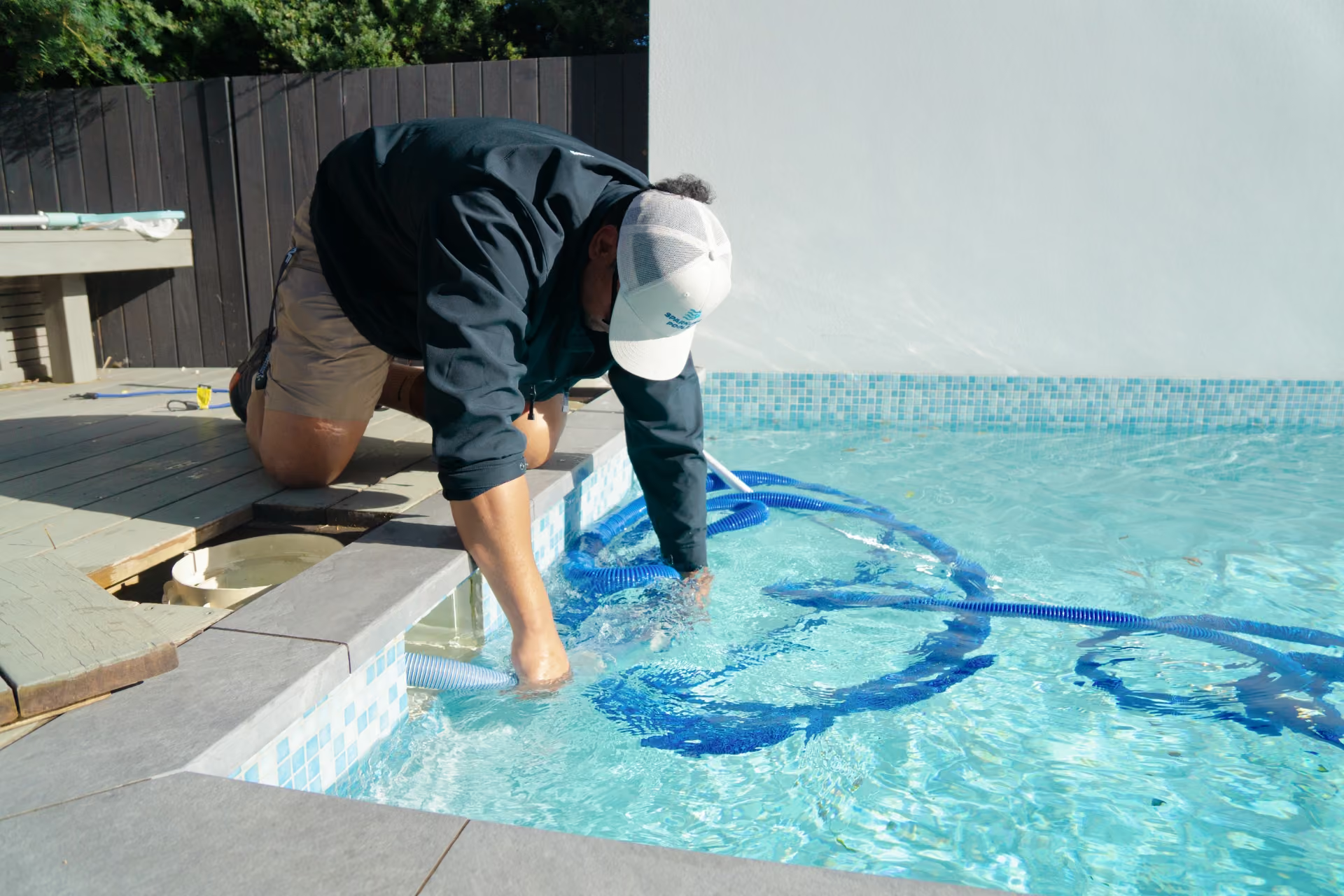
Pool Skimmer Basket Cleaning
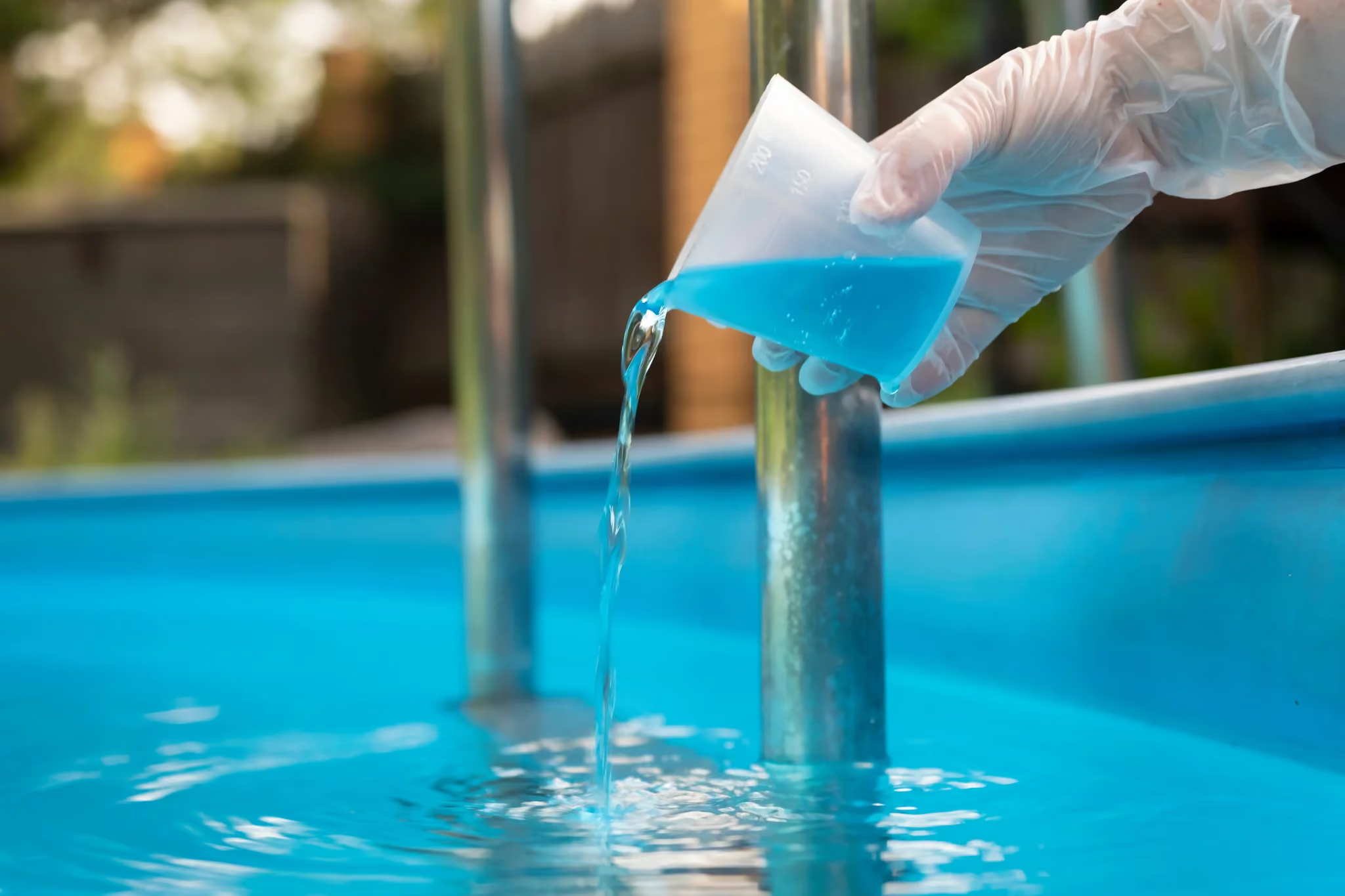
Pool Chlorine Levels
How Often Clean Pool Filter
How to Vacuum Pool
Pool Brushing Technique
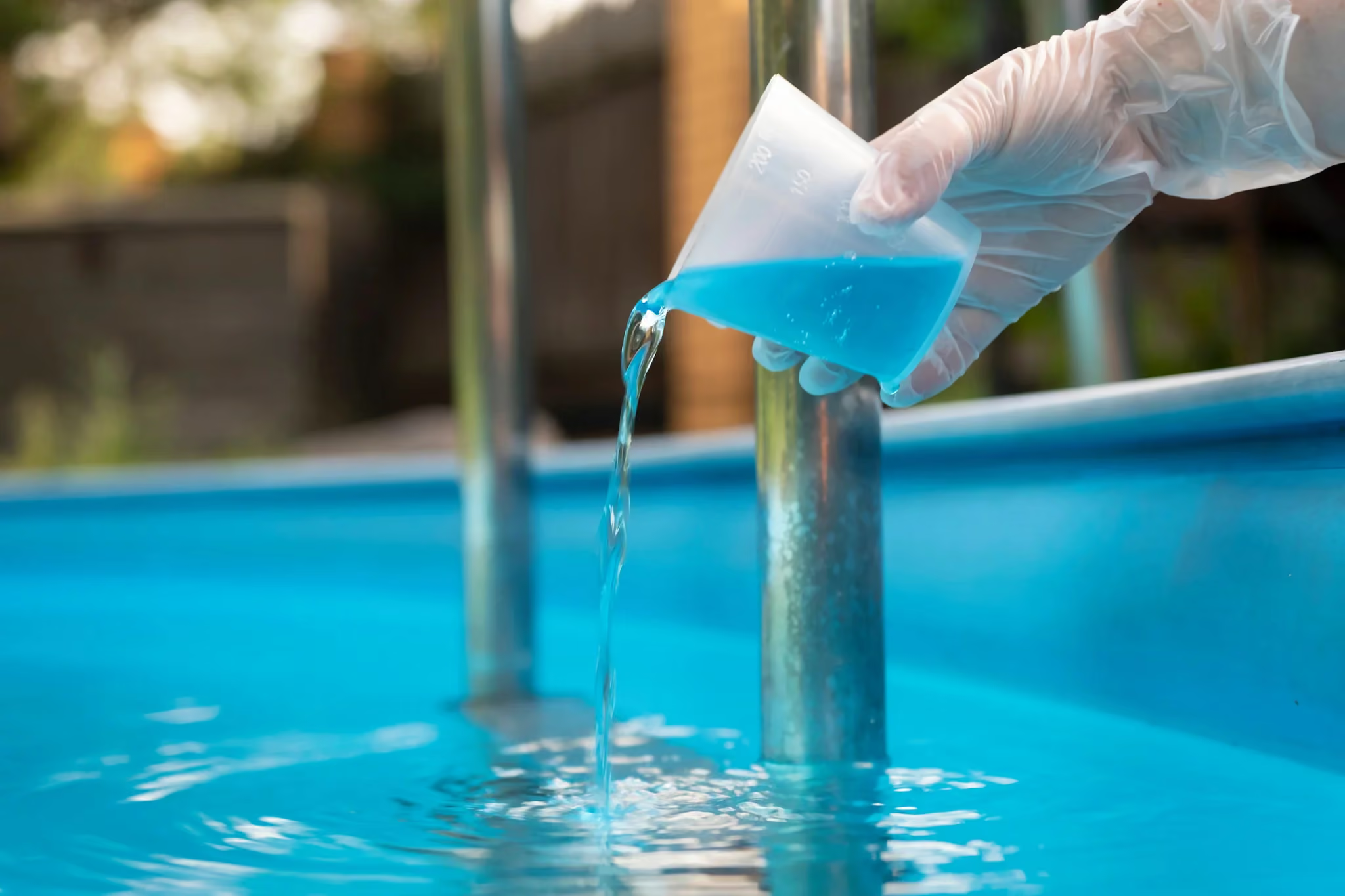
Pool Chemical Dosing Chart
Pool Water Chemistry Basics
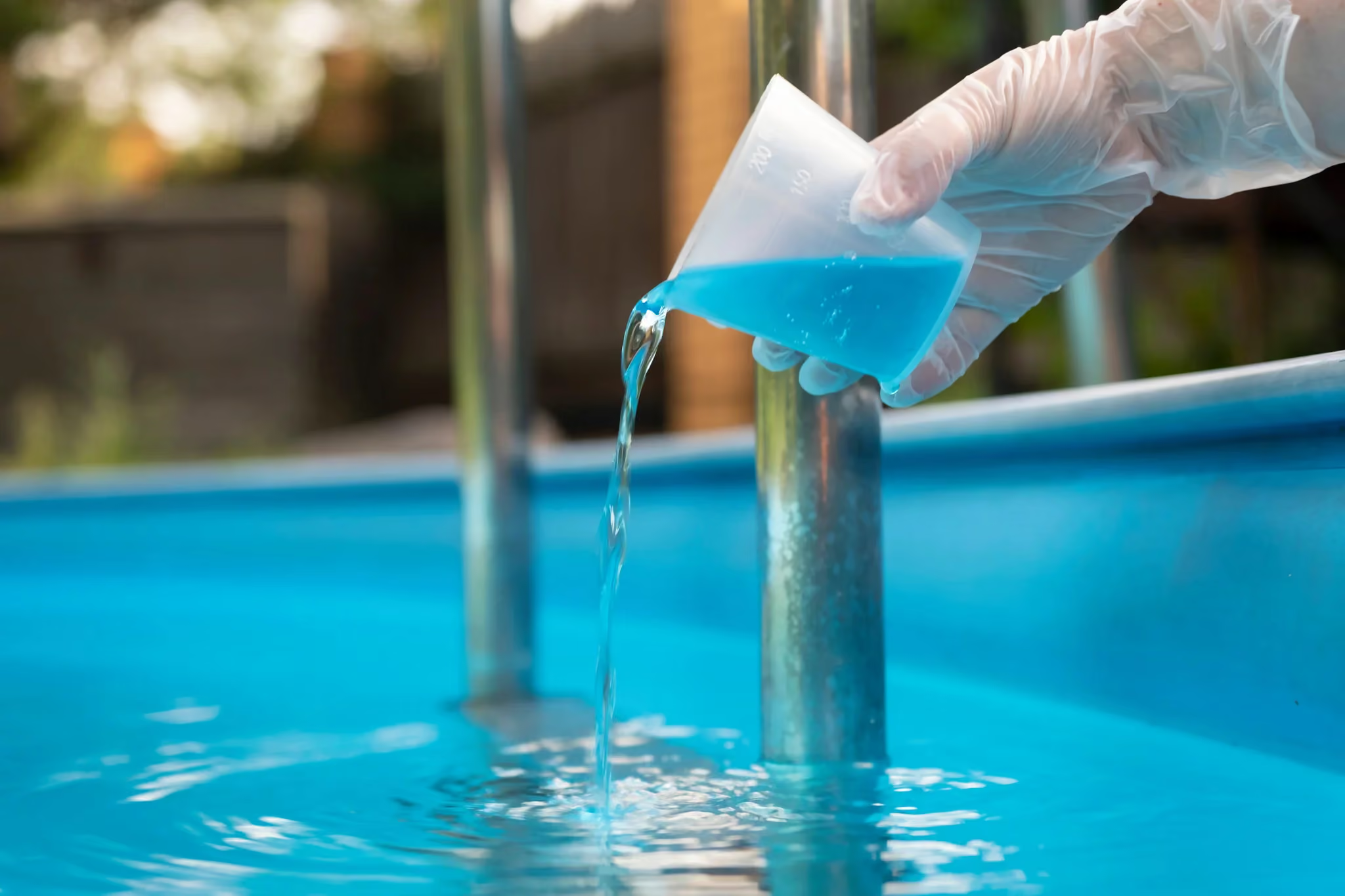
How to Balance Pool Chemistry
How to Test Pool Water
Pool Maintenance Tips
Complete Pool Maintenance Guide
Pool Service ROI
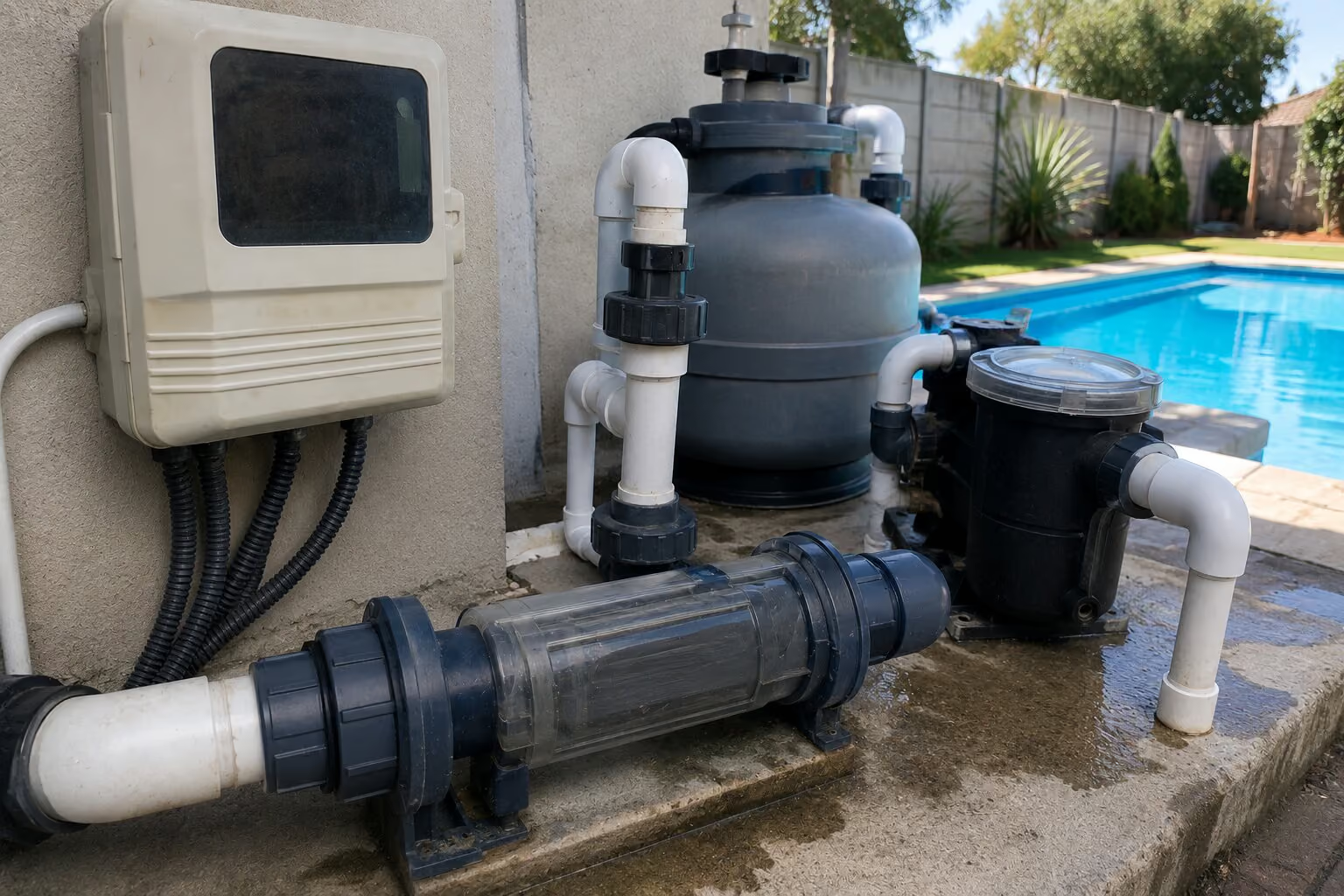
Pool Equipment Buy or Service
Pool Maintenance Time Requirements
DIY vs Professional
Pool Service Contract
Pool Service vs Pool Valet
Is Pool Service Worth It
Pool Service Guarantees
Pool Service Reviews
Pool Service Red Flags
Questions to Ask Pool Companies
How to Choose Pool Service Company
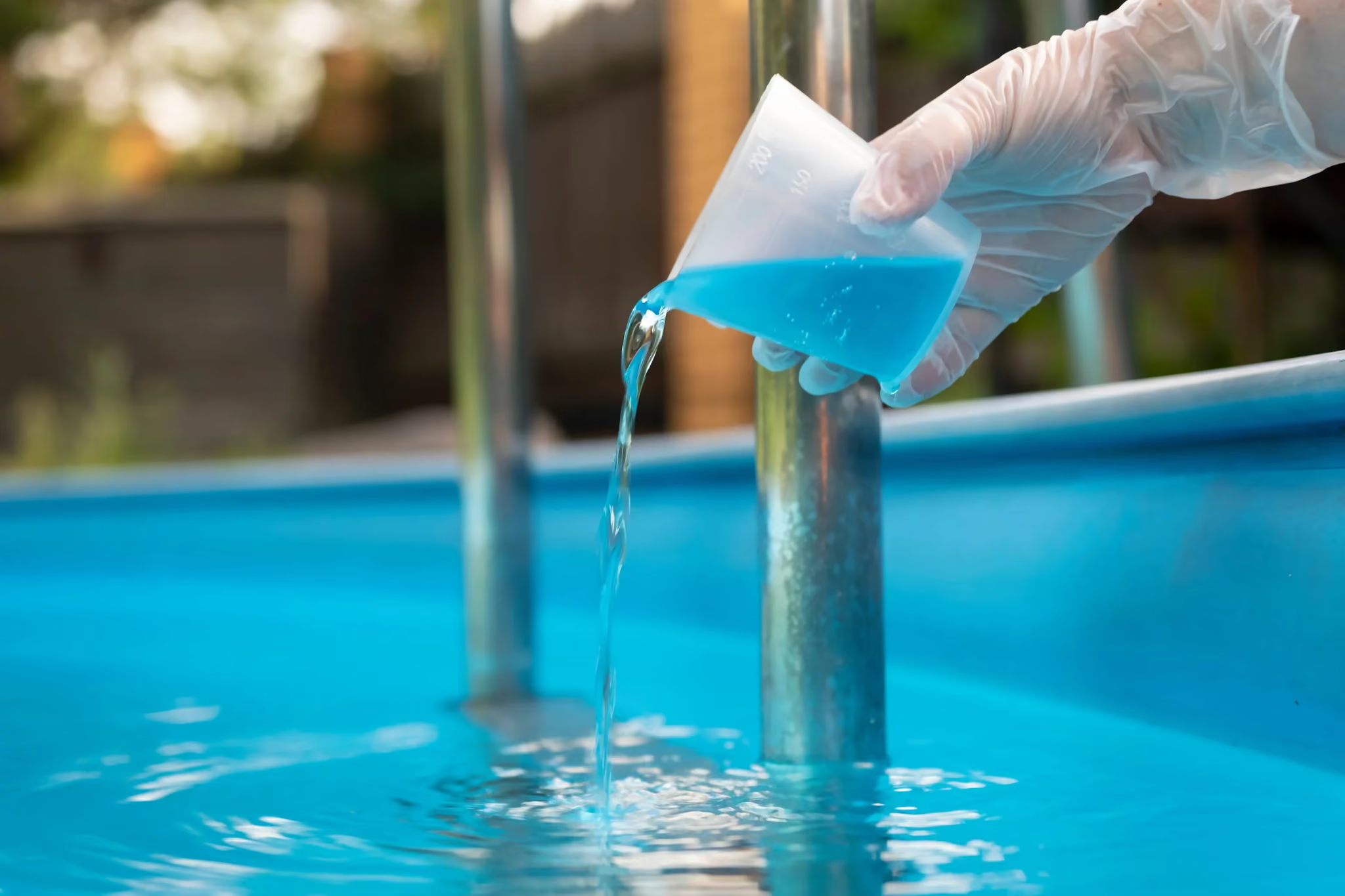
Hidden Costs DIY Maintenance
Pool Cleaning Prices Auckland
Cost of Pool Resurfacing
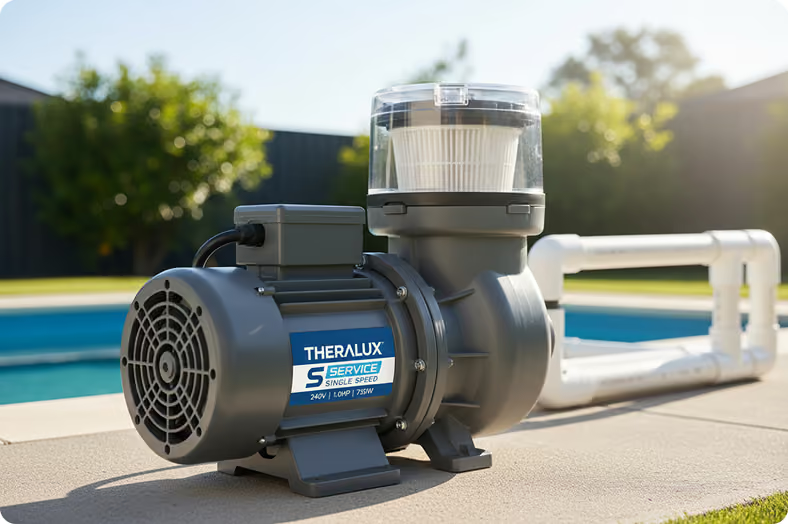
Cost of Pool Pump Replacement
Cost to Fix Green Pool
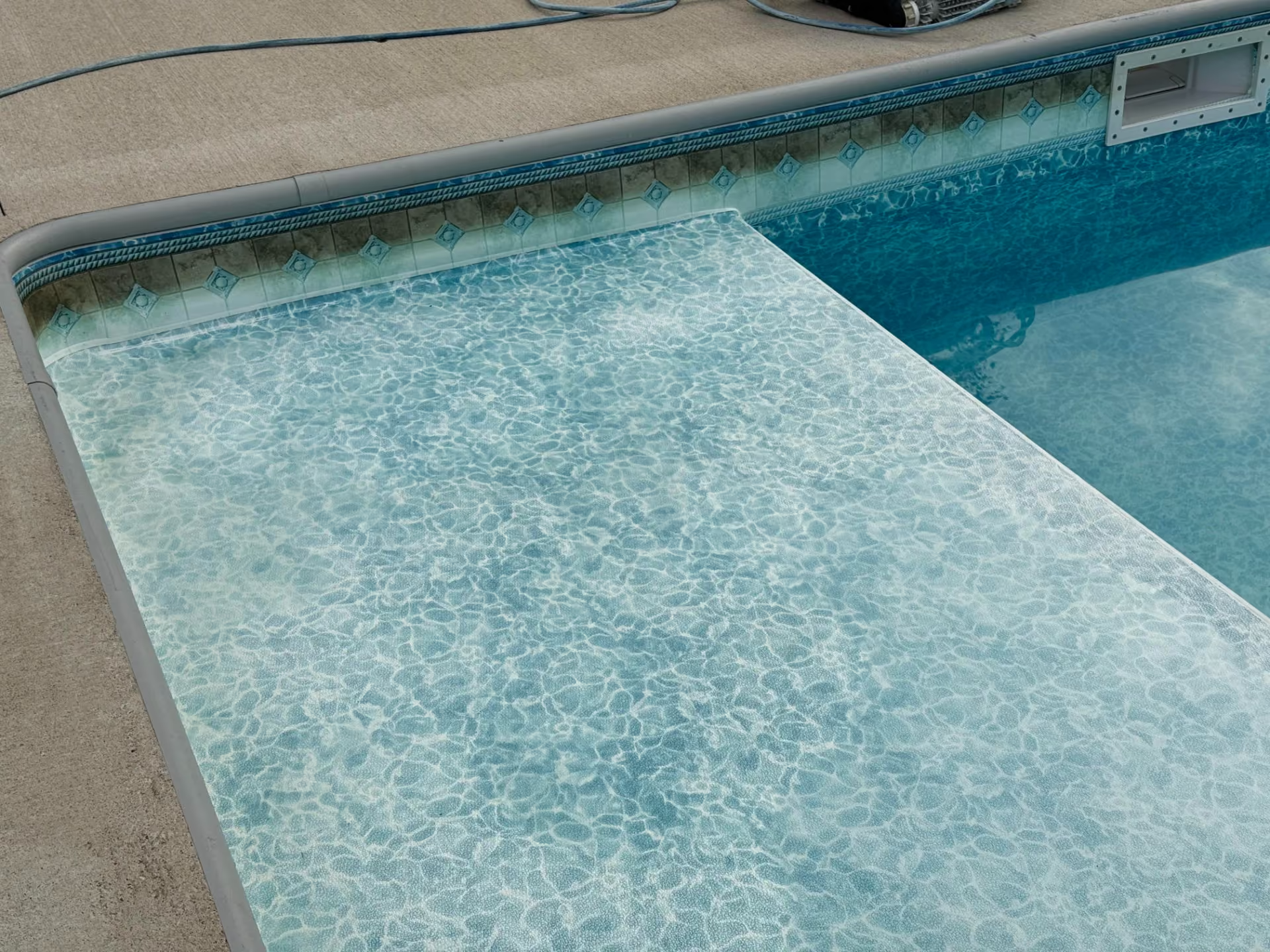
Pool Liner Wrinkles
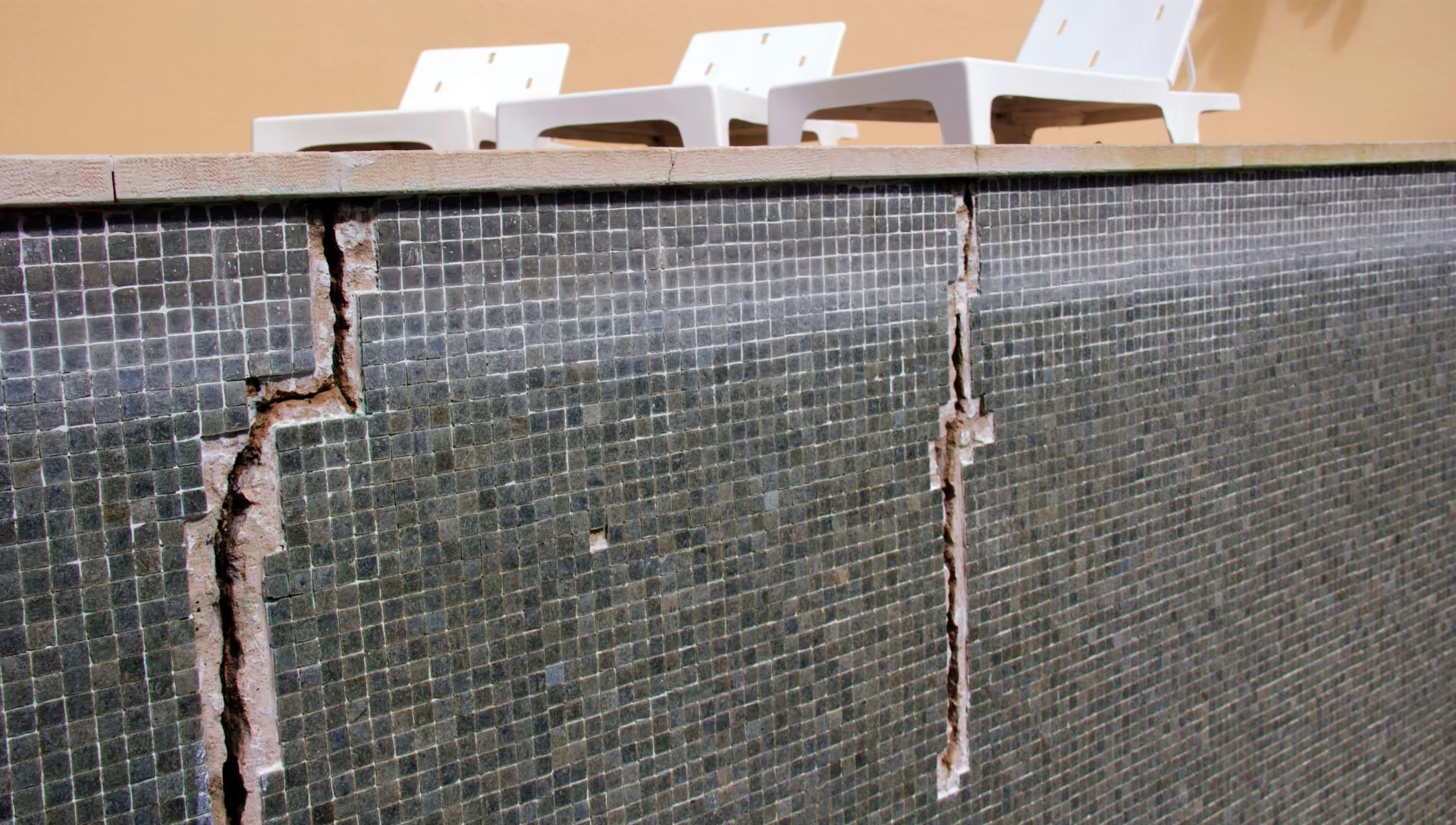
Pool Cracks When to Worry
Pool Surface Stains
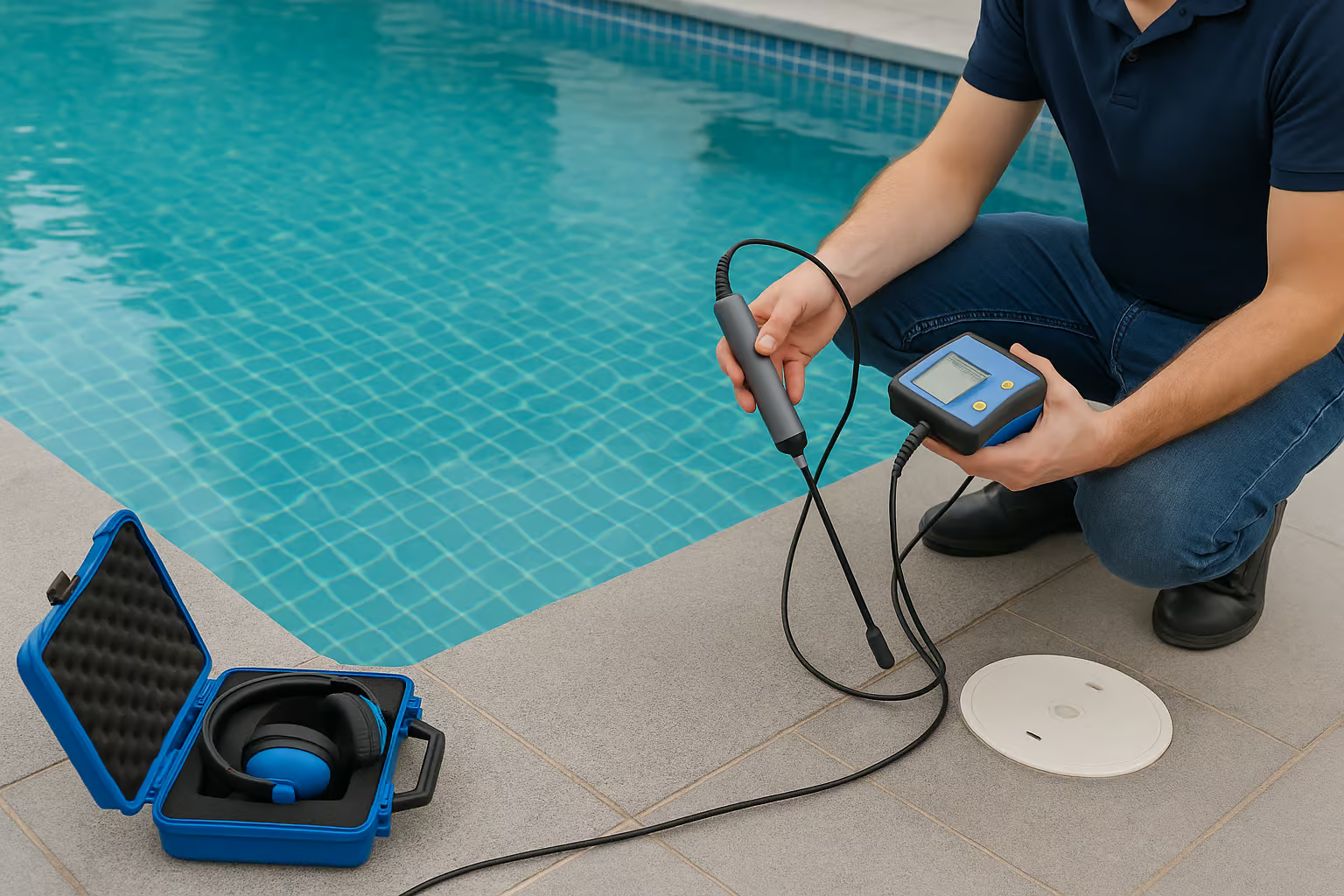
Pool Valve Leaking
Pool Automation Not Working
Pool Light Not Working
Pool Heater Not Heating
Pool Skimmer Not Working
High Pool Filter Pressure
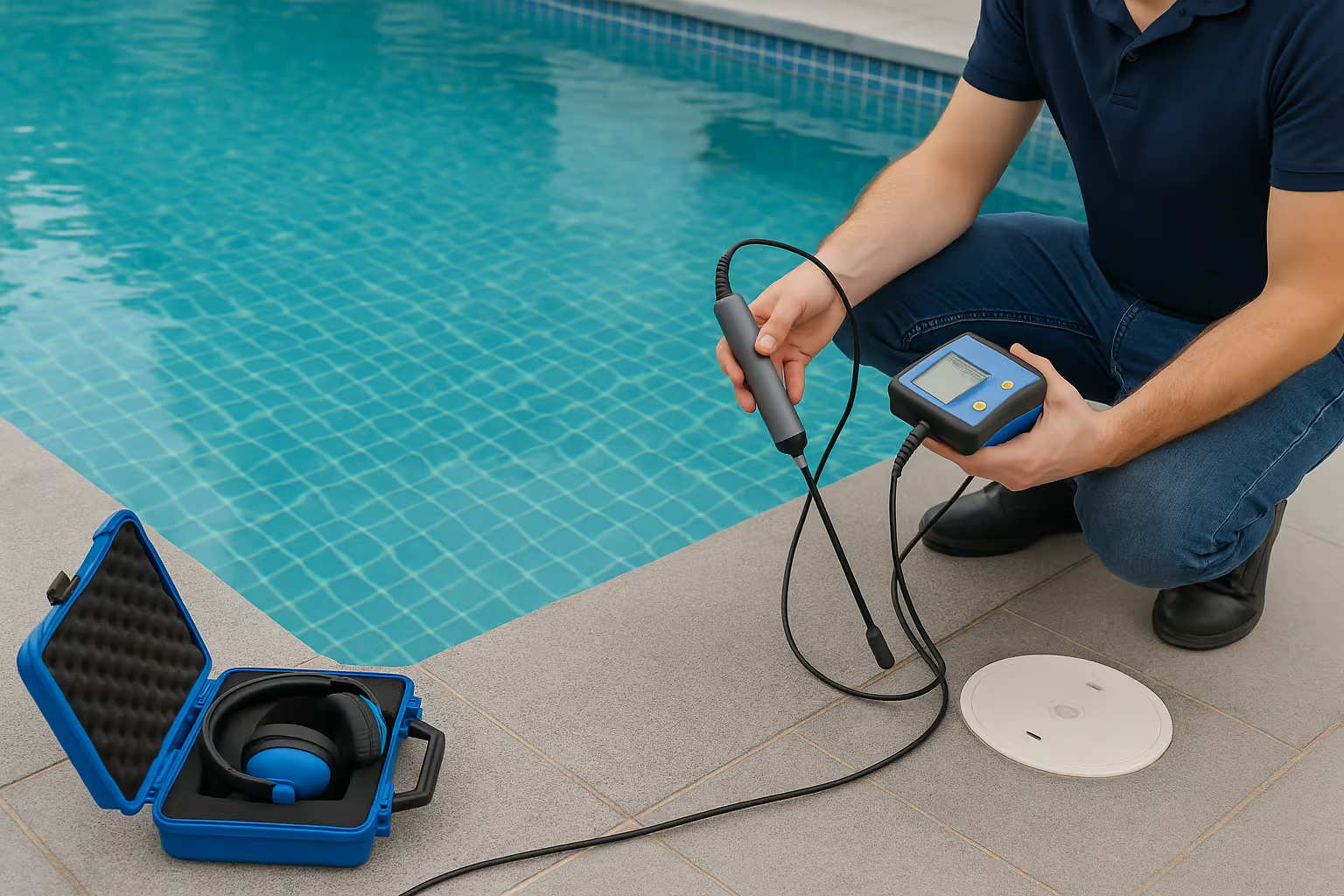
Pool Losing Water
Pool Filter Not Clearing Water
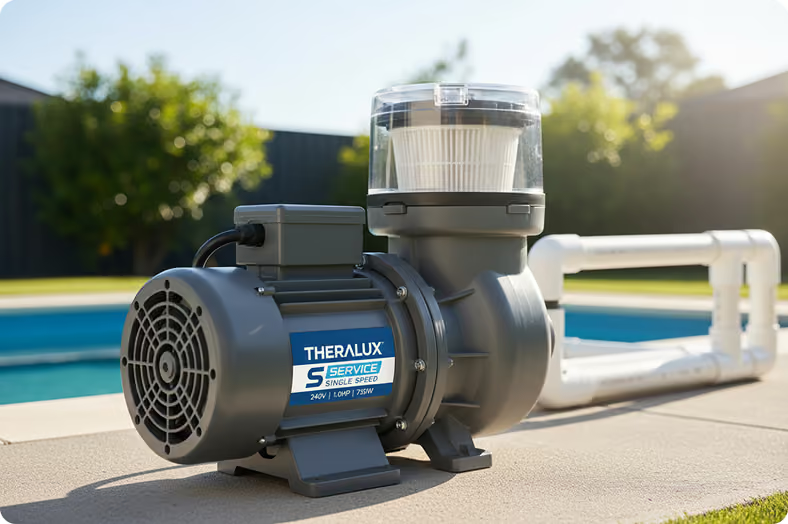
Pool Pump Leaking
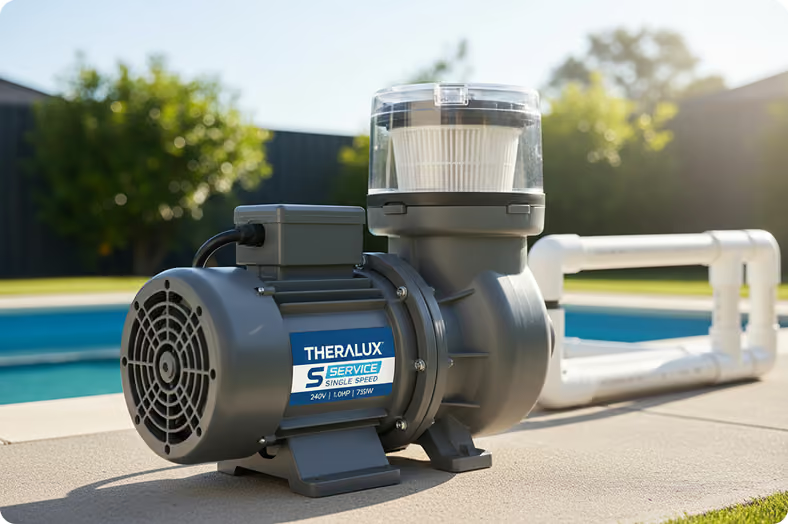
Pool Pump Not Pumping
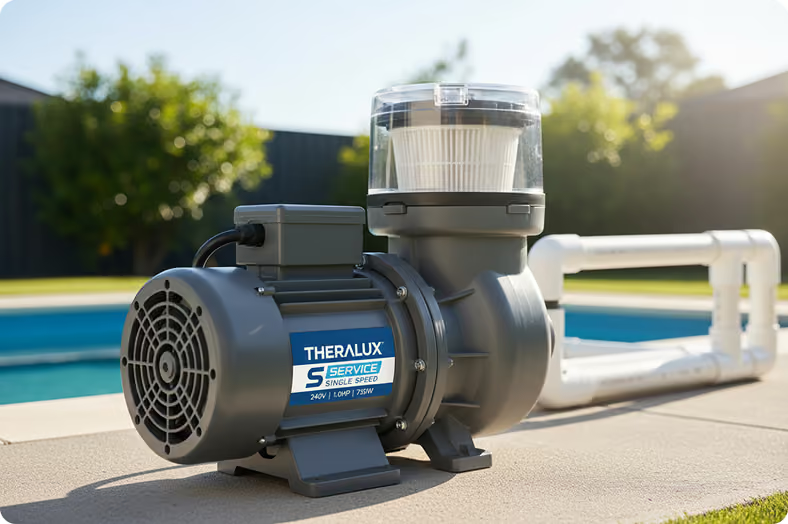
Pool Pump Losing Prime
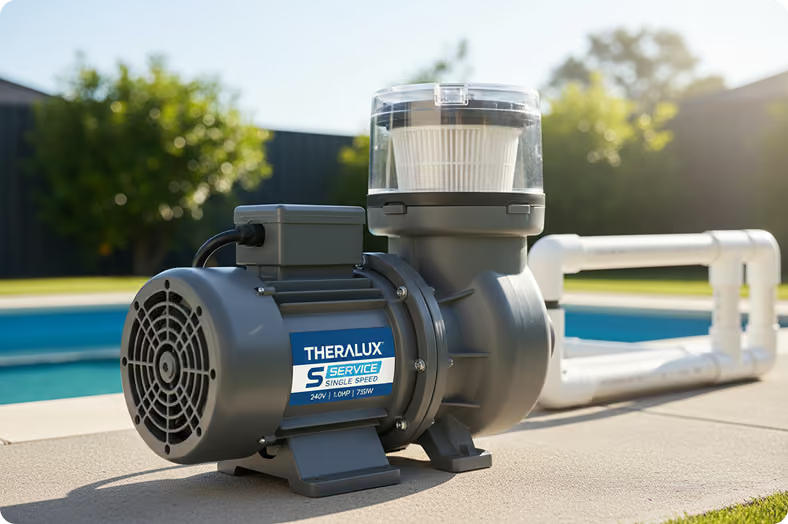
Pool Pump Noisy
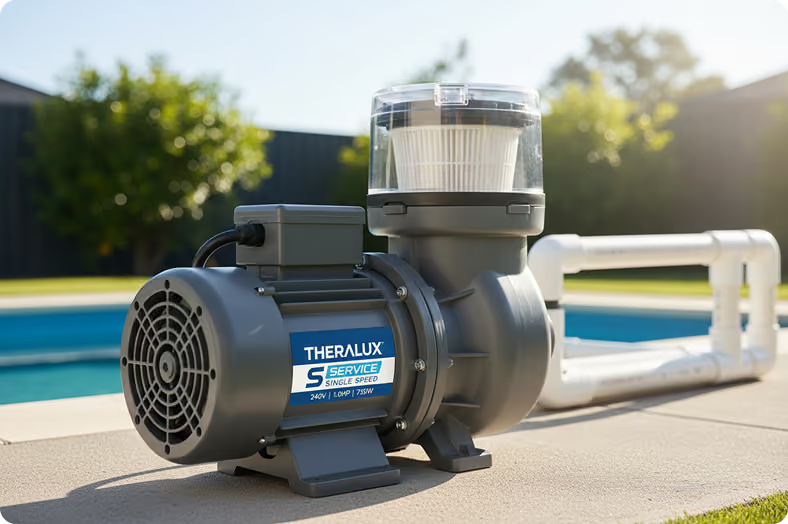
Pool Pump Not Working
Pool Water Foaming
Pool pH Too Low
Pool pH Too High
Green Pool After Rain
Pool Still Green After Shock
Pool Water Cloudy
How to Clear a Green Pool
Pool Care That Protects Your Investment
Good pool care protects more than appearance. Our pool specialists support the long-term condition of your swimming pool while keeping it ready for everyday use.