Pool Brushing Technique

Why Auckland trusts our pool service expertise
Brushing your pool regularly is one of the most effective things you can do to prevent algae and keep your water clear. It works alongside your filtration and chemical programme, not instead of it.
The technique matters as much as the frequency. Brushing in the right order, using the right brush for your pool surface, and following up with adequate filter run time all make a meaningful difference to the result.
What you'll learn
Why Brushing Your Pool Actually Matters
Most pool owners focus on chemicals and filtration, and brushing gets treated as an afterthought. But regular brushing does something chemicals alone cannot: it physically dislodges algae spores, dirt, and biofilm from pool surfaces before they take hold.
Algae doesn't just float in the water, it clings to walls, floors, steps, and corners. Once it establishes a foothold, it becomes much harder to treat. Brushing breaks that cycle early.
It also helps your sanitiser work more efficiently. When debris sits undisturbed on surfaces, chlorine has to work harder to reach it. Brushing lifts that material into the water column where your filtration system can capture it.
---
How Often Should You Brush Your Pool?
For most residential pools in Auckland, brushing once or twice a week is a reasonable routine. During summer, when the water is warmer and bather load is higher, brushing more frequently helps keep algae from gaining ground.
If your pool has been sitting unused, or you've noticed early signs of algae (a slightly green or slippery feel to the walls), brush before you shock-dose. This gives the treatment chemical direct contact with the affected surfaces.
---
Choosing the Right Brush
Not all pool brushes are the same, and using the wrong one can damage your pool's surface.
- Nylon bristle brushes are suitable for most pool surfaces, including fibreglass and vinyl-lined pools. They're gentle enough not to scratch.
- Stainless steel bristle brushes are designed for concrete and plaster pools. The stiffer bristles are more effective at scrubbing rough surfaces but will damage fibreglass or vinyl.
- Combination brushes (nylon and stainless) work well on older plaster pools where you need a bit more scrubbing power without going fully metal.
If you're unsure what your pool surface is made of, stick with a nylon brush, it won't cause damage.
Brush heads are typically attached to a standard telescopic pole, the same one used for your leaf net and vacuum head. Make sure your brush fits your pole before you start.
---
Step-by-Step Brushing Technique
Brushing a pool isn't complicated, but doing it in the right order makes a difference. The goal is to move debris toward the main drain or into the water column for the filter to pick up.
1. Start at the waterline
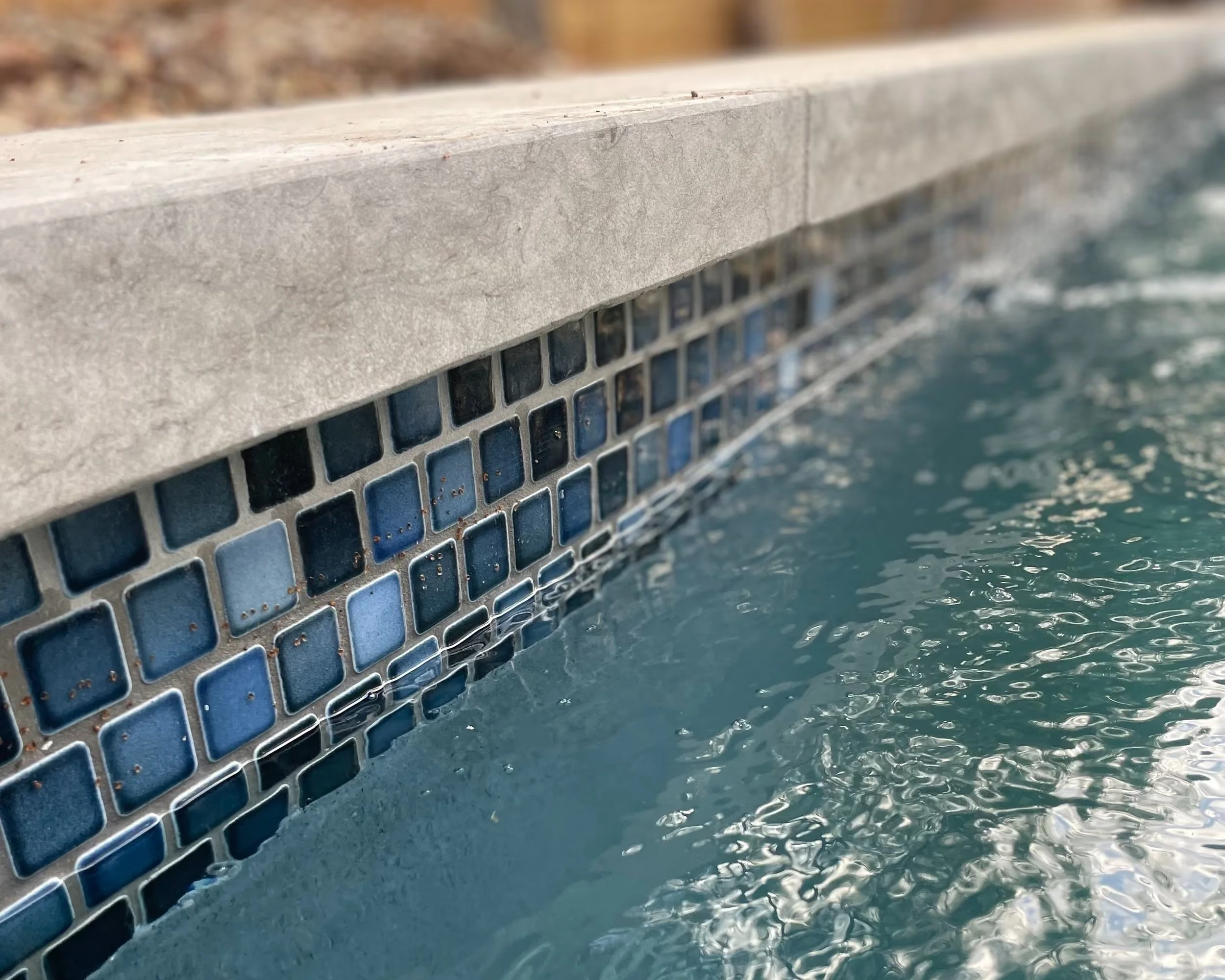
Begin at the top of the pool walls, just below the waterline. This area accumulates oils, sunscreen residue, and scale. Work in long, overlapping strokes and push the debris downward.
2. Work your way down the walls
Continue brushing the walls from top to bottom. Use firm, even strokes, you don't need to scrub aggressively on a well-maintained pool. Overlap each stroke slightly so you don't miss patches.
3. Pay attention to corners and steps
Corners, steps, and ledges are where algae and debris collect most readily. Spend extra time here. Angle the brush to get into tight spots rather than just skimming across them.
4. Brush the floor last
Finish with the pool floor, working toward the main drain. This pushes settled debris into the drain where it can be filtered out. Use slow, deliberate strokes, rushing stirs debris up unnecessarily.
5. Run the filter afterwards
Once you've finished brushing, run your filter for several hours. This captures the material you've dislodged. If you brush and then turn the pump off, the debris just settles back down.
---
Common Brushing Mistakes
Brushing too quickly
Fast strokes stir debris into a cloud rather than directing it toward the drain. Slow, deliberate strokes are more effective.
Skipping the corners and steps
These are the spots most likely to develop algae. If you only brush the open walls and floor, you're leaving the most vulnerable areas untouched.
Not brushing before a chemical treatment
If you're adding a shock dose or algaecide, brush first. This breaks up surface biofilm and gives the chemical direct contact with the affected area.
Using the wrong brush for the surface
As covered above, a stainless steel brush on a fibreglass pool will scratch the gelcoat. Check your pool surface type before buying a brush.
Brushing but not running the filter
Brushing without filtering is half a job. The debris you dislodge needs somewhere to go. Always follow up with adequate filter run time.
---
What to Look For While You're Brushing
Brushing gives you a close look at your pool's surfaces. Use the time to check for:
- Early algae growth, a green or yellowish tinge on walls or in corners
- Scale or calcium deposits, white or grey crusty patches, often near the waterline
- Staining, brown, black, or rust-coloured marks that don't brush off
- Surface damage, cracks, chips, or rough patches in plaster or fibreglass
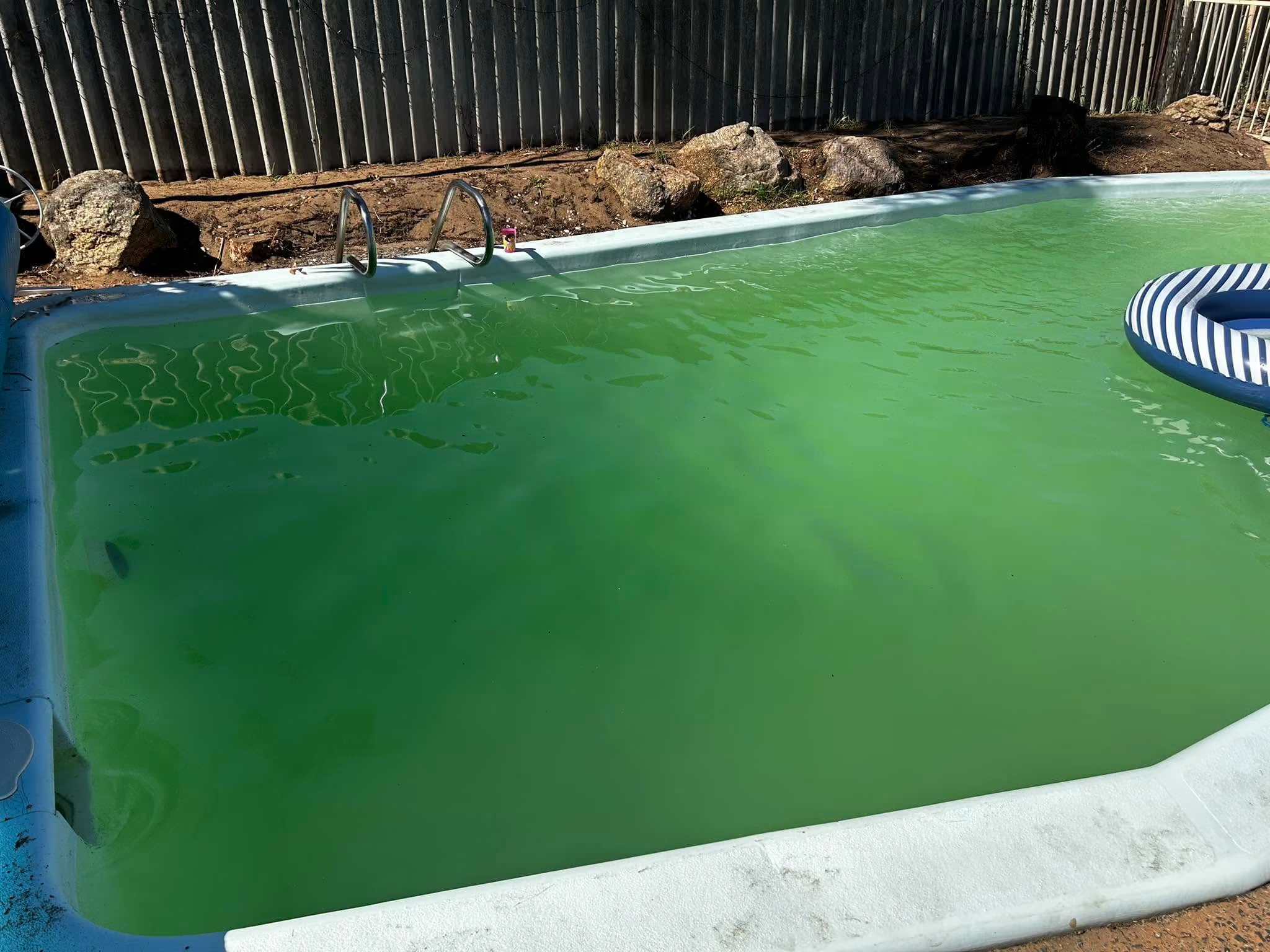
Catching these early makes them easier to address. A small algae patch dealt with promptly is far less work than a full green pool.
---
When Brushing Isn't Enough
If you're brushing regularly and still seeing algae return, or if staining won't shift, the issue is likely chemical rather than mechanical. Persistent algae usually points to a sanitiser problem, low chlorine, poor circulation, or a pH that's out of range.
Surface staining that doesn't respond to brushing may need a specialist treatment. Some stains are caused by metals in the water, others by organic material, and the treatment differs depending on the cause.
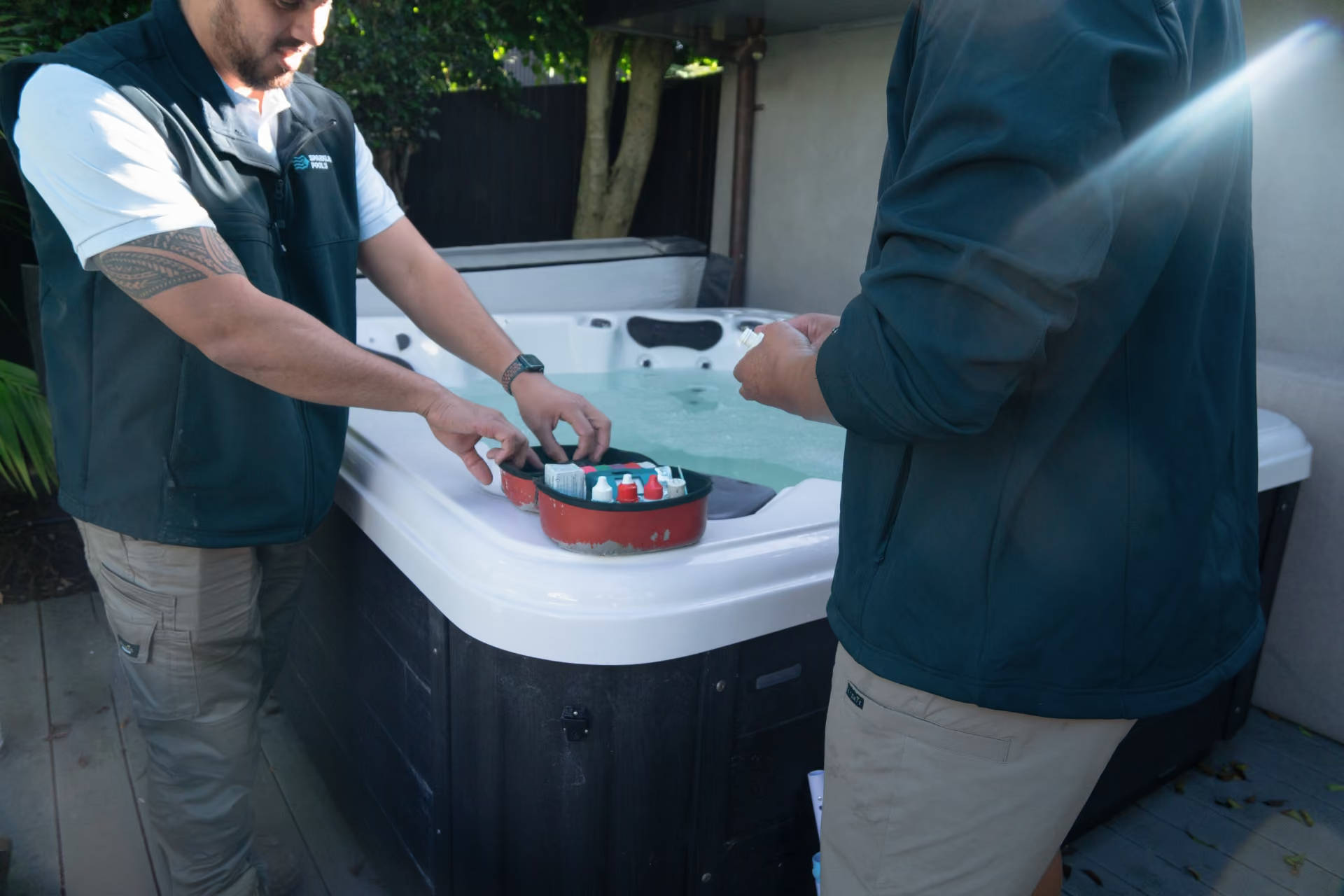
If you're not sure what you're dealing with, an on-site water test is a good starting point. Sparkling Pools carries out water testing at your home across Auckland, which takes the guesswork out of diagnosing recurring problems.
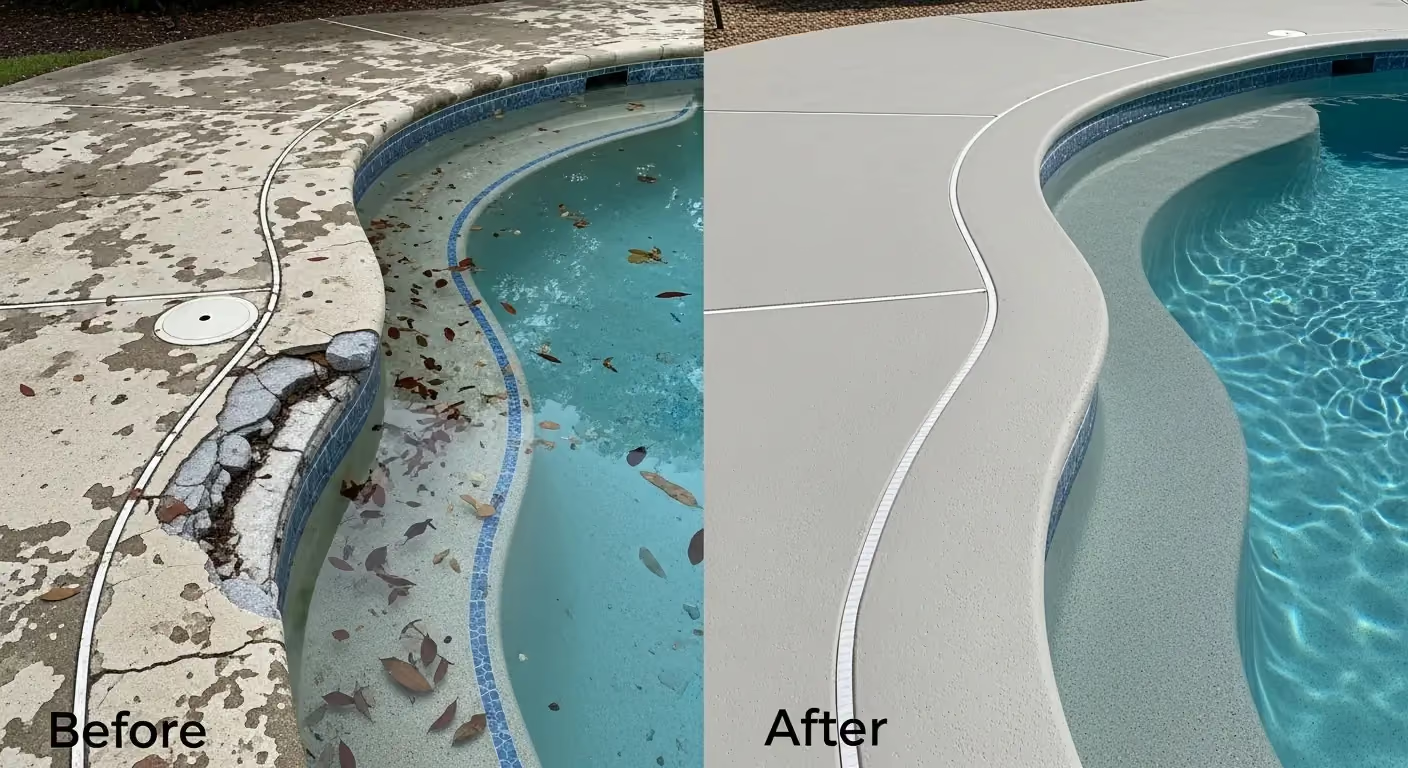
Pool resurfacing solutions
Restore your pool with durable plaster finishes


Work completed
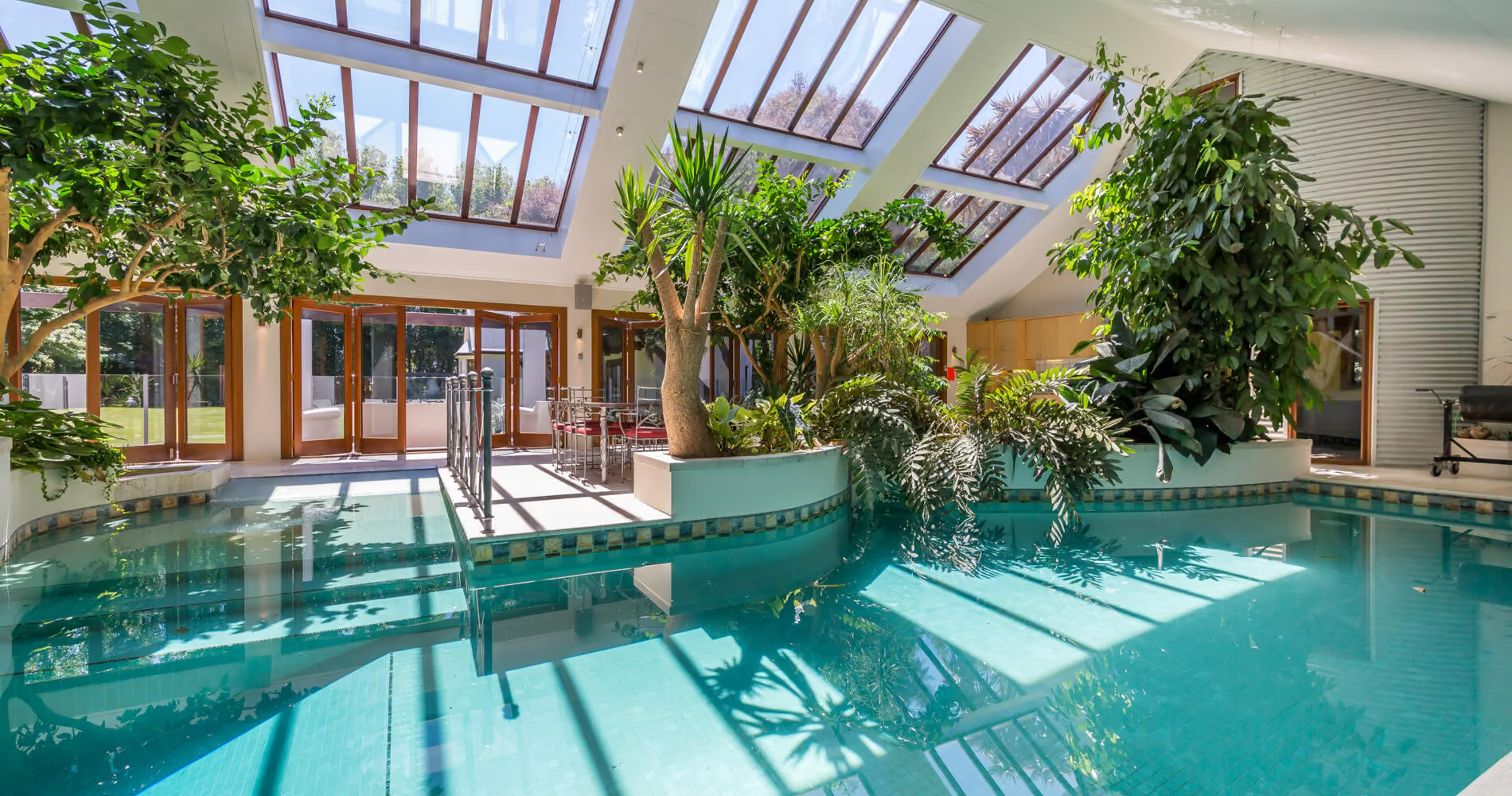
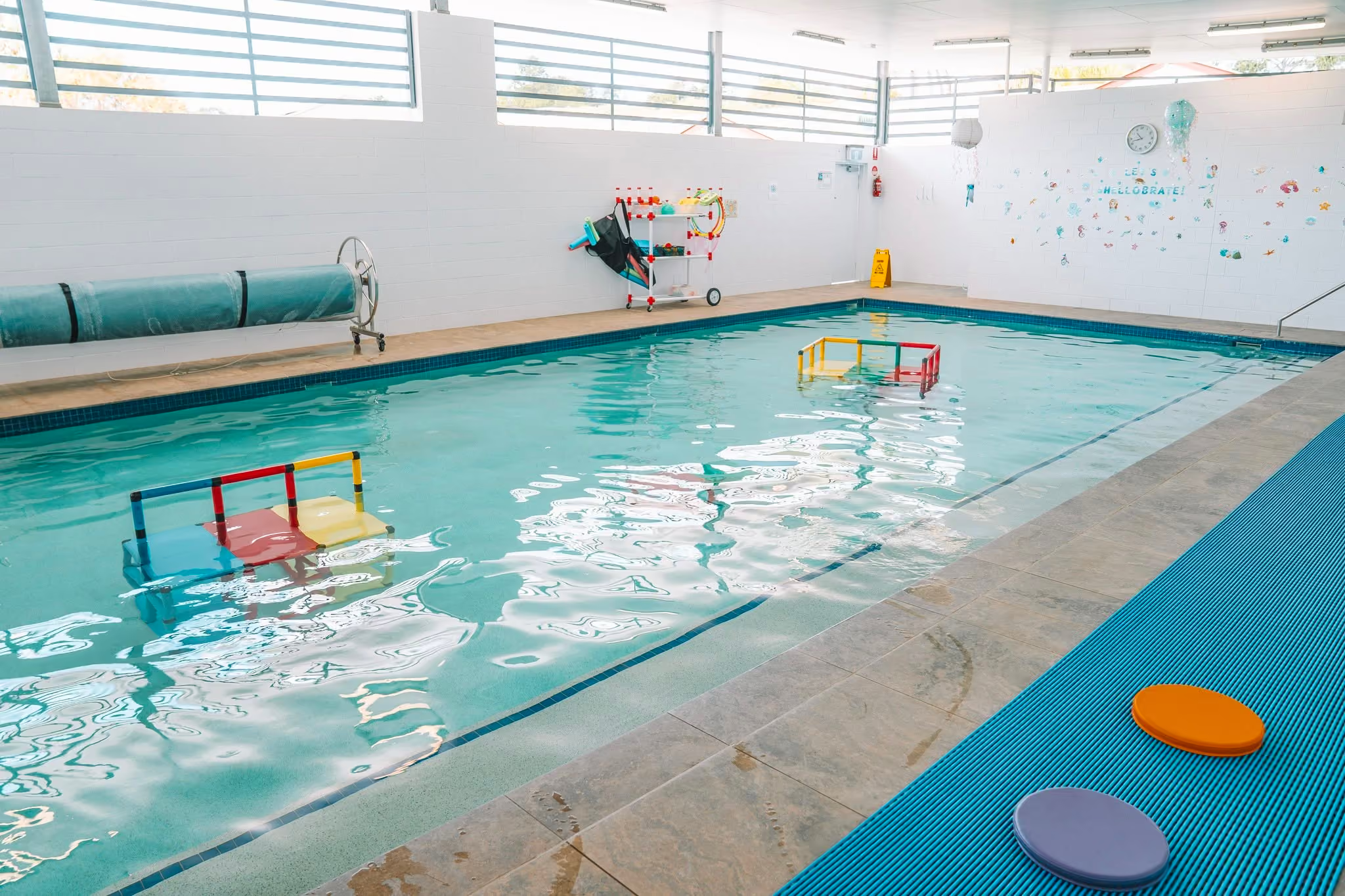
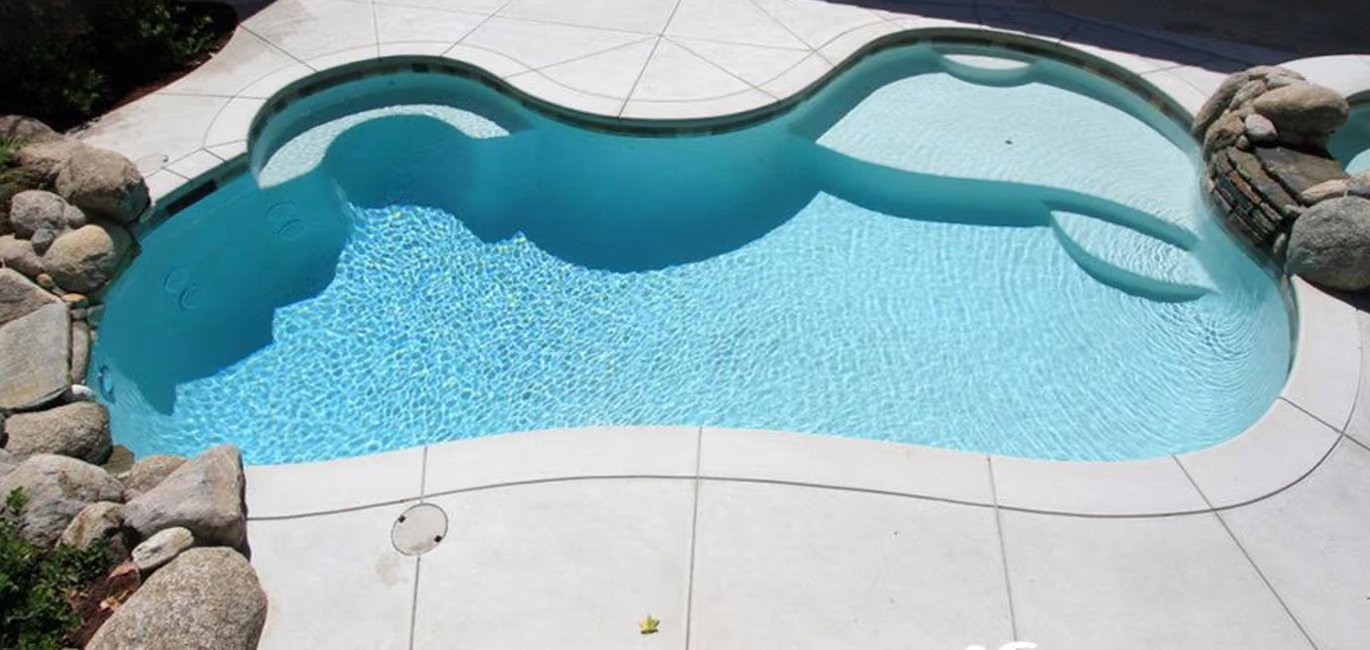
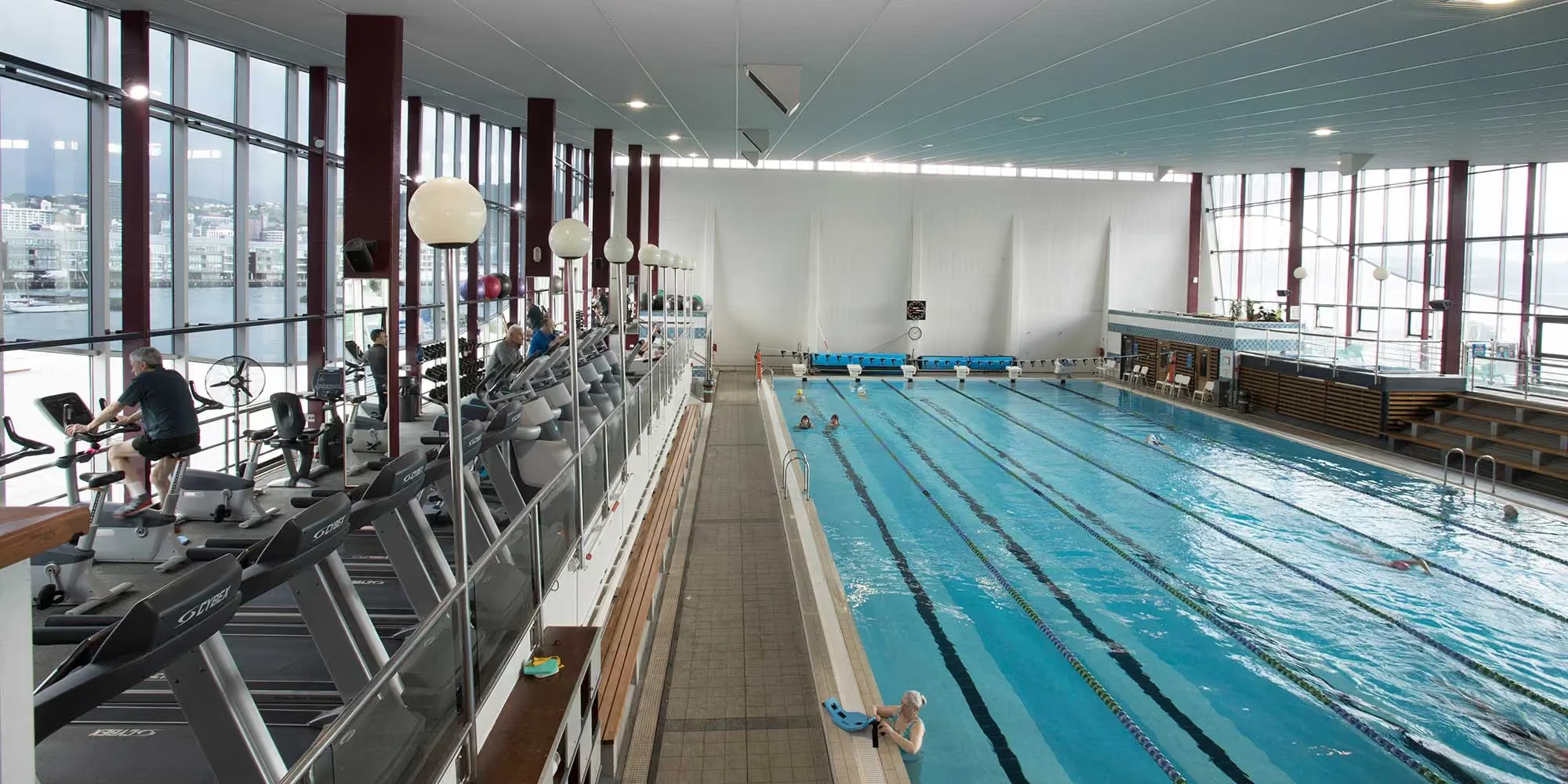
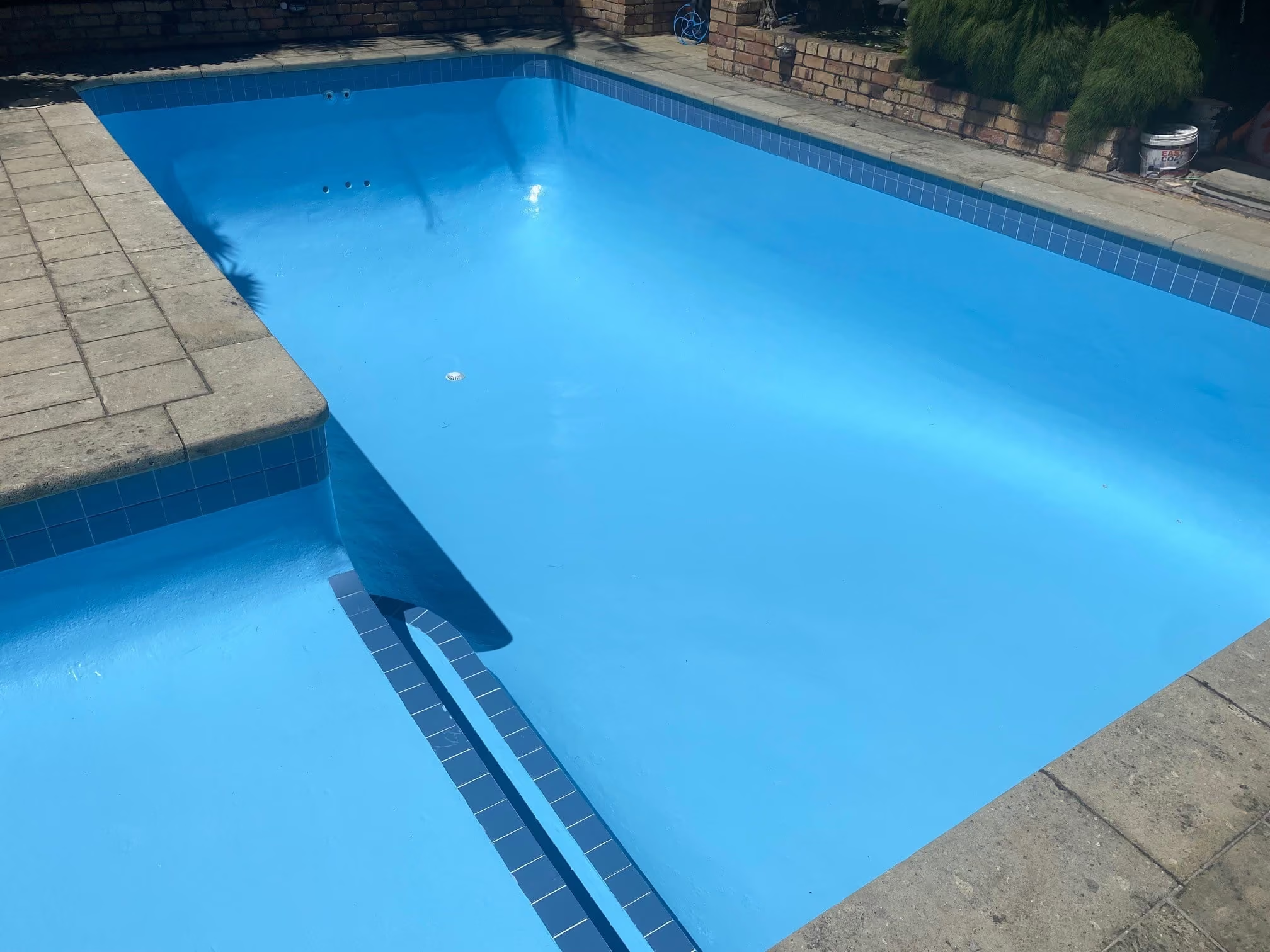
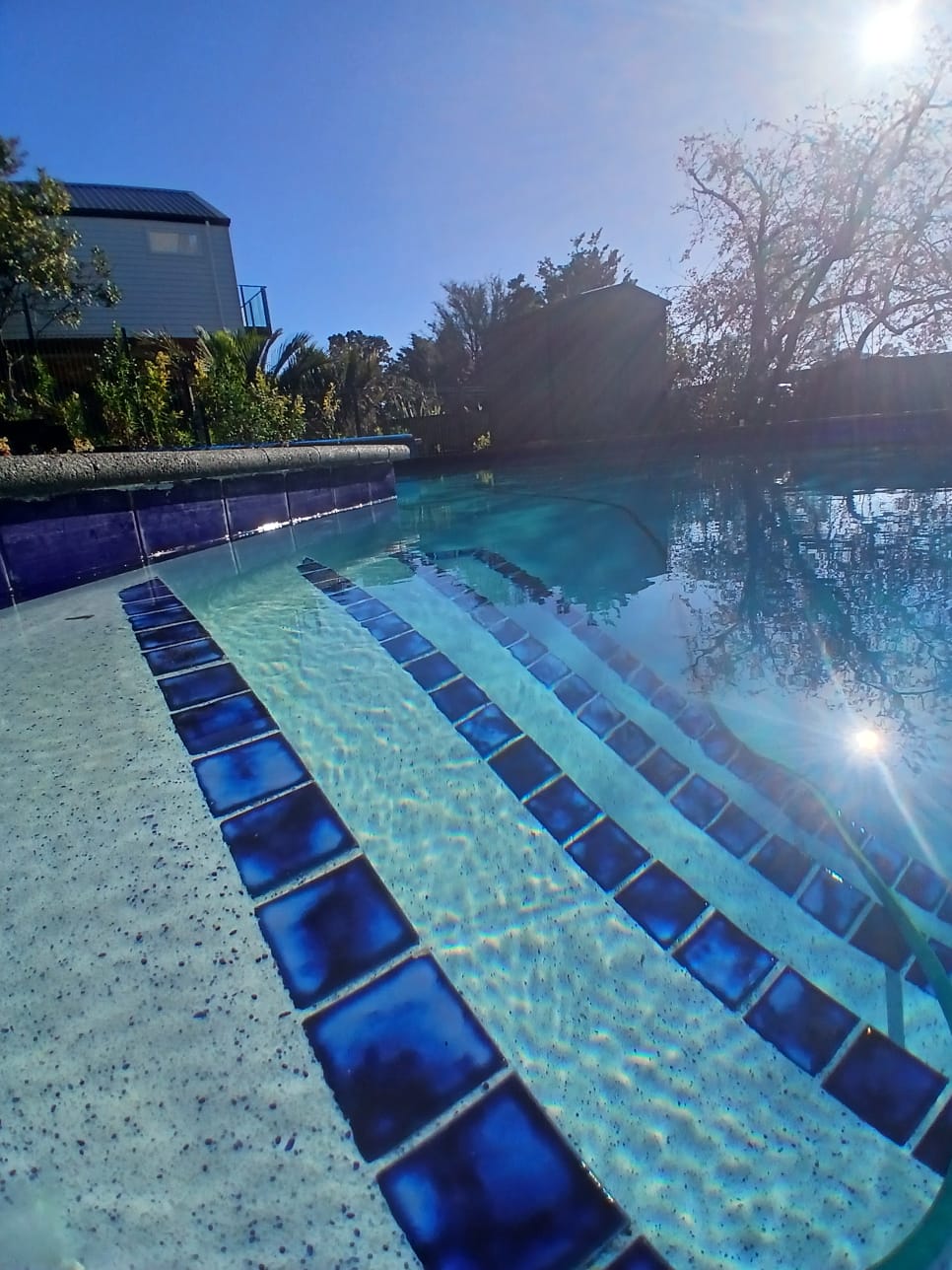
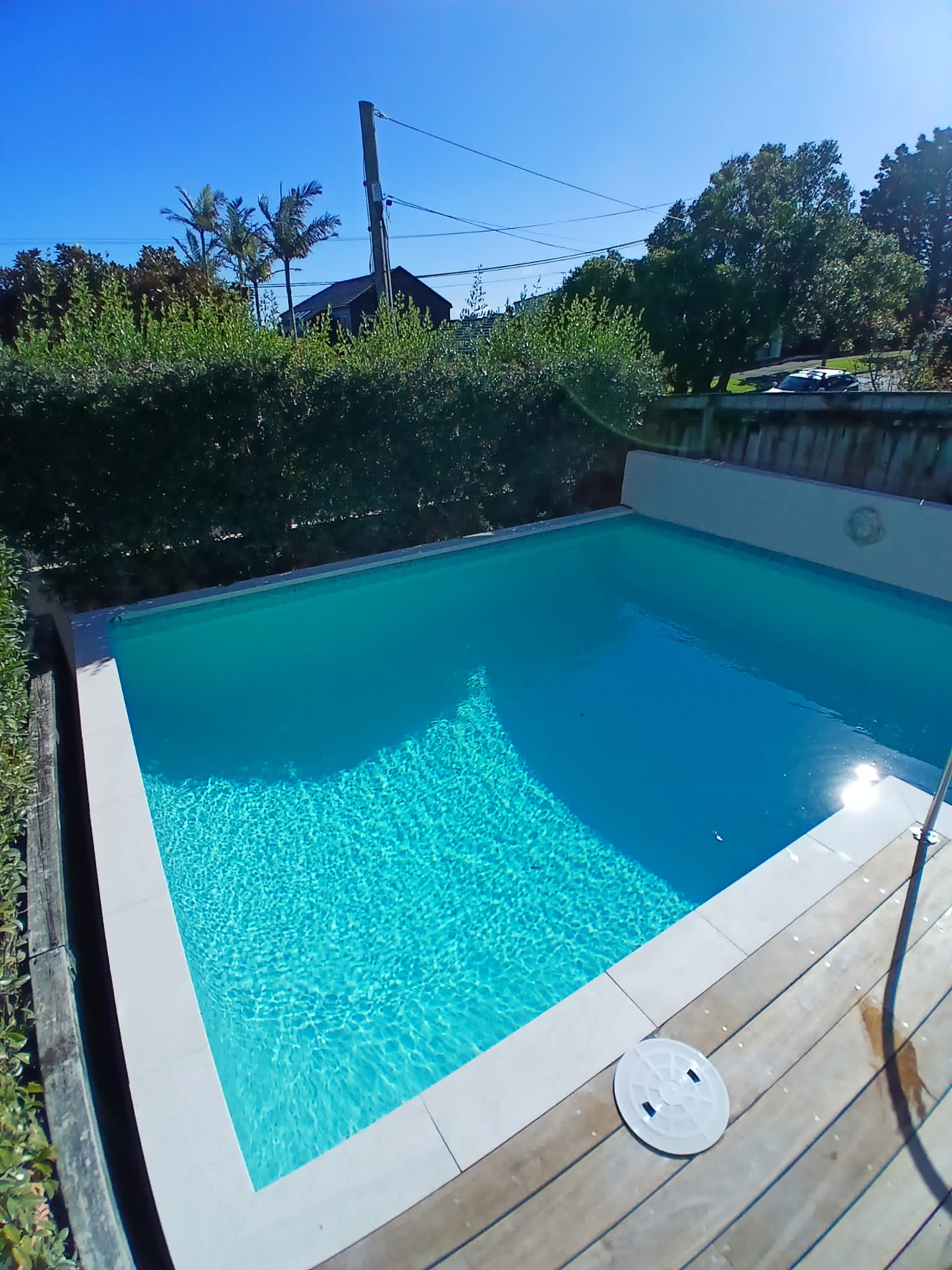
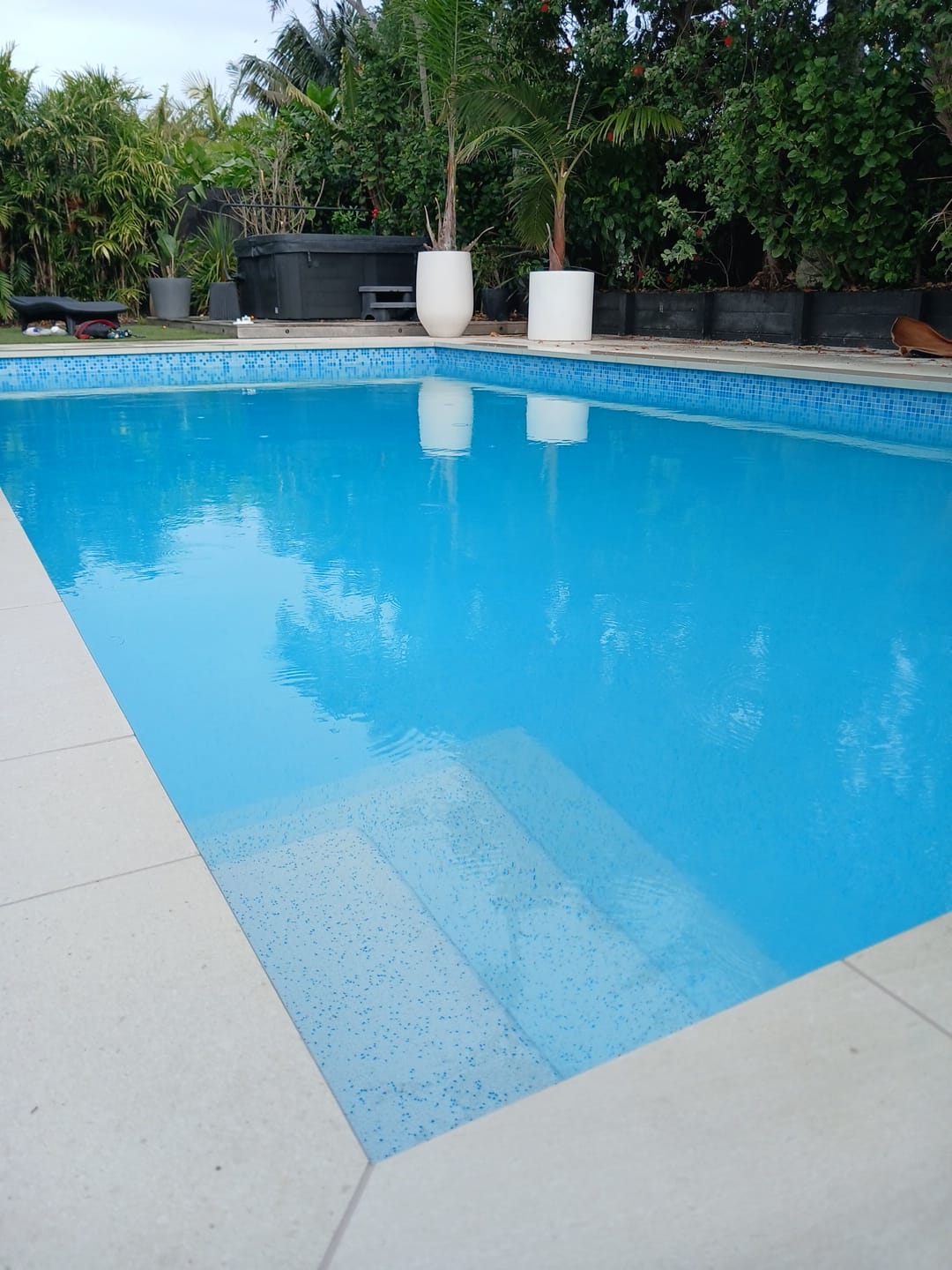
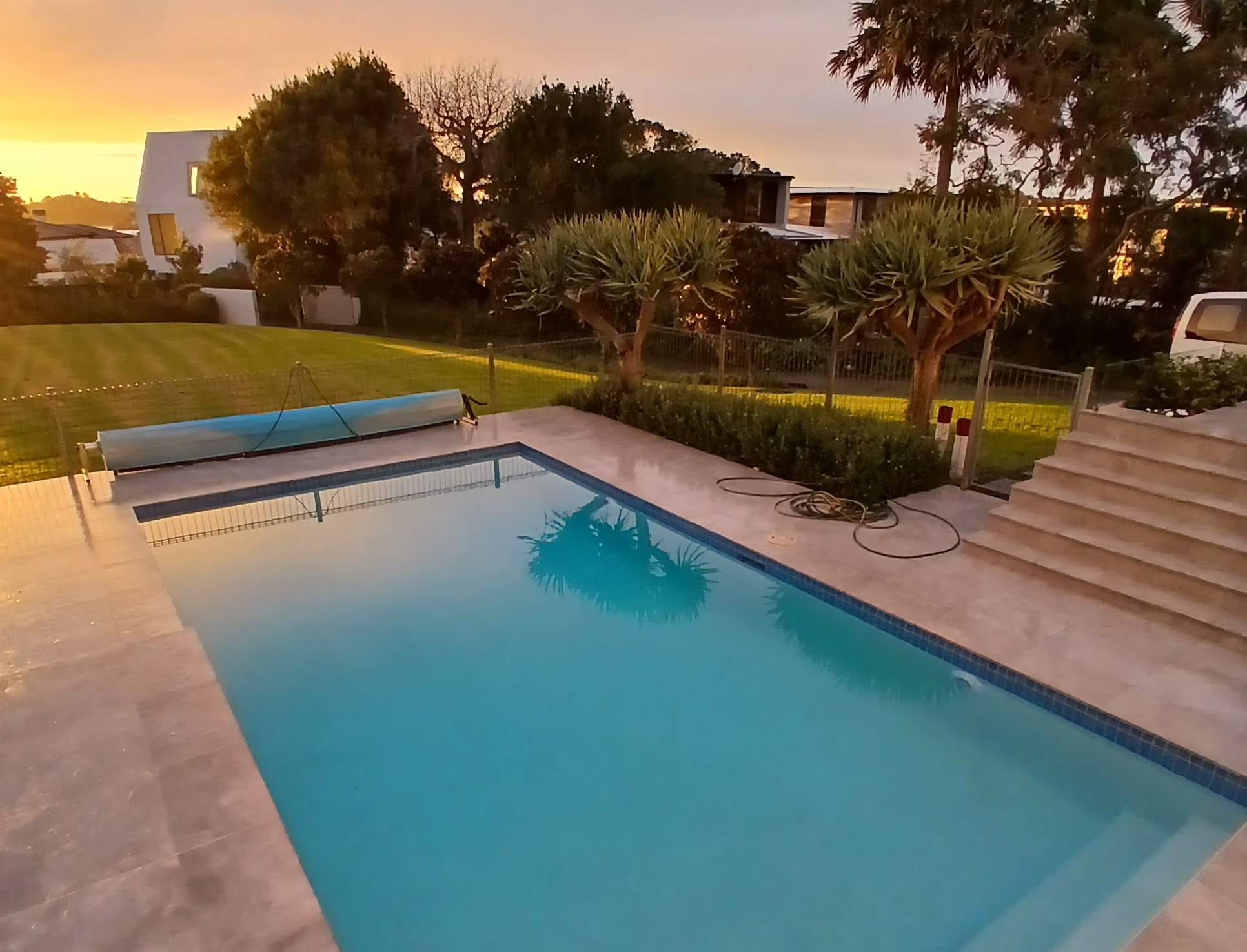
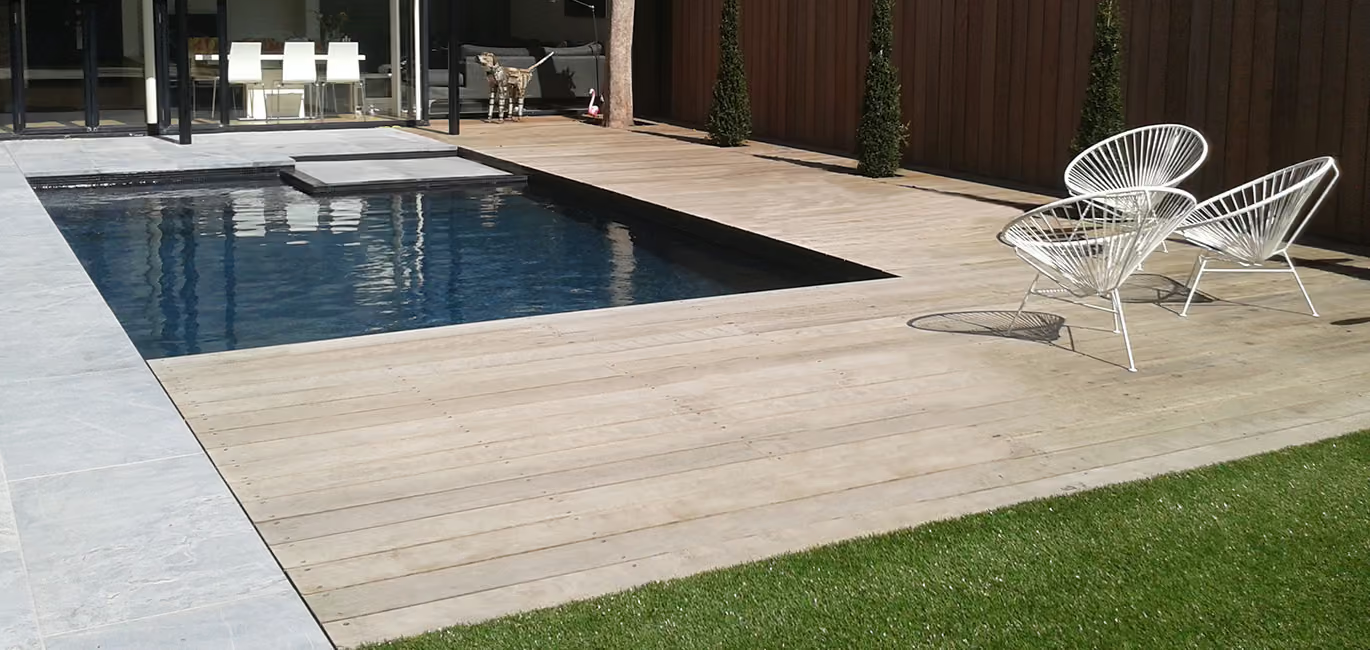
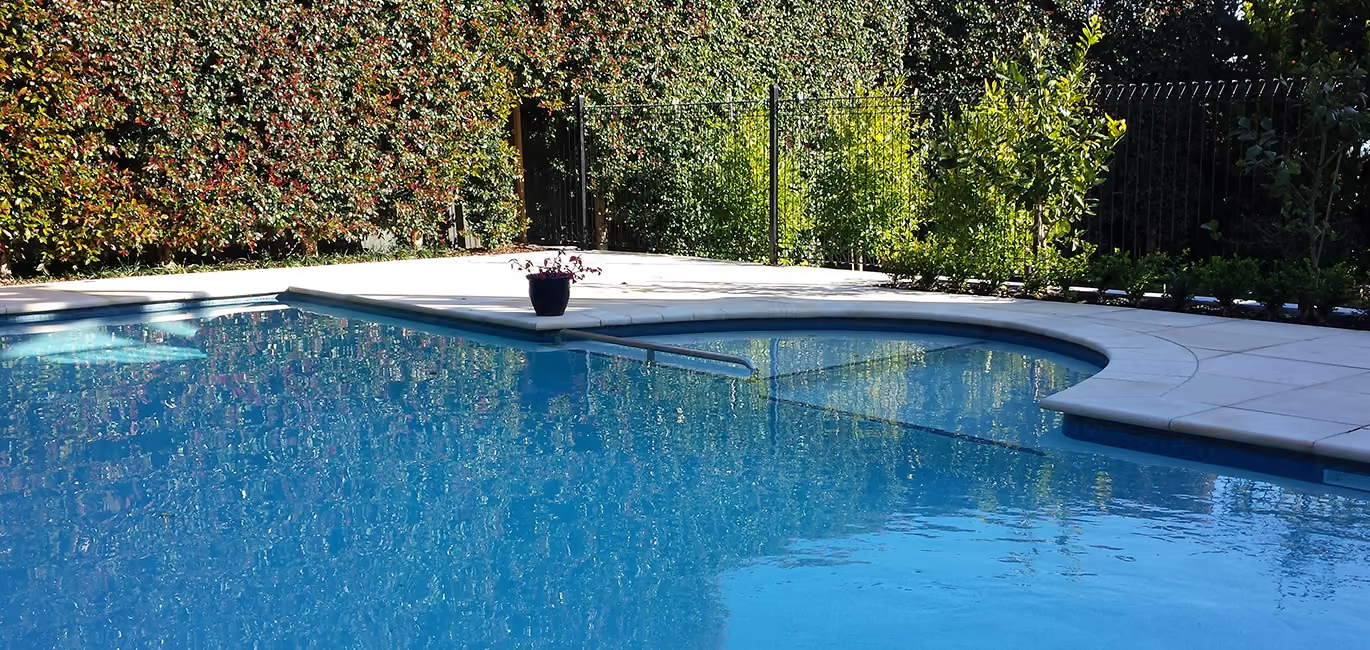
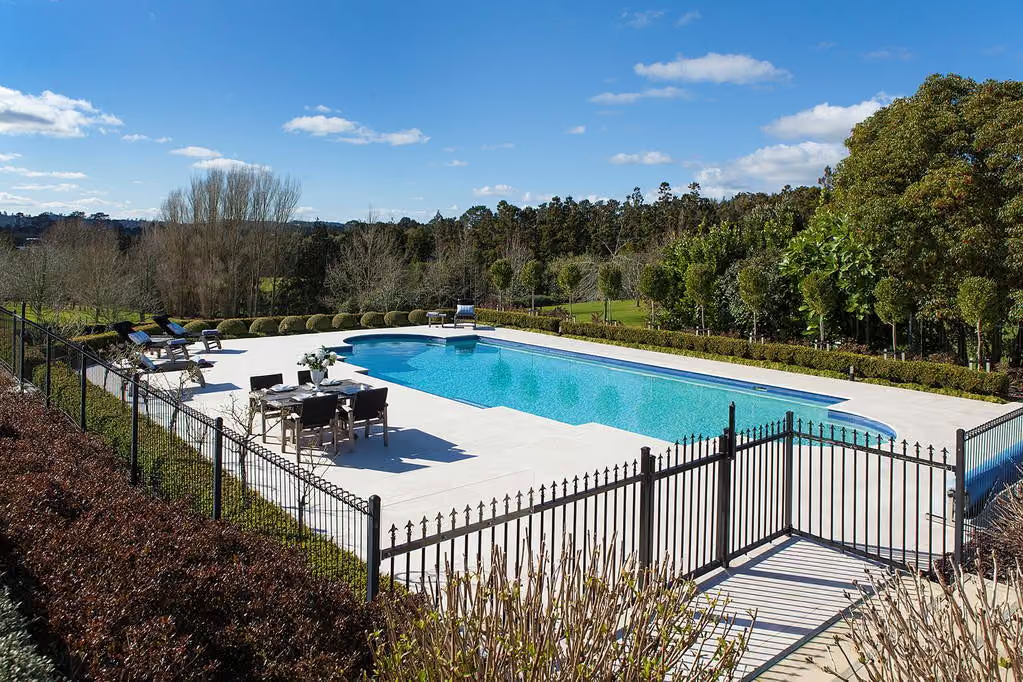
Sparkling Pools has worked on pools across Auckland, including residential renovation projects, equipment upgrades, ongoing maintenance and pool care for managed properties. Past projects show how the right approach can improve presentation, water quality and day-to-day usability. A well-maintained pool is easier to manage, more pleasant to use and better prepared for seasonal changes.
Trusted by Homeowners Across Auckland
Don't just take our word for it. Read what our clients have to say about our transparent communication, reliable service, and stunning pool transformations.
Related Blog Posts
Stay informed on pool care and renovations
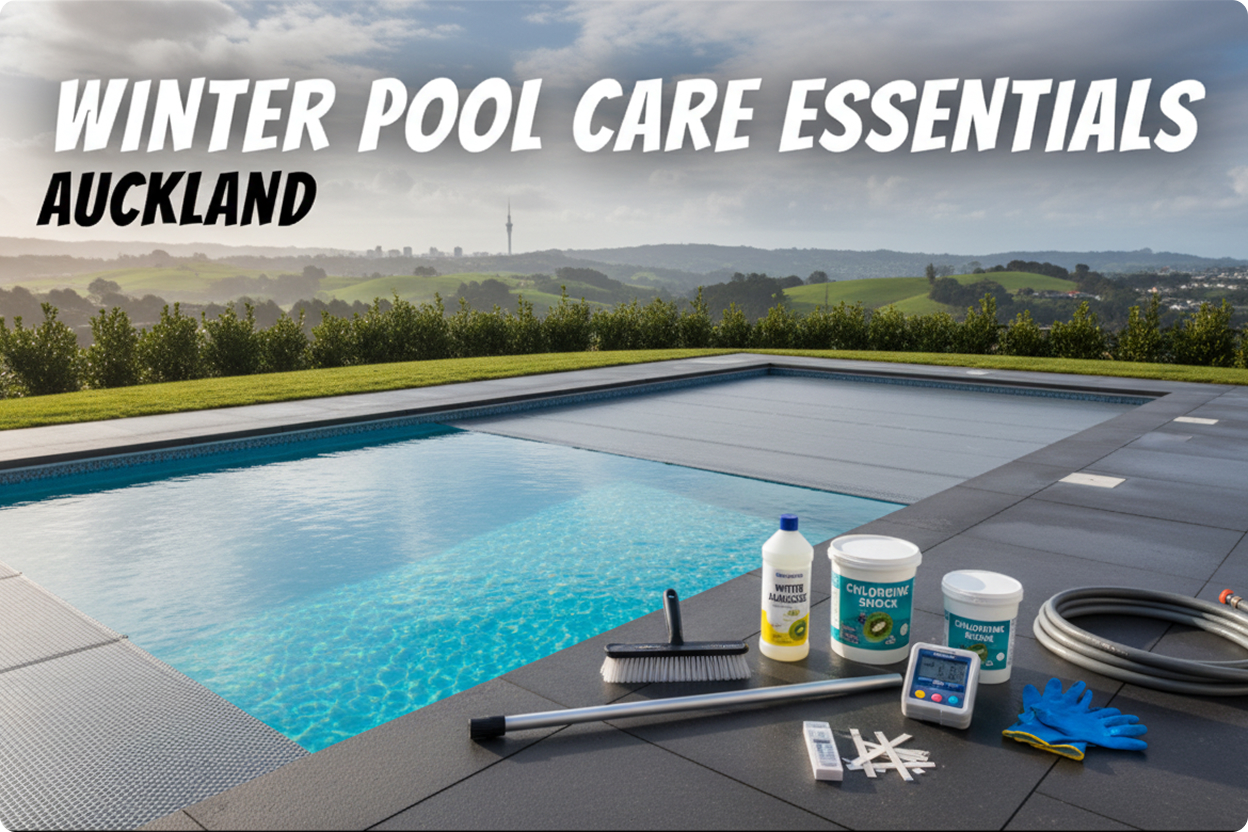
Winter pool care essentials for Auckland
Pool Renovation Mistakes

Auckland Climate Pool Maintenance

Choosing Renovation Contractor
Pool Care Auckland Summer
Permits & Consents
Pool Renovation ROI
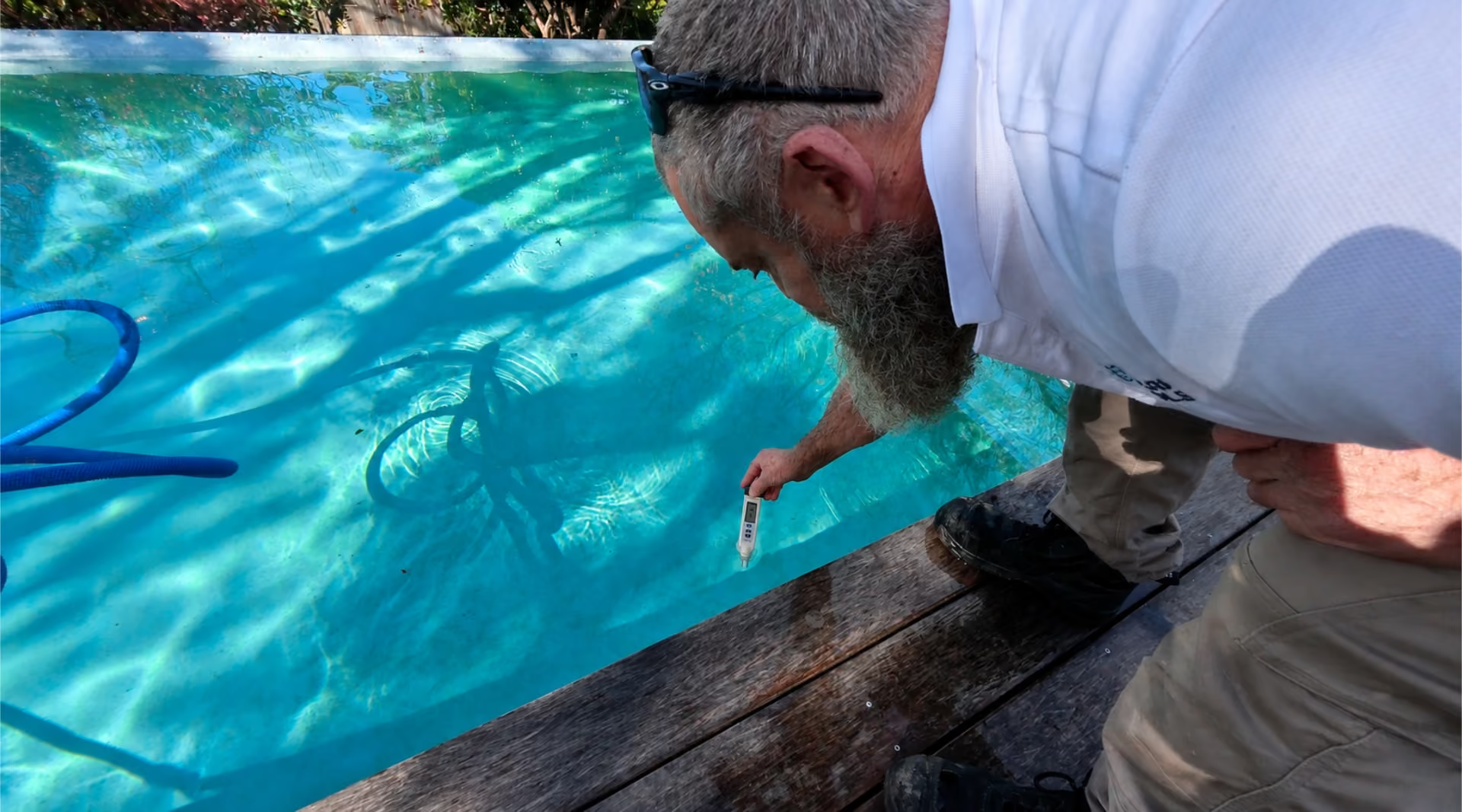
How Often to Test Pool Water
Pool Renovation Costs
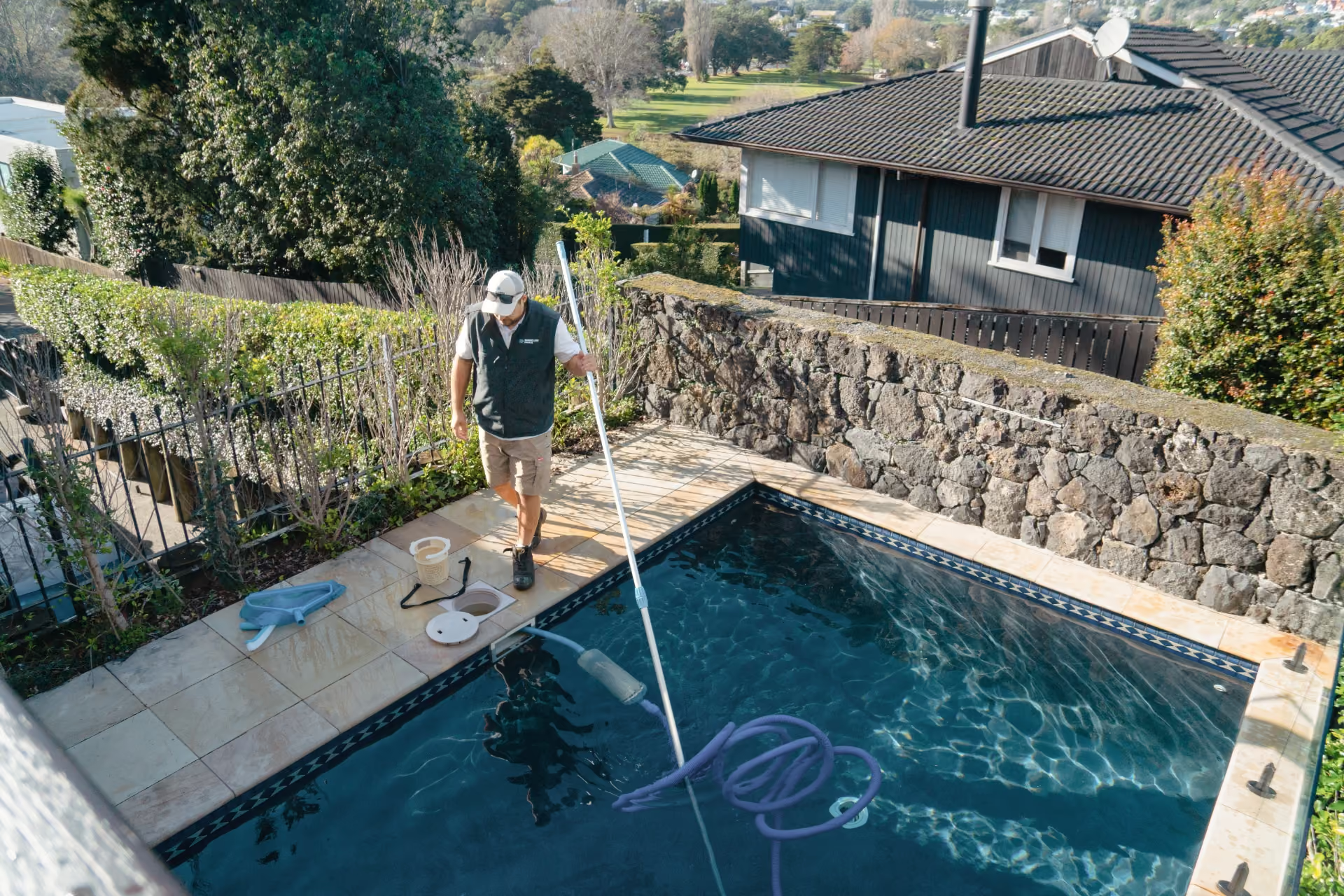
Cost of Pool Service Auckland
Pool Renovation Planning Guide
Pool Lighting Buying Guide
Pool Cleaner Buying Guide
Pool Automation Buying Guide
Pool Heater Buying Guide
Pool Filter Buying Guide
Pool Pump Buying Guide
Best Equipment Auckland Climate
Auckland Water Quality
Auckland Pool Season
Pool Ownership Costs
Common Pool Mistakes
Pool Safety Laws
Pool Inspection Requirements
Pool Fence Compliance
.avif)
Auckland Pool Industry Trends
Auckland Pool Regulations
Pool Equipment Suppliers
Best Pool Service Areas
Pool Service Pricing Analysis
Company vs Independent
Best Pool Surface Materials
Pool Resurfacing Options
Pebble vs Plaster Surfaces
One-Time vs Ongoing Service
Full Service vs Chemicals Only
Pool Cover Types
Robotic vs Suction Cleaners
Mineral vs Saltwater
Gas vs Heat Pump
Pool Heater Types
Pool Winterizing Guide Auckland
Pool Opening Guide Summer
Pool Maintenance After Heavy Rain
Pool Maintenance Schedule
How Often to Run Pool Filter
Pool Pump Maintenance Schedule
Pool Filter Cartridge Cleaning
Pool Equipment Maintenance Checklist
Pool Waterline Cleaning
Pool Skimmer Basket Cleaning
Pool Chlorine Levels
How Often Clean Pool Filter
How to Vacuum Pool
Pool Brushing Technique
Pool Chemical Dosing Chart
Pool Water Chemistry Basics
How to Balance Pool Chemistry
How to Test Pool Water
Pool Maintenance Tips
Complete Pool Maintenance Guide
Pool Service ROI
Pool Equipment Buy or Service
Pool Maintenance Time Requirements
DIY vs Professional
Pool Service Contract
Pool Service vs Pool Valet
Is Pool Service Worth It
Pool Service Guarantees
Pool Service Reviews
Pool Service Red Flags
Questions to Ask Pool Companies
How to Choose Pool Service Company
Hidden Costs DIY Maintenance
Pool Cleaning Prices Auckland
Cost of Pool Resurfacing
Cost of Pool Pump Replacement
Cost to Fix Green Pool
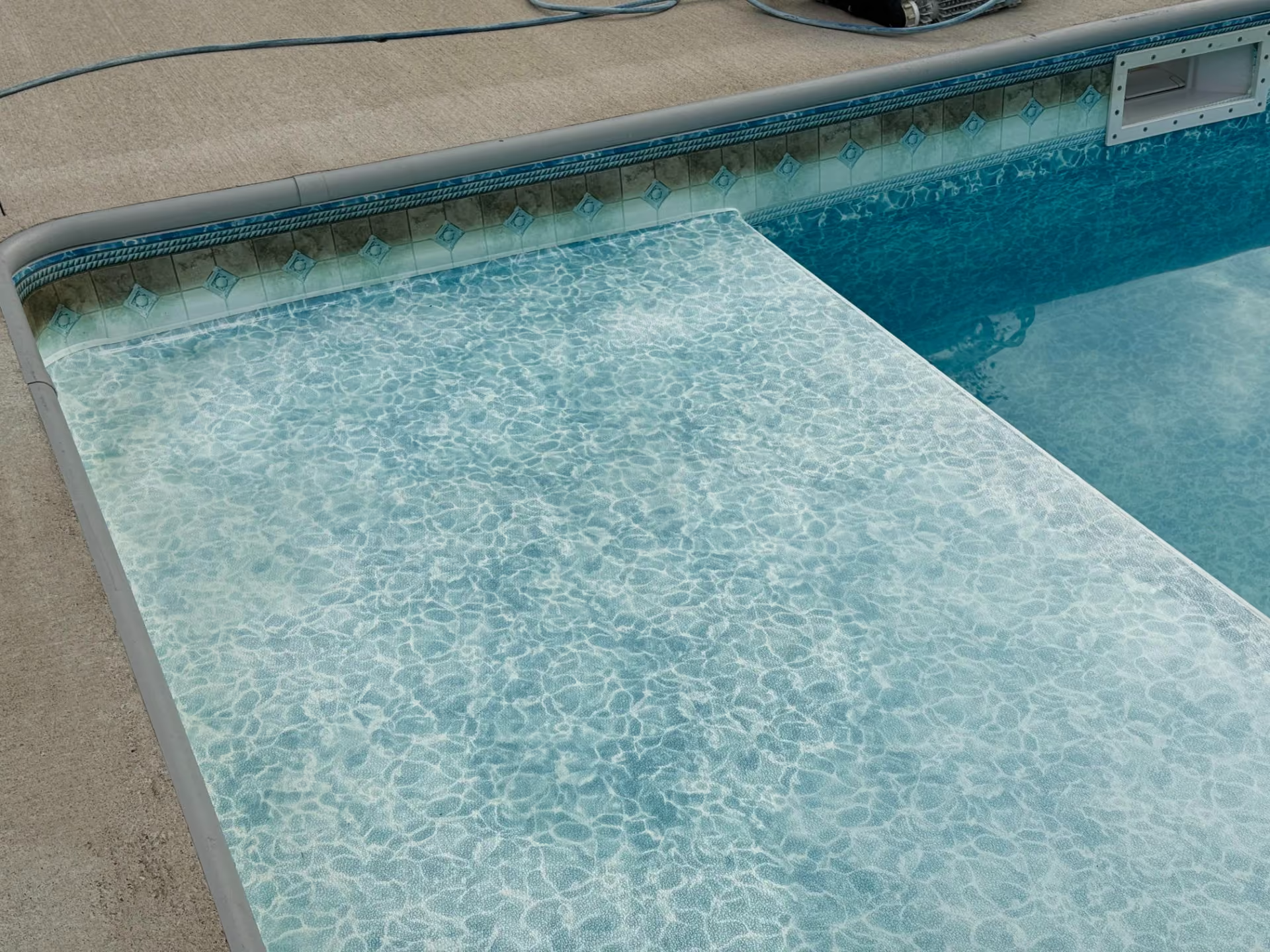
Pool Liner Wrinkles
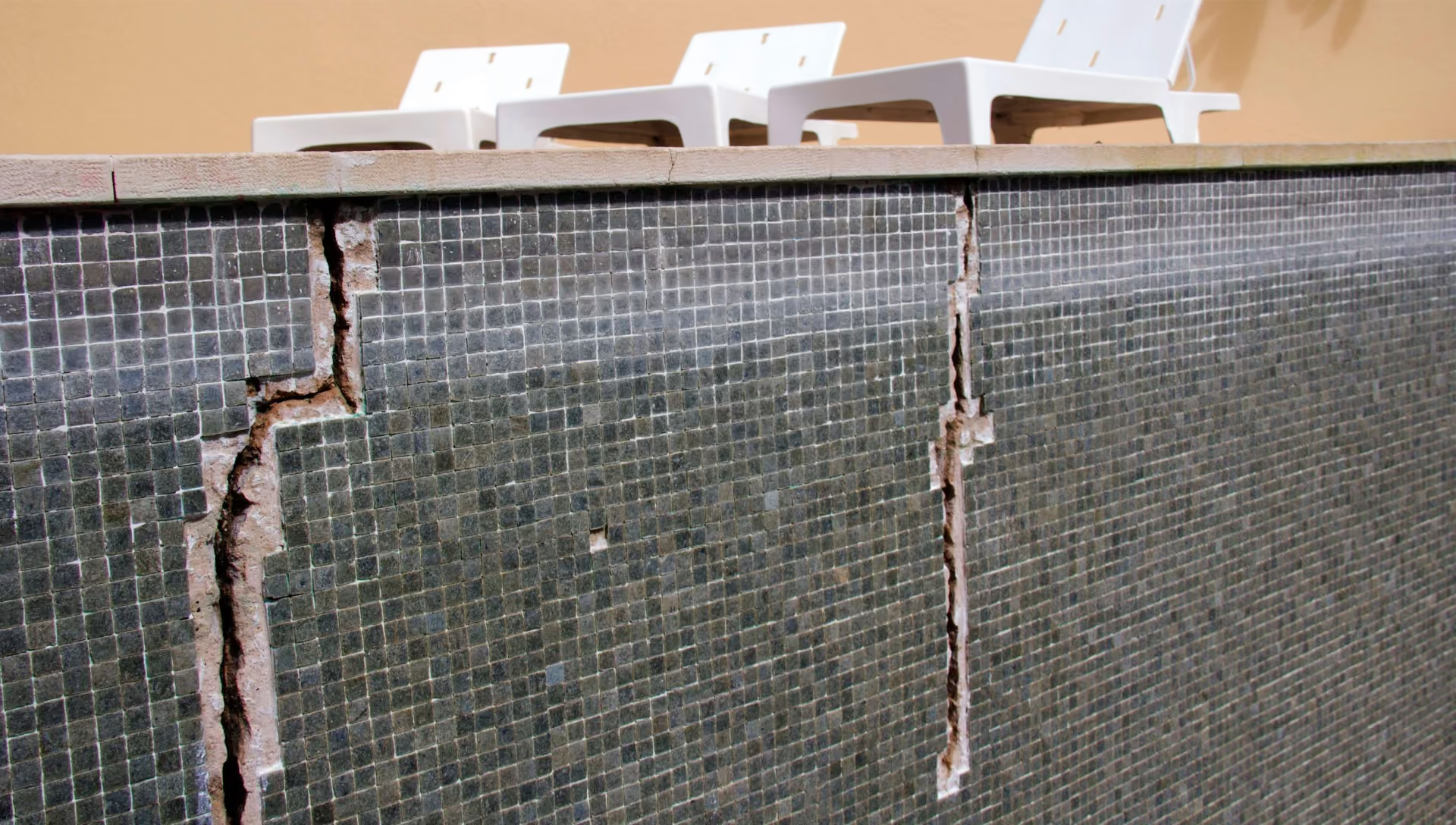
Pool Cracks When to Worry
Pool Surface Stains
Pool Valve Leaking
Pool Automation Not Working
Pool Light Not Working
Pool Heater Not Heating
Pool Skimmer Not Working
High Pool Filter Pressure
Pool Losing Water
Pool Filter Not Clearing Water
Pool Pump Leaking
Pool Pump Not Pumping
Pool Pump Losing Prime
Pool Pump Noisy
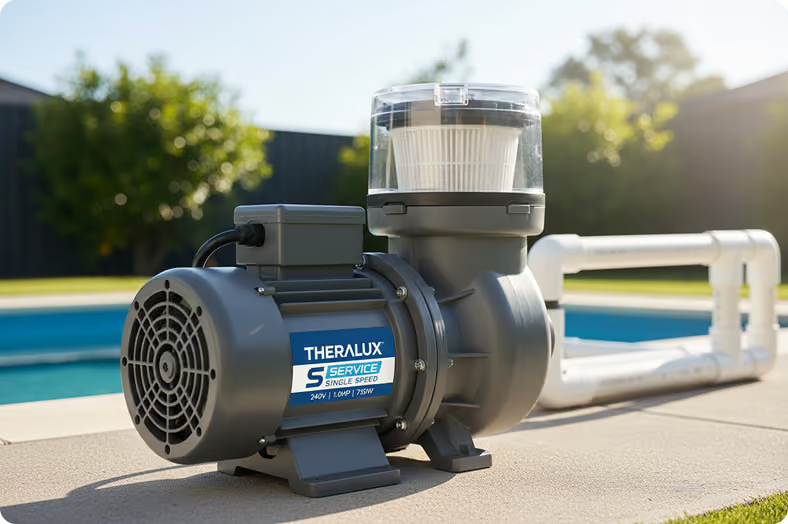
Pool Pump Not Working
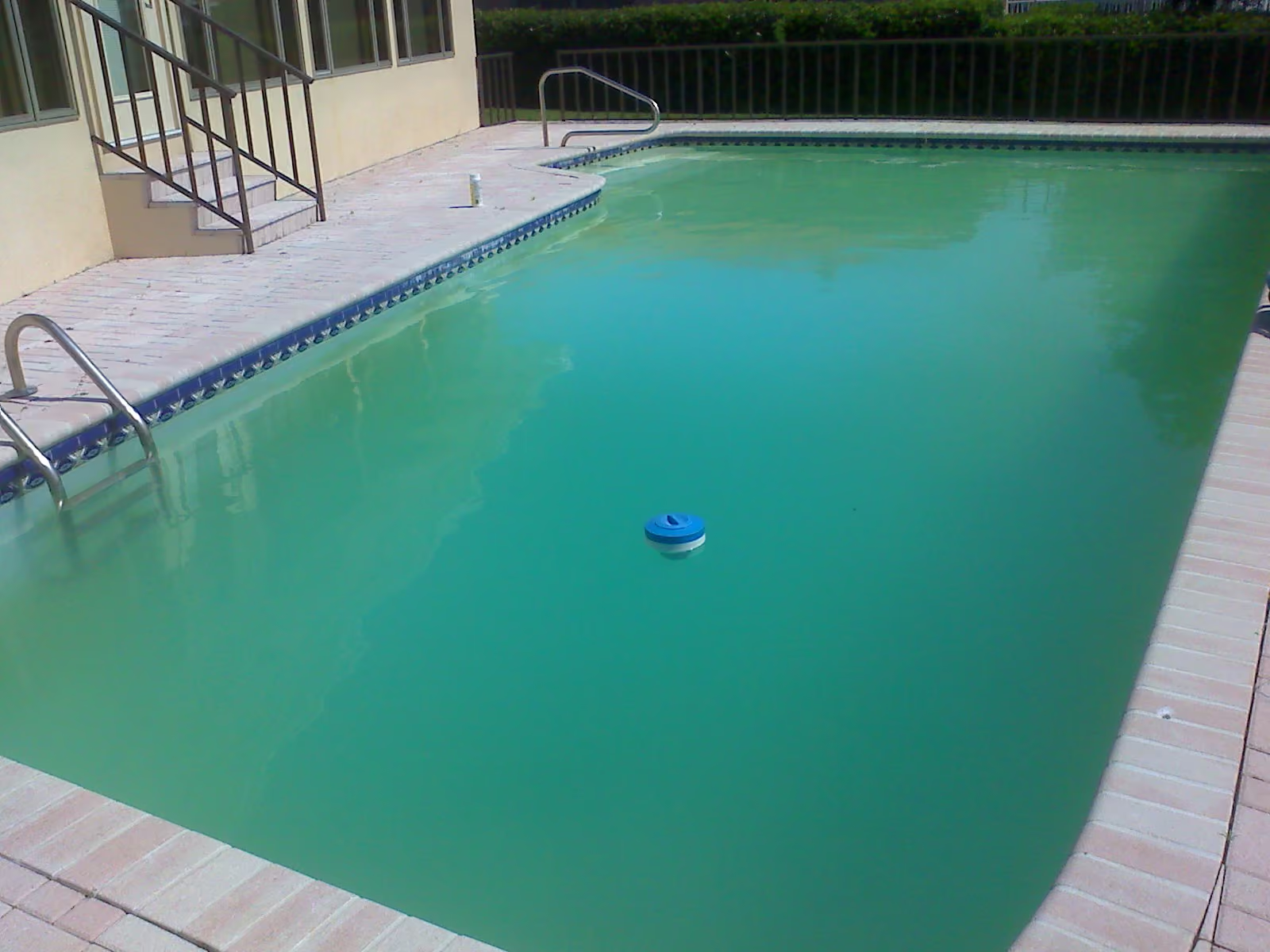
Pool Water Foaming
Pool pH Too Low
Pool pH Too High
Green Pool After Rain
Pool Still Green After Shock
Pool Water Cloudy
How to Clear a Green Pool
Pool Care That Protects Your Investment
Good pool care protects more than appearance. Our pool specialists support the long-term condition of your swimming pool while keeping it ready for everyday use.