Pool pH Too Low

Why Auckland trusts our pool service expertise
Low pool pH means the water is too acidic, which can irritate swimmers, damage pool surfaces, and shorten the life of equipment. The good news is that low pH is one of the more manageable water chemistry problems to fix.
The key is testing accurately before adding anything, then correcting the pH and total alkalinity together. Regular testing and a consistent maintenance routine will keep the problem from coming back.
What you'll learn
What Does Low Pool pH Mean?
PH measures how acidic or alkaline your pool water is. The safe range for a swimming pool is 7.2 to 7.6. When pH drops below 7.2, the water becomes acidic.
Acidic water is not just uncomfortable, it actively works against your pool. It irritates eyes and skin, eats into pool surfaces, and corrodes metal fittings and equipment over time. It also makes chlorine less stable, which means your sanitiser burns off faster and your pool is harder to keep clean.
Low pH is one of the more common water chemistry problems in Auckland pools, and it is usually straightforward to correct once you know what caused it.
---
What Causes Pool pH to Drop?
Heavy Rain
Auckland's rainfall is one of the most common reasons pool pH falls. Rainwater is naturally slightly acidic. After a heavy downpour, a significant volume of low-pH water enters the pool, diluting the water chemistry and pulling the pH down. This is especially noticeable after extended wet weather.
High Bather Load
Swimmers introduce organic matter, sweat, body oils, sunscreen, into the water. These compounds are acidic. A pool that sees heavy use over a weekend can show a measurable pH drop by Monday.
Carbon Dioxide Absorption
Pools in sheltered spots or with limited circulation can absorb carbon dioxide from the surrounding air. CO₂ dissolves into water and forms carbonic acid, which lowers pH. Good circulation and aeration help prevent this.
Certain Pool Chemicals
Some sanitisers and shock treatments are acidic by nature. Trichlor tablets and granular dichlor, for example, have a low pH. Regular use without monitoring and adjustment will gradually push pool pH downward.
Low Total Alkalinity
Total alkalinity acts as a buffer for pH. When alkalinity is low, pH becomes unstable and can swing sharply in either direction. A pool with low alkalinity is more vulnerable to pH drops and harder to keep in range.
---
How to Check Your Pool pH
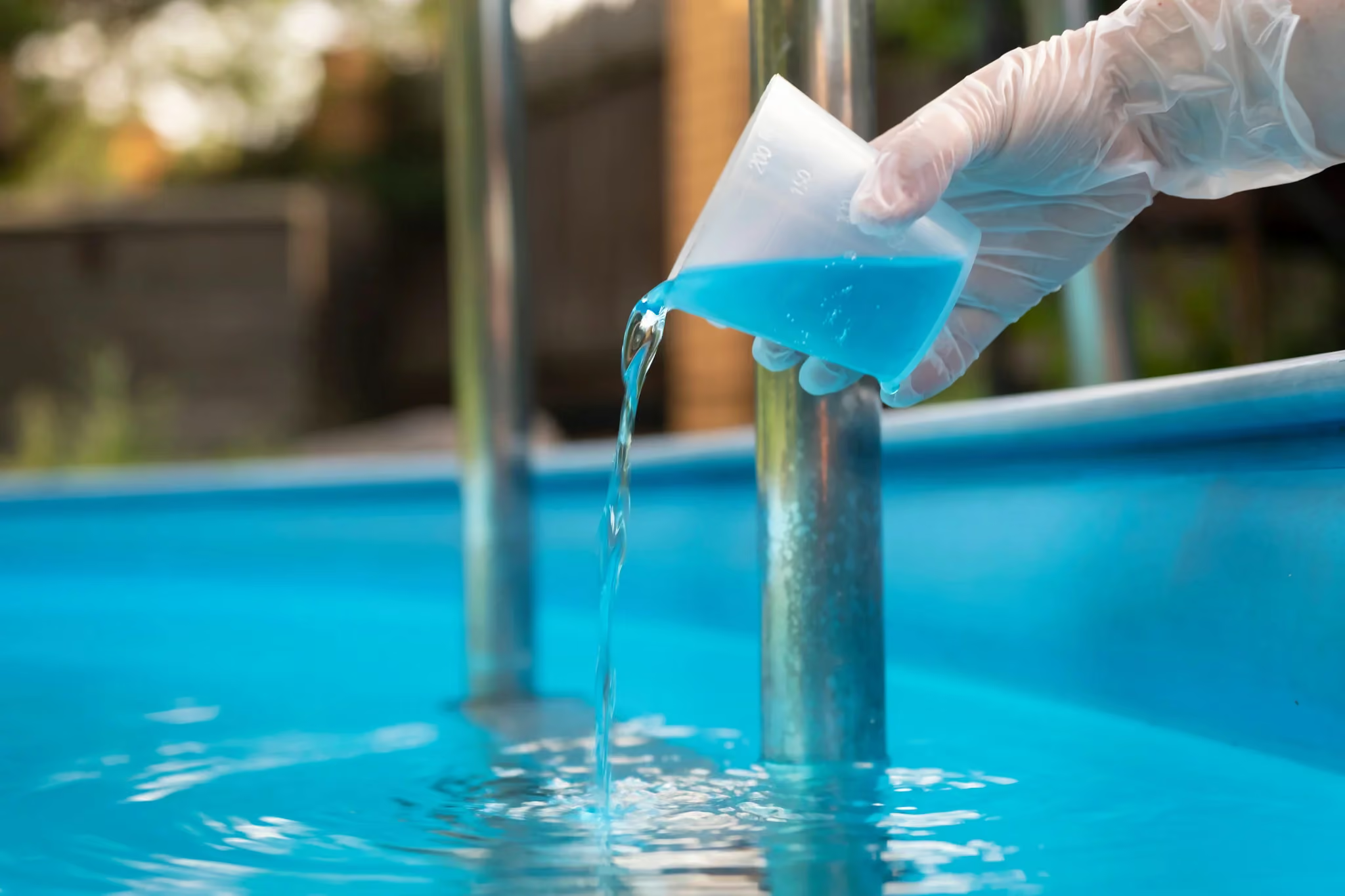
Before adding any chemicals, test the water properly. Guessing the dose without knowing the current reading is a common mistake that leads to overcorrection.
What to use:
- A test strip kit
- A liquid drop test kit (generally more accurate)
- A digital pool tester
How to test:
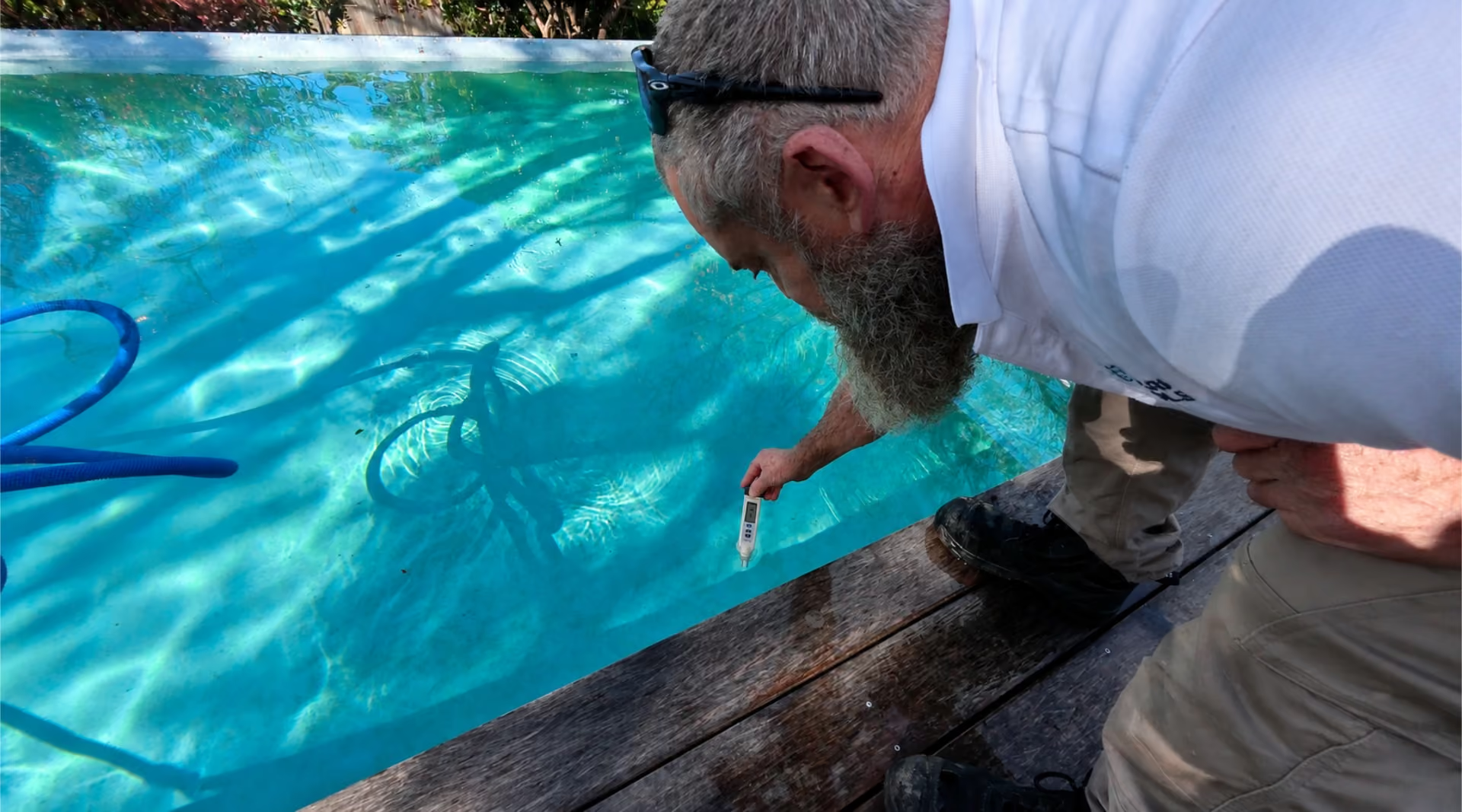
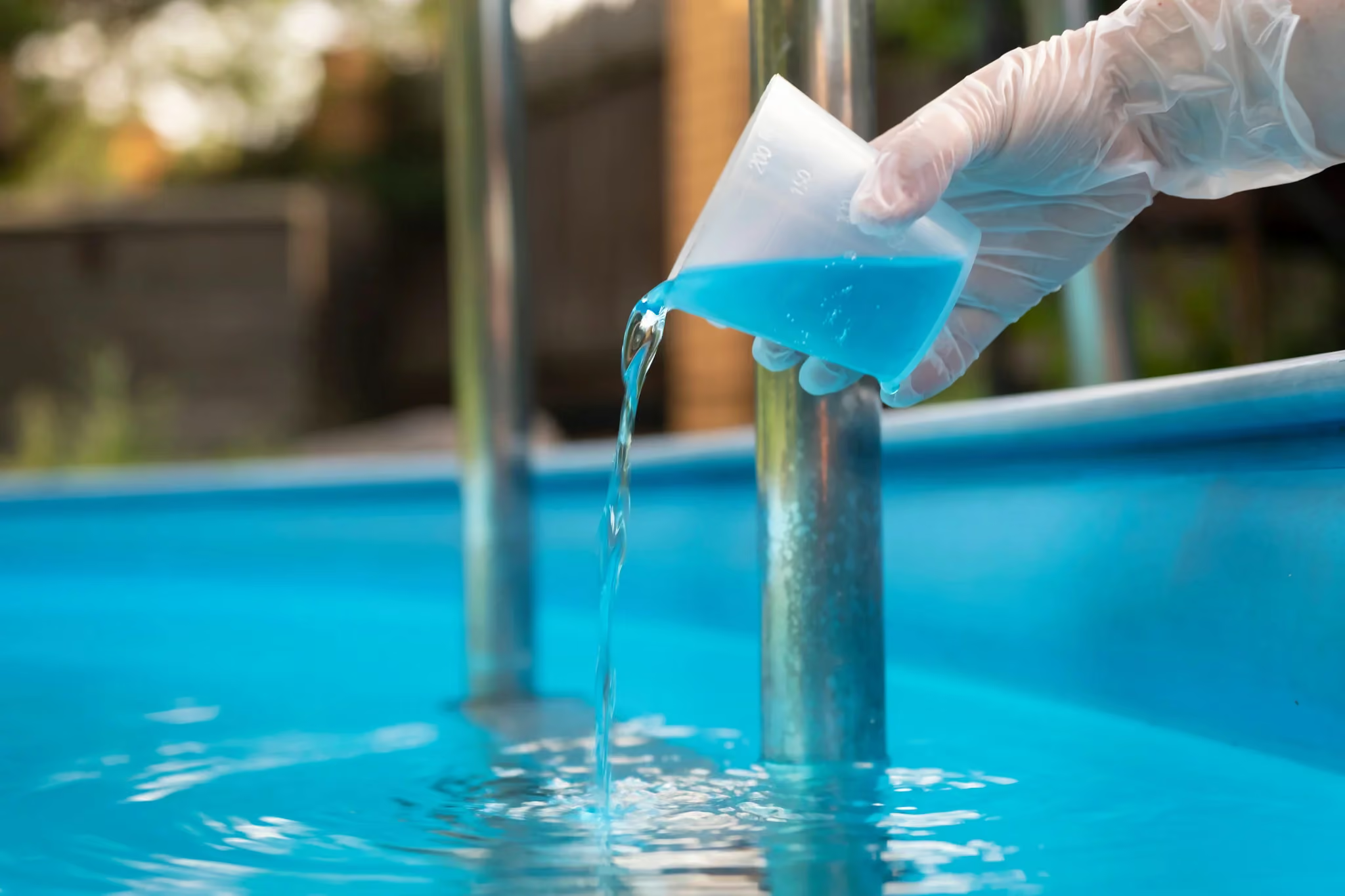
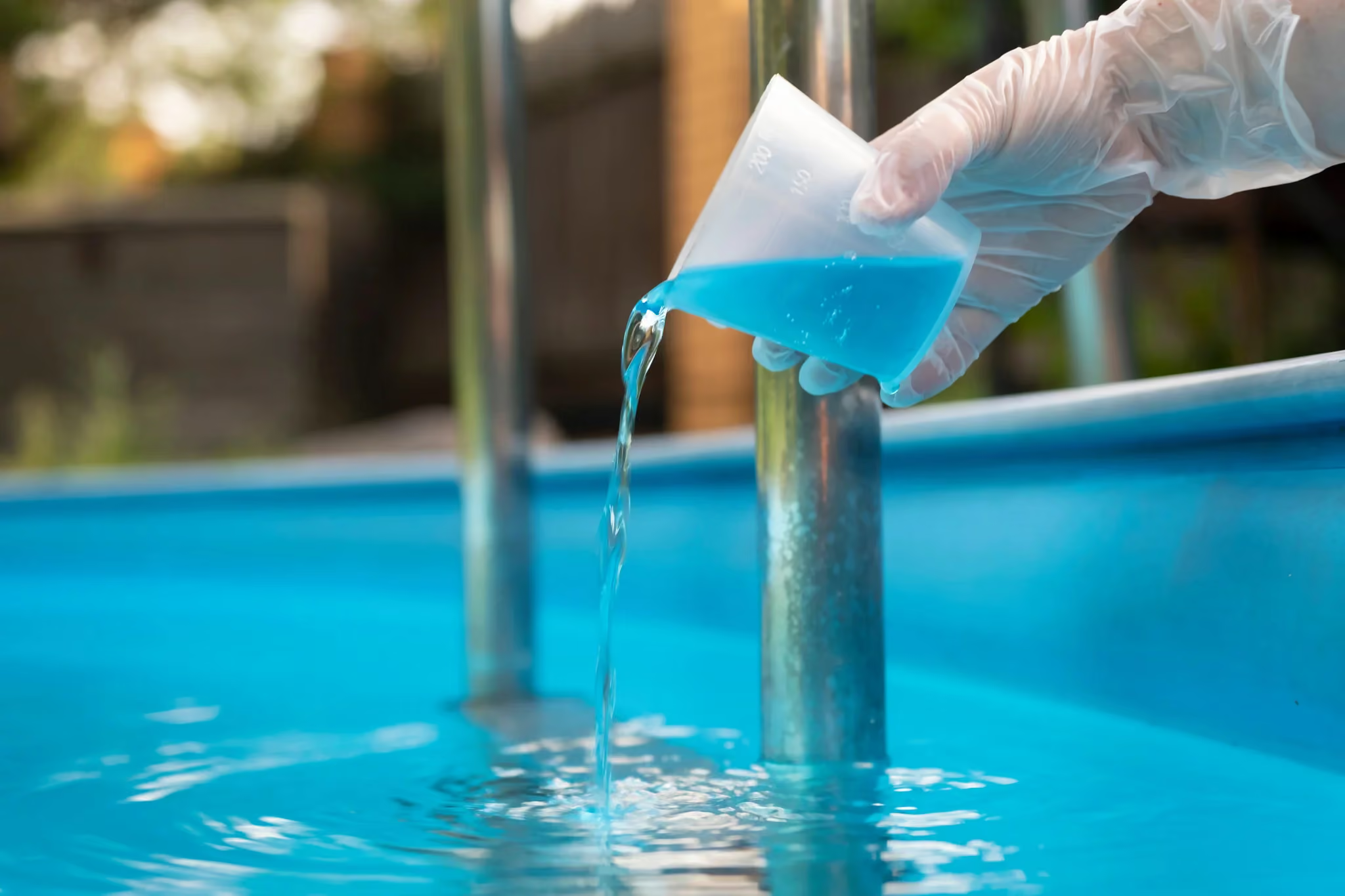
1. Collect a water sample from elbow depth, not from the surface, and not directly in front of a return jet.
2. Follow the instructions for your test kit.
3. Compare the result against the reference chart.
4. Also test total alkalinity at the same time. The two readings are closely linked.
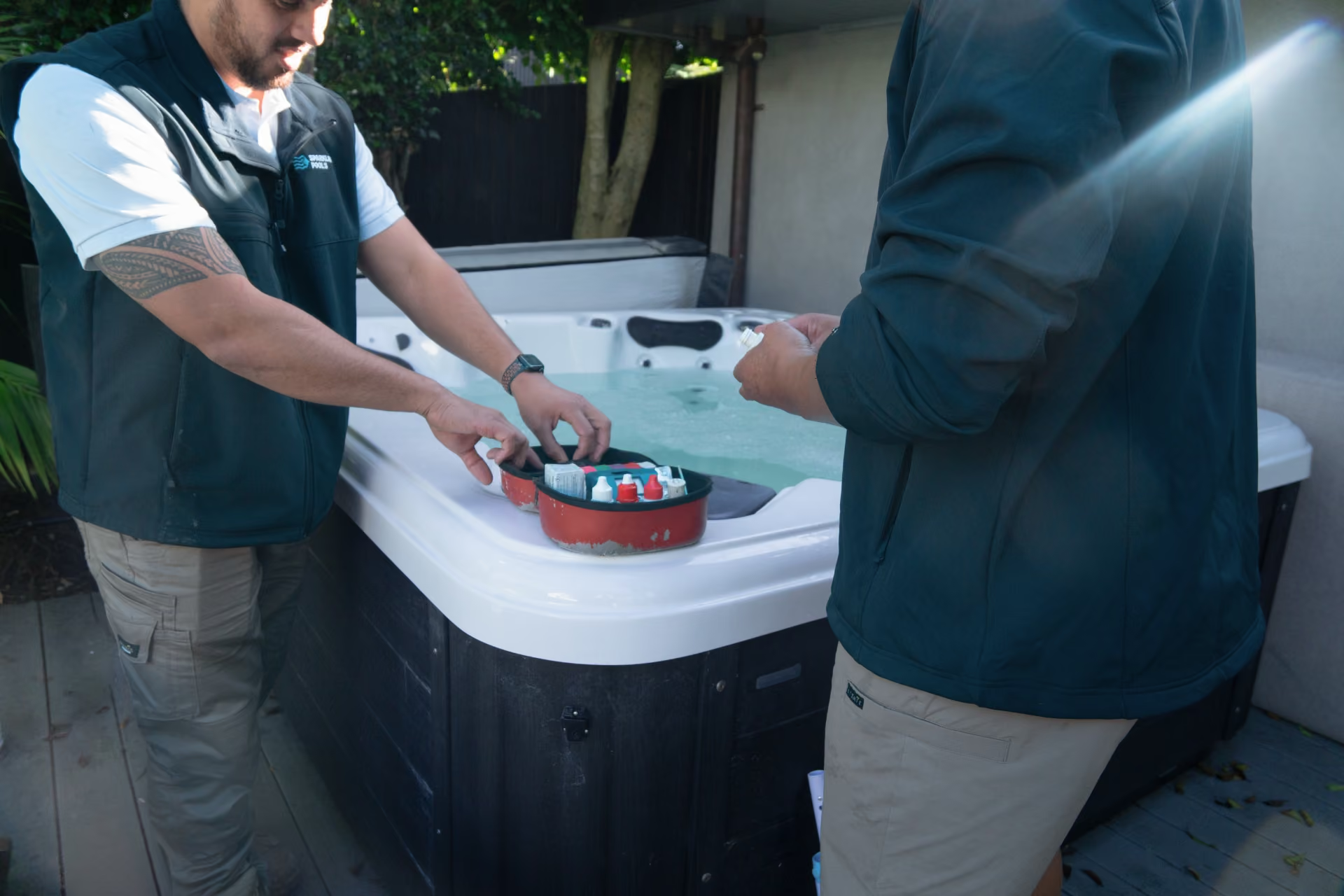
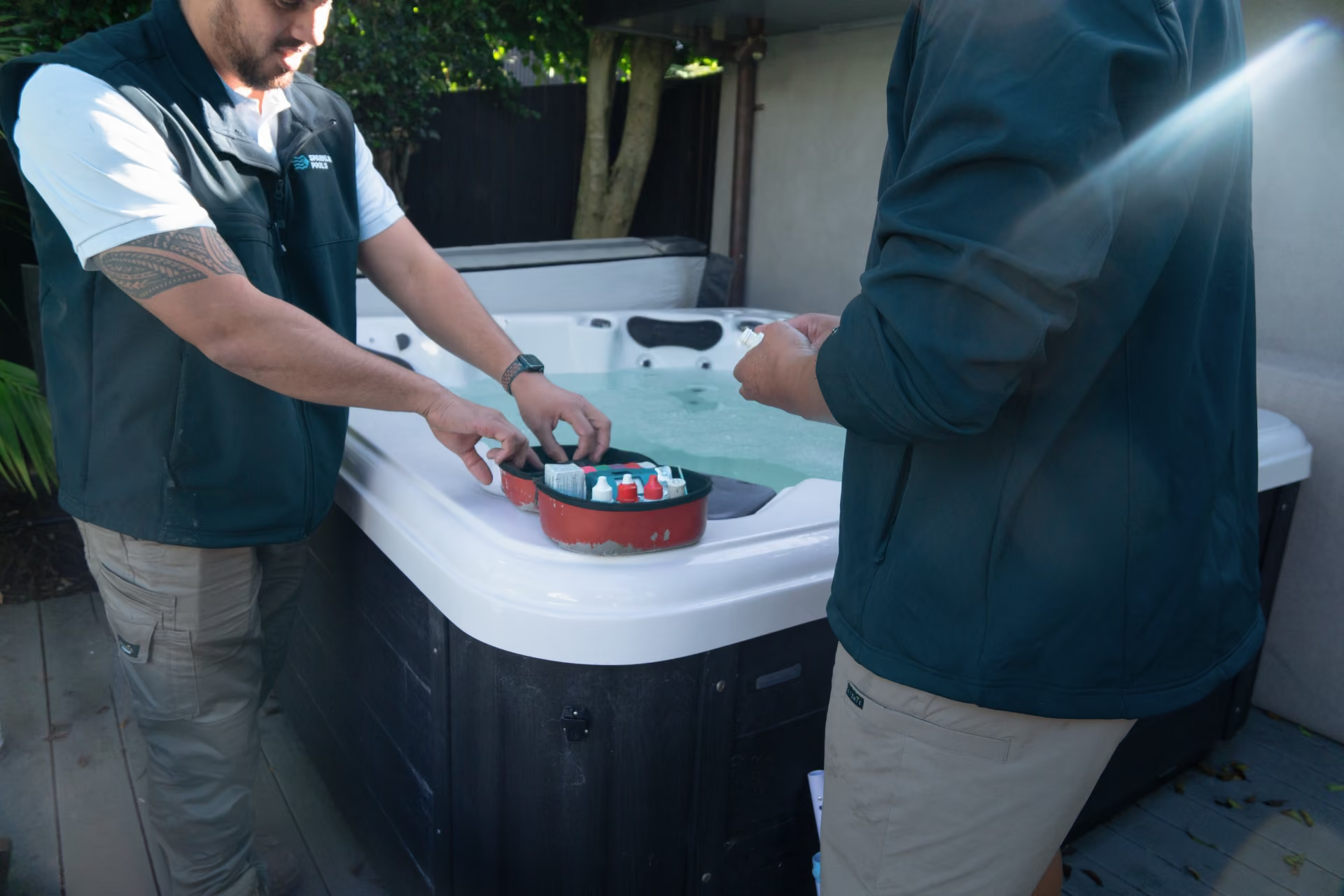
If you are unsure about your results or your test kit is old, Sparkling Pools offers on-site water testing across Auckland. A technician comes to your home and tests the water on site, giving you accurate readings before any chemicals are added.
---
How to Raise Pool pH
The standard product for raising pool pH is sodium carbonate, commonly sold as pH Increaser or pH Up. Some pool owners also use sodium bicarbonate (baking soda), which primarily raises total alkalinity but can also nudge pH upward when alkalinity is the underlying issue.
Step-by-Step: Raising pH with pH Increaser
1. Test the water first. Confirm the current pH and total alkalinity readings before doing anything else.
2. Calculate the dose. Follow the dosing instructions on the product label for your pool volume. Do not estimate, overdosing pH increaser can push the water too alkaline, which creates a different set of problems.
3. Pre-dissolve the product. Add the measured amount of pH increaser to a bucket of pool water and stir until dissolved. Never add dry chemicals directly to the pool skimmer or near the pool surface without diluting first.
4. Add the solution to the pool. Pour it slowly around the perimeter of the pool with the pump running.
5. Run the pump. Keep the circulation running for at least four hours to distribute the chemical evenly.
6. Retest. Check the pH again after the pump has run. If it is still below 7.2, repeat the process with a smaller dose.
7. Check alkalinity. If total alkalinity is also low, address that separately, raising alkalinity first often helps stabilise pH more reliably.
A Note on Dosing
Always work from the product label and your pool's volume. Dosing guidance varies between products and pool sizes. If you are unsure of your pool's volume, a pool technician can help you calculate it accurately.
---
When to Call a Professional
Most cases of low pH can be managed by the pool owner once the cause is understood. However, there are situations where it is worth getting professional help:
- pH keeps dropping despite repeated treatment. This usually points to an underlying issue, very low total alkalinity, a high-acid sanitiser being used incorrectly, or a water balance problem that needs a full analysis.
- You can see surface damage. Etching on plaster, pitting on concrete, or corrosion on metal fittings suggests the water has been acidic for some time. A technician can assess the extent of the damage.
- You are not confident in your test results. An inaccurate reading leads to an inaccurate dose. If your test kit is old or you are getting inconsistent results, an on-site test is the safer option.
- The pool has been out of balance for an extended period. Prolonged low pH can damage pool equipment including the pump, heater, and chlorinator. If the water has been acidic for weeks, it is worth having the equipment checked.
---
Stopping Low pH From Coming Back
Test Regularly
The most effective prevention is consistent testing. Check pH and total alkalinity at least once a week during summer, and after any significant rainfall or heavy pool use. Catching a small drop early is far easier than correcting a large one.
Keep Total Alkalinity in Range
Maintaining total alkalinity in the correct range gives pH a stable foundation. When alkalinity is in balance, pH is much less likely to swing sharply after rain or heavy use.
Choose Sanitisers Carefully
If you use trichlor tablets or dichlor as your primary sanitiser, factor their acidity into your regular water balance routine. Some pool owners switch to a less acidic sanitiser format or balance more frequently to compensate.
Aerate the Pool
Running a fountain, waterfall feature, or spa jets increases aeration, which helps drive off dissolved CO₂ and naturally raises pH slightly. This is a useful passive measure for pools that tend to run low.
Book a Seasonal Water Test
At the start of each swimming season, a full water analysis gives you a clear baseline. Sparkling Pools provides on-site water testing across Auckland, a straightforward way to start the season with the chemistry in order.
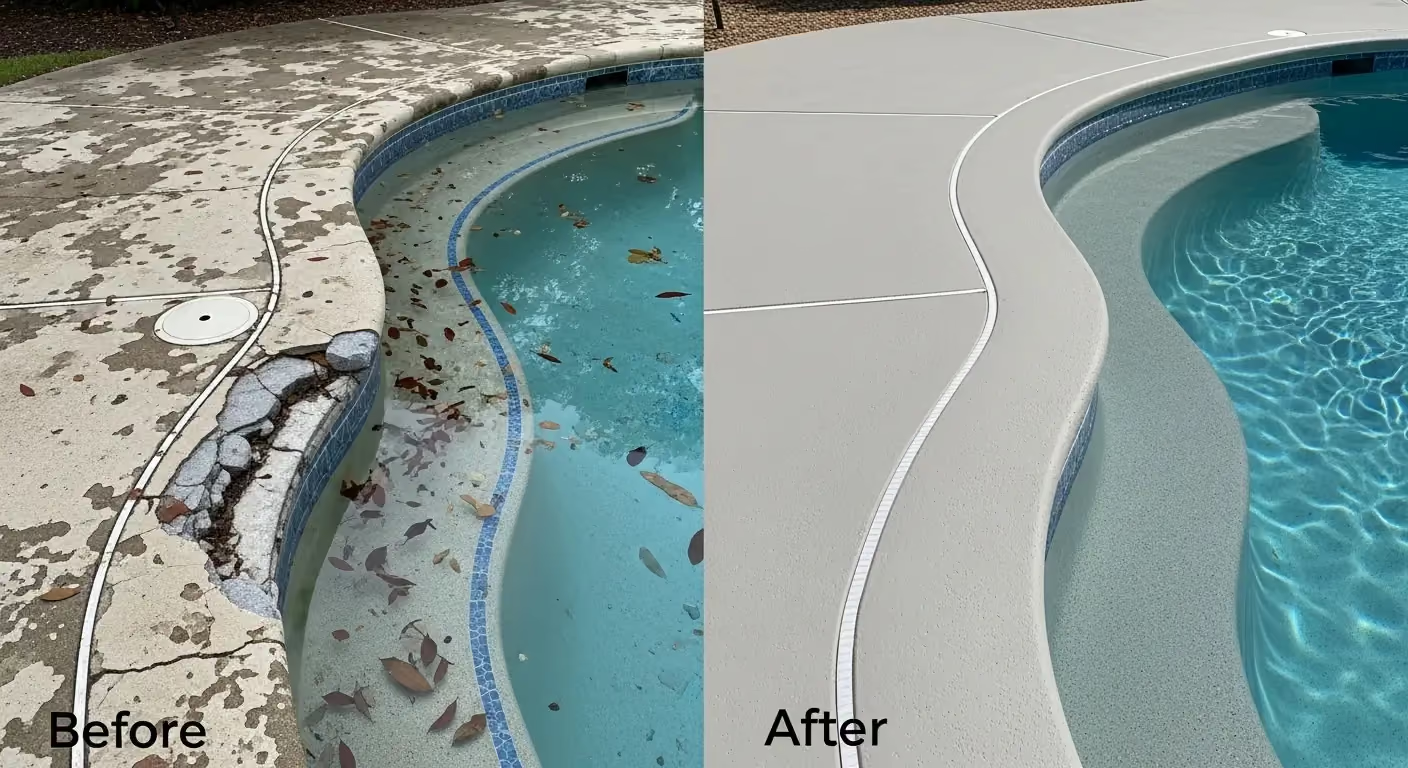
Pool resurfacing solutions
Restore your pool with durable plaster finishes

Work completed
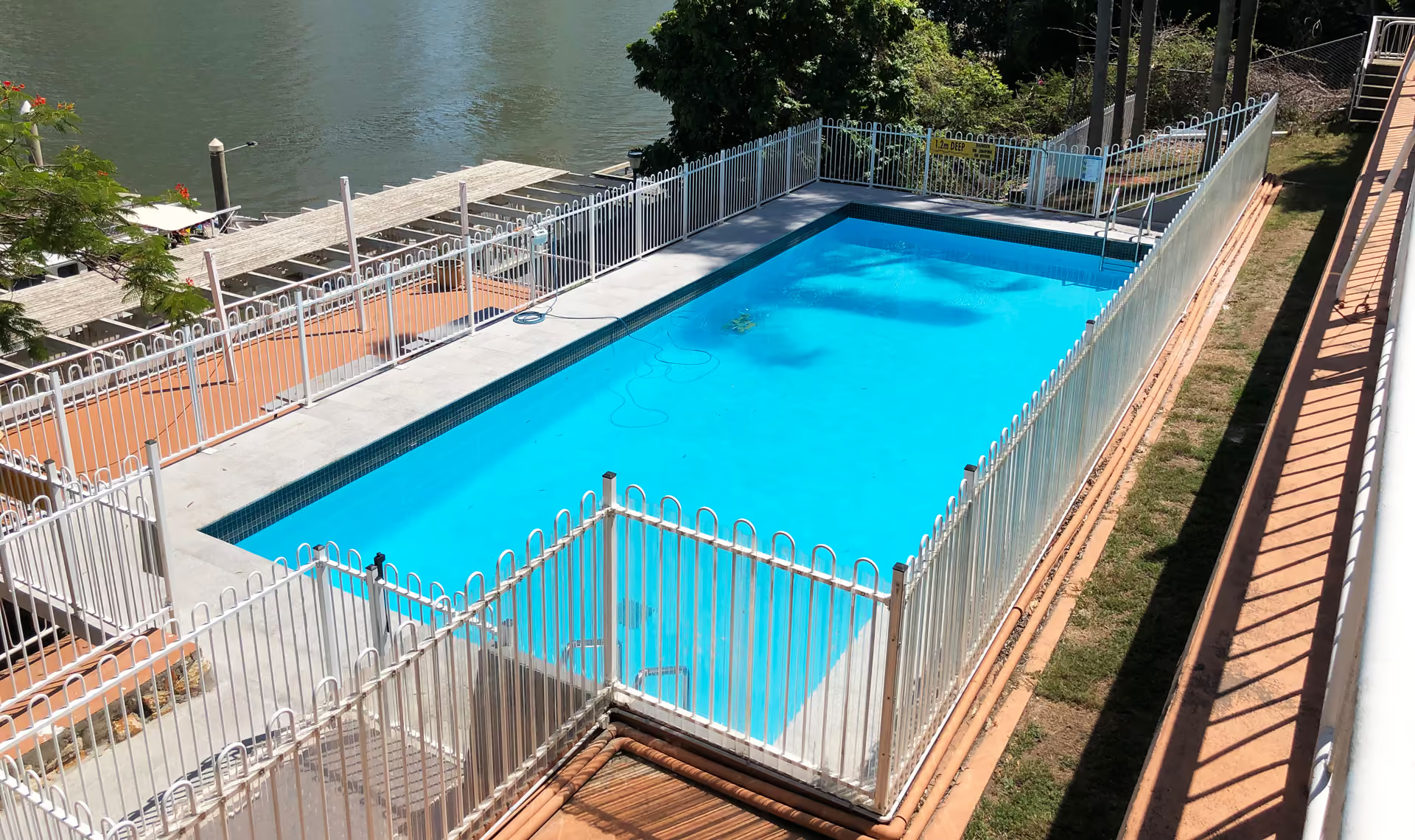
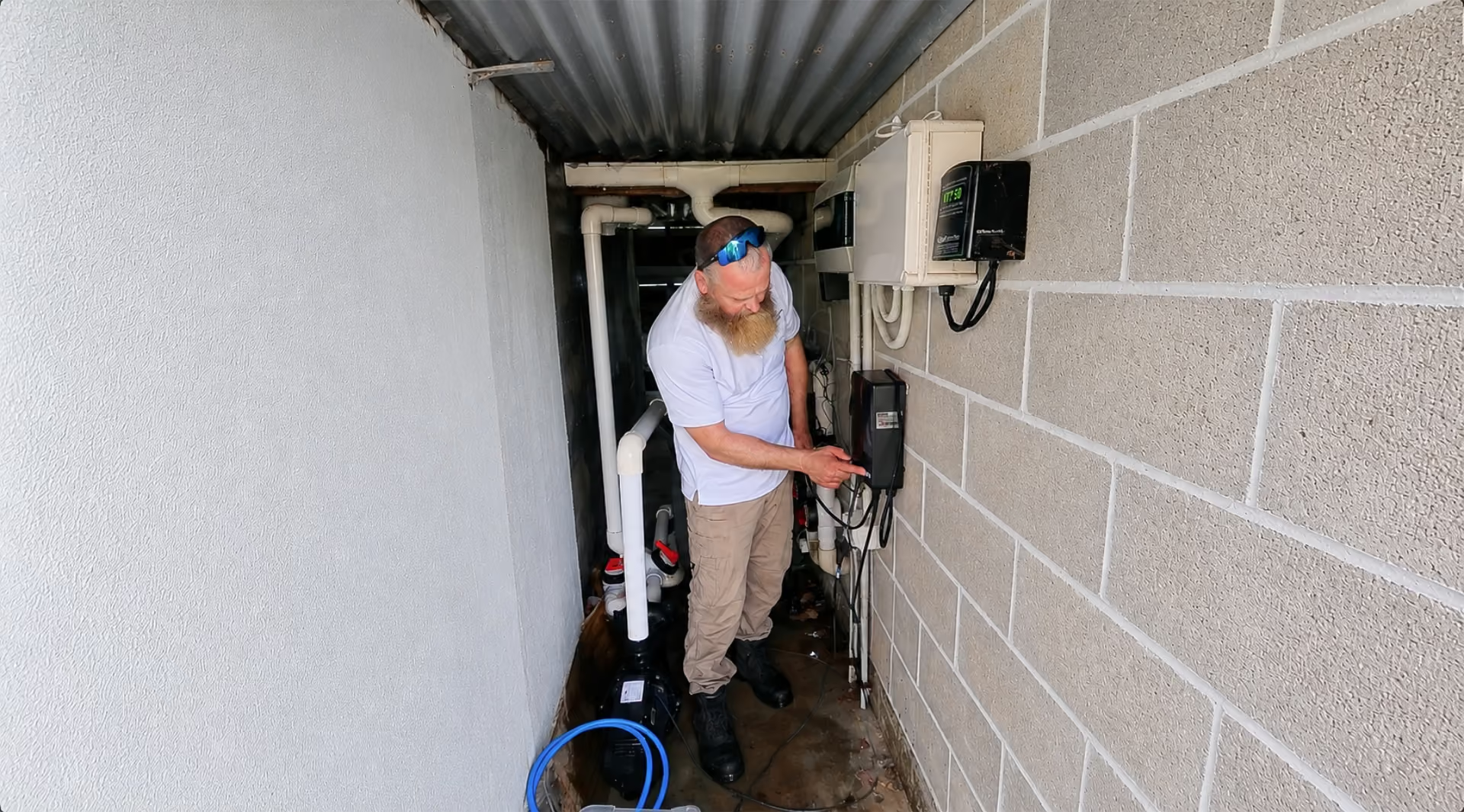
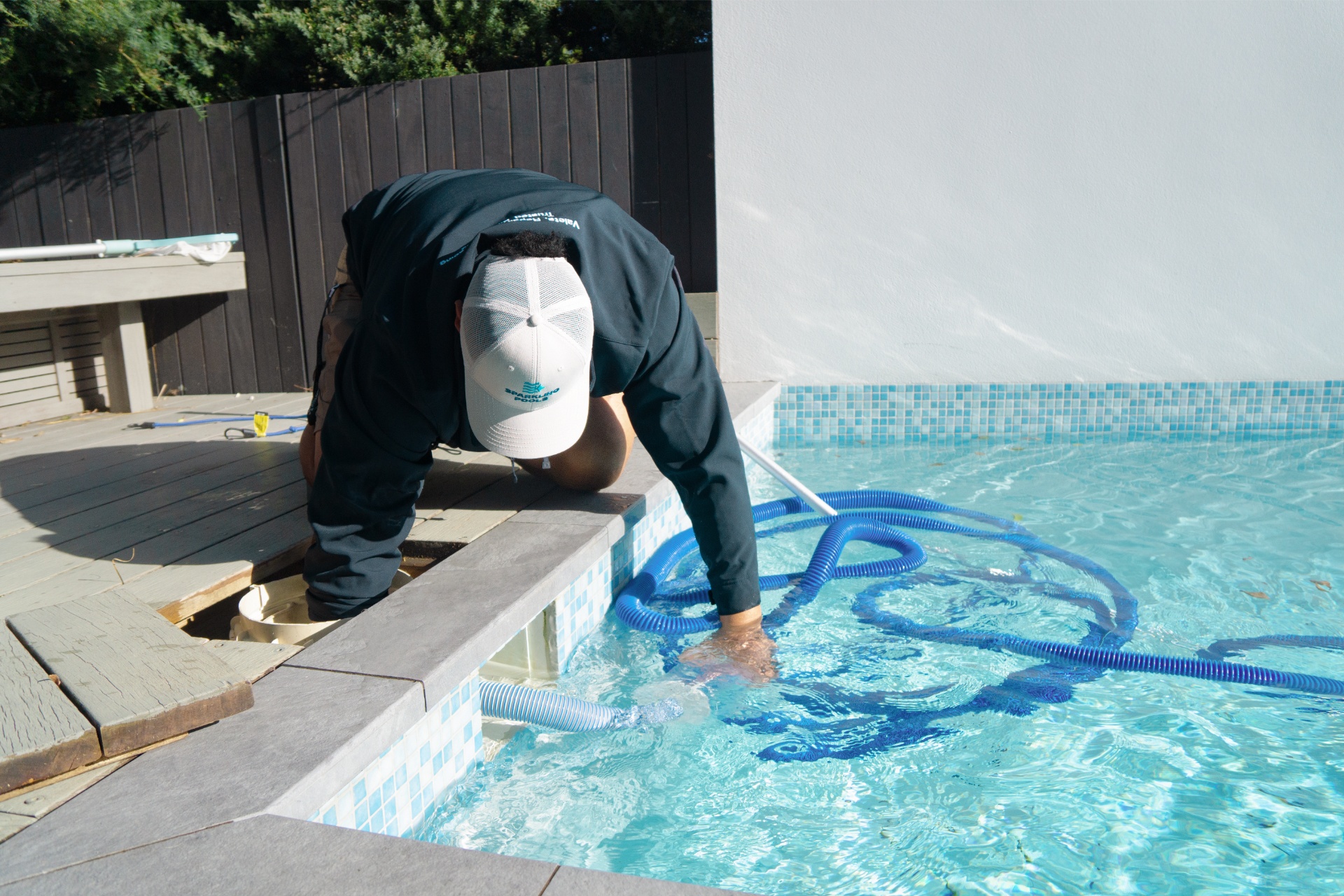
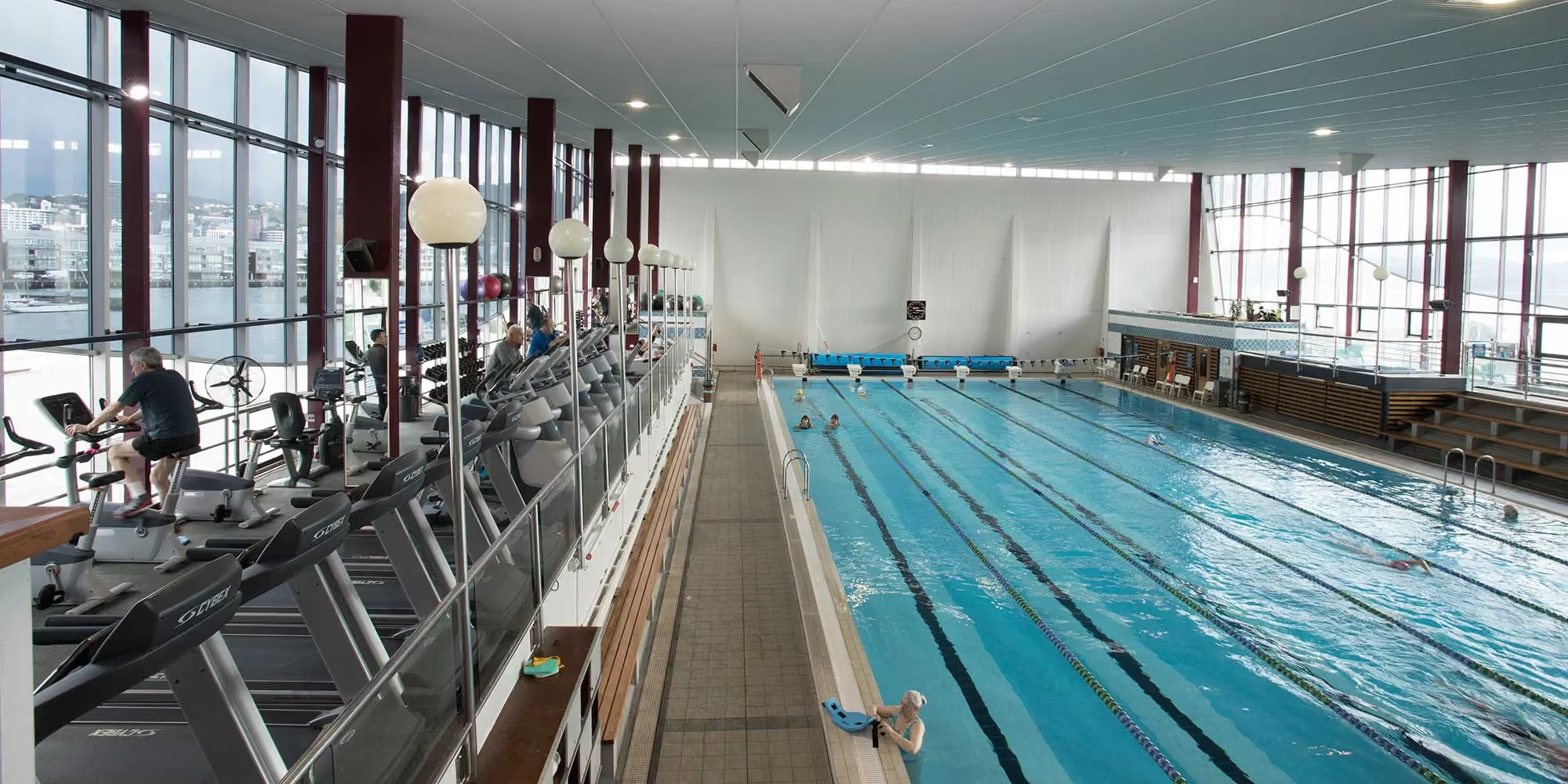
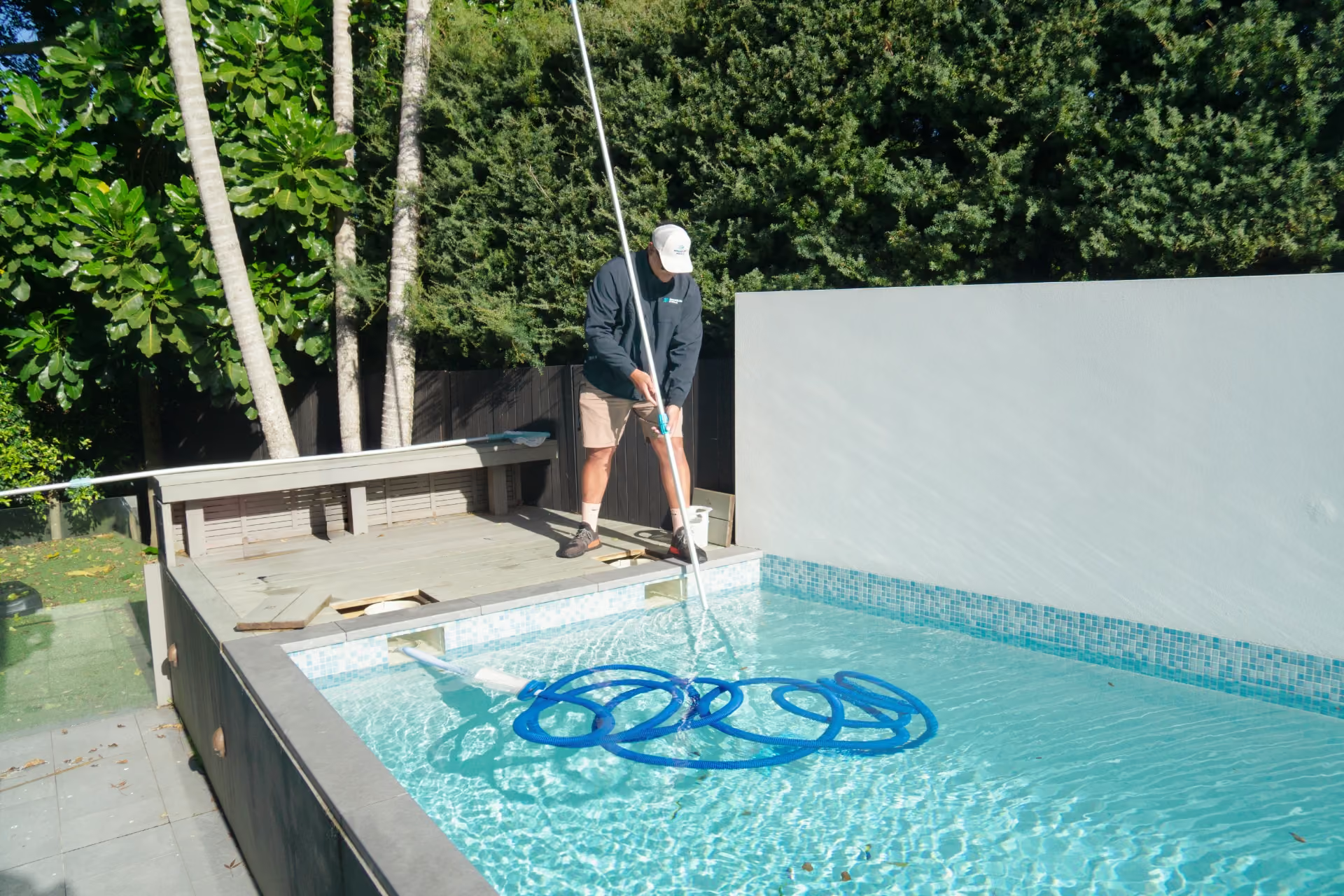
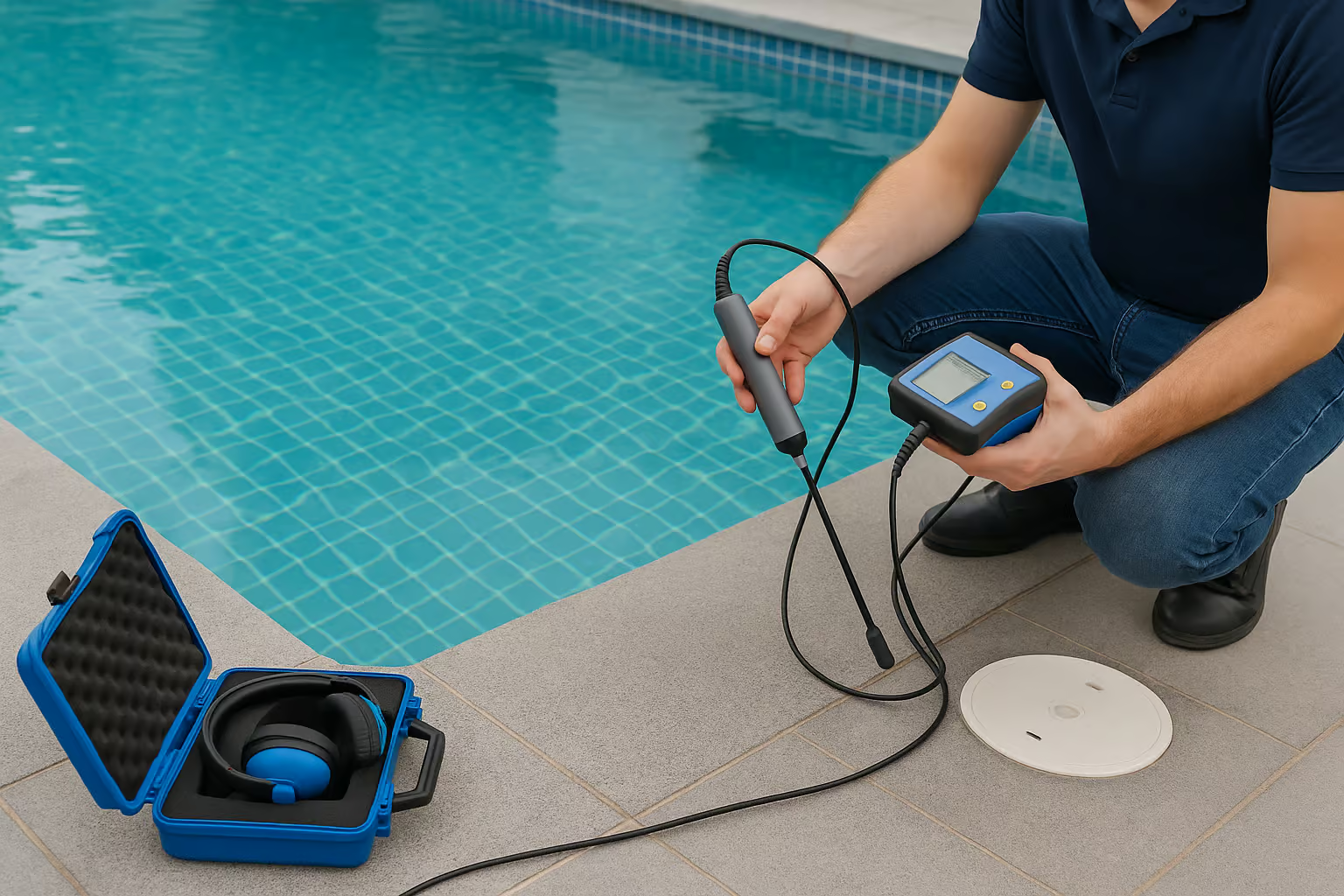
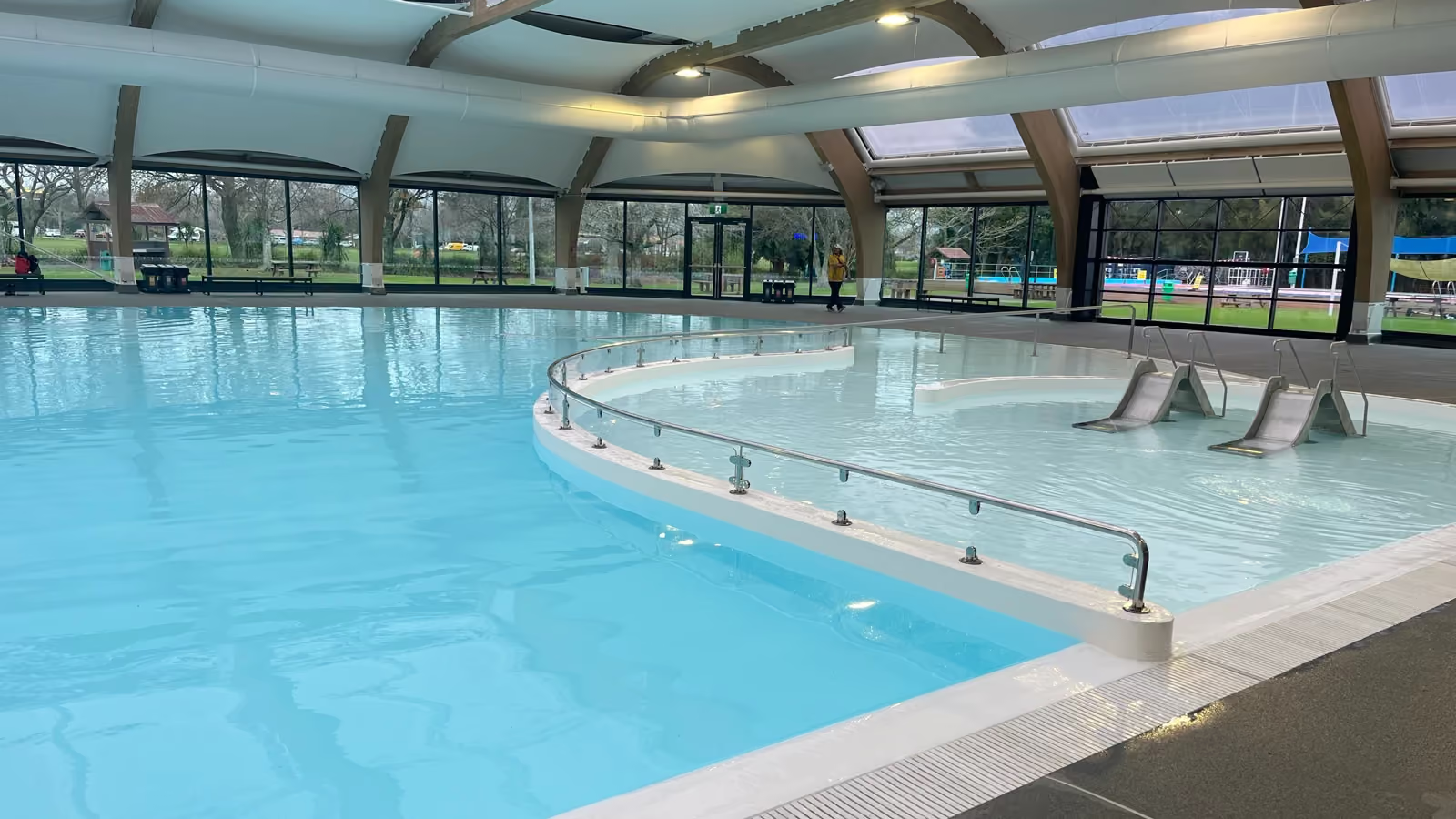
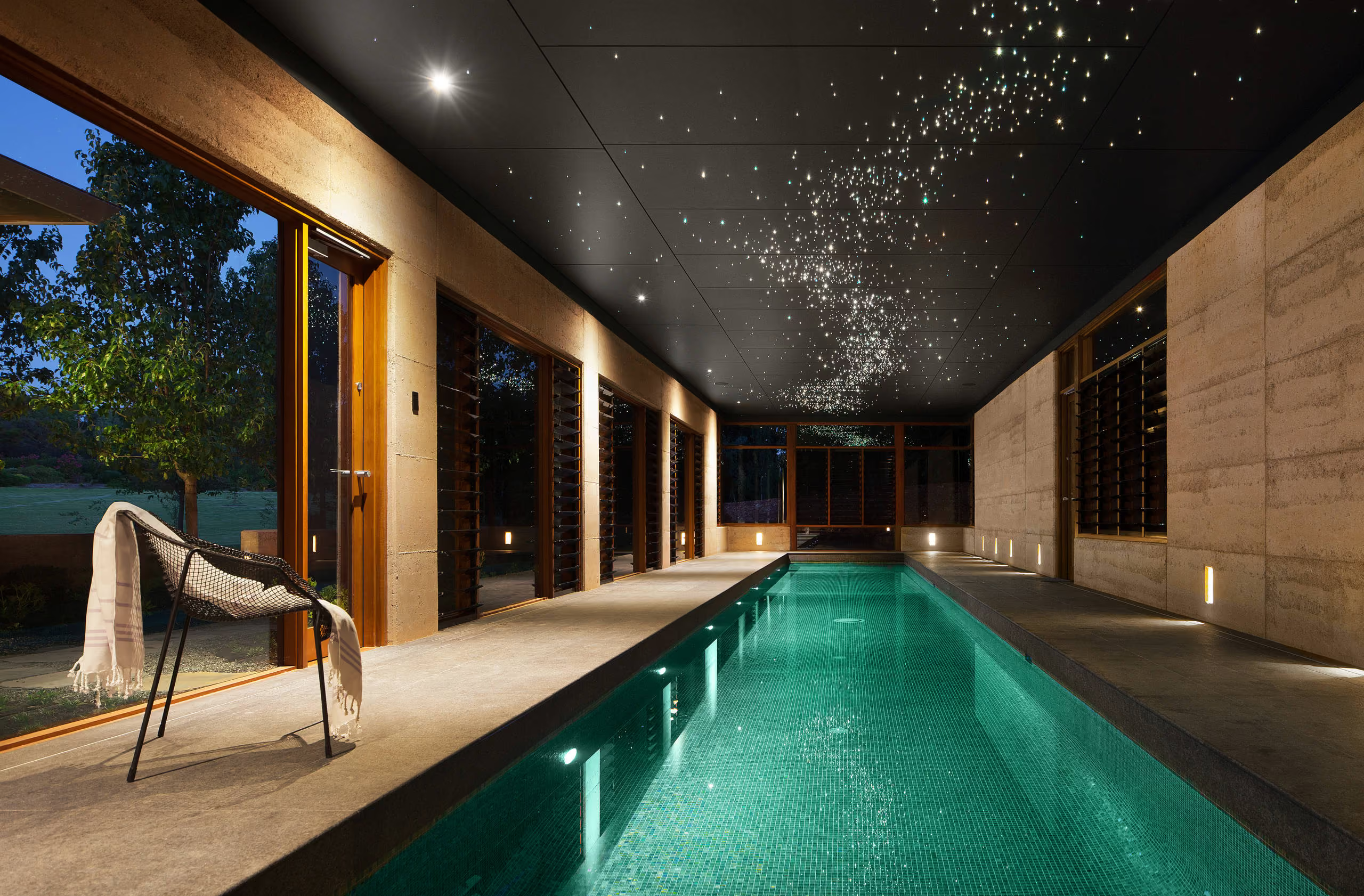
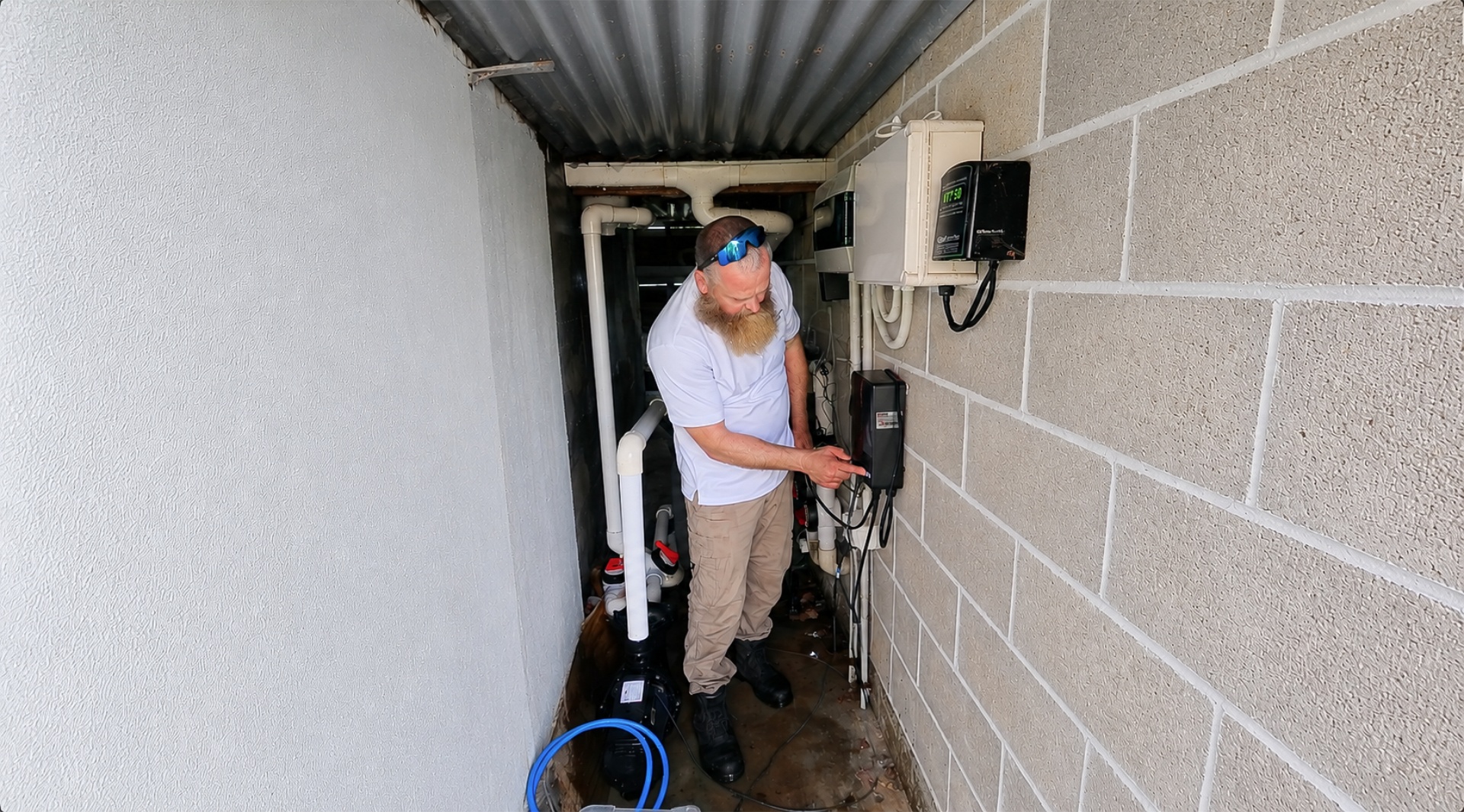
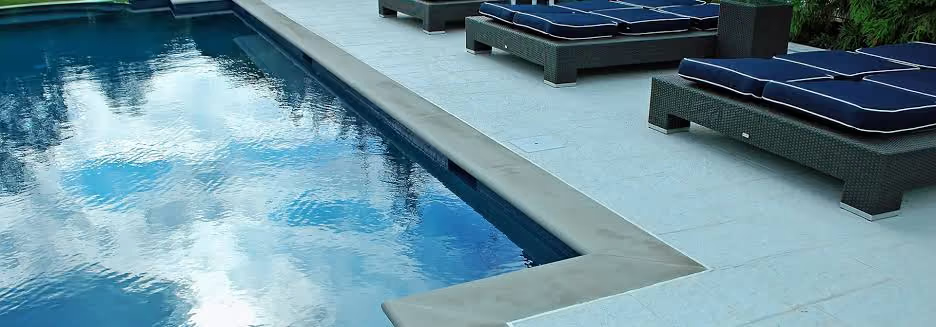
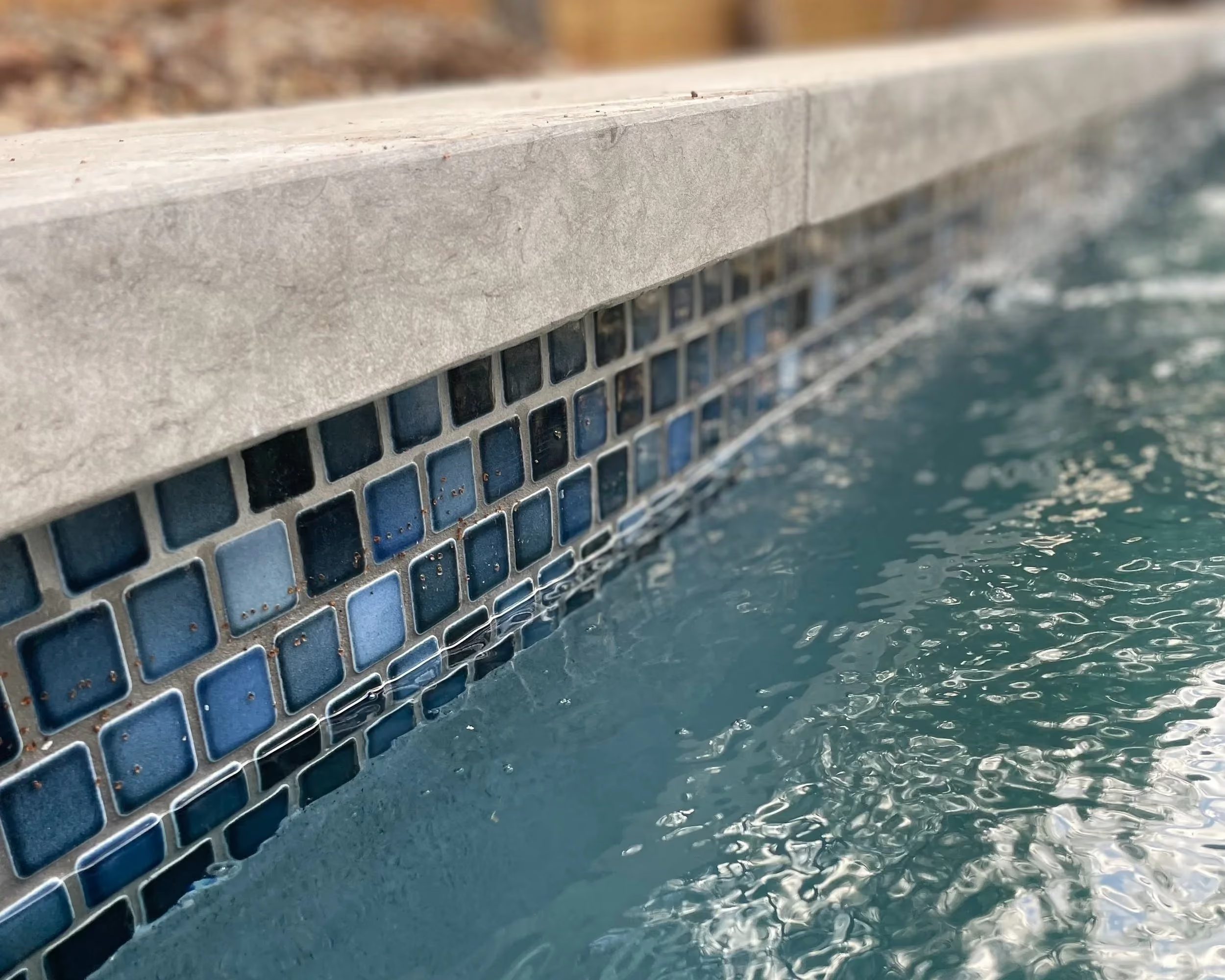
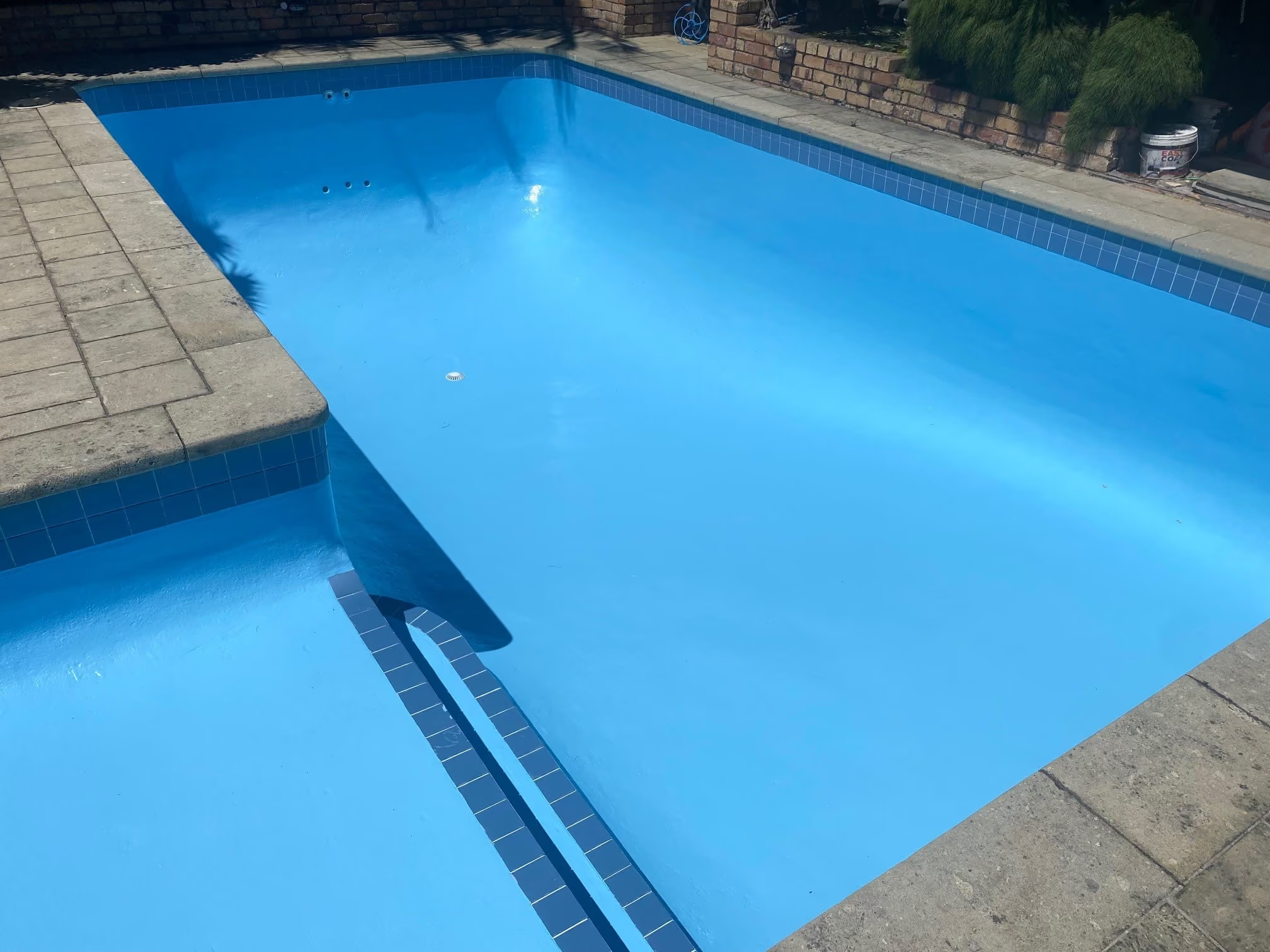
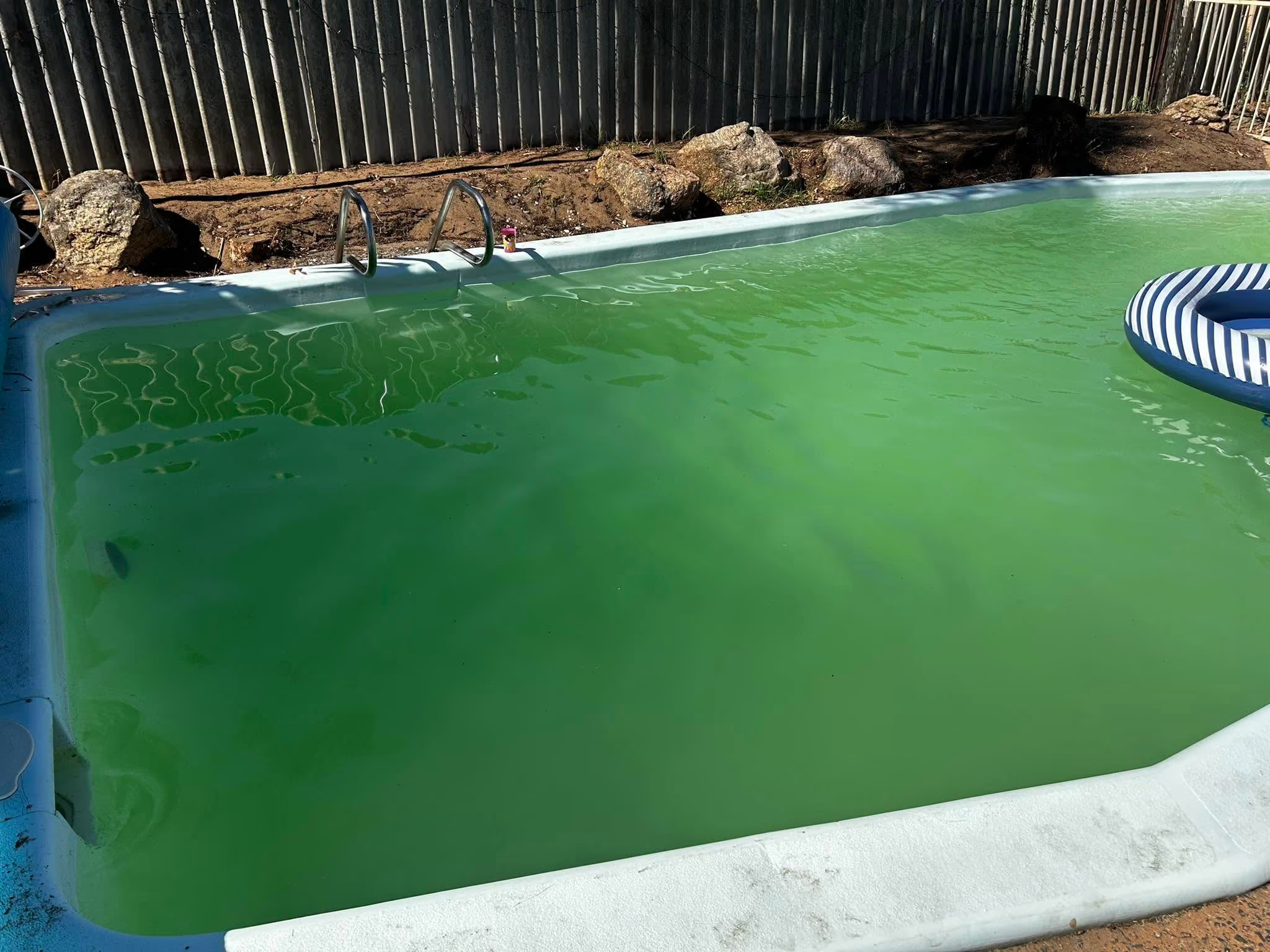
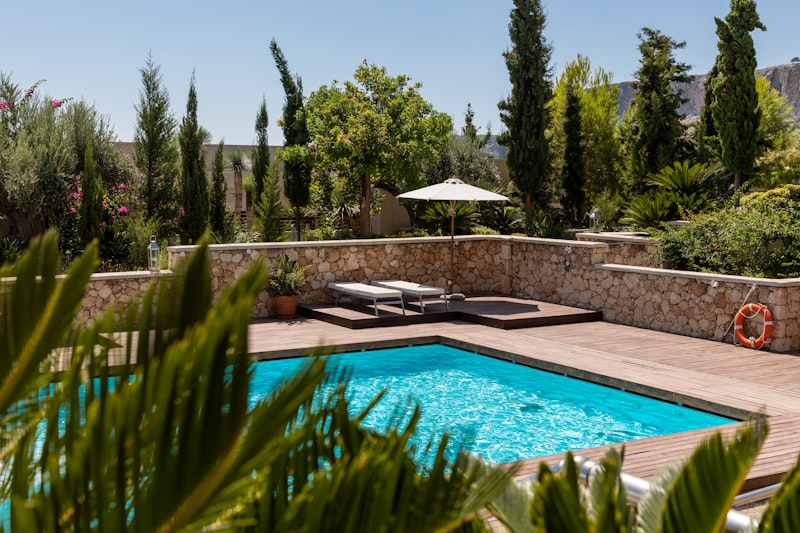
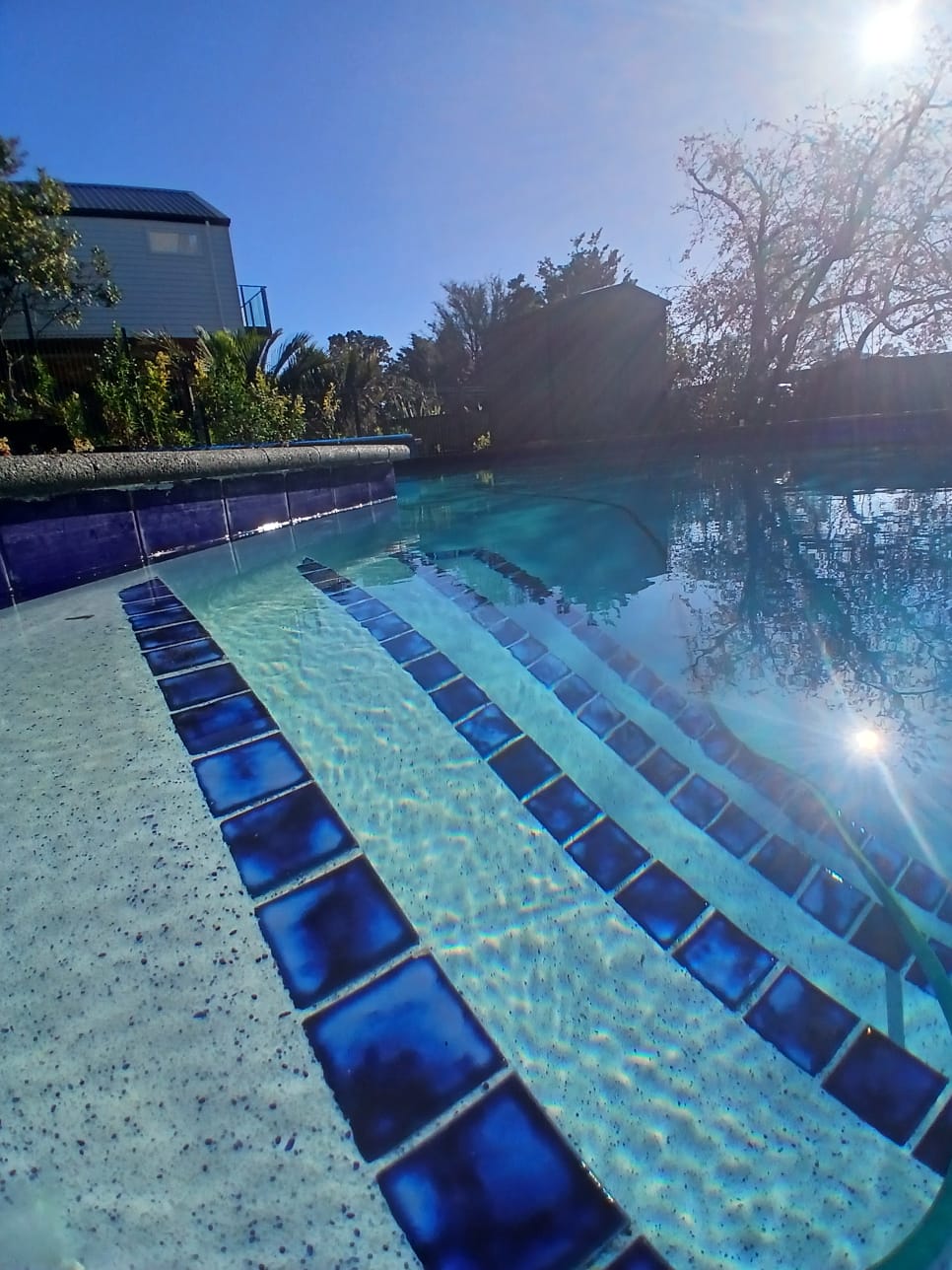
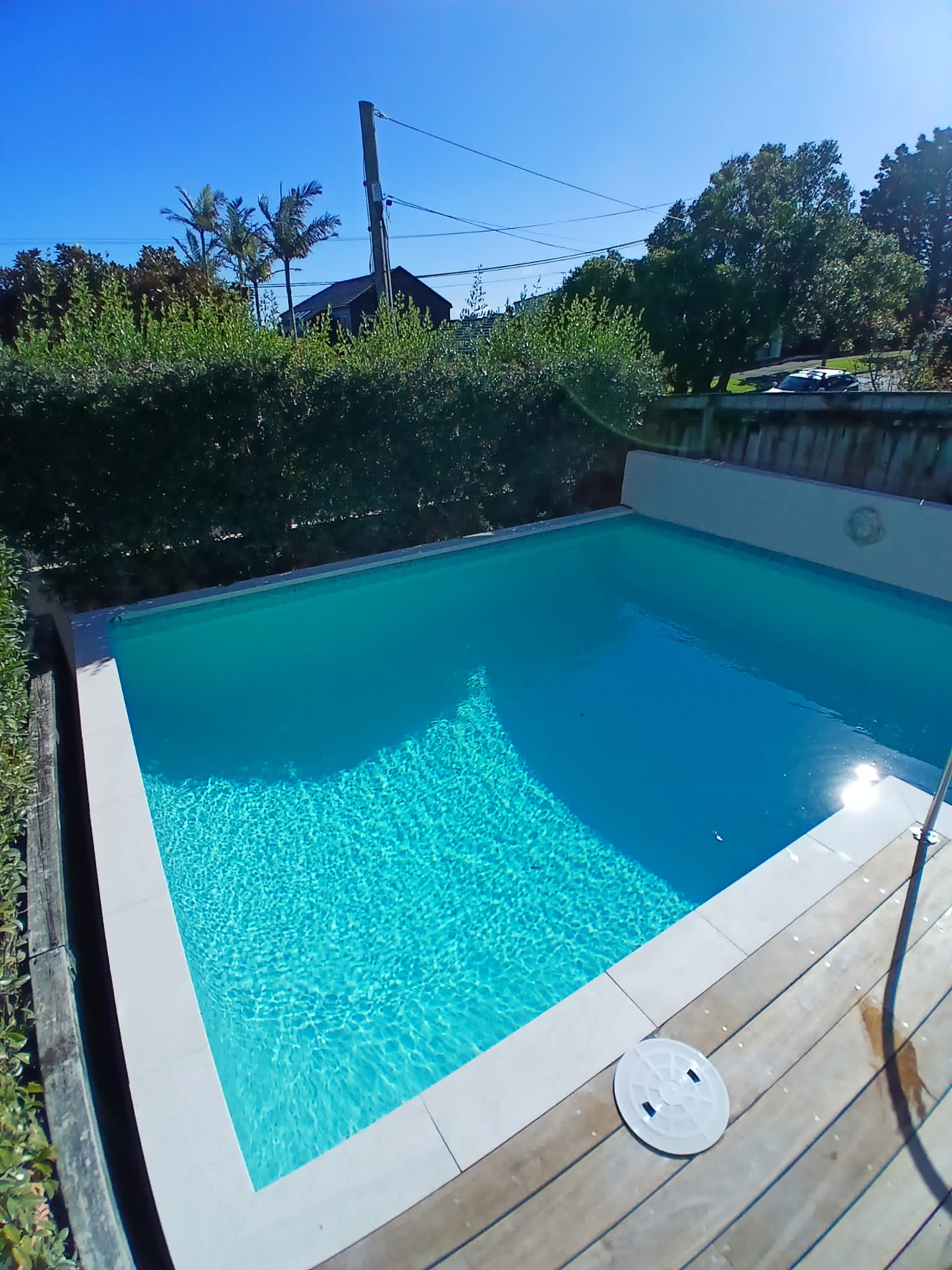
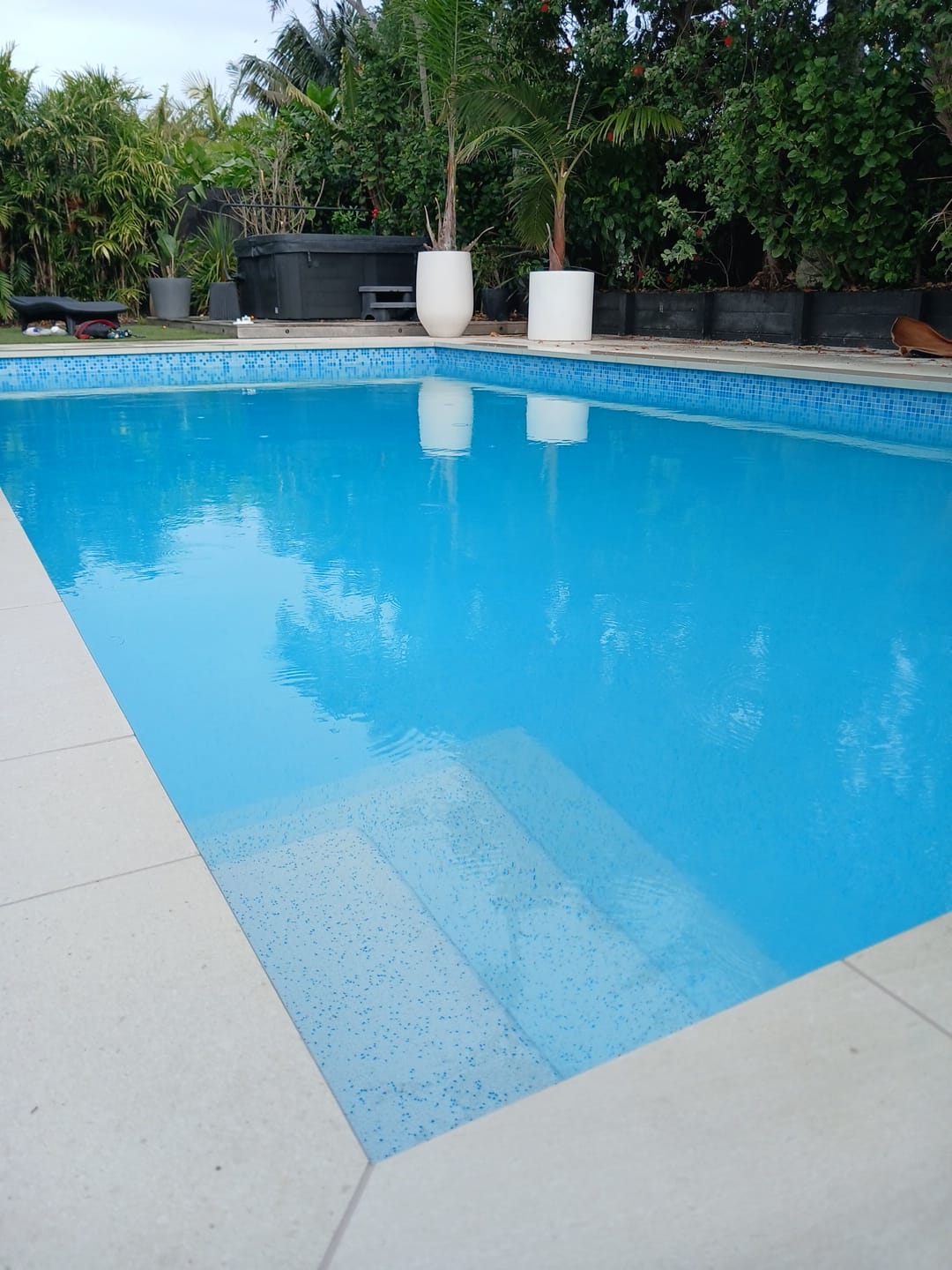
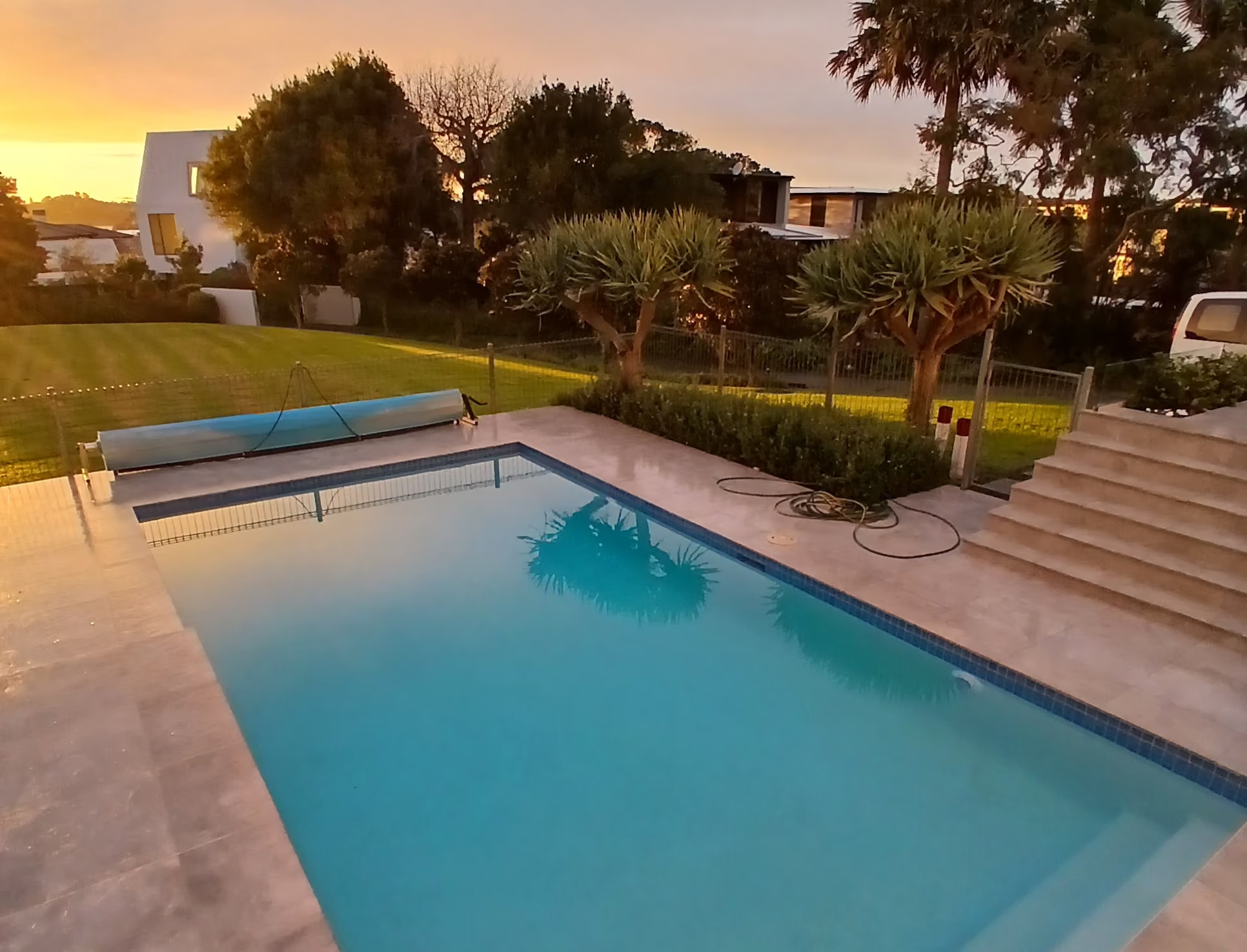
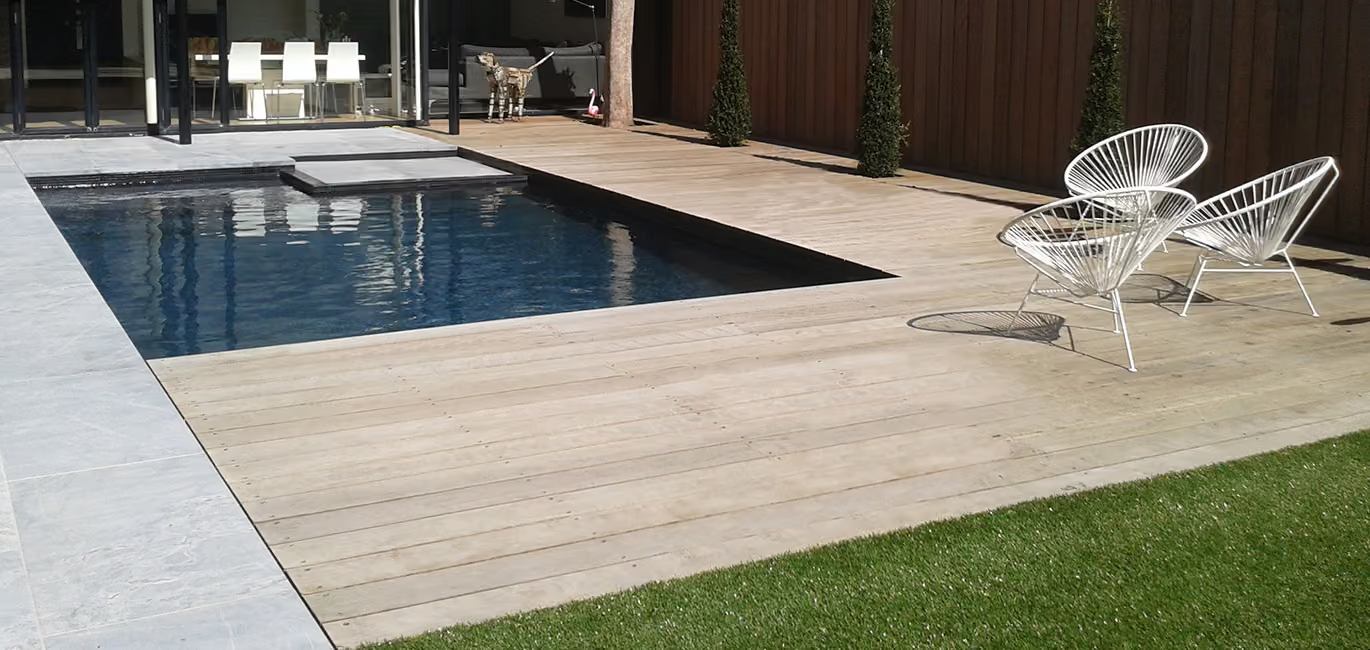
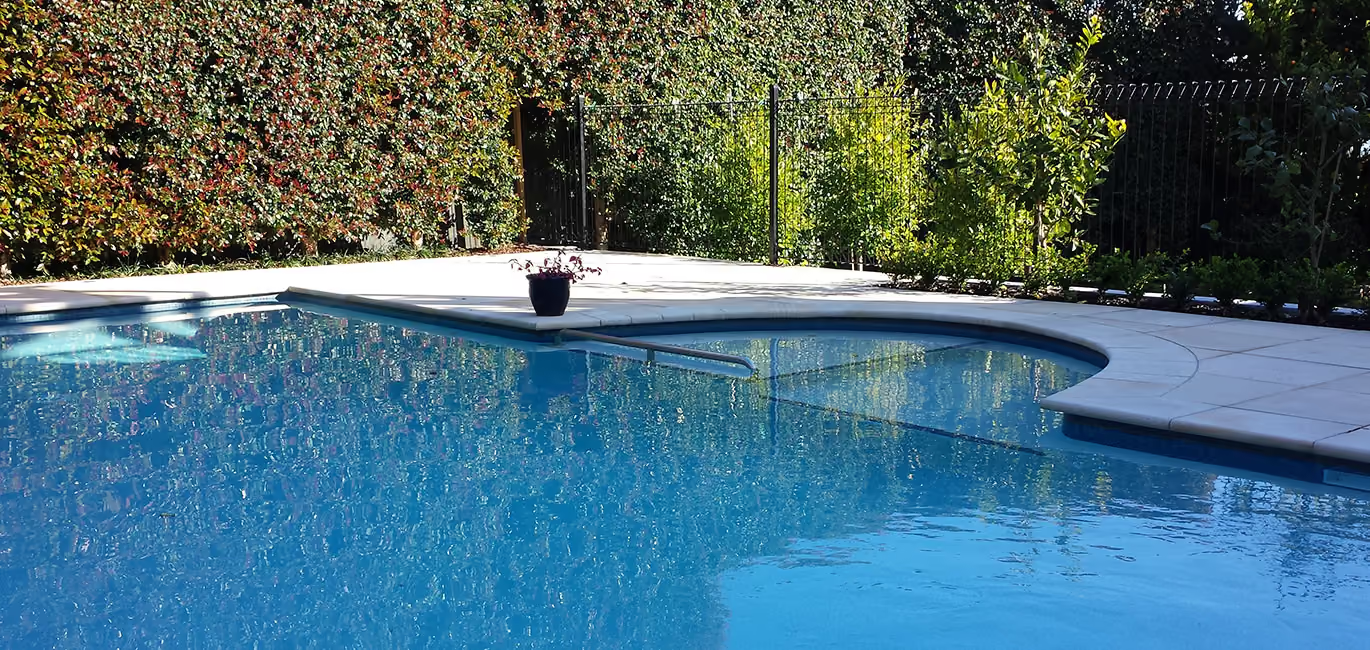
Sparkling Pools has worked on pools across Auckland, including residential renovation projects, equipment upgrades, ongoing maintenance and pool care for managed properties. Past projects show how the right approach can improve presentation, water quality and day-to-day usability. A well-maintained pool is easier to manage, more pleasant to use and better prepared for seasonal changes.
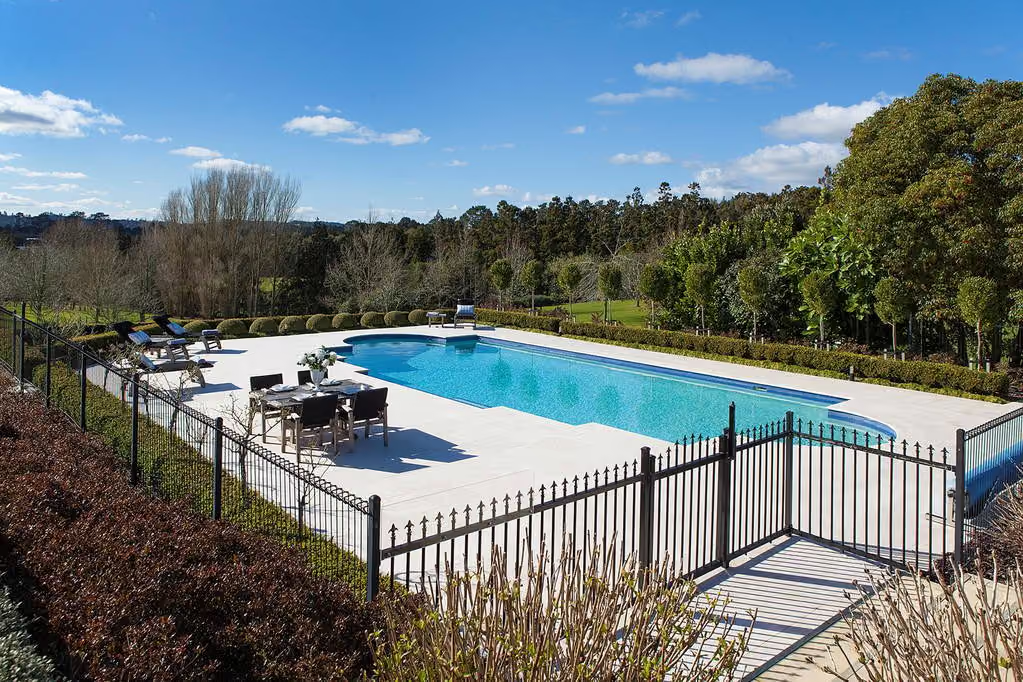
Trusted by Homeowners Across Auckland
Don't just take our word for it. Read what our clients have to say about our transparent communication, reliable service, and stunning pool transformations.
Related Blog Posts
Stay informed on pool care and renovations
Winter pool care essentials for Auckland
Pool Renovation Mistakes

Auckland Climate Pool Maintenance
Choosing Renovation Contractor
Pool Care Auckland Summer
Permits & Consents
Pool Renovation ROI
How Often to Test Pool Water
Pool Renovation Costs
Cost of Pool Service Auckland
Pool Renovation Planning Guide
Pool Lighting Buying Guide
Pool Cleaner Buying Guide
Pool Automation Buying Guide
Pool Heater Buying Guide
Pool Filter Buying Guide
Pool Pump Buying Guide
Best Equipment Auckland Climate
Auckland Water Quality
Auckland Pool Season
Pool Ownership Costs
Common Pool Mistakes
Pool Safety Laws
Pool Inspection Requirements
Pool Fence Compliance
.avif)
Auckland Pool Industry Trends
Auckland Pool Regulations
Pool Equipment Suppliers
Best Pool Service Areas
Pool Service Pricing Analysis
Company vs Independent
Best Pool Surface Materials
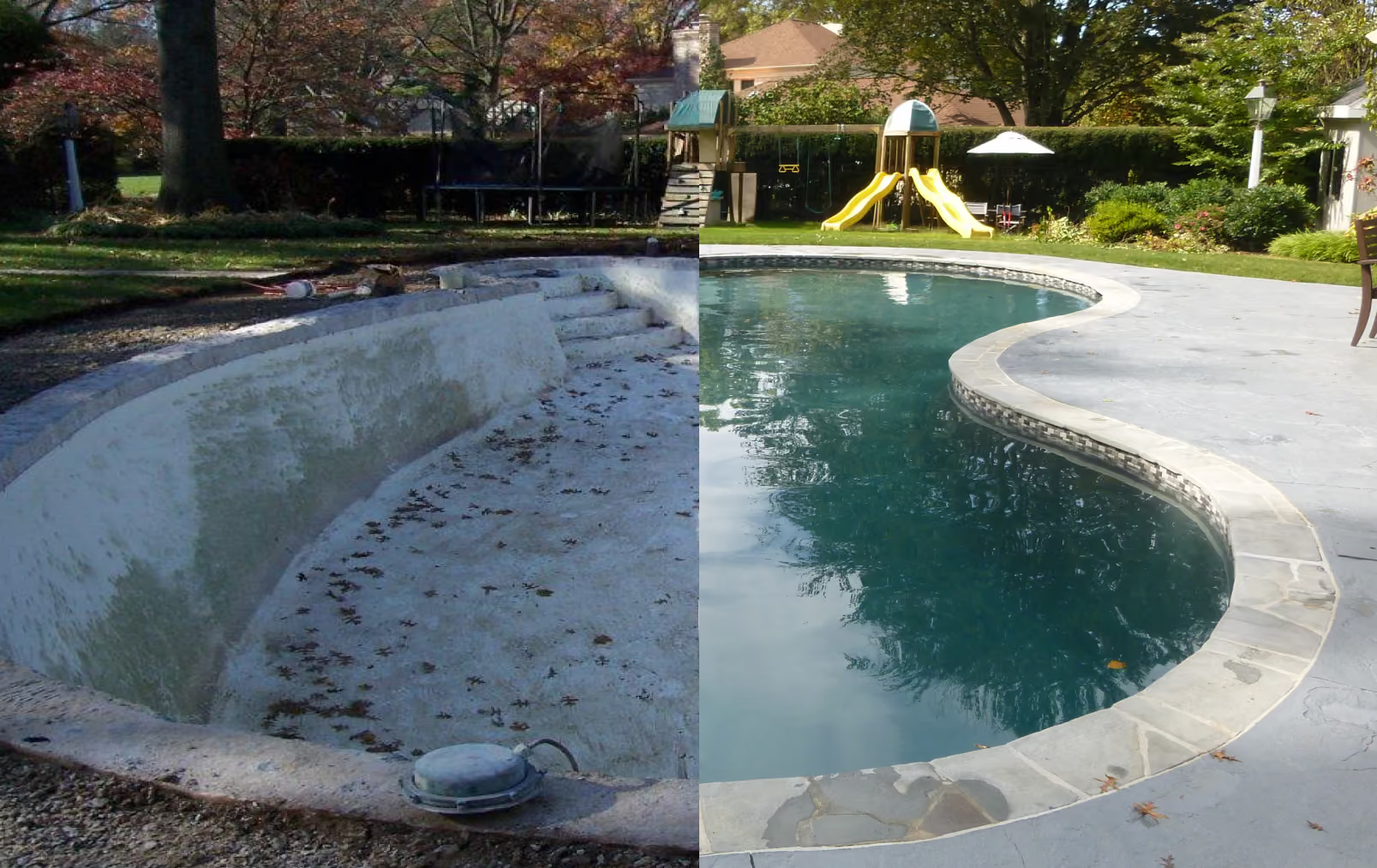
Pool Resurfacing Options
Pebble vs Plaster Surfaces
One-Time vs Ongoing Service
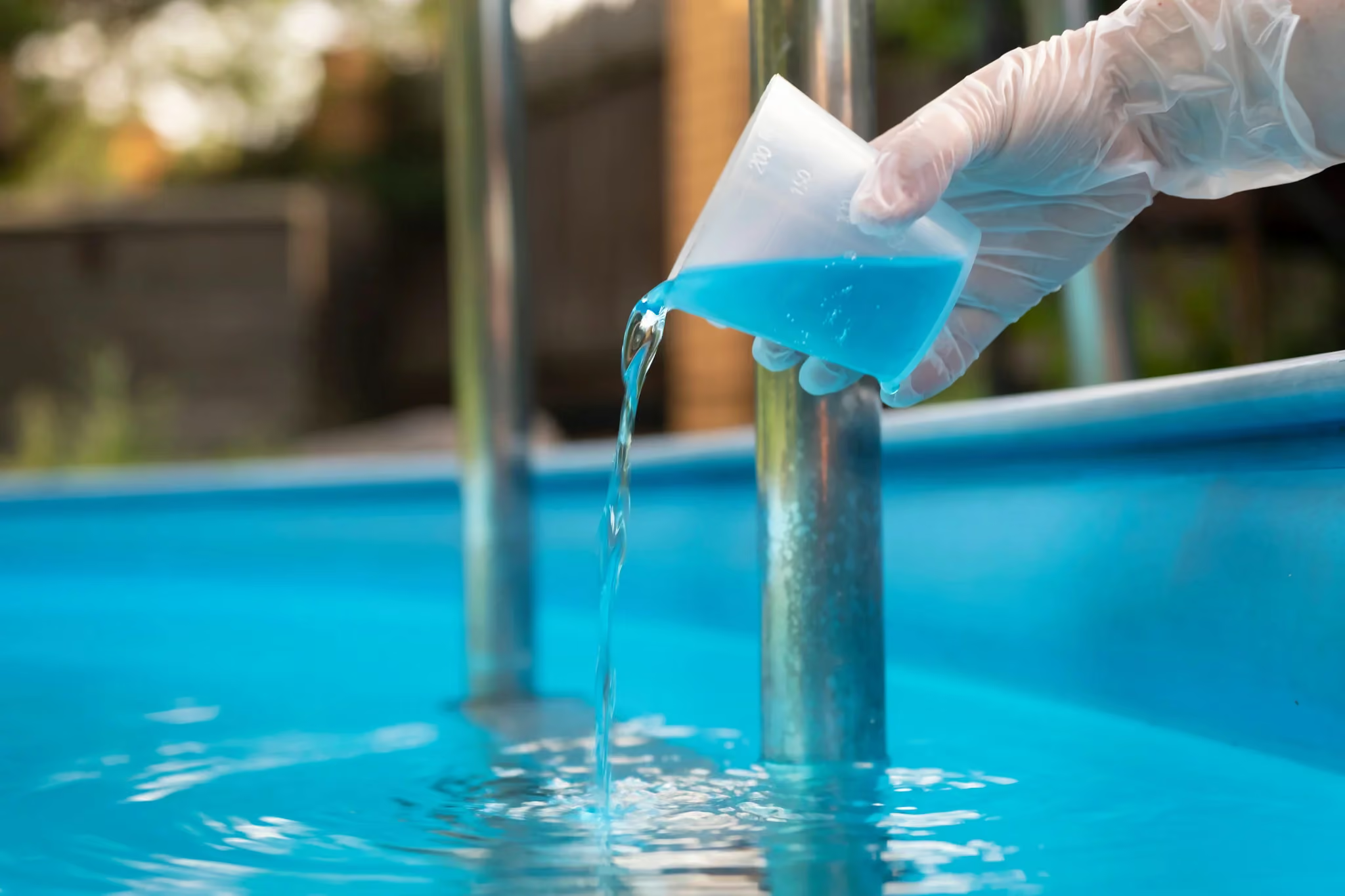
Full Service vs Chemicals Only
Pool Cover Types
Robotic vs Suction Cleaners
Mineral vs Saltwater
Gas vs Heat Pump
Pool Heater Types
Pool Winterizing Guide Auckland
Pool Opening Guide Summer
Pool Maintenance After Heavy Rain
Pool Maintenance Schedule
How Often to Run Pool Filter
Pool Pump Maintenance Schedule
Pool Filter Cartridge Cleaning
Pool Equipment Maintenance Checklist
Pool Waterline Cleaning
Pool Skimmer Basket Cleaning
Pool Chlorine Levels
How Often Clean Pool Filter
How to Vacuum Pool
Pool Brushing Technique
Pool Chemical Dosing Chart
Pool Water Chemistry Basics
How to Balance Pool Chemistry
How to Test Pool Water
Pool Maintenance Tips
Complete Pool Maintenance Guide
Pool Service ROI
Pool Equipment Buy or Service
Pool Maintenance Time Requirements
DIY vs Professional
Pool Service Contract
Pool Service vs Pool Valet
Is Pool Service Worth It
Pool Service Guarantees
Pool Service Reviews
Pool Service Red Flags
Questions to Ask Pool Companies
How to Choose Pool Service Company
Hidden Costs DIY Maintenance
Pool Cleaning Prices Auckland
Cost of Pool Resurfacing
Cost of Pool Pump Replacement
Cost to Fix Green Pool
Pool Liner Wrinkles
Pool Cracks When to Worry
Pool Surface Stains
Pool Valve Leaking
Pool Automation Not Working
Pool Light Not Working
Pool Heater Not Heating
Pool Skimmer Not Working
High Pool Filter Pressure
Pool Losing Water
Pool Filter Not Clearing Water
Pool Pump Leaking
Pool Pump Not Pumping
Pool Pump Losing Prime
Pool Pump Noisy
Pool Pump Not Working
Pool Water Foaming
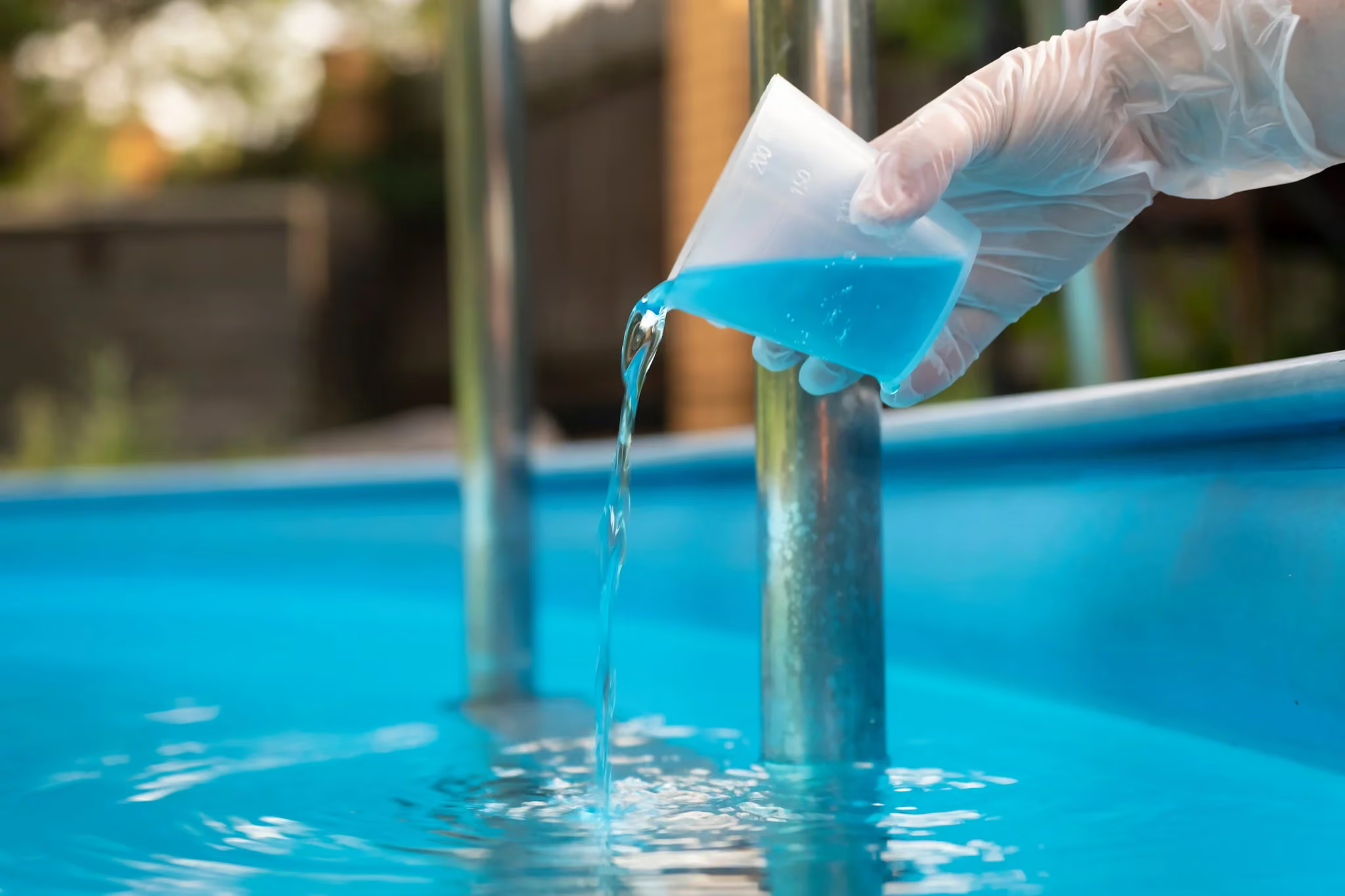
Pool pH Too Low
Pool pH Too High
Green Pool After Rain
Pool Still Green After Shock
Pool Water Cloudy
How to Clear a Green Pool
Pool Care That Protects Your Investment
Good pool care protects more than appearance. Our pool specialists support the long-term condition of your swimming pool while keeping it ready for everyday use.