Hidden Costs DIY Maintenance
Why Auckland trusts our pool service expertise
DIY pool maintenance can appear cost-effective at first glance, but the full picture includes chemical waste, equipment wear, and repair bills that often exceed the cost of professional servicing.
Understanding where the hidden costs appear helps pool owners make a more accurate comparison between managing their own pool and using a professional service.
What you'll learn
Why DIY Pool Maintenance Looks Cheaper Than It Is
Managing your own pool maintenance is appealing. You're in control, you set the schedule, and on the surface it looks like you're saving money every month. For some pool owners, a basic routine does work well. But for many others, the costs that don't show up on the initial price comparison quietly accumulate, in wasted chemicals, damaged equipment, and repairs that could have been avoided.
This article walks through the real costs of DIY pool maintenance that are easy to overlook, so you can make an informed decision about how to manage your pool.
---
The Cost of Getting the Chemistry Wrong
Pool chemistry is the area where DIY costs most often blow out. Water balance isn't just about adding chlorine, it involves pH, alkalinity, calcium hardness, stabiliser levels, and more. When these fall out of range, the consequences compound quickly.
Overcorrecting with chemicals
One of the most common DIY mistakes is adding too much of a chemical to fix a problem, then adding more of another chemical to fix what the first one caused. This cycle of overcorrection wastes product and can leave the water in a worse state than before. Chemicals are not cheap, and repeated overcorrection means repeated spending.
Algae outbreaks from missed treatments
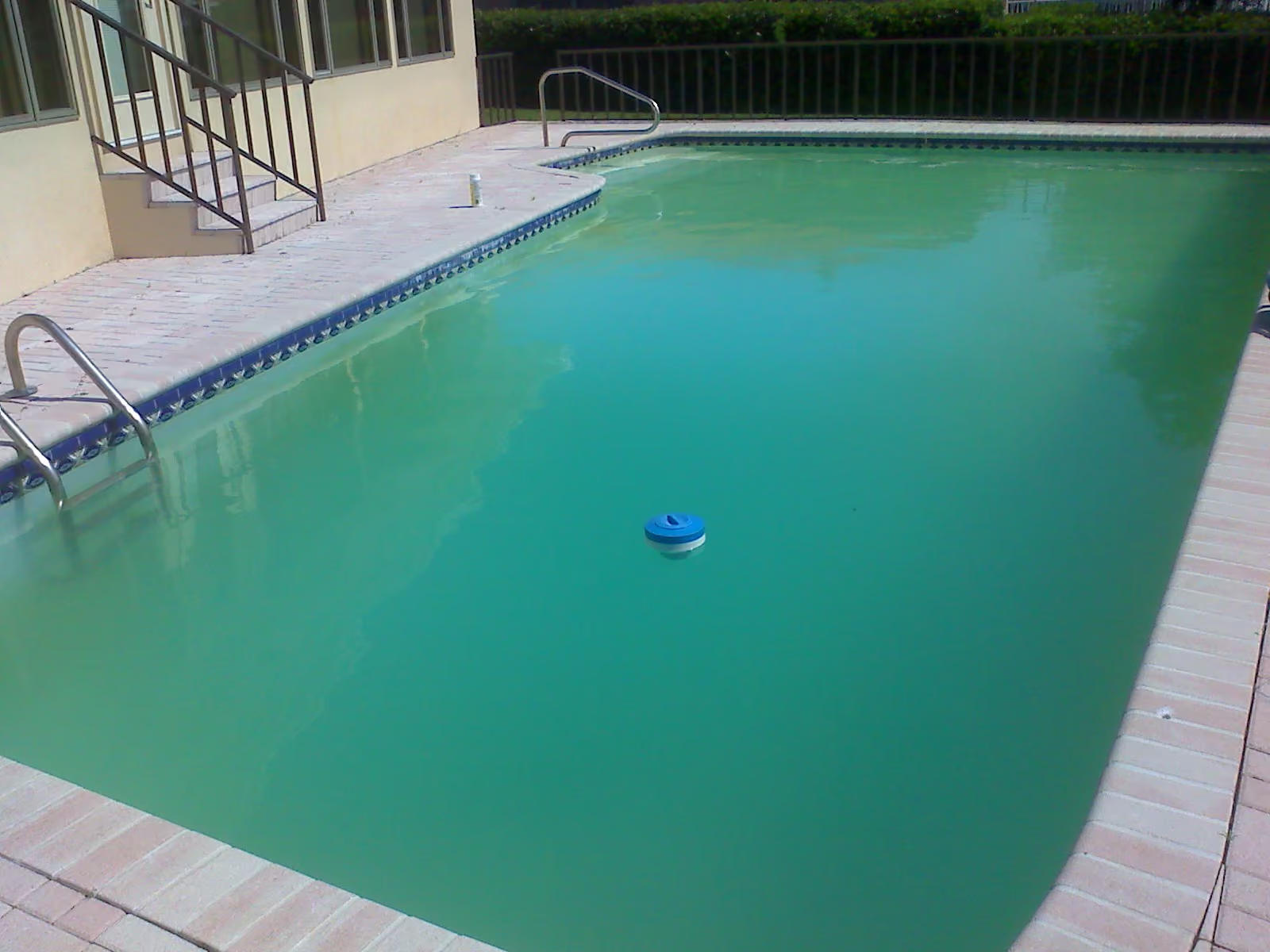
A single missed week of maintenance during warm weather can be enough for algae to take hold. Once algae is established, clearing it properly requires a shock treatment, brushing, filtration time, and often a follow-up dose. The chemical cost of treating an algae outbreak is significantly higher than the cost of the routine maintenance that would have prevented it.
Water that damages the pool itself
Water that is consistently out of balance doesn't just look bad, it causes physical damage. Low pH and low calcium hardness can etch plaster surfaces and corrode metal fittings over time. High calcium and high pH contribute to scale build-up on surfaces and inside equipment. These are slow-moving problems that are easy to miss until the damage is visible, at which point repair costs are substantial.
---
Equipment Wear from Inadequate Maintenance
Pool equipment is designed to run within certain parameters. When maintenance lapses, equipment works harder than it should, and wears out faster.
Running a dirty filter
A filter that isn't cleaned or backwashed on schedule builds up resistance. The pump has to work against higher pressure to push water through, which increases wear on the motor and impeller. Over time, this shortens the life of the pump, one of the more expensive components in a pool system.
Chlorinator cell scaling
Salt chlorinator cells need periodic cleaning to remove calcium scale. A scaled cell produces less chlorine and draws more power to do it. Left long enough, scale can permanently reduce cell output or cause the cell to fail entirely. Replacement cells are a significant cost that regular cleaning can defer considerably.
Pump and filter problems going unnoticed
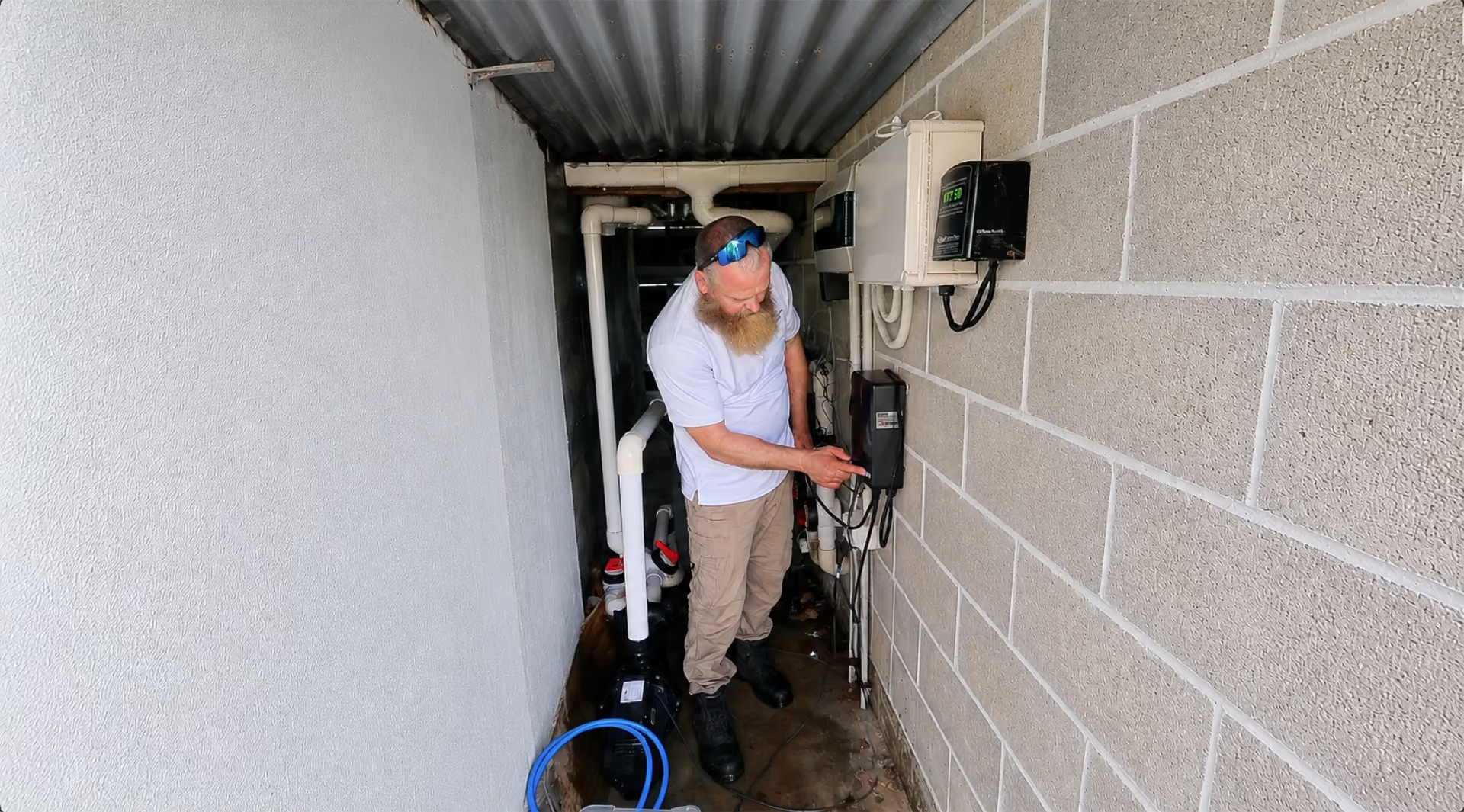
A pool professional visiting regularly will notice early signs of equipment trouble, unusual noise from a pump, a pressure gauge reading outside normal range, a slow leak at a fitting. A DIY owner who isn't familiar with what normal looks like can miss these signs until a minor issue becomes a major repair.
---
The Time Cost
Time is a real cost, even if it doesn't appear on a receipt. Proper pool maintenance done well takes consistent effort, testing water, adjusting chemistry, cleaning filters, brushing walls, emptying baskets, and keeping an eye on equipment. Done properly, this is not a five-minute job.
For pool owners who enjoy the process, this is fine. For those who find it a chore or who are time-poor, the maintenance often gets deferred. Deferred maintenance is where the real costs begin.
---
Buying the Wrong Products
Pool chemical retail is a crowded market. Without a clear understanding of what your water actually needs, it's easy to buy products that aren't suited to your situation, or to buy more than you need because the packaging suggests a higher dose than your pool requires.
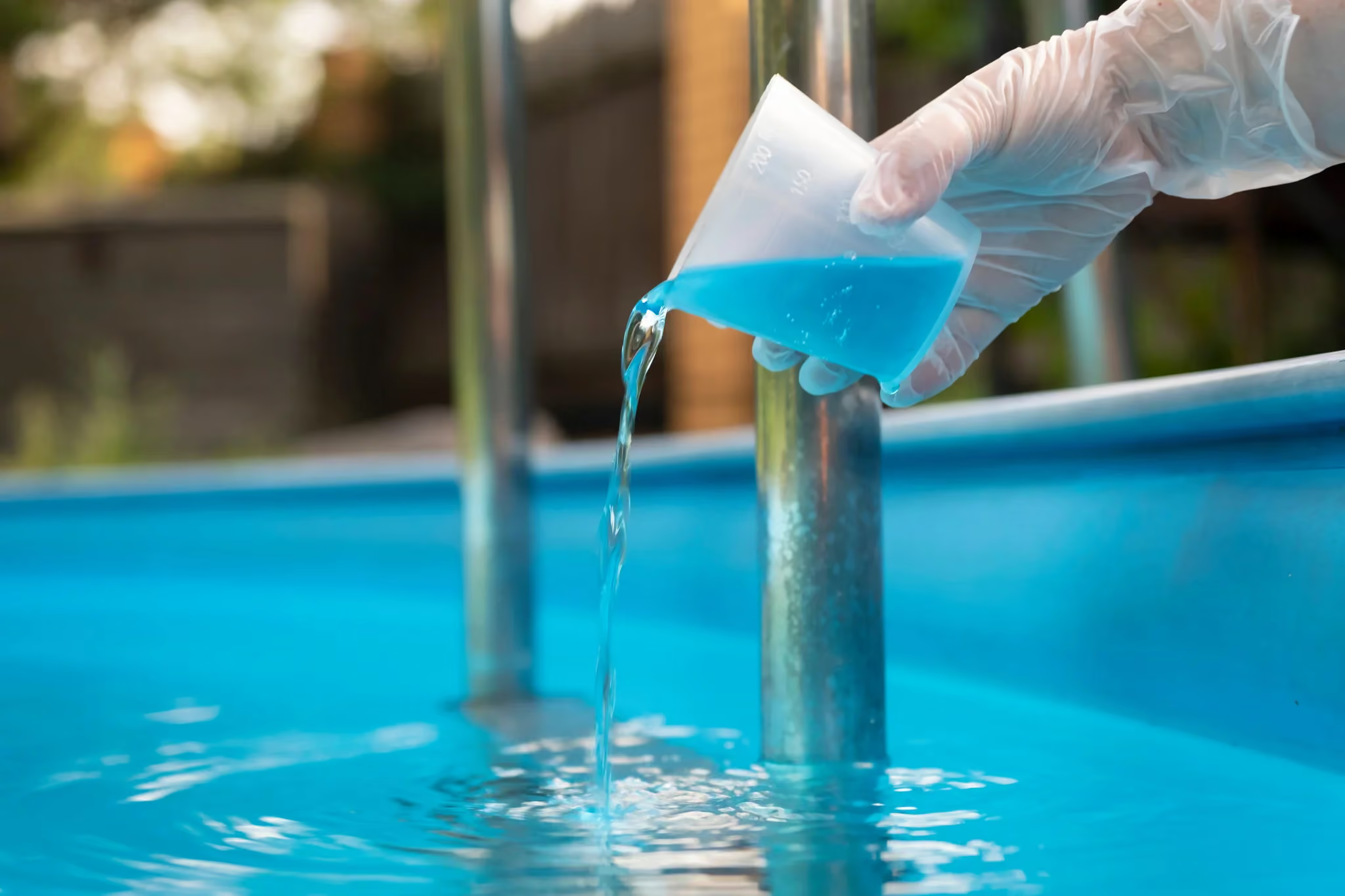
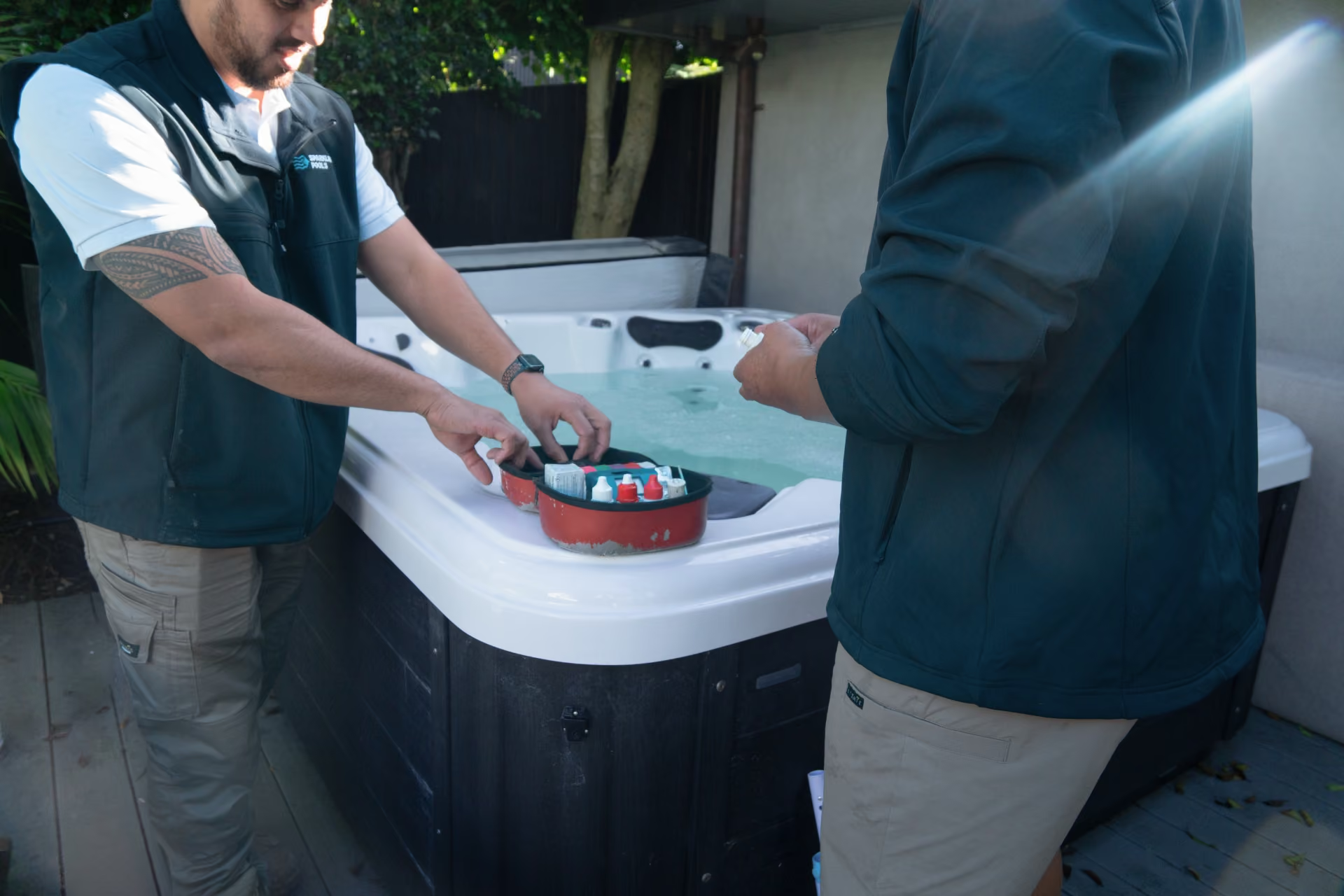
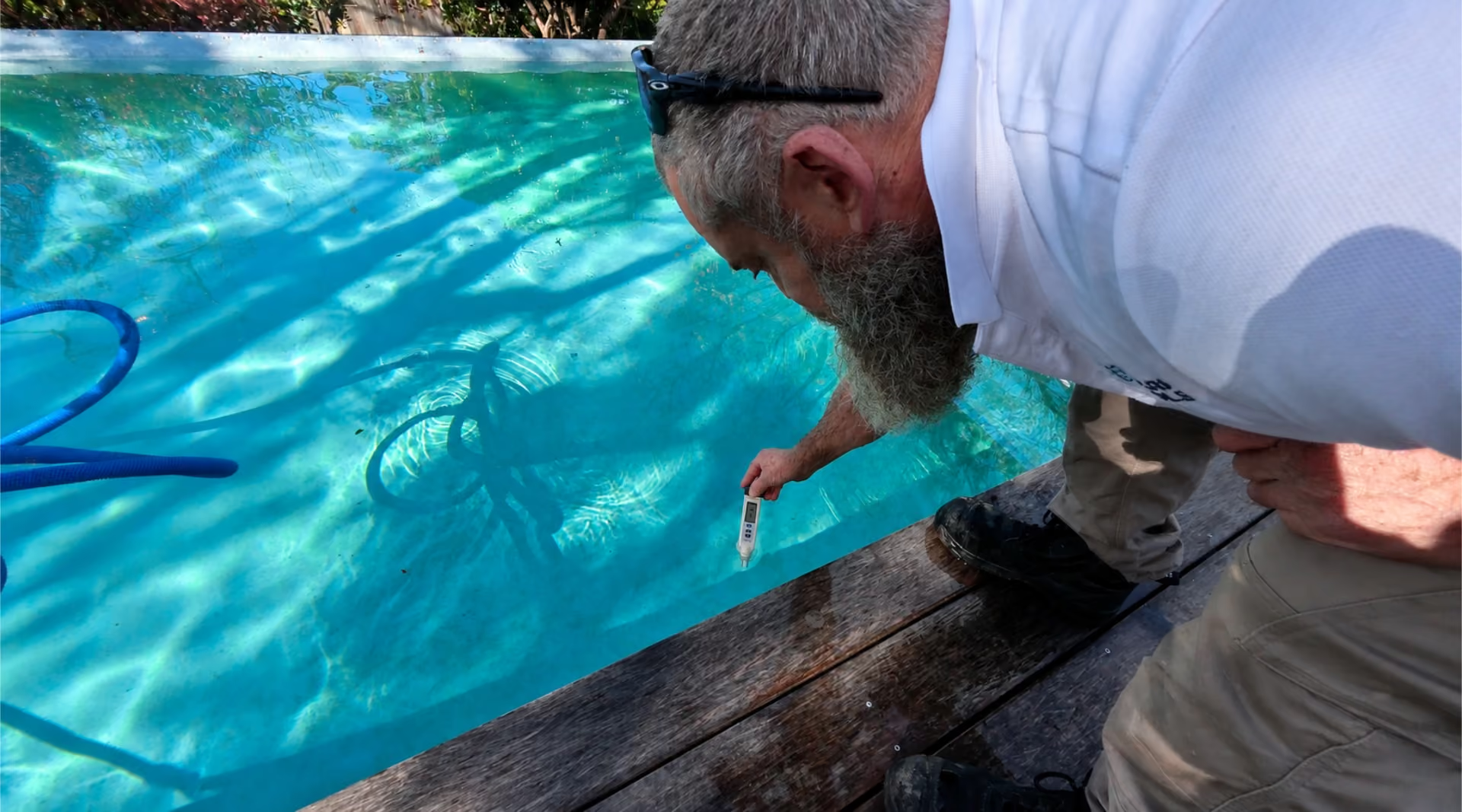
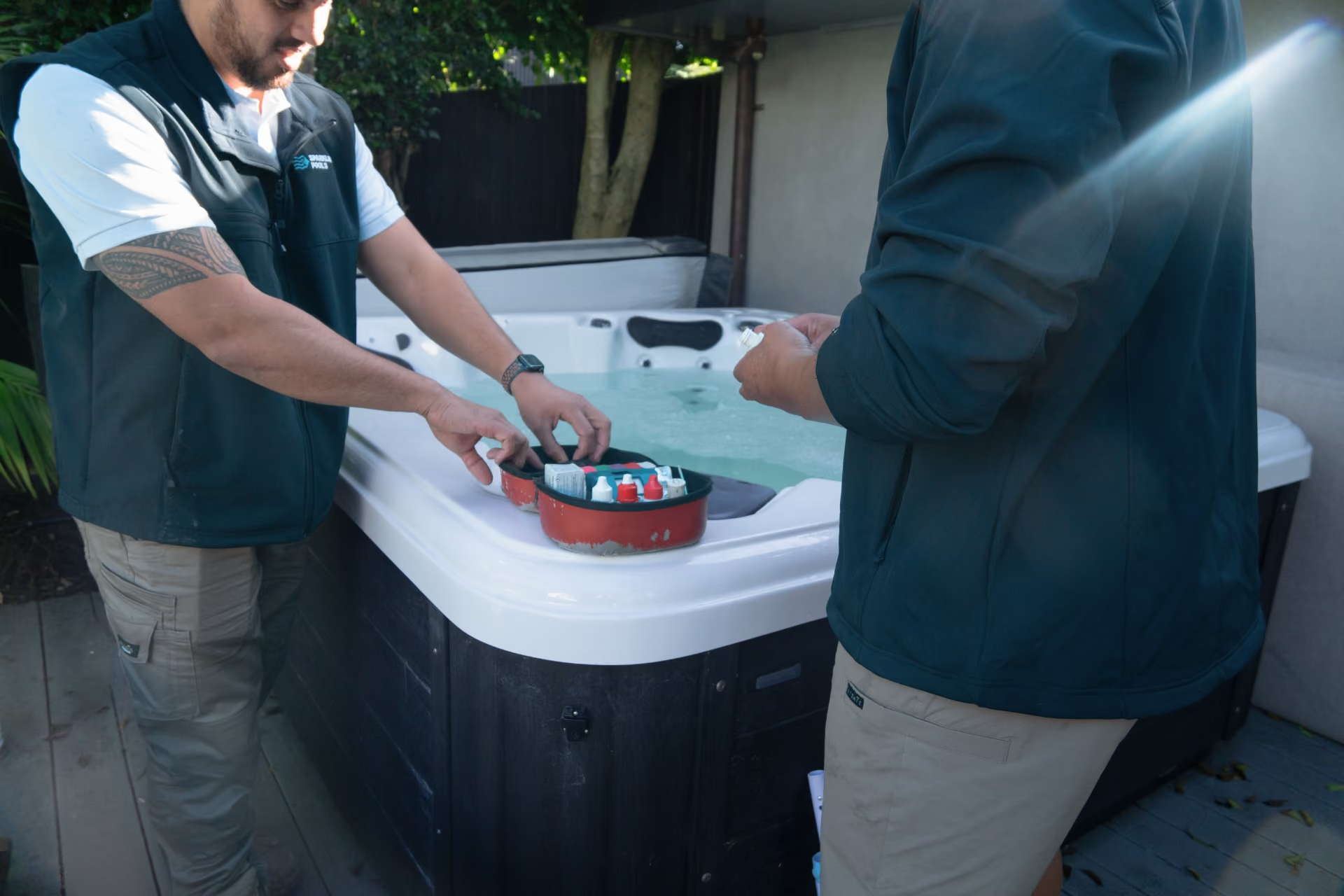
Professional water testing identifies exactly what your water needs before any product is purchased. Without that baseline, DIY chemical buying is partly guesswork, and guesswork in pool chemistry tends to be expensive.
---
When DIY Maintenance Makes Sense, and When It Doesn't
DIY maintenance can work well for pool owners who:
- Test their water regularly and accurately
- Understand how to read results and adjust chemistry methodically
- Keep to a consistent maintenance schedule
- Know their equipment well enough to spot early warning signs
It becomes costly when:
- Testing is infrequent or skipped
- Chemical adjustments are made by guesswork rather than test results
- Equipment maintenance is deferred
- Problems are left to develop before being addressed
The honest comparison isn't between the cost of a professional service and zero, it's between the cost of a professional service and the full cost of doing it yourself, including chemicals, time, equipment wear, and the occasional repair bill.
---
How Professional Maintenance Compares
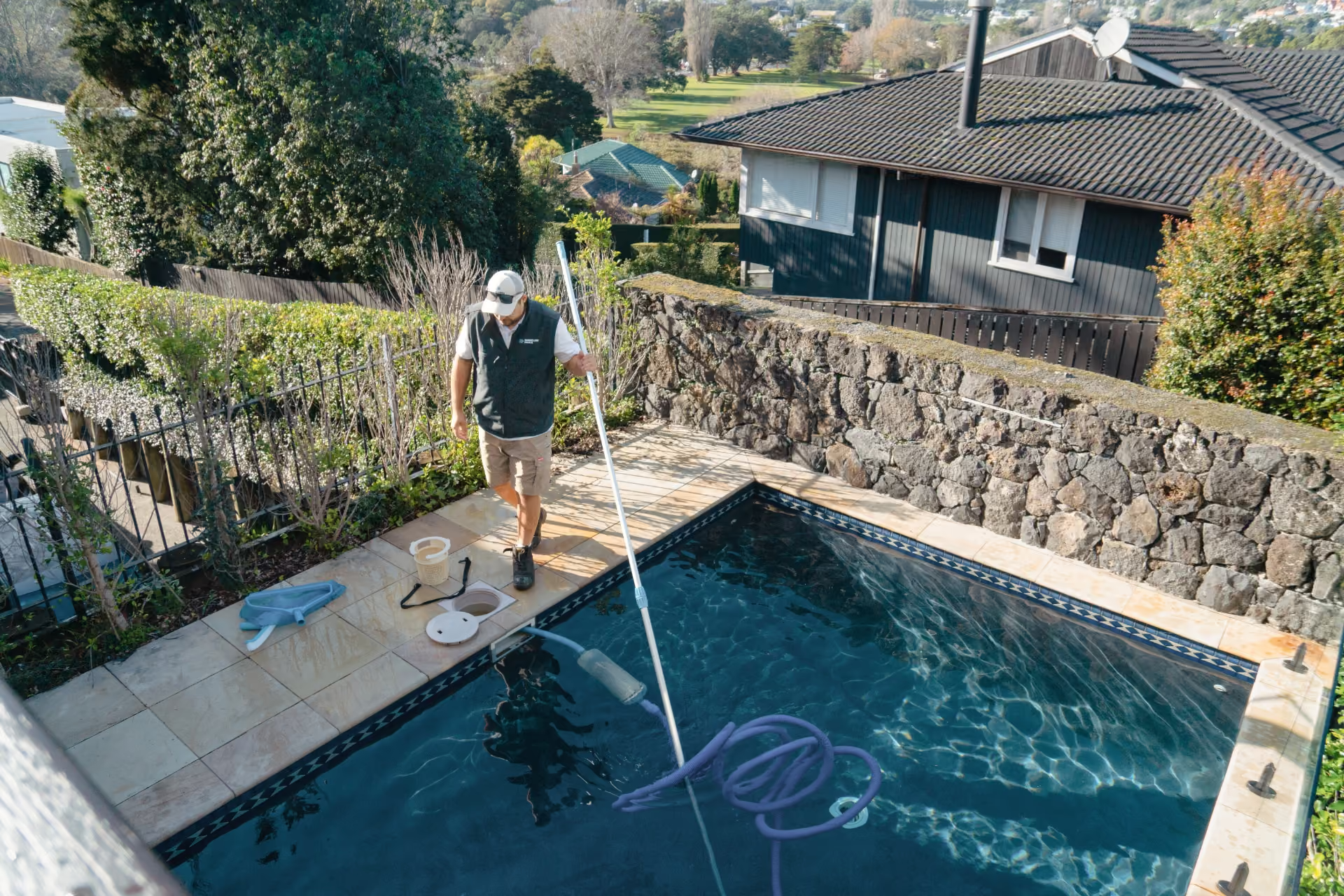
A professional pool service brings consistent, scheduled attention to your pool. Water is tested and adjusted based on actual results. Equipment is checked at each visit. Problems are identified early, when they're still straightforward to fix.
For many Auckland pool owners, the total cost of professional maintenance, when weighed against the real costs of DIY, is comparable or lower, with considerably less effort and fewer surprises.
Sparkling Pools has been servicing residential and managed pools across Auckland since 1992. On-site water testing is available across Auckland, with equipment diagnosis and product supply also offered.
---
Questions Worth Asking Before You Decide
Before committing to DIY pool maintenance, it's worth being honest about a few things:
- How often will you realistically test the water?
- Do you have a reliable way to interpret the results and act on them?
- Do you know what your equipment should look and sound like when it's running well?
- What's your plan if something goes wrong?
There's no single right answer for every pool owner. But going in with a clear picture of what DIY maintenance actually involves, and what it actually costs, leads to better decisions.
Pool resurfacing solutions
Restore your pool with durable plaster finishes


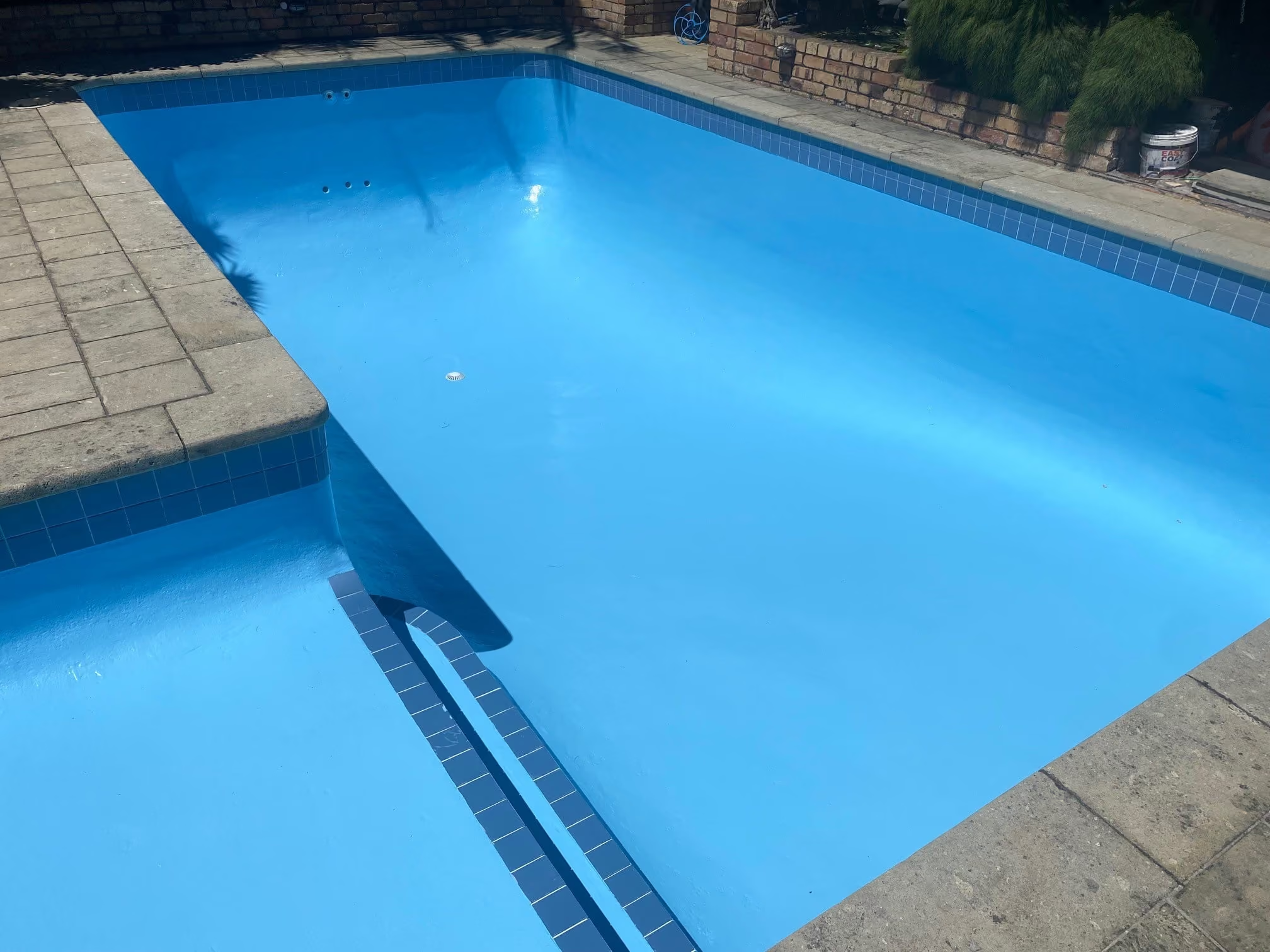
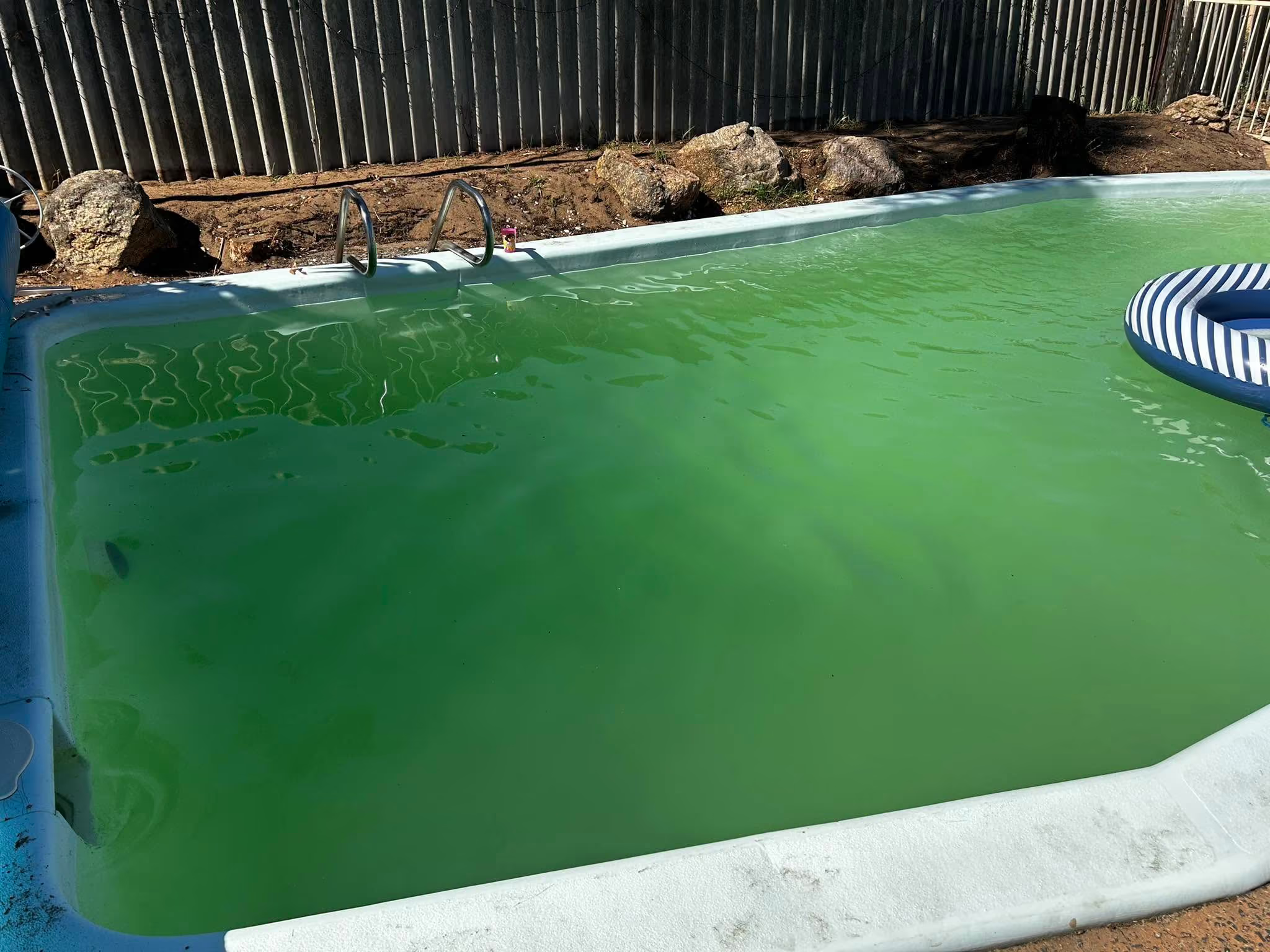
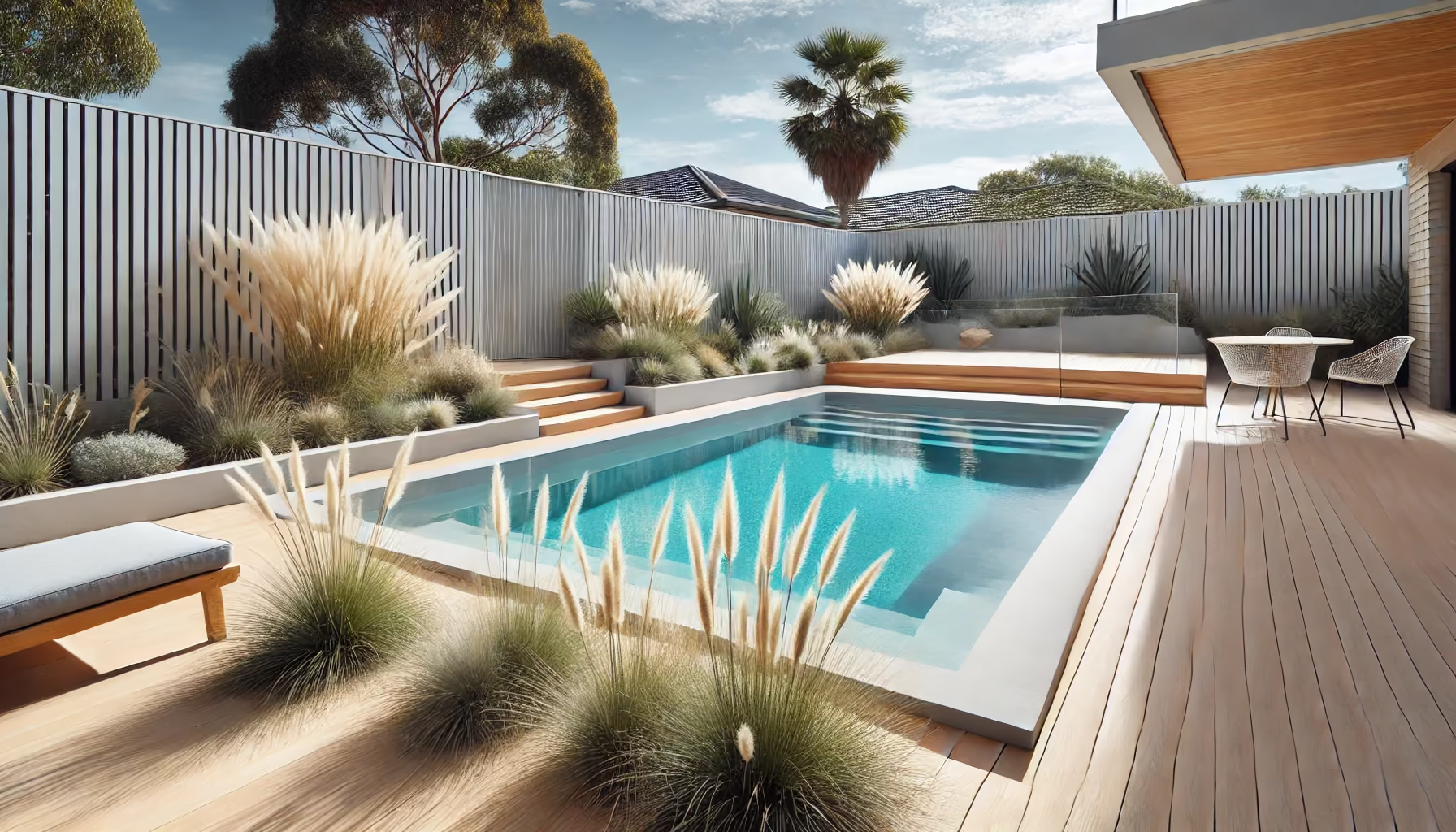
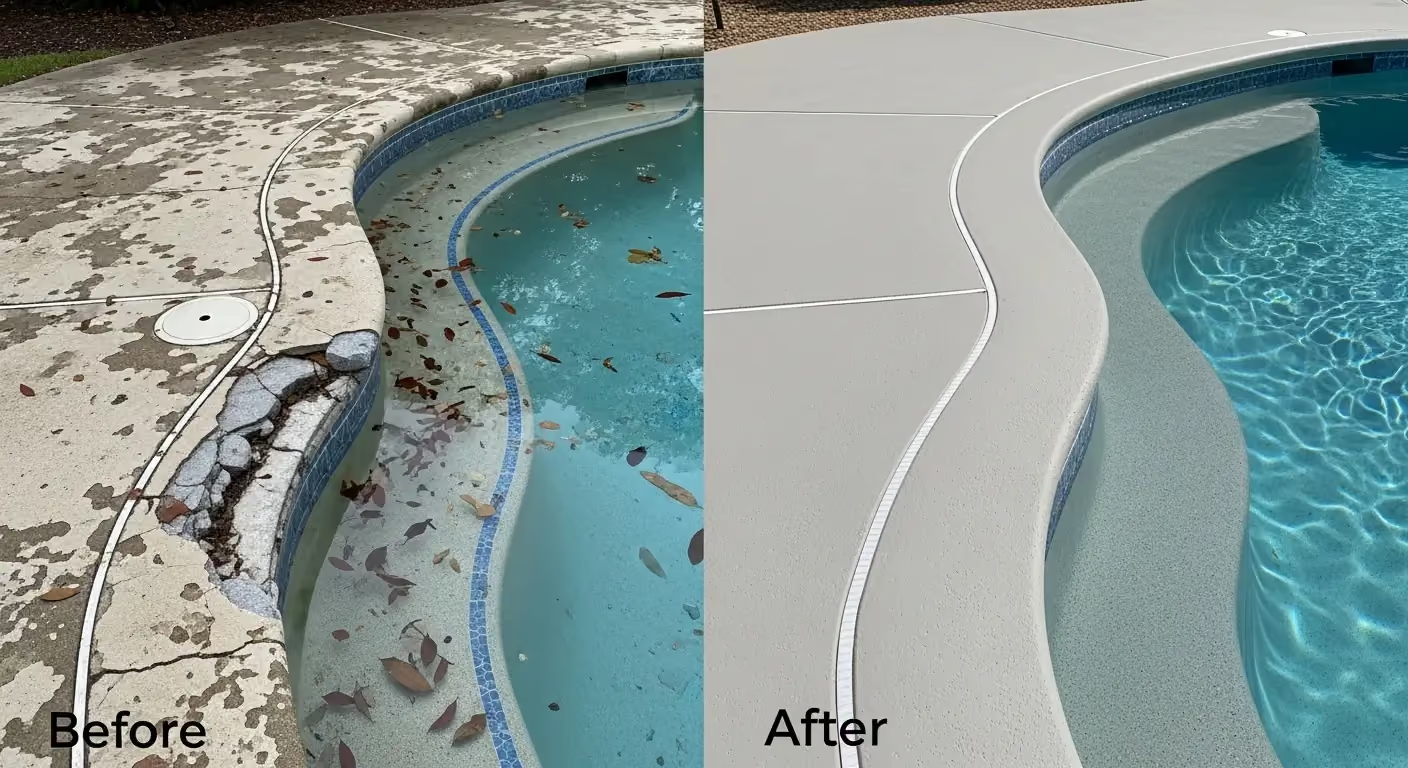
Work completed
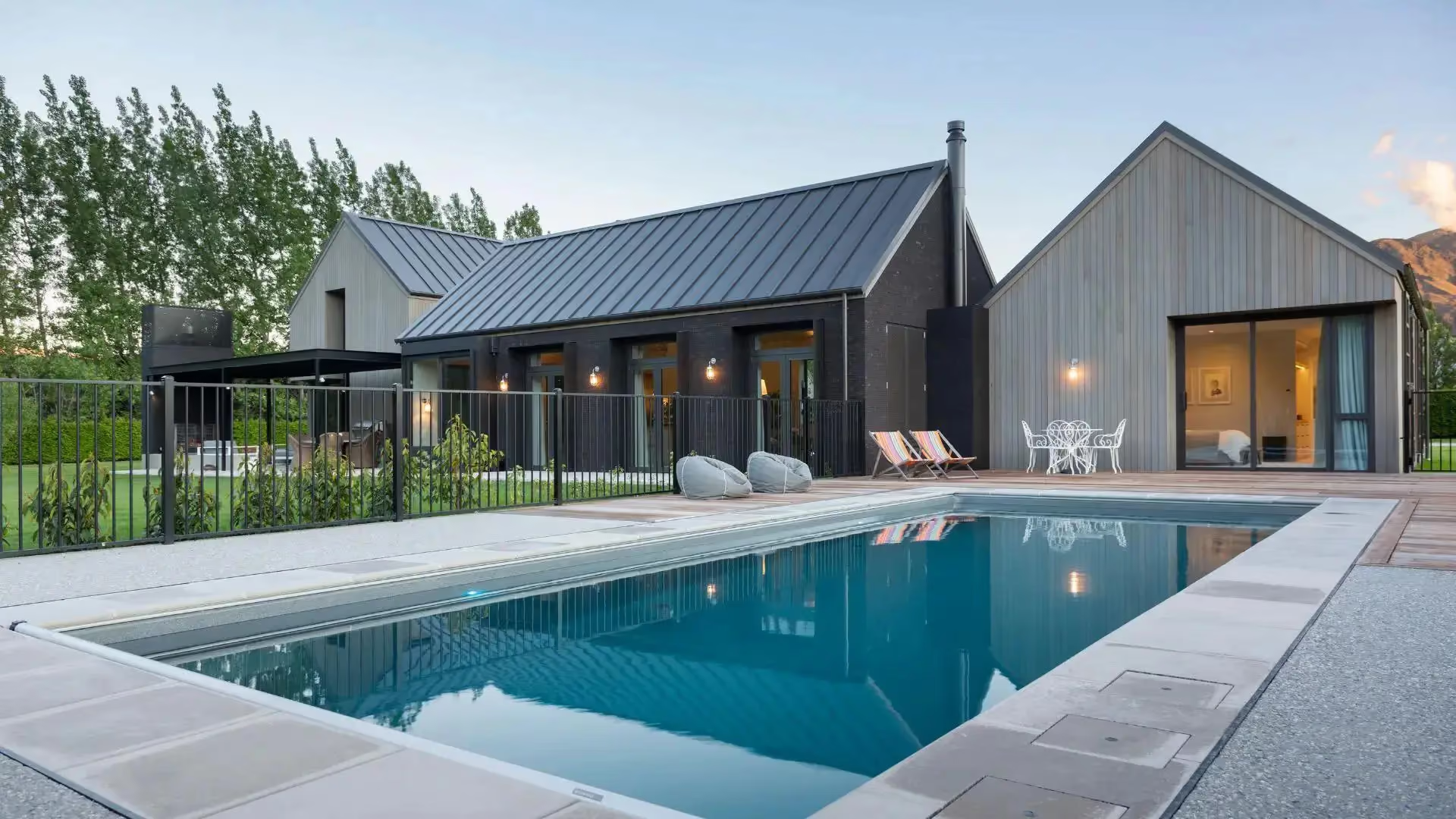
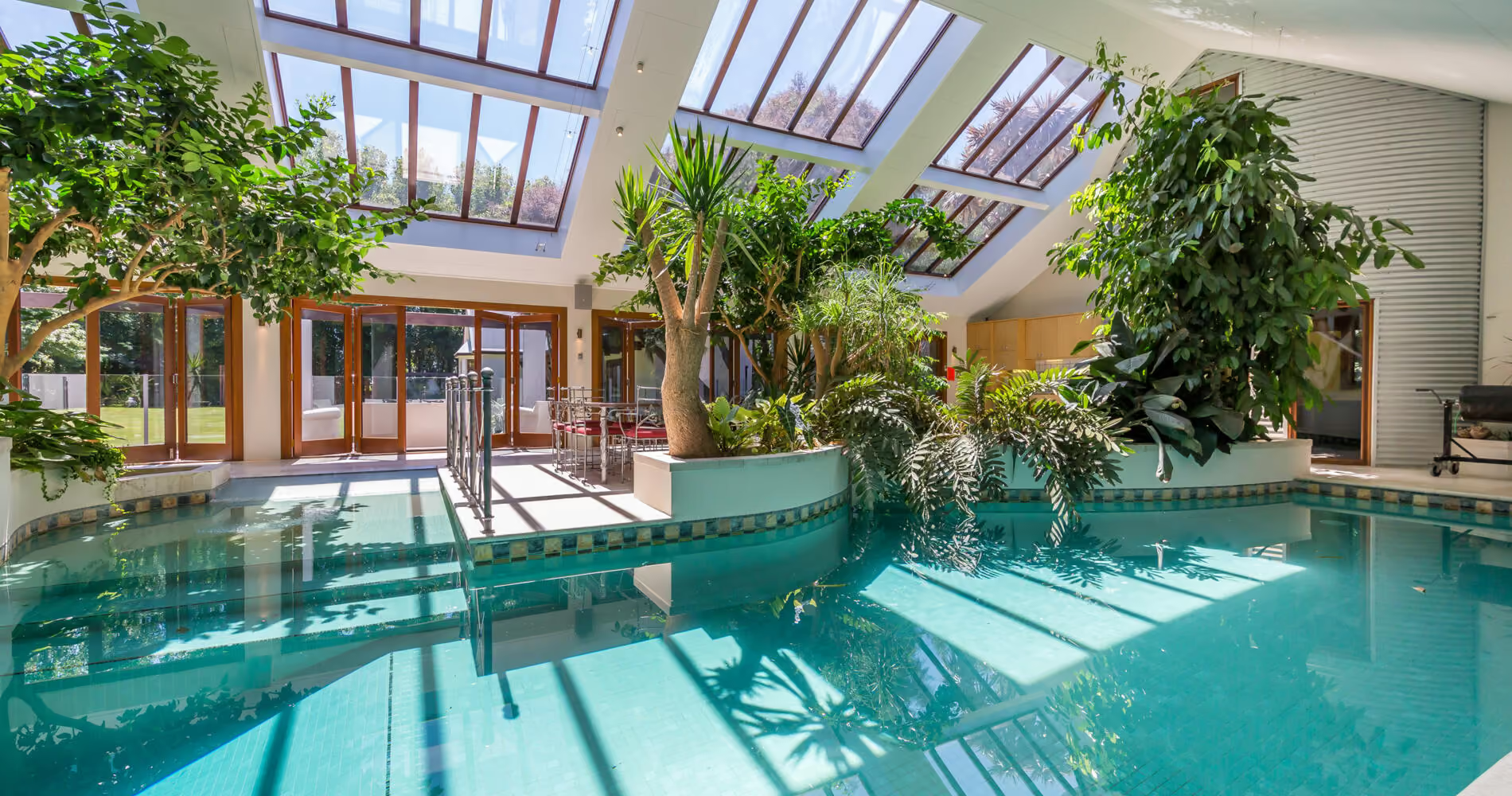
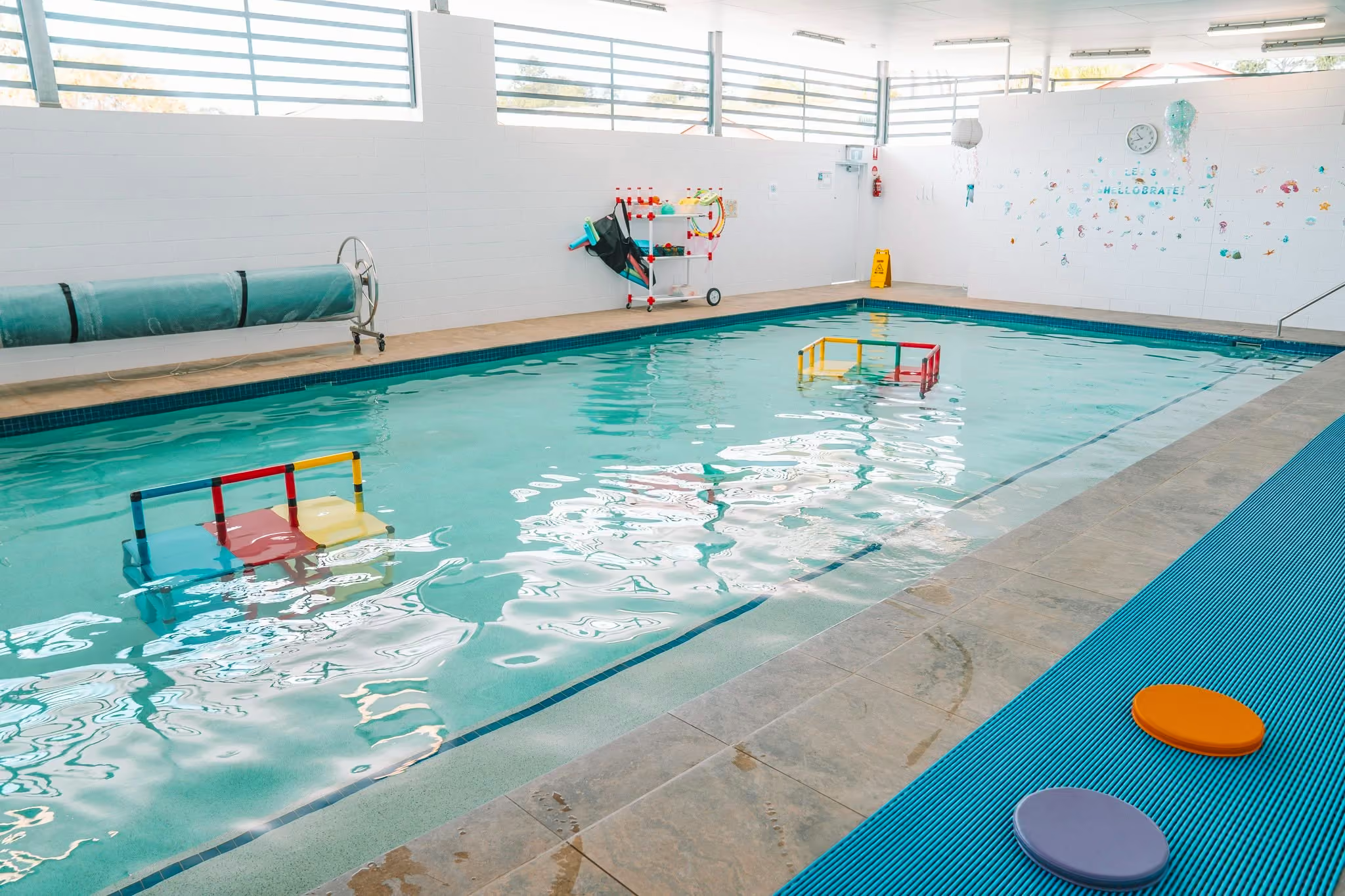
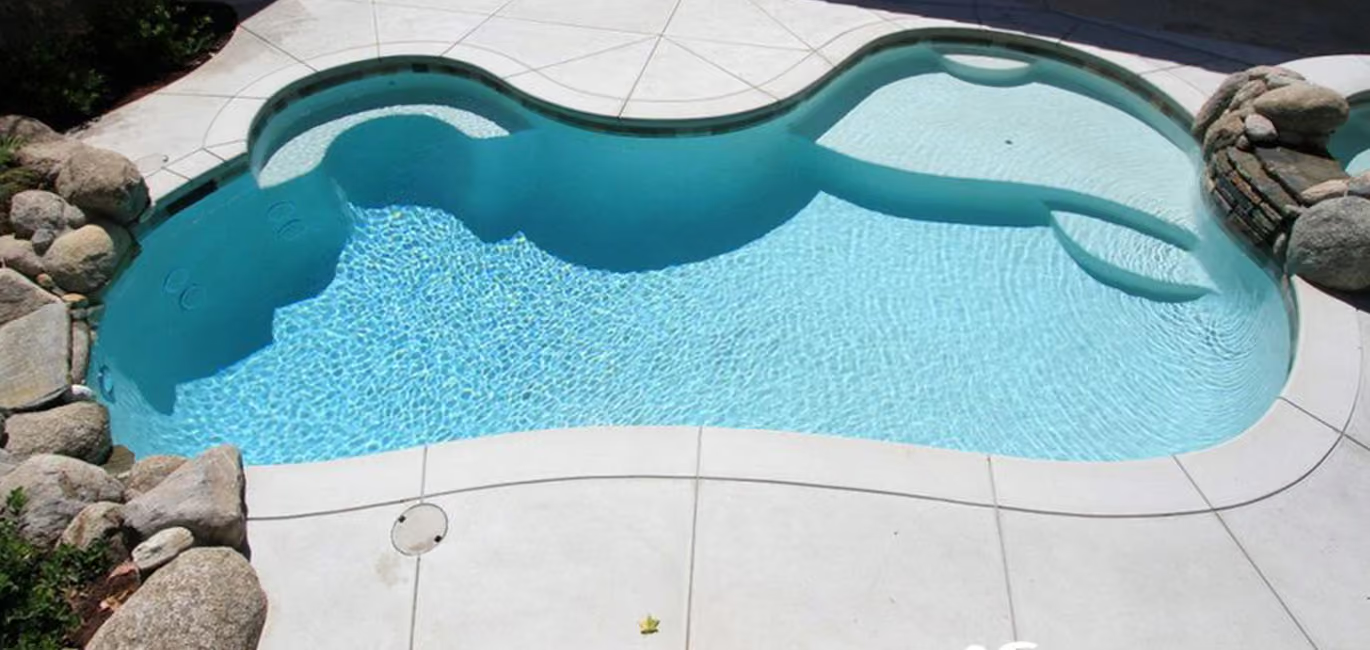
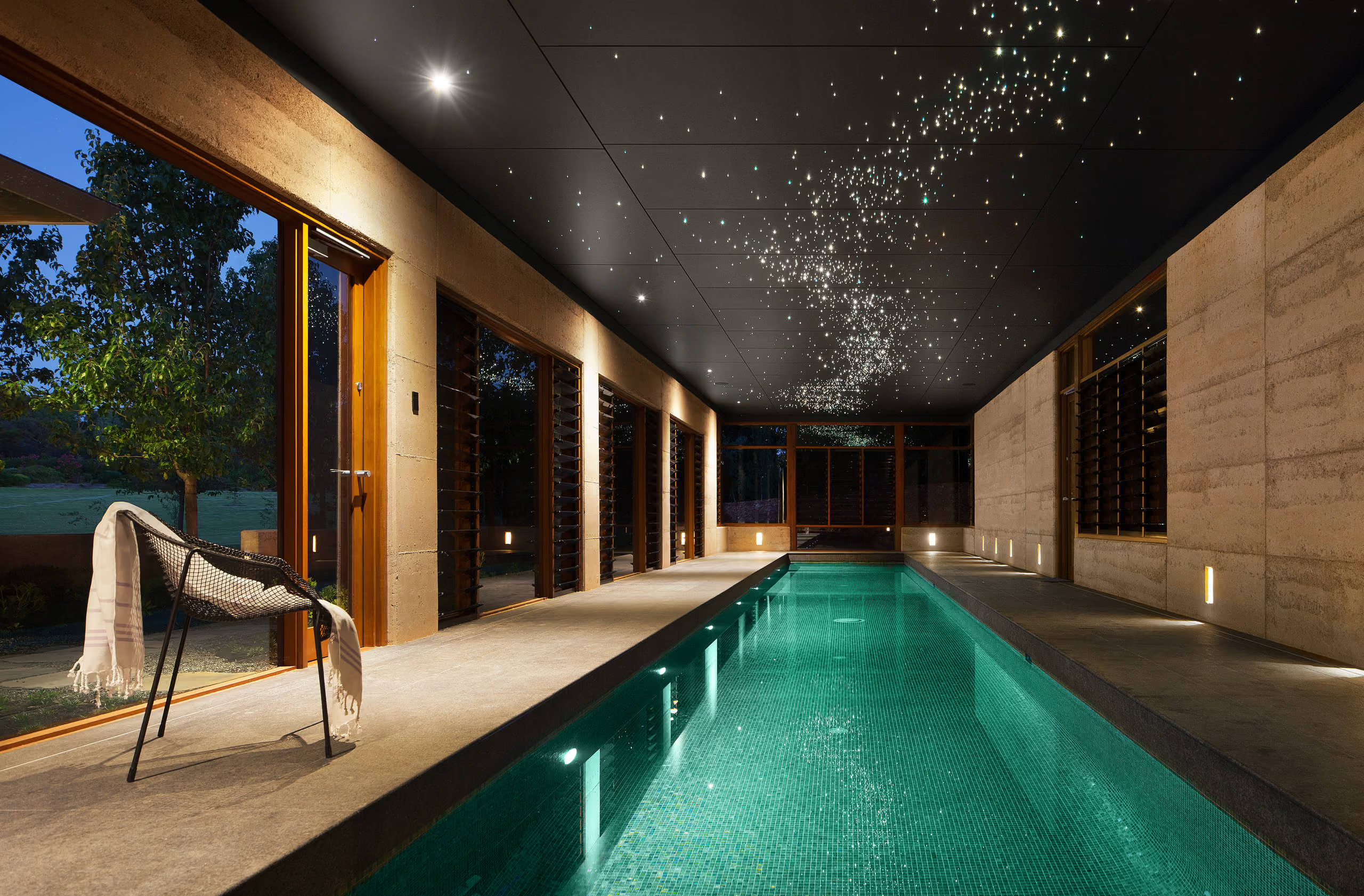
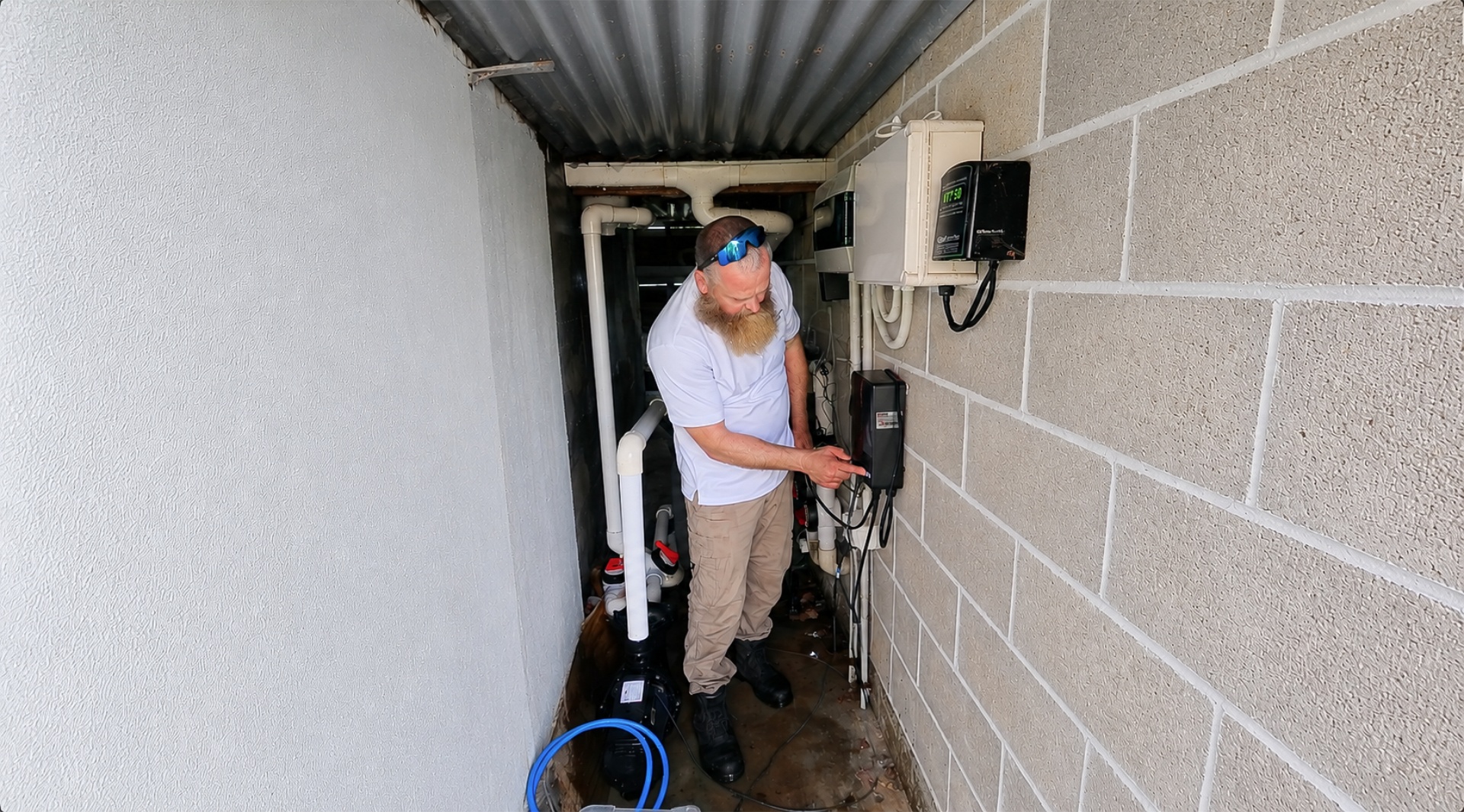
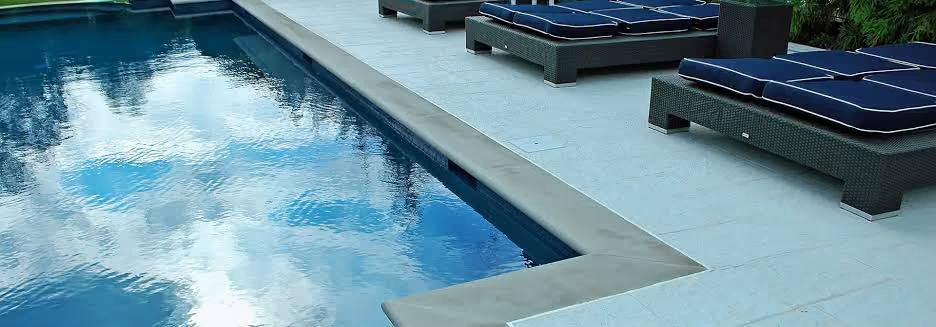
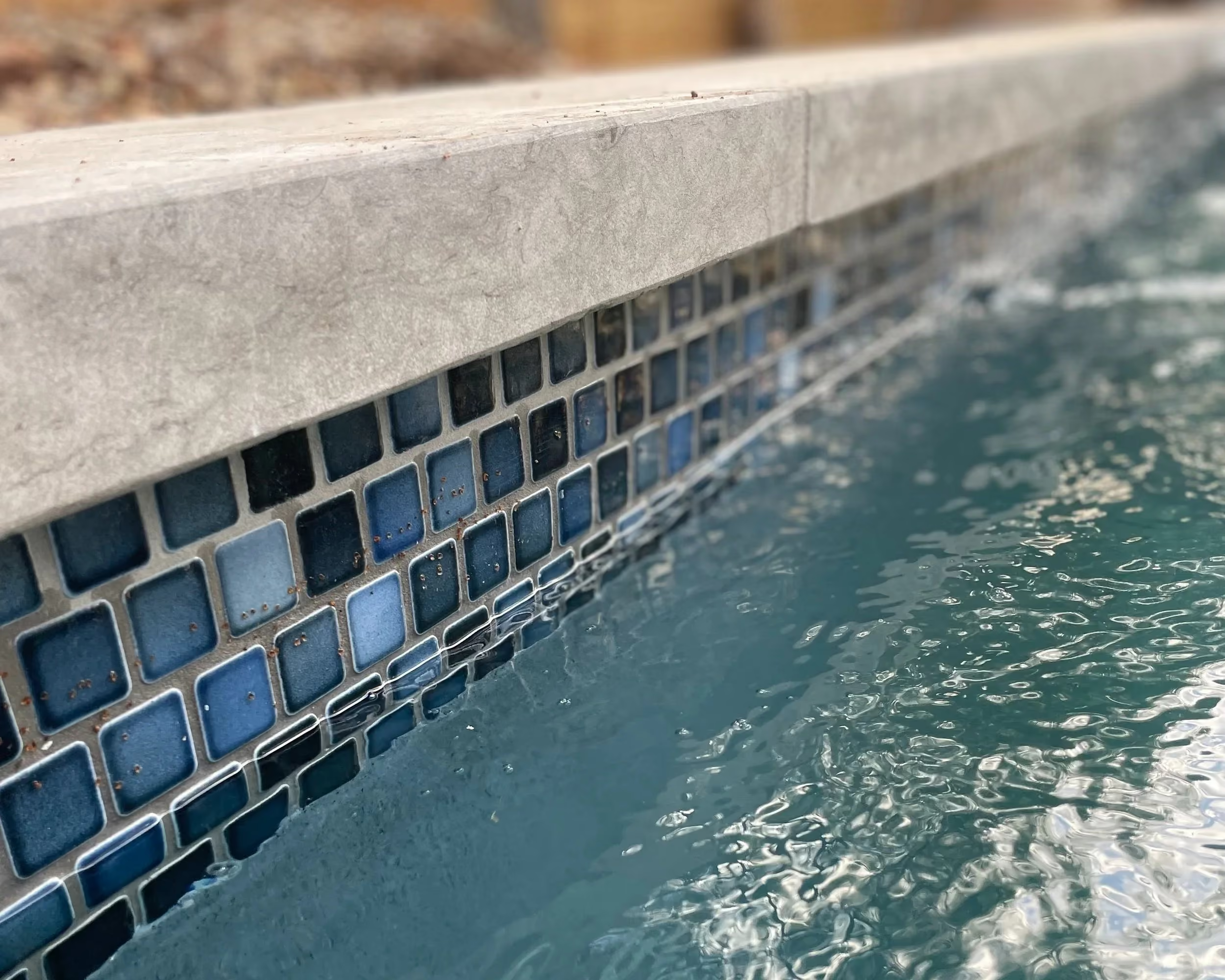
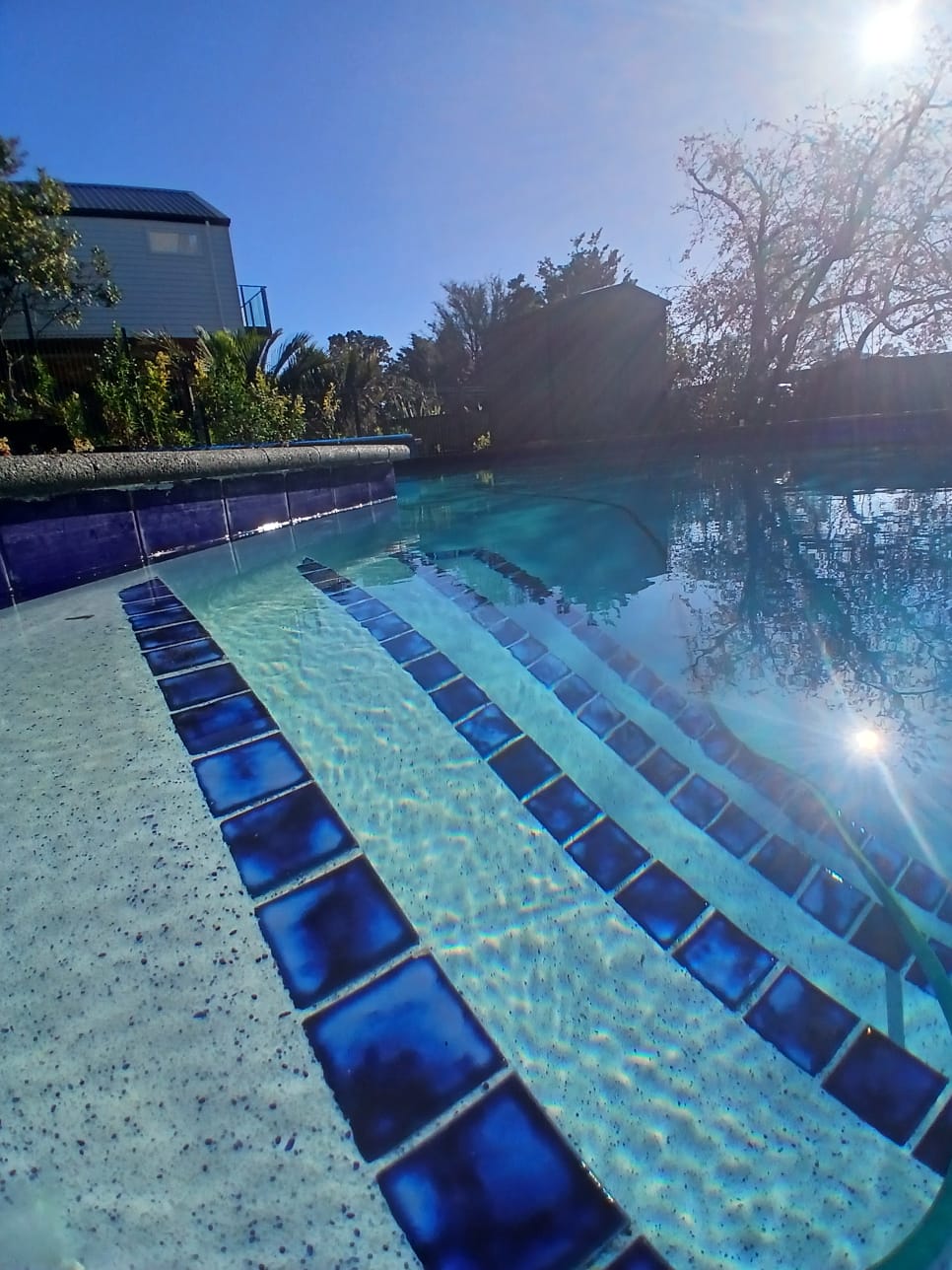
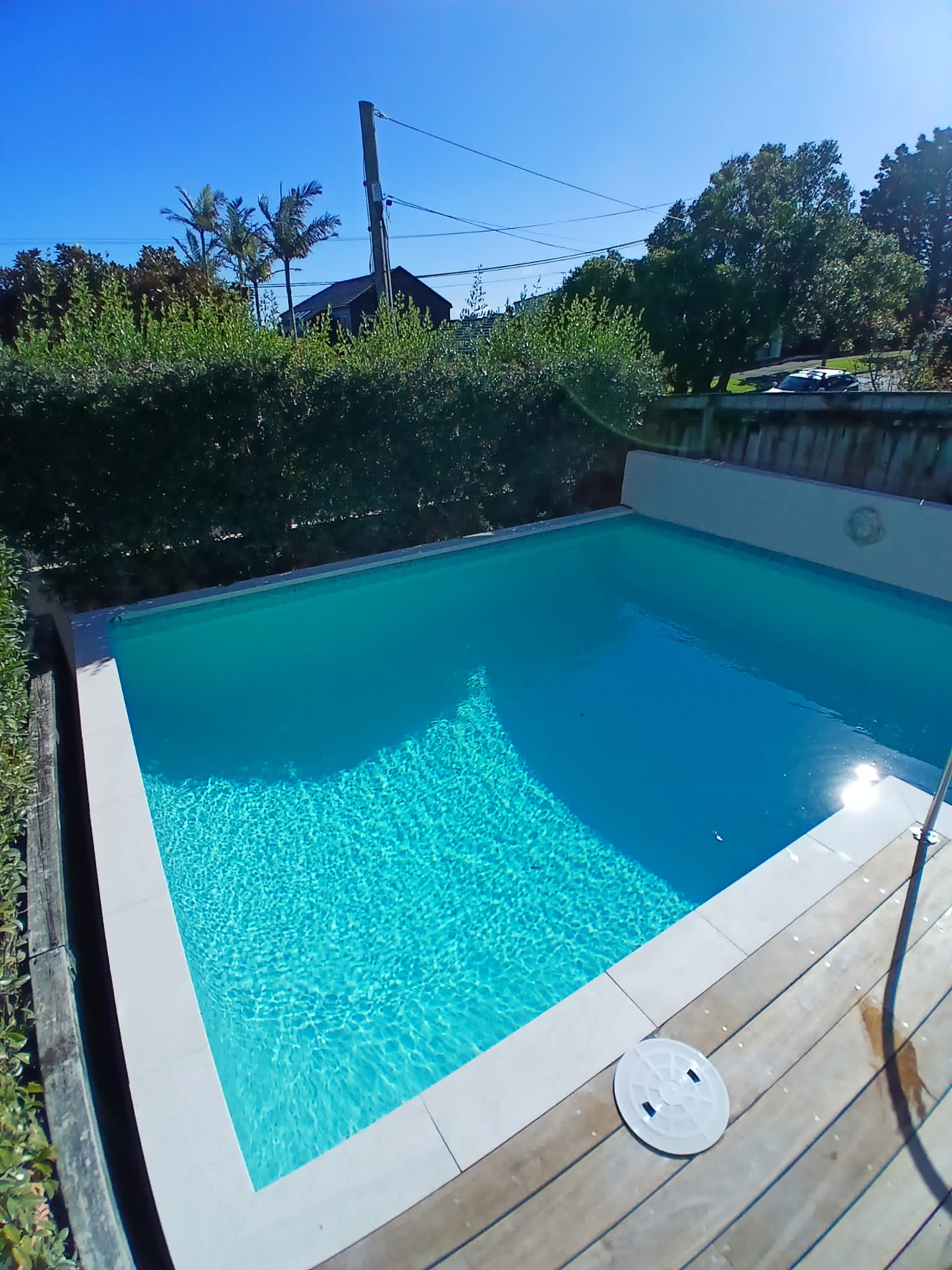
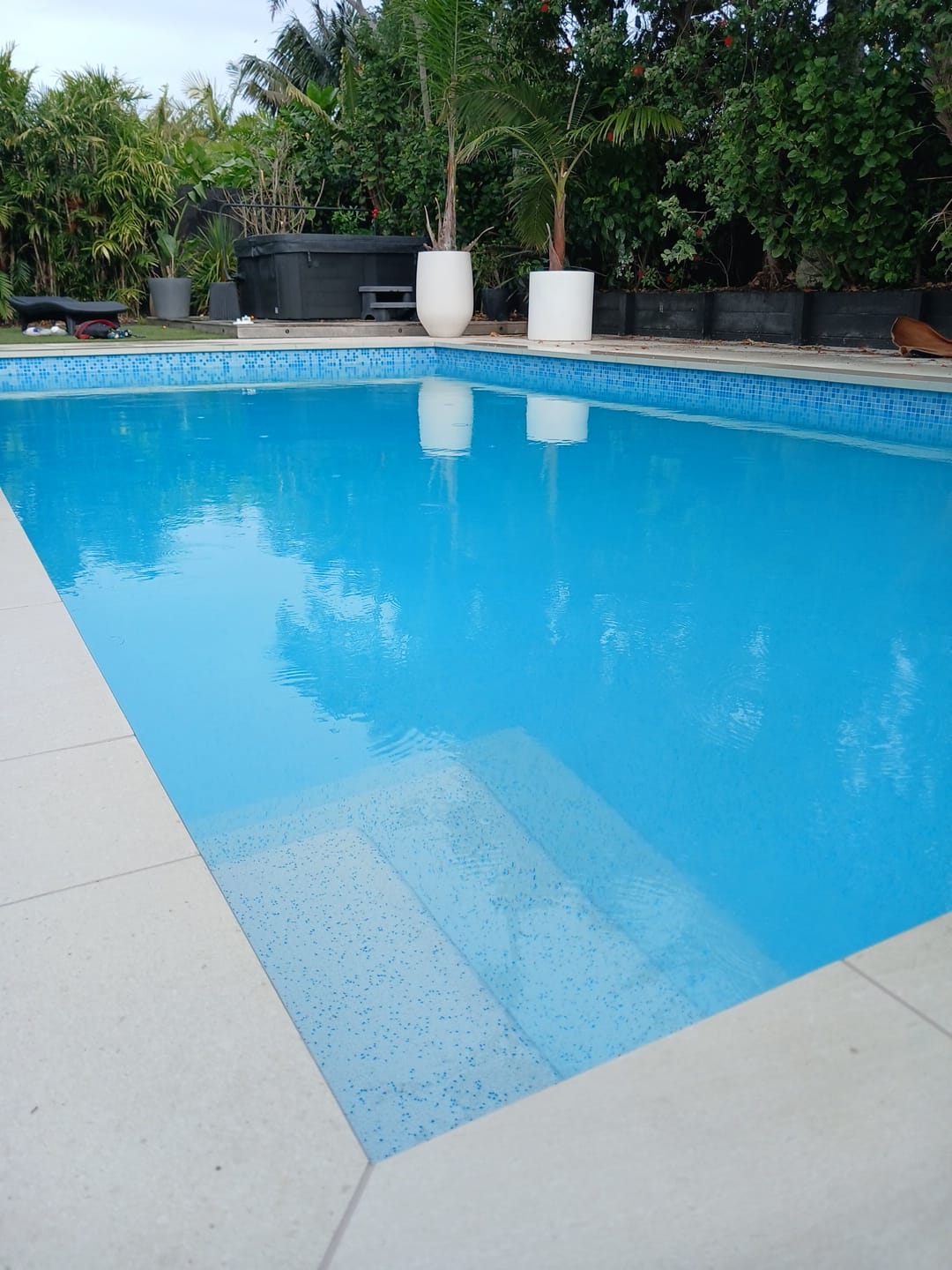
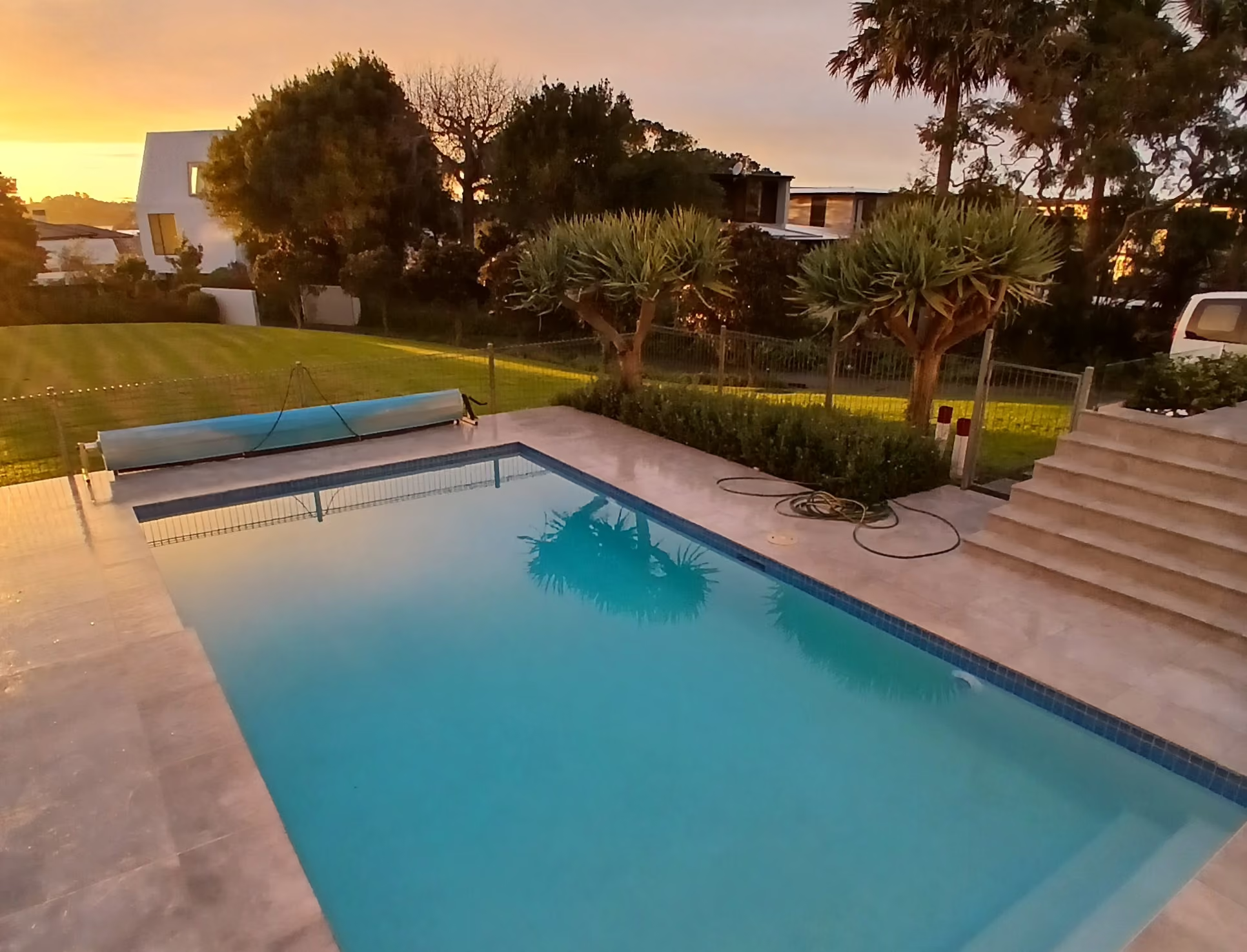
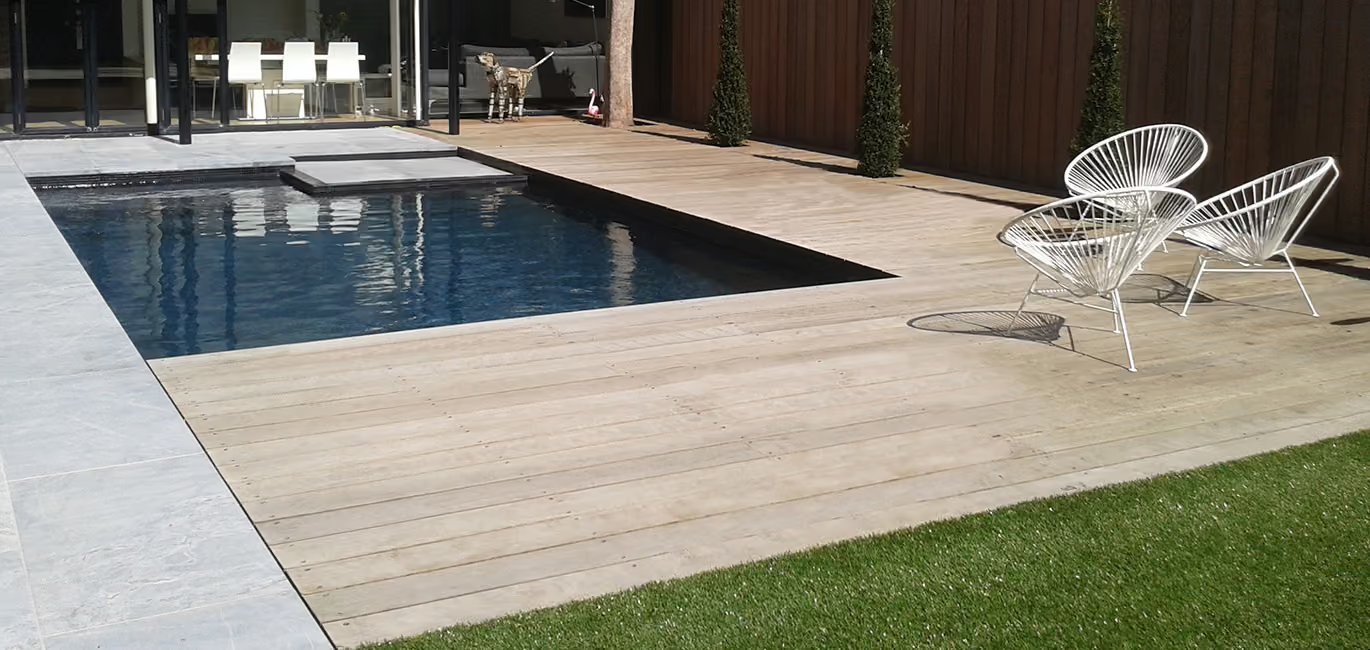
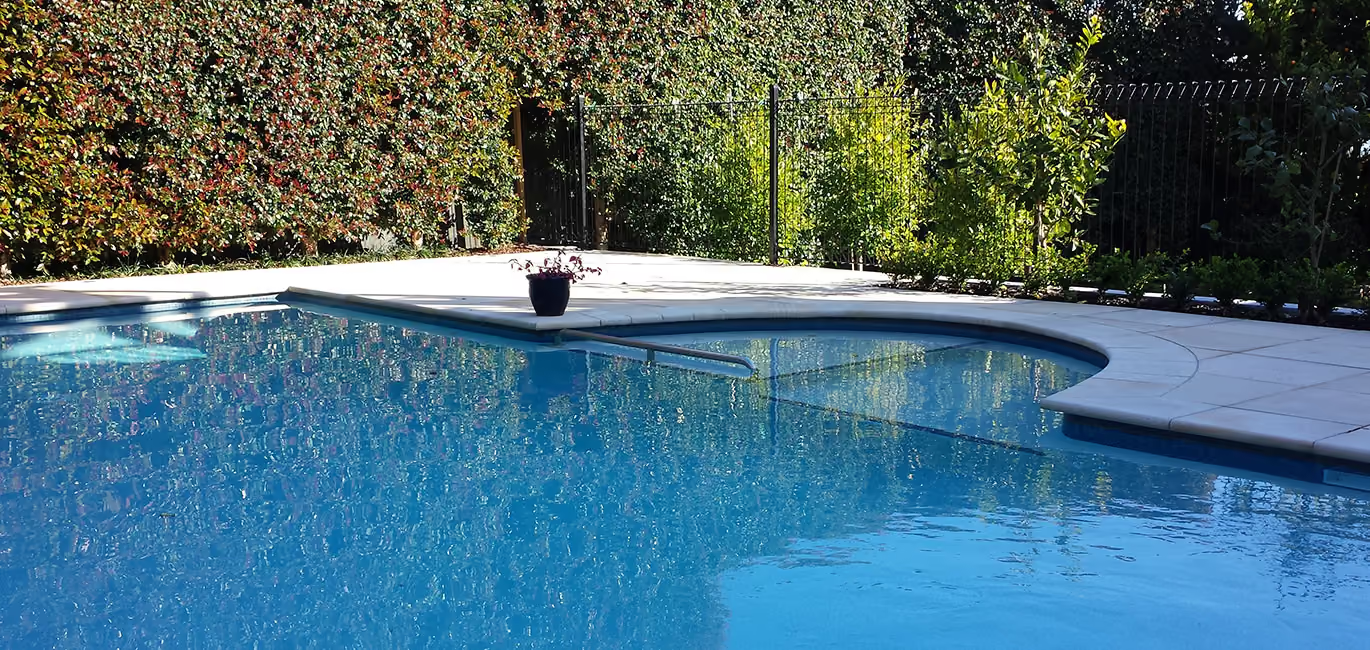
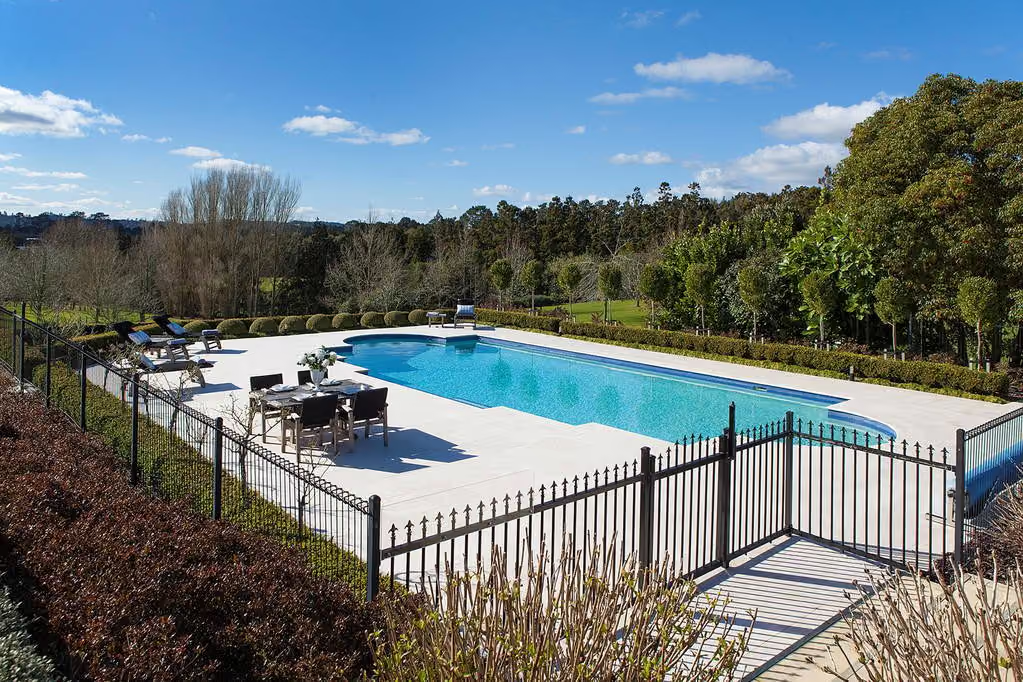
Sparkling Pools has worked on pools across Auckland, including residential renovation projects, equipment upgrades, ongoing maintenance and pool care for managed properties. Past projects show how the right approach can improve presentation, water quality and day-to-day usability. A well-maintained pool is easier to manage, more pleasant to use and better prepared for seasonal changes.
Trusted by Homeowners Across Auckland
Don't just take our word for it. Read what our clients have to say about our transparent communication, reliable service, and stunning pool transformations.
Related Blog Posts
Stay informed on pool care and renovations
Winter pool care essentials for Auckland
Pool Renovation Mistakes

Auckland Climate Pool Maintenance
Choosing Renovation Contractor
Pool Care Auckland Summer
Permits & Consents
Pool Renovation ROI
How Often to Test Pool Water
Pool Renovation Costs
Cost of Pool Service Auckland
Pool Renovation Planning Guide
Pool Lighting Buying Guide
Pool Cleaner Buying Guide
Pool Automation Buying Guide
Pool Heater Buying Guide
Pool Filter Buying Guide
Pool Pump Buying Guide
Best Equipment Auckland Climate
Auckland Water Quality
Auckland Pool Season
Pool Ownership Costs
Common Pool Mistakes
Pool Safety Laws
Pool Inspection Requirements
Pool Fence Compliance
.avif)
Auckland Pool Industry Trends
Auckland Pool Regulations
Pool Equipment Suppliers
Best Pool Service Areas
Pool Service Pricing Analysis
Company vs Independent
Best Pool Surface Materials
Pool Resurfacing Options
Pebble vs Plaster Surfaces
One-Time vs Ongoing Service
Full Service vs Chemicals Only
Pool Cover Types
Robotic vs Suction Cleaners
Mineral vs Saltwater
Gas vs Heat Pump
Pool Heater Types
Pool Winterizing Guide Auckland
Pool Opening Guide Summer
Pool Maintenance After Heavy Rain
Pool Maintenance Schedule
How Often to Run Pool Filter
Pool Pump Maintenance Schedule
Pool Filter Cartridge Cleaning
Pool Equipment Maintenance Checklist
Pool Waterline Cleaning
Pool Skimmer Basket Cleaning
Pool Chlorine Levels
How Often Clean Pool Filter
How to Vacuum Pool
Pool Brushing Technique
Pool Chemical Dosing Chart
Pool Water Chemistry Basics
How to Balance Pool Chemistry
How to Test Pool Water
Pool Maintenance Tips
Complete Pool Maintenance Guide
Pool Service ROI
Pool Equipment Buy or Service
Pool Maintenance Time Requirements
DIY vs Professional
Pool Service Contract
Pool Service vs Pool Valet
Is Pool Service Worth It
Pool Service Guarantees
Pool Service Reviews
Pool Service Red Flags
Questions to Ask Pool Companies
How to Choose Pool Service Company
Hidden Costs DIY Maintenance
Pool Cleaning Prices Auckland
Cost of Pool Resurfacing
Cost of Pool Pump Replacement
Cost to Fix Green Pool
Pool Liner Wrinkles
Pool Cracks When to Worry
Pool Surface Stains
Pool Valve Leaking
Pool Automation Not Working
Pool Light Not Working
Pool Heater Not Heating
Pool Skimmer Not Working
High Pool Filter Pressure
Pool Losing Water
Pool Filter Not Clearing Water
Pool Pump Leaking
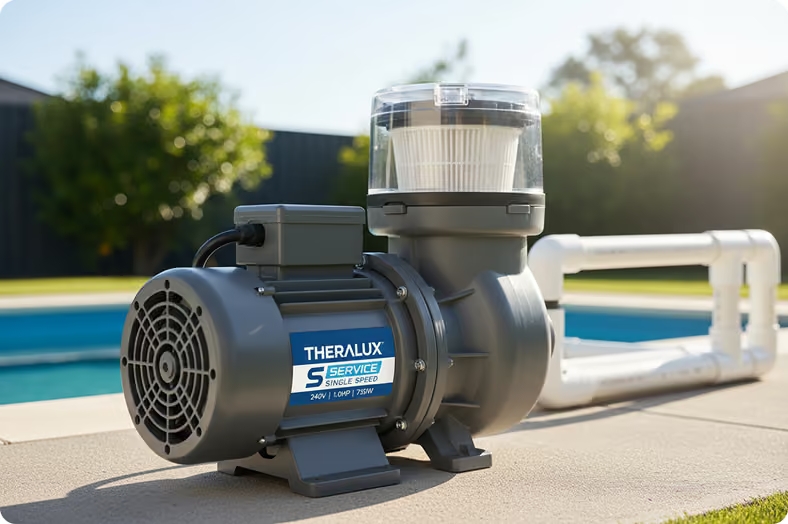
Pool Pump Not Pumping
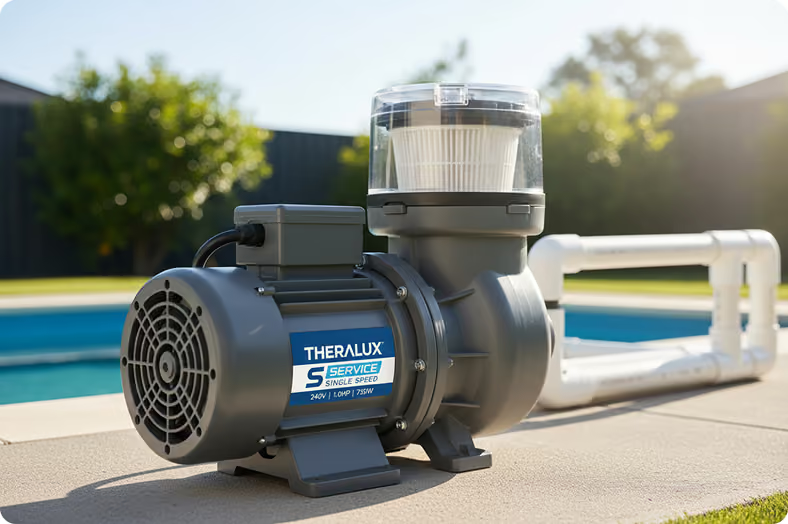
Pool Pump Losing Prime
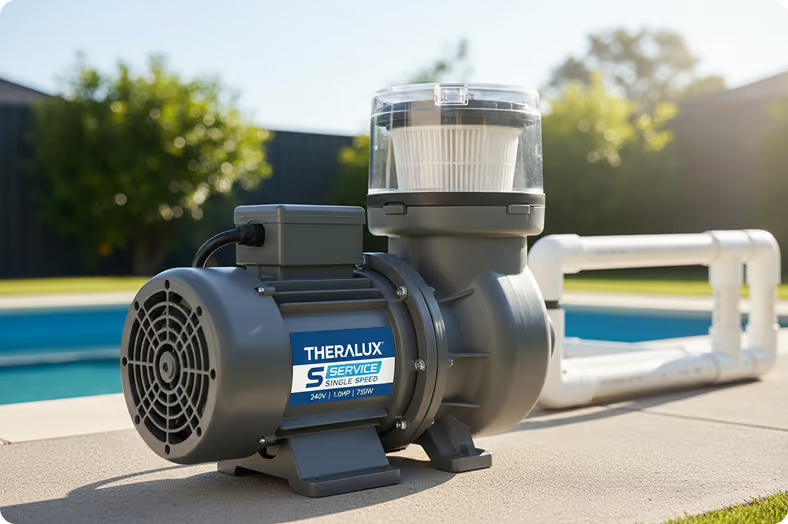
Pool Pump Noisy
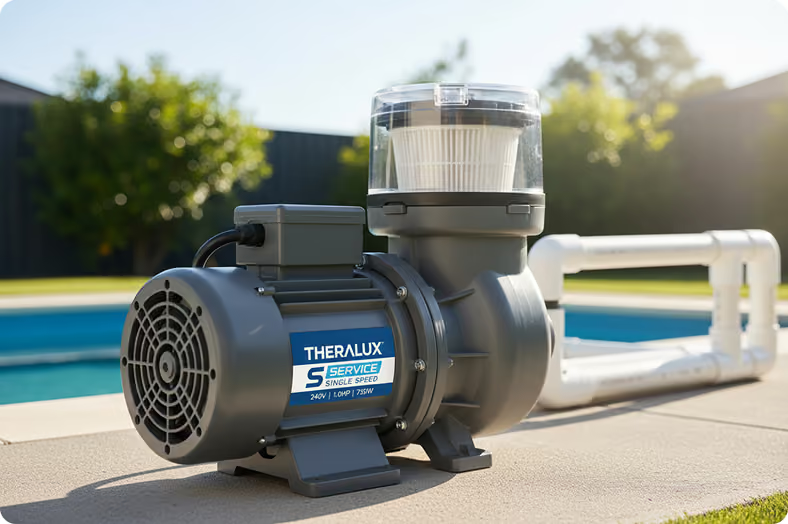
Pool Pump Not Working
Pool Water Foaming
Pool pH Too Low
Pool pH Too High
Green Pool After Rain
Pool Still Green After Shock
Pool Water Cloudy
How to Clear a Green Pool
Pool Care That Protects Your Investment
Good pool care protects more than appearance. Our pool specialists support the long-term condition of your swimming pool while keeping it ready for everyday use.