Pool pH Too High

Why Auckland trusts our pool service expertise
High pool pH is a common issue that affects how well chlorine works and can cause eye irritation, cloudy water, and scale buildup. The good news is that it is usually straightforward to correct once you know what you are dealing with.
The key is to test accurately, identify whether total alkalinity is also elevated, and dose carefully using the right product for your pool.
What you'll learn
What Does High pH Mean for Your Pool?
pH measures how acidic or alkaline your pool water is. The scale runs from 0 to 14, with 7.0 being neutral. Pool water should sit between 7.2 and 7.6. When pH climbs above 7.6, the water becomes increasingly alkaline, and that causes problems.
The most significant issue is chlorine efficiency. At high pH, chlorine becomes far less effective at sanitising the water. You can have the right amount of chlorine in the pool and still end up with inadequate sanitation simply because the pH is off. Swimmers may also notice eye and skin irritation, and the water can start to look cloudy or dull.
Left uncorrected, high pH also encourages scale to form on pool surfaces, fittings, and equipment. That scale is difficult to remove and can shorten the life of your pool.
---
What Causes Pool pH to Rise?
Adding Too Much Alkalinity Increaser
Alkalinity increaser (sodium bicarbonate) raises both total alkalinity and pH. If total alkalinity is dosed up aggressively, pH often rises with it. This is one of the more common causes of high pH in home pools.
Saltwater Chlorination
Salt chlorinators produce chlorine through electrolysis, and this process naturally tends to push pH upward over time. Saltwater pools typically need more frequent pH monitoring and correction than traditionally chlorinated pools.
Fresh Water Top-Ups
Auckland tap water can have a naturally higher pH depending on the source. Adding significant volumes of fresh water, after heavy evaporation or splash-out, can raise pool pH noticeably.
Heavy Bather Load or Rain
Heavy use and rain can both introduce substances that affect water chemistry. Rain in particular can dilute the pool and shift pH depending on local conditions.
CO₂ Off-Gassing
Carbon dioxide naturally escapes from pool water, especially in warm weather or when there is a lot of surface agitation. Because CO₂ contributes to acidity, losing it pushes pH upward. This is a normal process but can be accelerated by fountains, waterfalls, or spa jets.
---
How to Test Your Pool pH
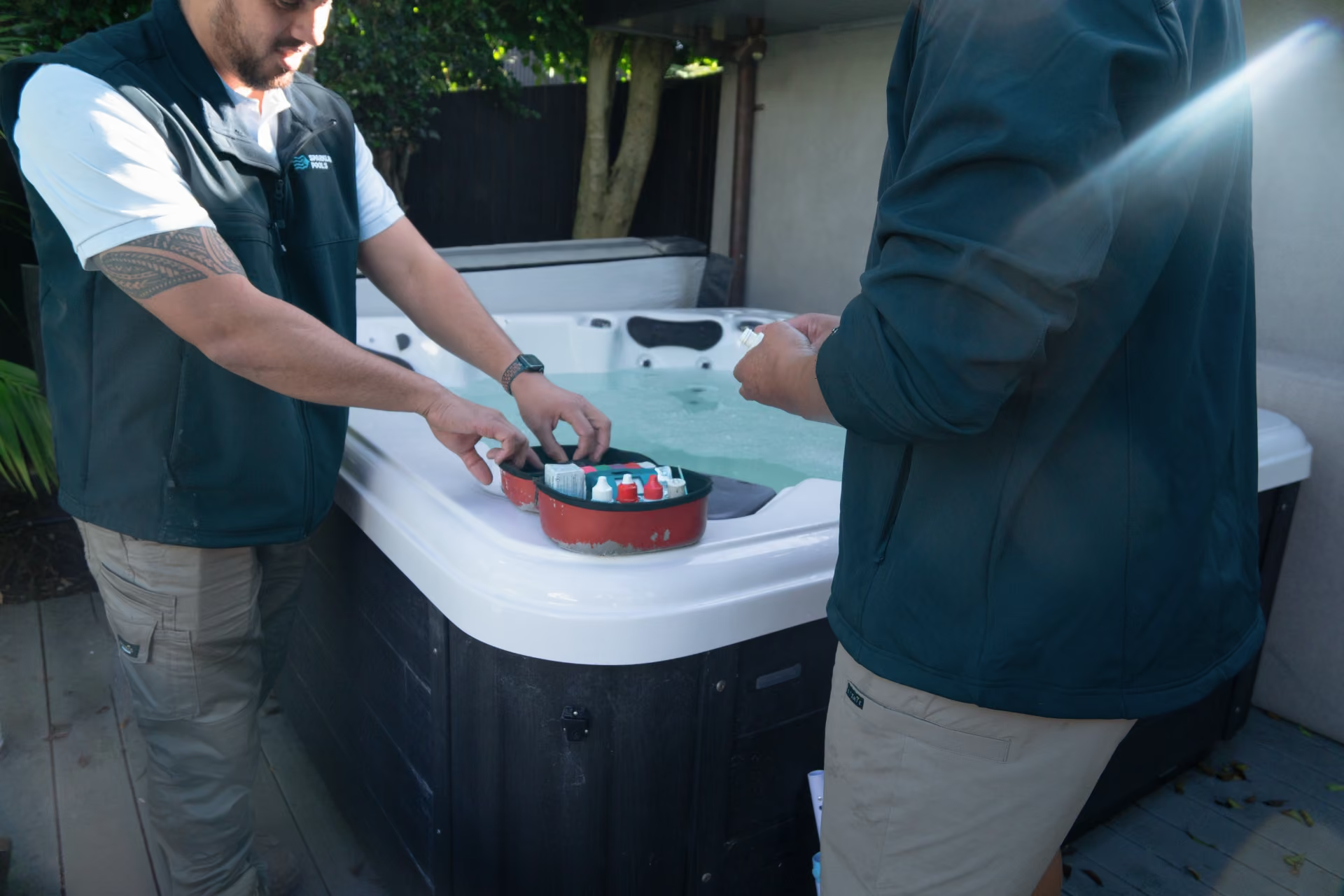
Before adjusting anything, test the water accurately. There are a few ways to do this:
- Test strips, quick and convenient, but less precise
- Drop-based test kits, more accurate; a reliable choice for regular home testing
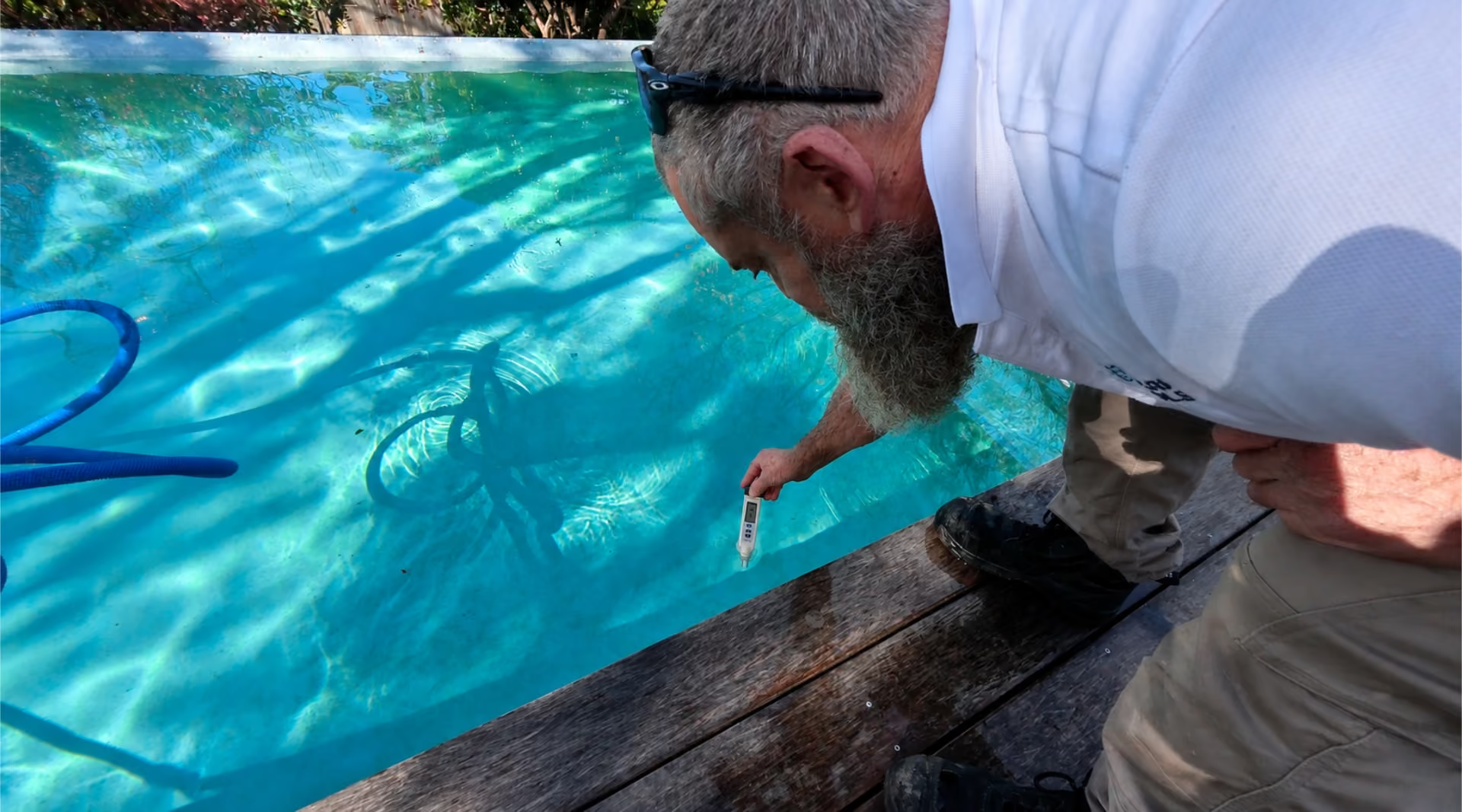
- Digital testers, accurate and easy to read, though they require calibration
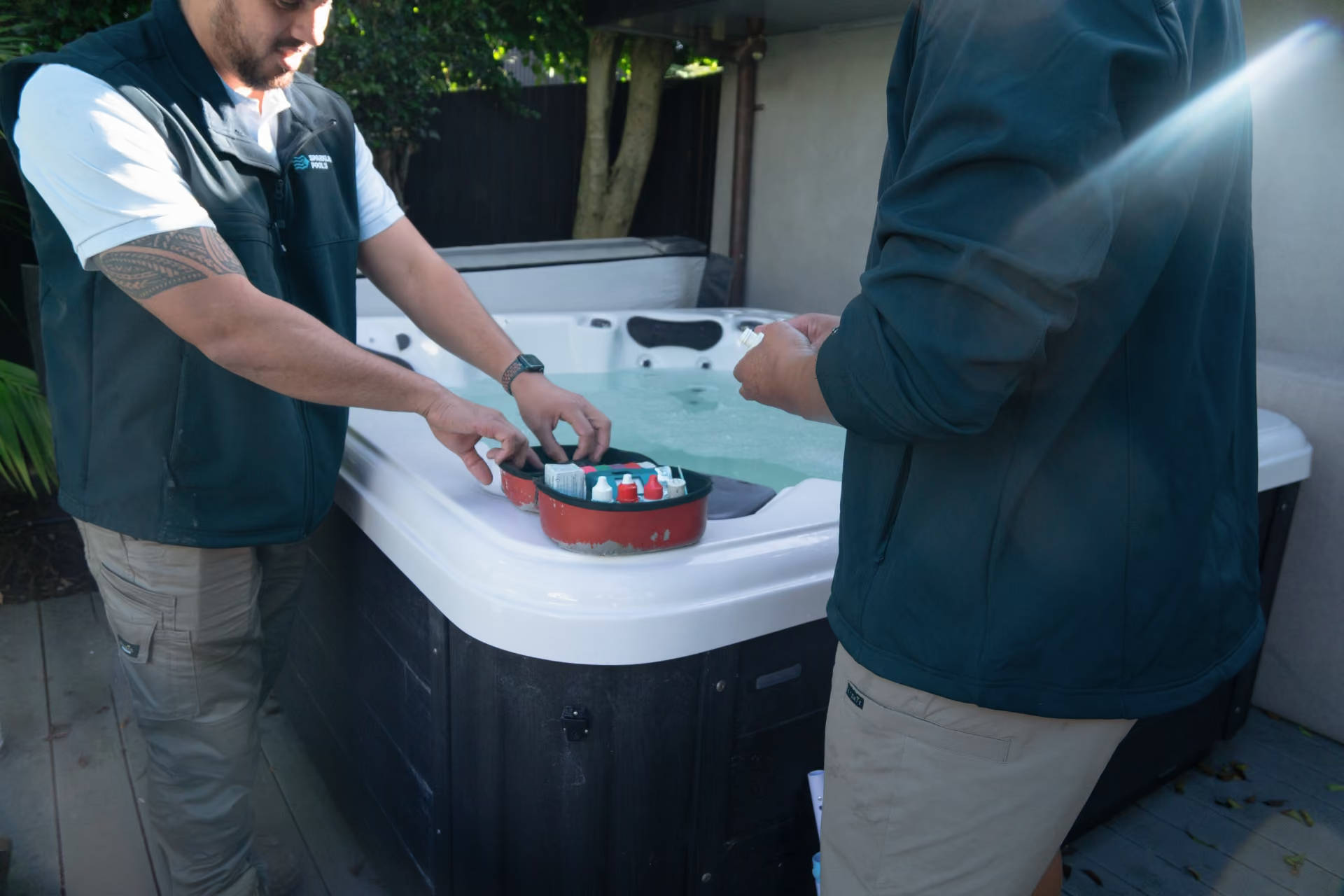
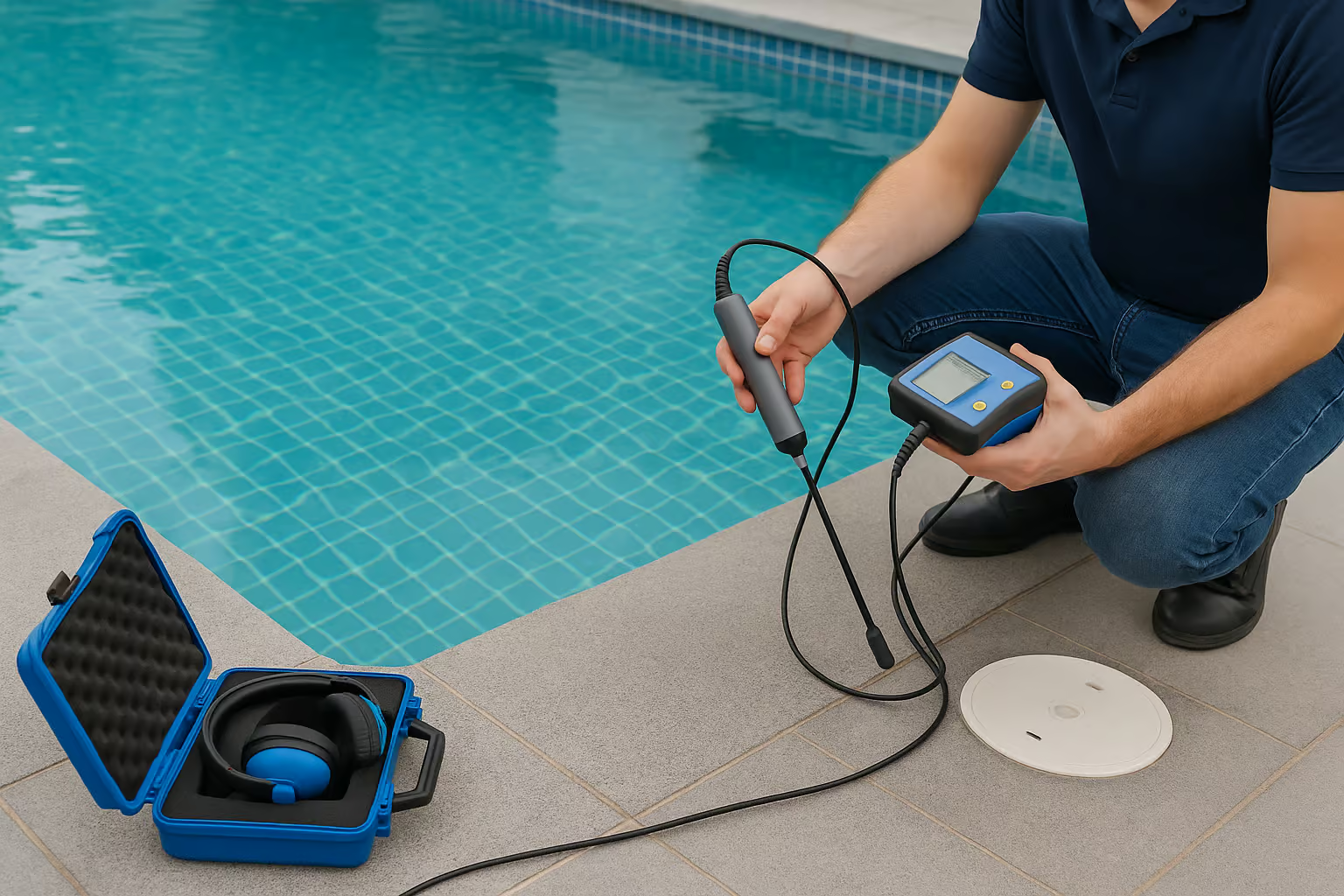
- On-site professional testing, Sparkling Pools can come to your home and test everything on site, across Auckland
When testing, take the water sample from elbow depth in the middle of the pool, away from return jets and the skimmer. Test at a consistent time of day, ideally morning before the sun has been on the water long.
If your reading is consistently above 7.6, the pH needs to come down.
---
How to Lower Pool pH
The standard way to lower pool pH is to add a pH decreaser. The two most common products are:
- Sodium bisulphate (dry acid), a granular product that is easier to handle than liquid acid
- Hydrochloric acid (muriatic acid), a liquid acid that works quickly but requires careful handling
Step-by-Step: Lowering pH with pH Decreaser
1. Test the water first. Confirm the pH reading and note how far above 7.6 it sits. Also check total alkalinity, if alkalinity is high, that needs to be addressed alongside pH.
2. Check the product label for dosing guidance. Dose rates vary by product and pool volume. Follow the manufacturer's instructions for your pool size.
3. Run the pump. Make sure the circulation system is running before you add any chemical.
4. Pre-dissolve granular products if required. Some dry acid products should be pre-dissolved in a bucket of pool water before adding. Check the label.
5. Add the product to the pool. Pour it slowly around the perimeter of the pool, away from the skimmer and return jets. Avoid pouring directly onto pool surfaces.
6. Allow the pump to circulate for at least four hours. Do not swim during this time.
7. Re-test the water. Check pH again after circulation. If it is still above 7.6, a second dose may be needed, but wait and re-test before adding more.
8. Adjust total alkalinity if needed. High total alkalinity can make pH difficult to hold in range. If alkalinity is elevated, it may need separate correction.
A Note on Handling Acid
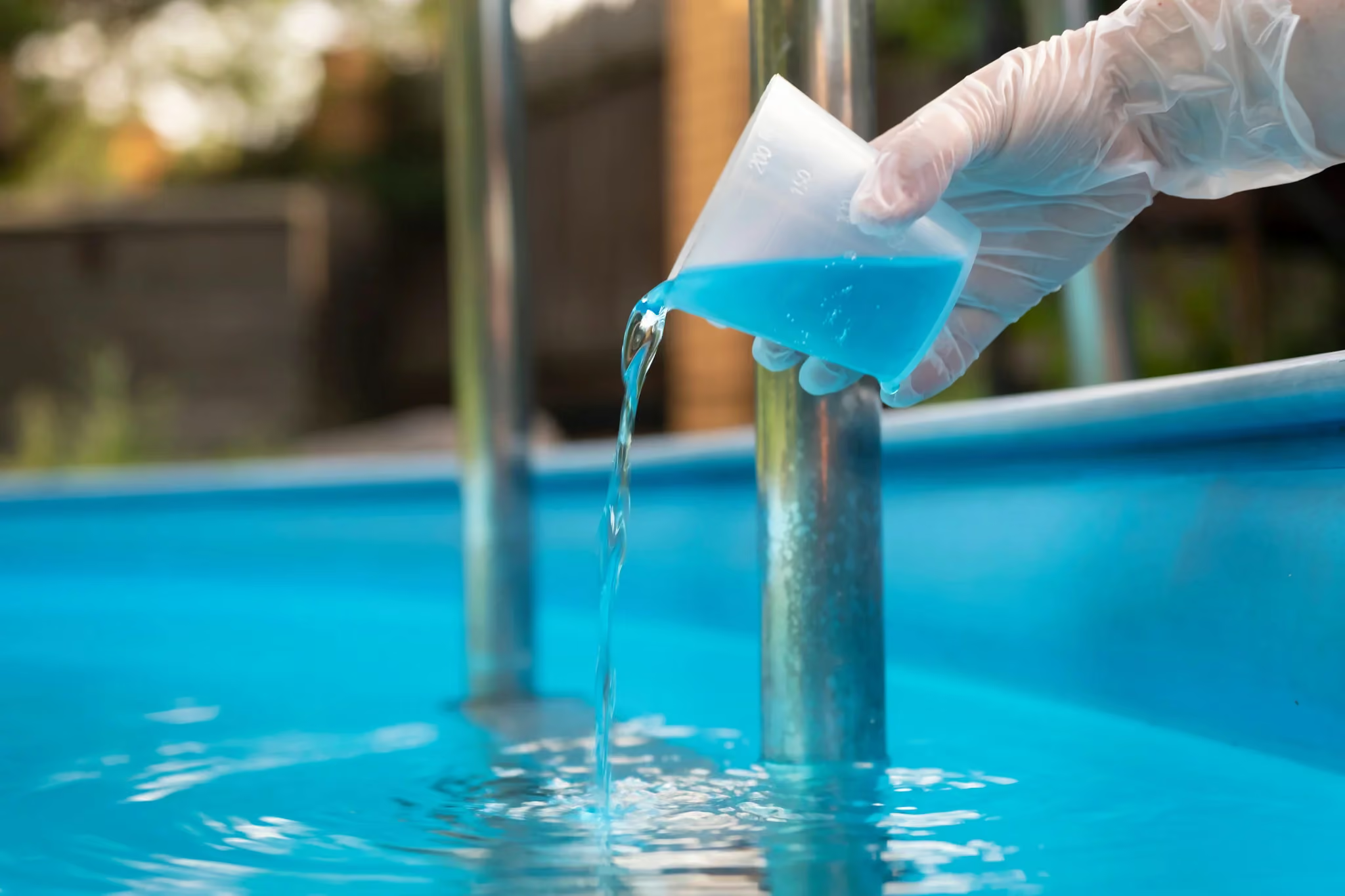
Hydrochloric acid is corrosive. If you use it, wear gloves and eye protection, work in a well-ventilated area, and always add acid to water, never water to acid. If you are not comfortable handling it, sodium bisulphate is a safer alternative for most home pool owners.
---
What If pH Won't Come Down?
If you have dosed correctly and pH keeps climbing back up, the likely cause is high total alkalinity. Alkalinity acts as a buffer, it resists changes to pH. When it is too high, it makes pH difficult to lower and keeps pushing it back up after correction.
In this case, the alkalinity needs to be brought down first. This is done with the same acid products, but applied differently, typically added in one spot with the pump off, to target alkalinity without driving pH too low. This is a more involved process and is worth getting right before continuing to chase pH.
If you are unsure, this is a good point to have a professional test the water and advise on the correct sequence of adjustments.
---
When to Call a Professional
Most cases of high pH can be resolved by a pool owner with the right product and a bit of patience. However, call Sparkling Pools if:
- pH remains above 8.0 despite repeated dosing
- The water is cloudy and not clearing after chemical adjustment
- You are unsure whether the issue is pH, alkalinity, or both
- Scale has already started forming on surfaces or fittings
- You have a saltwater pool and pH keeps rising quickly despite regular correction
Sparkling Pools provides on-site water testing across Auckland. A technician can test everything at your home and give you a clear picture of what needs adjusting and in what order.
---
Keeping pH Stable Going Forward
Once pH is back in range, a few habits will help keep it there:
- Test weekly. pH can shift quickly, especially in summer or after heavy use. Catching it early means smaller corrections.
- Monitor after top-ups. Any time you add significant volumes of fresh water, test pH the following day.
- Keep total alkalinity in range. Alkalinity between 80 and 120 ppm acts as a buffer and helps pH stay stable. If alkalinity is well-maintained, pH is easier to manage.
- Check after heavy rain. Rain can dilute and shift water chemistry. Test after any significant rainfall.
- Saltwater pool owners should test more frequently. Because salt chlorination naturally pushes pH up, weekly testing is important, and some pools may need fortnightly correction during summer.
Consistent, routine testing is the most effective way to avoid pH problems. A pool that is tested and adjusted regularly rarely develops the kind of persistent imbalance that requires significant chemical correction.
Pool resurfacing solutions
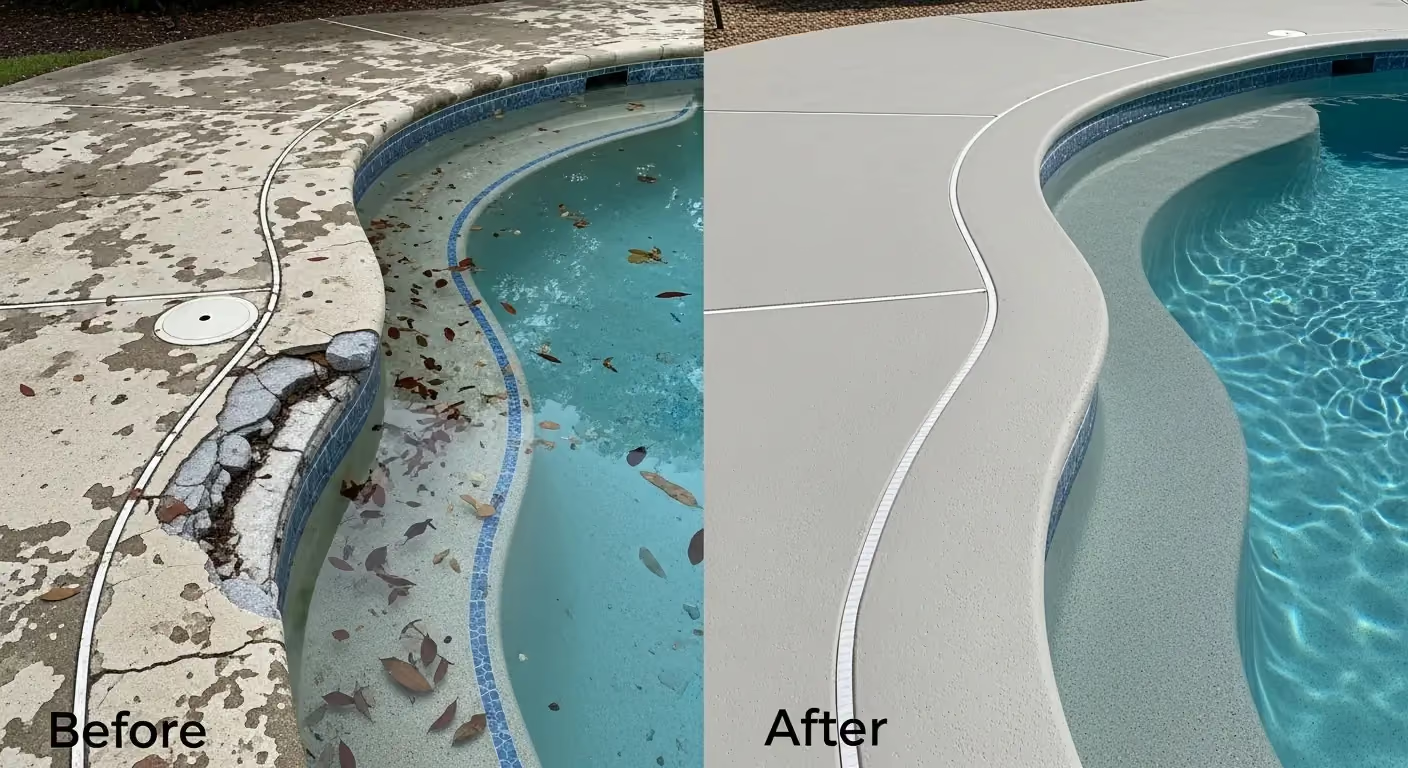
Restore your pool with durable plaster finishes

Work completed
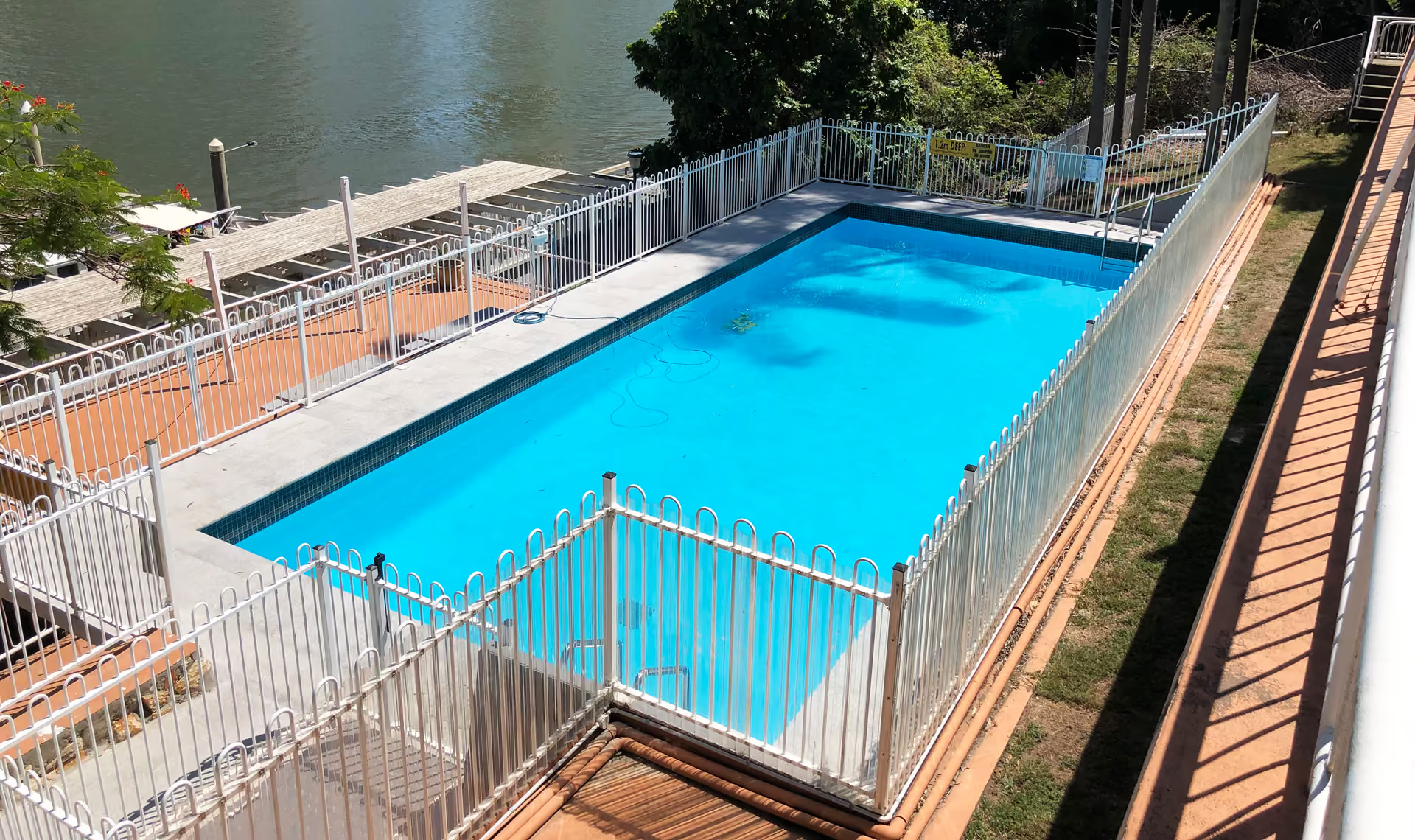
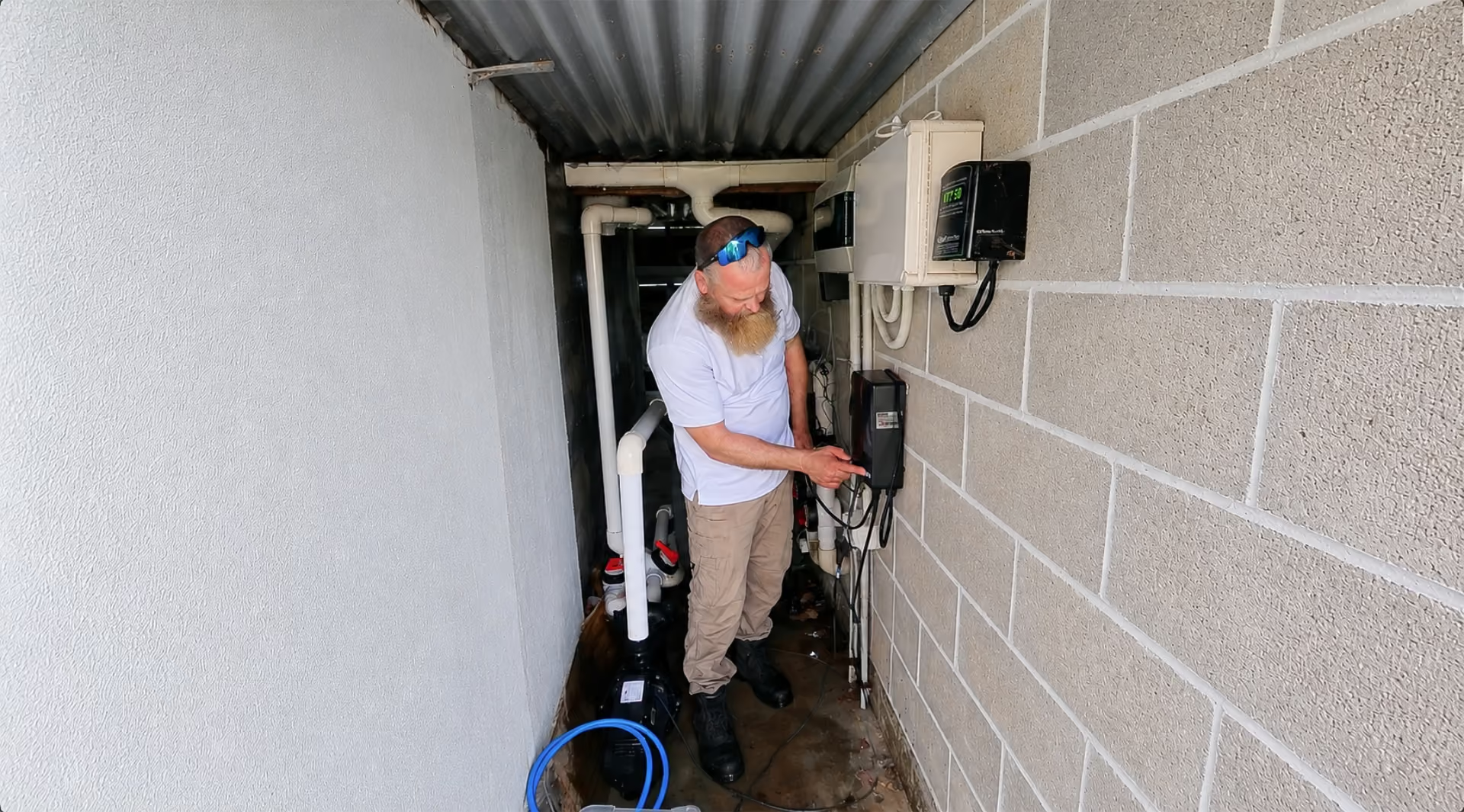
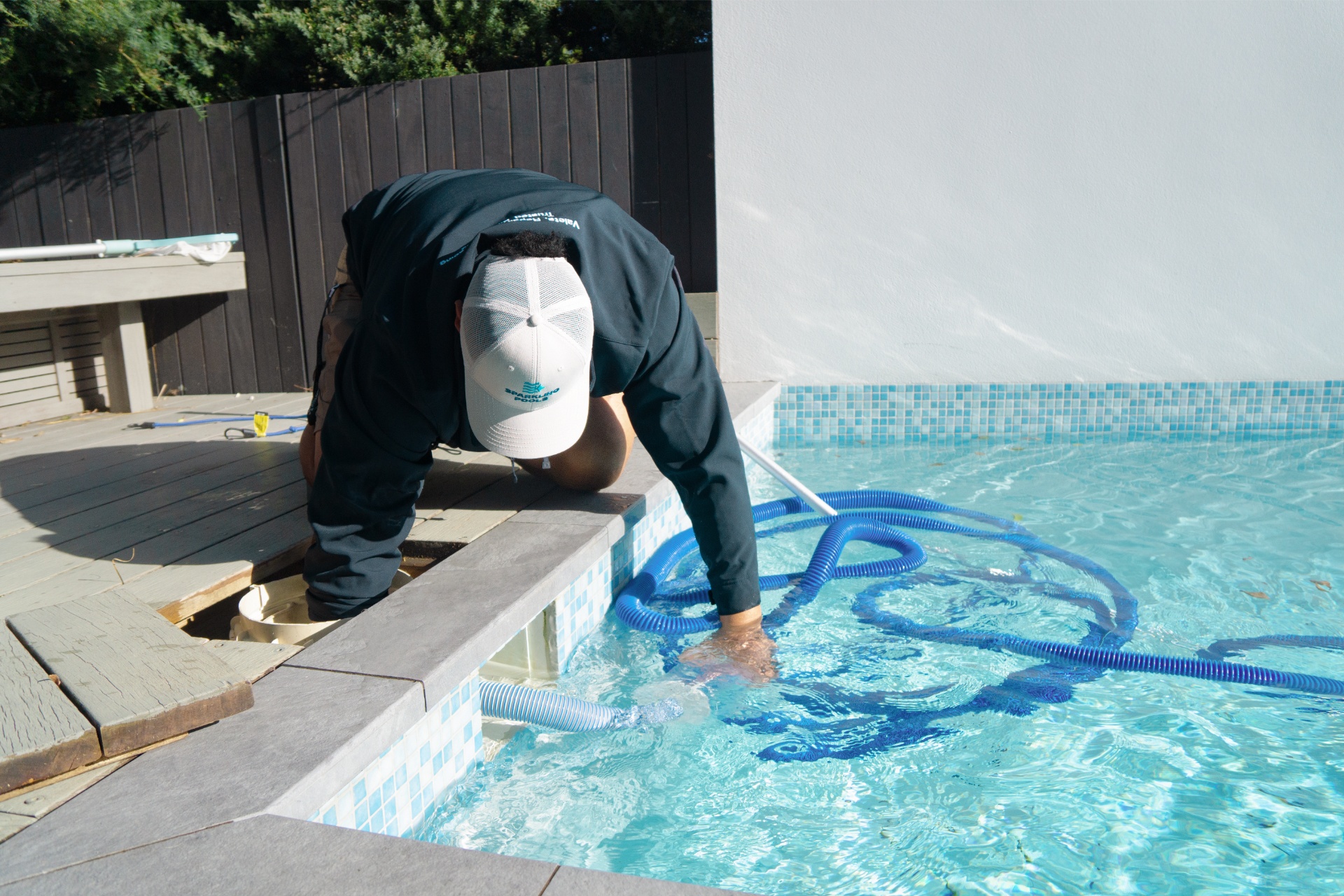
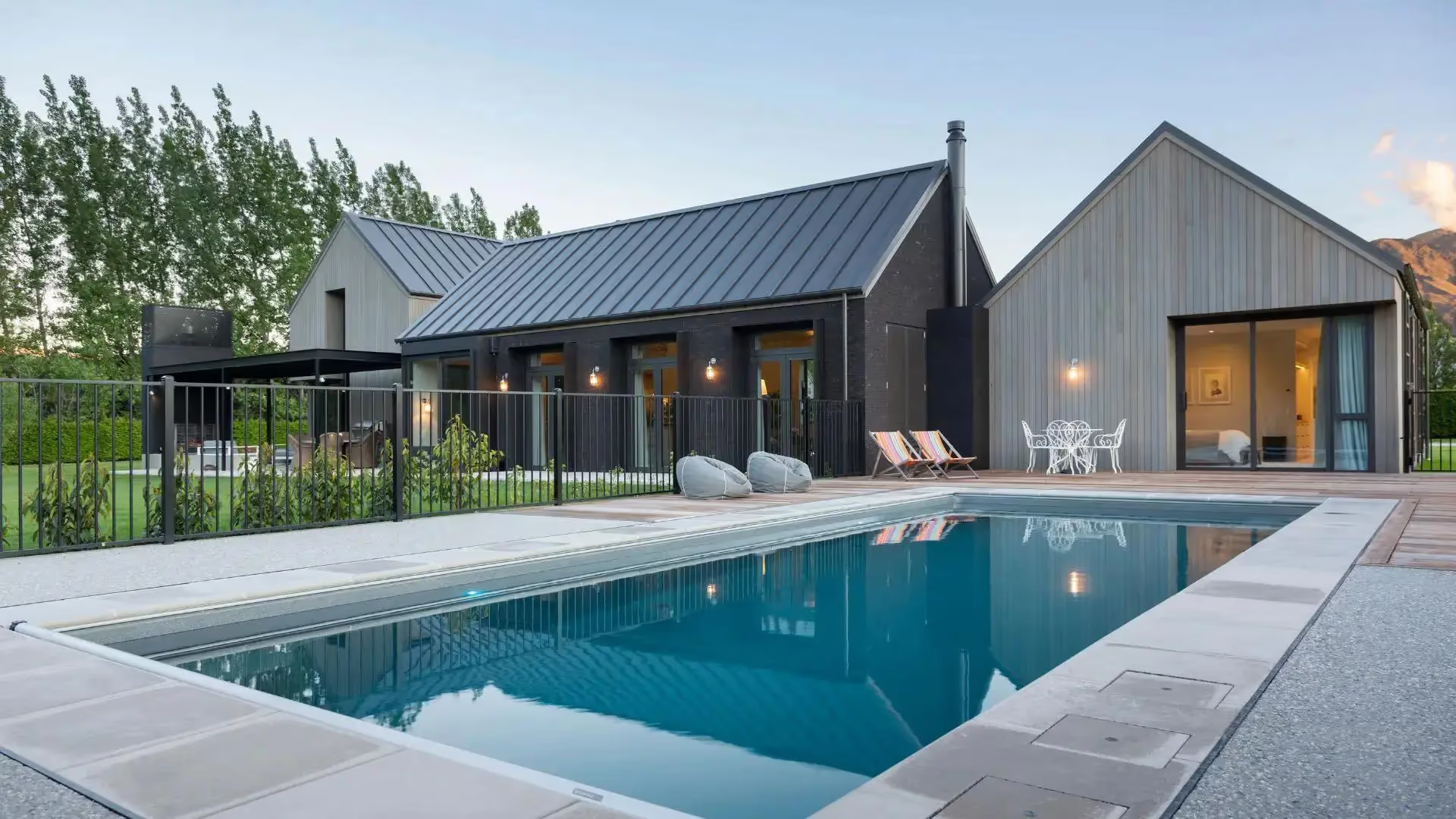
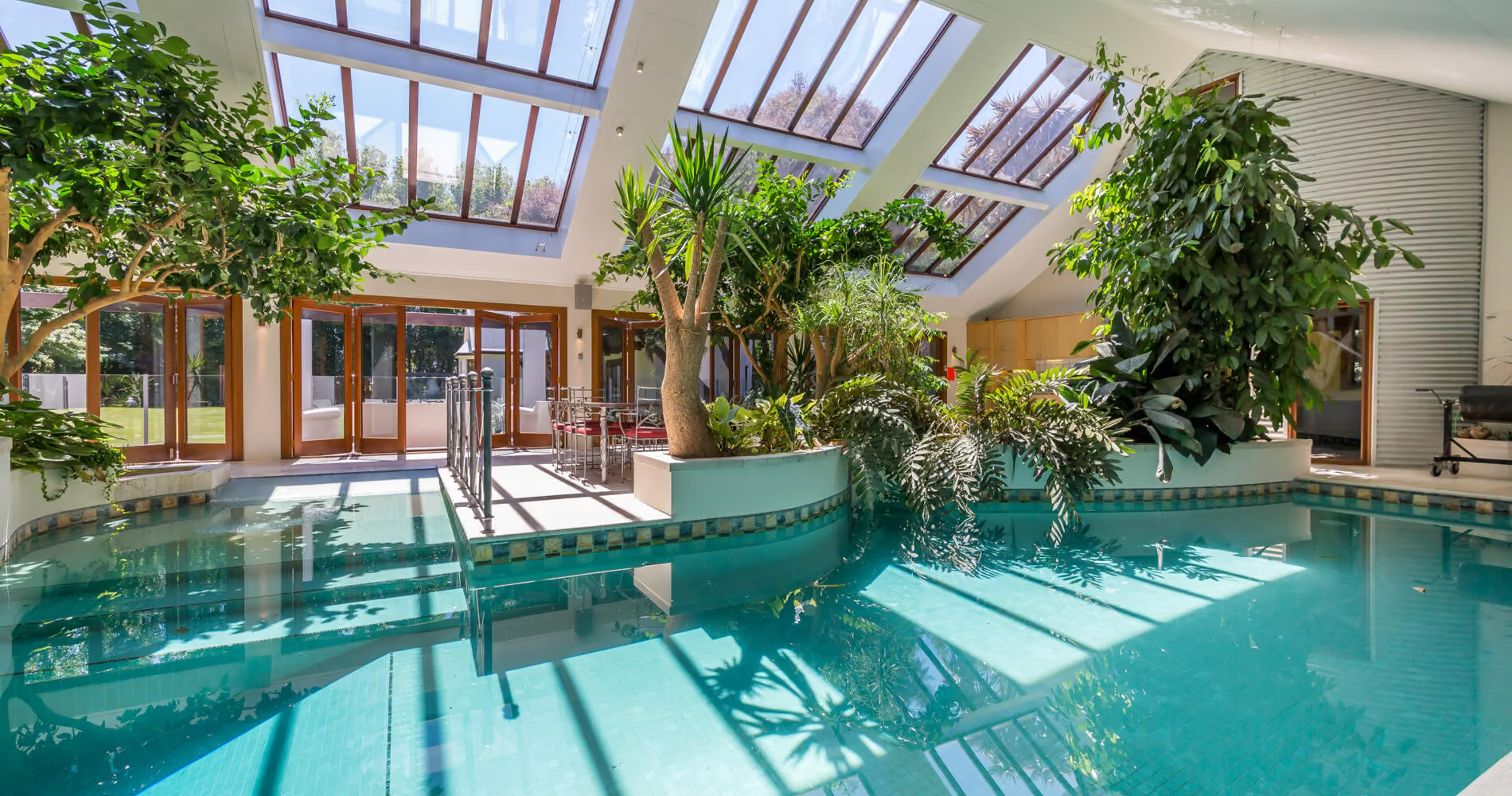
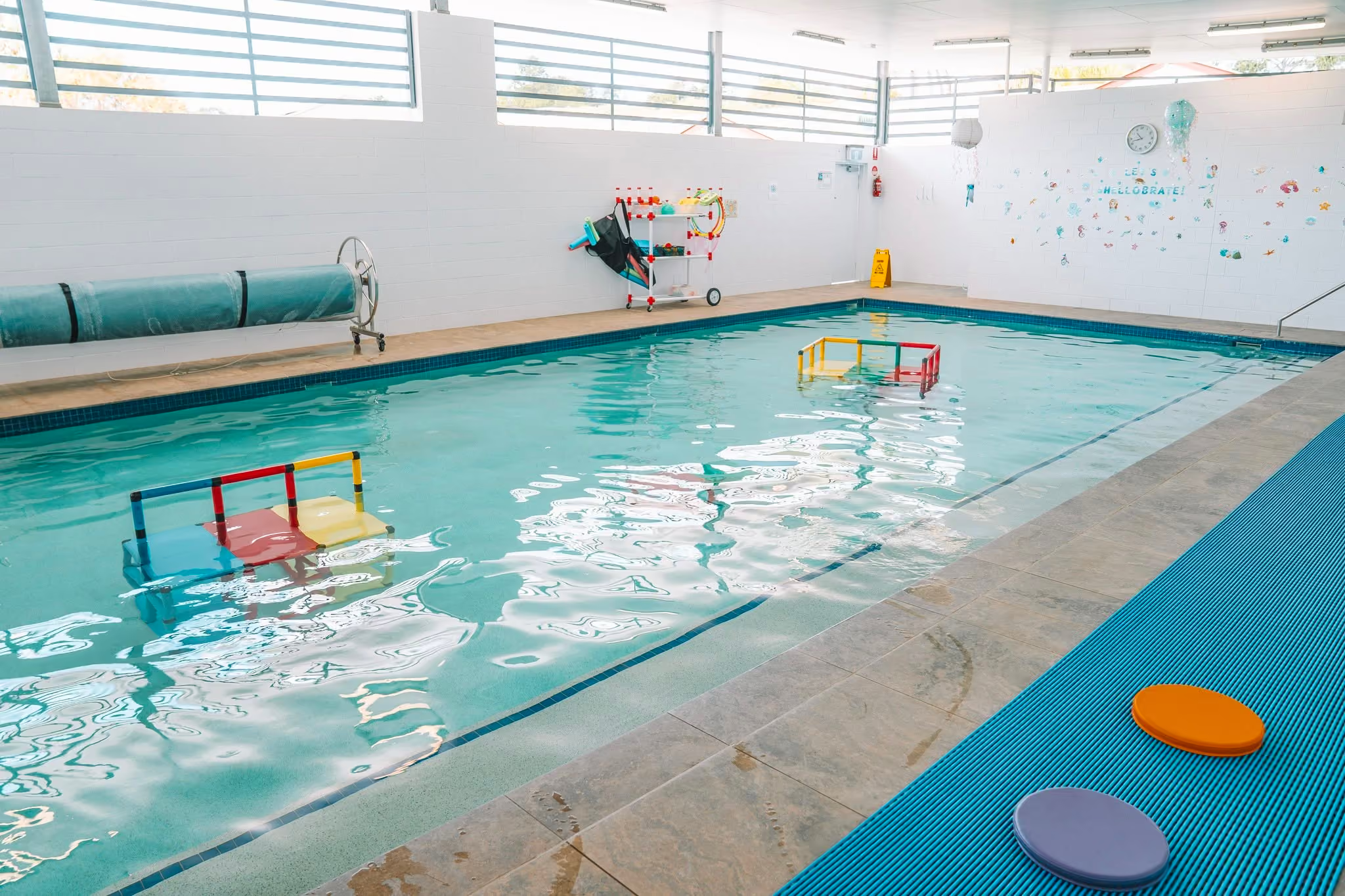
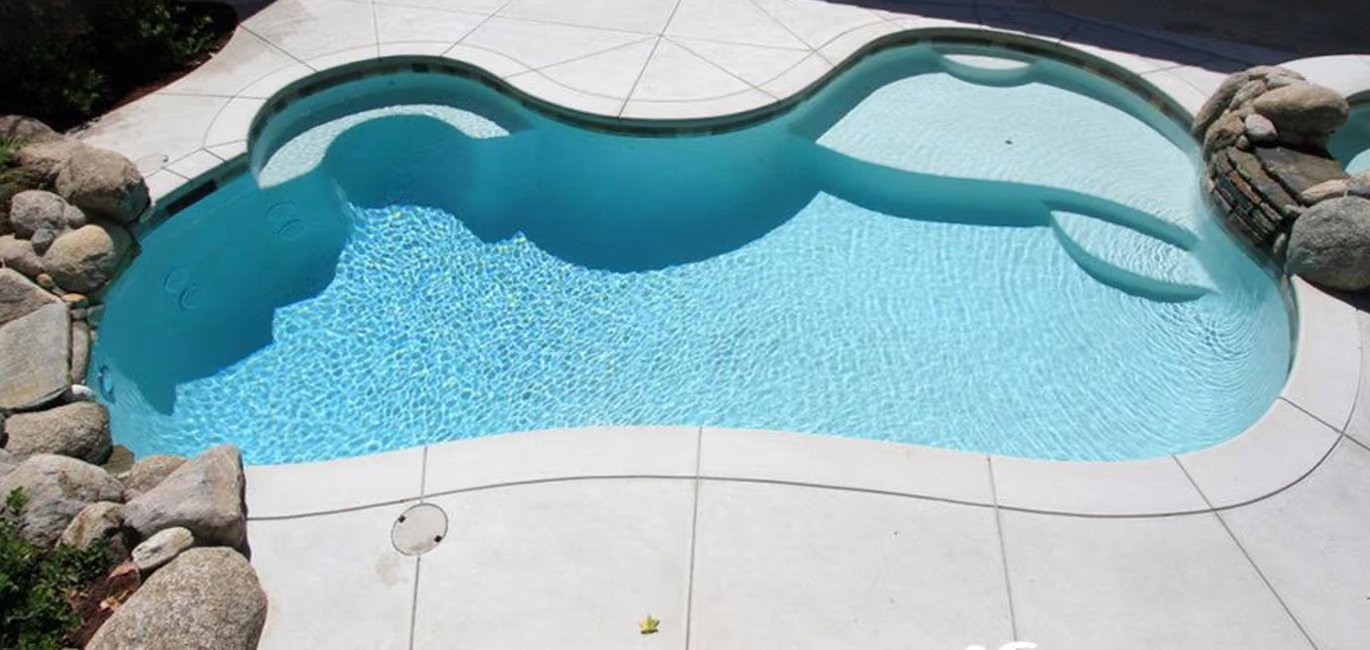
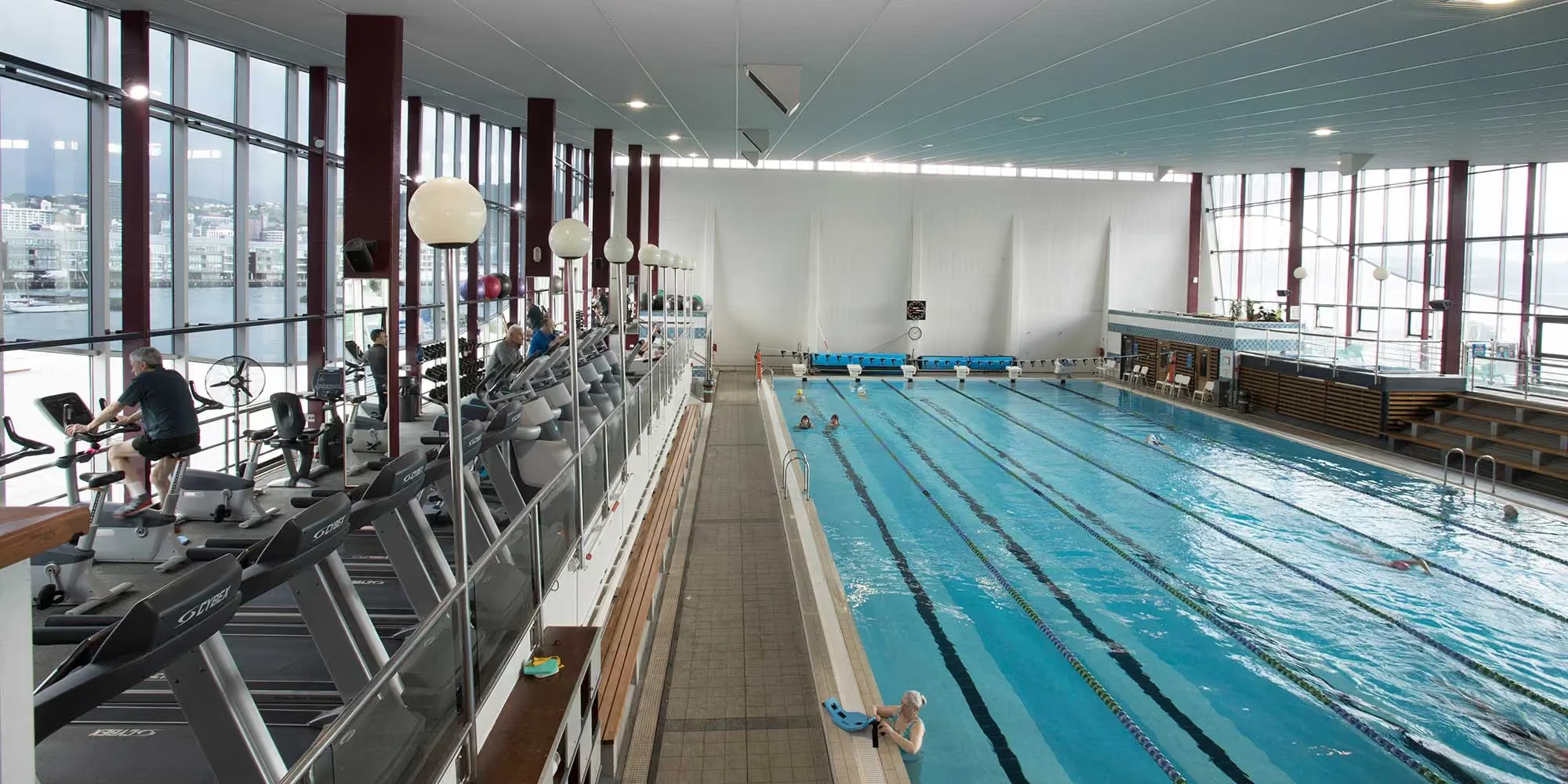
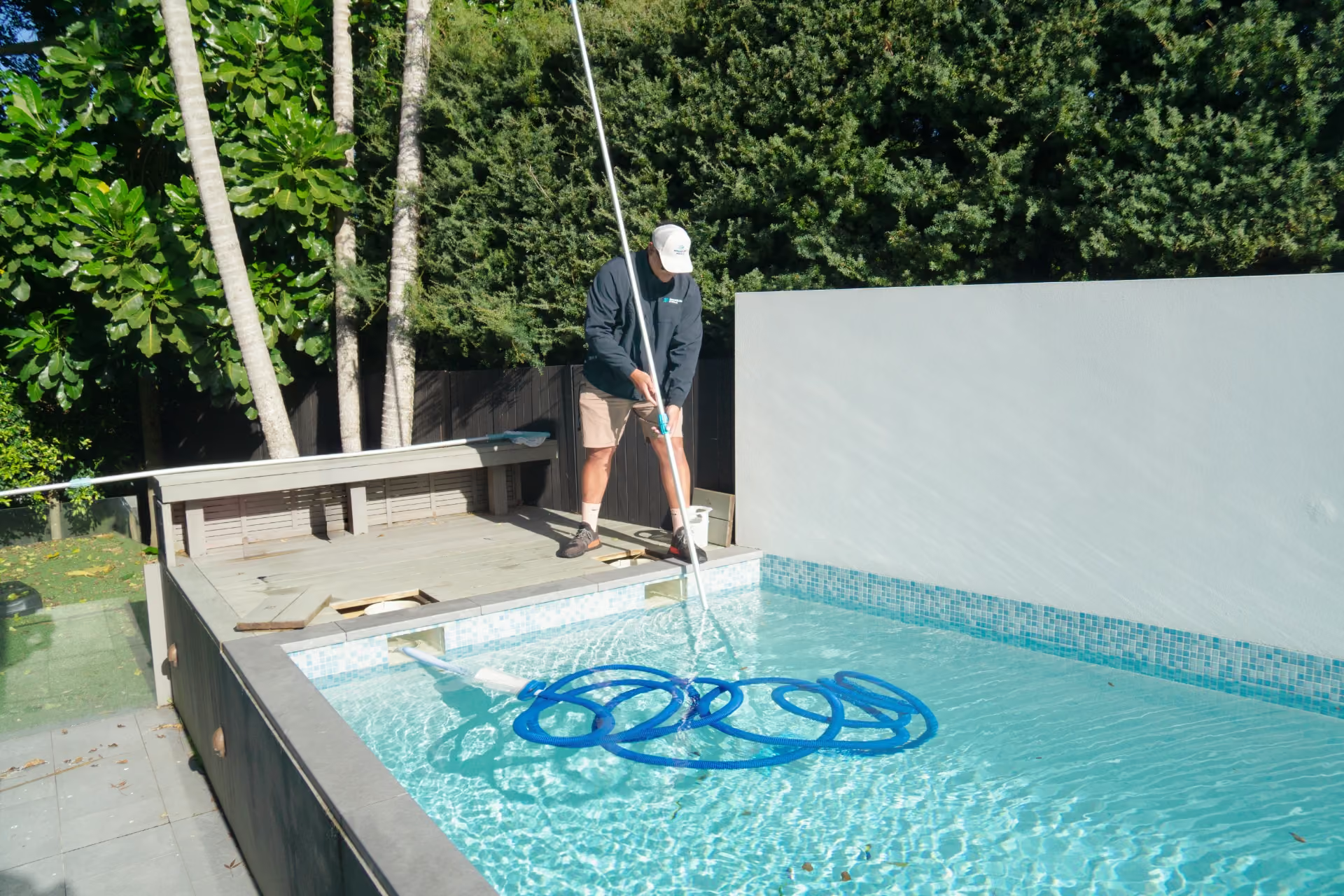
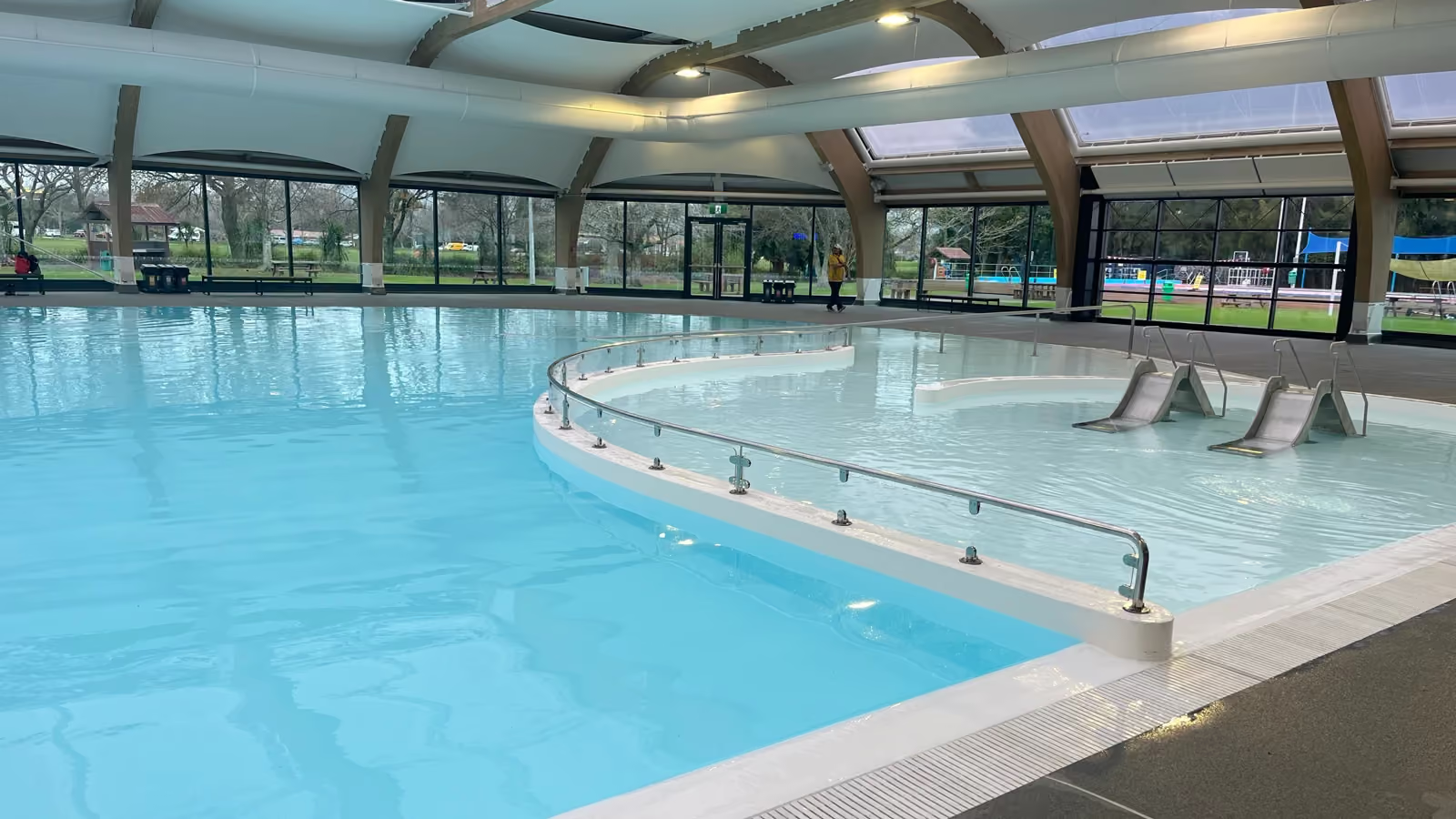
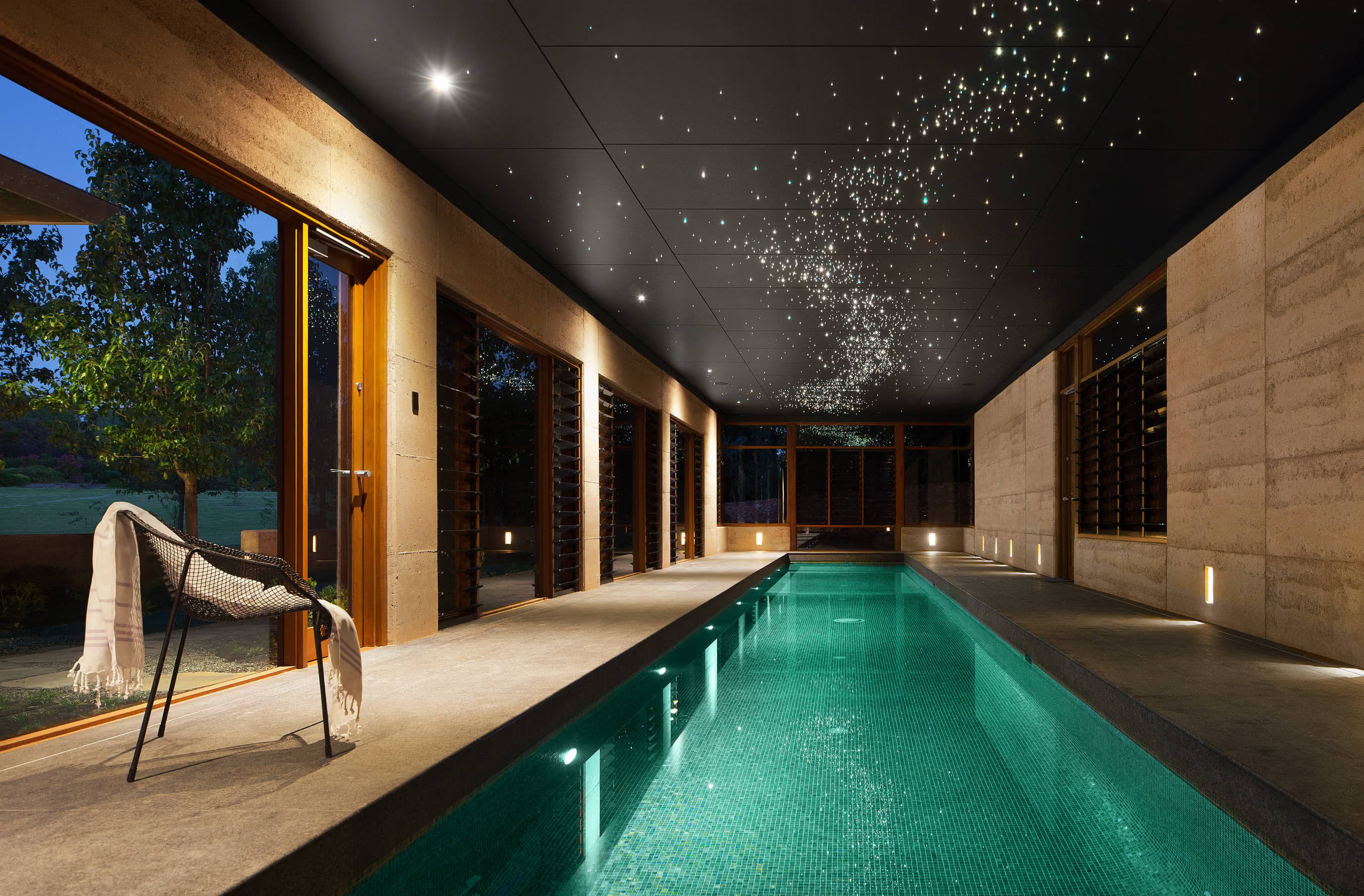
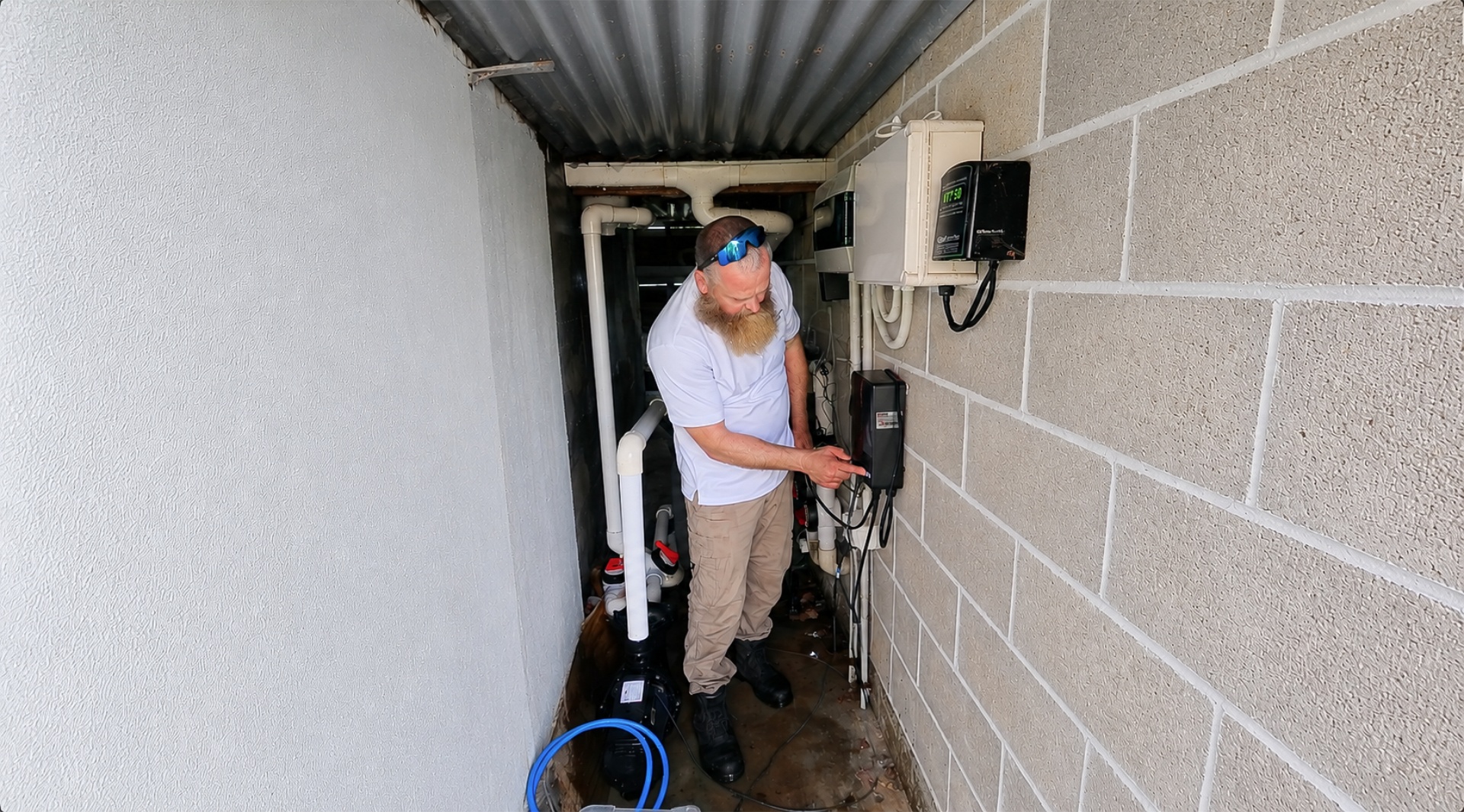
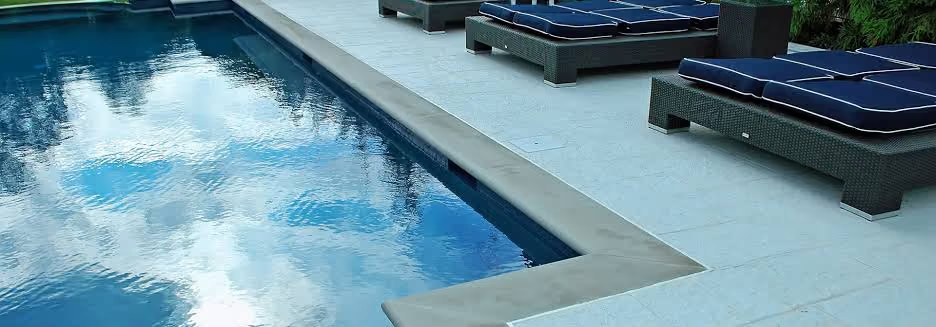
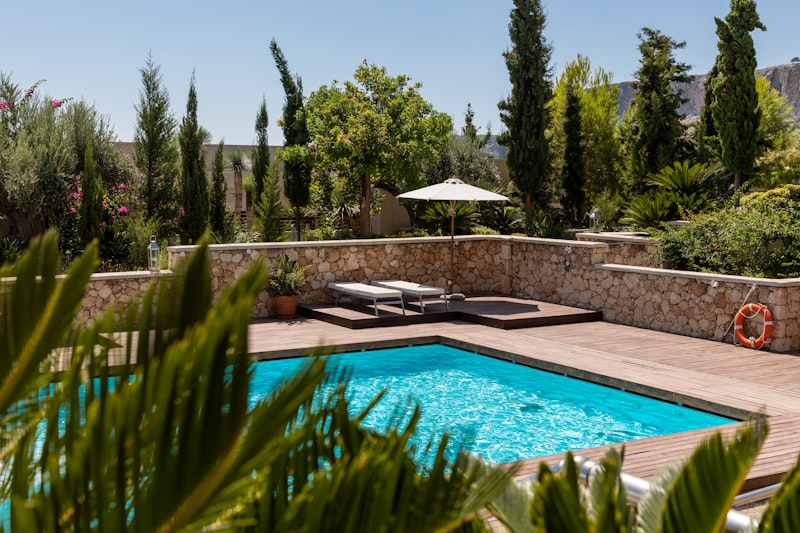
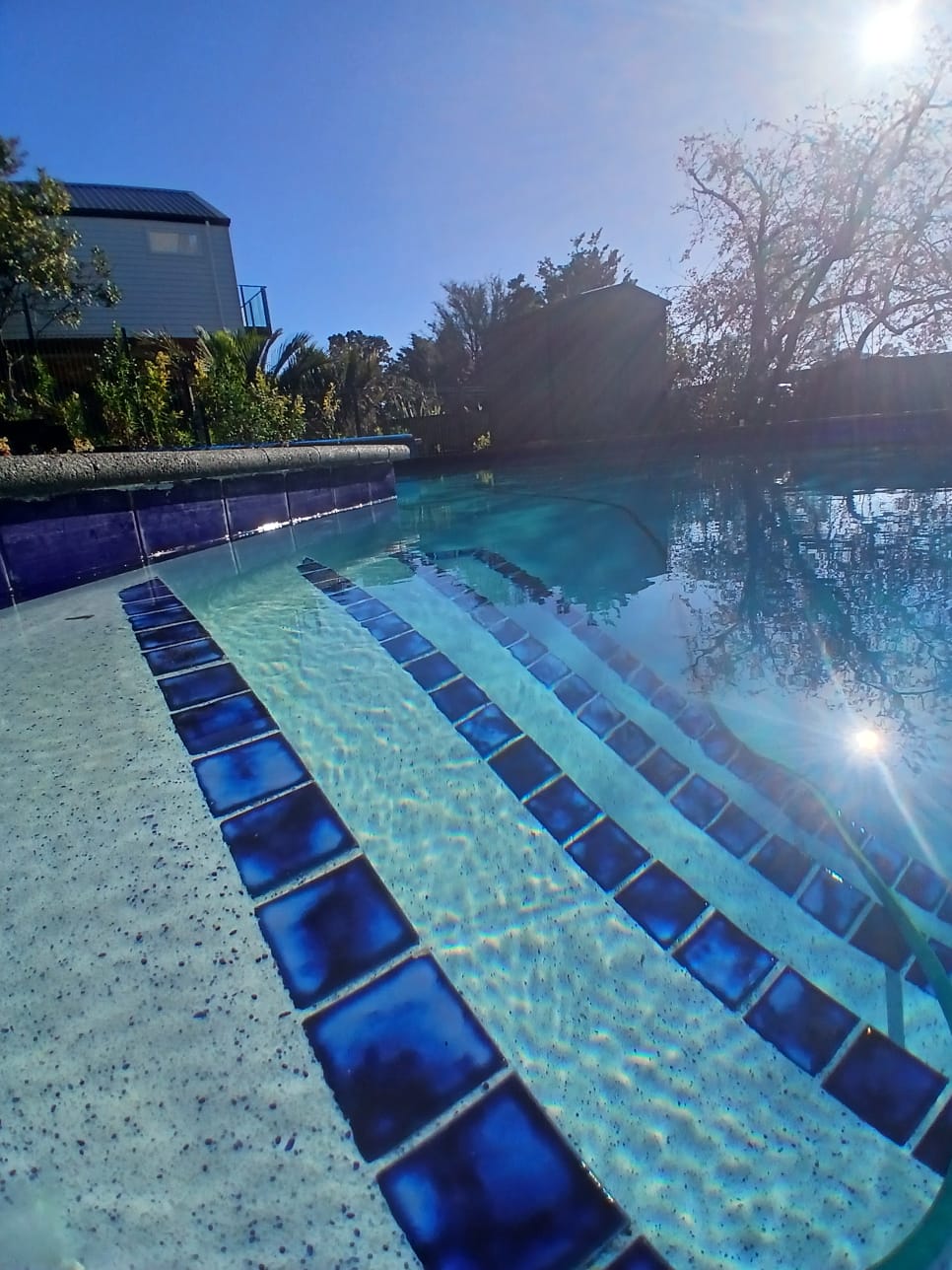
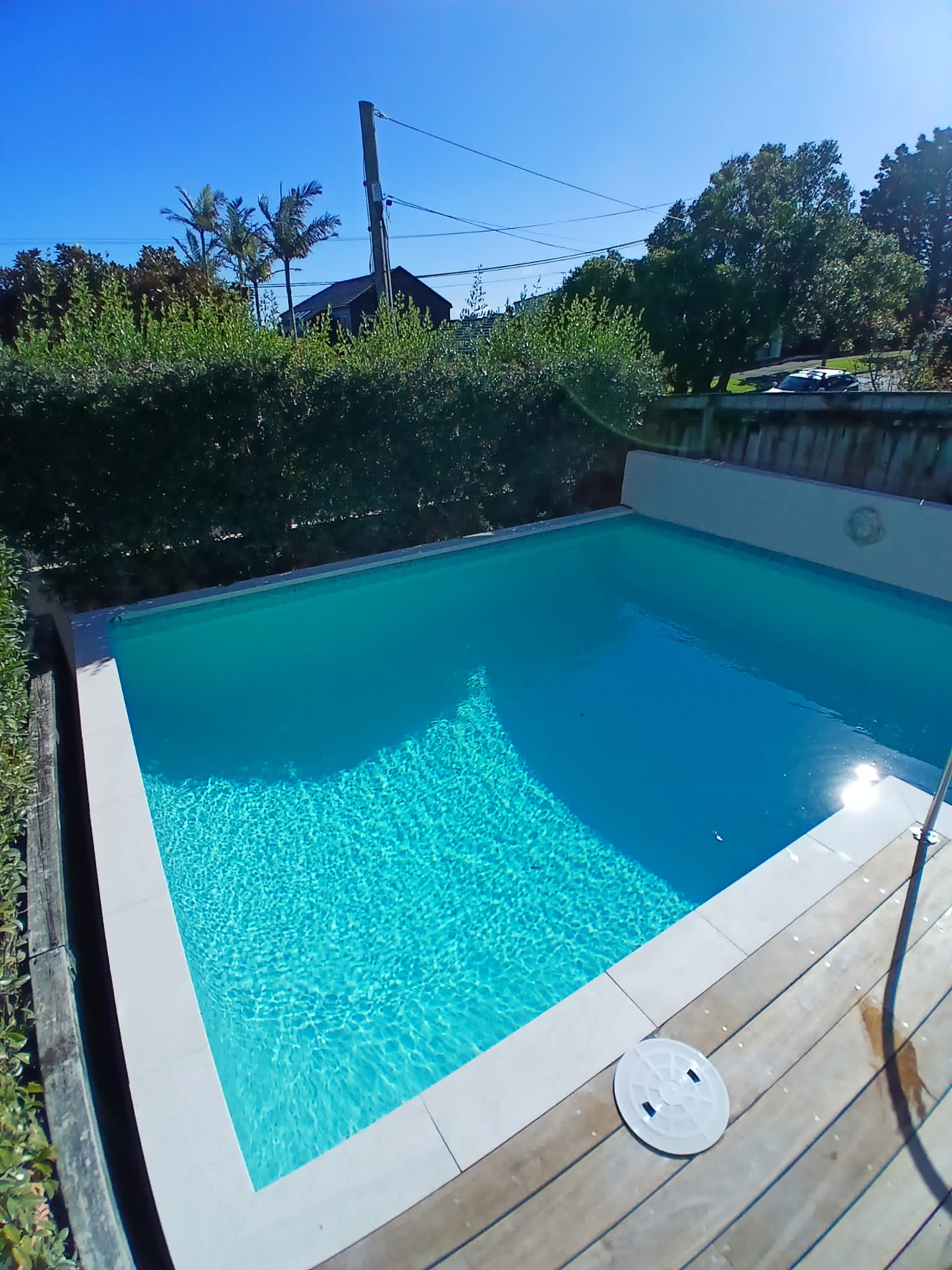
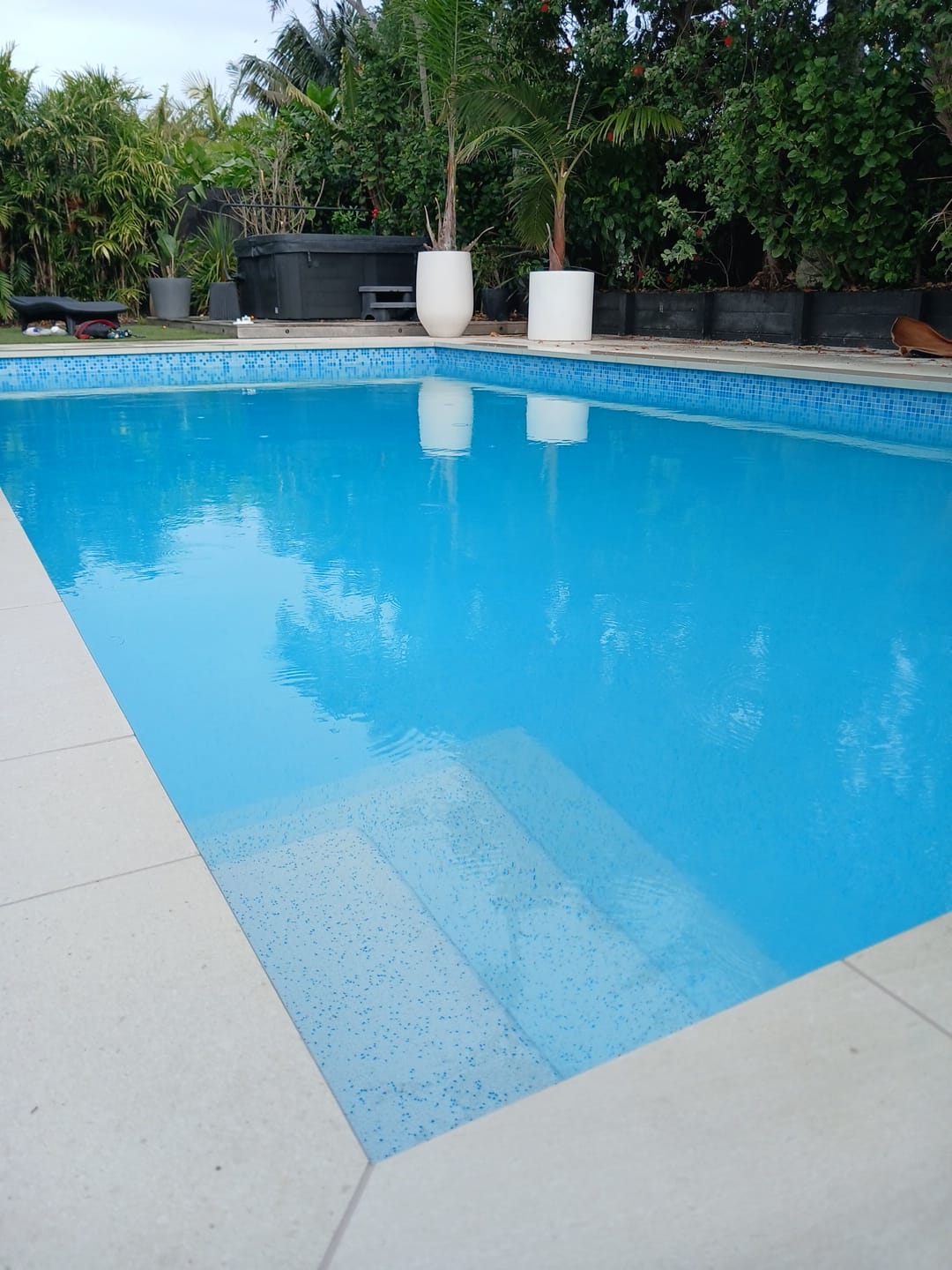
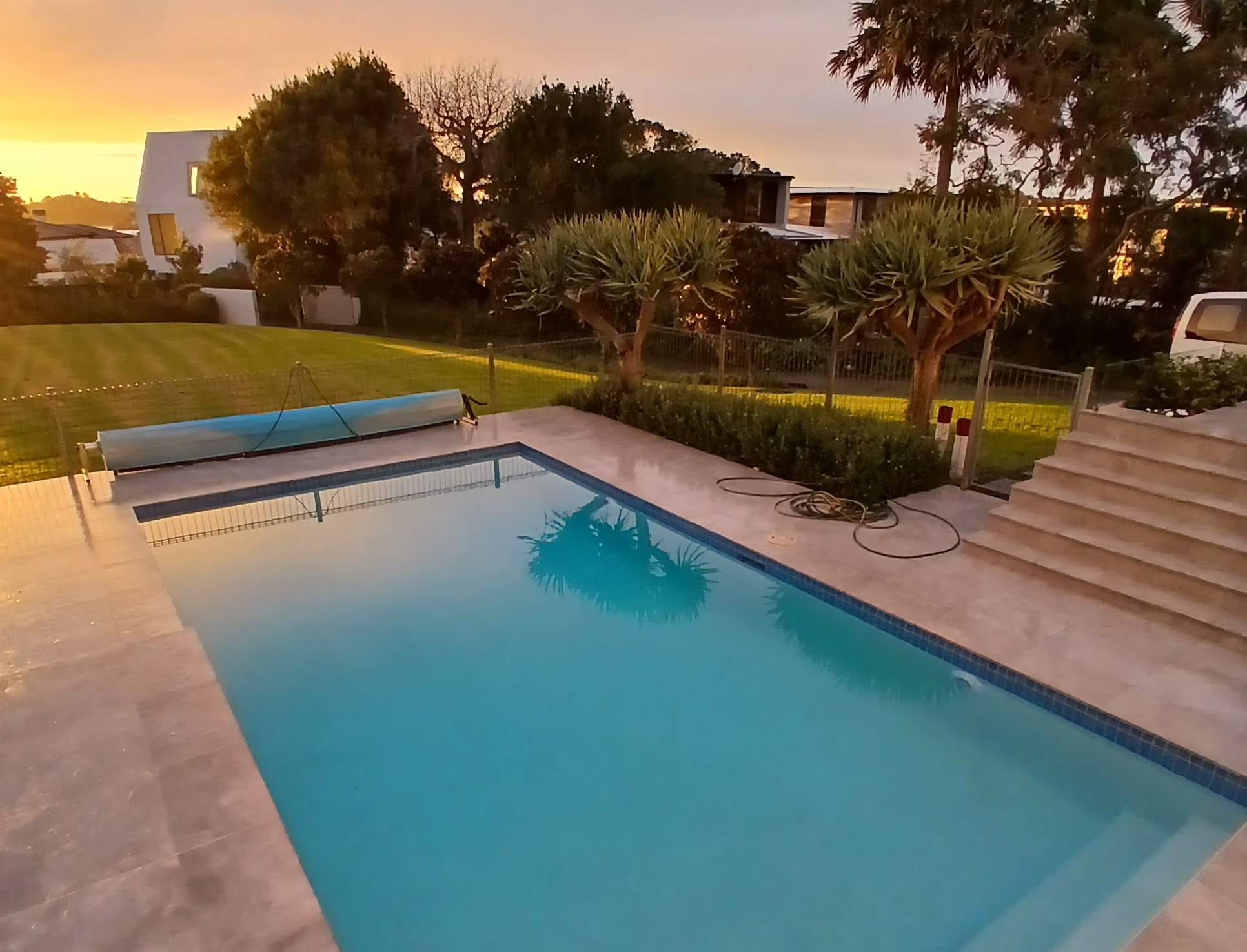
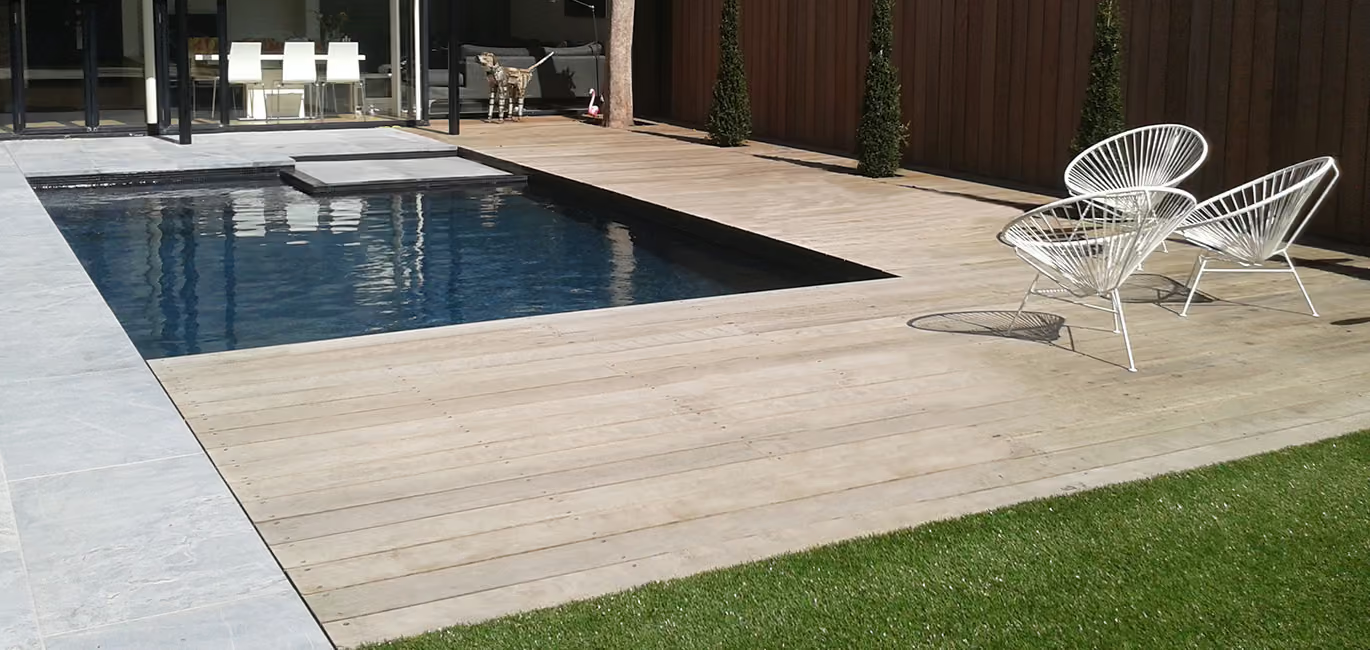
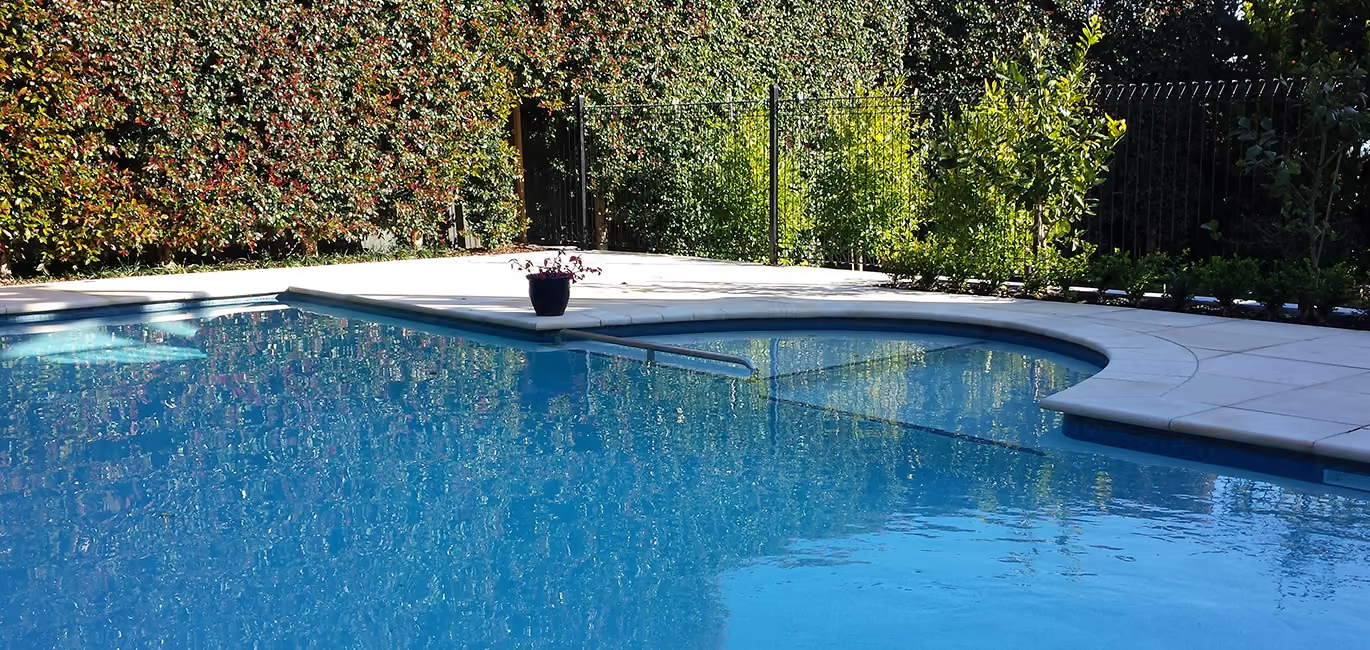
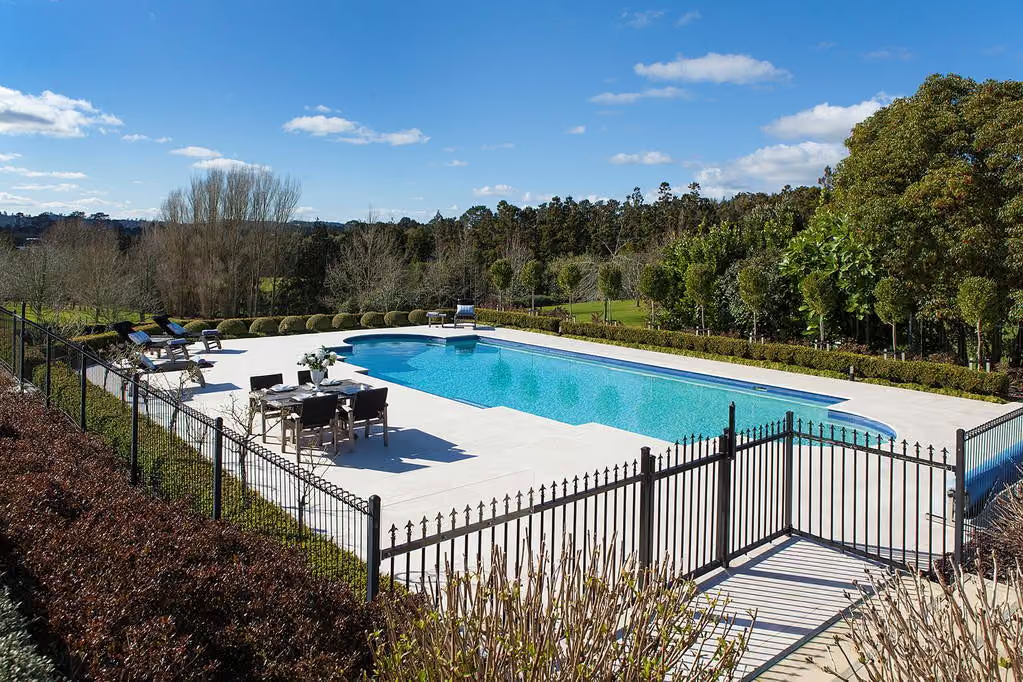
Sparkling Pools has worked on pools across Auckland, including residential renovation projects, equipment upgrades, ongoing maintenance and pool care for managed properties. Past projects show how the right approach can improve presentation, water quality and day-to-day usability. A well-maintained pool is easier to manage, more pleasant to use and better prepared for seasonal changes.
Trusted by Homeowners Across Auckland
Don't just take our word for it. Read what our clients have to say about our transparent communication, reliable service, and stunning pool transformations.
Related Blog Posts
Stay informed on pool care and renovations
Winter pool care essentials for Auckland
Pool Renovation Mistakes

Auckland Climate Pool Maintenance
Choosing Renovation Contractor
Pool Care Auckland Summer
Permits & Consents
Pool Renovation ROI
How Often to Test Pool Water
Pool Renovation Costs
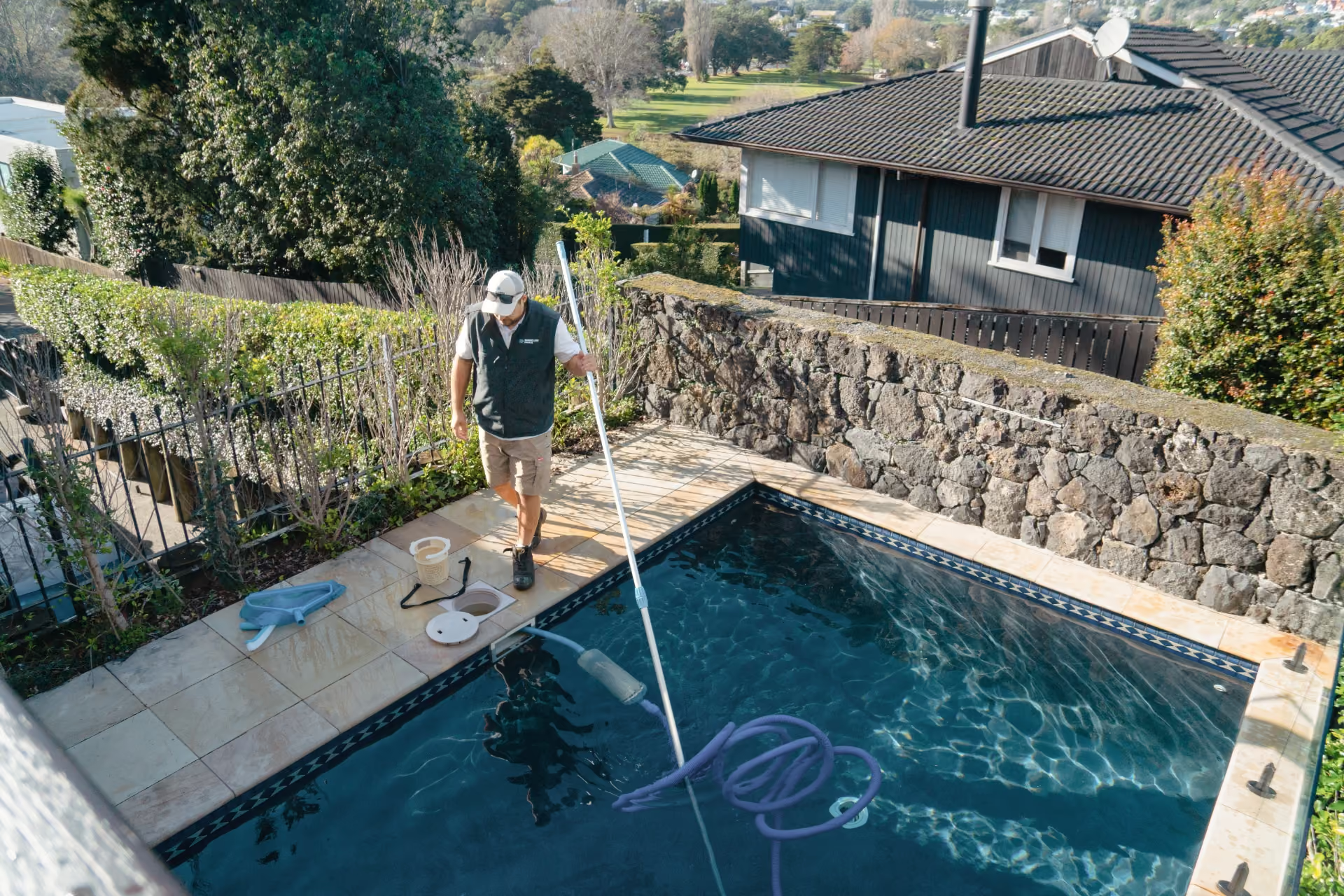
Cost of Pool Service Auckland
Pool Renovation Planning Guide
Pool Lighting Buying Guide
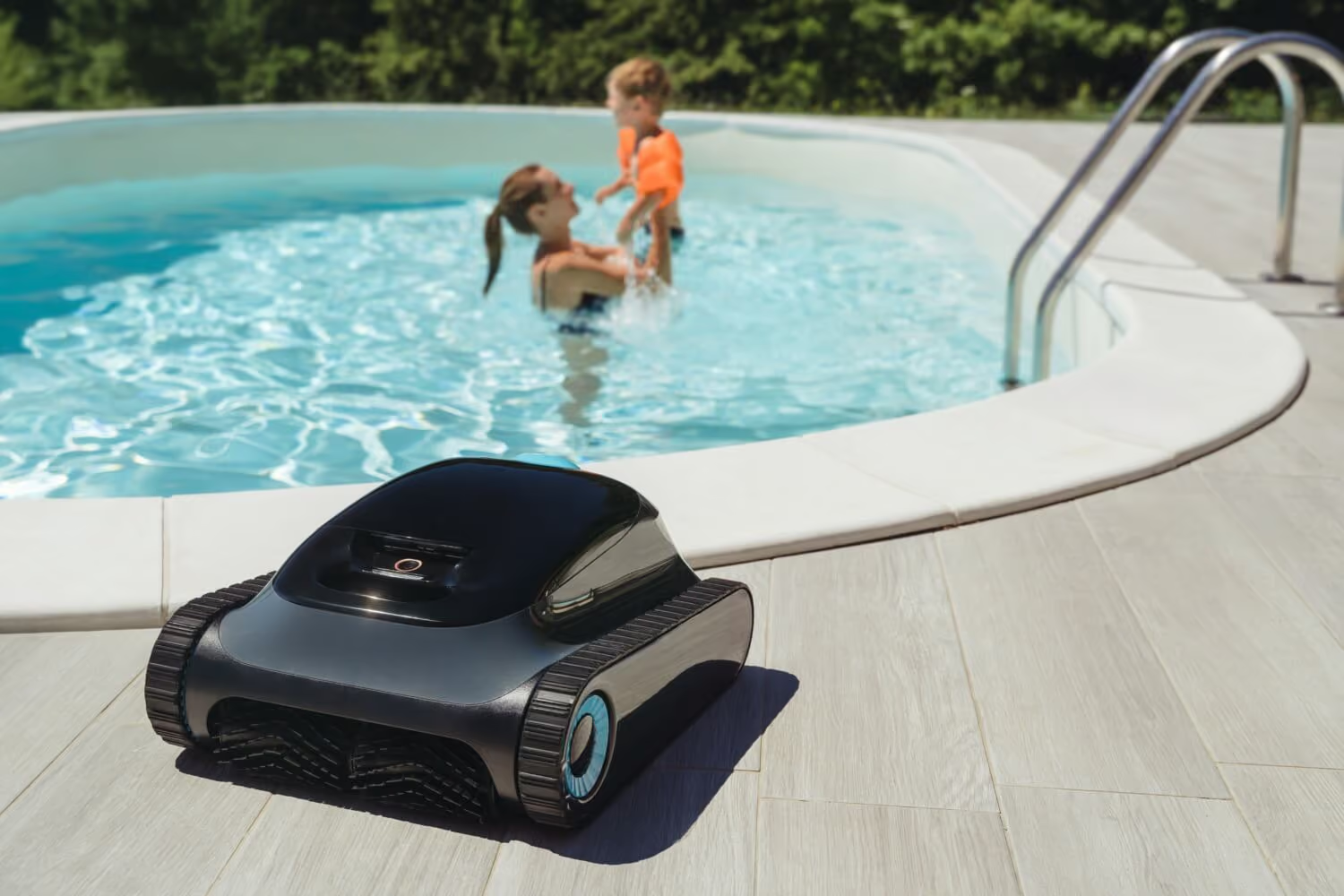
Pool Cleaner Buying Guide
Pool Automation Buying Guide
Pool Heater Buying Guide
Pool Filter Buying Guide
Pool Pump Buying Guide
Best Equipment Auckland Climate
Auckland Water Quality
Auckland Pool Season
Pool Ownership Costs
Common Pool Mistakes
Pool Safety Laws
Pool Inspection Requirements
Pool Fence Compliance
.avif)
Auckland Pool Industry Trends
Auckland Pool Regulations
Pool Equipment Suppliers
Best Pool Service Areas
Pool Service Pricing Analysis
Company vs Independent
Best Pool Surface Materials
Pool Resurfacing Options
Pebble vs Plaster Surfaces
One-Time vs Ongoing Service
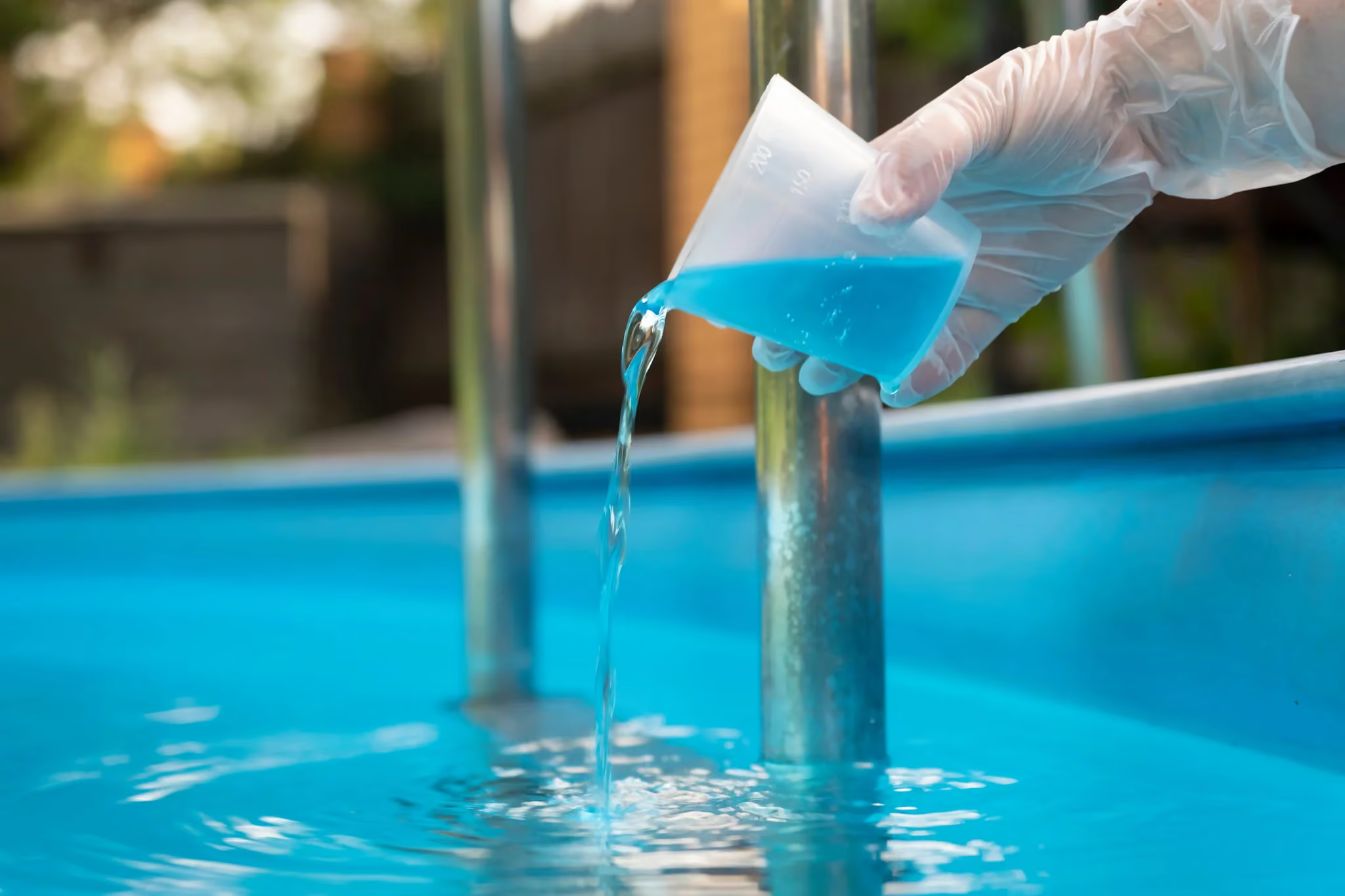
Full Service vs Chemicals Only
Pool Cover Types
Robotic vs Suction Cleaners
Mineral vs Saltwater
Gas vs Heat Pump
Pool Heater Types
Pool Winterizing Guide Auckland
Pool Opening Guide Summer
Pool Maintenance After Heavy Rain
Pool Maintenance Schedule
How Often to Run Pool Filter
Pool Pump Maintenance Schedule
Pool Filter Cartridge Cleaning
Pool Equipment Maintenance Checklist
Pool Waterline Cleaning
Pool Skimmer Basket Cleaning
Pool Chlorine Levels
How Often Clean Pool Filter
How to Vacuum Pool
Pool Brushing Technique
Pool Chemical Dosing Chart
Pool Water Chemistry Basics
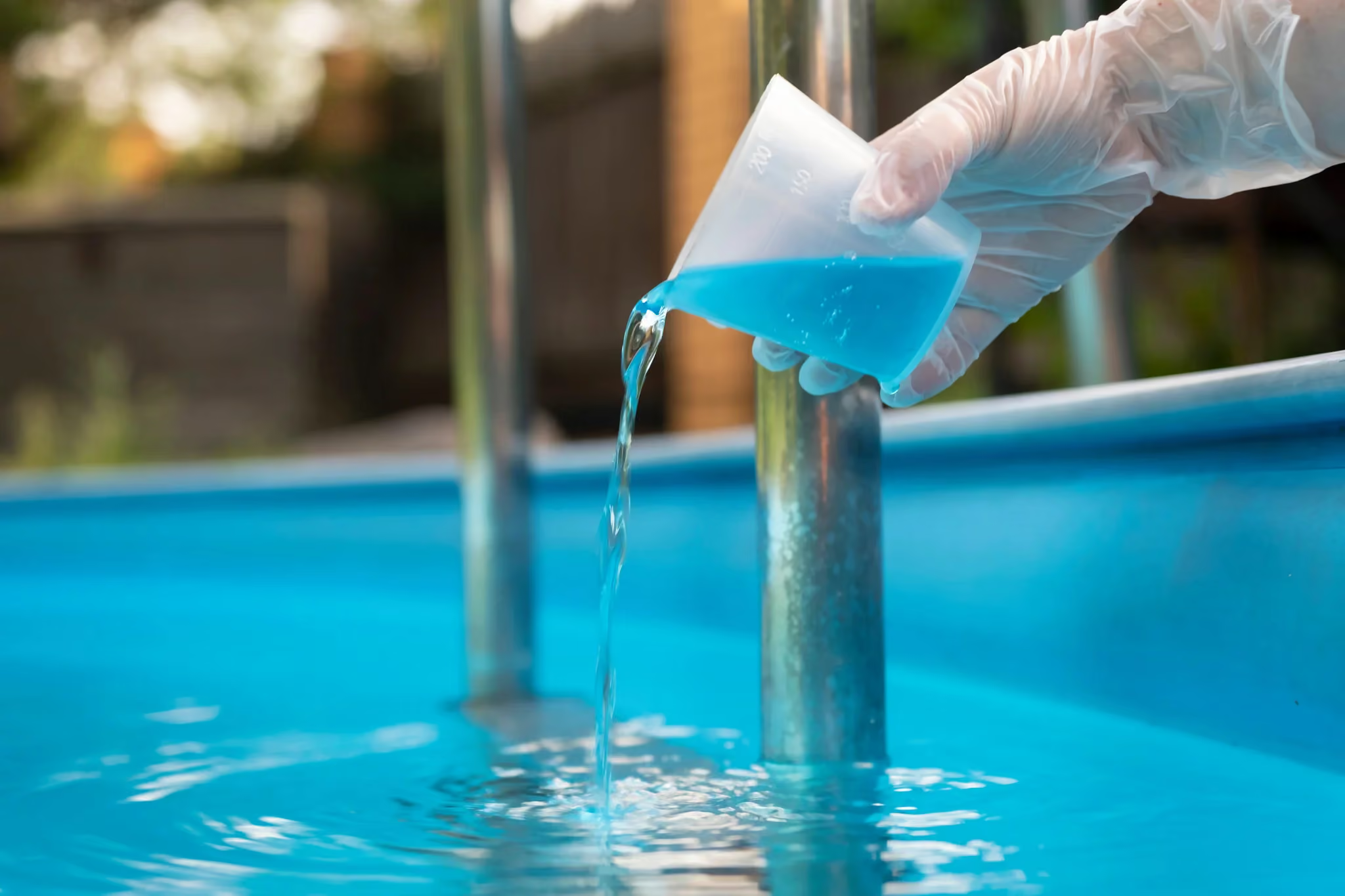
How to Balance Pool Chemistry
How to Test Pool Water
Pool Maintenance Tips
Complete Pool Maintenance Guide
Pool Service ROI
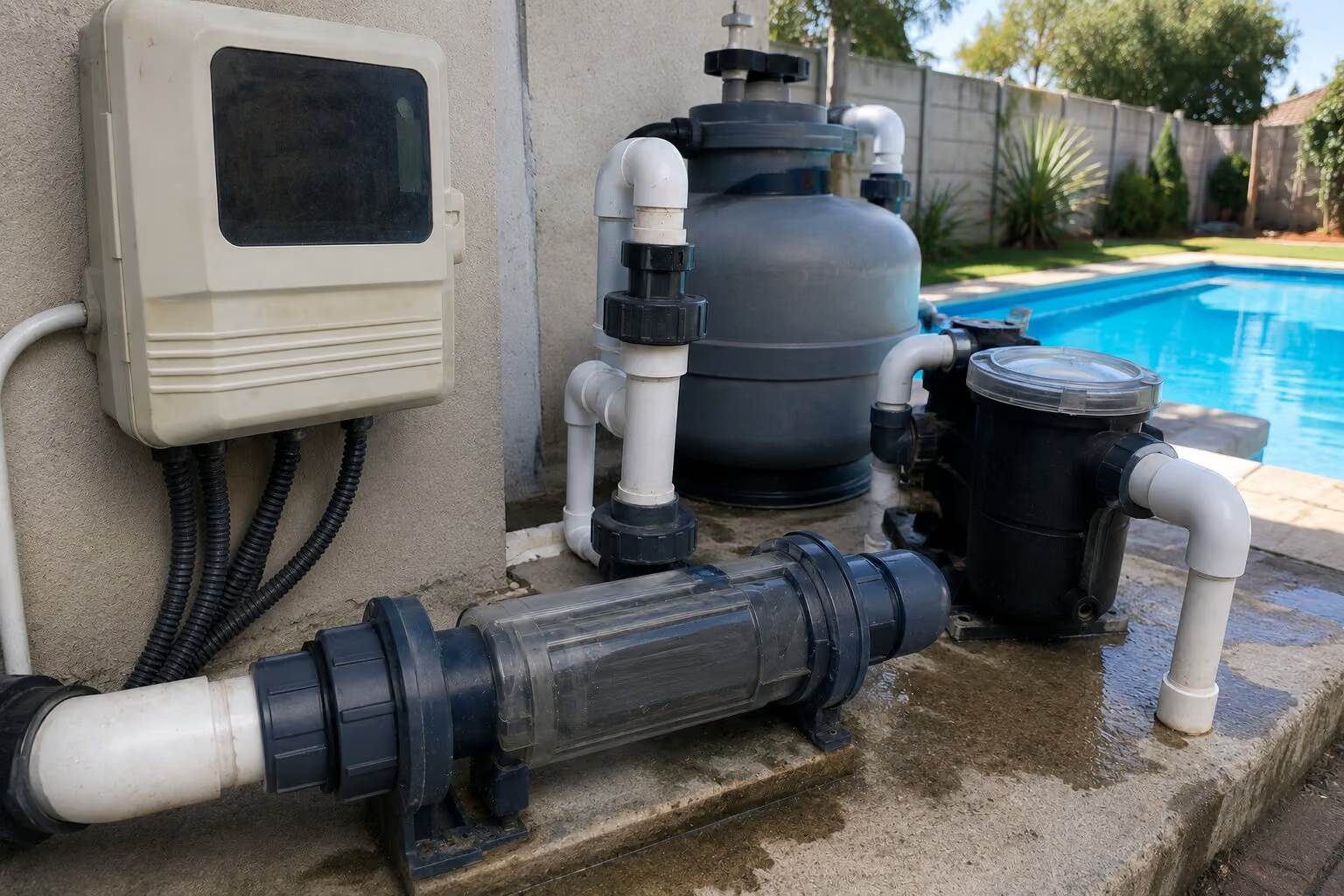
Pool Equipment Buy or Service
Pool Maintenance Time Requirements
DIY vs Professional
Pool Service Contract
Pool Service vs Pool Valet
Is Pool Service Worth It
Pool Service Guarantees
Pool Service Reviews
Pool Service Red Flags
Questions to Ask Pool Companies
How to Choose Pool Service Company
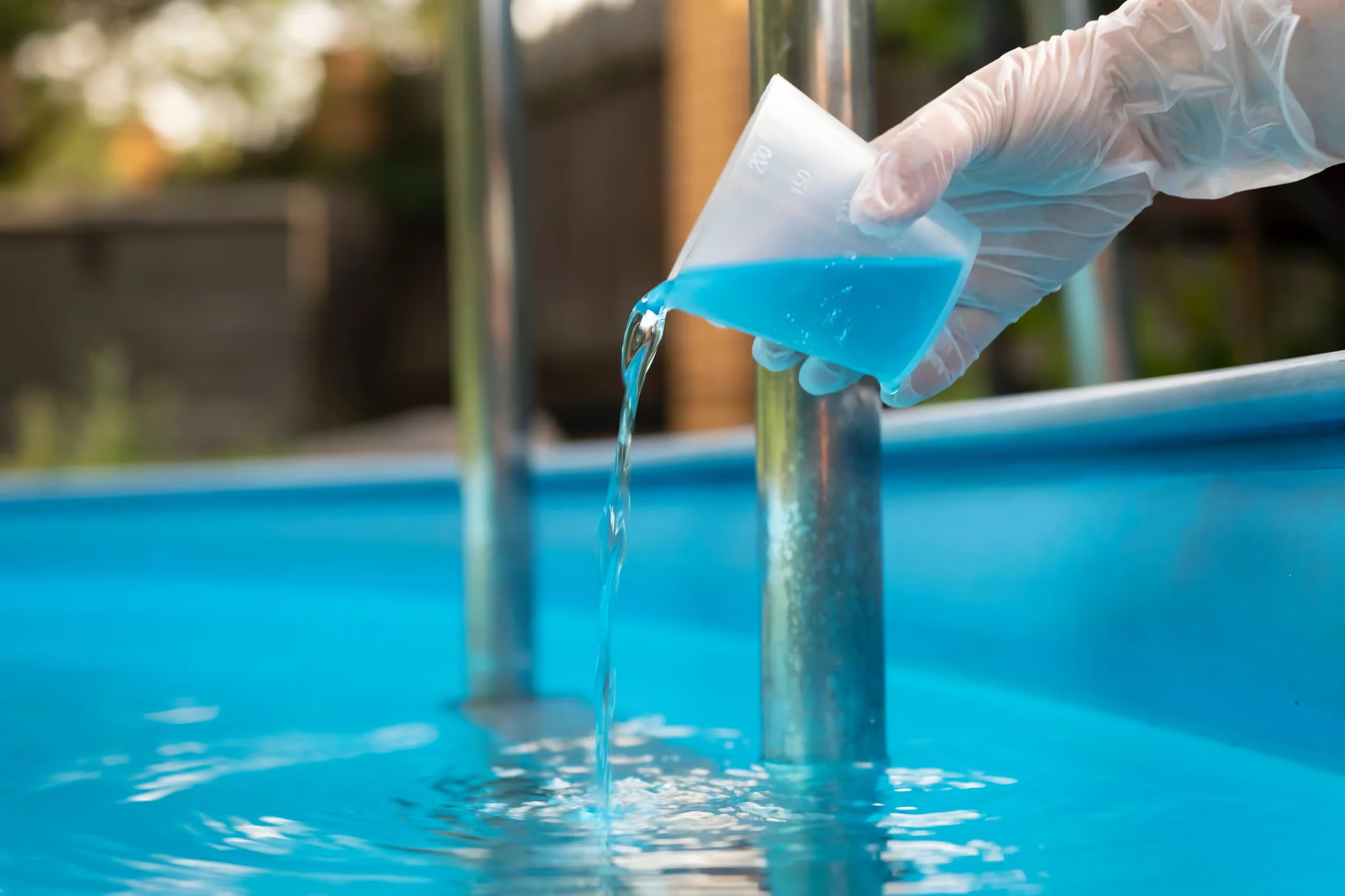
Hidden Costs DIY Maintenance
Pool Cleaning Prices Auckland
Cost of Pool Resurfacing
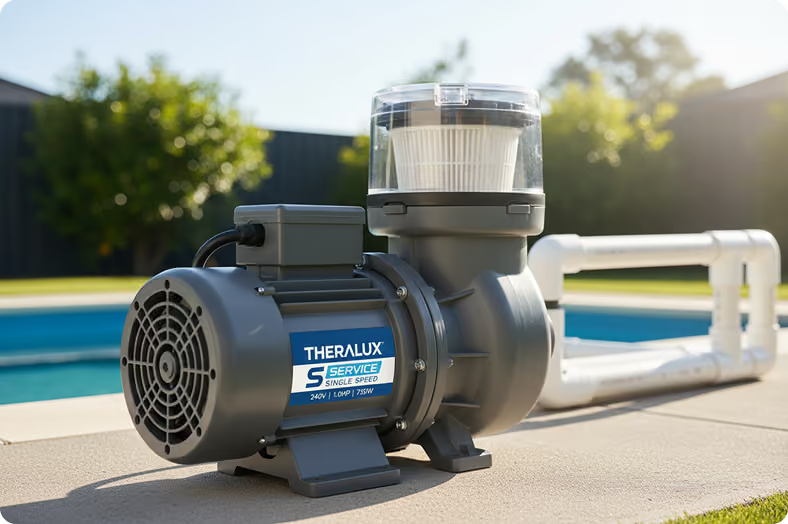
Cost of Pool Pump Replacement
Cost to Fix Green Pool
Pool Liner Wrinkles
Pool Cracks When to Worry
Pool Surface Stains
Pool Valve Leaking
Pool Automation Not Working
Pool Light Not Working
Pool Heater Not Heating
Pool Skimmer Not Working
High Pool Filter Pressure
Pool Losing Water
Pool Filter Not Clearing Water
Pool Pump Leaking
Pool Pump Not Pumping
Pool Pump Losing Prime
Pool Pump Noisy
Pool Pump Not Working
Pool Water Foaming
Pool pH Too Low
Pool pH Too High
Green Pool After Rain
Pool Still Green After Shock
Pool Water Cloudy
How to Clear a Green Pool
Pool Care That Protects Your Investment
Good pool care protects more than appearance. Our pool specialists support the long-term condition of your swimming pool while keeping it ready for everyday use.