Pool Pump Maintenance Schedule

Why Auckland trusts our pool service expertise
Keeping your pool pump in good condition comes down to a consistent routine. Most of the checks are quick and straightforward, and catching small issues early avoids more costly repairs down the track.
Here is a summary of the key points from this guide.
What you'll learn
Why Your Pool Pump Needs Regular Attention
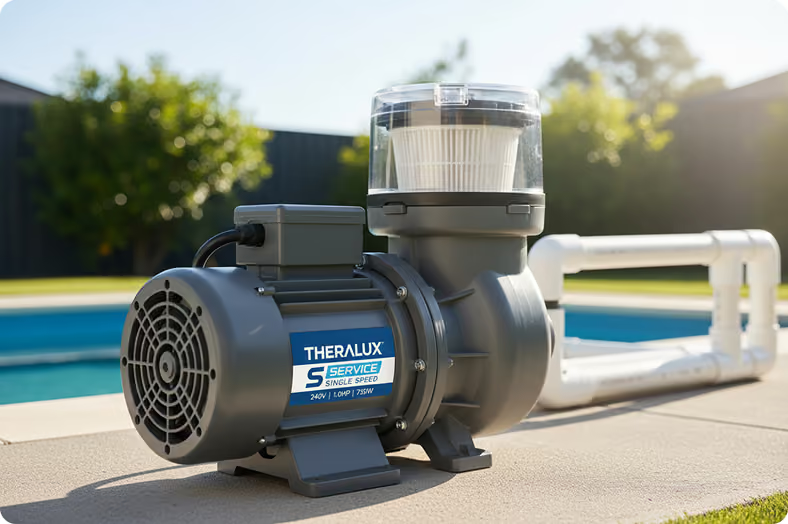
The pump is the heart of your pool's circulation system. It keeps water moving through the filter, distributes chemicals evenly, and prevents the stagnation that leads to algae and cloudy water. When the pump isn't running well, nothing else works as it should.
Regular maintenance doesn't take long, but skipping it adds up. A pump that's been neglected tends to fail at the worst possible time, mid-summer, when the pool is in constant use. A simple schedule helps you catch small issues before they become expensive ones.
---
Weekly Checks
These are quick visual and operational checks that take only a few minutes.
Check the Strainer Basket
The pump strainer basket sits in the pump housing and catches leaves, debris, and other material before it reaches the impeller. A blocked basket restricts water flow, which puts strain on the motor and reduces filtration efficiency.
- Turn the pump off before opening the lid
- Remove the basket and clear out any debris
- Rinse the basket with a hose if needed
- Check the basket for cracks or damage before replacing it
- Ensure the lid O-ring is seated correctly and in good condition before closing
Listen to the Pump
While the pump is running, listen for anything unusual, grinding, rattling, or a high-pitched whine. These sounds can indicate a worn bearing, debris in the impeller, or cavitation. Normal operation is a steady, relatively quiet hum.
Check for Air in the System
Air bubbles returning through the return jets, or a pump that's struggling to maintain prime, can point to a suction-side air leak. Check that the strainer lid is tight and the O-ring is intact. If air persists, it may indicate a loose fitting or a crack somewhere in the suction line.
---
Monthly Checks
Inspect the Pump Lid O-Ring
The O-ring on the strainer lid creates an airtight seal. Over time it can dry out, crack, or deform. A damaged O-ring is a common cause of air leaks and loss of prime. Apply a small amount of O-ring lubricant (silicone-based, not petroleum-based) to keep it supple. Replace it if it shows any cracking or flattening.
Check for Leaks Around the Pump
Look around the pump housing, unions, and fittings for any signs of moisture or dripping. Even a slow leak can worsen quickly under pressure. Wet patches on the ground near the pump pad are worth investigating promptly.
Inspect the Pump Unions
The unions connecting the pump to the pipework allow the pump to be removed for servicing. Check that they're hand-tight and not showing signs of weeping. Unions with worn threads or cracked bodies should be replaced.
Review Filter Pressure
While not strictly a pump check, filter pressure gives you a useful picture of how the whole circulation system is performing. If pressure is consistently higher than your normal baseline, the filter may need backwashing or cleaning. If pressure is lower than usual, the pump may not be moving water efficiently, which can point back to a blocked basket, air leak, or impeller issue.
---
Seasonal Checks
Before Summer (Spring)
Before the pool goes into heavy use, it's worth doing a more thorough inspection of the pump and its surroundings.
- Check the motor vents: Clear any debris, cobwebs, or leaf litter from around the motor housing. Blocked vents cause the motor to overheat.
- Inspect all pipework and fittings: Look for UV degradation, cracks, or loose joints that may have developed over winter.
- Test the pump's run time: Confirm the timer or automation system is set correctly for the warmer months, when longer daily run times are typically needed.
- Lubricate the lid O-ring: If you haven't done this recently, now is a good time.
- Check the pump pad: Make sure the pump is sitting level and the mounting bolts are secure. Vibration over time can loosen fixings.
After Summer (Autumn)
- Clear debris more frequently: Autumn leaf fall can block the strainer basket quickly. Increase the frequency of basket checks during this period.
- Reduce run times gradually: As water temperature drops and bather load decreases, run times can be reduced. This extends motor life and reduces power consumption.
- Inspect shaft seals: The mechanical shaft seal prevents water from entering the motor. Signs of a leaking shaft seal include water dripping from the underside of the pump motor. This is a job for a technician.
Annual Service
Once a year, ideally in spring before the swim season, it's worth having the pump professionally serviced. A technician can:
- Inspect and replace the shaft seal if needed
- Check motor bearings and capacitors
- Test the motor's electrical draw against its rated specifications
- Inspect the impeller for wear or damage
- Check all seals, O-rings, and unions
This kind of inspection catches wear before it causes a breakdown. A pump that's serviced regularly will typically last significantly longer than one that only gets attention when something goes wrong.
---
What People Commonly Miss
Running the Pump Dry
If the pool water level drops below the skimmer, the pump can lose prime and run dry. Running dry, even briefly, can damage the shaft seal and impeller. Keep the water level at the midpoint of the skimmer opening, especially during hot weather when evaporation is higher.
Ignoring Unusual Noises
A grinding or screeching noise from the pump motor usually means a bearing is failing. Bearings don't fix themselves. Continuing to run a pump with failing bearings risks damaging the motor winding, which turns a relatively minor repair into a full motor replacement.
Leaving Debris in the Basket Too Long
A heavily blocked strainer basket starves the pump of flow. This causes the pump to work harder, runs up electricity costs, and can lead to cavitation, where the pump draws in air instead of water. Empty the basket regularly, especially after storms or heavy wind.
Incorrect Timer Settings
Running the pump for too few hours means the water isn't turning over enough to stay clean. Running it for too many hours wastes electricity without additional benefit. The right daily run time depends on pool volume, bather load, and time of year, if you're unsure what's appropriate for your pool, a pool technician can advise.
---
When to Call a Technician
Some pump maintenance is straightforward and safe for pool owners to handle. Other tasks involve electrical components, pressurised fittings, or internal parts that require proper tools and experience.
Call a technician if you notice:
- The pump won't prime or loses prime repeatedly
- Water is dripping from the underside of the motor (shaft seal leak)
- The motor is running hot or tripping the circuit breaker
- Grinding, screeching, or rattling noises that persist after clearing the basket
- Visible damage to the motor housing or wiring
- The pump is running but flow through the returns is noticeably reduced
Don't attempt to open the motor housing or work on electrical connections yourself. Pool pump motors run on mains voltage, and working on them without the right training and equipment is dangerous.
---
Keeping a Simple Log
One of the most useful habits for pool pump maintenance is keeping a brief log. Note the date you cleaned the basket, the filter pressure reading, any unusual sounds, and when you last replaced the O-ring. Over time, this gives you a baseline, and makes it much easier to spot when something is drifting out of normal range.
A log doesn't need to be elaborate. A notebook kept near the pump equipment, or a note on your phone, is enough.
Pool resurfacing solutions
Restore your pool with durable plaster finishes





Work completed
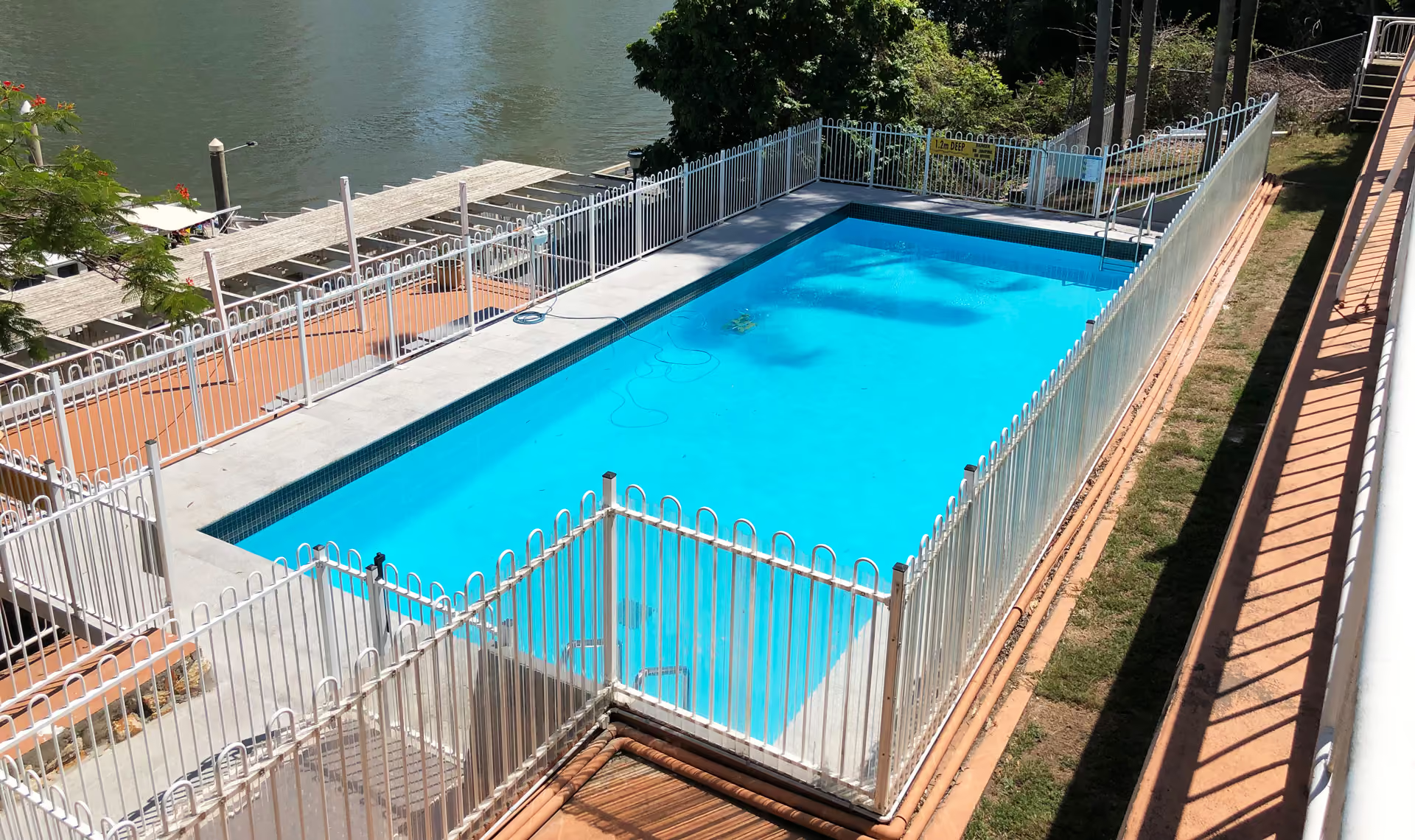
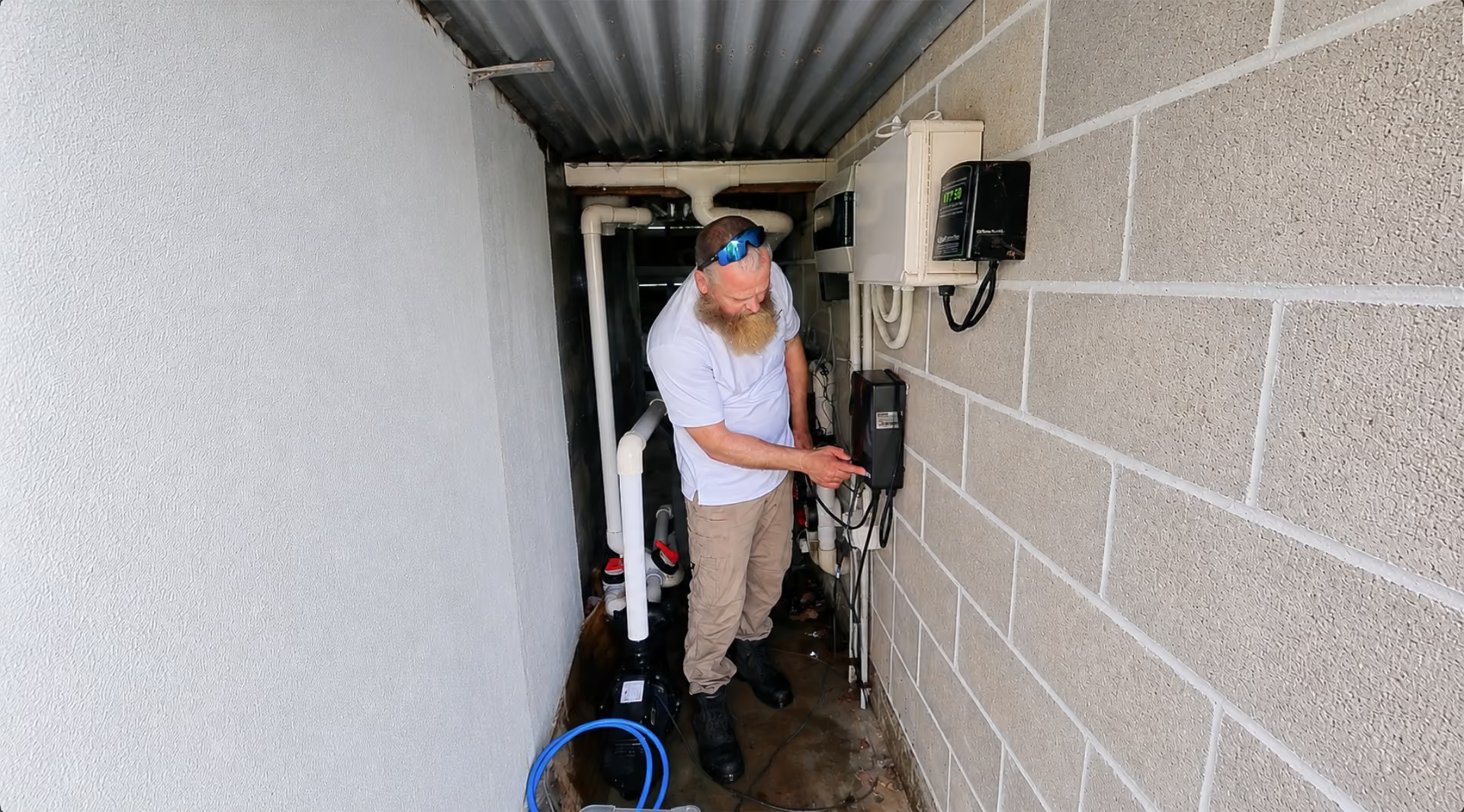
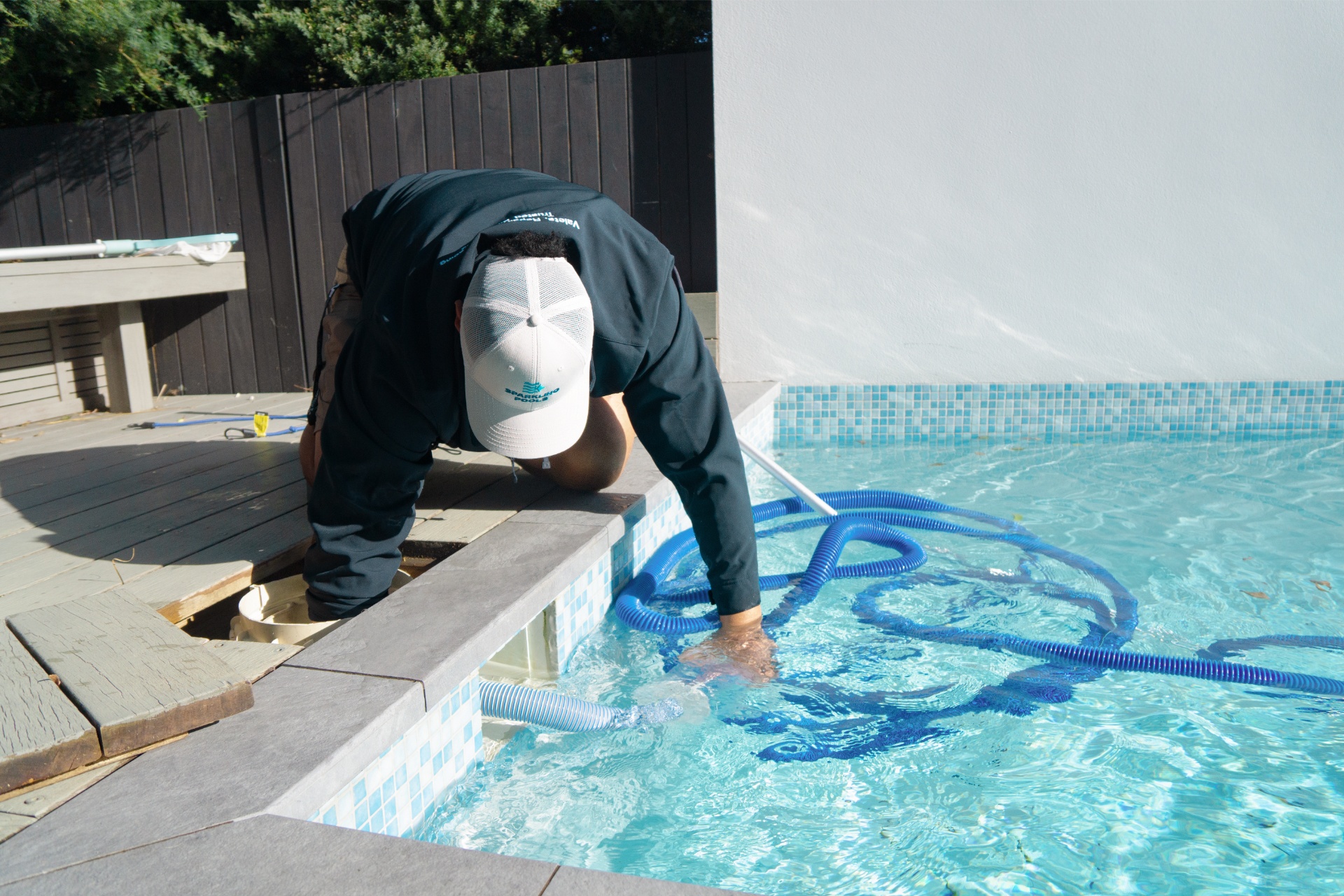
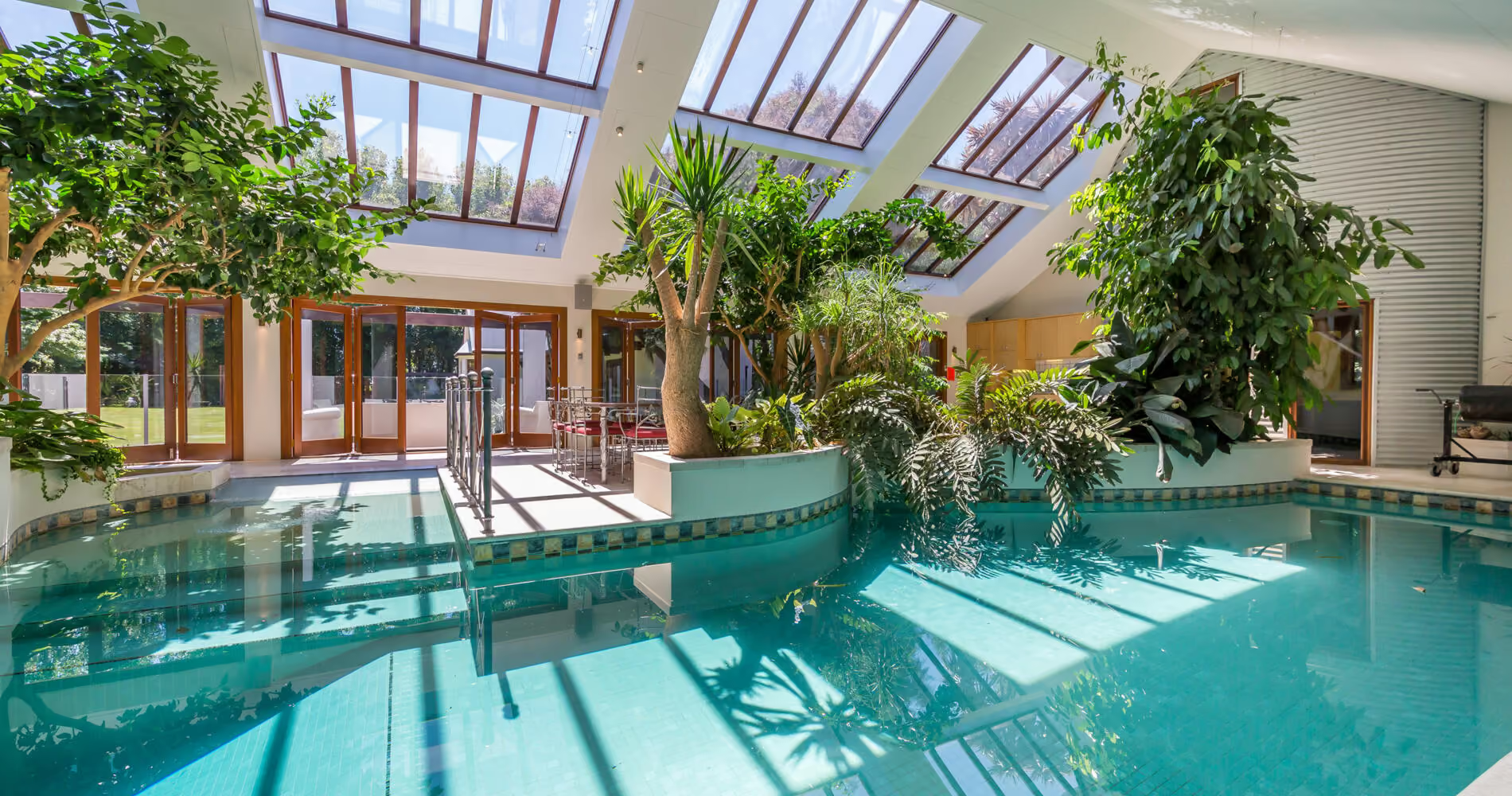
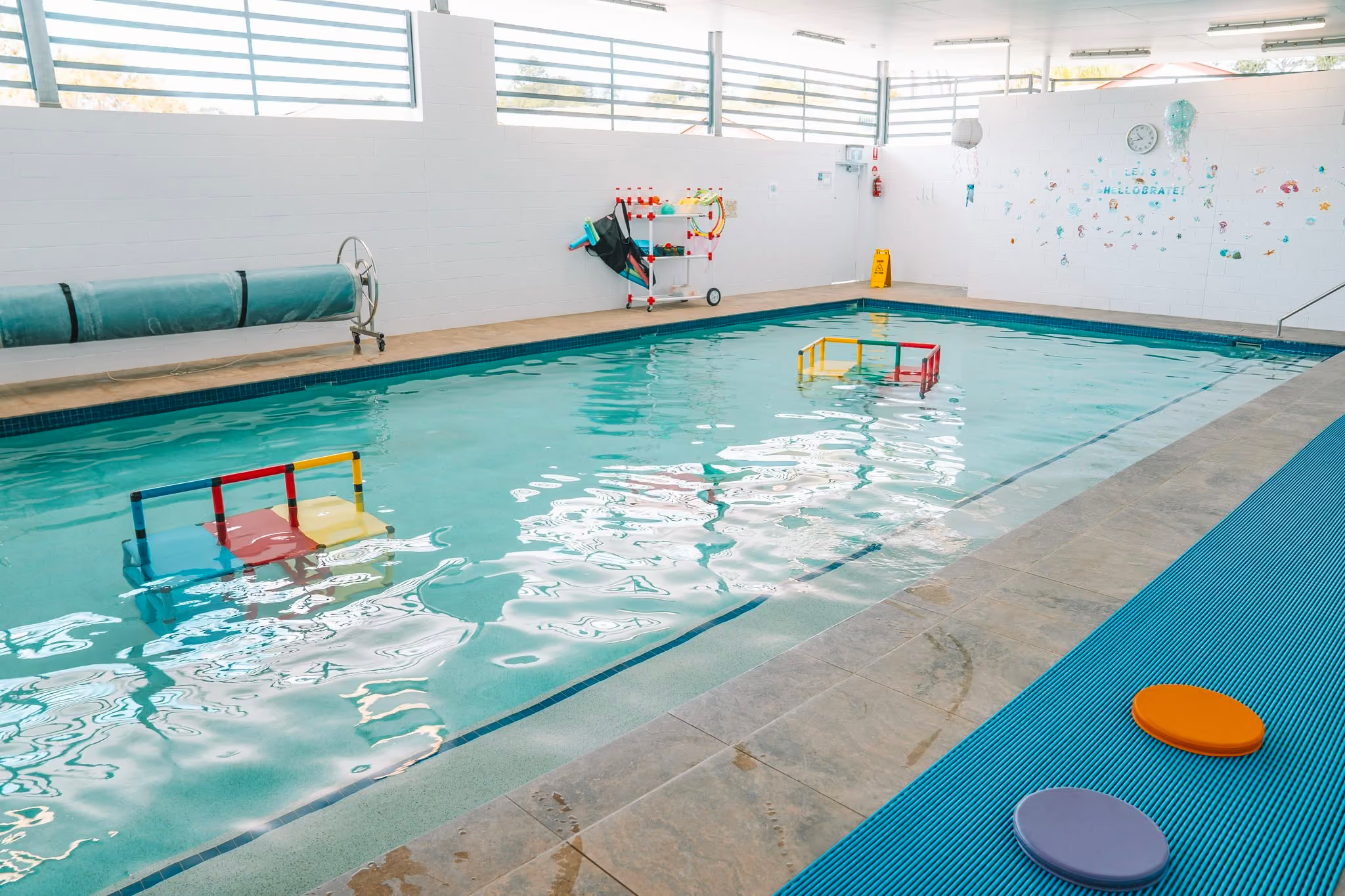
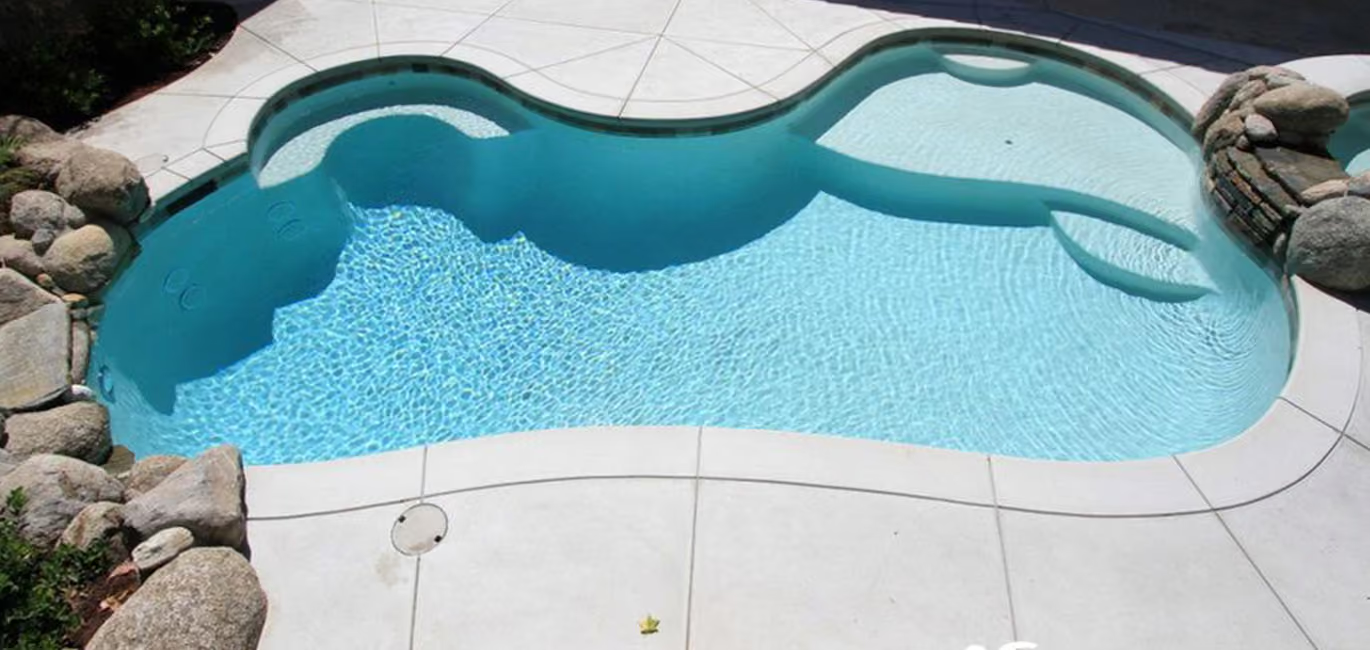
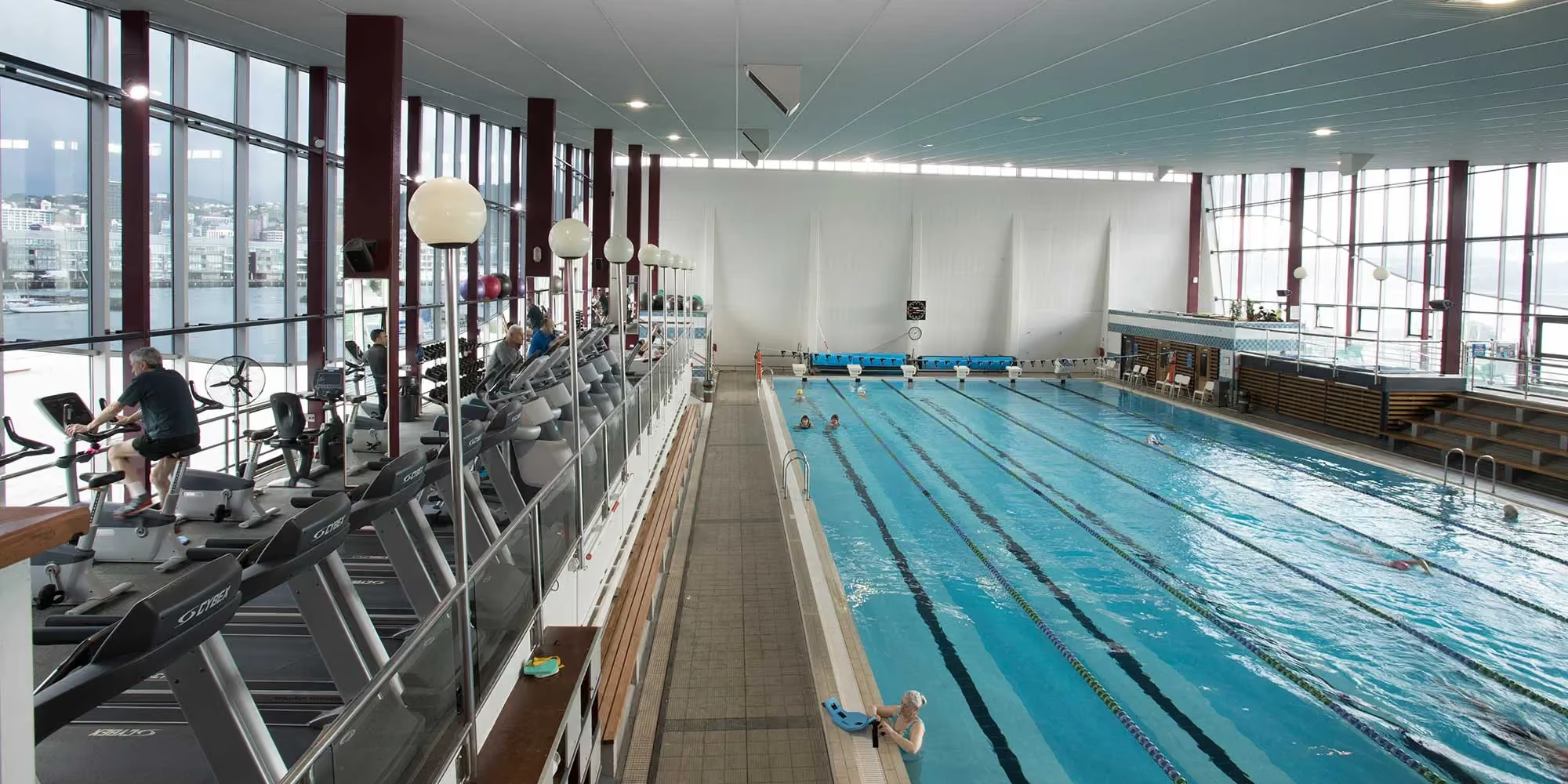
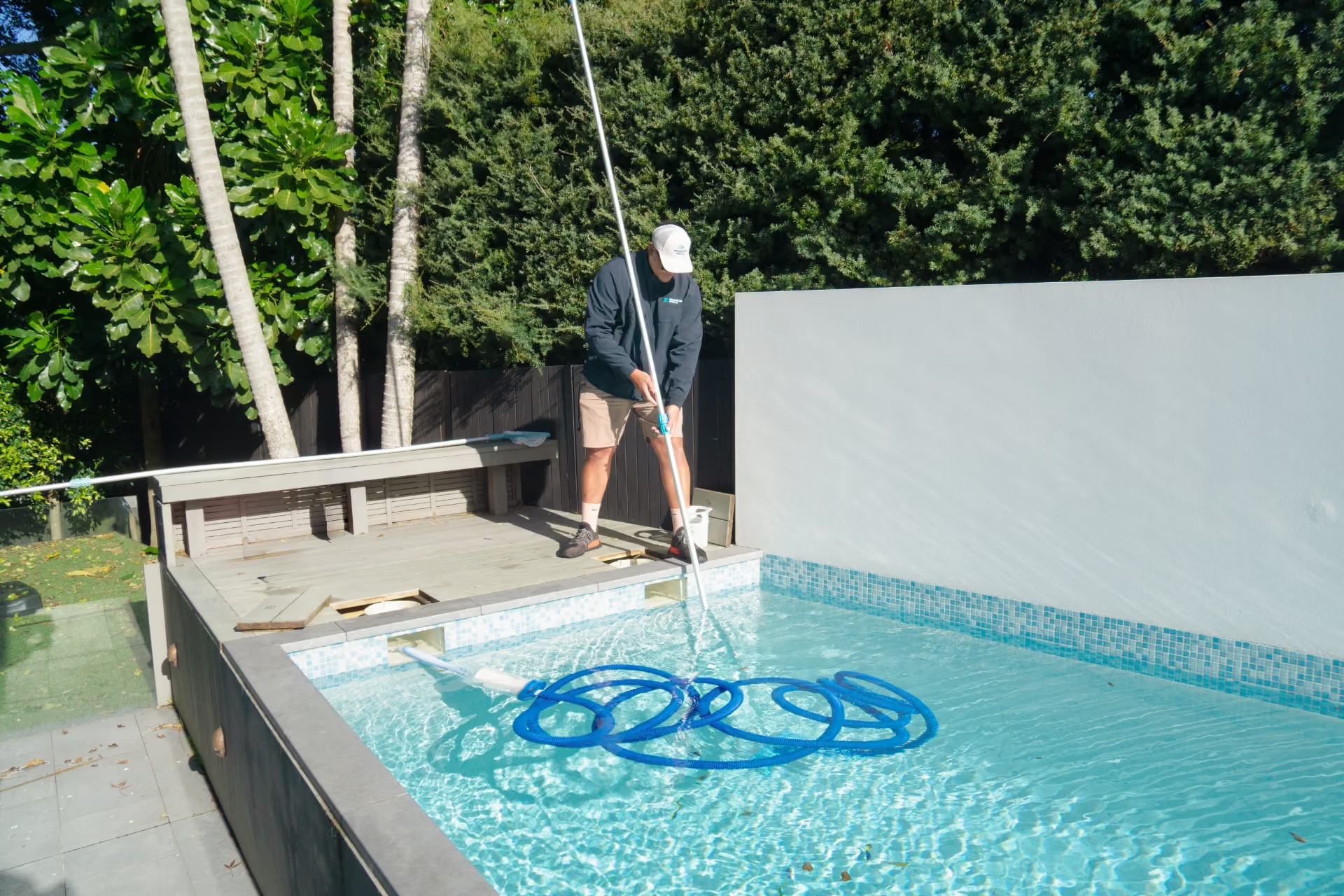
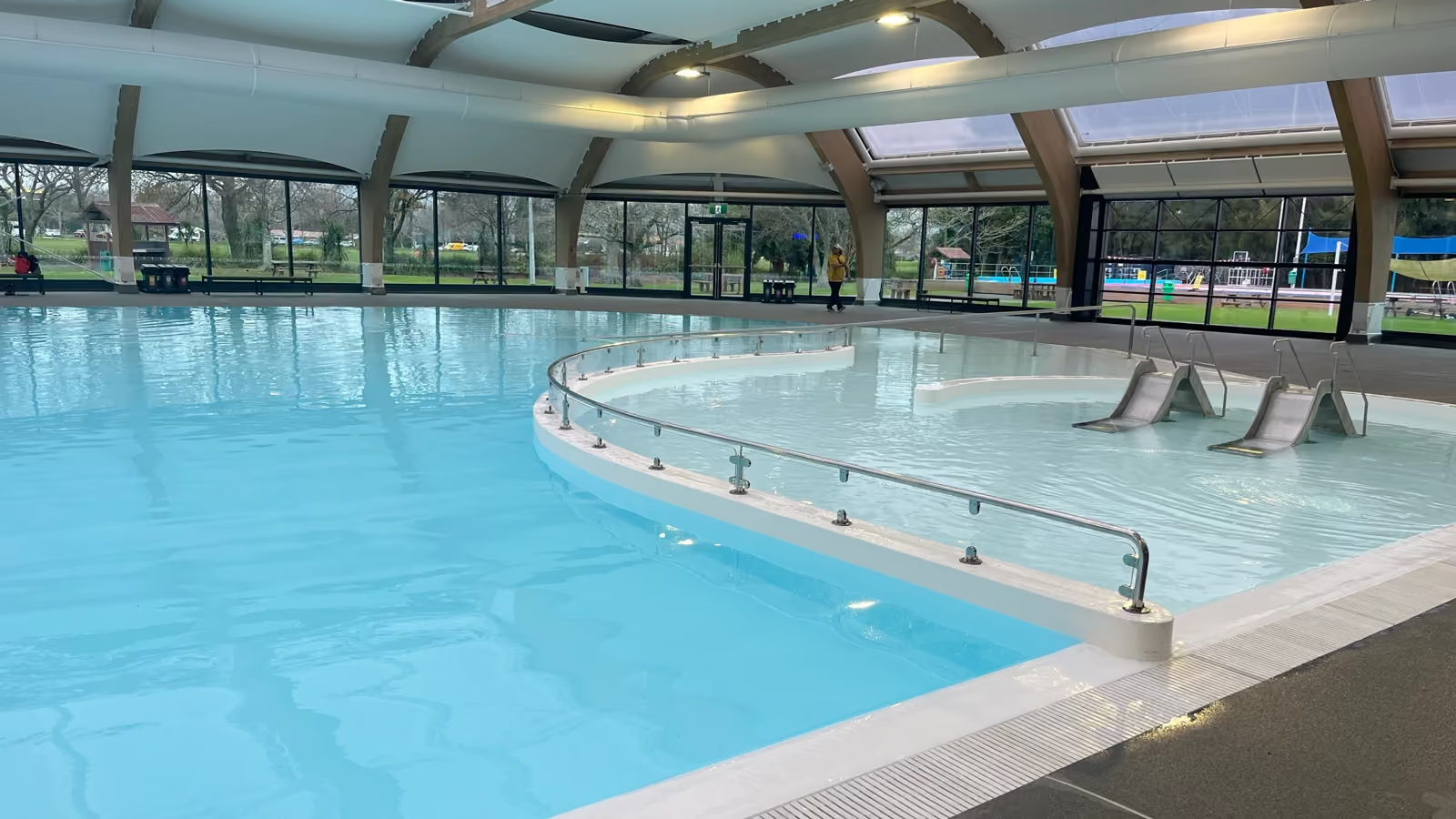
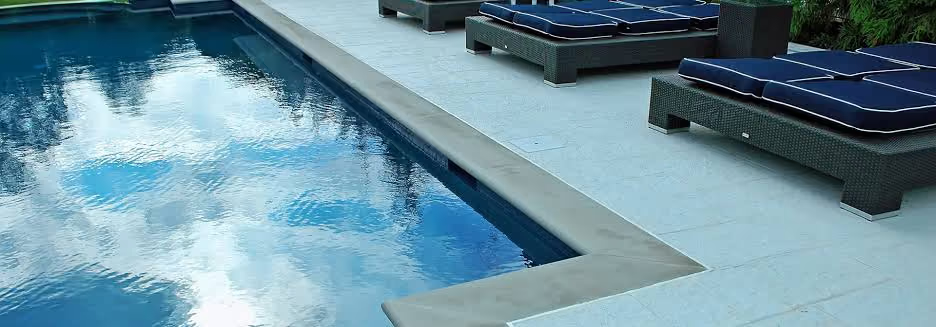
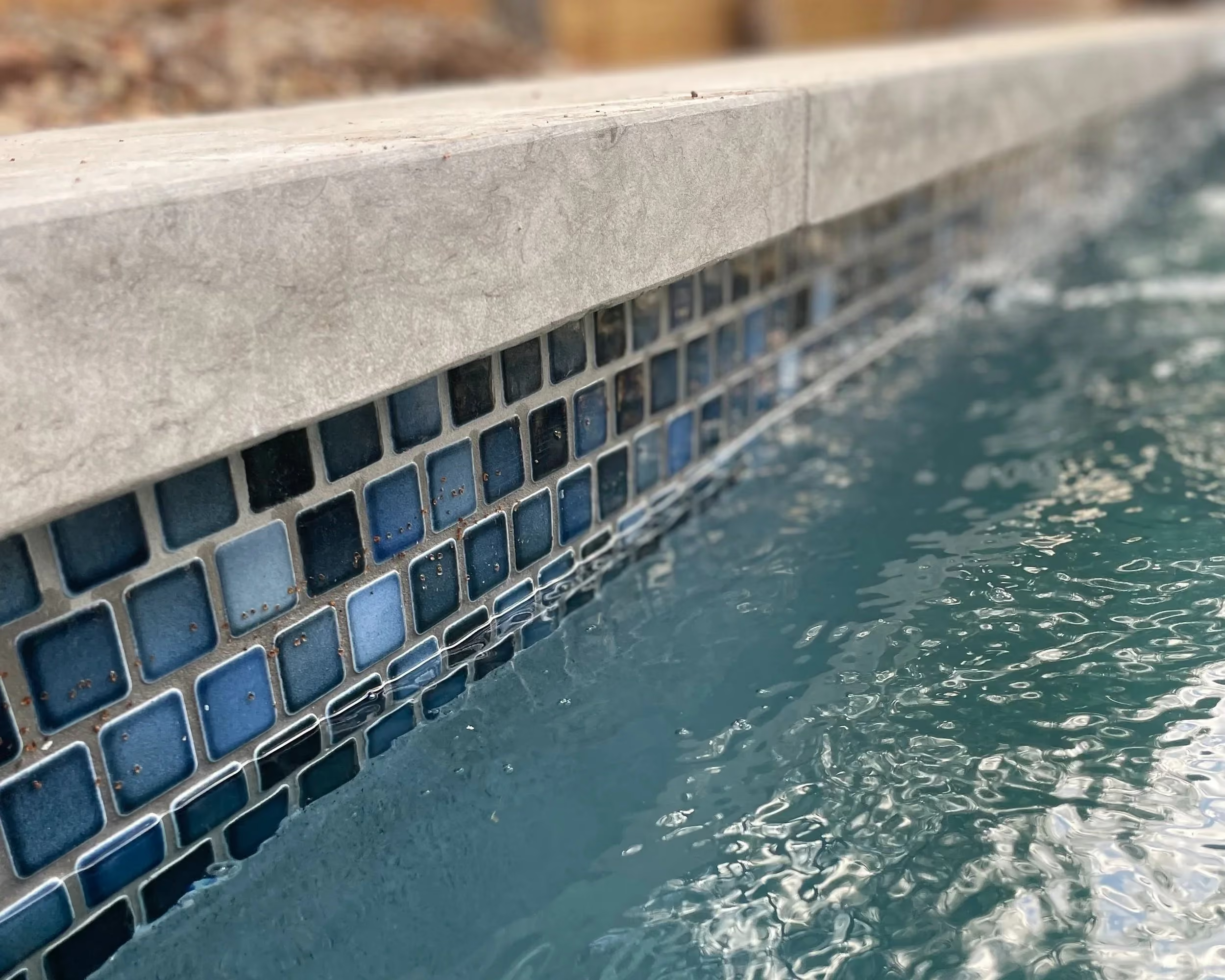
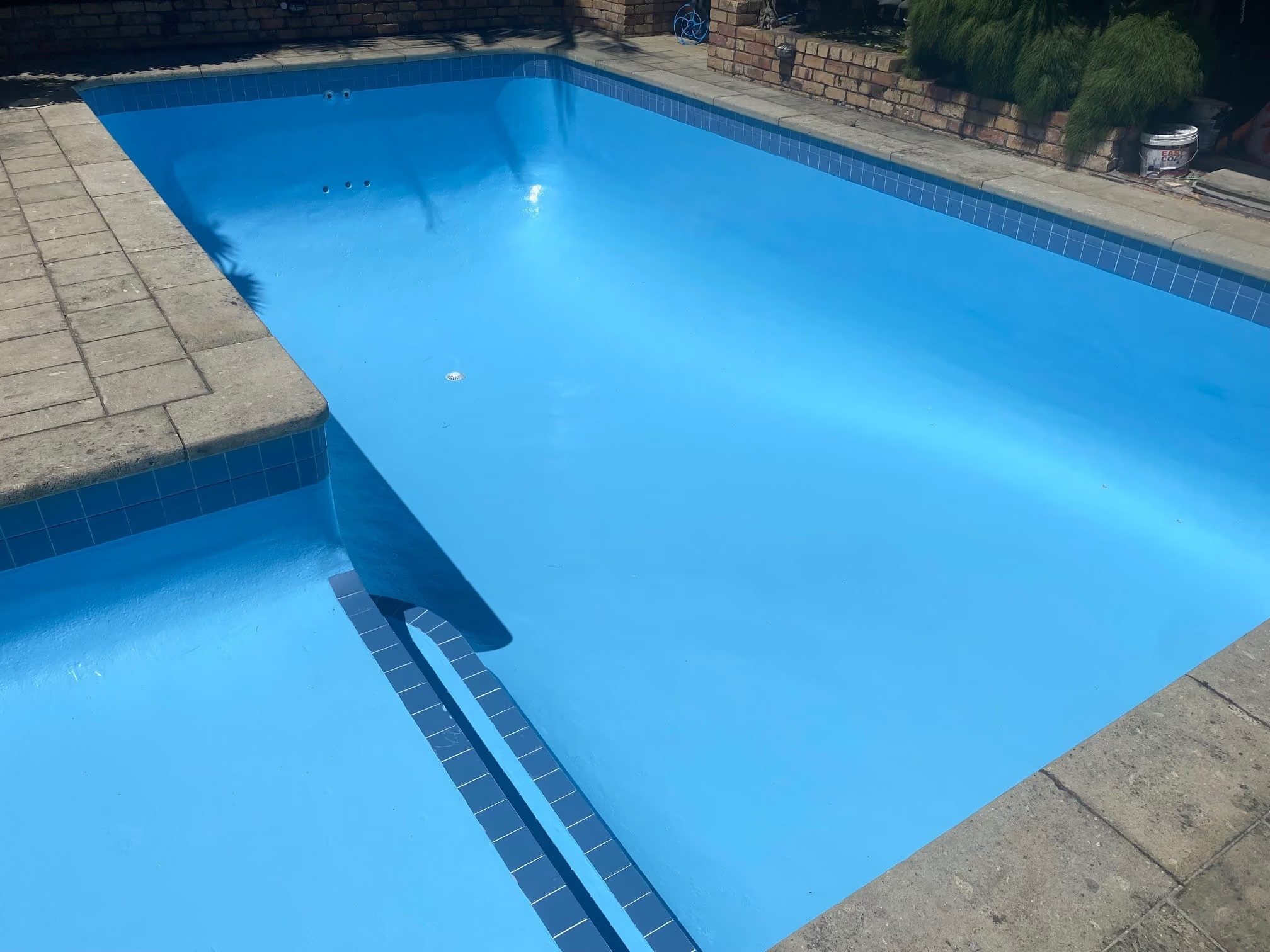
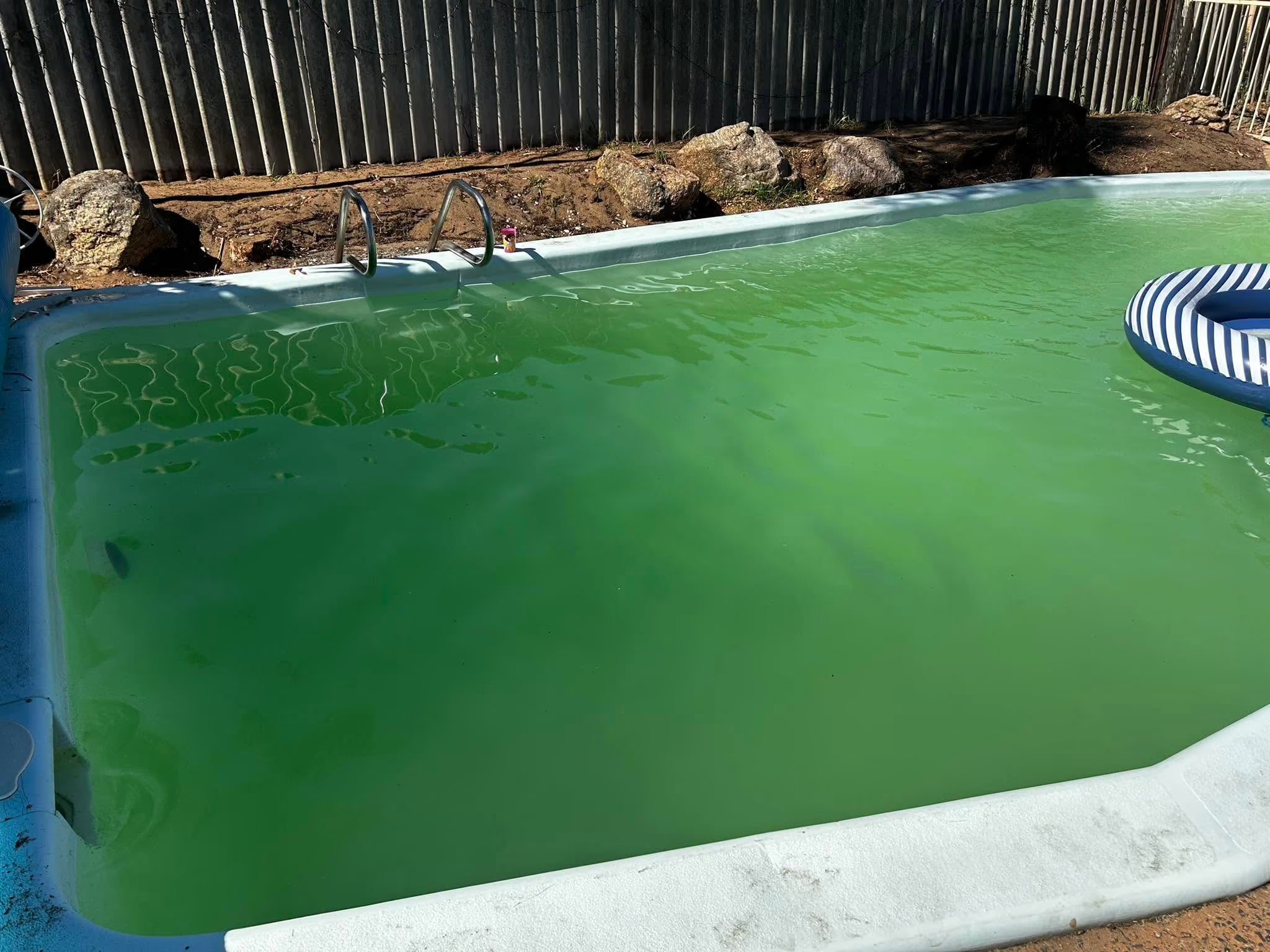
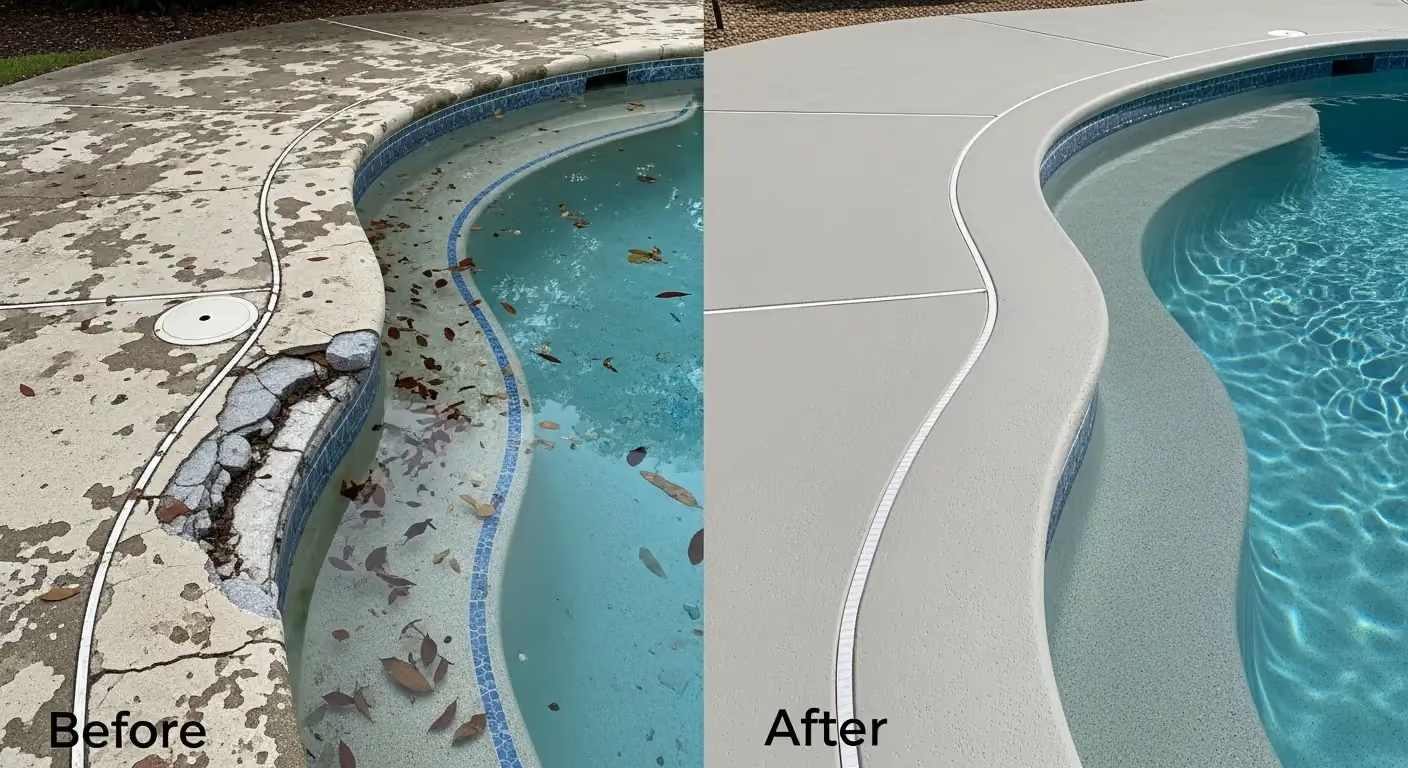
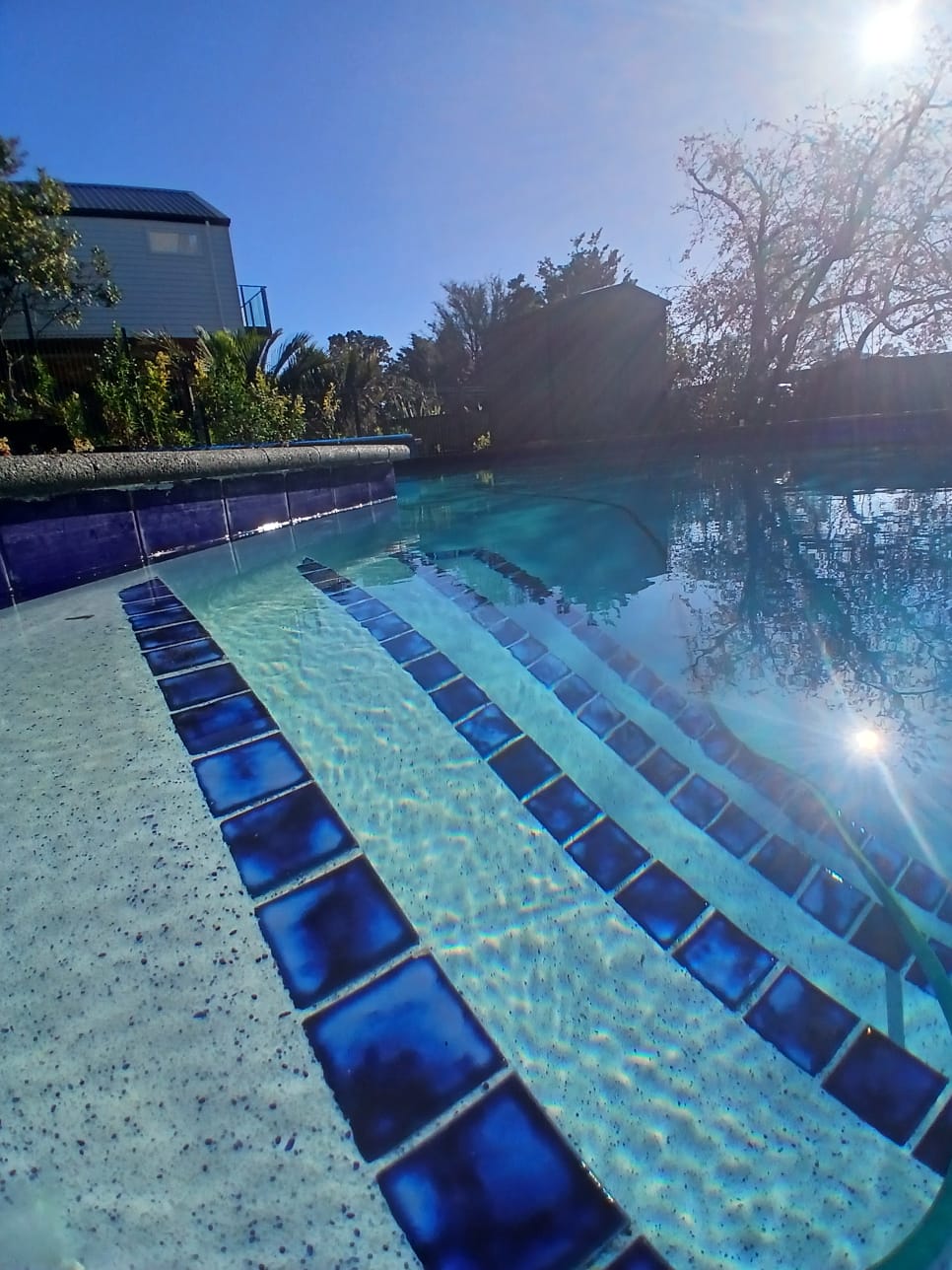
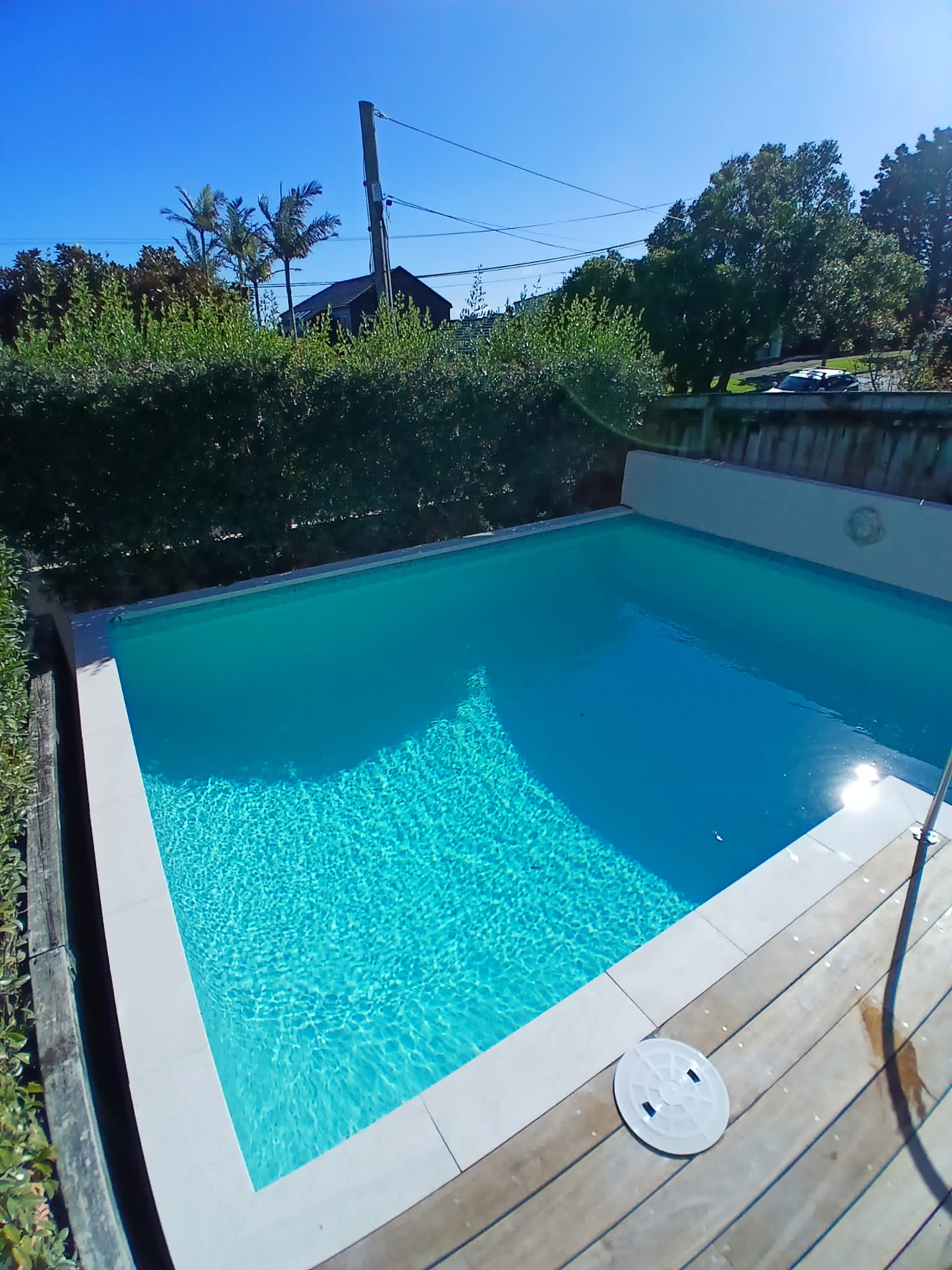
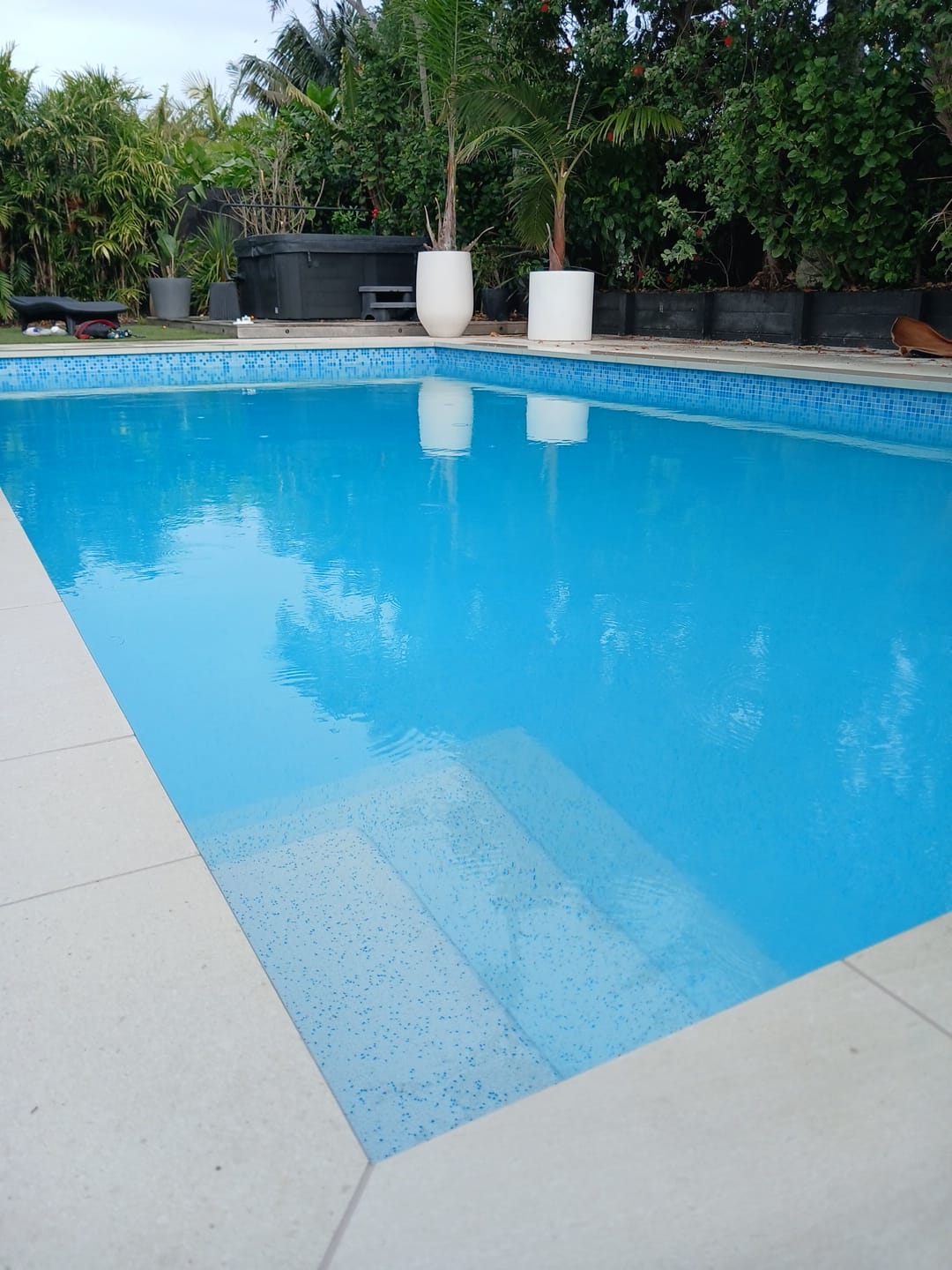
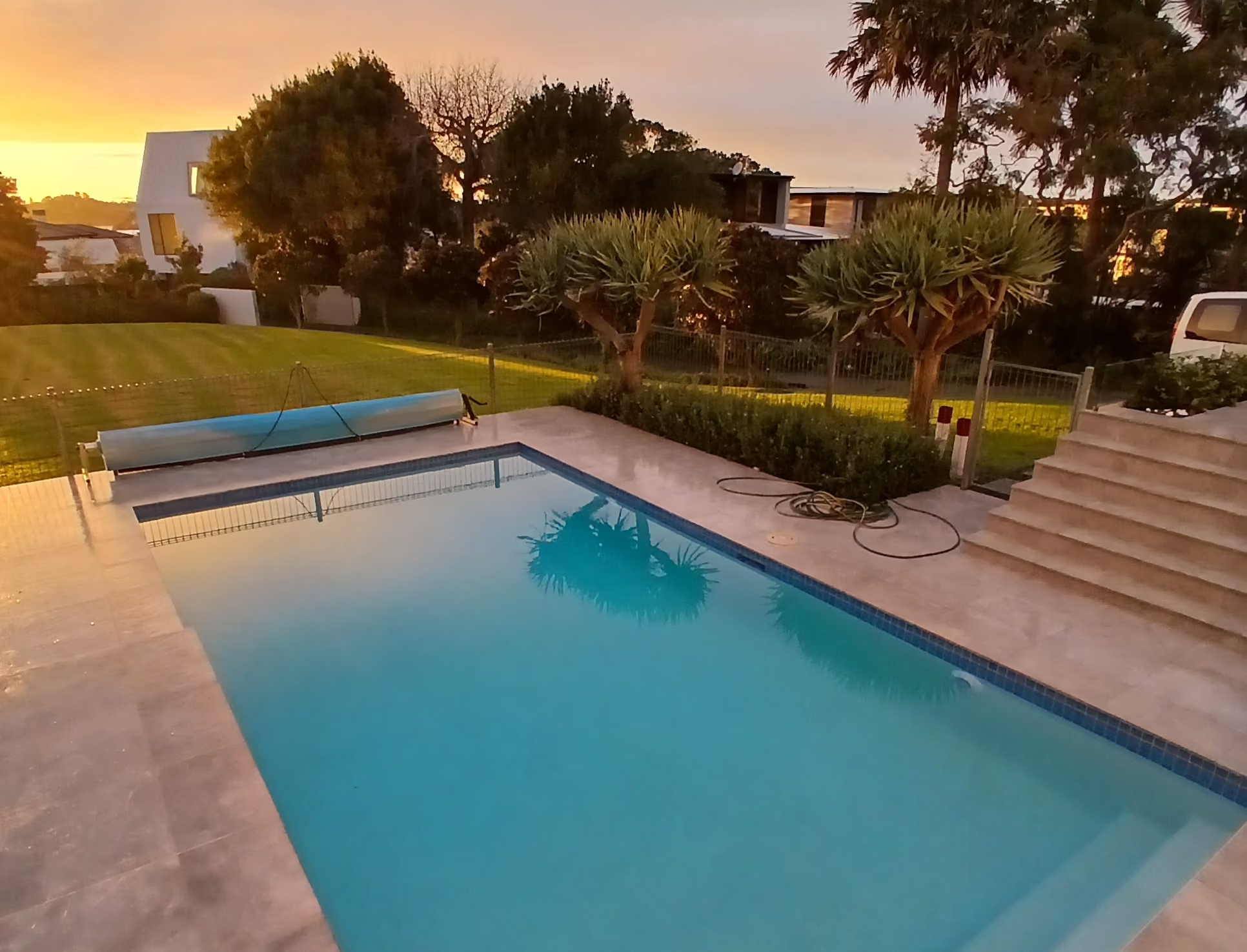
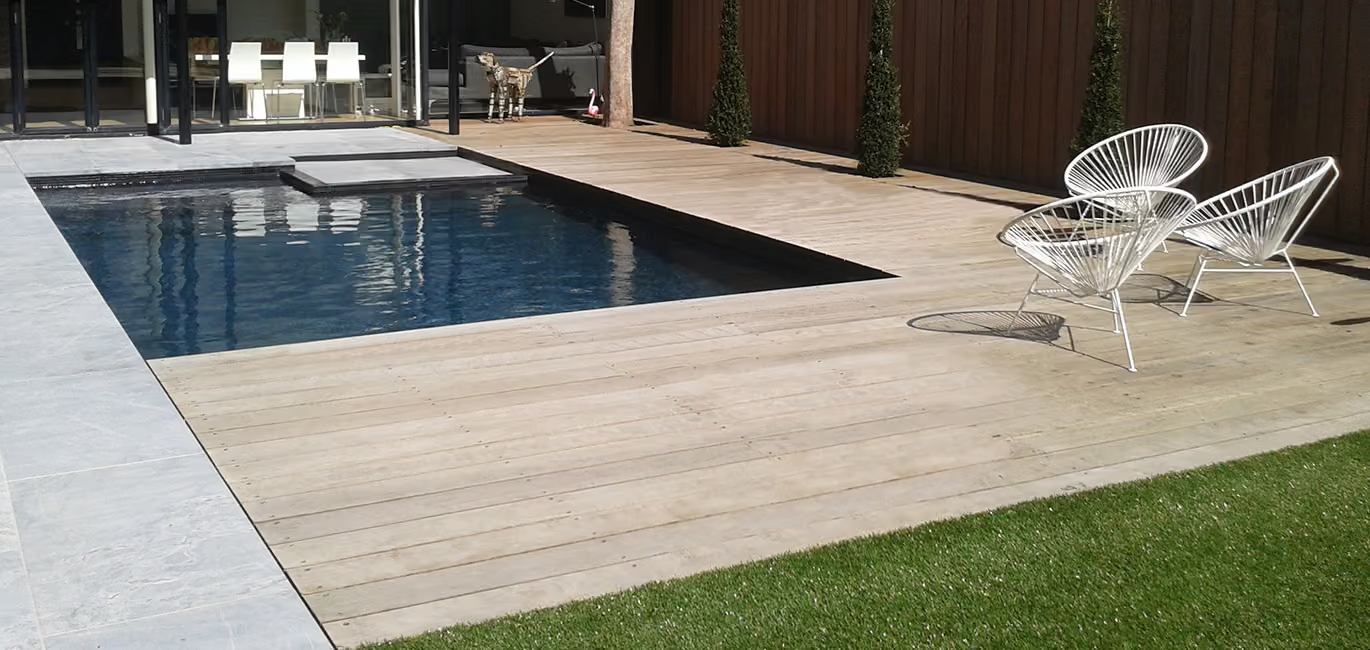
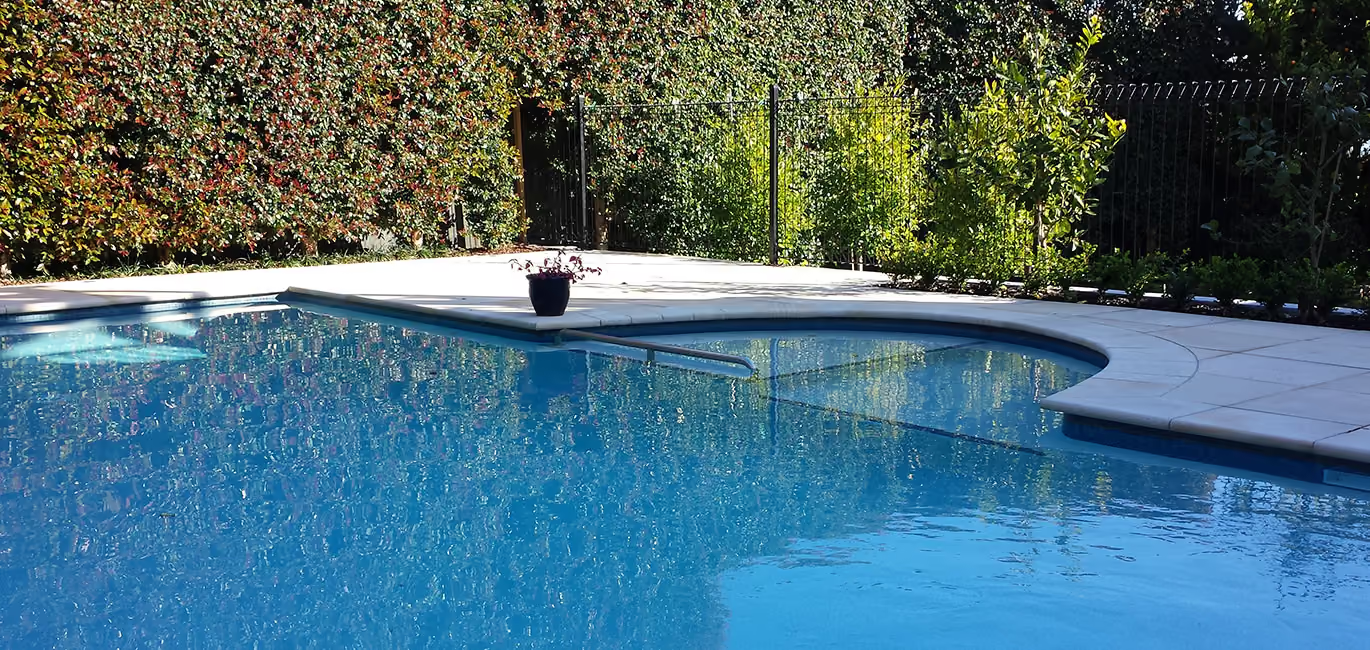
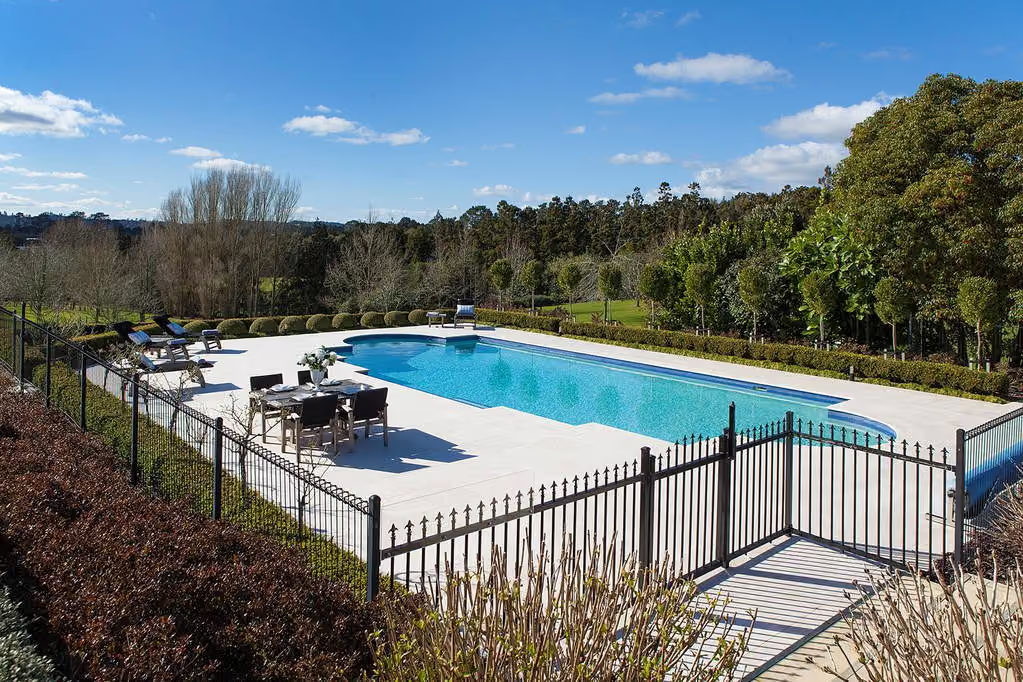
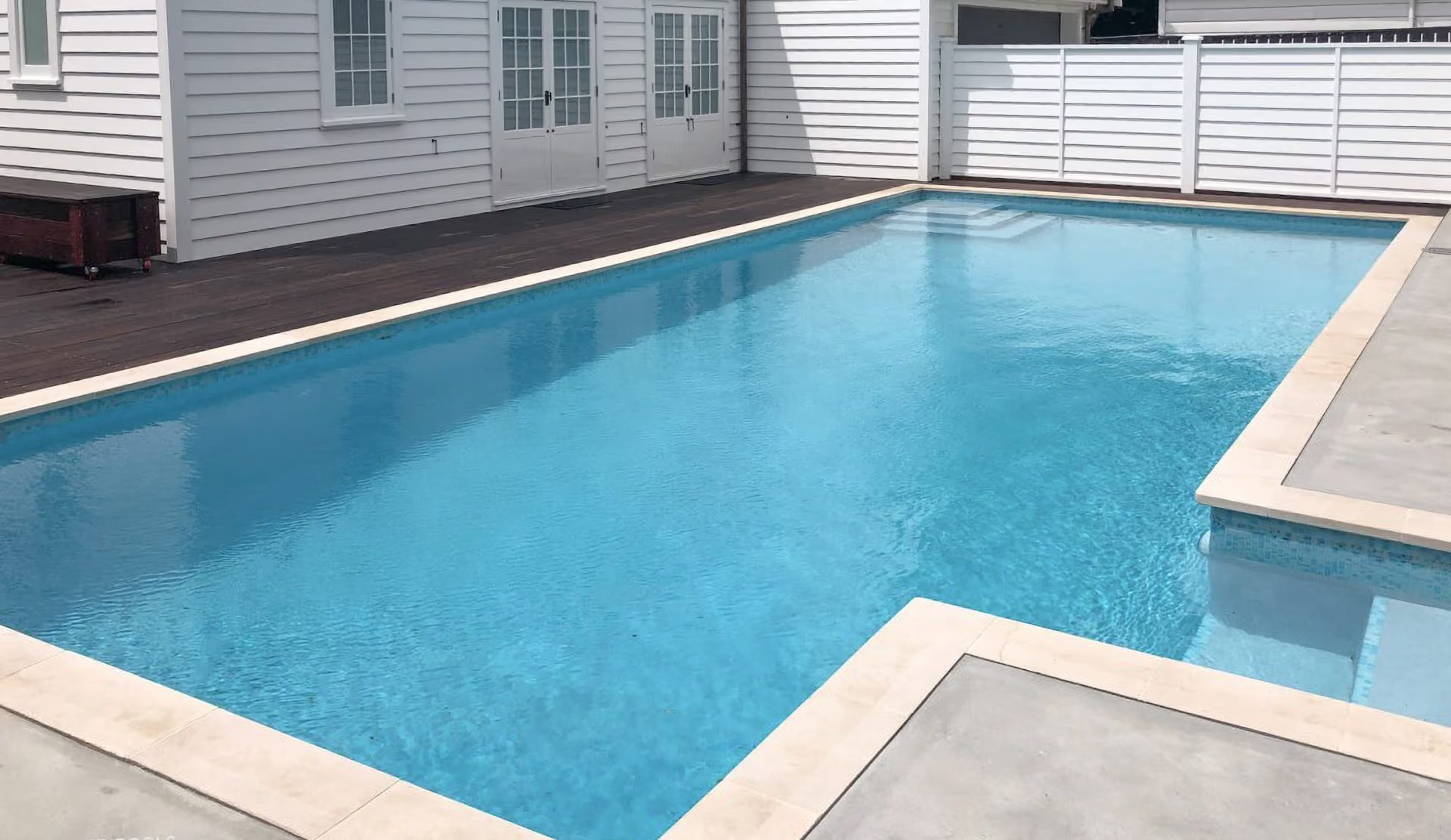
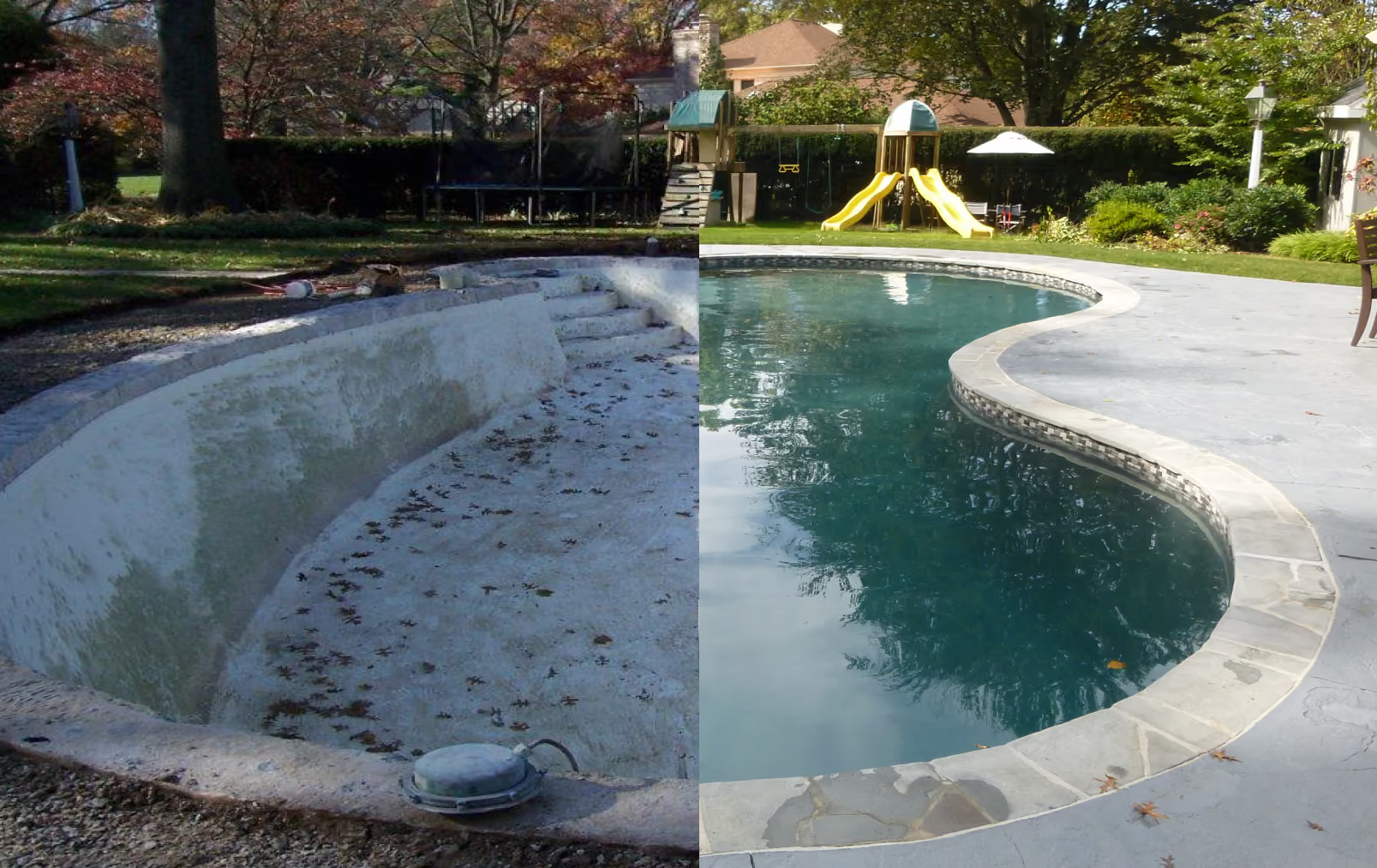
Sparkling Pools has worked on pools across Auckland, including residential renovation projects, equipment upgrades, ongoing maintenance and pool care for managed properties. Past projects show how the right approach can improve presentation, water quality and day-to-day usability. A well-maintained pool is easier to manage, more pleasant to use and better prepared for seasonal changes.

Trusted by Homeowners Across Auckland
Don't just take our word for it. Read what our clients have to say about our transparent communication, reliable service, and stunning pool transformations.
Related Blog Posts
Stay informed on pool care and renovations
Winter pool care essentials for Auckland
Pool Renovation Mistakes

Auckland Climate Pool Maintenance
Choosing Renovation Contractor
Pool Care Auckland Summer
Permits & Consents

Pool Renovation ROI
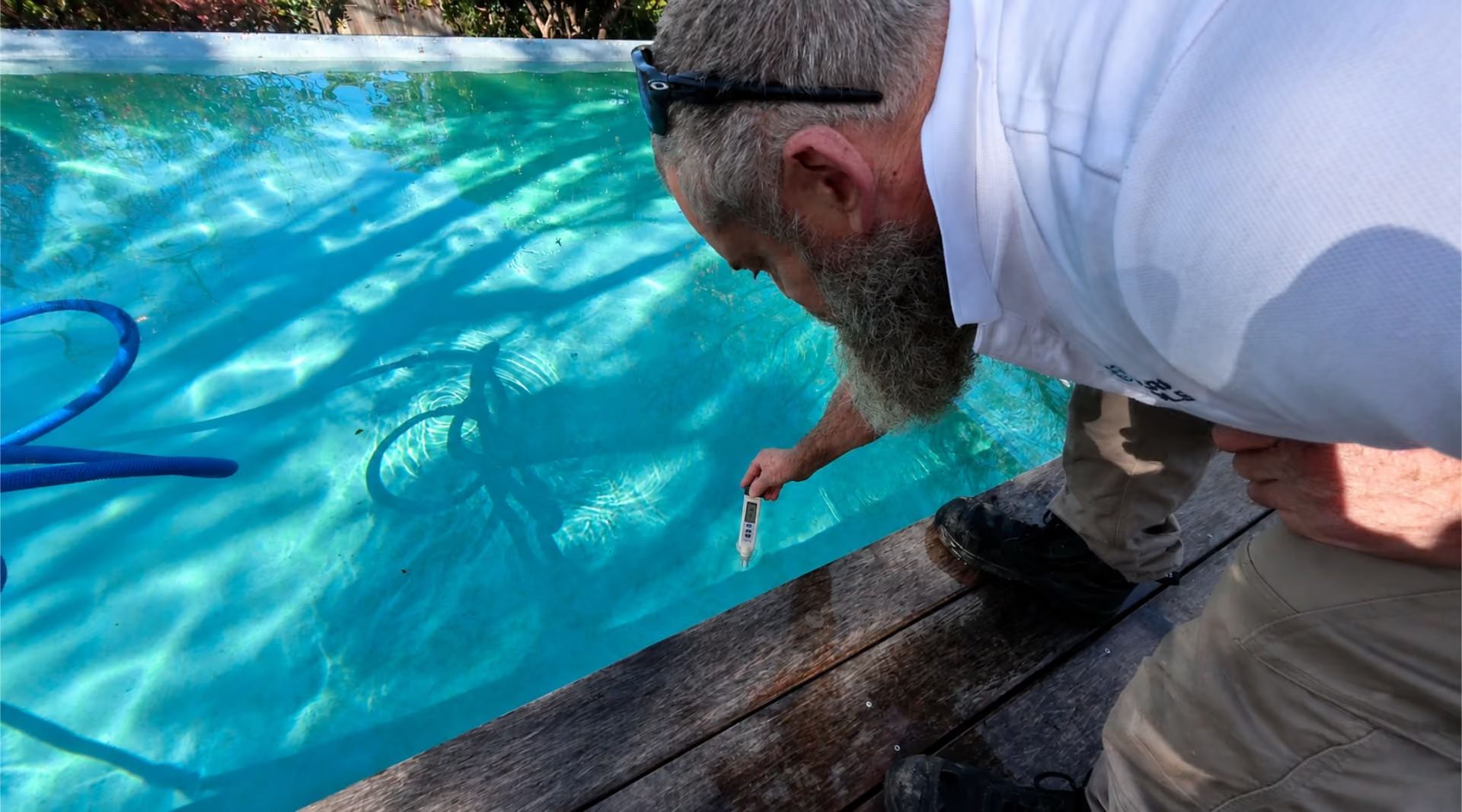
How Often to Test Pool Water
Pool Renovation Costs
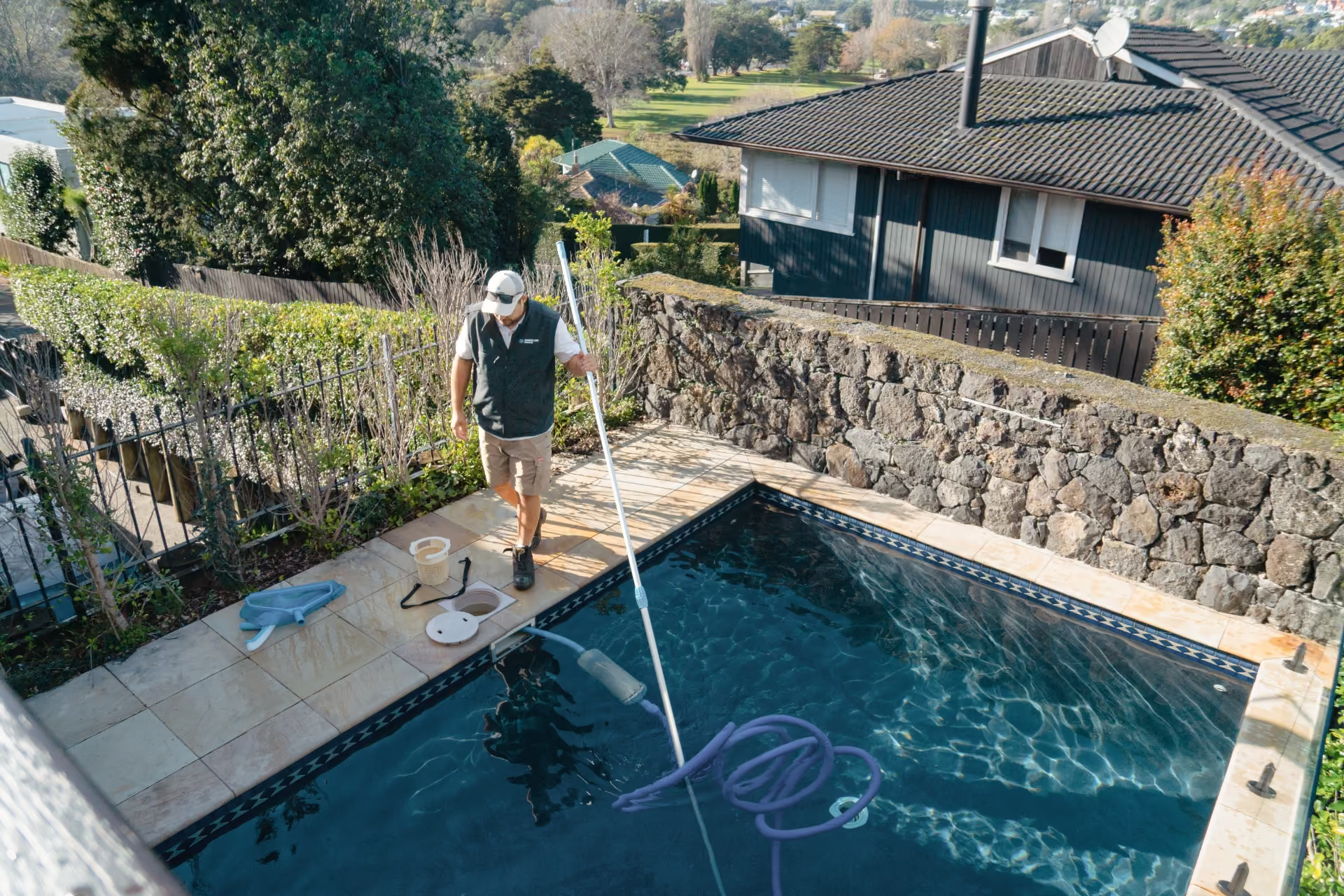
Cost of Pool Service Auckland

Pool Renovation Planning Guide
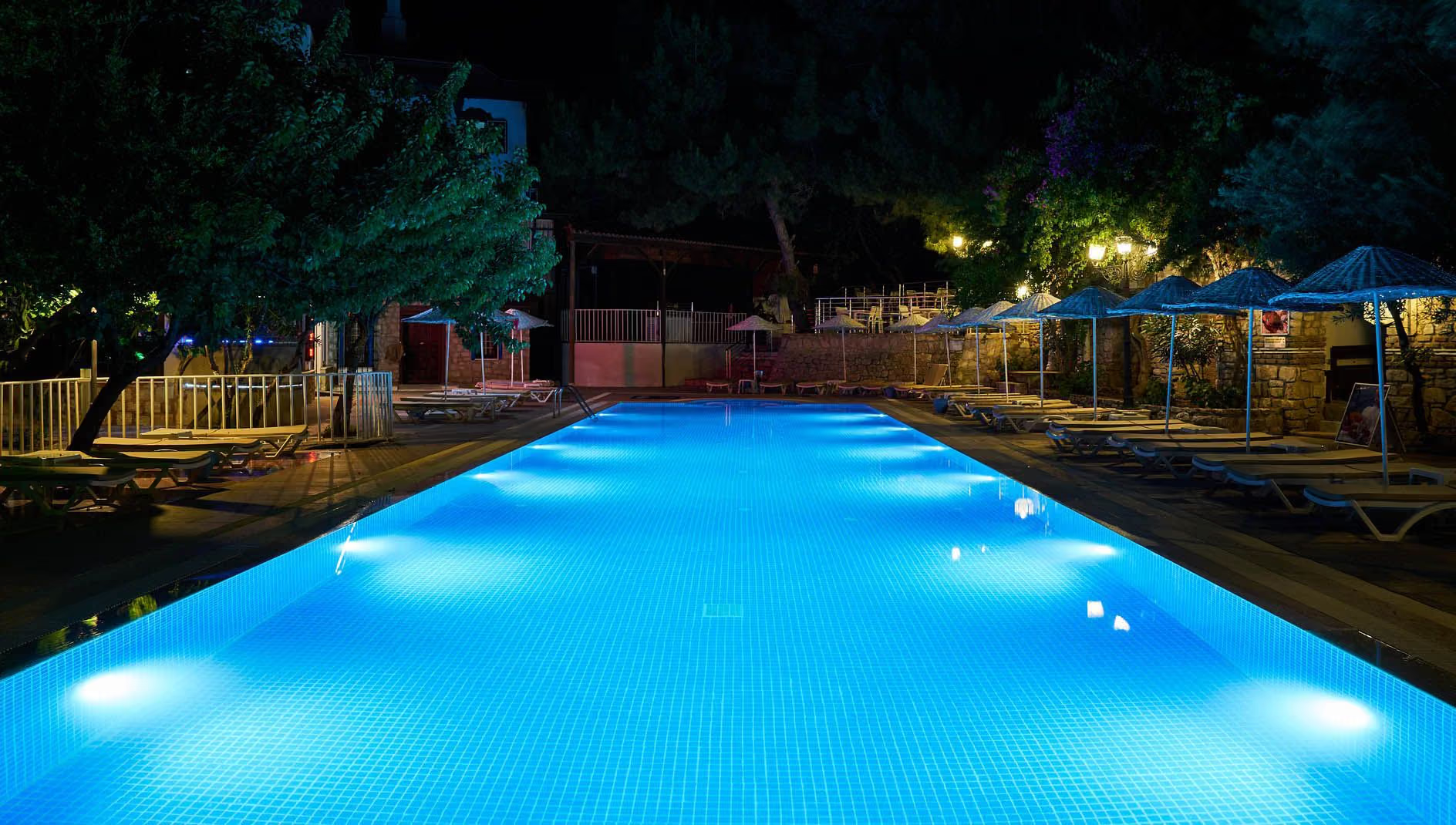
Pool Lighting Buying Guide
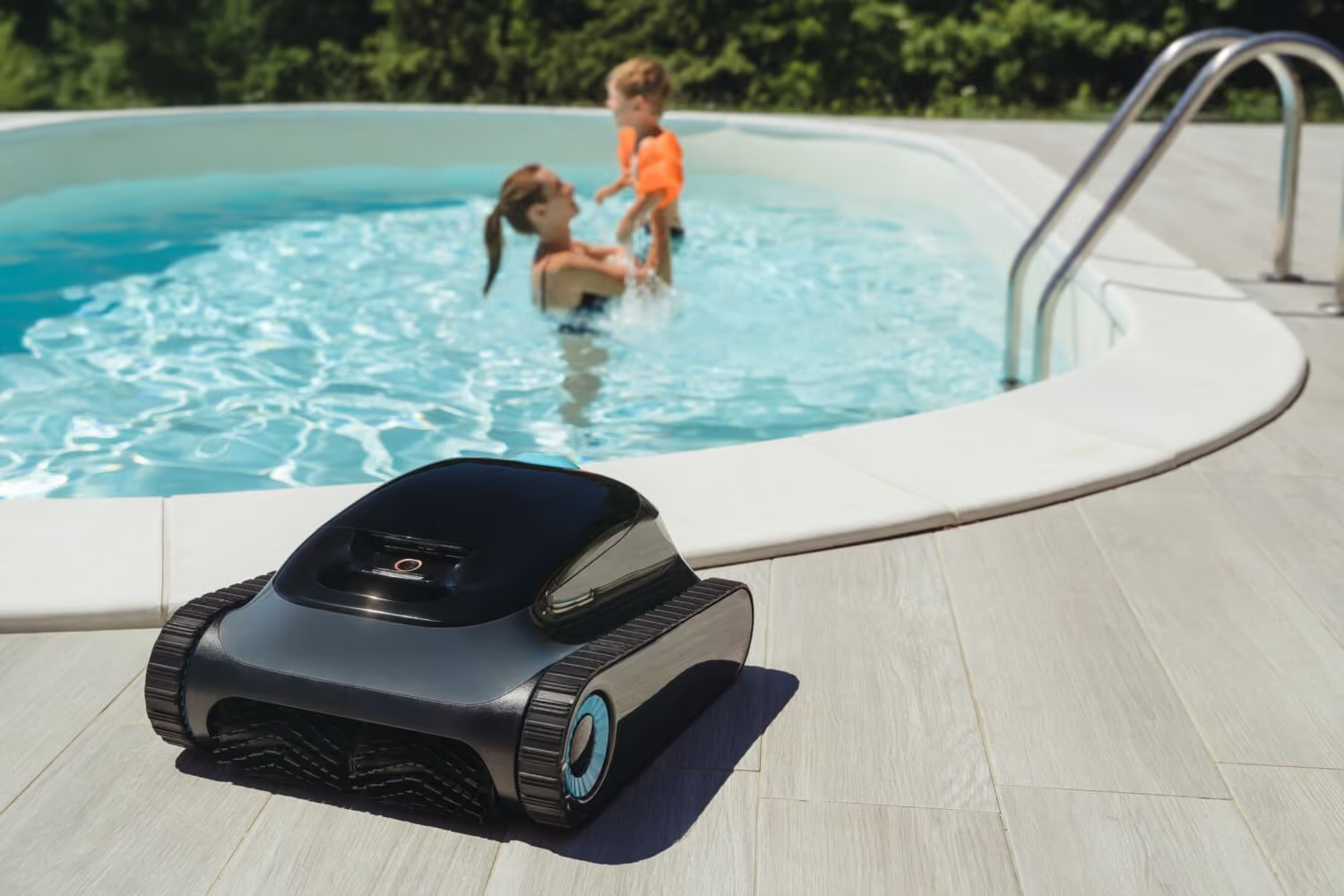
Pool Cleaner Buying Guide
Pool Automation Buying Guide
Pool Heater Buying Guide
Pool Filter Buying Guide
Pool Pump Buying Guide
Best Equipment Auckland Climate
Auckland Water Quality
Auckland Pool Season
Pool Ownership Costs
Common Pool Mistakes
Pool Safety Laws
Pool Inspection Requirements
Pool Fence Compliance
.avif)
Auckland Pool Industry Trends
Auckland Pool Regulations
Pool Equipment Suppliers
Best Pool Service Areas
Pool Service Pricing Analysis
Company vs Independent
Best Pool Surface Materials
Pool Resurfacing Options
Pebble vs Plaster Surfaces
One-Time vs Ongoing Service
Full Service vs Chemicals Only
Pool Cover Types
Robotic vs Suction Cleaners
Mineral vs Saltwater
Gas vs Heat Pump
Pool Heater Types
Pool Winterizing Guide Auckland
Pool Opening Guide Summer
Pool Maintenance After Heavy Rain
Pool Maintenance Schedule
How Often to Run Pool Filter
Pool Pump Maintenance Schedule
Pool Filter Cartridge Cleaning
Pool Equipment Maintenance Checklist
Pool Waterline Cleaning
Pool Skimmer Basket Cleaning
Pool Chlorine Levels
How Often Clean Pool Filter
How to Vacuum Pool
Pool Brushing Technique
Pool Chemical Dosing Chart
Pool Water Chemistry Basics
How to Balance Pool Chemistry
How to Test Pool Water
Pool Maintenance Tips
Complete Pool Maintenance Guide
Pool Service ROI
Pool Equipment Buy or Service
Pool Maintenance Time Requirements
DIY vs Professional
Pool Service Contract
Pool Service vs Pool Valet
Is Pool Service Worth It
Pool Service Guarantees
Pool Service Reviews
Pool Service Red Flags
Questions to Ask Pool Companies
How to Choose Pool Service Company
Hidden Costs DIY Maintenance
Pool Cleaning Prices Auckland
Cost of Pool Resurfacing
Cost of Pool Pump Replacement
Cost to Fix Green Pool
Pool Liner Wrinkles
Pool Cracks When to Worry
Pool Surface Stains
Pool Valve Leaking
Pool Automation Not Working
Pool Light Not Working
Pool Heater Not Heating
Pool Skimmer Not Working
High Pool Filter Pressure
Pool Losing Water
Pool Filter Not Clearing Water
Pool Pump Leaking
Pool Pump Not Pumping
Pool Pump Losing Prime
Pool Pump Noisy
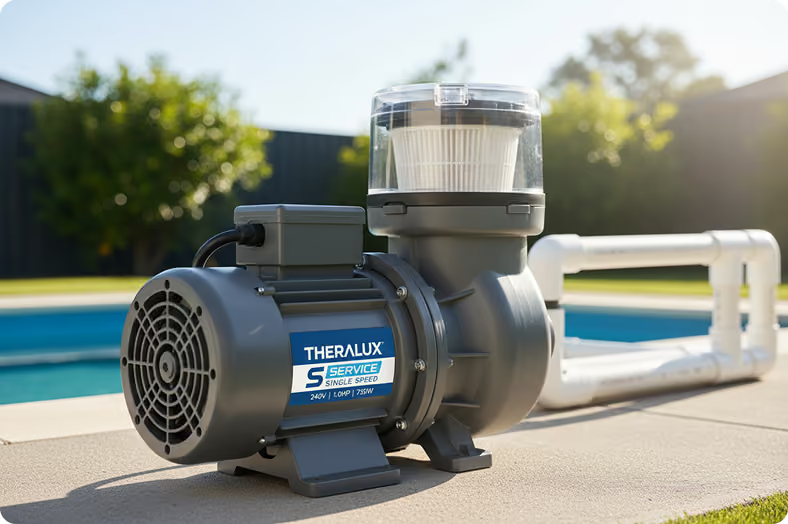
Pool Pump Not Working
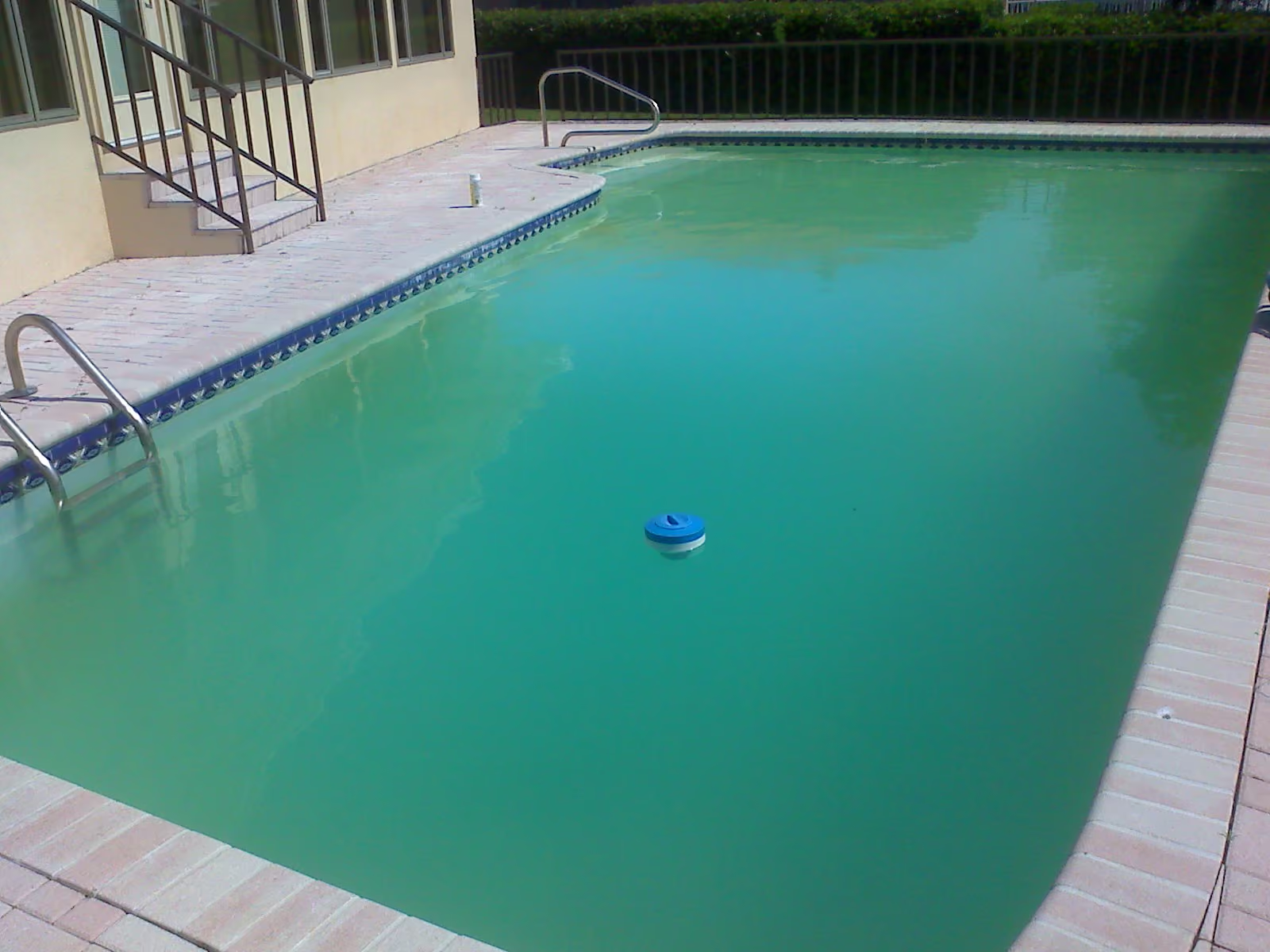
Pool Water Foaming
Pool pH Too Low
Pool pH Too High
Green Pool After Rain
Pool Still Green After Shock
Pool Water Cloudy
How to Clear a Green Pool
Pool Care That Protects Your Investment
Good pool care protects more than appearance. Our pool specialists support the long-term condition of your swimming pool while keeping it ready for everyday use.