Pool Fence Compliance

Why Auckland trusts our pool service expertise
Pool fence compliance in Auckland is a legal requirement under the Fencing of Swimming Pools Act 1987 and the Building Act 2004. Every residential pool owner is responsible for ensuring their barrier meets the required standard and remains compliant over time.
The rules cover fence height, gate operation, the pool zone, and, where the house wall forms part of the barrier, doors and windows. Auckland Council inspects pools at least once every three years, and non-compliance can result in fines or enforcement action.
What you'll learn
Why Pool Fence Compliance Matters in Auckland
Pool fencing in New Zealand is not optional. It is a legal requirement under the Building Act 2004 and the Fencing of Swimming Pools Act 1987. Every residential pool in Auckland must meet specific standards, and it is the pool owner's responsibility to ensure those standards are maintained.
Non-compliance can result in fines, enforcement notices, and, most seriously, preventable accidents involving young children. Getting this right is straightforward once you understand what is required.
---
The Legal Framework
The Fencing of Swimming Pools Act 1987
This Act requires that all residential swimming pools capable of holding water to a depth of 400mm or more must be fenced. The fence must restrict access by young children, specifically those under five years of age.
The Act applies to pools at private homes, rental properties, and shared residential complexes.
New Zealand Standard NZS 8500:2006
This standard sets out the technical requirements for pool fencing in New Zealand. It covers fence height, barrier design, gate specifications, and the rules around what can and cannot be within the pool zone.
Local councils in Auckland enforce compliance against this standard. When an inspector visits, NZS 8500:2006 is the benchmark they use.
Auckland Council's Role
Auckland Council is responsible for inspecting pool fences within its jurisdiction. Under the Building Act 2004, councils must inspect all residential pools at least once every three years. Pool owners can also request an inspection at any time.
If a pool fence is found to be non-compliant, the council will issue a notice requiring the owner to remedy the problem within a set timeframe.
---
Key Requirements for Pool Fences in Auckland
Fence Height
The pool barrier must be at least 1.2 metres high, measured on the outside of the fence. This applies to all sides of the barrier.
No Climbable Footholds
The fence must not have horizontal rails, decorative features, or gaps that a child could use to climb. Any horizontal member on the outside of the fence must be positioned so it does not assist climbing.
Gate Requirements
Gates are one of the most common areas of non-compliance. The rules are specific:
- Gates must open away from the pool
- Gates must be self-closing and self-latching
- The latch must be positioned on the pool side of the gate, at least 1.5 metres above the ground, or be of a type that a young child cannot operate
- Gates must not be propped open
The Pool Zone
The area immediately around the pool, known as the pool zone, must be kept clear of objects that could help a child climb over the fence. This includes outdoor furniture, pot plants, play equipment, and storage items.
Doors and Windows as Part of the Barrier
In some configurations, the wall of a house forms part of the pool barrier. Where this is the case, any door or window that opens into the pool zone must be fitted with a self-closing, self-latching mechanism that meets the same standard as a gate.
This is a common compliance issue in Auckland homes where the pool sits close to the house.
---
Common Reasons Pool Fences Fail Inspection
Auckland Council inspectors see the same issues repeatedly. Being aware of these can help pool owners address problems before an inspection.
- Gates that do not self-close or self-latch properly, hinges wear over time and latches can loosen
- Furniture or equipment left in the pool zone, even temporarily, this creates a climbing hazard
- Gaps at the base of the fence, ground settlement or landscaping changes can open gaps that were not there originally
- Vegetation growing against the fence, trees and shrubs can provide footholds or push fence panels out of alignment
- Doors from the house into the pool zone, these are often overlooked and frequently non-compliant
- Fence panels that have shifted or deteriorated, particularly common with timber fencing in Auckland's wet climate
---
What Happens If Your Pool Fence Is Non-Compliant
If Auckland Council finds your pool fence does not meet the required standard, they will issue a written notice. This notice will specify:
- What the problem is
- What needs to be done to fix it
- The timeframe for remediation
If the issue is not resolved within the required timeframe, the council can issue an infringement notice. Fines apply under the Fencing of Swimming Pools Act 1987.
In serious cases, where the risk to children is considered immediate, the council can require the pool to be emptied or fenced off until the barrier is brought into compliance.
---
Checking Your Own Pool Fence
Pool owners do not need to wait for a council inspection. A basic self-check can identify obvious problems early.
What to Check
- Walk the full perimeter of the fence and look for gaps, damaged panels, or sections that have moved
- Test every gate: does it swing closed on its own and latch without assistance?
- Check the latch height and confirm it is on the pool side
- Look for anything inside or outside the fence that could be used to climb, furniture, bins, garden features
- Check any doors or windows that open into the pool zone and confirm they self-close and latch
- Look at the base of the fence for gaps caused by ground movement or landscaping
Doing this check every few months, and after any significant weather event, is a sensible habit.
---
Pool Fence Compliance for Rental Properties
Landlords in Auckland have the same obligations as owner-occupiers. If a rental property has a pool, the landlord is responsible for ensuring the fence meets the required standard.
This applies regardless of whether the tenancy agreement mentions the pool. It is worth building pool fence checks into routine property inspections.
---
New Pools and Renovations
If you are installing a new pool or undertaking significant work on an existing one, a building consent will be required. The consent process includes a requirement to demonstrate that the pool barrier meets NZS 8500:2006.
A code compliance certificate will not be issued until the pool fence has been inspected and approved. This applies to new builds and to pools that are being substantially altered.
---
When to Get Professional Help
Most pool fence compliance issues are straightforward to fix, a gate adjustment, a latch replacement, or removing items from the pool zone. However, some situations are worth getting professional input on:
- If the fence needs to be repositioned or rebuilt to meet height requirements
- If the house wall forms part of the barrier and modifications are needed to doors or windows
- If you are unsure whether your current setup meets the standard before a council inspection
- If you have received a non-compliance notice and need to understand what is required
A pool professional or licensed building practitioner can assess your barrier and advise on what needs to change.
---
Keeping Compliance Up to Date
Pool fence compliance is not a one-time task. Fences deteriorate, ground settles, and landscaping changes. What was compliant when the pool was built may not remain compliant over time.
Building regular checks into your pool maintenance routine is the most reliable way to stay on top of it. If Sparkling Pools is servicing your pool, ask the technician to flag anything they notice around the fence during their visits, an extra set of eyes is always useful.
Pool resurfacing solutions
Restore your pool with durable plaster finishes


Work completed
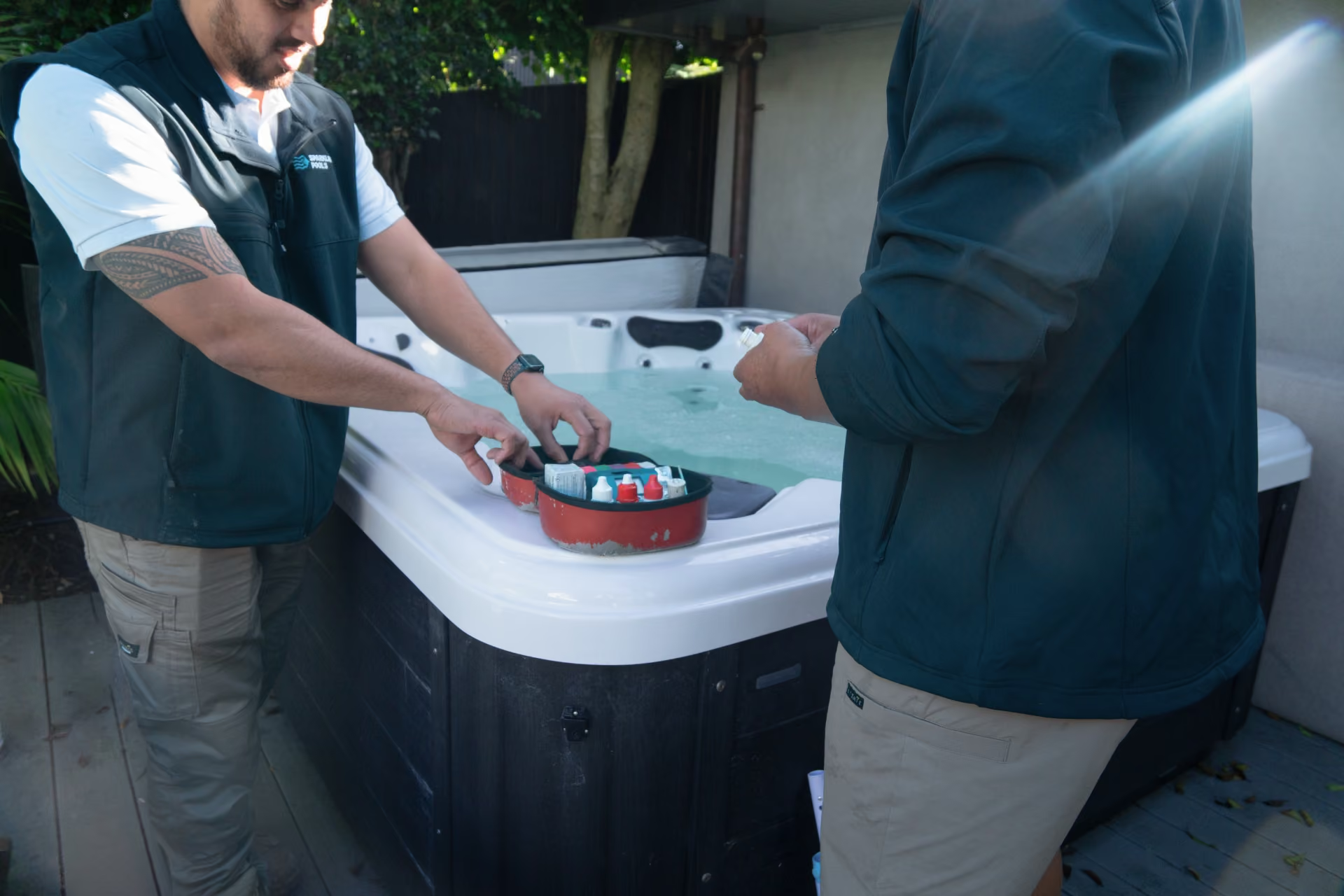
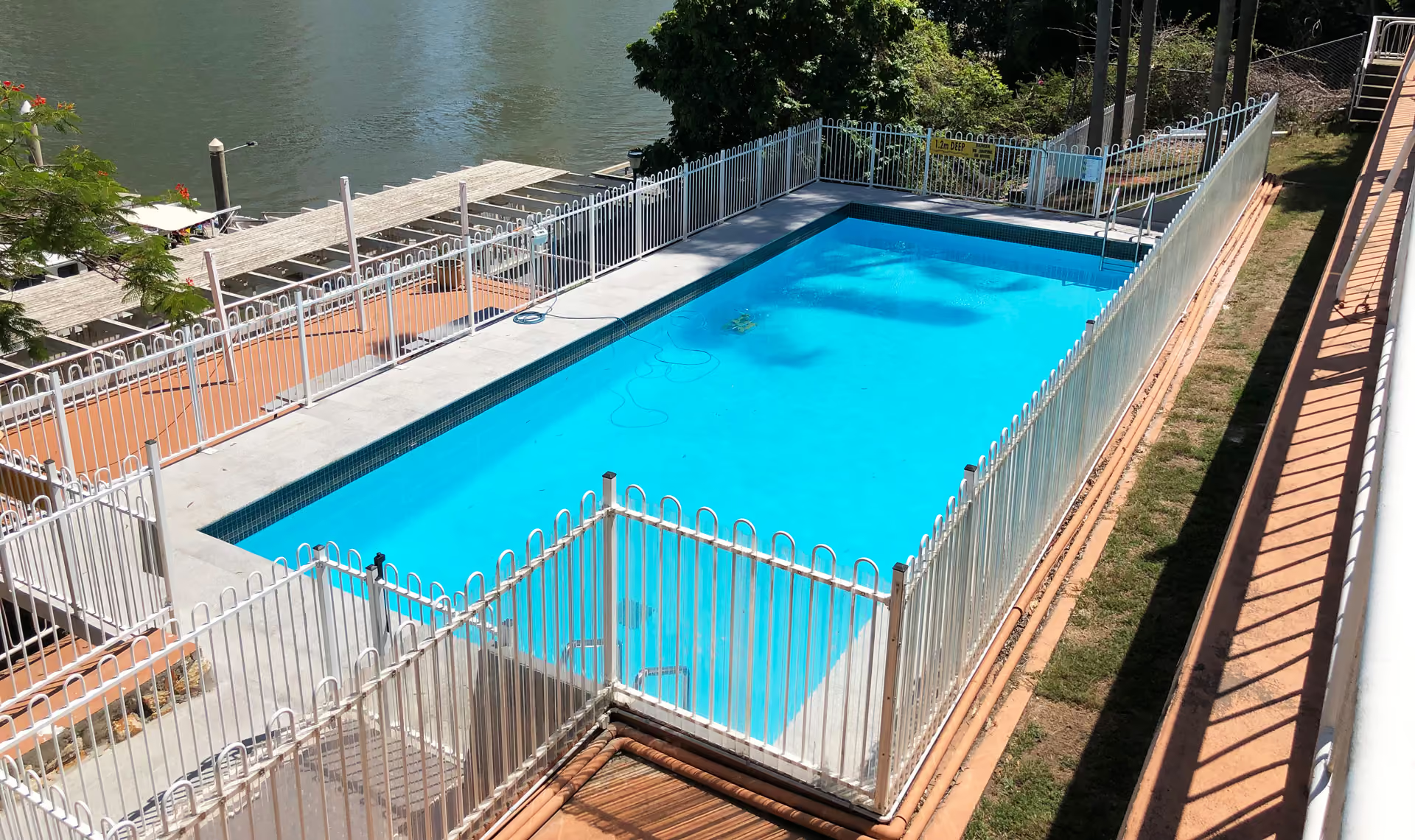
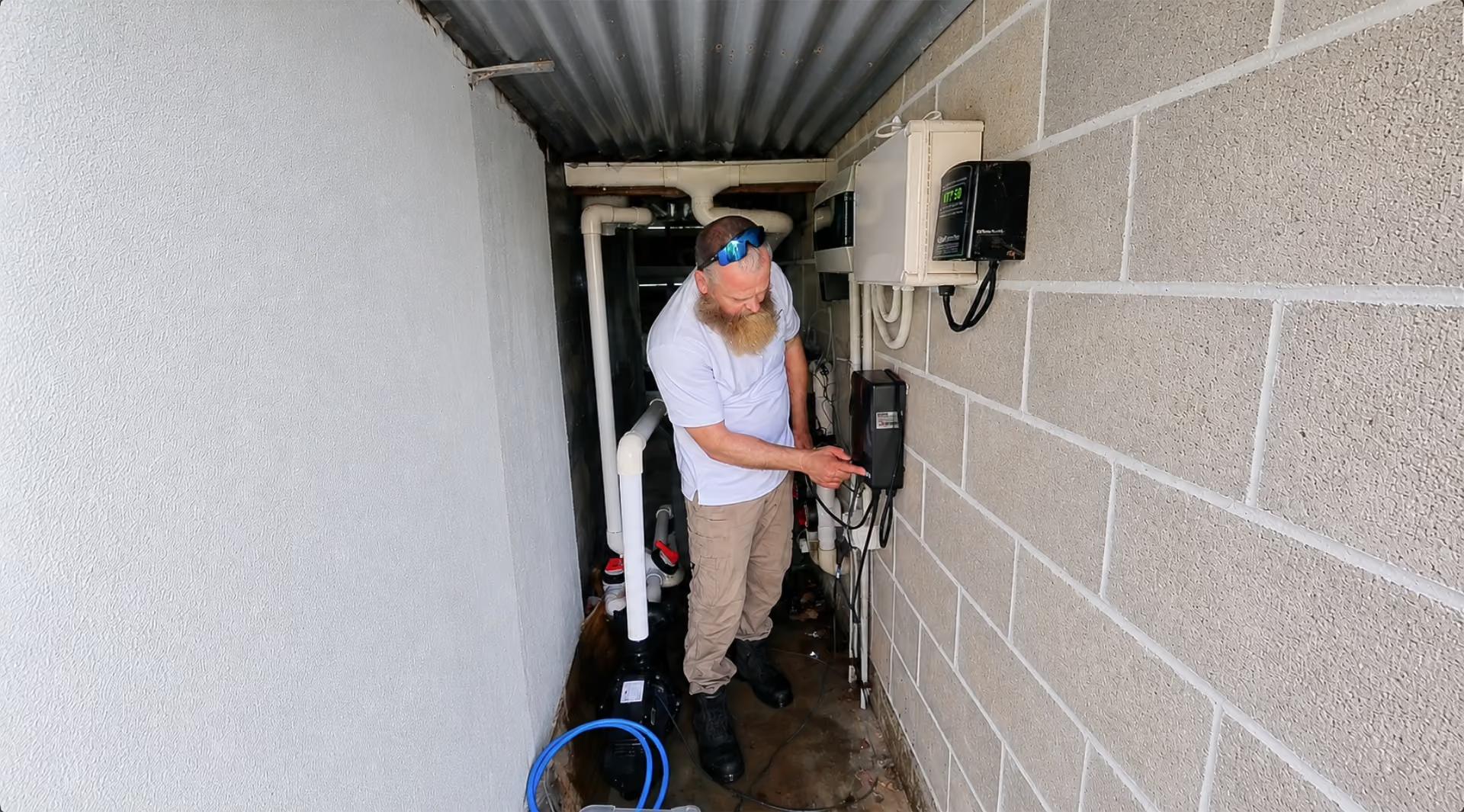
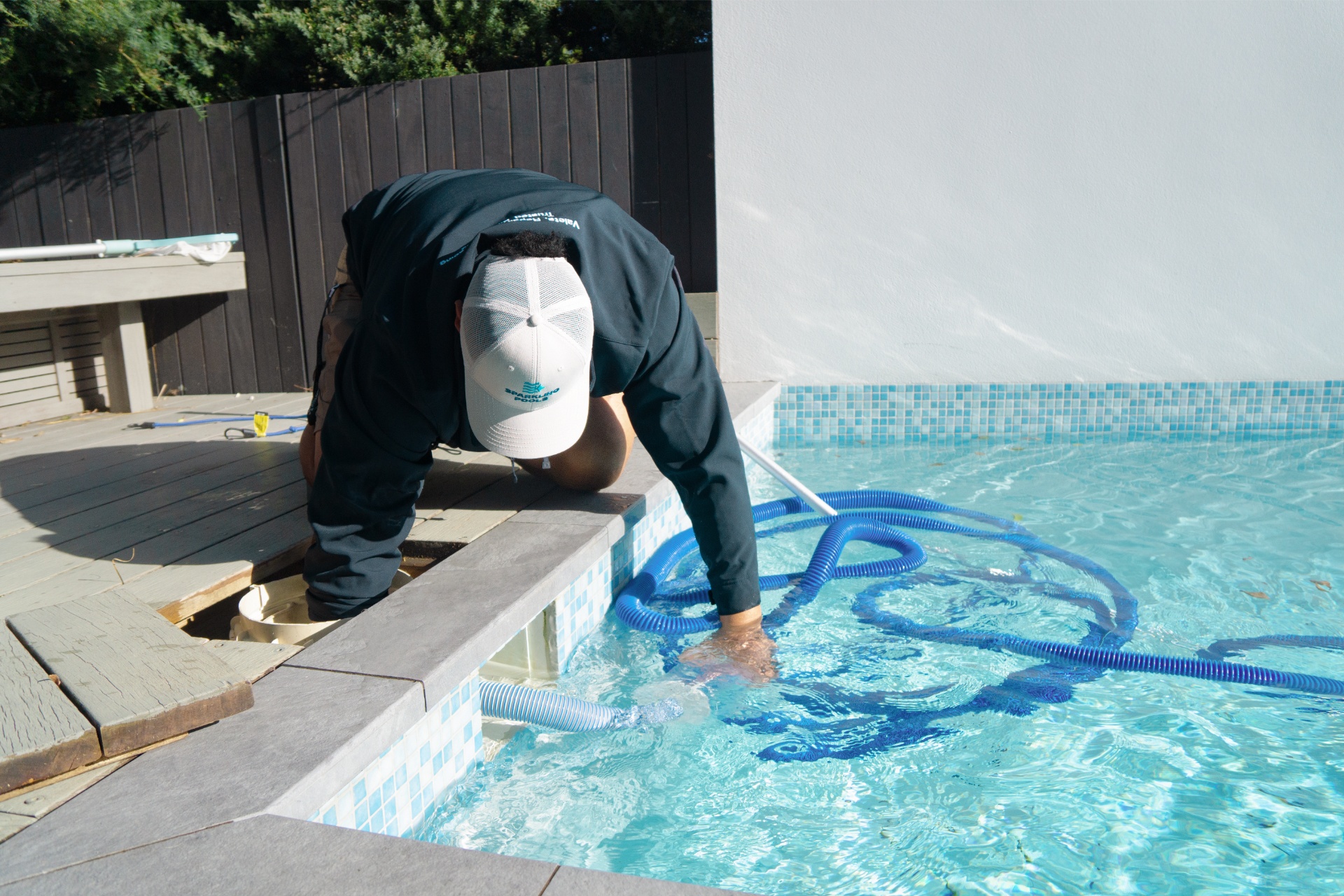
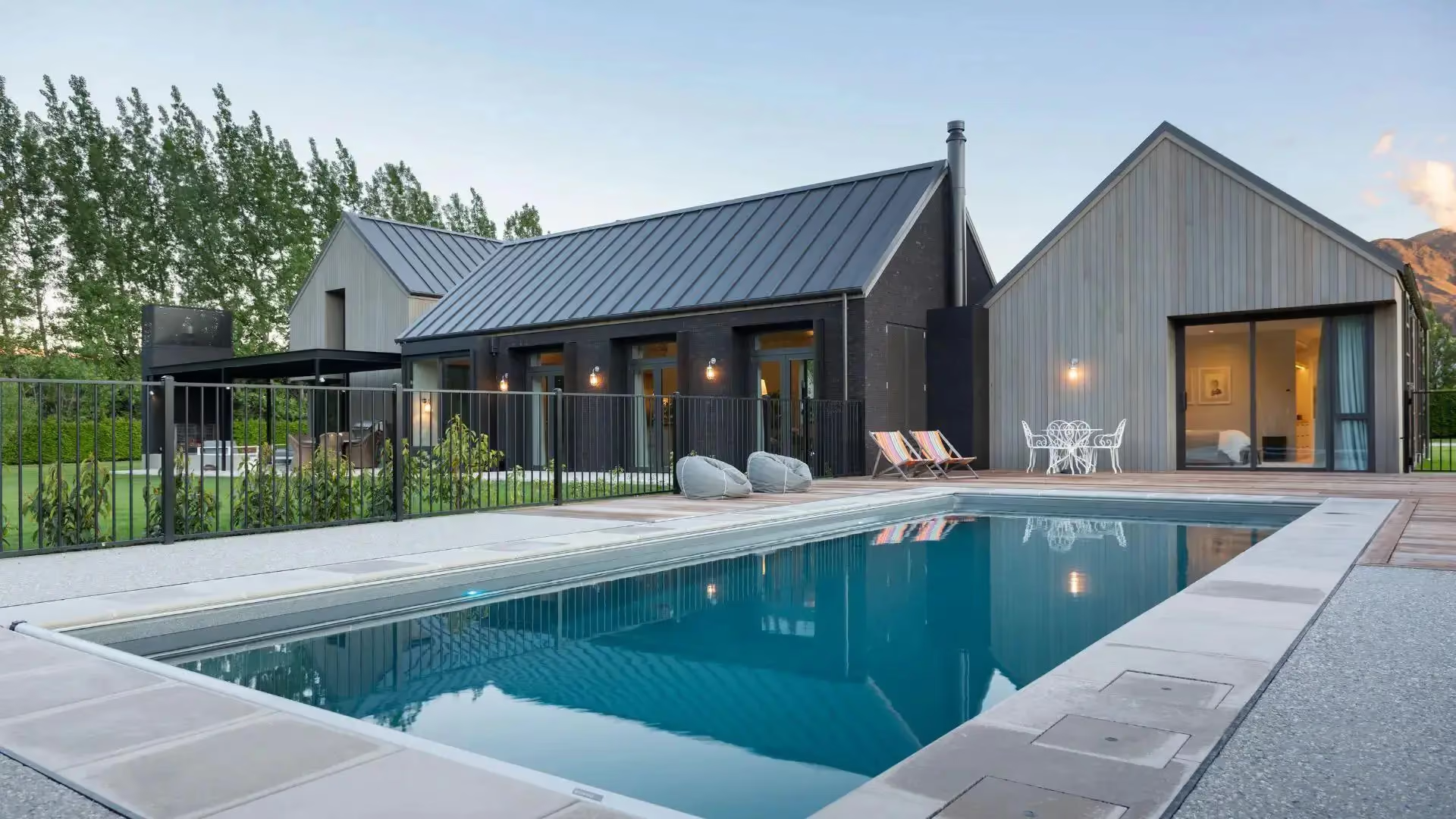
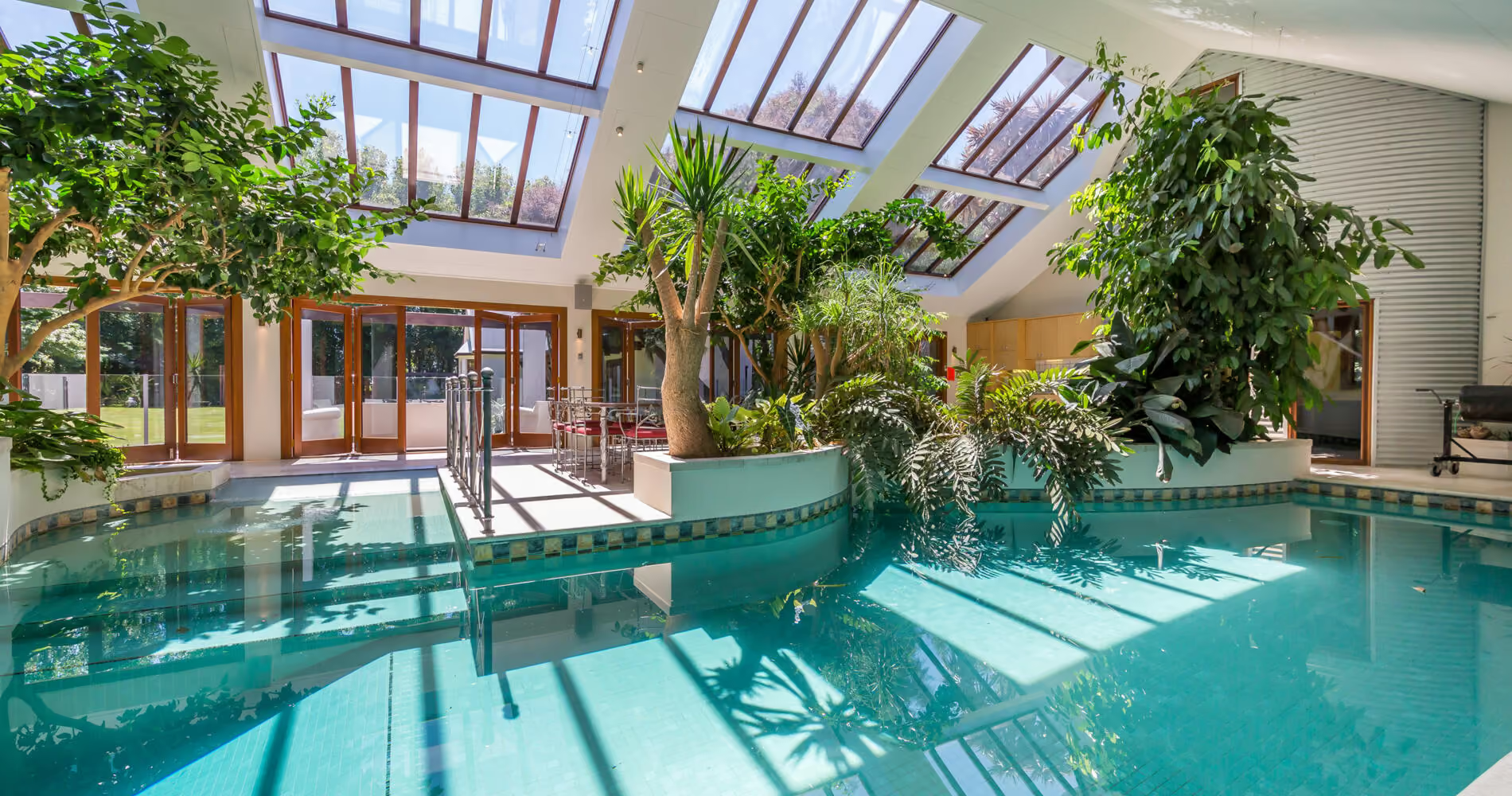
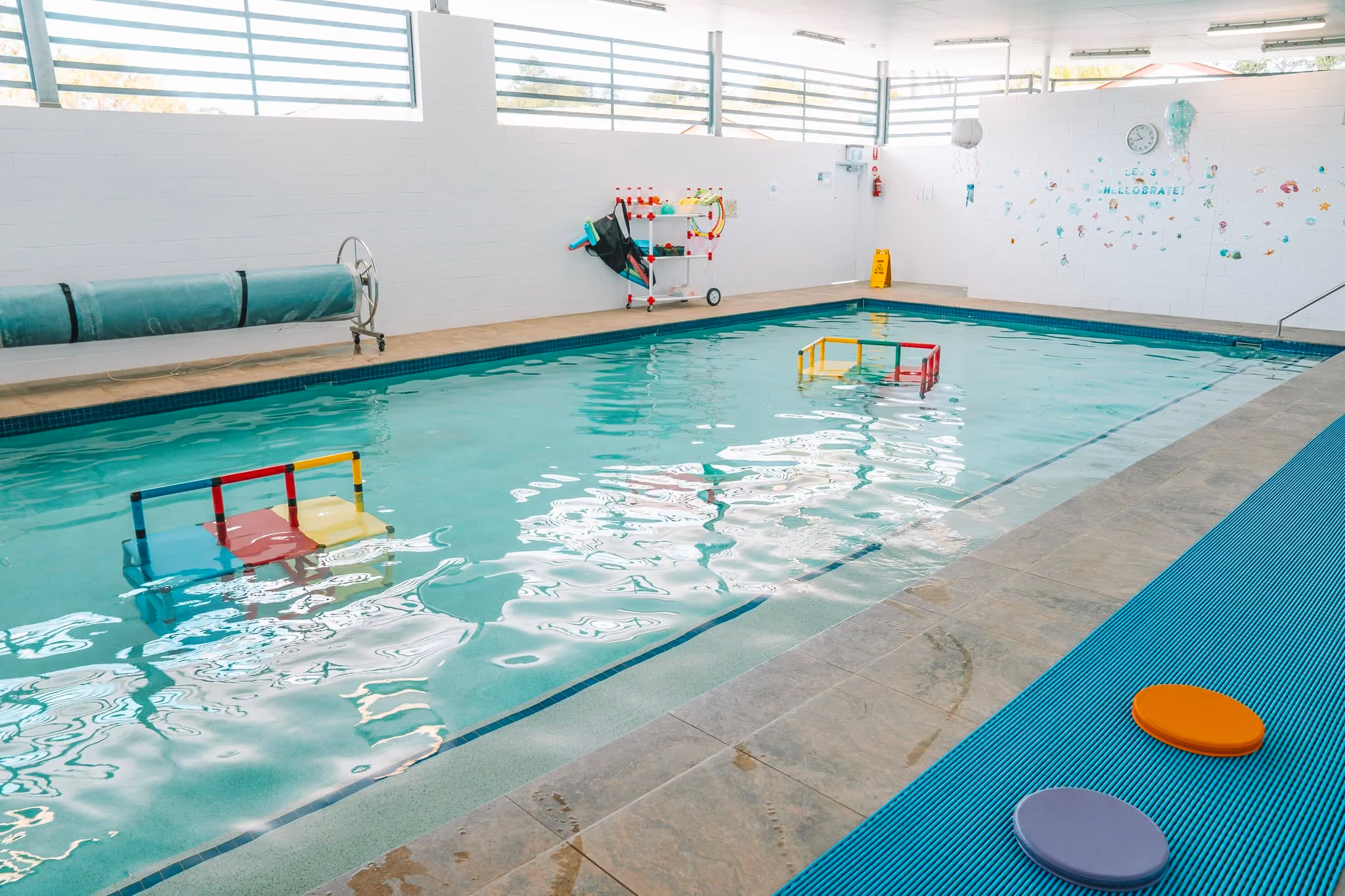
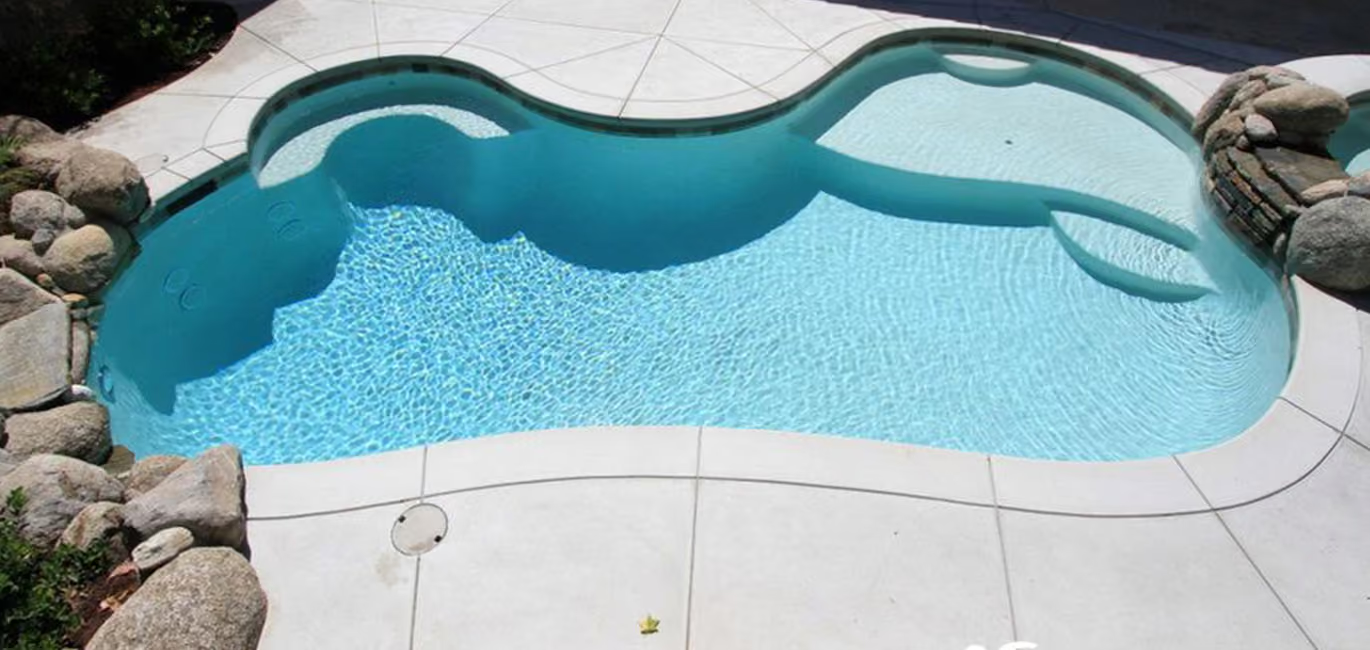
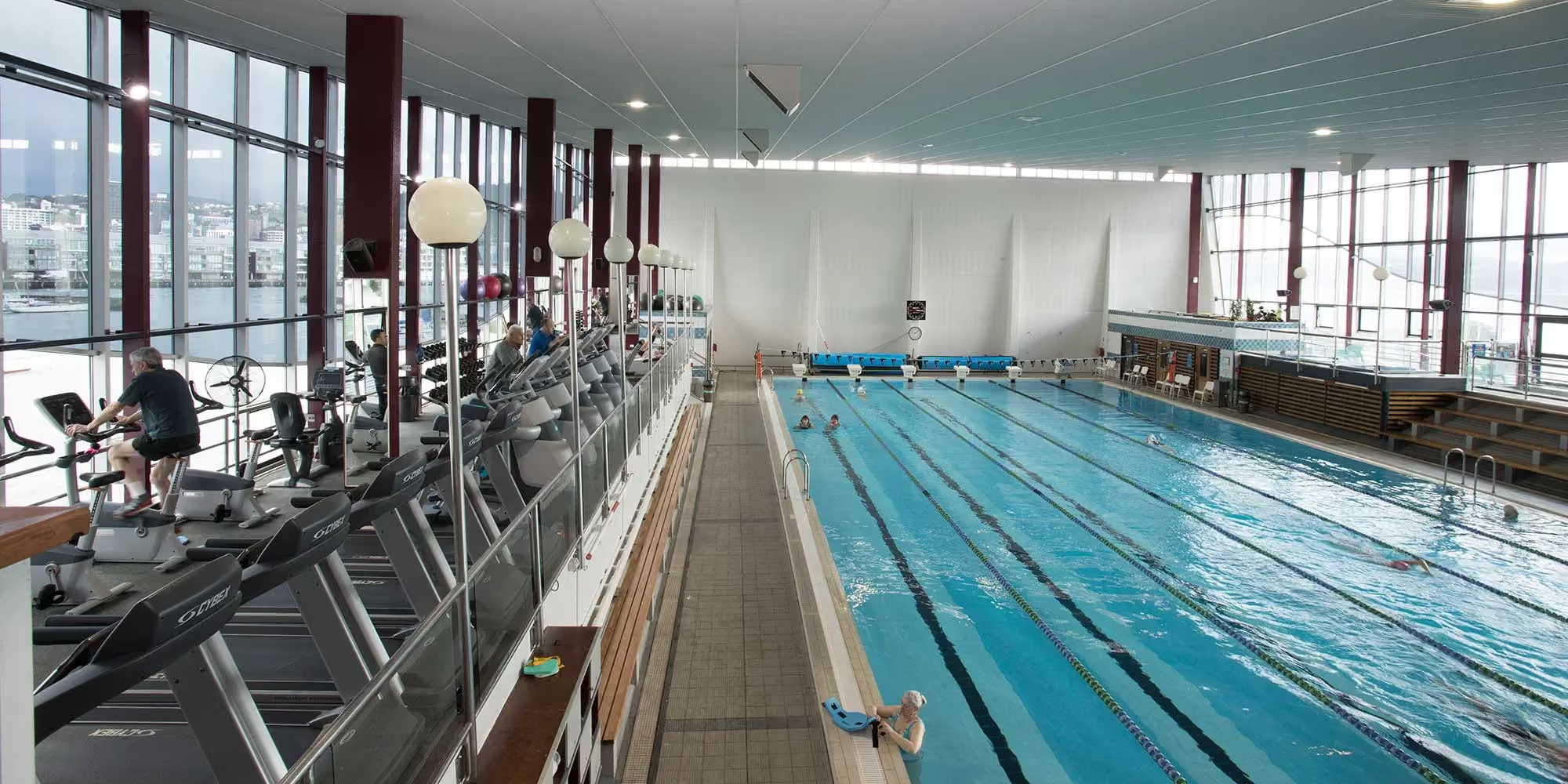
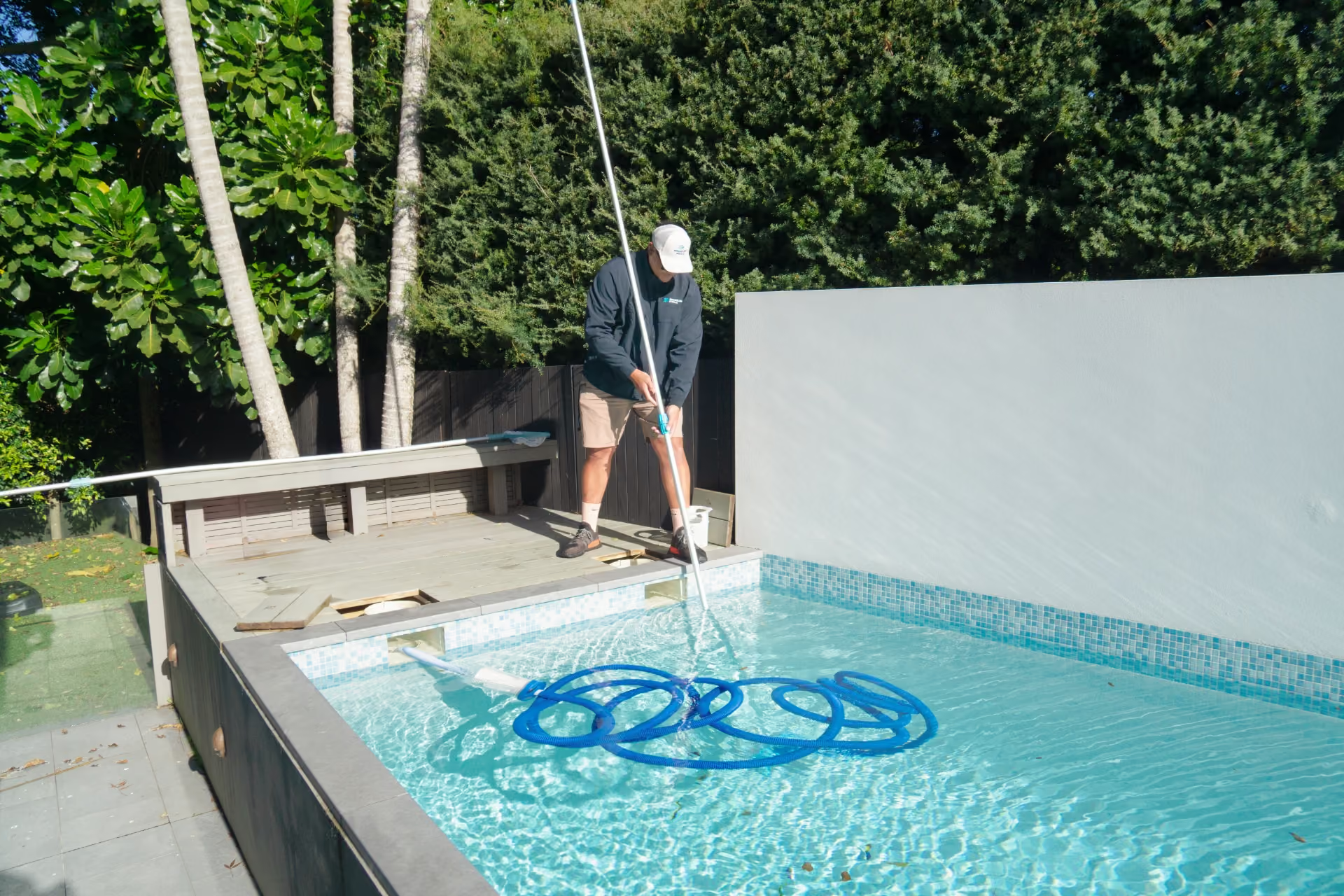
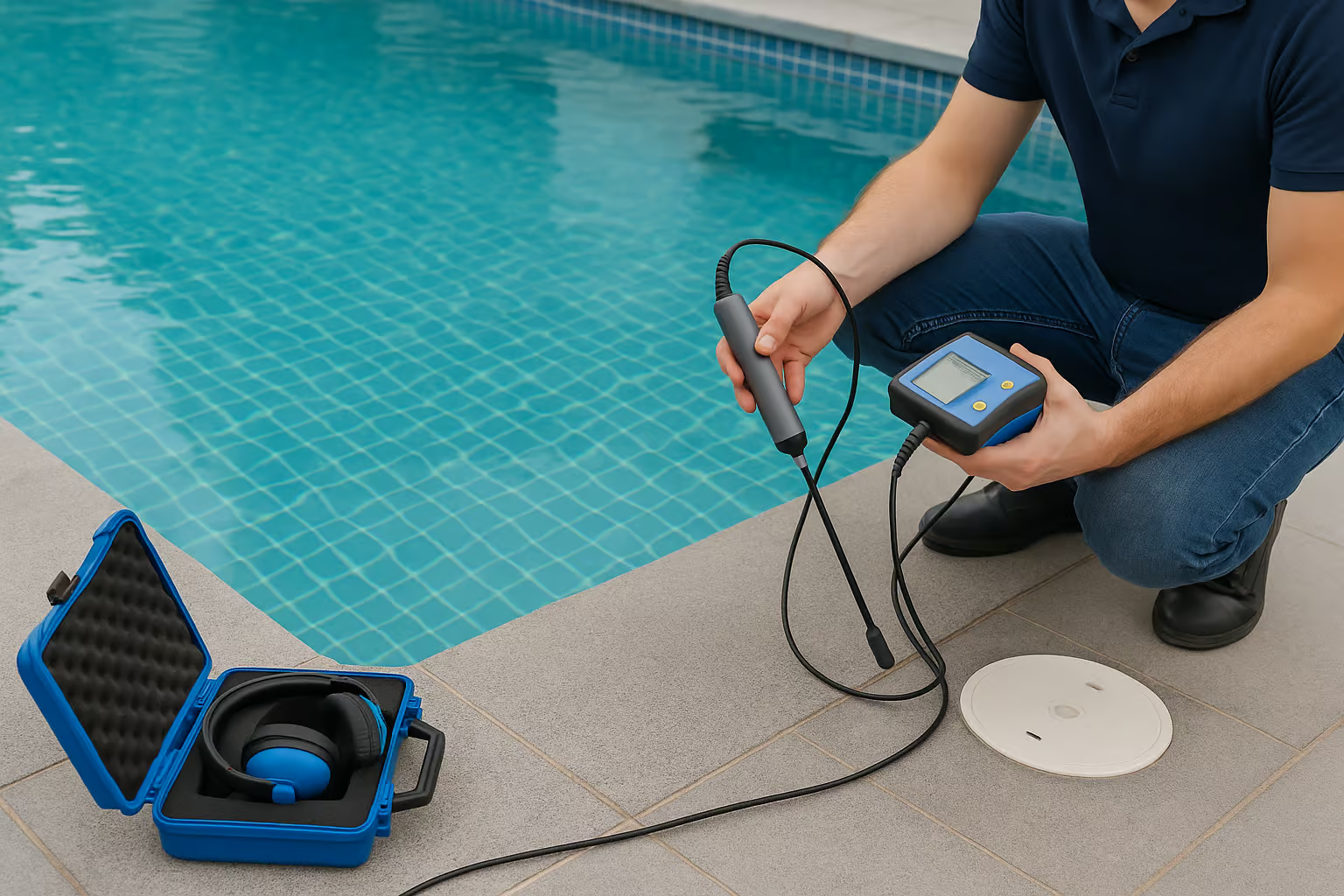
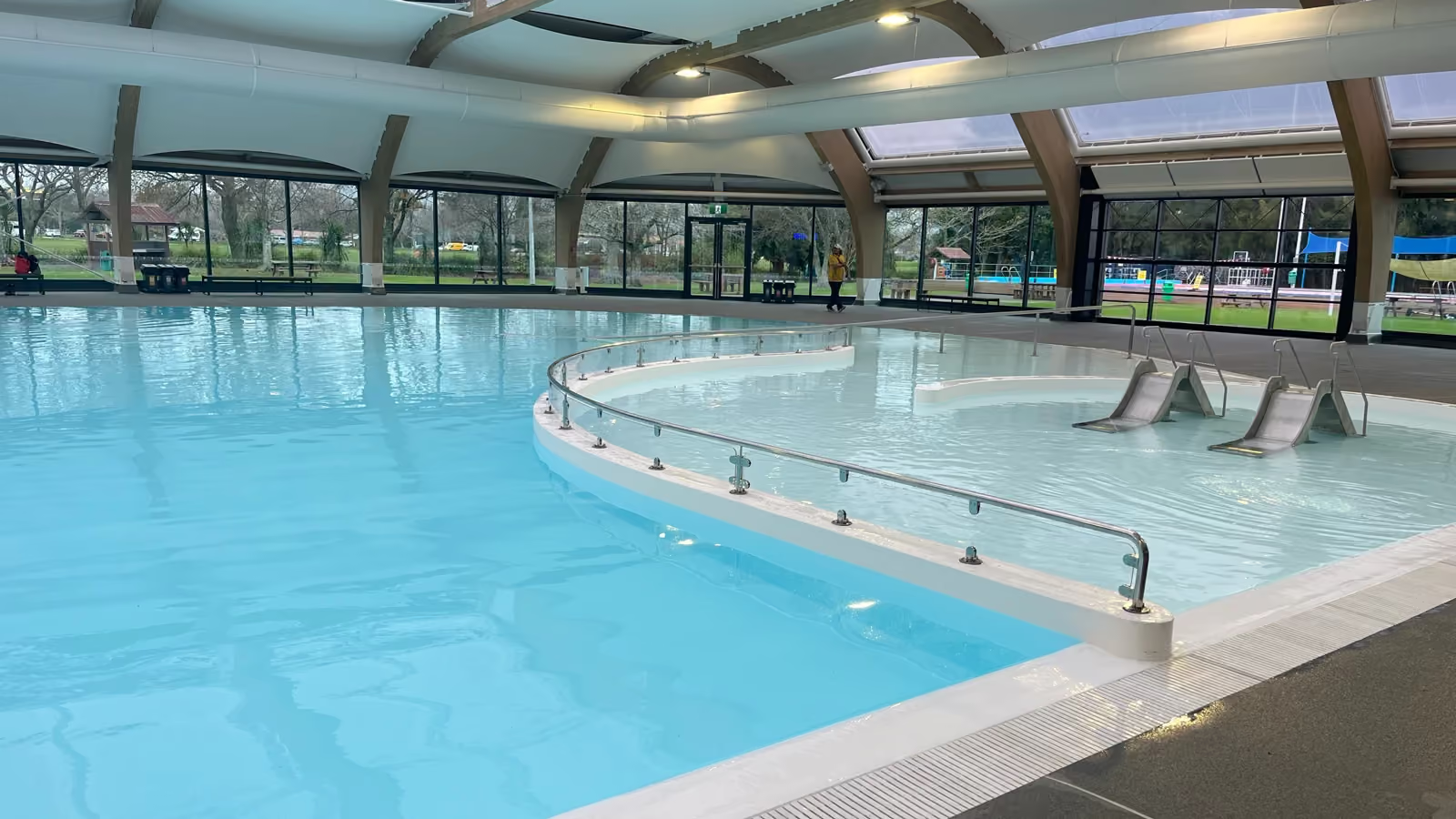
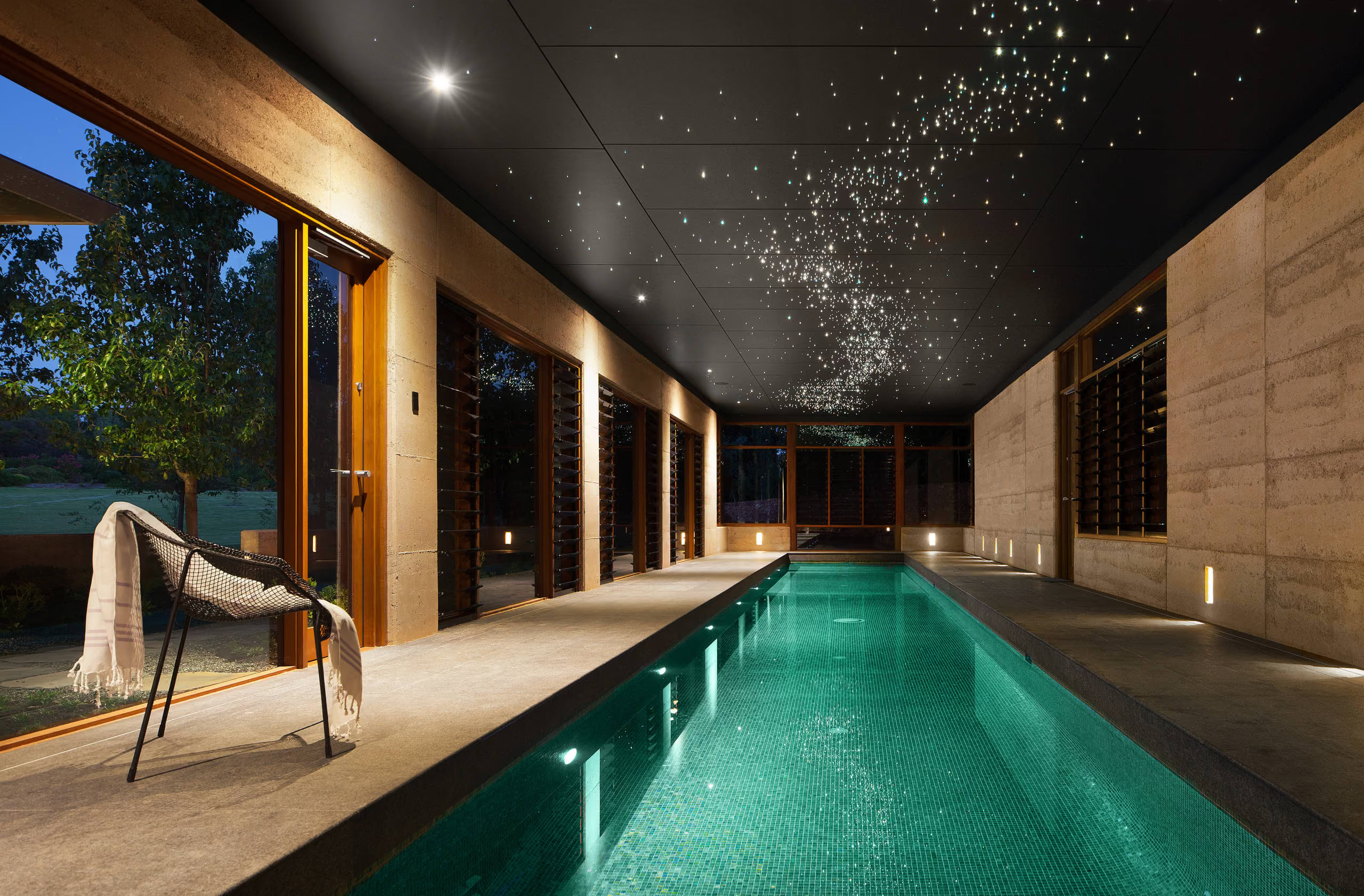
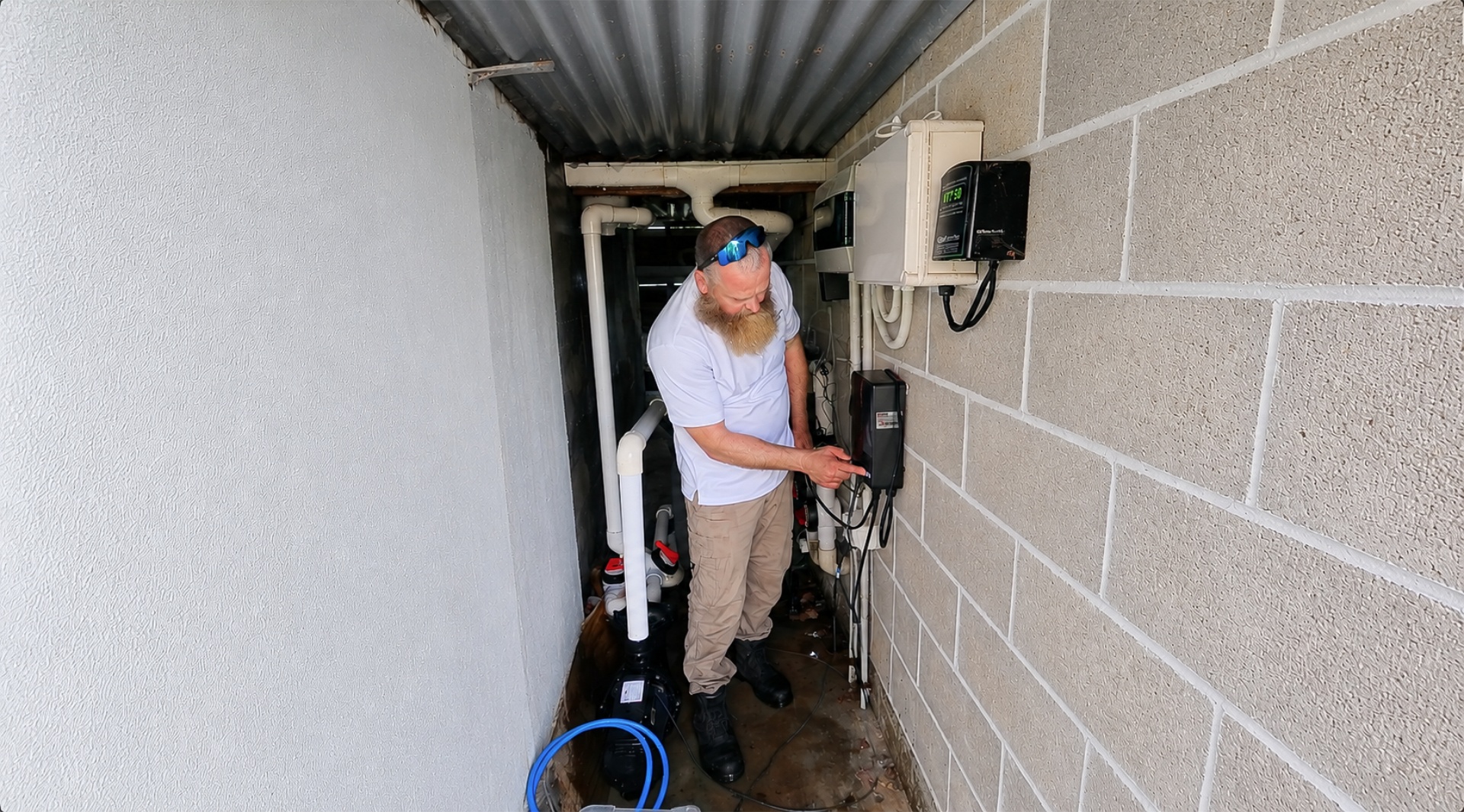
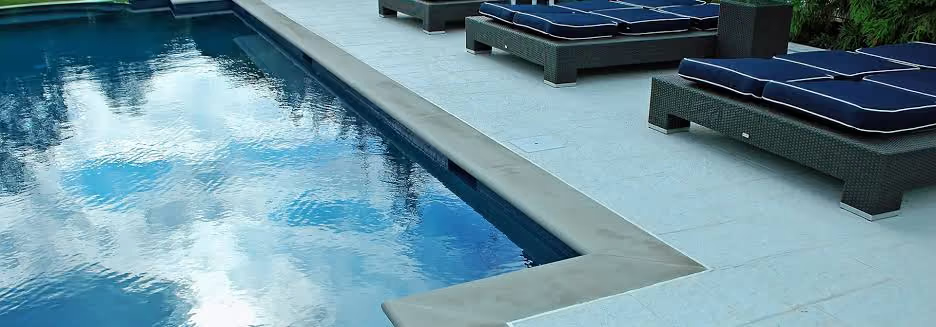
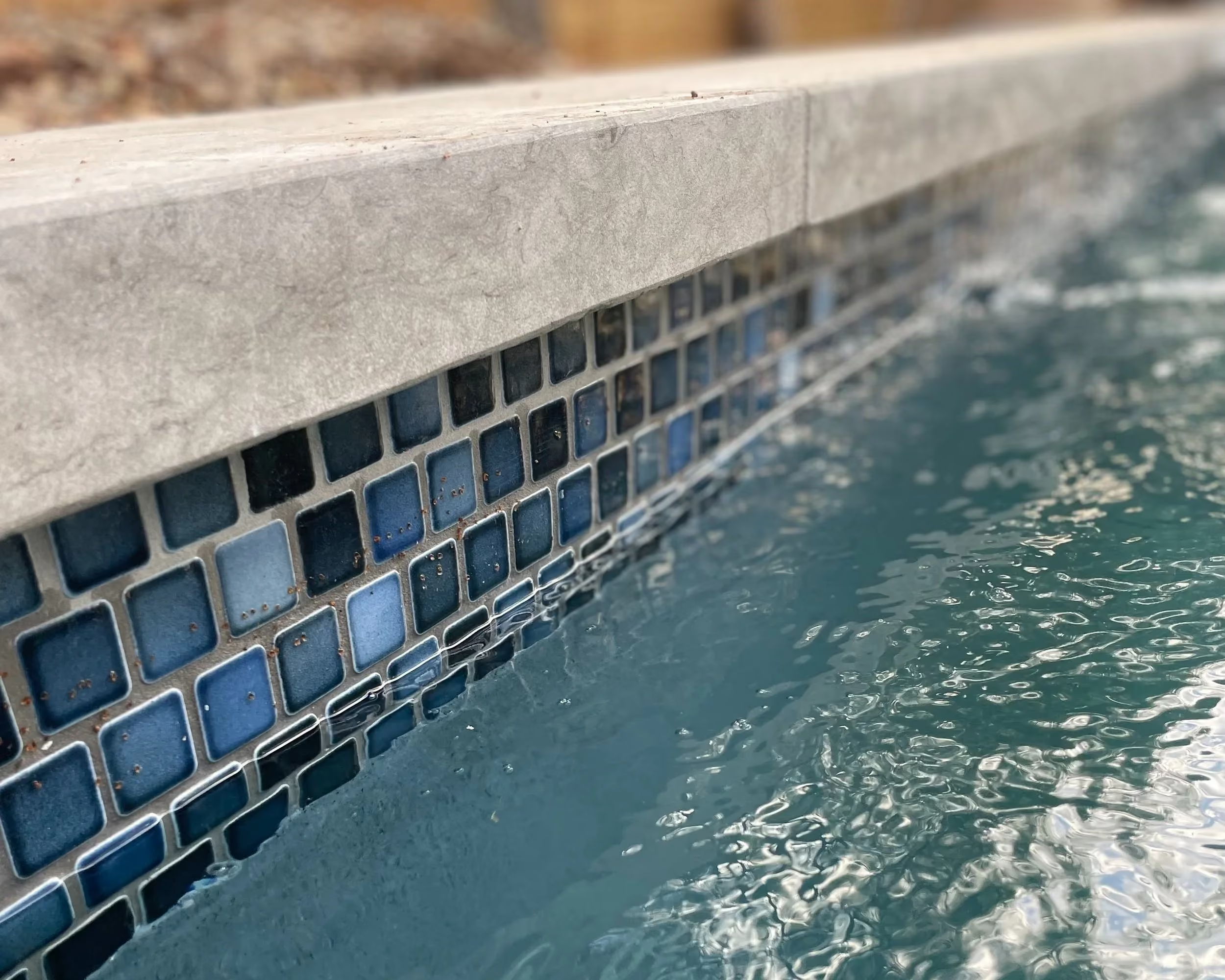
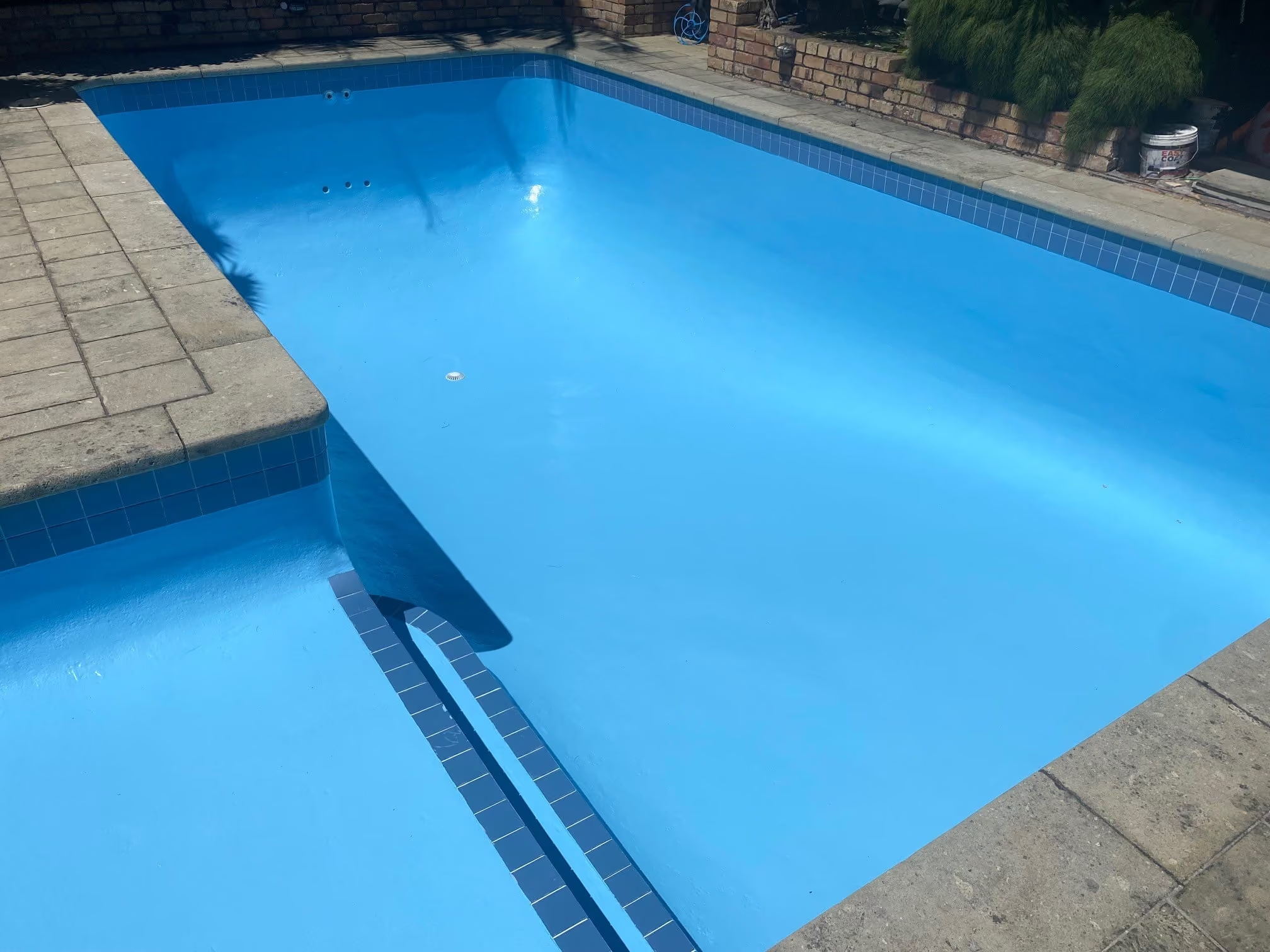
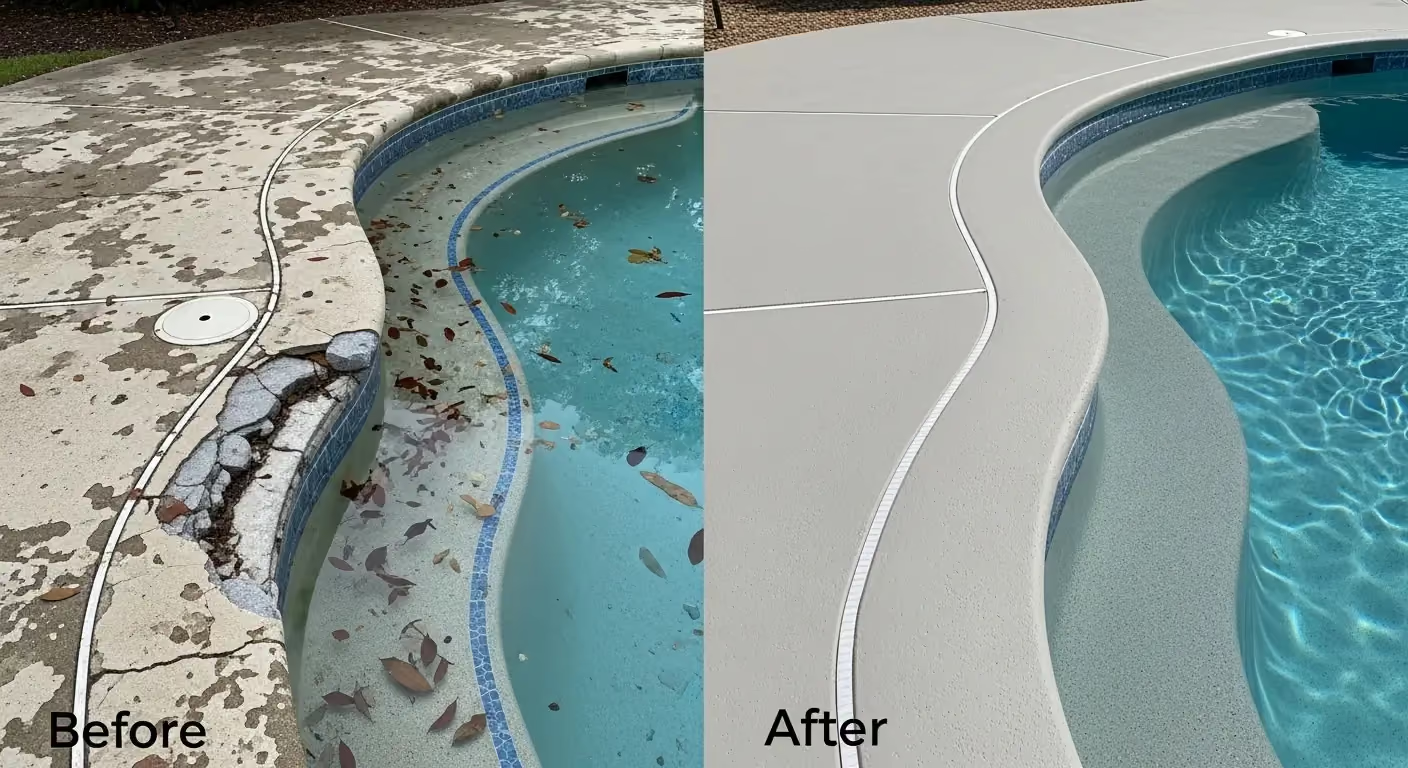
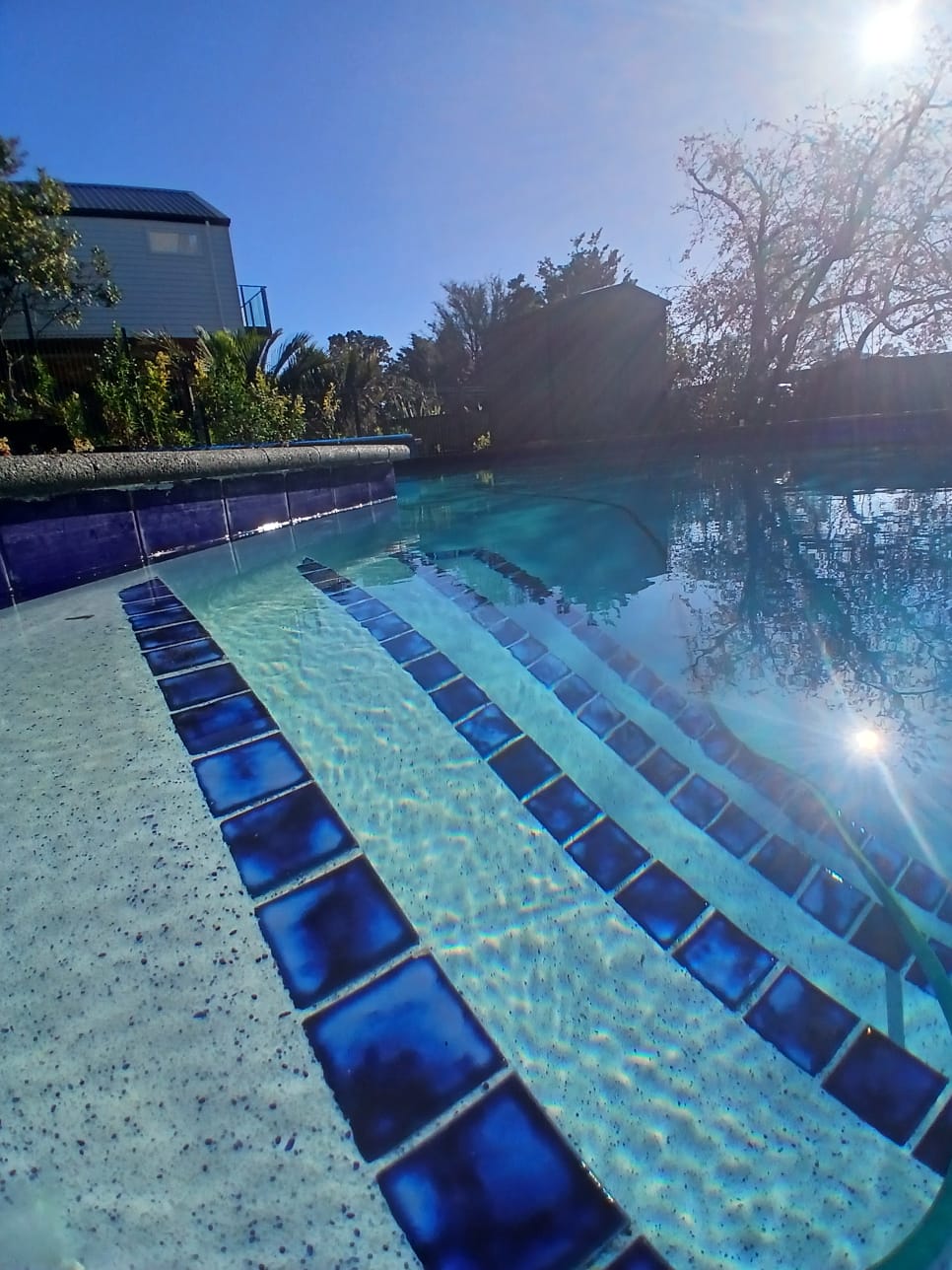
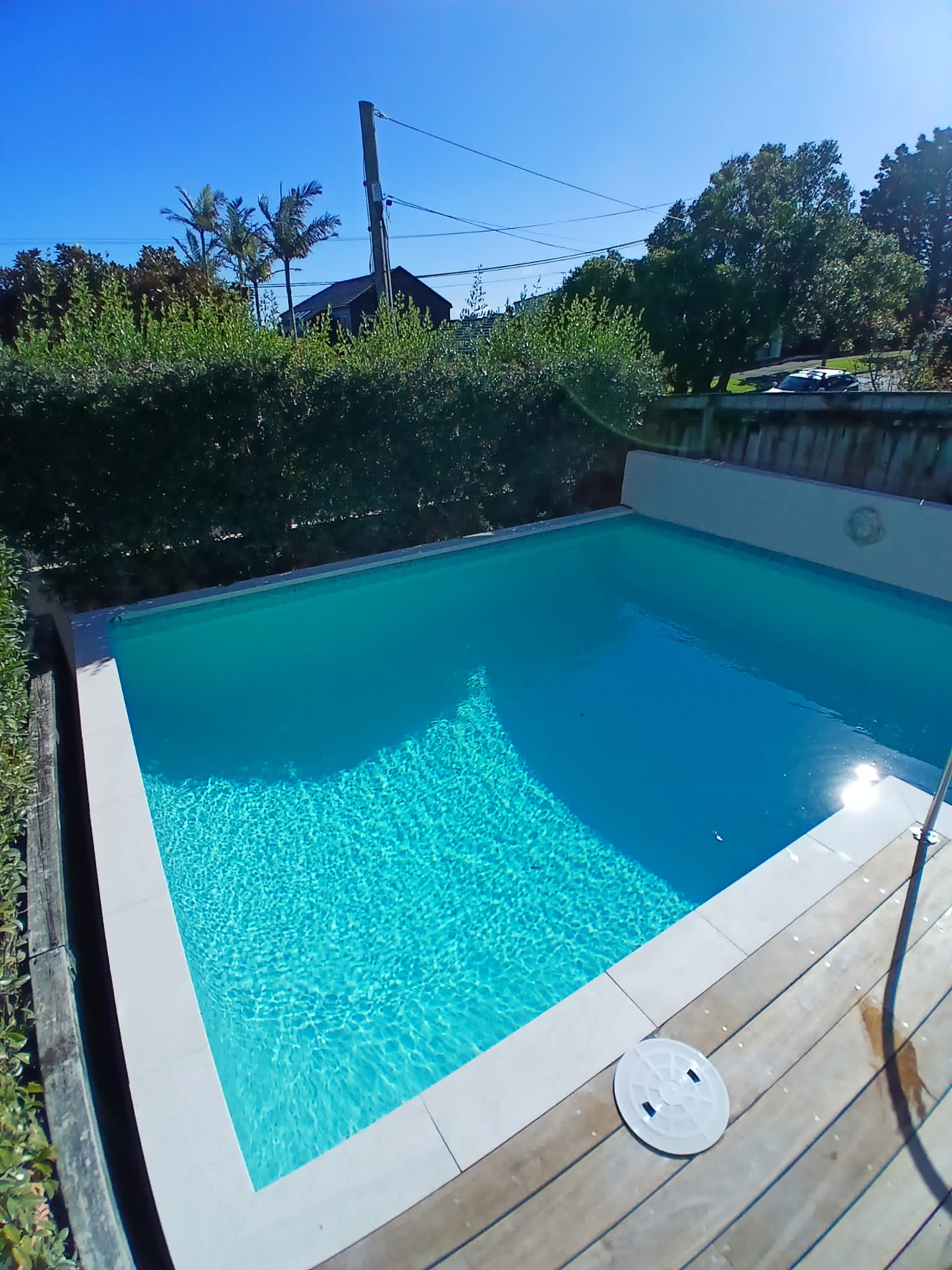
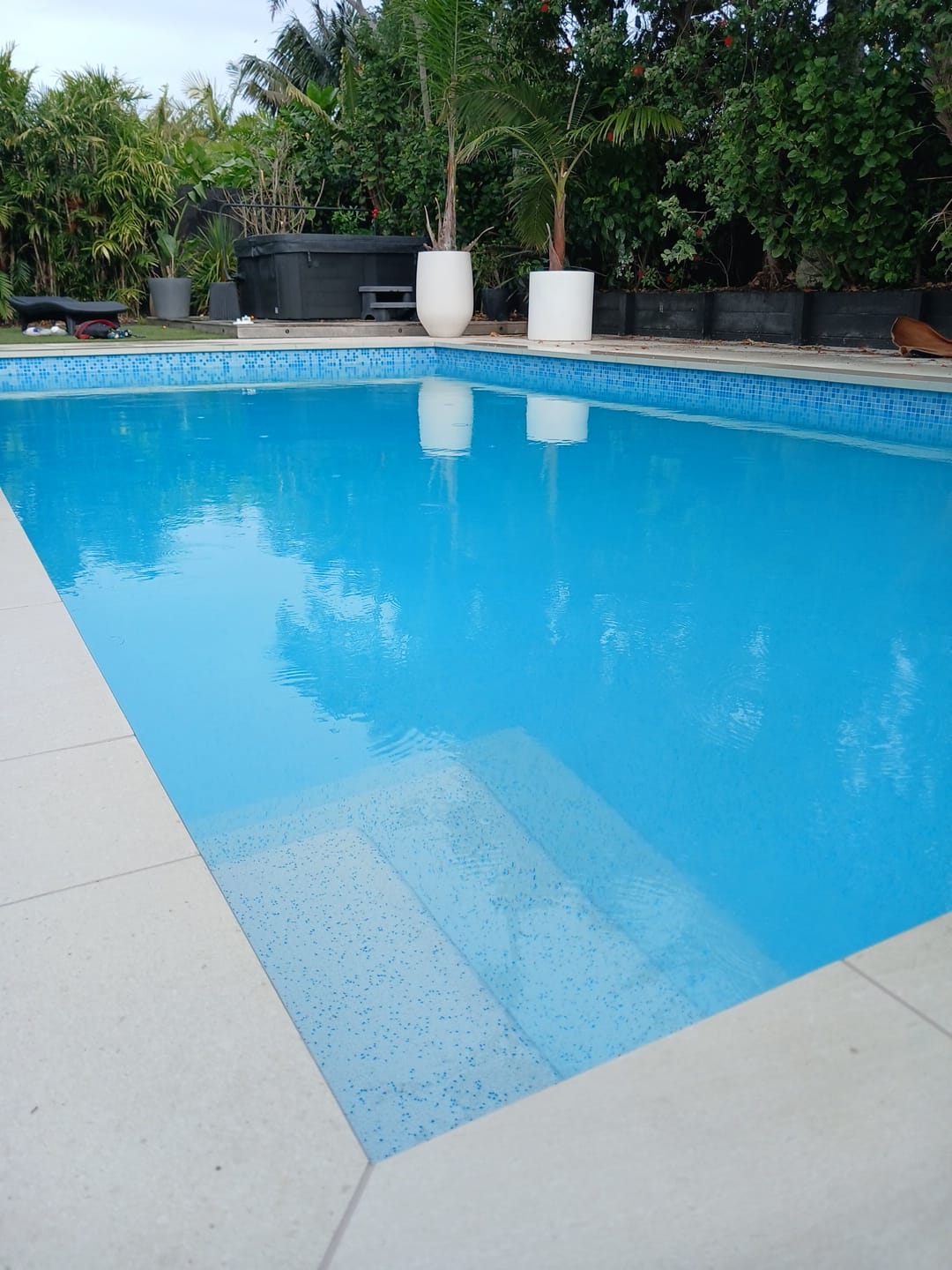
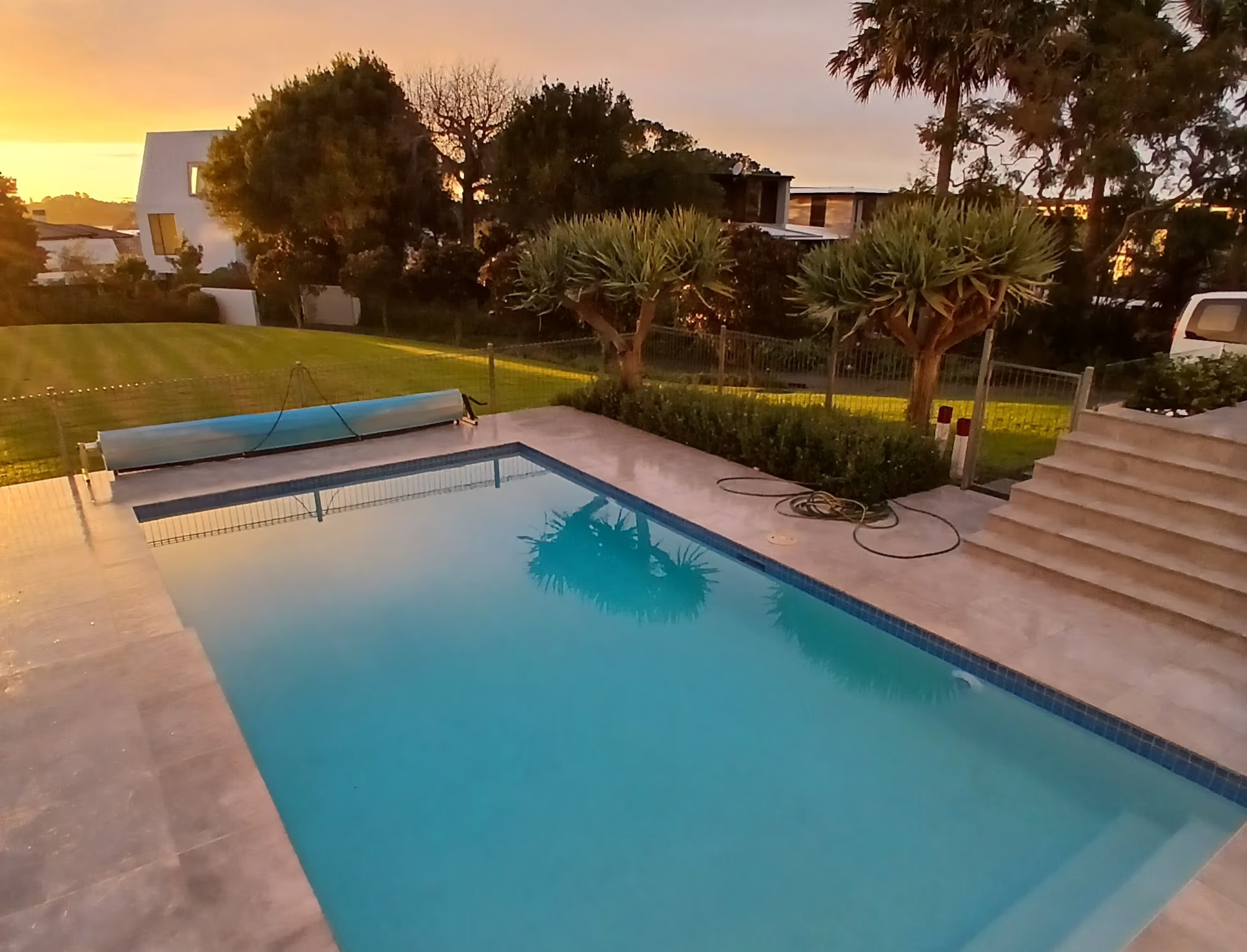
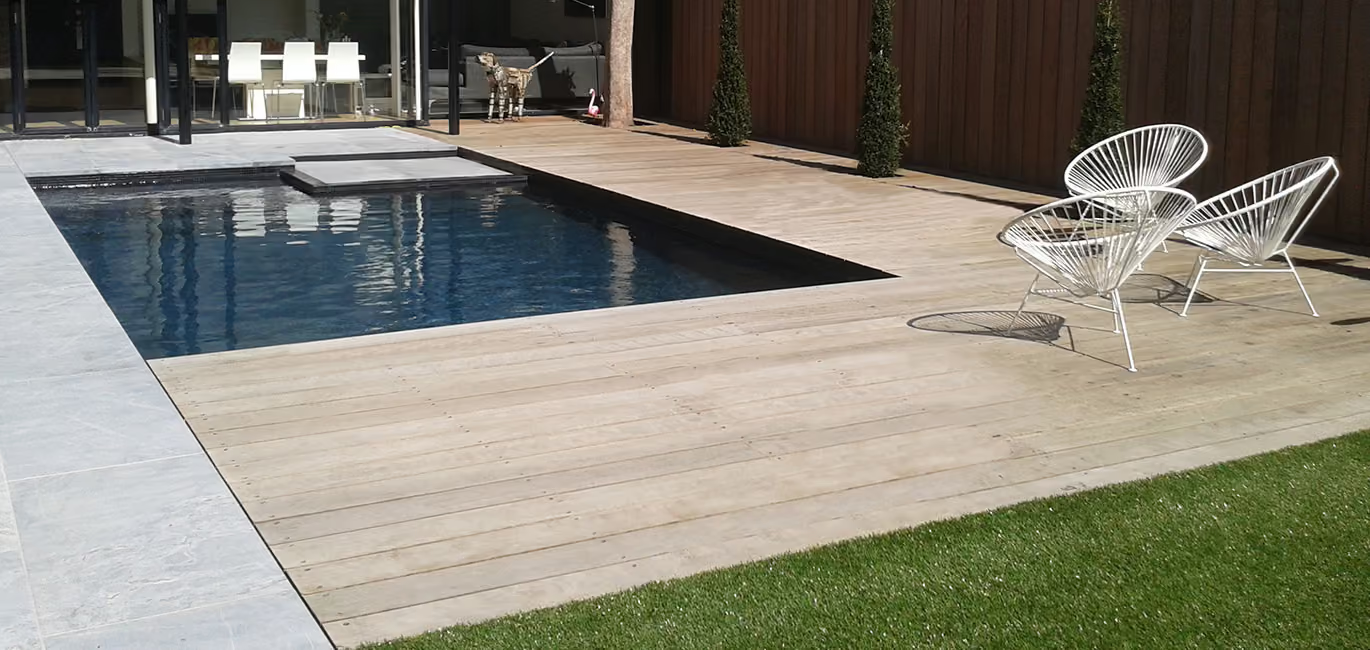
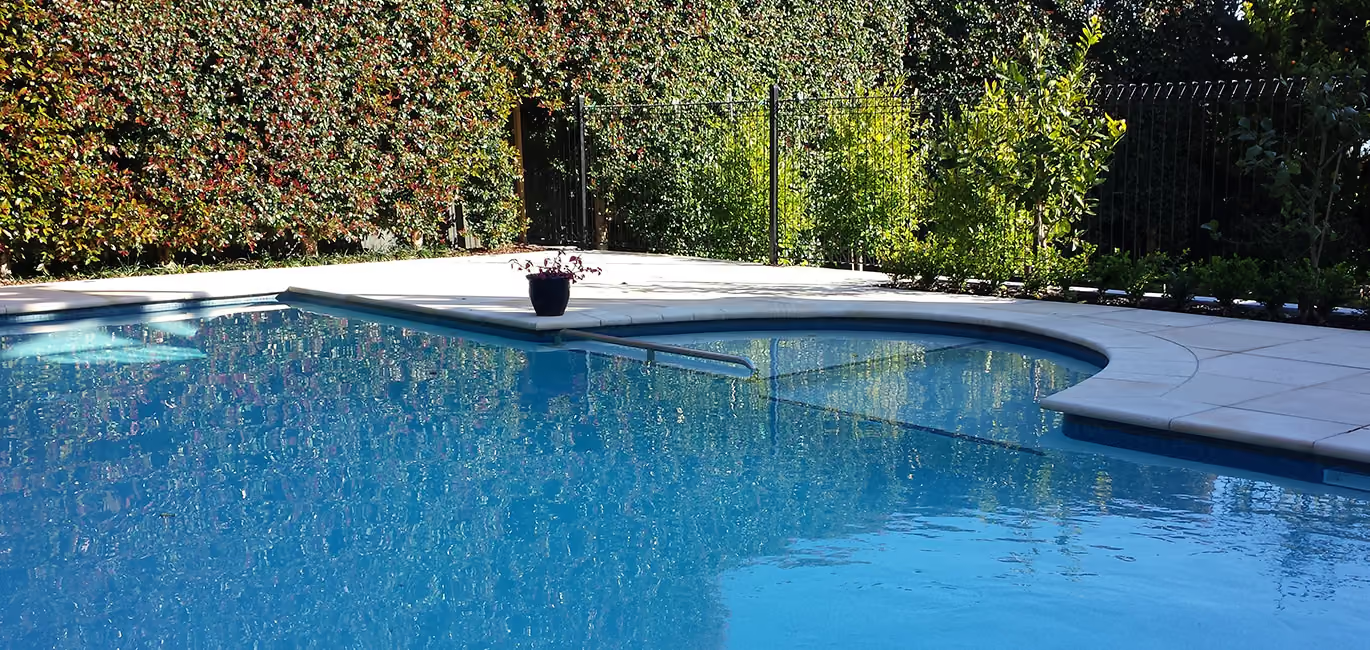
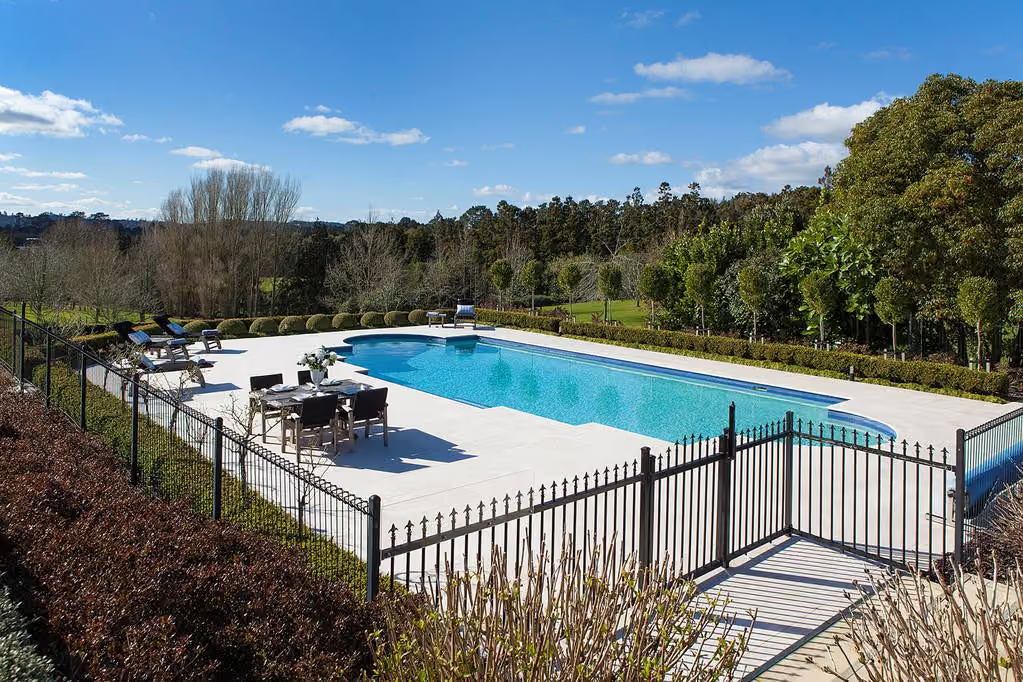
Sparkling Pools has worked on pools across Auckland, including residential renovation projects, equipment upgrades, ongoing maintenance and pool care for managed properties. Past projects show how the right approach can improve presentation, water quality and day-to-day usability. A well-maintained pool is easier to manage, more pleasant to use and better prepared for seasonal changes.
Trusted by Homeowners Across Auckland
Don't just take our word for it. Read what our clients have to say about our transparent communication, reliable service, and stunning pool transformations.
Related Blog Posts
Stay informed on pool care and renovations
Winter pool care essentials for Auckland
Pool Renovation Mistakes

Auckland Climate Pool Maintenance

Choosing Renovation Contractor
Pool Care Auckland Summer
Permits & Consents
Pool Renovation ROI
How Often to Test Pool Water
Pool Renovation Costs
Cost of Pool Service Auckland
Pool Renovation Planning Guide
Pool Lighting Buying Guide
Pool Cleaner Buying Guide
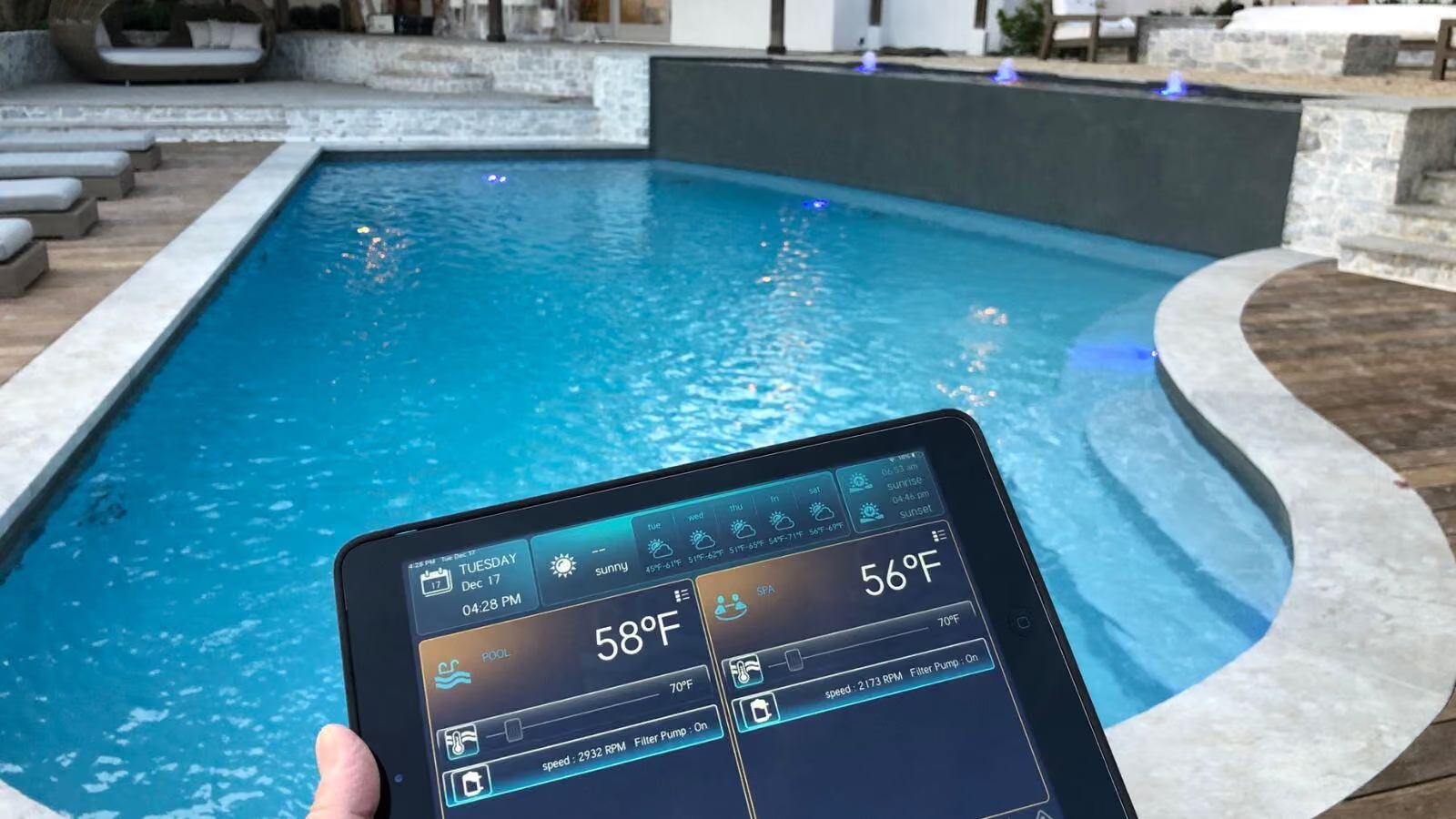
Pool Automation Buying Guide
Pool Heater Buying Guide
Pool Filter Buying Guide
Pool Pump Buying Guide
Best Equipment Auckland Climate
Auckland Water Quality
Auckland Pool Season
Pool Ownership Costs
Common Pool Mistakes
Pool Safety Laws
Pool Inspection Requirements
Pool Fence Compliance
.avif)
Auckland Pool Industry Trends
Auckland Pool Regulations
Pool Equipment Suppliers
Best Pool Service Areas
Pool Service Pricing Analysis
Company vs Independent
Best Pool Surface Materials
Pool Resurfacing Options
Pebble vs Plaster Surfaces
One-Time vs Ongoing Service
Full Service vs Chemicals Only
Pool Cover Types
Robotic vs Suction Cleaners
Mineral vs Saltwater
Gas vs Heat Pump
Pool Heater Types
Pool Winterizing Guide Auckland
Pool Opening Guide Summer
Pool Maintenance After Heavy Rain
Pool Maintenance Schedule
How Often to Run Pool Filter
Pool Pump Maintenance Schedule
Pool Filter Cartridge Cleaning
Pool Equipment Maintenance Checklist
Pool Waterline Cleaning
Pool Skimmer Basket Cleaning
Pool Chlorine Levels
How Often Clean Pool Filter
How to Vacuum Pool
Pool Brushing Technique
Pool Chemical Dosing Chart
Pool Water Chemistry Basics
How to Balance Pool Chemistry
How to Test Pool Water
Pool Maintenance Tips
Complete Pool Maintenance Guide
Pool Service ROI
Pool Equipment Buy or Service
Pool Maintenance Time Requirements
DIY vs Professional
Pool Service Contract
Pool Service vs Pool Valet
Is Pool Service Worth It
Pool Service Guarantees
Pool Service Reviews
Pool Service Red Flags
Questions to Ask Pool Companies
How to Choose Pool Service Company
Hidden Costs DIY Maintenance
Pool Cleaning Prices Auckland
Cost of Pool Resurfacing
Cost of Pool Pump Replacement
Cost to Fix Green Pool
Pool Liner Wrinkles
Pool Cracks When to Worry
Pool Surface Stains
Pool Valve Leaking
Pool Automation Not Working
Pool Light Not Working
Pool Heater Not Heating
Pool Skimmer Not Working
High Pool Filter Pressure
Pool Losing Water
Pool Filter Not Clearing Water
Pool Pump Leaking
Pool Pump Not Pumping
Pool Pump Losing Prime
Pool Pump Noisy
Pool Pump Not Working
Pool Water Foaming
Pool pH Too Low
Pool pH Too High
Green Pool After Rain
Pool Still Green After Shock
Pool Water Cloudy
How to Clear a Green Pool
Pool Care That Protects Your Investment
Good pool care protects more than appearance. Our pool specialists support the long-term condition of your swimming pool while keeping it ready for everyday use.