Pool Waterline Cleaning

Why Auckland trusts our pool service expertise
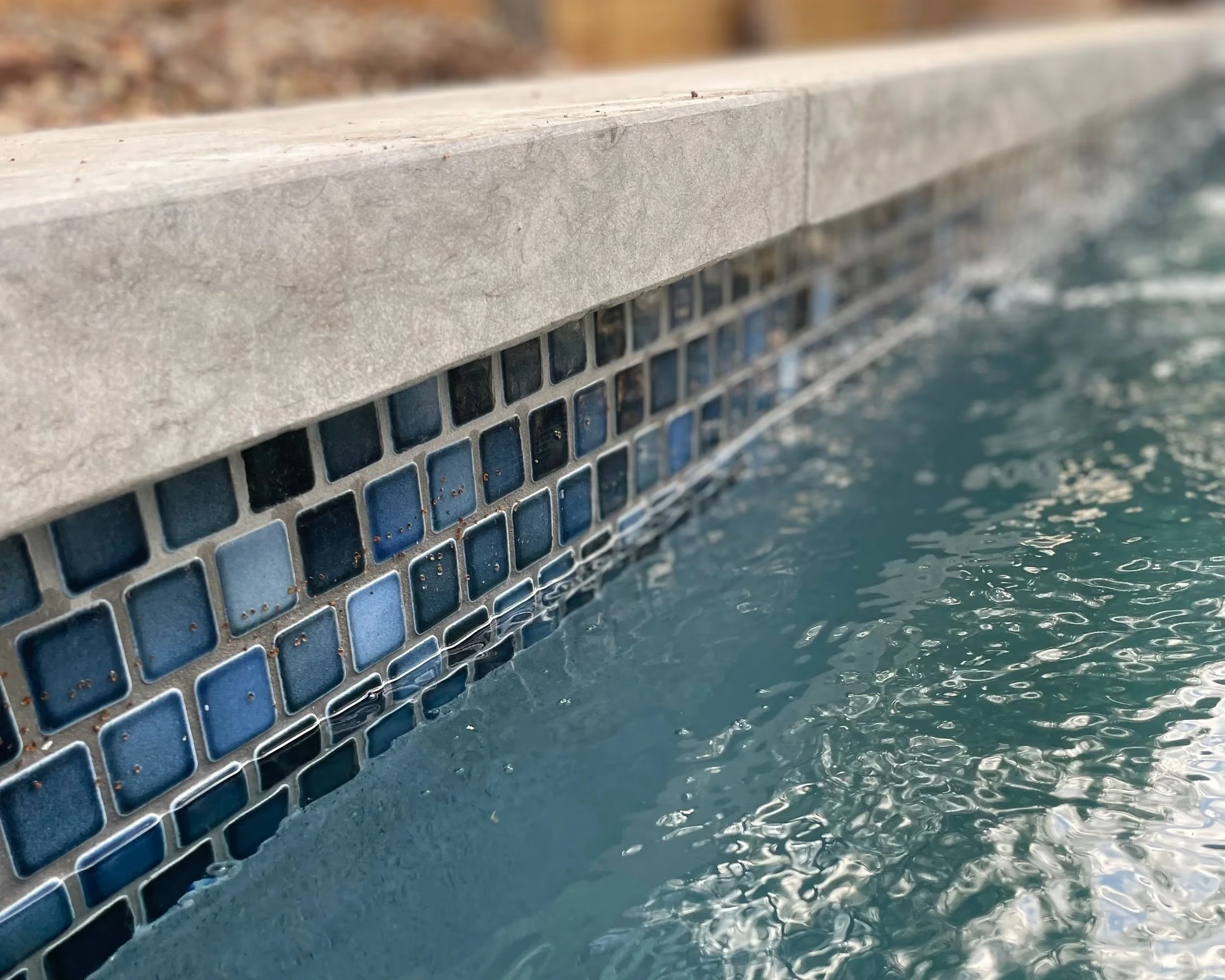
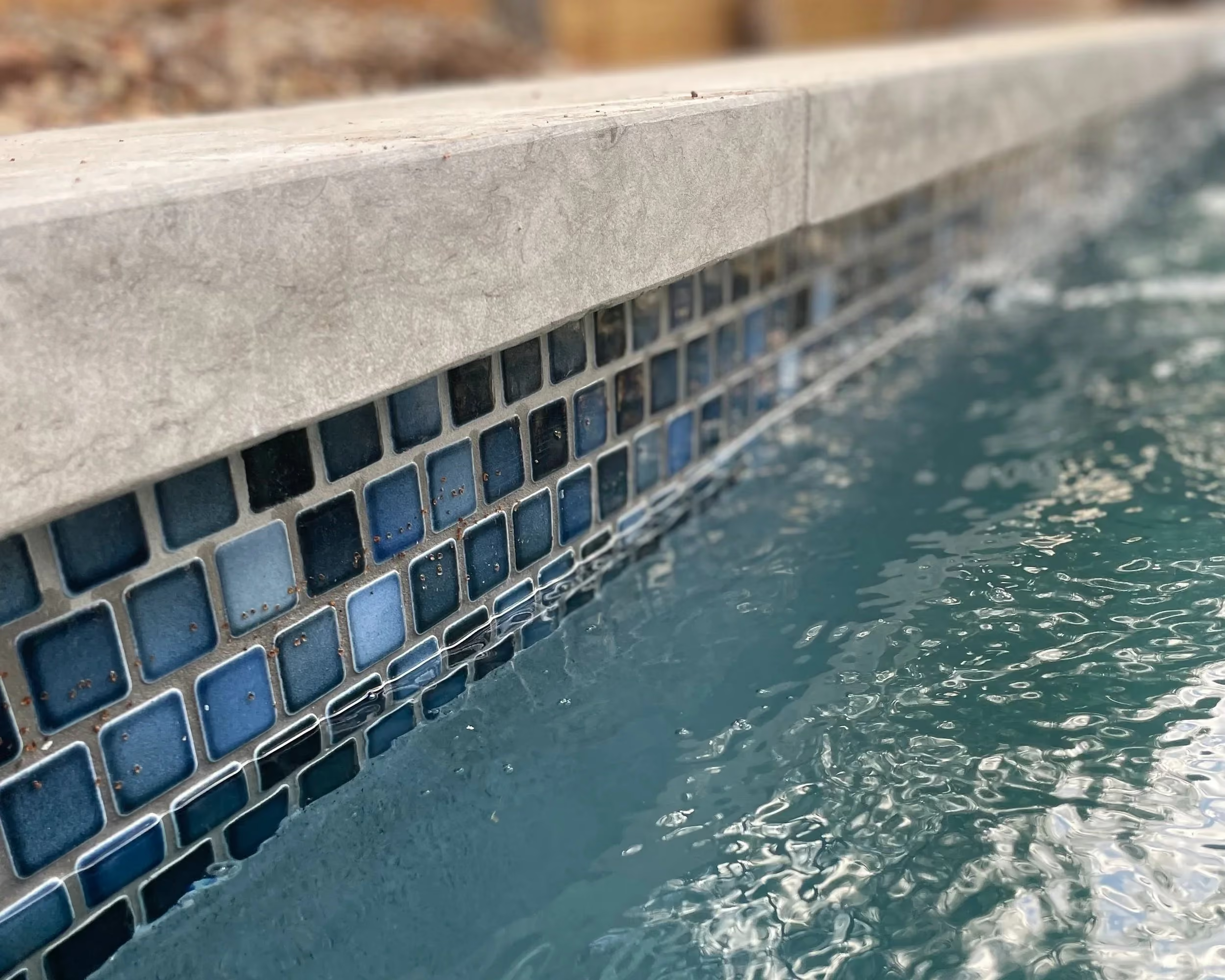
Pool waterline build-up is caused by body oils, sunscreen, mineral deposits, and organic debris accumulating at the water's surface. It's a normal part of pool ownership, but regular cleaning and balanced water chemistry keep it manageable.
Here are the key points to know about cleaning and preventing waterline build-up in your pool.
What you'll learn
What Is That Ring Around Your Pool?
If you've noticed a dark or greasy band forming at the waterline of your pool, you're not alone. It's one of the most common cosmetic issues pool owners deal with, and it builds up faster than most people expect.
The waterline ring is caused by a combination of things that enter your pool every time someone swims:
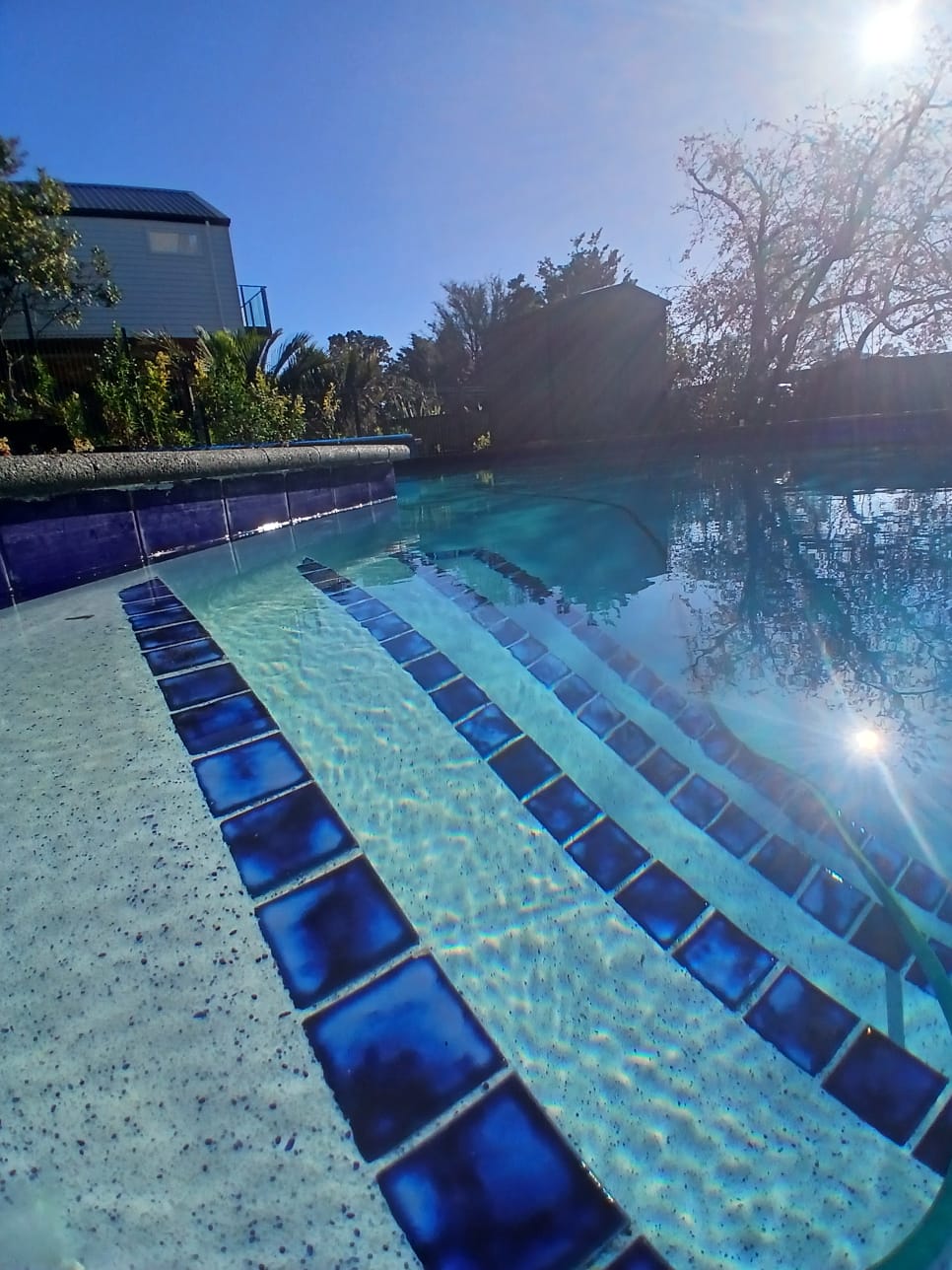
- Body oils and sunscreen, these float to the surface and stick to the pool wall at the waterline
- Mineral deposits, calcium and other minerals in the water can leave a white or grey scale line as water evaporates
- Dirt and debris, dust, pollen, and organic matter accumulate at the surface
- Algae and biofilm, in warm conditions, biological growth can take hold along the tile or liner edge
Left untreated, this build-up doesn't just look bad. It can stain pool tiles permanently, degrade grout, and in some cases accelerate surface wear on plaster or fibreglass finishes.
---
How Often Should You Clean the Waterline?
For most residential pools in Auckland, a light waterline clean every two to four weeks is enough to stay on top of it. During summer, when the pool gets heavy use and sunscreen is applied more frequently, you may need to clean it weekly.
A few signs it's time to clean:
- A visible dark or oily band at the waterline
- White or chalky deposits forming on tiles
- A greasy film on the water surface
- Algae starting to appear along the pool edge
Don't wait until the build-up is thick and set. Light, regular cleaning is far easier than trying to remove months of hardened scale.
---
What You'll Need
Before you start, gather the following:
- A waterline tile cleaner or pool surface cleaner (choose one suited to your pool surface, tile, fibreglass, or vinyl liner)
- A non-scratch scrubbing pad or pool tile brush
- A pumice stone (for stubborn calcium scale on tile or plaster, do not use on fibreglass or vinyl)
- Rubber gloves
- A bucket of clean water for rinsing
- For heavy scale: a calcium and scale remover product
Avoid using household bathroom cleaners or abrasive scourers. These can damage pool surfaces and introduce chemicals that disrupt your water balance.
---
How to Clean Your Pool Waterline: Step by Step
Step 1, Lower the water level slightly (optional)
For easier access to the full waterline, you can lower the pool water by a few centimetres. This isn't always necessary, but it makes scrubbing more comfortable and lets you see the full extent of the build-up.
Step 2, Apply your cleaner
Apply a small amount of waterline cleaner directly to your scrubbing pad or to the pool surface. Work in sections of about half a metre at a time rather than trying to do the whole pool at once.
Step 3, Scrub in a circular motion
Work the cleaner into the surface using firm, circular strokes. For tile grout lines, use a stiffer brush to get into the gaps. Don't scrub so hard that you damage the tile glaze or surface finish.
Step 4, Tackle calcium scale separately
If you have white, chalky deposits that won't shift with a standard cleaner, these are likely calcium scale. Apply a dedicated calcium and scale remover and allow it to dwell for a few minutes before scrubbing. On tile or plaster, a pumice stone used gently and kept wet can help remove stubborn spots. Do not use a pumice stone on fibreglass or vinyl liner pools.
Step 5, Rinse thoroughly
Rinse the cleaned area with clean water as you go. This stops loosened debris and cleaning product from sitting on the surface or being pushed back into the pool in large amounts.
Step 6, Check your water chemistry
After cleaning, test your pool water. Scrubbing and rinsing can introduce small amounts of product into the pool. Check pH, chlorine, and alkalinity and adjust if needed. Keeping your water balanced also helps prevent future build-up.
---
Common Mistakes to Avoid
Using the wrong product for your surface
Tile cleaners, fibreglass cleaners, and vinyl liner cleaners are formulated differently. Using the wrong one can dull the finish or cause surface damage. Check the label before you buy.
Letting it build up too long
The longer waterline deposits sit, the harder they are to remove. Calcium scale that has been baking in the sun for months may require professional attention or acid washing, a job for a pool technician, not a DIY scrub.
Ignoring the water chemistry
High calcium hardness and high pH are the main drivers of scale formation. If your water chemistry is out of balance, the waterline will keep building up no matter how often you clean it. Fixing the chemistry is the long-term solution.
Scrubbing too aggressively
Over-scrubbing can scratch tile glaze, damage fibreglass gelcoat, or tear vinyl liner. Use appropriate pressure and the right tool for the surface.
---
Preventing Waterline Build-Up
Regular cleaning is the most effective prevention, but a few other habits help:
- Keep water chemistry balanced, particularly pH (ideally 7.2-7.6) and calcium hardness. When these are in range, scale formation slows significantly.
- Encourage swimmers to rinse off before entering the pool. This reduces the amount of sunscreen and body oil entering the water.
- Run your pool cleaner regularly, a robotic or suction cleaner that covers the walls can help reduce build-up between manual cleans.
- Use a surface enzyme product, some pool enzyme treatments help break down oils and organic matter at the waterline before they have a chance to stick.
- Check your pool regularly, catching build-up early means a quick wipe rather than a lengthy scrub session.
---
When to Call a Professional
Most waterline cleaning is straightforward DIY maintenance. But there are situations where it's worth getting a professional involved:
- Persistent staining that won't respond to cleaning, this may indicate a deeper surface issue, mineral imbalance, or a problem with your water chemistry that needs proper diagnosis
- Widespread calcium scale, heavy scale across the full waterline often points to chronically high calcium hardness or pH, which needs water testing and chemical correction
- Surface damage, if tiles are cracking, grout is deteriorating, or your fibreglass finish looks dull or pitted, a pool technician can assess whether the surface needs repair or resurfacing
- Algae that keeps returning, recurring algae at the waterline despite regular cleaning usually means a sanitisation or circulation issue that needs investigation
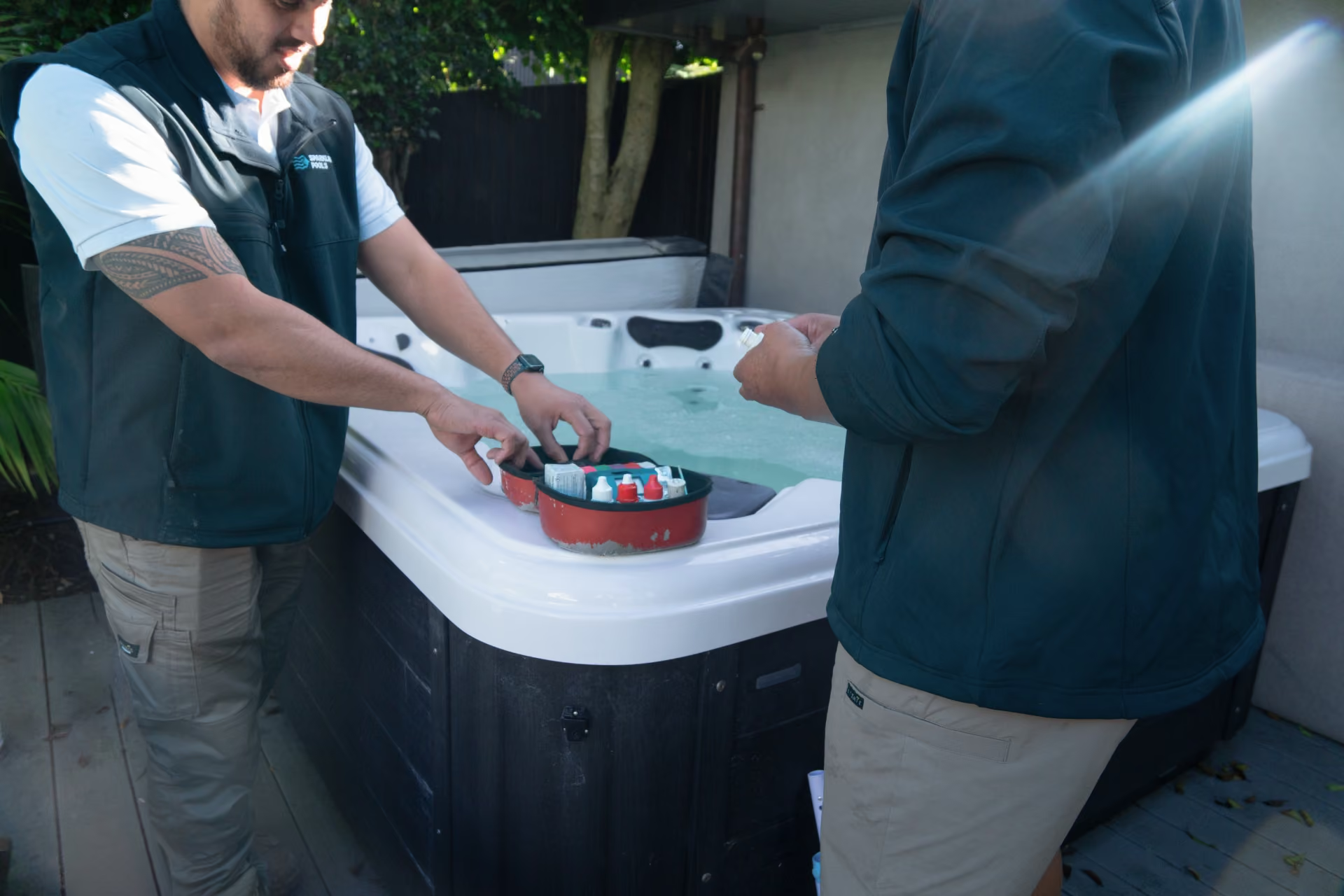
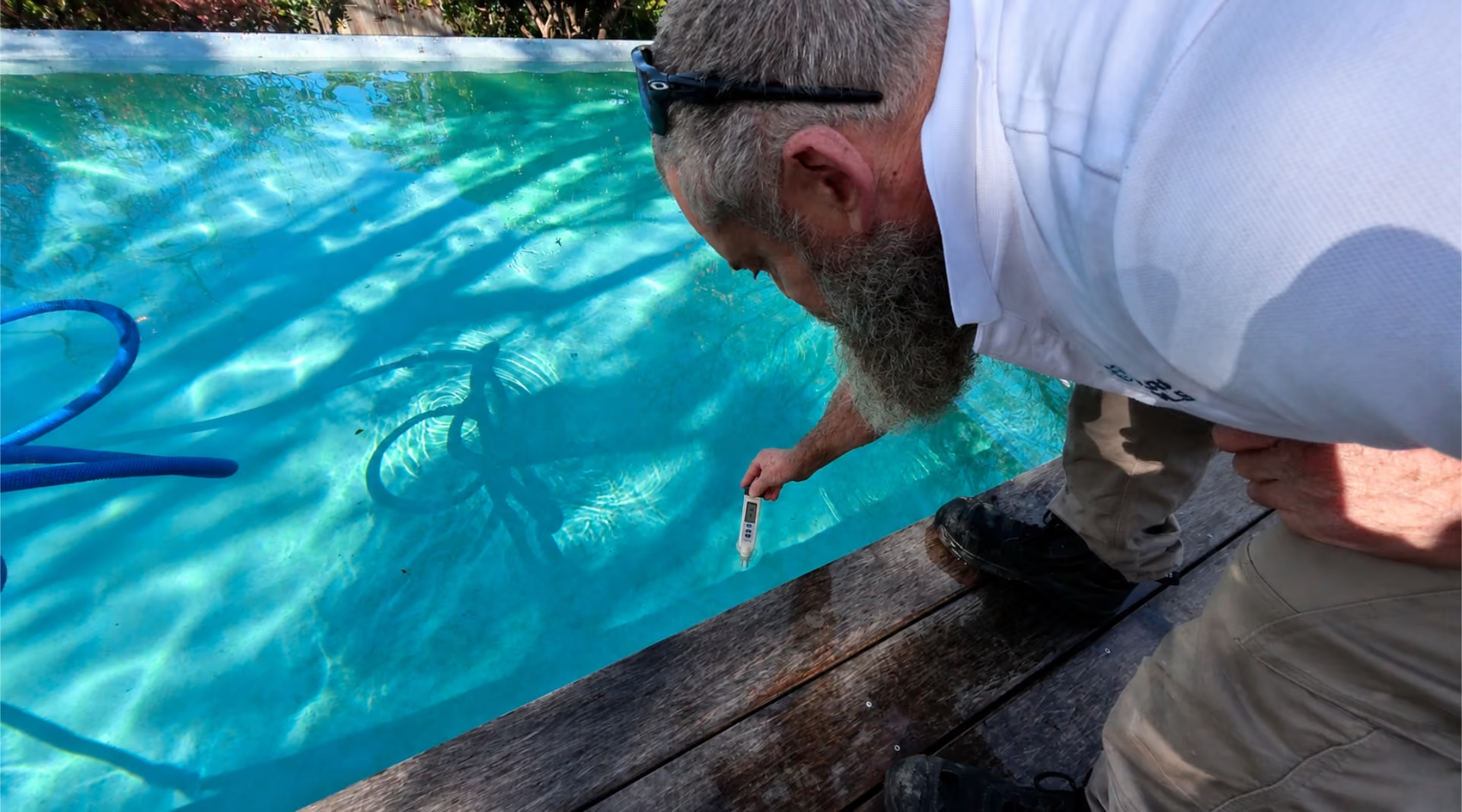
Sparkling Pools offers on-site water testing across Auckland, so if you're not sure what's driving the build-up, a technician can come to your home, test your water, and give you a clear picture of what's going on.
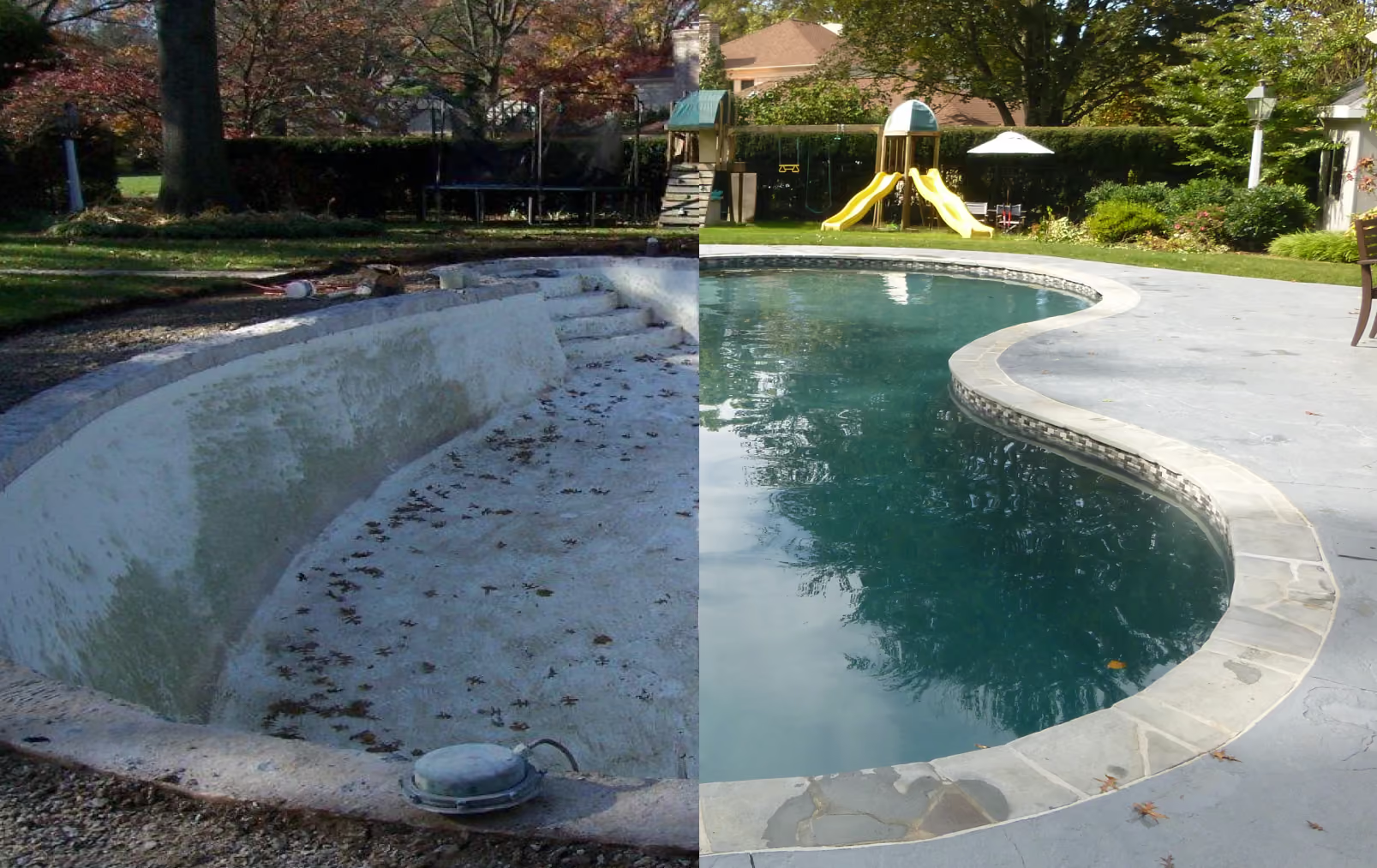
Pool resurfacing solutions
Restore your pool with durable plaster finishes



Work completed
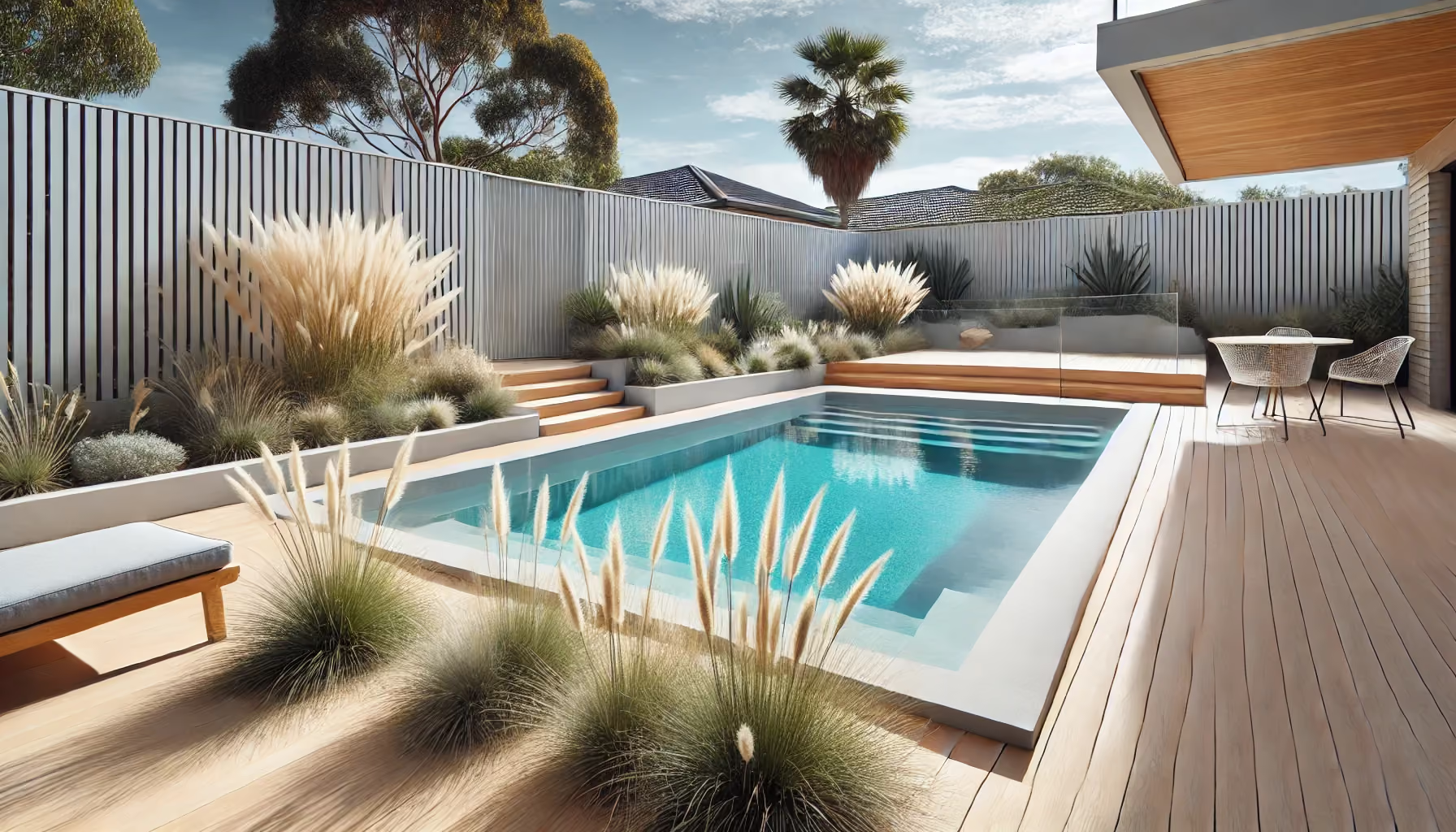
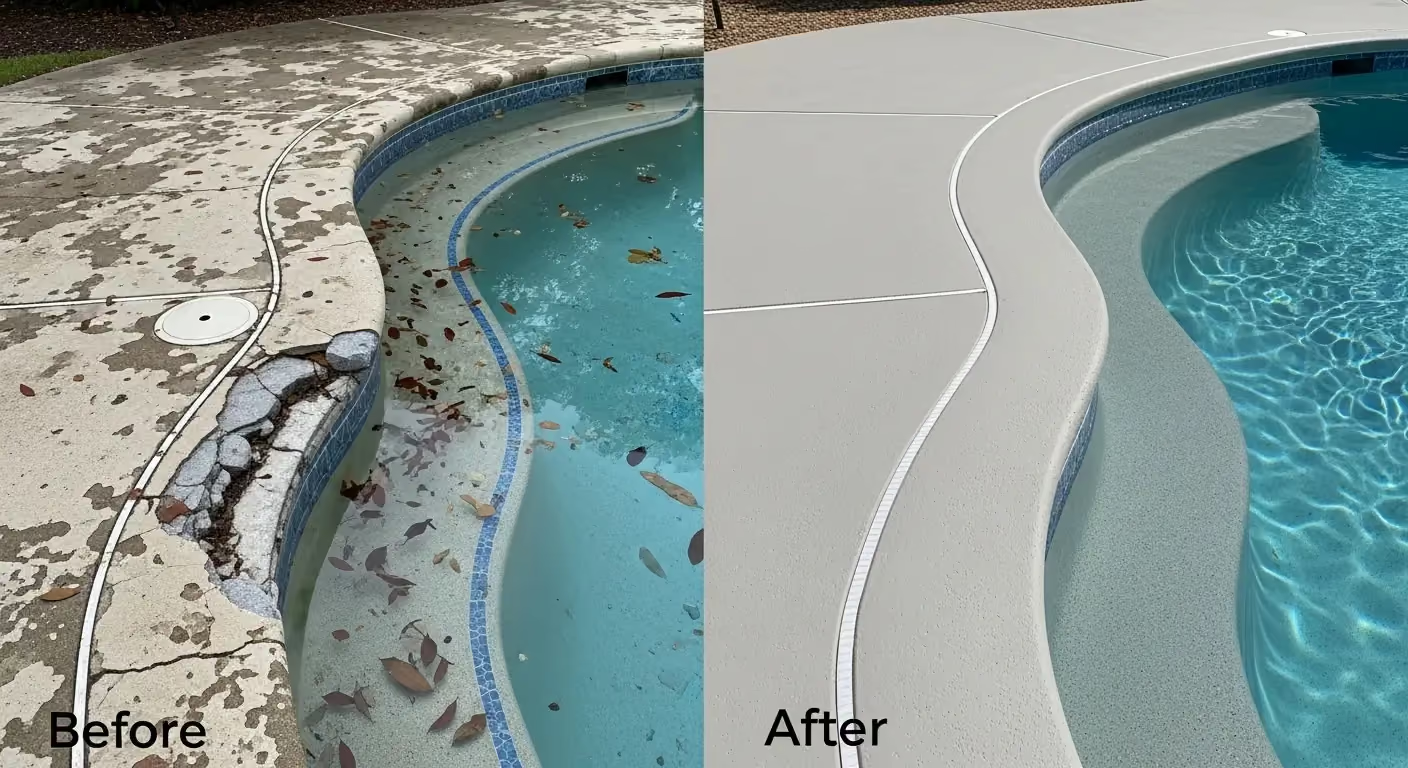
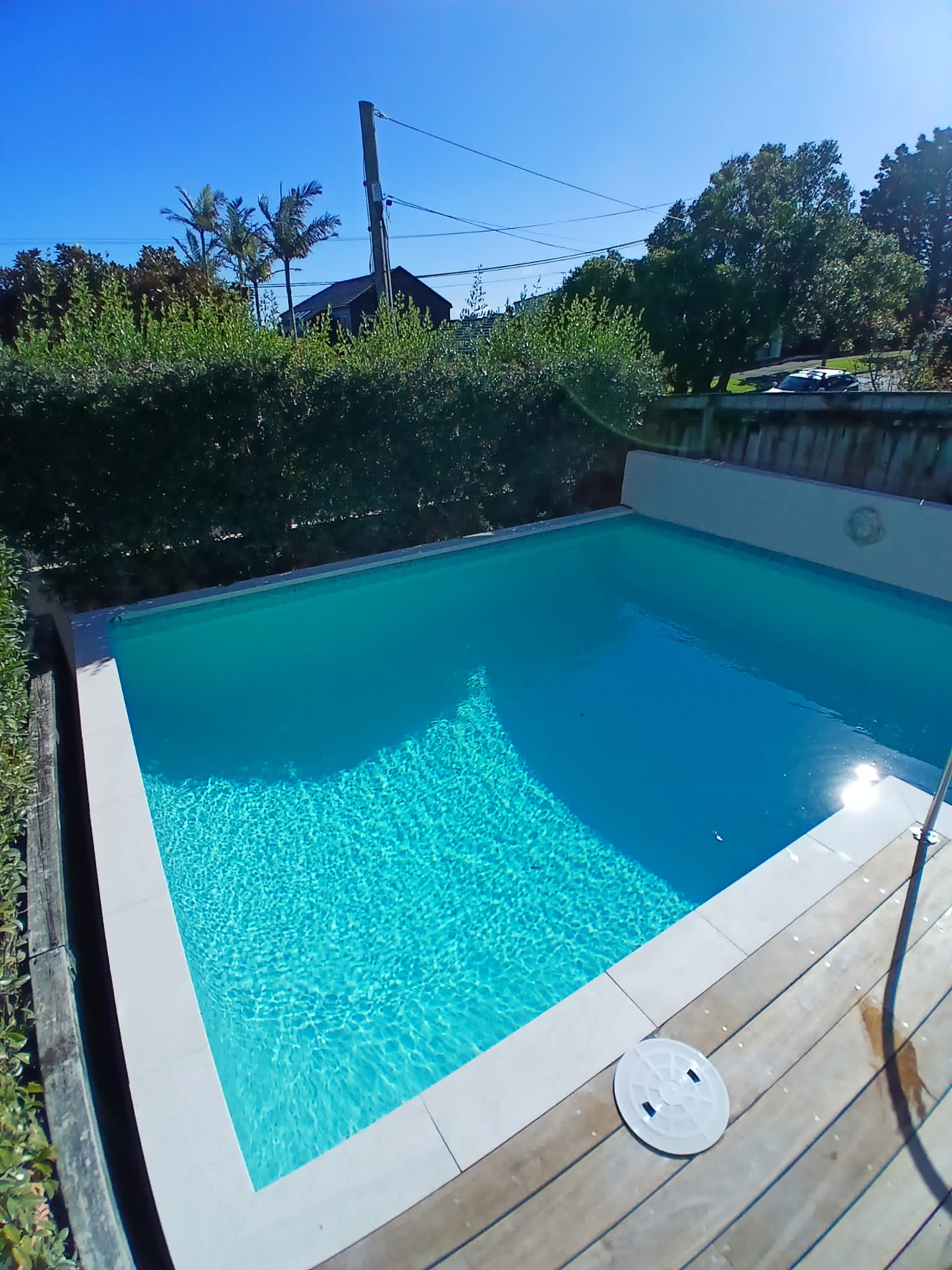
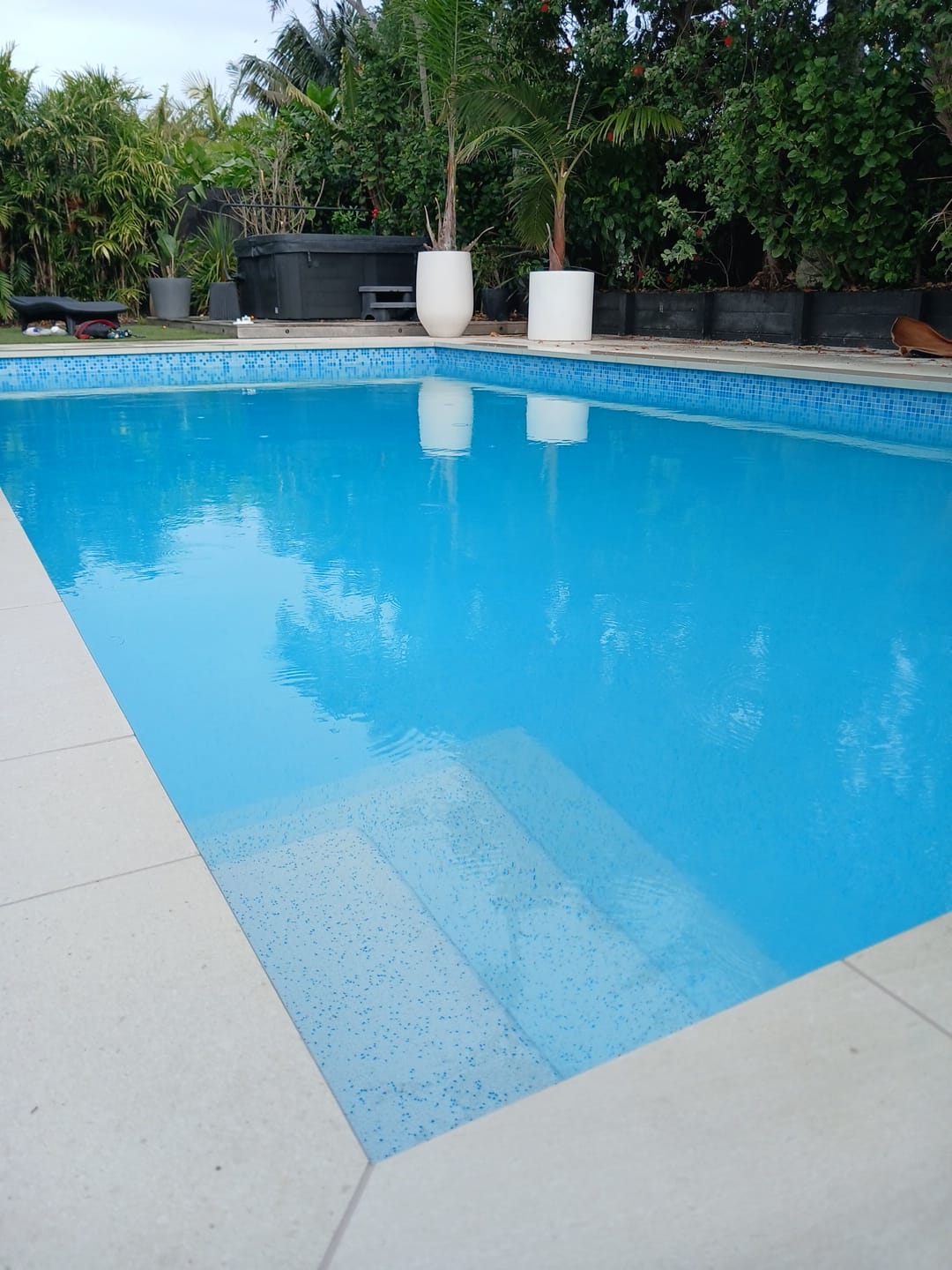
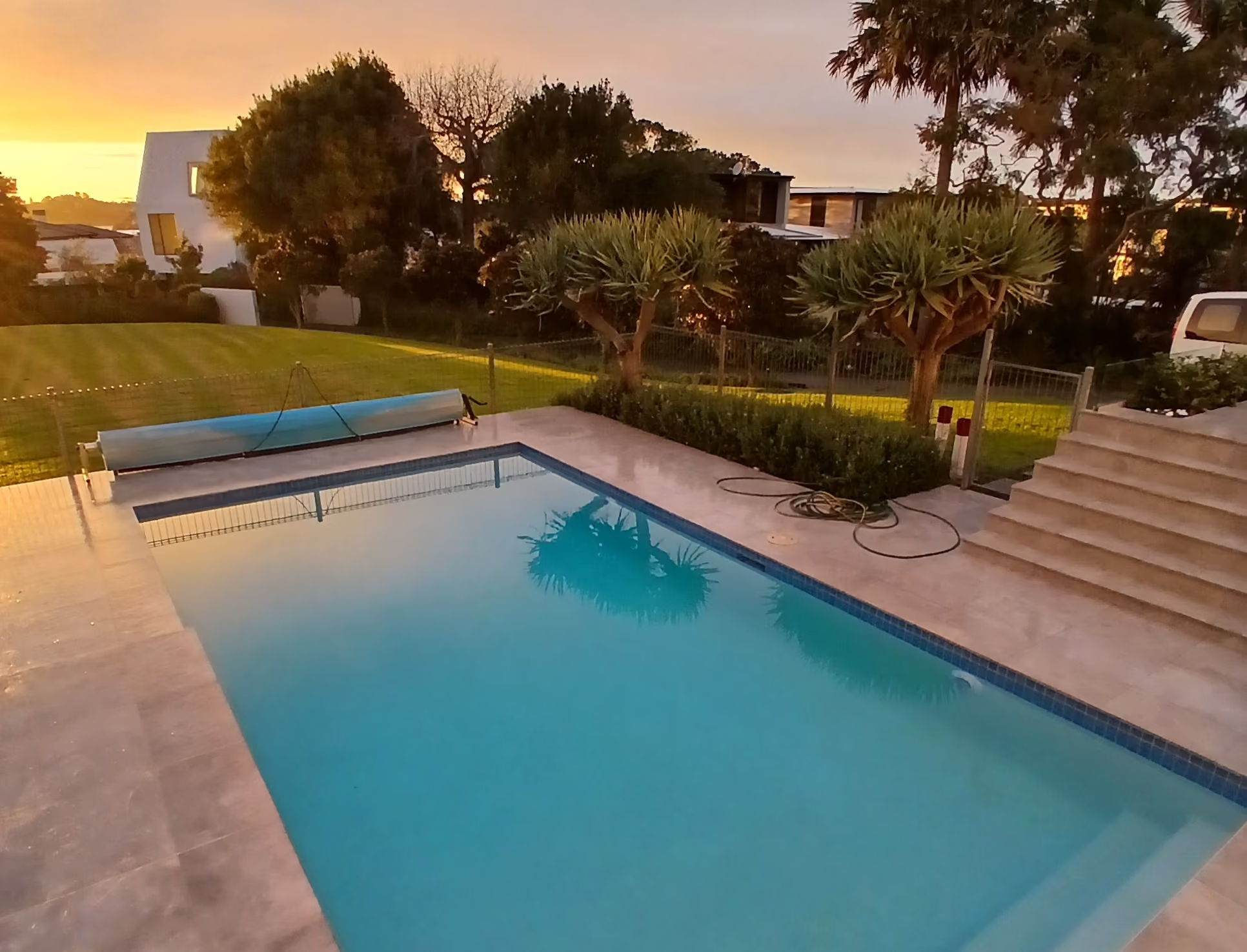
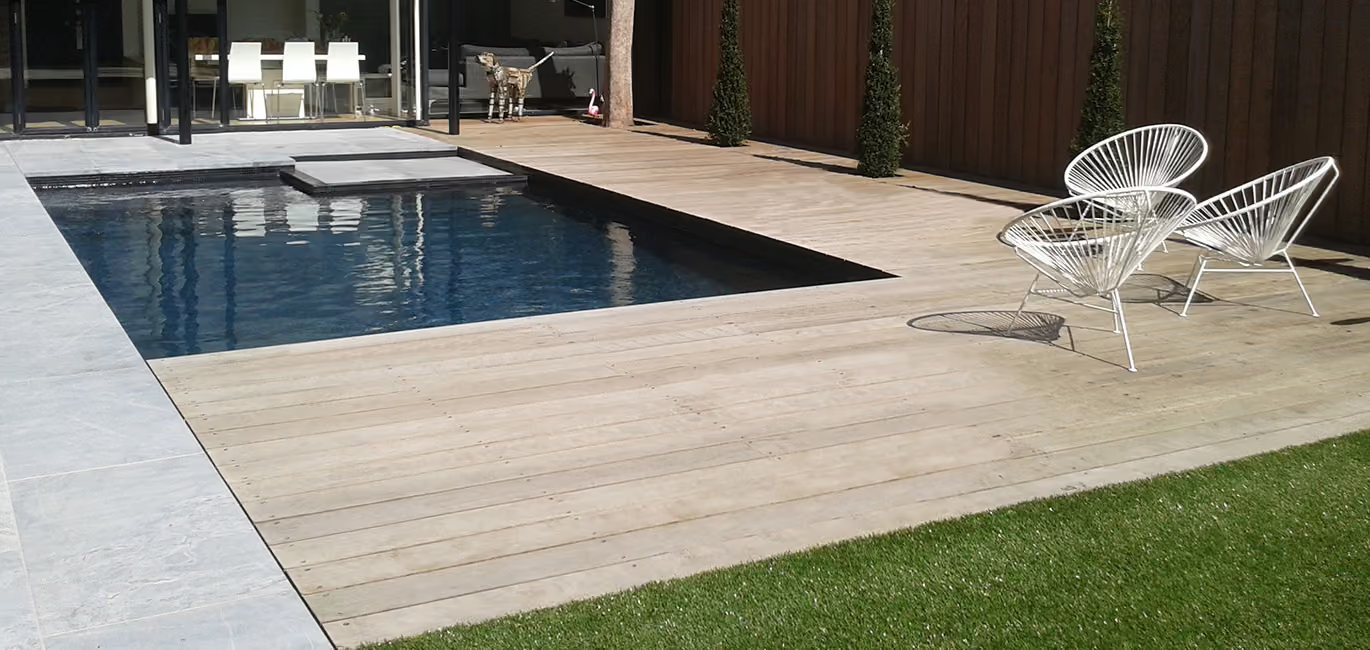
Sparkling Pools has worked on pools across Auckland, including residential renovation projects, equipment upgrades, ongoing maintenance and pool care for managed properties. Past projects show how the right approach can improve presentation, water quality and day-to-day usability. A well-maintained pool is easier to manage, more pleasant to use and better prepared for seasonal changes.
Trusted by Homeowners Across Auckland
Don't just take our word for it. Read what our clients have to say about our transparent communication, reliable service, and stunning pool transformations.
Related Blog Posts
Stay informed on pool care and renovations
Winter pool care essentials for Auckland
Pool Renovation Mistakes

Auckland Climate Pool Maintenance
Choosing Renovation Contractor
Pool Care Auckland Summer
Permits & Consents

Pool Renovation ROI
How Often to Test Pool Water
Pool Renovation Costs
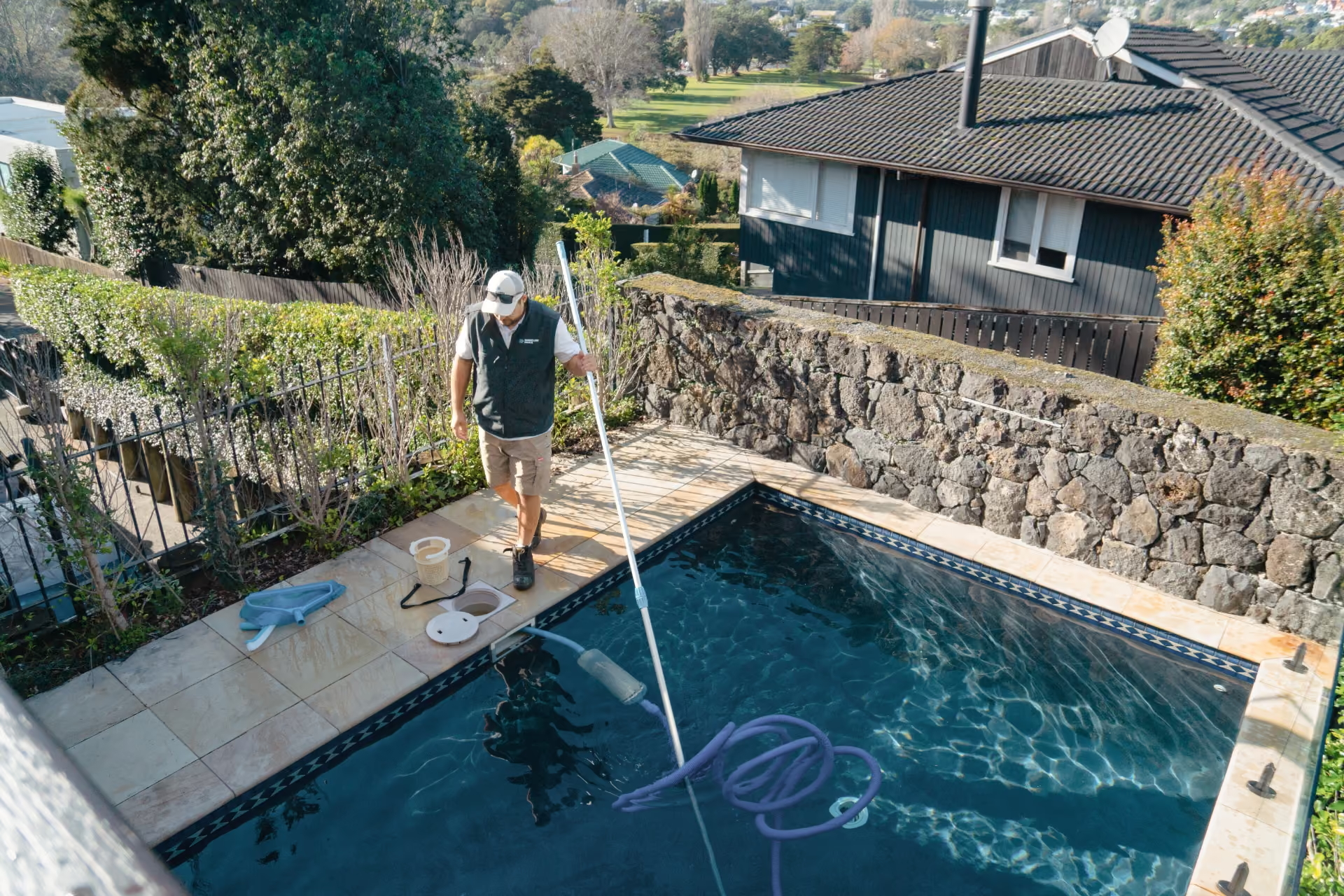
Cost of Pool Service Auckland
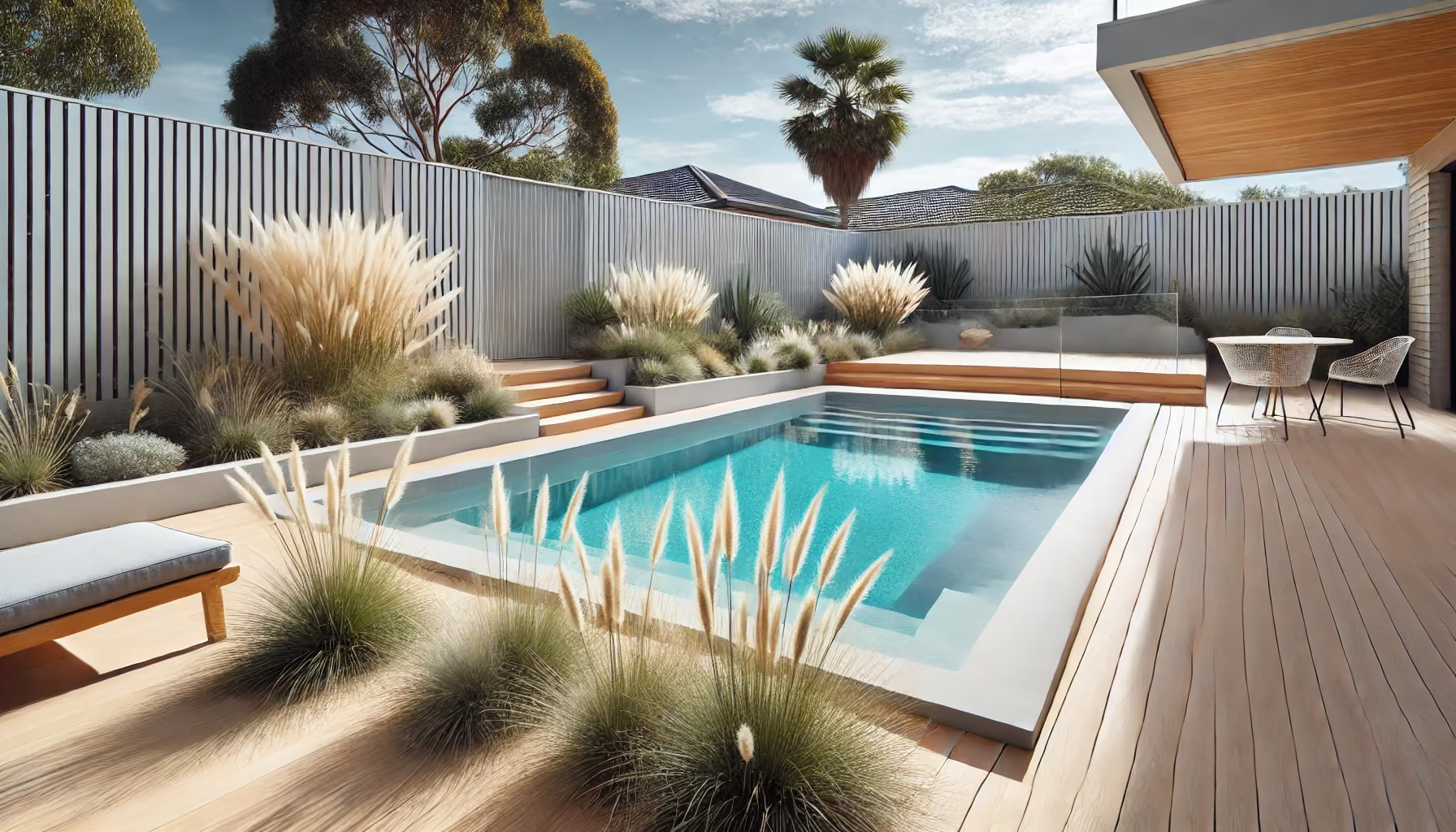
Pool Renovation Planning Guide
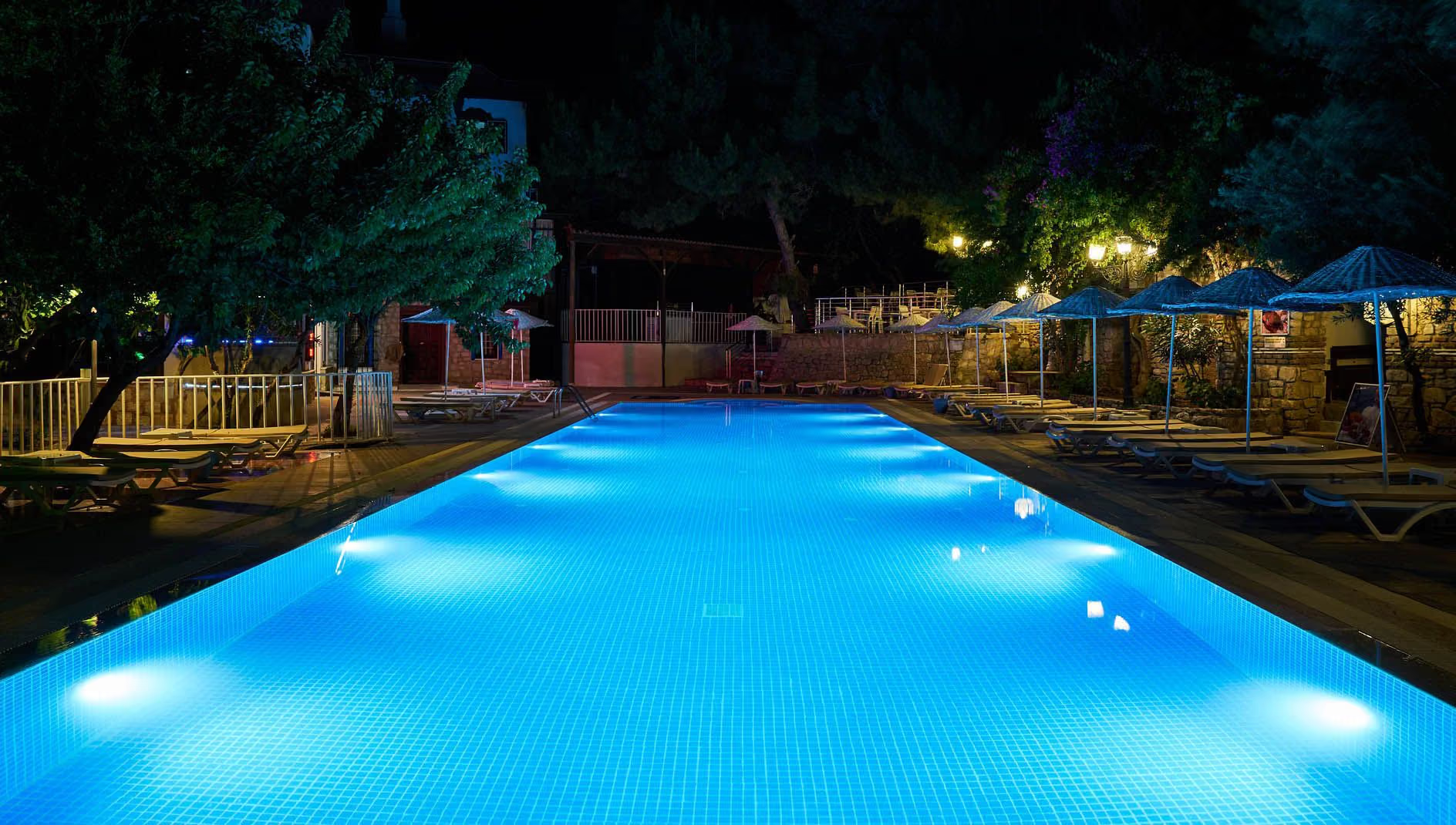
Pool Lighting Buying Guide
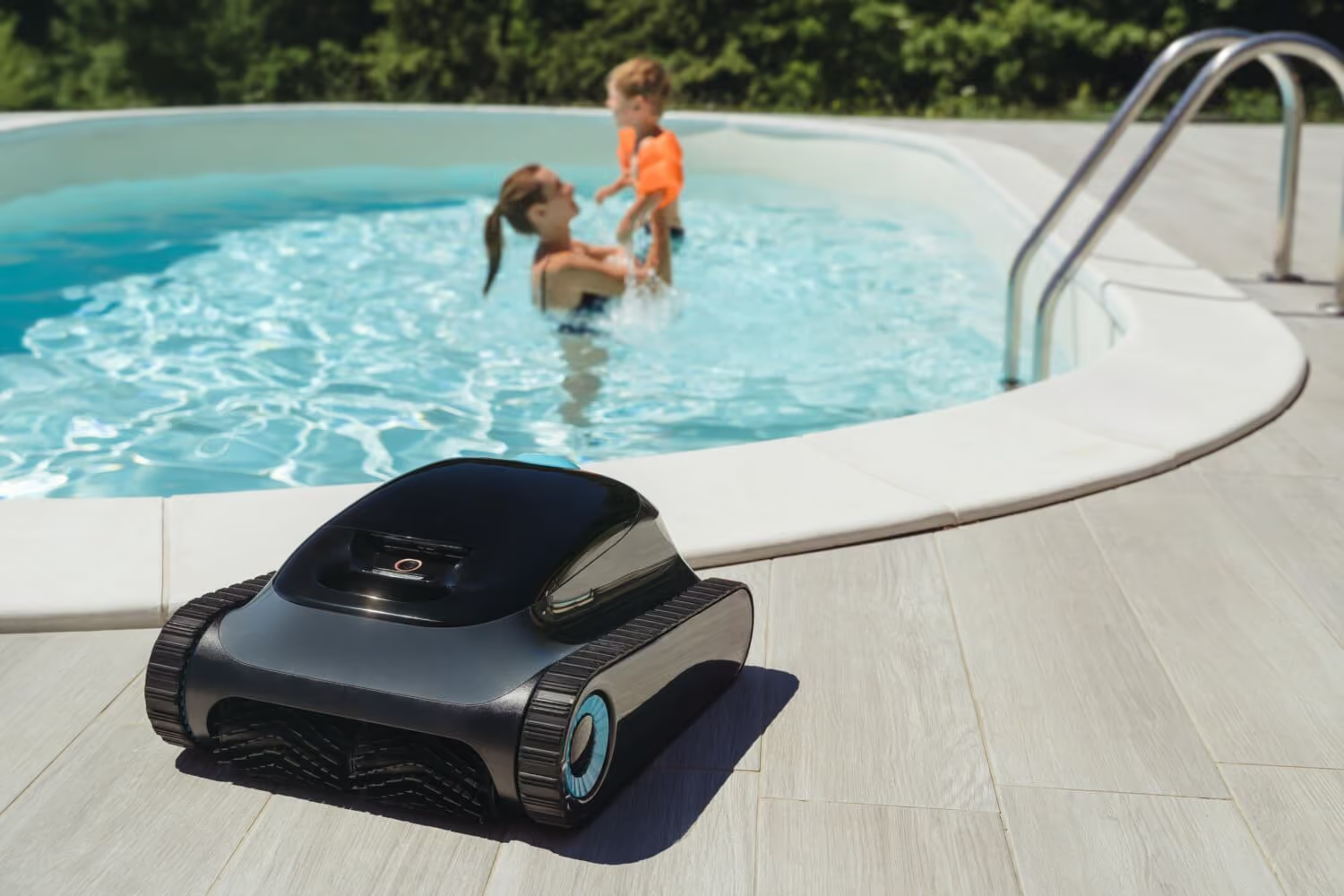
Pool Cleaner Buying Guide
Pool Automation Buying Guide
Pool Heater Buying Guide
Pool Filter Buying Guide
Pool Pump Buying Guide
Best Equipment Auckland Climate
Auckland Water Quality
Auckland Pool Season
Pool Ownership Costs
Common Pool Mistakes
Pool Safety Laws
Pool Inspection Requirements
Pool Fence Compliance
.avif)
Auckland Pool Industry Trends
Auckland Pool Regulations
Pool Equipment Suppliers
Best Pool Service Areas
Pool Service Pricing Analysis
Company vs Independent
Best Pool Surface Materials
Pool Resurfacing Options
Pebble vs Plaster Surfaces
One-Time vs Ongoing Service
Full Service vs Chemicals Only
Pool Cover Types
Robotic vs Suction Cleaners
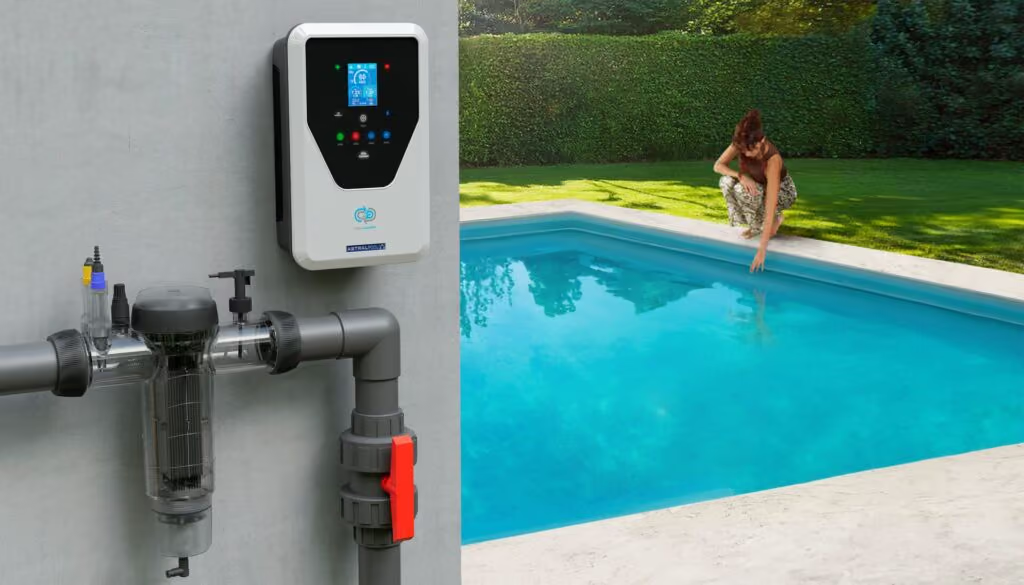
Mineral vs Saltwater
Gas vs Heat Pump
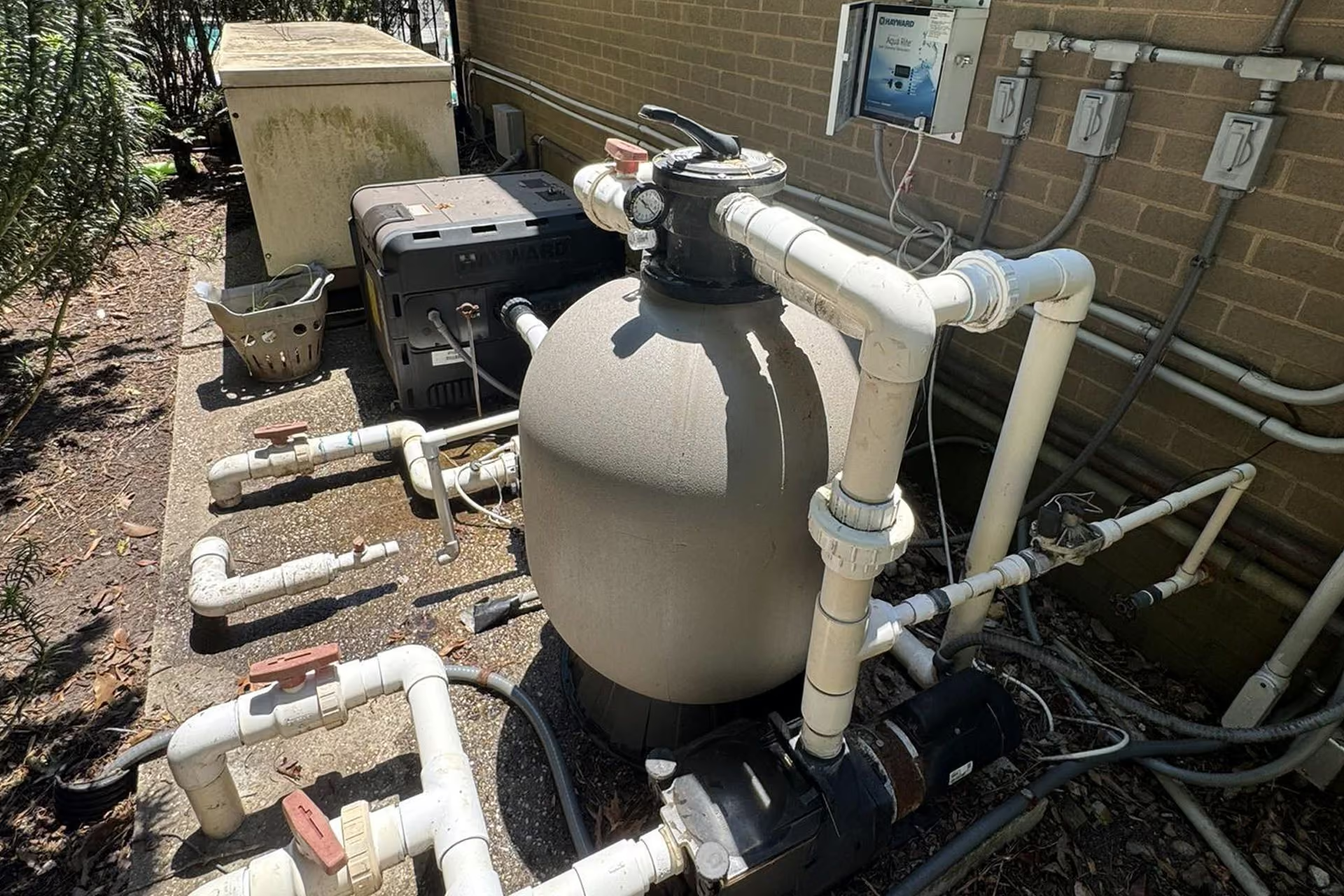
Pool Heater Types
Pool Winterizing Guide Auckland
Pool Opening Guide Summer
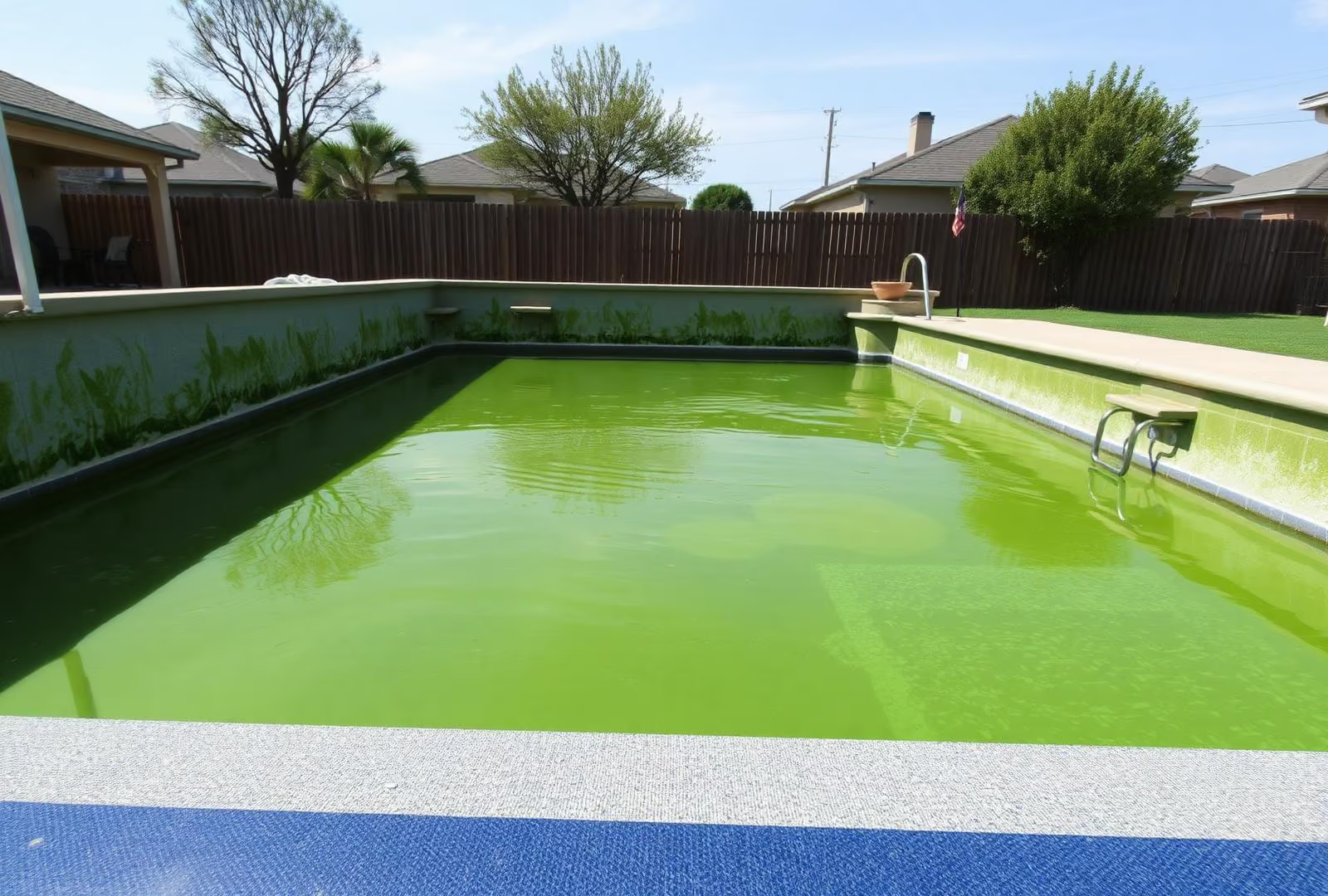
Pool Maintenance After Heavy Rain
Pool Maintenance Schedule
How Often to Run Pool Filter
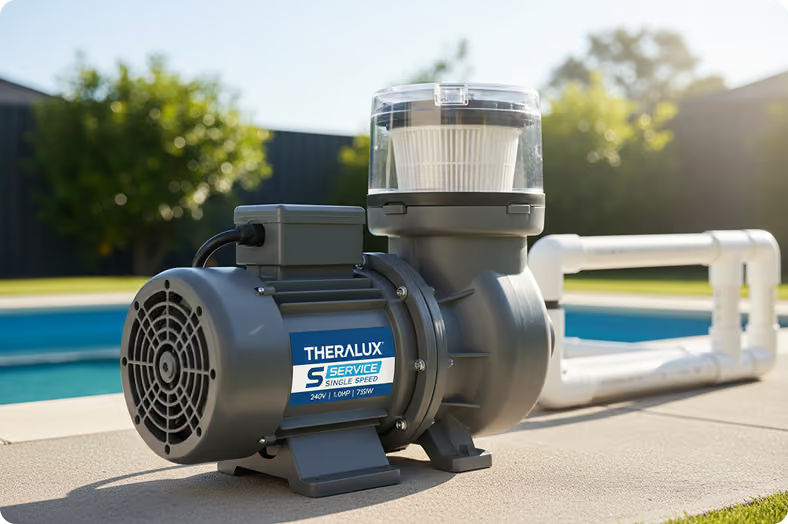
Pool Pump Maintenance Schedule
Pool Filter Cartridge Cleaning
Pool Equipment Maintenance Checklist
Pool Waterline Cleaning
Pool Skimmer Basket Cleaning
Pool Chlorine Levels
How Often Clean Pool Filter
How to Vacuum Pool
Pool Brushing Technique
Pool Chemical Dosing Chart
Pool Water Chemistry Basics
How to Balance Pool Chemistry
How to Test Pool Water
Pool Maintenance Tips
Complete Pool Maintenance Guide
Pool Service ROI
Pool Equipment Buy or Service
Pool Maintenance Time Requirements
DIY vs Professional
Pool Service Contract
Pool Service vs Pool Valet
Is Pool Service Worth It
Pool Service Guarantees
Pool Service Reviews
Pool Service Red Flags
Questions to Ask Pool Companies
How to Choose Pool Service Company
Hidden Costs DIY Maintenance
Pool Cleaning Prices Auckland
Cost of Pool Resurfacing
Cost of Pool Pump Replacement
Cost to Fix Green Pool
Pool Liner Wrinkles
Pool Cracks When to Worry
Pool Surface Stains
Pool Valve Leaking
Pool Automation Not Working
Pool Light Not Working
Pool Heater Not Heating
Pool Skimmer Not Working
High Pool Filter Pressure
Pool Losing Water
Pool Filter Not Clearing Water
Pool Pump Leaking
Pool Pump Not Pumping
Pool Pump Losing Prime
Pool Pump Noisy
Pool Pump Not Working
Pool Water Foaming
Pool pH Too Low
Pool pH Too High
Green Pool After Rain
Pool Still Green After Shock
Pool Water Cloudy
How to Clear a Green Pool
Pool Care That Protects Your Investment
Good pool care protects more than appearance. Our pool specialists support the long-term condition of your swimming pool while keeping it ready for everyday use.