Pool Winterizing Guide Auckland

Why Auckland trusts our pool service expertise
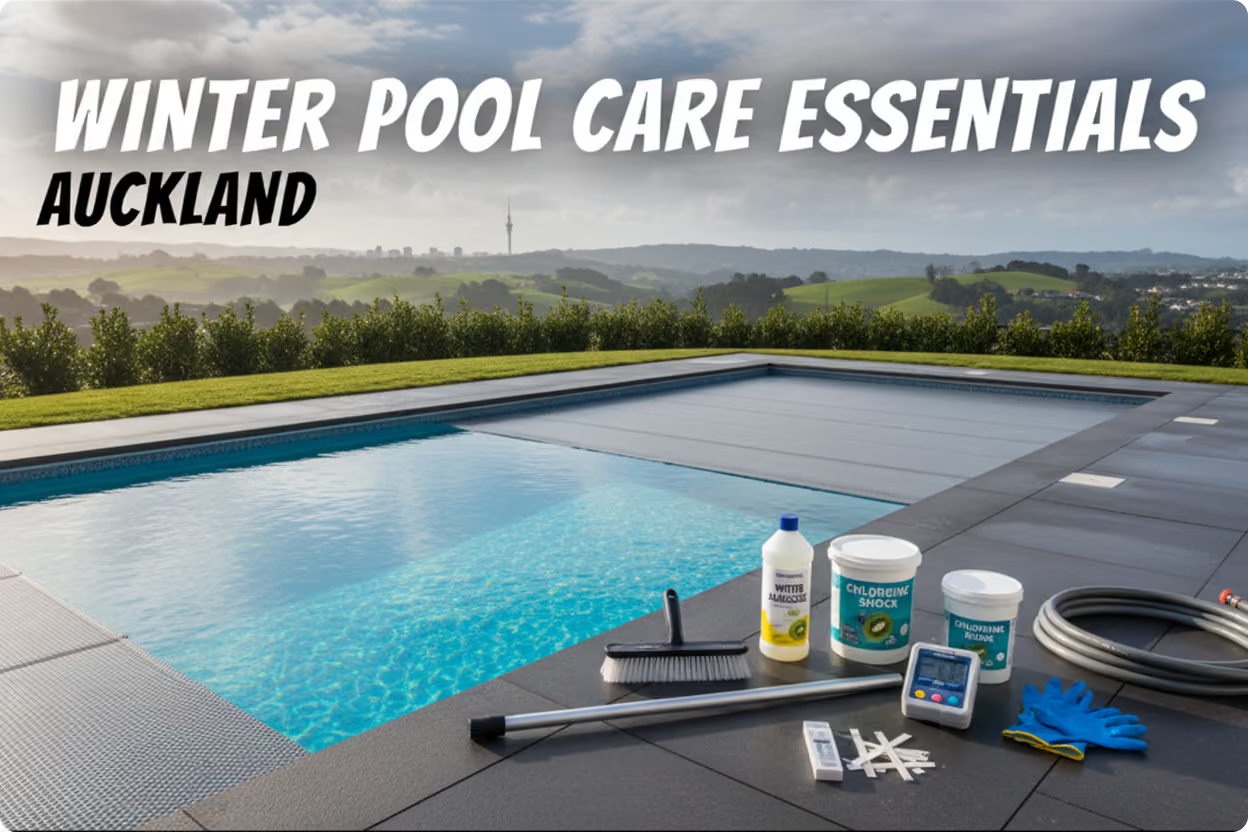
Winterising a pool in Auckland is different from colder climates, you won't need to drain pipes or shut everything down, but you do need a proper routine to keep the water clean and your equipment in good shape over the cooler months.
The steps below cover the key things Auckland pool owners need to do before and during winter, so the pool is easy to reopen when summer arrives.
What you'll learn
Why Winterising Matters in Auckland
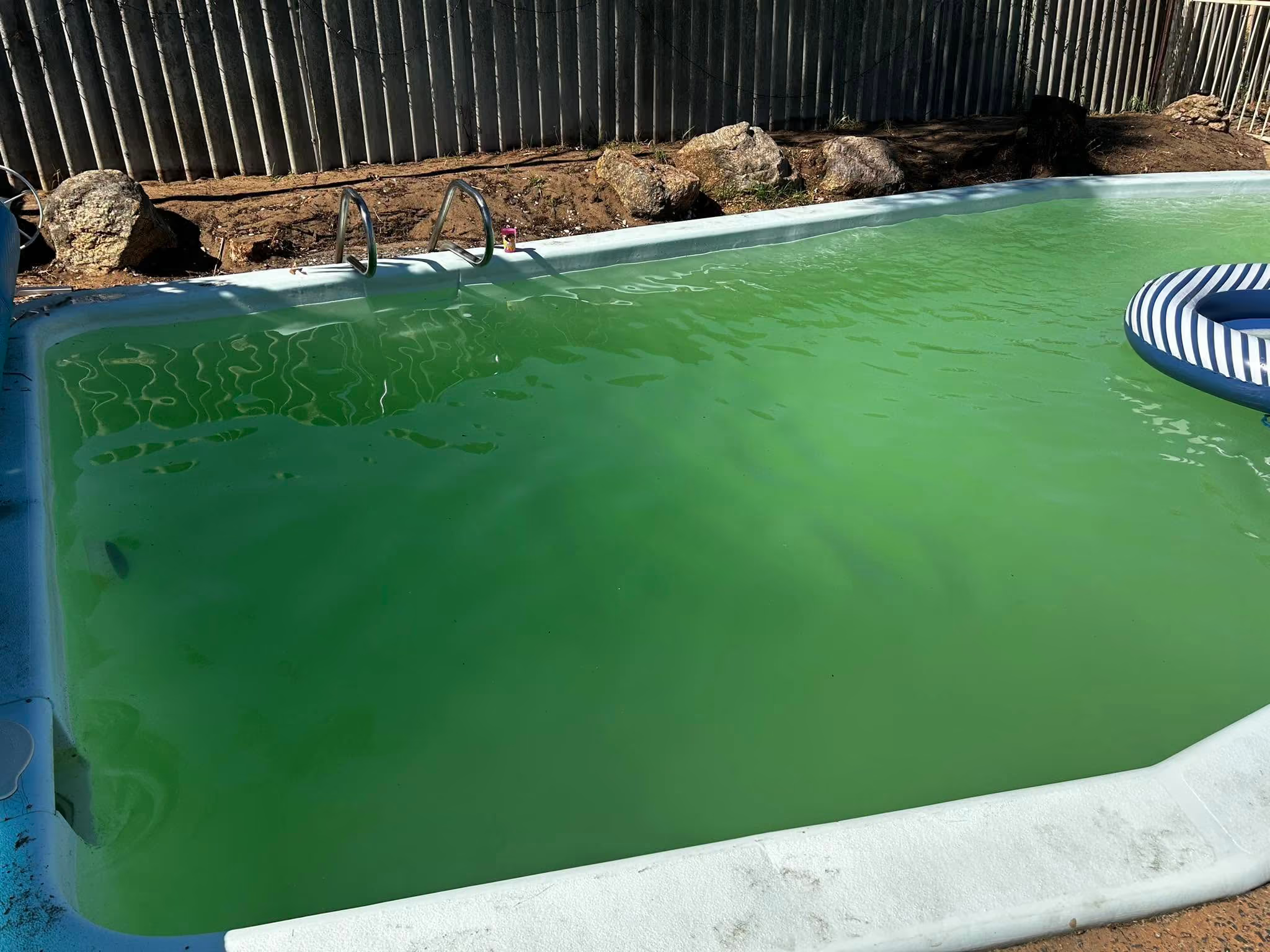
Auckland winters are mild compared to much of the world, but that doesn't mean your pool can look after itself. Cooler temperatures slow algae growth, but they don't stop it. Leaves, rain, and reduced sunlight can shift your water chemistry quickly, and a pool left unmanaged over winter often needs a full green-pool recovery come spring.
Done properly, winterising protects your equipment, keeps your water balanced, and makes reopening for summer straightforward. Skip it, and you're likely looking at more time, more chemicals, and more cost when the warm weather returns.
---
Why Auckland's Climate Changes the Approach
Auckland doesn't experience the hard frosts that drive winterising practices in colder climates. You won't need to drain your pipes or blow out your plumbing. What you do need to account for:
- Rainfall is higher in winter. Heavy rain dilutes your water chemistry and can introduce contaminants.
- Temperatures stay above freezing. Algae can still grow, just more slowly.
- UV index drops. Chlorine lasts longer, but you still need a baseline residual to keep the water safe.
- Leaves and debris accumulate faster. Deciduous trees drop their load in autumn, and wind carries it into the pool.
These factors mean Auckland pools benefit from a proper close-down routine rather than simply switching off the pump and walking away.
---
Step-by-Step: How to Winterise Your Auckland Pool
Step 1, Clean the Pool Thoroughly
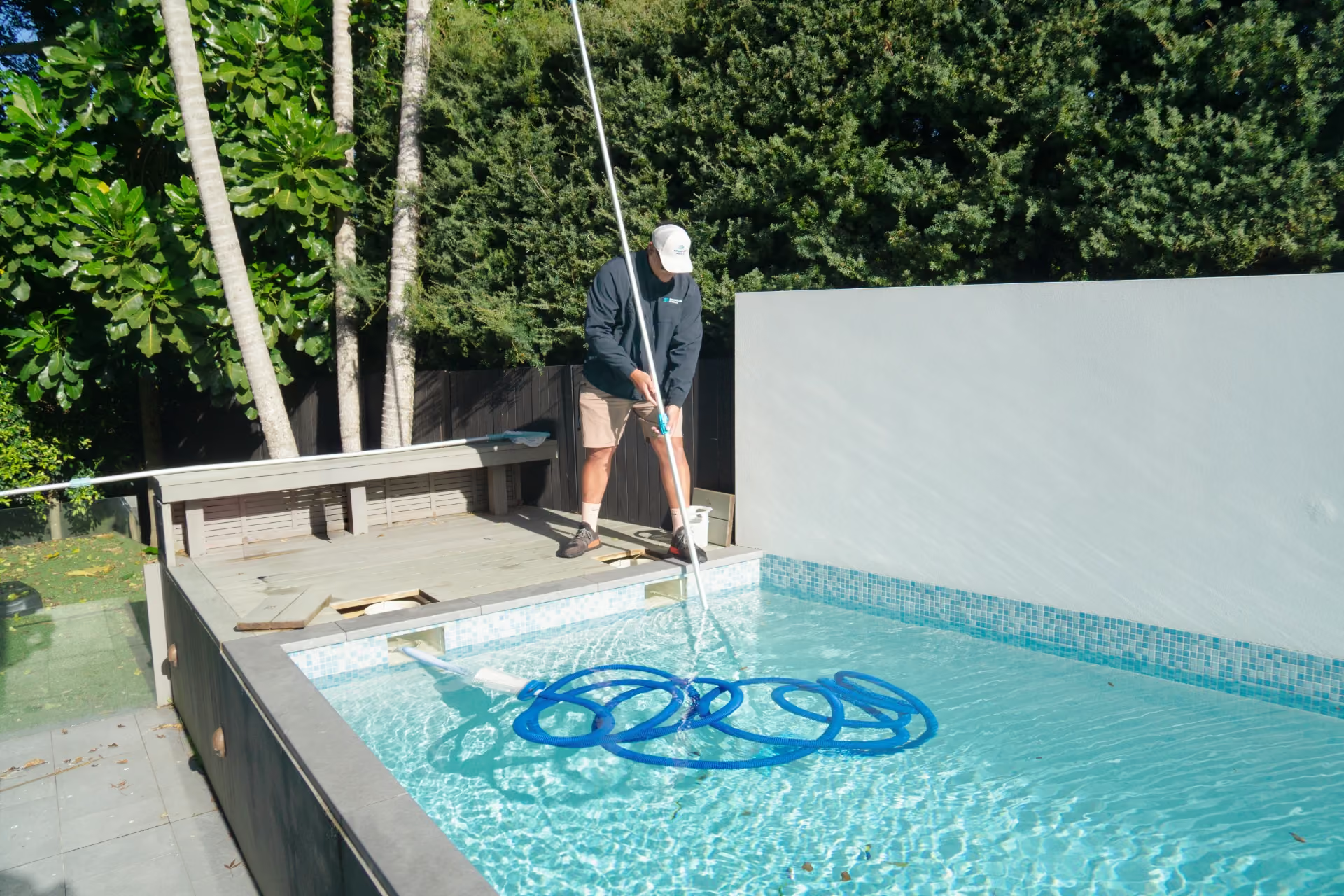
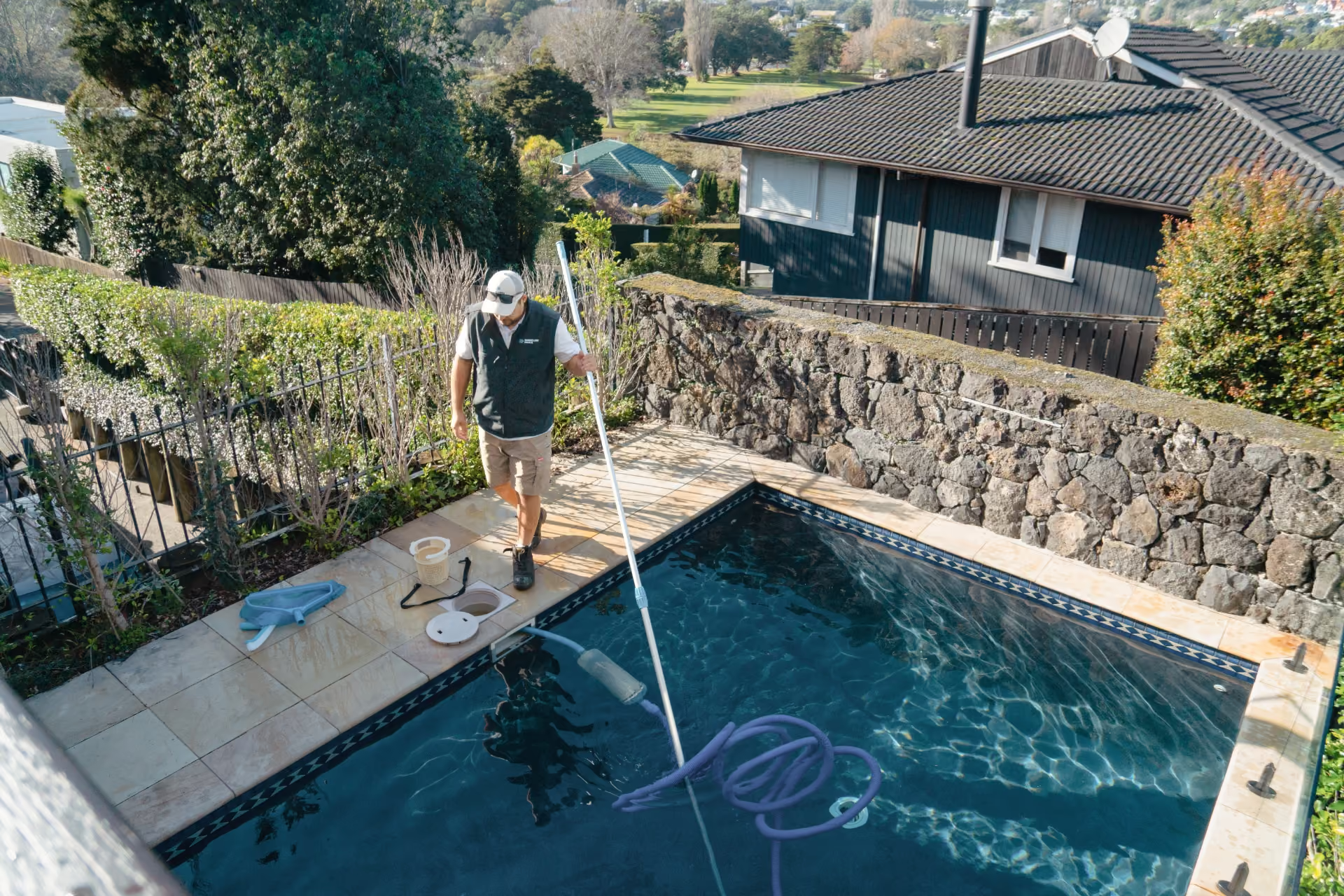
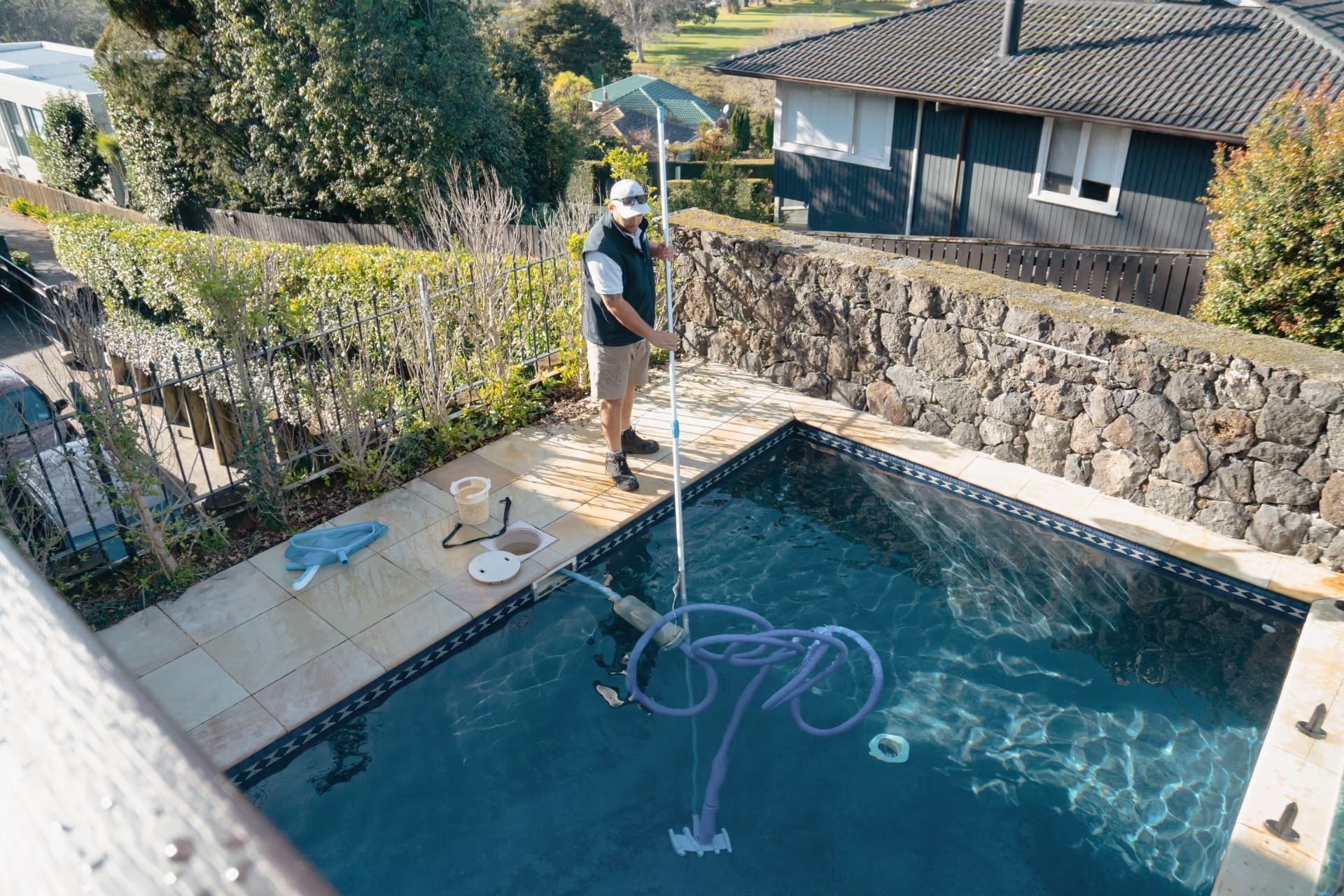
Start with a full clean before you adjust any chemistry. Vacuum the floor, brush the walls and steps, and empty all skimmer and pump baskets. Remove any visible debris.
If you leave organic matter in the pool over winter, it will break down slowly and consume your sanitiser, leaving you with stained surfaces and murky water by spring.
Step 2, Test and Balance Your Water
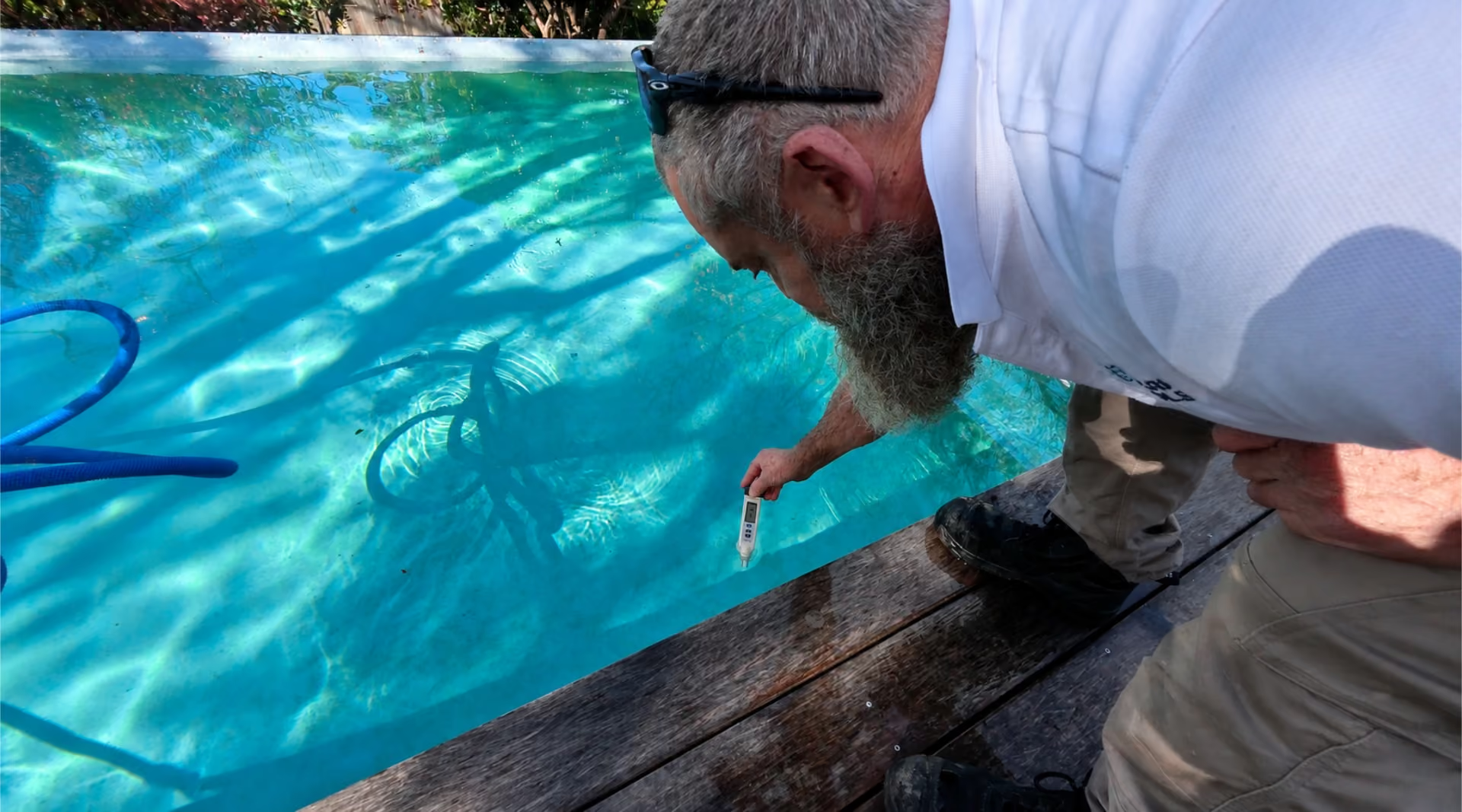
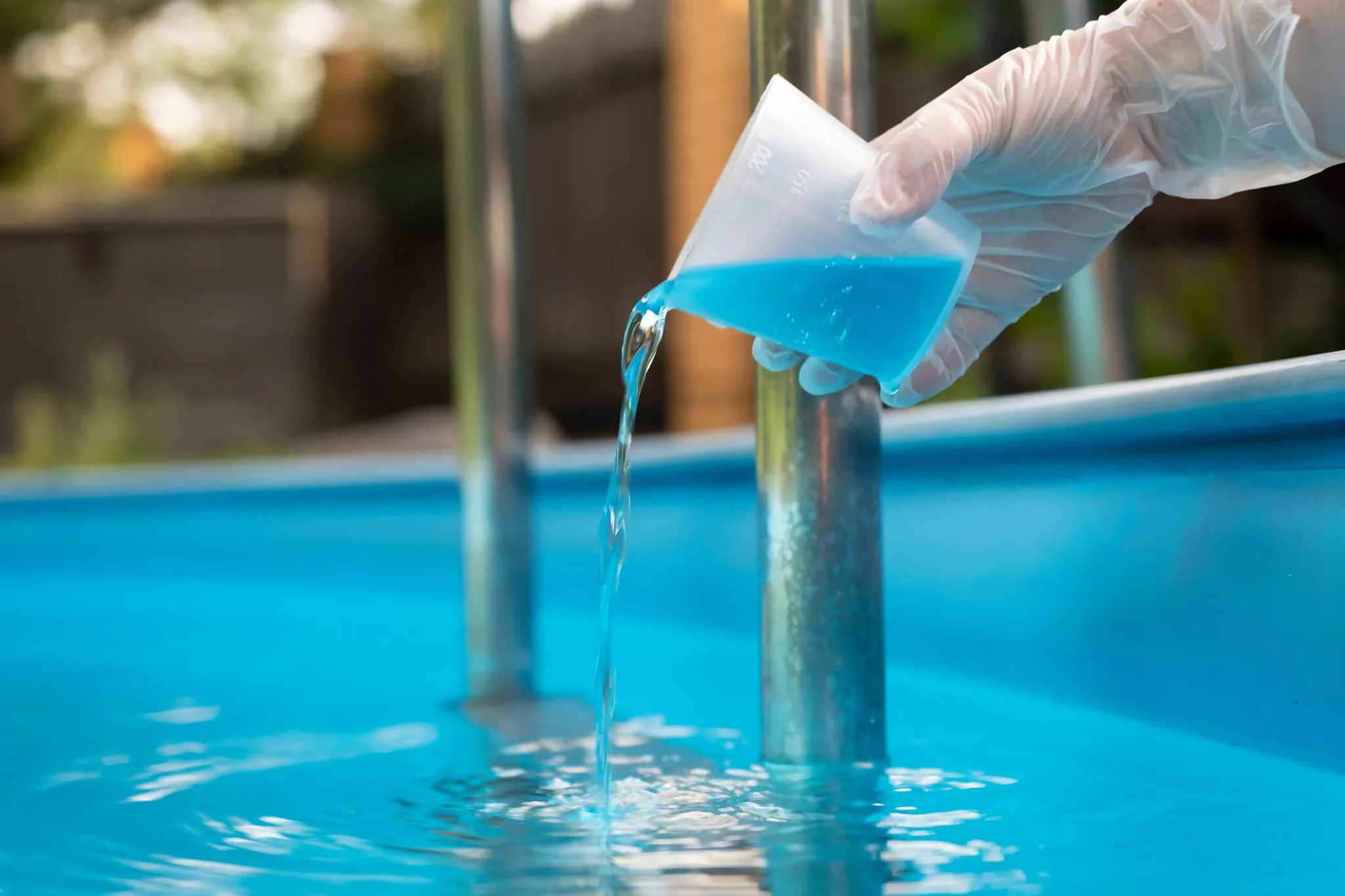
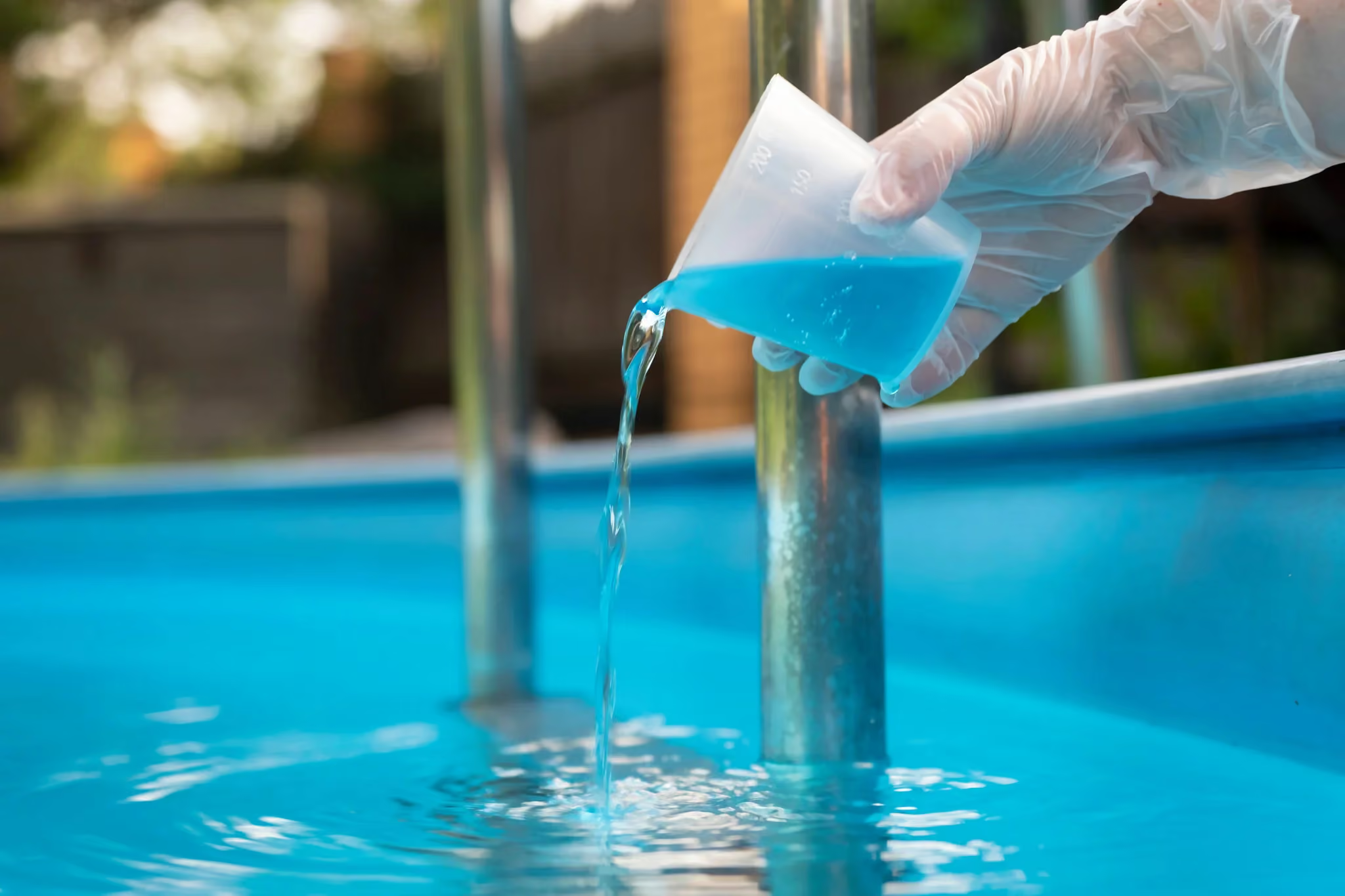
Before adding any winter chemicals, get an accurate picture of where your water sits. Test for:
- pH, aim for the correct range before adding anything else
- Total alkalinity, this buffers your pH and should be balanced first
- Calcium hardness, protects your pool surfaces and equipment
- Sanitiser level, you want a solid residual going into winter
- Stabiliser (cyanuric acid), relevant if you use stabilised chlorine
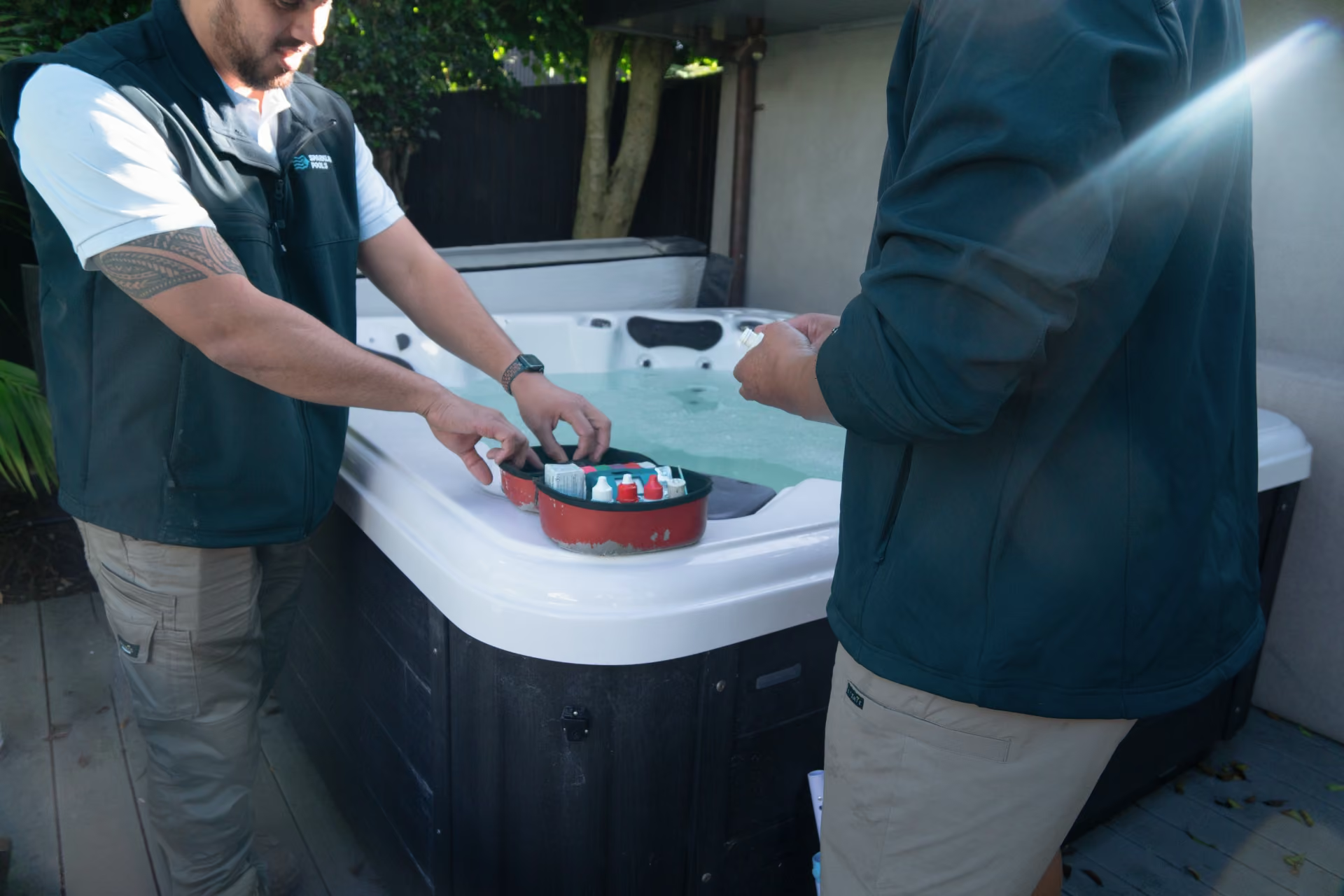
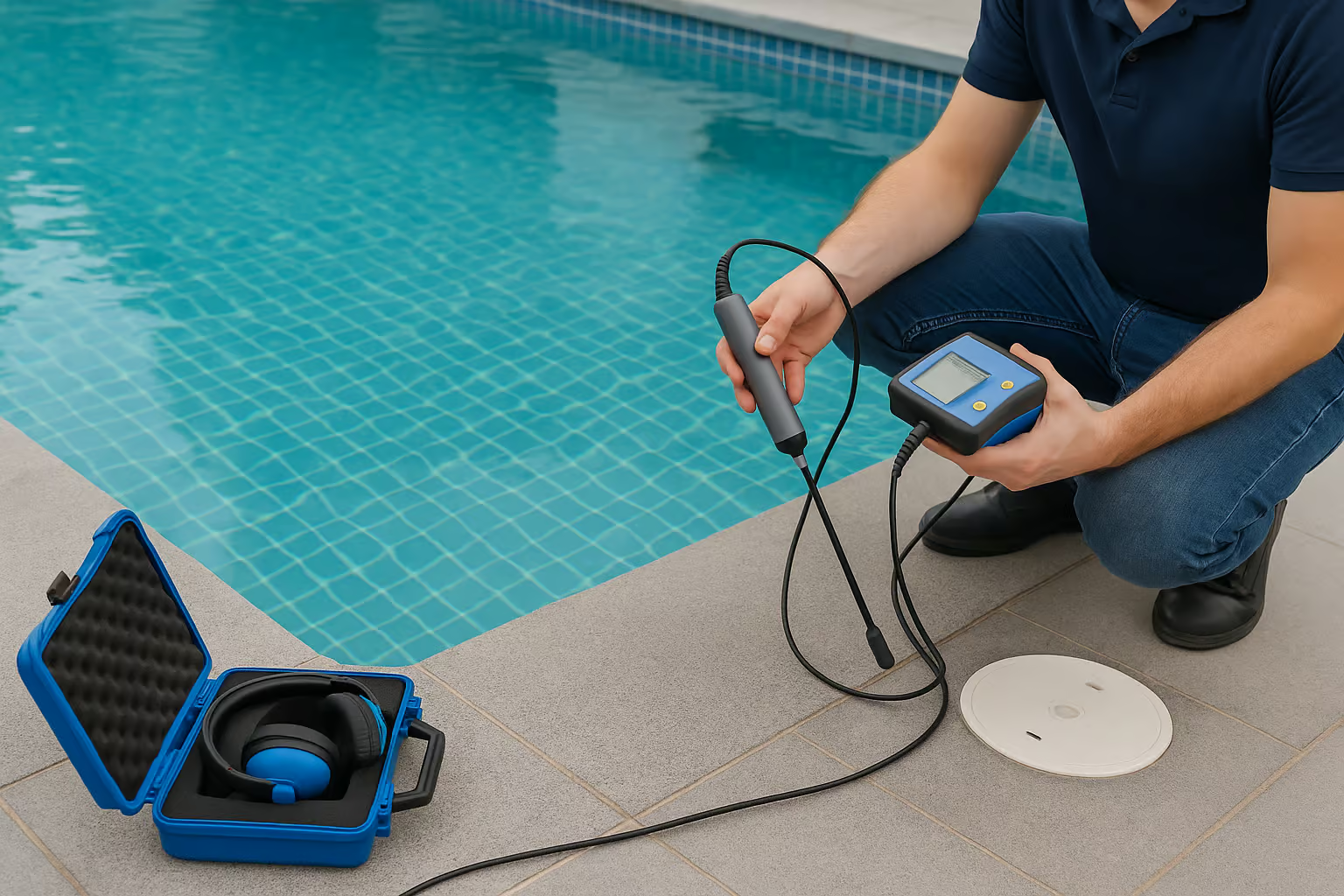
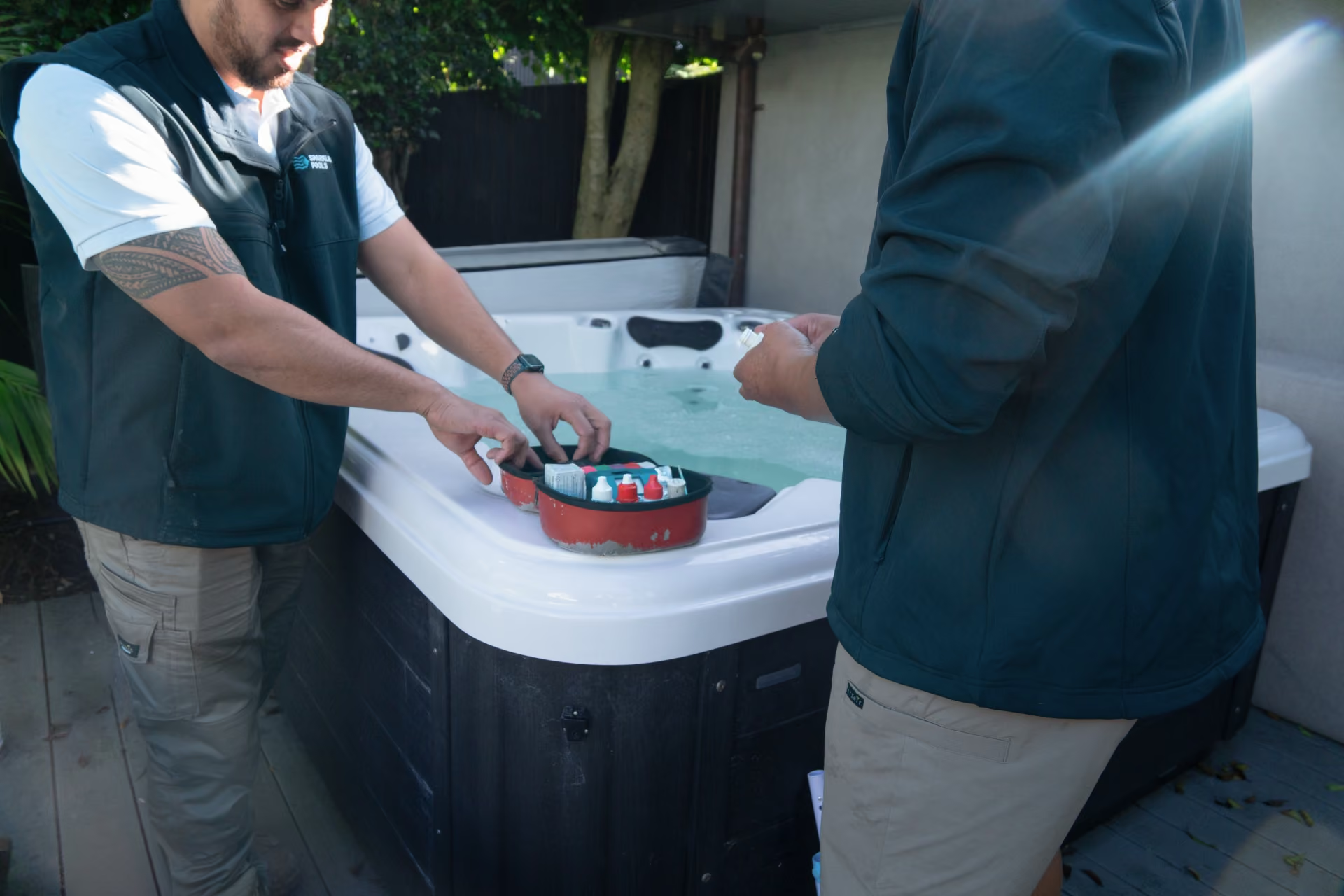
If you're unsure about your readings or don't have a reliable test kit, Sparkling Pools offers on-site water testing across Auckland. A technician comes to your home and tests everything on site, it's the most accurate way to know exactly what your water needs.
Step 3, Shock the Pool
Once your water is balanced, give the pool a shock dose of chlorine. This kills off any algae or bacteria before you reduce your maintenance routine for winter.
Shock in the evening so the chlorine isn't immediately broken down by UV. Run the pump overnight to circulate the treatment through the entire volume of water.
Step 4, Add a Winter Algaecide
A quality algaecide applied at close-down provides an extra layer of protection over the cooler months. Even with reduced sunlight, algae spores are present in the water year-round. A winter algaecide helps keep them in check while your sanitiser levels are lower than they'd be in summer.
Follow the dosage instructions on the product label based on your pool's volume.
Step 5, Reduce Pump Run Time (But Don't Stop It)
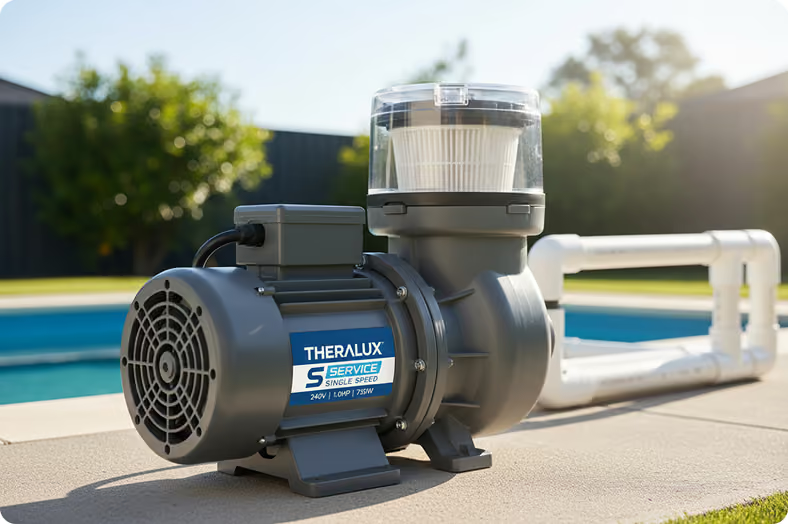
One of the most common mistakes Auckland pool owners make is turning the pump off entirely over winter. Your pump and filter need to keep running, just for fewer hours per day.
In summer, most pools run their pump for eight hours or more. In winter, you can typically reduce this significantly. The right run time depends on your pool's volume, your filter type, and how much debris your pool collects. As a general guide, aim for enough circulation to turn the water over at least once per day.
Keep your filter clean during this period. A dirty filter running on reduced hours won't do its job.
Step 6, Lower the Water Level (If Needed)
If you're using a pool cover, you may need to lower the water level slightly so the cover sits correctly and doesn't collect water on top. Check the manufacturer's guidance for your specific cover.
If you're not covering the pool, leave the water at its normal operating level.
Step 7, Fit a Pool Cover
A pool cover is one of the best investments you can make for winter pool care. It:
- Reduces debris entering the pool
- Slows evaporation
- Reduces chemical consumption
- Helps retain some heat on sunny days
- Keeps the pool cleaner and easier to maintain
Make sure the cover is secured properly so wind can't lift it or allow debris to blow underneath.
Step 8, Protect Your Equipment
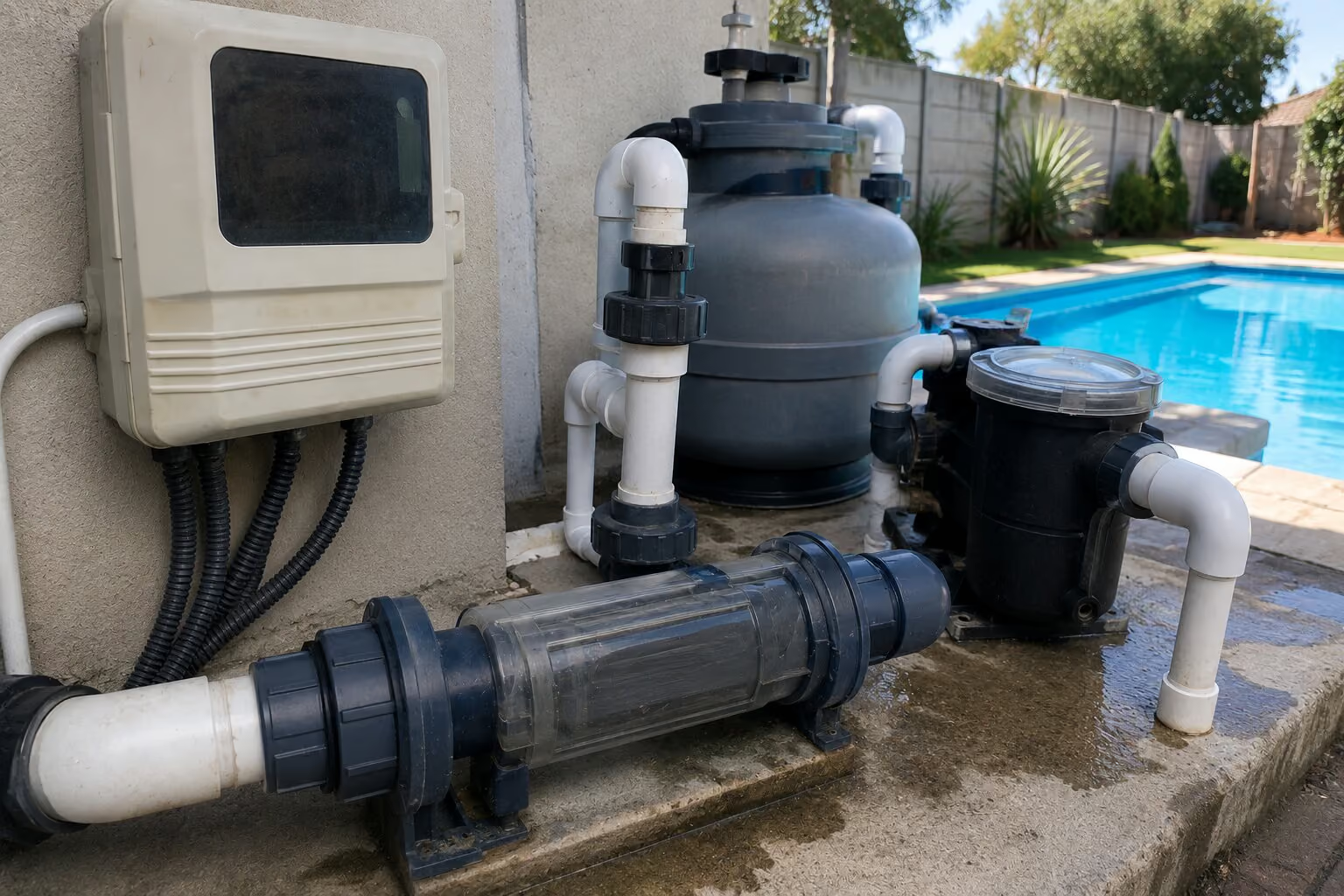
Check your pump, filter, and any heating equipment before you reduce your maintenance routine. Look for:
- Leaks around fittings and valves
- Cracks or damage to the pump lid or filter housing
- Any unusual noises when the pump runs
Addressing small issues now is far easier than dealing with them mid-winter or when you're trying to open the pool for summer. If you spot something that doesn't look right, have it checked by a technician before leaving it.
Step 9, Set a Winter Maintenance Schedule
Winterising isn't a one-off task, it's the start of a reduced maintenance routine. Over winter, you should:
- Check and adjust water chemistry every two to four weeks, rainfall and debris will shift your balance
- Empty skimmer baskets regularly, especially after storms or heavy leaf fall
- Inspect the pool cover, remove pooled water and check for damage
- Run the pump daily, even in the coldest months
A quick check every couple of weeks takes very little time and prevents problems from developing unnoticed.
---
What People Commonly Miss
Ignoring Water Chemistry After Close-Down
Balancing the water at close-down is important, but it's not a set-and-forget step. Rain dilutes your chemicals. Leaves introduce organic matter. Your pH will drift. Check it regularly throughout winter, not just once at the start.
Turning the Pump Off Entirely
Stagnant water is the fastest route to algae and poor water quality. Even in the coldest Auckland winter, your pump needs to run. Reducing run time is sensible; stopping it entirely is not.
Skipping the Pre-Winter Clean
Adding chemicals to a dirty pool is ineffective. The organic load in the water consumes your sanitiser before it can do its job. Always clean thoroughly before you balance and treat.
Leaving Equipment Issues Unresolved
A small leak or a worn seal left over winter can become a bigger problem by spring. If something looks off, get it looked at before you reduce your maintenance visits.
---
When to Book a Professional Service
Most of the winterising steps above are well within reach of a capable pool owner. But there are situations where it makes sense to bring in a professional:
- Your water won't balance, if pH or alkalinity keeps drifting despite corrections, there may be an underlying issue with your water chemistry or pool surfaces
- You've noticed a leak, leaks don't fix themselves over winter
- Your equipment is making unusual noises or not performing correctly, better to diagnose now than in spring
- You'd simply rather hand it over, Sparkling Pools provides pool servicing and maintenance across Auckland, and can handle the full winterising process for you
Sparkling Pools has been servicing Auckland pools since 1992. If you'd like help getting your pool ready for winter, get in touch on 09 570 4797 or at info@sparklingpools.co.nz.
Pool resurfacing solutions
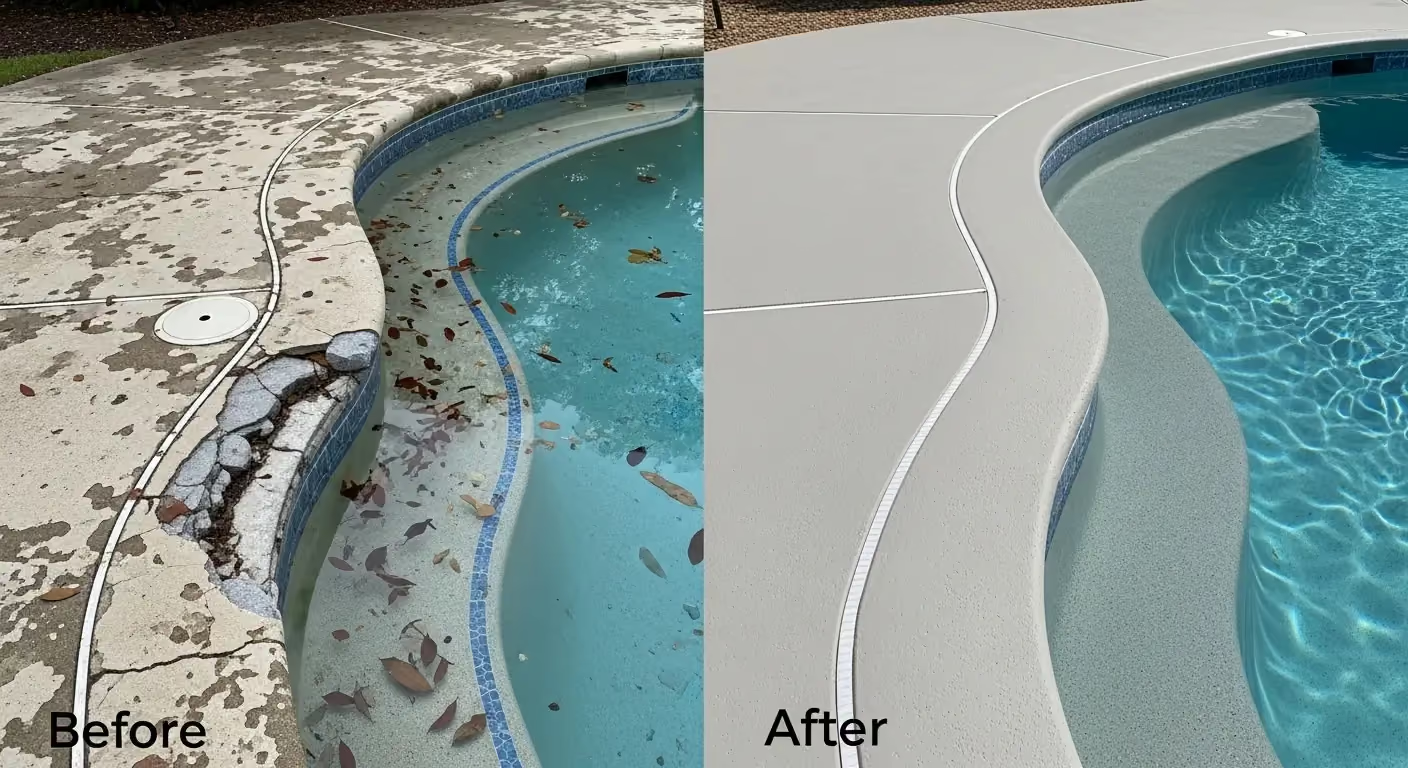
Restore your pool with durable plaster finishes


Work completed
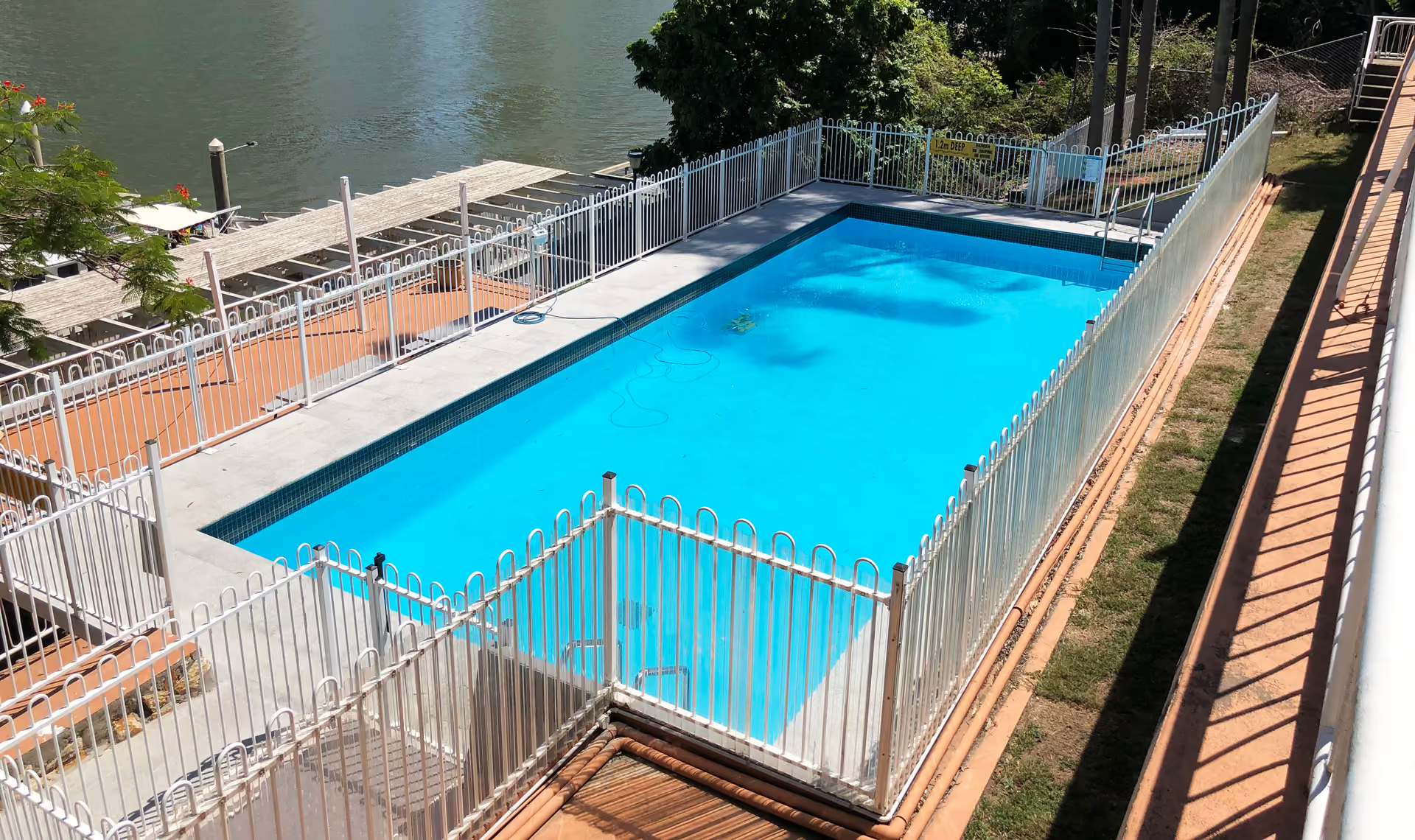
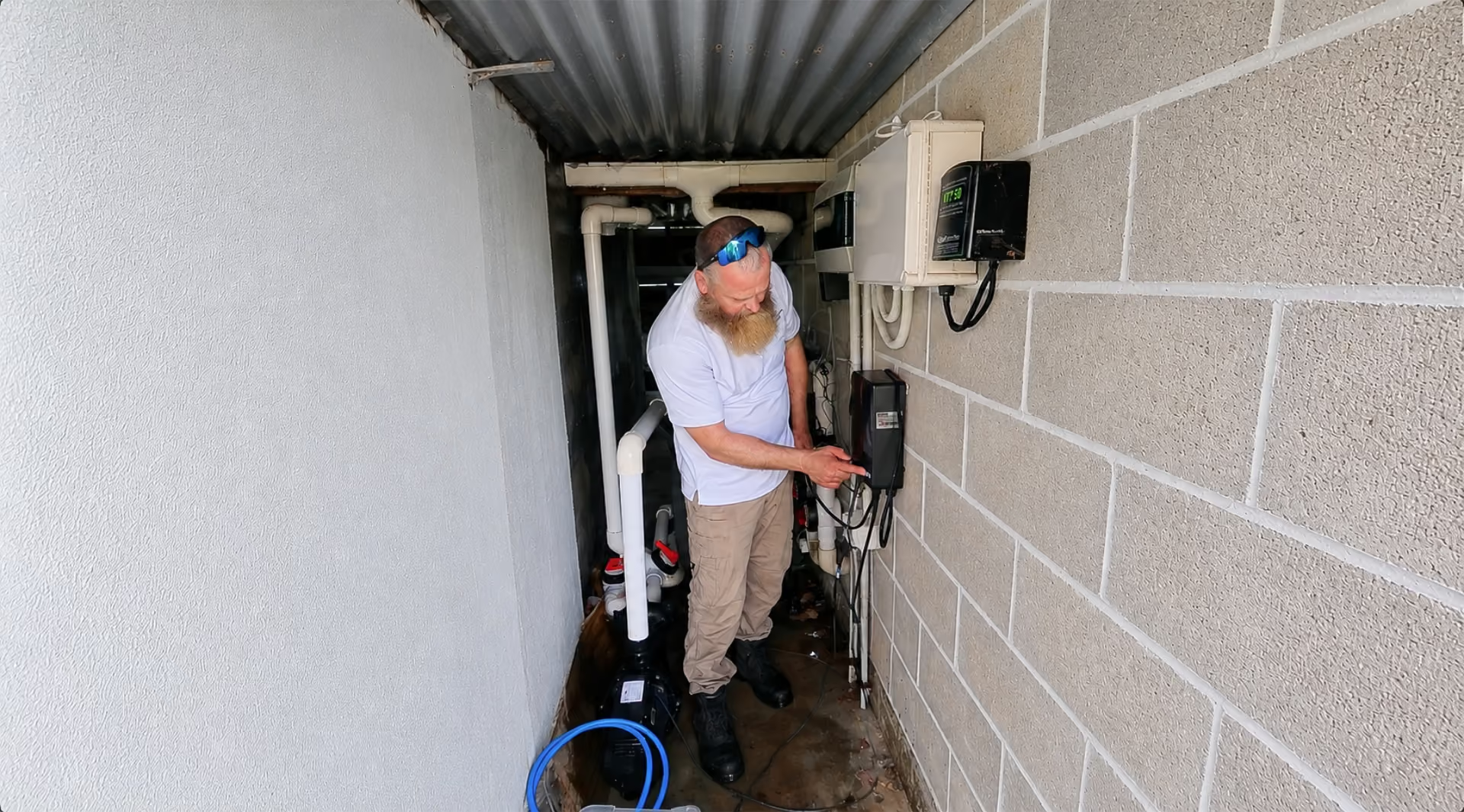
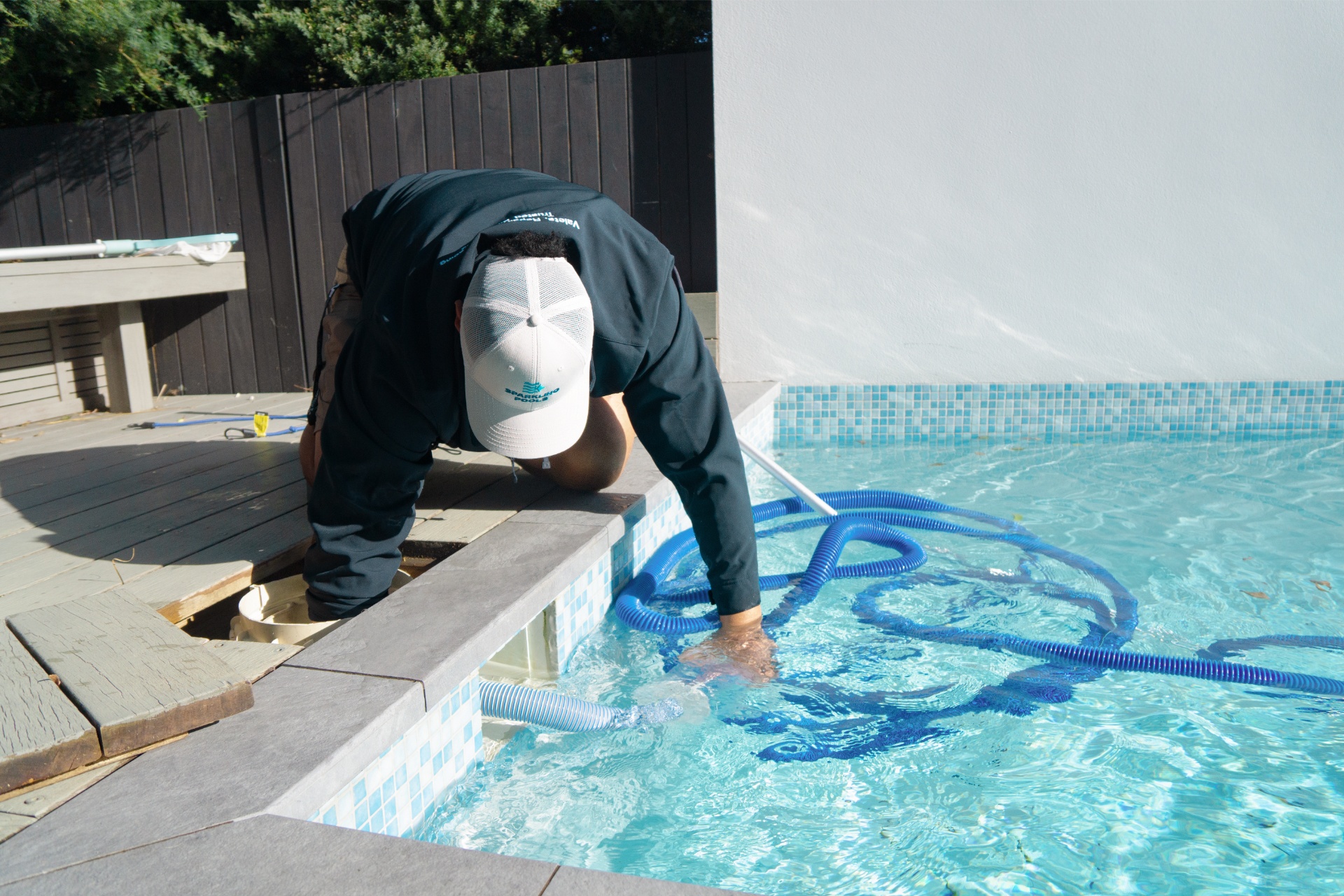
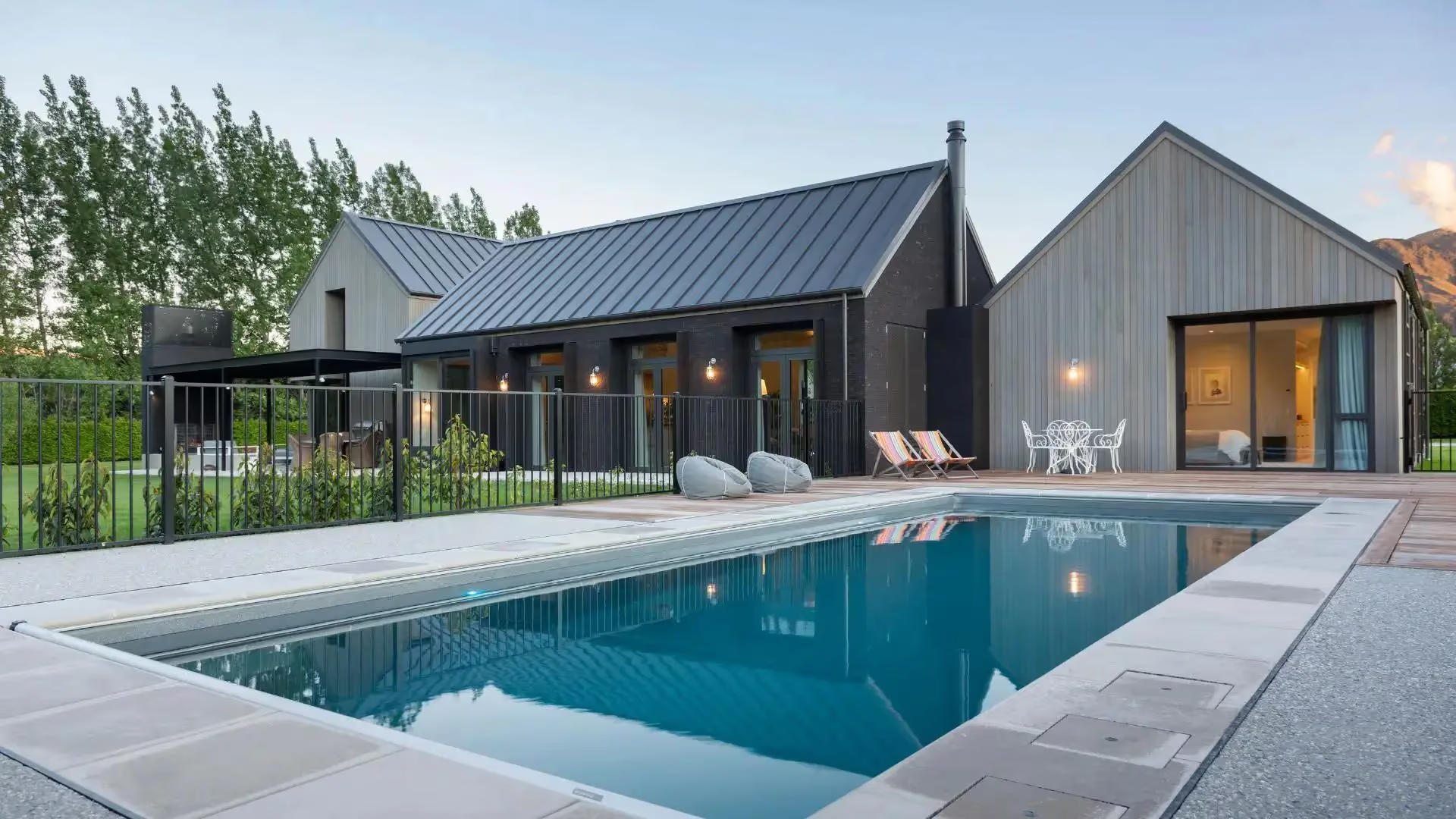
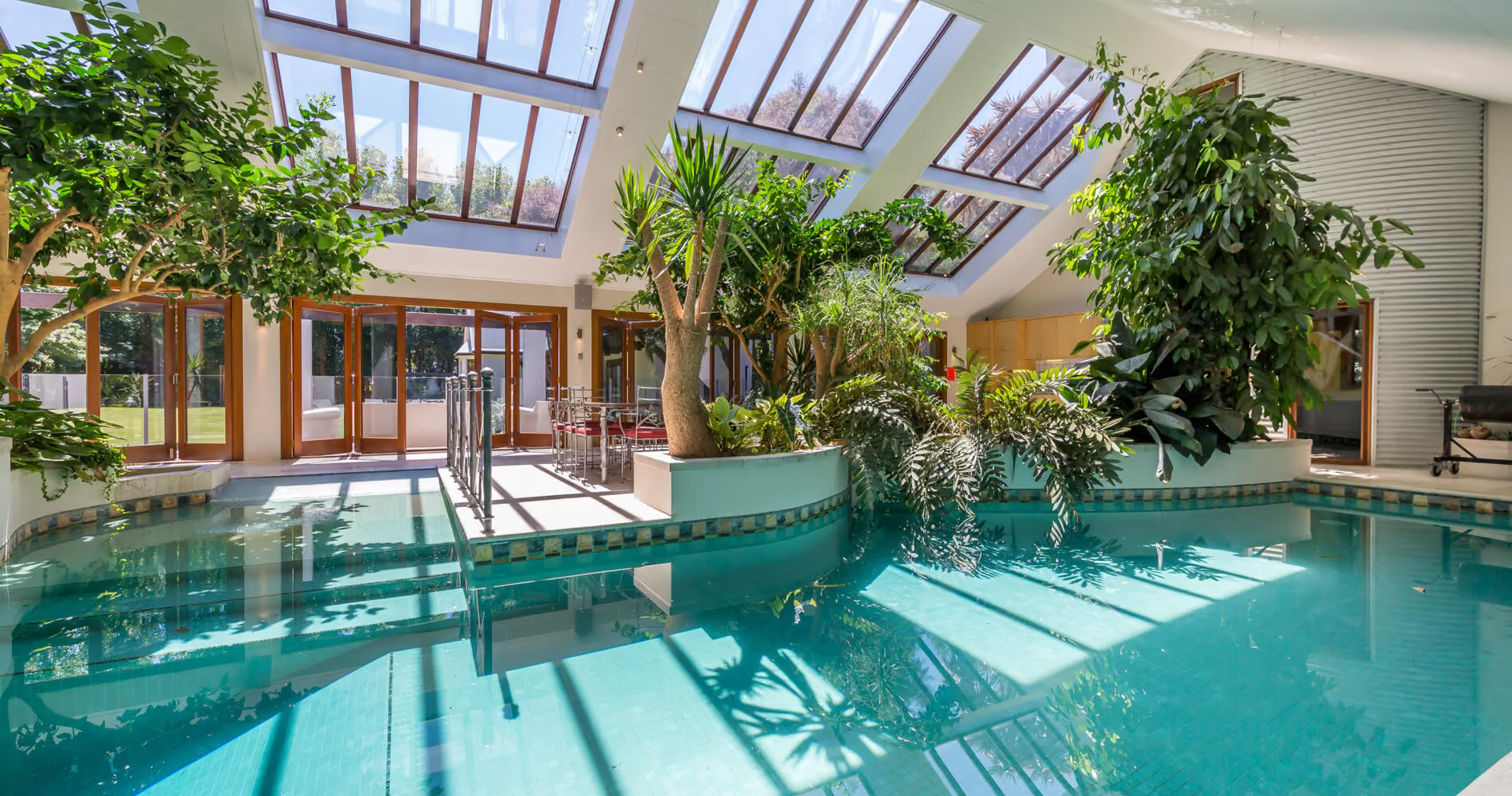
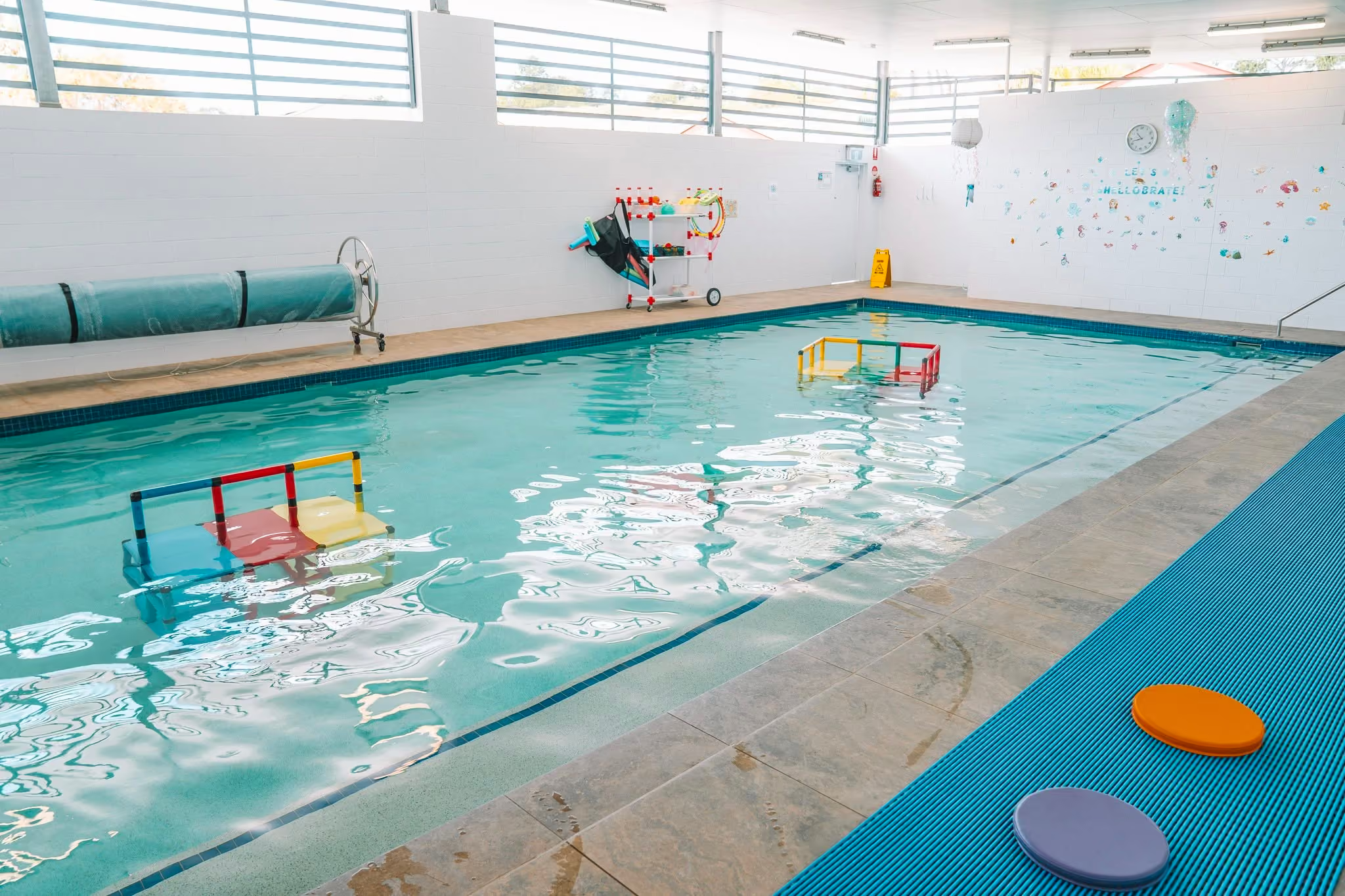
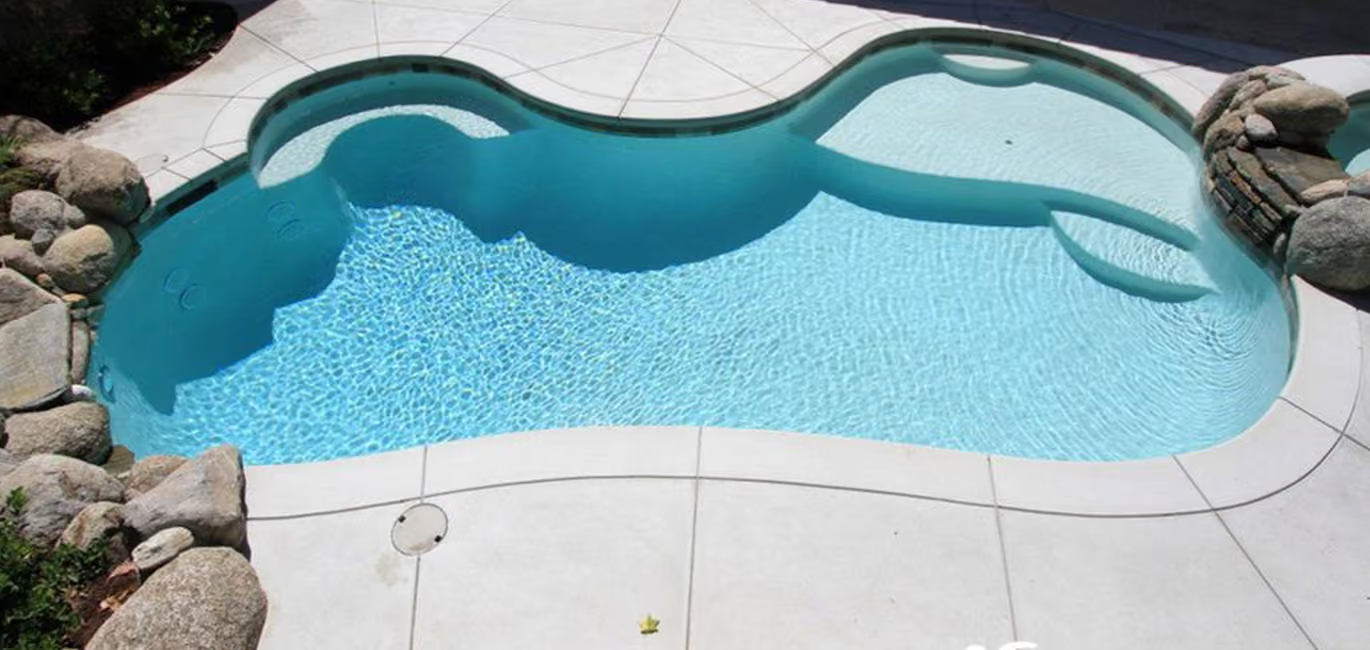
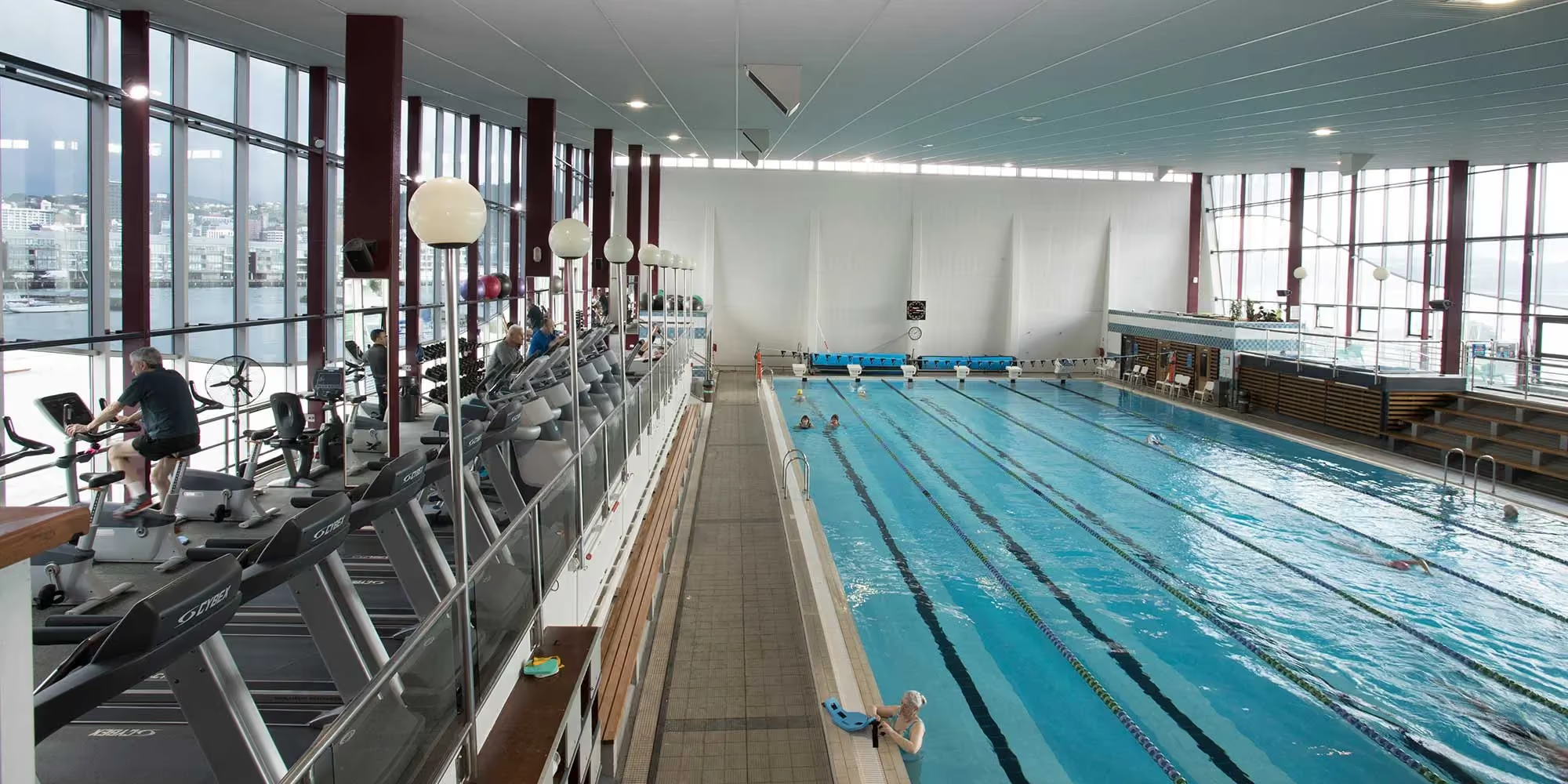
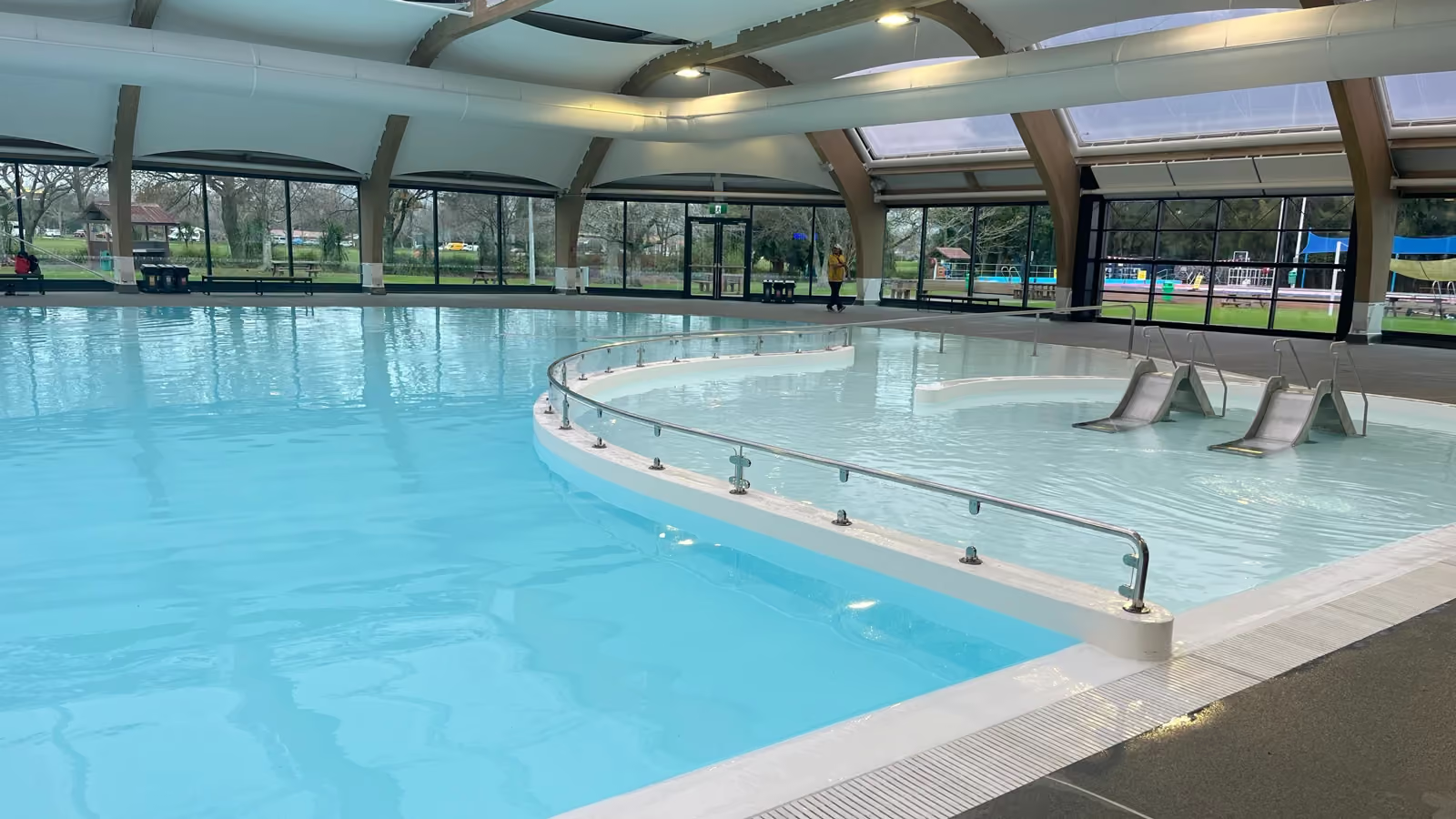
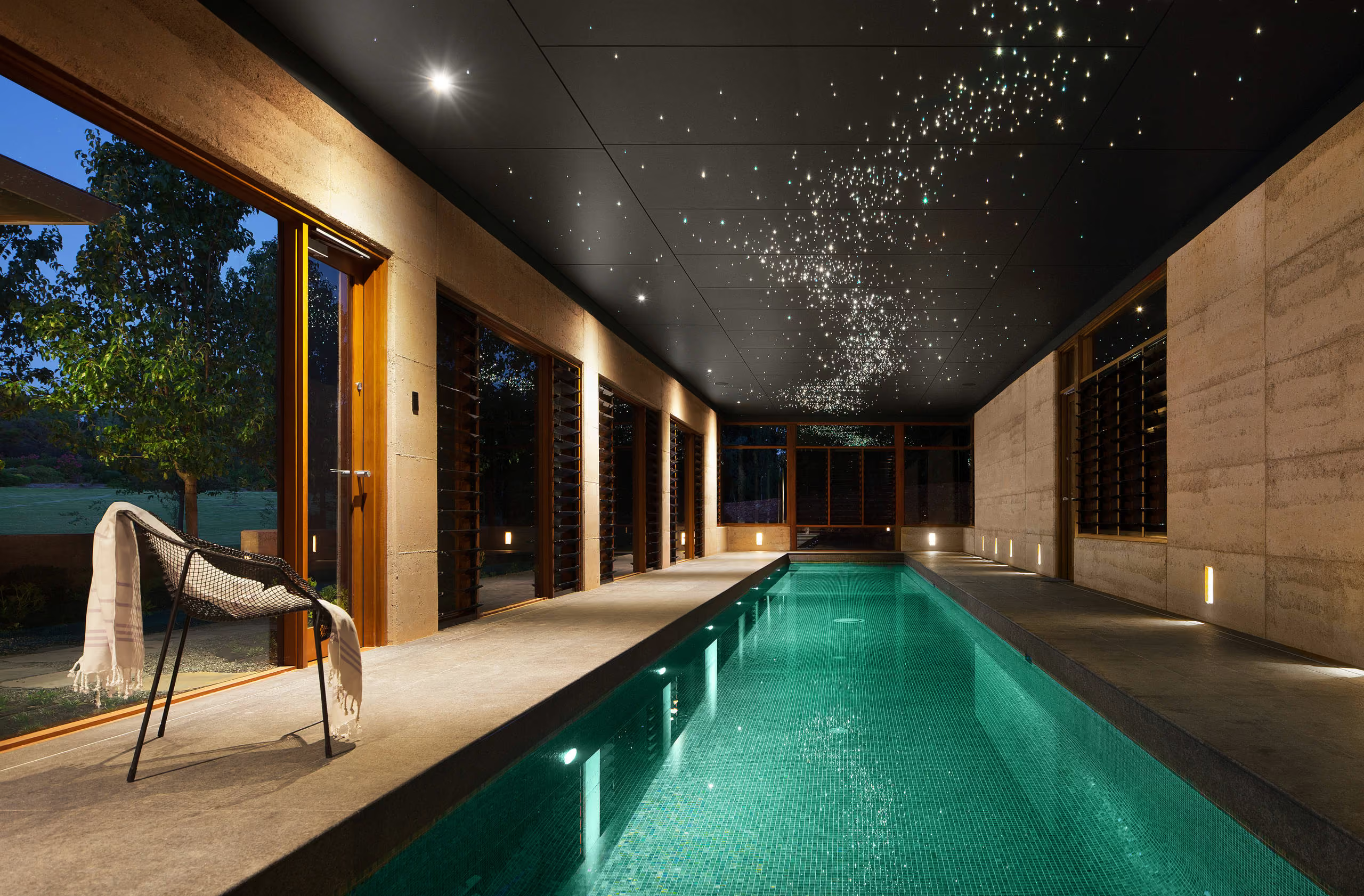
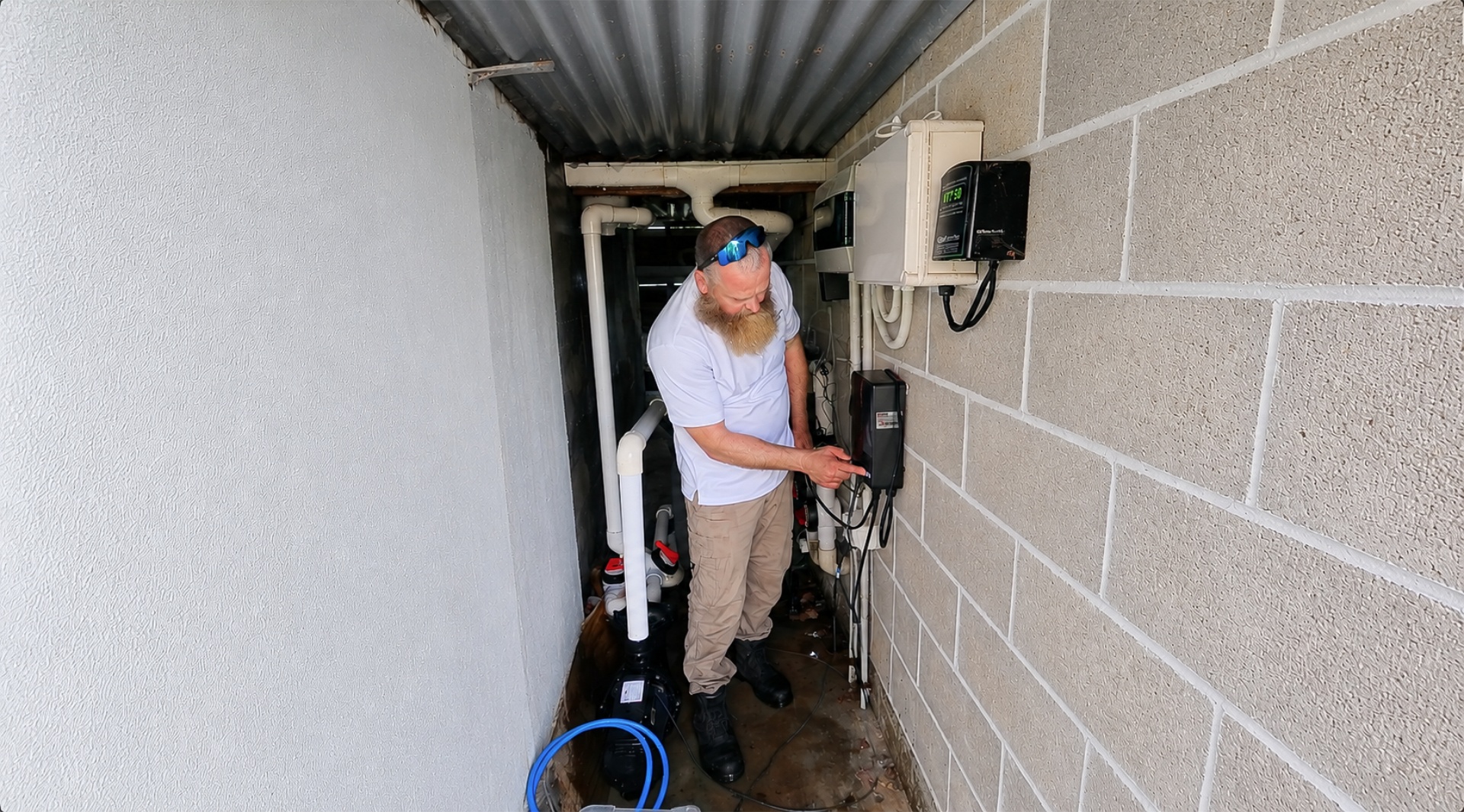
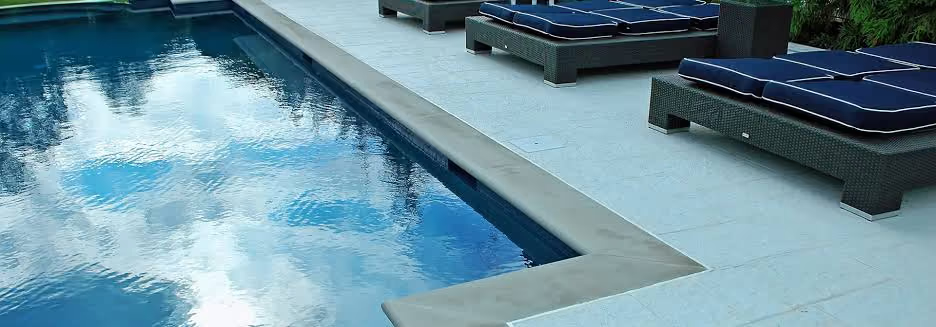
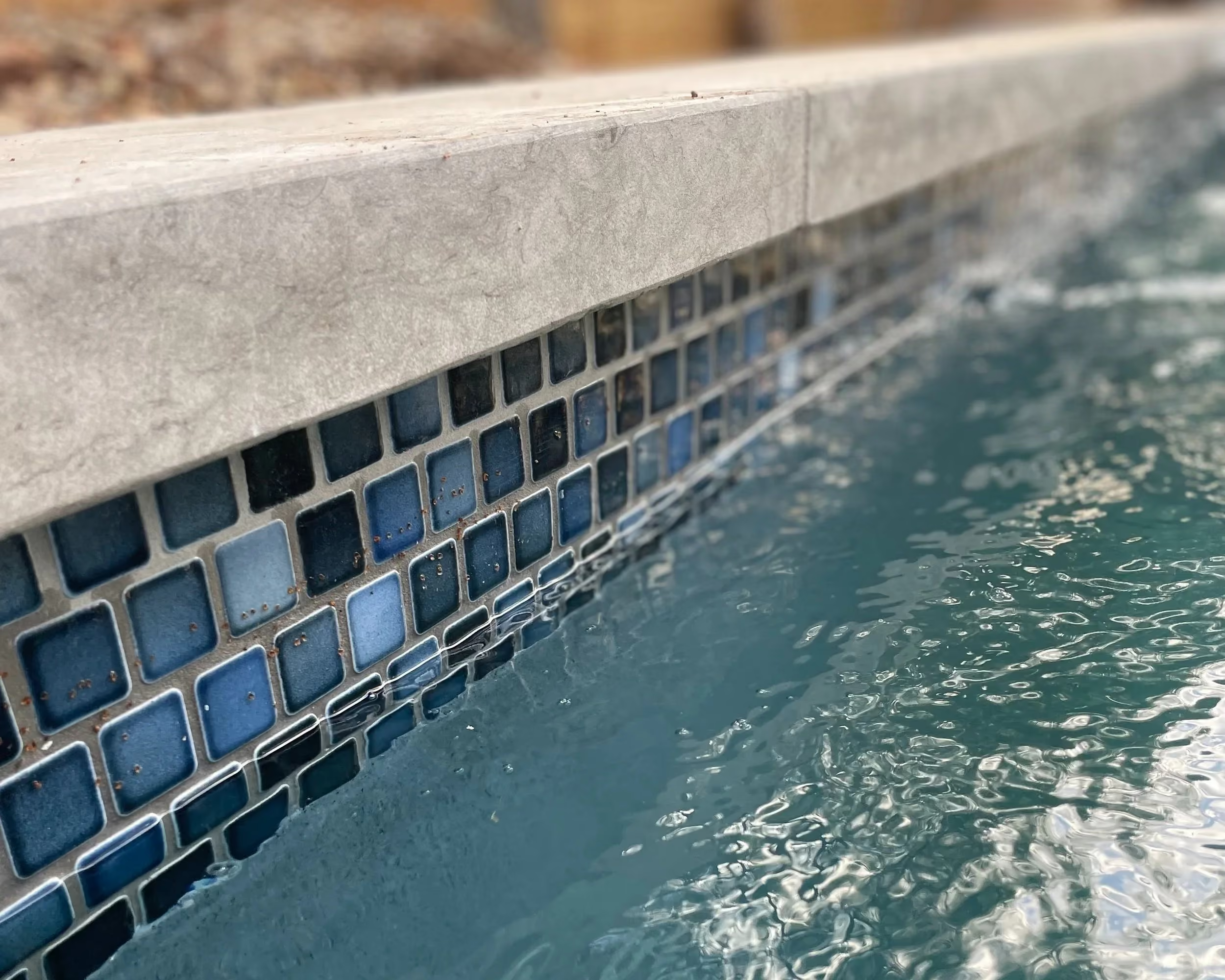
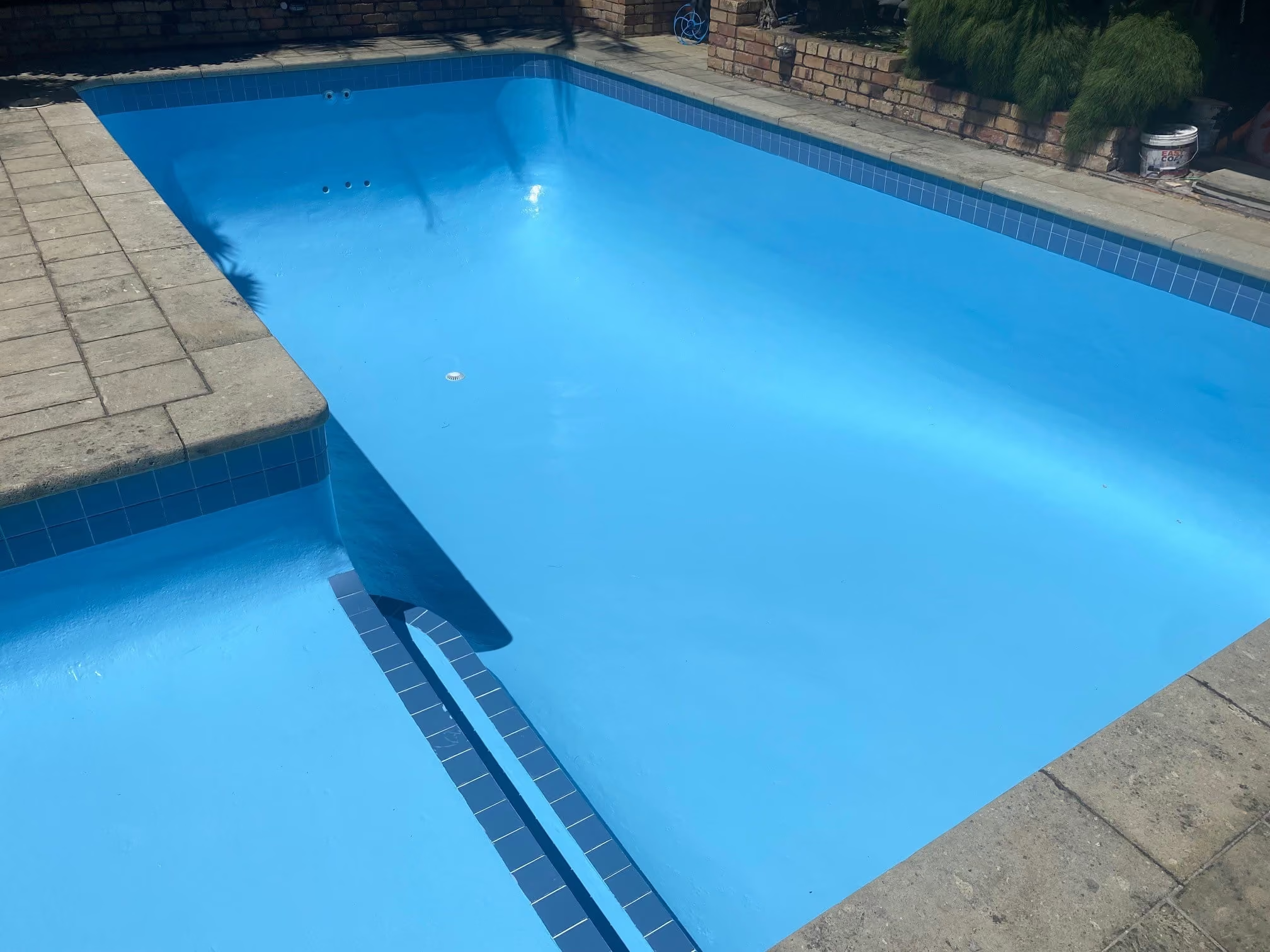
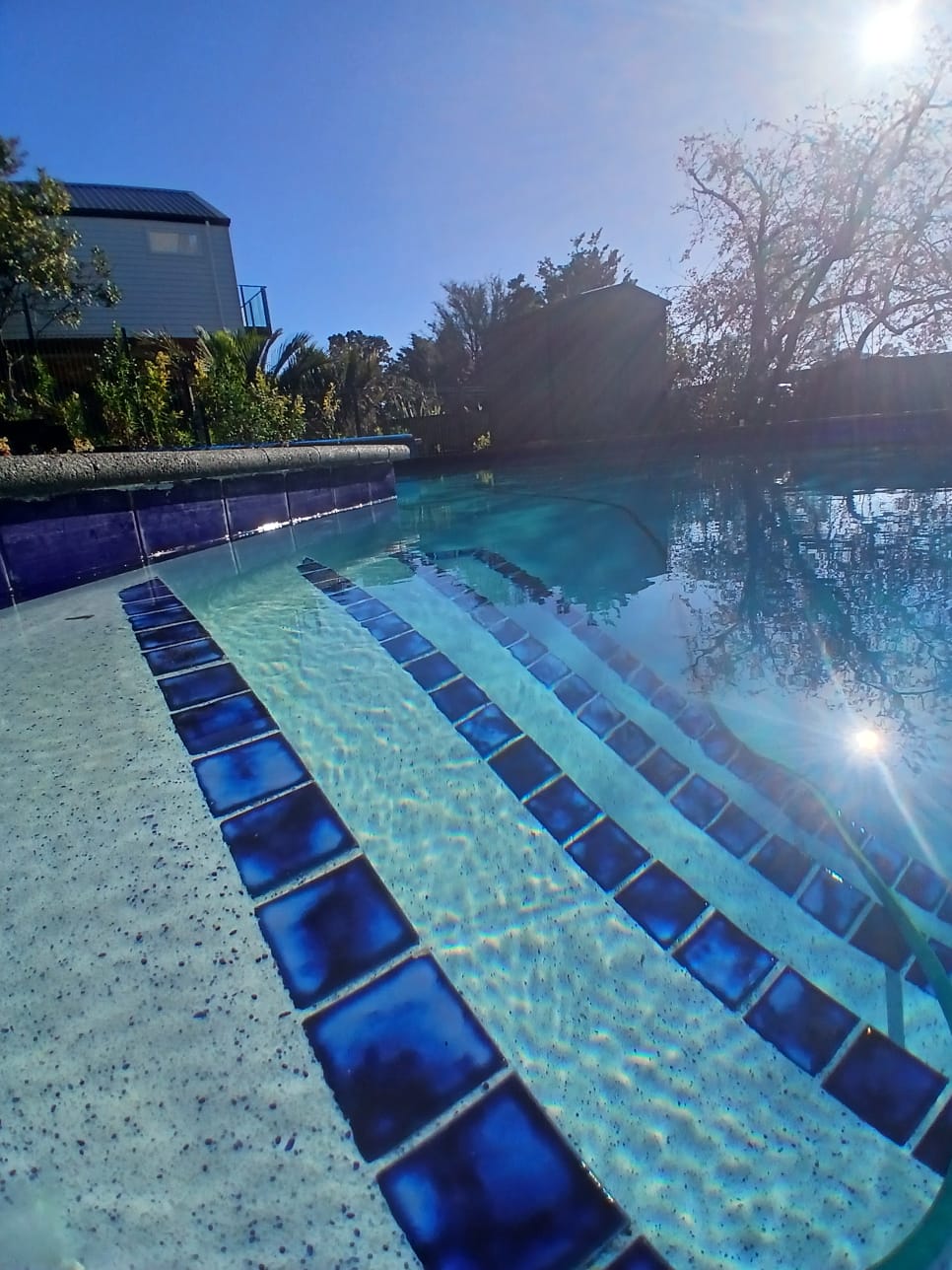
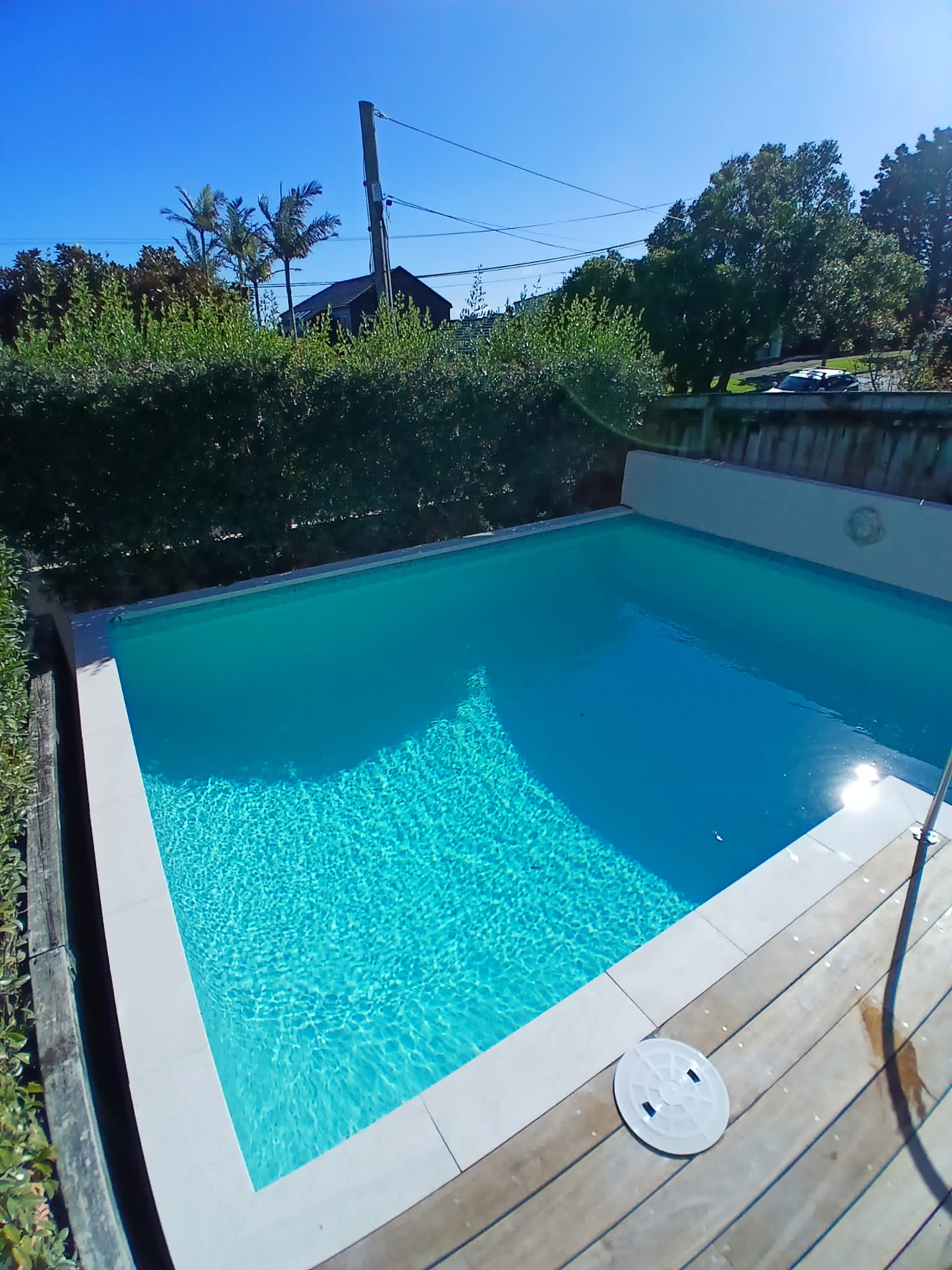
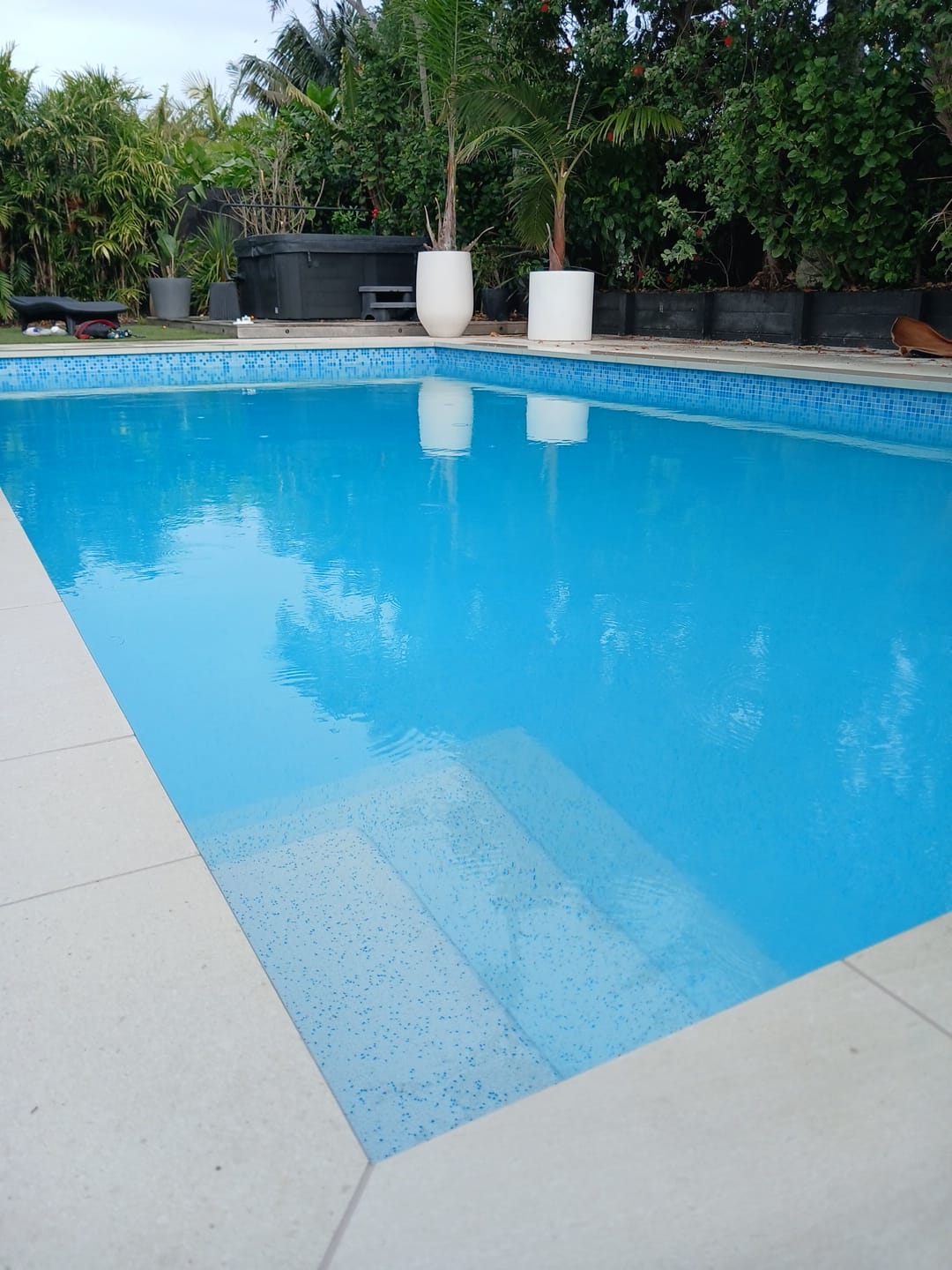
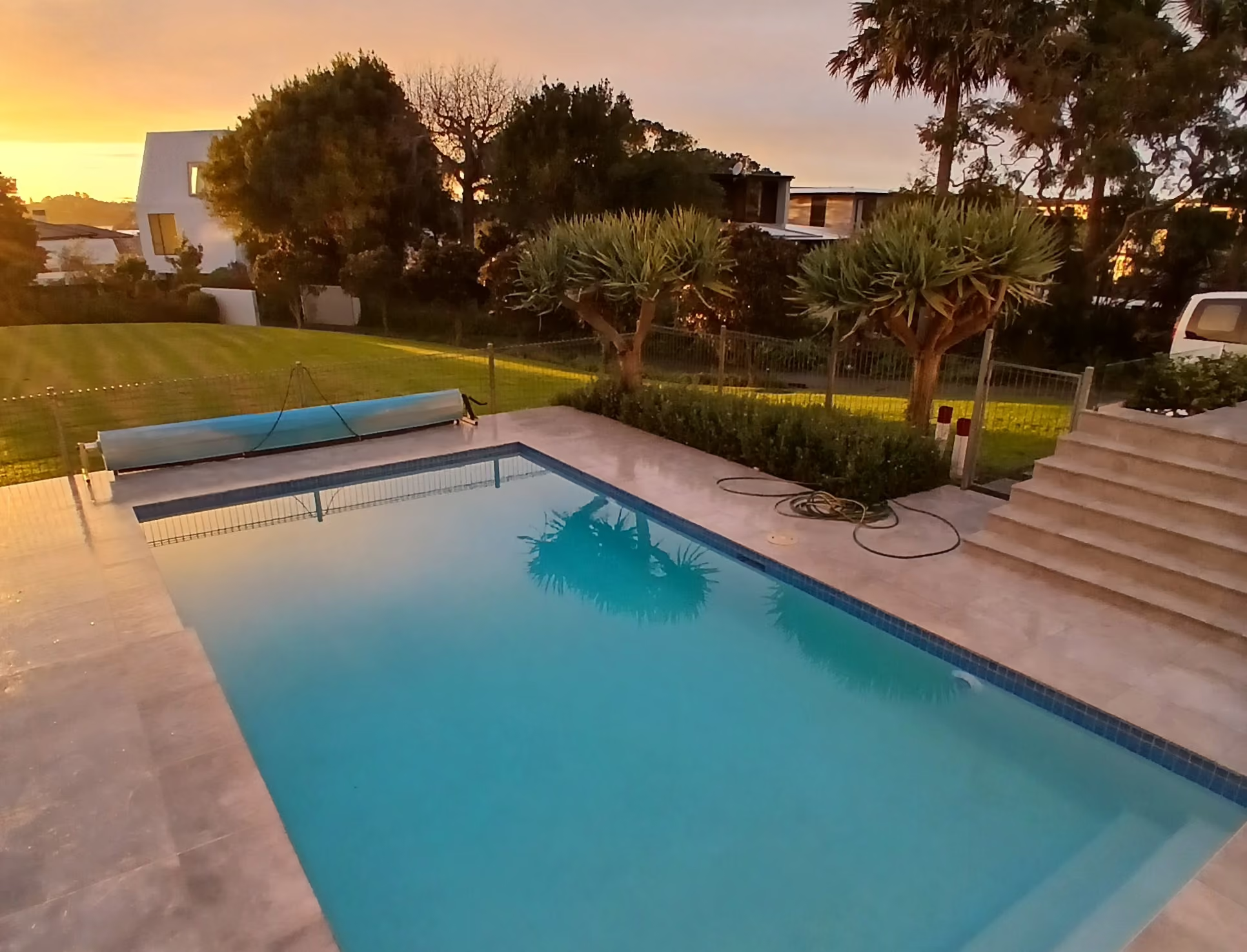
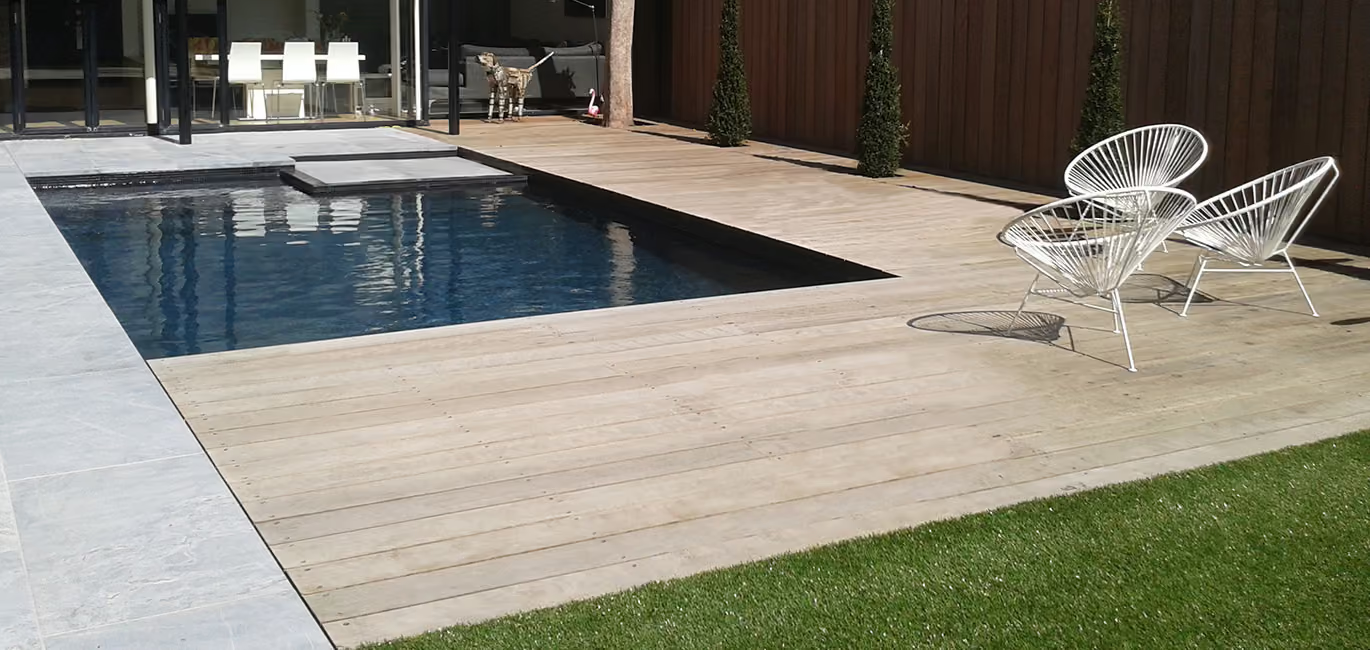
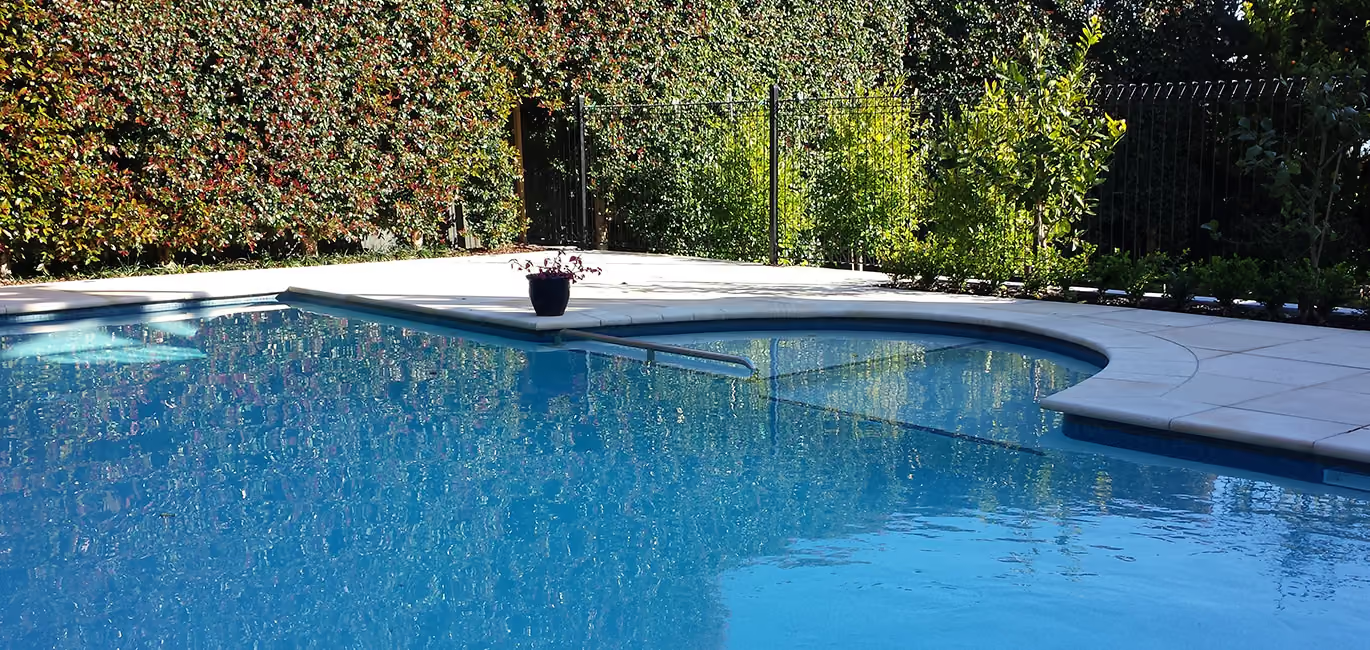
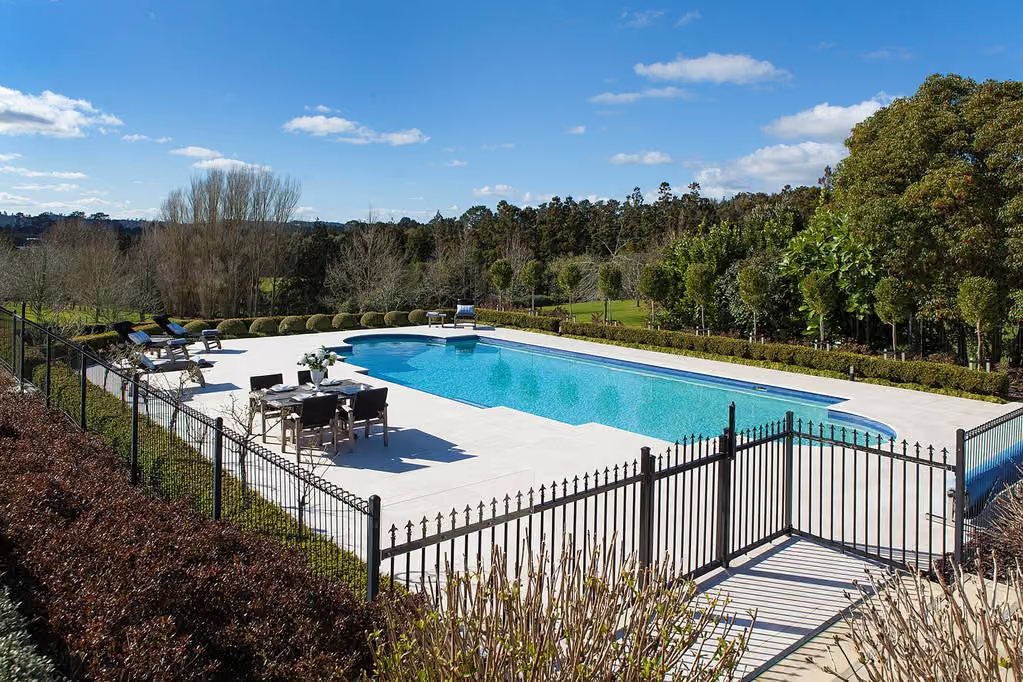
Sparkling Pools has worked on pools across Auckland, including residential renovation projects, equipment upgrades, ongoing maintenance and pool care for managed properties. Past projects show how the right approach can improve presentation, water quality and day-to-day usability. A well-maintained pool is easier to manage, more pleasant to use and better prepared for seasonal changes.
Trusted by Homeowners Across Auckland
Don't just take our word for it. Read what our clients have to say about our transparent communication, reliable service, and stunning pool transformations.
Related Blog Posts
Stay informed on pool care and renovations
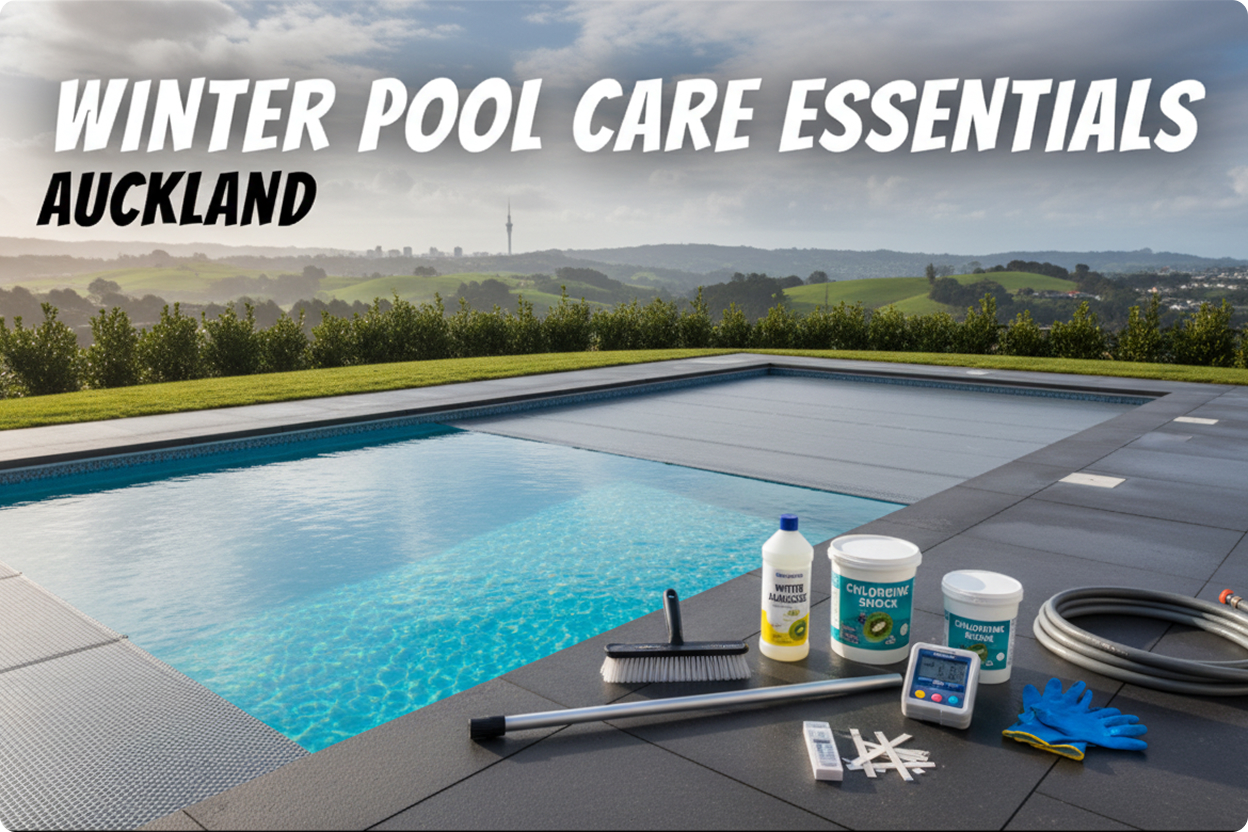
Winter pool care essentials for Auckland
Pool Renovation Mistakes

Auckland Climate Pool Maintenance

Choosing Renovation Contractor
Pool Care Auckland Summer
Permits & Consents
Pool Renovation ROI
How Often to Test Pool Water
Pool Renovation Costs
Cost of Pool Service Auckland
Pool Renovation Planning Guide
Pool Lighting Buying Guide
Pool Cleaner Buying Guide
Pool Automation Buying Guide
Pool Heater Buying Guide
Pool Filter Buying Guide
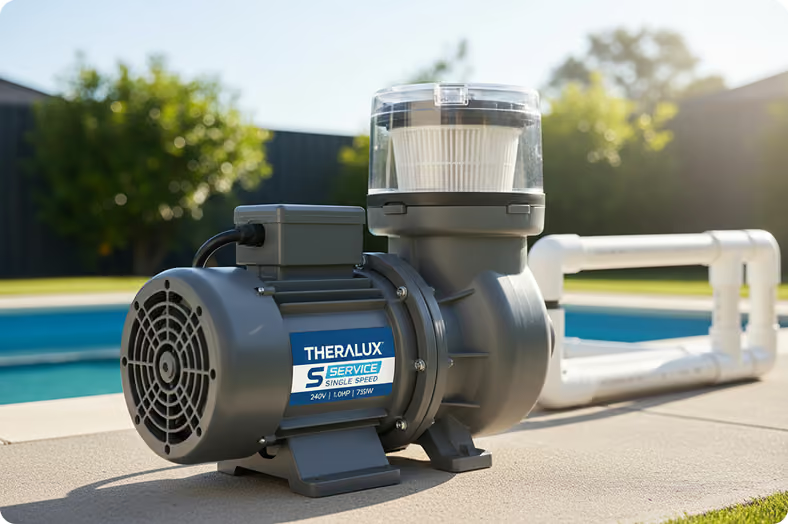
Pool Pump Buying Guide
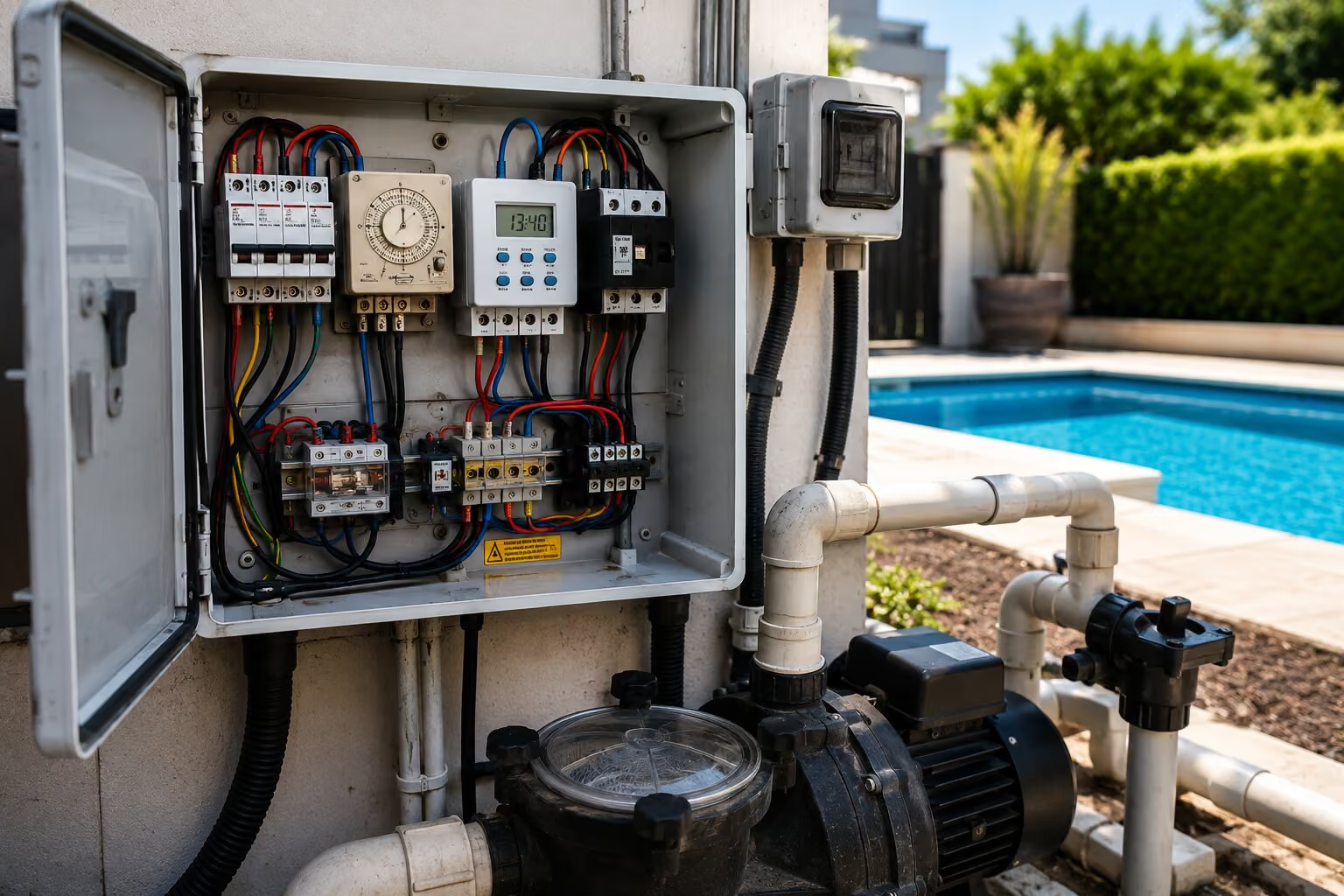
Best Equipment Auckland Climate
Auckland Water Quality
Auckland Pool Season
Pool Ownership Costs
Common Pool Mistakes
Pool Safety Laws
Pool Inspection Requirements
Pool Fence Compliance
.avif)
Auckland Pool Industry Trends
Auckland Pool Regulations
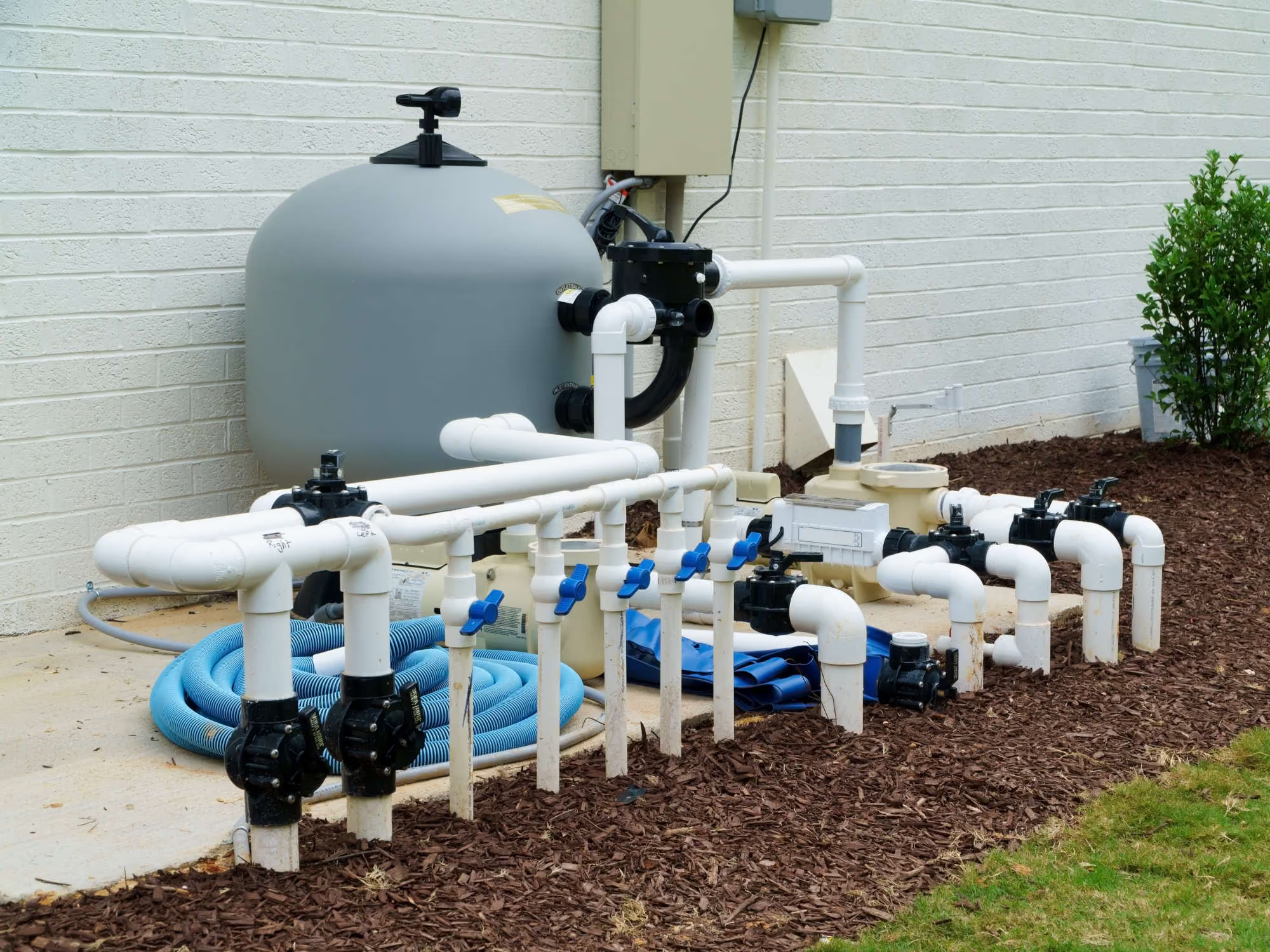
Pool Equipment Suppliers
Best Pool Service Areas
Pool Service Pricing Analysis
Company vs Independent
Best Pool Surface Materials
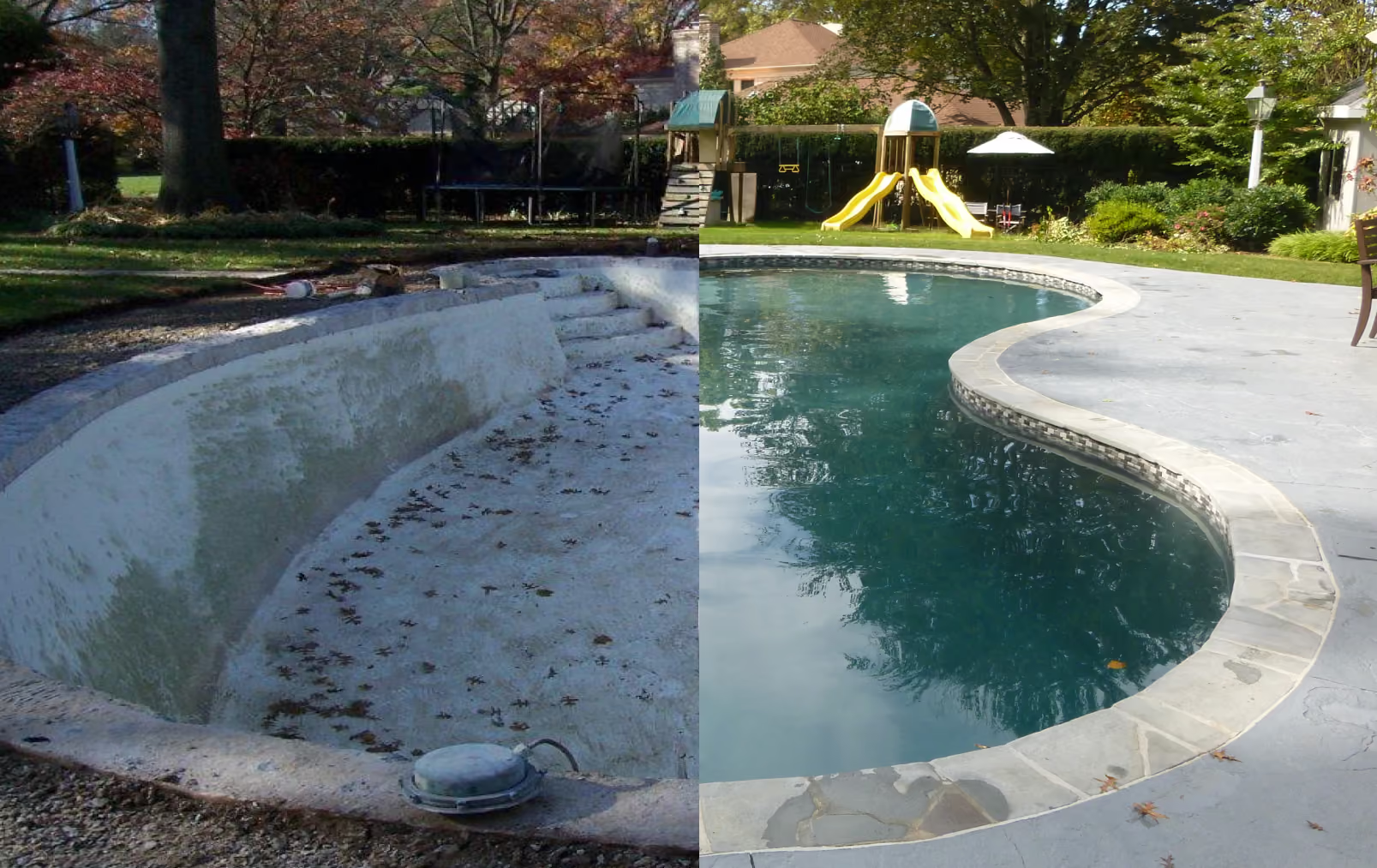
Pool Resurfacing Options
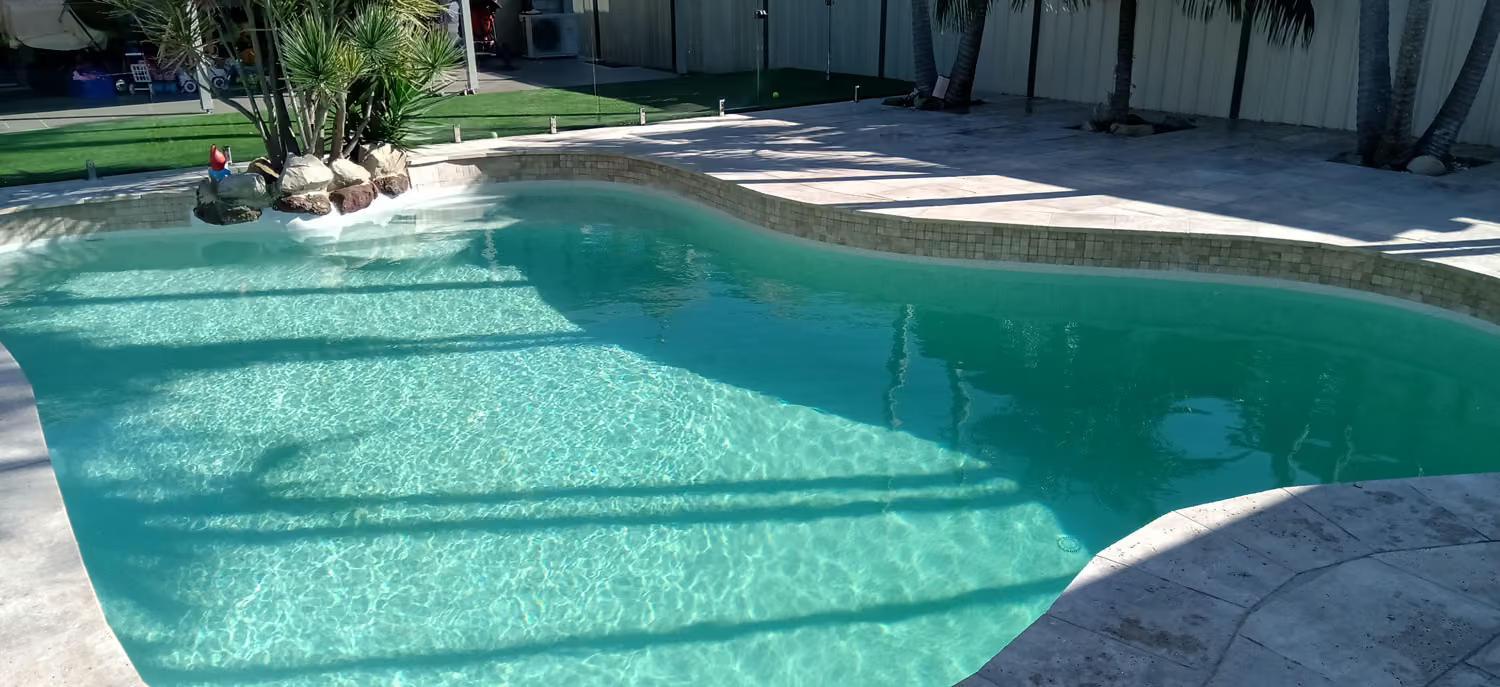
Pebble vs Plaster Surfaces
One-Time vs Ongoing Service
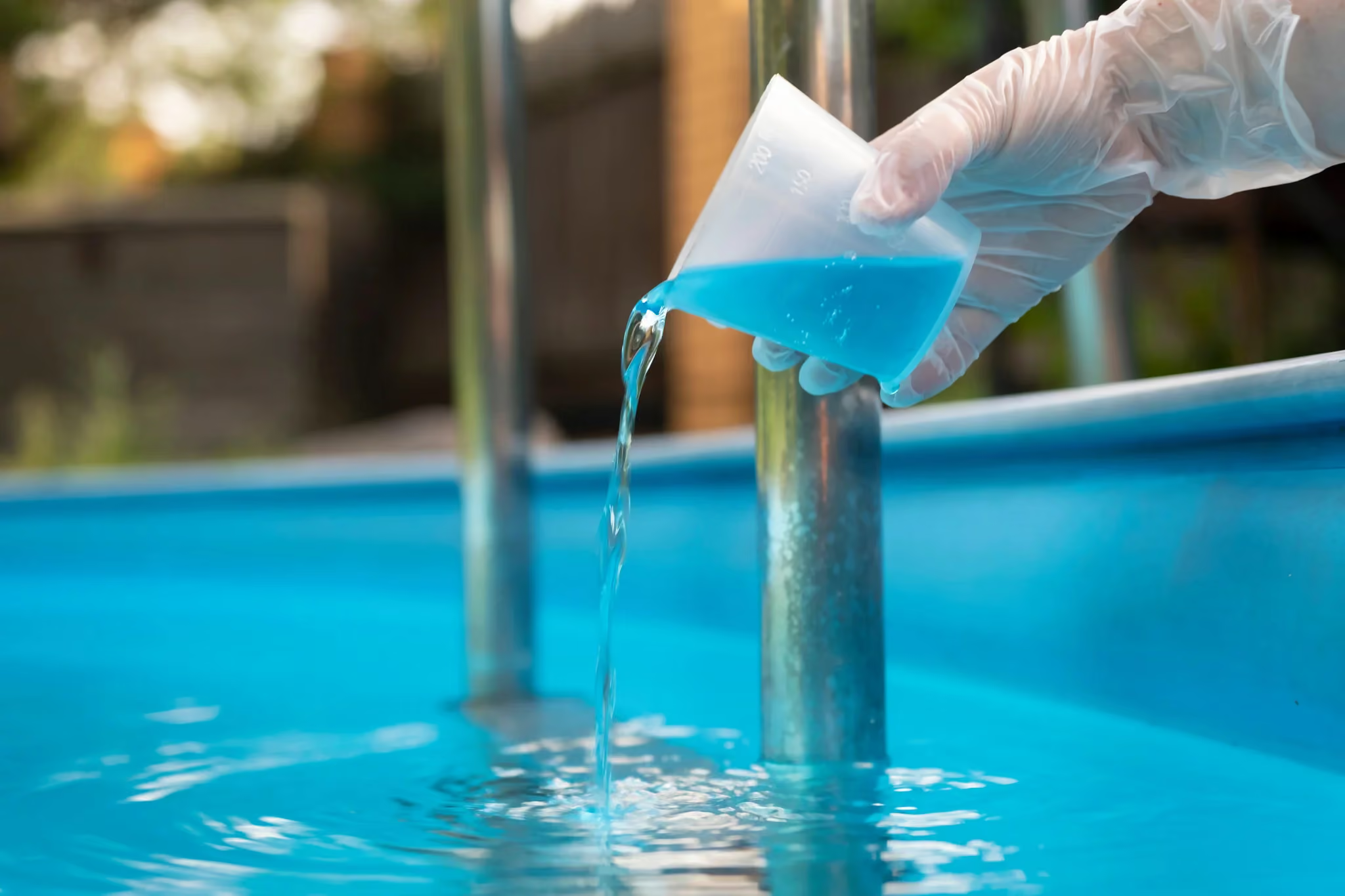
Full Service vs Chemicals Only
Pool Cover Types
Robotic vs Suction Cleaners
Mineral vs Saltwater
Gas vs Heat Pump
Pool Heater Types
Pool Winterizing Guide Auckland
Pool Opening Guide Summer
Pool Maintenance After Heavy Rain
Pool Maintenance Schedule
How Often to Run Pool Filter
Pool Pump Maintenance Schedule
Pool Filter Cartridge Cleaning
Pool Equipment Maintenance Checklist
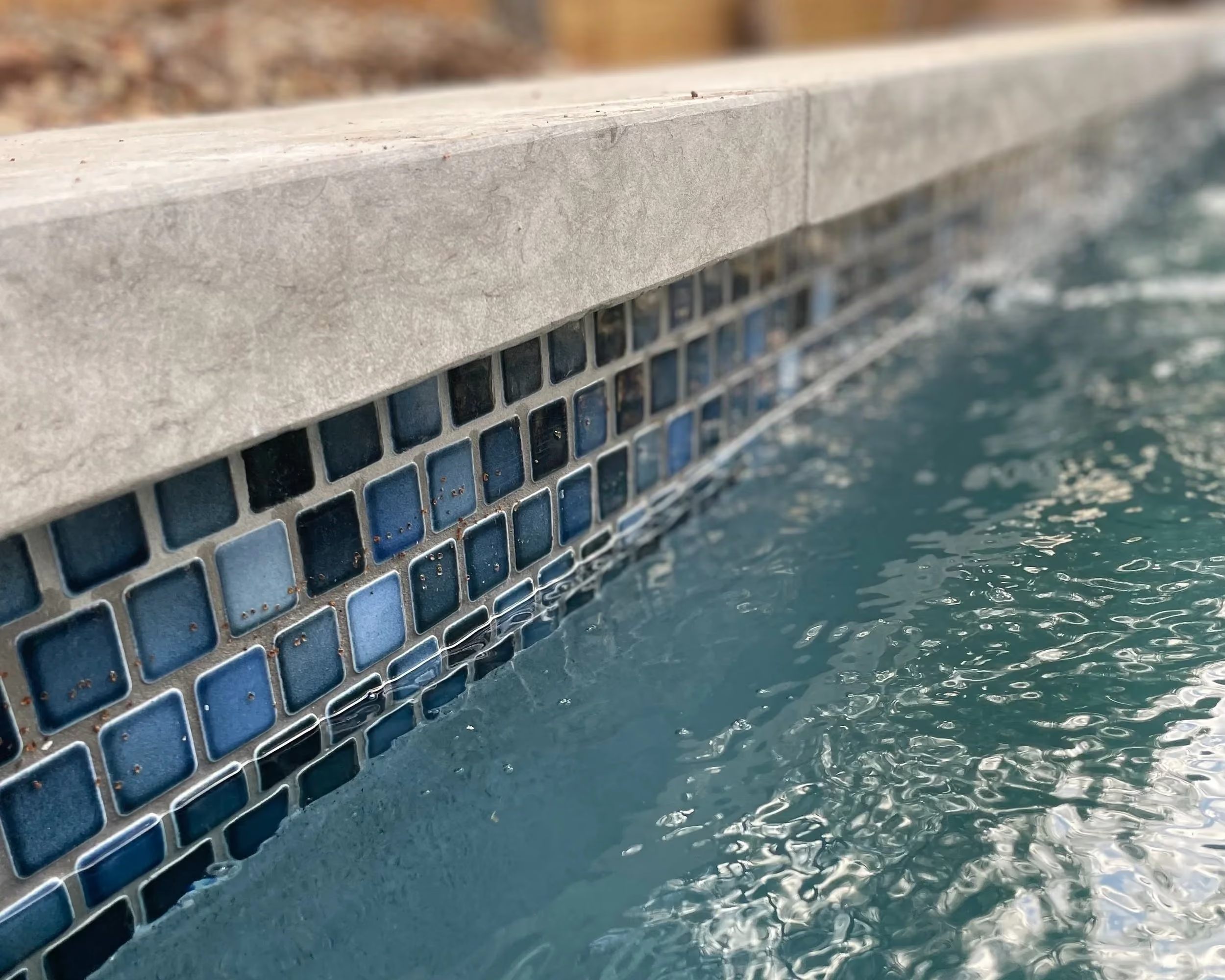
Pool Waterline Cleaning
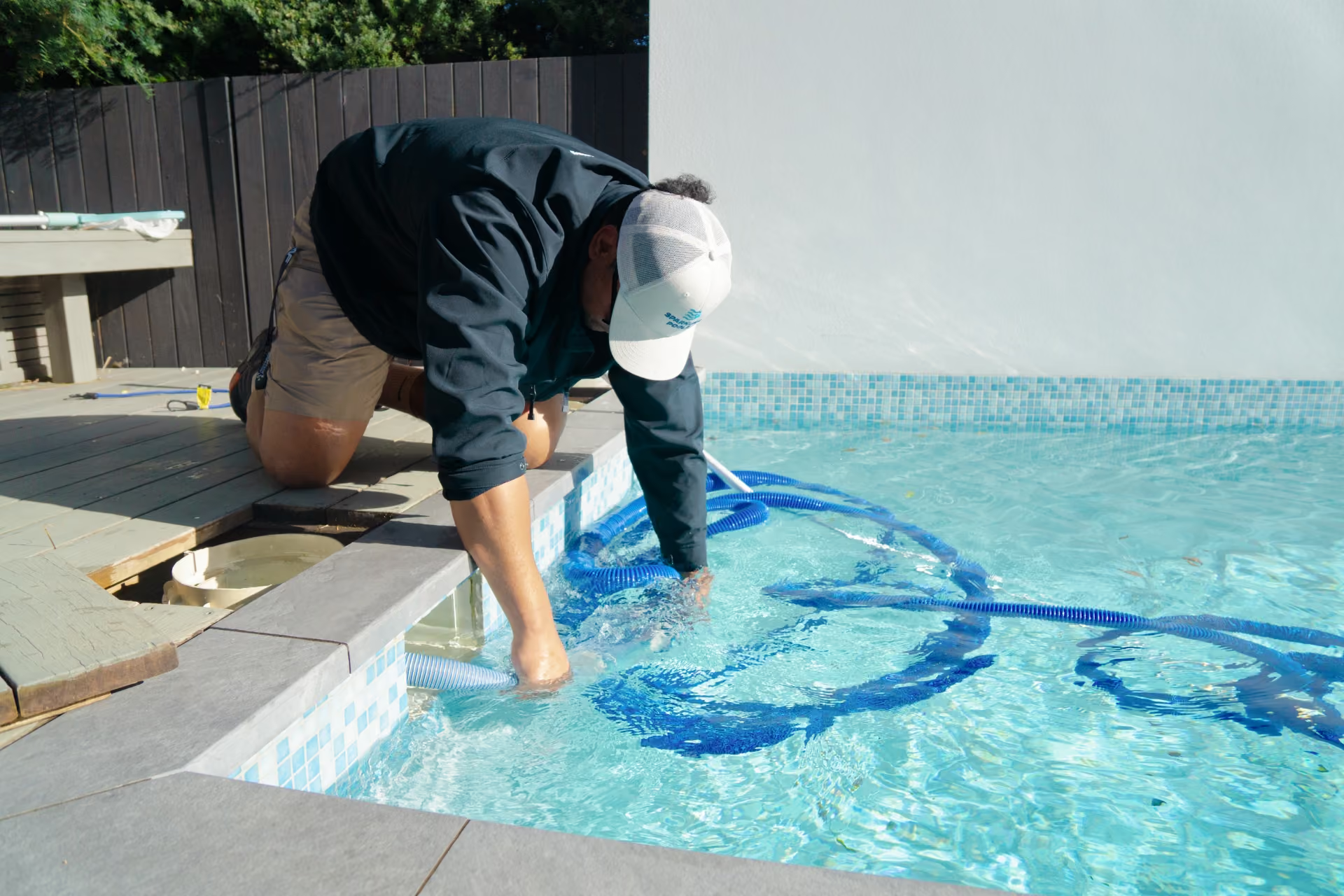
Pool Skimmer Basket Cleaning
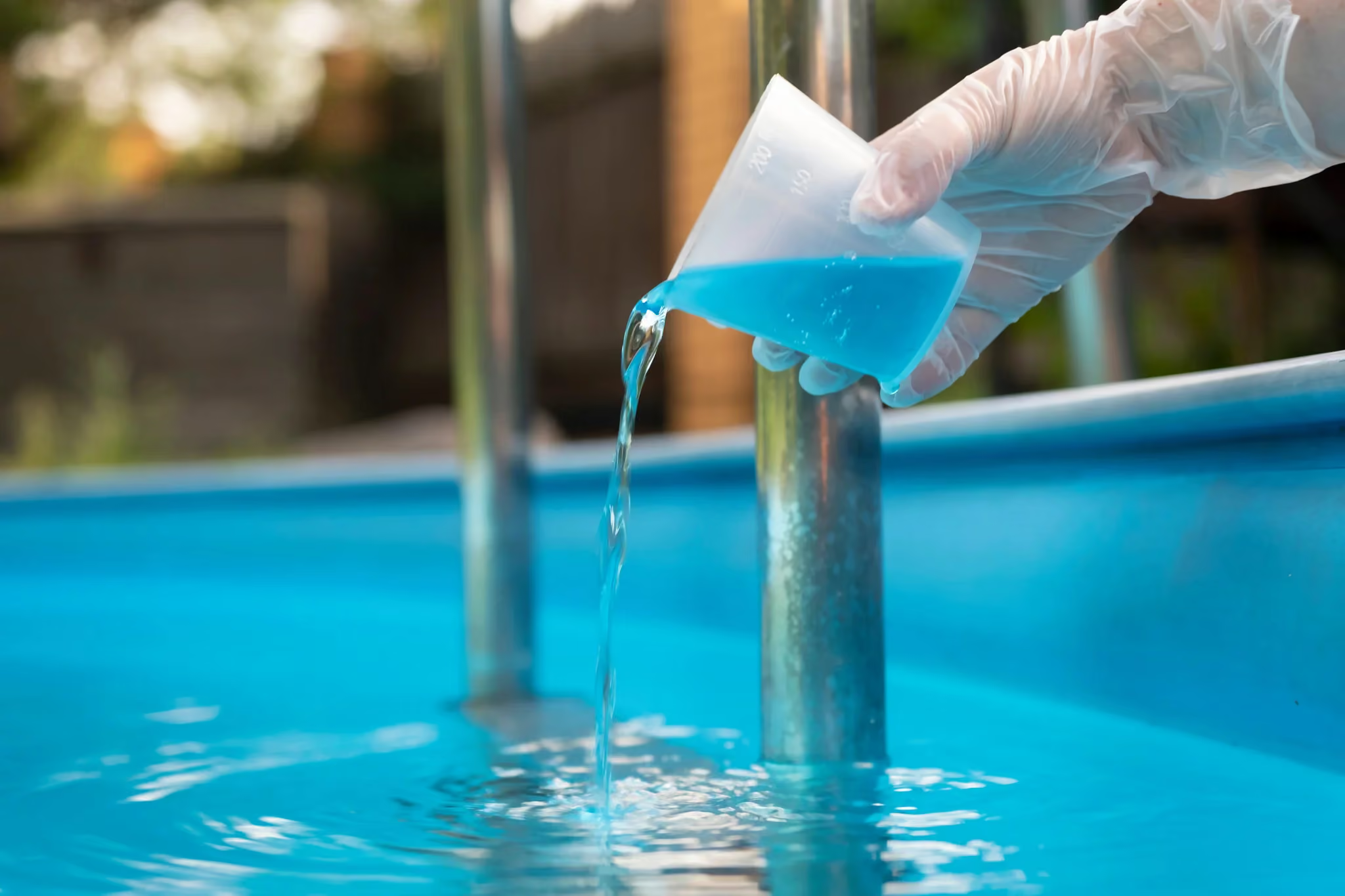
Pool Chlorine Levels
How Often Clean Pool Filter
How to Vacuum Pool
Pool Brushing Technique
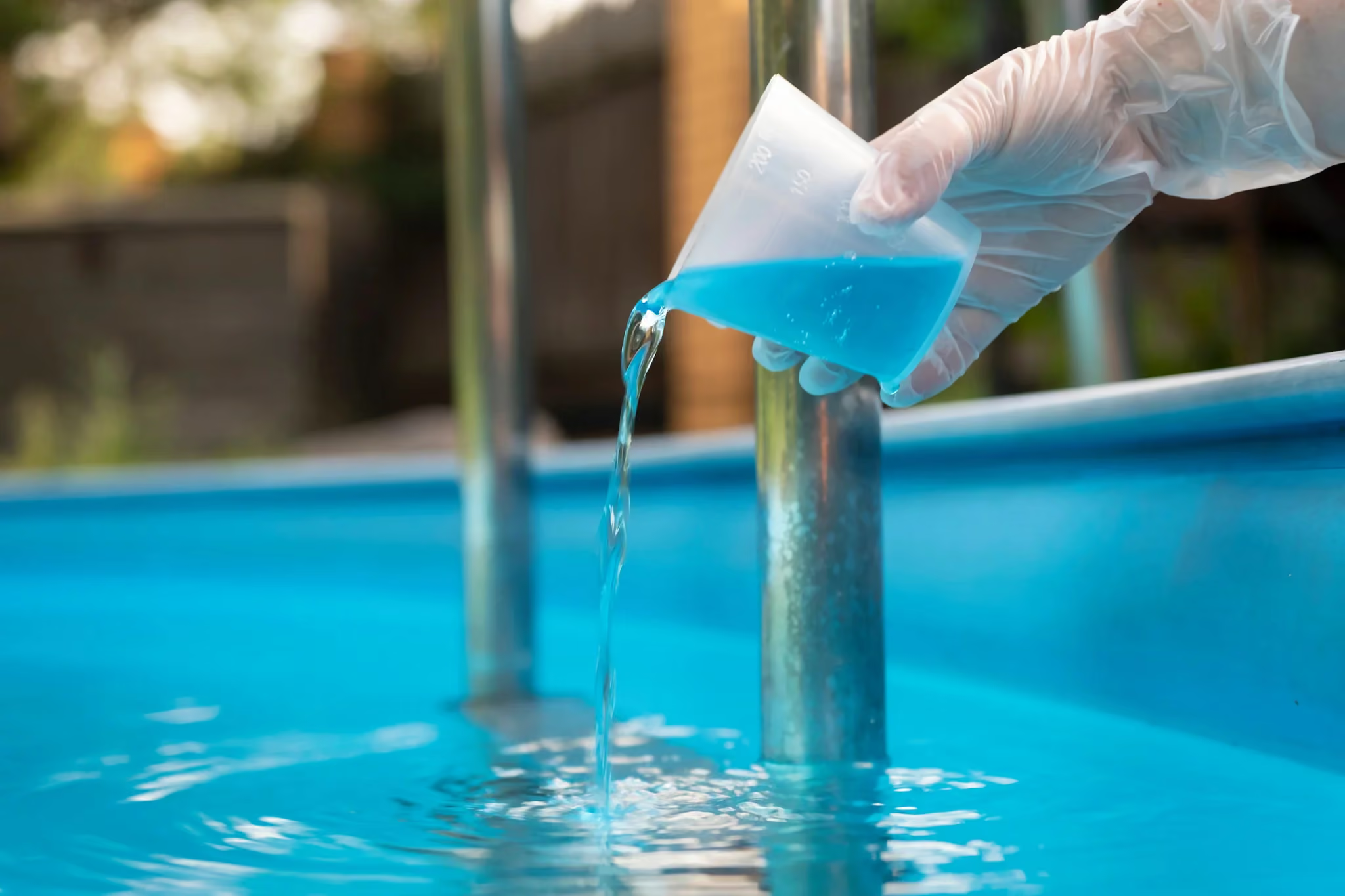
Pool Chemical Dosing Chart
Pool Water Chemistry Basics
How to Balance Pool Chemistry
How to Test Pool Water
Pool Maintenance Tips
Complete Pool Maintenance Guide
Pool Service ROI
Pool Equipment Buy or Service
Pool Maintenance Time Requirements
DIY vs Professional
Pool Service Contract
Pool Service vs Pool Valet
Is Pool Service Worth It
Pool Service Guarantees
Pool Service Reviews
Pool Service Red Flags
Questions to Ask Pool Companies
How to Choose Pool Service Company
Hidden Costs DIY Maintenance
Pool Cleaning Prices Auckland
Cost of Pool Resurfacing
Cost of Pool Pump Replacement
Cost to Fix Green Pool
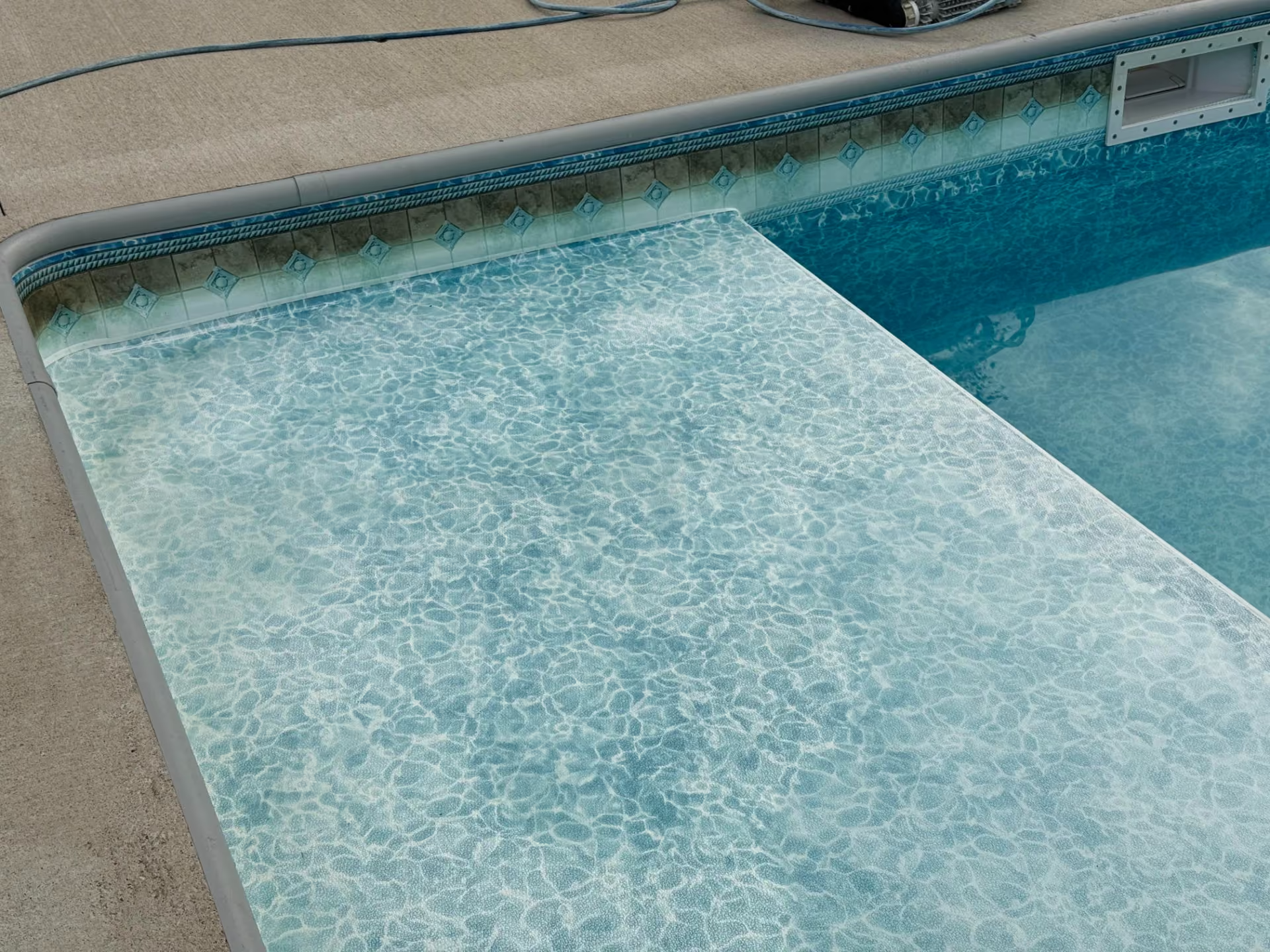
Pool Liner Wrinkles
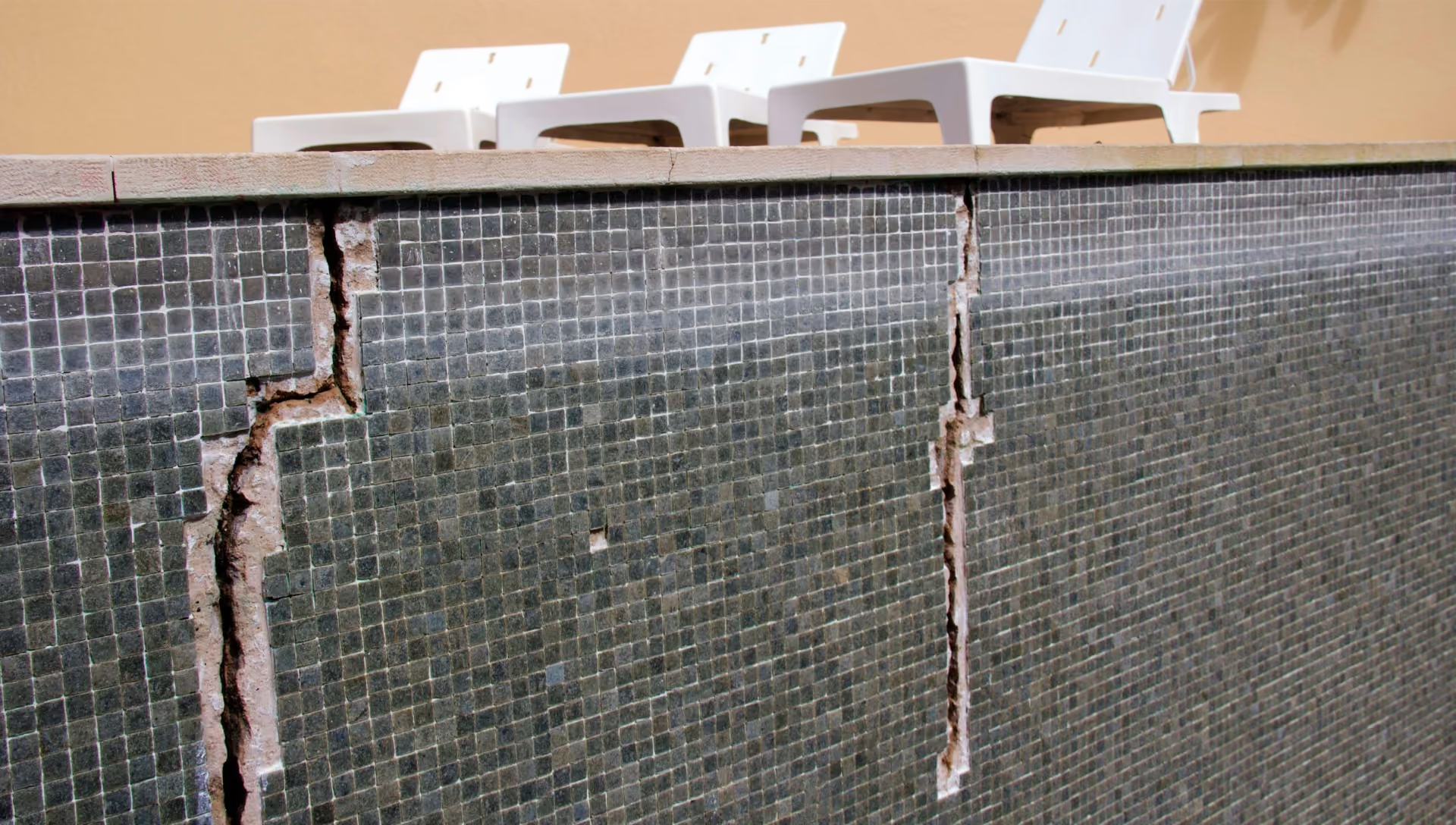
Pool Cracks When to Worry
Pool Surface Stains
Pool Valve Leaking
Pool Automation Not Working
Pool Light Not Working
Pool Heater Not Heating
Pool Skimmer Not Working
High Pool Filter Pressure
Pool Losing Water
Pool Filter Not Clearing Water
Pool Pump Leaking
Pool Pump Not Pumping
Pool Pump Losing Prime
Pool Pump Noisy
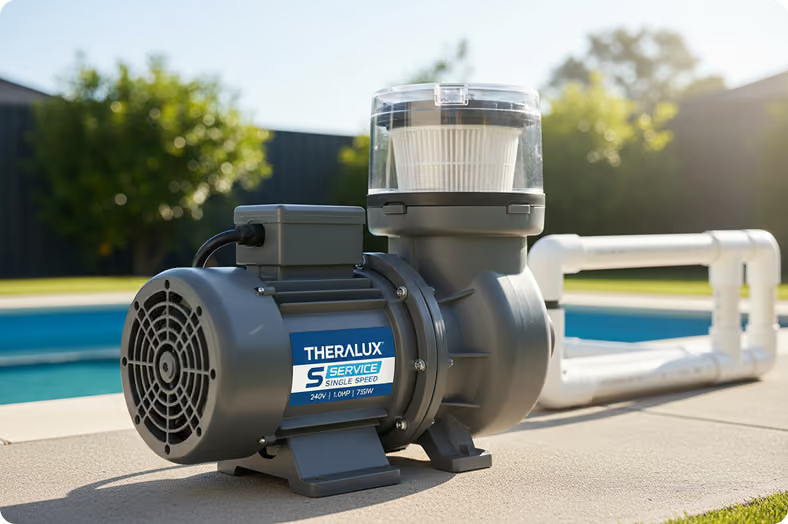
Pool Pump Not Working
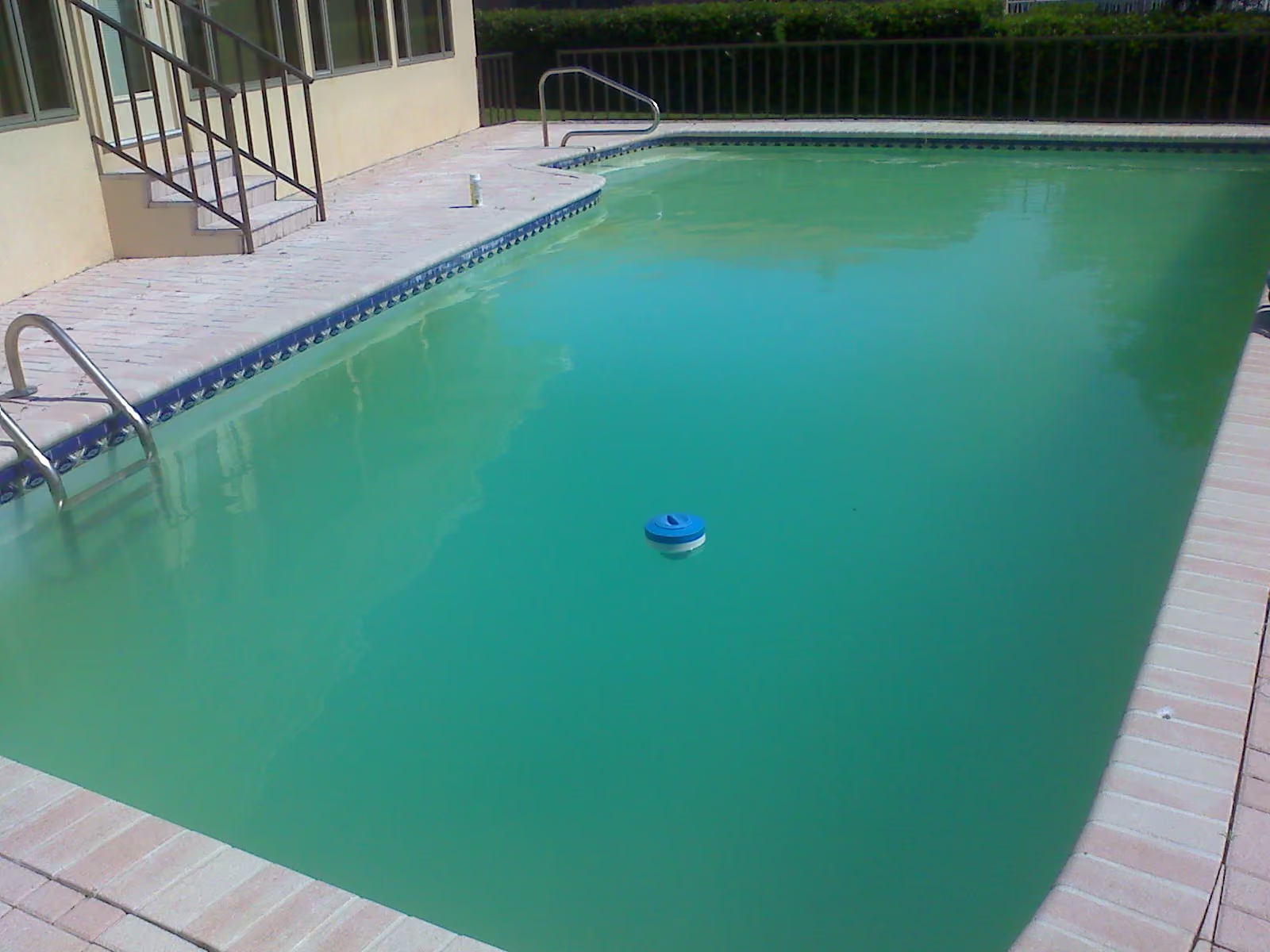
Pool Water Foaming
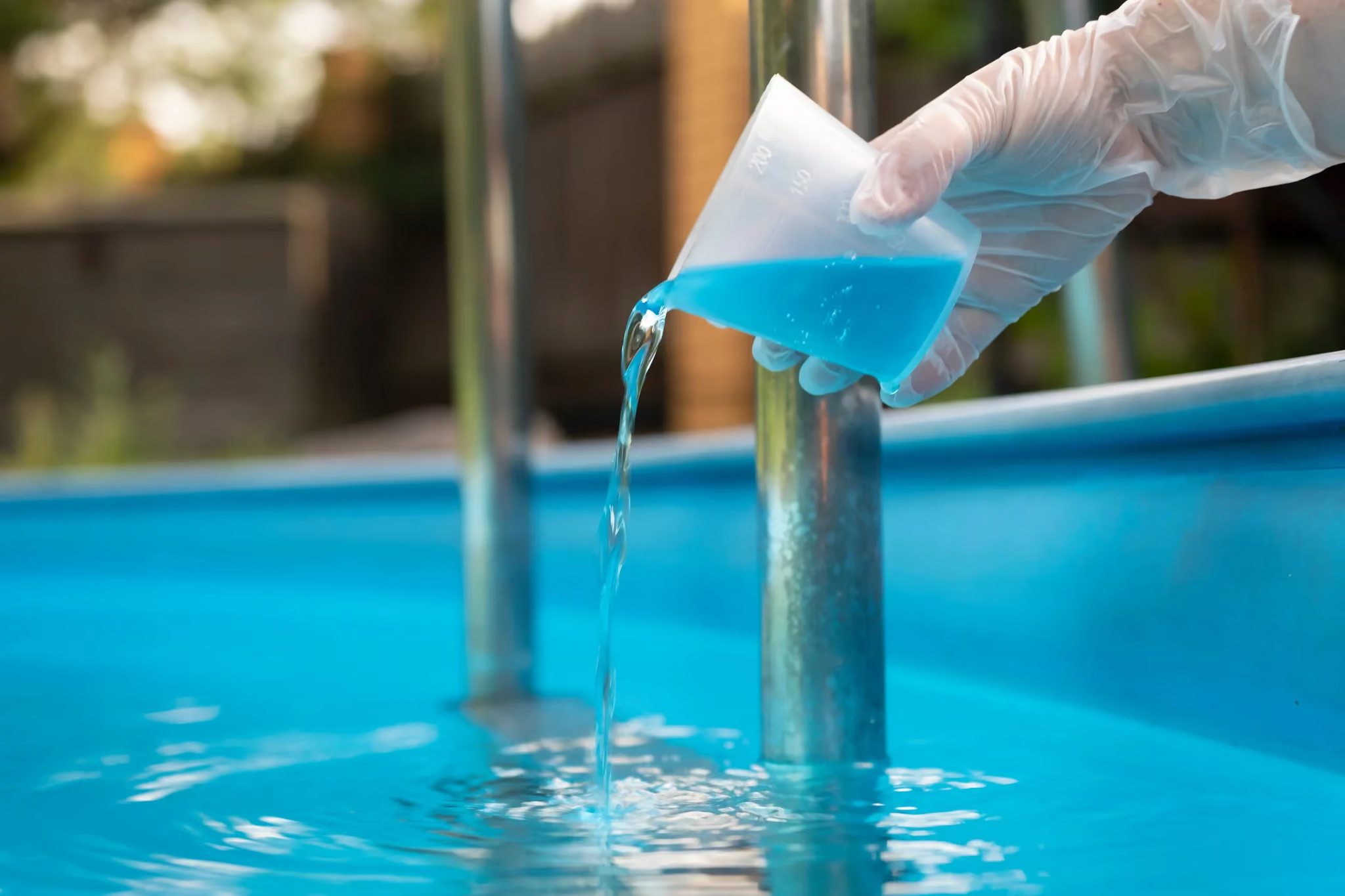
Pool pH Too Low
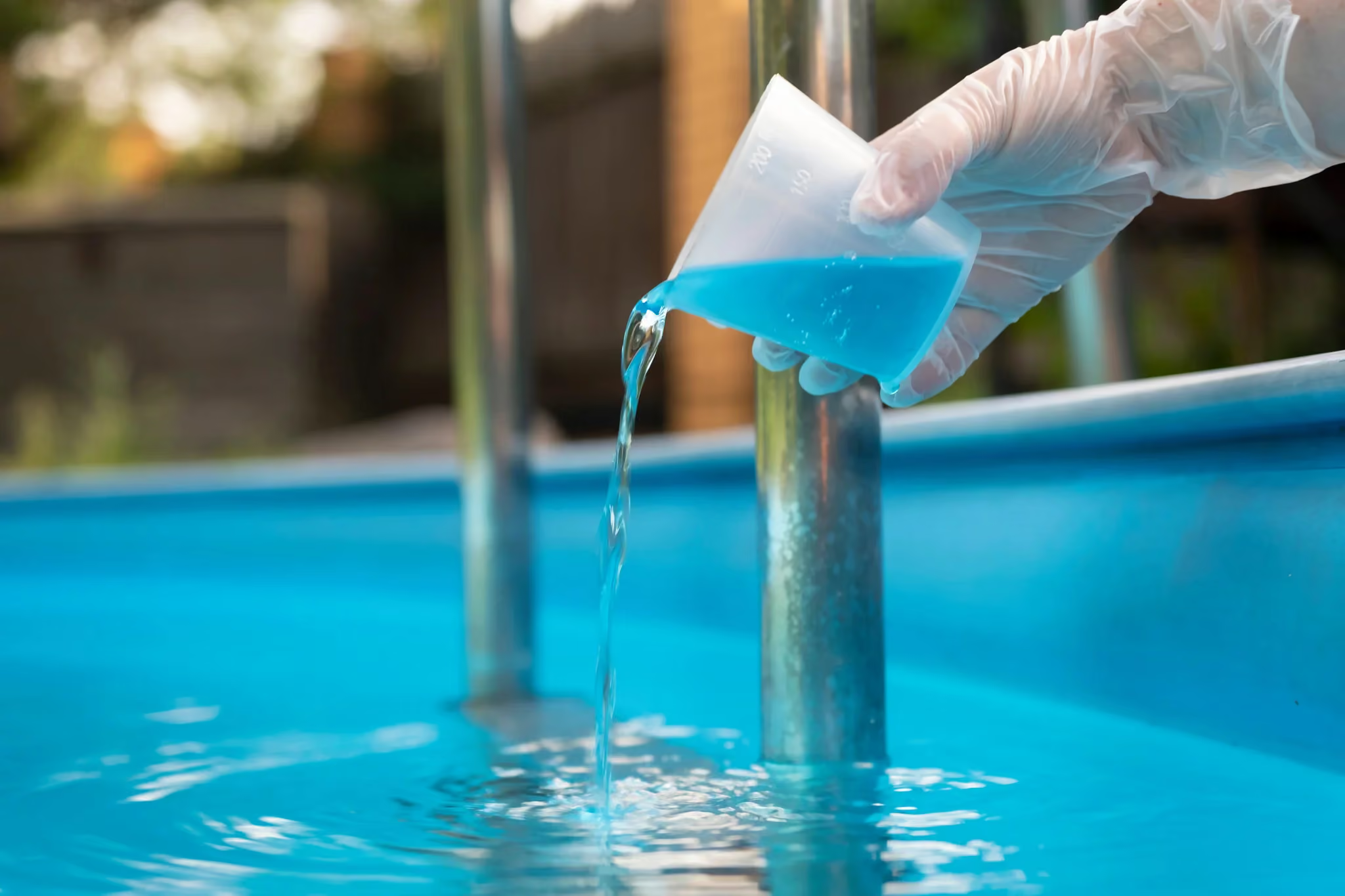
Pool pH Too High
Green Pool After Rain
Pool Still Green After Shock
Pool Water Cloudy
How to Clear a Green Pool
Pool Care That Protects Your Investment
Good pool care protects more than appearance. Our pool specialists support the long-term condition of your swimming pool while keeping it ready for everyday use.