Pool Heater Not Heating
Why Auckland trusts our pool service expertise
A pool heater that runs but fails to heat the water usually comes down to a handful of common causes. Most can be identified with a few basic checks before a technician is needed.
The points below summarise the key things to check and when to hand the job over to a professional.
What you'll learn
What It Usually Means When Your Pool Heater Stops Heating
A pool heater that runs but fails to warm the water is one of the more frustrating equipment faults, especially heading into summer. The good news is that many causes are straightforward to identify, even if the fix itself requires a professional.
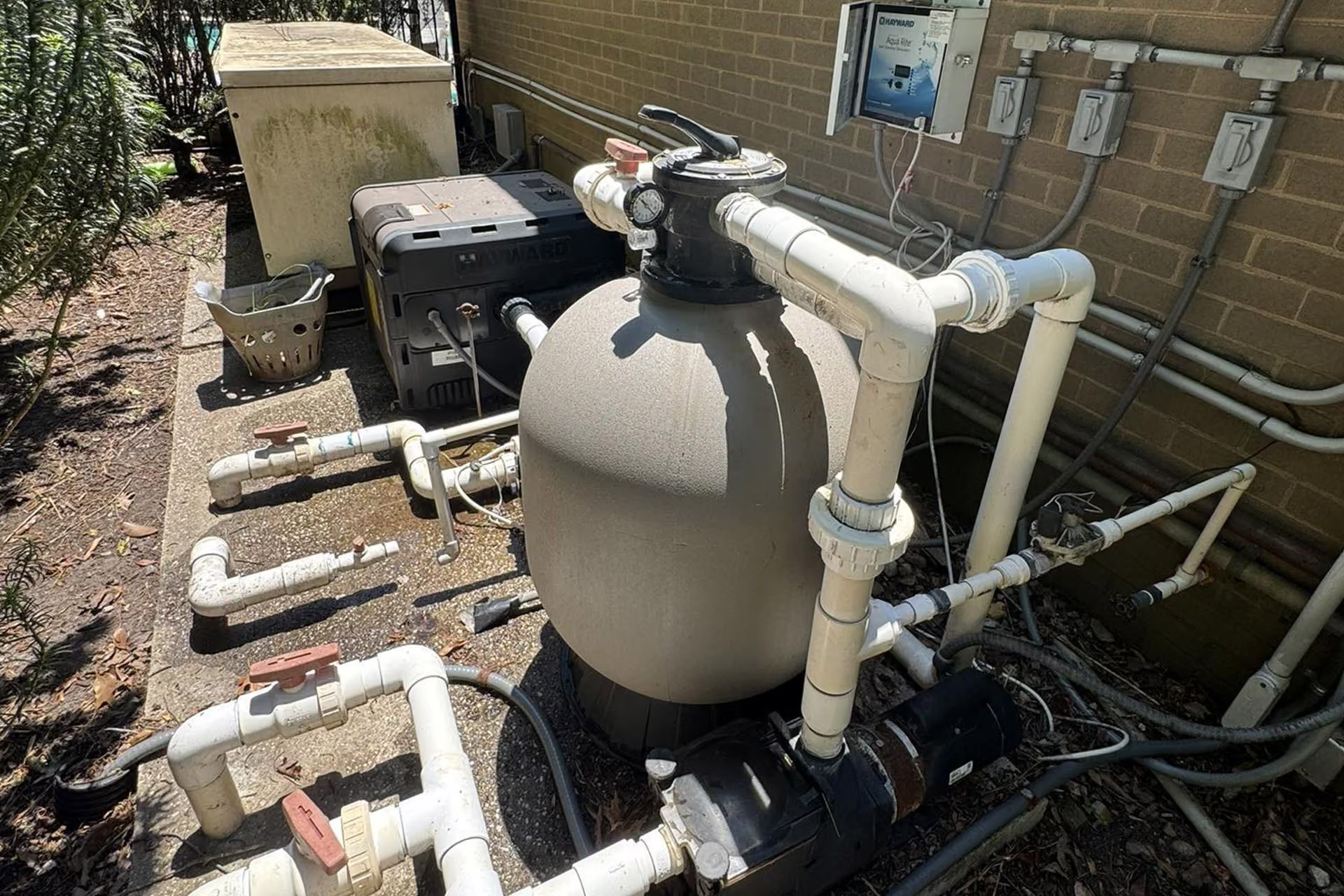
Pool heaters, whether heat pumps or gas units, rely on several systems working together: water flow, electrical supply, gas supply or refrigerant, and the unit's own controls. When any one of these fails, the heater may appear to operate normally while producing little or no heat.
This guide covers what you can safely check yourself, what needs a qualified technician, and how to keep the problem from recurring.
---
What You Can Safely Check Yourself
Before calling anyone out, work through these checks in order. They are all visual or control-level, no tools, no panels, no gas connections.
1. Check the Water Flow
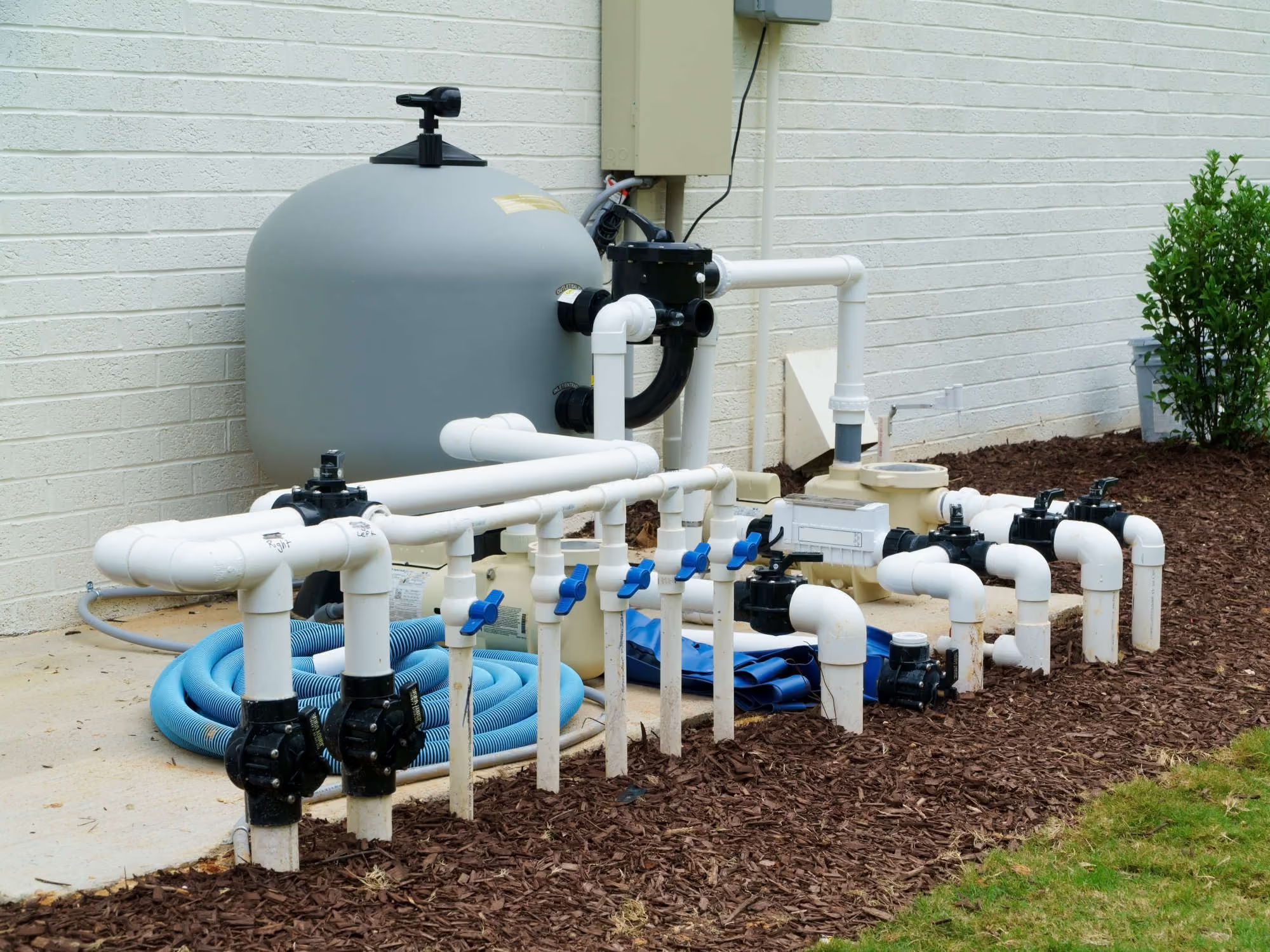
Pool heaters require a minimum flow rate to operate. If flow is too low, most units will shut down the heating function as a safety measure, and some will display an error code.
- Check that your pump is running and that the filter pressure looks normal
- Make sure all valves in the system are fully open
- If your filter is overdue for a backwash or clean, restricted flow is a likely culprit
- A dirty or clogged filter is one of the most common reasons a heater underperforms
2. Check the Thermostat Setting
This sounds obvious, but it is worth confirming. If the thermostat is set below the current water temperature, the heater will not fire.
- Check the set temperature on the heater's control panel
- Make sure the display is reading the water temperature correctly, a faulty temperature sensor can cause the unit to think the water is already warm
3. Check for Error Codes
Most modern pool heaters display fault codes when something is wrong. Check the display panel and note any codes shown. These codes are documented in the unit's manual and can help a technician diagnose the fault quickly.
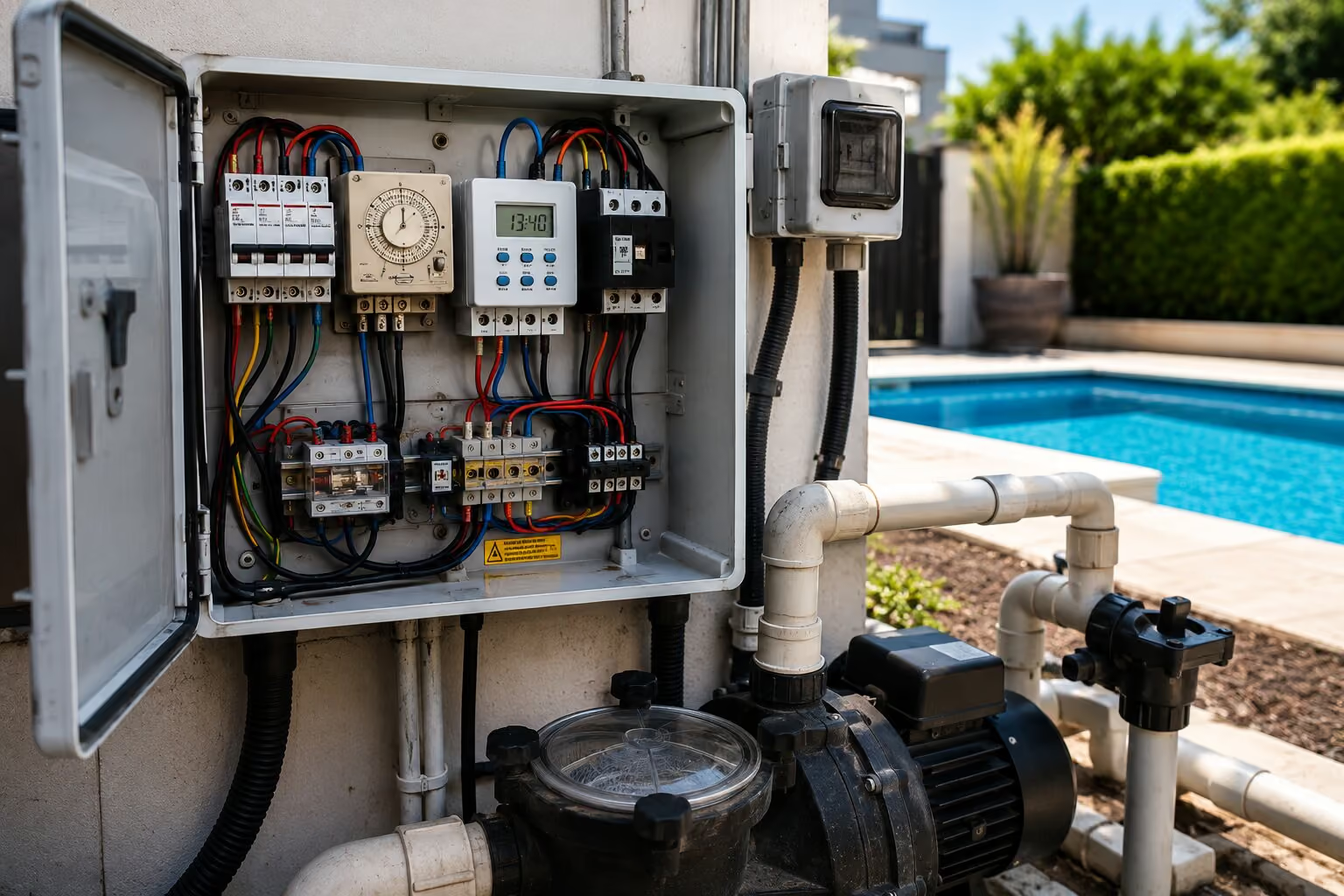
4. Check the Electrical Supply
Confirm the heater is receiving power:
- Check the isolator switch near the unit is in the ON position
- Check the relevant circuit breaker in your switchboard has not tripped
- If the breaker has tripped, reset it once, but if it trips again, do not reset it a second time. That is a sign of a fault that needs investigation.
5. For Heat Pumps, Check the Airflow
Heat pump pool heaters draw heat from the surrounding air. If airflow to the unit is restricted, performance drops significantly.
- Make sure there is clear space around the unit, no debris, overgrown plants, or objects blocking the air intake or exhaust
- Check that the fan is spinning when the unit is running
- In cooler weather, heat pump efficiency drops naturally, this is normal, not a fault
6. For Gas Heaters, Check the Gas Supply
If you have other gas appliances in the home, check whether they are working normally. If they are not, the issue may be with the gas supply rather than the heater itself. Contact your gas supplier.
Do not attempt to inspect gas connections, burners, or heat exchangers yourself.
---
What Needs a Technician
If the checks above do not identify the problem, or if you identify a fault but cannot safely resolve it, the heater needs a qualified technician. The following faults are not DIY repairs.
Gas-Related Faults
Anything involving the gas supply, burner, ignition system, or heat exchanger must be handled by a licensed gas fitter. This includes:
- The heater igniting but not staying lit
- The burner not igniting at all despite gas being available
- Any smell of gas near the unit
- Visible damage to the heat exchanger or flue
If you smell gas near the heater, turn the unit off at the isolator, do not use any ignition sources nearby, and contact a licensed gas fitter.
Electrical Faults
Faults inside the heater's electrical components, control boards, sensors, capacitors, contactors, require a qualified electrician or a technician authorised to work on that equipment. Do not open the heater's electrical panel.
Refrigerant Issues (Heat Pumps)
If a heat pump heater is running but producing no heat, and airflow and water flow are both fine, the refrigerant circuit may be at fault. Refrigerant handling is regulated, it must be carried out by a certified technician.
Persistent Error Codes
If the heater is displaying a fault code that does not clear after addressing the obvious causes (flow, temperature setting, power), a technician needs to diagnose it properly. Repeatedly resetting a fault without identifying the cause can cause further damage.
---
Preventing Heater Problems
Most heater faults are either flow-related or the result of deferred maintenance. A few straightforward habits reduce the risk considerably.
Keep the filter clean. A clean filter maintains the flow rate the heater needs. If your filter is running at high pressure, backwash or clean it before the heater starts throwing flow errors.
Service the heater annually. An annual check by a qualified technician, before the swimming season, catches worn components, clears error history, and confirms the unit is operating safely. This is especially important for gas heaters, where combustion components need periodic inspection.
Keep the area around a heat pump clear. Trim back any plants and remove debris from around the unit regularly. Restricted airflow is a slow performance killer.
Do not run the heater without water flow. Always confirm the pump is running before switching the heater on. Running a heater dry, even briefly, can cause serious damage to internal components.
Check the unit after extended periods of non-use. If the heater has been off for several months, run through the basic checks above before expecting it to perform at full capacity.
---
When to Call Sparkling Pools
Sparkling Pools provides equipment diagnosis and repair for pool heaters across Auckland. If you have worked through the checks above and the heater is still not performing, or if you have identified a fault that needs a professional, get in touch.
Call 09 570 4797 or freephone 0800 794 673, Monday to Friday, 8:00am to 4:30pm. You can also email info@sparklingpools.co.nz.
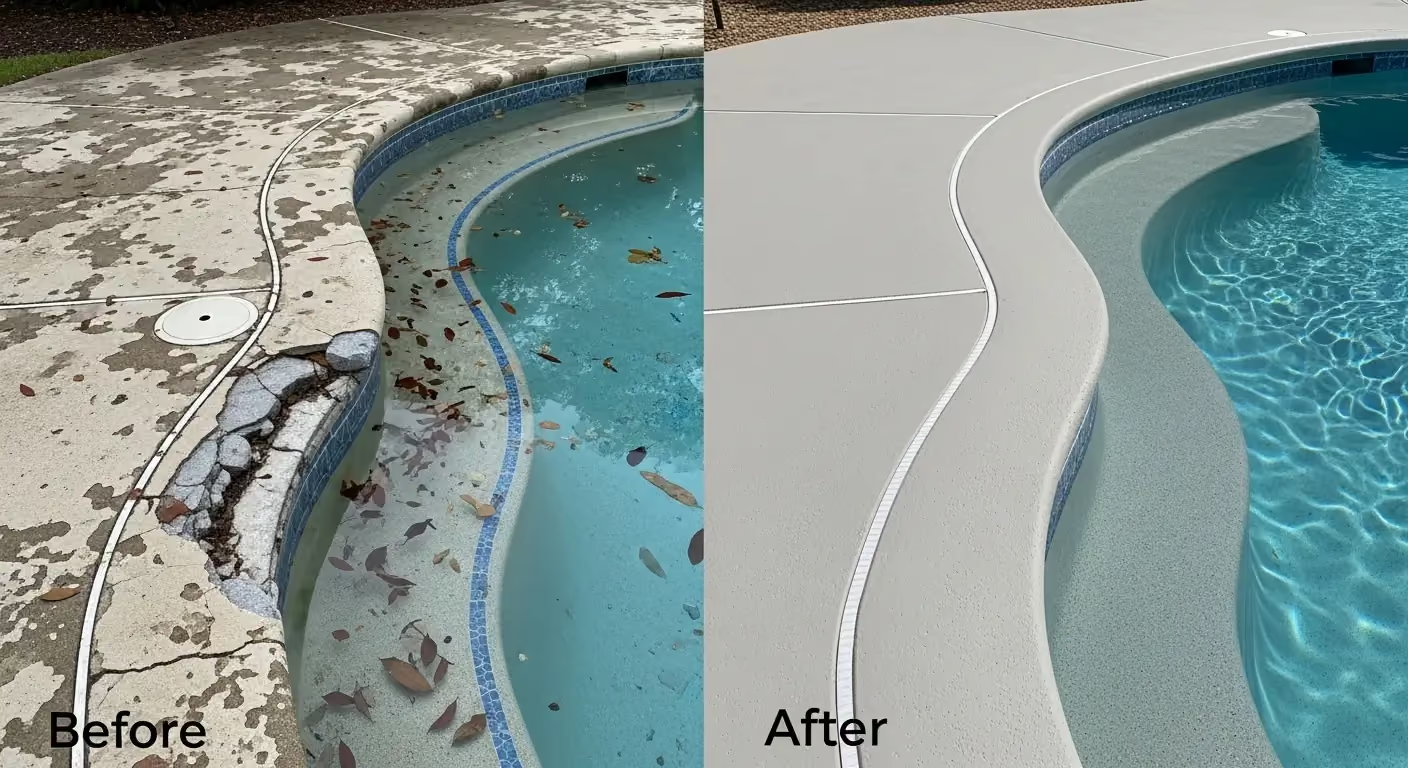
Pool resurfacing solutions
Restore your pool with durable plaster finishes

Work completed
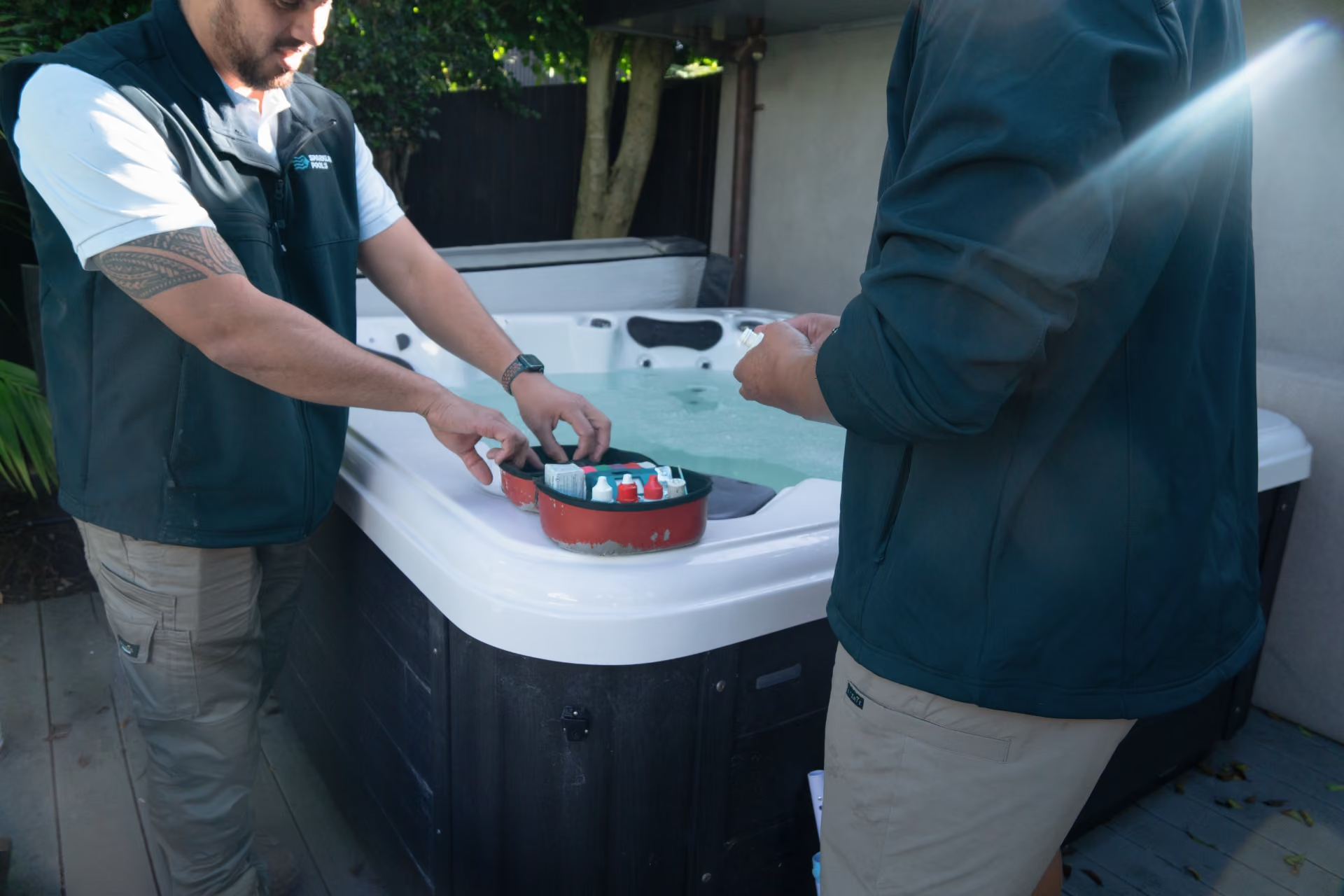
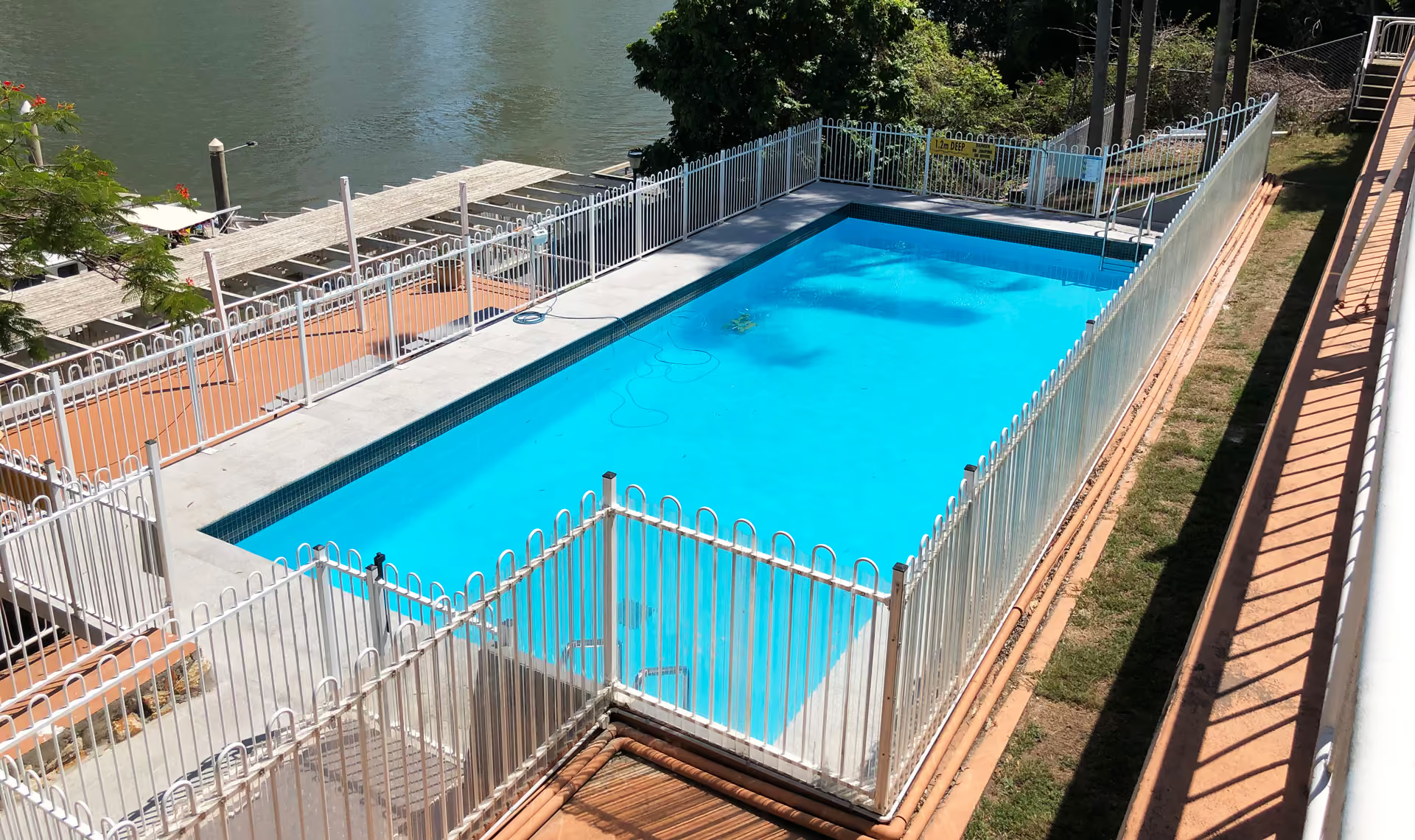
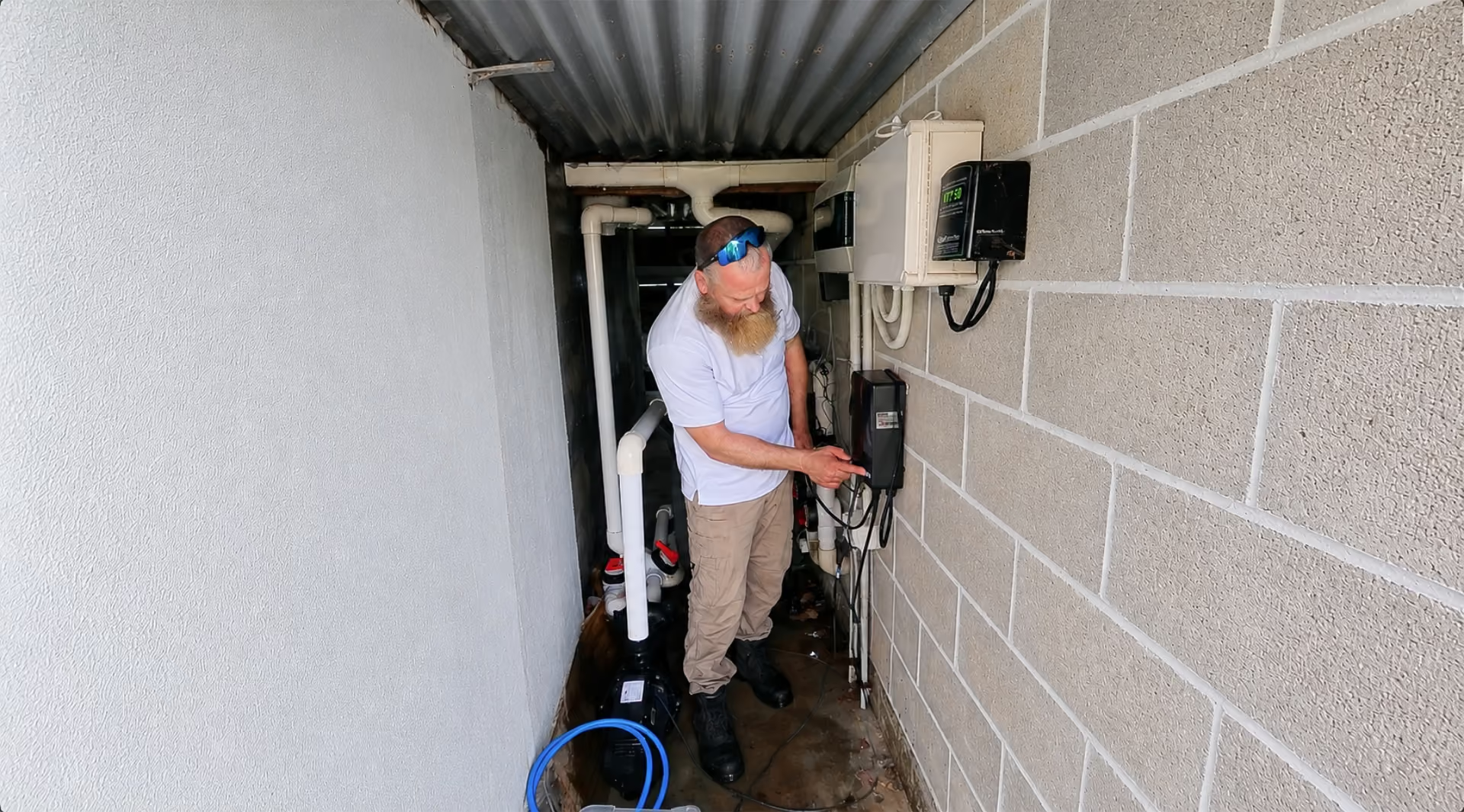
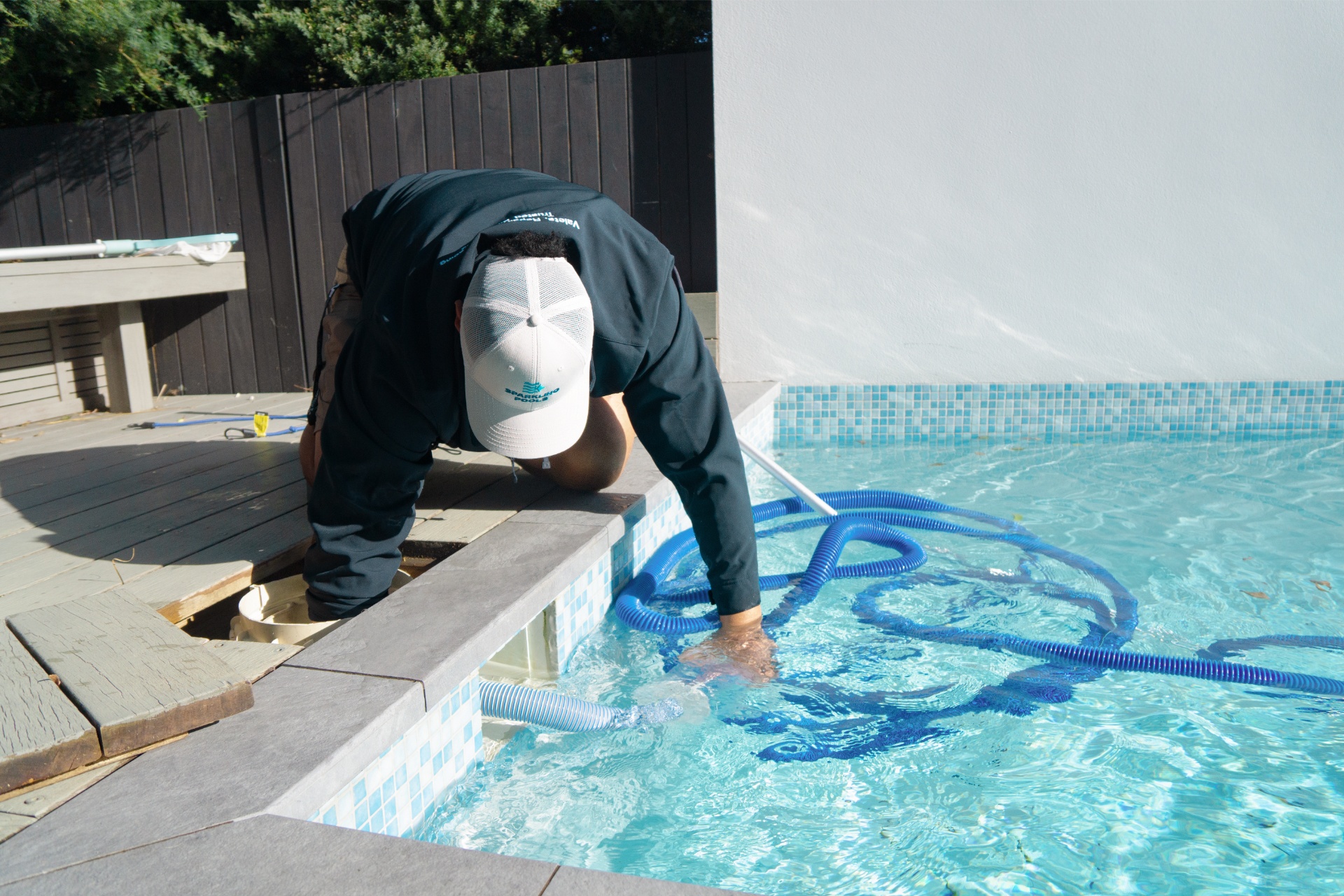
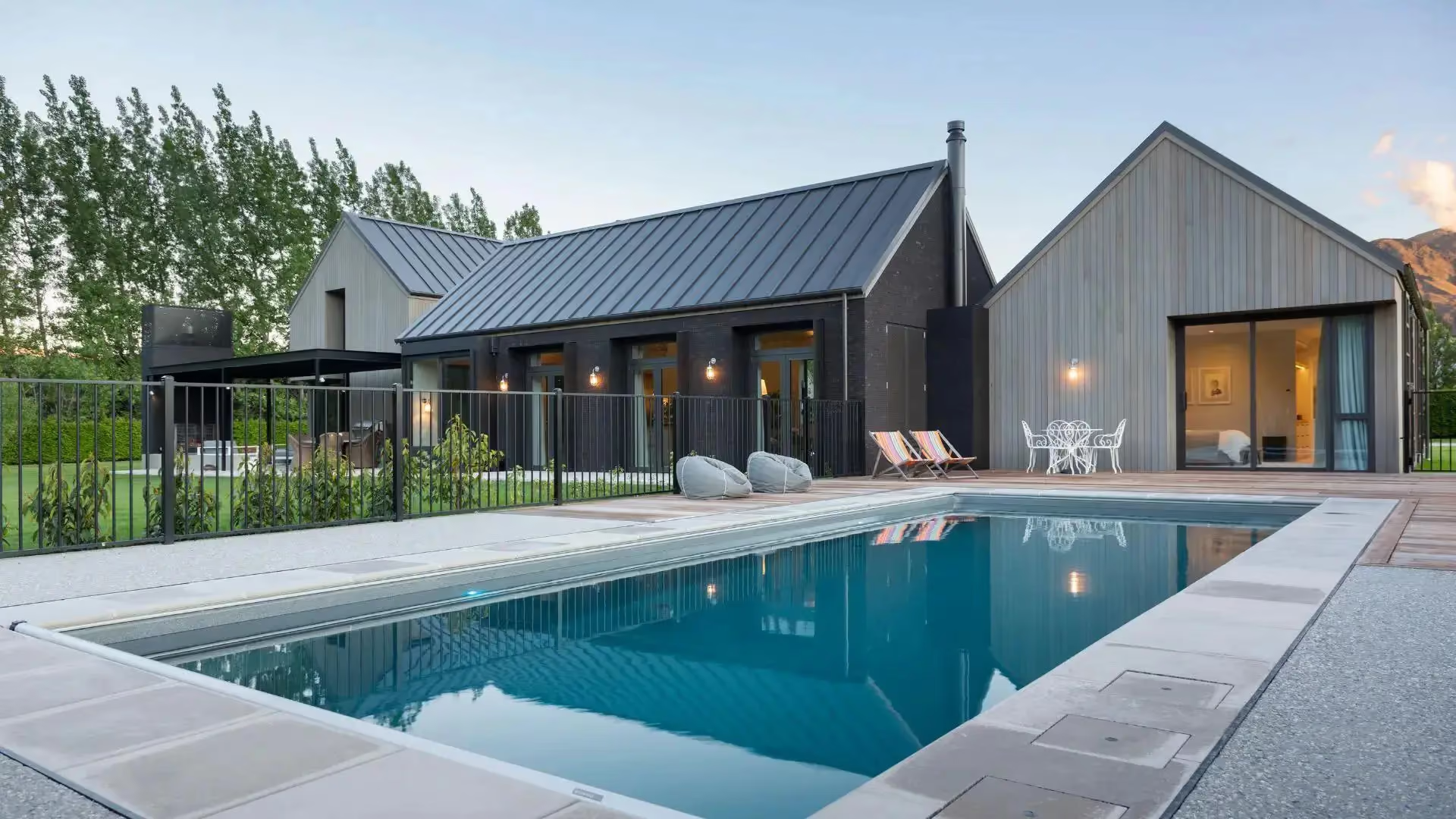
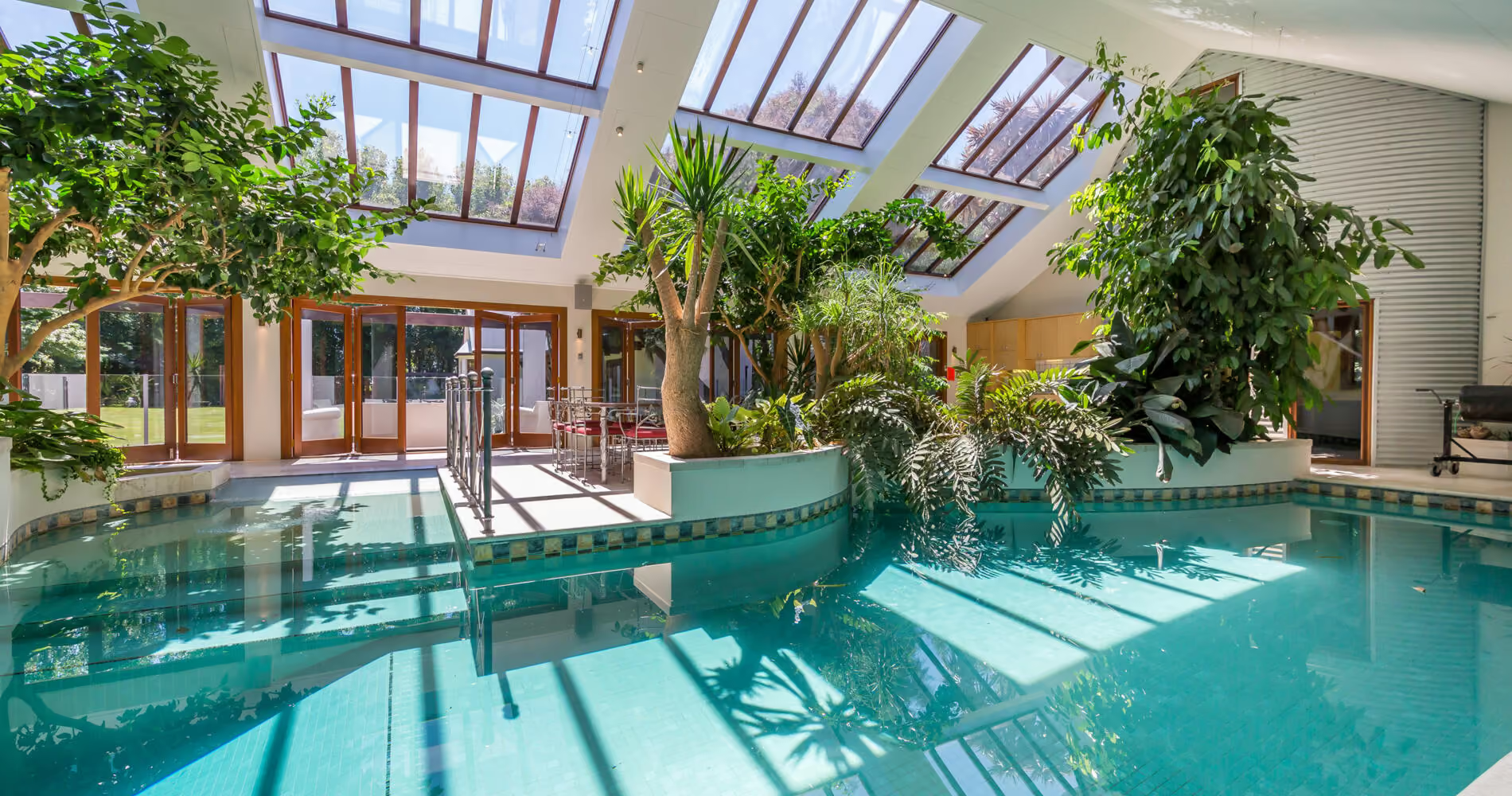
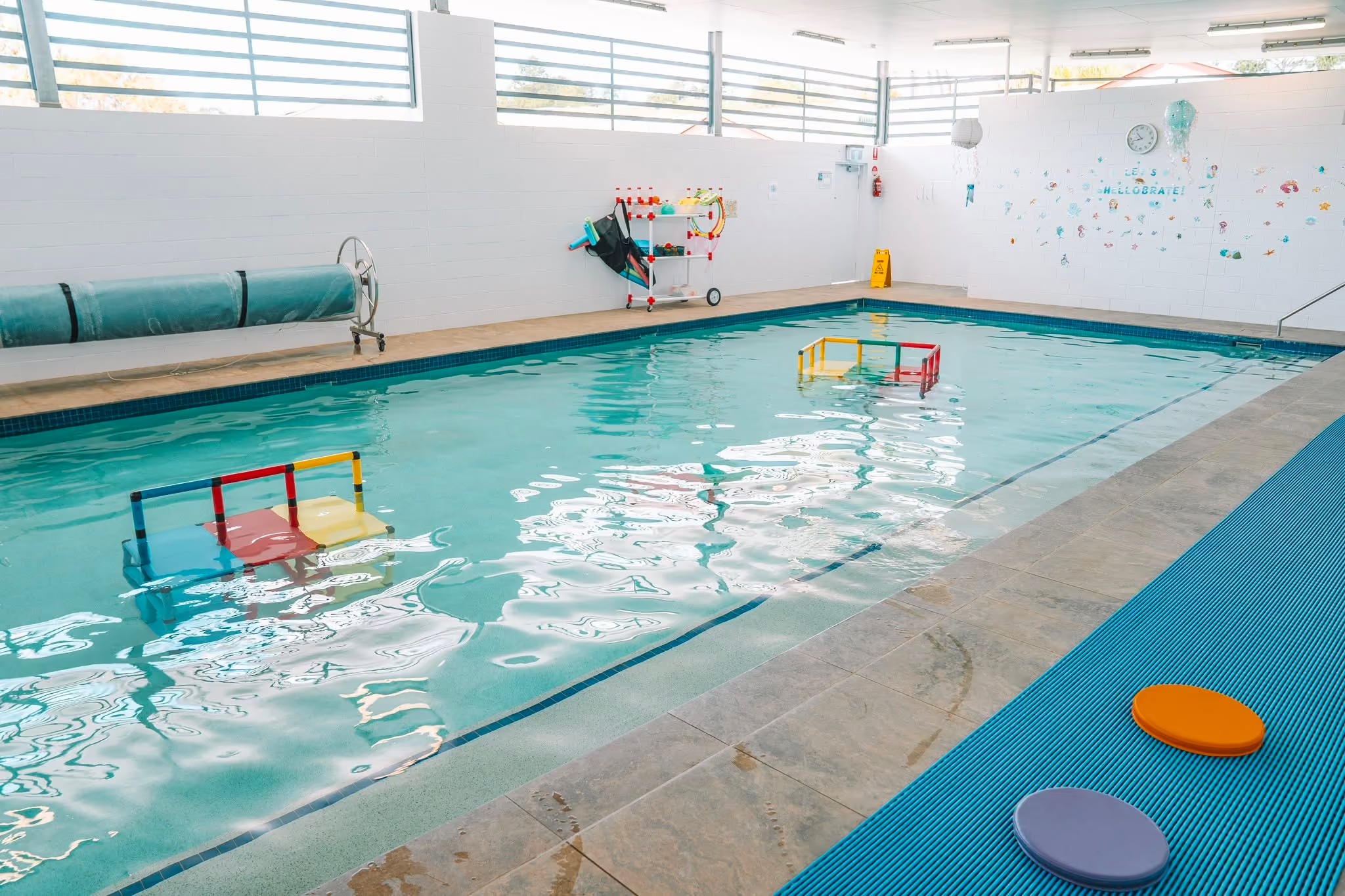
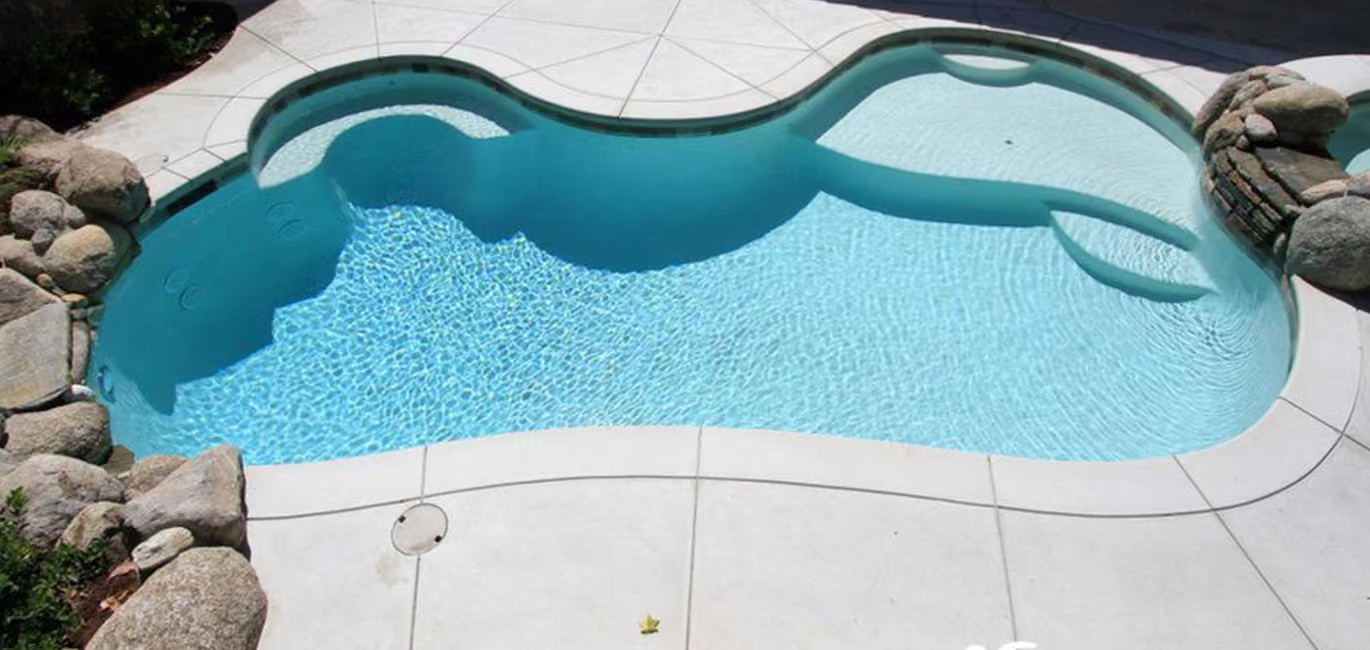
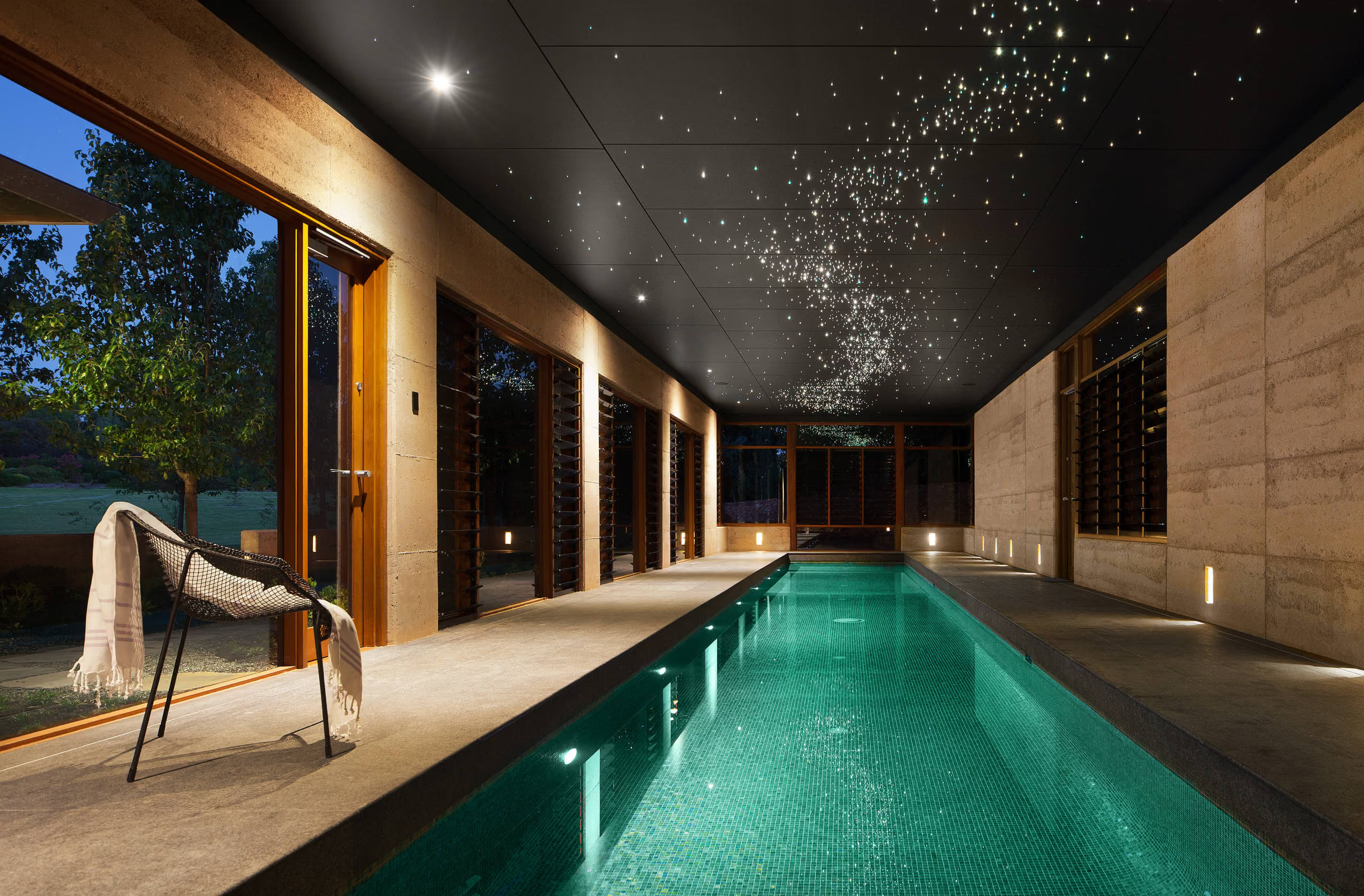
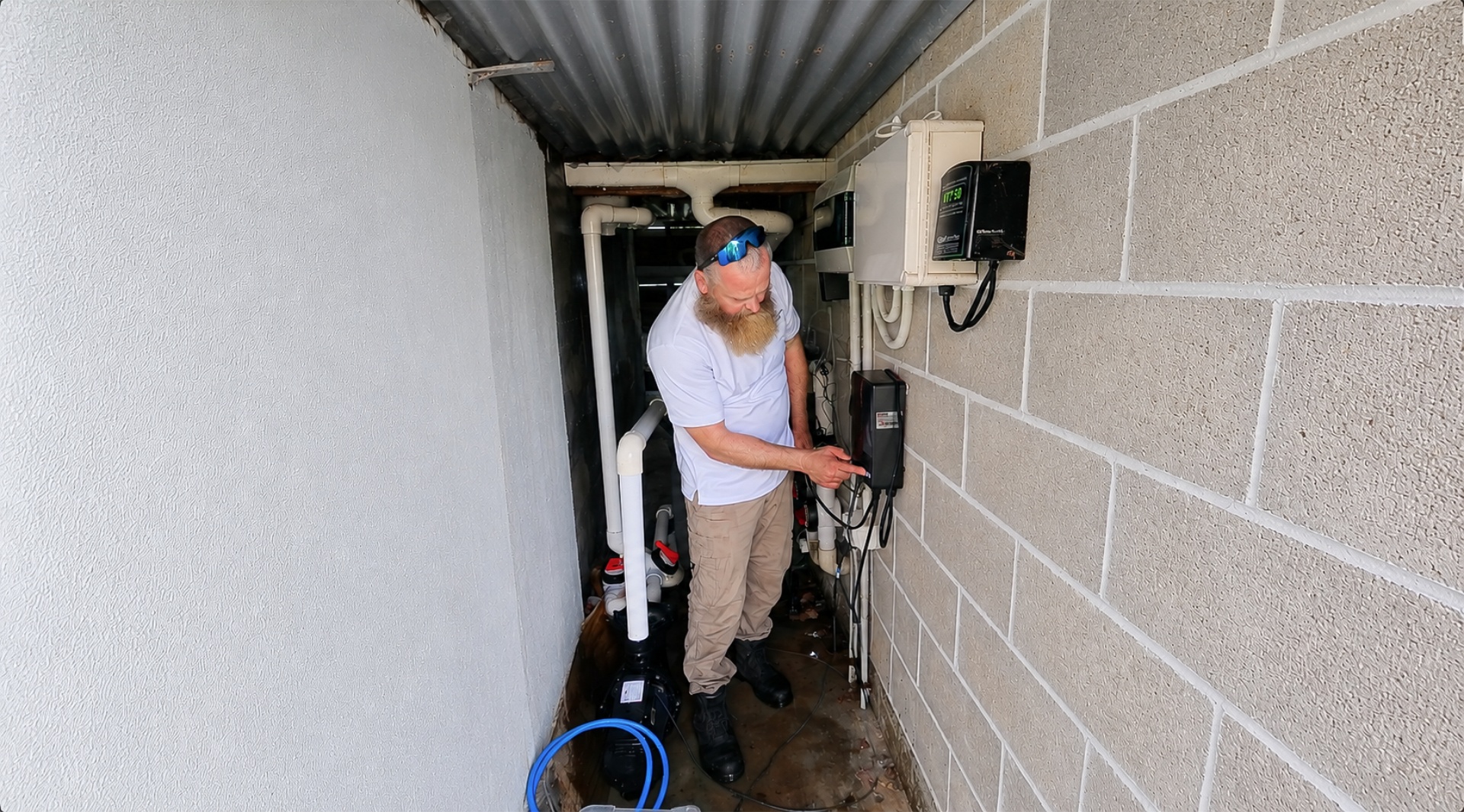
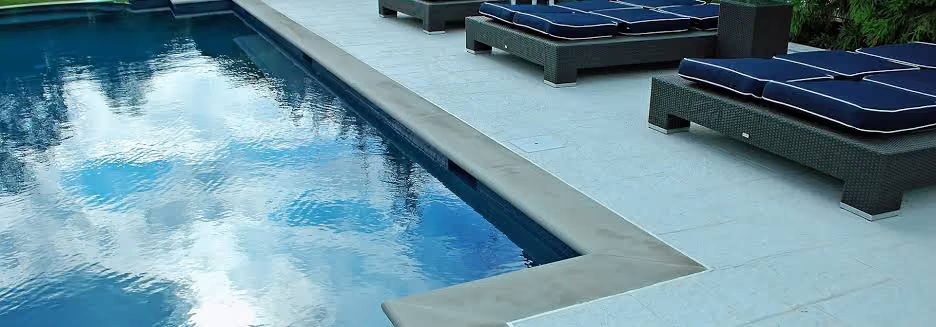
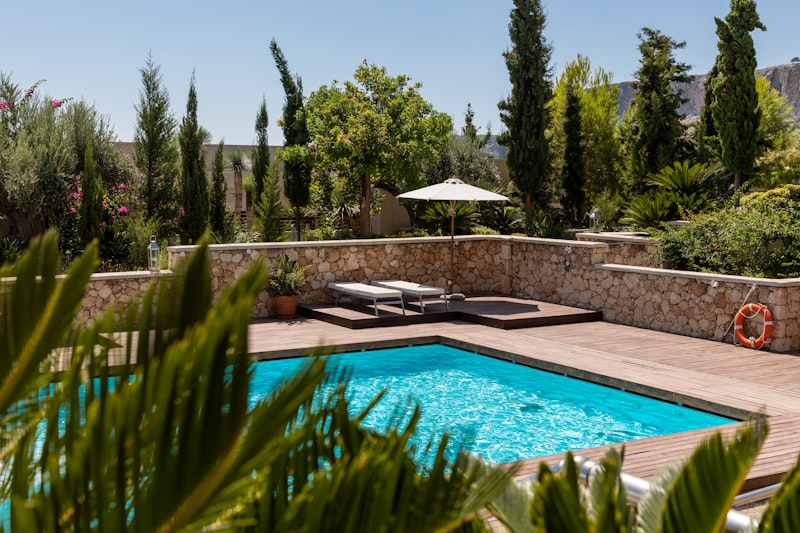
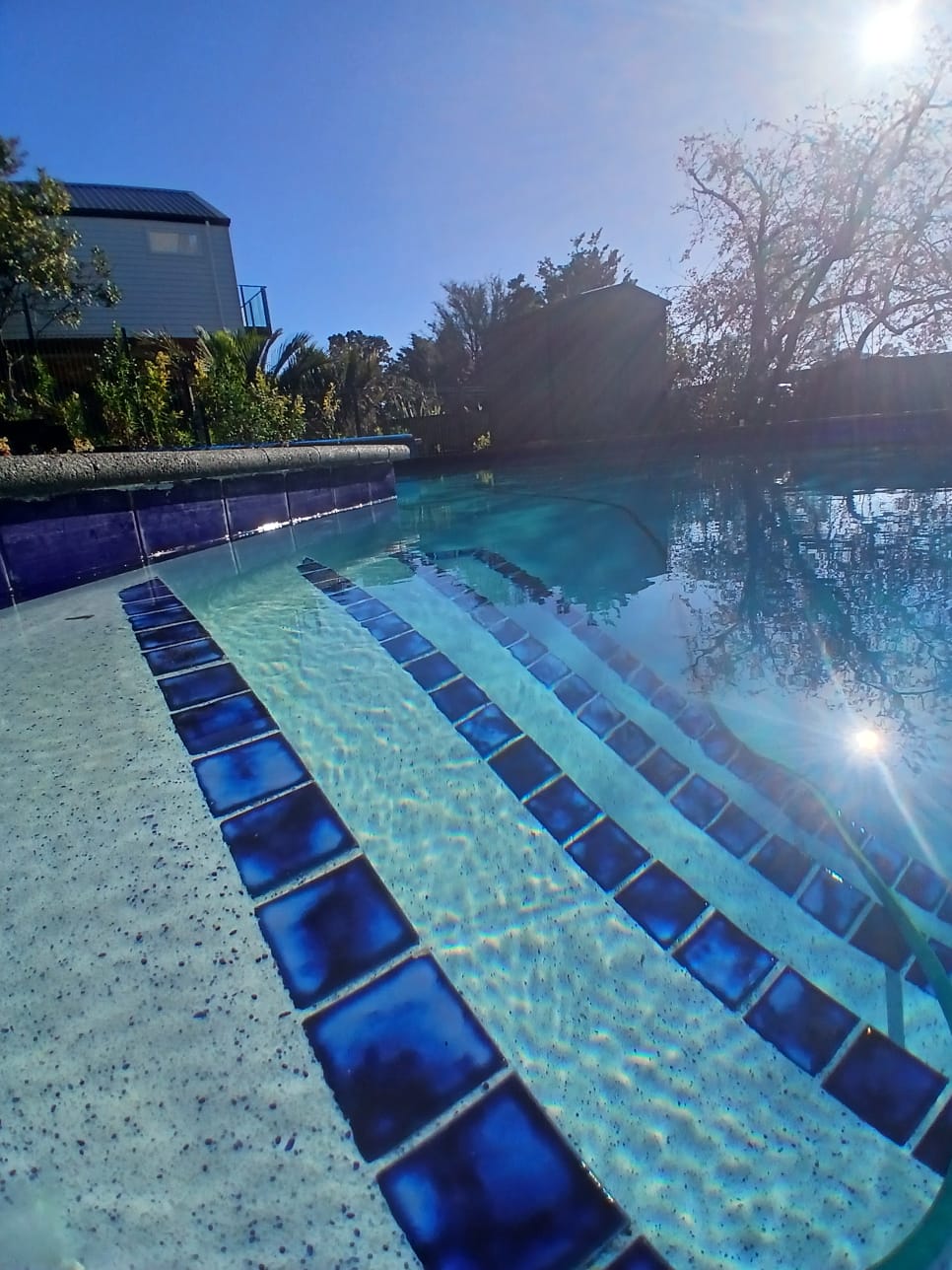
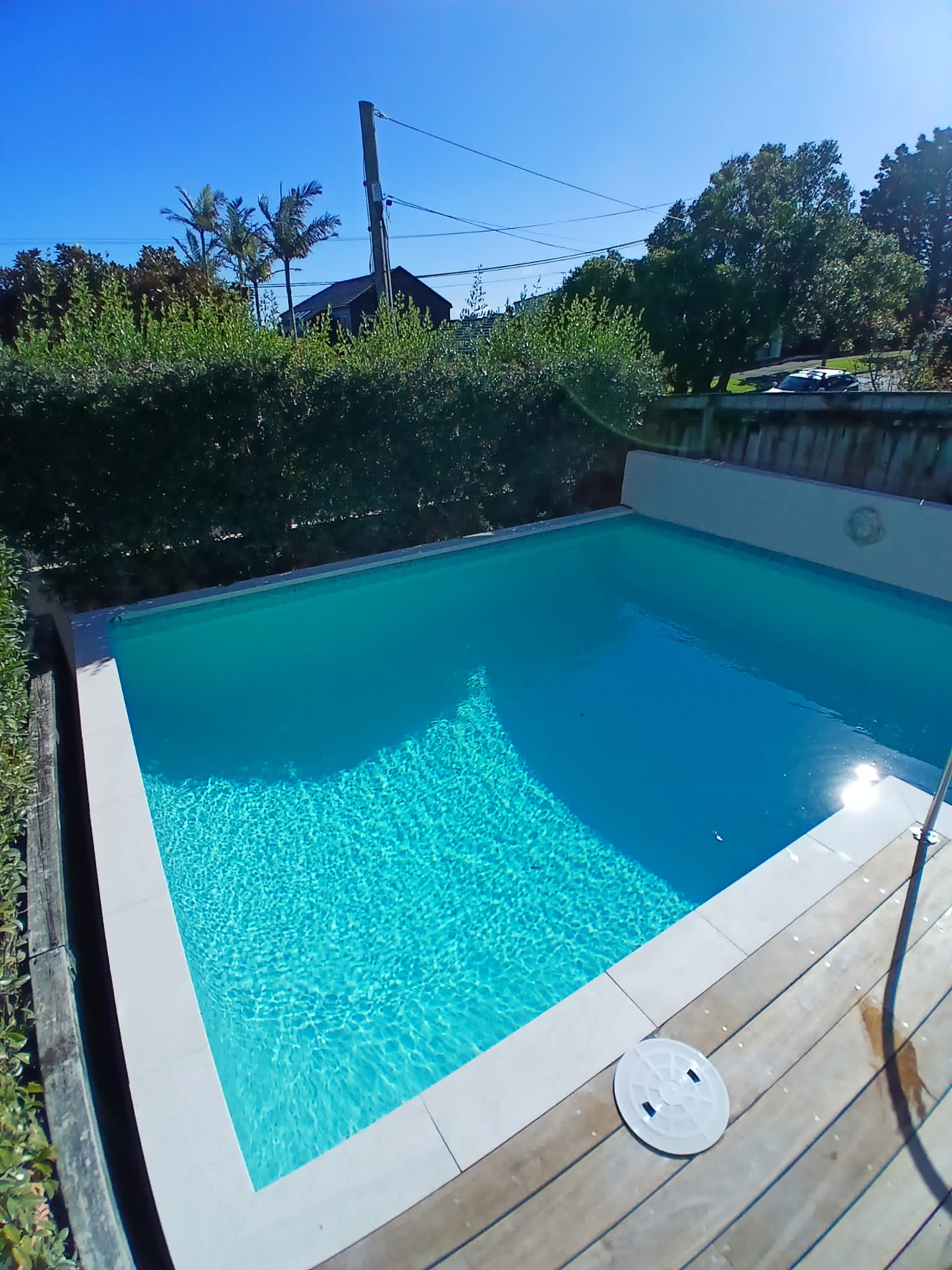
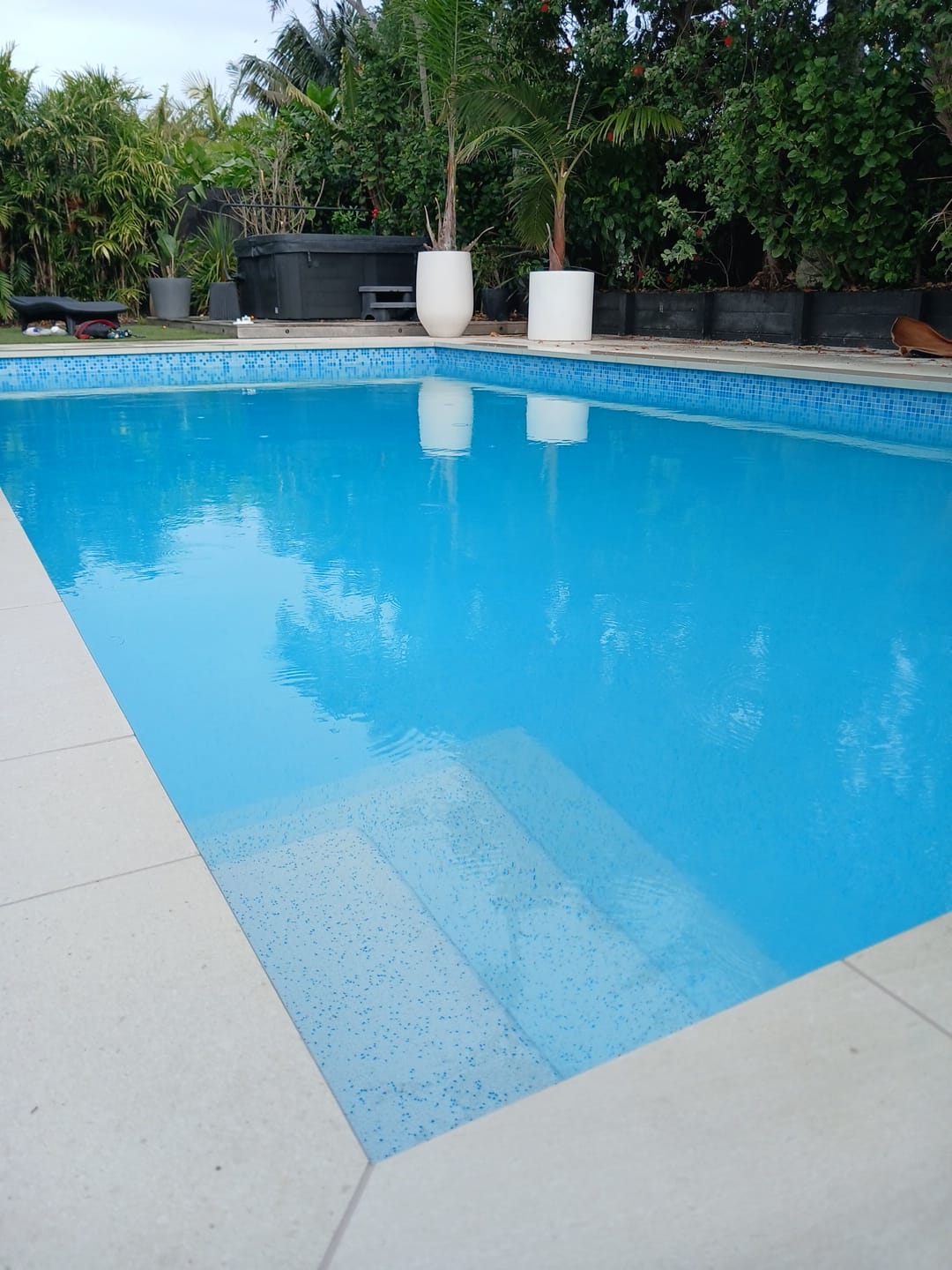
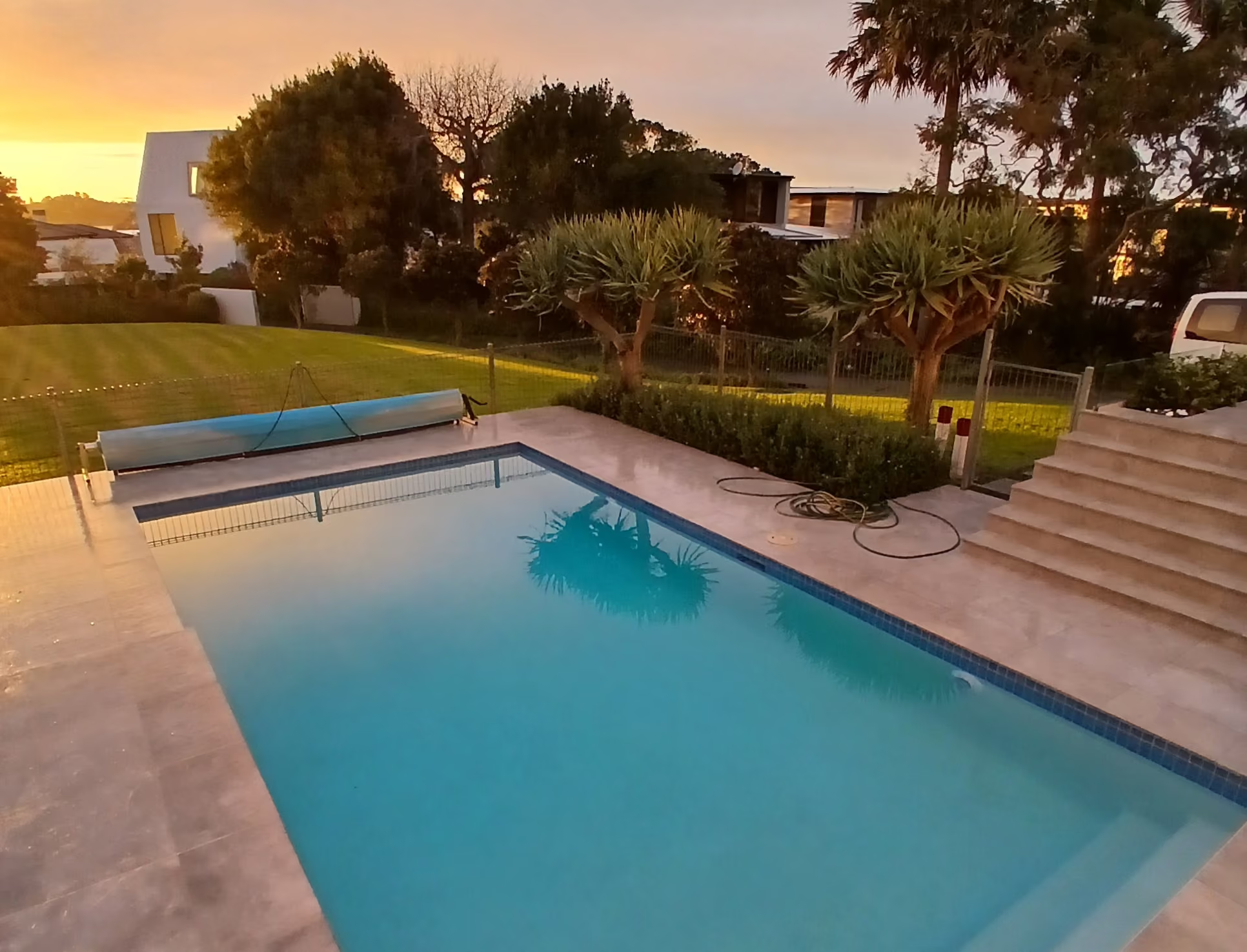
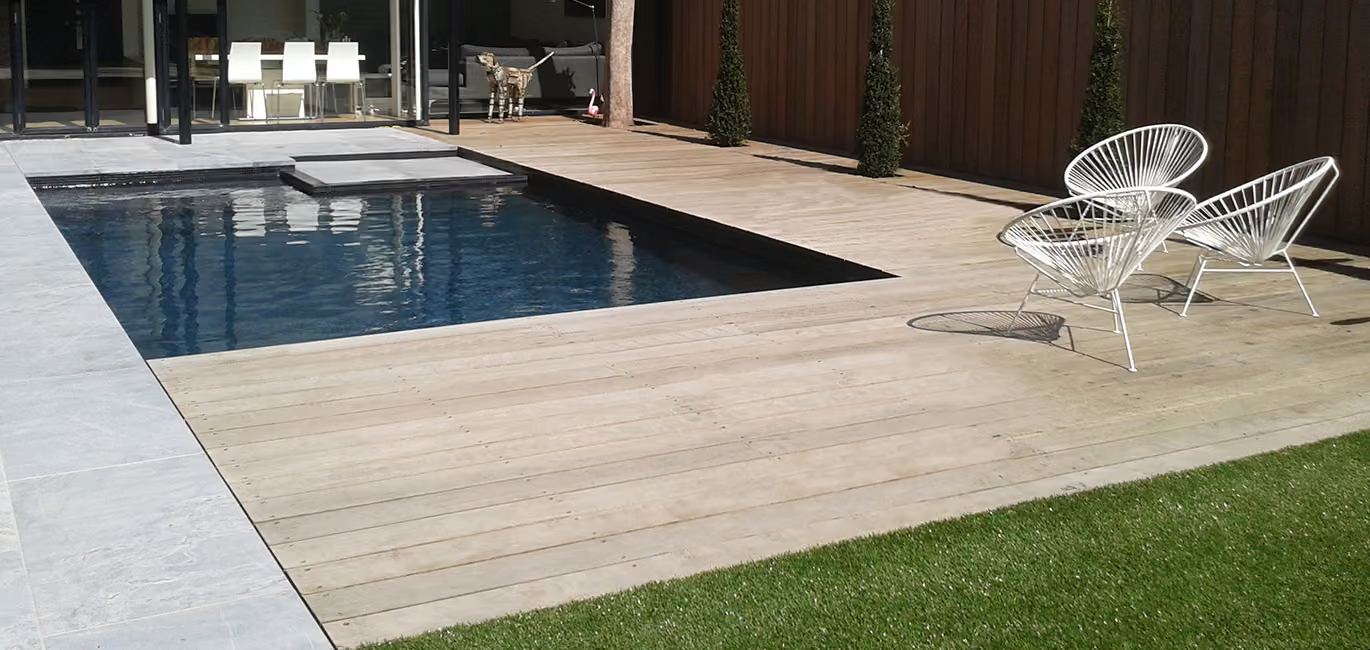
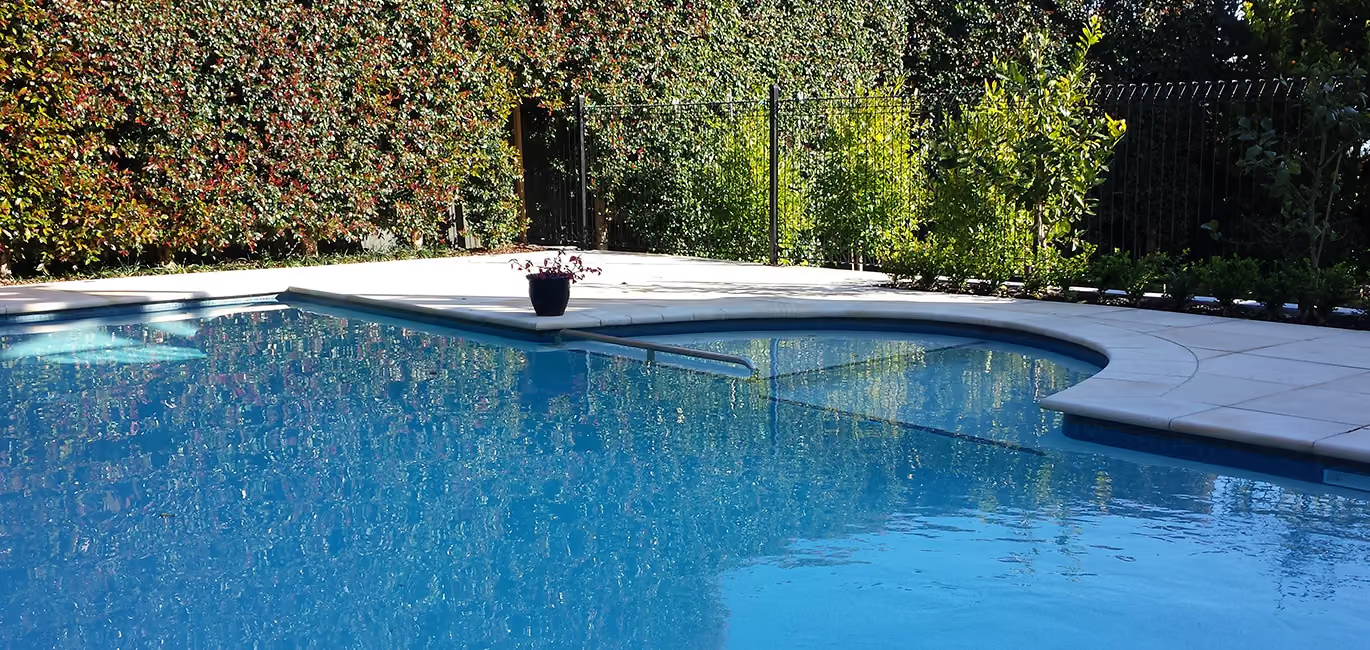
Sparkling Pools has worked on pools across Auckland, including residential renovation projects, equipment upgrades, ongoing maintenance and pool care for managed properties. Past projects show how the right approach can improve presentation, water quality and day-to-day usability. A well-maintained pool is easier to manage, more pleasant to use and better prepared for seasonal changes.
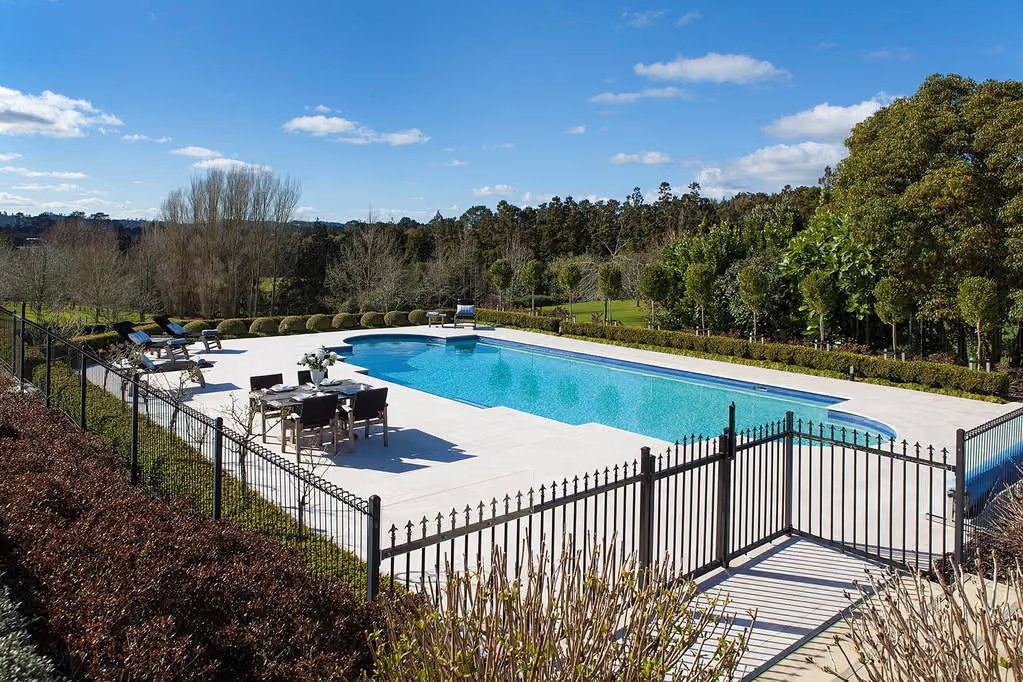
Trusted by Homeowners Across Auckland
Don't just take our word for it. Read what our clients have to say about our transparent communication, reliable service, and stunning pool transformations.
Related Blog Posts
Stay informed on pool care and renovations
Winter pool care essentials for Auckland
Pool Renovation Mistakes
Auckland Climate Pool Maintenance
Choosing Renovation Contractor
Pool Care Auckland Summer
Permits & Consents

Pool Renovation ROI
How Often to Test Pool Water
Pool Renovation Costs
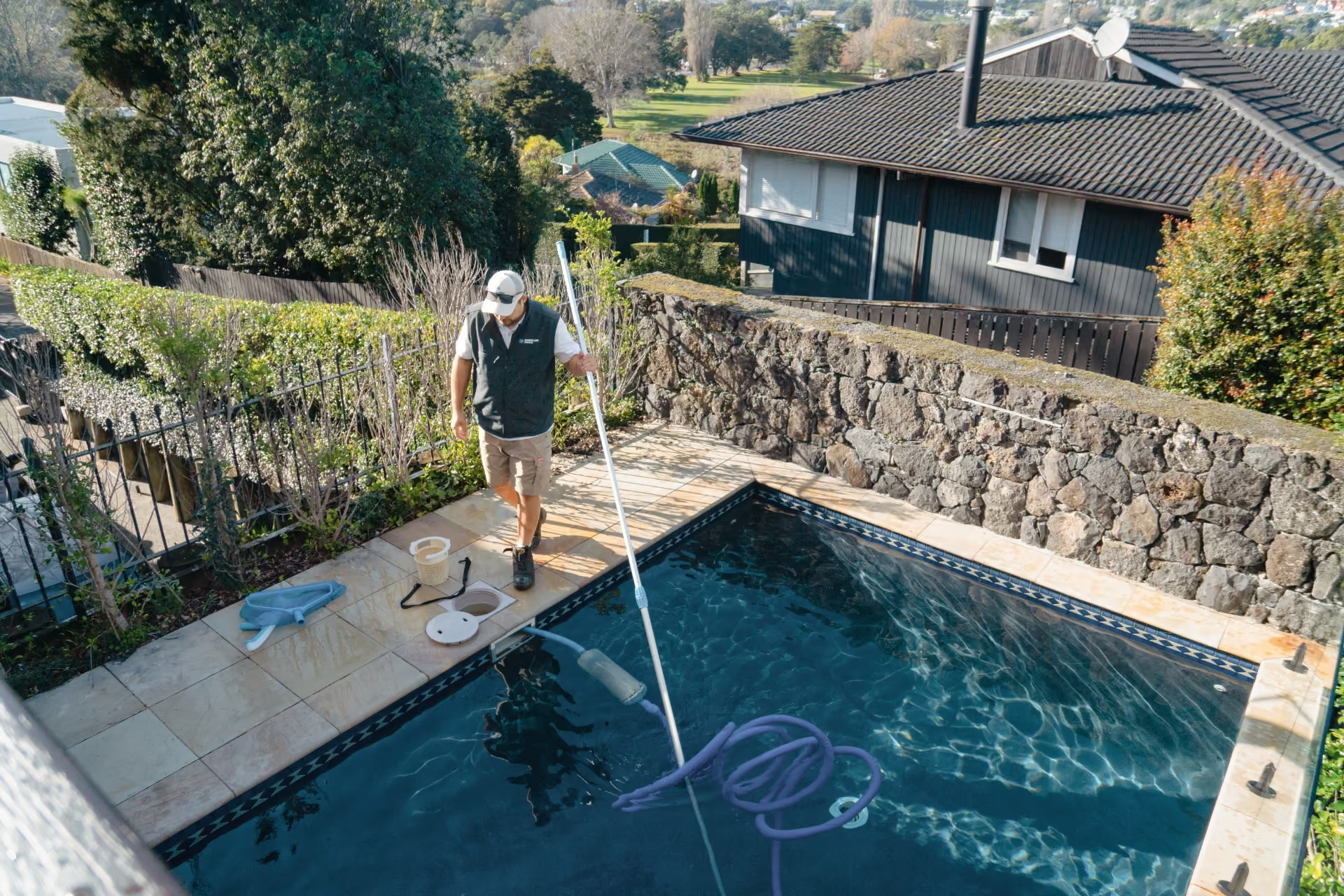
Cost of Pool Service Auckland
Pool Renovation Planning Guide
Pool Lighting Buying Guide
Pool Cleaner Buying Guide
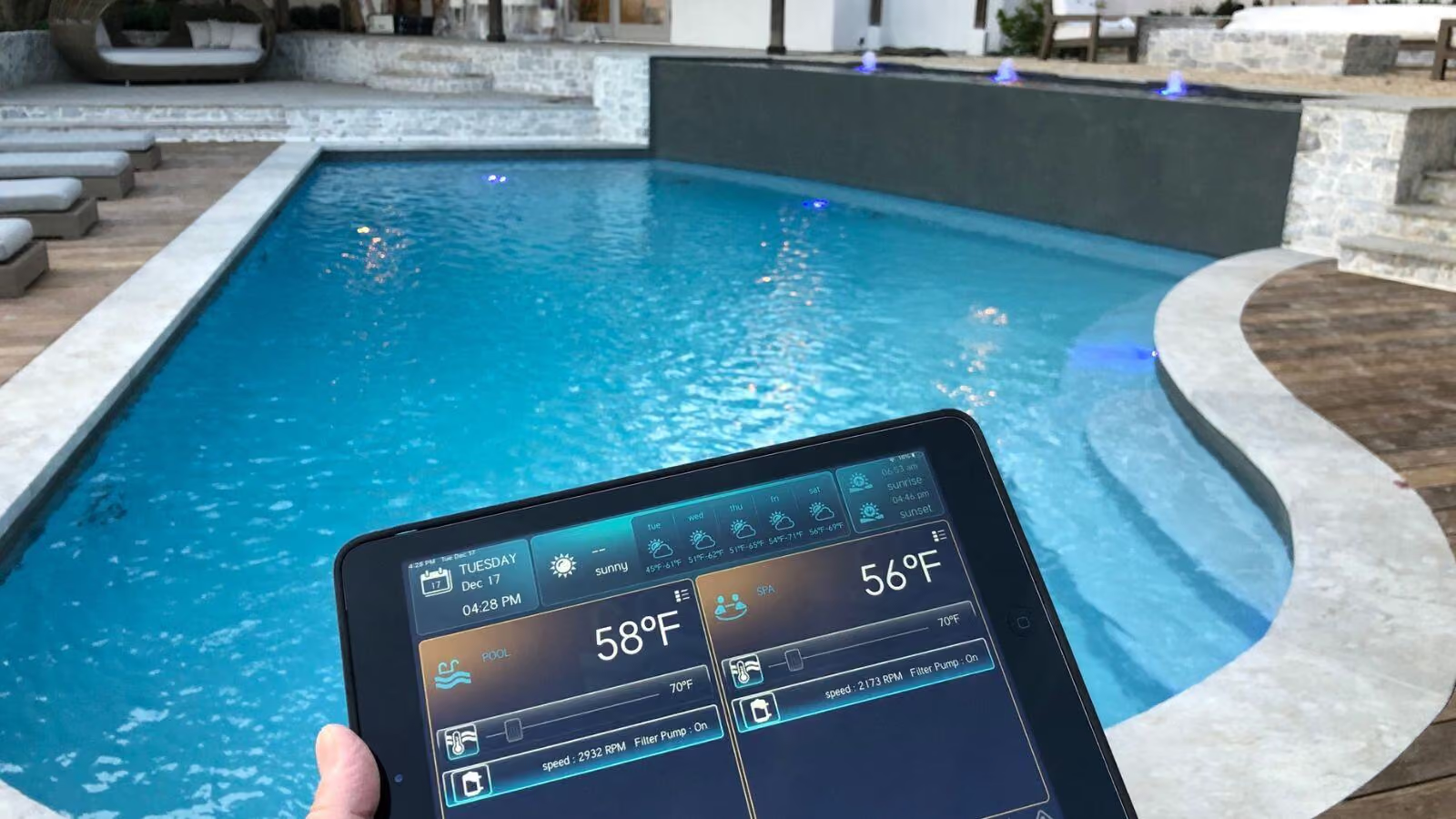
Pool Automation Buying Guide
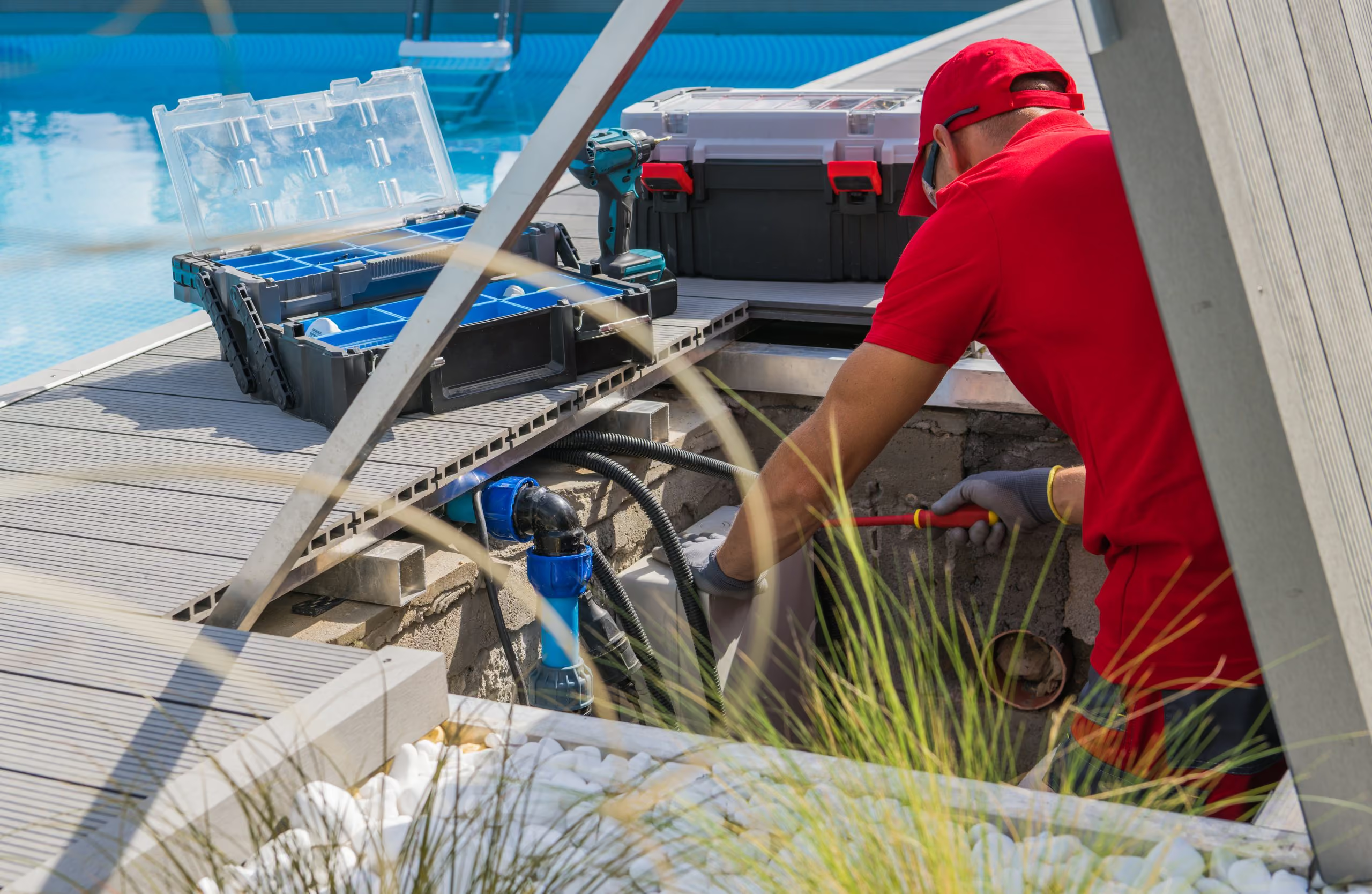
Pool Heater Buying Guide
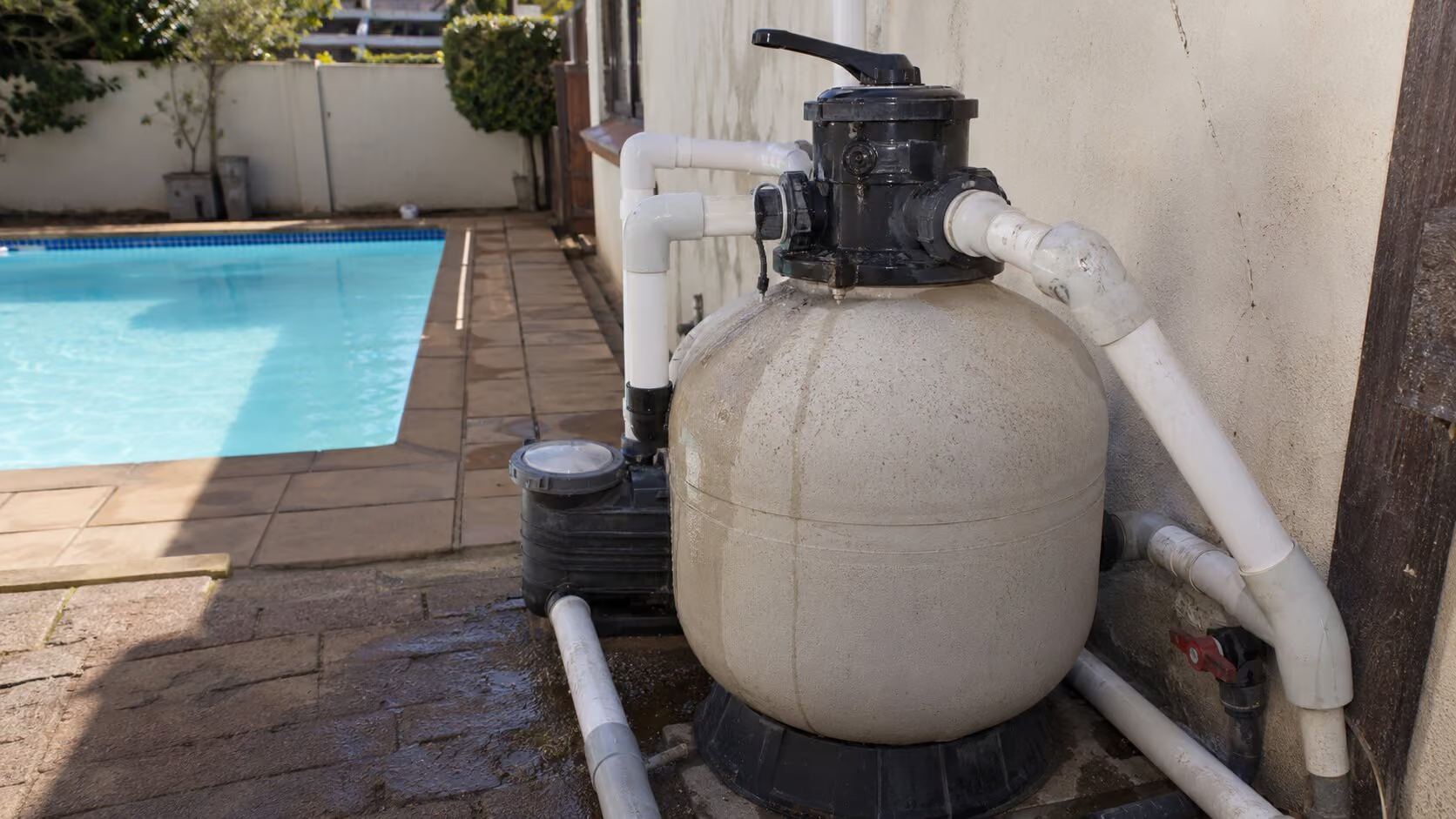
Pool Filter Buying Guide
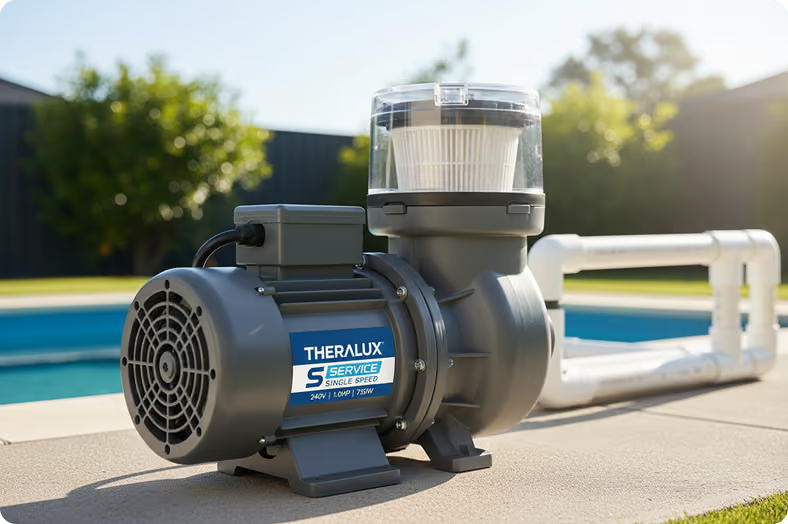
Pool Pump Buying Guide
Best Equipment Auckland Climate
Auckland Water Quality
Auckland Pool Season
Pool Ownership Costs
Common Pool Mistakes
Pool Safety Laws
Pool Inspection Requirements
Pool Fence Compliance
.avif)
Auckland Pool Industry Trends
Auckland Pool Regulations
Pool Equipment Suppliers
Best Pool Service Areas
Pool Service Pricing Analysis
Company vs Independent
Best Pool Surface Materials
Pool Resurfacing Options
Pebble vs Plaster Surfaces
One-Time vs Ongoing Service
Full Service vs Chemicals Only
Pool Cover Types
Robotic vs Suction Cleaners
Mineral vs Saltwater
Gas vs Heat Pump
Pool Heater Types
Pool Winterizing Guide Auckland
Pool Opening Guide Summer
Pool Maintenance After Heavy Rain
Pool Maintenance Schedule
How Often to Run Pool Filter
Pool Pump Maintenance Schedule
Pool Filter Cartridge Cleaning
Pool Equipment Maintenance Checklist
Pool Waterline Cleaning
Pool Skimmer Basket Cleaning
Pool Chlorine Levels
How Often Clean Pool Filter
How to Vacuum Pool
Pool Brushing Technique
Pool Chemical Dosing Chart
Pool Water Chemistry Basics
How to Balance Pool Chemistry
How to Test Pool Water
Pool Maintenance Tips
Complete Pool Maintenance Guide
Pool Service ROI
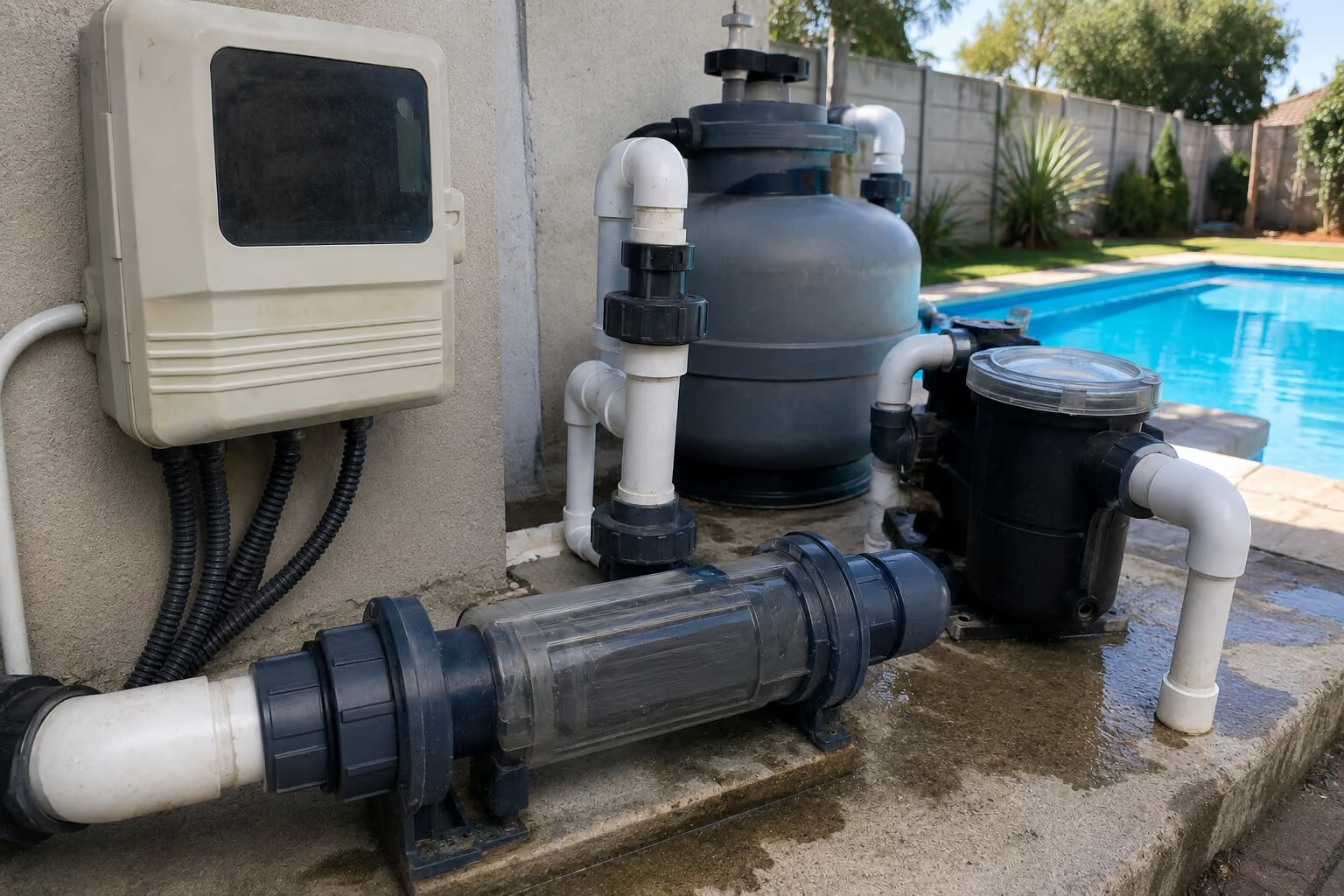
Pool Equipment Buy or Service
Pool Maintenance Time Requirements
DIY vs Professional
Pool Service Contract
Pool Service vs Pool Valet
Is Pool Service Worth It
Pool Service Guarantees
Pool Service Reviews
Pool Service Red Flags
Questions to Ask Pool Companies
How to Choose Pool Service Company
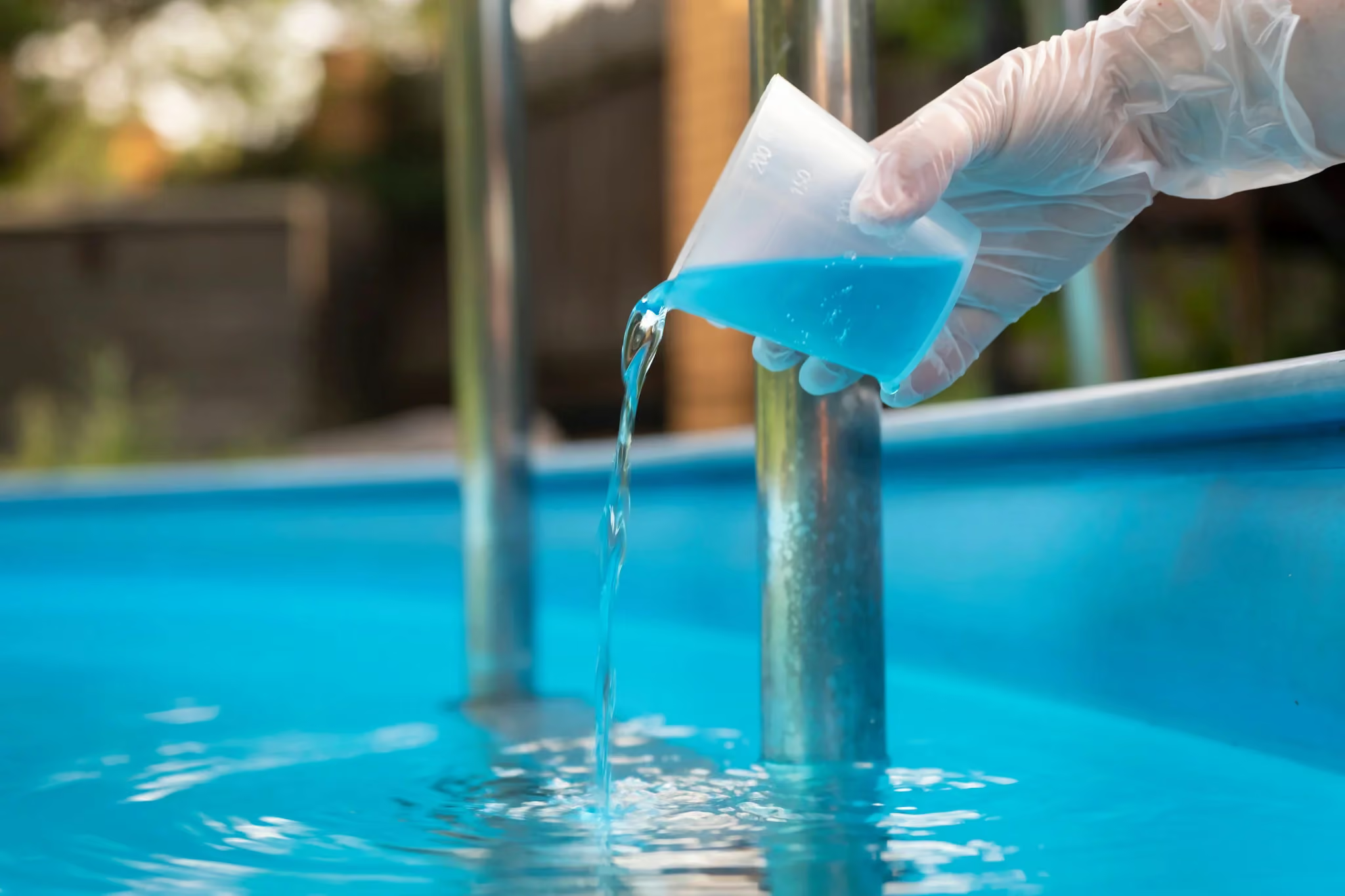
Hidden Costs DIY Maintenance
Pool Cleaning Prices Auckland
Cost of Pool Resurfacing
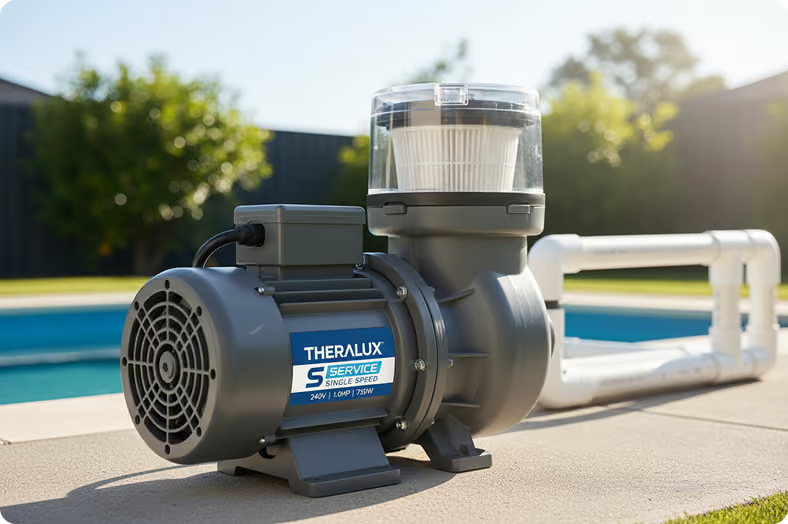
Cost of Pool Pump Replacement
Cost to Fix Green Pool
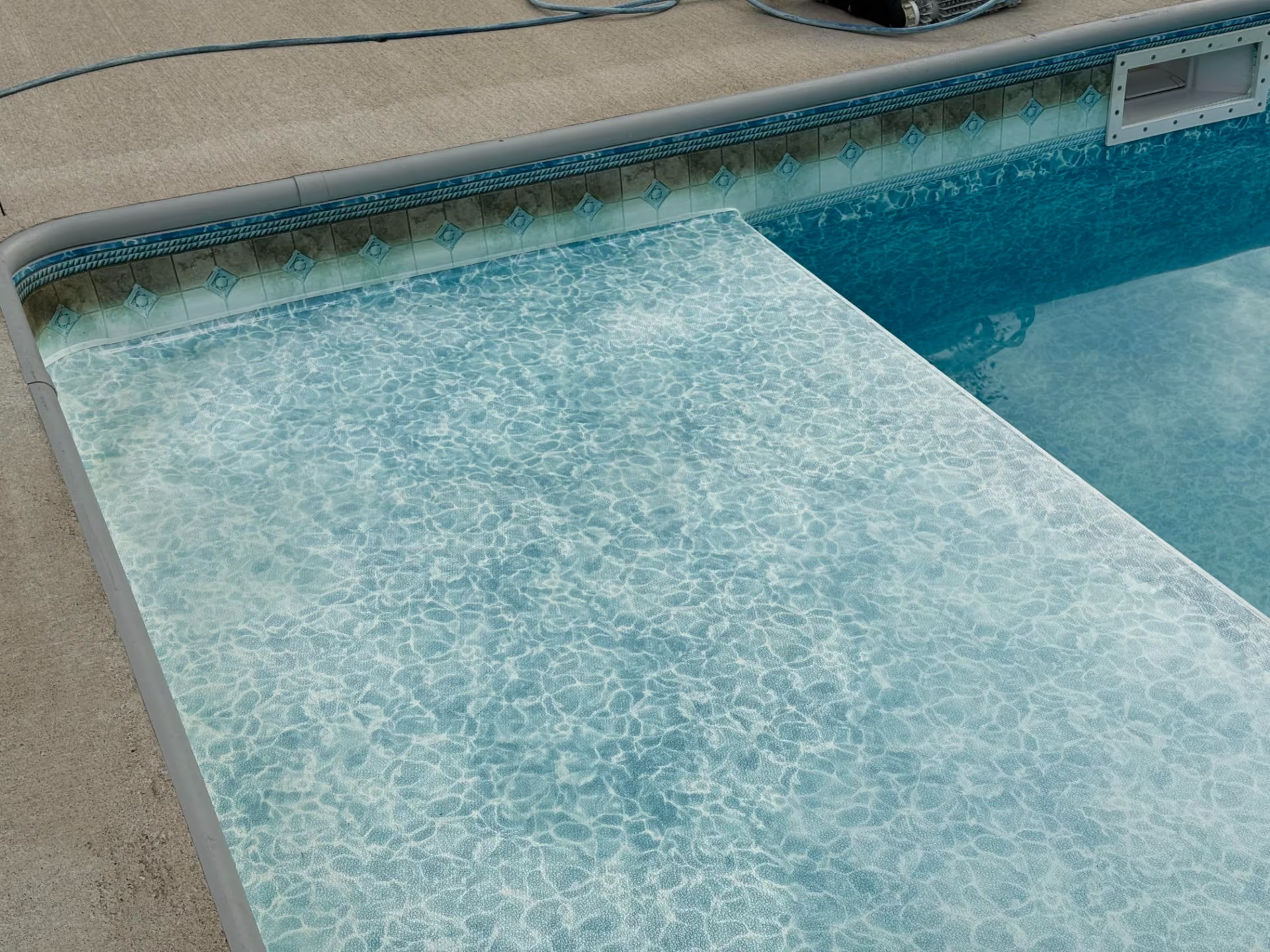
Pool Liner Wrinkles
Pool Cracks When to Worry
Pool Surface Stains
Pool Valve Leaking
Pool Automation Not Working
Pool Light Not Working
Pool Heater Not Heating
Pool Skimmer Not Working
High Pool Filter Pressure
Pool Losing Water
Pool Filter Not Clearing Water
Pool Pump Leaking
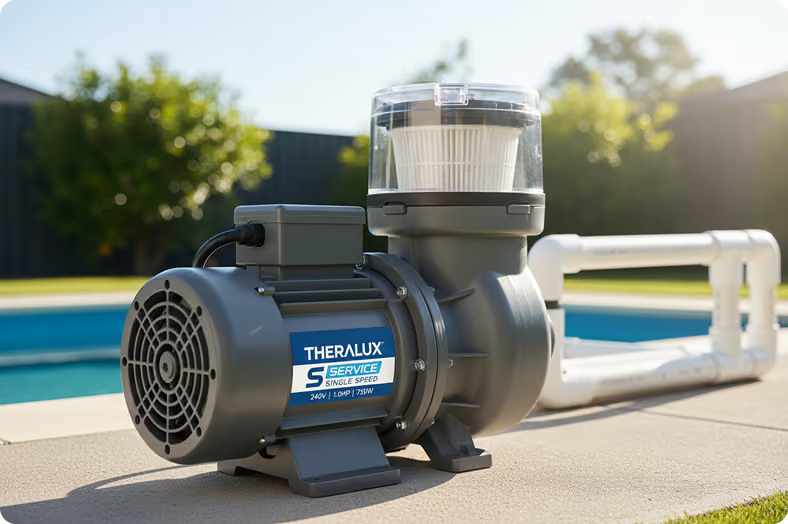
Pool Pump Not Pumping
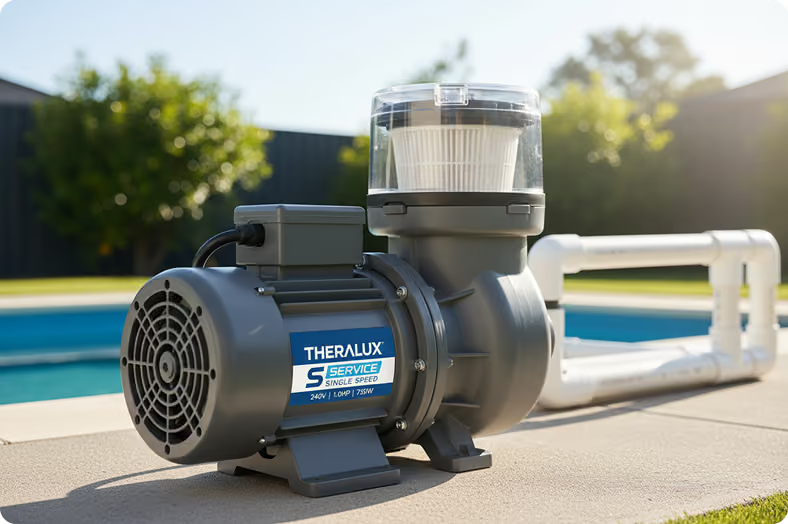
Pool Pump Losing Prime
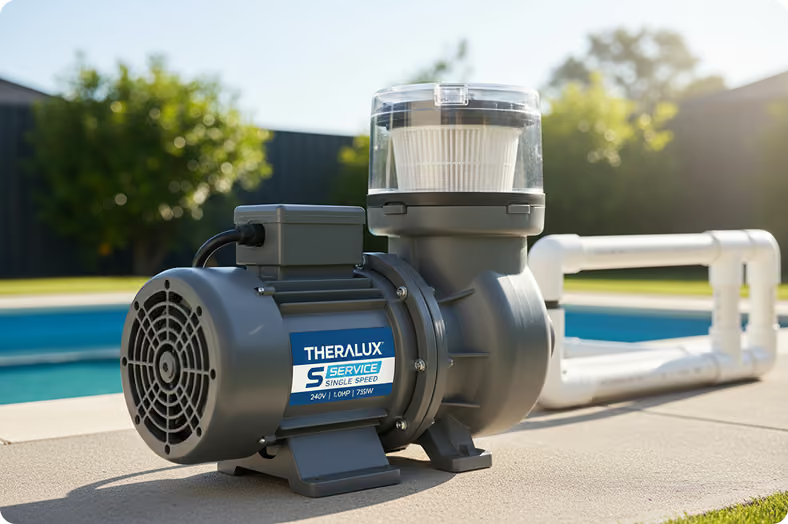
Pool Pump Noisy
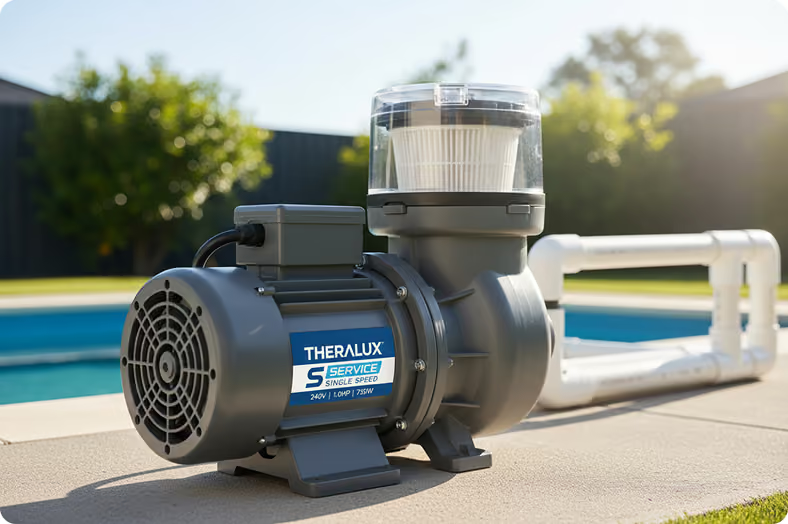
Pool Pump Not Working
Pool Water Foaming
Pool pH Too Low
Pool pH Too High
Green Pool After Rain
Pool Still Green After Shock
Pool Water Cloudy
How to Clear a Green Pool
Pool Care That Protects Your Investment
Good pool care protects more than appearance. Our pool specialists support the long-term condition of your swimming pool while keeping it ready for everyday use.