Pool Heaters
Practical pool heater options for pools that need warmer water, longer use and more comfortable swimming.
Pool Heating for Better Everyday Use
A cold pool can limit how often it is used, especially outside the warmest part of summer. The right swimming pool heater can make the water more comfortable and help extend the usable swimming season.
Sparkling Pools can advise on pool heating solutions for residential pools, shared pools and managed properties. The best option depends on pool size, location, exposure, existing equipment, running expectations and how often the pool needs to be heated.
Why choose Sparkling Pools for pool heaters
Choosing a Pool Heating System
Different pools need different heating approaches. Some owners want occasional heating for weekend use, while others need more consistent water temperature through changing weather or higher-use periods. Modern pool heating systems can vary in running cost, heat-up time, energy use and suitability for different pool sizes. An energy efficient pool heating option may be worth considering when the pool is used regularly or when long-term running costs are an important factor. A suitable pool heater should work with the wider pool setup, including the pump, filtration system, pipework and cover use. Matching the heating system properly can improve comfort without placing unnecessary pressure on the rest of the equipment.
Theralux S Series single speed pump
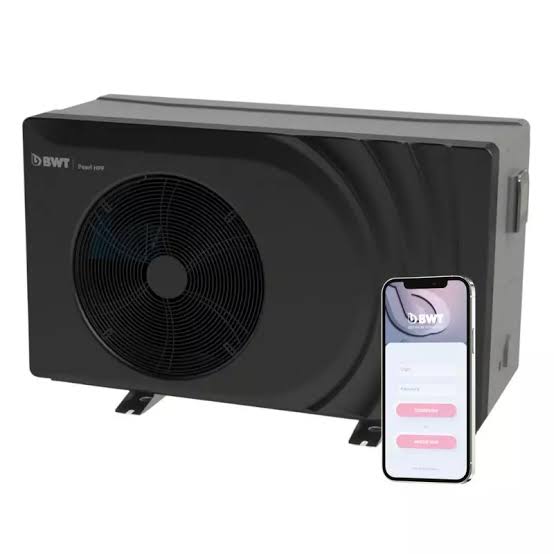
BWT Pearl Inverter HPF13
BWT Pearl Inverter HPF20
BWT Pearl Inverter HPF27
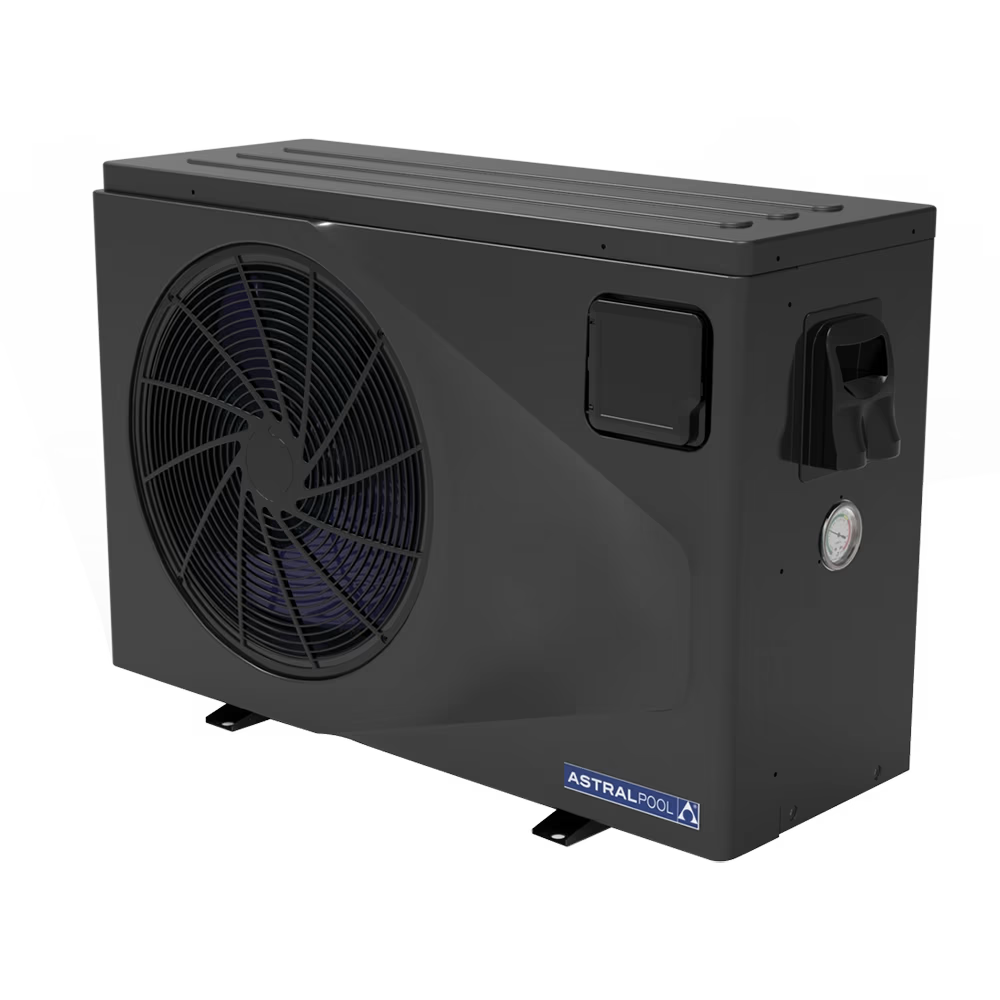
AstralPool ECOlite 12kW
AstralPool ECOlite 16kW
AstralPool ECOlite 18kW
AstralPool ECOlite 24kW
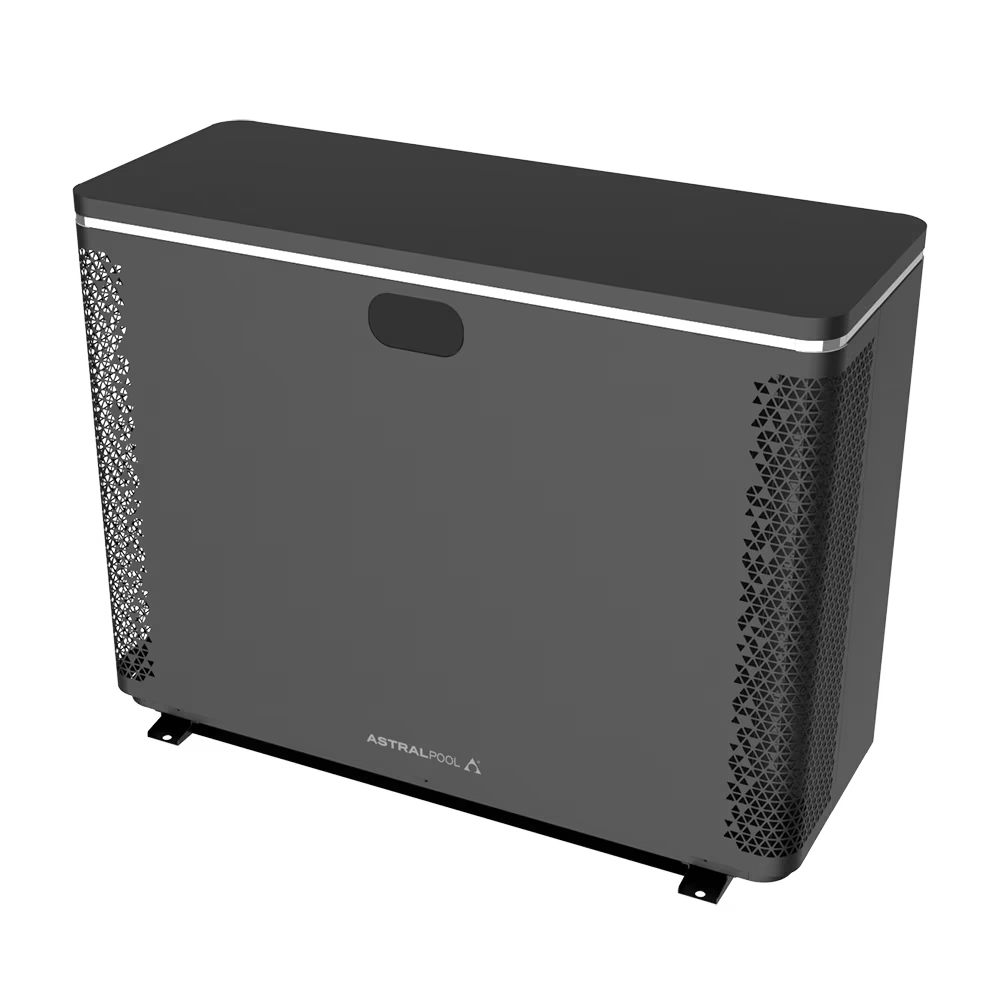
AstralPool Pinnacle iHP SD 107
AstralPool Pinnacle iHP SD 125
AstralPool Pinnacle iHP SD 153
AstralPool Pinnacle iHP SD 217
AstralPool Pinnacle iHP SD 250
AstralPool Pinnacle iHP SD 315
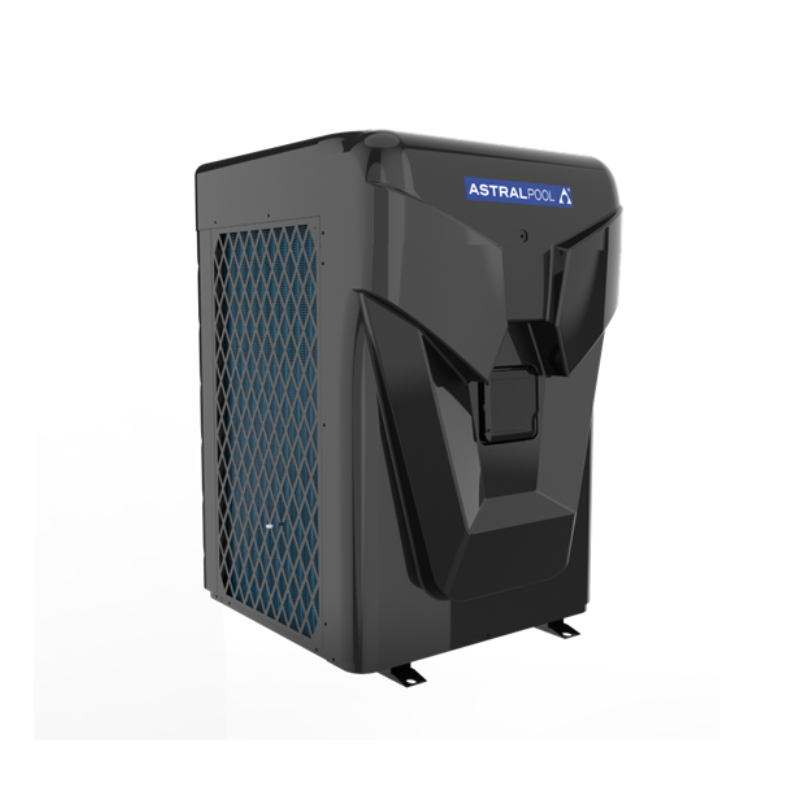
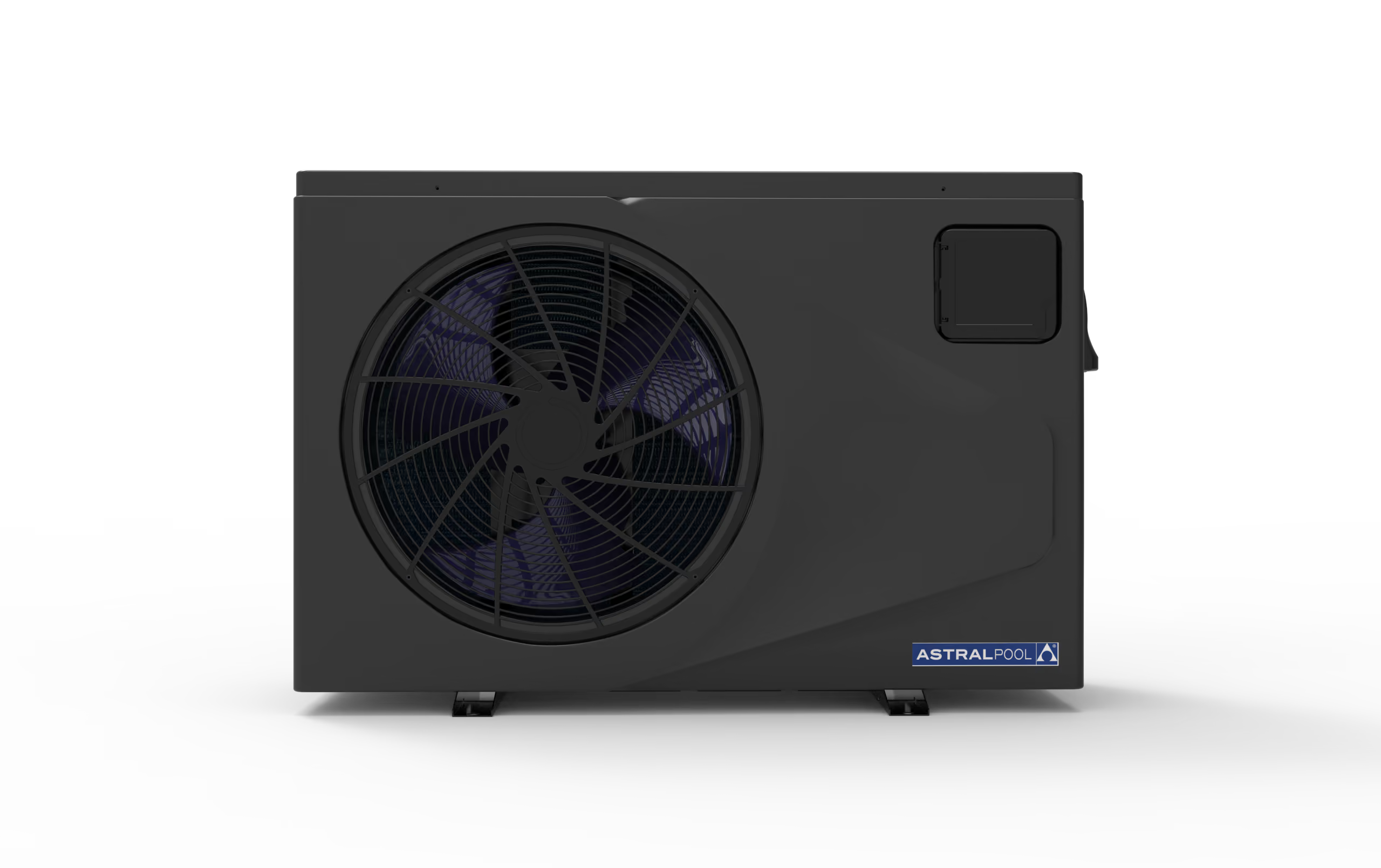
AstralPool IHPT Top Discharge Heat Pump
Common Questions About Pool Heaters
See our commonly asked questions about Pool Heaters
The Ecolite range covers four capacities: IHP120, IHP160, IHP180 and IHP240. Sizing is not just about pool volume. Site exposure, wind, shade, whether you use a cover and the water temperature you want to hold all change the answer. Undersizing means the pool never reaches temperature on cool days. Send us your pool dimensions and a description of the site and we will size it properly.
COP is coefficient of performance, the ratio of heat output to electricity consumed. A COP of 22 means the unit delivers 22 units of heat for one unit of power under favourable conditions. Real world COP varies with air temperature and target water temperature, so treat 22 as a best case rather than an average. Even at more typical conditions, the Pinnacle is one of the most efficient ways to heat a pool in Auckland.
A top discharge unit exhausts air upwards rather than out the side. That means it needs far less clearance around the sides, which makes it the practical choice where the plant area is tight against a fence, wall or another piece of equipment. On many Auckland properties, plant space is the constraint that decides which heat pump you can actually fit.
The range runs SD 107, SD 125, SD 153, SD 217, SD 250 and SD 315 (product codes 78581 through 78586). Six capacity steps means you can size closely to your pool rather than rounding up to the next available unit, which saves both purchase cost and running cost. We size against pool volume, site exposure, cover use and your target temperature.
An inverter heat pump moves heat rather than generating it, so it delivers several units of heat for every unit of electricity consumed. That makes it far cheaper to run than element heating. Your actual cost depends on target temperature, how long you extend the season, and whether you use a cover. A thermal blanket typically has the single largest effect on running cost, and we always recommend running one alongside a heat pump.
Yes. The Pinnacle operates in outdoor temperatures down to minus 15 degrees C, which is far below anything Auckland experiences. Efficiency does reduce in colder air, so winter running costs are higher than summer, but the unit will continue to heat rather than shutting down. Pairing it with a thermal blanket makes winter swimming genuinely practical.
The range covers IHPT127 at 13kW (code 78578), IHPT168 at 17kW (code 78579) and IHPT246 at 24kW (code 78580). Broadly, 13kW suits smaller residential pools, 17kW suits standard family pools, and 24kW suits larger pools or where you want fast heat recovery. Exposure and cover use shift these figures, so we size on site.
Side discharge units exhaust air horizontally, so they need clear space in front of the discharge face and around the unit for airflow. They suit open plant areas well. If your plant space is tight against a fence or wall, the top discharge IHPT range is usually the better fit. We check clearances during the site visit.
From a cold start, expect a few days to bring a typical Auckland pool up to swimming temperature, depending on model, pool size and weather. Once at temperature, the unit only needs to top up the daily heat loss, which is a much smaller job. This is why heat pumps are best left running through the season rather than switched on and off.
Multilayer acoustic insulation surrounds the compressor, and because it is a full inverter unit it spends most of its time running at reduced output rather than full noise. On Auckland sections where the plant area sits close to a neighbour's boundary or an outdoor living space, this is a meaningful difference over a conventional heat pump.
Work Completed
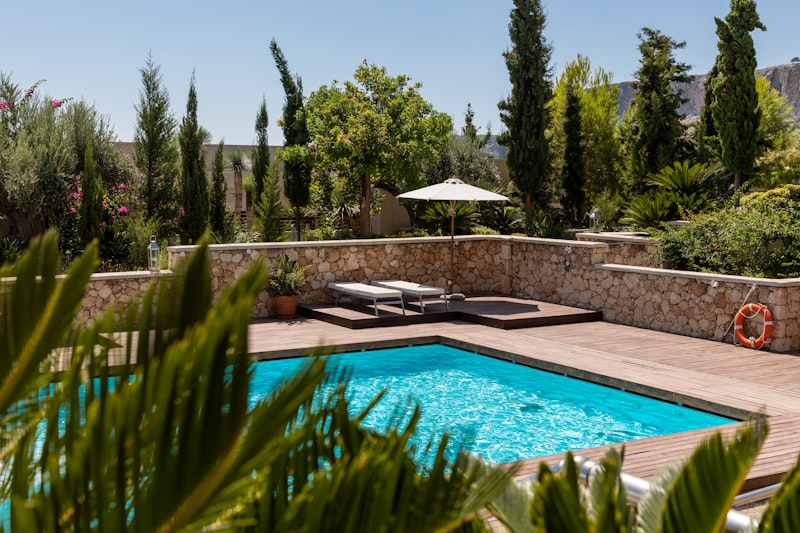
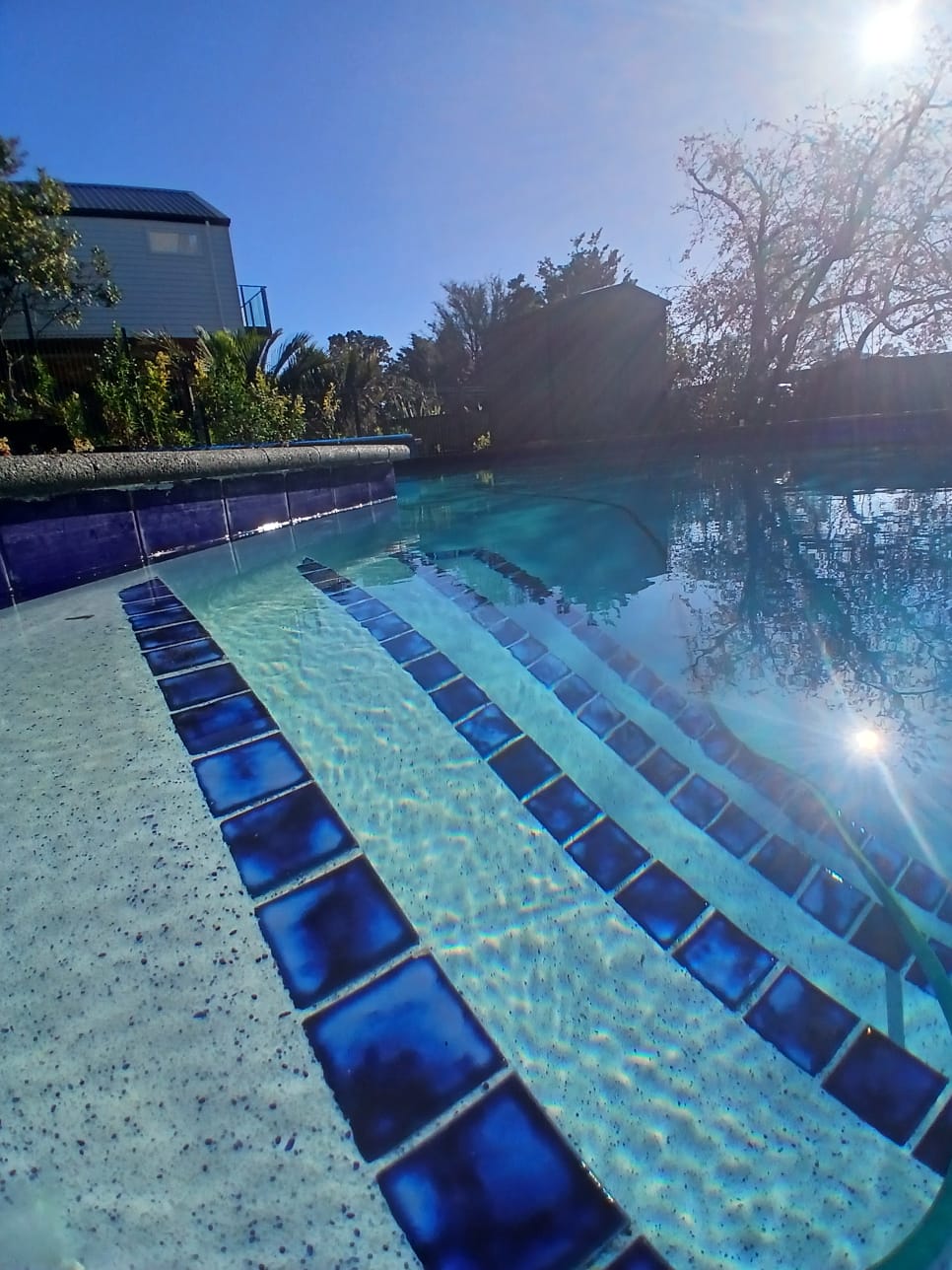
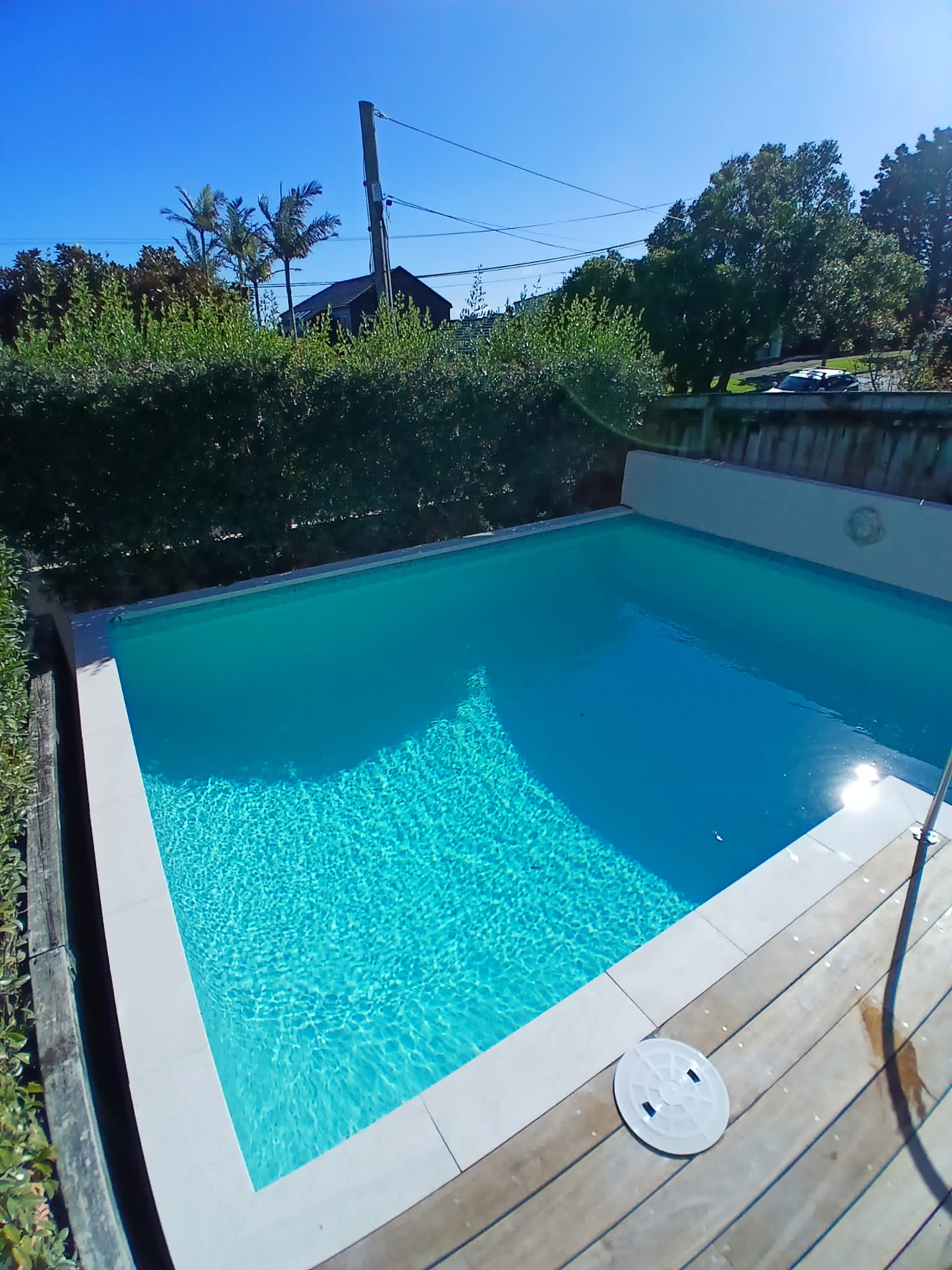
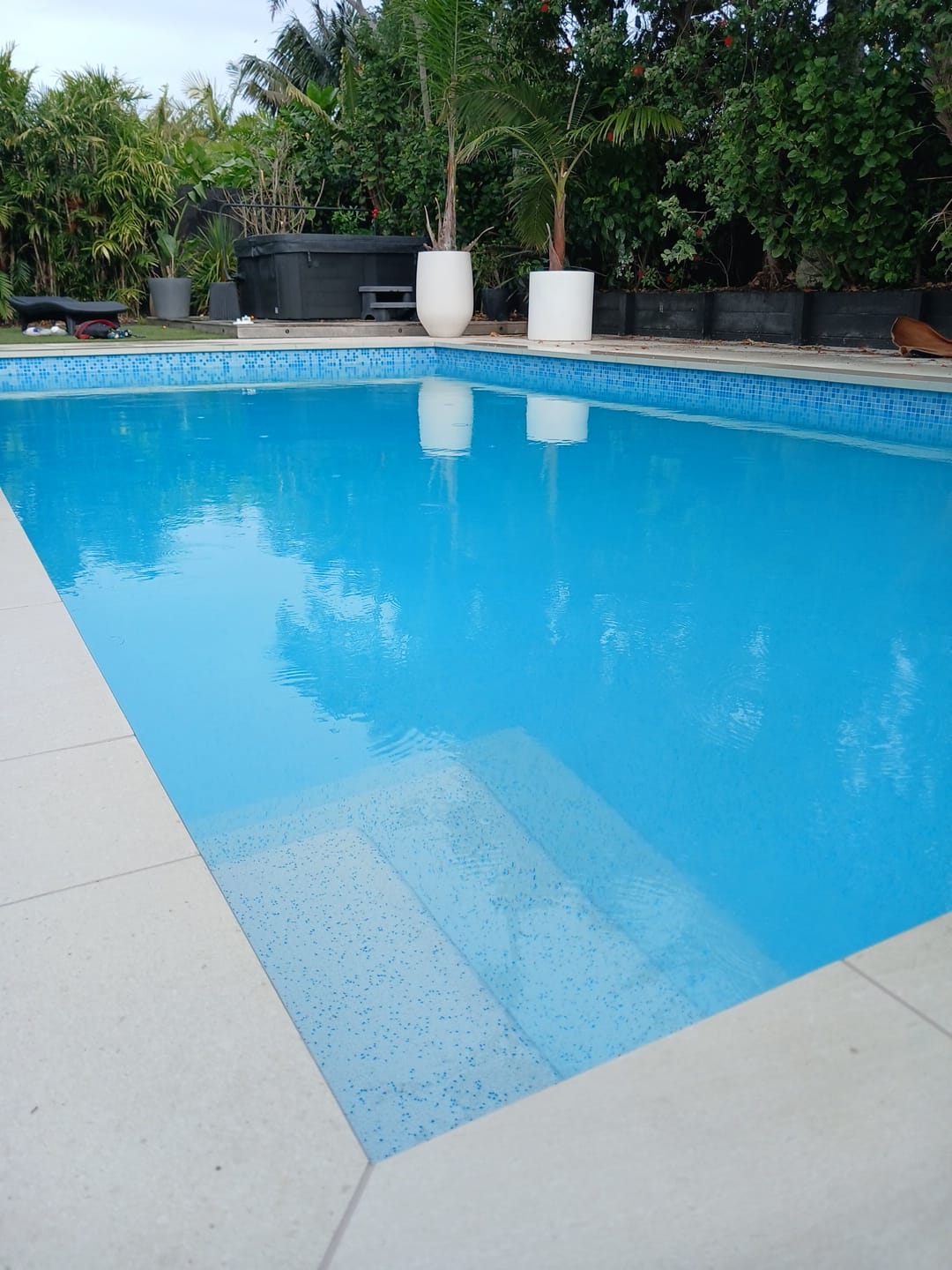
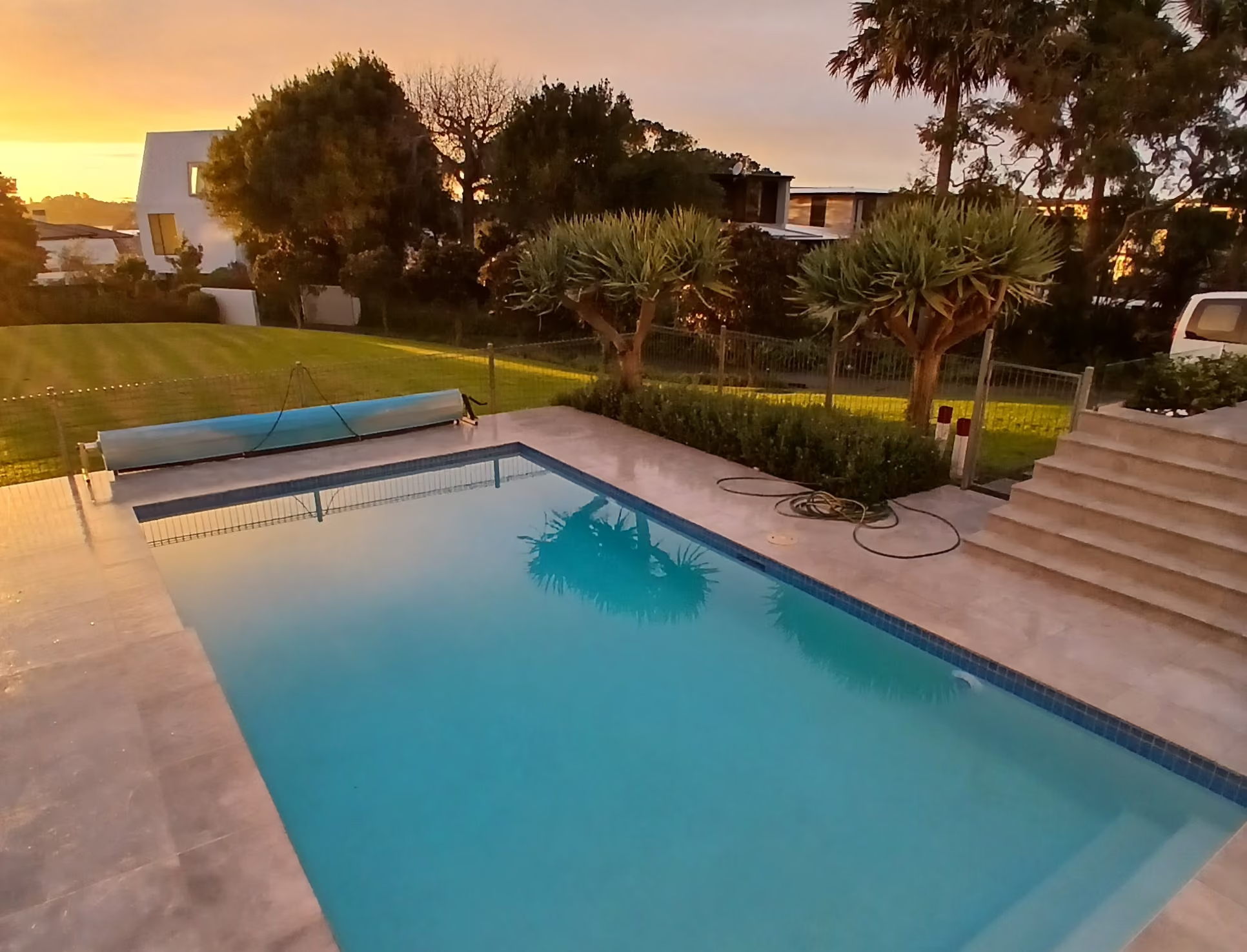
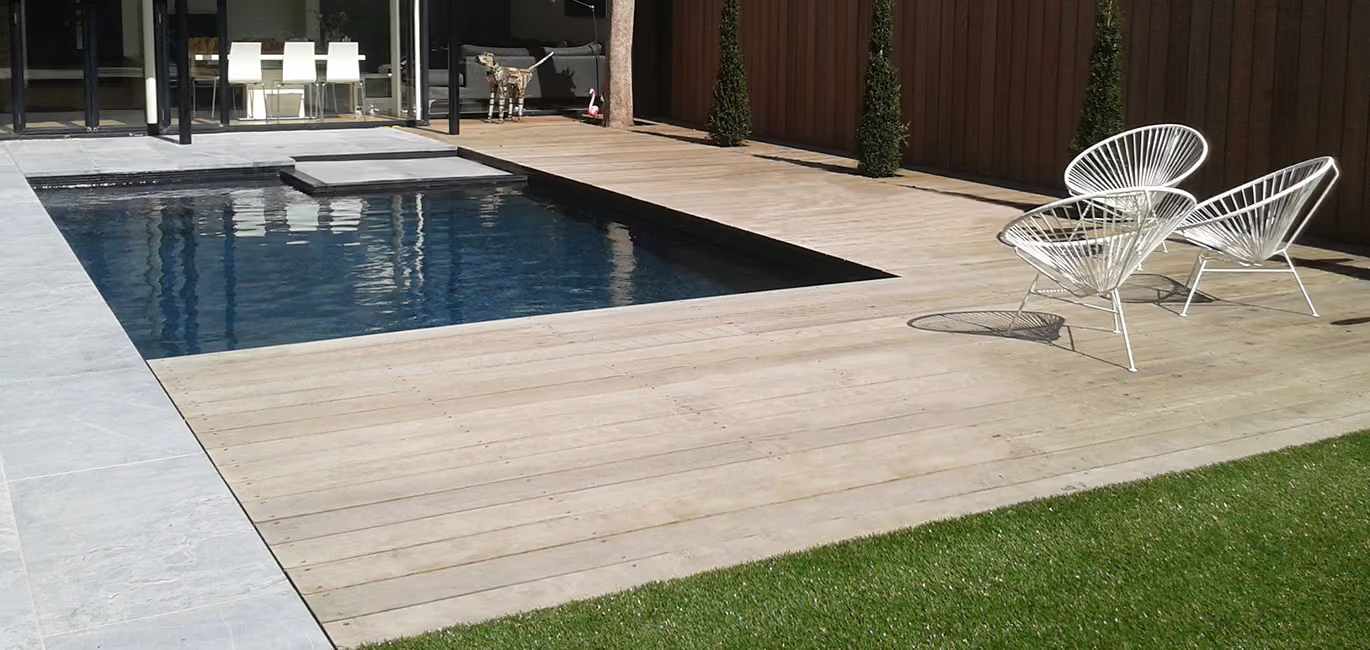
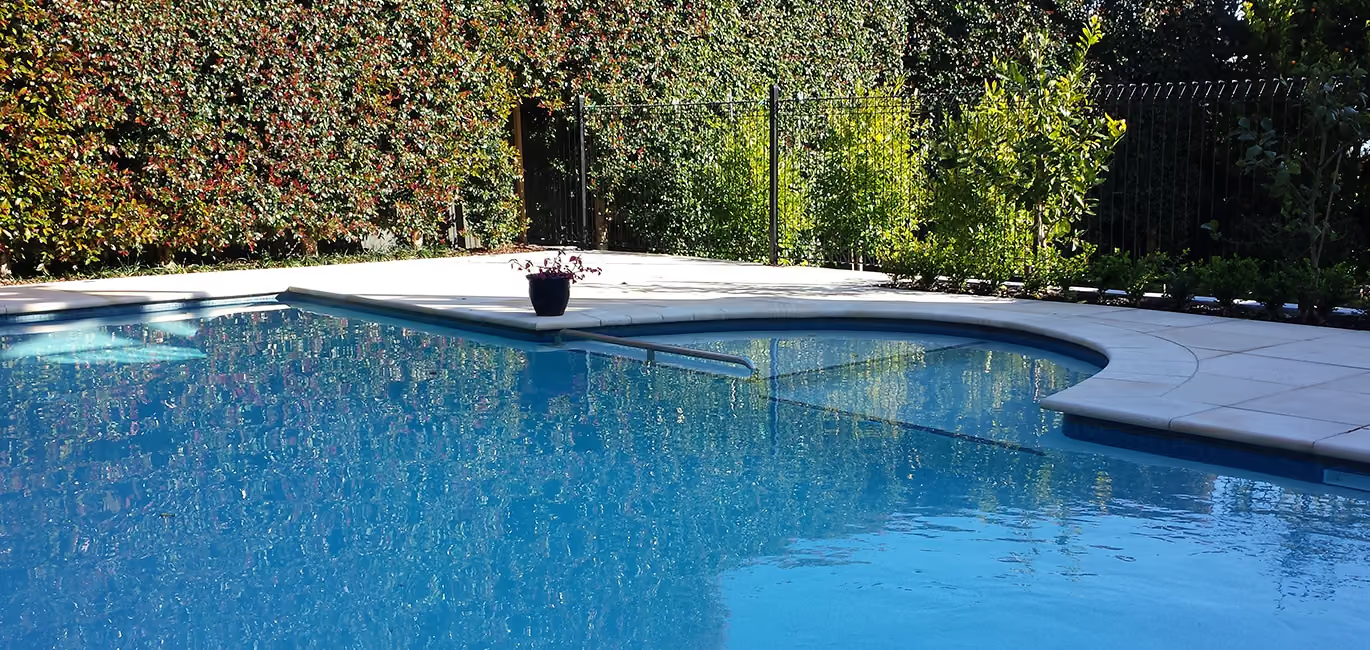
Explore examples of pool heater upgrades, heating advice and equipment support completed for Auckland homeowners, landlords, managed properties and shared pool facilities.
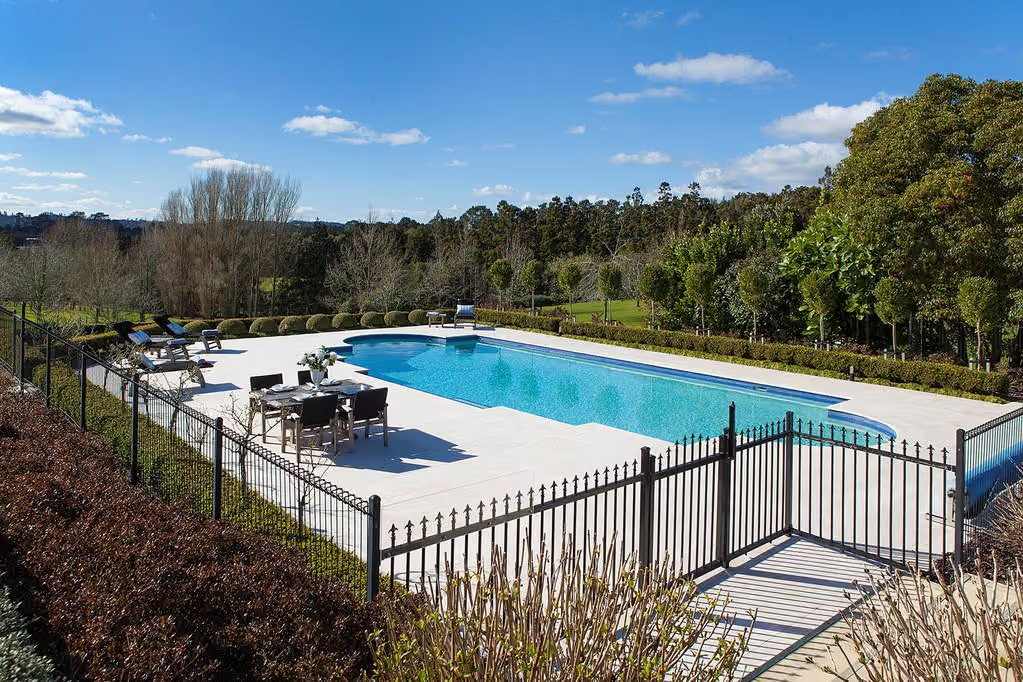
Trusted by Homeowners Across Auckland
Don't just take our word for it. Read what our clients have to say about our transparent communication, reliable service, and stunning pool transformations.
Auckland Service Areas
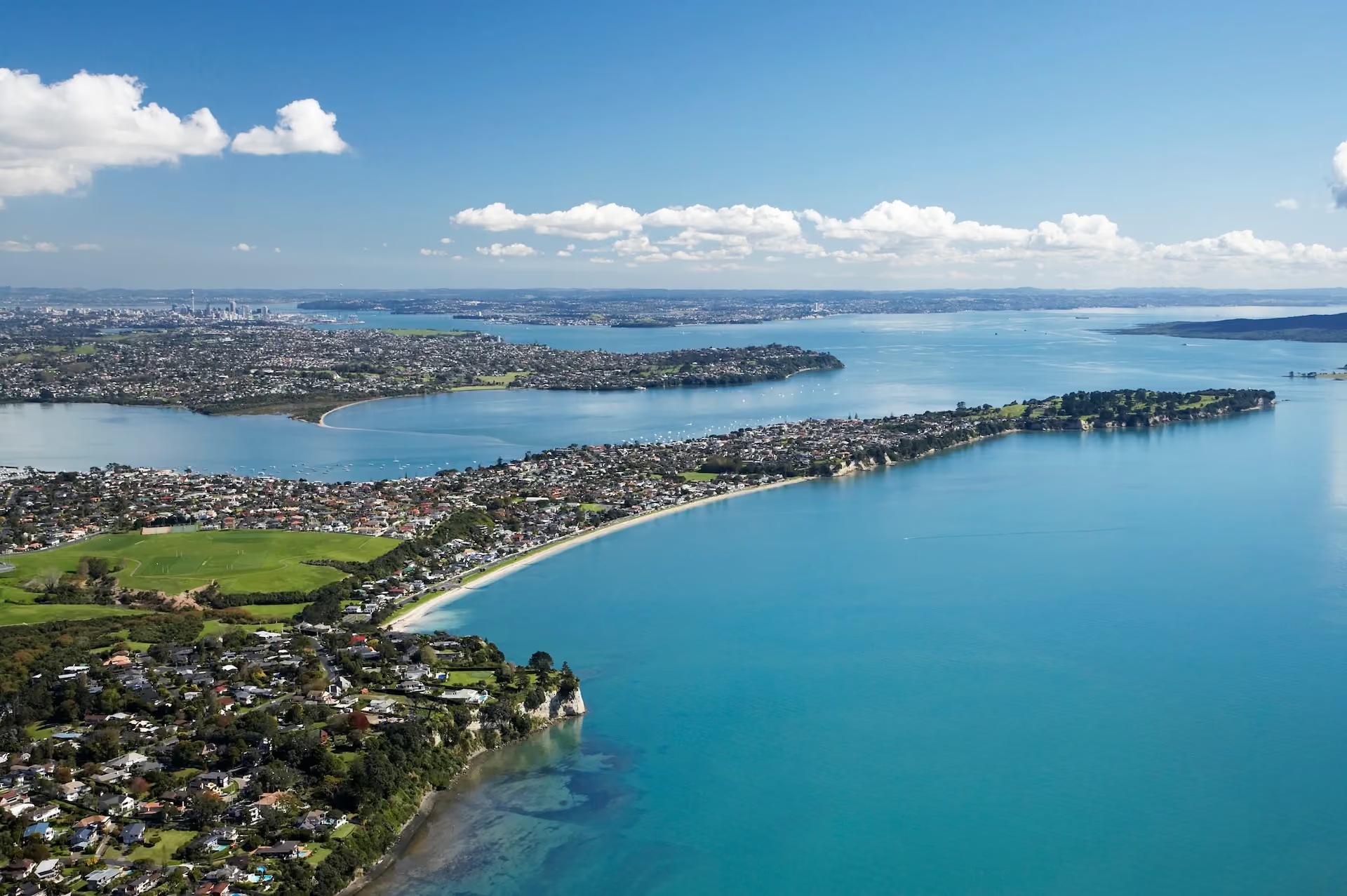
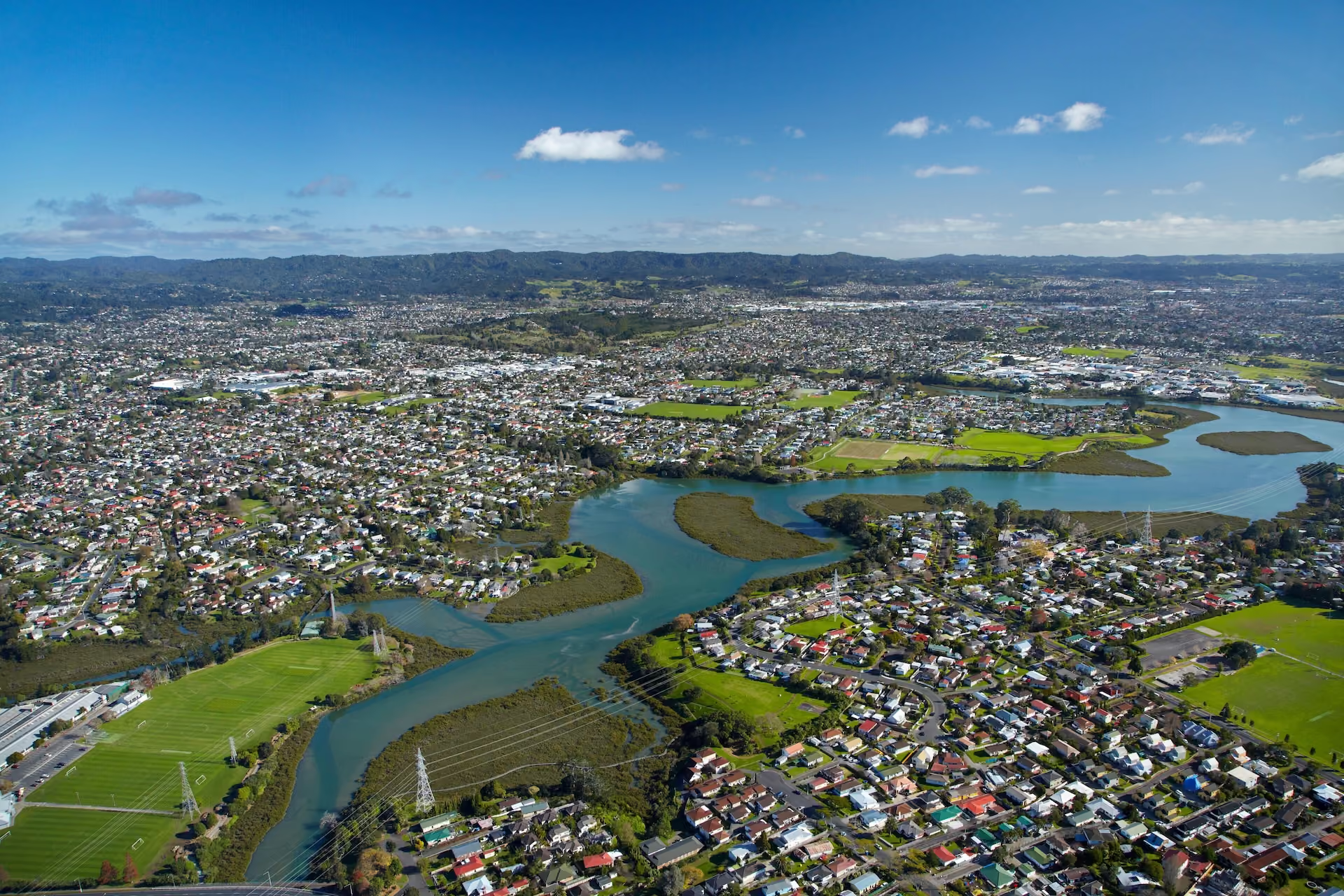
Sparkling Pools provides pool heating solutions across Auckland, with support for product selection, equipment compatibility and heating system advice. View the service locations to see where our pool heating support may be available for your property.
Browse by Region

.avif)


.avif)
Make More Use of Your Pool
A suitable pool heater can make swimming more comfortable and help your pool feel more usable through changing Auckland conditions.