Pool Equipment Buy or Service
Why Auckland trusts our pool service expertise
Whether to buy pool equipment yourself or have your pool company supply it depends on the type of equipment, the complexity of installation, and what warranty coverage you need.
For most core pool systems, pumps, filters, heaters, and chlorinators, having a qualified pool company supply and install the equipment reduces the risk of compatibility issues, protects your warranty, and gives you a single point of contact if something goes wrong.
What you'll learn
The Short Answer
You can buy pool equipment yourself, and sometimes it makes sense. But there are real advantages to having your pool company supply and install it, particularly around compatibility, warranty, and what happens when something goes wrong.
This guide covers both options honestly so you can decide what works best for your situation.
---
What Pool Equipment Are We Talking About?
This question comes up most often with:
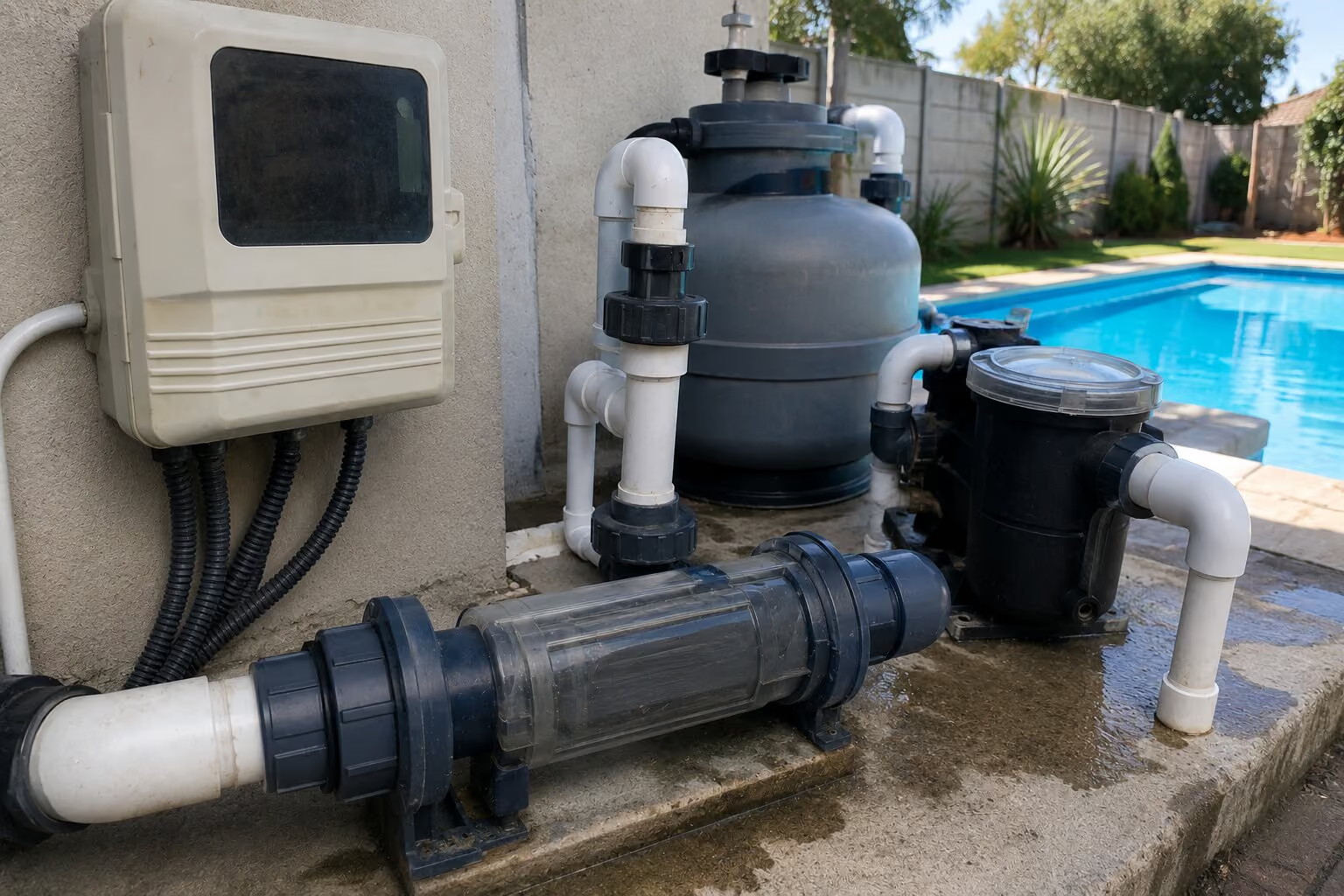
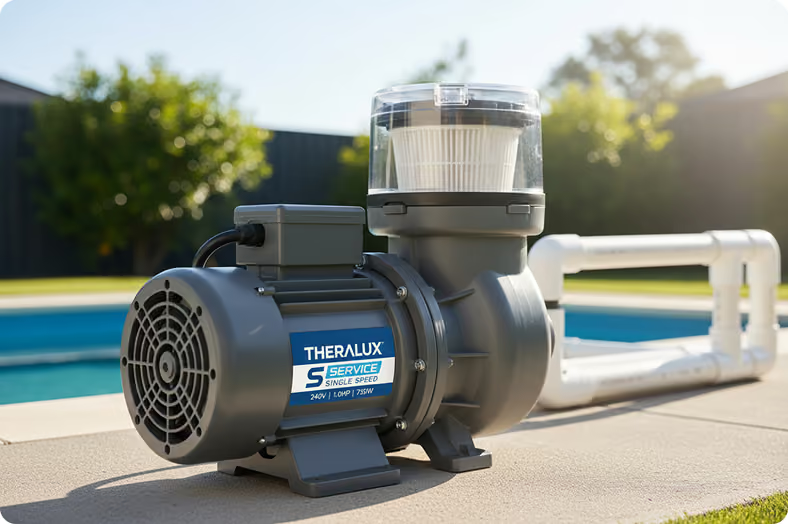
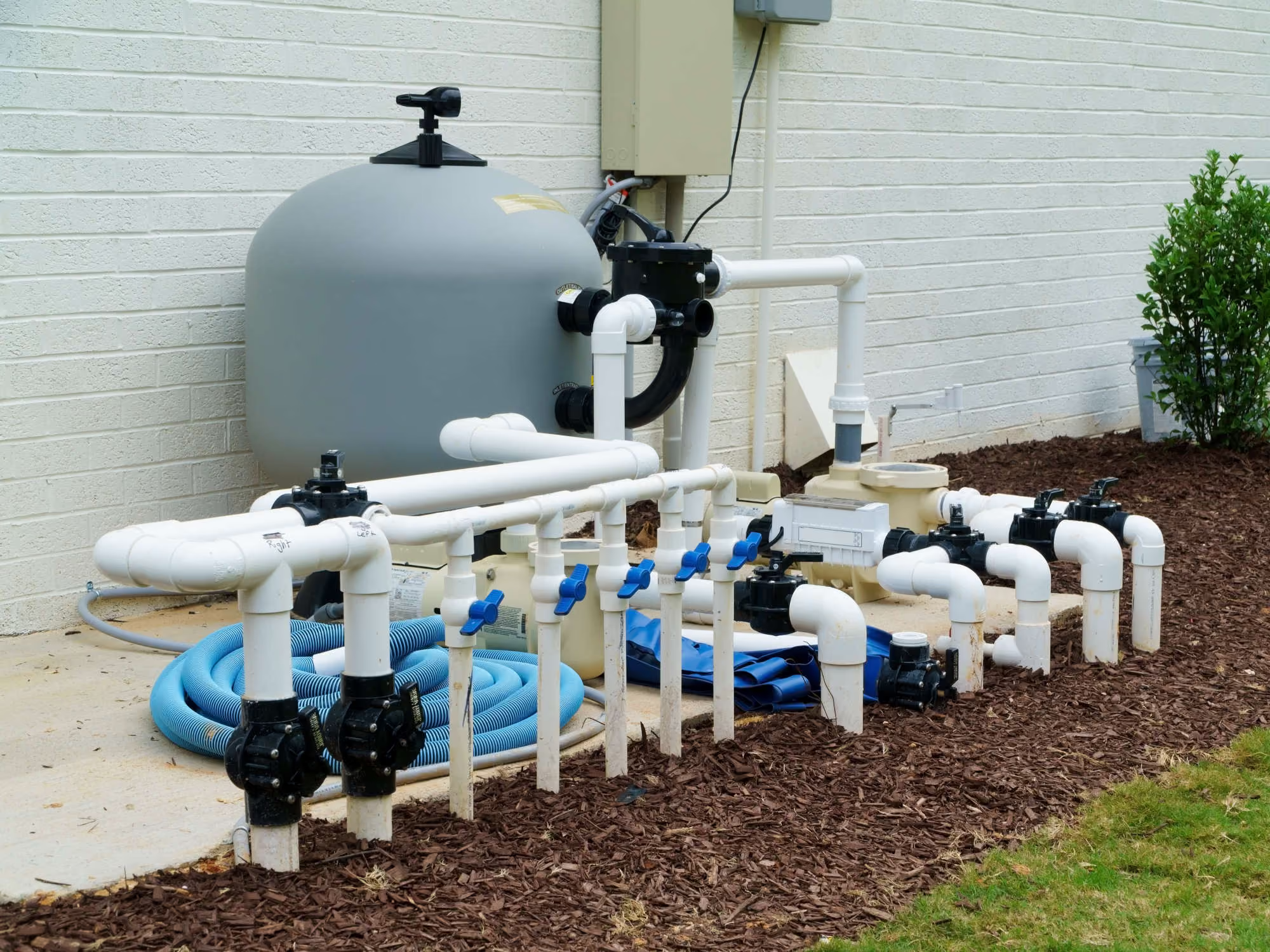
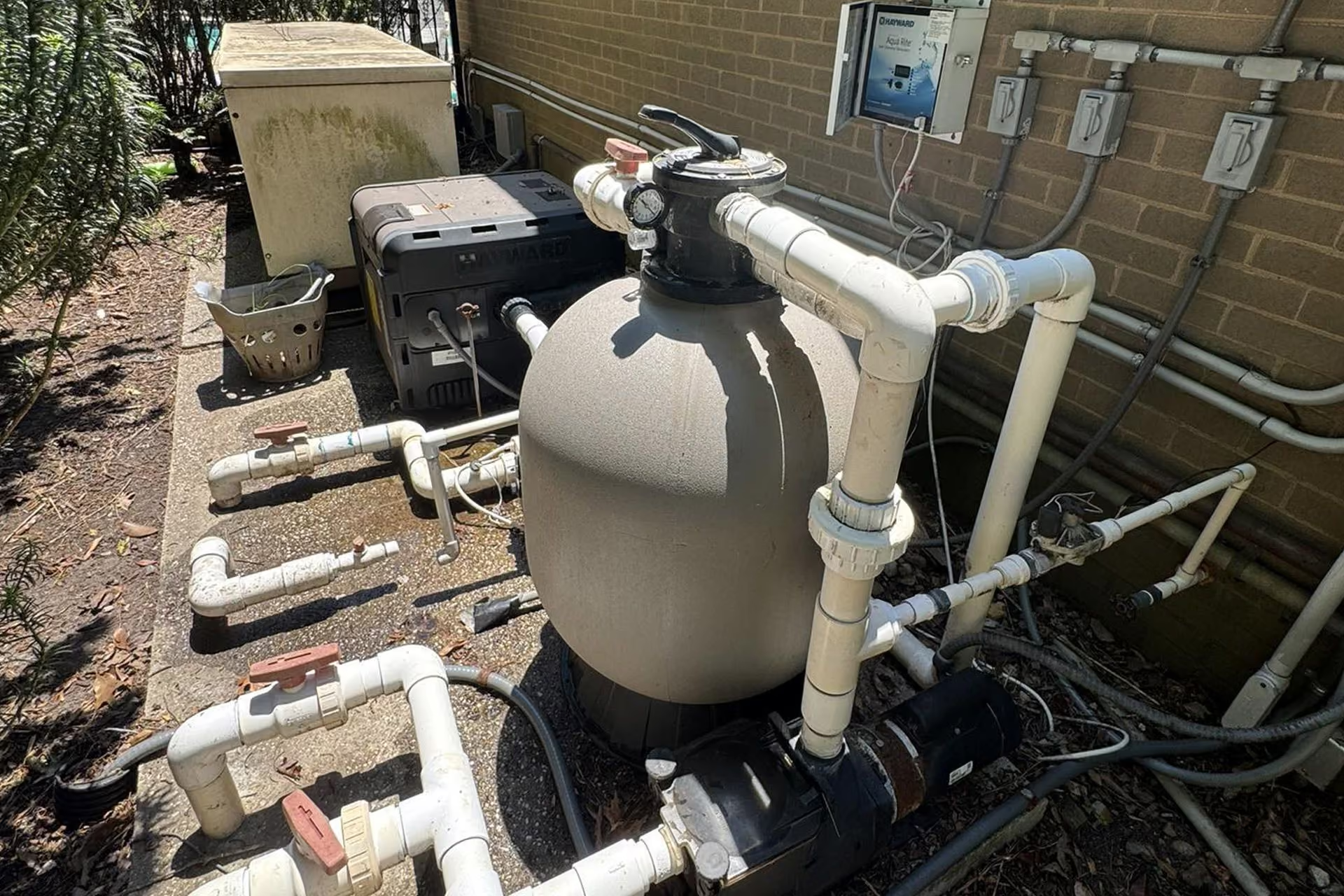
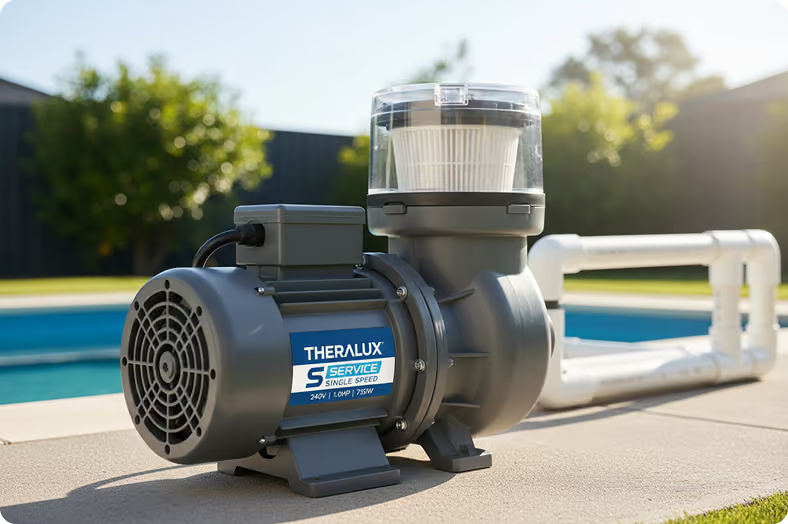
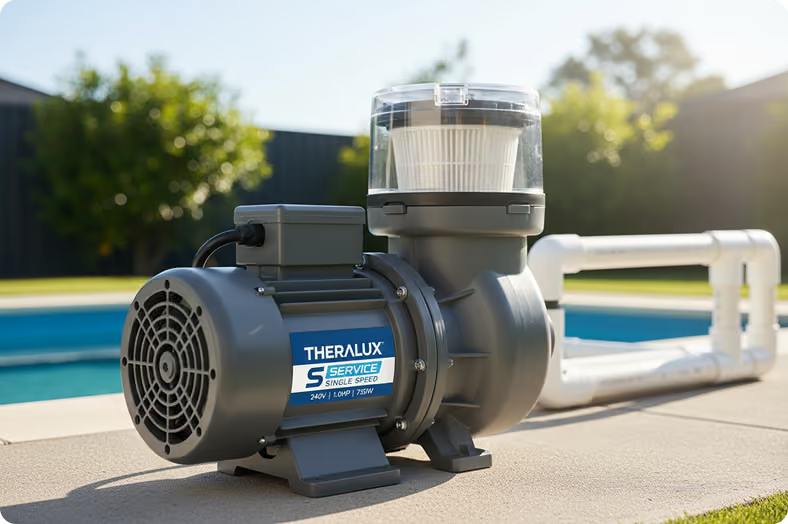
- Pumps, the heart of your circulation system
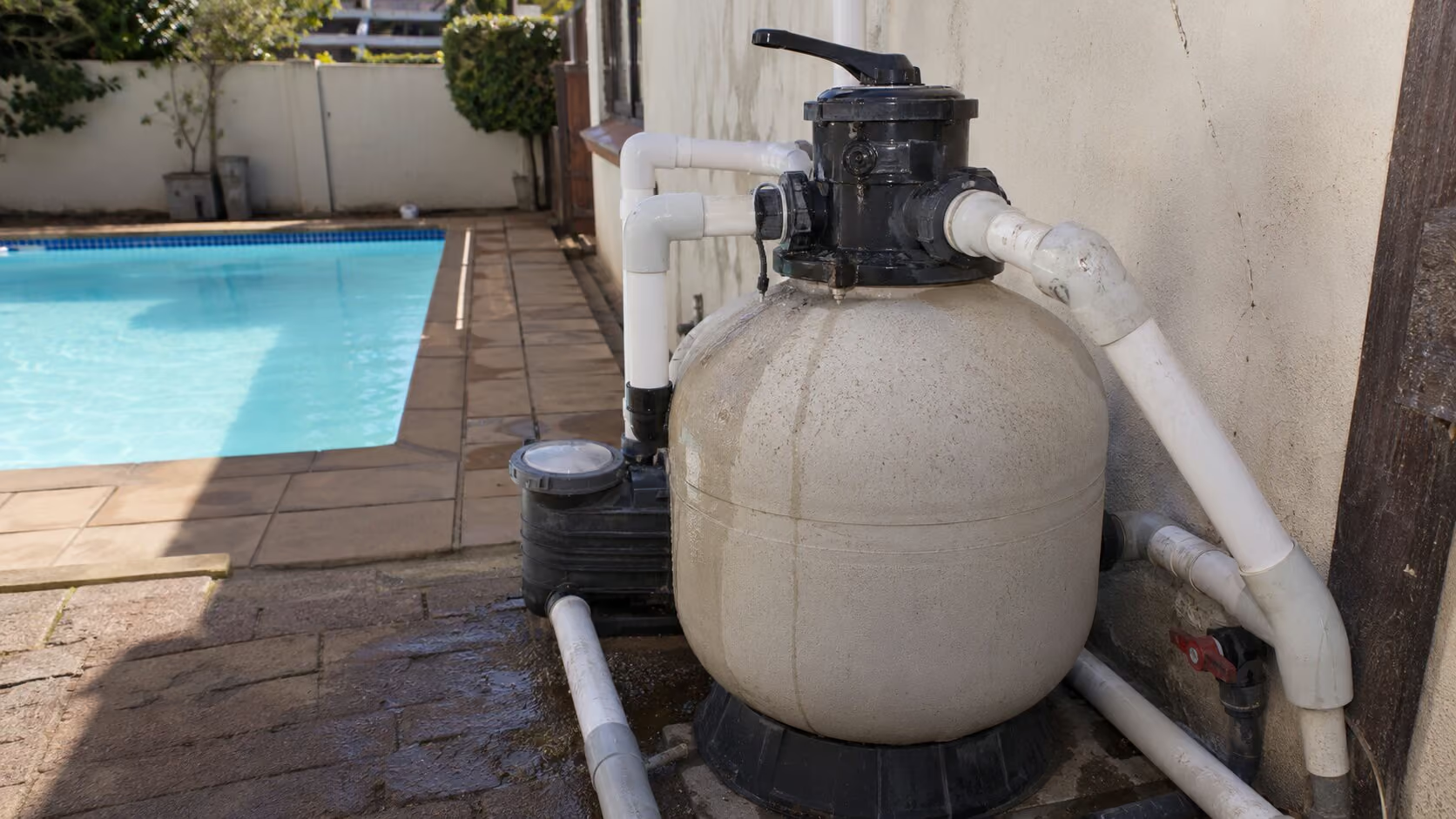
- Filters, sand, cartridge, or DE
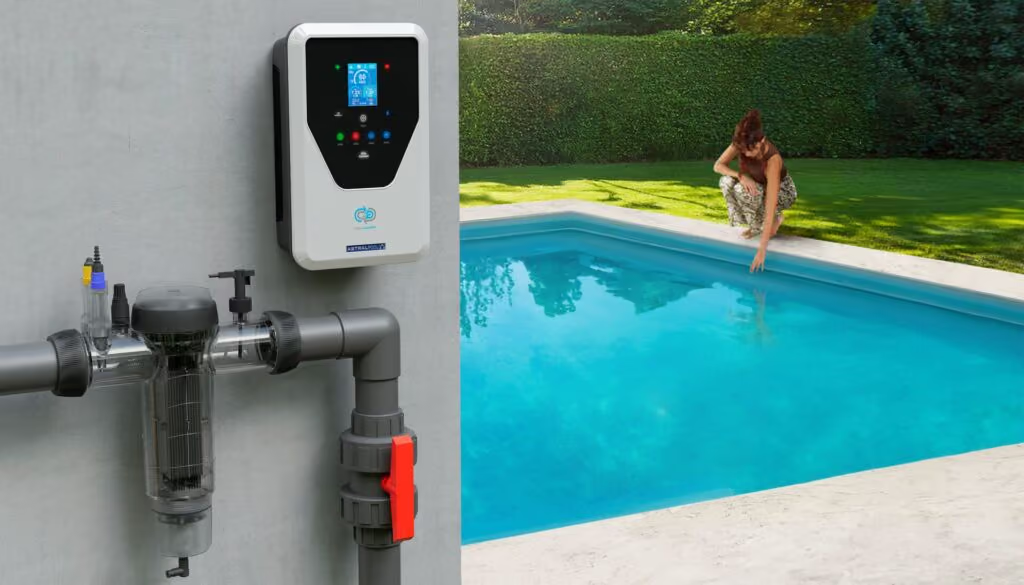
- Salt water chlorinators, including the cell and control unit
- Heat pumps and gas heaters
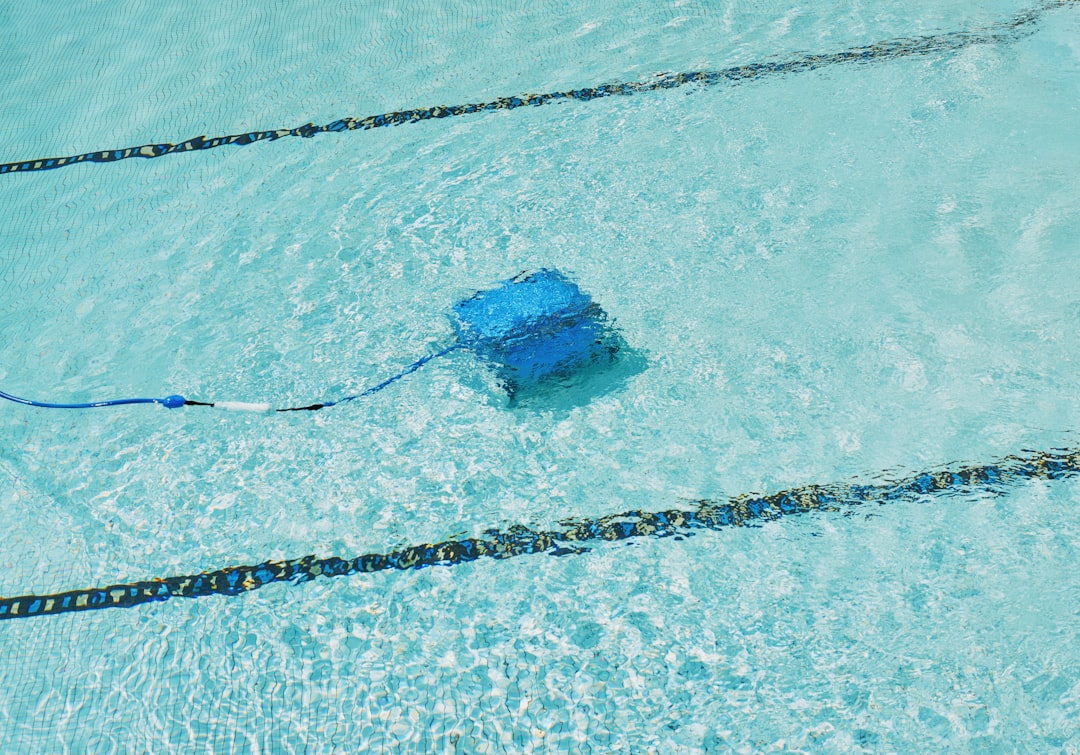
- Robotic and automatic pool cleaners
- Pool lights and LED fittings
- Chemical dosing systems
Smaller consumables, chemicals, test kits, filter media, are a different conversation. This guide focuses on the bigger-ticket equipment where the supply decision genuinely matters.
---
Buying Equipment Yourself: What to Know
The appeal is obvious
Online retailers and pool supply stores make it easy to compare prices and order equipment directly. If you know exactly what you need, you can sometimes save money upfront.
The risks are real
The savings can disappear quickly if the equipment turns out to be incompatible with your existing system, or if something goes wrong and the warranty claim becomes complicated.
Here are the main things to consider:
Compatibility
Pool equipment needs to match your pool's volume, pipe sizing, existing fittings, and electrical setup. A pump that's too large or too small for your system will either underperform or cause problems elsewhere. Getting this right requires knowing your pool's specifications, not just the model number of the old unit.
Warranty and support
Most equipment warranties require professional installation. If you buy a unit and install it yourself, or have someone unqualified install it, the warranty may be void before the equipment has run a single cycle. Check the terms carefully before purchasing.
Installation
Some equipment can be swapped out relatively simply. Other items, particularly anything involving electrical connections, gas lines, or plumbing modifications, require a licensed tradesperson. Attempting this work without the right qualifications is both unsafe and potentially illegal in New Zealand.
What happens when it fails
If you sourced the equipment yourself and something goes wrong, the diagnosis, sourcing of parts, and repair all fall to you to coordinate. If your pool company supplied it, they already know the unit, have the service history, and can usually resolve issues faster.
---
Having Your Pool Company Supply Equipment: What to Know
It's not just about convenience
When a pool company supplies and installs equipment, they're taking on responsibility for the outcome, not just the labour. That changes the dynamic significantly.
What you typically get
Correct specification from the start
A good pool company will assess your pool before recommending equipment. They'll match the unit to your pool's volume, existing pipework, and how the pool is used. This reduces the risk of buying something that technically works but isn't right for your setup.
Proper installation
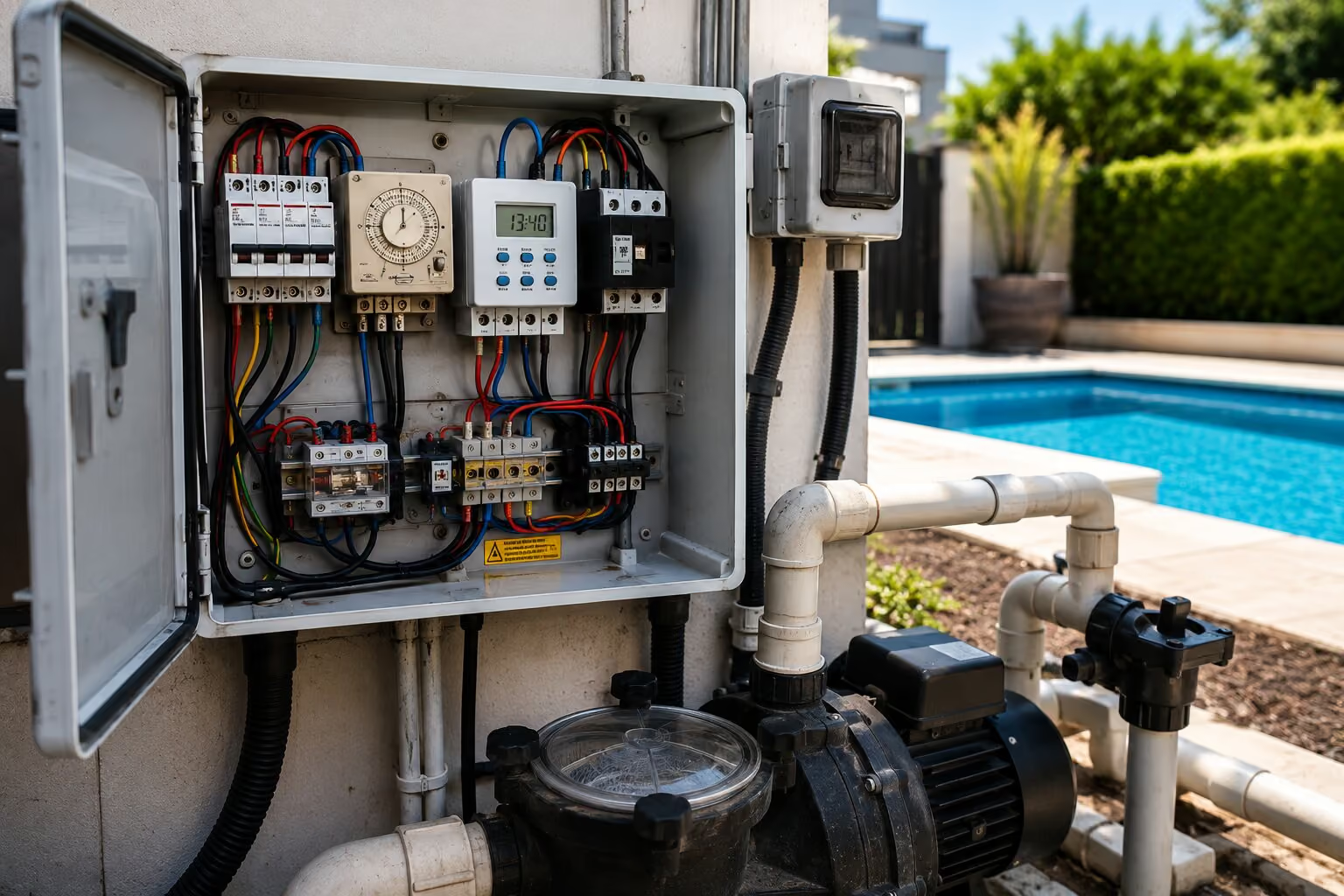
Equipment installed by a qualified technician is installed correctly. Electrical connections are done to code. Plumbing is sealed properly. The system is commissioned and tested before the technician leaves.
Warranty that holds
Because the installation is done professionally, the manufacturer warranty applies as intended. If the unit develops a fault within the warranty period, the claim process is straightforward.
Ongoing service relationship
If the company that supplied your equipment also services your pool, they have the full picture. They know what's installed, when it was fitted, and how it's been performing. That continuity matters when something needs attention.
---
When Buying Yourself Makes Sense
There are situations where sourcing equipment yourself is reasonable:
- You're replacing a like-for-like unit on a straightforward system and you know the exact specification
- You're a qualified tradesperson doing your own installation
- You're purchasing a robotic cleaner or other non-plumbed equipment that doesn't require professional installation
- You've confirmed with your pool company that they're happy to install a customer-supplied unit
Note that last point. Some pool companies will install equipment you've sourced yourself, but they may not offer the same warranty coverage on the installation, and they won't be responsible for compatibility issues.
---
When to Let Your Pool Company Supply It
For most homeowners, having the pool company supply and install equipment is the lower-risk option. This is especially true for:
- Any electrical equipment, pumps, heaters, chlorinators, lights
- Gas heaters, these require a licensed gasfitter regardless
- Full system upgrades, replacing multiple components at once
- Situations where your pool has non-standard plumbing or an older system
- Any time you're unsure of the specification you need
If something goes wrong with equipment your pool company supplied and installed, you have one point of contact. That's worth something.
---
Questions to Ask Before You Decide
Whether you're leaning toward buying yourself or having your company supply it, these questions are worth working through:
- Does the new equipment need to match existing pipe sizes, fittings, or electrical supply?
- Does the manufacturer warranty require professional installation?
- Is the installation work electrical, gas, or plumbing, and does it require a licensed tradesperson?
- If you buy it yourself, will your pool company install it, and on what terms?
- Who do you call if it stops working in six months?
Answering these honestly will usually point you in the right direction.
---
A Note on Equipment Quality
Not all pool equipment sold online is the same quality as what pool companies typically supply. Some lower-cost units are built to a price point that makes them attractive upfront but less reliable over time. A pool company that's been operating for years will generally stock equipment they're confident standing behind, because they're the ones who get called when it fails.
This doesn't mean everything available online is poor quality. But it's worth understanding what you're comparing when you look at price differences.
---
The Bottom Line
For straightforward, non-plumbed equipment like robotic cleaners, buying yourself is often fine. For anything involving your pool's core systems, pump, filter, chlorinator, heater, having a qualified pool company supply and install the equipment is usually the smarter long-term decision.
The upfront price difference is often smaller than it looks once you factor in installation, warranty, and the cost of getting it wrong.
Pool resurfacing solutions
Restore your pool with durable plaster finishes


Work completed
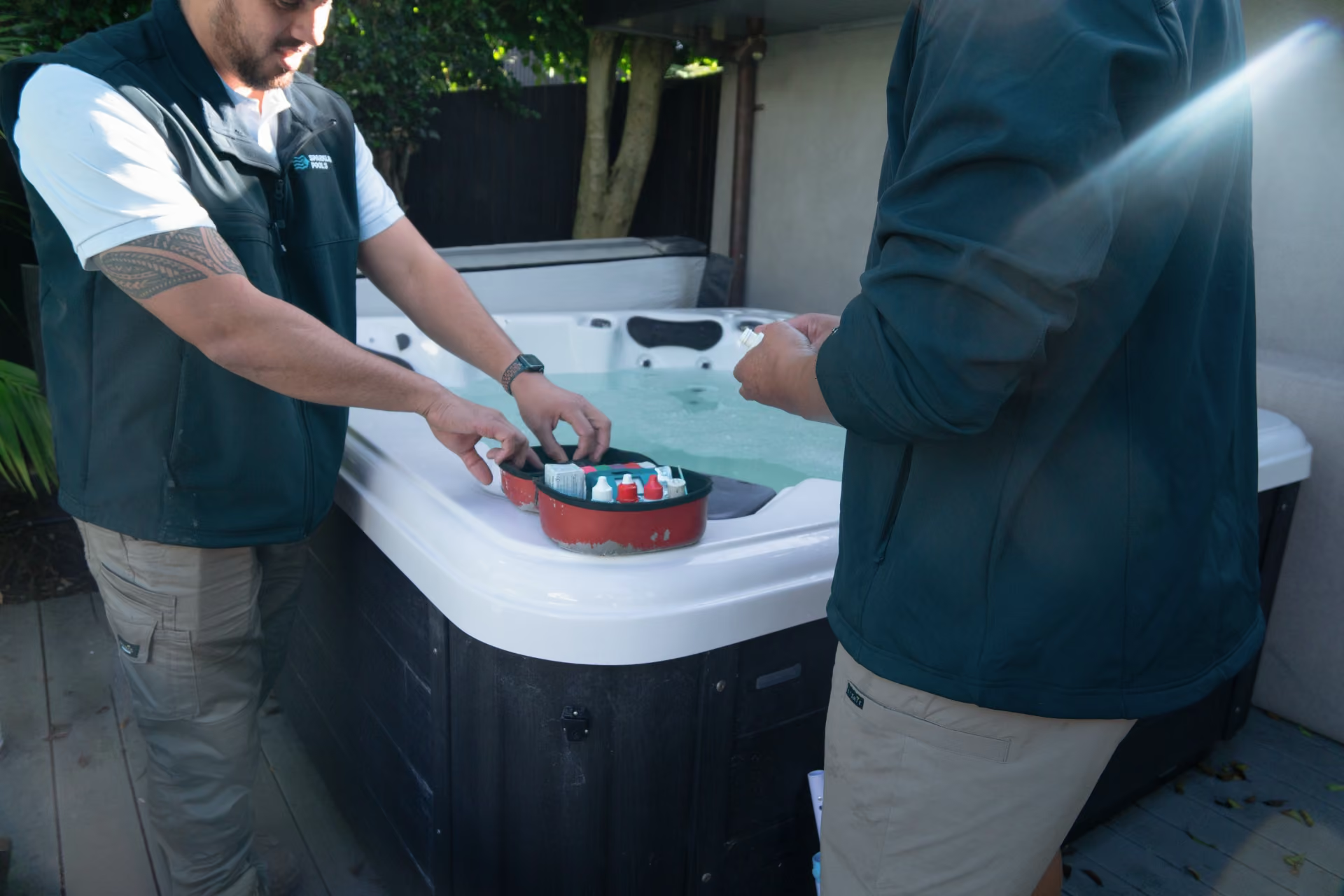
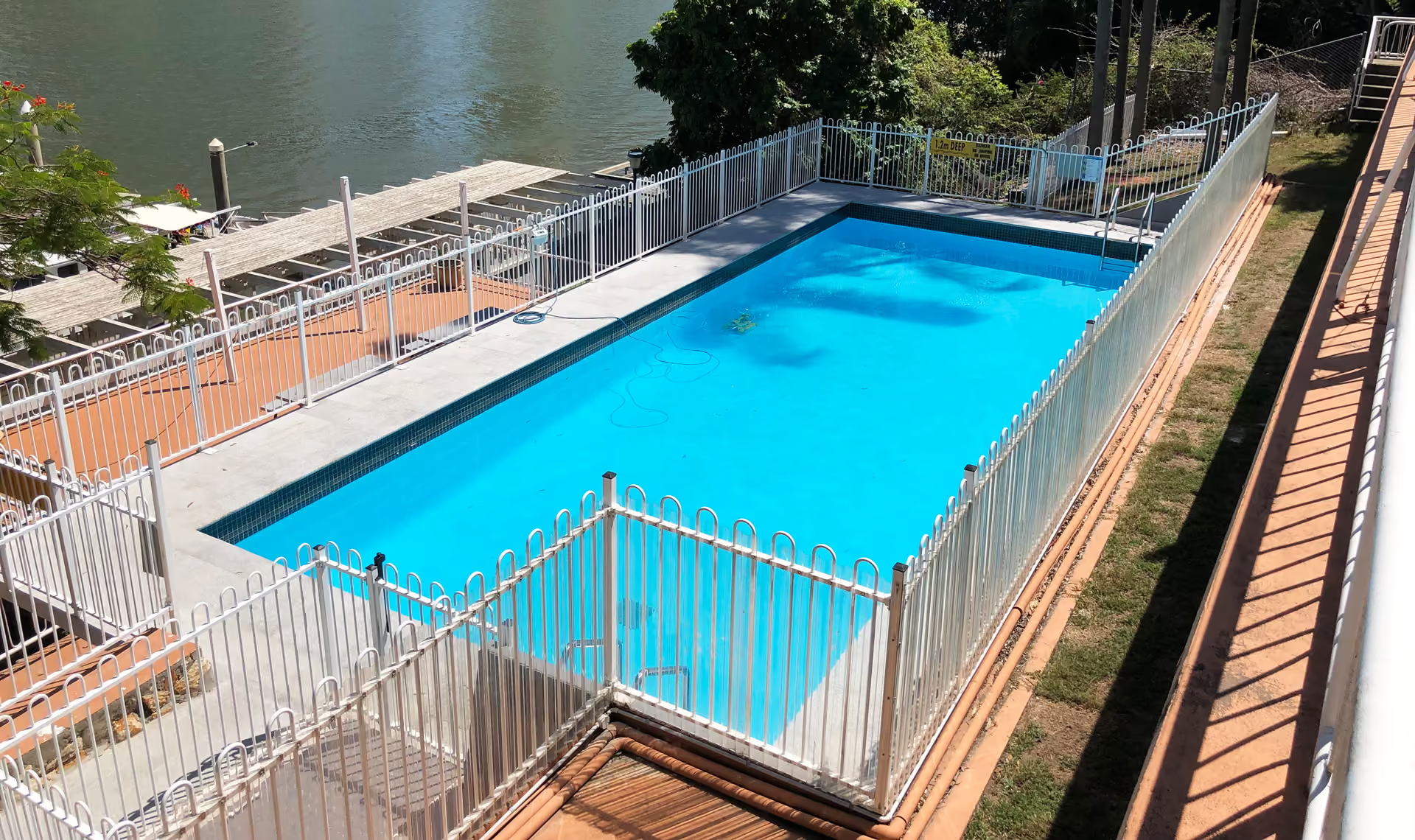
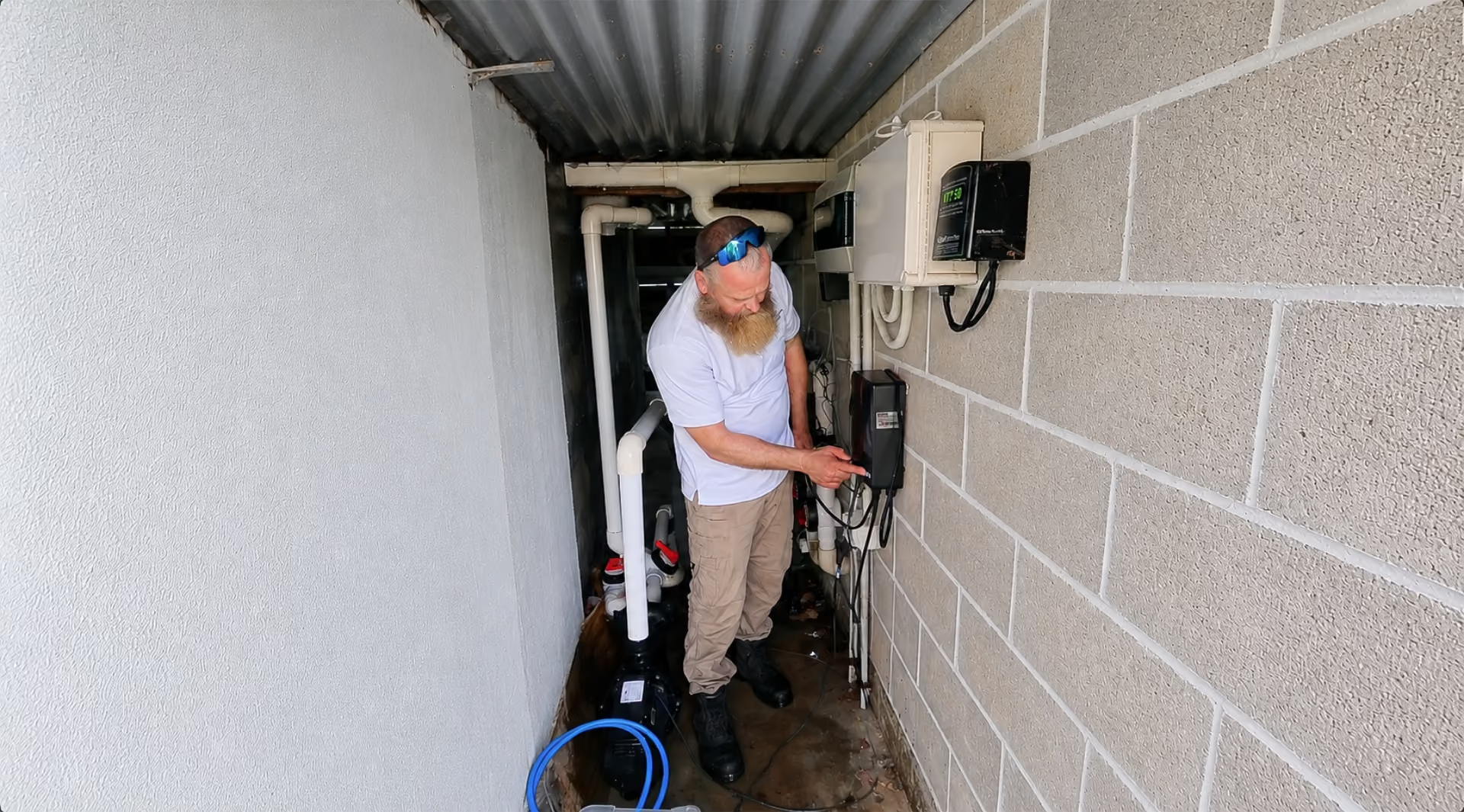
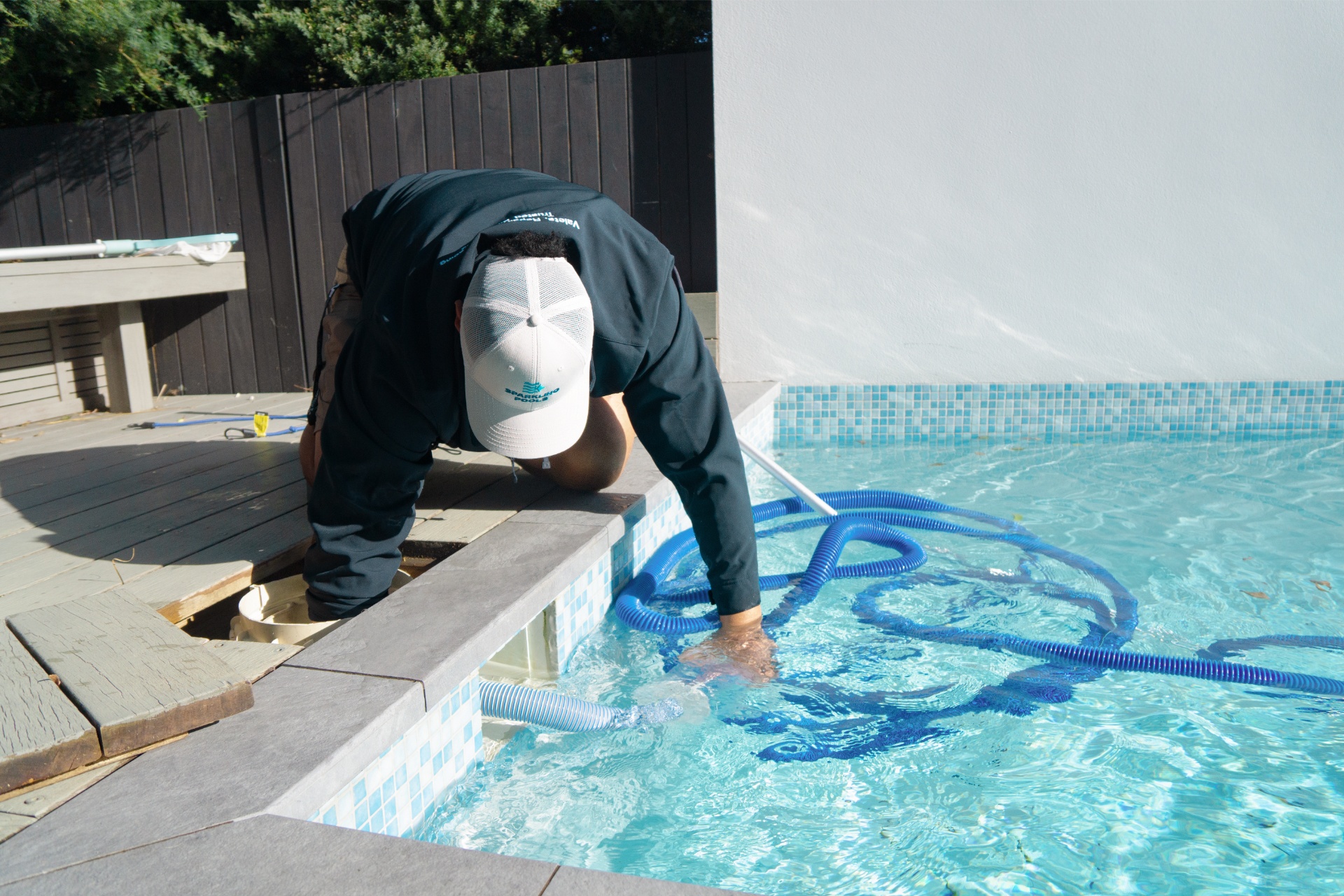
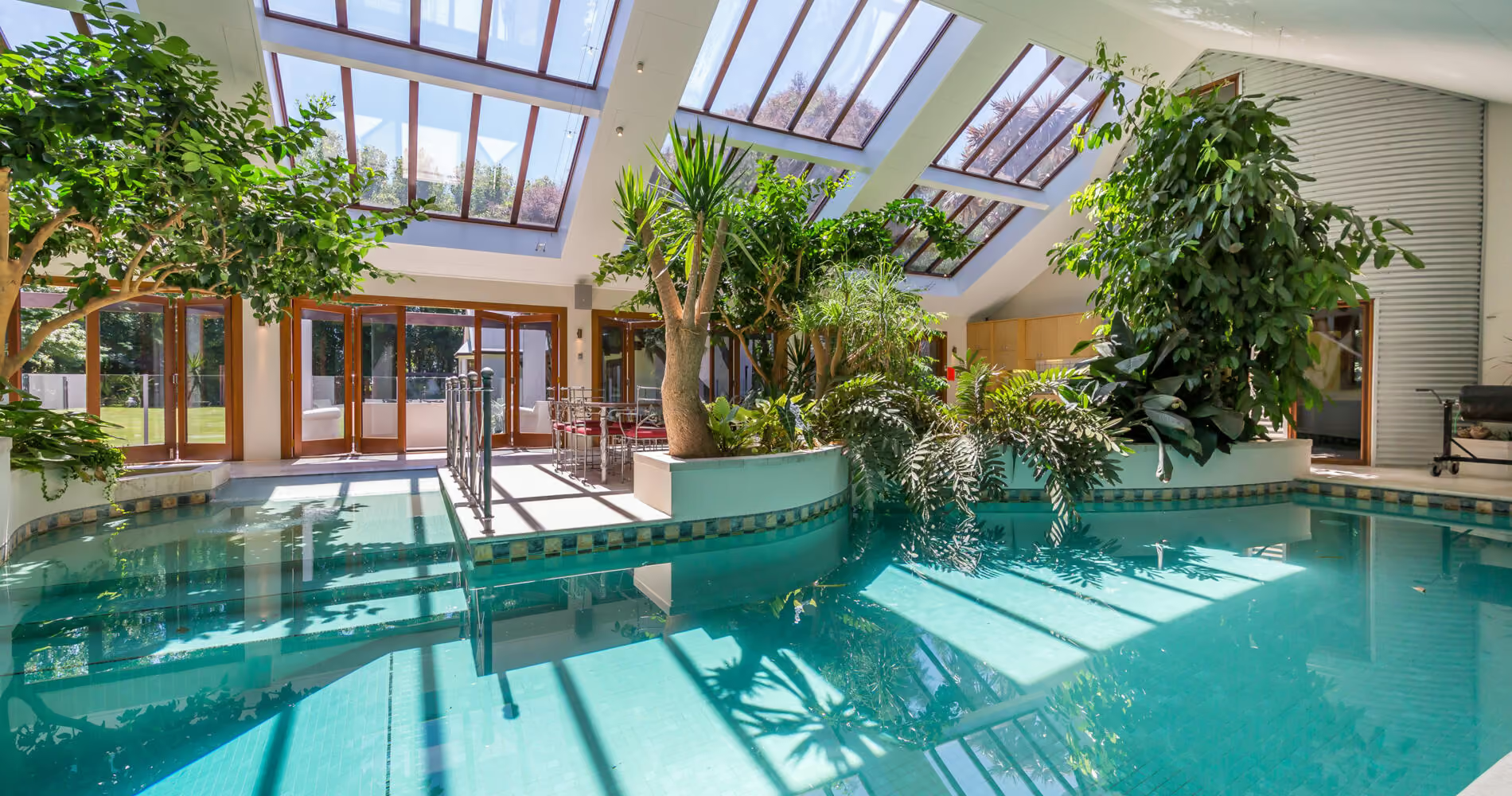
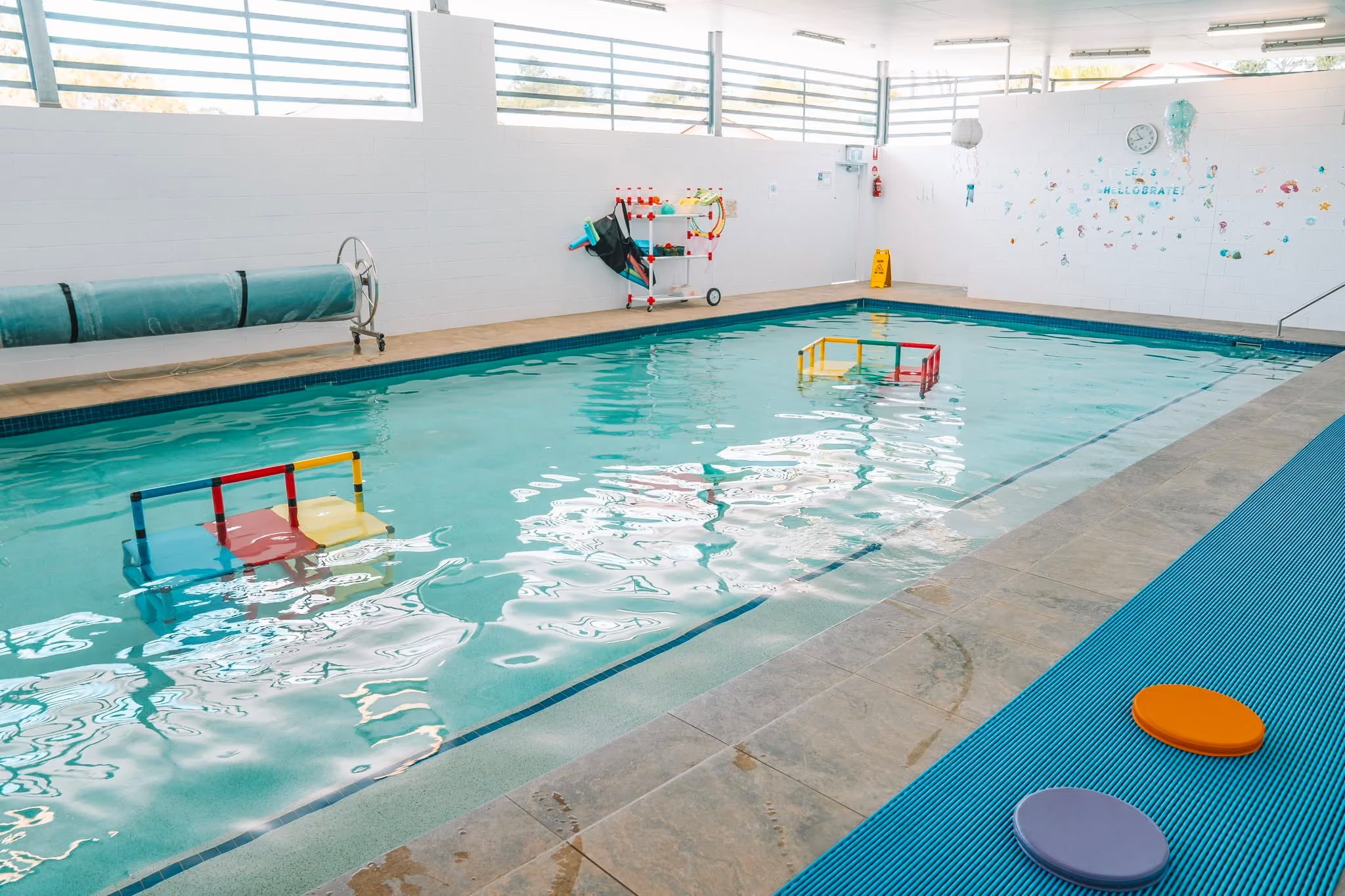
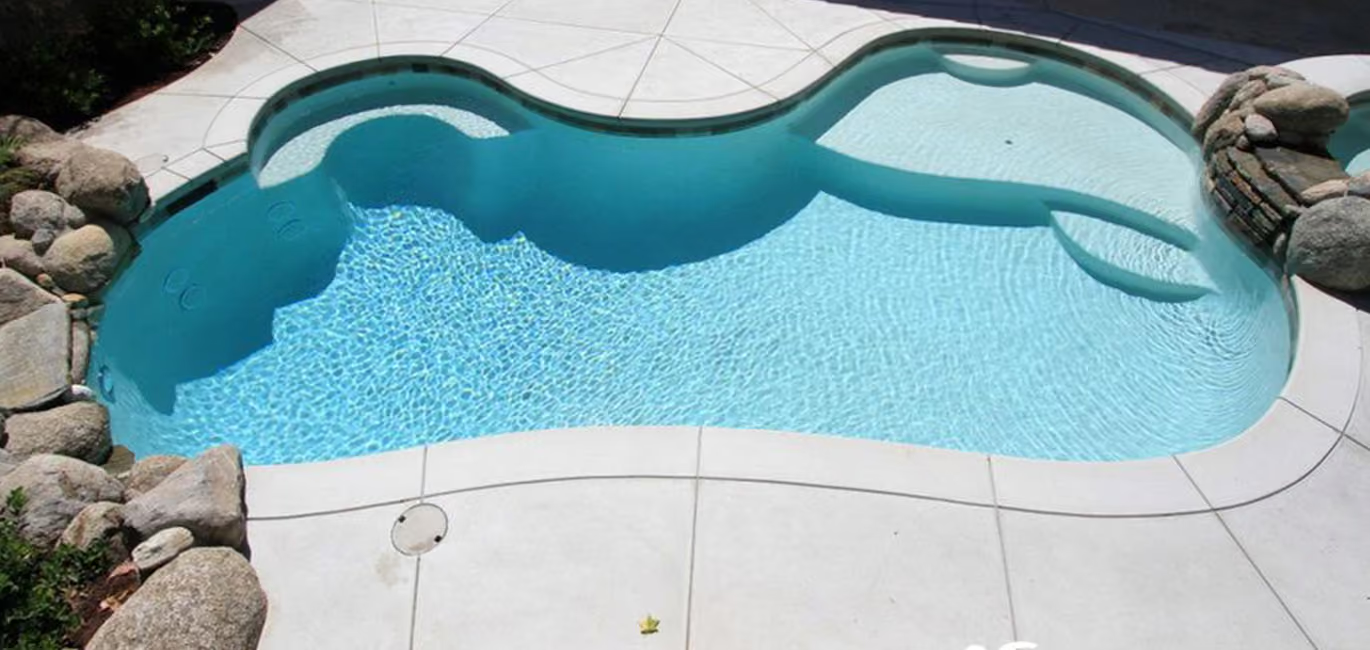
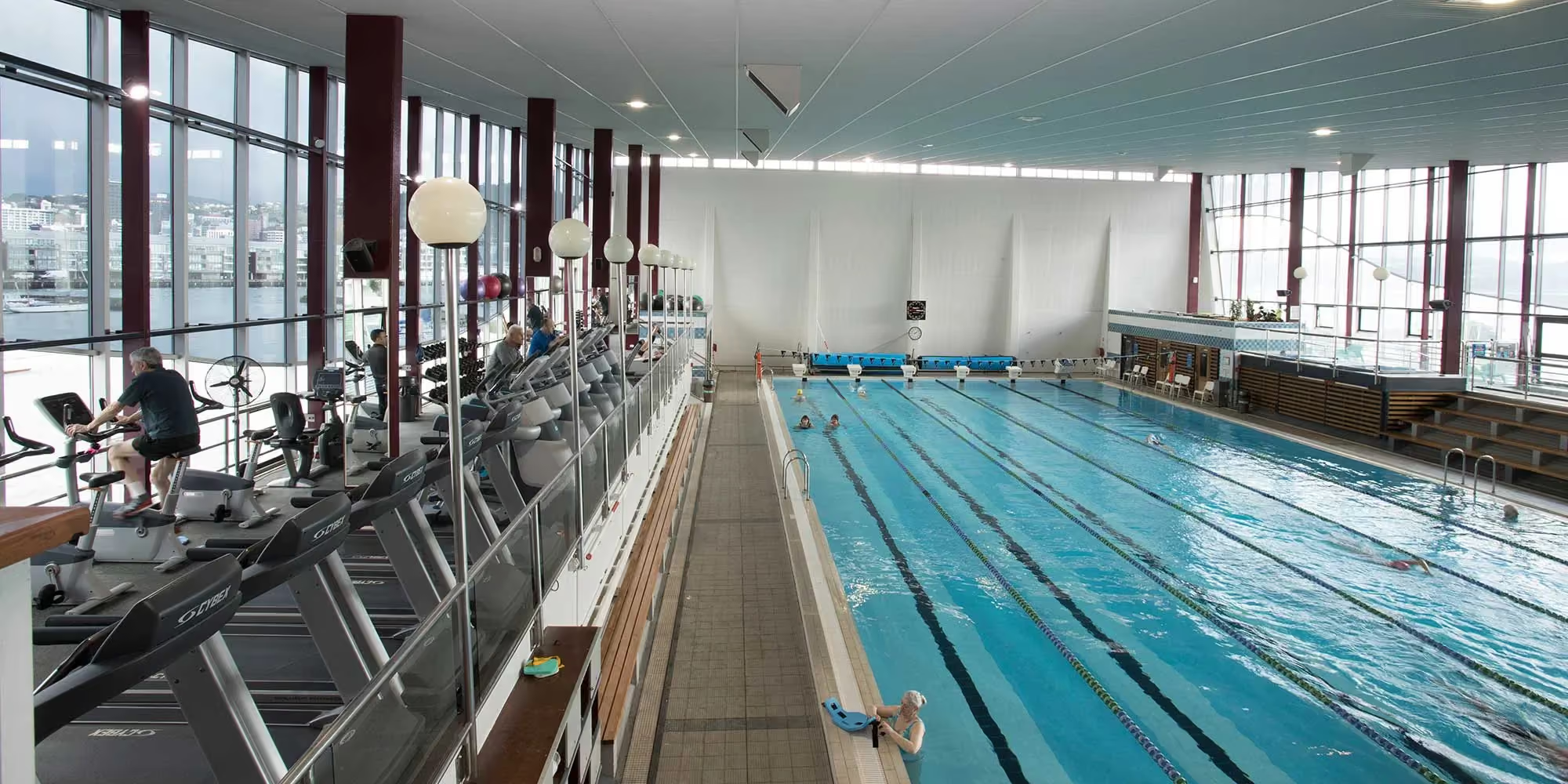
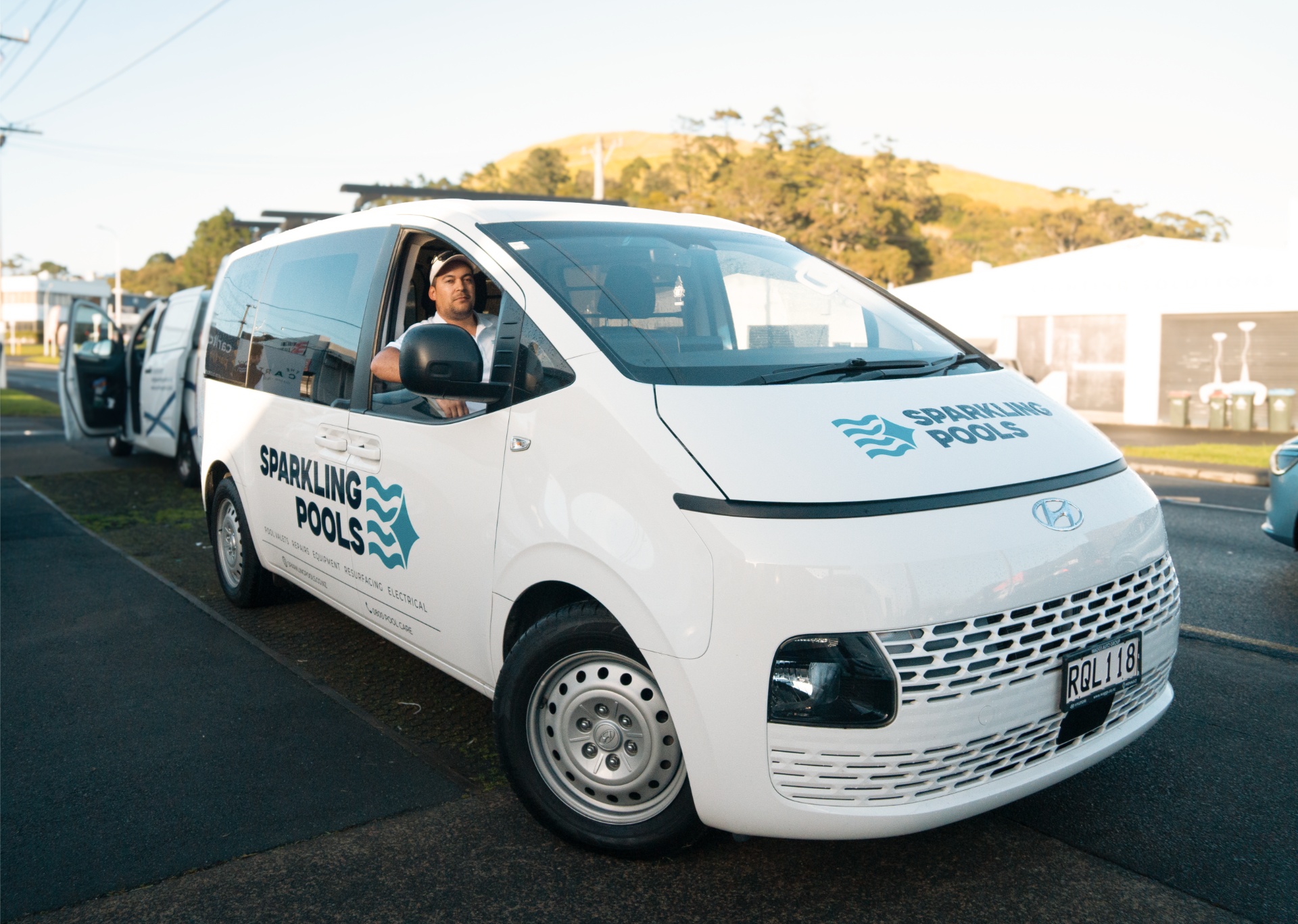
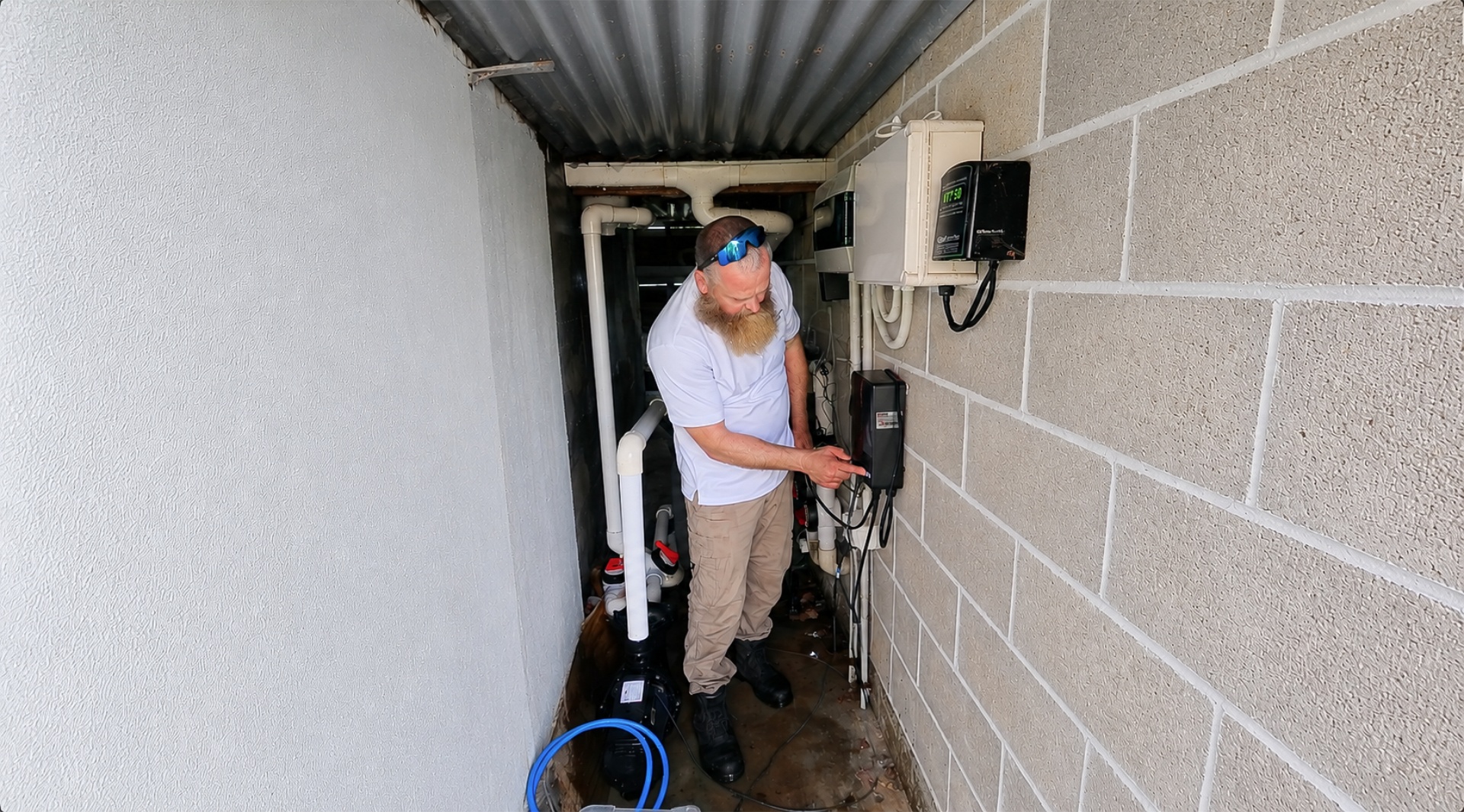
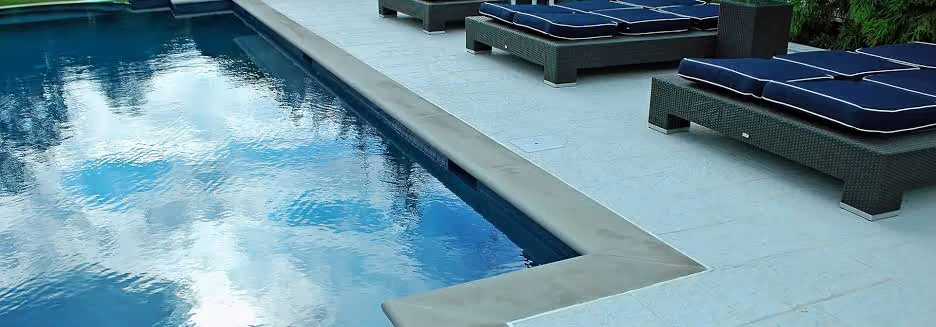
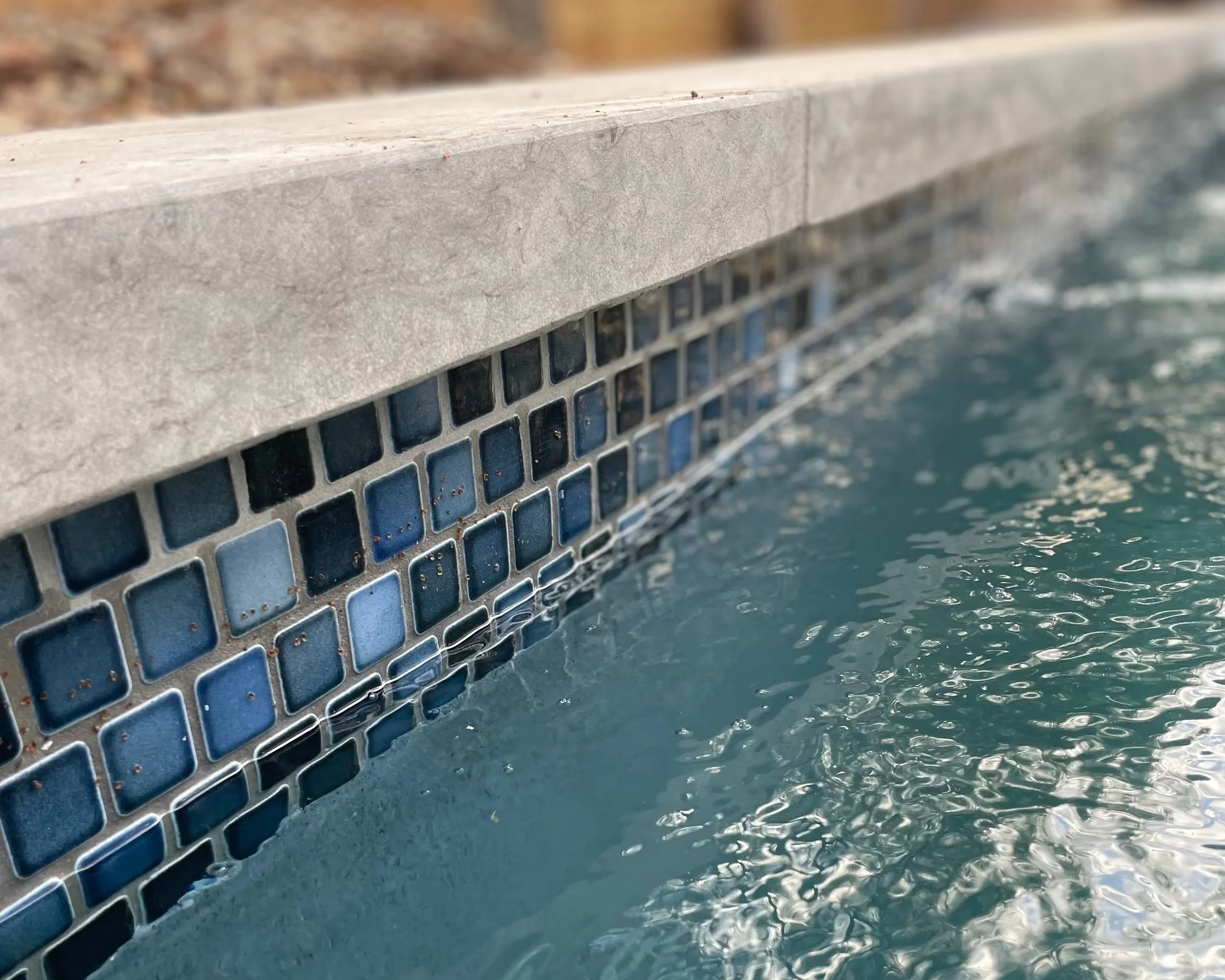
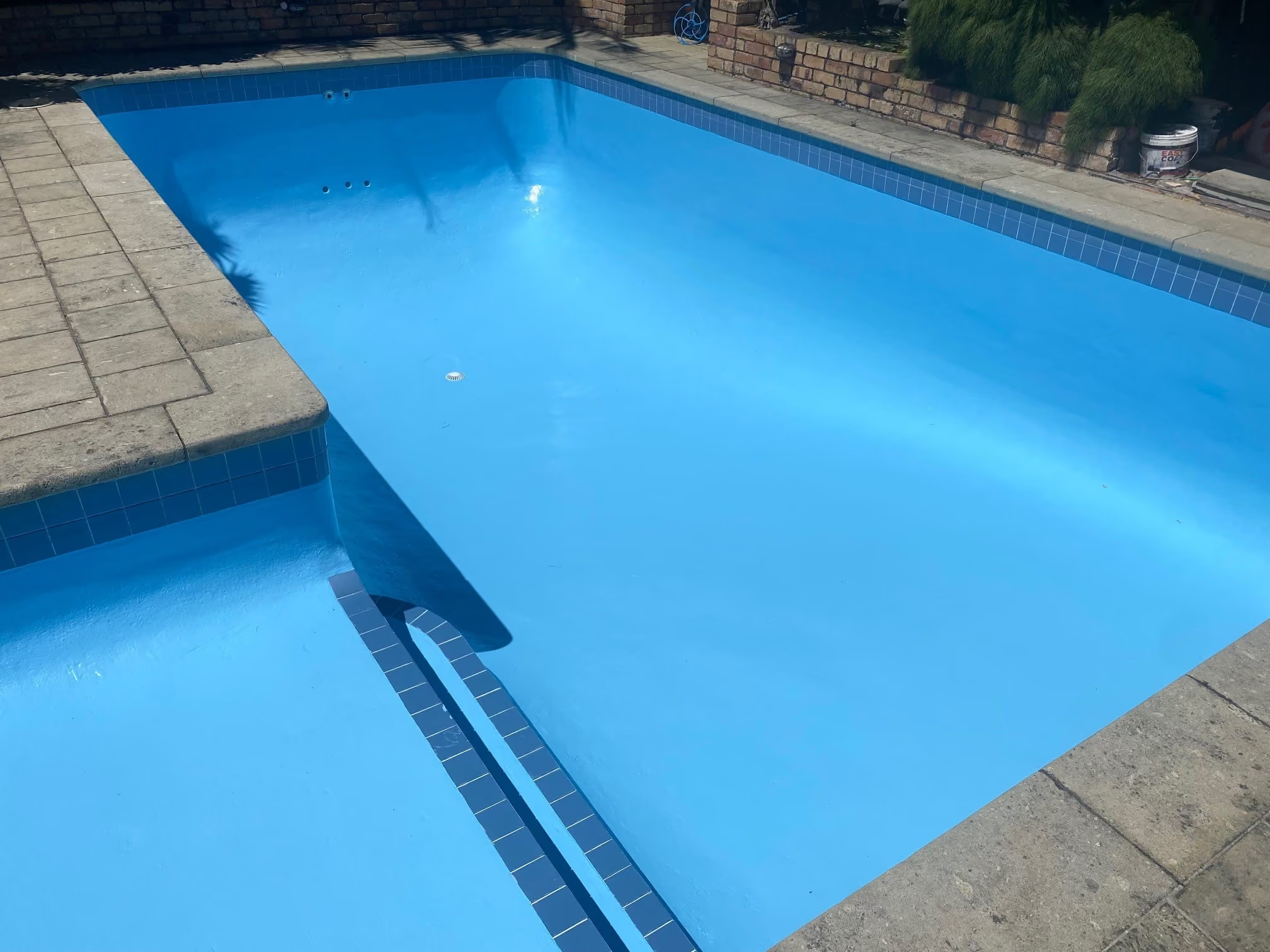
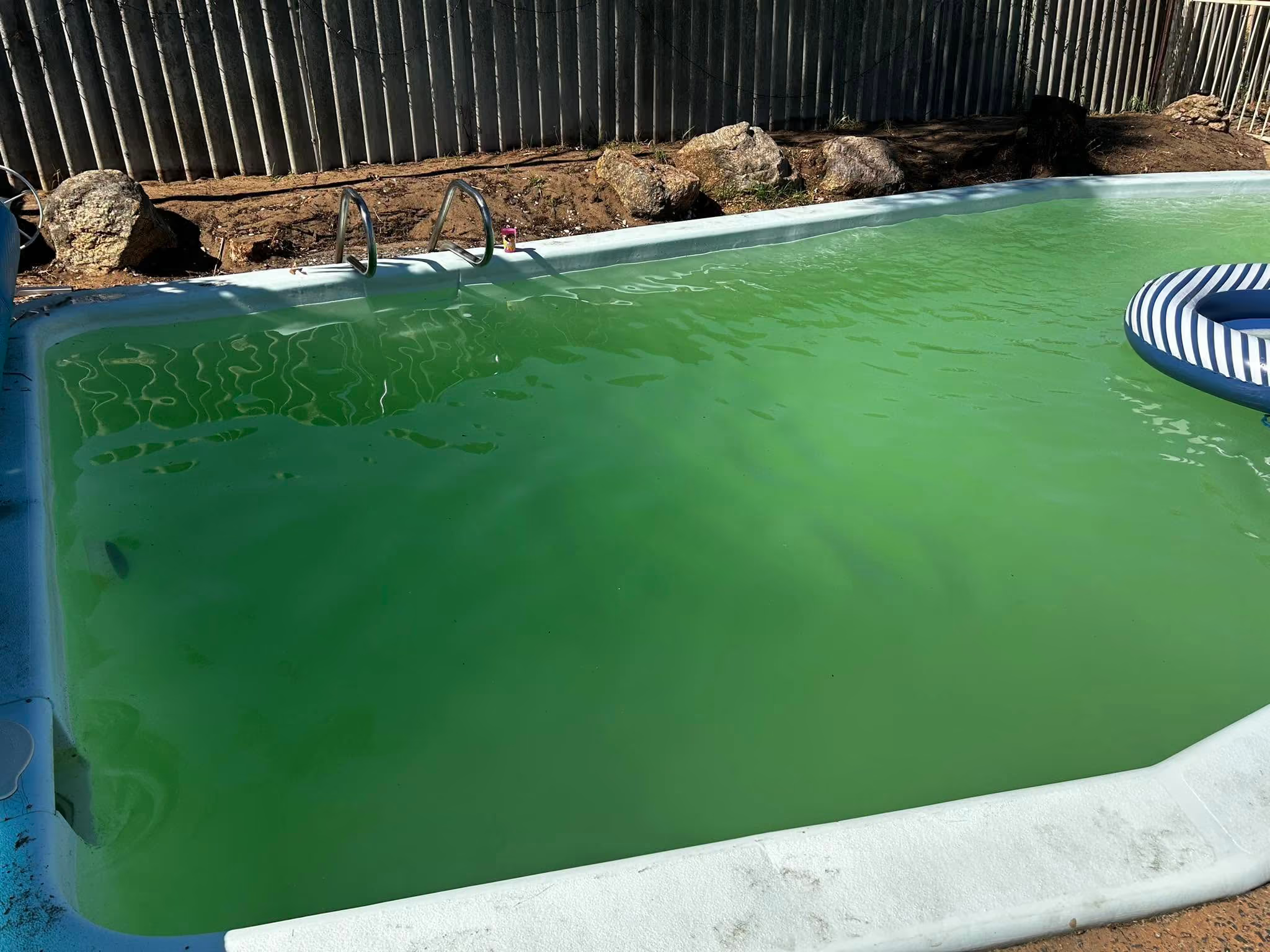
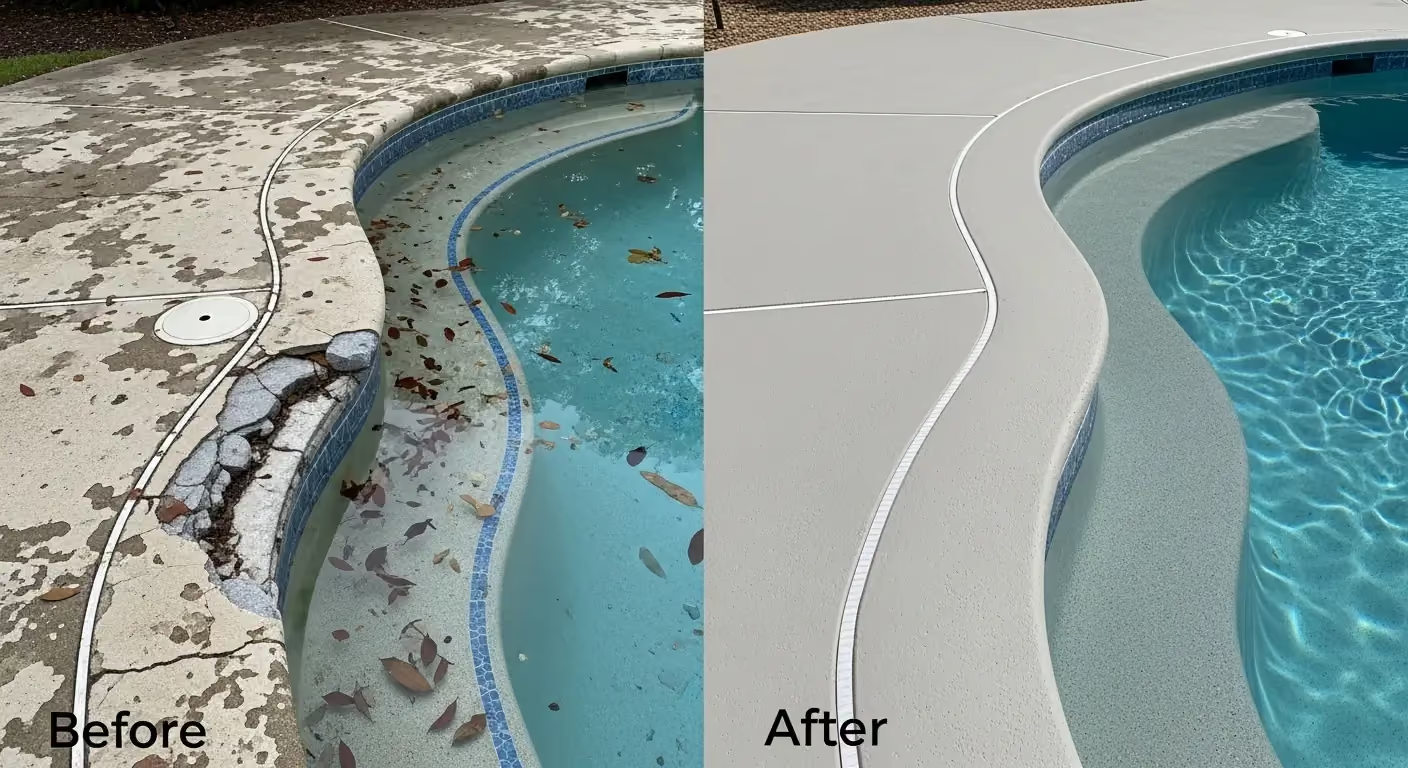
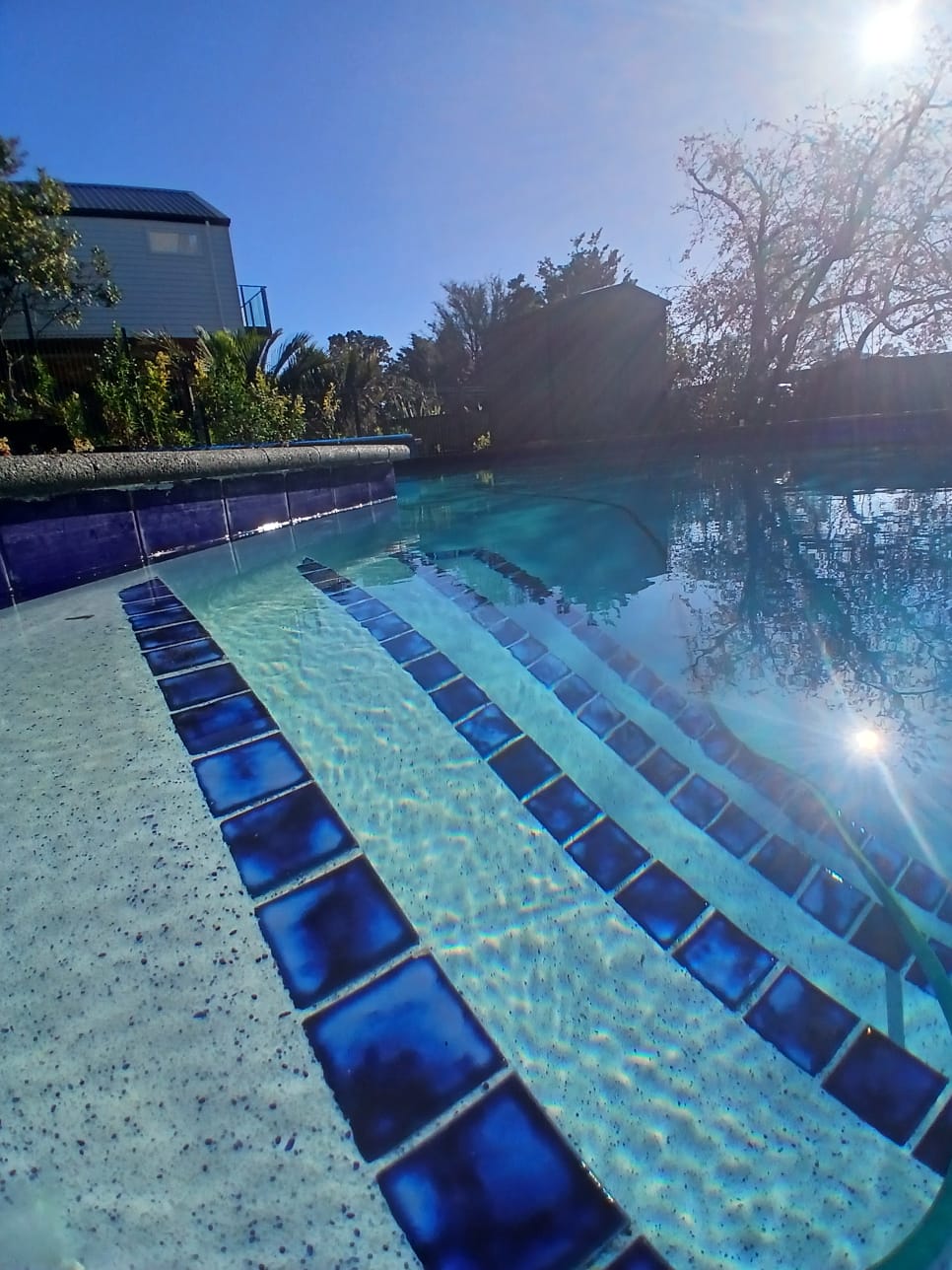
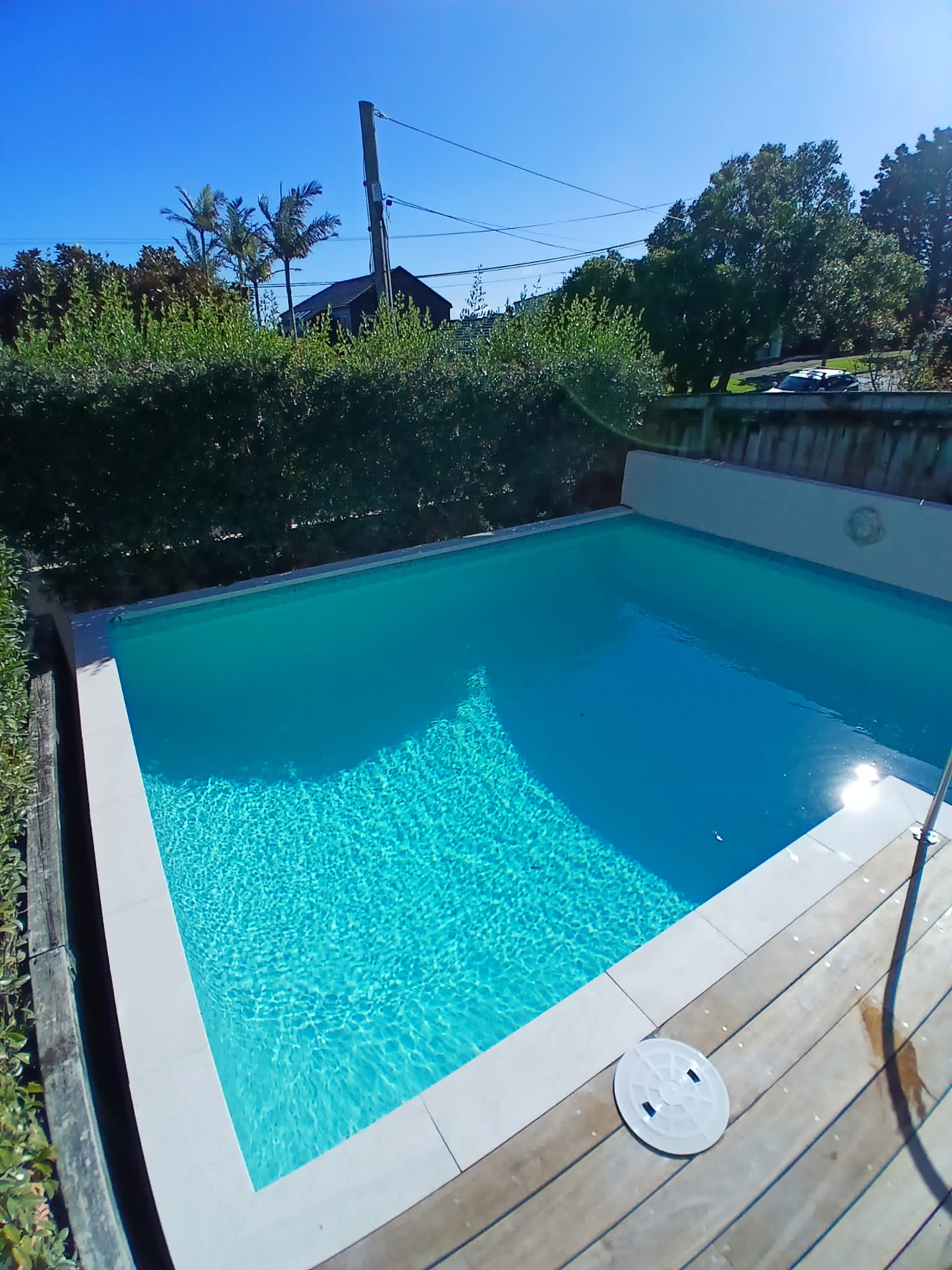
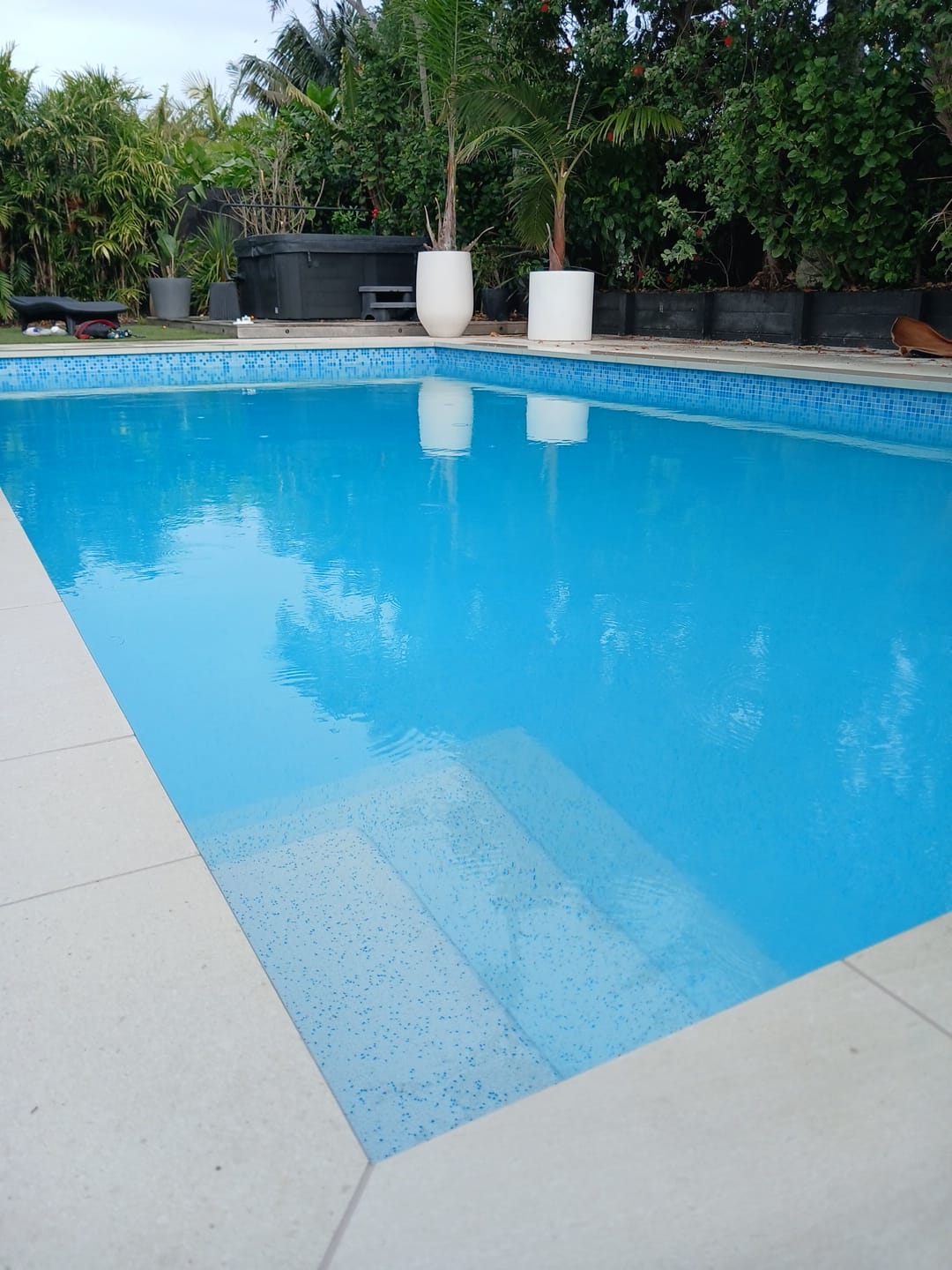
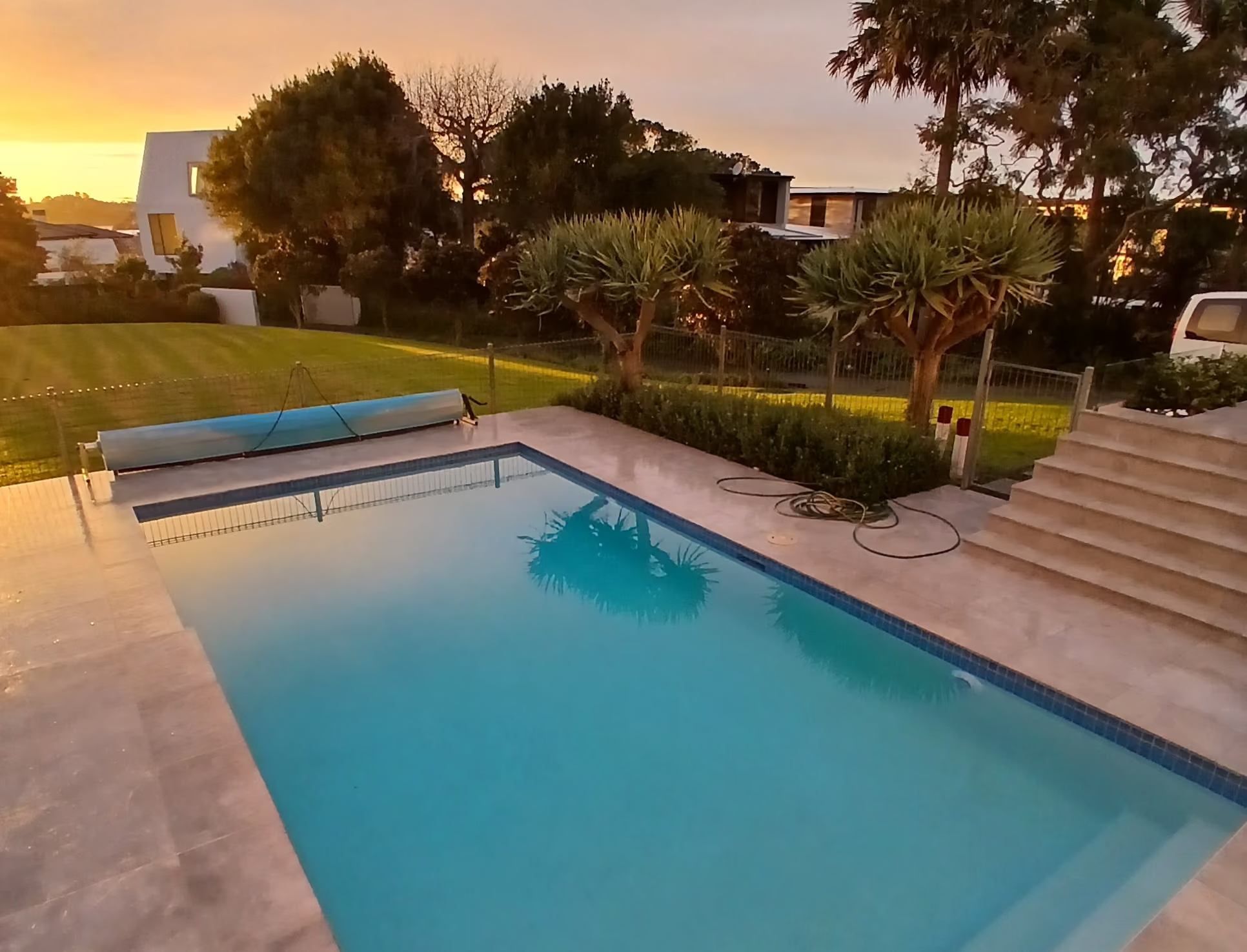
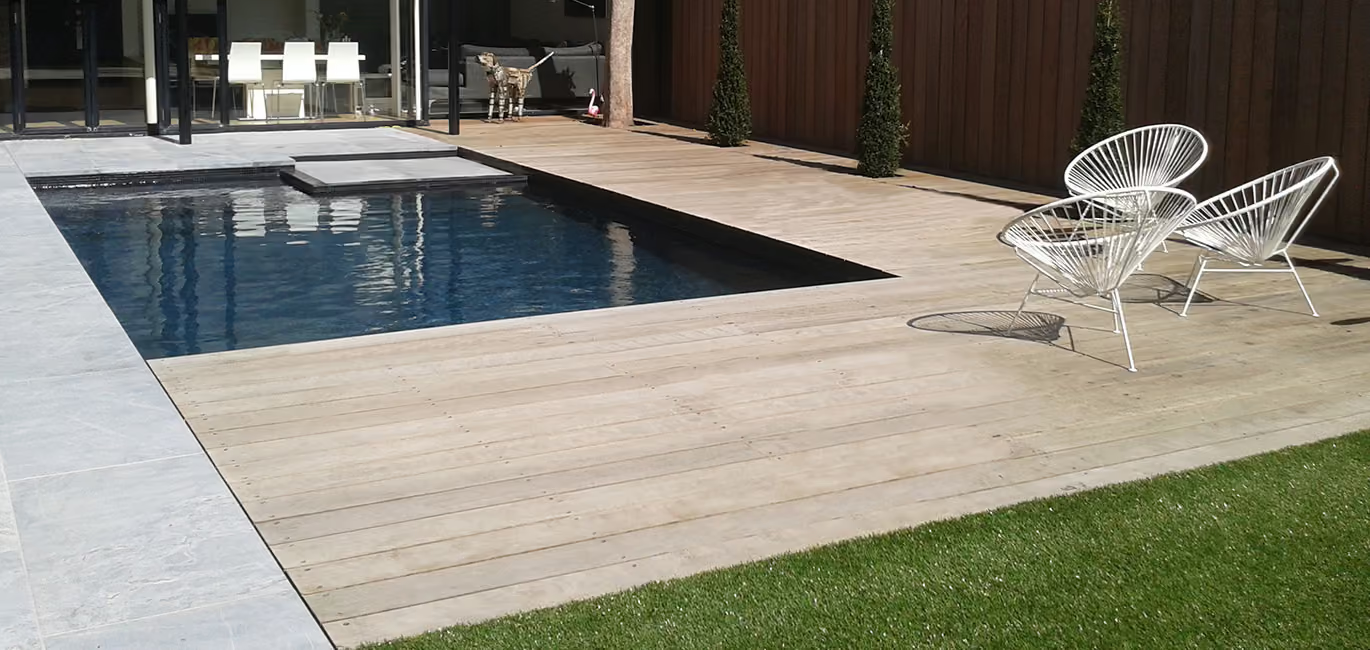
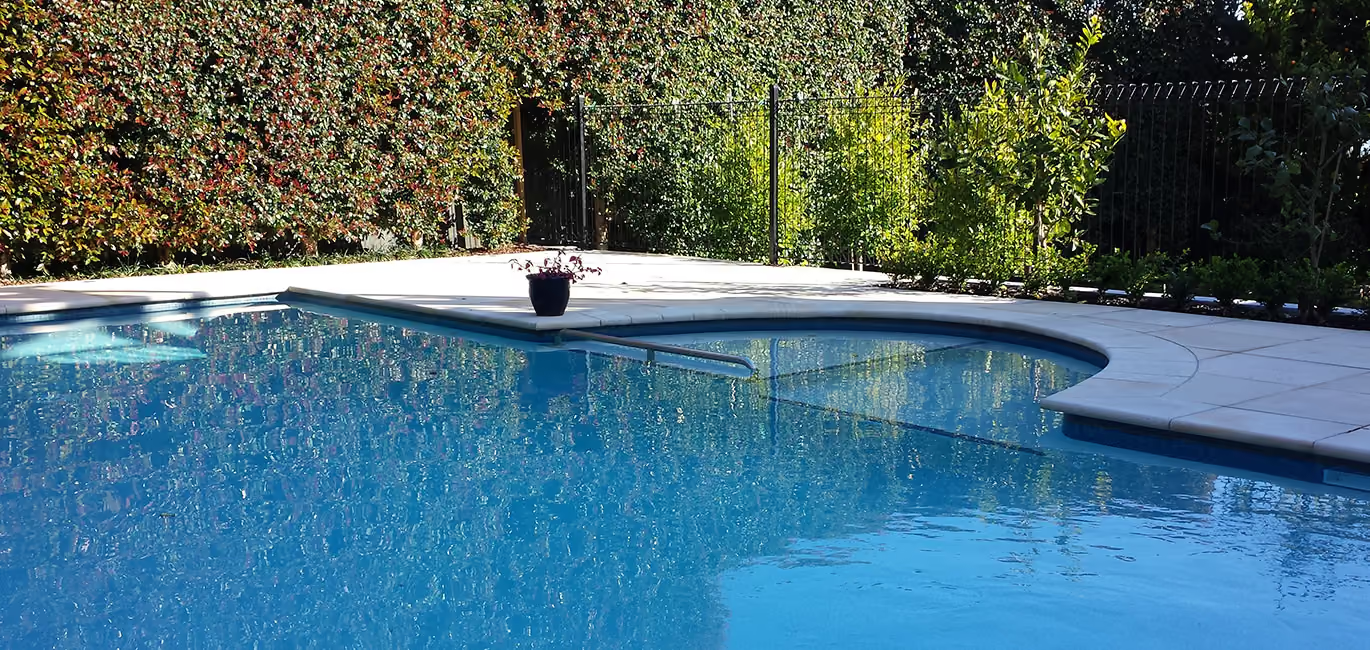
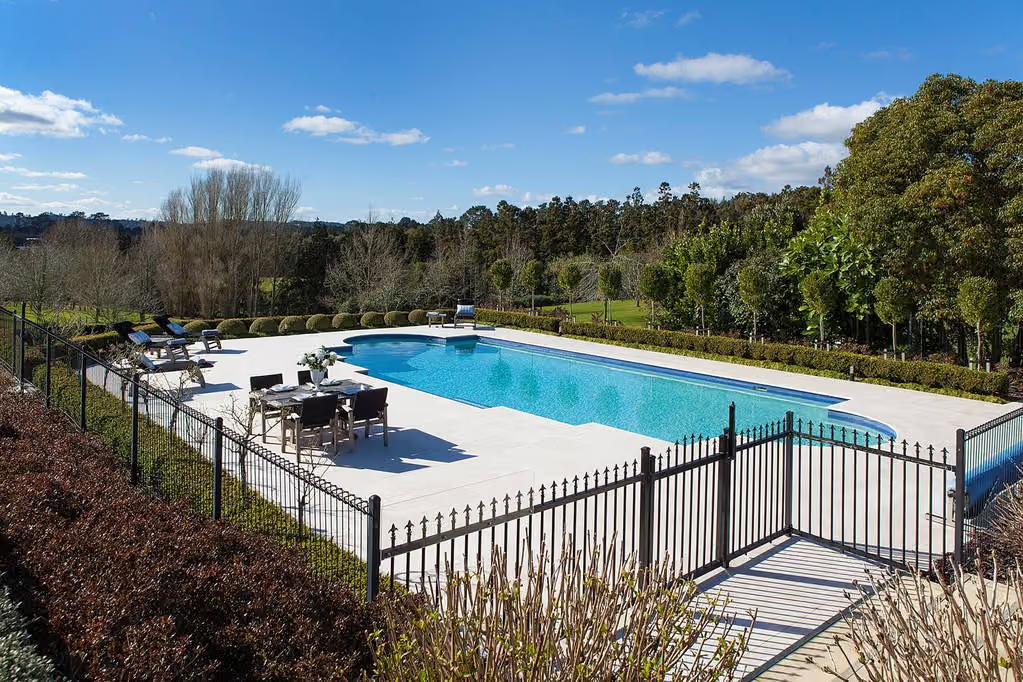
Sparkling Pools has worked on pools across Auckland, including residential renovation projects, equipment upgrades, ongoing maintenance and pool care for managed properties. Past projects show how the right approach can improve presentation, water quality and day-to-day usability. A well-maintained pool is easier to manage, more pleasant to use and better prepared for seasonal changes.
Trusted by Homeowners Across Auckland
Don't just take our word for it. Read what our clients have to say about our transparent communication, reliable service, and stunning pool transformations.
Related Blog Posts
Stay informed on pool care and renovations
Winter pool care essentials for Auckland
Pool Renovation Mistakes

Auckland Climate Pool Maintenance
Choosing Renovation Contractor
Pool Care Auckland Summer
Permits & Consents

Pool Renovation ROI
How Often to Test Pool Water
Pool Renovation Costs
Cost of Pool Service Auckland
Pool Renovation Planning Guide
Pool Lighting Buying Guide
Pool Cleaner Buying Guide
Pool Automation Buying Guide
Pool Heater Buying Guide
Pool Filter Buying Guide
Pool Pump Buying Guide
Best Equipment Auckland Climate
Auckland Water Quality
Auckland Pool Season
Pool Ownership Costs
Common Pool Mistakes
Pool Safety Laws
Pool Inspection Requirements
Pool Fence Compliance
.avif)
Auckland Pool Industry Trends
Auckland Pool Regulations
Pool Equipment Suppliers
Best Pool Service Areas
Pool Service Pricing Analysis
Company vs Independent
Best Pool Surface Materials
Pool Resurfacing Options
Pebble vs Plaster Surfaces
One-Time vs Ongoing Service
Full Service vs Chemicals Only
Pool Cover Types
Robotic vs Suction Cleaners
Mineral vs Saltwater
Gas vs Heat Pump
Pool Heater Types
Pool Winterizing Guide Auckland
Pool Opening Guide Summer
Pool Maintenance After Heavy Rain
Pool Maintenance Schedule
How Often to Run Pool Filter
Pool Pump Maintenance Schedule
Pool Filter Cartridge Cleaning
Pool Equipment Maintenance Checklist
Pool Waterline Cleaning
Pool Skimmer Basket Cleaning
Pool Chlorine Levels
How Often Clean Pool Filter
How to Vacuum Pool
Pool Brushing Technique
Pool Chemical Dosing Chart
Pool Water Chemistry Basics
How to Balance Pool Chemistry
How to Test Pool Water
Pool Maintenance Tips
Complete Pool Maintenance Guide
Pool Service ROI
Pool Equipment Buy or Service
Pool Maintenance Time Requirements
DIY vs Professional
Pool Service Contract
Pool Service vs Pool Valet
Is Pool Service Worth It
Pool Service Guarantees
Pool Service Reviews
Pool Service Red Flags
Questions to Ask Pool Companies
How to Choose Pool Service Company
Hidden Costs DIY Maintenance
Pool Cleaning Prices Auckland
Cost of Pool Resurfacing
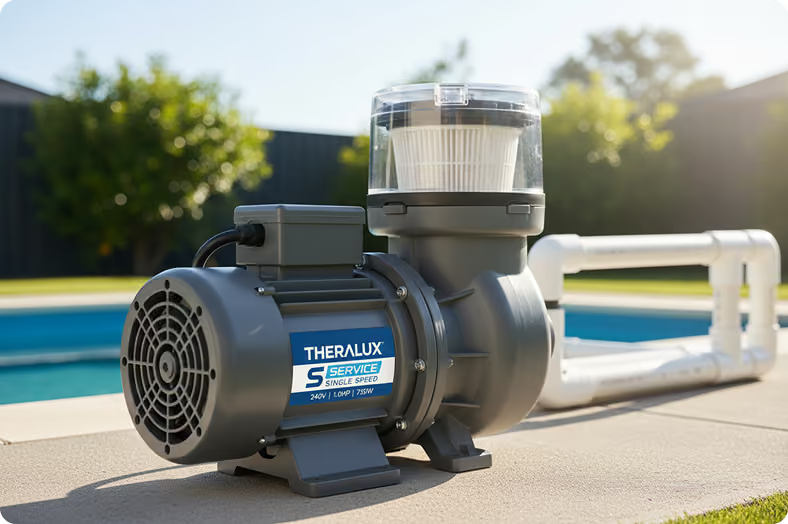
Cost of Pool Pump Replacement
Cost to Fix Green Pool
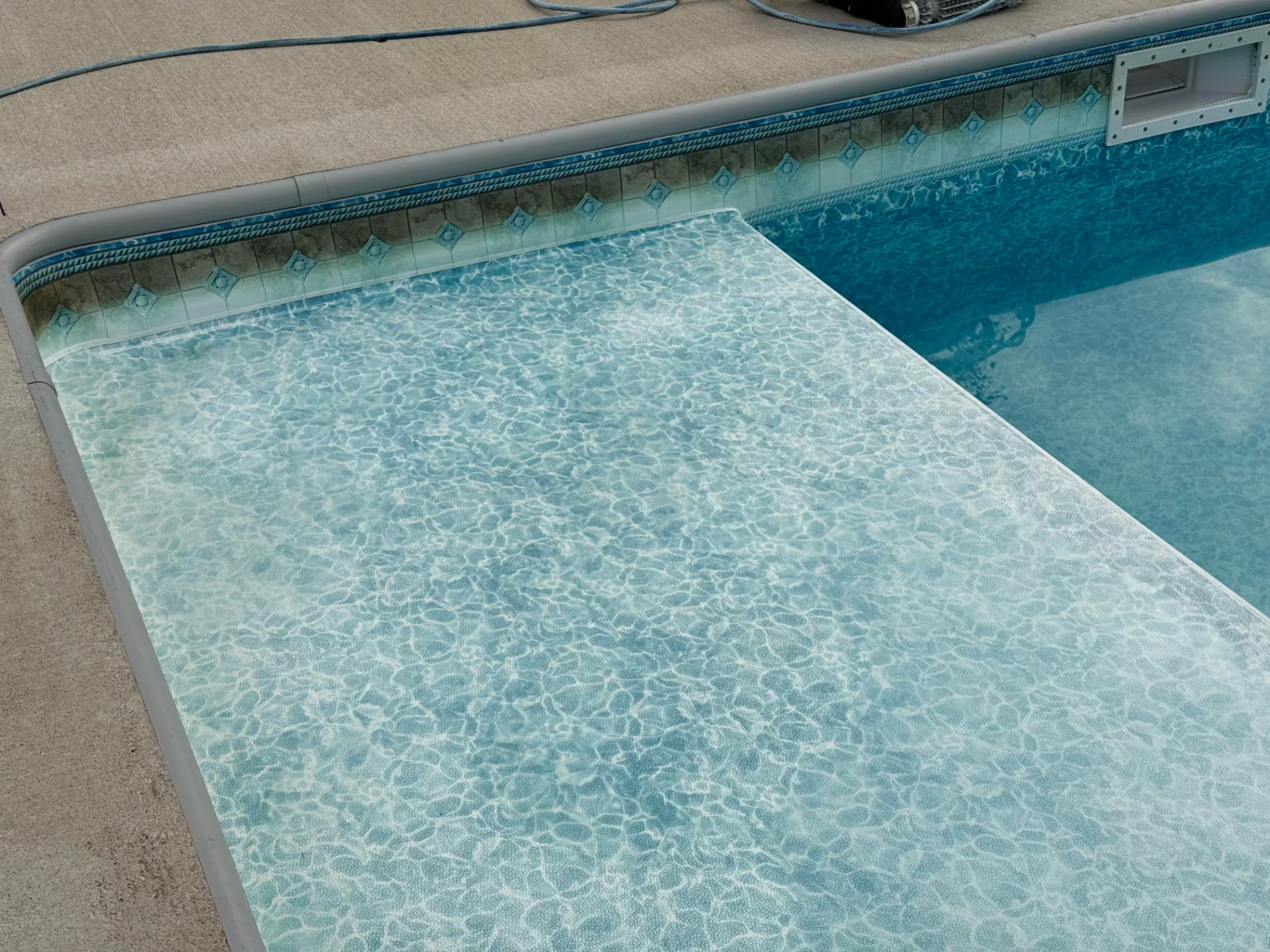
Pool Liner Wrinkles
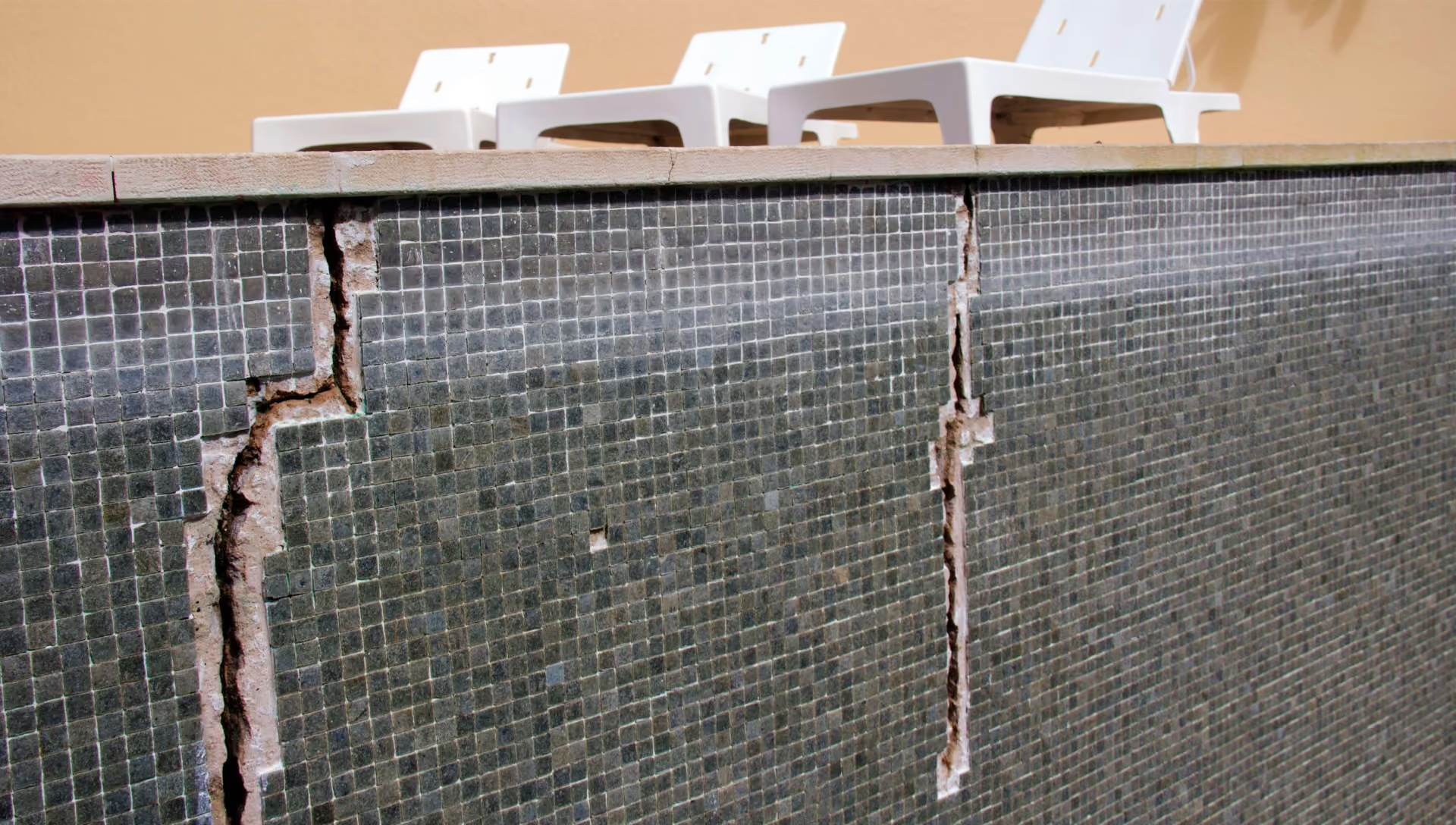
Pool Cracks When to Worry
Pool Surface Stains
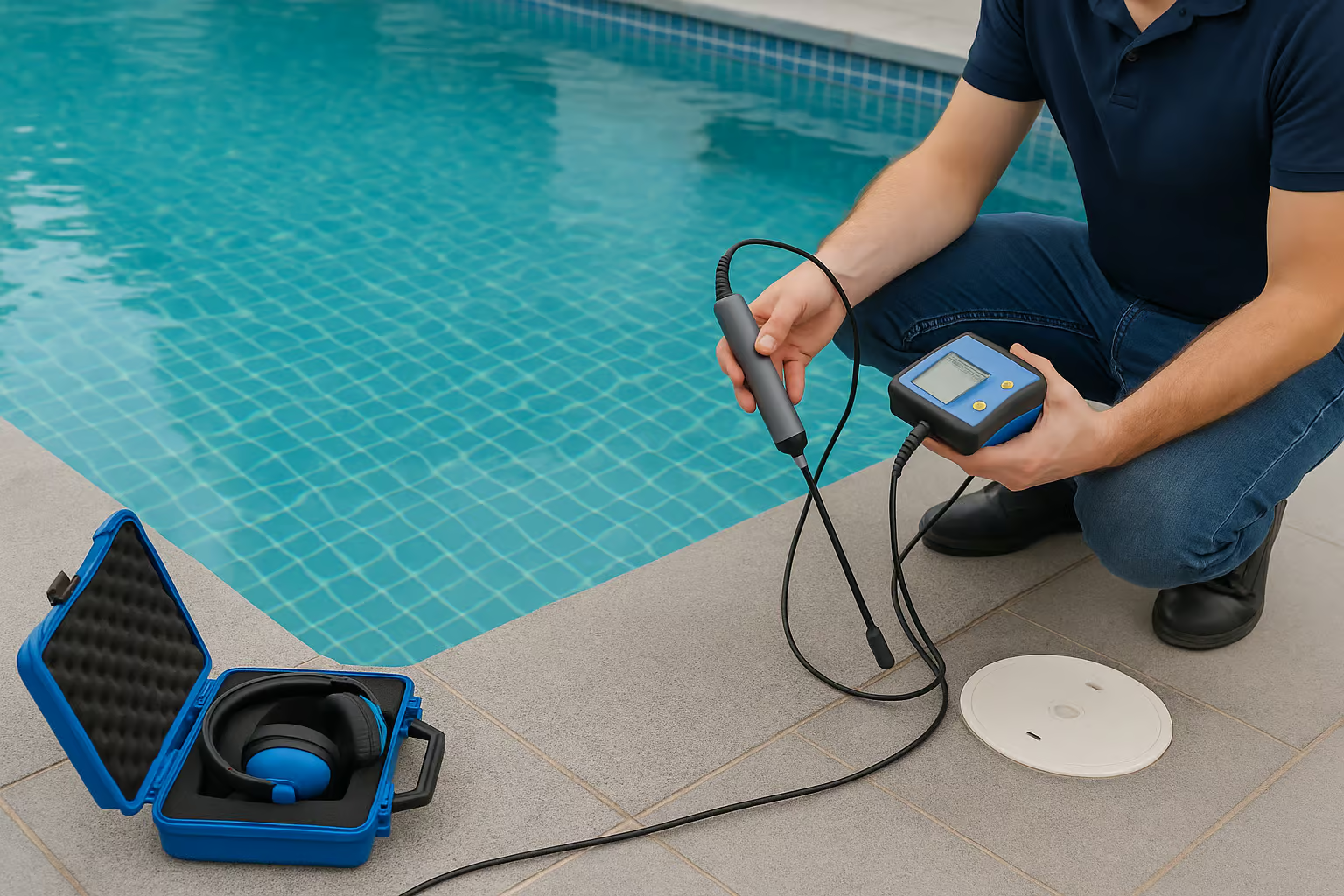
Pool Valve Leaking
Pool Automation Not Working
Pool Light Not Working
Pool Heater Not Heating
Pool Skimmer Not Working
High Pool Filter Pressure
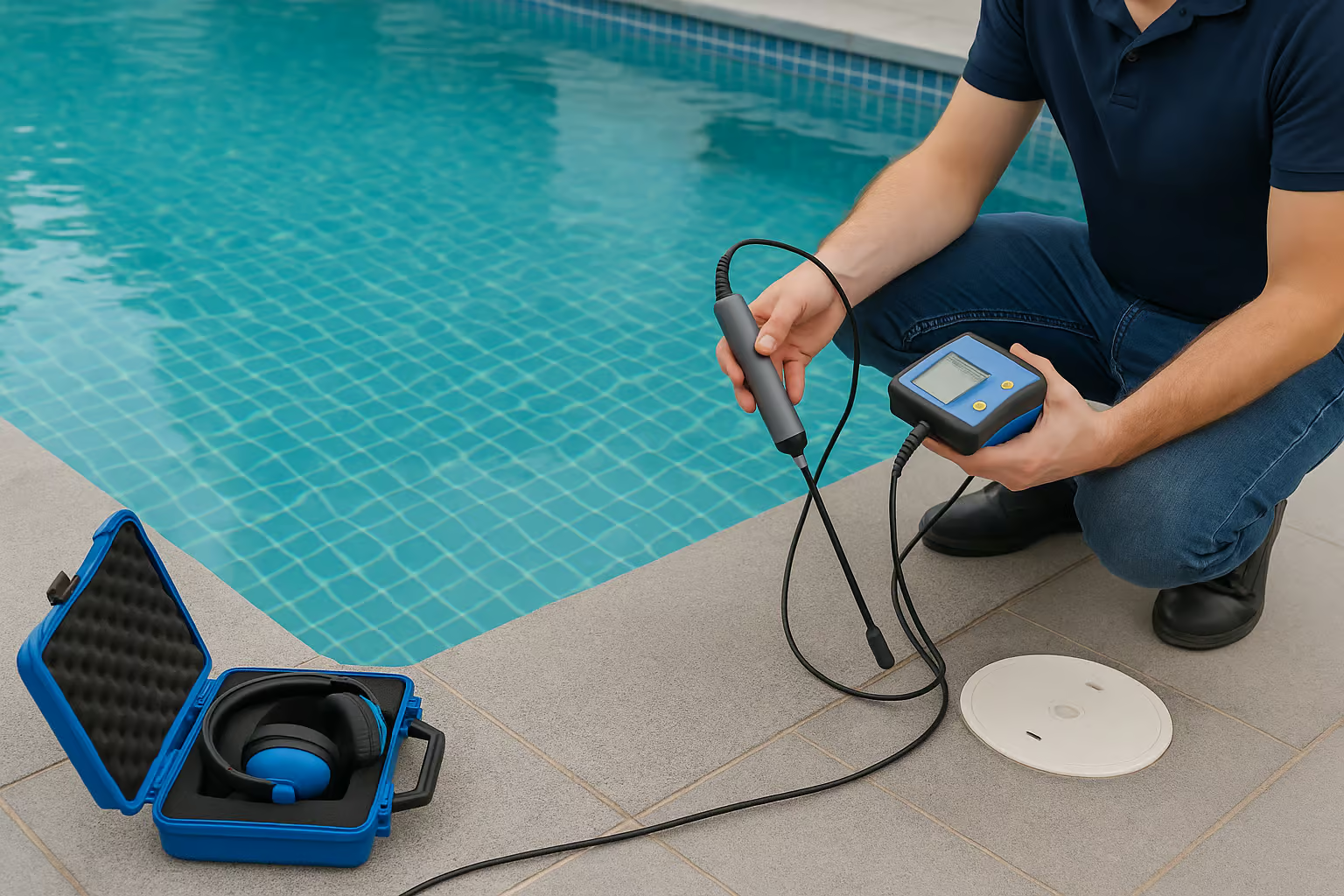
Pool Losing Water
Pool Filter Not Clearing Water
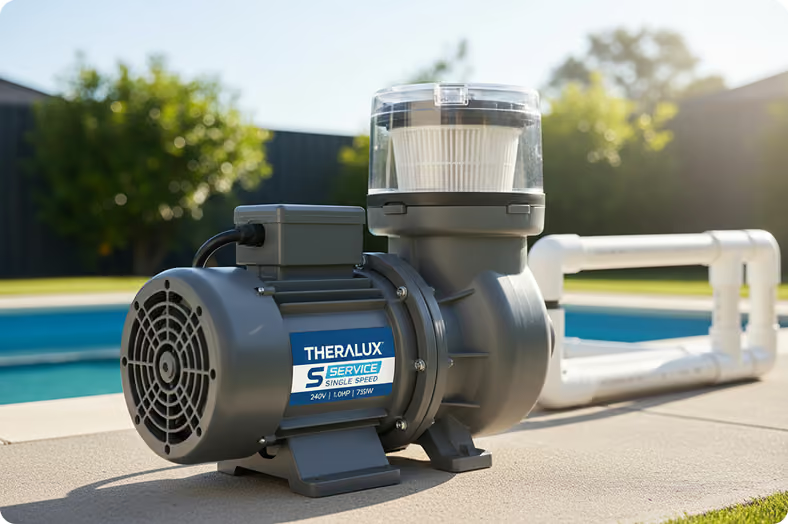
Pool Pump Leaking
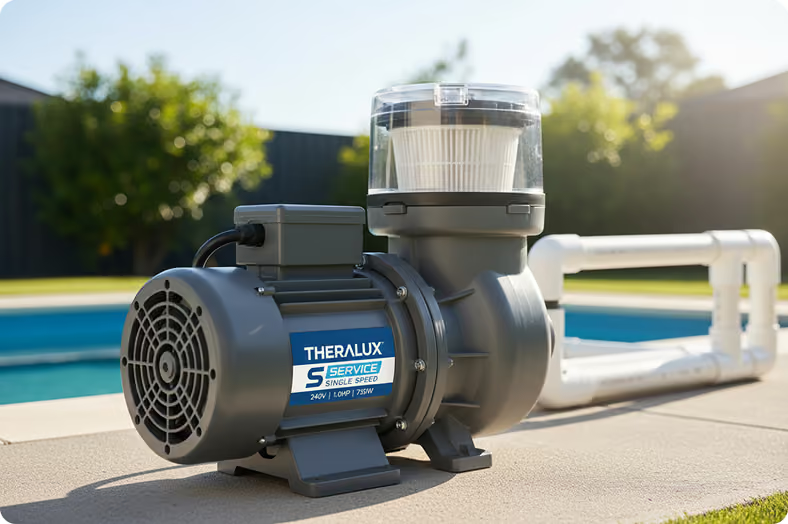
Pool Pump Not Pumping
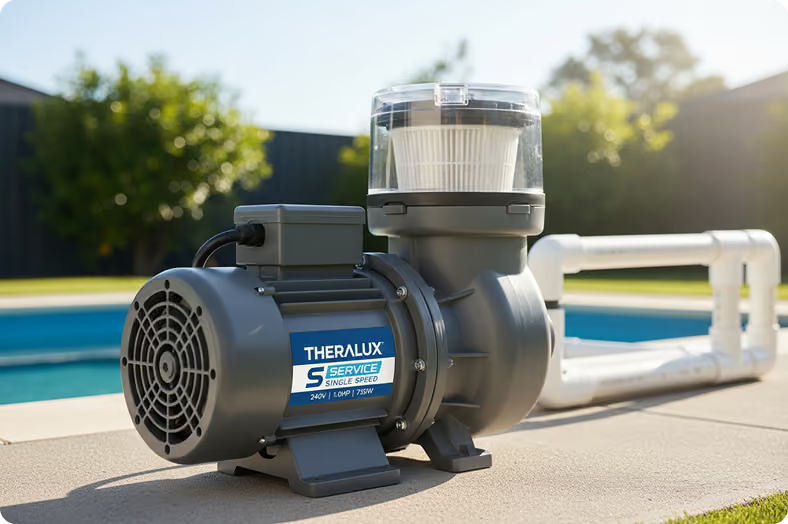
Pool Pump Losing Prime
Pool Pump Noisy
Pool Pump Not Working
Pool Water Foaming
Pool pH Too Low
Pool pH Too High
Green Pool After Rain
Pool Still Green After Shock
Pool Water Cloudy
How to Clear a Green Pool
Pool Care That Protects Your Investment
Good pool care protects more than appearance. Our pool specialists support the long-term condition of your swimming pool while keeping it ready for everyday use.