Pool Losing Water
Why Auckland trusts our pool service expertise
Working out whether your pool is losing water to evaporation or a genuine leak is straightforward once you know what to look for. The bucket test is the most reliable starting point, and the results will tell you whether further investigation is needed.
The points below summarise the key things to know about pool water loss in Auckland.
What you'll learn
Why Is My Pool Losing Water?
A dropping pool water level is one of the most common concerns Auckland pool owners raise. The good news is that not every drop in water level means a leak. The less good news is that a real leak, left unattended, can cause serious damage to your pool structure, equipment, and the surrounding ground.
This guide covers the two main causes of water loss, how to tell them apart, and when it's time to call a professional.
---
Evaporation vs a Leak: What's the Difference?
Both evaporation and leaks cause your water level to fall, but they behave differently and have very different consequences.
Evaporation is a normal, ongoing process. Heat, wind, low humidity, and direct sunlight all pull water from the surface. In Auckland's warm summers, evaporation can be noticeable, particularly in pools without a cover.
A leak means water is escaping through a crack, a failed fitting, a loose connection, or damaged equipment. Unlike evaporation, a leak doesn't slow down when the weather cools. It continues regardless of conditions.
Signs it's probably evaporation
- Water loss is consistent and gradual
- Loss is higher during hot, windy, or sunny periods
- The pool has no cover, or the cover is rarely used
- No wet patches around the pool equipment or surrounding ground
Signs it could be a leak
- Water loss continues at the same rate regardless of weather
- You notice wet or soft ground near the pool shell, equipment pad, or return lines
- The pool loses more water when the pump is running than when it's off (or vice versa)
- You're topping up the pool far more frequently than usual
- There are visible cracks in the shell, fittings, or around fittings
---
The Bucket Test: A Simple Way to Check
The bucket test is a straightforward method for separating evaporation from a leak. You don't need any special equipment.
What you'll need
- A standard bucket (around 10-15 litres)
- A marker or piece of tape
- 24-48 hours
How to do it
1. Fill the bucket with pool water and place it on a pool step or ledge so it sits at the same level as the pool surface. The bucket must be in the pool, not beside it, so both water bodies experience the same temperature and sun exposure.
2. Mark the water level inside the bucket with tape or a marker.
3. Mark the pool water level on the wall or skimmer box at the same time.
4. Leave the pump running on its normal cycle. Do not add water to the pool during the test.
5. After 24-48 hours, compare the two levels.
Reading the result
- Both levels dropped by the same amount: The loss is likely evaporation. No leak is indicated.
- The pool dropped more than the bucket: The difference points to a leak. The bigger the gap, the more significant the leak may be.
Run the test twice if you want to be confident, once with the pump running and once with it switched off. If the pool loses more water with the pump running, the leak is likely in the circulation system (pipes, fittings, or equipment). If it loses more with the pump off, the leak may be in the shell itself.
---
Common Sources of Pool Leaks
Leaks can occur in several places. Knowing where to look helps you describe the problem clearly when you contact a professional.
The pool shell
Cracks in the plaster, fibreglass, or concrete shell are a common source of leaks, particularly in older pools. Small surface cracks don't always leak, but cracks that go through the shell will. Look for discolouration, staining, or visible gaps in the surface.
Fittings and penetrations
Skimmer boxes, return jets, main drains, and light fittings all penetrate the pool shell. The seals around these fittings can deteriorate over time. Check for movement, cracking, or water staining around each fitting.
Plumbing and pipework
Underground pipes can crack due to ground movement, tree root intrusion, or age. Leaks in buried pipework are harder to locate without pressure testing.
Equipment connections
Pump lids, filter tank o-rings, chlorinator unions, and valve fittings can all develop slow leaks. These are often visible as drips or wet patches around the equipment pad.
---
What to Do If You Suspect a Leak
1. Run the bucket test to confirm water loss is above normal evaporation.
2. Inspect visible fittings and equipment for obvious drips, cracks, or wet patches.
3. Check the ground around the pool for soft, wet, or sunken areas that might indicate underground pipe leaks.
4. Note whether loss is greater with the pump on or off, this helps narrow down the location.
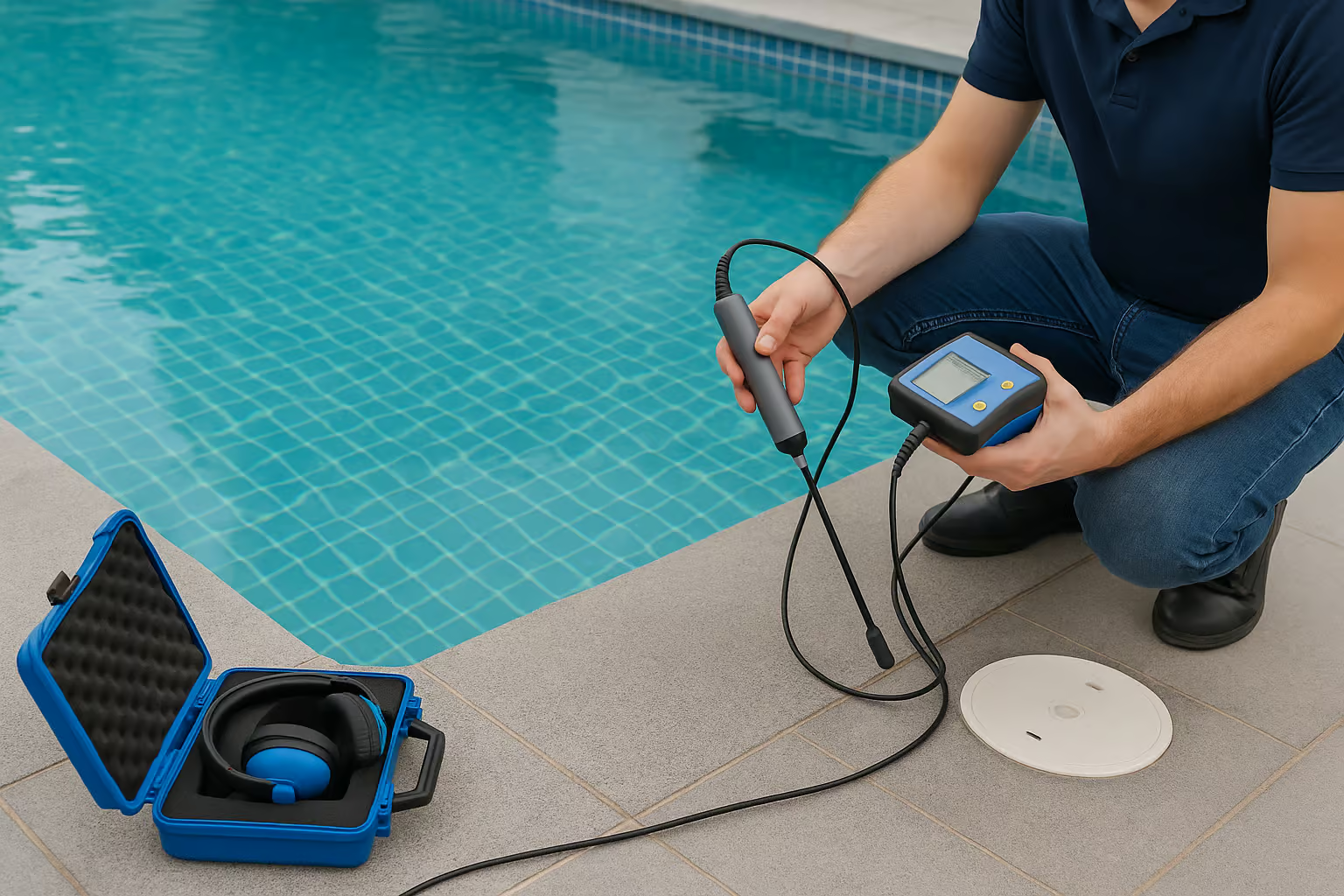
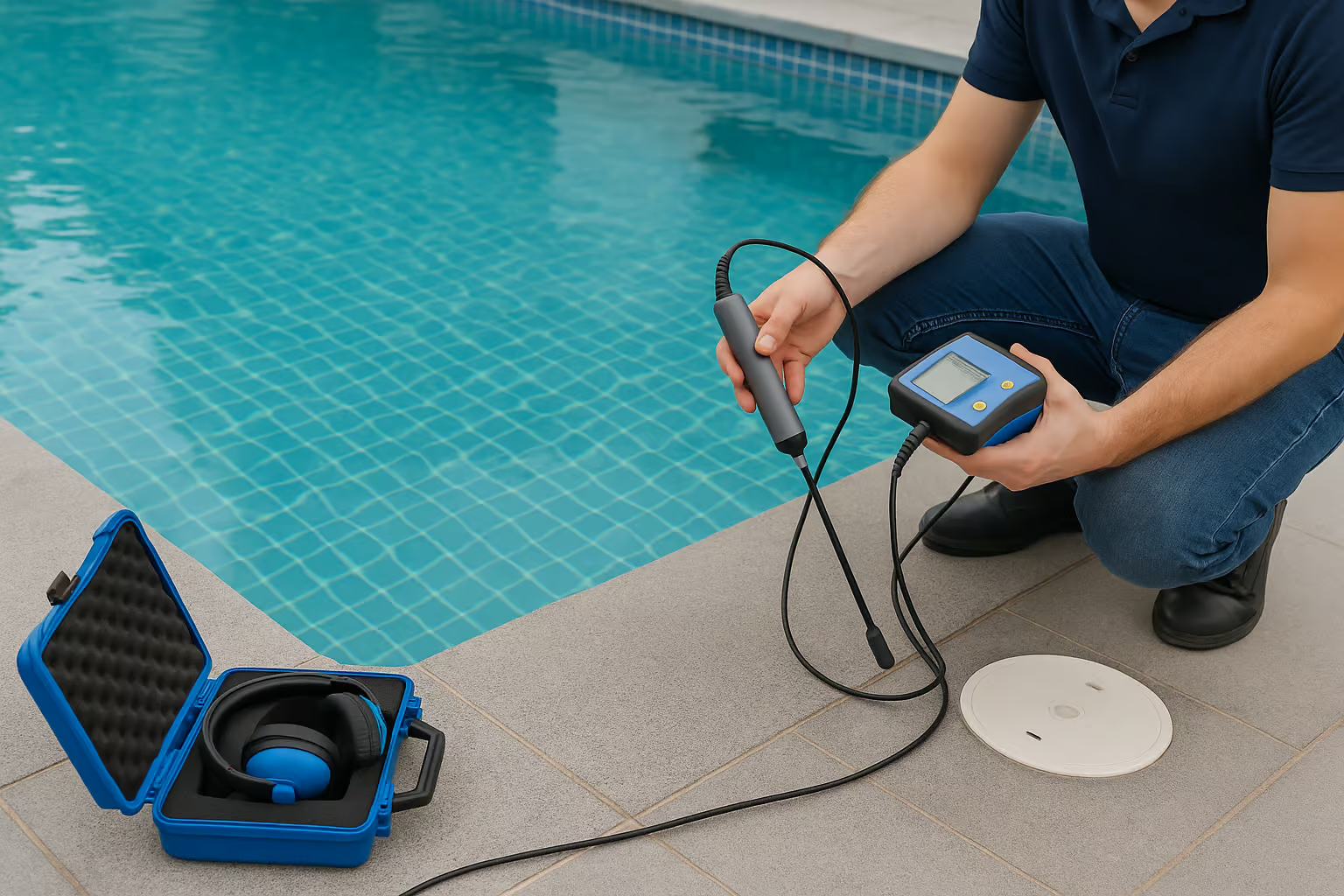
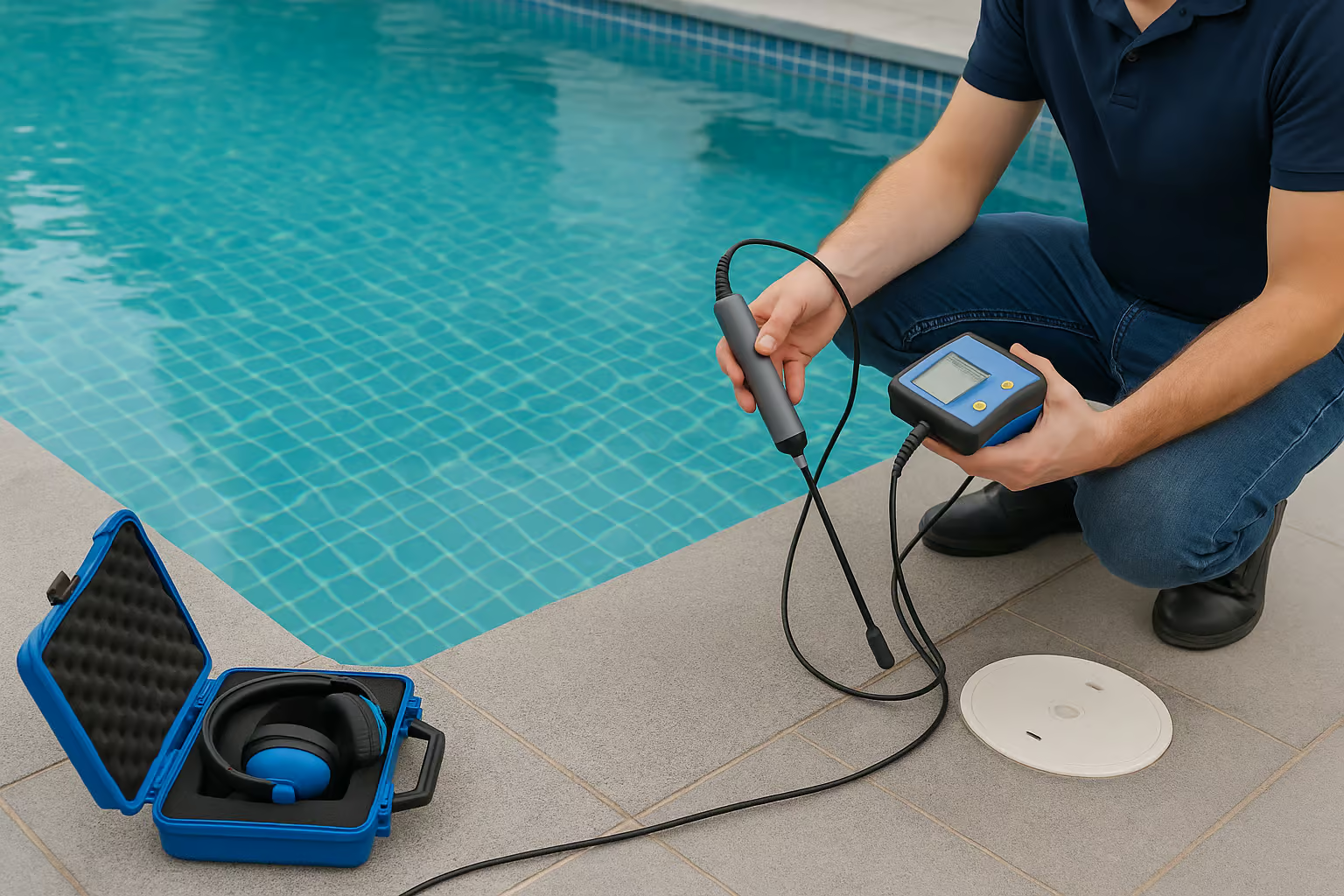
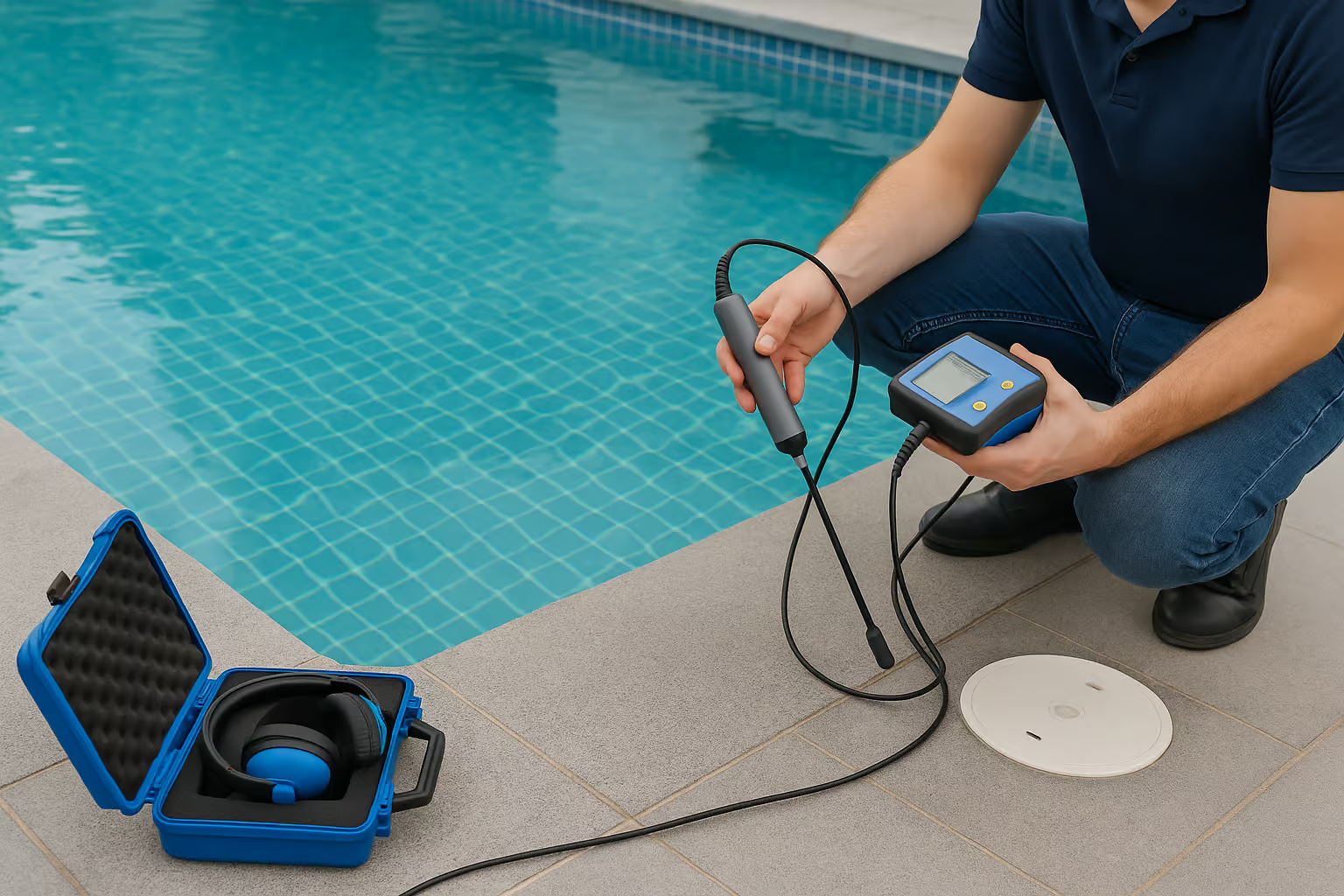
5. Contact a pool professional for a leak detection assessment. Locating leaks in buried pipework or the shell typically requires pressure testing and specialist equipment.
Do not delay getting a leak investigated. Even a slow leak can erode the ground beneath a pool shell, cause structural movement, and damage surrounding landscaping or structures over time.
---
How Much Water Loss Is Normal?
Evaporation rates vary depending on weather, wind exposure, and whether the pool has a cover. As a general guide, some water loss on warm, windy days is expected. A pool with no cover will lose more than a covered pool.
If you are topping up your pool significantly more than once a week during normal conditions, or if the level is visibly dropping overnight, it is worth investigating further rather than assuming it is evaporation.
---
Reducing Evaporation
If the bucket test confirms your water loss is evaporation rather than a leak, there are practical steps to reduce it.
- Use a pool cover when the pool is not in use. A well-fitted cover is the single most effective way to reduce evaporation.
- Reduce water features and fountains during hot or windy periods, moving water evaporates faster.
- Plant windbreaks around the pool area if wind exposure is significant, though this is a longer-term measure.
---
When to Call a Professional
Contact a pool professional if:
- The bucket test shows the pool is losing more water than the bucket
- You can see cracks in the shell or around fittings
- There are wet or soft patches around the pool or equipment
- You cannot identify the source of the leak yourself
- The pool requires frequent topping up with no clear explanation
Leak detection and repair is not a DIY task once the source is unclear. Pressure testing buried pipework, repairing shell cracks, and resealing fittings all require the right equipment and experience to do properly.
Sparkling Pools has been servicing Auckland pools since 1992. If you suspect your pool has a leak, get in touch for an assessment.
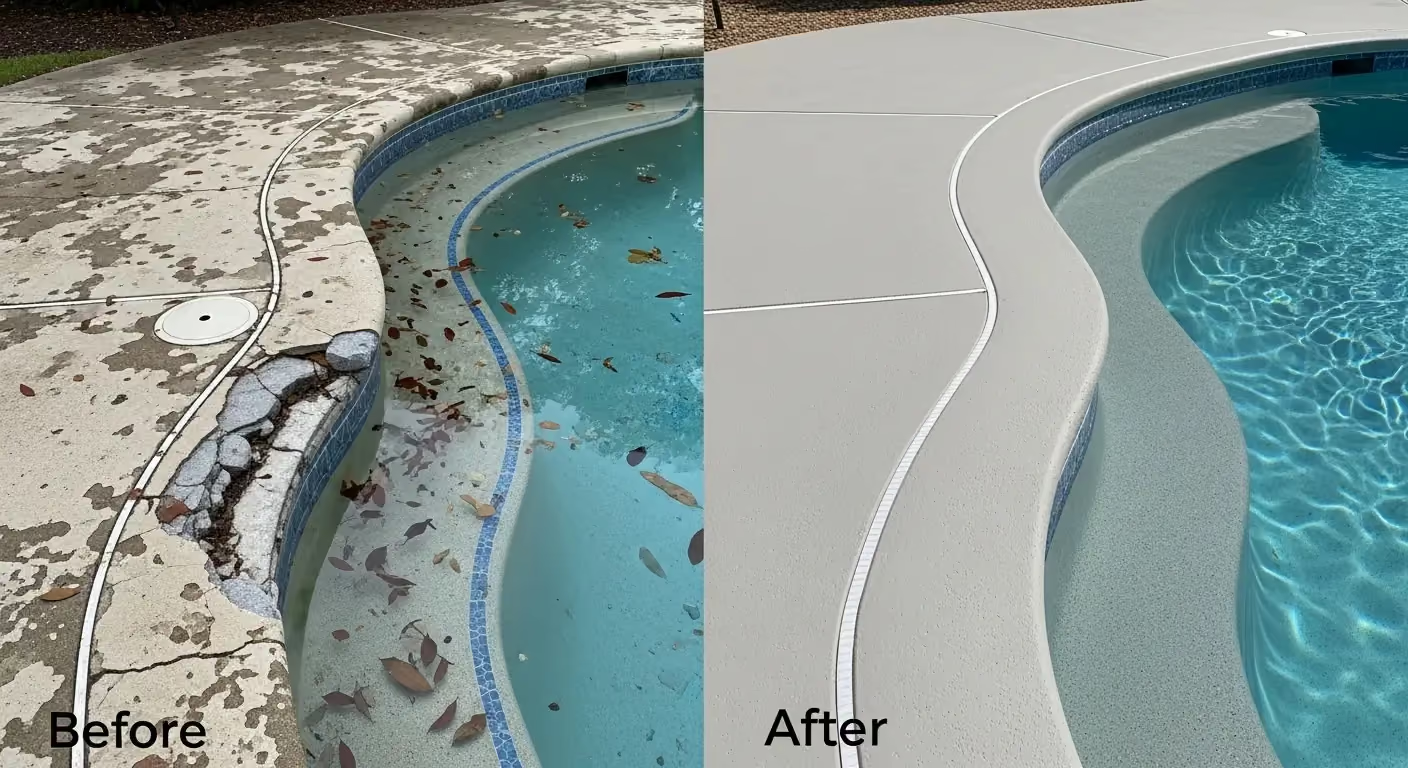
Pool resurfacing solutions
Restore your pool with durable plaster finishes

Work completed
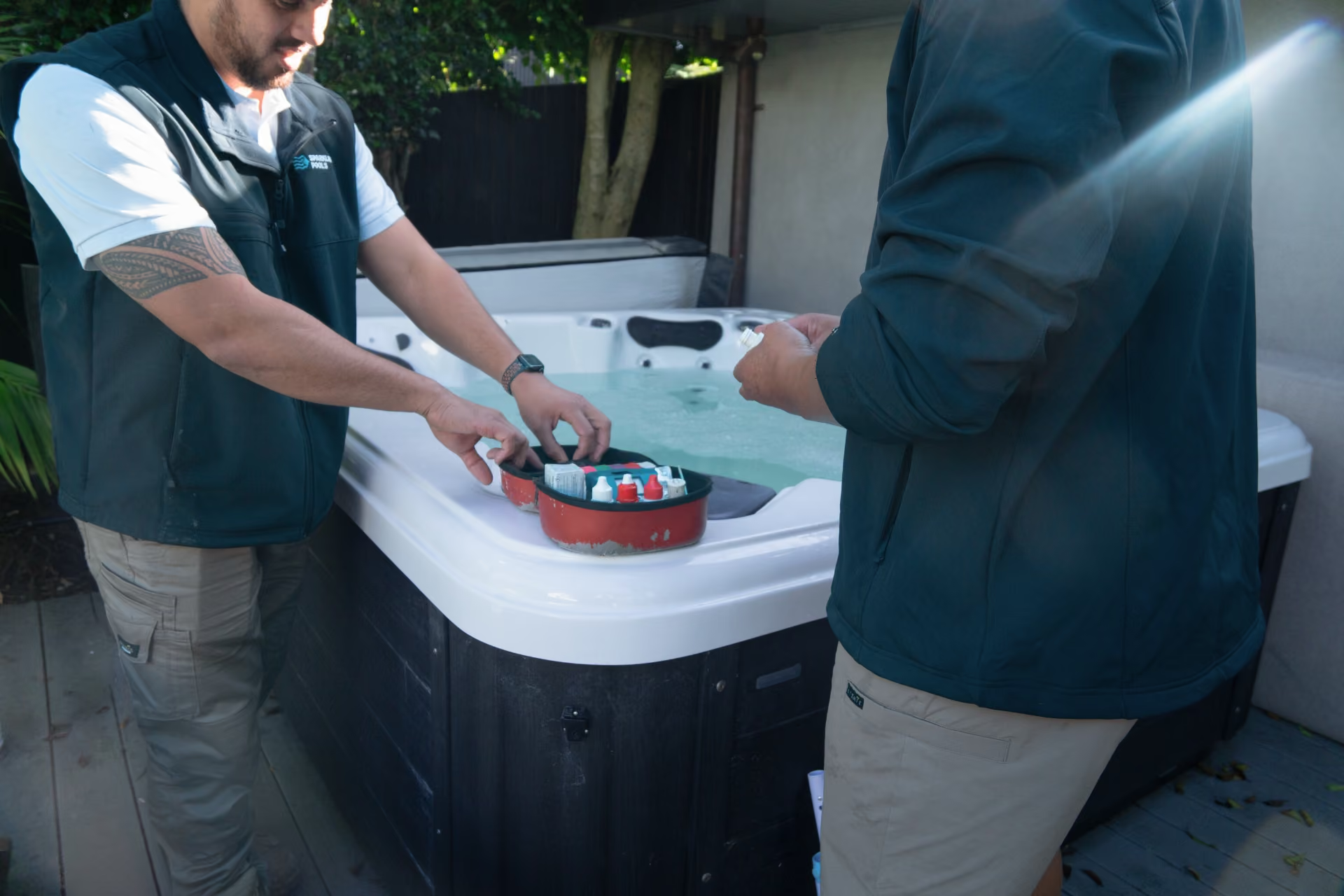
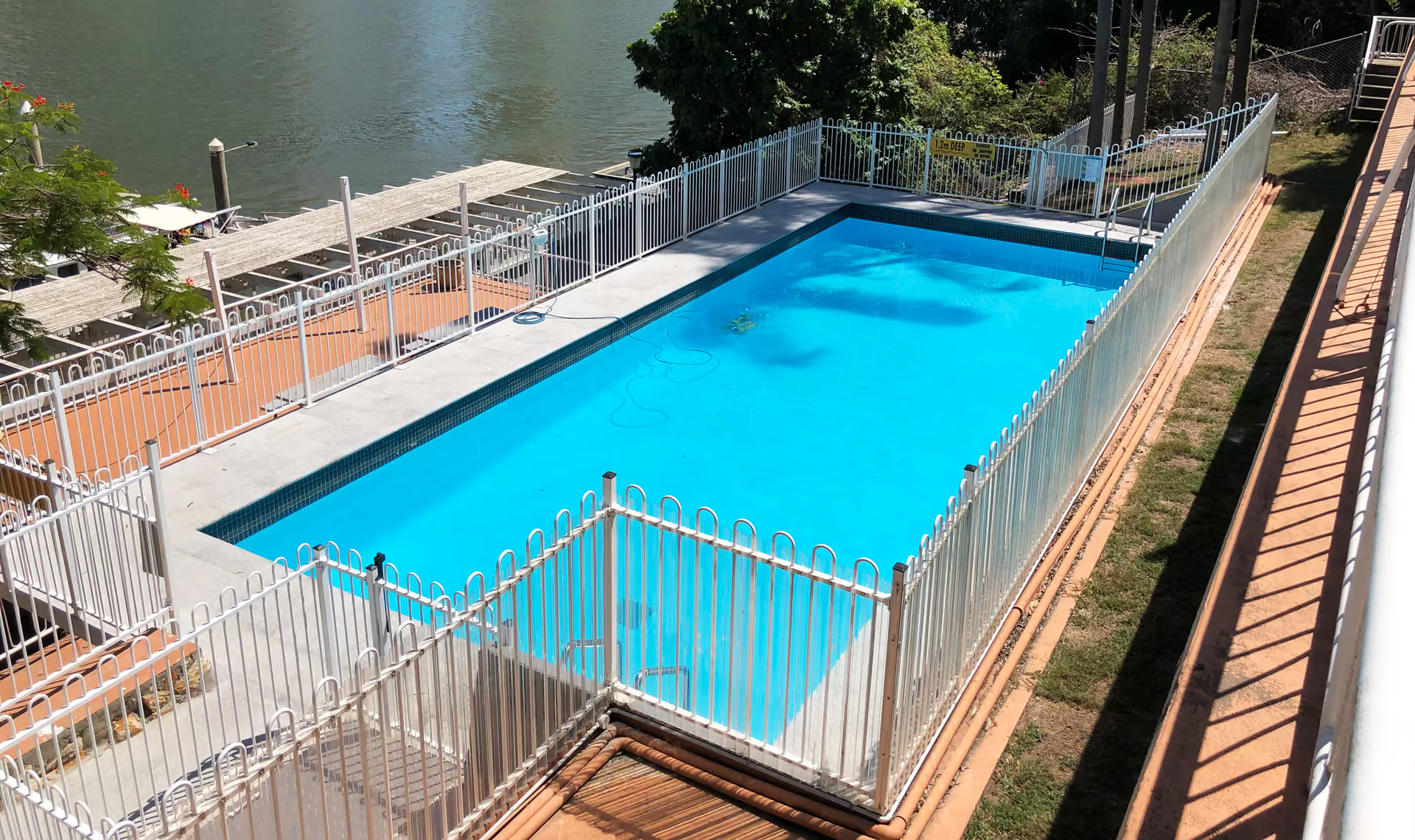
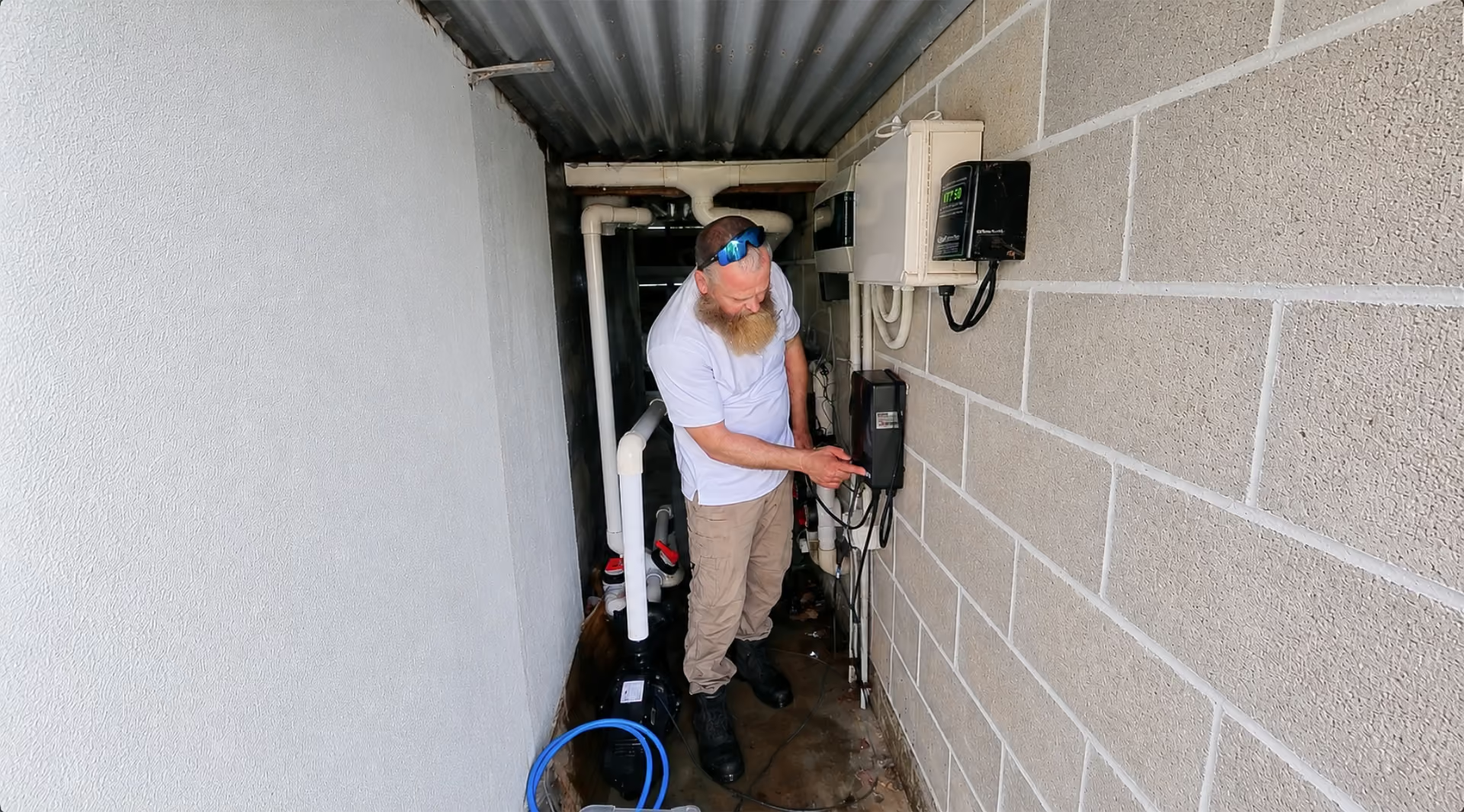
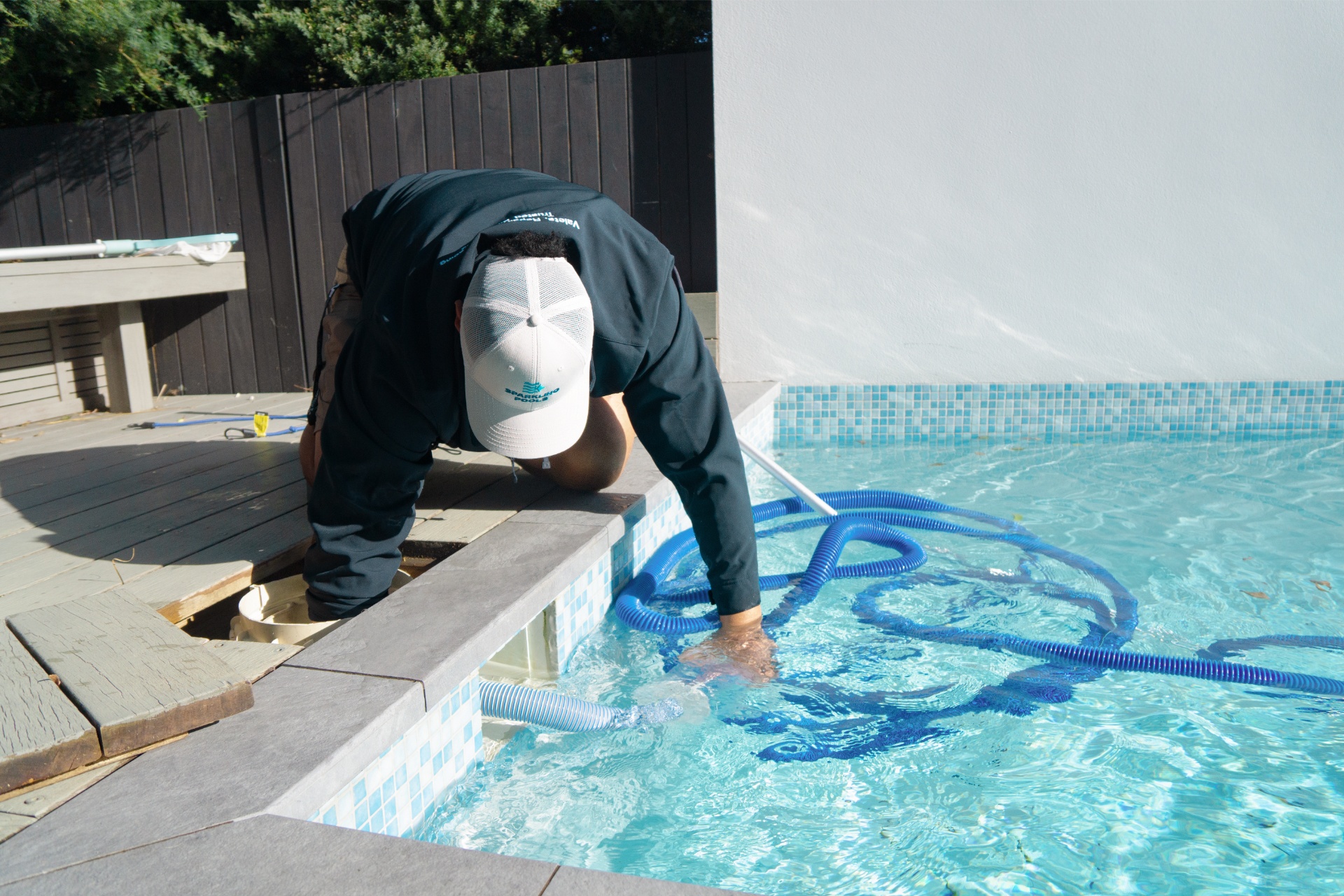
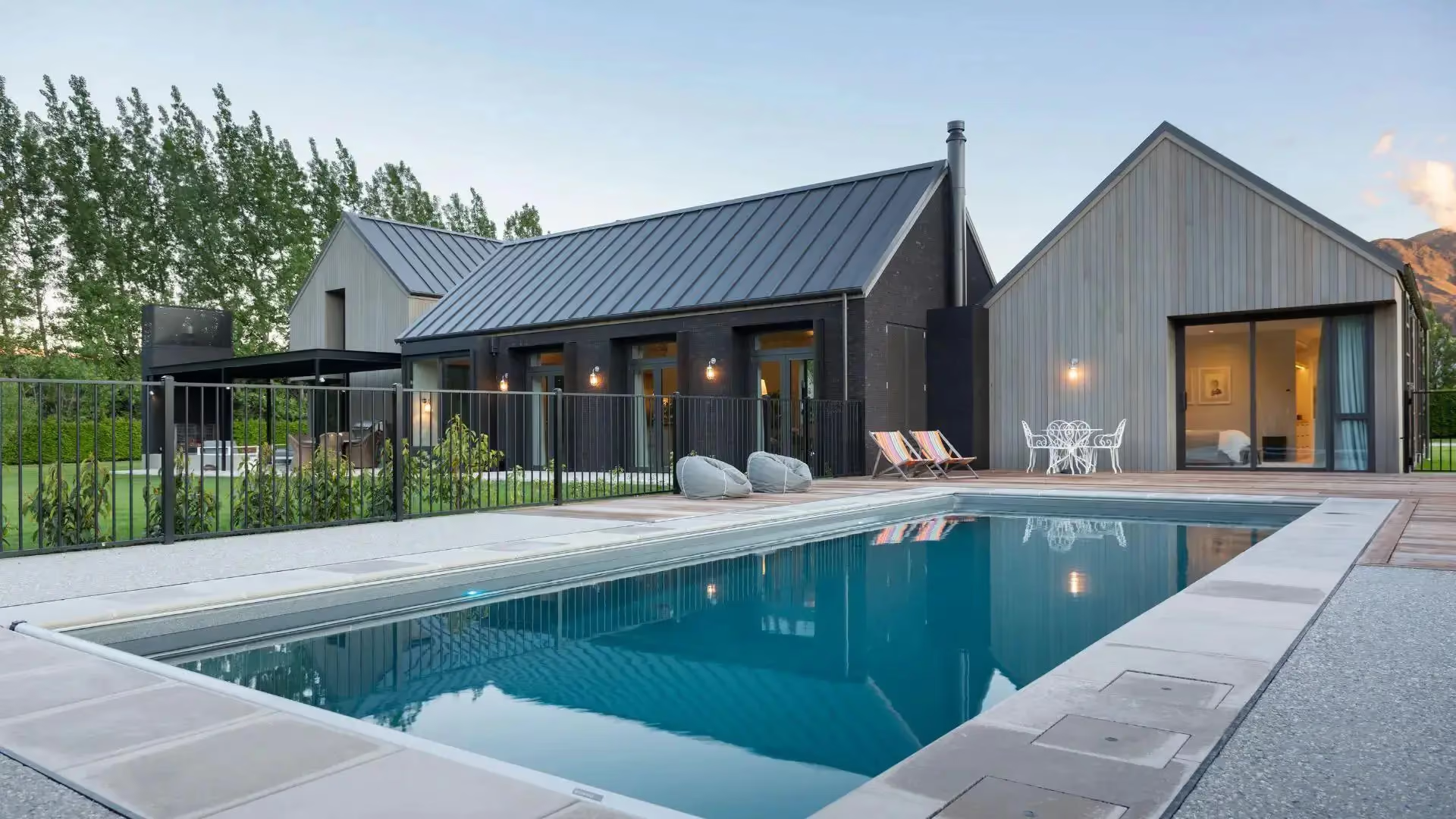
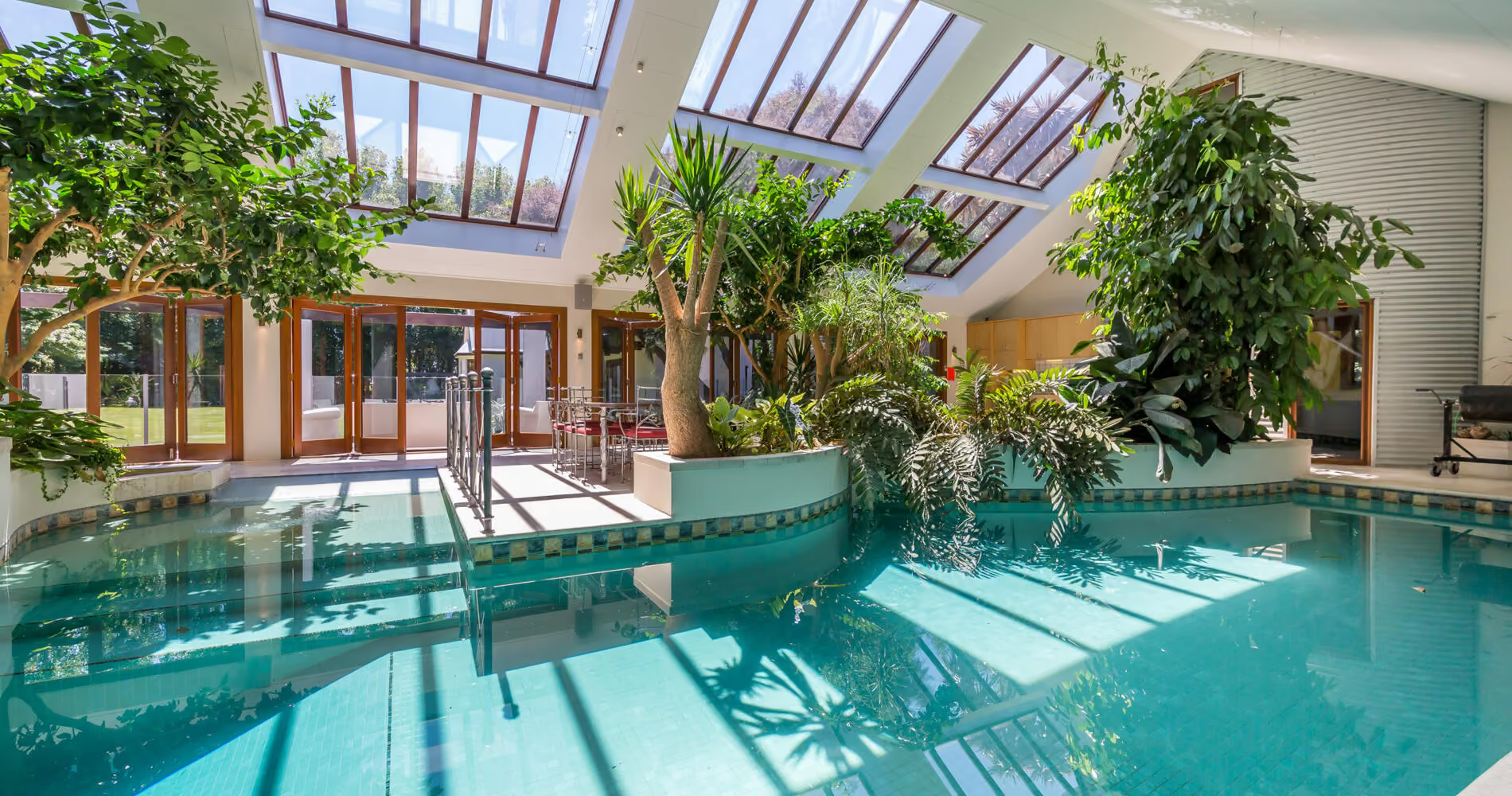
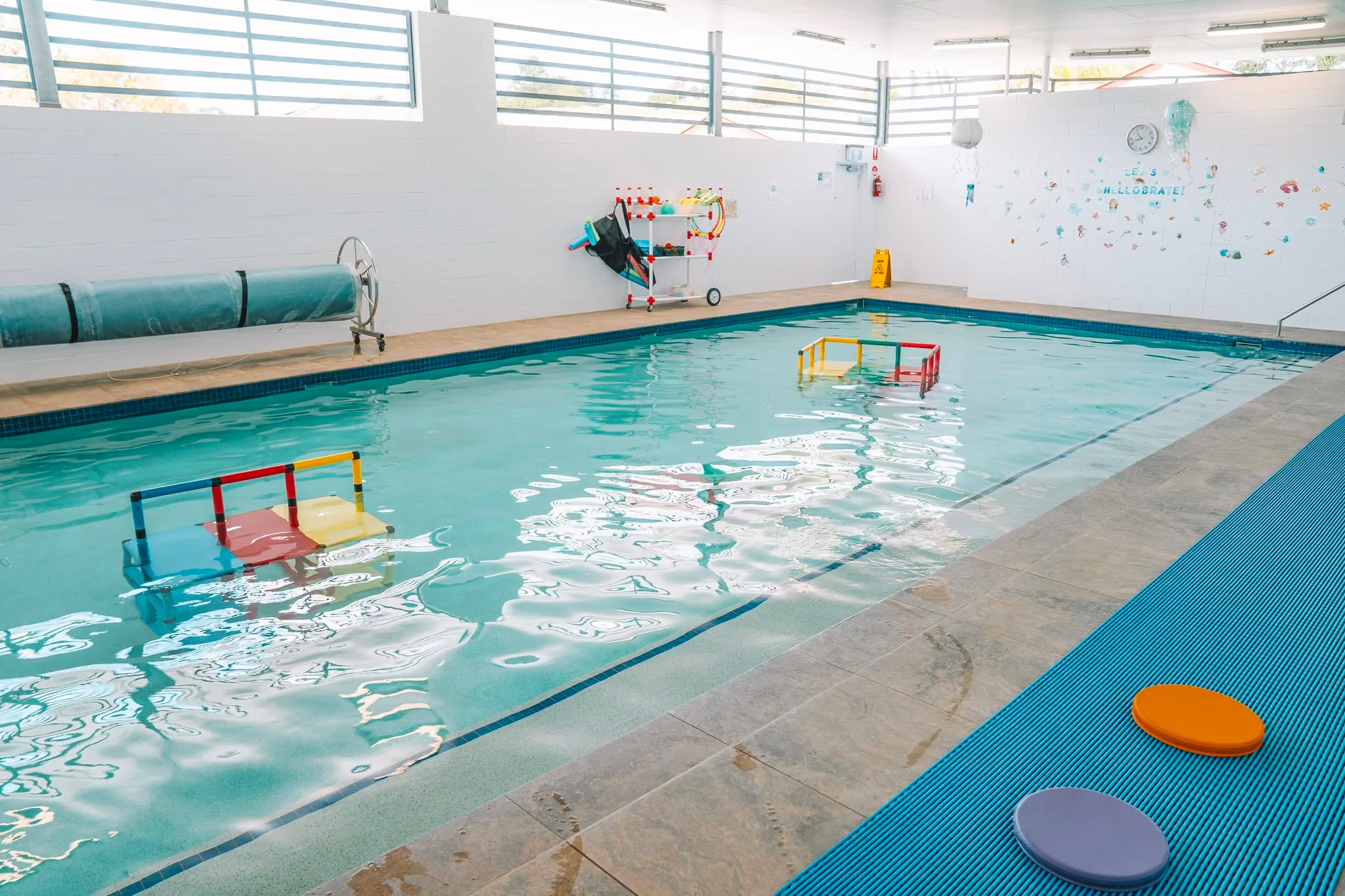
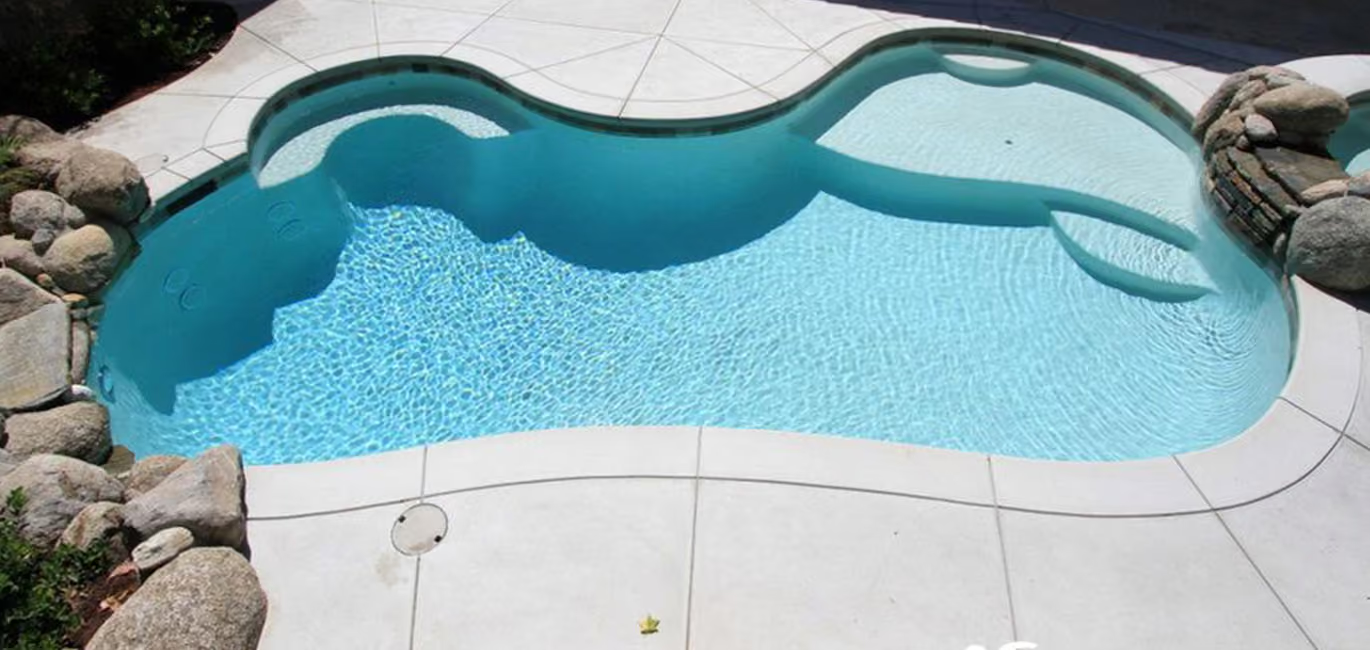
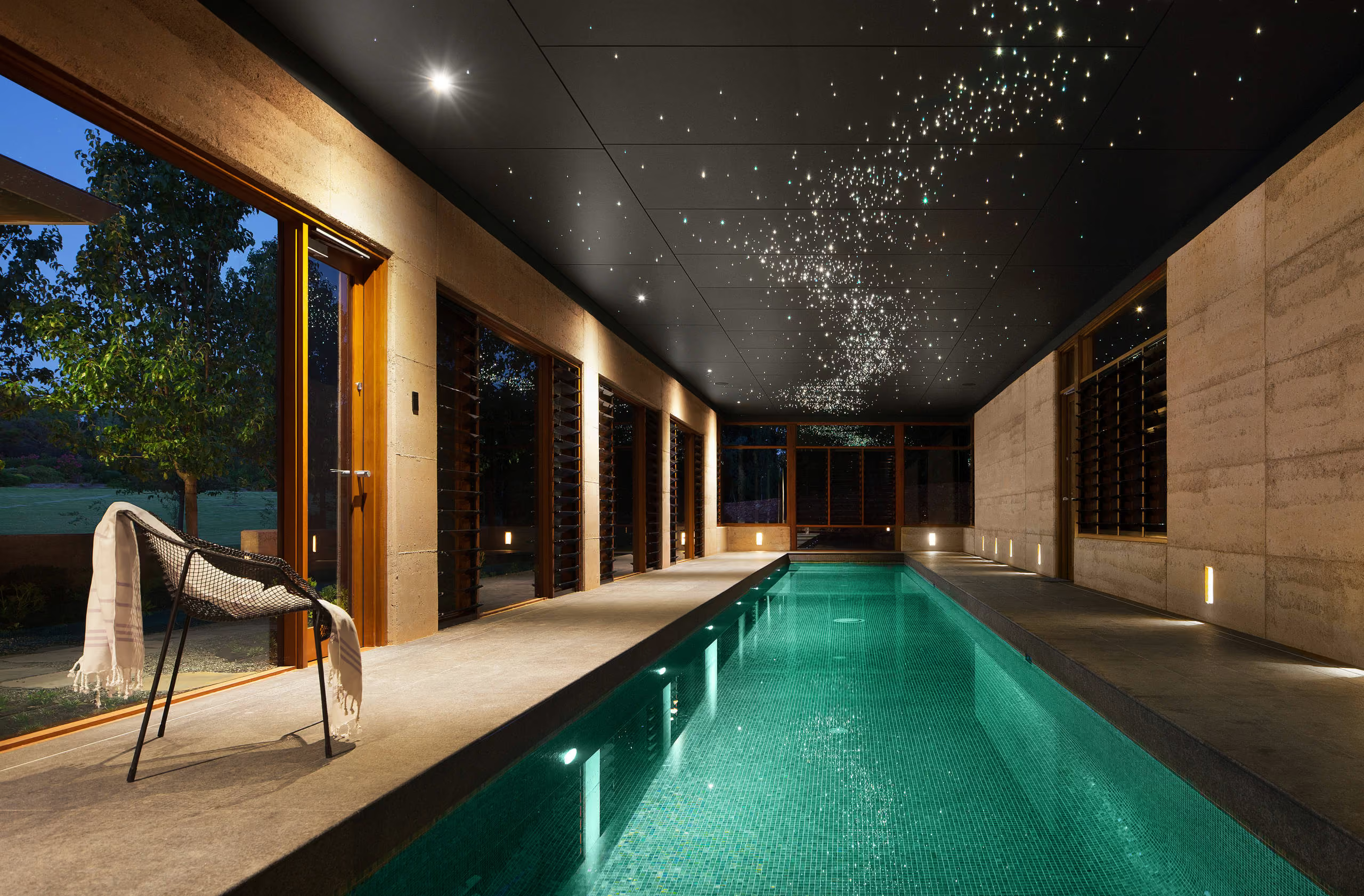
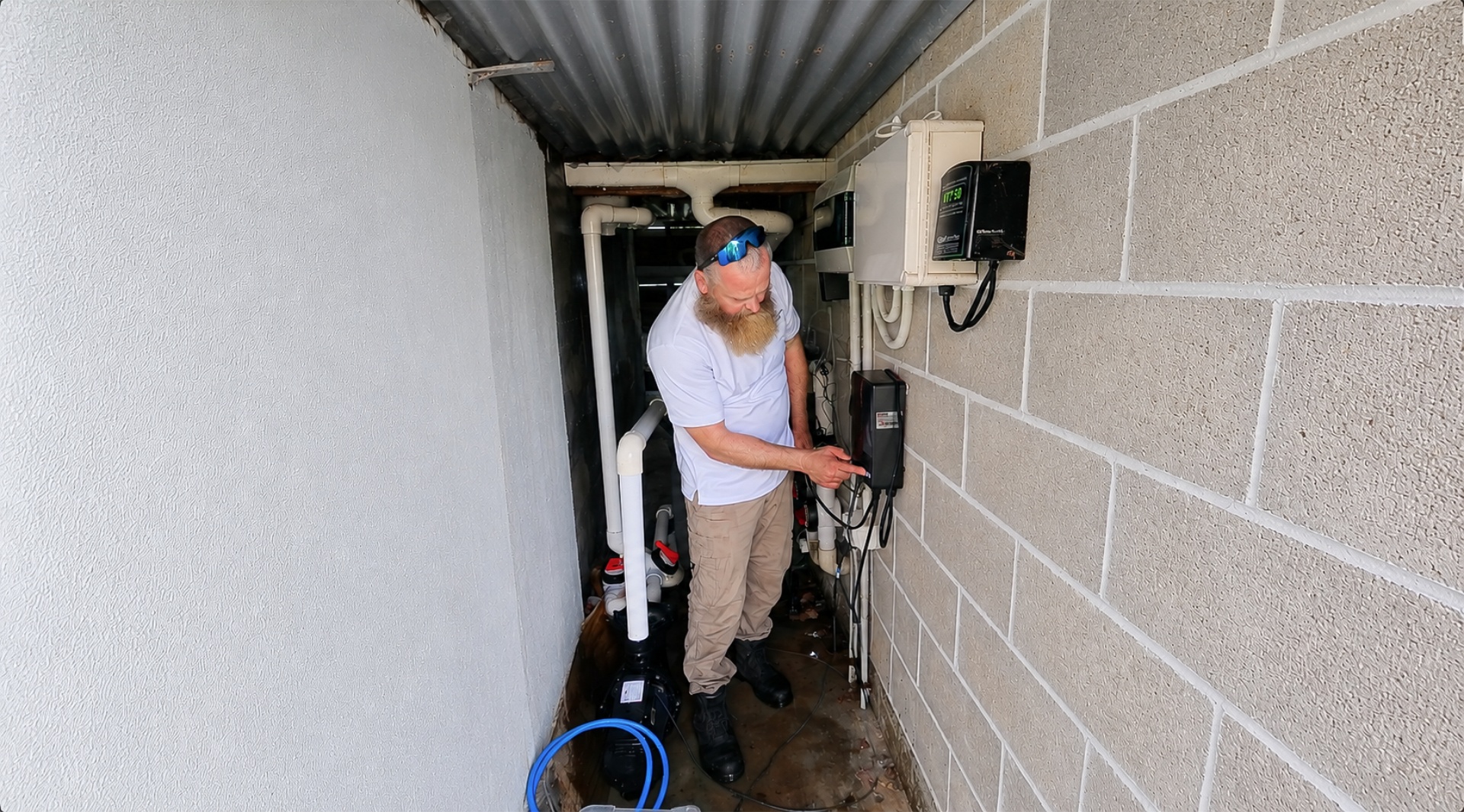
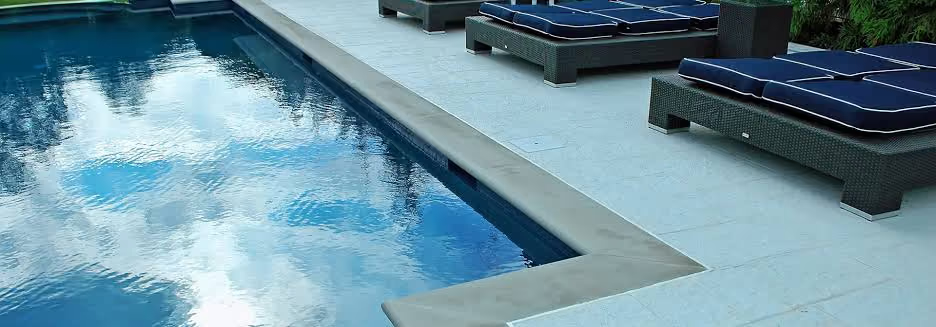
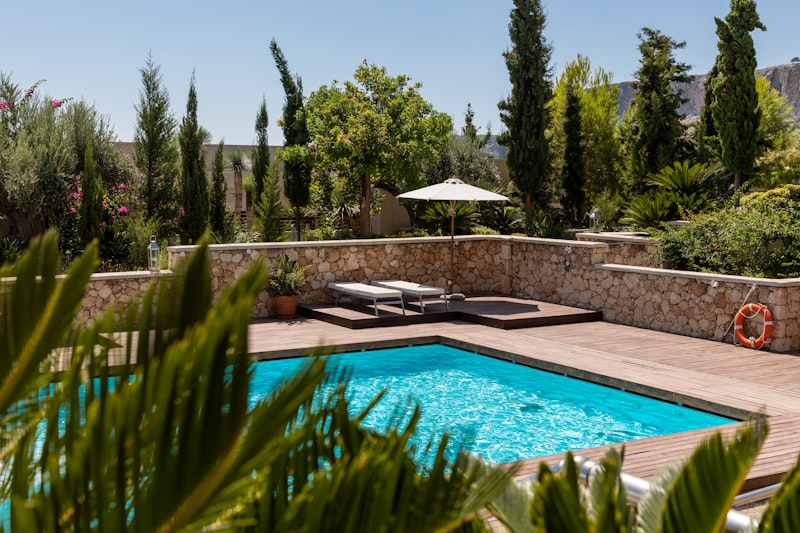
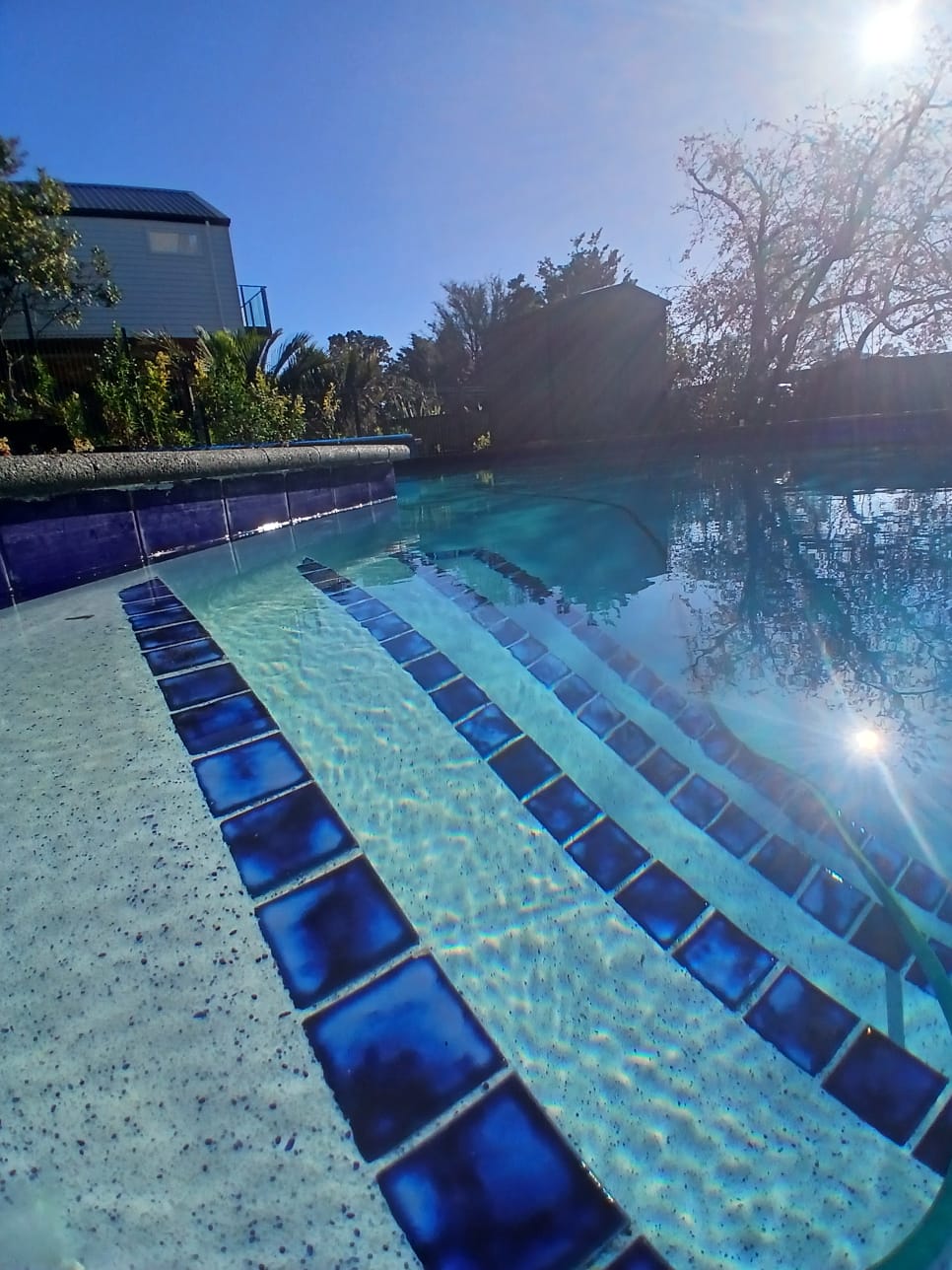
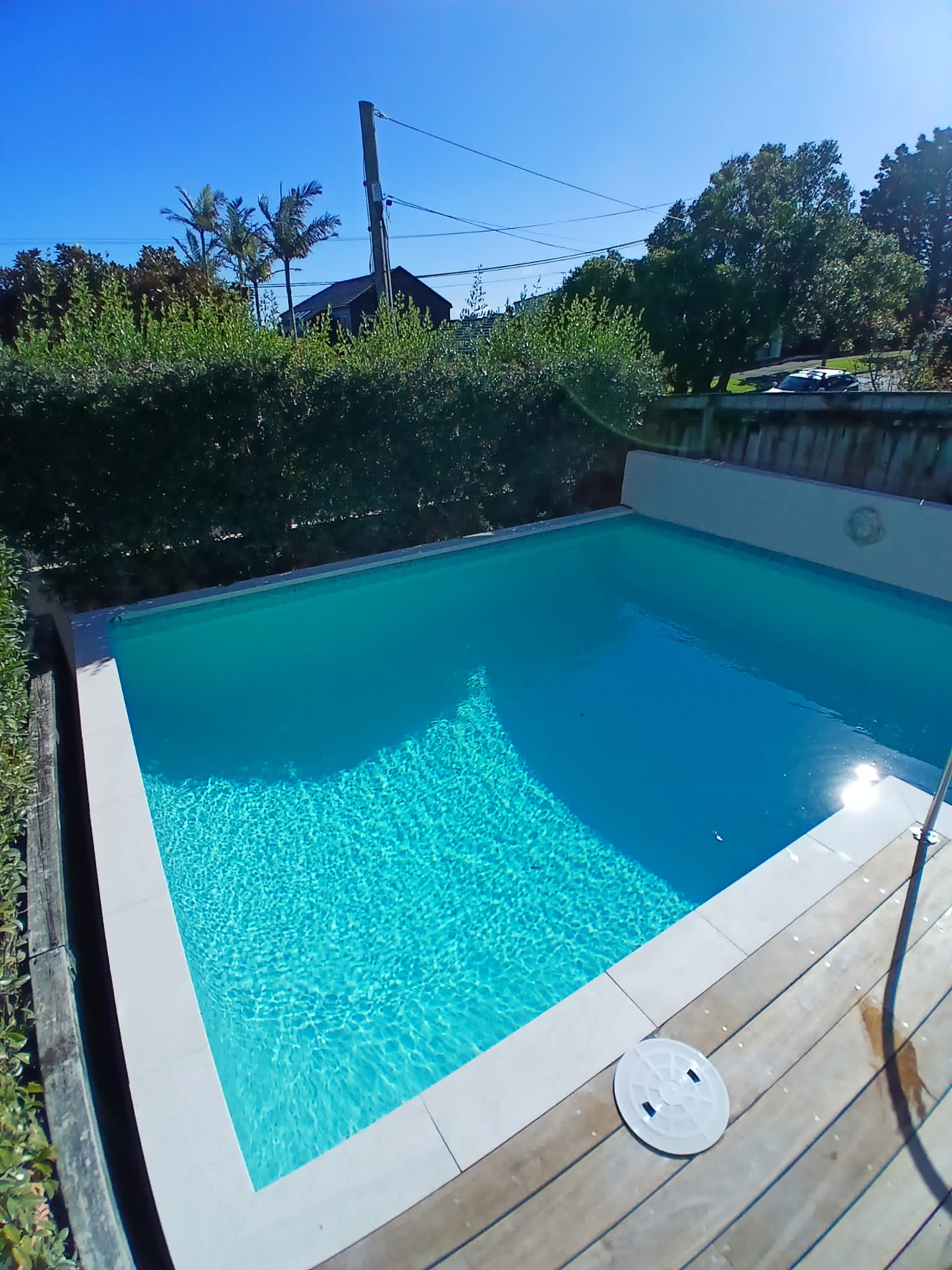
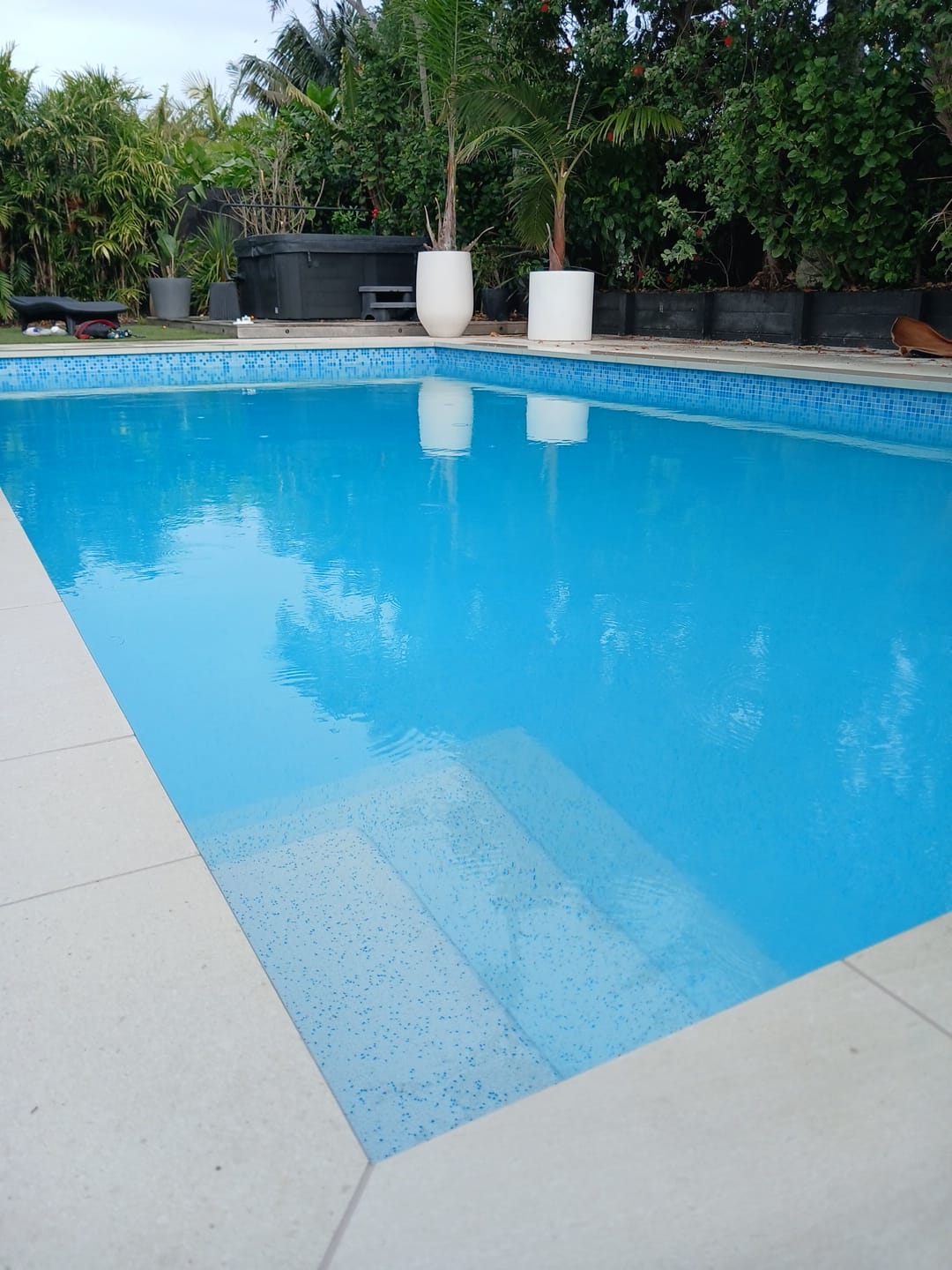
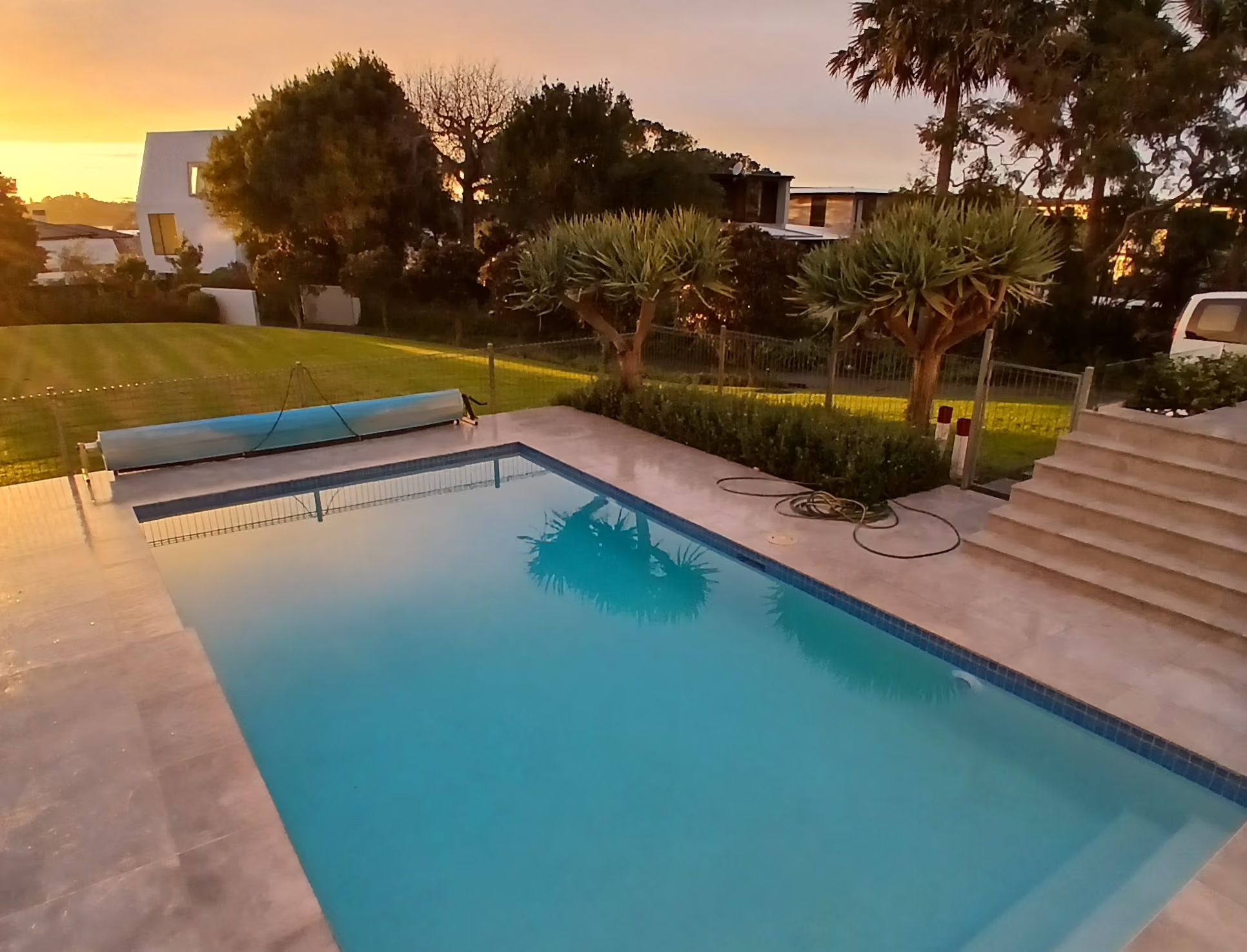
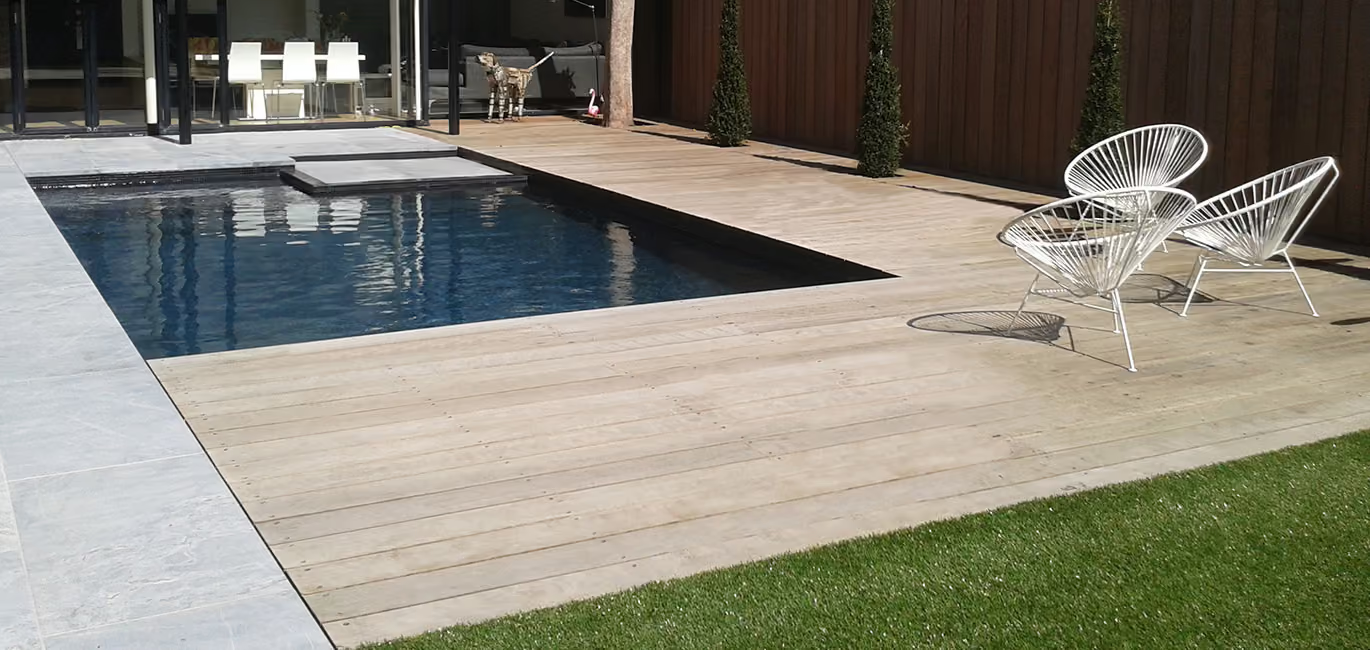
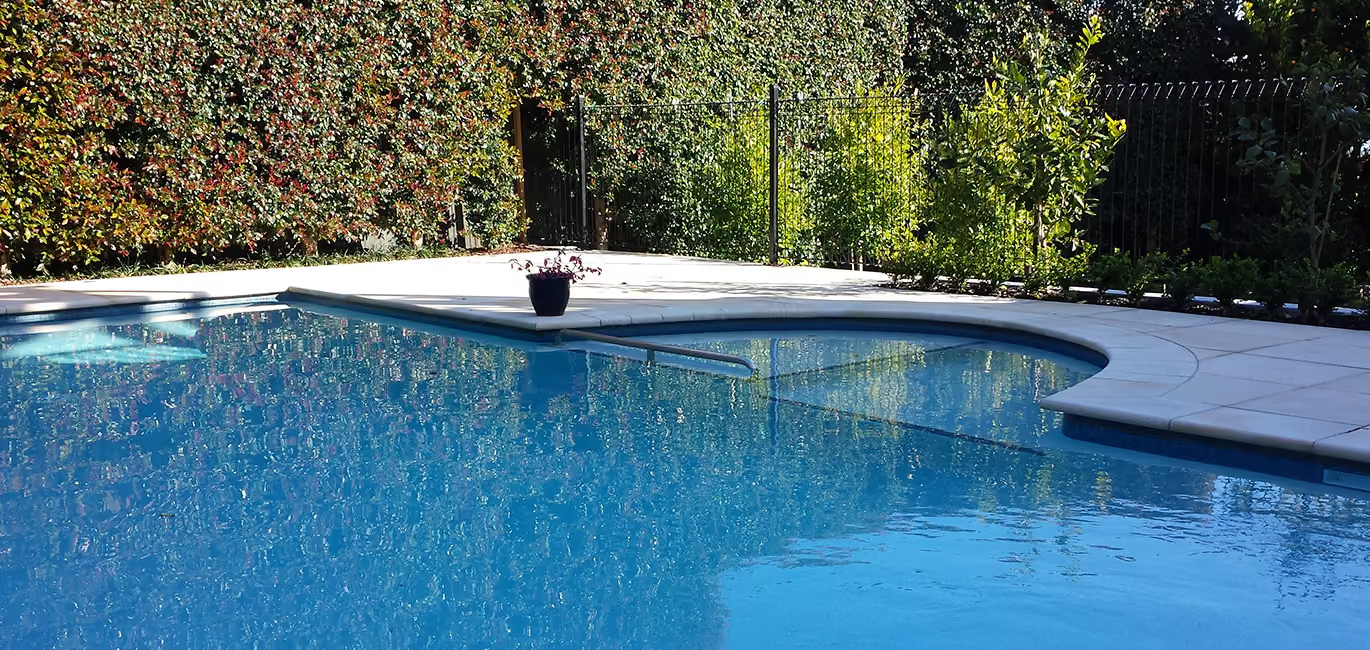
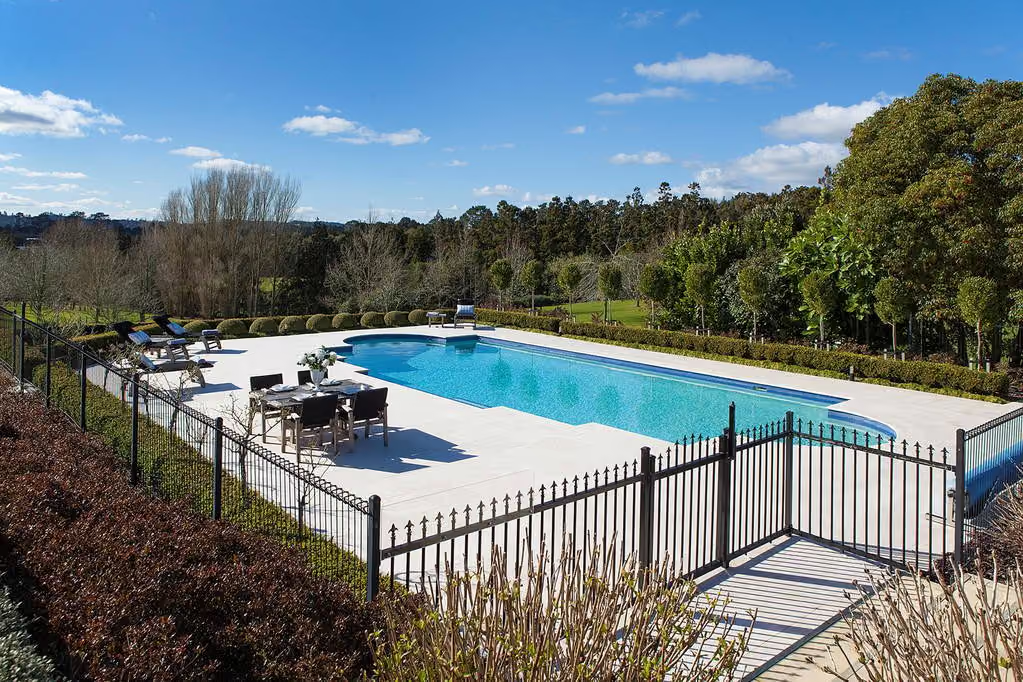
Sparkling Pools has worked on pools across Auckland, including residential renovation projects, equipment upgrades, ongoing maintenance and pool care for managed properties. Past projects show how the right approach can improve presentation, water quality and day-to-day usability. A well-maintained pool is easier to manage, more pleasant to use and better prepared for seasonal changes.
Trusted by Homeowners Across Auckland
Don't just take our word for it. Read what our clients have to say about our transparent communication, reliable service, and stunning pool transformations.
Related Blog Posts
Stay informed on pool care and renovations
Winter pool care essentials for Auckland
Pool Renovation Mistakes

Auckland Climate Pool Maintenance
Choosing Renovation Contractor
Pool Care Auckland Summer
Permits & Consents

Pool Renovation ROI
How Often to Test Pool Water
Pool Renovation Costs
Cost of Pool Service Auckland
Pool Renovation Planning Guide
Pool Lighting Buying Guide
Pool Cleaner Buying Guide
Pool Automation Buying Guide
Pool Heater Buying Guide
Pool Filter Buying Guide
Pool Pump Buying Guide
Best Equipment Auckland Climate
Auckland Water Quality
Auckland Pool Season
Pool Ownership Costs
Common Pool Mistakes
Pool Safety Laws
Pool Inspection Requirements
Pool Fence Compliance
.avif)
Auckland Pool Industry Trends
Auckland Pool Regulations
Pool Equipment Suppliers
Best Pool Service Areas
Pool Service Pricing Analysis
Company vs Independent
Best Pool Surface Materials
Pool Resurfacing Options
Pebble vs Plaster Surfaces
One-Time vs Ongoing Service
Full Service vs Chemicals Only
Pool Cover Types
Robotic vs Suction Cleaners
Mineral vs Saltwater
Gas vs Heat Pump
Pool Heater Types
Pool Winterizing Guide Auckland
Pool Opening Guide Summer
Pool Maintenance After Heavy Rain
Pool Maintenance Schedule
How Often to Run Pool Filter
Pool Pump Maintenance Schedule
Pool Filter Cartridge Cleaning
Pool Equipment Maintenance Checklist
Pool Waterline Cleaning
Pool Skimmer Basket Cleaning
Pool Chlorine Levels
How Often Clean Pool Filter
How to Vacuum Pool
Pool Brushing Technique
Pool Chemical Dosing Chart
Pool Water Chemistry Basics
How to Balance Pool Chemistry
How to Test Pool Water
Pool Maintenance Tips
Complete Pool Maintenance Guide
Pool Service ROI
Pool Equipment Buy or Service
Pool Maintenance Time Requirements
DIY vs Professional
Pool Service Contract
Pool Service vs Pool Valet
Is Pool Service Worth It
Pool Service Guarantees
Pool Service Reviews
Pool Service Red Flags
Questions to Ask Pool Companies
How to Choose Pool Service Company
Hidden Costs DIY Maintenance
Pool Cleaning Prices Auckland
Cost of Pool Resurfacing
Cost of Pool Pump Replacement
Cost to Fix Green Pool
Pool Liner Wrinkles
Pool Cracks When to Worry
Pool Surface Stains
Pool Valve Leaking
Pool Automation Not Working
Pool Light Not Working
Pool Heater Not Heating
Pool Skimmer Not Working
High Pool Filter Pressure
Pool Losing Water
Pool Filter Not Clearing Water
Pool Pump Leaking
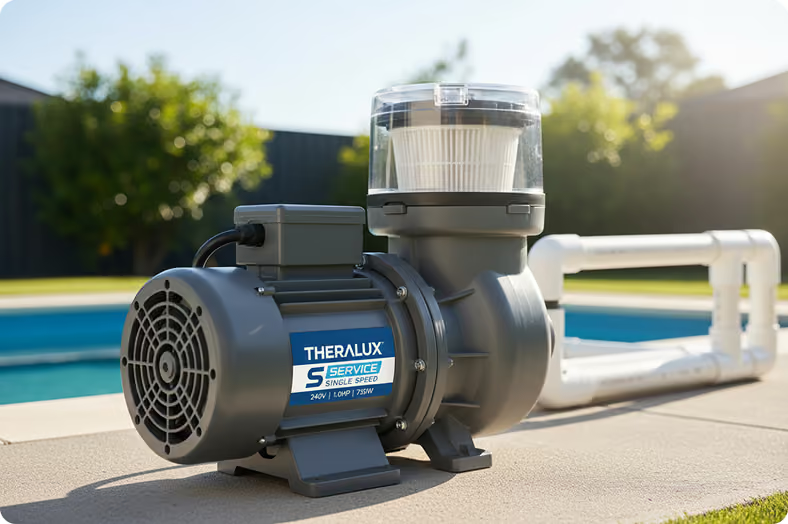
Pool Pump Not Pumping
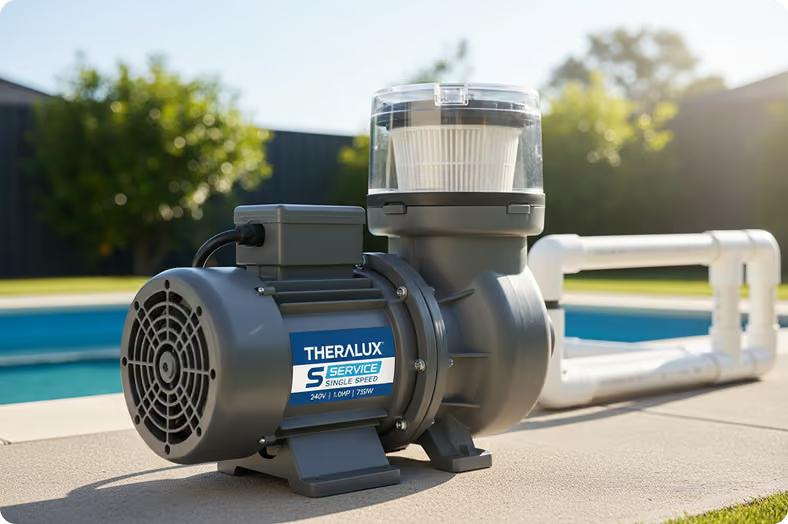
Pool Pump Losing Prime
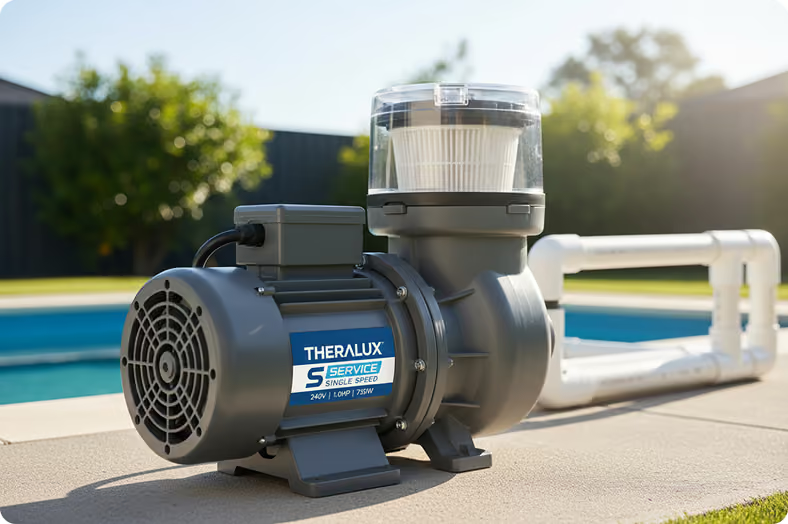
Pool Pump Noisy
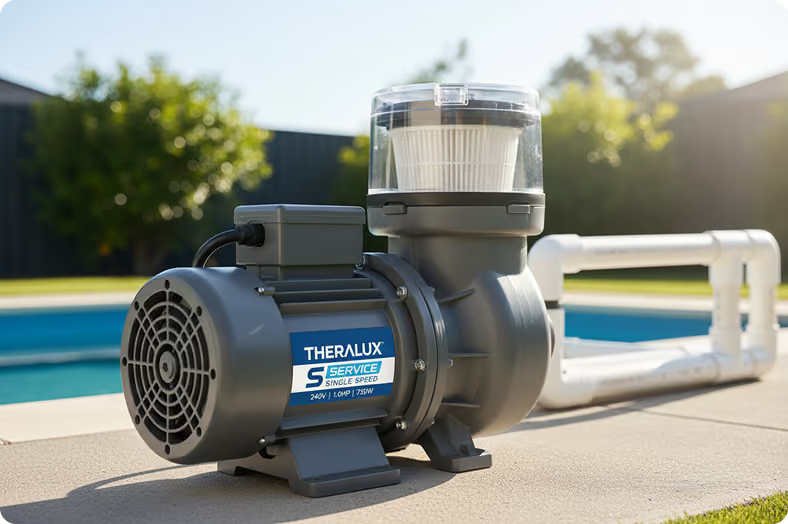
Pool Pump Not Working
Pool Water Foaming
Pool pH Too Low
Pool pH Too High
Green Pool After Rain
Pool Still Green After Shock
Pool Water Cloudy
How to Clear a Green Pool
Pool Care That Protects Your Investment
Good pool care protects more than appearance. Our pool specialists support the long-term condition of your swimming pool while keeping it ready for everyday use.